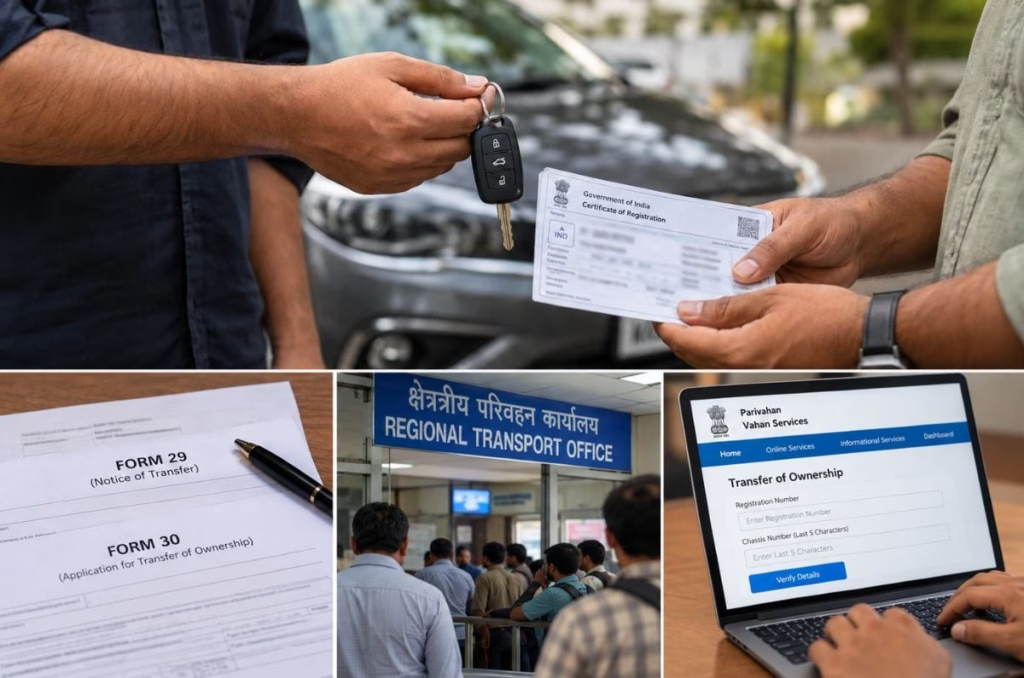
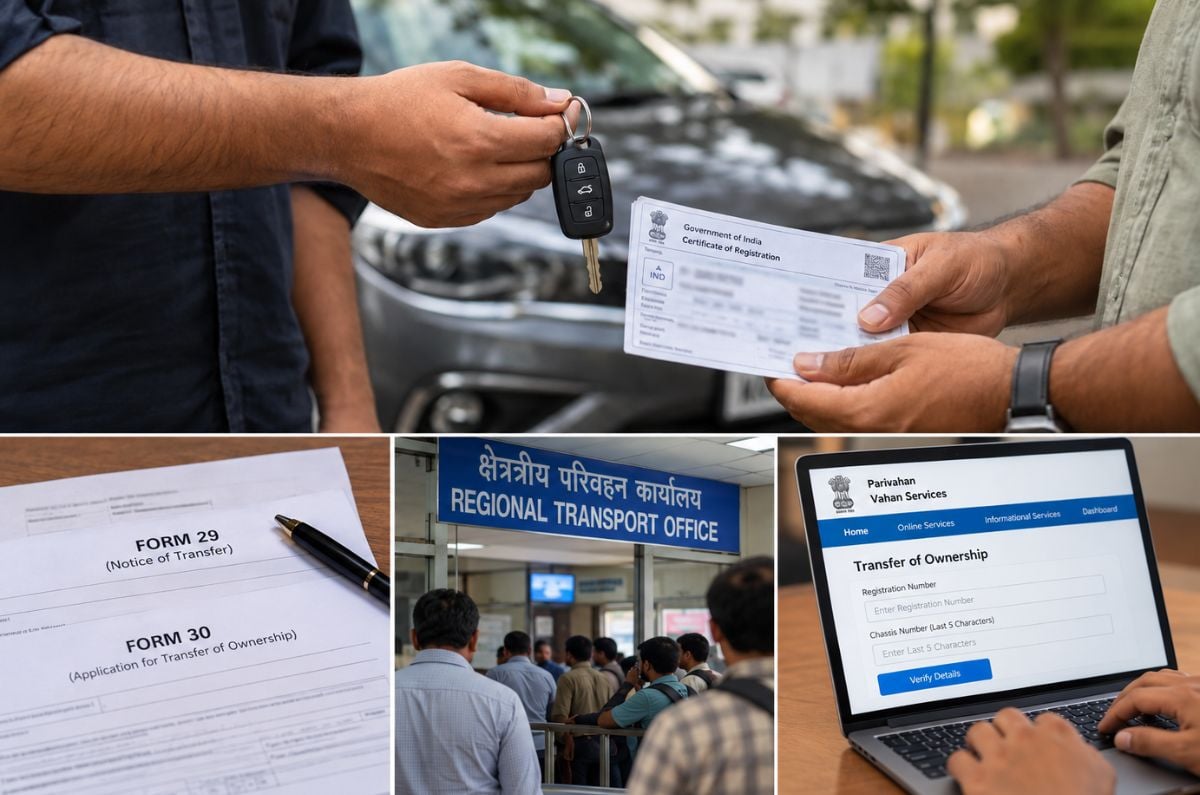
The sale of a car or two-wheeler isn’t considered complete until its registration certificate (RC) carries the name of the new owner. Prior to this, the seller of the vehicle remains its legal owner on record. This means that any challans issued, tax dues, or even liability in case of an accident are to be resolved by the existing owner. So, how does vehicle ownership transfer work and what are the necessary steps one needs to take to complete this process.
Disclaimer:This guide is for buyers and sellers of private vehicles. Commercial vehicles need additional paperwork, such as permit and fitness documents, which isn’t covered here. The information used here comes from the Parivahan portal and state transport department websites. Documents, fees and deadlines vary by state and RTO, and are subject to change. Check with your local RTO or a government-approved official portal before you apply or pay.
1. Why you need to complete the RC transfer soon after sale?
Both the seller and buyer should sign a sale agreement, thus documenting the transaction. Remember, the vehicle legally belongs to whoever’s name appears on the RC. This means unless the RC is transferred to the new owner, any untoward incident (including traffic violations, accidents and crimes) involving the vehicle can remain the responsibility of the seller. A factor for the buyer to consider is the insurance policy, which is deemed transferred along with the vehicle, though the buyer still has to apply to the insurer within 14 days to have it put in their name.
Before the sale, the seller should clear any pending challans and ensure that there are no unpaid National Highway tolls. Both parties should confirm that any pending loan amount (if applicable) on the vehicle has been cleared. Once the vehicle is handed over, the seller should also close or delink the FASTag linked to it.
2. What paperwork do you need for an RC transfer?
A normal sale of a vehicle involves two forms. The seller files Form 29 (notice of transfer), reporting the sale to the registering authorities where the seller and buyer reside. Meanwhile, the buyer files Form 30 (application for transfer), along with the RC and insurance certificate. Depending on the state, the RTO may also ask for the PUC certificate, PAN card or Form 60, address proof, a chassis and engine pencil print, the buyer’s date of birth proof and undertaking, a passport-size photograph and a tax clearance certificate.
There are three cases that may involve extra paperwork. If the vehicle is registered in another state, the RC transfer application will also need a no objection certificate (NOC) from the source RTO (whether it be from Delhi, Maharashtra or Karnataka). If the owner has died, the legal heir applies on Form 31 with the death certificate. In case the vehicle was bought at a government auction, the buyer applies on Form 32 with the sale certificate and a copy of the government order authorising the auction.
Bank auctions are a bit different to government-run ones. These usually involve vehicles repossessed by banks and finance companies over unpaid loans. Since they aren’t government auctions, Form 32 doesn’t apply here. Instead, the lender provides a sale letter and a NOC, though the RC transfer follows the same process as a government auction. Vehicles here are sold on an ‘as is’ basis, so no warranty or test drives – any pending challans or road tax are likely to be sorted by the buyer. To know about all the other forms that may be required, scroll to the bottom of the story.
3. How much does an RC transfer cost and what are the deadlines?
The RC transfer application has to be submitted within 14 days of the transfer if the vehicle is registered in the same state. The deadline goes up to 45 days if the vehicle is from another state. A legal heir has to inform the RTO within 30 days of the original owner’s death and apply for a transfer within three months. Meanwhile, an auction buyer gets 30 days to transfer the RC from the date of taking possession of the vehicle.
As for the costs involved, the central fee that’s set under Rule 81 of the Central Motor Vehicles Rules describes it as half the registration fee, depending on the vehicle’s class. This works out to Rs 150 for a motorcycle and Rs 300 for a private car. If the buyer misses these deadlines, they will attract a late NOC fee of Rs 300 a month for motorcycles and Rs 500 a month for cars. Certain states levy a penalty if the RC transfer isn’t applied for within 14 days of purchase. Road tax is separate, and is applicable if the vehicle is being re-registered in another state.
4. Should you apply for RC transfer online, through an agent or do it yourself?
You can apply for an RC transfer through the Vahan portal (vahan.parivahan.gov.in/vahanservice/vahan). Enter the registration number, select ‘Basic Service’s and verify with the last five digits of the chassis number and an OTP sent to your registered mobile number. Then choose ‘Transfer of Ownership’, fill in the details and pay the fee displayed. The receipt carries a trackable application number, while the application moves to the concerned RTO for processing.
Some states also let you upload documents and book an appointment online, while others still want the papers submitted in person. Doing it yourself at the RTO costs nothing beyond the official fee, and your documents go directly to the office in charge of processing them. However, this can take time and effort from your end, perhaps even requiring multiple visits in case of missing or incorrect documents.
If absolute convenience is what you want, you can get the process done through an agent. This will not only save you the hassle of standing in queues or making follow-up visits to the RTO, but also help with inter-state RC transfers that can involve an NOC and re-registration. Understandably, this convenience comes at a cost (which can vary from agent to agent) and also having your original documents and signed forms being with a third party. If you do use an agent, don’t sign blank forms and always ask for official receipts and the application number for self-tracking the progress.
5. Other forms that may be required for an RC transfer
Form
What’s it for
Submitted by
Form 28
Application for a no objection certificate (NOC)
Seller – when the vehicle moves to another RTO or state
Form 31
Application for transfer on death of the owner
Legal heir
Form 32
Application for transfer of a vehicle bought at public auction
Auction buyer
Form 35
Notice of termination of hypothecation
Owner and financier, if there was a loan on the vehicle
In the previous issue (August 2026), you saw the Skoda Kylaq take on the familiarity of India, the hills and traditions of Nepal, and the variety of China through Tibet’s gorgeous but bone-shaking terrain, followed by the sensory overload of food and culture. Now, it was time for a fresh experience through Central Asia on the ancient Silk Route, subsequently entering Europe towards our final destination.
Kyrgyzstan – Uzbekistan – Kazakhstan
Kyrgyzstan
The Kylaq had everyone turning heads.
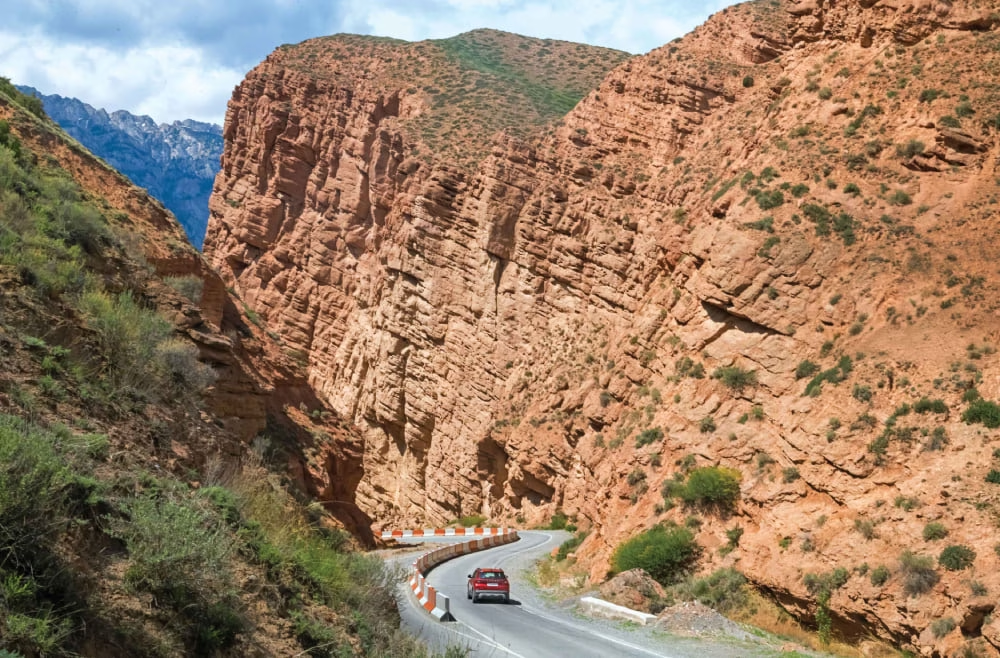
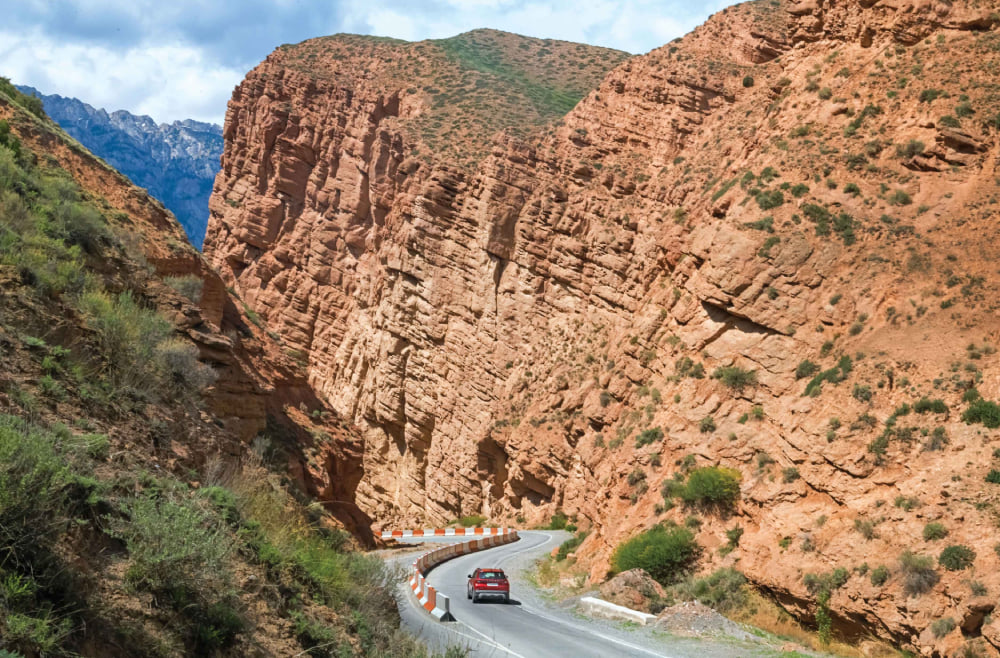
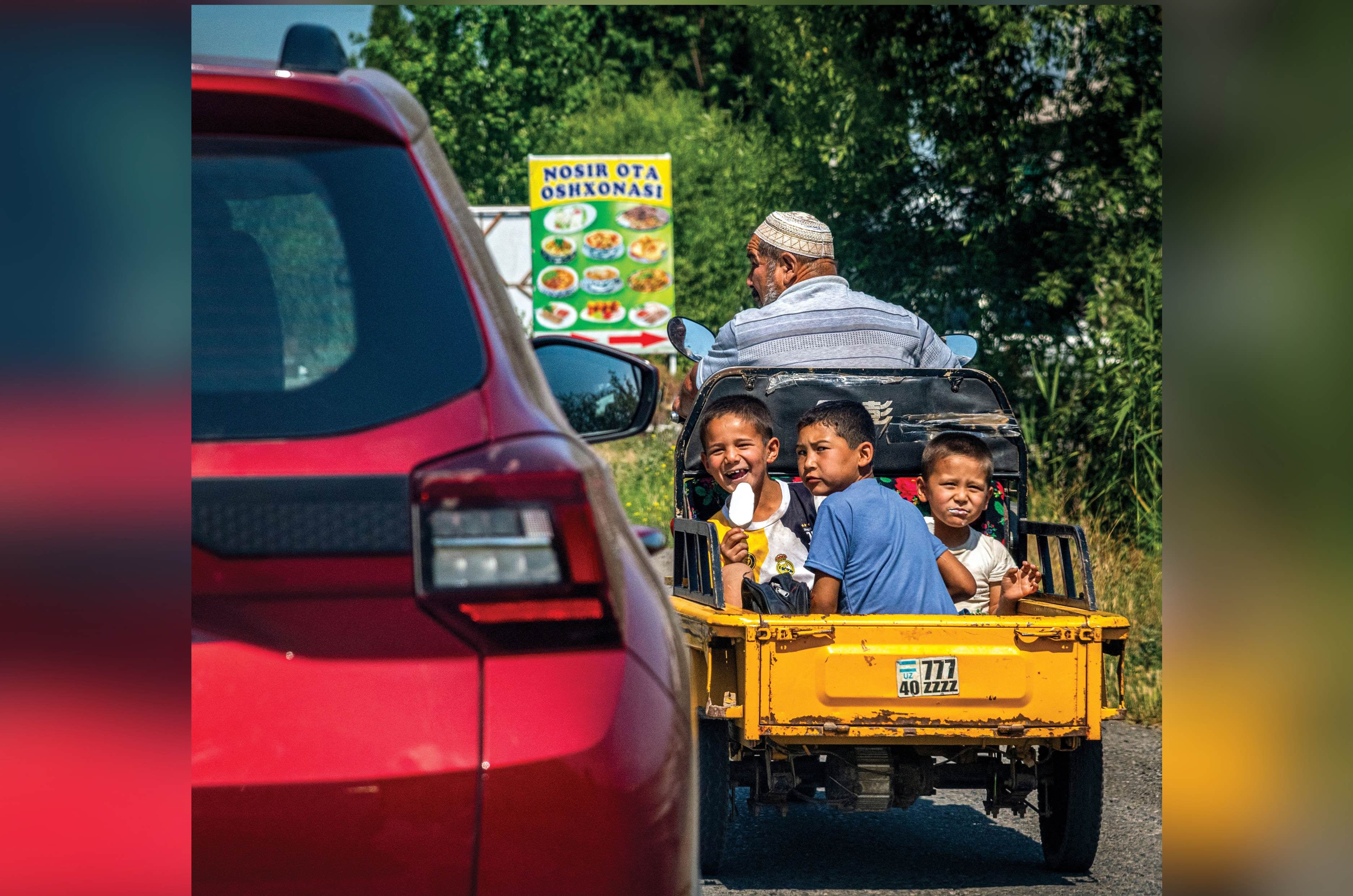
Crossing the Chinese border into Kyrgyzstan was like crossing into a different world. The differences are immediate, right from the signage, fonts and faces to the sights, terrain and traffic. Being a landlocked country peppered with alpine mountains, one doesn’t need to go far to experience what Kyrgyzstan has to offer. As you drive through the ribbon of tarmac between the peaks, you realise why it is called the “Switzerland of Asia”.
A roughly 400km drive to our first halt in Naryn was smooth sailing. However, the chilly weather was a far cry from the piercing heat of China. We pulled out our jackets that were buried deep in our bags and made a beeline the next day for the capital city of Bishkek. The roads are a driver’s delight, and while there aren’t many sights to stop and admire, the Orto-Tokoy Reservoir made for a stunning photo-op.
Kyrgyzstan in numbers
Torgart – Uzbek border
Distance covered
1,321km
Fuel consumed
126.49 litres
Average fuel economy
10.44kpl
Approx. fuel cost
Rs 11,727
Avg. per-litre fuel cost
Rs 92.58
Total time driven
34hrs 23min
Average speed
38.4kph
From Bishkek, we headed to Osh, which is also known as the capital of the south and is the oldest city in Kyrgyzstan. Walking through the Jayma Bazaar in the city centre, you may get a bit of celebrity treatment, as the locals aren’t used to having many tourists just walking through. Some playful heckling and wide smiles add to the overall experience.
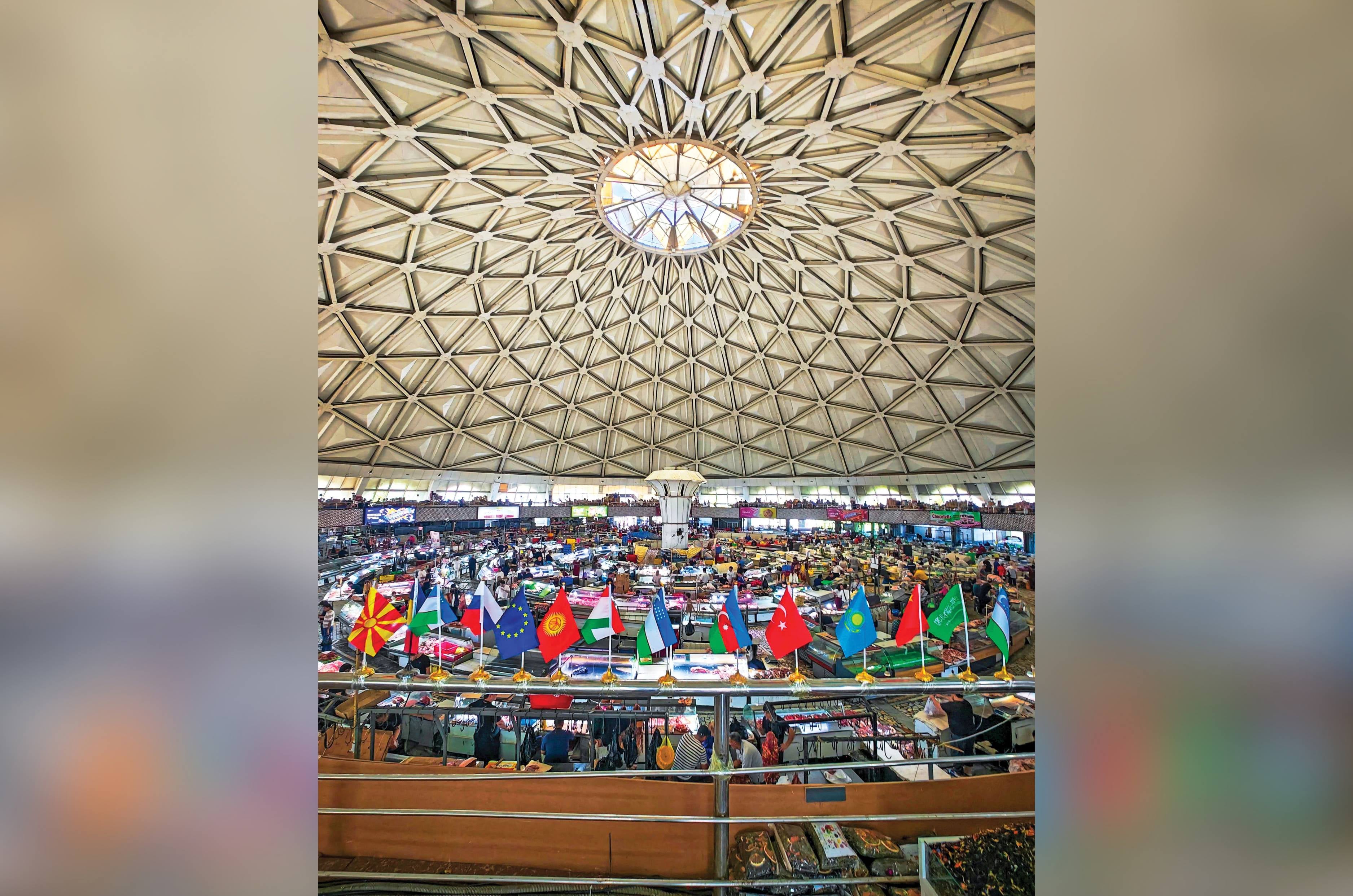
Chorsu Bazaar is a one-stop shop for everything in Tashkent.
What the market offers is mounds of kurut, a snack made from curdled milk or oghurt, salted and then hardened. The best part is its extended shelf life without needing a refrigerator. We packed some with the hope of eating it at home, knowing fully well that it would vanish by the next town.
From Osh, we would be exiting the stunning valleys and terrain of Kyrgyzstan and entering the city of Fergana in Uzbekistan.
Uzbekistan
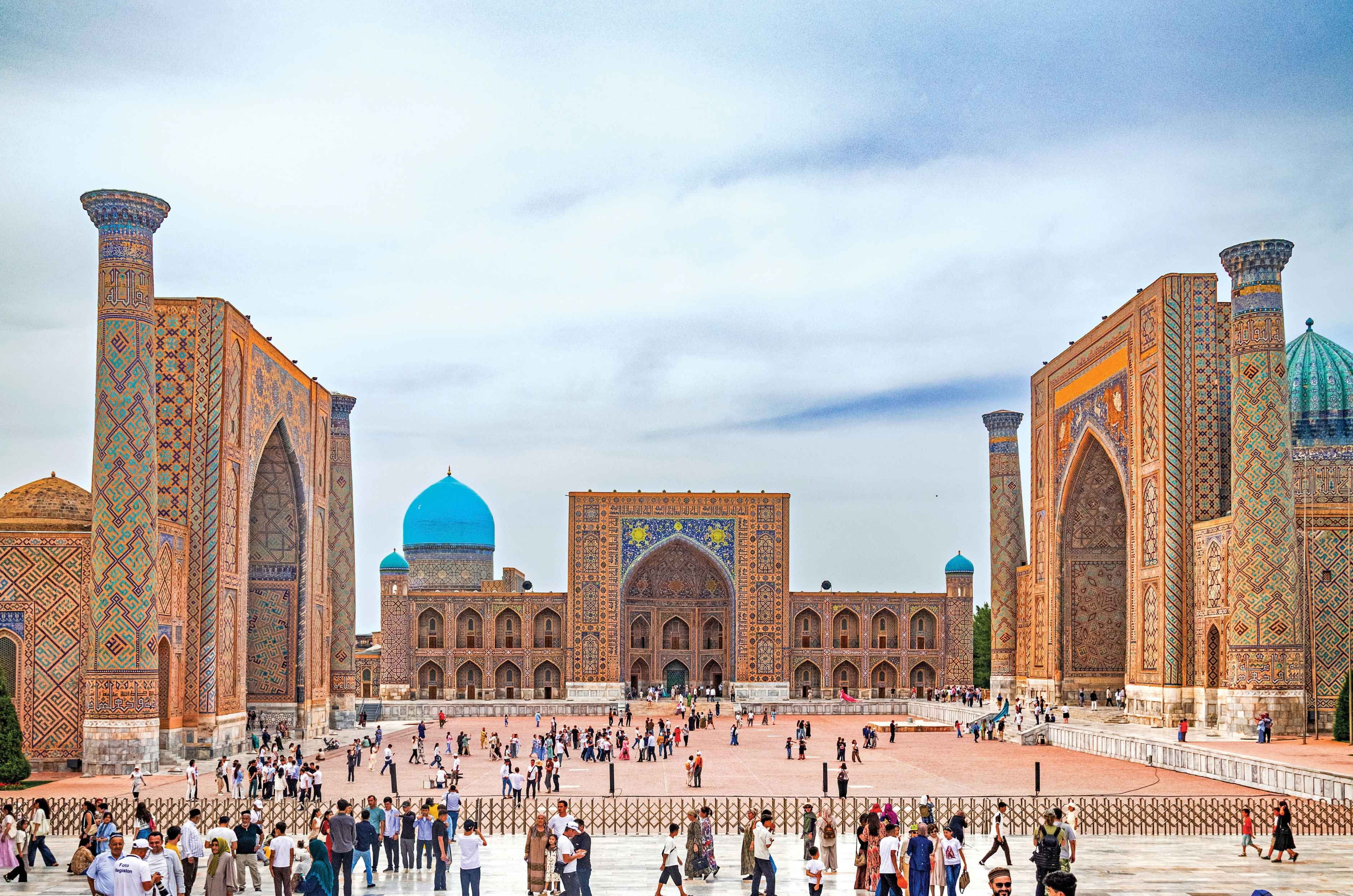
Registan Square in Samarkand is breathtaking from every angle.
Like Kyrgyzstan, Uzbekistan also has its own personality. While there are similarities in the faces and fashion, the city of Fergana has a tinge of European infrastructure. Roads are lined with trees and patir shops – flatbread made from butter or lamb fat, with intricate detailing and some sesame seeds sprinkled on top. It’s pretty enough to dissuade you from eating it, but tastes like something that would go extremely well with a cup of chai.
Uzbekistan in numbers
Kyrgyz-Uzbek border – Turkistan
Distance covered
1,257km
Fuel consumed
81.74 litres
Average fuel economy
15.37kpl
Approx. fuel cost
Rs 9,800
Avg. per-litre fuel cost
Rs 120
Total time driven
27hrs 5mins
Average speed
46.4kph
What is also fascinating is the number of old Soviet-era cars still running on the highways with no fuss. We shared road space with old Ladas crammed with luggage inside and on the roof. Over the smooth highways of Uzbekistan, the Kylaq had an easy run, allowing us to focus on the sights around us.
From Fergana, we headed to the capital city of Tashkent. A properly modern metropolis with high-end malls and low-slung supercars, parks, walkways and everything you expect from a big city. So, to get a taste of age-old tradition, we ventured towards Samarkand, which used to be a major trading hub on the Silk Route.
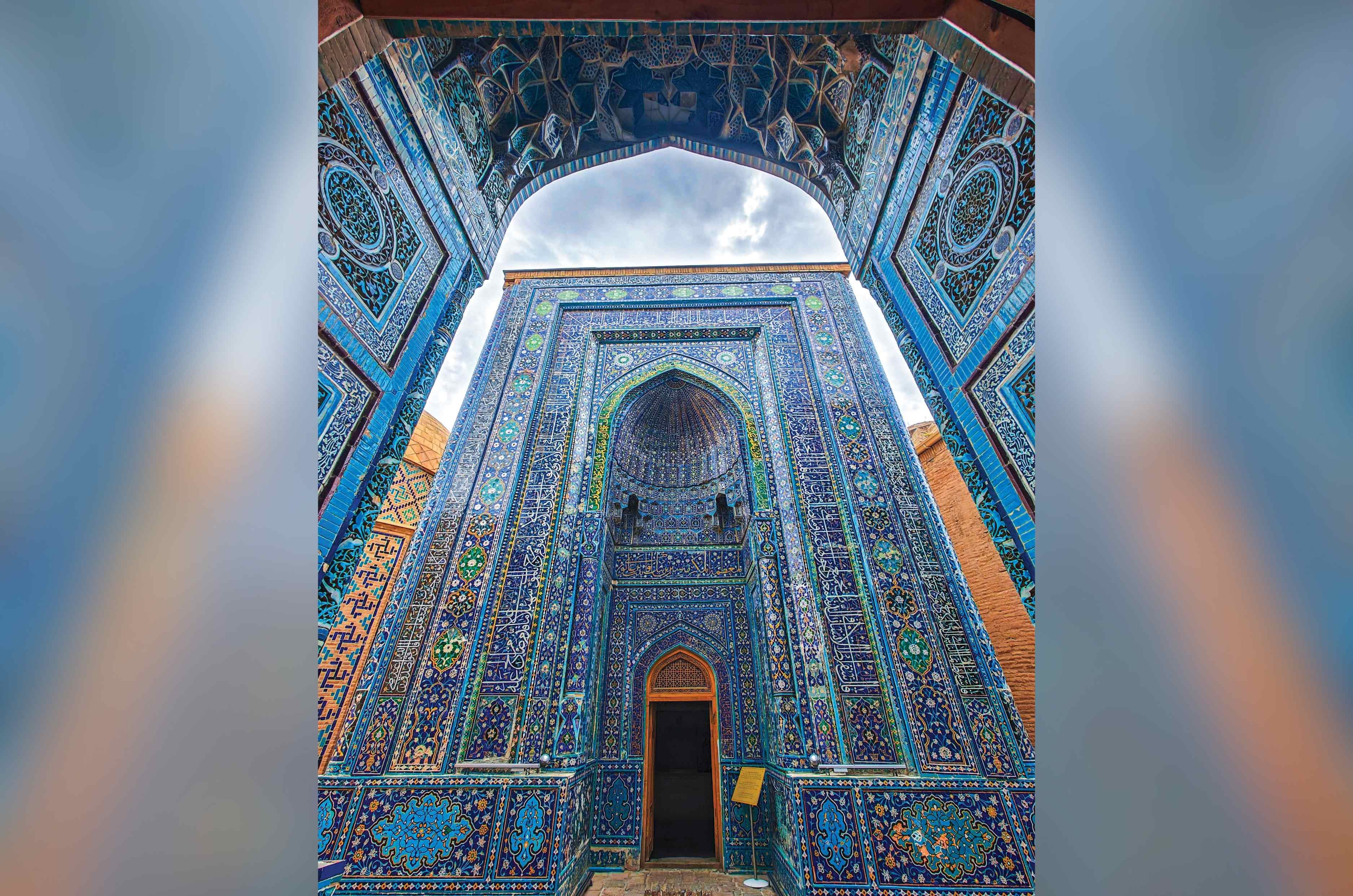
The Shah-i-Zinda ensemble has 11 mausoleums with incredibly detailed azure and turquoise tiles.
Entering Samarkand, you almost feel the tradition in the air. Years of cross-cultural civilisation have made it a stunning destination to get a glimpse of history, and it is unlike any other Western or Eastern city. The highlight here, of course, is the Bibi-Khanym Mosque in the Registan ensemble. Turquoise domes kissing the sky, with walls adorned with hand-carved artistry, are nothing short of breathtaking.
You can walk through the corridors and the square innumerable times, and each time, you will gasp at the sheer detail and effort. And to think it was built as far back as the 15th century. Magnificent is an understatement.
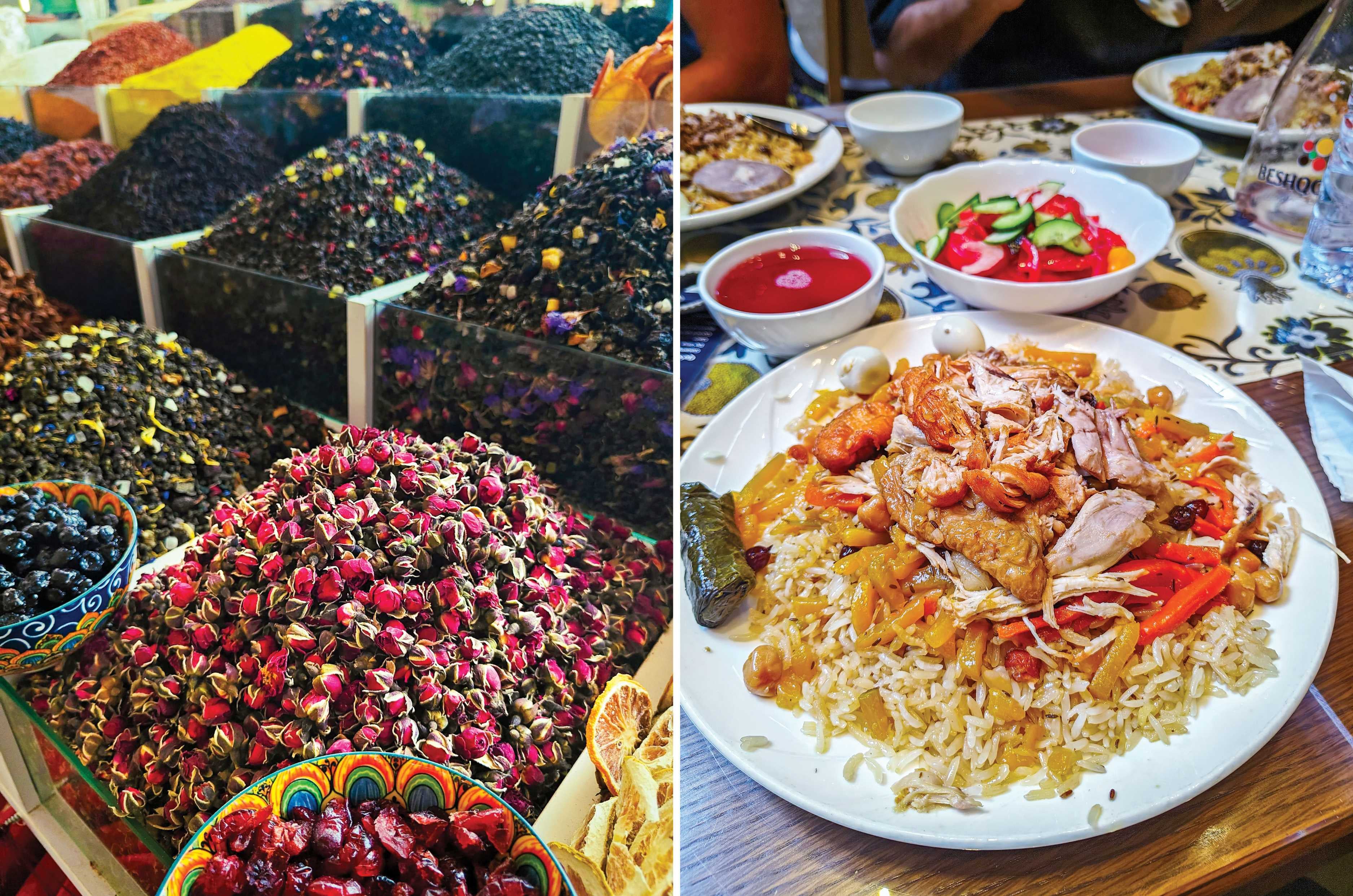
After soaking in the stunning detail, we headed back to Tashkent and straight to the equally fascinating Chorsu Bazaar. What looks like an IMAX dome on the outside is a full-fledged one-stop shop on the inside. Teas, dry fruits or even a leg of lamb, you can get it all here.
Uzbekistan’s market is nothing short of paradise for tea lovers.
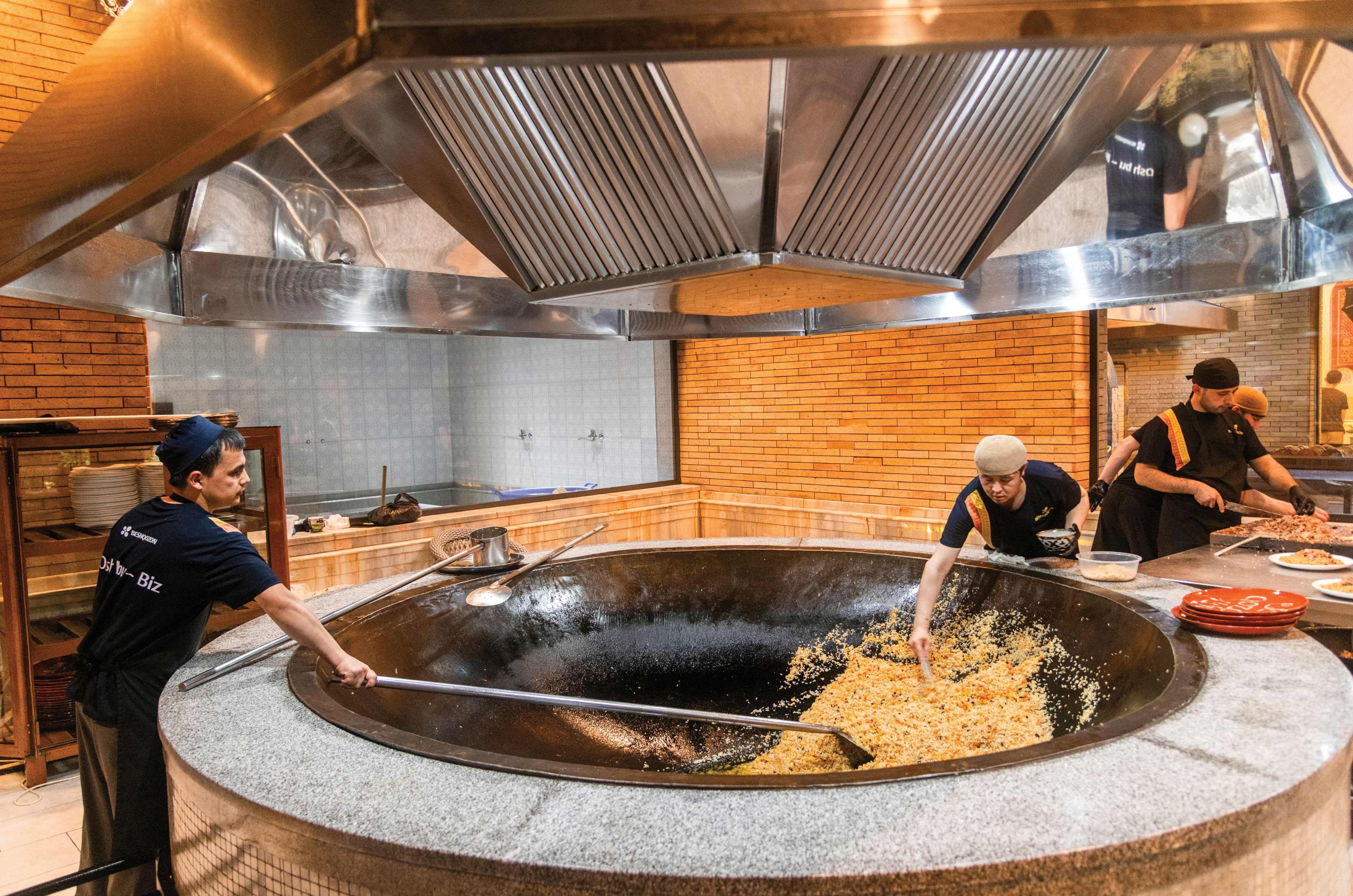
After a long walk that ended with bags of tea and dehydrated kiwis, we headed for Uzbekistan’s pièce de résistance: the famous plov. Like a biryani, but made with different spices, and if you want to go heavy on culture, you can have one with horse meat, too. Some bravehearts did try it and resorted to chicken or lamb, but it did offer the lost taste of biryani and got us homesick in the first bite.
Massive dome known as a kazan used to make the famous Uzbek plov.
After days of driving through mountains and around lakes, and walking through corridors that were once at the peak of world trade, our next adventure would take us to the Great Steppe of Kazakhstan.
Kazakhstan
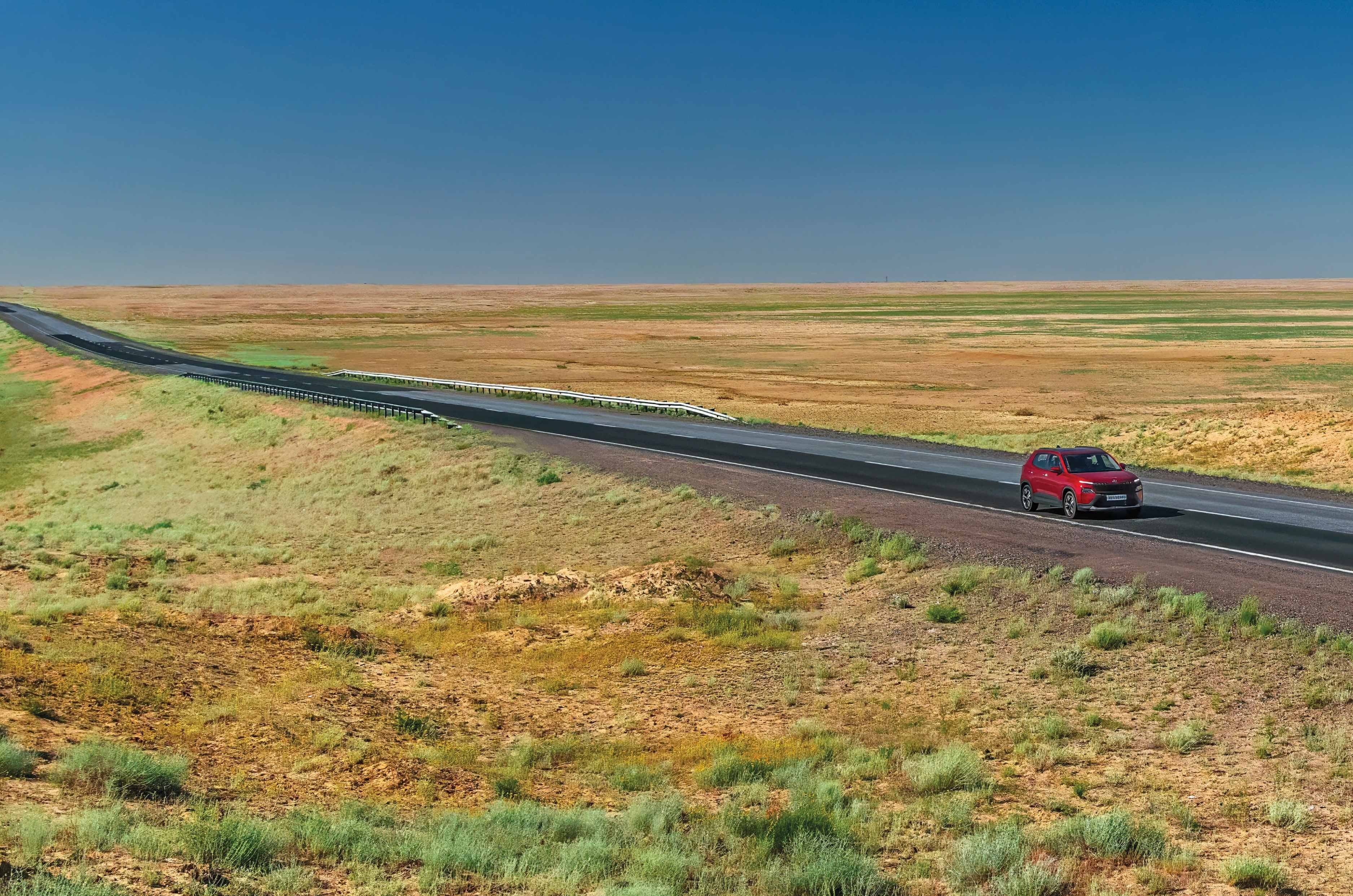
The Great Steppe in Kazakhstan feels like driving on an endless treadmill.
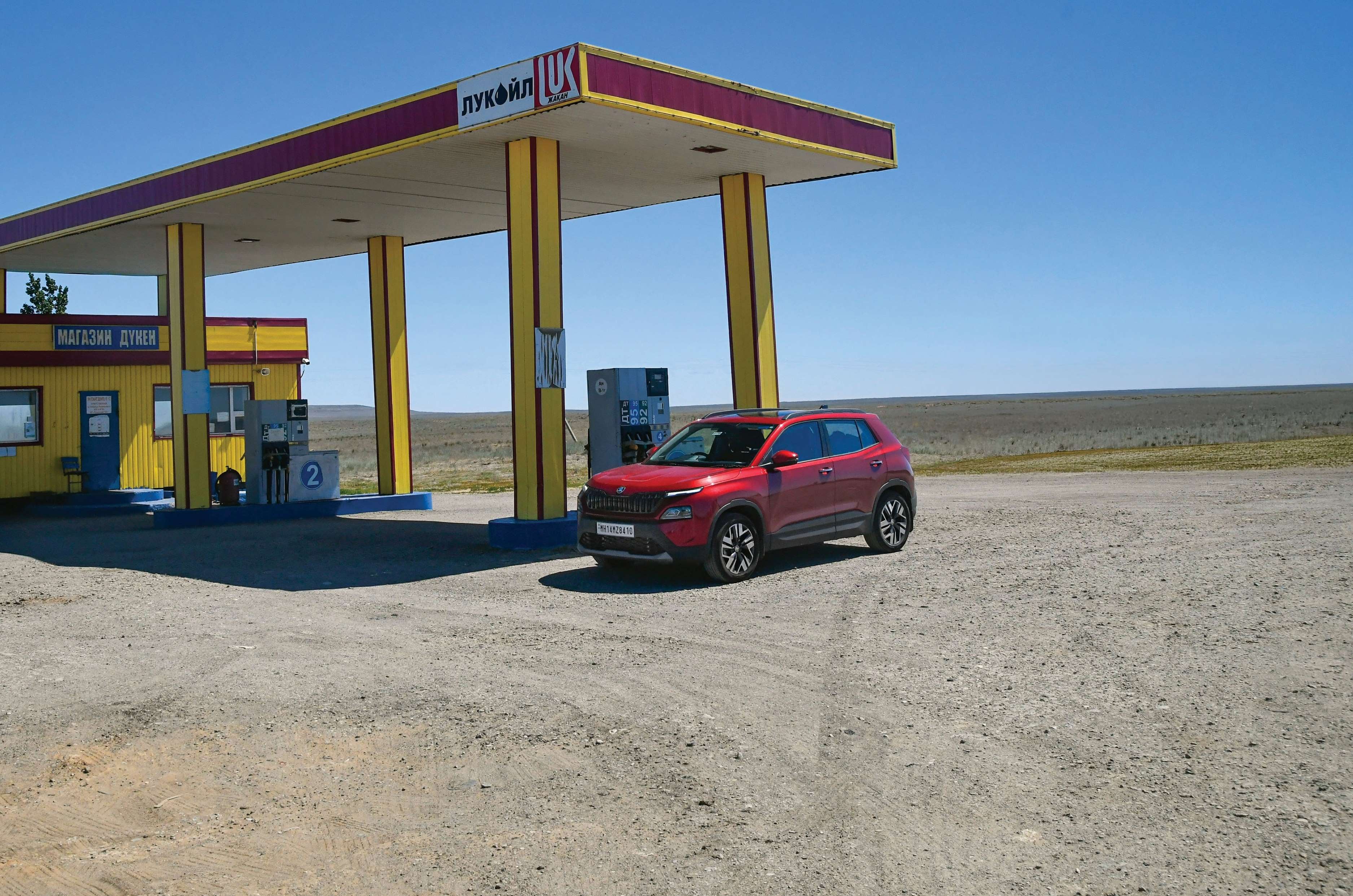
Crossing from Turkmenistan after vigorous checks, Kazakhstan feels almost desolate. Arrow-straight highways for kilometres, between acres of flat land with nothing on the horizon. We were driving through green pastures that would turn into brown, dried patches before turning green again, kilometre after kilometre.
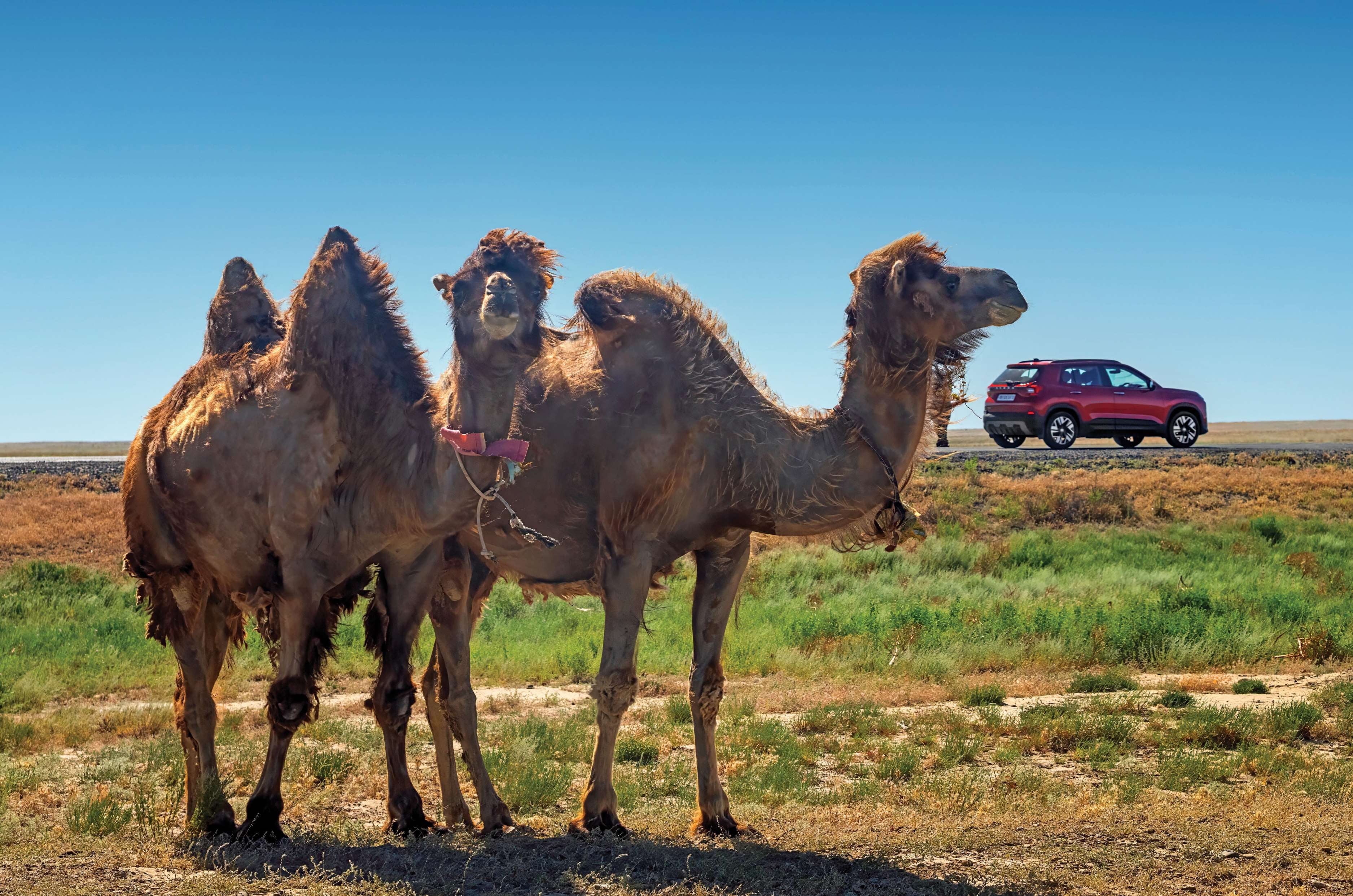
The Great Steppe, while stunning in size, is also a bit monotonous when you’re driving through it for days. The only respite would be a herd of double-humped Bactrian camels, cooling off at a nearby pond and often curious to know what a cherry-red Kylaq was doing in the middle of Kazakhstan.
At Rs 58.17 per litre, Kazakhstan offered the lowest fuel price of the entire drive.
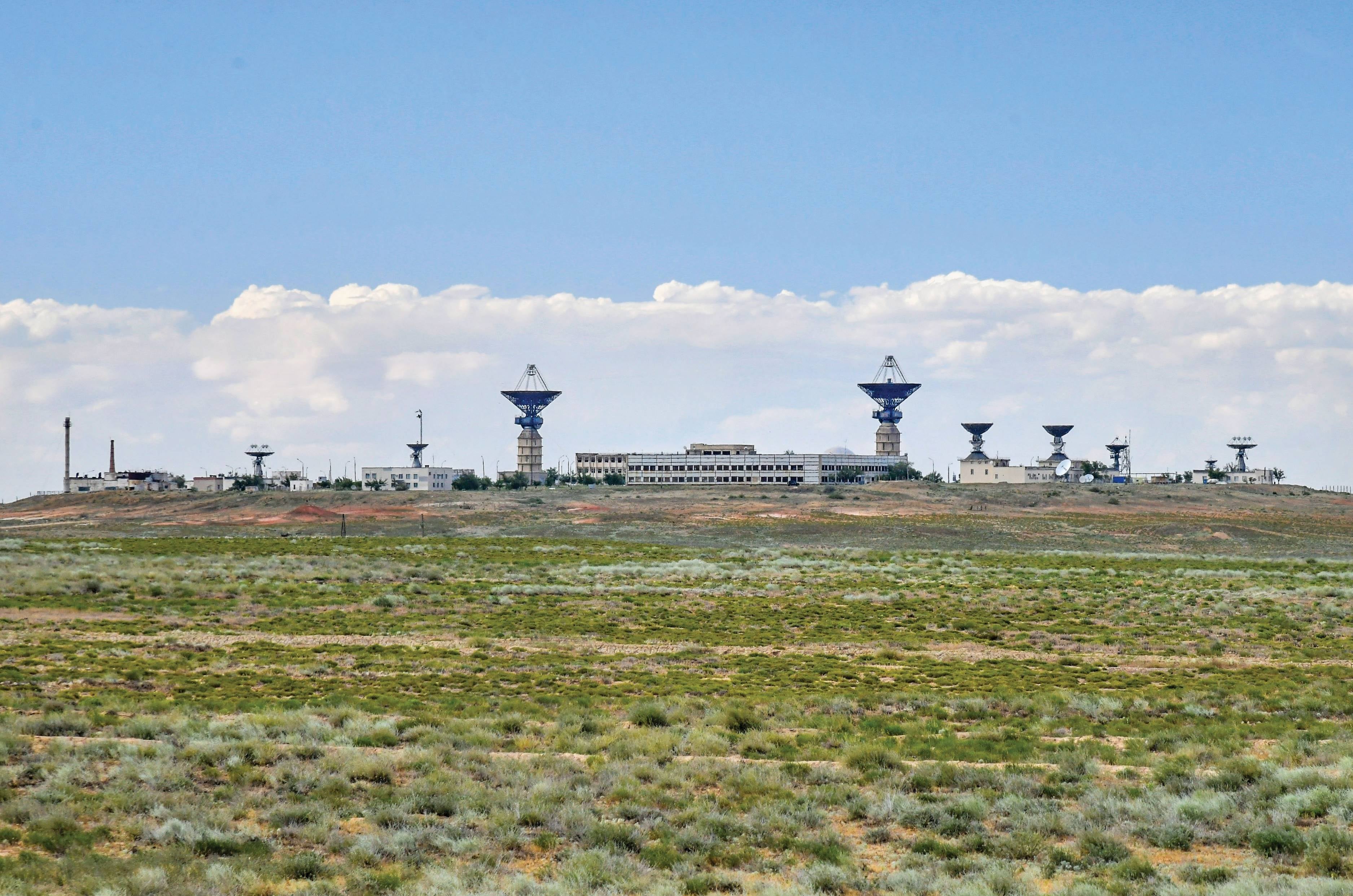
An interesting stop between Turkistan and Aral is the Baikonur Cosmodrome, which is the world’s first and largest operational space launch facility. However, thanks to the endless highways through Aral, Aktobe and Atyrau, we only got to test the Kylaq’s wheel alignment and its highway stability more than we would have liked.
Baikonur Cosmodrome – the world’s first, largest and operational space launch facility.
The mighty Stans were all about breathtaking sights, warm people and mouth-watering cuisine. The region still feels unadulterated, and that itself is what makes it special.
Kazakhstan in numbers
Turkistan – Kazakh-Russia border
Distance covered
3,237km
Fuel consumed
229.52 litres
Average fuel economy
14.10kpl
Approx. fuel cost
Rs 13,325
Avg. per-litre fuel cost
Rs 58.17
Total time driven
42 hrs
Average speed
77.1kph
Georgia – The Birthplace of Wine
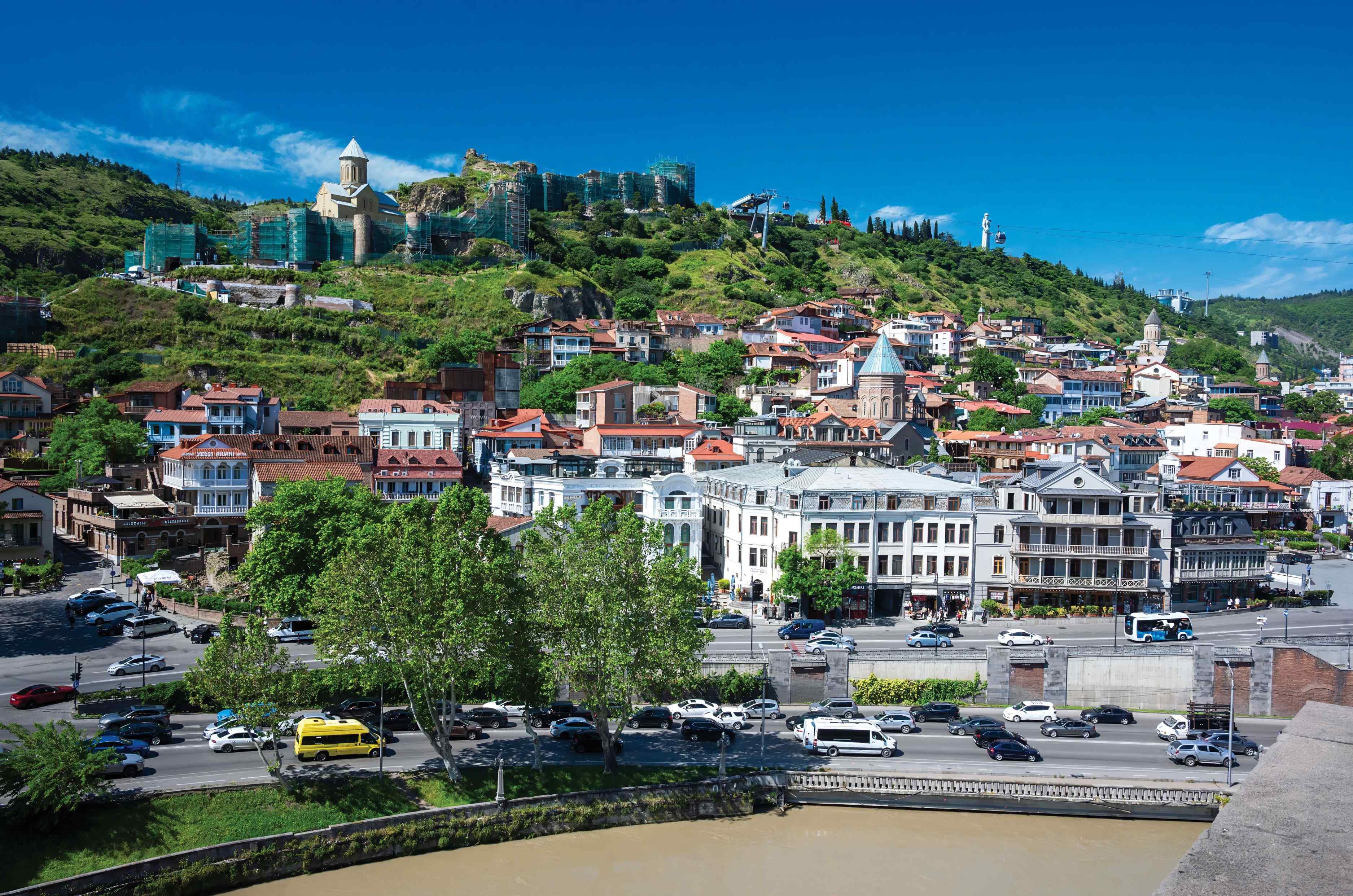
Compared to the vast landscapes and long highways of the Stans, Georgia was a contradiction. Based within the Caucasus Mountains, it has its share of twisties, which the Kylaq enjoyed. But the capital, Tbilisi, is the largest city and thereby pretty chaotic to drive in. Peak-hour traffic is just like what you would have in India, so we parked the car in a worryingly narrow alleyway and, for the most part, made our way on foot.
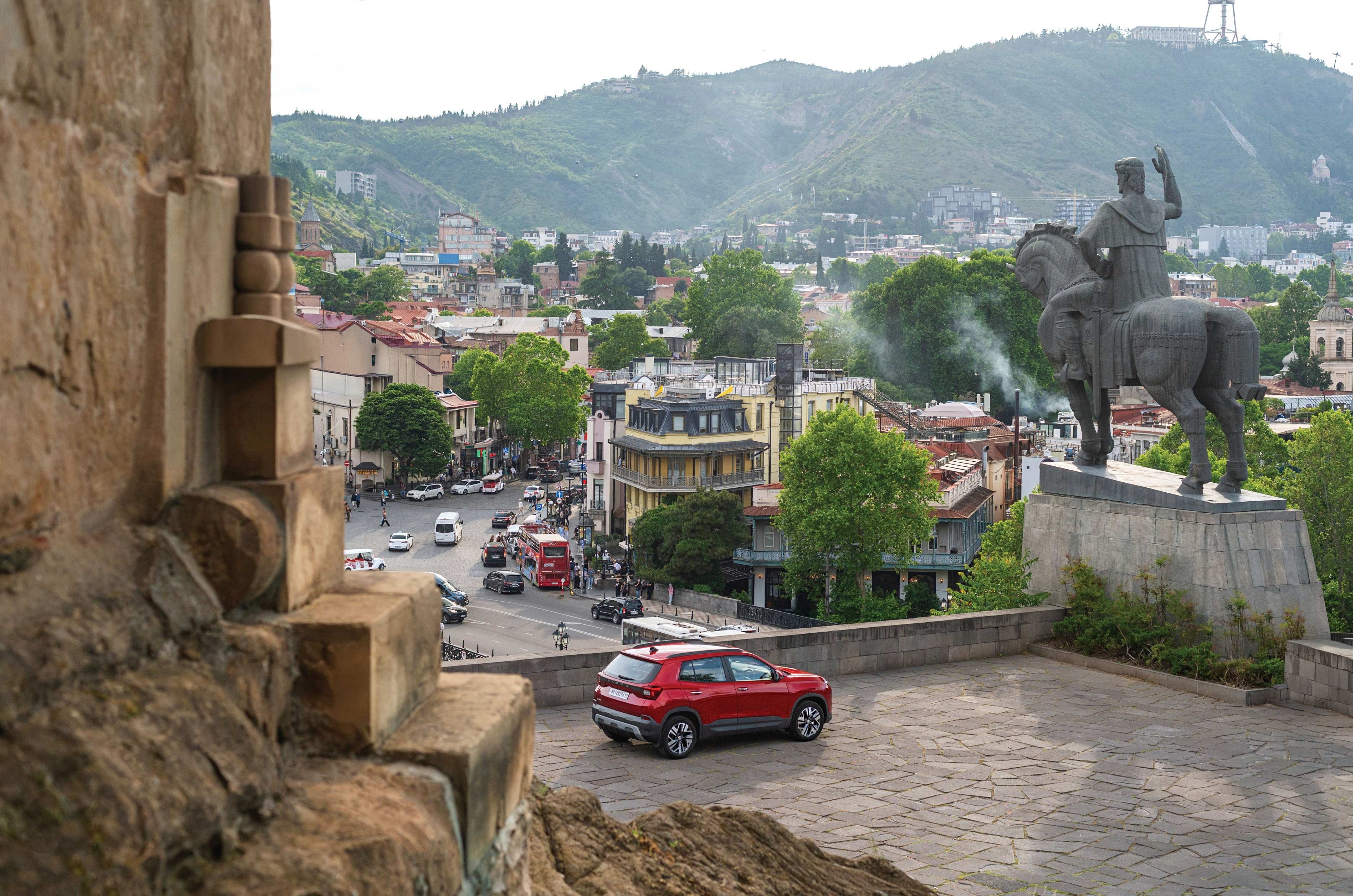
Huge statue of the founder of Tbilisi King Vakhtang I Gorgasali.
Like any big city, Tbilisi has its modern side, with glass buildings and modern restaurants, but there is still a large section that is rooted in tradition. Cobblestone streets with wooden houses and sulphur baths are a fascinating experience, as is the fantastic view from near the monument of King Vakhtang Gorgasali, the founder of Tbilisi.
The monument itself is a striking bronze equestrian statue located on a rocky cliff above the Mtkvari River, next to the historic Metekhi Church in Tbilisi, Georgia. But Georgia is known to be the birthplace of wine, and on our drive to Tbilisi, we spotted several vineyards sprawling for acres. We had to get a closer look, and thankfully, our guide’s friend owned one of them.
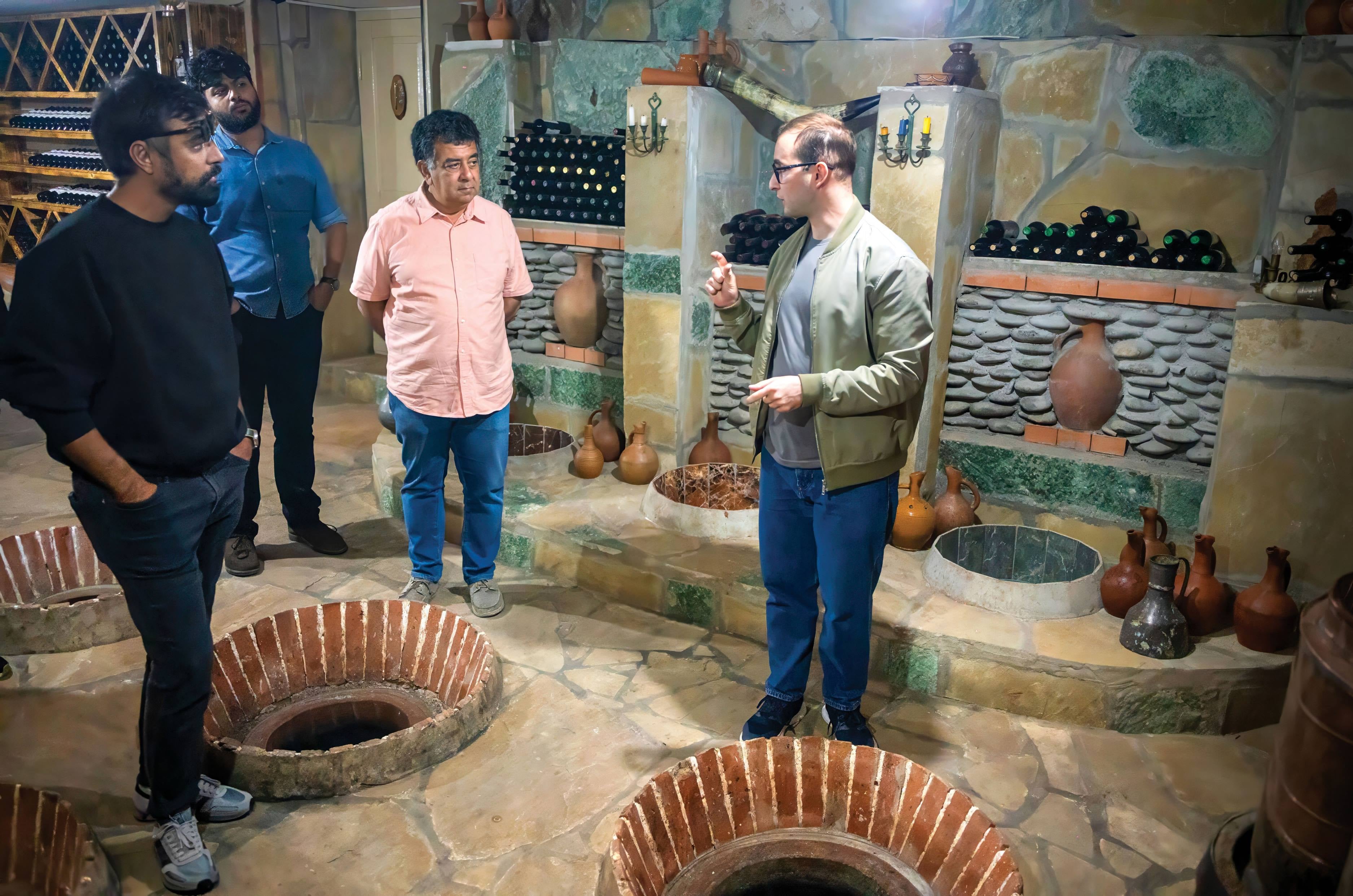
Georgian wine fermented in clay jars buried in the ground.
The Georgians still use the ancient process of fermenting wine in barrels under the floor, but have now blended it with modern technology that allows them to control the temperature and get a more consistent batch each time. Wine connoisseur or not, the experience is enthralling.
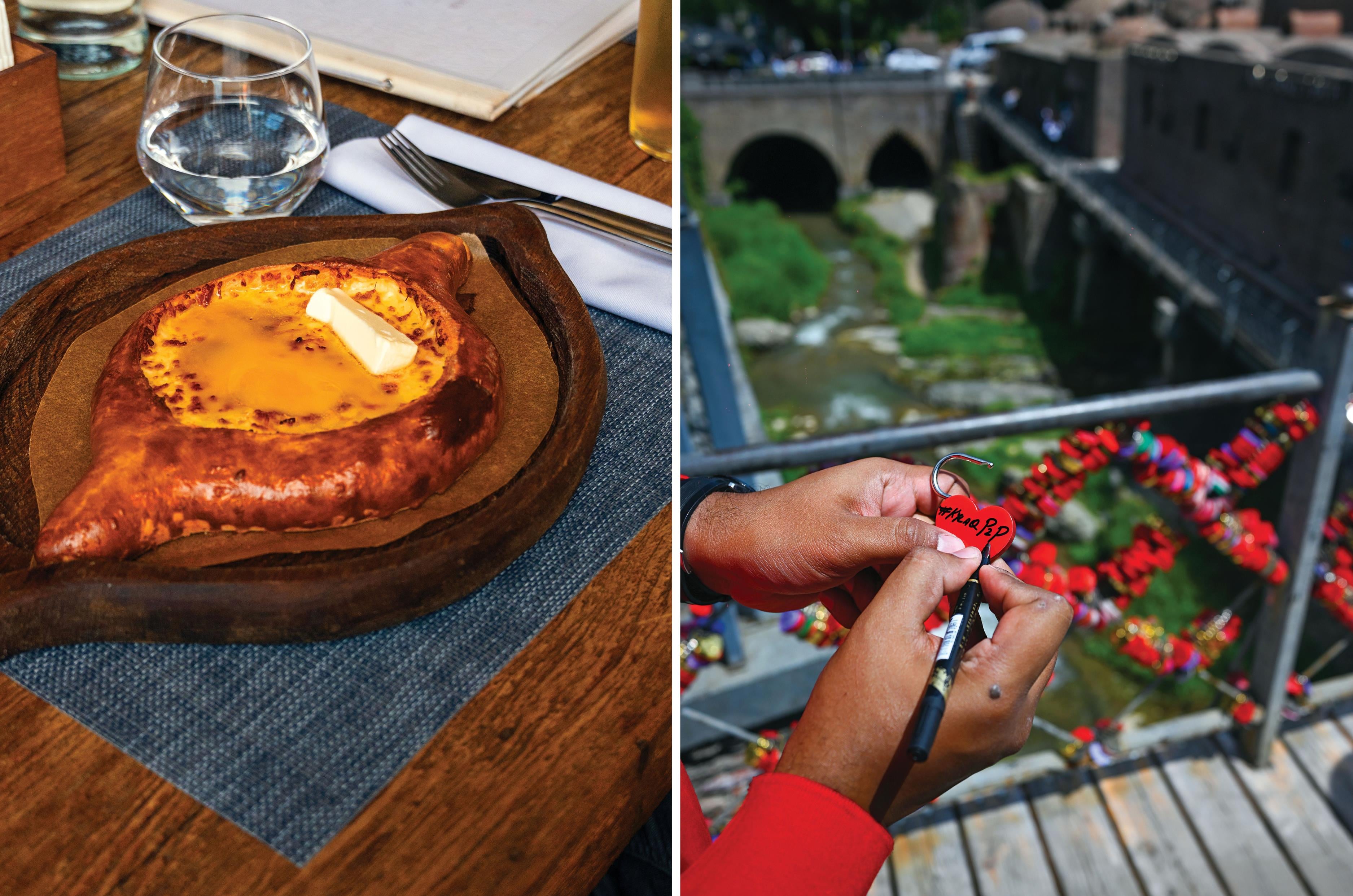
Khachapuri (flatbread with cheese and egg) is Georgia’s national snack.
The city tour built up an appetite, and we followed the scent of fresh bread for some authentic khachapuri. A Georgian flatbread that is hollowed out in the centre and filled with cheese, khachapuri varies depending on the region you’re in. You can have it with an egg cracked into it or with meat, too.
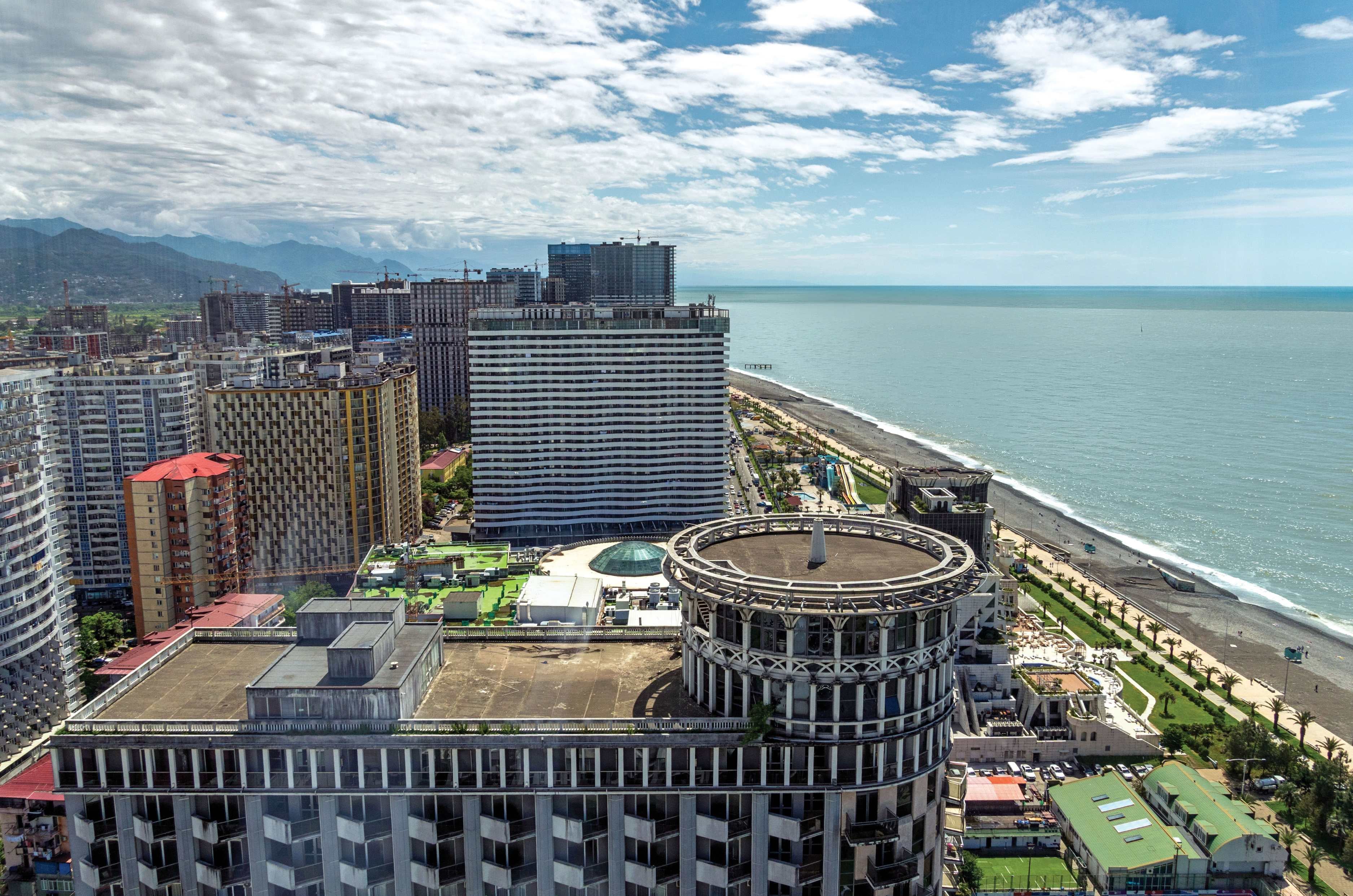
Coastal city of Batumi is a stark contrast of Tbilisi.
With sightseeing done, we drove the next day to the coastal city of Batumi. A vibrant, modern city with a lot more European influence. However, if the roads in Tbilisi were narrow, Batumi was on another level. Despite the compact dimensions of the Kylaq, our hotel parking was a sidewalk cordoned off by the hotel manager, as there simply was no space to park.
14th-century Gergeti Trinity Church has stunning views of the Caucasus Mountains.
Still, we made the most of it by strolling by the shore of the Black Sea, watching the locals angling for fish. Georgia, just like the Stans, offered a unique glimpse into this part of the world and its diverse culture. For our final stretch before Europe, we had one last country to drive through – the colourful Türkiye.
Georgia in numbers
Tbilisi – Türkiye border
Distance covered
624km
Fuel consumed
58.62 litres
Average fuel economy
10.64kpl
Approx. fuel cost
Rs 7,607
Avg. per-litre fuel cost
Rs 129.78
Total time driven
17.5hrs
Average speed
58.5kph
Türkiye – Gateway to Europe
Cappadocia’s claim to fame is well worth the hype.
As the Kylaq crossed into Türkiye, our first stop was in Erzurum. A major winter sports town, but thanks to the time of year, our ski resort was bright, sunny and without an ounce of snow. A quick stroll through the small town and we hit the sack in preparation for a 700km-plus drive to the tourist haven that is Cappadocia.
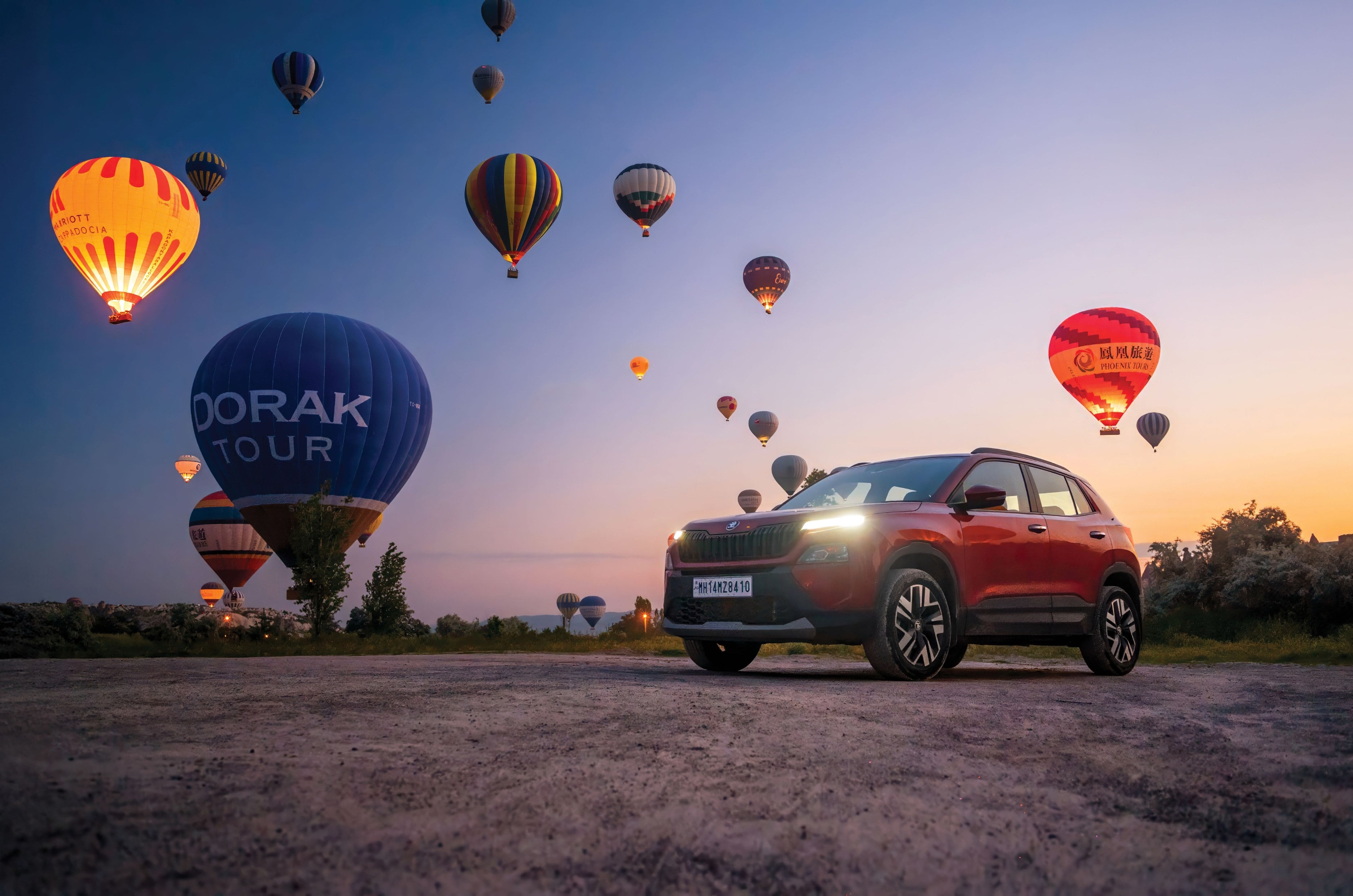
The next morning, the plan was to do what you must do in Türkiye – take a hot-air-balloon ride. A pre-dawn wake-up call is never comfortable, but the peace was soon shattered by the sound of a group of old diesel Land Rover Defenders revving to keep themselves warm while they waited to transfer tourists to the balloon launch site. The balloon ride is arguably the largest tourist attraction in Türkiye, so there was quite the rush.
We, too, loaded up the Kylaq and hit the road to get the perfect shot of the sun coming up over the hills while the sky was filled with balloons. And boy, did we get it. As the orange tinge hit the fairy chimneys, we saw what the hype was about. The visual is nothing like you have ever seen: watching one colourful hot-air balloon is rare, and here there were over a hundred. We shot GBs worth of images and videos and got back to catch up on the broken sleep from earlier.
Türkiye in numbers
Erzurum – Bulgaria border
Distance covered
1,436km
Fuel consumed
98.1 litres
Average fuel economy
14.63kpl
Approx. fuel cost
17,187
Avg. per-litre fuel cost
Rs 134.19
Total time driven
19.5 hrs
Average speed
73.64kph
A relaxing drive the next day got us to Istanbul, which, to some, might seem like the capital thanks to its bustling character – a glimpse of which we got as we got closer. A traffic jam stretching for more than a couple of kilometres brought the Kylaq to crawling speeds. To avoid the repercussions of driving next to hasty cab drivers, we parked the Kylaq and headed to check out the nightlife, but more importantly, the döner kebab.
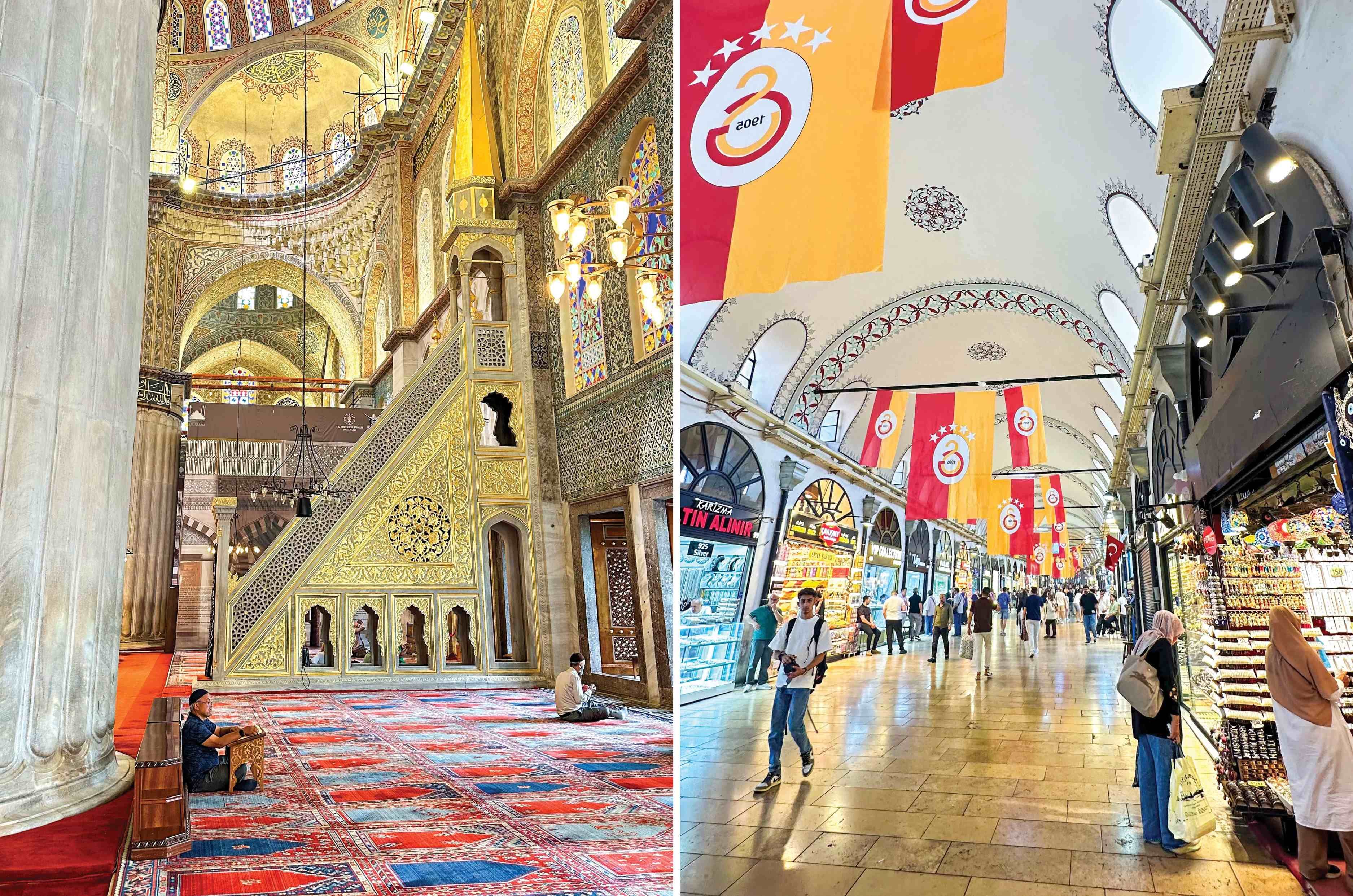
Exceptional interiors and an unbelievable calm in Istanbul.
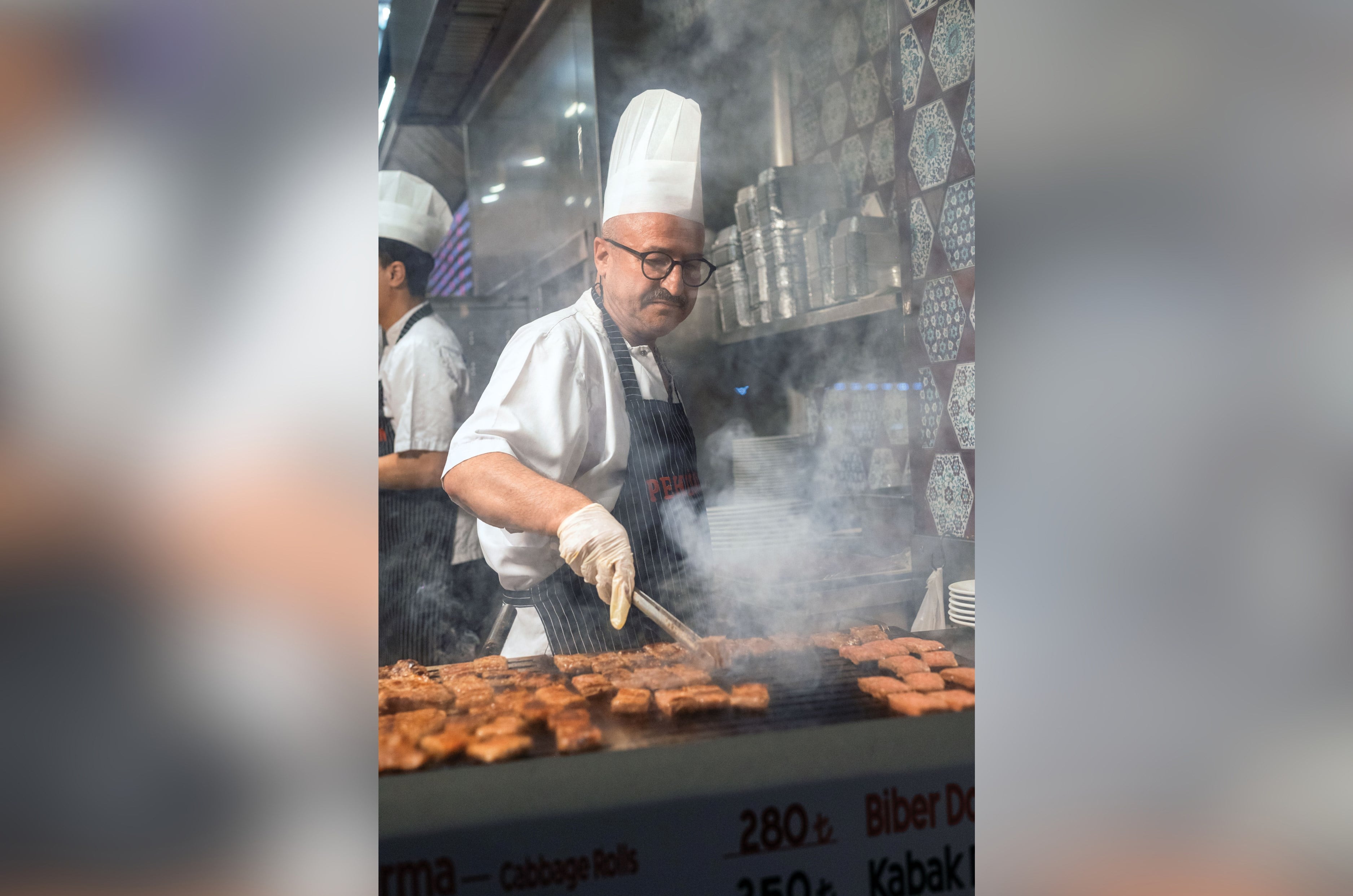
Similar to a shawarma, the döner kebab consists of a pile of meat that is cooked on a rotisserie over a flame. The dripping fat is mopped up by pita bread, which is then loaded with the sliced meat and seasonings. After a long walk through the Grand Bazaar, haggling for a fake Rolex, the döner becomes almost a necessity.
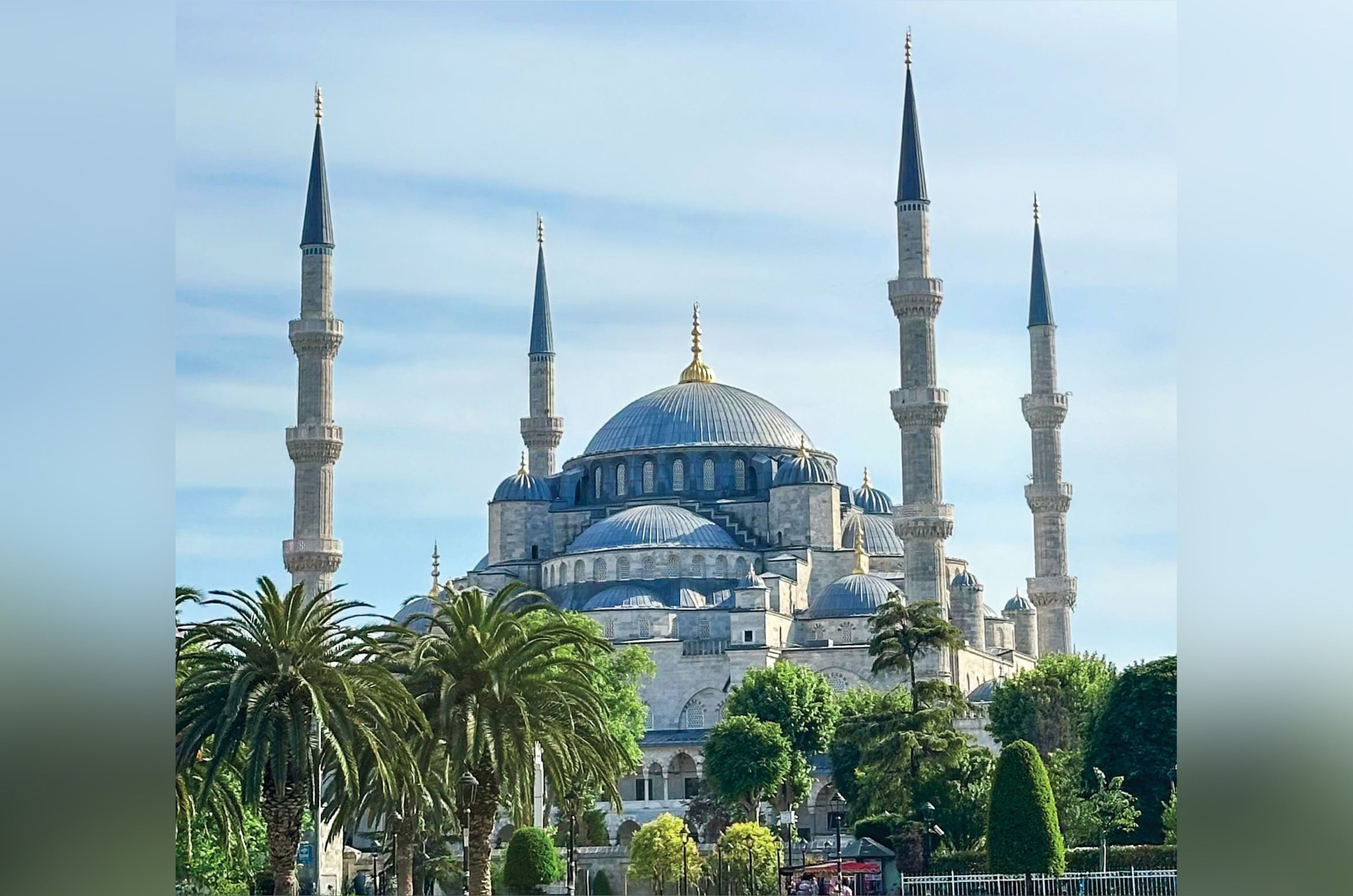
What’s also equally stunning is the Blue Mosque. Known formally as the Sultan Ahmed Mosque, it was constructed between 1609 and 1617 in the Ottoman era by Ahmed I. To get the entire mosque in frame, you need to fall back to the Hagia Sophia Mosque, which is in the same vicinity. Both equally grand, equally detailed and equally important.
The Blue Mosque, built in the Ottoman era, is majestic.
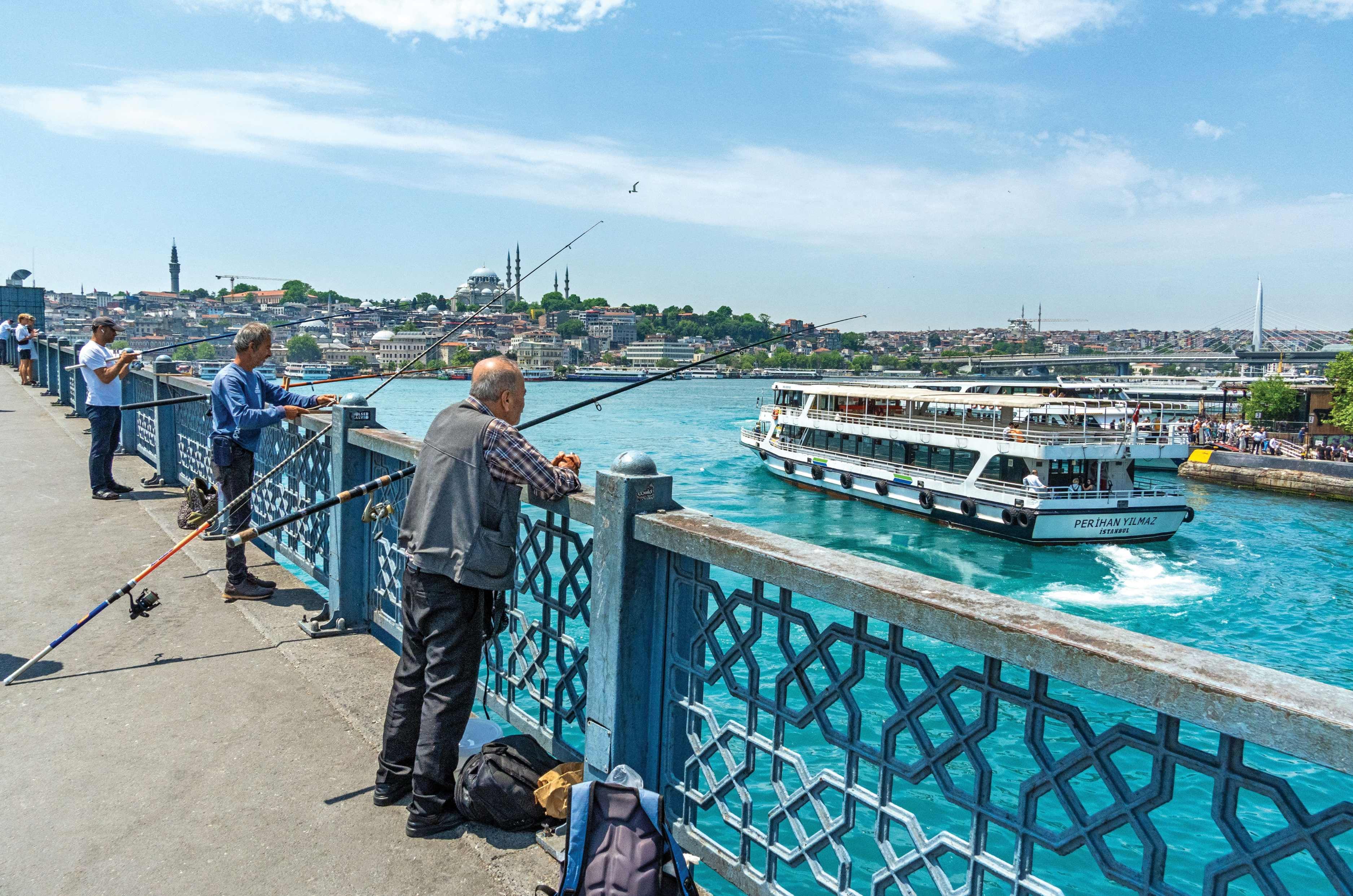
To explore more of Türkiye, we got back into the Kylaq and realised there was a bridge that is unlike any other in the world. The Bosphorus Bridge is located over the Bosphorus Strait, but its claim to fame is that it, quite literally, has one end in Asia and one end in Europe. You can cross the bridge in about two minutes, depending on traffic, but the sense that you can practically drive over from Asia into Europe before you can finish watching a reel is unreal.
Angling over the Bosphorus strait is a common hobby.
Europe – Home Stretch
Bulgaria – Romania – Hungary – Slovakia – Prague
The end of our incredible Pune-to-Prague drive was now a matter of days away. After over two months on the road, we were a couple of thousand kilometres away from the finish line. The excitement that had tapered off midway was back in full force.
We would be entering Europe through Bulgaria, and the border, as expected, was busy. Documentation, carnets, passports, stringent car checks and some explaining later, we were finally in.
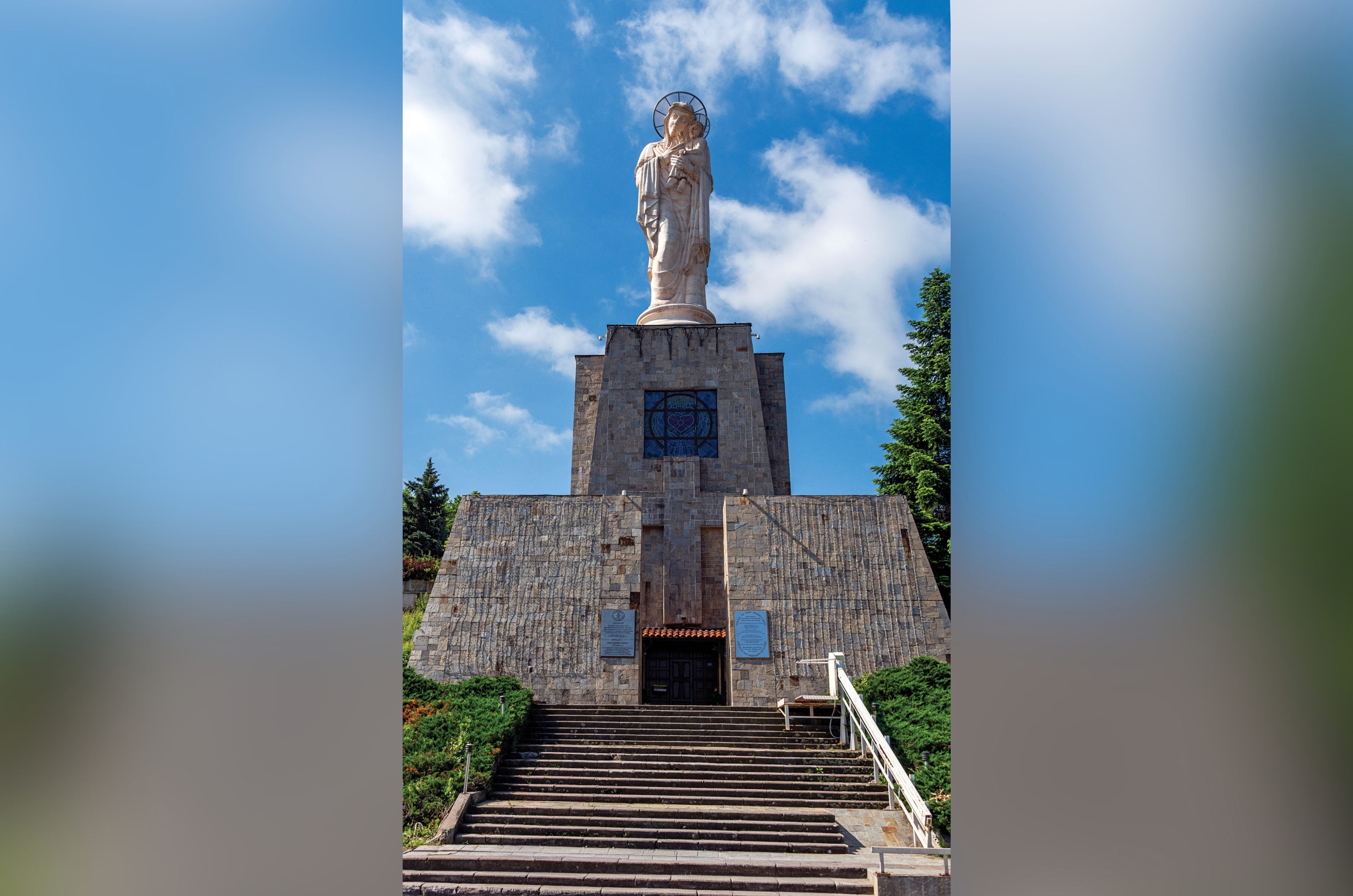
Monument of the Holy Mother of God in Haskovo.
Haskovo is a quaint town with a slow pace and none of the bustle of a European city, but it boasts a Guinness record for having the towering Monument of the Holy Mother of God, the tallest statue of the Virgin Mary and Baby Jesus in the world. Naturally, we had to check it out before we headed further.
Crossing countries in Europe is the equivalent of crossing states in India. There are no significant border checks or passport-control booths. A board with the blue EU flag and the name of the country is all you will see.
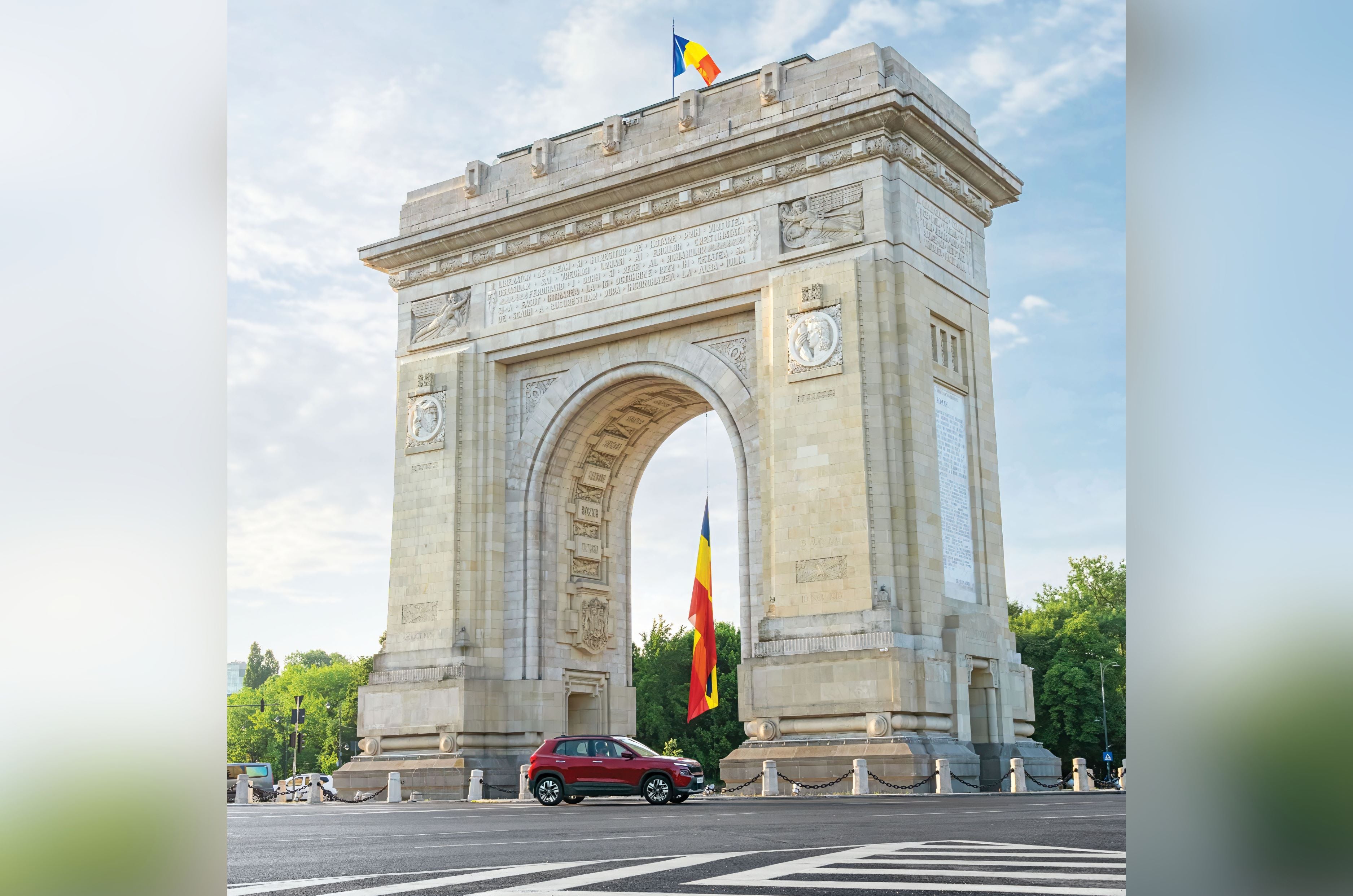
Romania’s Arcul de Triumf an ode to the one in Paris.
We crossed into Romania rather unassumingly and headed for Bucharest. The capital is picturesque and is also colloquially known as “Little Paris”. Like the Arc de Triomphe in Paris, Romania too has its own version. A tad smaller in comparison, but just as iconic.
However, what takes the cake is the Parliament Building, formally known as the Palace of the Parliament, which is also the heaviest building in the world, standing at approximately a ridiculous 4,098,500 tonnes. We couldn’t verify that, but since the Kylaq looked like a mere speck in front of it, it was all the proof we needed.
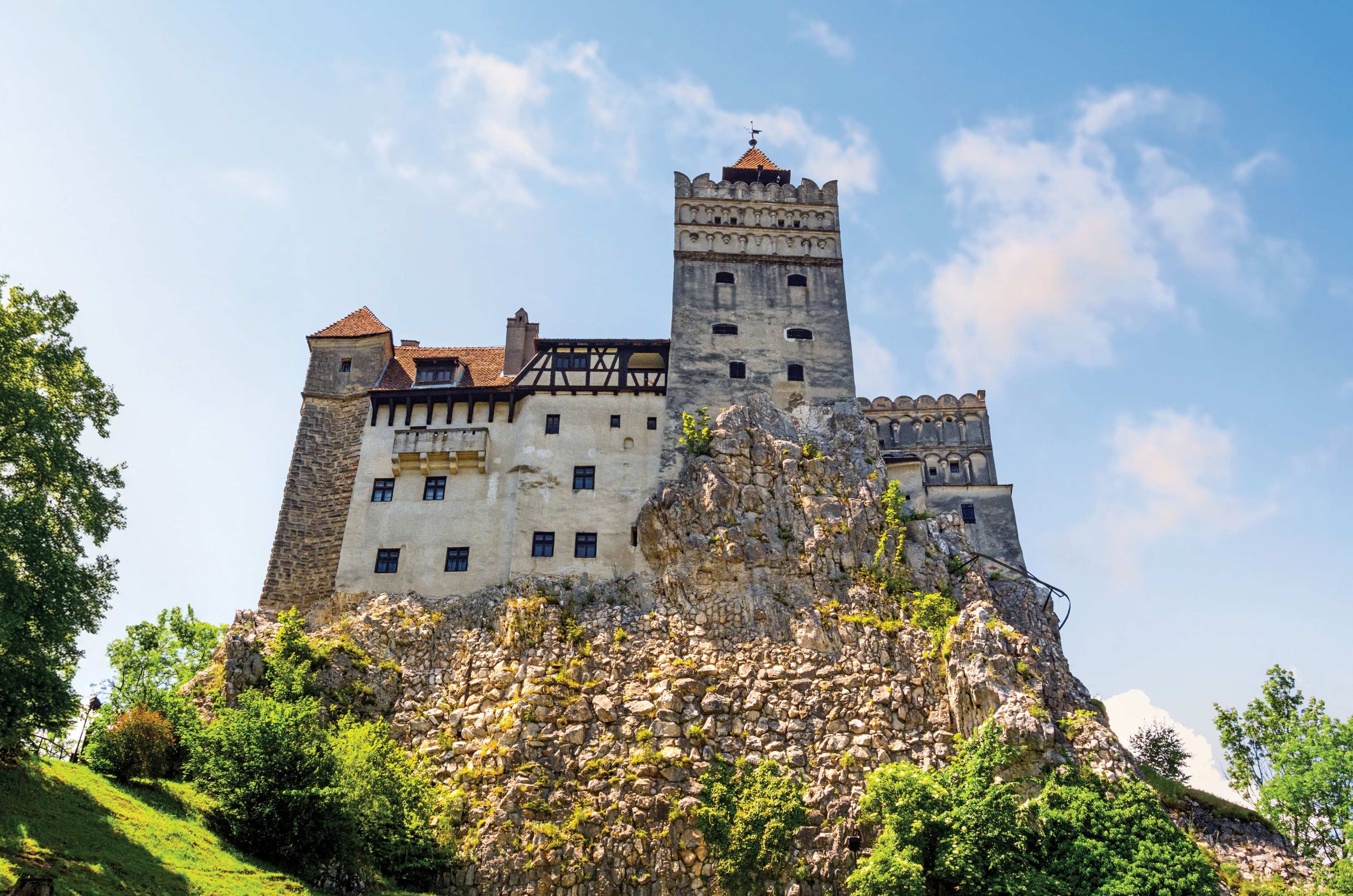
Bran Castle is widely marketed as Dracula’s home.
Bucharest also has a thriving nightlife, with the quiet cobbled streets turning into party hubs post-sunset. As we headed towards Hungary, we couldn’t help but make a stop at Bran Castle. Despite the myth that it was once home to the famous Dracula, there is nothing but merchandise at the foot of the castle to prove that claim. Historians have dismissed the claim and, while it is fascinating, there is plenty of evidence against it. Still, that did not stop us from buying some fake vampire teeth and Dracula magnets.
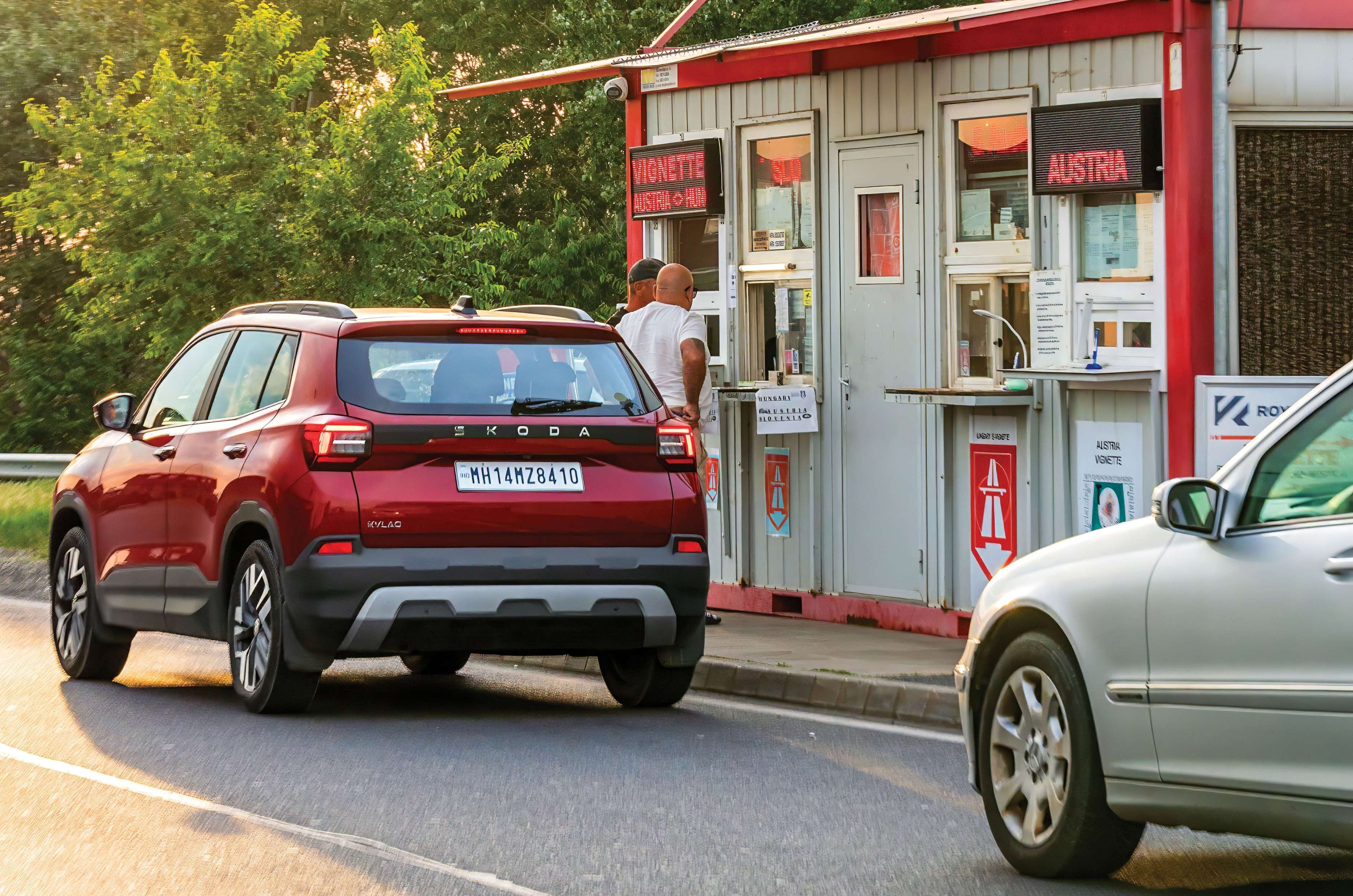
Vignette is Europe’s FASTag and is essential on the freeways.
From the shores of the Black Sea, we drove into landlocked Hungary. The drive to Budapest was long, but thanks to Europe’s seamless highways, it was light work for the Kylaq. In Europe, it just blended in with the other cars, and at no point did it feel out of place. It might have been built in India, but it felt every bit as European as it got closer to Prague.
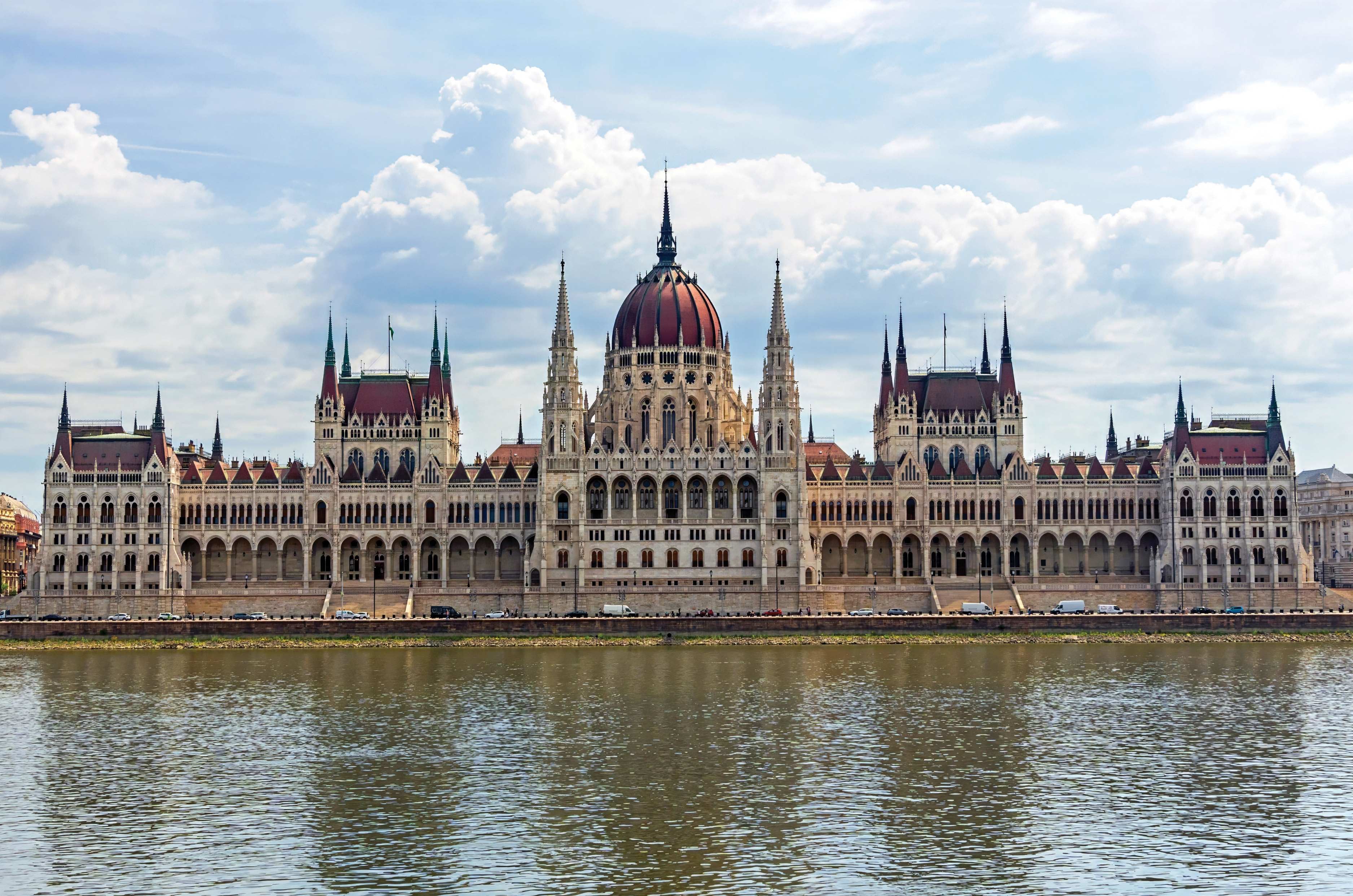
Budapest’s Parliament Building sits by the banks of the Danube River.
As we drove by the banks of the Danube, we were in awe of the stunning Hungarian Parliament Building. Budapest is also known for its bridges, with as many as 13 iconic ones, each with its own identity.
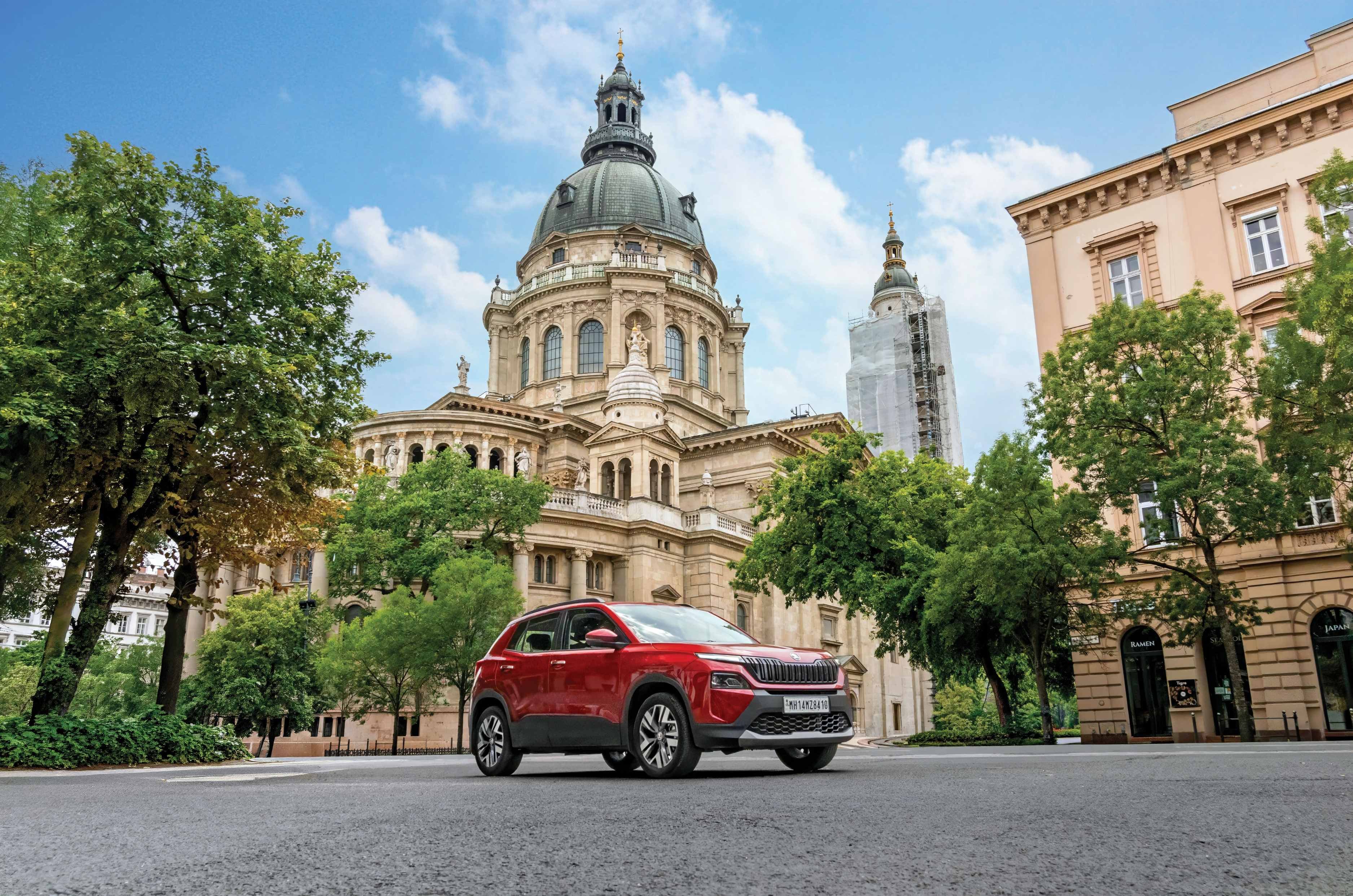
St. Stephen’s Basilica is the largest church in Budapest.
The last country before we entered the Czech Republic was Slovakia. The small country, with a quarter of the population of Mumbai, has a rather interesting Indian connection, as we found out in the pedestrian-only zone of its capital, Bratislava. Bratislava was visited by Pt. Jawaharlal Nehru in 1938, along with a young Indira Gandhi, regarding the freedom movement under British rule.
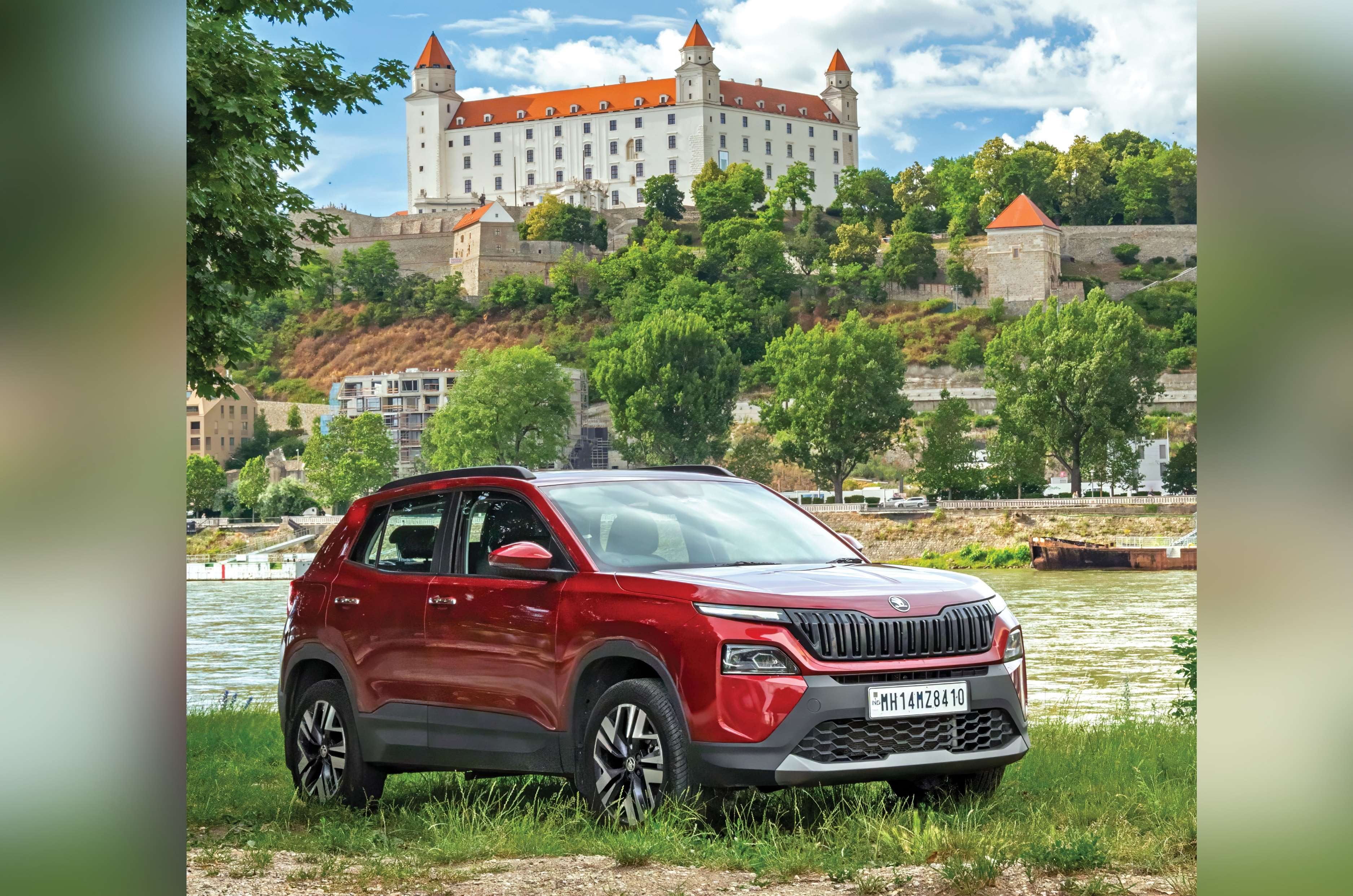
Bratislava Castle, built in the 13th century on the banks of the Danube, is now a museum.
The town square is also an open market with rich produce, handmade jewellery and a lot more. After buying the last few souvenirs before our bags exploded, we were set for the home stretch.
Prague boards were the beginning of a bittersweet end.
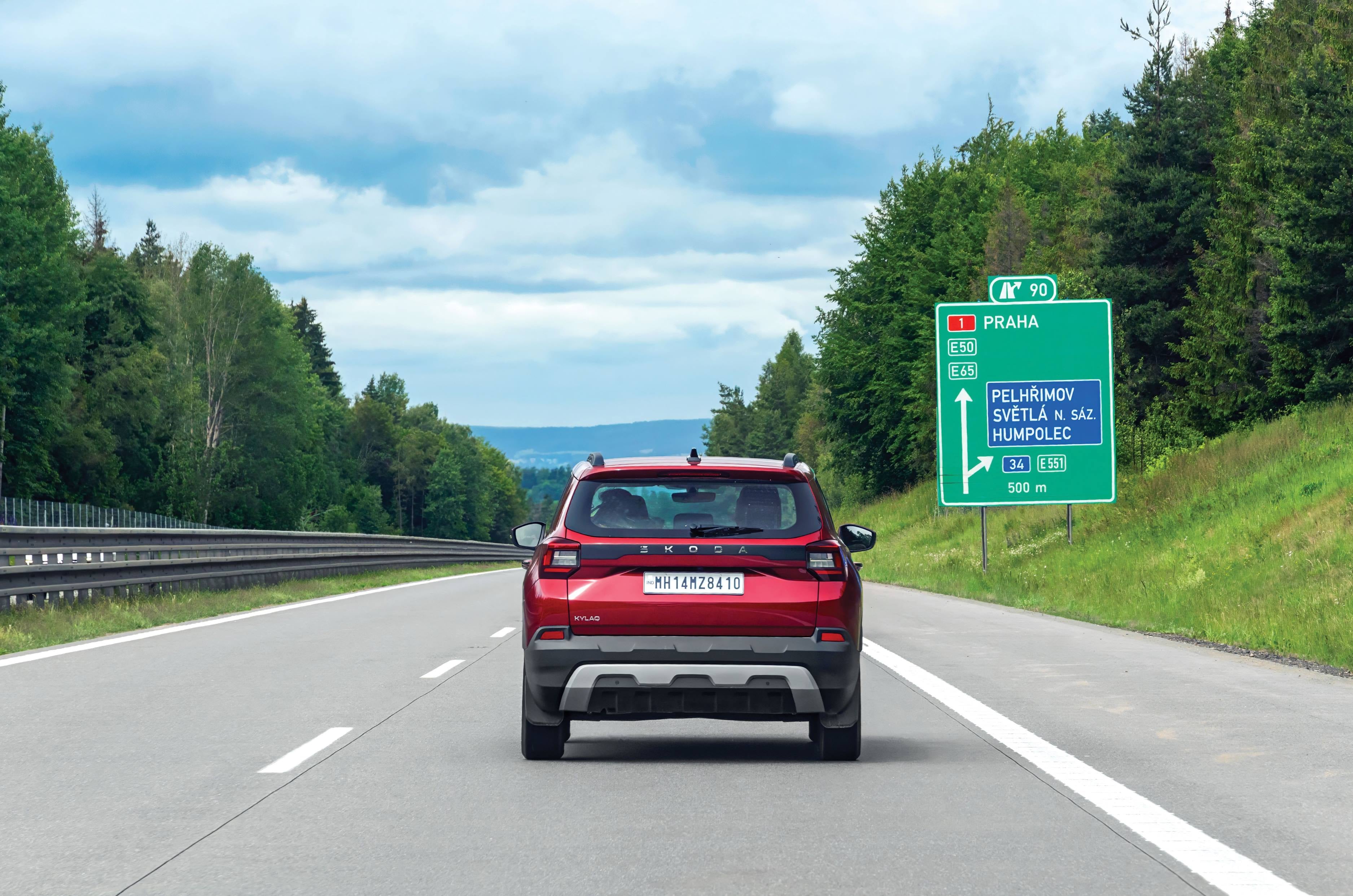
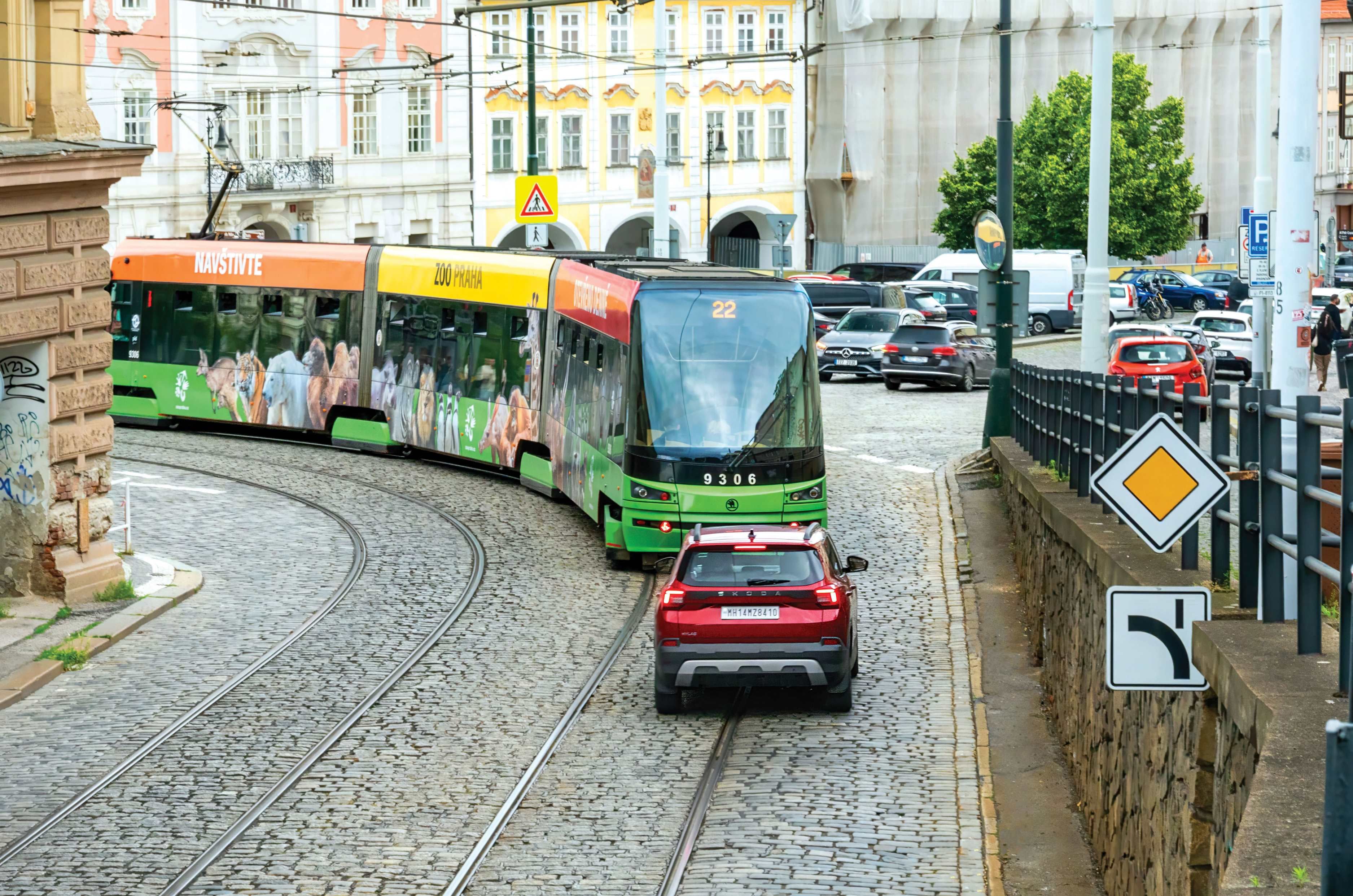
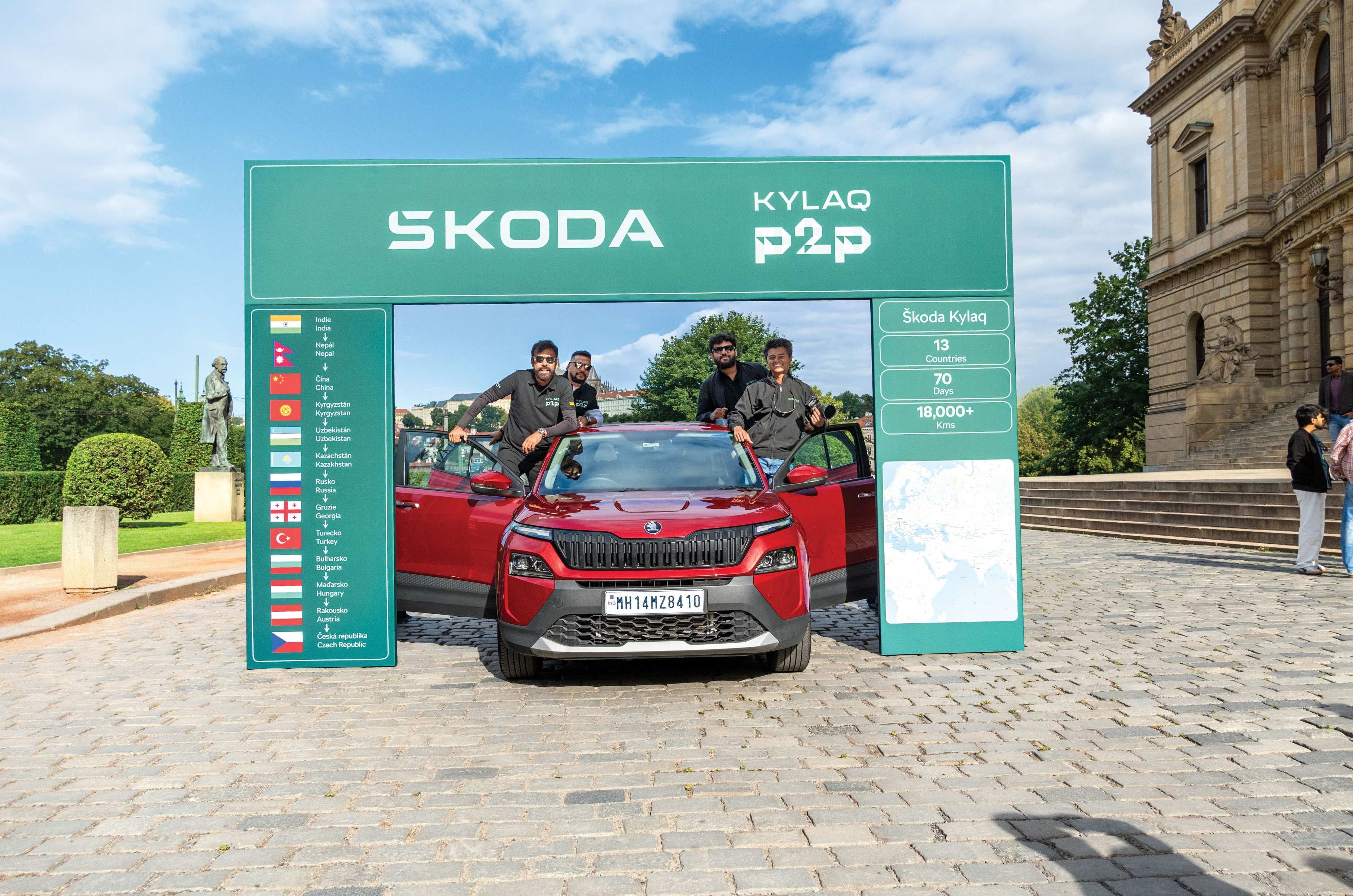
Prague was no more than 200-odd kilometres away, and the bittersweet feeling of it all coming to an end loomed over each and every one of us. As we crossed Brno and got closer to Mlada Boleslav (Skoda’s headquarters), we all reminisced about how gigantic this drive had been. Seventy days, almost 20,000km and not a single fault with the car, not even a puncture.
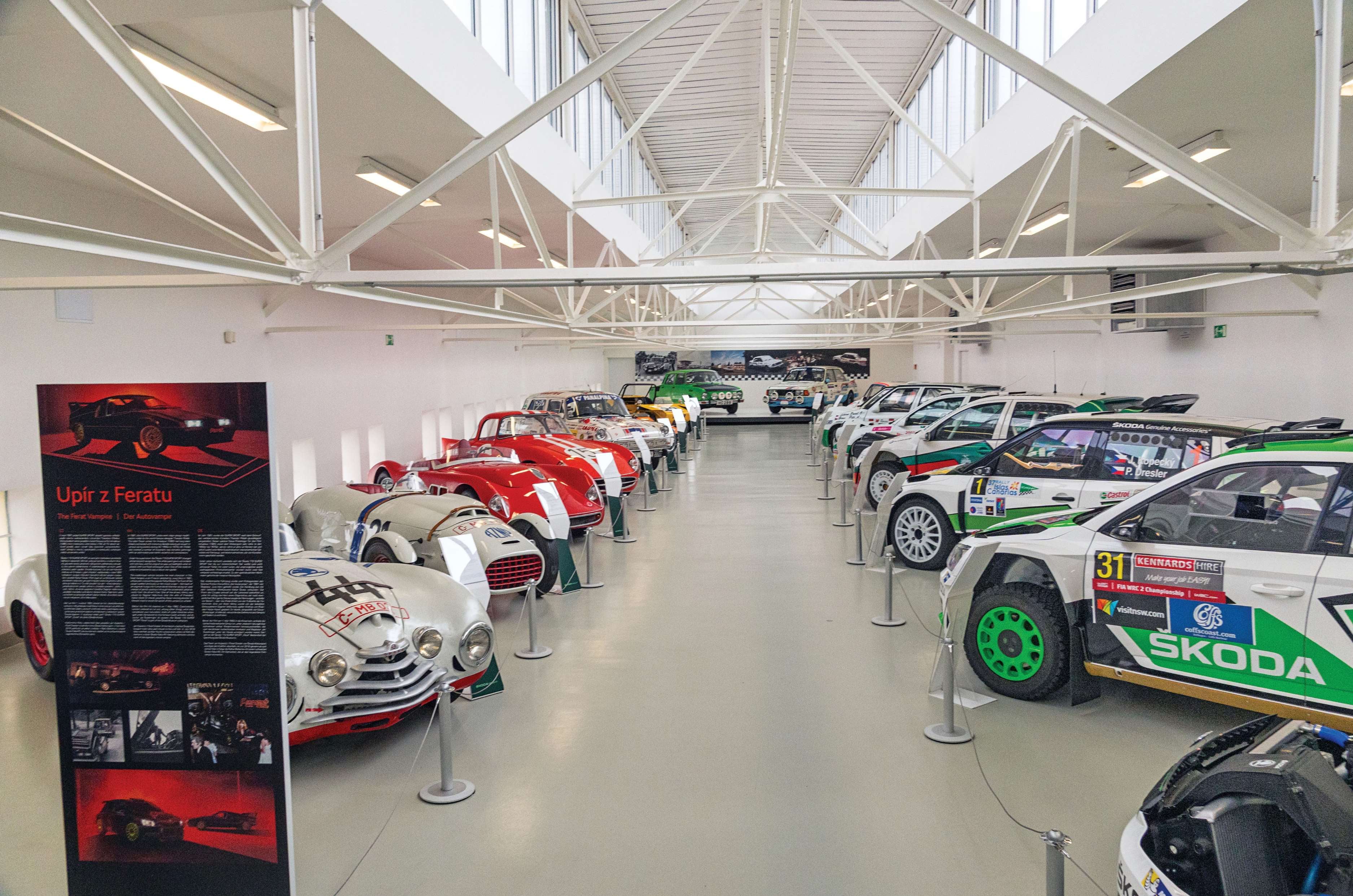
Rich history of rally and motorsport at the Skoda museum.
We crossed the Skoda factory gates with employees gazing in amusement and confusion. They had never seen this car, but strangely, it had a Skoda logo. As we parked the car near the iconic museum that preserves over 130 years of history, we had to peek in and see where it all started.
The fact that a simple bicycle gave birth to one of the largest auto manufacturers in the world is pretty astonishing. Road cars, racing cars and rally legends, Skoda has done it all. A reputation built over a century for being tough, resilient and deeply desirable.
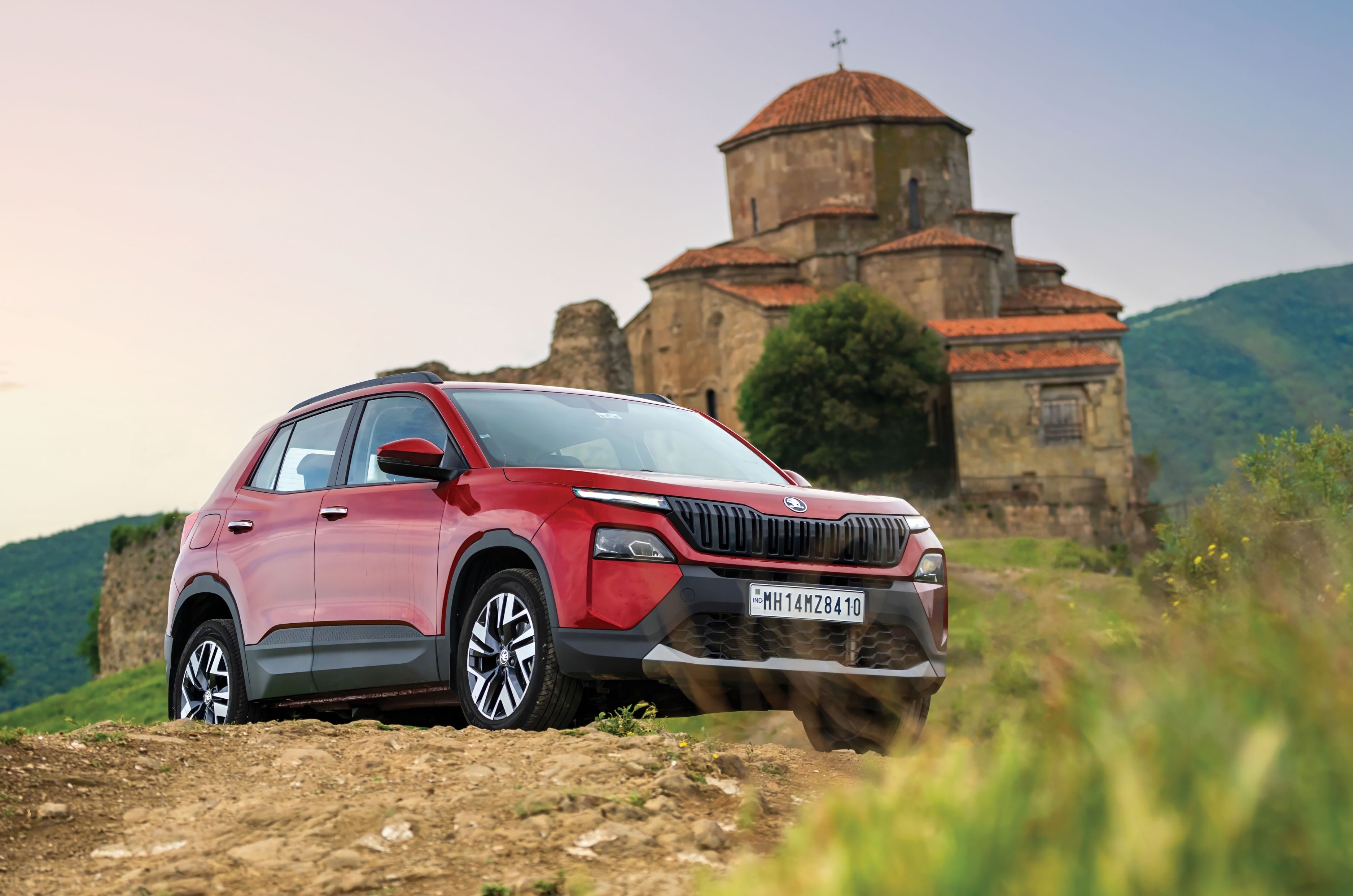
Watching the Indian-made Kylaq sitting proud and faultless in the gleaming sunlight against the backdrop of Prague Castle, looking exactly like it did on the factory floor in Chakan, only proves that the 130-year-old ethos is still the same, no matter where Skoda builds a car.
The final picture in the camera that will always take us back in time
In a world rapidly shifting towards more screens and fewer experiences, a drive like P2P isn’t just a rarity; it’s a statement of defiance: as long as there’s a world to explore, we will find a way to drive across it.
UPI MDR Charges: सरकार UPI के चुनिंदा ट्रांजैक्शन पर MDR लागू करने की 15 अक्टूबर की तारीख को आगे बढ़ाने के मूड में नहीं है। सरकारी सूत्रों के मुताबिक, तय तारीख से ही नया सिस्टम लागू होगा। हालांकि, MDR पर लगने वाले 18% GST को लेकर GST काउंसिल समीक्षा कर सकती है।
7 अक्टूबर की बैठक में क्या होगा?
MDR पर GST का मुद्दा फिलहाल 7 अक्टूबर को होने वाली GST काउंसिल की बैठक के एजेंडे में नहीं है। हालांकि, सूत्रों का कहना है कि बैठक के दौरान काउंसिल इस मुद्दे को उठा सकती है। यानी अभी यह तय नहीं है कि GST पर कोई फैसला होगा या नहीं।
यह मामला ऐसे समय में सामने आया है, जब कारोबारियों के बीच MDR को लेकर चिंता है। उनका मानना है कि इससे मर्चेंट्स पर लागत बढ़ सकती है। साथ ही, पूरे UPI ट्रांजैक्शन सिस्टम की लागत पर भी इसका असर पड़ सकता है।
सरकार क्यों ला रही है MDR?
सरकार ने MDR लागू करने का बचाव किया है। सरकार का कहना है कि UPI इकोसिस्टम को चलाने में काफी खर्च होता है। मौजूदा MDR उस पूरी लागत की भरपाई नहीं करता।
सरकारी सूत्रों ने कहा कि UPI पर MDR से इकोसिस्टम को बनाए रखने की लागत की 100% भरपाई नहीं होती। सरकार के मुताबिक, UPI ट्रांजैक्शन बढ़ने के साथ टिकाऊ रेवेन्यू मॉडल की जरूरत भी बढ़ रही है।
₹2,000 से ज्यादा के ट्रांजैक्शन पर 0.4% MDR
नए सिस्टम के तहत ₹2,000 से ज्यादा के चुनिंदा UPI मर्चेंट ट्रांजैक्शन पर 0.4% MDR लगाया जाएगा। हालांकि, एक ट्रांजैक्शन पर इसकी अधिकतम सीमा ₹300 होगी।
MDR की दरें Indian Banks’ Association (IBA) ने संबंधित पक्षों से चर्चा के बाद तय की हैं। यानी इस दर को तय करने की प्रक्रिया में अलग-अलग स्टेकहोल्डर्स से सलाह ली गई है।
ग्राहकों से नहीं लिया जाएगा कोई चार्ज
सरकार ने साफ किया है कि UPI से पेमेंट करने वाले ग्राहकों से कोई चार्ज नहीं लिया जाएगा। यानी आम ग्राहक पहले की तरह UPI के जरिए पेमेंट कर सकेंगे।
वहीं, एक व्यक्ति से दूसरे व्यक्ति यानी P2P ट्रांजैक्शन भी फ्री रहेंगे। नया MDR चुनिंदा मर्चेंट ट्रांजैक्शन पर लागू होगा।
Sunday Bank Open: बैंकों से जुड़ी बड़ी खबर आ रही है। अगले रविवार यानी 27 सितंबर को बैंकों की सभी शाखाएं खुली रहेंगी। आरबीआई ने सभी सरकारी बैंकों और क्षेत्रीय ग्रामीण बैंकों (आरआरबी) को अपनी सभी शाखाएं संडे यानी 27 सितंबर को खुला रखने का निर्देश दिया है। यह ग्राहकों को बड़ी राहत देने वाली खबर है।
बैंकों में 28 सितंबर से 30 सितंबर तक हड़ताल
सरकारी बैंकों ने इस महीने 28 से लेकर 30 तारीख तक हड़ताल का ऐलान किया है। इसका मतलब है कि 28 सितंबर यानी सोमवार से लेकर 30 सितंबर बुधवार तक सरकारी बैंकों की सभी शाखाओं में कामकाज नहीं होगा। यह हड़ताल 3 दिन की है। इस वजह से बड़ी संख्या में लोगों को दिक्कत का सामना करना पड़ सकता है।
27 सितंबर यानी अगले रविवार को बैंकों में सामान्य कामकाज होगा
यूनाइटेड फोरम ऑफ बैंक यूनियंस (UFBU) ने इस हड़ताल का ऐलान किया है। चूंकि, 26 सितंबर को शनिवार और 27 सितंबर को रविवार है, जिससे औपचारिक रूप से दोनों दिन बैंक बंद रहेंगे। इसकी वजह यह है कि हर महीने के चौथे शनिवार को बैंकों की सभी शाखाओं में अवकाश होता है। फिर हर रविवार को बैंक बंद रहते हैं। अगर हड़ताल के तीन दिन शामिल कर लिए जाए तो इसका मतलब है कि बैंक लगातार पांच दिन तक बंद रहते।
RBI ने सरकारी बैंकों और RRB को अगले संडे को ब्रांच खुला रखने की दी इजाजत
बैंकों के ग्राहकों को असुविधा से बचाने के लिए RBI ने सभी सरकारी बैंकों (PSU Banks) और क्षेत्रीय ग्रामीण बैंकों (RRB) को अपनी सभी शाखाएं रविवार को खुला रखने की इजाजत दी है। इसका मतलब है कि अगले रविवार यानी 27 सितंबर को सभी सरकारी और आरआरबी बैंकों की शाखाओं में सामान्य कामकाज होगा।
सरकार ने बैंक यूनियंस से हड़ताल टालने की अपील की है
इस बीच, सरकार और बैंकों के मैनेजमेंट ने बैंक यूनियंस को इस प्रस्तावित हड़ताल को टालने की अपील की है। साथ ही तीन दिन की हड़ताल से बैंकों के ग्राहकों को होने वाली दिक्कत को कम करने के लिए कदम उठाए जा रहे हैं। हड़ताल के दौरान भी बैंकों के एटीएम खुले रहेंगे। साथ ही सभी सरकारी बैंकों की नेट बैंकिंग सेवाएं उपलब्ध रहेंगी। इसके बावजूद भी अगर किसी ग्राहक को बैंक की शाखा में जाकर कोई काम कराना है तो वह अगले संडे यानी 27 सितंबर को अपने बैंक जाकर अपना काम करा सकता है।
Banks vs NBFCs: लोन बुक में बढ़ोतरी, एसेट क्वालिटी की मजबूती बने रहने और बैड लोन के रिकॉर्ड निचले स्तर के आस-पास होने के बावजूद बड़े बैकों के शेयर निवेशकों को लुभा नहीं पा रहे। वहीं नॉन-बैंकिंग फाइनेंस कंपनीज (NBFC) को लेकर निवेशकों की काफी दिलचस्पी दिख रही है। सैमको सिक्योरिटीज के सीईओ और फाउंडर जिमीत मोदी का कहना है कि इसका मतलब यह नहीं है कि बैंकों का मैनेजमेंट खराब है बल्कि बैंकिंग सेक्टर के हालात बदल गए हैं। उन्होंने इसके पीछे की पांच अहम वजह बताई है, जिसके बारे में नीचे दिया जा रहा है।
घट रहे बैंकों के रिटर्न
बड़े प्राइवेट बैंकों के शेयरहोल्डर्स का रिटर्न अब कम हो रहा तो दिग्गज एनबीएफसी में RoE (रिटर्न ऑन इक्विटी) बढ़ रहा है। लंबे समय तक बैंकों का RoE मजबूत बना रहा क्योंकि उनके पसा बड़ा डिपॉजिट बेस था, जिसके दम पर वे शेयरहोल्डर्स के निवेश की तुलना में अधिक लोन बांट पाते थे तो दूसरी तरफ एनबीएफसी को यह सुविधा नहीं थी और उन्हें अपनी पूंजी पर निर्भर रहना पड़ता था। हालांकि अब लेंडिंग मार्जिन कम होने से अधिक लेवरेज का असर बैंकों के RoE पर निगेटिव दिखने लगा तो बेहतर मार्जिन और कम लेवरेज वाली NBFCs का रिटर्न बेहतर बना हुआ है।
रेपो-लिंक्ड लोन ने बढ़ाई बैंकों की दिक्कत
फरवरी 2025 से आरबीआई ने रेपो रेट में 125 बेसिस पॉइंट्स की कटौती की है। बैंकों के लगभग 60% लोन इसी रेट से जुड़े होते हैं तो रेपो रेट कम होने से इनकी ब्याज दर लगभग तुरंत कम हो गईं। वहीं डिपॉजिट के मामले में स्थिति थोड़ी अलग है क्योंकि इनकी दरें तभी बदलती हैं, जब वे मैच्योर होते हैं, जिसमें आमतौर पर छह से बारह महीने लगते हैं। ऐसे में बैंकों की इनकम पहले घटी, जबकि लागत बाद में कम हुई। वहीं नॉन-बैंक लेंडर्स यानी NBFCs के मामले में स्थिति बिल्कुल उल्टी रही। उनके अधिकतर लोन फिक्स्ड रेट वाले होते हैं, जैसे- ऑटो, गोल्ड और SME लोन। ऐसे में उनकी इनकम कम नहीं हुई और लोन के लिए फंड जुटाने की लागत कम हो गई। इस तरह रेपो रेट में कटौती का असर बिल्कुल अलग-अलग दिखा और इसने मार्जिन में फर्क डाल दिया।
कमजोर हो रही बैंकों की डिपॉजिट
दशकों तक बैंकों को कम लागत वाली सेविंग्स डिपॉजिट मिल जा रही थी लेकिन अब स्टॉक्स और म्यूचुअल फंड जैसे मार्केट से जुड़े प्रोडक्ट्स में पैसा जाने लगा तो बैंकों का डिपॉजिट्स बेस कमजोर पड़ा। इकोनॉमिक सर्वे 2025-26 के मुताबिक परिवारों की बचत का बैंकों में जमा हिस्सा FY12 में 57.9% से घटकर FY25 में 35.2% रह गया। ऐसे में बैंकों के लिए बॉन्ड्स और CD (सर्टिफिकेट ऑफ डिपॉजिट) इत्यादि की जरूरत बढ़ने लगी जिनकी फंडिंग लागत मार्केट से जुड़ी है। एनबीएफसी भी इसी तरीके से पैसे जुटाते हैं।
कुछ एरिया में बैंकों से आगे NBFC
पिछले कुछ महीनों में बैंकों की लोन ग्रोथ एनबीएफसी की तुलना में अधिक रफ्तार से बढ़ी लेकिन इस ग्रोथ का एक बड़ा हिस्सा बड़े कॉरपोरेट से जुड़ा है, जहां मार्जिन कम है और कीमत बॉन्ड मार्केट से तय होती है। इसके अलावा एनबीएफसी को भी बैंकों का लोन तेजी से बढ़ रहा है। एनबीएफसी की बात करें तो गोल्ड लोन, पुरानी गाड़ियों से जुड़े लोन, अफोर्डेबल हाउसिंग से जुड़े लोन और छोटे बिजनेसेज के लोन के मामले में यह आगे है। इन सेगमेंट में सही फैसला लेने, स्थानीय जानकारी और लोन वसूली की क्षमता की जरूरत होती है, और NBFC ने इन मामलों में बढ़त हासिल कर ली है।
लीडरशिप में बदलाव
प्राइवेट बैंकों के चीफ एग्जीक्यूटिव का एक कार्यकाल तय होता है, जिस पर आरबीआई मंजूरी लेनी होती है। चूंकि कई लीडरशिप कार्यकाल एक ही समय के आसपास तय किए गए थे, इसलिए अब उनमें से कई लगभग एक साथ खत्म हो रहे हैं। इस वजह से 2026 में प्राइवेट और पब्लिक सेक्टर के बैंकों में बड़ी संख्या में लीडरशिप में बदलाव हो रहे हैं। लीडरशिप में बदलाव से बड़े फैसलों में देरी हो सकती है। नए सीईओ के पद संभालने तक बैंक कई अहम फैसलों को टाल सकते हैं तो नए सीईओ भी आते ही तुरंत आक्रामक तौर पर काम करने लगें, ऐसा जरूरी भी नहीं। बैंकिंग स्टेबिलिटी के लिए ये नियम जरूरी हैं, लेकिन लीडरशिप में बदलाव के समय बैंकों को लेकर निवेशक अधिक सतर्क होने लगते हैं।
क्या करना चाहिए निवेशकों को
निवेशकों की पसंद में बदलाव स्टॉक मार्केट में भी दिखने लगा है। एक साल में निफ्टी बैंक 3.51% मजबूत हुआ है लेकिन निफ्टी फाइनेंशिल सर्विसेज 2.5% कमजोर हुआ है। हालांकि अगर निफ्टी फाइनेंशियल सर्विसेज में से बैंकों को निकाल दें तो यह एक साल में 6.77% मजबूत हुआ। जिमीत मोदी के मुताबिक जहां बैंकों का क्रेडिट मॉडल काम नहीं कर पा रहा, वहां एनबीएफसी की मौजूदगी इसकी कमाई को सपोर्ट दे रही। हालांकि उनका यह भी मानना है कि इसमें अधिकतर फायदा साइक्लिकल है और इसमें बदलाव हो सकता है। बैंकों के लिए सबसे बड़ी चुनौती स्ट्रक्चरल है। अब आम लोग अपनी बचत बैंकों की बजाय मार्केट-लिंक्ड प्रोडक्ट्स में डाल रहे हैं। जिमीत के मुताबिक ऐसे समय में निवेशकों को सिर्फ लोन ग्रोथ की बजाय बैंकों के लोन यील्ड और कम लागत वाले डिपॉजिट के हिस्से पर ध्यान देना चाहिए।
डिस्क्लेमर: मनीकंट्रोल.कॉम पर दिए गए सलाह या विचार एक्सपर्ट/ब्रोकरेज फर्म के अपने निजी विचार होते हैं। वेबसाइट या मैनेजमेंट इसके लिए उत्तरदायी नहीं है। यूजर्स को मनीकंट्रोल की सलाह है कि कोई भी निवेश निर्णय लेने से पहले हमेशा सर्टिफाइड एक्सपर्ट की सलाह लें।
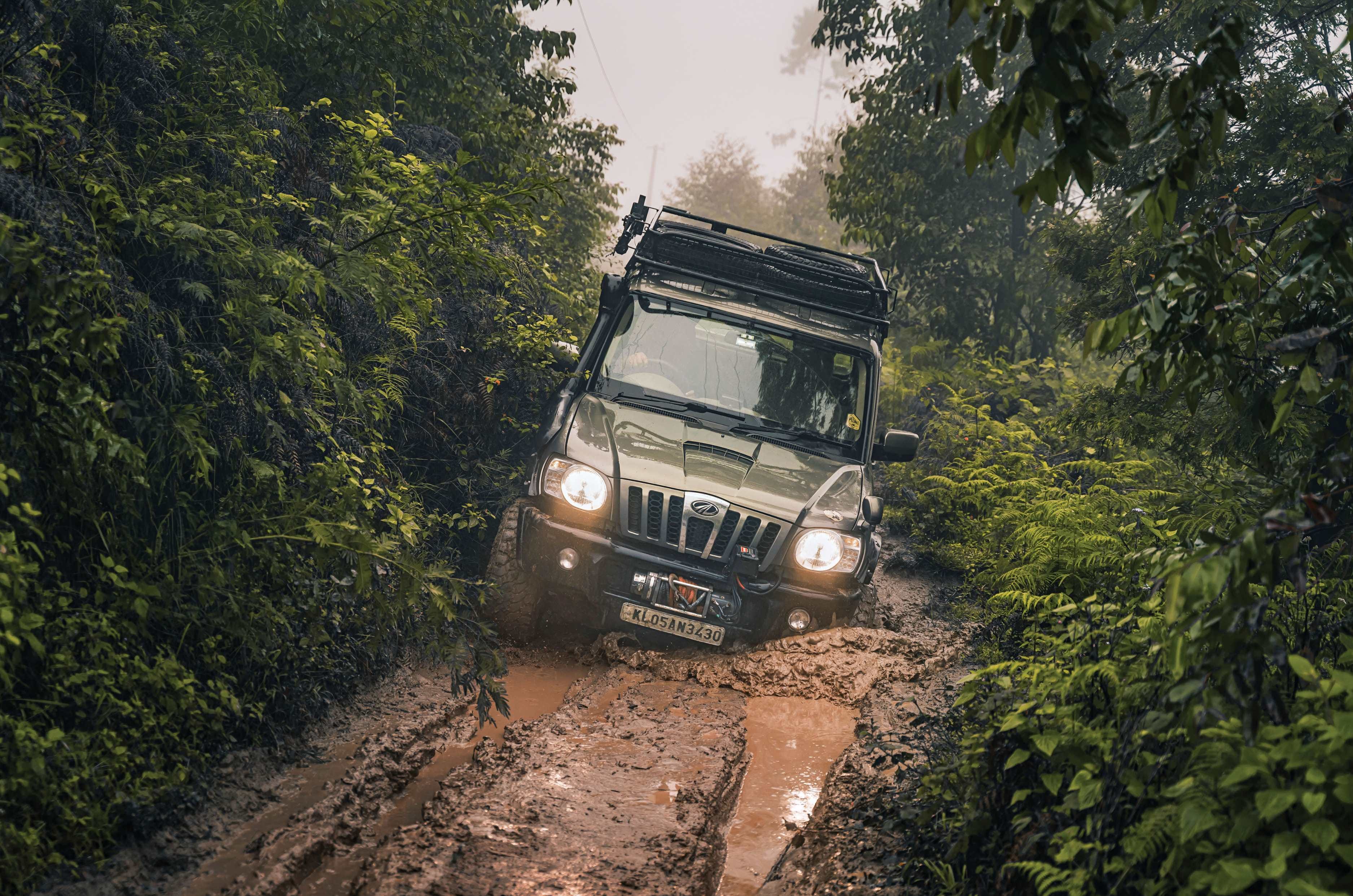
This is the story of a 1,50,000km-old Mahindra Scorpio Getaway that has lived the life it was designed for.
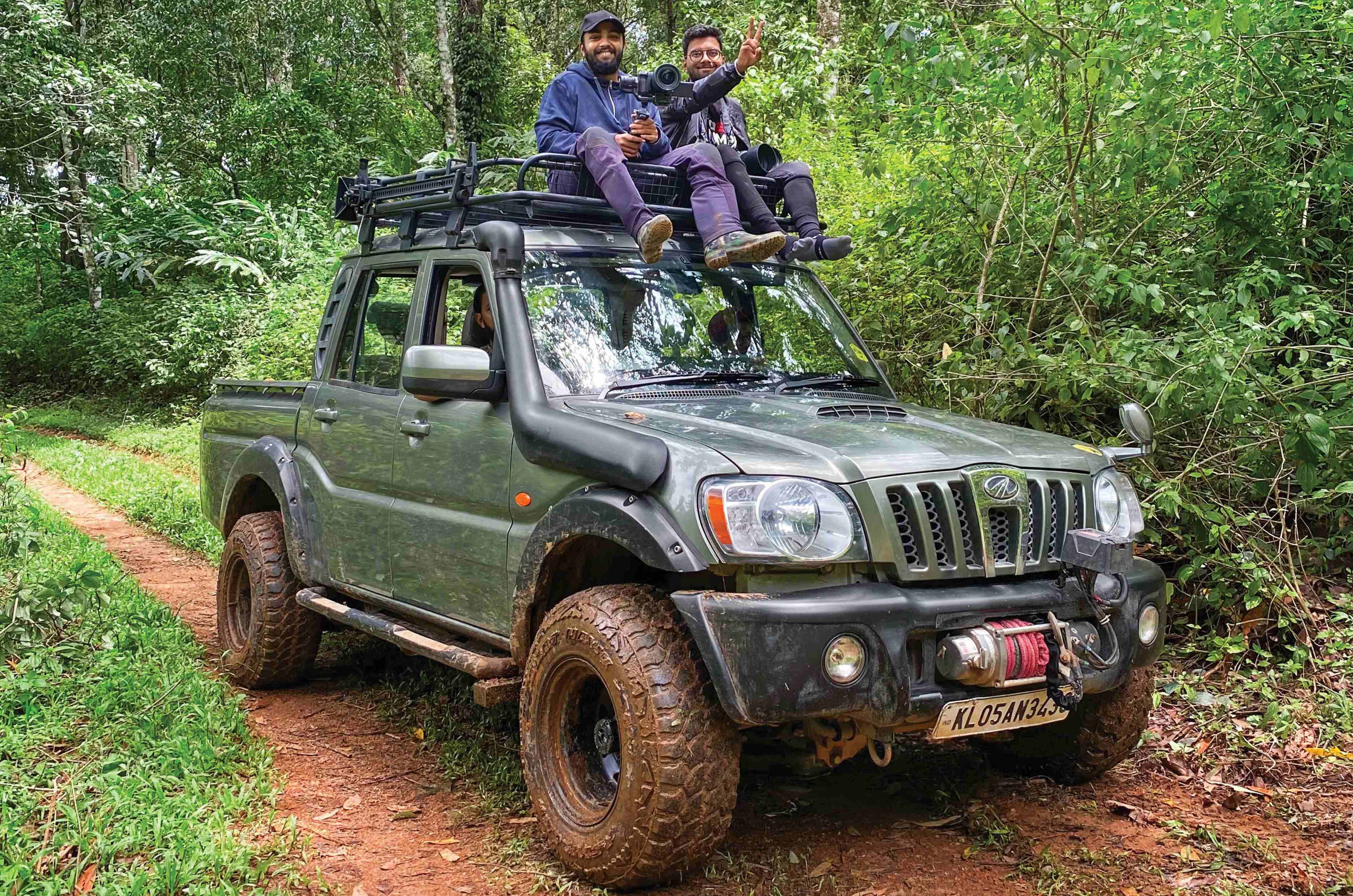
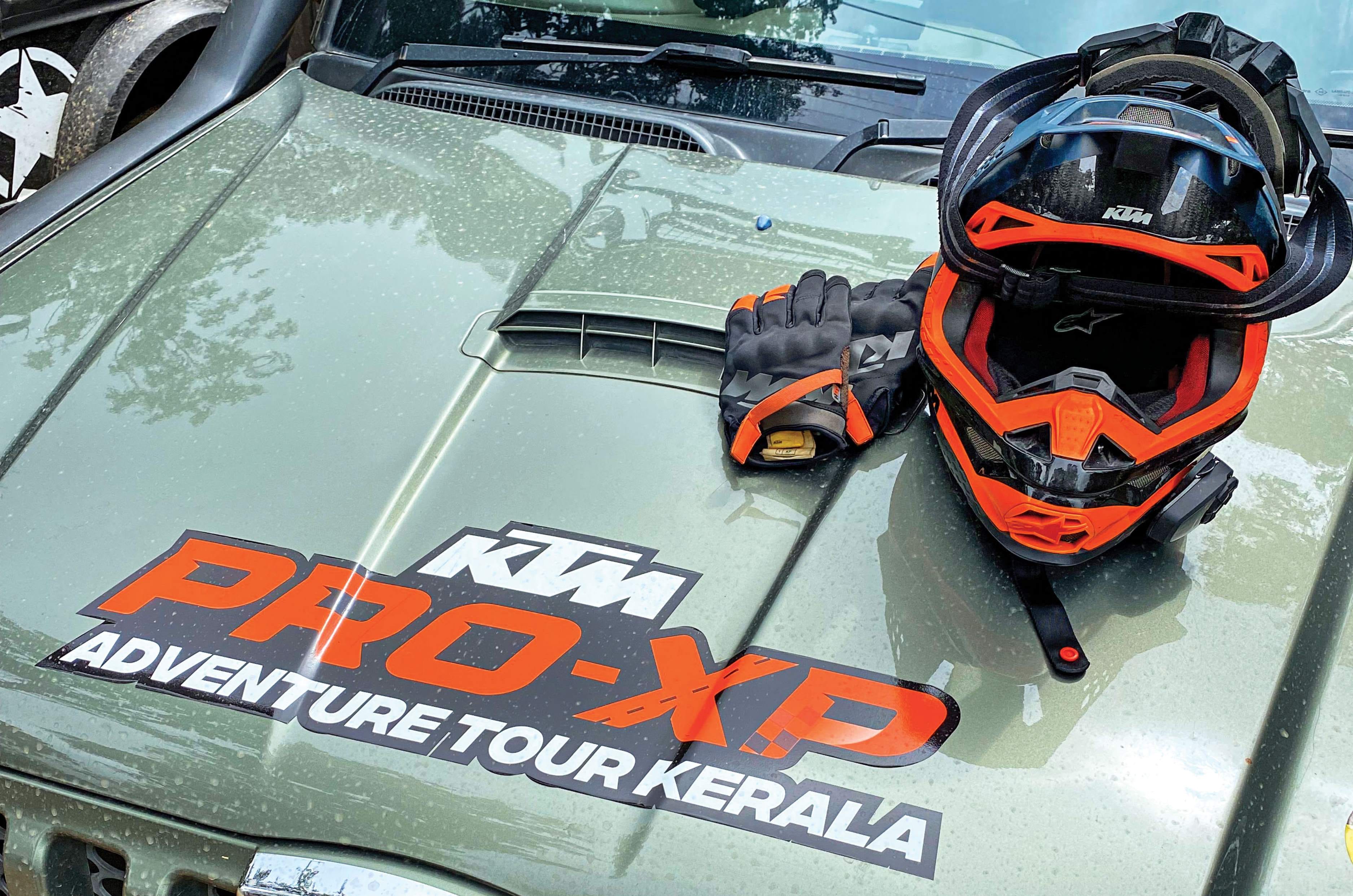
My name is Ouseph Chacko, and I am part-owner of this Getaway because it is my company car. As a partner of an off-road motorcycle school and adventure touring company, I can tell you that if we didn’t have the Getaway from when we started out, it would have taken us a lot longer to get here. We would have been a fair bit lighter of wallet too.
To tell this story properly, I need to rewind a bit – pickup trucks by their very nature are designed to be versatile, and that’s the story of this Getaway. Back in 2016, my business partner Rish was big into long-distance cycling, kayaking and camping tours and needed a vehicle that could accommodate his expensive cycles, carry a couple of kayaks and have the ability to lug around enough gear to make camping, glamping.
The Getaway offered power steering, power windows, power mirrors, air conditioning, front seat armrests and a rear defogger! It also had the electronic shift-on-the-fly four-wheel-drive system and was the most powerful pickup truck on offer.
First things first
While the Getaway looked as lifestyle as could be for pickup trucks back then, it still looked more BRO than Special Forces (no disrespect to the BRO but you get the picture), it needed upgrades.
Who needs drones when you have a roof carrier?
To ensure Rish got stuck further down the trail, a Lamda cable-operated locking differential found its way into the rear axle, while the front axle got manual locking hubs (the factory-fitted auto-locking hubs were prone to breaking under heavy load). The engine was left untouched, but to allow adequate wheel arch clearance for the planned high-profile fat tyres, a two-inch body-lift kit was installed. When you lift it, you need to stance it, and so, the vanilla factory wheels made way for off-road -30 off-set steel wheels and faux wheel arch extensions that muscled up the looks but also let us squeeze in fatter tyres without alerting the RTO.
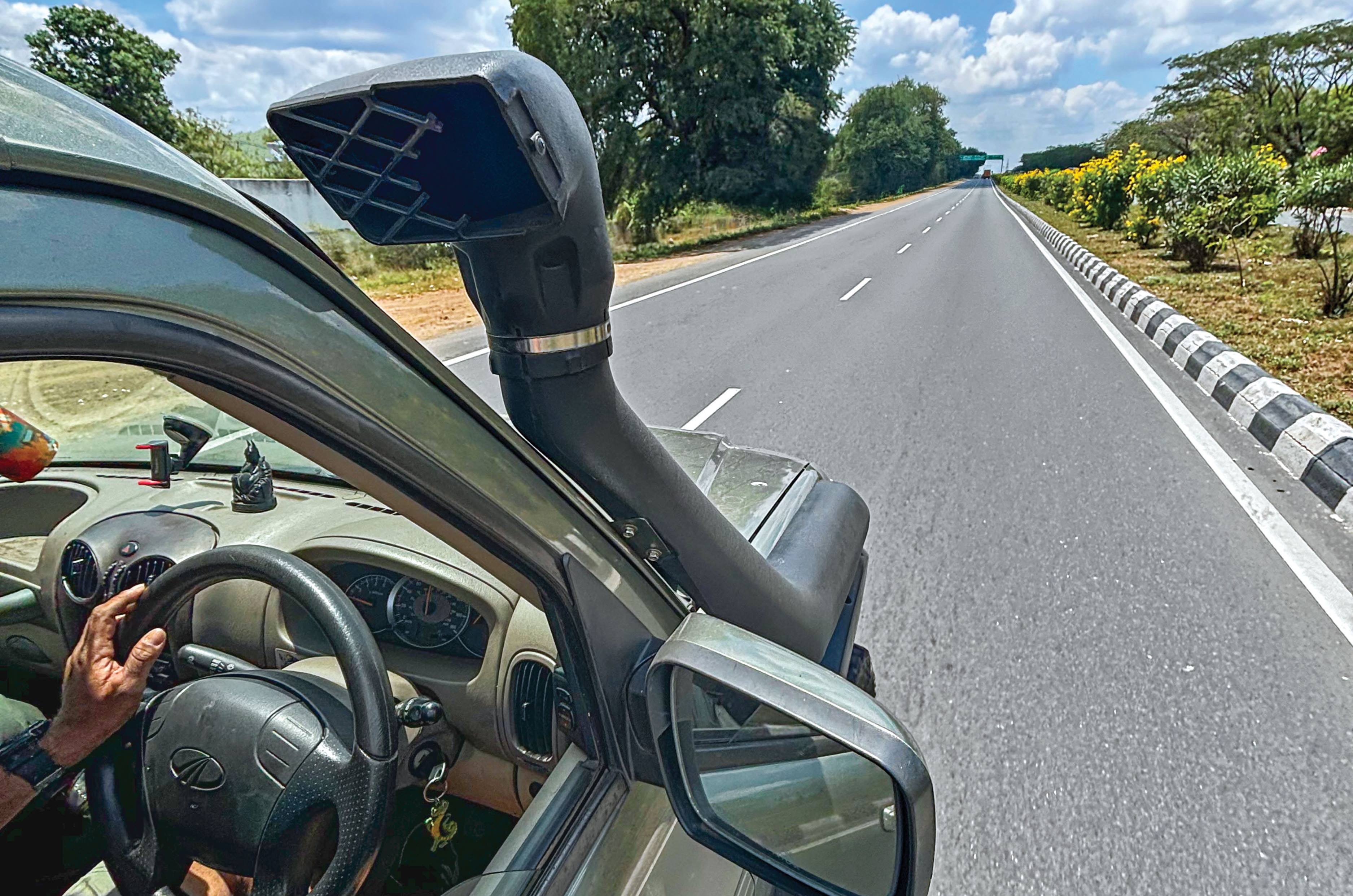
A canopy was added to cover the pickup bed, custom bicycle mounts were welded onto the floor of the bed, a roof-mounted tent, a side awning, solar panels on the roof, an AC-to-DC converter to run devices off the solar panels, a roof carrier, a snorkel, the legendary Warn M8000 winch, metal off-road bumpers, nine auxiliary lamps. Kitchen sink? Pah! There was no space left!
Life has other plans
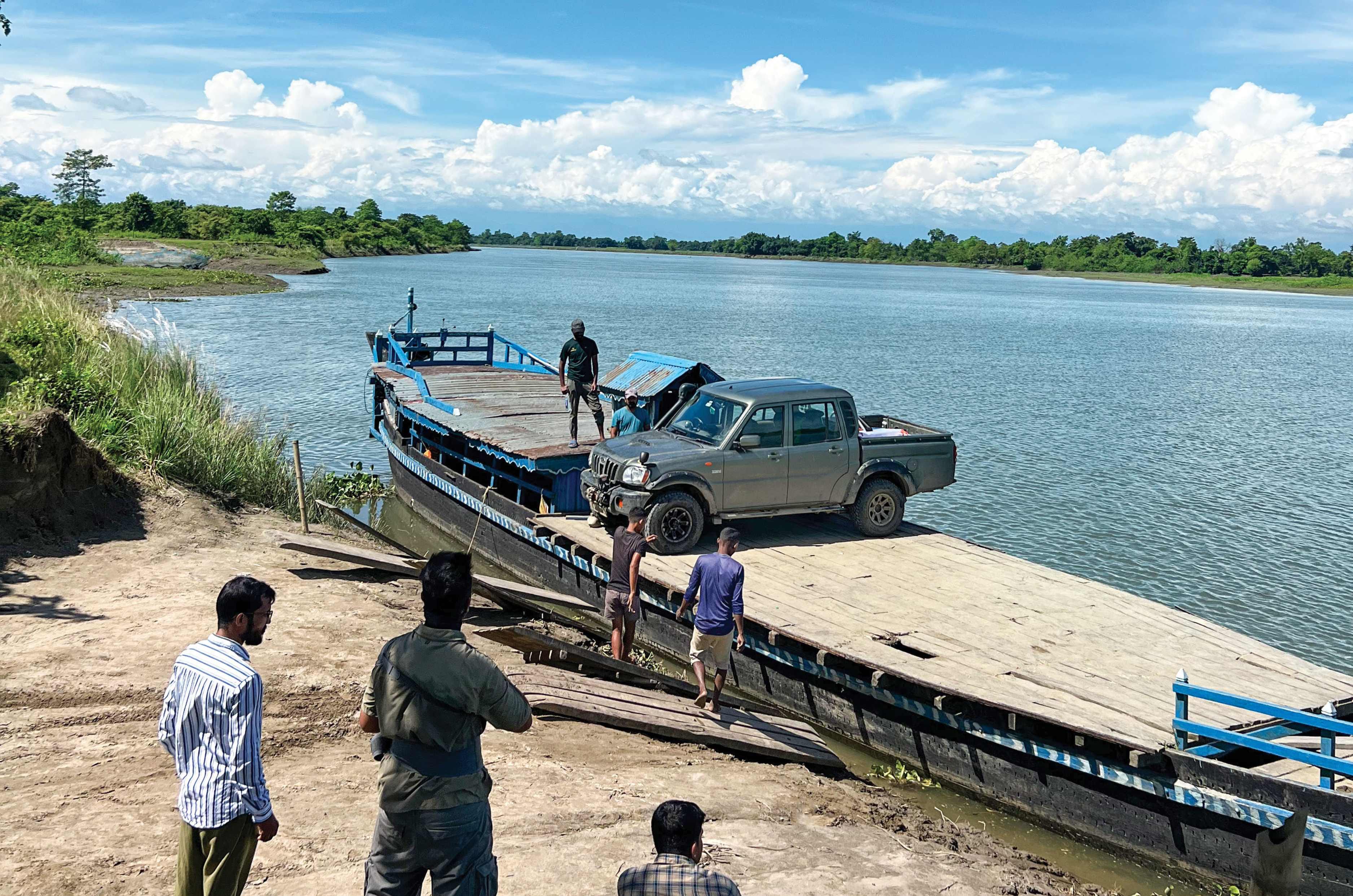
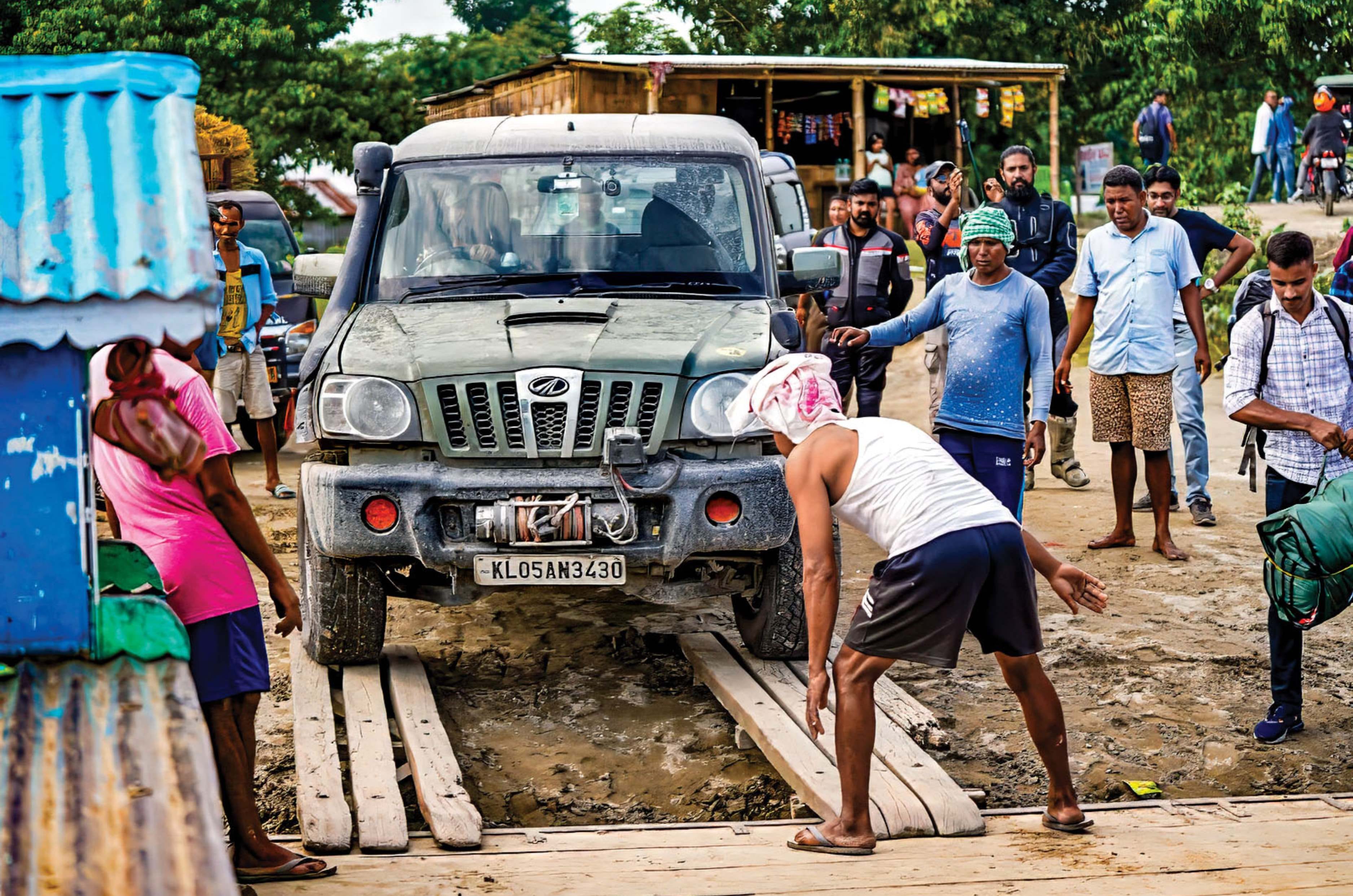
The snorkel allows some river crossing, but the Brahmaputra had to be crossed on this raft.
For reasons beyond the scope of this story, the Getaway spent most of its first two years parked up with no place to go. It preened, posed, went for the occasional camping trip and lent itself to all the mall crawler memes you can think of.
Then came August 2018. The skies over Kerala opened up. Rivers breached banks, houses were flooded up to the first floor in some places, and parts of middle Kerala were unreachable unless you had a boat or a vehicle with a snorkel. The official rescue teams quickly found themselves overwhelmed, so the Getaway, along with all of Kerala’s 4×4 community, stepped in to assist. The need of the hour was clean bedsheets, towels, underwear, drinking water, easy-to-reheat food and a way to get these supplies to people stranded in homes surrounded by flood waters or cut off by landslides. We loaded the Getaway’s pickup bed to the sky and drove through bonnet-deep water for about three days, handing out generously donated essentials. We stopped only when the rains subsided and when one of the people we thought needed help asked if we were carrying blue underwear. His favourite colour apparently!
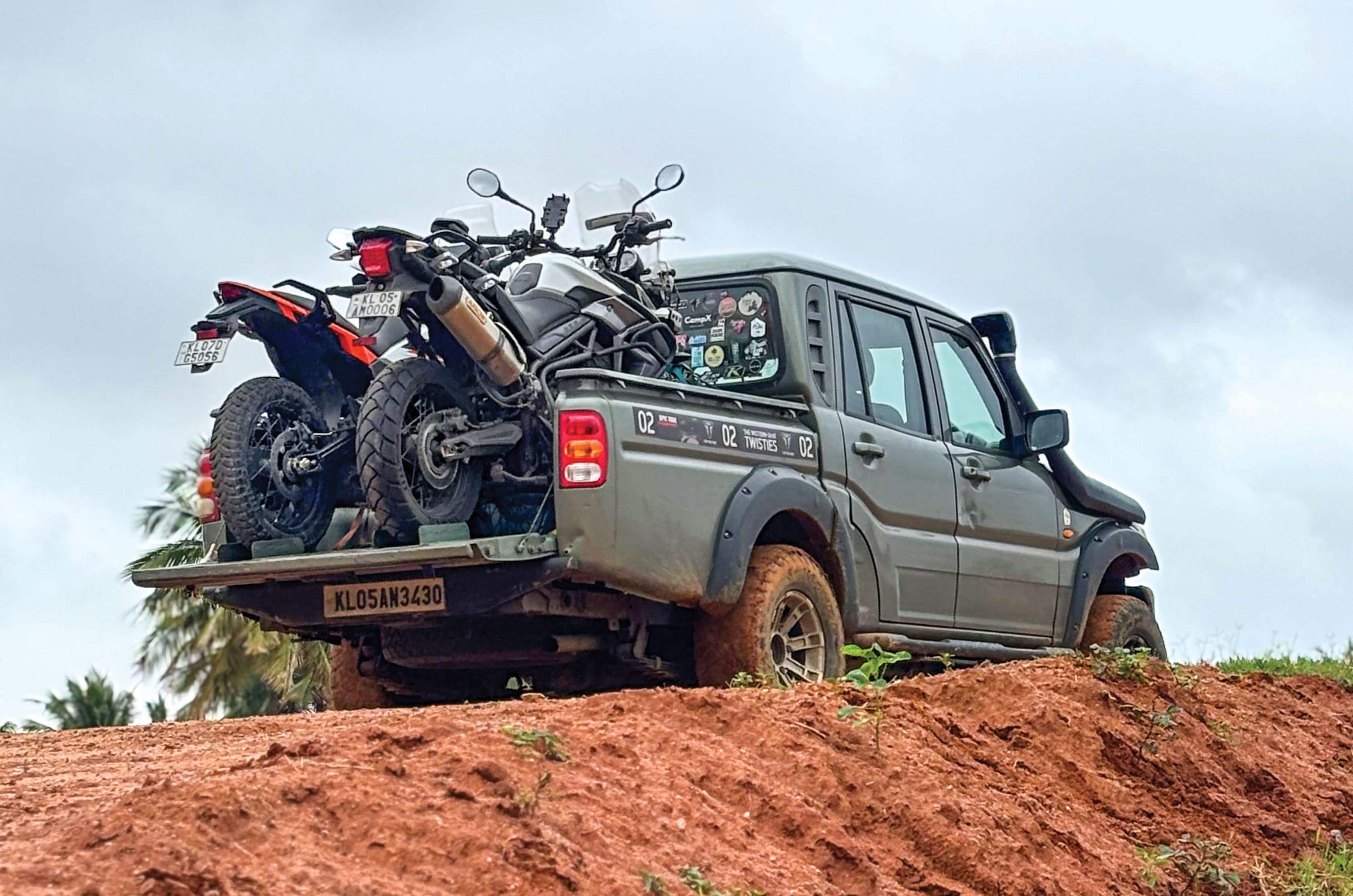
Extremely useful as a backup car for our business because it can carry a mechanic, medic, tools, medical kit and motorcycles, with room to spare.
Soon after the rains subsided, the Motor Vehicles Department in Kerala started a serious clampdown run on modified vehicles, and we figured it was time to strip the Getaway of everything but the essentials. The School Of Dirt – our off-road motorcycling school – was in full swing by then, and the Getaway was the backup car because it could carry a mechanic, medic and two broken motorcycles at a go. We kept the winch, the snorkel and the mud-terrain tyres. We added new features like the comprehensive tool kit for off-road trail fixes and an exhaustive medical kit for when things go wrong far from a hospital. This thing can carry a lot!
We’ve had a few heart-in-mouth moments, but the Getaway always got us home safe.
The next eight years were when the Getaway really pulled its own weight in gold. Most notably, the two 8,000km Kottayam-to-Kohima round trips, mostly with a 250kg Tiger 1200 strapped to its back, and about 1,10,000km criss-crossing South India with us and paraphernalia in it. It has been our hotel room and our home away from home when the adventure motorcycle thrill started booming. More than anything, it has been as reliable as a hammer and didn’t need much more than a full tank of diesel and some duct tape to get to the next destination.
Wear and tear on big bikes is expensive. Getaway helps mitigate that expense.
We figured a long time ago that using its ‘certified’ 600kg payload capacity to carry a motorcycle is a huge cost saving for a startup business. Ever since all nice and fast things became sin goods in the eyes of the government, carrying the bike to the start of the trip and using it only at the event became a much more economical proposition than riding it all the way. An example? A proper load- and speed-rated rear tyre on the Tiger 1200 costs Rs 25,000, and with the way I ride the bike, I obliterate that poor tyre in just 3,500km. That and the expensive mechanical wear and tear on these big bikes ultimately meant it was cheaper to load the bike on the back of the Getaway and transport it to the event.
Spare a thought
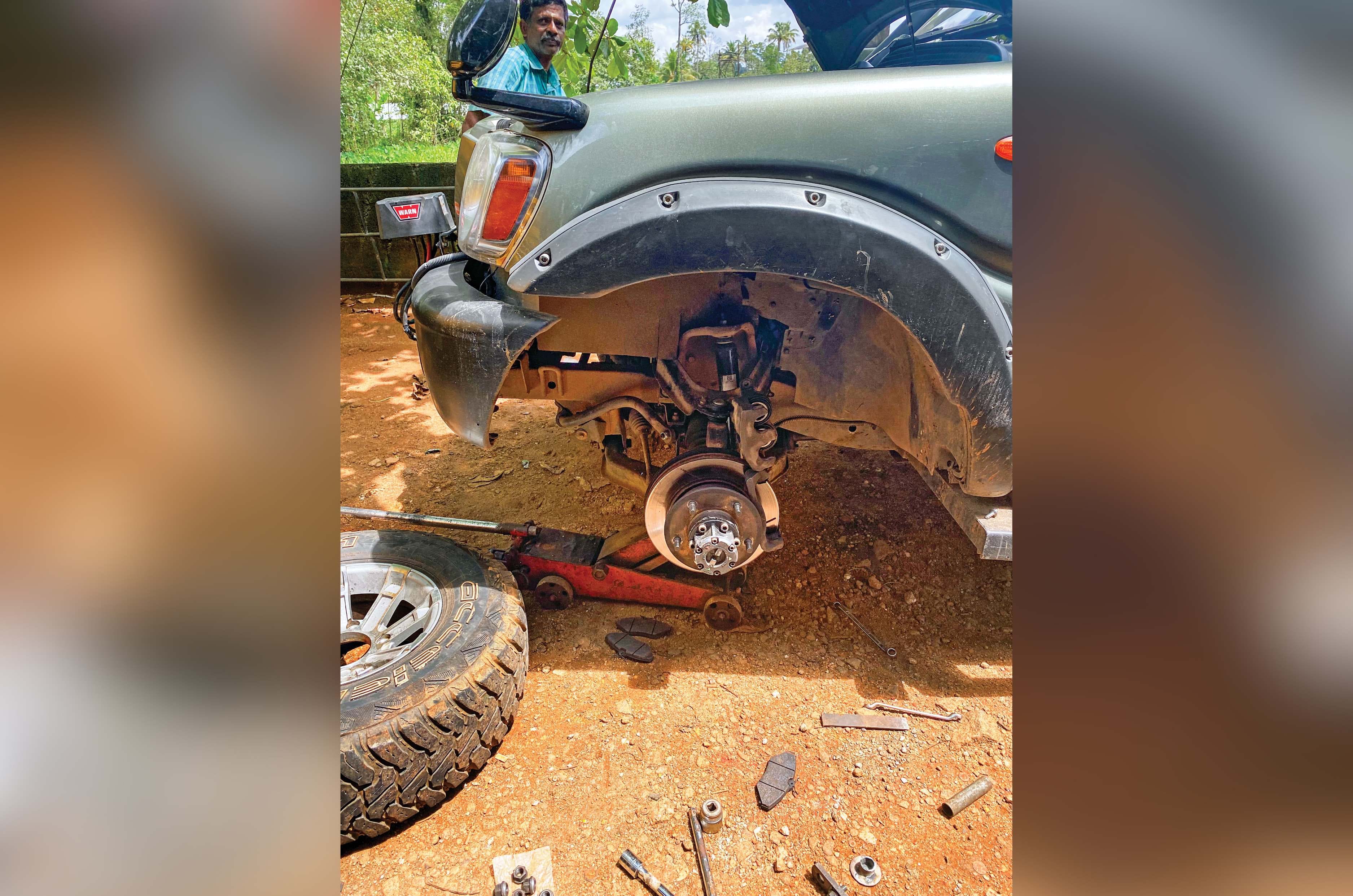
This being a Mahindra and based largely on the Scorpio, parts are available everywhere in India, and mechanics know their way around the Getaway’s Scorpio bloodline despite the pickup’s rarity. We run the car on a preventive maintenance schedule because we really work it hard, and no matter what, it gets fresh air, oil and diesel filters every 5,000km. The engine and transmission oil get changed at the same time, the leaf springs at the back are realigned and reshaped every 15,000km and the torsion bar front suspension gets re-adjusted every time we notice it starting to sag. We don’t have a bed liner for the pickup bed, so once a year, we check it in to a paint spa for a fresh coat to prevent rusting from all the scratches. That’s it.
Easily repaired because it shares a lot of parts with the Scorpio.
The engine has never needed an overhaul, and it is helpful that the bomb-proof 2.6 CRDe engine will run on anything that resembles diesel. The weak link in the mechanical package is the clutch – if you’re not reasonably careful every time you start off on a slope, it’ll vaporise fast. Still, the clutch pack along with the clutch release bearing works out to something like Rs 6,000, so apart from the inconvenience of being stranded, it really doesn’t hurt the wallet.
Also, because of our carelessness, we’ve chewed through three rear differentials in the course of the last decade (sometimes the cable-operated Lamda differential doesn’t fully disengage thanks to a corroded cable, and if you are not careful, you end up driving with a partially locked differential on the road). The rear differential turned out to be one of the most expensive spares on the Getaway, working out to around Rs 40,000 a pop, and even that is not too bad considering a broken tail-lamp on a Hilux will set you back Rs 30,000. We’ve since discarded the locking differential and keep fingers crossed that the winch will yank us out when the time comes. Also, don’t break the rear windshield – it is harder to source than a Ferrari 250 GTO!
With a full load, the Getaway still runs around 10 kilometres for every litre of diesel consumed, and that, along with its 60-litre fuel tank, gives it a useful range of 600km.
1,50,000km of highways and trails, and it is still going strong!
The Getaway doesn’t seem to lose much on resale value either. Back in 2016, Rish bought it for Rs 11 lakh and some spare change (on road!). Because every other new lifestyle pickup truck in the market is considerably more expensive, I think people are coming around to the sweet spot of utility, value and comfort that the Getaway hits. It is a reasonably simple vehicle with zero electronics (no ABS even!) and so lends itself to hard work and easy fixes happily. Still, well-maintained Getaways are few and far between and their owners (like us) are loathe to let them go. The ones you find on used-car portals are bad. Trust me, I’ve looked.
What next?
No one is more excited about the launch of the Getaway’s replacement than I am. The new Lifestyler (weird name) looks very cool, and the more powerful engines will definitely make fully loaded cross-country trips effortless. The expected base price is positively tasty, and I hope it will come with maintenance costs to match.
It does seem a bit too fancy, though, and I worry about the interiors that are no longer the hose-down kind. I hope Mahindra will offer a more pared-down version that will allow people like me to use it with dirty boots and greasy gloves guilt-free. In the mountaineering world, when someone successfully summits a peak, you ask, “Who’s your sherpa” The Getaway has been The School Of Dirt’s unfailing sherpa. The Lifestyler has its work cut out.
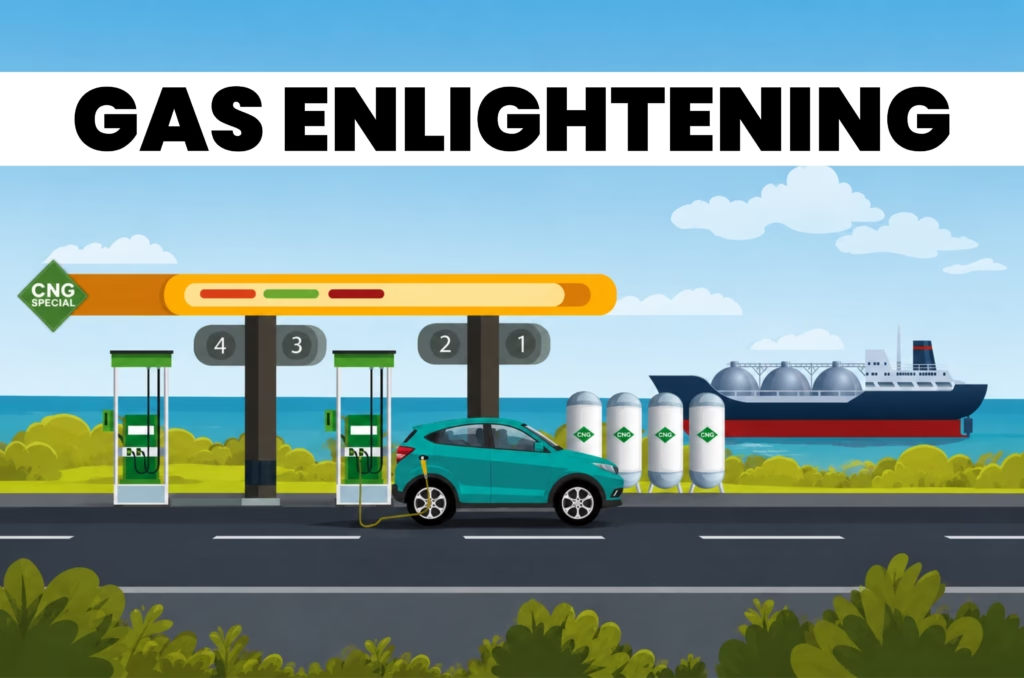
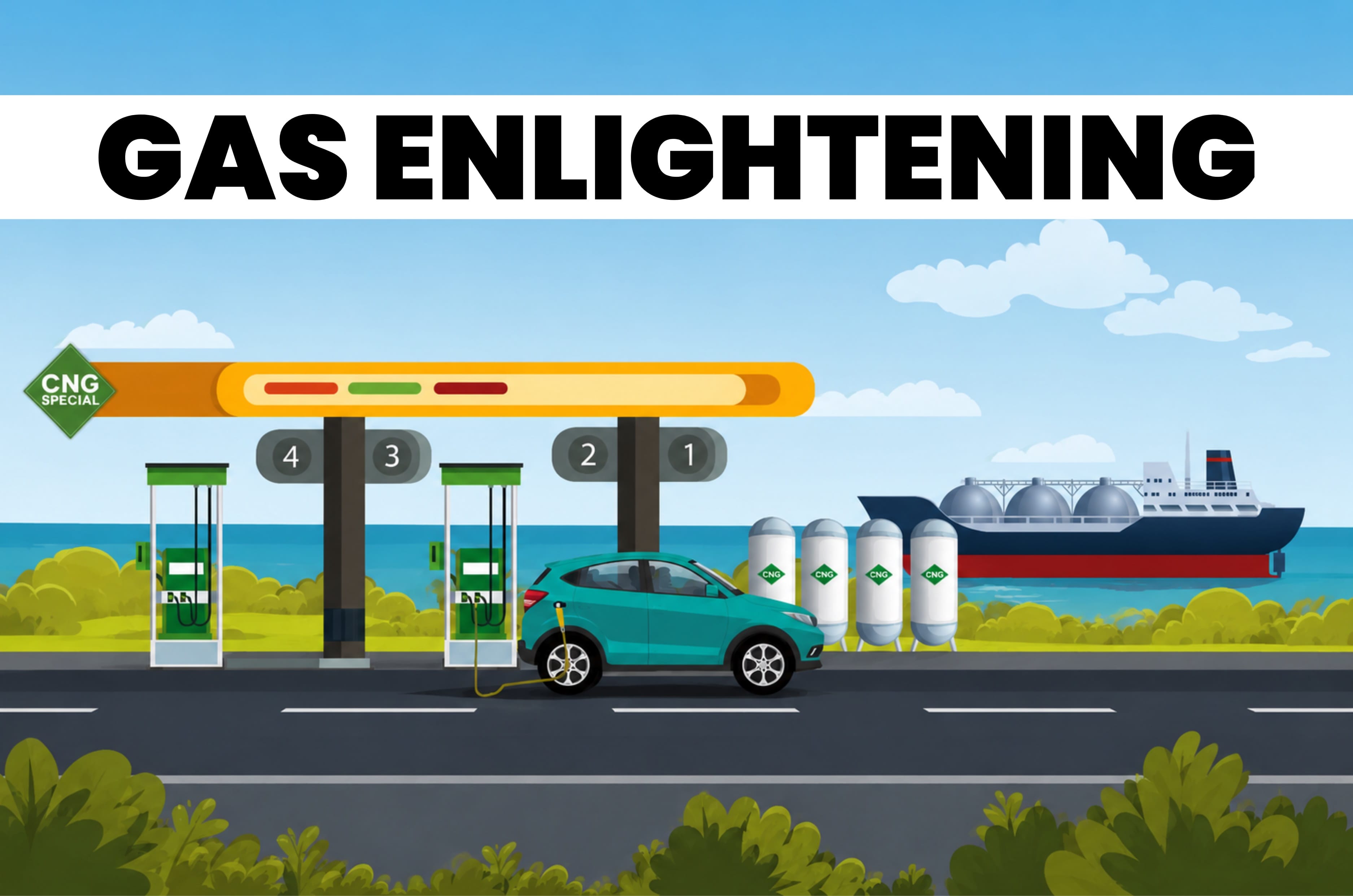
Over the last decade, CNG has gone from being a niche fuel used mainly by taxis to becoming the most popular alternative fuel in the Indian passenger vehicle market. Though driven mainly by rising fuel prices, an increasing choice of models with factory-fitted systems has also made CNG a mainstream choice. But what exactly is CNG?
What is CNG?
CNG, or Compressed Natural Gas, is composed primarily of methane (CH4) – typically between 85 and 98 percent. The rest consists of minor amounts of other hydrocarbons like ethane and butane, as well as trace amounts of nitrogen and carbon dioxide. Instead of being stored as a liquid, CNG is kept in a gaseous state.
Why is CNG compressed?
CNG’s volumetric energy density (energy/litre) is significantly less than petrol’s, so an amount sufficient for a decent driving range would take up way too much space. However, by compressing the gas to around 200 to 250 bar, its volume reduces roughly 250 times, thus enabling a manageable tank size.
Where do we get CNG from?
India gets its CNG from a roughly even mix of domestic natural gas production and imported liquefied natural gas (LNG). LNG is essentially CNG super-cooled to -162deg C and stored as a liquid, making it highly dense for easy transportation. Additionally, India also produces CNG from organic matter like food waste, sewage and cattle dung, though for now it is in small amounts. The methane derived from these sources is compressed into Bio-CNG.
How is CNG distributed?
CNG moves through gas distribution pipelines and into refuelling stations. These stations that are connected directly to the pipeline are called online stations and are common in major cities. In areas without a pipeline connection, CNG is supplied via mobile cylinder banks (called cascades) that are filled from a mother station and delivered by truck; the receiving station is referred to as a daughter station.
Is CNG safe?
Modern automotive CNG systems are very safe. The cylinders are designed to withstand pressures well beyond normal operating levels and are equipped with pressure relief and automatic shut-off valves. Methane is lighter than air, thus if a leak occurs, it disperses upward quickly, and while methane is an odourless gas, it is mixed with a chemical to give it a pungent aroma, so you can detect a leak. That said, because CNG is stored at very high pressure, cylinders require periodic inspection and testing as specified by the manufacturer.
What are the advantages of CNG?
1. Lower running costs
CNG’s significantly lower price means the cost per kilometre of running a vehicle on the gas is typically 30-50 percent lower than petrol by today’s fuel prices. The lower cost is, quite simply, the largest contributor to the fuel’s popularity. However, there are other benefits too.
2. Cleaner emissions
CNG burns cleaner with lower CO2 emissions and minimal particulate matter. The formation of sulphur oxides (SOX) and nitrogen oxides (NOX) is also lower with CNG. Thus, it is considered to be a clean or environmentally friendly fuel. When compared to diesel fuel, the reduction in particulate matter is even more significant.
3. Cleaner engine internals
CNG mixes very uniformly with air and leaves almost no carbon deposits when burned. Thus, an engine running CNG generally stays cleaner than when running on petrol. This can be seen on the spark plugs that stay cleaner. However, the higher combustion temperatures that CNG engines typically run at put extra thermal stress on the plugs. On the whole, though, they tend to last a bit longer and stay cleaner too.
What are the disadvantages
1. Lower range
Despite being compressed, CNG still stores much less energy per litre than liquid fuels. Thus, the range-to-volume ratio is lower with CNG than with petrol or diesel fuel.
2.Longer refueling
CNG stations are concentrated around major cities and highways, and given the rising popularity of CNG, there are long queues. Furthermore, filling pressure depends on the pump’s pressure and the number of vehicles, so it can take longer to fill than liquid fuels when the station is full.
3.Reduced power
Petrol enters a cylinder as a fine mist, taking up little space. However, CNG, being a gas, occupies more space, leaving less room for air (oxygen). CNG’s lower volumetric energy density also means the air-CNG mix simply holds less energy than an air-petrol mix. Thus, an engine makes less power when running on CNG. Interestingly, CNG has a higher octane rating than petrol – typically above 120 RON, so a CNG-only engine can run a higher compression ratio to produce more power. But since passenger cars are bi-fuel, a lower ratio that’s suitable for petrol is used.
UPI Payment Charges: लगभग छह साल बाद यूपीआई से लेन-देन पर मर्चेंट डिस्काउंट रेट (MDR) वापस आ सकता है। दुकानदार को ₹2,000 या उससे अधिक के यूपीआई पेमेंट पर 0.3% का चार्ज लग सकता है। इसके लागू होने का कानूनी रास्ता तब साफ हुआ, जब सरकार ने अगस्त में पेमेंट एंड सेटलमेंट सिस्टम्स एक्ट में बदलाव किया और जीरो-एमडीआर प्रोटेक्शन को हटा दिया। 21 अगस्त की फाइनेंशियल एक्सप्रेस की रिपोर्ट के मुताबिक अब यूपीआई से पेमेंट पर जीरो की बजाय 0.3% के शुल्क का नियम अगले दो हफ्ते के भीतर लागू किया जा सकता है। हालांकि केंद्रीय वित्त मंत्री निर्मला सीतारमण ने साफ कर दिया है कि ग्राहकों और छोटे कारोबारियों पर इसका भार नहीं डाला जाएगा। सरकार की कोशिश इस पेमेंट सिस्टम से जुड़ी एंटिटीज को डिजिटल इंफ्रास्ट्रक्चर बनाए रखने पर होने वाले खर्च के कुछ हिस्से की भरपाई है। ₹2,000 या इससे अधिक के लेन-देन पर MDR लागू होने से इलेक्ट्रॉनिक्स, सिक्योरिटीज, कपड़े और अधिक दाम वाली खरीदारी प्रभावित हो सकती है।
किसे मिलेगा UPI Payment में MDR का पैसा
एमडीआर का पैसा किसी एक को नहीं मिलेगा बल्कि बैंक, फिनटेक कंपनियां और इस लेन-देन में शामिल अन्य एंटिटीज में बंटेगा। साल 2019 तक एमडीआर वाली व्यवस्था लागू थी लेकिन फिर डिजिटल पेमेंट को बढ़ावा देने के लिए इसे जीरो कर दिया गया। इसे हटाए जाने से पहले ₹100 से अधिक मूल्य वाले ऑफलाइन क्यूआर कोड के जरिए किए गए P2M (पर्सन-टू-मर्चेंट) पेमेंट पर 0.3% शुल्क लगता था, जिसे इश्यूअर (Issuer) और एक्वायरर (Acquirer) बैंकों के बीच बराबर बांटा जाता था। एमडीआर की अधिकतम सीमा भी ₹100 थी, जिसे साल 2020 में पूरी तरह समाप्त कर दिया गया।
अब इसे फिर लाया जा रहा है। इसका पैसा पेमेंट चेन में चार प्लेयर्स के बीच बंटेगा। एक हिस्सा ग्राहक के बैंक को, दूसरा हिस्सा पेमेंट सर्विस प्रोवाइडर और ट्रांजैक्शन हैंडल करने वाले इसके बैंक को, तीसरा हिस्सा दुकानदार की तरफ से यानी एक्वायरिंग बैंकों और उसके पेमेंट सर्विस प्रोवाइडर को तो चौथा हिस्सा यूपीआई नेटवर्क चलाने और लेन-देन का निपटारा करने वाली NPCI को मिलेगा। एमडीआर में सबसे अधिक हिस्सा इंटरचेंज शुल्क के रूप में इश्यूइंग बैंक यानी ग्राहकों के बैंक को तो सबसे कम हिस्सा एनपीसीआई को मिलेगा।
क्यों हुई वापसी
भर्तृहरि महताब के नेतृत्व में फाइनेंस से जुड़ी संसदीय स्थायी समिति ने 12 अगस्त को अपनी रिपोर्ट में जिक्र किया कि यूपीआई को बढ़ावा देने और जीरो-MDR के कारण इंडस्ट्री के रेवेन्यू लॉस की भरपाई के लिए सरकार ने सिर्फ ₹2,000 करोड़ एलॉट किए हैं जोकि डिजिटल पेमेंट इंडस्ट्री की अनुमानित सालाना लागत ₹20,700 करोड़ से बहुत ही कम है। कमेटी ने आगाह किया है कि इसके चलते साइबर सिक्योरिटी, फर्जीवाड़े की रोकथाम और पेमेंट नेटवर्क इंफ्रास्ट्रक्चर में जरूरी निवेश प्रभावित हो सकता है। चूंकि अब एआई का इस्तेमाल बढ़ा है तो साइबर खतरे भी बढ़े हैं, जिससे चिंता और गंभीर हो गई है। आरबीआई गवर्नर संजय मल्होत्रा भी कह चुके हैं कि यूपीआई हमेशा फ्री नहीं रह सकता है और कोई न कोई इसका खर्च चुका रहा है।
हालांकि सिर्फ एमडीआर ही इन खर्चों की भरपाई के लिए पर्याप्त नहीं है। डिपार्टमेंट ऑफ फाइनेंशियल सर्विसेज ने संसदीय समिति को बताया कि फंडिंग के बोझ को कम करने के लिए दो विकल्पों पर विचार किया जा रहा है- अधिक वैल्यू वाले यूपीआई पेमेंट पर एमडीआर को दोबारा लागू करना या आने वाले वषों में सरकारी सहायता को धीरे-धीरे कम करना। सरकारी आंकड़ों के अनुसार वित्त वर्ष 2025-26 में देश में करीब ₹314 लाख करोड़ के 24,000 करोड़ से अधिक UPI लेनदेन हुए। इसमें से 71% P2P (पर्सन-टू-पर्सन) और बाकी P2M (पर्सन-टू-मर्चेंट) थे। पी2एम में सिर्फ 4% की वैल्यू ही ₹2,000 या उससे अधिक थी यानी कि अधिकतर यूपीआई पेमेंट एमडीआर के दायरे से बाहर रहेगा तो छोटे कारोबारियों को बाहर रखने से इसका दायरा और सीमित हो जाता है।
संसद ने इस महीने की शुरुआत में बैंकर्स बुक एविडेंस बिल 2026 (Bankers’ Books Evidence Bill 2026) पारित किया। इसका लक्ष्य बैंक रिकॉर्ड से जुड़े 135 साल पुराने कानून को बदलना और पारंपरिक बैंकिंग रिकॉर्ड को डिजिटल दौर के अनुरूप बनाना है। इससे जुड़ा कानून पहली बार वर्ष 1891 में उस समय पास किया गया था, जब बैंकिंग रिकॉर्ड्स मुख्य रूप से कागजी रूप में रखे जाते थे। अब नए कानून में बैंक के डिजिटल रूप को अधिक महत्ता दी गई है और इससे कोर्ट-कचहरी के मामले में बैंकिंग रिकॉर्ड को हासिल करने तथा इस्तेमाल करने के तरीके में बदलाव होगा। यहां इस कानून से जुड़े पांच अहम पहलू दिए गए हैं। हालांकि इससे ग्राहकों के डेटा की प्राइवेसी को लेकर चर्चा शुरू हो सकती है।
डिजिटल बैंक रिकॉर्ड्स को सबूत के तौर पर मान्यता
सबसे बड़े बदलावों में से एक इलेक्ट्रॉनिक और डिजिटल रिकॉर्ड्स को बैंकर्स बुक्स के तौर पर मान्यता देना है। साल 1891 का कानून फिजिकल बुक्स, लेजर्स और दूसरे ट्रेडिशनल रिकॉर्ड्स को ध्यान में रखकर बनाया गया था। नए बिल के मुताबिक बैंकों को अधिकतर ट्रांजैक्शन और अकाउंट्स की जानकारी इलेक्ट्रॉनिक रूप में रखनी ही होगी। इसका मतलब है कि बैंकों के डिजिटल रिकॉर्ड किसी कानूनी मामले में साक्ष्य के तौर पर इस्तेमाल किए जा सकेंगे।
असली रिकॉर्ड की जगह सर्टिफाइड कॉपी का इस्तेमाल
नए बैंकिंग कानून में मौजूदा नियम को बनाए रखा गया है, जिसके तहत बैंक रिकॉर्ड की सर्टिफाइड कॉपी या उनके किसी हिस्से को सबूत के तौर पर पेश किया जा सकता है। यह इसलिए अहम है क्योंकि बैंकों के पास भारी-भरकम ट्रांजैक्शन डेटा होता है। हर कानूनी मामले के लिए मूल रिकॉर्ड पेश करने बहुत समय लग सकता है। हालांकि अब नई व्यवस्था के तहत असली बैंकर बुक के बजाय सर्टिफाइड कॉपी से काम चल जाएगा, जिससे अदालतों के लिए बैंक ट्रांजैक्शन की जांच करना आसान हो जाएगा। हालांकि इसमें ऐसे प्रावधान भी किया गया है जिससे यह सुनिश्चित किया जा सके कि रिकॉर्ड भरोसेमंद हैं।
कानूनी एजेंसियों की ग्राहकों के खातों की जानकारी मांगना
इस बिल में एक प्रावधान है जिसे लेकर बहस छिड़ सकती है। इसके तहत लॉ एंफोर्समेंट एजेंसियां किसी ग्राहक के बैंक अकाउंट की जानकारी मांग सकते हैं। इस बिल में कुछ खास रैंक के पुलिस अधिकारियों को बिना किसी अदालती आदेश के सीधे बैंक से ही बैंकिंग अकाउंट की जानकारी हासिल करने का अधिकार मिला है। कुछ मामलों में बैंकों को इसके बारे में ग्राहकों को भी बताना होगा लेकिन किसी जांच, वित्तीय अपराध या नेशनल सिक्योरिटीज से जुड़े मामले में ऐसी कोई बाध्यता नहीं है।
बैंक अधिकारियों को बार-बार कोर्ट में पेश होने से राहत
नए बिल में बैंक अधिकारियों को ऐसी स्थितियों में राहत दी गई है, जब उनके इंस्टीट्यूशंस किसी कानूनी कार्यवाही में सीधे तौर पर शामिल न हों। किसी अधिकारी को बैंक के रिकॉर्ड पेश करने या उनमें शामिल लेन-देन को साबित करने के लिए कोर्ट में पेश होने के लिए मजबूर नहीं किया जा सकता है। हालांकि रिकॉर्ड की सत्यता पर संदेह या जांच के आदेश का पालन नही होने की स्थिति में कोर्ट रिकॉर्ड पेश करने का आदेश दे सकता है। इसका लक्ष्य बैंक अधिकारियों पर रूटीन बैंकिंग रिकॉर्ड से जुड़े कोर्ट केस में बार-बार पेश होने का बोझ कम करना है।
फाइनेंस सेक्टर की दूसरी एंटिटीज तक बढ़ा दायरा
नए बिल से केंद्र सरकार को इसके प्रावधान फाइनेंशियल सेक्टर दूसरी एंटिटीज या क्लास ऑफ एंटिटीज जैसे कि NBFC (नॉन-बैंकिंग फाइनेंशियल कंपनीज), पेंशन फंड्स, बीमा कंपनियां इत्यादि पर लागू करने का अधिकार मिलता है। इन एंटिटीज पर कानून लागू करते समय शर्तें, छूट या बदलाव भी तय कर सकती है।