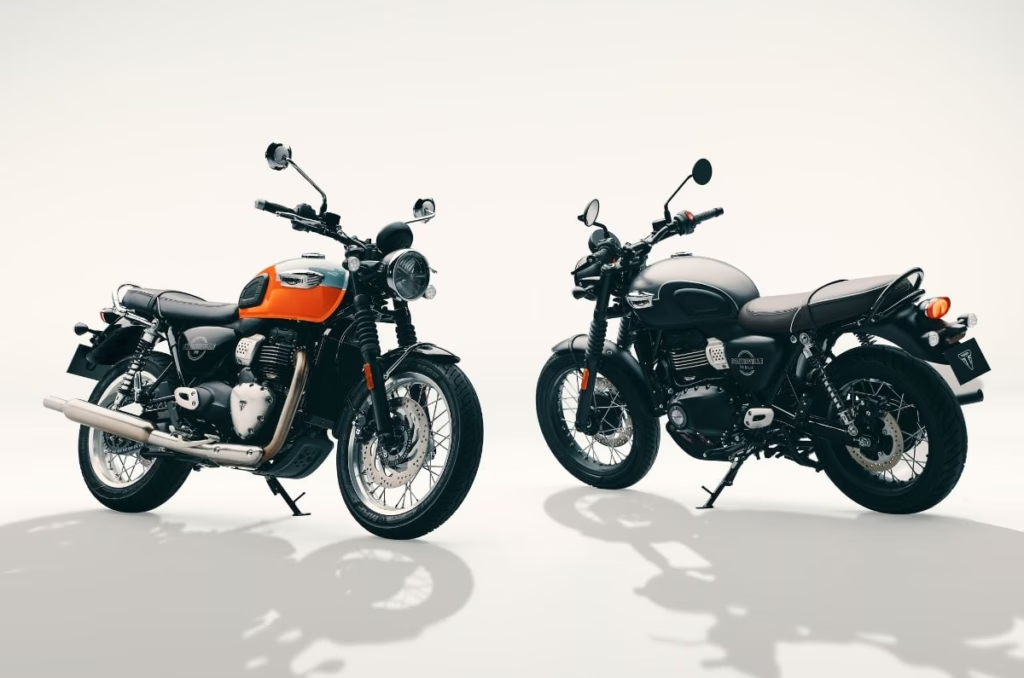
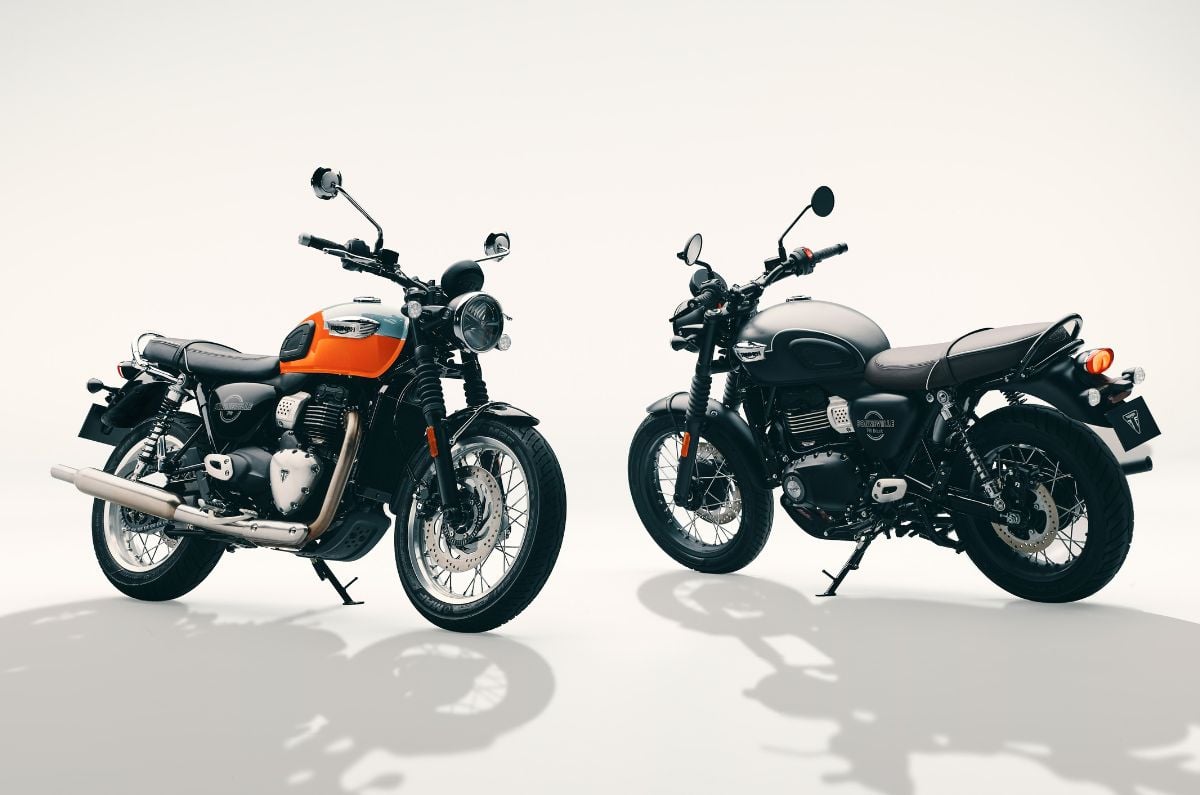
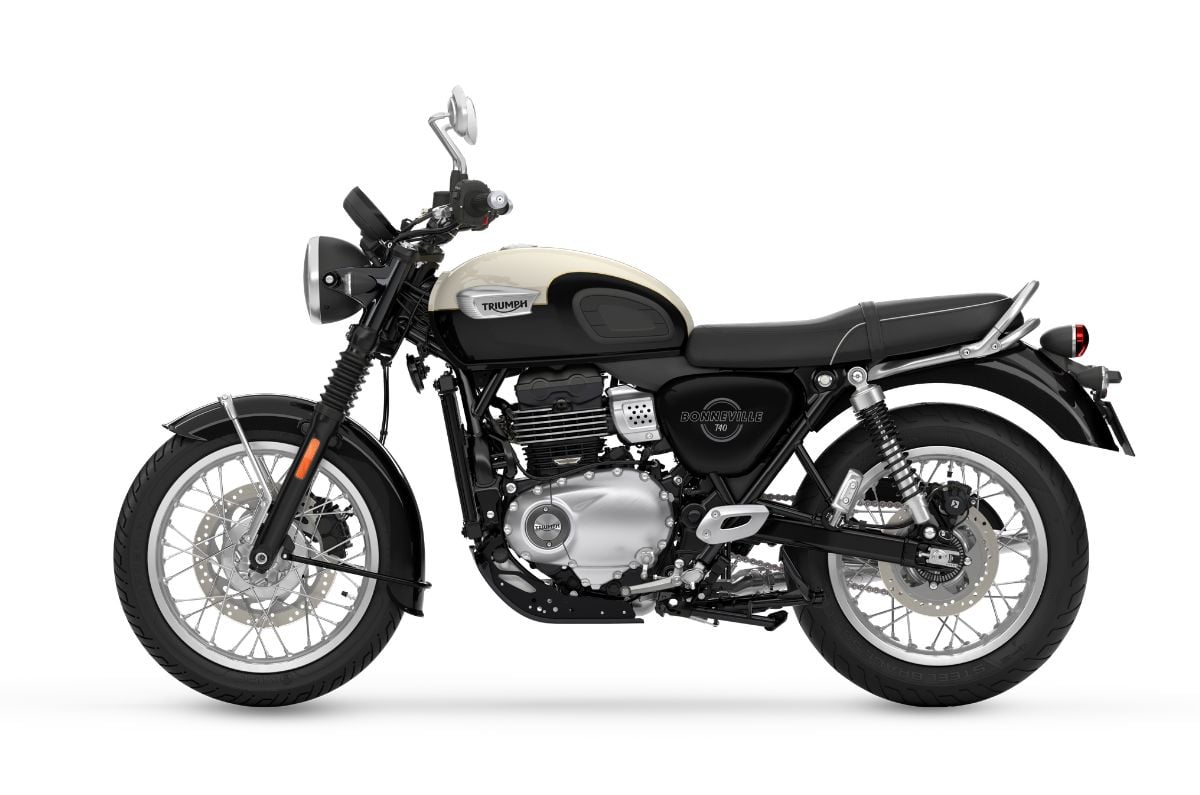
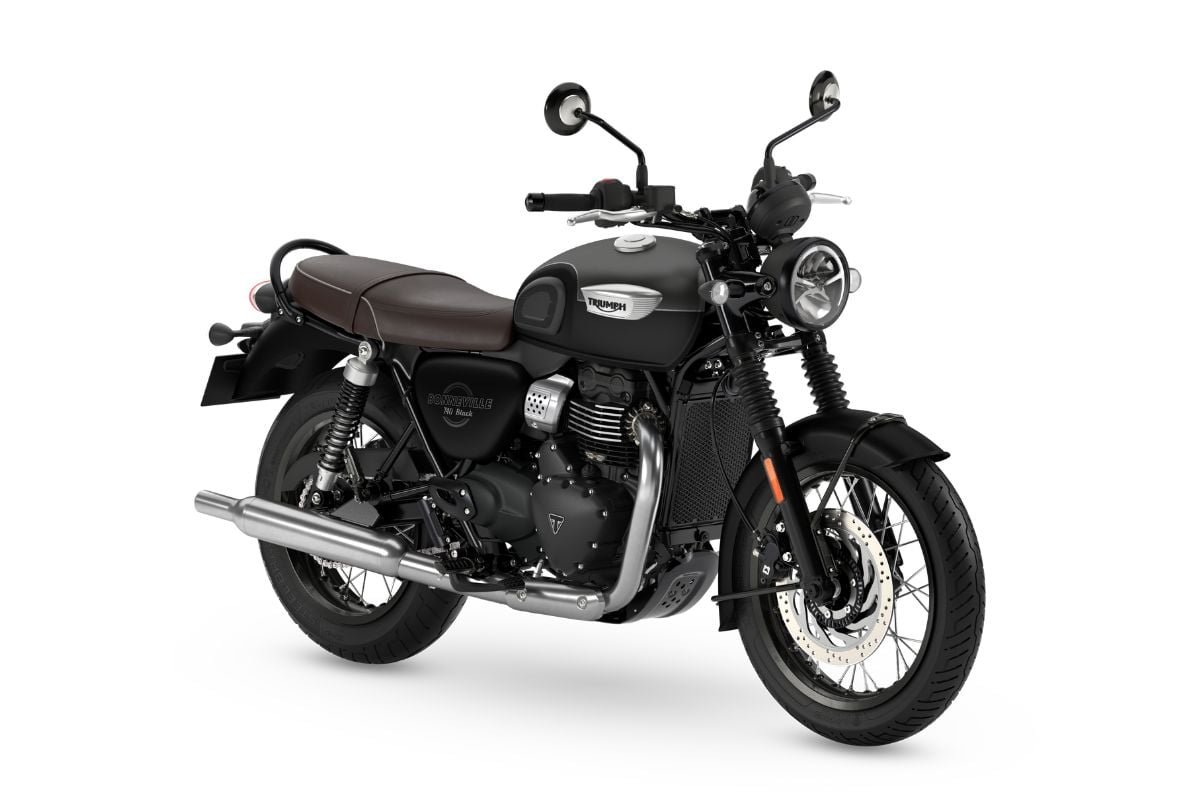
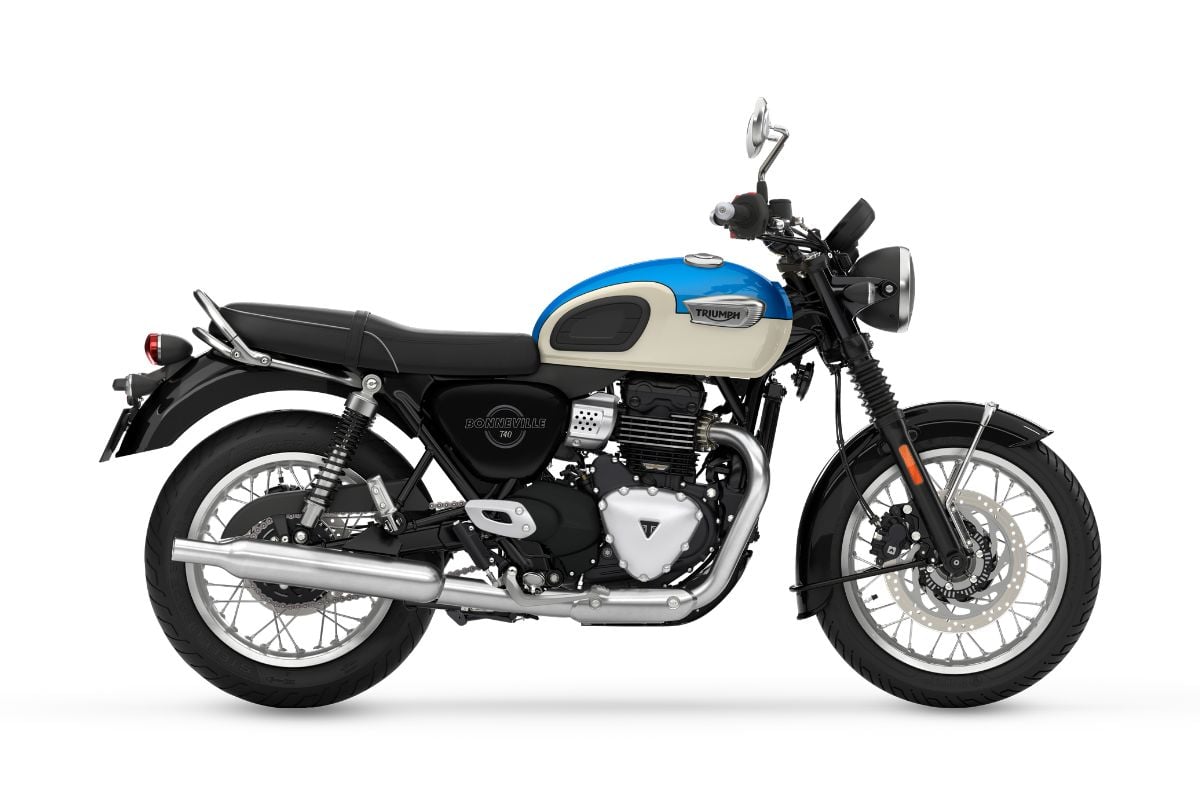
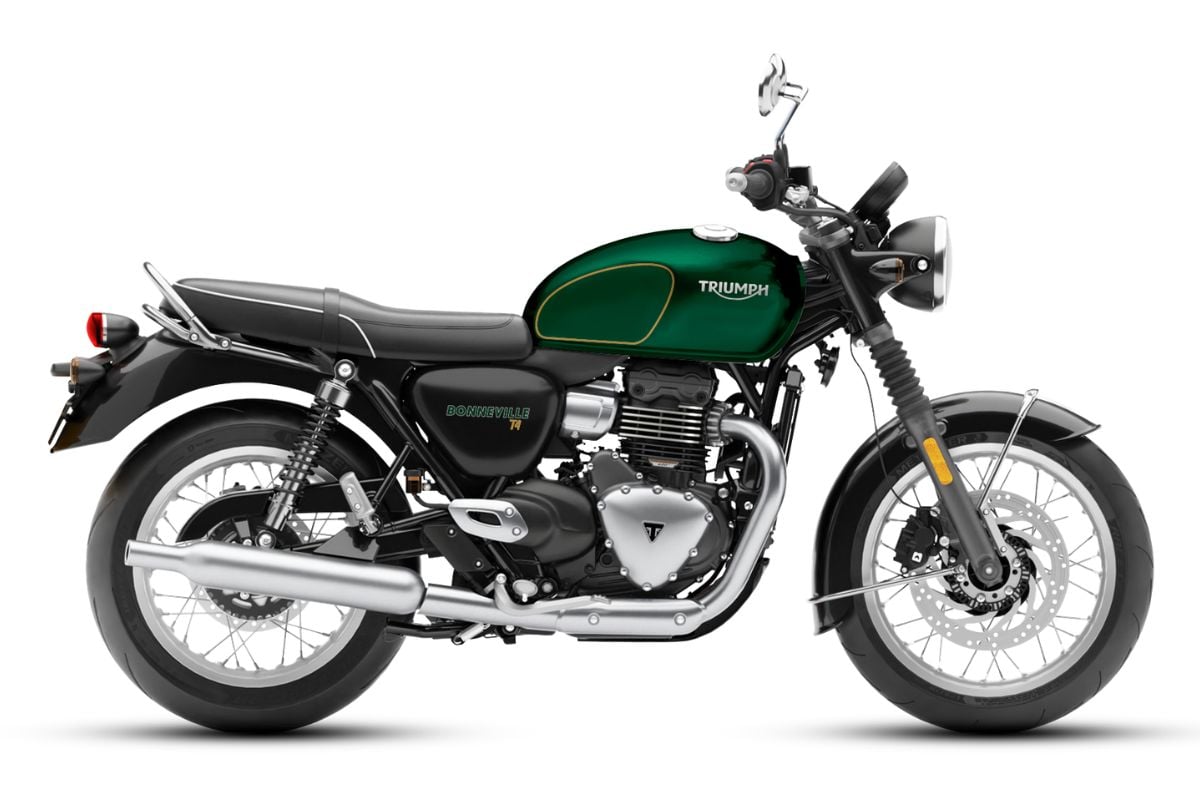
After seeing a great deal of success with its Bajaj-built, single-cylinder models, Triumph has now revealed a new model in the same family which has the potential to be the most popular one yet – the Bonneville T40. Underneath its appealing classical design, the smallest ‘Bonnie’ is an amalgamation of some parts shared with its siblings while some are unique to it. Alongside the Bonneville T40, the Triumph has also revealed a lower-spec Bonneville T4 which misses out on some electronic features but is mechanically the same as the T40.
350cc engine makes 29hp, 31.2Nm; tuned for low- and mid-range grunt
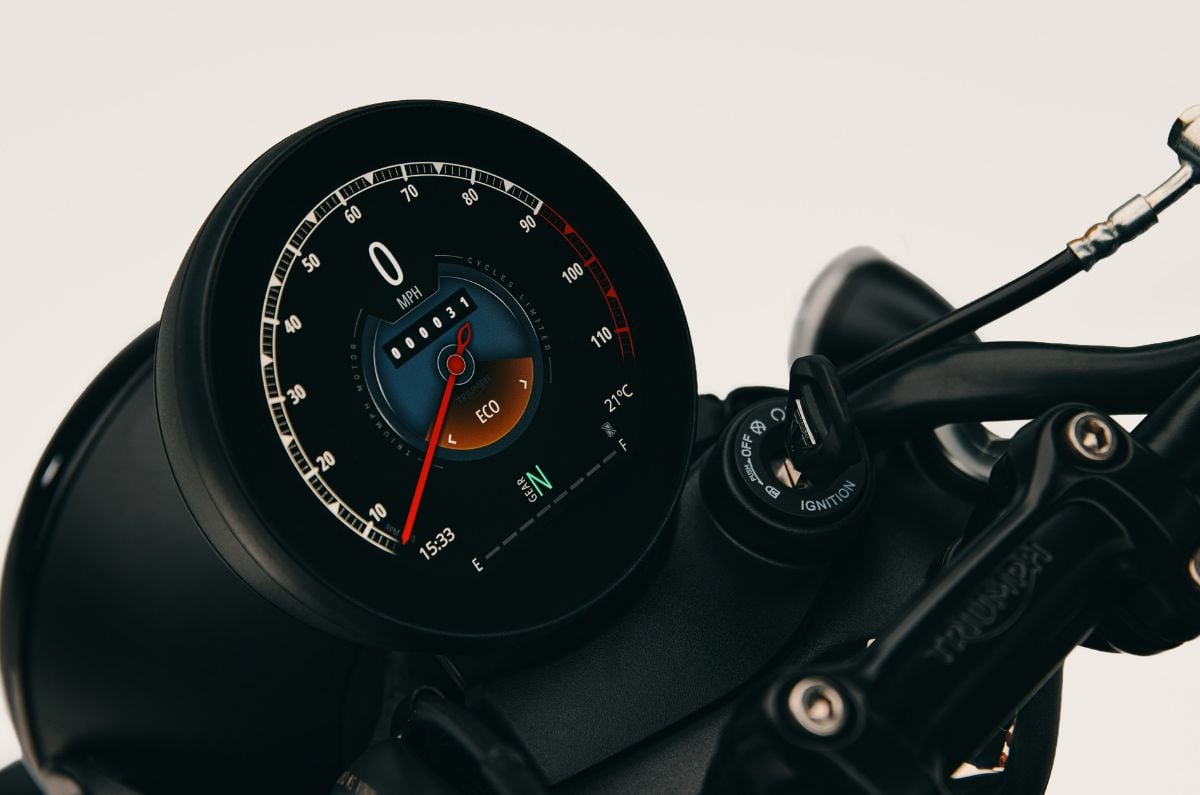
4-inch colour TFT display, 5 riding modes & cruise control standard
Available in 3 bright dual-tone colours and a blacked-out version
Triumph Bonneville T40: Everything you need to know
Weighs 195kg and has a low 790mm seat height
Powering the India-spec Bonneville T40 is the same 350cc, single-cylinder, liquid-cooled engine as seen in the other single-cylinder Triumphs but in this application both the output and state of tune are very different. The engine in the Bonneville makes 29hp at 7,000rpm and 31.2Nm of torque at 5,500rpm – numbers that are incidentally very similar to the Speed T4 (29hp at 7,500rpm and 31Nm at 5,500rpm).
While the engine’s base architecture is shared with the other single-cylinder Triumph models, here you have a revised cylinder head, a new engine tune, smaller diameter throttle bodies, dedicated camshafts and a new peashooter exhaust. Triumph says it has made all these changes to ensure an effortless, torque-rich riding experience. A 6-speed gearbox continues here but the company says the Bonneville T40 has taller overall gearing than its siblings.
Just like the engine, the frame on the Bonneville T40 has also seen major revisions. While the front half is more closely related to the other Bajaj-made Triumphs, at the rear it is all-new. This was done to not only accommodate the twin shock absorbers and new tubular steel swingarm (not aluminium like its siblings) but also to get the quintessential Bonneville aesthetic right, says Triumph. Another point to note is that the Bonneville T40’s subframe is welded to the main frame, not bolted like on the other 350cc Triumphs.
What this new frame also potentially permits Triumph to do is also potentially introduce single-cylinder versions of the Speedmaster and Bobber down the line, although the company hasn’t confirmed this officially.
The cycle parts on the 350cc Bonnie are also unique to it and aren’t shared with the other single-cylinder Triumphs. A 43mm right way up gaitered telescopic fork and twin shock absorbers handle suspension duties and both have a healthy 130mm of travel. To handle stopping duties, there’s a 310mm disc at the front with a twin-piston axial caliper and a 255mm rear disc with a single-piston caliper, supplemented by lean-sensitive ABS.
In typical Bonneville fashion, the T40 runs on wire-spoke wheels shod with tubed MRF tyres developed specifically for it – no tubeless option here. The front tyre is sized 100/90-18 while the rear is a 150/70-R18 hoop. While the tubed tyres will mean a more labour-intensive and long drawn-out puncture repair process there is a small silver lining, in that a centre stand comes standard here.
The result of all those chassis changes is that the Bonneville T40 weighs 195kg, making it by far the heaviest of the Bajaj-built Triumph models. Having said that, at 14.5 litres, it also has the largest fuel tank capacity. With a friendly 790mm seat height, the T40 is quite accessible in terms of ground reach and you can even drop it down further to 770mm with Triumph’s accessory low seat. Despite the low perch, the baby ‘Bonnie’ has a healthy 165mm of ground clearance which should help it tackle the worst of Indian conditions without scraping its undercarriage.
What all of the above should likely translate to in the real world is a refined and genteel riding experience, although we’ll reserve judgement on that facet until we get to spend quality some seat time on the small ‘Bonnie.’
Just like the other Bajaj-built Triumphs, the Bonneville T40 has a high level of material finish and attention to detail. Where the T40 goes one step further is that it debuts a new round 4-in colour TFT display with more comprehensive switchgear. This is to control the different riding aids like the 5 riding modes (Road, Rain, Eco and 2 fully customizable ones), ABS, traction control and cruise control. This display even has a ‘Heritage’ mode which changes the layout to a more old-school appearance. Furthermore, if you pair your phone to the display via the Triumph Navigation app, you can also get navigation information on the screen.
At Rs 2.80 lakh (ex-showroom, Delhi), the Bonneville T40 (and T40 Black) is priced at a premium compared to its direct rivals which are the Royal Enfield Classic 350 (Rs 1.89 lakh – Rs 2.26 lakh), Honda CB350C (Rs 2 lakh – Rs 2.05 lakh) and Jawa 350 (Rs 2.11 lakh – Rs 2.22 lakh). For those that find the asking price for the Bonneville T40 perhaps a bit too pricey, there’s also a lower-spec Bonneville T4 which has a slimmer 140-section rear tyre, a colour LCD display with turn-by-turn navigation, ride modes and dual-channel ABS but misses out on cruise control and the Intertial Measurement Unit (IMU). The T4 Bonneville is priced at Rs 2.55 lakh and comes in three solid colours – green, black and red.
Bookings are open for both but deliveries for the Bonneville T40 will commence earlier, in November 2026, while the T4 will be delivered starting from the 2nd week of January 2027.
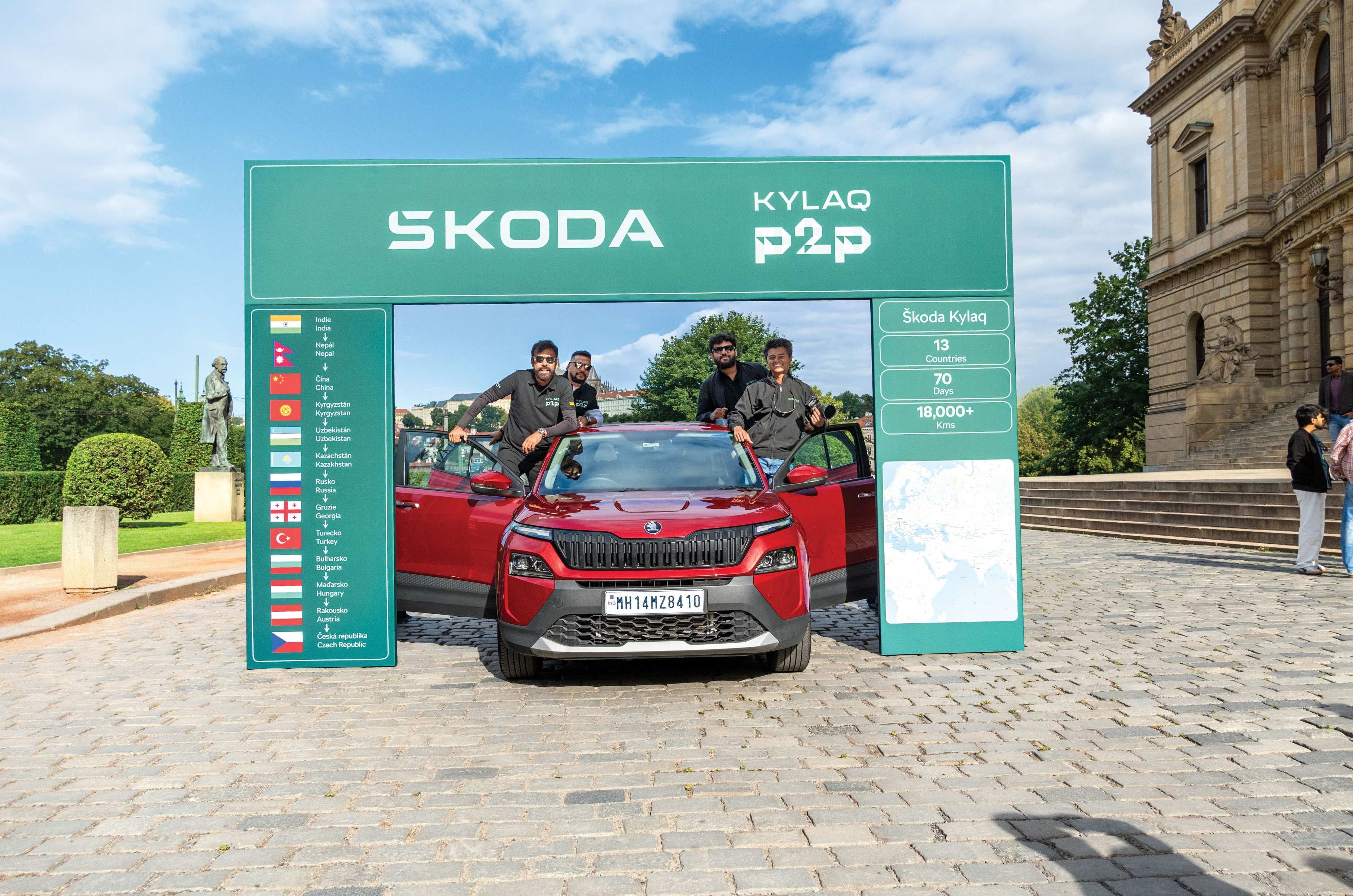
In the previous issue (August 2026), you saw the Skoda Kylaq take on the familiarity of India, the hills and traditions of Nepal, and the variety of China through Tibet’s gorgeous but bone-shaking terrain, followed by the sensory overload of food and culture. Now, it was time for a fresh experience through Central Asia on the ancient Silk Route, subsequently entering Europe towards our final destination.
Kyrgyzstan – Uzbekistan – Kazakhstan
Kyrgyzstan
The Kylaq had everyone turning heads.
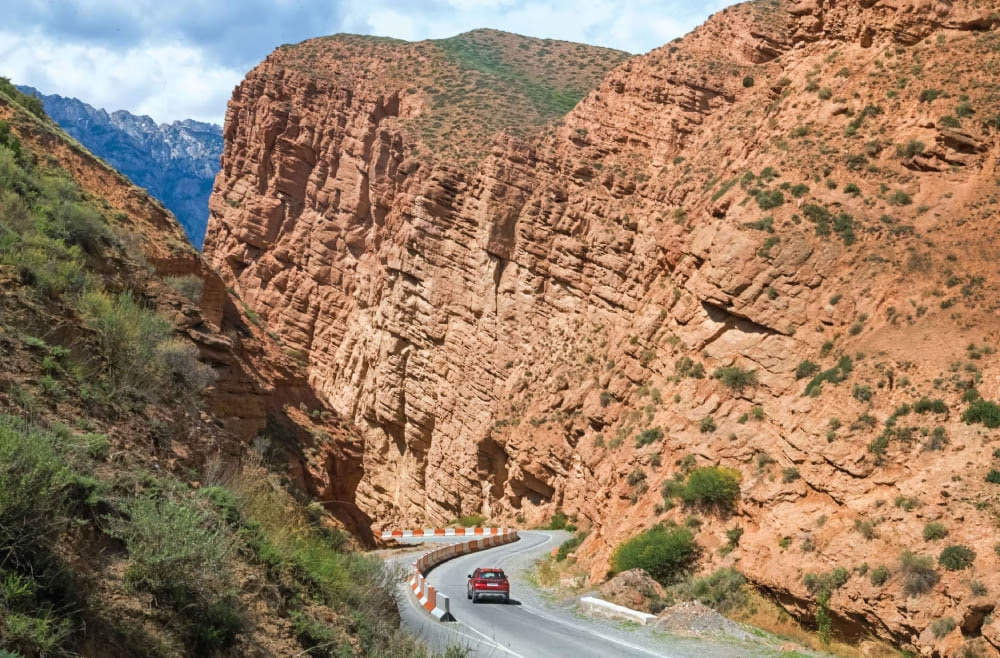
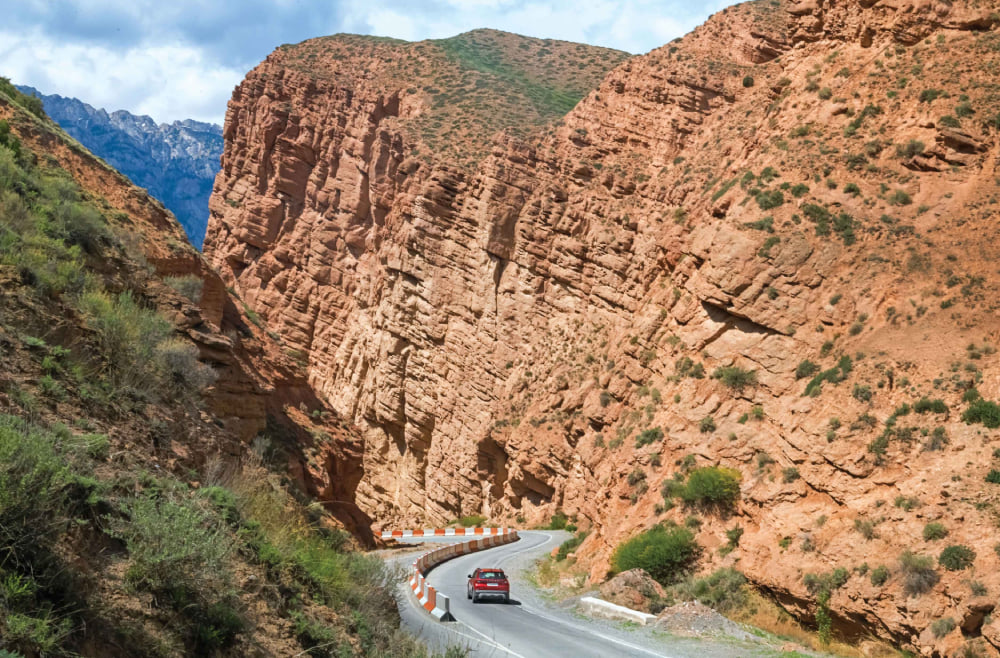
Crossing the Chinese border into Kyrgyzstan was like crossing into a different world. The differences are immediate, right from the signage, fonts and faces to the sights, terrain and traffic. Being a landlocked country peppered with alpine mountains, one doesn’t need to go far to experience what Kyrgyzstan has to offer. As you drive through the ribbon of tarmac between the peaks, you realise why it is called the “Switzerland of Asia”.
A roughly 400km drive to our first halt in Naryn was smooth sailing. However, the chilly weather was a far cry from the piercing heat of China. We pulled out our jackets that were buried deep in our bags and made a beeline the next day for the capital city of Bishkek. The roads are a driver’s delight, and while there aren’t many sights to stop and admire, the Orto-Tokoy Reservoir made for a stunning photo-op.
Kyrgyzstan in numbers
Torgart – Uzbek border
Distance covered
1,321km
Fuel consumed
126.49 litres
Average fuel economy
10.44kpl
Approx. fuel cost
Rs 11,727
Avg. per-litre fuel cost
Rs 92.58
Total time driven
34hrs 23min
Average speed
38.4kph
From Bishkek, we headed to Osh, which is also known as the capital of the south and is the oldest city in Kyrgyzstan. Walking through the Jayma Bazaar in the city centre, you may get a bit of celebrity treatment, as the locals aren’t used to having many tourists just walking through. Some playful heckling and wide smiles add to the overall experience.
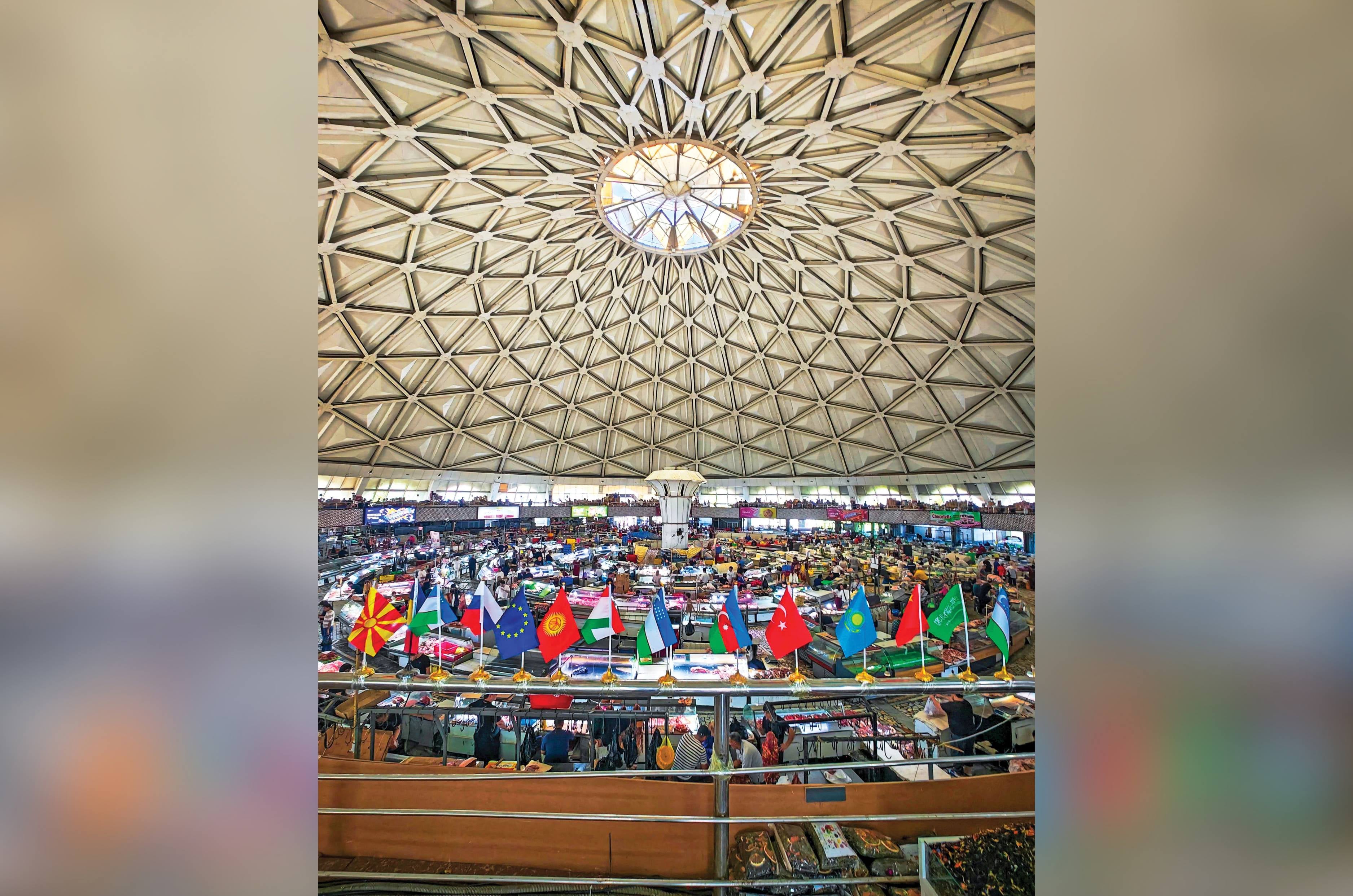
Chorsu Bazaar is a one-stop shop for everything in Tashkent.
What the market offers is mounds of kurut, a snack made from curdled milk or oghurt, salted and then hardened. The best part is its extended shelf life without needing a refrigerator. We packed some with the hope of eating it at home, knowing fully well that it would vanish by the next town.
From Osh, we would be exiting the stunning valleys and terrain of Kyrgyzstan and entering the city of Fergana in Uzbekistan.
Uzbekistan
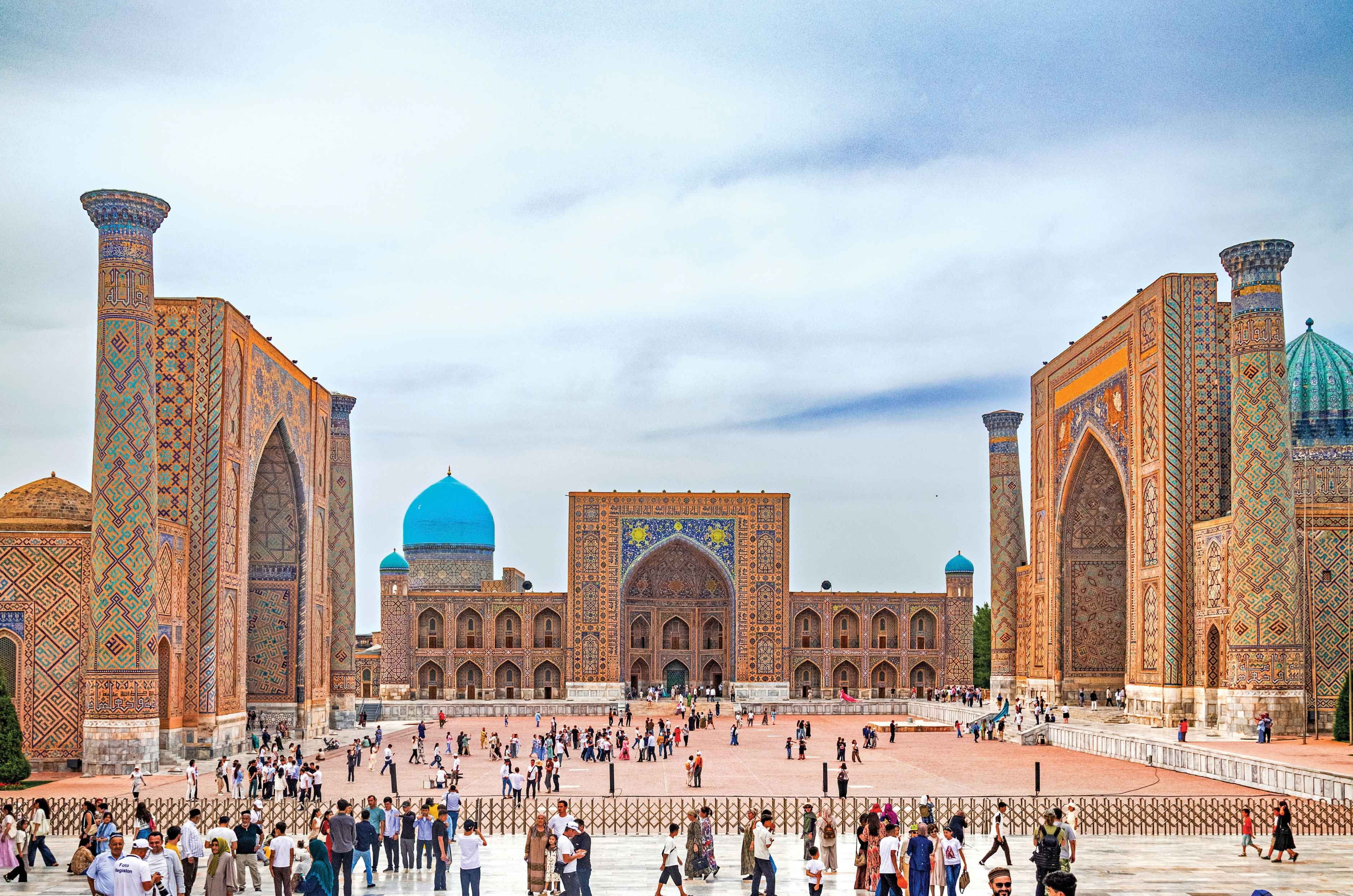
Registan Square in Samarkand is breathtaking from every angle.
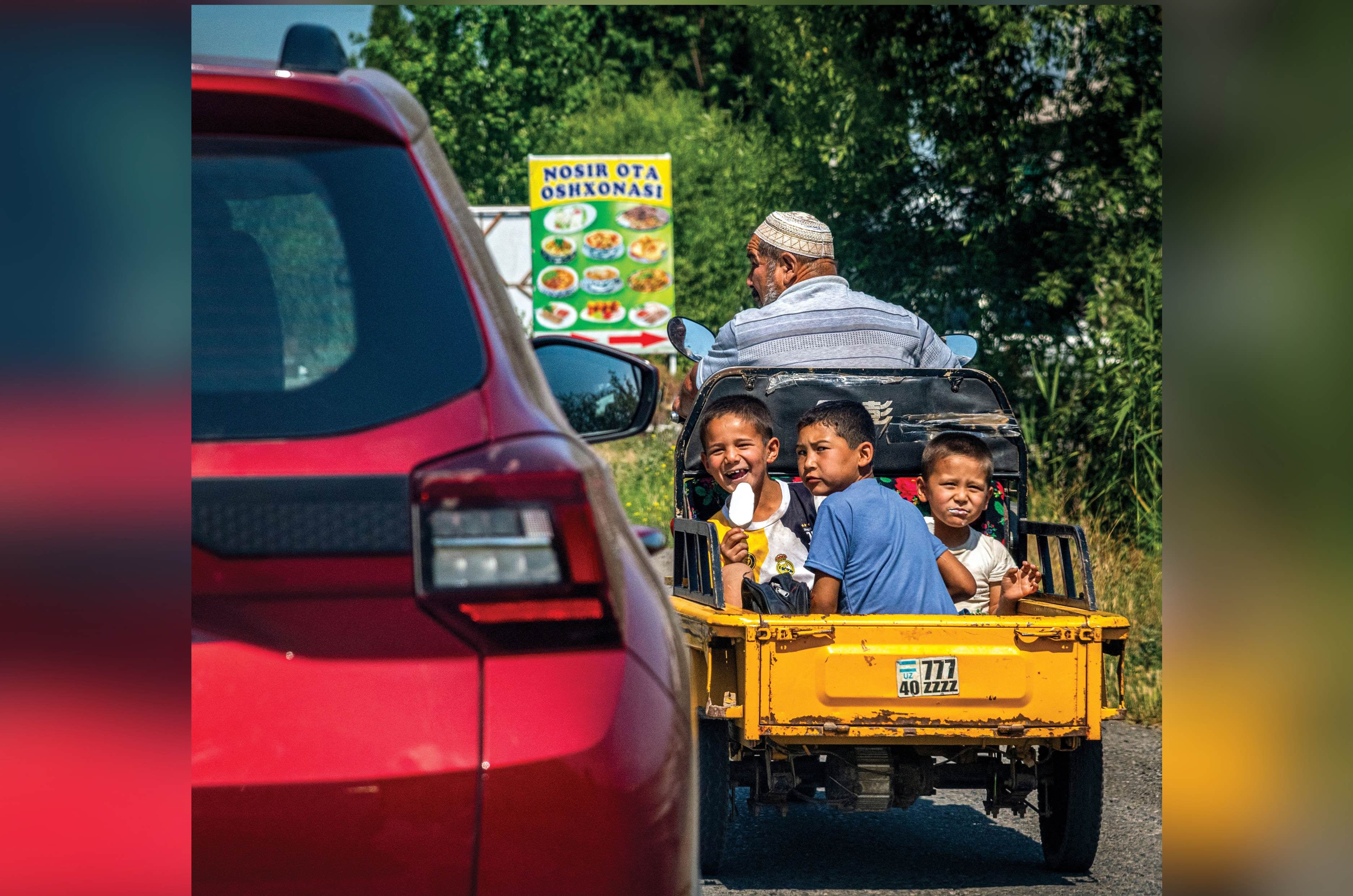
Like Kyrgyzstan, Uzbekistan also has its own personality. While there are similarities in the faces and fashion, the city of Fergana has a tinge of European infrastructure. Roads are lined with trees and patir shops – flatbread made from butter or lamb fat, with intricate detailing and some sesame seeds sprinkled on top. It’s pretty enough to dissuade you from eating it, but tastes like something that would go extremely well with a cup of chai.
Uzbekistan in numbers
Kyrgyz-Uzbek border – Turkistan
Distance covered
1,257km
Fuel consumed
81.74 litres
Average fuel economy
15.37kpl
Approx. fuel cost
Rs 9,800
Avg. per-litre fuel cost
Rs 120
Total time driven
27hrs 5mins
Average speed
46.4kph
What is also fascinating is the number of old Soviet-era cars still running on the highways with no fuss. We shared road space with old Ladas crammed with luggage inside and on the roof. Over the smooth highways of Uzbekistan, the Kylaq had an easy run, allowing us to focus on the sights around us.
From Fergana, we headed to the capital city of Tashkent. A properly modern metropolis with high-end malls and low-slung supercars, parks, walkways and everything you expect from a big city. So, to get a taste of age-old tradition, we ventured towards Samarkand, which used to be a major trading hub on the Silk Route.
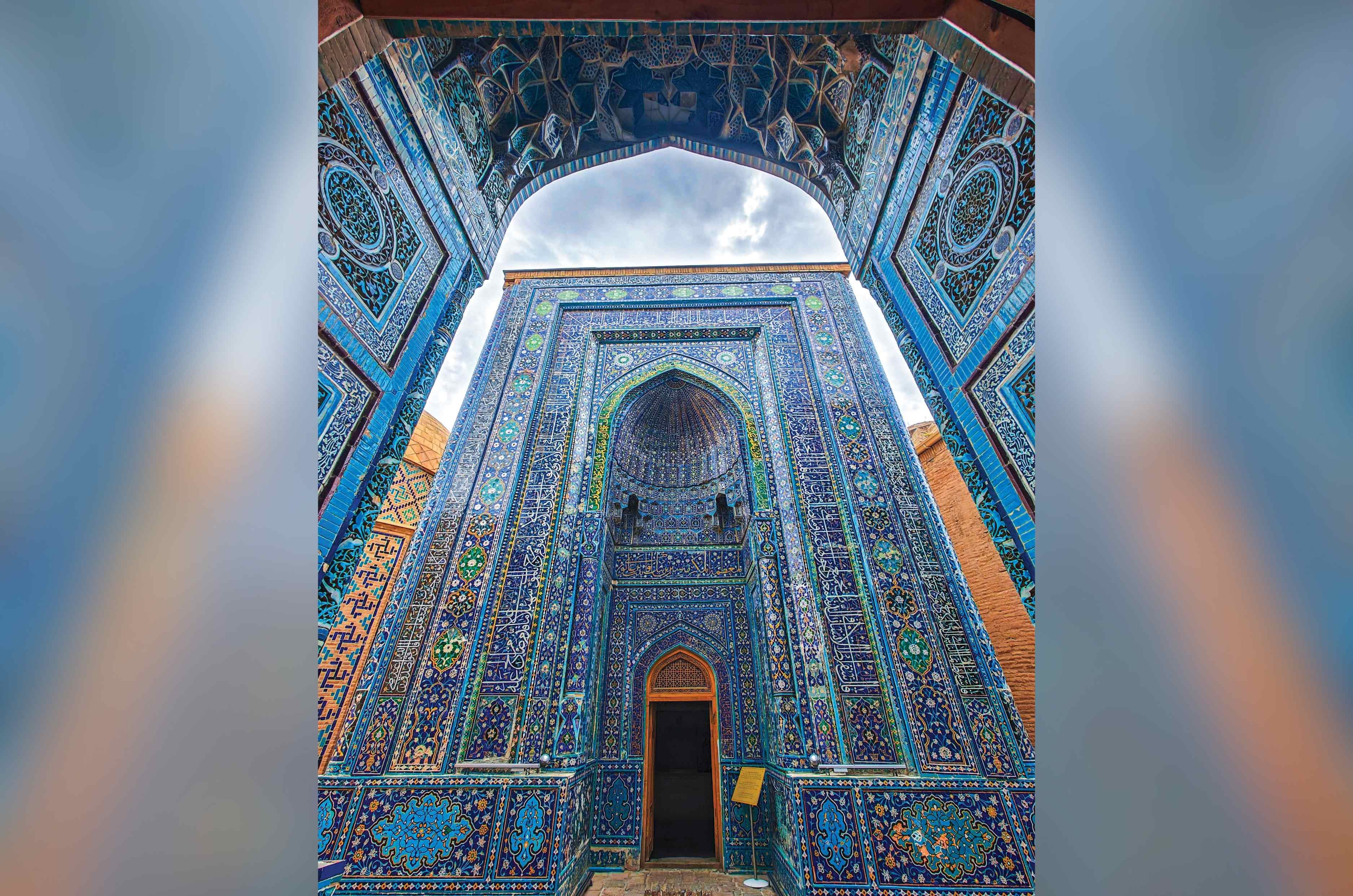
The Shah-i-Zinda ensemble has 11 mausoleums with incredibly detailed azure and turquoise tiles.
Entering Samarkand, you almost feel the tradition in the air. Years of cross-cultural civilisation have made it a stunning destination to get a glimpse of history, and it is unlike any other Western or Eastern city. The highlight here, of course, is the Bibi-Khanym Mosque in the Registan ensemble. Turquoise domes kissing the sky, with walls adorned with hand-carved artistry, are nothing short of breathtaking.
You can walk through the corridors and the square innumerable times, and each time, you will gasp at the sheer detail and effort. And to think it was built as far back as the 15th century. Magnificent is an understatement.
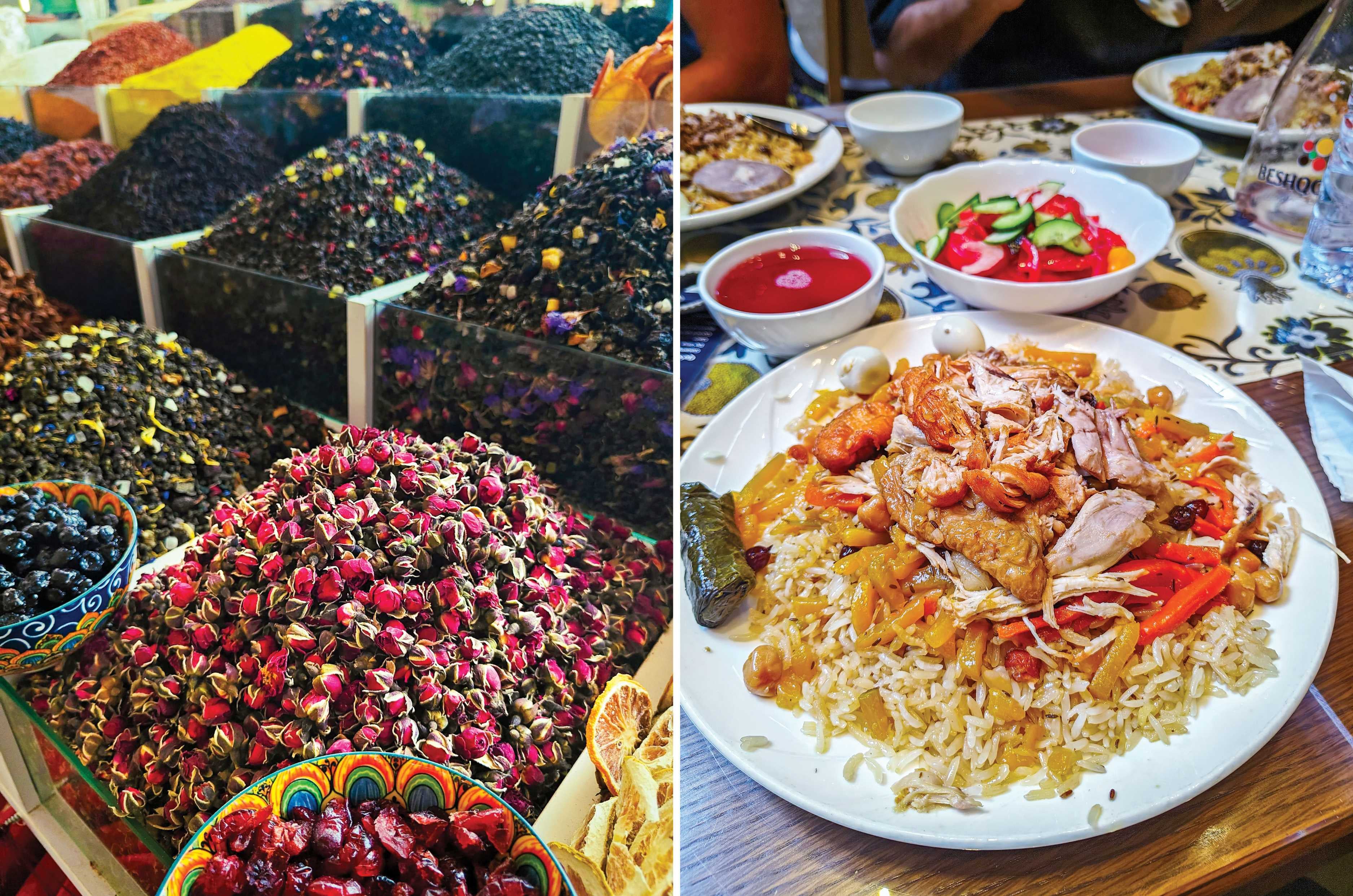
After soaking in the stunning detail, we headed back to Tashkent and straight to the equally fascinating Chorsu Bazaar. What looks like an IMAX dome on the outside is a full-fledged one-stop shop on the inside. Teas, dry fruits or even a leg of lamb, you can get it all here.
Uzbekistan’s market is nothing short of paradise for tea lovers.
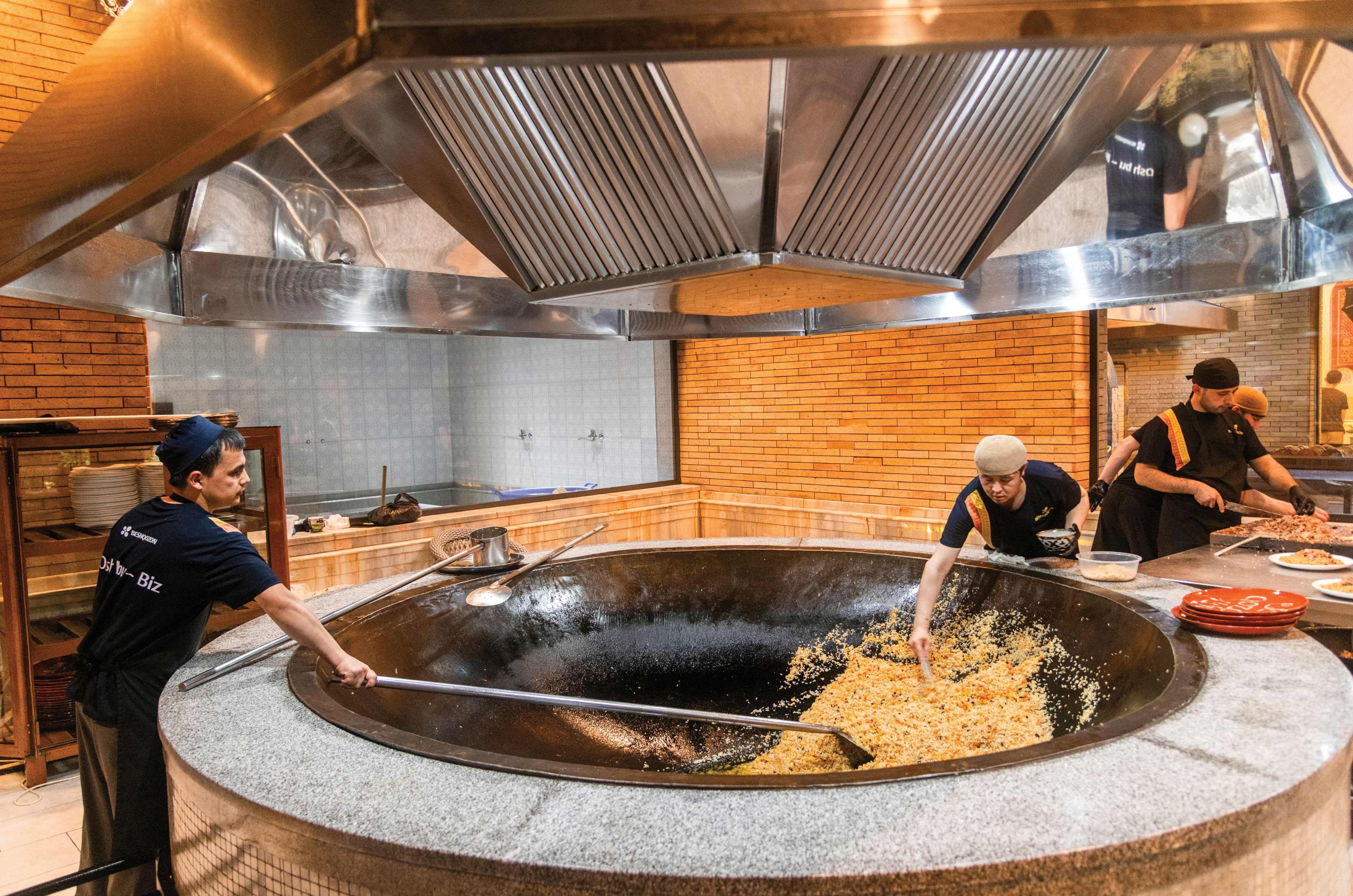
After a long walk that ended with bags of tea and dehydrated kiwis, we headed for Uzbekistan’s pièce de résistance: the famous plov. Like a biryani, but made with different spices, and if you want to go heavy on culture, you can have one with horse meat, too. Some bravehearts did try it and resorted to chicken or lamb, but it did offer the lost taste of biryani and got us homesick in the first bite.
Massive dome known as a kazan used to make the famous Uzbek plov.
After days of driving through mountains and around lakes, and walking through corridors that were once at the peak of world trade, our next adventure would take us to the Great Steppe of Kazakhstan.
Kazakhstan
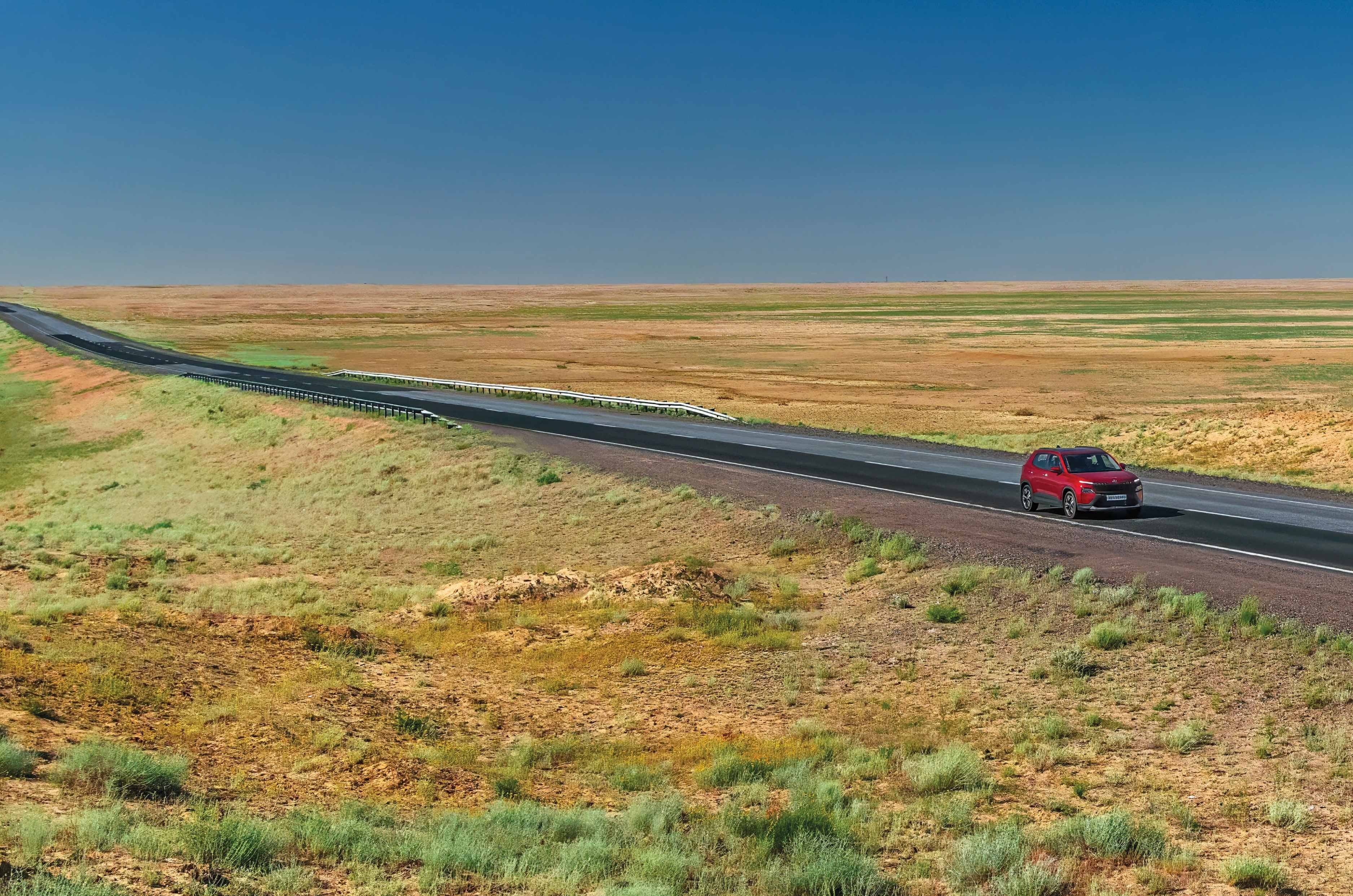
The Great Steppe in Kazakhstan feels like driving on an endless treadmill.
Crossing from Turkmenistan after vigorous checks, Kazakhstan feels almost desolate. Arrow-straight highways for kilometres, between acres of flat land with nothing on the horizon. We were driving through green pastures that would turn into brown, dried patches before turning green again, kilometre after kilometre.
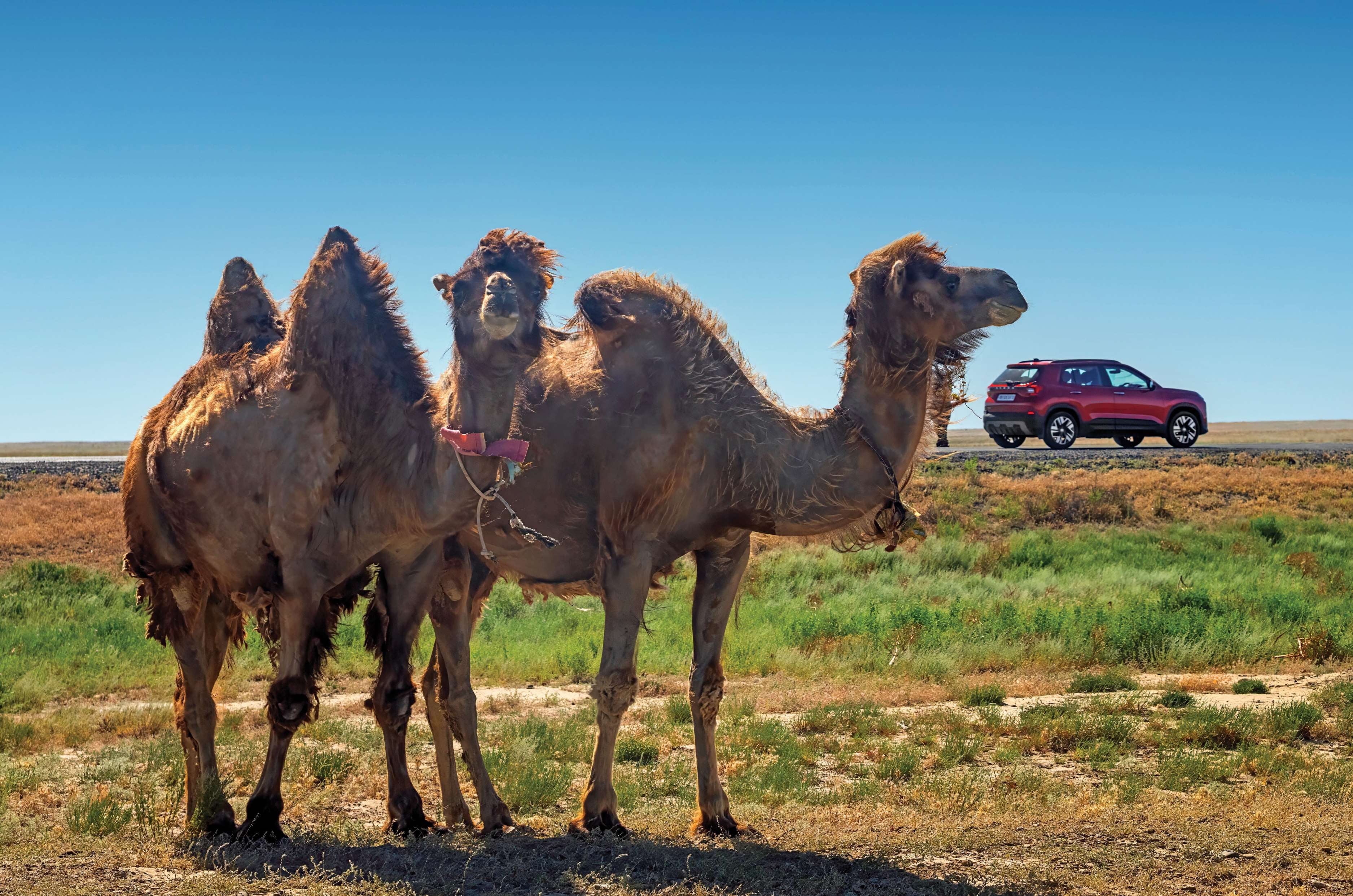
The Great Steppe, while stunning in size, is also a bit monotonous when you’re driving through it for days. The only respite would be a herd of double-humped Bactrian camels, cooling off at a nearby pond and often curious to know what a cherry-red Kylaq was doing in the middle of Kazakhstan.
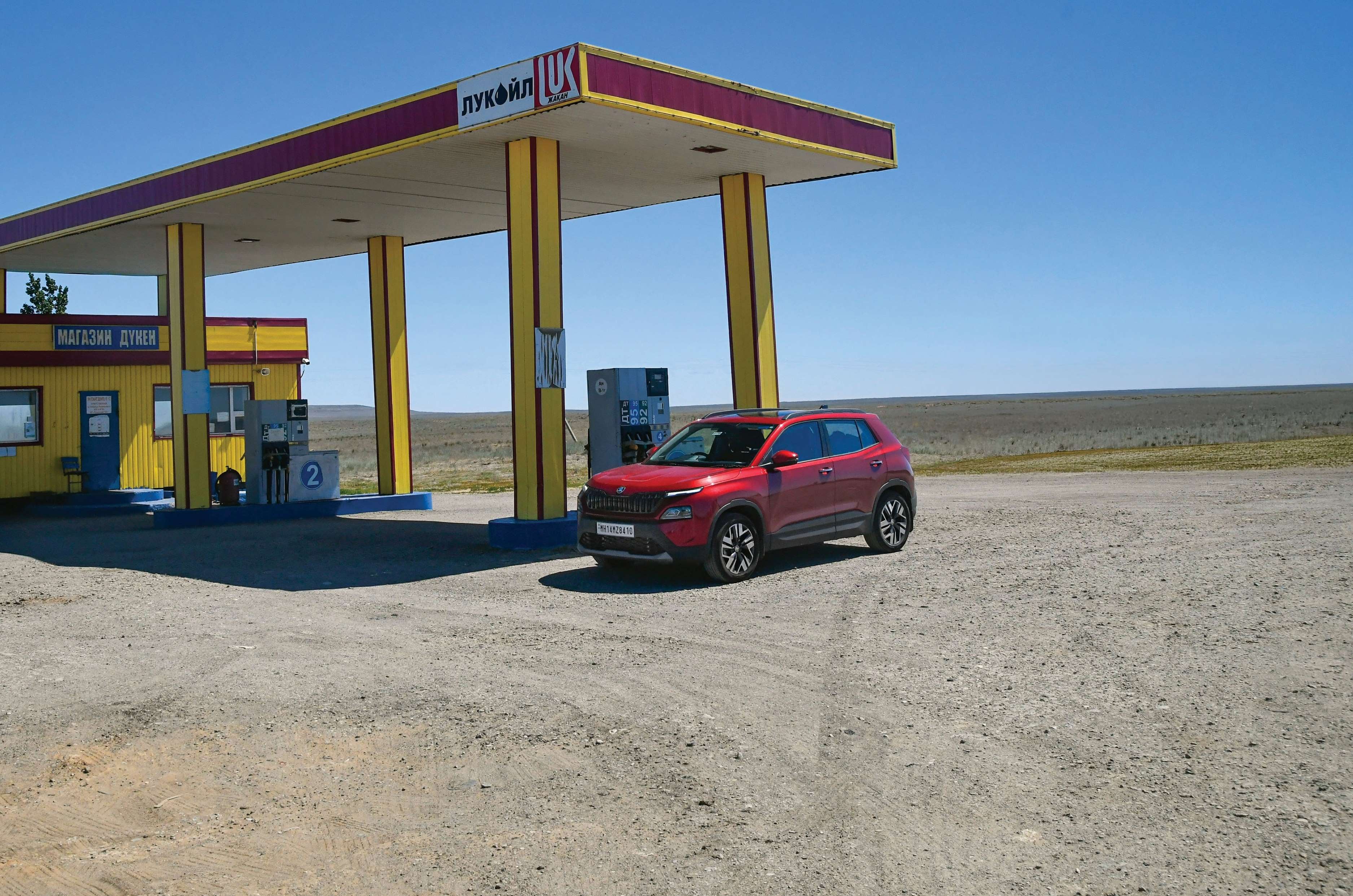
At Rs 58.17 per litre, Kazakhstan offered the lowest fuel price of the entire drive.
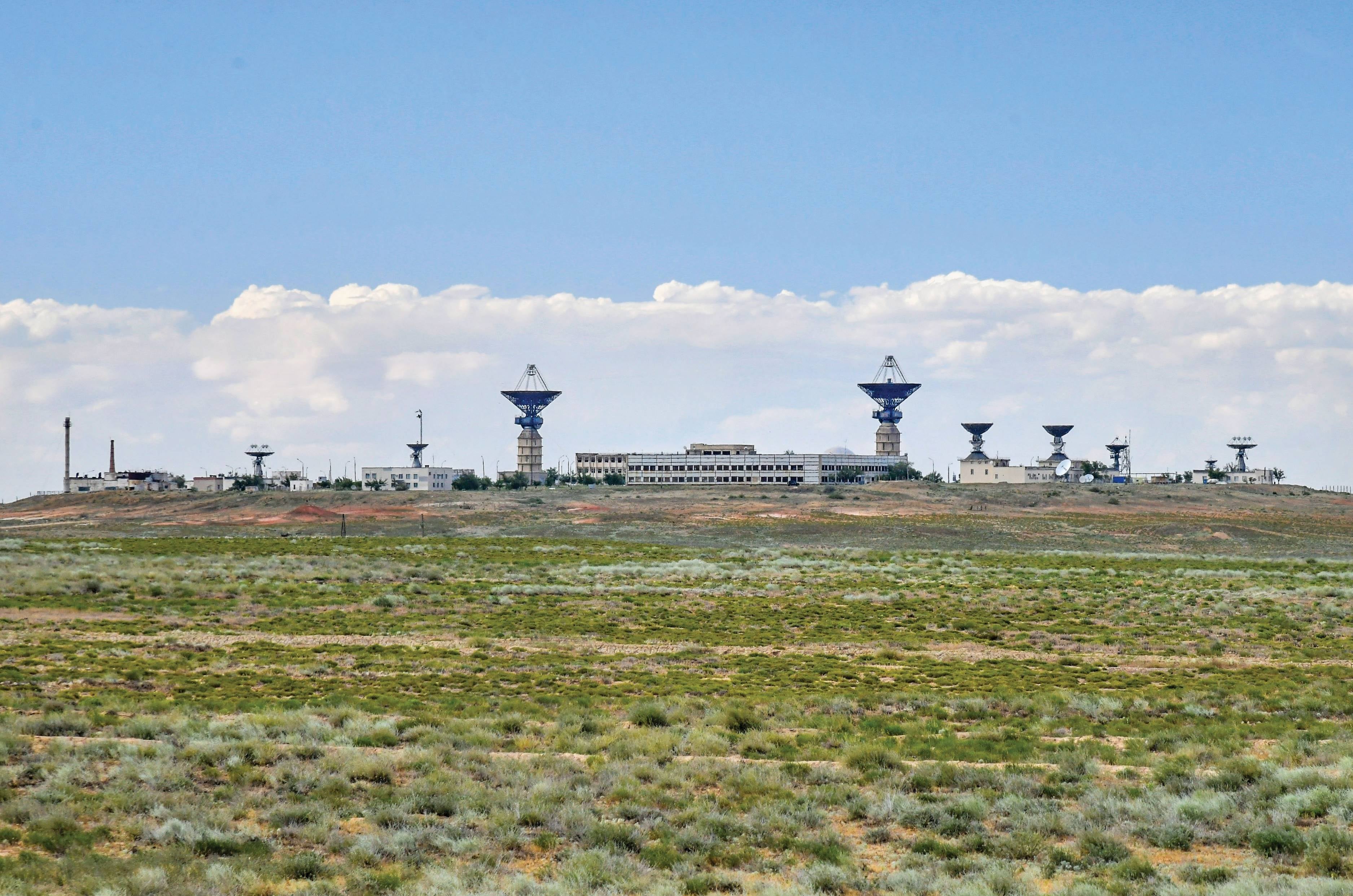
An interesting stop between Turkistan and Aral is the Baikonur Cosmodrome, which is the world’s first and largest operational space launch facility. However, thanks to the endless highways through Aral, Aktobe and Atyrau, we only got to test the Kylaq’s wheel alignment and its highway stability more than we would have liked.
Baikonur Cosmodrome – the world’s first, largest and operational space launch facility.
The mighty Stans were all about breathtaking sights, warm people and mouth-watering cuisine. The region still feels unadulterated, and that itself is what makes it special.
Kazakhstan in numbers
Turkistan – Kazakh-Russia border
Distance covered
3,237km
Fuel consumed
229.52 litres
Average fuel economy
14.10kpl
Approx. fuel cost
Rs 13,325
Avg. per-litre fuel cost
Rs 58.17
Total time driven
42 hrs
Average speed
77.1kph
Georgia – The Birthplace of Wine
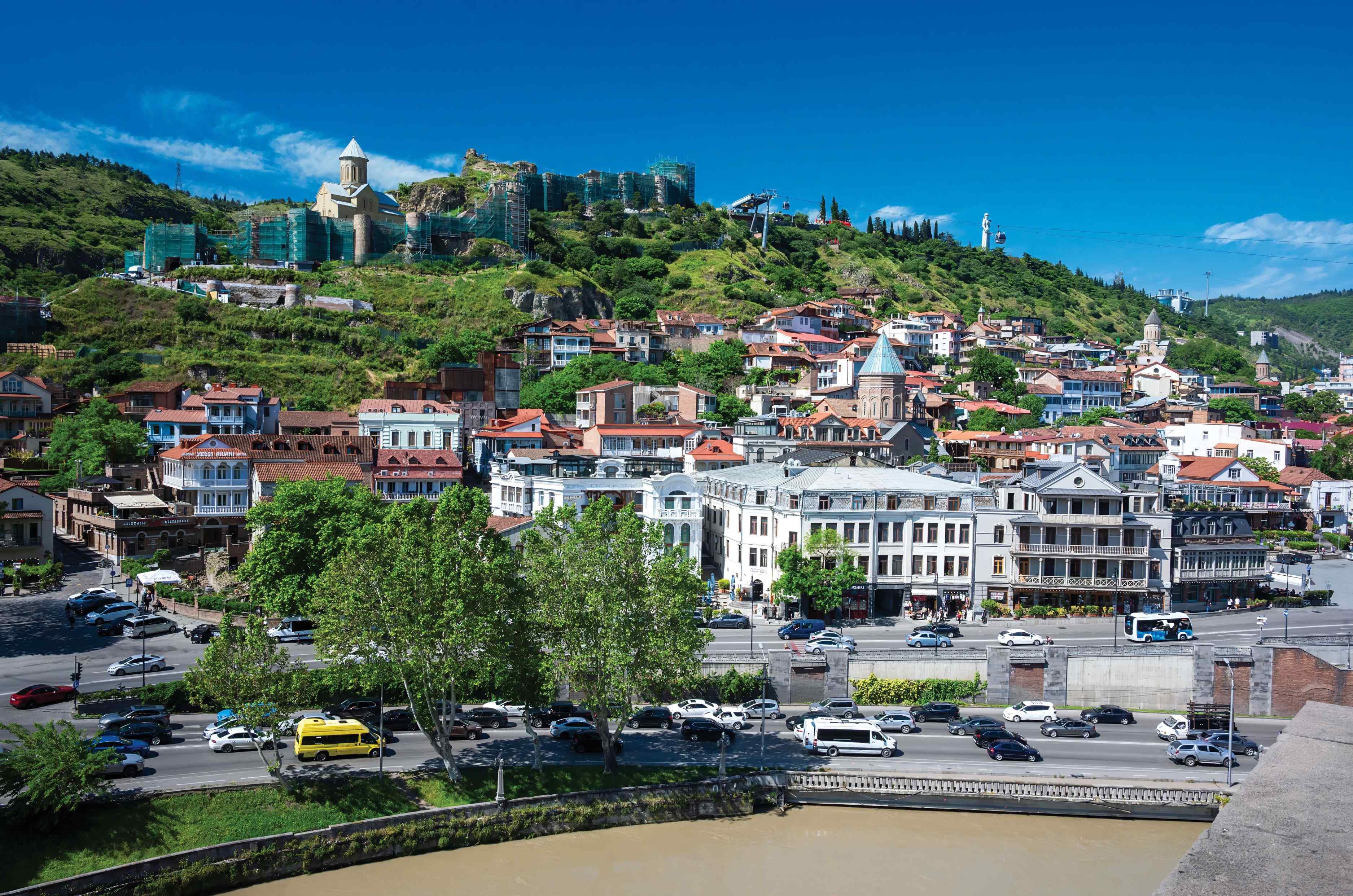
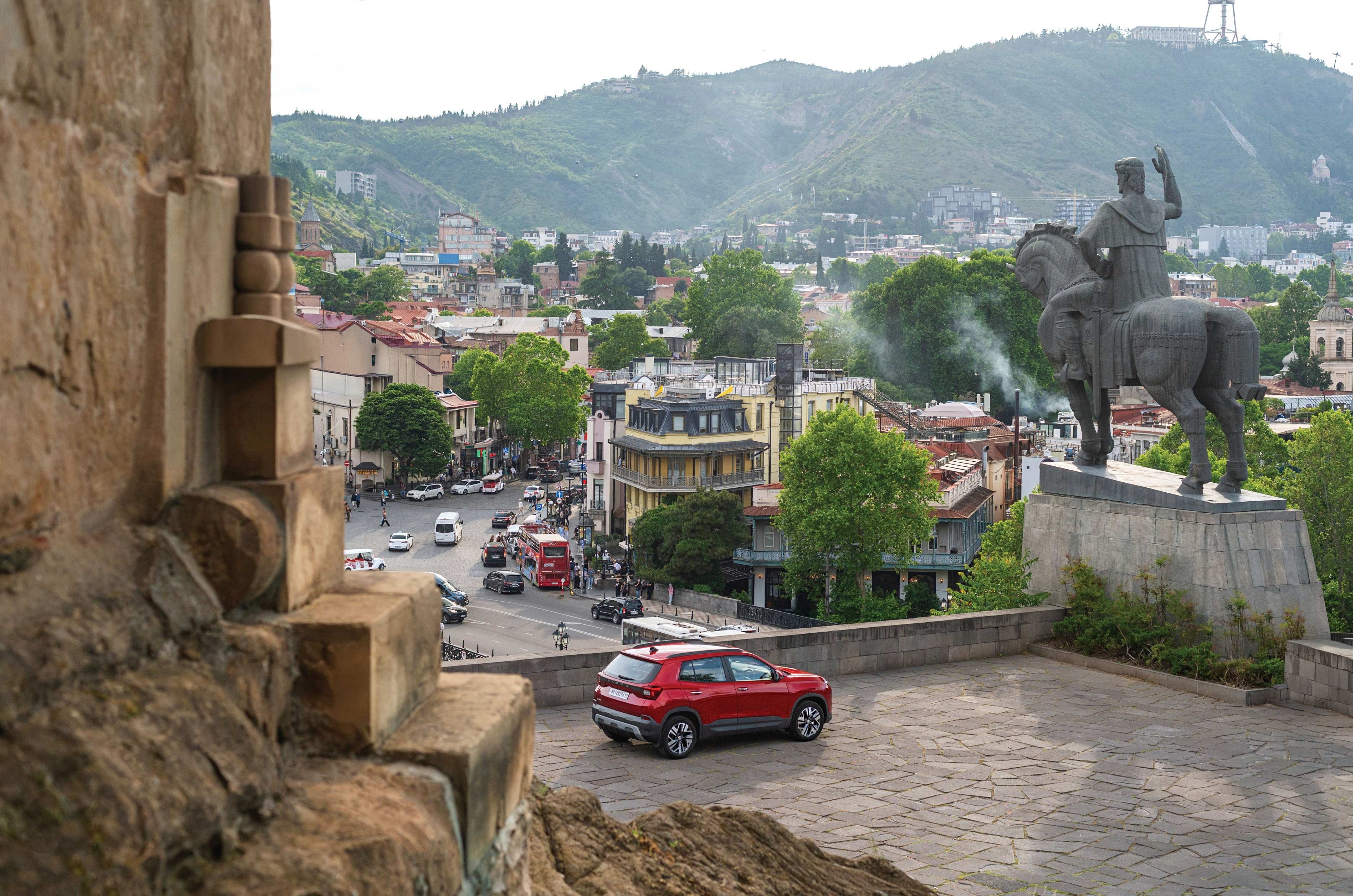
Compared to the vast landscapes and long highways of the Stans, Georgia was a contradiction. Based within the Caucasus Mountains, it has its share of twisties, which the Kylaq enjoyed. But the capital, Tbilisi, is the largest city and thereby pretty chaotic to drive in. Peak-hour traffic is just like what you would have in India, so we parked the car in a worryingly narrow alleyway and, for the most part, made our way on foot.
Huge statue of the founder of Tbilisi King Vakhtang I Gorgasali.
Like any big city, Tbilisi has its modern side, with glass buildings and modern restaurants, but there is still a large section that is rooted in tradition. Cobblestone streets with wooden houses and sulphur baths are a fascinating experience, as is the fantastic view from near the monument of King Vakhtang Gorgasali, the founder of Tbilisi.
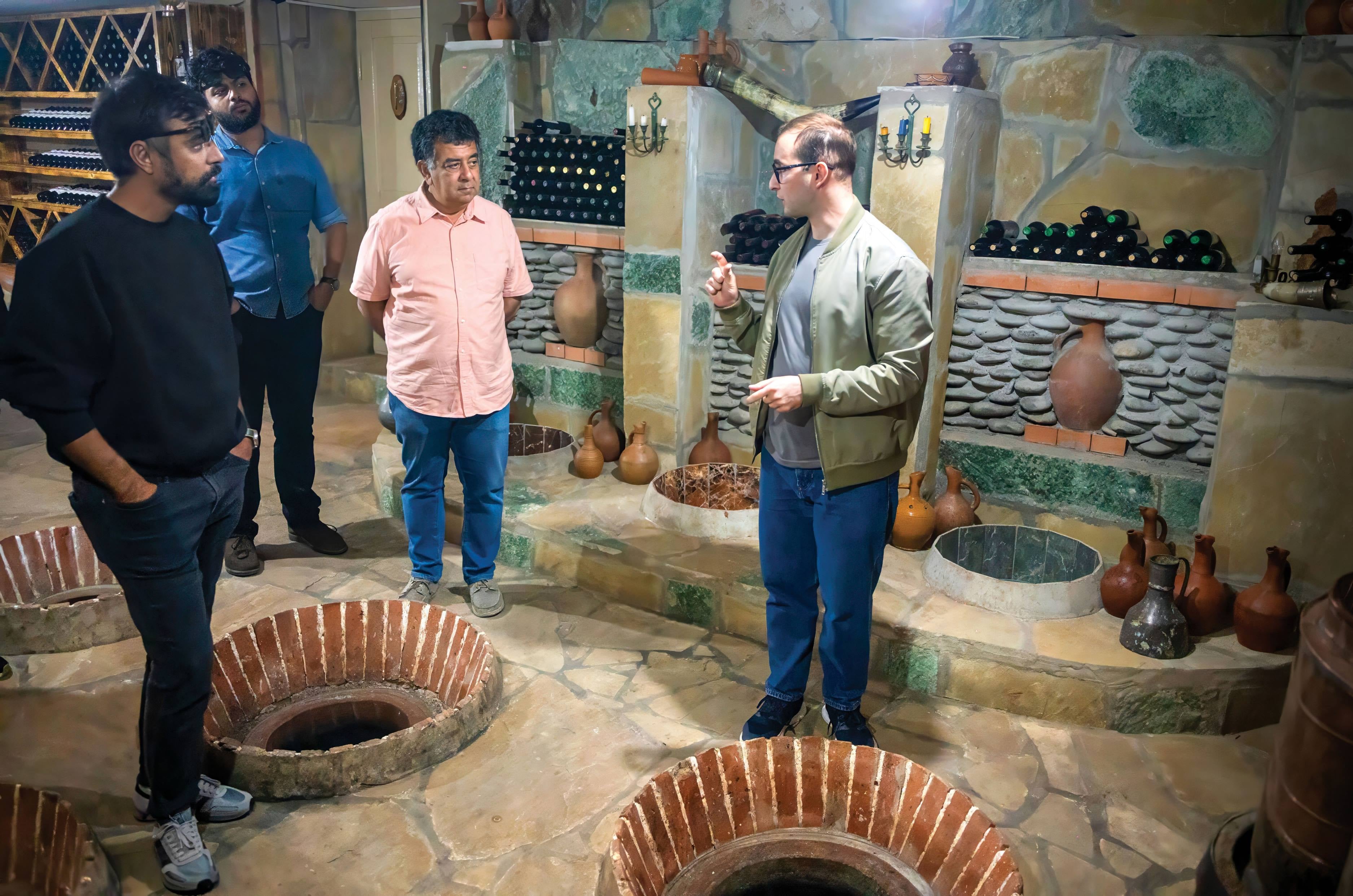
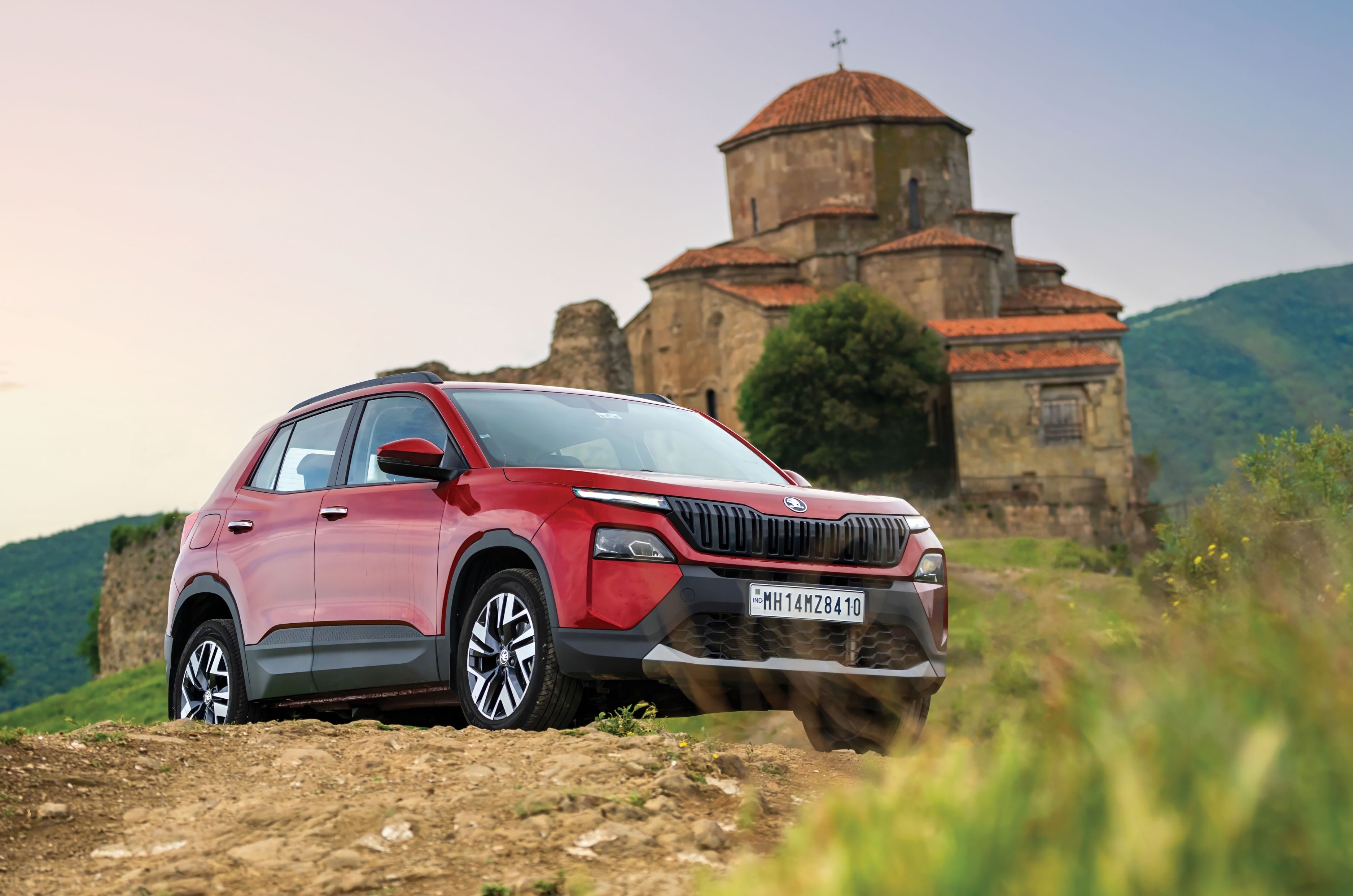
The monument itself is a striking bronze equestrian statue located on a rocky cliff above the Mtkvari River, next to the historic Metekhi Church in Tbilisi, Georgia. But Georgia is known to be the birthplace of wine, and on our drive to Tbilisi, we spotted several vineyards sprawling for acres. We had to get a closer look, and thankfully, our guide’s friend owned one of them.
Georgian wine fermented in clay jars buried in the ground.
The Georgians still use the ancient process of fermenting wine in barrels under the floor, but have now blended it with modern technology that allows them to control the temperature and get a more consistent batch each time. Wine connoisseur or not, the experience is enthralling.
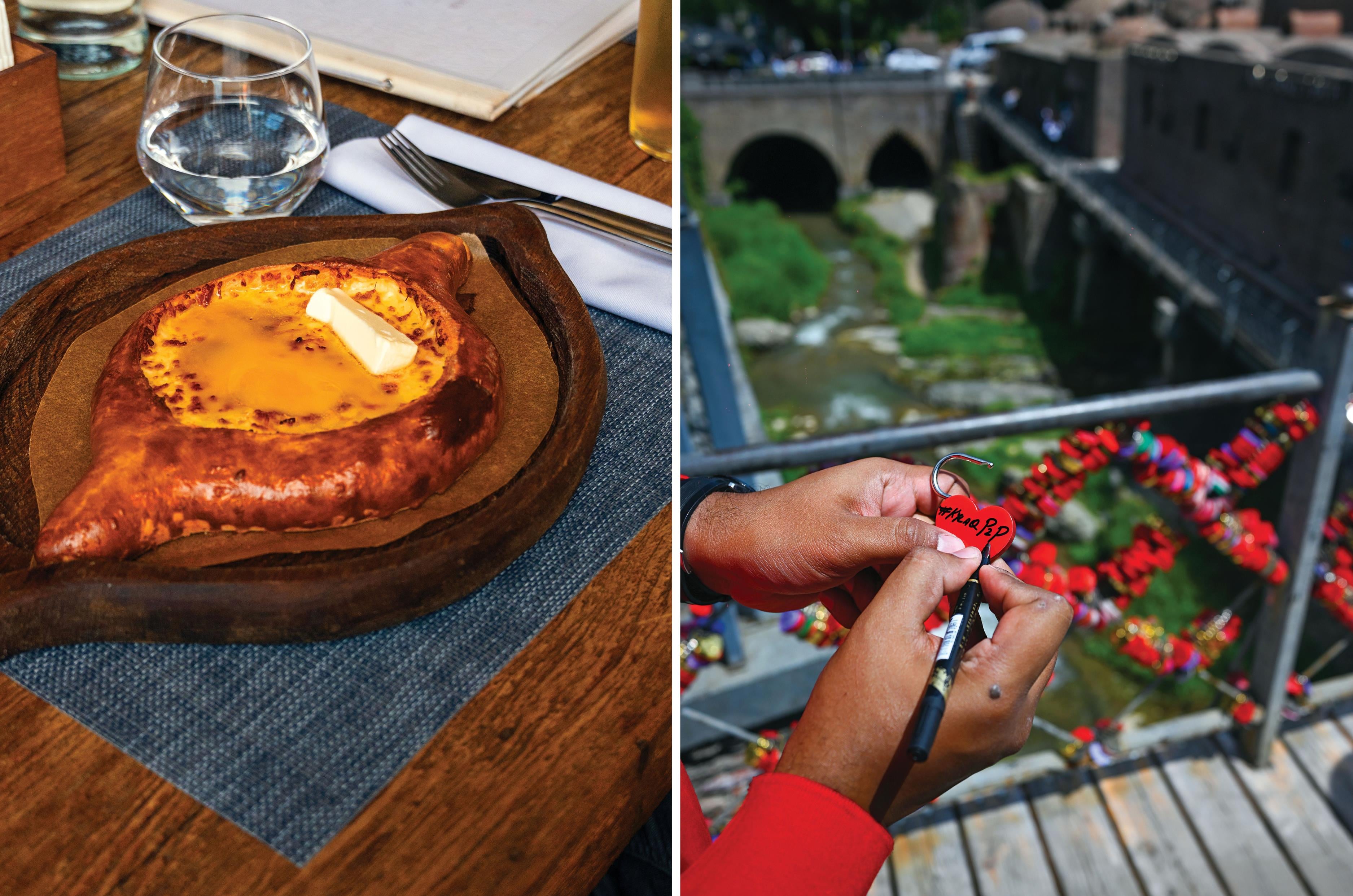
Khachapuri (flatbread with cheese and egg) is Georgia’s national snack.
The city tour built up an appetite, and we followed the scent of fresh bread for some authentic khachapuri. A Georgian flatbread that is hollowed out in the centre and filled with cheese, khachapuri varies depending on the region you’re in. You can have it with an egg cracked into it or with meat, too.
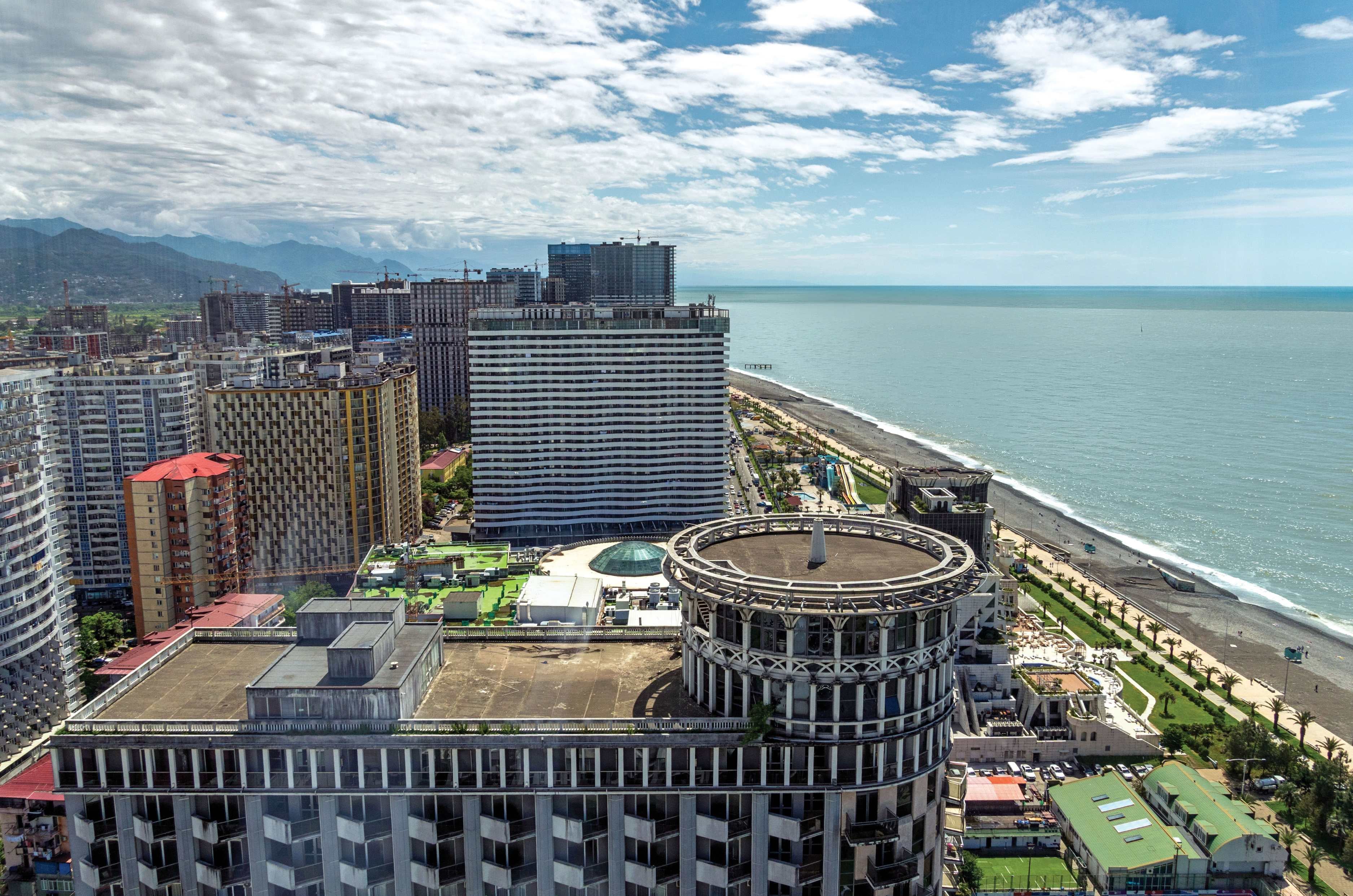
Coastal city of Batumi is a stark contrast of Tbilisi.
With sightseeing done, we drove the next day to the coastal city of Batumi. A vibrant, modern city with a lot more European influence. However, if the roads in Tbilisi were narrow, Batumi was on another level. Despite the compact dimensions of the Kylaq, our hotel parking was a sidewalk cordoned off by the hotel manager, as there simply was no space to park.
14th-century Gergeti Trinity Church has stunning views of the Caucasus Mountains.
Still, we made the most of it by strolling by the shore of the Black Sea, watching the locals angling for fish. Georgia, just like the Stans, offered a unique glimpse into this part of the world and its diverse culture. For our final stretch before Europe, we had one last country to drive through – the colourful Türkiye.
Georgia in numbers
Tbilisi – Türkiye border
Distance covered
624km
Fuel consumed
58.62 litres
Average fuel economy
10.64kpl
Approx. fuel cost
Rs 7,607
Avg. per-litre fuel cost
Rs 129.78
Total time driven
17.5hrs
Average speed
58.5kph
Türkiye – Gateway to Europe
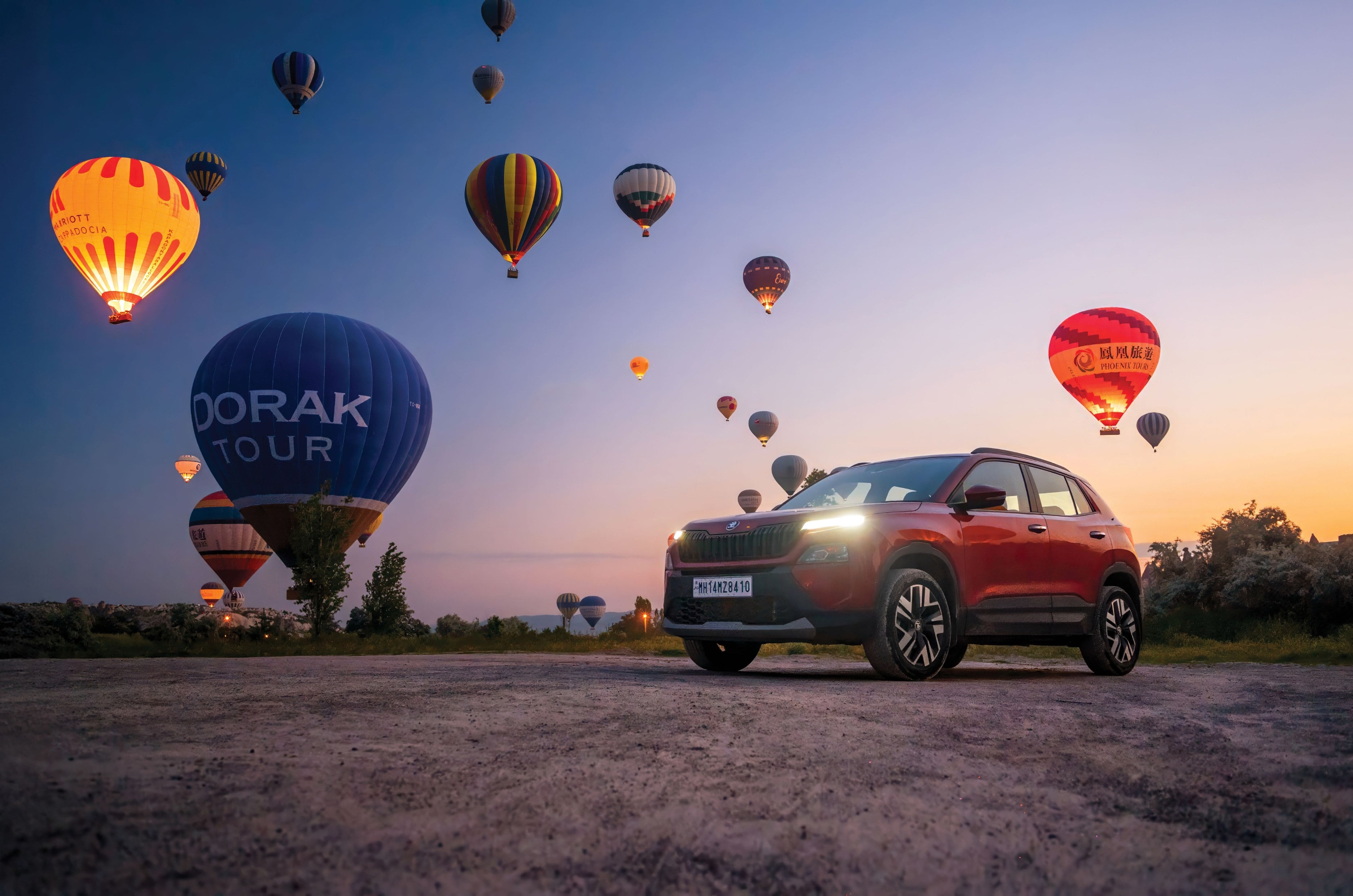
Cappadocia’s claim to fame is well worth the hype.
As the Kylaq crossed into Türkiye, our first stop was in Erzurum. A major winter sports town, but thanks to the time of year, our ski resort was bright, sunny and without an ounce of snow. A quick stroll through the small town and we hit the sack in preparation for a 700km-plus drive to the tourist haven that is Cappadocia.
The next morning, the plan was to do what you must do in Türkiye – take a hot-air-balloon ride. A pre-dawn wake-up call is never comfortable, but the peace was soon shattered by the sound of a group of old diesel Land Rover Defenders revving to keep themselves warm while they waited to transfer tourists to the balloon launch site. The balloon ride is arguably the largest tourist attraction in Türkiye, so there was quite the rush.
We, too, loaded up the Kylaq and hit the road to get the perfect shot of the sun coming up over the hills while the sky was filled with balloons. And boy, did we get it. As the orange tinge hit the fairy chimneys, we saw what the hype was about. The visual is nothing like you have ever seen: watching one colourful hot-air balloon is rare, and here there were over a hundred. We shot GBs worth of images and videos and got back to catch up on the broken sleep from earlier.
Türkiye in numbers
Erzurum – Bulgaria border
Distance covered
1,436km
Fuel consumed
98.1 litres
Average fuel economy
14.63kpl
Approx. fuel cost
17,187
Avg. per-litre fuel cost
Rs 134.19
Total time driven
19.5 hrs
Average speed
73.64kph
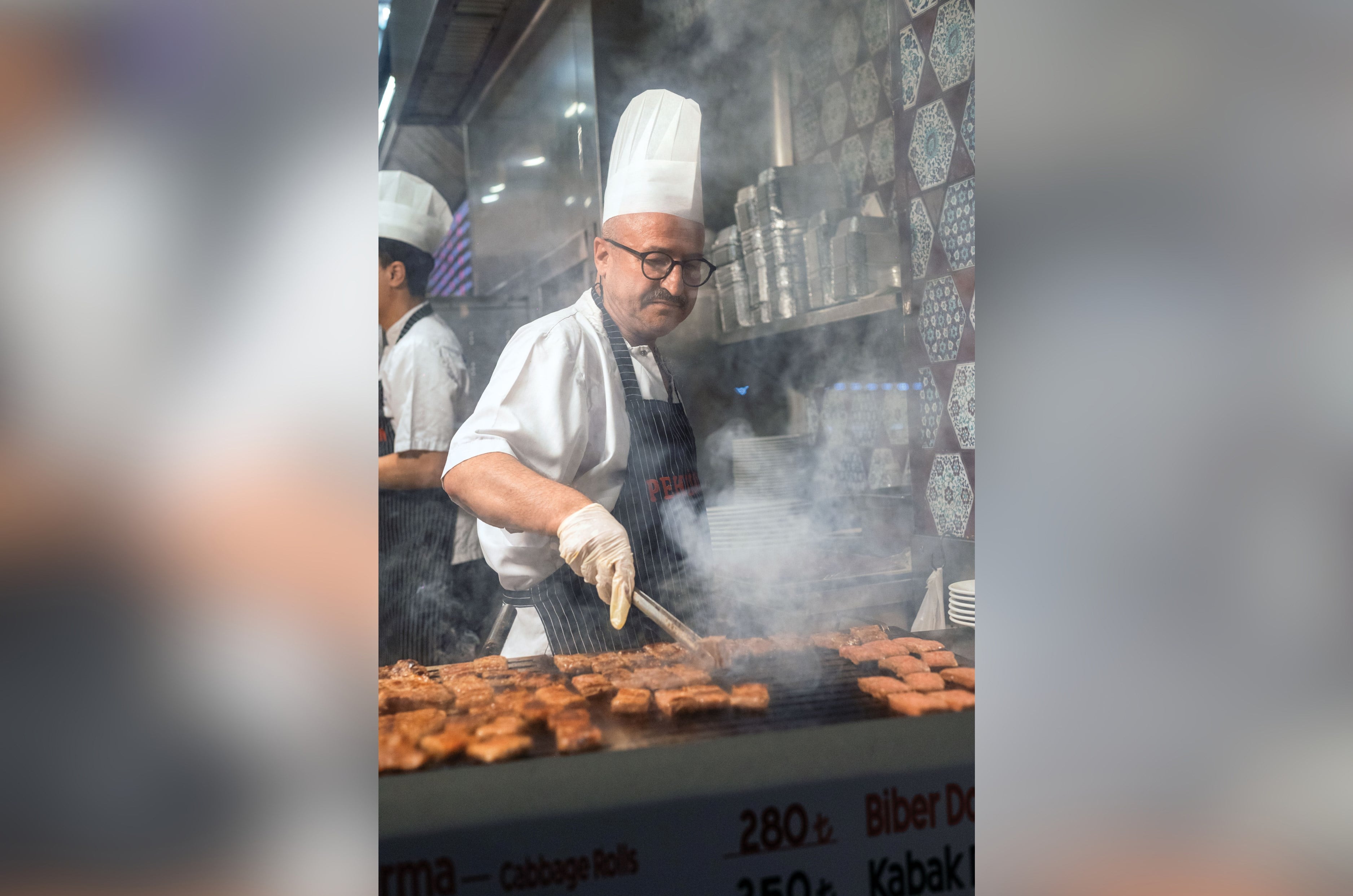
A relaxing drive the next day got us to Istanbul, which, to some, might seem like the capital thanks to its bustling character – a glimpse of which we got as we got closer. A traffic jam stretching for more than a couple of kilometres brought the Kylaq to crawling speeds. To avoid the repercussions of driving next to hasty cab drivers, we parked the Kylaq and headed to check out the nightlife, but more importantly, the döner kebab.
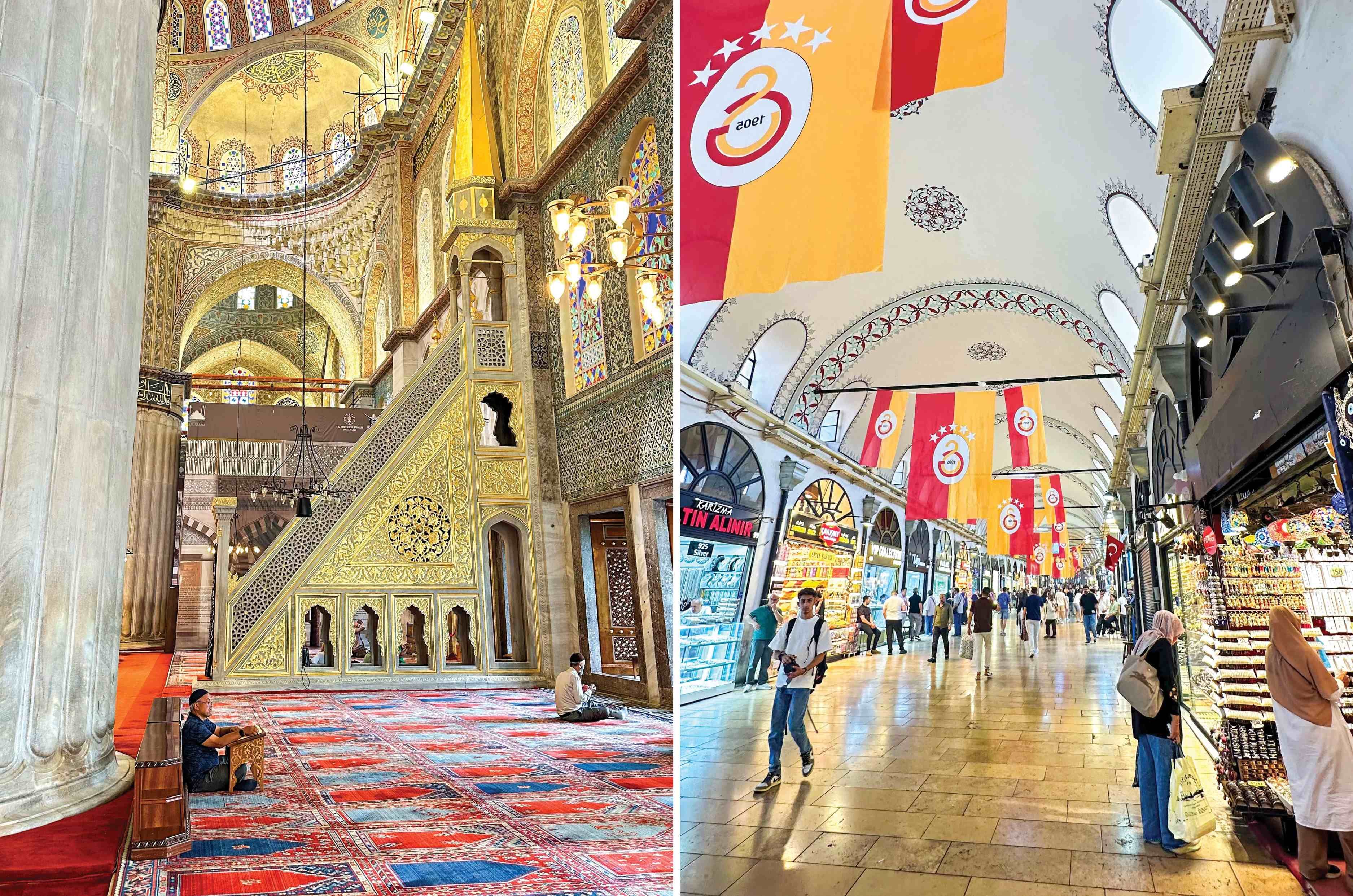
Exceptional interiors and an unbelievable calm in Istanbul.
Similar to a shawarma, the döner kebab consists of a pile of meat that is cooked on a rotisserie over a flame. The dripping fat is mopped up by pita bread, which is then loaded with the sliced meat and seasonings. After a long walk through the Grand Bazaar, haggling for a fake Rolex, the döner becomes almost a necessity.
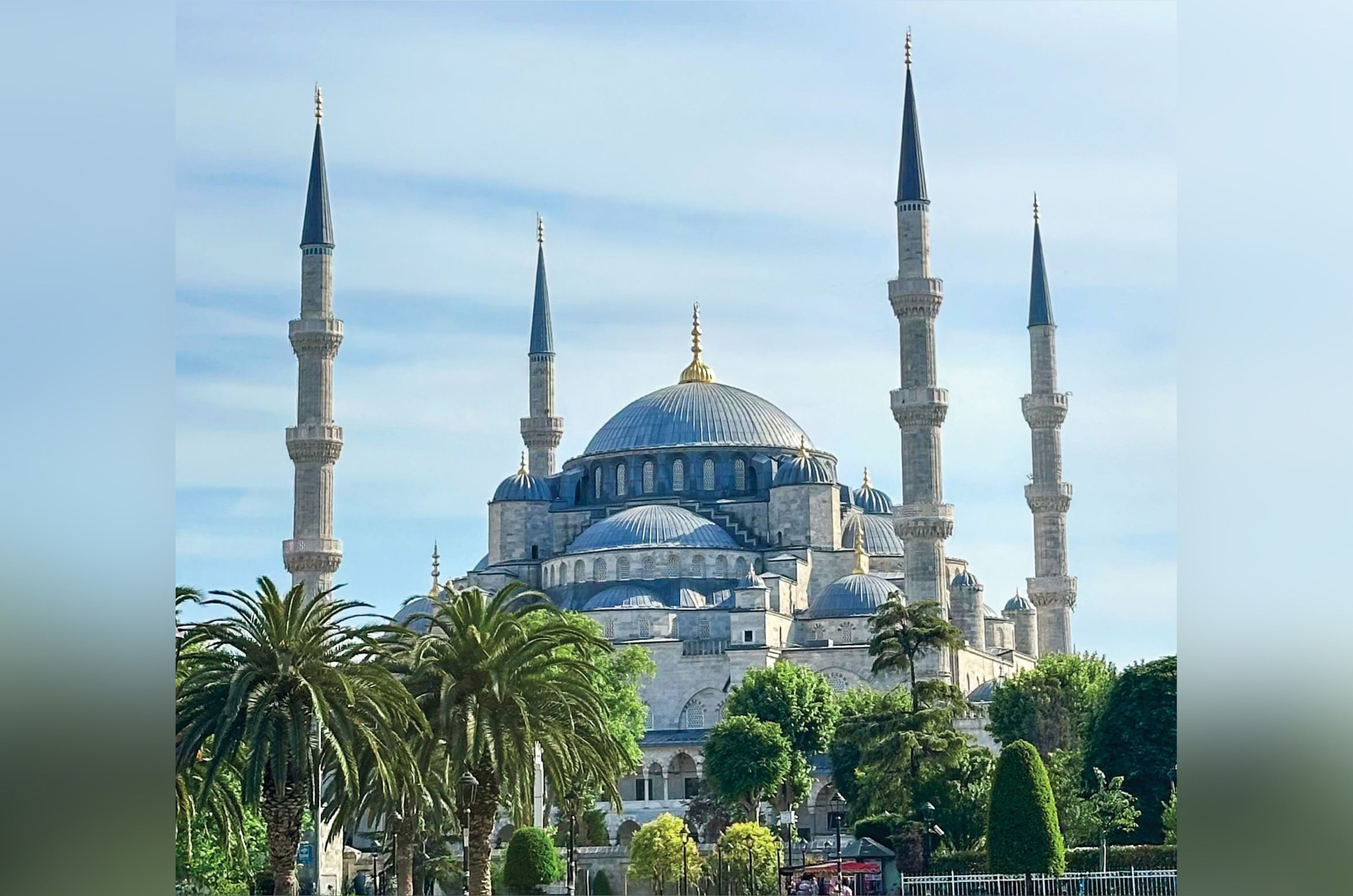
What’s also equally stunning is the Blue Mosque. Known formally as the Sultan Ahmed Mosque, it was constructed between 1609 and 1617 in the Ottoman era by Ahmed I. To get the entire mosque in frame, you need to fall back to the Hagia Sophia Mosque, which is in the same vicinity. Both equally grand, equally detailed and equally important.
The Blue Mosque, built in the Ottoman era, is majestic.
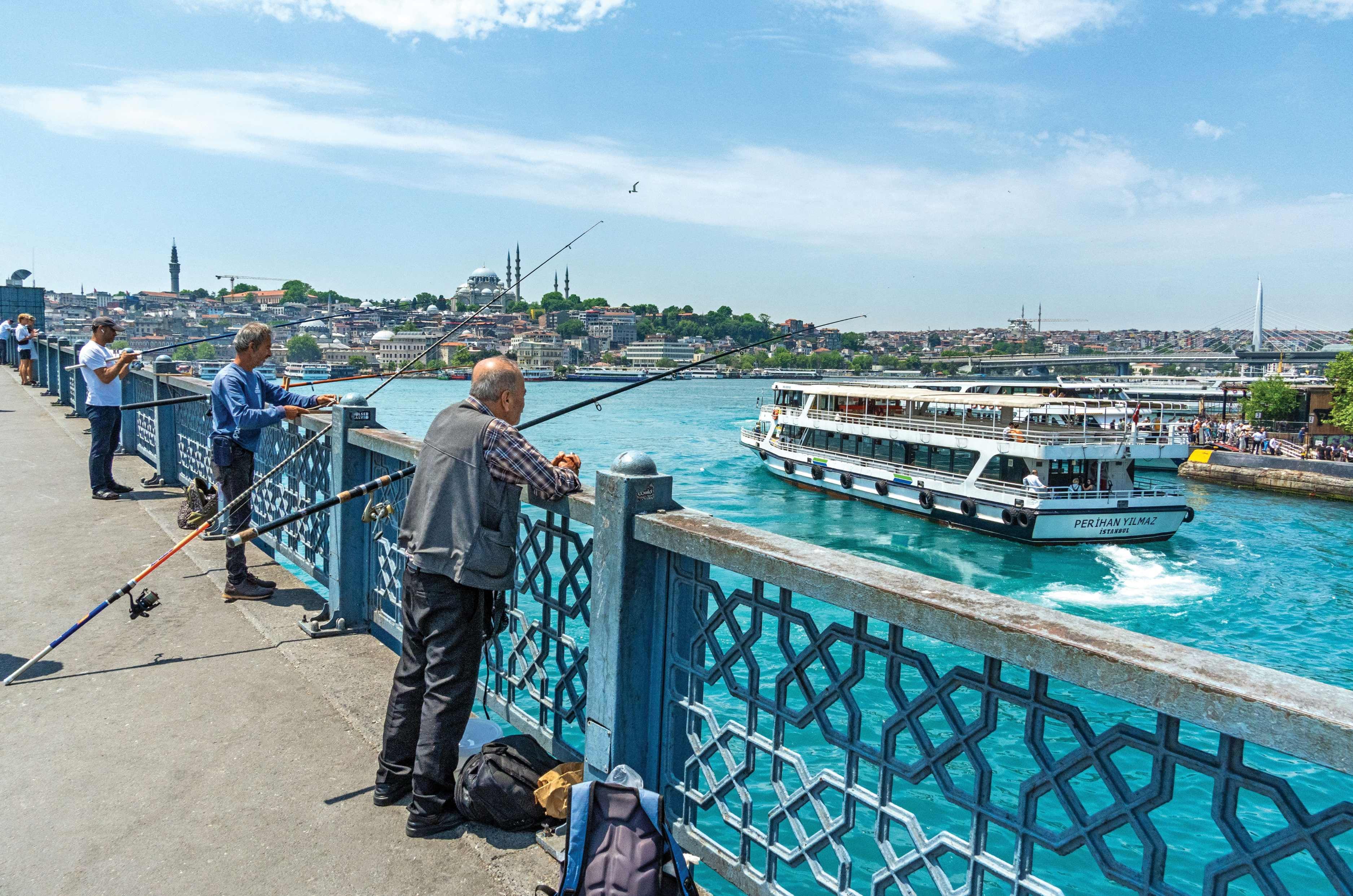
To explore more of Türkiye, we got back into the Kylaq and realised there was a bridge that is unlike any other in the world. The Bosphorus Bridge is located over the Bosphorus Strait, but its claim to fame is that it, quite literally, has one end in Asia and one end in Europe. You can cross the bridge in about two minutes, depending on traffic, but the sense that you can practically drive over from Asia into Europe before you can finish watching a reel is unreal.
Angling over the Bosphorus strait is a common hobby.
Europe – Home Stretch
Bulgaria – Romania – Hungary – Slovakia – Prague
The end of our incredible Pune-to-Prague drive was now a matter of days away. After over two months on the road, we were a couple of thousand kilometres away from the finish line. The excitement that had tapered off midway was back in full force.
We would be entering Europe through Bulgaria, and the border, as expected, was busy. Documentation, carnets, passports, stringent car checks and some explaining later, we were finally in.
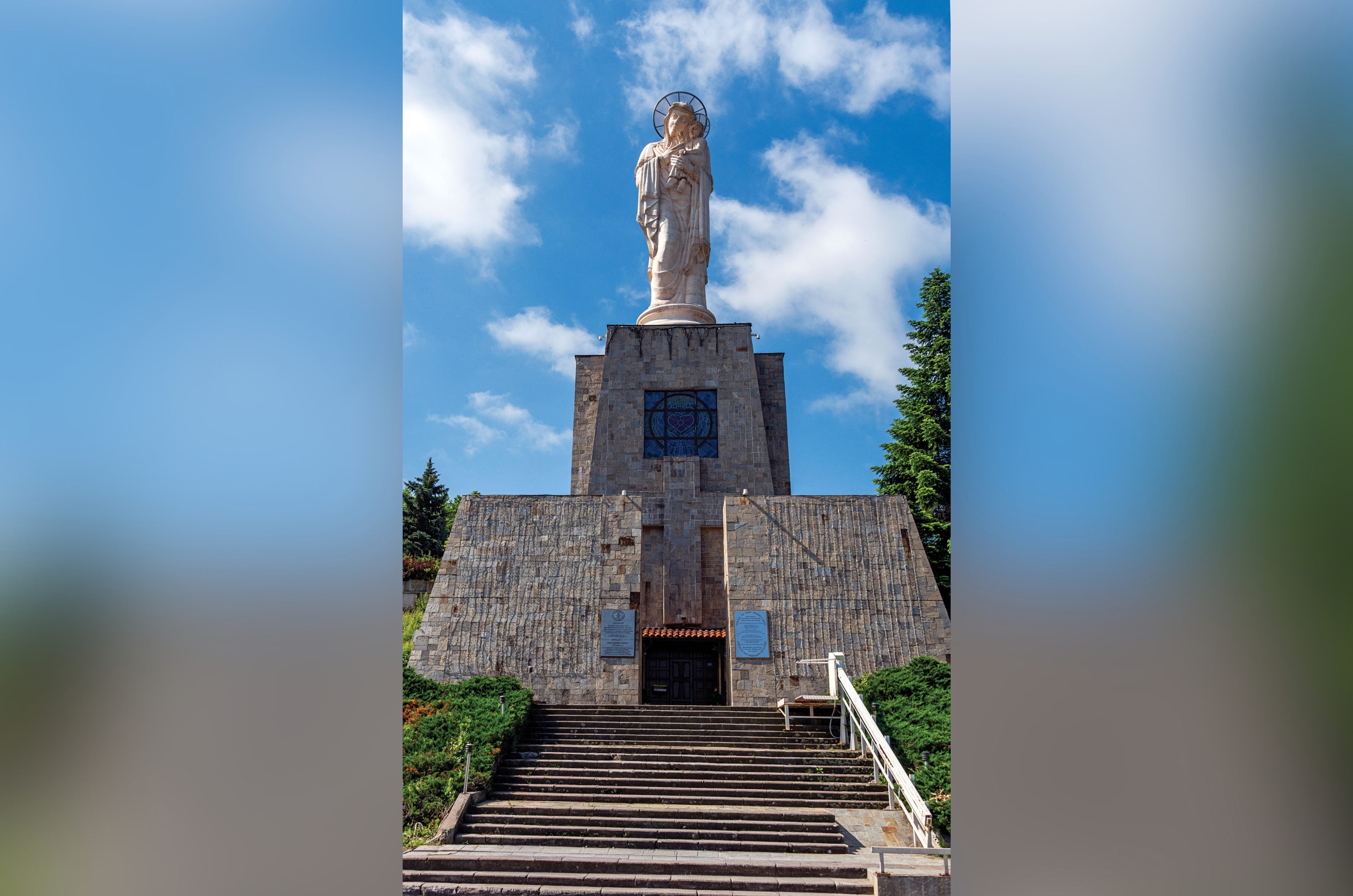
Monument of the Holy Mother of God in Haskovo.
Haskovo is a quaint town with a slow pace and none of the bustle of a European city, but it boasts a Guinness record for having the towering Monument of the Holy Mother of God, the tallest statue of the Virgin Mary and Baby Jesus in the world. Naturally, we had to check it out before we headed further.
Crossing countries in Europe is the equivalent of crossing states in India. There are no significant border checks or passport-control booths. A board with the blue EU flag and the name of the country is all you will see.
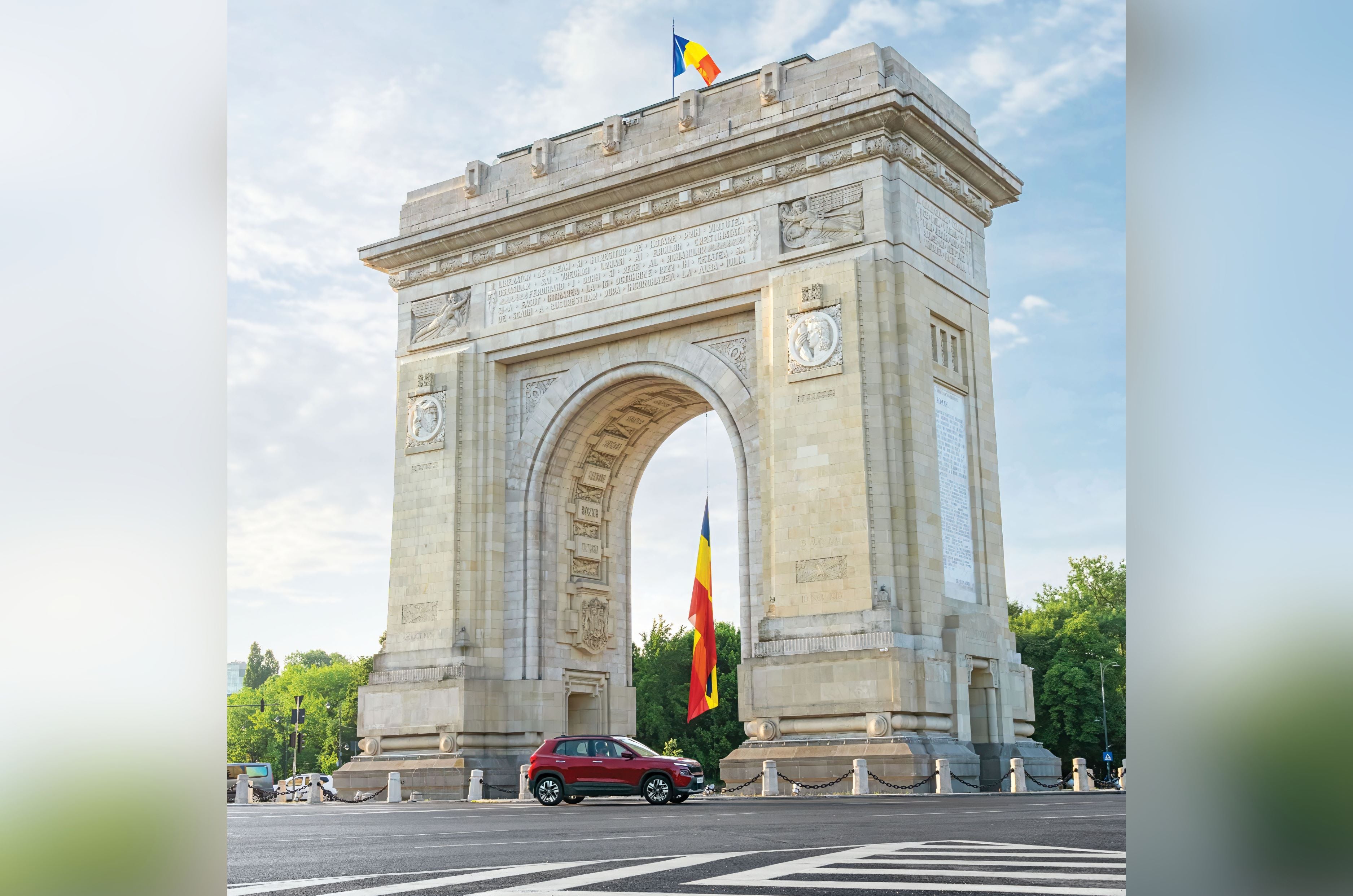
Romania’s Arcul de Triumf an ode to the one in Paris.
We crossed into Romania rather unassumingly and headed for Bucharest. The capital is picturesque and is also colloquially known as “Little Paris”. Like the Arc de Triomphe in Paris, Romania too has its own version. A tad smaller in comparison, but just as iconic.
However, what takes the cake is the Parliament Building, formally known as the Palace of the Parliament, which is also the heaviest building in the world, standing at approximately a ridiculous 4,098,500 tonnes. We couldn’t verify that, but since the Kylaq looked like a mere speck in front of it, it was all the proof we needed.
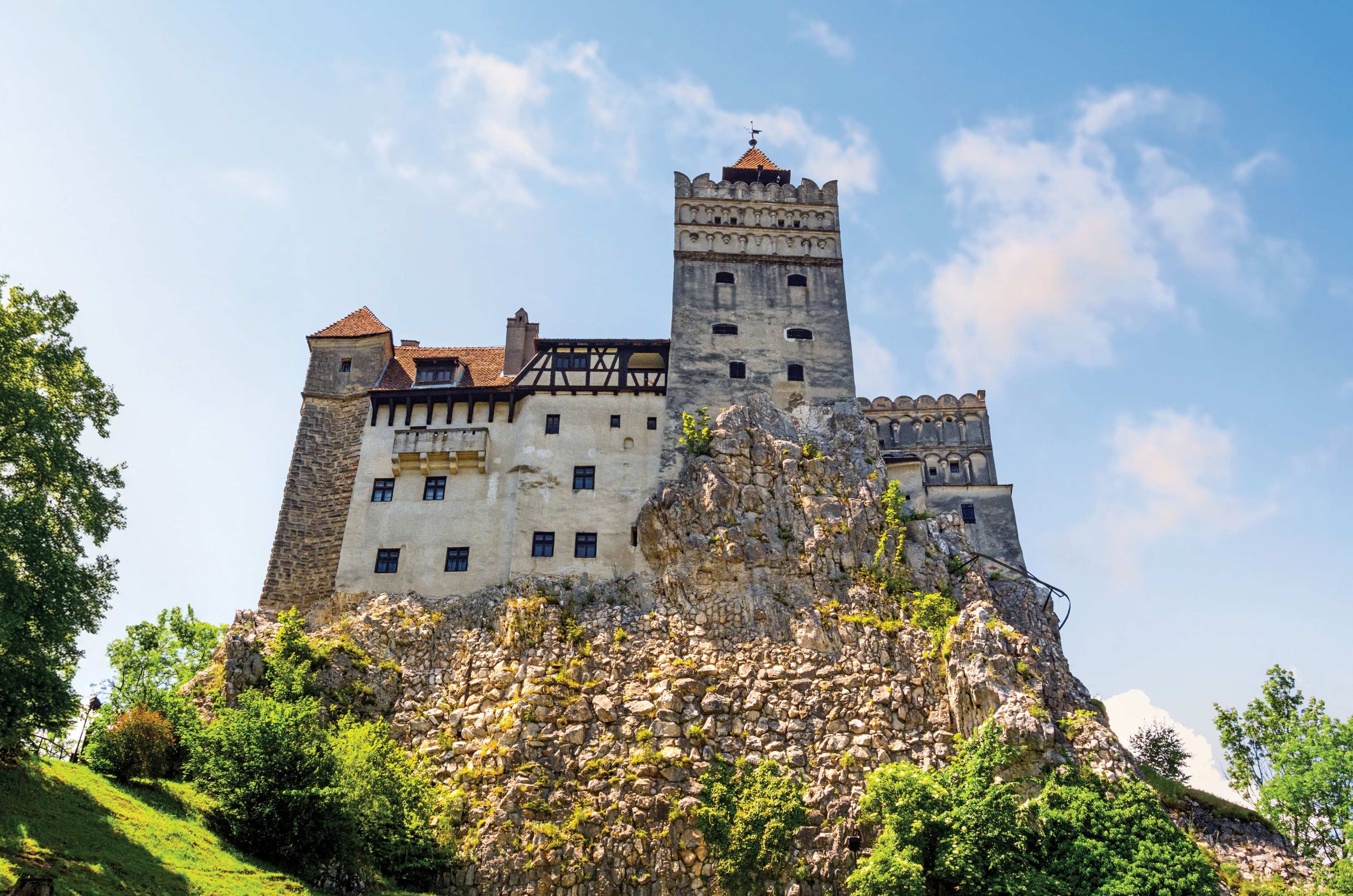
Bran Castle is widely marketed as Dracula’s home.
Bucharest also has a thriving nightlife, with the quiet cobbled streets turning into party hubs post-sunset. As we headed towards Hungary, we couldn’t help but make a stop at Bran Castle. Despite the myth that it was once home to the famous Dracula, there is nothing but merchandise at the foot of the castle to prove that claim. Historians have dismissed the claim and, while it is fascinating, there is plenty of evidence against it. Still, that did not stop us from buying some fake vampire teeth and Dracula magnets.
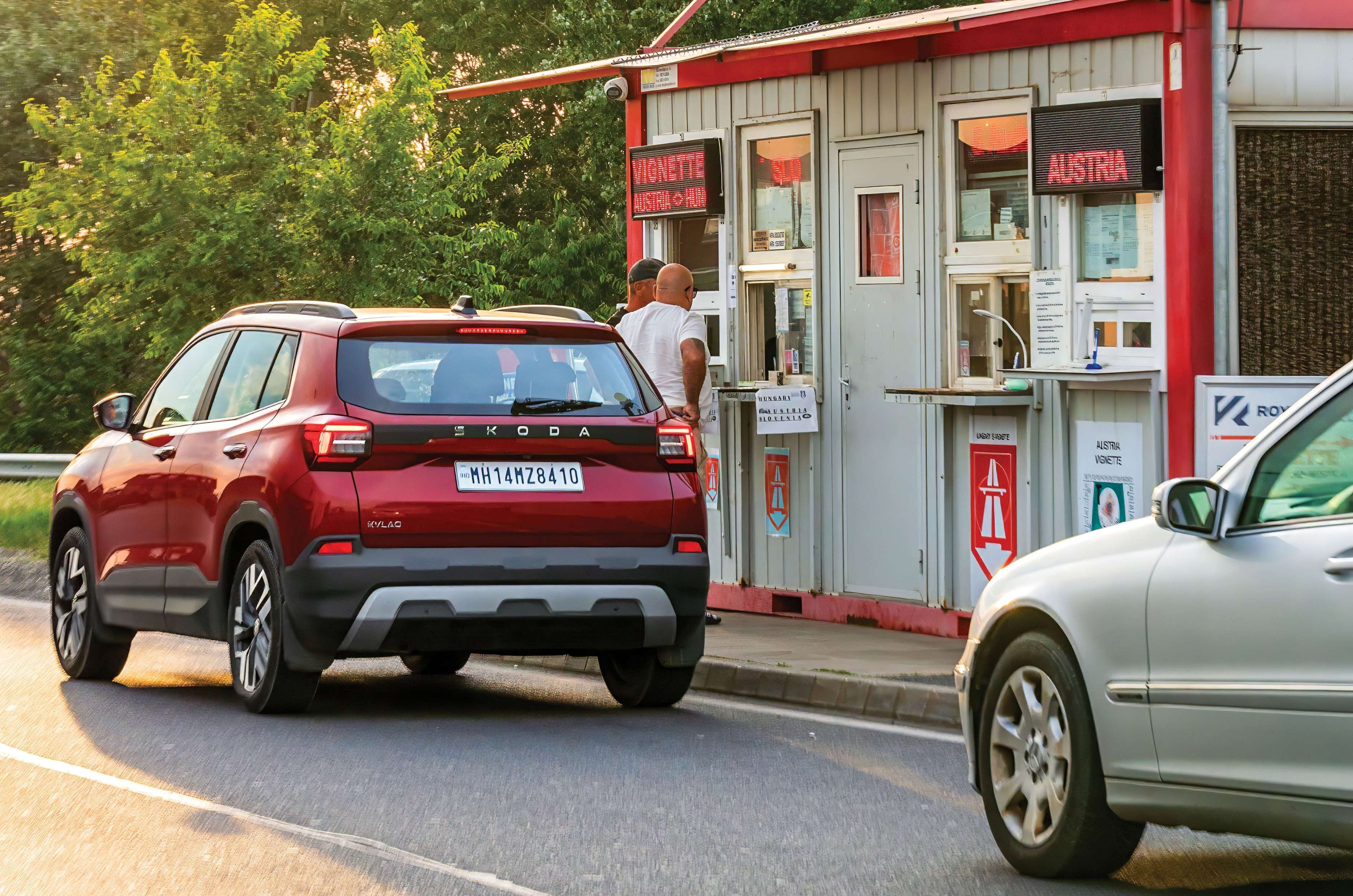
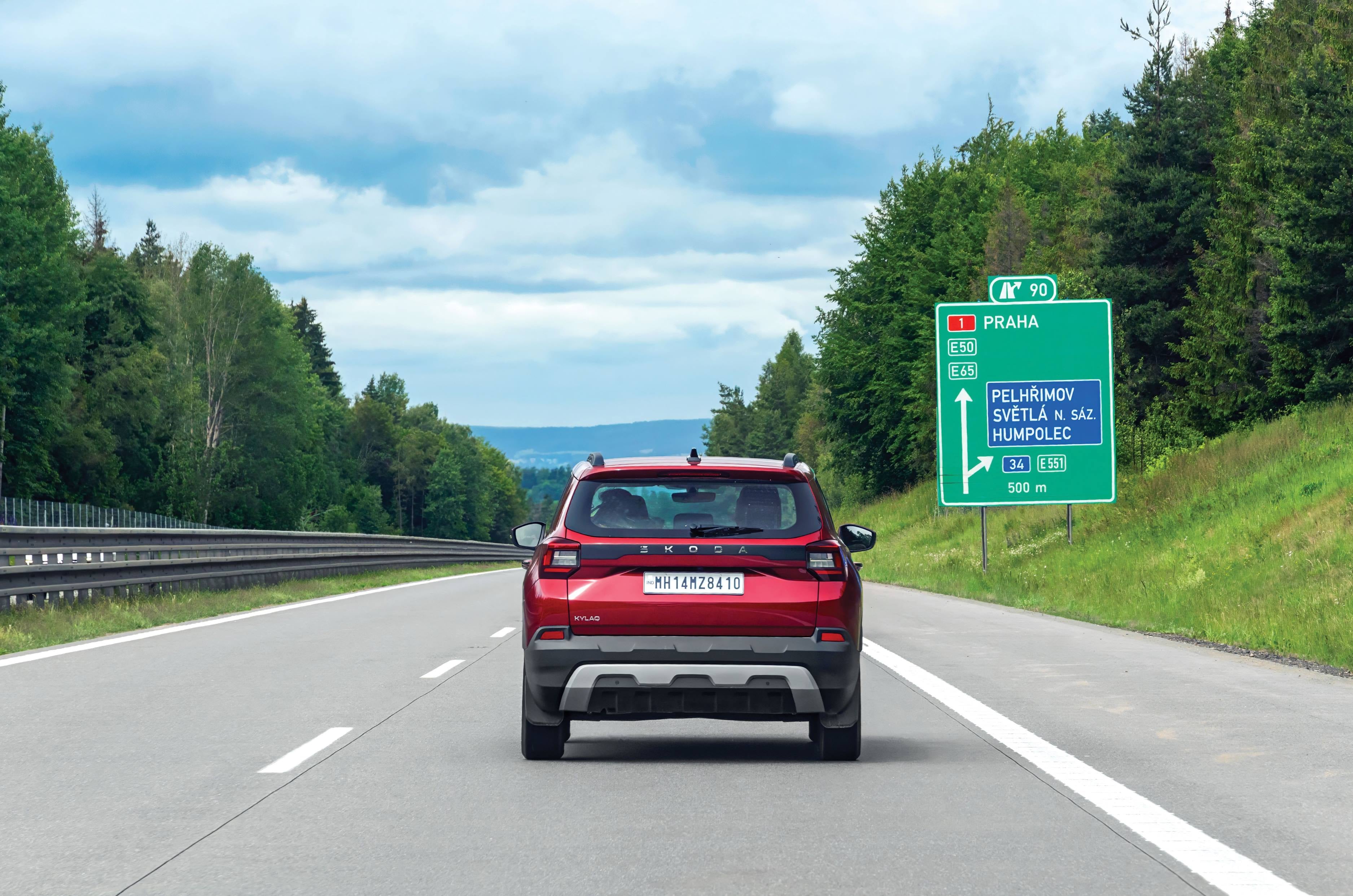
Vignette is Europe’s FASTag and is essential on the freeways.
From the shores of the Black Sea, we drove into landlocked Hungary. The drive to Budapest was long, but thanks to Europe’s seamless highways, it was light work for the Kylaq. In Europe, it just blended in with the other cars, and at no point did it feel out of place. It might have been built in India, but it felt every bit as European as it got closer to Prague.
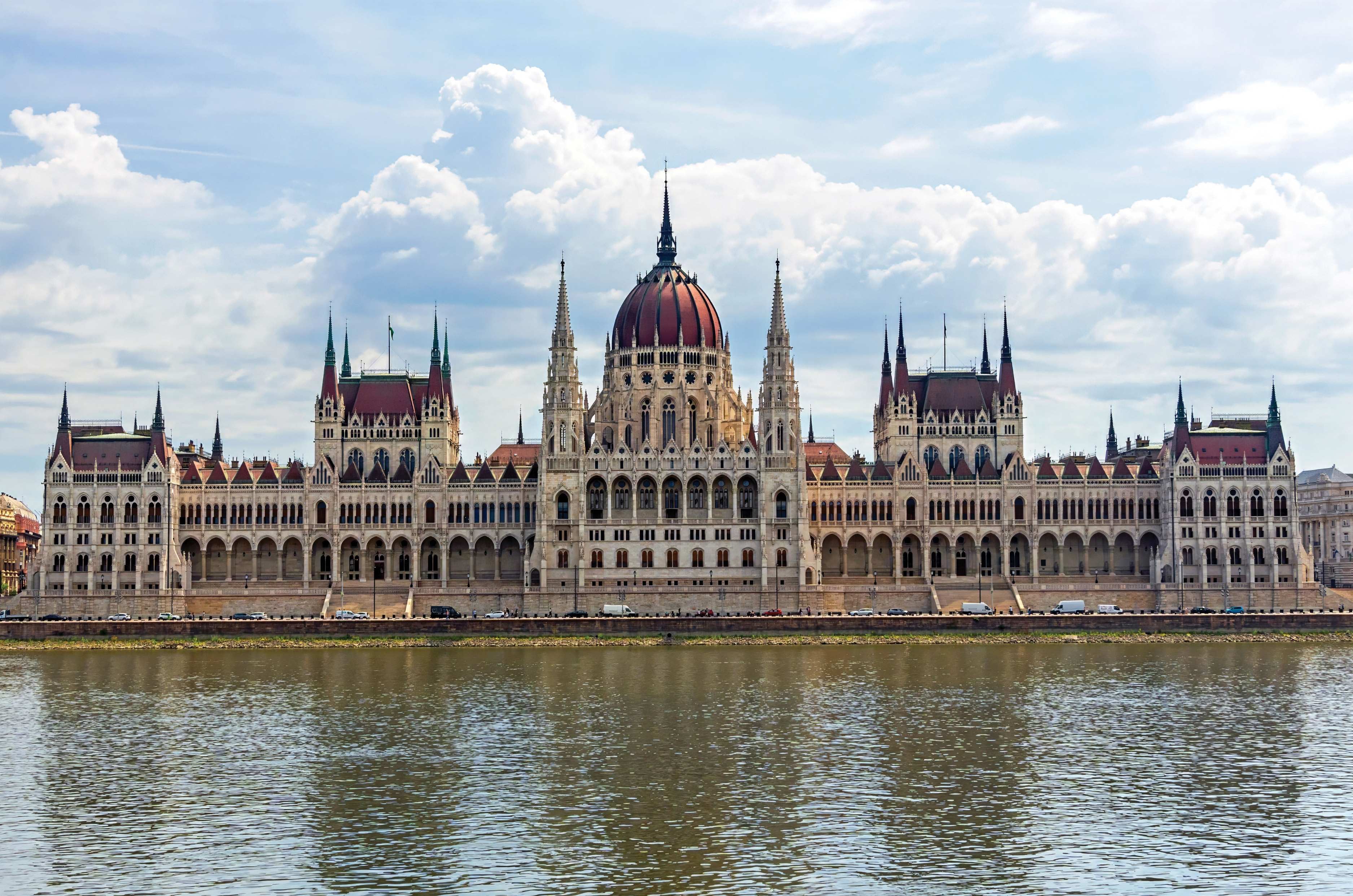
Budapest’s Parliament Building sits by the banks of the Danube River.
As we drove by the banks of the Danube, we were in awe of the stunning Hungarian Parliament Building. Budapest is also known for its bridges, with as many as 13 iconic ones, each with its own identity.
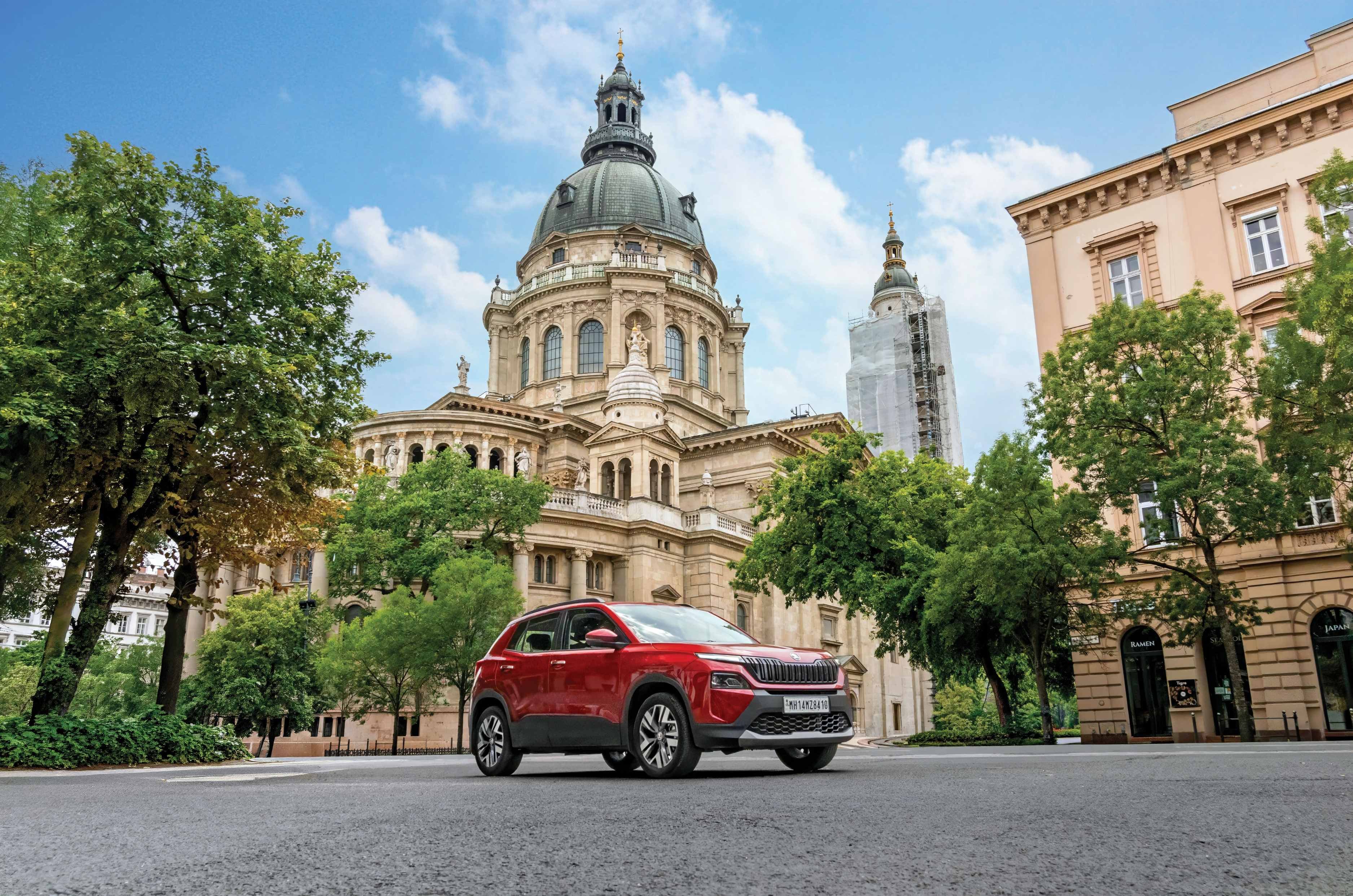
St. Stephen’s Basilica is the largest church in Budapest.
The last country before we entered the Czech Republic was Slovakia. The small country, with a quarter of the population of Mumbai, has a rather interesting Indian connection, as we found out in the pedestrian-only zone of its capital, Bratislava. Bratislava was visited by Pt. Jawaharlal Nehru in 1938, along with a young Indira Gandhi, regarding the freedom movement under British rule.
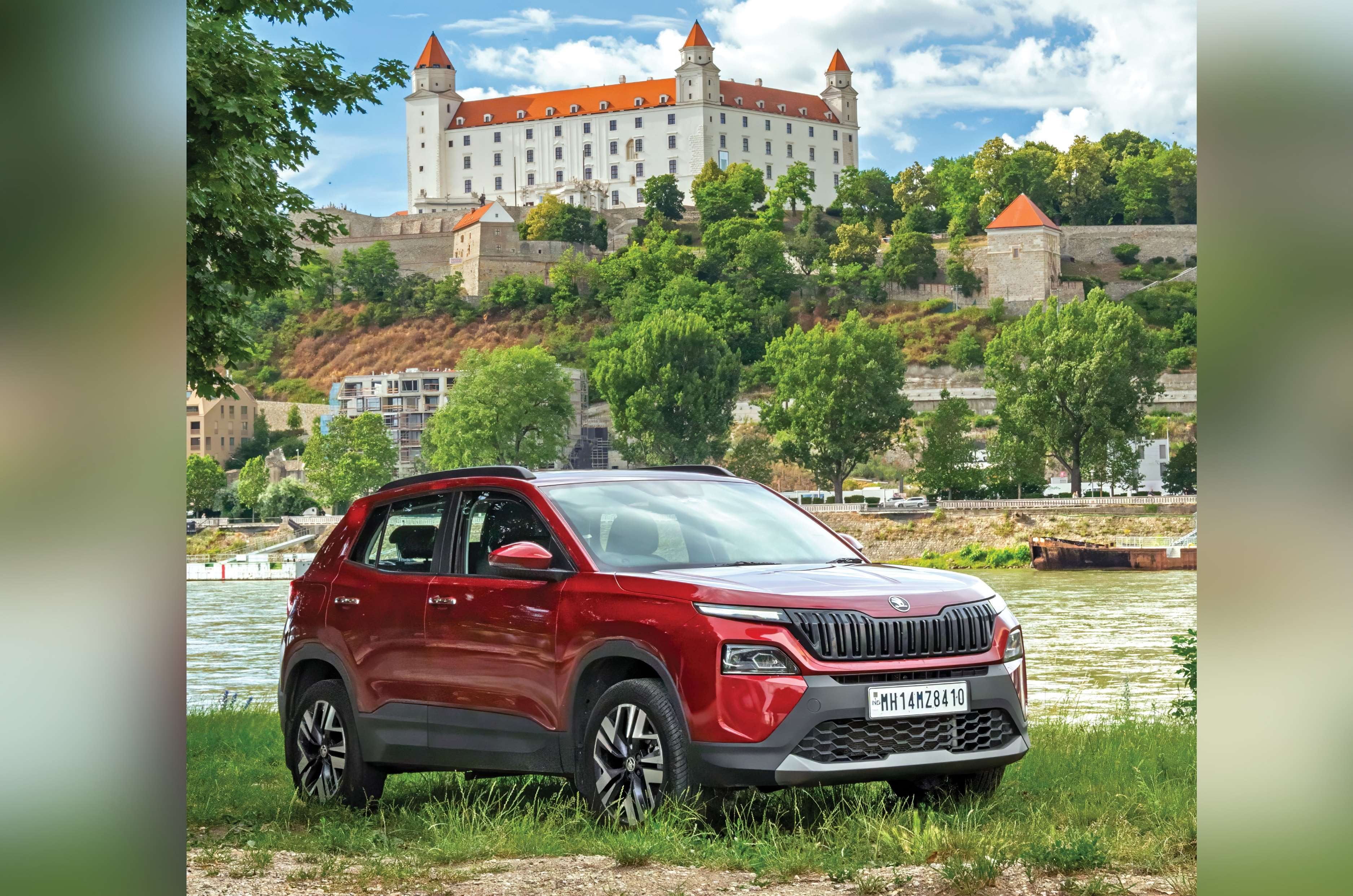
Bratislava Castle, built in the 13th century on the banks of the Danube, is now a museum.
The town square is also an open market with rich produce, handmade jewellery and a lot more. After buying the last few souvenirs before our bags exploded, we were set for the home stretch.
Prague boards were the beginning of a bittersweet end.
Prague was no more than 200-odd kilometres away, and the bittersweet feeling of it all coming to an end loomed over each and every one of us. As we crossed Brno and got closer to Mlada Boleslav (Skoda’s headquarters), we all reminisced about how gigantic this drive had been. Seventy days, almost 20,000km and not a single fault with the car, not even a puncture.
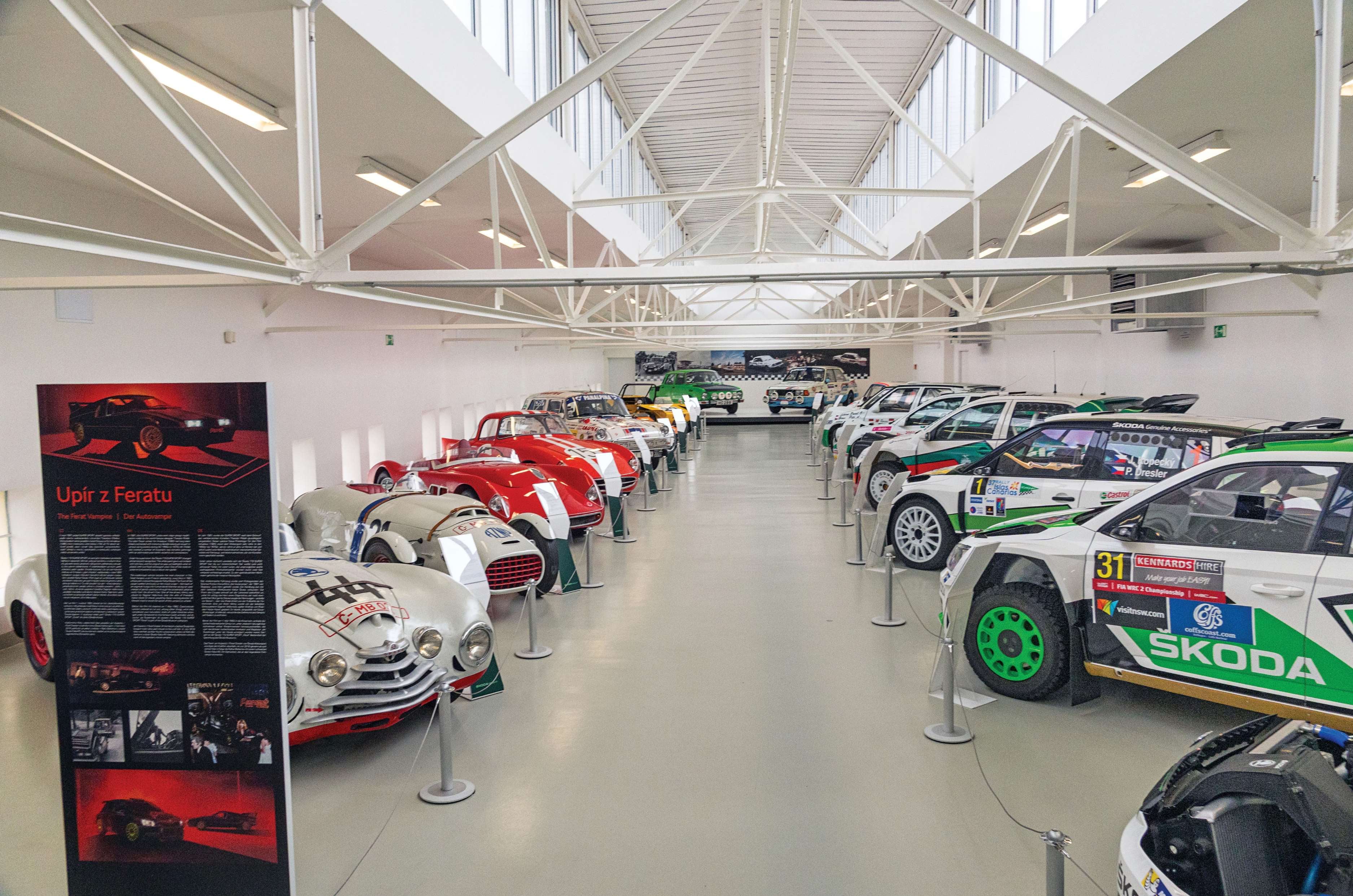
Rich history of rally and motorsport at the Skoda museum.
We crossed the Skoda factory gates with employees gazing in amusement and confusion. They had never seen this car, but strangely, it had a Skoda logo. As we parked the car near the iconic museum that preserves over 130 years of history, we had to peek in and see where it all started.
The fact that a simple bicycle gave birth to one of the largest auto manufacturers in the world is pretty astonishing. Road cars, racing cars and rally legends, Skoda has done it all. A reputation built over a century for being tough, resilient and deeply desirable.
Watching the Indian-made Kylaq sitting proud and faultless in the gleaming sunlight against the backdrop of Prague Castle, looking exactly like it did on the factory floor in Chakan, only proves that the 130-year-old ethos is still the same, no matter where Skoda builds a car.
The final picture in the camera that will always take us back in time
In a world rapidly shifting towards more screens and fewer experiences, a drive like P2P isn’t just a rarity; it’s a statement of defiance: as long as there’s a world to explore, we will find a way to drive across it.
Viral Video: बच्चे के रोने पर उसे चुप कराने के लिए अक्सर माता-पिता अलग-अलग तरीके अपनाते हैं। कोई उसे गोद में लेकर टहलाता है, तो कोई लोरी सुनाता है। लेकिन कैलिफोर्निया के सबसे बड़े शहर लॉस एंजिल्स में रहने वाली 40 वर्षीय चीनी बिजनेसवुमन सारा जेन हो ने अपने चार महीने के बेटे के साथ अपनाई जाने वाली कुछ पेरेंटिंग आदतों को इंस्टाग्राम पर शेयर किया है। इन आदतों में बच्चे को रोजाना सुबह लूप में हनुमान चालीसा सुनाना, बच्चे को कुत्तों के आसपास रहने देना, और उसके नंगे पैरों को प्राकृतिक सतहों (घास या जमीन) के संपर्क में आने देना शामिल है।
इस दौरान उन्होंने सोशल मीडिया पोस्ट के जरीए मां बनने के अपने अनुभव के बारे में भी बताया और दूसरे माता-पिता से अपने 4 महीने के बेटे की परवरिश को लेकर सुझाव भी मांगे। सारा ने पोस्ट में बताया कि वह अपने बेटे को Baby J कहकर बुलाती हैं।
सारा अपने बच्चे को सुनाती हैं ‘हनुमान चालीसा’
उन्होंने अपनी पोस्ट में बताया कि जब Baby J चिड़चिड़ा हो जाता है या रोने लगता है, तो वह उसे हनुमान चालीसा सुनाती हैं। हनुमान चालीसा एक हिंदू धार्मिक पाठ है। सारा के मुताबिक, जैसे ही वह हनुमान चालीसा चलाती हैं, उनका बेटा करीब 5 सेकंड में शांत हो जाता है और लगभग 2 मिनट में सो जाता है।
इंडियन दोस्त ने बताया ‘हनुमान चालीसा’ के बारे में
उन्होंने बताया कि हनुमान चालीसा के बारे में उन्हें एक इंडियन दोस्त से पता चला था, जिनसे उनकी मुलाकात Burning Man फेस्टिवल के दौरान हुई थी। जो लोग नहीं जानते उन्हें बताते चलें कि Burning Man अमेरिका के नेवादा के Black Rock Desert में होने वाला एक सालाना सांस्कृतिक फेस्टिवल है, जो करीब सात दिनों तक चलता है।
Sarah ने बताया कि अब वह हर सुबह हनुमान चालीसा को लूप पर चलाती हैं, यानी इसे बार-बार सुनाती हैं।
‘मैं उसे रोते हुए छोड़ने में यकीन नहीं रखती’
सारा ने यह भी बताया कि जब उनका बच्चा रोता है, तो वह कैसे रिएक्ट करती हैं।
उन्होंने बताया, “शुरुआती 9 महीनों में बच्चे को यह एहसास नहीं होता कि वह एक अलग इंसान है, इसलिए जब भी वह रोता है, मैं उसे तुरंत गोद में उठा लेती हूं। मैं उसे रोते-रोते सो जाने देने में यकीन नहीं रखती। अगर कुछ कोशिशों करने के बाद भी वह शांत नहीं होता, तो मैं तुरंत हनुमान चालीसा चला देती हूं, जिससे वह शांत हो जाता है।”
उनकी पोस्ट में उन दूसरे तरीकों का भी जिक्र था जिन्हें उन्होंने बेबी J की दिनचर्या में शामिल किया है।
सारा ने बताया कि वह अपने बेटे को रोजाना 8 मिनट तक ब्राह्म्स की लोरी (Brahms’ Lullaby) सुनाती हैं। उनका दावा है कि कुछ डेटा से पता चलता है कि यह म्यूजिक बच्चे के दिमाग के विकास की रफ्तार बढ़ाने में मदद कर सकता है।
40 की उम्र में सरोगेसी से मां बनी हैं सारा
अपनी पोस्ट में सारा बताती हैं वे 40 साल की उम्र में सरोगेसी की मदद से मां बनी हैं. वे बताती हैं कि बच्चा अभी सरोगेट मदर का ही दूध पीता है, इसीलिए वे उनको मूंगफली और सोया मिल्क भेज रही हैं ताकि बच्चे को इनकी आदत जल्दी हो जाए और उसे एलर्जी न हो। सारा बताती हैं कि वे अपनी समझ से ऐसा कर रही हैं, हालांकि साइंटिफिकली यह कितना सही है, इसका अंदाजा उन्हें नहीं है।’
उन्होंने अपने सरोगेसी के अनुभव में दिलचस्पी रखने वाले फॉलोअर्स को अपने पॉडकास्ट ‘हॉट वॉटर’ (Hot Water) के एपिसोड 69 को सुनने के लिए भी कहा।
एलर्जी से बचाने के लिए ये सब कर रहीं सारा
बेबी जे को किसी की तरह से की तरह की एलर्जी से बचाने के लिए सारा अभी से उसे दोस्तों और पड़ोसियों के कुत्तों के संपर्क में ले जाती हैं। साथ ही साथ रोजाना उसे बगीचे में ग्राउंडिंग भी करवाती हैं। वे कहती हैं कि बच्चे के पैरों में 2 लाख से ज्यादा नर्व एंडिंग्स होते हैं, और ऐसे करने से उसके न्यूरोलॉजिकल और शारीरिक विकास में मदद मिलती है।
सारा ने अपनी पोस्ट के आखिर में दूसरे माता-पिता से सुझाव मांगे कि वे अपने चार महीने के बच्चे के साथ क्या-क्या कर सकती हैं। उन्होंने लिखा, “क्या आप मेरे साथ कुछ और टिप्स शेयर कर सकते हैं जिन्हें मैं बेबी J के साथ आजमा सकूं?”
हनुमान चालीसा वाली पोस्ट पर यूजर्स ने दी प्रतिक्रिया
इंस्टाग्राम पर इन तस्वीरों और फोटोज को लोग खूब पसंद कर रहे हैं और कमेंट बॉक्स मेंज जमकर प्रतिक्रियाएं भी दे रहे हैं:-
एक यूजर ने लिखा, “हनुमान चालीसा सिर्फ एक इंडियन सॉन्ग नहीं है। यह गोस्वामी तुलसीदास द्वारा रचित एक पवित्र भक्ति ग्रंथ है, जिसे हिंदू बहुत सम्मान देते हैं। इसे भगवान हनुमान के प्रति भक्ति और प्रार्थना के रूप में पढ़ा और गाया जाता है। कृपया एक सांस्कृतिक गीत और एक ऐसे पवित्र ग्रंथ के बीच का अंतर समझें, जिसका लाखों हिंदुओं के लिए गहरा आध्यात्मिक महत्व है।”
एक अन्य यूजर ने हनुमान चालीसा को अपनी रोजाना की पूजा का हिस्सा बताया। साथ ही, उन्होंने इसके ज्योतिषीय फायदों को लेकर भी एक दावा किया। यूजर ने लिखा, “हनुमान चालीसा मेरा रोज का मंत्र है। जिन लोगों की कुंडली में 8वें भाव में केतु होता है, उनके लिए यह बहुत फायदेमंद है। यह एक तरह की प्राकृतिक दवा है।”
एक तीसरे यूजर ने सारा के मां बनने के तरीके की तारीफ की। उन्होंने लिखा, “Baby J बहुत खुशकिस्मत है कि उसे आप जैसी मां मिली हैं।”
एक अन्य यूजर ने भगवान हनुमान से जुड़े धार्मिक पाठ सुंदरकांड का जिक्र किया। उन्होंने लिखा, “सुंदरकांड नाम की एक खूबसूरत किताब है, जिसमें भगवान हनुमान की महिमा बताई गई है। मेरी मां गर्भावस्था के दौरान इसका पाठ करती थीं। इससे बच्चे में भक्ति और साहस की अच्छी भावना जागती है। यह सूर्य का ज्ञान रखने वाले एक दिव्य और निस्वार्थ प्रेम करने वाले देवता की कहानी है।”
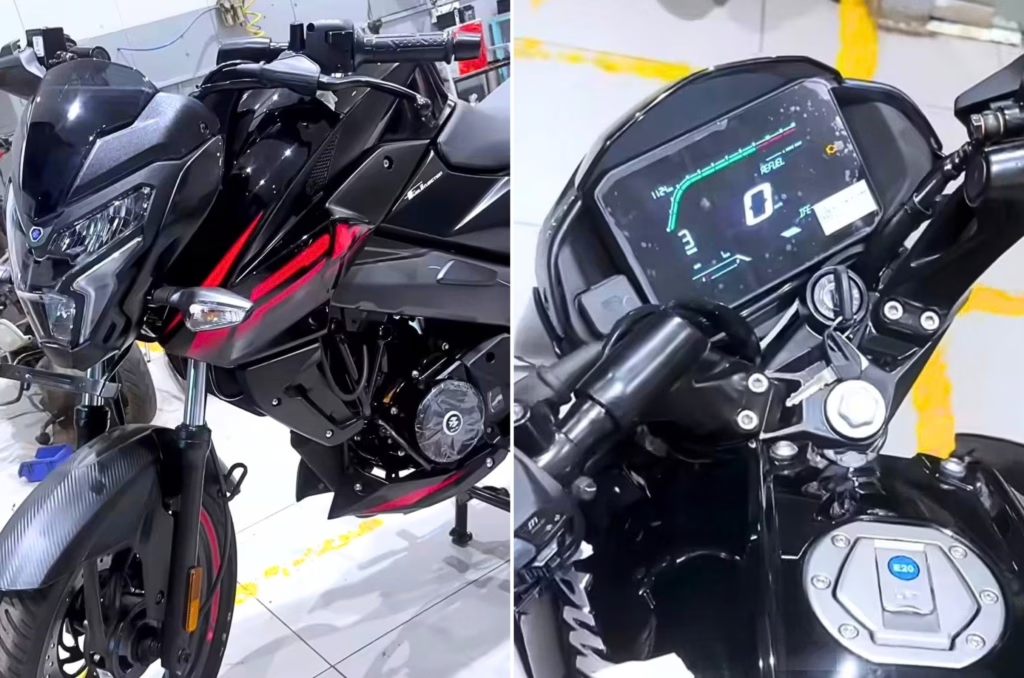
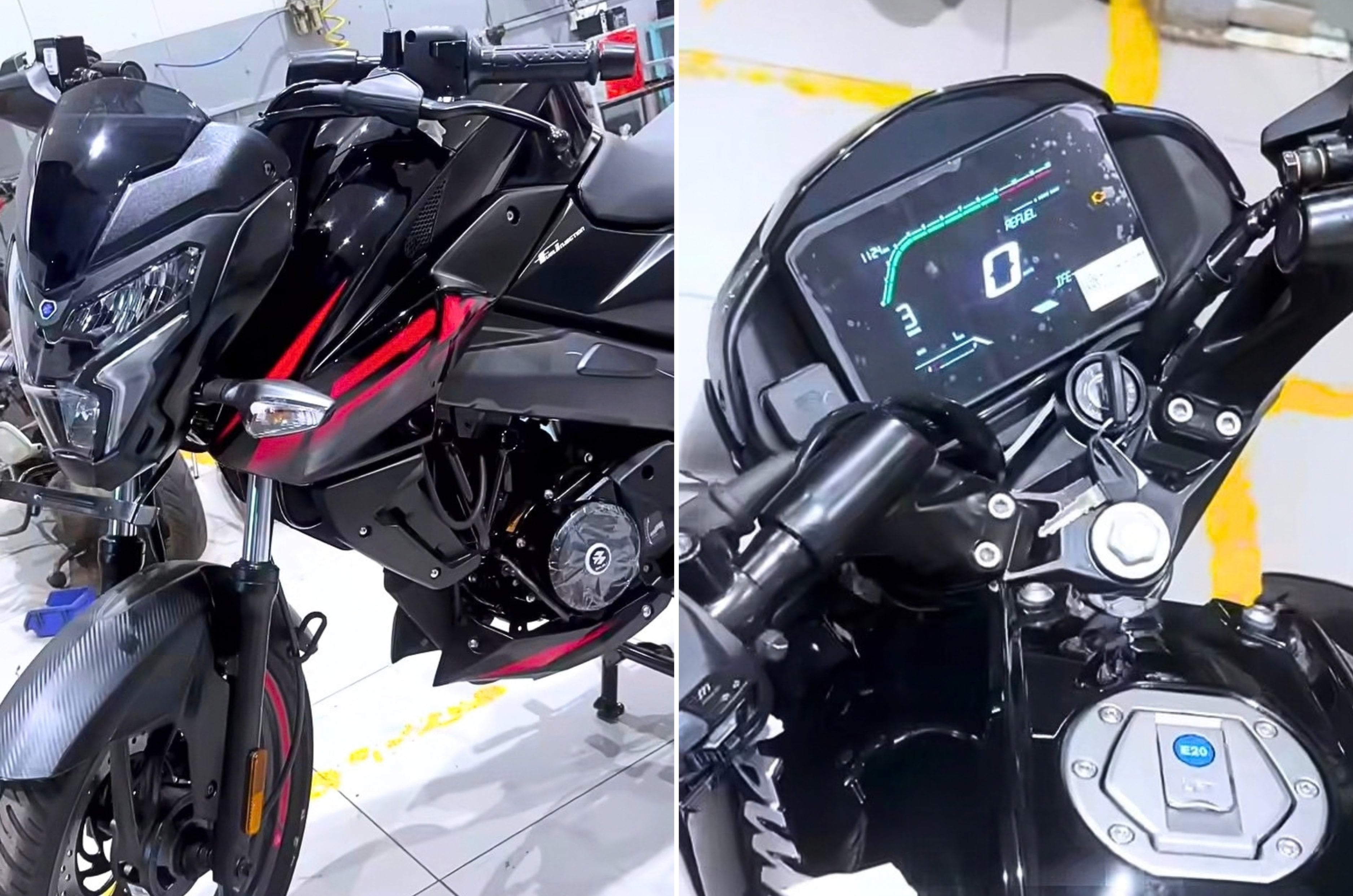
Bajaj, like we predicted, appears to be bringing a slew of updates across their line-up. Only a few days after the Pulsar NS400Z was spotted with the new TFT display, now the entry-level NS125 looks to be next in line. Just like the NS400Z, the update seems to be centred around colours and an updated display.
There could be a higher variant with a TFT display; same as the one from the all-new Pulsar 125 etc.,
Updated colour options also expected, mechanical changes unlikely
Updated Pulsar NS125 could launch soon
New colours and an instrument cluster are the main changes
Just last week, we spotted the NS400Z – the apex NS – with an updated TFT display and colour schemes. Bajaj had first introduced the display with the SS variant of the N160, later giving it to the top variants of the classic Pulsar 125 and 150 as well. The headlining feature of the display was the ability to mirror Google Maps navigation on the bike. Later, updated versions of the N250 and the NS200 were also spotted testing, sporting the new display. Now, the entry-level NS125 looks to be getting an updated display too.
The production-looking version of the Pulsar NS125 was spotted with a new LCD screen, replacing the negative LCD unit on the current version. While the images give us a look at the model with an LCD screen (also available on lower variants of the 125, 150, and N160), there will likely be a higher variant with the same TFT display as the aforementioned siblings. Bajaj appears to have slightly updated the colours too, bringing the palette closer to the recently updated Pulsars. The images show us the bike in black/red, black/neon green, and black/grey.
Besides these two changes, the baby NS is expected to remain unchanged. Which means, it’ll hang on to its 124.45cc engine delivering 12hp and 11Nm of torque. For context, the updated classic Pulsar 125 has a 124.38cc engine that makes 11.8hp and 10.8Nm of torque. TVS Raider, the current best-seller of the sporty 125s, has a 124.8cc engine making 11.38hp and 11.2Nm of torque (11.75Nm on ISG variants). Since the motorcycle appears to have reached dealerships already, deliveries will likely start soon as well. Currently, the Bajaj Pulsar NS125 starts at Rs 99,622 and it remains to be seen if that increases with these updates.
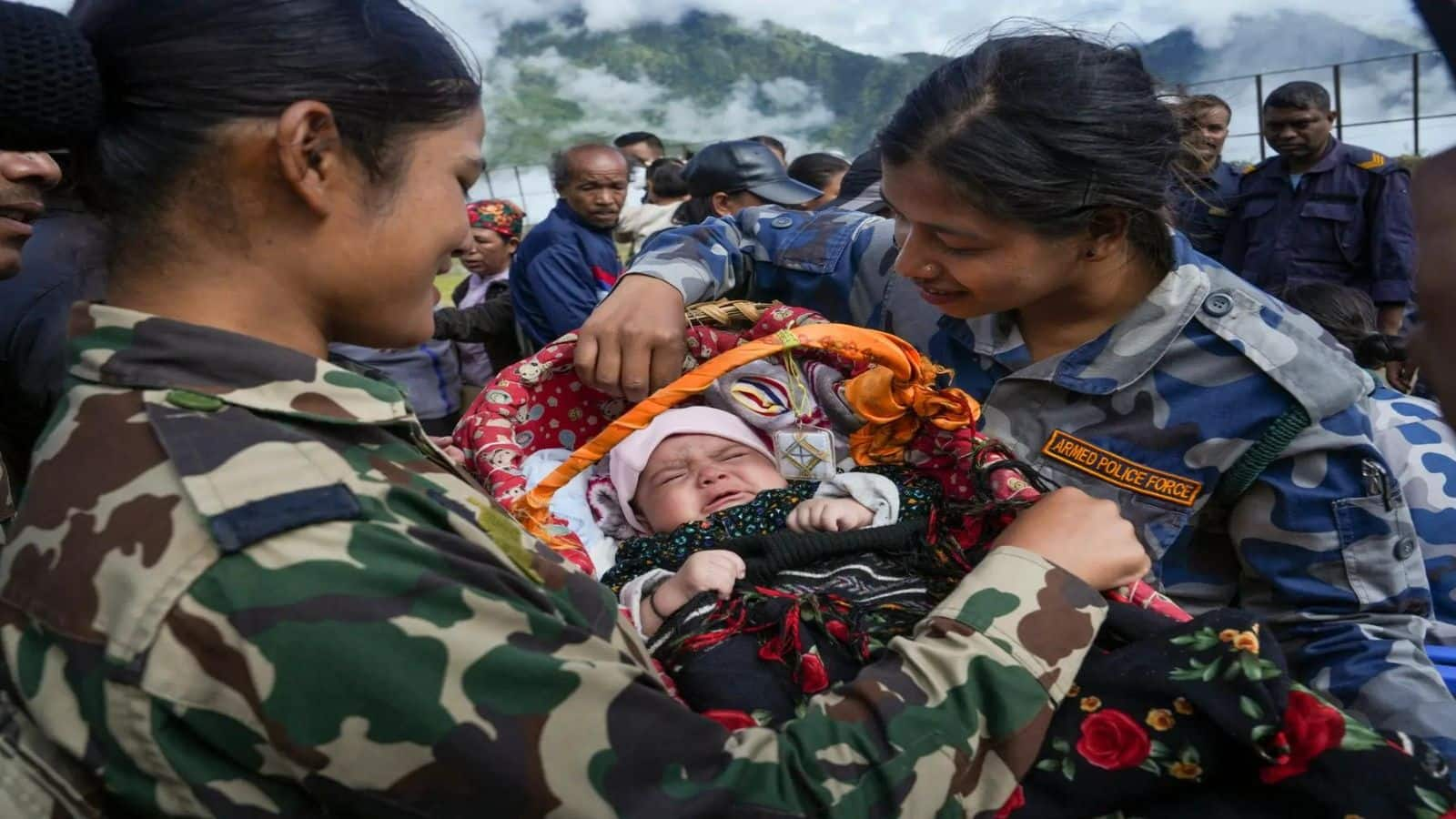
VIDEO Nepa Flood: नेपाल के बाढ़ प्रभावित रसुवा जिले से रेस्क्यू ऑपरेशन के दौरान एक बेहद भावुक तस्वीर सामने आई है। बचावकर्मियों ने महज डेढ़ महीने के एक मासूम बच्चे को बाढ़ प्रभावित इलाके से सुरक्षित बाहर निकाला। फिर उसे रसुवा के धांगे कैंप पहुंचाया। भयंकर बाढ़ और मलबे के बीच राहत एवं बचाव अभियान लगातार जारी है। रसुवा और आसपास के इलाकों में आई विनाशकारी बाढ़ ने सड़कें, पुल और कई बस्तियां तबाह कर दी हैं, जिसके बाद सेना और सुरक्षा बलों की टीमें प्रभावित लोगों को सुरक्षित स्थानों तक पहुंचाने में जुटी हैं।
डेढ़ महीने के इस मासूम का सुरक्षित रेस्क्यू ऐसे मुश्किल हालात में उम्मीद और राहत की बड़ी तस्वीर पेश करता है। नेपाल में अचानक आई विनाशकारी बाढ़ से मरने वालों की संख्या बढ़कर मंगलवार (1 सितंबर) को 987 हो गई। सुरक्षा बल देश के अलग-अलग हिस्सों में तलाश एवं बचाव अभियान के दौरान और शव बरामद कर रहे हैं। अधिकारियों के अनुमान के मुताबिक, 3,916 लोग अब भी लापता हैं, जिनमें 583 विदेशी नागरिक शामिल हैं। प्रभावित इलाकों में नेपाल सेना समेत सुरक्षा बलों ने तलाश और बचाव अभियान तेज कर दिया है।
नेशनल डिजास्टर रिस्क रिडक्शन एंड मैनेमेंट अथॉरिटी (NDRRMA) के अनुसार, चितवन से 321 शव, नवलपरासी पूर्व से 216, नवलपरासी पश्चिम से 170 और नुवाकोट से 95 शव बरामद किए गए हैं। इसी तरह, गोरखा से 65, धादिंग से 55, तनहूं से 38 और रसुवा से 27 शव बरामद किए गए हैं। NDRRMA ने बताया कि अचानक आयी बाढ़ से आठ जिले प्रभावित हुए हैं। बाढ़ में कुल 279 लोग घायल हुए हैं, जिनमें से 168 लोगों को इलाज के बाद विभिन्न अस्पतालों से छुट्टी दे दी गई है।
शव ले जाने के लिए प्रक्रिया जारी
काठमांडू स्थित भारतीय दूतावास ने नेपाल में आई विनाशकारी बाढ़ में मारे गए भारतीयों समेत विदेशी नागरिकों के शवों की शिनाख्त करने और उन्हें स्वदेश भेजने के लिए मंगलवार को विस्तृत प्रक्रिया जारी की। नेपाल-तिब्बत सीमा के पास 26 अगस्त को अचानक आई बाढ़ ने उत्तरी और मध्य नेपाल में भारी तबाही मचाई जिसमें सैकड़ों लोगों की जान चली गई। हजारों लोग लापता हो गए। मकानों, सड़कों, पुलों तथा हाईड्रोपावर प्रोजेक्ट को भी नुकसान पहुंचा है।
दूतावास ने एक प्रेस विज्ञप्ति में कहा कि नेपाल सरकार ने विदेशी नागरिकों के शव सौंपने के लिए नौ चरणों वाली प्रक्रिया तय की है। इसमें जरूरी दस्तावेज तैयार करना, तस्वीरें और डिटेल्स दर्ज करना, पोस्टमार्टम, मृत्यु के कारण की पुष्टि और औपचारिक शिनाख्त शामिल हैं।
बयान के अनुसार, प्रक्रिया में उंगलियों के निशान, डीएनए और अन्य फॉरेंसिक सैंपल लेना, मृतक के पासपोर्ट या पहचान संबंधी दस्तावेजों का सत्यापन, दूतावास या वाणिज्य दूतावास के स्तर पर समन्वय तथा शव सौंपने संबंधी ज्ञापन और रसीद जारी करना भी शामिल हैं। दूतावास ने बताया कि इस प्रक्रिया के पहले चार चरण नेपाल के अधिकारियों द्वारा पूरे किए जाएंगे।
यदि रिश्तेदार नेपाल पुलिस की वेबसाइट पर उपलब्ध तस्वीरों और डिटेल्स के आधार पर शव की शिनाख्त कर पाते हैं, तो भारतीय दूतावास उसे सौंपने और स्वदेश भेजने के लिए स्थानीय अधिकारियों के साथ समन्वय में मदद करेगा।
दूतावास ने कहा कि स्वास्थ्य संबंधी जोखिमों को रोकने के लिए नेपाल सरकार ने बड़ी संख्या में शवों को अस्थायी रूप से दफना दिया है। ऐसे शवों की शिनाख्त के लिए सबसे नजदीकी परिजन से डीएनए का मिलान करना होगा।
VIDEO | Rasuwa, Nepal: One-and-a-half-month-old baby rescued from flood-affected area and brought to Rasuwa Dhange camp.
सबसे नजदीकी परिजन से आशय ऐसे पारिवारिक सदस्य से है जो वंशावली में एक पीढ़ी के अंतर पर हो। इसमें माता-पिता, सगे भाई-बहन और संतान शामिल हैं। विज्ञप्ति में कहा गया है कि जिन मामलों में शवों की शिनाख्त नहीं हो पाती या अवशेषों को अस्थायी रूप से दफना दिया गया है, वहां नेपाल सरकार डीएनए मिलान की सुविधा उपलब्ध कराएगी।
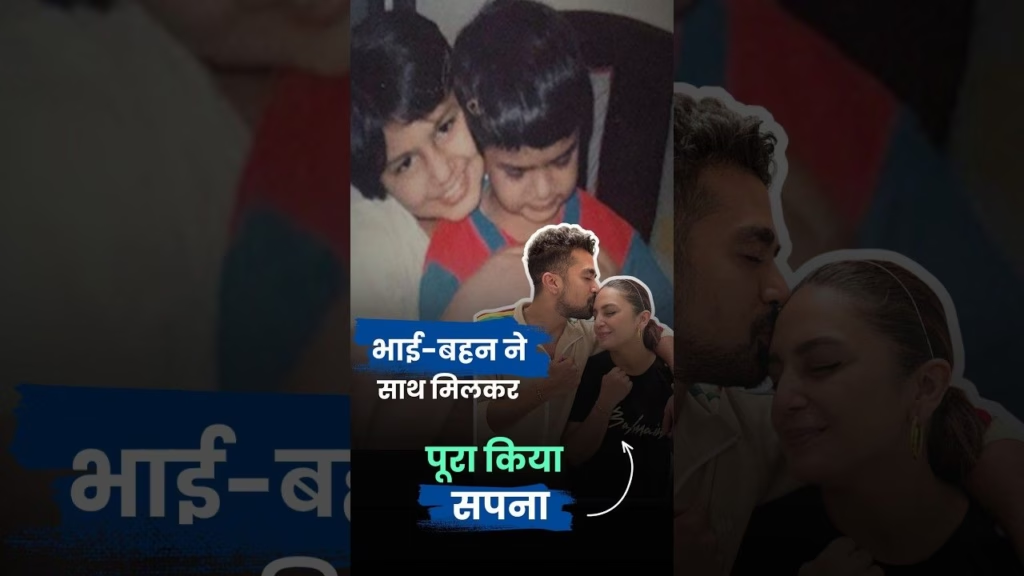
जब दुनिया ने उनके सपनों पर शक किया, उनकी माँ ने भरोसा किया।
हुमा कुरैशी और साकिब सलीम के लिए मुंबई का सफर सिर्फ एक्टिंग में करियर बनाने का नहीं था। ये एक-दूसरे का हाथ थामकर आगे बढ़ने का सफर था।
एक का हौसला टूटता, तो दूसरा संभालता।
और शायद यही वजह है कि दोनों ने अपने-अपने सपनों को हकीकत में बदला।
क्योंकि कभी-कभी आपको पूरी दुनिया के भरोसे की जरूरत नहीं होती, बस एक अपने का भरोसा काफी होता है।
@iamhumaq
@saqibsaleem
Huma Qureshi Saqib Saleem brother sister story, siblings who achieved dreams together, Huma Qureshi in Baby Do Die Do, Bollywood Siblings Story
भाई बहन की इस जोड़ी ने साथ मिलकर सपनों को बदला हकीकत में | Saqib and Huma Qureshi | Baby Do Die Do | Siblings Story
वियतनाम से सामने आई एक घटना ने सोशल मीडिया पर लोगों का ध्यान खींच लिया है। यह कहानी एक ऐसी मां की है, जिसके लिए बच्चे के जन्म का पल बेहद अनोखा और यादगार बन गया। अस्पताल पहुंचने की कोशिश के दौरान हालात अचानक बदल गए और कुछ ही पलों में एक नई जिंदगी ने दुनिया में कदम रख दिया। आसपास मौजूद लोगों और मेडिकल स्टाफ ने तुरंत स्थिति को संभाला और मां-बच्चे की मदद के लिए आगे आए। इस घटना का वीडियो सामने आने के बाद लोग हैरान भी हैं और भावुक भी।
कई यूजर्स ने जहां मेडिकल टीम की तत्परता की तारीफ की, वहीं मां और नवजात के सुरक्षित होने पर राहत जताई। आखिर बाइक पर ऐसी कौन सी परिस्थिति बनी कि अस्पताल पहुंचने से पहले ही डिलीवरी हो गई? जानिए इस अनोखी घटना की पूरी कहानी।
पति के साथ बाइक से निकली थी अस्पताल
स्थानीय रिपोर्ट्स के मुताबिक, 25 वर्षीय महिला को 3 अगस्त को अचानक तेज पेट दर्द शुरू हुआ। वह करीब 32 सप्ताह की गर्भवती थी। हालत बिगड़ने पर वह अपने पति के साथ बाइक से थाई गुयेन प्रांत के फु लुओंग अस्पताल के लिए रवाना हुई। लेकिन अस्पताल पहुंचने से पहले ही प्रसव पीड़ा तेज हो गई और महिला ने बाइक पर ही बच्चे को जन्म दे दिया।
अस्पताल के बाहर मची अफरा-तफरी, डॉक्टरों ने संभाली स्थिति
वायरल वीडियो में देखा जा सकता है कि महिला बाइक के पास खड़ी है और अस्पताल के कर्मचारी तुरंत उसकी मदद के लिए दौड़ते हैं। रिपोर्ट्स के अनुसार, नवजात मां के कपड़ों में फंसा हुआ था और गर्भनाल अभी जुड़ी हुई थी। मेडिकल स्टाफ ने बेहद सावधानी से मां और बच्चे को संभाला और तुरंत इलाज शुरू किया।
32 हफ्ते में हुआ जन्म, करीब 2 किलो था बच्चे का वजन
डॉक्टरों के अनुसार, यह महिला की चौथी प्रेग्नेंसी थी। इससे पहले भी उसका इसी अस्पताल में गर्भ से जुड़ी परेशानी के लिए इलाज चल चुका था। अचानक डिलीवरी शुरू होने के कारण परिवार को तैयारी का मौका नहीं मिल पाया। जन्म के समय बच्चे का वजन करीब 2 किलोग्राम था। डॉक्टरों ने नवजात को जरूरी देखभाल दी और उसे वैक्सीन भी लगाई।
मां और बच्चा दोनों सुरक्षित
घटना के बाद मां और बच्चा दोनों स्वस्थ बताए जा रहे हैं और डॉक्टरों की निगरानी में हैं। सोशल मीडिया पर वीडियो वायरल होने के बाद लोगों ने अस्पताल की मेडिकल टीम की तेजी और संवेदनशीलता की जमकर तारीफ की। कई यूजर्स ने इस घटना को जिंदगी के सबसे अनोखे पलों में से एक बताया। कुछ लोगों ने मजाकिया अंदाज में बच्चे के लिए बाइक से जुड़ा नाम रखने की बात भी कही, लेकिन ज्यादातर लोगों ने मां और बच्चे के सुरक्षित होने पर राहत जताई।
मां बनने का पल हर महिला के लिए खास होता है, लेकिन इस मां के लिए यह अनुभव जिंदगीभर याद रहने वाली कहानी बन गया। अस्पताल पहुंचने की कोशिश के बीच बाइक पर जन्मे इस बच्चे की कहानी अब दुनिया भर में लोगों का ध्यान खींच रही है।
सफलता को अक्सर पैसा, बड़ा बिजनेस और शानदार जीवनशैली से जोड़कर देखा जाता है। लेकिन कई बार जिंदगी में ऐसे मोड़ आते हैं, जहां आर्थिक मजबूती भी परेशानियों को कम नहीं कर पाती। एक उद्यमी द्वारा साझा की गई कहानी ने इसी सोच को सामने रखा है। इसमें एक ऐसे व्यक्ति का जिक्र है, जिसने अपनी मेहनत से विदेश में बड़ी कामयाबी हासिल की, करोड़ों की संपत्ति बनाई और खुद को सफल साबित किया। हालांकि, निजी जिंदगी की चुनौतियों ने उसकी राह बदल दी।
परिवार से जुड़े विवाद, मानसिक तनाव और बदलते हालातों के बीच उसने अपनी जिंदगी को एक नई दिशा देने का फैसला किया। यह कहानी सिर्फ सफलता और असफलता की नहीं, बल्कि मानसिक शांति, रिश्तों और जीवन में संतुलन की अहमियत को भी उजागर करती है।
सिलिकॉन वैली में बनाई अपनी पहचान
विनीथ के अनुसार, उनके कॉलेज साथी ने अपनी मेहनत के दम पर अमेरिका में एक सफल कंपनी बनाई और खुद को डॉलर मिलियनेयर बनाया। करियर में सफलता, आर्थिक मजबूती और एक शानदार भविष्य उसके साथ था। लेकिन कुछ समय बाद जिंदगी ने ऐसा मोड़ लिया, जिसकी किसी ने कल्पना नहीं की थी।
परिवारिक विवादों ने बदली पूरी जिंदगी
विनीथ ने बताया कि उनके साथी को पत्नी, ससुराल पक्ष और परिवार से जुड़े विवादों का सामना करना पड़ा। इसके बाद कानूनी मामलों और मानसिक तनाव ने उनकी जिंदगी को काफी प्रभावित किया। उन्होंने दावा किया कि इन परिस्थितियों के बीच वह डिप्रेशन से भी गुजरे और अपने बच्चे से दूरी ने उनकी मुश्किलें और बढ़ा दीं। आखिरकार उन्होंने अमेरिका छोड़कर भारत लौटने का फैसला किया।
₹100 करोड़ से ज्यादा संपत्ति, लेकिन जिंदगी गांव में
विनीथ के मुताबिक, आज उनके पूर्व साथी के पास बैंक में ₹100 करोड़ से ज्यादा की संपत्ति है, लेकिन वह अब शहरों की चमक-दमक से दूर एक छोटे गांव में रहते हैं। वह अपना समय आध्यात्मिक गतिविधियों में बिताते हैं और मानसिक शांति, उपचार और जीवन के अनुभवों से जुड़े वीडियो साझा करते हैं।
पैसे से ज्यादा जरूरी है मन की शांति
विनीथ ने इस कहानी के जरिए मानसिक स्वास्थ्य के महत्व पर जोर दिया। उन्होंने कहा कि उन्होंने ऐसे कई मामले देखे हैं जहां आर्थिक सफलता के बावजूद लोग मानसिक परेशानियों से जूझते हैं। उनका संदेश था कि जिस तरह लोग अपनी संपत्ति की सुरक्षा करते हैं, उसी तरह अपने मानसिक स्वास्थ्य का भी ध्यान रखना चाहिए।
सोशल मीडिया पर लोगों ने साझा किए अपने अनुभव
विनीथ की पोस्ट पर कई यूजर्स ने प्रतिक्रिया दी और माना कि जिंदगी में मानसिक शांति और अच्छे रिश्तों की अहमियत को अक्सर नजरअंदाज कर दिया जाता है। एक यूजर ने लिखा कि अच्छी नींद और मन की शांति को लोग कम आंकते हैं। वहीं, कुछ लोगों ने कहा कि कई बार हालात इंसान के नियंत्रण में नहीं होते और मुश्किल समय का सामना करना ही एकमात्र रास्ता रह जाता है।
One of the saddest story whenever I open my social media is of a college mate.
A self-made dollar millionaire. Built a company in Silicon Valley. Earned a fortune..
But 2 years back the way, life fell apart.
Issues with his wife (my college mate too), her parents and…
इस कहानी ने एक बार फिर यह सवाल खड़ा किया है कि असली सफलता सिर्फ पैसा कमाने में है या फिर एक संतुलित और शांत जीवन जीने में। करोड़ों की संपत्ति होने के बावजूद अगर मन अशांत हो, तो जिंदगी की खुशियां अधूरी रह सकती हैं।
अमेरिका से सामने आया एक चौंकाने वाला मामला लोगों को हैरान कर रहा है, जहां दो परिवारों को करीब चार दशक बाद पता चला कि जिन बच्चों को उन्होंने अपना समझकर पाला, वे जन्म के समय ही आपस में बदल गए थे। एक सामान्य DNA टेस्ट ने 38 साल पुराने इस रहस्य को उजागर कर दिया और परिवारों की पूरी जिंदगी की कहानी बदल गई। इस खुलासे के बाद दोनों परिवारों ने अस्पताल पर गंभीर आरोप लगाते हुए कानूनी कार्रवाई शुरू कर दी है।
मामला सिर्फ बच्चों की अदला-बदली तक सीमित नहीं है, बल्कि इससे जुड़े भावनात्मक नुकसान, खोए हुए रिश्तों और बीते वर्षों की भरपाई को लेकर भी सवाल खड़े हो गए हैं। अब यह घटना जन्म के समय होने वाली लापरवाही और उसकी दूरगामी असर पर बड़ी चर्चा का कारण बन गई है।
एक DNA रिपोर्ट से सामने आया दशकों पुराना सच
काइल बायलिन और जेरेमी मॉरिसन का जन्म 26 जनवरी 1988 को नॉर्थ डकोटा के ग्राफ्टन स्थित यूनिटी मेडिकल सेंटर में हुआ था। दोनों परिवारों का आरोप है कि अस्पताल की गलती के कारण नवजात बच्चों की अदला-बदली हो गई और दोनों बच्चे गलत परिवारों के साथ घर चले गए। यह मामला तब सामने आया जब काइल को क्रिसमस पर मिले होम DNA टेस्ट के नतीजों ने उसे एक ऐसे रिश्तेदार से जोड़ दिया, जो उसके परिवार से अलग था। आगे की जांच में पता चला कि वह और जेरेमी एक-दूसरे के जैविक परिवारों में पले-बढ़े थे।
‘मैं अपने परिवार में अलग क्यों दिखता था?’
जेरेमी मॉरिसन, जो अब कोलोराडो में रहते हैं, लंबे समय से खुद को अपने परिवार से अलग महसूस करते थे। उनका कहना था कि परिवार में कोई भी उनके जैसा नहीं दिखता था। जहां बाकी सभी के बाल भूरे थे, वहीं वह सुनहरे बालों वाले बच्चे थे। DNA जांच के बाद उन्हें एहसास हुआ कि उनकी यह अलग पहचान किसी संयोग की वजह से नहीं, बल्कि जन्म के समय हुई कथित गलती का नतीजा थी।
माता-पिता बोले- खोए हुए साल वापस नहीं आ सकते
इस खुलासे का असर सिर्फ दोनों बेटों तक सीमित नहीं रहा, बल्कि उनके माता-पिता भी भावनात्मक रूप से प्रभावित हुए।
काइल को अपना बेटा मानकर पालने वाली एवलिन न्यूटन ने कहा कि उनका रिश्ता आज भी पहले जैसा ही है, लेकिन उन्हें इस बात का दुख है कि वह अपने जैविक बेटे के साथ बिताए जाने वाले कई अनमोल साल खो चुकी हैं। उन्होंने कहा कि काइल हमेशा उनका बेटा रहेगा, लेकिन बीते हुए वर्षों को दोबारा हासिल नहीं किया जा सकता।
जैविक परिवारों से मिलना रहा भावुक अनुभव
सच्चाई सामने आने के बाद दोनों युवकों ने अपने असली माता-पिता से मुलाकात की। उन्होंने बताया कि मुलाकातें बेहद भावुक थीं, लेकिन परिस्थितियां असामान्य होने के कारण कुछ अजीब भी महसूस हुईं।
अस्पताल ने आरोपों से किया इनकार
दोनों परिवारों ने यूनिटी मेडिकल सेंटर के खिलाफ कानूनी कार्रवाई शुरू की है। हालांकि अस्पताल ने इन आरोपों को खारिज करते हुए अदालत से केस रद्द करने की मांग की है। अस्पताल का कहना है कि उस समय के रिकॉर्ड अब उपलब्ध नहीं हैं और डिलीवरी टीम के कोई भी सदस्य वर्तमान में वहां काम नहीं करते। हालांकि, अस्पताल ने यह भी माना कि इस घटना ने परिवारों पर गहरा भावनात्मक असर डाला है।
DNA टेक्नोलॉजी ने खोला 38 साल पुराना रहस्य
यह मामला दिखाता है कि आधुनिक DNA टेस्ट किस तरह वर्षों पुराने पारिवारिक रहस्यों को उजागर कर सकते हैं। लेकिन इस खुलासे ने उन परिवारों के सामने भावनाओं, रिश्तों और खोए हुए समय से जुड़े कई मुश्किल सवाल भी खड़े कर दिए हैं।