Skoda Kylaq Pune to Prague Leg 2: Prague calling

Skoda Kylaq Pune to Prague Leg 2: Prague calling
Skoda Kylaq Pune to Prague Leg 2

In the previous issue (August 2026), you saw the Skoda Kylaq take on the familiarity of India, the hills and traditions of Nepal, and the variety of China through Tibet’s gorgeous but bone-shaking terrain, followed by the sensory overload of food and culture. Now, it was time for a fresh experience through Central Asia on the ancient Silk Route, subsequently entering Europe towards our final destination.

Kyrgyzstan – Uzbekistan – Kazakhstan 

Kyrgyzstan
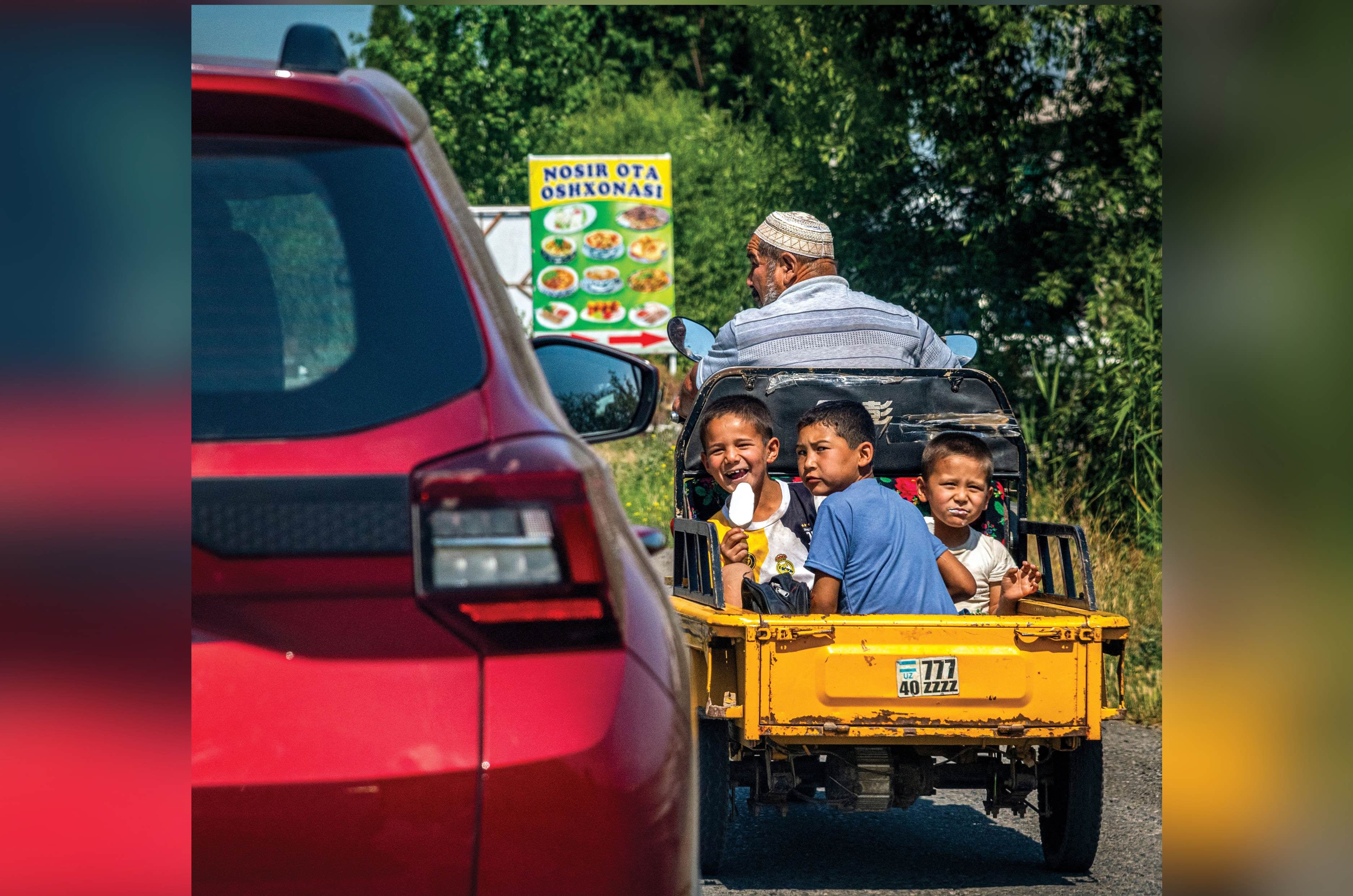
The Kylaq had everyone turning heads.

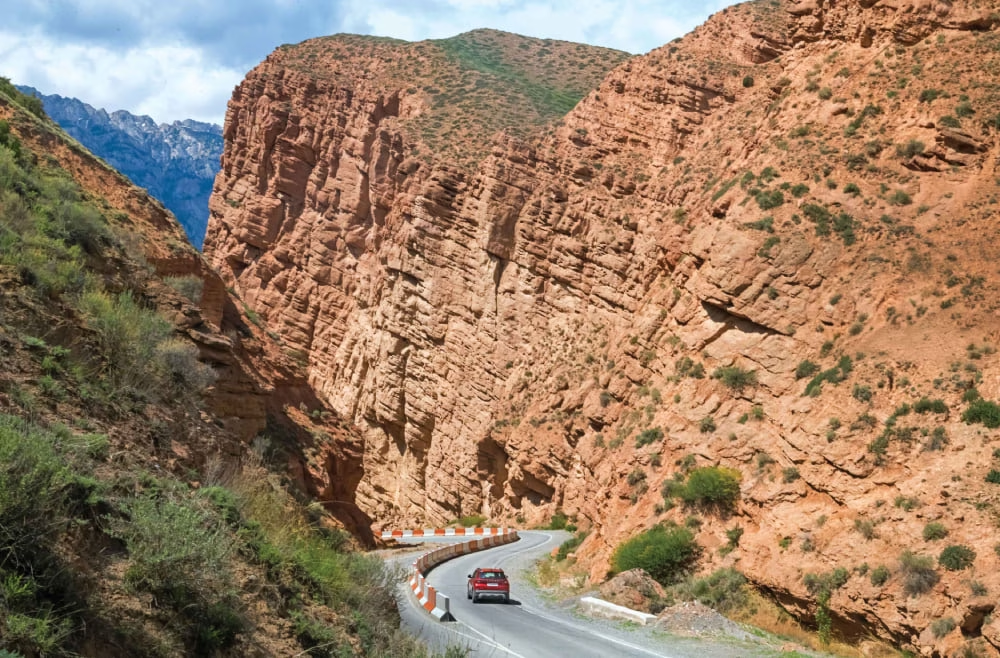
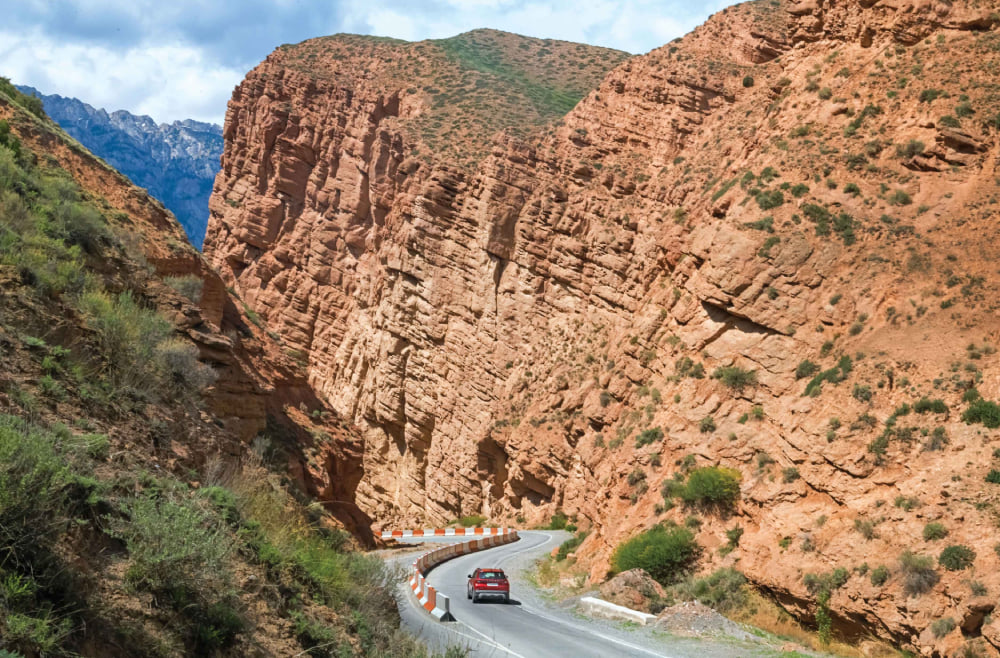
Crossing the Chinese border into Kyrgyzstan was like crossing into a different world. The differences are immediate, right from the signage, fonts and faces to the sights, terrain and traffic. Being a landlocked country peppered with alpine mountains, one doesn’t need to go far to experience what Kyrgyzstan has to offer. As you drive through the ribbon of tarmac between the peaks, you realise why it is called the “Switzerland of Asia”.

A roughly 400km drive to our first halt in Naryn was smooth sailing. However, the chilly weather was a far cry from the piercing heat of China. We pulled out our jackets that were buried deep in our bags and made a beeline the next day for the capital city of Bishkek. The roads are a driver’s delight, and while there aren’t many sights to stop and admire, the Orto-Tokoy Reservoir made for a stunning photo-op.

Kyrgyzstan in numbers
Torgart –  Uzbek border
Distance covered1,321km
Fuel consumed126.49 litres
Average fuel economy10.44kpl
Approx. fuel costRs 11,727
Avg. per-litre fuel costRs 92.58
Total time driven34hrs 23min
Average speed38.4kph

From Bishkek, we headed to Osh, which is also known as the capital of the south and is the oldest city in Kyrgyzstan. Walking through the Jayma Bazaar in the city centre, you may get a bit of celebrity treatment, as the locals aren’t used to having many tourists just walking through. Some playful heckling and wide smiles add to the overall experience.
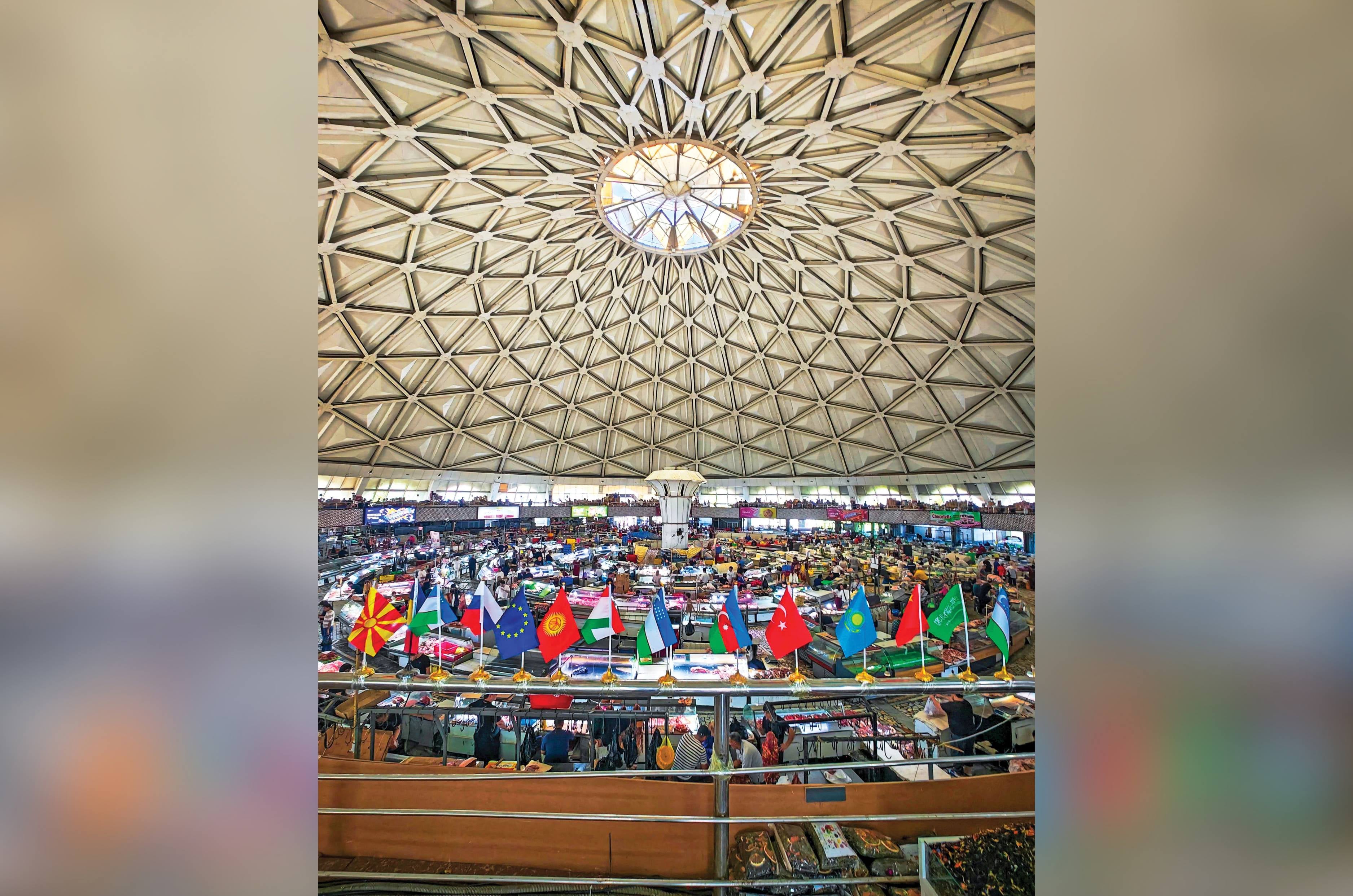
Chorsu Bazaar is a one-stop shop for everything in Tashkent.

What the market offers is mounds of kurut, a snack made from curdled milk or oghurt, salted and then hardened. The best part is its extended shelf life without needing a refrigerator. We packed some with the hope of eating it at home, knowing fully well that it would vanish by the next town.

From Osh, we would be exiting the stunning valleys and terrain of Kyrgyzstan and entering the city of Fergana in Uzbekistan.

Uzbekistan
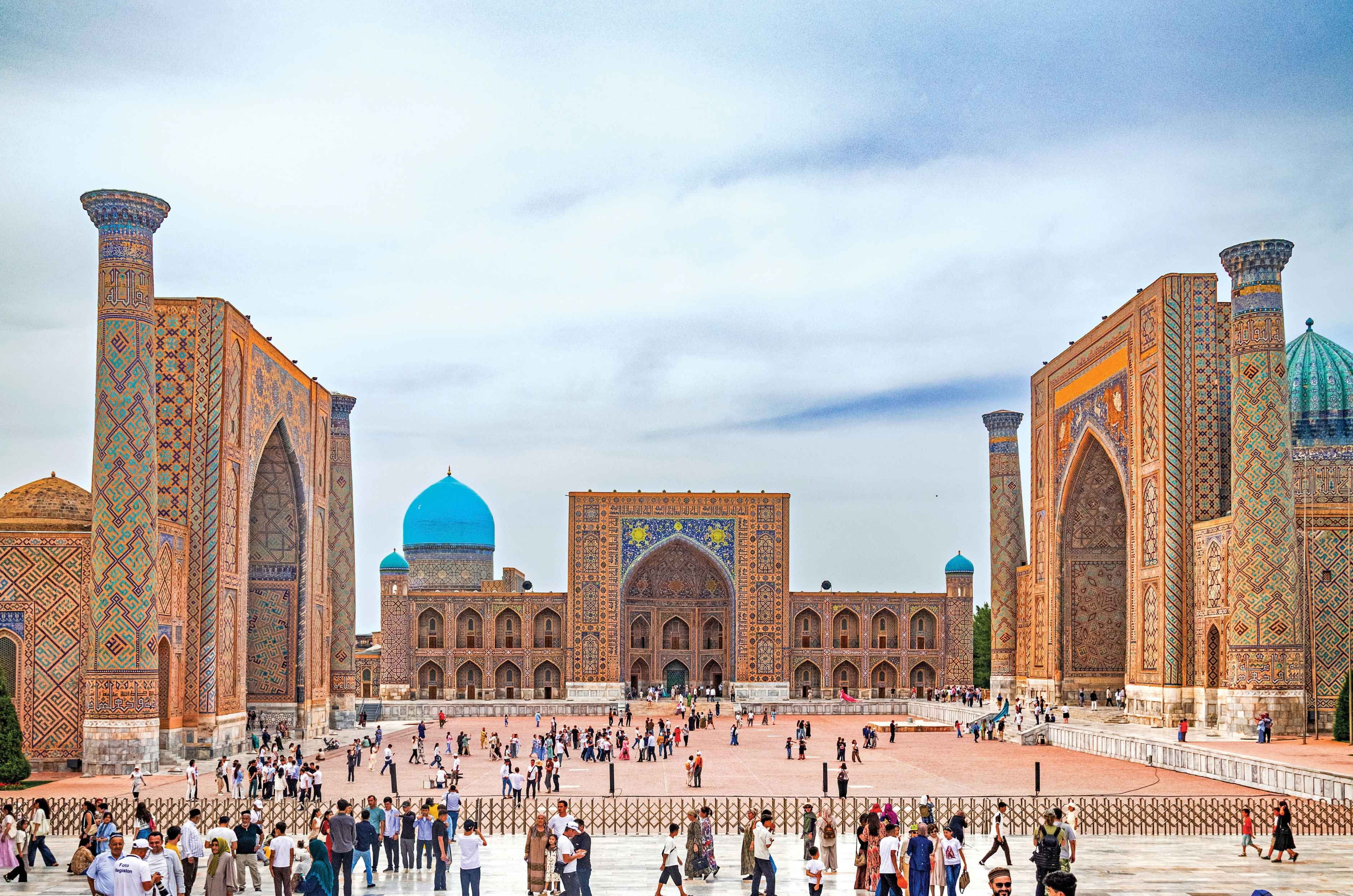
Registan Square in Samarkand is breathtaking from every angle.

Like Kyrgyzstan, Uzbekistan also has its own personality. While there are similarities in the faces and fashion, the city of Fergana has a tinge of European infrastructure. Roads are lined with trees and patir shops – flatbread made from butter or lamb fat, with intricate detailing and some sesame seeds sprinkled on top. It’s pretty enough to dissuade you from eating it, but tastes like something that would go extremely well with a cup of chai.

Uzbekistan in numbers
Kyrgyz-Uzbek border – Turkistan
Distance covered1,257km
Fuel consumed81.74 litres
Average fuel economy15.37kpl
Approx. fuel costRs 9,800
Avg. per-litre fuel costRs 120
Total time driven27hrs 5mins
Average speed46.4kph

What is also fascinating is the number of old Soviet-era cars still running on the highways with no fuss. We shared road space with old Ladas crammed with luggage inside and on the roof. Over the smooth highways of Uzbekistan, the Kylaq had an easy run, allowing us to focus on the sights around us.

From Fergana, we headed to the capital city of Tashkent. A properly modern metropolis with high-end malls and low-slung supercars, parks, walkways and everything you expect from a big city. So, to get a taste of age-old tradition, we ventured towards Samarkand, which used to be a major trading hub on the Silk Route.
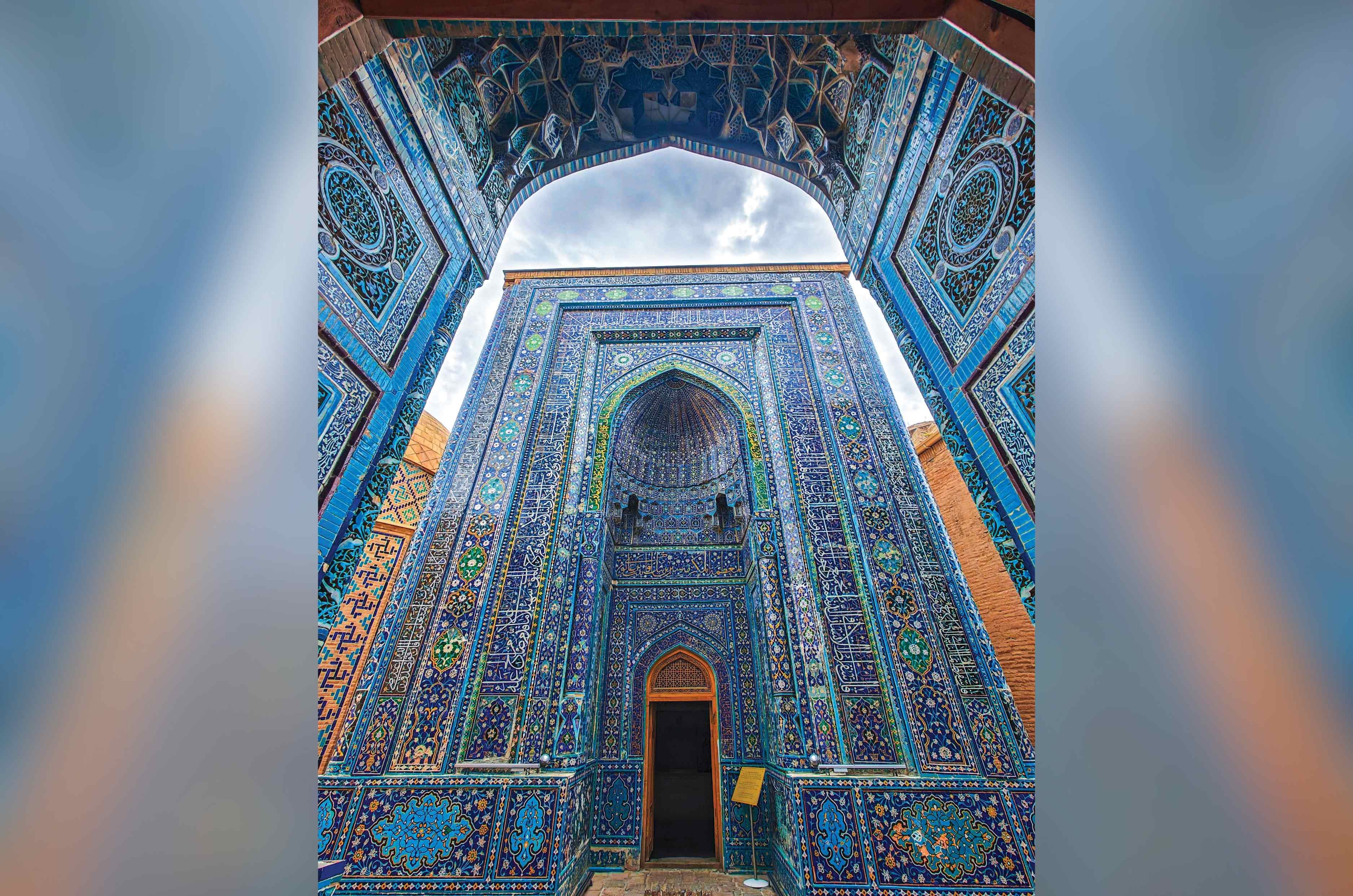
The Shah-i-Zinda ensemble has 11 mausoleums with incredibly detailed azure and turquoise tiles.

Entering Samarkand, you almost feel the tradition in the air. Years of cross-cultural civilisation have made it a stunning destination to get a glimpse of history, and it is unlike any other Western or Eastern city. The highlight here, of course, is the Bibi-Khanym Mosque in the Registan ensemble. Turquoise domes kissing the sky, with walls adorned with hand-carved artistry, are nothing short of breathtaking.

You can walk through the corridors and the square innumerable times, and each time, you will gasp at the sheer detail and effort. And to think it was built as far back as the 15th century. Magnificent is an understatement.

After soaking in the stunning detail, we headed back to Tashkent and straight to the equally fascinating Chorsu Bazaar. What looks like an IMAX dome on the outside is a full-fledged one-stop shop on the inside. Teas, dry fruits or even a leg of lamb, you can get it all here.
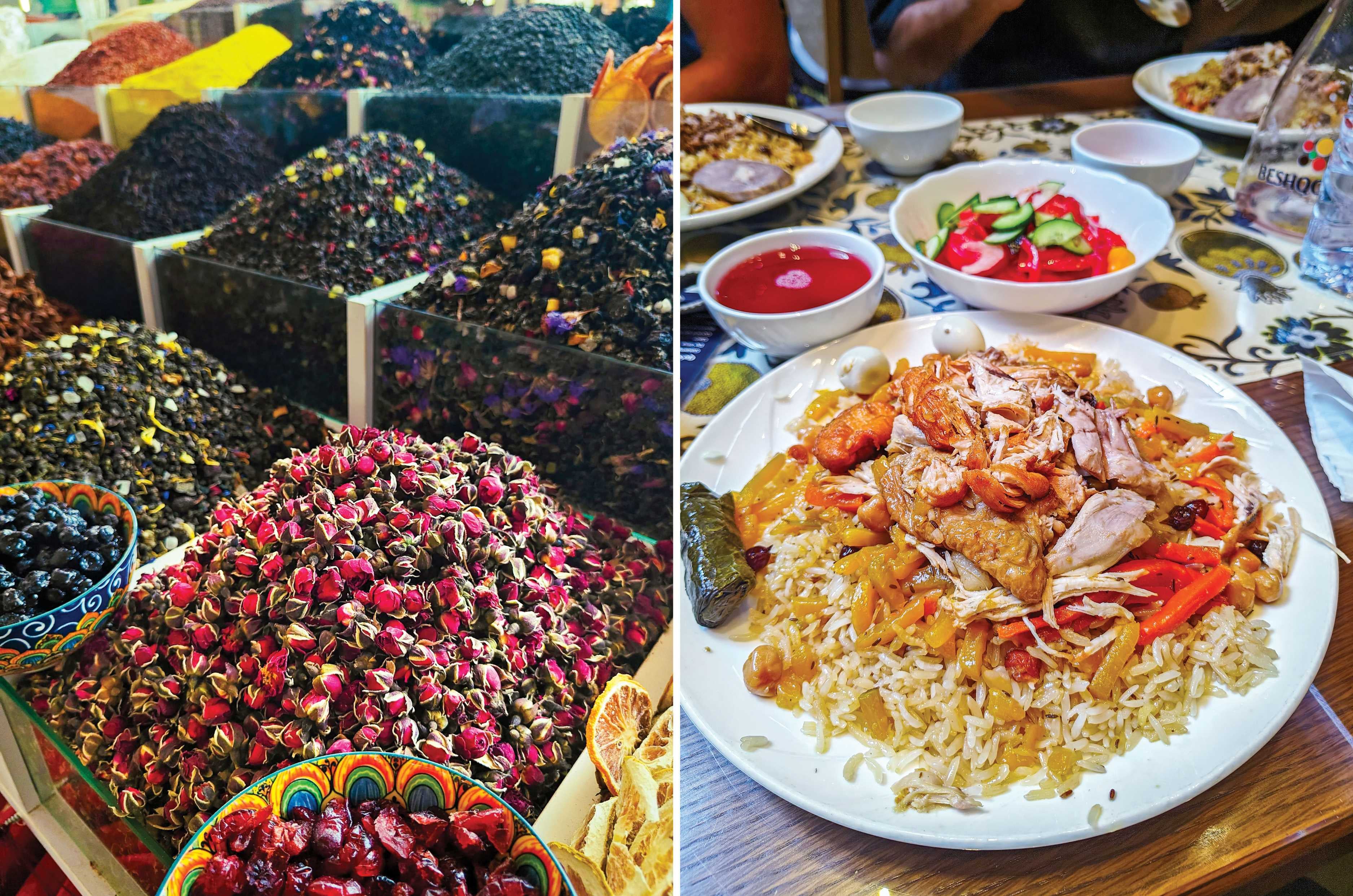
Uzbekistan’s market is nothing short of paradise for tea lovers.

After a long walk that ended with bags of tea and dehydrated kiwis, we headed for Uzbekistan’s pièce de résistance: the famous plov. Like a biryani, but made with different spices, and if you want to go heavy on culture, you can have one with horse meat, too. Some bravehearts did try it and resorted to chicken or lamb, but it did offer the lost taste of biryani and got us homesick in the first bite.
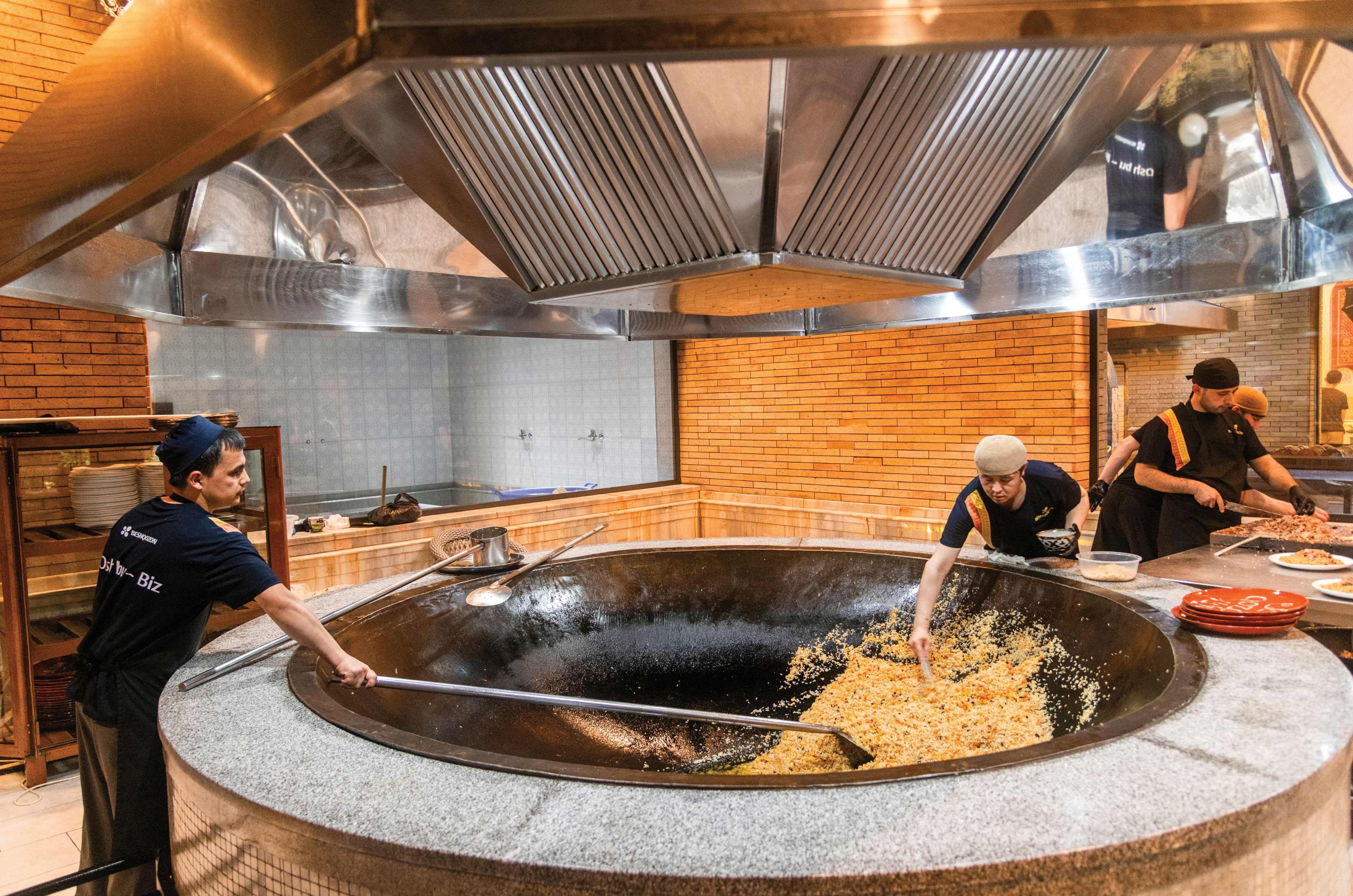
Massive dome known as a kazan used to make the famous Uzbek plov.

After days of driving through mountains and around lakes, and walking through corridors that were once at the peak of world trade, our next adventure would take us to the Great Steppe of Kazakhstan.

Kazakhstan
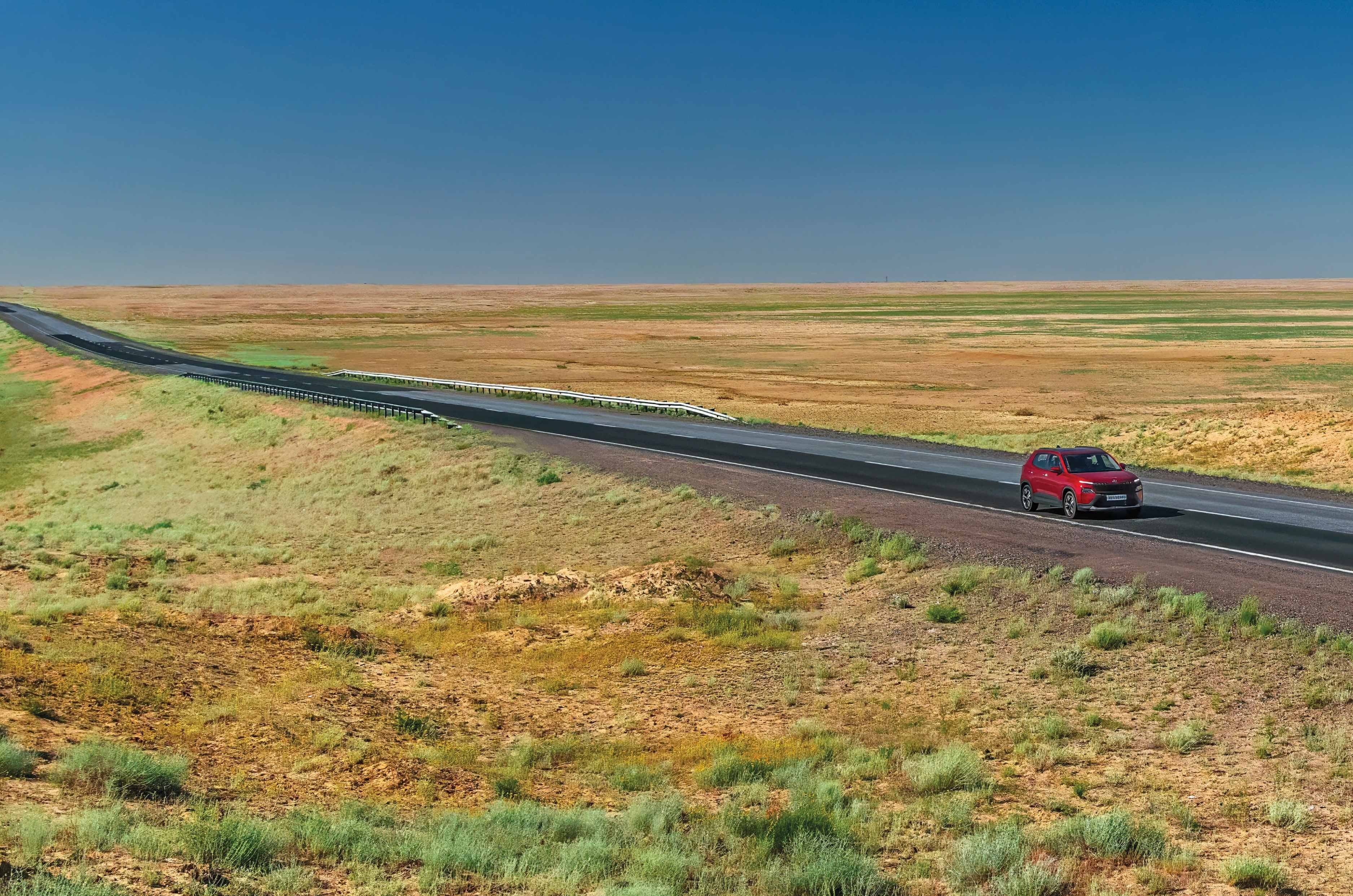
The Great Steppe in Kazakhstan feels like driving on an endless treadmill.

Crossing from Turkmenistan after vigorous checks, Kazakhstan feels almost desolate. Arrow-straight highways for kilometres, between acres of flat land with nothing on the horizon. We were driving through green pastures that would turn into brown, dried patches before turning green again, kilometre after kilometre.
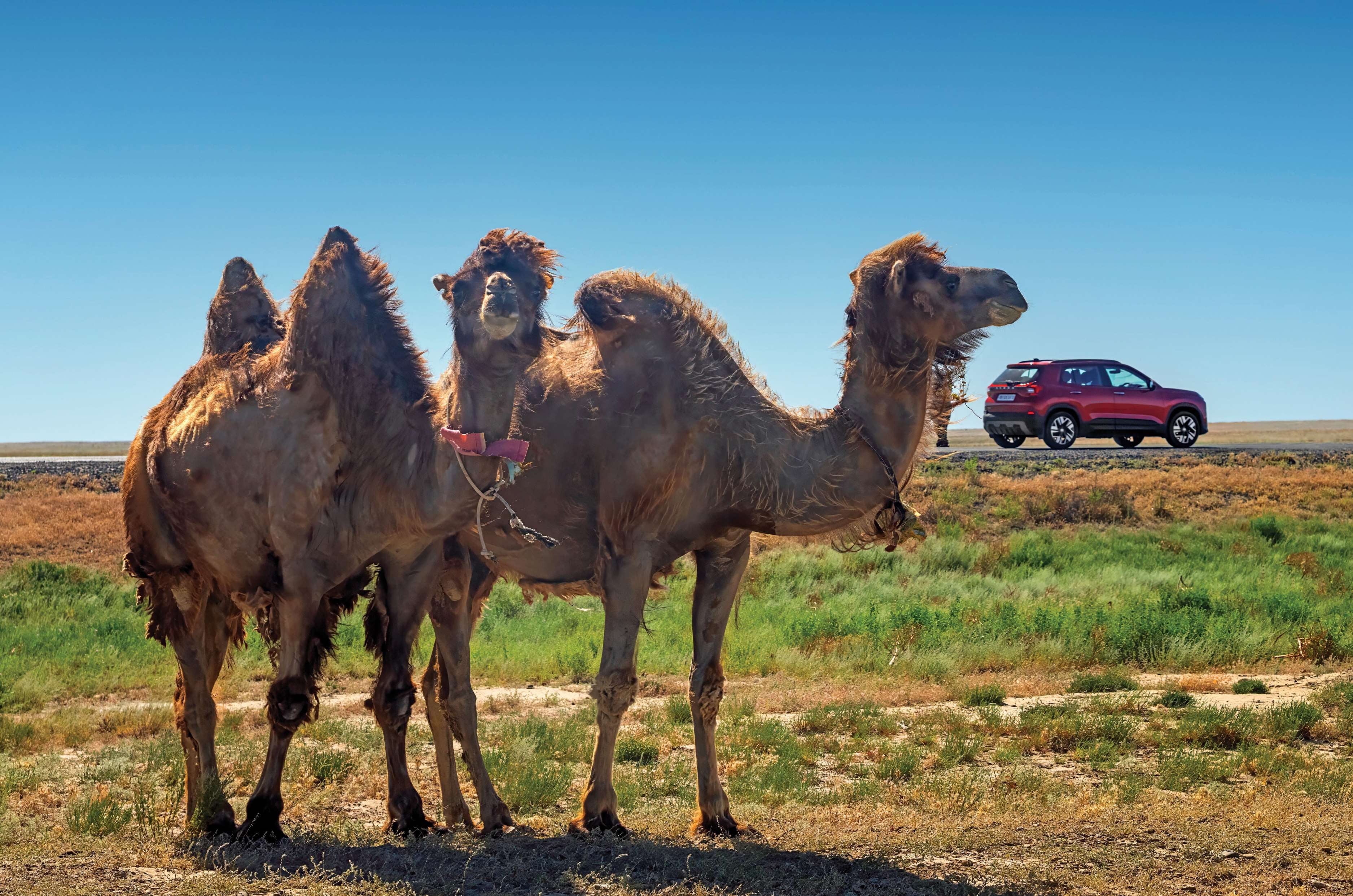
The Great Steppe, while stunning in size, is also a bit monotonous when you’re driving through it for days. The only respite would be a herd of double-humped Bactrian camels, cooling off at a nearby pond and often curious to know what a cherry-red Kylaq was doing in the middle of Kazakhstan.
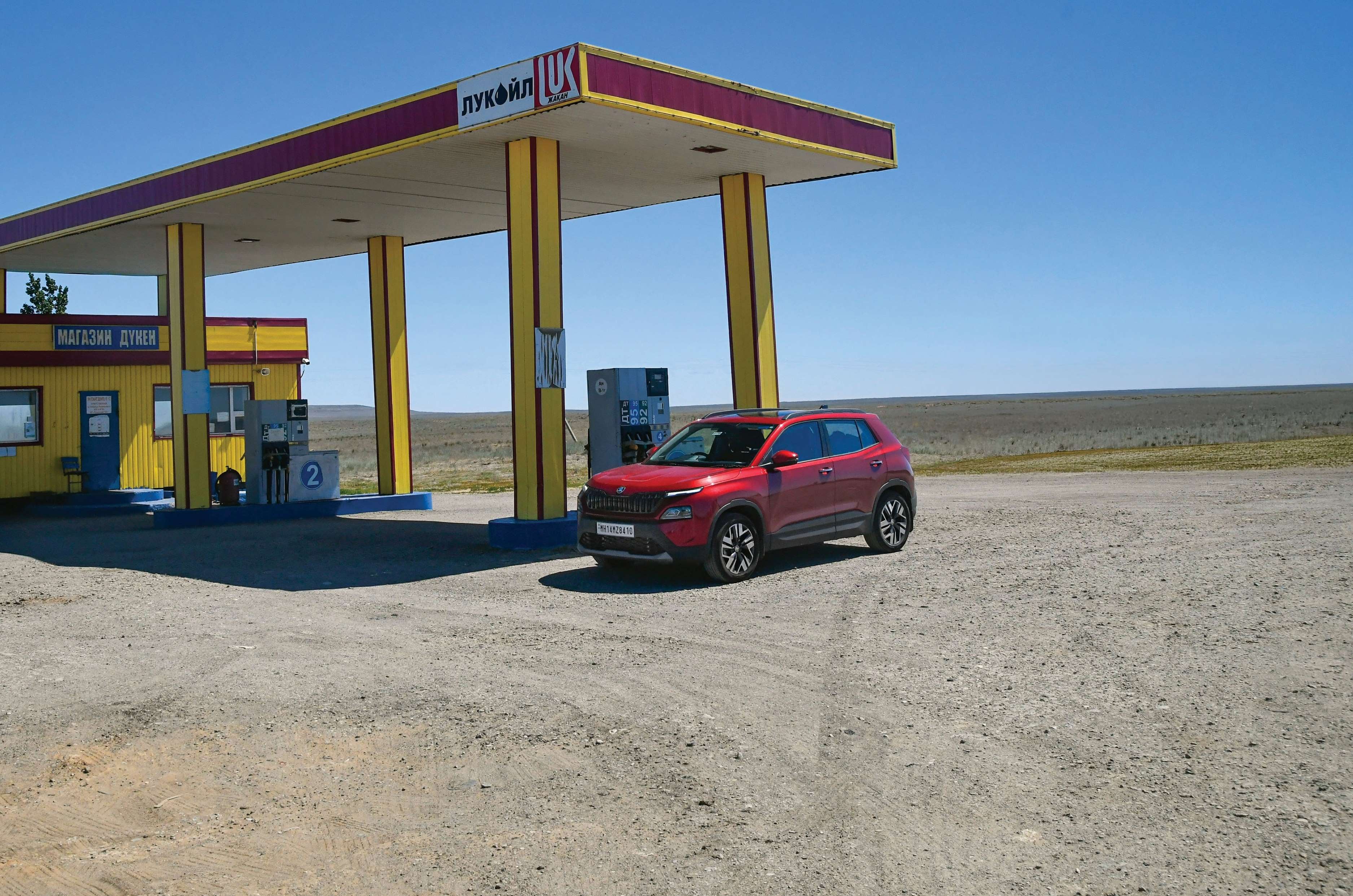
At Rs 58.17 per litre, Kazakhstan offered the lowest fuel price of the entire drive.

An interesting stop between Turkistan and Aral is the Baikonur Cosmodrome, which is the world’s first and largest operational space launch facility. However, thanks to the endless highways through Aral, Aktobe and Atyrau, we only got to test the Kylaq’s wheel alignment and its highway stability more than we would have liked.
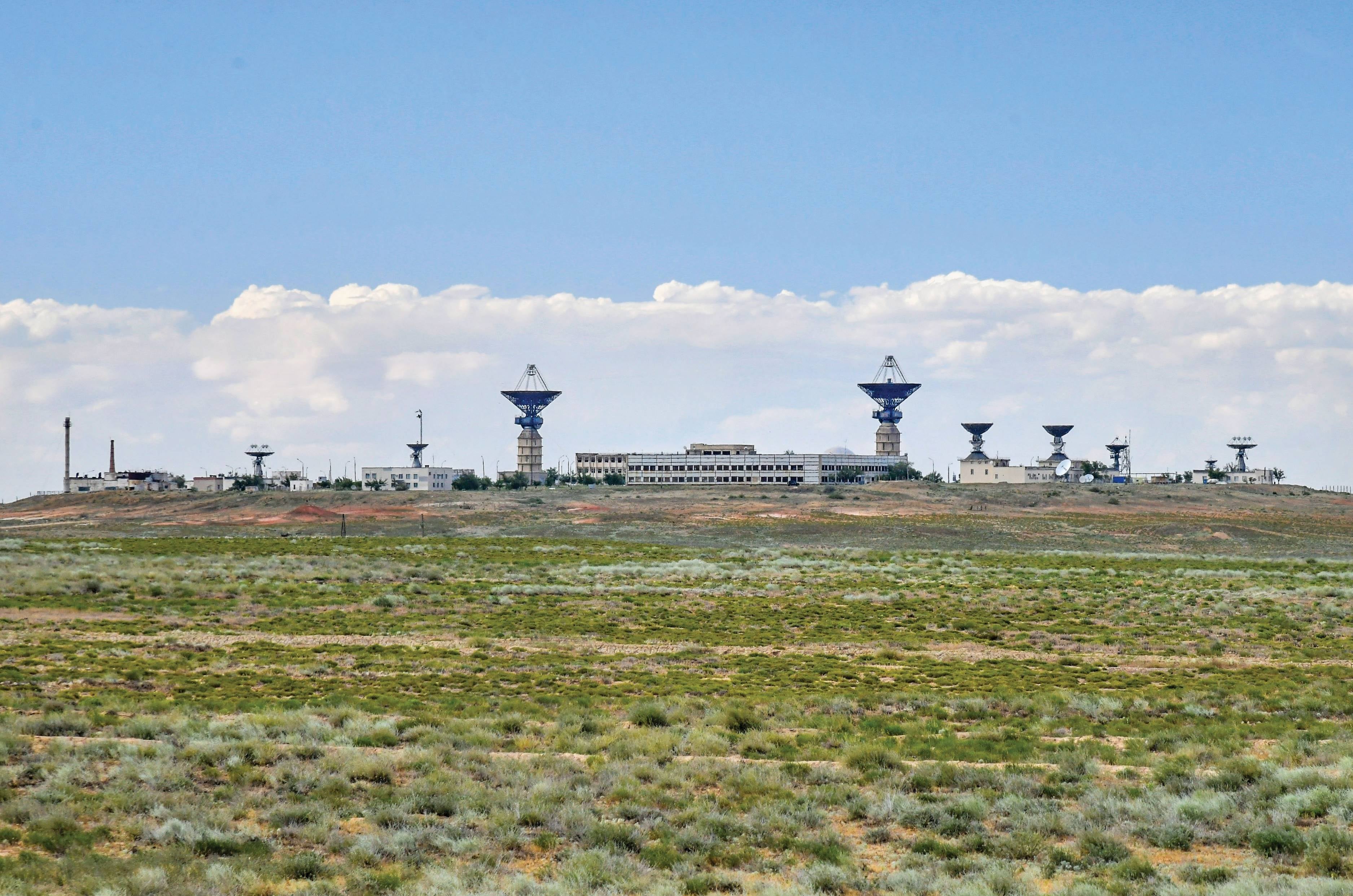
Baikonur Cosmodrome – the world’s first, largest and operational space launch facility.

The mighty Stans were all about breathtaking sights, warm people and mouth-watering cuisine. The region still feels unadulterated, and that itself is what makes it special.

Kazakhstan in numbers
Turkistan – Kazakh-Russia border
Distance covered3,237km
Fuel consumed229.52 litres
Average fuel economy14.10kpl
Approx. fuel costRs 13,325
Avg. per-litre fuel costRs 58.17
Total time driven42 hrs
Average speed77.1kph

Georgia – The Birthplace of Wine


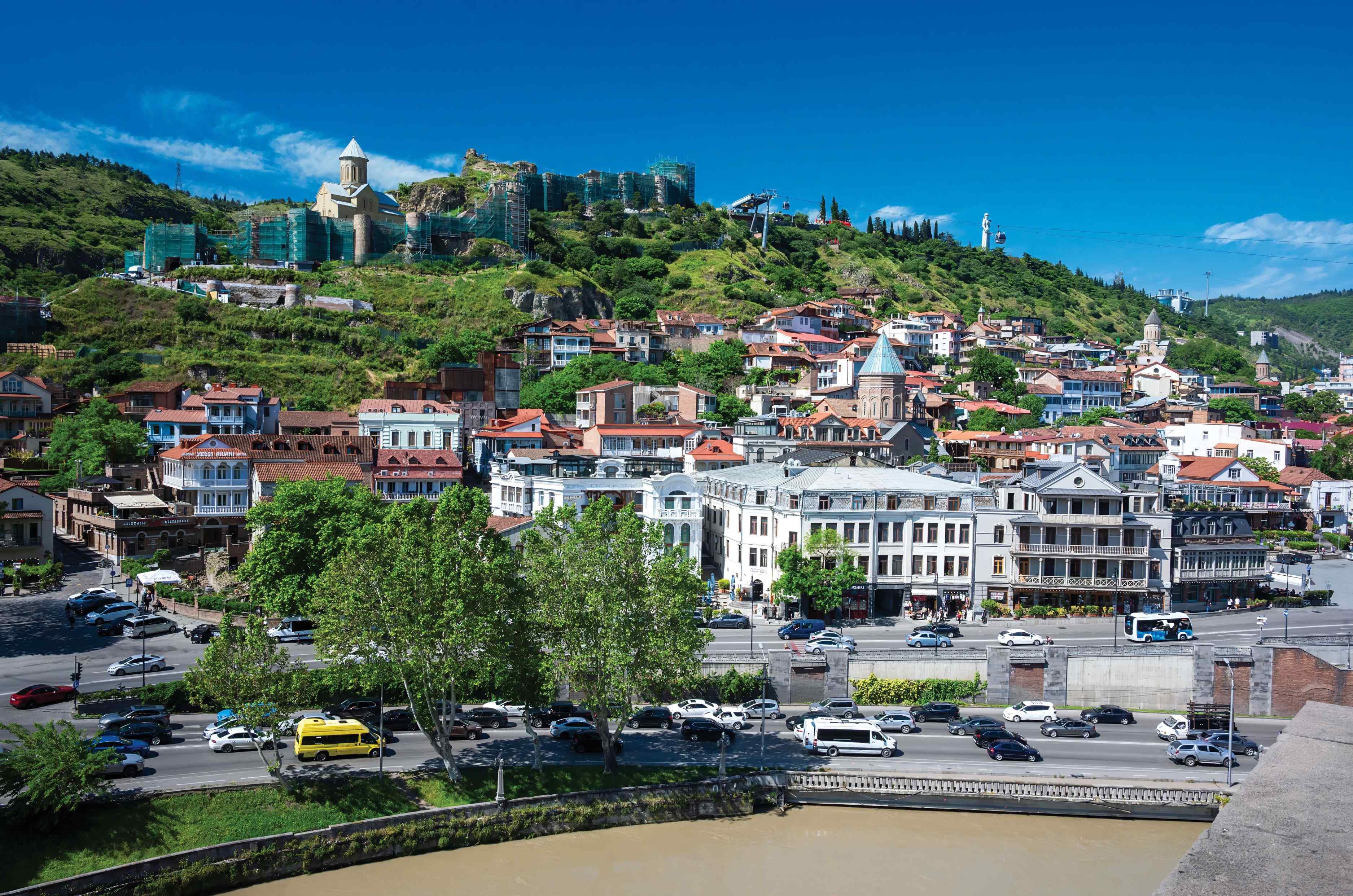
Compared to the vast landscapes and long highways of the Stans, Georgia was a contradiction. Based within the Caucasus Mountains, it has its share of twisties, which the Kylaq enjoyed. But the capital, Tbilisi, is the largest city and thereby pretty chaotic to drive in. Peak-hour traffic is just like what you would have in India, so we parked the car in a worryingly narrow alleyway and, for the most part, made our way on foot.
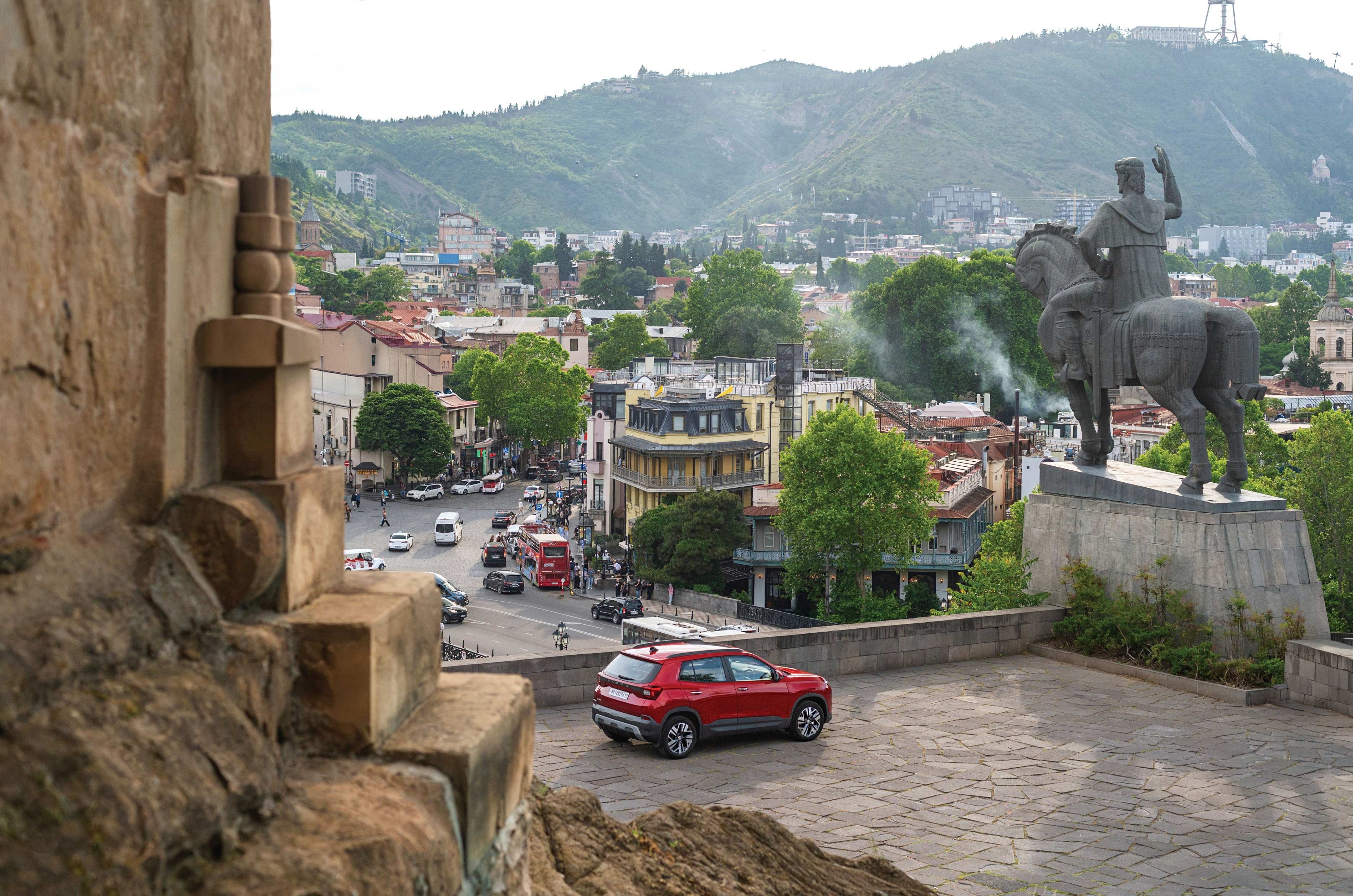
Huge statue of the founder of Tbilisi King Vakhtang I Gorgasali.

Like any big city, Tbilisi has its modern side, with glass buildings and modern restaurants, but there is still a large section that is rooted in tradition. Cobblestone streets with wooden houses and sulphur baths are a fascinating experience, as is the fantastic view from near the monument of King Vakhtang Gorgasali, the founder of Tbilisi.

The monument itself is a striking bronze equestrian statue located on a rocky cliff above the Mtkvari River, next to the historic Metekhi Church in Tbilisi, Georgia. But Georgia is known to be the birthplace of wine, and on our drive to Tbilisi, we spotted several vineyards sprawling for acres. We had to get a closer look, and thankfully, our guide’s friend owned one of them.
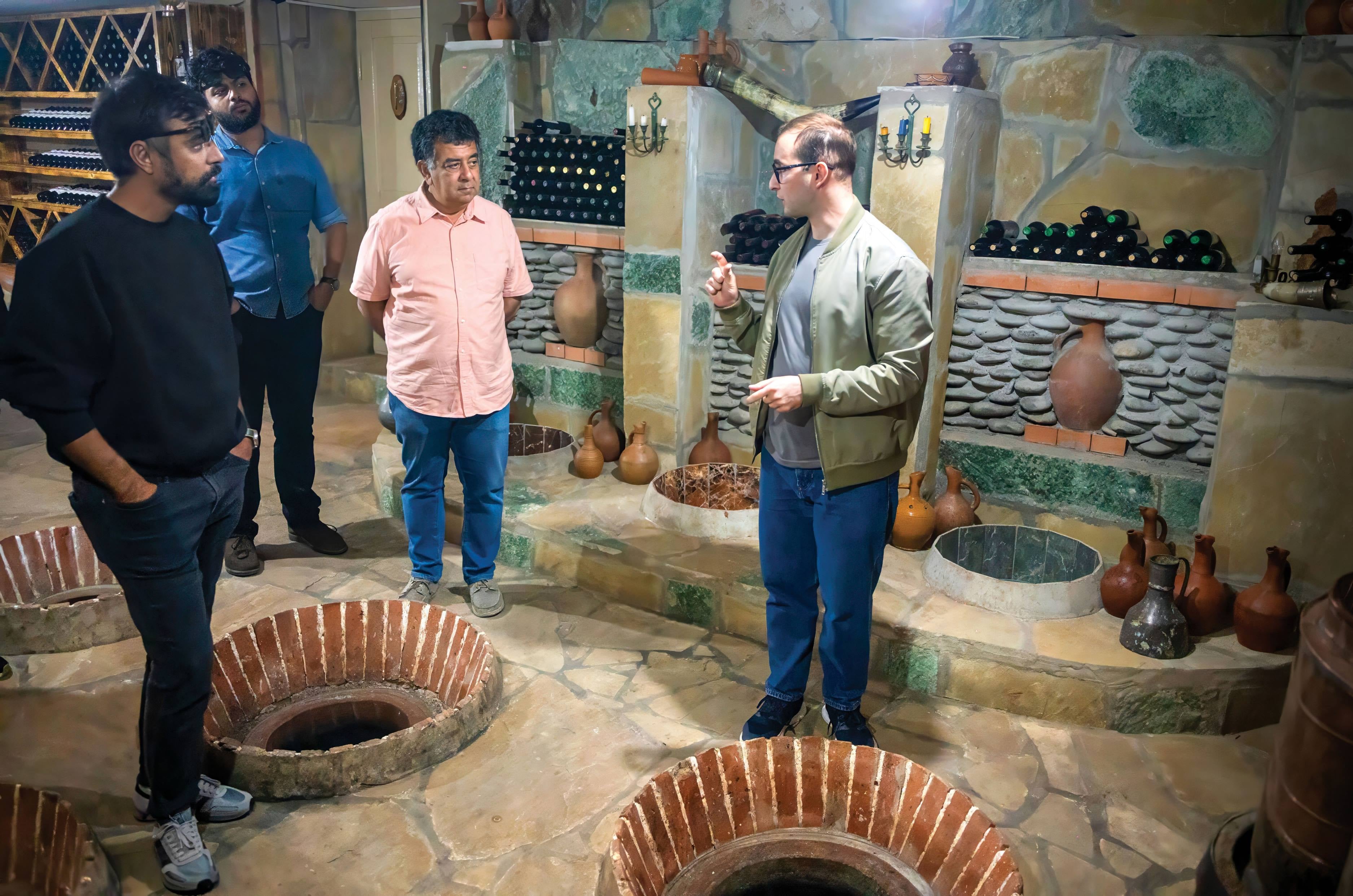
Georgian wine fermented in clay jars buried in the ground.

The Georgians still use the ancient process of fermenting wine in barrels under the floor, but have now blended it with modern technology that allows them to control the temperature and get a more consistent batch each time. Wine connoisseur or not, the experience is enthralling.
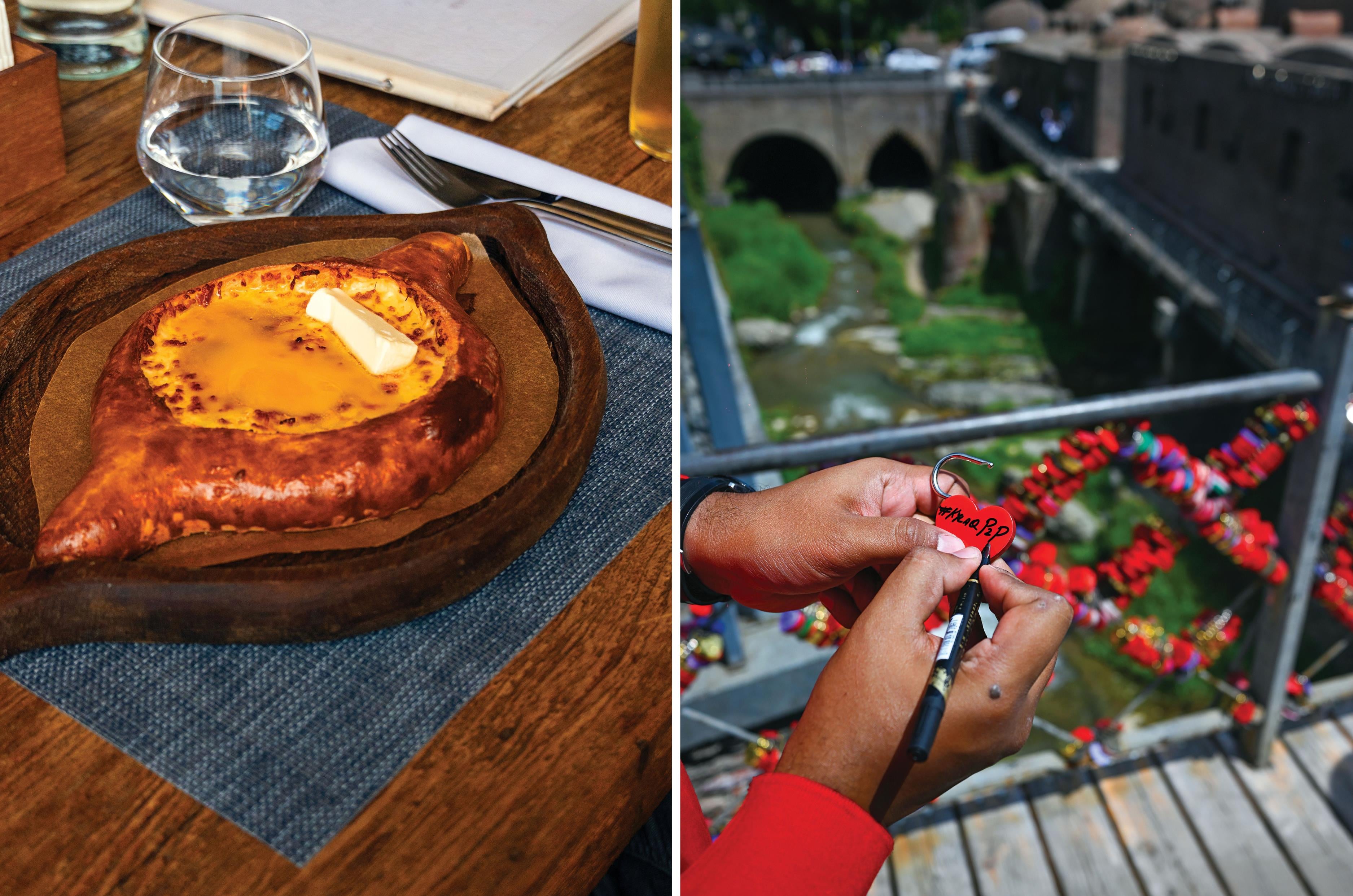
Khachapuri (flatbread with cheese and egg) is Georgia’s national snack.

The city tour built up an appetite, and we followed the scent of fresh bread for some authentic khachapuri. A Georgian flatbread that is hollowed out in the centre and filled with cheese, khachapuri varies depending on the region you’re in. You can have it with an egg cracked into it or with meat, too.
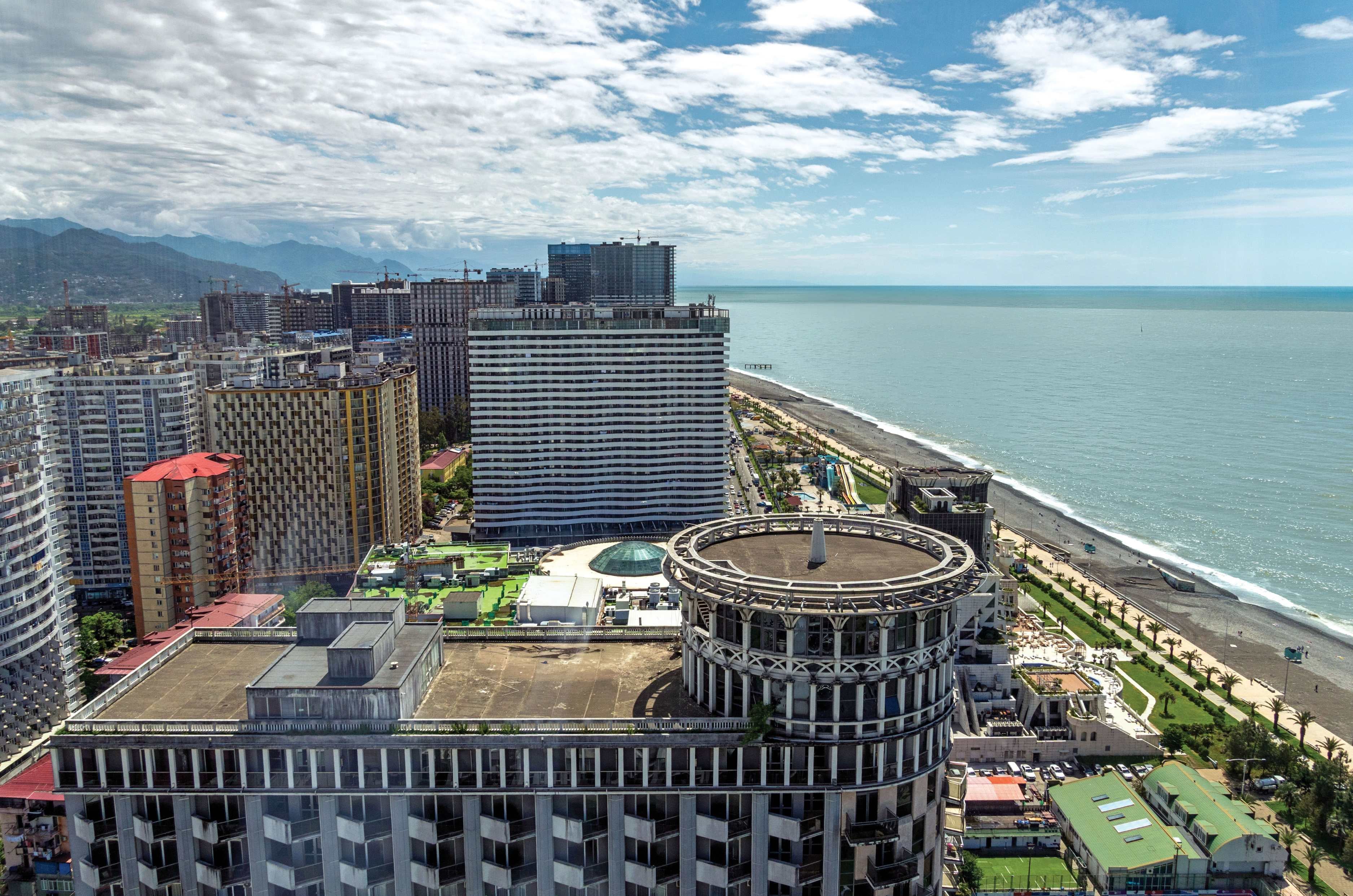
Coastal city of Batumi is a stark contrast of Tbilisi.

With sightseeing done, we drove the next day to the coastal city of Batumi. A vibrant, modern city with a lot more European influence. However, if the roads in Tbilisi were narrow, Batumi was on another level. Despite the compact dimensions of the Kylaq, our hotel parking was a sidewalk cordoned off by the hotel manager, as there simply was no space to park.
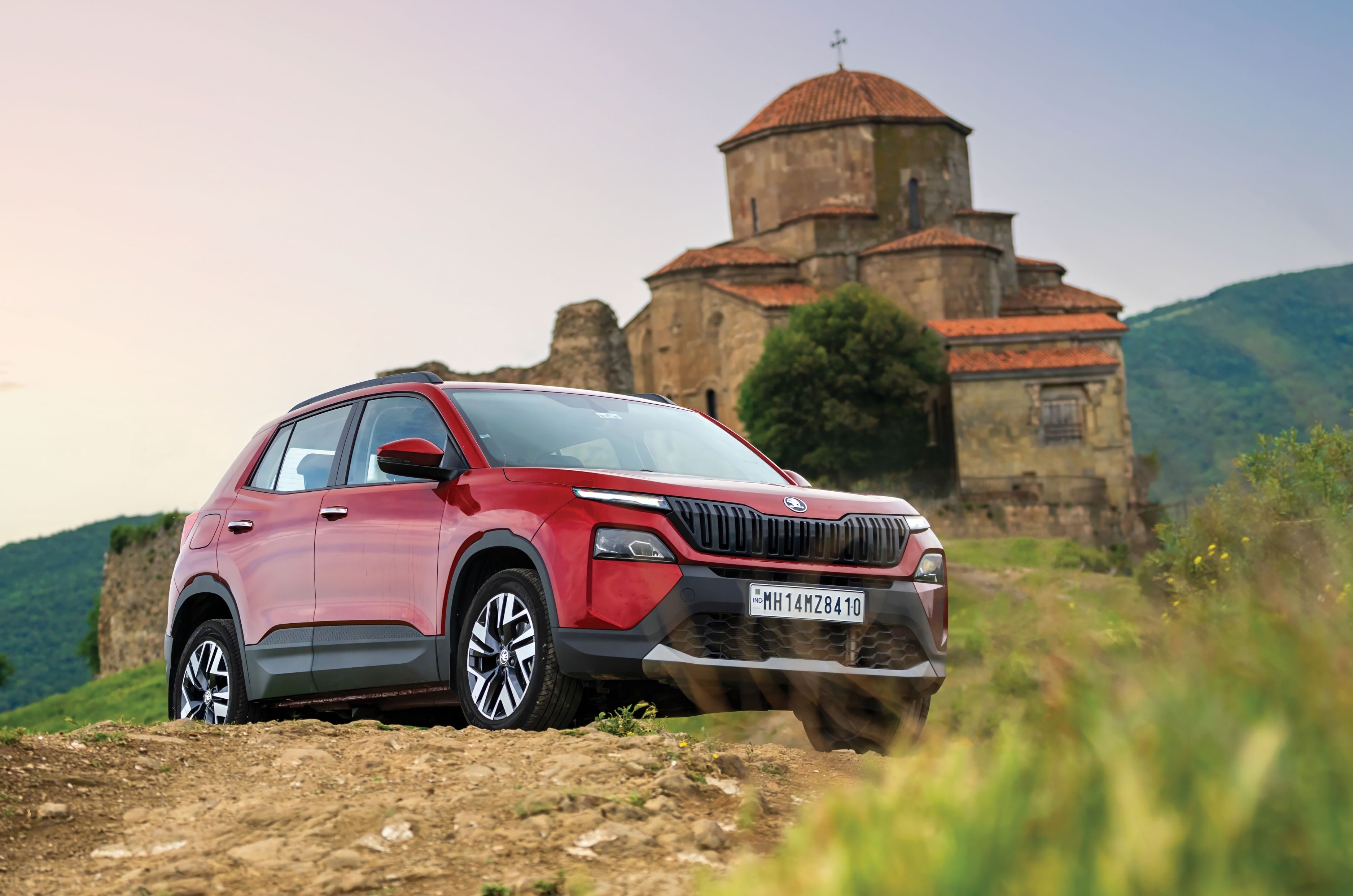
14th-century Gergeti Trinity Church has stunning views of the Caucasus Mountains.

Still, we made the most of it by strolling by the shore of the Black Sea, watching the locals angling for fish. Georgia, just like the Stans, offered a unique glimpse into this part of the world and its diverse culture. For our final stretch before Europe, we had one last country to drive through – the colourful Türkiye.

Georgia in numbers
Tbilisi – Türkiye border
Distance covered624km
Fuel consumed58.62 litres
Average fuel economy10.64kpl
Approx. fuel costRs 7,607
Avg. per-litre fuel costRs 129.78
Total time driven17.5hrs
Average speed58.5kph

Türkiye – Gateway to Europe

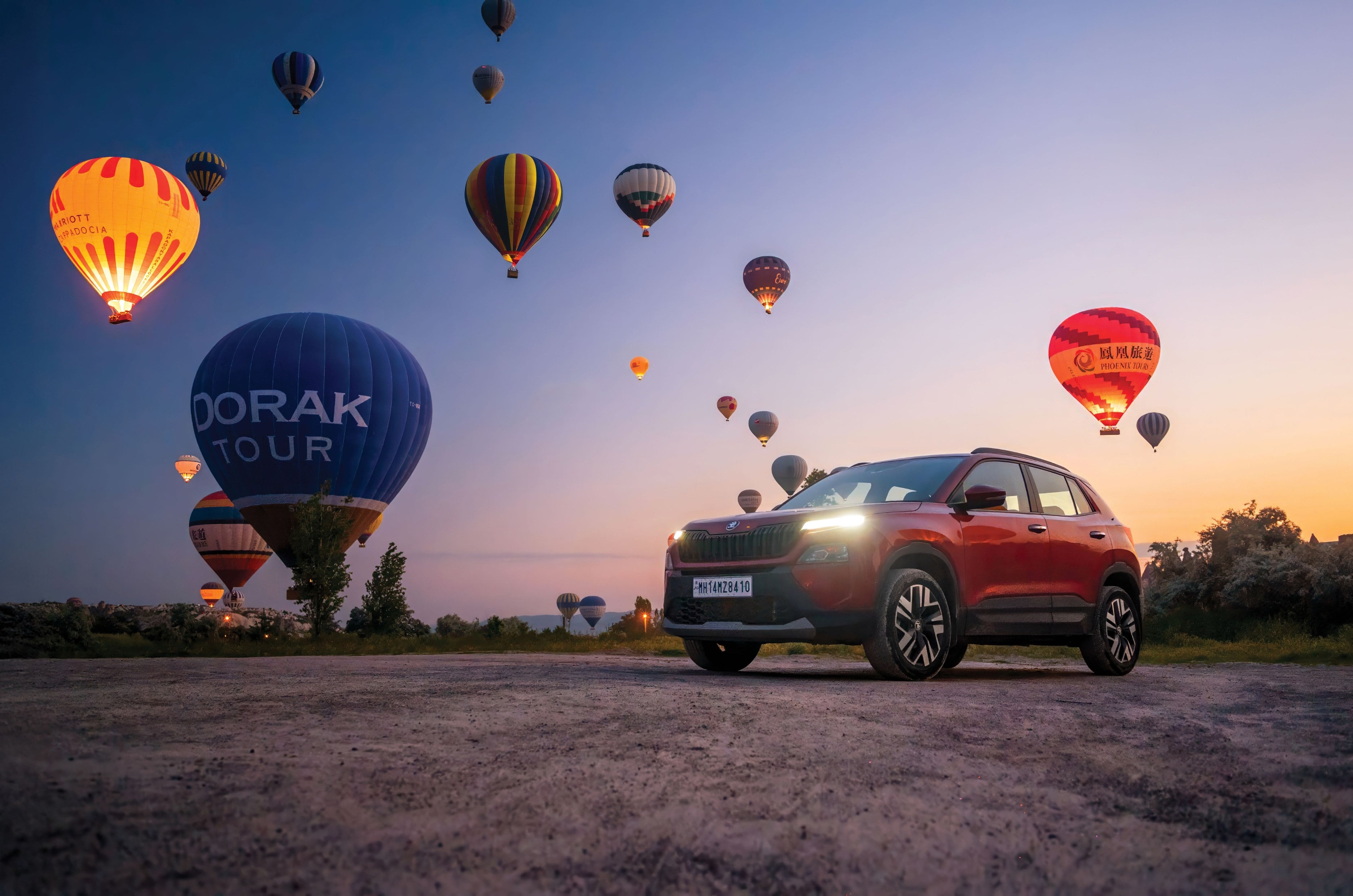
Cappadocia’s claim to fame is well worth the hype.

As the Kylaq crossed into Türkiye, our first stop was in Erzurum. A major winter sports town, but thanks to the time of year, our ski resort was bright, sunny and without an ounce of snow. A quick stroll through the small town and we hit the sack in preparation for a 700km-plus drive to the tourist haven that is Cappadocia.

The next morning, the plan was to do what you must do in Türkiye – take a hot-air-balloon ride. A pre-dawn wake-up call is never comfortable, but the peace was soon shattered by the sound of a group of old diesel Land Rover Defenders revving to keep themselves warm while they waited to transfer tourists to the balloon launch site. The balloon ride is arguably the largest tourist attraction in Türkiye, so there was quite the rush.

We, too, loaded up the Kylaq and hit the road to get the perfect shot of the sun coming up over the hills while the sky was filled with balloons. And boy, did we get it. As the orange tinge hit the fairy chimneys, we saw what the hype was about. The visual is nothing like you have ever seen: watching one colourful hot-air balloon is rare, and here there were over a hundred. We shot GBs worth of images and videos and got back to catch up on the broken sleep from earlier.

Türkiye in numbers
Erzurum – Bulgaria border
Distance covered1,436km
Fuel consumed98.1 litres
Average fuel economy14.63kpl
Approx. fuel cost17,187
Avg. per-litre fuel costRs 134.19
Total time driven19.5 hrs
Average speed73.64kph

A relaxing drive the next day got us to Istanbul, which, to some, might seem like the capital thanks to its bustling character – a glimpse of which we got as we got closer. A traffic jam stretching for more than a couple of kilometres brought the Kylaq to crawling speeds. To avoid the repercussions of driving next to hasty cab drivers, we parked the Kylaq and headed to check out the nightlife, but more importantly, the döner kebab.
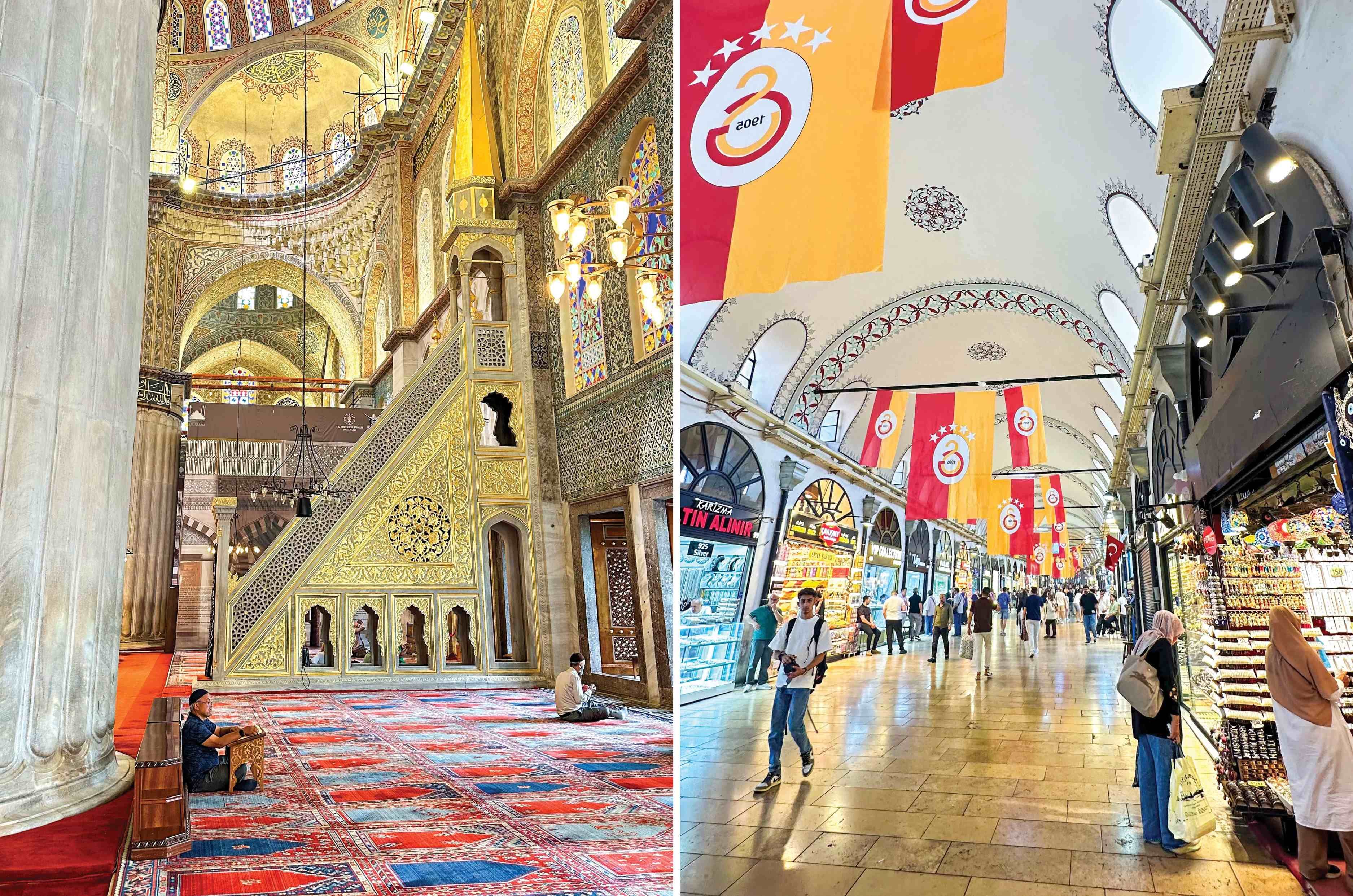
Exceptional interiors and an unbelievable calm in Istanbul.

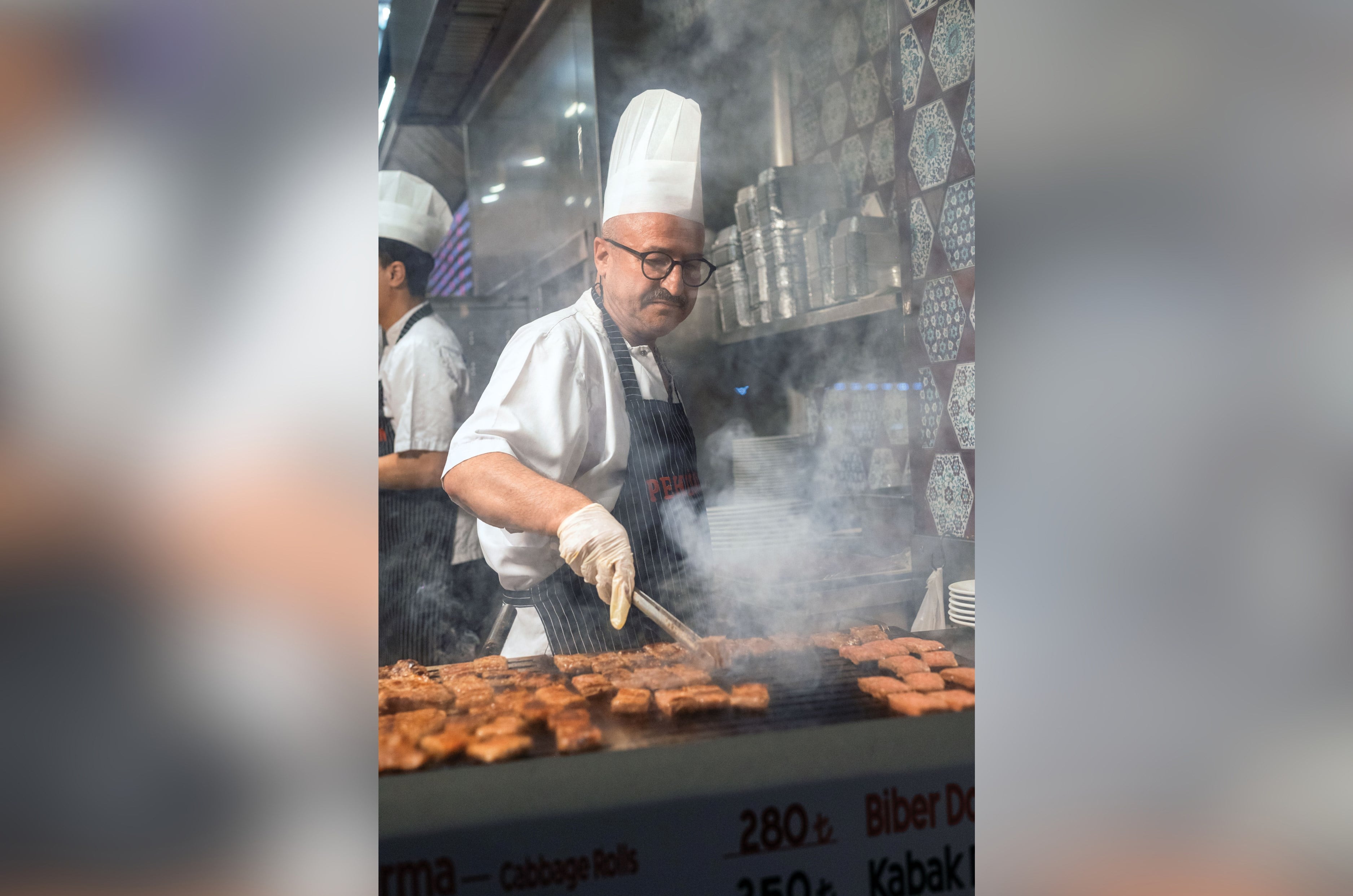
Similar to a shawarma, the döner kebab consists of a pile of meat that is cooked on a rotisserie over a flame. The dripping fat is mopped up by pita bread, which is then loaded with the sliced meat and seasonings. After a long walk through the Grand Bazaar, haggling for a fake Rolex, the döner becomes almost a necessity.
What’s also equally stunning is the Blue Mosque. Known formally as the Sultan Ahmed Mosque, it was constructed between 1609 and 1617 in the Ottoman era by Ahmed I. To get the entire mosque in frame, you need to fall back to the Hagia Sophia Mosque, which is in the same vicinity. Both equally grand, equally detailed and equally important.
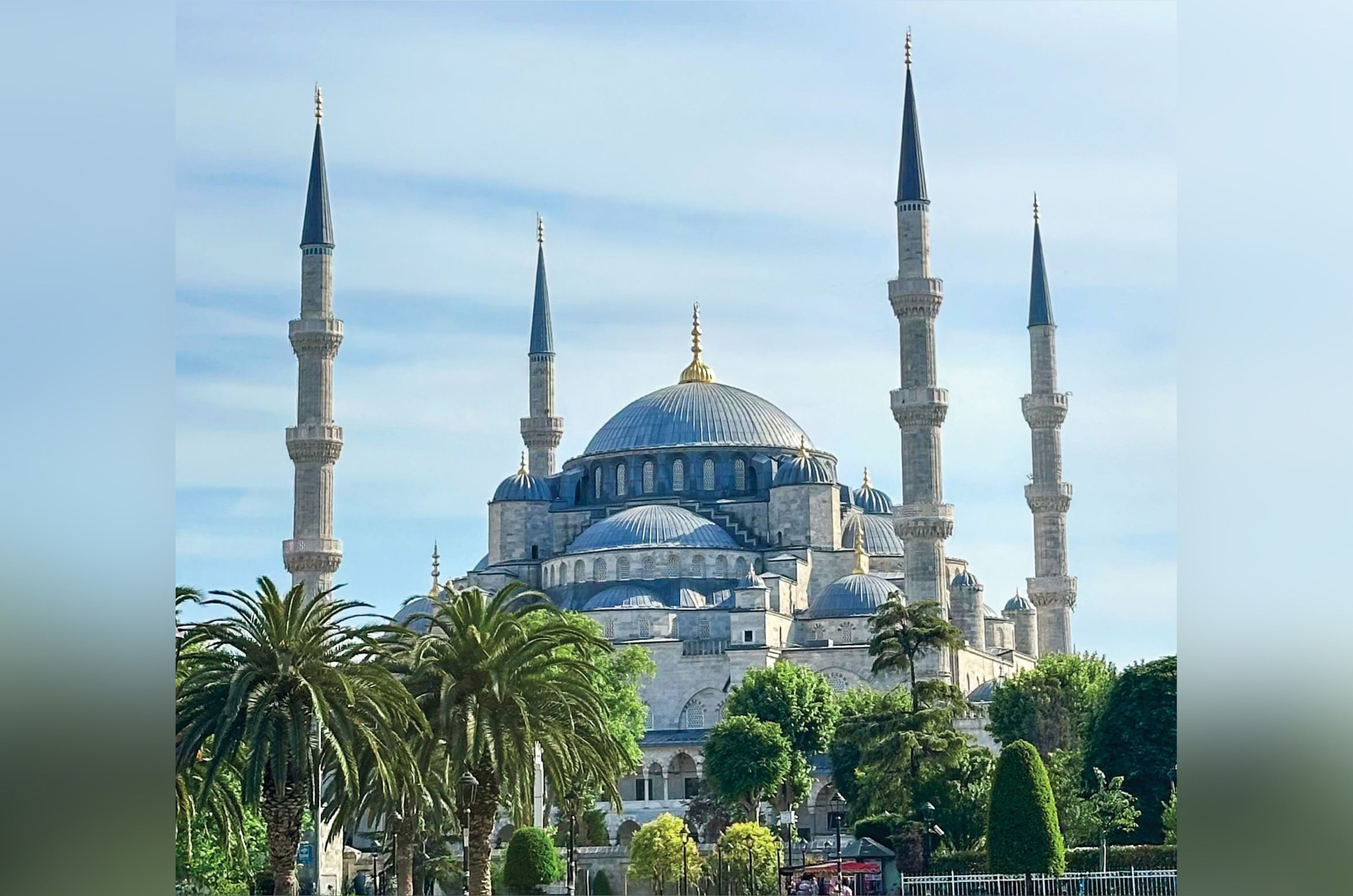
The Blue Mosque, built in the Ottoman era, is majestic.

To explore more of Türkiye, we got back into the Kylaq and realised there was a bridge that is unlike any other in the world. The Bosphorus Bridge is located over the Bosphorus Strait, but its claim to fame is that it, quite literally, has one end in Asia and one end in Europe. You can cross the bridge in about two minutes, depending on traffic, but the sense that you can practically drive over from Asia into Europe before you can finish watching a reel is unreal.
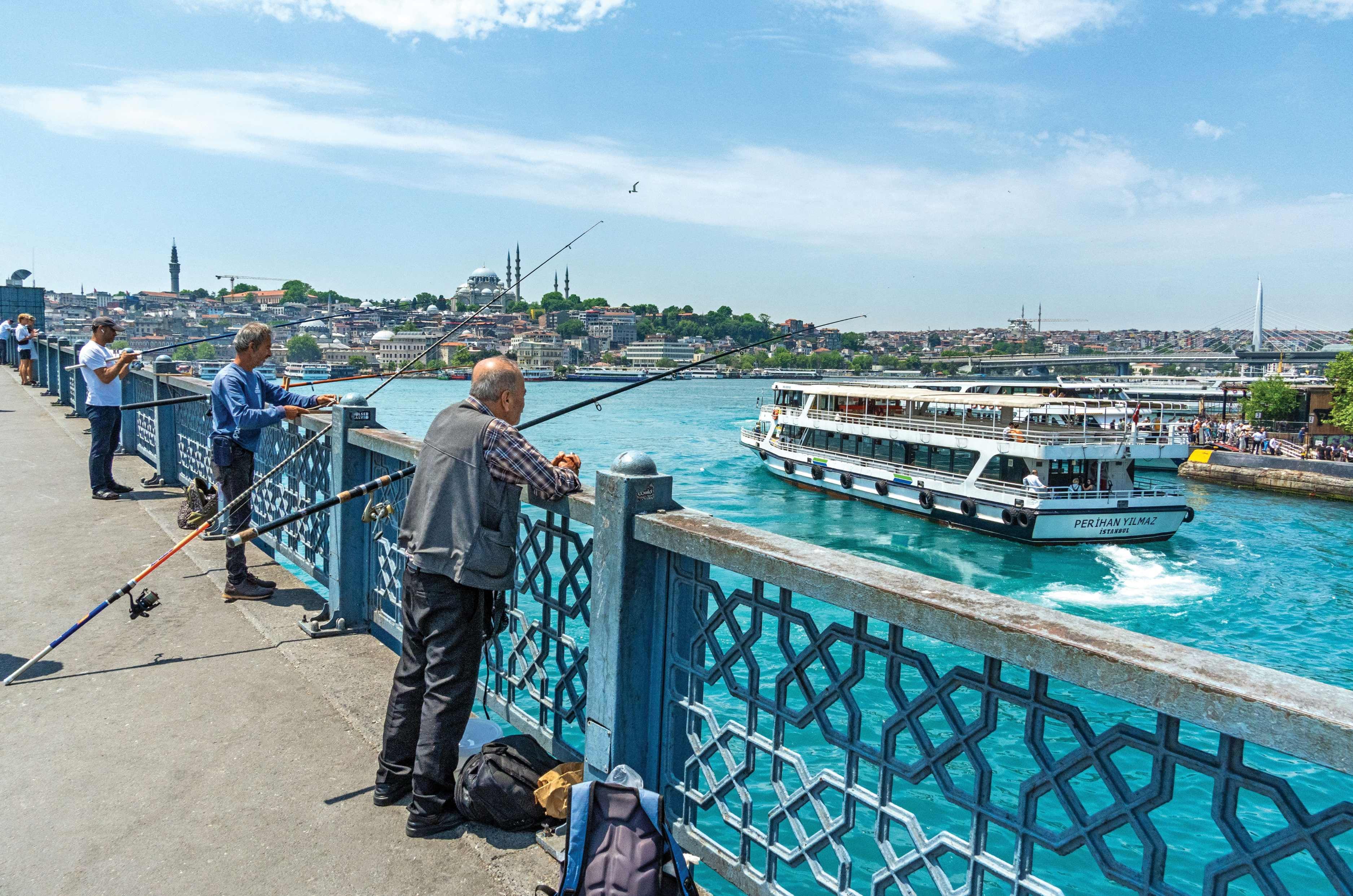
Angling over the Bosphorus strait is a common hobby.

Europe – Home Stretch 

Bulgaria – Romania – Hungary – Slovakia – Prague

The end of our incredible Pune-to-Prague drive was now a matter of days away. After over two months on the road, we were a couple of thousand kilometres away from the finish line. The excitement that had tapered off midway was back in full force.

We would be entering Europe through Bulgaria, and the border, as expected, was busy. Documentation, carnets, passports, stringent car checks and some explaining later, we were finally in.
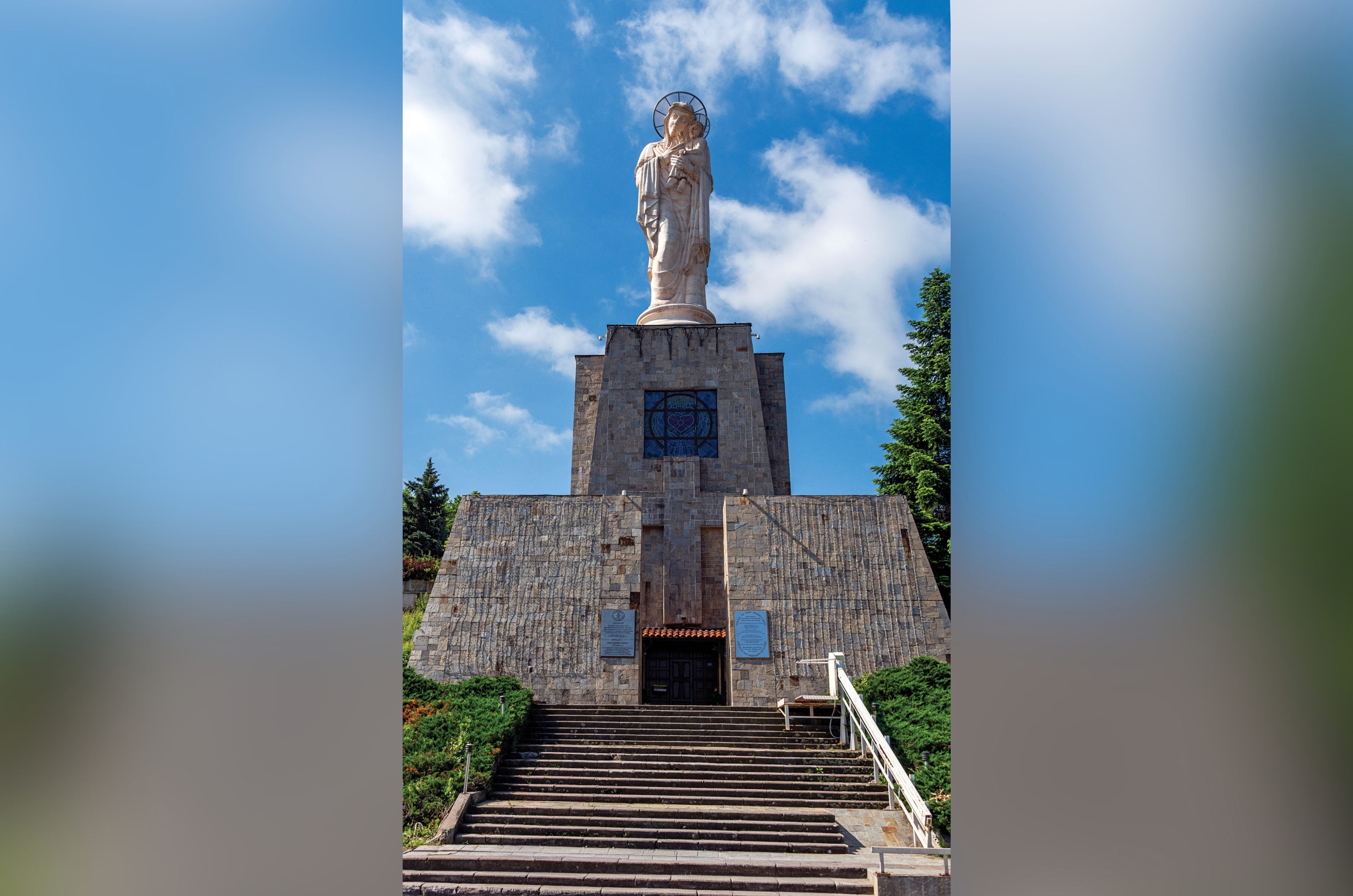
Monument of the Holy Mother of God in Haskovo.

Haskovo is a quaint town with a slow pace and none of the bustle of a European city, but it boasts a Guinness record for having the towering Monument of the Holy Mother of God, the tallest statue of the Virgin Mary and Baby Jesus in the world. Naturally, we had to check it out before we headed further.

Crossing countries in Europe is the equivalent of crossing states in India. There are no significant border checks or passport-control booths. A board with the blue EU flag and the name of the country is all you will see.
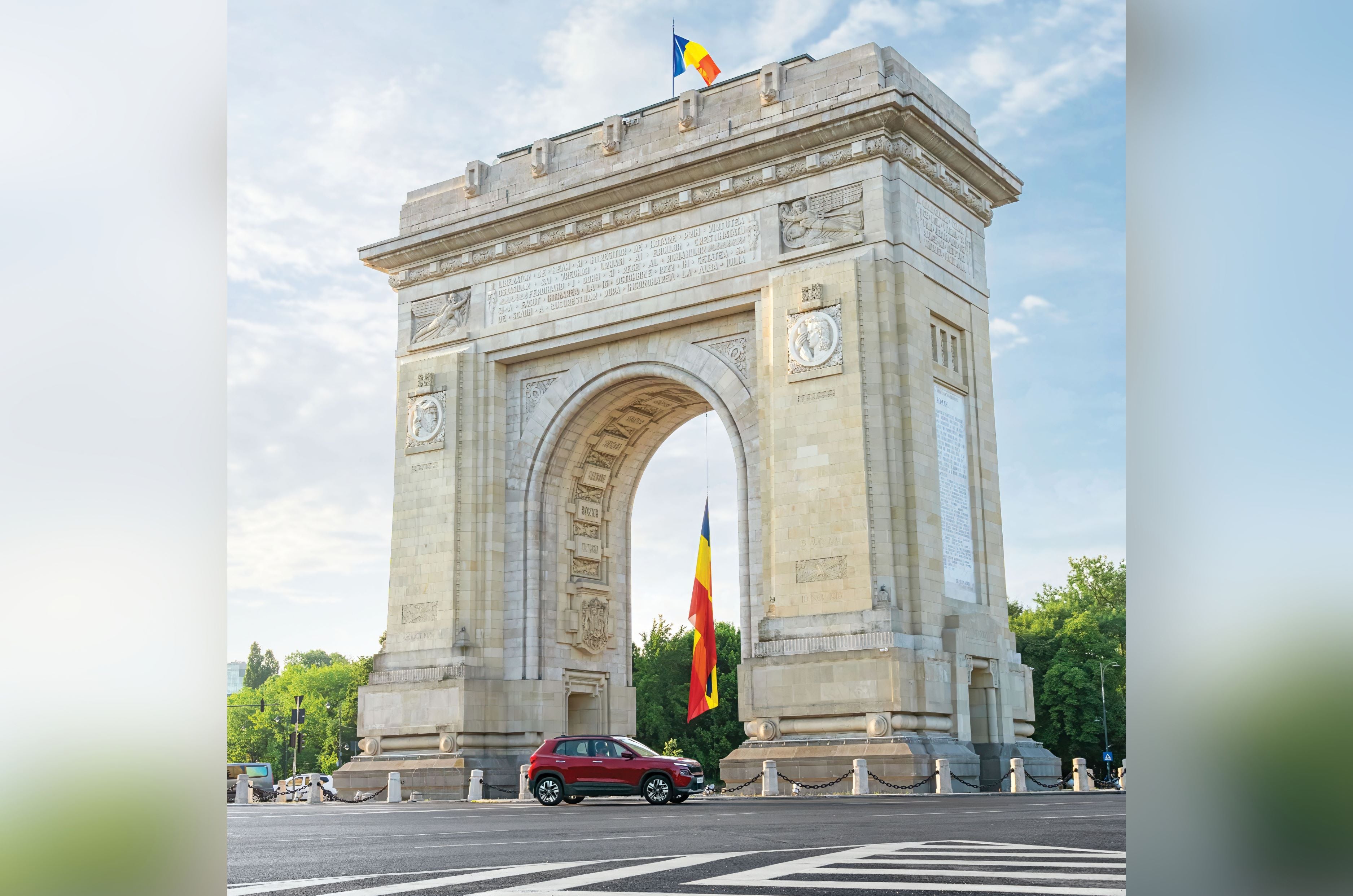
Romania’s Arcul de Triumf an ode to the one in Paris.

We crossed into Romania rather unassumingly and headed for Bucharest. The capital is picturesque and is also colloquially known as “Little Paris”. Like the Arc de Triomphe in Paris, Romania too has its own version. A tad smaller in comparison, but just as iconic.

However, what takes the cake is the Parliament Building, formally known as the Palace of the Parliament, which is also the heaviest building in the world, standing at approximately a ridiculous 4,098,500 tonnes. We couldn’t verify that, but since the Kylaq looked like a mere speck in front of it, it was all the proof we needed.
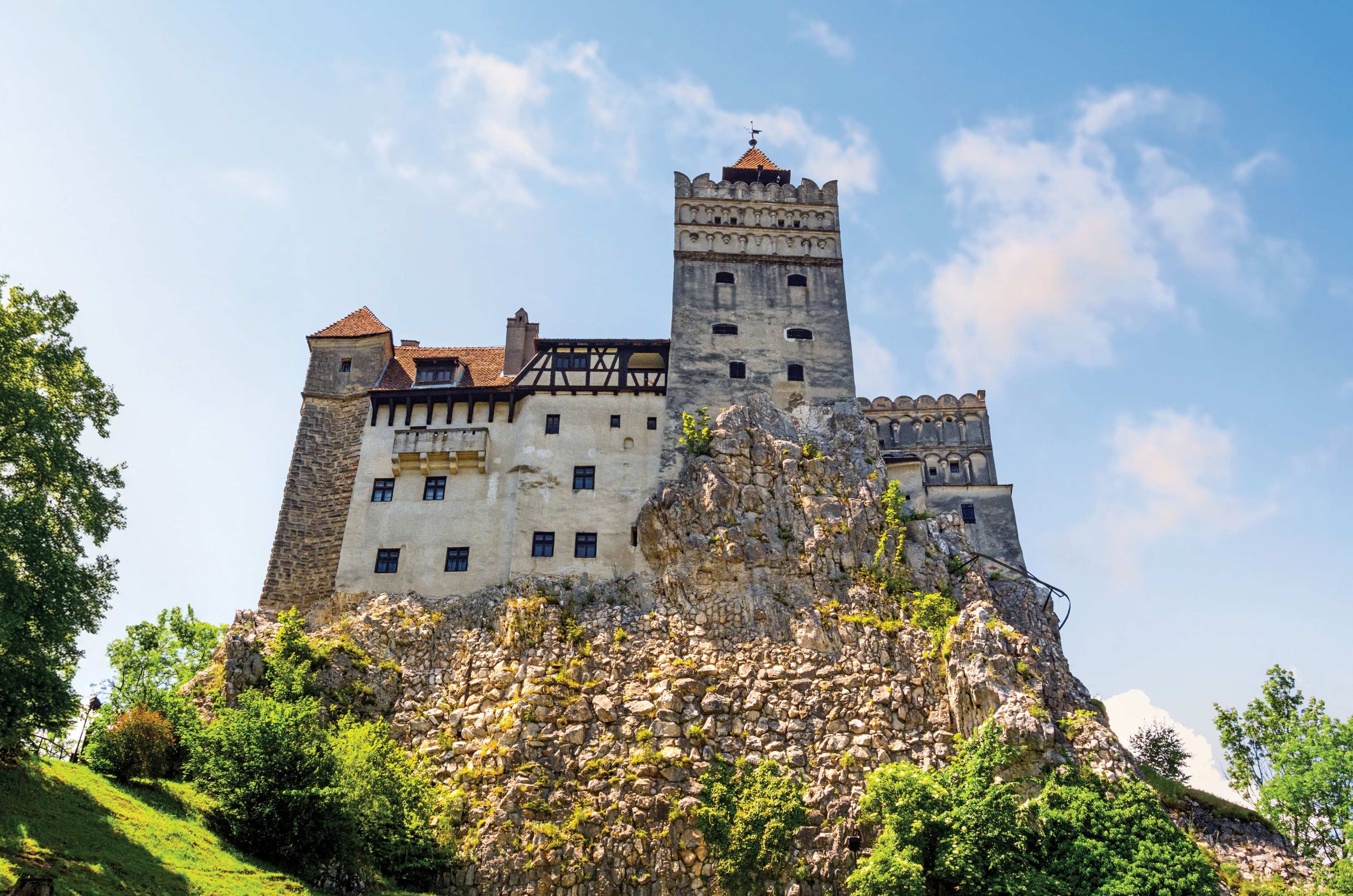
Bran Castle is widely marketed as Dracula’s home.

Bucharest also has a thriving nightlife, with the quiet cobbled streets turning into party hubs post-sunset. As we headed towards Hungary, we couldn’t help but make a stop at Bran Castle. Despite the myth that it was once home to the famous Dracula, there is nothing but merchandise at the foot of the castle to prove that claim. Historians have dismissed the claim and, while it is fascinating, there is plenty of evidence against it. Still, that did not stop us from buying some fake vampire teeth and Dracula magnets.
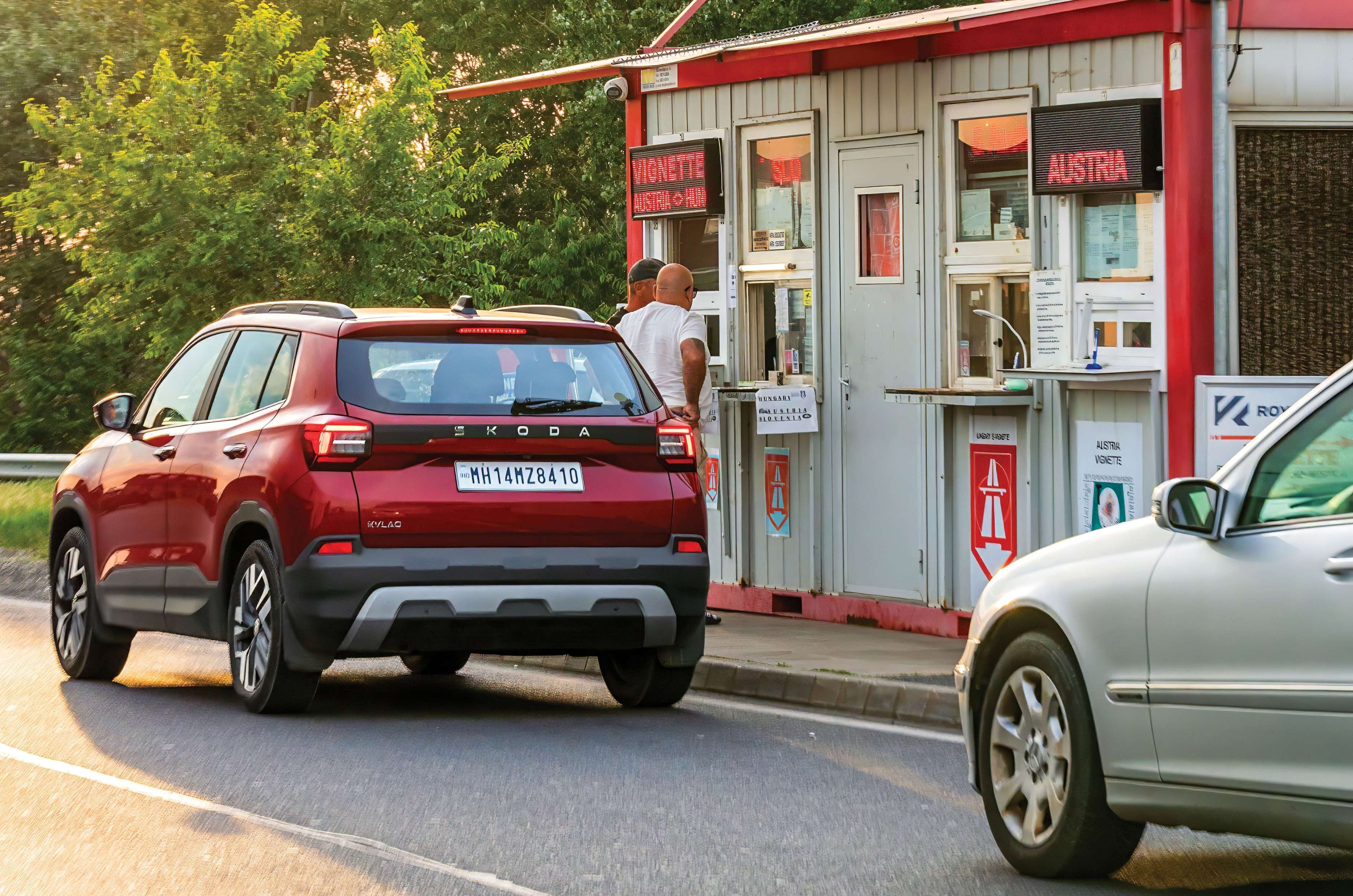
Vignette is Europe’s FASTag and is essential on the freeways.

From the shores of the Black Sea, we drove into landlocked Hungary. The drive to Budapest was long, but thanks to Europe’s seamless highways, it was light work for the Kylaq. In Europe, it just blended in with the other cars, and at no point did it feel out of place. It might have been built in India, but it felt every bit as European as it got closer to Prague.
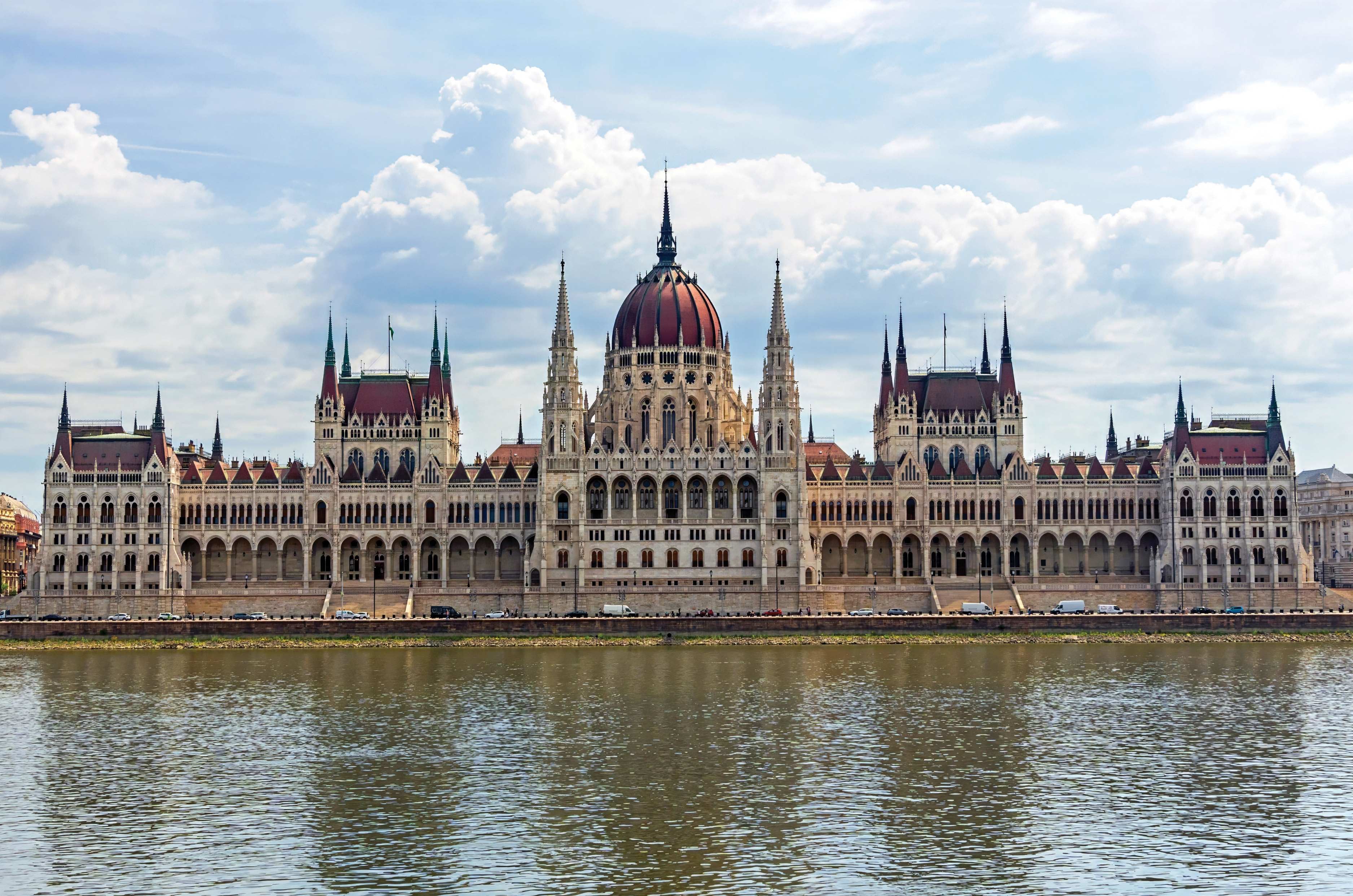
Budapest’s Parliament Building sits by the banks of the Danube River.

As we drove by the banks of the Danube, we were in awe of the stunning Hungarian Parliament Building. Budapest is also known for its bridges, with as many as 13 iconic ones, each with its own identity.
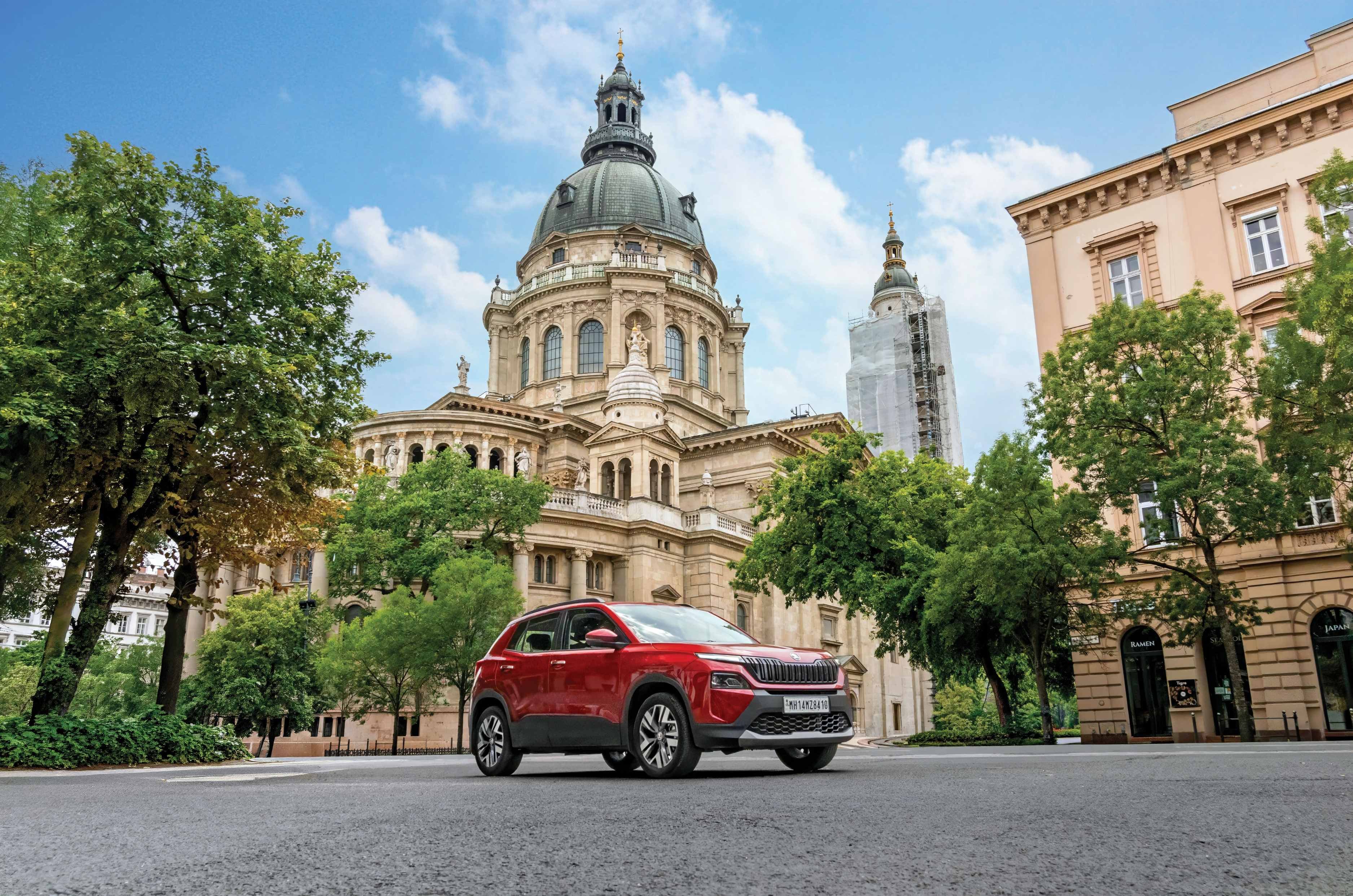
St. Stephen’s Basilica is the largest church in Budapest.

The last country before we entered the Czech Republic was Slovakia. The small country, with a quarter of the population of Mumbai, has a rather interesting Indian connection, as we found out in the pedestrian-only zone of its capital, Bratislava. Bratislava was visited by Pt. Jawaharlal Nehru in 1938, along with a young Indira Gandhi, regarding the freedom movement under British rule.
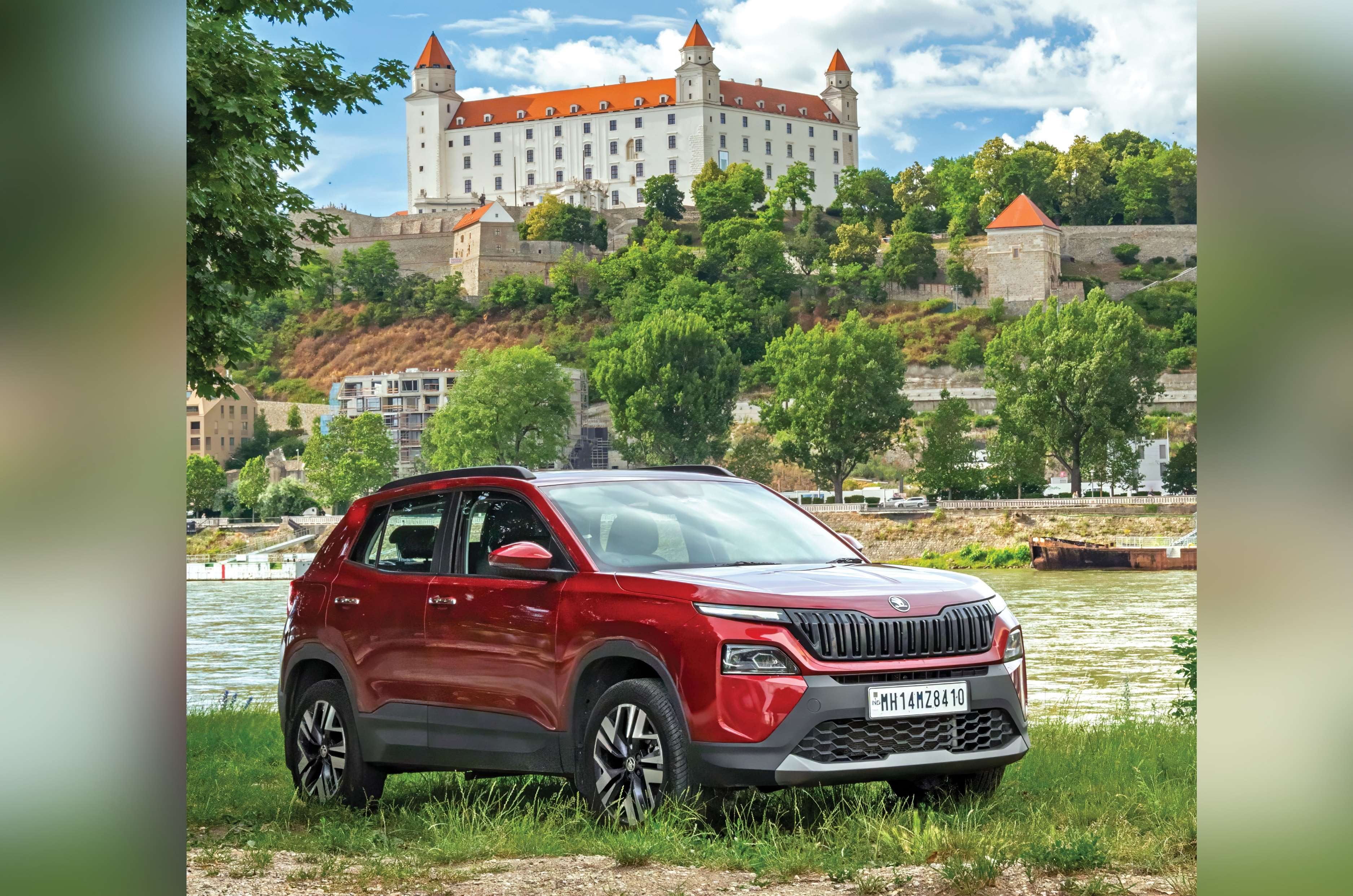
Bratislava Castle, built in the 13th century on the banks of the Danube, is now a museum.

The town square is also an open market with rich produce, handmade jewellery and a lot more. After buying the last few souvenirs before our bags exploded, we were set for the home stretch.
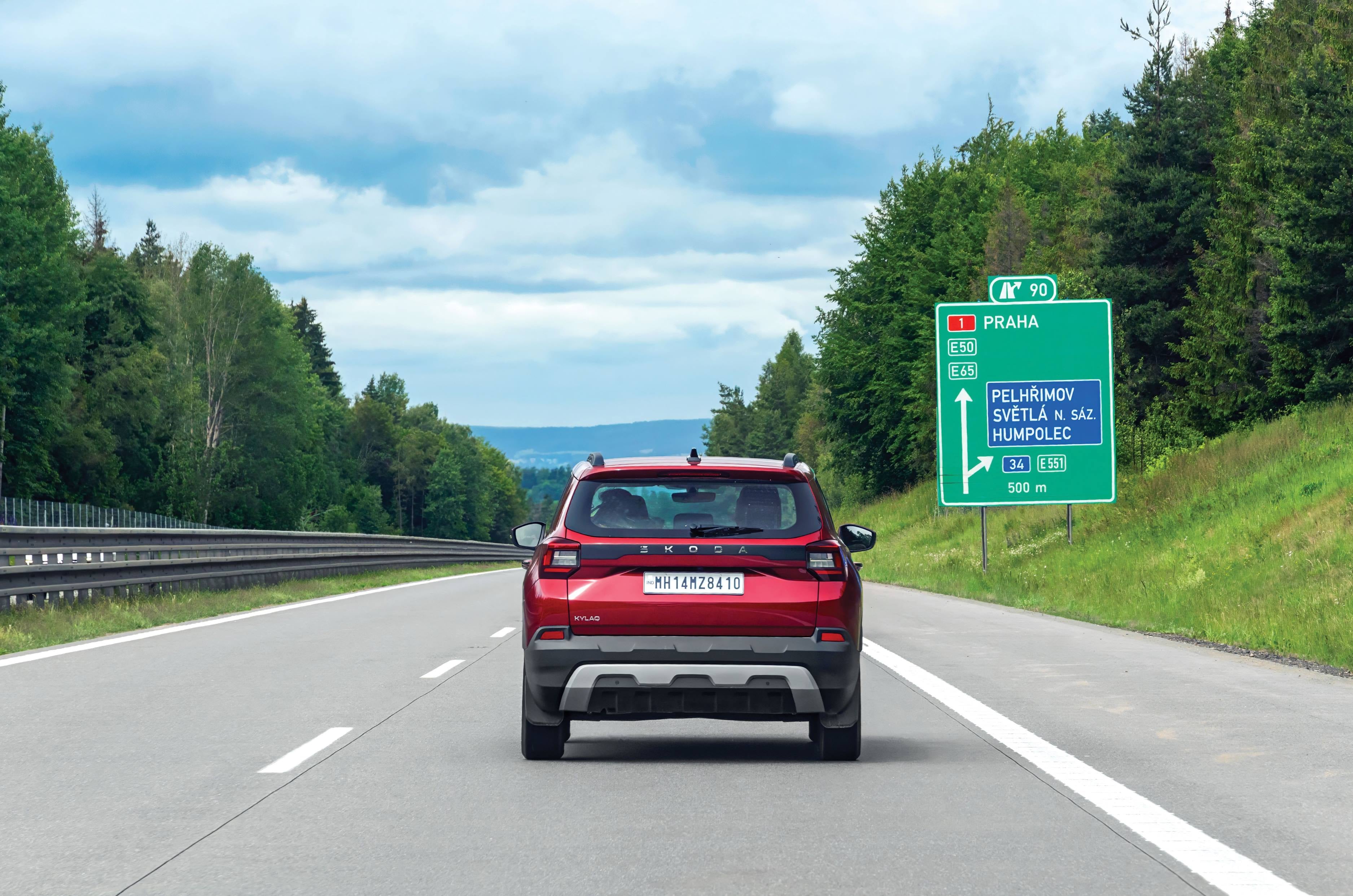
Prague boards were the beginning of a bittersweet end.

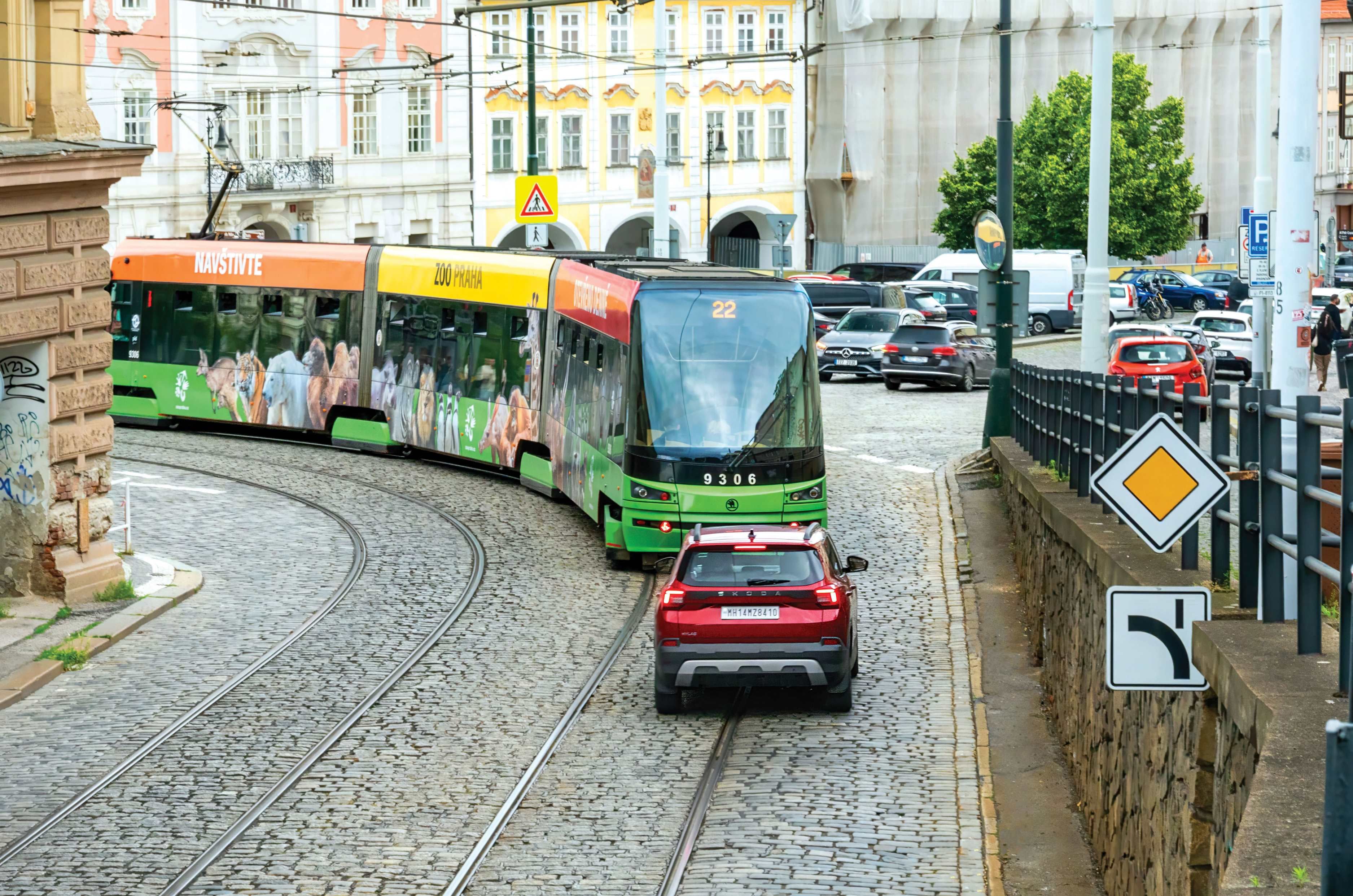
Prague was no more than 200-odd kilometres away, and the bittersweet feeling of it all coming to an end loomed over each and every one of us. As we crossed Brno and got closer to Mlada Boleslav (Skoda’s headquarters), we all reminisced about how gigantic this drive had been. Seventy days, almost 20,000km and not a single fault with the car, not even a puncture.
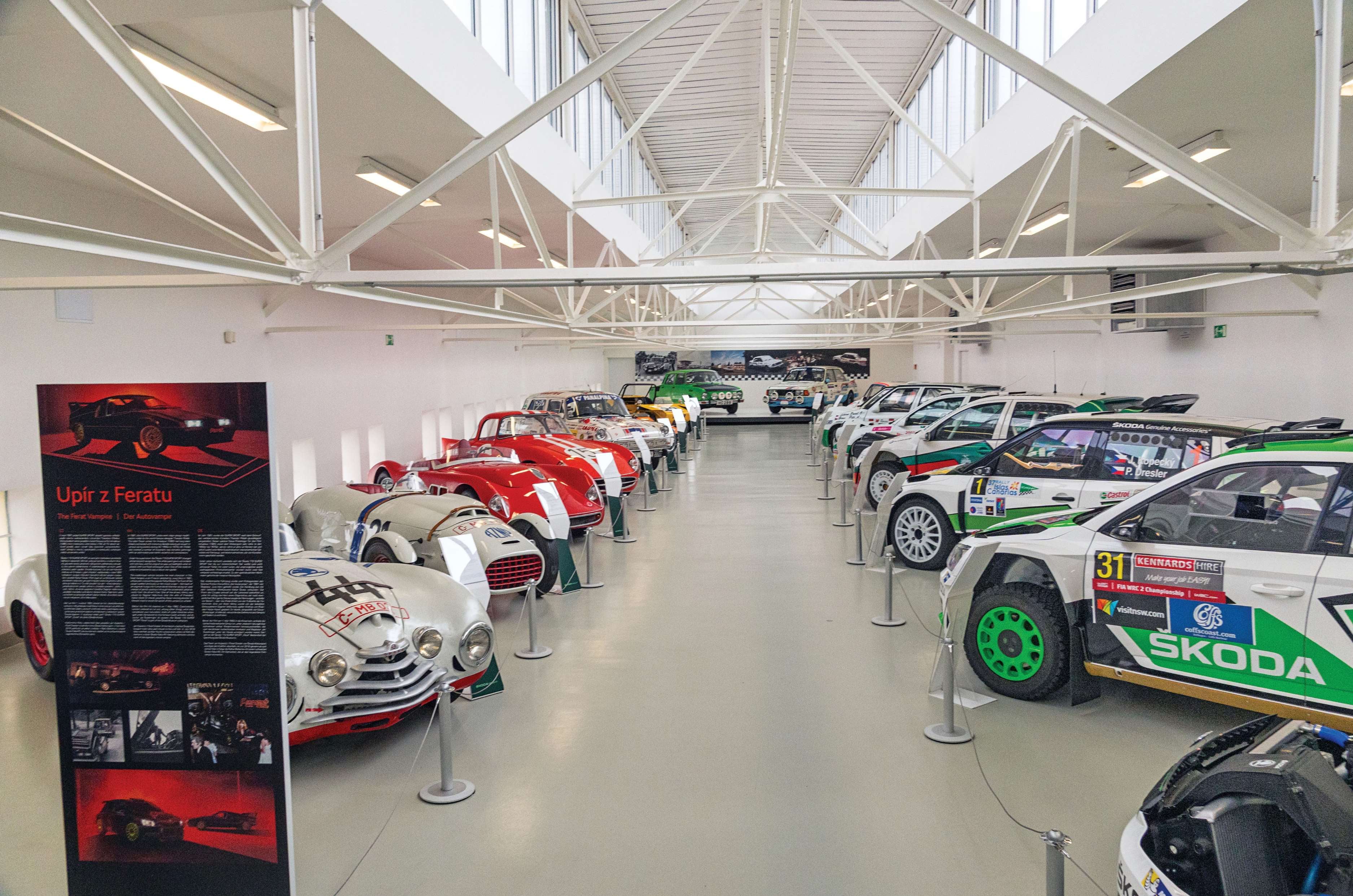
Rich history of rally and motorsport at the Skoda museum.

We crossed the Skoda factory gates with employees gazing in amusement and confusion. They had never seen this car, but strangely, it had a Skoda logo. As we parked the car near the iconic museum that preserves over 130 years of history, we had to peek in and see where it all started.

The fact that a simple bicycle gave birth to one of the largest auto manufacturers in the world is pretty astonishing. Road cars, racing cars and rally legends, Skoda has done it all. A reputation built over a century for being tough, resilient and deeply desirable.
Watching the Indian-made Kylaq sitting proud and faultless in the gleaming sunlight against the backdrop of Prague Castle, looking exactly like it did on the factory floor in Chakan, only proves that the 130-year-old ethos is still the same, no matter where Skoda builds a car. 
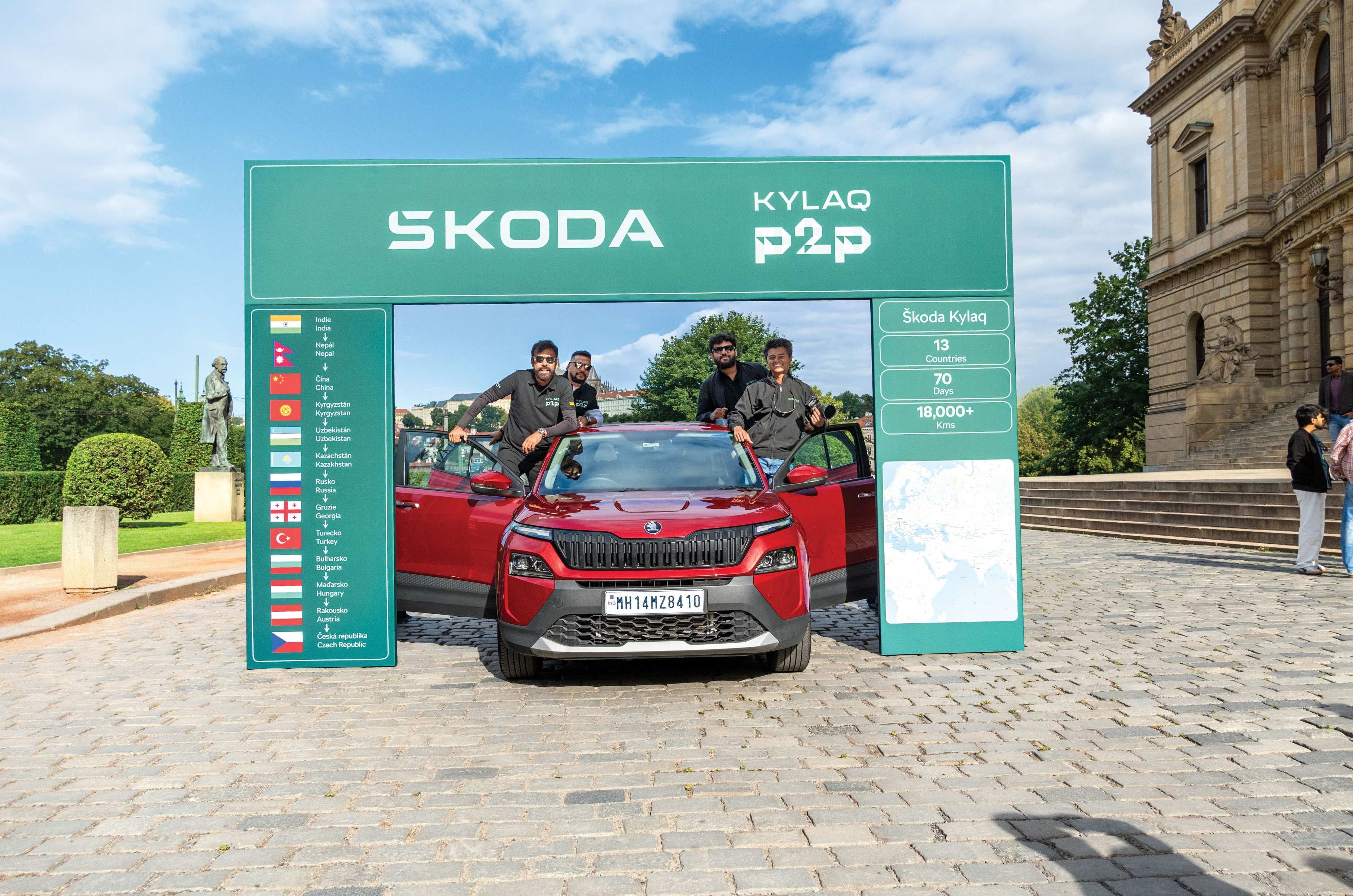
The final picture in the camera that will always take us back in time

In a world rapidly shifting towards more screens and fewer experiences, a drive like P2P isn’t just a rarity; it’s a statement of defiance: as long as there’s a world to explore, we will find a way to drive across it.

Europe in numbers
Bulgaria – Prague
Distance covered1,842km
Fuel consumed172.59
Average fuel economy10.67kpl
Approx. fuel cost32,247
Avg. per-litre fuel costRs 186.84
Total time driven25.89 hrs
Average speed71.14kph

2027 Hyundai Tucson technical details revealed

2027 Hyundai Tucson technical details revealed
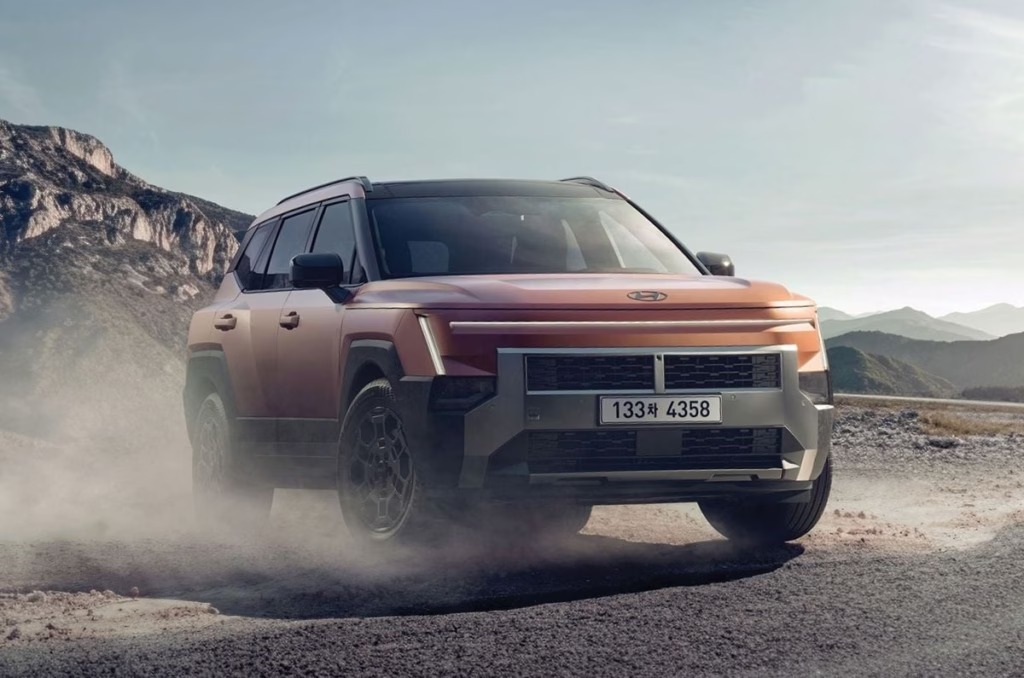
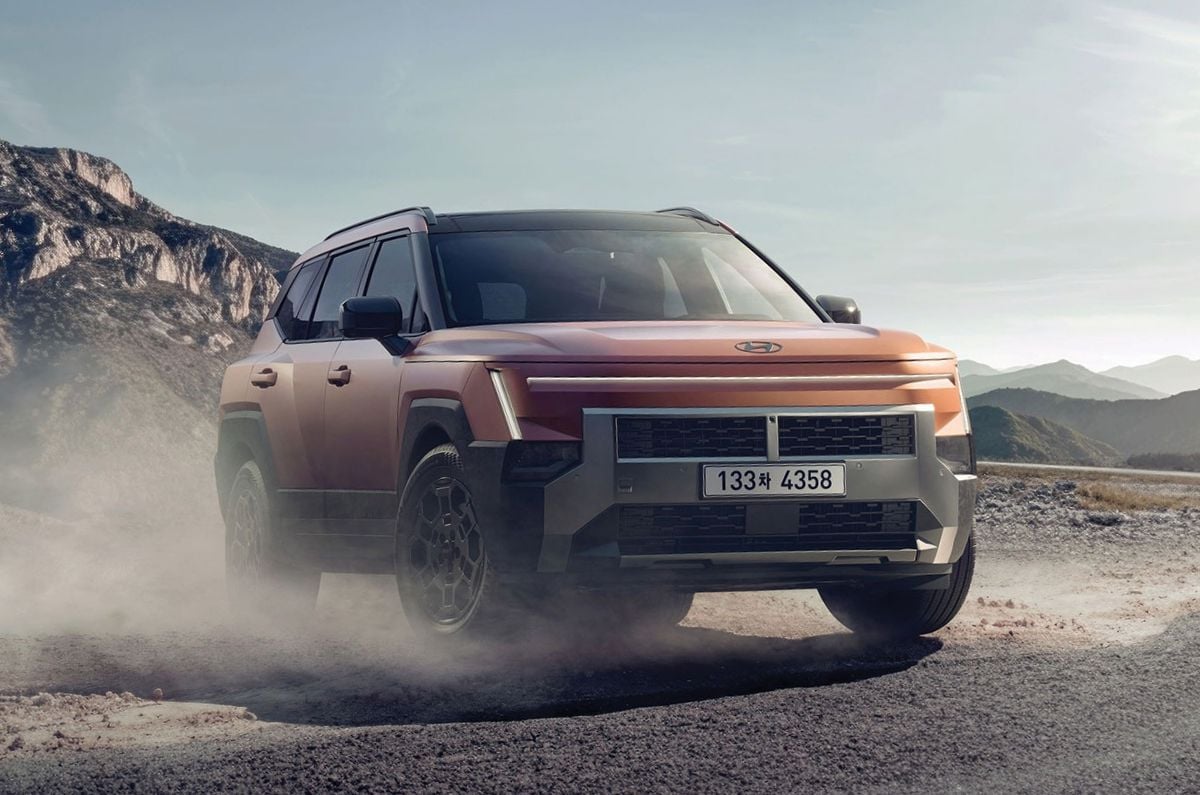
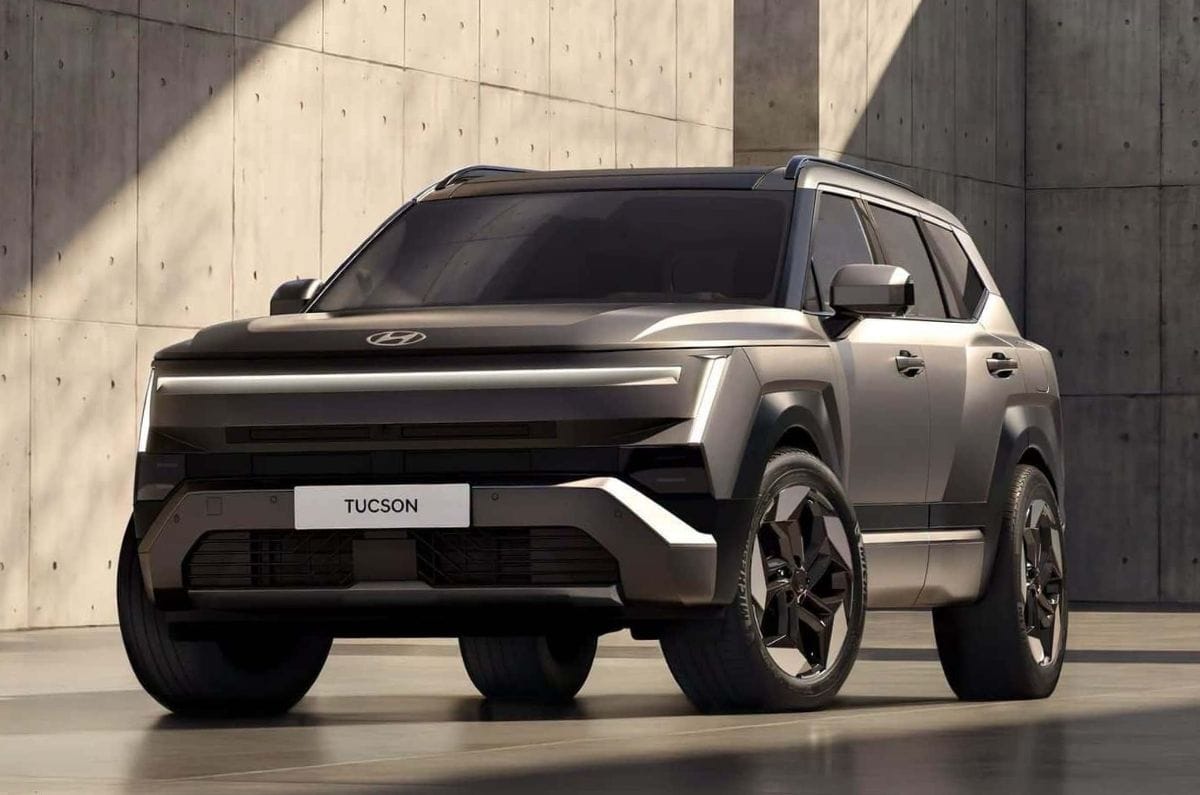
2027 Hyundai Tucson front

Hyundai has officially revealed several technical details of its upcoming 2027 Tucson at a media event in South Korea, ahead of the SUV’s domestic launch in October 2026. This generational update brings larger dimensions over the old model, along with two powertrain options and a long list of safety and connectivity tech. Hyundai has not detailed any plans of bringing the fifth-gen Tucson to India yet.

  1. Gets active air flaps, a rear bumper spoiler and more for better aero
  2. 1.6 turbo-petrol and 1.6 turbo-hybrid powertrains offered
  3. Tucson hybrid has a claimed mileage of 17.4kpl

2027 Hyundai Tucson dimensions

The next-gen model has grown in terms of length, width and wheelbase

2027 Hyundai Tucson front quarter

Compared to the outgoing model, the next-gen Hyundai Tucson is 60mm longer and 40mm wider – the wheelbase has grown by 30mm. Hyundai claims that the larger dimensions have resulted in the second-row headroom increasing by 29mm (to 1,031mm), while the rear doors can now open to 83 degrees (up from the previous model’s 73 degrees).

2027 Hyundai Tucson suspension and chassis

The Tucson now gets new suspension and increased sound insulation measures

Hyundai has reinforced the mounting points for the front suspension, along with strengthening the underbody structure that supports the rear suspension. The 2027 Tucson also features a new suspension valve, whilst the overall setup has been tuned to better control body movement and reduce road shocks.

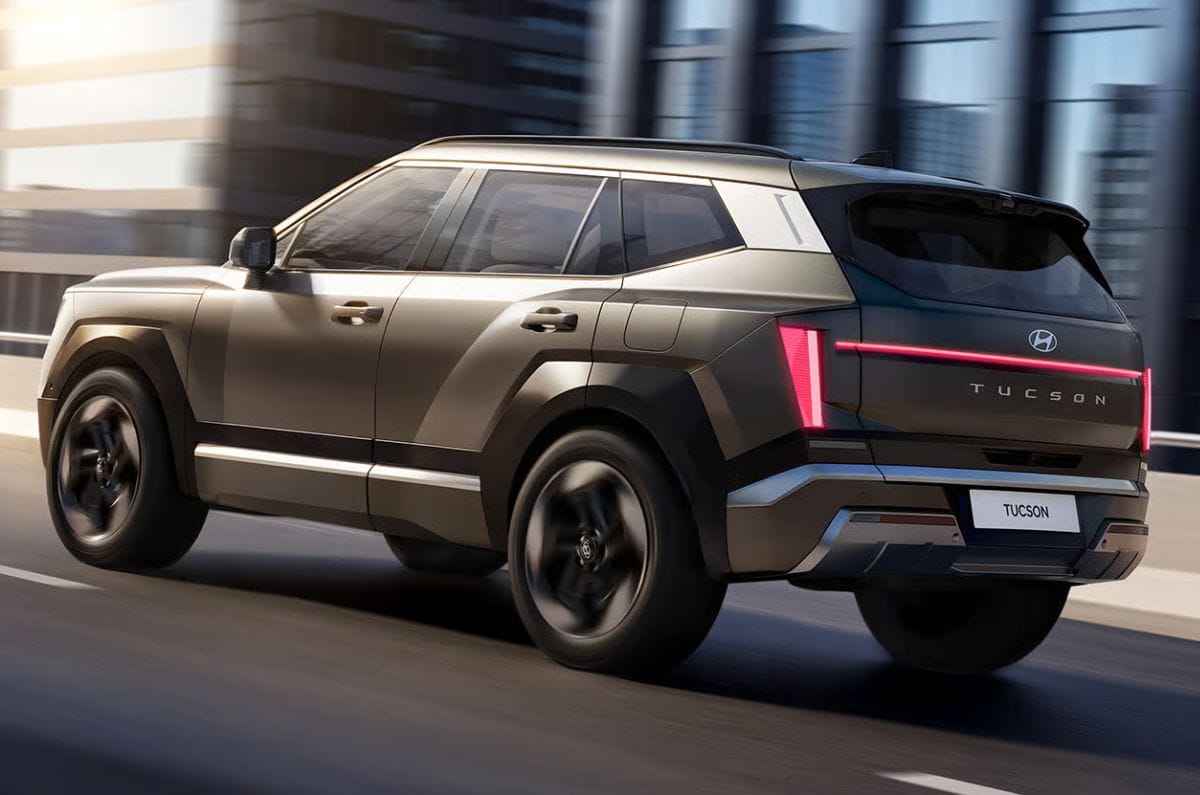
2027 Hyundai Tucson rear quarter tracking

The E-Traction feature of the hybrid version utilises a drive motor to minimise its body movements, while Hyundai says that the larger dimensions of the 2027 Tucson hasn’t come at the cost of body roll even when executing corners at high speeds. The next-gen Tucson also comes with refinement improvements over the previous-gen model. Revised engine mounts, plus additional sound-deadening for the dashboard and thicker glass for the doors, mean engine and wind noise should be better controlled.

The drag coefficient of the 2027 Tucson petrol and 2027 Tucson hybrid have both gone down from 0.33 to 0.30. Hyundai claims that this has been achieved with the help of active air flaps, a roof spoiler, a dedicated rear bumper spoiler and the new 17-inch wheel design.

2027 Hyundai Tucson engine and gearbox details

Both non-hybrid and hybrid powertrains use a turbo-petrol engine

The 2027 Hyundai Tucson gets a 1.6-litre turbo-petrol engine rated at 193hp and 265Nm, and mated to an 8-speed automatic gearbox. Compared to the equivalent unit powering the outgoing model, this unit’s output is higher by 13hp. The 2027 Tucson hybrid clubs a 1.6-litre turbo-petrol engine with what Hyundai calls its next-generation hybrid system. The combined output of this hybrid setup is 245hp, while the claimed mileage figure is 17.4kpl. A ‘Inertial Driving Guidance’ feature even prompts the driver to get off the accelerator pedal to improve fuel economy.

2027 Hyundai Tucson feature set

The next-gen Tucson isn’t short on modern technology or safety measures

The 2027 Hyundai Tucson comes with 9 airbags as standard, plus a navigation-based adaptive cruise control feature with front & rear collision-avoidance assist. The next-gen Tucson gets a memory-based reverse assist function, which Hyundai says is capable of automatically steering the car by retracing its path.

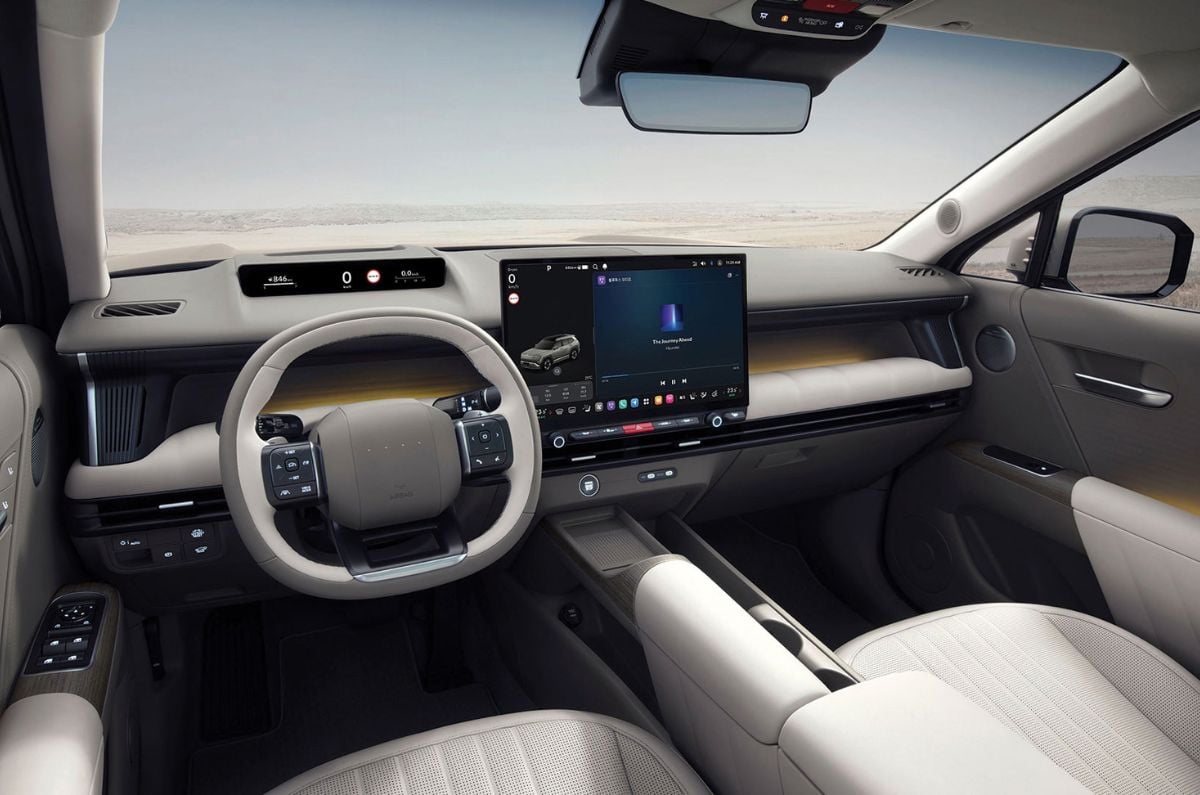
2027 Hyundai Tucson interior

Meanwhile, the ‘Ground View’ function displays the surface beneath the car on the infotainment screen. The next-gen Hyundai Tucson also features the brand’s Pleos Connect system with built-in Gleo AI, along with third-party app support via the Pleos App Market. The interior has a floating-style dashboard, D-cut steering wheel, a slim digital driver’s display and a large touchscreen (either 12.9-inch or 17-inch). There will be four mono-tone and three dual-tone interior themes, which include Mud Grey & Dove Grey, Black & Sand Beige, and a Black & Inlay Soil Brown colours.

2027 Hyundai Tucson design

The next-gen model uses the brand’s ‘Art of Steel’ design language

2027 Hyundai Tucson rear quarter

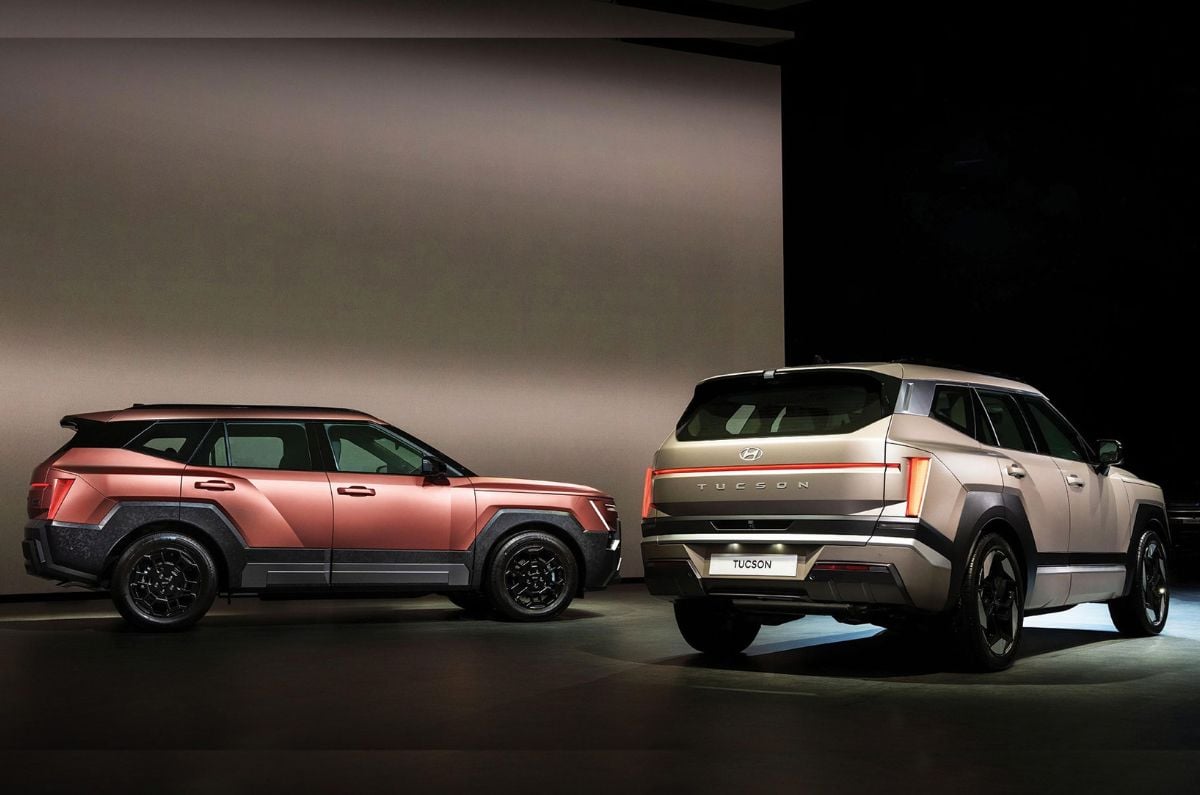
The 2027 Hyundai Tucson sports the brand’s ‘Art of Steel’ design language. There are vertical H-shaped LED daytime running lights up front, a slim horizontal centre light strip, and a prism-effect rear light design. The next-gen Tucson gets roof rails, flared wheel arches and conventional pull-type door handles, while the more rugged-looking XRT trim gets a different grille, wheel-arch garnish and skid plate. The 2027 Hyundai Tucson will be sold in 8 colour options – Serenity White Pearl, Driftwood Grey Matte, Driftwood Grey Metallic, Redrock Orange Matte and Goyo Copper Pearl.

2027 Maserati Grecale review: V6 sense

2027 Maserati Grecale review: V6 sense
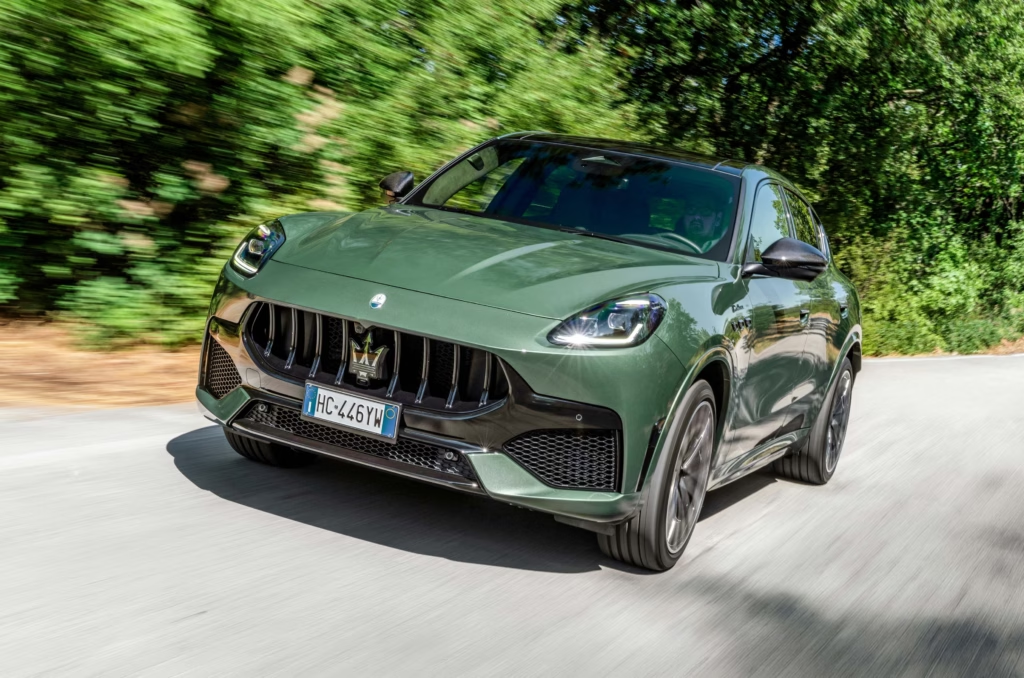
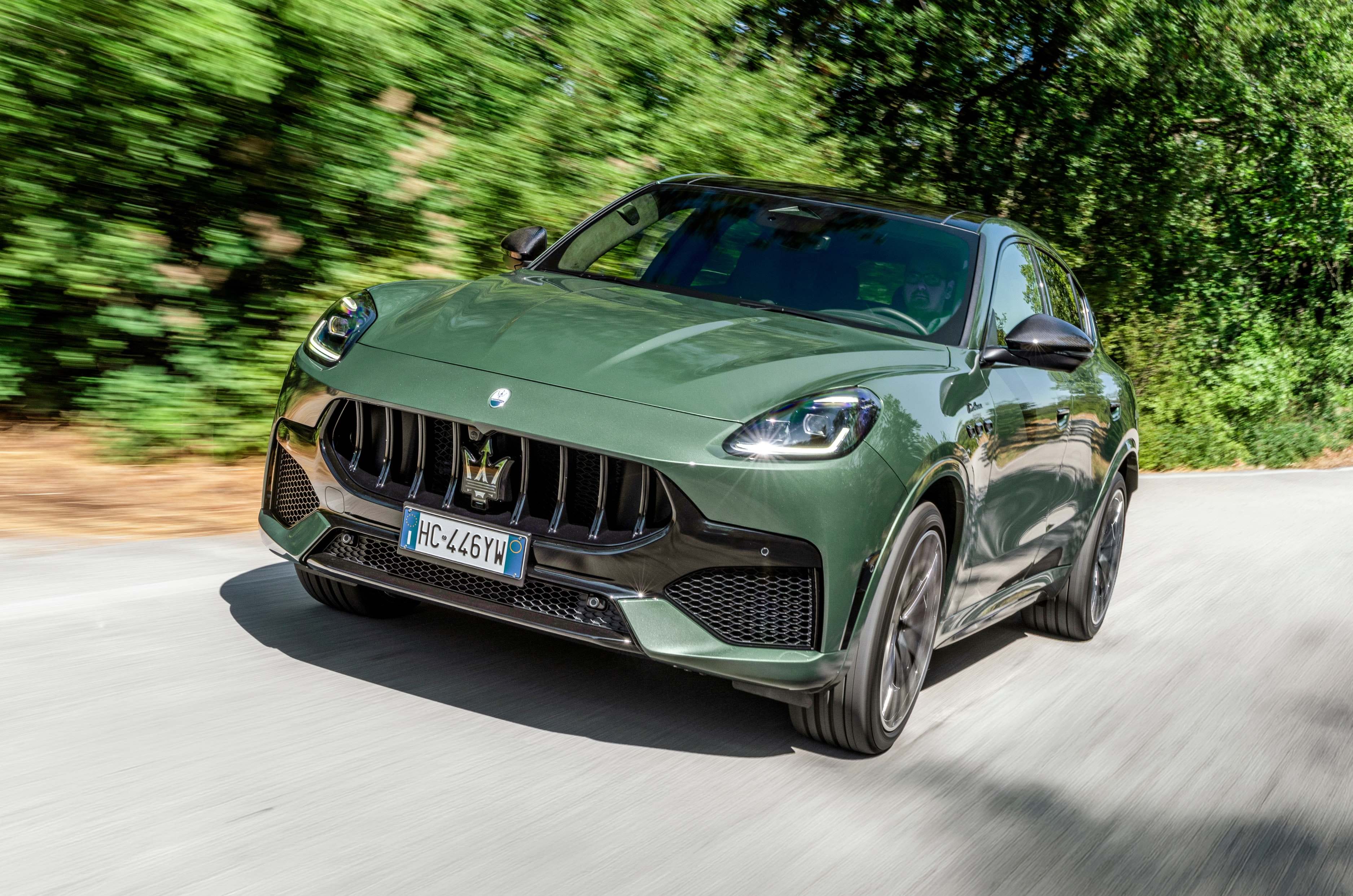
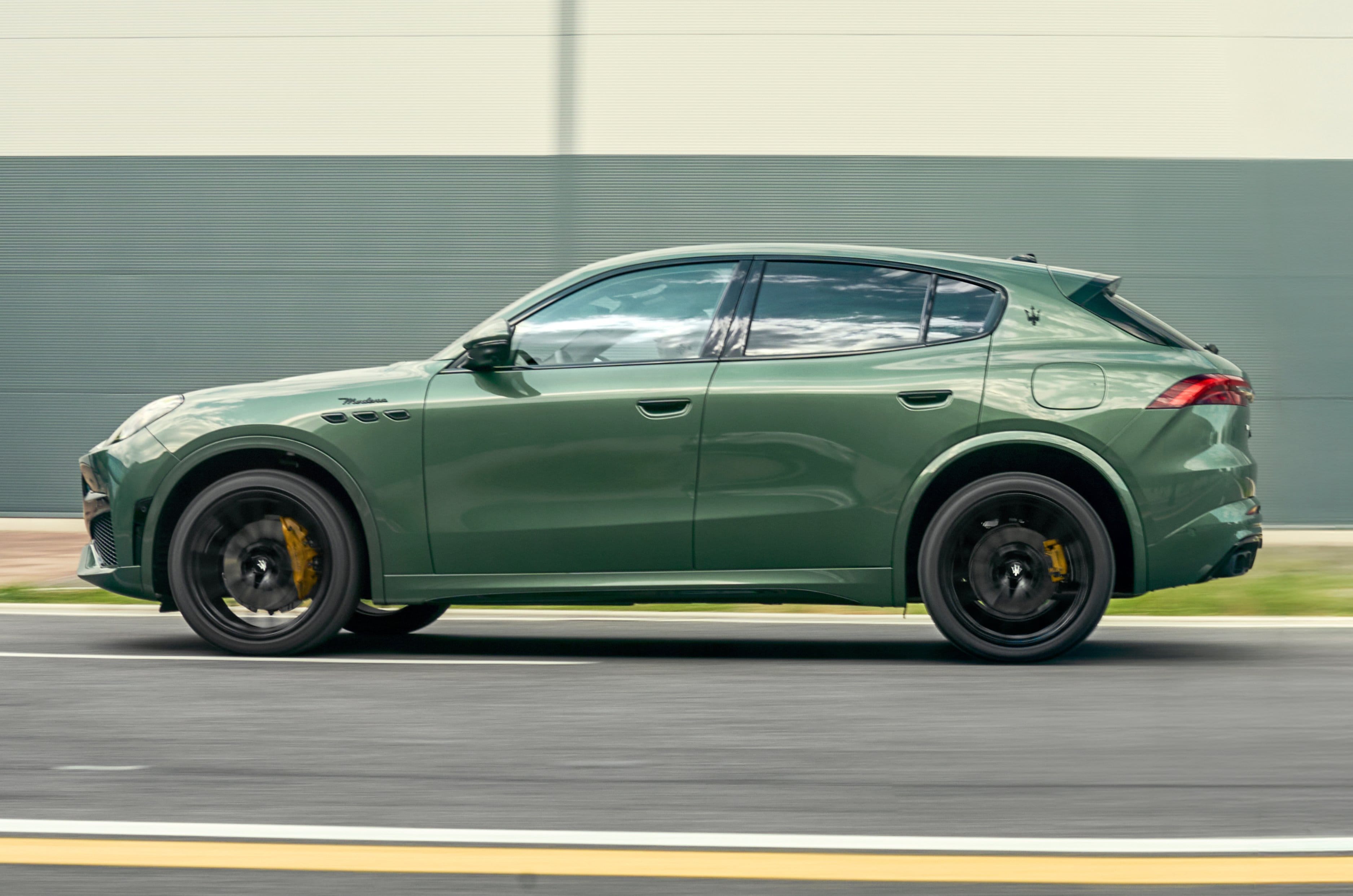
Maserati Grecale Modena

The Grecale is Maserati’s take on the mid-size luxury SUV and in SUV-crazy India will likely be the first port of call for buyers intrigued by the iconic brand. It’s been updated outside, inside and under the hood to help convert that mystique into sales.

2027 Maserati Grecale Exterior Design and Engineering – 8/10

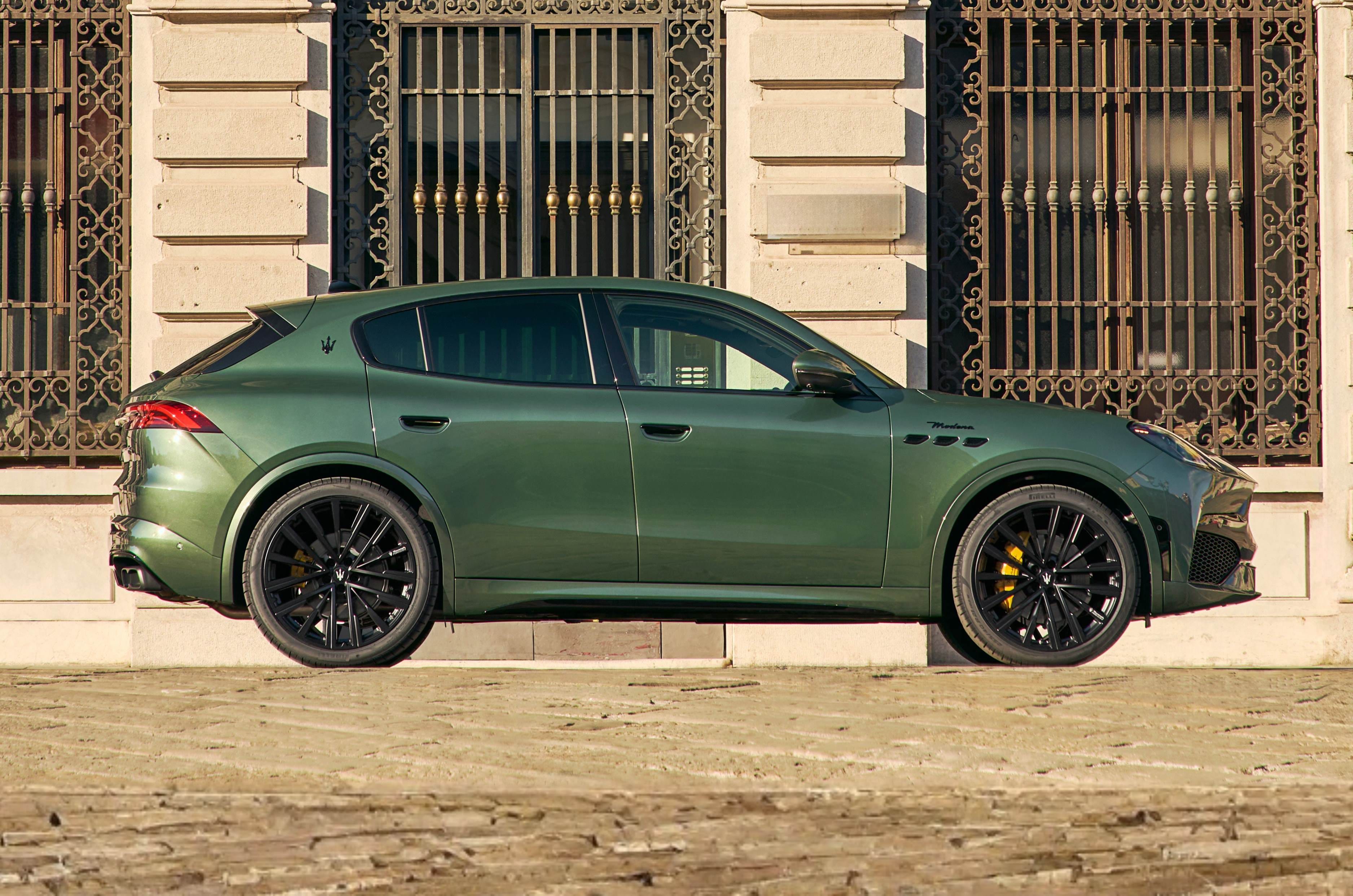
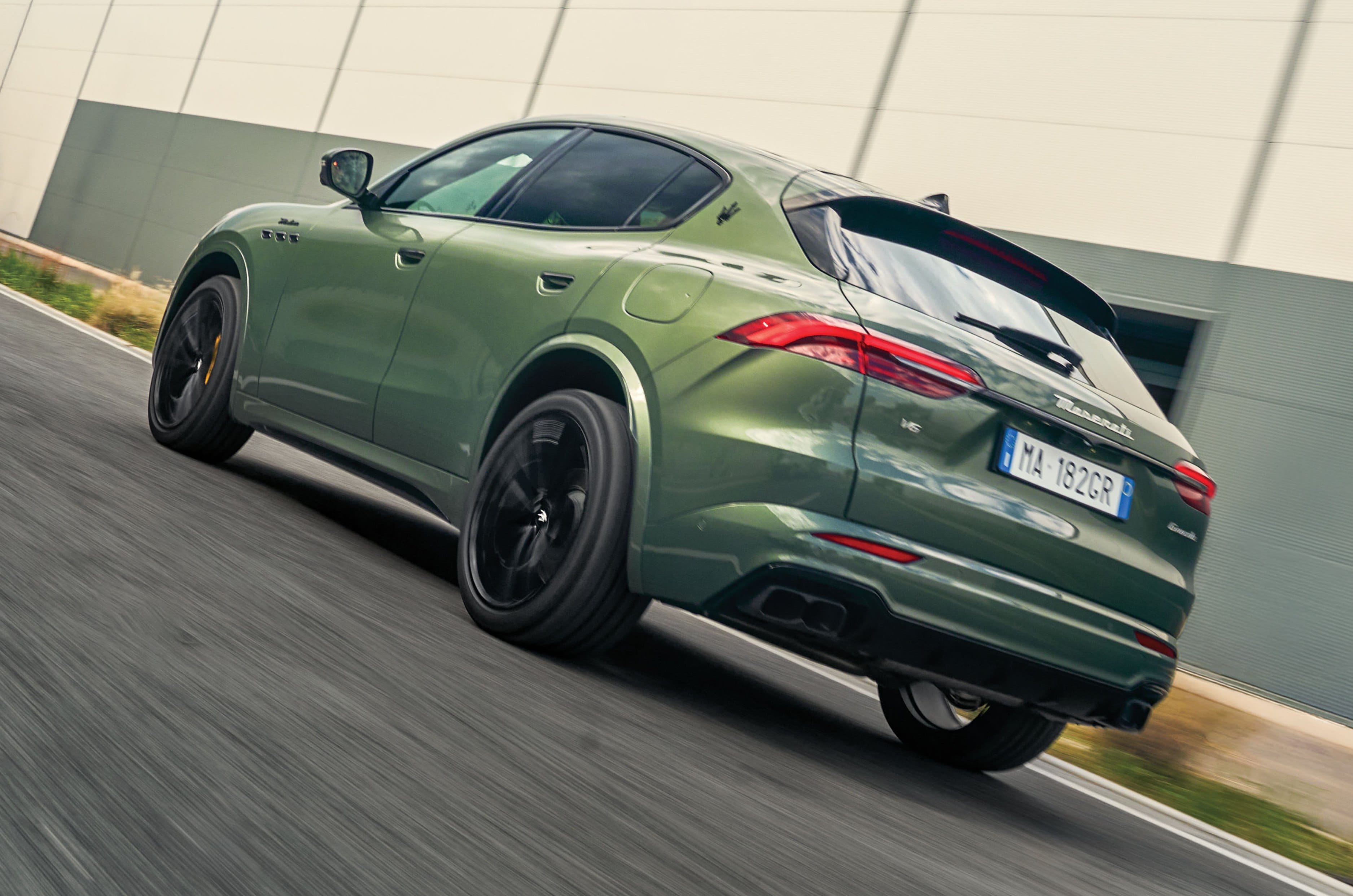
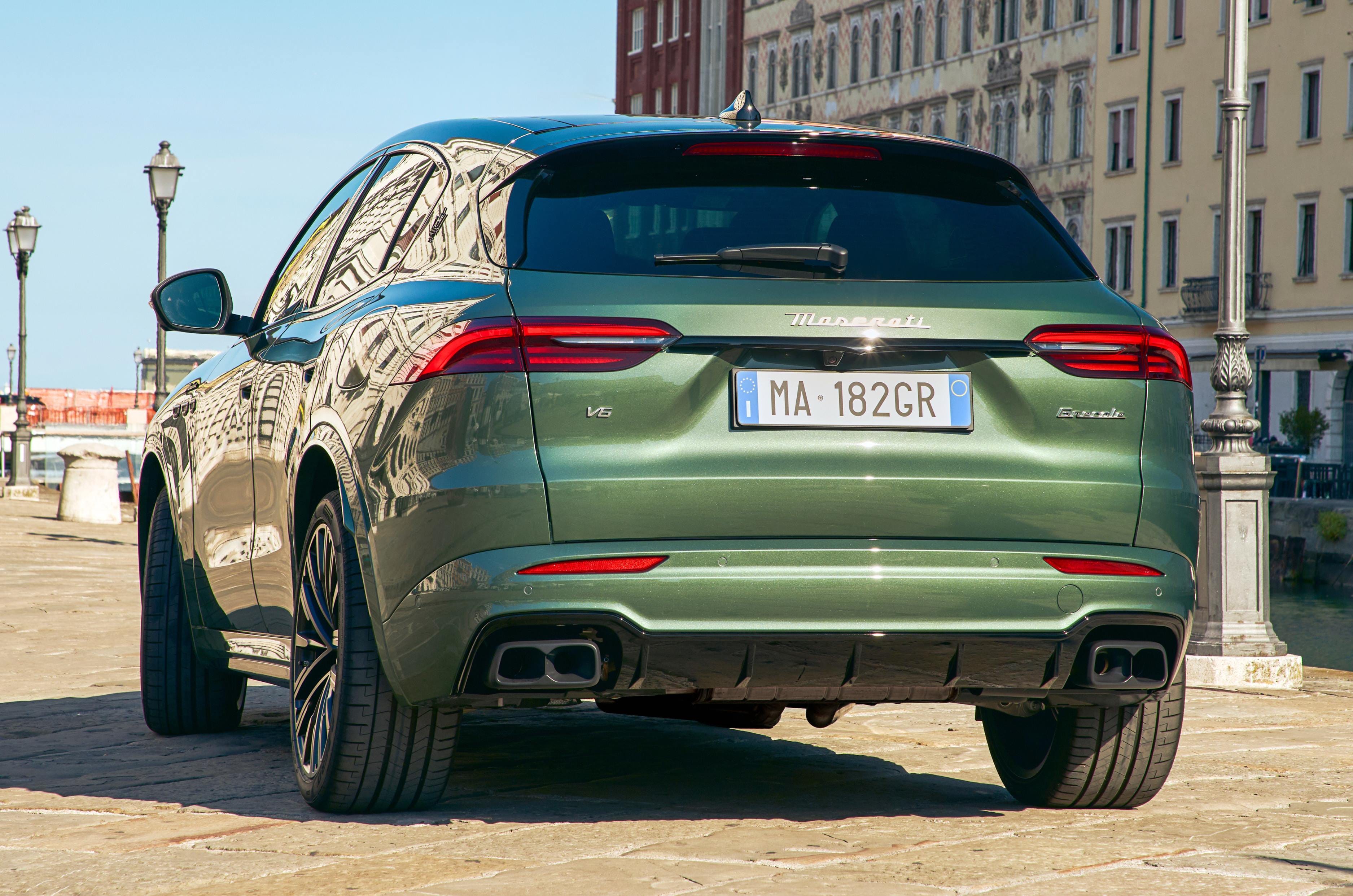
Like most Maseratis, the Grecale is one of those cars that looks better in the metal than it does in photographs. There’s Italian flair to the design, with the proportions finely balanced across its 4.8m length. The classic Maserati cues – voluptuous fenders, vents aft of the front wheels and the cut of the glasshouse – are all there and help establish the marque, even in profile.

Maserati Grecale Exterior
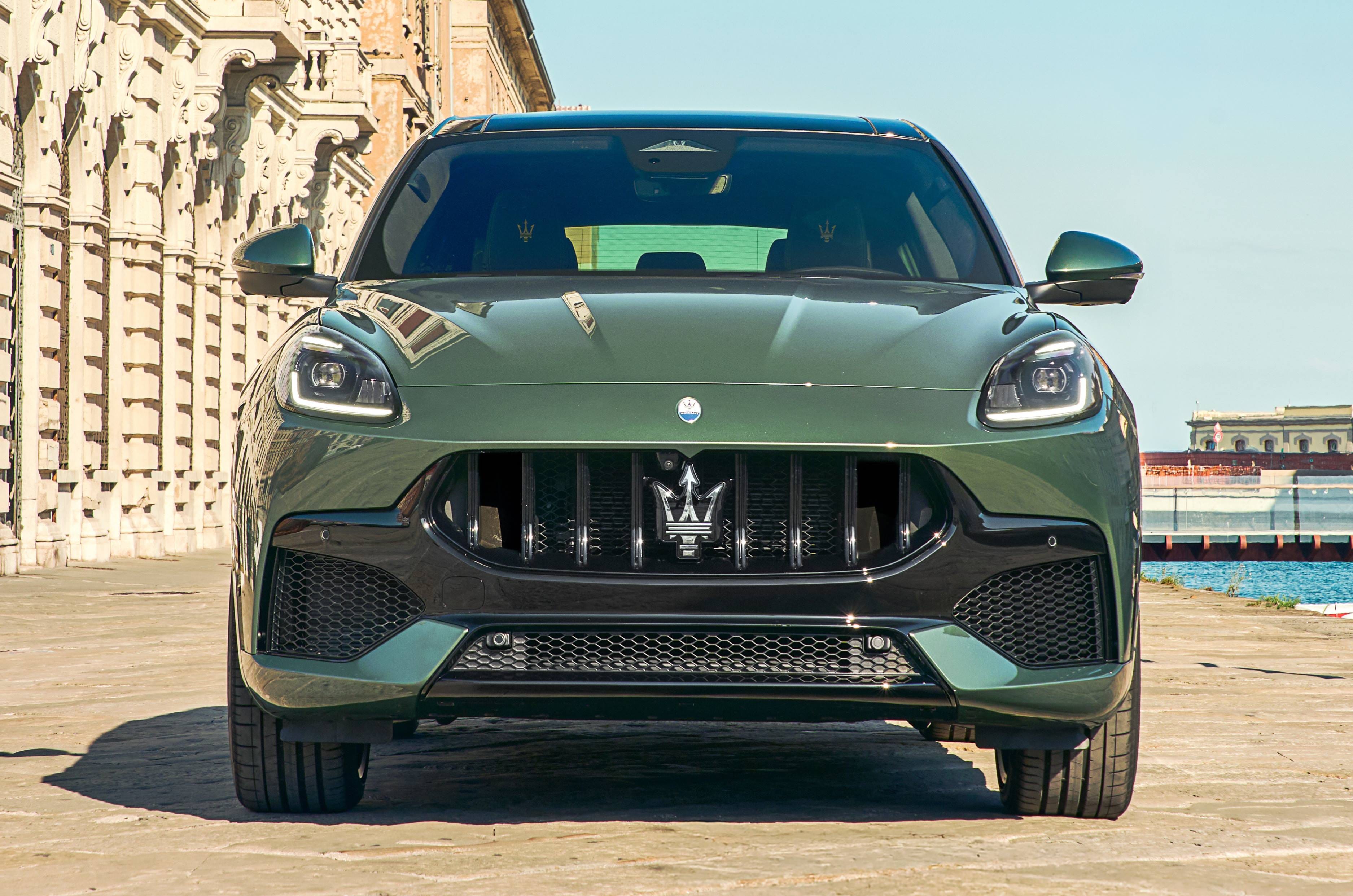
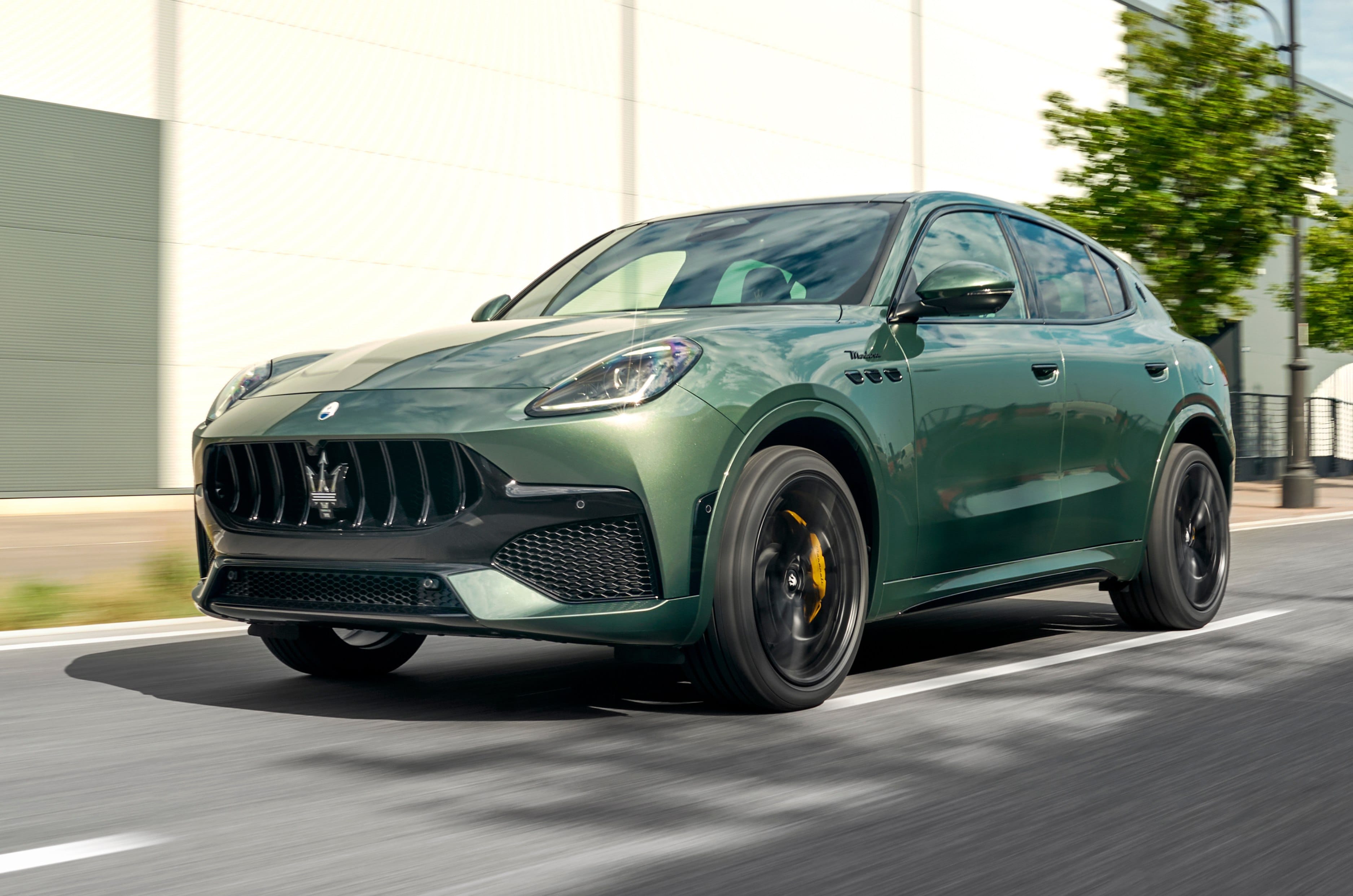
The 2027 Grecale gets a more prominent concave grille with the Trident logo at its centre.

The key visual change comes at the front. A strong horizontal crease visually divides the face into two distinct sections. The upper portion retains the familiar sculpted Maserati look, while the lower section adopts a far more technical and aggressive appearance. Larger air intakes flank a more pronounced concave grille, with the Trident logo taking centre stage. The changes aren’t dramatic, but they make the Grecale look considerably sportier and give it much stronger road presence. Ahem, that visual link to the humble Suzuki Swift is also less pronounced now.

Maserati Grecale Modena
Signature vents on the front fenders add character to the Grecale’s profile.

There are minor tweaks to the trim elsewhere and, as ever, there’s lots of scope to customise the appearance. I wouldn’t change our test car’s arresting Verde Royale-on-black colour scheme, thank you very much.

2027 Maserati Grecale Interior Space and Comfort – 8/10

Maserati Grecale Modena
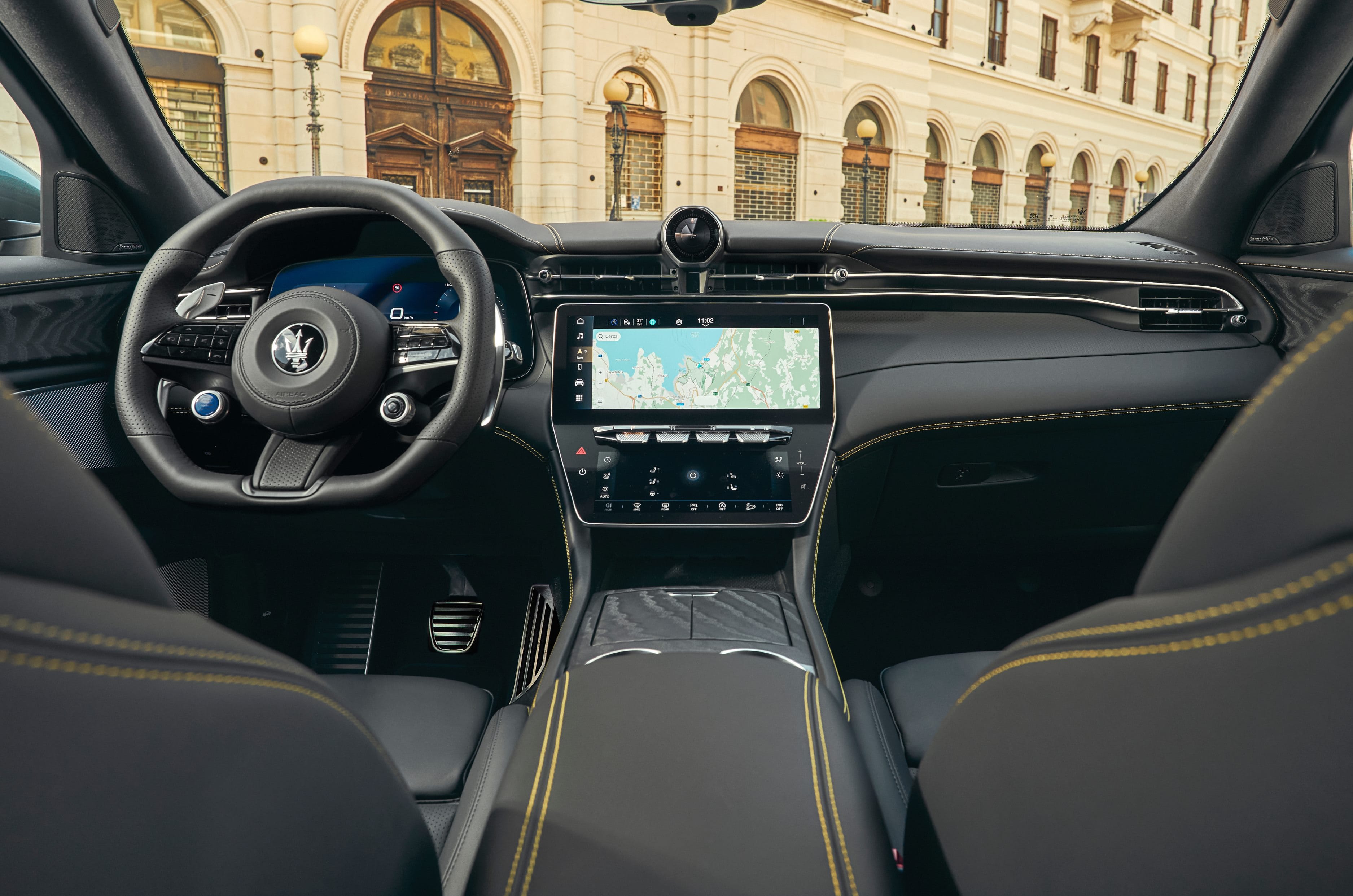
The cabin continues to combine rich leather upholstery with stitched dashboard detailing.

Not much has changed inside, but that’s no bad thing because this remains a cabin that strikes a nice balance between modern technology and traditional Italian craftsmanship.

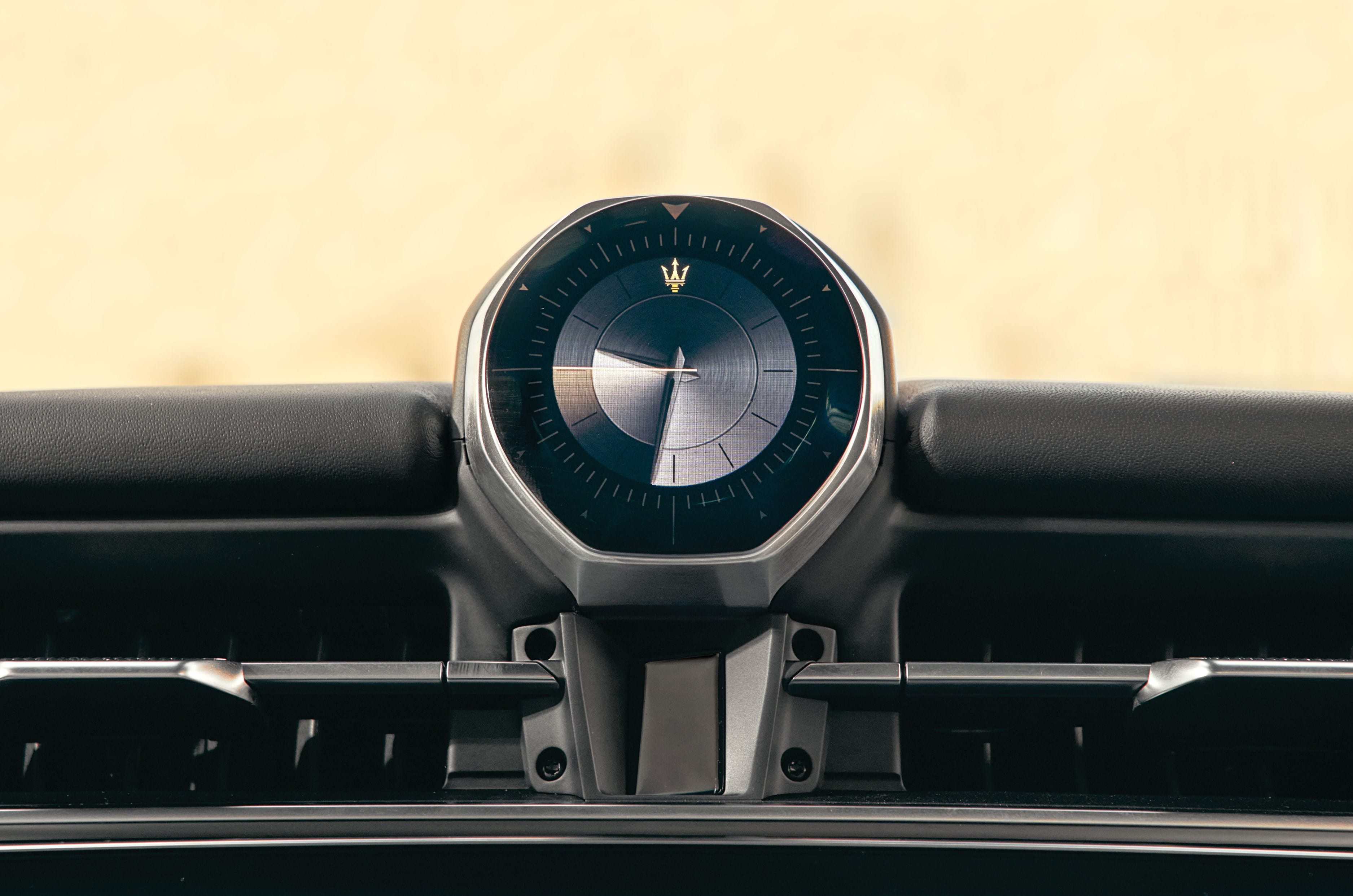
There are still four displays: a digital instrument cluster, a large central touchscreen, a lower touchscreen for climate control functions and Maserati’s signature clock. Each has been subtly updated. The digital clock gets a revised face and new glass designed to mimic the appearance of a conventional analogue timepiece while retaining its digital functionality.

Maserati Grecale Modena
The digital clock gets a new face and glass designed to imitate an analogue timepiece.

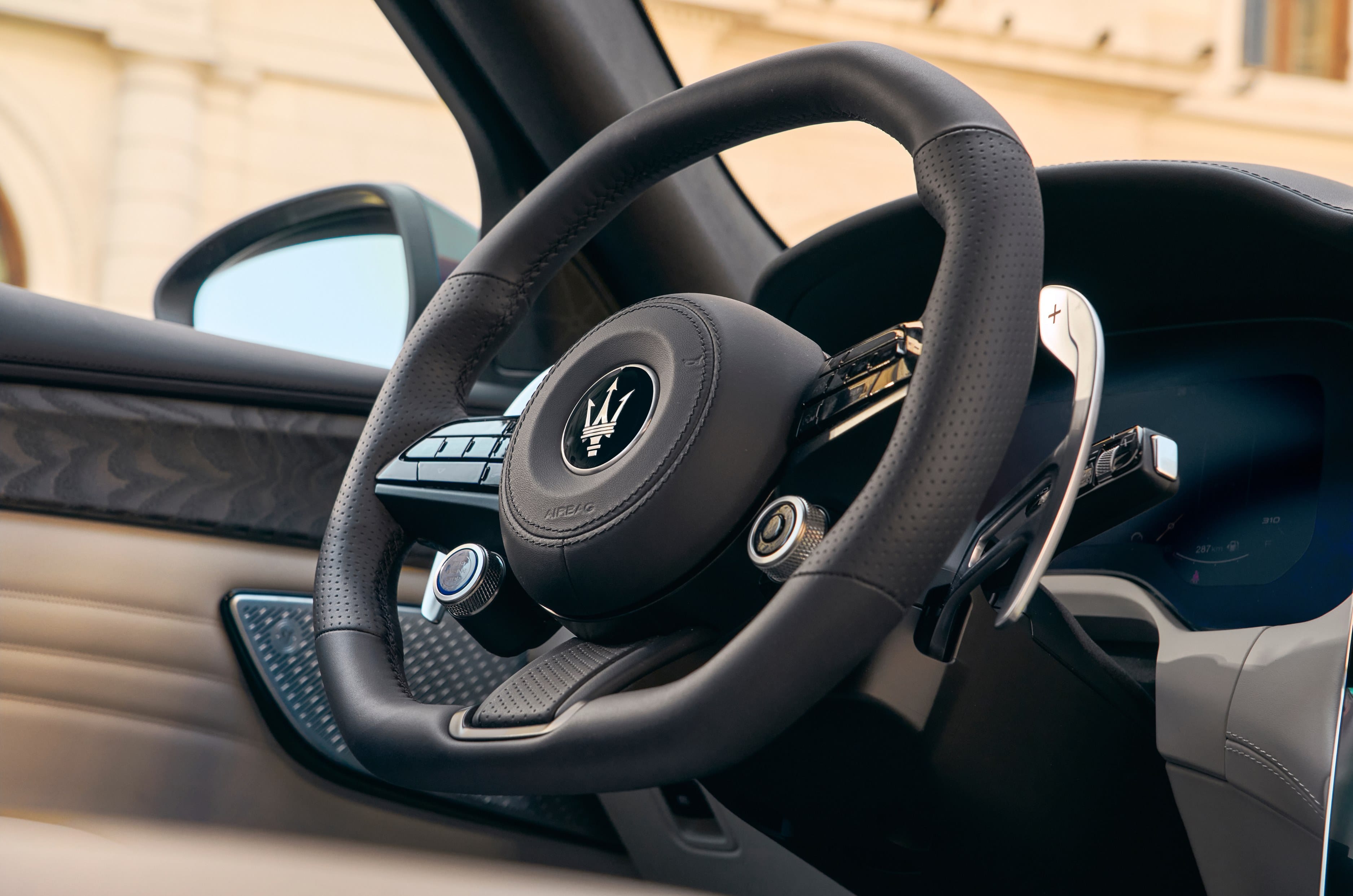
Lower down, the old gear selector buttons have made way for metallic toggle switches that look and feel richer. The steering wheel has also been redone with a squared-off shape that feels great to hold. Behind it sit Maserati’s trademark oversized aluminium paddle shifters, mounted to the steering column, and they remain among the most satisfying paddle shifters you’ll use in any performance SUV.

Maserati Grecale Modena
Grecale’s aluminium paddle shifters are among the most satisfying to use.

Despite the screen-heavy layout, the Grecale’s interior isn’t lacking on warmth. Rich leather upholstery, beautifully stitched dashboard trim and some plush materials (exposed carbon fibre for the win) tell you a lot of love and work has gone into putting the interior together. Some plastics do feel ordinary, though.

Maserati Grecale Modena
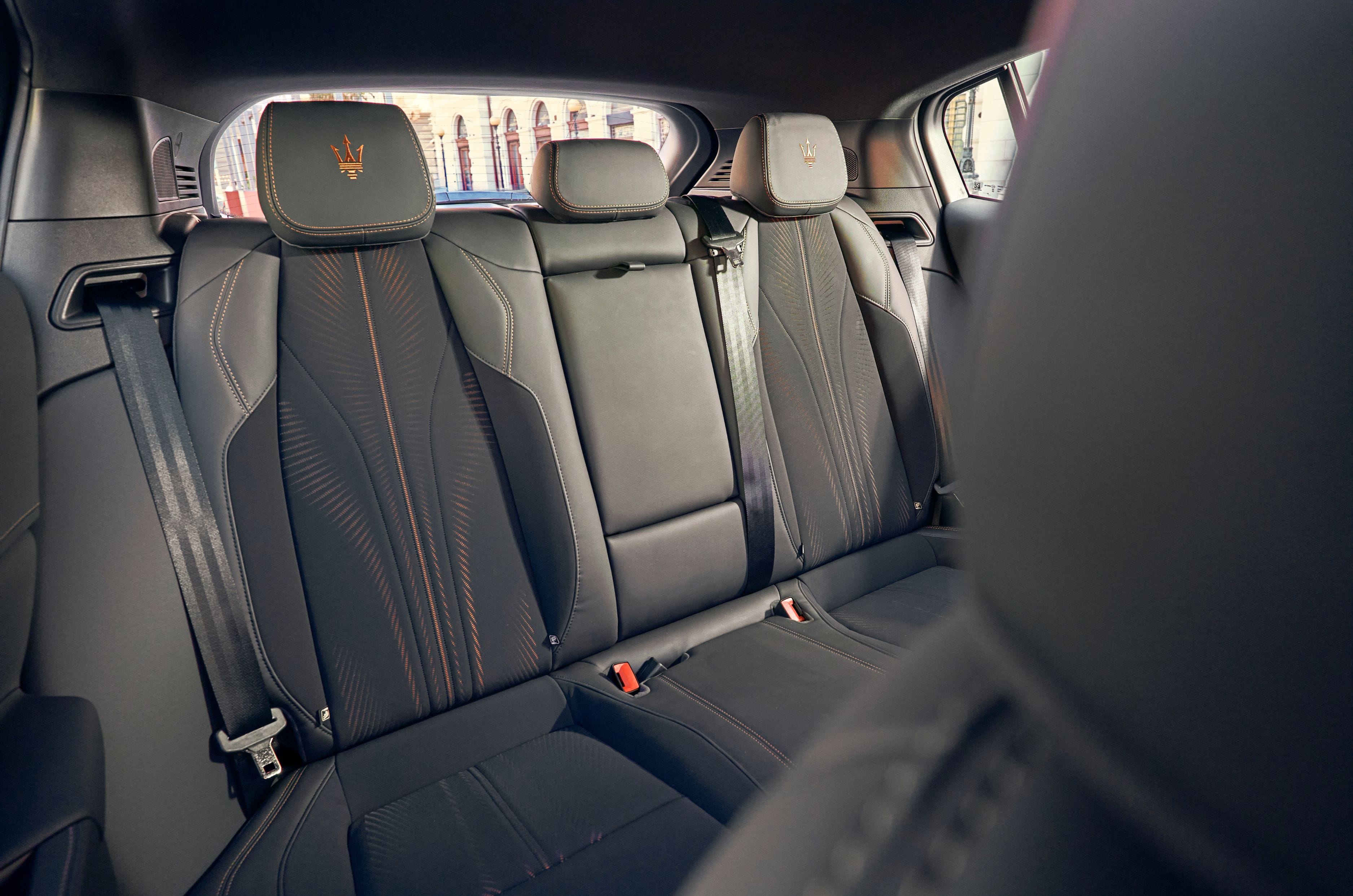
Rear passengers get good kneeroom and headroom, although the backrest is not reclinable.

The front seats are supportive and are the best ones in the house. While rear seat space is better than that of a Porsche Macan (the car the Grecale was built to beat), it’s not the ideal buy for chauffeur-driven buyers who will see more value in a like-priced Merc GLE or BMW X5.

Rear-seat passengers will find kneeroom and headroom more than adequate, although a reclinable backrest would have added another layer of comfort.

2027 Maserati Grecale Performance and Refinement – 8/10

The Grecale continues to be offered in three flavours – GT, Modena and Trofeo – but today’s Modena isn’t exactly the same as the one before. While the Modena was powered by a 2.0-litre four-cylinder turbo-petrol producing 330hp, the new Modena, confusingly enough, also gets Maserati’s 3.0-litre Nettuno V6, with output pegged at 390hp. It neatly bridges the gap between the entry-level 300hp Grecale GT and the full-fat 530hp Trofeo.

Maserati Grecale Modena
2027 Grecale Modena switches to 3.0-litre V6 from the erstwhile 2.0-litre 4-cylinder mill.

It’s easy to fall for the charms of the ‘new’ Modena. The new 390hp V6 comes across as a much more natural fit for something with the Maserati badge. There’s ready power at hand and a nice pull past 6,500rpm when the roads allow. There’s great fun working through the gears too, partly because of the feel at the paddles and partly because of the ‘braaap’ from the exhaust during shifts. The soundtrack, in general, is very appealing, with a gentle growl growing into a muscle-car burble. How much of that sound originates from the engine and exhaust, and how much is enhanced through the speakers, is difficult to tell, but the end result is undeniably enjoyable.

2027 Maserati Grecale Ride Comfort and Handling – 8/10

Maserati Grecale Modena
Its sporty setup lets some road imperfections through, but it stops short of feeling uncomfortable.

What’s also easy to glean is that the Grecale isn’t trying to be a soft, comfort-focused luxury SUV. There is a definite sporting edge to the way it rides and handles. You’ll feel bumps and imperfections in the road more readily than you would in some rivals, although it never crosses the line into feeling harsh or uncomfortable.

Maserati Grecale Modena
Adaptive dampers let you adjust the suspension response through via drive modes.

Adaptive dampers allow you to tailor the suspension’s responses depending on the selected drive mode, and while they do make a noticeable difference, even the most comfort-oriented setting stops short of completely isolating you from the road. The way to look at it is that it allows a little more of the driving experience to filter through, reminding you that this is a Maserati first and an SUV second. The crisp handling is up there with the now-retired Porsche Macan ICE, and that’s high praise.

2027 Maserati Grecale Price and Verdict – 8/10

The updates for 2026 may not completely transform the Grecale, but they make an already distinctive luxury SUV a more convincing proposition. The sharper styling gives it greater visual presence, while the introduction of the V6-powered Modena fills an important gap in the range. More importantly, it strengthens the Grecale’s case for anyone in the market for an SUV that prioritises driver appeal.

Maserati Grecale Modena

The timing couldn’t be better either. Maserati is renewing its focus on India with a new dealer network and a stronger push in the market. The Grecale will continue to command a premium over similarly sized luxury SUVs (we expect the range to start at Rs 1.2 crore ex-showroom), but it has the style and character to charm its way into contention.

McLaren McL 6GT concept: brand’s first manual since the F1

McLaren McL 6GT concept: brand's first manual since the F1
McLaren McL 6GT

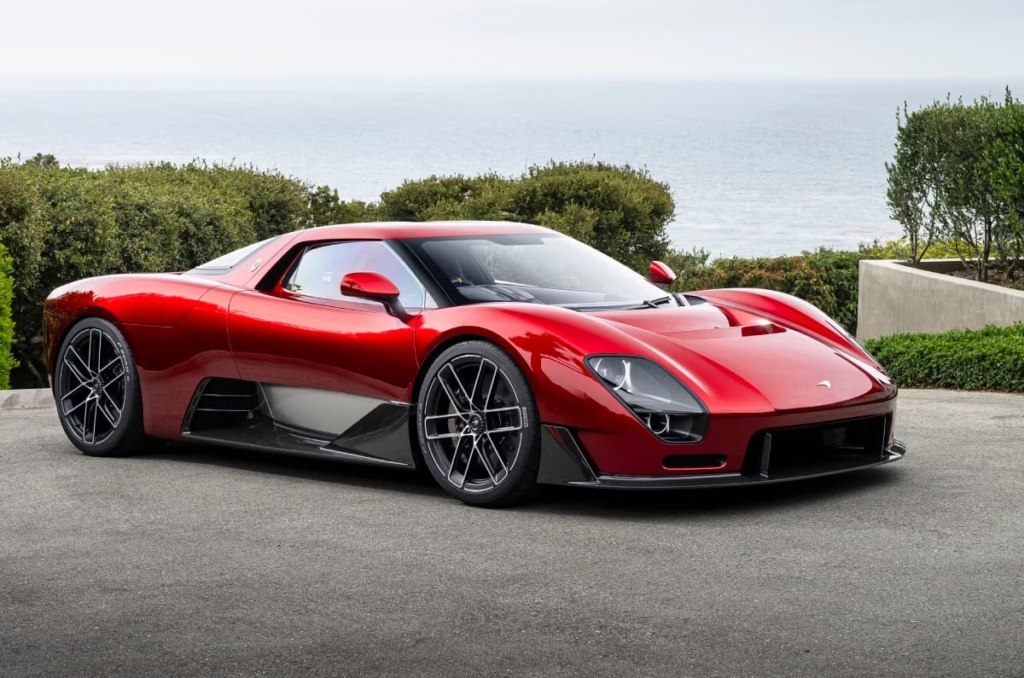
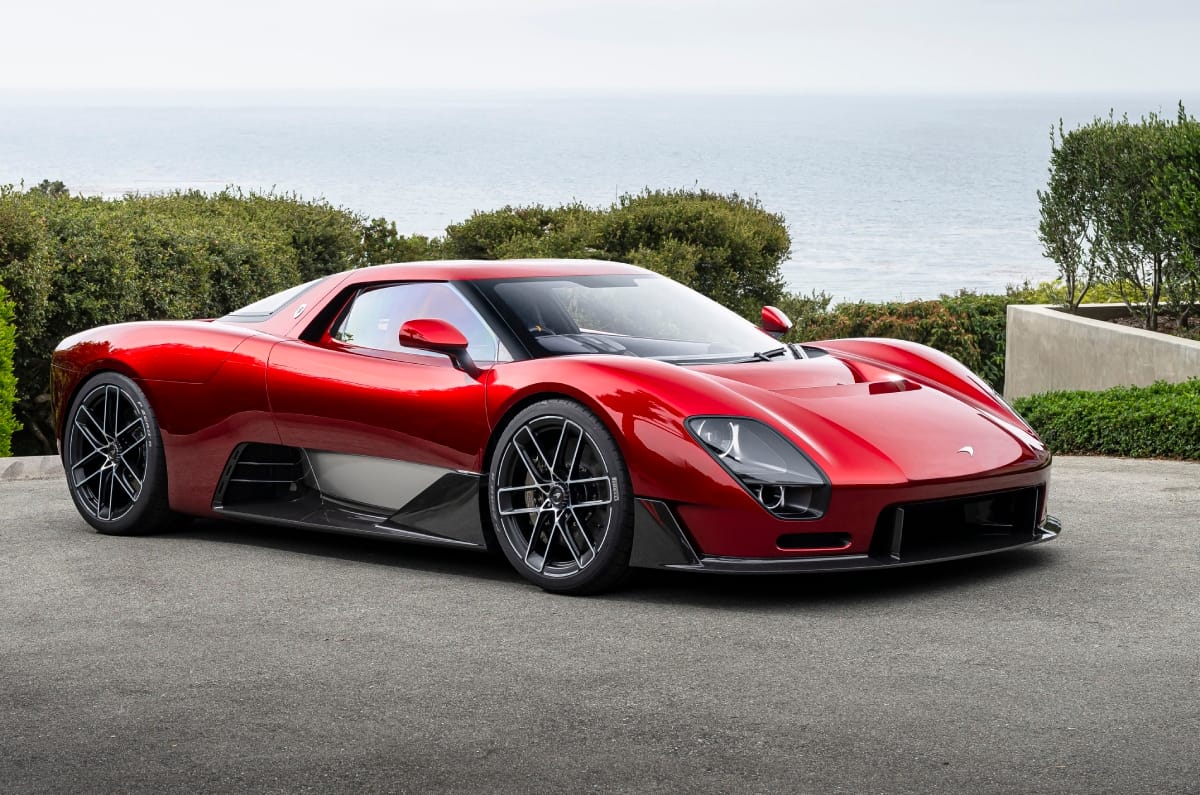
McLaren has revealed the McL 6GT concept at the 2026 Monterey Car Week. Inspired by Bruce McLaren’s unfinished M6GT road car project from the late 1960s, it previews a production model due in 2028 and becomes the first McLaren since the F1 to feature a manual transmission.

  1. First manual McLaren since the F1 launched in 1992
  2. Inspired by Bruce McLaren’s original M6GT road car
  3. Production version confirmed for launch in 2028

McLaren McL 6GT exterior

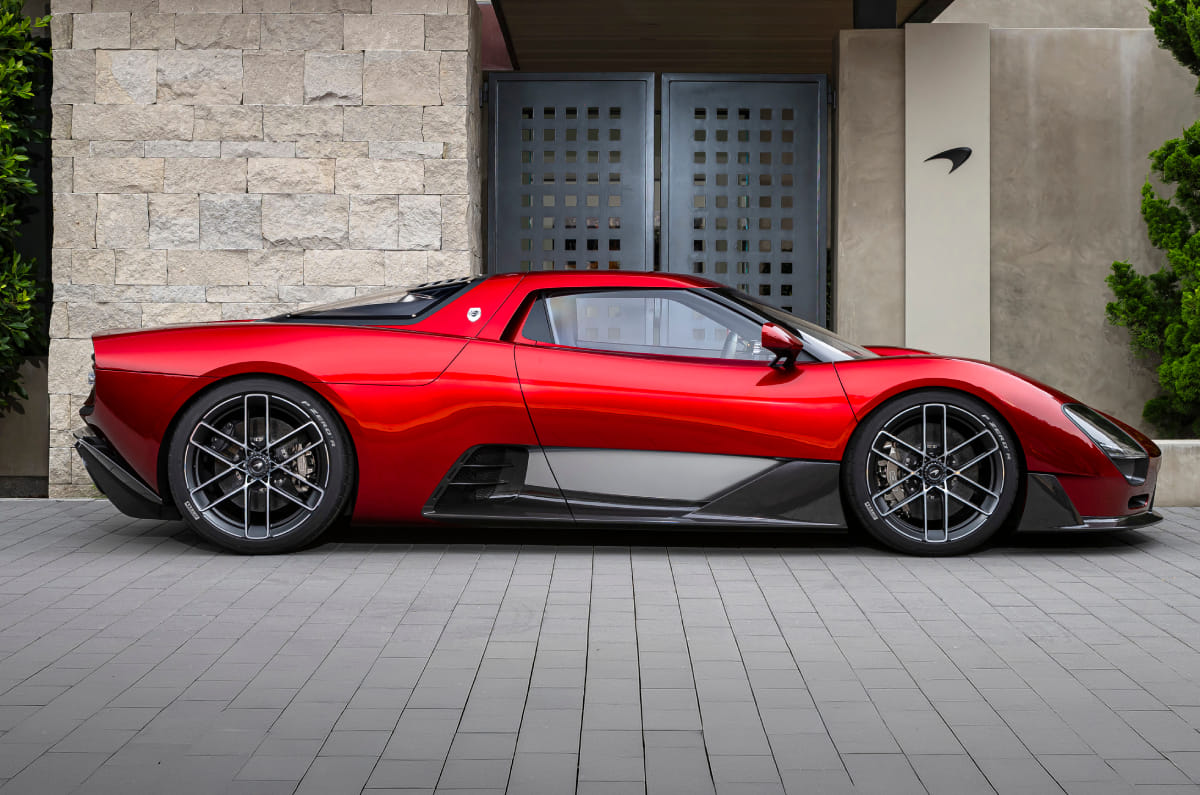
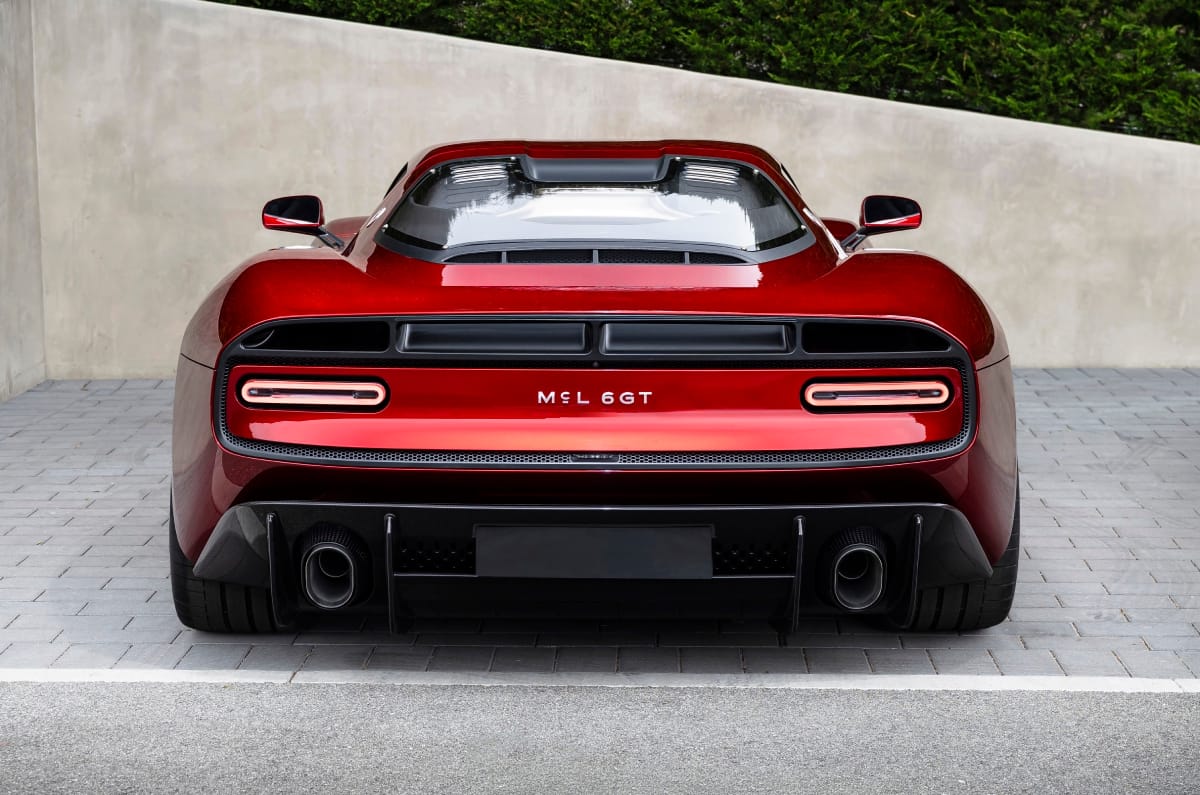
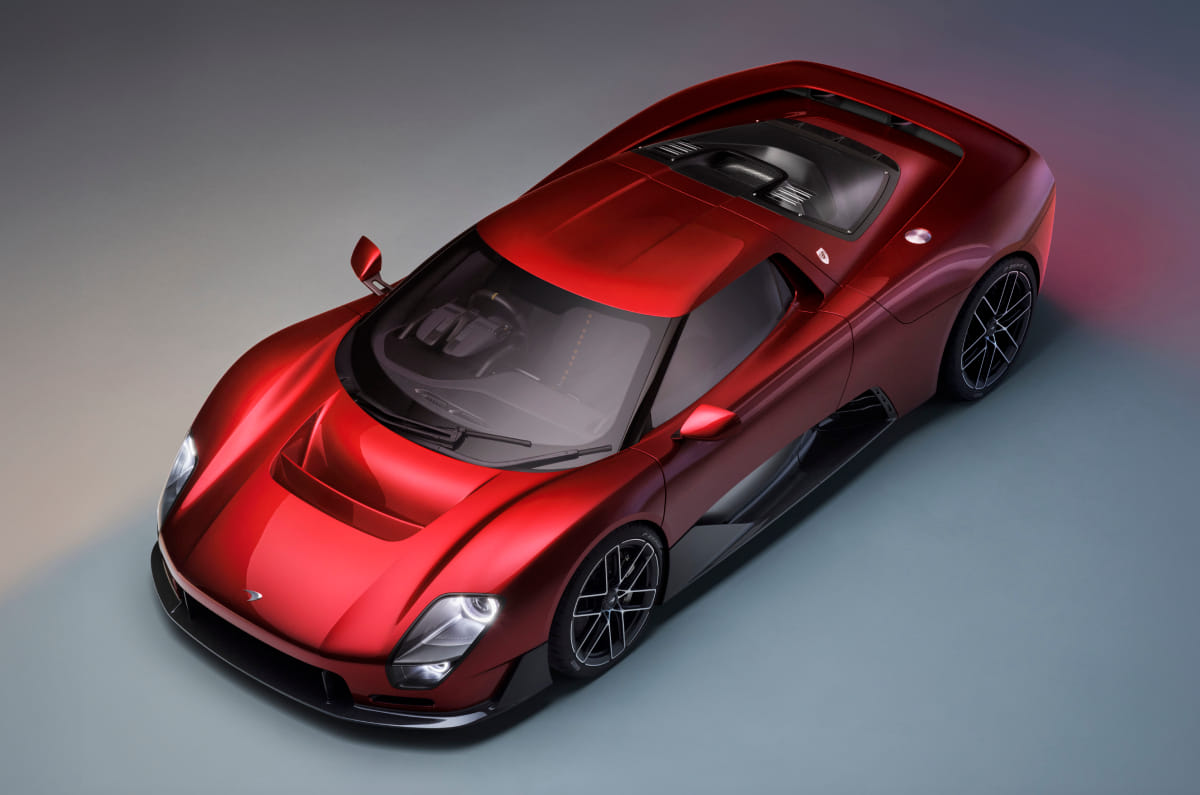
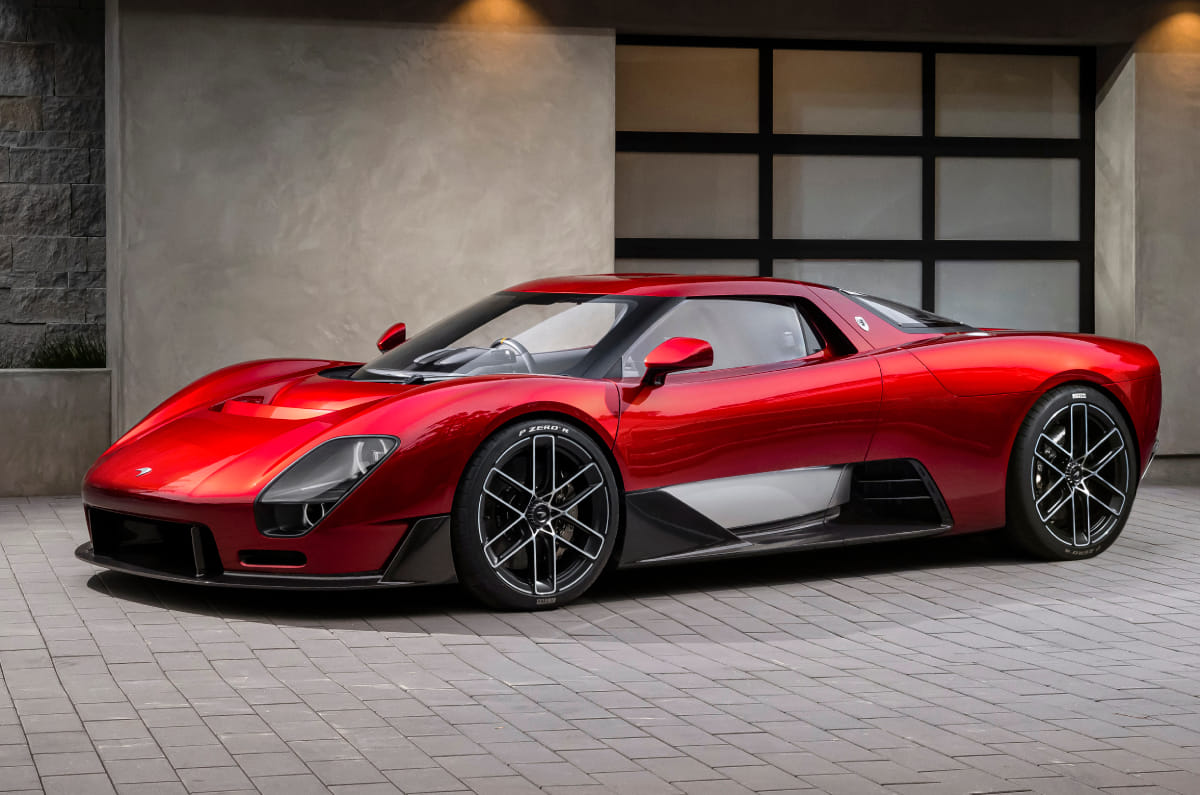
The McL 6GT takes inspiration from the original M6GT, the road-going version of the M6A Can-Am race car that Bruce McLaren had intended to build before the project was abandoned. The concept combines classic proportions with a contemporary design, featuring a low nose, wide stance, clean surfacing and a Kammback-style rear. McLaren says the car has been developed to honour the original M6GT while previewing a future low-volume production model.

The concept is built around a carbon-fibre monocoque with carbon-fibre body panels. Other design details include a new “Racing Loop” tail-light signature, Bruce McLaren’s signature on the engine cover and the historic Speedy Kiwi emblem engraved into the fuel filler cap.

McLaren McL 6GT interior

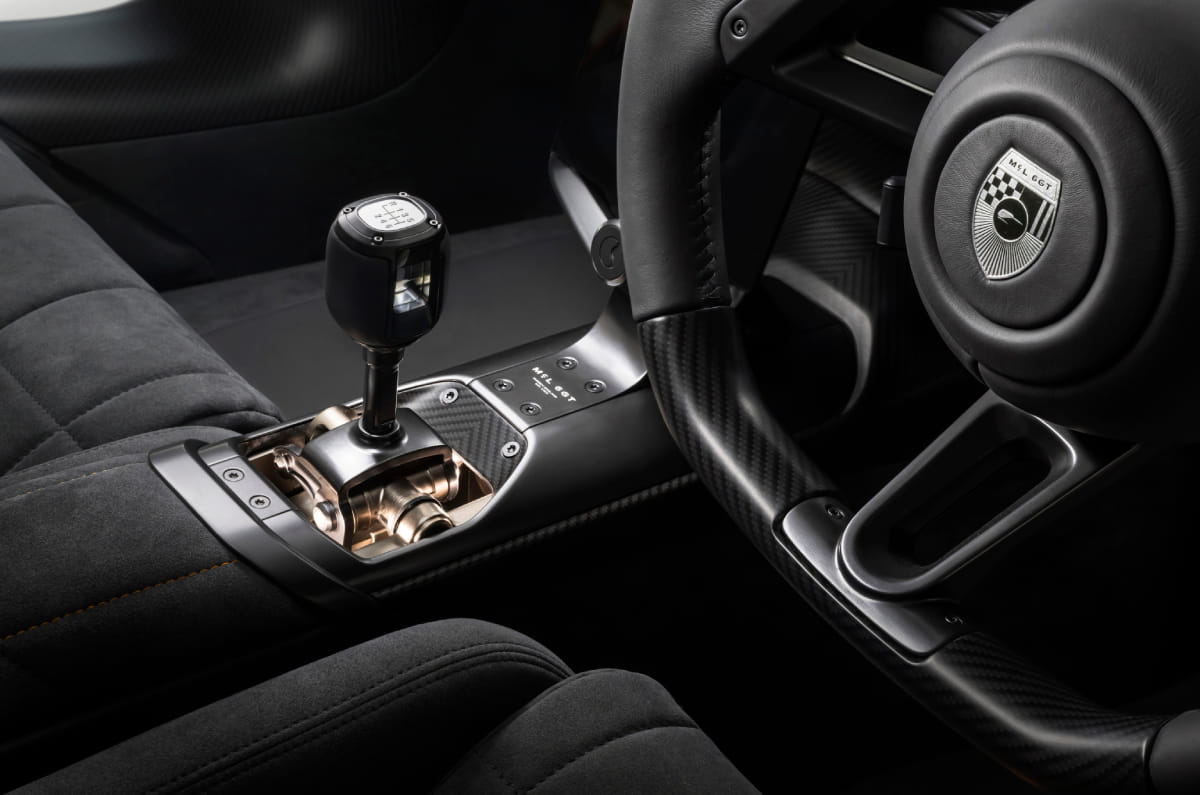
The cabin combines modern technology with design cues inspired by the original M6GT. It features a digital instrument display, machined aluminium controls, exposed carbon-fibre trim and upholstery patterned after the quilted seats of Bruce McLaren’s road car. Physical switchgear has been retained throughout, while the manual gear lever incorporates a three-dimensional Speedy Kiwi emblem. McLaren says the interior has been designed to prioritise driver engagement while maintaining the simplicity of the original M6GT.

McLaren McL 6GT powertrain

Power comes from a rear-mounted V8 petrol engine paired with a manual transmission, driving the rear wheels. It is the first McLaren road car to offer a manual gearbox since the F1, which was introduced in 1992. The company has not disclosed engine output, displacement or performance figures.

McLaren says the McL 6GT has been engineered to deliver a more mechanical driving experience, with hydraulic steering, traditional controls and a manual gearshift forming the core of the driving experience.

McLaren McL 6GT production

McLaren has confirmed that the McL 6GT will enter production in 2028 as a low-volume model positioned outside the brand’s core product range. It joins the company’s growing line-up of limited-production models inspired by its history, although pricing and production numbers have not yet been announced.

अब वेकेशन पर खोएगा नहीं सामान और नहीं होगी ट्रिप प्लानिंग की टेंशन, क्योंकि आ गए AI के ये एप्प जो करेंगे पूरा इंतजाम!

आज के दौर में टेक्नोलॉजी ने ट्रैवलिंग को पहले से कहीं ज्यादा आसान, सेफ और स्मार्ट बना दिया है। अब ट्रिप की प्लानिंग से लेकर होटल बुकिंग, नेविगेशन और पेमेंट तक लगभग हर काम कुछ ही क्लिक में हो जाता है। आर्टिफिशियल इंटेलिजेंस, स्मार्ट ऐप्स और डिजिटल सेवाओं की मदद से यात्रियों को बेहतर अनुभव मिल रहा है। आइए जानते हैं टेक्नोलॉजी से जुड़े ऐसे 7 बड़े ट्रैवल अपडेट, जो आपके सफर को और भी सुविधाजनक बना सकते हैं:

एआई बेस्ड ट्रैवल प्लानिंग

1600 X 900 Travel Wallpapers - Top Free 1600 X 900 Travel Backgrounds - WallpaperAccess

अब आर्टिफिशियल इंटेलिजेंस (AI) ट्रैवलर की पसंद, बजट, ट्रिप ड्यूरेशन और इंटरेस्ट के बेस पर पर्सनलाइज्ड ट्रैवल प्लान तैयार कर रहा है। AI चैटबॉट्स होटल, फ्लाइट, घूमने की जगहों और रेस्टोरेंट्स की सिफारिश भी करते हैं। इससे ट्रिप प्लानिंग में समय की बचत होती है और बेहतर ऑप्शन मिलते हैं।डिजिटल बोर्डिंग पास और कॉन्टैक्टलेस ट्रैवल

बोर्डिंग पास पर ज़ोन का क्या मतलब होता है?

एयरपोर्ट और रेलवे स्टेशनों पर डिजिटल टिकट, ई-बोर्डिंग पास और फेस रिकग्निशन टेक्निक का उपयोग तेजी से बढ़ रहा है। यात्री अपने मोबाइल फोन से ही चेक-इन कर सकते हैं और कई जगह बिना फिजिकल डॉक्यूमेंट दिखाए ट्रैवल कर सकते हैं। इससे लंबी कतारों और समय की बर्बादी कम होती है।रियल-टाइम नेविगेशन और स्मार्ट मैप्स

Best Travel Apps for Planning India Trips in 2026

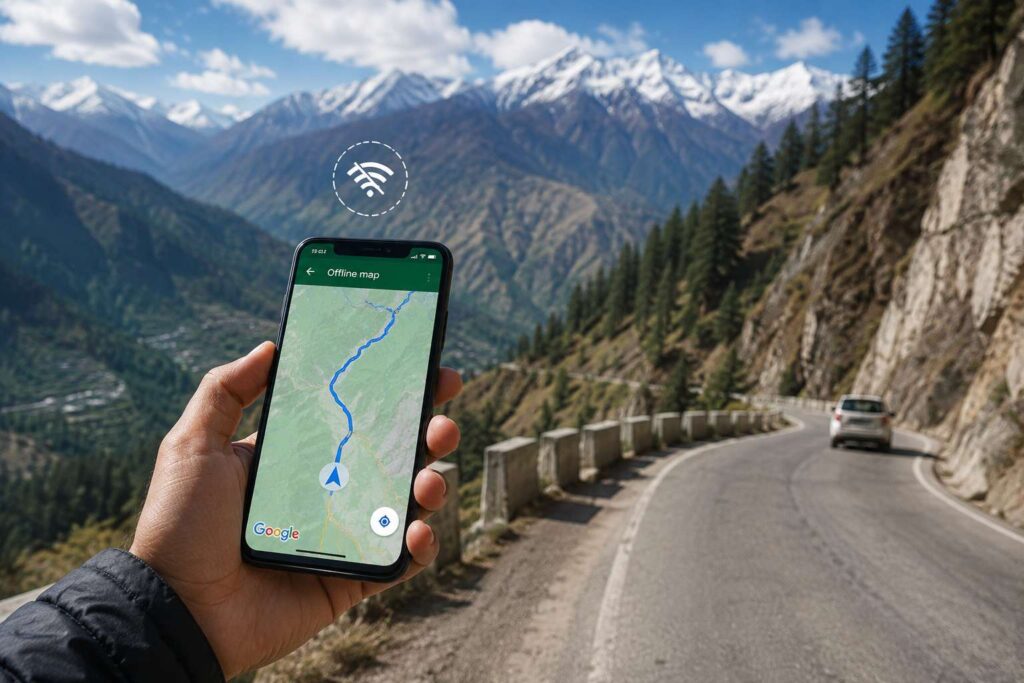
मॉडर्न मैप्स और नेविगेशन ऐप्स लाइव ट्रैफिक अपडेट, सड़क बंद होने की जानकारी, वैकल्पिक रास्ते और नजदीकी होटल, पेट्रोल पंप, अस्पताल व रेस्टोरेंट की जानकारी तुरंत उपलब्ध कराते हैं। इससे अनजान जगहों पर भी ट्रेवलिंग करना आसान और सेफ हो जाता है।

स्मार्ट लगेज और ट्रैकिंग सिस्टम

6 Smart Suitcases That Will Change the Way You Travel | Travel Insider

GPS और ब्लूटूथ आधारित स्मार्ट लगेज यात्रियों को अपने सामान की लोकेशन रियल टाइम में देखने की सुविधा देते हैं। कुछ स्मार्ट बैग्स में डिजिटल लॉक, USB चार्जिंग पोर्ट और चोरी होने पर अलर्ट सिस्टम भी मौजूद होता है। इससे लगेज खोने या चोरी होने का जोखिम कम हो जाता है।ऑनलाइन बुकिंग और डिजिटल पेमेंट

Flight online booking Images - Free Download on Magnific (formerly Freepik)

फ्लाइट, ट्रेन, होटल, बस और टैक्सी की बुकिंग अब कुछ मिनटों में मोबाइल ऐप्स के जरिए की जा सकती है। साथ ही UPI, डिजिटल वॉलेट, इंटरनेट बैंकिंग और इंटरनेशनल कार्ड पेमेंट की सुविधा ने कैश रखने की जरूरत को काफी कम कर दिया है। ट्रैवलर को ऑफर, डिस्काउंट और कैशबैक का लाभ भी मिलता है।वर्चुअल टूर और ऑगमेंटेड रियलिटी (AR)

How Augmented Reality (AR) is Changing the Travel & Tourism Industry | by Mrudul Shah | TDS Archive | Medium

कई टूरिस्ट डेस्टिनेशन और ट्रैवल कंपनियां अब वर्चुअल टूर और AR तकनीक का उपयोग कर रही हैं। ट्रैवलर ट्रिप से पहले किसी स्थान को 360-डिग्री व्यू में देख सकते हैं और उसके बारे में जानकारी प्राप्त कर सकते हैं। इससे उन्हें सही डेस्टिनेशन चुनने और बेहतर जर्नी एक्सपीरियंस की प्लानिंग बनाने में मदद मिलती है।ट्रैवल सेफ्टी और इमरजेंसी अलर्ट सिस्टम

This $6 MagSafe car mount is perfect for your Pixel 10

मॉडर्न ट्रैवल ऐप्स मौसम, ट्रैफिक, फ्लाइट देरी, प्राकृतिक आपदाओं और सुरक्षा संबंधी अलर्ट रियल टाइम में भेजते हैं। कई ऐप्स में SOS बटन, लाइव लोकेशन शेयरिंग और इमरजेंसी हेल्पलाइन जैसी सुविधाएं भी होती हैं। इससे ट्रैवलर की सुरक्षा बढ़ती है और किसी भी इमरजेंसी में तुरंत सहायता मिल सकती है।

कुल मिलाकर, टेक्नोलॉजी ने ट्रैवलिंग के एक्सपीरियंस को पहले से कहीं ज्यादा आसान, तेज और सेफ बना दिया है। अब ट्रिप की प्लानिंग बनाने से लेकर रिटर्न कटिकट तक हर काम डिजिटल माध्यमों से आसानी से हो रहा है। नई तकनीकों की मदद से यात्रियों का समय और मेहनत दोनों बच रहे हैं। आने वाले समय में एआई और स्मार्ट ट्रैवल सॉल्यूशंस इस एक्सपीरियंस को और भी बेहतर बनाने वाले हैं। ऐसे में टेक्नोलॉजी को समझकर उसका सही उपयोग करना हर ट्रैवलर के लिए फायदेमंद साबित हो सकता है।