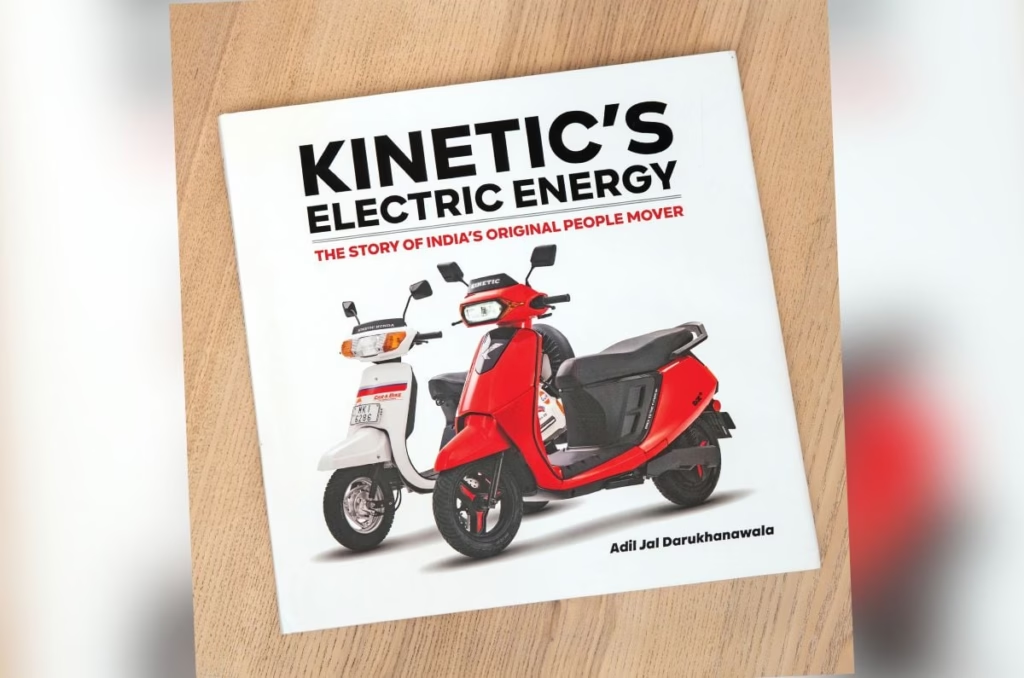
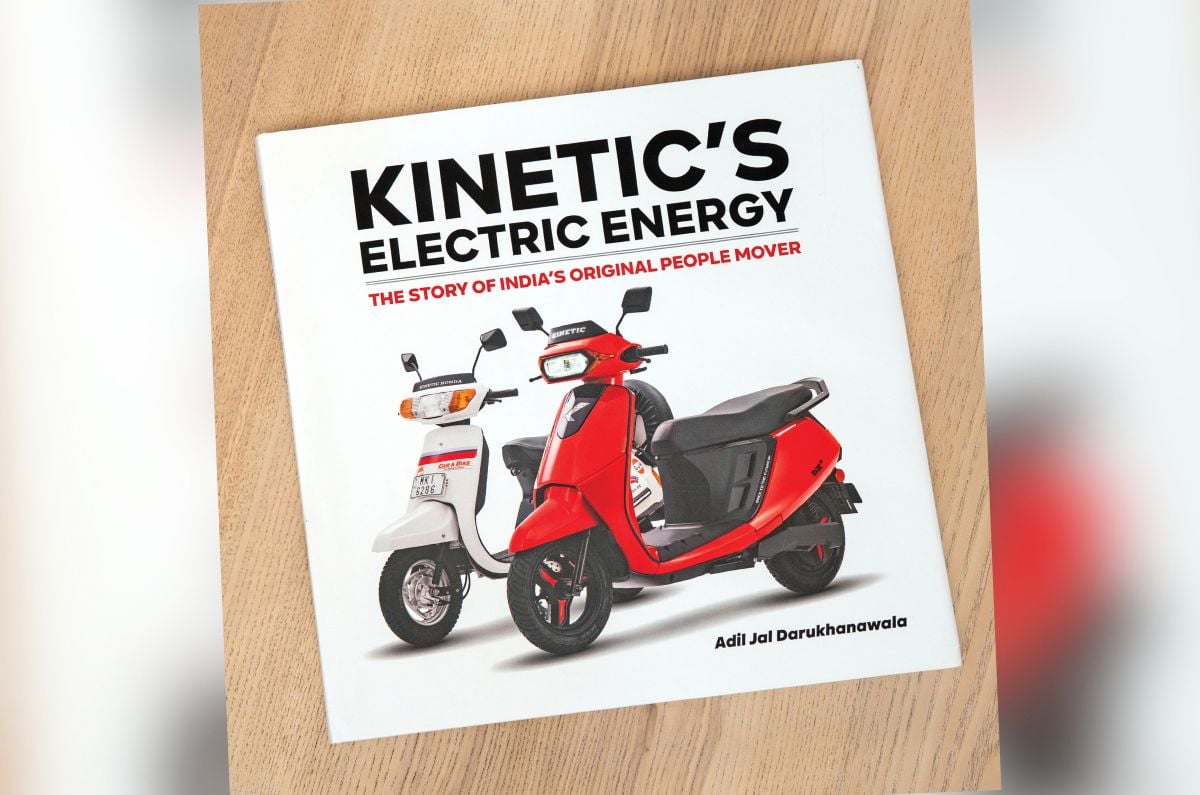
Adil Jal Darukhanawala is a treasure trove of information when it comes to India’s automotive history, and his latest book, Kinetic’s Electric Energy, is a testament to that fact. In the last three decades of the 20th century, Kinetic Engineering was established as a force to be reckoned with under the stewardship of the Firodia family. Adil’s hugely detailed book traces the humble and truly frugal beginnings of the company all the way to today, when a resurgent Kinetic is looking to establish itself as a mainstay in the electric two-wheeler market.
This 170-page book starts off with a brief introduction to the Kinetic Honda DX while tracing the origins of the company with the spectacular moped success that was the Luna. The author goes into copious detail about how the company went to great lengths to ensure its moped transitioned India from pedal power to motorised mobility.
Not only that, chapters like ‘Lunacy on the Luna’ and ‘Beating the Queen – Kinetic Luna takes on the Indian Railways’ outline how Kinetic seized every opportunity to market the Luna. The former speaks about how the company sponsored five young college students – self-christened the Lunatix – on a 90-day, 18,000km journey traversing the length and breadth of the country back in 1982! The latter highlights how four humble Lunas and their gutsy as well as ingenious riders outran the Deccan Queen Mumbai-Pune express train in 1990.
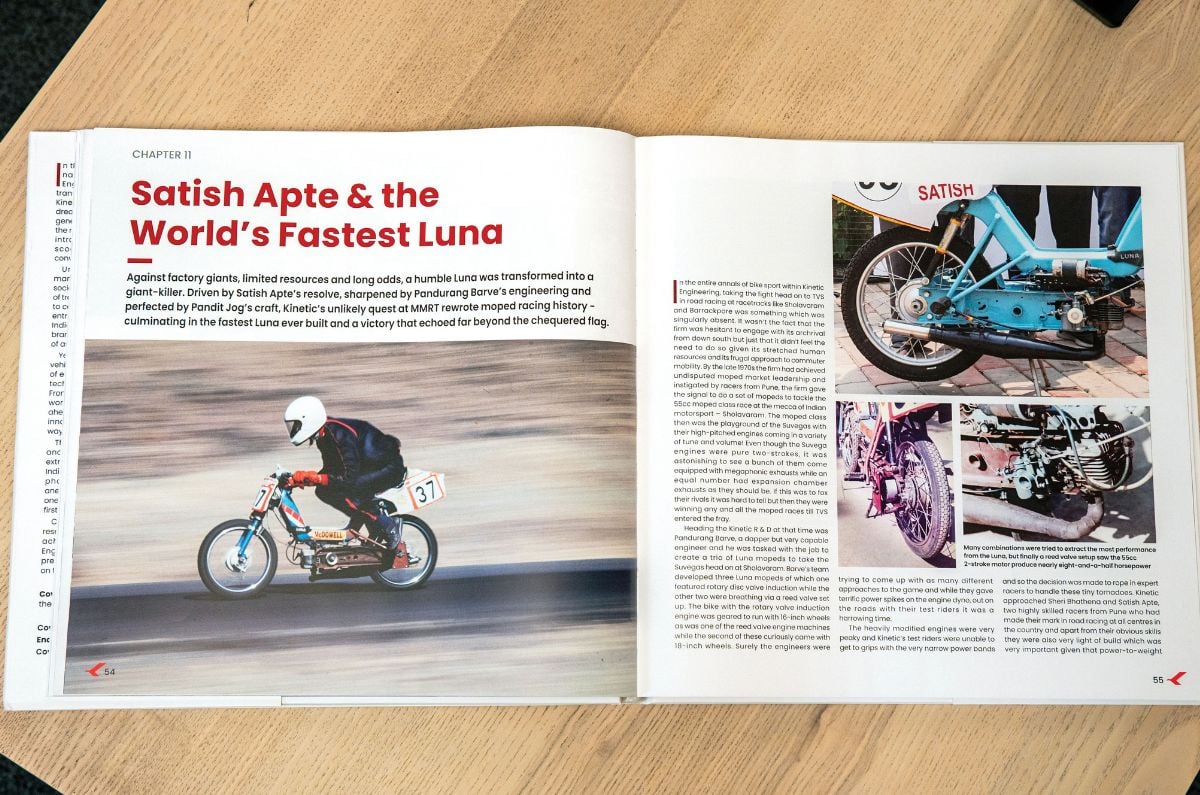
Kinetic didn’t just rely on its marketing but also its belief in the motto ‘Win on Sunday, sell on Monday’, which proved it was relevant not just in the high-end supersport world of motorcycling but could also ring true for the humble moped as it did in the chapter ‘Satish Apte and the World’s Fastest Luna.’ It documented how a fledgling team from Pune trounced the works team of the Hosur-based manufacturer through steely determination and some spectacularly out-of-the-box thinking.
From there, we move on to how Kinetic partnered with Honda and opened the floodgates for gearless scooters in India with its novel DX scooter. Even though this partnership didn’t last very long, as detailed in ‘Kinetic & Honda – Unfulfilled Promise’, it cemented Kinetic’s position in the market as a maker of reliable and affordable products.
This book also highlights the innovative spirit of the company’s leadership when you read about the stillborn but nonetheless revolutionary, hybrid scooter and compact city car concepts. At a time when India’s mobility market was cautiously walking, Kinetic took leaps of faith, and these have been beautifully articulated and illustrated in their respective chapters.
While Kinetic’s business was booming in the 20th century, its 21st century has been more muted between winding down ICE scooter production and the Motoroyale superbike business, which never managed to take off in a big way. However, as you flip through these pages, you’ll learn that with the reincarnated DX electric, Kinetic wants to recapture its magic of yesteryear and take the fight to the leaders’ doorsteps.
If you are someone with even a passing interest in the automotive arena, especially the events that transpired before the turn of the century and shortly thereafter, Darukhanawala’s latest discourse should surely find a place on your mantelpiece.
तमिलनाडु के असनूर इलाके में एक सामान्य सफर उस वक्त डरावने अनुभव में बदल गया, जब जंगल की तरफ से निकला एक जंगली हाथी अचानक एक कार के सामने आ गया। बेंगलुरु-दिंडीगुल राष्ट्रीय राजमार्ग पर चल रही गाड़ी में बैठे यात्रियों ने शायद सोचा भी नहीं होगा कि अगले कुछ सेकंड में उन्हें इतने करीब से हाथी का सामना करना पड़ेगा।
कार मैसूर से कोयंबटूर की ओर जा रही थी। इसी दौरान हाथी सड़क के पास पहुंचा और वाहन के बेहद नजदीक आ गया। देखते ही देखते उसने कार पर अपना पैर रख दिया। विशाल जानवर को इतने करीब देखकर अंदर बैठे यात्रियों की घबराहट बढ़ गई।
कुछ सेकंड का खौफ
हाथी के वजन से कार का साइड मिरर टूट गया, लेकिन राहत की बात यह रही कि वाहन में सवार किसी भी व्यक्ति को चोट नहीं आई। घटना के बाद यात्रियों के लिए सबसे बड़ी राहत यही थी कि हाथी ने ज्यादा देर तक वाहन के आसपास रुकने के बजाय वहां से दूरी बना ली। इस पूरे घटनाक्रम ने एक बार फिर दिखा दिया कि जंगल से होकर गुजरने वाले हाईवे पर कुछ सेकंड की लापरवाही कितनी भारी पड़ सकती है।
सड़क नहीं, हाथियों का पुराना रास्ता भी है यह इलाका
असनूर का इलाका जंगलों से घिरा हुआ है और यहां से गुजरने वाले रास्तों पर वन्यजीवों की आवाजाही देखी जाती है। आसपास के जंगल चामराजनगर क्षेत्र और बांदीपुर टाइगर रिजर्व से जुड़े वनक्षेत्रों के करीब हैं।
हाथियों के लिए जंगल से जंगल तक आने-जाने के प्राकृतिक रास्ते मौजूद हैं। ऐसे में जब हाईवे इन इलाकों के बीच से गुजरता है, तो कई बार इंसानों और वन्यजीवों का रास्ता एक ही जगह पर आ मिलता है।
Wild Elephant Intercepts Vehicle Along Bengaluru–Dindigul Highway near Asanur
Karnataka-Tamilnadu Border
Motorists traveling along the national highway through the reserve forest area in Asanur, near the #TamilNadu–#Karnataka border, experienced moments of sheer terror after a lone #elephant blocked their path and approached an occupied car within arm’s reach.
The incident occurred during daylight hours along the #Bengaluru–Dindigul National Highway near Asanur. A car was forced to halt in the middle of the road as the pachyderm crossed over from the dense tree line.
Video footage captured by an occupant of a vehicle trailing behind showed the elephant walking directly up to the front passenger door of the stationary car. In a heart-stopping moment, the animal lifted its front leg onto the vehicle’s bodywork and extended its trunk toward the window, closely inspecting the occupants inside.
The driver and passengers remained completely still, resisting the urge to honk or make abrupt movements. After lingering by the door for several seconds, the elephant lowered its leg, brushed past the rear quarter panel, and continued ambling across the road into the adjoining thicket. No injuries or major structural damage were reported.The vehicle was travelling from #Mysuru to #Coimbatore.
Forest officials noted that elephants frequently cross this section of the corridor during seasonal movements.
वन विभाग लंबे समय से वाहन चालकों को आगाह करता रहा है कि जंगल वाले रास्तों पर जानवरों को देखकर रुकना या उन्हें खाना देना भारी पड़ सकता है। खासतौर पर सब्जियों, गन्ने या अन्य खाद्य सामग्री की मौजूदगी हाथियों को वाहनों के करीब ला सकती है।
एक बार अगर किसी हाथी को गाड़ियों से खाना मिलने लगे, तो वह वाहनों के पास आने का आदी हो सकता है। इससे अगली बार सामना होने पर स्थिति और ज्यादा खतरनाक बन सकती है।
ऐसे इलाकों में सफर करने वालों के लिए सबसे जरूरी बात है कि हाथी दिखाई देने पर वाहन से बाहर न निकलें और उसके करीब जाने की कोशिश न करें। हॉर्न बजाकर या रास्ता रोककर उसे परेशान करना भी जोखिम बढ़ा सकता है।
Supreme Court on rape case: दिल्ली-NCR में महिलाओं और नाबालिग बच्चियों के खिलाफ बढ़ते यौन अपराधों को लेकर सुप्रीम कोर्ट ने सोमवार (5 अक्तूबर) को सख्त रुख अपनाया। कोर्ट ने कहा कि उसका प्रयास यह सुनिश्चित करना है कि दिल्ली में हर महिला रात 10 बजे भी सड़क पर पैदल चलने, मेट्रो या सड़क के रास्ते सफर करने में खुद को सुरक्षित महसूस करे। शीर्ष अदालत ने साफ कहा कि महिला सुरक्षा सिर्फ कागजों पर बनाए गए नियमों और इंतजामों तक सीमित नहीं रह सकती, बल्कि इसका असर जमीन पर दिखाई देना चाहिए। दिल्ली-एनसीआर में दुष्कर्म की घटनाओं पर उच्चतम न्यायालय ने कहा कि ऐसा लगता है कि कुछ संवेदनशील इलाकों में महिलाएं सुरक्षित नहीं हैं।
सुप्रीम कोर्ट ने कहा कि यह सुनिश्चित करना होगा कि हर महिला खुद को सुरक्षित महसूस करे। अदालत ने कहा कि अपराध होने के बाद कार्रवाई से ज्यादा जरूरी पहले अपराध को होने से रोकना है। साथ ही यह भी कहा कि खामियां अपराध को अंजाम देने में मददगार नहीं बननी चाहिए। सुप्रीम कोर्ट ने कहा कि अपराध करने की प्रवृत्ति वाले असामाजिक तत्वों के मन में कानून का डर पैदा करना जरूरी है। अदालत ने दिल्ली-राष्ट्रीय राजधानी क्षेत्र (NCR) में हाल में हुई दुष्कर्म की घटनाओं के संबंध में स्वत: संज्ञान वाले एक मामले की सुनवाई के दौरान यह टिप्पणी की।
‘महिला रात 10 बजे भी खुद को सुरक्षित महसूस करे’
लाइव लॉ के मुताबिक, जस्टिस जे. बी. पारदीवाला और जस्टिस के. विनोद चंद्रन की पीठ ने कहा, “हमें मिलकर काम करना होगा। हमें यह सुनिश्चित करना होगा कि दिल्ली-एनसीआर में हर महिला रात 10 बजे भी खुद को सुरक्षित महसूस करे, चाहे वह सड़क पर यात्रा कर रही हो या मेट्रो से।” पीठ ने कहा, “महत्वपूर्ण यह है कि अपराध को होने से रोका जाए, न कि अपराध हो जाने के बाद आप क्या कार्रवाई करते हैं।”
पीठ ने कहा कि पुलिस को उन गुंडों और असामाजिक तत्वों के मन में कानून का डर पैदा करना होगा, जिनमें इस तरह के अपराध करने की प्रवृत्ति है। ‘दिल्ली-एनसीआर में हाल में दुष्कर्म की घटनाएं’ नामक स्वत: संज्ञान वाले मामले की सुनवाई कर रही पीठ ने कहा, “दुष्कर्म ऐसा अपराध है, जिसे कोई भी समाज बिल्कुल स्वीकार नहीं कर सकता।”
#BREAKING “We must ensure every woman in NCT Delhi feels safe, whether walking at 10 PM or travelling by metro or road,” Supreme Court tells Union, Delhi Police.
A bench led by Justice Pardiwala was hearing the suo motu case on recent rape incidents in Delhi NCR.
सुप्रीम कोर्ट ने 28 सितंबर को दिल्ली-एनसीआर में नाबालिग लड़कियों और महिलाओं के खिलाफ अपराधों से संबंधित खबरों का स्वत: संज्ञान लिया था। शीर्ष अदालत ने कहा था कि इस तरह के मामले कानून प्रवर्तन एजेंसियों की ओर से व्यवस्था की विफलता को दर्शाते हैं। शीर्ष अदालत ने दिल्ली के आस्था कुंज पार्क में 17 वर्षीय लड़की से कथित गैंगरेप, दिल्ली के स्वरूप नगर इलाके में एक किशोरी से सामूहिक दुष्कर्म और उसकी हत्या तथा चलती स्लीपर बस में एक नाबालिग लड़की के यौन उत्पीड़न के मामले का संज्ञान लिया था। स्लीपर बस ग्रेटर नोएडा से दिल्ली के बीच 47 किलोमीटर से अधिक की दूरी तय करती रही। लेकिन कानून लागू करने वाली एजेंसियां उसे रोकने में विफल रहीं।
In the previous issue (August 2026), you saw the Skoda Kylaq take on the familiarity of India, the hills and traditions of Nepal, and the variety of China through Tibet’s gorgeous but bone-shaking terrain, followed by the sensory overload of food and culture. Now, it was time for a fresh experience through Central Asia on the ancient Silk Route, subsequently entering Europe towards our final destination.
Kyrgyzstan – Uzbekistan – Kazakhstan
Kyrgyzstan
The Kylaq had everyone turning heads.
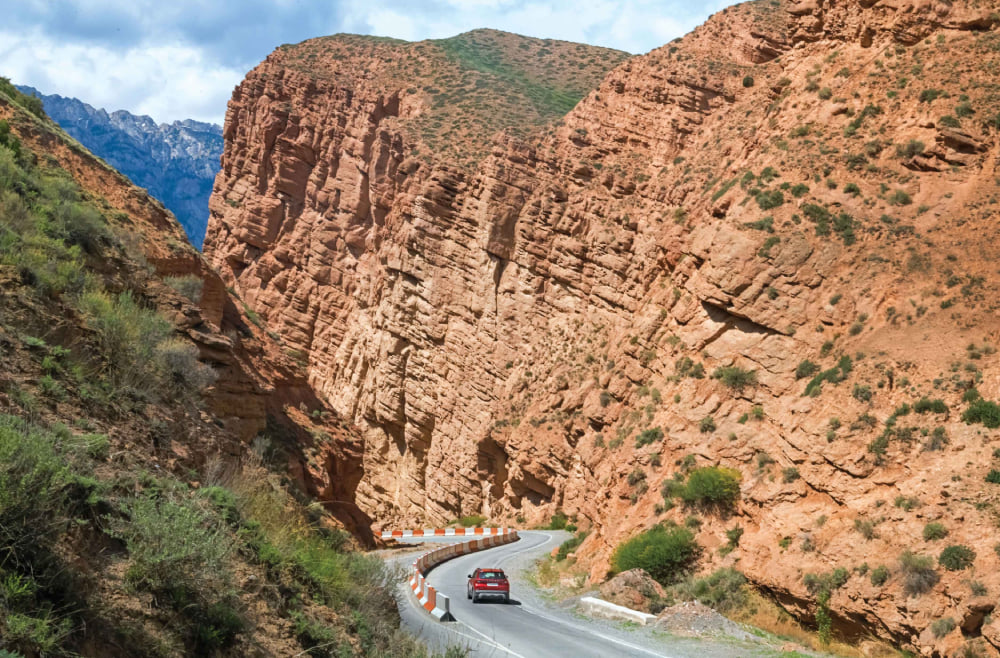
Crossing the Chinese border into Kyrgyzstan was like crossing into a different world. The differences are immediate, right from the signage, fonts and faces to the sights, terrain and traffic. Being a landlocked country peppered with alpine mountains, one doesn’t need to go far to experience what Kyrgyzstan has to offer. As you drive through the ribbon of tarmac between the peaks, you realise why it is called the “Switzerland of Asia”.
A roughly 400km drive to our first halt in Naryn was smooth sailing. However, the chilly weather was a far cry from the piercing heat of China. We pulled out our jackets that were buried deep in our bags and made a beeline the next day for the capital city of Bishkek. The roads are a driver’s delight, and while there aren’t many sights to stop and admire, the Orto-Tokoy Reservoir made for a stunning photo-op.
Kyrgyzstan in numbers
Torgart – Uzbek border
Distance covered
1,321km
Fuel consumed
126.49 litres
Average fuel economy
10.44kpl
Approx. fuel cost
Rs 11,727
Avg. per-litre fuel cost
Rs 92.58
Total time driven
34hrs 23min
Average speed
38.4kph
From Bishkek, we headed to Osh, which is also known as the capital of the south and is the oldest city in Kyrgyzstan. Walking through the Jayma Bazaar in the city centre, you may get a bit of celebrity treatment, as the locals aren’t used to having many tourists just walking through. Some playful heckling and wide smiles add to the overall experience.
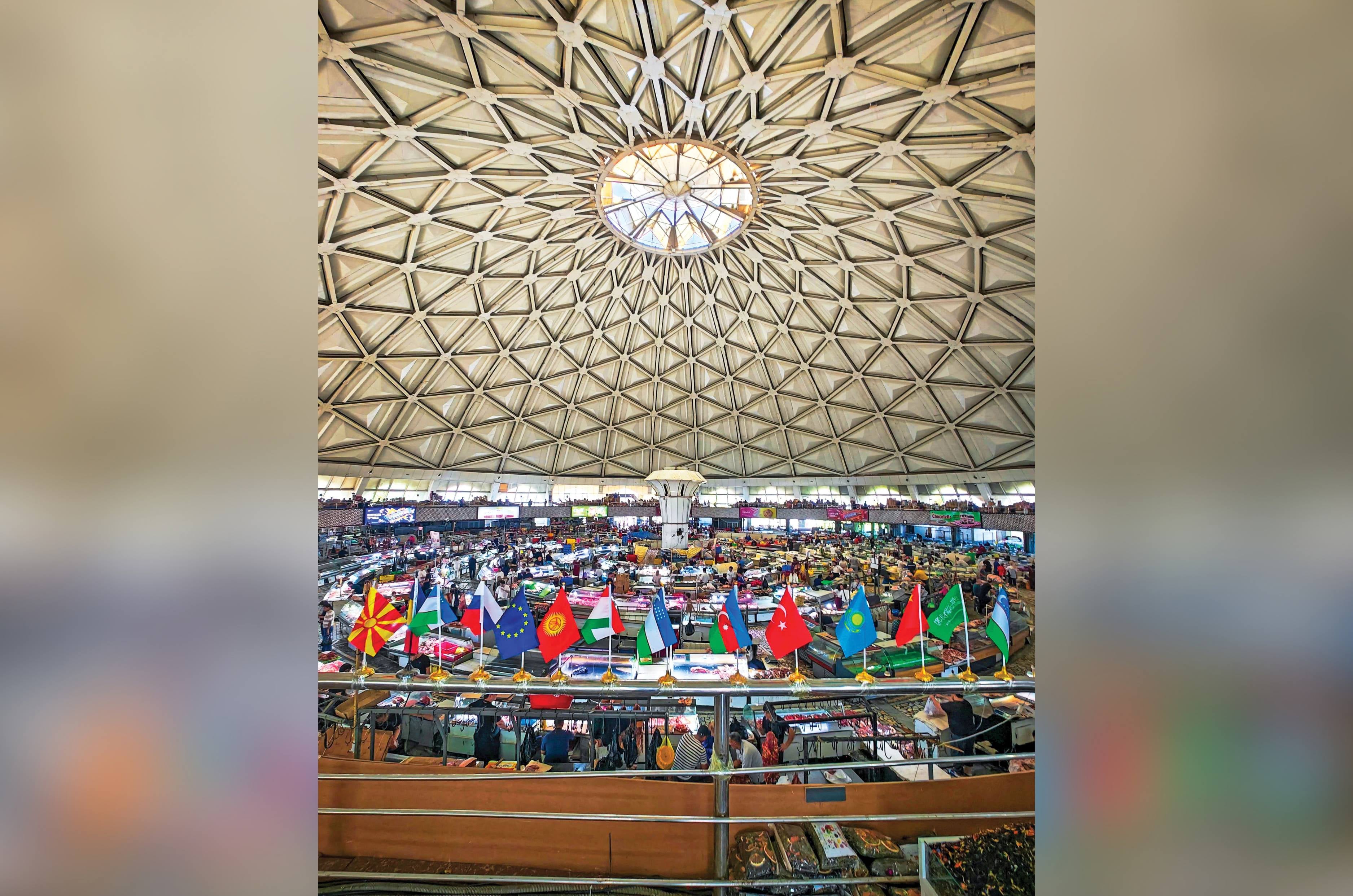
Chorsu Bazaar is a one-stop shop for everything in Tashkent.
What the market offers is mounds of kurut, a snack made from curdled milk or oghurt, salted and then hardened. The best part is its extended shelf life without needing a refrigerator. We packed some with the hope of eating it at home, knowing fully well that it would vanish by the next town.
From Osh, we would be exiting the stunning valleys and terrain of Kyrgyzstan and entering the city of Fergana in Uzbekistan.
Uzbekistan
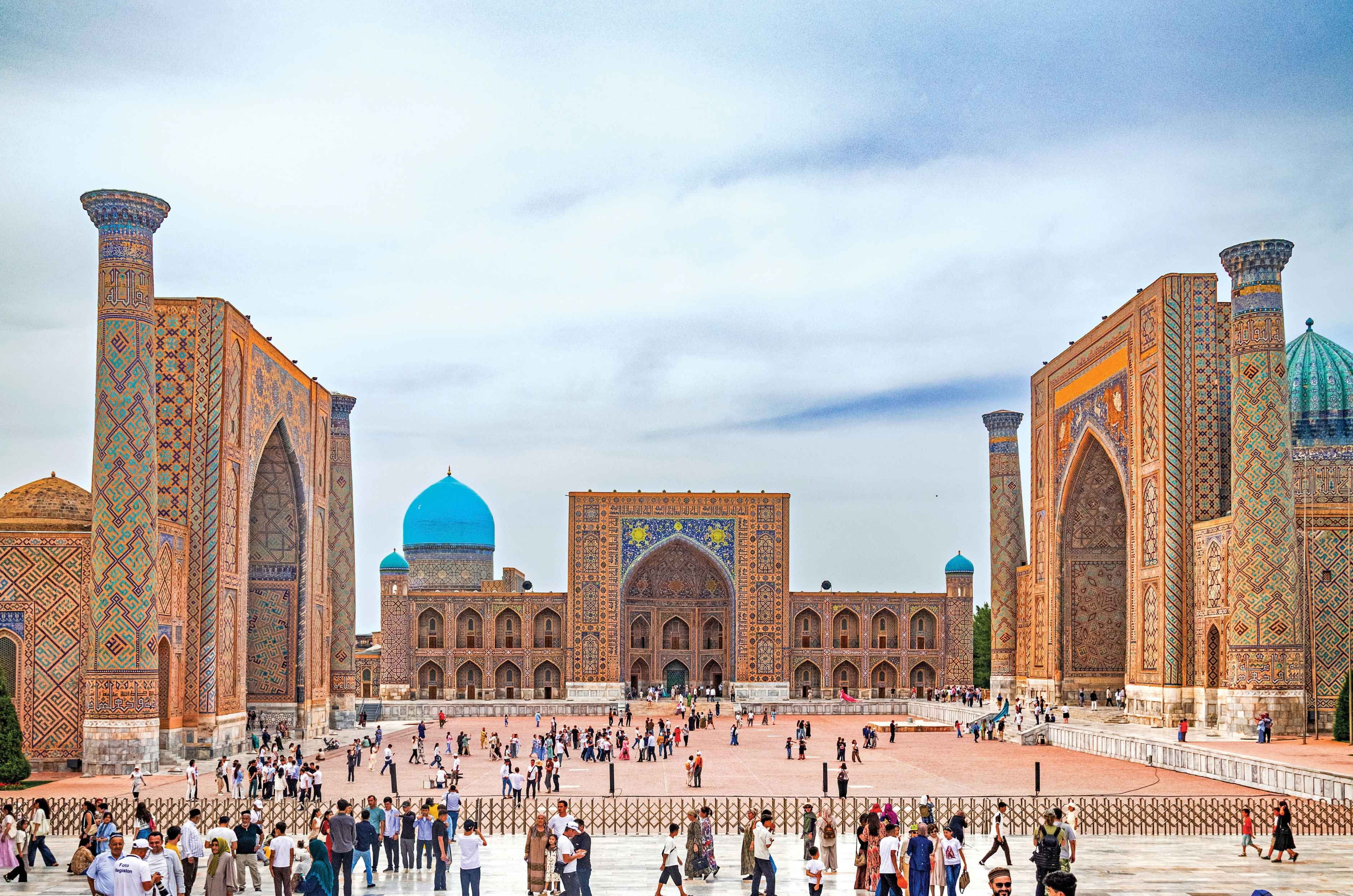
Registan Square in Samarkand is breathtaking from every angle.
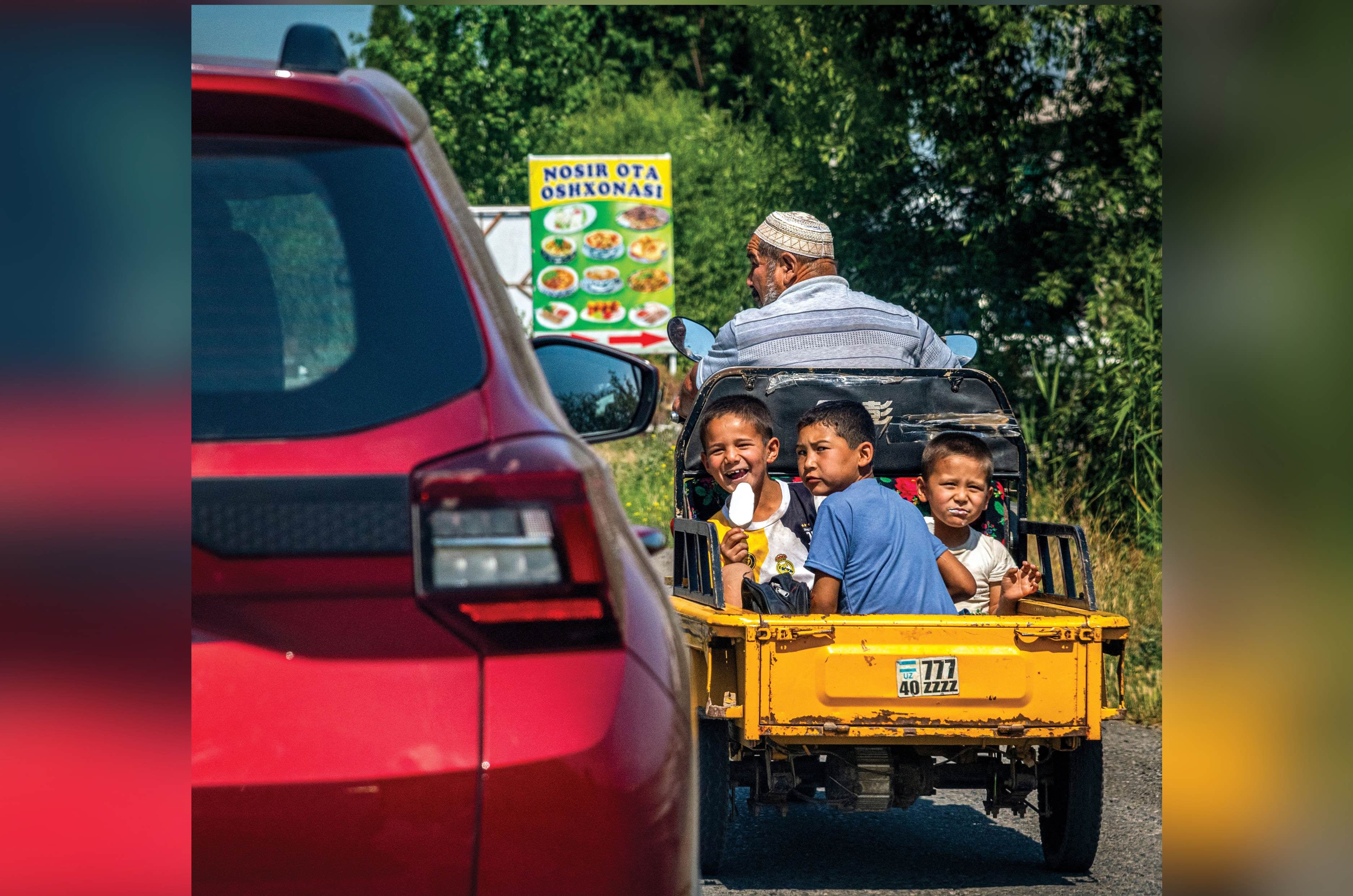
Like Kyrgyzstan, Uzbekistan also has its own personality. While there are similarities in the faces and fashion, the city of Fergana has a tinge of European infrastructure. Roads are lined with trees and patir shops – flatbread made from butter or lamb fat, with intricate detailing and some sesame seeds sprinkled on top. It’s pretty enough to dissuade you from eating it, but tastes like something that would go extremely well with a cup of chai.
Uzbekistan in numbers
Kyrgyz-Uzbek border – Turkistan
Distance covered
1,257km
Fuel consumed
81.74 litres
Average fuel economy
15.37kpl
Approx. fuel cost
Rs 9,800
Avg. per-litre fuel cost
Rs 120
Total time driven
27hrs 5mins
Average speed
46.4kph
What is also fascinating is the number of old Soviet-era cars still running on the highways with no fuss. We shared road space with old Ladas crammed with luggage inside and on the roof. Over the smooth highways of Uzbekistan, the Kylaq had an easy run, allowing us to focus on the sights around us.
From Fergana, we headed to the capital city of Tashkent. A properly modern metropolis with high-end malls and low-slung supercars, parks, walkways and everything you expect from a big city. So, to get a taste of age-old tradition, we ventured towards Samarkand, which used to be a major trading hub on the Silk Route.
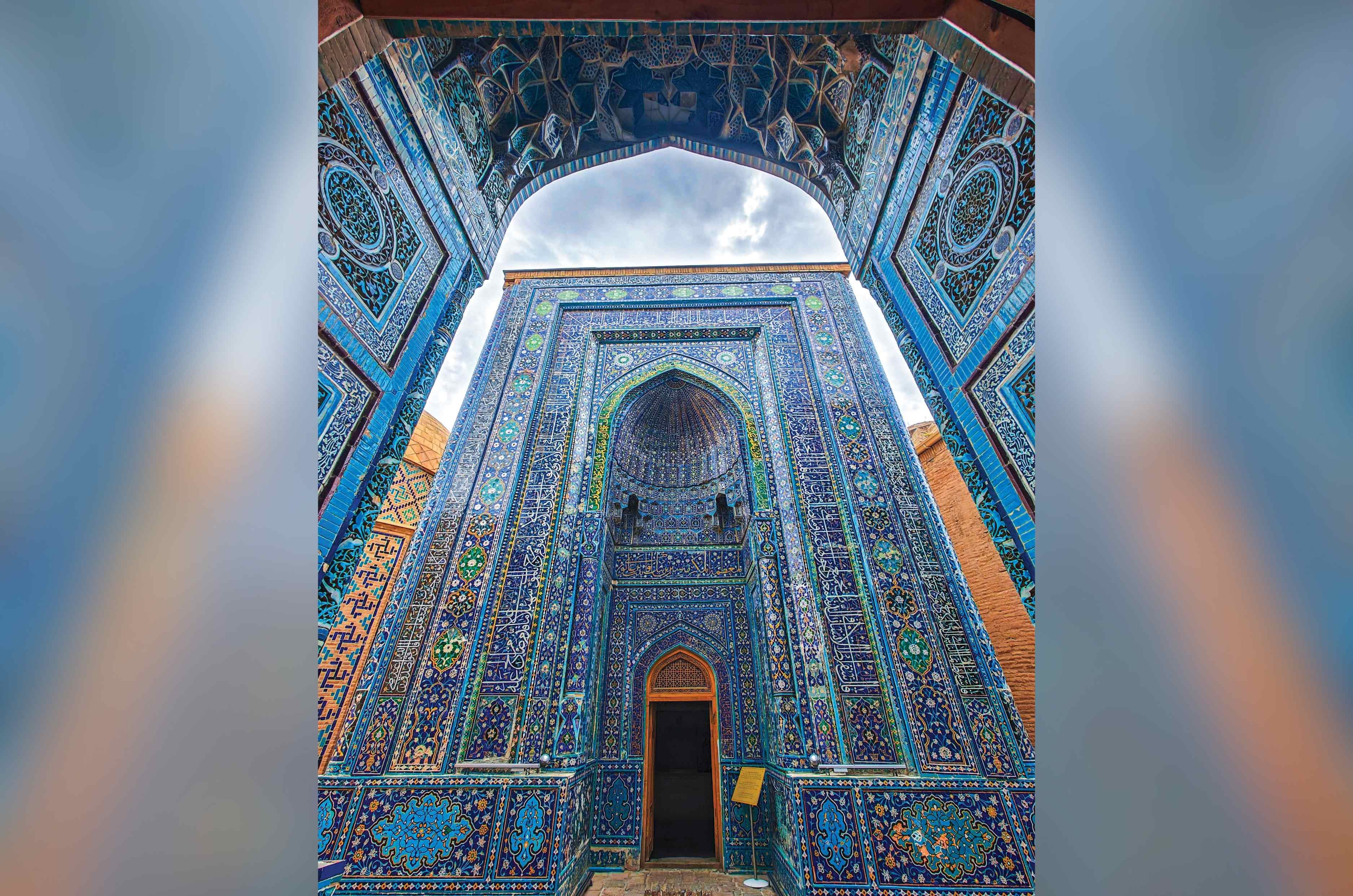
The Shah-i-Zinda ensemble has 11 mausoleums with incredibly detailed azure and turquoise tiles.
Entering Samarkand, you almost feel the tradition in the air. Years of cross-cultural civilisation have made it a stunning destination to get a glimpse of history, and it is unlike any other Western or Eastern city. The highlight here, of course, is the Bibi-Khanym Mosque in the Registan ensemble. Turquoise domes kissing the sky, with walls adorned with hand-carved artistry, are nothing short of breathtaking.
You can walk through the corridors and the square innumerable times, and each time, you will gasp at the sheer detail and effort. And to think it was built as far back as the 15th century. Magnificent is an understatement.
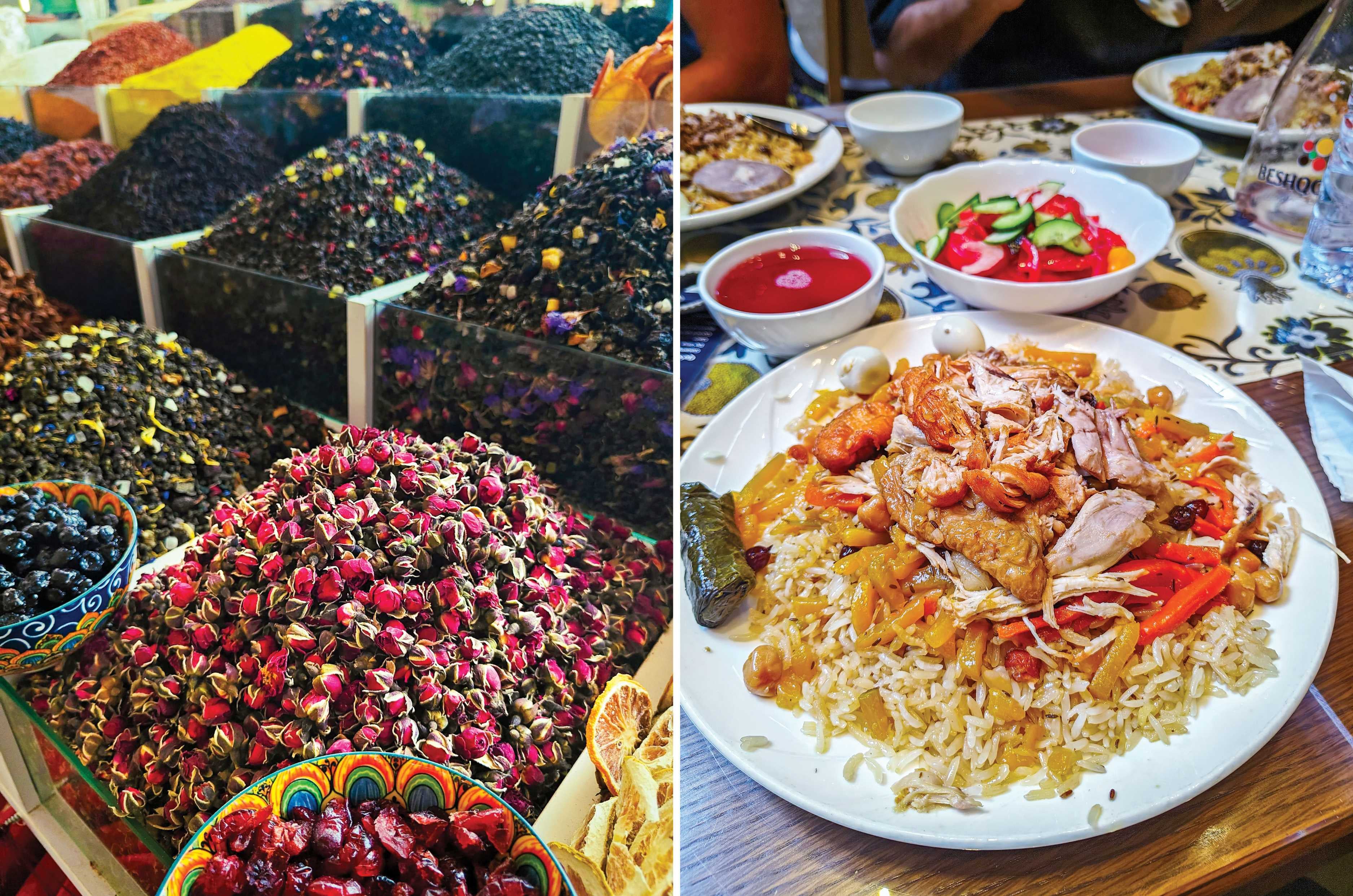
After soaking in the stunning detail, we headed back to Tashkent and straight to the equally fascinating Chorsu Bazaar. What looks like an IMAX dome on the outside is a full-fledged one-stop shop on the inside. Teas, dry fruits or even a leg of lamb, you can get it all here.
Uzbekistan’s market is nothing short of paradise for tea lovers.
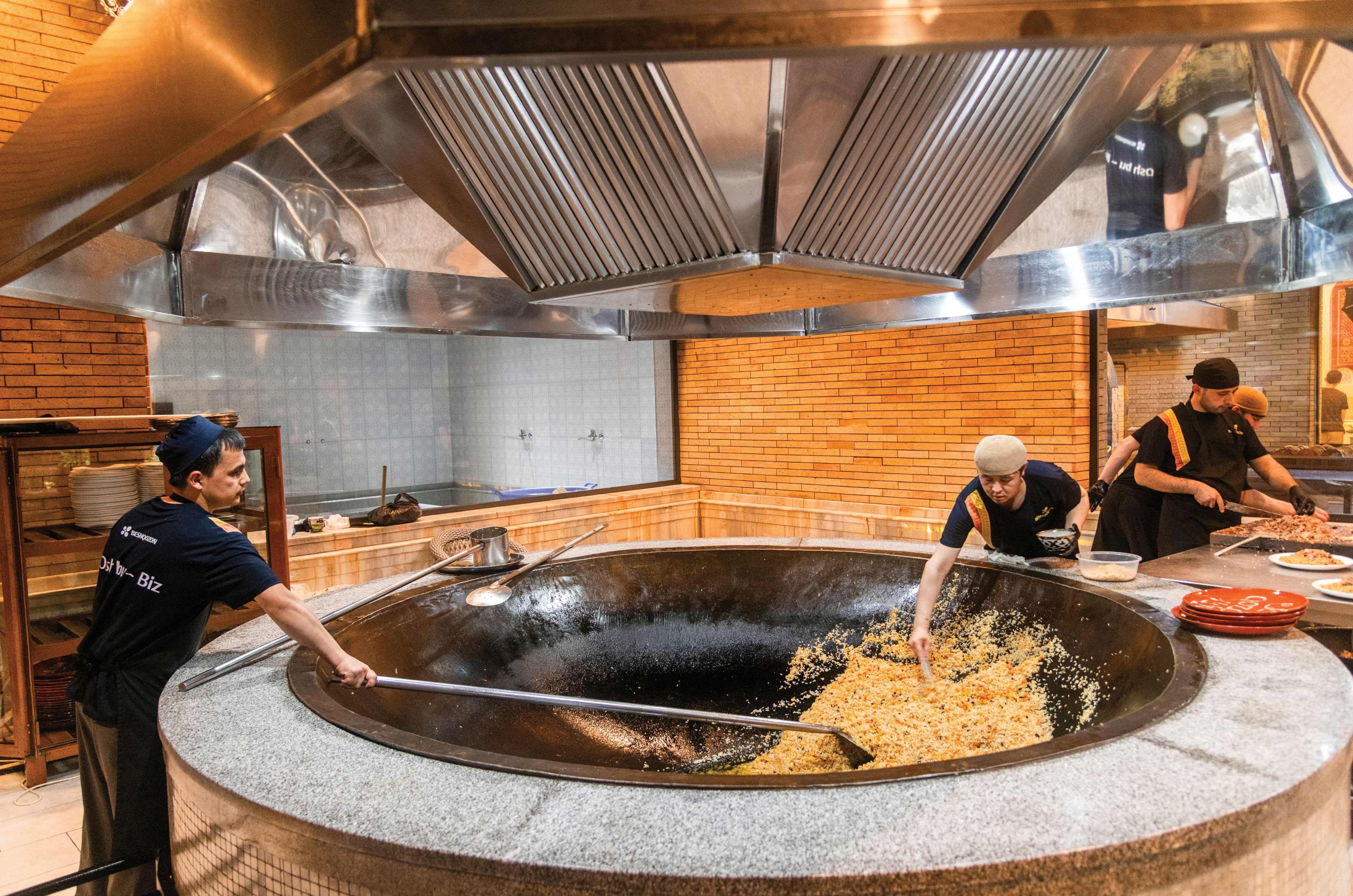
After a long walk that ended with bags of tea and dehydrated kiwis, we headed for Uzbekistan’s pièce de résistance: the famous plov. Like a biryani, but made with different spices, and if you want to go heavy on culture, you can have one with horse meat, too. Some bravehearts did try it and resorted to chicken or lamb, but it did offer the lost taste of biryani and got us homesick in the first bite.
Massive dome known as a kazan used to make the famous Uzbek plov.
After days of driving through mountains and around lakes, and walking through corridors that were once at the peak of world trade, our next adventure would take us to the Great Steppe of Kazakhstan.
Kazakhstan
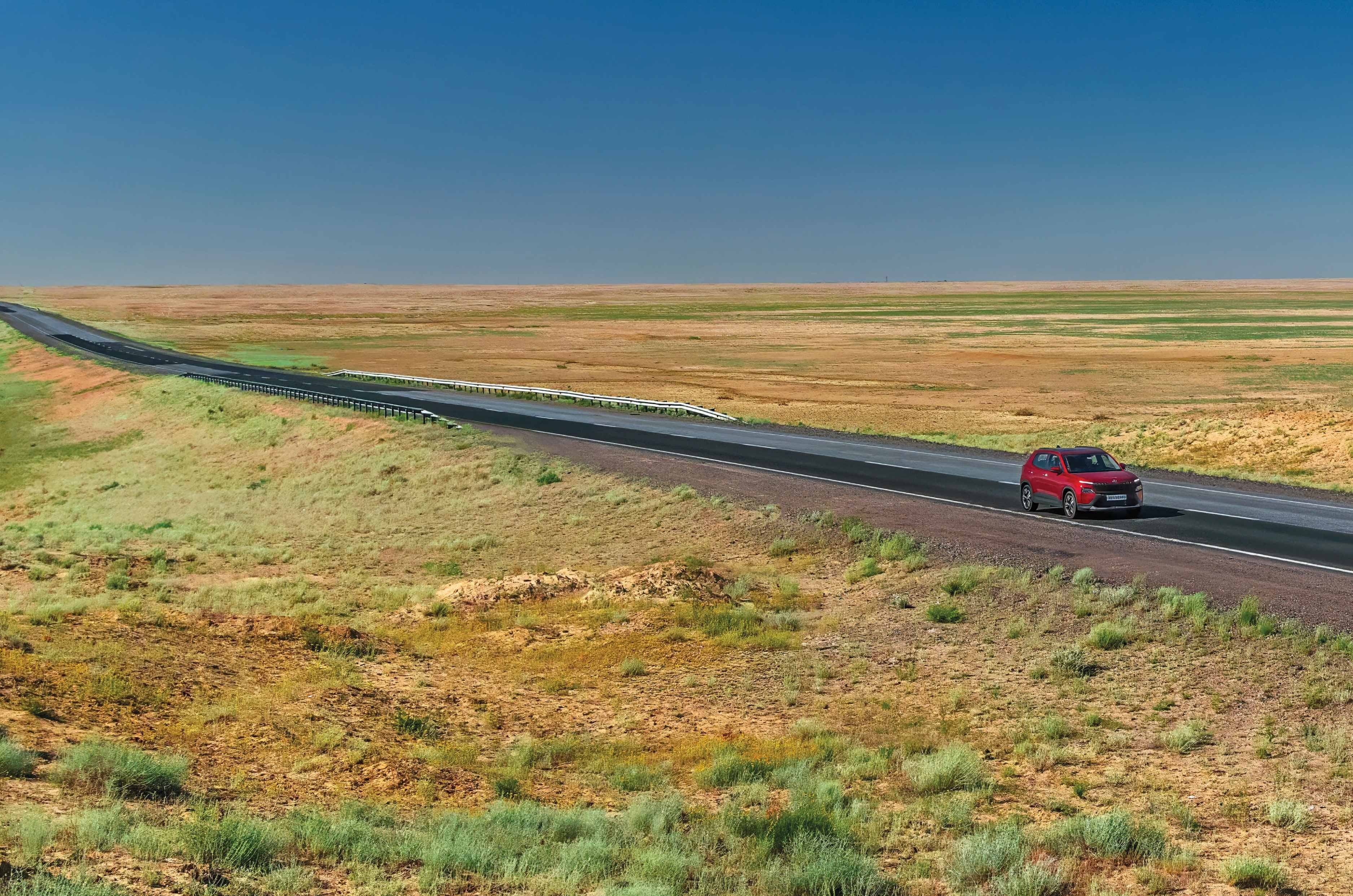
The Great Steppe in Kazakhstan feels like driving on an endless treadmill.
Crossing from Turkmenistan after vigorous checks, Kazakhstan feels almost desolate. Arrow-straight highways for kilometres, between acres of flat land with nothing on the horizon. We were driving through green pastures that would turn into brown, dried patches before turning green again, kilometre after kilometre.
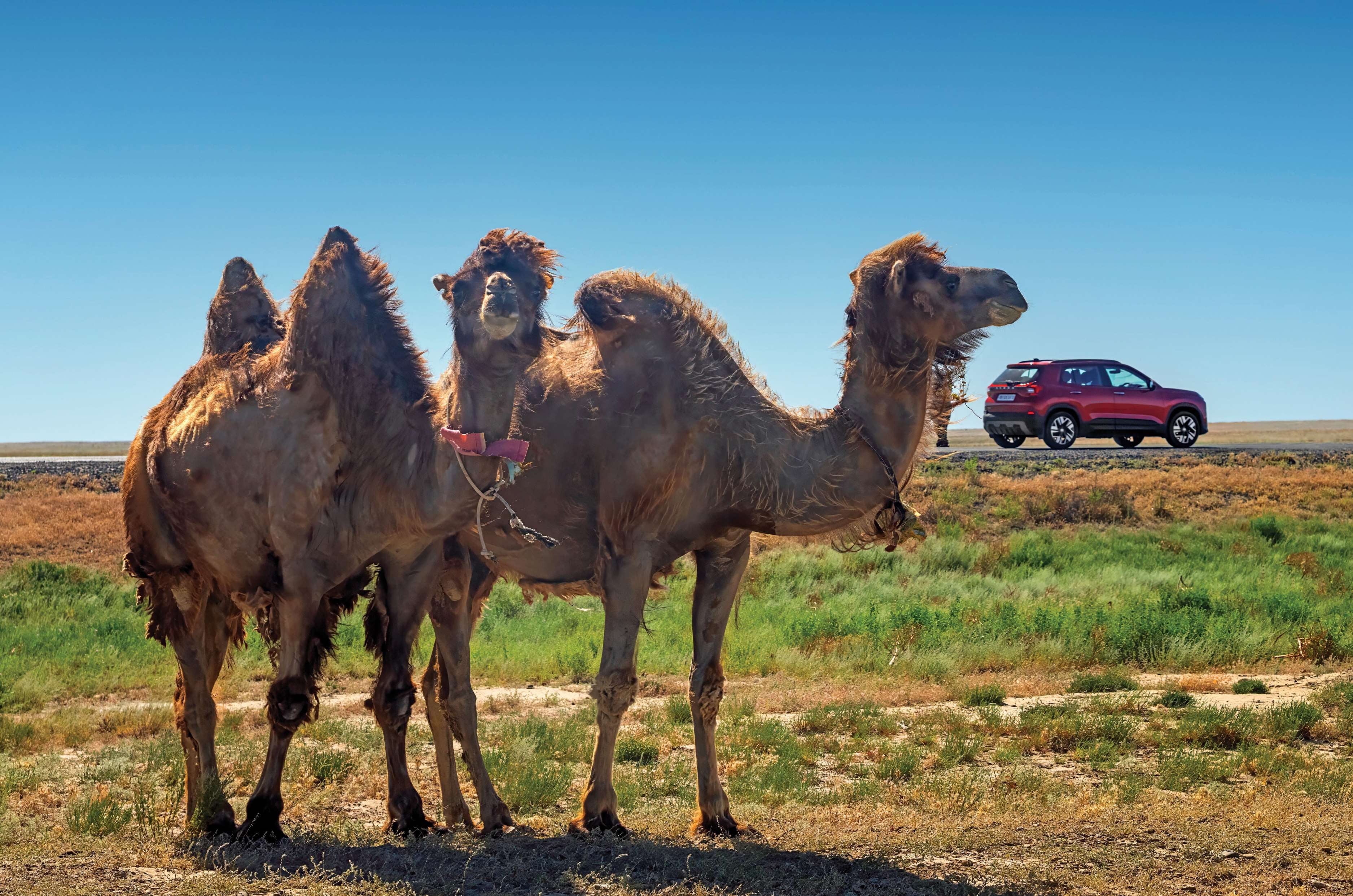
The Great Steppe, while stunning in size, is also a bit monotonous when you’re driving through it for days. The only respite would be a herd of double-humped Bactrian camels, cooling off at a nearby pond and often curious to know what a cherry-red Kylaq was doing in the middle of Kazakhstan.
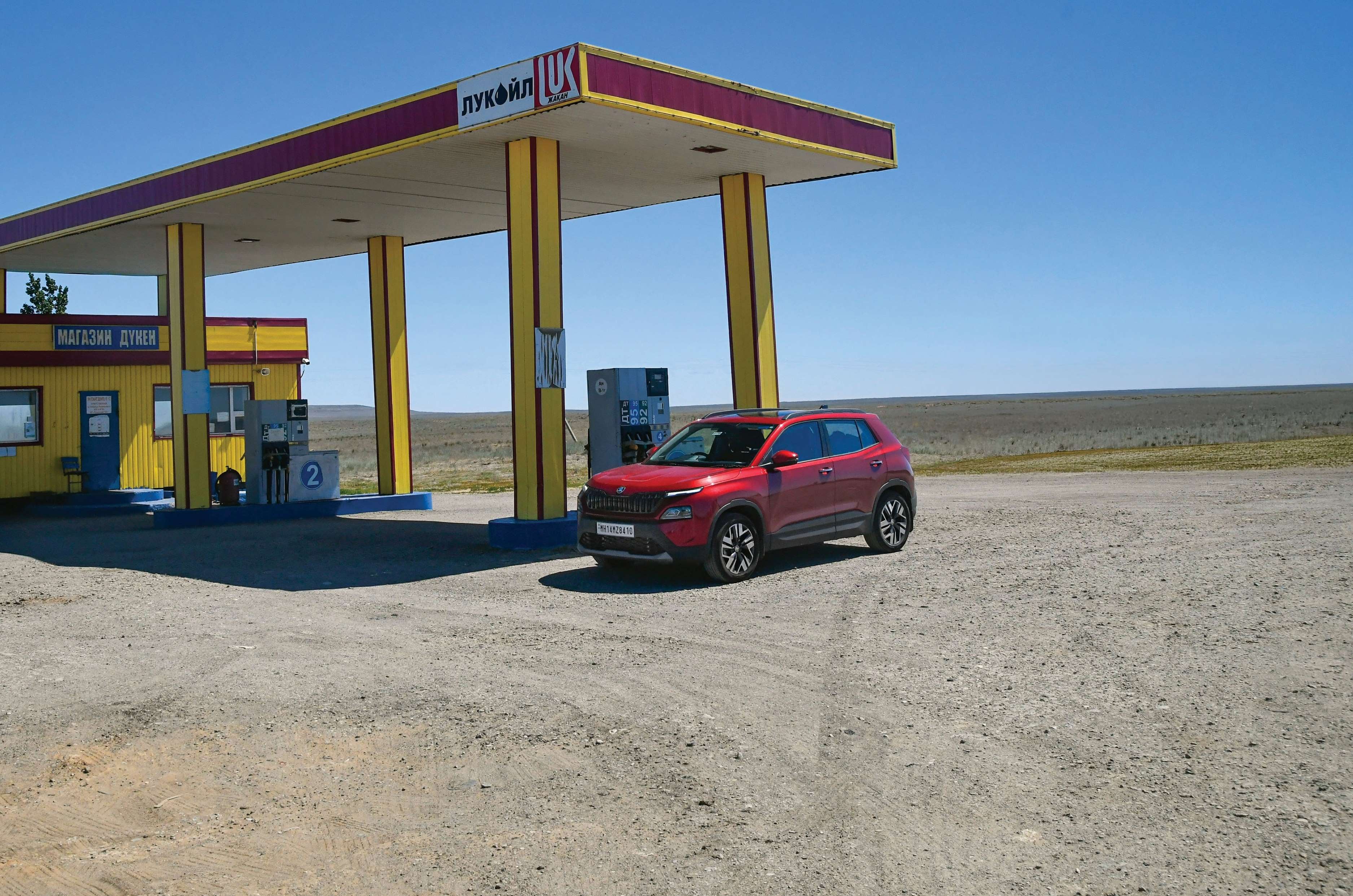
At Rs 58.17 per litre, Kazakhstan offered the lowest fuel price of the entire drive.
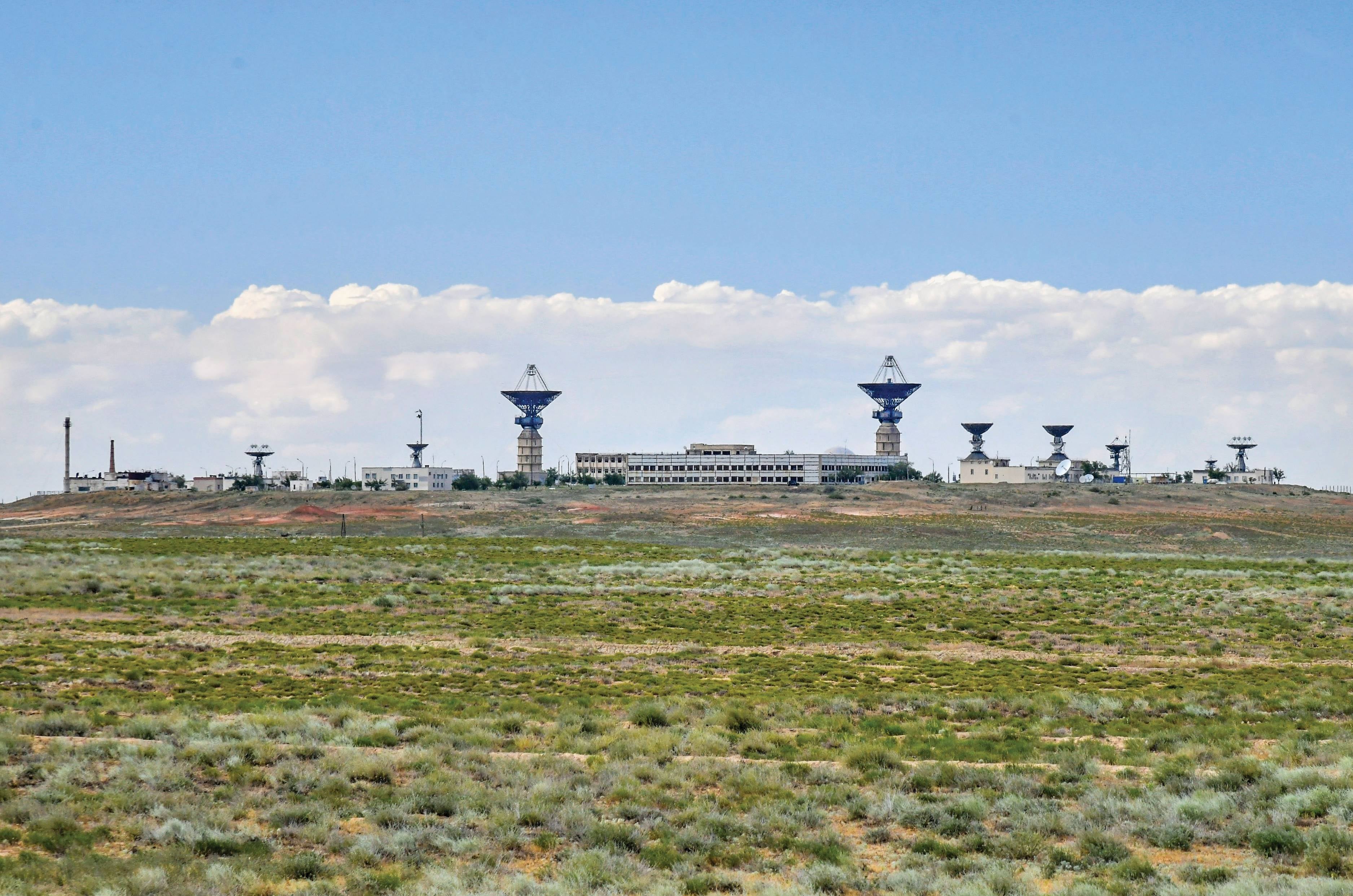
An interesting stop between Turkistan and Aral is the Baikonur Cosmodrome, which is the world’s first and largest operational space launch facility. However, thanks to the endless highways through Aral, Aktobe and Atyrau, we only got to test the Kylaq’s wheel alignment and its highway stability more than we would have liked.
Baikonur Cosmodrome – the world’s first, largest and operational space launch facility.
The mighty Stans were all about breathtaking sights, warm people and mouth-watering cuisine. The region still feels unadulterated, and that itself is what makes it special.
Kazakhstan in numbers
Turkistan – Kazakh-Russia border
Distance covered
3,237km
Fuel consumed
229.52 litres
Average fuel economy
14.10kpl
Approx. fuel cost
Rs 13,325
Avg. per-litre fuel cost
Rs 58.17
Total time driven
42 hrs
Average speed
77.1kph
Georgia – The Birthplace of Wine
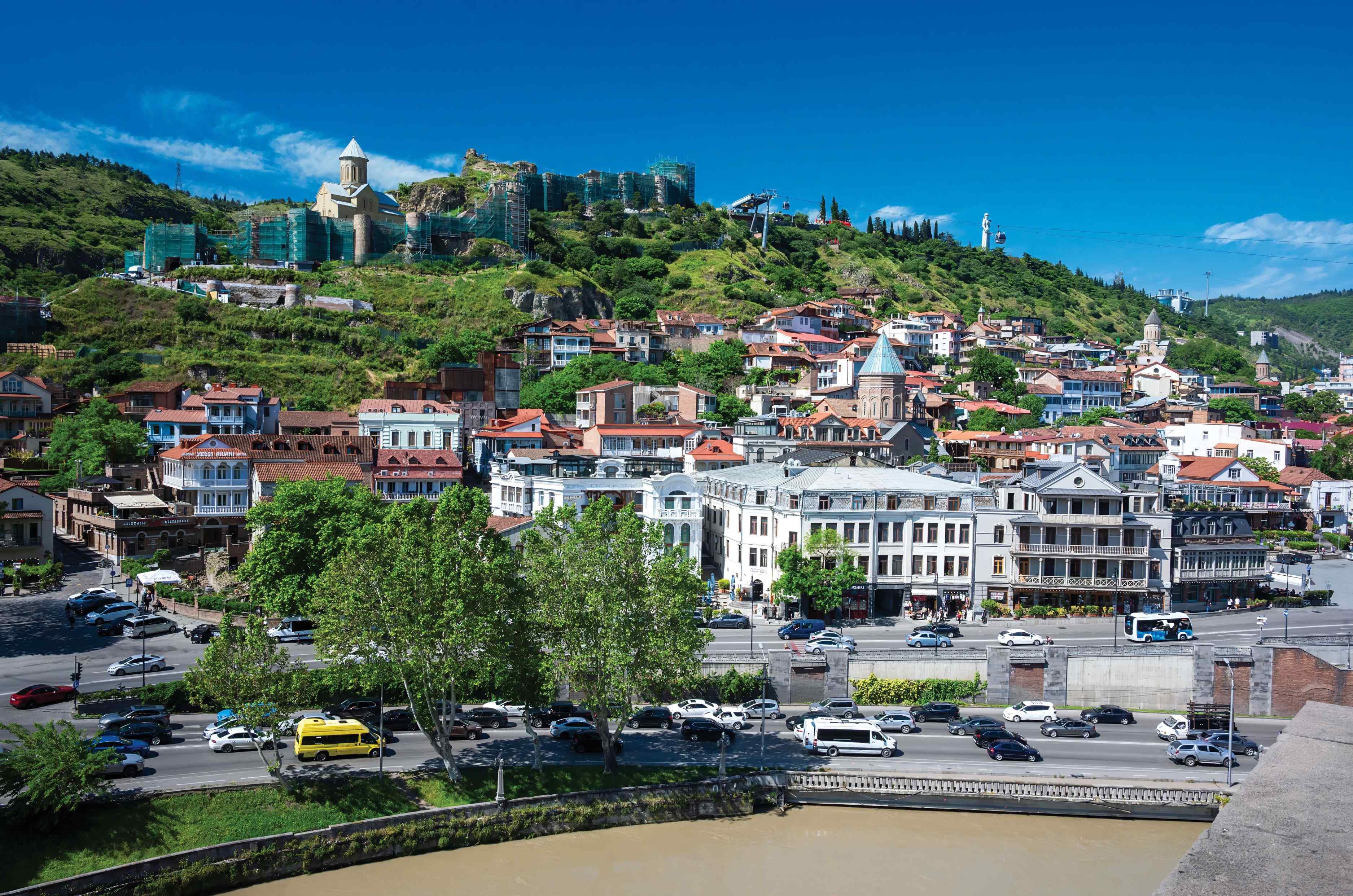
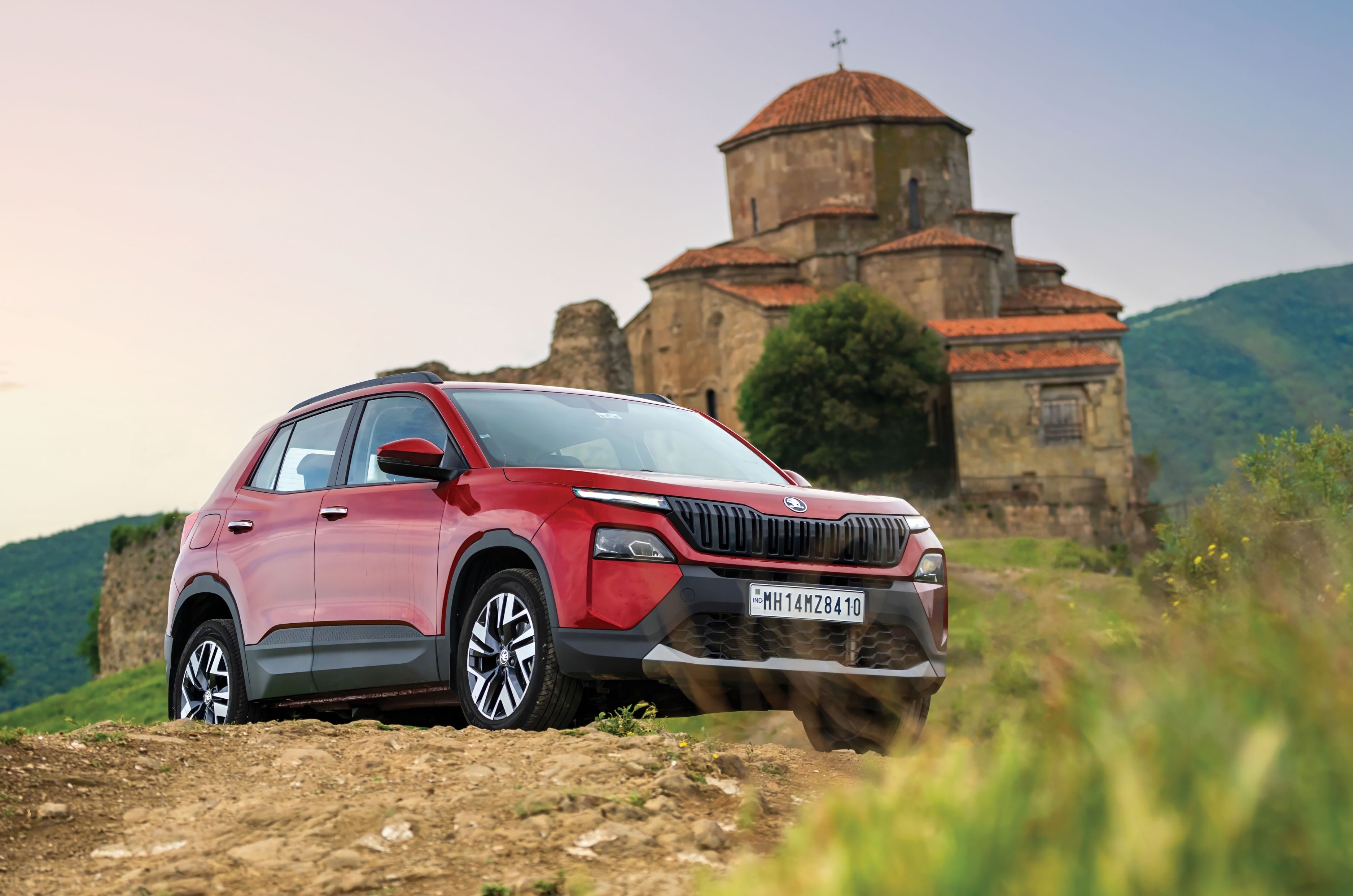
Compared to the vast landscapes and long highways of the Stans, Georgia was a contradiction. Based within the Caucasus Mountains, it has its share of twisties, which the Kylaq enjoyed. But the capital, Tbilisi, is the largest city and thereby pretty chaotic to drive in. Peak-hour traffic is just like what you would have in India, so we parked the car in a worryingly narrow alleyway and, for the most part, made our way on foot.
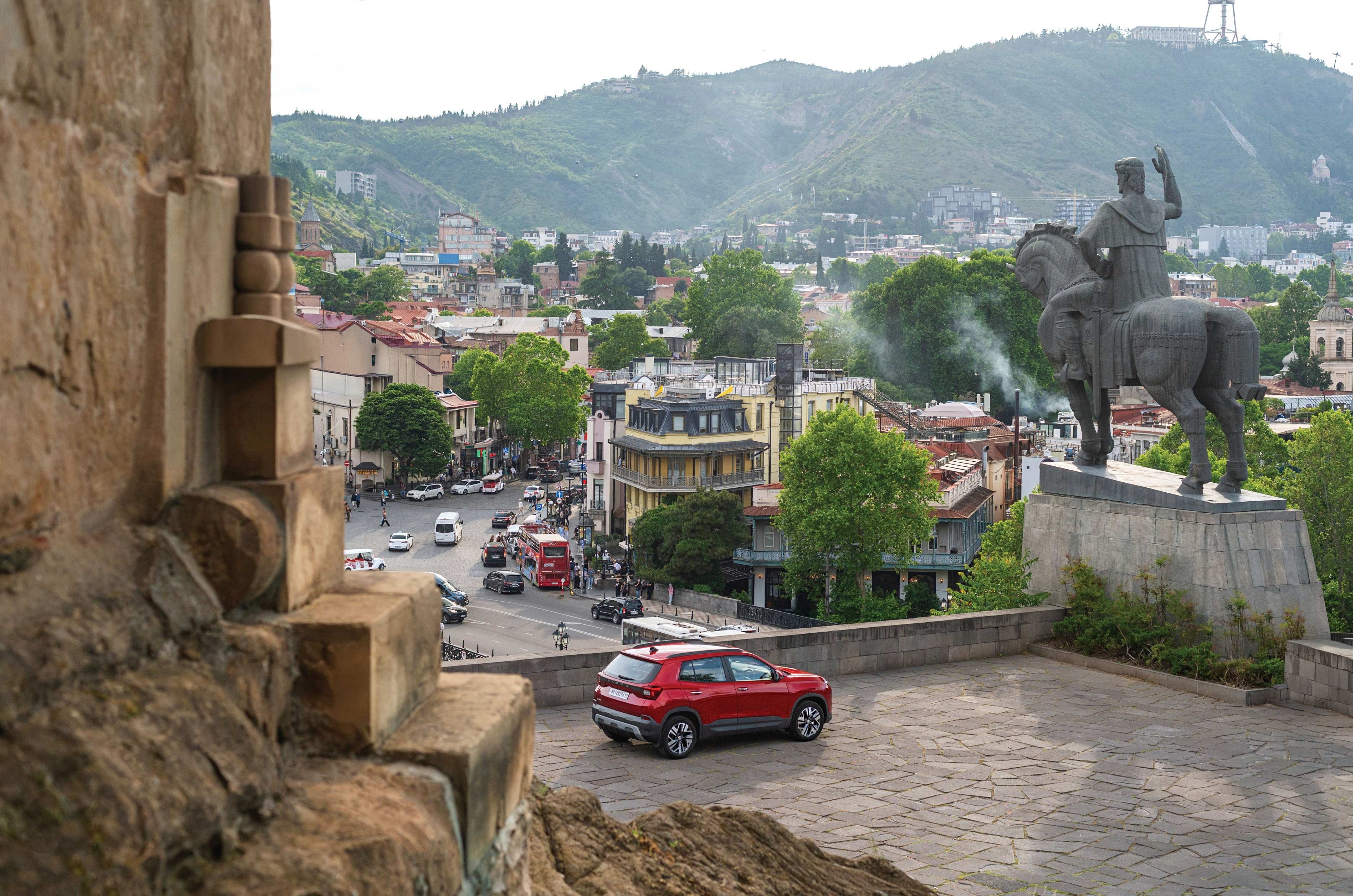
Huge statue of the founder of Tbilisi King Vakhtang I Gorgasali.
Like any big city, Tbilisi has its modern side, with glass buildings and modern restaurants, but there is still a large section that is rooted in tradition. Cobblestone streets with wooden houses and sulphur baths are a fascinating experience, as is the fantastic view from near the monument of King Vakhtang Gorgasali, the founder of Tbilisi.
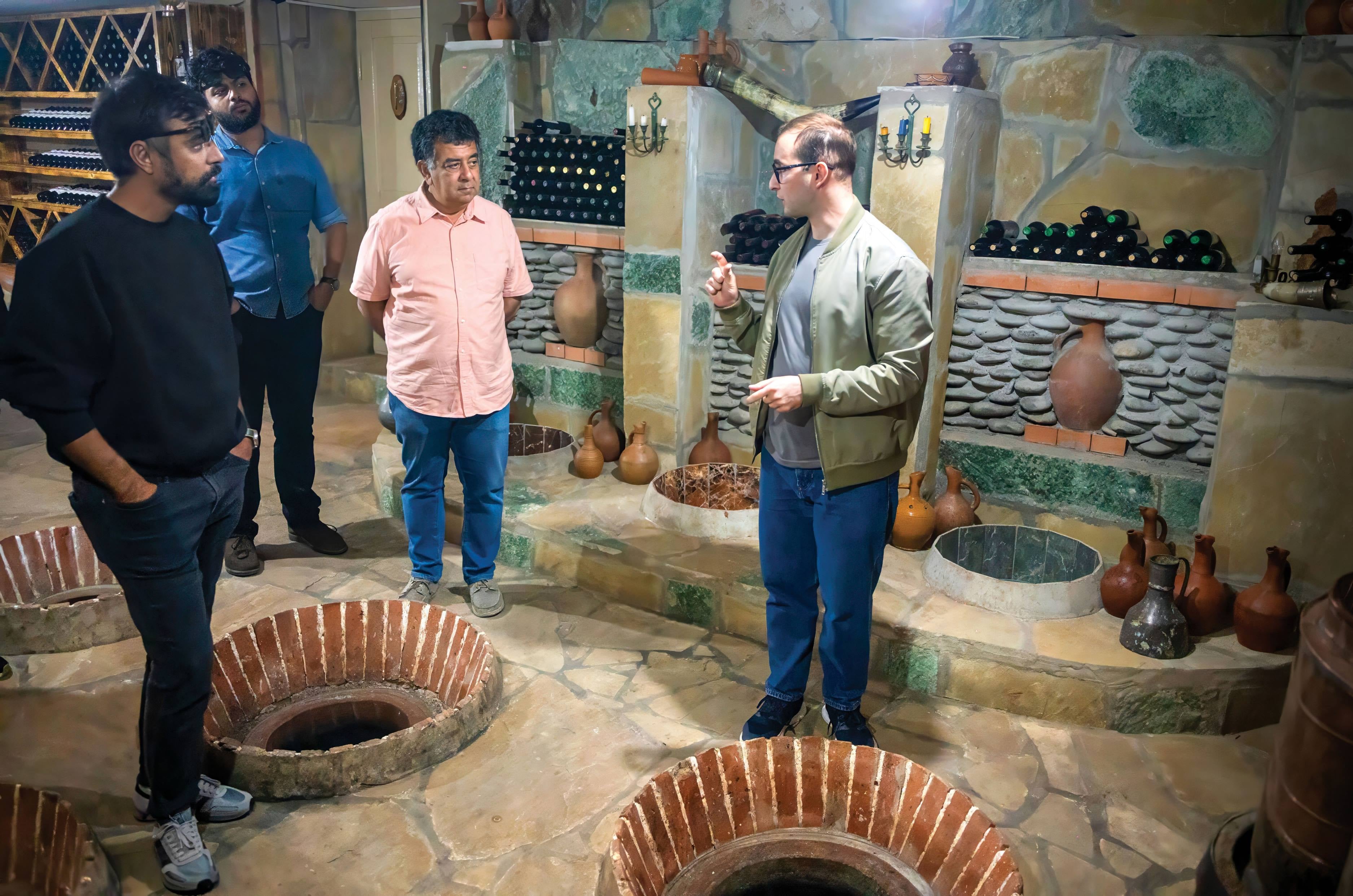
The monument itself is a striking bronze equestrian statue located on a rocky cliff above the Mtkvari River, next to the historic Metekhi Church in Tbilisi, Georgia. But Georgia is known to be the birthplace of wine, and on our drive to Tbilisi, we spotted several vineyards sprawling for acres. We had to get a closer look, and thankfully, our guide’s friend owned one of them.
Georgian wine fermented in clay jars buried in the ground.
The Georgians still use the ancient process of fermenting wine in barrels under the floor, but have now blended it with modern technology that allows them to control the temperature and get a more consistent batch each time. Wine connoisseur or not, the experience is enthralling.
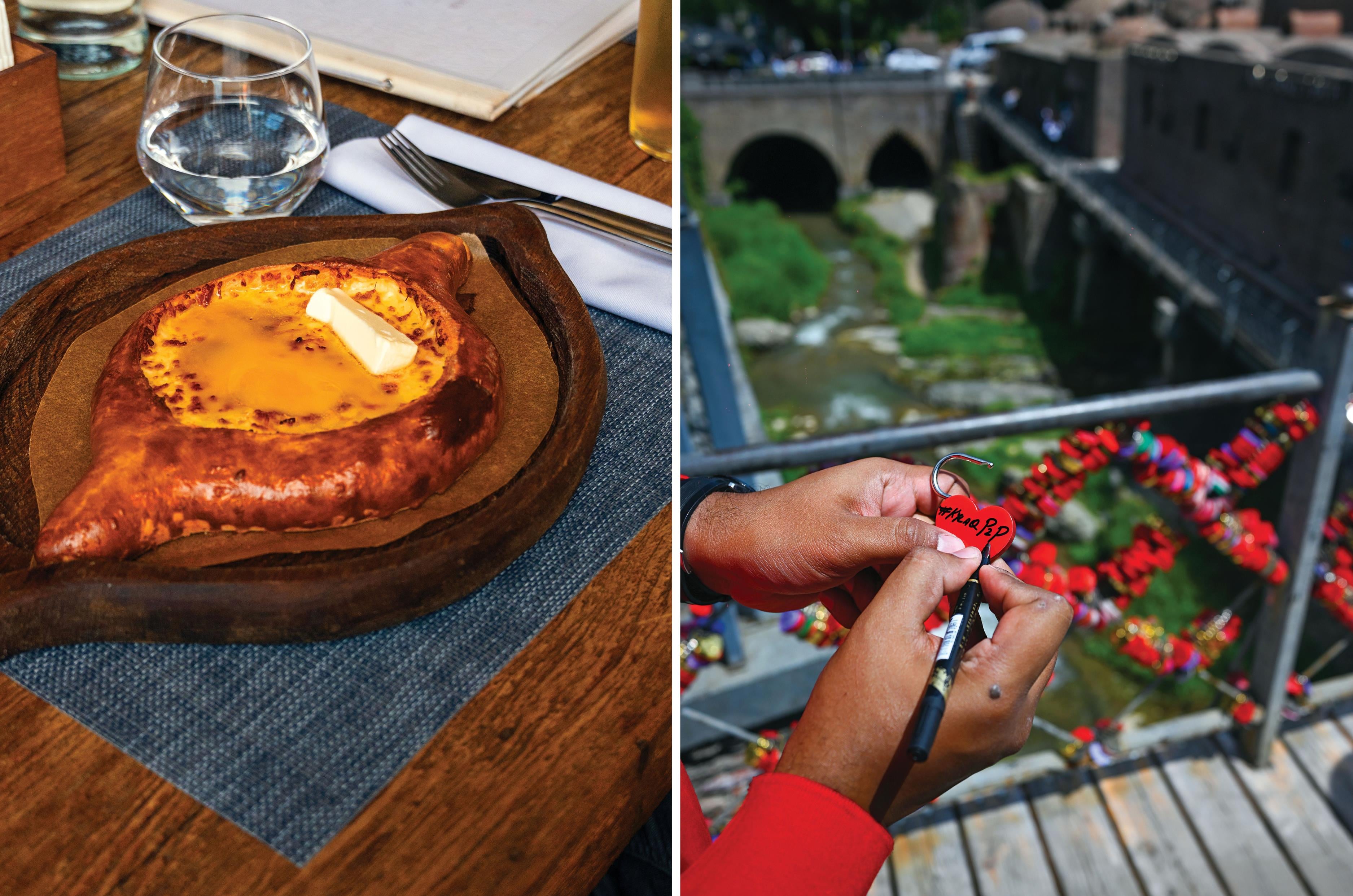
Khachapuri (flatbread with cheese and egg) is Georgia’s national snack.
The city tour built up an appetite, and we followed the scent of fresh bread for some authentic khachapuri. A Georgian flatbread that is hollowed out in the centre and filled with cheese, khachapuri varies depending on the region you’re in. You can have it with an egg cracked into it or with meat, too.
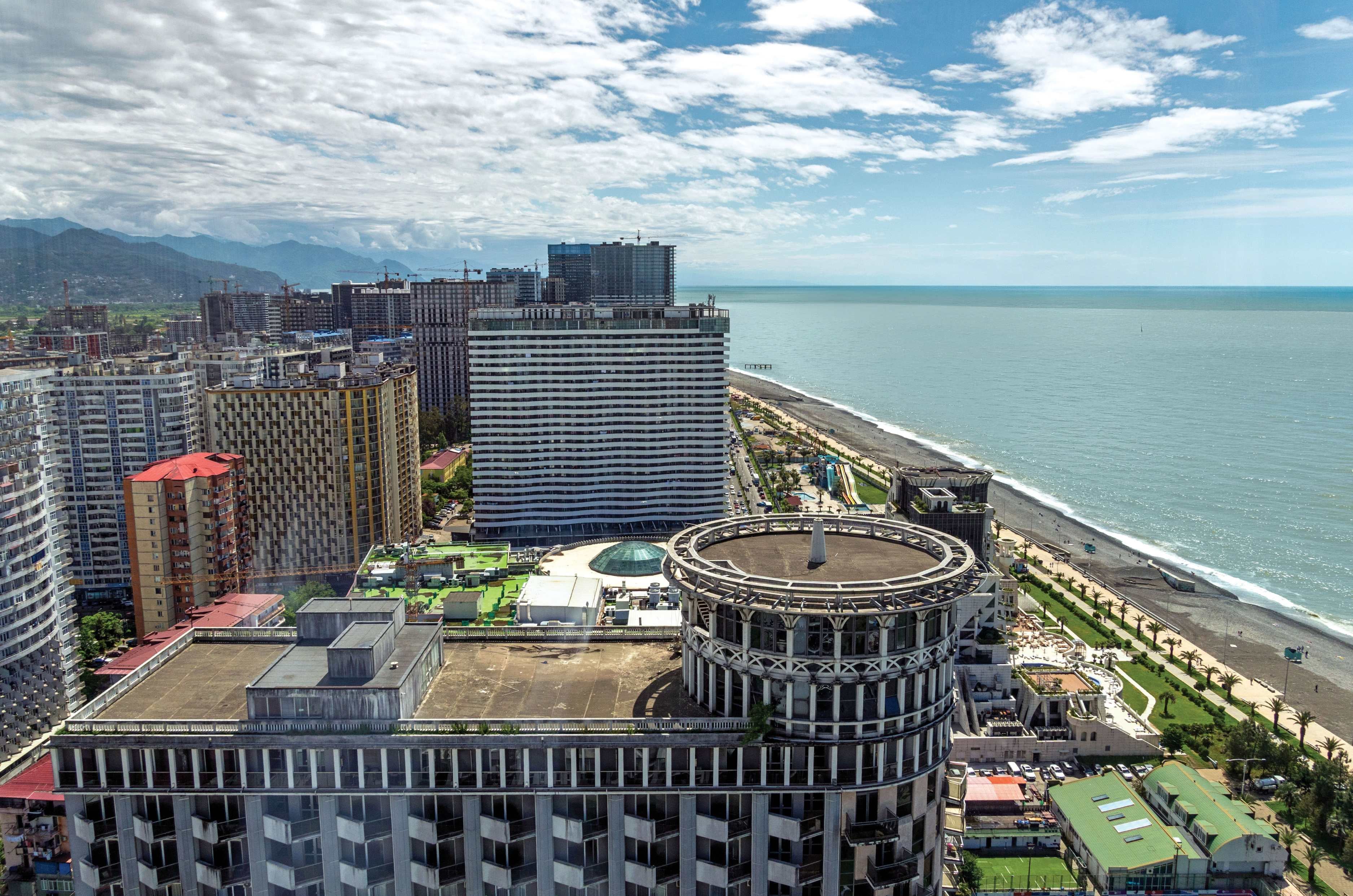
Coastal city of Batumi is a stark contrast of Tbilisi.
With sightseeing done, we drove the next day to the coastal city of Batumi. A vibrant, modern city with a lot more European influence. However, if the roads in Tbilisi were narrow, Batumi was on another level. Despite the compact dimensions of the Kylaq, our hotel parking was a sidewalk cordoned off by the hotel manager, as there simply was no space to park.
14th-century Gergeti Trinity Church has stunning views of the Caucasus Mountains.
Still, we made the most of it by strolling by the shore of the Black Sea, watching the locals angling for fish. Georgia, just like the Stans, offered a unique glimpse into this part of the world and its diverse culture. For our final stretch before Europe, we had one last country to drive through – the colourful Türkiye.
Georgia in numbers
Tbilisi – Türkiye border
Distance covered
624km
Fuel consumed
58.62 litres
Average fuel economy
10.64kpl
Approx. fuel cost
Rs 7,607
Avg. per-litre fuel cost
Rs 129.78
Total time driven
17.5hrs
Average speed
58.5kph
Türkiye – Gateway to Europe
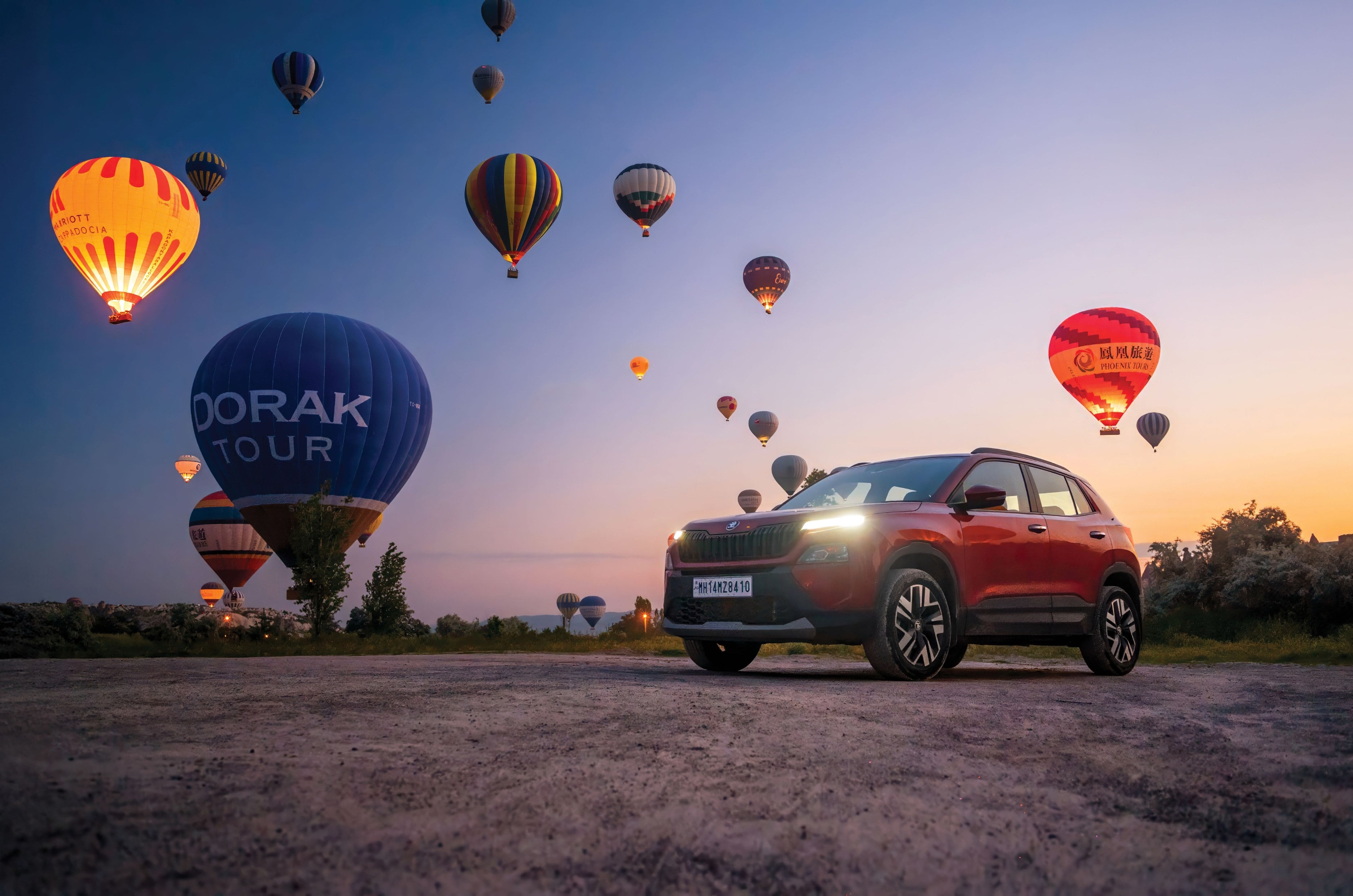
Cappadocia’s claim to fame is well worth the hype.
As the Kylaq crossed into Türkiye, our first stop was in Erzurum. A major winter sports town, but thanks to the time of year, our ski resort was bright, sunny and without an ounce of snow. A quick stroll through the small town and we hit the sack in preparation for a 700km-plus drive to the tourist haven that is Cappadocia.
The next morning, the plan was to do what you must do in Türkiye – take a hot-air-balloon ride. A pre-dawn wake-up call is never comfortable, but the peace was soon shattered by the sound of a group of old diesel Land Rover Defenders revving to keep themselves warm while they waited to transfer tourists to the balloon launch site. The balloon ride is arguably the largest tourist attraction in Türkiye, so there was quite the rush.
We, too, loaded up the Kylaq and hit the road to get the perfect shot of the sun coming up over the hills while the sky was filled with balloons. And boy, did we get it. As the orange tinge hit the fairy chimneys, we saw what the hype was about. The visual is nothing like you have ever seen: watching one colourful hot-air balloon is rare, and here there were over a hundred. We shot GBs worth of images and videos and got back to catch up on the broken sleep from earlier.
Türkiye in numbers
Erzurum – Bulgaria border
Distance covered
1,436km
Fuel consumed
98.1 litres
Average fuel economy
14.63kpl
Approx. fuel cost
17,187
Avg. per-litre fuel cost
Rs 134.19
Total time driven
19.5 hrs
Average speed
73.64kph
A relaxing drive the next day got us to Istanbul, which, to some, might seem like the capital thanks to its bustling character – a glimpse of which we got as we got closer. A traffic jam stretching for more than a couple of kilometres brought the Kylaq to crawling speeds. To avoid the repercussions of driving next to hasty cab drivers, we parked the Kylaq and headed to check out the nightlife, but more importantly, the döner kebab.
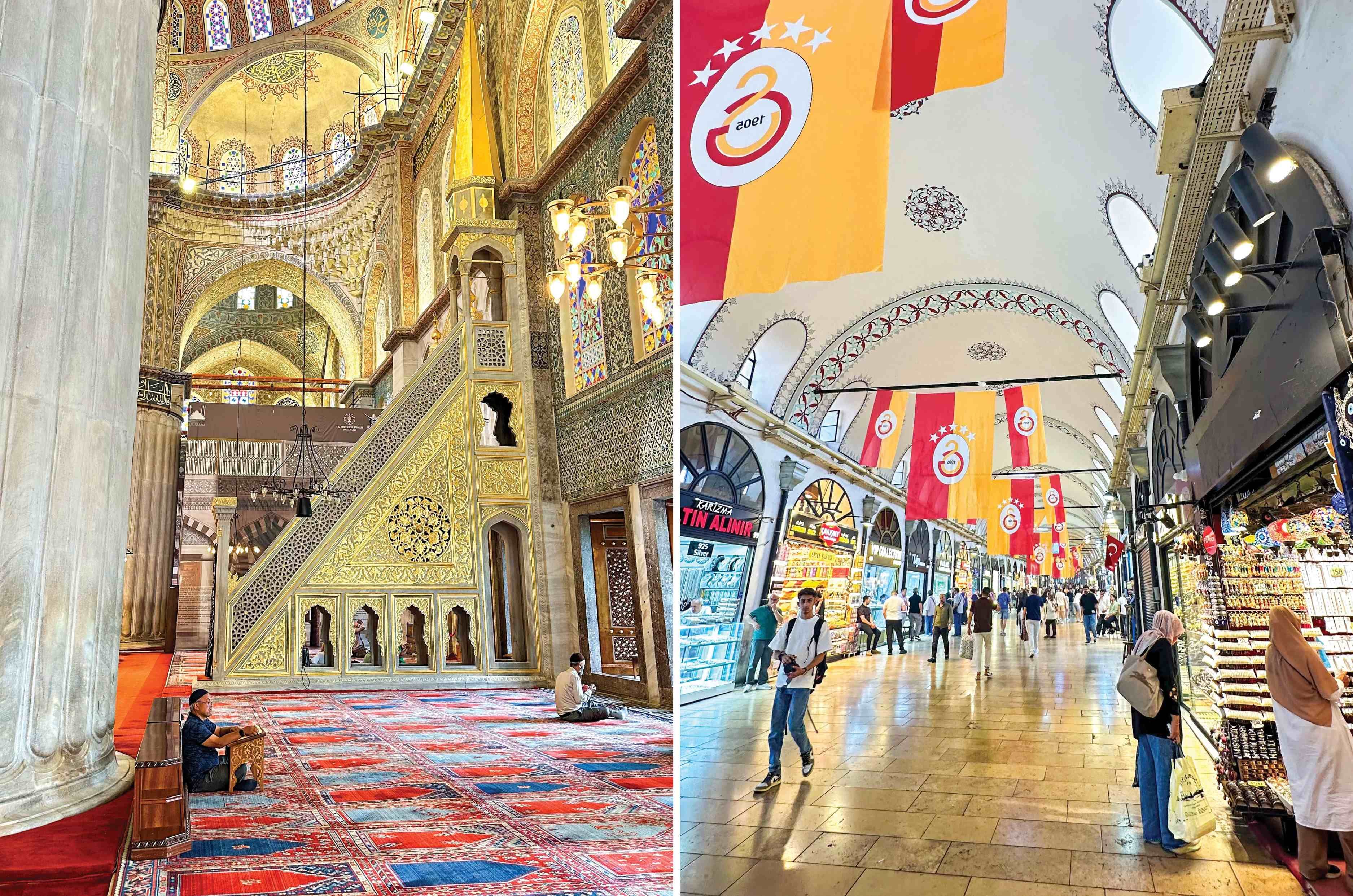
Exceptional interiors and an unbelievable calm in Istanbul.
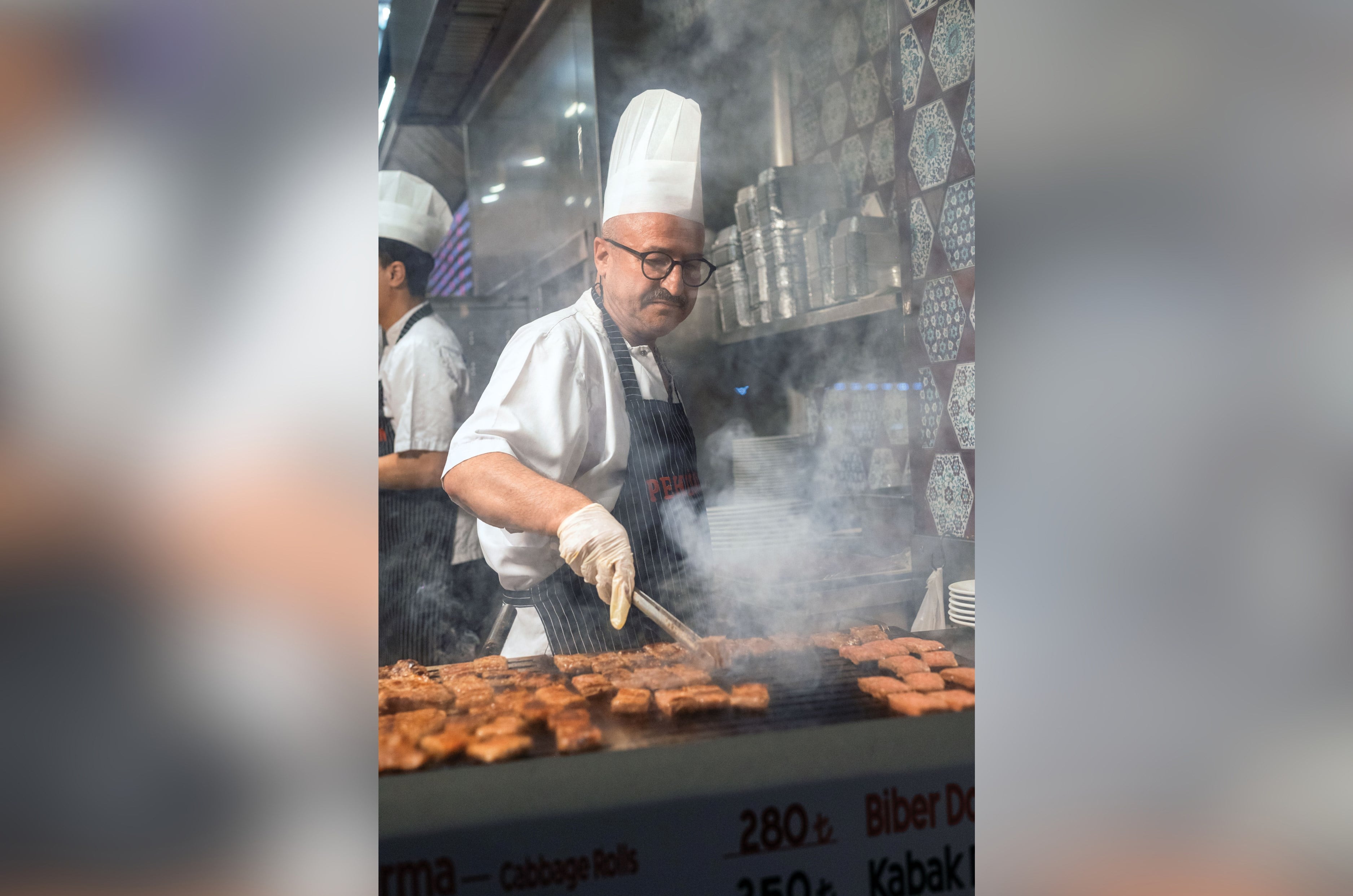
Similar to a shawarma, the döner kebab consists of a pile of meat that is cooked on a rotisserie over a flame. The dripping fat is mopped up by pita bread, which is then loaded with the sliced meat and seasonings. After a long walk through the Grand Bazaar, haggling for a fake Rolex, the döner becomes almost a necessity.
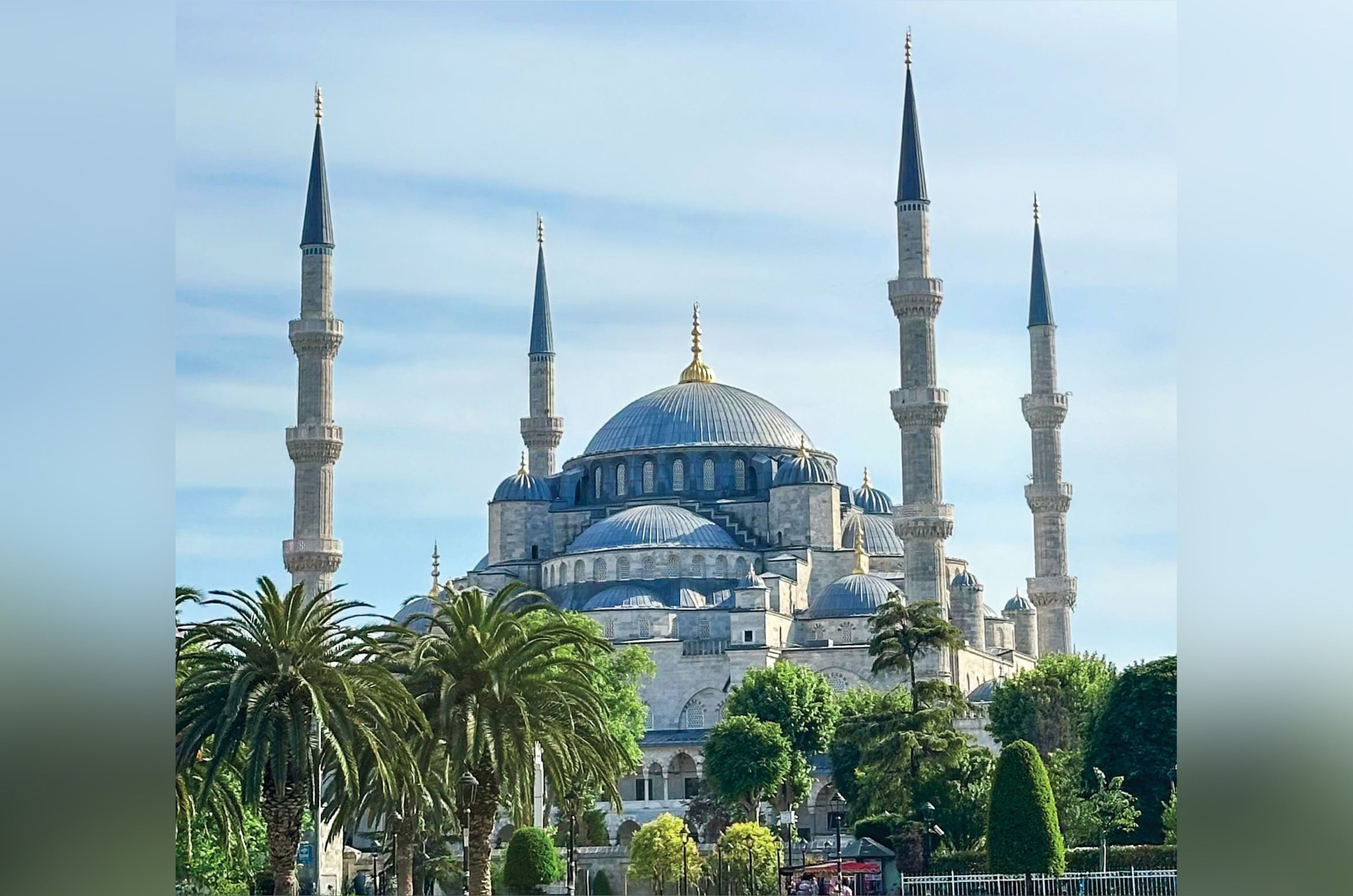
What’s also equally stunning is the Blue Mosque. Known formally as the Sultan Ahmed Mosque, it was constructed between 1609 and 1617 in the Ottoman era by Ahmed I. To get the entire mosque in frame, you need to fall back to the Hagia Sophia Mosque, which is in the same vicinity. Both equally grand, equally detailed and equally important.
The Blue Mosque, built in the Ottoman era, is majestic.
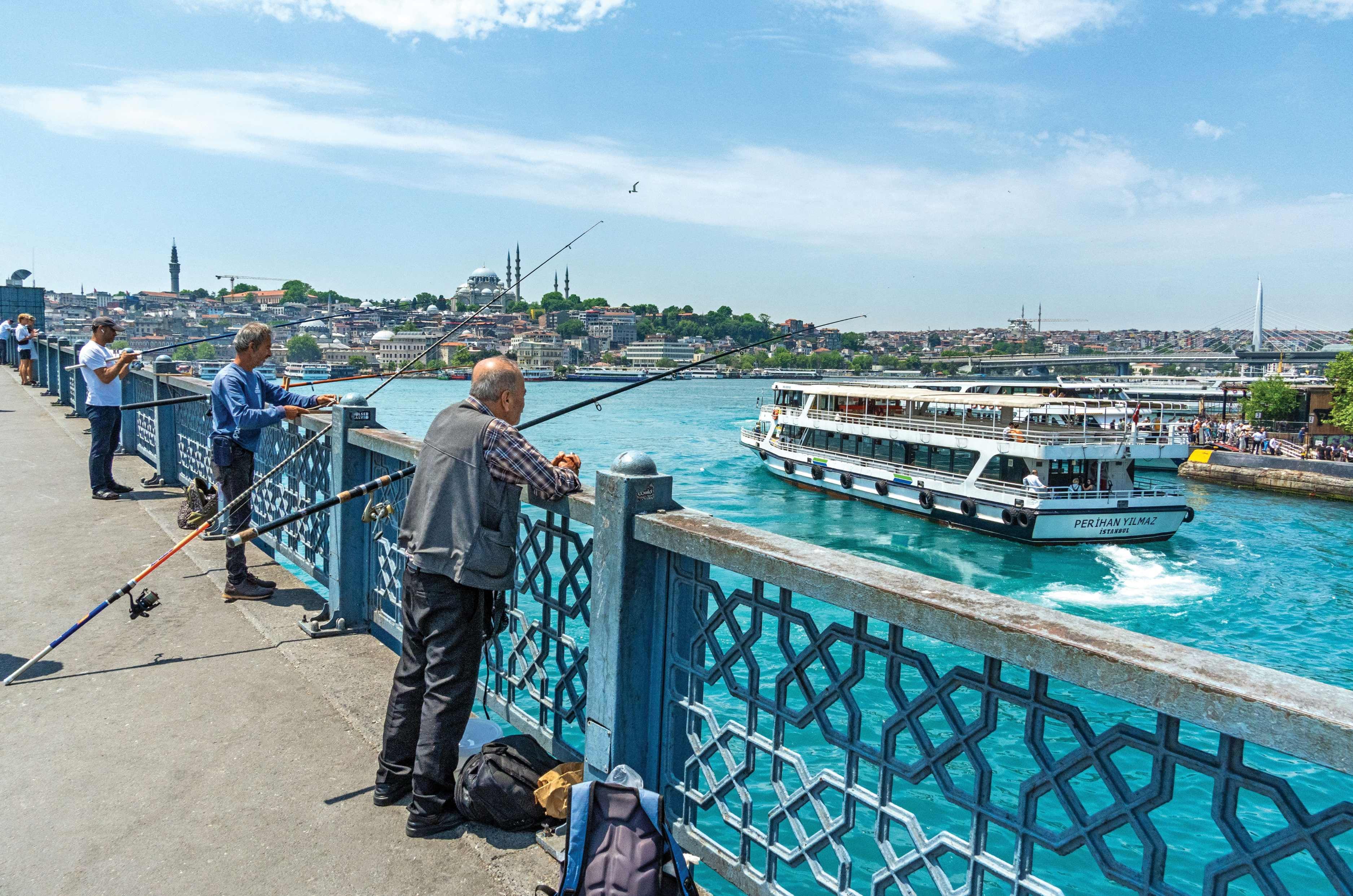
To explore more of Türkiye, we got back into the Kylaq and realised there was a bridge that is unlike any other in the world. The Bosphorus Bridge is located over the Bosphorus Strait, but its claim to fame is that it, quite literally, has one end in Asia and one end in Europe. You can cross the bridge in about two minutes, depending on traffic, but the sense that you can practically drive over from Asia into Europe before you can finish watching a reel is unreal.
Angling over the Bosphorus strait is a common hobby.
Europe – Home Stretch
Bulgaria – Romania – Hungary – Slovakia – Prague
The end of our incredible Pune-to-Prague drive was now a matter of days away. After over two months on the road, we were a couple of thousand kilometres away from the finish line. The excitement that had tapered off midway was back in full force.
We would be entering Europe through Bulgaria, and the border, as expected, was busy. Documentation, carnets, passports, stringent car checks and some explaining later, we were finally in.
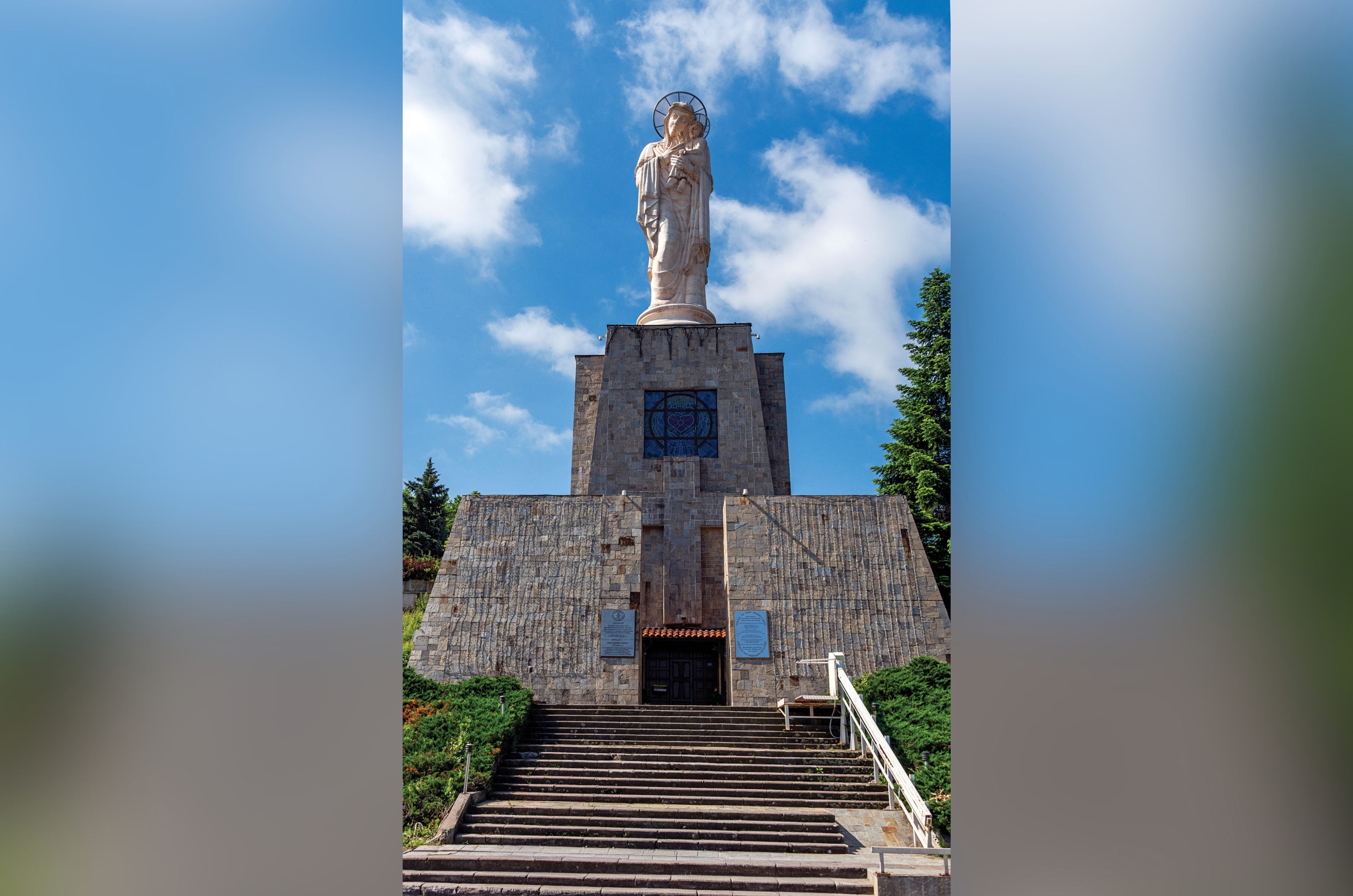
Monument of the Holy Mother of God in Haskovo.
Haskovo is a quaint town with a slow pace and none of the bustle of a European city, but it boasts a Guinness record for having the towering Monument of the Holy Mother of God, the tallest statue of the Virgin Mary and Baby Jesus in the world. Naturally, we had to check it out before we headed further.
Crossing countries in Europe is the equivalent of crossing states in India. There are no significant border checks or passport-control booths. A board with the blue EU flag and the name of the country is all you will see.
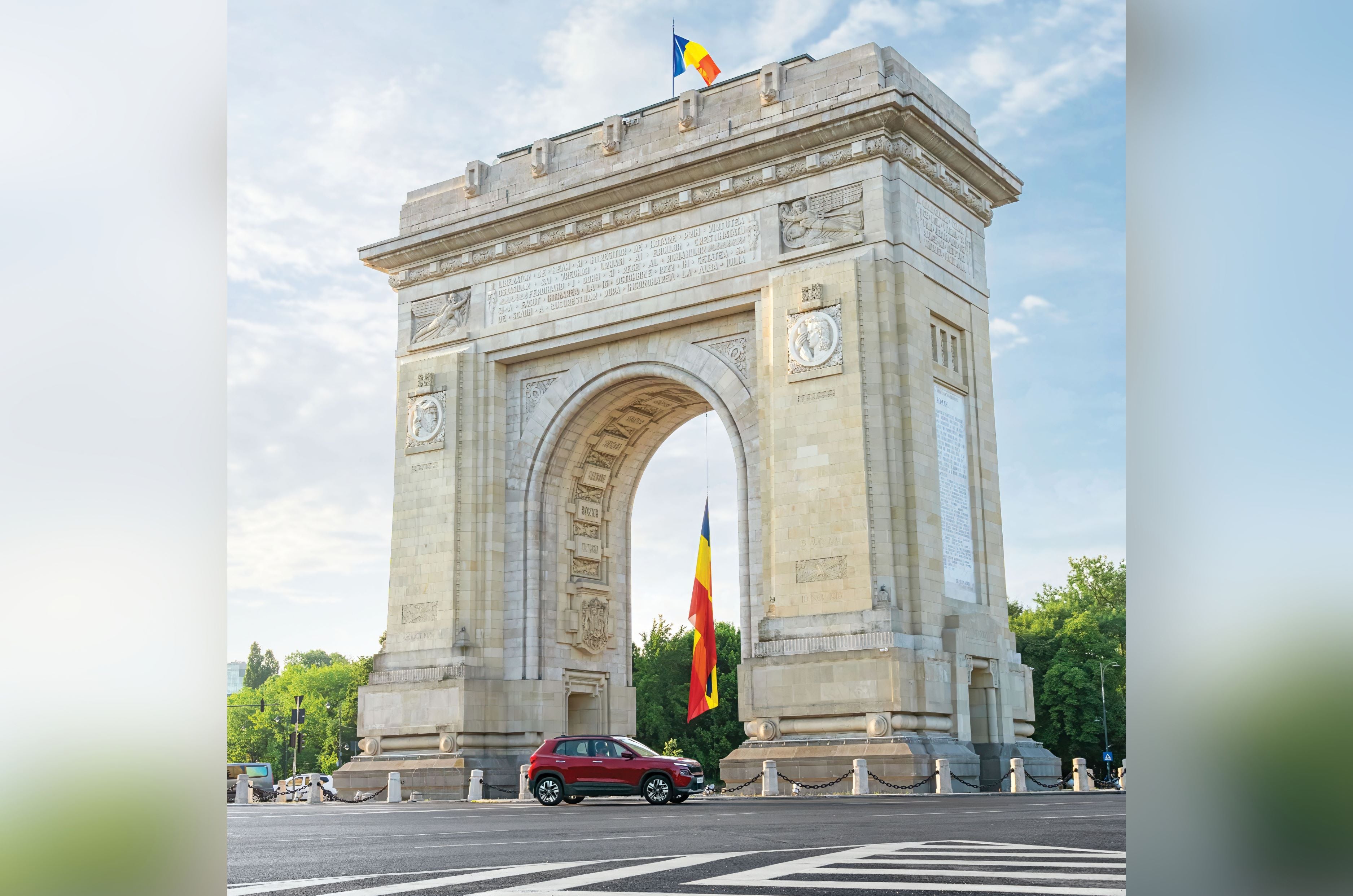
Romania’s Arcul de Triumf an ode to the one in Paris.
We crossed into Romania rather unassumingly and headed for Bucharest. The capital is picturesque and is also colloquially known as “Little Paris”. Like the Arc de Triomphe in Paris, Romania too has its own version. A tad smaller in comparison, but just as iconic.
However, what takes the cake is the Parliament Building, formally known as the Palace of the Parliament, which is also the heaviest building in the world, standing at approximately a ridiculous 4,098,500 tonnes. We couldn’t verify that, but since the Kylaq looked like a mere speck in front of it, it was all the proof we needed.
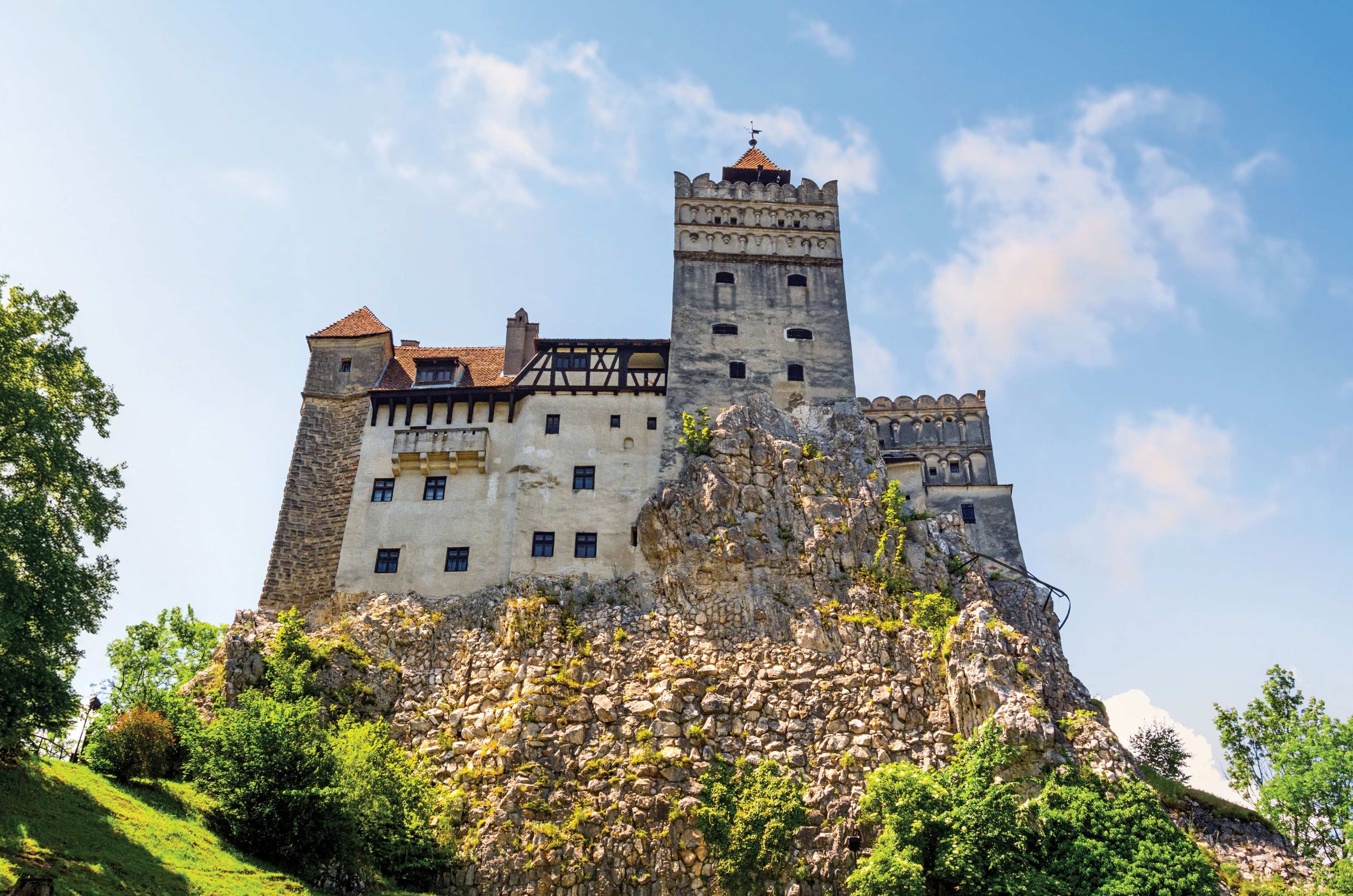
Bran Castle is widely marketed as Dracula’s home.
Bucharest also has a thriving nightlife, with the quiet cobbled streets turning into party hubs post-sunset. As we headed towards Hungary, we couldn’t help but make a stop at Bran Castle. Despite the myth that it was once home to the famous Dracula, there is nothing but merchandise at the foot of the castle to prove that claim. Historians have dismissed the claim and, while it is fascinating, there is plenty of evidence against it. Still, that did not stop us from buying some fake vampire teeth and Dracula magnets.
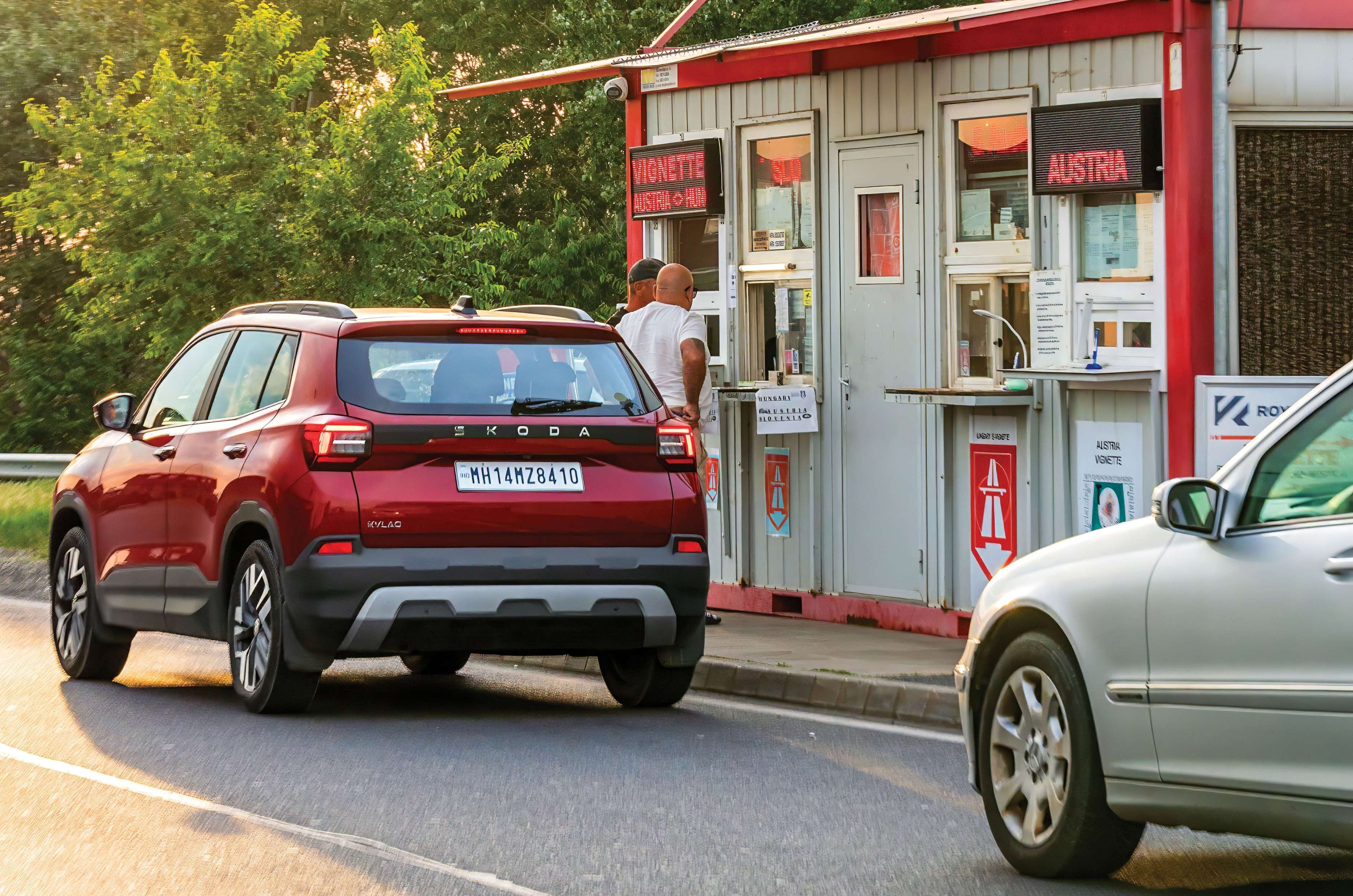
Vignette is Europe’s FASTag and is essential on the freeways.
From the shores of the Black Sea, we drove into landlocked Hungary. The drive to Budapest was long, but thanks to Europe’s seamless highways, it was light work for the Kylaq. In Europe, it just blended in with the other cars, and at no point did it feel out of place. It might have been built in India, but it felt every bit as European as it got closer to Prague.
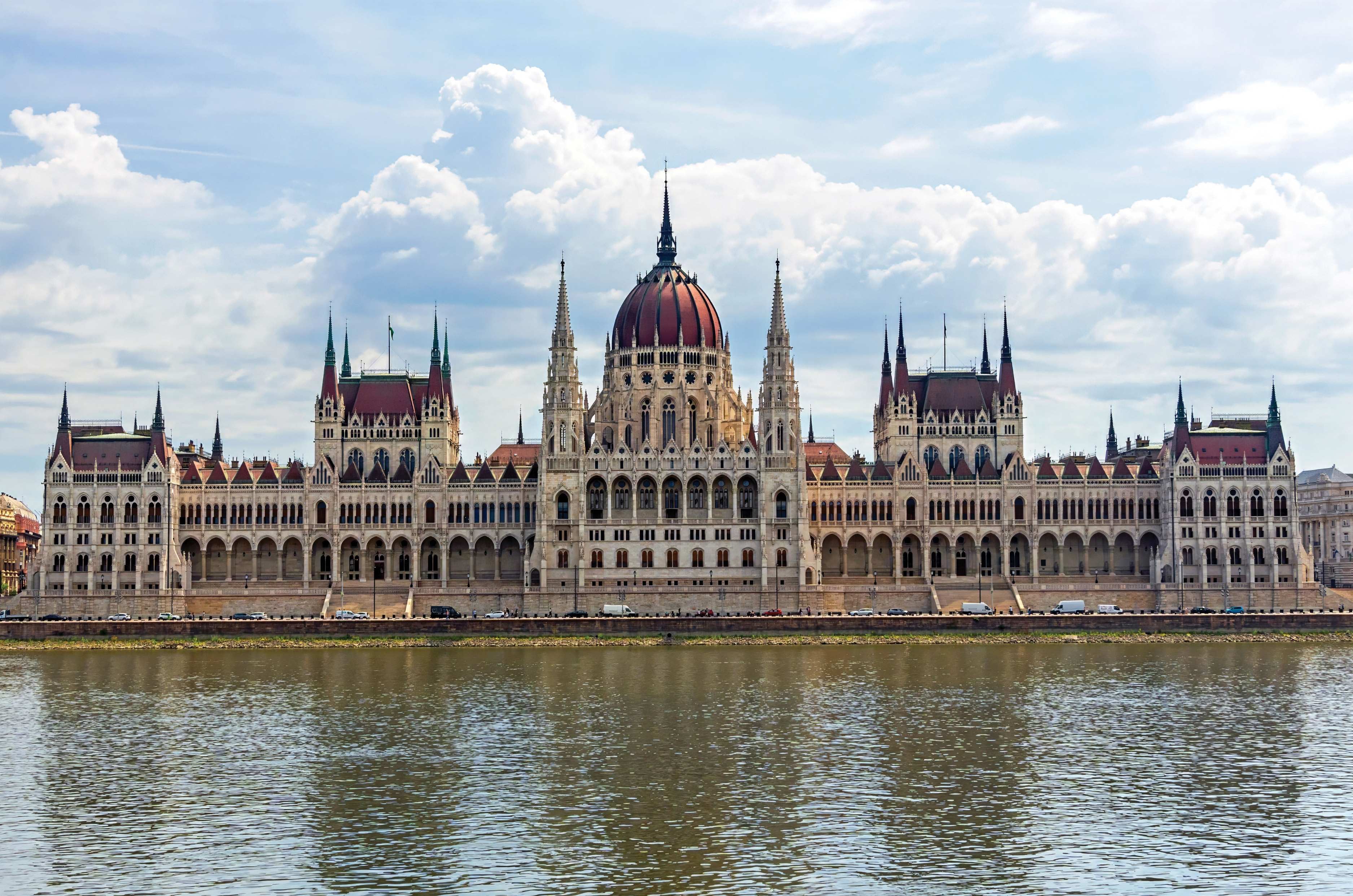
Budapest’s Parliament Building sits by the banks of the Danube River.
As we drove by the banks of the Danube, we were in awe of the stunning Hungarian Parliament Building. Budapest is also known for its bridges, with as many as 13 iconic ones, each with its own identity.
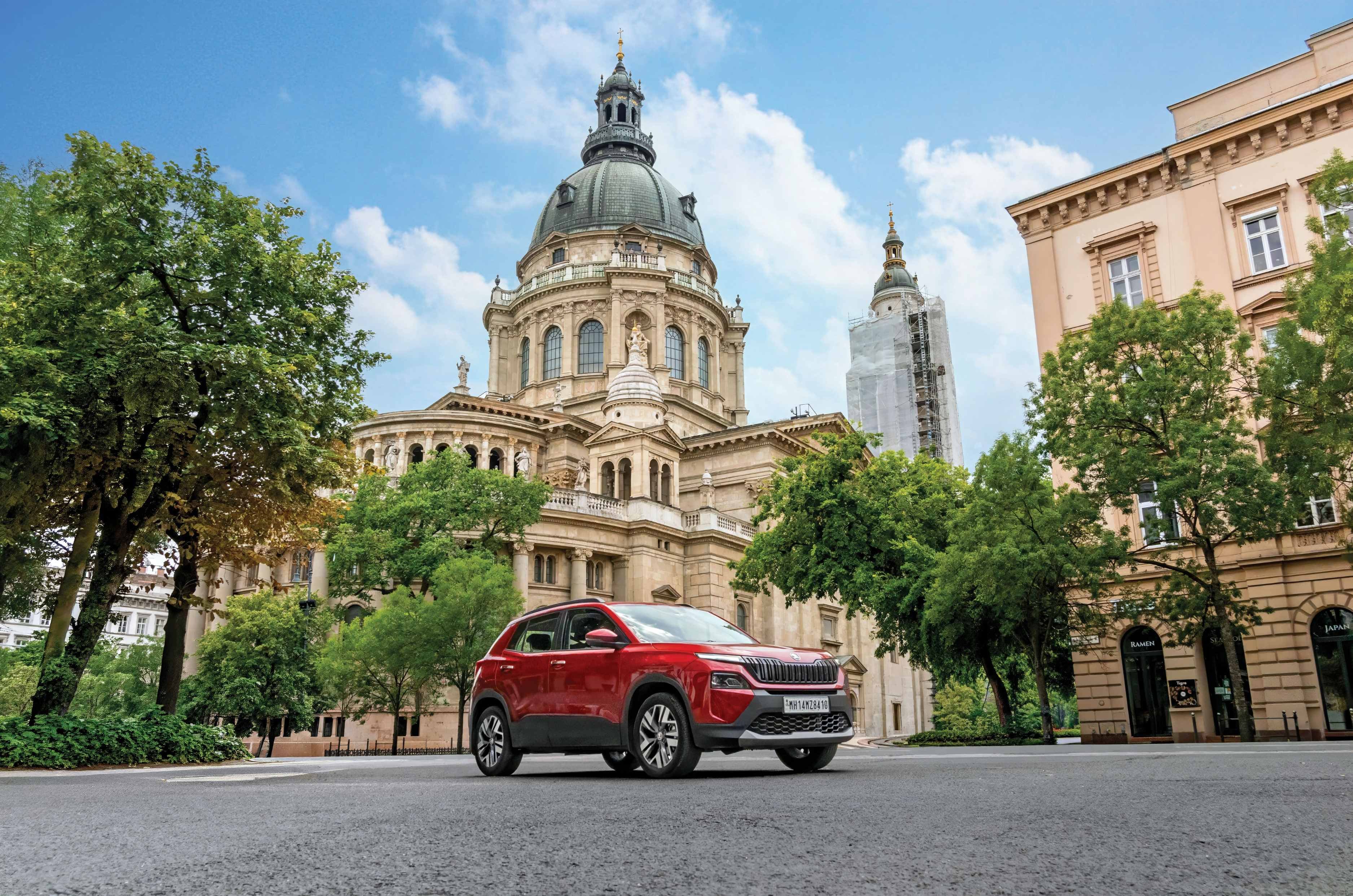
St. Stephen’s Basilica is the largest church in Budapest.
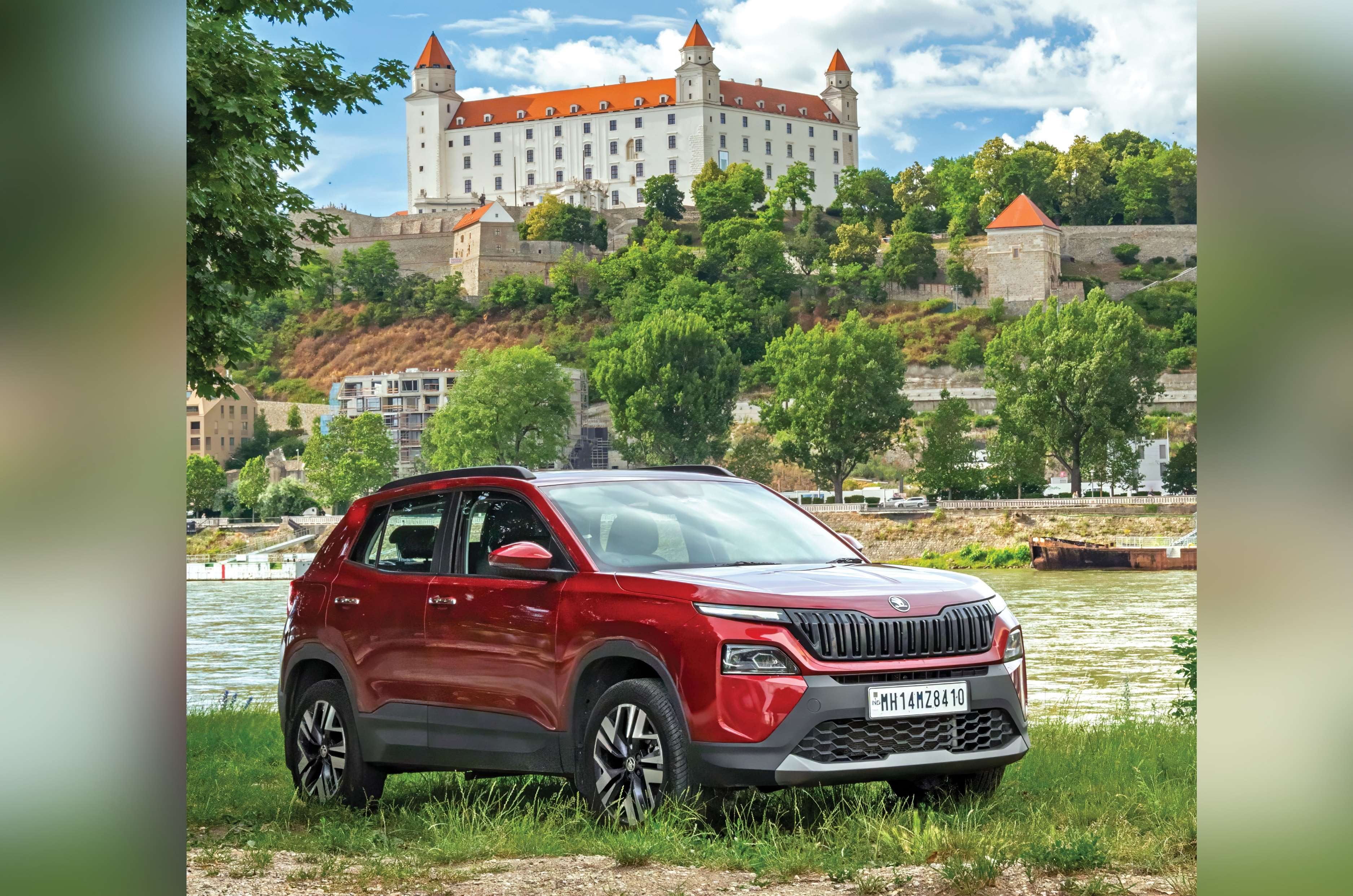
The last country before we entered the Czech Republic was Slovakia. The small country, with a quarter of the population of Mumbai, has a rather interesting Indian connection, as we found out in the pedestrian-only zone of its capital, Bratislava. Bratislava was visited by Pt. Jawaharlal Nehru in 1938, along with a young Indira Gandhi, regarding the freedom movement under British rule.
Bratislava Castle, built in the 13th century on the banks of the Danube, is now a museum.
The town square is also an open market with rich produce, handmade jewellery and a lot more. After buying the last few souvenirs before our bags exploded, we were set for the home stretch.
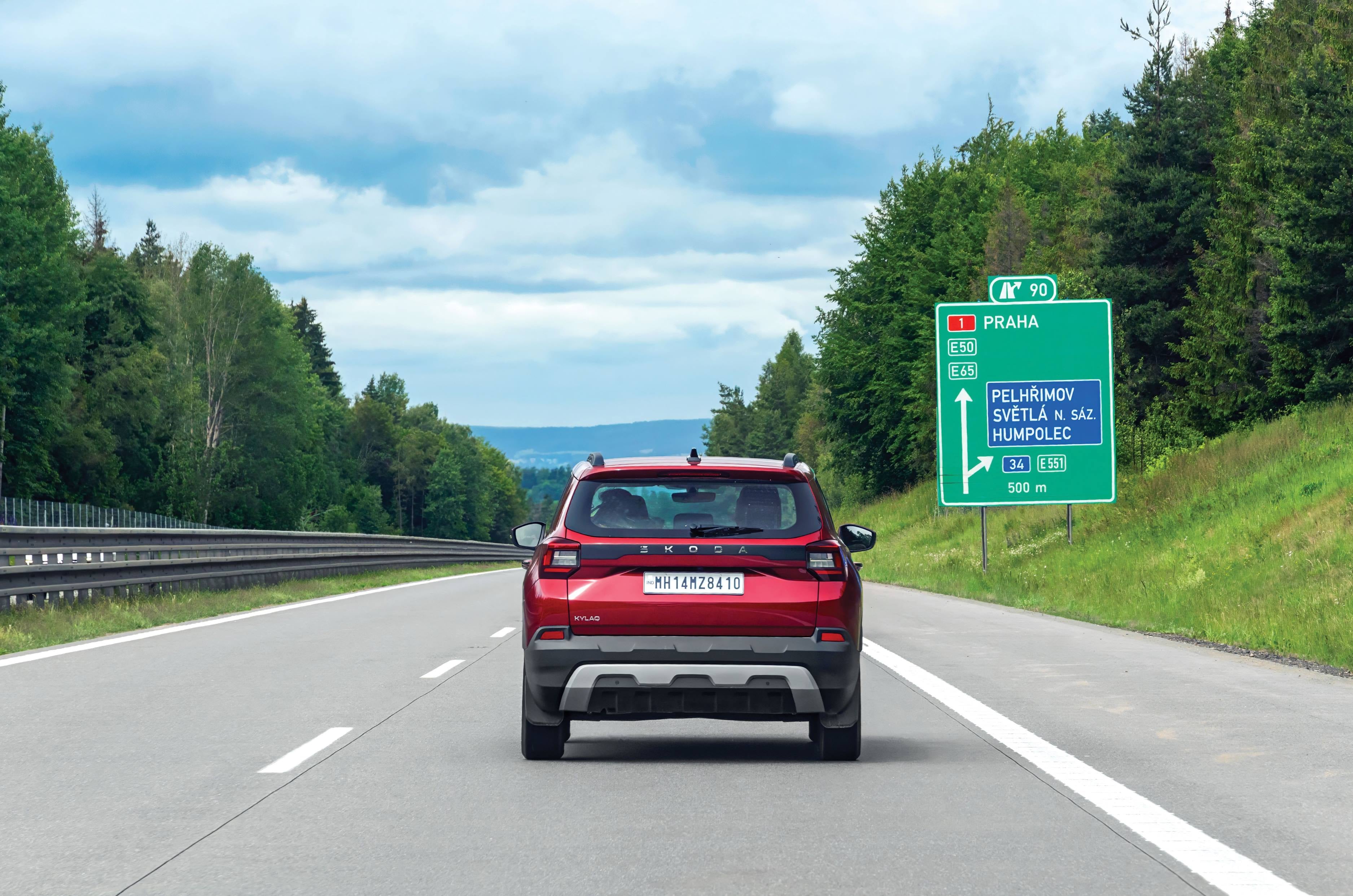
Prague boards were the beginning of a bittersweet end.
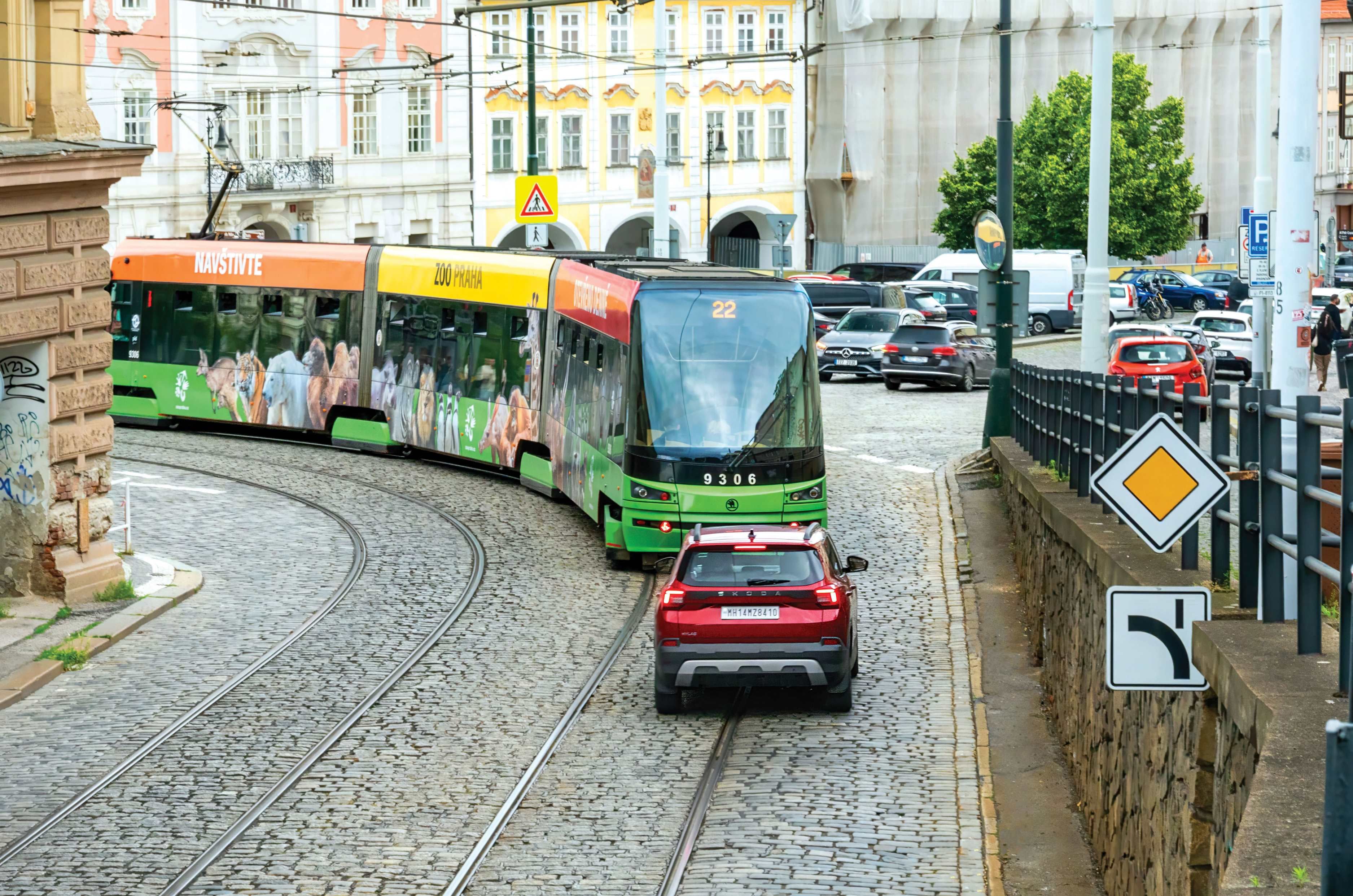
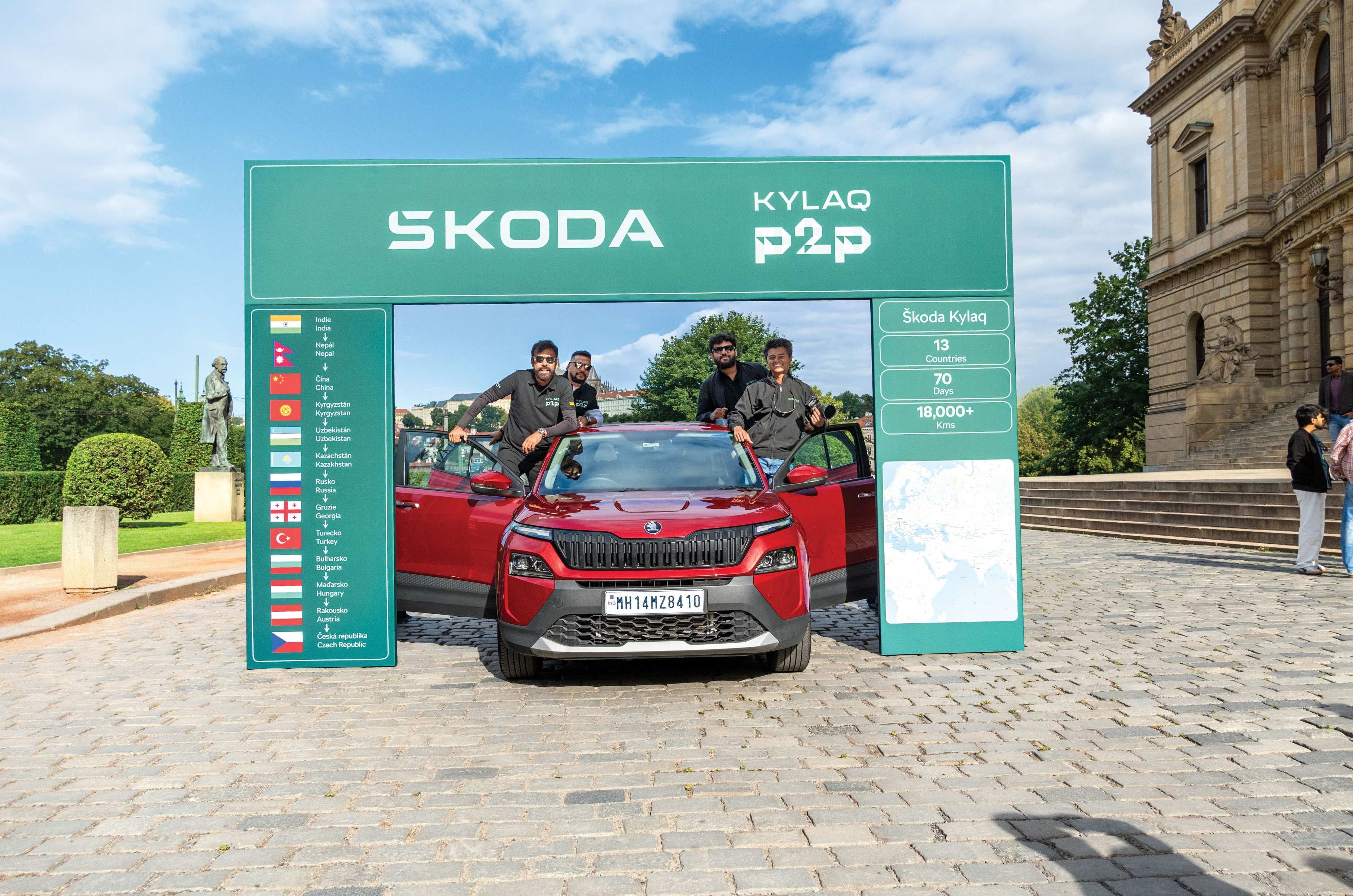
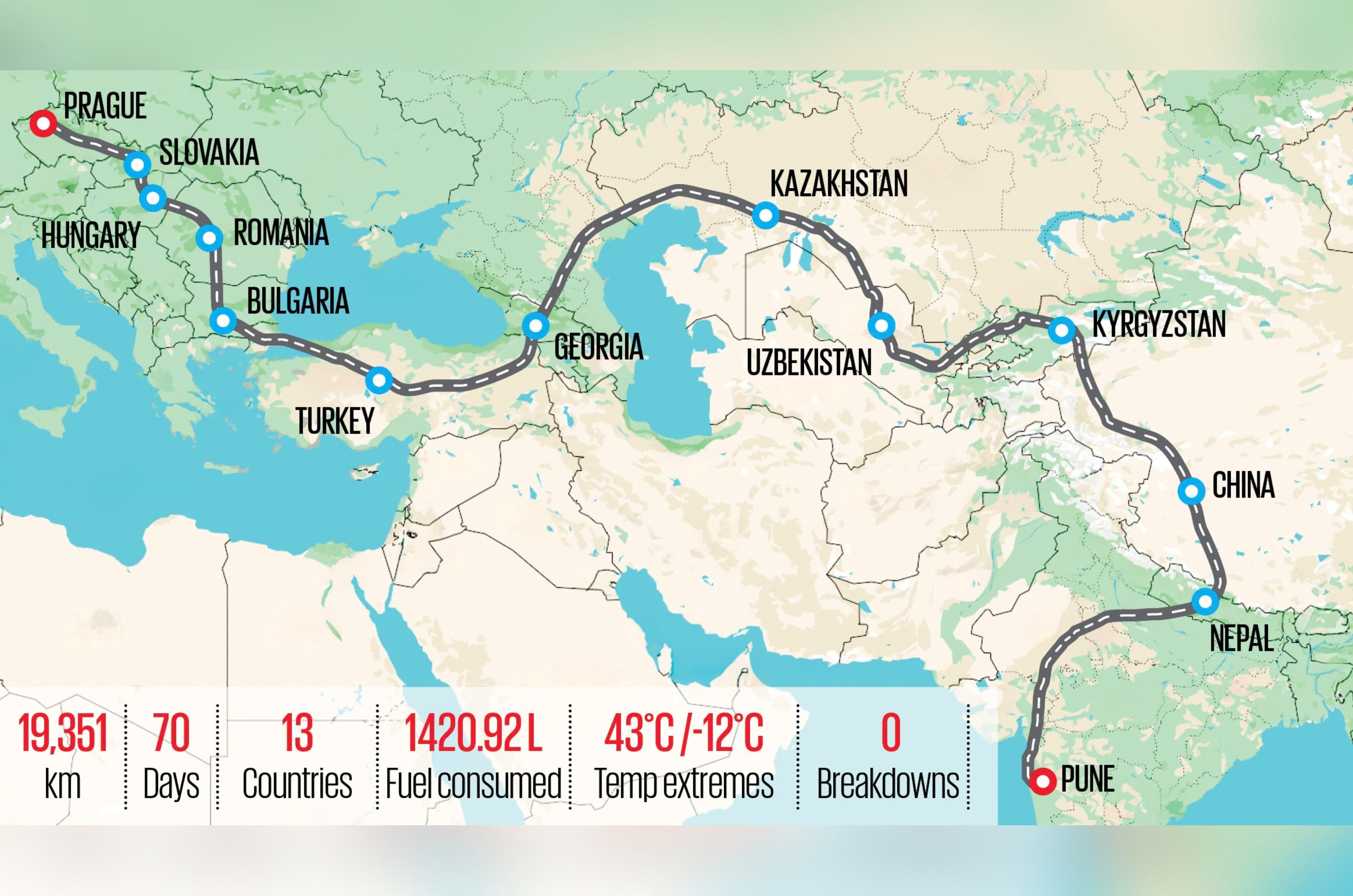
Prague was no more than 200-odd kilometres away, and the bittersweet feeling of it all coming to an end loomed over each and every one of us. As we crossed Brno and got closer to Mlada Boleslav (Skoda’s headquarters), we all reminisced about how gigantic this drive had been. Seventy days, almost 20,000km and not a single fault with the car, not even a puncture.
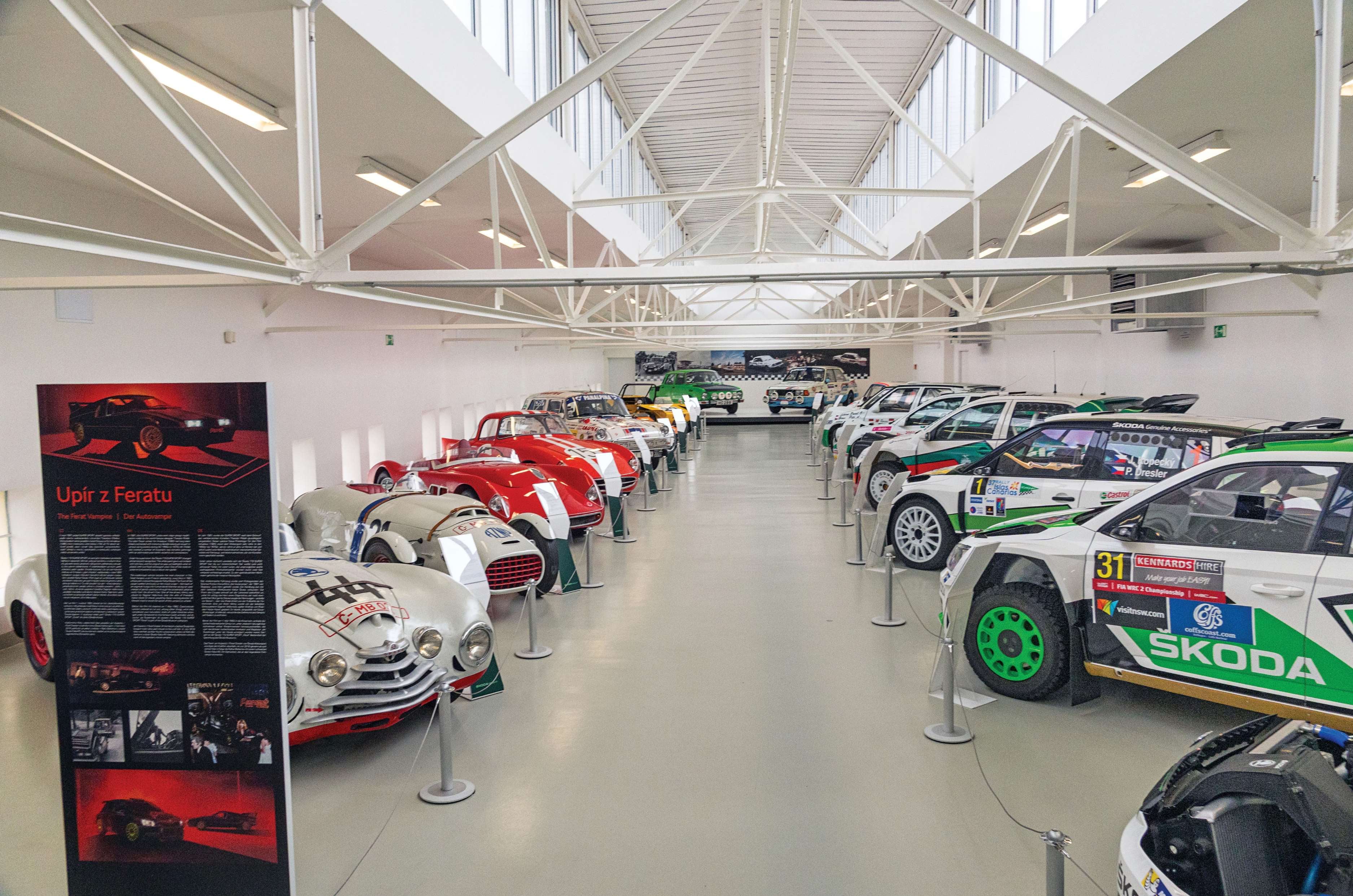
Rich history of rally and motorsport at the Skoda museum.
We crossed the Skoda factory gates with employees gazing in amusement and confusion. They had never seen this car, but strangely, it had a Skoda logo. As we parked the car near the iconic museum that preserves over 130 years of history, we had to peek in and see where it all started.
The fact that a simple bicycle gave birth to one of the largest auto manufacturers in the world is pretty astonishing. Road cars, racing cars and rally legends, Skoda has done it all. A reputation built over a century for being tough, resilient and deeply desirable.
Watching the Indian-made Kylaq sitting proud and faultless in the gleaming sunlight against the backdrop of Prague Castle, looking exactly like it did on the factory floor in Chakan, only proves that the 130-year-old ethos is still the same, no matter where Skoda builds a car.
The final picture in the camera that will always take us back in time
In a world rapidly shifting towards more screens and fewer experiences, a drive like P2P isn’t just a rarity; it’s a statement of defiance: as long as there’s a world to explore, we will find a way to drive across it.
There are road trips, there are overland expeditions, and then there are journeys that become conversations with continents. This one starts in the industrial heart of Maharashtra, inside Skoda India’s sprawling Chakan facility. The end point lies nearly 20,000 kilometres away at Skoda Auto’s headquarters near Prague in Mladá Boleslav, Czech Republic, where bicycles evolved into automobiles and a 130-year-old story continues to be written.
Between these two factories lie thirteen countries, four major mountain ranges, countless cuisines, dozens of languages and enough history to fill libraries.
Our companion? Not a flagship SUV or a luxury grand tourer, but Skoda’s smallest SUV – the Kylaq, which recently celebrated its one-year anniversary. Driving it from Pune to Prague is a tall order, but surviving one year in India and being accepted with flying colours is enough cred one needs to take on the world.
India – Home Turf
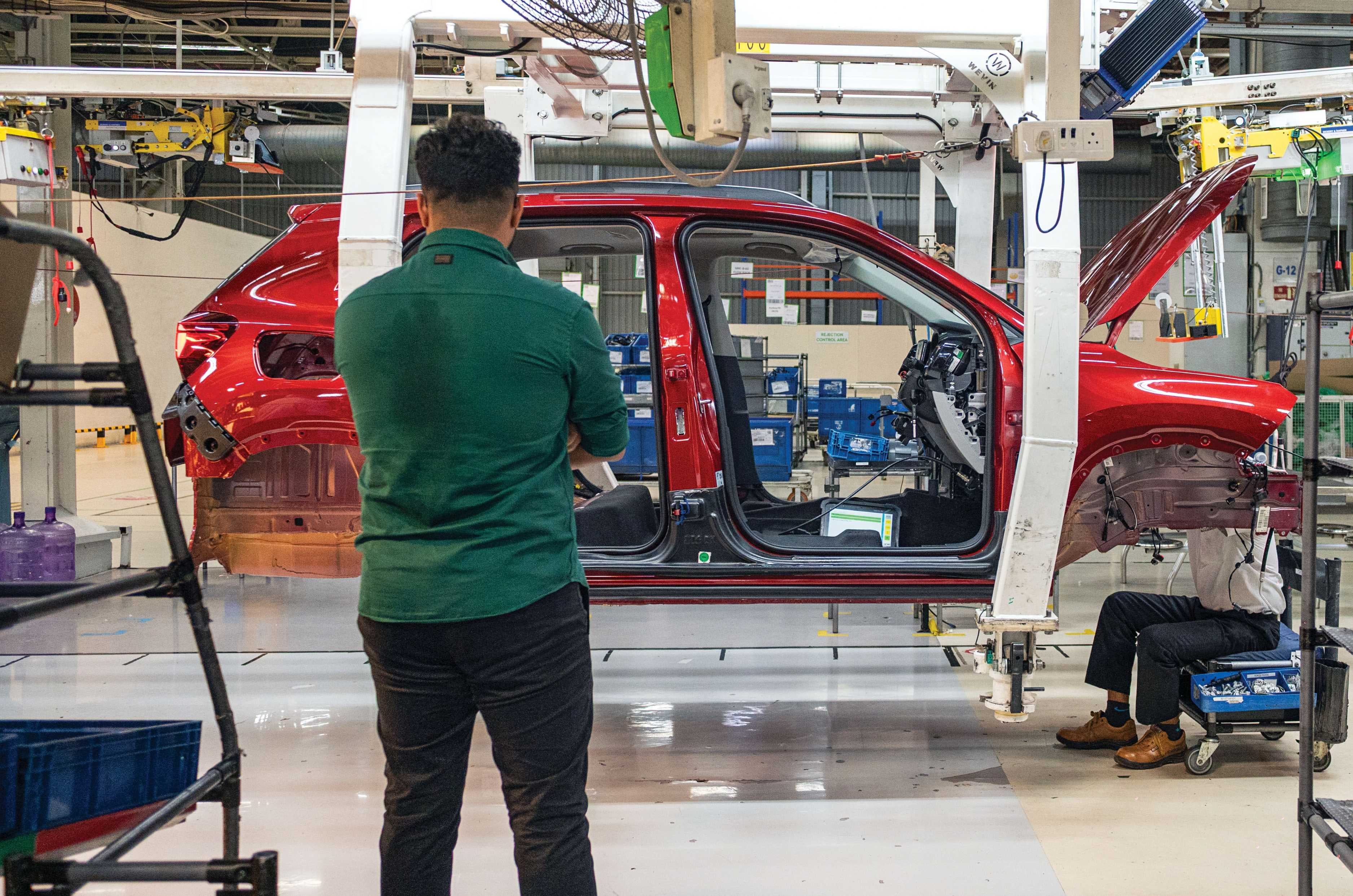
Witnessing the Kylaq’s birth added more responsibility.
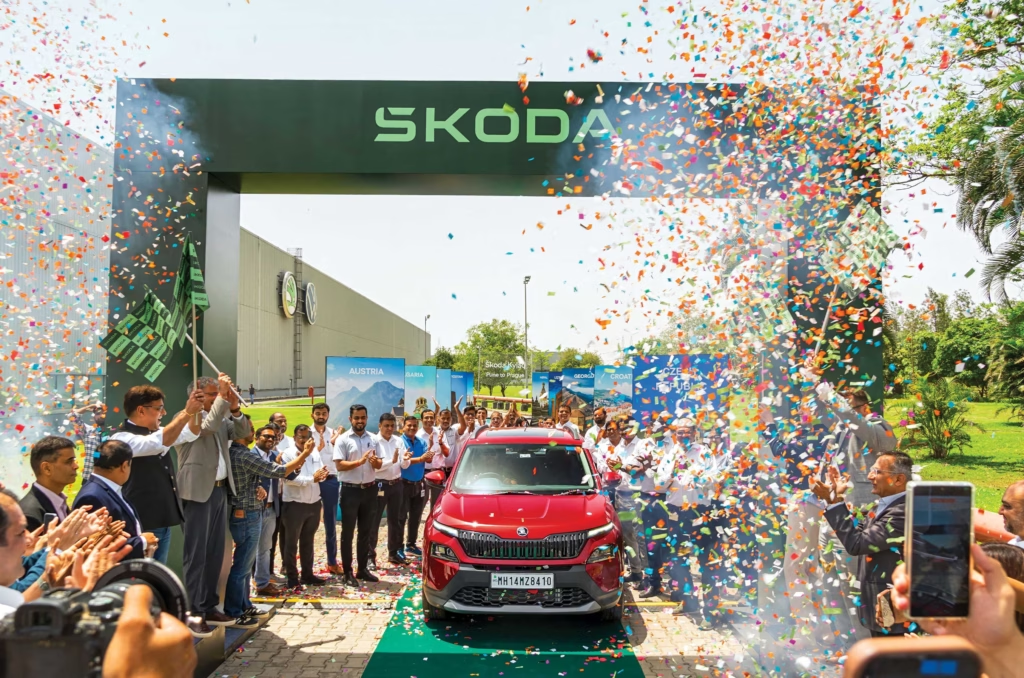
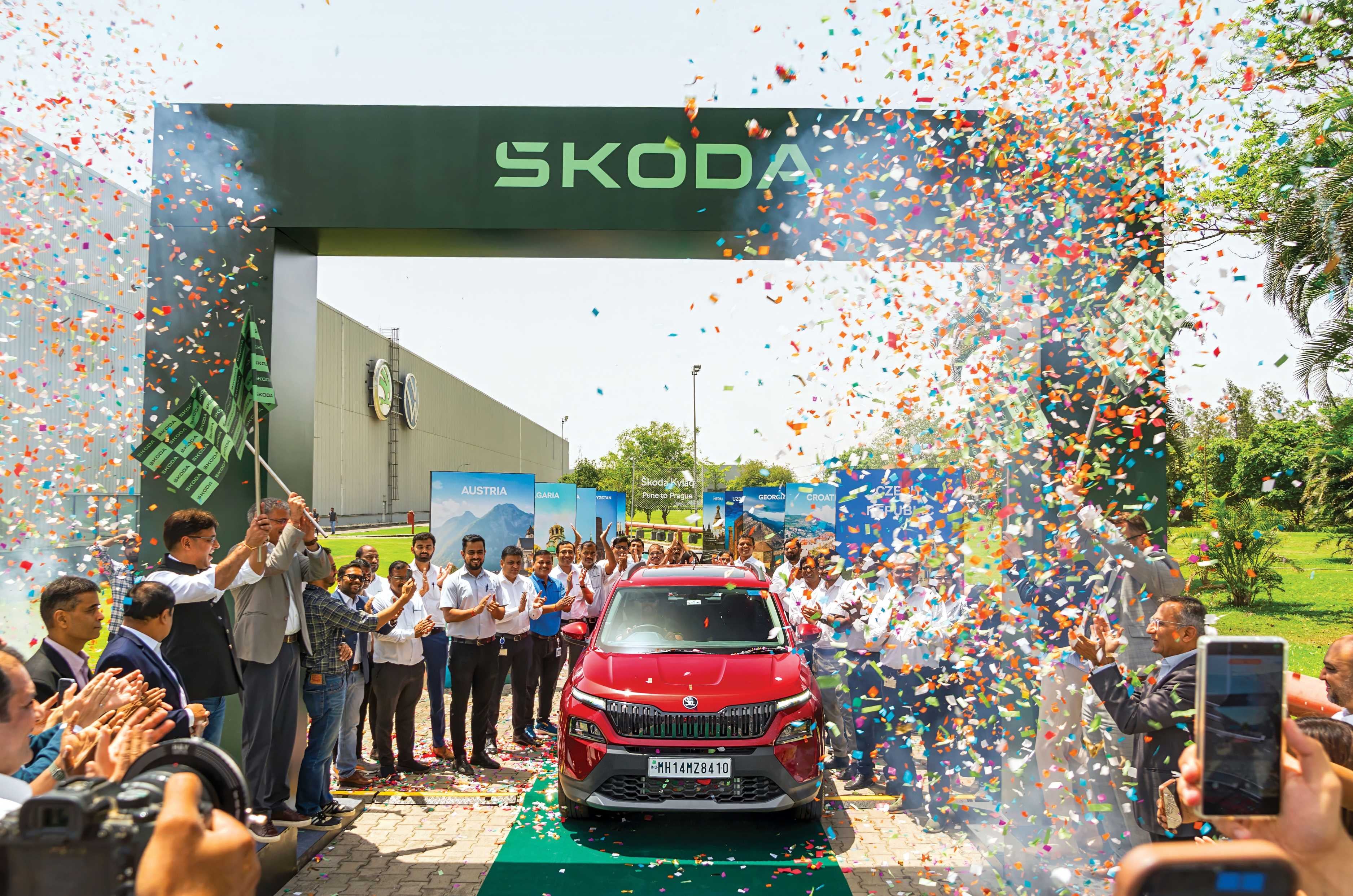
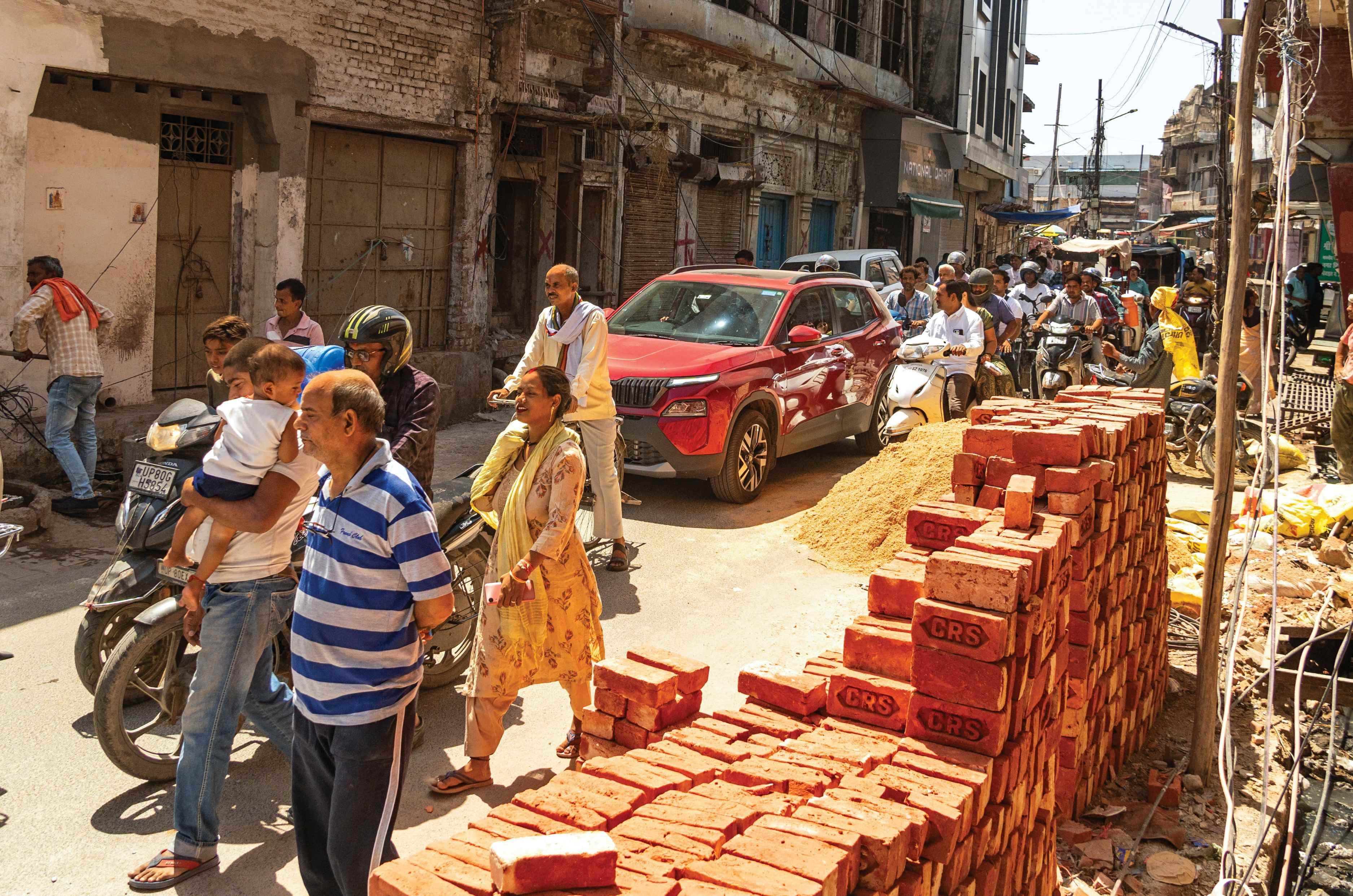
On a cross-country road trip, you’d imagine the home country would be the easiest leg. With India, it was the opposite. To some, it’s organised chaos, but honestly, it’s anything but organised. Erratic traffic, erratic egos, and road conditions fit only for a Mars rover – India was the biggest challenge on the drive from Pune to Prague. As the odometer ticked over its first kilometre, right outside the gate of Skoda’s Chakan plant, a blood-red PMPML bus was ready to trade paint with the cherry-red Kylaq. A dinged-up Kylaq parked on the streets of Prague wouldn’t be a good look, so it was imperative that I babysit this compact SUV like a million-dollar supercar. Having watched the car being assembled on the factory floor, from bare bones to the finished package, only added to the emotion – driving it in traffic felt like walking a toddler across a football field. Eyes wide open, ready to block any attack.
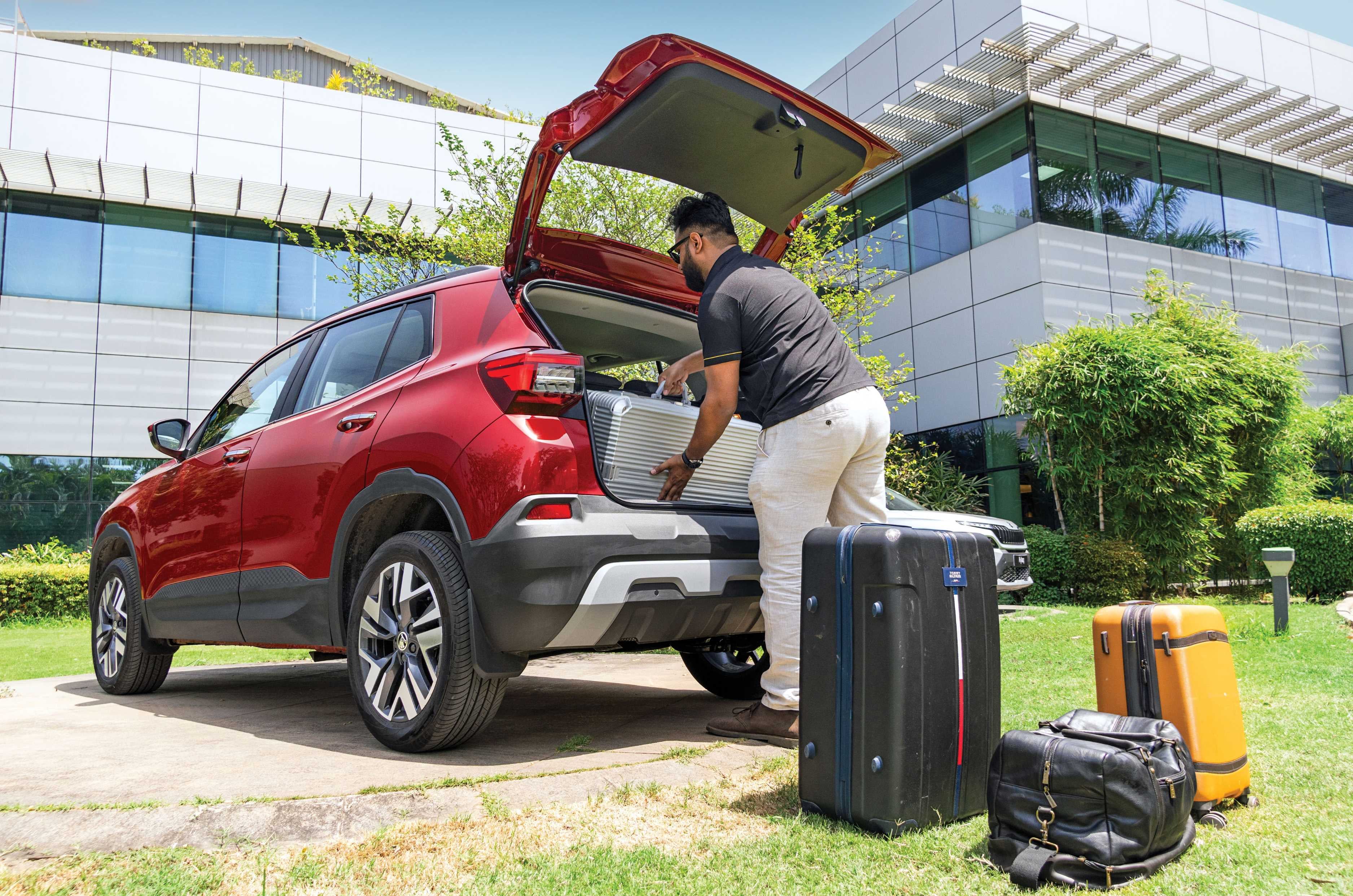
446-litre boot packed to the brim for 70 days on the road.
We got onto the Pune expressway and then crossed the Atal Setu in Mumbai, the longest sea bridge on the entire journey. Mumbai was home, both to me and to the Autocar India office, so after a few greetings from co-workers and the obligatory photos, we headed towards our first state crossing. The infamous Western Express Highway that leads out of Mumbai lived up to its reputation, but with a little anxiety, panic and a few expletives, we made it onto the national highway.
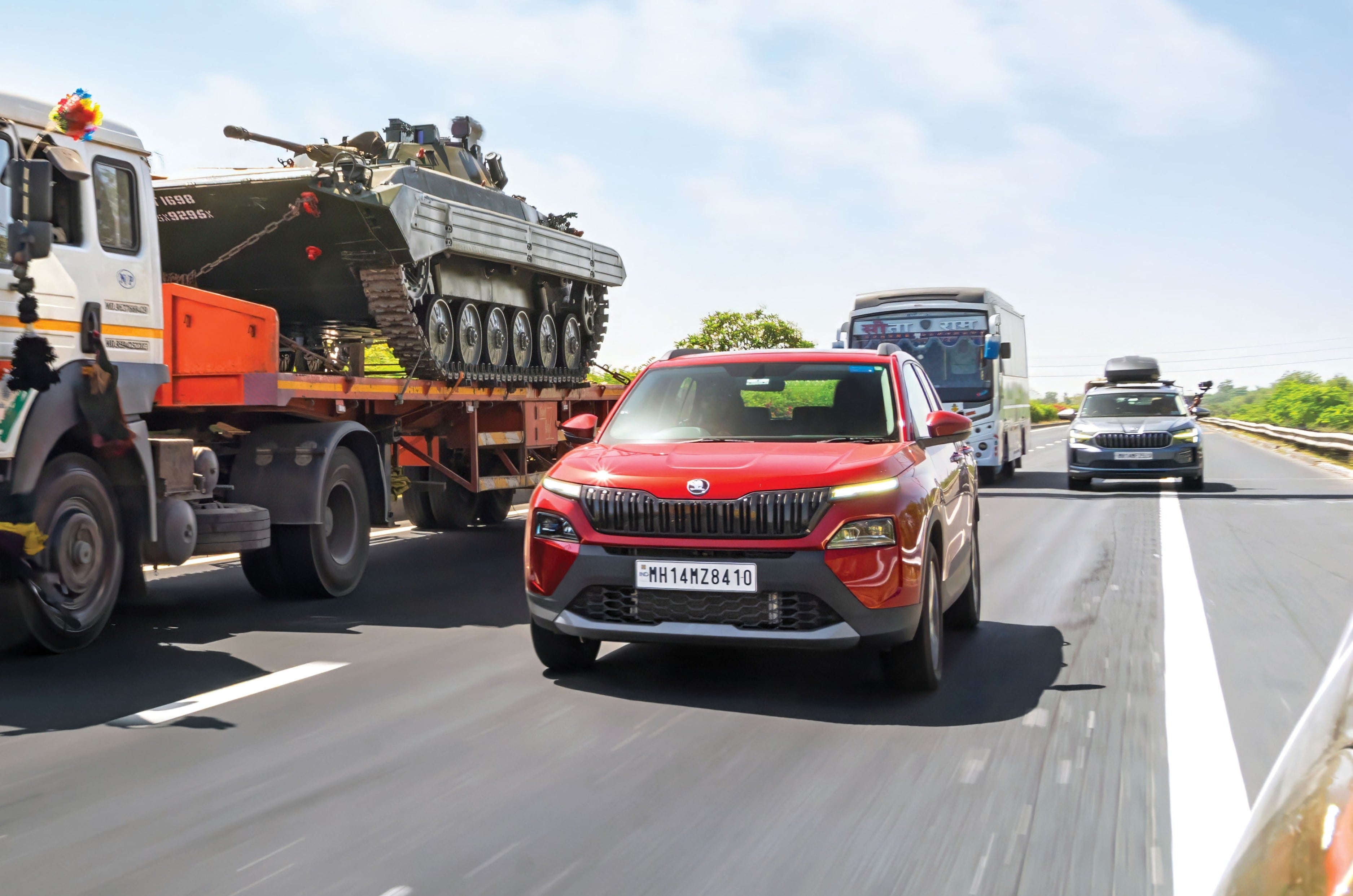
No telling what you’d spot on Indian highways.
The first of countless food stops was Hotel Ahura, renowned for its akuri and kheema. Needless to say, we carb-loaded to the max and made a beeline for Vadodara.
Pune-Birgunj in numbers
Distance covered
2,487km
Fuel consumed
234.46 litres
Average fuel economy
10.62kpl
Approximate fuel cost
Rs 23,629
Average per-litre fuel cost
Rs 100.87
Total time driven
55hrs 20min
Average speed
44.95kph
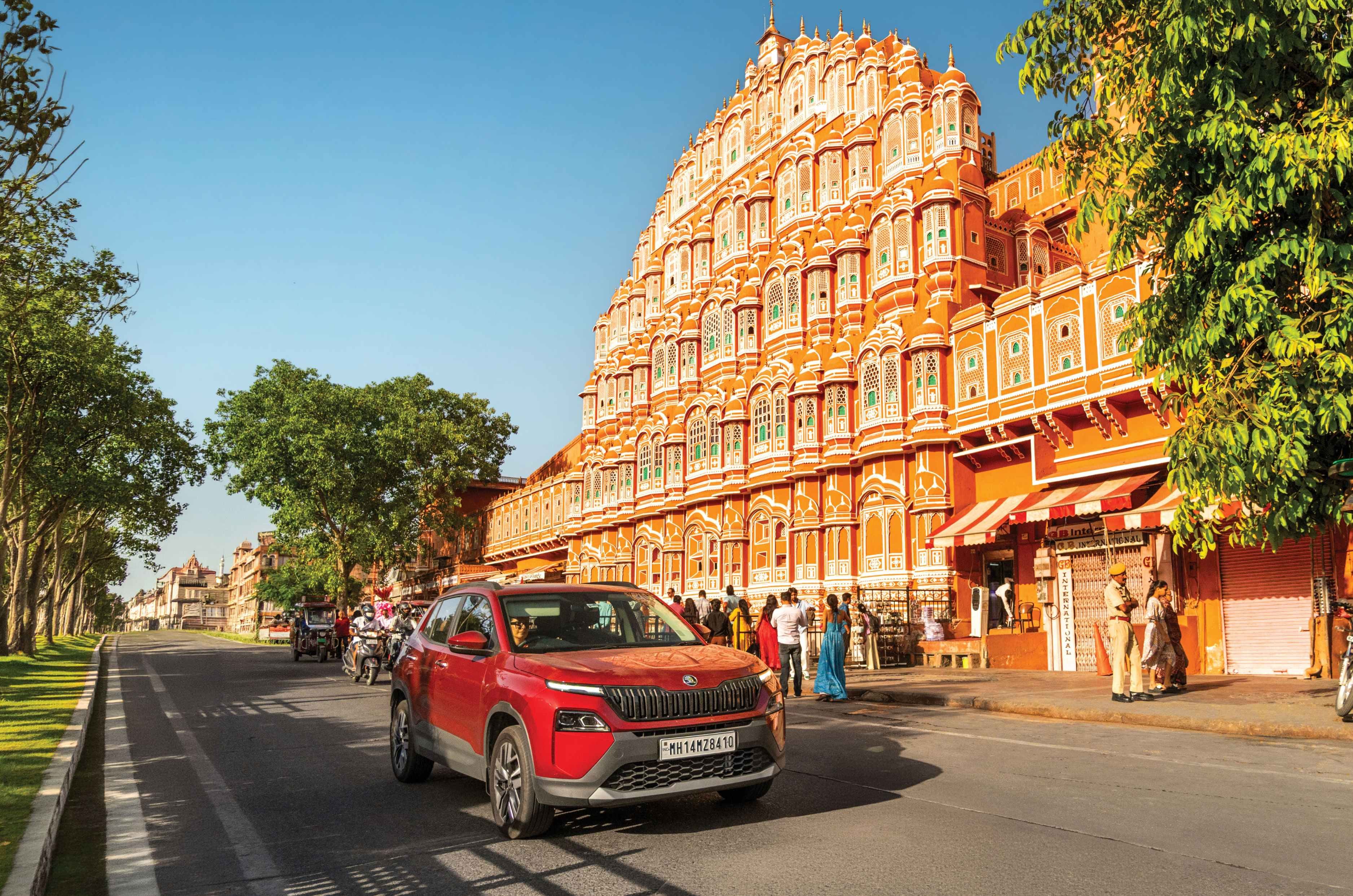
Crossing into Gujarat, the Kylaq could finally stretch its legs and spool up that turbo on the state’s spotless highways. The stability and effortless cruising were a welcome relief, since the bulk of the kilometres on this drive would be covered on long, open highways. Gujarat was a short stint – we made only an overnight halt in Vadodara before slipping out ahead of the morning traffic. The drive into Rajasthan was seamless, and Udaipur greeted us with a mix of heat and traffic. The City of Lakes is worth taking the time to explore, but a late arrival and early morning departure left us with just enough time to grab a traditional meal. All that driving had built up an appetite, so we put it to a vote between a massive vegetarian thali and laal maas – the latter won by a landslide. From the City of Lakes, we headed to Jaipur, the Pink City: just as picturesque as Udaipur, and just as colourful and chaotic. The sun setting over the beautiful Amer Fort made for a cracking backdrop, and a few glimpses of the Jal Mahal on the way back were a treat too. The iconic Hawa Mahal, with its 953 windows, never fails to amuse, but getting a photo of the five-storey icon without a chorus of honks is next to impossible. The next morning, after threading through Jaipur’s narrow lanes, we made it back onto the highway, heading for Agra.
Iconic Hawa Mahal ought to be seen first-hand.
Agra is synonymous with the Taj Mahal, but the Agra Fort – from which you can see the Taj in the distance – is just as mesmerising. The detailing and architecture are second to none, and you could spend hours walking through its courtyards and passages, taking endless pictures. We, of course, also made it to the Taj itself, amid the hordes of tourists, if only to avoid the guilt of visiting Agra without a shot of the world-famous white dome. Tourism done, it was time for some petha – though the lanes near the petha shops seemed to be the exact width of the Kylaq, and that’s where peak anxiety set in. We got out of the mess, walked around the car to check for scratches and scribbles, and sighed in relief. India was adding to the tension, and we were barely halfway through it.
Agra’s narrow lanes were a nightmare to drive through.
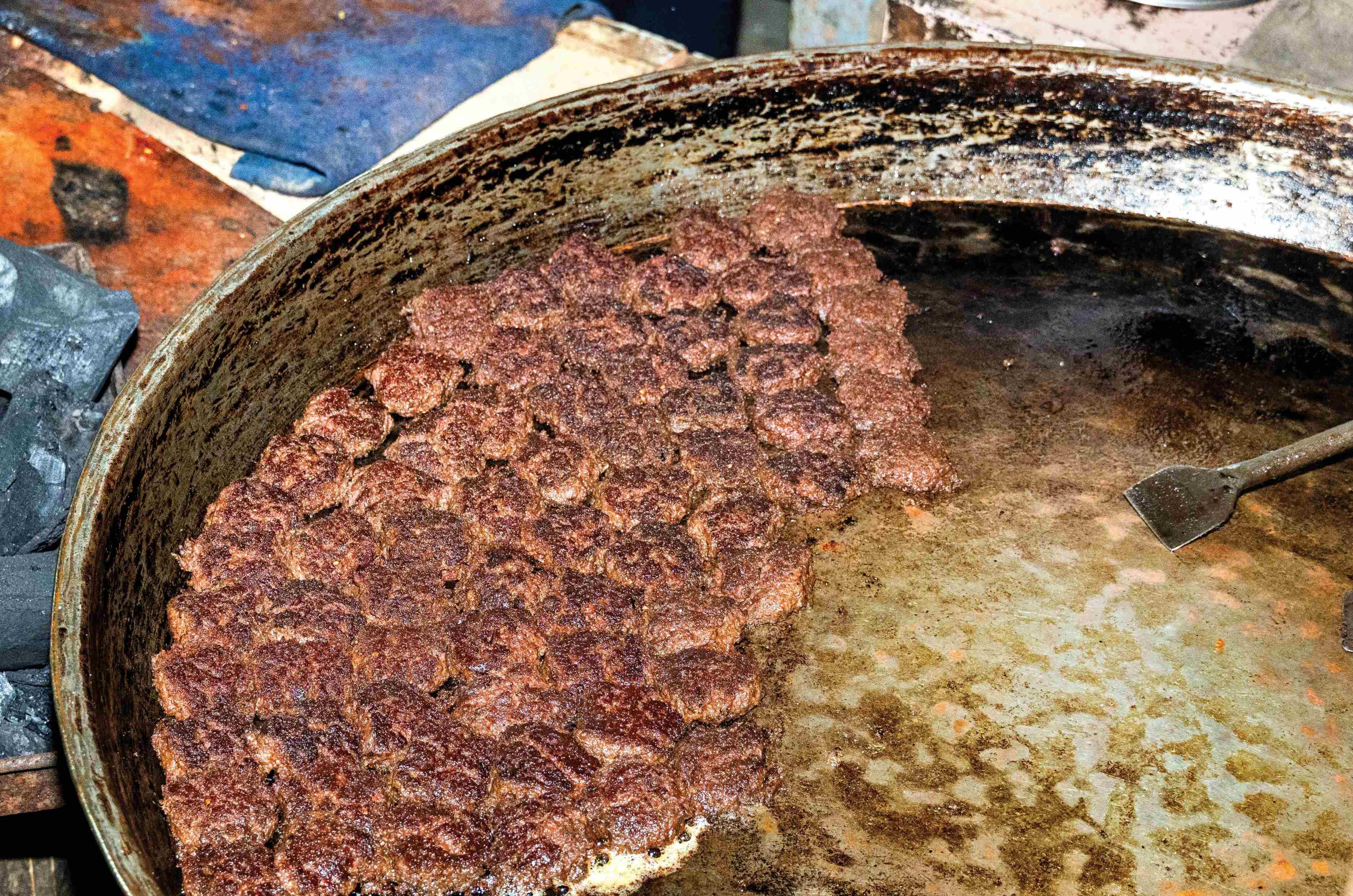
Our next stop from Agra was foodie heaven – Lucknow. The biryanis, kebabs, and tandoors were exactly what we expected, and exactly what Lucknow delivered. Finding your way here is easy – you could do it blindfolded, following the smoke and sizzle to wherever you need to be. Tunday Kababi is a must, and after a heap of biryani laced with kebabs, a long walk through the countless chikankari shops helps burn off some of the calories.
Lucknow’s Tunday Kababi still has us drooling over Galouti kebabs.
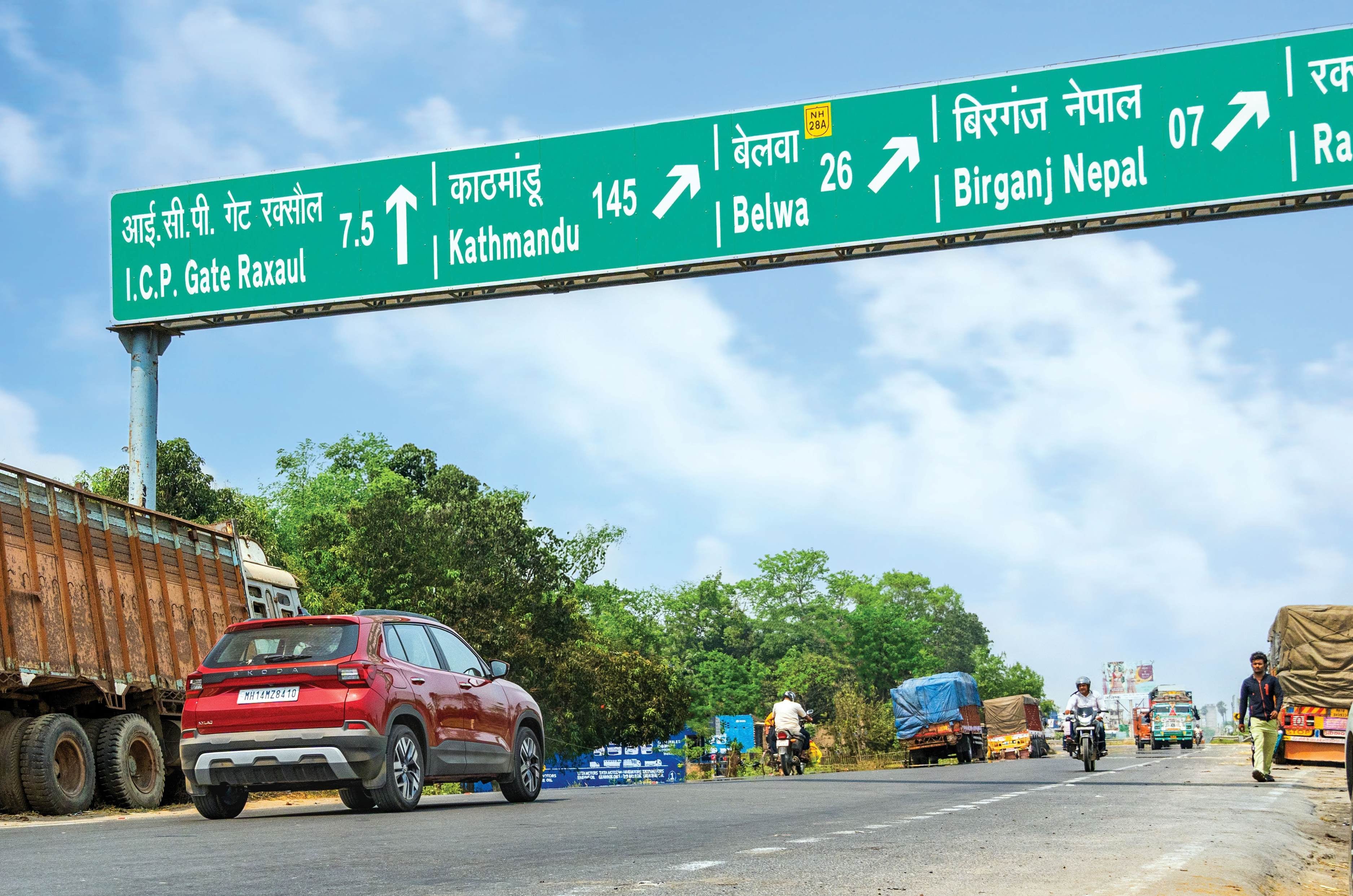
We were closing in on the end of the India leg, with one last stop in Gorakhpur before the Nepal border. To celebrate, a group of Skoda owners, officially known as the ‘Fans of Skoda’ joined us for a celebratory convoy as we drove out – everything from Octavia RS models to Kodiaqs and Kushaqs turned up as a send-off before we went international. The loud, chaotic border towns past Gorakhpur delivered one final challenge as we exited through Raxaul.
Final stretch before the Kylaq left India for the first time.
The India-Nepal border is still raw and basic, with none of the high-tech systems you might expect. A drive of this scale comes with a mountain of paperwork – visas, carnets, insurance, and more – and sifting through all of it manually takes a while. After a gruelling five hours, the Kylaq crossed out of India for the very first time.
Nepal – Old World Charm
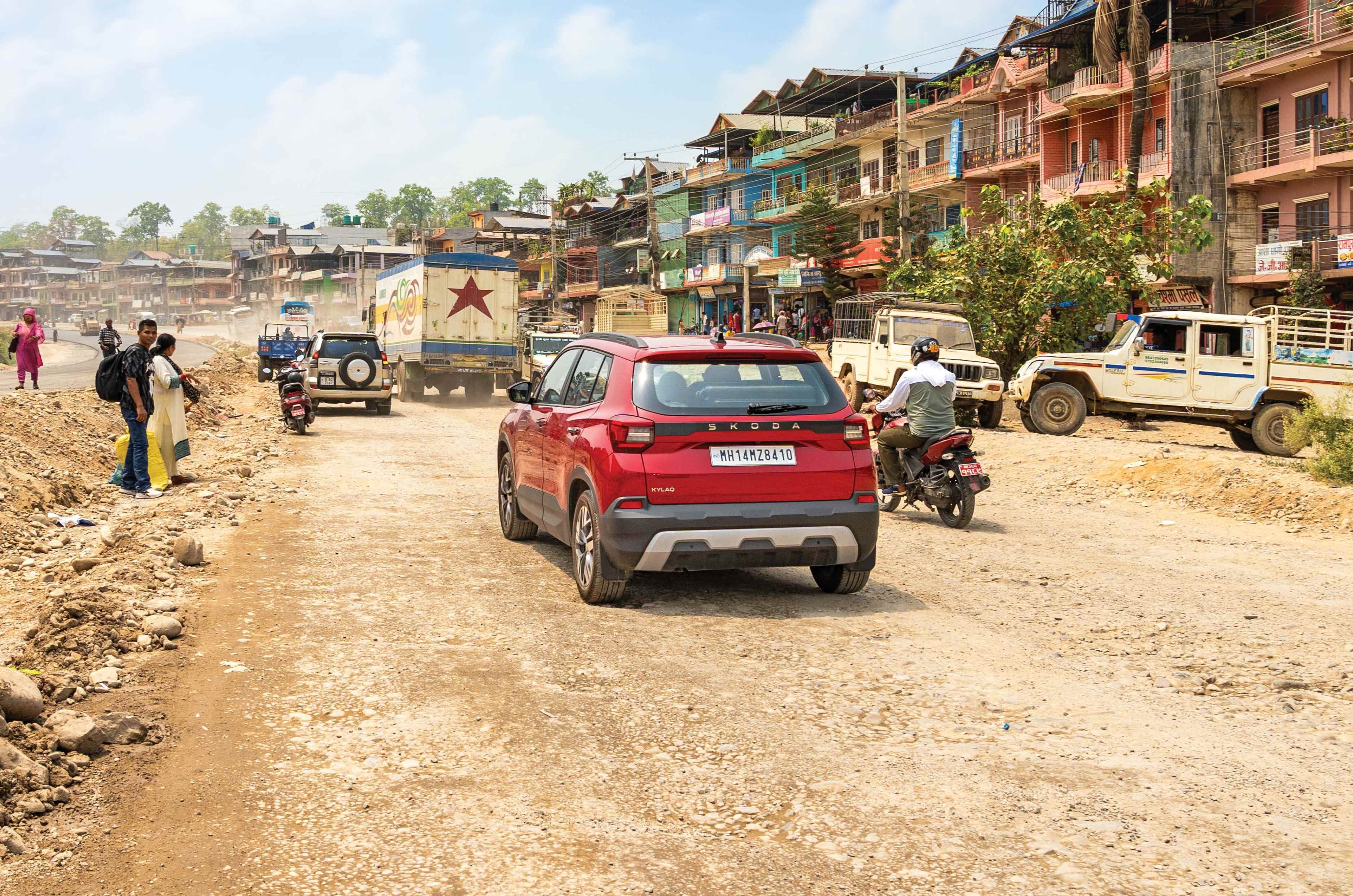
Nepal’s state highways give Indian roads a run for their money.
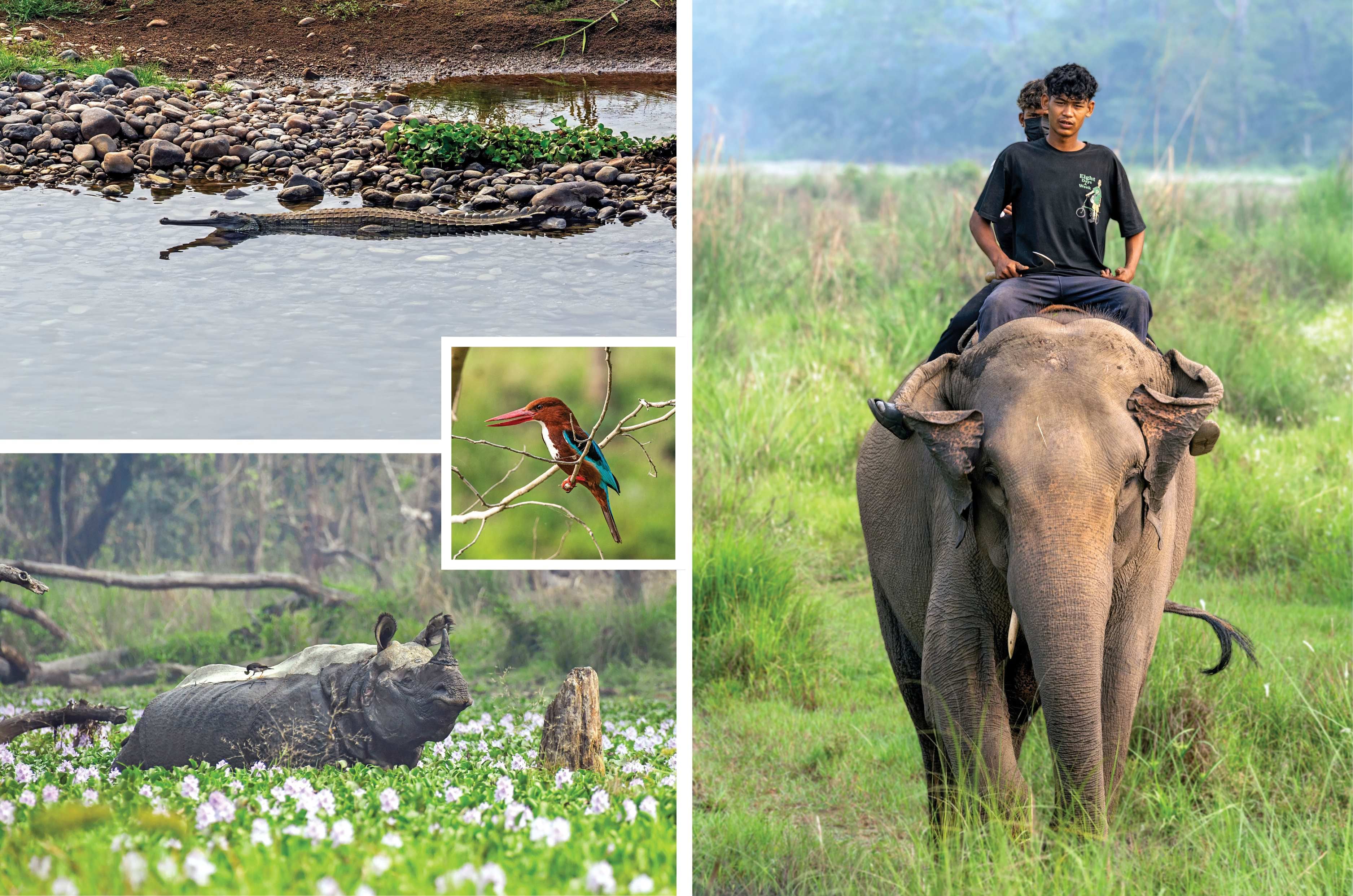
If the Indian side of the border was old-school, Nepal’s immigration post is almost antique. Drive past it, and you’d likely miss it altogether – the only tell-tale sign is a simple gate with ‘Immigration Office’ hand-painted on it. This humble-looking house is, in fact, the immigration office, where, just like on the Indian side, every check is done manually. Fine print, identity proofs, and everything in between were checked meticulously before we were welcomed into Birgunj. Our main draw in Nepal was the bustling capital, Kathmandu, but there were magnificent stops along the way, starting with Chitwan National Park. Home to nearly 700 one-horned rhinos, the park also shelters elephants, Bengal tigers, cobras, the elusive gharial, and abundant flora. The Kylaq would have been fun to explore it in, but we opted for the park’s safari vehicle to relax and take in the surroundings. Paddling a beaten-up wooden kayak past crocodiles and snakes adds a rush, but it’s nothing compared to a rhino staring you down in all its magnificence. The park gave us a welcome break from long hours behind the wheel.
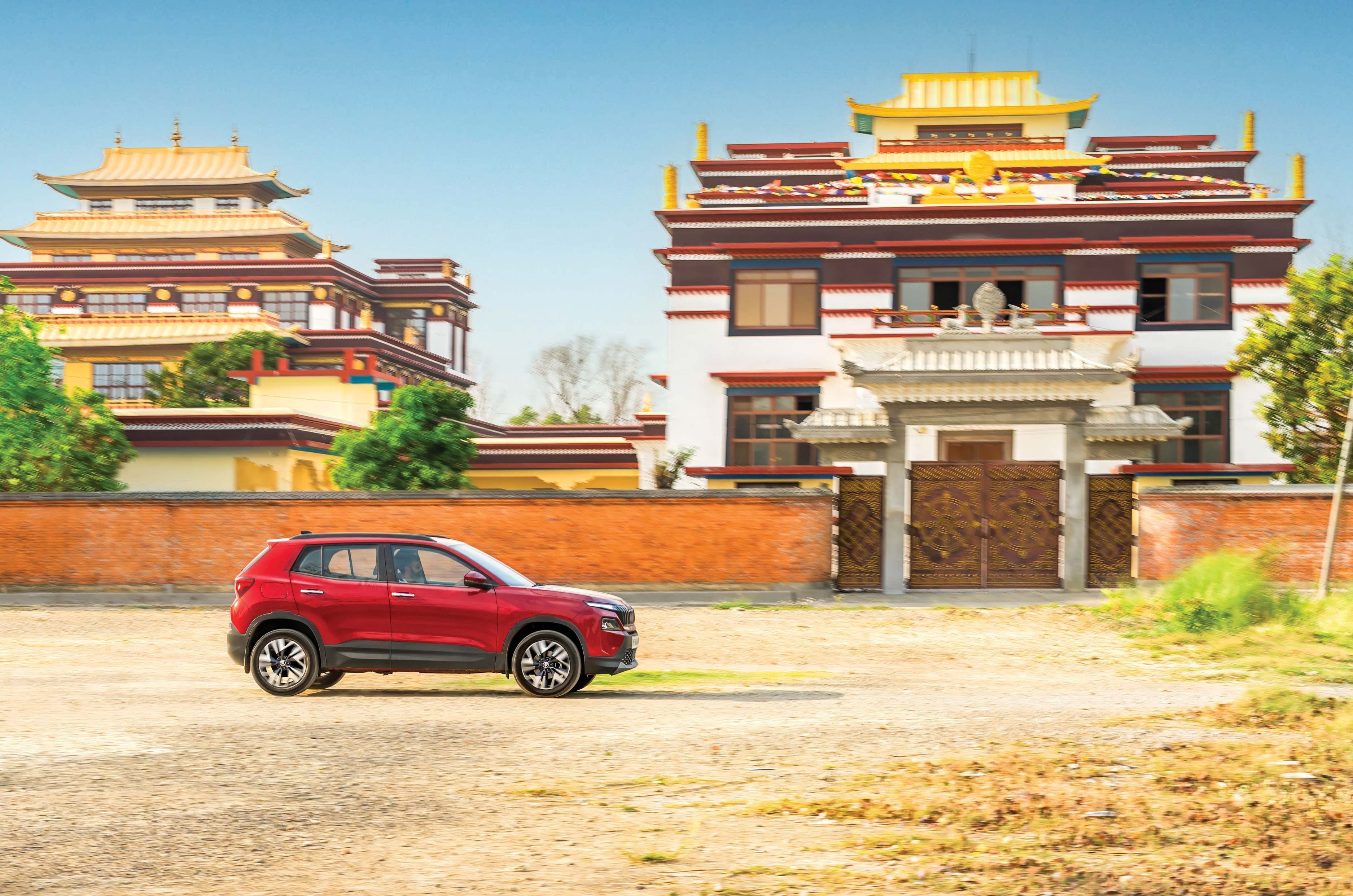
Lumbini is home to 32 unique styles of monasteries.
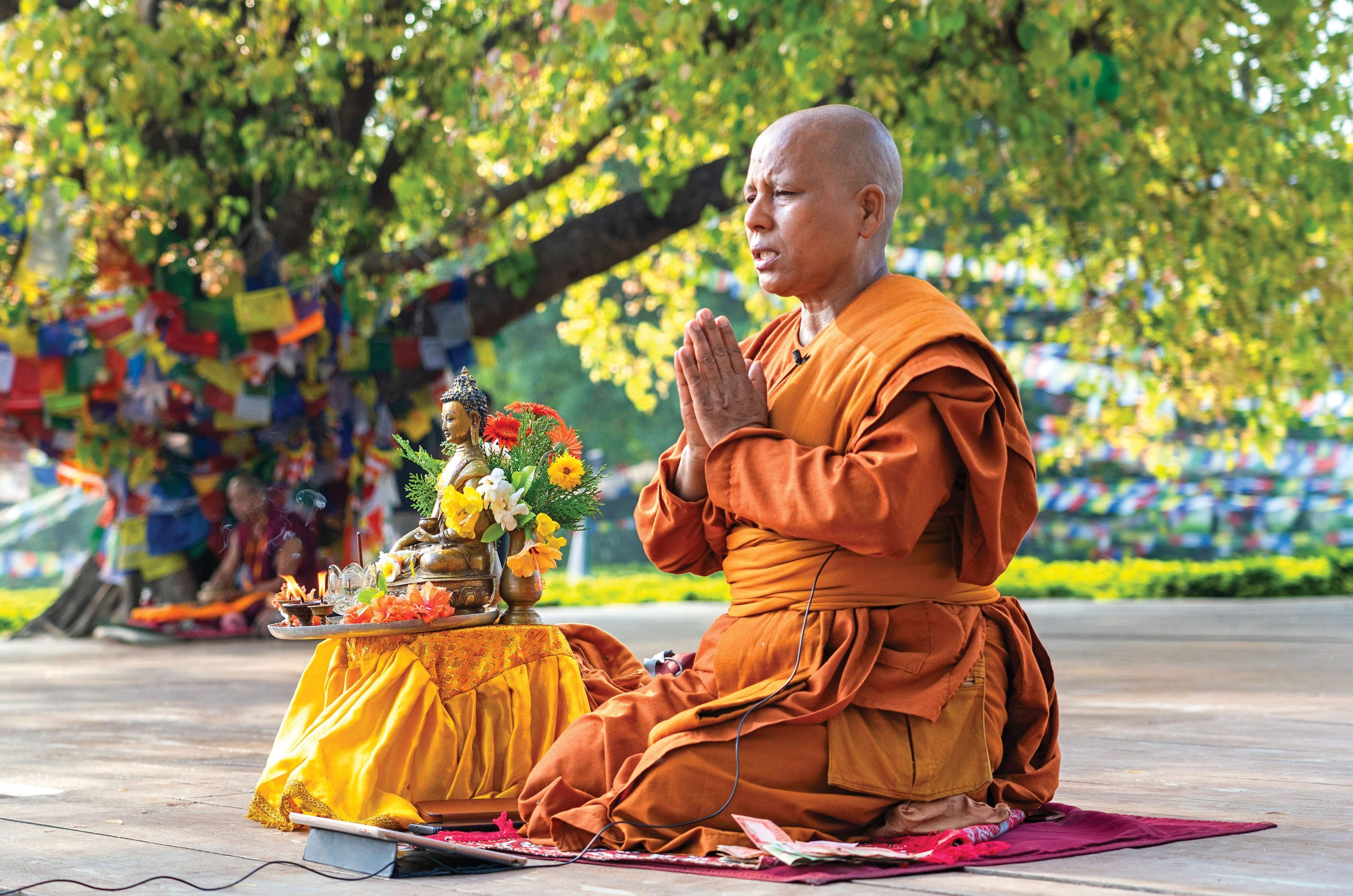
Next was Lumbini, a spiritual haven and, more importantly, the birthplace of Siddhartha Gautama (Lord Buddha) around 563 BC. Its fascinating monastic zone showcases monasteries built by Buddhist nations from around the world, each reflecting its own culture through design and architecture – a remarkable collection of temples spanning diverse traditions. The feeling of peace there was unlike anything I’d experienced, but it was soon disrupted by the road to Pokhara.
Lumbini provided a moment of calm through the chaos.
Mountain passes are notorious for destroying Google’s ETAs – landslides, breakdowns, and deteriorating roads mean a stretch that should take an hour could take five, depending on your luck. We braced for traffic and drove straight into a landslide clearing. A two-hour wait meant the sun was setting as we rolled into the quaint town of Pokhara. Bustling with cafés and pop culture, it felt like a mini Kathmandu, but with the stunning Phewa Lake turning orange at sunset. The calm that began in Chitwan came full circle on the shores of Phewa Lake.
Chitwan is home to the gharial and over 700 one-horned rhinos.
Kathmandu, though, was a different animal entirely – every bit a capital city, and a world away from the slow pace of Chitwan or Lumbini. The music is loud, the traffic is hectic, and the city is anything but quiet. Ironically, the only quiet things on the road are the cars – China’s dominance in Nepal is stark, with three in five cars on the road being Chinese EVs. Geely, BYD, and GWM rule the market, with only a handful of Hyundais and Kias as competition.
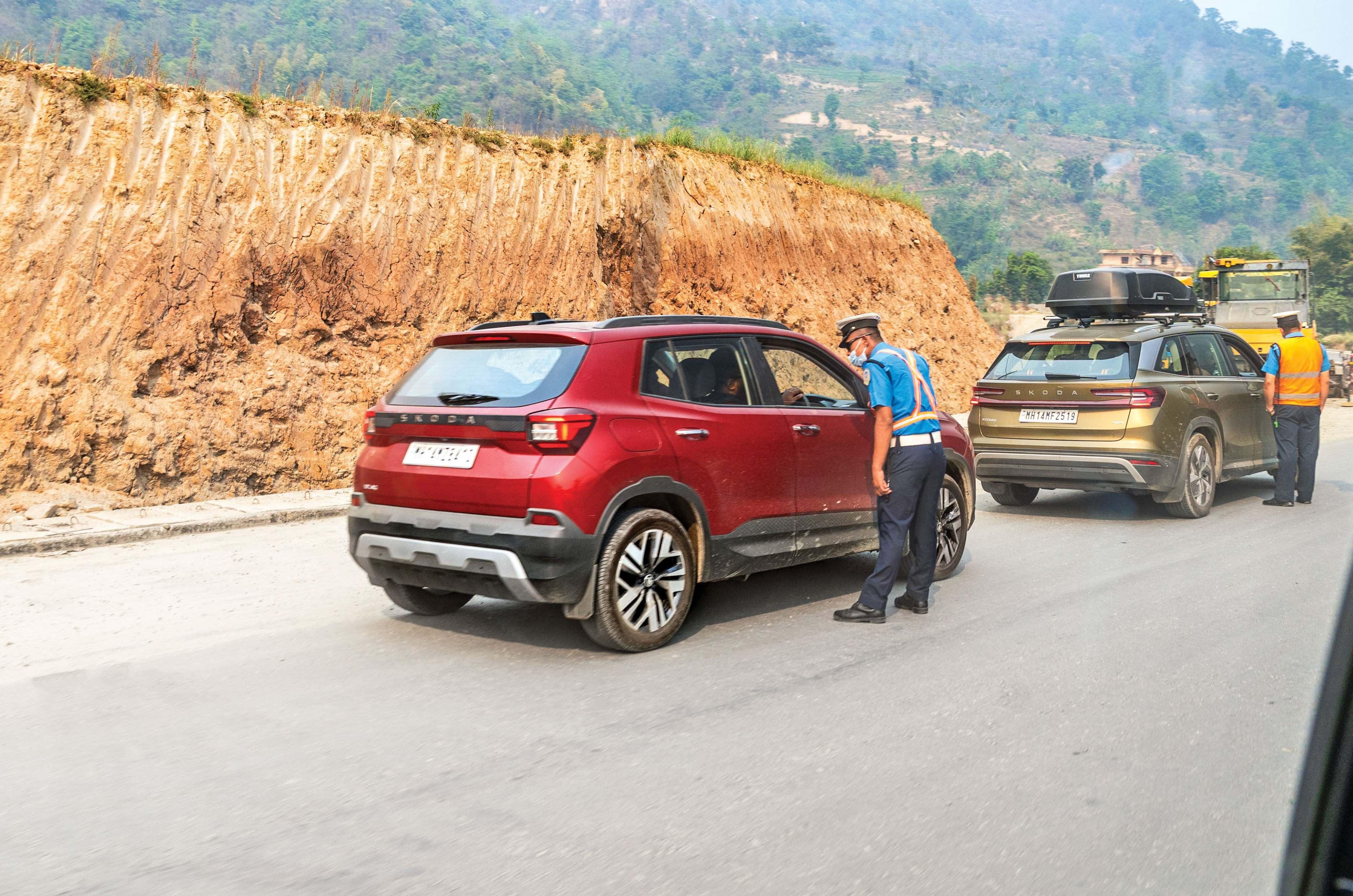
Authorities were always curious thanks to Indian number plates.
The party scene rules Kathmandu too. At night, the city comes alive as a hub for tourists from around the world. Hiking gear and North Face apparel go for a fraction of the price – and, often, a fraction of the quality – alongside quirky masks and fridge magnets at every tourist stop. Spend a little more time, though, and you’ll find excellent coffee shops and the famous Thakali thali: thick buckwheat porridge with salads, meat, and plenty of flavour. Good thing too, since walking through Durbar Square works up quite an appetite. Partly destroyed by the devastating 2015 earthquakes, the temples have since been restored to their former glory, though you can still spot the scars in a few bent pillars and roofs. It’s a culture and tradition worth preserving, and Nepal deserves credit for doing exactly that.
Birgunj-Sino-Nepal Border in numbers
Distance covered
922km
Fuel consumed
115.96 litres
Average fuel economy
7.13kpl
Approximate fuel cost
Rs 15,846
Average per-litre fuel cost
Rs 136.65
Total time driven
34hrs 25min
Average speed
27kph
With Kathmandu explored, we headed towards our second border crossing – and this one was far more intense. Once we left Kathmandu, we left the tarmac behind too. Muddy back roads, still wet from the previous night’s rain, meant slush and a constant need for 4WD. Even so, though packed to the brim with luggage, the Kylaq stayed light enough and had enough clearance to pick its way around the mud on the approach to the Rasuwa Bridge. From there, you can see the Chinese immigration building towering over everything around it. With the Kylaq thrumming with excitement, we crossed into Tibet – the roof of the world.
Tibet/China – Roof of the World
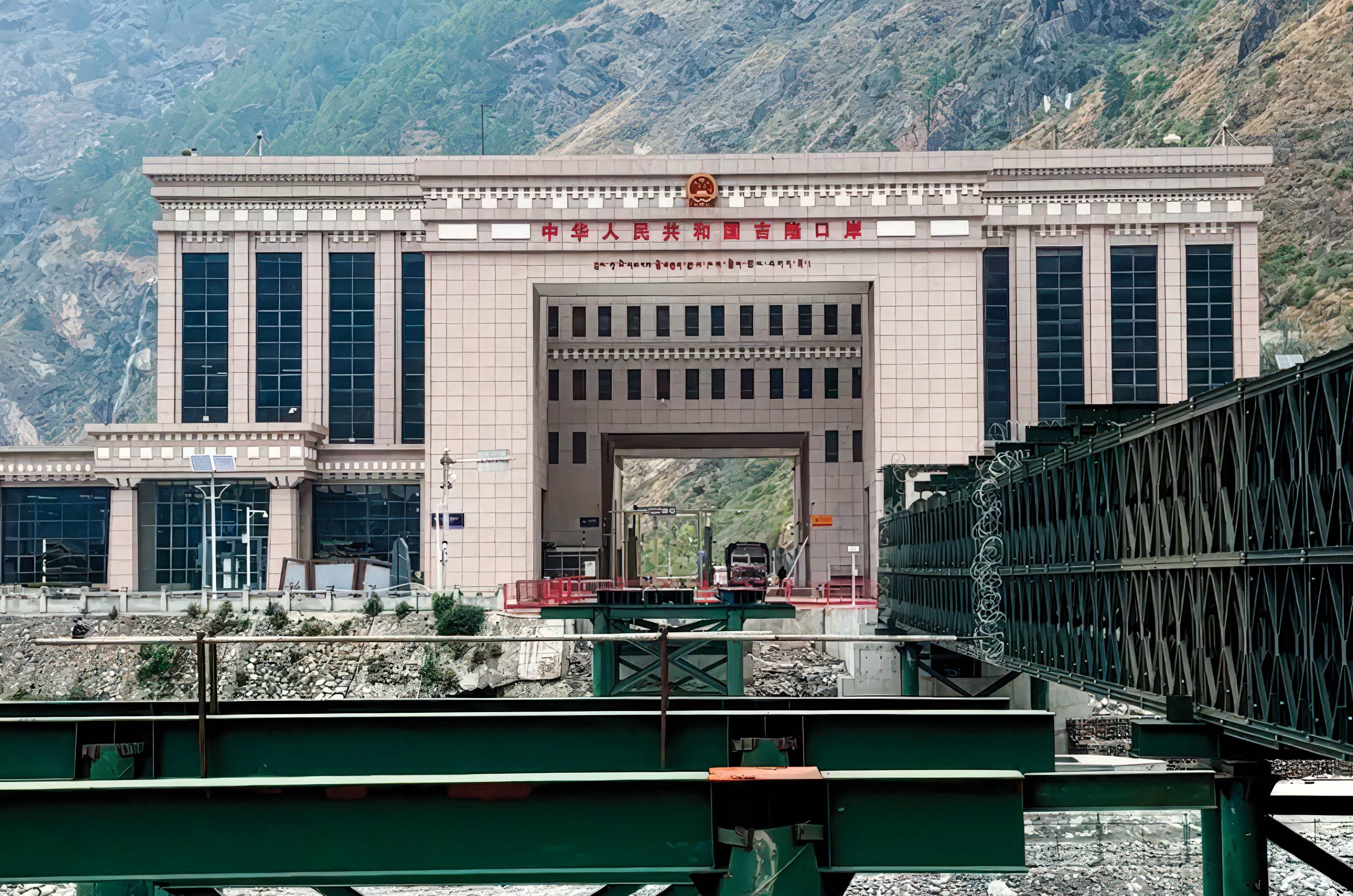
China’s border crossing is as imposing as it gets.
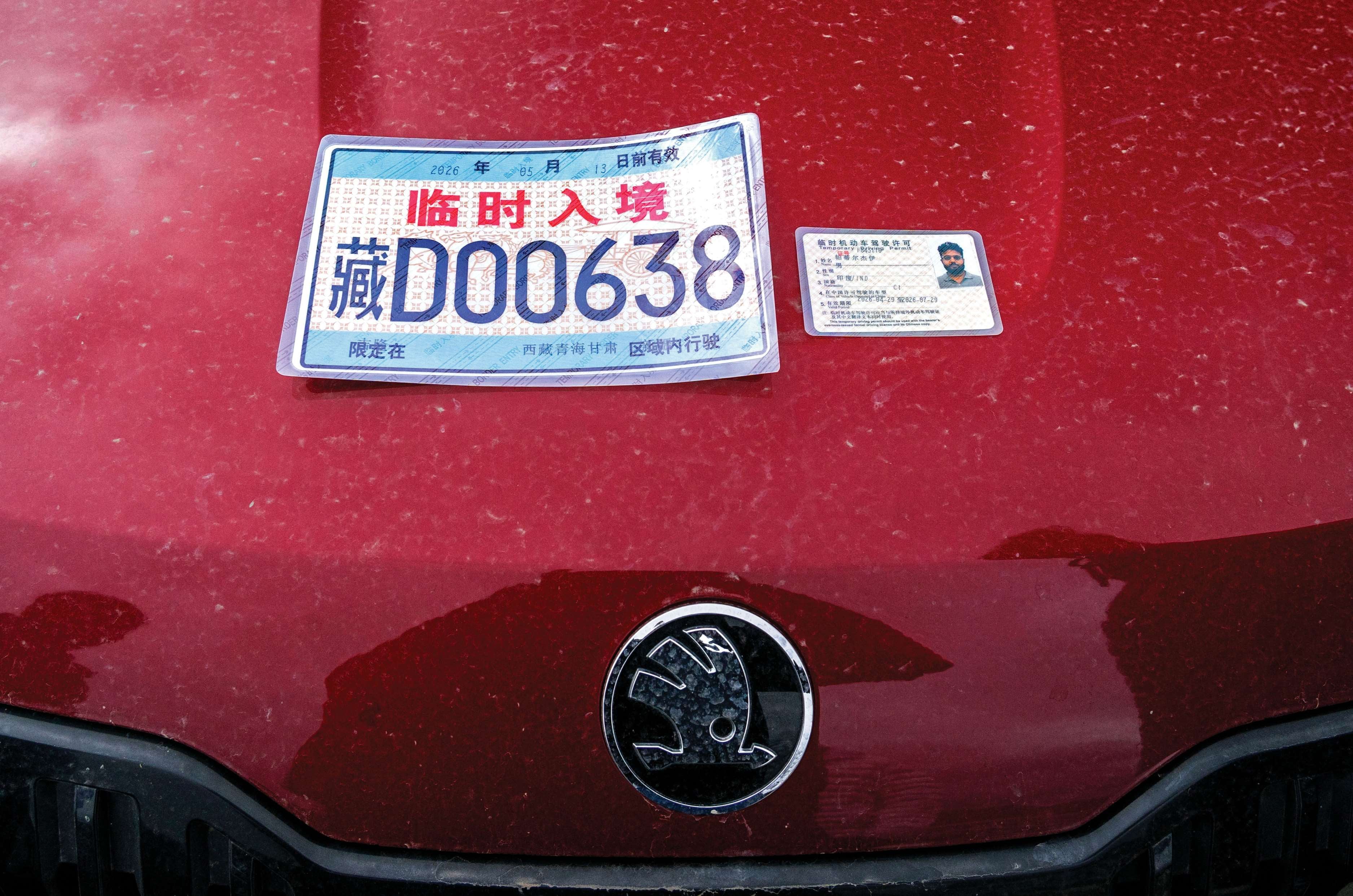
Crossing into Tibet felt like crossing into the future. For a region tucked deep into the mountains, it’s exceptionally developed – the roads are smooth and well-signed from the moment you cross the bridge, barely a hundred metres before the immigration office. In China, we weren’t taking any chances, knowing any misstep here could jeopardise the rest of the journey. After answering the customs officers honestly – and impressing them with the scale of the Kylaq’s challenge – we entered the lovely town of Gyirong. Old Chinese architecture, plenty of red, and signboards we couldn’t quite read were early signs that we really were in a different world now. Nepal had shared plenty with India – the cars, the food, the roads – but China felt entirely its own. We thought we’d seen our share of speed cameras, but China put us to shame – they appear every 50 metres or so, complete with flashes. There’s simply no room for error, and you’re monitored everywhere you go – aneerie feeling that takes some getting used to. Another non-negotiable is to obtain a special driving licence for every person that will be driving and a China-specific number plate, which you have to place on your dashboard so the cameras can pick up any infringements. A regular India-style RTO office with long queues and a lack of urgency got us homesick for a bit.
Local license and registration are non-negotiables in China.
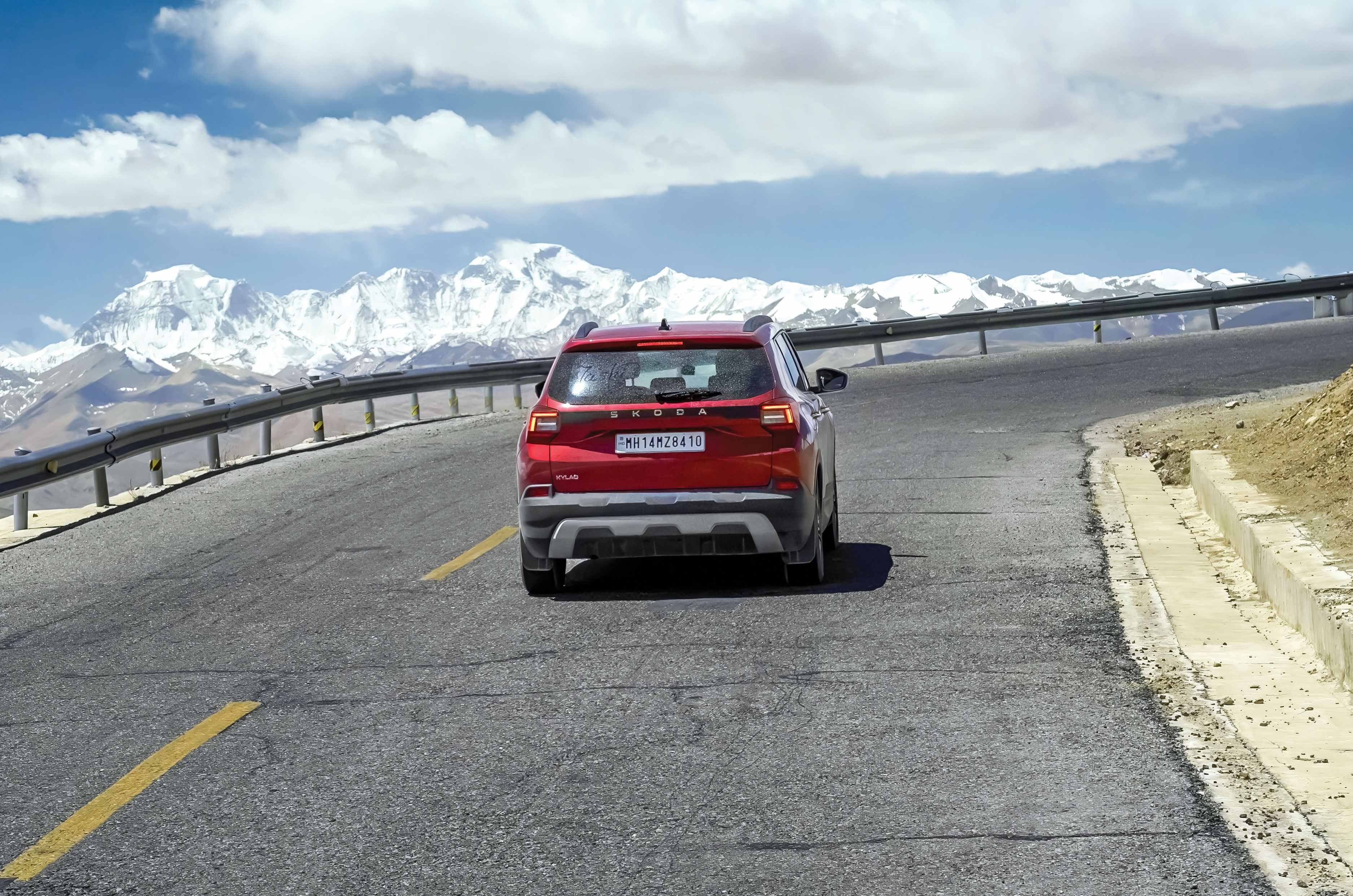
A few mugs of hot ginger-lemon tea eased us into the chill, and we set off for Mount Everest Base Camp. High altitudes are usually punishing for small-capacity engines, but thanks to its turbocharged engine, the Kylaq barely broke a sweat, buzzing through the passes. Its 6-speed automatic had been a great convenience through the chaos of India and Nepal, but the winding mountain roads and immaculate tarmac meant I could switch to manual and take control via the paddle shifters. Paddle-shift response is often sluggish, but not here – the shifts were quick, and the taut suspension held its ground even through tight hairpins.
Everest hove into view long before we made it to base camp.
It made for a great drive and great footage, right up until we spotted the peak in the distance. Even from afar, Everest is breathtaking, and mercifully the clouds stayed clear as we got closer. You can’t take a car near base camp itself – a one-hour bus ride covers that final stretch. It’s strange how you lose your breath as you approach Everest – partly the thin air and altitude, but you’d lose it all the same just from the view. Words don’t do it justice, and don’t be surprised if you shed a tear or two – it’s overwhelming.
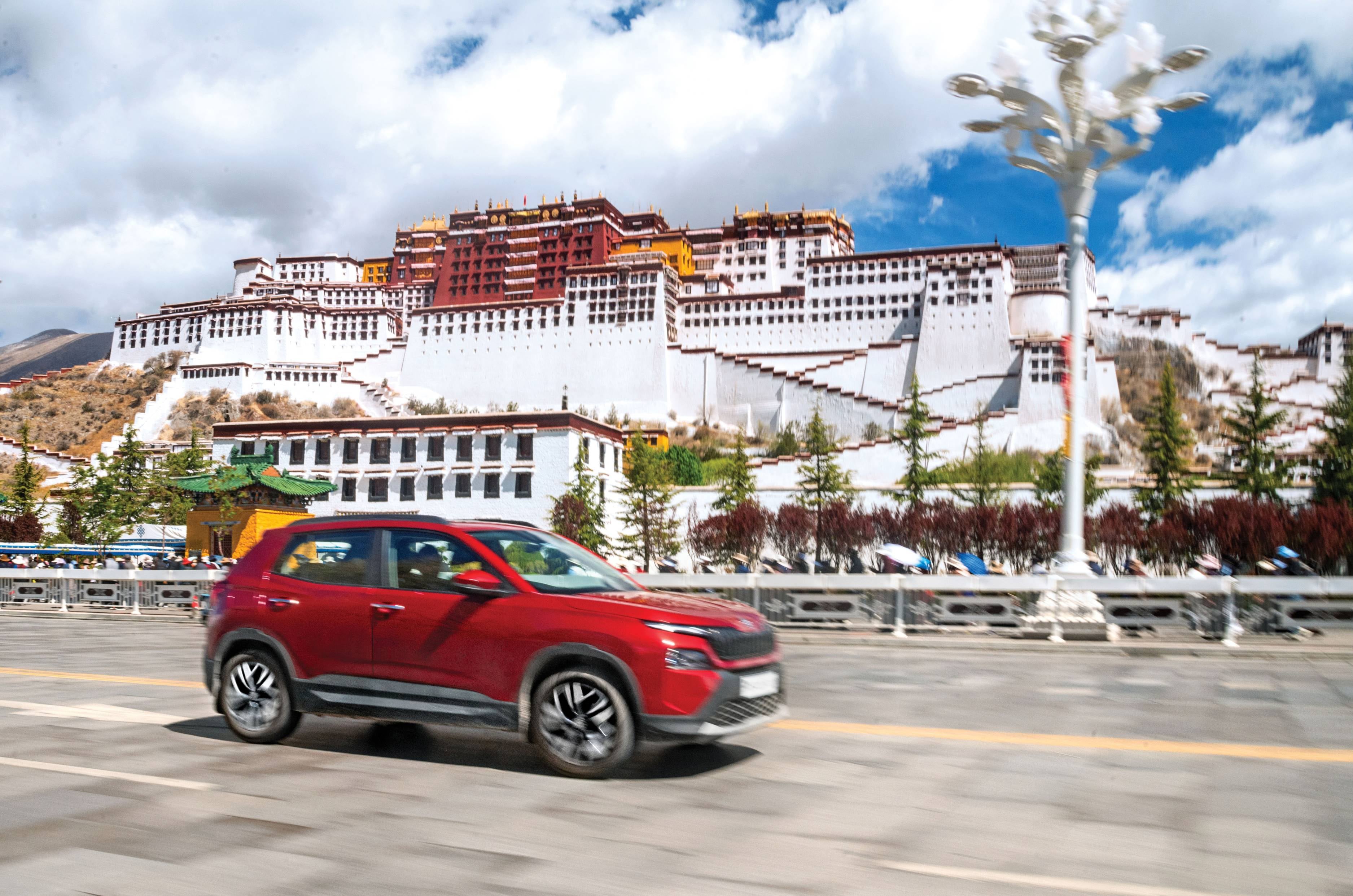
Stunning Potala Palace; once home to the Dalai Lamas.
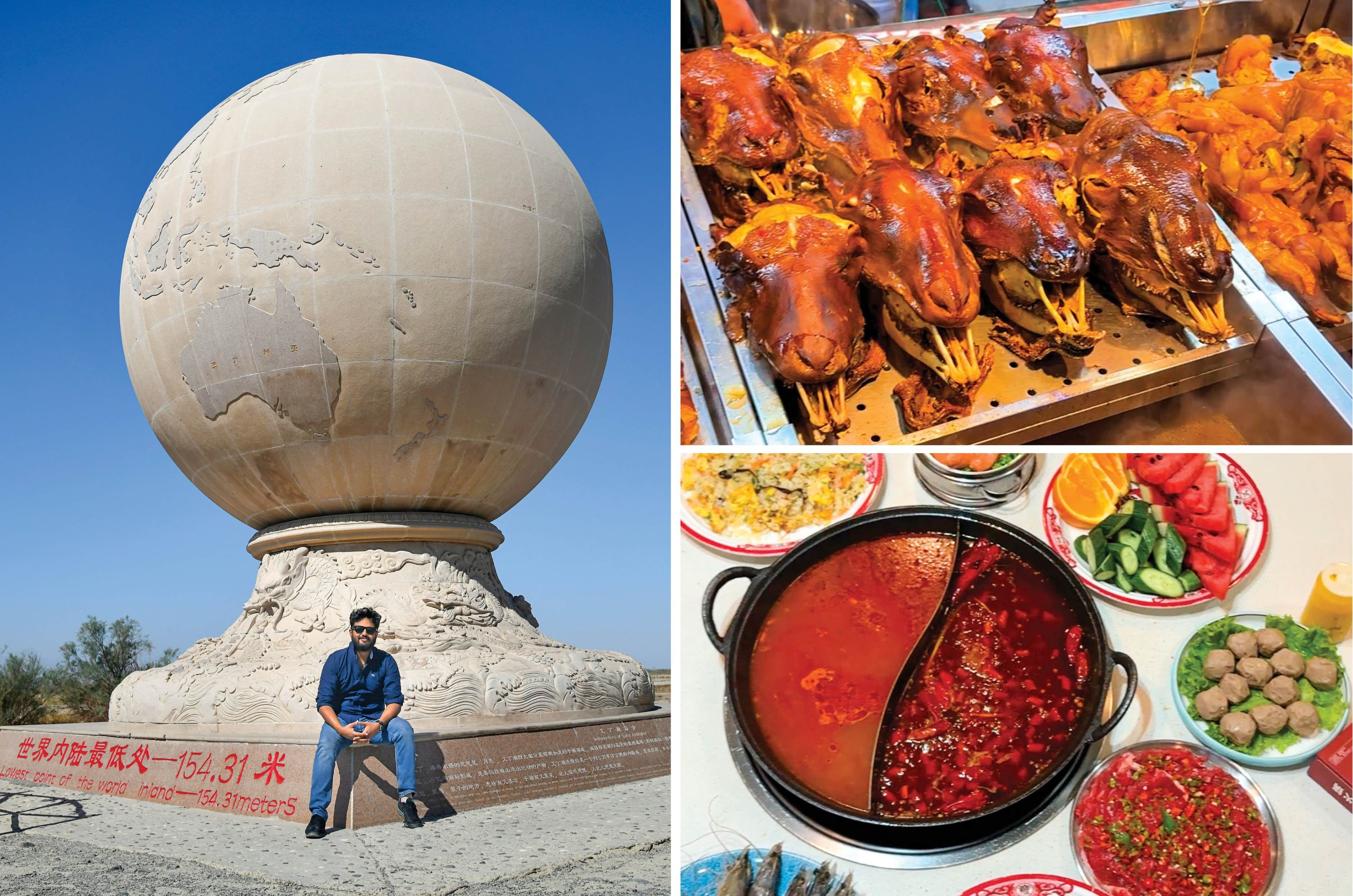
With Everest ticked off, it was time to take on China’s vastness. We headed to Lhasa, the spiritual capital of Tibet, home to the grand Potala Palace. Once home to monks and lamas, this stunning palace holds incredible history and artefacts – spiritual or not, its significance to the country’s history is unmistakable. The drive kept revealing itself through unique food, dialects, faces, and even geography. One day we were freezing thousands of feet above sea level; days later, in Turpan, we were below sea level in blistering heat. From boiling hotpots to grocery-store instant noodles, China pushed us well outside our comfort zone, and the Kylaq wasn’t spared either.
L: From EBC’s high to Turpan Depression’s low – Jay was at 154m below sea level here. R: Street food in China not for the faint-hearted.
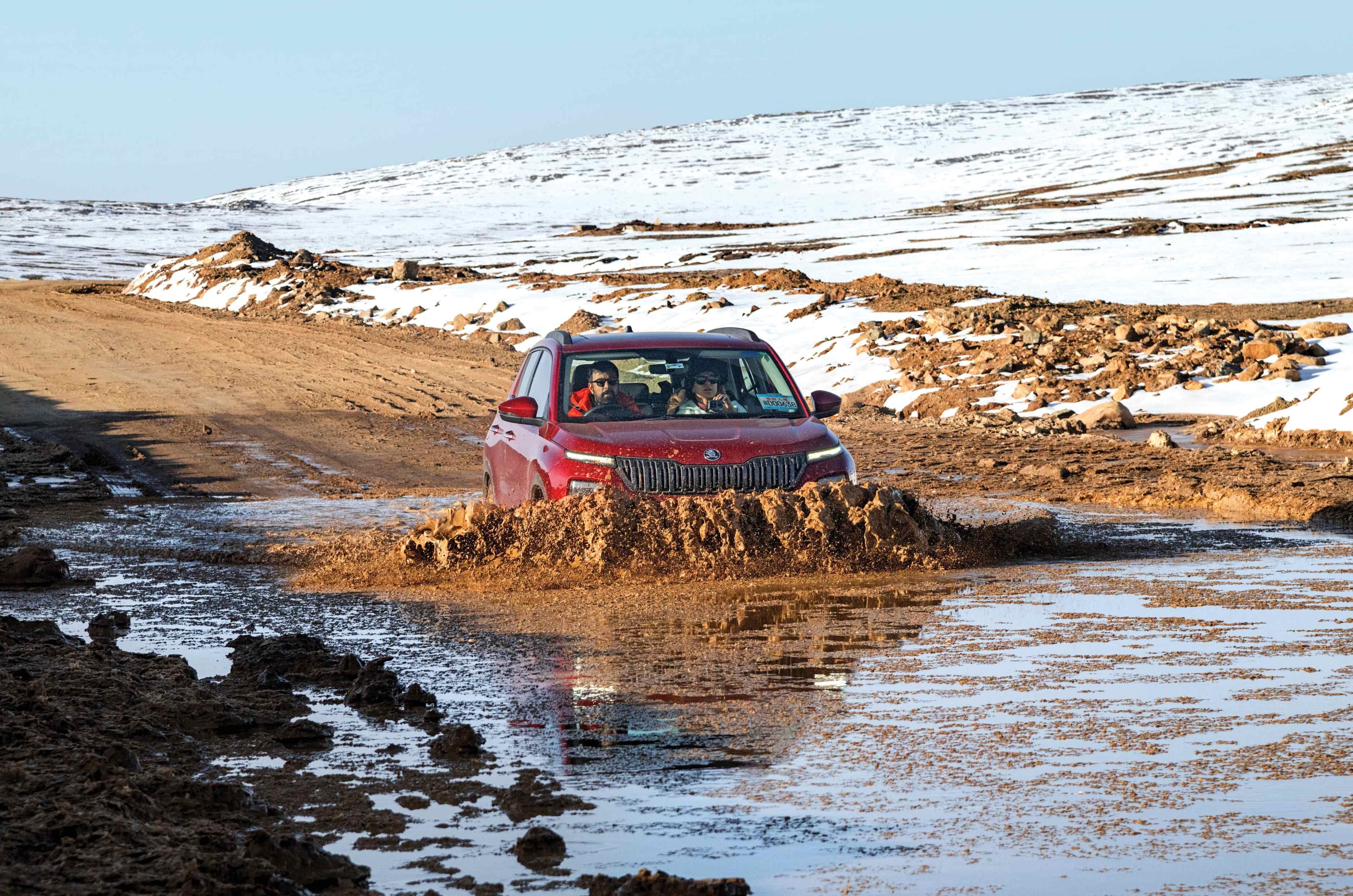
Two full days on the way to Golmud were entirely off-road, taking over 13 hours of driving, with our average speed dropping to 18kph as the Kylaq waded through water up to its bonnet and emerged without complaint.
In China, you get perfect roads or, simply, no roads.
A stretch that would have broken most cars left the Kylaq unscathed. China hit hard, but the Kylaq hit back harder. From day one, it had faced challenge after challenge, and from day one, it had come out on top. Three countries in, it still carried the same zeal it started with – and while we were rattled, it stood strong each night, ready for the next day.
मध्य प्रदेश के अंबाह सिविल अस्पताल का एक वीडियो इन दिनों सोशल मीडिया पर चर्चा में है। वीडियो में एक डॉक्टर और मरीज के परिजनों के बीच तीखी बहस होती दिखाई देती है। बातचीत बढ़ने के बाद डॉक्टर अपनी कुर्सी से उठती हैं और वहां से चली जाती हैं। कुछ लोगों ने वीडियो सामने आने के बाद सवाल उठाया कि आखिर डॉक्टर मरीज को छोड़कर क्यों चली गईं।
वहीं, दूसरी तरफ ये सवाल भी उठने लगा कि अगर किसी डॉक्टर को घेरकर उससे बहस की जाए और मोबाइल से रिकॉर्डिंग शुरू कर दी जाए, तो ऐसी स्थिति में उससे किस तरह की प्रतिक्रिया की उम्मीद की जानी चाहिए?
16 सितंबर को क्या हुआ था?
मामला 16 सितंबर का बताया जा रहा है। उस समय डॉ. आरती दंडोतिया अंबाह सिविल अस्पताल में ड्यूटी पर थीं। वायरल वीडियो में कई लोग उनके आसपास खड़े नजर आते हैं। एक व्यक्ति डॉक्टर से मरीज को देखने के लिए कहता सुनाई देता है। बहस के दौरान माहौल गर्म होता जाता है। इसके बाद डॉक्टर अपनी सीट से उठकर कमरे से बाहर चली जाती हैं। पीछे से एक व्यक्ति उन्हें आवाज लगाते हुए पूछता है, “जा कहां रही हो?” यही कुछ सेकंड का वीडियो सोशल मीडिया पर अलग-अलग दावों के साथ शेयर किया जाने लगा।
क्या डॉक्टर ने इलाज से इनकार किया था?
मरीज के परिजनों की ओर से डॉक्टर पर इलाज नहीं करने के आरोप लगाए गए। लेकिन अस्पताल प्रशासन की ओर से सामने आई जानकारी इससे अलग तस्वीर पेश करती है। इंडिया टुडे की रिपोर्ट के मुताबिक, अंबाह के ब्लॉक मेडिकल ऑफिसर (BMO) प्रमोद शर्मा ने बताया कि तीन घायल मरीजों का दो दिन पहले ही डॉ. दंडोतिया ने इलाज किया था। उनके अनुसार, बाद में मरीजों के परिजनों द्वारा डॉक्टर की मोबाइल फोन से रिकॉर्डिंग किए जाने को लेकर विवाद शुरू हुआ।इसलिए वायरल वीडियो में दिखाई देने वाली घटना को केवल कुछ सेकंड के फुटेज के आधार पर समझना पूरी तस्वीर नहीं बताता।
डॉक्टर की सुरक्षा भी क्यों जरूरी है?
इस घटना ने अस्पतालों में डॉक्टरों की सुरक्षा को लेकर पुरानी बहस फिर सामने ला दी है। मरीज और उनके परिजन स्वाभाविक रूप से चाहते हैं कि इलाज तुरंत हो और डॉक्टर उनकी बात सुने। लेकिन दूसरी ओर, डॉक्टर भी ऐसे माहौल में काम करते हैं जहां किसी विवाद के दौरान स्थिति अचानक नियंत्रण से बाहर हो सकती है। आईपीएस अधिकारी अरुण बोथरा ने भी सोशल मीडिया पोस्ट में डॉक्टर का समर्थन किया। उन्होंने कहा कि डॉक्टरों का काम मरीजों का इलाज करना है, लेकिन उन्हें गाली-गलौज या डराने-धमकाने जैसी स्थिति सहने के लिए मजबूर नहीं किया जाना चाहिए।
doctor’s duty is to treat patients, not to tolerate abuse and intimidation. When attendants aggressively confront a doctor and start filming her, walking away from an escalating situation is not ego. It is self-defence.
You cannot expect doctors to work under fear of assault and then lecture them about their duty when they try to protect themselves.
Patient safety matters. But doctor’s safety is a prerequisite for that.
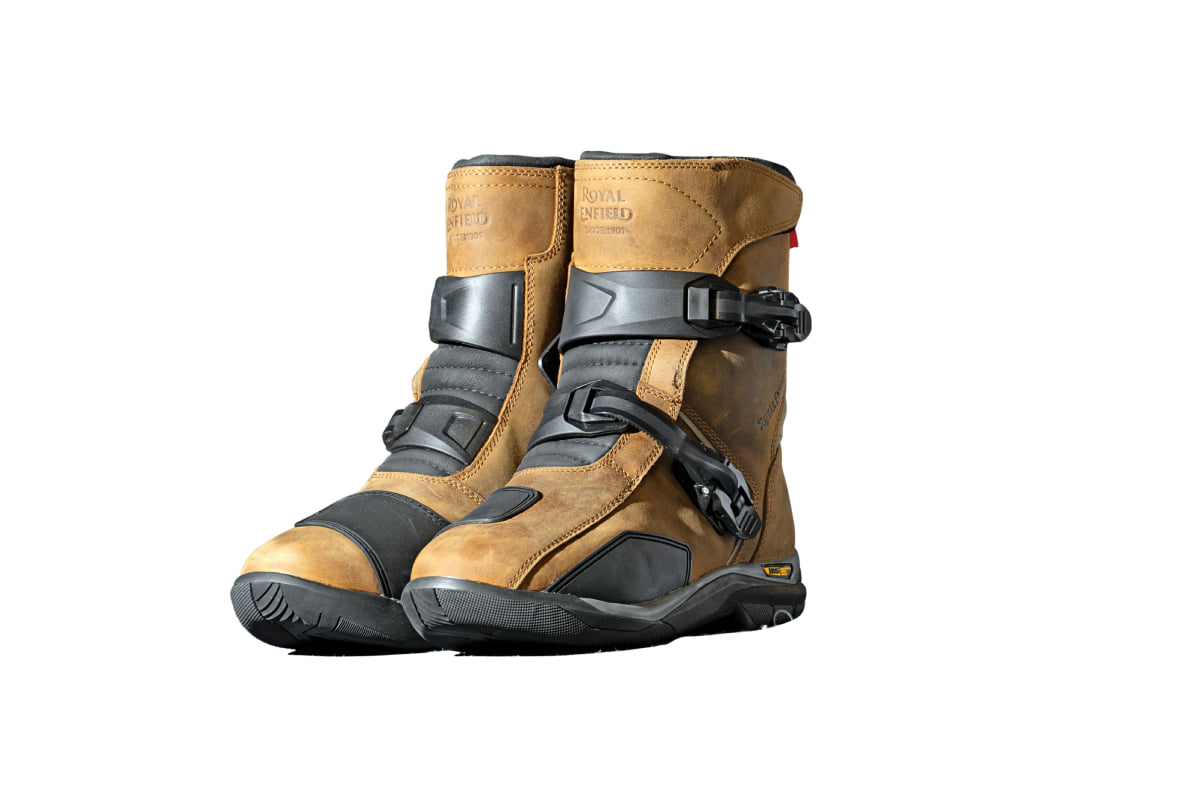
These are versatile riding boots that sit between an everyday motorcycle boot and a more rugged touring option. They use leather as the primary outer material and feature a sturdy construction with a grippy sole. For waterproofing, the boots use a membrane/liner and sealed seams.
They feel substantial and sturdy when you first put them on. They weren’t uncomfortable but didn’t have the flexibility you would expect. It took around 500-600km of riding for them to properly break in. Once they did, the difference was quite noticeable. They became more comfortable and allowed greater freedom of movement. They also started feeling more natural when walking around off the bike, which is important for a pair of boots that you’re likely to use as a daily option in the rainy season.
On the motorcycle, these boots give you a good sense of security. They feel sturdy around your feet and ankles, and the solid construction with TPR protectors in the heel cup, toe box, and ankle inspires confidence while riding. Whether shifting gears, using the rear brake or standing on the pegs, they were secure without feeling cumbersome.
The boots are also alright for some mild off-road riding. I wouldn’t recommend them for particularly technical or hardcore trails, where a dedicated off-road boot would offer greater protection, but for lighter trails and the occasional gravel or dirt section, they get the job done.
The waterproofing, however, is where these boots have a limitation. During shorter rides, they performed well. I used them extensively around the city and encountered wet conditions without any water seeping through. Even for longer commutes of 50-60km, the waterproof liner did a good job of keeping water out.
However, things changed on a longer tour. After around 300km of riding in wet conditions, water eventually started making its way inside the boots. Of course, this also depends on the intensity of rain and how much water is hitting each boot. From my experience, more water seeped into the right boot compared to the left. So, I’d be more inclined to recommend the Wanderers for city use and shorter weekend getaways rather than long rides. Additionally, once they get wet from the inside, they take quite some time to dry out. In other respects, the boots work really well as touring footwear.
Priced at Rs 9,990, they offer a good mix of protection, comfort and versatility, especially once they have been properly broken in.
Picture the scene: you’re a commando who’s just parachuted behind enemy lines. Along with you and your team are a bunch of military off-roaders. It’s been a tough jump. High winds, terrain, difficult odds. While the men all make it intact, the machines break up and are destroyed. The team has to salvage what it can, reassemble a couple of off-roaders from the parts of the half dozen parachuted out. What’s clear is that special forces and the military need a tougher, more capable off-roader, one engineered with today’s tech and requirements in mind.
From the school of hard knocks
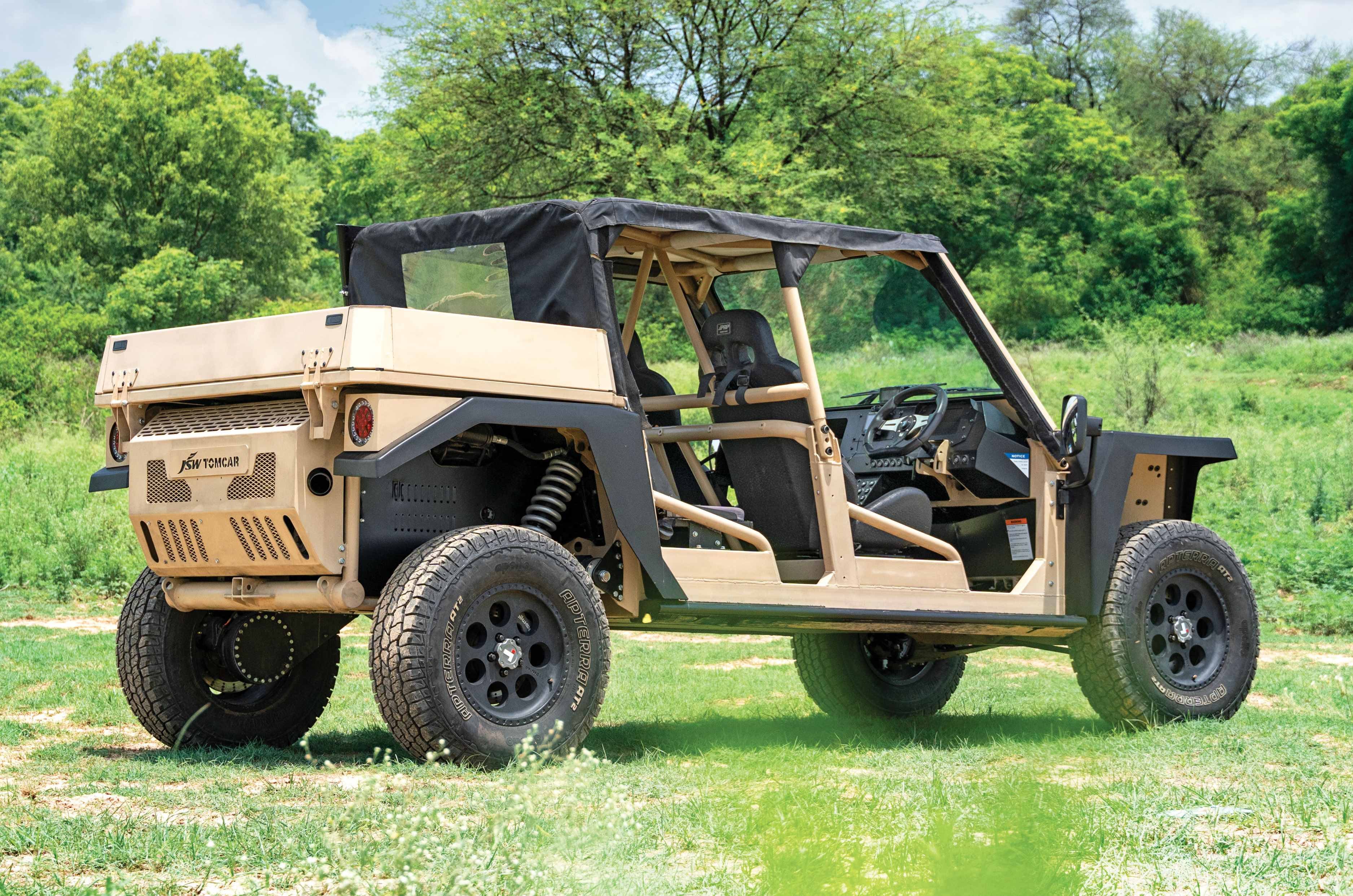
The Tomcar is purpose-engineered and built for special forces.
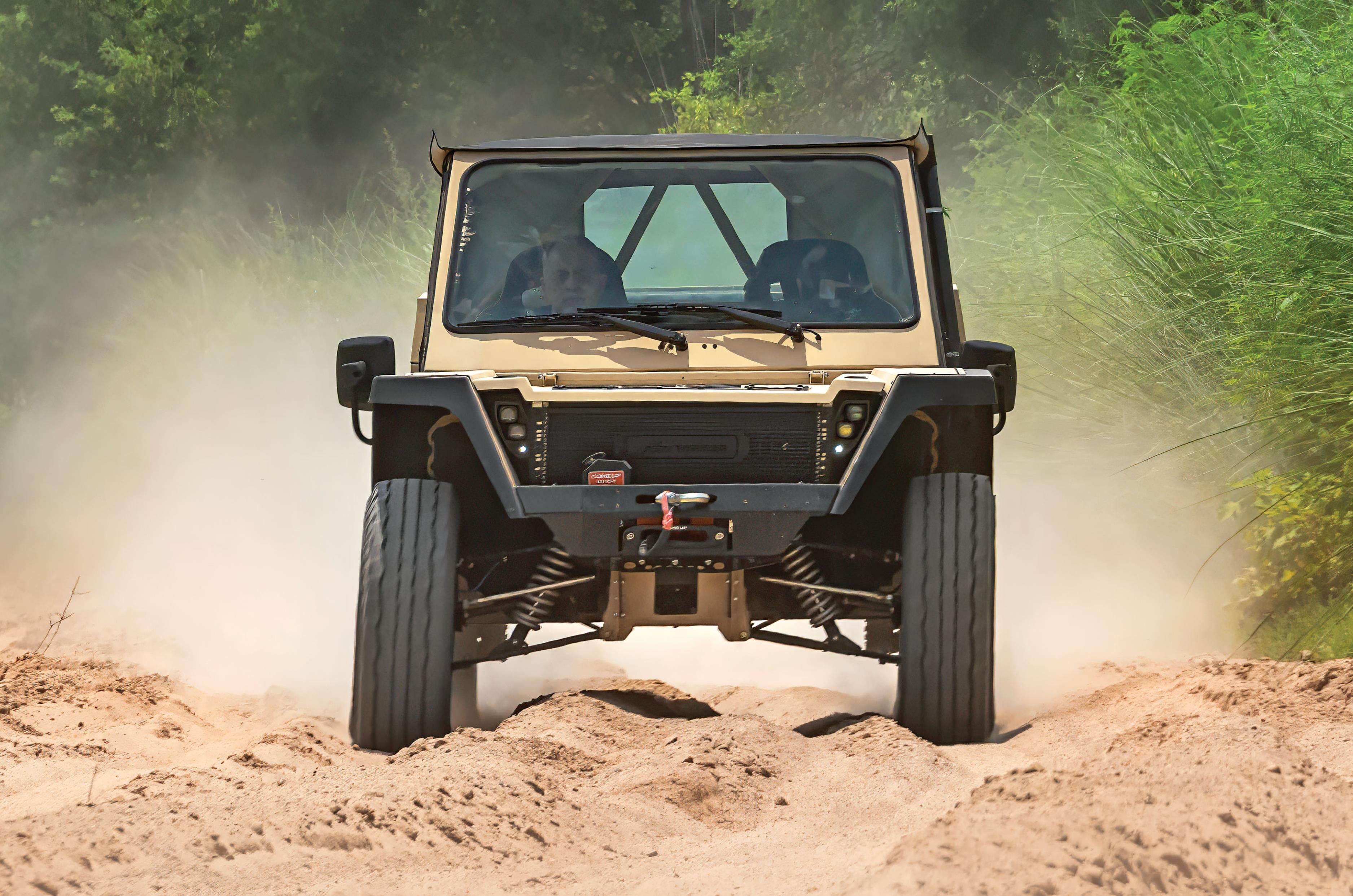
This then is the Tomcar: a military off-roader explicitly designed for commando operations. Designed to survive a parachute drop without requiring a rebuild or a massive parachute, heavy rigging and cushioning equipment, it sets an all-new benchmark. The Tomcar is built to take hard knocks, and that’s because the structure is fundamentally different.
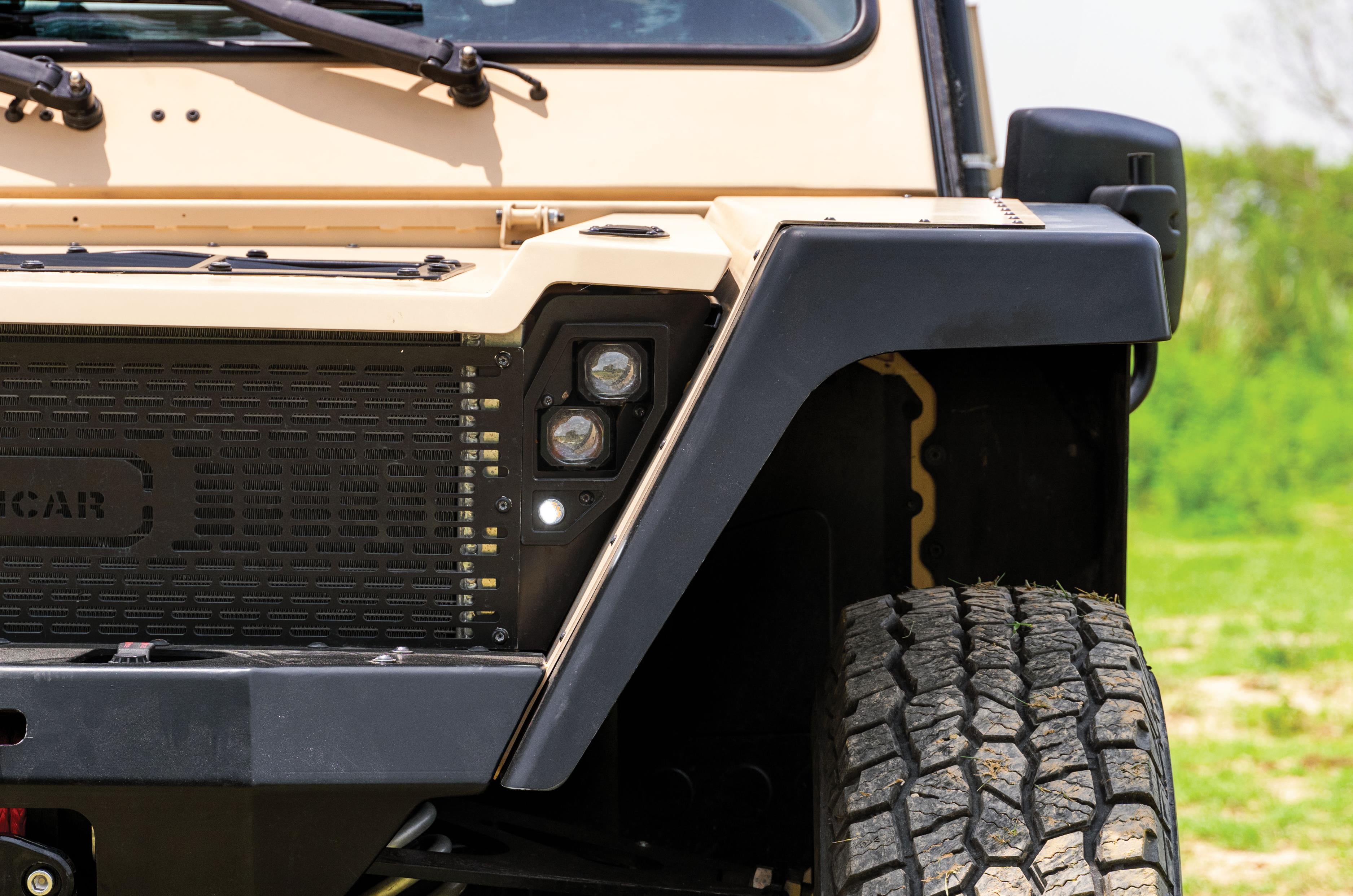
Compact nose and tiny LED headlights are unique.
This is evident even when you take a quick glance at the Tomcar TX. It looks like nothing you’ve seen before. Stubby nose, tiny headlights, no doors and a heavy-set rear. What’s for certain is that every small bit is purpose-built and functional, and the only decorative bit seems to be the badge at the rear.
No form, all function
Let’s start with what you can’t see: the monocoque frame. Unlike other off-roaders that use bolted frames, the Tomcar has a one-piece, fully welded frame and integrated roll cage. Designed specifically and tested to absorb and dissipate the extreme G-forces of an air drop (without bending or shearing), it forms the centrepiece of the design. Perfectly in sync with the concept of a very durable, over-engineered vehicle that can be air-dropped or dragged out of aerial transport at low speed. What’s even more impressive is that it can easily be repaired in the field with basic hand tools.
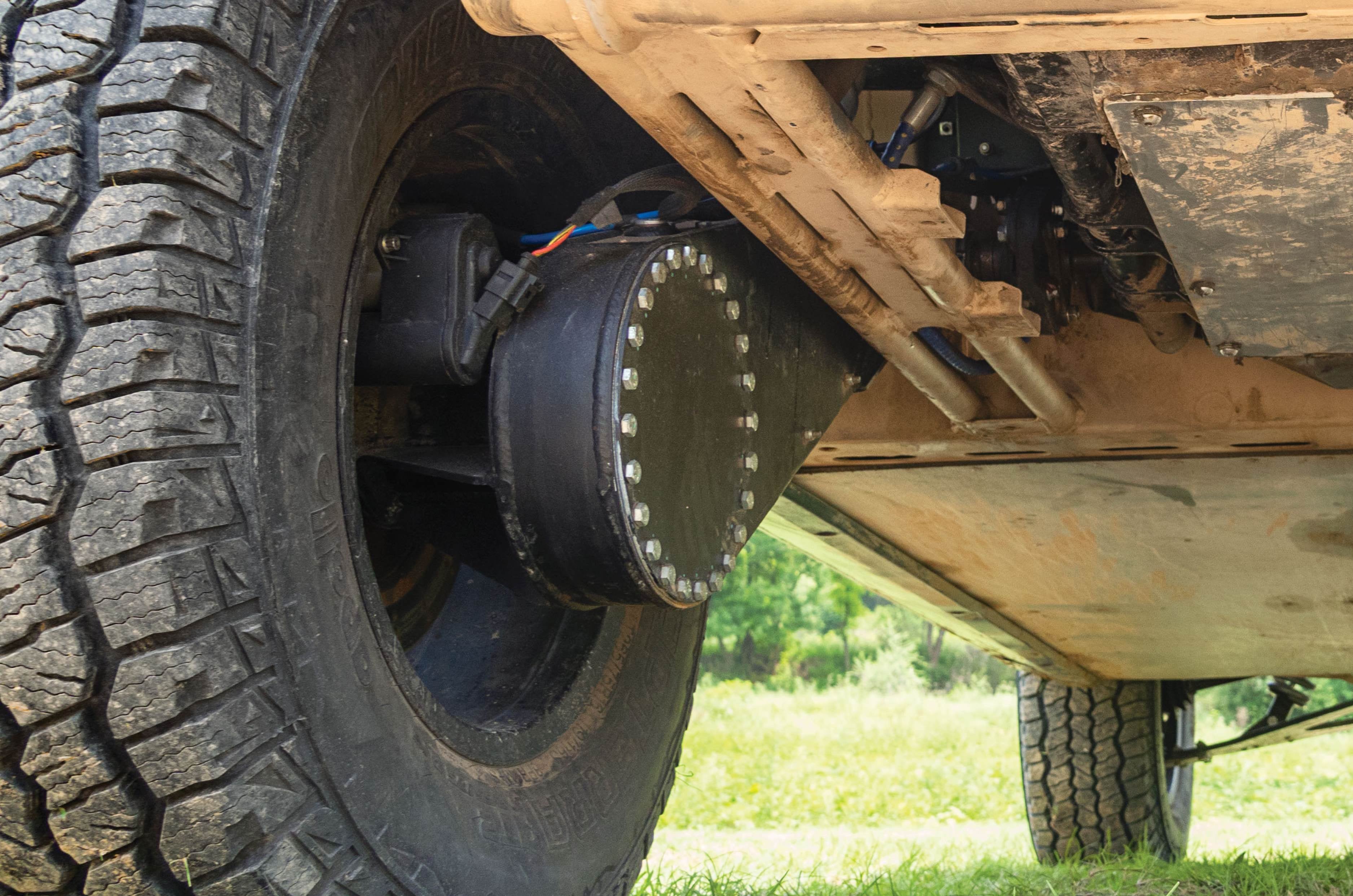
Independent rear suspension and chain drive in one single compact unit.
Next up, the all-independent suspension, which has massive travel and long suspension arms. The heavy-duty suspension offers up to 14 inches of travel and 17 inches (430mm) of ground clearance. This setup uses massive coil springs, not dissimilar to Baja racers, and motorsport-like damper systems with remote reservoirs. This enables it both to take hard knocks and remain stable at speed. This is so that the Tomcar can cruise effortlessly across undulating terrain at speed and provide a stable platform.
Special powers
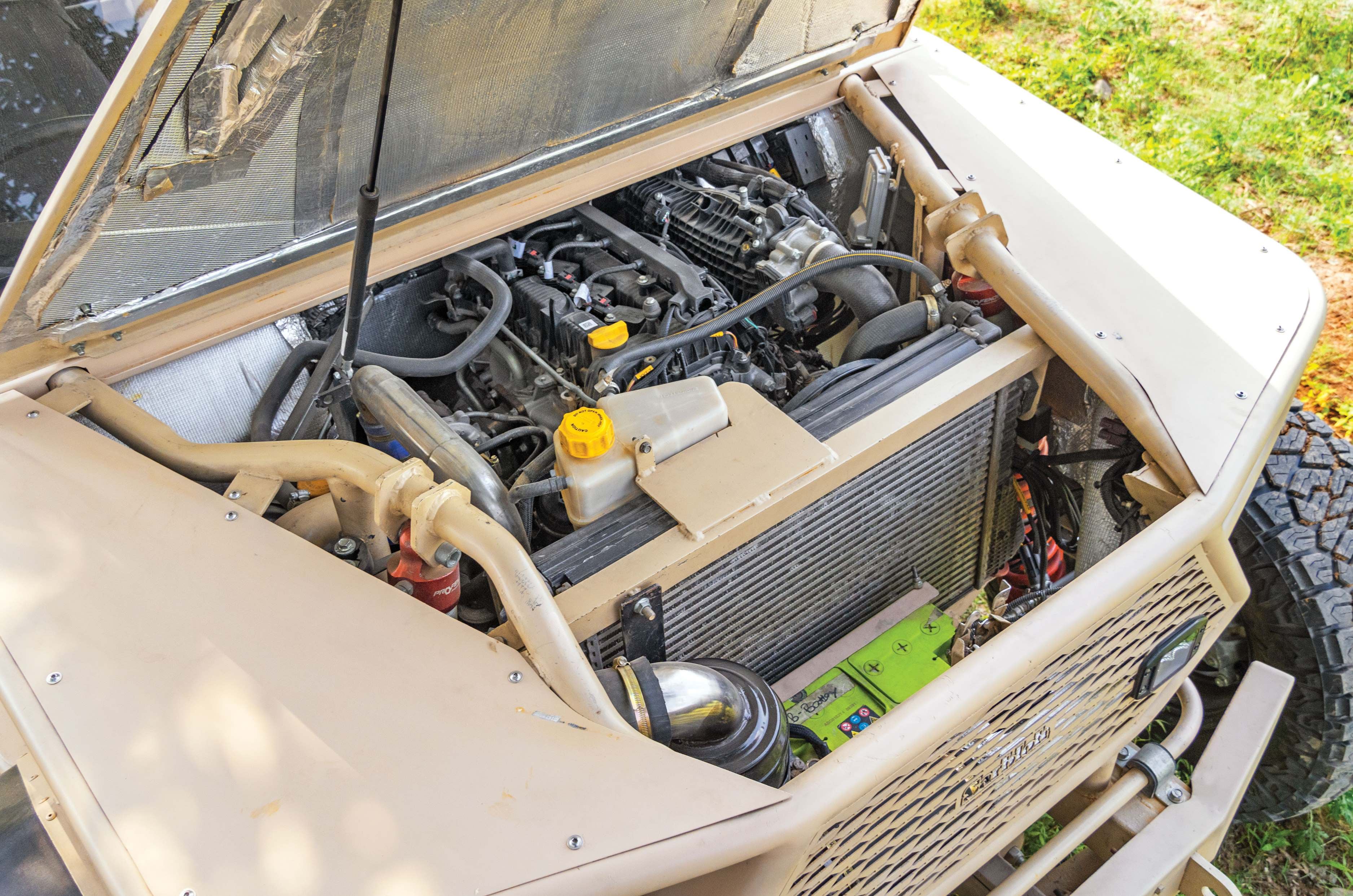
175hp engine sits low in the back, aids traction and lends stability.
I walk around the rear and take a good look as the next piece of the puzzle falls in place. There are vents at the rear, and that means that’s where the engine sits. Done to maximise traction, like VW-based Baja buggies, the Tomcar has its 1.5-litre four-cylinder engine mounted low in the rear. The Chevy engine makes 175hp and 275Nm torque.
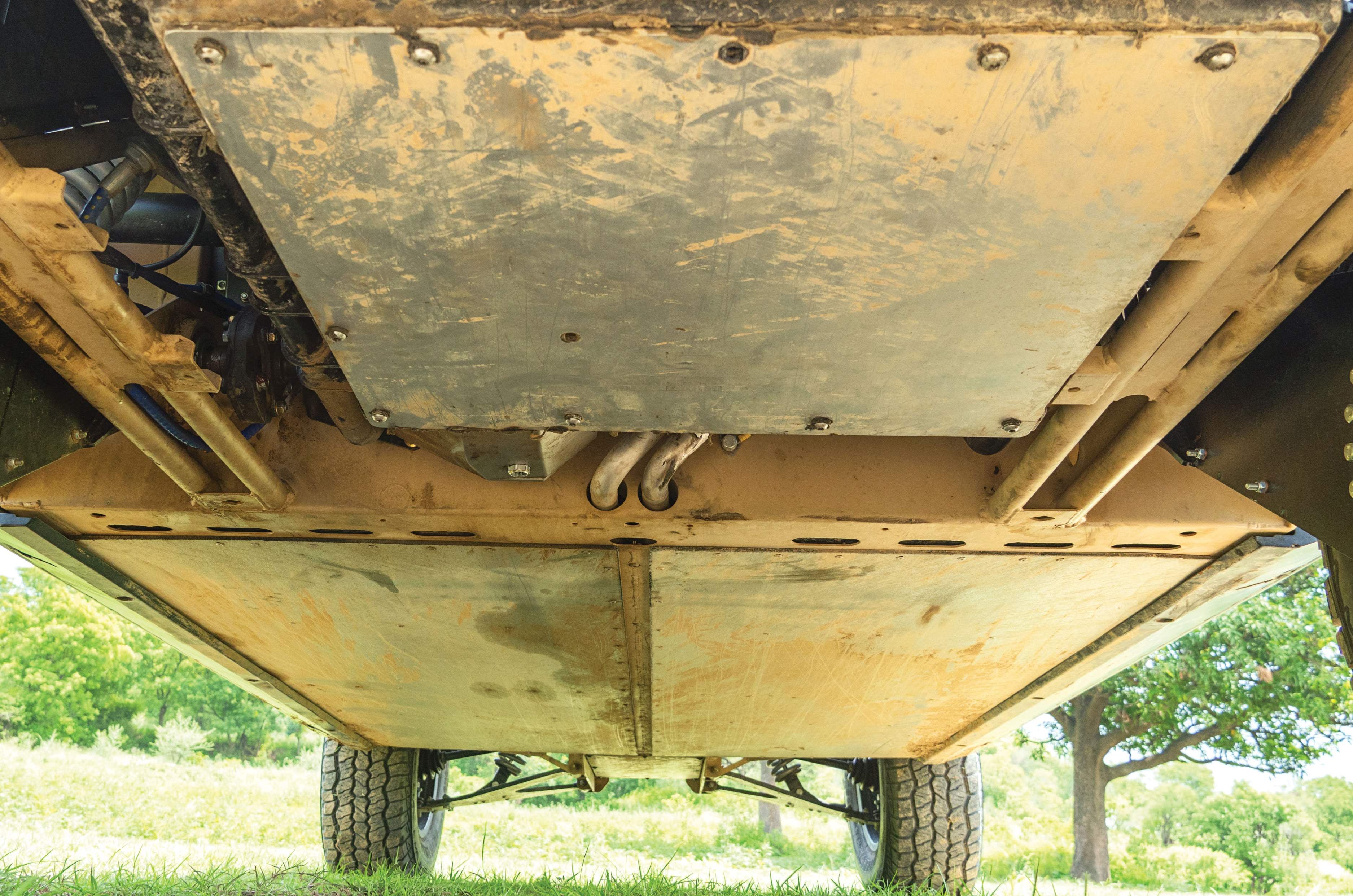
Flat floor prevents it from snagging on rough terrain.
The TX uses a CVT gearbox for easy use and good torque manipulation. This is placed at the rear with the engine and sends power forward to two transfer cases that are sandwiched together. The first transfer case allows you to shift from rear-wheel drive to four-wheel drive instantly with a mere push of a lever. Bang! The second gives you low range, and along with that, regular gearbox directional functionality – Drive, Neutral and Reverse. There is no Park, only an E-parking brake. These differentials have another unique tech – they are both air-locking and are engineered so that the Tomcar has a completely flat belly – nothing hangs down so it can slide over terrain without the belly fouling. Even more interesting is how power gets transferred to the rear wheels; it’s done through a pair of double chain-drive systems, encased in the hardened steel swing arms!
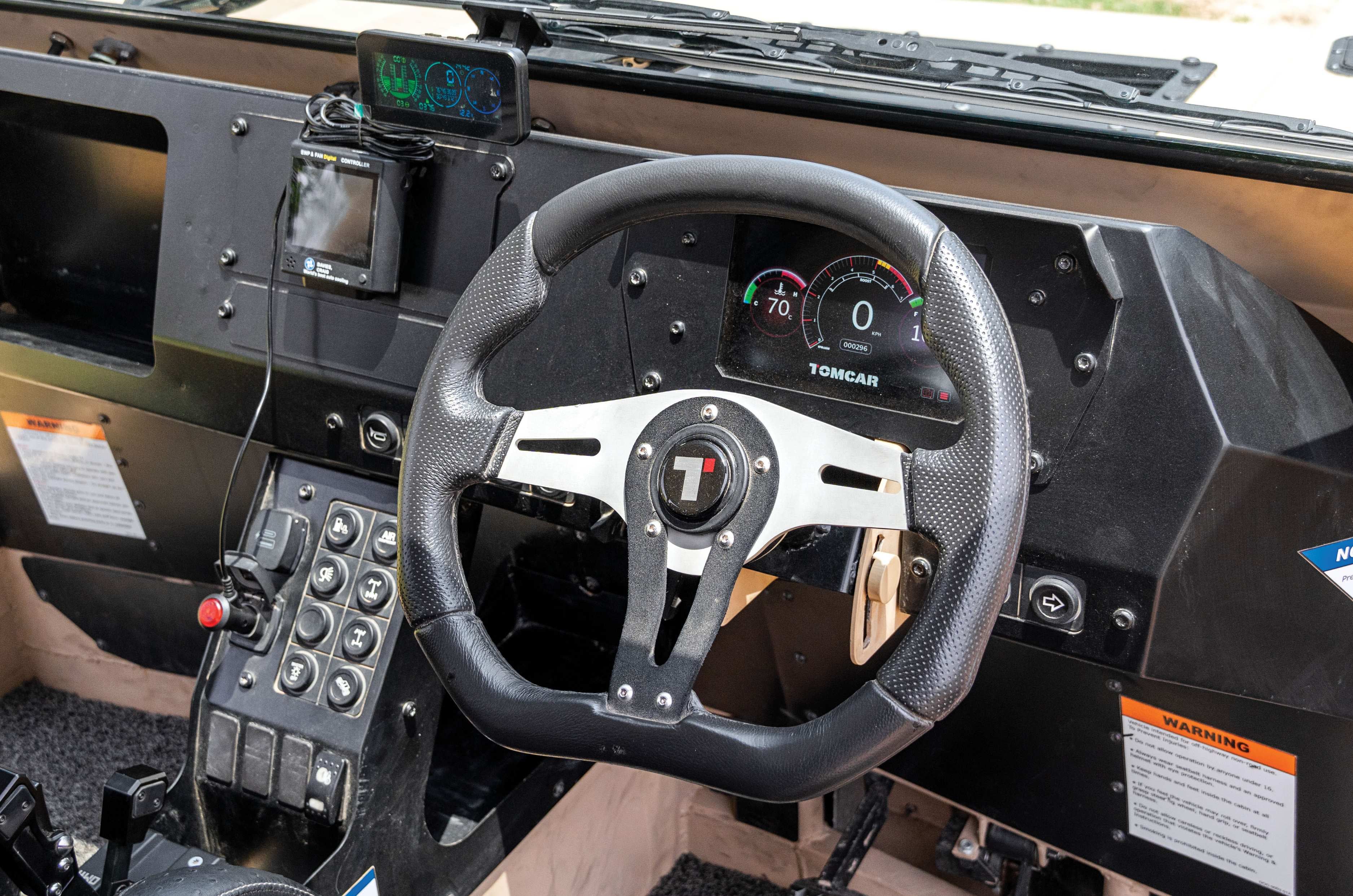
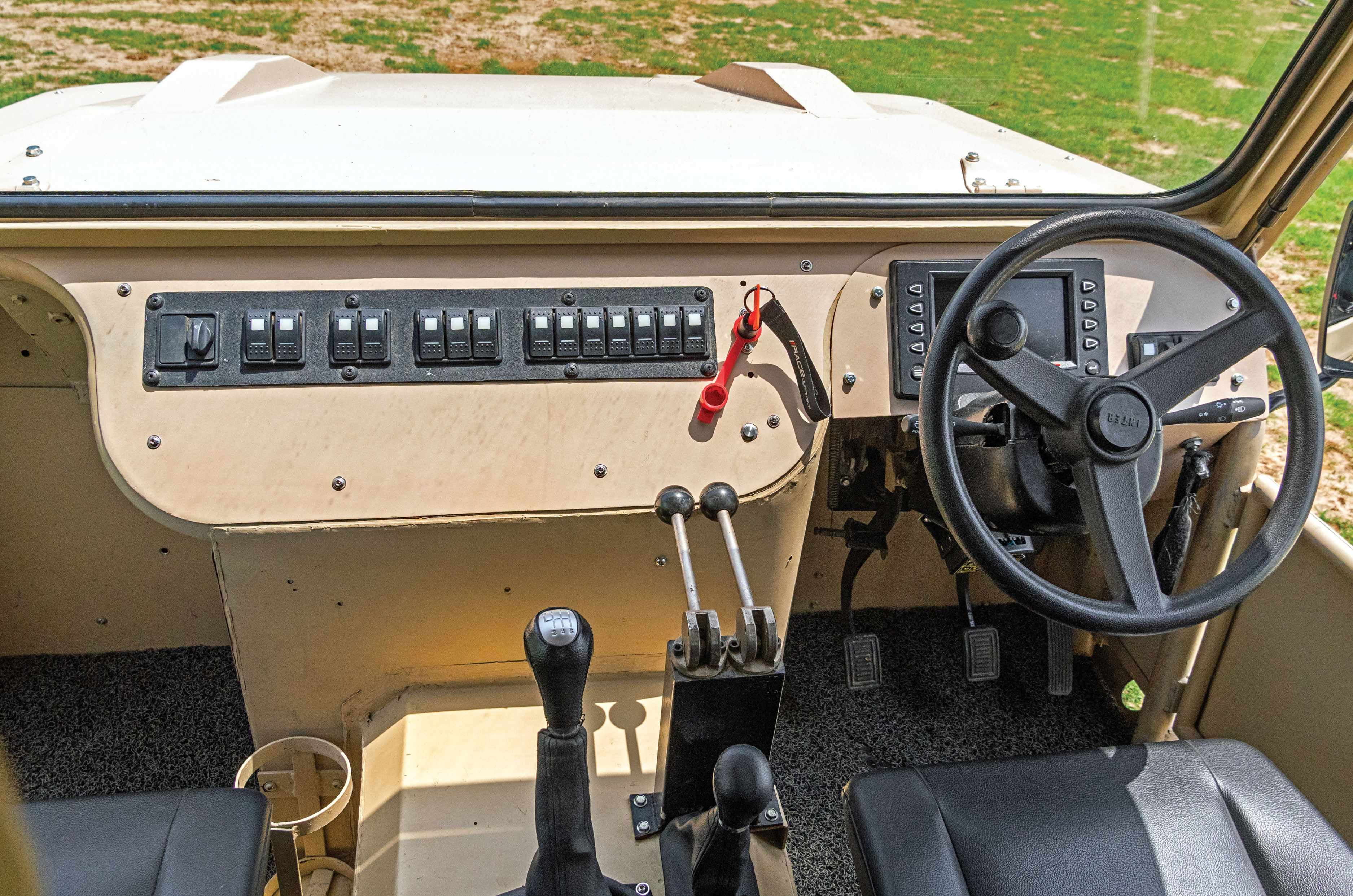
Basic dash and instruments get the job done.
In addition, the Tomcar has been made for easy serviceability in the field. Components often have a backup, and the vehicle can even function with a high degree of redundancy. There are, for example, two end-to-end fuel systems and twin radiators, and then bits like the suspension have load paths designed specifically to break at specific points where parts are easy to replace. What’s also impressive is that this 1.3-tonne vehicle can carry or pull more than a tonne.
Floats like a butterfly
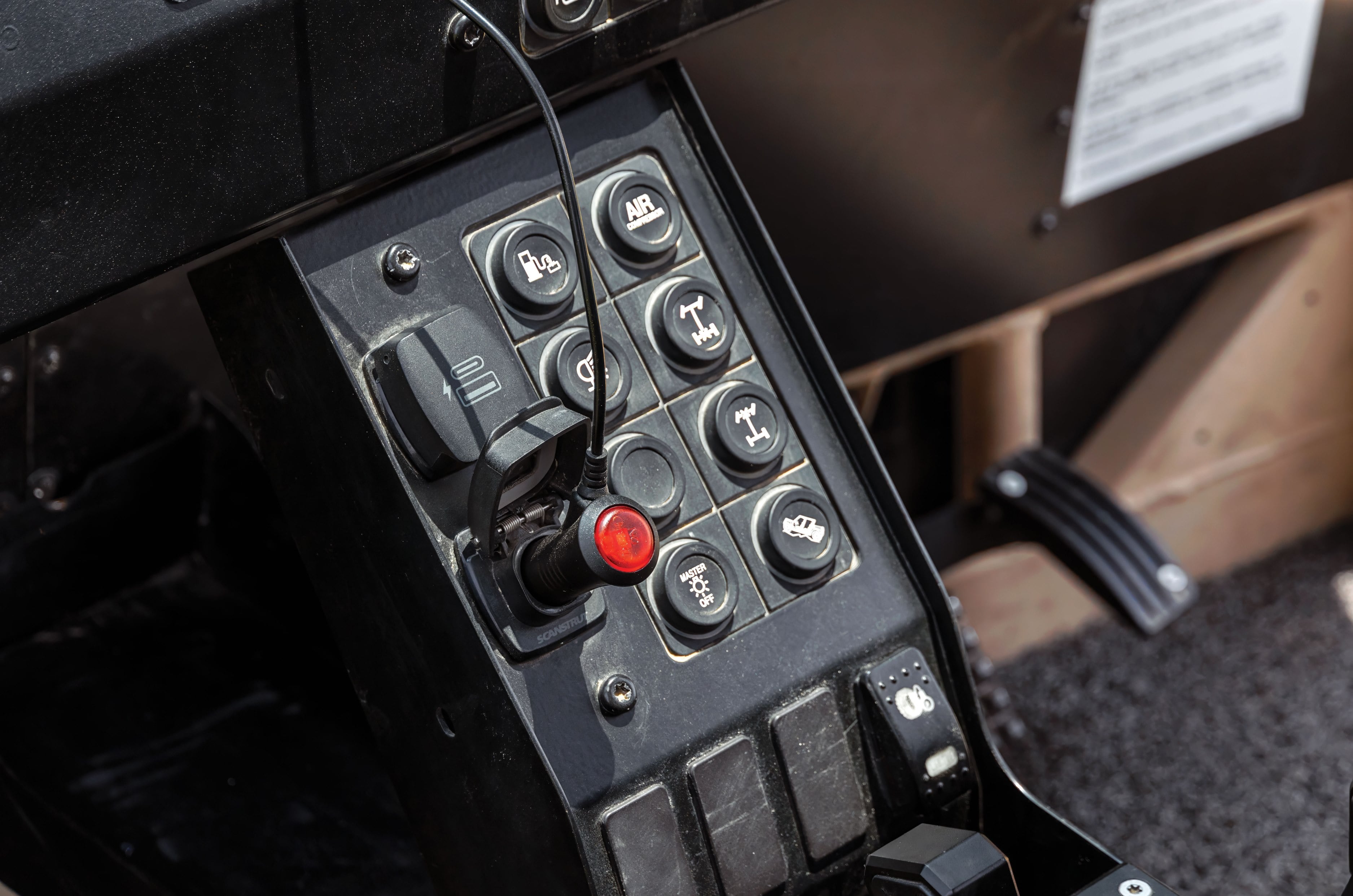
Big buttons are hardy, can deal with dirt and are easy to hit with gloves on.
With this kind of unique specification, it’s little wonder that this vehicle feels unique to drive. For a start, with no doors, you just slide in behind the wheel. Start up is pretty straightforward, and you can sort of tell this vehicle will be comfortable to operate even with heavy gloves.
Initially, the sound of the quad drive chains at the rear dominates. A gnashing, chainsaw-like ripping sound, it combines with the whine of the CVT to give the Tomcar a unique sound signature. And from slow speeds, especially in sand, the CVT does require a buildup of revs before it pulls forward happily.
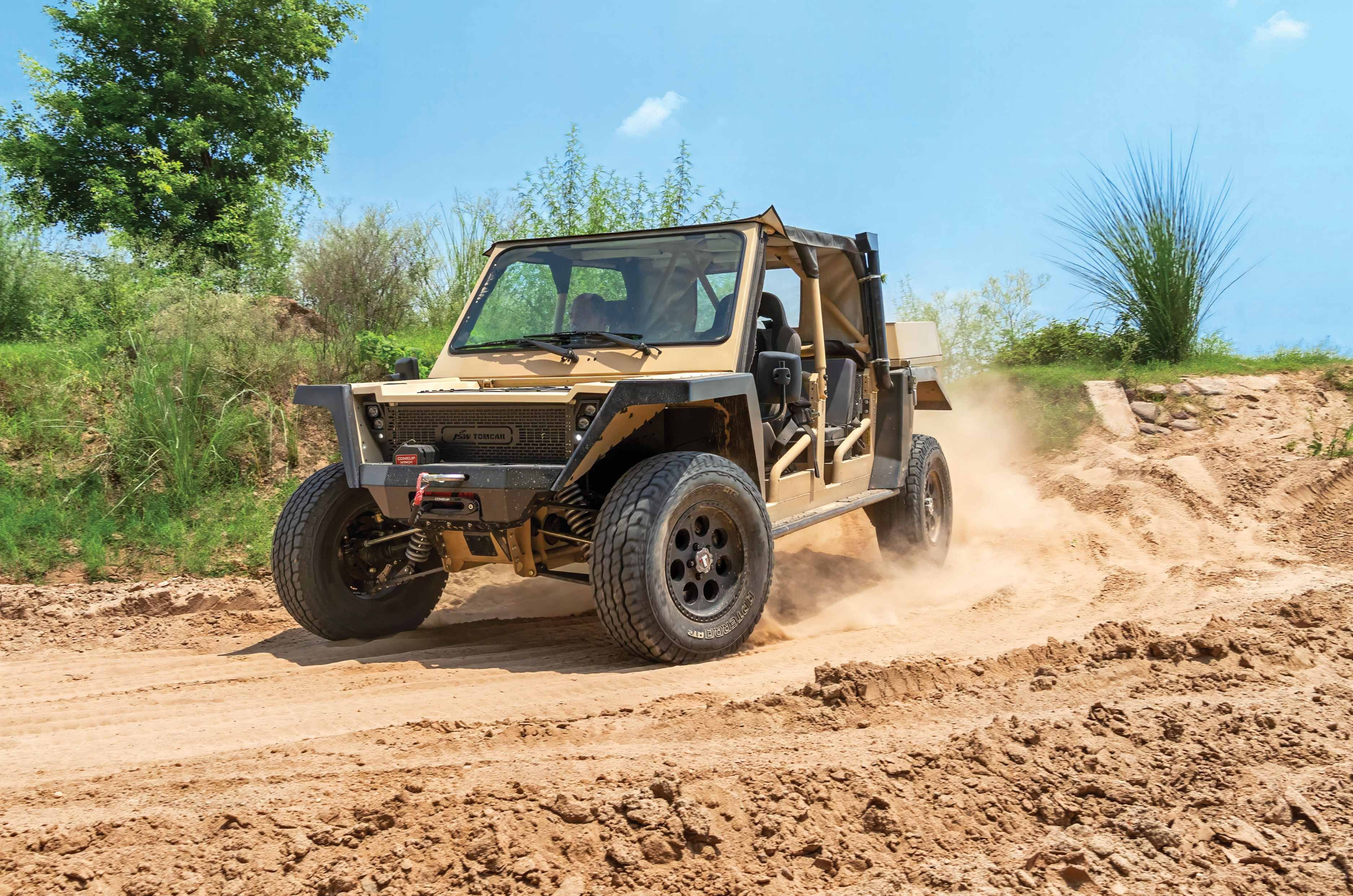
Once you build a bit of momentum, however, progress over the sand feels effortless. You can just float over big ruts and carry on without too much deflection of the wheel. A lot of this is because it has the weight of the engine pushing down over the rear-driven wheels, and the stiff chassis and soft, long-travel suspension deal beautifully with the soft undulating surface. While most 4x4s feel heavy when driving through sandy river beds like the one we are on, and tend to bog down and struggle when you slow to a crawl, the Tomcar feels right at home. It’s even relatively easy to steer and place it alongside another vehicle on the narrower sections of this riverbed. Sure, the turning radius isn’t great, and it pays to be ham-fisted with the steering, but what surprises me is just how much speed I can carry without it getting uncomfortable.
It feels completely at home even on seriously difficult off-road trails.
What’s also very impressive is its ability to do some serious off-roading. Running along the steep sides of the ravine, you can feel the low centre of gravity, which feels like it sits somewhere below the level of the driver’s seat. And then we climb an extremely steep hill, the Tomcar ‘walking’ up the step-like undulations of the trail with superb rear traction. Only the engine and CVT system seem to strain with the load of the uphill climb.
Also super impressive is the ride. The stiff chassis, long-travel suspension and motorsport damper system mean you can carry speed over sections you normally only have to crawl over. You look at a broken trail and drive over, fully expecting to be tossed around, but the Tomcar stays flat, so you add more speed. And this goes on for a bit until eventually stopping distances rein you in. Want to carry speed over rough terrain? This thing operates in another dimension.
Making India’s extreme off-roaders
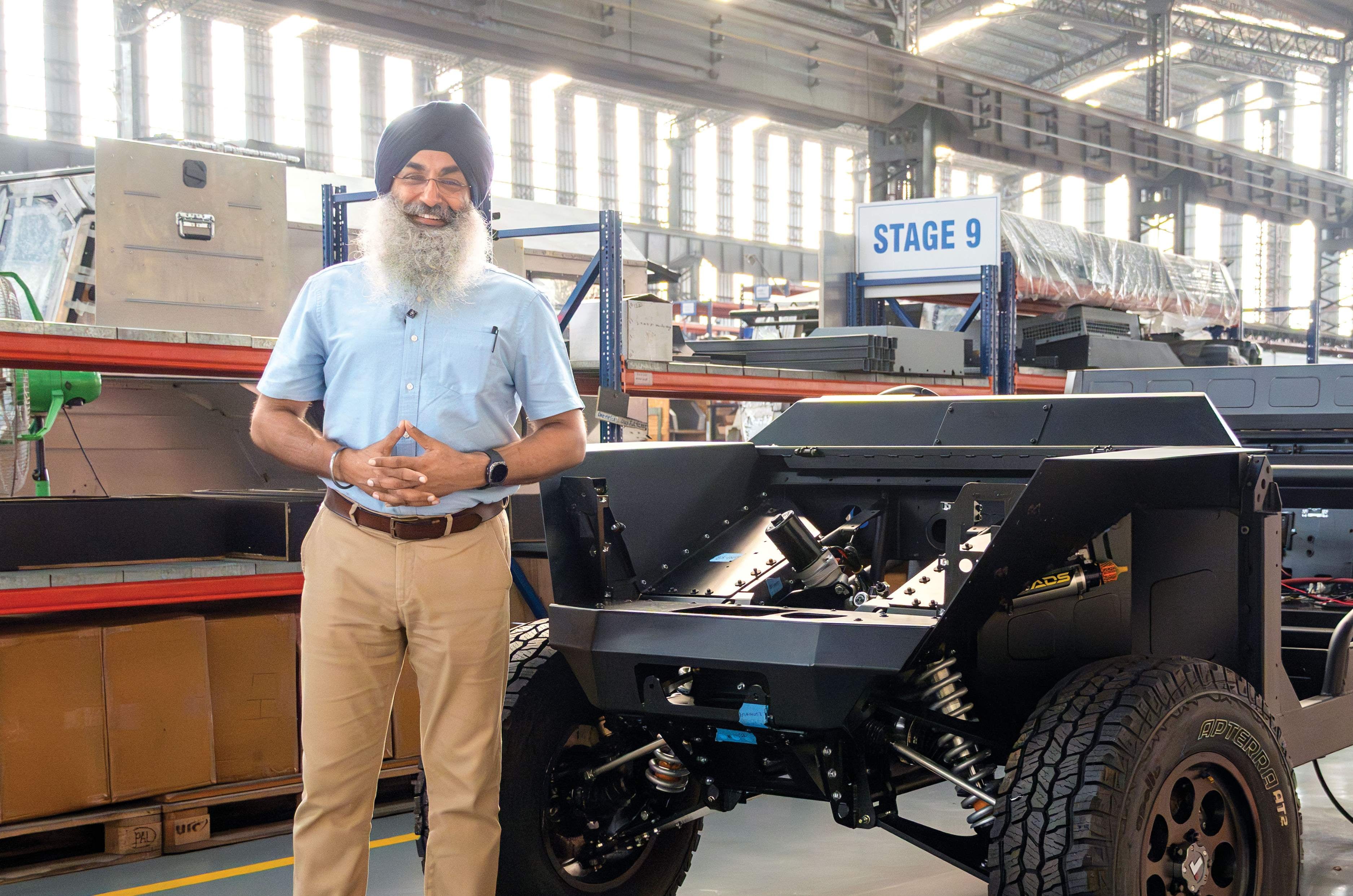
CEO and founder director of JSW Sarbloh Motors started his journey in extreme off-roading.
One of Jaskirat Singh Nagra’s first off-road excursions landed him, and his family car, in a ditch. Things, however, have looked up since then. Not only has his company Sarbloh Motors made several winning contenders for events like the Rain Forest Challenge and Orange Festival in Arunachal, it, along with JSW Defence, also makes the Sherp and Tomcar in India. Up next, the company’s own EX4. And with 140 Sherps already produced and a line already setup for tactical ATVs, you can expect many more extreme off-roaders to be built by this company.
The EX4: Engineered, designed and made in India
EX4’s wheel articulation with independent suspension.
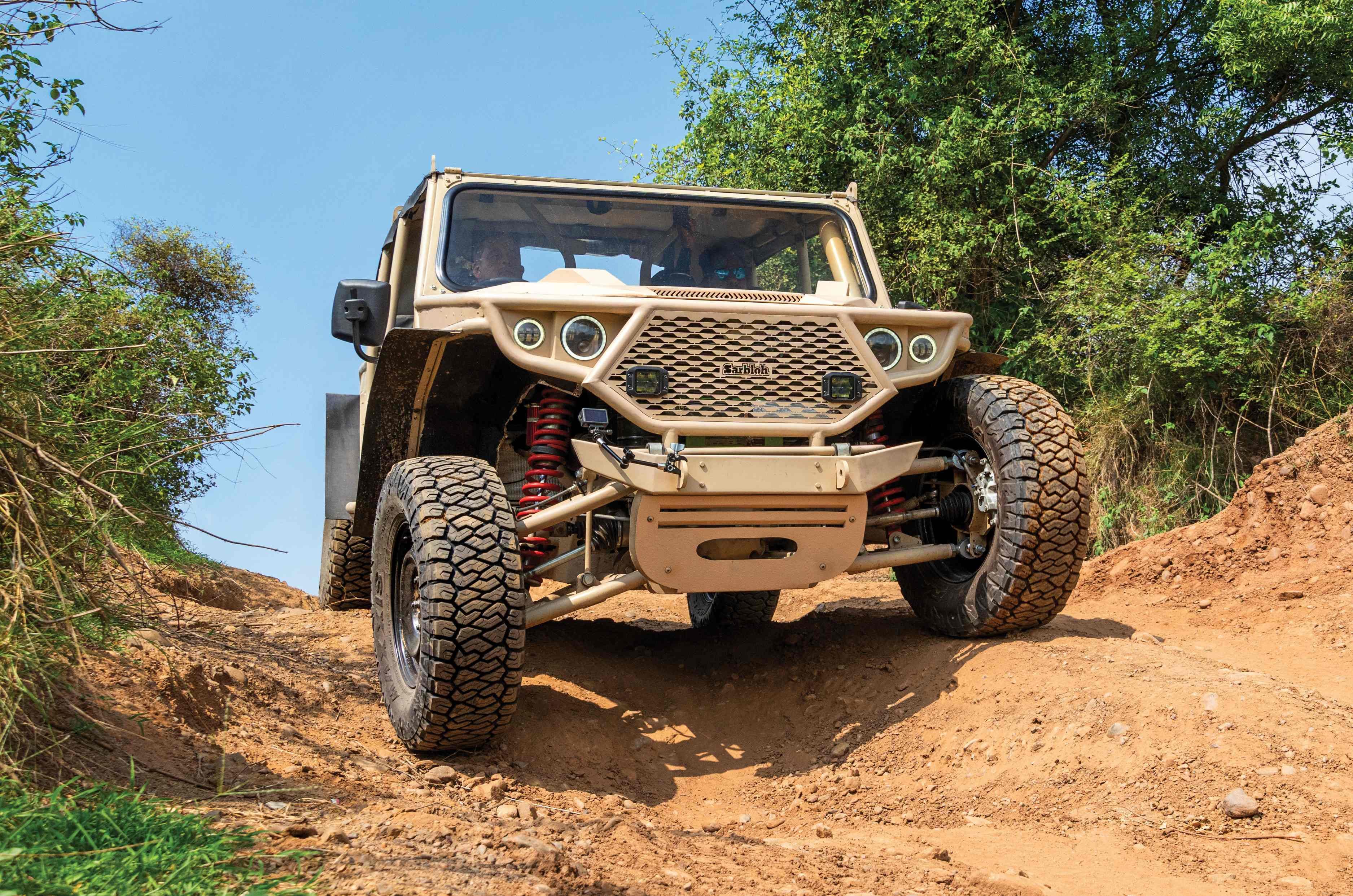
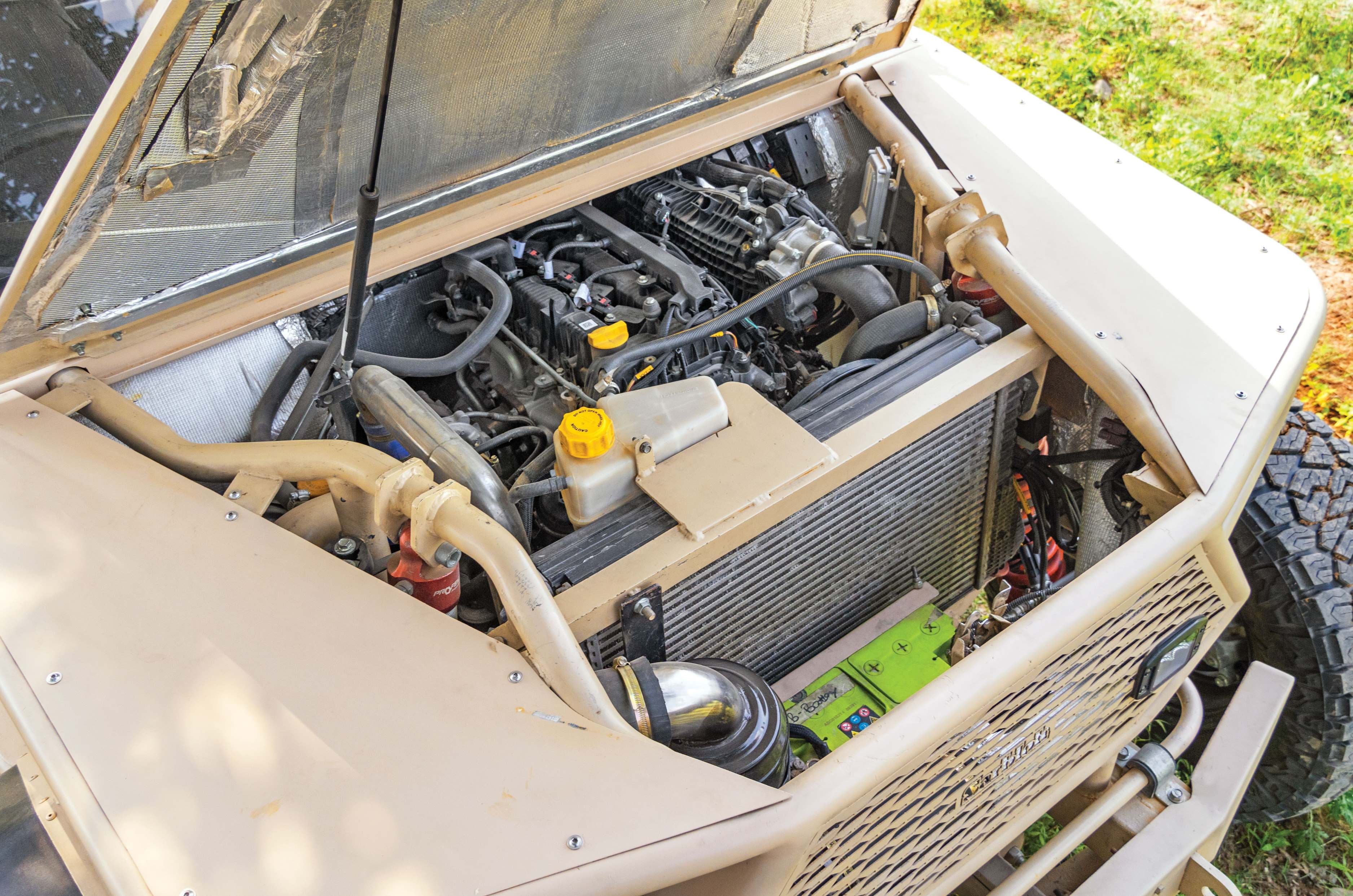
While the Tomcar is a tactical ATV meant to function as the tip of the sword, the EX4 is a home-grown scout vehicle built to take on difficult terrain and tough off-road conditions. Based on an extreme off-roader, this is a more conventional vehicle that has its engine up front and extremely short front and rear overhangs. Power comes via the same 175hp 1.5-litre turbo-petrol, and then this one even gets the option of a 2.0 diesel that makes 167hp. The latter is sourced from Fiat/Jeep or Stellantis. The chassis is a tubular space frame, and from the dimensions, you can sort of tell that this thing evolved from a Rain Forest Challenge buggy.
It can be had with a 175hp petrol or 167hp diesel.
A large A-arm suspension up front and an elongated rear trailing arm help it clamber over most obstacles, and like the Tomcar, it uses canister-fed, motorsport-based dampers that can be adjusted over a wide range. Now, despite the engine being in front, the nose is pretty compact, and interestingly, the anti-roll bar can be seen running around the front of the grille! Of course, the tyres form the extremities of the car; it gets rubber or plastic fenders around the side, and check this out, you can raise the windscreen so you can stick a weapon out and defend yourself if you are in the front seat.
The snorkel is placed with the frame.
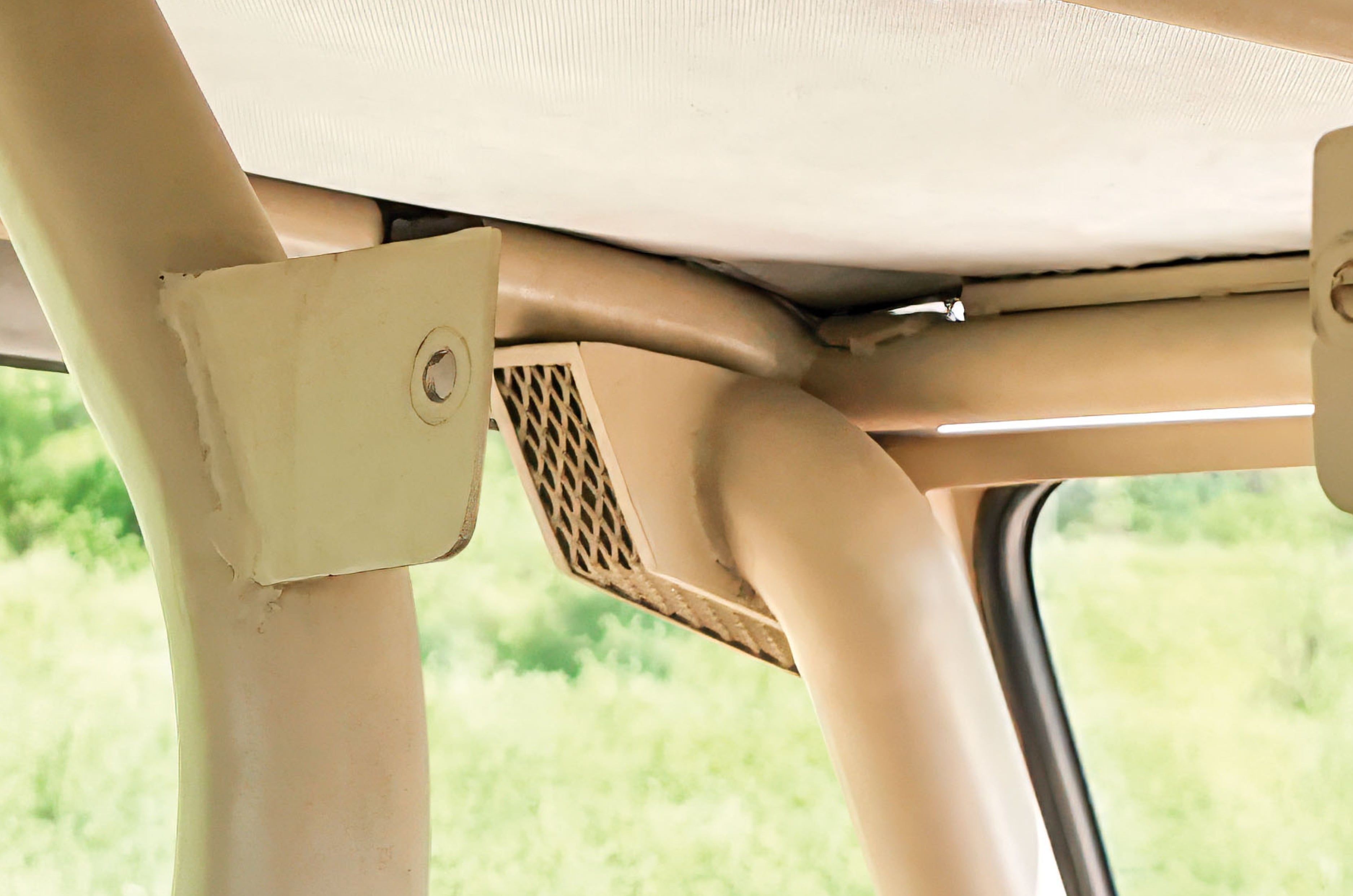
Unlike the Tomcar, this one also has mini doors, look behind the A-pillar on the left and you see the snorkel (neatly hidden away), and walk around to the rear and you get a sense of just how compact this car is. It’s so tight, even the spare sticks out the back. Also interesting are the large brackets on the roof, in case you want to air-lift this vehicle or hoist it onto a ship.
This prototype has many basic features that are likely to be upgraded in future versions.
Once behind the wheel, the EX4 feels more ‘direct,’ the manual gearbox making it feel much more sprightly. And then once you find traction in the sand, it takes off and accelerates better too. If anything, this one clearly has more zip, and it feels lighter on its feet too. The ride on this early prototype, however, isn’t anywhere as stable, and the faster you go, the more it bobs and gets tossed around. What’s also clear as you up the speed is that directional stability isn’t as good. That said, it is more willing to turn and take tighter corners. What you also hear while driving the EX4 is the intake, placed not too far from your ear, and that’s especially when you work the throttle and ask for more air. Where it shines is in extreme off-road conditions. Steep climbs with low traction, drops that could give you nose bleed, these are taken in its stride, the low range and superior traction not even needing the intervention of the locking differential for the most part. The EX4 is available from Rs 40 lakh.
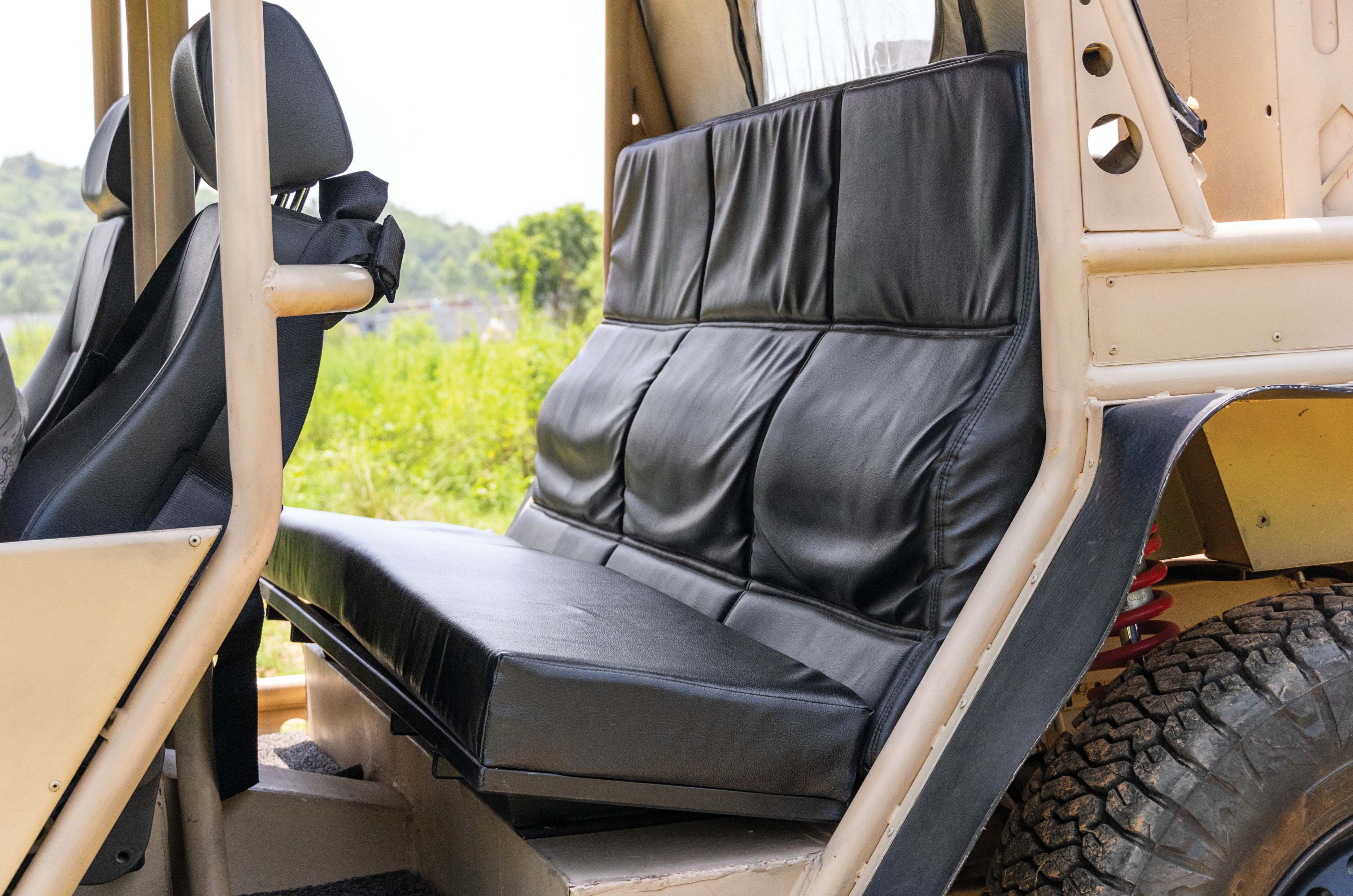
Compact rear carries essential water supply for troop.
Bespoke by design
Blessed with the functional focus of a moon buggy, the ability to drive over terrain at speed that would have a regular 4×4-based military off-roader bouncing all over the place, the Tomcar is a purpose-built weapon system engineered by the end user. Designed to push the envelope in specific areas and deliver speed and dependability over rough terrain, it possesses a unique set of characteristics that are sure to give our special forces and advanced tactical units a unique advantage. And the cherry on top is that it is made right here in India by JSW Tomcar (part of JSW Defence).
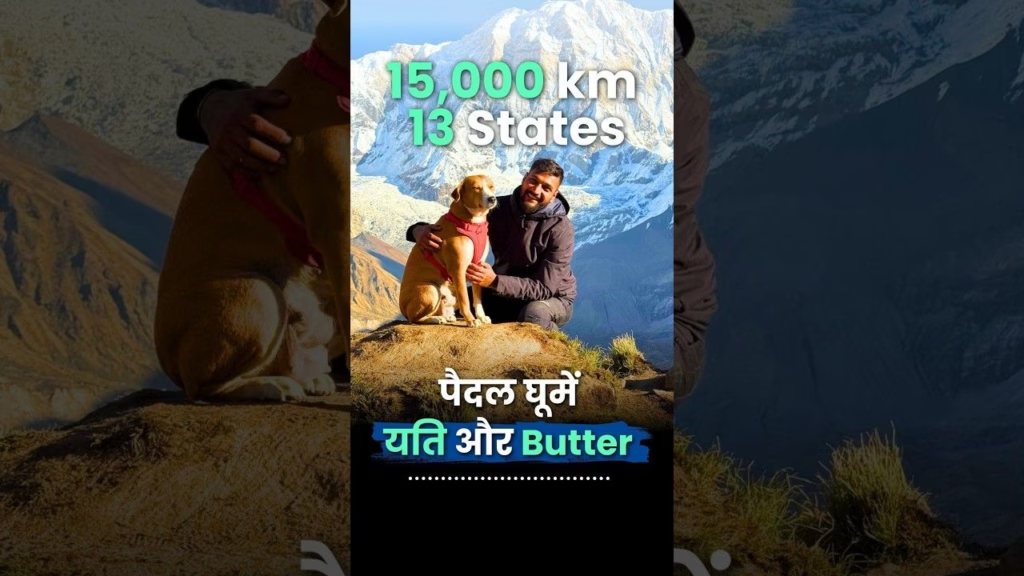
ऋषिकेश से केदारनाथ तक पैदल चलने से शुरू हुआ यति का सफर, आज 15,000 किलोमीटर और 13 राज्यों तक पहुंच चुका है। लेकिन इस लंबी यात्रा में यति को सबसे खूबसूरत चीज़ किसी मंज़िल पर नहीं, बल्कि राजस्थान की सड़क पर मिली— एक छोटी-सी पपी, जिसका नाम उन्होंने रखा बटर। :feet::heart:
आज दोनों ने साथ में पहाड़, जंगल, रेगिस्तान और नदियों के किनारे न जाने कितने रास्ते पार किए हैं। यति आगे बढ़ते हैं, तो बटर साथ चलती है। वो आगे निकल जाए, तो पीछे मुड़कर यति का इंतज़ार करती है।
कई बार सफर आसान बनाने के लिए लोग बेज़ुबानों को पीछे छोड़ देते हैं। लेकिन @theunfoldingplay ने आसान रास्ता नहीं, बटर को चुना। देखिए, कैसे सड़क पर मिली एक छोटी-सी बटर, यति की सबसे लंबी यात्रा की हमेशा की साथी बन गई
@theunfoldingplay
वो सड़क पर मिली और बन गई हर सफर की साथी | Yati Gaur| Delhi | Travel Vlog | Walking India
आज की भागदौड़ भरी जिंदगी में काम का दबाव, घंटों बैठे रहना, बाहर का खाना और लगातार तनाव हमारी रोजमर्रा की लाइफस्टाइल का हिस्सा बनते जा रहे हैं। इन आदतों का असर धीरे-धीरे दिल की सेहत पर भी पड़ सकता है। हालांकि, दिल को स्वस्थ रखने के लिए अपनी पूरी लाइफस्टाइल बदलने की जरूरत नहीं है। छोटी-छोटी अच्छी आदतें भी बड़ा फर्क डाल सकती हैं। कार्डियोवस्कुलर सर्जन डॉ. जेरेमी लंदन ने 8,000 से ज्यादा हार्ट ऑपरेशन किए हैं। उन्होंने अपने अनुभव के आधार पर ऐसी 5 चीजों के बारे में बताया है, जिनसे वह खुद दूरी बनाए रखते हैं।
इनमें स्मोकिंग, ज्यादा प्रोसेस्ड खाना, लंबे समय तक बैठे रहना, अकेलापन और लगातार तनाव जैसी रोज की आदतें शामिल हैं। खास बात यह है कि इनसे बचने के लिए किसी कठिन रूटीन की जरूरत नहीं है। बस अपनी रोजमर्रा की जिंदगी में थोड़े बदलाव करके दिल की सेहत का बेहतर ख्याल रखा जा सकता है।
धूम्रपान से रहें दूर
डॉ. Jeremy लंदन सिगरेट, वेप और गांजा पीने से बचने की सलाह देते हैं। धुएं में मौजूद हानिकारक पदार्थ दिल और रक्त वाहिकाओं पर बुरा असर डाल सकते हैं। इसलिए दिल की सेहत के लिए धूम्रपान छोड़ना सबसे जरूरी कदमों में से एक है।
ज्यादा पैकेट वाला खाना न खाएं
चिप्स, पैकेज्ड स्नैक्स, फास्ट फूड और दूसरे अल्ट्रा-प्रोसेस्ड फूड में अक्सर ज्यादा नमक, चीनी और खराब फैट होता है। डॉक्टर की सलाह है कि खाने में ताजे फल, सब्जियां, दाल, साबुत अनाज और घर का बना खाना ज्यादा शामिल करें।
घंटों बैठे न रहें
आजकल काम के दौरान कई लोग लंबे समय तक कुर्सी पर बैठे रहते हैं। डॉ. लंदन के मुताबिक, हमारा शरीर लगातार बैठे रहने के लिए नहीं बना है। रोज थोड़ा चलना भी अच्छी शुरुआत है। खाने के बाद 10 मिनट की वॉक जैसी छोटी आदत भी फायदेमंद हो सकती है।
अकेलेपन को नजरअंदाज न करें
दिल की सेहत का संबंध सिर्फ खान-पान और एक्सरसाइज से नहीं है। लंबे समय तक अकेलापन भी शरीर और दिमाग पर असर डाल सकता है। परिवार, दोस्तों और करीबी लोगों के साथ समय बिताना और उनसे जुड़े रहना जरूरी है।
लंबे समय तक तनाव न पालें
लगातार तनाव रहने से ब्लड प्रेशर बढ़ सकता है और दिल पर दबाव पड़ सकता है। इसलिए तनाव को नजरअंदाज करने के बजाय उसे कम करने की कोशिश करनी चाहिए। अच्छी नींद, एक्सरसाइज, आराम और अपनों के साथ समय बिताना इसमें मदद कर सकता है।
डॉ. लंदन का कहना है कि इन आदतों को अपनाने से हार्ट अटैक या स्ट्रोक का खतरा पूरी तरह खत्म नहीं होता। लेकिन स्वस्थ जीवनशैली और जोखिम कारकों पर नियंत्रण दिल को बेहतर स्थिति में रखने में मदद कर सकता है।
डिस्क्लेमर: इस लेख में दी गई जानकारी सामान्य स्वास्थ्य सुझावों पर आधारित है। इसे किसी योग्य चिकित्सा राय का विकल्प न मानें। किसी भी नए व्यायाम को शुरू करने से पहले विशेषज्ञ या डॉक्टर से सलाह जरूर लें।