Government bars sugar-based ethanol in 2026-27 tender: Report

Government bars sugar-based ethanol in 2026-27 tender: Report
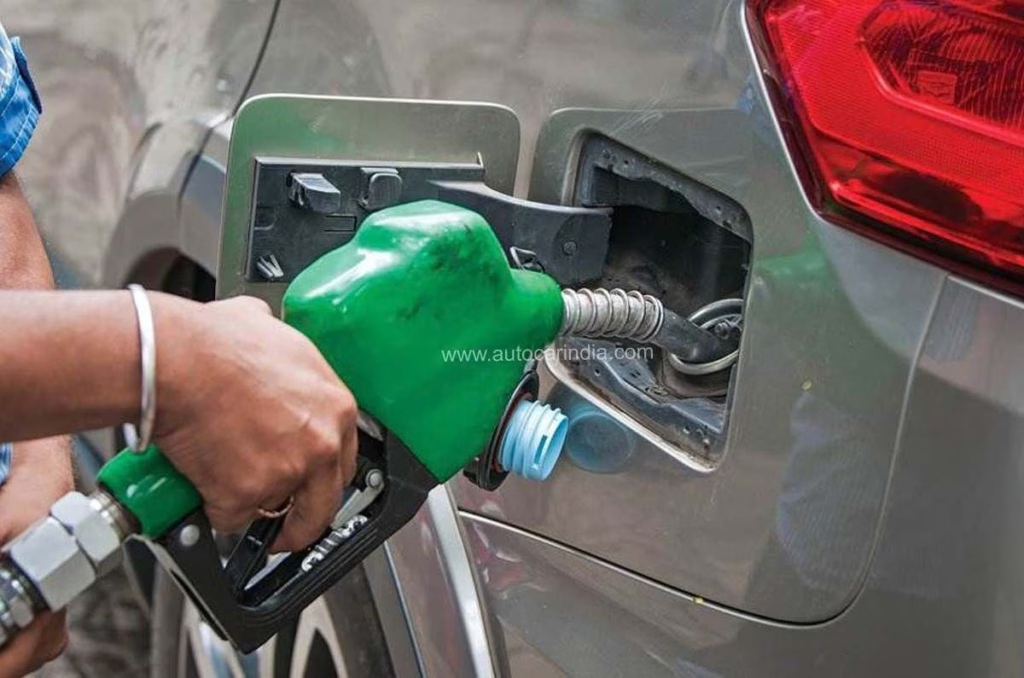
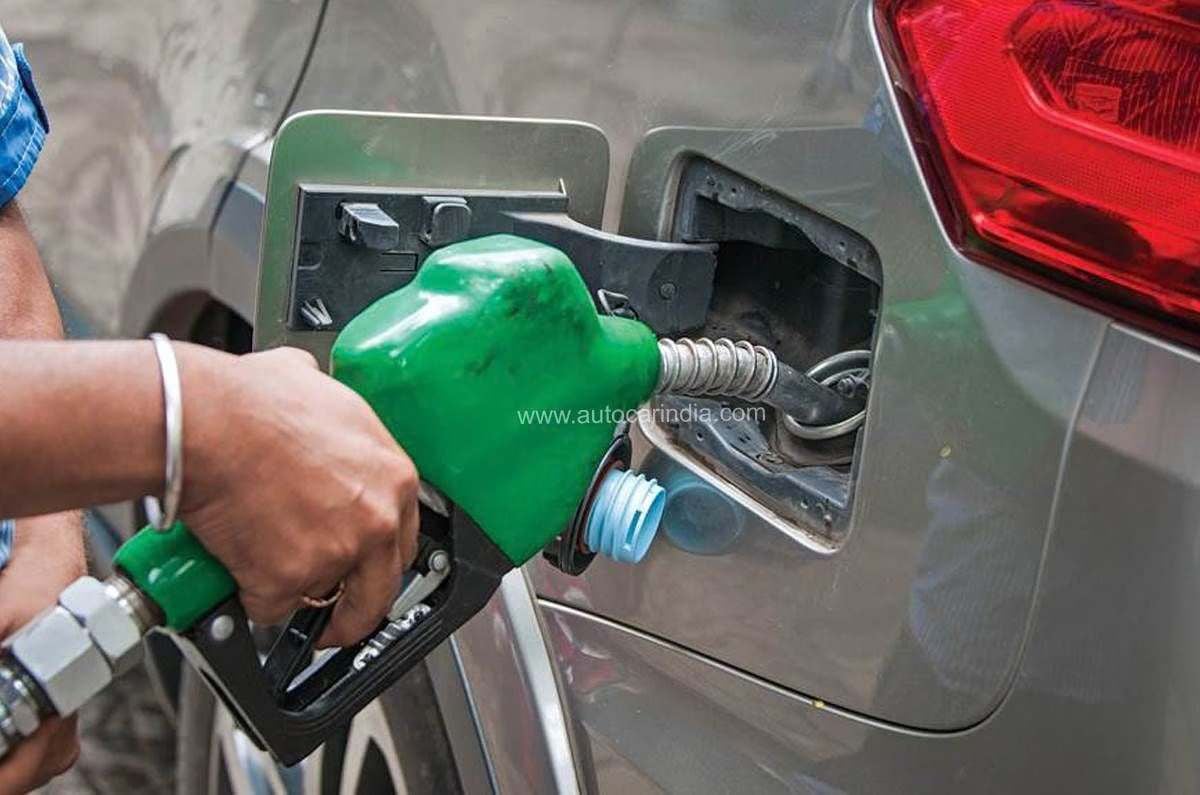
Car being refuelled with petrol

Sugar-based ethanol has been left out of India’s ethanol tender for the 2026-27 supply year, according to a Reuters report. Citing the tender issued on October 16, the report states that the government has instructed state-run oil marketing companies (OMCs) to ensure no sugar is diverted towards ethanol production for this period. No bids have therefore been invited for ethanol produced using sugarcane juice, sugar or sugar syrup, or B-heavy molasses, the report adds.

  1. Oil firms invited bids for 11 billion litres of ethanol for 2026-27
  2. Tender allows bids for ethanol made from corn, broken rice and surplus FCI rice
  3. Incentive for corn-based ethanol cut from Rs 5.79/litre to Rs 2.79/litre

Tender details

It seeks 11 billion litres for the supply year starting in November 2026

The tender comes from Indian Oil, Bharat Petroleum and Hindustan Petroleum. “The Government of India has issued directions that sugar diversion for ethanol be reduced to zero for ethanol supply year 2026-27,” the tender document said, according to the report.

The companies are looking to procure 11 billion litres of ethanol for the supply year, which kicks off in November 2026. Distillers can submit bids for ethanol produced from corn, broken rice and surplus FCI (Food Corporation of India) rice. Corn-based ethanol will also fetch less this time. Its incentive has dropped by Rs 3 per litre to Rs 2.79 per litre, taking the procurement price from Rs 71.86 per litre to Rs 68.86 per litre, as per the report.

Ethanol blending and sugar supply

India is trying to rein in high sugar prices

Surplus sugar has been a key contributor to India’s ethanol-blending programme for several years. India also consumes more sugar than any other country, and has been trying to increase local production while easing prices.

Reuters had reported in August 2026 that limits on the use of sugarcane for ethanol were being considered for the season starting October 2026. Weaker rains in Maharashtra and Karnataka had already cast doubt on this year’s sugar production at the time.

Ethanol blending is aims to reduce India’s oil imports. E20 petrol, which became compulsory nationwide earlier this year, was introduced to cut emissions as well as the country’s dependence on imported crude. However, diverting sugarcane juice, sugar syrup and B-heavy molasses towards ethanol can lead to a reduction in the amount of sugar produced.

River Mobility expands to Nepal

River Mobility expands to Nepal
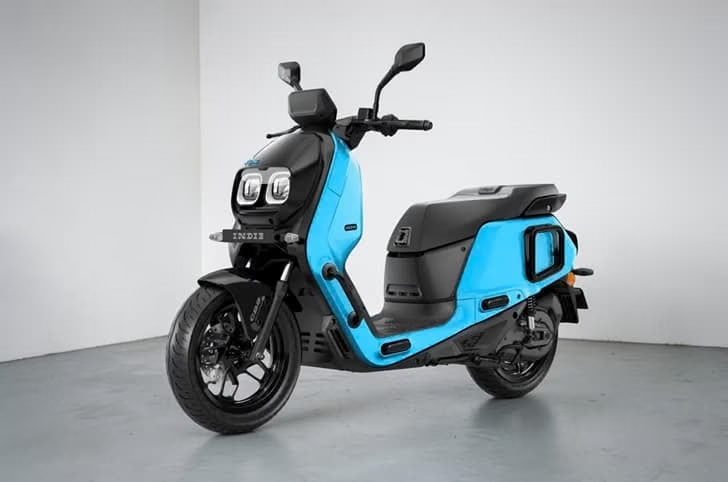
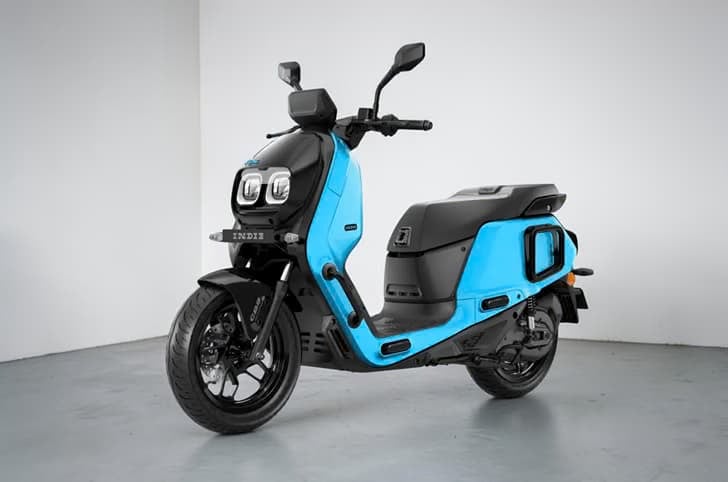
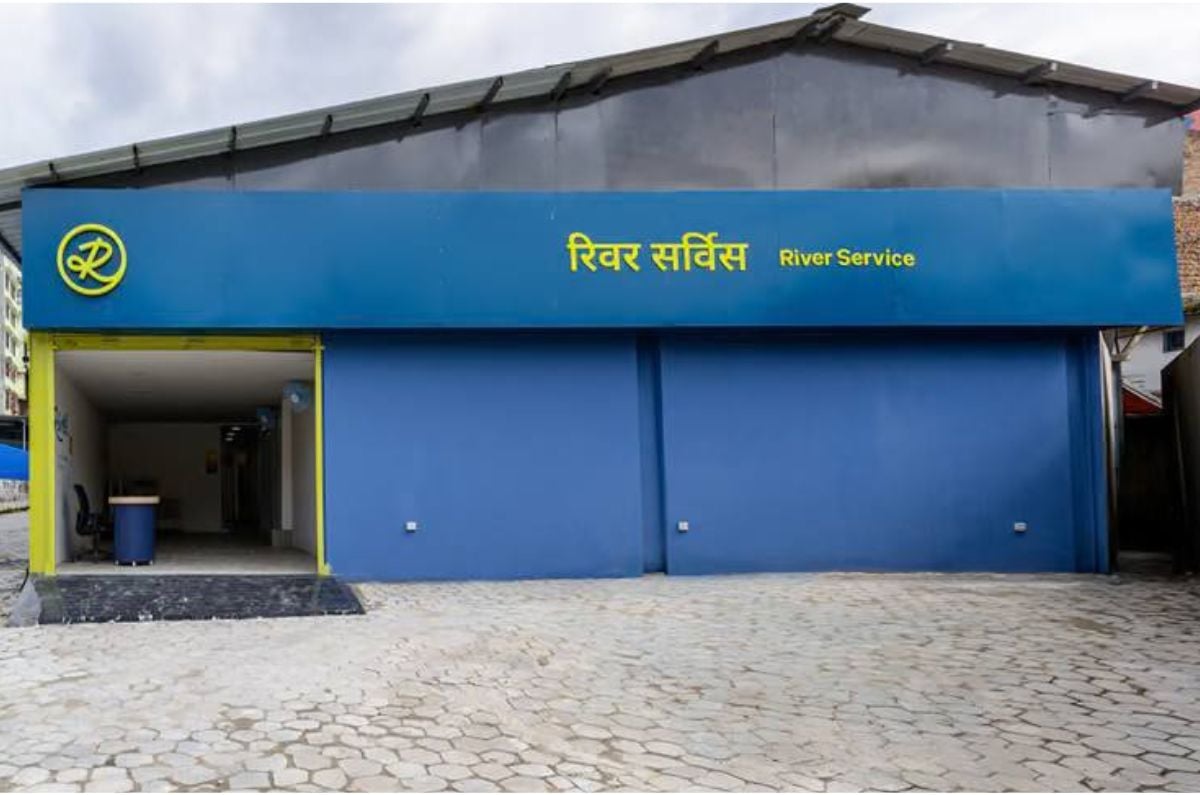
An indoor render of the River Indie.

River Mobility has entered Nepal in partnership with Vishal Group opening its first international retail and service outlet in Kathmandu. Its flagship electric scooter, the Indie, is priced at NPR 3.7 lakh (ex-showroom, Kathmandu).

  1. Partnered with Vishal Group to open first international store
  2. Will retail flagship Indie electric scooter
  3. Nepal is the first market River enters outside India

River Mobility International Expansion  

Plans to expand its network across Nepal

Bengaluru-based electric two-wheeler manufacturer River Mobility has opened its first international store in Nepal. The retail and service outlet in Naxal, Kathmandu, was made possible through a partnership with regional conglomerate Vishal Group. Through this outlet, the brand will retail its flagship electric scooter the Indie, along with accessories and merchandise. To provide after-sales services and customer support, a dedicated service centre has also been established.

Beyond Kathmandu, River plans to expand its footprint to key cities across Nepal to broaden customer access and after-sales reach. The River Indie is priced at NPR 3.7 lakh (ex-showroom, Kathmandu), equivalent to approximately Rs 2.30 lakh, making it roughly Rs 73,000 more expensive than its Indian price tag (Rs 1.57 lakh ex-showroom, Bengaluru). Test rides and bookings are available at the new outlet.

River currently operates over 90 stores across India, including Karnataka, Kerala, Tamil Nadu, Maharashtra, Telangana, Andhra Pradesh and Delhi-NCR, with plans to increase its domestic retail network to more than 400 stores by March 2028, covering existing and new markets.

With inputs from Eshisha Java and Suraj Sreekumar. NPR-to-INR conversions are based on exchange rates at the time of writing.

How to transfer vehicle ownership in India: Process, documents, fees explained

How to transfer vehicle ownership in India: Process, documents, fees explained
How to transfer vehicle ownership in India

The sale of a car or two-wheeler isn’t considered complete until its registration certificate (RC) carries the name of the new owner. Prior to this, the seller of the vehicle remains its legal owner on record. This means that any challans issued, tax dues, or even liability in case of an accident are to be resolved by the existing owner. So, how does vehicle ownership transfer work and what are the necessary steps one needs to take to complete this process.

Disclaimer: This guide is for buyers and sellers of private vehicles. Commercial vehicles need additional paperwork, such as permit and fitness documents, which isn’t covered here. The information used here comes from the Parivahan portal and state transport department websites. Documents, fees and deadlines vary by state and RTO, and are subject to change. Check with your local RTO or a government-approved official portal before you apply or pay.

1. Why you need to complete the RC transfer soon after sale?

Both the seller and buyer should sign a sale agreement, thus documenting the transaction. Remember, the vehicle legally belongs to whoever’s name appears on the RC. This means unless the RC is transferred to the new owner, any untoward incident (including traffic violations, accidents and crimes) involving the vehicle can remain the responsibility of the seller. A factor for the buyer to consider is the insurance policy, which is deemed transferred along with the vehicle, though the buyer still has to apply to the insurer within 14 days to have it put in their name.

Before the sale, the seller should clear any pending challans and ensure that there are no unpaid National Highway tolls. Both parties should confirm that any pending loan amount (if applicable) on the vehicle has been cleared. Once the vehicle is handed over, the seller should also close or delink the FASTag linked to it.

2. What paperwork do you need for an RC transfer?

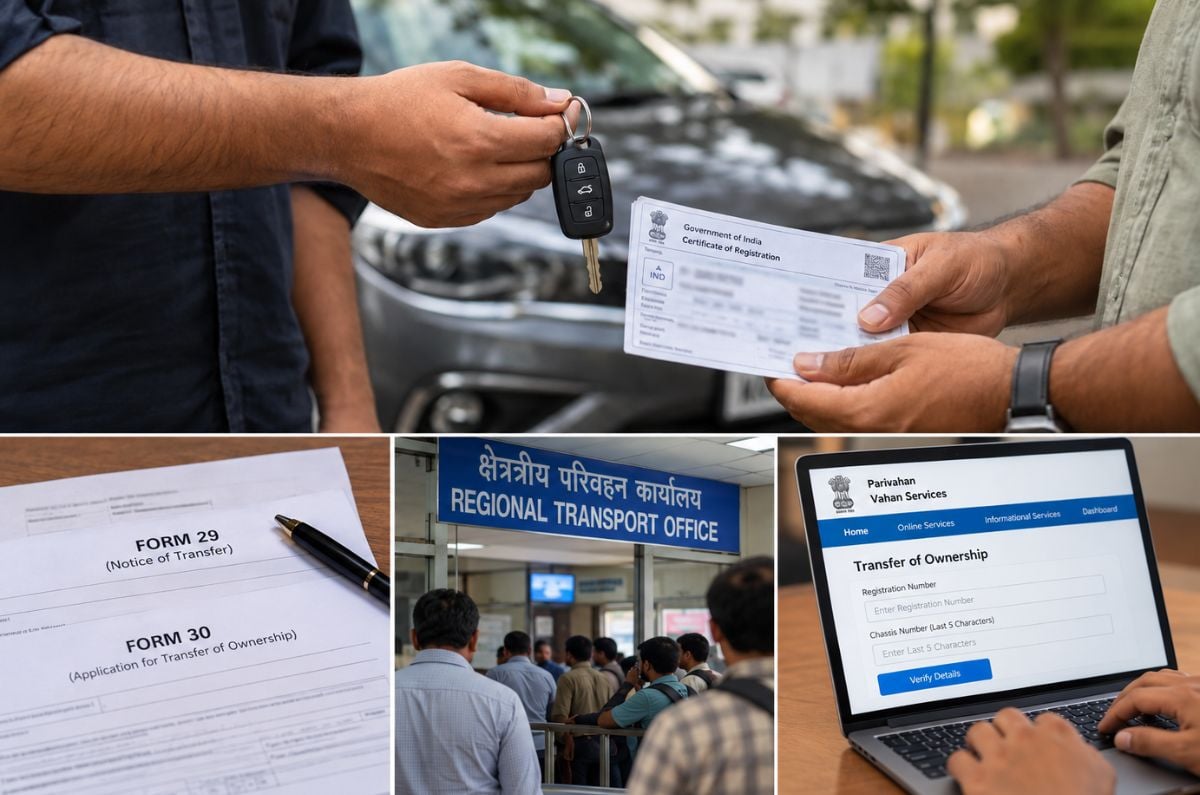
A normal sale of a vehicle involves two forms. The seller files Form 29 (notice of transfer), reporting the sale to the registering authorities where the seller and buyer reside. Meanwhile, the buyer files Form 30 (application for transfer), along with the RC and insurance certificate. Depending on the state, the RTO may also ask for the PUC certificate, PAN card or Form 60, address proof, a chassis and engine pencil print, the buyer’s date of birth proof and undertaking, a passport-size photograph and a tax clearance certificate.

There are three cases that may involve extra paperwork. If the vehicle is registered in another state, the RC transfer application will also need a no objection certificate (NOC) from the source RTO (whether it be from Delhi, Maharashtra or Karnataka). If the owner has died, the legal heir applies on Form 31 with the death certificate. In case the vehicle was bought at a government auction, the buyer applies on Form 32 with the sale certificate and a copy of the government order authorising the auction.

Bank auctions are a bit different to government-run ones. These usually involve vehicles repossessed by banks and finance companies over unpaid loans. Since they aren’t government auctions, Form 32 doesn’t apply here. Instead, the lender provides a sale letter and a NOC, though the RC transfer follows the same process as a government auction. Vehicles here are sold on an ‘as is’ basis, so no warranty or test drives – any pending challans or road tax are likely to be sorted by the buyer. To know about all the other forms that may be required, scroll to the bottom of the story.

3. How much does an RC transfer cost and what are the deadlines?

The RC transfer application has to be submitted within 14 days of the transfer if the vehicle is registered in the same state. The deadline goes up to 45 days if the vehicle is from another state. A legal heir has to inform the RTO within 30 days of the original owner’s death and apply for a transfer within three months. Meanwhile, an auction buyer gets 30 days to transfer the RC from the date of taking possession of the vehicle.

As for the costs involved, the central fee that’s set under Rule 81 of the Central Motor Vehicles Rules describes it as half the registration fee, depending on the vehicle’s class. This works out to Rs 150 for a motorcycle and Rs 300 for a private car. If the buyer misses these deadlines, they will attract a late NOC fee of Rs 300 a month for motorcycles and Rs 500 a month for cars. Certain states levy a penalty if the RC transfer isn’t applied for within 14 days of purchase. Road tax is separate, and is applicable if the vehicle is being re-registered in another state.

4. Should you apply for RC transfer online, through an agent or do it yourself?

You can apply for an RC transfer through the Vahan portal (vahan.parivahan.gov.in/vahanservice/vahan). Enter the registration number, select ‘Basic Service’s and verify with the last five digits of the chassis number and an OTP sent to your registered mobile number. Then choose ‘Transfer of Ownership’, fill in the details and pay the fee displayed. The receipt carries a trackable application number, while the application moves to the concerned RTO for processing.

Some states also let you upload documents and book an appointment online, while others still want the papers submitted in person. Doing it yourself at the RTO costs nothing beyond the official fee, and your documents go directly to the office in charge of processing them. However, this can take time and effort from your end, perhaps even requiring multiple visits in case of missing or incorrect documents.

If absolute convenience is what you want, you can get the process done through an agent. This will not only save you the hassle of standing in queues or making follow-up visits to the RTO, but also help with inter-state RC transfers that can involve an NOC and re-registration. Understandably, this convenience comes at a cost (which can vary from agent to agent) and also having your original documents and signed forms being with a third party. If you do use an agent, don’t sign blank forms and always ask for official receipts and the application number for self-tracking the progress.

5. Other forms that may be required for an RC transfer

Form

What’s it for

Submitted by

Form 28

Application for a no objection certificate (NOC)

Seller – when the vehicle moves to another RTO or state

Form 31

Application for transfer on death of the owner

Legal heir

Form 32

Application for transfer of a vehicle bought at public auction

Auction buyer

Form 35

Notice of termination of hypothecation

Owner and financier, if there was a loan on the vehicle

Form 36

Application for transfer to the financier’s name

Financier, for a repossessed vehicle


VinFast takes first step toward entering Indian two-wheeler market

VinFast takes first step toward entering Indian two-wheeler market
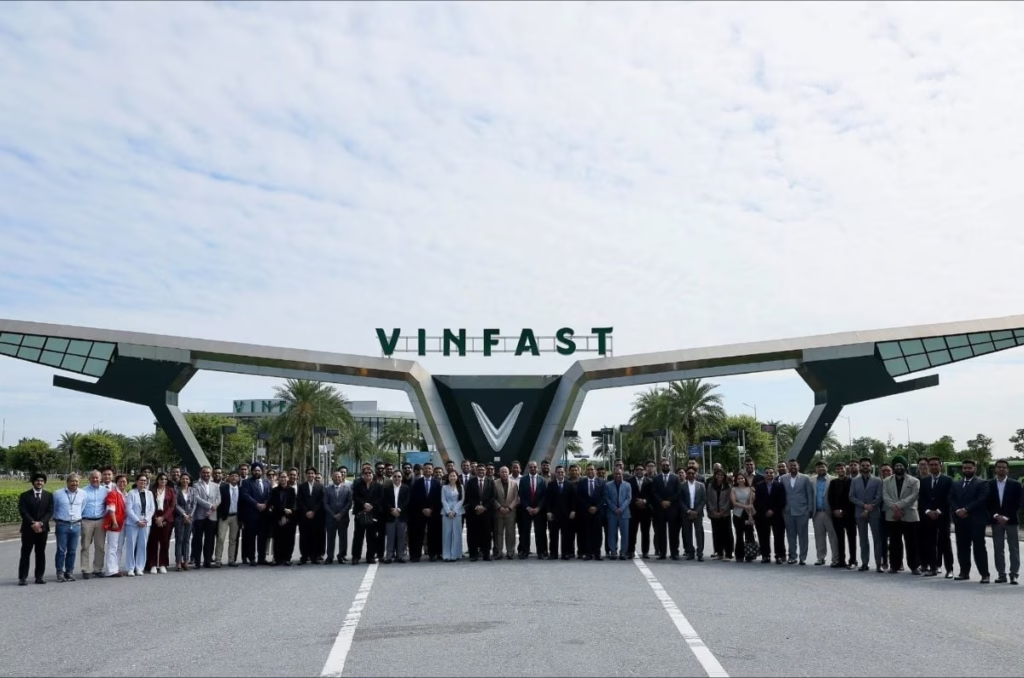
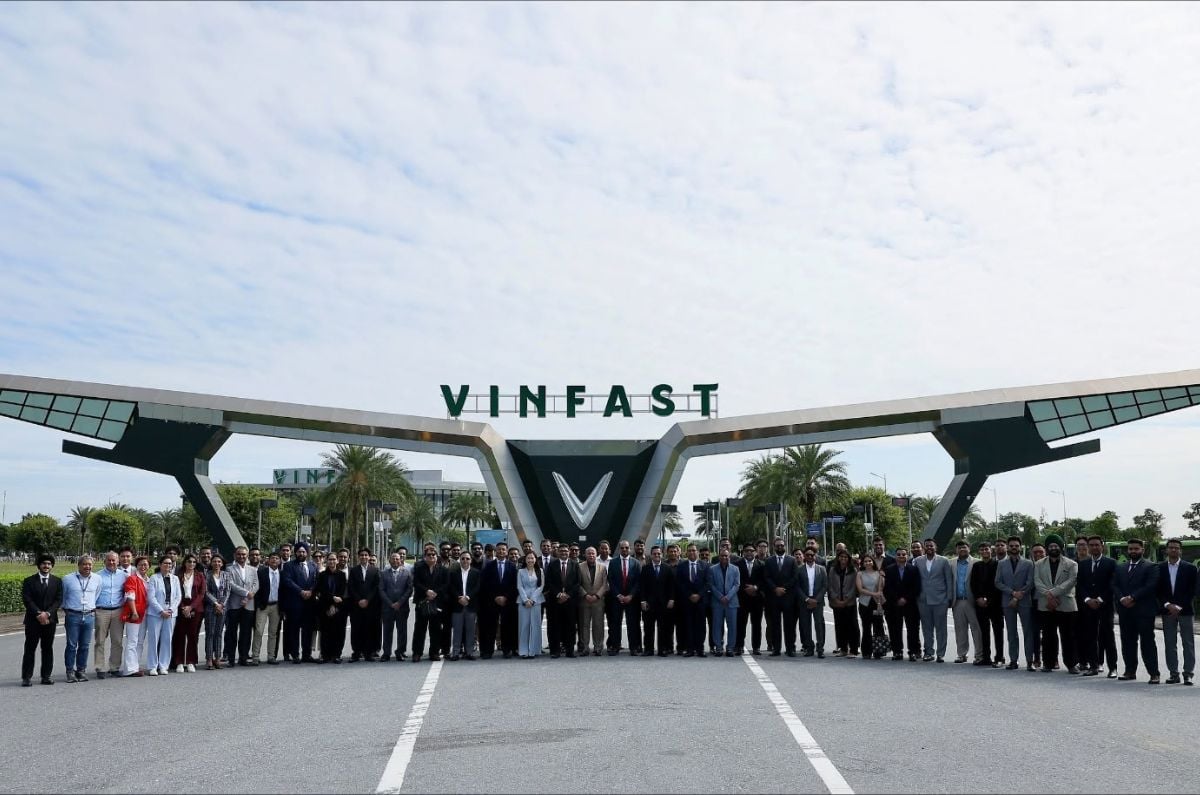
An outdoor image showing large group of people standing together in front of the Vinfast headquarter

VinFast entered the Indian market in 2025, with activities spanning from the distribution, manufacturing and assembly of electric cars. Following this, the brand also showed some e-scooters at Auto Expo and then subsequently patented designs of some of them in our market, all hinting at plans to enter the huge Indian two-wheeler market. The signing of these letters of intent (LOIs) and partnering with numerous electric two-wheeler dealers now marks a new phase in the brand’s expansion in the Indian market.

  1. Partnered with 50+ electric two-wheeler dealers across 15 states
  2. Plans to establish showrooms across 34 cities
  3. Line-up likely to feature the recently patented Viper and Rasad e-scooters

Retail network expansion details   

Over 50 showrooms panned 15 states

Vinfast and its dealer partners will work together to establish 50+ electric two-wheeler showrooms across 34 cities in 15 states and territories. The locations that the company is targeting to establish a presence in first include Delhi, Rajasthan, Punjab, Madhya Pradesh, Chhattisgarh, Uttar Pradesh, Maharashtra, Gujarat, Karnataka, Telangana, Tamil Nadu, Kerala, Andhra Pradesh, West Bengal and Odisha. Through these partnerships VinFast plans to bring its electric scooter line-up to the country, though it hasn’t shared any timelines so far. Initial line-up expected to feature the Viper and Rasad electric scooters, following design patents filed in India earlier this year.

These selected cities and regions have large two-wheeler markets, providing significant room for the brand’s expansion. VinFast says in fiscal year 2025-2026 there were 21.41 million two-wheelers registered, of which electric vehicles accounted for only 6.54 percent. When VinFast does officially launch some of its models in our country, it will have to ward off stiff competition from both established legacy players as well as mould-breaking start-ups like Bajaj, TVS, Hero, Suzuki, Yamaha, Ather and River.

Viral Video: चलती कार की बोनट पर चढ़ा जंगली हाथी! लोगों की रुकीं सांसें, वायरल हुआ हैरान करने वाला वीडियो

तमिलनाडु के असनूर इलाके में एक सामान्य सफर उस वक्त डरावने अनुभव में बदल गया, जब जंगल की तरफ से निकला एक जंगली हाथी अचानक एक कार के सामने आ गया। बेंगलुरु-दिंडीगुल राष्ट्रीय राजमार्ग पर चल रही गाड़ी में बैठे यात्रियों ने शायद सोचा भी नहीं होगा कि अगले कुछ सेकंड में उन्हें इतने करीब से हाथी का सामना करना पड़ेगा।

कार मैसूर से कोयंबटूर की ओर जा रही थी। इसी दौरान हाथी सड़क के पास पहुंचा और वाहन के बेहद नजदीक आ गया। देखते ही देखते उसने कार पर अपना पैर रख दिया। विशाल जानवर को इतने करीब देखकर अंदर बैठे यात्रियों की घबराहट बढ़ गई।

कुछ सेकंड का खौफ

हाथी के वजन से कार का साइड मिरर टूट गया, लेकिन राहत की बात यह रही कि वाहन में सवार किसी भी व्यक्ति को चोट नहीं आई। घटना के बाद यात्रियों के लिए सबसे बड़ी राहत यही थी कि हाथी ने ज्यादा देर तक वाहन के आसपास रुकने के बजाय वहां से दूरी बना ली। इस पूरे घटनाक्रम ने एक बार फिर दिखा दिया कि जंगल से होकर गुजरने वाले हाईवे पर कुछ सेकंड की लापरवाही कितनी भारी पड़ सकती है।

सड़क नहीं, हाथियों का पुराना रास्ता भी है यह इलाका

असनूर का इलाका जंगलों से घिरा हुआ है और यहां से गुजरने वाले रास्तों पर वन्यजीवों की आवाजाही देखी जाती है। आसपास के जंगल चामराजनगर क्षेत्र और बांदीपुर टाइगर रिजर्व से जुड़े वनक्षेत्रों के करीब हैं।

हाथियों के लिए जंगल से जंगल तक आने-जाने के प्राकृतिक रास्ते मौजूद हैं। ऐसे में जब हाईवे इन इलाकों के बीच से गुजरता है, तो कई बार इंसानों और वन्यजीवों का रास्ता एक ही जगह पर आ मिलता है।

खाने की खुशबू भी खींच सकती है हाथियों को

वन विभाग लंबे समय से वाहन चालकों को आगाह करता रहा है कि जंगल वाले रास्तों पर जानवरों को देखकर रुकना या उन्हें खाना देना भारी पड़ सकता है। खासतौर पर सब्जियों, गन्ने या अन्य खाद्य सामग्री की मौजूदगी हाथियों को वाहनों के करीब ला सकती है।

एक बार अगर किसी हाथी को गाड़ियों से खाना मिलने लगे, तो वह वाहनों के पास आने का आदी हो सकता है। इससे अगली बार सामना होने पर स्थिति और ज्यादा खतरनाक बन सकती है।

ऐसे इलाकों में सफर करने वालों के लिए सबसे जरूरी बात है कि हाथी दिखाई देने पर वाहन से बाहर न निकलें और उसके करीब जाने की कोशिश न करें। हॉर्न बजाकर या रास्ता रोककर उसे परेशान करना भी जोखिम बढ़ा सकता है।

Video: होम गार्ड भर्ती में साड़ी पहन नंगे पैर दौड़ने वाली कविता की कहानी! पति नहीं रहे तो बच्चों, ससुराल का बोझ उठाने का ये जज्बा इमोशनल कर देगा

बड़ी खबर, आंध्र प्रदेश के 21 जिलों में सूखा घोषित! जानिए कितने मंडलों पर पड़ा असर

आंध्र प्रदेश में बारिश की कमी और फसल खराब होने के बाद सरकार ने राज्य के आधे से ज्यादा हिस्से को सूखाग्रस्त घोषित किया है। सरकार के मुताबिक, 21 जिलों के 388 मंडलों में सूखे की स्थिति है। इससे किसानों के सामने फसल और पानी दोनों का संकट खड़ा हो गया है।

राज्य में कुल 688 मंडल हैं। इनमें से 388 मंडलों को सूखाग्रस्त घोषित किया गया है। यानी करीब 56 फीसदी मंडल अब सूखे से प्रभावित माने जा रहे हैं।

सरकार ने सूखे की स्थिति को दो श्रेणियों में बांटा है:

1. 283 मंडलों को गंभीर सूखे की श्रेणी में रखा गया है।

2. 105 मंडलों में मध्यम सूखे की स्थिति बताई गई है।

रायलसीमा और दक्षिण आंध्र में ज्यादा असर

रायलसीमा और दक्षिण आंध्र के इलाके सूखे से सबसे ज्यादा प्रभावित बताए जा रहे हैं। बारिश कम होने से कई इलाकों में खेती पर सीधा असर पड़ा है।

इन फसलों का हुआ नुकसान

• धान

• मक्का

• नारियल

• मूंगफली

• अरहर

• कपास

इन फसलों के नुकसान के साथ किसानों को पानी की कमी का भी सामना करना पड़ रहा है।

विपक्ष ने मांगा इन सवालों का जवाब

सरकार की ओर से सूखे की घोषणा के बाद विपक्ष ने इसके आकलन पर सवाल उठाए हैं। विपक्ष का कहना है कि कुछ ऐसे मंडलों को भी सूखाग्रस्त सूची में शामिल किया जाना चाहिए, जहां हालात गंभीर हैं।

विपक्ष ने खास तौर पर नेल्लोर के कुछ इलाकों का जिक्र करते हुए कहा है कि वहां सूखे का असर होने के बावजूद कई मंडलों को सूची में शामिल नहीं किया गया।

कर्नाटक और महाराष्ट्र के बाद आंध्र में भी सूखा

आंध्र प्रदेश में यह फैसला ऐसे समय में आया है, जब कर्नाटक और महाराष्ट्र भी बारिश की कमी और फसल के नुकसान के चलते सूखे की घोषणा कर चुके हैं। इससे कई राज्यों में किसानों और खेती पर कम बारिश का असर साफ दिखाई दे रहा है।

Vega Helmets factory visit: Lightweight from a heavyweight

Vega Helmets factory visit: Lightweight from a heavyweight
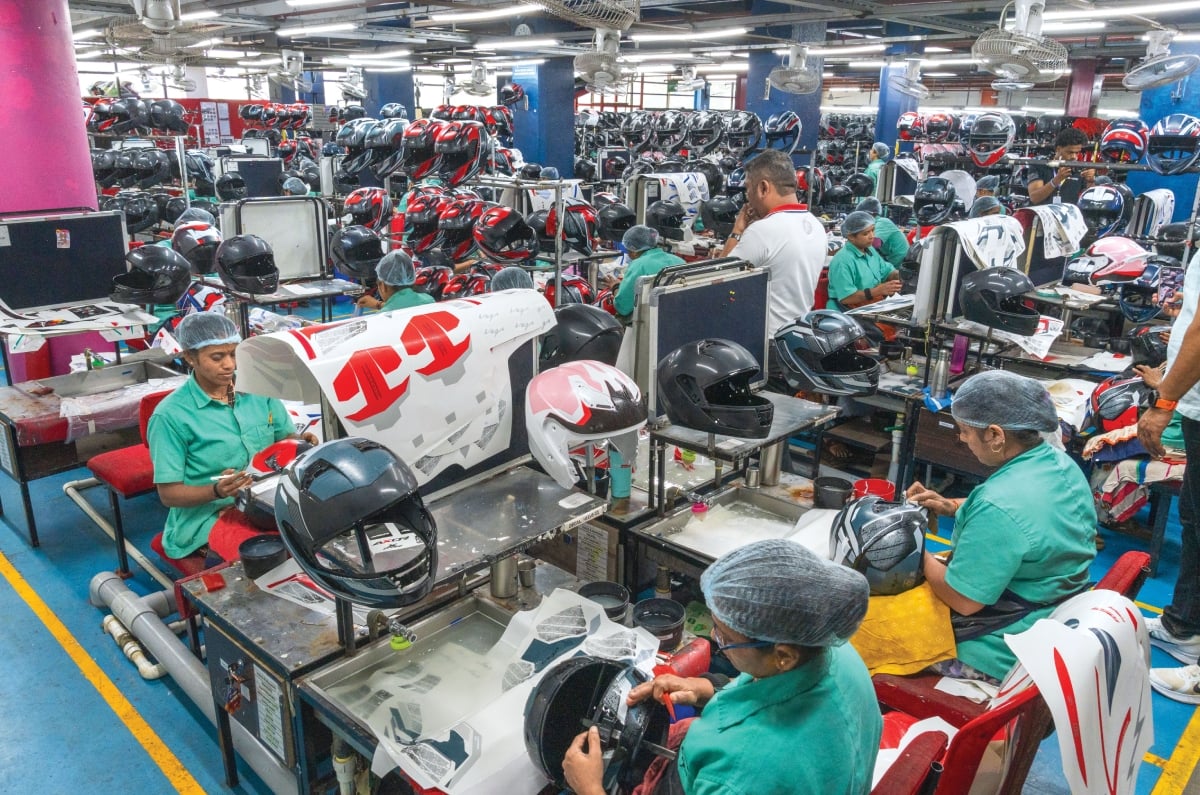
Vega helmet manufacturing facility with workers assembling and finishing motorcycle helmets at multiple workstations, surrounded by rows of helmets and production equipment.

Axor helmets is the premium brand from Belagavi-based motorcycle helmet giant Vega. In existence since the early 1980s, Vega is one of India’s biggest motorcycle helmet manufacturers today, with an annual capacity of 9 million helmets a year across six manufacturing facilities. 

That translates to 25,000 units a day, and we got a sense of what an operation of this scale can look like by visiting one of the company’s production facilities in Belagavi, Karnataka. The facility we visited was one of Vega’s older units, which explained why many of the processes were more labour-intensive than I’d expected. What also came as a surprise was just how much of the manufacturing process is now in-house.

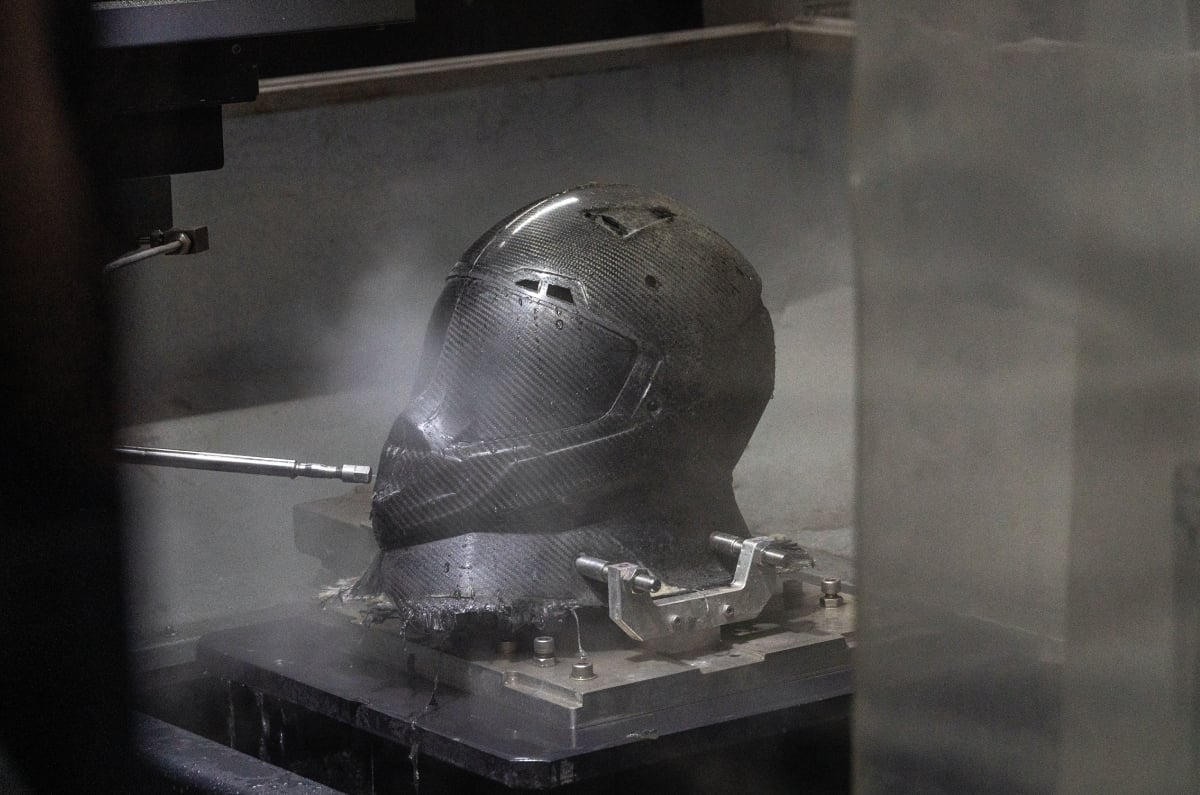
Tri-composite shell is moulded in-house and cut out using a CNC water jet.

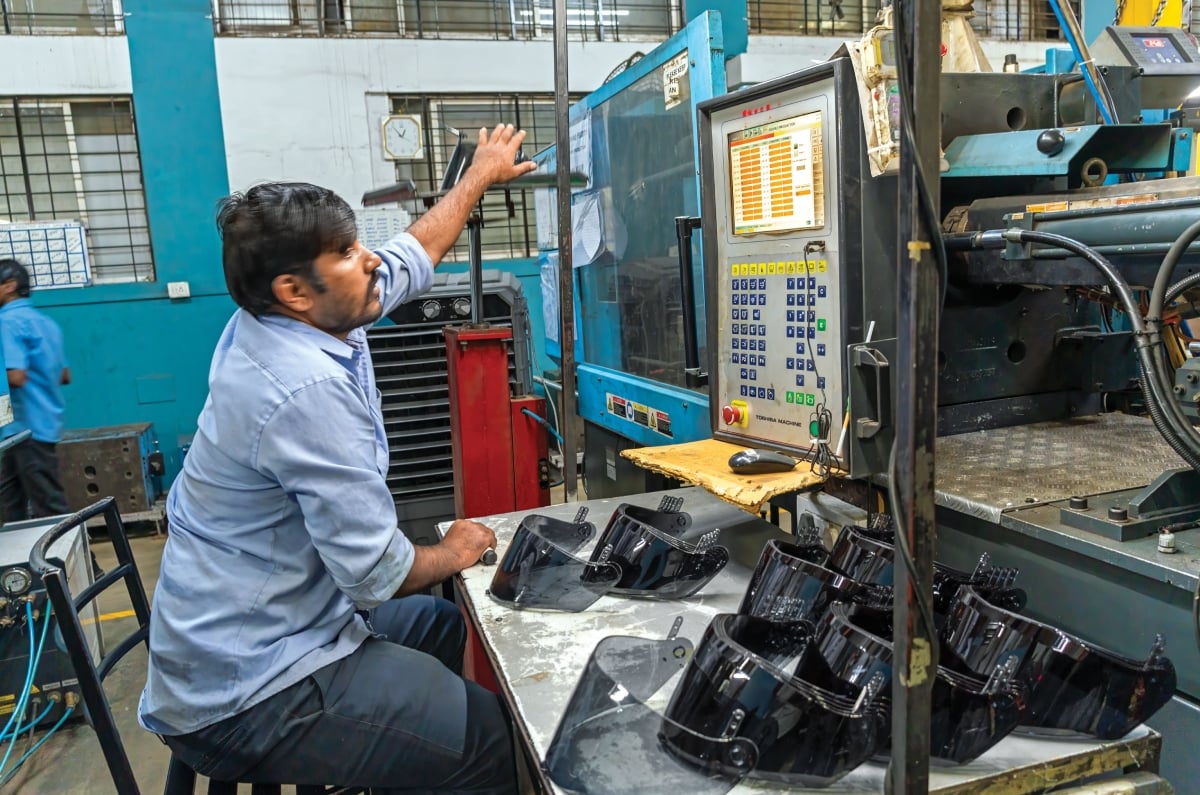
Everything from the plastic components for the vents to the EPS inner liner and even the polycarbonate visors is made by Vega. The company manufactures its own shells too, and the speed with which an ABS plastic shell can be made is what greatly contributes to being able to produce so many helmets in a day. It takes just 90 seconds for a bunch of plastic pellets to be melted and injection-moulded into a shell. The moulding posts are then cut off, and the shell slowly gets transformed into a helmet as it passes through various stages in the factory. 

Once the ABS shell is processed, it is prepped for painting. The painting process in this plant was mostly manual, but there was an automated machine applying a clear coat. A separate UV chamber cures the clear-coated helmets (immediately for clear lacquer and about half an hour for matt lacquer). While some helmets stop with solid colours, many of them have complex water-transfer graphics that are applied to the helmet. 

All plastic components, including the polycarbonate visors, are made in the same facility.

There are literally thousands of painted shells stacked on racks across the factory floor, waiting for assembly. We spotted helmets with KTM, TVS racing, Royal Enfield and Ather branding, which was a reminder of how many of India’s top manufacturers source their helmets from Vega. 

With the painting process complete, components like vents, chin straps, EPS liner and comfort liner are all installed before the helmets are boxed and ready to ship. Watching it all come together was quite interesting, but the really fascinating part lay ahead when we were taken to the top floor of the factory.

This is where Vega makes its fibreglass and carbon-fibre shells. Fibreglass helmets are still made today for international clients, and the company also has a long history of making carbon-fibre helmets as well. This goes all the way back to 1999, when it made its first pudding-bowl style carbon-fibre helmet for the American market under the Daytona Helmets brand. 

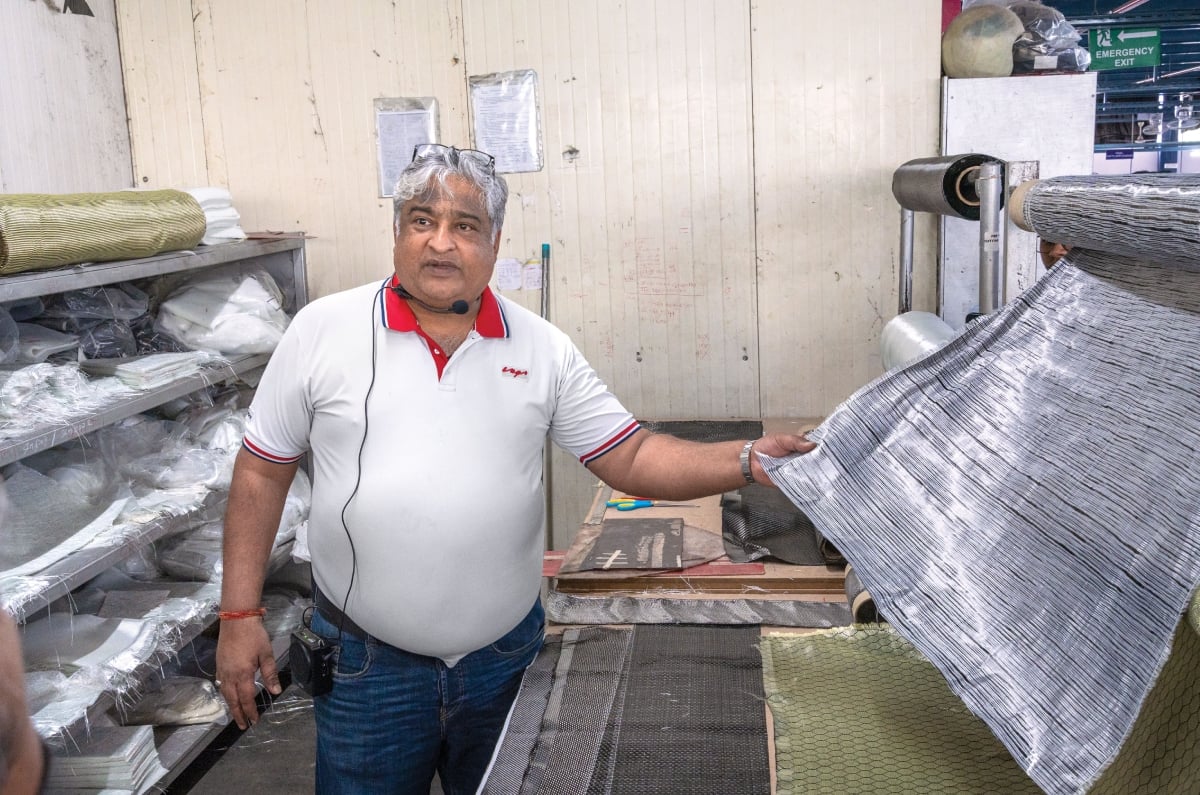
Uttam Chandak, joint MD and R&D head, showcasing the composite materials.

Vega uses balloon moulding technology to make its carbon-fibre shells, and it is based on the same process used for the fibreglass helmets. A tri-composite structure of carbon fibre, aramid and fibreglass enables the critical balance between lightness and impact absorption. The company used to hand cut out the visor aperture and vent holes in the CF shells post-moulding, but has now invested in a CNC water jet machine for the job. This enables much tighter tolerances and will help address customer complaints with excessive wind noise in current Axor carbon-fibre helmets. 

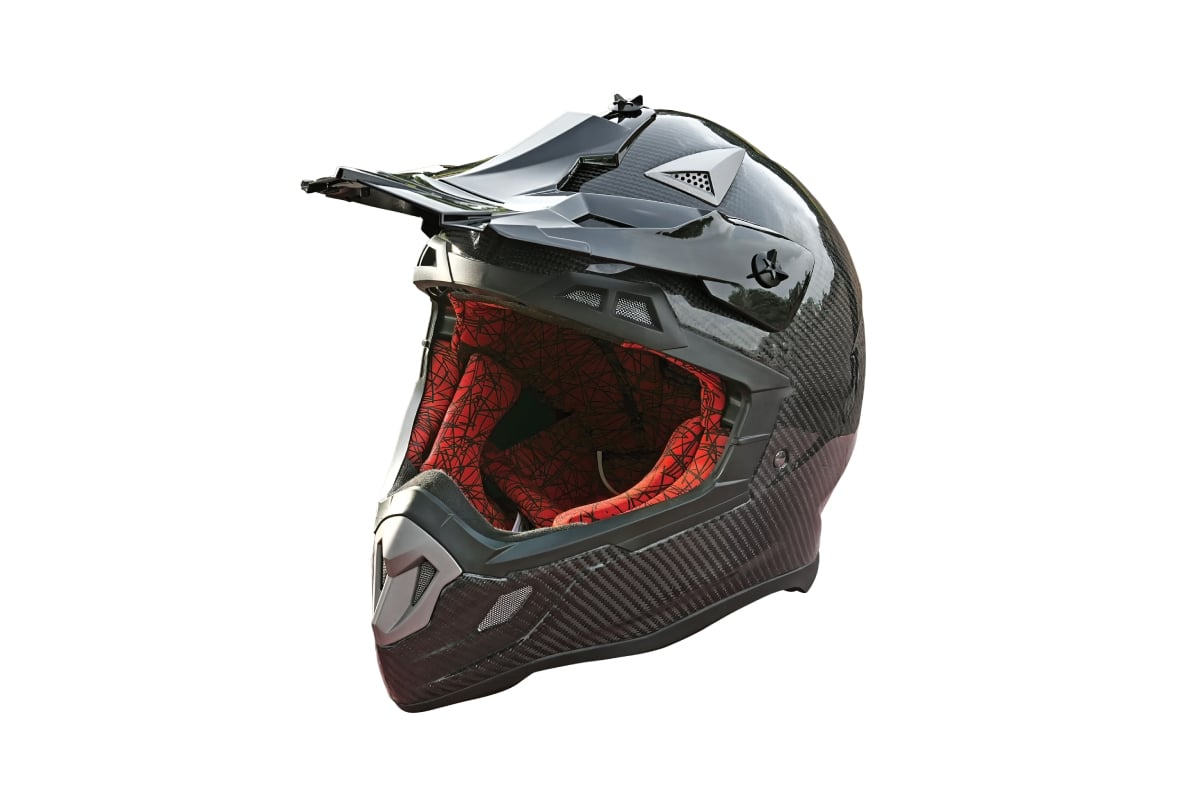
The latest MX Carbon helmet uses new materials, which have raised the price to Rs 20,000, compared to its predecessor. The company says another reason behind the high price is the longer manufacturing time, with the company being able to currently produce up to 8 CF helmets a day. 

With India’s premium two-wheeler market rapidly evolving, Vega is confident that there will be growing demand for such helmets, and has plans to bring out more models soon, including an ADV-style helmet. The company says it’s even working on making FIM-homologated and Snell-approved performance helmets, but that this could take a couple of years.

Having reasonably priced, fully locally manufactured carbon-fibre helmets isn’t something that many Indian motorcycle enthusiasts would have expected to be possible, but Vega Helmets is making that happen.

Experiencing the MX Carbon helmet

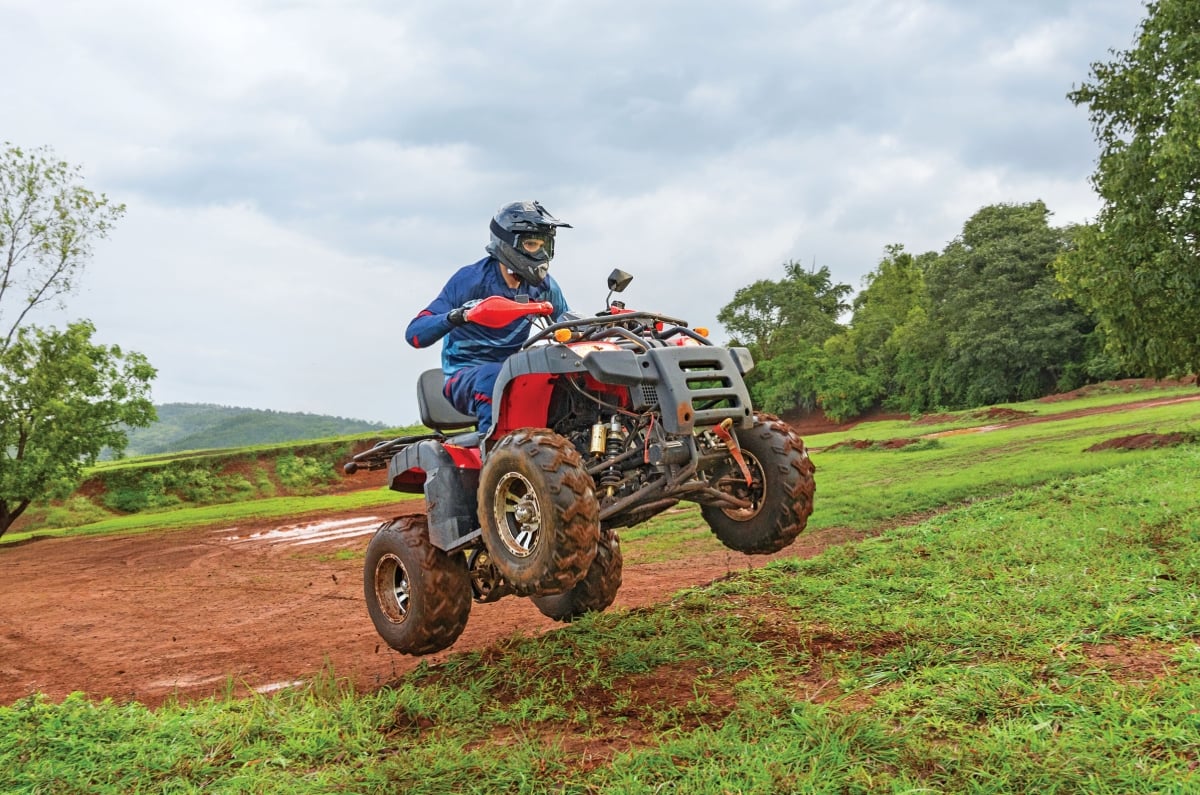
The Axor MX Carbon is certified to DOT, ISI and ECE 22 06 standards. It is available in three different shell sizes and weighs just 1,040g, plus or minus 50g, based on the shell size. We got to briefly try the helmet out at the Track 1 off-road facility in Belagavi on a number of vehicles, including an ATV, a buggy and a KTM 890 Adventure R. 

Of course, the lack of weight was highly appreciated, but the helmet also felt nicely balanced. The inner liner material was also softer and more comfortable than expected. I usually wear a size S helmet, and that applies here as well. The fit was mostly very good, without any unusual or uncomfortable pressure points, but I did notice that the tips of my ears made contact with the inner liner. 

The double D-ring closure system was easy to use, but the snap button to secure the strap could have had a more positive feedback when engaged. Overall quality is not bad for the price, but the finishing where the carbon-fibre panels join along the centre of the helmet was inconsistent across different units.

Cruising down Goa’s Porvorim Elevated Corridor in an MG Cyberster

Cruising down Goa’s Porvorim Elevated Corridor in an MG Cyberster
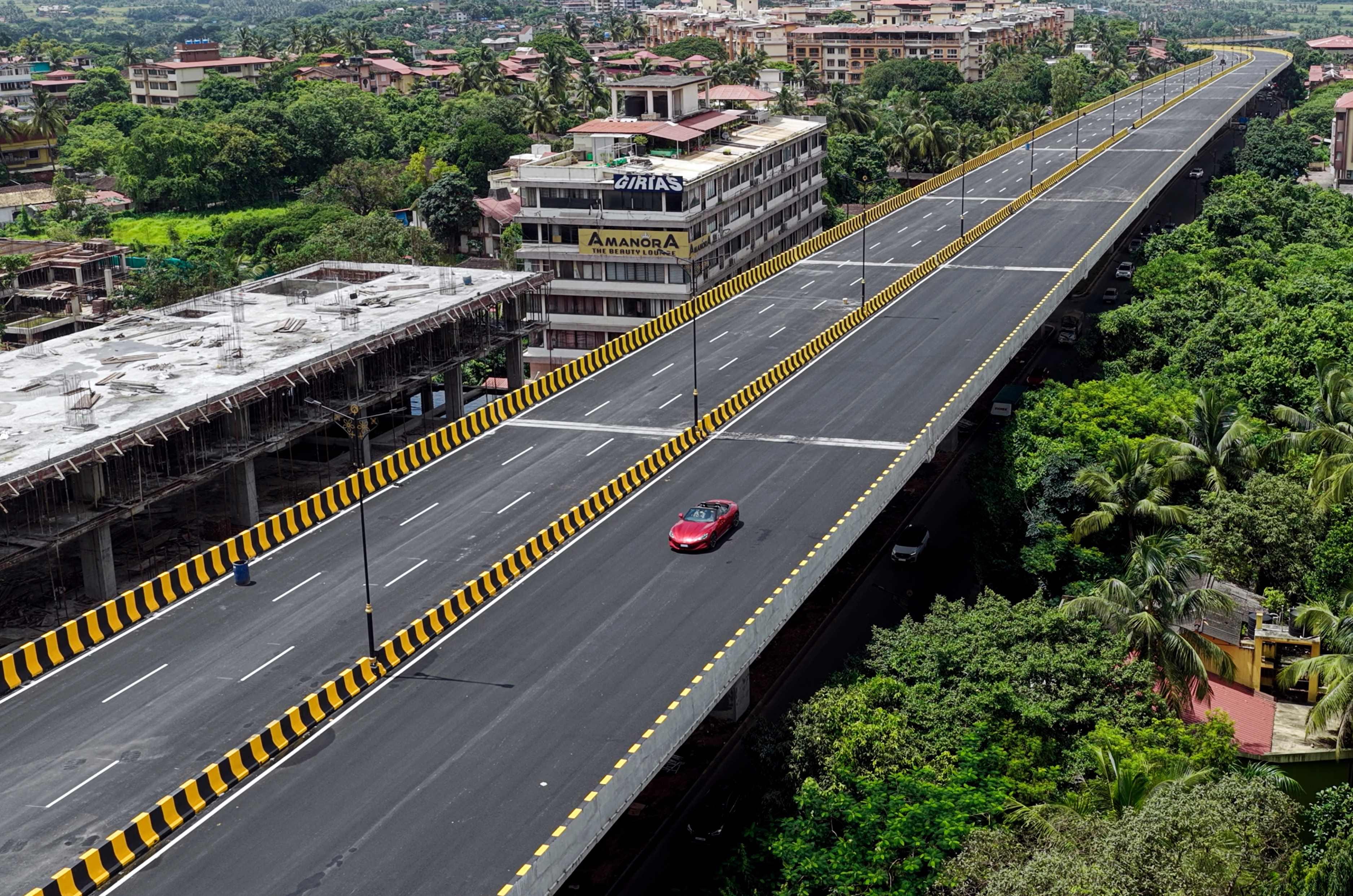
Goa Porvorim Elevated Corridor Flyover

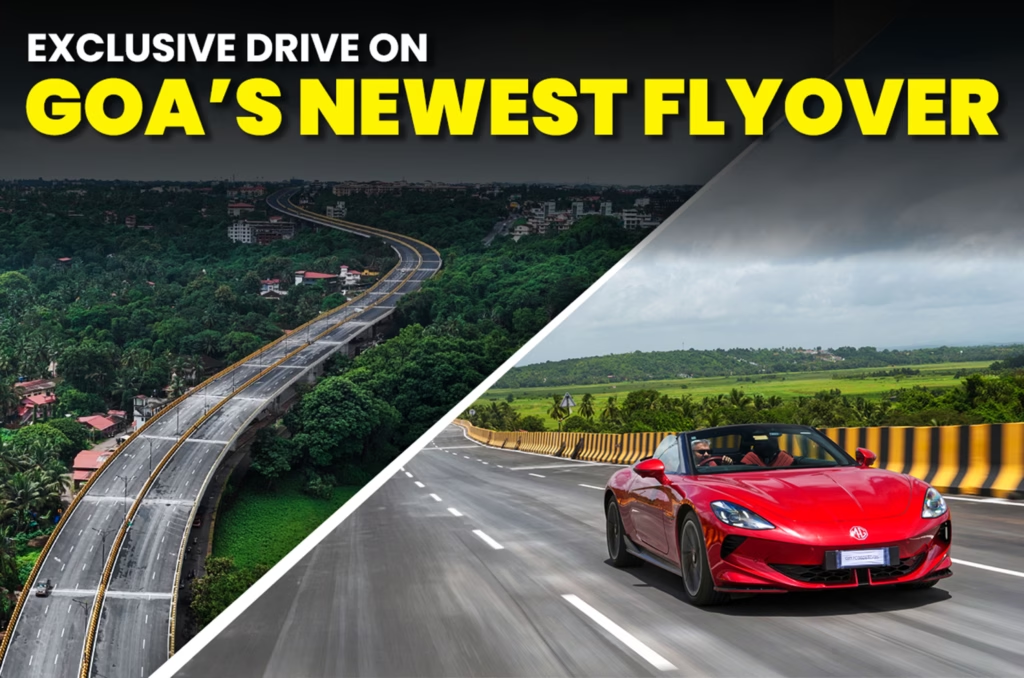
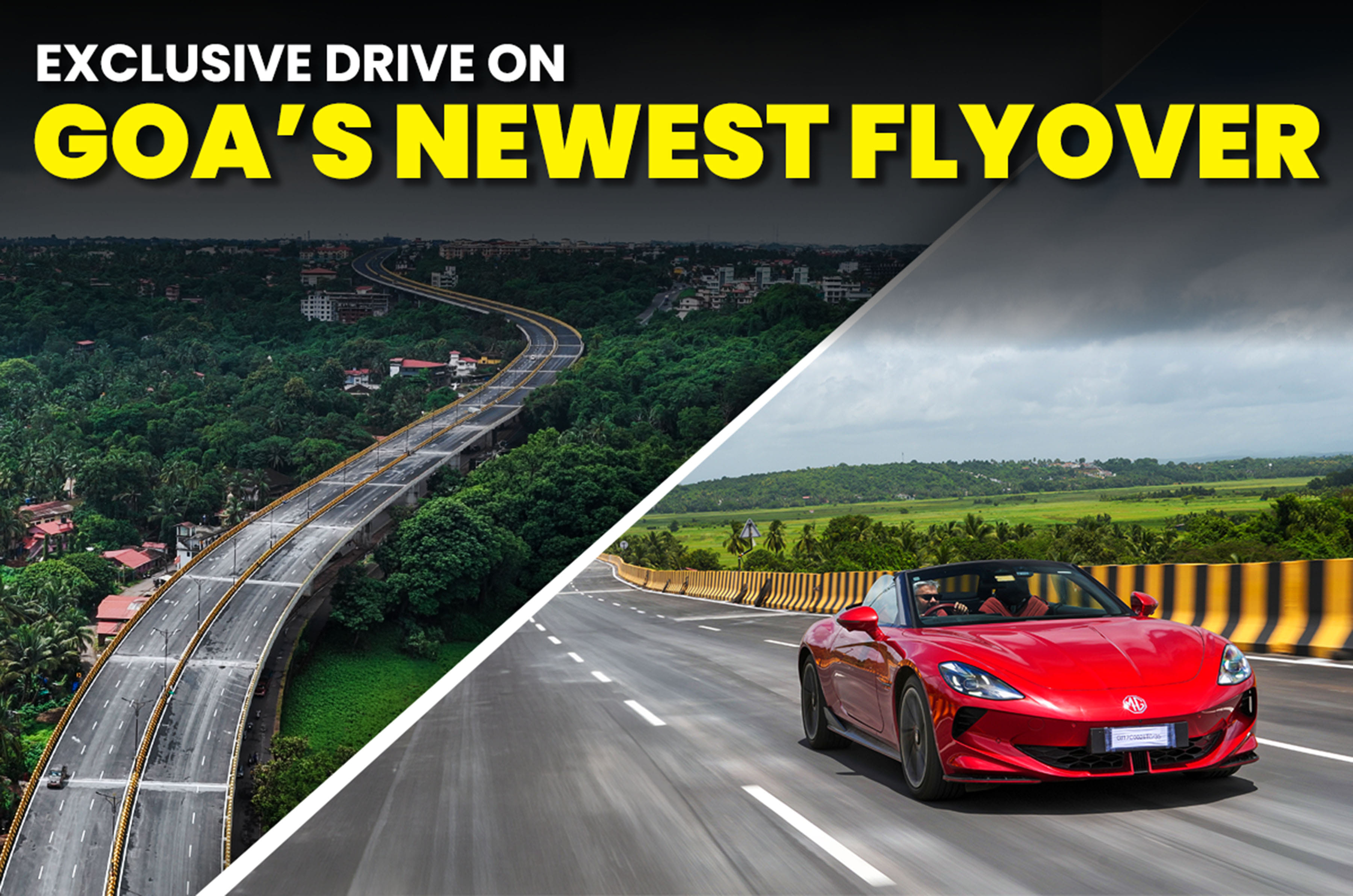
If a holiday in Goa is a fixture on your calendar, you will have noticed that the state has changed a fair bit in the last few years. There is a new airport to fly into, new bridges replacing the old, not to mention the wider highways. The latest upgrade to the state’s road network is the Porvorim Elevated Corridor, targeting a major bottleneck on NH66. We were given an exclusive opportunity to experience it for ourselves before the official inauguration on Sep 9, and we brought along a very ‘Goa’ car for the occasion – the MG Cyberster.

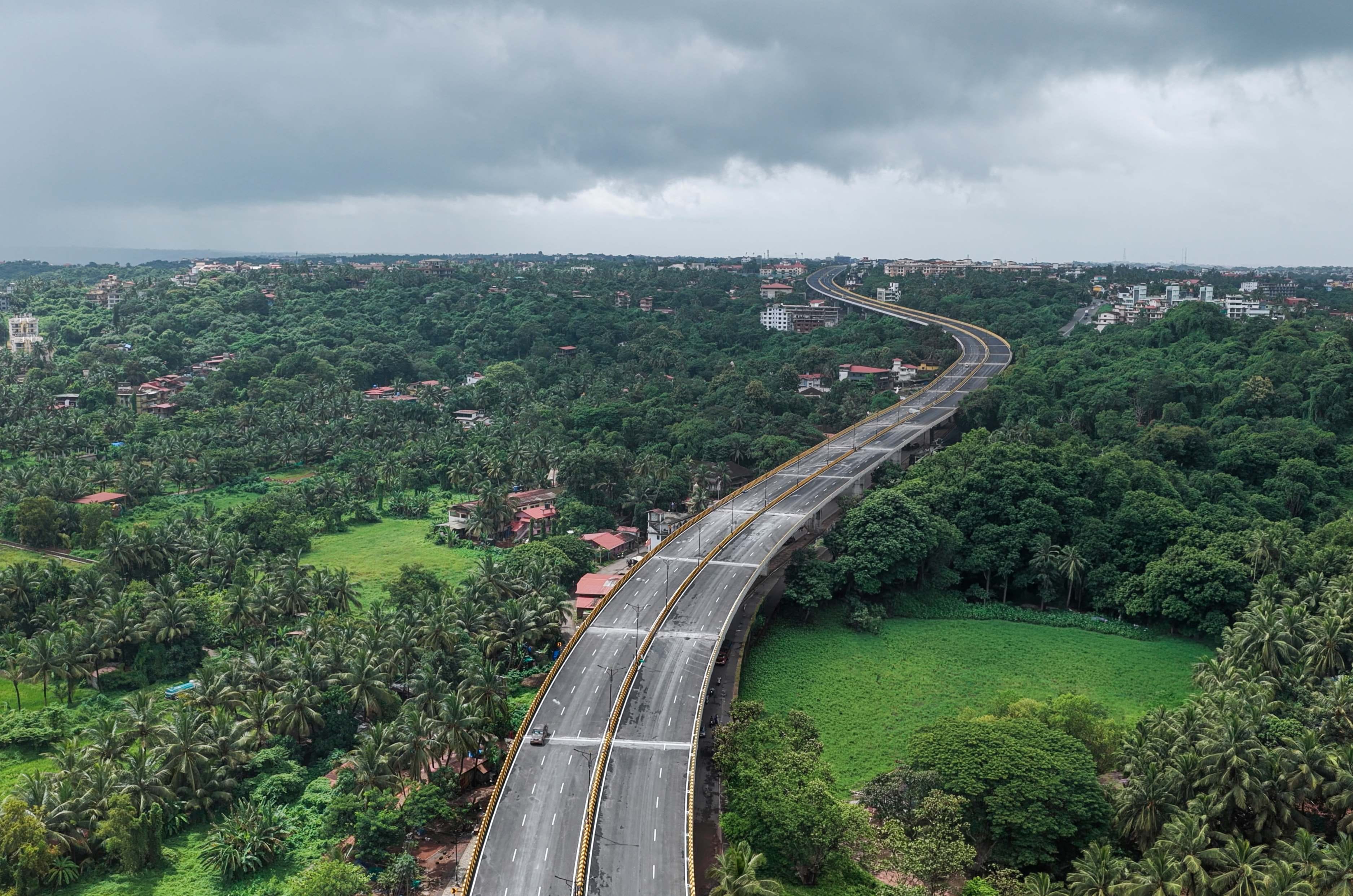
First, a bit of quick history and geography. National Highway 66 is a 1,640km arterial highway running from Panvel in Maharashtra to Kanyakumari in Tamil Nadu. 124km of NH66 is in Goa and, for years, Porvorim has been its most notorious bottleneck. The new 5.15km Porvorim Elevated Corridor lets traffic sail clean over all that congestion below, connecting directly to the Atal Setu bridge that crosses the Mandovi River. It promises to cut travel time between Mapusa in the north and the capital Panaji by up to 30 minutes – a claim we set out to test.

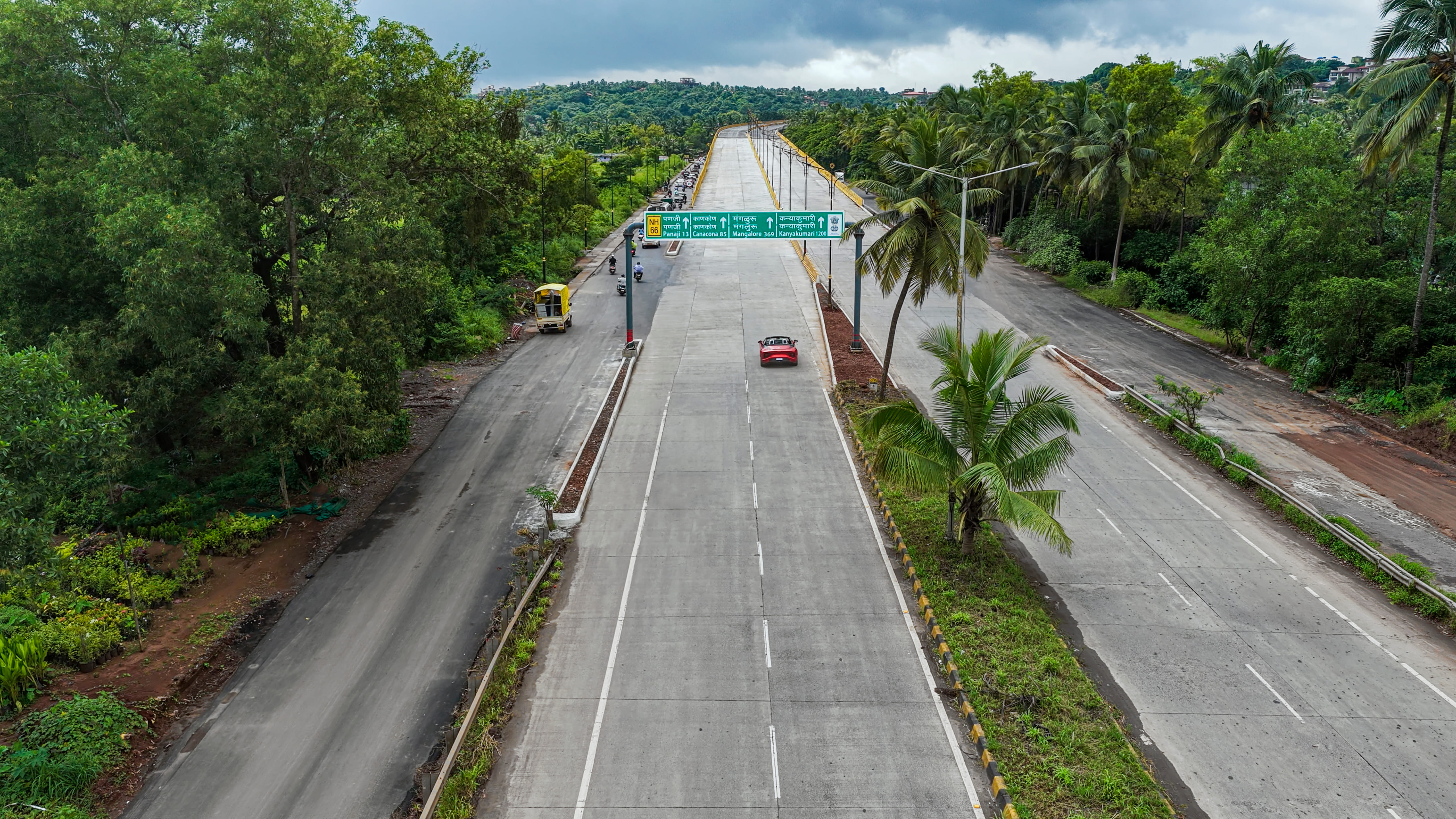
Six-laned Porvorim Elevated Corridor brings North Goa and Panaji closer than ever.

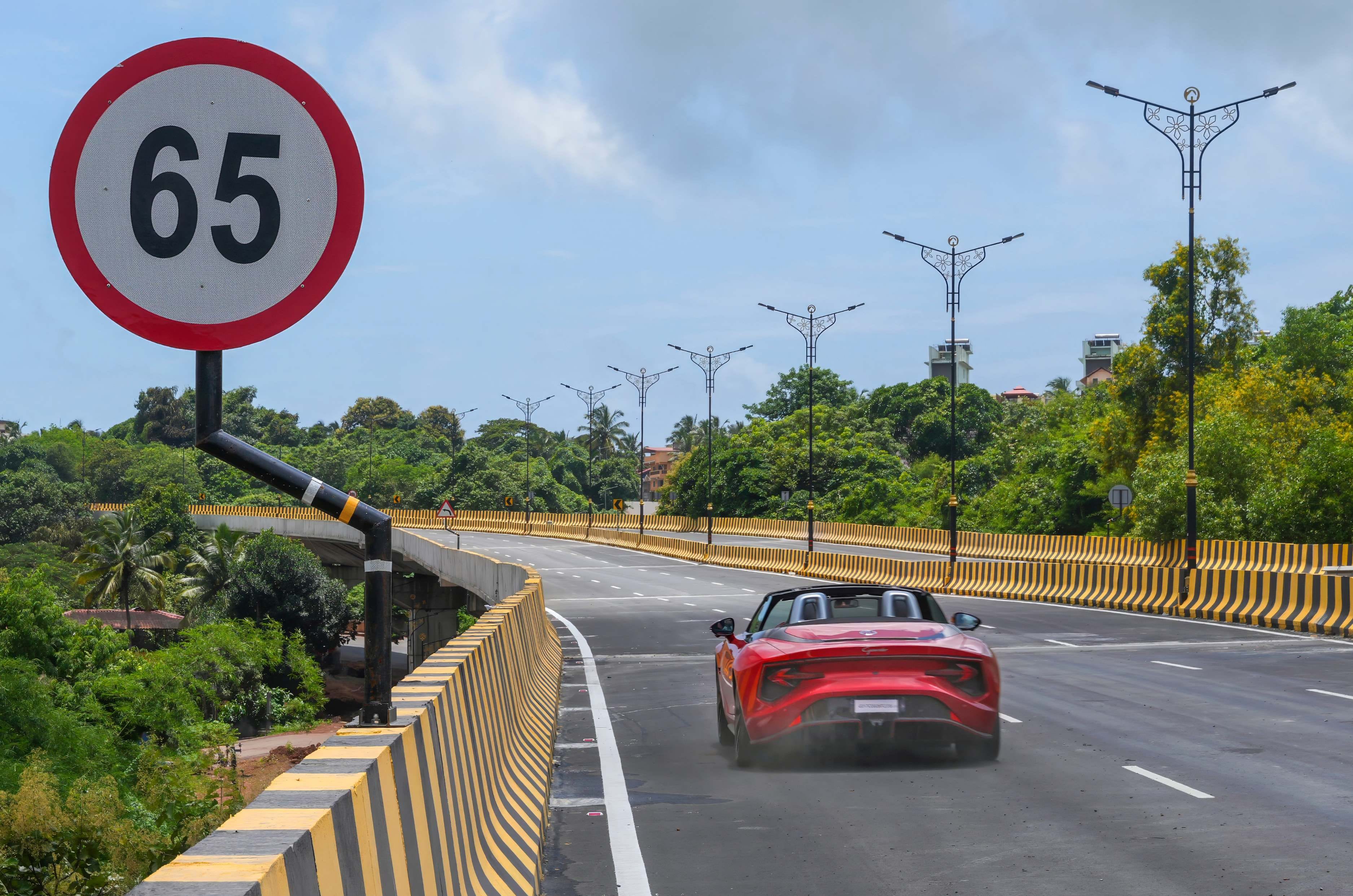
Our starting point was the north end of the corridor, a couple of kilometres away from Guirim village near Mapusa. We started our stopwatch on the concrete ramp leading up the PEC – one we would only stop once we crossed over the Atal Setu Bridge and entered Panaji. And even with 510hp and 725Nm on tap and the road all to ourselves, we would be sticking to the 65kph speed limit.

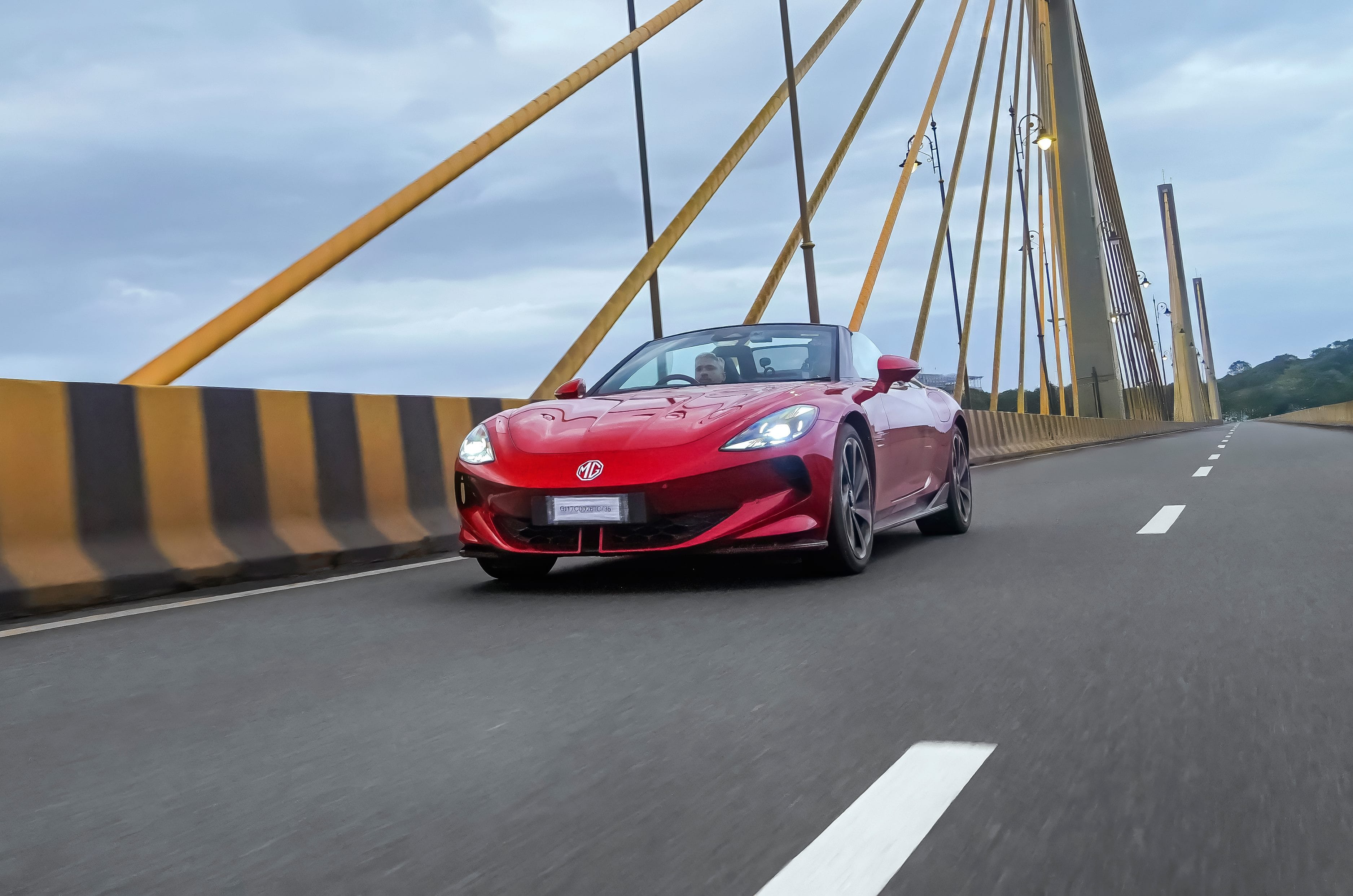
From the concrete on-ramp, it’s only a few metres until you drive onto the actual viaduct section, which is paved tarmac broken up only by expansion joints. It is not completely straight either – the north end has some lovely sweeping curves. In a car like the Cyberster, it is quite tempting to push through the bends but, exercising restraint, we instead indulged in the joys of open-top motoring. The Cyberster drops its top in 10 seconds at speeds up to 50kph, giving us superb views all around. Importantly, it also raises the top just as quickly, which comes in handy during sudden showers.

No more jams! 5.15km flyover sails over congestion at Porvorim junction.

From the driver’s seat, the panoramic view of Porvorim’s greenery was quite stunning – something you would never notice stuck in traffic below. Drive on, and the road becomes arrow-straight, and you start to notice how close some of the buildings are to the corridor. This proximity to adjoining structures, along with the fact that NH66 had to stay operational below, were among the biggest challenges the engineers faced.

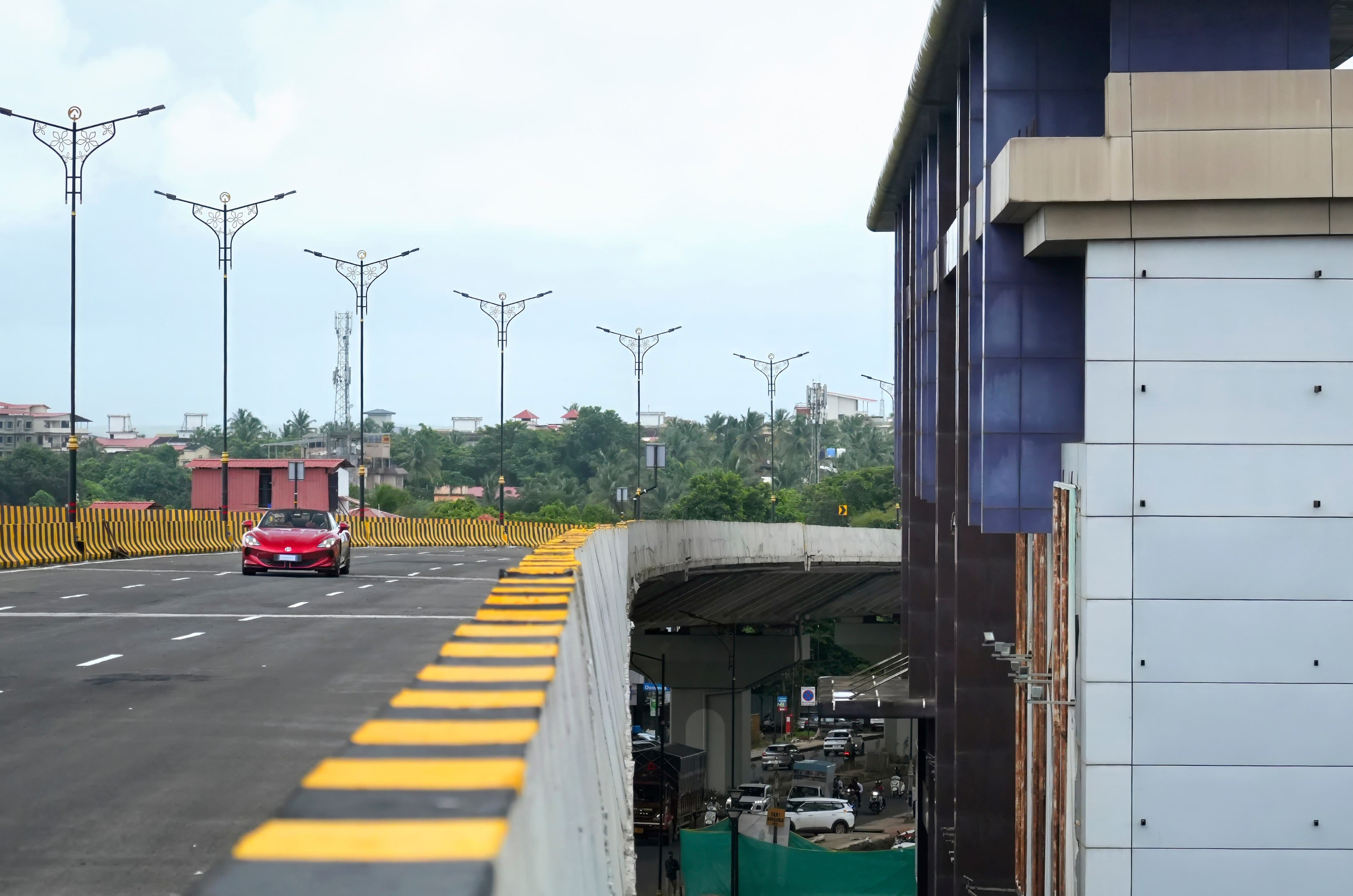
Some buildings were a little too close for comfort making construction quite challenging.

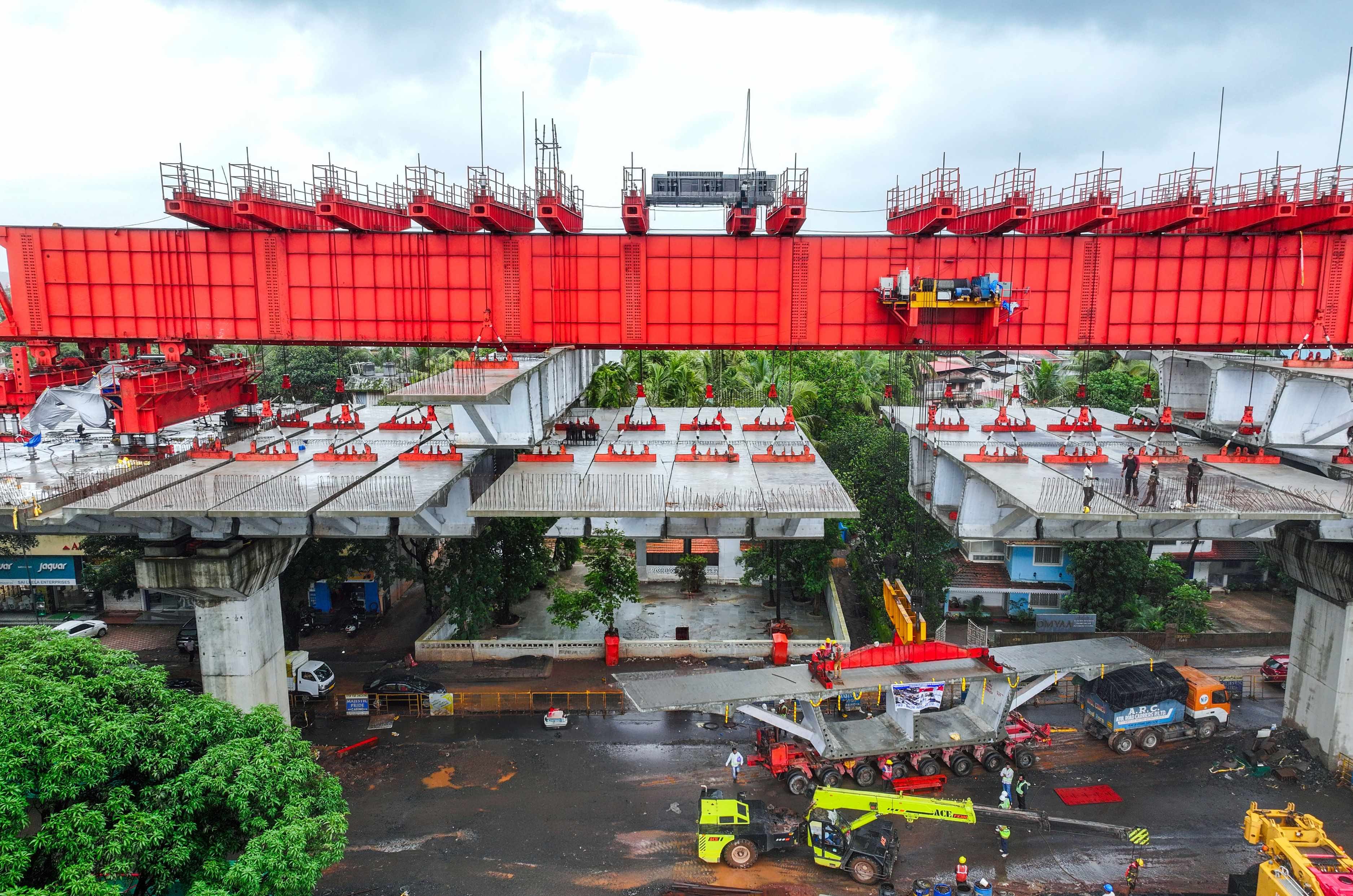
The 4.19km viaduct section is supported by 87 pillars. Each span running between two pillars requires between 13 and 17 individual pre-cast concrete sections. These sections are about 24 metres wide and weigh a whopping 120 tonnes each. They were cast in a yard down the road, trucked to the site, hoisted 11 metres high and installed in place – all in a narrow space between buildings with absolutely no room for error, while ensuring minimal traffic disruptions below.

Considering the challenges, it is quite remarkable that the Porvorim Elevated Corridor was completed in just two years and five months. Below the main structure, 10.30 kilometres of service roads and 28 minor junctions keep local traffic moving, while the corridor sails above it all. Also featured are eight box culverts and a rainwater harvesting system, so the monsoon doesn’t slow traffic down. A modern lighting setup with 515 streetlights has already been installed, while two high-mast lights and ten overhead gantries with cameras are to be put up soon. All constructed at a cost of Rs 641.46 crore.

New flyover part of NH 66 open to cars, two-wheelers and CVs. Speed limit 65kph.

Before long, we were passing the Mall de Goa – close enough to see the expressions on the faces of people in the food court, as they watched the bright red Cyberster whizz past their window. As we made our way down the off-ramp, the stopwatch showed that it had been just over four and a half minutes. Heading towards the Atal Setu, we merged with the dozens coming from the diversion and became part of regular traffic. 

And just like that, we were climbing the Atal Setu bridge, which would take us across the Mandovi River and into Panaji. To the right, stunning views of Panaji city and Miramar beach in the distance, and to the left, Old Goa with its historic churches, while above me, through the open roof of the Cyberster, panoramic views of the bridge’s iconic pylons and yellow cable stays.

Drop top MG Cyberster a great match for Goa’s vibe

Coming down the Atal Setu into Panaji, our stopwatch read just under 10 minutes. Even if you factor in a couple of extra minutes for traffic once the PEC opens, it equates to a real-world saving of about 30 minutes in peak hours, which is quite significant. In fact, the PEC is said to have a capacity of 70,000 PCU, or passenger car units, per day, so traffic flow is expected to be quite swift. Simultaneously, it will reduce the burden on the service and other connecting roads below the corridor, improving flow for local traffic too.

Connects directly to (yet another) Atal Setu bridge and brings you closer to Goa’s historic sites.

The Porvorim Elevated Corridor, along with other recent infra projects such as the Atal Setu, the New Zuari Bridge and the widening of NH66, is expected to boost the economy by improving intra-state connectivity to Goa’s industrial hubs, as well as flow between the airports and ports. It should also make commutes easier for residents and change the way tourists experience Goa – less time spent travelling, more time to explore the beaches, the culture and everything Goa has to offer.

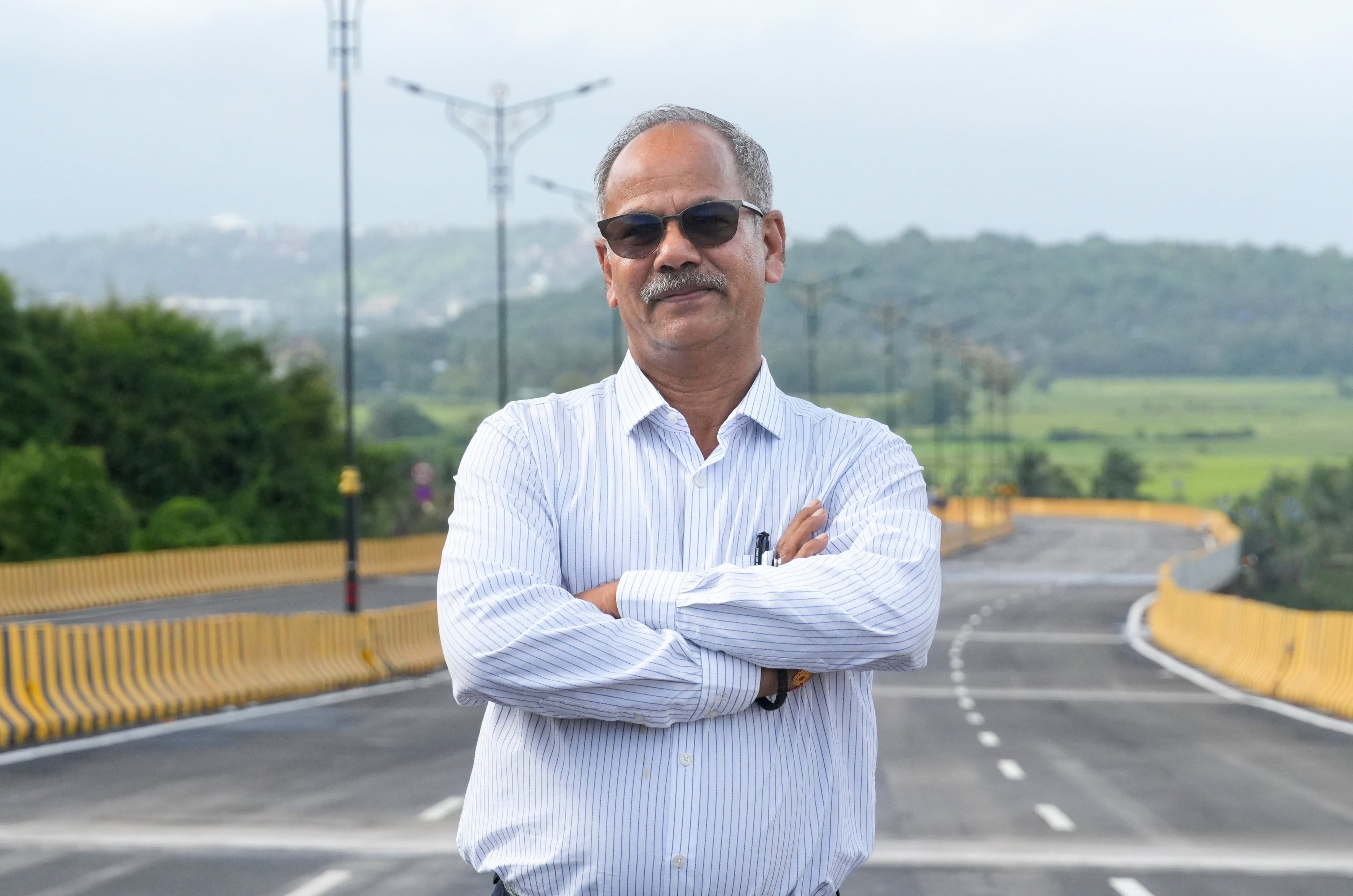
In conversation with Sandip Prabhu Chodnekar, Principal Chief Engineer, Goa Public Works Department (PWD)

On the challenges faced during construction

This bridge is about 24 metres wide, but the right of way is only 25 metres. Constructing such a wide structure when both sides are already fully developed was very challenging. One of the biggest challenges was lifting the segments. Each segment is nearly 24 metres wide and weighs around 120 tonnes. We could not divert the traffic, so we had to carry out most of the work at night. During the daytime, we stopped heavy traffic so that the segments could be lifted safely and normal traffic could resume quickly.

Lifting 25 metre wide sections that weigh 120 tonnes called for nerves of steel.

On other highlights of the project

We tried to harvest the rainwater to recharge the groundwater and increase the water table. There is a median between the service roads below, where we are also planting trees. The corridor’s rainwater harvesting system collects the water and directs it into this median. From there, the water flows into pits that we have dug and filled with aggregates and strainers, allowing the rainwater to percolate into the ground. This helps harvest the rainwater and increase the water table on the plateau during the monsoon.

On traffic and usage

Below the corridor, things will be quite different. Once around 50,000 PCUs of traffic are taken off the existing four-lane road, there could be a tendency for people to park on these lanes. So, we will have to manage parking as well. We have streamlined the junctions and completely reworked the at-grade traffic flow. Motorcycles are also allowed on the Porvorim Elevated Corridor. 

In conversation with Dr. Pramod Sawant, Chief Minister, Goa

On the importance of the project

The Porvorim Elevated Corridor is actually important not only for Goa but also for Maharashtra, Karnataka and Kerala. Porvorim had become a problem because it is a congested and newly developed city, with development on both sides of the road. Even after the road was widened, it was very difficult to manage, and it had become an accident-prone zone. That is why the Porvorim flyover was required, to ensure smooth traffic on NH-66. 

Greater connectivity a boon for residents, tourists and businesses. 

On the project’s wider connectivity benefits

With the opening of Manohar International Airport in North Goa, there was a need to improve connectivity towards South Goa. People arriving at Manohar International Airport and travelling towards South Goa were facing a lot of congestion. Now, that congestion will be reduced and this will definitely help tourism and vehicle movement in the state.

Furthermore, there will be better connectivity between the airports and ports, which will have  a positive economic impact. It is also a very important project for the people of Goa. Especially those travelling between North Goa and the capital; they will save time and money, and their daily commute will become much easier.

On Goa’s future infrastructure plans

Almost all the projects on the National Highway network in Goa have been completed. One of the remaining projects is the Borim Bridge, which will connect the Ponda side. The tendering process for it will happen in the next few days.

We are planning to improve connectivity across rural Goa, from one end of Maharashtra towards Karnataka. We are considering a ring road for Goa, because traffic currently comes into the interior areas and cities. In the future, we want traffic to be able to move around the interior villages and across the state without having to enter the cities.

Govt cracks down on E20 contamination: Petrol sales stopped at 2,573 pumps

Govt cracks down on E20 contamination: Petrol sales stopped at 2,573 pumps
E20 contamination crack down

The Ministry of Petroleum and Natural Gas has launched a massive quality-control campaign across India’s retail fuel network and, as of August 25, 2026, stopped petrol sales at 2,573 non-compliant outlets, according to highly placed ministry sources. Indian Oil Corporation (IOCL) leads with 1,257 halted pumps, followed by Hindustan Petroleum (HPCL) at 915 and Bharat Petroleum (BPCL) at 401.

The trigger was a letter from the Society of Indian Automobile Manufacturers (SIAM) to the ministry on July 28, leaked soon after, flagging alarmingly high levels of chloride contamination in E20 fuel samples tested across the country. SIAM withdrew the letter within days, saying the figures “needed further verification”, but the damage was done. A subsequent Reuters investigation into carmakers’ internal testing data kept the contamination question firmly in the public eye and has forced the government to react.

To restore consumer confidence and tackle contaminants and water in the supply chain, the government has mandated water-ingress testing of underground tanks 8 to 12 times a day, a rigorous regime already underway at 88,995 dealerships. A sweeping audit prioritising older retail outlets has covered 84,687 fuel stations; field teams are checking tank integrity during rainfall, and automation systems with monitoring probes are active at 85,649 outlets, with malfunctioning units being repaired on priority.

Oil-marketing companies (OMCs) have conducted 7,296 sulphur tests and 1,079 chloride tests on ethanol-carrying tankers, along with 151 chloride tests on their own storage tanks. 

The intensity of the crackdown reflects a government under pressure to protect the integrity of its green-energy transition. The rollout of E20 (petrol blended with 20 percent ethanol) was accelerated ahead of its original schedule. Since April 1, E20 has been the only petrol available at Indian pumps, leaving motorists with no option of buying the earlier E10 blend.

Automakers’ extensive fuel-testing drive

The move to ensure that the prescribed standards are met at the forecourts is a direct response to growing opposition from motorists and anxiety among the country’s leading vehicle manufacturers.

For motorists, the transition to E20 has brought tangible financial losses arising from lower fuel efficiency and potential mechanical risks. In a widely publicised dispute, a consumer court in Raipur recently directed Maruti Suzuki to replace a Grand Vitara over an E20-related engine complaint, underlining the legal and warranty vulnerabilities facing carmakers. Concerns over mileage loss, accelerated component wear and the compatibility of pre-2023 vehicles have simmered for months.

Behind closed doors, the anxiety ran deeper. While brands like Toyota, Maruti Suzuki and Hero MotoCorp publicly backed the government’s green mandate, a Reuters review of leaked internal communications revealed that Maruti Suzuki, Tata Motors and Mahindra & Mahindra had privately flagged severe contamination in E20 petrol. Over the course of a year, the three carmakers quietly conducted the most extensive fuel-testing drive since the national rollout, collecting and analysing over 250 samples from petrol pumps across 21 states and Union territories.

Leaked report rings alarm bells 

The industry findings, compiled by SIAM and reviewed by Reuters, painted a starkly different picture from official compliance narratives. Against the government’s permissible chloride limit of 3 parts per million (ppm) or 3mg/kg, automaker testing found alarming levels across 18 states: Rajasthan recorded 6 to 570ppm — 190 times the limit; Delhi-NCR ranged from 1.4 to 420ppm and Madhya Pradesh from 4.1 to 550ppm. Karnataka and Kerala, by contrast, stayed well within the safe zone at 1 to 2.2ppm.

Water content spiked to 13,000ppm in Andhra Pradesh and 12,500ppm in Uttar Pradesh, which is more than four times the official permissible limit of 3,000ppm.

In modern engines, these deviations can be damaging. Organic chloride is highly corrosive, and modern precision fuel injectors are engineered to tolerate just 1-3ppm to align with international standards. In a leaked July email, a senior Mahindra executive warned that organic chloride was the root cause of rapid vehicle failures, capable of destroying fuel systems and engines in as little as 200km. Mahindra has since described interpretations drawn from the email as baseless, calling the industry data limited and preliminary. 

Skoda Auto India brand director Ashish Gupta, in a recent interaction with Autocar Professional, acknowledged a genuine issue with EPC (Electronic Power Control) and fuel pump failures in certain parts of the country, particularly in Punjab. He added that while fuel-sample testing has not shown a definitive chemical difference, engineers suspect high chloride or high sulphur levels, which can clog the fuel-pump filters.

The regulatory gap

To be fair, BIS standards currently lack a formally mandated statutory threshold for inorganic chlorides in finished ethanol-blended petrol (like E20). However, the petroleum ministry and OMCs enforce internal procurement guidelines, capping the limit at 3ppm for ethanol manufacturers. Setting BIS standards that make chloride limits mandatory is urgently needed, as the main culprit for vehicle damage is not E20 petrol but the chloride levels in it.

With inputs from Shahkar Abidi