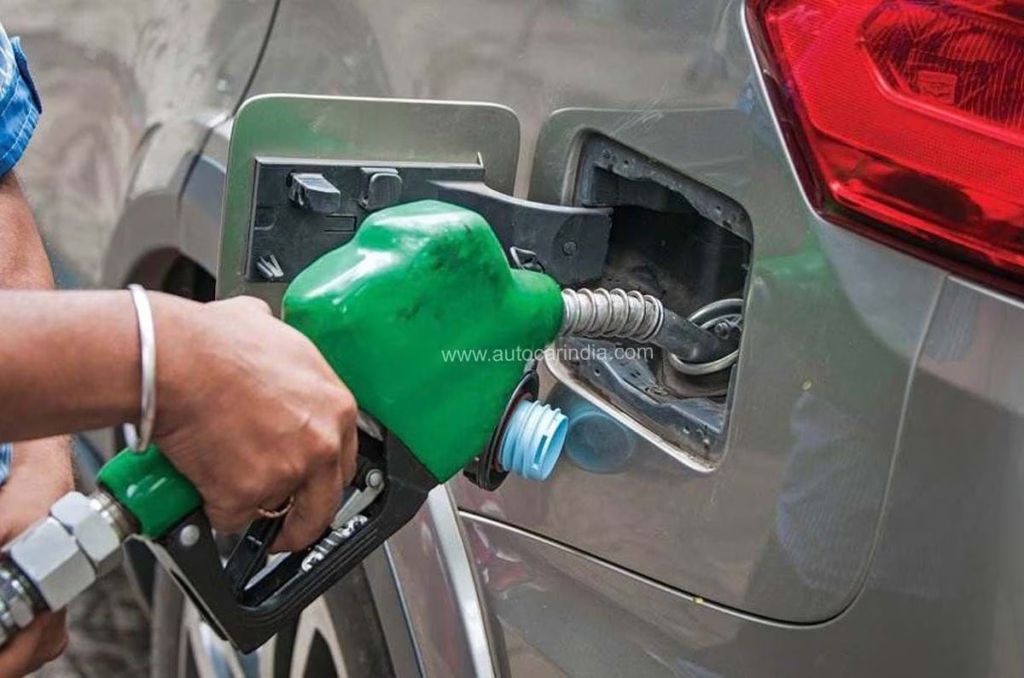
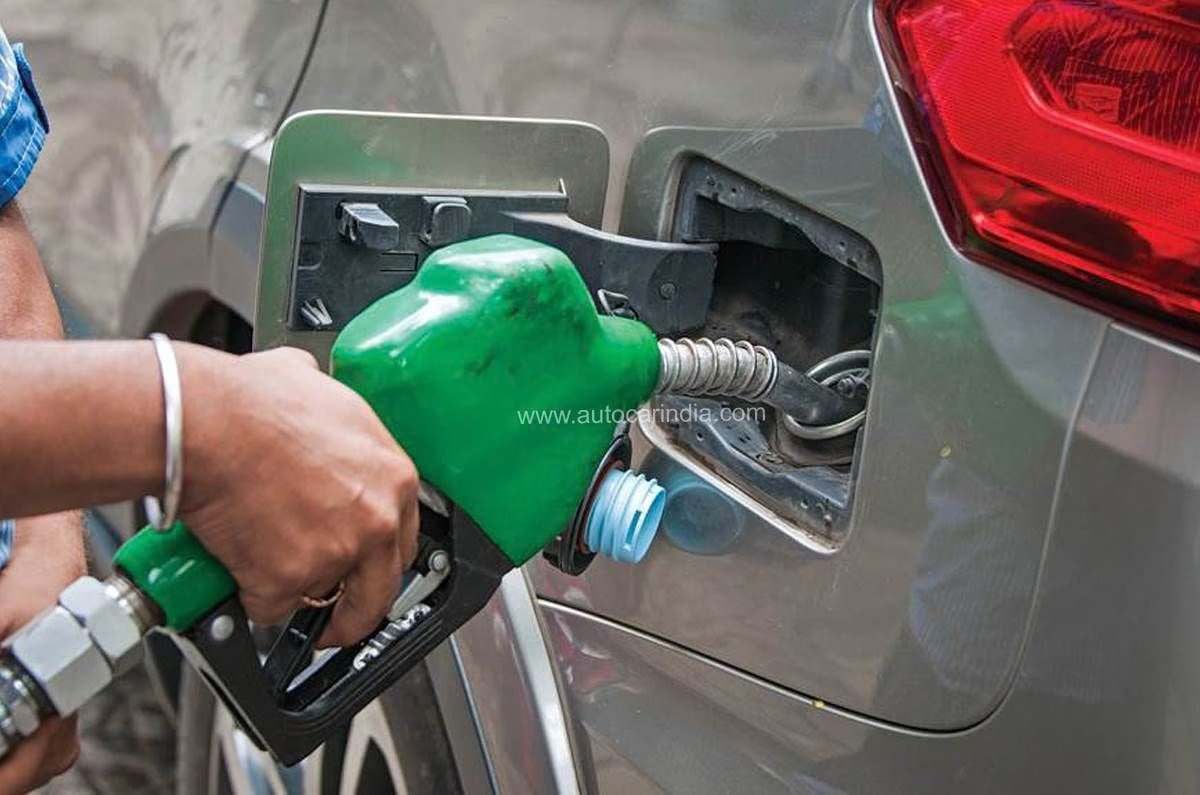
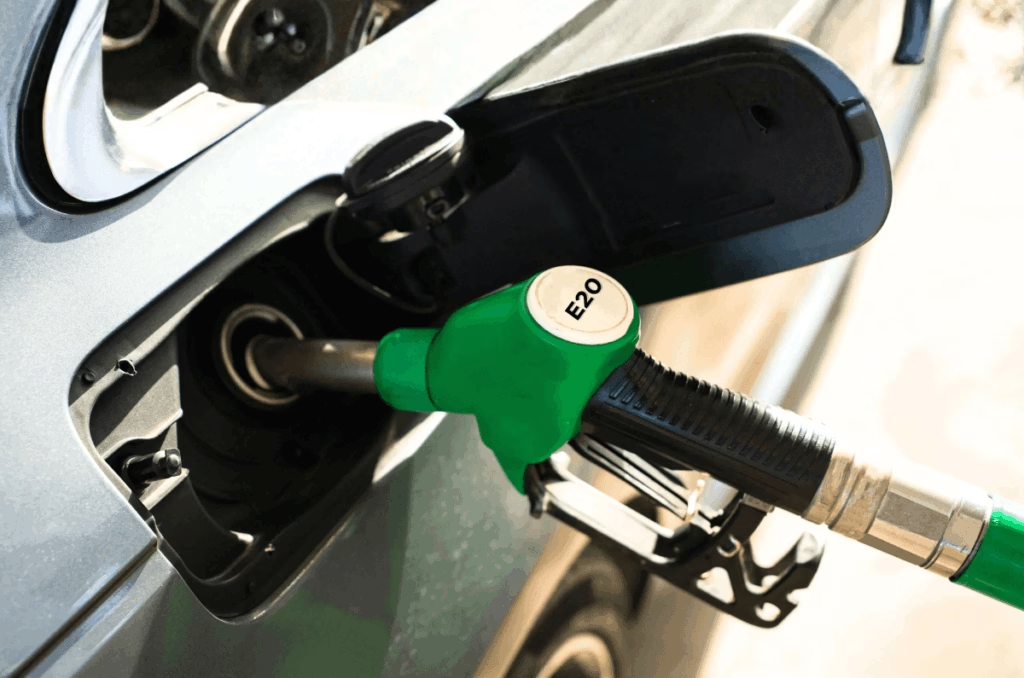
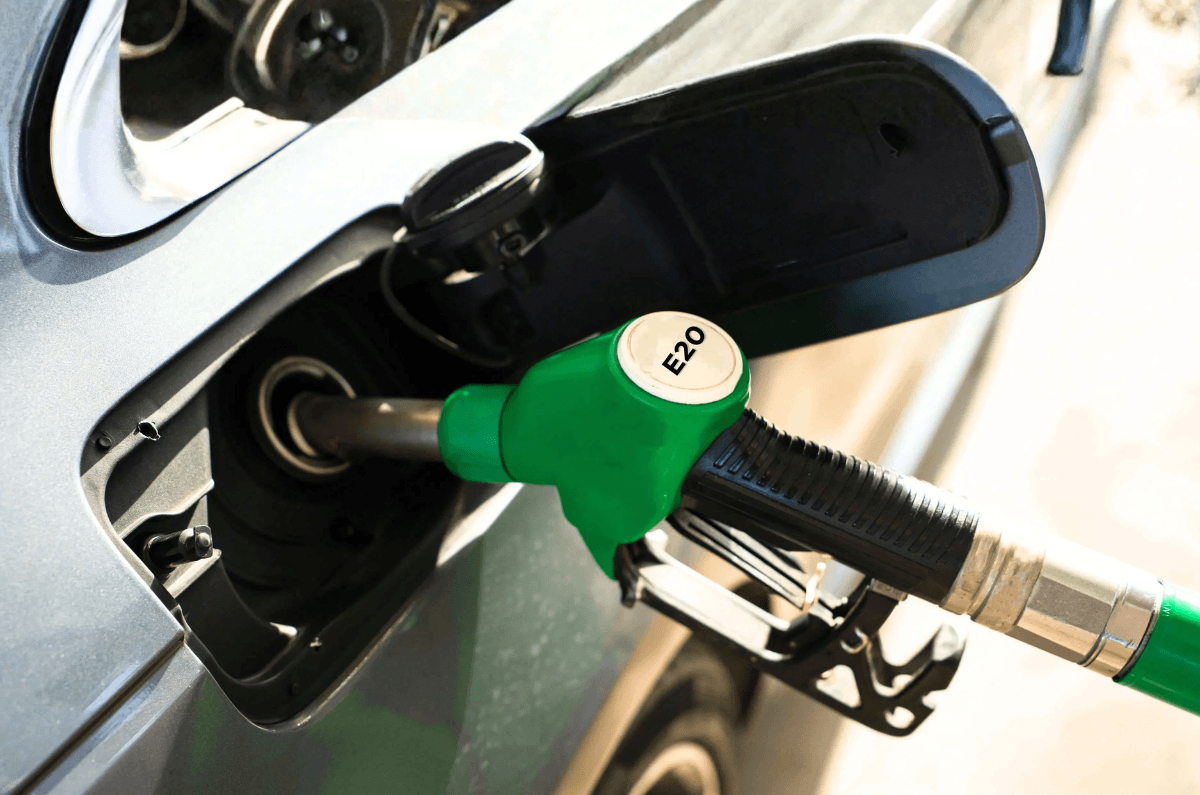
Sugar-based ethanol has been left out of India’s ethanol tender for the 2026-27 supply year, according to a Reuters report. Citing the tender issued on October 16, the report states that the government has instructed state-run oil marketing companies (OMCs) to ensure no sugar is diverted towards ethanol production for this period. No bids have therefore been invited for ethanol produced using sugarcane juice, sugar or sugar syrup, or B-heavy molasses, the report adds.
Oil firms invited bids for 11 billion litres of ethanol for 2026-27
Tender allows bids for ethanol made from corn, broken rice and surplus FCI rice
Incentive for corn-based ethanol cut from Rs 5.79/litre to Rs 2.79/litre
Tender details
It seeks 11 billion litres for the supply year starting in November 2026
The tender comes from Indian Oil, Bharat Petroleum and Hindustan Petroleum. “The Government of India has issued directions that sugar diversion for ethanol be reduced to zero for ethanol supply year 2026-27,” the tender document said, according to the report.
The companies are looking to procure 11 billion litres of ethanol for the supply year, which kicks off in November 2026. Distillers can submit bids for ethanol produced from corn, broken rice and surplus FCI (Food Corporation of India) rice. Corn-based ethanol will also fetch less this time. Its incentive has dropped by Rs 3 per litre to Rs 2.79 per litre, taking the procurement price from Rs 71.86 per litre to Rs 68.86 per litre, as per the report.
Ethanol blending and sugar supply
India is trying to rein in high sugar prices
Surplus sugar has been a key contributor to India’s ethanol-blending programme for several years. India also consumes more sugar than any other country, and has been trying to increase local production while easing prices.
Reuters had reported in August 2026 that limits on the use of sugarcane for ethanol were being considered for the season starting October 2026. Weaker rains in Maharashtra and Karnataka had already cast doubt on this year’s sugar production at the time.
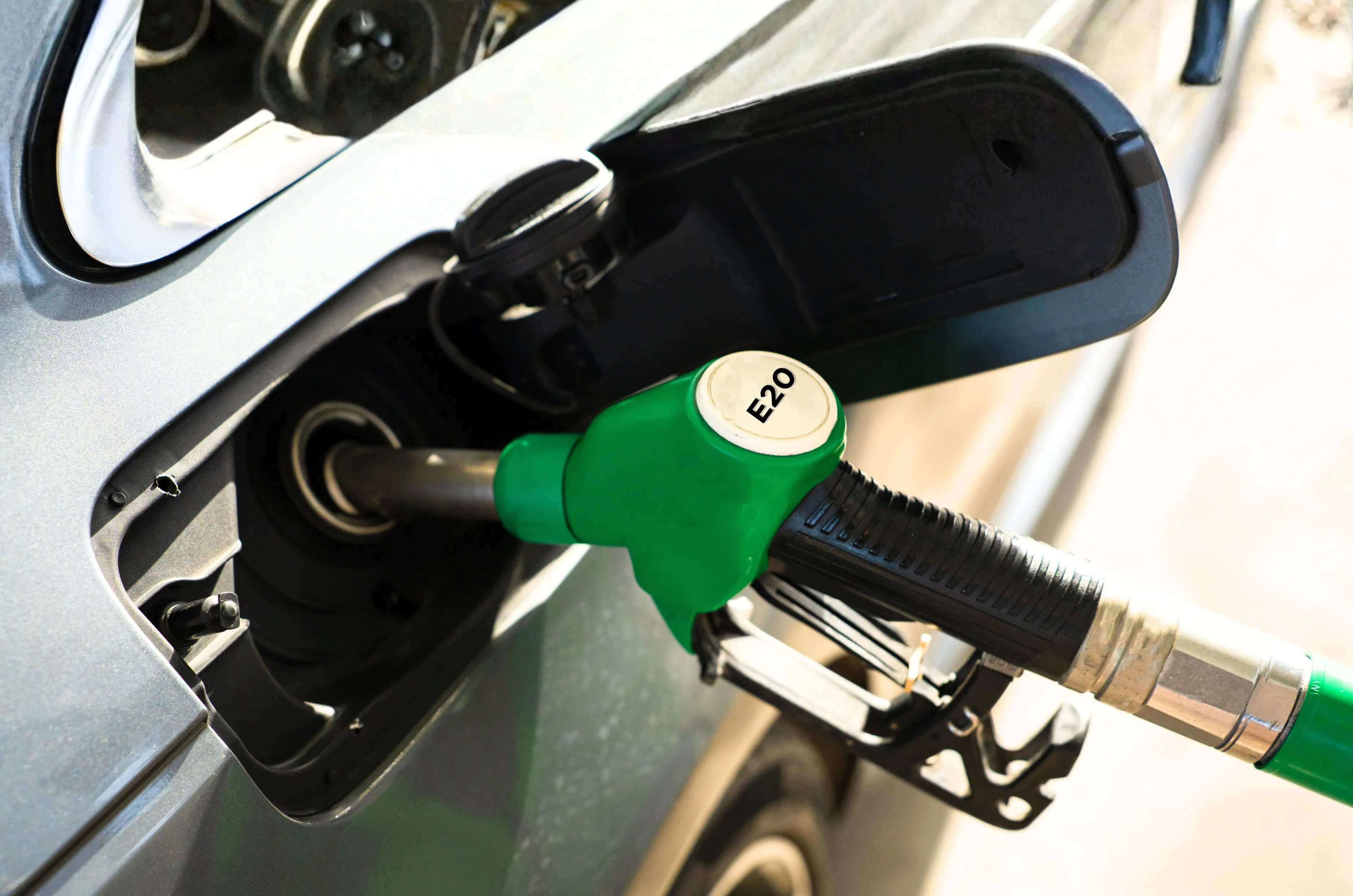
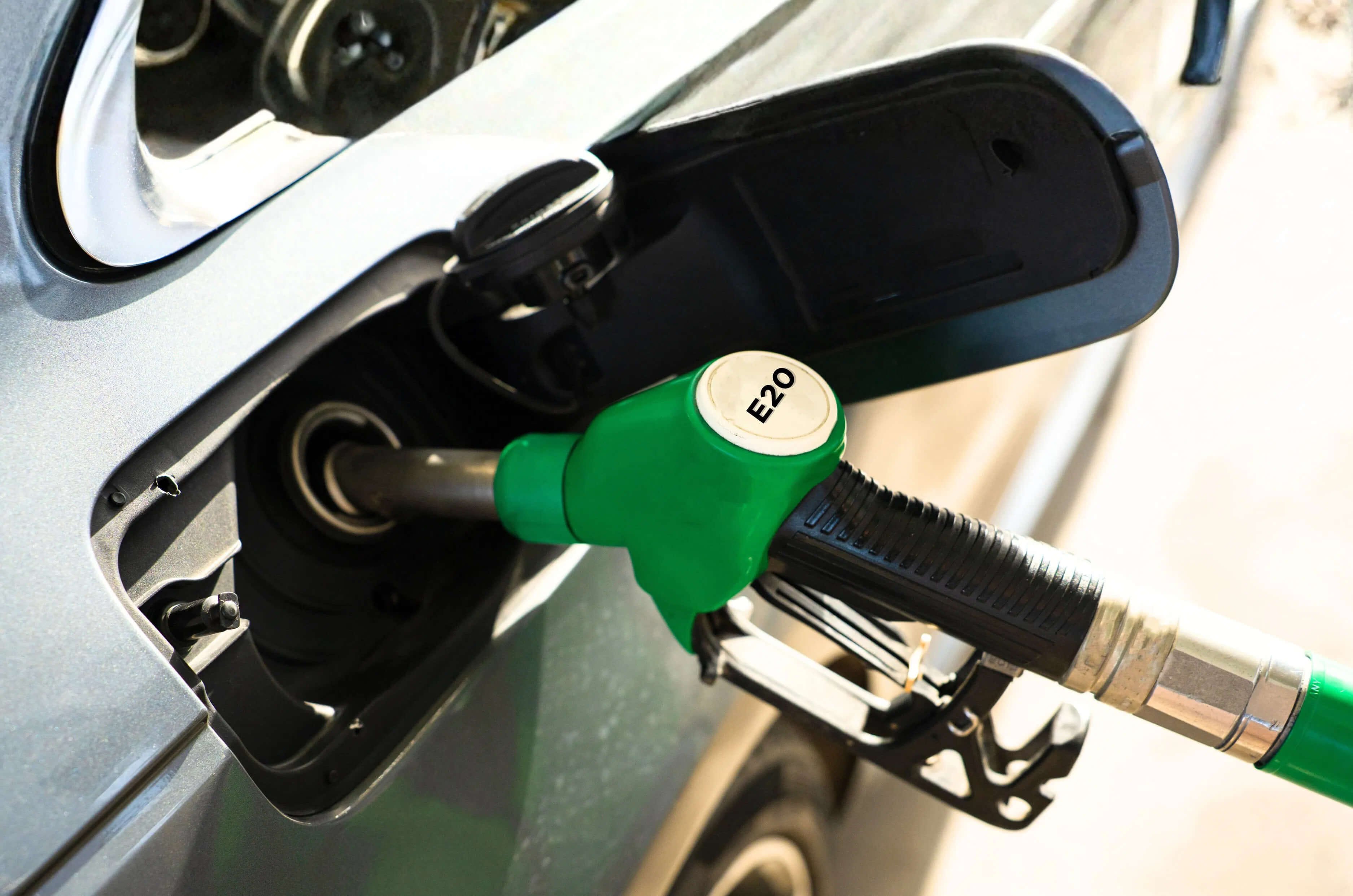
Ethanol blending is aims to reduce India’s oil imports. E20 petrol, which became compulsory nationwide earlier this year, was introduced to cut emissions as well as the country’s dependence on imported crude. However, diverting sugarcane juice, sugar syrup and B-heavy molasses towards ethanol can lead to a reduction in the amount of sugar produced.
Earlier this month, several media reports said the Society of Indian Automobile Manufacturers (SIAM) had urged the government to introduce mandatory chloride limits in fuel standards after high levels of chloride and moisture were found in E20 petrol. SIAM later withdrew the communication, saying some of the figures mentioned in it needed further verification.
The government has been trying to address growing concerns around E20 with support from the industry. Oil marketing companies (OMCs) have rejected claims of widespread E20 fuel contamination after conducting tests across the country. Brands such as Toyota, Maruti Suzuki and Hero MotoCorp have also publicly backed the E20 programme.
However, separate communications between industry executives investigated by Reuters show that earlier, Maruti Suzuki, Tata Motors and Mahindra had privately raised concerns about contamination in E20. The data compiled by these carmakers was the most extensive fuel testing since E20 was officially rolled out nationwide last year. Their emails reveal that the carmakers were concerned about contaminants such as chloride and moisture in the fuel, which they said were affecting vehicles, even as they publicly supported the government’s E20 rollout.
Data flags high chloride contamination, moisture content
The data reviewed by Reuters shows that the three automobile manufacturers had carried out detailed testing by collecting more than 250 fuel samples from petrol pumps across 21 states and Union Territories over a year. The tests found high chloride levels in many samples from 18 states, along with high moisture content. Interestingly, the emails reviewed by Reuters did not raise any concerns about the authenticity of the data.
State
Number of samples
Chloride (ppm)
Uttar Pradesh
36
1.2-175
Maharashtra
31
10-357
Delhi/NCR
28
1.4-420
Tamil Nadu
27
1.3-24.0
Kerala
24
1.0-2.2
Punjab
20
1.9-110
Karnataka
15
1- 2.2
Rajasthan
14
6.0-570
Madhya Pradesh
11
4.1-550
Source: SIAM via Reuters.
The data showed chloride levels of 6 to 570 parts per million (ppm) in Rajasthan, 1.4 to 420ppm in New Delhi and 10 to 357ppm in Maharashtra. The government’s permissible limit is 3ppm.
High chloride levels in the fuel can corrode vehicle components, while high moisture content can cause a vehicle to stop working immediately after refuelling, SIAM had stated earlier. In group emails exchanged between Maruti, Tata, Mahindra and SIAM, a senior Maruti executive raised concerns about the high chloride readings and said the matter had even been privately discussed with the Ministry of Petroleum on July 26.
Moisture levels found 333 percent above limit
Additionally, the same data showed moisture levels of up to 13,000ppm in Andhra Pradesh and 12,500ppm in Uttar Pradesh, against the government’s permissible limit of 3,000ppm. The exact cause of the contamination is not known. However, SIAM said in its now-withdrawn letter that it had seen an increase in chloride levels since E20 was introduced and asked the government to direct OMCs to identify the root cause.
When asked about the private emails, SIAM told Reuters that the data was meant only for internal circulation, discussion and validation, and had been collected by a very small number of automakers. SIAM added that the communication was withdrawn because the testing basis and sample size were not enough to support firm conclusions and that it had been sent accidentally. The organisation stated further that it plans to conduct a proper scientific study.
As for the high moisture levels, SIAM’s letter said the cause could be poor maintenance of underground storage tanks and pipelines at petrol pumps.
Carmakers raise concerns over vehicle failures
In a July 26 email, a senior Maruti official said that current fuel injectors can tolerate a maximum chloride level of 1ppm, and keeping it below 1ppm in E20 would be in accordance with international standards and discussions with the petroleum ministry. Same is in line with discussion held with the petroleum ministry, he stated.
Meanwhile, a senior Mahindra official wrote that organic chloride was responsible for the rapid vehicle failures in recent times and could damage engines just within 200km. The executive said that most cases reported immediately after refuelling were due to organic chloride and added that Mahindra had “strong evidences” from fuel samples collected at retail outlets. Mahindra later said the conclusions drawn from its executive’s emails were “completely baseless and incorrect”. The company said the industry data was limited and preliminary and that it did not see any issues with E20.
What does the government say?
The Ministry of Petroleum and Natural Gas did not respond to requests for comment made by Reuters. Petroleum Minister Hardeep Singh Puri said on Friday that OMCs had started “rigorous testing” at retail outlets to check for contamination two weeks before SIAM’s letter was received. According to Puri, only four cases of contamination had been found. OMCs, as mentioned earlier, said that their extensive testing had found no reason for alarm over fuel contamination.
The government has ruled out blending ethanol with diesel, as it sharply lowers the fuel’s flash point (the temperature at which its vapours can ignite) and fails to meet the required safety standards. Public-sector oil marketing companies (OMCs) tested ethanol-diesel blends at their research and development centres, in association with accredited laboratories and automobile manufacturers, Minister of State for Petroleum and Natural Gas Suresh Gopi said.
This comes after the government seeks to blend ethanol with other fuels beyond petrol. Currently, E20 and E85 fuels, which contain 20 percent and 85 percent ethanol respectively, are available in the country.
Issues in ethanol-diesel blending
Speaking of flash points, ethanol has a flash point of just 12 to 13deg C, compared with the minimum 35deg C requirement for diesel. This puts the two fuels in different petroleum safety classes, making both their storage and transportation difficult. Even with proprietary binders, OEMs have generally been reluctant to go beyond a 5 percent ethanol blend before combustion issues emerged.
For years, blending ethanol with diesel has been a challenge as the chemistry refuses to cooperate. Ethanol is a two-carbon alcohol with a polar structure, meaning it doesn’t like to mix with the oily consistency of diesel. As a result, ethanol and diesel can separate when stored together unless chemical binders are used. These binders, however, can be expensive.
State-run oil marketing companies (OMCs) – Indian Oil, Bharat Petroleum (BPCL) and Hindustan Petroleum (HPCL), have rejected recent claims of widespread contamination in E20 petrol, saying a nationwide testing exercise found no evidence to support reports of elevated chloride and moisture levels. The companies said fuel samples collected across the supply chain recorded chloride levels within the prescribed limits, while enhanced checks have also found no signs of water ingress in underground fuel storage tanks.
OMCs say chloride levels remained between 0-3ppm
Testing covered refineries, ethanol plants, depots and retail outlets
Two retail outlets temporarily suspended after isolated findings
This statement comes less than a week after reports citing an internal communication from the Society of Indian Automobile Manufacturers (SIAM) alleged elevated chloride and moisture contamination in E20 petrol, raising concerns over possible damage to fuel system components. SIAM, however, subsequently withdrew the communication, saying media reports had “selectively” quoted excerpts from the document and that some of the figures cited required further authentication through additional data collection and consultation with its member OEMs.
OMCs say testing found no widespread contamination
The oil companies said samples collected from refineries, ethanol distilleries, storage depots, tanker trucks and retail fuel stations recorded chloride levels between 0ppm and 3ppm, well below the several-hundred-ppm figures reported earlier. They added that claims of chloride contamination of up to 500ppm could not be validated.
According to the companies, testing included more than 100 petrol samples from refineries, ethanol supplied by 80 distilleries, more than 80 samples from terminals and over 160 samples from retail outlets, all of which returned chloride readings within the 0-3ppm range. The ethanol testing was carried out jointly by the OMCs and the Centre for High Technology, the petroleum ministry’s technical arm.
Two fuel stations flagged during testing
The OMCs said two retail outlets recorded elevated chloride levels during the exercise. Fuel supplies at both stations were suspended, investigated and restored only after corrective measures were implemented.
Moisture checks expanded across fuel stations
On the issue of moisture contamination, the companies said around 90,000 fuel stations have begun mandatory inspections of underground storage tanks, with checks carried out eight to twelve times a day. According to the OMCs, no water intrusion has been detected so far.
The companies added that mobile fuel testing laboratories have been deployed, with results independently verified by fuel laboratories. Test data is also being published on the Centre for High Technology’s website and will continue to be updated as additional samples are analysed.
The Society of Indian Automobile Manufacturers (SIAM) has withdrawn its earlier communication to the Ministry of Petroleum and Natural Gas regarding E20 fuel contamination, stating that media reports had selectively quoted excerpts from the document and that some of the figures cited require further verification.
Earlier communication withdrawn pending further verification
SIAM reiterates support for the government’s E20 programme
Petroleum Ministry says enhanced fuel quality checks are in place
The clarification follows media reports that cited portions of the communication relating to chloride and moisture contamination in E20 petrol and an increase in the replacement of certain vehicle components.
SIAM says figures require further verification
In a statement issued on Tuesday night, SIAM said, “SIAM has taken note of certain media reports that have cited excerpts from a SIAM communication, with specific and selective focus on chloride and sulphur content in fuel. SIAM wishes to clarify the matter and place it in its correct context for the benefit of the public and all stakeholders.”
It added that the communication formed part of routine technical discussions between industry bodies, automobile manufacturers, oil marketing companies (OMCs) and testing agencies.
“Some numbers quoted in the communication needs authentication through collection of elaborate data from various regions across the country followed by a comprehensive consultation with our member OEMs,” SIAM said.
The industry body added, “The referred numbers reported in the media need authentication and therefore SIAM is withdrawing its earlier communication.”
A news report published by a leading business channel on Tuesday, which has since been removed, had cited excerpts from the communication, claiming SIAM had flagged a rise in the replacement of fuel injectors, fuel pumps and other components, while also highlighting chloride contamination of up to 500mg/kg in some fuel samples.
Industry body reaffirms support for E20 rollout
SIAM said the Ministry of Petroleum and Natural Gas has already introduced a 3ppm guideline for chloride and sulphur in ethanol blended into petrol, while OMCs have strengthened quality checks across the fuel supply chain. According to the industry body, “all of these steps fully meet the needs of the automobile industry.”
The industry body also reiterated its support for the nationwide rollout of E20 petrol, stating that there is “no cause for concern” for consumers and that such technical issues have routinely been addressed between automakers and OMCs.
Government reiterates fuel quality monitoring
Earlier on Tuesday, the Petroleum Ministry said fuel quality is monitored regularly by state-run OMCs and highlighted enhanced testing protocols following reports related to SIAM’s communication on E20 fuel quality.
High chloride and moisture contamination in E20 petrol has emerged as a growing concern for the automotive industry, with vehicle manufacturers reporting a rise in failures of fuel system and exhaust-related components. Following discussions with automobile manufacturers and oil marketing companies (OMCs), the Centre has directed OMCs to strengthen fuel quality monitoring at retail outlets, while the industry has called for tighter fuel quality standards.
High chloride and moisture levels found in E20 fuel samples
Ageing fuel infrastructure identified as a likely source
Industry calls for mandatory chloride limits in BIS standards
Contamination linked to rise in component failures
According to industry findings shared with the Ministry of Petroleum and Natural Gas, automakers have reported a significant increase in the replacement of fuel injectors, fuel pumps and other parts that come into direct contact with fuel. Field investigations have identified corrosion and wear caused by excessive chloride contamination as a key contributing factor.
Industry assessments indicate that chloride contamination, when combined with moisture, can form an acidic mixture that corrodes precision components such as fuel injectors, potentially leading to both immediate and long-term damage.
Fuel samples collected from vehicle tanks have recorded chloride contamination levels of up to 500mg/kg, while samples collected from retail outlets have shown levels of up to 350mg/kg. Separate industry assessments have reported chloride levels of up to 300ppm at some fuel outlets, against a recommended limit of under 10ppm.
Moisture contamination adds to the problem
Industry assessments have also reported excessive moisture contamination in E20 petrol. Some samples recorded water content exceeding 10,000mg/kg, while separate investigations found levels of around 7,000mg/kg, against the permissible limit of 3,000mg/kg. Excess moisture can lead to phase separation, where the ethanol-water mixture settles at the bottom of the fuel tank and may be drawn into the engine during operation.
Chlorides and moisture enter the vehicle’s fuel tank via contaminated water and an unclean supply chain, made worse by ethanol’s hygroscopic nature. Industry assessments point to ageing storage tanks, pipelines, fuel tankers and other fuel handling infrastructure as likely sources of contamination.
Some petrol pump operators have also raised concerns that ageing underground storage tanks, particularly during the monsoon or in coastal regions, could be more susceptible to moisture ingress, increasing the risk of phase separation in ethanol-blended fuel. The contamination issue is cropping up in certain pockets of the country, especially in the north.
The latest developments come weeks after Mercedes-Benz India also raised concerns over fuel contamination and urged tighter fuel quality checks after reporting contamination-related damage to vehicle components in some cases.
Industry seeks tighter fuel quality standards
According to report from CNBC TV18, the Society of Indian Automobile Manufacturers (SIAM) has urged the government to introduce mandatory chloride limits in BIS fuel specifications. It has proposed a chloride limit of less than 1mg/kg for commercial E20 and E85 fuels, and less than 3mg/kg for anhydrous ethanol used for blending. SIAM said it has been raising the issue with BIS for more than two years, but the proposal has not yet been implemented.
SIAM has also recommended regular audits of older fuel stations, stricter quality checks across the retail fuel network and mandatory chloride limits for diesel, where the parameter currently remains optional. The Centre has since asked OMCs to strengthen on-ground fuel quality monitoring while the root causes of contamination are investigated.
With inputs from Hormazd Sorabjee
Source: CNBC TV18, SIAM, OMCs and auto manufacturers.
The central government has acknowledged that it has not formally assessed how many vehicles in India are compatible with E20 petrol, despite mandating E20 fuel nationwide and continuing to prepare for higher ethanol blends. The government, however, said laboratory studies and field trials have established the fuel’s safety under prescribed standards.
In a written reply in the Rajya Sabha, Minister of State for Petroleum and Natural Gas Suresh Gopi said the Ministry of Heavy Industries had not assessed the percentage of vehicles in the country that are compatible with E20 fuel.
Government cites laboratory and field trials to support E20 rollout
Mileage drop for E10-calibrated vehicles pegged at 3-5 percent
No verified evidence of widespread E20-related engine failures, says Centre
However, the government’s latest response also raises questions over the rollout timeline. While the Centre formally announced nationwide availability of E20 petrol in mid 2025—five years ahead of its original 2030 target—it now says E19-E20 blends have been in widespread use for more than two-and-a-half years, while E15 and higher ethanol blends have been in active distribution for over three-and-a-half years, covering more than 20 crore two-wheelers and 3 crore petrol passenger vehicles. The response does not explain this apparent discrepancy.
Government reiterates mileage and reliability claims
Addressing concerns around fuel economy, the government said vehicles originally calibrated for E10 petrol could see a 3-5 percent reduction in mileage when running on E20, although actual fuel efficiency depends on driving conditions, driving style and vehicle maintenance.
The government also reiterated that there is no verified evidence of widespread engine failures or vehicle breakdowns linked to ethanol blending.
Government cites laboratory and field testing
According to the government, the Ethanol Blended Petrol (EBP) programme was implemented through a phased process involving NITI Aayog, oil marketing companies, automobile manufacturers, the Automotive Research Association of India (ARAI), the Society of Indian Automobile Manufacturers (SIAM) and the Indian Institute of Petroleum (IIP).
The government said testing covered engine durability, drivability, startability, corrosion resistance, material compatibility, emissions and fuel efficiency. Based on these studies, it said legacy vehicles do not show any significant change in performance or abnormal component wear when operated on E20 petrol.
Government preparing for higher ethanol blends
The government said India’s ethanol production capacity has been planned to meet current E20 requirements while also supporting future petrol demand, higher ethanol blends, flex-fuel vehicles and other biofuel applications, subject to future government approvals. It added that ethanol production continues to follow a diversified feedstock strategy, with only surplus foodgrains being diverted after meeting food security and public distribution requirements.
The Indian automobile industry has asked the government to introduce a proper system to check the quality of fuel sold at pumps, according to a report by ET Auto. The request comes after many vehicle owners reported issues such as stalling and difficulty in starting their vehicles following the wider rollout of E20 fuel, it stated further.
Industry executives have clarified that E20 itself is not the problem, provided the vehicle is designed to run on it. Instead, they believe contaminated or adulterated fuel is causing these issues. Fuel pump owners have also raised concerns about contaminated fuel.
Hygroscopic nature of ethanol can cause contamination
As per the publication, investigations into customer complaints have found elevated levels of moisture and chloride in some fuel samples. One reason behind this is that ethanol has a tendency to absorb water. Since the existing underground storage tanks and fuel pipelines were originally built for regular petrol, high ethanol blends can cause issues. Water can also enter these tanks through rainwater, moisture, condensation or even fuel tankers supplying petrol.
If the water content in an underground fuel tank rises above 0.5 percent, the ethanol mixes with the water and separates from the petrol. This process, known as phase separation, leaves a layer of petrol on top and a water-ethanol mixture at the bottom. Vehicles that receive fuel from the lower part of the tank may end up with this water-rich mixture instead of E20 fuel.
The report also notes that storage tanks and pipelines made of mild steel are more likely to corrode if not upgraded for higher ethanol blends.
Industry wants an independent fuel-testing body
On condition of anonymity, a senior industry executive told the publication, “The maker cannot be the checker. At present, oil marketing companies (OMCs) check the quality of fuel being dispensed at pumps. An independent body needs to be made responsible to examine whether the fuel being retailed meets the specifications outlined by the Bureau of Indian Standards or BIS (the national body responsible for the standardisation, marking and quality certification of goods).”
According to BIS guidelines, E20 fuel should not contain added detergents, dispersants, silicone, chlorine-based additives or metallic additives.
Another industry executive explained, “The quantum of ethanol being blended in petrol has doubled to 11 billion litres in the last two years. But while the ratio of ethanol in the fuel has increased, the infrastructure remains the same. Trucks which were used in alternate applications are carrying E20 fuel; depots and fuel storage tanks at petrol pumps have not been upgraded. Therefore, the instances of fuel contamination.”
LPG Price Today: अगर आप आज (10 जुलाई) गैस सिलेंडर बुक कराने की योजना बना रहे हैं, तो पहले ताजा एलपीजी (LPG) रेट जरूर देख लें। ऑयल मार्केटिंग कंपनियों ने 10 जुलाई 2026 के लिए नई कीमतें जारी कर दी हैं। आज भी 14 किलो वाले घरेलू एलपीजी सिलेंडर और 19 किलो वाले कमर्शियल सिलेंडर की कीमतों में कोई बदलाव नहीं किया गया है। अमेरिकी राष्ट्रपति डोनाल्ड ट्रंप के ईरान के साथ शांति समझौते को खत्म बताने और अमेरिका द्वारा नए हमले शुरू करने के बाद LPG, CNG और PNG की कीमतों को लेकर चिंताएं फिर से बढ़ गई हैं।
इससे एनर्जी सप्लाई के लिए अहम रास्ते, होर्मुज जलडमरूमध्य (Strait of Hormuz) को लेकर भी चिंता पैदा हो गई है। ट्रंप ने कहा है कि US-ईरान युद्ध को खत्म करने का अंतरिम समझौता खत्म हो गया है। 17 जून के समझौते को खत्म करने के कुछ घंटों बाद, अमेरिका ने बुधवार को ईरान के खिलाफ नए और बड़े सैन्य हमले किए। इन हमलों में देश के दक्षिणी तट पर मौजूद ठिकानों को निशाना बनाया गया। इसका मकसद होर्मुज जलडमरूमध्य से कमर्शियल शिपिंग की सुरक्षा करना बताया गया। अमेरिकी सेना ने कहा कि शुरुआती शांति समझौते और चल रही बातचीत के बावजूद उसने फिर से हमले शुरू कर दिए हैं।
भारत में इंडियन ऑयल ने 1 जुलाई से 19-kg वाले कमर्शियल LPG सिलेंडर की कीमत कम की, जो 2026 में पहली कटौती थी। अलग-अलग शहरों में यह कटौती ₹173 से ₹183.50 के बीच थी। सरकार ने कहा कि देश भर में घरेलू LPG, PNG और CNG की सप्लाई पूरी तरह से बनाए रखी जा रही है। सरकार ने यह भी कहा कि सप्लाई को लेकर चिंताएं कम होने के बाद होटलों, रेस्तरां और दूसरे व्यवसायों को कमर्शियल LPG की सप्लाई संकट से पहले के स्तर पर बहाल कर दी गई है।
पेट्रोलियम मंत्रालय के अनुसार, कमर्शियल LPG की कीमतों में कटौती पिछले हफ्ते कमर्शियल ग्राहकों को सप्लाई बहाल होने के बाद की गई। घरेलू उत्पादन में सुधार और इंपोर्टेड LPG कार्गो के आने की उम्मीद के कारण कमर्शियल LPG सप्लाई पर लगी पाबंदियां हटा ली गई थीं। इसके अलावा, बुधवार को एविएशन टर्बाइन फ्यूल की कीमतों में ₹5 प्रति लीटर की कटौती की गई, जिससे दिल्ली में इसकी कीमत घटकर ₹110 प्रति लीटर हो गई। ईरान-अमेरिका संघर्ष के कारण जेट फ्यूल की कीमतें रिकॉर्ड ऊंचाई पर पहुंचने के बाद यह पहली कटौती थी। इससे घरेलू और अंतरराष्ट्रीय रूट पर एयरलाइंस के ऑपरेटिंग खर्च में कमी आने की उम्मीद है।
14 किलो घरेलू LPG सिलेंडर के दाम (रुपये में)
दिल्ली: ₹942
नोएडा: ₹939.50
मुंबई: ₹941.50
कोलकाता: ₹968
पटना: ₹1,031.50
लखनऊ: ₹979.50
चेन्नई: ₹957.50
चंडीगढ़: ₹951.50
जयपुर: ₹945.50
हरियाणा: ₹943.50
असम: ₹991
19 किलो कमर्शियल LPG सिलेंडर के दाम (रुपये में)
दिल्ली: ₹2,930
नोएडा: ₹2,930
मुंबई: ₹2,885.50
कोलकाता: ₹3,081.50
पटना: ₹3,227
लखनऊ: ₹3,052.50
चेन्नई: ₹3,106
चंडीगढ़: ₹2,954.50
जयपुर: ₹2,957.50
हरियाणा: ₹2,932
असम: ₹3,173.50
कब बदलती हैं LPG की कीमतें?
ऑयल मार्केटिंग कंपनियां आमतौर पर हर महीने की पहली तारीख को एलपीजी सिलेंडर की कीमतों की समीक्षा करती हैं। हालांकि, जरूरत पड़ने पर महीने के बीच में भी घरेलू या कमर्शियल सिलेंडर के दाम बदले जा सकते हैं।
घर बैठे ऐसे करें अपने शहर का LPG रेट चेक
अगर आप अपने शहर में एलपीजी सिलेंडर की सटीक कीमत जानना चाहते हैं, तो इंडियन ऑयल (IOCL), भारत पेट्रोलियम (BPCL) और हिंदुस्तान पेट्रोलियम (HPCL) की आधिकारिक वेबसाइट पर जाकर ताजा रेट देख सकते हैं। वहां हर शहर के अनुसार अपडेटेड कीमतें उपलब्ध रहती हैं। फिलहाल 10 जुलाई 2026 को एलपीजी उपभोक्ताओं को कीमतों में किसी तरह की राहत नहीं मिली है। घरेलू एवं कमर्शियल दोनों कैटेगरी के सिलेंडरों के दाम स्थिर बने हुए हैं।
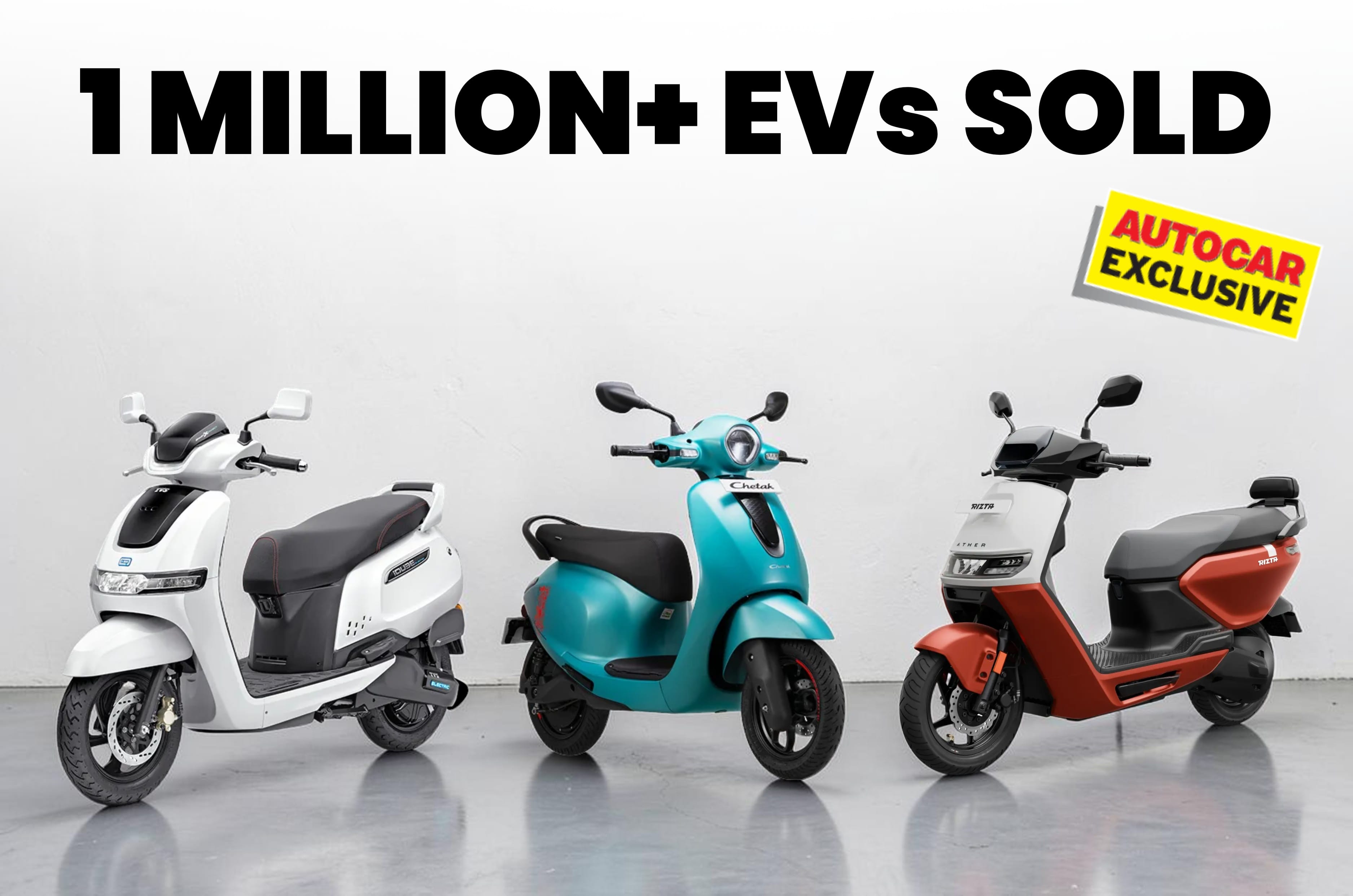
The Indian electric two-wheeler industry has surpassed 1 million unit sales as of July 6 this year. As per the latest data on the Vahan portal, a record 10,05,279 e-scooters, motorcycles and mopeds have been sold between January 1 and July 6 this year. This marks a handsome YoY increase of 54 percent (January 1-July 6, 2025: 6,54,592 units) and daily sales of 5,375 units.
Month
Units sold
January
1,29,265
February
1,18,408
March
1,99,393
April
1,57,619
May
1,72,530
June
1,94,186
July (till 6 July, 2026)
33,878
As the six-month retail sales data table above depicts, 2026 opened with 1,29,265 units in January, dropping 8 percent MoM in February (1,18,408 units). March saw retails jump 68 percent MoM to 1,99,393 units, which remains the highest monthly total yet for the industry. As a result, Q1 2026 (4,47,066 units) registered YoY growth of 39 percent (Q1 2025: 3,21,520 units). Sales rose higher in Q2 2026 (5,24,335 units) which was a 17 percent increase over Q1 and a 68 percent jump YoY (Q1 2025: 3,12,070 units) due to the sharp spike in sales in April (1,57,619 units, up 63 percent), May (194,196 units, up 64 percent) and June (1,94,186 units, up 75 percent).
Retail sales in May 2026, particularly from the second half, got a boost from the sharp increase in the price of petrol and a market dynamic that saw a fair number of two-wheeler buyers go electric to save money on costly petrol. Starting May 15, oil marketing companies implemented four hikes in petrol price in a span of 10 days. So far, fuel prices remain unchanged (as of July 7) and are enabling a higher level of transition to electric mobility across passenger and commercial vehicle segments.
Top brands on track to clock highest-ever annual sales
TVS, Bajaj Auto, Ather Energy and Vida have already achieved more than 80 percent of their record annual sales in 2025 already in 2026 so far.
The e-2W segment’s stellar growth this year is being driven by its Top 10 movers and shakers, with the bulk of them set to register their highest calendar year retail sales in CY2026. Combined sales of these 10 OEMs, at 9,39,894 units, gives them a 93 percent share of the 1-million retails to date, leaving the remaining 7 percent to be fought out by the other 16 players in the segment.
Rank
Company
Sales till date
% Market share
1
TVS
2,60,938
26
2
Bajaj
2,25,960
22
3
Ather
1,74,677
17
4
Vida (Hero)
1,09,306
11
5
Ola Electric
68,148
7
6
Greaves
45,240
5
7
River
22,490
2
8
BGauss
20,276
2
9
Simple
7,391
1
10
Revolt
5,468
1
Total
9,39,894
Market leader TVS Motor Co has sold 2,60,938 iQube and Orbiter scooters till July 6 and accounts for a 26 percent share of the 1 million sales. This total is already 83 percent of its 2025 sales of 3,15,085 units which means TVS is well set to surpass the 5 lakh units annual sales milestone for the first time in 2026.
Bajaj Auto, with 2,25,960 units and 22 percent share, is the closest challenger to TVS. The manufacturer of the Chetak has achieved 81 percent of its 2025 sales (2,79,687 units). It should cross the 3 lakh units annual sales mark by mid-August and then go on to surpass 4 lakh unit sales by the end of the year. It will be achieving both these milestones for the first time in a calendar year.
Ather Energy, the firm No. 3, is also on a roll this year. The company has delivered 1,74,677 units between January 1-July 6, which gives it a 17 percent share of the million units and constitute 81 percent of its 2025 sales (2,14,984 units). Given the strong growth momentum for its products, particularly the Rizta and the potential of its upcoming more affordable EL-platform based products, Ather should likely go on to surpass 3.50 lakh units this year.
Hero MotoCorp (Vida) will, for the first time, achieve the 2 lakh unit annual sales milestone for its EVs. The 1,09,306 e-scooters sold till date are 97 percent of its 2025 total (1,13,024 units) and give the company an 11 percent share of all e-2Ws sold in the year to date.
Ola Electric has delivered 68,148 e-scooters and e-motorcycles in the first 187 days of this year. This gives it a 7 percent share of the million units albeit this total is just 33 percent of its sales in 2025 (2,04,526 units). While annual sales will surely cross the 1.25 lakh units mark this year, only a massive resurgence in demand for products from the former market leader will see it hit 1.50 lakh units, far fewer than the top three OEMs – TVS, Bajaj and Ather.
IPO-bound Greaves Electric Mobility, the manufacturer of Ampere e-scooters, has clocked retail sales of 45,240 units in the year to date. This gives it a 5 percent share of the million-unit sales and is 78 percent of its 2025 sales (57,700 units). GEM’s highest annual sales were in 2022 (80,000-plus including Ampere Vehicles).
Bengaluru-based River Mobility, which is witnessing growing demand for its sole product – the River Indie – has already hit a new annual sales high of 22,490 units. This is 5,470 units more than in 2025 (17,020 units) and should see the startup close in on the 50,000 mark in 2026. The company also manufactures the Yamaha EC-06, which is based on the Indie platform.
Eighth-ranked BGauss Auto sold 20,276 units between January and July 6, which gives it a 2 percent share of all-India e-2W sales to date and 80 percent of its 2025 sales (25,131 units).
Scooter maker Simple Energy has sold 7,391 units in the year to date, 763 units more than the 6,628 e-scooters it sold in 2025. Electric motorcycle manufacturer Revolt Motors, with 5,468 units, has achieved 50 percent of its 2025 sales of 11,018 units.
Given that the surging demand for electric scooters and motorcycles continues in H2 this year, the industry is racing towards breaching the 2-million annual sales milestone for the first time. And, considering that e-2Ws constitute the largest volume, they will also help the domestic EV industry to achieve a record 3 million sales this year.