2027 Bentley Torcal preview: Riding along in Crewe’s first EV

2027 Bentley Torcal preview: Riding along in Crewe’s first EV
Bentley Torcal EV prototype first drive

Only the day before I would be surprised with a passenger ride in a prototype of Bentley’s new electric SUV, I just so happened to be engaged in a conversation about why an EV would be so well suited to this brand in particular. Yes, as we’ve said in the past, EVs are perfect for luxury applications – smooth, silent and effortless as they are. But the other realisation we made was that Bentley, despite leaning into sportiness as one of its core brand pillars, has never been a slave to weight loss. Even its lightest car in 85 years – the new, stripped-down Supersports – is but one kilogram shy of two tonnes! And yet its cars have always managed to deliver the comfort expected of a super-luxury vehicle, and somehow also the poise and agility of a sports tourer. A tricky balance indeed. 

Reining in 2.5-tonne-plus vehicles, then, isn’t so much a challenge for Bentley’s chassis engineers as it is standard operating procedure. And thus, when the time came to create the brand’s first EV – a five-metre SUV no less – weight management was the last thing on their minds. Being a luxury EV with the full technological might of the Volkswagen Group behind its development, it would be all too easy to just squeeze out a bunch of eye-watering performance figures and leave it at that. But Bentley engineers say that won’t necessarily be the case, and certainly not the focus. The focus, instead, was on making the Torcal walk the razor-thin line between sport and luxury that every one of their cars is required to. 

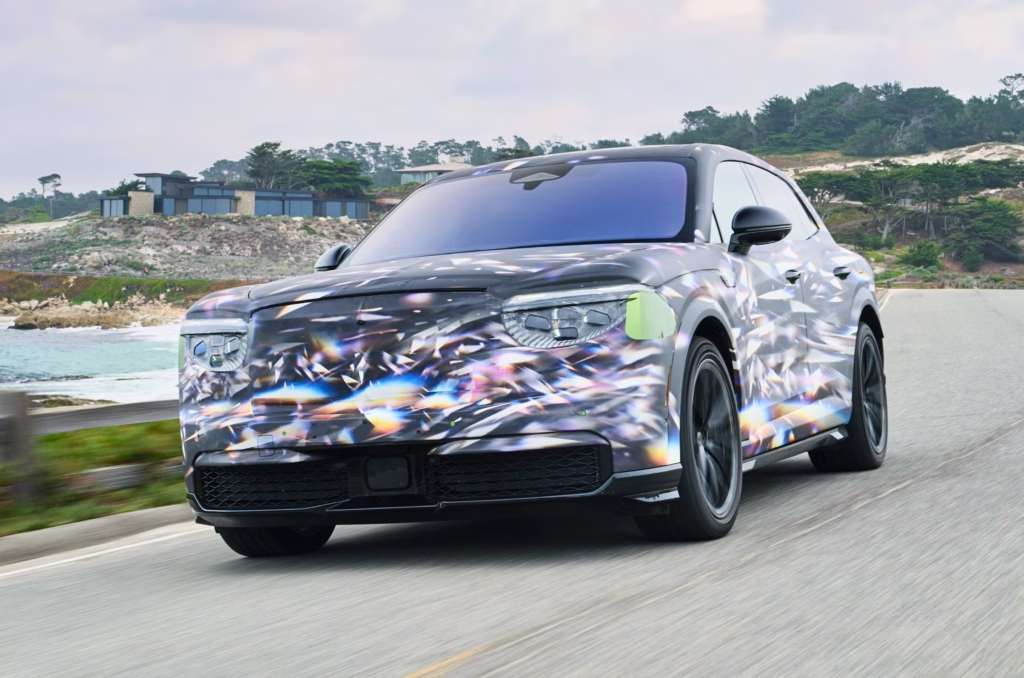
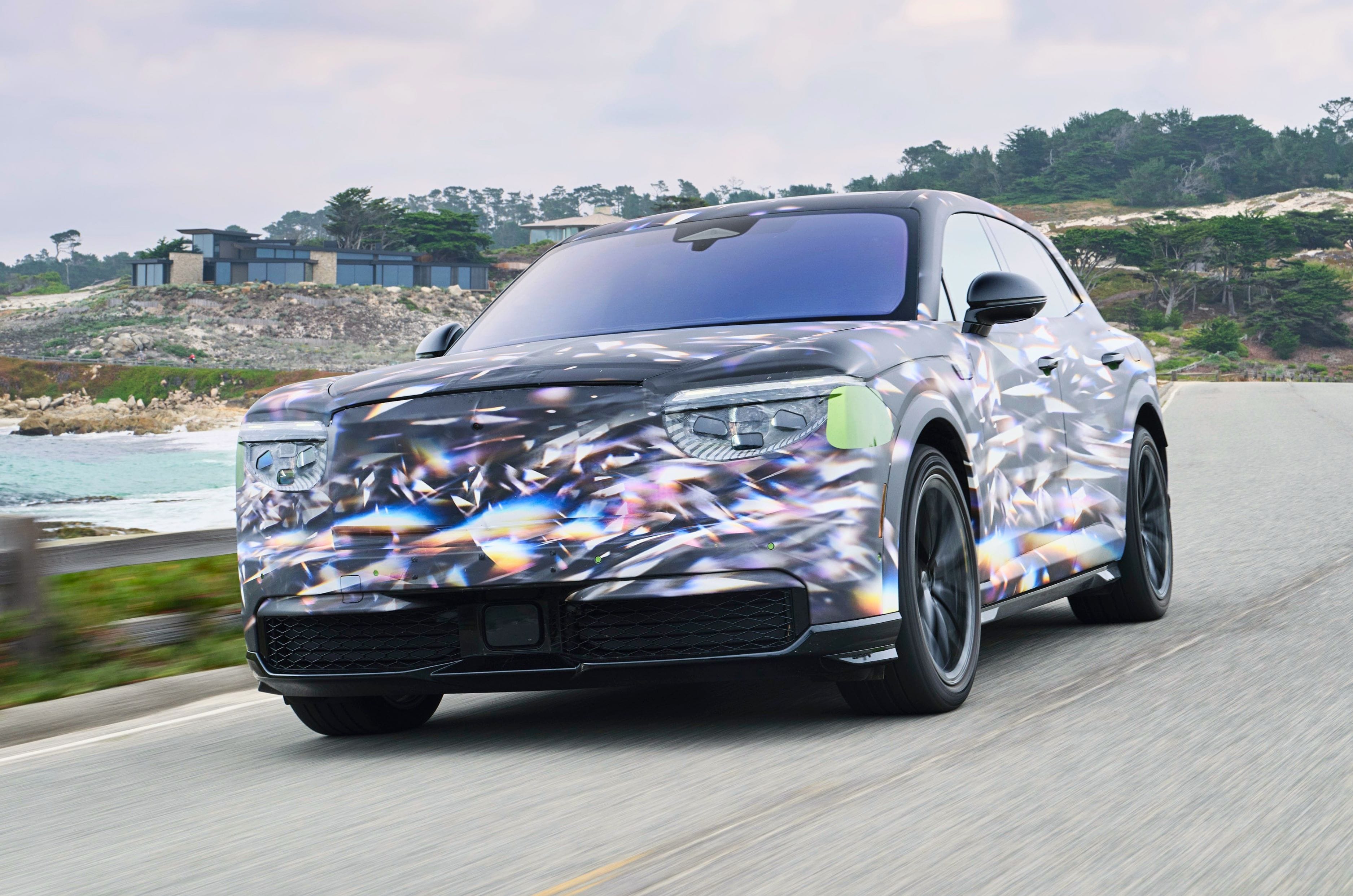
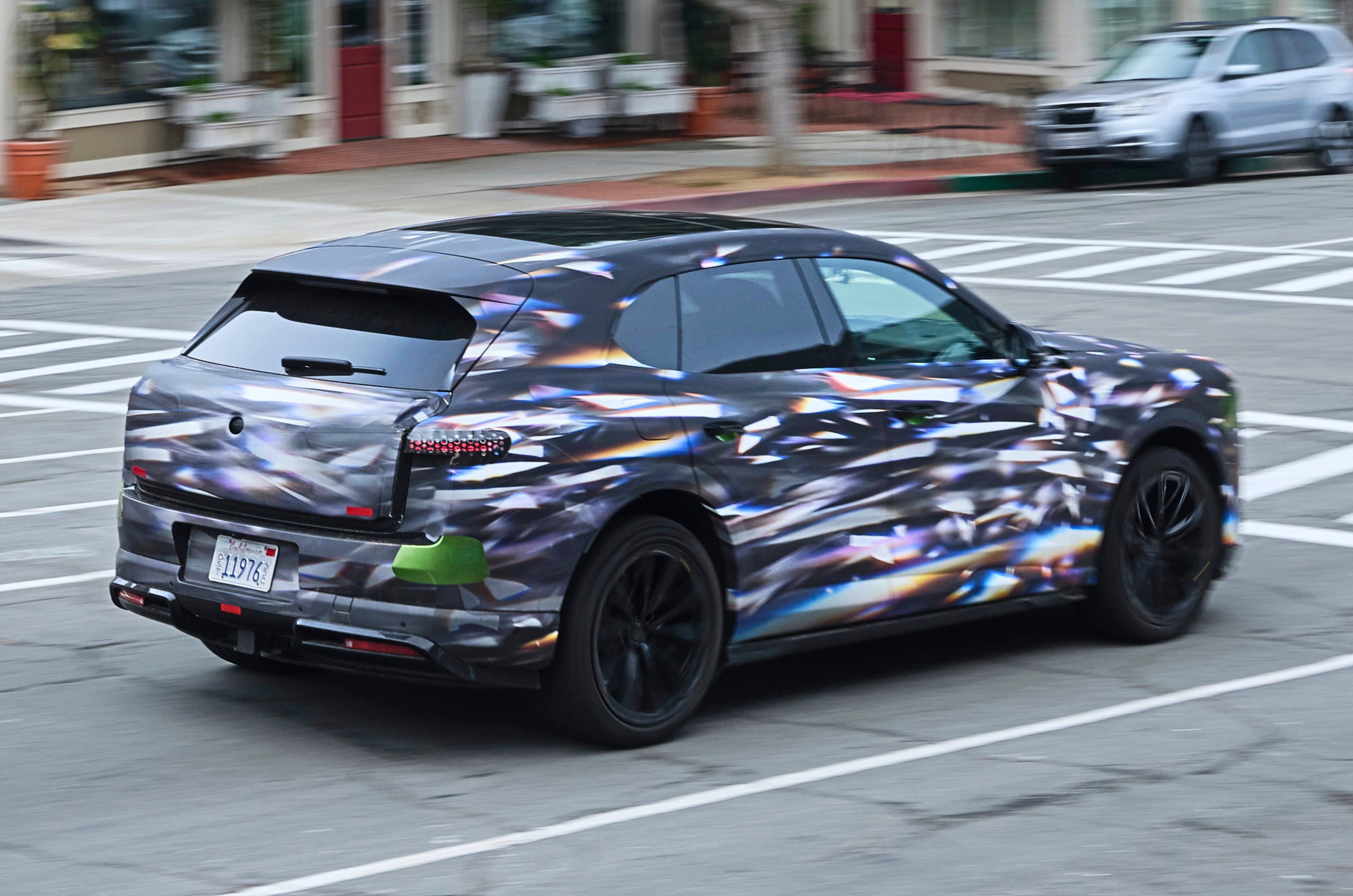
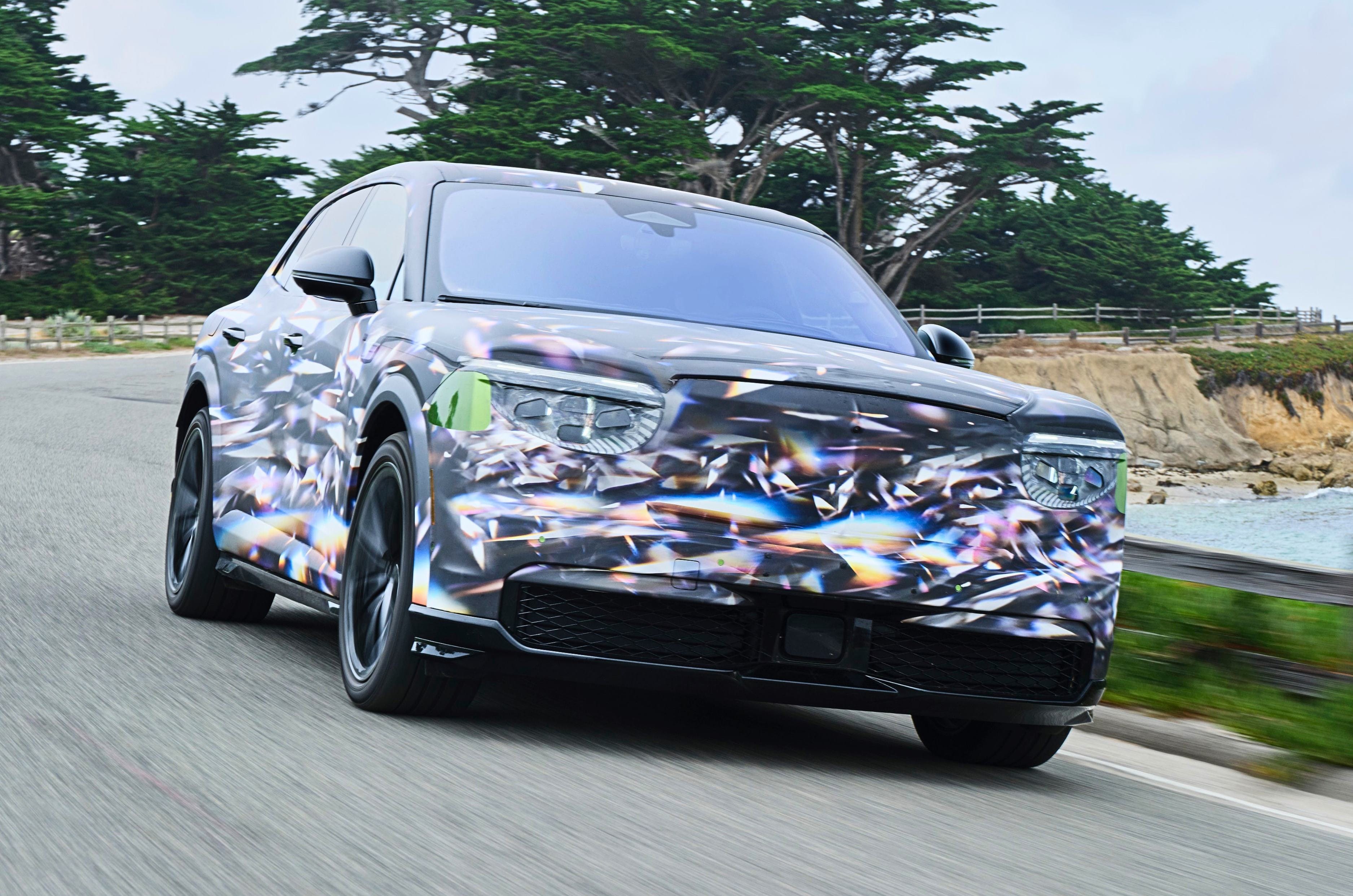
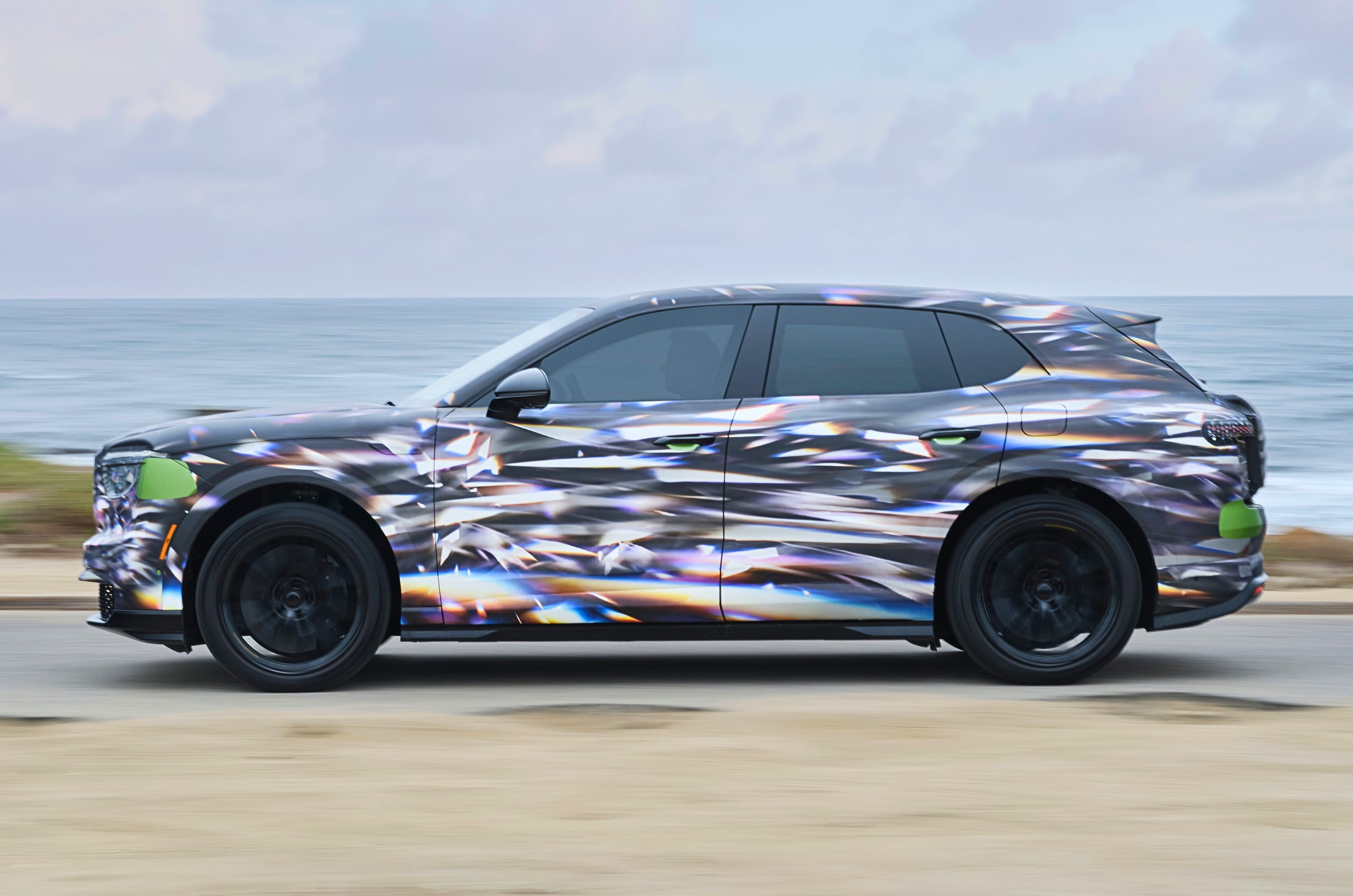
The Torcal prototype rolls silently into view at the driveway of our hotel in Monterey, California shrouded as it is in its crystalline camouflage – a motif we’ll revisit later. It hides the details well enough, but what’s clear is that this a tall and squared-off SUV, much like the Bentayga, and though aerodynamics will no doubt have been a consideration, that Bentley boldness is recognisable in its bluff front fascia. It’s actually a little smaller than a Bentayga, but the smaller front overhangs tell me they’re making good use of its wheelbase.

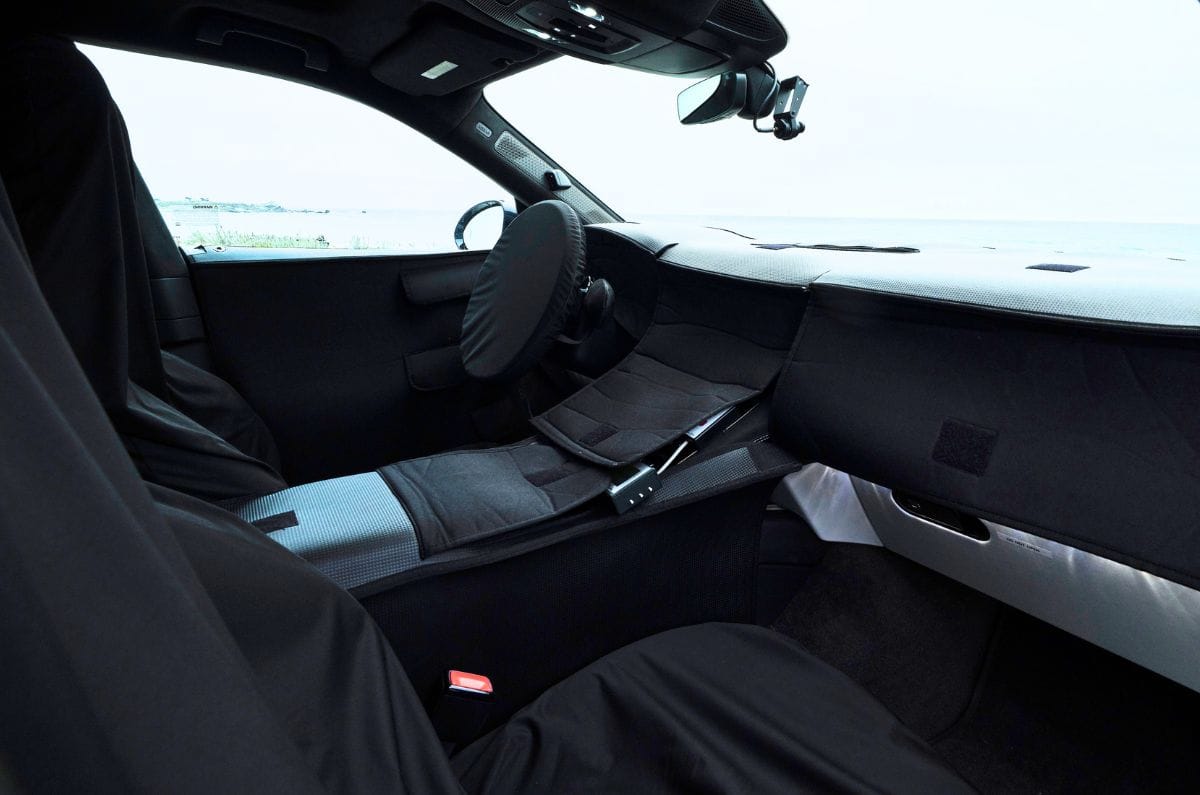
We’re ushered quickly into the cabin, which too is wrapped up from floor to headliner, and quickly given a brief before prying eyes can come in for a closer look. There’s stuff we’re told about that I can’t reveal today, but I’m hurriedly making notes all the same. But then Torcal product line director Martin Page presses the start button, and my brain does a somersault. “It’s… idling?” I mutter, as he cracks a smile from the driver’s seat.

Digital meets analogue

Yes, they’ve given the Torcal the sound of a V8, the most enduring engine layout the brand has used in its century of making cars. And while this is hardly the first EV to mimic an engine, there’s a mesmerising authenticity to it that I’ve never experienced from a synthetised setup before. I’d go as far as saying sounds better – more layered and full-bodied than the twin-turbo 4.0-litre you’ll find in the Continental range, and we’re still at a standstill. It’s uncanny.

As we move off, the sound swells, ebbs and flows with an almost flawed resonance that fills up the cabin. It’s not loud or overwhelming; but it’s ever present, though I’m told it can be switched off if not desired. I’m told the car is in ‘Bentley’ mode – the middle ground, as we know from existing models – and once on the move, the sound fades into the background.

The story behind the V8 sound is almost as fascinating as the sound itself. Any other brand would record one of its V8 engines, play the recording through the speakers and call it a day. But in keeping with Bentley’s history of doing things painstakingly by hand, they recorded the sound and got an orchestra to recreate it with live instruments. What I’m listening to is a mix of drums, viola and bass guitar – every beat and note fed into a machine and algorithmically meted back out in proportion with the torque demand. Moving up to Sport mode suitably increases the volume and even alters the pitch slightly, but what doesn’t change is the genuine feeling that somewhere up front, an old-school, hairy-chested V8 is thumping away to move us forward.

The crystal method

The over-engineering doesn’t stop there, however; Bentley’s handcrafted approach extends to the graphics of the Torcal – both physical and digital. The diamond motif has long been a part of the Bentley brand, and you’ll see it everywhere from its cars’ grille mesh patterns, to stitching, to upholstery quilting. Something catches my eye from under the sheet that covers the rear doors, which I carefully lift up to catch a sneak peek.

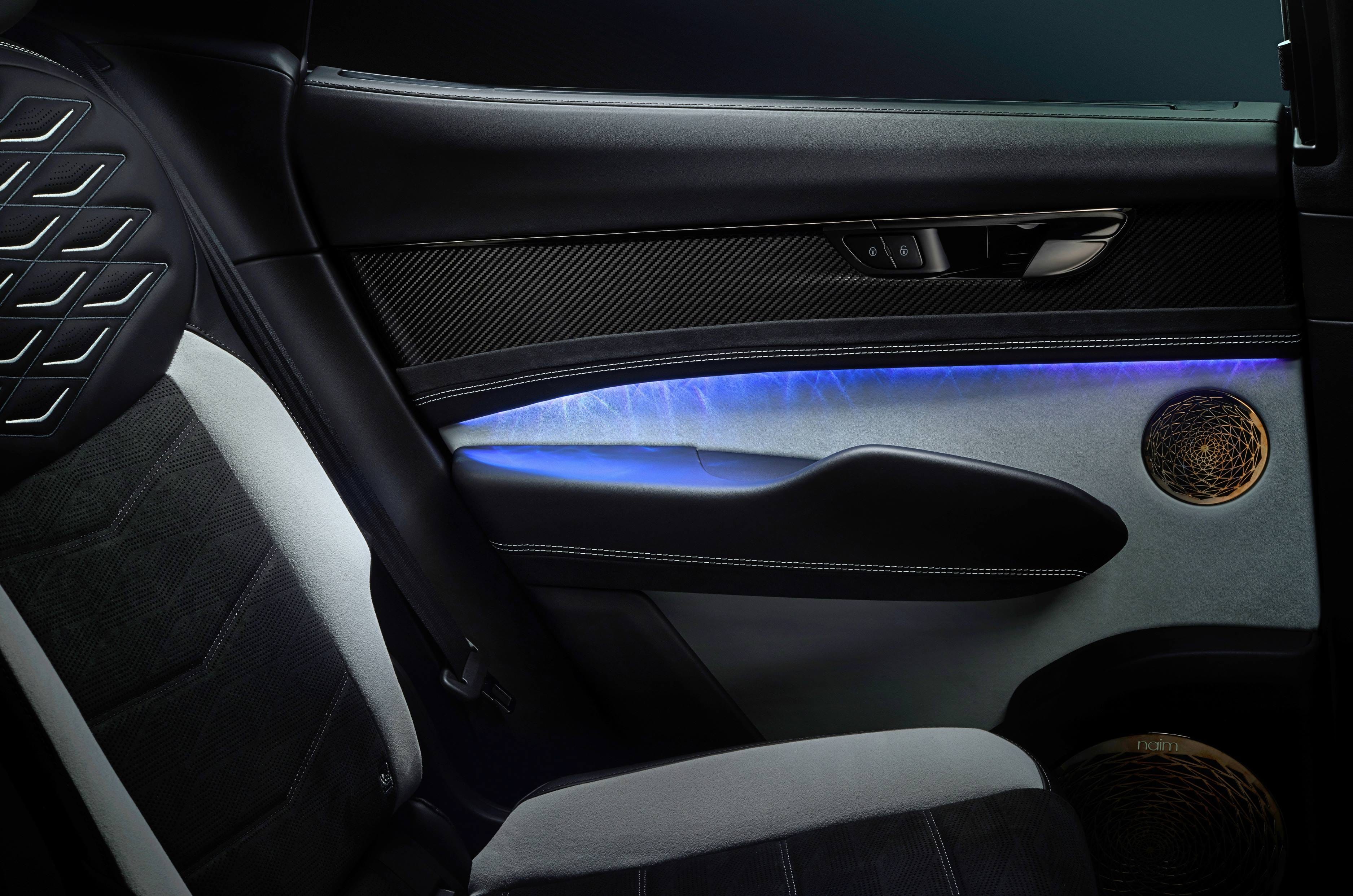
It’s ambient lighting, shimmering, moving as it cascades across a soft Merino wool door card. The idea was to simulate light flowing through crystal, and though it’s probably a simulated effect, it is incredibly convincing, and oddly relaxing to stare at. Curiously, it’s blue, and we’re in Sport mode, Bentley having chosen to buck the trend of equating ‘Sport’ with ‘red’.

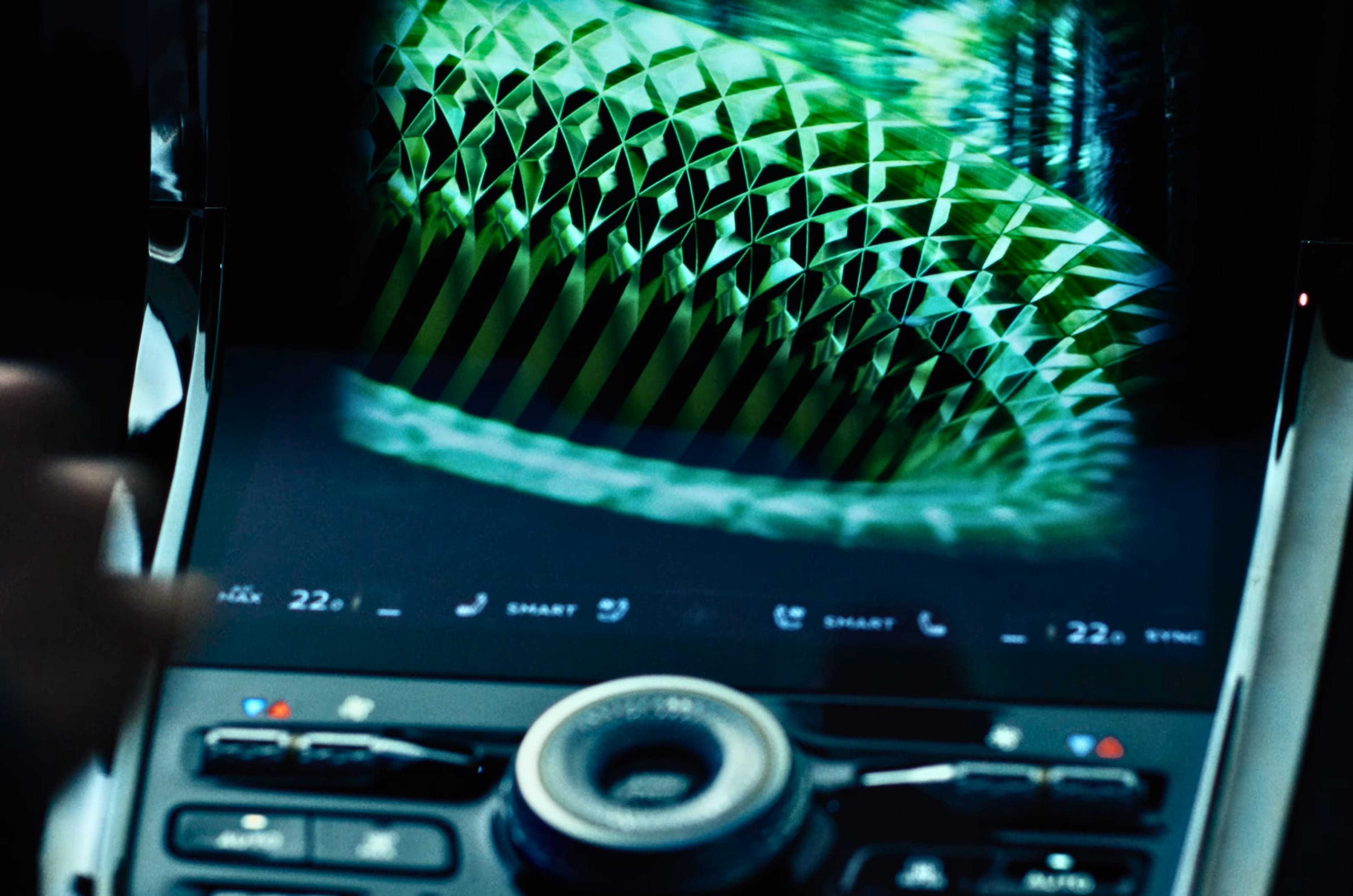
But as Martin cycles back and forth through the modes of the ‘Curation Engine’ – a luxurious way to say ‘drive mode selector’ – I notice something else. The graphics on the curved touchscreen – also with a crystalline theme – are slick and incredibly sharp, in a way I haven’t seen in any Bentley before. Credit to the new-gen PPE (Premium Platform Electric) and its E&E architecture the Torcal shares with the electric Cayenne, I suppose. 

I then glance at the digital speedo, which shows a digital number encased in a ring of crystal, which again hides a fascinating story. This seemingly innocuous graphical element is not the result of Adobe After Effects or, god forbid, generative AI. Bentley commissioned Cumbria Crystal to make a cut crystal tube and then shone light through it from various angles. This was filmed and then programmed to play back in sync with the car’s speed, so what you’re seeing is high-res footage of real light passing through real glass, moving in a circle as the car goes faster. But what is luxury, if not unnecessary excess?

Effortless heft

My mind circles back to my conversation from the previous evening, however, as we approach the Freeway. Bentley hasn’t revealed power and torque figures yet, describing them only as ‘ample’, and that’s clear as we break off the on-ramp and merge into the swarm of American commuters hurrying to work. The seat-of-the-pants sensation is one of power that feels effortless, if not hurried, if that makes sense, which is in line with any of the V8 hybrid cars Bentley also sells.

Bentley also hasn’t revealed the kerb weight figure, but going by other EVs of this size and nature, my guess puts it well past 2.5 tonnes and closer to 2.7 or 2.8. Not that you can tell from inside, where there’s a composure that feels truest to the contemporary range of Bentley models. The Torcal uses two-chamber air suspension, adaptive dampers and active anti-roll bars to control its immense mass, and I suspect a bit of magic too, because here too, they’ve managed to find a balance. I noticed the prototype was riding on 22-inch wheels with supercar-like 315-section rear tyres, and road noise is kept incredibly well in check. 
The ride is hefty but not harsh like some sports SUVs, comfortable but not floaty like some outright luxury SUVs. It stays steady on the Freeway, and as we get back to the narrower roads that snake around Pebble Beach, it stomps out imperfections with authority. As Martin takes the opportunity to lean it into some curvier bits of road, I sense a bit of give and roll, but not too much. I’m told they could have erased it entirely, but that would feel too unnatural.

And that sums up the Torcal nicely. It feels ‘natural’, and even from this short passenger ride, a great exercise in manufacturing analogue authenticity from what is a very digital set of tools. When advancing beyond the realm of mundane transportation and into more desirable applications – luxury, or performance, for instance, of which Bentleys have to do both – an EV has to be more convincing. So far, ballistic numbers have been that route for most, but there is an increasing effort to build tangible character into these cars that must be applauded. The Torcal feels like one of the best examples of this yet, and though far from the finished product, it’s a promising sign that Bentley is on the right track with its first EV.

ब्रांडेड डिब्बा, नकली दवा! हर 3 में से 1 भारतीय को मिल रहा है नकली मेडिकल सामान! जानिए किस शहर में है सबसे ज्यादा खतरा

ब्रांडेड डिब्बा, नकली दवा! हर 3 में से 1 भारतीय को मिल रहा है नकली मेडिकल सामान! जानिए किस शहर में है सबसे ज्यादा खतरा

Fake Medicine

Fake Medicines India: जनस्वास्थ्य (Public Health) के मोर्चे पर एक बेहद डरावनी और चिंताजनक सच्चाई सामने आई है। बाजार में मिलने वाली नकली दवाएं और हेल्थकेयर प्रोडक्ट्स पहली नजर में बिल्कुल असली जैसे दिखते हैं। इनकी पैकेजिंग, ब्रांडिंग और डिजाइन की नकल इतनी सफाई से की जाती है कि आम मरीज या ग्राहक के लिए असली और नकली का फर्क पहचानना लगभग असंभव हो जाता है। खास बात यह है कि दिल्ली क्राइम ब्रांच ने हाल ही में कैंसर की नकली दवाओं के कारोबार का भंडाफोड़ किया है। देश के 17 राज्यों में फैले इस कारोबार के सिलसिले में 17 लोगों को पुलिस ने गिरफ्तार भी किया है।

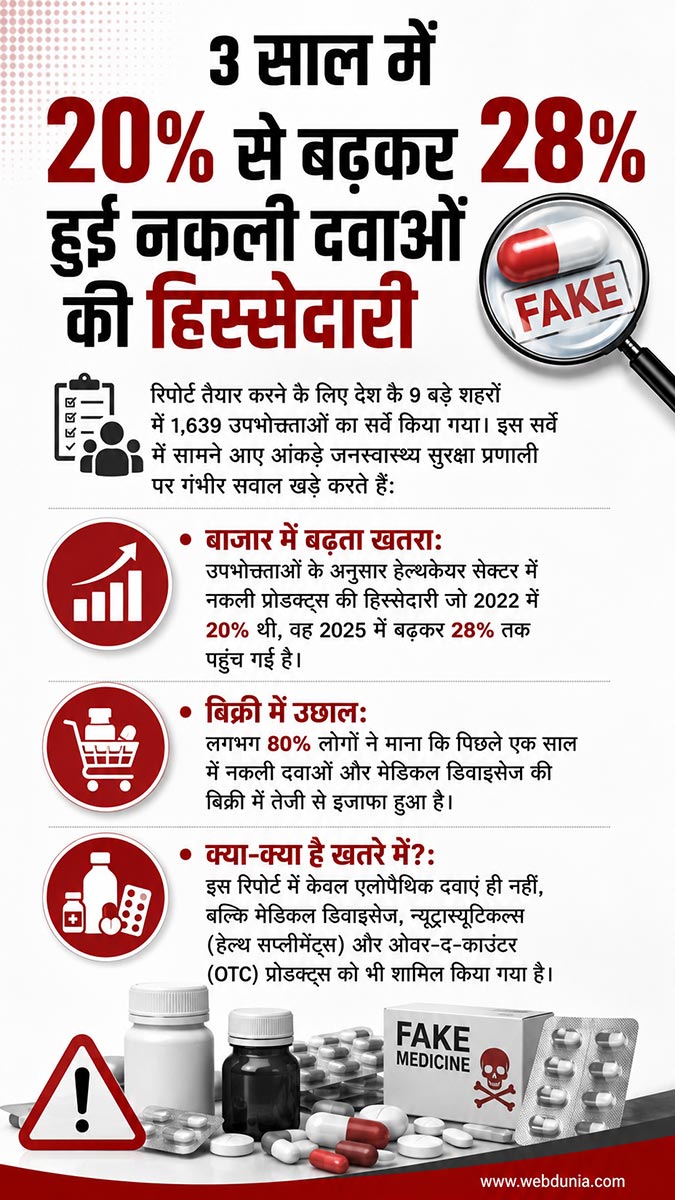
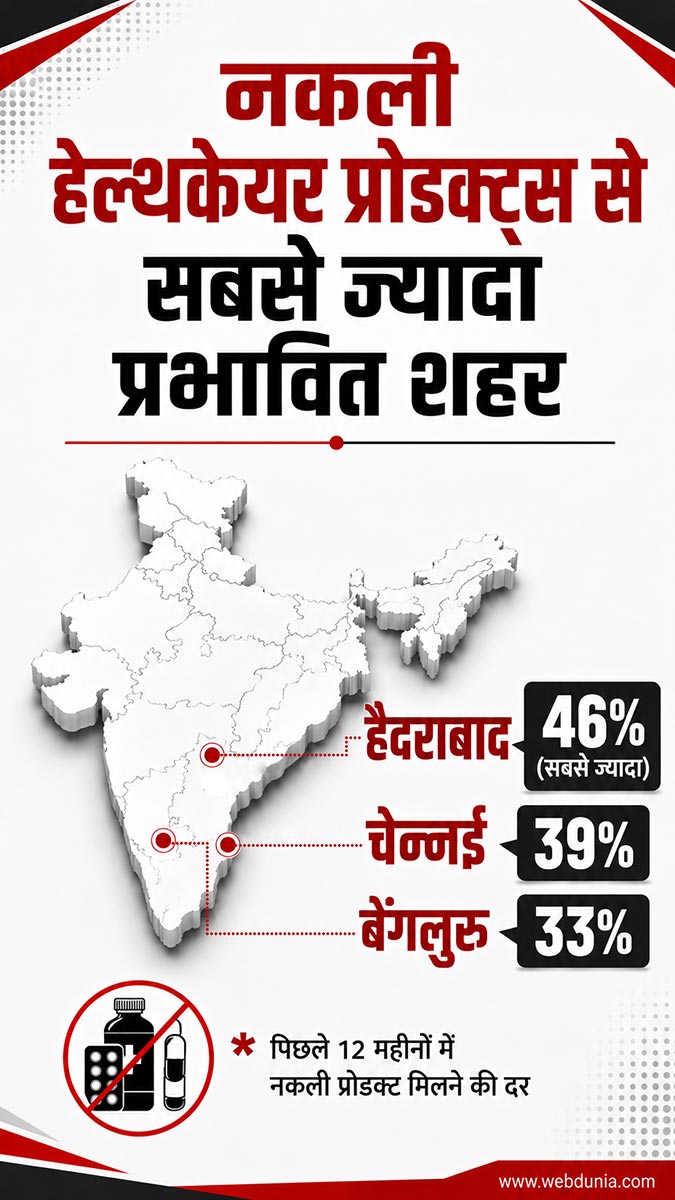
एएसपीए-क्रिसिल (ASPA-CRISIL) की हालिया जारी स्टेट ऑफ काउंटरफिटिंग इन इंडिया 2025” रिपोर्ट के अनुसार, भारत में सर्वे किए गए हर तीन में से लगभग एक उपभोक्ता (33%) ने पिछले 12 महीनों के दौरान किसी न किसी नकली हेल्थकेयर प्रोडक्ट का सामना किया है। यह समस्या कपड़े या इलेक्ट्रॉनिक्स के नकली होने से कहीं ज्यादा खतरनाक है, क्योंकि यहाँ सीधे मरीज की जान दांव पर लगी होती है।


Fake Medicine

  •  

स्थानीय मेडिकल स्टोर से लेकर ऑनलाइन ऐप्स तक जाल

अक्सर यह माना जाता है कि नकली सामान केवल अनधिकृत या ऑनलाइन बाजारों में मिलता है, लेकिन यह सर्वे इस भ्रम को तोड़ता है। जिन लोगों का सामना नकली हेल्थकेयर प्रोडक्ट्स से हुआ:

  • 63% लोगों ने स्थानीय रिटेल मेडिकल स्टोर्स को इसका स्रोत बताया।
  • 60% लोगों को ऑनलाइन एग्रीगेटर प्लेटफॉर्म्स (दवा डिलीवरी ऐप्स) के जरिए नकली उत्पाद मिले।
  • लगभग एक-तिहाई लोगों को मल्टी-ब्रांड स्टोर्स और सोशल मीडिया विज्ञापनों के जरिए यह सामान बेचा गया।

कीमत का अंतर : नकली हेल्थकेयर प्रोडक्ट्स असली की तुलना में औसतन 18% सस्ते होते हैं। हालांकि, रिपोर्ट स्पष्ट करती है कि 96% लोग अंजाने में नकली दवाएं खरीदते हैं, असली समस्या यह है कि मरीज के पास दुकान पर खड़े होकर असलियत जांचने का कोई आसान जरिया नहीं है।

पैकेजिंग पर भरोसा ही सबसे कमजोर कड़ी

सर्वे के अनुसार, केवल 52% उपभोक्ता ही दवा या हेल्थकेयर प्रोडक्ट खरीदने से पहले उसकी असलियत जांचते हैं। हालांकि, 60% लोगों को यह मुगालता रहता है कि वे खुद नकली सामान पहचान सकते हैं।
लोग आमतौर पर इन चीजों को देखकर फैसला लेते हैं:

  1. पैकेजिंग की क्वालिटी (66%)
  2. होलोग्राम (48%)
  3. क्यूआर कोड (40%)

लेकिन आज के आधुनिक जालसाज पैकेजिंग डिजाइन और ब्रांडिंग की हुबहू नकल कर लेते हैं। यही वजह है कि विशेषज्ञों का कहना है कि सिर्फ डिब्बा देखकर दवा के असली होने का अंदाजा लगाना जानलेवा साबित हो सकता है।

Fake Medicine

2018 से 2025 के बीच दर्ज हुए 521 मामले

एएसपीए (ASPA) के काउंटरफिट न्यूज़ रिपॉजिटरी के अनुसार, वर्ष 2018 से 2025 के बीच हेल्थकेयर क्षेत्र में जालसाजी के 521 आधिकारिक मामले दर्ज किए गए।

  • महामारी में सबसे बड़ा संकट: कोविड-19 (2020-2021) के दौरान नकली पीपीई किट, मास्क, कफ सिरप, जीवनरक्षक दवाओं और यहाँ तक कि नकली वैक्सीन के मामलों में भारी उछाल देखा गया था।


Fake Medicine

  •  

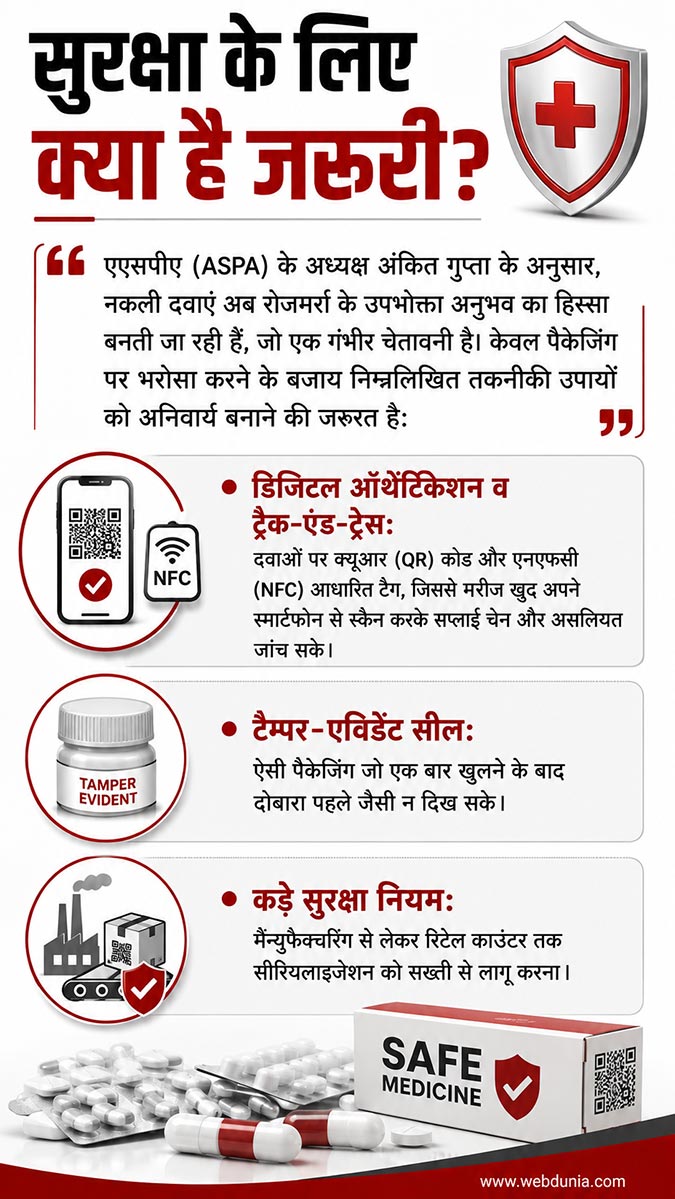
नकली दवा का मुद्दा सिर्फ आर्थिक नुकसान का नहीं, बल्कि सीधे जीवन और मृत्यु का है। भले ही उपभोक्ताओं में जागरूकता बढ़ रही हो, लेकिन जब तक हर दवा की रीयल-टाइम प्रामाणिकता (Authenticity) जांचने की मजबूत और आसान डिजिटल व्यवस्था लागू नहीं होती, तब तक जनस्वास्थ्य पर यह बड़ा खतरा मंडराता रहेगा।

Indian carmakers had flagged concerns about E20 fuel contamination: Reuters

Indian carmakers had flagged concerns about E20 fuel contamination: Reuters

Earlier this month, several media reports said the Society of Indian Automobile Manufacturers (SIAM) had urged the government to introduce mandatory chloride limits in fuel standards after high levels of chloride and moisture were found in E20 petrol. SIAM later withdrew the communication, saying some of the figures mentioned in it needed further verification.

The government has been trying to address growing concerns around E20 with support from the industry. Oil marketing companies (OMCs) have rejected claims of widespread E20 fuel contamination after conducting tests across the country. Brands such as Toyota, Maruti Suzuki and Hero MotoCorp have also publicly backed the E20 programme.
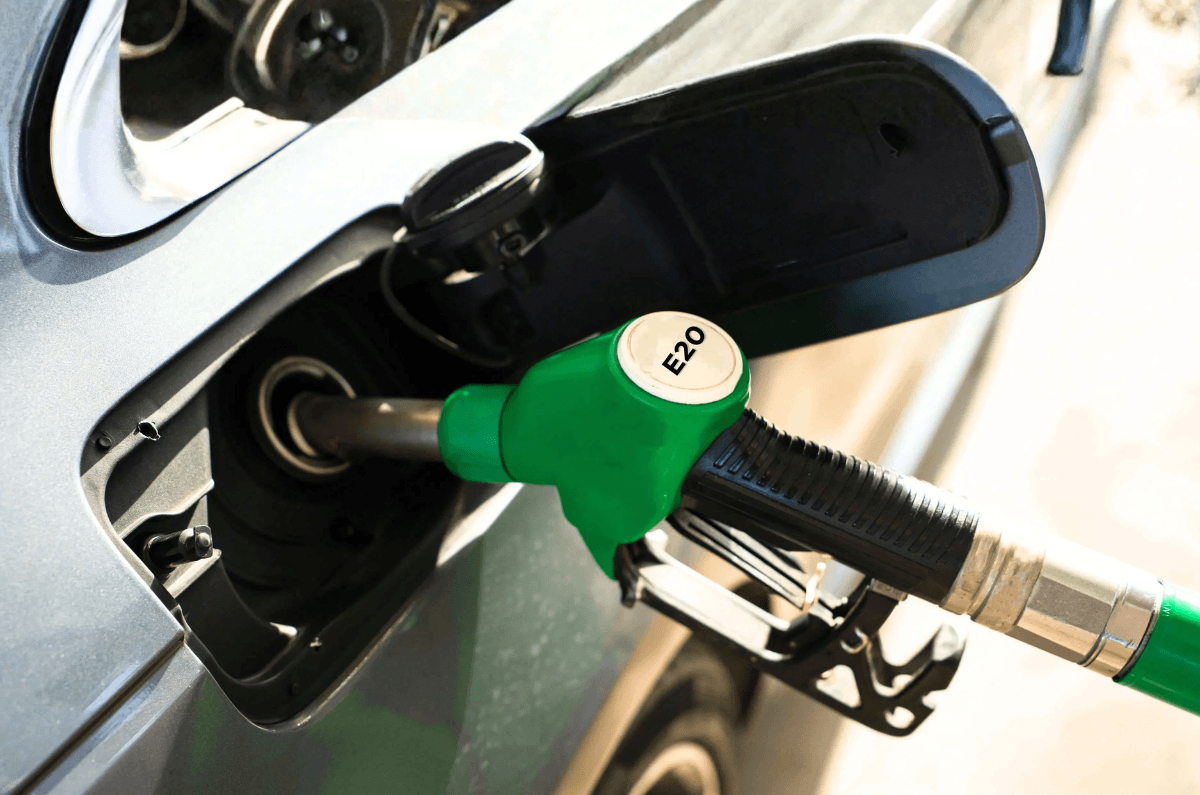
However, separate communications between industry executives investigated by Reuters show that earlier, Maruti Suzuki, Tata Motors and Mahindra had privately raised concerns about contamination in E20. The data compiled by these carmakers was the most extensive fuel testing since E20 was officially rolled out nationwide last year. Their emails reveal that the carmakers were concerned about contaminants such as chloride and moisture in the fuel, which they said were affecting vehicles, even as they publicly supported the government’s E20 rollout.

Data flags high chloride contamination, moisture content

The data reviewed by Reuters shows that the three automobile manufacturers had carried out detailed testing by collecting more than 250 fuel samples from petrol pumps across 21 states and Union Territories over a year. The tests found high chloride levels in many samples from 18 states, along with high moisture content. Interestingly, the emails reviewed by Reuters did not raise any concerns about the authenticity of the data. 

StateNumber of samplesChloride (ppm)
Uttar Pradesh361.2-175
Maharashtra3110-357
Delhi/NCR281.4-420
Tamil Nadu271.3-24.0
Kerala241.0-2.2
Punjab201.9-110
Karnataka151- 2.2
Rajasthan146.0-570
Madhya Pradesh114.1-550

Source: SIAM via Reuters.

The data showed chloride levels of 6 to 570 parts per million (ppm) in Rajasthan, 1.4 to 420ppm in New Delhi and 10 to 357ppm in Maharashtra. The government’s permissible limit is 3ppm.

High chloride levels in the fuel can corrode vehicle components, while high moisture content can cause a vehicle to stop working immediately after refuelling, SIAM had stated earlier. In group emails exchanged between Maruti, Tata, Mahindra and SIAM, a senior Maruti executive raised concerns about the high chloride readings and said the matter had even been privately discussed with the Ministry of Petroleum on July 26.

Moisture levels found 333 percent above limit

Additionally, the same data showed moisture levels of up to 13,000ppm in Andhra Pradesh and 12,500ppm in Uttar Pradesh, against the government’s permissible limit of 3,000ppm. The exact cause of the contamination is not known. However, SIAM said in its now-withdrawn letter that it had seen an increase in chloride levels since E20 was introduced and asked the government to direct OMCs to identify the root cause.

When asked about the private emails, SIAM told Reuters that the data was meant only for internal circulation, discussion and validation, and had been collected by a very small number of automakers. SIAM added that the communication was withdrawn because the testing basis and sample size were not enough to support firm conclusions and that it had been sent accidentally. The organisation stated further that it plans to conduct a proper scientific study.

As for the high moisture levels, SIAM’s letter said the cause could be poor maintenance of underground storage tanks and pipelines at petrol pumps.

Carmakers raise concerns over vehicle failures

In a July 26 email, a senior Maruti official said that current fuel injectors can tolerate a maximum chloride level of 1ppm, and keeping it below 1ppm in E20 would be in accordance with international standards and discussions with the petroleum ministry. Same is in line with discussion held with the petroleum ministry, he stated.

Meanwhile, a senior Mahindra official wrote that organic chloride was responsible for the rapid vehicle failures in recent times and could damage engines just within 200km. The executive said that most cases reported immediately after refuelling were due to organic chloride and added that Mahindra had “strong evidences” from fuel samples collected at retail outlets. Mahindra later said the conclusions drawn from its executive’s emails were “completely baseless and incorrect”. The company said the industry data was limited and preliminary and that it did not see any issues with E20. 

What does the government say?

The Ministry of Petroleum and Natural Gas did not respond to requests for comment made by Reuters. Petroleum Minister Hardeep Singh Puri said on Friday that OMCs had started “rigorous testing” at retail outlets to check for contamination two weeks before SIAM’s letter was received. According to Puri, only four cases of contamination had been found. OMCs, as mentioned earlier, said that their extensive testing had found no reason for alarm over fuel contamination.

सही जवाब पता थे फिर भी IIT एग्जाम में लिखे गलत उत्तर, वजह जानकर रह जाएंगे हैरान

भारत में IIT में दाखिला पाना लाखों छात्रों का सपना होता है, लेकिन एक युवक ने इस दौड़ से हटकर ऐसा फैसला लिया जिसने हर किसी को सोचने पर मजबूर कर दिया। जब बाकी छात्र IIT में पहुंचने के लिए पूरी मेहनत कर रहे थे, तब ऋषभ खनेजा ने जानबूझकर अपनी परीक्षा में गलत जवाब लिखे। हैरानी की बात यह थी कि उन्हें सही उत्तर पता थे। उनका यह कदम असफलता नहीं, बल्कि अपनी जिंदगी की दिशा खुद चुनने का प्रयास था।

परिवार और समाज की तय उम्मीदों से अलग रास्ता चुनना आसान नहीं था, लेकिन ऋषभ ने वही किया जो उन्हें सही लगा। आज उनकी कहानी इस बात की मिसाल है कि सफलता का मतलब सिर्फ बड़ी डिग्री या नौकरी हासिल करना नहीं, बल्कि अपने उद्देश्य और खुशी को पहचानना भी है।

IIT की रेस में शामिल था

ऋषभ खनेजा ने Humans of Bombay के साथ अपनी कहानी साझा करते हुए बताया कि उन्होंने जानबूझकर IIT प्रवेश परीक्षा में असफल होने का फैसला किया था। उनका कहना है कि यह कदम किसी डर या कमजोरी की वजह से नहीं था, बल्कि इसलिए था क्योंकि वह ऐसी जिंदगी नहीं जीना चाहते थे जो उन्हें अपनी नहीं लगती थी।

उन्होंने बताया कि परीक्षा हॉल में बैठकर वह जानते थे कि सही जवाब क्या हैं, फिर भी उन्होंने कुछ सवालों के गलत उत्तर चुने।

परिवार ने देखा था एक तय रास्ता

ऋषभ परिवार के बड़े बेटे थे और उनके लिए भविष्य का रास्ता पहले से तय माना जाता था। विज्ञान से पढ़ाई, इंजीनियरिंग, MBA और फिर कॉर्पोरेट नौकरी यह वही सफर था जिसे समाज सफलता की पहचान मानता है।

हर पारिवारिक समारोह में IIT और बड़ी नौकरी पाने वाले लोगों की कहानियां सुनाई जाती थीं। लेकिन ऋषभ के मन में एक सवाल था क्या यही रास्ता वास्तव में उन्हें खुश रखेगा?

दूसरों की सफलता देखकर उठे सवाल

ऋषभ ने महसूस किया कि जिन लोगों ने समाज के हिसाब से बड़ी उपलब्धियां हासिल की थीं, उनमें से कई लोग अंदर से खुश नहीं दिखते थे। इसी बात ने उन्हें अपनी जिंदगी और फैसलों पर सोचने के लिए मजबूर किया।

उन्होंने इंजीनियरिंग की जगह मुंबई के Mithibai College से Arts की पढ़ाई करने का फैसला किया। उस समय कई लोगों को लगा कि उन्होंने अपना करियर खराब कर लिया है।

एक क्लासरूम ने बदल दी सोच

बाद में ऋषभ Teach For India से जुड़े और मुंबई के मानखुर्द इलाके में बच्चों को पढ़ाने लगे। यही अनुभव उनकी जिंदगी का बड़ा मोड़ बना। उन्होंने बताया कि बच्चों के साथ काम करते हुए उन्हें एहसास हुआ कि असली संतुष्टि सिर्फ बड़े पद या ऑफिस की सफलता में नहीं, बल्कि किसी की जिंदगी में सकारात्मक बदलाव लाने में भी मिल सकती है।

कॉर्पोरेट नौकरी छोड़ी, चुना अपना रास्ता

ऋषभ ने कुछ समय कॉर्पोरेट सेक्टर में भी काम किया। अच्छी सैलरी और अच्छे माहौल के बावजूद उन्हें महसूस हुआ कि कुछ कमी रह गई है। इसके बाद उन्होंने नौकरी छोड़कर तीन महीने की बाइक यात्रा की। इस सफर ने उन्हें खुद को बेहतर समझने का मौका दिया।

Instagram पर यह पोस्ट देखें

आज रचनात्मक दुनिया में बना रहे पहचान

अब ऋषभ हिमाचल प्रदेश के बीड़ में रहते हैं और लेखक, फोटोग्राफर व कलाकार के रूप में काम कर रहे हैं। साथ ही वह लोगों को अपनी रचनात्मकता से दोबारा जुड़ने में मदद करते हैं।

सफलता और मंजूरी में से चुनना सबसे मुश्किल

ऋषभ का कहना है कि उनके और उनके माता-पिता के सपने अलग नहीं थे। माता-पिता भी सिर्फ उनकी खुशी चाहते थे, लेकिन उन्हें अपनी खुशी तक पहुंचने का रास्ता खुद तलाशना था। उनकी कहानी यह संदेश देती है कि सफलता का मतलब हमेशा वही रास्ता चुनना नहीं होता जिसे दुनिया सही मानती है, बल्कि वह रास्ता चुनना होता है जो व्यक्ति को अंदर से संतुष्ट करे।