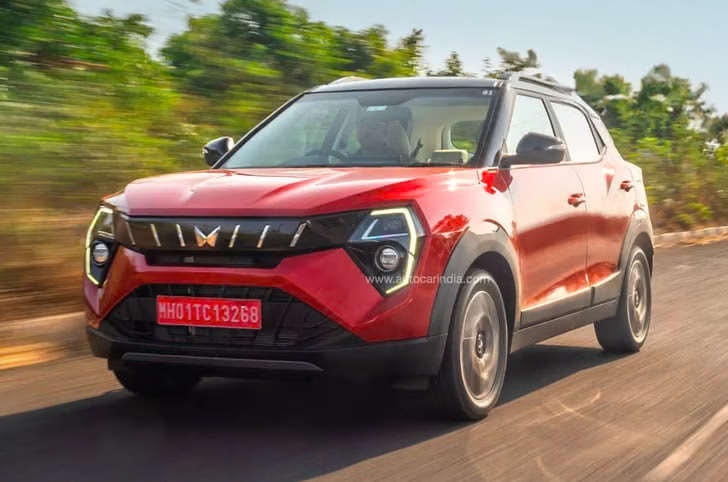
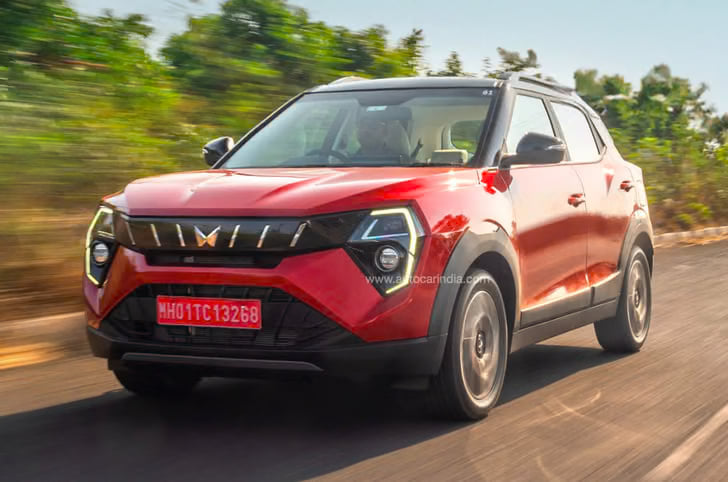
The XUV 3XO is the latest model from Mahindra to achieve the 5 lakh domestic market wholesales milestone. This total comprises sales of the XUV300 launched in April 2024, the rebranded model XUV 3XO introduced in April 2024, and the XUV 3XO EV unveiled in January 2026.
Collated sales data for this Mahindra compact SUV from February 2019 to September 2026 shows total domestic market wholesales of 505,590 units. An additional 37,000 units have also been exported.
XUV 3XO Sales Trend: Record Month and the Last 100,000 Units
Mahindra XUV300 / 3XO / 3XO EV Sales
Fiscal
Units
YoY % change
FY2019
9,532
FY2020
37,576
294%
FY2021
35,965
-4%
FY2022
50,260
40%
FY2023
60,968
21%
FY2024
54,174
-11%
FY2025
1,00,923
86%
FY2026
1,03,341
2%
FY2027*
52,851
19%
Total
5,05,590
This Mahindra SUV registered its highest monthly sales in October 2025 (12,237 units) when the 3XO achieved the 4 lakh milestone. This also means that the last 1 lakh 3XOs, comprising both ICE and EV, have been sold in the past 11-odd months.
The 5,05,590 sales units give the 3XO brand a 17% share of the 30 lakh (30,12,830) SUVs Mahindra has sold from February 2024 till September 2026. FY2026 (103,341 XUV 3XOs), a marginal 2 percent improvement over FY2025 (1,00,923 units), was the best fiscal year yet for this compact SUV. In the first six months of FY2027, the 52,851 units are a 19 percent YoY increase (April-September 2025: 44,400 units) and give the XUV 3XO a 15 percent share of the 3,58,142 SUVs Mahindra dispatched to its dealers. Of the total 5,05,590 units sold, the XUV300 is estimated to account for 2,48,493 units from February 2019 to April 2024. The XUV 3XO, which took over, has sold 2,57,097 units.
CNG Demand to bring more sales in FY27
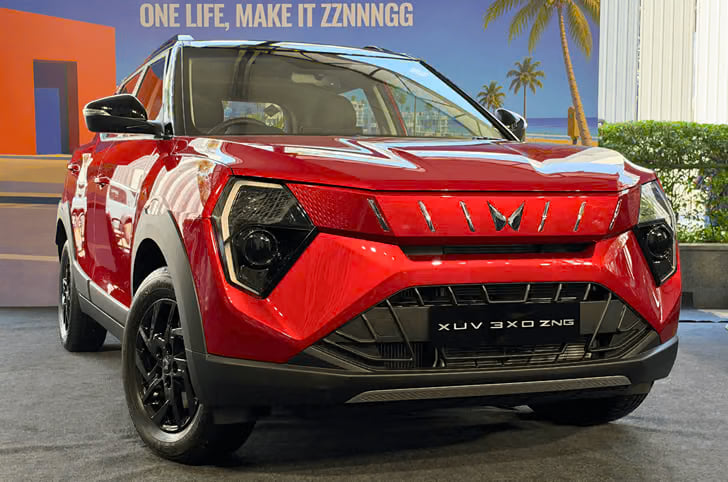
Mahindra XUV 3XO CNG
With the addition of a CNG powertrain, the 3XO compact SUV will address a larger target buyer category. Current market trends indicate that CNG-powered vehicles, which typically draw value-conscious buyers keen on lower running costs, now also include buyers in higher-priced vehicle segments. CNG is now a mainstream fuel, particularly in the wake of higher petrol and diesel prices, and Mahindra is looking to tap this growing demand with the arrival of the XUV 3XO CNG. Suffice it to say that FY2027 should see the XUV 3XO (ICE, EV and CNG) achieve its highest-ever fiscal sales of around 1.25 lakh units.
XUV 3XO powertrain options and price
The XUV 3XO is Mahindra’s most affordable model and competes in the compact SUV space. Priced from Rs 7.79 lakh to Rs 15.04 lakh, it is offered with a 111hp, 200Nm 1.2-litre turbo-petrol engine that can also be paired with a factory-fitted CNG kit, a 131hp, 230Nm, turbo-petrol engine, and a 117hp, 300Nm, 1.5-litre turbo-diesel engine. All-electric versions range from Rs 13.89 lakh to Rs 14.96 lakh, and utilise a 39.4kWh battery pack paired with a front-mounted motor that produces 150hp and 310Nm and gets a claimed range of 351km.
Best OnlyFans Ranking: A Practical Guide to Choosing the Top Creators
1. Understanding the OnlyFans Landscape
OnlyFans has grown from a niche subscription service into a global marketplace where creators of all types can monetize exclusive content. The platform is open to artists, fitness coaches, chefs, and many other professionals, each leveraging a personalized fan base for recurring income. Because the ecosystem is so diverse, newcomers often wonder how to identify the most successful creators and whether those rankings matter for their own strategy.
In practice, the best onlyfans ranking reflects a blend of audience size, earnings consistency, engagement rates, and niche relevance. By studying these factors, you can gauge which creators set realistic standards and which tactics are worth emulating. This understanding forms the foundation for any decision‑making process on the platform.
2. How Rankings Are Determined
Rankings typically aggregate public metrics such as subscriber count, monthly earnings, post frequency, and interaction levels (likes, comments, direct messages). Some third‑party tools also factor in growth trends and audience demographics to provide a more nuanced picture. While raw numbers are important, qualitative aspects like brand consistency and content quality heavily influence long‑term ranking stability.
Most reputable rankings use algorithms that assign weighted scores to each metric. For example, subscriber count might carry a 30 % weight, while engagement averages account for 25 %. Understanding this methodology helps you interpret a ranking position beyond just a headline number.
3. Top Criteria for Evaluating OnlyFans Creators
When you compare creators, focus on the following criteria:
Audience size and growth rate: A large, steadily expanding subscriber base indicates market demand.
Engagement quality: High comment and message volumes show a loyal, interactive community.
Content diversity: Regularly varied media (photos, videos, live streams) keeps fans interested.
Monetization tactics: Use of paid messages, tip menus, and subscription tiers indicates revenue optimization.
Brand consistency: Cohesive visual style and messaging help maintain fan trust.
By scoring each creator against these benchmarks, you can build a personalized ranking that aligns with your business needs.
4. The Current Best OnlyFans Ranking – Who Leads the Pack
Based on publicly available data from the last quarter, the following creators consistently appear at the top of the best onlyfans ranking. They excel across the criteria discussed above and set industry standards for content strategy, pricing, and fan interaction.
Creator
Monthly Subscribers
Average Earnings (USD)
Primary Niche
Key Strength
Alice Blaze
125,000
$780,000
Fitness & Lifestyle
High‑volume live workouts
Nova Noir
98,000
$620,000
Adult Entertainment
Personalized video requests
Chef Marco
47,000
$210,000
Culinary Arts
Exclusive recipe bundles
These creators illustrate how different niches can dominate the ranking when they master the fundamental metrics of subscriber growth and fan engagement.
5. Features and Benefits of High‑Performing OnlyFans Accounts
Top‑ranked creators typically leverage a robust set of platform features. Automated subscription reminders, drip‑feed content schedules, and integrated payment processing reduce administrative overhead while maximizing revenue.
Benefits include predictable cash flow, deeper fan relationships, and the ability to scale content production without sacrificing quality. By using the dashboard analytics, successful creators can identify peak posting times and adjust pricing tiers to capture maximum willingness to pay.
6. Pricing, Payouts, and Monetization Strategies
Pricing is a delicate balance between perceived value and market competition. Most top creators set a base subscription between $15‑$30, then offer premium bundles, pay‑per‑view content, and tip incentives. Seasonal promotions—such as limited‑time discounts or exclusive holiday bundles—can boost subscriber acquisition without long‑term price erosion.
Payouts on OnlyFans are processed weekly, with a standard 20 % platform fee. Creators should plan for tax obligations and reserve a portion of earnings for reinvestment in equipment, marketing, or content upgrades.
7. Setting Up for Success – Step‑by‑Step Guide
Getting started on OnlyFans doesn’t require a degree in digital marketing, but a systematic approach helps you replicate the practices of the best onlyfans ranking leaders.
Create a professional profile: Use high‑resolution photos, a concise bio, and clear content categories.
Define pricing tiers: Start with a modest base price, then add premium options as your library grows.
Develop a content calendar: Plan at least three posts per week, mixing photos, videos, and live streams.
Engage daily: Respond to messages, run polls, and thank top fans to boost loyalty.
Analyze performance: Use the built‑in dashboard to track subscriber growth and adjust strategies.
Following these steps positions you to climb the ranking ladder while maintaining a sustainable workflow.
8. Common Pitfalls and How to Avoid Them
Even the most dedicated creators encounter obstacles. Below are frequent mistakes and practical solutions:
Inconsistent posting: Set automated reminders or batch‑create content to maintain a steady flow.
Over‑pricing early on: Test lower price points first; you can increase rates once you have proven value.
Neglecting fan feedback: Conduct regular surveys and adjust content based on direct requests.
Ignoring platform policies: Review OnlyFans terms to avoid content removals or account suspensions.
By proactively addressing these issues, you minimize churn and protect your position in the best onlyfans ranking.
9. Frequently Asked Questions
Is the best onlyfans ranking reliable for newcomers?
While rankings provide a useful snapshot of top performers, they should be combined with your own niche analysis. Use them as benchmarks, not absolute rules.
How long does it take to appear in the ranking?
Most creators see measurable movement within three to six months of consistent effort, provided they follow best practices for content and engagement.
Can I improve my ranking without increasing prices?
Yes. Enhancing engagement, offering exclusive experiences, and optimizing posting times can boost your score even with stable pricing.
Free OnlyFans Creators: Practical Guidance for Safe and Effective Use
Understanding the Concept of Free OnlyFans Creators
OnlyFans is widely known as a subscription‑based platform where creators share exclusive content behind a paywall. However, a growing segment of the community offers free content—these are commonly referred to as free onlyfans creators. Their approach varies: some provide a limited portion of their library for free to attract new fans, while others keep the entire channel open without charging.
The motivation behind offering free content can include building a larger audience, cross‑promoting other paid platforms, or simply sharing hobby‑related material. From a user perspective, free onlyfans creators give an opportunity to explore niche interests without an upfront financial commitment.
Legal and Ethical Considerations
Before engaging with any free content on OnlyFans, it is essential to understand the platform’s terms of service and the legal framework governing adult‑oriented media. OnlyFans requires all creators to verify their identity and age; similarly, users must be 18 years or older.
Distributing copyrighted material without permission remains illegal, even if the content is available for free. Ethical consumption means respecting the creator’s licensing choices and avoiding redistribution of their work outside the platform.
How to Identify Legitimate Free Content Sources
Not every “free” link you encounter is trustworthy. Below are practical steps to verify legitimacy:
Check the creator’s profile for a verified badge and clear biography.
Read recent comments and follower interactions to gauge authenticity.
Look for direct links from the creator’s official social channels (Twitter, Instagram, TikTok).
Use OnlyFans’ built‑in search filters for “Free” or “Free Trial” tags.
When a creator promotes free access through third‑party websites, exercise caution. Those sites often host phishing scripts or malicious downloads.
Key Features and Benefits of Using Free OnlyFans Creators
Free onlyfans creators provide several tangible benefits that can be useful for both casual browsers and power users:
Cost‑Effective Exploration: Test different content styles before committing to a paid subscription.
Community Building: Access to a larger, more diverse fan base that can foster interaction.
Content Variety: Many free creators specialize in niches such as fitness tutorials, cooking demos, or artistic modeling.
These features align with business‑oriented goals as well—marketers can monitor trends, while content curators can benchmark what resonates without investing in premium accounts.
Step‑by‑Step Setup and Access Process
Getting started with free onlyfans creators is straightforward. Follow these steps to ensure a smooth experience:
Create an OnlyFans account using a valid email address and secure password.
Complete the age verification process by uploading a government‑issued ID.
Navigate to the search bar and enter “free onlyfans creators” or specific niche keywords.
Review the profile details and click “Subscribe for Free” where available.
Adjust notification settings to stay updated on new posts without excessive alerts.
Once subscribed, you can access the creator’s dashboard, view posts, and interact through comments or private messages according to the creator’s preferences.
Common Use Cases and Best‑Fit Scenarios
Understanding when free onlyfans creators add real value helps you decide where to invest your time:
Skill Development: Artists seeking modeling references can follow free photographers.
Market Research: Brands analyzing audience engagement trends without paying for premium data.
Personal Entertainment: Users looking for hobby‑specific content—like cooking tutorials—without subscription fees.
Each scenario benefits from the platform’s built‑in analytics, allowing creators to measure fan interaction and refine their offerings.
Limitations, Risks, and Safety Tips
While free content is appealing, it comes with inherent limitations. Free onlyfans creators often limit upload frequency, reduce video quality, or restrict exclusive features such as direct messaging.
Potential risks include exposure to spam, phishing attempts, or low‑quality media. To mitigate these issues, follow best practices:
Enable two‑factor authentication on your OnlyFans account.
Never share personal payment details unless you decide to upgrade to a paid subscription.
Report any suspicious activity directly to OnlyFans support.
Comparison Table: Free vs. Paid OnlyFans Creators
Aspect
Free OnlyFans Creators
Paid OnlyFans Creators
Cost to User
No subscription fee
Monthly subscription required
Content Volume
Limited or occasional posts
Regular, extensive uploads
Exclusive Features
Often restricted (no private messages)
Full access to messages, polls, custom requests
Interaction Level
General comments only
Direct communication and personalized content
Risk Profile
Higher chance of low‑quality content
Typically higher production standards
Frequently Asked Questions (FAQ)
Can I download free OnlyFans content?
Downloading content directly from OnlyFans is prohibited by the platform’s terms of service unless the creator explicitly enables a download feature. Attempting to circumvent this rule can result in account suspension.
Is it safe to share my payment information for a free subscription?
Free subscriptions usually do not require payment details. If a creator asks for payment information during a “free” trial, verify the legitimacy of the request through official OnlyFans channels before proceeding.
How can I support a free creator without paying?
Engaging with their posts, leaving positive comments, and sharing their profile on social media are effective ways to increase visibility. Many creators also accept tips through external platforms like PayPal or cryptocurrency.
For a quick way to start exploring trustworthy free content, visit the free onlyfans best portal, which aggregates verified profiles and provides up‑to‑date guidance.
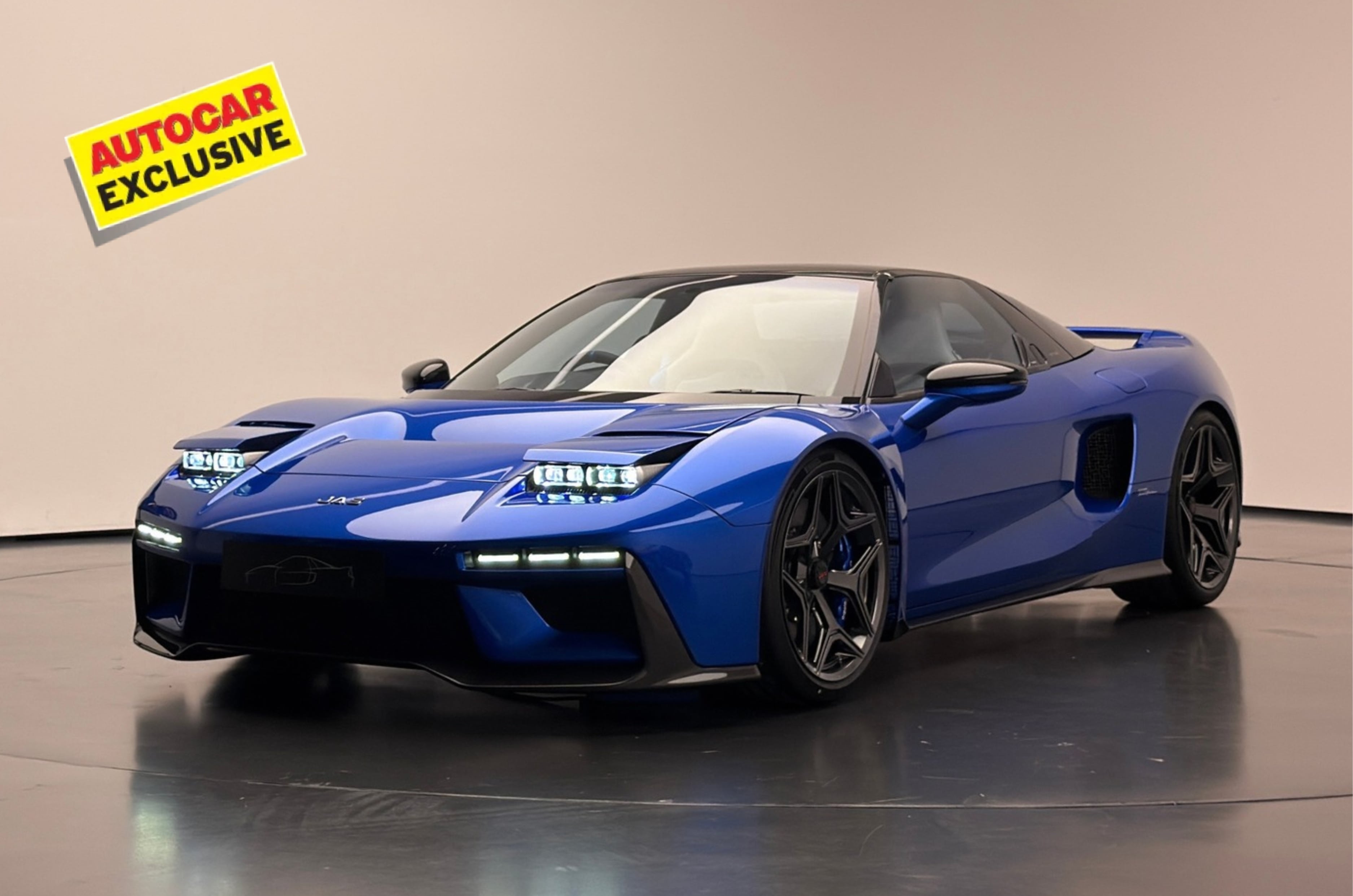
There are few cars that changed the supercar world quite like the original Honda NSX. It proved that a mid-engined exotic could be fast, reliable, approachable and, crucially, enjoyable without trying to intimidate its driver. More than three decades later, JAS Motorsport has taken that philosophy and given it a thoroughly modern interpretation.
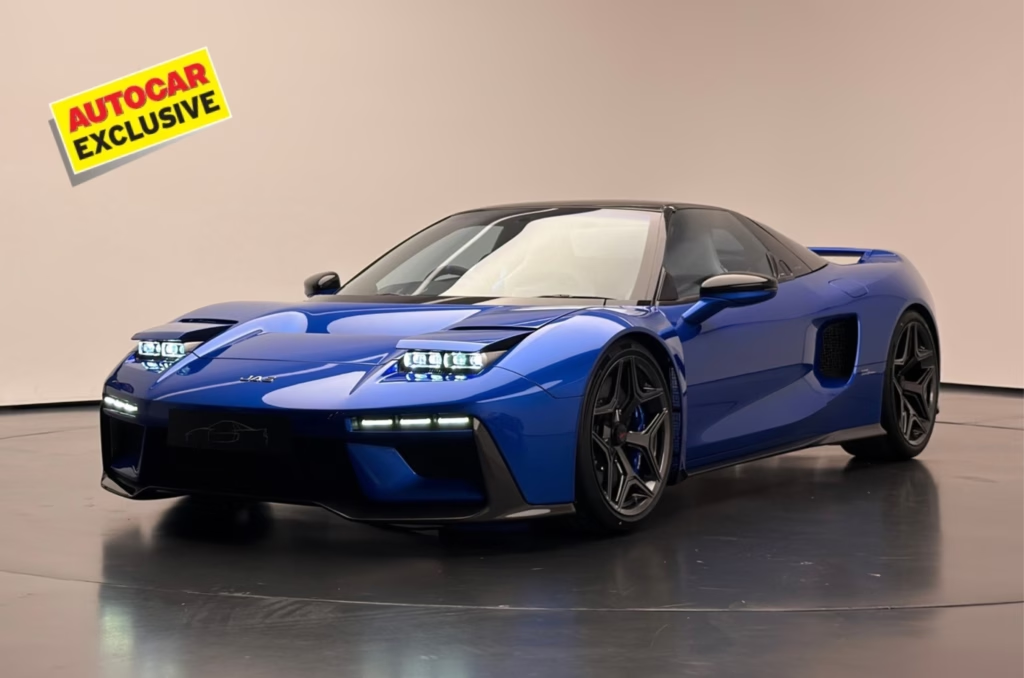
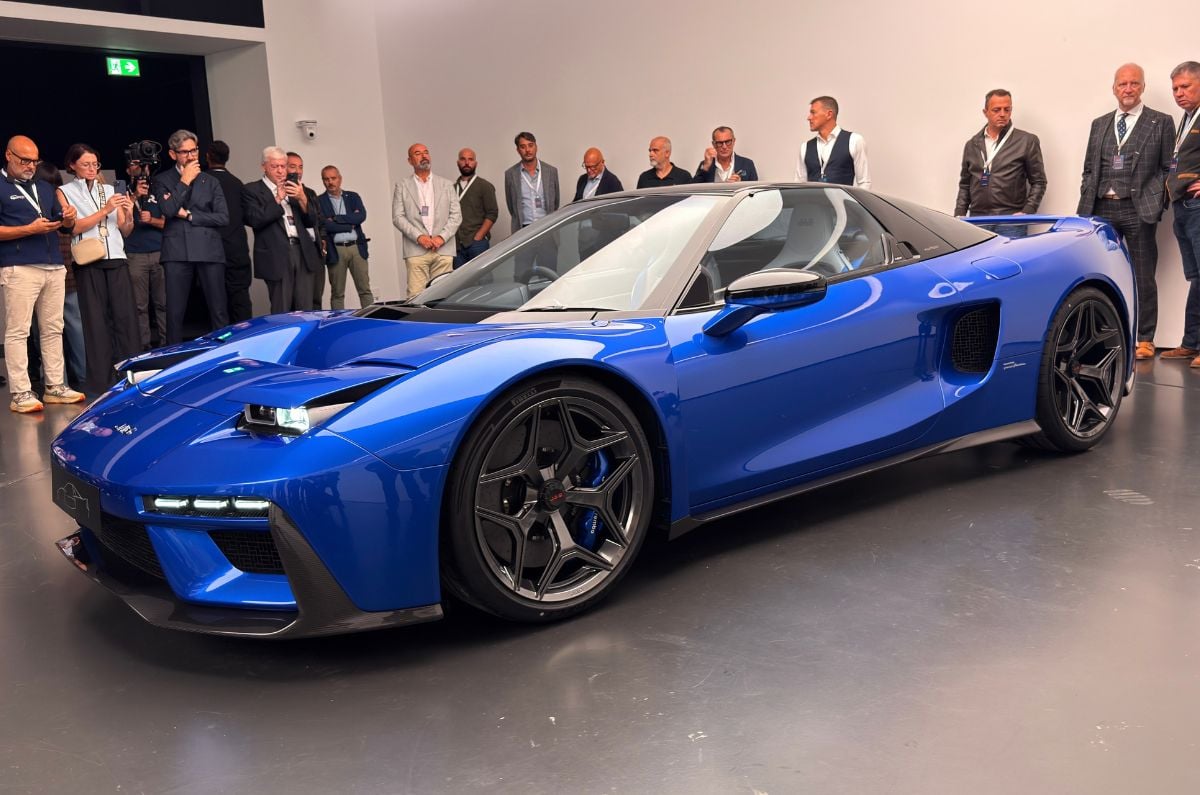
Meet the JAS Tensei. Tensei translates roughly to “rebirth” in Japanese, and the name neatly captures what JAS is attempting here. This isn’t simply an NSX restoration, nor is it a cosmetic restomod. JAS has taken the first-generation NSX as its starting point and re-engineered the car with modern materials, motorsport know-how and a new body designed by Pininfarina. And there will be just 35 examples.
But first, Who is JAS?
Launched in 1995, JAS Motorsports was named after its founders Paolo Jasson, Maurizio Ambrogetti and Giorgio Schön. They have been the official partner for Honda since 1998 and have since developed race cars for various competitions with successful results in touring car championships.
JAS Tensei: Exterior design
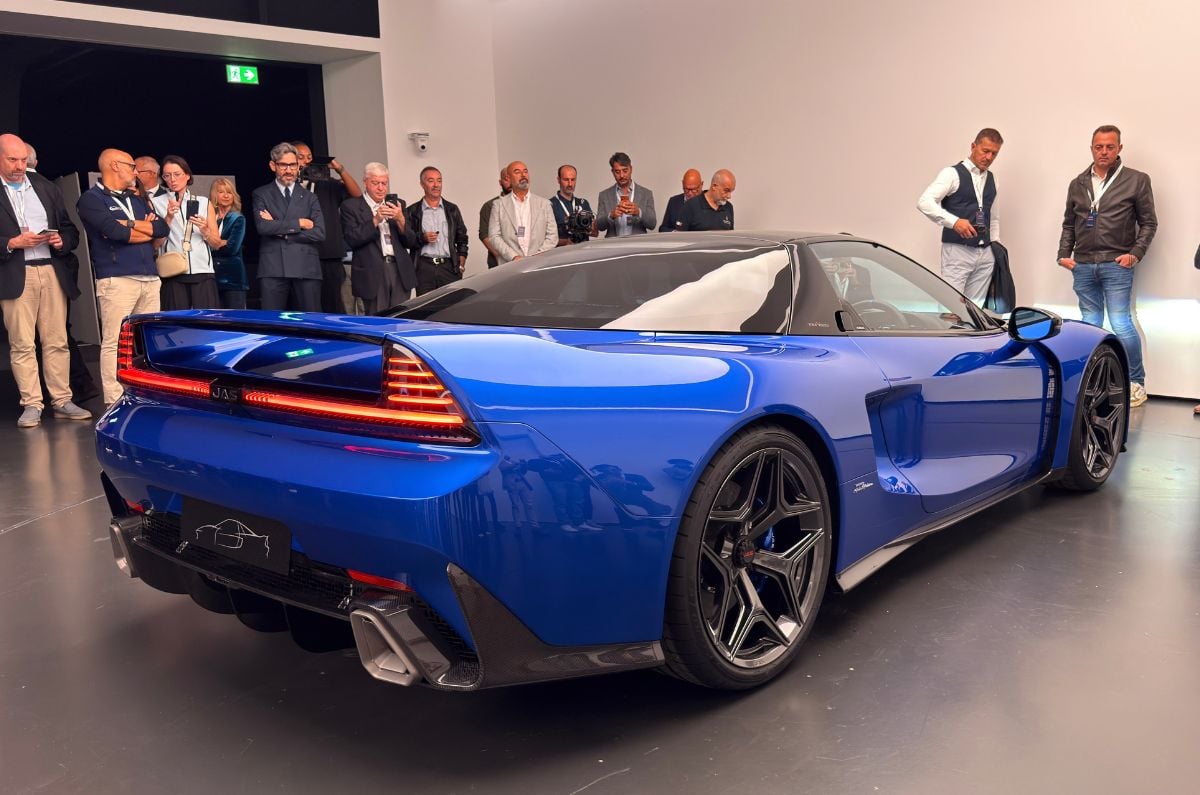
Look at the Tensei from a distance and the connection to the original NSX is immediately apparent. The proportions remain familiar, as do several of the visual cues that defined Honda’s icon. But the details are considerably more modern.
The body is constructed entirely from carbon fibre, allowing JAS to alter the car’s dimensions and surfaces while keeping weight under control. Pininfarina was responsible for the design, bringing an Italian interpretation to a fundamentally Japanese concept. It is an interesting collaboration because Pininfarina already has history with the NSX story. The company was involved with Honda’s HP-X concept, which preceded the production NSX.
The result is therefore less a replica and more an alternate evolution of the original car — essentially asking what the NSX might have looked like had its development continued into the modern era.
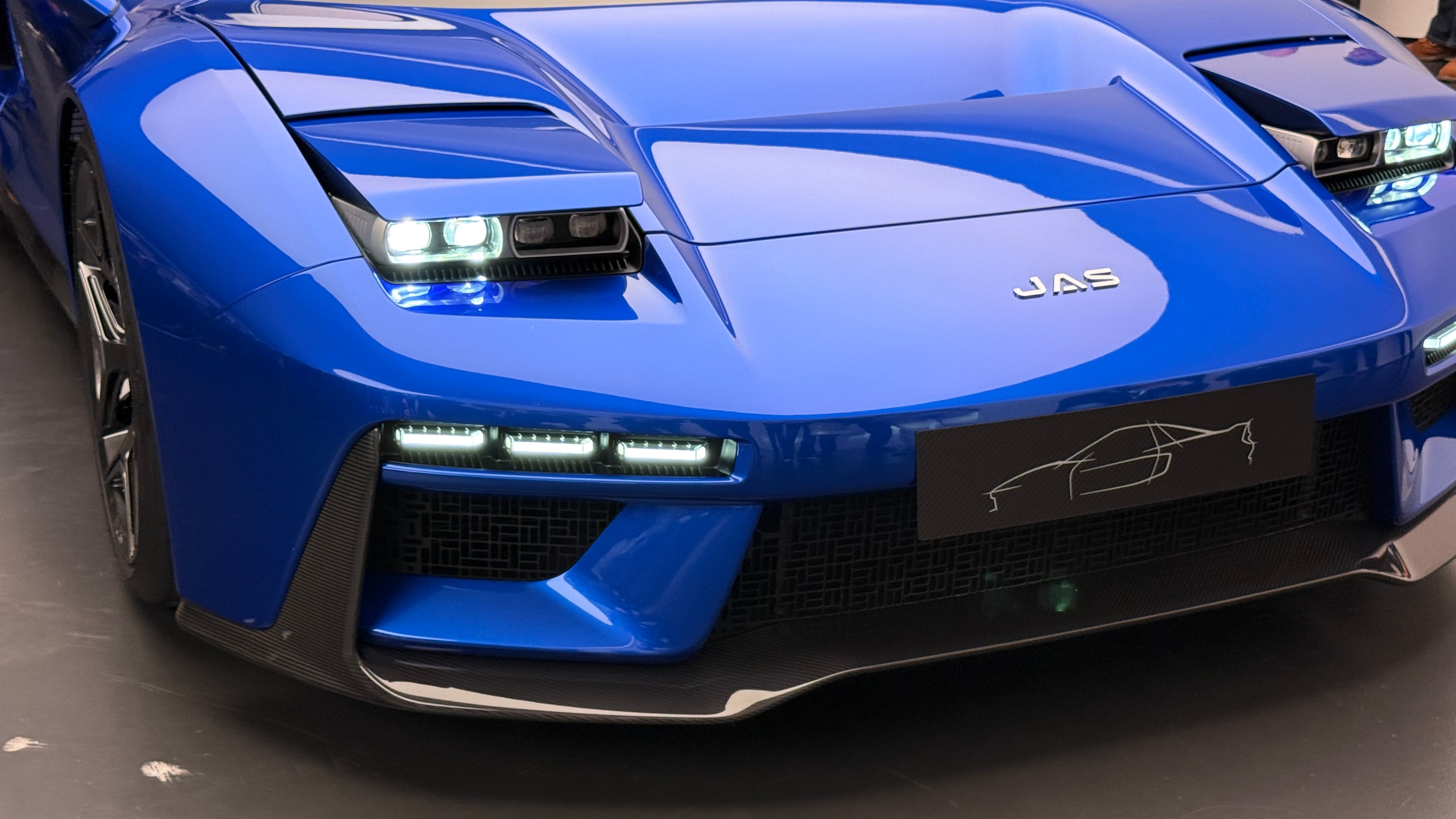
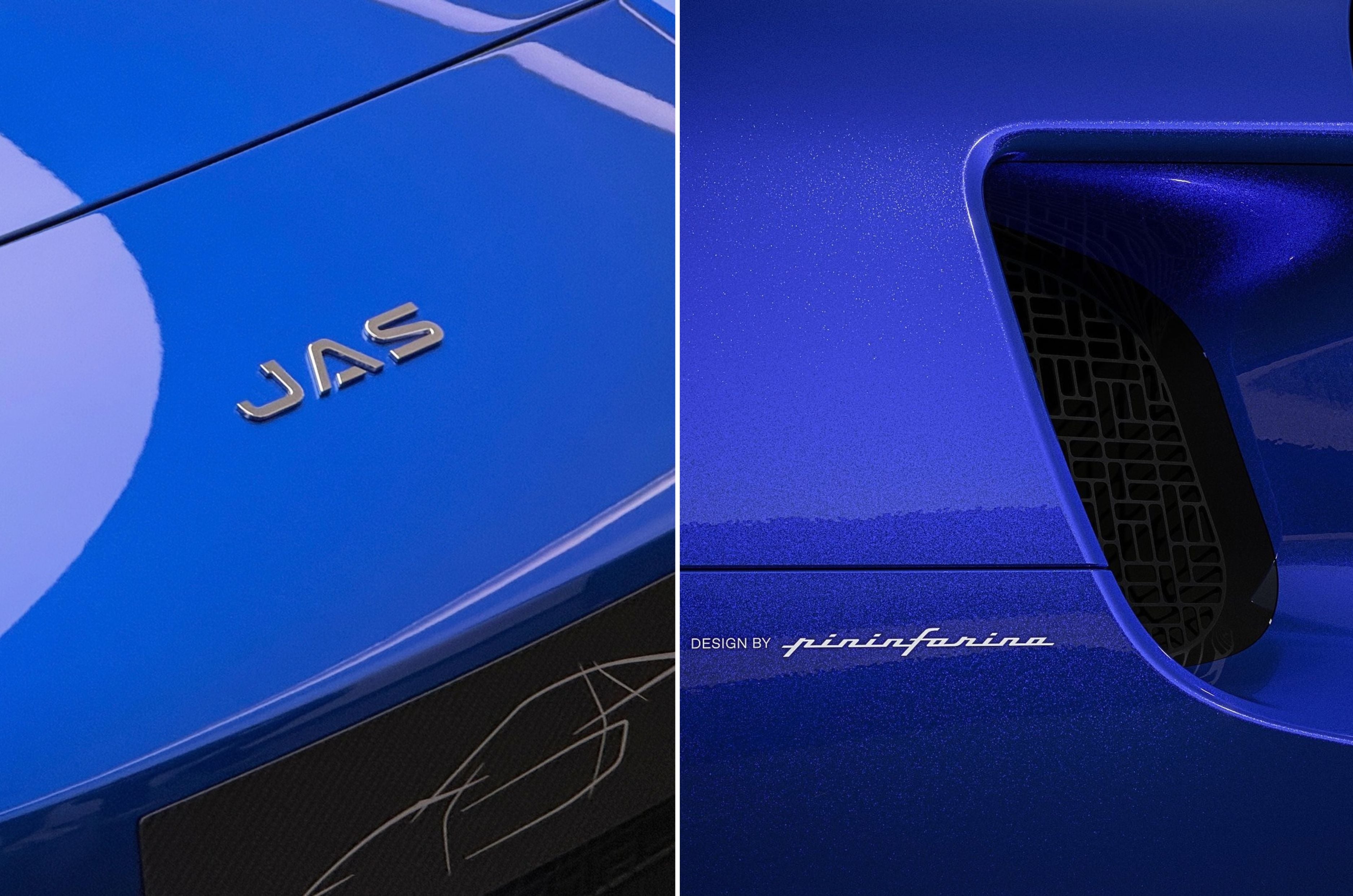
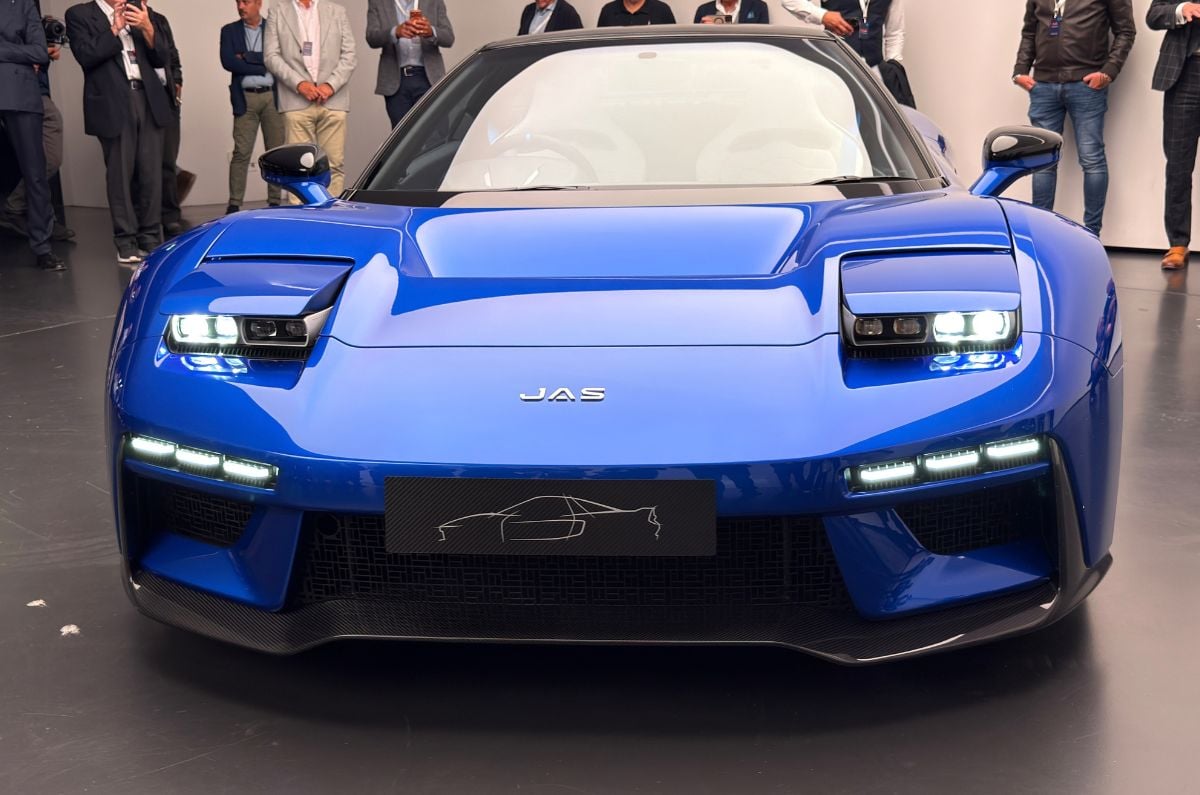
The front bumper is sculpted to guide air under the car and out of the massive duct in the bonnet. The pop-up headlamps have been retained but now feature LED treatment. The wiper covers have also been redesigned and in fact the only part that has been untouched is the roof. The A and B pillars are more raked and the wheels have gone up by a massive 4 inches. 15s and 16s on the NSX are now 19s and 20s on the Tesei. Interestingly the door handle with the NSX badge is also carried over. Low down you will spot the iconic Pininfarina badge that we are used to seeing on Ferraris.
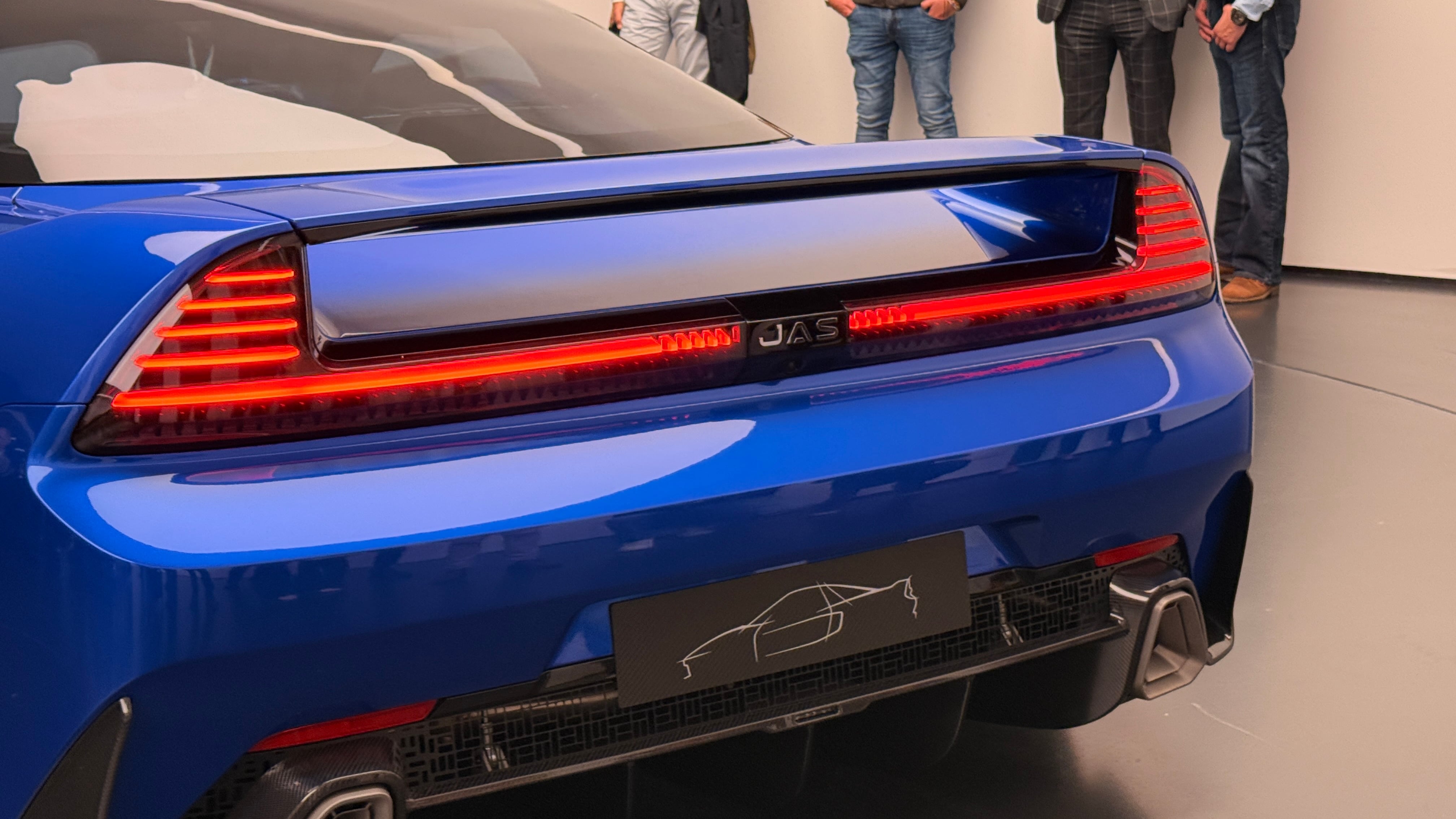
At the rear the integrated spoiler has been reworked with slight changes to the panels so as to improve airflow. The diffuser is carbon fibre and the exhausts are massive too. Like the original NSX, the tail lamps are stretched across the width and now hey 3D effect for the LED strips. Overall, it is a resto mod done to perfection. Just enough modern touches without skewing it from the iconic design.
JAS Tensei: interior and features
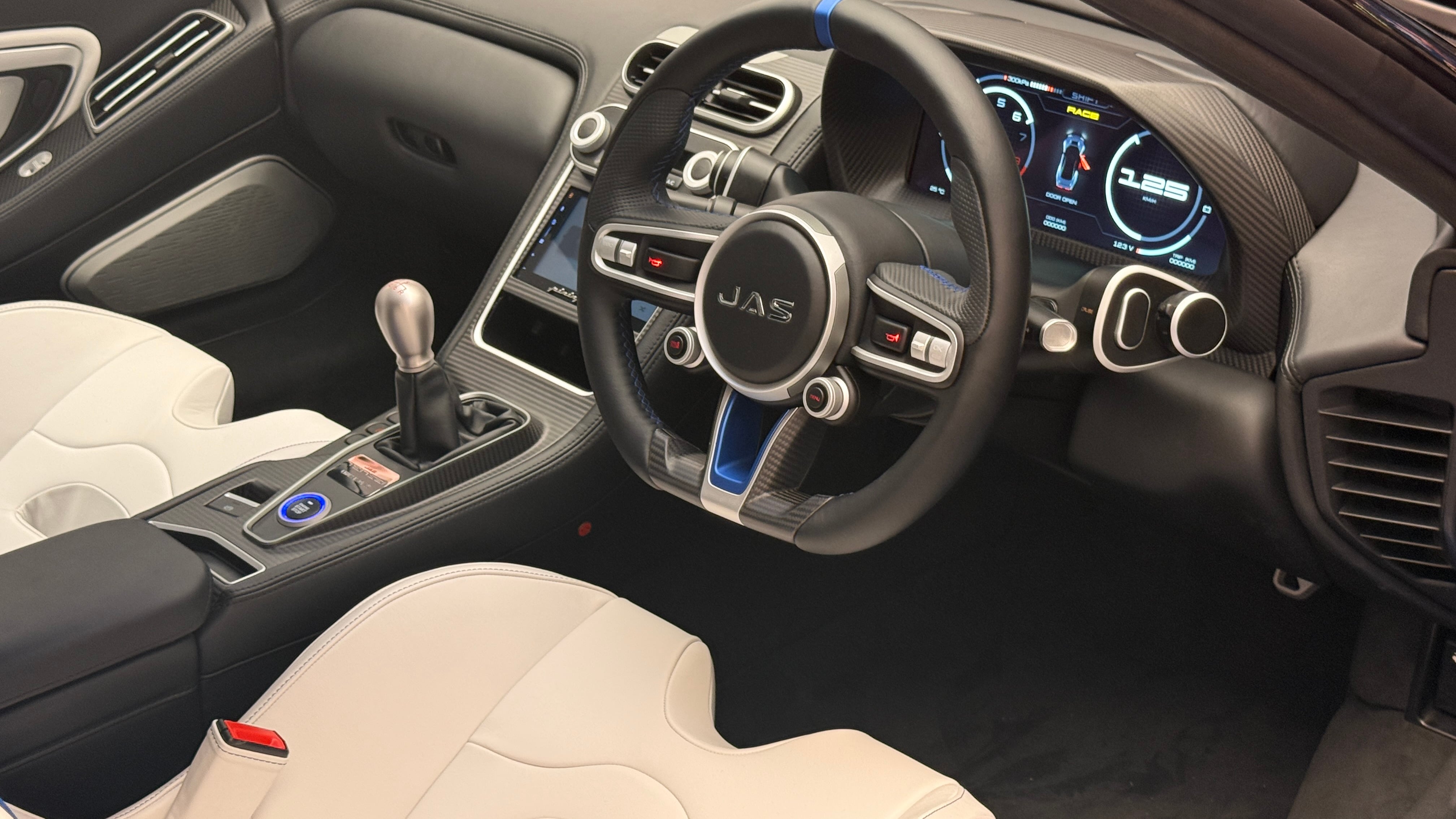
Inside the size of the cabin is identical to the original NSX, although there are updates all around. There’s a new sporty steering wheel, digital drivers display and sports seats. However, there is a full configurator available to spec your Tensei to your liking. The seat upholstery and paints can be customised along with brake calliper colours and wheels. A pleasant surprise is the centre console that does away with a massive tablet as per current trends and instead features a modest touchscreen with the climate control switchgear similar to the NSX. Pininfarina wanted to ensure none of the essence of the NSX was lost in an attempt to modernise the cabin
JAS Tensei: Powertrain and specs
Perhaps the most significant decision sits behind the cabin. The Tensei retains a naturally aspirated V6, rather than adopting the turbocharging or hybrid assistance that has become almost mandatory for modern supercars.
The 3.5-litre V6 has been extensively re-engineered with Judd Power, the British motorsport engineering specialist. The work goes considerably beyond simply increasing displacement or fitting a louder exhaust. The engine gets a billet crankshaft, forged lightweight pistons and connecting rods, individual throttle bodies, upgraded cooling and revised ignition and engine management systems. There are also new headers and an exhaust system designed to give the engine a more immediate and visceral character. The result is 420hp, with the engine capable of revving to 8,500rpm.
Those figures may not sound extraordinary in an era of 1,000hp hybrid hypercars, but that misses the point of Tensei. JAS isn’t chasing an enormous power-to-headline ratio. Instead, the emphasis is on response, linearity and the connection between throttle, engine and driver.
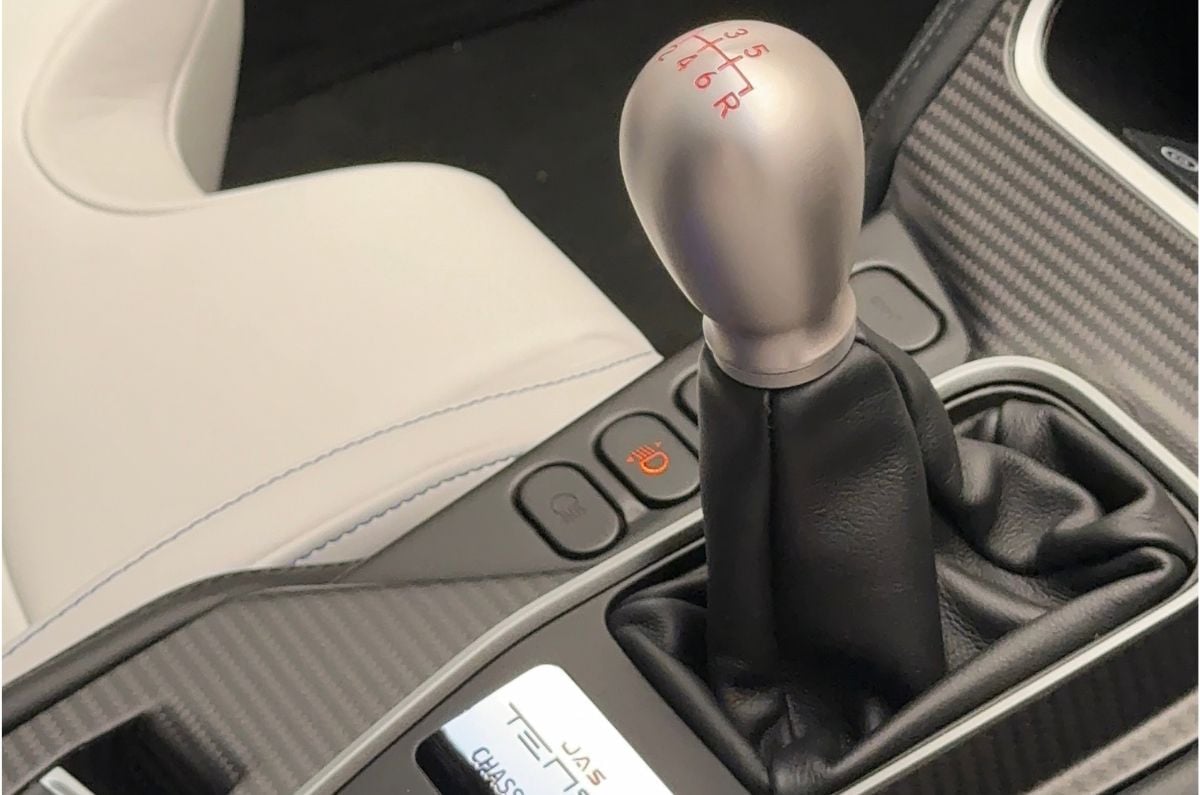
The other big piece of the puzzle is the gearbox. The Tensei uses a six-speed manual transmission and remains rear-wheel drive. That combination, together with the naturally aspirated V6, is perhaps the clearest indication of what JAS wants this car to feel like. The objective isn’t to overwhelm the driver with acceleration figures; it is to make every interaction with the car feel mechanical and deliberate.
The chassis has been extensively revised as well, with bespoke suspension components, revised geometry, upgraded bearings and uprights, enhanced anti-roll bars and KW dampers with electronically controlled damping. There is also a hydraulic front-axle lift system, while forged aluminium wheels measure 19 inches at the front and 20 inches at the rear.
JAS has taken one of the most important analogue supercars ever made and asked how its fundamental qualities could be preserved in 2026. It’s a carbon-bodied, naturally aspirated, manual, rear-wheel-drive supercar with an 8,500rpm redline. And that makes the Tensei interesting for reasons that go far beyond its rarity. It is effectively a reminder that performance isn’t necessarily about making a car faster in every measurable way. Sometimes it is about making the driver feel more involved.
Motorsport without turning it into a race car
This is where JAS’s background becomes particularly important. JAS Motorsport has spent decades developing Honda competition cars, and that experience forms the foundation of the Tensei programme. But the challenge here is fundamentally different from building a race car. A race car can sacrifice refinement, usability and longevity in pursuit of lap time. A road-going supercar cannot.
Tensei therefore represents an interesting middle ground: motorsport-derived engineering, but applied to a car designed to be driven on the road. The engine is built and tested by Judd Power before returning to JAS in Italy, where each car undergoes further testing and validation.
JAS Tensei: Super exclusive
JAS plans to build only 35 Tenseis, each individually specified by its owner. Production takes place at JAS Motorsport’s facility near Milan, with the car bringing together Japanese engineering heritage, British motorsport expertise and Italian design.
It is an unusual combination, but perhaps that’s exactly what makes the Tensei so compelling. The original NSX was unusual because Honda approached the supercar formula from a completely different direction.
Three decades later, JAS is doing something remarkably similar. It isn’t trying to build the most powerful supercar. It is trying to build the most involving interpretation of an icon. And if the original NSX was Honda’s idea of what a supercar should be, the Tensei is JAS Motorsport’s answer to what that idea could become today.
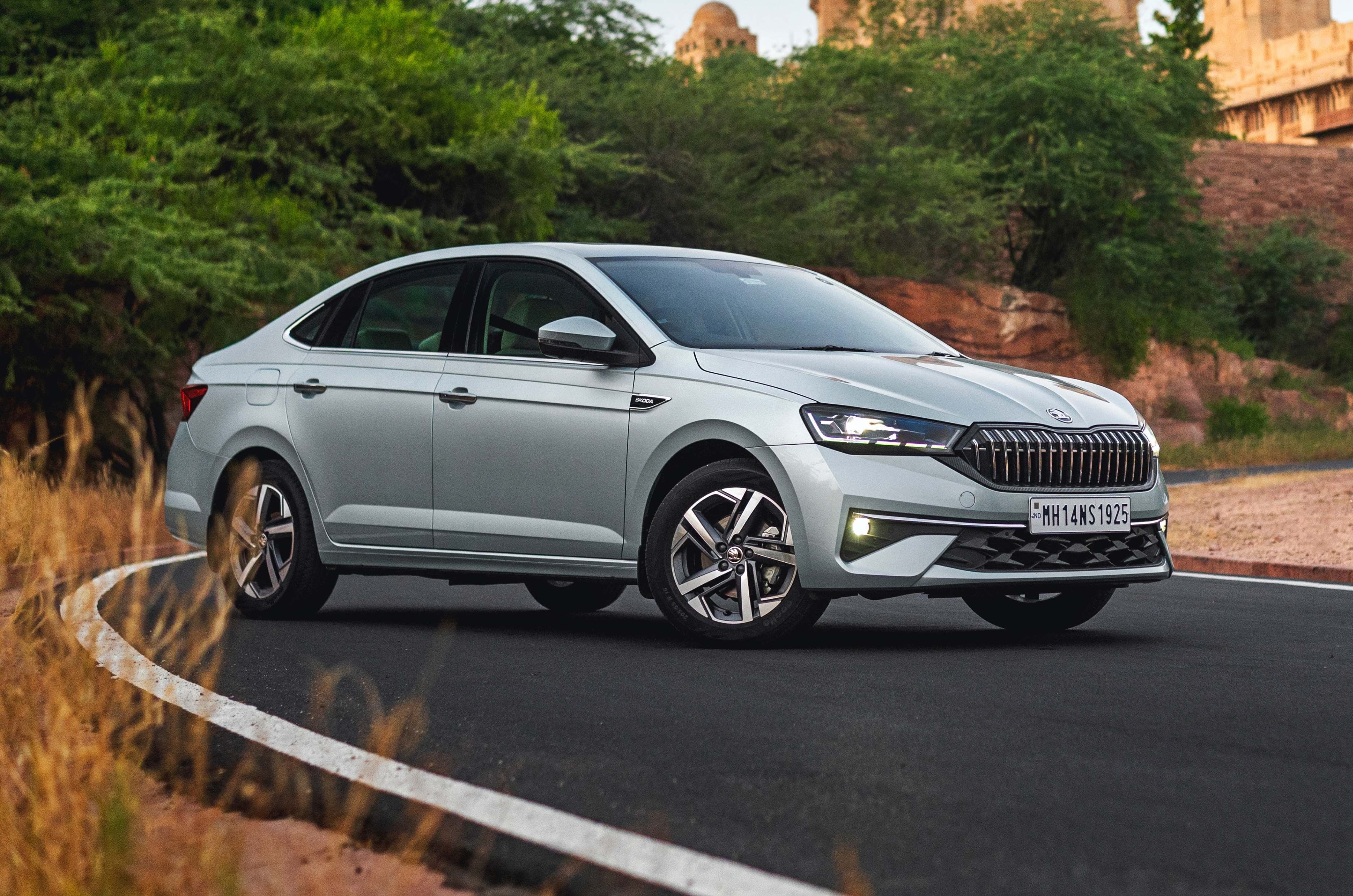
Skoda has announced the prices of the 2026 Slavia facelift, and while speaking to Autocar Professional about the sedan segment, Skoda Auto India brand director Ashish Gupta said, “SUVs are the flavour of the season…but as time progresses and as the Indian market matures, the fatigue will lead to people looking at sedans once again because this is the quintessential car.”
Gupta attributed the current overall market growth to a lot of first-time buyers, who may eventually look at having an additional car in the family. “When you have an additional car in the family, you would typically go for either alternate powertrains or for different body styles,” he added.
Skoda wants to retain its sedan presence
“I’m looking forward to that as customer trends change, and we will start loving sedans once again, other than Skoda sedans as well. I think this category has the potential to grow as well in the future,” remarked Gupta. Skoda therefore wants to retain its presence in the sedan segment as buyer preferences evolve.
Slavia sales averaged around 1,500 to 1,600 units a month last year but have fallen to around 1,000 to 1,100 units this year. Gupta attributed the decline to the company running out the pre-facelift cars. With the facelift now on sale and the festive season underway, he expects sales to return to previous levels.
“The midsize sedan segment in India right now is at around 4,000 to 4,500 units per month, with the Slavia making up nearly 30 percent of all sales in the segment,” Gupta had said earlier. Slavia competes with the Volkswagen Virtus, Hyundai Verna and Honda City. Skoda and its sister brand Volkswagen together account for almost 70 percent of the segment, he had stated.
Limiting factors
“Most of the new product launches and introductions are happening in the SUV segment and other body styles,” Gupta had said earlier. He also said that growth in the sedan segment is being held back by automakers focusing more on SUVs. “We, as manufacturers, should take the responsibility for this, as we have not focused on the sedan segment.”
Skoda India’s sedan portfolio
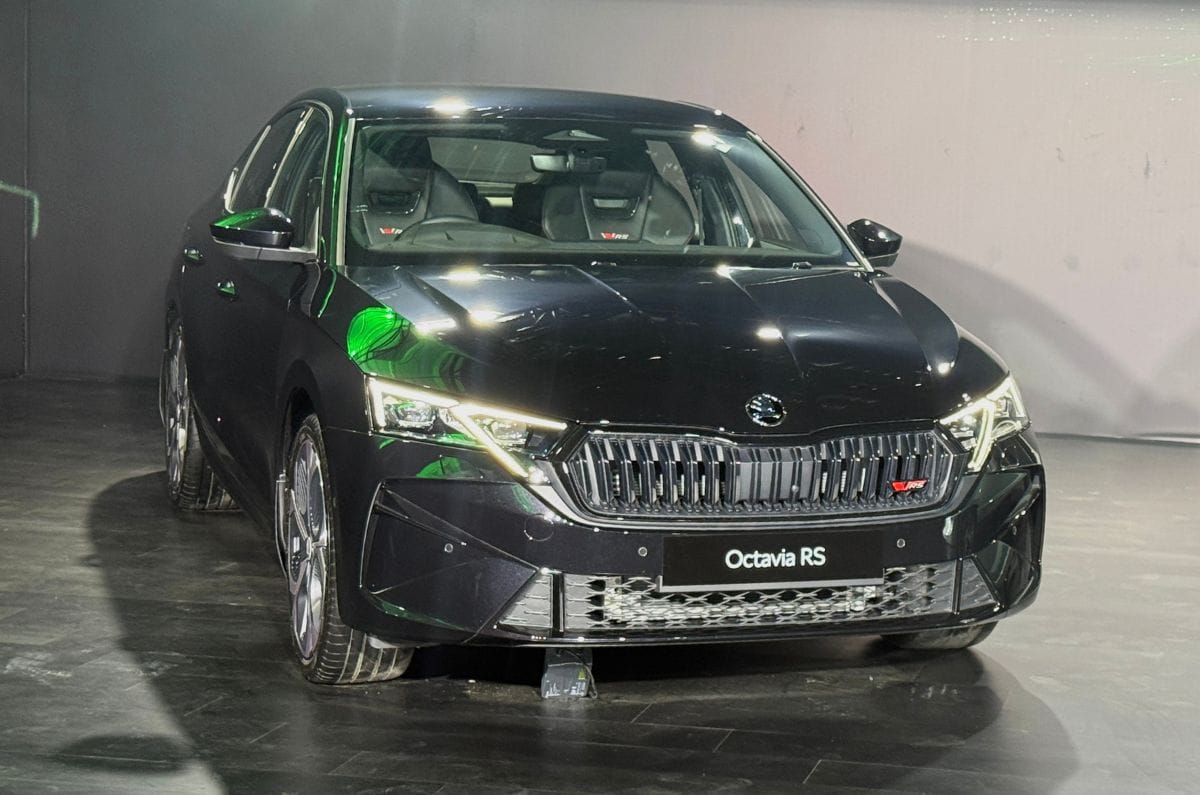
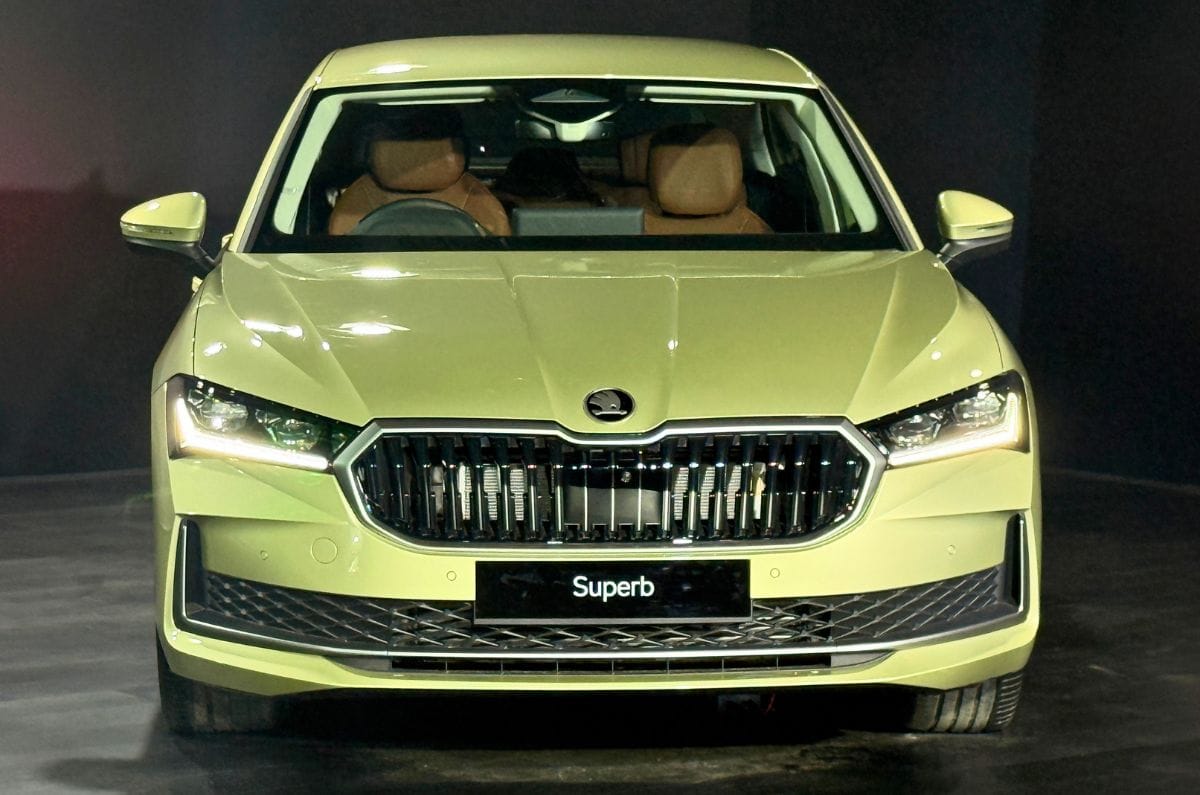
The Slavia is the entry point to Skoda’s sedan line-up in India, above which sits the fully-imported Octavia RS. The new Superb, due to launch in 2027, will arrive as a full import as well. Skoda, therefore, will have a diversified portfolio to cater to difference audiences – the Slavia in the mass segment, the Octavia RS for the enthusiast and the Superb for the premium buyer.
Asked whether Skoda would continue to invest in the sedan segment beyond 2030, and whether it remains an integral part of its future strategy, Gupta said, “It will always be, and if you look at our global portfolio as well, the Octavia and Superb continue to be bestsellers. For our entire portfolio strategy and going forward as well, sedans do form an integral part and so is the case in India.”
Discussions on the next generation have begun. With limited resources and competing investment demands, Skoda will now be assessing which markets can deliver sufficient customers, volumes and profitability.
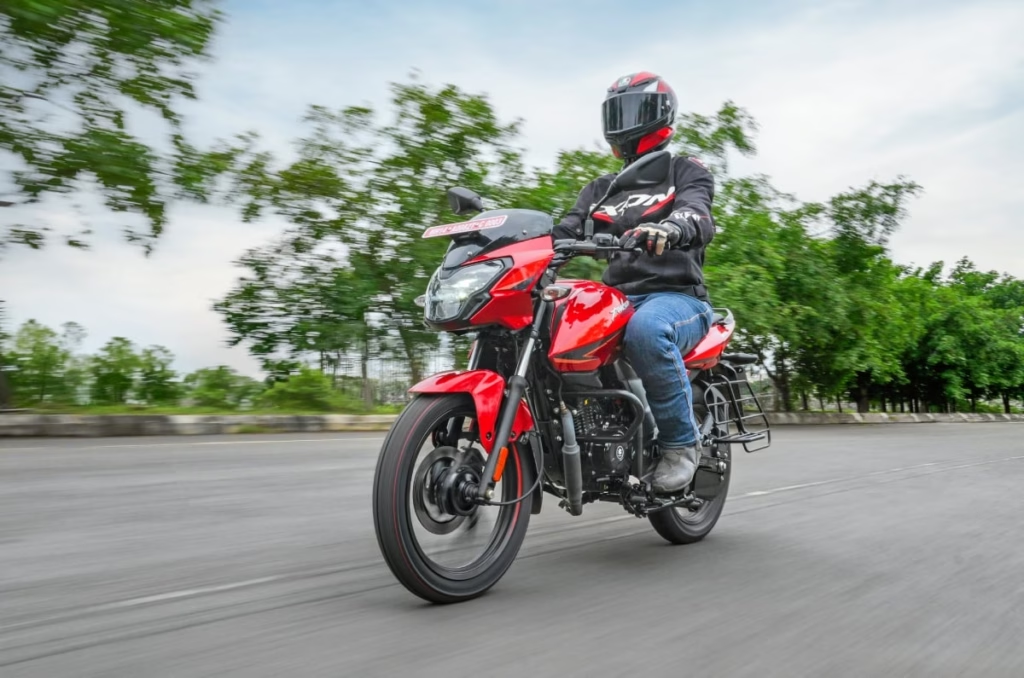
When the first Bajaj Pulsar 150 broke onto the scene in 2001, it shattered the mould of what was expected of an accessible yet sporty commuter motorcycle. This recipe saw such widespread success that nothing Bajaj brought out since has been able to replace it. Therefore, the company went back to the drawing board and has now brought out a new generation of Classic Pulsars, spearheaded by the 125 and 150. In this review, we’ll share what the larger one was like to ride.
Bajaj Pulsar 150: What’s changed compared to before?
From the mechanicals to the tech, it is all-new
To start with, gone are the double-cradle frame and twin shock absorbers, replaced by a lighter and stiffer diamond frame and monoshock, respectively. Complementing the new chassis is a brand new motor. This engine started life as an engine from a similar displacement N model, but Bajaj has made certain changes to suit this application. The state of tune, various internals and the exhaust system are all different over here.
The Pulsar 150, understandably, has the sprightlier performance of the two.
Unlike before, the motor is now used as a stressed member of the chassis, and Bajaj has also peppered in the learnings it has made from the N range. For starters, the gearbox now has shorter, more tractable ratios, and there’s also a low rpm assist function, which raises engine rpm slightly to reduce stalling when you’re crawling at a higher gear at low speeds. Furthermore, higher variants of the 150 also come equipped with an Integrated Starter Generator (ISG), which brings in silent start and a reasonably quick start/stop system.
Pulsar 150 design and quality – 8/10
Looks uncannily similar to the older bike; feels very similar to sit on, too
Considering how much has changed underneath, it’s especially commendable that the Pulsar 150 looks this similar to before. Bajaj’s design team has deliberately gone to great lengths to package everything neatly and retain the bike’s instantly recognisable silhouette. Pulsar hallmarks that people appreciate, like a ‘wolf eye’ headlight, a chunky tank, sharp tank extensions and a pointy tail, all continue, and you won’t be mistaking it for anything other than a classic Pulsar. There are no complaints when it comes to quality, and it’s as well-finished as you’d expect from a commuter bike today.
Top variants come with a split seat.
Just like the near-unchanged design, the Pulsar 150’s ergonomics are almost the same as before – but that’s a good thing. You’re sat very neutrally, and the riding position is that of a textbook commuter with only slightly rearward pegs for the sporty touch that a Pulsar is known for. With a perch that’s just 795mm off the ground, the 150 strikes a nice chord by being friendly and approachable for both shorter folks and 6’1 Rishaad. To cater to the wants of different riders, Bajaj will sell you a Pulsar equipped with either a single piece seat or split seats. Both options are spacious – the single piece seat understandably more so – and decently padded, capable of accommodating two full-size people without them getting acquainted with each other too intimately.
Pulsar 150 performance – 8/10
Has enough pep for city and highway duties, engine stalls a little too easily, though
City traffic is where most Pulsar riders spend most of their time, so we did the same and found that the bike behaves exactly as you’d expect from a commuter. The motor has good low- and mid-range torque, and paired with the super light clutch, wading through the drudgery of traffic doesn’t feel too taxing.
The new engine is also super smooth, and should you choose to venture out onto the highway, the Pulsar can do that as well. The upper limit of the 150’s comfortable cruising speed is 90-95kph in its top 5th gear, which is par for the course in this class.
Engine
149.5cc, single-cylinder, air-oil cooled
Power
14hp at 8,000rpm
Torque
14.1Nm at 6,500rpm
Gearbox
5-speed
However, for all its strengths, the engine in the Pulsar 150 unit we were allotted displayed a tendency to stall a little too easily, and this happened on multiple occasions to both myself and Rishaad, who rode the bike.
Pulsar 150 ride and handling – 8/10
Behaves predictably and handles all situations well
While the chassis is largely the same between the 125 and 150, one noteworthy difference is that the bigger one uses a fatter 33mm fork, compared to the 31mm unit on the smaller bike. Also, unlike the 125, the Pulsar 150 comes with the government-mandated safety net of single-channel ABS. All variants come with a 260mm disc brake at the front, paired with either a 230mm drum brake on the lowest variant or a 230mm disc on the higher two variants.
Pulsar 150 behaves neutrally and predictably when subjected to a variety of riding conditions.
The best way to describe the new Pulsar 150’s handling is neutral and predictable. Neither does it feel as vague as the previous-gen model, nor does it feel as responsive as the N / NS models. The Classic Pulsar 150 retains its surefootedness in a straight line while introducing a newfound taut feeling when taking a corner. Its demeanour is predictable at all times, which is sure to inspire confidence in the varied sort of riders it will cater to. The brakes work well and bring the Pulsar to a stop in a quick fashion without much drama, although overenthusiastic usage will result in the rear locking up.
Fuel tank
14 litres
Seat height
785mm
Ground clearance
165mm
Kerb weight
141kg
Wheelbase
1,320mm
However, for all its strengths, the Pulsar 150 is not perfect, and there are some areas of improvement. The rear suspension feels slightly underdamped and springy, throwing you off the seat over larger road imperfections. The gearshifts, too, felt a little rubbery and vague, lacking a snick feel.
Pulsar 150 features and safety – 8/10
Comes with a lot of tech-y features on the top two variants
Following today’s market trends, even a humble commuter like this one now packs a dollop of tech. This includes a USB-C charging port, 4 riding modes (Sport, Tour, Road and Rain), Bluetooth connectivity for the dash via Bajaj’s app, which brings in a host of functions, and you can even cast your phone’s screen onto the TFT display, although some of these functions are still not available yet and will be rolled out at a later date.
Top variants also come with a colour TFT display and riding modes
To control the TFT display’s functions and switch between the riding modes on the top variants, you also have more comprehensive switchgear whereas the colour LCD dash on the lower variants is paired with a simpler switch cluster. Both displays are informative and well laid-out and bring an air of premiumness from the rider’s POV. Admittedly, most of these features aren’t going to add much value for most everyday riders but for the few that want their motorcycle to double up as a gadget, they’re there.
Pulsar 150 price and verdict – 8/10
It suits its intended purpose quite well
Aside from a few small misses, the new Pulsar 150 is a lovely commuter, which comes in at a price point that is more or less in line with the competition today. Prices start at Rs 1.15 lakh and go up to Rs 1.23 lakh (ex-showroom, Delhi). Compared to the last-gen 150, this latest-gen Pulsar’s prices have gone up by Rs 4,000-Rs 6,000, which is a digestible amount considering the sheer scale of new components in use here.
Given the huge demand for a bike that looks like a Classic Pulsar and the fact that this new-gen model is such a quantum leap ahead compared to the old ones while costing just a few thousand rupees more, Bajaj seems to have a winner on its hands.
The classic Pulsar 125 has always been the most affordable way into Bajaj Pulsar ownership and while the 2026 model might look largely the same as before, underneath, it is actually all new.
Bajaj Pulsar 125 what’s changed under the skin?
Everything from stem to stern is all-new
To start with, gone are the double-cradle frame and twin shock absorbers, replaced by a lighter and stiffer diamond frame and monoshock, respectively. Complementing the new chassis is a brand-new motor. This engine started life as an engine from an N model of a similar displacement, but Bajaj has made certain changes to suit this application. For instance, the new 124.58cc engine on the smaller Pulsar has the lightest crank inertia among its peers– claims Bajaj– and the company has saved 1.2kg here alone, compared to before. Speaking of weight, the 125 weighs 131kg with its 11 litre fuel tank brimmed.
Despite all under-the-skin changes, the Pulsars retain their traditional styling to cater to market demand.
The new engine is also used as a stressed member of the chassis, and Bajaj has also peppered in the learnings it has made from the N range over here. For starters, the gearbox now has shorter, more tractable ratios and there’s also a low-rpm assist function, which raises engine rpm slightly to reduce stalling when you’re crawling at a higher gear at low speeds. Furthermore, the Pulsar 125’s higher variants also come equipped with an Integrated Starter Generator (ISG) which brings in silent start and a reasonably quick start/stop system.
Bajaj Pulsar 125 Design and seating comfort – 8/10
Looks uncannily similar to the older bike; feels very similar to sit on too
Considering how much has changed underneath, it’s especially commendable that the Pulsars look so similar to before. Bajaj’s design team has deliberately gone to great lengths to package everything neatly and retain the bikes’ instantly recognizable silhouette.
Pulsar hallmarks like a ‘wolf eye’ headlight, chunky tank, sharp tank extensions and a pointy tail, all continue and you won’t be mistaking them for anything other than a classic Pulsar. Overall quality is quite nice for the price that the Pulsar 125 commands.
Lower variants come with a single-piece seat.
The seating position also echoes the near-unchanged design and you’re sat very neutrally with the riding position best described as that of a textbook commuter.The only difference is that the pegs are set slightly rearward for the sporty touch that Pulsars are known for. With a perch that’s just 795mm off the ground, the Pulsar 125 feels friendly and approachable for shorter folks as well as 5’11 me.
Engine
124.6cc, single-cylinder, air-cooled
Power
12.1hp at 8,500rpm
Torque
11.4Nm at 6,500rpm
Gearbox
5-speed
To cater to the needs of different riders, Bajaj will sell you a bike equipped with either a single-piece seat or split seats, depending on the variant you buy. Both options are spacious and decently padded, capable of accommodating two full-size people without them getting acquainted with each other too intimately.
Bajaj Pulsar 125 Performance – 8/10
Engine is smooth and responsive; gearshifts can feel a little vague though
City traffic is where a majority of Pulsar riders spend their time, so we did the same and found that the bike behaves exactly as you’d expect from a commuter. The new engine is smooth with good low- and mid-range torque and paired with the super-light clutch, wading through the drudgery of traffic demands very little effort from the rider.
The Pulsar 125 behaves neutrally and predictably when subjected to a variety of riding conditions.
Even at highway speeds, the engine retains its smooth characteristics, and should you choose to venture out onto the highway, the Pulsar 125 is up for it. The upper limit of the 125’s comfortable cruising speed is 80-85kph in its top 5th gear, which is quite respectable considering the displacement.
The monoshock feels a little springy and underdamped; it can kick you off the seat over sharper and larger bumps.
Bajaj Pulsar 125 ride and handling – 8/10
Feels trustworthy and neutral
Coming to how the Pulsar behaves on the side of the tyre, the best way to describe it is neutral and predictable. Neither does it feel as flaccid as the previous-gen model, nor does it feel as agile as the N / NS models. The bike has a good sense of surefootedness, both around a corner as well as in a straight line, which is sure to inspire confidence in the varied sort of riders it will cater to.
Two full-size adults will fit comfortably.
The lowest variant of the 125 comes with a 130mm drum front brake whereas higher variants come with a 260mm disc brake, although there’s no ABS on offer here. All variants of the 125 come with a 130mm rear drum brake. The braking power is more than sufficient for the power on tap and the drum brake also works predictably.
Tyres (F/R)
80/100-17 / 100/90-17
Brakes (F/R)
260mm disc / 130mm drum
Suspension (F/R)
Telescopic fork / monoshock
However, for all its strengths, the Pulsar 125 is not perfect and there are some areas of improvement. The rear suspension feels slightly underdamped and springy, throwing you off the seat over larger road imperfections, and the gearshifts, too, felt a little rubbery and vague, lacking a snick feel.
With this generation change, the Pulsar 125 is now a substantial 15 kilos lighter than before.
Bajaj Pulsar 125 Features – 8/10
Higher variants have a lot of tech
Following today’s market trends, humble commuters like these now also pack a dollop of tech. This includes a USB-C charging port, 4 riding modes (Sport, Tour, Road and Rain), Bluetooth connectivity for the dash via Bajaj’s app, which brings in a host of functions, and you can even cast your phone’s screen onto the TFT display, although some of these functions are still not available yet, and will be rolled out at a later date.
Lower variants feature a negative colour LCD display.
To control the TFT display on the top variants, you also have more comprehensive switchgear, whereas the colour LCD dash on the lower variants is paired to a simpler switch cluster. Both displays are informative and well-laid-out and bring an air of premiumness to the rider’s POV. Admittedly, most of these features aren’t going to add much value for most everyday riders, but for the few that want their motorcycle to double up as a gadget, they’re there.
Bajaj Pulsar 125 Price and verdict – 8/10
It’s an accomplished commuter with very few misses
Aside from a few foibles, the new Pulsar 125 is a good commuter which comes in at a price point that is more or less in line with the competition today. Prices start at Rs 92,990 and top out at Rs 1.04 lakh (ex-showroom, Delhi). Compared to the bargain basement Pulsar 125 Neon, the 2026 bike’s price has risen quite significantly, but if you were to compare the actual Pulsar 125 base model, the increment is much smaller.
Given the huge demand for a bike that looks like a Classic Pulsar, and the fact that this new-gen model is such a quantum leap ahead compared to the old ones while costing just a few thousand rupees more, Bajaj seems to have a winner on its hands.
Mrunal Thakur: मृणाल ठाकुर ने उस वीडियो पर प्रतिक्रिया दी है, जिसमें कहा गया था कि वह क्रिकेटर यशस्वी जयसवाल को डेट कर रही हैं। 34 वर्षीय मृणाल को 24 वर्षीय यशस्वी से तब जोड़ा गया जब उन्हें मुंबई के बांद्रा पश्चिम में एक ही कैफे से बाहर निकलते देखा गया। यह क्लिप तेजी से सोशल मीडिया प्लेटफॉर्म पर वायरल हो गई और प्रशंसकों ने अटकलें लगाना शुरू कर दिया। हालांकि, मृणाल ने अब अफवाहों पर विराम लगा दिया है।
मृणाल ने यशस्वी के साथ अपनी क्लिप के कमेंट बॉक्स में लिखा, “भाई आराम से… मुझे एक साथ कहां दिखाओ? कैसे यार, आप लोग इतने पढ़े-लिखे लोग ऐसे अफवाओ को सच मानने लगते हैं?” उन्होंने कहा, “देश में क्या कुछ नहीं हो रहा है। जेन जेड से कुछ सीखिए और सही मुद्दों पर वीडियो बनाइए और ज्यादा व्यूज मिलेंगे।”
हालांकि यह कमेंट अब वीडियो के नीचे दिखाई नहीं दे रही है, फ्री प्रेस जर्नल ने अपनी रिपोर्ट में इसका स्क्रीनशॉट शेयर किया है। इस बीच, मृणाल के प्रशंसक भी उनका समर्थन करने के लिए सामने आए। एक शख्स ने लिखा, “क्या झूठी खबर चला रहे हो ।” किसी और ने कहा, “वह मेरा प्यार है।” एक अन्य लिखा था, “भाई एमएलटीबी एक रेस्टोरेंट में जा भी नहीं सकता क्या कोई उसी दिन पे।” किसी ने लिखा, “कुछ भी।”
इससे पहले, 2025 में मृणाल ठाकुर का नाम एक्टर धनुष के साथ जोड़ा गया था। खबरों में यह भी दावा किया गया था कि दोनों स्टार्स 2026 में शादी करने वाले हैं। हालांकि, दोनों एक्टर्स और उनके करीबी लोगों ने इन अटकलों को पूरी तरह से गलत बताया।
कौन हैं क्रिकेटर यशस्वी जायसवाल?
यशस्वी ने भारत के सबसे होनहार युवा क्रिकेट स्टार्स में से एक के तौर पर अपनी पहचान बनाई है। 2023 में वेस्टइंडीज के खिलाफ यादगार शतक के साथ इंटरनेशनल क्रिकेट में डेब्यू करने के बाद से ही वे सभी फॉर्मेट्स में रेगुलर खिलाड़ी बन गए हैं। बाएं हाथ के बल्लेबाज यशस्वी, जो घरेलू क्रिकेट में मुंबई और IPL में राजस्थान रॉयल्स के लिए खेलते हैं, आखिरी बार भारत-अफगानिस्तान ODI सीरीज में नजर आए थे। थोड़े ब्रेक के बाद, उनके श्रीलंका के खिलाफ भारत की आने वाली टेस्ट सीरीज में वापसी करने की उम्मीद है।
Ather Energy is exploring whether to accelerate the second phase of its upcoming Aurangabad manufacturing facility as demand for electric scooters continues to outpace expectations, with the company saying its planned capacity could come under pressure if current growth trends persist.
The company’s co-founder and CEO, Tarun Mehta, said the company has begun considering an earlier rollout of Phase 2 after a sharp rise in demand in recent months. He added that the recently completed Rs 2,500-crore fund raise gives the company the flexibility to move ahead with the expansion without waiting for Phase 1 to mature.
EL platform based family scooter to launch on August 29
EL production to initially begin from Hosur, before shifting to Aurangabad
Ather’s electric bike still quite a ways away
Aurangabad Plant to Add 5 Lakh Units Annual Capacity
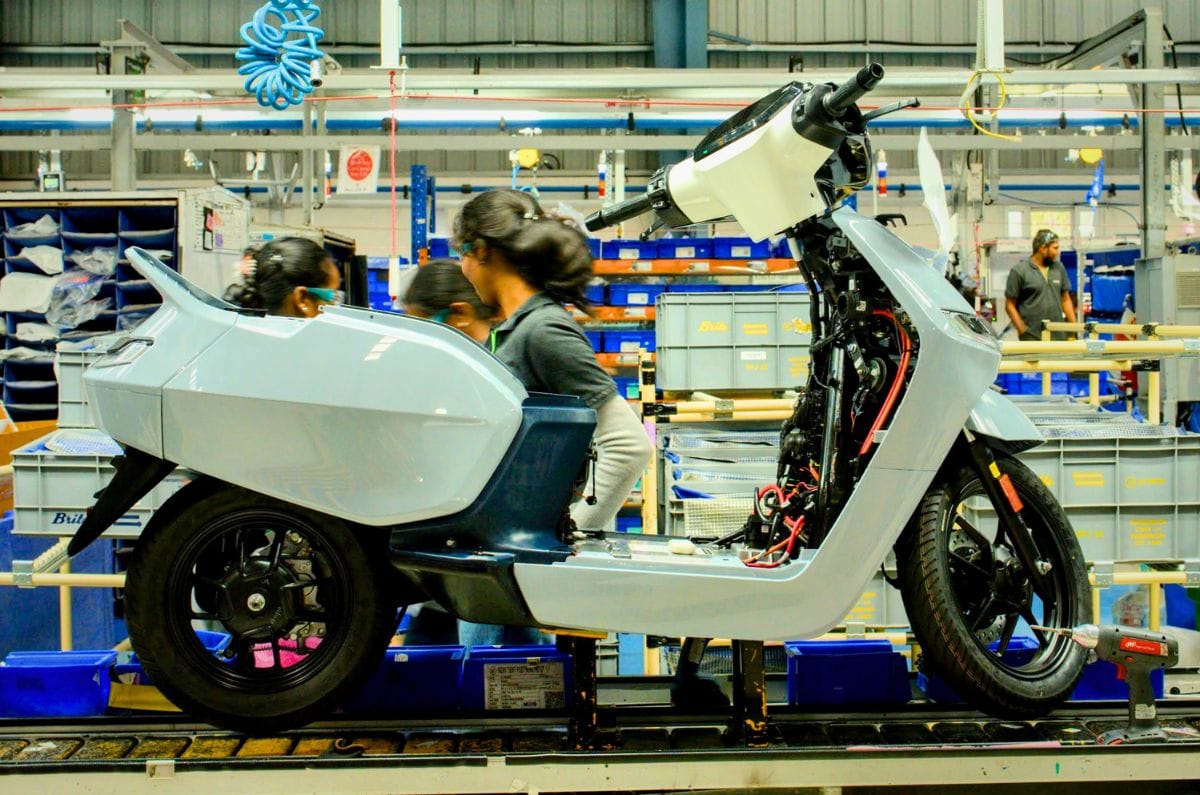
The comments come as Ather prepares to commission the first phase of its Aurangabad, or AURIC, manufacturing facility in a couple of months. The company currently manufactures electric scooters from its Hosur plant, which has an annual production capacity of 4.2 lakh units. Mehta said the facility is now operating at almost full utilisation following steady production ramp-up during the first quarter.
Once the Aurangabad plant comes live, it will add another 5 lakh units of annual capacity, taking Ather’s total manufacturing capacity to 9.2 lakh units a year. He added that the Aurangabad facility is progressing as planned, with the assembly line already installed, the paint shop under trial and warehouse and utility work nearing completion ahead of commercial operations later this year. However, Mehta said even that may prove insufficient if the current pace of demand continues.
“GoLive of Auric will take our total capacity up from 4.2 lakh units to 9.2 lakh units later this calendar year. But we believe demand is ramping up very fast. 9.2 lakh units per annum is only 77,000 units a month. We believe on current demand trajectories, even this may be tight in the coming quarters. Which is why I think we were lucky here when we took Aurangabad land. We took a larger land capacity and we had always planned for Auric phase two,” he said.
EV Demand Outpaces Supply
Demand has risen sharply over the past few months, according to the company, resulting in supply constraints across several markets. Mehta said dealer inventories have fallen from 14 days to just three days, while some dealerships have temporarily stopped accepting fresh pre-orders because waiting periods have stretched to around two months or more. The company estimates it could have retailed another 13,000 to 15,000 scooters every month if sufficient production capacity had been available.
“There are 50,000 pre-orders, despite the fact that in many states now, our dealers are no longer even accepting new pre-orders, because the waiting times are now hitting two months or even higher. The underlying demand we strongly believe is very, very high,” Mehta said. “We believe today that of the 30,000 units that we retail average in Q1, we could have probably sold an incremental 13,000 to 15,000 units extra every month.”
New EL Scooter Platform Set to Launch on August 29
Ather expects demand to receive another boost with the launch of its first new scooter based on its brand-new EL platform on August 29. Production of the vehicle has already begun at the Hosur plant, homologation has been completed and high-volume trials are underway.
Initially, production will continue from Hosur before gradually shifting to Aurangabad as the new facility ramps up. The company plans to scale manufacturing capacity for the EL platform to about 60,000 units a month across the two plants. The EL platform will underpin multiple future scooter models and forms part of Ather’s strategy to expand production and meet rising demand for electric scooters.
Ather electric bike still at least 2 years away
Even as it prepares to debut a fresh onslaught of new products based on its EL platform, Ather Energy has no plans to enter the electric motorcycle segment in the near term. According to Ather Energy co-founder and Chief Executive Officer Tarun Mehta, the company’s strategy is to first concentrate on rolling out products based on its new EL platform before entering the electric motorcycle space.
“At this point, we are focused on the EL platform and getting at least the first, maybe two products, maybe another product out on it in the next year,” Mehta said to investors. Ather had earlier said it is developing a dedicated motorcycle platform, codenamed Zenith, alongside its EL scooter architecture. The comments indicate that Ather is now taking a measured approach towards a segment that is still at an early stage of adoption.
“Motorcycles are starting to look interesting. But Ather may not be the pioneer this time. We may watch the market. We want to see how consumers respond, which segments show a willingness and an interest towards the segment before we make our maiden launch here,” Mehta said.
He added that an electric motorcycle from Ather is not expected anytime soon. “So this, I would say, more than a year away, for sure. Probably two years plus.” he said. The company’s strategy comes at a time when India’s electric two-wheeler market continues to be led by scooters, while electric motorcycles account for only a miniscule share of overall EV sales.
Royal Enfield has begun sales of its Flying Flea C6 electric motorcycle on a small scale, while startups including Ultraviolette, Revolt and Oben are expanding their presence. Other legacy players like Bajaj Auto and Hero MotoCorp are also developing their own electric motorcycle platforms, although a debut from either brand is still some time away. Ather, however, plans to observe how the market evolves before committing resources to the category.
कई मुख्य खेल जैसे कि हॉकी, कुश्ती और शूटिंग के ना होने के बावूजद भी भारत ने स्कॉटलैंड के ग्लासगो में खेले गए राष्ट्रमंडल खेलों में अपना दम दिखाया और 39 मेडल पाकर अंकतालिका में चौथा स्थान प्राप्त किया। ऐसा माना जा रहा था जहां भारत के सफलतम वैश्विक खेल नदारद है वहां मेडल तालिका में भारत अंकतालिका में शीर्ष दस देशों में आ जाए तो बड़ी बात होगी।
टेबल टेनिस में भी सिर्फ पुरुष और महिला के टीम मैच हुए थे, एकल और युगल नहीं। टेबल टेनिस में भारत ने मलेशिया को हराकर दोनों स्वर्ण पदक पर कब्जा किया।लेकिन भारोत्तोलन, बॉक्सिंग, एथलेटिक्स के ट्रैक एंड फी्लड इवेंट के साथ पैरा एथलेटिक्स में भी भारत ने झंडे गाढे़।
भारतीय खिलाड़ियों ने 11 दिन तक चले खेलों में मुक्केबाजी, एथलेटिक्स, जूडो, पैरा खेलों और भारोत्तोलन में बेहतरीन प्रदर्शन करके साबित कर दिया कि भारत राष्ट्रमंडल खेल महाशक्तियों में से एक है।भारत ने 13 स्वर्ण, 17 रजत और नौ कांस्य पदक जीते। आस्ट्रेलिया 70 स्वर्ण समेत 171 पदक जीतकर शीर्ष रहा जबकि इंग्लैंड ने 110 और कनाडा ने 62 पदक जीते।
मेजबान स्कॉटलैंड 39 पदक जीतकर पांचवें स्थान पर रहा। मुक्केबाजों ने सात स्वर्ण और तीन रजत समेत दस पदक जीते। जूडो खिलाड़ियों ने भी जबर्दस्त प्रदर्शन करके पदक जीते।निशानेबाजी, बैडमिंटन, कुश्ती, हॉकी और टेबल टेनिस जैसे खेल नहीं होने से भारत के पदकों की संख्या कम हुई है लेकिन बाकी खेलों में भी भारतीय खिलाड़ियों ने अपना लोहा मनवाया।
कुछ घटनाओं ने निराश भी किया जैसे खेलों से पहले ही जूडो खिलाड़ी तूलिका मान डोपिंग रोधी नियमों के तहत ठिकाने का पता बनाने में तीन बार नाकाम रहने के कारण अस्थायी तौर पर निलंबित हो गई और खेलों में हिस्सा नहीं ले पाई।ग्लास्गो से विदा लेने के बाद अब नजरें अहमदाबाद पर होंगी जहां 2030 में खेल होने हैं।