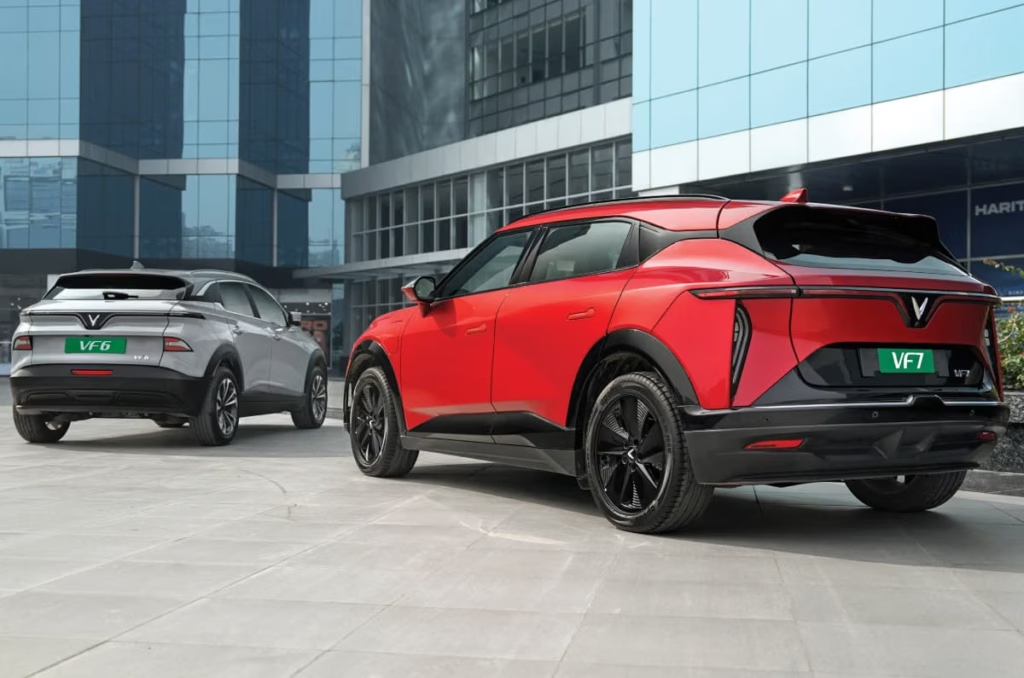
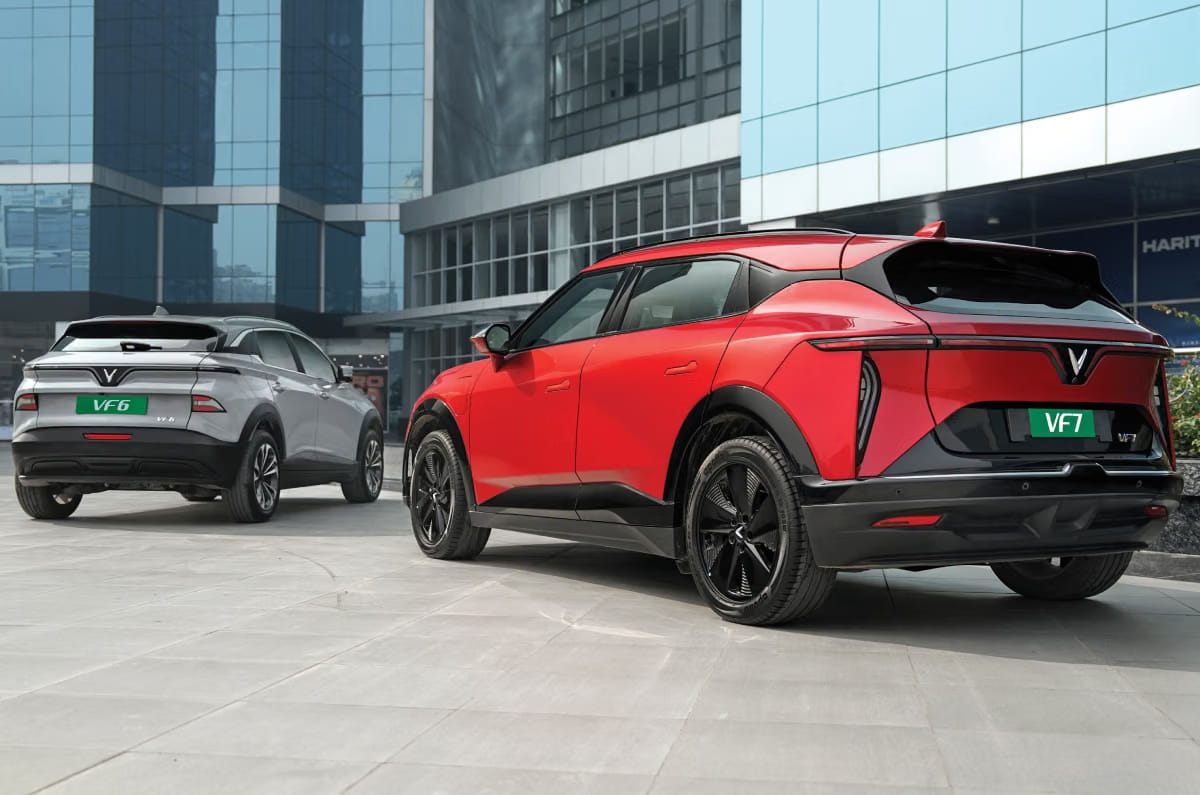
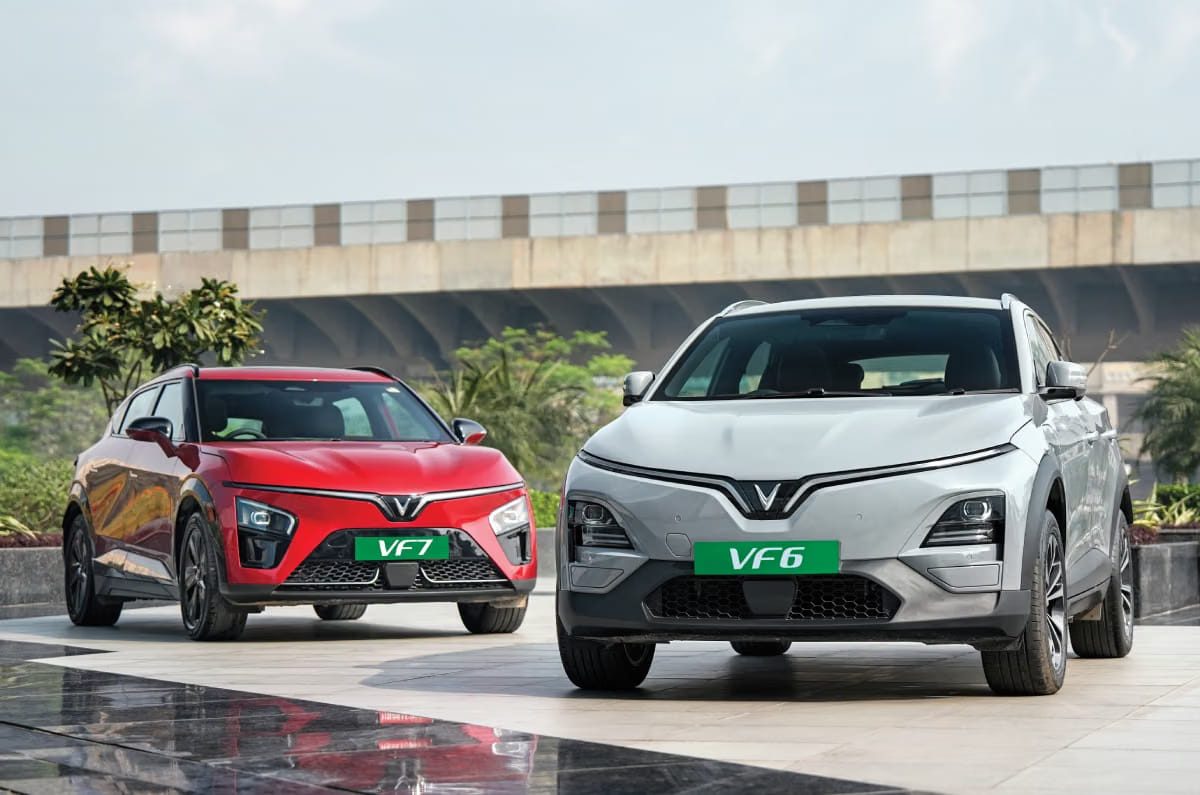
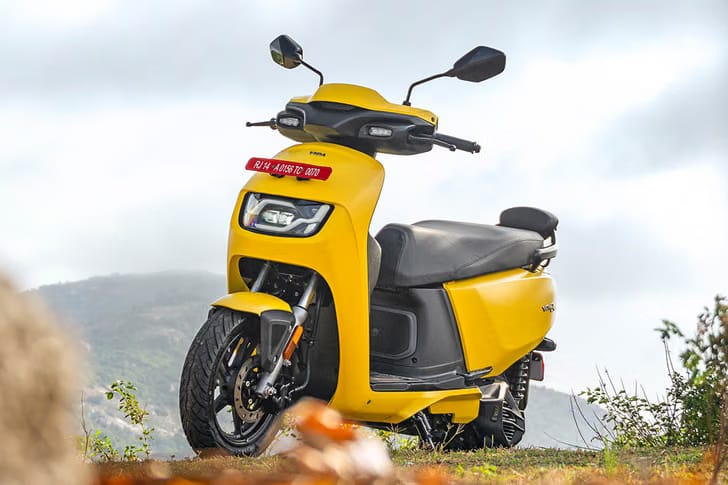
Vinfast plans to design, develop and manufacture electric vehicles specifically for India as it expands its operations in the country. The Vietnamese EV maker has also received investment approval for Phase 2 of its Thoothukudi plant in Tamil Nadu, although it has not disclosed the investment amount, additional production capacity or timeline for the expansion.
Phase 2 of Vinfast’s Thoothukudi plant gets investment approval
Vinfast to increase sourcing from Indian suppliers
India-specific EVs won’t be existing cars adapted for the market
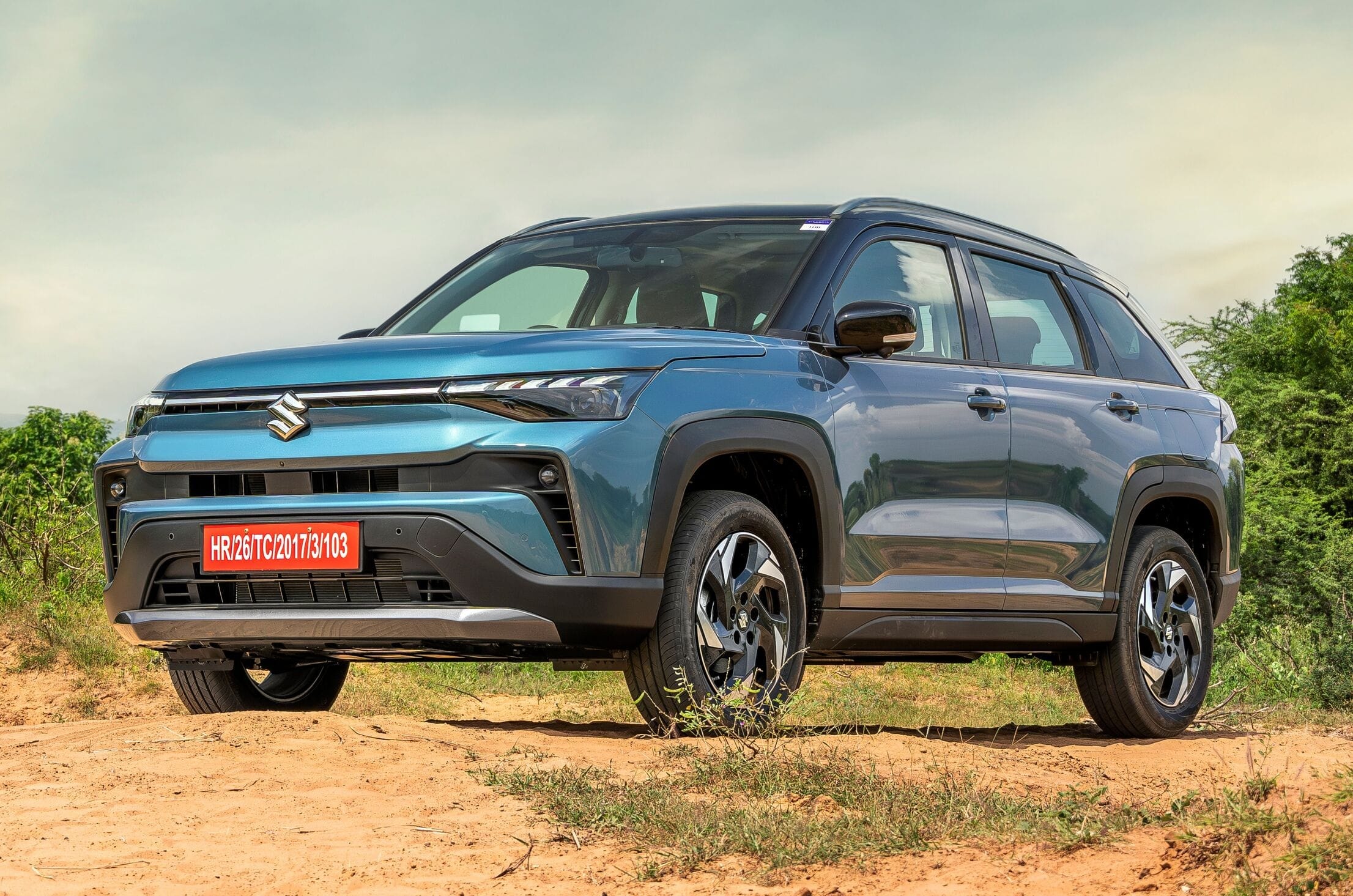
Vinfast says its upcoming models will not simply be existing products adapted for India. The company plans to develop them specifically for local requirements and with a higher level of localisation.
“For upcoming models, Vinfast’s approach is not simply to bring existing products from our global portfolio into the market, but to design, develop and manufacture products specifically for India, tailored to the needs of local customers, while also targeting a much higher level of localisation,” a Vinfast spokesperson told our sister publication, Autocar Professional.
The company said it has conducted market studies and customer clinics to understand Indian customer requirements. Feedback from these exercises has already been used to make changes to products such as the VF6 and VF7 for the Indian market.
VF6, VF7 CKD assembly to continue
VinFast currently assembles the VF6 and VF7 from completely knocked down (CKD) kits at its Thoothukudi facility. The company has clarified that it has neither changed nor suspended production plans for the two SUVs and will continue CKD assembly for India. The clarification follows a Reuters report that had raised questions over the carmaker’s production plans for the two models.
Vinfast said India remains an important part of its long-term business and manufacturing strategy, adding that the initial response to its products has helped it consistently rank among the five largest electric passenger vehicle brands in India.
Vinfast to expand local supplier base
The carmaker is also working to increase sourcing from Indian suppliers. It has held supplier conferences in India and Vietnam involving more than 300 Indian suppliers to explore sourcing opportunities and increase localisation.
“Building a sustainable and resilient supply chain is the foundation of Vinfast’s long-term strategy in India. Accordingly, we are accelerating our operations in line with the ‘Make in India’ direction,” the spokesperson said.
Vinfast is also engaging with government agencies on policy measures aimed at supporting further production and investment by global EV manufacturers in India. The company described the approval for Phase 2 of the Thoothukudi plant as an important step towards expanding its manufacturing capacity.
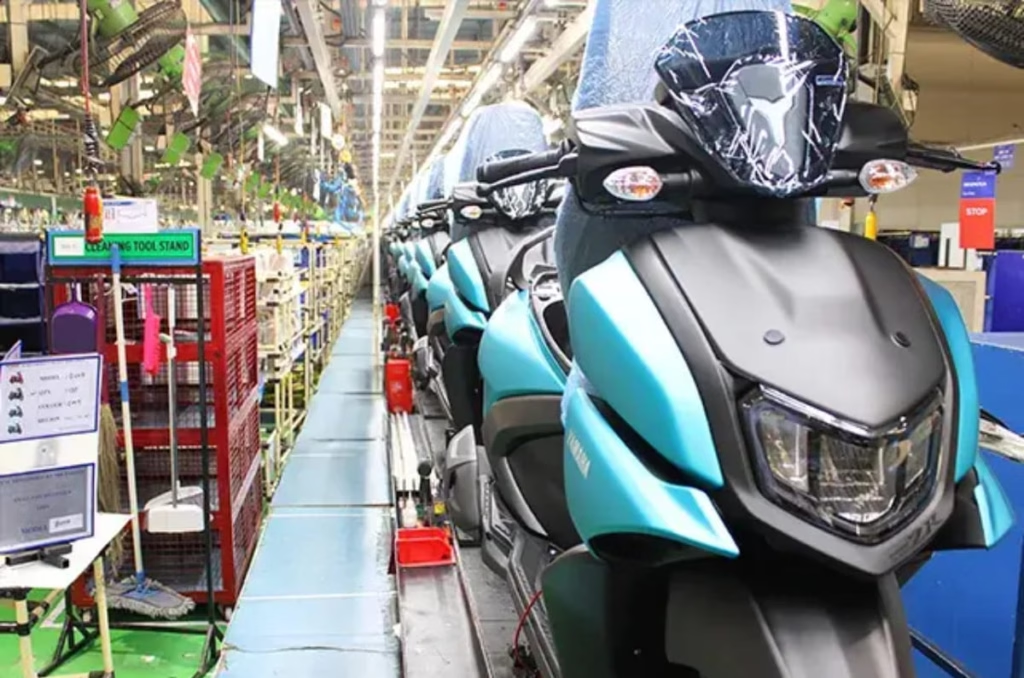
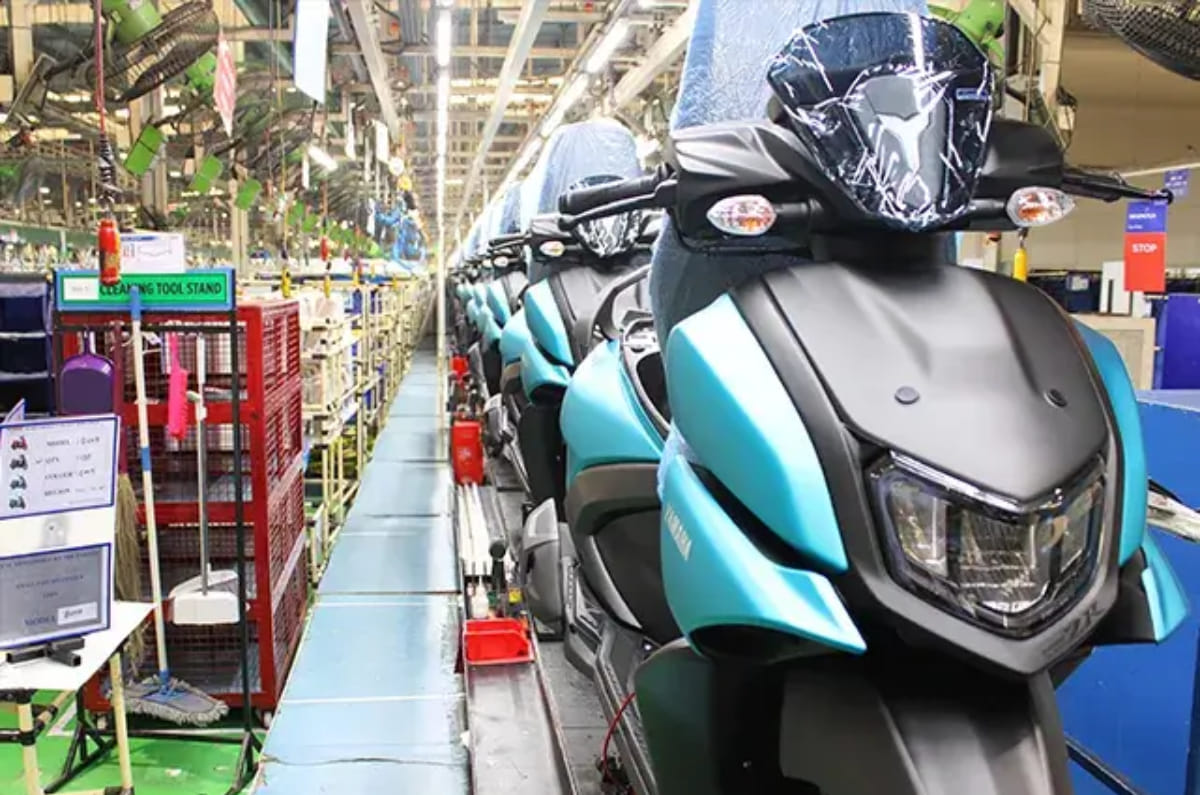
Yamaha Motor India has begun evaluating additional manufacturing capacity as it expects its existing 1.5 million unit annual output to be fully utilised within the next two to three years. The Japanese two-wheeler maker operates plants in Surajpur, Uttar Pradesh and Kanchipuram, Tamil Nadu, with a combined annual capacity of 1.5 million units, and is weighing whether to expand within its current footprint or invest at a new location.
Yamaha India’s 1.5 million unit annual capacity expected to be fully utilised within 2-3 years
Domestic sales up 41 percent to 4.1 lakh units in H1 2026
Annual sales target of 50,000 units set for the newly launched YZF-R2
Yamaha India capacity expansion: Key details
New plant requires 3-4 years of lead time; expansion within existing sites also being considered
Hajime Aota, Chairman of the Yamaha Motor India Group, said the company still has space to expand at its existing facilities, reducing the immediate pressure to acquire new land. The decision on expansion – whether at Surajpur, Kanchipuram or elsewhere – will depend on manufacturing processes, supplier allocation and longer-term domestic and export requirements. “At this moment, we have capability and we have space,” Aota said, while noting that planning for a new greenfield facility typically requires a lead time of three to four years.
Yamaha expects its total volumes (including exports) to exceed 1.1 million units in 2026, with domestic sales up 41 percent to 4.1 lakh units in the first half of the year. The company expects H2 volumes to be higher, supported by festive demand and new product launches. On the YZF-R2, which debuted yesterday at Rs 2.30 lakh, Yamaha has set an annual domestic sales target of 50,000 units.
Aota described India and Indonesia as Yamaha’s two biggest global growth engines, with India offering the stronger long-term growth opportunity. However, he noted that India must continue improving manufacturing productivity and technical capabilities to narrow the gap with Indonesia and expand its role in Yamaha’s global manufacturing network. The company employs approximately 10,000 people across its Indian operations and has invested over Rs 2,000 crore in research, development and manufacturing in India over the past eight to ten years. The quantum of investment required for the next phase of expansion has not been disclosed.
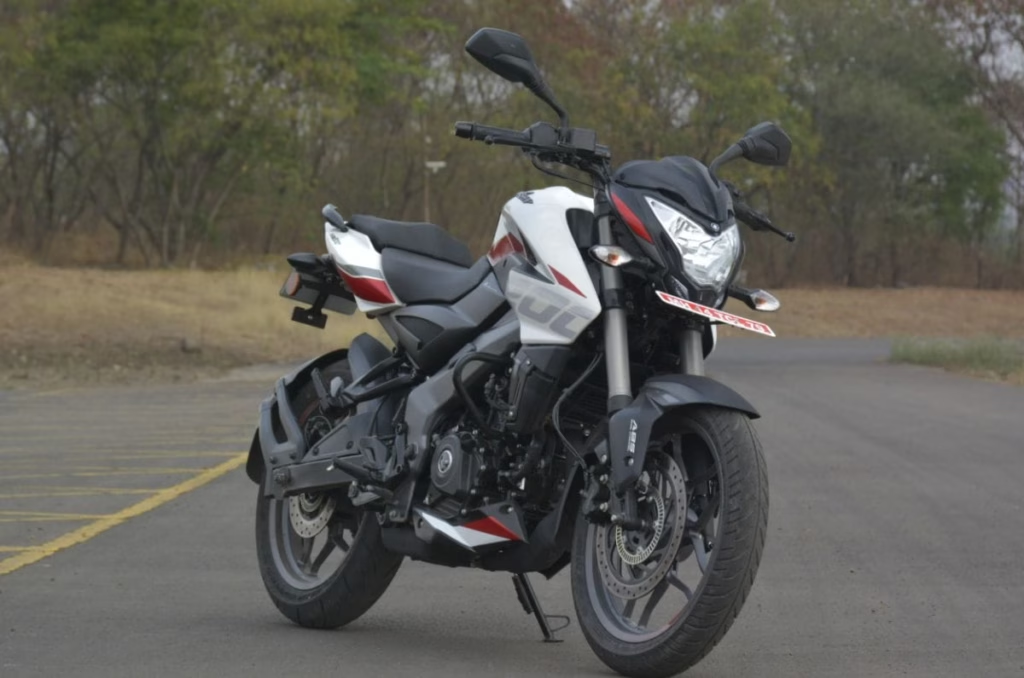
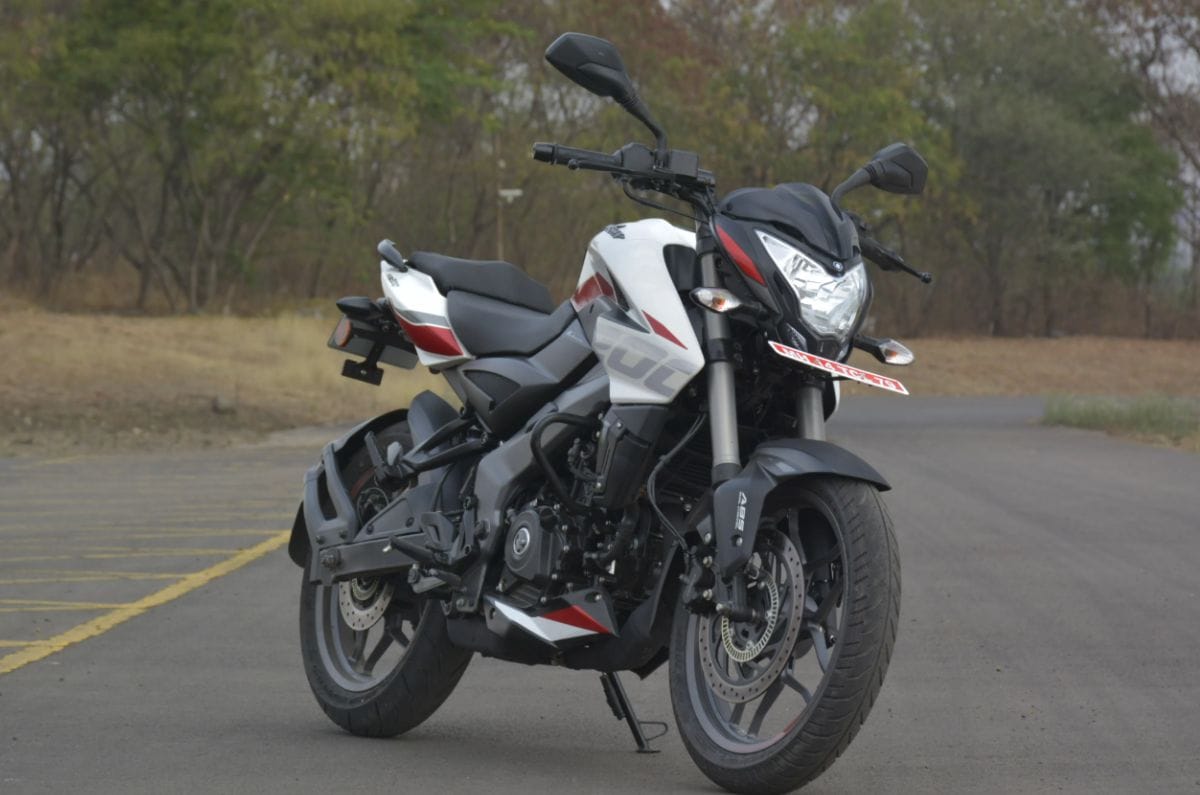
Bajaj has been having an eventful August with four launches, the freshly updated Pulsar 125/150 and the new Pulsar N160 S and SS. Seems like they aren’t planning to slow down any time soon. The company has said two of the 10 models would be all-new Pulsars, while the rest would comprise new variants and product upgrades. “Our 150 and 125 are the second launch in this journey,” said Sumeet Narang, President, Marketing, Bajaj Auto. “We will meet you soon again. There’s a lot of stuff that we will still be coming up with in the coming days.”
Bajaj Pulsar was the third best-selling motorcycle range in July 2026
After original and N Pulsars, NS line is expected to be updated
Bajaj dual-sport and Triumph Bonneville 400 will also arrive soon
Pulsar portfolio takes shape
All models are expected to get updates
The launch comes as the Pulsar nameplate remains one of India’s largest-selling motorcycle ranges. It ranked third in the July motorcycle sales chart with 66,156 units dispatched, according to AutoPunditz. Bajaj’s sports motorcycle segment, meanwhile, grew about 50% year on year in the April-June quarter, with Pulsar, Avenger and Dominar recording double-digit growth.
The company has also said upgrades are planned across its 125-160cc motorcycle range. Narang said the refreshed range will be organised around the three Pulsar platforms. “Three very clear distinct platforms, the original, the N and the NS,” he said, with each aimed at a different customer and riding use case.
Triumph Bonneville 400 and Bajaj’s first dual-sport also in the works
Bajaj is also looking to expand manufacturing capacity
We had just reported that Bajaj’s first dual-sport motorcycle was spotted testing again. Our reports indicate that the motorcycle will launch in Brazil before the end of this year, making its way to India at a later time. Currently, it’s unclear if Bajaj is counting that as a part of this 10-Model portfolio. Besides that, Bajaj is also expected to launch the Triumph Bonneville 400, long awaited retro cousin of the existing Triumph 400s. Speaking of which, the launches come ahead of Bajaj’s planned expansion of annual manufacturing capacity from about 72 lakh vehicles to more than 90 lakh. The company has said the additional capacity will support growing demand across the board. It is evaluating brownfield expansion and a greenfield facility, with the location and investment yet to be finalised. The company has not yet declared any dispatch dates, but clearly they’re looking at a packed schedule inching closer to the festive season.
अहमदाबाद की TMT स्टील बार बनाने वाली कंपनी Rhetan TMT Ltd ने गुजरात के कडी स्थित अपनी मैन्युफैक्चरिंग यूनिट में 1 मेगावाट का कैप्टिव ग्राउंड-माउंटेड सोलर पावर प्रोजेक्ट चालू कर दिया है। कंपनी ने कहा कि यह प्रोजेक्ट अब अपनी जरूरत के लिए रिन्यूएबल बिजली पैदा कर रहा है। इससे कंपनी के एनर्जी इंफ्रास्ट्रक्चर और मैन्युफैक्चरिंग क्षमता को मजबूती मिलेगी।
ऊर्जा लागत घटाने की तैयारी
कंपनी के मुताबिक उसकी कुल लागत में ऊर्जा का हिस्सा करीब 20% है। ऐसे में कैप्टिव सोलर पावर से लंबे समय में ऑपरेशनल क्षमता बढ़ने और लागत घटने की उम्मीद है। इससे कंपनी की प्रतिस्पर्धात्मकता भी बेहतर हो सकती है।
BIS सर्टिफिकेशन से बढ़ी पहुंच
Rhetan TMT ने Fe500D, Fe550 और Fe550D ग्रेड के TMT बार के लिए Bureau of Indian Standards (BIS) सर्टिफिकेशन भी हासिल किया है। इससे कंपनी अब देशभर में सरकारी और PSU इंफ्रास्ट्रक्चर प्रोजेक्ट्स के लिए इन प्रीमियम ग्रेड बार की सप्लाई कर सकेगी। कंपनी का मानना है कि इससे हाई-वैल्यू मार्केट में उसकी मौजूदगी मजबूत होगी।
मैनेजमेंट ने क्या कहा
Rhetan TMT के मैनेजिंग डायरेक्टर शालिन शाह ने कहा कि 1 मेगावाट का कैप्टिव सोलर प्रोजेक्ट कंपनी की ऊर्जा लागत पर बेहतर नियंत्रण देने की दिशा में अहम कदम है। उन्होंने कहा कि BIS सर्टिफिकेशन मिलने से कंपनी की उच्च मूल्य वाले इंफ्रास्ट्रक्चर प्रोजेक्ट्स में भागीदारी की क्षमता भी बढ़ी है। यह दोनों पहल कंपनी की भविष्य की ग्रोथ के लिए मजबूत आधार तैयार करेंगी।
आगे की रणनीति
कंपनी ने कहा कि वह कैप्टिव रिन्यूएबल पावर और प्रीमियम ग्रेड TMT प्रोडक्ट्स के जरिए अपनी मैन्युफैक्चरिंग क्षमता बढ़ाने पर फोकस कर रही है। साथ ही भारत के इंफ्रास्ट्रक्चर, कंस्ट्रक्शन और रियल एस्टेट सेक्टर की बढ़ती जरूरतों के मुताबिक अपनी क्षमताओं को लगातार मजबूत करने की रणनीति पर काम कर रही है।
Disclaimer: यहां मुहैया जानकारी सिर्फ सूचना के लिए दी जा रही है। यहां बताना जरूरी है कि मार्केट में निवेश बाजार जोखिमों के अधीन है। निवेशक के तौर पर पैसा लगाने से पहले हमेशा एक्सपर्ट से सलाह लें। मनीकंट्रोल की तरफ से किसी को भी पैसा लगाने की यहां कभी भी सलाह नहीं दी जाती है।
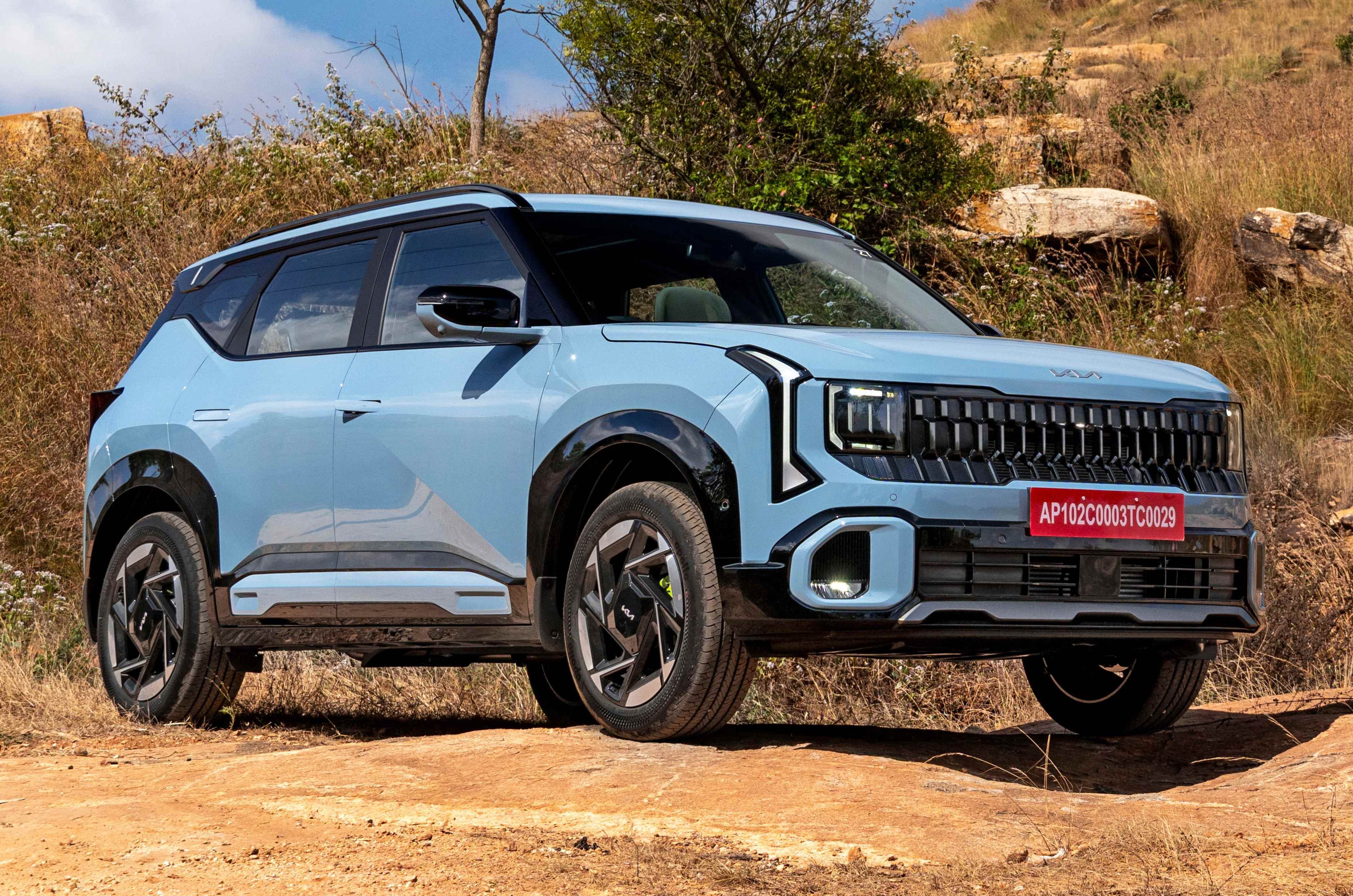
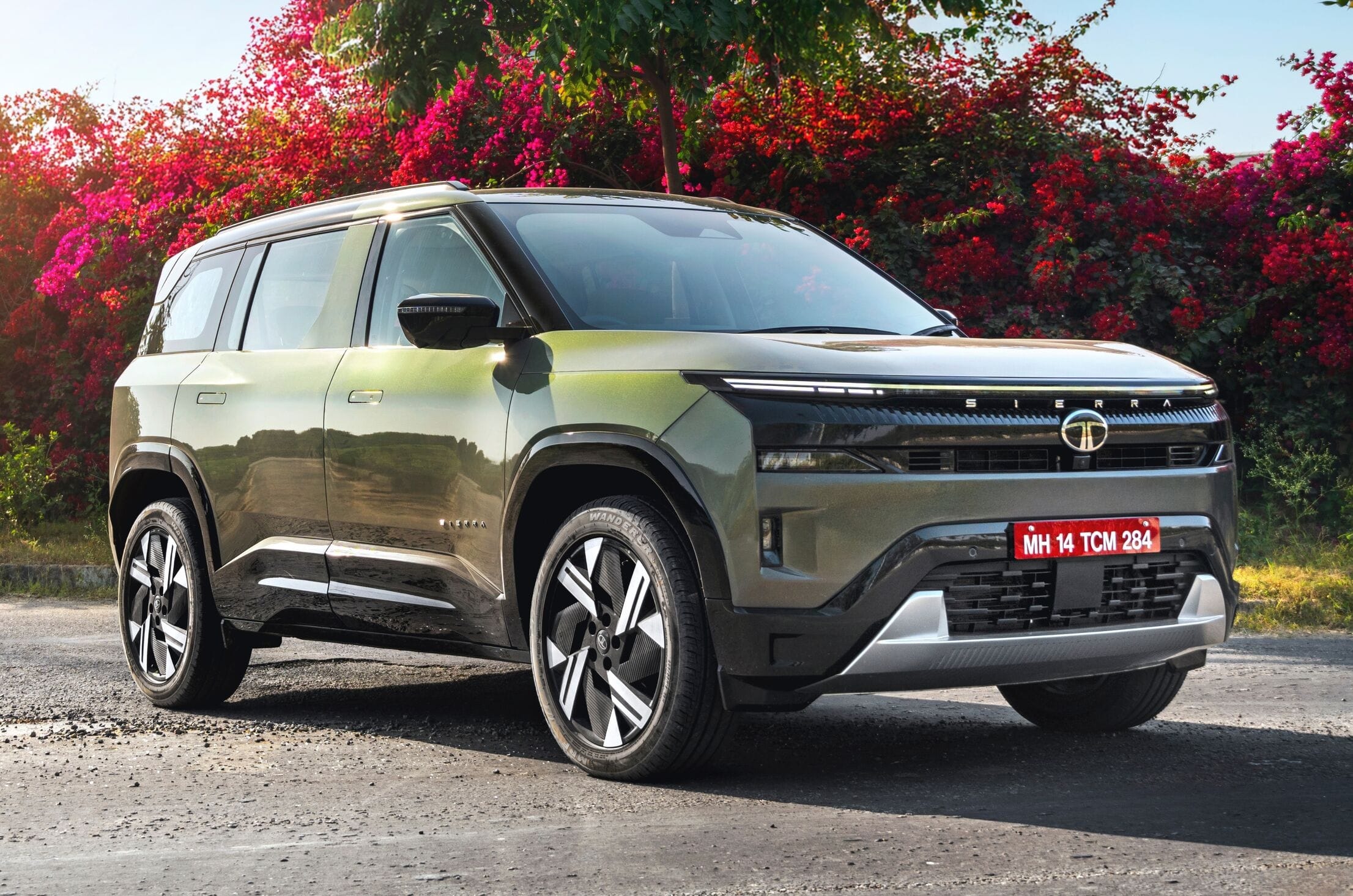
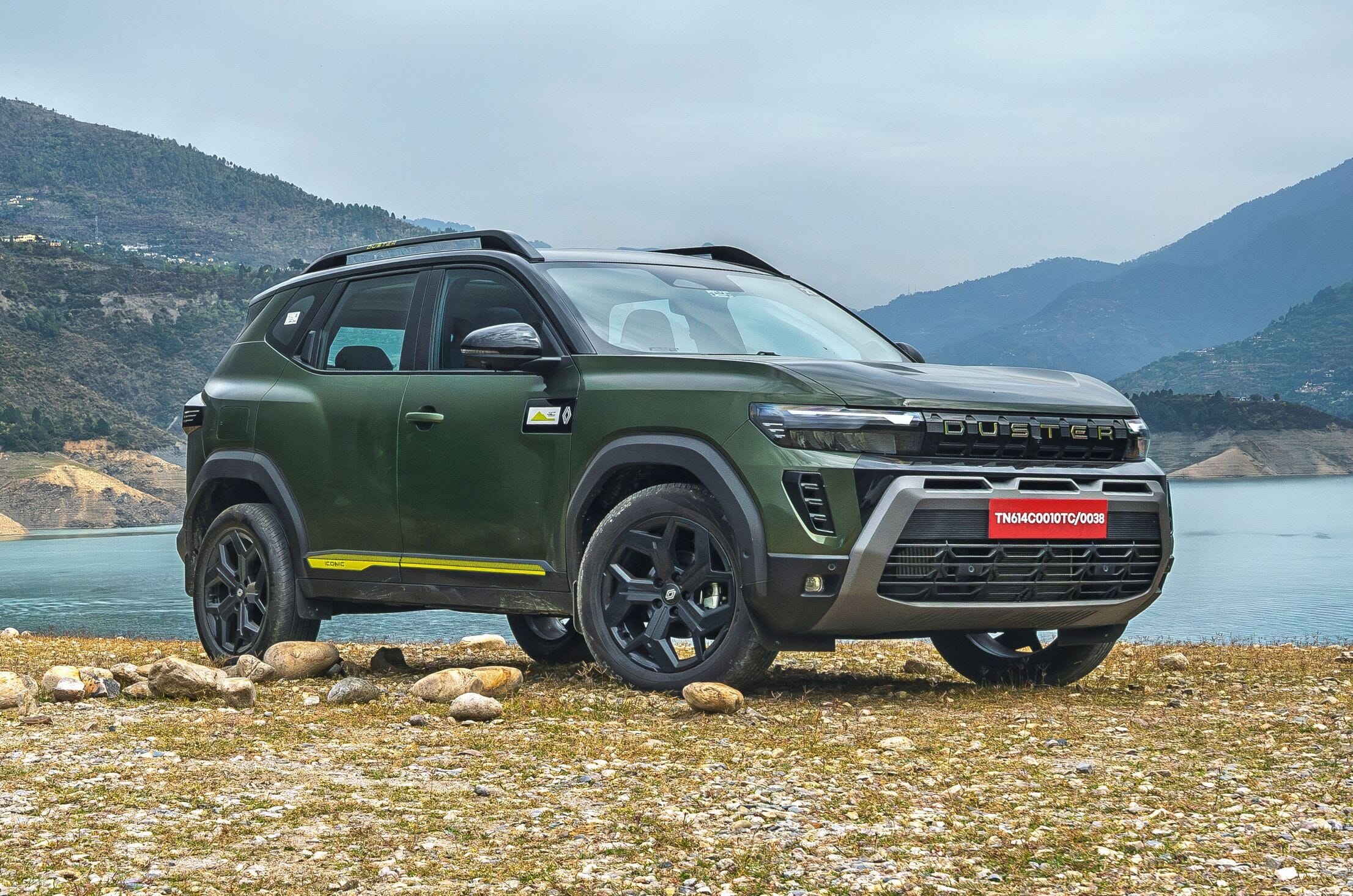
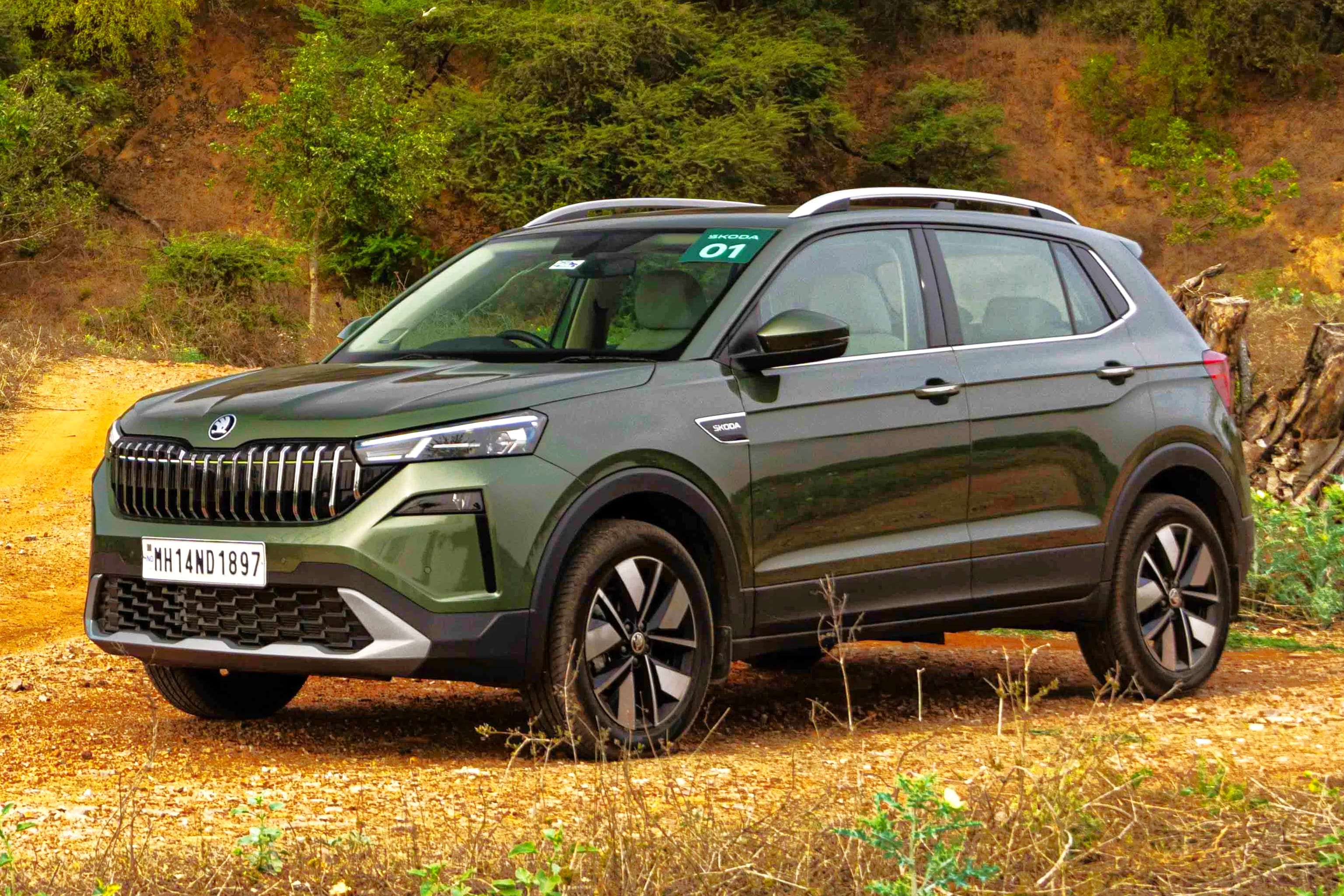
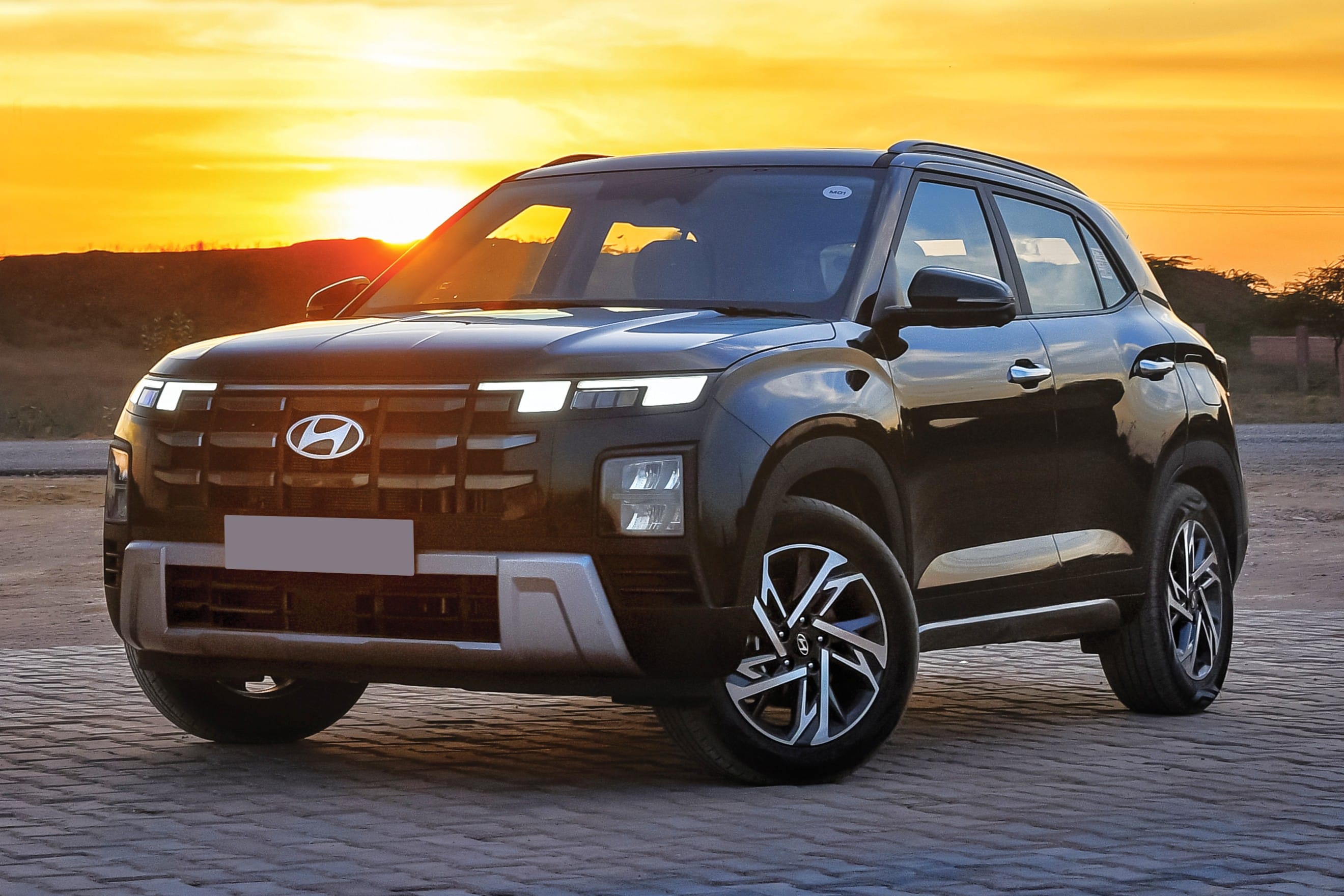
If things were to pan out that way, it would be bad news for Hyundai, since the Creta is the Korean carmaker’s bread-and-butter in India. Now that we have sales data for the first half of calendar 2026, and production, deliveries have stabilized for this fresh barrage of midsize SUVs, let’s take a look if any model has eaten into the Creta’s market, or if the Hyundai SUV continues to rule its segment.
Hyundai Creta vs latest midsize SUV sales in H1 2026
Model
January
February
March
April
May
June
Total
Hyundai Creta^
17,921
17,938
17,838
15,291
15,235
7,168
91,391
Maruti Victoris
15,240
13,021
11,062
13,701
10,853
10,035
73,912
Kia Seltos*
10,639
10,308
11,041
10,566
10,597
9,654
62,805
Tata Sierra
7,003
7,100
9,003
7,316
6,606
6,392
43,420
Skoda Kushaq*^^
–
–
2,307
1,851
1,310
992
6,460
Renault Duster
–
–
1,402
2,359
1,267
1,011
6,039
Volkswagen Taigun*^^
–
–
–
1,543
1,281
1,182
4,006
^Includes Creta Electric sales
*May include carryover sales of outgoing models
^^Sales counted from the facelift’s month of launch
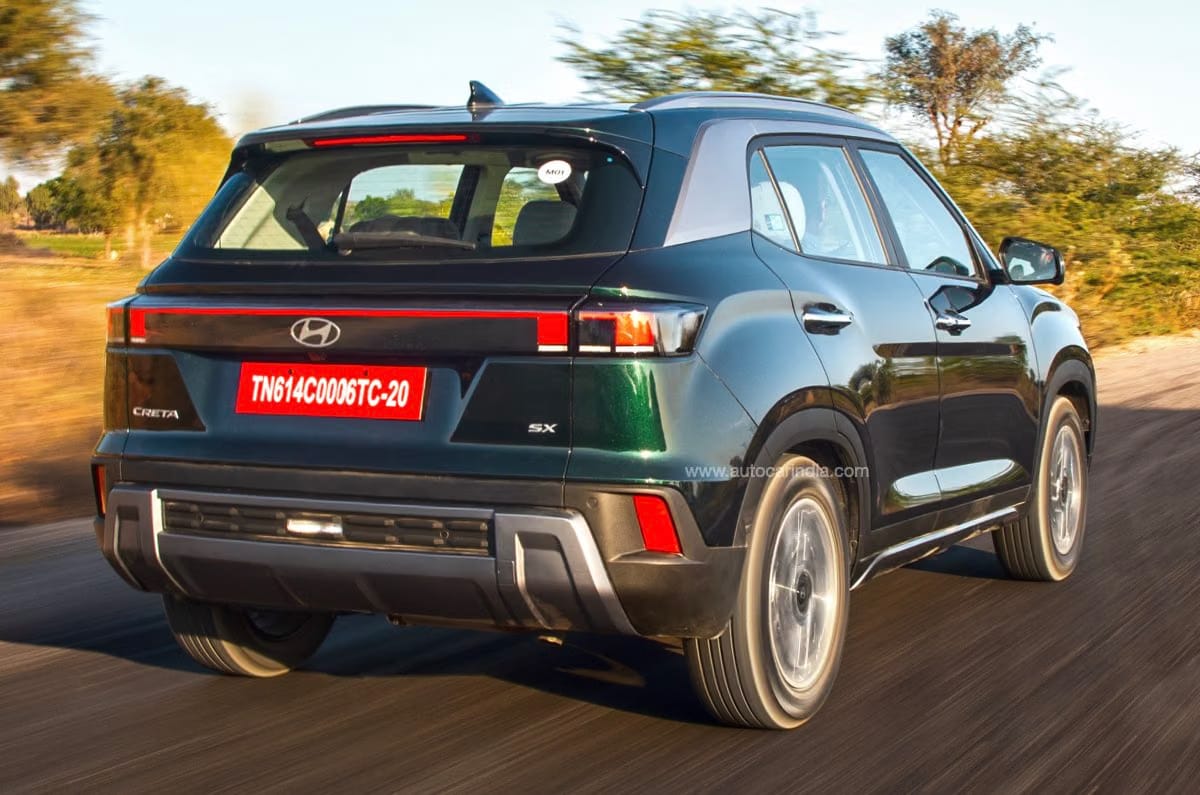
Six months into 2026, the Creta has managed to retain its moniker of midsize SUV sales champion, averaging over 15,000 sales a month. Compared to H1 2025 (1,00,560 units sold), the Creta’s sales are actually 9.12 percent down YoY, but the Hyundai SUV is still far ahead of its rivals on the chart. That said, though the newer midsize SUVs haven’t dethroned the Creta, they’ve done a lot to grow the segment.
The next bestselling midsize SUV during H1 2026 was the Victoris, which fell 17,479 units behind the Creta. For perspective, you could fit the sales of the Duster, Kushaq, and Taigun within that gap and still come up around 1,000 units short. Launched in September 2025, the Victoris had a few months to establish itself in the market, and differentiates itself from the Creta by offering CNG and strong hybrid powertrains, which appeal to buyers seeking practicality and fuel efficiency, as well as Maruti’s famed peace of mind.
In third position comes the Seltos, which in theory should’ve been stiff competition for the Creta, with the Kia SUV offering a near-identical set of powertrains, a more modern platform (which will even underpin the next-gen Creta), similar pricing, and greater safety credentials by way of a 5-star Bharat NCAP rating. That said, the Seltos did record a whopping 70.28 percent YoY surge in sales, clearly reflecting the boosted popularity of the second-gen model.
The Sierra is Tata’s most formidable contender against the Creta to date, but sold less than half of what the Hyundai SUV did in H1 2026. It should be noted that the Sierra’s sales were initially production-constrained, with Tata steadily increasing manufacturing capacity every month to meet demand. The Sierra is undoubtedly a more feature-packed offering than the Creta, but also costs more. Concerns around fit-and-finish and Tata’s aftersales experience also play a role here.
Renault made its long-awaited return to the midsize SUV space with the new Duster in March, with deliveries commenced in April, but it hasn’t quite set the H1 sales chart alight. Like the Sierra, the Duster’s production is being increased in a phased manner, which could explain the relatively low sales numbers. The Duster has a lot going for it, like aggressive pricing, muscular looks, and a competitive feature set, but the SUV’s exclusively turbo-petrol powertrain line-up limits its appeal for many buyers. A strong hybrid powertrain is set to join the Duster line-up by Diwali 2026, and could pique buyer interest further.
Facelifts of the Kushaq and Taigun were launched in March and April, respectively – nearly five years since the midsize SUVs originally went on sale in India. Both packed some long-requested feature additions and changes, which led to demand spikes in subsequent months. Much like the Duster, though, the Kushaq and Taigun are available with turbo-petrol engines only, and are also on the dimensionally smaller side of the segment, which means they’re best-suited for enthusiast buyers.
Why does the Creta keep selling?
The biggest reason behind the Creta’s persistent reign on the midsize SUV sales charts is its deeply well-established brand name and perception. Many Indian car buyers are very conservative and safe in their purchasing decisions, and seeing a consistently high number of Cretas on the road every single day builds the image of it being the best option in the segment by virtue of sheer popularity. Not to mention, the more ubiquitous and established the car, the better its resale value, which is also very important to most Indian buyers.
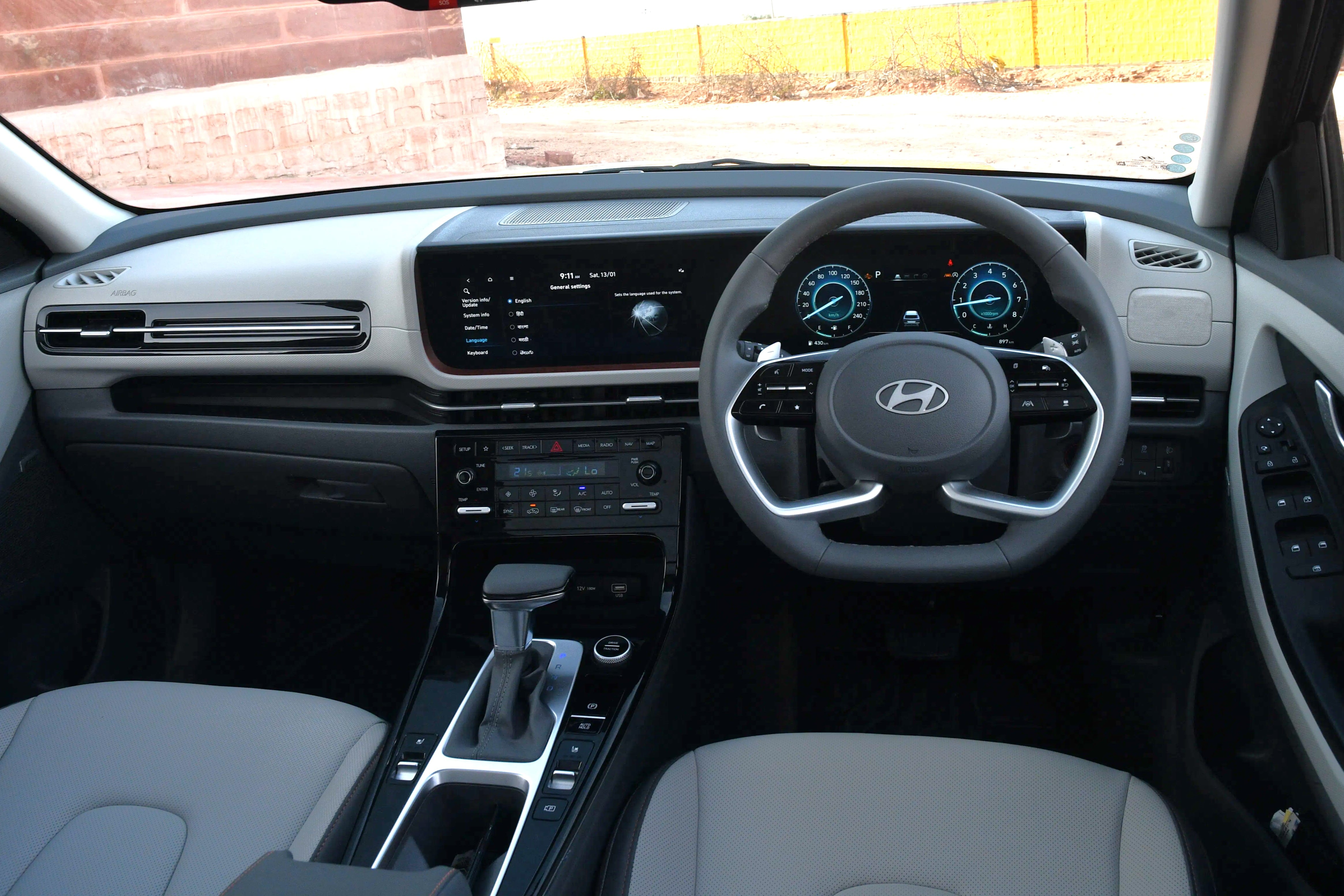
Another key driver behind the Creta’s popularity is its proven reliability and no-nonsense ownership experience. Though many of the Creta’s rivals are just as, if not more durable, the Hyundai SUV’s reliability comes alongside a decently long list of features, a comfortable and well-built interior, great levels of refinement, a wide variety of powertrains, and an easy driving experience – making for an excellent overall package.
The Creta is even among the few in its segment to offer a diesel engine, which many midsize SUV buyers still prefer. For those who primarily commute in the city, there’s a smooth naturally aspirated petrol engine on offer, while enthusiast buyers can pick from the sporty Creta N Line range, which is powered by a direct-injection turbo-petrol motor. Basically, there’s something for everyone, and that’s exactly why the Creta is still unbeaten.
Ather Energy is exploring whether to accelerate the second phase of its upcoming Aurangabad manufacturing facility as demand for electric scooters continues to outpace expectations, with the company saying its planned capacity could come under pressure if current growth trends persist.
The company’s co-founder and CEO, Tarun Mehta, said the company has begun considering an earlier rollout of Phase 2 after a sharp rise in demand in recent months. He added that the recently completed Rs 2,500-crore fund raise gives the company the flexibility to move ahead with the expansion without waiting for Phase 1 to mature.
EL platform based family scooter to launch on August 29
EL production to initially begin from Hosur, before shifting to Aurangabad
Ather’s electric bike still quite a ways away
Aurangabad Plant to Add 5 Lakh Units Annual Capacity
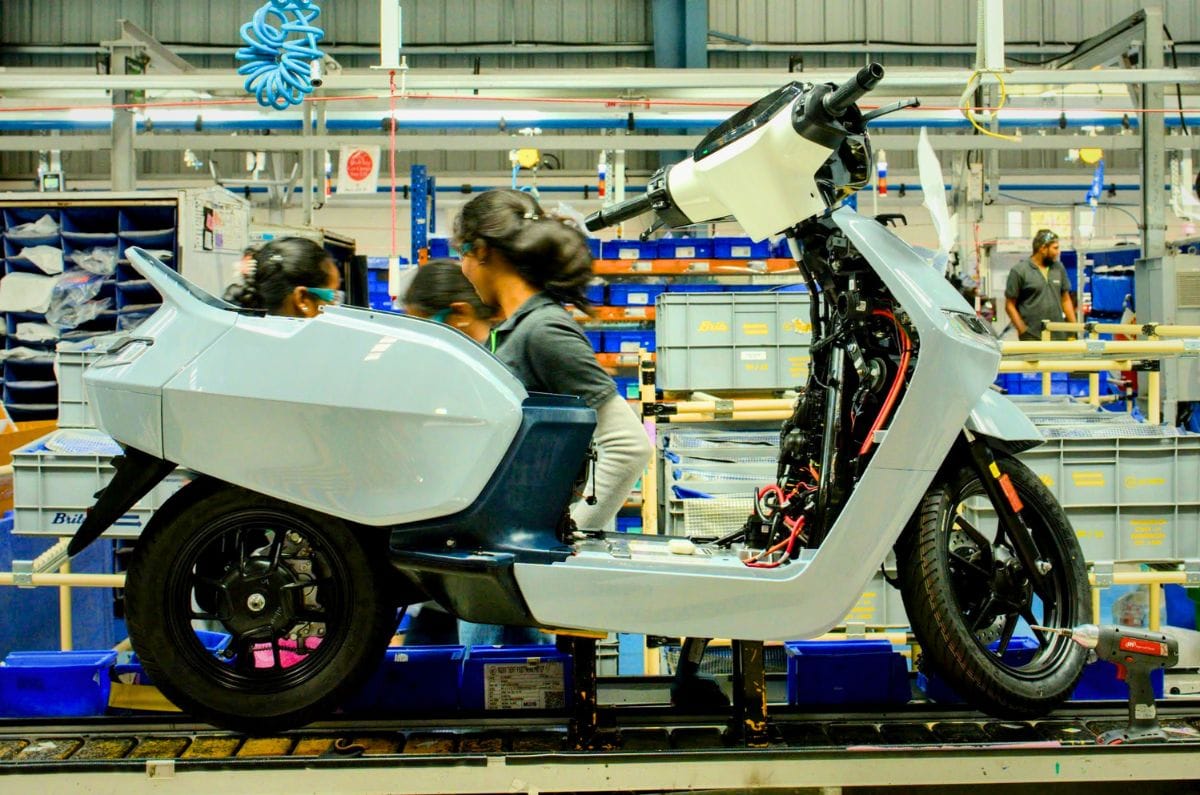
The comments come as Ather prepares to commission the first phase of its Aurangabad, or AURIC, manufacturing facility in a couple of months. The company currently manufactures electric scooters from its Hosur plant, which has an annual production capacity of 4.2 lakh units. Mehta said the facility is now operating at almost full utilisation following steady production ramp-up during the first quarter.
Once the Aurangabad plant comes live, it will add another 5 lakh units of annual capacity, taking Ather’s total manufacturing capacity to 9.2 lakh units a year. He added that the Aurangabad facility is progressing as planned, with the assembly line already installed, the paint shop under trial and warehouse and utility work nearing completion ahead of commercial operations later this year. However, Mehta said even that may prove insufficient if the current pace of demand continues.
“GoLive of Auric will take our total capacity up from 4.2 lakh units to 9.2 lakh units later this calendar year. But we believe demand is ramping up very fast. 9.2 lakh units per annum is only 77,000 units a month. We believe on current demand trajectories, even this may be tight in the coming quarters. Which is why I think we were lucky here when we took Aurangabad land. We took a larger land capacity and we had always planned for Auric phase two,” he said.
EV Demand Outpaces Supply
Demand has risen sharply over the past few months, according to the company, resulting in supply constraints across several markets. Mehta said dealer inventories have fallen from 14 days to just three days, while some dealerships have temporarily stopped accepting fresh pre-orders because waiting periods have stretched to around two months or more. The company estimates it could have retailed another 13,000 to 15,000 scooters every month if sufficient production capacity had been available.
“There are 50,000 pre-orders, despite the fact that in many states now, our dealers are no longer even accepting new pre-orders, because the waiting times are now hitting two months or even higher. The underlying demand we strongly believe is very, very high,” Mehta said. “We believe today that of the 30,000 units that we retail average in Q1, we could have probably sold an incremental 13,000 to 15,000 units extra every month.”
New EL Scooter Platform Set to Launch on August 29
Ather expects demand to receive another boost with the launch of its first new scooter based on its brand-new EL platform on August 29. Production of the vehicle has already begun at the Hosur plant, homologation has been completed and high-volume trials are underway.
Initially, production will continue from Hosur before gradually shifting to Aurangabad as the new facility ramps up. The company plans to scale manufacturing capacity for the EL platform to about 60,000 units a month across the two plants. The EL platform will underpin multiple future scooter models and forms part of Ather’s strategy to expand production and meet rising demand for electric scooters.
Ather electric bike still at least 2 years away
Even as it prepares to debut a fresh onslaught of new products based on its EL platform, Ather Energy has no plans to enter the electric motorcycle segment in the near term. According to Ather Energy co-founder and Chief Executive Officer Tarun Mehta, the company’s strategy is to first concentrate on rolling out products based on its new EL platform before entering the electric motorcycle space.
“At this point, we are focused on the EL platform and getting at least the first, maybe two products, maybe another product out on it in the next year,” Mehta said to investors. Ather had earlier said it is developing a dedicated motorcycle platform, codenamed Zenith, alongside its EL scooter architecture. The comments indicate that Ather is now taking a measured approach towards a segment that is still at an early stage of adoption.
“Motorcycles are starting to look interesting. But Ather may not be the pioneer this time. We may watch the market. We want to see how consumers respond, which segments show a willingness and an interest towards the segment before we make our maiden launch here,” Mehta said.
He added that an electric motorcycle from Ather is not expected anytime soon. “So this, I would say, more than a year away, for sure. Probably two years plus.” he said. The company’s strategy comes at a time when India’s electric two-wheeler market continues to be led by scooters, while electric motorcycles account for only a miniscule share of overall EV sales.
Royal Enfield has begun sales of its Flying Flea C6 electric motorcycle on a small scale, while startups including Ultraviolette, Revolt and Oben are expanding their presence. Other legacy players like Bajaj Auto and Hero MotoCorp are also developing their own electric motorcycle platforms, although a debut from either brand is still some time away. Ather, however, plans to observe how the market evolves before committing resources to the category.
Vida, Hero MotoCorp’s electric two-wheeler brand, has surpassed the 3 lakh retail sales milestone in the Indian market. As per the latest Vahan numbers, cumulative retail sales from November 2022 till August 1, 2026 are 300,458 units.
Vida sold its first 1 lakh units in around 33 months
Whereas, the 2 lakh to 3 lakh sales milestone took just 5 months
With its strong growth trajectory, Vida could garner over 2-lakh sales in a single year for the first time.
Vida’s BaaS has been a key sales driver
Vida currently has coverage across India with over 900 touchpoints
The surge in demand for the Vida e-scooters is seen in the strong growth, particularly over the past year. While the first 1 lakh units were sold in around 33 months, the run from 1 lakh to 2 lakh units took a little over seven months. Now the last 1 lakh units – from 2 lakh to 3 lakh – have taken just five months, reflecting the surging demand for Vida e-scooters this year. With July (22,883 units) being the new monthly high, beating the previous best of June (21,893 units) this year.
From 4 percent in CY2024 to 11 percent in CY2026 Year-to-date, Hero Vida has reaped strong gains in India’s booming e-2W market. Expect it to achieve total retail sales of around 2.25 lakh units this calendar year.
It’s been a noteworthy run for the world’s largest two-wheeler company in the EV space. Vida now stands at No. 4 in the e-2W market share after TVS Motor Co, Bajaj Auto and Ather Energy and is ahead of Ola Electric and Greaves Electric Mobility.
With strong sales tailwinds emanating from a growing number of ICE buyers transitioning to e-mobility due to the multiple price hikes in petrol in May 2026 as well as the upcoming festive season, it can be expected that Vida will maintain the same strong growth trajectory. This would mean Hero MotoCorp’s annual e-2W sales will cross the 2-lakh units milestone in a single calendar year for the first time in CY2026. Estimate them to be in the region of 2.25 lakh to 2.35 lakh units.
Another strategic sales driver for Vida has been the introduction of the Battery-As-a-Service (BaaS) ownership model which significantly reduces the upfront ownership cost, making electric mobility more affordable and accessible to a wider customer base, and has since been adopted by Ather Energy and TVS Motor among a host of other OEMs.
The company, which opened its first Experience Centre in November 2022, currently has coverage across India with over 900 touchpoints spanning 415 cities and 700-plus dealers. Hero MotoCorp enables Vida users to access charging at over 5,900 locations including the Ather Grid network owned by Ather Energy in which Hero MotoCorp is an early investor (with a 29.48 percent stake at present) and has recently invested an additional Rs 1,000 crore.
Manufacturing capacity expansion is also on the cards for Vida. In May this year, Hero MotoCorp revealed details of its planned capital expenditure of over Rs 1,500 crore in FY2027. Cognisant of the strong growth potential in its e-2W business, the company has outlined a strategic manufacturing expansion for its Vida brand. Having already ramped up capacity by 66 percent from 15,000 units per month to 25,000 units, the company has outlined plans for further expansion by doubling monthly capacity to 50,000 units at its plant in Chittoor in Andhra Pradesh to cater to growing demand.
Royal Enfield has outlined an ambitious manufacturing and international expansion plan following a strong Q1 FY27 performance, with capacity targeted at 2.45 million units per year by FY30 and a CKD assembly plant in Indonesia under active consideration. The announcements were made by Eicher Motors MD and Royal Enfield CEO B Govindarajan during the company’s Q1 FY27 investor call.
Royal Enfield to expand capacity from 1.5 million to 2.45 million units by FY30
Rs 1,225 crore approved for Phase 1 of new Andhra Pradesh greenfield plant
Indonesia CKD plant decision expected this quarter
Royal Enfield capacity expansion plans
Brownfield expansion at Cheyyar to take capacity to 2 million by FY28
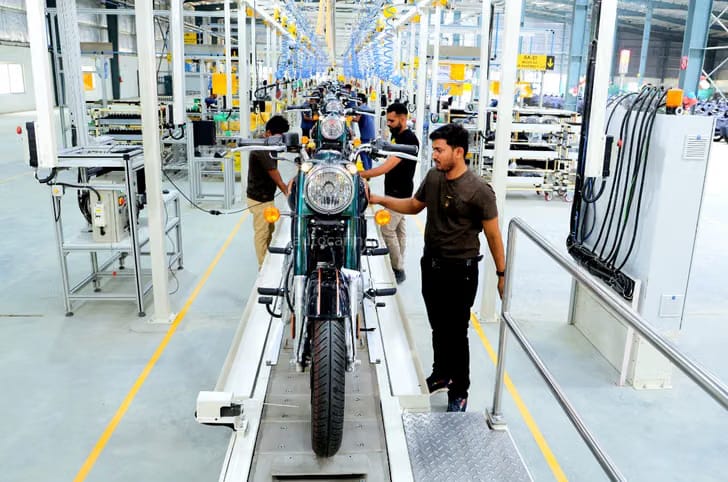
Royal Enfield currently has an annual manufacturing capacity of around 1.5 million motorcycles across four production units in Cheyyar and Chennai in Tamil Nadu – up from 50 percent utilisation in FY20 to 90 percent in FY26. The first module of the brownfield expansion at Cheyyar is now operational, with daily production crossing 5,000 units. The remaining phases are expected to be completed by FY28, taking total capacity to 2 million units annually.
Beyond that, Eicher Motors’ board has approved an investment of Rs 1,225 crore for the first phase of a new greenfield manufacturing facility in Andhra Pradesh. This addition is expected to contribute a further 4.5 lakh units of annual capacity and bring Royal Enfield’s total manufacturing footprint to 2.45 million units by FY30. The combined brownfield and greenfield expansion represents a capacity increase of over 60 percent from current levels.
Indonesia CKD plant could be set up at faster pace due to low local content requirements
On the international front, Royal Enfield is actively evaluating a CKD assembly plant in Indonesia after finding that exports from its existing Thailand CKD plant are still subject to import quotas of around 10,000 units per year – despite the ASEAN trade framework. Govindarajan said the company had identified a local assembler in Indonesia and that a decision on setting up a CKD operation there was expected during the current quarter. He noted that Indonesia’s local content requirements are relatively low, which could allow a CKD facility to come online quickly. However, he cautioned that a luxury tax of around 140 percent would remain even with local assembly, and the key benefit being the removal of the import quota restriction.
Royal Enfield currently operates seven CKD assembly units across Argentina, Bangladesh, Brazil (two units), Colombia, Nepal and Thailand, with a combined annual assembly capacity of 150,000 units. Indonesia would be the eighth. The company is also evaluating a CKD plant in Mexico following higher import tariffs there. Overseas revenue crossed Rs 1,000 crore for the first time in Q1 FY27, accounting for around 15 percent of total revenue, led by strong growth in Brazil and other Latin American markets.
Bajaj Auto has confirmed it will launch 10 new two-wheeler models over the next six weeks, including two all-new motorcycles under the Pulsar brand in the 125cc and 150cc segments. Alongside the product introductions, the company has also announced plans to expand its manufacturing capacity from around 7 million units per annum to over 9 million – an increase of more than 25 percent.
10 new models to launch over the next six weeks
Manufacturing capacity to expand from around 7 million to over 9 million units per annum
Bajaj Auto product plans: Key details
Two new Pulsars confirmed for the 125cc and 150cc segments
Speaking after the company’s Q1 FY27 results, Joint Managing Director Rakesh Sharma confirmed that the upcoming launches would complete a wider portfolio refresh. The 10 launches will include two all-new Pulsars in the 125cc and 150cc segments – with the next-generation Pulsar 125 already spotted testing on multiple occasions – alongside additional Chetak electric scooter variants. Sharma described them as “very interesting launches in the next six months” that will “open up new segments.”
On the manufacturing front, Bajaj Auto currently has an installed capacity of around 7.2 million units per annum. The planned expansion to over 9 million units will be achieved progressively over several quarters through a combination of brownfield expansion at existing facilities and a new greenfield plant, although the location has not yet been finalised. The additional capacity will primarily support electric two-wheelers, electric three-wheelers, premium motorcycles and select ICE three-wheeler models.
These announcements build on the FY27 roadmap outlined by Chairman Niraj Bajaj in the company’s annual report earlier this year, which identified the domestic 125cc-plus motorcycle segment, Chetak EV growth and export expansion as the company’s three key priorities. Bajaj Auto’s record Q1 FY27 performance provided strong backing for that strategy, with revenue from operations rising 37 percent year-on-year to Rs 17,244 crore and total vehicle sales reaching a record 1.44 million units. Exports also surged 52 percent to their highest-ever quarterly level.
गुजरात की इंटीग्रेटेड कॉटन यार्न निर्माता कंपनी आस्था स्पिनटेक्स लिमिटेड ने Falcon Yarns Private Limited के अधिग्रहण का ऐलान किया है। कंपनी का कहना है कि इस सौदे से उसकी मैन्युफैक्चरिंग क्षमता दोगुनी से भी ज्यादा हो जाएगी। साथ ही घरेलू और निर्यात बाजार में बढ़ती मांग को पूरा करने में मदद मिलेगी।
क्षमता में होगी बड़ी बढ़ोतरी
आस्था स्पिनटेक्स का दावा है कि अधिग्रहण पूरा होने के बाद उसकी सालाना स्पिनिंग कैपेसिटी 7,700 मीट्रिक टन (MT) से बढ़कर 17,457 MT हो जाएगी। वहीं, स्पिंडल कैपेसिटी 25,920 से बढ़कर 61,824 हो जाएगी।
Falcon Yarns गुजरात में स्पिनिंग यूनिट चलाती है। कंपनी के पास 35,904 स्पिंडल और 9,757 MT सालाना उत्पादन क्षमता है। इस अधिग्रहण से आस्था स्पिनटेक्स को प्रोडक्शन कैपेसिटी बढ़ने के साथ ग्राहकों तक पहुंच मजबूत होने की उम्मीद है।
मैनेजमेंट ने क्या कहा?
आस्था स्पिनटेक्स के मैनेजिंग डायरेक्टर दिव्यांग जसवंत पटेल ने कहा कि यह अधिग्रहण कंपनी की लंबी अवधि की ग्रोथ स्ट्रैटेजी का अहम हिस्सा है। उनके मुताबिक, Falcon Yarns की आधुनिक मैन्युफैक्चरिंग सुविधा से उत्पादन क्षमता बढ़ेगी और गुणवत्ता से समझौता किए बिना बड़े स्तर पर ग्राहकों की जरूरतें पूरी की जा सकेंगी।
वित्तीय प्रदर्शन कैसा रहा
पिछले दो वित्त वर्षों में कंपनी की वित्तीय स्थिति में भी सुधार देखने को मिला है। FY23 में कंपनी का रेवेन्यू 240 करोड़ रुपये था, जो FY25 में बढ़कर 352 करोड़ रुपये हो गया। इसी अवधि में नेट प्रॉफिट 1.1 करोड़ रुपये से बढ़कर 23 करोड़ रुपये पहुंच गया।
ऑपरेटिंग प्रॉफिट मार्जिन FY23 के 5.87% से बढ़कर FY25 में 14.16% हो गया। वहीं EBITDA मार्जिन 6.05% से बढ़कर 14.45% पर पहुंच गया।
हाल ही में हुई है लिस्टिंग
आस्था स्पिनटेक्स का 170 करोड़ रुपये का IPO हाल ही में पूरा हुआ था। कंपनी 6 जुलाई 2026 को NSE और BSE के मेन बोर्ड पर लिस्ट हुई। IPO से जुटाई गई रकम का इस्तेमाल Falcon Yarns के अधिग्रहण, वर्किंग कैपिटल की जरूरतों और सामान्य कॉर्पोरेट कामकाज के लिए किया जाएगा।
Disclaimer: यहां मुहैया जानकारी सिर्फ सूचना के लिए दी जा रही है। यहां बताना जरूरी है कि मार्केट में निवेश बाजार जोखिमों के अधीन है। निवेशक के तौर पर पैसा लगाने से पहले हमेशा एक्सपर्ट से सलाह लें। मनीकंट्रोल की तरफ से किसी को भी पैसा लगाने की यहां कभी भी सलाह नहीं दी जाती है।