Yamaha India eyes capacity expansion as plants near full utilisation

Yamaha India eyes capacity expansion as plants near full utilisation
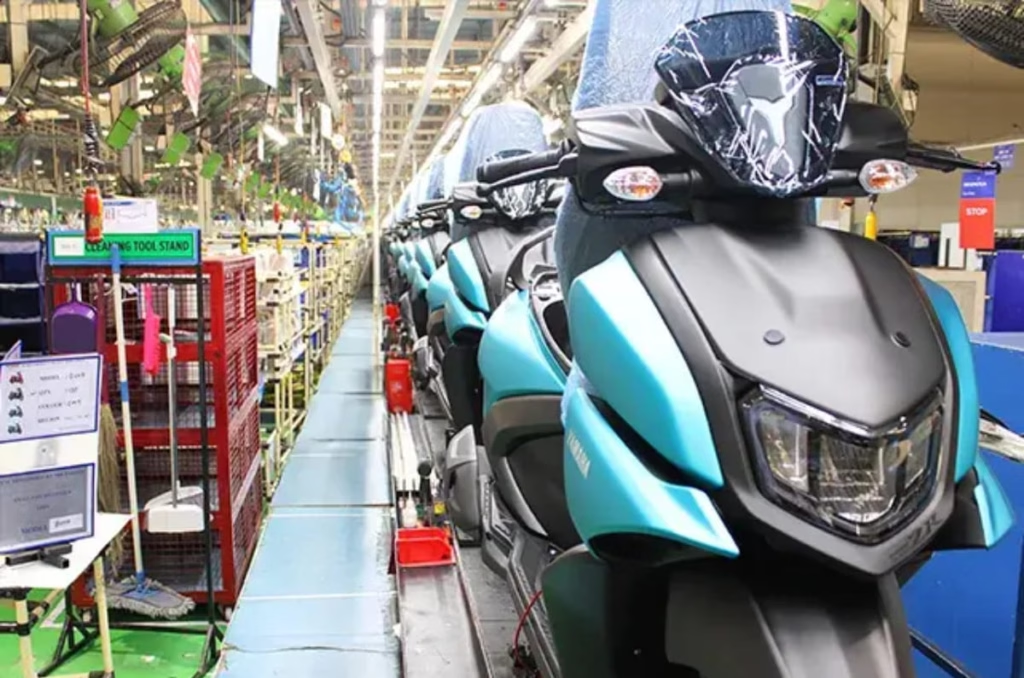
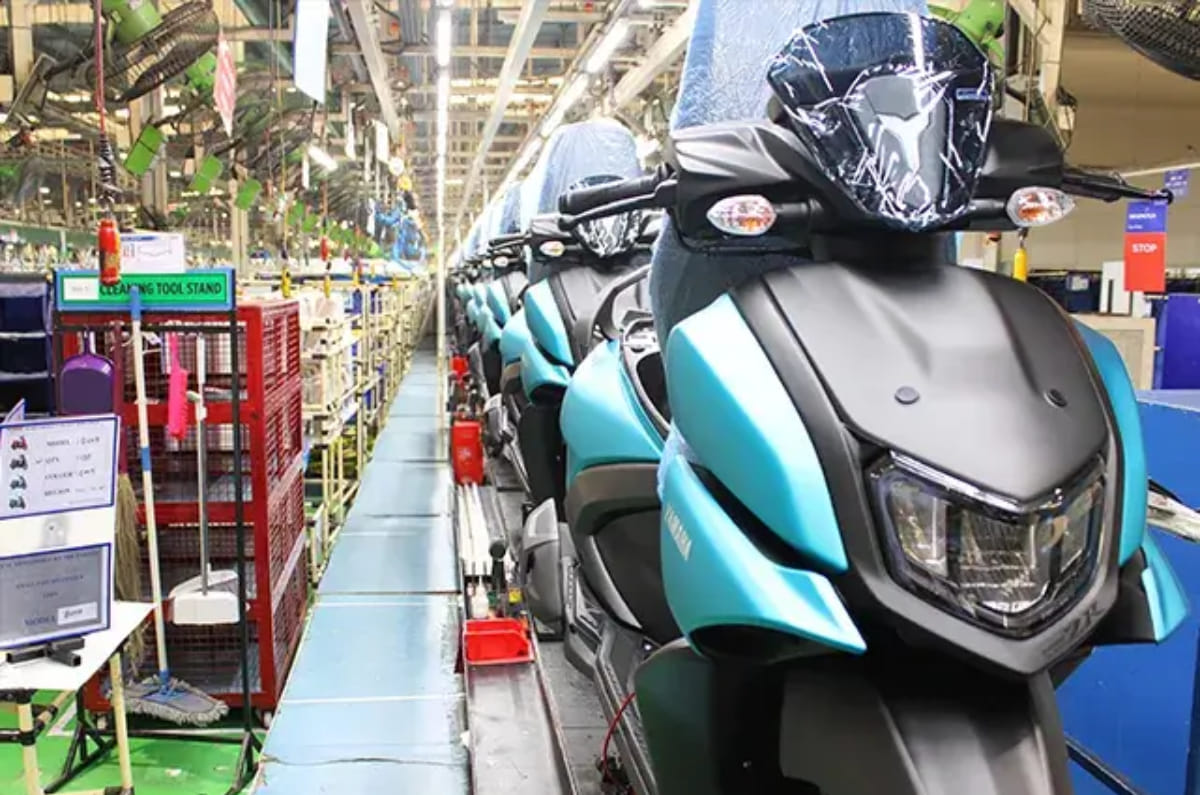
Yamaha RayZR on a production line

Yamaha Motor India has begun evaluating additional manufacturing capacity as it expects its existing 1.5 million unit annual output to be fully utilised within the next two to three years. The Japanese two-wheeler maker operates plants in Surajpur, Uttar Pradesh and Kanchipuram, Tamil Nadu, with a combined annual capacity of 1.5 million units, and is weighing whether to expand within its current footprint or invest at a new location.

  1. Yamaha India’s 1.5 million unit annual capacity expected to be fully utilised within 2-3 years
  2. Domestic sales up 41 percent to 4.1 lakh units in H1 2026
  3. Annual sales target of 50,000 units set for the newly launched YZF-R2

Yamaha India capacity expansion: Key details

New plant requires 3-4 years of lead time; expansion within existing sites also being considered

Hajime Aota, Chairman of the Yamaha Motor India Group, said the company still has space to expand at its existing facilities, reducing the immediate pressure to acquire new land. The decision on expansion – whether at Surajpur, Kanchipuram or elsewhere – will depend on manufacturing processes, supplier allocation and longer-term domestic and export requirements. “At this moment, we have capability and we have space,” Aota said, while noting that planning for a new greenfield facility typically requires a lead time of three to four years.

Yamaha expects its total volumes (including exports) to exceed 1.1 million units in 2026, with domestic sales up 41 percent to 4.1 lakh units in the first half of the year. The company expects H2 volumes to be higher, supported by festive demand and new product launches. On the YZF-R2, which debuted yesterday at Rs 2.30 lakh, Yamaha has set an annual domestic sales target of 50,000 units.

Aota described India and Indonesia as Yamaha’s two biggest global growth engines, with India offering the stronger long-term growth opportunity. However, he noted that India must continue improving manufacturing productivity and technical capabilities to narrow the gap with Indonesia and expand its role in Yamaha’s global manufacturing network. The company employs approximately 10,000 people across its Indian operations and has invested over Rs 2,000 crore in research, development and manufacturing in India over the past eight to ten years. The quantum of investment required for the next phase of expansion has not been disclosed.

Mercedes-Benz India unveils AI-powered car scanner for servicing

Mercedes-Benz India unveils AI-powered car scanner for servicing

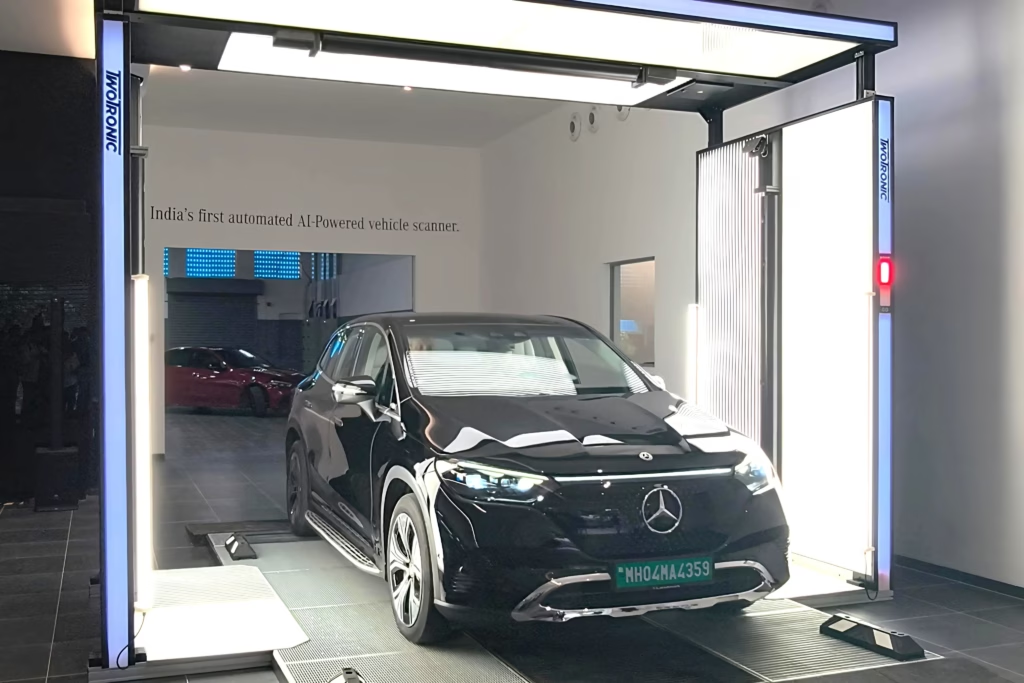
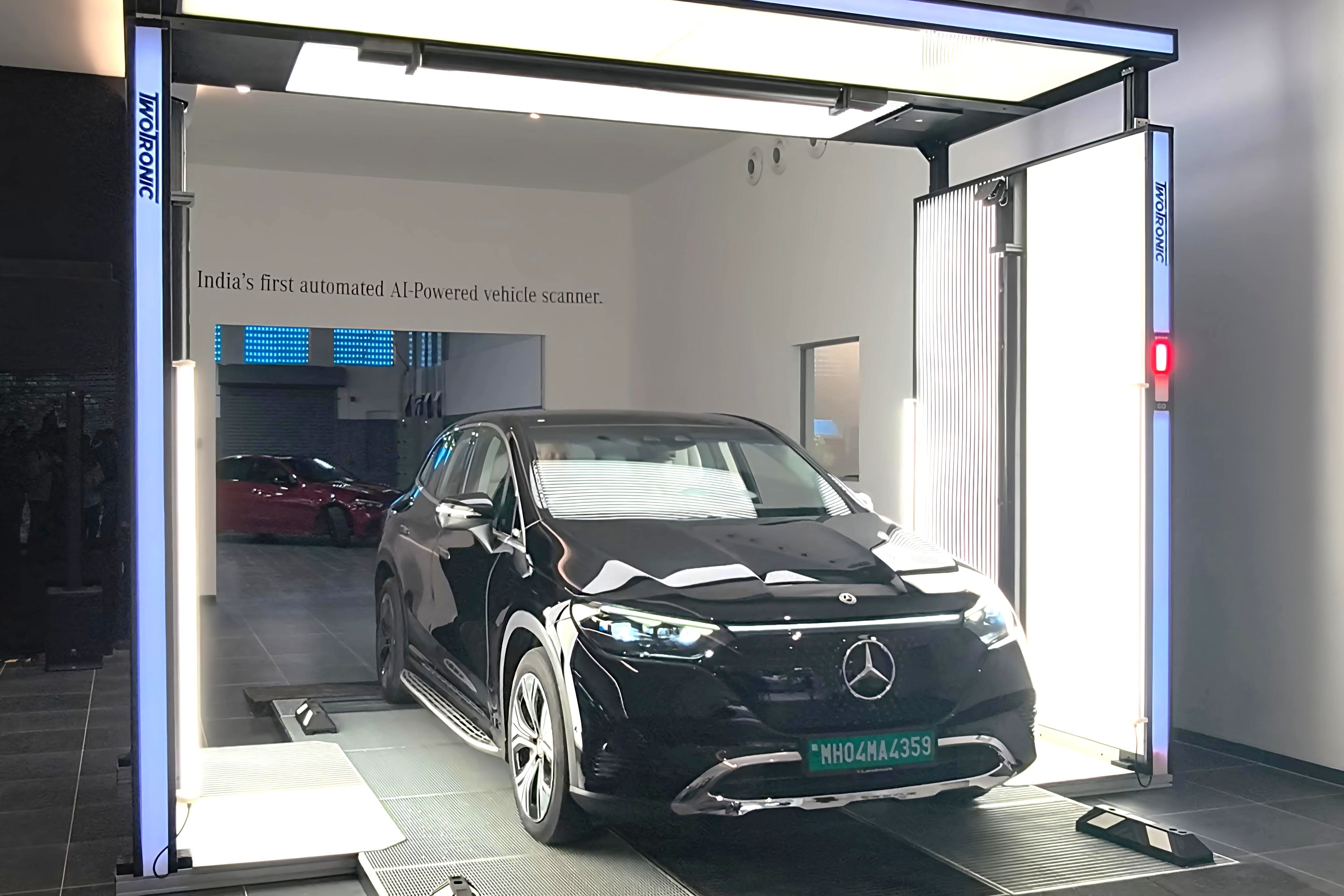
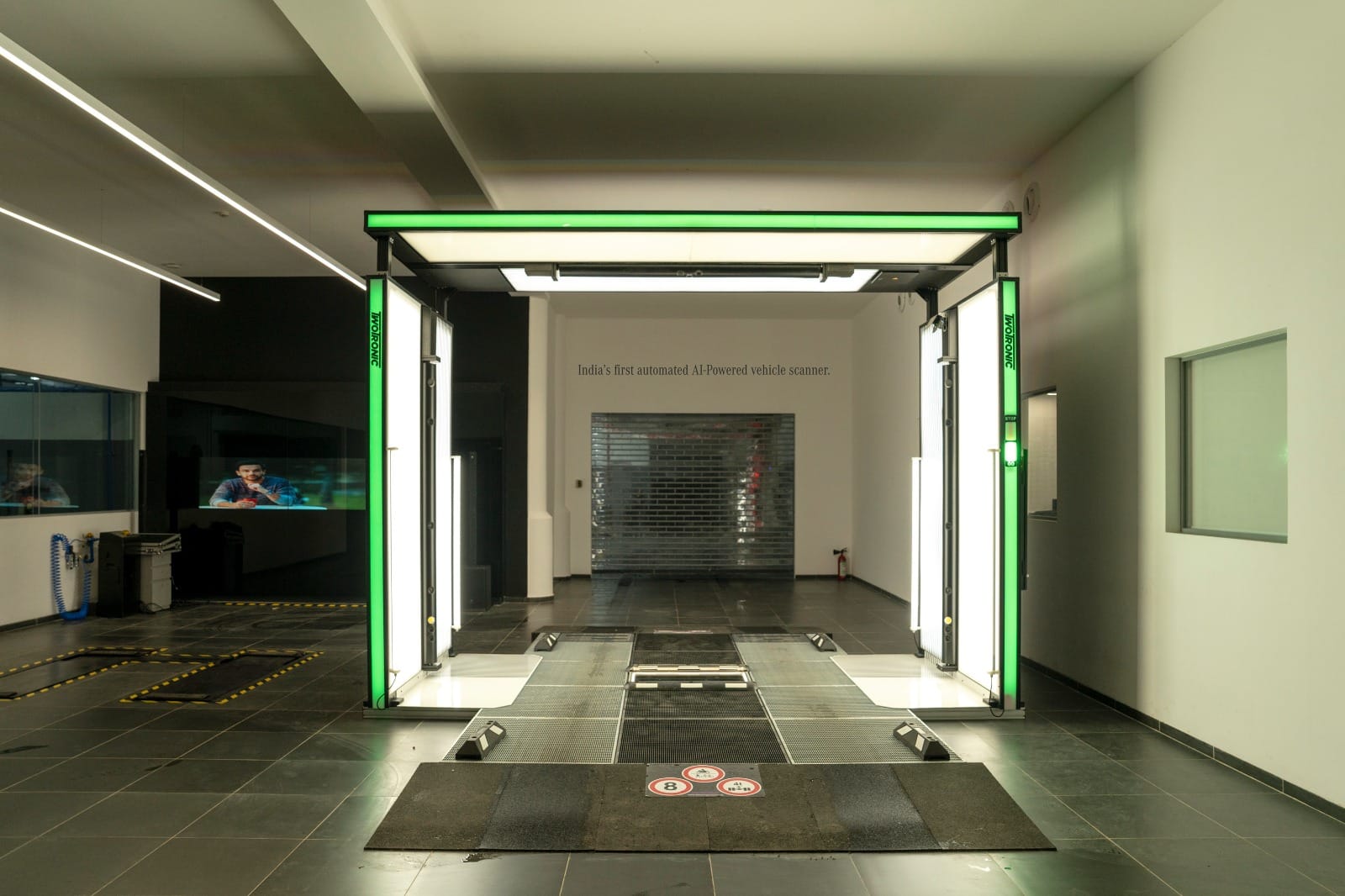
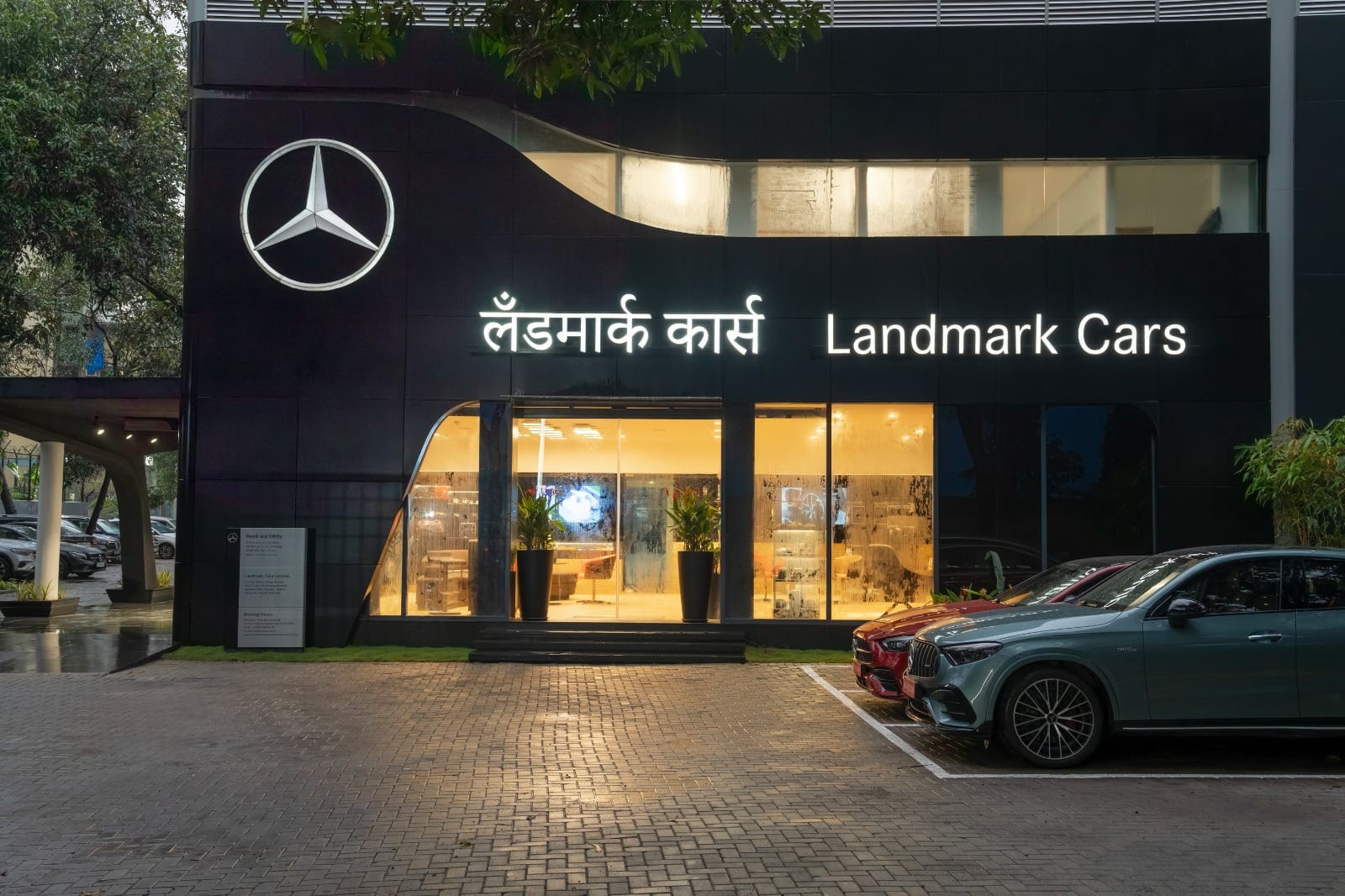
Mercedes-Benz India has revealed an AI-powered device that enables quicker vehicle inspection upon entry to its service centre. Dubbed the XENTRY Scanner, the service debuted at the brand’s newly established centre by Landmark Cars in Jogeshwari, Mumbai.

  1. Mercedes’ first AI-powered car scanning system arrives at its largest workshop in Mumbai.
  2. Uses a 360-degree camera system to identify damage on a car’s exterior.
  3. Service Select debuts as a new scheme for older Mercedes vehicles.

Currently, the scanner is the only one of its kind in India at this service centre, which spans around 58,000 sq. ft., making it the brand’s largest in Mumbai. This facility consists of 16 preventive maintenance and general repair bays, 9 body and paint bays and 9 supporting bays, supported by a dedicated 6,000 sq. ft. spare-parts area.

How does Mercedes’ XENTRY Car Scanner work?

The brand calls it an MRI scanner for its cars

Mercedes-Benz’s XENTRY car scanner.

As the car enters the workshop, it is made to pass through the XENTRY scanner. The scanner utilises a 360-degree high-resolution camera system comprising 13 cameras and a LiDAR sensor. Images of the car are captured and analysed across four categories: body, underbody, windshield and tyres. The system captures 150 images within 3 to 5 seconds and then transmits the data to the Mercedes-Benz cloud.

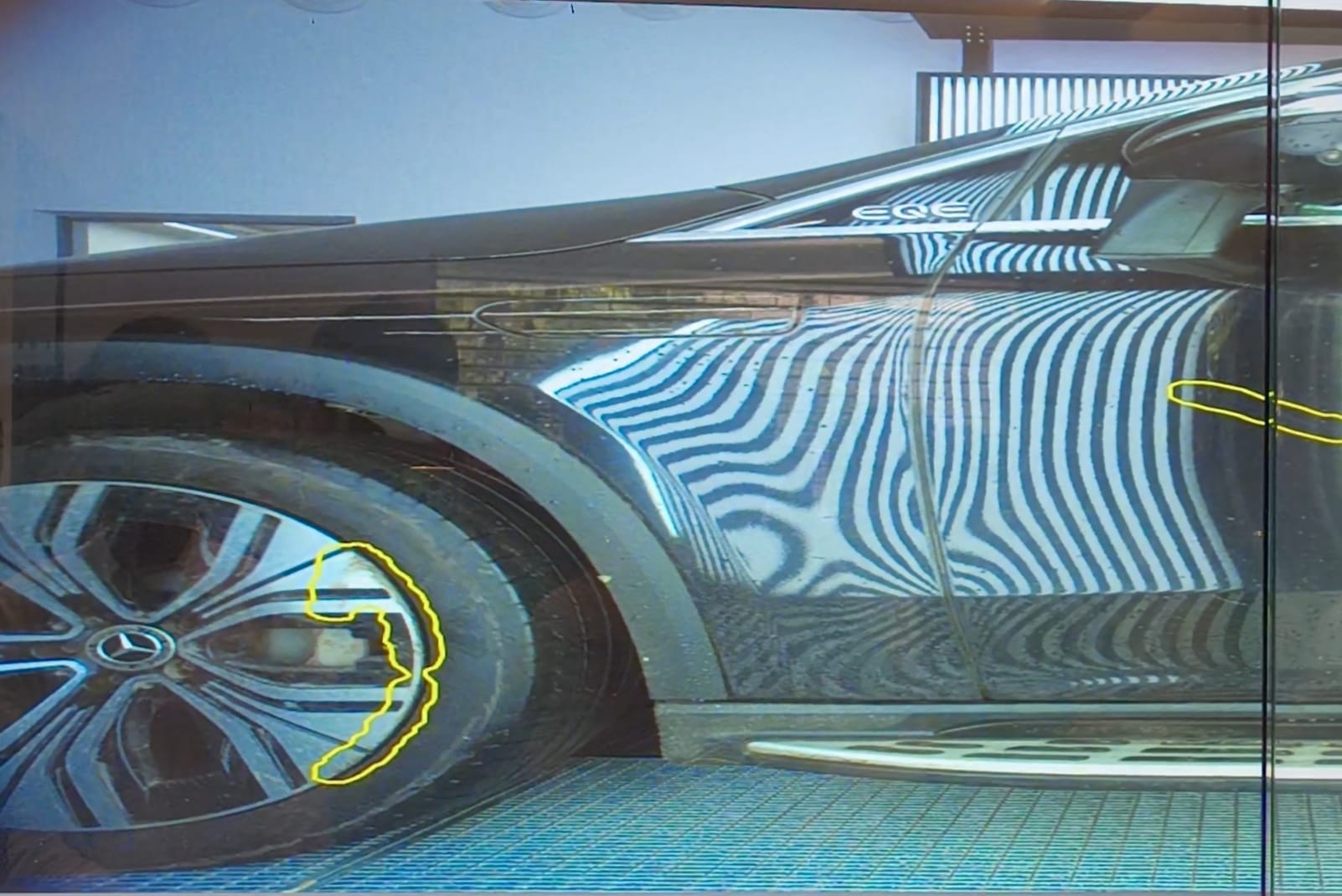
Artificial intelligence then comes into play, identifying every kind of damage on the car’s exterior, even the ones that aren’t visible to the naked eye. It also provides in-depth tyre information, including their health, tread depth and braking performance. To maintain privacy, the system does not capture images of the driver. The findings are added directly to the job card of the particular car without manual entry, enabling better co-ordinated workshop processes. Mercedes says the process is entirely paperless, reducing walking distances, waiting times and paperwork that traditionally accompanied service reception.

Speaking about the thinking behind such initiatives, Mr Santosh Iyer, MD and CEO, Mercedes-Benz India said, “Productivity has to be the core. Reason being, from a real estate perspective, you need to turn cars around faster, while initiatives like the car scanner are more of a productivity enhancement. But on the customer side too, they expect the car to be turned around quickly, which is a pure mobility requirement for the customer.”

Through AI, external wear and tear is automatically detected by the XENTRY car scanner.

Next, a service advisor receives all the information on a tablet and informs the customer of a detailed list of vehicle wear and tear. It is then up to the customer to approve servicing of the concerned parts on the spot. The brand claims that a digital record of service status eliminates the need for manual inspections by the customer.

Interestingly, Landmark’s own internal research points to a shift in service revenue coming from EV adoption growth. “Landmark did a study of the service cost of EV versus ICE. Over the last six months, they’ve seen that the cost is the same in terms of maintenance. But this isn’t coming from maintenance; it’s coming from the body shop. More of the latter is done on EVs compared to ICE cars, said Mr Iyer.

At around 58,000 sq ft, the Landmark Cars workshop in Jogeshwari is the brand’s largest in Mumbai.

India now adds to the list of countries to offer Mercedes’ XENTRY scanner. Previously, the tech was available in international markets like Germany, Italy, Korea, the Netherlands, Switzerland, and Turkey. Furthermore, Mercedes-Benz plans to expand to more than 20 ‘world-class’ luxury outlets in 2026 in India, supported by an investment of more than Rs 450 crore by franchise partners over the next two years.

Mercedes Service Select: A service plan for older Mercedes vehicles

While Mercedes-Benz provides a standard 3-year warranty on new cars, it has also introduced a new service scheme for older vehicles. Called ‘Service Select’, Mercedes cars 7 years or older are eligible for this service. The scheme enables up to 25 percent savings for periodic service and brake care, a 2-year warranty on spare parts, benefits of its ‘Mobilio Lite’ service facility, and residual value protection of the vehicle.

With inputs from Hormazd Sorabjee

Gen Z की अनोखी नौकरी वाली मांग ने छेड़ी बहस, IITian फाउंडर ने बताया क्यों कैंडिडेट को किया सिलेक्ट

नौकरी के इंटरव्यू में कैंडिडेट आमतौर पर सैलरी, छुट्टियों, वर्क फ्रॉम होम और जॉब रोल से जुड़ी बातें पूछते हैं। लेकिन नोएडा के एक फाउंडर के सामने एक उम्मीदवार ने ऐसी मांग रख दी, जिसने इंटरव्यू का माहौल ही बदल दिया। कैंडिडेट ने बेहद आत्मविश्वास के साथ कहा कि उसे हर दोपहर 30 मिनट की नींद लेने की जरूरत होगी, क्योंकि इससे उसकी productivity बेहतर होती है। हैरानी की बात यह थी कि उसने यह बात न तो मजाक में कही और न ही किसी झिझक के साथ।

फाउंडर नितिन वर्मा के मुताबिक, उम्मीदवार ने अपनी इस जरूरत को ऐसे रखा जैसे वह सैलरी पर बातचीत कर रहा हो। पहली प्रतिक्रिया में उन्हें इंटरव्यू खत्म करने का ख्याल आया, लेकिन बाद में उन्होंने इस मांग को एक अलग नजरिए से देखने का फैसला किया। सवाल यह था कि क्या कर्मचारी के काम के नतीजे अच्छे हों तो 30 मिनट की nap वास्तव में बड़ी समस्या है?

 ‘हर दोपहर मुझे Nap चाहिए’

IIT-backed कंपनी के फाउंडर और CEO नितिन वर्मा ने LinkedIn पर इस इंटरव्यू का अनुभव शेयर किया। उनके मुताबिक, उम्मीदवार ने पूरी गंभीरता और आत्मविश्वास के साथ कहा कि दोपहर की 30 मिनट की झपकी उसके काम को बेहतर बनाती है। वर्मा ने बताया कि उम्मीदवार ने यह बात ऐसे रखी, जैसे वह सैलरी पर बातचीत कर रहा हो। उनका पहला विचार इंटरव्यू खत्म करने का था, लेकिन फिर उन्होंने सोचा कि क्या यह मांग वाकई इतनी गलत है।

फाउंडर को पसंद आई कैंडिडेट की बेबाकी

नितिन वर्मा ने माना कि छोटी दोपहर की नींद से फोकस, एनर्जी और याददाश्त बेहतर हो सकती है। उन्होंने मजाक में कहा कि कॉरपोरेट ऑफिस में दोपहर की मीटिंग्स के दौरान कई लोग वैसे भी ऊंघते नजर आते हैं, फर्क सिर्फ इतना है कि यह उम्मीदवार अपनी जरूरत खुलकर बता रहा था। फाउंडर के मुताबिक, ज्यादातर लोग इंटरव्यू में खुद को कंपनी की पसंद के हिसाब से पेश करते हैं, जबकि इस कैंडिडेट ने साफ बताया कि वह किस तरह काम करने पर सबसे ज्यादा productive रहता है।

‘मुझे फर्क नहीं पड़ता तुम कब सोते हो’

वर्मा ने कैंडिडेट को फिक्स 30 मिनट की Nap Break देने के बजाय साफ कहा कि उन्हें इस बात से फर्क नहीं पड़ता कि कर्मचारी कब आराम करता है। उनके लिए जरूरी यह है कि सौंपा गया काम समय पर पूरा हो। यानी शर्त सीधी थी, काम पूरा करो, तो घंटे गिनने की जरूरत नहीं; काम नहीं हुआ तो कोई Nap मदद नहीं करेगी।

आखिरकार मिल गई नौकरी

सबसे दिलचस्प बात यह रही कि कैंडिडेट को नौकरी मिल गई। फाउंडर ने कहा कि उसकी Nap की मांग असली मुद्दा नहीं थी। उन्हें उसकी ईमानदारी और आत्मविश्वास ने प्रभावित किया। इस घटना ने उन्हें यह सोचने पर भी मजबूर किया कि क्या आधुनिक वर्कप्लेस में कर्मचारियों की productivity को ऑफिस में बिताए घंटों से मापा जाना चाहिए या उनके actual results से।

LinkedIn पर लोगों ने क्या कहा?

पोस्ट वायरल होने के बाद कई यूजर्स ने इसे बदलते workplace culture का संकेत बताया। कुछ ने कहा कि अगर कर्मचारी अपना काम पूरा कर रहा है तो उसे अपनी working style में थोड़ी आजादी मिलनी चाहिए। वहीं, कुछ यूजर्स ने Gen Z के इस अंदाज पर मजाक भी किया। एक यूजर ने कहा कि Gen Z को पता है कि जरूरी benefits के लिए negotiation कैसे करनी है।

Raksha Bandhan Mehndi Designs: रक्षाबंधन पर हाथों की खूबसूरती में लगाएं चार चांद, ट्राई करें ये लेटेस्ट और आसान मेहंदी डिजाइन

ना ओवरटाइम, ना देर रात काम… फिर भी Amazon में सबसे आगे निकला यह कर्मचारी वायरल हुआ फॉर्मूला

आज के समय में ज्यादातर लोग मानते हैं कि जितने ज्यादा घंटे काम करेंगे, उतनी ही सफलता मिलेगी। कई ऑफिसों में देर तक रुकना और हमेशा व्यस्त दिखना मेहनती कर्मचारी की पहचान माना जाता है। लेकिन क्या सच में अच्छी नौकरी का मतलब सिर्फ लंबे समय तक काम करना है? क्या कम समय में भी बेहतर तरीके से काम किया जा सकता है? इन सवालों पर इन दिनों सोशल मीडिया पर खूब चर्चा हो रही है। एक वायरल पोस्ट ने लोगों का ध्यान इस ओर खींचा है कि काम की असली पहचान घंटों से नहीं, बल्कि उसकी गुणवत्ता और फोकस से होती है।

यही वजह है कि अब लोग वर्क-लाइफ बैलेंस, स्मार्ट वर्क और सही टाइम मैनेजमेंट को पहले से ज्यादा अहम मानने लगे हैं। इस पोस्ट ने कई लोगों को सोचने पर मजबूर कर दिया कि शायद कम समय में पूरे मन से किया गया काम, लंबे समय तक बिना फोकस के काम करने से कहीं ज्यादा बेहतर साबित हो सकता है।

7 घंटे काम, लेकिन शानदार प्रदर्शन

अमेरिका में काम कर रहीं भारतीय प्रोफेशनल मुस्कान अग्रवाल ने लिंक्डइन पर अपने Amazon के एक पूर्व सहकर्मी का अनुभव साझा किया। उन्होंने बताया कि उनकी टीम का एक सीनियर सॉफ्टवेयर डेवलपमेंट इंजीनियर (SDE 3) रोज सुबह ठीक 8 बजे ऑफिस पहुंचता था और दोपहर 3 बजे तक अपना काम खत्म कर निकल जाता था।

ऑफिस के बाद पूरी तरह ऑफलाइन

सबसे दिलचस्प बात यह थी कि वह कर्मचारी ऑफिस छोड़ने के बाद कभी भी Slack या किसी ऑफिस चैट पर दिखाई नहीं देता था। न देर रात काम करता था और न ही वीकेंड पर अतिरिक्त घंटों की होड़ में शामिल होता था।

फोकस ने बनाया सबसे प्रोडक्टिव कर्मचारी

मुस्कान के मुताबिक, सीमित समय में पूरी एकाग्रता के साथ काम करने की वजह से वह टीम का सबसे खुश और सबसे अधिक प्रोडक्टिव सदस्य था। उसके काम की गुणवत्ता भी शानदार थी और वह बिना अनावश्यक ओवरटाइम के अपने सभी लक्ष्य पूरे कर लेता था।

सोशल मीडिया पर शुरू हुई नई बहस

यह पोस्ट वायरल होने के बाद इंटरनेट पर नई चर्चा छिड़ गई है। कई लोगों का मानना है कि सफलता का राज लंबे घंटों तक काम करने में नहीं, बल्कि काम के दौरान पूरी एकाग्रता और बेहतर टाइम मैनेजमेंट में छिपा है। वहीं कुछ यूजर्स का कहना है कि हर नौकरी और हर टीम में ऐसा वर्क रूटीन अपनाना संभव नहीं होता।

23 हजार की सैलरी और 6 दिन काम, हैदराबाद की इंजीनियर का सोशल मीडिया पर छलका दर्द