Stellantis lines up 12 Citroen, Jeep launches for India by 2030

Stellantis lines up 12 Citroen, Jeep launches for India by 2030

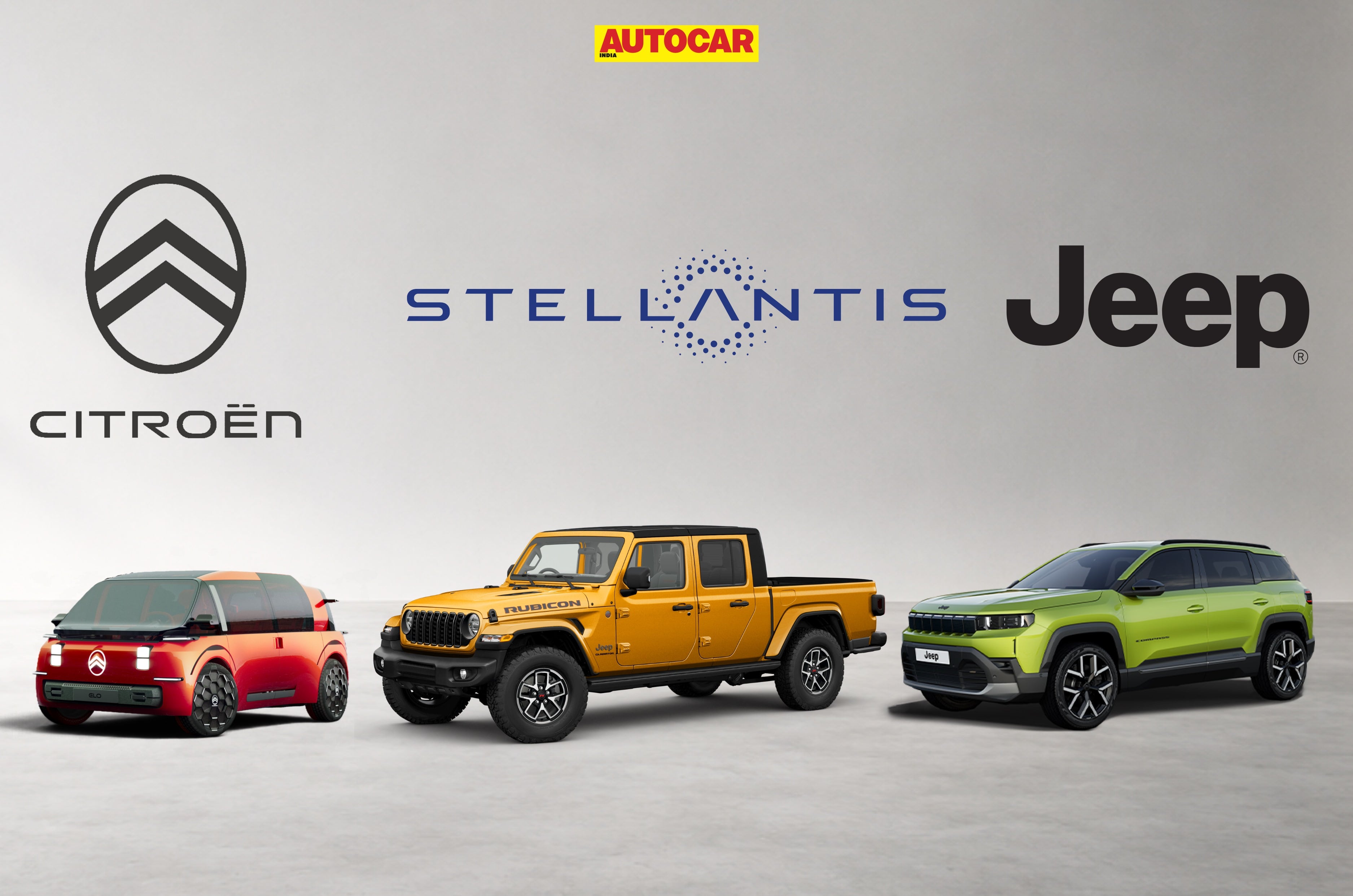
Stellantis has confirmed 12 Citroen and Jeep launches for India by 2030 as part of a roadmap dubbed ‘FaSTLAne 2030’. Speaking to Autocar India at the 2026 Paris Motor Show, Tianshu Xin – the head of Stellantis China and Asia-Pacific – confirmed a new investment of Rs 4,000 crore for the Indian market and said, “The plan is to introduce 12 new models in the next three years…seven of them will be new models and five are upgrades.”

Stellantis India lines up a dozen launches across Citroen and Jeep

Multiple SUVs inbound, along with an MPV, an entry-level car, and a premium pickup

The first model under FaSTLAne 2030 is scheduled to go on sale in India by the second quarter of 2027. This influx of new Citroen and Jeep launches will cover the compact, midsize, and premium SUV segments, and include a new MPV, an entry-level car, and a premium pickup truck. Of the 12 launches, seven will be from Citroen and five from Jeep.

Brand footprints to be expanded in India

Stellantis says these brands will play “distinct but complementary roles” in its line-up – Jeep will bolster its current position in the premium SUV arena, and Citroen will do the same in the mass-market segments. Expanding the customer reach of Citroen and Jeep is crucial, and Stellantis has committed to growing the brands’ retail and service networks, especially in Tier 2, 3, and 4 cities, along with increasing parts availability.

More Stellantis EVs coming, hybrids also confirmed

Additionally, Stellantis has confirmed a new multi-fuel strategy for the Indian market, which will span “efficient internal combustion engines, hybrid, plug-in hybrid (PHEV), and battery-electric (BEV) technologies.” These are already offered by Stellantis brands globally, and it should be interesting to see the specific powertrains that make it to India. As it stands, the majority of Stellantis India’s powertrain offerings are petrol; Citroen and Maserati also offer EVs, while Jeep additionally offers diesel in entry-level models.

Localisation target of 90 percent

According to Xin, the new models under FaSTLAne 2030 will be produced in India, so localisation will play a key role for competitive pricing. In light of that, Stellantis has set a target of 90 percent localisation across Jeep and Citroen, and will bank on its Indian R&D and manufacturing facilities, along with its supplier ecosystem, to achieve this. Moreover, India-developed FaSTLAne 2030 models will be exported to overseas markets.

Stellantis India’s two major brands, Citroen and Jeep, haven’t been very successful at attracting buyers in recent years. Citroen’s cars, despite recent updates, have struggled to gain traction in India due to their rivals being more aspirational and feature-rich. Jeep India, meanwhile, hasn’t launched any new models or facelifts in several years, turning prospective buyers away to more updated offerings. FaSTLAne 2030 is looking to be the shot in the arm that Stellantis India needs to pique buyer interest again.

What about Leapmotor?

Xin also provided an update on the long-overdue India entry of Stellantis’s Chinese EV brand, Leapmotor. Stellantis had planned to bring Leapmotor to India in 2025, but that evidently didn’t pan out. Xin noted that Leapmotor’s India entry is still being studied, and that there has to be enough “volume potential to justify the business case.” Therefore, a decision on Leapmotor entering India will only be made when the business case is ‘proven and solid.’
Hyundai inaugurates Pune plant, to invest Rs 11,000 crore

Hyundai inaugurates Pune plant, to invest Rs 11,000 crore
Hyundai

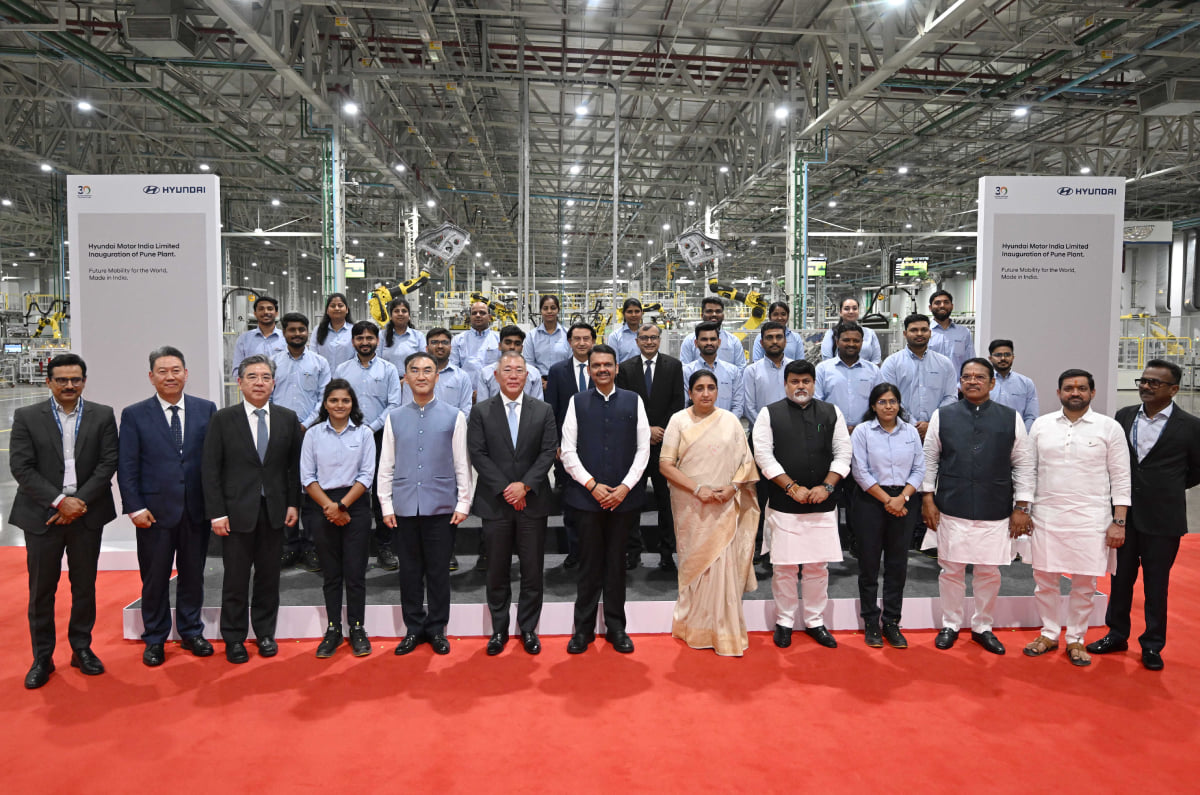
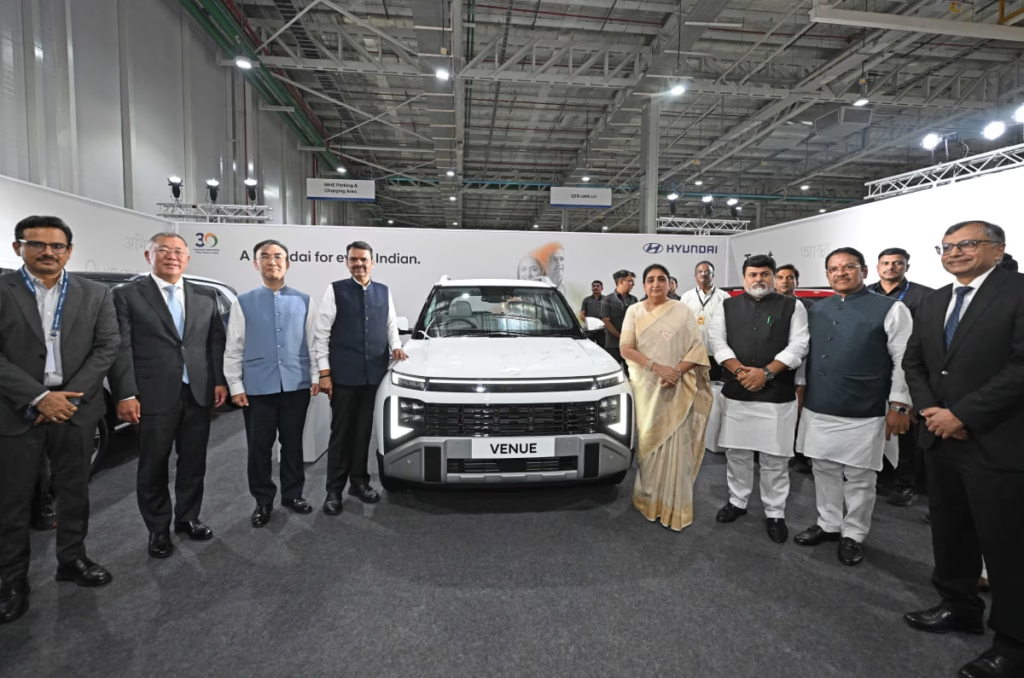
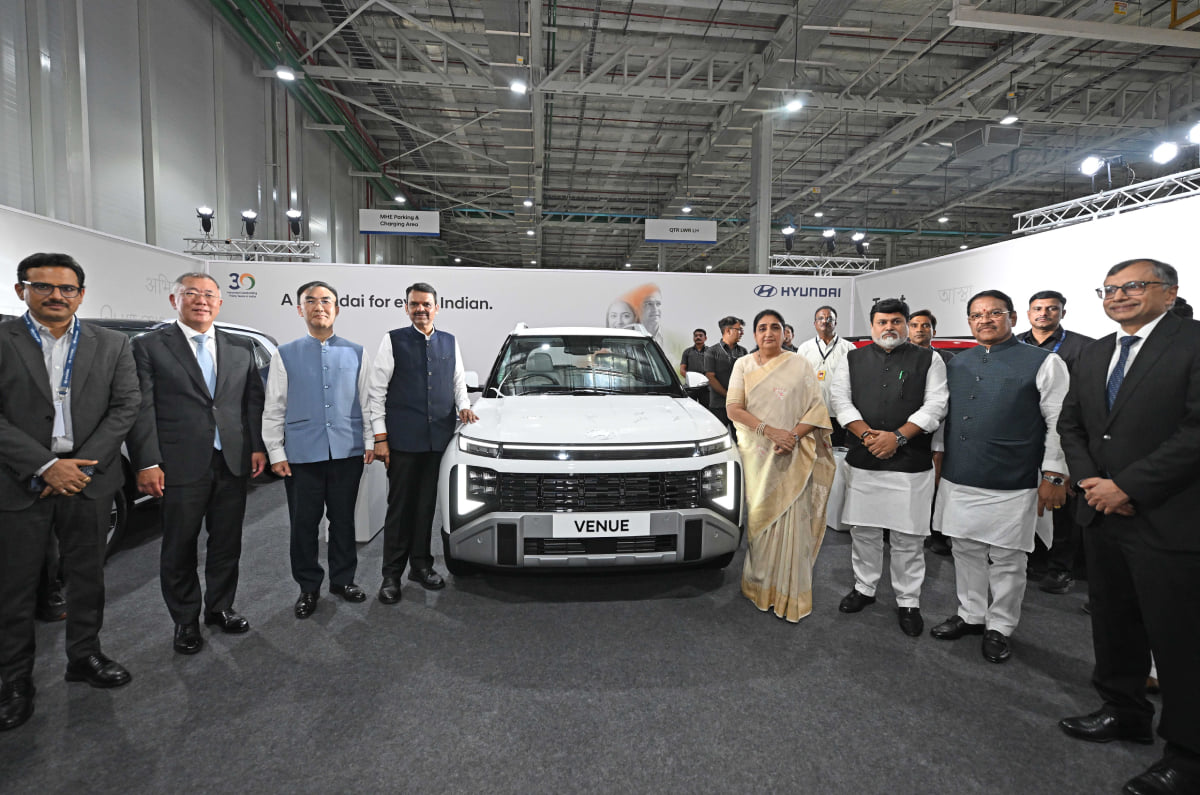
Hyundai Motor India has inaugurated its manufacturing plant in Talegaon, Pune, marking its first major manufacturing expansion outside Tamil Nadu. The facility currently has an installed annual production capacity of 1.7 lakh units, which is planned to increase to 3.2 lakh units by 2030. Managing director and CEO Tarun Garg announced that the company will invest Rs 11,000 crore in phases at the plant.

Hyundai Pune plant: Capacity and investment

Maharashtra Chief Minister Devendra Fadnavis inaugurated the plant on October 14, 2026. Hyundai Motor Group executive chair Euisun Chung and Hyundai Motor Company president and CEO Jose Munoz were also present.

Garg said, “We will invest INR 11,000 crore in phases at this facility. Beyond expanding manufacturing capacity, the facility will drive industrial development, innovation and employment generation in the region.”

The expansion will take Hyundai Motor India’s combined annual production capacity at its Pune and Chennai plants to nearly 11.4 lakh units by 2030, according to the company. The Pune facility also has an engine shop with an annual capacity of 1.5 lakh units.

The plant uses Hyundai’s E-FOREST digital factory platform, with AI-based quality checks, predictive maintenance, digital simulations and augmented reality-based worker training. Its production lines can support multiple internal combustion engine and hybrid models.

Hyundai Venue to be made at Pune plant

The Hyundai Venue will be manufactured exclusively at the Pune plant and exported to global markets. Hyundai plans to expand exports of the model to more than 35 countries.

The inauguration coincided with Hyundai Motor India marking cumulative exports of 40 lakh passenger vehicles since 1999 and domestic sales of nearly 1 crore passenger vehicles over its 30 years in India.

Chung said, “India remains one of Hyundai’s most important and strategic markets globally.” He added that the Pune plant reflected the group’s long-term commitment to India and that the export milestone highlighted the role of Indian manufacturing in its global operations.

Hyundai said 55 Tier-1 suppliers have invested nearly Rs 4,600 crore in Maharashtra. Nearly half of its supplier network is located within 50km of the plant. The combined Tier-1 and Tier-2 supplier network has generated more than 18,000 employment opportunities in the state, according to the company.

Hyundai also cited nearly 40 ongoing research projects with seven Indian academic institutions, covering battery technology, electrification and future mobility.

Supreme Court suggests adding unpaid traffic challans to electricity bills

Supreme Court suggests adding unpaid traffic challans to electricity bills
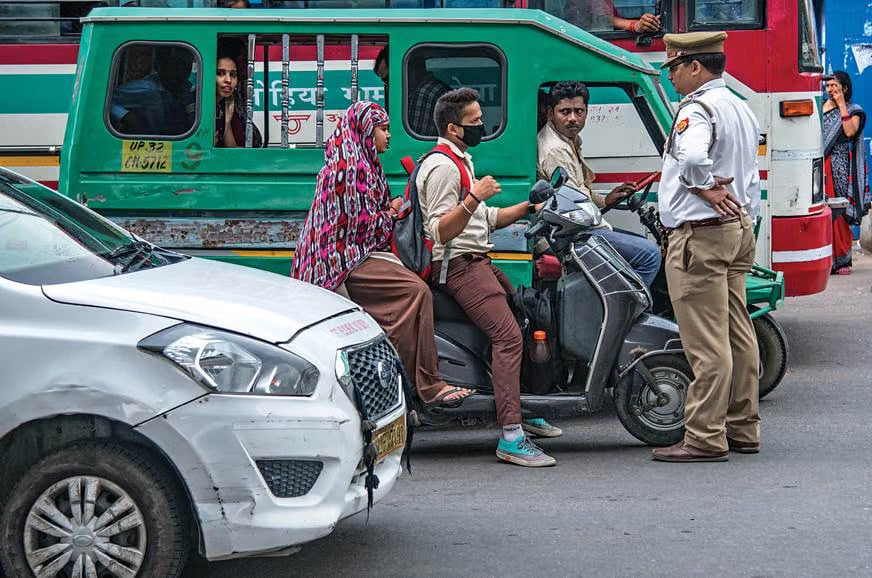
Challan

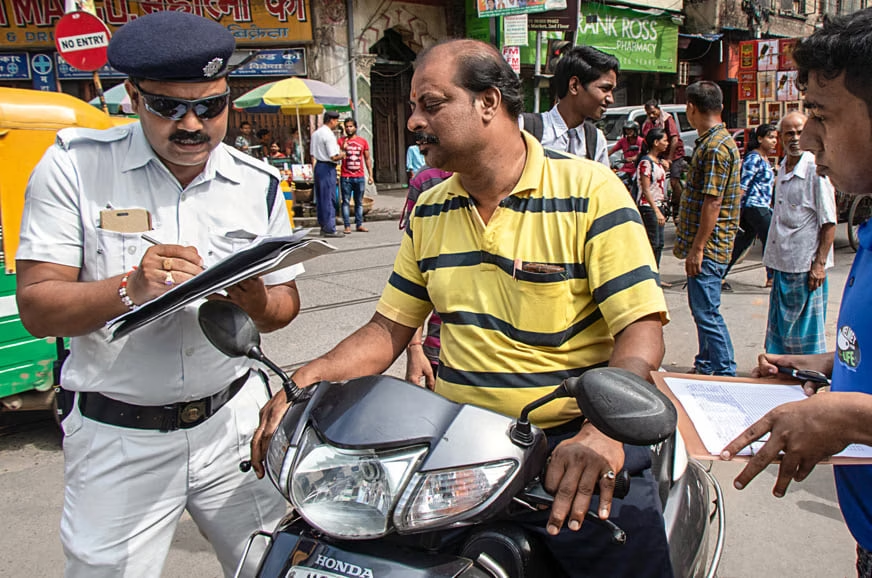
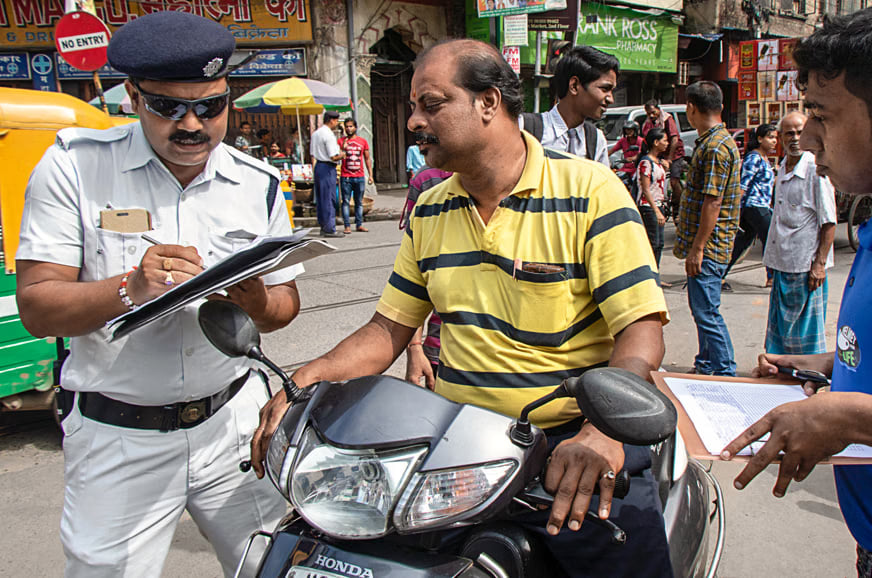
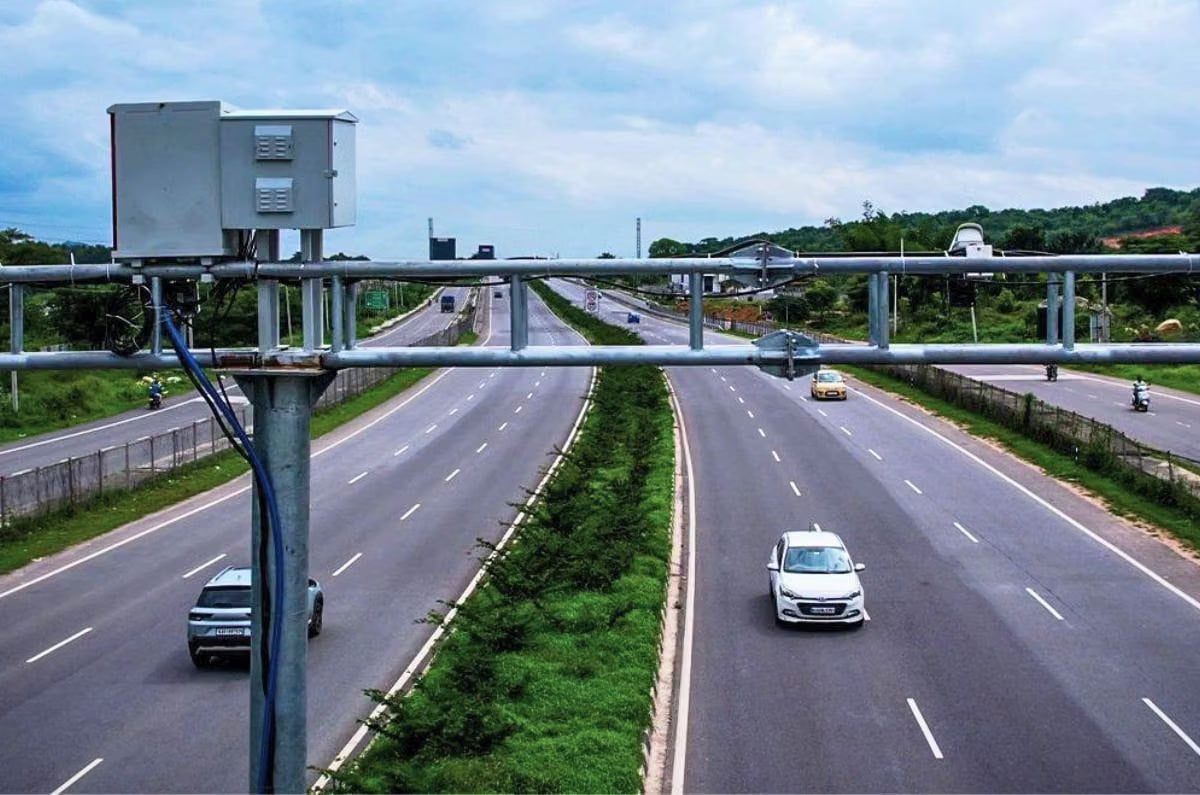
The Supreme Court has suggested linking unpaid traffic challans to electricity bills to help recover outstanding fines. The suggestion came during a hearing on electronic enforcement of traffic violations, where the court was informed that states and Union territories have around Rs 45,000 crore in e-challan dues, of which about Rs 25,000 crore has been recovered.

A bench of Justices JB Pardiwala and KV Viswanathan said issuing e-challans alone was not enough and that authorities needed to focus on recovering the fines. “It is not just sufficient to keep issuing e-challans. Police may issue thousands and lakhs of such e-challans. The question is recovery of fines as sought to be imposed by way of the e-challans,” Justice Pardiwala said, according to Bar and Bench.

Court seeks stronger recovery of pending fines

The court suggested that unpaid traffic fines could be added to electricity dues, with the possibility of power disconnection providing an additional way to recover the outstanding amount. “If people are not paying traffic challans, add it to their electricity dues bill. They’ll have to pay electricity bills else power line will be disconnected. Work it out. In this country, you have to find a way out,” the bench said.

The court clarified that linking challans to electricity bills was a suggestion made during the hearing and not a direction for immediate implementation. 

Vehicle services could be blocked over unpaid challans

The Supreme Court also discussed measures that could restrict vehicle-related services until outstanding challans are cleared. These include stopping renewal of registration certificates, withholding duplicate RCs and blocking ownership transfers.

The court also suggested blacklisting vehicles with unpaid challans on the Parivahan portal, withholding fitness and PUC certificates, and stopping the renewal of driving licences. It also discussed suspending licences that are already in force. Justice Pardiwala stressed that any measures adopted would need to work in practice, saying, “The authorities need to work at the ground level having regard to ground realities.”

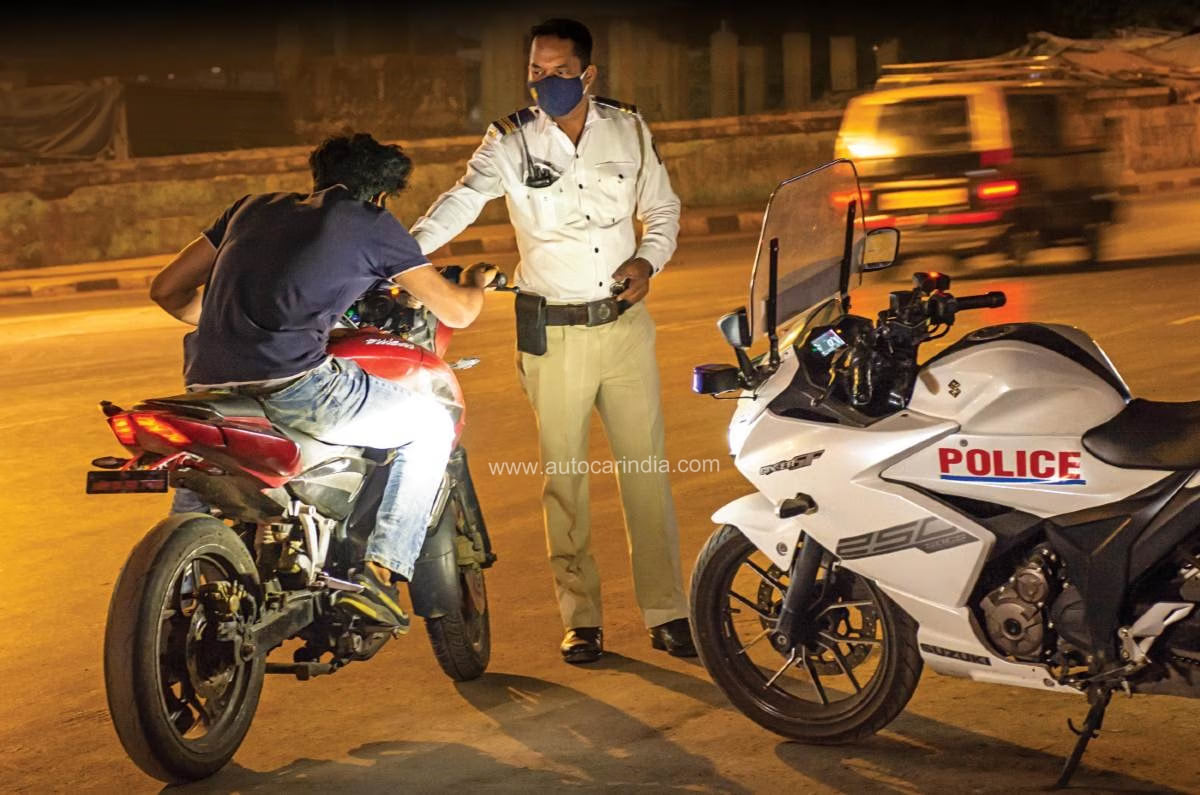
Random vehicle checks were also suggested to identify vehicles with unpaid e-challans. Where such a vehicle is found, the court said necessary steps could be taken to impound it.

The suggestions were made while the court was hearing a plea concerning electronic enforcement of traffic violations and recovery of unpaid e-challan fines, as part of a long-running 2012 public interest litigation on road safety. 

Stellantis takes full ownership of Indian manufacturing JV

Stellantis takes full ownership of Indian manufacturing JV
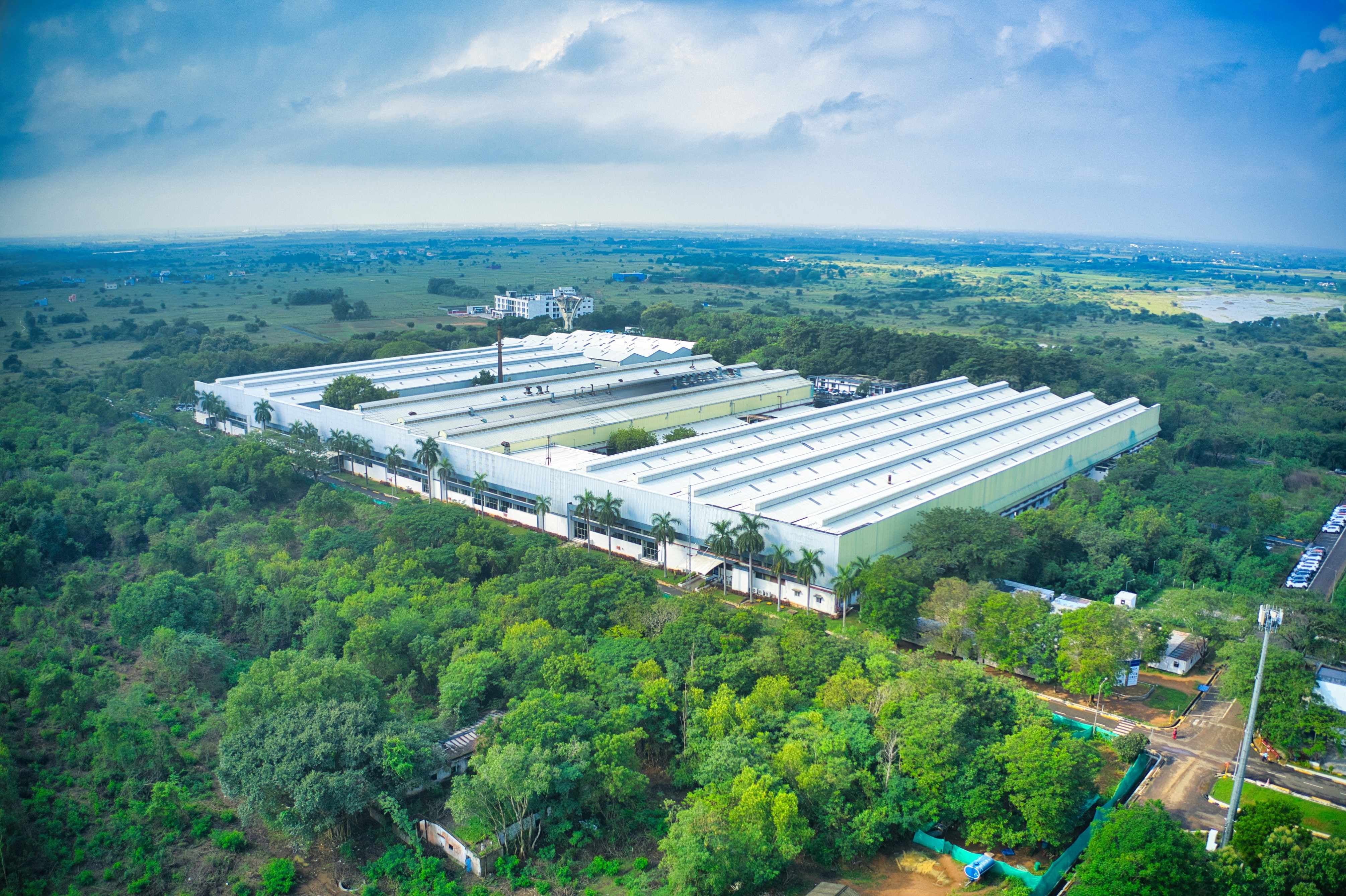
Stellantis India Thiruvallur facility

Stellantis India announced that it has acquired the remaining equity stake held by CK Birla Group firm Hindustan Motor Finance Corporation Ltd. (HMFCL) in Stellantis Automobiles India Private Limited (SAIPL), taking 100% ownership of the joint venture and its car assembly facility in Thiruvallur, Tamil Nadu.

  1. With full ownership of the JV, it gains full control over its Thiruvallur facility.
  2. The facility manufactures four Citroen models and exports to eight countries.
  3. Stellantis aims to ramp up current production capacity and workforce.

The transaction, executed through foreign direct investment, concludes the joint venture established in 2017 between Stellantis and the CK Birla Group, which brought French carmaker Citroen to the Indian market. The plant manufactures four Citroen nameplates, including the C3, eC3, Aircross, and Basalt, and ships completely built units (CBUs) to eight export destinations across four continents.

What is Stellantis India planning after exercising full control?

With sole control established, Stellantis says it plans to raise annual output at Thiruvallur by more than 160%, targeting a ramp-up from 16,000 units in 2026 to upwards of 43,000 units by 2028. The expansion is projected to more than double the facility’s direct shopfloor workforce from its current level of 610 employees.

Shailesh Hazela, CEO and Managing Director, Stellantis India, said, “India remains a key pillar of Stellantis’ growth strategy. Having invested close to INR 11,000 crore in the country to build a strong manufacturing, engineering and export ecosystem, we continue to see significant opportunities ahead. This milestone will enable greater integration and enhance our ability to respond more quickly to customer and market needs.”

Ultraviolette targets 3 lakh unit production capacity by mid-2027

Ultraviolette targets 3 lakh unit production capacity by mid-2027
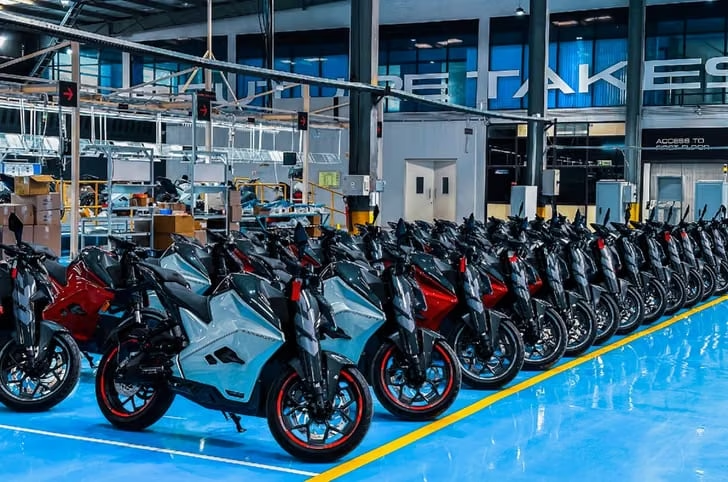
Multiple UV F77 bikes at the factory

Ultraviolette is targeting a combined annual manufacturing capacity of approximately 3 lakh units by mid-2027, co-founder and CEO Narayan Subramaniam has said. The figure combines the 2.5 lakh-unit capacity of the newly announced BIGGA Factory in Hosur with an expanded capacity of around 50,000 units at the company’s existing Bengaluru plant, which is also being upgraded. The company plans to invest around Rs 1,000 crore across both facilities over the next five years – approximately Rs 200 crore at the Bengaluru plant and Rs 800 crore at the new Hosur facility.

  1. Combined capacity of 3 lakh units targeted by mid-2027 across two facilities
  2. Rs 1,000 crore investment planned over five years across both plants
  3. Tesseract launch delayed to Q1 2027 after 100-volt architecture redesign

Ultraviolette capacity and product plans: Key details

Tesseract delayed eight to ten months after fundamental redesign

The Tesseract electric scooter, which was originally expected earlier, has been delayed after Ultraviolette decided to redesign the vehicle around a 100-volt architecture. The change required a realignment of multiple systems, including the battery pack, battery management system, motor controllers and charging hardware, adding eight to ten months to the development timeline. The scooter is now expected to launch in the first quarter of 2027. Ultraviolette says its current bookings and sales pipeline point to demand of at least 10,000 units per month for the Tesseract.

Alongside the Tesseract, Ultraviolette plans to launch the Shockwave electric motorcycle next year. The company’s longer-term portfolio covers four motorcycles and two scooters, with the two categories eventually expected to contribute equally to overall volumes. The BIGGA Factory’s first phase is expected to become operational between Q1 and Q2 2027.

Exports to account for 15-25 percent of BIGGA Factory output

Ultraviolette expects exports to initially account for around 15 percent of production from the new plant, rising to approximately 25 percent as the company expands into international markets. Target regions include Europe, North America and Latin America, while Southeast Asia is also being evaluated through pilot programmes. The company is already exporting to 19 countries in Europe through its existing facility.

Subramaniam said Ultraviolette expects to reach company-level profitability within 24 months – around the same time it plans to pursue an IPO – at which point the company expects to have six products across four continents and a production scale of around 3 lakh vehicles annually. The company says it is fully capitalised for its current expansion plans but could consider additional fundraising if EV adoption accelerates faster than expected.

Kiran Murali & Prerna Lidhoo

Yamaha India eyes capacity expansion as plants near full utilisation

Yamaha India eyes capacity expansion as plants near full utilisation
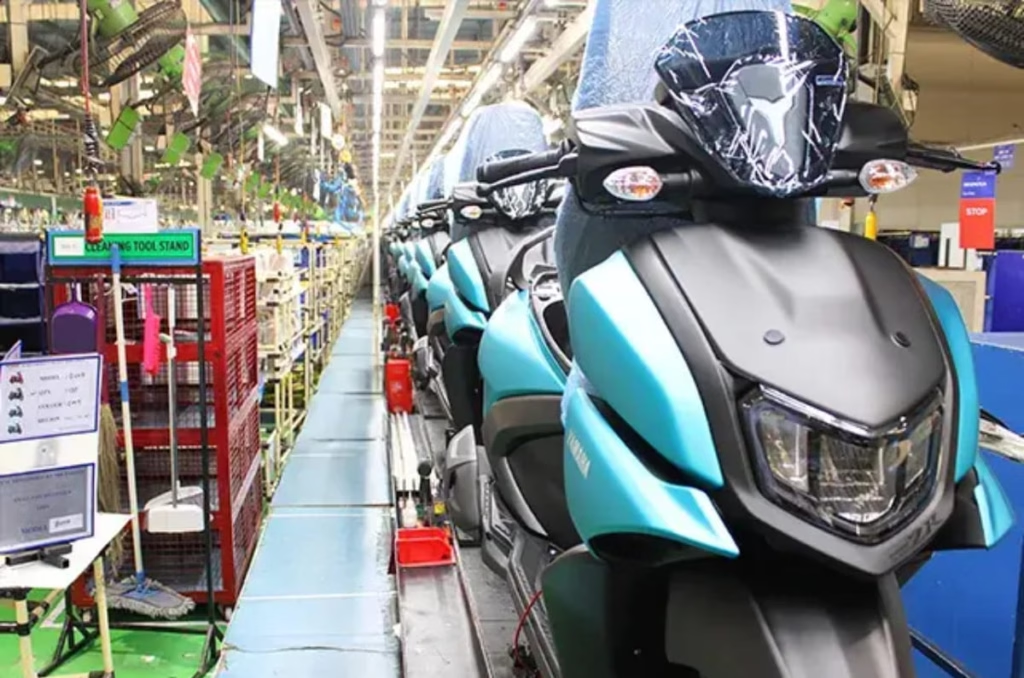
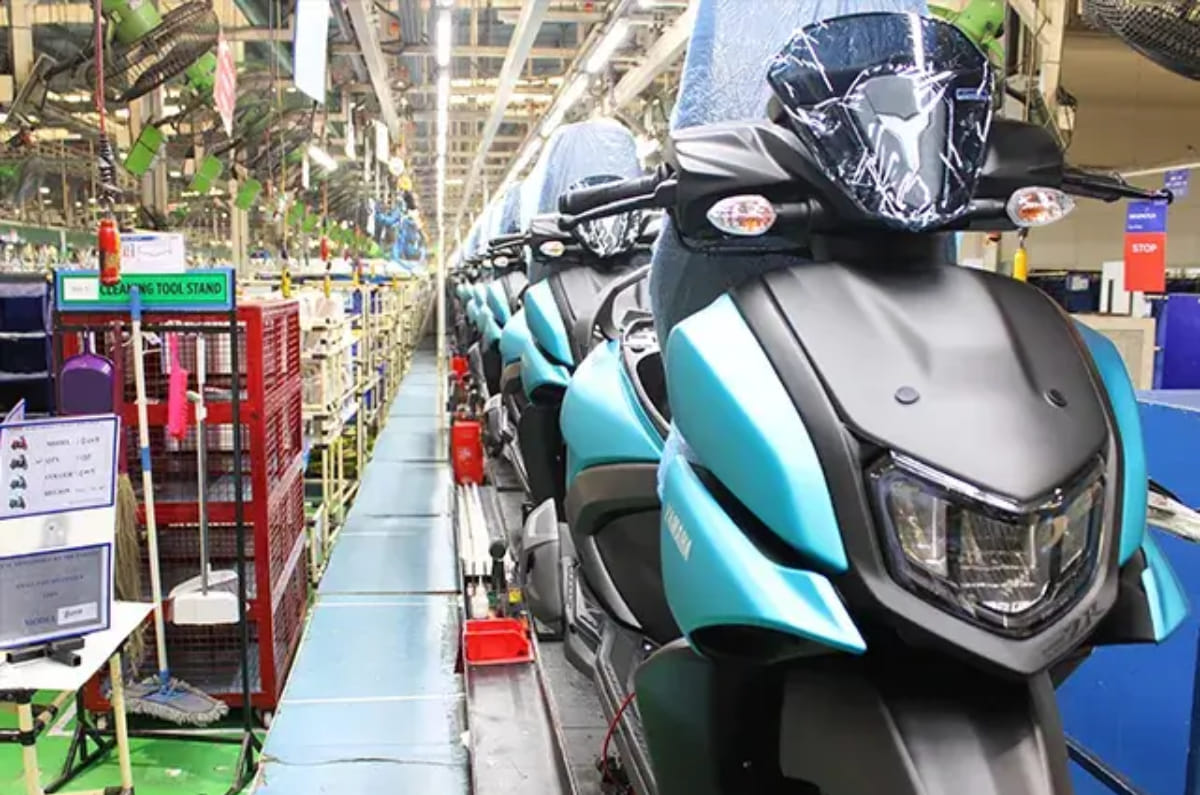
Yamaha RayZR on a production line

Yamaha Motor India has begun evaluating additional manufacturing capacity as it expects its existing 1.5 million unit annual output to be fully utilised within the next two to three years. The Japanese two-wheeler maker operates plants in Surajpur, Uttar Pradesh and Kanchipuram, Tamil Nadu, with a combined annual capacity of 1.5 million units, and is weighing whether to expand within its current footprint or invest at a new location.

  1. Yamaha India’s 1.5 million unit annual capacity expected to be fully utilised within 2-3 years
  2. Domestic sales up 41 percent to 4.1 lakh units in H1 2026
  3. Annual sales target of 50,000 units set for the newly launched YZF-R2

Yamaha India capacity expansion: Key details

New plant requires 3-4 years of lead time; expansion within existing sites also being considered

Hajime Aota, Chairman of the Yamaha Motor India Group, said the company still has space to expand at its existing facilities, reducing the immediate pressure to acquire new land. The decision on expansion – whether at Surajpur, Kanchipuram or elsewhere – will depend on manufacturing processes, supplier allocation and longer-term domestic and export requirements. “At this moment, we have capability and we have space,” Aota said, while noting that planning for a new greenfield facility typically requires a lead time of three to four years.

Yamaha expects its total volumes (including exports) to exceed 1.1 million units in 2026, with domestic sales up 41 percent to 4.1 lakh units in the first half of the year. The company expects H2 volumes to be higher, supported by festive demand and new product launches. On the YZF-R2, which debuted yesterday at Rs 2.30 lakh, Yamaha has set an annual domestic sales target of 50,000 units.

Aota described India and Indonesia as Yamaha’s two biggest global growth engines, with India offering the stronger long-term growth opportunity. However, he noted that India must continue improving manufacturing productivity and technical capabilities to narrow the gap with Indonesia and expand its role in Yamaha’s global manufacturing network. The company employs approximately 10,000 people across its Indian operations and has invested over Rs 2,000 crore in research, development and manufacturing in India over the past eight to ten years. The quantum of investment required for the next phase of expansion has not been disclosed.

Hero MotoCorp to invest Rs 1,758 crore more in Ather

Hero MotoCorp to invest Rs 1,758 crore more in Ather

Hero MotoCorp will invest up to Rs 1,758 crore to increase its stake in Ather Energy, taking its holding in the electric two-wheeler maker from 29.88 percent to approximately 32.8 percent on a fully diluted basis.

  1. Hero MotoCorp will buy existing Ather shares worth up to Rs 1,758 crore
  2. Its stake will rise from 29.88 percent to approximately 32.8 percent
  3. The deal comes shortly after Hero’s separate Rs 1,000 crore investment in Ather

The investment was approved by Hero MotoCorp’s Committee of Directors on August 27 and will involve the purchase of existing Ather shares from an existing shareholder. This makes it a secondary transaction, rather than a fresh issue of equity by Ather. The deal will be funded entirely through cash and is expected to be completed by September 3, 2026. No government or regulatory approvals are required.

The latest investment comes shortly after Hero announced plans to invest up to Rs 1,000 crore in Ather through a preferential issue. Ather subsequently allotted Hero convertible warrants worth Rs 959.99 crore as part of that investment.

The two transactions are separate, with the earlier investment involving securities issued by Ather and the latest Rs 1,758 crore deal involving the purchase of existing shares. Taken together, Hero has committed up to around Rs 2,758 crore to Ather through the two transactions.

Hero has been an investor in Ather for several years and is already its largest shareholder. The latest investment will further strengthen its position in the company as Ather continues to expand its electric two-wheeler business and charging network across India.

Ather’s turnover has grown significantly over the past three financial years, rising from Rs 1,753.8 crore in FY2024 to Rs 2,255 crore in FY2025 and Rs 3,671.76 crore in FY2026.

The company designs, manufactures and sells electric two-wheelers and operates its own charging network with an open-source connector that’s shared with Vida. Ather’s portfolio includes the 450 range and Rizta, while its presence has expanded across the country. As for the brand’s immediate plans, Ather is slated to launch its first-model based on the EL platform tomorrow, at its community day, intended to slot in below the Rizta. 

With inputs from ANGITHA SURESH