TVS outsells Hero and Honda to top bike and scooter sales in August 2026

TVS outsells Hero and Honda to top bike and scooter sales in August 2026
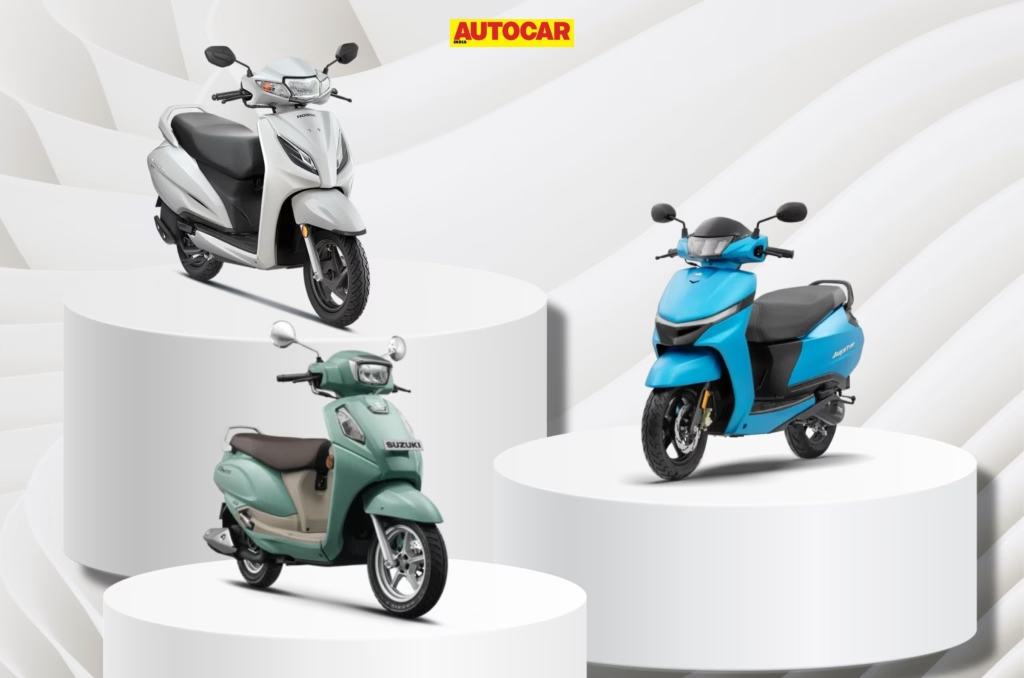
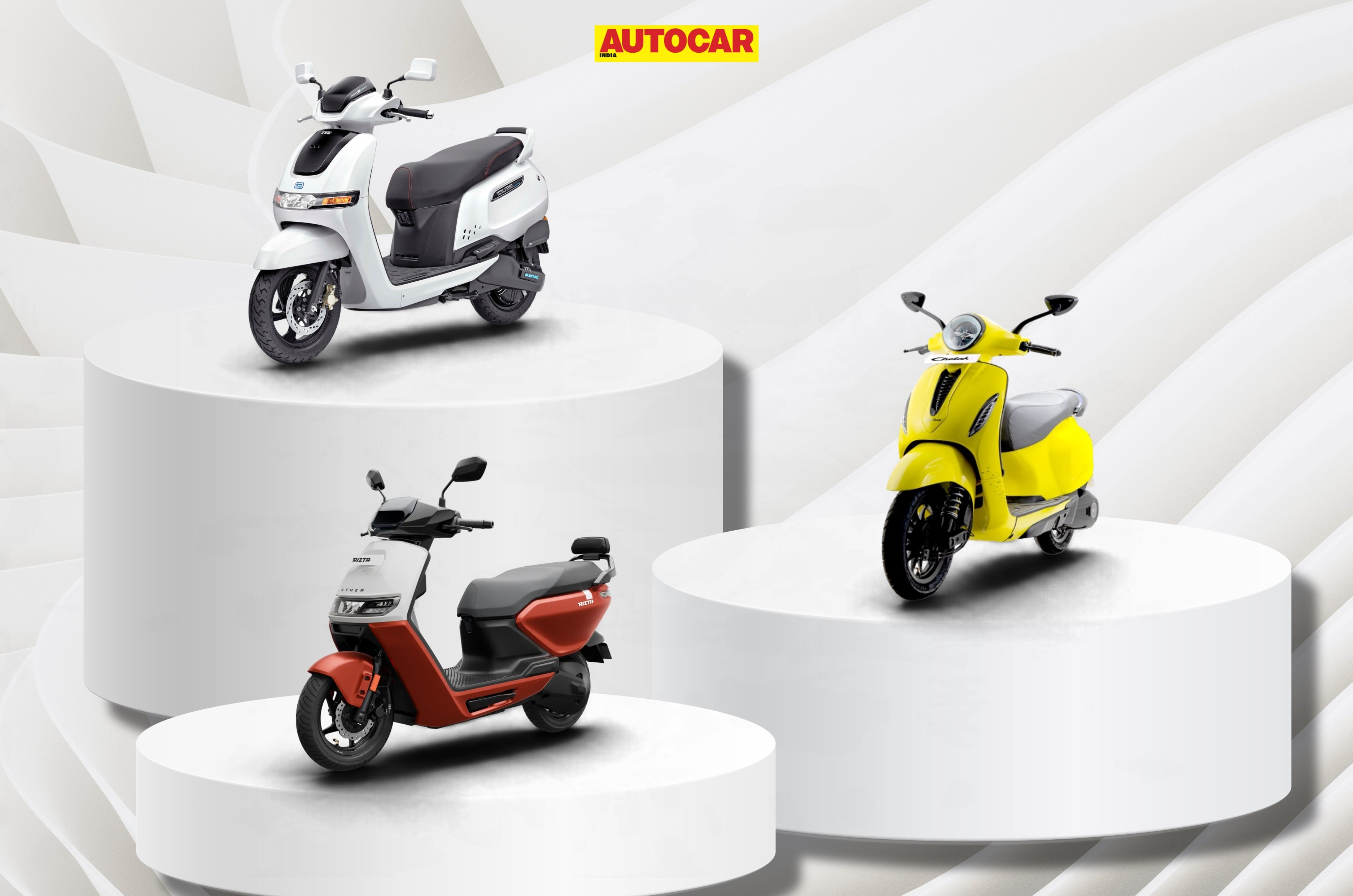
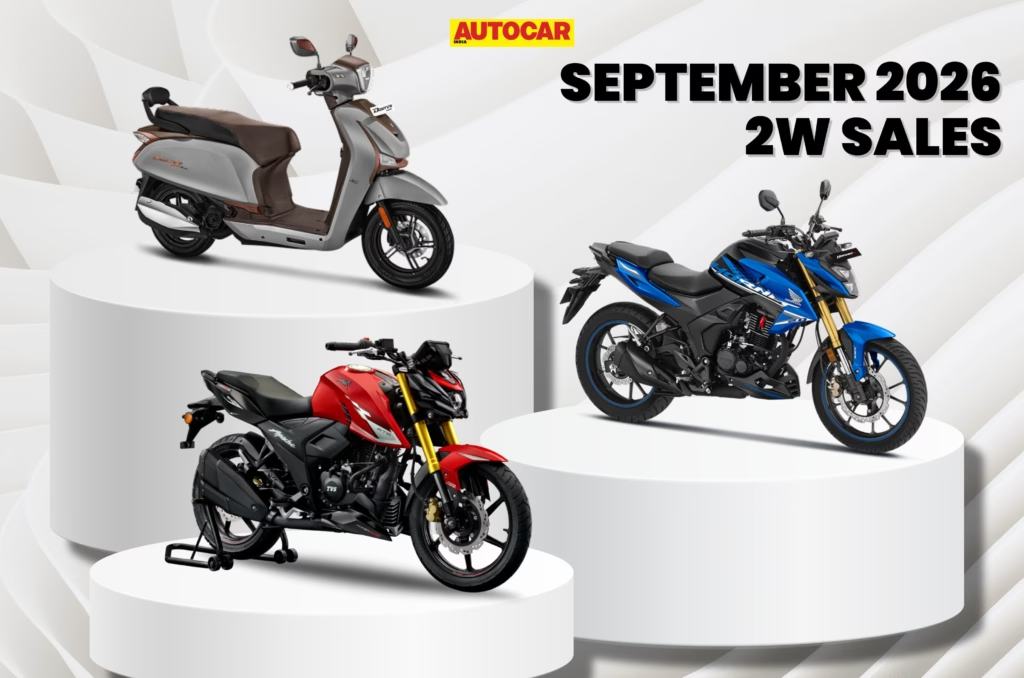
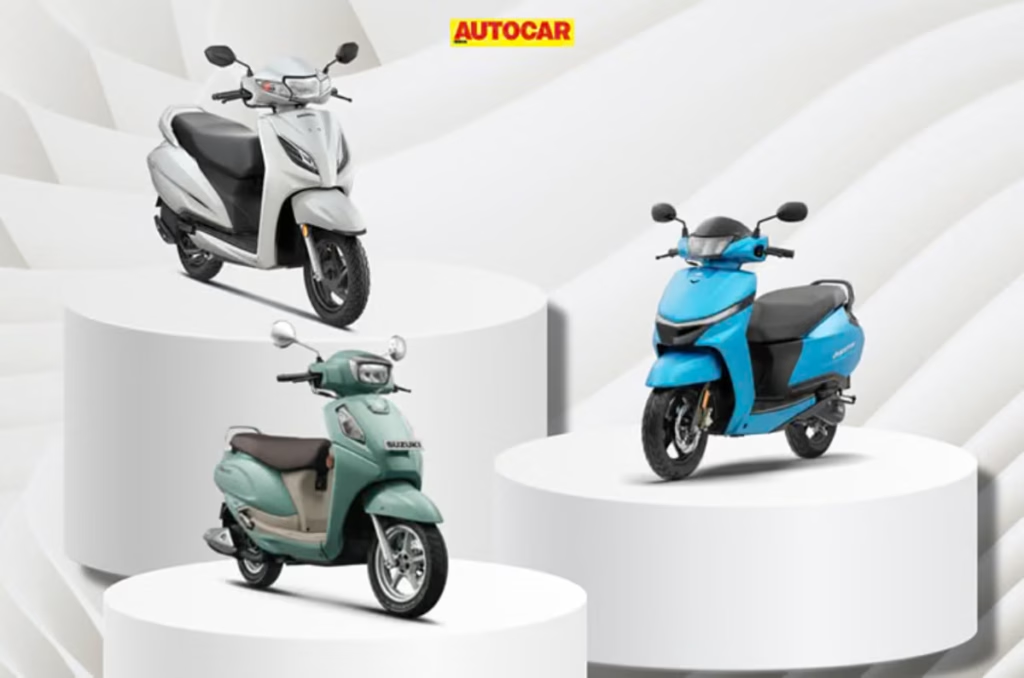
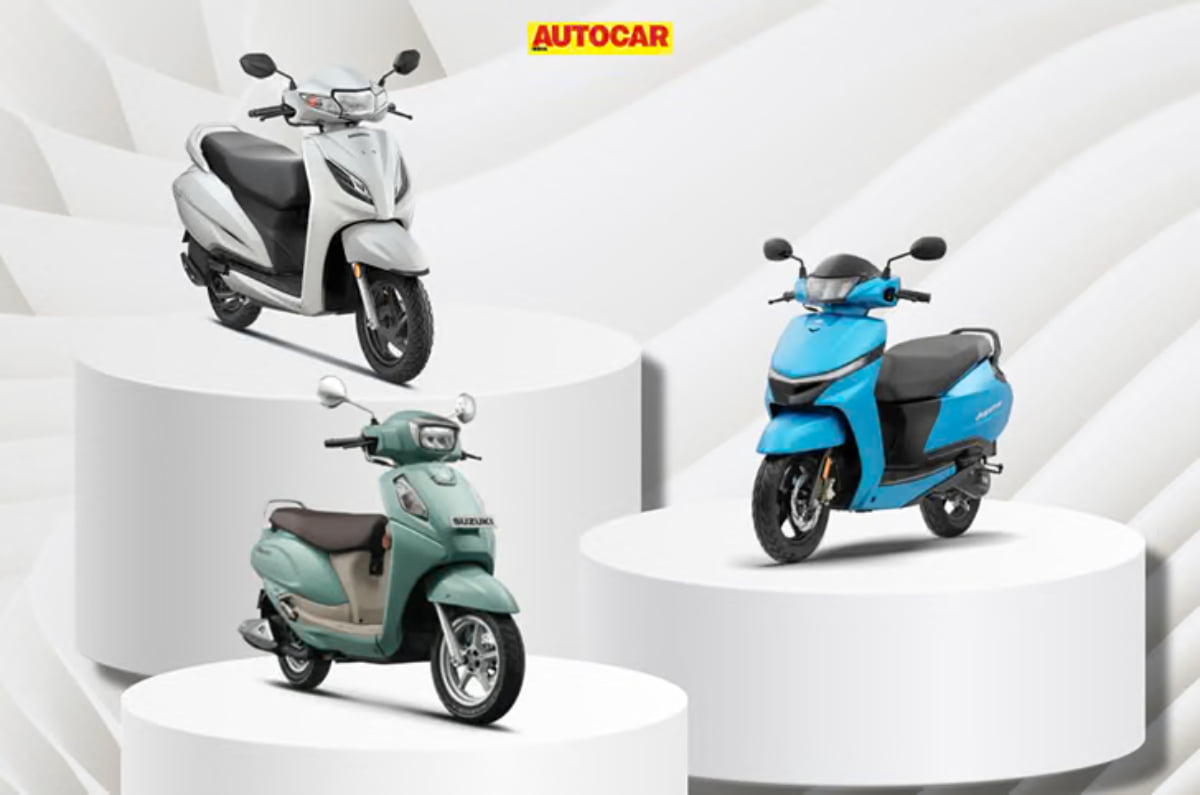
Graphic with TVS Apache, Honda Activa, and Hero Xtreme 160 4V on a podium

August 2026 delivered strong year-on-year growth across the board as manufacturers gear up for the festive season, but the standout story was TVS Motor Company leapfrogging both Honda and Hero MotoCorp to become India’s largest two-wheeler manufacturer by monthly dispatches for the first time.

TVS Motor: 5,91,437 units

TVS recorded its highest-ever monthly two-wheeler sales this past August, with dispatches climbing 21 percent year-on-year from 4,90,788 units last August. This pushed it past both Honda and Hero for the top spot this month. Domestic two-wheeler sales grew 18 percent to 4,33,796 units, while the company’s electric two-wheeler business posted growth of 137 percent to 59,453 units. TVS also continued to lead as an exporter, shipping 1,57,641 two-wheelers overseas, up 29 percent year-on-year.

Honda: 5,79,162 units

Honda Motorcycle & Scooter India (HMSI) posted 8 percent YoY growth, with total sales rising from 5,34,861 units last August. Domestic sales grew at the same 8 percent clip to 5,17,329 units, while exports rose by a sharper 15 percent to 61,833 units.

Hero MotoCorp: 5,68,398 units

Hero two-wheeler dispatches grew a modest 2.65 percent year-on-year from 5,53,727 units. Domestic ICE dispatches stood at 5,16,747 units, while the Vida brand continued its strong run with 25,558 units dispatched – a 38 percent growth. Exports fell 24.6 percent to 26,093 units from 34,588 a year earlier.

Bajaj Auto: 4,43,748 units

Bajaj two-wheeler dispatches grew 30 percent YoY from 3,41,887 units. Domestic sales rose 10 percent to 2,01,898 units, while exports jumped 53 percent to 2,41,850 units, continuing the company’s run as one of India’s largest two-wheeler exporters.

Royal Enfield: 1,26,479 units

Royal Enfield motorcycle sales grew 11 percent YoY from 1,14,002 units. Domestic sales rose 11 percent to 1,14,204 units, while exports grew 10 percent to 12,275 units. The month saw the launch of the Classic 350 Gorkha Edition and an updated Continental GT 650, alongside continued momentum for the Flying Flea C6, which the brand says has crossed 50,000 customer-driven kilometres in its current sole market of Bengaluru.

Suzuki: 1,20,611 units

Suzuki posted 6 percent year-on-year growth from 1,13,936 units, driven largely by domestic sales, which rose 13 percent to 1,03,118 units. Exports declined to 17,493 units from 22,307 units a year earlier.

Simple Wave Launched from Rs 1.10 lakh

Simple Wave Launched from Rs 1.10 lakh
An indoor shot showing the new Wave scooter with the founders of Simple Energy on stage

Simple, the Bengaluru based EV startup, has finally launched their family scooter Wave today. The scooter was first spotted testing back in March this year and was earlier referred to as Arrive during development. Simple is looking to position this as a mass market scooter compared to their sharp, performance focussed One and One S.

  1. Simple Wave has four variants; six, if you count instrument cluster options
  2. Lowest variant has a 2.2kWh battery, top variant has a 5kWh battery
  3. Delivery starts from 25 September 2026

Simple Wave: What you should know

New and improved motor, battery, and design

The Wave is based on an updated platform of the brand’s One scooter range. The first update is to the suspension, with the Wave using a twin shock rear suspension (compared to the One’s monoshock) and a much longer seat. Speaking of which, the Wave has a whopping 920mm long seat, claimed to be the longest scooter seat in the country. The other headline is the 70L storage in the Wave. Of which, 63 litres come from the under seat compartment, three litres on the front apron cubby, and four litres from a quick access pocket on the left side of the rider’s seat (called Pill Storage). An identical pocket for the right side is offered as an accessory.

The Wave has four variants by battery capacity. The base WaveS is offered in two battery capacities, 2.2kWh and 2.7kWh with 110km and 132km of IDC range, respectively. The middle variant, Wave, has a 3.7kWh battery and 171km of IDC range, and the top Wave+ variant has a 5kWh battery and 243km of IDC range. Wave+ currently has the highest range in its segment. Compared to the One range, the powertrain has seen updates all over. The 6.4kW motor has been updated to third generation and so has the Battery Management System, with the overall size of the motor reduced by 15 percent.

For context, the One uses a 5kWh battery and an 8.8kW motor; the One S has a 3.7kWh battery and a 6.4kW motor. They offer up to 265km and 190km of claimed range, respectively. Do note that there’s also a One Ultra with a 6.5kWh battery and a motor with 8.8kW of power with a claimed 400km range, but the delivery dates for that have not been announced so far. The One Ultra is currently the most expensive scooter from Simple, priced at Rs 2.35 lakh (ex-showroom, Bengaluru).

The scooter’s design has also shifted to a sleeker silhouette, letting go of the One’s sharp and aggressive lines. Simple claims it’s inspired by water, as opposed to air for the One range. However, the Wave retains the 7-inch TFT instrument cluster. The Wave+ gets it as standard, whereas the lower variants offer an option between the TFT or an InfinityBlack LCD cluster. The WaveS variants get three ride modes (EcoX, Eco, and Ride) with a claimed top speed of 75kph. Wave and Wave+ variants add an additional Sports mode and increases the top speed to 90kph. The 2.2kWh variant is available in two colours, 2.7kWh variants in four, and the 3.7kWh and 5kWh variants in six colours.

First spotted on the test mule, the Wave swaps the rear disc from the One range for a more cost-effective rear drum brake but retains the Combined Braking System (CBS) across all four variants. However, the One scooters offer traction control as standard rider aid, with the Wave limiting it to — called GripSense now — on the higher variants. Dimensions-wise, compared to the One range, seat height has been lowered by 5mm to 775mm and ground clearance has been increased by 3mm to 175mm.

The Simple Wave has been priced starting at Rs 1.10 lakh (ex-showroom, Bengaluru). Simple has announced that deliveries commence from September 25. Prices for the higher variants hasn’t been revealed, and Simple hasn’t clarified if the delivery date applies to all the variants. With its pricing, the Simple Wave directly rivals other EV scooters like the new Ather Konarc, Bajaj Chetak, Hero Vida, and TVS iQube, with range as its biggest trump card over all of them.
 

Ather Konarc S 125 vs rivals: Price and specifications compared

Ather Konarc S 125 vs rivals: Price and specifications compared
A studio shot showing the Ather Konarc, Chetak C3001, TVS iQube, and Vida VX2 Go.

Ather recently launched its first scooter on the completely new EL platform. Called the Konarc, it is currently available in six variants, starting at Rs 99,999 and going up to Rs 1.45 lakh at the moment. However, it appears that Ather is looking to make sure that there’s a Konarc at every price range. The most affordable Konarc S with 100km range isn’t going to be available until early next year, which makes the Konarc S 125km range variant the entry-level Konarc. So, how does it compare to the offerings from legacy manufacturers? Let’s find out.

Ather Konarc S 125 vs rivals: Motor, battery and charging

Chetak offers the most range


Ather Konarc S 125

TVS iQube 3.1 kWh

Chetak C3001

Vida VX2 Go 3.1

Peak motor power

4kW

4.4kW

3.1kW

6kW

Rated torque

16Nm

33Nm

20Nm

25Nm

Claimed top speed

70kph

82kph

80kph

70kph

Battery capacity

2.7kWh

3.1kWh

3kWh

3.1kWh

Claimed charge time (0-80 percent)

4h30m

4h03m

2h55m

4h45m

IDC range

125km

123km

131km

127km

These scooters rarely compare 1:1 in specifications, but if we take range as the most important factor, these are Ather Konarc’s closest rivals. As such, the Vida VX2 Go is the most powerful here, while the iQube develops the most torque. However, the Chetak quotes the highest range of the lot, and it sweetens the deal further by offering the fastest bundled charger (750W) and the shortest 0-80 charging time.

Ather Konarc S 125 vs rivals: Dimensions and underpinnings

iQube is the lightest and has the lowest seat height


Ather Konarc S 125

TVS iQube 3.1kWh

Chetak C3001

Vida VX2 Go 3.1

Wheelbase

1,352mm

1,301mm

1,355mm

1,301mm

Seat height

770mm

770mm

775mm

777mm

Ground clearance

NA

157mm

NA

155mm

Kerb weight

126.5kg

116.8kg

125kg

118kg

The C3001 and the Konarc have the longest and second-longest wheelbase, respectively, and they’re on the heavier side as well; the latter is explained by their metal body panels. Seat height is more or less on par, but if you care about the minutest of numbers, the Vida VX2’s is the tallest of the bunch. However, we wouldn’t expect that to deter buyers from choosing the Vida.

Ather Konarc S 125 vs rivals: Brakes, tyres and suspension

Konarc is the only one with a 14” wheel


Ather Konarc S 125

TVS iQube 3.1kWh

Chetak C3001

Vida VX2 Go 3.1

Brakes (F,R)

220mm disc, 130mm drum

220mm disc, 130mm drum

130mm drum, 130mm drum

190mm disc, 130mm drum

Tyres (F,R)

90/90-14, 100/90-12

90/90-12, 90/90-12

NA

90/90-12, 100/80-12

Suspension (F,R)

Telescopic, monoshock

Telescopic, twin shock

Leading-link, monoshock

Telescopic, monoshock

Ather’s biggest advantage over the others is its 14-inch front wheel, something none of the other scooters has. It also has the widest rear tyre, even though they all use 12-inch wheels. As for brakes, Chetak is the only one here without a disc brake. It is also the only one to feature a leading-link front suspension, paying homage to the design used on the original petrol-powered Chetak of yesteryear, whereas the others get a more modern telescopic fork.

Ather Konarc S 125 vs rivals: Features

Basics sorted, with more features requiring subscriptions

Ather has reserved the top-shelf feature set for the Konarc Z line, which is slated to release late next year. As standard, the Konarc gets the largest-in-size 7-inch LCD cluster. It also has AirWalk, a feature that will make manually moving the scooter easier. No other scooter in this comparison can match that. The iQube gets a 5-inch TFT instrument cluster, the C3001 gets a monochrome LCD cluster, and the VX2 Go 3.1 gets a 4.2-inch LCD. They all also offer ride modes and basic smartphone connectivity as standard.

However, most of Ather’s tech features require Ather StackPro, which costs Rs 16,000 for the Konarc S 125km variant. This is a big add-on to the overall price of the scooter, but it is a one-time purchase. If you spring for it, you do get a lot of features such as TrueRange, AutoHold and Vehicle FallSafe. Ather also promises yearly software upgrades and new features, a claim no other manufacturer on this list can meet or beat.

The other scooters also require a paid subscription to access the full feature suite. However, Ather’s is the most expensive and has the highest number of features. Chetak offers a lifetime subscription to its TecPac for Rs 3,000. Vida and TVS charge Rs 999 and Rs 900 per year, respectively, for theirs.

Ather Konarc S 125 vs rivals: Price

TVS is the most expensive, while Vida is the most affordable


Ather Konarc S 125

TVS iQube 3.1kWh

Chetak C3001

Vida VX2 Go 3.1

Price

Rs 1.22 lakh

Rs 1.29 lakh

Rs 1.14 lakh

Rs 1.12 lakh

Of this lot, the Konarc S is the second most expensive scooter to buy, behind only the TVS iQube. If you prefer to keep things simpler, both price-wise and features-wise, the Chetak and the Vida offer that: a lean feature set with promising range for the price. However, remember that real-world experience, such as comfort, can change this equation, and we can only comment on that after riding them.

The prices listed are ex-showroom, Bengaluru.

Bajaj becomes second Indian EV maker to cross 3 lakh sales this year

Bajaj becomes second Indian EV maker to cross 3 lakh sales this year
Outside shot showing the rear three quarter of the Chetak C2501

Bajaj has become the second electric vehicle manufacturer in India to cross the 3 lakh sales mark. As per Vahan data, the Pune-based manufacturer of the Chetak e-scooter and Yulu e-bikes has delivered a total of 3.02 lakh units between January and August 2026. This is a first for the brand, and marks a 68 percent growth compared to last year. It also makes Bajaj the second e-2W OEM to do so, after market leader TVS, which crossed the same milestone last month.

  1. Bajaj currently sells five EV scooter models via the Chetak brand
  2. August sales have increased by 210 percent compared to last year

TVS stays ahead of Bajaj by about 50,000 units

Ather is about 75,000 units behind, with the Konarc expected to help

Bajaj Auto retail sales data, Vahan (as of August 30, 2026)

Year

January

February

March

April

May

June

July

August (1-30)

2026

26,575

26,344

47,753

34,600

39,542

43,529

45,860

37,976

2025

22,137

22,242

36,582

19,818

22,641

23,986

20,557

12,246

Percentage increase

20

18

31

75

75

81

123

210

At present, TVS is 51,063 units ahead of Bajaj, having sold 3.53 lakh units till August end. Ather, third in sales at 2.27 lakh units, and has just launched the mass-market Konarc, is also expected to surpass 3 lakh sales close to November this year. The number of units sold so far gives Bajaj a 22 percent share of the market, putting it ahead of Ather Energy (17 percent) and behind TVS (26 percent).

Bajaj currently has a five-variant Chetak portfolio comprising the Chetak C2501 as the entry-level offering and the C3501 as the brand’s current flagship EV. As the monthly retail sales data table above indicates, Bajaj’s highest single-month sales were in March 2026 which was the first time that sales crossed the 40,000 sales mark. Since then, it has crossed that figure two more times, in June and in July.

Upcoming festival season expected to help increase sales

Bajaj is expected to sell up to 4.5 lakh units by year end

With the festive season to kick off soon, expect Bajaj to add another 1.25-1.50 lakh units in the next four months. This will take the company’s total e-2W retail sales to a record 4.25-4.50 lakh sales for the year. The topper, TVS is on track to be the first Indian EV manufacturer to sell 5 lakh units this year. Bajaj will also be well ahead of Ather, which is expected to register record retail sales of an estimated 3.50 lakh units.

Nevertheless, both Bajaj and TVS, will be keenly watching the market response to the Ather Konarc. The Konarc’s base variant has been priced at Rs 99,999, about Rs 4,000-5,000 more than both Bajaj and TVS’ entry level offerings. Vida, fourth in sales, also thus has the incentive to watch the customer response to the Ather Konarc.

With inputs from Stephen Raj Antony.
 

Hero MotoCorp to invest Rs 1,758 crore more in Ather

Hero MotoCorp to invest Rs 1,758 crore more in Ather

Hero MotoCorp will invest up to Rs 1,758 crore to increase its stake in Ather Energy, taking its holding in the electric two-wheeler maker from 29.88 percent to approximately 32.8 percent on a fully diluted basis.

  1. Hero MotoCorp will buy existing Ather shares worth up to Rs 1,758 crore
  2. Its stake will rise from 29.88 percent to approximately 32.8 percent
  3. The deal comes shortly after Hero’s separate Rs 1,000 crore investment in Ather

The investment was approved by Hero MotoCorp’s Committee of Directors on August 27 and will involve the purchase of existing Ather shares from an existing shareholder. This makes it a secondary transaction, rather than a fresh issue of equity by Ather. The deal will be funded entirely through cash and is expected to be completed by September 3, 2026. No government or regulatory approvals are required.

The latest investment comes shortly after Hero announced plans to invest up to Rs 1,000 crore in Ather through a preferential issue. Ather subsequently allotted Hero convertible warrants worth Rs 959.99 crore as part of that investment.

The two transactions are separate, with the earlier investment involving securities issued by Ather and the latest Rs 1,758 crore deal involving the purchase of existing shares. Taken together, Hero has committed up to around Rs 2,758 crore to Ather through the two transactions.

Hero has been an investor in Ather for several years and is already its largest shareholder. The latest investment will further strengthen its position in the company as Ather continues to expand its electric two-wheeler business and charging network across India.

Ather’s turnover has grown significantly over the past three financial years, rising from Rs 1,753.8 crore in FY2024 to Rs 2,255 crore in FY2025 and Rs 3,671.76 crore in FY2026.

The company designs, manufactures and sells electric two-wheelers and operates its own charging network with an open-source connector that’s shared with Vida. Ather’s portfolio includes the 450 range and Rizta, while its presence has expanded across the country. As for the brand’s immediate plans, Ather is slated to launch its first-model based on the EL platform tomorrow, at its community day, intended to slot in below the Rizta. 

With inputs from ANGITHA SURESH

Suzuki e-Access road test, review

Suzuki e-Access road test, review
Suzuki e-Access front left side riding shot on road

Suzuki first showed the e-Access back in January 2025, but it was actually launched only a year later, in January 2026. While the e-Access has definitely lost the first mover advantage in the burgeoning EV market, has it at least come prepared? 

e-Access Design and Features – 6/10

Unusual design won’t be to everyone’s tastes, features aren’t ground-breaking.

The e-Access is a ground-up new product, which has very little shared with its massively popular petrol-powered namesake. Its design is a clean-sheet one, and most people found it quite polarising. The swooping, double ‘duck-bill’ front end, mated to a contrasting, boxy rear section, doesn’t really gel well cohesively. Like all Suzuki two-wheelers, the e-Access feels solidly built, and the quality is quite decent too. 

Decent is also a good way to describe its feature set, which includes the same bright and logically laid-out 4.2-inch TFT display as the 125cc Access and Burgman Street. In terms of riding modes, there are 3 in total – Eco, Ride B and Ride A – but on the move, you can only switch between Eco and either of the Ride modes. Both Ride A and Ride B give you full power, and the only difference is in the levels of regenerative braking. A has stronger regen, while in B, it is more gentle. To toggle between A and B, you have to be at a standstill, and this is a needless hoop to jump through.  

Suzuki e-Access key fob
Keyless ignition convenient to have, and very few e-scooters offer it today.

The feature set also includes a very convenient keyless ignition system, a spacious, open cubby on the front apron with a USB-A charger and an oddly-shaped, very small 17-litre underseat boot. In an age where most rivals routinely offer 30-35 litres of boot space, the e-Access falls woefully short, and in fact, even the latest-gen ICE Access gives you more. 

Suzuki e-Access boot
17L boot feels archaic today, charger cables need to be folded just right to fit inside.

It comes with a reasonably sized 600W charger, which took 6 hours flat to top up a flat battery to full. Suzuki also provides a well-thought-out bag in which you can store the charger, which is another neat touch. However, if you don’t pack the charger’s cables just right and place the bag inside the boot, it won’t close. Moreover, once the charger is in the boot, there’s very little free space available. This is a consequence of Suzuki positioning the batteries under the seat, which also has some ramifications on the scooter’s handling, but more on that later. 

One silver lining is that the e-Access’ seat stays in the position you leave it in once you open it, courtesy of a small spring-loaded mechanism at the hinge, which is quite a neat touch. 

Suzuki e-Access seat open
Seat stays open on its own without needing to keep it manually propped open.

e-Access Performance and Range – 6/10

Range and performance are just about adequate.

Every EV has shortcomings, but the important question is, can they be overlooked in the interest of the savings it brings via lower running costs? Unlike most mainstream manufacturers, which use NMC (Nickel Manganese Cobalt) batteries, Suzuki has chosen LFP (Lithium Ferrous Phosphate) chemistry for the e-Access. LFP cells typically have a longer life and lower risk of thermal runaway incidents, but the trade-off is lower energy density, and ergo, lower range.

Suzuki e-Access left side profile riding shot on road
Neutral ergonomics and well-judged suspension help keep you comfortable.

With a 3.072kWh LFP battery pack and a claimed 95km IDC range, range was never going to be the e-Access’ USP. In our tests, using Ride A mode (maximum power, maximum regenerative braking), we managed to cover a little over 88km on a single charge. This is a decent number in isolation, but quite a bit lower compared to rivals with similarly sized batteries, which can cover upwards of 100km. 

One positive is that, once the range indicator had calibrated to our riding style, its predictions proved to be accurate, and the number shown on screen could be relied upon as the actual distance you’d go. Using Eco mode will obviously increase range on a single charge, but performance will be much gentler. What is nice is that even in Eco, the e-Access can maintain pace with big-city traffic as well as climb flyovers.

Suzuki e-Access motor
Motor delivers power in a predictable, unhurried manner, but the powertrain is quite noisy.

While the performance never feels inadequate, it is definitely a letdown on a machine bearing the ‘Access’ badge. In our tests, the e-Access took nearly 12 seconds to complete the 0-60kph sprint, which not only makes it slower than most other well-known e-scooters, but also much slower than the Access 125 that takes 7.68s for the same test. In fact, its performance, even in the most powerful Ride A mode, is so mellow that even the gentle Honda Activa 110 would leave it in the dust in a traffic-light grand prix. Another bug bear we have with the e-Access’ powertrain is that the powertrain is on the noisier side among all the reputed EVs on sale today.

e-Access Ride and Handling – 7/10

It’s light, easy and intuitive to ride, but over-eager handling is a mismatch.

To sit on, the e-Access feels pleasantly ‘normal’, and while this is certainly a compact machine, taller riders will be reasonably accommodated. However, while its low 765mm perch will be welcoming for shorter folks, riders over 6 feet will find it a bit too low. With a flat seat, spacious floorboard and well-tuned suspension, the e-Access is quite a comfortable machine and will isolate you to a great degree from all but the worst of bumps on our roads. 

Suzuki e-Access monoshock
Suspension is well set up and shields you from bumps, but is more taut than floaty.

Like the new Burgman, its suspension is not overtly soft and feels quite taut, which isn’t necessarily a deal breaker, but something to watch out for. Braking power is quite good, although the lack of ABS and a sharp bite mean you have to be mindful when slowing down. 

Suzuki e-Access front brake
Brakes work well, but are quite sharp and bitey. Lack of ABS is a downer at this price.

At 122kg, it is fairly light, and slicing through traffic is a breeze. In fact, the scooter displays a tendency to lean over onto its side quicker than you’d expect, which is partly down to its smaller 12-in wheels and thinner tyres. It is also another consequence of Suzuki mounting the battery pack vertically under the seat. As a result of the centre of gravity being fairly high, the e-Access almost ‘falls’ into a corner, and this behaviour won’t be to everyone’s liking.

e-Access Price and Verdict – 6/10

All said and done, it’s not the average features, tiny storage area, mellow performance or lacklustre range which will dissuade you from buying it. These are all things that buyers could overlook in exchange for the quality assurance that comes with the Suzuki Access name. However, the deal breaker here is the super-steep Rs 1.92 lakh asking price, which is very difficult to justify when similarly specced, proven options from reputed Indian brands like TVS, Bajaj, Vida (Hero) and Ather cost up to Rs 60,000 less. 

Suzuki e-Access rear right side static on road
Gets some things right, but it’s far too expensive.

The e-Access gets some things right, like good comfort, and has typical Japanese strengths, like the promise of reliability, longevity and good quality. However, today’s market values a good price point without compromising on range, storage and quick charging times. For the e-Access to follow in the successful footsteps of its ICE namesake, simply leveraging an established name and charging an unreasonably stiff premium for it is unlikely to pay off.

TVS overtakes Honda for the first time in July scooter sales

TVS overtakes Honda for the first time in July scooter sales

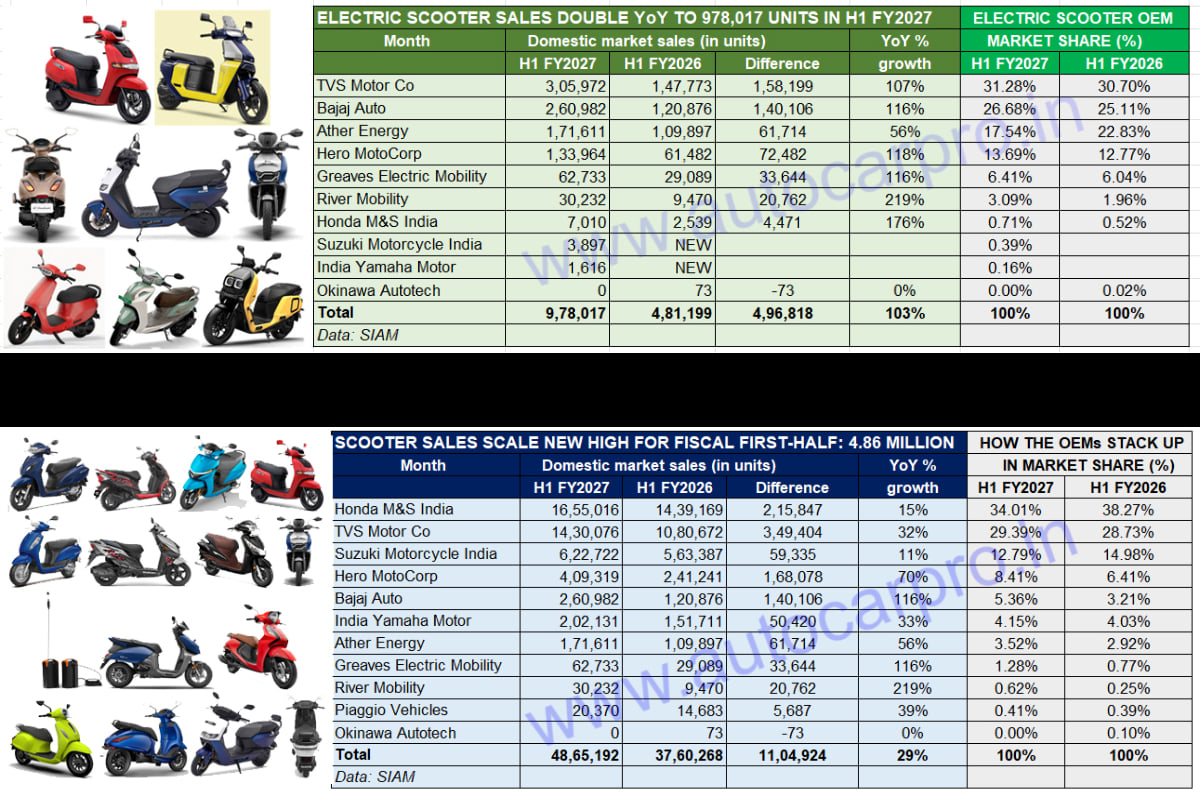
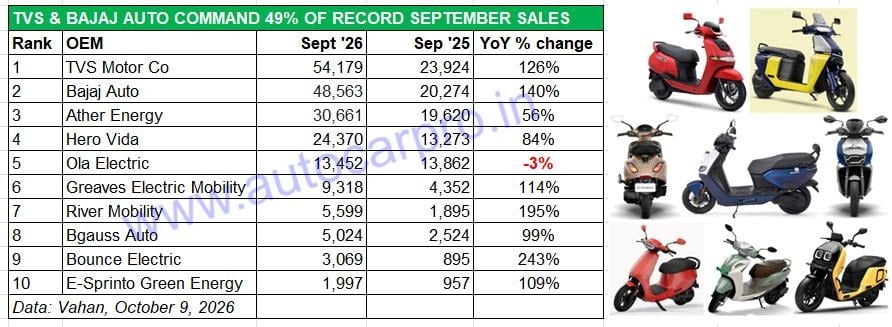
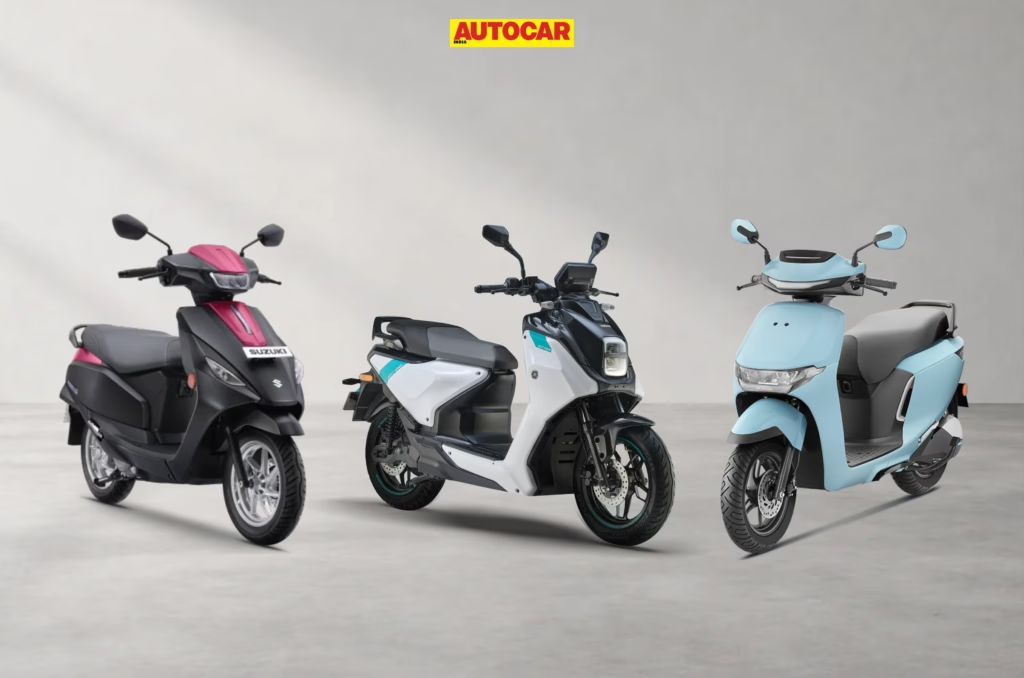
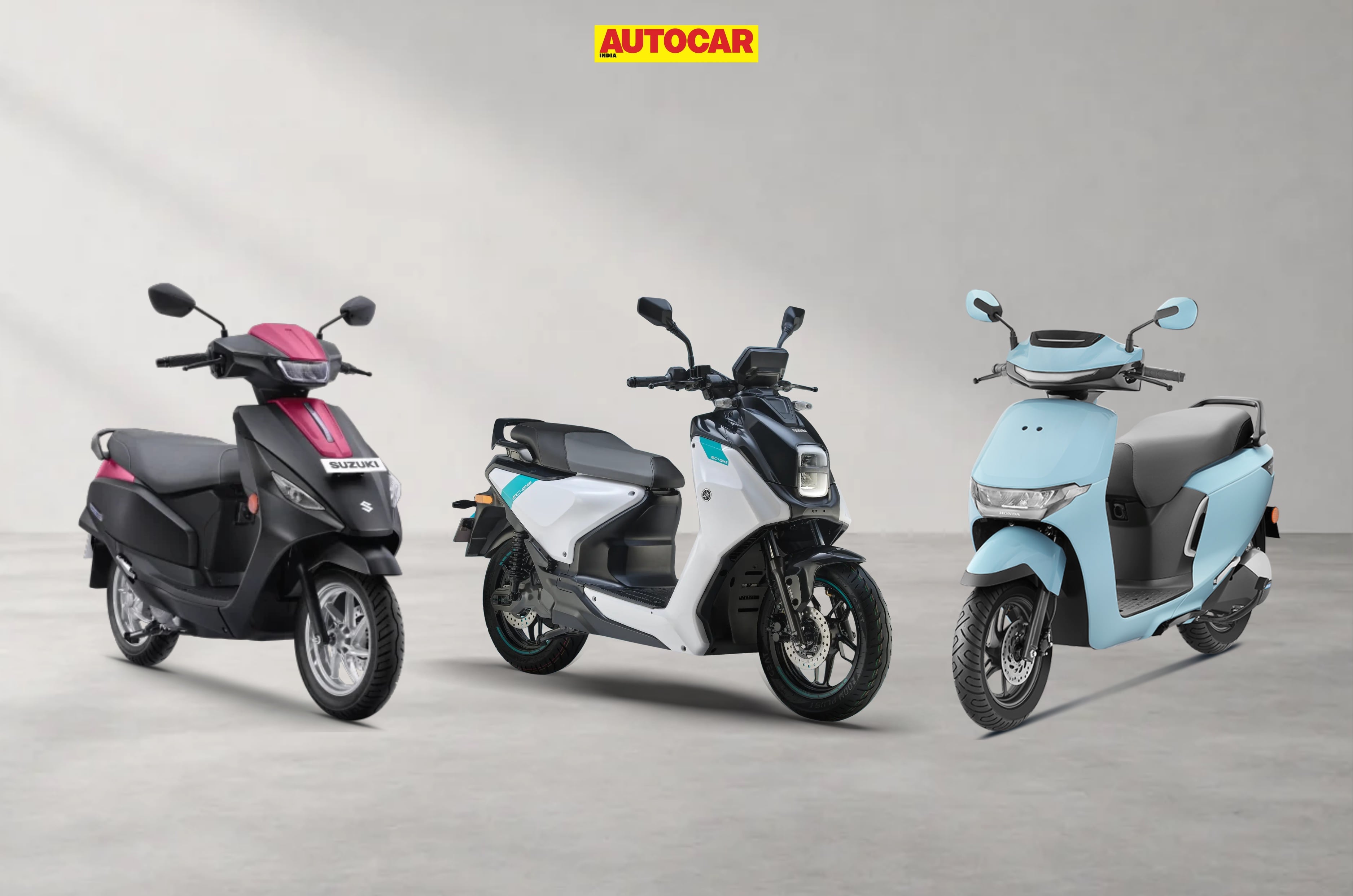
India’s scooter market came close to the 800,000-unit mark in July 2026, with nine OEMs dispatching 798,190 units, up 24 percent year on year. TVS Motor Co overtook Honda Motorcycle & Scooter India for the first time to lead the market for the month.

  1. TVS scooter sales up 40 percent to 2,56,675 units
  2. Honda sales fall 12 percent to 2,33,337 units
  3. Electric scooters account for 21 percent of July wholesales

TVS overtakes Honda for the first time

TVS Motor Co has overtaken Honda Motorcycle & Scooter India (HMSI) to become India’s largest scooter manufacturer in monthly wholesales for the first time in July 2026. TVS dispatched 2,56,675 units, up 40 percent year on year, while Honda dispatched 2,33,337 units, down 12 percent. The difference between the two stood at 23,338 units.

July’s overall scooter wholesales of 7,98,190 units were just 1,810 units short of the 8 lakh mark. It was the second-highest monthly tally after October 2025, when over 8.24 lakh scooters were dispatched. July was also the sixth month in the past seven to cross 7 lakh units, with April falling short by just 8,007 units.

TVS’ scooter market share increased to 32 percent in July from 28 percent in the same month last year, while Honda’s share fell from 41 percent to 29 percent.

TVS’ EVs drive growth

TVS’ ICE scooter range, comprising the Jupiter, NTorq and Zest, accounted for 1,97,289 units in July, up 23 percent year on year. Its electric scooters, the iQube and Orbiter, contributed 59,386 units, up 158 percent.

Honda’s ICE scooters, comprising the Activa 110/125 and Dio 110/125, accounted for 2,32,073 units, down 12 percent from 265,364 units in July 2025. The company’s Activa-e and QC1 electric scooters together contributed 1,264 units, up 467 percent from 263 units a year ago.

HMSI unveiled its third electric scooter, the QC 3, on July 24. The company remains India’s largest scooter exporter, with 1,56,938 units shipped in July, up 36 percent year on year. TVS was second with 53,254 units, up 43 percent.

Suzuki, Hero and Bajaj follow

Suzuki Motorcycle India dispatched 1,20,998 scooters in July, up 28 percent year on year, taking its market share to 15 percent from 14 percent a year ago. The Access 125 remains its best-selling scooter, ahead of the Avenis and Burgman Street, which also use the same 125cc engine. The new e-Access contributed 825 units.

Hero MotoCorp dispatched 61,347 scooters, up 33 percent, giving it an 8 percent market share. Its ICE scooters, the Destini 125, Pleasure and Xoom, accounted for 38,640 units, up 11 percent, while Vida electric scooters contributed 22,707 units, up 102 percent.

Bajaj Auto dispatched 48,684 units, up 301 percent year on year from 12,134 units in July 2025. The tally comprised 47,184 Chetaks and 1,500 Yulu EVs. Its scooter market share consequently rose to 6 percent from 2 percent.

Yamaha and Ather continue to grow

India Yamaha Motor dispatched 36,783 scooters in July, up 53 percent year on year. The Fascino and Ray ZR together accounted for 31,945 units, up 46 percent, while the 155cc Aerox contributed 4,544 units, up 102 percent. Yamaha also dispatched 294 EC-06 electric scooters to its Blue Square dealerships.

Ather Energy dispatched 31,044 scooters in July, up 106 percent year on year, doubling its market share to 4 percent. The company is set to unveil its first EL platform-based scooter at Ather Community Day on August 29.

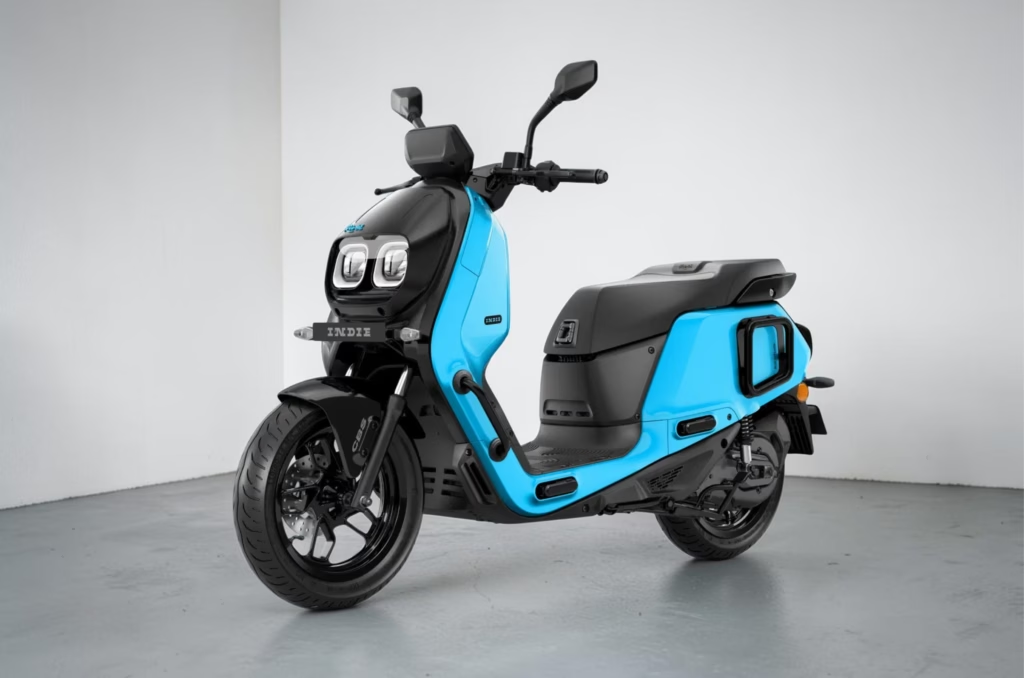
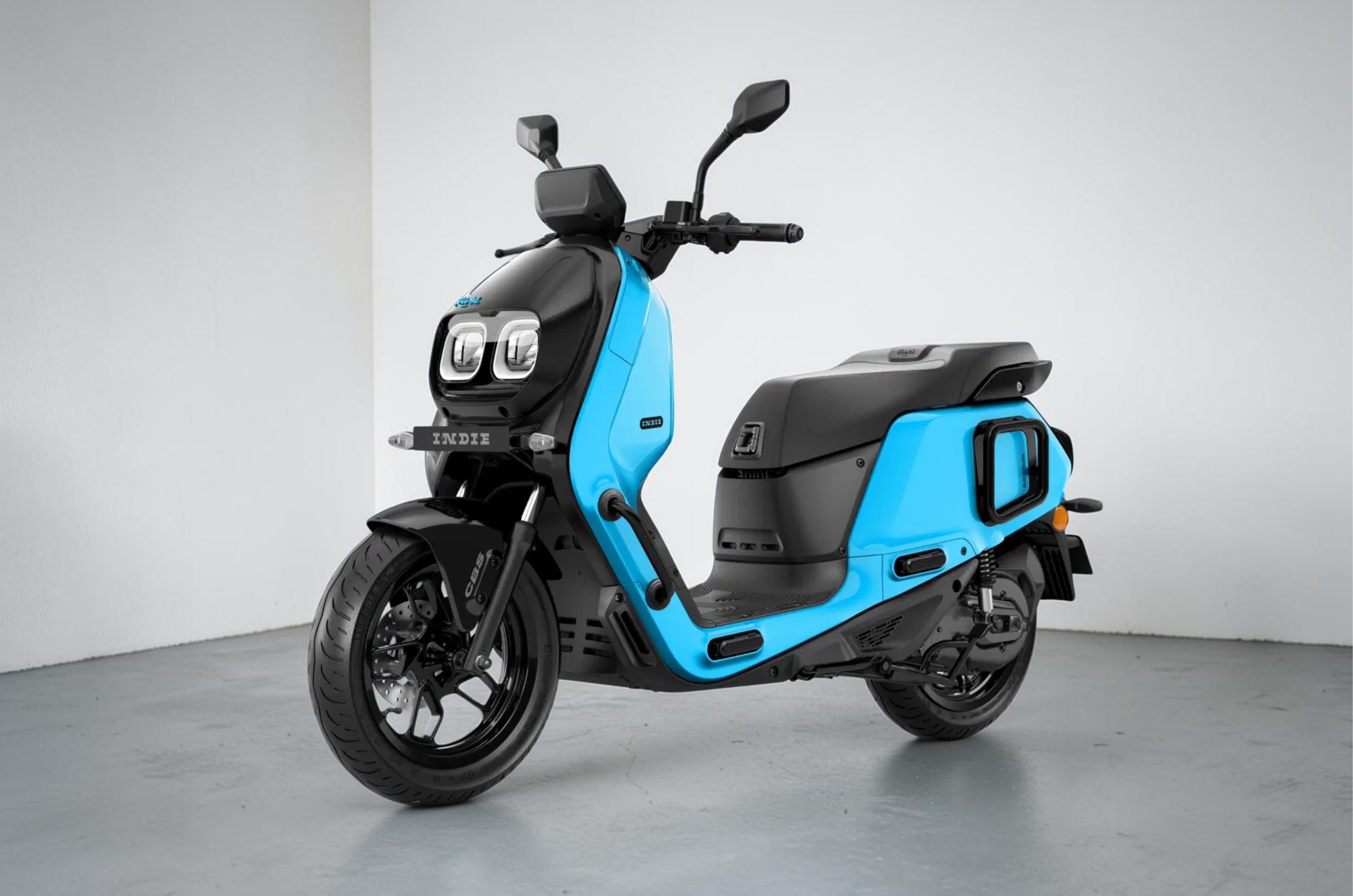
River Mobility dispatched a record 6,039 Indie electric scooters in July, up 226 percent year on year. Piaggio Vehicles, which sells the Vespa and Aprilia brands in India, dispatched 3,283 scooters, up 40 percent.

Electric scooters account for 21 percent of sales

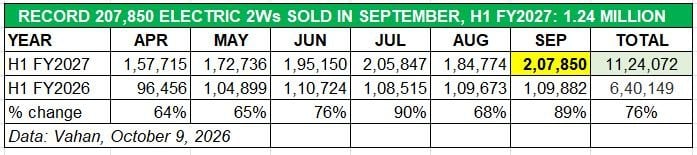
Electric scooter wholesales reached 1,70,243 units in July, up 168 percent year on year from 63,560 units in July 2025. Volumes were also up 16 percent over June 2026, when 1,46,668 electric scooters were dispatched.

EVs consequently accounted for 21 percent of total scooter wholesales in July, compared with 10 percent a year ago.

TVS dispatched a record 59,386 iQube and Orbiter scooters in July, giving it an EV penetration of 35 percent for the month. Between January and July 2026, TVS has dispatched 1.52 million scooters, of which 314,104 were electric, meaning roughly one in every five scooters sold by TVS during the period was an EV.

Bajaj Auto’s 48,684-unit July tally included 47,184 Chetaks and 1,500 Yulu EVs, while Ather dispatched 31,044 units and Hero’s Vida range contributed 22,707 units.

The three Japanese electric scooter manufacturers – Honda, Suzuki and Yamaha – together dispatched 2,383 units in July.

Scooter sales on track for record CY2026

Cumulative scooter wholesales for January-July 2026 stood at 5.21 million units, up 32 percent from 3.95 million units during the same period last year. The seven-month tally already represents 69 percent of the record 7.52 million scooters sold in CY2025.

At the current pace, the scooter industry is on track to cross 9 million units in CY2026 for the first time.

Scooters accounted for 41 percent of India’s 1.92 million two-wheeler wholesales in July. Motorcycles accounted for 1.075 million units, or 56 percent, while mopeds contributed 50,497 units, or 3 percent.

Hero MotoCorp to launch its first electric motorcycle in 2027

Hero UBEX and VXZ concept silhouette

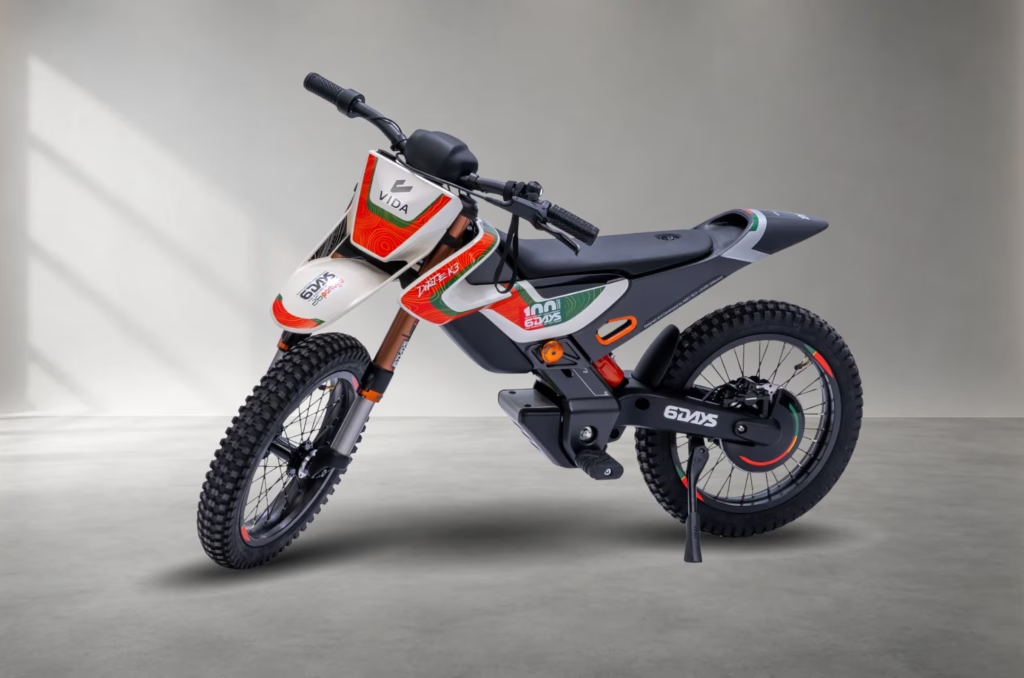
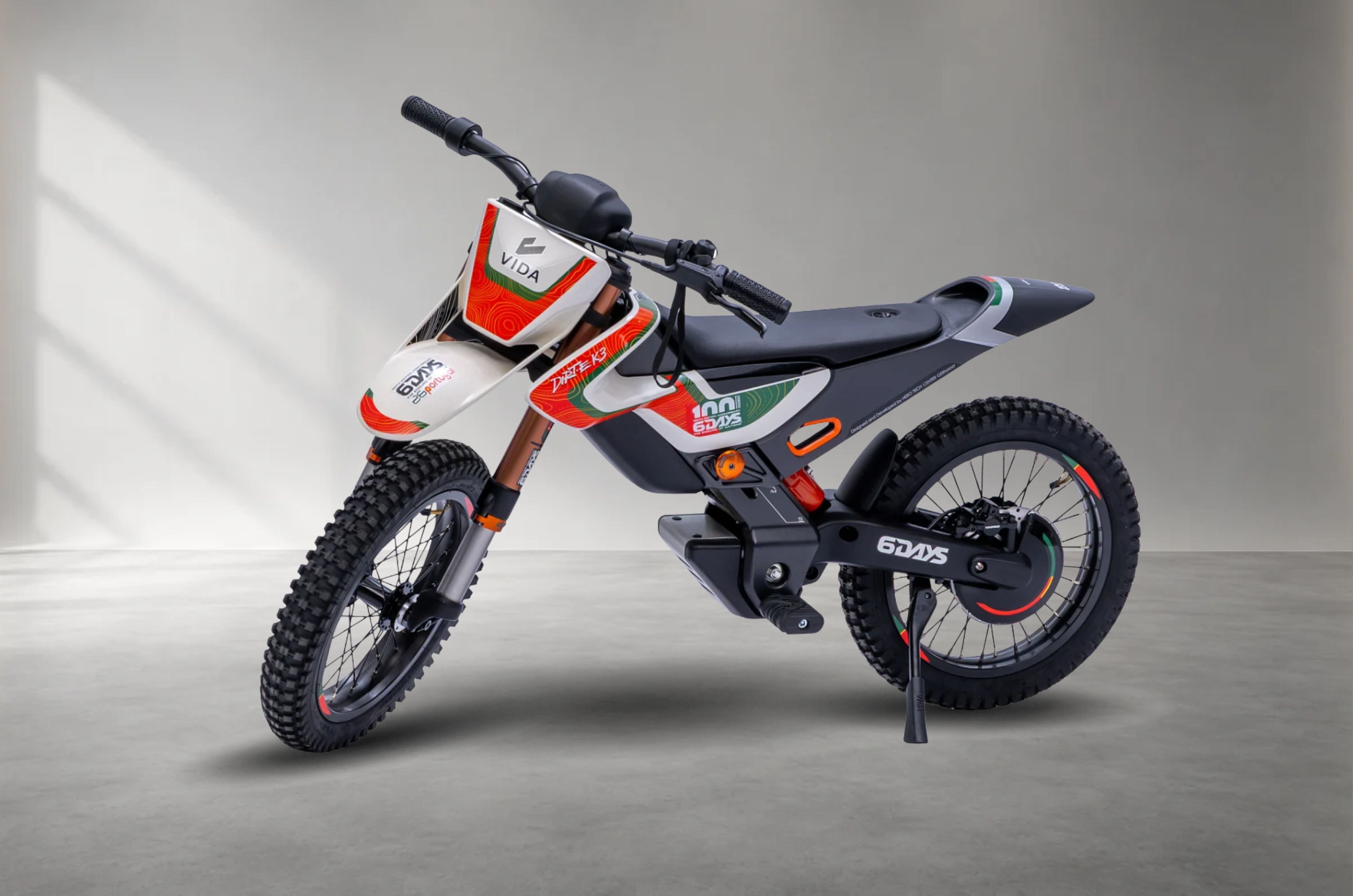
Hero MotoCorp has confirmed that its first electric motorcycle will launch in 2027, expanding the company’s EV portfolio beyond its existing Vida scooter range.

  1. Two platforms, UBEX and VXZ, will underpin the range
  2. VXZ developed in collaboration with Zero Motorcycles

Hero MotoCorp electric motorcycle details

UBEX and VXZ are dedicated motorcycle platforms, not derived from the Vida scooter architecture.

The confirmation came from Kausalya Nandakumar, Chief Business Officer of Hero MotoCorp’s Emerging Mobility Business Unit, who told investors: “Not this year. We will be looking at products coming in from next year.” Hero MotoCorp CEO Harshavardhan Chitale added that the company is making steady progress on its electric motorcycle programme and would share more details in the coming months.

The upcoming electric motorcycles will be built on two dedicated platforms first shown as concepts at EICMA 2025. The first, codenamed UBEX, will underpin a street-naked motorcycle. The second, codenamed VXZ, is being developed in collaboration with US-based Zero Motorcycles and is positioned as a high-performance electric motorcycle for adventure-oriented buyers, a project for which design patents were recently filed in India.

Nandakumar confirmed that, despite the learnings carried over from the Vida scooter platform, both the UBEX and VXZ are entirely new motorcycle-specific architectures. “The motorcycle platform now caters to the needs of a motorcycle consumer, and therefore these are new platforms that we are developing with learnings from the scooter platform, but with technology that is suited to what a motorcycle consumer is actually looking for in terms of performance, rideability, gradeability, and range,” she said.

The electric motorcycle programme comes as Hero MotoCorp works to significantly scale its EV scooter business. The company plans to increase monthly Vida production capacity to 45,000 units in FY27, up from 15,000 units at the end of FY26.

Ather का सबसे सस्ता Electric Scooter, कीमत सुनकर रह जाएंगे हैरान, 120Km Range के साथ आएगा Konarc

auther scooter

Ather Energy भारतीय इलेक्ट्रिक स्कूटर बाजार में अपनी पकड़ मजबूत करने की तैयारी में है। कंपनी ने अपने नए EL Platform आधारित फैमिली इलेक्ट्रिक स्कूटर का पहला वीडियो टीजर जारी कर दिया है। इस नए इलेक्ट्रिक स्कूटर का नाम Ather Konarc बताया गया है। कंपनी इसे 29 अगस्त 2026 को होने वाले Ather Annual Community Day के दौरान भारतीय बाजार में पेश करेगी।

ALSO READ: 2 सितंबर को सस्ते Electric Scooter की धमाकेदार एंट्री, तहलका मचा देंगे फीचर्स

सबसे खास बात यह है कि कंपनी के CEO और को-फाउंडर तरुण मेहता ने नए इलेक्ट्रिक स्कूटर की कीमत को लेकर भी बड़ा संकेत दिया है। उनके मुताबिक, Ather EL Platform वाले इलेक्ट्रिक स्कूटर की कीमत 1 लाख रुपये से 1.25 लाख रुपये (एक्स-शोरूम) के बीच हो सकती है।

TVS iQube और Bajaj Chetak से होगा मुकाबला

अगर Ather Konarc की कीमत 1 लाख से 1.25 लाख रुपये के बीच रहती है, तो इसका मुकाबला भारतीय बाजार में पहले से मौजूद कई लोकप्रिय इलेक्ट्रिक स्कूटरों से होगा। इसमें TVS iQube, Bajaj Chetak और Hero Vida VX2 जैसे मॉडल प्रमुख प्रतिद्वंद्वी हो सकते हैं।


1 से 1.25 लाख रुपये के बीच होगी कीमत


Ather लंबे समय से एक किफायती फैमिली इलेक्ट्रिक स्कूटर पर काम कर रही है। पहले माना जा रहा था कि कंपनी इसे 1 लाख रुपये से कम कीमत में लॉन्च कर सकती है, लेकिन अब कंपनी के CEO के संकेतों के बाद यह संभावना कम नजर आ रही है। अगर कीमत इसी रेंज में रहती है, तो Ather Konarc कंपनी का सबसे किफायती इलेक्ट्रिक स्कूटर बन सकता है। इसकी कीमत Ather Rizta से थोड़ी कम रखे जाने की उम्मीद है।


वीडियो टीजर में दिखा स्कूटर का डिजाइन

नए टीजर वीडियो में स्कूटर का पूरा डिजाइन सामने नहीं आया है, लेकिन इसके कई प्रमुख हिस्सों की झलक मिली है। वीडियो में फ्रंट व्हील, डिस्क ब्रेक, फ्रंट एप्रन, रियर सेक्शन और लाइटिंग सेटअप दिखाई देता है। स्कूटर के फ्रंट में पूरी चौड़ाई में फैला LED DRL दिया जा सकता है। वहीं हेडलैंप को हैंडलबार पर रखा गया है, जैसा कि पारंपरिक स्कूटरों में देखने को मिलता है। स्कूटर के डिजाइन में ज्यादा आक्रामक स्टाइलिंग के बजाय फैमिली-केंद्रित और प्रैक्टिकल डिजाइन देखने को मिल सकता है।


Konarc नाम के पीछे क्या है कनेक्शन?

Ather ने अपने नए इलेक्ट्रिक स्कूटर को Konarc नाम दिया है। टीजर वीडियो में सूर्य को उगते हुए दिखाया गया है, जिससे माना जा रहा है कि कंपनी ने ओडिशा के प्रसिद्ध कोणार्क सूर्य मंदिर से प्रेरणा ली है। स्कूटर के फ्रंट और रियर हिस्से में LED लाइटिंग सेटअप दिया जा सकता है। पीछे की तरफ बड़ा और थोड़ा भारी डिजाइन, ऑल-LED टेल लैंप और टर्न इंडिकेटर्स देखने को मिल सकते हैं।


100-120 km तक की रेंज मिलने की उम्मीद

Ather Konarc के आधिकारिक स्पेसिफिकेशन अभी सामने नहीं आए हैं। हालांकि, रिपोर्ट्स के मुताबिक इसमें 100 से 120 किलोमीटर तक की राइडिंग रेंज मिलने की उम्मीद है। स्कूटर को फैमिली यूज को ध्यान में रखकर तैयार किया जा रहा है। इसमें लंबी और चौड़ी सीट के साथ पर्याप्त अंडर-सीट स्टोरेज मिलने की उम्मीद है।


2 kWh से 5 kWh तक की बैटरी सपोर्ट करेगा EL Platform


Ather का नया EL Platform कंपनी के आगामी किफायती इलेक्ट्रिक स्कूटरों के लिए महत्वपूर्ण प्लेटफॉर्म है। कंपनी के मुताबिक इसे 26 लाख किलोमीटर से अधिक के फील्ड डेटा के आधार पर विकसित किया गया है। यह एक फ्लेक्सिबल प्लेटफॉर्म है, जिसे अलग-अलग आकार और सेगमेंट के इलेक्ट्रिक स्कूटरों के लिए इस्तेमाल किया जा सकता है। कंपनी ने पुष्टि की है कि EL Platform 2 kWh से 5 kWh तक के बैटरी पैक को सपोर्ट कर सकता है। Konarc को पहले कंपनी के अंदर EL01 कोडनेम से जाना जाता था।

ALSO READ: Electric Scooter : बरसात में अपने EV scooter का कैसे रखें ध्यान, जानिए 5 iMP टिप्स

Ather Konarc कब लॉन्च होगा?

Ather Konarc को 29 अगस्त 2026 को कंपनी के Annual Community Day के दौरान आधिकारिक तौर पर पेश किए जाने की उम्मीद है। लॉन्च के समय इसकी कीमत, बैटरी क्षमता, रेंज और अन्य फीचर्स की पूरी जानकारी सामने आएगी।


Ather Konarc की संभावित खासियतें

  • संभावित कीमत : 1 लाख-1.25 लाख रुपए (एक्स-शोरूम)
  • लॉन्च/डेब्यू : 29 अगस्त 2026
  • प्लेटफॉर्म : Ather EL Platform
  • संभावित रेंज : 100-120 km
  • बैटरी सपोर्ट : 2 kWh-5 kWh
  • LED DRL और LED लाइटिंग
  • फैमिली-फोकस्ड डिजाइन
  • लंबी और चौड़ी सीट
  • पर्याप्त अंडर-सीट स्टोरेज 

TVS electric scooter sales cross 3 lakh units in January-July 2026

TVS electric scooter sales cross 3 lakh units in January-July 2026

TVS Motor Company has crossed the 3 lakh-unit electric scooter sales milestone in the first seven months of CY2026, with retail volumes of over 3.07 lakh units between January and July. The company has already achieved around 97 percent of its CY2025 electric two-wheeler sales of 3.15 lakh units.

  1. TVS sells over 3.07 lakh electric scooters in January-July 2026
  2. July sales hit a record 55,465 units
  3. CY2026 sales could cross the 5 lakh-unit mark

July delivers record monthly volumes for TVS

TVS’ January-July performance makes the Hosur-based brand the fastest electric two-wheeler manufacturer in India to cross 3 lakh retail sales in a calendar year.

For comparison, Ola Electric, then the market leader, took a little over eight months to cross the 3 lakh-unit mark in CY2024. Ola finished that year with over 4.29 lakh units, currently the highest calendar-year retail volume recorded by an Indian electric two-wheeler manufacturer.

TVS recorded its highest monthly electric scooter sales in July 2026 at 55,465 units. March was the other month in which the company crossed the 50,000-unit mark, with sales of 51,632 units.

The company has averaged 43,898 units per month during the January-July period. Maintaining a similar run rate over the remaining five months would take TVS beyond the 5 lakh-unit mark in CY2026.

The upcoming festive season, which begins around mid-September, could provide a further boost to volumes. At its current pace, TVS could add around 2.20 lakh – 2.40 lakh units between August and December, potentially taking its full-year tally to an estimated 5.27 lakh – 5.47 lakh units.

TVS leads Bajaj and Ather

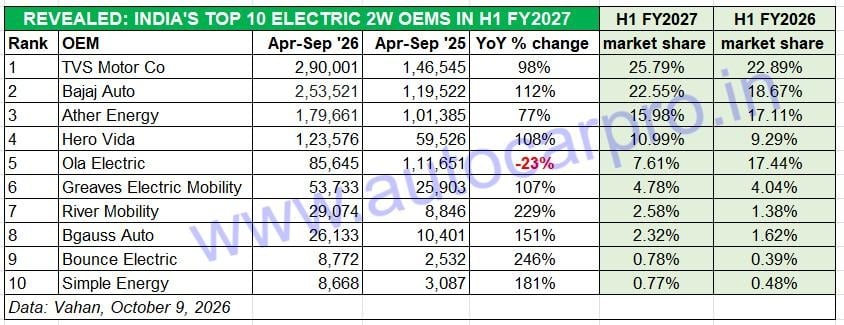
TVS continues to lead India’s electric two-wheeler market after the first seven months of CY2026, ahead of Bajaj Auto and Ather Energy.

Bajaj retailed just under 2.64 lakh electric two-wheelers between January and July, around 43,400 units fewer than TVS. The company’s seven-month volume is equivalent to around 94 percent of the over 2.79 lakh units it sold in CY2025.

Ather Energy ranks third with just over 2 lakh units during the same period, around 93 percent of its CY2025 volume of 2.15 lakh units. TVS currently leads Ather by over 1.07 lakh units.

Hero Vida gains; Ola ranks fifth

Vida – Hero MotoCorp’s electric subsidiary – ranks fourth with just under 1.29 lakh units sold during January-July 2026. This is already around 14 percent higher than its full-year CY2025 volume of 1.13 lakh units.

Ola Electric, meanwhile, has retailed 80,282 units in the first seven months of CY2026, equivalent to around 39 percent of the over 2.04 lakh units it sold last year.

Greaves Electric Mobility ranks sixth with 53,938 units, representing around 93 percent of its CY2025 volume of 57,699 units.

With TVS approaching its entire CY2025 volume after only seven months and both Bajaj Auto and Ather Energy also nearing their respective previous full-year totals, CY2026 is shaping up to be another year of strong volume growth for India’s leading electric two-wheeler manufacturers.