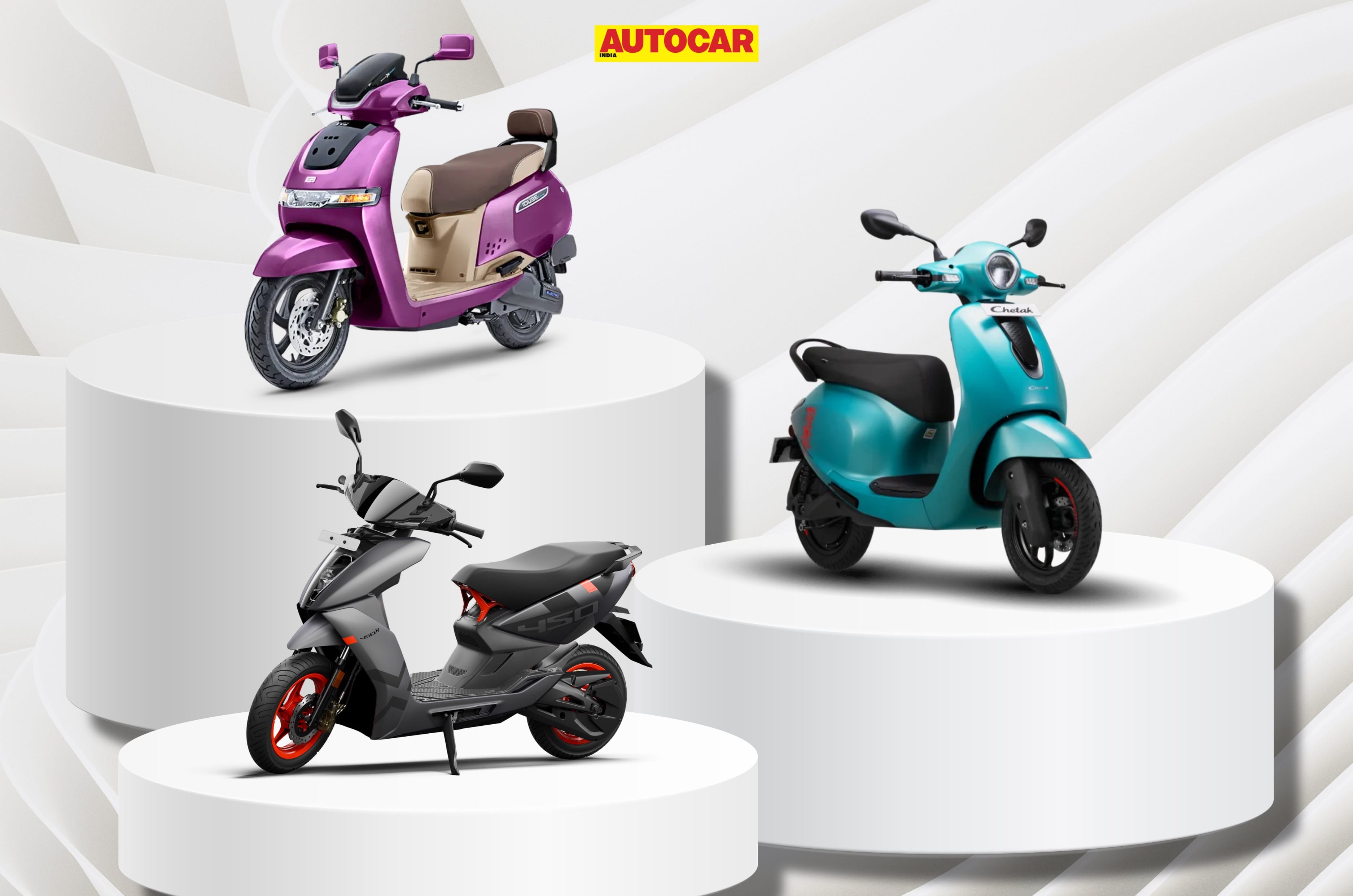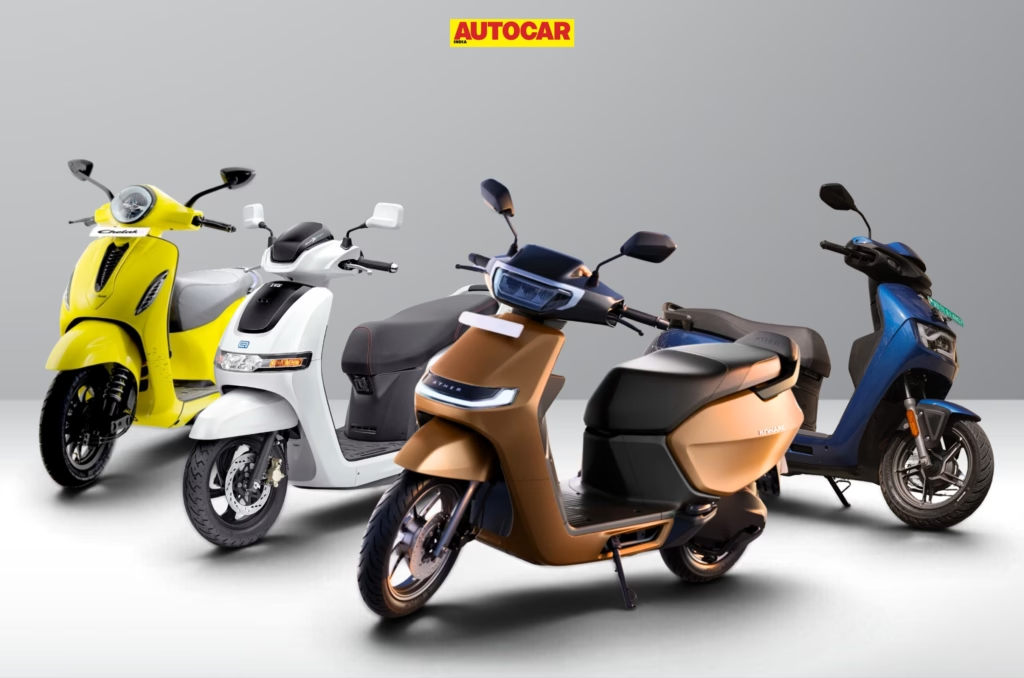
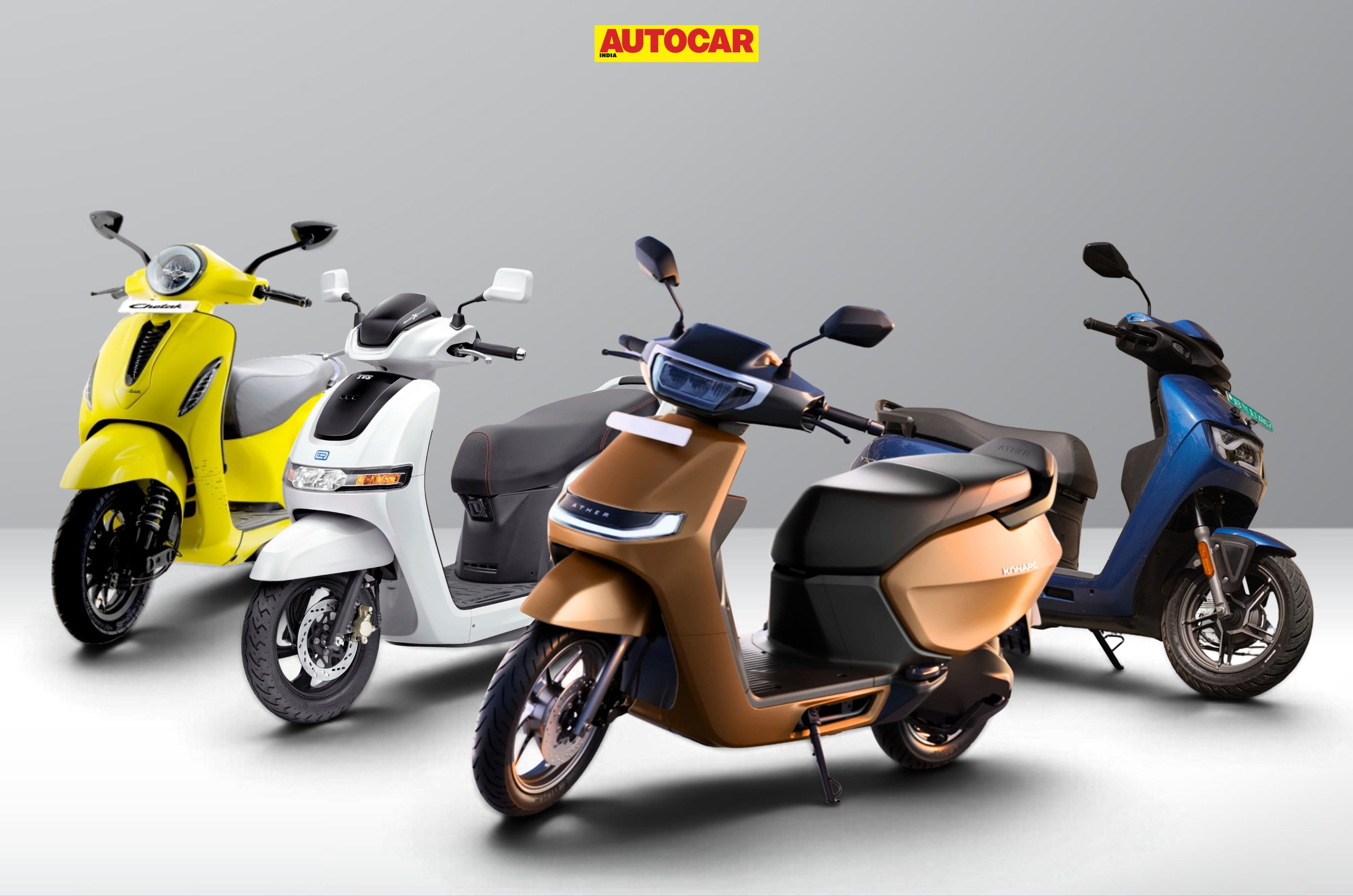
Scooter industry posts best-ever first-half sales in 2026

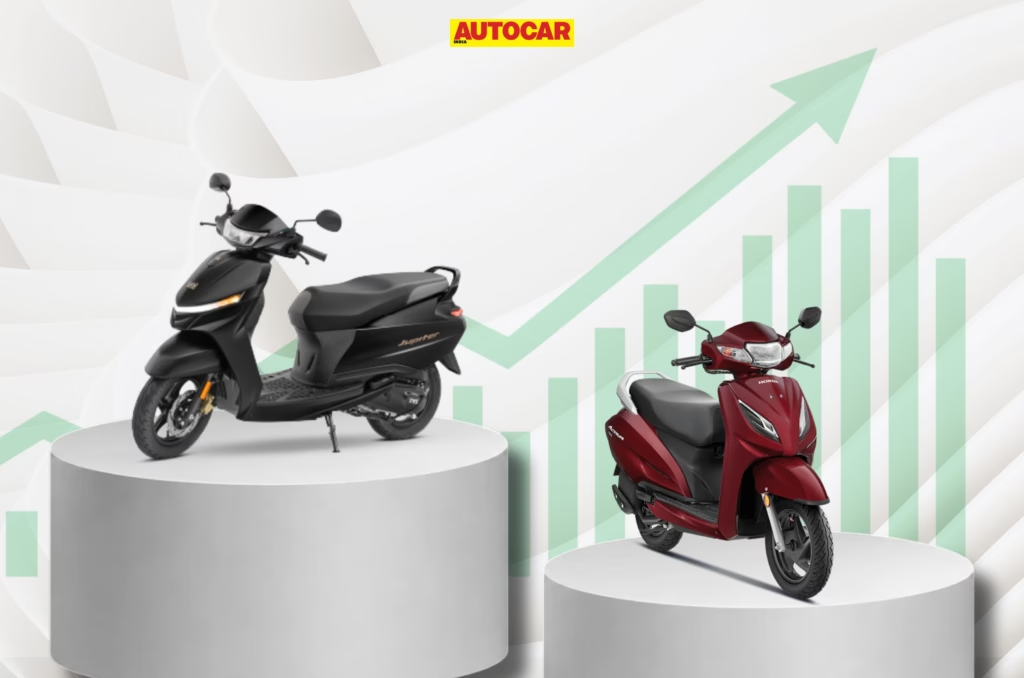
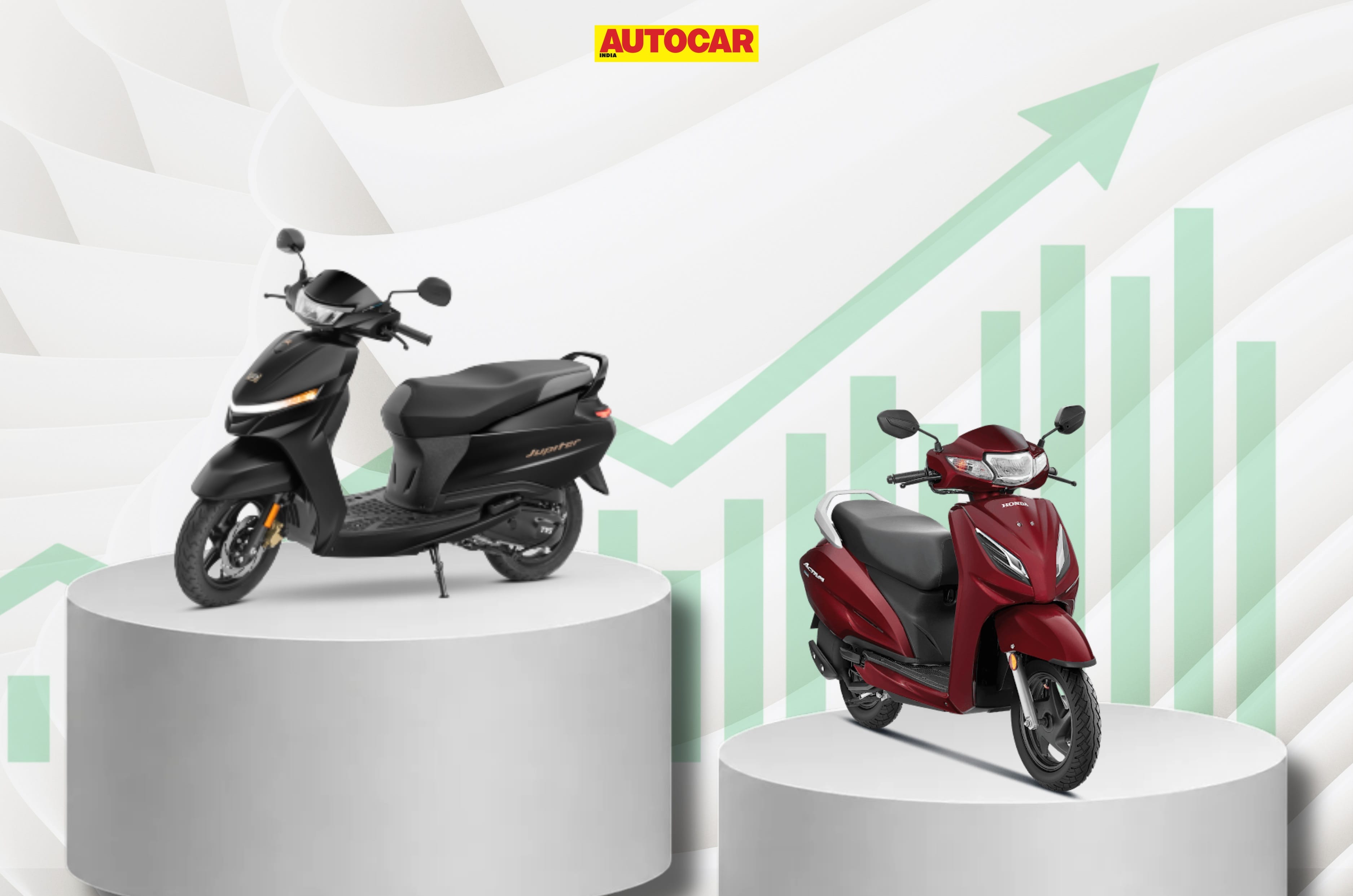
graphic showing the activa, jupiter, and access

India’s scooter industry has delivered its strongest-ever first-half (H1) performance, with wholesales of 44.2 lakh units – up 33 percent year on year (YoY) and 11 lakh units higher than in the same period of 2025. Monthly sales crossed the 7 lakh-unit mark in five of the six months, with April being the only exception. At this pace, the segment is on course to surpass 90 lakh annual units for the first time in a calendar year.

  1. Scooter wholesales reach 44.2 lakh units in H1 2026
  2. Segment on course to cross 90 lakh units in CY2026

India scooter sales H1 2026: OEM breakdown

Honda Motorcycle & Scooter India

16.2 lakh units

Market leader Honda maintained its position with 16.2 lakh scooter dispatches, up 32 percent year-on-year, giving it a 37 percent market share as the Activa and Dio continued to drive volumes. Honda’s electric scooter sales, comprising the Activa e: and QC1, contributed 2,100 units in the first half, down 4 percent year-on-year. Honda’s share of the scooter market has fallen significantly over the past decade, from 57 percent in FY2017 to 37 percent today, as TVS and other manufacturers have gained ground.

TVS Motor Co

12.6 lakh units

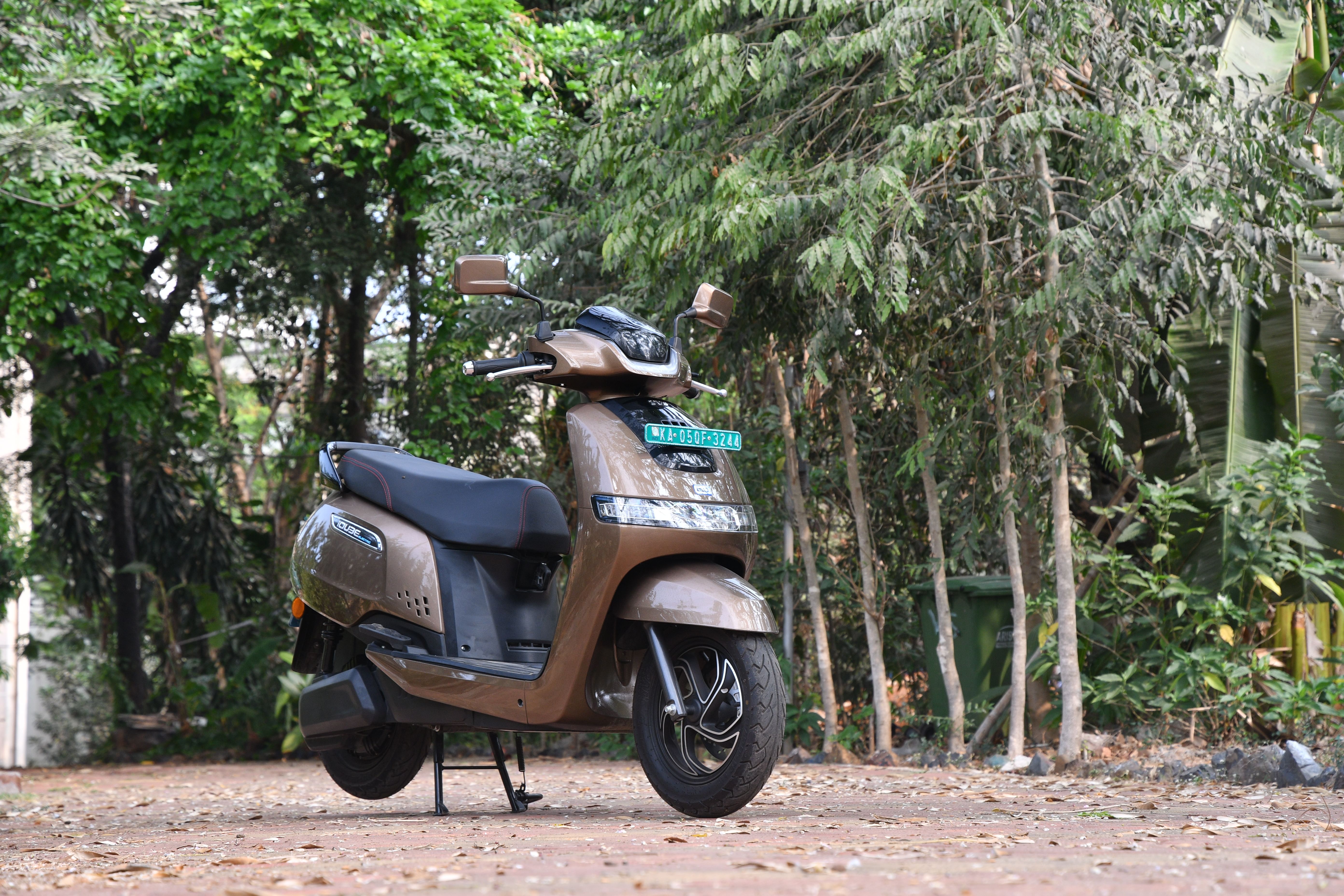
TVS dispatched 12.6 lakh scooters in H1 2026, up 32 percent year-on-year. Its ICE scooters, led by the Jupiter, NTorq and Zest, contributed 10.24 lakh units (up 26 percent), while the electric iQube and Orbiter added 2.41 lakh units (up 66 percent). EVs now account for 19 percent of TVS’s scooter sales, up from 15 percent a year ago.

Suzuki Motorcycle India

5.95 lakh units

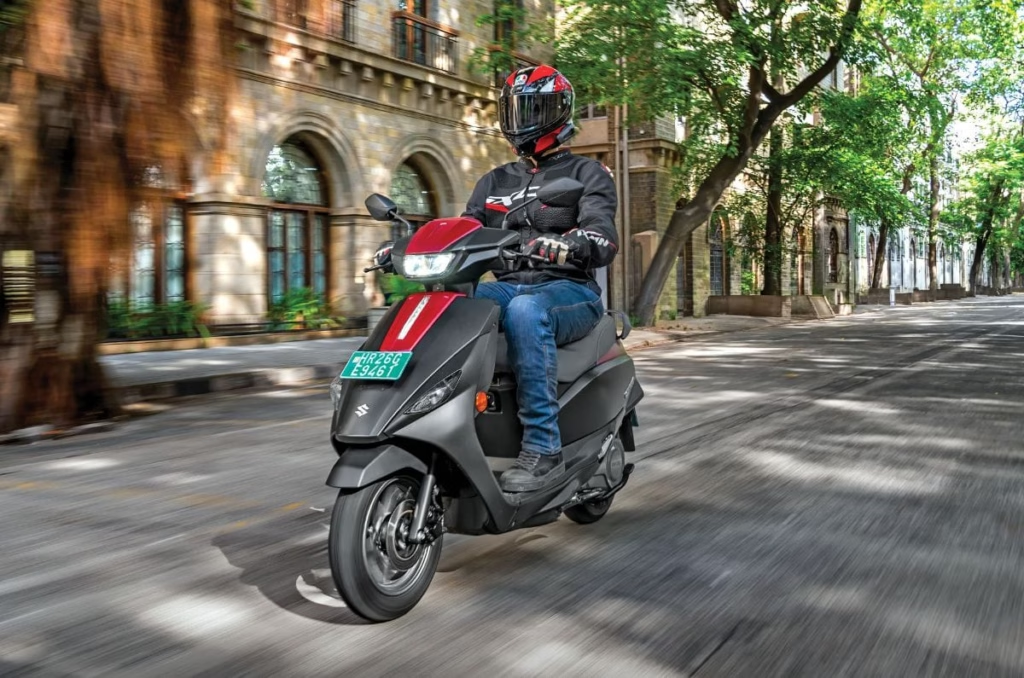
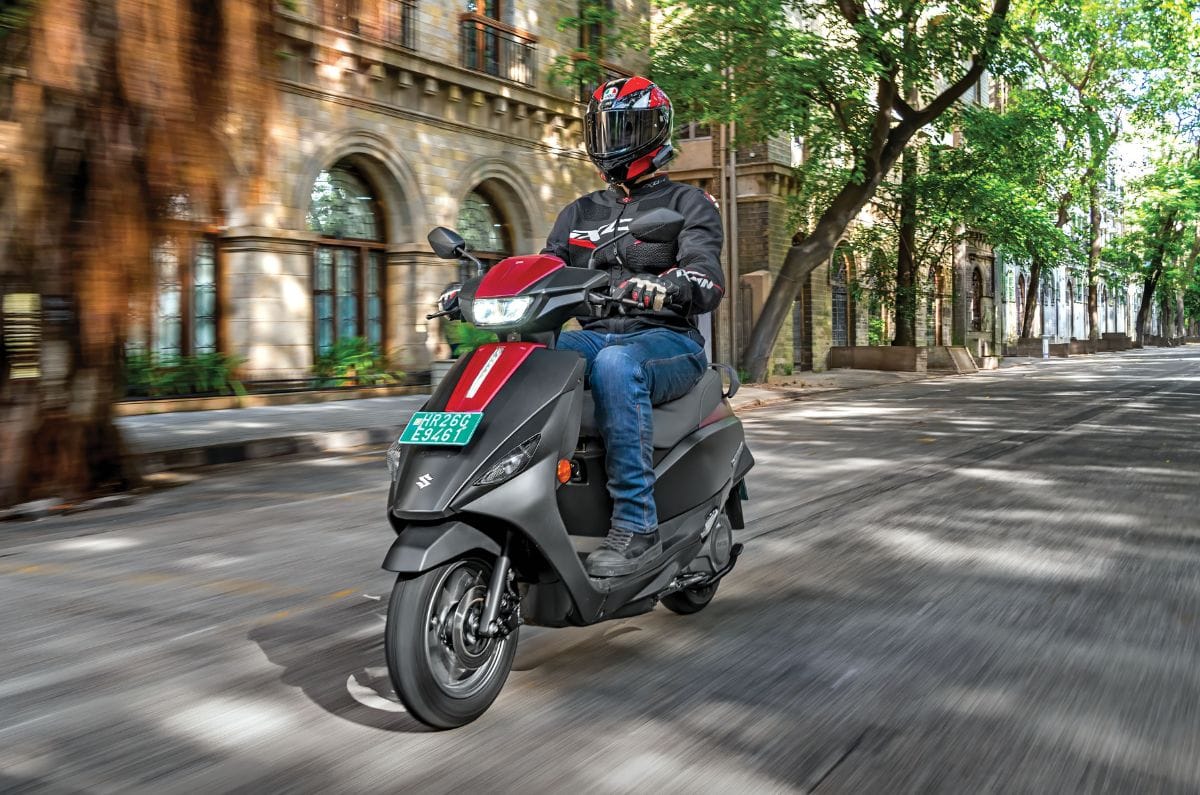
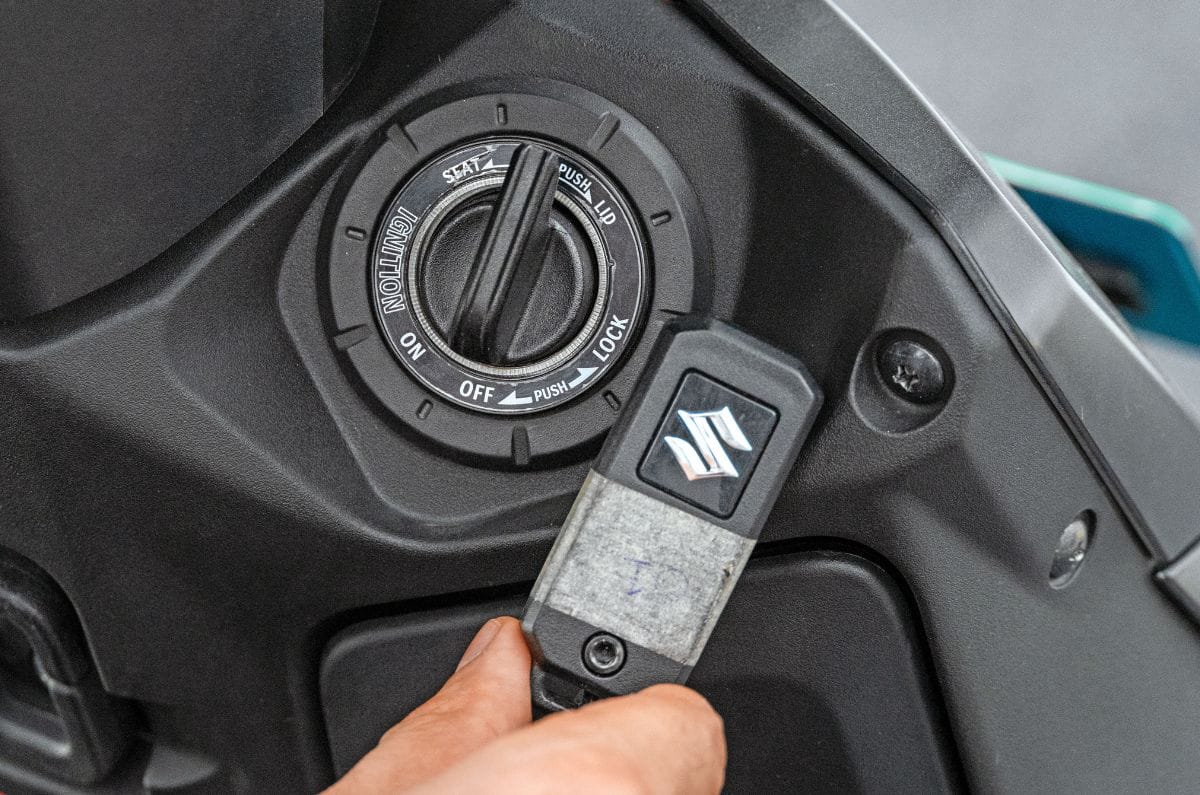
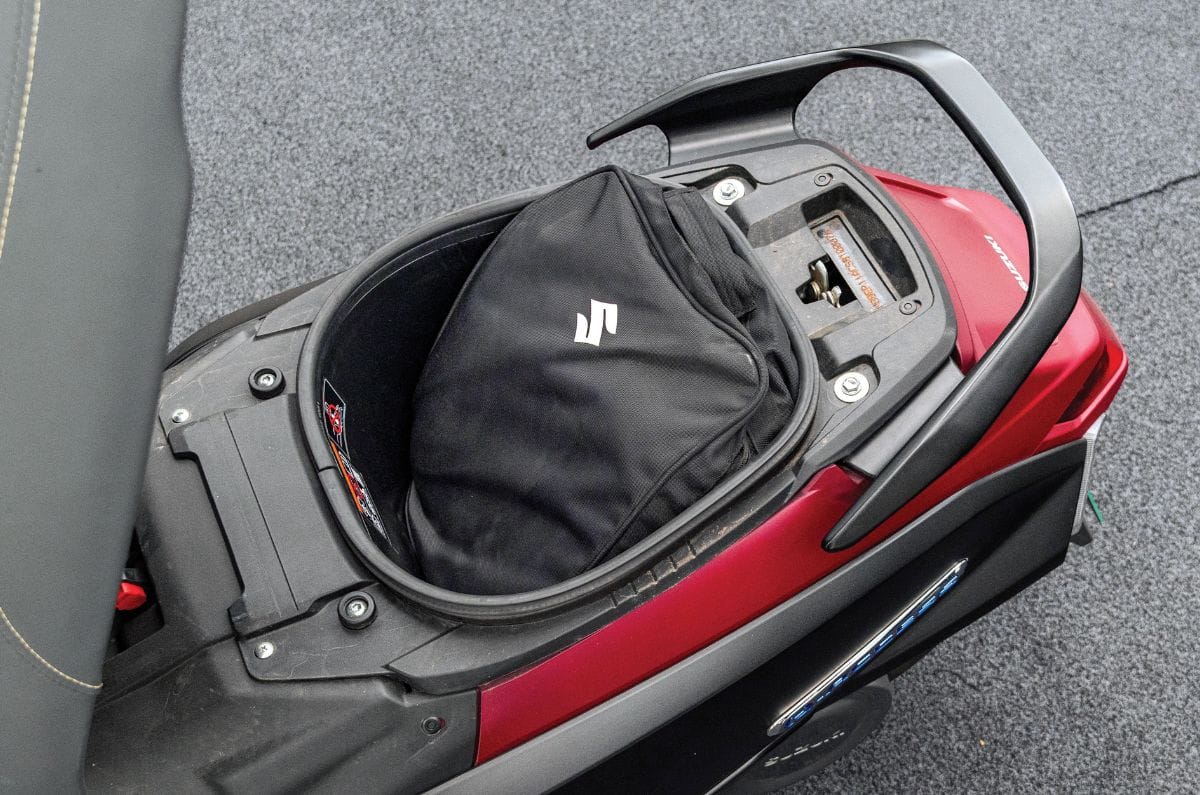
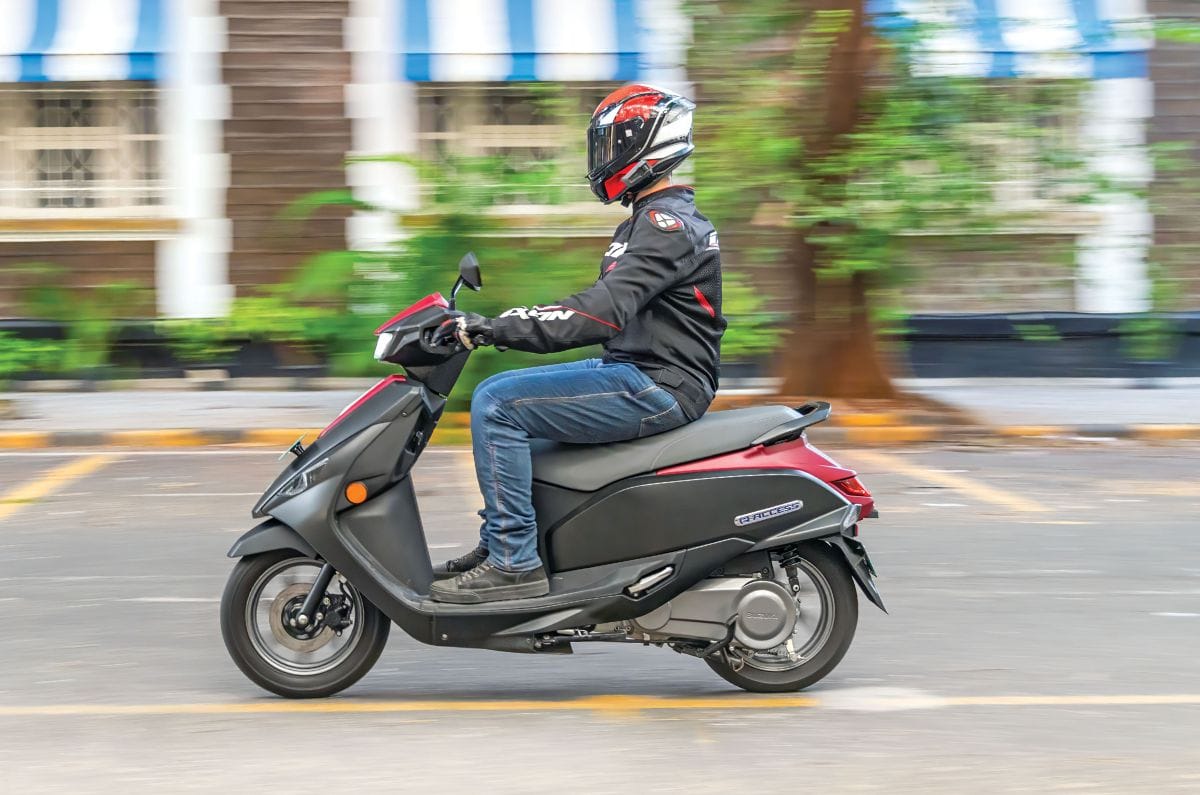
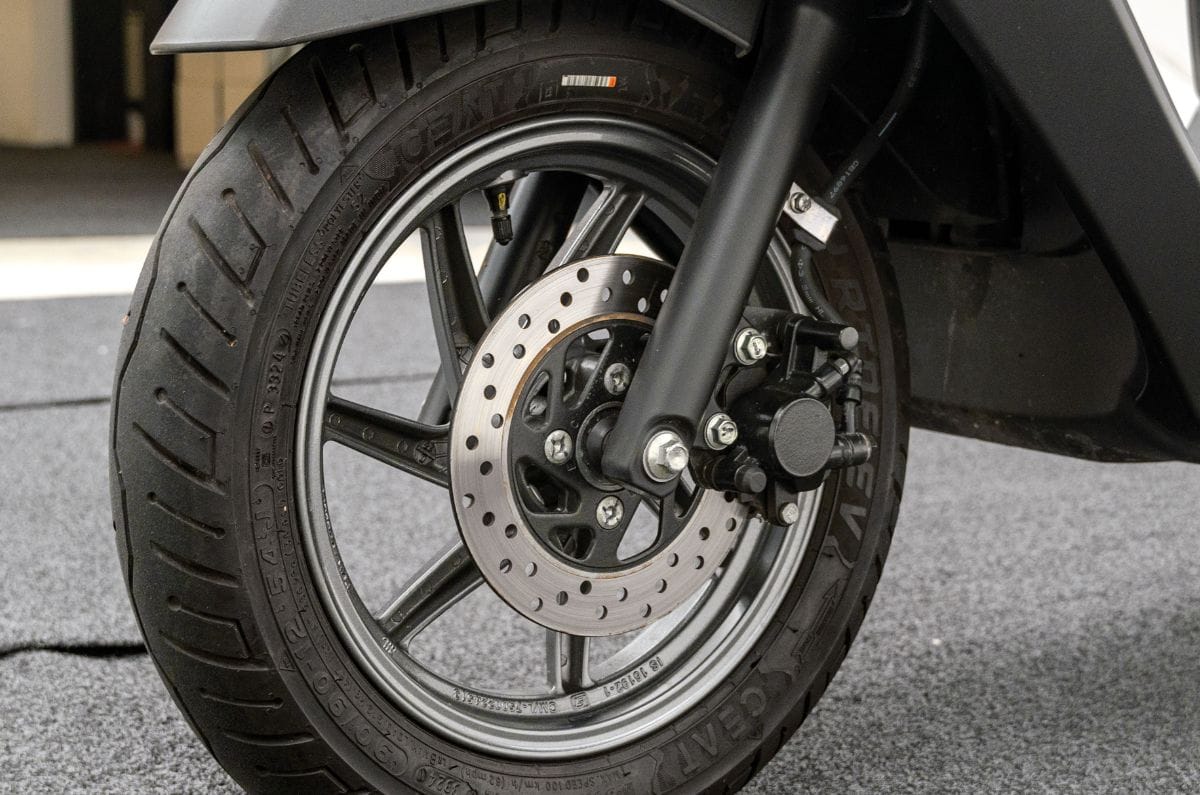
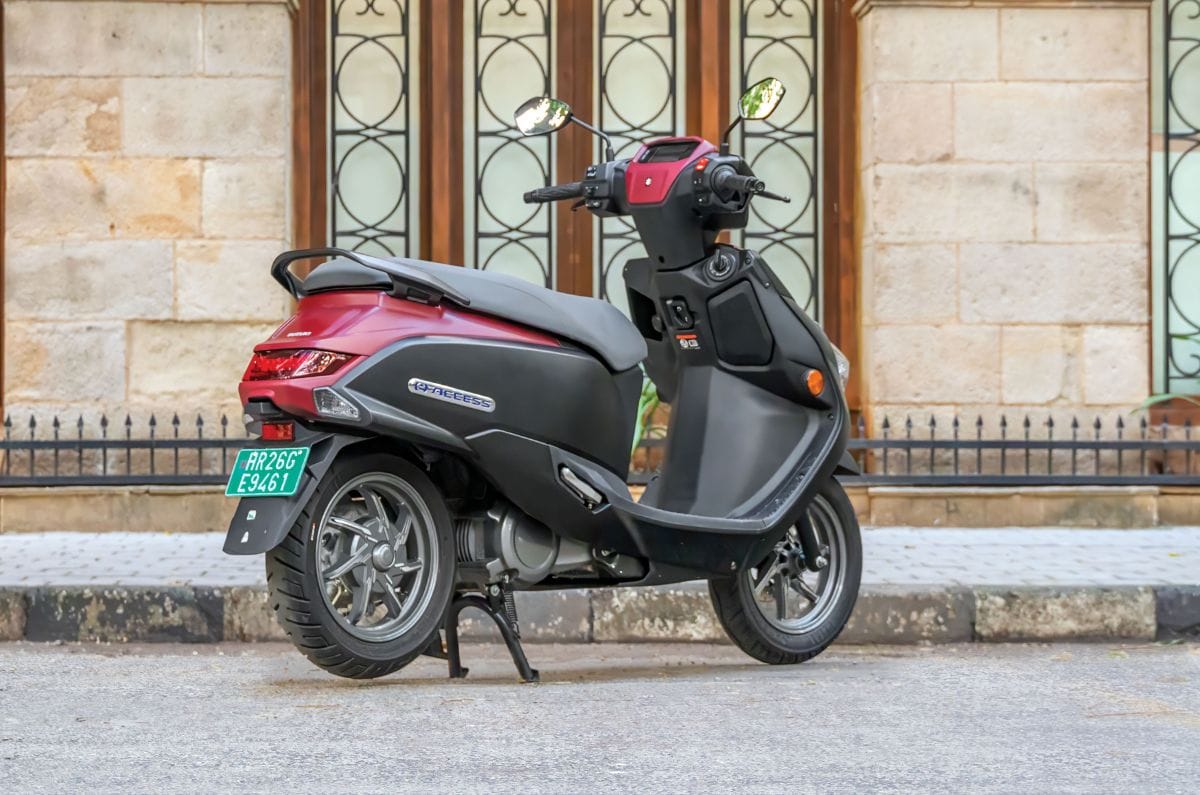
Suzuki dispatched 5.95 lakh scooters, up 11 percent year-on-year, although its market share fell to 13 percent from 16 percent as the broader market expanded at a faster pace. The Access 125 remained the brand’s volume leader, ahead of the Burgman Street and Avenis. The e-Access contributed 3,390 wholesale units in H1 2026, while retail sales stood at 2,042 units.

Hero MotoCorp

3.46 lakh units

Hero MotoCorp posted the strongest growth among the larger manufacturers, with 3.46 lakh scooter dispatches – up 72 percent year-on-year. ICE scooters contributed 2.44 lakh units (up 54 percent), while the Vida electric range added 1.02 lakh units (up 136 percent). Hero’s EV penetration has risen sharply, with Vida now accounting for 30 percent of its scooter sales, compared to 21 percent in H1 2025.

Bajaj Auto

2.07 lakh units

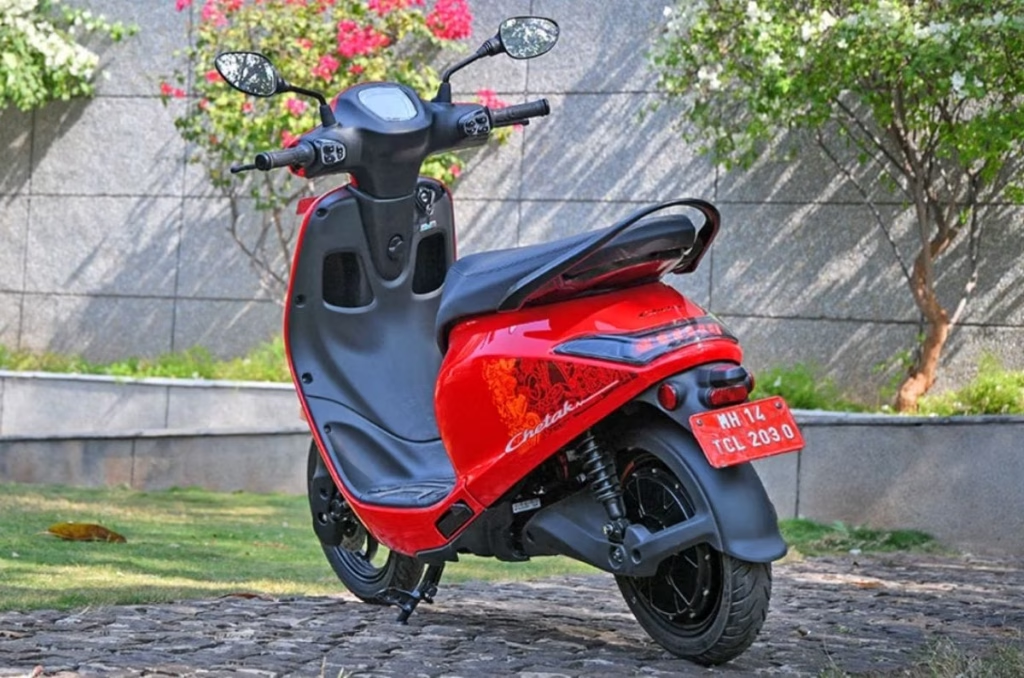
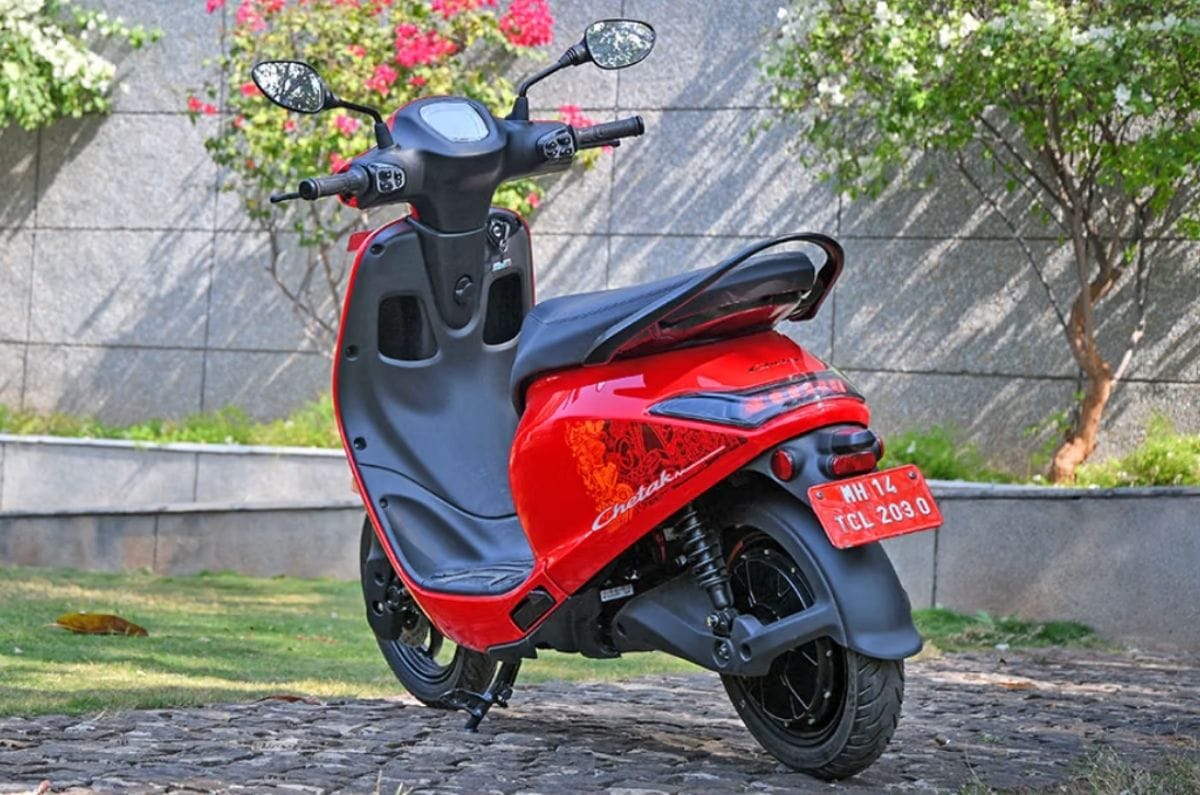
Bajaj Auto dispatched 2.07 lakh scooters, up 53 percent year-on-year, of which 2.04 lakh were Chetak electric scooters and 2,850 were Yulu e-bikes. Bajaj’s overall scooter market share edged up to around 5 percent from 4 percent a year ago.

India Yamaha Motor

1.89 lakh units

Yamaha posted 39 percent growth with 1.89 lakh scooter dispatches, with the Fascino and RayZR accounting for 1.75 lakh units of that total. The Aerox grew 15 percent to 12,590 units. Yamaha also dispatched 678 EC-06 electric scooters between March and June, before launching the Aerox-E earlier this month.

Ather 

1.64 lakh units

Ather Energy dispatched 1.64 lakh scooters, up 67 percent year-on-year, taking its share of the overall scooter market to 4 percent from 3 percent a year ago. The Rizta remained the company’s key volume driver alongside the 450 range. Ather recently became the fourth Indian EV manufacturer to cross 7 lakh cumulative retail sales.

Other manufacturers

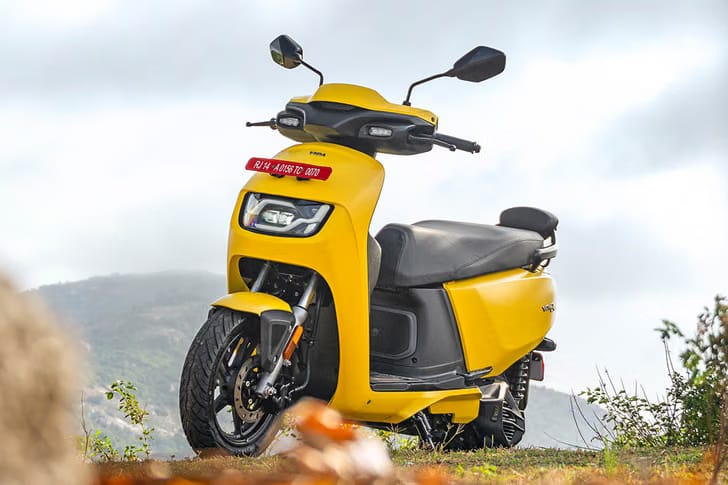
Piaggio Vehicles (Aprilia and Vespa) dispatched 19,162 units, up 27 percent year-on-year. River Mobility, which became a SIAM member during the year, dispatched 11,569 River Indie scooters in the April-June quarter alone, including its highest-ever monthly wholesale of 5,217 units in June.

Who is Neha Bora : कौन हैं नेहा बोरा? CJP प्रोटेस्ट के बाद क्यों हैं चर्चा में, सोशल मीडिया पर वायरल हो रहे वीडियो

दिल्ली के जंतर-मंतर में कॉकरोच जनता पार्टी के प्रदर्शन में सामाजिक कार्यकर्ता सोनम वांगचुक भूख हड़ताल पर बैठे हुए है। केंद्रीय शिक्षा मंत्री धर्मेंद्र प्रधान के इस्तीफे की मांग को लेकर वे अनशन पर हैं। सीजेपी प्रोटेस्ट में सोनम वांगचुक ही नहीं कई छात्र नेता भी भूख हड़ताल पर बैठे है। इसमें ऑल इंडिया स्टूडेंट्स एसोसिएशन (AISA) के 4 नेता शामिल हैं। इनमें वामपंथी छात्र संगठन 'आइसा' (AISA) की राष्ट्रीय अध्यक्ष नेहा बोरा (Neha Bora) भी शामिल हैं। 

ALSO READ: Bajaj Chetak, Ola S1 Pro, TVS iQube, Hero Vida V2 को टक्कर देने आ रहा है सस्ता विएतनामी इलेक्ट्रिक स्कूटर

नेहा बोरा जवाहरलाल नेहरू विश्वविद्यालय (JNU) की एक शोधार्थी (PhD scholar) हैं। वे इस समय सोशल मीडिया पर लगाकार चर्चाओं में हैं। नेहा को अक्सर शिक्षा के निजीकरण, मॉब लिंचिंग, बिलकिस बानो के न्याय और गाजा में नागरिकों की स्थिति जैसे मुद्दों पर मुखर होकर अपनी बात रखते देखा गया है।
 

जानकारी के मुताबिक उत्तरप्रदेश के एक मध्यमवर्गीय परिवार में जन्मी नेहा ने अपनी स्कूली शिक्षा दिल्ली पब्लिक स्कूल, सिलीगुड़ी से पूरी की। इसके बाद उन्होंने दिल्ली विश्वविद्यालय से समाजशास्त्र में ग्रेजुएशन किया और फिर अंबेडकर विश्वविद्यालय से पढ़ाई की। उन्होंने अपनी उच्च शिक्षा JNU से जारी रखी। नेहा जेएनयू में छात्र राजनीति से जुड़ीं और बाद में AISA की राष्ट्रीय अध्यक्ष बनीं।

ब्राह्मणवाद और जातीय भेदभाव पर विचार

रिपोर्ट के अनुसार, नेहा बोरा अपने सोशल मीडिया पोस्ट में 'ब्राह्मणवाद' को समाज में मौजूद विभिन्न प्रकार के भेदभाव का प्रतीक बताती रही हैं। उनके अनुसार, ब्राह्मणवाद का अर्थ समाज के एक वर्ग द्वारा दूसरे वर्ग का ऐतिहासिक दमन है। उनके आलोचकों के मुताबिक उनके विचारों में ब्राह्मण समुदाय के प्रति नकारात्मक दृष्टिकोण दिखाई देता है और वे इसे सामाजिक समानता स्थापित करने के तर्क से उचित ठहराती हैं।


हिन्दू एकता और मुस्लिम समुदाय पर बयान

एक पॉडकास्ट में नेहा बोरा ने कहा था कि हिन्दू समाज को जातिगत आधार से ऊपर उठाकर एकजुट करने की अपील से मुस्लिम समुदाय में असुरक्षा की भावना पैदा होती है। उन्होंने कथित लव जिहाद के मुद्दे को भी गंभीरता से नहीं लिया और हिन्दू समाज में महिलाओं की स्थिति पर टिप्पणी की। उनके इन बयानों को लेकर भी विवाद खड़ा हुआ था।

फिलिस्तीन के समर्थन में रुख

नेहा बोरा सोशल मीडिया प्लेटफॉर्म X पर फिलिस्तीन के समर्थन में कई पोस्ट कर चुकी हैं। उन्होंने इजरायल की आलोचना करते हुए Free Palestine अभियान का समर्थन किया है। उन्होंने सोशल मीडिया प्लेटफॉर्म 'X' पर कई पोस्ट के जरिए इजराइल की निंदा की और फिलिस्तीन की आजादी (Free Palestine) की मांग की है। रिपोर्ट में दावा किया गया है कि छात्र संगठनों के माध्यम से वैचारिक और राजनीतिक एजेंडा आगे बढ़ाने की रणनीति लंबे समय से अपनाई जाती रही है। वहीं, AISA और अन्य वामपंथी छात्र संगठन इन आरोपों को खारिज करते हुए स्वयं को छात्रों के अधिकारों के लिए संघर्ष करने वाला संगठन बताते रहे हैं।

ISRO में 100 से ज्यादा वैज्ञानिकों के इस्तीफों से हलचल, सरकार ने सख्त किए नियम, Gaganyaan Mission से जुड़े कर्मियों पर विशेष फोकस

भारतीय अंतरिक्ष अनुसंधान संगठन (ISRO) में हाल के महीनों में 100 से अधिक वैज्ञानिकों के इस्तीफा देने की खबरों के बीच केंद्र सरकार ने बड़ा कदम उठाया है। मीडिया रिपोर्ट्स के अनुसार, विशेष रूप से गगनयान (Gaganyaan) और अन्य महत्वपूर्ण अंतरिक्ष मिशनों से जुड़े वैज्ञानिकों के स्वैच्छिक इस्तीफे (Resignation) और स्वैच्छिक सेवानिवृत्ति (VRS) पर अब कड़ी निगरानी रखी जाएगी।

ALSO READ: Royal Enfield Classic 350 का 2026 अपडेट लॉन्च, अब मिलेगा Slipper Clutch और Fast USB Type-C Charger; जानें नई कीमतें

100 से 120 वैज्ञानिकों के इस्तीफे की रिपोर्ट

हालांकि अंतरिक्ष विभाग ने आधिकारिक तौर पर इस्तीफा देने वाले वैज्ञानिकों की संख्या जारी नहीं की है, लेकिन मीडिया रिपोर्ट्स के मुताबिक हाल के महीनों में 100 से 120 वैज्ञानिकों ने ISRO छोड़ने का फैसला किया है।

रिपोर्ट के मुताबिक बेंगलुरु स्थित यू.आर. राव सैटेलाइट सेंटर (URSC) से करीब 80 वैज्ञानिकों ने इस्तीफा दिया। तिरुवनंतपुरम स्थित विक्रम साराभाई स्पेस सेंटर (VSSC) से लगभग 20 वैज्ञानिकों के जाने की जानकारी सामने आई है। सूत्रों का कहना है कि इस्तीफों की संख्या 100 से अधिक होकर 120 तक पहुंच सकती है।

ALSO READ: Bajaj Chetak, Ola S1 Pro, TVS iQube, Hero Vida V2 को टक्कर देने आ रहा है सस्ता विएतनामी इलेक्ट्रिक स्कूटर

सरकार ने जारी किया नया निर्देश

14 जुलाई को जारी एक आंतरिक ज्ञापन (Internal Memorandum), जिसे India Today ने एक्सेस किया है, के अनुसार केंद्र सरकार ने ISRO के सभी केंद्रों को निर्देश दिया है कि गगनयान और अन्य महत्वपूर्ण मिशनों से जुड़े ग्रुप 'A' वैज्ञानिक एवं तकनीकी अधिकारियों के इस्तीफे या स्वैच्छिक सेवानिवृत्ति के आवेदन सीधे स्वीकार न किए जाएं। अब ऐसे सभी मामलों को अंतिम निर्णय के लिए अंतरिक्ष विभाग (Department of Space) के पास भेजा जाएगा।

ALSO READ: Bajaj Chetak और TVS iQube को मिलेगी कड़ी टक्कर, Ather 29 अगस्त को लॉन्च करेगा सबसे सस्ता इलेक्ट्रिक स्कूटर

क्यों अहम है यह फैसला?

भारत का गगनयान मिशन देश का पहला मानव अंतरिक्ष मिशन है और इसे ISRO की सबसे महत्वपूर्ण परियोजनाओं में गिना जाता है। ऐसे में अनुभवी वैज्ञानिकों के बड़े पैमाने पर संगठन छोड़ने की खबरों ने सरकार की चिंता बढ़ा दी है। इसी वजह से अब महत्वपूर्ण परियोजनाओं से जुड़े वैज्ञानिकों के इस्तीफों पर केंद्रीय स्तर पर फैसला लिया जाएगा।

Vida VX2: Price and variants explained

Vida VX2 studio side profile

The Hero Vida VX2 is offered in five variants split across two sub-families – Go and Plus. All five use the same 6kW motor and feature removable, IP67-rated battery packs, with the main differences coming down to battery capacity, braking hardware, display and ride modes. Here’s what each variant offers.

Vida VX2 variant breakdown

VX2 Go 2.2

The entry-level Go 2.2 uses the smallest 2.2kWh battery in the range, offering a claimed IDC range of 93km. Top speed is capped at 70kph, with a claimed 0-40kph time of 4.2 seconds. It comes with a 580W charger that takes 3 hours 7 minutes to charge from 0 to 80 percent.

The scooter is also available in a Go 2.2 RQ variant, which is mechanically identical but comes bundled with a faster 1,000W charger as standard. This reduces the claimed 0-80 percent charging time to 1 hour 41 minutes.

The VX2 Go 2.2 gets drum brakes at both ends with CBS, a 4.3-inch LCD display, and two riding modes – Eco and Ride. It also offers the largest underseat storage in the VX2 range at 33.2 litres, thanks to its smaller battery pack. The Vida VX2 Go 2.2 is priced at Rs 99,490, while the Go 2.2 RQ costs Rs 1.04 lakh.

VX2 Go 3.4

The larger 3.4kWh battery increases the claimed IDC range to 146km, although top speed and acceleration remain unchanged from the Go 2.2. This variant continues to use the 580W charger, with the larger battery increasing the claimed 0-80 percent charging time to 4 hours 44 minutes.

The bigger battery also reduces underseat storage to 27.2 litres, while the rest of the hardware and feature set remains identical to the Go 2.2. The Vida VX2 Go 3.4 is priced at Rs 1.21 lakh.

VX2 Plus 3.4

The VX2 Plus 3.4 uses the same 3.4kWh battery and 580W charger as the Go 3.4, with an identical claimed 0-80 percent charging time of 4 hours 44 minutes.

The differences lie in the equipment list. The Plus gets a front disc brake (paired with a rear drum and CBS), a 4.3-inch TFT display instead of the LCD unit, and an additional Sport riding mode alongside Eco and Ride. Performance also improves, with top speed increasing to 80kph while the claimed 0-40kph time drops to 3.1 seconds. The Vida VX2 Plus 3.4 is priced at Rs 1.31 lakh.

VX2 Plus 4.4

The range-topping and most recently launched VX2 Plus 4.4 gets the largest battery pack in the lineup, delivering a claimed IDC range of 187km. It comes bundled with the same 1,000W charger as the Go 2.2 RQ, bringing the claimed 0-80 percent charging time down to 3 hours 17 minutes despite the larger battery.

It shares the Plus 3.4’s braking hardware, TFT display and three riding modes, but offers better performance with a 90kph top speed while retaining the same claimed 3.1-second 0-40kph time. The Vida VX2 Plus 4.4 is priced at Rs 1.51 lakh.

All prices are ex-showroom, Delhi, excluding subsidies.

Vida VX2 4.4kWh vs rivals: Price and specification comparison

Vida VX2 4.4kWh vs rivals: Price and specification comparison

The VX2 is Vida’s – Hero’s electric arm – affordable and latest offering in the electric scooter market. It was earlier available with just a 2.2kWh and 3.4kWh battery pack options but now the brand has launched a larger 4.4kWh option. Here we see how it compares with its competitors, on paper, in terms of range, charging time, and features.

Vida VX2 4.4kWh vs rivals: electric motor, battery and charging 


Vida VX2 4.4kWh

TVS iQube S 4.7kWh

Ather Rizta Z 3.7kWh 

Bajaj Chetak C3501

River Indie 

Peak motor output 

6kW

4.4kW

4.3kW

4.8kW

6.7kW

Rated torque 

NA

33Nm

22Nm

20Nm

26Nm

Claimed top speed

90kph

82kph

80kph

80kph

90kph

Battery capacity

4.4kWh

4.7kWh

3.7kWh

3.5kWh

4kWh

Claimed fast charging time (0-80 percent)

3 hrs, 17 mins

4hrs

4hr 30min

3hr 

750W – 5hrs


IDC range

187km

175km

159km

153km

160km

The VX2 is the only one to come with removable battery packs

The Vida VX2 has the highest claimed IDC range here and is also among the quickest scooters in the comparison, with a claimed top speed of 90kph that it shares with the River Indie. The River, meanwhile, produces the highest peak motor output, while the TVS iQube S leads on battery capacity with a 4.7kWh battery pack and also claims the highest rated torque at 33Nm.
The Vida stands out as the only scooter in this comparison to feature twin removable battery packs, whereas all its rivals use fixed batteries. In terms of charging, the Bajaj Chetak C3501 has the shortest claimed 0-80 percent charging time at 3 hours, narrowly ahead of the Vida’s claimed 3 hours and 17 minutes, while the Ather Rizta and River Indie take longer at 4.5 hours and 5 hours, respectively.

Vida VX2 4.4kWh vs rivals: dimensions and underpinnings


Vida VX2 4.4kWh

TVS iQube S 4.7kWh


Ather Rizta Z 3.7kWh

Bajaj Chetak C3501

River Indie 

Wheelbase

NA

1301mm

NA

1355mm

1365mm

Seat height

777mm

770mm

777mm

775mm

787mm

Ground clearance

155mm

157mm

180mm

NA

177mm 

Kerb weight

120kg

129kg

130.7kg

125kg 

135kg 

The TVS iQube has the most accessible seat height

The River Indie has the longest wheelbase in this comparison, which lends it greater straight-line stability. It also has the tallest seat height, while the iQube has the most accessible seat height. In terms of ground clearance, the Rizta leads the pack, followed closely by the River Indie.

The VX2 and iQube S offer comparatively lower ground clearance figures. The VX2 is also the lightest scooter here, followed by the Bajaj Chetak C3501 that gets a full-metal body, while the River Indie is the heaviest despite shedding weight over its ‘Gen-2’ model.

Vida VX2 4.4kWh vs rivals: Suspension, brakes and tyres


Vida VX2 4.4kWh

TVS iQube S 4.7kWh


Ather Rizta Z 3.7kWh

Bajaj Chetak C3501

River Indie

Suspension (F/R)

Telescopic fork / monoshock

telescopic fork / twin-shock absorbers

Telescopic fork / monoshock 

Leading link / monoshock

telescopic fork / twin-shock absorbers

Brakes (F/R)

Disc/drum 

220mm / drum

Disc / Drum

Disc / drum

Disc / disc 

Tyres (F/R)

NA / NA  

90/90-12 / 90/90-12

90/90-12 / 100/80-12

NA / NA

110/70 R14 / 120/70 R14 

The River Indie is the only one to run on 14-inch wheels

In terms of hardware, the VX2 and Rizta use a telescopic fork and monoshock setup, while the iQube S and Indie pair a telescopic fork with twin rear shock absorbers. The C3501 is the only scooter here to feature a leading-link front suspension. Braking duties are handled by a front disc and rear drum setup on all scooters except the River Indie, which stands out with disc brakes at both ends but continues with a combined braking system much like all the others here. The River also distinguishes itself by running on larger 14-inch wheels that lend it greater stability and a more imposing stance, while the remaining scooters use 12-inch wheels with tubeless tyres.

Vida VX2 4.4kWh vs rivals: Features

The River Indie is the only one here to get an LCD dash.

The five scooters differ considerably in terms of features and charging hardware. Both the Bajaj Chetak 3501 and River Indie feature on-board chargers, allowing them to be plugged directly into a standard wall socket without the need for a separate charging unit. The TVS iQube S and Ather Rizta use off-board chargers, while the Hero Vida VX2’s removable battery packs can be charged either on or off the scooter, making it the most versatile here. Beyond this, the scooters differ in terms of display type, smartphone connectivity, navigation, keyless functionality, reverse mode and other convenience features. The River Indie stands out with the largest underseat storage of 43-litres. 

Vida VX2 4.4kWh vs rivals: Price


Vida VX2 4.4kWh

TVS iQube S 4.7kWh


Ather Rizta Z 3.7kWh

Bajaj Chetak C3501

River Indie

Price (ex-showroom, Bengaluru)

Rs 1.44 lakh 

Rs 1.18 lakh 


Rs 1.37 lakh

Rs 1.43 lakh

Rs 1.55 lakh

The Indie is the most expensive of the lot

While all the scooters mentioned here, barring the Indie, are available in variants with smaller battery packs, lower claimed ranges and lower price points, we have only considered prices of the variants compared here. The iQube S is the most affordable of the lot, followed by the Rizta. The Ather also comes with the smallest battery pack in this comparison, although it is the largest battery pack available in the Rizta range. The Chetak and VX2 are separated by just Rs 1,000, with the former being slightly more affordable. The River Indie is the most expensive scooter here, but it is worth noting that it is also the most substantial-looking scooter in this comparison and offers the largest boot space of any electric scooter currently on sale.
 

Hero का नया इलेक्ट्रिक स्कूटर लॉन्च, 187km रेंज और 90km/h टॉप स्पीड, जानें कीमत

Hero Vida VX2 Plus 4.4kWh: अगर आप रोजाना यूज के लिए नई बाइक खरीदने की सोच रहे हैं, तो यह खबर आपके लिए अच्छी साबित हो सकती है। दरअसल, Hero MotoCorp के इलेक्ट्रिक मोबिलिटी ब्रांड, Vida ने Vida VX2 Plus 4.4kWh नाम का एक नया स्कूटर लॉन्च किया है। जिसकी स्टैंडर्ड कीमत 1.44 लाख रुपये (एक्स-शोरूम, दिल्ली) है। हालांकि, ऑफिशियल वेबसाइट पर इसकी कीमत 1.14 लाख रुपये बताई गई है। यह कीमत सेंट्रल PM E-Drive सब्सिडी और 2,000 रुपये की छूट घटाने के बाद तय की गई है। इस स्कूटर में मौजूदा VX2 Plus 3.4kWh वाली ही मोटर और ज्यादातर इक्विपमेंट दिए गए हैं, लेकिन इसमें बड़ी बैटरी पैक है जिससे इसकी रेंज बढ़ जाती है। अब चलिए Vida VX2 Plus के इस नए वेरिएंट के फीचर्स और स्पेसिफिकेशन के बारे में जानते हैं।

Hero Vida VX2 Plus 4.4kWh: बैटरी और रेंज

Vida VX2 Plus में 4.4kWh का बैटरी पैक दिया गया है, जो दो 2.2kWh की रिमूवेबल बैटरी के साथ आएगा। रिमूवेबल बैटरी होने की वजह से यूजर्स इसे आसानी से स्कूटर से निकालकर घर या ऑफिस में चार्ज कर सकते हैं। रेंज की बात करें तो, बड़ी बैटरी क्षमता वाला यह इलेक्ट्रिक स्कूटर एक बार चार्ज करने पर 187 किलोमीटर की IDC-सर्टिफाइड रेंज देता है, जो मौजूदा 3.4kWh वाले वर्जन की 146km रेंज से 41 किलोमीटर ज्यादा है।

Hero Vida VX2 Plus 4.4kWh: चार्जिंग

Vida VX2 Plus 4.4kWh के साथ 1kW का Zap चार्जर मिलता है, जबकि इसके स्टैंडर्ड वर्जन में 580W का चार्जर आता है। साथ में मिलने वाले AC चार्जर से बैटरी को 0 से 80% तक चार्ज होने में 3 घंटे 17 मिनट, 20 से 80% तक चार्ज होने में 2 घंटे 28 मिनट और 0 से 100% तक चार्ज होने में 5 घंटे 8 मिनट लगते हैं। इसके अलावा, यह स्कूटर DC फास्ट चार्जिंग को भी सपोर्ट करता है, जिससे स्टैंडर्ड टेस्ट कंडिशन्स में इसे 0 से 80% तक चार्ज होने में 65 मिनट और 0 से 100% तक पूरी तरह चार्ज होने में 150 मिनट (2 घंटे 30 मिनट) लगते हैं।

Hero Vida VX2 Plus 4.4kWh: टॉप स्पीड और डाइमेंशन

इस इलेक्ट्रिक स्कूटर में 6kW (8.98hp) की परमानेंट मैग्नेट सिंक्रोनस मोटर लगी है। इसकी टॉप स्पीड 90km/h है और यह 3.1 सेकंड में 0 से 40km/h की रफ्तार पकड़ सकता है। इस EV की ग्रेडिबिलिटी 18 डिग्री है। डाइमेंशन की बात करें तो, स्कूटर की सीट की ऊंचाई 777mm, सीट की लंबाई 851mm, कर्ब वेट 120kg, सीट के नीचे 27.2 लीटर का स्टोरेज और सामने की तरफ 4.8 लीटर का एक्स्ट्रा स्टोरेज कम्पार्टमेंट है।

Hero Vida VX2 Plus 4.4kWh: हार्डवेयर और फीचर्स

Vida इलेक्ट्रिक स्कूटर में CBS के साथ आगे डिस्क और पीछे ड्रम ब्रेक का सेटअप है, और इसमें दोनों तरफ 12-इंच के अलॉय व्हील्स दिए गए हैं। फीचर्स की बात करें तो, इस EV में इको, राइड और स्पोर्ट राइडिंग मोड्स, 4.3-इंच का TFT डिस्प्ले, स्मार्टफोन कनेक्टिविटी और टर्न-बाय-टर्न नेविगेशन जैसे फीचर्स मिलते हैं। यह स्कूटर ओवर-द-एयर (OTA) अपडेट्स को भी सपोर्ट करता है।

यह भी पढ़ें: Ferrari 849 Testarossa Review: 1,050 PS पावर वाली इस सुपरकार में क्या है खास? जानें कीमत से परफॉर्मेंस तक सब कुछ