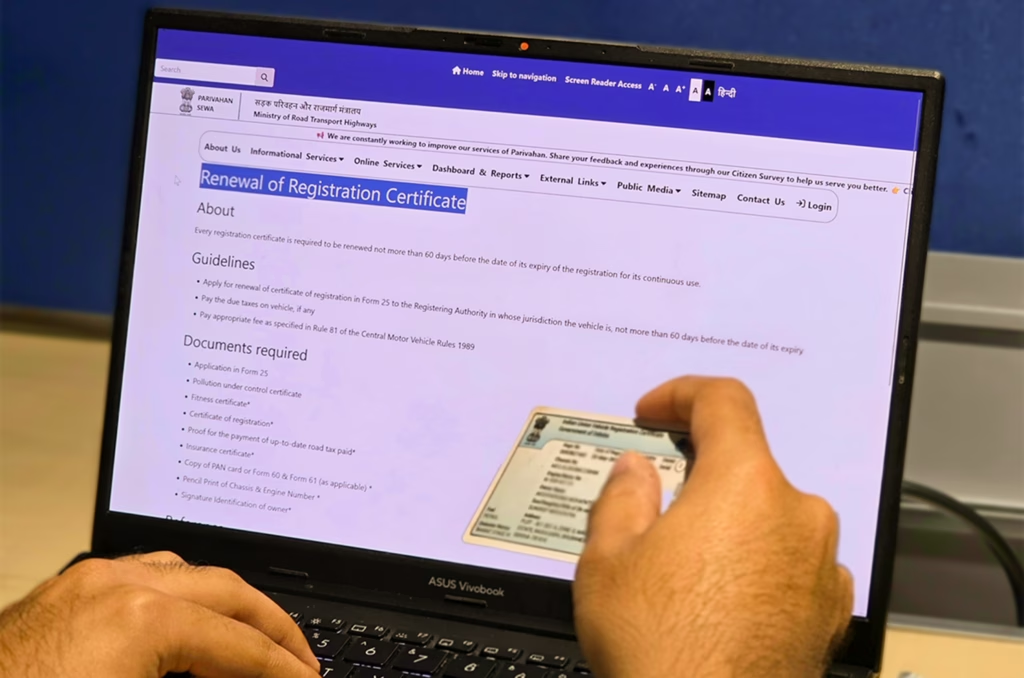
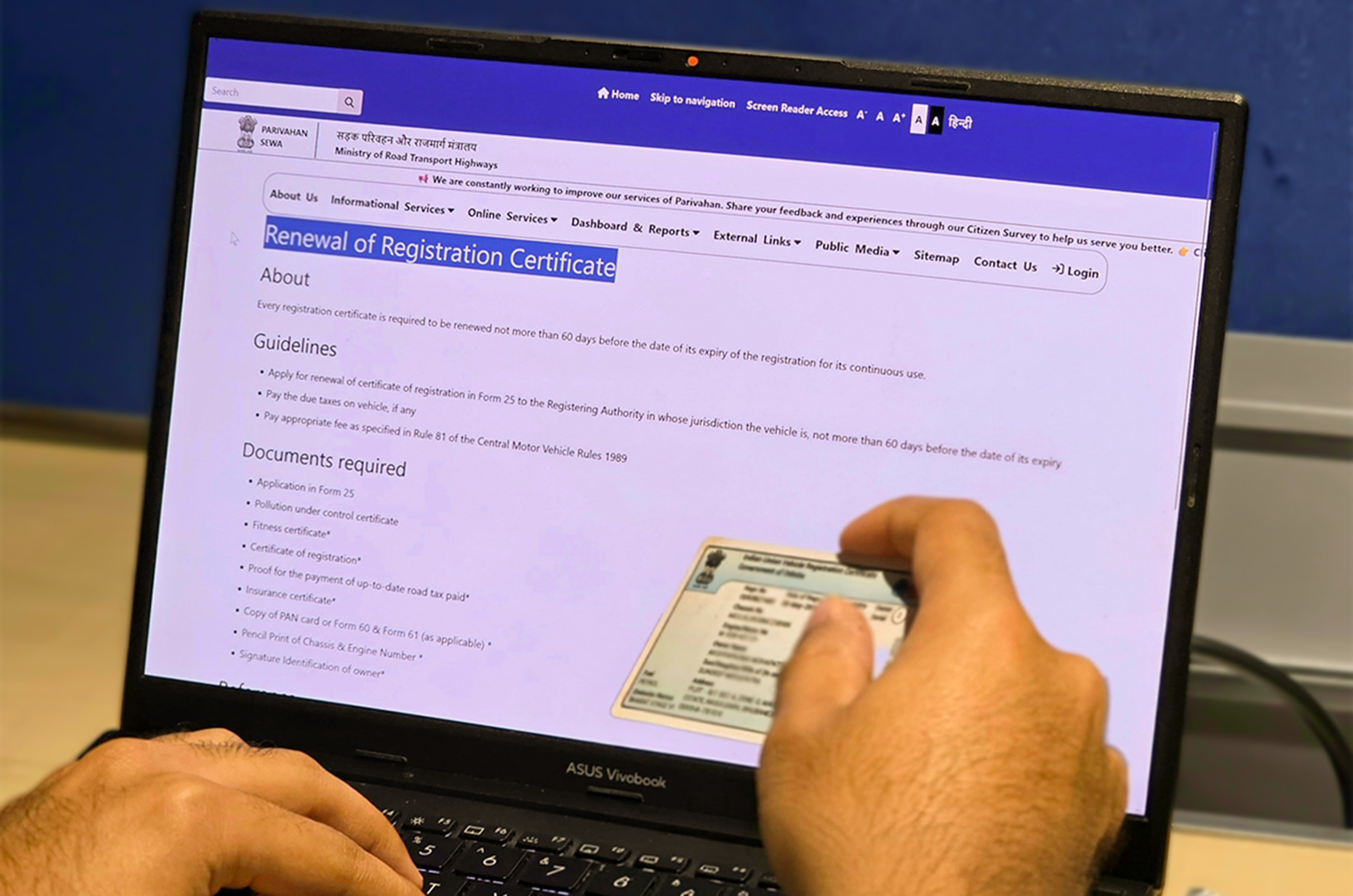
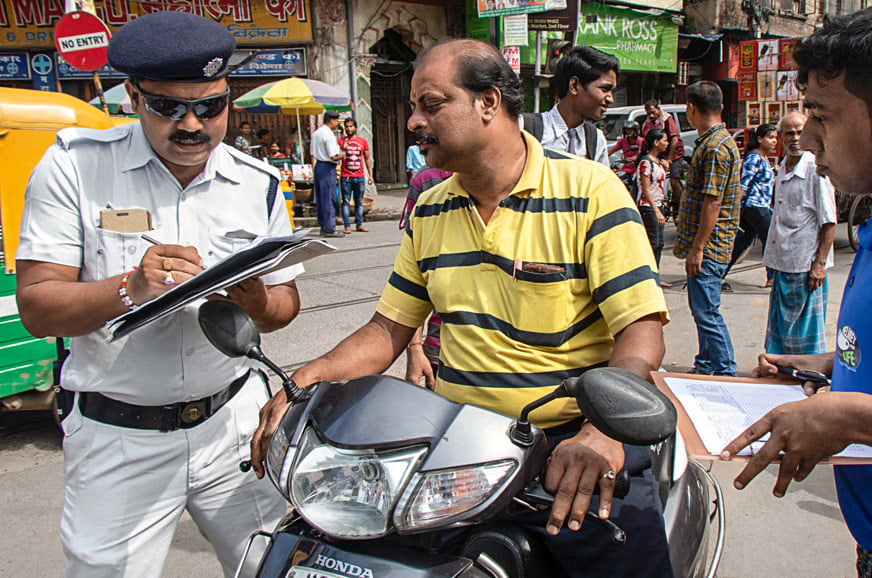
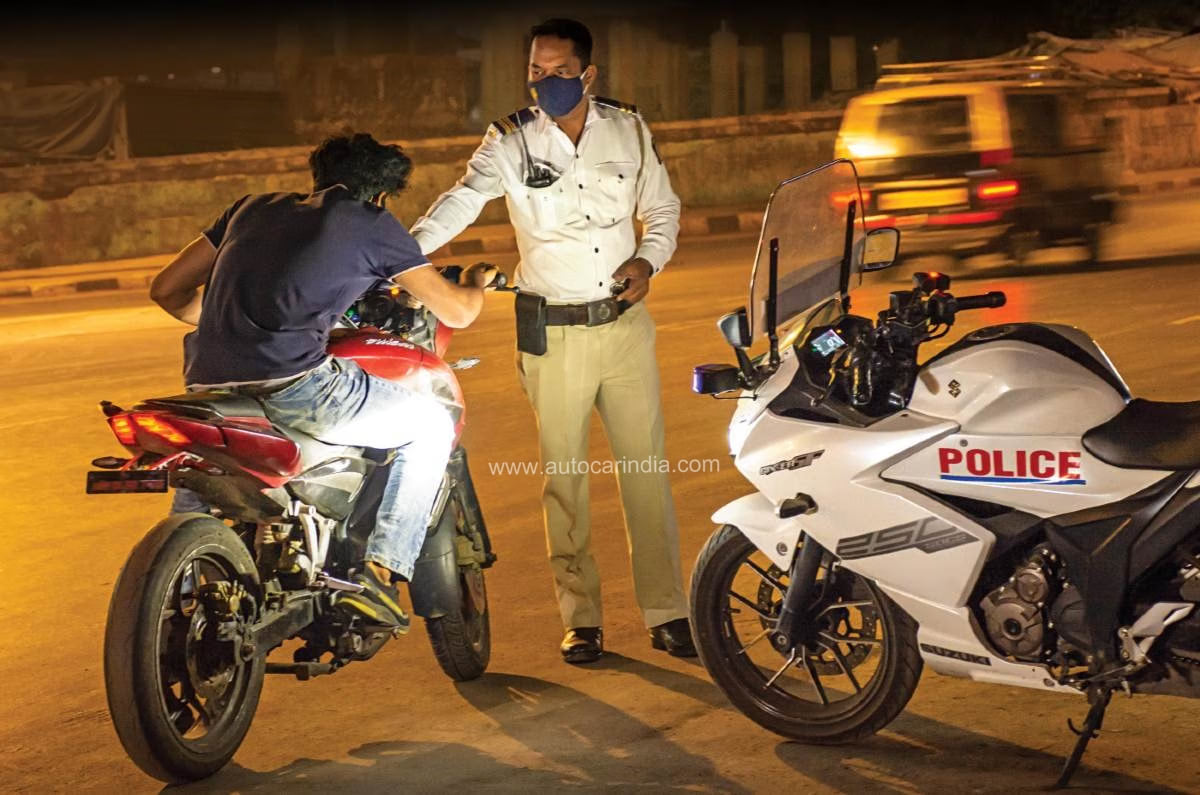
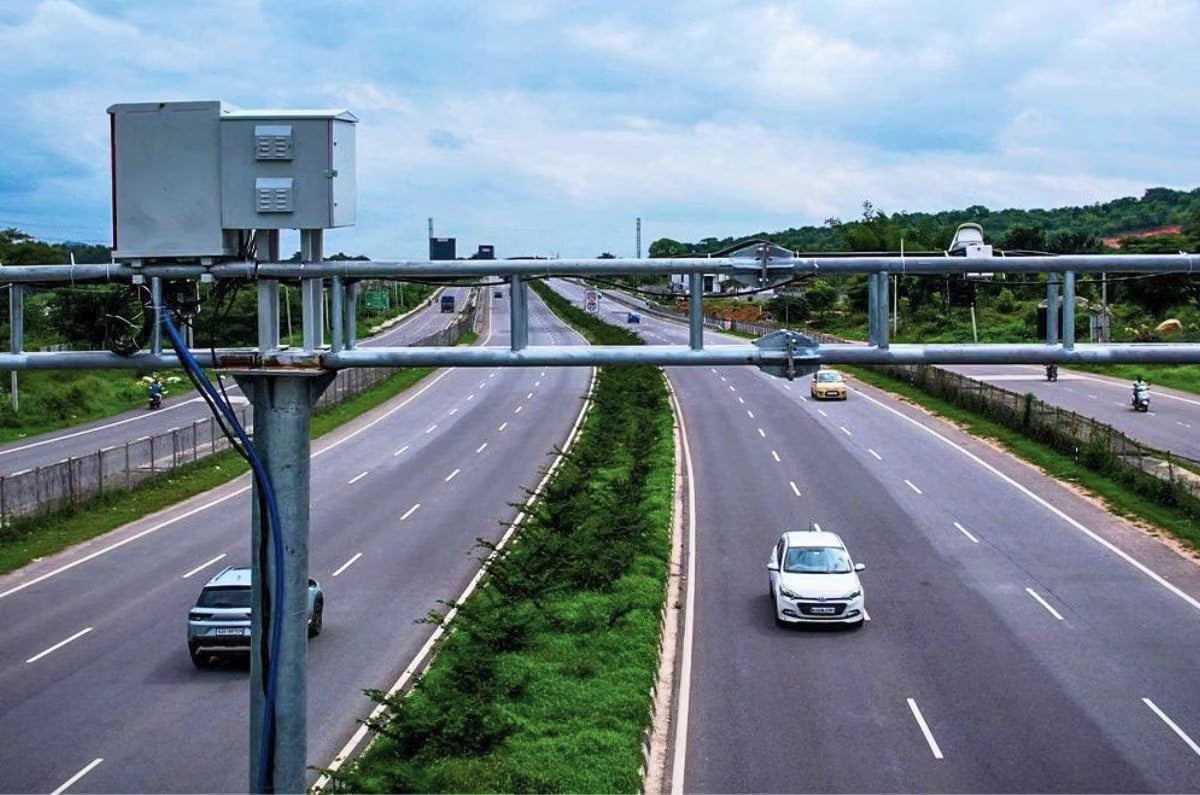
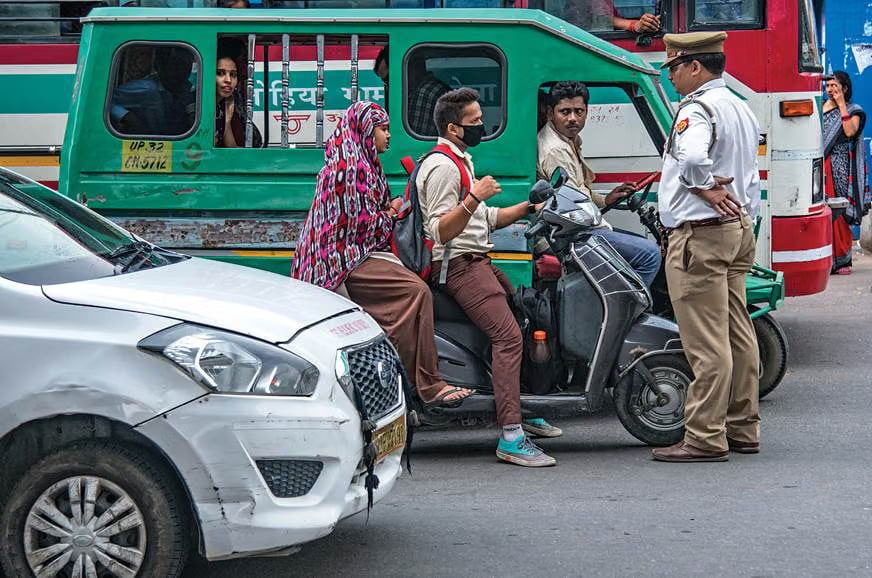
A vehicle’s Registration Certificate (RC) is an essential document that confirms its registration with the Regional Transport Office (RTO) and establishes its legal identity. In India, the RC for a private vehicle is generally valid for 15 years from the date of registration, after which it must be renewed every five years.
Owners can apply for renewal through the government’s Parivahan Sewa portal within 60 days before the RC expires, although a physical vehicle inspection may be required before approval. If the RC has already expired, they should follow the prescribed renewal process and check the applicable requirements with their RTO.
Driving with an expired RC is illegal and can attract penalties. It can also complicate insurance claims and the transfer of vehicle ownership. Here is how to renew an RC online, the documents required and the applicable fees.
Documents required for RC renewal
Before starting the application, vehicle owners should keep the following documents ready:
Form 25: The application form for renewal of registration.
Existing RC: The original or a copy of the expired registration certificate for verification.
Valid insurance certificate: Proof of active third-party or comprehensive insurance.
Pollution Under Control (PUC) certificate: A valid certificate confirming compliance with applicable emission standards.
Road tax receipt: Proof of payment of applicable road tax.
Identity proof: An Aadhaar card, PAN card, passport or another accepted government-issued document.
Address proof: An Aadhaar card, voter ID, utility bill or another accepted document.
Fitness certificate: Required for applicable vehicle categories, particularly commercial vehicles.
Chassis and engine number pencil print: This may be required as part of the application process.
Document requirements can vary depending on the vehicle category and the relevant RTO.
How to renew your RC online through Parivahan
The RC renewal application can be submitted through the government’s Parivahan Sewa portal by following these steps:
1. Visit the Parivahan Sewa portal
Open the official website at https://parivahan.gov.in/ and navigate to ‘Online Services’, followed by ‘Vehicle Related Services’.
2. Select the state and RTO
Choose the state in which your vehicle is registered and select the relevant registering authority.
3. Enter the vehicle details
Log in if required, and enter your vehicle’s registration number. The portal may also ask for the last five digits of the chassis number.
4. Select the renewal service
Choose ‘Renewal of Registration’ from the list of available vehicle-related services.
5. Fill in the application form
Verify the details of your vehicle, including its make, model, year of manufacture, engine number, and chassis number. Enter any other requested information accurately.
6. Upload the required documents
Submit scanned copies of the existing RC, insurance certificate, PUC certificate, identity proof, address proof, and other applicable documents.
7. Pay the renewal fee
Complete the online payment. The amount depends on your vehicle’s category and applicable charges.
8. Book a vehicle inspection
Schedule an appointment at the relevant RTO if required.
9. Take your vehicle for inspection
Present your vehicle and original documents for verification. The RTO will assess the application and your vehicle’s road-worthiness where applicable.
10. Receive the renewed RC
Once the application is approved, the renewed certificate will be processed. Depending on the applicable procedure, it may be dispatched to your registered address. Applicants can also check their application status online.
RC renewal fees in India
The registration renewal fees listed under Rule 81 of the Central Motor Vehicles Rules, 1989, vary according to the vehicle category.
Vehicle category
RC renewal fee (Rs)
Motorcycle
300
Medium passenger motor vehicle
1,000
Heavy passenger motor vehicle
1,500
Imported motorcycle
2,500
Imported motor vehicle
5,000
Invalid carriage
50
Three-wheeler, quadricycle, or light motor vehicle (non-transport)
600
Three-wheeler or light motor vehicle (transport)
1,000
Medium goods vehicle
1,000
Heavy-duty vehicle
1,500
Other vehicle categories
3,000
Additional charges may apply for delayed renewal, smart card issuance, inspection and other applicable services. The supplied fee schedule lists delayed-renewal charges of Rs 300 per month for motorcycles, and Rs 500 per month for passenger cars, along with a Rs 200 charge for smart card reissue or renewal. Owners should confirm the current charges on the Parivahan portal or with their RTO before making a payment.
How to check your RC renewal status
After submitting the RC renewal application, you can track its progress through the Parivahan Sewa portal. Navigate to the vehicle-related services section, select the relevant state, and enter your vehicle’s registration details. Open the applicable application or registration status option to check whether the renewal is being processed, has been approved or requires further action. The online application makes it easier to initiate the renewal process, but approval may still depend on document verification, payment of applicable fees, and a physical inspection where required.
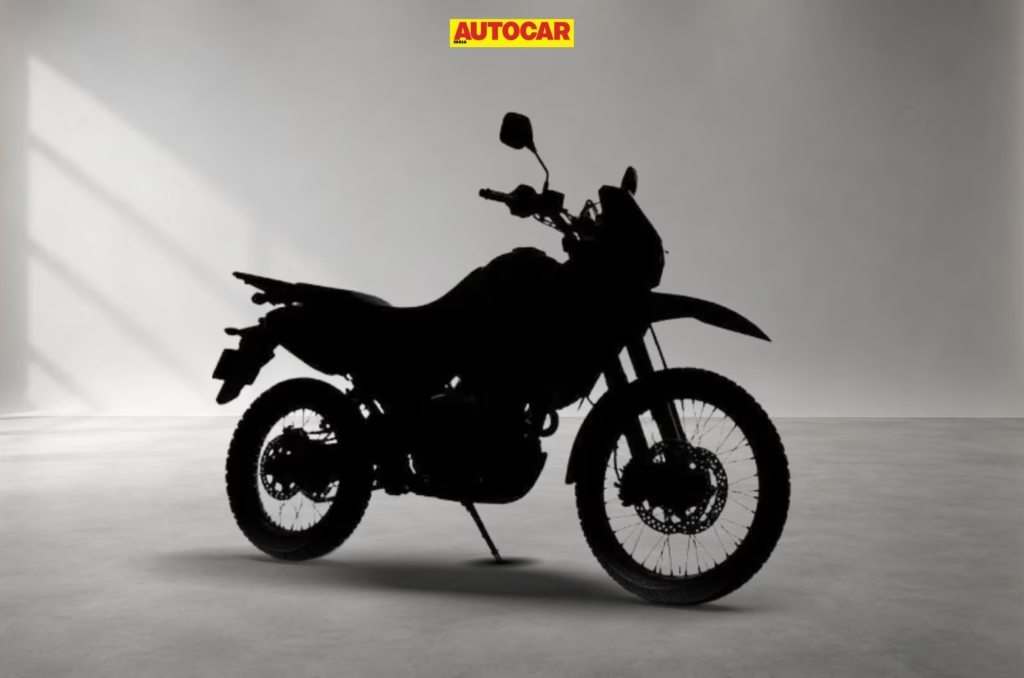
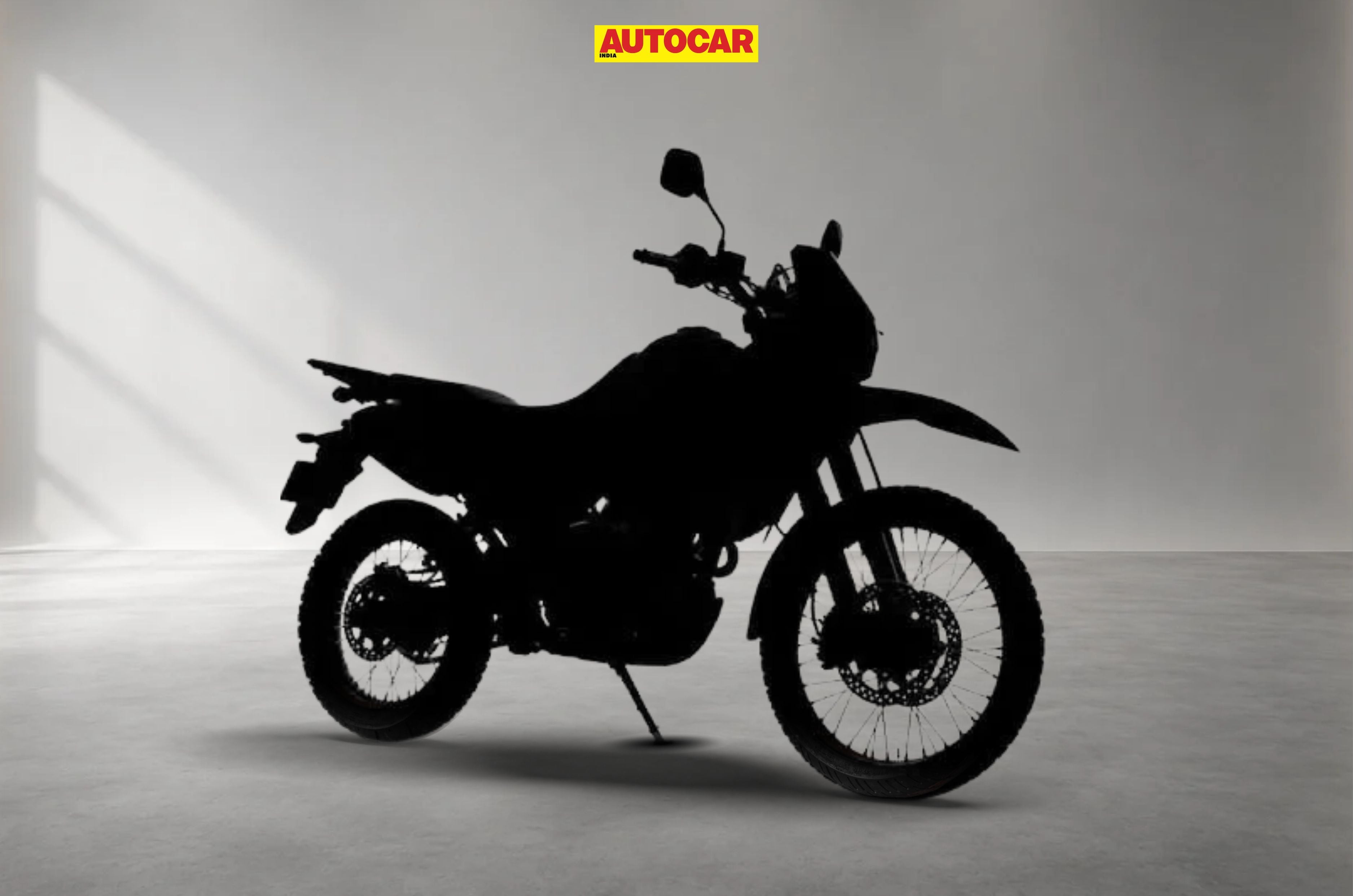
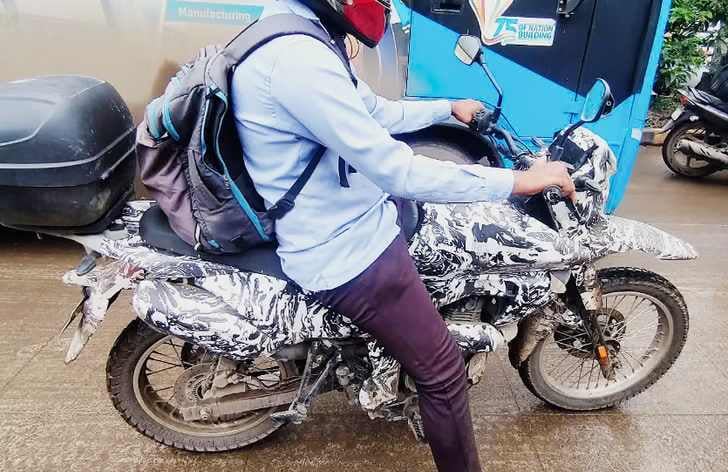
In a recent interview with Brazilian media, Bajaj’s executive director for the country, Waldyr Ferreira, hinted that the upcoming dual-sport motorcycle might come in multiple engine sizes. The first bike is expected to arrive in Latin America before the end of 2026.
Might be offered in multiple engine options
Could range from entry-level off-roader to long-distance tourer
Previous sightings suggest it uses a 19-inch front and 17-inch rear wheel setup
A line-up of dual-sport motorcycles?
Small capacity options could be offered in Latin American markets
Ferreira has hinted that rather than just a single model, it could be a line-up. Offering diverse displacement will allow the brand to cater to different demographics and reach wider audiences. After all, the company has a huge selection of existing 150-250cc air/oil-cooled and 200-400cc liquid-cooled motors to choose from. That said, we could also see all-new engines developed specifically for these models.
In Brazil, a good portion of the dual-sport market is held by Honda, with its NXR 160 and Sahara 300, and Yamaha, with the Crosser 150 and Lander 250. So, this multi-model approach from Bajaj would allow it to reach from entry-level off-road riding to long-distance touring segments. Although engine specifications and other details remain undisclosed, this development suggests the new line-up could cover a wide range of prices and performance.
For India, the speculation revolves around the first motorcycle being around the 200cc mark. Currently, the off-road motorcycles this segment has to offer include popular options like the Hero Xpulse 210, Kawasaki KLX 230 and the recently launched Honda XR300L, all of which are possible rivals for the upcoming Bajaj, which should deliver similar performance and capabilities.
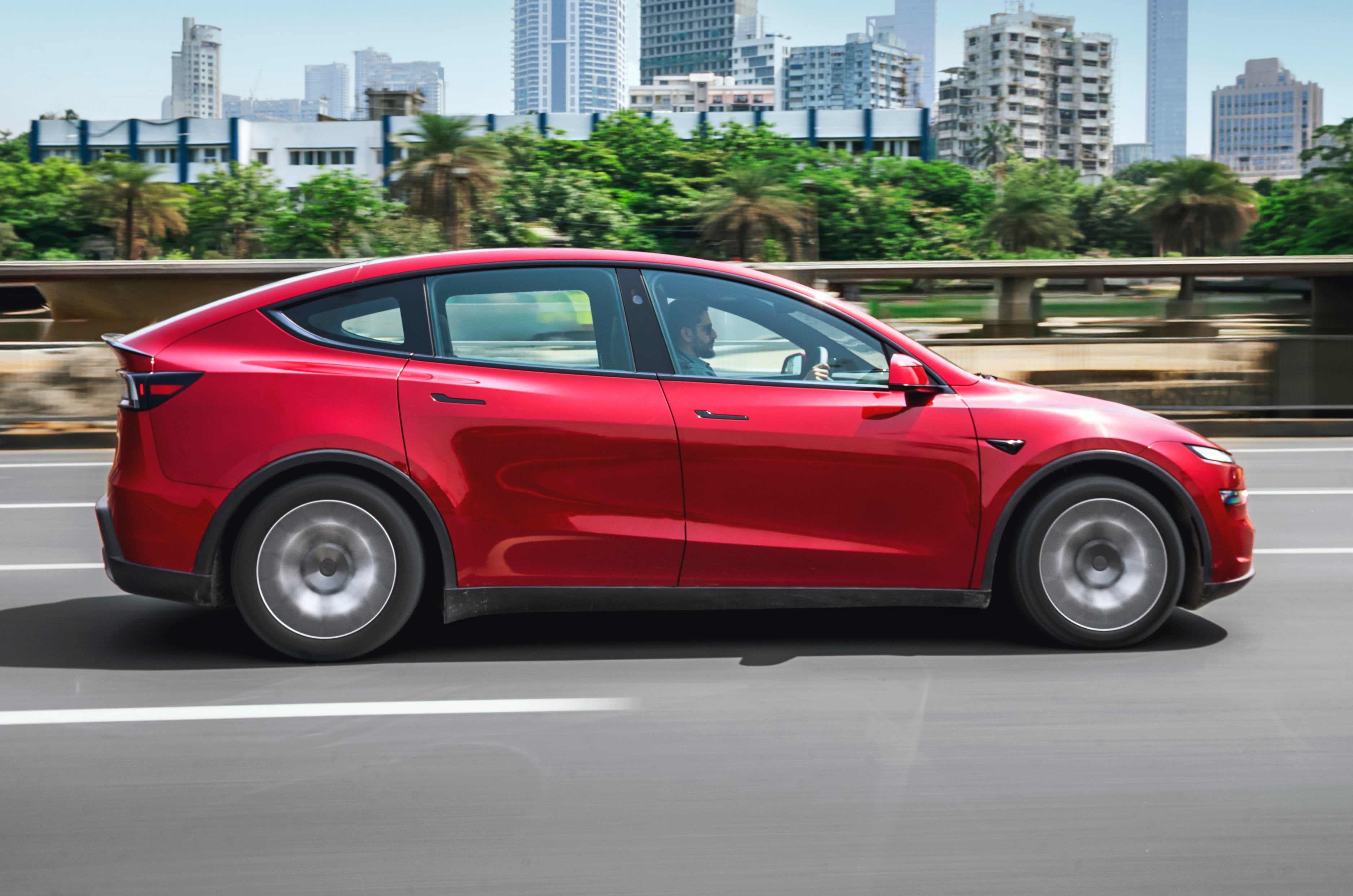
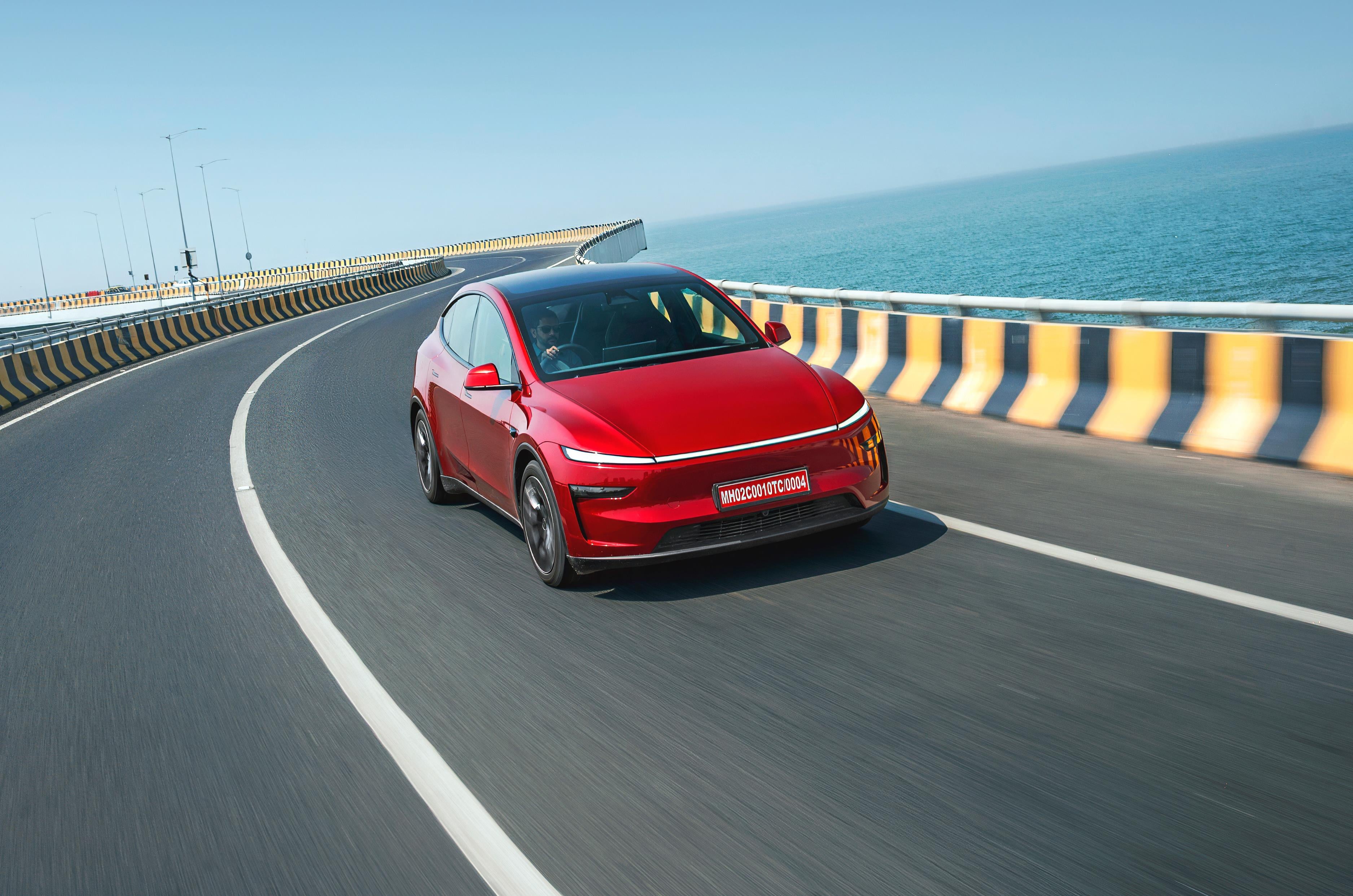
The Tesla Model Y is a tech-loaded electric crossover that prioritises cabin space and performance over everything else. The new Model Y L takes that formula a step further, adding a third row of seats, a longer wheelbase, more power with an all-wheel drive setup, more range and more sophisticated suspension as well. Given the additions, naturally it costs more than the standard-wheelbase, real wheel drive versions, but is the Y L actually worth the extra outlay?
Model Y Exterior Design and Engineering – 6/10
Appears near-identical to the Model Y, but the Y L is longer, taller and has a longer wheelbase.
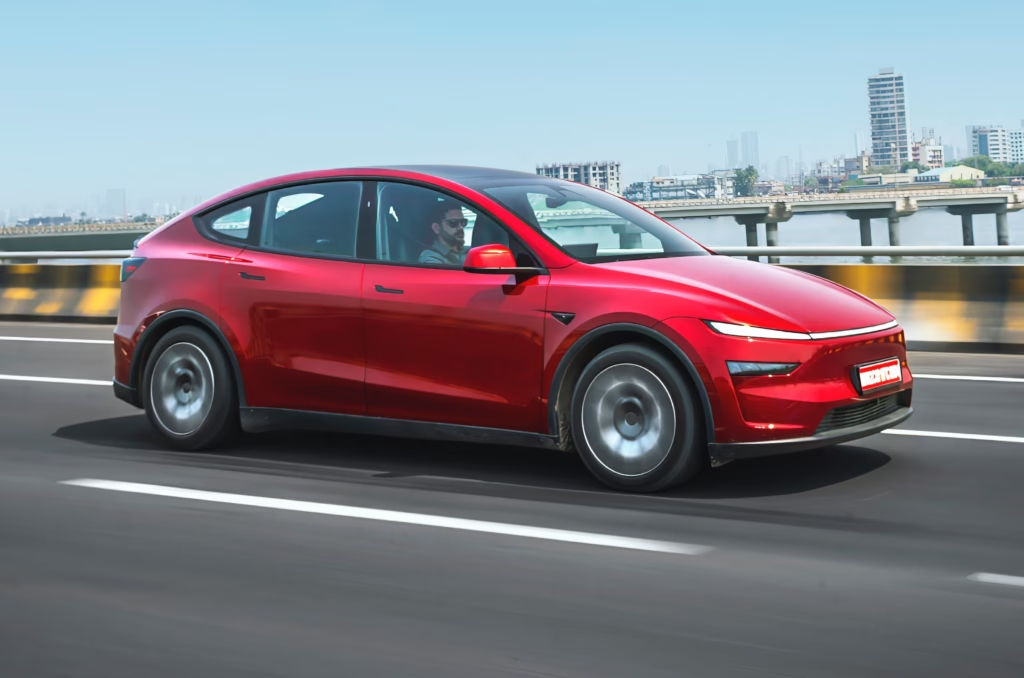
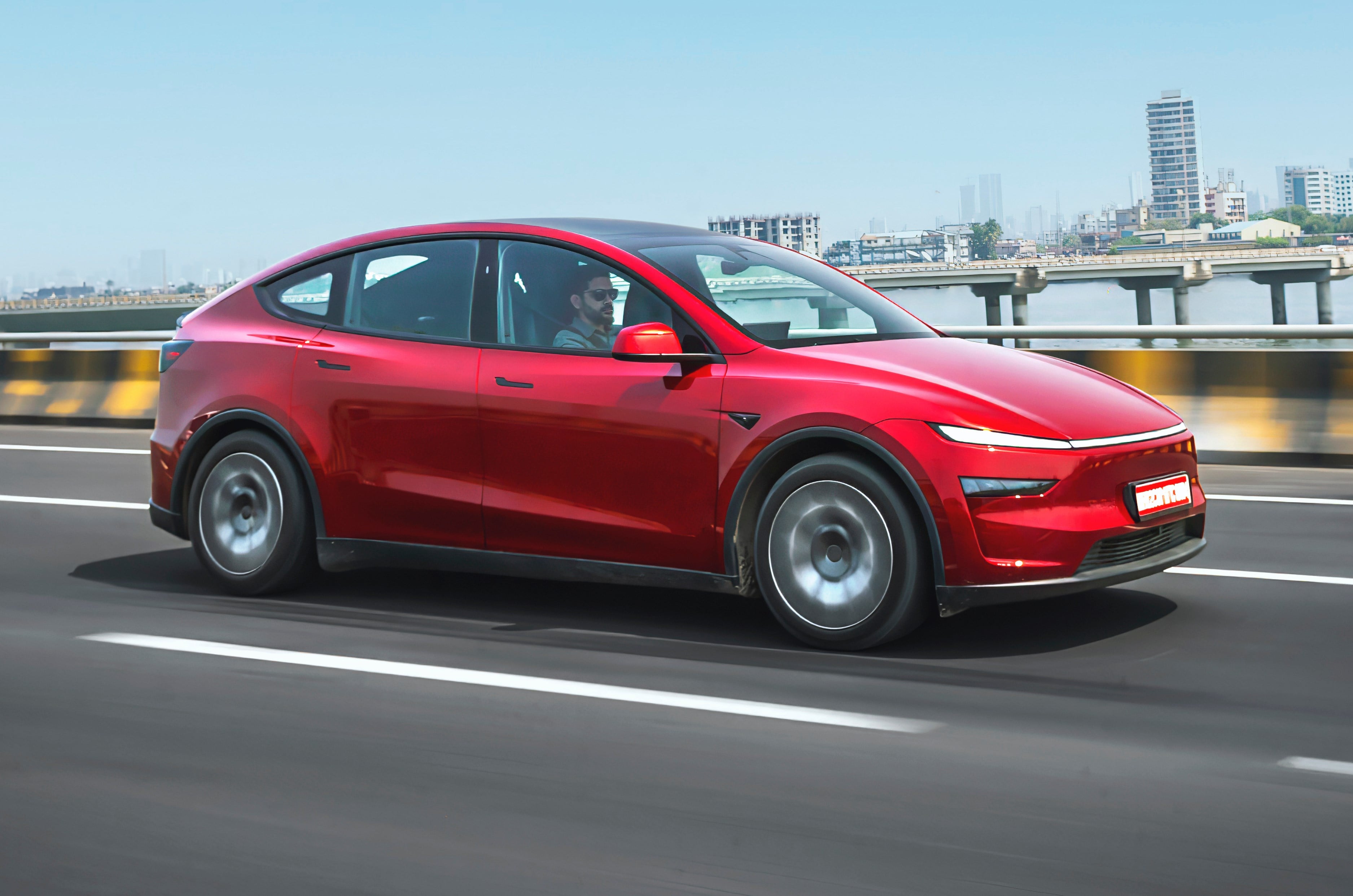
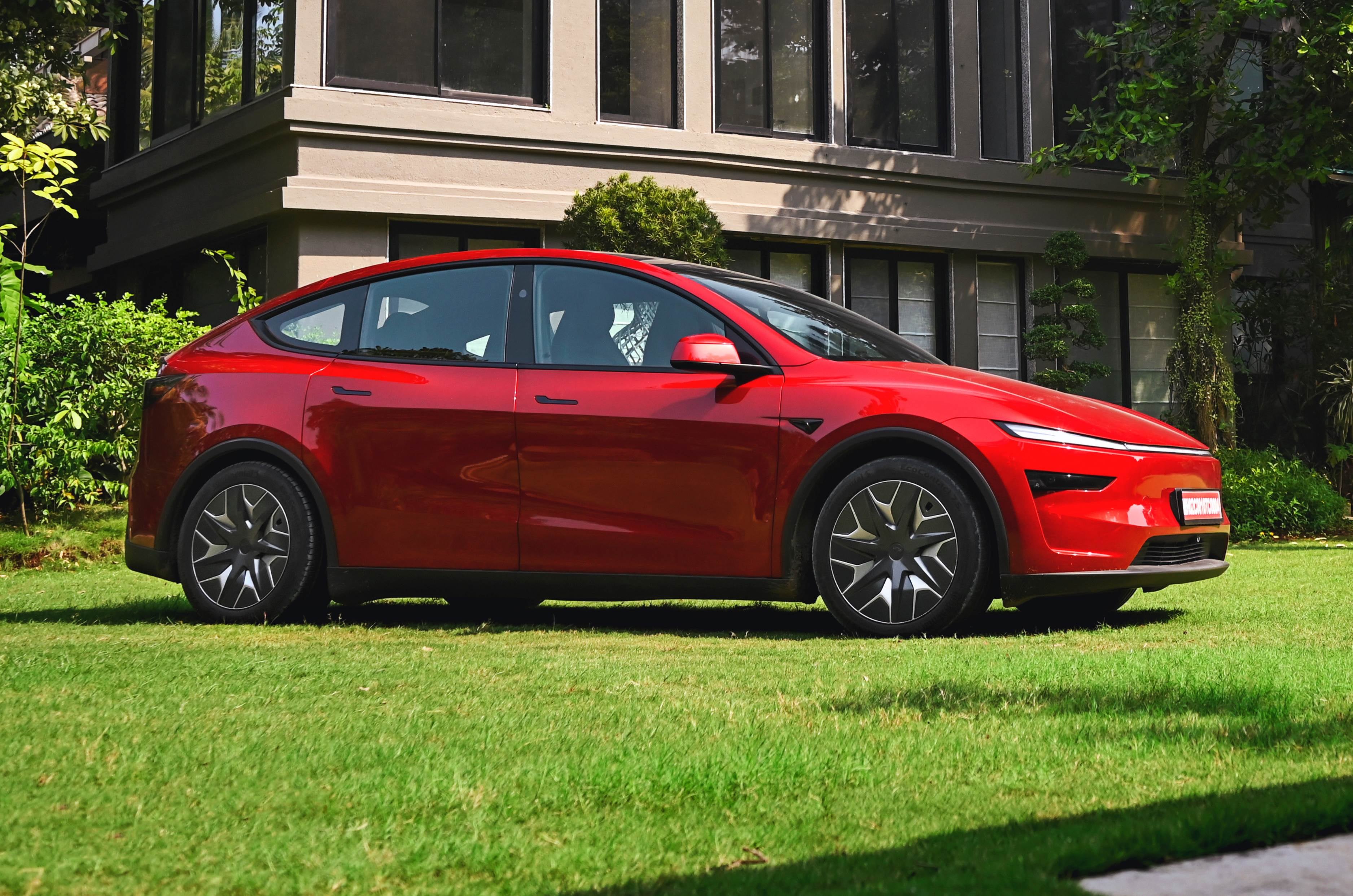
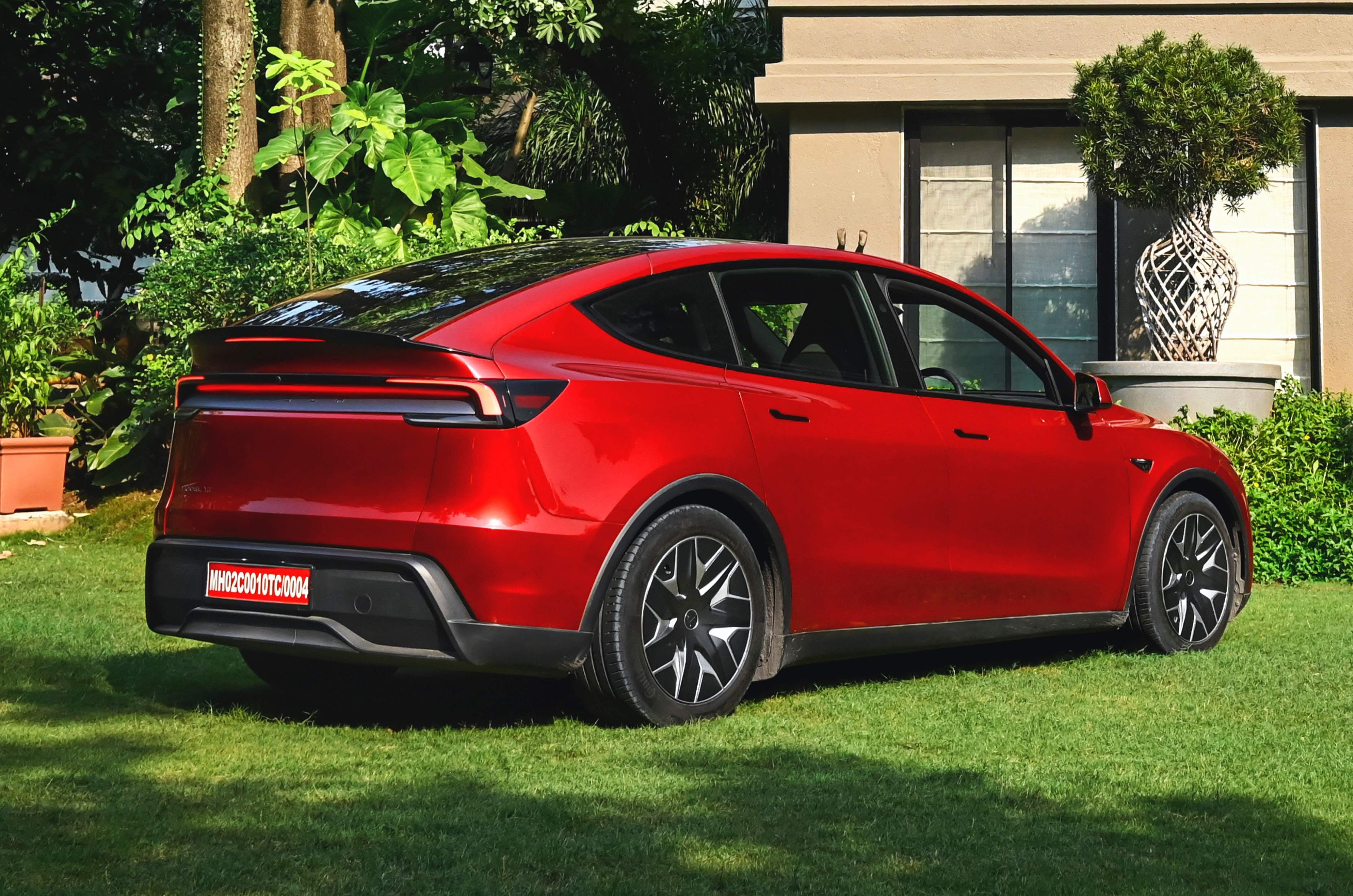
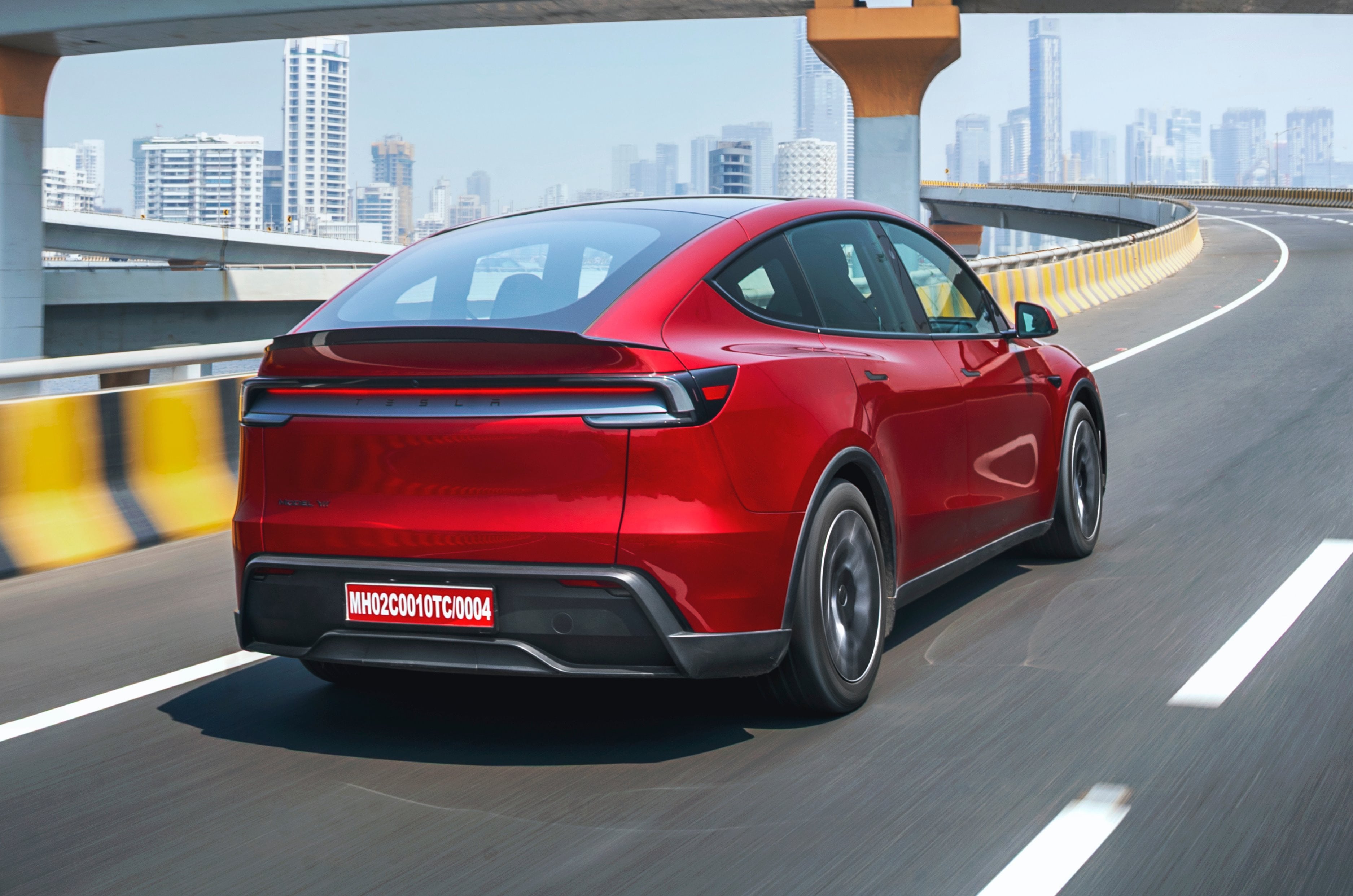
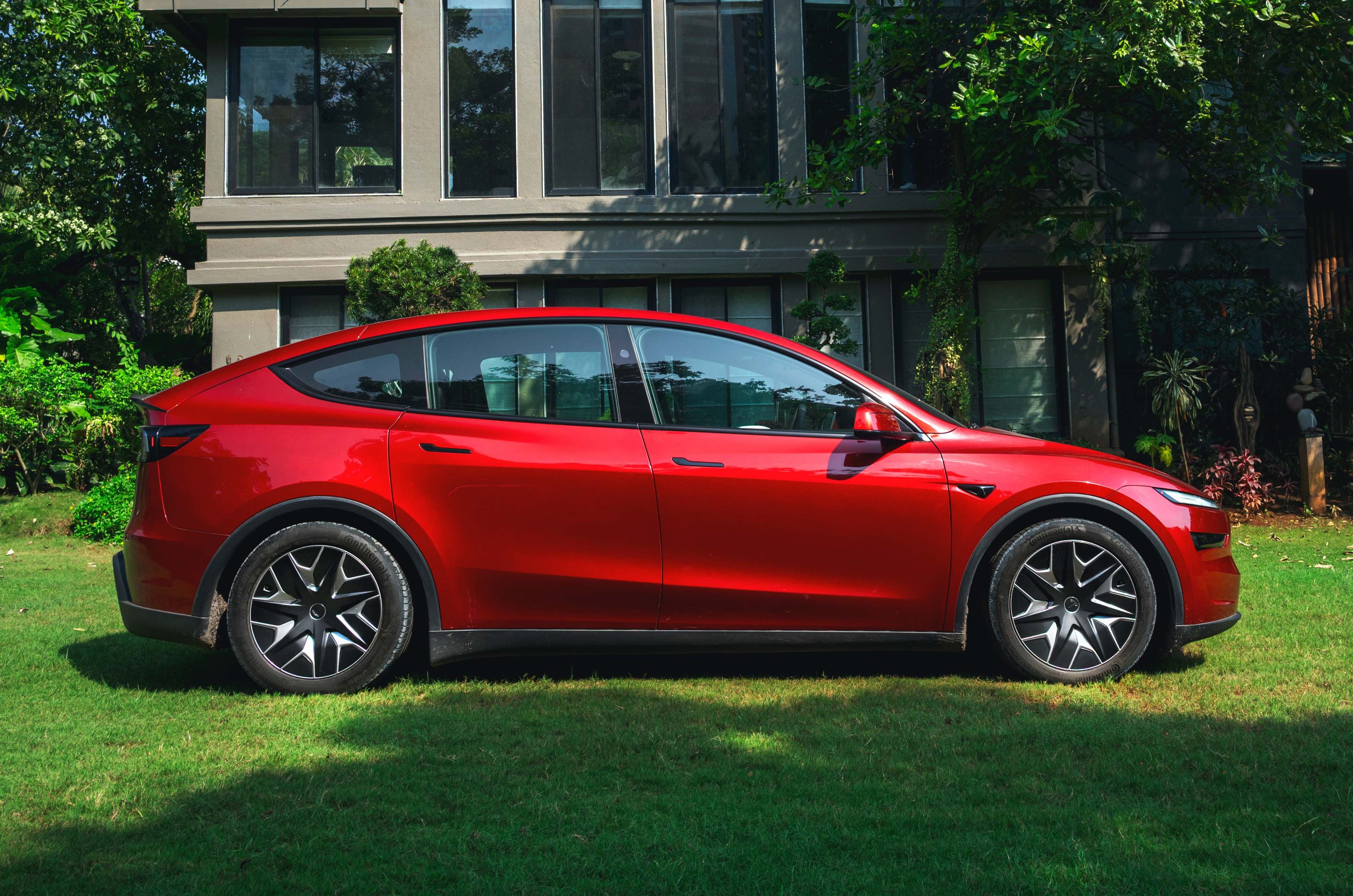
At first glance, the L looks very familiar to the Model Y, but this version looks noticeably larger from the side and rear. The Model Y L measures 4,969mm in length and 1,664mm in height, 1,982mm in width with a 3,040mm wheelbase, which makes it 179mm longer overall and 40mm taller than the Model Y, and it also has a 150mm longer wheelbase. At 166mm (unladen), the Y L has decent ground clearance but considering the longer wheelbase, you have to be extra careful going over big speedbreakers otherwise you will end up scraping the belly.
The growth in dimensions is particularly apparent in the raised and extended roofline, plus the expanded rear glass and rear-quarter glass area. The other changes include a new bootlid spoiler and the 19-inch alloy wheels have a more enclosed design, both in the interest of further aero optimisation.
Other than that, the smooth, aerodynamic silhouette with minimalist detailing and distinctive lighting elements remain. The overall design is unmistakably Tesla, although the extra length gives it slightly more road presence. That said, the Model Y L doesn’t suddenly become a traditional SUV just because it has grown. Its rounded, slightly anonymous shape with clean surfacing continues to favour aerodynamic efficiency over visual appeal. But it looks distinctive and as such, has carved out a niche for itself in terms of design.
Model Y Interior Space and Comfort – 8/10
Minimalist design remains the same, save for a new textured finish on top of the dashboard.
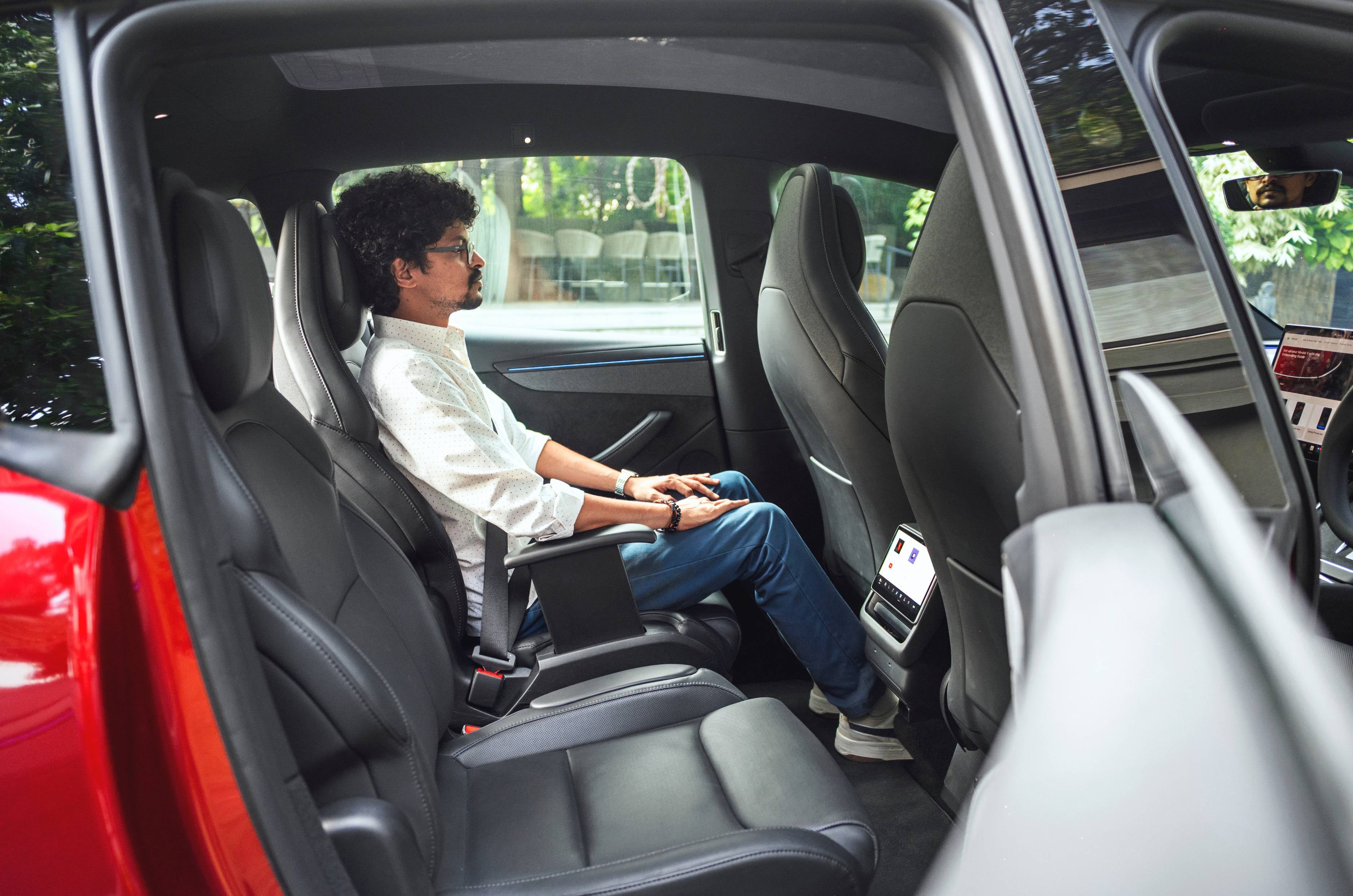
This is where the Model Y L takes a larger step up. The standard Model Y already had a spacious cabin, but the Y L has even more room and brings further versatility, by adding a third row of seats. It is a six-seater rather than a seven-seater, with two individual captain’s chairs in the middle row instead of the standard car’s bench.
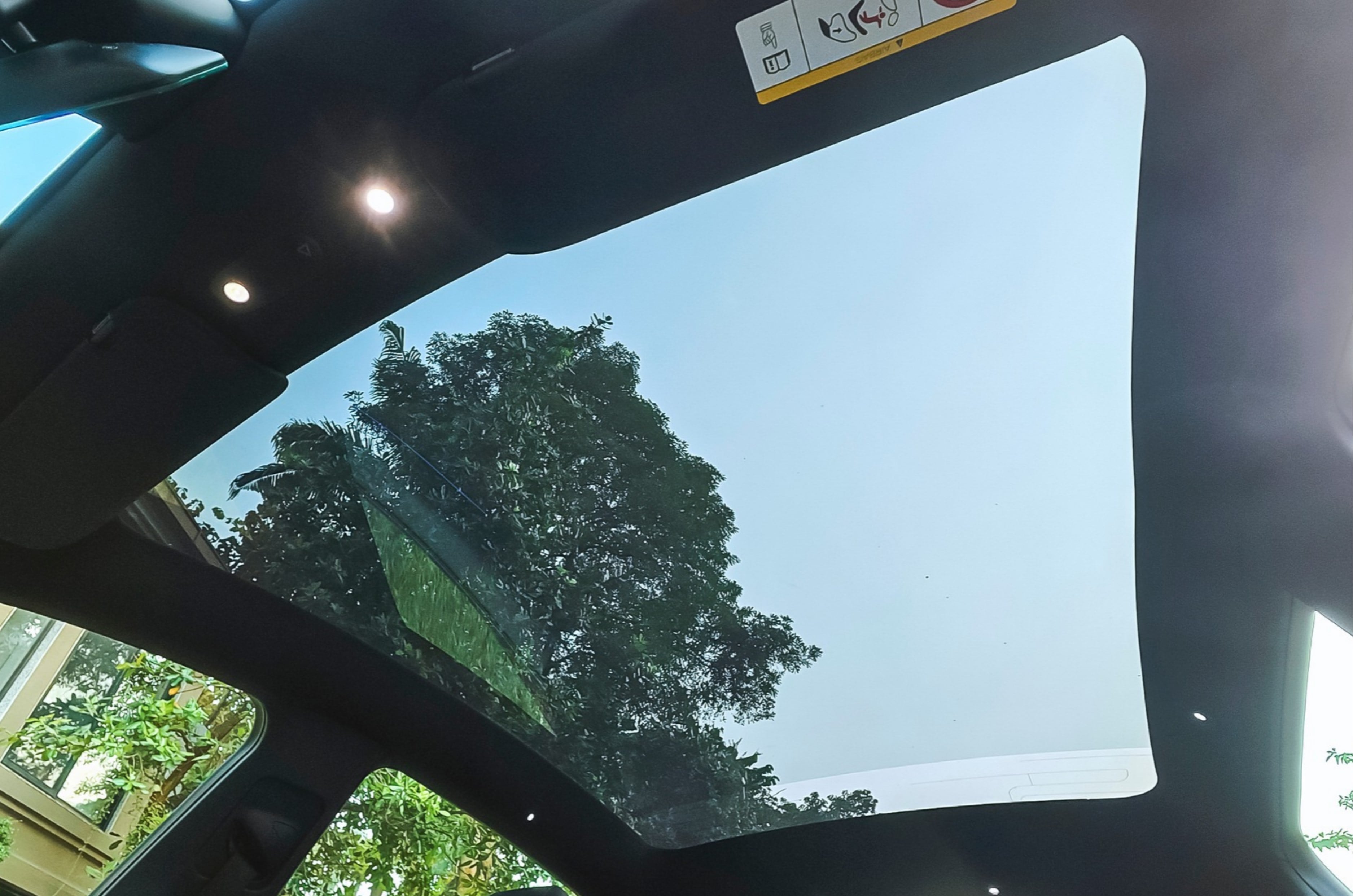
The front seats may be simple-looking but they are plush and comfy, and the extended underthigh support enhances comfort especially for taller people. These seats are also heated, cooled and feature electric adjustment. The second row is arguably the highlight, however. The individual captain’s seats are very comfy, and they feature integrated headrests, a heating and cooling function, along with power adjustment and powered armrests too. The extra wheelbase and taller roof of course gives passengers more room to stretch out and as such there’s no shortage of legroom or headroom here. The larger windows, coupled with the tinted panoramic glass roof further enhances the sense of space. However, since there are no window blinds or a sunshade for the roof, the large glasshouse area means the cabin heats up too easily especially on a hot, sunny day.
Captain seats are very comfy and there’s plenty of legroom and headroom here.
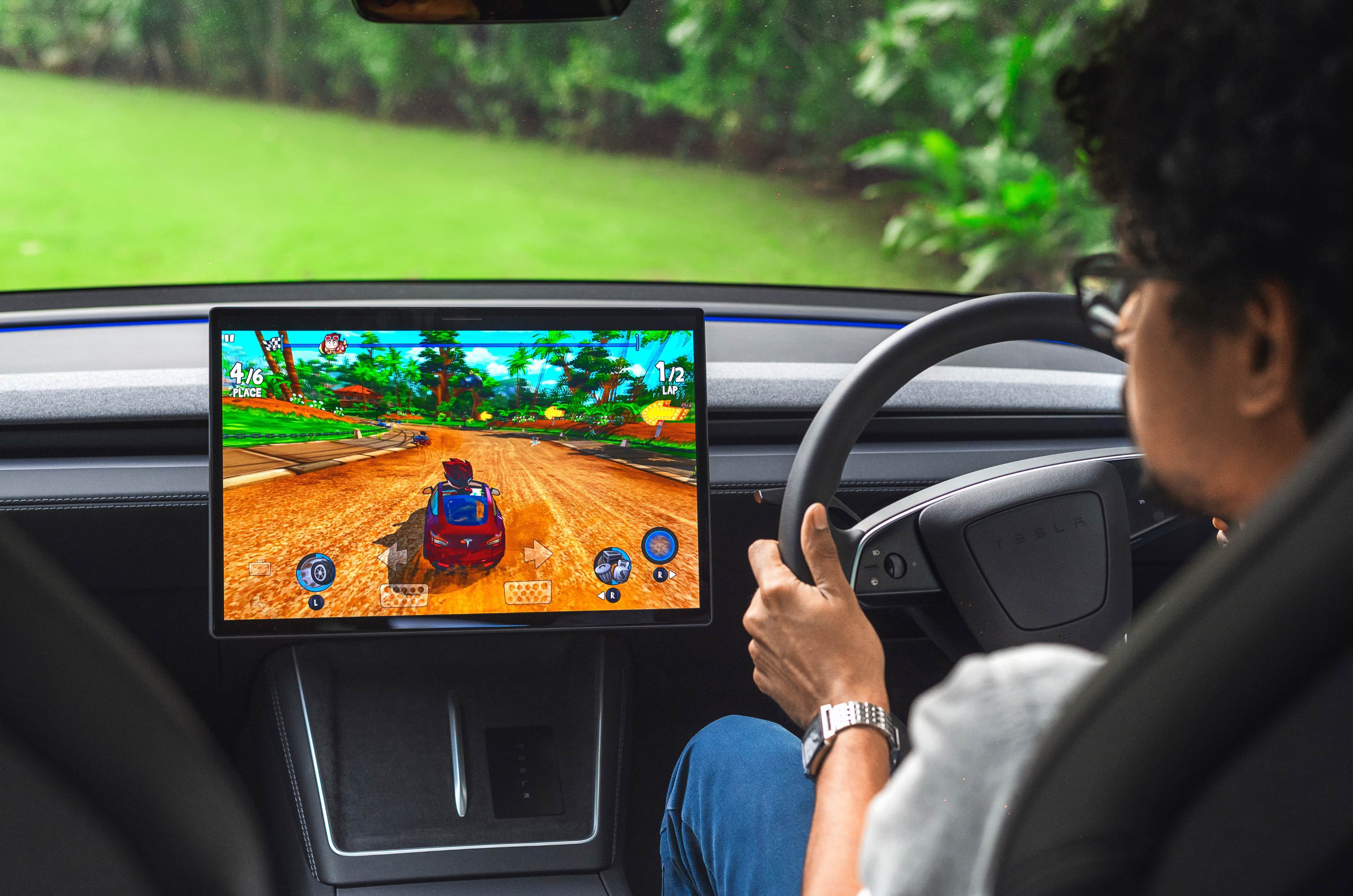
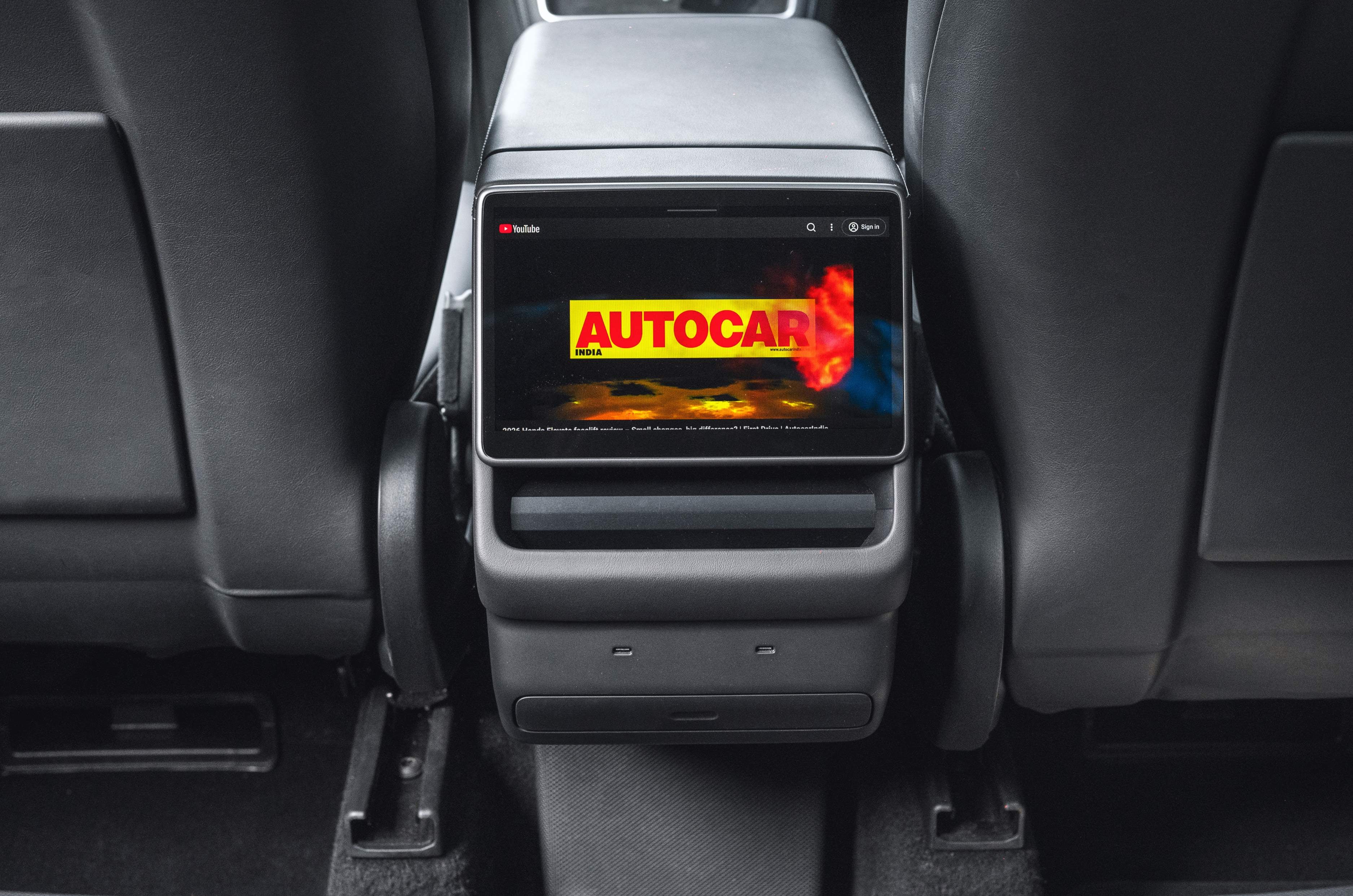
Middle row passengers are well-catered too, however. Apart from the aforementioned heated/cooled and powered seats, you also get cupholders, charging ports, cupholders and a 8-inch touchscreen. This centrally-mounted unit is just as slick to use as the one in the front and it controls several functions, along with the ability to play videos and games.
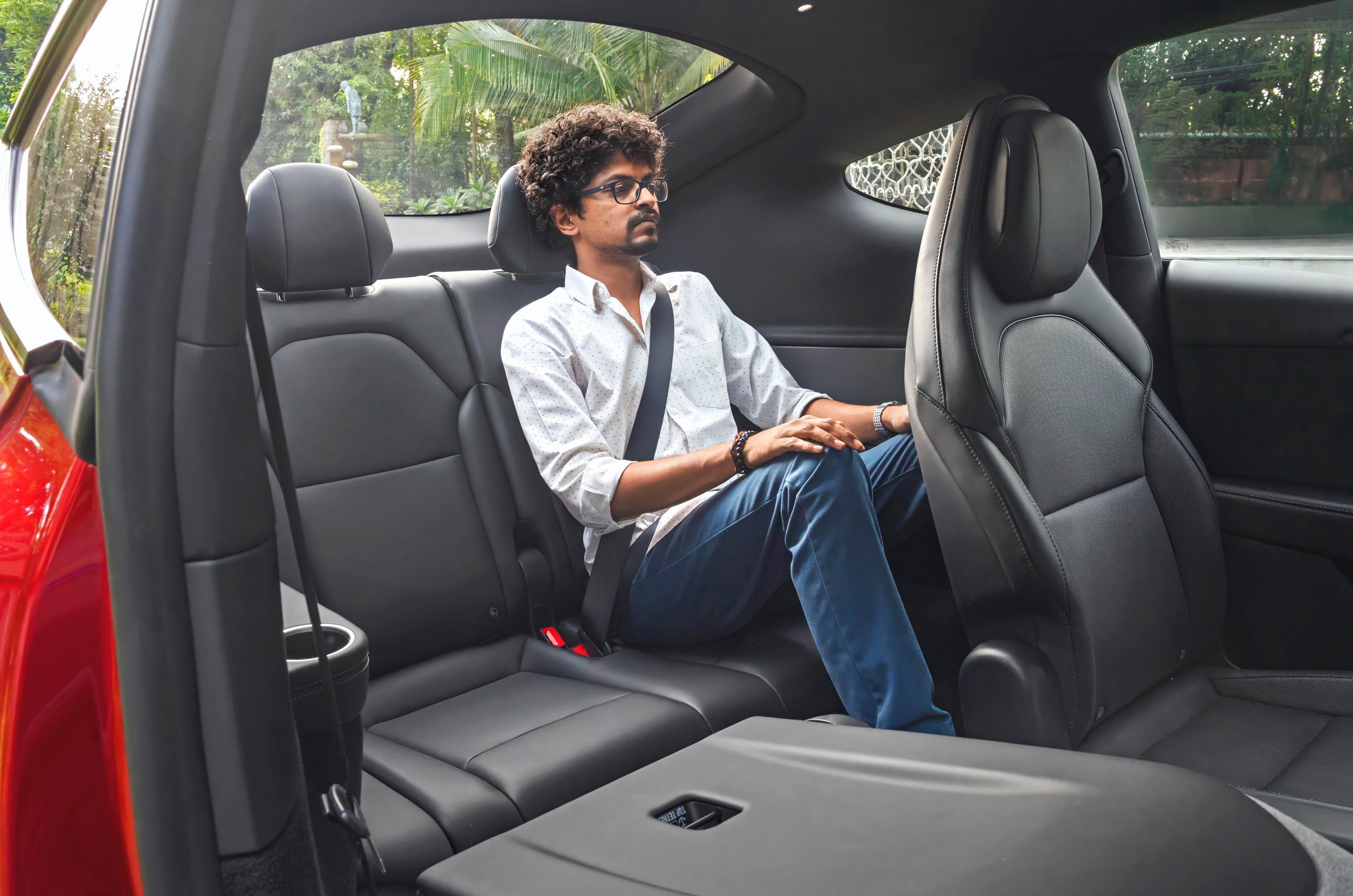
Seating is knees-up, but the third row is usable even for adults.
The third row, however, comes as a bit of a surprise. Considering the low seat, you’re sat in a knees-up position but space back here is genuinely usable for adults, with adequate headroom and kneeroom. Dedicated AC vents, cup holders and type C charging ports are useful inclusions and show that the rearmost seats aren’t simply an afterthought. Like in the middle, here too the large window and untinted rear windscreen lets in a considerable amount of heat.
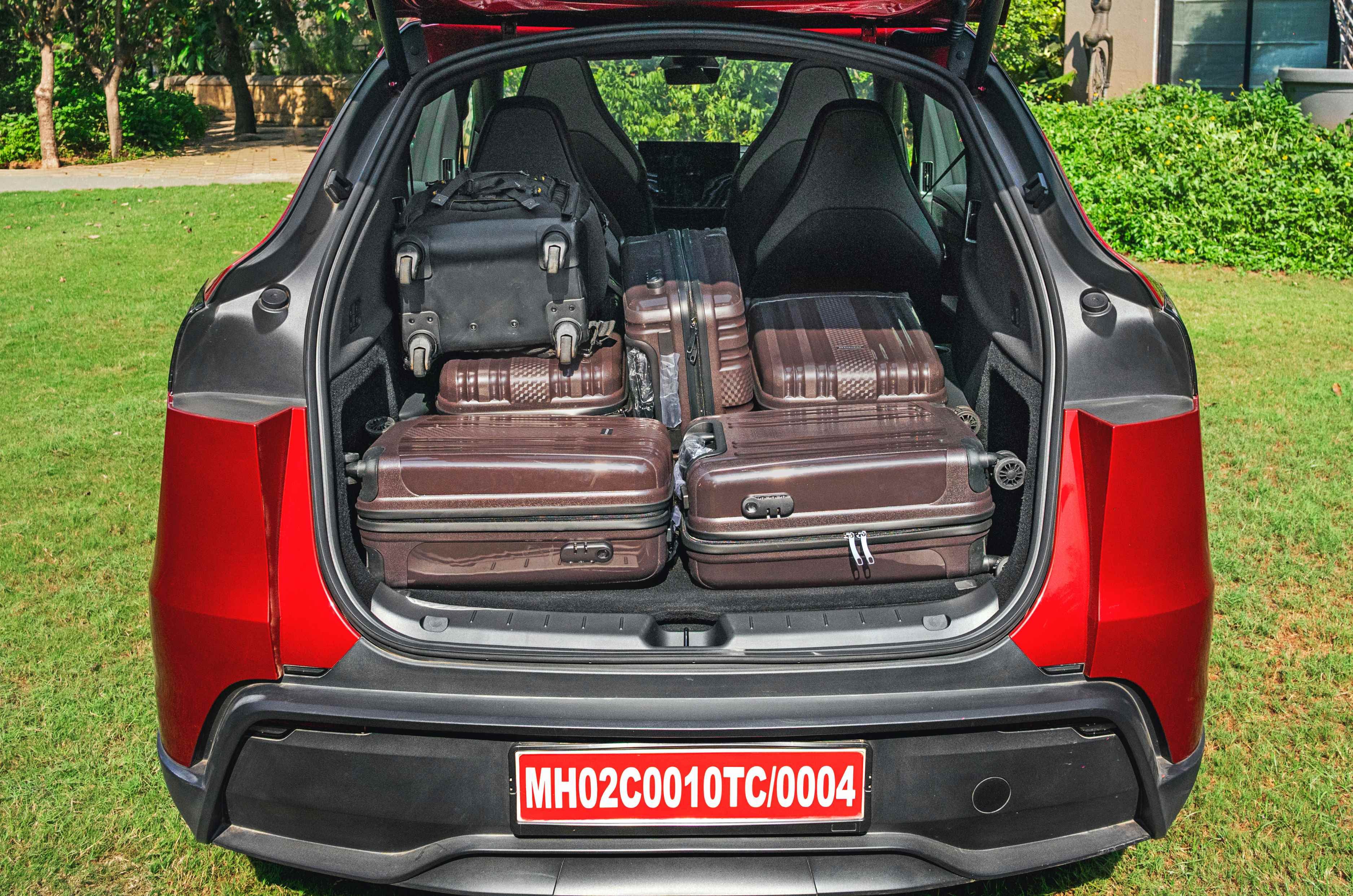
420-litre boot can be expanded to a massive 1,076 litres by folding the third row; more room under the boot floor too.
Luggage space is another important consideration for a family focused car such as the Y L. With all three rows up, boot space is a respectable 420 litres which can be further expanded to a massive 1,076 litres by electronically folding the third row. Then there’s also a considerable amount of storage space under the boot floor and a properly usable 117-litre frunk. As such, the Y L remains practical despite the added seats. It’s worth noting though, there’s no spare wheel.
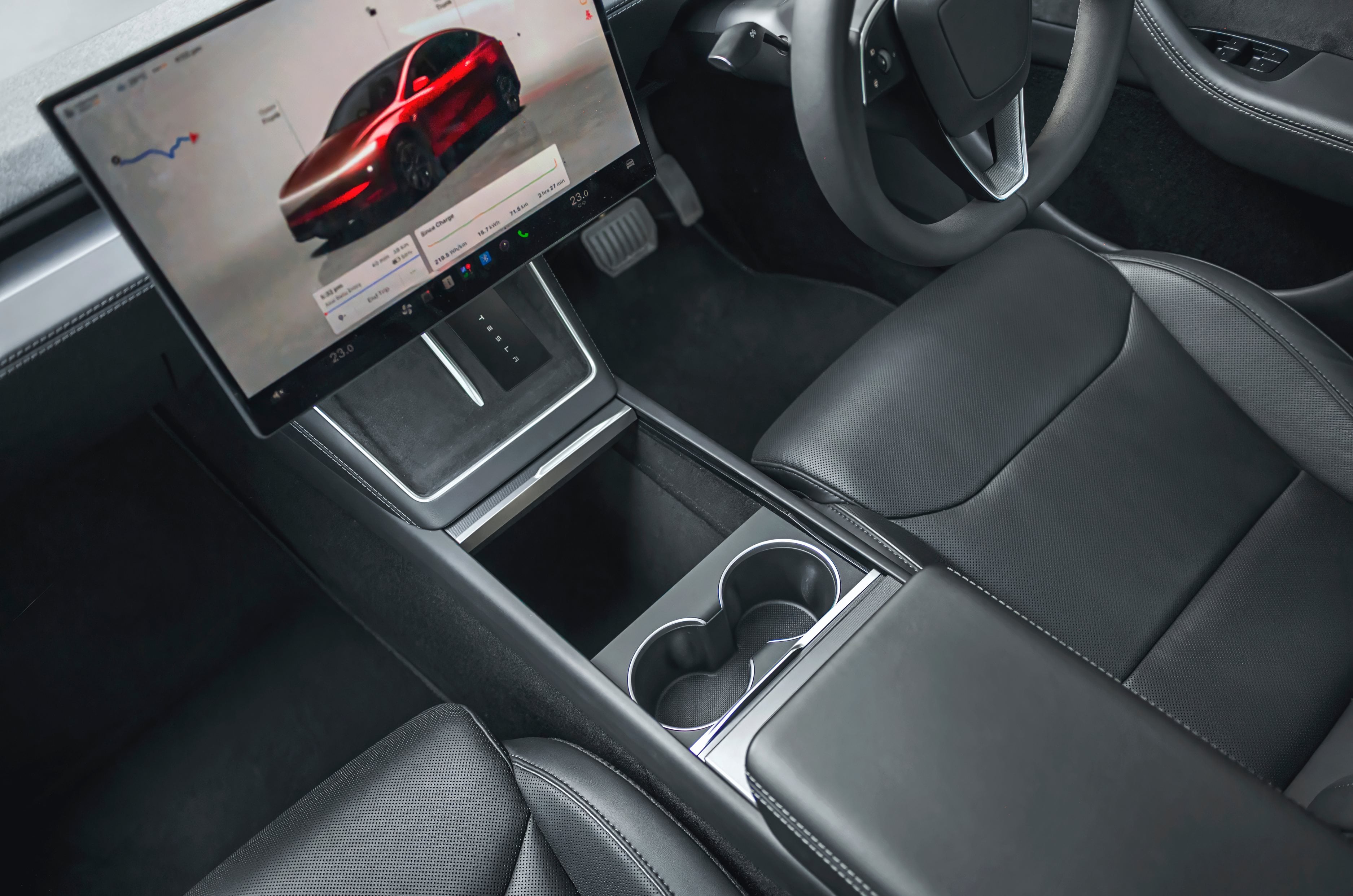
Practical cabin features a large storage box in the centre, cup holders, two wireless phone chargers, and space under the centre armrest.
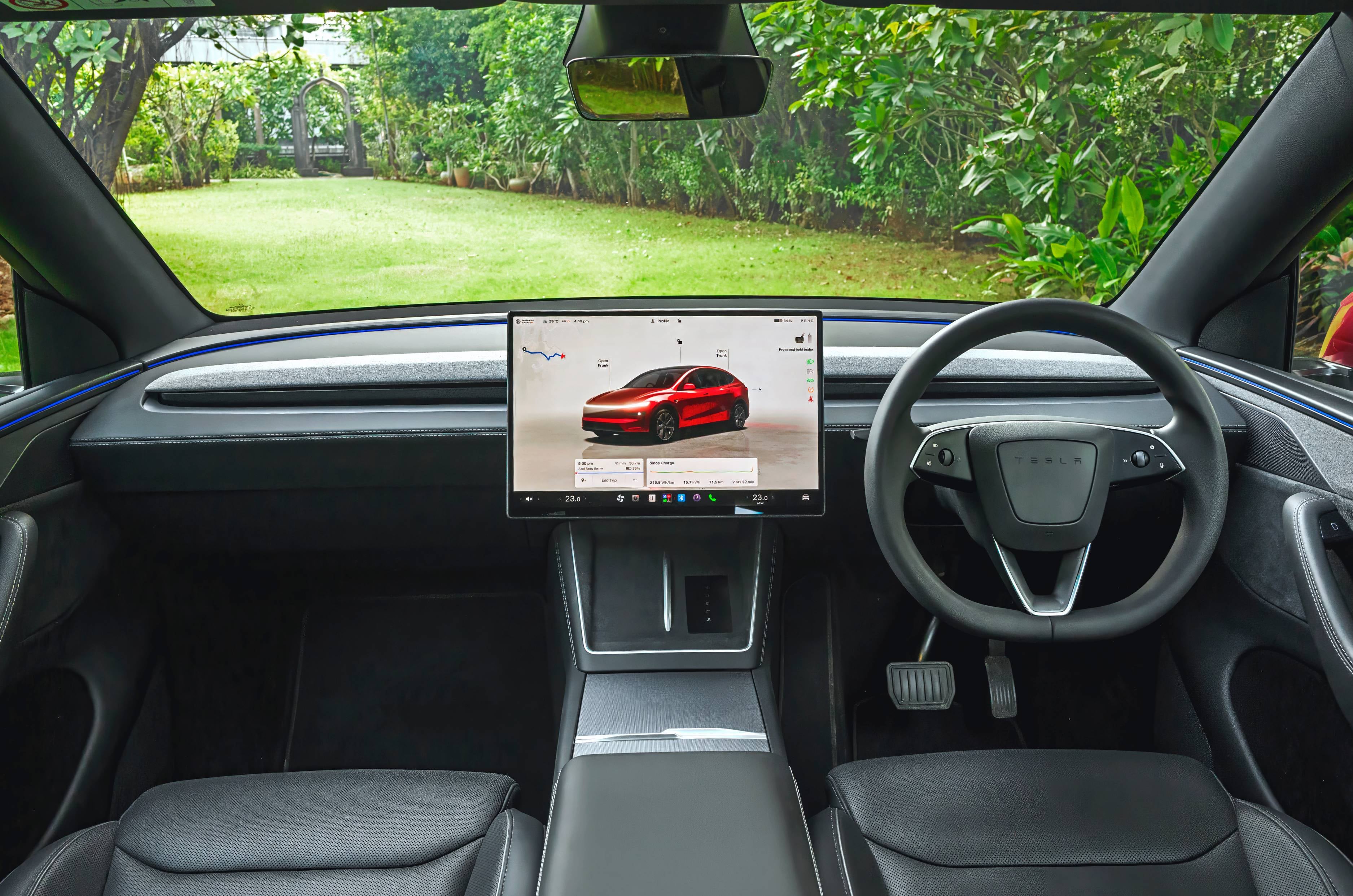
Up front, the cabin retains Tesla’s familiar minimalist layout. A large central touchscreen dominates the dashboard, with very few physical controls to interrupt the clean design. This extended model gets a textured finish on top of the dashboard, but the overall layout remains largely unchanged. It also remains a practical place, with a large cubby space in the centre console, storage under the centre armrest, multiple cupholders and seat back pockets.
Model Y Features and Safety – 7/10
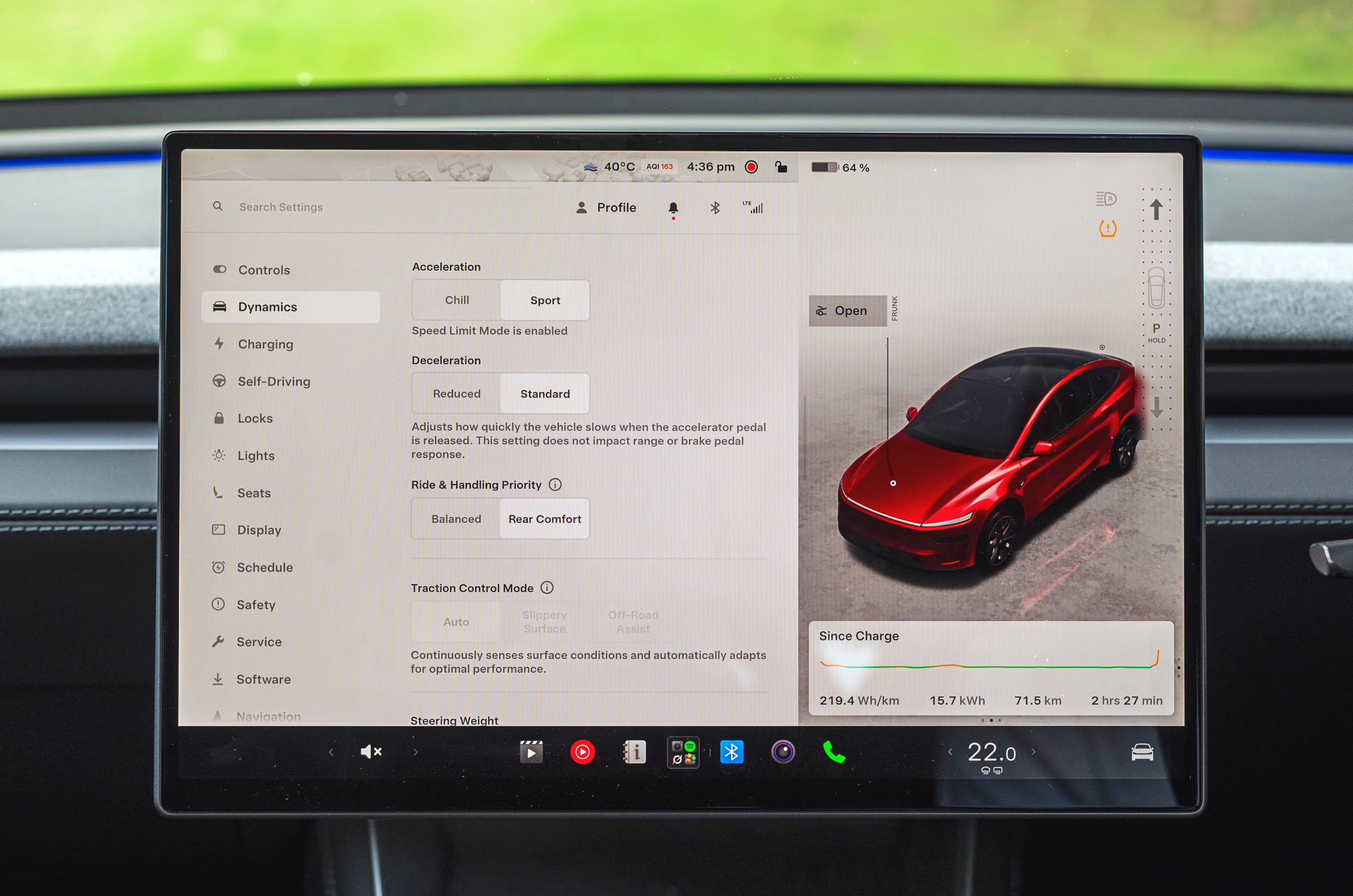
Y L gets a Sport drive mode and two settings for the new adaptive dampers.
Technology has always been central to Tesla’s appeal, and the Model Y L continues with that approach. Apart from the aforementioned 8-inch rear screen, the main party piece of this car is the central 16-inch touchscreen. This screen is easily one of the best in the business in terms of resolution and responsiveness.
16-inch touchscreen is one of the sharpest around and packs in the typical Tesla quirks and features.
The screen is slick and feature-packed, but the reliance on it for everyday functions remains a usability compromise. Adjusting climate settings and accessing basic vehicle functions like adjusting the mirrors and opening the frunk require navigating menus, which isn’t as intuitive as using dedicated switches. It looks modern and gives the cabin a clean appearance, but a little more emphasis on straightforward ergonomics wouldn’t hurt.
8-inch rear screen is just as slick and can bes used to play videos and control other functions.
But thankfully, you do get the Grok AI assistant as a part of the package which can pretty much do everything for you right from setting the AC, to setting the navigation, finding a charger and much more. It can converse in multiple languages and also constantly learns more about you, so it’s said to get more intuitive as you spend more time with it.
Other features include a panoramic glass roof, dual wireless phone chargers, multi-colour ambient lighting, a superb sounding audio system with 18 speakers and a subwoofer, heated/ventilated and powered front two rows of seats, heated third row seats, all LED lights and so much more. There’s also connected-car tech, and as with any Tesla it gets over-the-air updates, so the car is constantly improving without the need to visit a service centre.
Tinted glass roof helps the cabin feel airy but no sunshade means it heats up quickly as well.
Safety equipment includes nine airbags and a suite of driver-assistance features, including lane-departure warning, lane-keeping assist and blind-spot monitoring. The car also has high-resolution cameras all around it which provide a great view of the surroundings, although Tesla’s more advanced Autopilot capabilities remain absent in India.
The technology is impressive, but the screen-centric interface requires some acclimatisation. Some buyers may find the learning curve frustrating, especially while driving. But for the tech-savvy buyers the Y L is aimed at, they will find this approach very appealing.
Model Y Performance and Refinement – 9/10
Dual-motor, all-wheel-drive powertrain puts out over 500hp and does 0-100kph in a claimed 5 seconds.
The Model Y L is offered in India with a dual-motor all-wheel-drive setup, unlike the rear-wheel-drive only Model Y variants. Tesla does not officially list powertrain specifications, but it has an estimated combined system output of 514hp and 590Nm and the brand claims a 0-100kph time of 5 sec and a top speed of 201kph. We did a quick acceleration test and managed a 0-100kph time of 5.02sec, though we couldn’t test the top speed as our car was electronically limited to 120kph. For a family crossover which is estimated to weigh over two tonnes, the performance is properly brisk. Expectedly, acceleration feels very potent and as typical of any high-performance EV, the Model Y L pins you back into the seat. However, there is a certain progression to the power delivery and the added traction of the all wheel drive setup makes it feel manageable and not overwhelming. There’s also two drive modes, Chill and Sport, the latter of which is exclusive for the Y L. And they have a corresponding effect on the response of the powertrain, with Sport obviously feeling much more immediate.
The added performance also makes overtaking on highways and closing gaps in traffic particularly effortless, as is reflected in the rolling acceleration figures. 20-80kph takes 2.85sec while 40-100kph is dispatched in just 2.94sec.
As with the standard Model Y, the Model Y L also impresses with its refinement. The cabin is superbly insulated from the outside world, thanks in part to the double glazed windows, with barely any road, tyre and wind noise filtering through into the cabin.
Model Y Mileage / Range and Efficiency – 7/10
Tesla Supercharger is said to add up to 288km of range in 15 mins; has a WLTP-rated range of 681km.
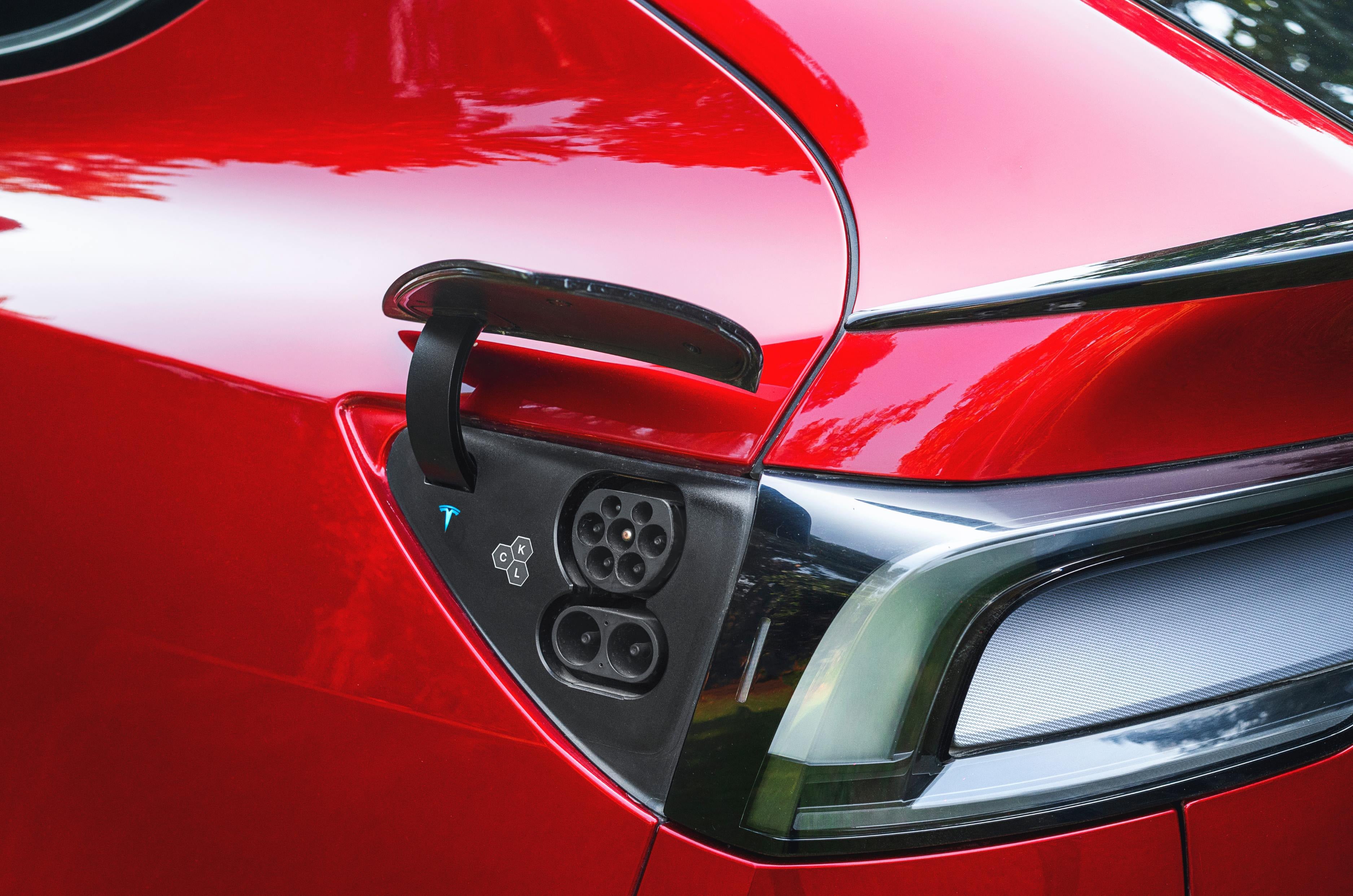
Tesla claims a WLTP range of 681km, from the Model Y L’s 88kWh (estimated) NMC battery pack. That’s more than the standard RWD Model Y, for reference. It can also add up to 288km of range in 15 minutes when connected to a Tesla Supercharger, according to the company. Speaking of which, the electric crossover is capable of accepting up to 250kW on DC fast charging and 11kW on AC charging. As always, real world range will depend on driving conditions, speed, weather and other factors.
Model Y Ride Comfort and Handling – 7/10
Adaptive dampers and longer wheelbase does make the Y L feel more settlled than the standard Model Y.
The standard Model Y’s ride and handling package is competent, although its low-speed ride is noticeably firm, especially on uneven surfaces. Tesla has made changes to the L’s suspension, equipping it with adaptive dampers in a bid to improve comfort and body control.
This is a particularly relevant upgrade for a longer, heavier vehicle designed to carry more passengers. As with everything else, this is also controlled via the touchscreen with two settings available – Balanced and Rear Comfort. The latter softens things down and gives it a slightly plusher feel, while the former represents a good middle ground between ride comfort and handling. Even though the difference in the modes isn’t that great, the Y L does feel more composed over broken roads and avoids transmitting as much movement into the cabin as the Standard Model Y.
The longer wheelbase also helps the car feel a bit more settled at speed, although manoeuvring in confined spaces is more cumbersome, and this is particularly amplified thanks to the rather poor turning circle. Like the standard Model Y’s, the Y L’s steering is light and easy to use, but it isn’t particularly feelsome. There’s also three modes for the steering, which progressively add more weight. The handling too is more competent and predictable rather than entertaining. It doesn’t feel as agile as the Model Y but body movements do seem better controlled thanks to the adaptive dampers.
There’s two levels of regenerative braking – Standard and Reduced. Standard is the stronger setting and best for use in the city as it almost functions like a one-pedal mode while Reduced is for highway use as it allows for some coasting.
Model Y Value for Money – 7/10
The Model Y L is for those who want a spacious, quick, refined, and cutting-edge premium EV for the family.
Priced at Rs 61.99 lakh (ex-showroom), the Tesla Model Y L makes for a more compelling case than the standard Model Y despite costing 10 lakh more. It still costs a fair bit more than its most direct rivals, the BMW iX1 LWB and the BYD Sealion 7, but the Y L is more spacious with more seats. The Model Y L does have its compromises though. It’s over reliant on the touchscreen for even basic functions and the large glasshouse means the cabin heats up easily. The larger dimensions, poor turning circle, low ground clearance and long wheelbase also means it is more challenging to maneuver in the city and while parking.
But it brings a lot more to the table too. There’s more cabin space, the added versatility of a third row, a more potent dual-motor powertrain with all-wheel-drive and a higher claimed range as well. And it retains its strengths of being featured-packed, with excellent refinement and massive cargo space. Tesla says that buyers are now preferring to opt for the Y L over the Model Y considering all the additional things it brings, and that really doesn’t come as a surprise. So for buyers who want a spacious, quick, refined and cutting-edge electric crossover for the family, the Tesla Model Y L fits the bill perfectly.
Bihar passport scam:बिहार में बड़ा पासपोर्ट घोटाला सामने आने के बाद मंत्रालय से लेकर राज्य के प्रशासनिक अमलों में हड़कंप मच गया है। बिहार पुलिस मुख्यालय के सूत्रों के अनुसार, 31 अफगानी नागरिकों द्वारा बिहार राज्य के अलग-अलग पतों पर भारतीय पासपोर्ट बनवाने का खुलासा हुआ है। मामले की जानकारी मिलने के बाद पुलिस मुख्यालय ने जांच शुरू कर दी है।
पुलिस मुख्यालय के सूत्रों के मुताबिक, 31 अफगानी नागरिकों ने बिहार के अलग-अलग पतों का इस्तेमाल कर भारतीय पासपोर्ट बनवा लिया। इनमें 30 अफगानी नागरिकों के पटना के पते पर पासपोर्ट जारी होने की जानकारी सामने आई है। वहीं, एक अफगानी नागरिक ने दरभंगा के पते पर अपना पासपोर्ट बनवाया है। इसके अलावा दो बांग्लादेशी नागरिकों के भी बिहार के पते पर भारतीय पासपोर्ट बनवाए जाने की खबर है। बताया जा रहा है कि विदेश मंत्रालय और गृह मंत्रालय से मिली रिपोर्ट के बाद पुलिस मुख्यालय ने संबंधित जिलों के डीएम और एसएसपी-एसपी को मामले की जांच के निर्देश दिए हैं। अधिकारियों से पूरे मामले की जांच करने और उसकी रिपोर्ट पुलिस मुख्यालय को भेजने को कहा गया है।
जिलाधिकारी और एसएसपी किए गए तलब
विदेश मंत्रालय और गृह मंत्रालय की रिपोर्ट मिलने के बाद पुलिस मुख्यालय ने संबंधित जिलों के डीएम और एसएसपी-एसपी को तलब किया गया है और उन्हें कार्रवाई के निर्देश दिए हैं। अधिकारियों से मामले की पूरी जांच कर विधि सम्मत कार्रवाई करने को कहा गया है। जांच पूरी होने के बाद यह स्पष्ट होगा कि पासपोर्ट बनवाने में किन दस्तावेजों का इस्तेमाल किया गया और प्रक्रिया में कहीं गड़बड़ी हुई या नहीं।
पटना और दरभंगा जिले से जुड़ा है मामला
इस मामले में पुलिस मुख्यालय के स्तर पर सामने आई जानकारी के अनुसार, 30 अफगानी नागरिकों का पासपोट पटना के पते का इस्तेमाल बनवाया गया। जबकि एक पासपोर्ट दरभंगा जिले के पते पर जारी हुआ। पुलिस और प्रशासन यह जांच कर रहा है कि इन लोगों ने बिहार का पता कैसे हासिल किया और पासपोर्ट बनवाने के दौरान कौन-कौन से फर्जी दस्तावेज लगाए गए थे ?
दो बांग्लादेशी नागरिक भी शामिल
अफगानी नागरिकों के अलावा दो बांग्लादेशी नागरिकों के भी बिहार के पते पर भारतीय पासपोर्ट बनवाए जाने की सूचना मिली है। पुलिस मुख्यालय ने संबंधित जिलों के अधिकारियों को इन मामलों की भी जांच करने को कहा है। जांच के दौरान पासपोर्ट आवेदन, पते से जुड़े दस्तावेज और संबंधित रिकॉर्ड की पड़ताल की जाएगी।
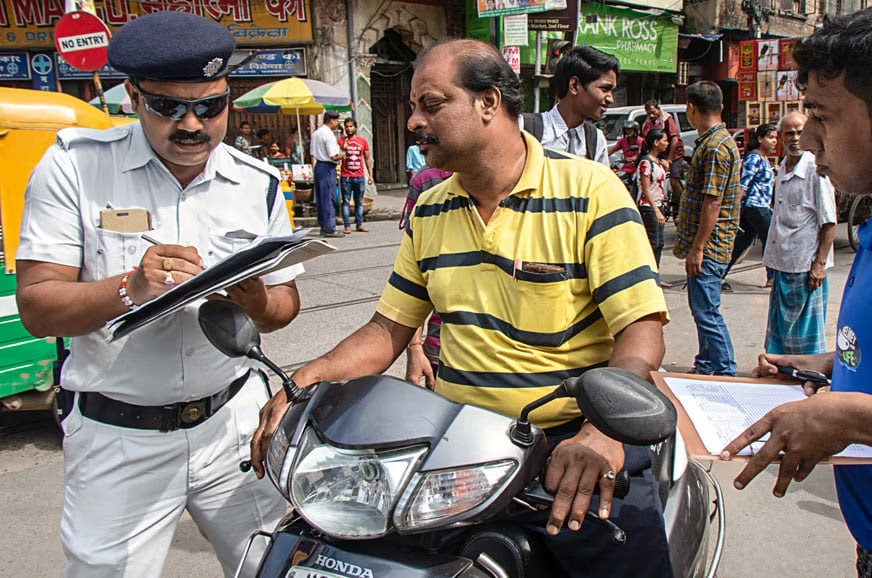
The Supreme Court has suggested linking unpaid traffic challans to electricity bills to help recover outstanding fines. The suggestion came during a hearing on electronic enforcement of traffic violations, where the court was informed that states and Union territories have around Rs 45,000 crore in e-challan dues, of which about Rs 25,000 crore has been recovered.
A bench of Justices JB Pardiwala and KV Viswanathan said issuing e-challans alone was not enough and that authorities needed to focus on recovering the fines. “It is not just sufficient to keep issuing e-challans. Police may issue thousands and lakhs of such e-challans. The question is recovery of fines as sought to be imposed by way of the e-challans,” Justice Pardiwala said, according to Bar and Bench.
Court seeks stronger recovery of pending fines
The court suggested that unpaid traffic fines could be added to electricity dues, with the possibility of power disconnection providing an additional way to recover the outstanding amount. “If people are not paying traffic challans, add it to their electricity dues bill. They’ll have to pay electricity bills else power line will be disconnected. Work it out. In this country, you have to find a way out,” the bench said.
The court clarified that linking challans to electricity bills was a suggestion made during the hearing and not a direction for immediate implementation.
Vehicle services could be blocked over unpaid challans
The Supreme Court also discussed measures that could restrict vehicle-related services until outstanding challans are cleared. These include stopping renewal of registration certificates, withholding duplicate RCs and blocking ownership transfers.
The court also suggested blacklisting vehicles with unpaid challans on the Parivahan portal, withholding fitness and PUC certificates, and stopping the renewal of driving licences. It also discussed suspending licences that are already in force. Justice Pardiwala stressed that any measures adopted would need to work in practice, saying, “The authorities need to work at the ground level having regard to ground realities.”
Random vehicle checks were also suggested to identify vehicles with unpaid e-challans. Where such a vehicle is found, the court said necessary steps could be taken to impound it.
The suggestions were made while the court was hearing a plea concerning electronic enforcement of traffic violations and recovery of unpaid e-challan fines, as part of a long-running 2012 public interest litigation on road safety.
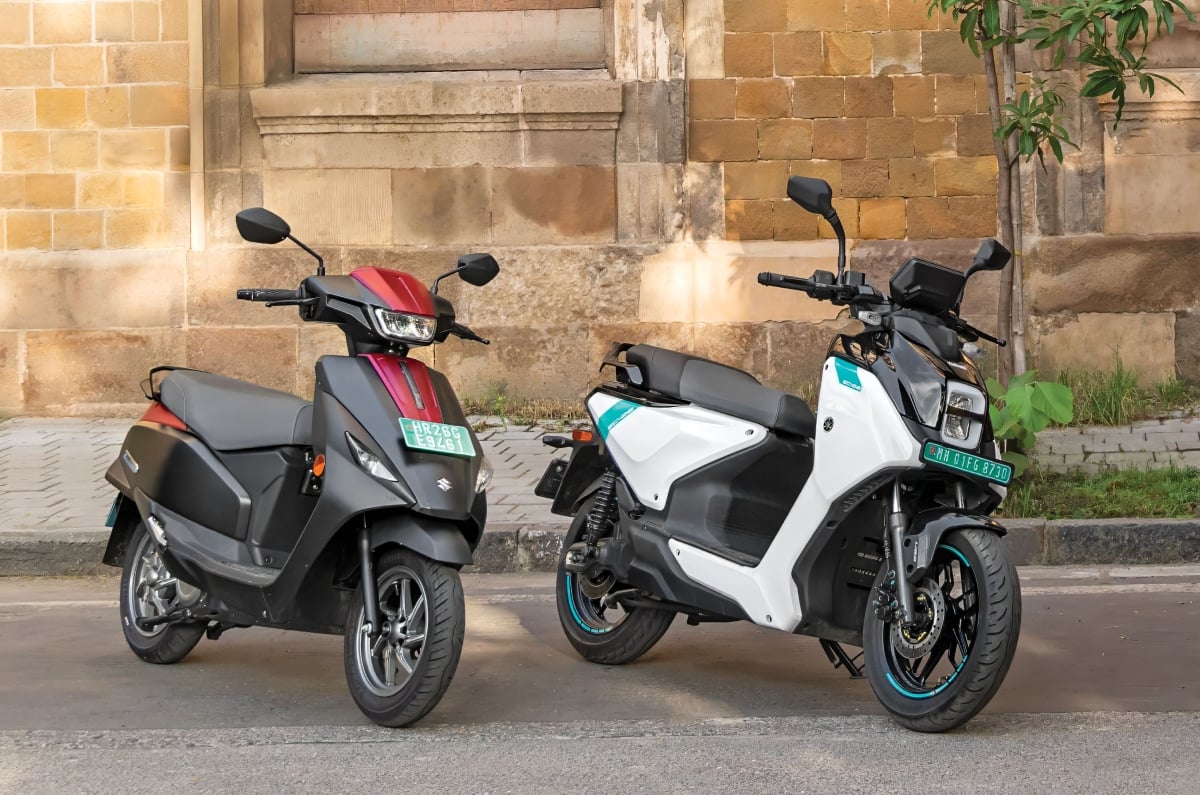
While the Indian manufacturers have been quick to capitalise on the EV boom, the Japanese have been rather more measured in their approach. Honda arrived in 2025 with not one but two in-house electric scooters, though both had unique limitations that prevented them from succeeding.
Suzuki, like Honda, chose to develop its own platform from scratch, but its e-Access appears expensive for what it offers. Yamaha, meanwhile, took a markedly different route for its more affordable offering and partnered with an Indian startup. The EC-06 is, in essence, a more expensive River Indie in sharper clothes.
So if you’ve been waiting for a Japanese e-scooter, you now have two choices, but like their very different inceptions, both also offer you two very different flavours of electric scooter. The question, then, is which one deserves your money – and whether either deserves it over the competition.
Not hiding in plain sight
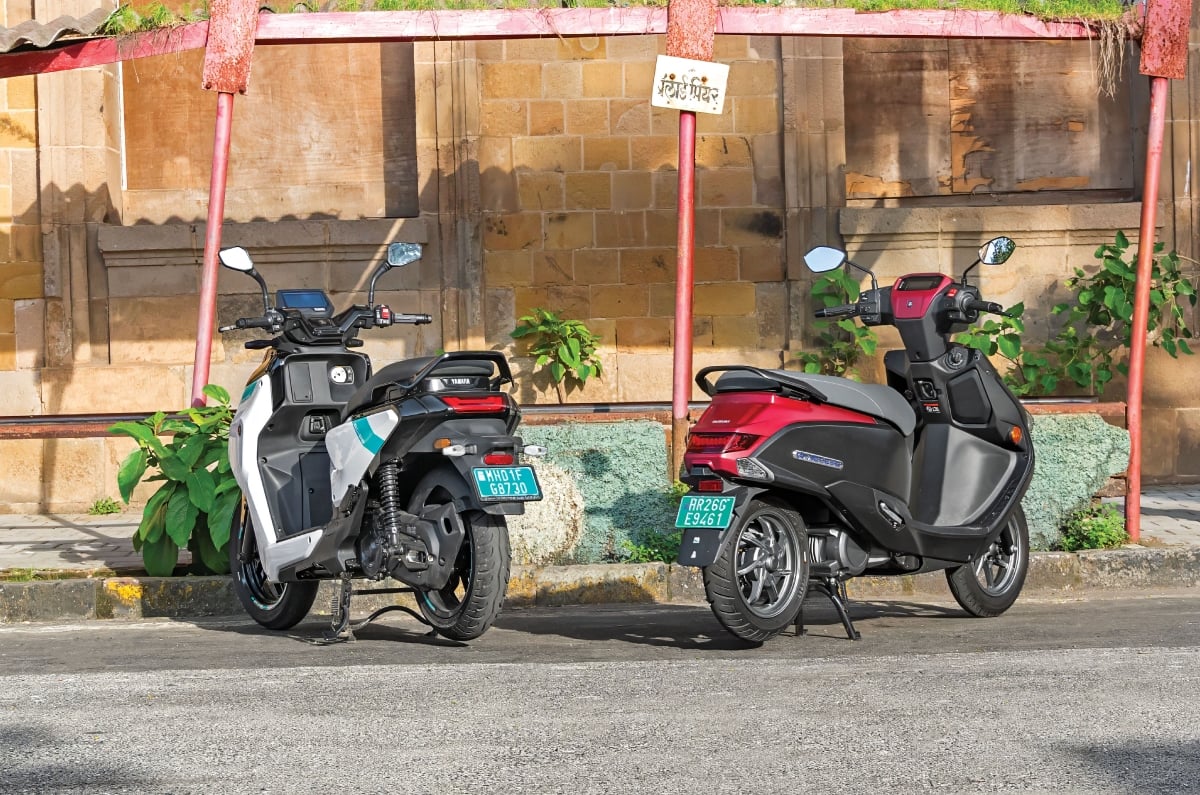
Subtle, these scooters are not. Both take distinctly left-field approaches to styling and will stand out from the crowd. Over the fortnight we spent with them, the EC-06 consistently drew more positive attention thanks to its chunky, squared-off proportions. The e-Access found its niche too, though its double duck-bill nose, flowing front panels with a contrastingly boxy tail make it more of an acquired taste.
Yamaha EC-06
Suzuki e-Access
Kerb weight
132kg
122kg
Seat height
770mm
765mm
Underseat storage
24.5 litres
17 litres
Ground clearance
145mm (laden)
160mm (unladen)
Climb aboard and their personalities diverge further still. The e-Access feels more like a conventional scooter. Despite its compact dimensions, it never feels cramped, even for taller riders, while its 765mm seat height makes it instantly approachable for shorter ones.
The EC-06, by comparison, feels a size larger. Its riding triangle is noticeably roomier, which taller riders will appreciate in a segment that seldom caters to them. Yet, with a friendly 770mm seat height, it remains fairly unintimidating for shorter riders. In fact, tall riders will want a higher seat.
Different strokes
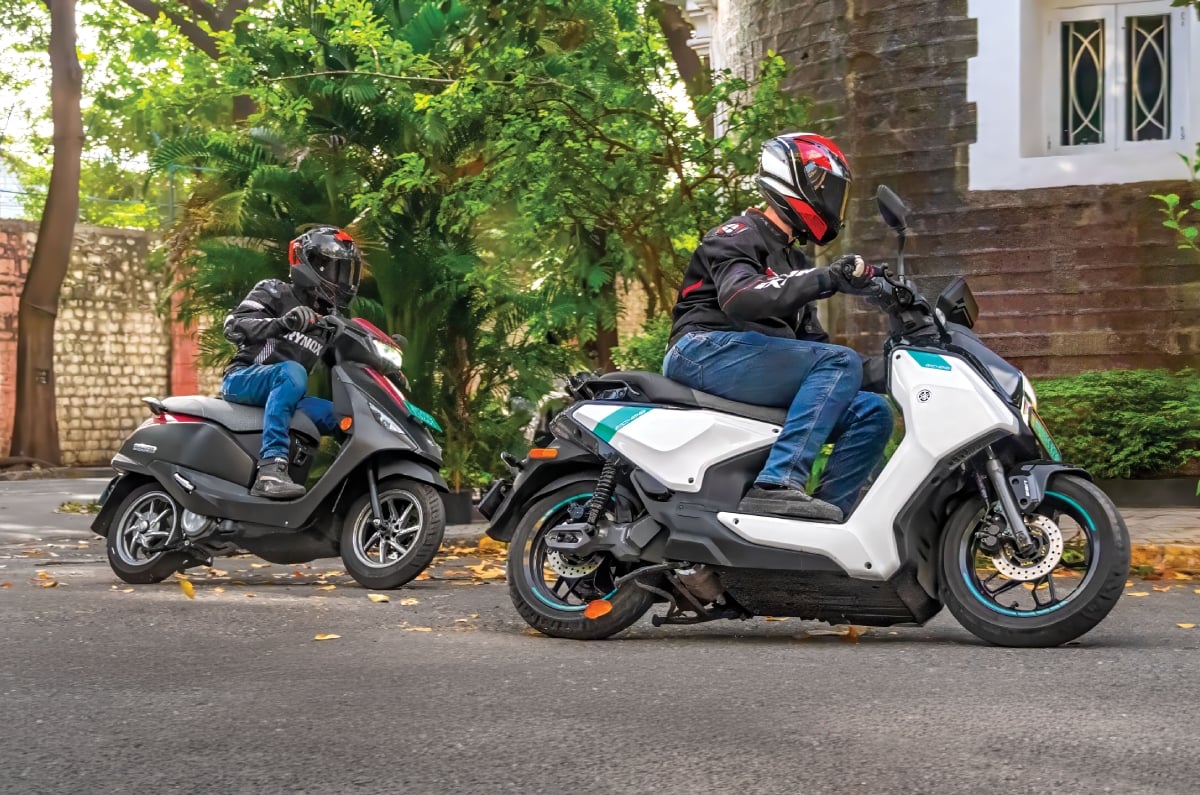
The riding experience of both also reflects two very different engineering philosophies. The 122kg e-Access feels exceptionally light on its feet; whether wheeling it around a parking space or flicking it into a bend, it responds eagerly – actually, a bit too eagerly. Some of that can be attributed to Suzuki mounting the battery pack vertically beneath the seat, a decision that, as you will read further on, has implications elsewhere too.
Yamaha EC-06
Suzuki e-Access
Battery capacity / chemistry
4kWh / NMC
3.072kWh / LFP
Motor
Permanent Magnet Synchronous
Permanent Magnet Synchronous
Power
6.7kW
4.1kW
Torque
26Nm
15Nm
Like the latest Burgman, its ride also errs towards the firmer side rather than the plush feel of a TVS iQube. It isn’t uncomfortable by any means, but it is something worth paying attention to on a test ride. Taller riders will also discover the Suzuki’s compactness during full-lock U-turns, where their knees will foul the handlebar.
On the flip side, the EC-06 is relatively heavier and slower to steer, but it’s a small tradeoff. That’s because its larger 14-inch wheels lend it greater stability at faster speeds and also help it dismiss broken roads with admirable composure. Its absorptive suspension also factors in here, though particularly sharp impacts can provoke a slight judder in the fork.
E-Access has the more flighty, energetic demeanour, whereas the EC-06’s handling is more sure-footed.
The Yamaha’s seat, however, leaves quite some room for improvement. Its forward-sloping shape constantly makes you slide forward, necessitating frequent shuffling about. The padding is also too soft, and after just 30 minutes or so, you find yourself sinking into the seat pan. This results in a gradually more knees-up riding position, which might sound like a trifling problem at first but one that becomes increasingly apparent over longer journeys.
Neither one gets ABS, which feels like quite an egregious oversight considering their price points. Nevertheless, the Yamaha’s brakes inspire greater confidence because they are powerful without being overly aggressive, and its wider tyres also provide better traction. The Suzuki’s brakes, conversely, are almost too sharp. On Mumbai’s slippery concrete roads, they demand a more measured touch when coming to a halt quickly.
Not that you’ll often rely heavily on them. That’s partly down to the well-calibrated regenerative braking system and partly because the e-Access’ performance is quite unremarkable. Not only is it much slower than the EC-06, but it also feels noticeably less eager than the petrol-powered Access. It’s perfectly usable in the city, but on faster roads, overtakes require planning. Unsurprisingly, the Yamaha feels considerably livelier. It accelerates with genuine enthusiasm in its top Power mode, the regenerative braking is seamlessly calibrated in all 3 modes (Standard and Eco being the other two) and, despite using chain drive, its drivetrain is remarkably silent – akin to a hub-mounted motor.
Feel Good (?) Features
Build quality on both is reassuringly solid and exactly what one expects from the Japanese. At these prices, however, there are a few omissions that are difficult to overlook.
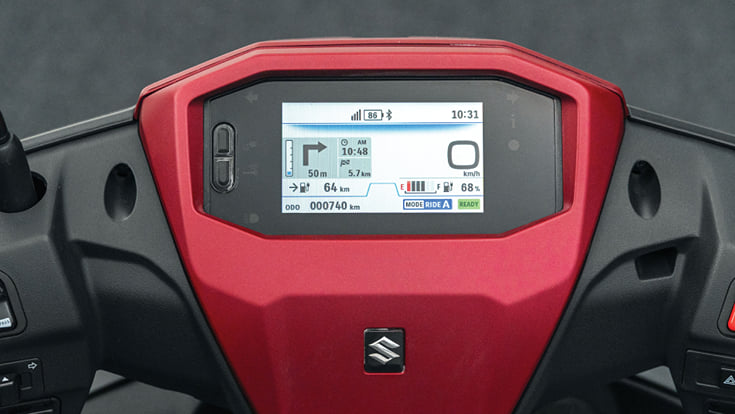
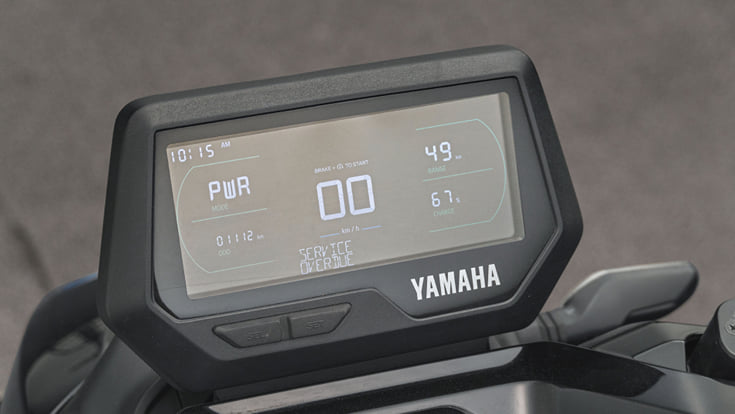
The e-Access employs the same TFT display found on the ICE Access 125 and Burgman, both of which cost substantially less. Yamaha, meanwhile, supplies only the slower 480W charger, despite the considerably more affordable River offering a faster 750W unit as a Rs 3,000 option.
Same TFT as ICE Access; EC’s negative LCD is simpler but well laid out.
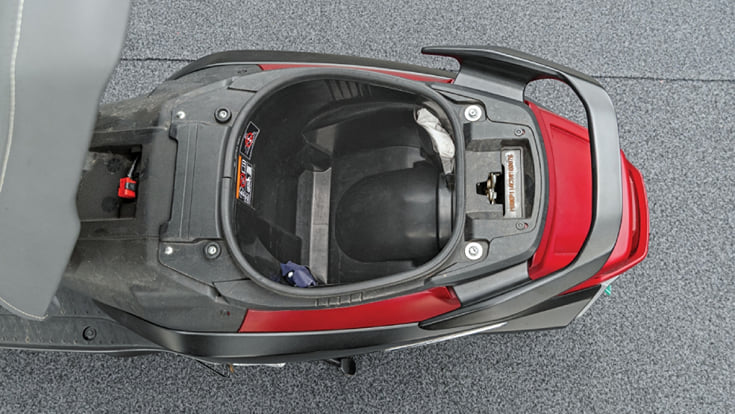
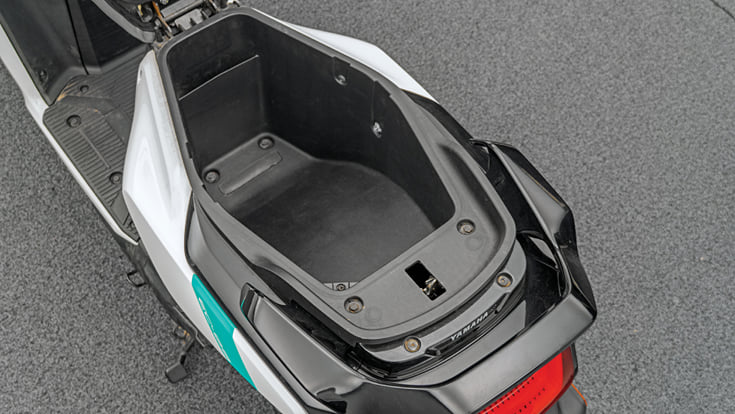
The EC-06 also sacrifices a lot of storage compared to the Indie. Its 24.5-litre under-seat boot is far short of the latter’s enormous 43-litre boot and trails established rivals such as the iQube, Rizta and Chetak. The River’s lockable 12-litre glovebox has been omitted too, though Yamaha has used this to reposition the charging port to a more convenient location.
e-Access’ 17L boot far too small and oddly shaped; Yamaha’s 24.5L boot is more usable but not segment-leading.
If the Yamaha’s storage is merely average, the Suzuki’s is positively outclassed. The battery’s position beneath the seat results in just 17 litres of bootspace – roughly half what you’ll find on rivals like the Rizta and Chetak. In fact, even the ICE Access 125 offers you quite a bit more storage space. The e-Access’ boot is also shaped quite awkwardly, and unless the charger’s cables are folded with almost Victorian precision, it simply refuses to fit.
Range Rovers?
An electric scooter ultimately needs to deliver one thing above all else – promising range to reduce your running costs. In Ride A mode, which delivers full performance and max regen, the e-Access covered a little over 88km in our range test. Given its smaller 3kWh battery and its use of safer, but less energy-dense, LFP chemistry, the result is respectable in isolation; however, compared to the market’s front-runners, it falls far short.
Yamaha EC-06
Suzuki e-Access
0-40kph
3.46s
4.94s
0-60kph
6.82s
11.93s
Roll-on Acceleration
20-50kph
3.31s
5.46s
30-70kph
7.34s
17.01s
50-80kph
10.96s
–
Our test on the EC-06 was conducted in its middle Standard mode, which retains full performance but softens throttle response compared to Power mode. It covered 114km, comfortably exceeding the distance initially predicted. Both scooters deserve praise here, as their range indicators proved refreshingly honest, not indulging in optimistic guesswork.
Yamaha EC-06
Suzuki e-Access
60-0kph
22.87m
24.64m
Using Eco mode will naturally extend the range on both, though with reduced acceleration and lower top speeds. Thankfully, neither becomes painfully slow. Even in Eco, both climb flyovers and keep up with city traffic without reducing themselves to rolling roadblocks.
While the Yamaha’s range is undoubtedly more impressive, its charging time is a rather different story. The supplied 480W charger requires a glacial ten hours to replenish a flat battery. Meanwhile, the Suzuki’s 600W unit requires around six hours to do the same, although its battery pack is also smaller.
One thoughtful detail both manufacturers deserve credit for is the inclusion of a dedicated charger bag. It is a small touch, but one that should help protect the charger from spending years rattling around inside the boot.THE BIGGER PICTURE
Judged purely against each other, the result is straightforward – the EC-06 clearly wins. It offers superior performance, greater comfort, longer range and also costs much less than the e-Access.
Yamaha EC-06
Suzuki e-Access
Price (ex-showroom, Bengaluru)
Rs 1.71 lakh
Rs 1.92 lakh
However, if you zoom out and look at the broader market, the context changes. At Rs 1.71 lakh, the Yamaha is hardly inexpensive, and the Suzuki, which is knocking on the door of Rs 2 lakh, is even worse off. When proven alternatives from TVS, Ather, Bajaj, Vida and River offer similar or even superior alternatives for substantially less money, the Japanese appear more like fringe players and less like mainstream contenders.
There will undoubtedly be a small demographic of buyers for whom a Japanese badge carries enough cachet to justify this big premium. However, for the rest of us, the more keenly priced and proven homegrown contenders are the better bet.
Russia Sanctions Bill: भारत और चीन जैसे देशों के लिए एक बड़ी और चिंता बढ़ाने वाली खबर सामने आई है। दरअसल, अमेरिकी राष्ट्रपति डोनाल्ड ट्रंप ने रूस पर कड़े प्रतिबंध लगाने वाले नए कानून पर हस्ताक्षर कर दिए हैं। इस बिल से उन्हें उन देशों पर 100% तक टैरिफ लगाने का अधिकार मिल गया है जो रूस से तेल और गैस खरीदते हैं।
Lindsey O. Graham Sanctioning Russia and Iran Act of 2026 के तहत रूस के एनर्जी सेक्टर, सीनियर अधिकारियों, वित्तीय संस्थानों और उन टैंकरों के खिलाफ कार्रवाई की जाएगी, जिन्हें पश्चिमी देशों के प्रतिबंधों से बचने के लिए इस्तेमाल किया जाता है। इन टैंकरों को आमतौर पर ‘शैडो फ्लीट’ कहा जाता है।
भारत-चीन पर कैसे पड़ेगा असर?
बुधवार को हाउस ऑफ रिप्रेजेंटेटिव्स ने यह कानून 262-159 के अंतर से पास कर दिया। इससे पहले इस बिल को सीनेट से मंजूरी मिल चुकी थी। नए कानून के तहत रूस से तेल या गैस खरीदने वाले पांच सबसे बड़े खरीदार देशों पर 100% तक टैरिफ लगाया जा सकता है। हालांकि, इसका मतलब यह नहीं है कि भारत या चीन पर तुरंत 100% टैरिफ लगा दिया जाएगा। टैरिफ लगाना है या नहीं और अगर लगाना है तो किस दर पर, इसका फैसला राष्ट्रपति डोनाल्ड ट्रंप करेंगे।
जानकारी के मुताबिक, इस कानून का मकसद एनर्जी एक्सपोर्ट से मॉस्को की कमाई कम करना और यूक्रेन युद्ध को लेकर उस पर दबाव बढ़ाना है।
कब लागू हो सकता है टैरिफ?
यह कानून राष्ट्रपति के हस्ताक्षर के 30 दिनों के भीतर लागू हो जाएगा। इसके तहत, उन देशों से आयातित सामान पर 100 प्रतिशत तक शुल्क लगाना जरूरी है, जो कानून बनने से पहले के 12 महीनों में कुल मात्रा के हिसाब से रूसी कच्चे तेल या प्राकृतिक गैस के शीर्ष पांच खरीदार रहे हों। अगर किसी देश का रूसी गैस आयात, लागू अवधि के दौरान रूस के कुल निर्यात का 15 प्रतिशत से कम रहा हो और उसने उस आयात को कम करने के लिए “महत्वपूर्ण कदम” उठाए हों, तो उसे गैस से जुड़े शुल्कों से छूट मिलती है।
भारत ने रिश्तों पर असर पड़ने की चेतावनी दी
भारत ने वॉशिंगटन को पहले ही चेतावनी दे दी है कि नए कदमों से दोनों देशों के रिश्तों पर असर पड़ सकता है। नई दिल्ली ने कहा है कि वह एनर्जी सिक्योरिटी के लिए प्रतिबद्ध है और मार्केट की स्थितियों के आधार पर अलग-अलग सप्लायर्स से तेल खरीदना जारी रखेगी।
बता दें कि भारत, रूस से कच्चा तेल खरीदने वाले दुनिया के सबसे बड़े देशों में से एक है। जबकि चीन भी एक बड़ा खरीदार है, इसलिए नए कानून के तहत दोनों देशों पर असर पड़ सकता है।
वहीं, इस कानून से ट्रंप को टैरिफ के बारे में बड़े फैसले लेने की छूट मिलती है और कुछ खास स्थितियों में छूट देने का भी प्रावधान है।
भारत के लिए यह कानून ऐसे समय में आया है, जब नई दिल्ली, रूस से तेल खरीदने को लेकर वॉशिंगटन के बढ़ते दबाव और अपनी एनर्जी की जरूरतों के बीच संतुलन बनाने की कोशिश कर रही है।
शी जिनपिंग के दौरे से बढ़ सकती है टेंशन
सूत्रों के मुताबिक, ट्रंप के इस कदम से ठीक पहले, चीनी राष्ट्रपति शी जिनपिंग 24 सितंबर को अमेरिकी राष्ट्रपति से बातचीत के लिए वॉशिंगटन आने वाले हैं।
यह बैठक एक दशक में शी की पहली व्हाइट हाउस यात्रा होगी और इस साल दोनों नेताओं के बीच आमने-सामने की दूसरी मुलाकात होगी। इससे पहले उनकी मुलाकात मई में बीजिंग में हुई थी।
इस बैठक में व्यापार एक अहम मुद्दा हो सकता है। इसके अलावा ताइवान को लेकर तनाव, ईरान युद्ध, आर्टिफिशियल इंटेलिजेंस और अमेरिका-चीन के बीच टैरिफ (आयात शुल्क) को लेकर बनी अस्थायी शांति को आगे बढ़ाने की कोशिशों पर भी चर्चा हो सकती है।
गौरतलब है कि रूस पर लगाए गए नए प्रतिबंधों वाला कानून दोनों देशों के बीच दबाव का एक और मुद्दा बन सकता है, क्योंकि चीन रूस से ऊर्जा खरीदने वाले दुनिया के सबसे बड़े देशों में शामिल है।
Russia Sanctions Bill: अमेरिका के राष्ट्रपति डोनाल्ड ट्रंप रूस पर नए और कड़े प्रतिबंध लगाने वाले बिल पर जल्द हस्ताक्षर करने वाले हैं। इस बिल के तहत ट्रंप को भारत समेत उन देशों पर 100% तक टैरिफ (शुल्क) लगाने का अधिकार मिल सकता है, जो रूस से तेल और गैस खरीदते हैं।
अमेरिकी हाउस ऑफ रिप्रेजेंटेटिव्स द्वारा इस कानून को मंजूरी दिए जाने के बाद, व्हाइट हाउस के एक अधिकारी ने गुरुवार को ANI को बताया, “राष्ट्रपति इस बिल पर दस्तखत करने की योजना बना रहे हैं।”
बता दें कि Lindsey O. Graham Sanctioning Russia and Iran Act of 2026 नाम के इस बिल को अमेरिकी हाउस ऑफ रिप्रेजेंटेटिव्स ने 262-159 वोटों से पास कर दिया है। यह बिल पहले ही अमेरिकी सीनेट से मंजूर हो चुका है और अब इसे राष्ट्रपति डोनाल्ड ट्रंप के हस्ताक्षर का इंतजार है।
भारत ने द्विपक्षीय संबंधों पर असर पड़ने की चेतावनी दी
यह घटनाक्रम तब हुआ जब विदेश मंत्रालय ने कहा कि वॉशिंगटन को बता दिया गया है कि रूसी तेल की खरीद से जुड़े टैरिफ का असर द्विपक्षीय संबंधों पर पड़ सकता है।
नई दिल्ली ने कहा कि वह ऊर्जा सुरक्षा सुनिश्चित करने के लिए “पूरी तरह प्रतिबद्ध” है और बाजार की स्थितियों के आधार पर अलग-अलग विक्रेताओं से सप्लाई लेना जारी रखेगी।
मंत्रालय ने एक बयान में कहा, “भारत ने भी अपने व्यापार और आर्थिक हितों की रक्षा के लिए सभी जरूरी कदम उठाने का अपना इरादा साफ कर दिया है।”
भारत दुनिया के सबसे बड़े तेल आयातकों में से एक है और सस्ती और भरोसेमंद ऊर्जा सप्लाई सुनिश्चित करने के लिए रूसी कच्चा तेल खरीदता रहा है।
बता दें कि प्रस्तावित बिल के तहत ट्रंप को रूस से ऊर्जा खरीदने वाले बड़े देशों पर 100% तक टैरिफ लगाने की बड़ी शक्ति मिल सकती है। भारत और चीन ऐसे देशों में शामिल हैं, जिन पर यह टैरिफ लगाया जा सकता है। हालांकि, इस बिल में भारत पर 100% टैरिफ अपने आप लगाने का प्रावधान नहीं है।
ट्रेड बातचीत पर नया दबाव
इस कदम से भारत और अमेरिका के बीच चल रही ट्रेड बातचीत भी मुश्किल में पड़ सकती है। अमेरिका, भारतीय सामान के एक्सपोर्ट के लिए सबसे बड़ी जगह है। अप्रैल-अगस्त के दौरान अमेरिका को होने वाला भारतीय सामान का एक्सपोर्ट बढ़कर 42.79 अरब डॉलर हो गया, जो एक साल पहले 40.39 अरब डॉलर था।
रॉयटर्स के सूत्रों के मुताबिक, भारतीय रिफाइनरियों ने सितंबर और अक्टूबर के लिए रूसी क्रूड का इंतजाम पहले ही कर लिया है।
भारतीय रिफाइनरियां वॉशिंगटन के साथ बातचीत करना चाहते हैं, जिसमें संभावित छूट या कोटा शामिल हो सकता है। उनका कहना है कि रूसी सप्लाई में कटौती से लागत बढ़ सकती है, खासकर ऐसे समय में जब ग्लोबल ऑयल मार्केट पहले से ही दबाव में है।
वहीं, भारत-अमेरिका के बीच व्यापार वार्ता अभी भी बिना किसी नतीजे के चल रही है और दोनों पक्ष समझौते तक पहुंचने की कोशिश कर रहे हैं।
US Russia Sanctions Bill 2026: अमेरिका से एक बड़ा अपडेट सामने आया है। वहां के हाउस ऑफ रिप्रेजेंटेटिव्स में एक ऐसा विधेयक प्रक्रियात्मक वोट पास हो गया है जो भारत के लिए मुश्किलें खड़ी कर सकता है। इस बिल का नाम है ‘लिंडसे ओ. ग्राहम सेंक्शनिंग रूस एंड ईरान एक्ट ऑफ 2026’।
अगर यह विधेयक पूरी तरह पास होकर कानून बन जाता है, तो अमरीकी राष्ट्रपति डोनाल्ड ट्रंप को रूस से कच्चा तेल खरीदने वाले देशों (जैसे- भारत और चीन) से आने वाले सामान पर 100% तक का एक्स्ट्रा टैरिफ लगाने का अधिकार मिल जाएगा।
आइए आपको बताते हैं कि इस बिल में भारत के लिए क्या खतरे हैं, अमेरिकी संसद में इस पर क्या खींचतान चल रही है और भारत सरकार का इस पर क्या रुख है।
क्या है 100% टैरिफ वाला नियम? (Section 113)
इस बिल की सबसे अहम और विवादास्पद पहलू सेक्शन 113 है। इसके कानून बनने से पिछले 12 महीनों के दौरान रूस से सबसे ज्यादा कच्चा तेल या नेचुरल गैस खरीदने वाले शीर्ष 5 देशों पर यह नियम लागू होगा। सीनेट के मुताबिक, इन 5 बड़े खरीदारों में चीन, भारत, स्लोवाकिया, हंगरी और अजरबैजान शामिल हैं।
यह टैरिफ केवल तेल के सौदों पर नहीं, बल्कि उस देश (जैसे भारत) से अमरीका में इंपोर्ट होने वाले सभी सामानों पर 0% से लेकर 100% तक लगाया जा सकता है। वैसे बिल में राष्ट्रपति को यह अधिकार भी दिया गया है कि अगर अमेरिका के राष्ट्रीय हित में जरूरी हो, तो वे किसी देश को इस टैरिफ से छूट दे सकते हैं।
अमेरिकी संसद में क्या हुआ?
US प्रतिनिधि सभा में H. Res. 1530 नाम के एक रूल को 214-211 के बेहद मामूली अंतर से मंजूरी मिली। 211 रिपब्लिकन और 2 डेमोक्रेट्स ने बिल के पक्ष में वोट दिया, जबकि 209 डेमोक्रेट्स और 2 रिपब्लिकन इसके खिलाफ रहे।
वैसे यह प्रक्रियात्मक वोट था। बिल पर अंतिम वोट के बाद इसे राष्ट्रपति डोनाल्ड ट्रंप के पास दस्तखत के लिए भेजा जाएगा। ट्रम्प पहले ही कह चुके हैं कि वे इस बिल का समर्थन करते हैं।
बिल को लेकर अमेरिका के भीतर ही विरोध क्यों?
अमरीकी डेमोक्रेटिक पार्टी के कई बड़े नेताओं ने इस बिल का कड़ा विरोध किया है। हाउस फॉरेन अफेयर्स कमेटी के रैंकिंग सदस्य ग्रेगोरी मीक्स ने कहा कि यह बिल राष्ट्रपति ट्रम्प को बिना किसी रोक-टोक के टैरिफ लगाने का एकतरफा अधिकार दे देगा। उन्होंने सेक्शन 113 को हटाने की मांग की थी।
कई सांसदों का मानना है कि भारत और चीन जैसे व्यापारिक साझेदारों पर 100% टैरिफ लगाने से अमरीका में ही महंगाई और चीजों के दाम बढ़ जाएंगे।
भारत का क्या रुख है?
भारत सरकार ने इस पूरे मामले पर अपना रुख बिल्कुल साफ रखा है। भारतीय विदेश मंत्रालय (MEA) के प्रवक्ता रणधीर जायसवाल ने कहा है कि भारत के ऊर्जा खरीद के फैसले पूरी तरह से देश के राष्ट्रीय हित और 140 करोड़ नागरिकों की जरूरतों से तय होते हैं। विदेश मंत्रालय ने दोहराया कि भारत और रूस के बीच ऊर्जा सहयोग द्विपक्षीय साझेदारी का एक मजबूत और पुराना स्तंभ है।
Apple का नया iPhone Duo लॉन्च होते ही सोशल मीडिया पर सिर्फ इसके फीचर्स की चर्चा नहीं हुई, बल्कि इसकी कीमत ने लोगों को अपना कैलकुलेटर निकालने पर मजबूर कर दिया। करीब 3 लाख रुपये की शुरुआती कीमत देखकर यूजर्स ने सवाल उठाया कि इतने पैसों में आखिर एक फोन खरीदा जाए या जिंदगी की कई दूसरी जरूरतें पूरी की जाएं। किसी ने कार और सोने का हिसाब लगाया, तो किसी ने पूरी Apple shopping list तैयार कर दी।
वहीं 3.5 लाख रुपये सालाना कमाने वालों से लेकर मिडिल क्लास की जेब तक, सब पर मीम्स बन गए। खास बात यह है कि iPhone Duo की कीमत जितनी बड़ी है, इंटरनेट की मीम क्रिएटिविटी उससे भी बड़ी निकली।
3 लाख में iPhone या बहुत कुछ और?
एक X यूजर ने iPhone Duo की कीमत को लेकर बेहद मजेदार हिसाब लगाया। उसका कहना है कि करीब 3 लाख रुपये में सिर्फ फोन खरीदने के बजाय एक अच्छी सेकंड-हैंड कार या मोटरसाइकिल ली जा सकती है। लगभग 20 ग्राम सोना खरीदा जा सकता है या कई शहरों में पूरे साल का किराया चुकाया जा सकता है। इतना ही नहीं, इस रकम में भाई या बहन की शादी का कैटरिंग बिल, घर का फ्रिज, एसी, टीवी, वॉशिंग मशीन और सोफा तक आ सकता है। माता-पिता को छुट्टी पर ले जाने या 10-15 अच्छे Android फोन खरीदने का विकल्प भी मौजूद है। और अगर निवेश करना चाहें तो रकम FD में डाल सकते हैं।
लेकिन मीम का पंचलाइन सबसे आखिर में आता है-या फिर 3 लाख रुपये में एक फोल्डिंग iPhone खरीद लीजिए।
iPhone Duo costs almost ₹3,00,000 in India
For the price of ONE phone, you could:
• Buy a decent second-hand car
• Buy a good motorcycles
• Buy around 20 grams of gold
• Pay a year’s rent in many Indian cities
• Sponsor your brother/sister wedding’s catering bill
• Buy a fridge + AC + TV + washing machine + sofa
• Take your parents on a good vacation
• Buy 10–15 perfectly good Android phones
• Put it in an FD and make your dad proud for once
एक दूसरे यूजर ने भी iPhone Duo की कीमत देखकर अपना अलग गणित लगाया। उसके मुताबिक करीब 3 लाख रुपये खर्च करके एक iPhone Duo लेने के बजाय MacBook Neo, iPad, iPhone 17, AirPods और Apple Watch Series 10 खरीदे जा सकते हैं। खास बात यह कि उसके हिसाब से इतना सब लेने के बाद भी कुछ पैसे बच जाएंगे। एक फोल्डिंग फोन या Apple के कई डिवाइस?
You can buy a MacBook Neo, an iPad, an iPhone 17, AirPods and an Apple Watch Series 10 for the price of an iPhone Duo in india and still have money left.
iPhone Duo की कीमत करीब 3 लाख रुपये है। ऐसे में मीमर ने 3.5 लाख रुपये सालाना पैकेज वालों की हालत पर भी मजेदार मीम बना दिया। इसके लिए सांसद मनोज तिवारी का फेमस क्लिप इस्तेमाल किया गया है। मीम का इशारा साफ है जब साल भर की कमाई और फोन की कीमत में ज्यादा अंतर न हो, तो फोन खरीदने से पहले जेब जरूर याद आएगी।
एक अन्य इंटरनेट यूजर ने iPhone Duo लॉन्च होने के बाद Apple के संभावित रिएक्शन को लेकर मीम शेयर किया। यूजर ने लिखा, “आईफोन डुओ लॉन्च करने के बाद एप्पल का रिएक्शन कुछ ऐसा होगा।”
महंगी कीमत को लेकर बने इस मीम ने दिखा दिया कि सोशल मीडिया यूजर्स Apple के हर नए लॉन्च को कितने मजेदार अंदाज में लेते हैं।
Apple be like after launching iPhone Duo – https://t.co/9dtFpBeLWV
एक यूजर ने मिडिल क्लास व्यक्ति के iPhone Duo खरीदने की कोशिश को लेकर मशहूर ‘तेरा घर जाएगा इसमें’ मीम शेयर किया। मीम के जरिए मजाक में यह दिखाया गया कि करीब 3 लाख रुपये का फोन खरीदने के लिए आम आदमी को किन-किन चीजों से समझौता करना पड़ सकता है। यानी iPhone Duo भले ही फोल्ड होता हो, लेकिन इसकी कीमत ने सोशल मीडिया पर लोगों की कल्पना को जरूर खोल दिया है।
Apple when middle class person tries to buy iPhone Duo https://t.co/bkeFkzErJO