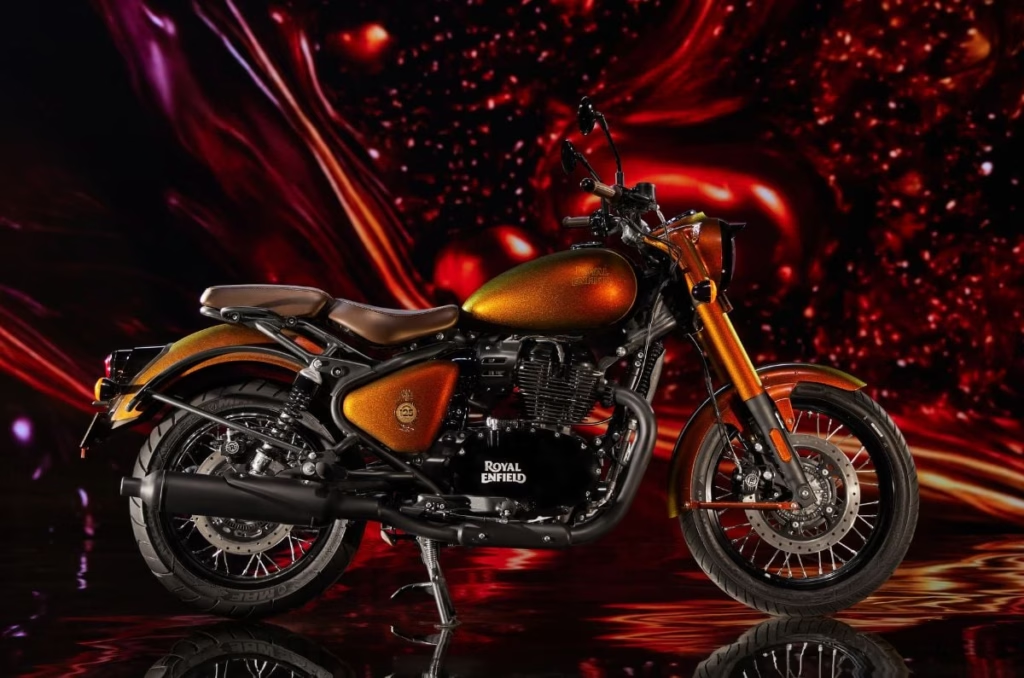
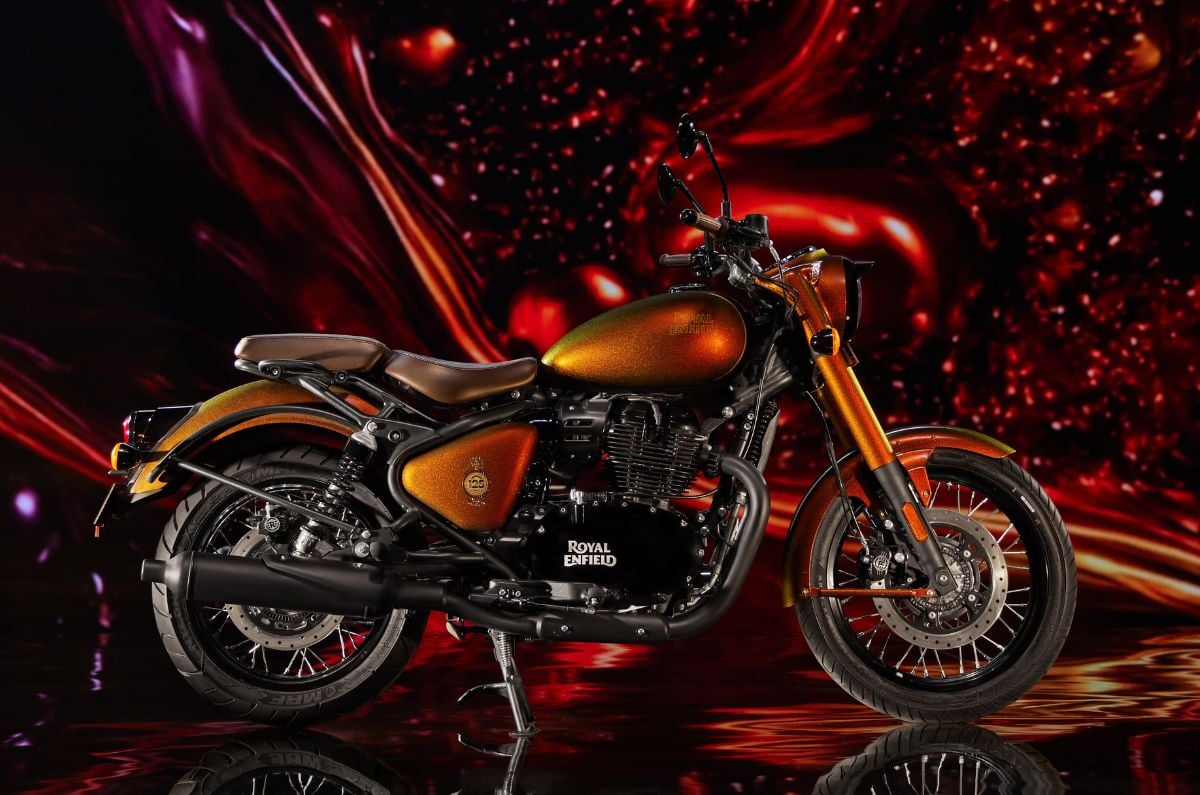
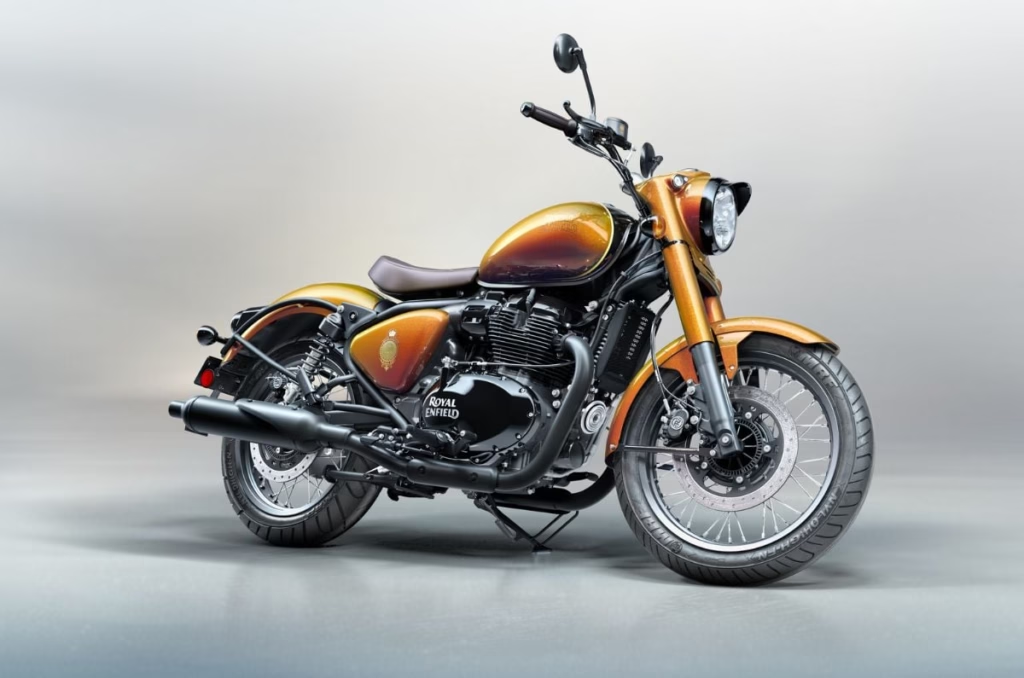
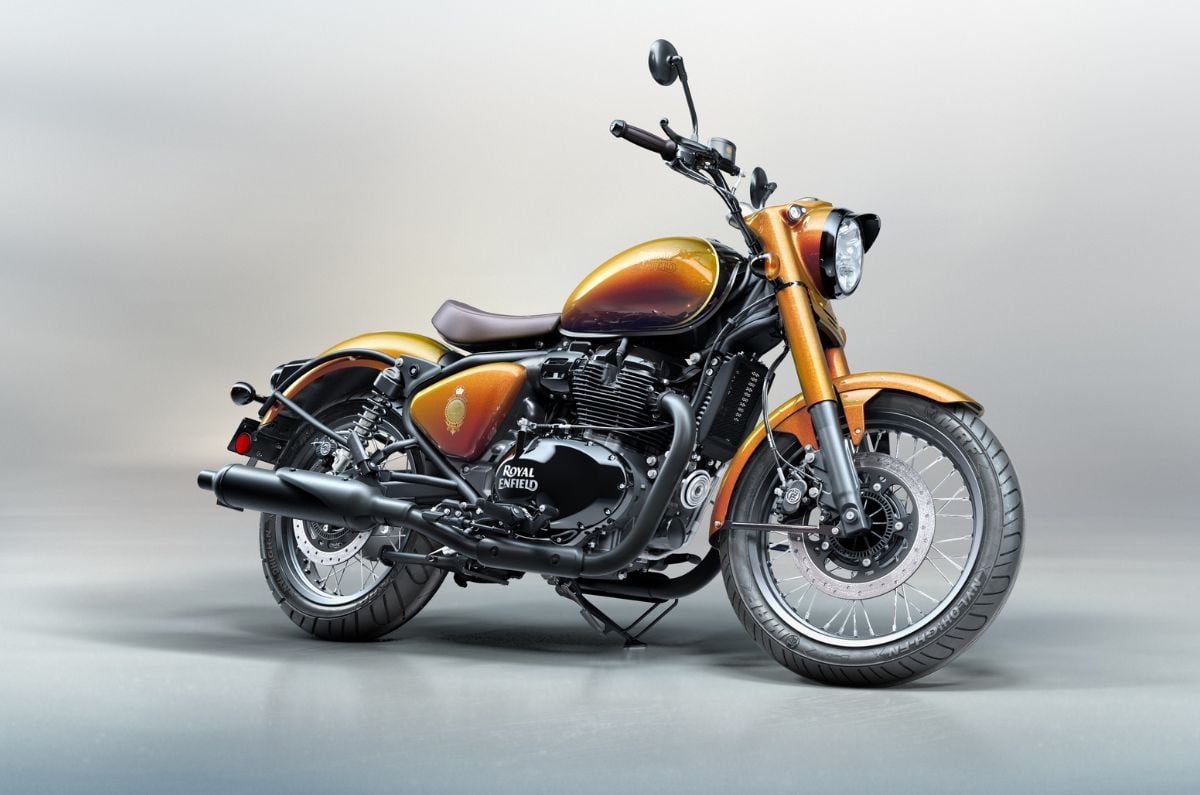
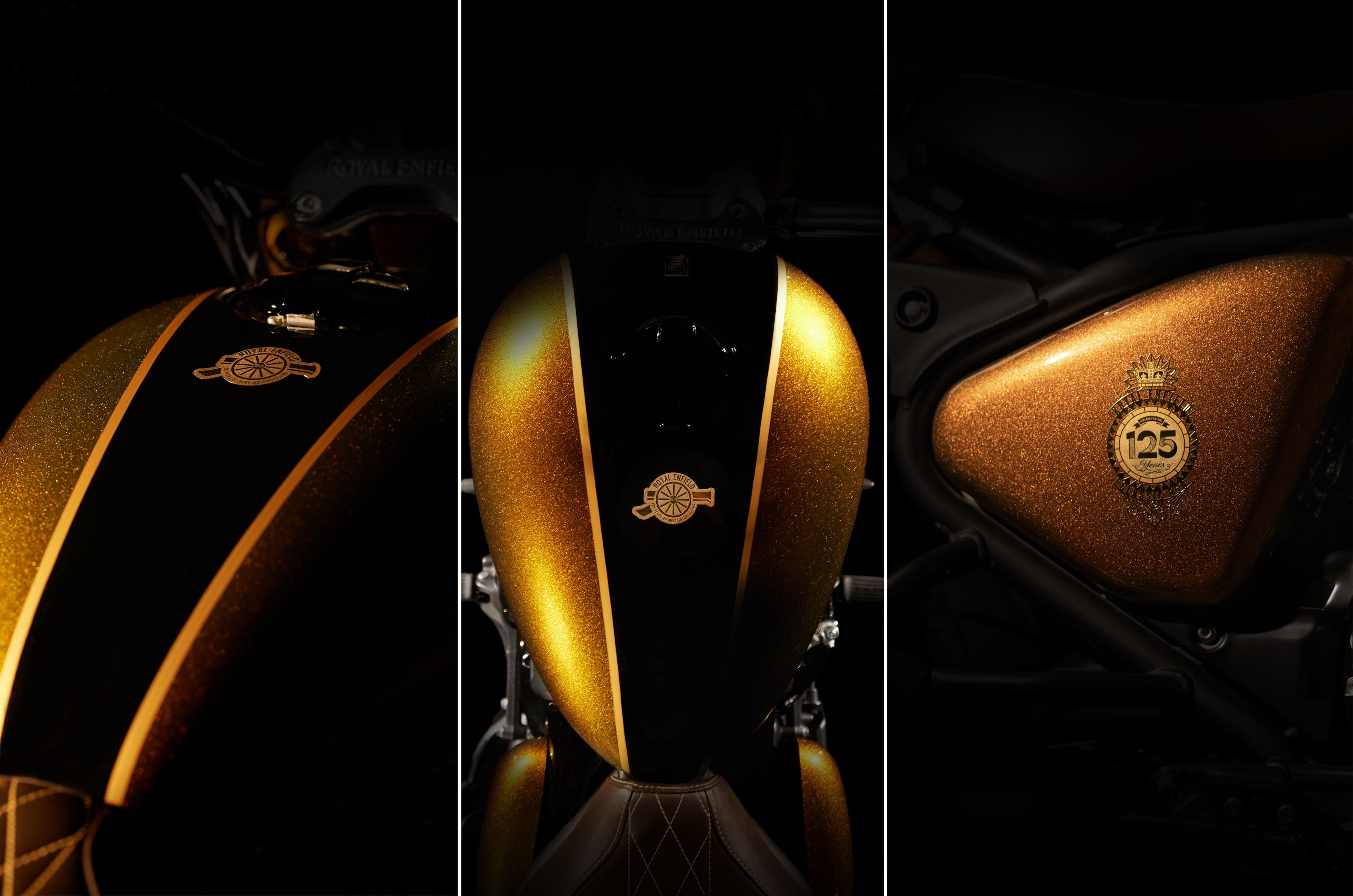
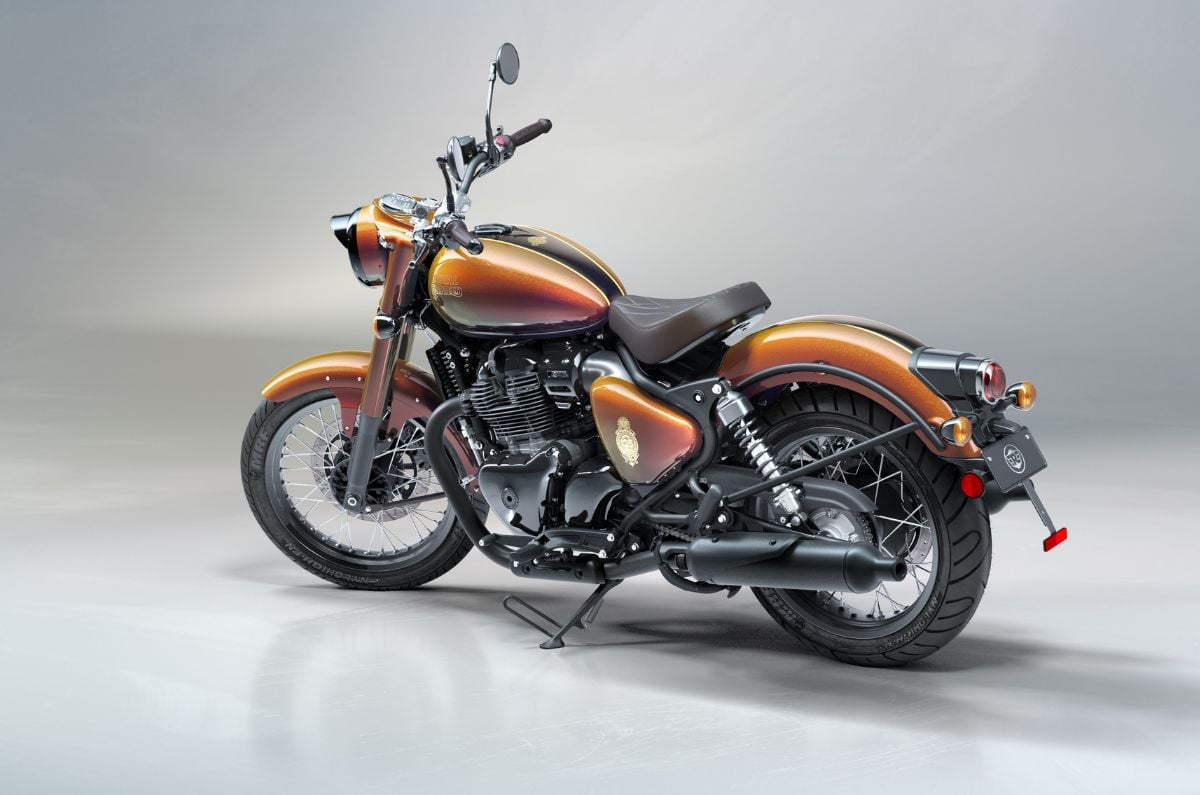
Royal Enfield has launched a special edition of the Classic 650, called the Hypershift, to commemorate the Chennai based manufacturer’s 125th anniversary. It is priced at Rs 4.26 lakh, and the company has clarified that it’s limited to 125 units in each of its key markets, including India. Hence, interested customers will need to register to buy one; registrations will be open until October 28, when sales will happen.
The Classic 650 Hypershift is mechanically identical to the production-spec Classic 650. There are no changes to the underlying design either. It has been priced at Rs 4.26 lakh, which is a Rs 58,000 premium over the base Vallam Red colour (Rs 3.68 lakh) and a Rs 43,500 premium over the top Black Chrome colour (Rs 3.82 lakh). For customers who are able to place an order for one of the 125 units on October 28, deliveries will begin in November.
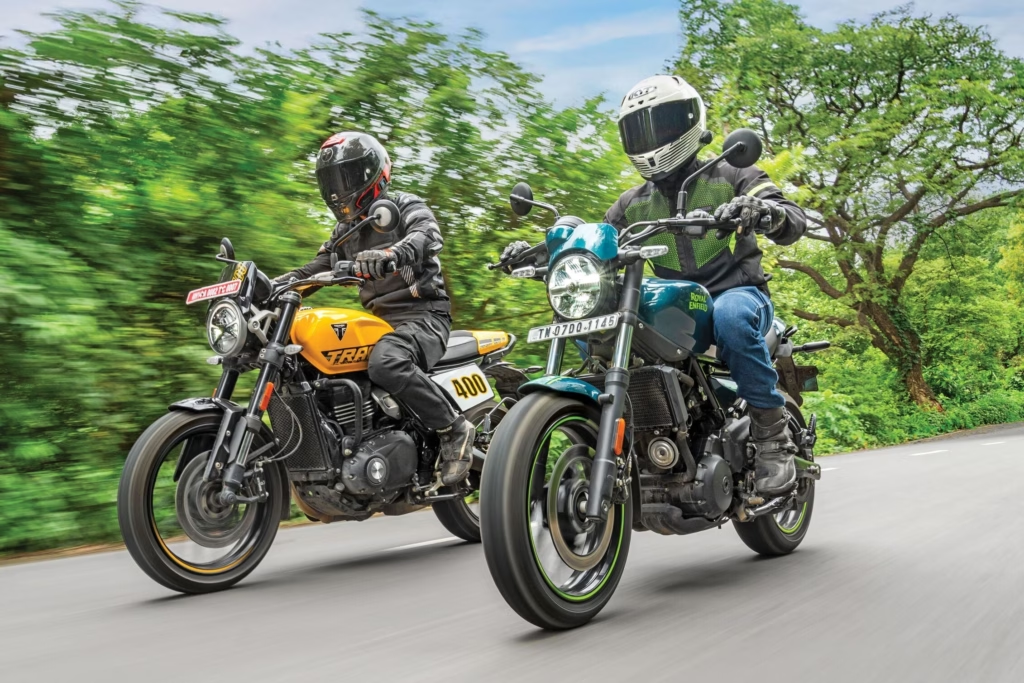
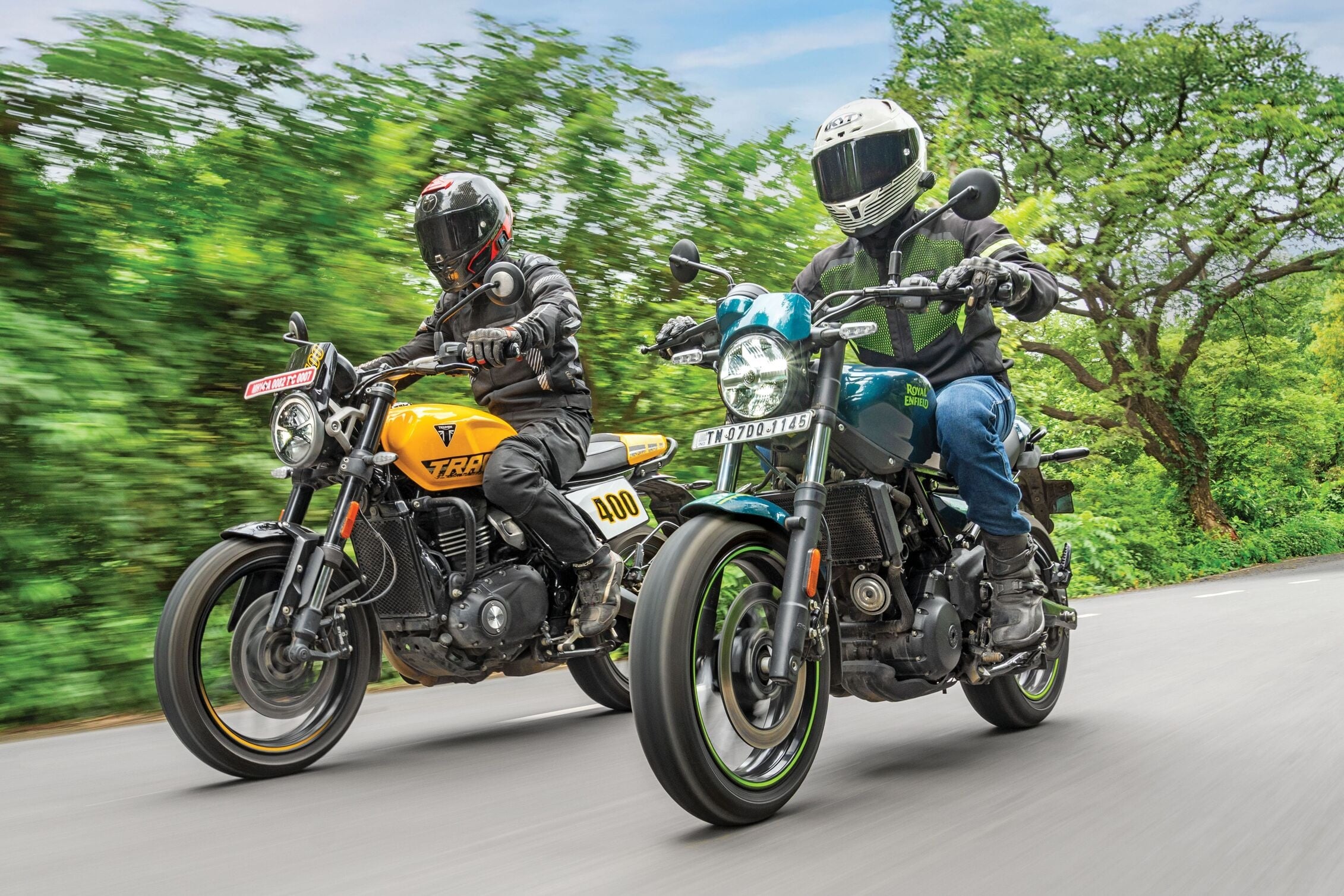
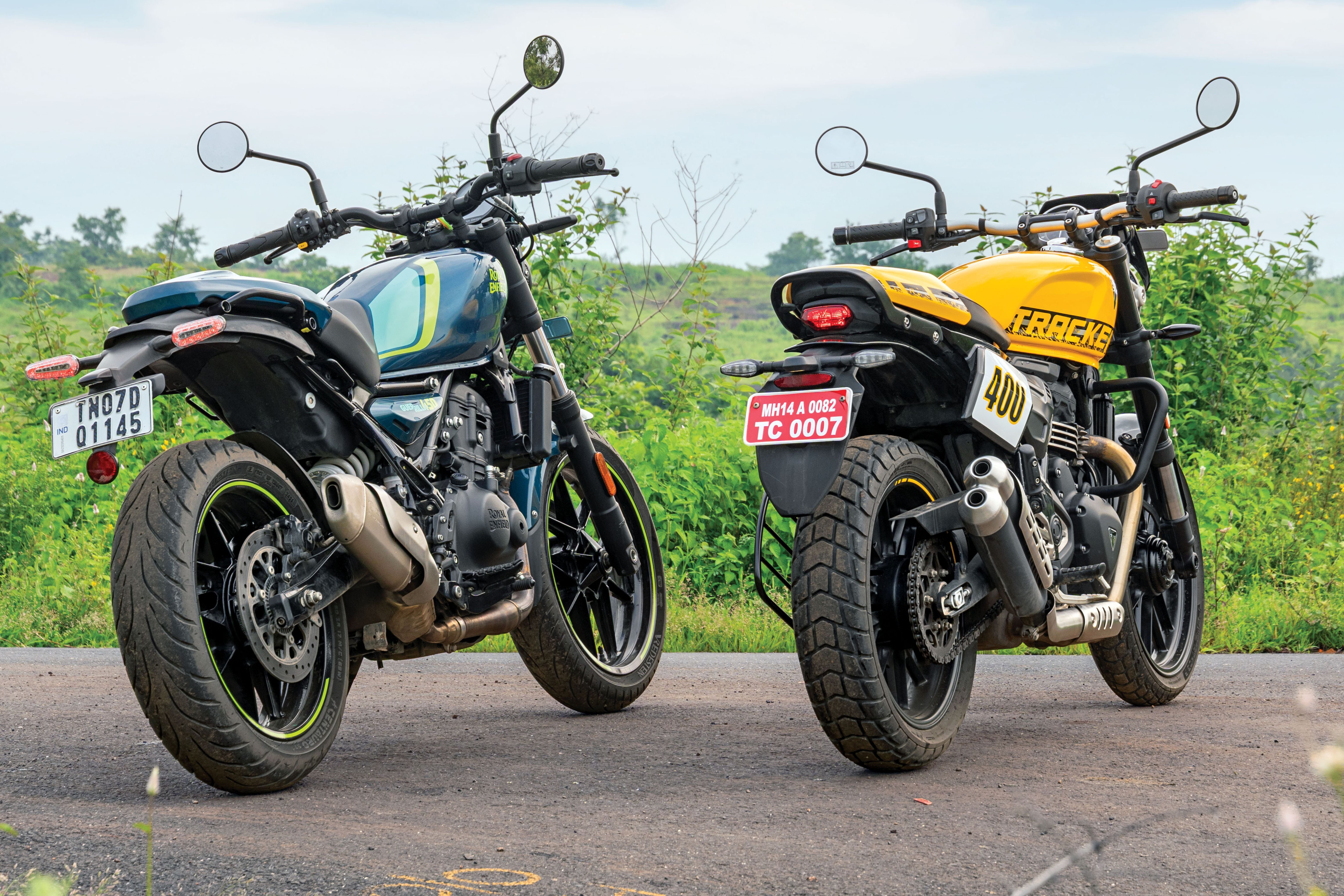
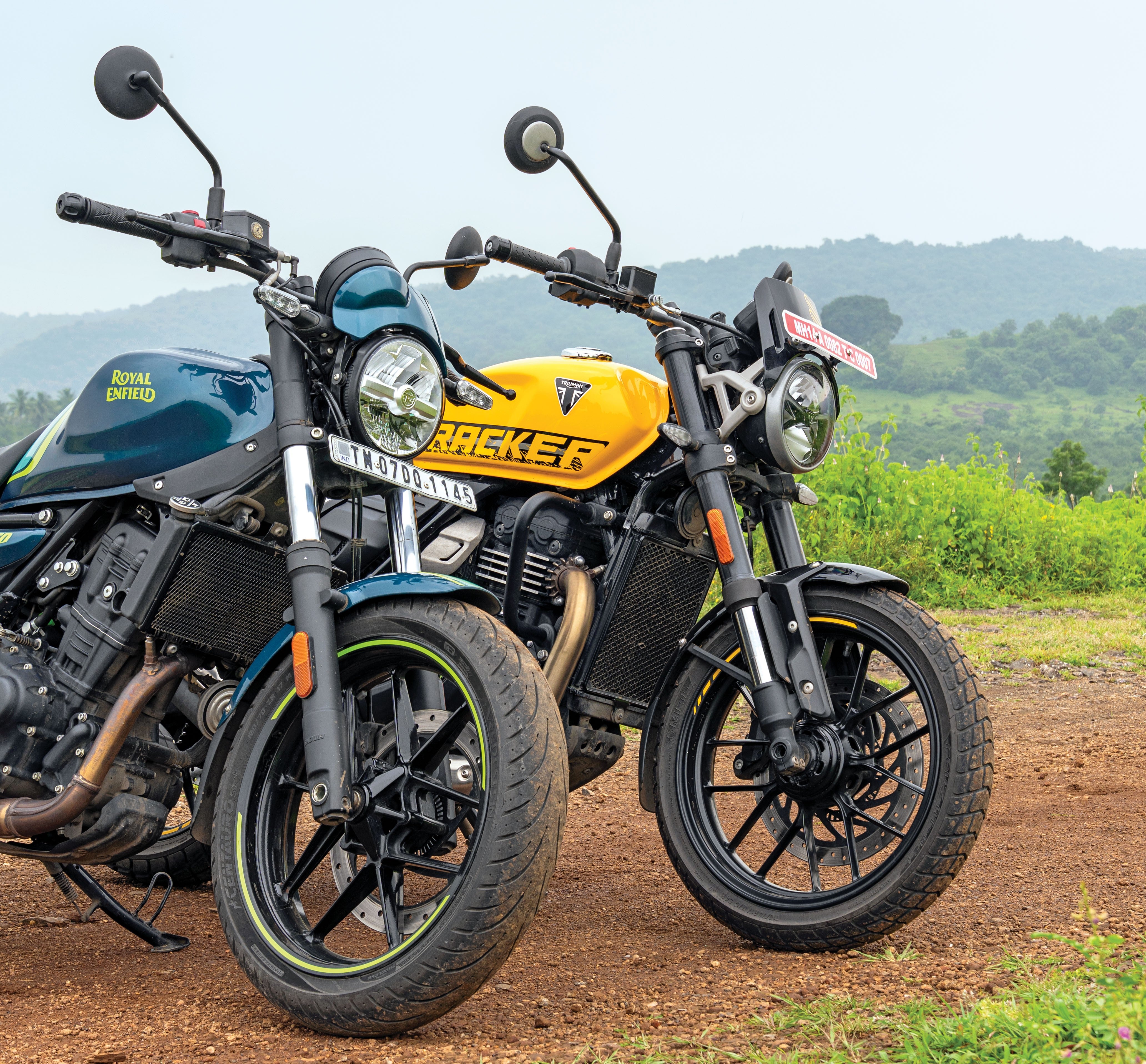
If you are considering either of these motorcycles, chances are you are also considering the other, especially since they both cost about the same. After the Triumph 400cc bikes were downsized, the Tracker 400 now uses a 349cc engine, while the Guerrilla 450 Apex is a sportier variant with more aggressive ergonomics and grippy, road-focused tyres, which I think suit the bike much better than those on the earlier variant.
On paper, the Tracker makes 40hp and 32Nm, while the Guerrilla produces 40.02hp and 40Nm. The Triumph is a lighter, more compact motorcycle, while the Royal Enfield has a larger engine with more torque and offers a stable, planted feel. So, which one makes more sense for someone looking for a sporty, entertaining roadster?
Design and Features
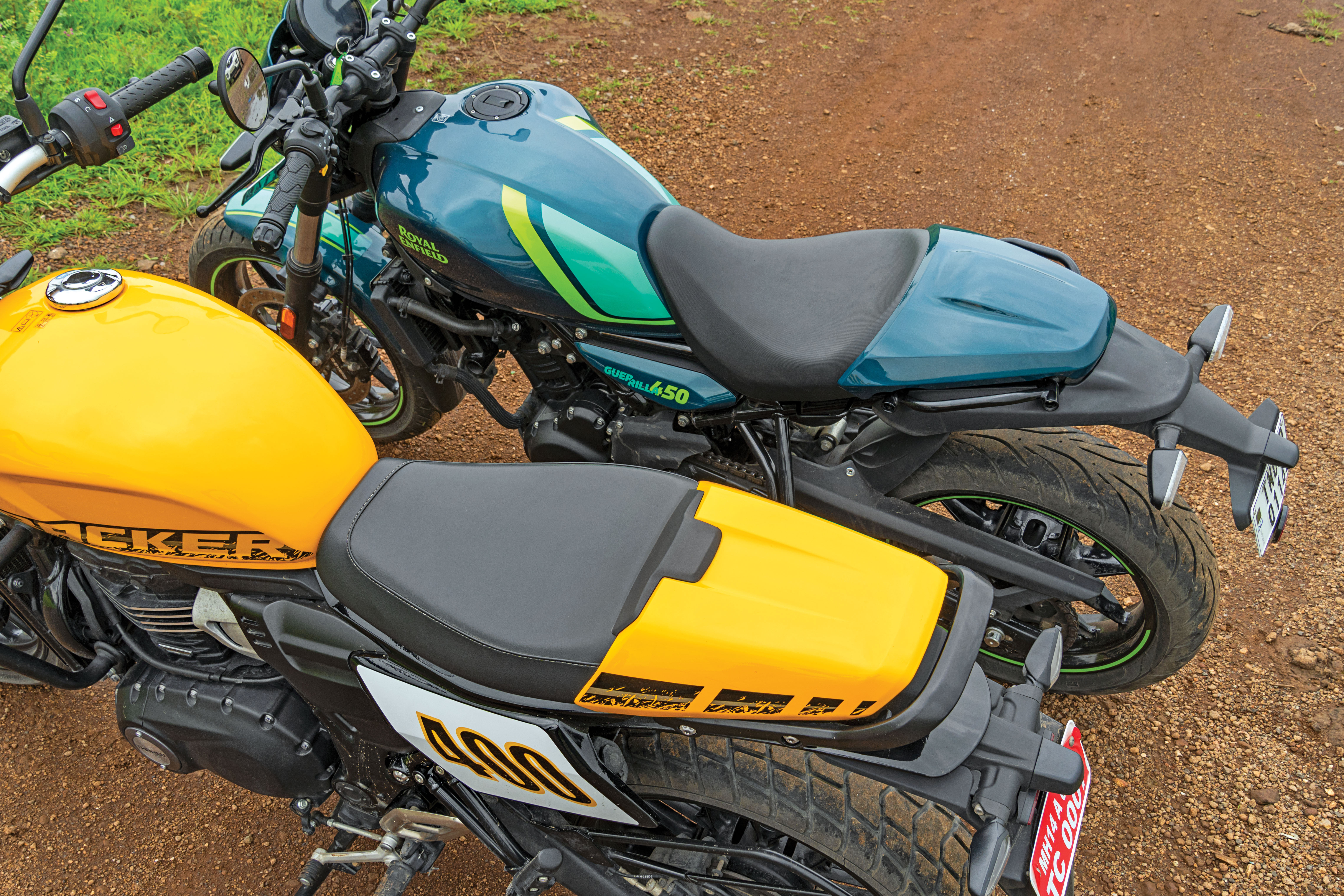
Both motorcycles have very different visual identities, and that is probably the first thing you’ll notice. The Tracker 400 is inspired by flat-track racers, with a flat seat, side number boards and a wide handlebar. But this isn’t really a dirt-track-focussed motorcycle underneath, as its ergonomics, chassis and suspension are properly road-oriented.
The Guerrilla 450 Apex, meanwhile, looks like a sporty and muscular roadster. Compared to the standard variant, it gets a small cowl over the headlight, a new aluminium handlebar, a removable rear-seat cowl and Vredestein Centauro ST+ tyres. The Apex also has a leaned-forward, more committed riding position compared with the standard Guerrilla.
The Tracker is a relatively compact motorcycle, while the Guerrilla’s longer 1,440mm wheelbase and broad 160-section rear tyre give it a more substantial stance. The Triumph gets a larger 13-litre fuel tank compared with the Guerrilla’s 11-litre unit, which can be tedious when long-distance touring.
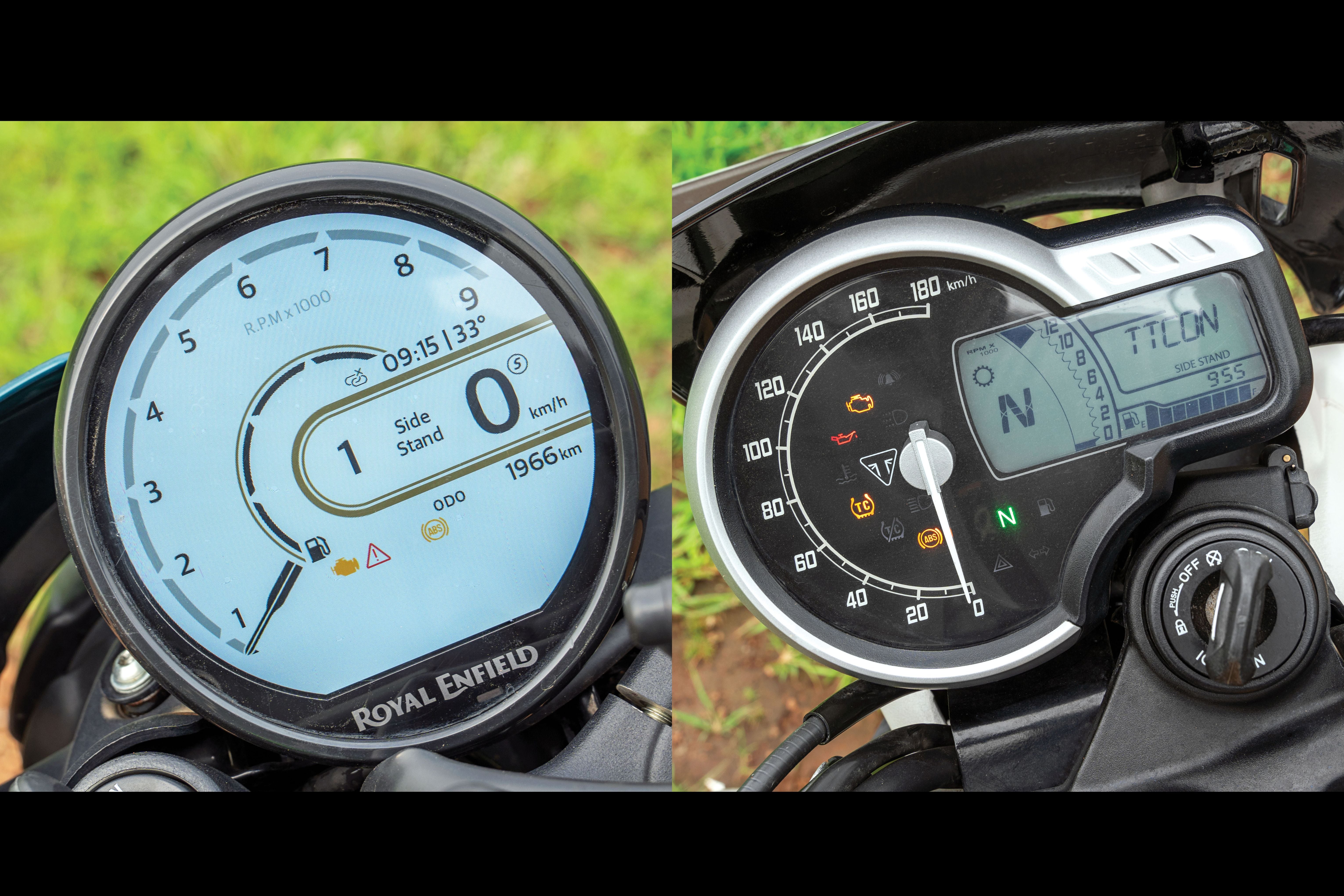
Both motorcycles are equally impressive when it comes to build quality and fit and finish. The Tracker features the same digi-analogue console we have seen on all the other Triumph 400 models, while the Guerrilla features the same TFT unit from the Himalayan. The Guerrilla gets two riding modes (Sport and Street), both of which feel quite similar. On the other hand, the Tracker gets a switchable traction control system that the Guerrilla misses out on. Neither has a quickshifter. In terms of convenience, the Guerrilla has a more accessible 780mm seat height and also gets a main stand, which aids in easier chain maintenance.
There is also a difference in ergonomics. The Tracker’s seat is flat and the riding position is relatively sporty, with rear-set footpegs that suit the character of the bike. The Guerrilla Apex has a lower and more accessible 780mm seat and roadster-like, neutral-set footpegs, along with a committed upper-body position. Between the two, you sit on top of the Tracker with its flat seat, while on the Guerrilla, you sit inside the curved seat, and it is also the more comfortable of the two.
Performance and Fuel Economy
This is where things get interesting because the Tracker 400’s 349cc engine is 103cc smaller than the Guerrilla’s 452cc unit, yet peak power is almost identical. The Triumph produces 40hp at 8,750rpm and 32Nm at 7,500rpm, while the Royal Enfield makes 40.02hp at 8,000rpm. Of course, the difference comes in torque, where the RE makes a much healthier 40Nm at 5,500rpm.
The difference in torque delivery is immediately noticeable. The Tracker’s engine likes to be revved out, but you still have to work it quite a bit. The Guerrilla’s Sherpa engine has a different personality. It doesn’t need to be worked as hard, and the additional 8Nm gives it much stronger roll-on performance. It feels more raw and powerful as soon as you open the throttle, and the surge in power after 6,000rpm makes it feel really exciting. After 7,000rpm, there are some vibrations, but nothing that really ruins the riding experience.
The Tracker’s shorter-stroke engine is very refined at moderate engine speeds, but once you start revving it harder, some buzz makes its way into the tank and footpegs at the top end of the rev range. It remains an entertaining engine, but considering I have ridden the older 398cc Thruxton 400, I feel like it misses out on that initial torque kick.
In our performance tests, the Guerrilla completed the 0-100kph sprint in 6.34 seconds, while the Tracker took 7.55 seconds for the same, marking a difference of 1.21 seconds. The real difference in performance was more visible in the roll-on acceleration tests where the Guerrilla 450 Apex was notably quicker.
Fuel efficiency was almost on par in our tests, where the Tracker delivered 24.1kpl in the city and 31.71kpl on the highway, while the Guerrilla gave us 25.23kpl in the city and 32.82kpl on the highway. The Triumph’s 13-litre tank will give it a better range despite the marginally lower highway efficiency.
Ride and Handling
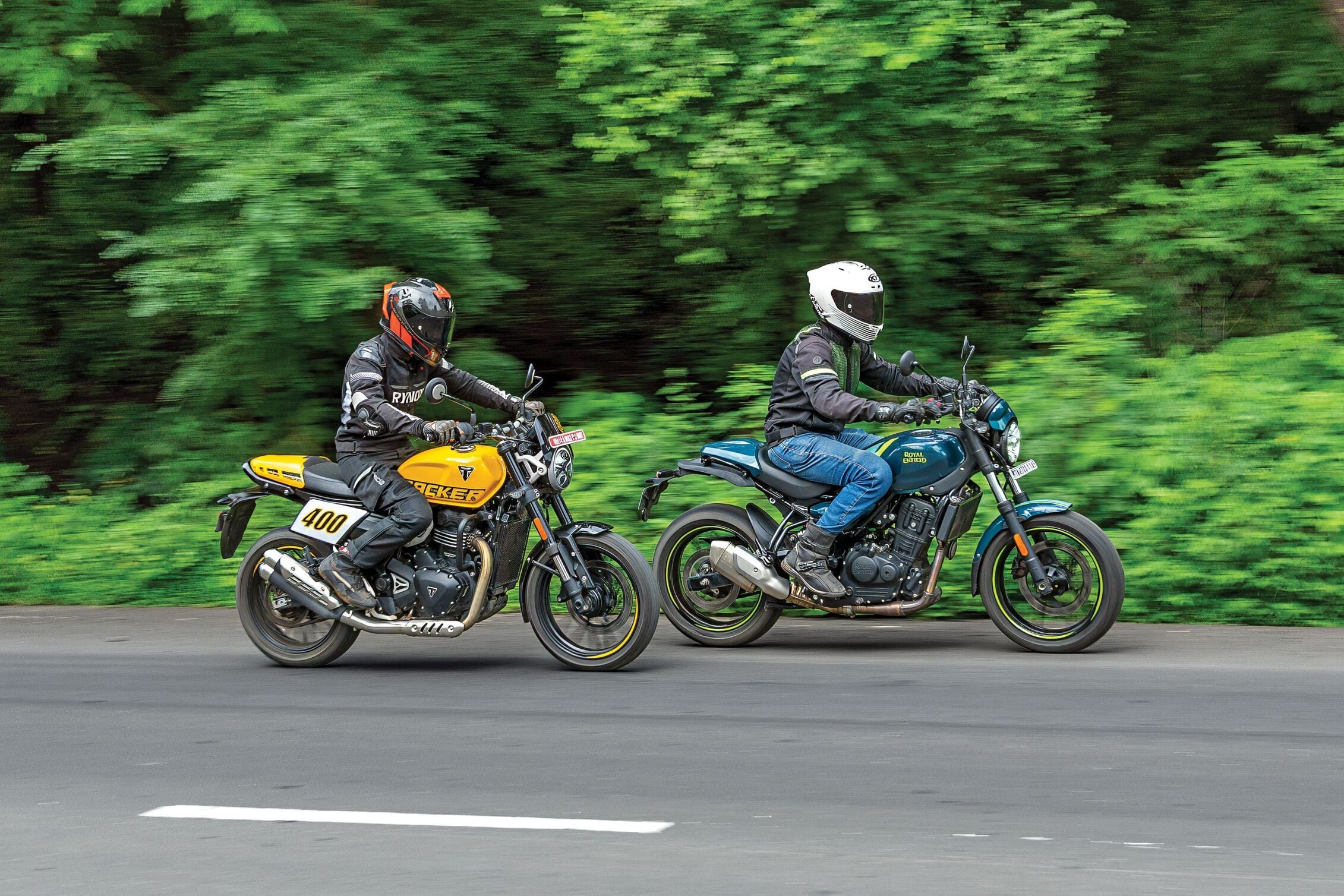
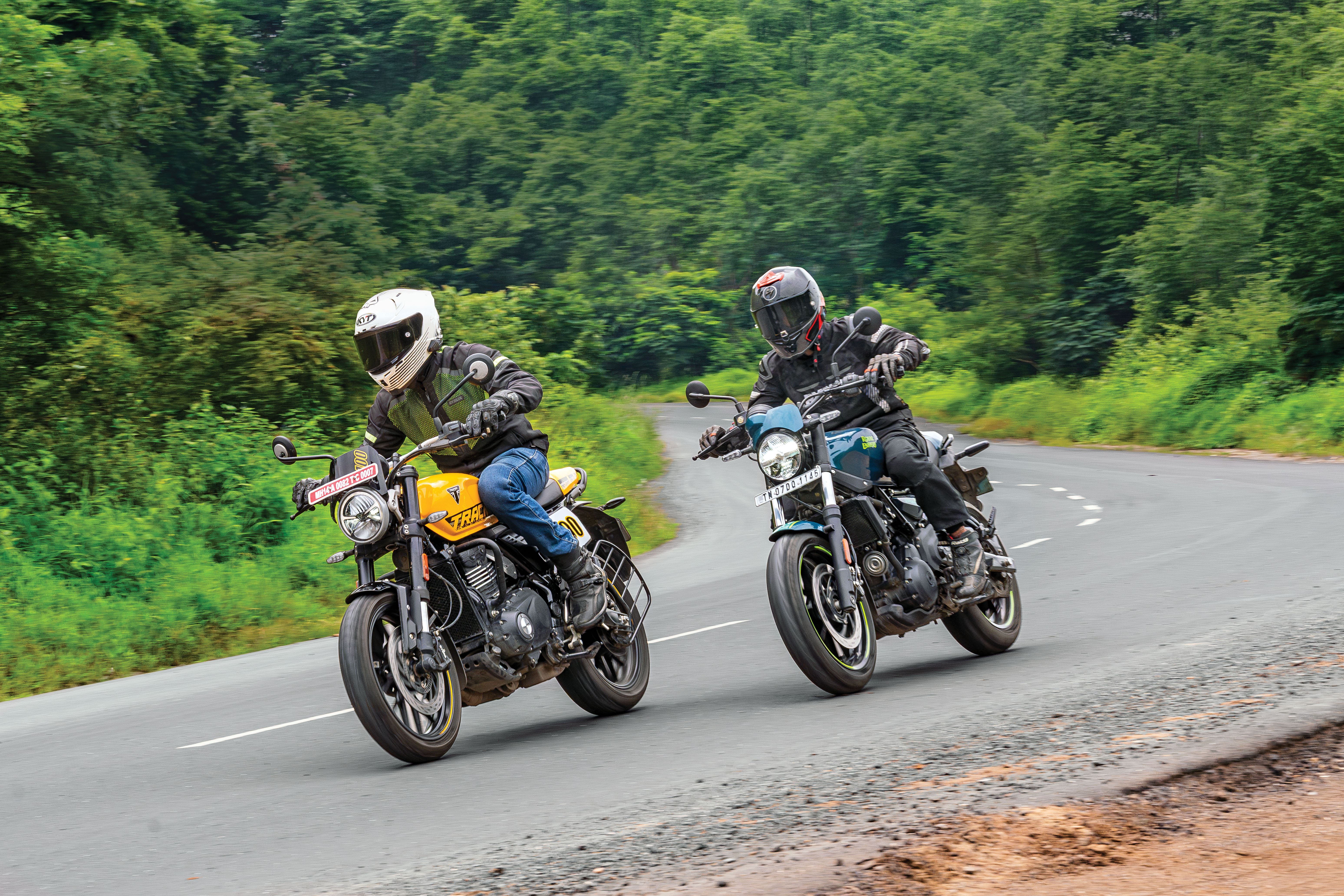
The biggest difference between these two motorcycles becomes apparent once the road starts to twist. The Guerrilla feels longer and heavier and needs a bit of muscling around, but once in a corner, it is extremely stable and planted. The grip offered by the Vredestein tyres is superb and inspires a lot of confidence. The Tracker, on the other hand, feels light, nimble and very easy to flick into corners, thanks to its shorter wheelbase and the leverage offered by the wide handlebars. Its blocky MRF tyres work well, but given how it rides more like a sporty roadster rather than a tracker, stickier tyres would have been a better choice.
While many might be disappointed about the Guerrilla 450 Apex not getting a USD fork, the suspension does work much better than the Tracker’s over bad roads and undulations. The setup feels plusher than the Tracker, which has a quicker rebound that can toss you up if you hit potholes at higher speeds.
Despite the Triumph being the more compact motorcycle, I felt like it was easier to filter through traffic on the Guerrilla, and that is because the Triumph has slightly wider handlebars and mirrors that jut out slightly more. I do remember my time spent with the Guerrilla on a go-kart track, and it was genuinely a lot of fun. The tyres kept up with the performance that the engine offers, and it was a blast to exploit the full capabilities of the bike. The only limitation was the footpegs, which kept scraping when the bike was leaned over. That said, this was never a problem out on the road.
Braking hardware is strong on both. The Tracker gets a 300mm front disc with a four-piston radial ByBre caliper, while the Guerrilla uses a 310mm front disc and 270mm rear disc. The Guerrilla stopped marginally quicker in our braking test from 60-0kph, but I did notice that the ABS intervention can be strong when emergency braking from higher speeds.
Price and Verdict
These two motorcycles are closer than their engine capacities suggest. The Tracker proves that you don’t need a large engine to make for a fun roadster. Its 349cc motor makes almost as much peak power as the Guerrilla, and its compact dimensions, wide handlebar and sporty chassis make it an engaging motorcycle on a twisty road.
The Royal Enfield Guerrilla 450 Apex, however, takes a more muscular approach. Its 452cc engine has substantially more torque, the Vredestein tyres give it a level of grip that suits its performance, and the longer wheelbase also gives it a reassuring planted character, particularly when you’re riding quickly.
They offer two distinct interpretations of the sporty modern roadster. The Tracker’s biggest strength is its agility. It feels smaller, lighter and more eager to change direction quickly. The Guerrilla’s strength is the breadth of its performance. There’s more torque, more road presence and a greater sense of stability when you’re pushing it. And that is ultimately what separates them. The Triumph is the more playful motorcycle, thanks to its nimble nature, while the Guerrilla Apex feels like a more serious attempt at turning the standard roadster into a proper performance-oriented, corner-carving machine.
While it is difficult to pick between these two motorcycles, considering that they do things in different ways, you can’t look past the value that the Guerrilla offers. Despite falling into the 40 percent GST bracket, its starting price is just Rs 10,000 more than that of the Tracker. To put things into perspective, the KTM 390 Duke R, which used to be the benchmark for affordable and accessible performance when its Gen 1 model was launched in India, is now priced at Rs 3.45 lakh (ex-showroom), taking its on-road price upwards of Rs 4 lakh. So the way I see it, the Guerrilla 450 Apex is now the new benchmark when it comes to affordable performance in India. Who’d have ever thought that the crown would one day be worn by a Royal Enfield.
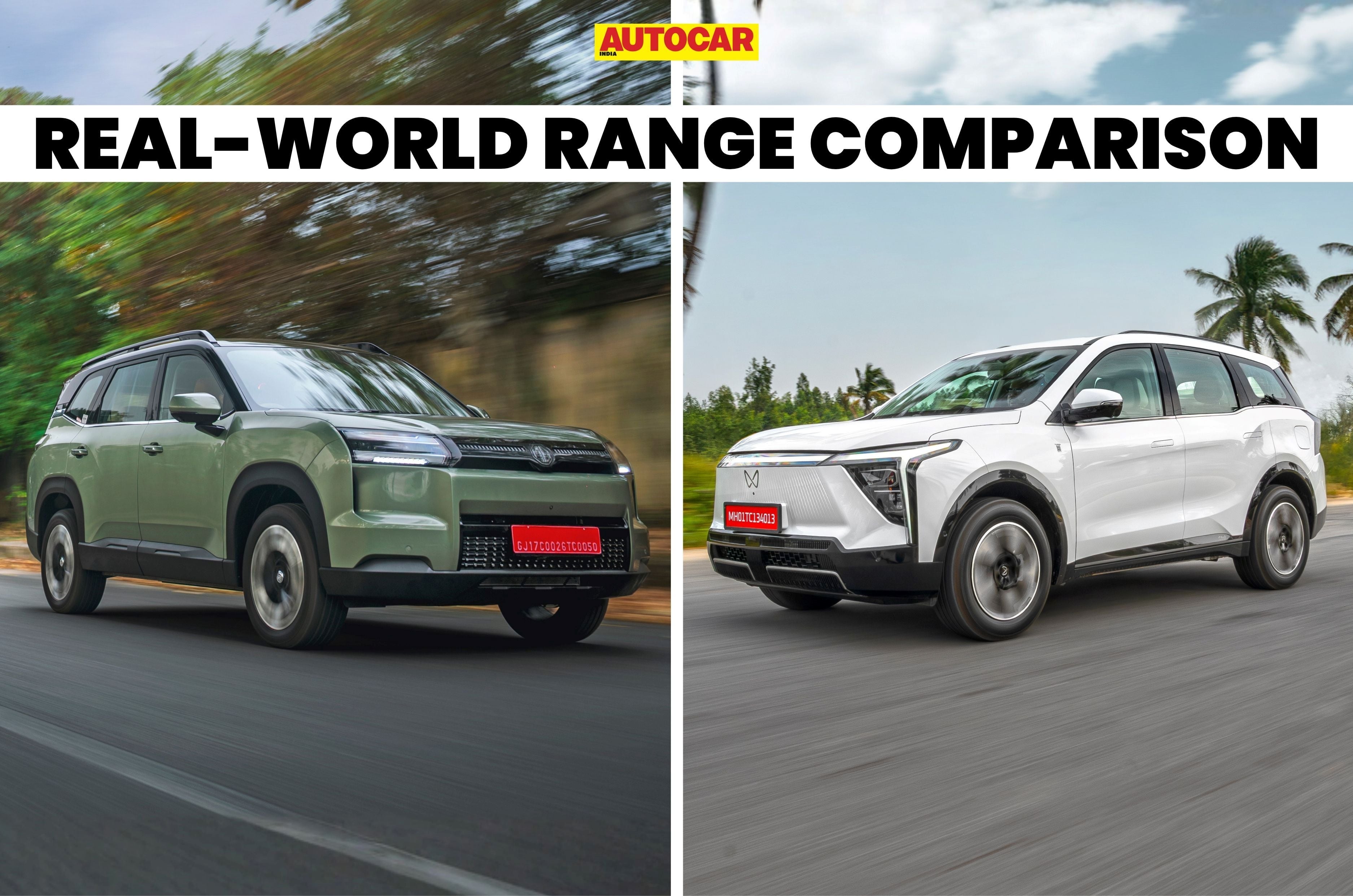
MG recently launched the Hector Tomahawk EV with a 69.2kWh battery, promising a claimed range of 517km. The 3-row electric SUV is positioned squarely against the Mahindra XEV 9S, which is one of the most popular EVs in its price range, and has a larger battery capacity and a higher claimed range of 679km. But in real-world conditions, does the Mahindra XEV 9S offer higher range than the MG Hector Tomahawk EV? We find out.
MG Hector Tomahawk EV vs Mahindra XEV 9S: Specifications, price
Tomahawk EV has a smaller battery, but weighs less than XEV 9S and is more affordable
MG Hector Tomahawk EV vs Mahindra XEV 9S: Specifications, price
MG Hector Tomahawk EV
Mahindra XEV 9S
Battery pack (kWh)
69.2
79
No. of motor(s)
1
1
Drivetrain
FWD
RWD
Power (hp)
204
286
Torque (Nm)
310
380
Kerb weight (kg)
1,908
Over 2,201*
Price (in Rs lakh)
19.50-23.50
22.65-30.15
*The XEV 9e has a kerb weight of 2201kg, so the XEV 9S, being a 3-row offering, will be heavier.
The MG Hector Tomahawk EV gets a smaller 69.2kWh battery compared to the XEV 9S’ 79kWh unit. It also gets a less powerful front motor that produces 82hp and 70Nm less than the XEV 9S’s rear-mounted motor. However, the Hector Tomahawk EV is the lighter electric SUV in this comparison, weighing over 250kg less than the Mahindra XEV 9S.
The MG Hector Tomahawk EV also asks a lower price, its base-spec variant costing Rs 3.15 lakh less and its top-spec variant costing Rs 6.65 lakh less than the XEV 9S’s 79kWh battery trims.
MG Hector Tomahawk EV vs Mahindra XEV 9S: Real-world range comparison
Although offering very different city and highway efficiencies, both eSUVs offer similar average range
MG Hector Tomahawk EV vs Mahindra XEV 9S: Real-world range comparison
MG Hector Tomahawk EV
Mahindra XEV 9S
Claimed range (ARAI)
517km
679km
Tested city range
495km
478km
Tested highway range
397km
477km
Tested average range
446km
477.5km
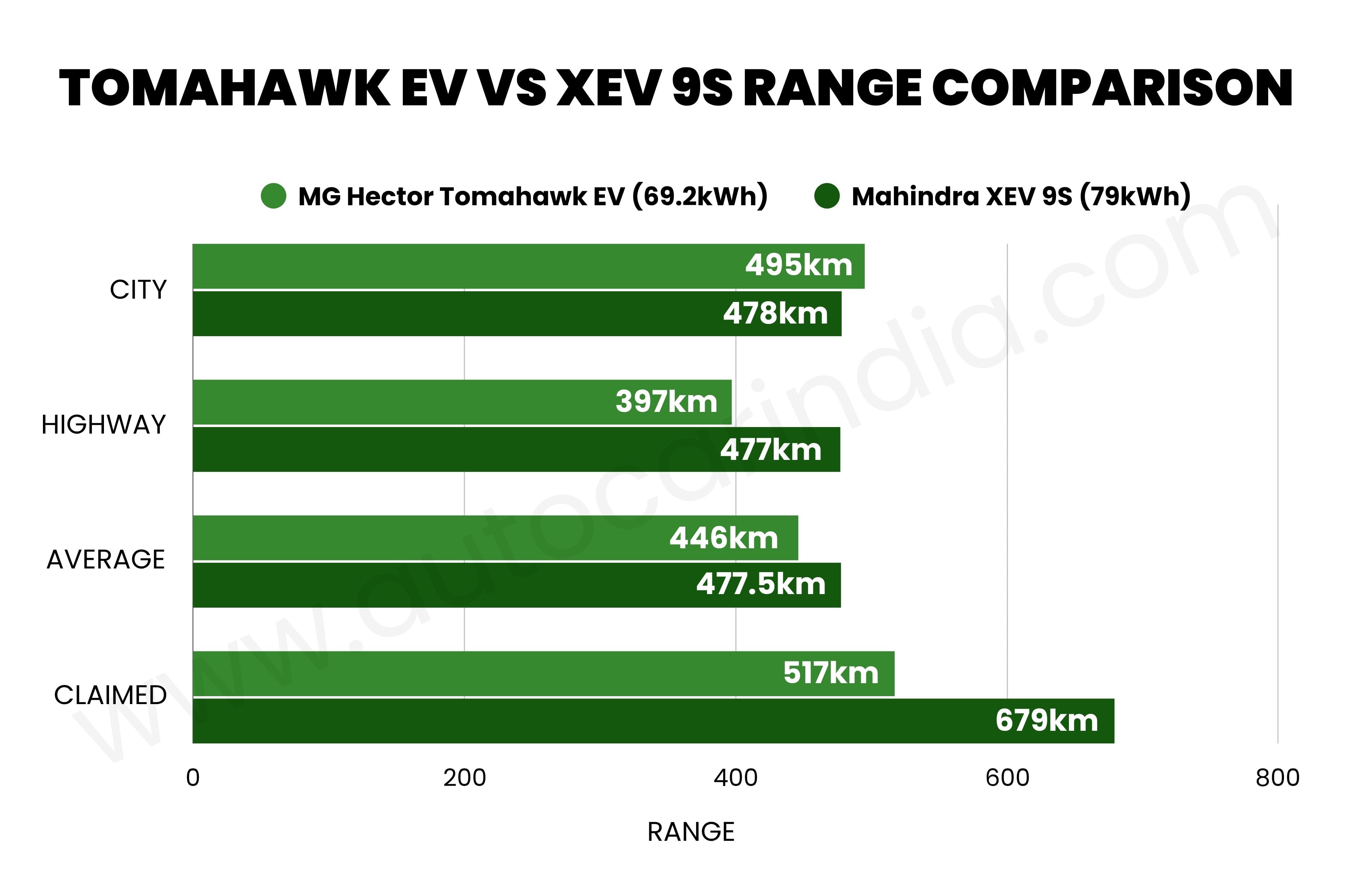
While the MG Hector Tomahawk EV has a claimed ARAI range of 517km, the Mahindra XEV 9S promises a higher range of 679km. However, in our real-world tests, the XEV 9S delivered a higher average range, despite the Hector Tomahawk EV performing better in city driving conditions.
In the city, the Tomahawk EV covered 495km on a full charge, which is 17km more than the XEV 9S. However, on the highway, the Mahindra managed 477km, going 80km further than the MG. As a result, the Mahindra achieved an average real-world range of 477.5km, which is 31.5km more than the Tomahawk EV’s 446km.
In our real-life tests, we found the Tomahawk EV’s relatively mild regenerative braking, even in its strongest setting, limits its potential for better city efficiency. Meanwhile, its bulky, upright design also works against it on the highway. The XEV 9S, on the other hand, weighs over 2.2 tonnes, which definitely affects its efficiency against the Hector Tomahawk EV.
Autocar India’s range testing
For our real-world range test, we begin with each car’s battery fully charged and tyre presures set as per the manufacturer’s recommendations. We drive the cars on a fixed loop covering both city and highway stretches while maintaining set average speeds. We then calculate the range based on the percentage of charge consumed. The AC is set to 22deg C in auto mode, and features such as the music system, lights and ventilated seats are used as needed, just as a regular user would. This approach ensures consistency and gives a clear idea of what to expect in daily use.
Sugar-based ethanol has been left out of India’s ethanol tender for the 2026-27 supply year, according to a Reuters report. Citing the tender issued on October 16, the report states that the government has instructed state-run oil marketing companies (OMCs) to ensure no sugar is diverted towards ethanol production for this period. No bids have therefore been invited for ethanol produced using sugarcane juice, sugar or sugar syrup, or B-heavy molasses, the report adds.
Oil firms invited bids for 11 billion litres of ethanol for 2026-27
Tender allows bids for ethanol made from corn, broken rice and surplus FCI rice
Incentive for corn-based ethanol cut from Rs 5.79/litre to Rs 2.79/litre
Tender details
It seeks 11 billion litres for the supply year starting in November 2026
The tender comes from Indian Oil, Bharat Petroleum and Hindustan Petroleum. “The Government of India has issued directions that sugar diversion for ethanol be reduced to zero for ethanol supply year 2026-27,” the tender document said, according to the report.
The companies are looking to procure 11 billion litres of ethanol for the supply year, which kicks off in November 2026. Distillers can submit bids for ethanol produced from corn, broken rice and surplus FCI (Food Corporation of India) rice. Corn-based ethanol will also fetch less this time. Its incentive has dropped by Rs 3 per litre to Rs 2.79 per litre, taking the procurement price from Rs 71.86 per litre to Rs 68.86 per litre, as per the report.
Ethanol blending and sugar supply
India is trying to rein in high sugar prices
Surplus sugar has been a key contributor to India’s ethanol-blending programme for several years. India also consumes more sugar than any other country, and has been trying to increase local production while easing prices.
Reuters had reported in August 2026 that limits on the use of sugarcane for ethanol were being considered for the season starting October 2026. Weaker rains in Maharashtra and Karnataka had already cast doubt on this year’s sugar production at the time.
Ethanol blending is aims to reduce India’s oil imports. E20 petrol, which became compulsory nationwide earlier this year, was introduced to cut emissions as well as the country’s dependence on imported crude. However, diverting sugarcane juice, sugar syrup and B-heavy molasses towards ethanol can lead to a reduction in the amount of sugar produced.
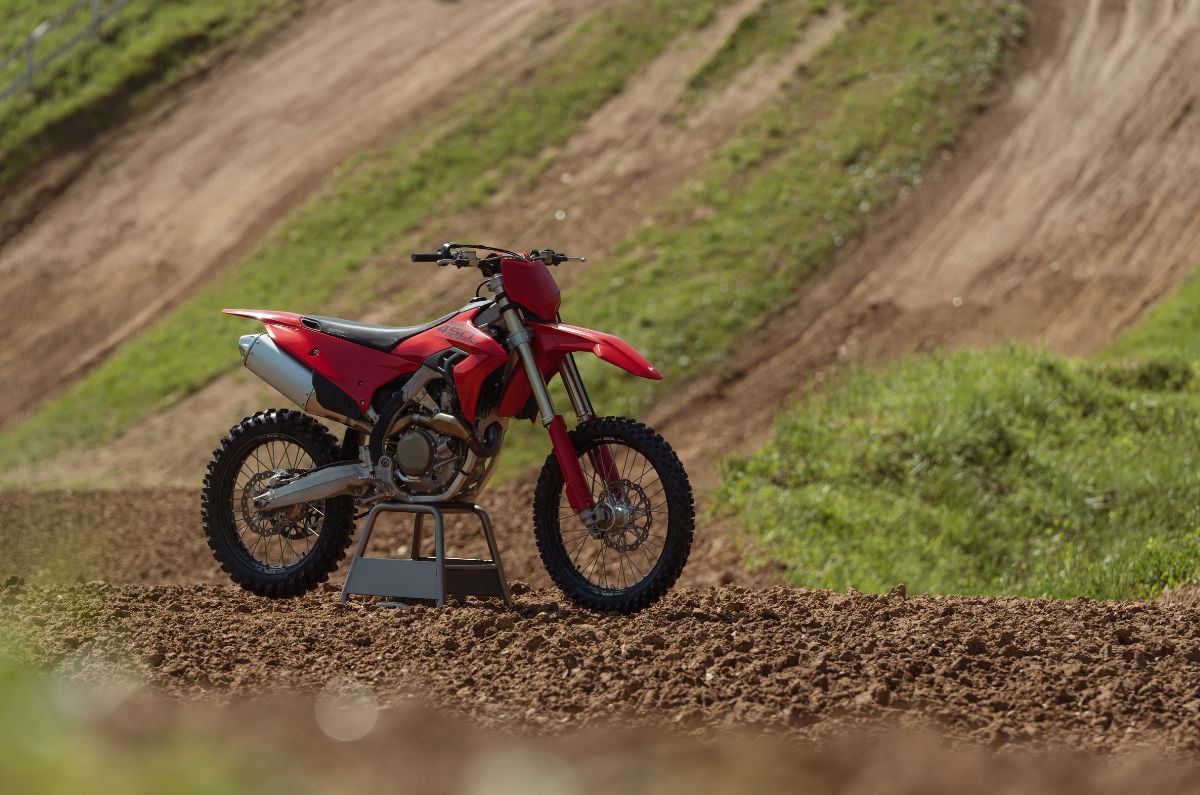
For 2027 Ducati has made changes throughout the Desmo450 MX in order to improve functionality, performance, reliability and ergonomics. The rear sprocket has been changed to a larger 51-tooth version, compared to the earlier 49-tooth one, in order to improve the rear wheel torque while exiting corners. The easiest way to differentiate the new model from the outgoing version is the new livery, featuring black logos instead of white.
On the Desmo450 MX Factory version, Ducati has increased the equipment on offer while trimming off 800g from its kerb weight. The factory model exclusively gets extra dark Kashima coating on its 49mm fork and monoshock, plus a titanium oxide (TiO) treatment for superior wear resistance. It also receives more accessories as standard, and a different drive chain than the standard version. The factory version also gets a new Ducati Corse livery featuring the red and black Ducati logo.
Prices for both Desmo450 MX models have dropped significantly in Europe. The Desmo450 MX is priced at GBP 9,495 (Rs 12.02 lakh) and the 450 MX Factory at GBP 10,795 (Rs 13.67 lakh). That’s a GBP 1,750 (Rs 2.22 lakh) drop on the regular MX and a GBP 2,400 (Rs 3.04 lakh) drop on the MX Factory compared to their respective 2026 versions. In India, the 2026 Desmo450 MX is available for Rs 17.23 lakh (ex-showroom).
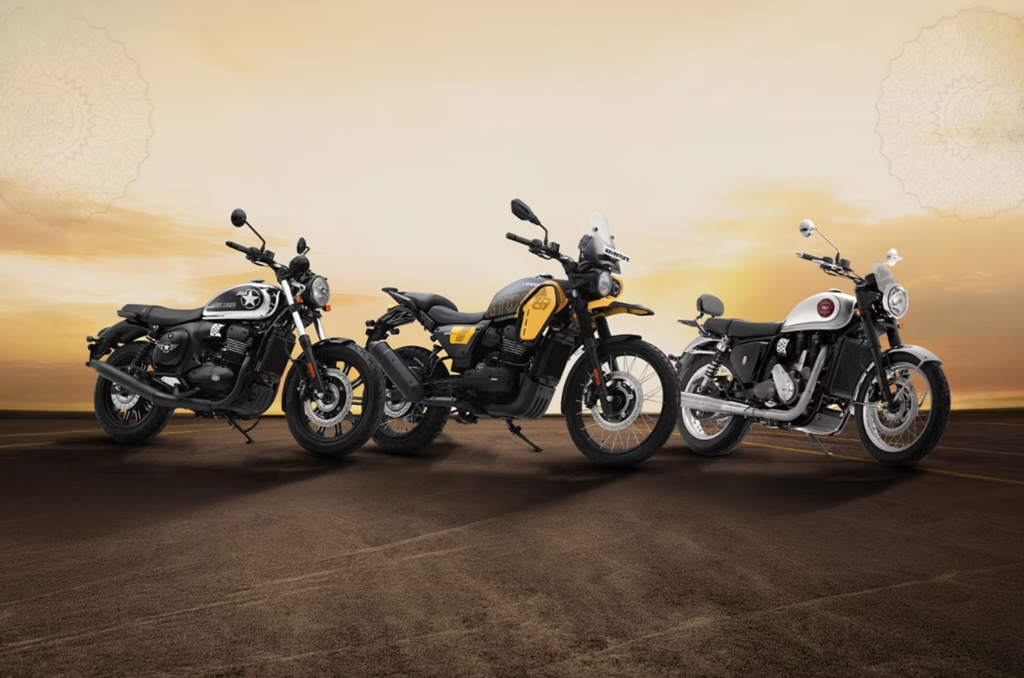
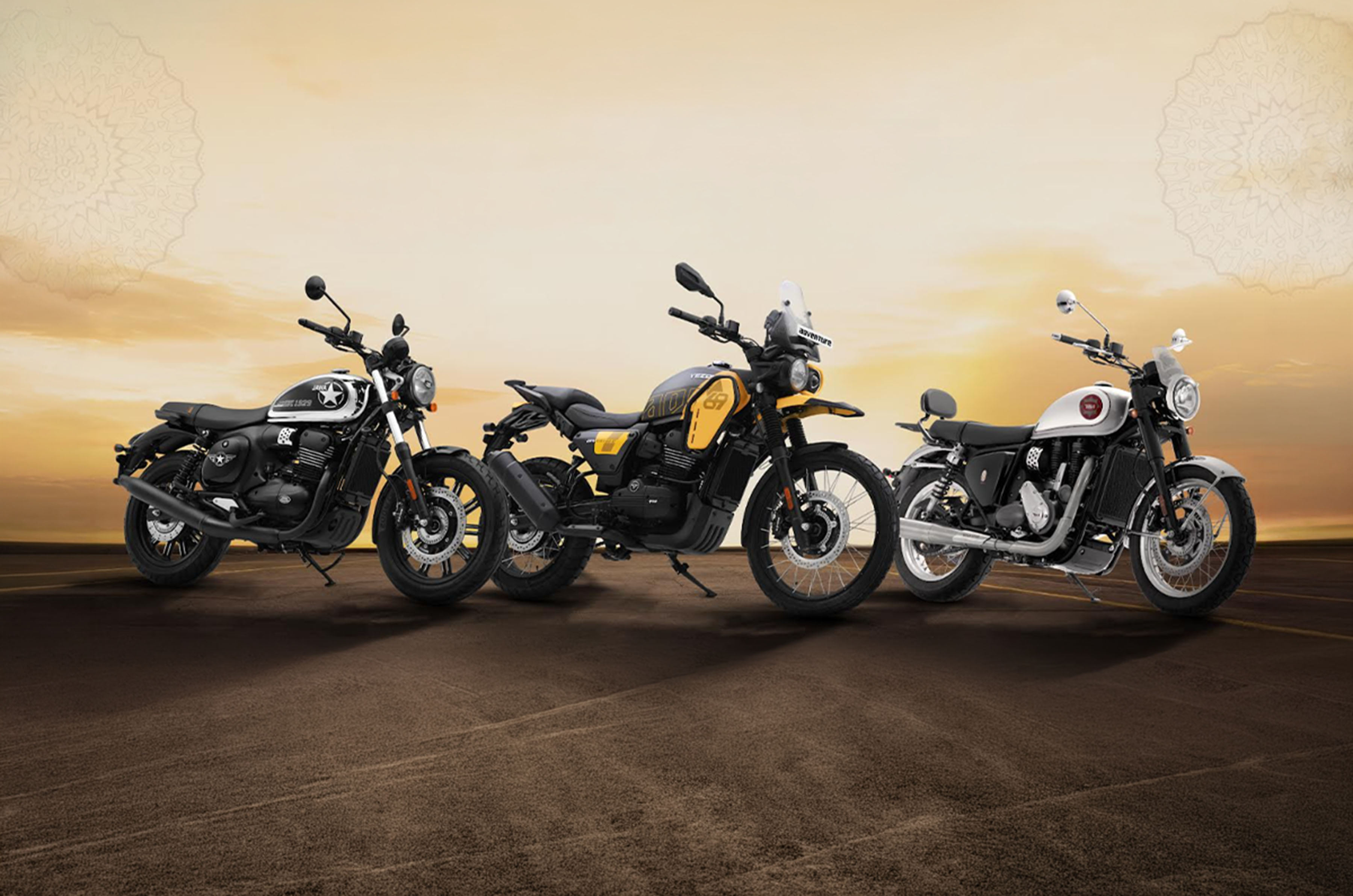
As part of its festive offers, Classic Legends has announced flexible financing options for its motorcycles. These offers are aimed at making its Jawa, Yezdi and BSA motorcycles more accessible to buyers.
Up to 100 percent funding with zero downpayment plans
Interest rates starting at 5.99 percent with loan tenures up to 72 months
Buy now, pay later and no-hypothecation schemes also available
Jawa Yezdi Motorcycles festive financing offer details
The company has not specified model-wise financing benefits in the announcement
The financing schemes include up to 100 percent funding, zero down payment, interest rates starting at 5.99 percent and repayment tenures of up to 72 months, subject to eligibility, terms and conditions. Eligible customers can choose Buy Now Pay Later (BNPL) schemes, while select financing options offer no-hypothecation benefits. The brand has also introduced specially designed ownership programmes for Mahindra Group employees as well.
These offers cover motorcycles under the Jawa, Yezdi and BSA brands, which are part of the Classic Legends portfolio, though it has not specified model-wise financing benefits in the announcement. The company said the financing options are intended to benefit buyers with different financial requirements and ownership preferences. Customers will need to check the applicable terms, eligibility criteria and availability of offers with authorised dealerships.
Currently Classic Legends offers a wide range of motorcycles under the Jawa, Yezdi, and BSA brand umbrellas. The Jawa lineup comprises models ranging from the All Star 42 OG (Rs 1.87 lakh to Rs 1.90 lakh) to the Jawa 350 (Rs 2.11 lakh to Rs 2.22 lakh). The Yezdi range starts with the base Roadster at Rs 2 lakh and goes up to the tubeless-wheel-equipped Adventure at Rs 2.33 lakh. Rounding out the portfolio are BSA’s 650cc offerings, the Scrambler (Rs 3.25 lakh to Rs 3.41 lakh) and the flagship Gold Star 650 (Rs 3.42 lakh to Rs 3.65 lakh).
Royal Enfield has launched a special edition for the Classic 650, called Hypershift, to commemorate the Chennai-UK based manufacturer’s 125th anniversary. While there is a price, Rs 4.26 lakh, the company has clarified that it’s limited to 125 units in each of its key units, including India. Hence, interested customers will need to register to buy one; registrations will be open from today (October 16) at 2pm, till October 28, when sales begin.
All prices mentioned are ex-showroom.
Mechanically identical to the production-spec Classic 650
Costs Rs 58,000 more than the base Classic 650; Rs 43,500 more than the top
Royal Enfield Classic 650 125th anniversary edition: What’s special?
Strictly cosmetic, with exclusive Hypershift detailing
The Classic 650 Hypershift is mechanically identical to the production-spec Classic 650. There are no changes to the underlying design either. What sets it apart, primarily, is the bespoke Hypershift finish that transforms between shades of red, green and gold as light moves across the motorcycle. Complementing the finish are the additional 125-year crest on the teardrop tank, special badging on the sidepanels and of course, hand-painted pinstripes.
The Classic 650 was first launched in 2025, sharing the 648cc, air-cooled parallel twin with the Interceptor 650 and the likes, making 47hp and 52.3Nm. It has a chassis that’s derived from the Super Meteor 650, currently the most expensive Royal Enfield 650 at Rs 4.39 lakh. While the Super Meteor has a USD fork, the Classic swaps that for RSU (right side up) telescopic fork and reduces the twin-shock’s travel from 101mm to 90mm.
Classic 650 Hypershift
Classic 650 Black Chrome
Classic 650 Vallam Red/Bruntingthorpe Blue
Price (ex-showroom)
Rs 4.26 lakh
Rs 3.82 lakh
Rs 3.68 lakh
The Classic 650 Hypershift has been priced at Rs 4.26 lakh, which is a Rs 58,000 premium over the base Vallam Red colour (Rs 3.68 lakh) and a Rs 43,500 premium over the top Black Chrome colour (Rs 3.82 lakh). For customers who are able to place an order for one of the 125 units on October 28, deliveries will begin in November.
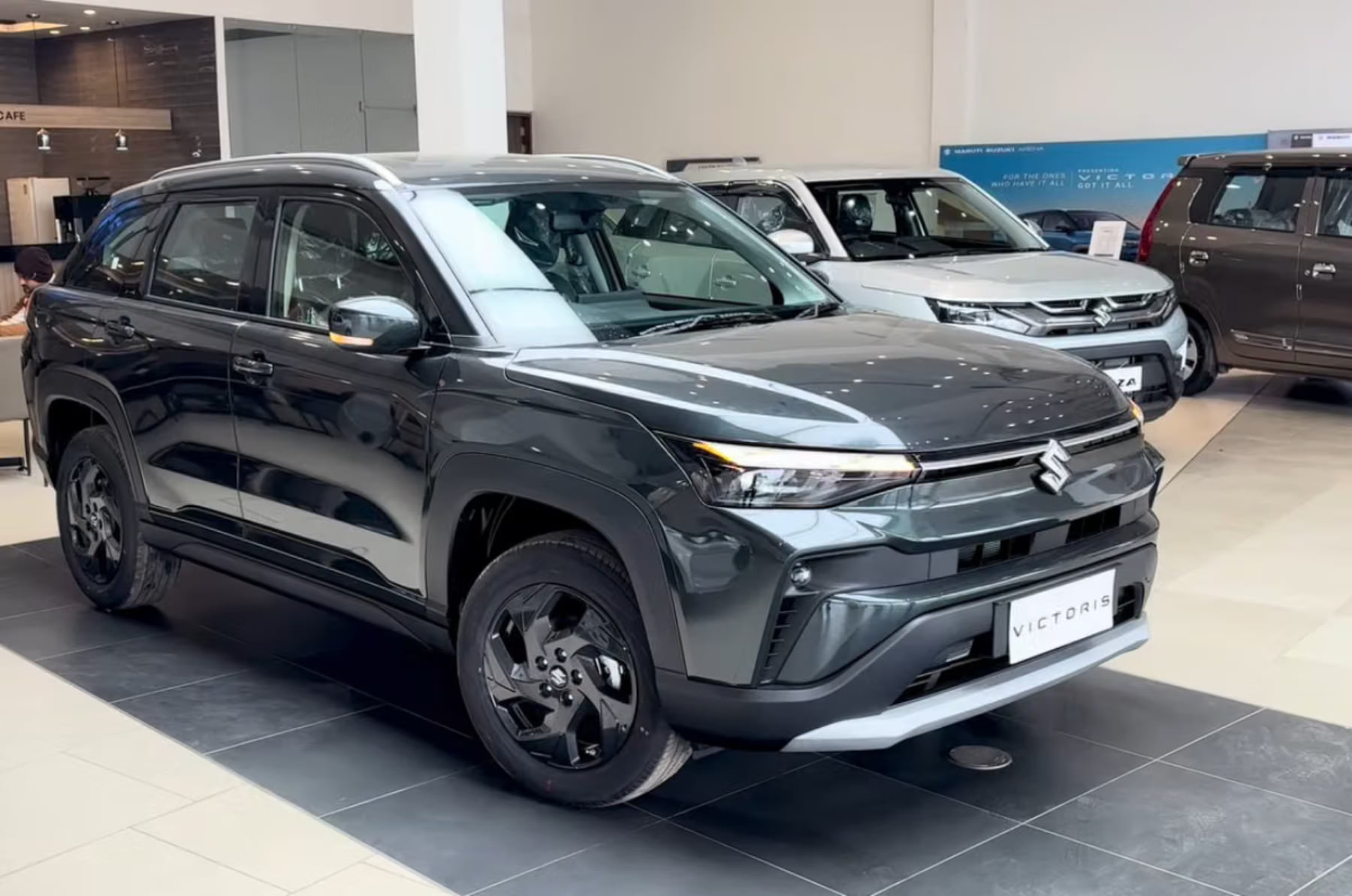
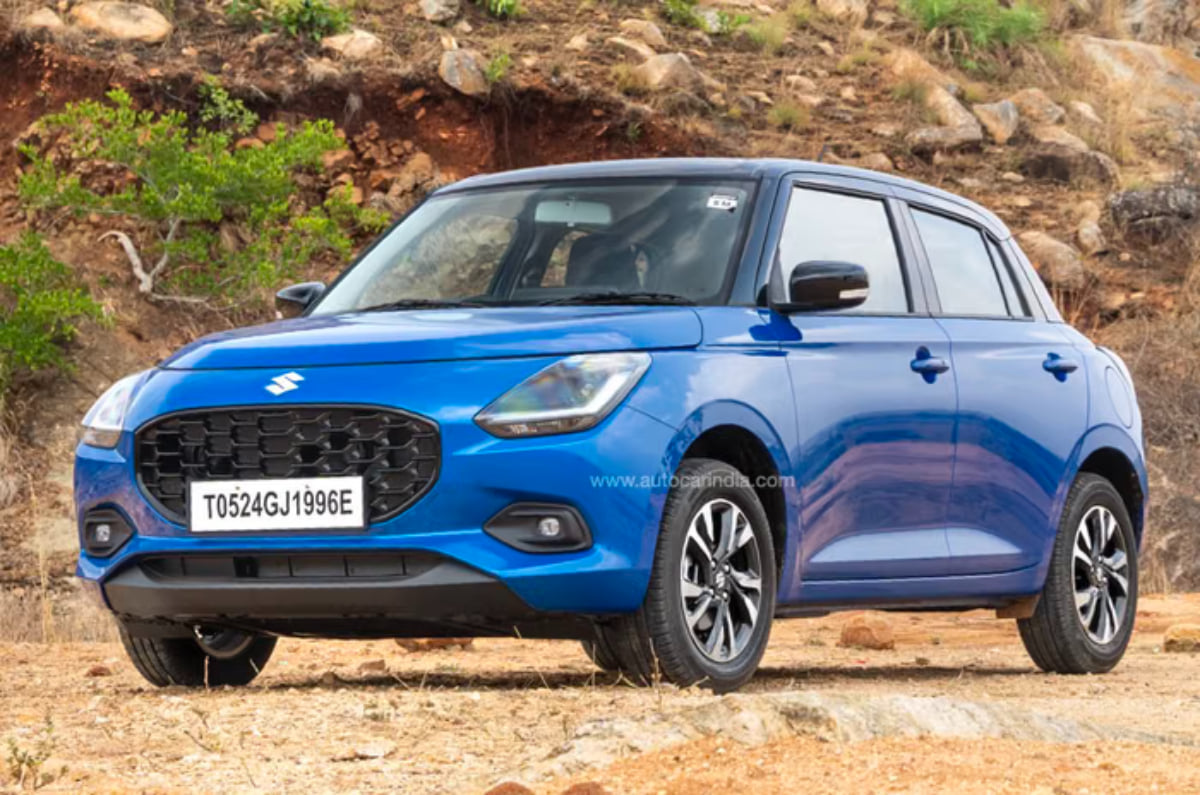
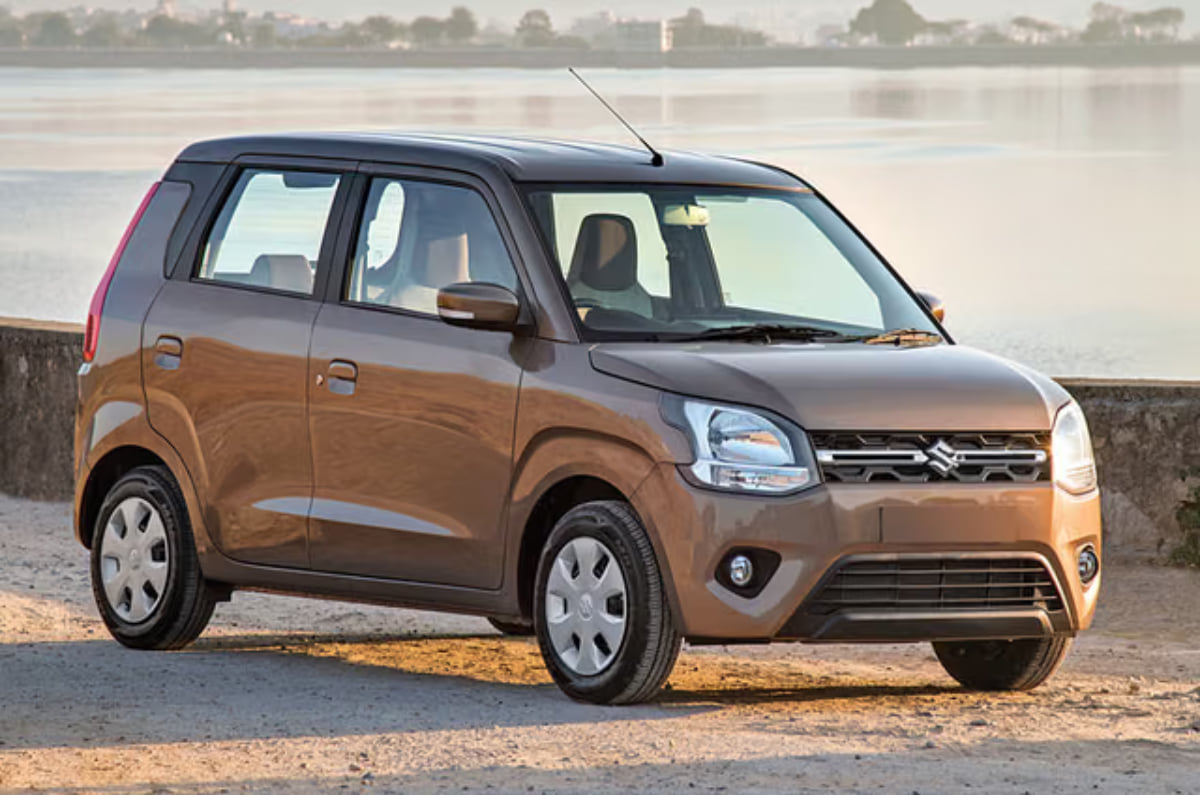
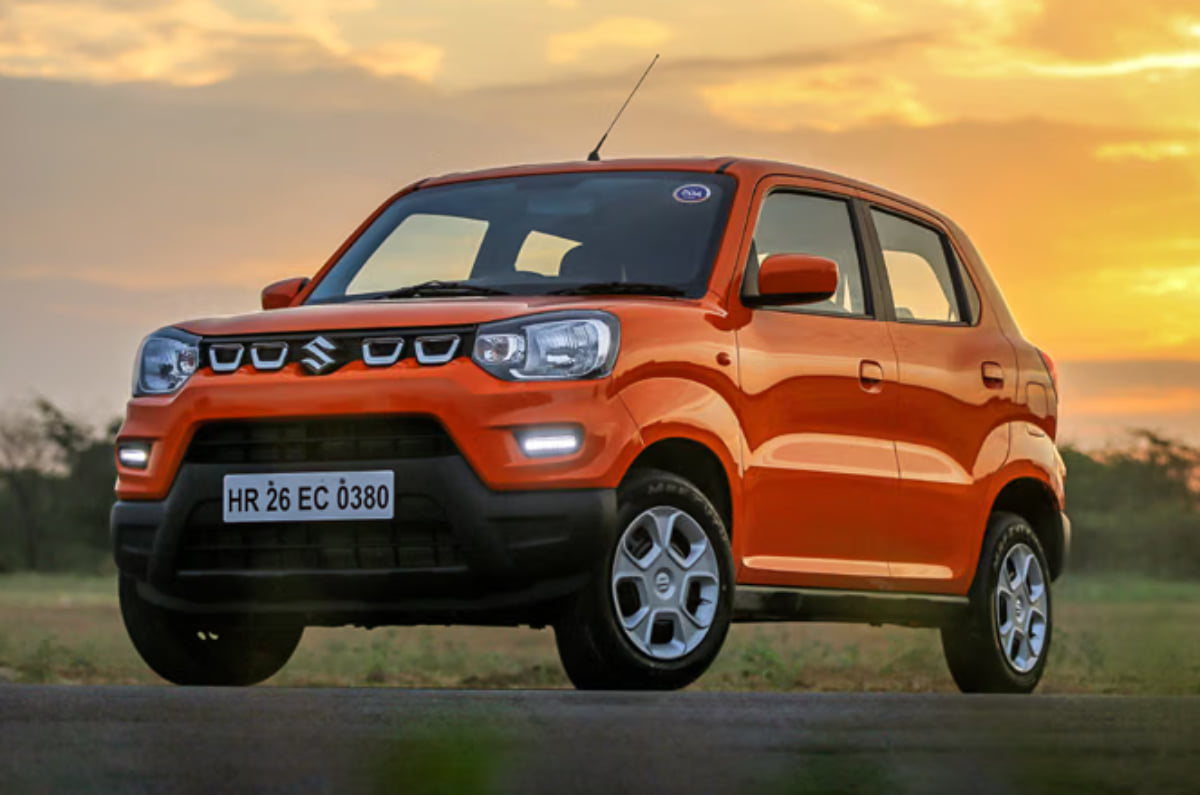
Maruti Suzuki is offering discounts on the Victoris, Swift, Wagon R, Alto K10, Celerio, S-Presso and Eeco in October 2026. The highest benefits are available on the Victoris strong hybrid, at up to Rs 1.65 lakh. These offers include cash discounts, exchange or scrappage bonuses, loyalty benefits and additional offers, depending on the model and variant.
Disclaimer: Offers may vary by city and are subject to stock availability. Check with your nearest dealer for exact details.
Maruti Victoris discounts in October 2026
Up to Rs 1.65 lakh off
The Maruti Victoris strong hybrid gets benefits of up to Rs 1.65 lakh, comprising a Rs 40,000 cash discount, a Rs 30,000 loyalty upgrade bonus and an exchange bonus of up to Rs 95,000. A scrappage bonus of up to Rs 45,000 is available as an alternative to the exchange bonus. The petrol variant gets benefits of up to Rs 1.10 lakh, while the CNG variant gets benefits of up to Rs 95,000. Both variants are available with exchange or scrappage benefits, alongside other applicable offers.
The Victoris is priced between Rs 10.50 lakh and Rs 19.99 lakh and rivals the Hyundai Creta, Kia Seltos, Tata Sierra and Honda Elevate.
Maruti Swift discounts in October 2026
Up to Rs 71,000 off
The Swift Blitz Edition petrol variants are available with benefits of up to Rs 71,000, including discounted accessory kits. Other petrol variants get benefits of up to Rs 40,000, comprising a Rs 10,000 cash discount, a Rs 25,000 exchange bonus and a Rs 5,000 additional discount. The CNG variants get benefits of up to Rs 30,000, including an exchange bonus of Rs 25,000 and an additional discount of Rs 5,000. The Swift is priced between Rs 5.84 lakh and Rs 8.74 lakh and rivals the Hyundai Grand i10 Nios and Tata Tiago.
Maruti Celerio discounts in October 2026
Up to Rs 67,500 off
The Maruti Celerio petrol variants get benefits of up to Rs 67,500, comprising a Rs 40,000 cash discount, a Rs 25,000 exchange bonus and a Rs 2,500 additional discount. The CNG variants get benefits of up to Rs 47,500, including a Rs 20,000 cash discount, a Rs 25,000 exchange bonus and a Rs 2,500 additional discount. The Celerio is priced between Rs 4.70 lakh and Rs 6.75 lakh and rivals the Tata Tiago and Renault Kwid.
Maruti Wagon R discounts in October 2026
Up to Rs 67,000 off
The Wagon R Waltz Edition petrol variants get benefits of up to Rs 67,000, including a free accessory kit worth Rs 38,000 and an additional offer of Rs 1,900. Other petrol variants get benefits of up to Rs 57,500, comprising a Rs 30,000 cash discount, a Rs 25,000 exchange bonus and a Rs 2,500 additional discount. The CNG variants get benefits of up to Rs 52,500, including a Rs 25,000 cash discount, a Rs 25,000 exchange bonus and a Rs 2,500 additional discount. The Wagon R is priced between Rs 4.99 lakh and Rs 7.24 lakh and rivals the Tata Tiago and Citroen C3.
Maruti Alto K10 discounts in October 2026
Up to Rs 57,500 off
The Alto K10 LXi petrol variant gets benefits of up to Rs 57,500, comprising a Rs 30,000 cash discount, a Rs 25,000 exchange bonus and a Rs 2,500 additional discount. Other petrol variants get benefits of up to Rs 47,500, while the CNG variants are available with benefits of up to Rs 37,500. A scrappage bonus of up to Rs 10,000 is available as an alternative to the exchange bonus. The Alto K10 is priced between Rs 3.70 lakh and Rs 5.45 lakh and rivals the Renault Kwid.
Maruti S-Presso discounts in October 2026
Up to Rs 37,500 off
The S-Presso petrol variants get benefits of up to Rs 37,500, comprising a Rs 10,000 cash discount, a Rs 25,000 exchange bonus and a Rs 2,500 additional discount. The CNG variants get benefits of up to Rs 27,500, including an exchange bonus of Rs 25,000 and an additional discount of Rs 2,500. The S-Presso is priced between Rs 3.50 lakh and Rs 5.27 lakh and rivals the Renault Kwid and Alto K10.
Maruti Eeco discounts in October 2026
Up to Rs 37,500 off
The Eeco petrol variants get benefits of up to Rs 37,500, comprising a Rs 10,000 cash discount, a Rs 25,000 exchange bonus and a Rs 2,500 additional discount. The CNG variants get benefits of up to Rs 32,500, with a lower cash discount of Rs 5,000, while the exchange bonus and additional discount remain unchanged. The Maruti Eeco is priced between Rs 5.28 lakh and Rs 6.46 lakh.
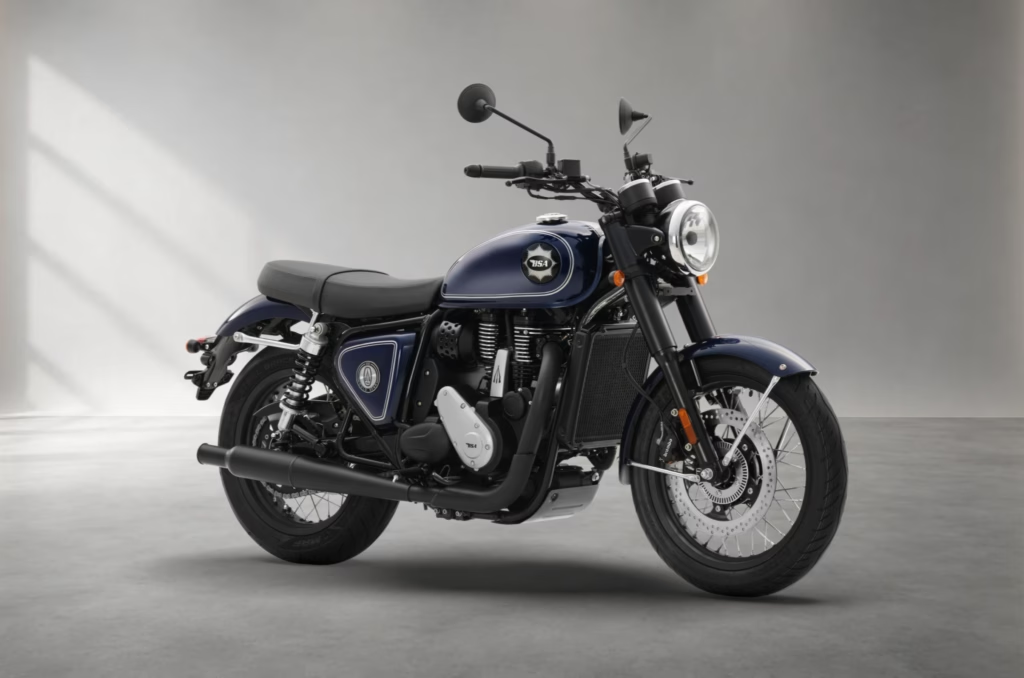
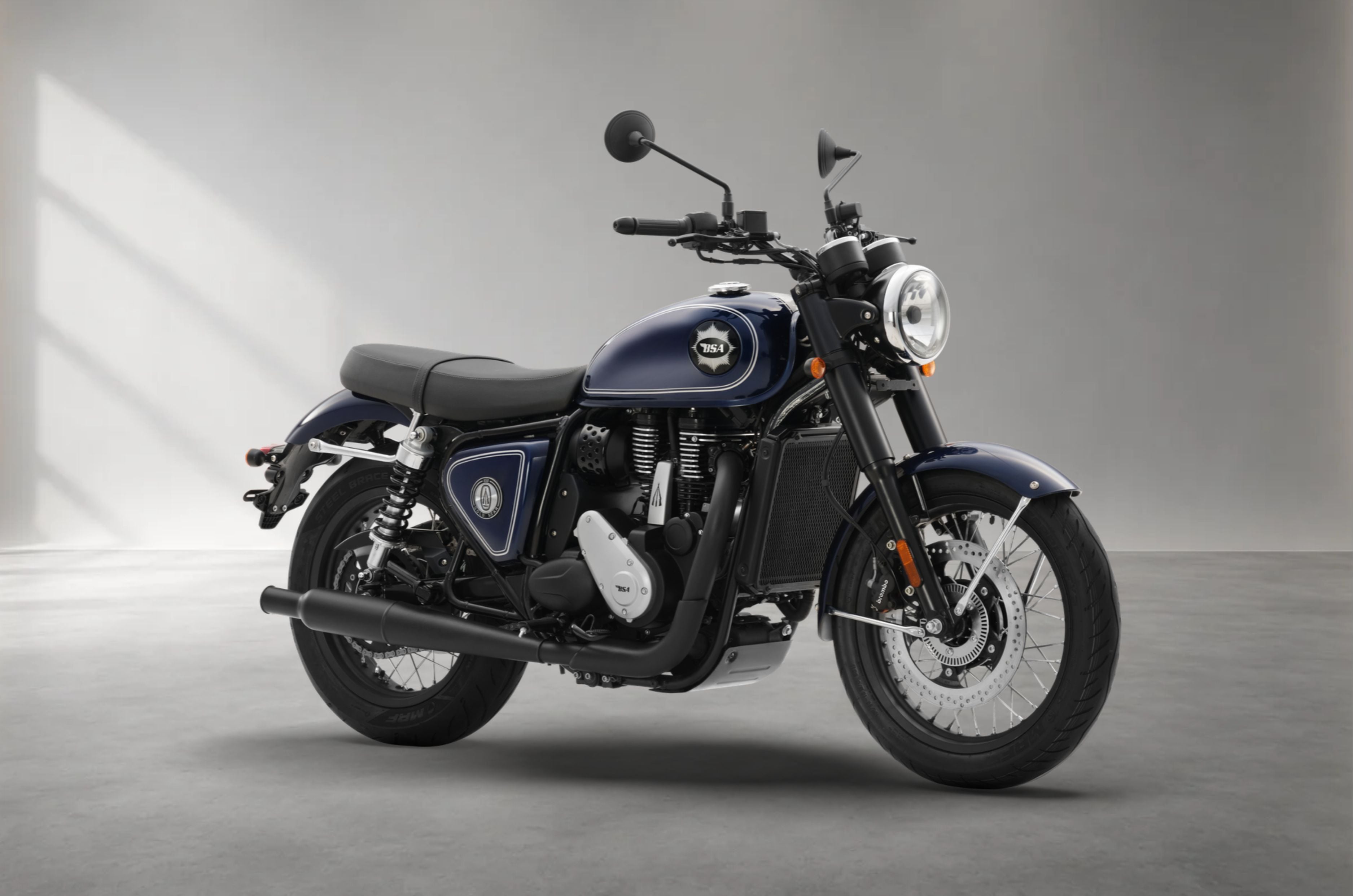
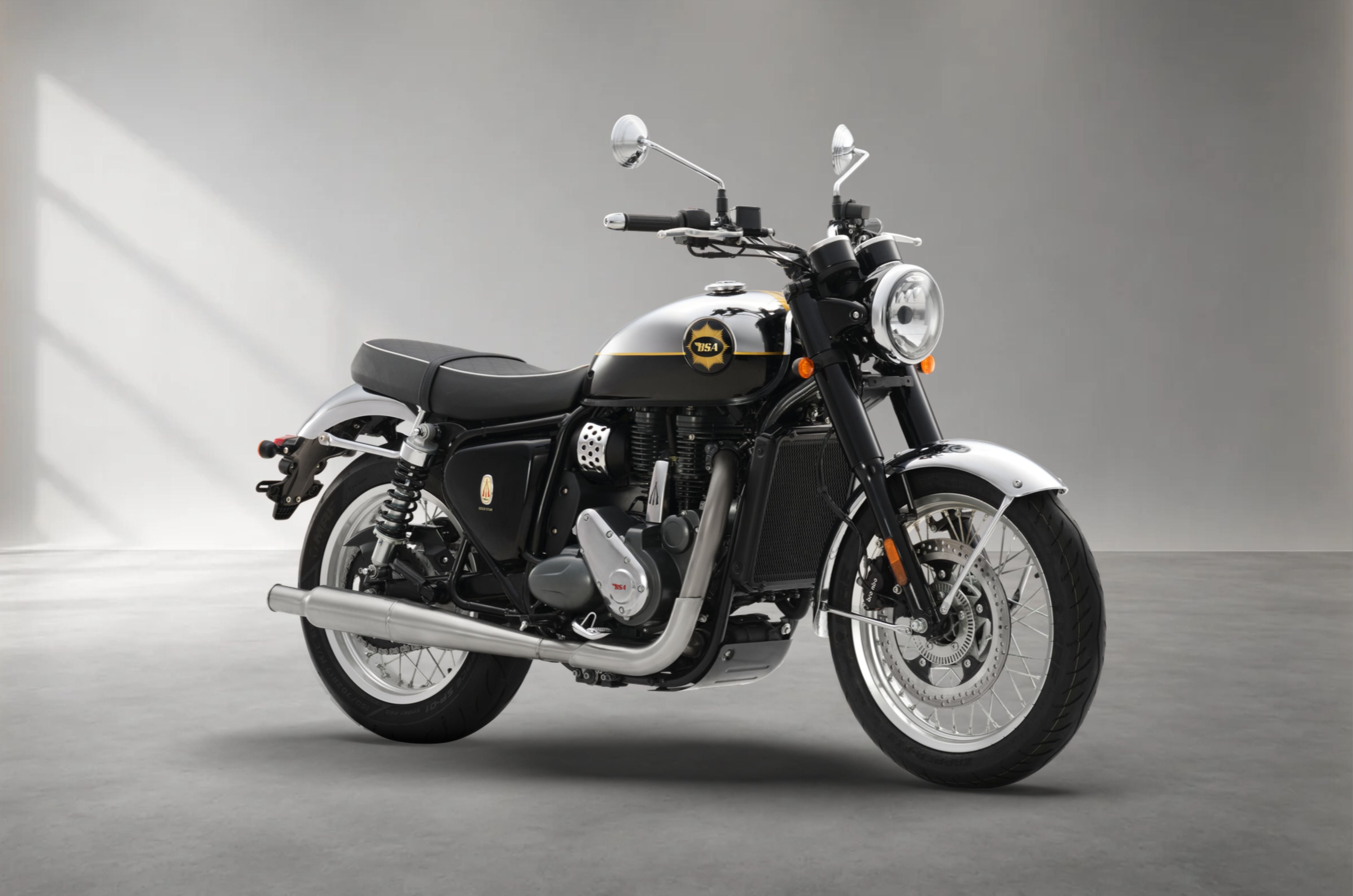
BSA Motorcycles has introduced two new colour schemes to the Gold Star 650 in India. Now the price of the motorcycle ranges from Rs 3.42 lakh for the Insignia Red to Rs 3.65 lakh (ex-showroom, Delhi) for the new range topping Brooklands Black Legacy Edition.
Two new colours: Birmingham Blue and Brooklands Black Legacy Edition
No mechanical changes
Powered by the 652cc liquid-cooled single-cylinder engine
BSA Gold Star 650 details
The large 652cc single makes 45hp and 55Nm of torque
The new Birmingham Blue is priced at Rs 3.56 lakh and the new Brooklands Black Legacy Edition at Rs 3.65 lakh. Other colour options along with this includes Insignia Red (Rs 3.42 lakh), Midnight Black (Rs 3.45 lakh) and Sheen Silver (Rs 3.60 lakh).
As aforementioned, the motorcycle remains mechanically the same as the outgoing model. It is still powered by the 652cc liquid-cooled single-cylinder engine, delivering 45hp and 55Nm of torque paired with a 5-speed gearbox. BSA also offers accessories like windshield, rear rack and knee pads for the Gold Star.
In the 650cc retro-roadster segment, the chief rival for the BSA Gold Star 650 is the Royal Enfield Interceptor 650 (Rs 3.38 lakh to Rs 3.69 lakh ex-showroom, Chennai). The core difference between them comes down to the engine architecture, a big-bore single-cylinder or a smooth torquey parallel-twin. The Interceptor brings in parallel-twin refinement for effortless highway riding, while the Gold Star appeals to riders seeking old-school big-single-thump with modern liquid-cooling.
दिल्ली सरकार ने राज्य में बिजली सब्सिडी योजना के तहत लाभार्थियों की बढ़ती संख्या और सरकारी खजाने पर बढ़ते बिल को देख कर बड़ा फैसला लिया है। राज्य सरकार ने बिजली सब्सिडी योजना का फायदा उठाने वाले उपभोक्ताओं के लिए आधार सत्यापन अनिवार्य करने का फैसला किया है। आधिकारिक आंकड़ों के मुताबिक, फरवरी 2026 तक, दिल्ली सरकार का बिजली सब्सिडी के लिए आवंटन Rs 4,037.63 करोड़ तक पहुंच गया था। मौजूदा वित्तीय वर्ष (2026-27) के लिए, सरकार ने इस मकसद के लिए Rs 3,500 करोड़ का बजट रखा है।
पिछले दस सालों में दिल्ली में बिजली उपभाक्ताओं की संख्या लगभग 40% बढ़ी है, जो अभी 73 लाख से ज्यादा है। आधिकारिक आंकड़ों के मुताबिक, 2024-25 में, दिल्ली में 73 लाख घरेलू उपभोक्ताओं में से लगभग 84% (52.3 लाख) ने बिजली सब्सिडी का फायदा उठाया, जो 2025-26 में बढ़कर 87% (55 लाख) हो गया। दिल्ली सरकार की स्कीम के तहत, उपभोक्ताओं को हर महीने 200 यूनिट बिजली मुफ्त दी जाती है। जो लोग 201 से 400 यूनिट बिजली इस्तेमाल करते हैं, उन्हें हर महीने 50% सब्सिडी (अधिक से अधिक 800 रुपये) मिलती है।
बिजली विभाग के हाल में जारी एक नोटिफिकेशन के मुताबिक, बिजली सब्सिडी स्कीम दिल्ली डिस्कॉम, यानी BSES राजधानी पावर लिमिटेड (BRPL), BSES यमुना पावर लिमिटेड (BYPL), टाटा पावर दिल्ली डिस्ट्रीब्यूशन लिमिटेड (TPDDL), नई दिल्ली म्युनिसिपल काउंसिल (NDMC) और मिलिट्री इंजीनियर सर्विसेज (MES) के जरिए उनके इलाकों में चलाई जाती है। दिल्ली सरकार सब्सिडी का फायदा पाने की शर्त के तौर पर बेनिफिशियरी की पहचान बताना “ठीक समझती है”। इसमें कहा गया है कि ऐसा बेनिफिशियरी “असली आधार नंबर होने का सबूत” देगा।
आधार एक्ट, 2016 के सेक्शन 7 के तहत, दिल्ली के उप राज्यपाल ने नोटिफाई किया कि स्कीम का फायदा उठाने के लिए, लोगों को वेब पोर्टल पर या सरकार द्वारा तय किए गए किसी दूसरे तरीके से अपना आधार नंबर देना होगा। दिल्ली में जिन उपभोक्ताओं का आधार एनरोलमेंट नहीं है, उन्हें इसके लिए आवेदन करना होगा और 14-डिजिट के एनरोलमेंट ID नंबर के साथ सब्सिडी पाने के लिए जरूरी डिटेल्स जमा करनी होंगी।
आधार नंबर का इस्तेमाल करके पक्की पहचान बनाने से लोग आसानी से सब्सिडी, फायदे और सेवा पा सकते हैं, पहचान बनाने के लिए कई दस्तावेजों की जरूरत नहीं पड़ती, प्रक्रियाएं आसान हो जाती हैं और निष्पक्षता और कार्यक्षमता बढ़ती है।