दिल्ली में बिजली सब्सिडी स्कीम का फायदा उठाने के लिए आधार नंबर अनिवार्य, दिल्ली सरकार का बिल हुआ 4,000 करोड़ के पार

दिल्ली सरकार ने राज्य में बिजली सब्सिडी योजना के तहत लाभार्थियों की बढ़ती संख्या और सरकारी खजाने पर बढ़ते बिल को देख कर बड़ा फैसला लिया है। राज्य सरकार ने बिजली सब्सिडी योजना का फायदा उठाने वाले उपभोक्ताओं के लिए आधार सत्यापन अनिवार्य करने का फैसला किया है। आधिकारिक आंकड़ों के मुताबिक, फरवरी 2026 तक, दिल्ली सरकार का बिजली सब्सिडी के लिए आवंटन Rs 4,037.63 करोड़ तक पहुंच गया था। मौजूदा वित्तीय वर्ष (2026-27) के लिए, सरकार ने इस मकसद के लिए Rs 3,500 करोड़ का बजट रखा है।

पिछले दस सालों में दिल्ली में बिजली उपभाक्ताओं की संख्या लगभग 40% बढ़ी है, जो अभी 73 लाख से ज्यादा है। आधिकारिक आंकड़ों के मुताबिक, 2024-25 में, दिल्ली में 73 लाख घरेलू उपभोक्ताओं में से लगभग 84% (52.3 लाख) ने बिजली सब्सिडी का फायदा उठाया, जो 2025-26 में बढ़कर 87% (55 लाख) हो गया। दिल्ली सरकार की स्कीम के तहत, उपभोक्ताओं को हर महीने 200 यूनिट बिजली मुफ्त दी जाती है। जो लोग 201 से 400 यूनिट बिजली इस्तेमाल करते हैं, उन्हें हर महीने 50% सब्सिडी (अधिक से अधिक 800 रुपये) मिलती है।

बिजली विभाग के हाल में जारी एक नोटिफिकेशन के मुताबिक, बिजली सब्सिडी स्कीम दिल्ली डिस्कॉम, यानी BSES राजधानी पावर लिमिटेड (BRPL), BSES यमुना पावर लिमिटेड (BYPL), टाटा पावर दिल्ली डिस्ट्रीब्यूशन लिमिटेड (TPDDL), नई दिल्ली म्युनिसिपल काउंसिल (NDMC) और मिलिट्री इंजीनियर सर्विसेज (MES) के जरिए उनके इलाकों में चलाई जाती है। दिल्ली सरकार सब्सिडी का फायदा पाने की शर्त के तौर पर बेनिफिशियरी की पहचान बताना “ठीक समझती है”। इसमें कहा गया है कि ऐसा बेनिफिशियरी “असली आधार नंबर होने का सबूत” देगा।

आधार एक्ट, 2016 के सेक्शन 7 के तहत, दिल्ली के उप राज्यपाल ने नोटिफाई किया कि स्कीम का फायदा उठाने के लिए, लोगों को वेब पोर्टल पर या सरकार द्वारा तय किए गए किसी दूसरे तरीके से अपना आधार नंबर देना होगा। दिल्ली में जिन उपभोक्ताओं का आधार एनरोलमेंट नहीं है, उन्हें इसके लिए आवेदन करना होगा और 14-डिजिट के एनरोलमेंट ID नंबर के साथ सब्सिडी पाने के लिए जरूरी डिटेल्स जमा करनी होंगी।

आधार नंबर का इस्तेमाल करके पक्की पहचान बनाने से लोग आसानी से सब्सिडी, फायदे और सेवा पा सकते हैं, पहचान बनाने के लिए कई दस्तावेजों की जरूरत नहीं पड़ती, प्रक्रियाएं आसान हो जाती हैं और निष्पक्षता और कार्यक्षमता बढ़ती है।
Eastern-Western Freight Corridor: 6 साल में 20 गुना बढ़ी माल ढुलाई,रोजाना दौड़ रहीं 440 मालगाड़ियां! जानिए कैसे लॉजिस्टिक्स का सुपरहब बना न्यू दादरी

Ducati Desmo450 MX models updated for 2027

Ducati Desmo450 MX models updated for 2027
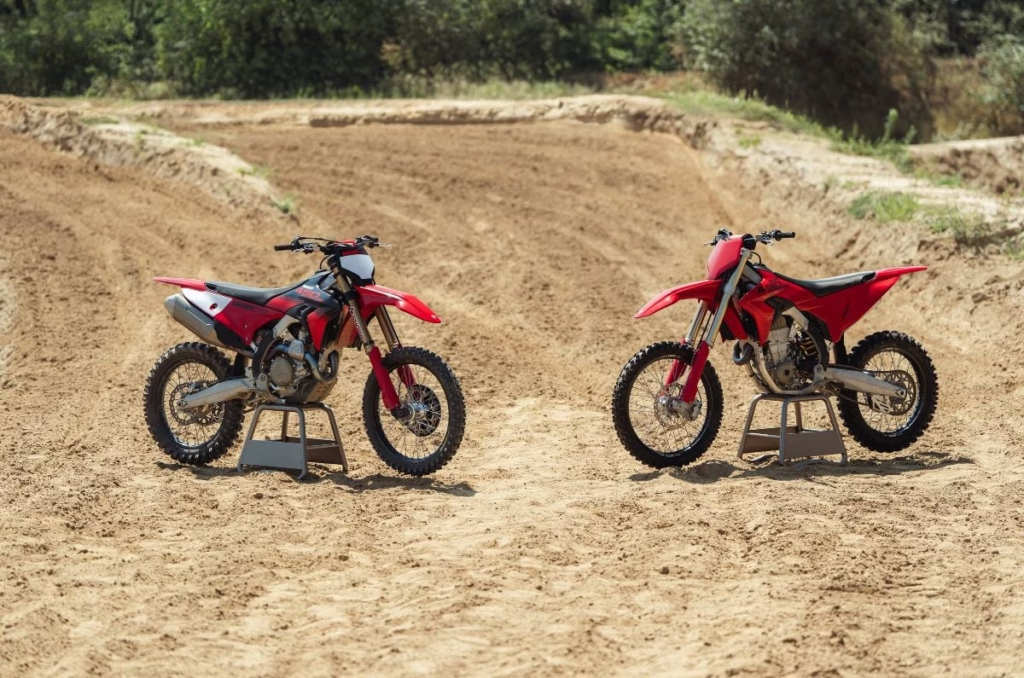
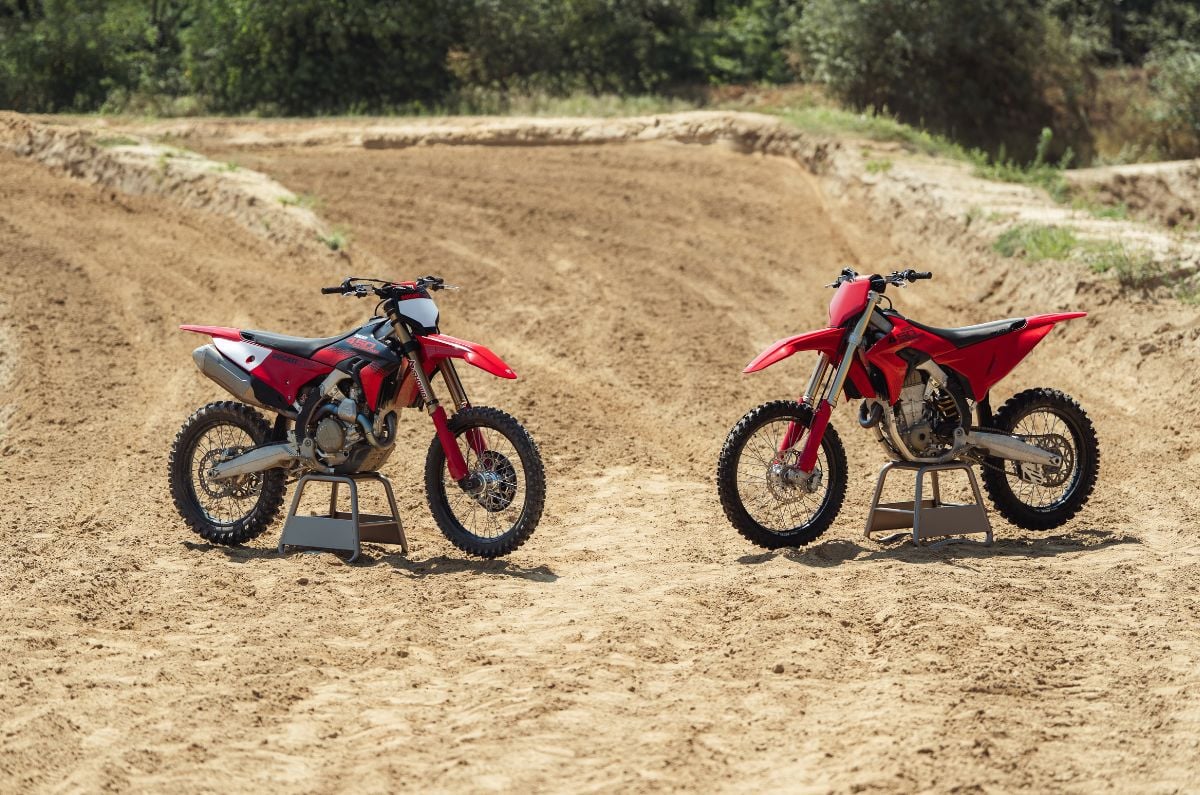
2027 Desmo450 MX Factory and 2027 Desmo450 MX from left to right.

Closely following the reveal of the Desmo450 SM, Ducati has now unveiled the 2027 version of its first off-roader, the Desmo450 MX. Like earlier, there’s also a Desmo450 MX Factory version that gets a slightly different look with additional equipment over the standard model. The Borgo-Panigale manufacturer has also dropped the prices for both models, by up to GBP 2,400.

  1. Desmo450 MX gets bigger rear sprocket with reliability focused improvements elsewhere
  2. Desmo450 MX Factory gets additional accessories such as a sump guard and disc guard as standard
  3. Both models have become cheaper compared to their 2026 versions

2027 Ducati Desmo450 MX and Factory: What’s new?

Changes aimed at better performance and durability

Starting with the standard model, Ducati has made changes throughout the motorcycle in order to improve functionality, performance and ergonomics. The rear sprocket has been changed to a larger 51-tooth version compared to the earlier 49-tooth one, in order to improve the rear wheel torque while exiting corners. Both the gear and the brake lever tips have also been changed to offer better ergonomics and allow for more ergonomic foot movement during gear shifts and braking. The company has also upgraded numerous other components for improved reliability. These are all nuanced changes and the most identifiable way to differentiate the 2027 model from the 2026 version is with a new livery that features black logos instead of white.

On the Desmo450 MX Factory version, Ducati has increased the equipment on offer, while trimming off 800gm from its kerb weight. Considering the Desmo450 MX weighs 104.8kg on an empty fuel tank, that number becomes all the more important for the Factory version. In addition to receiving all the standard model’s improvements, the factory model gets extra dark Kashima coating on its 49mm fork and monoshock, plus a titanium oxide (TiO) treatment for superior wear resistance. The factory model exclusively gets a full Akrapovic exhaust system, which is said to reduce the overall weight by 1.7kg. The triple clamp unit is also machined from a single billet, to reduce weight even further. Ducati has given the factory version a sump guard, a disc rotor guard, and an RK MXU chain with O-rings. In addition to these existing pieces of equipment, a holeshot device is also standard, allowing the rider to manage acceleration and stability better during starts.

Ducati has also brought the WiFi module to the Factory version, last seen on the Desmo450 SM, that enables predictive maintenance and customisation of the motorcycle’s two ride modes via the company’s X-Link mobile app. For 2027, the factory version also gets a new Ducati Corse livery, featuring the red and black Ducati logo.

The prices for both Desmo450 MX models have dropped significantly in Europe. The 2027 Desmo450 MX is priced at GBP 9,495 (Rs 12.02 lakh) and the 450 MX Factory at GBP 10,795 (Rs 13.67 lakh). That’s a GBP 1,750 (Rs 2.22 lakh) drop on the regular MX, and a GBP 2,400 (Rs 3.04 lakh) drop on the MX Factory compared to their respective 2026 versions. Both are already arriving at various European dealerships, with the rest of the world to follow. However, the USA won’t be one of them where the limited edition MY26 model will be available exclusively instead. In India, the 2026 Desmo450 MX is available for Rs 17.23 lakh (ex-showroom). Neither the 2027 Desmo450 MX nor the 2027 Desmo450 SM are available here yet, and it remains to be seen if our market also sees similar price revisions at launch.

Festive benefits of up to Rs 5,999 available on Yamaha bikes and scooters

Festive benefits of up to Rs 5,999 available on Yamaha bikes and scooters
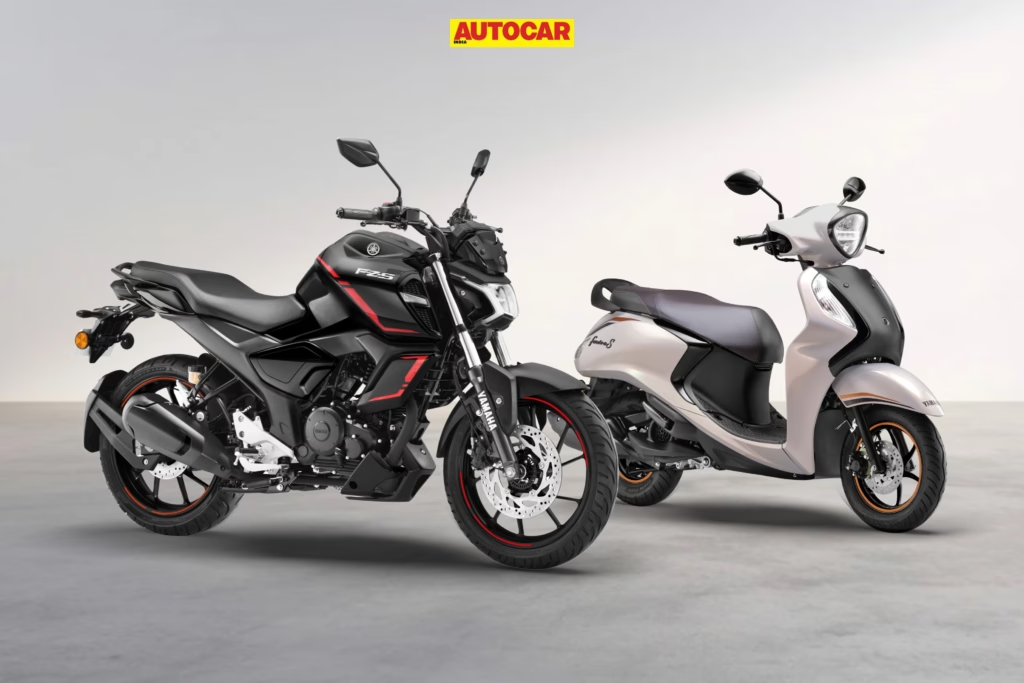
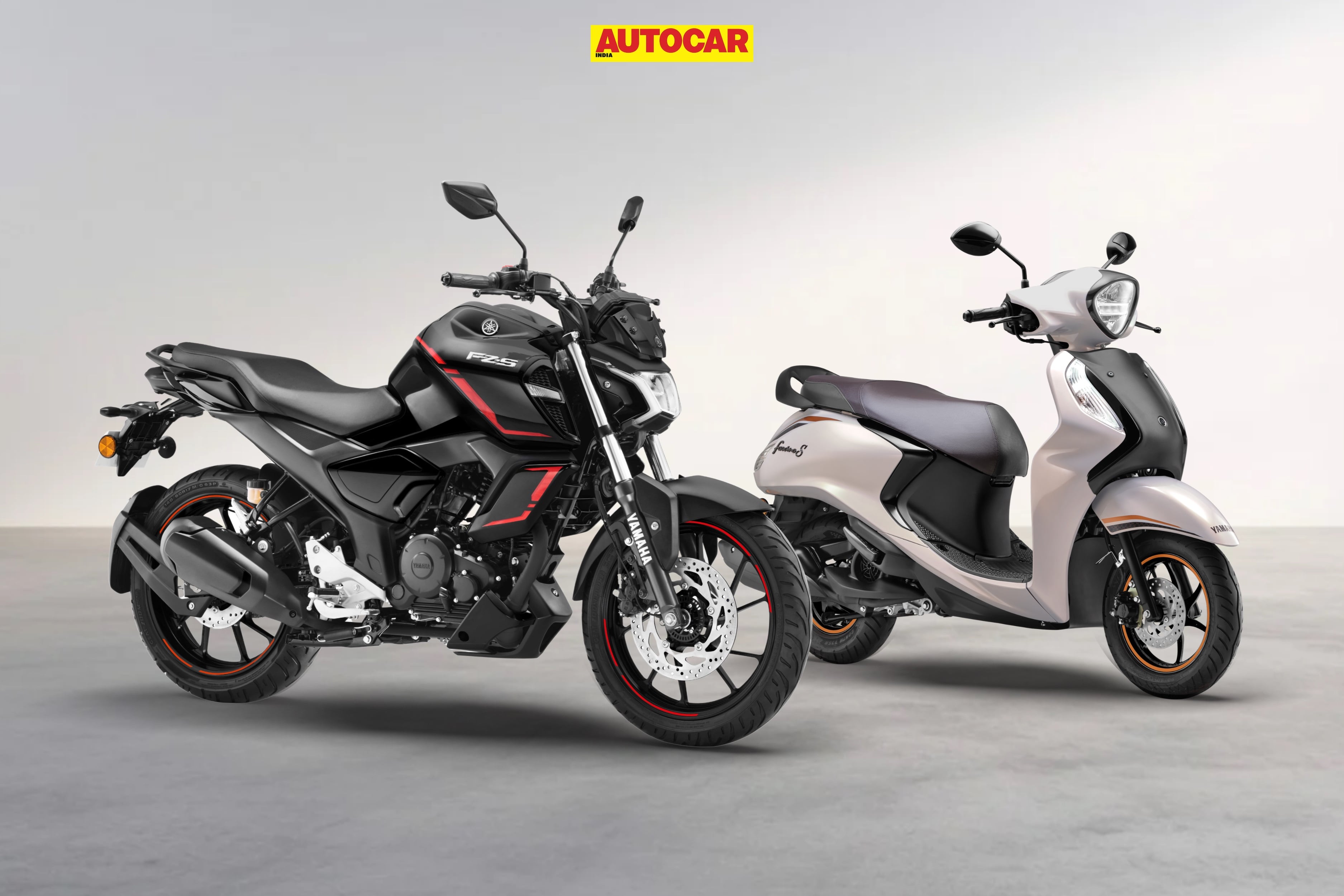
Yamaha FZ Rave and Fascino.

Yamaha Motor India has announced the beginning of its festive season offers, covering most of its popular motorcycles and scooters. The offers come in the form of insurance premium benefits, low down payment with flexible finance schemes, or both. Yamaha has told us that the insurance benefits mentioned here is the minimum amount customers can expect to get on their premiums.

  1. Yamaha R15 and MT-15 don’t get any discount benefits
  2. FZ series get the highest offer of the bunch

Yamaha festive offers: The breakdown

Aerox, R15S and EC-06 are completely exempted

The Fascino and RayZR 125, both recently updated, get the least amount of offers. The 125cc scooter duo, besides sharing the same platform, also share the same Rs 3,399 benefit for the insurance and a lowered down payment of Rs 2,499. The FZ series, now consisting of seven different variants, get Rs 5,999 as insurance benefit and Rs 3,900 as the down payment. The R15 and the MT-15 do not get any insurance benefits, just a lowered down payment of Rs 4,999. The XSR155, on the other hand, gets Rs 5,555 worth of insurance benefit and the same lowered down payment amount.

Type

Product/Variant

Insurance Benefit*

Low down payment*

Yamaha Hybrid scooter range

Fascino 125, RayZR 125

Rs 3,399

Rs 2,499

Yamaha FZ series

FZ-S (FZ-S Fi Hybrid, FZ-S Fi, FZ-S Fi V4 DLX and FZ-S Fi V4)


FZ (FZ Rave, FZ-Fi and FZ Blue Flex)

Rs 5,999

Rs 3,900

Yamaha 155cc motorcycles

XSR155

Rs 5,555

Rs 4,999

Yamaha 155cc motorcycles

R15 and MT-15

NA

Rs 4,999

The recently launched Yamaha R2 does not get any offers at this time, nor do the Aerox, R15S and Yamaha’s first electric scooter, the EC-06. The Japanese manufacturer has specified that the offers are currently not applicable in the states of Keralam and Tamil Nadu. Elsewhere in the country, the insurance benefits have been effective from October 1 (October 10 in Maharashtra) to November 15. The lowered down payment and finance schemes have been effective since October 1 and will remain so until the end of November. 

* Terms and conditions apply. Insurance benefits based on the applicable insurance cost, excluding add-ons.

Kawasaki Z300 Revealed

Kawasaki Z300 Revealed
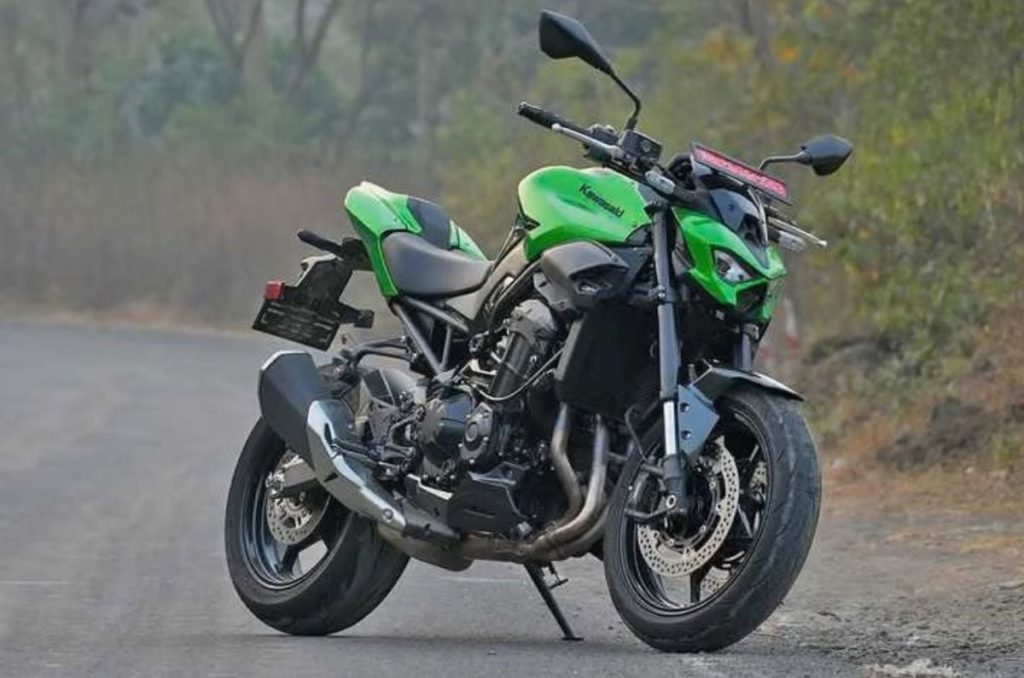
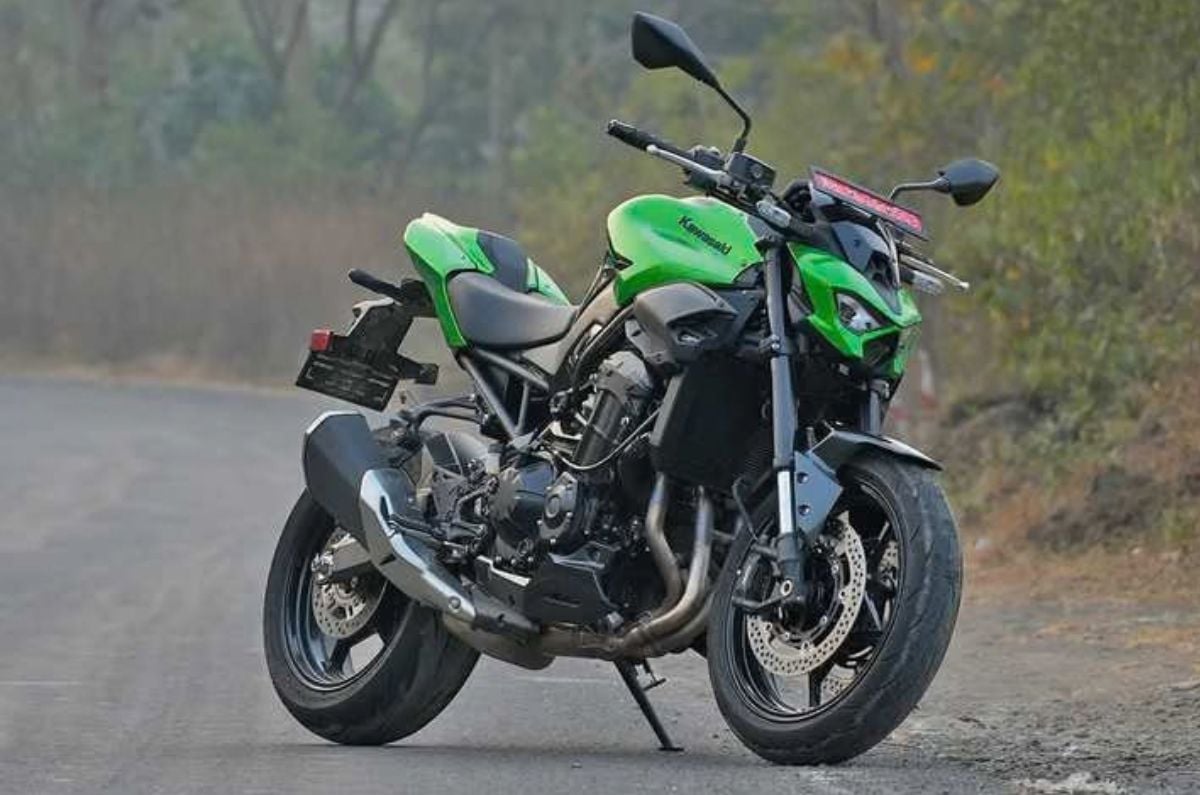
An outdoor shot showing the front right quarter of the Kawasaki Z900

Kawasaki has revealed the Z300, a new street-naked bike which could be based on the same platform as the Ninja 300. This motorcycle will effectively serve as the entry-level model in the brand’s Z lineup.

  1. Similar silhouette like the bigger Z900
  2. Bookings open on October 19
  3. More details and price will be revealed on October 20

Kawasaki Z300 details 

Could be powered by the 296cc parallel-twin as of the Ninja 300

At a recent event in Bangalore, Kawasaki showcased the Z300, which strongly resembles its larger sibling the Z900. The powertrain could be the 296cc parallel-twin engine, producing 39hp and 26.1Nm of torque, paired to a 6-speed gearbox. It features a wide, upright single-piece handlebar and relaxed ergonomics. Unlike the semi-digital unit on the Ninja 300, the new Z300 gets a TFT instrument cluster featuring smartphone connectivity and more. The new motorcycle will be available in two colour options: Green and Black.

After its initial appearance in Bangalore, an identical preview showcase will take place for Mumbai and Pune on October 18. Bookings commence on October 19, while technical specifications, variant details and price will go live on Kawasaki’s official website on October 20.

On Kawasaki India’s official website, the faired Ninja 300 carries an ex-showroom price of Rs 3.34 lakh. Because the naked streetfighter lacks the additional bodywork and considering the new electronics suites, Kawasaki is able to price the Z300 around the sub Rs 3 lakh mark. It will offer multi-cylinder refinement against rivals such as KTM 390 Duke and TVS Apache RTR 310.

Image is for representation purpose only.

Tata Harrier EV discounts go up to Rs 2.75 lakh in October 2026

Tata Harrier EV discounts go up to Rs 2.75 lakh in October 2026
tata harrier ev in showroom

Prospective buyers considering a Tata EV can take advantage of compelling benefits on the Harrier EV, Curvv EV and Nexon EV, among others. These benefits are available throughout October 2026, and depending on the model and variant, they include cash discounts, intervention offers, exchange/scrappage bonuses and loyalty incentives.

Disclaimer: Offers/benefits may vary by city and are subject to stock availability. Buyers are advised to check with their local dealer for exact figures.

Tata Harrier EV discounts in October 2026

Up to Rs 2.75 lakh off

The Harrier EV is available with a maximum benefit of Rs 2.75 lakh for the Fearless+ and Empowered trims. These include an intervention offer of Rs 1 lakh, an exchange/scrappage bonus of up to Rs 75,000 and a loyalty incentive of up to Rs 1 lakh. However, if you’re specifically looking to buy the top-spec Empowered AWD Stealth ACFC variant, you get a lower Rs 50,000 intervention offer, dropping the total benefit to Rs 2.25 lakh.

Lower-spec Adventure variants of the Harrier EV, meanwhile, get a intervention offer of Rs 75,000, bringing the total benefit to Rs 2.5 lakh. Pricing for the Harrier EV starts at Rs 21.79 lakh and tops off at 29.79 lakh, excluding premiums for cosmetic packages.

Tata Curvv EV discounts in October 2026

Up to Rs 3.35 lakh off

For the Curvv EV, benefits extend to Rs 3.35 lakh for variants available prior to the coupe-SUV’s SeriesX update in May 2026. These include a Rs 3 lakh cash discount and an exchange/scrappage bonus of up to Rs 35,000. However, the base Curvv EV Creative variant (pre-SeriesX) features a Rs 2.5 lakh cash discount instead, lowering the total benefit to Rs 2.85 lakh. The Curvv’s current SeriesX variants come with a maximum benefit of Rs 65,000, which comprises an exchange/scrappage offer of up to Rs 35,000 and a Rs 30,000 loyalty incentive. The Curvv EV is priced in the Rs 17.19 lakh-19.39 lakh range.

Tata Nexon EV discounts in October 2026

Up to Rs 45,000 off

All variants of the Nexon EV can be purchased with benefits of up to Rs 45,000 in October. These benefits comprise a cash discount of Rs 10,000 and an exchange/scrappage bonus of up to Rs 35,000. The Nexon EV price starts at Rs 12.49 lakh and tops out at Rs 17.69 lakh, excluding premiums for cosmetic packages.

Tata Punch EV discounts in October 2026

Up to Rs 1.45 lakh off (pre-facelift only)

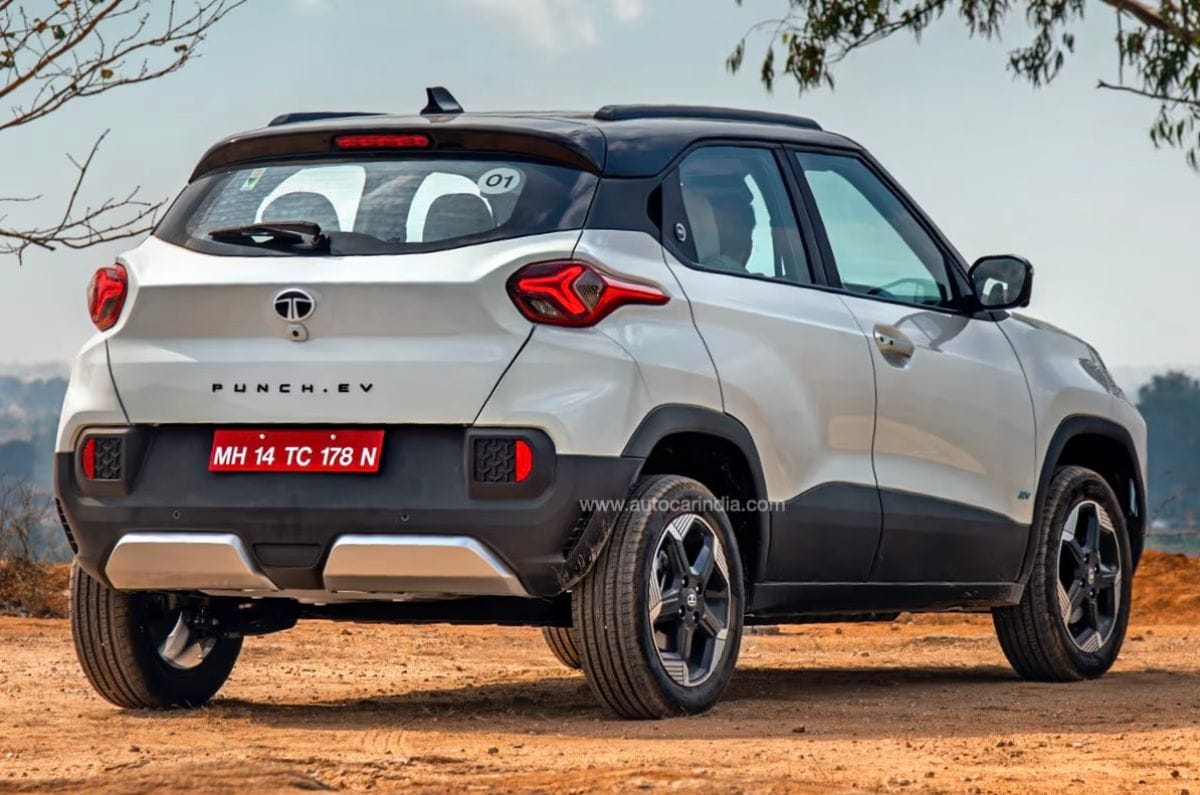
Pre-facelift Tata Punch EV rear quarter

Long Range (35kWh) variants of the pre-facelift Punch EV are available with benefits of up to Rs 1.45 lakh, which include a Rs 1.1 lakh cash discount and an exchange/scrappage bonus of up to Rs 35,000. Medium Range (25kWh) variants lower the cash discount to Rs 90,000, making for a total benefit of Rs 1.25 lakh. Finally, the base Punch EV Smart variant is available with a Rs 60,000 cash discount, so the total benefit for it works out to Rs 95,000.

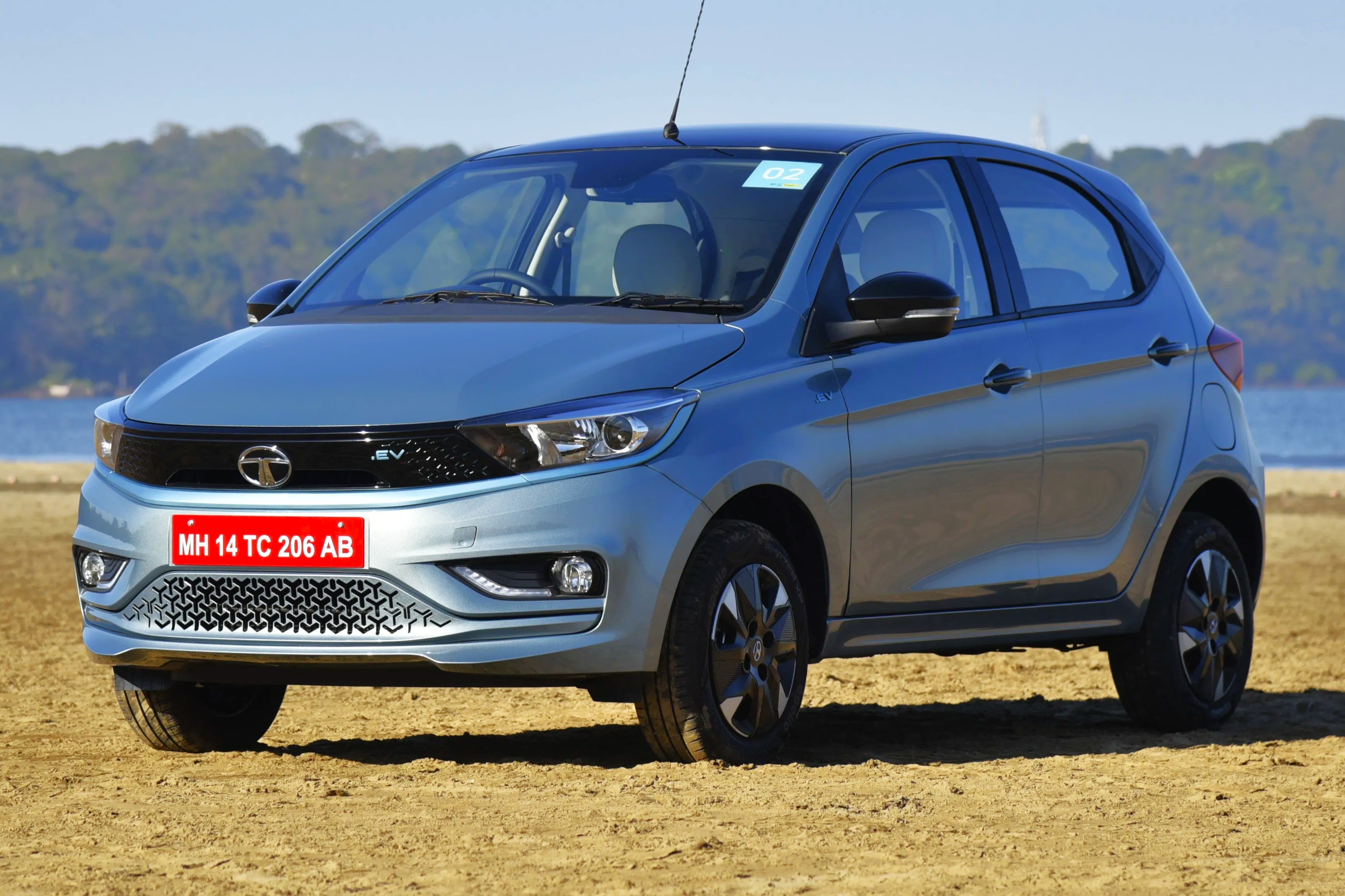
Tata Tiago EV discounts in October 2026

Up to Rs 1.45 lakh off (pre-facelift only)

The pre-facelift Tiago EV gets a total benefit of Rs 1.45 lakh for the mid-spec XT Long Range (24kWh) variant. These comprise a Rs 70,000 cash discount, a Rs 50,000 intervention offer and an exchange/scrappage bonus of up to Rs 25,000. The higher-spec XZ+ Long Range variant instead gets a Rs 1 lakh cash discount but no intervention offer, amounting to total benefits of Rs 1.25 lakh. Lastly, all Medium Range (19kWh) variants of the pre-facelift Tiago EV feature a Rs 40,000 cash discount, which means a combined benefit of Rs 65,000.

All prices are ex-showroom, India.

Mercedes-Maybach S-Class: What Rs 1.15 crore extra brings over standard model

Mercedes-Maybach S-Class: What Rs 1.15 crore extra brings over standard model
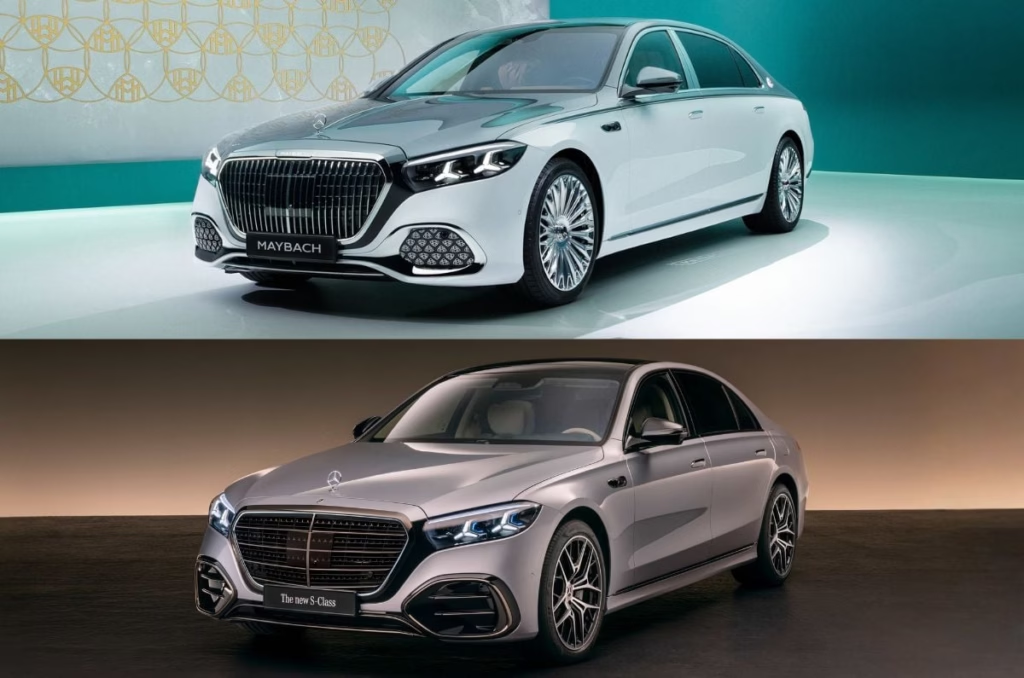
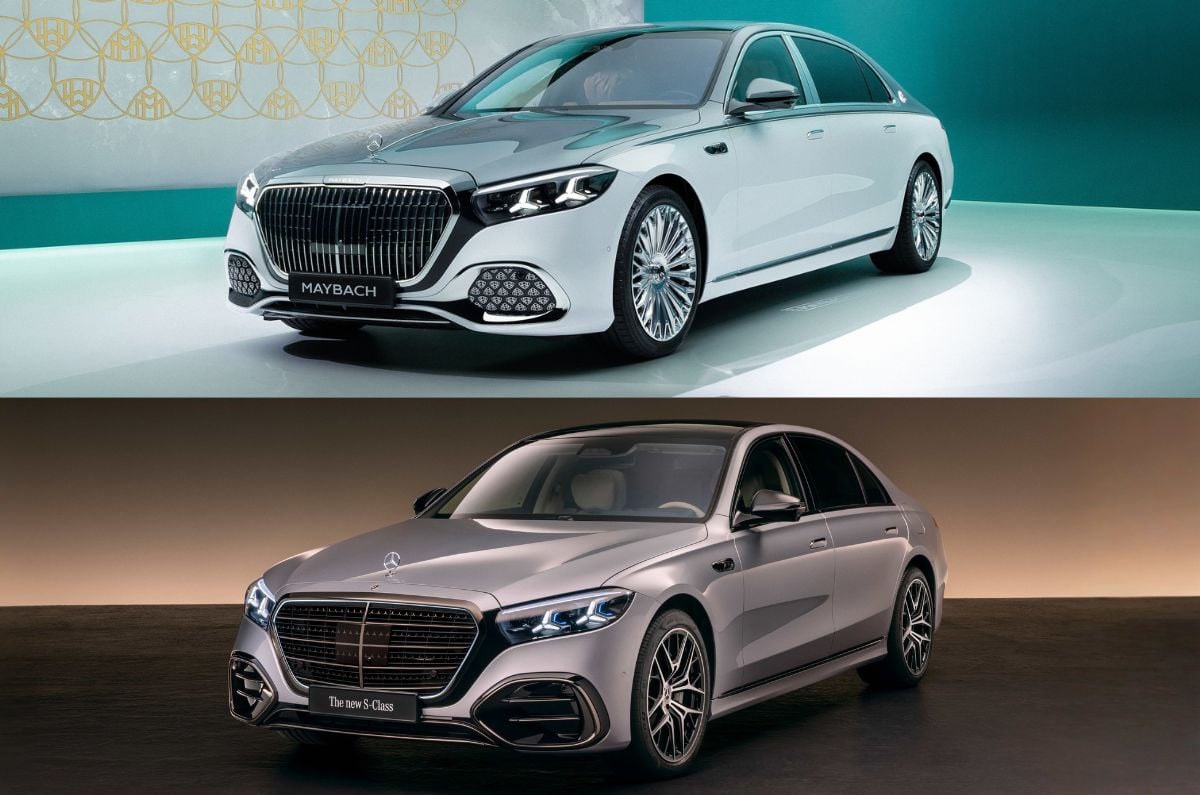
Mercedes-Maybach S-Class vs Mercedes-Benz S-Class

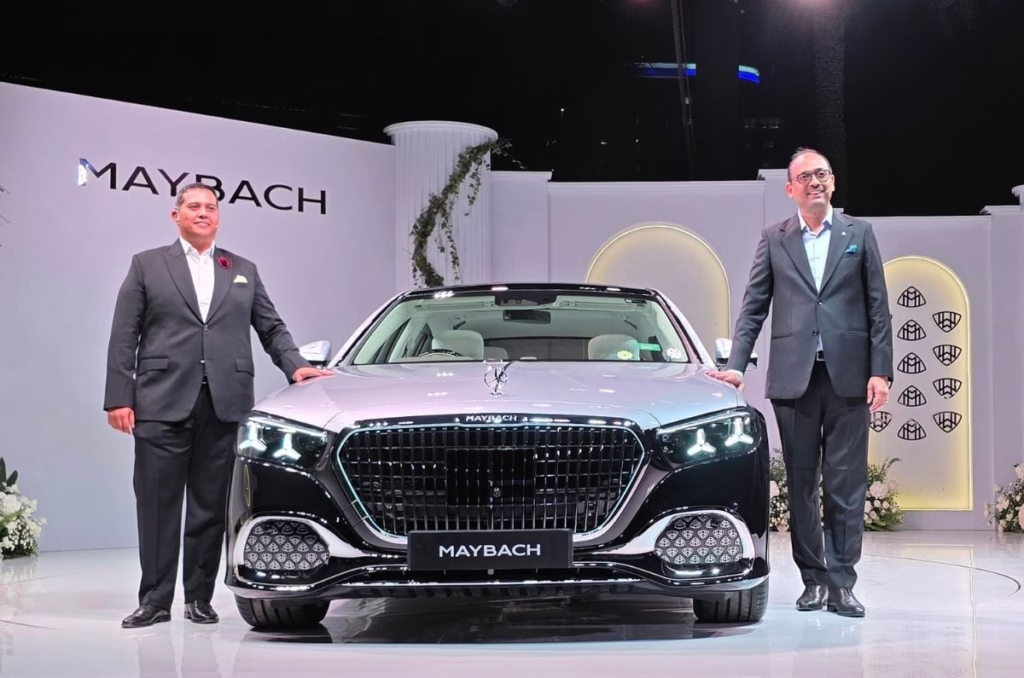
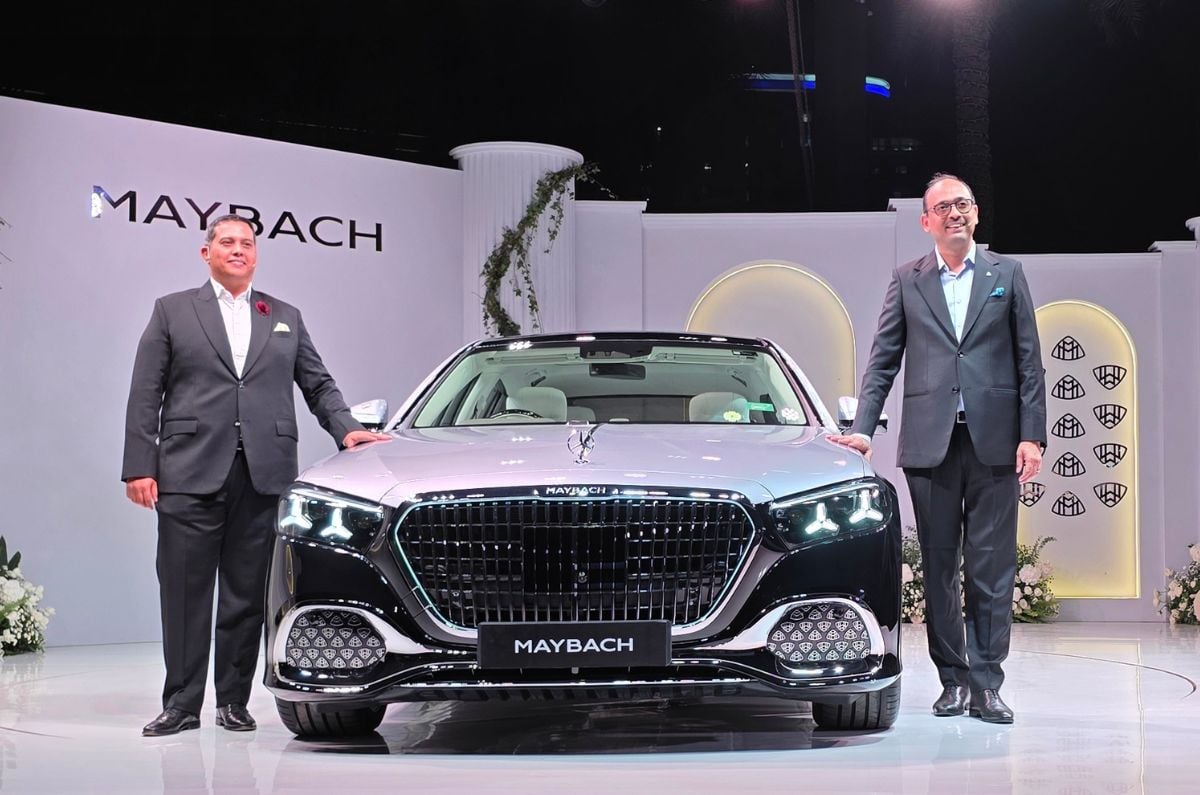
A few months after introducing the 2026 S-Class facelift, Mercedes has launched its more luxurious Maybach counterpart. Priced at Rs 3.35 crore, the Maybach S-Class commands a premium of Rs 1.15 crore over the standard model. But apart from the Maybach badge, what exactly does it offer for the extra money? Here is everything you need to know.

Note: LHD models used for representation

Mercedes-Maybach S-Class vs Regular S-Class: Exterior

Mercedes-Maybach S-Class front static
Mercedes-Benz S-Class front static
 

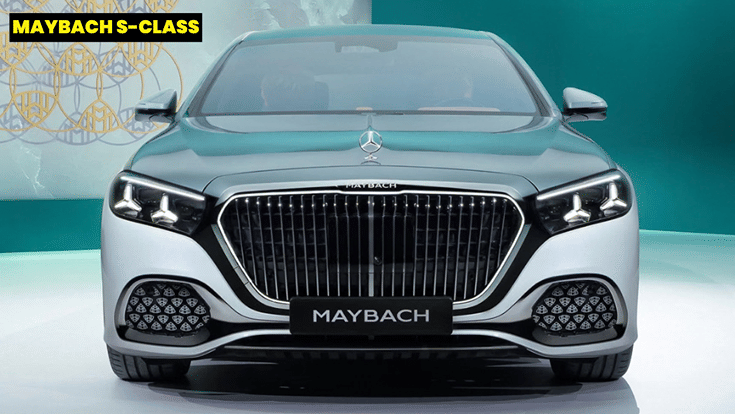
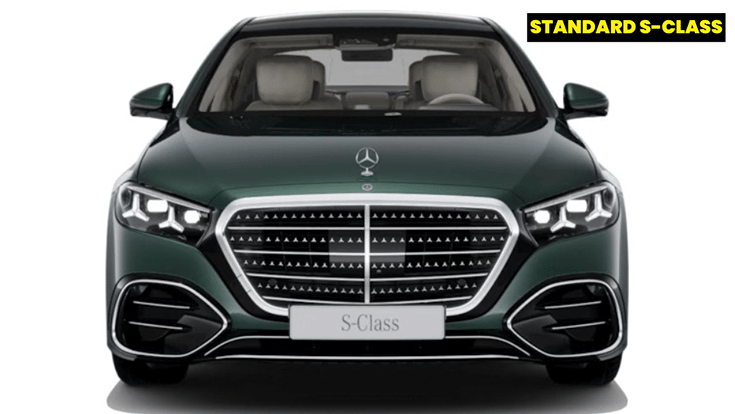
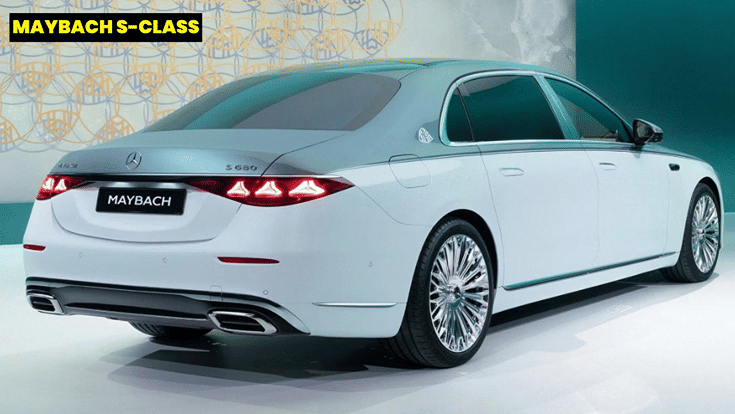
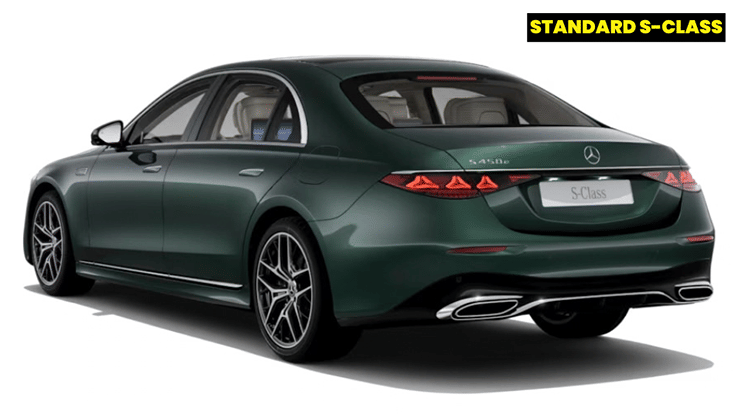
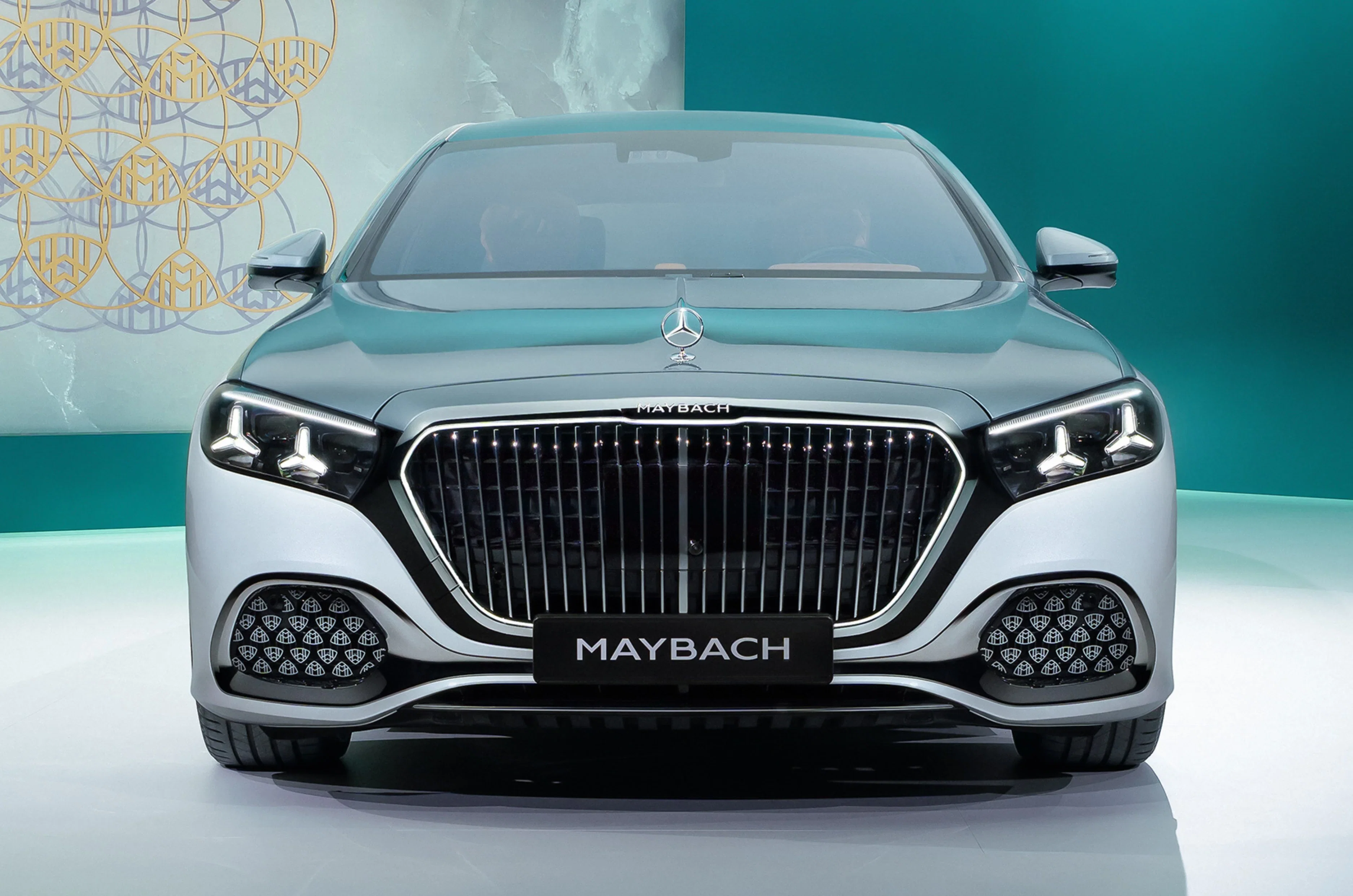
Unlike the standard S-Class, which features two exterior designs across variants, the Maybach S-Class gets a uniform exterior design throughout. The Maybach builds on the standard S-Class design, turning up the luxury quotient. At the front, it sports a Maybach-specific grille with fine vertical chrome slats and Maybach lettering at the top. The regular S-Class, by contrast, features horizontal chrome slats paired with a pattern of tri-star motifs.

Mercedes-Maybach S-Class side static
Mercedes-Benz S-Class side static
 

Lower down, the standard S-Class’s air intake details are replaced on the Maybach by a fine mesh patterned with small Maybach logos, and there’s thicker chrome trim along the bumper’s edges. The LED headlights feature rose-gold accents, while the bonnet-mounted Mercedes star is retained.

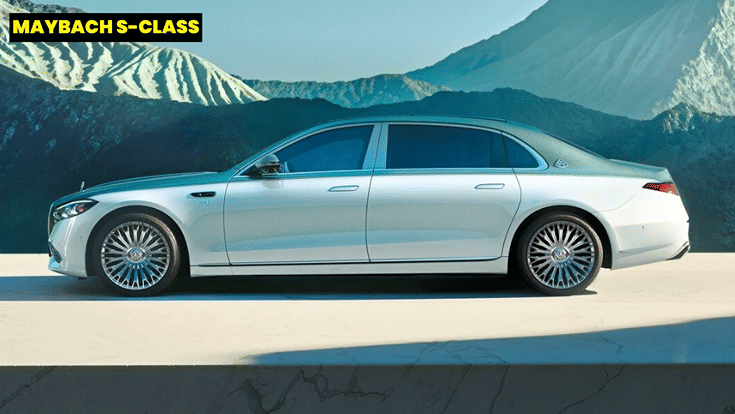
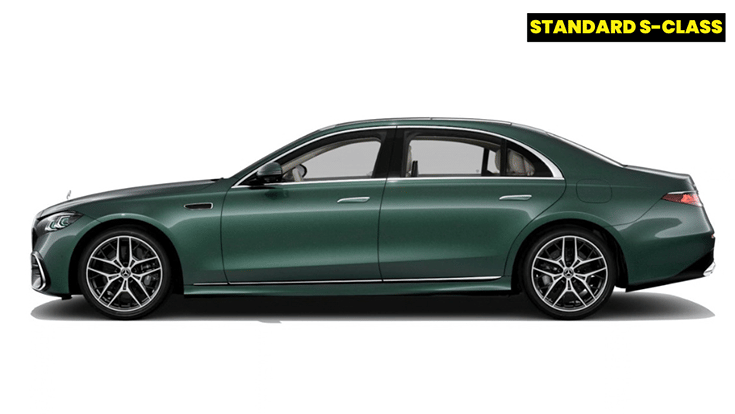
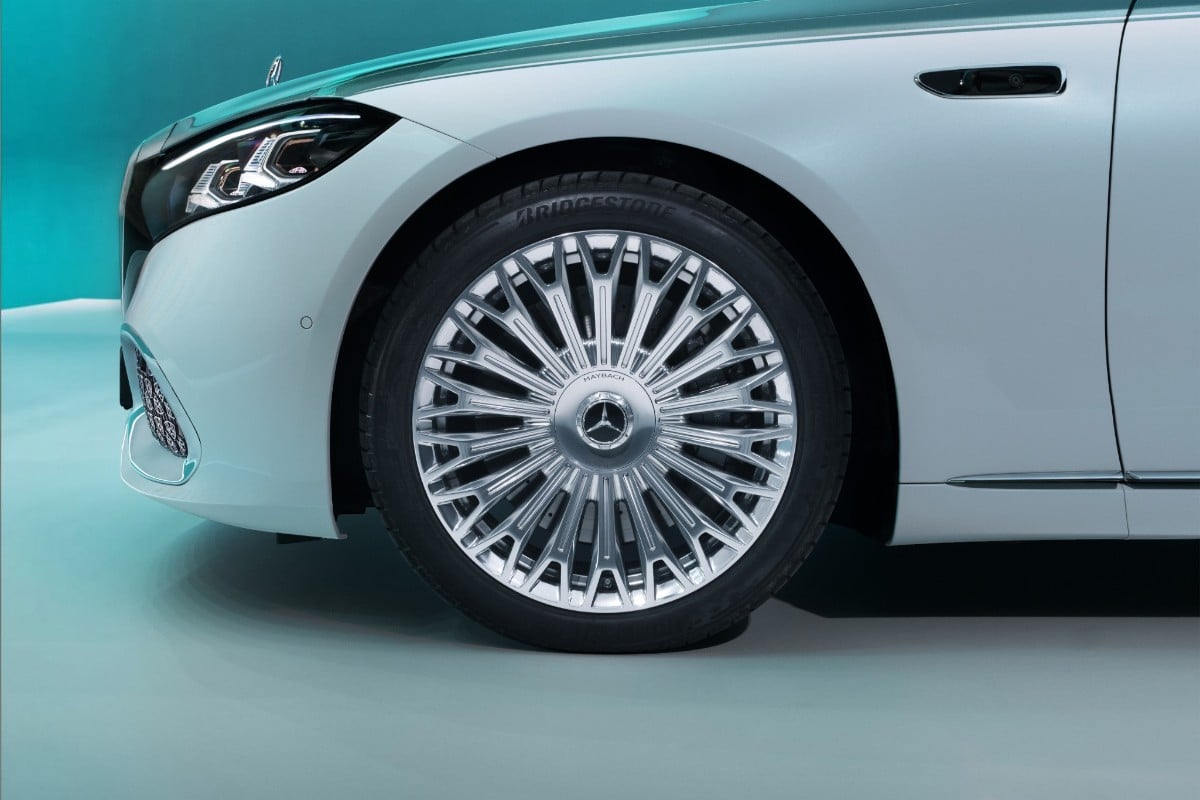
In profile, both models ride on 20-inch alloy wheels. However, the Maybach features multi-spoke forged rims, self-centring wheel caps that keep the Mercedes logo upright while moving, and noise-absorbing tyres. The Maybach’s rear doors are also slightly longer, as it has a 180mm longer wheelbase than the standard model. A subtle illuminated Maybach badge on the C-pillar further sets it apart from the side.

Mercedes-Maybach S-Class rear quarter static
Mercedes-Benz S-Class rear quarter static
 

At the rear, the updates are more understated. Maybach lettering on the bootlid distinguishes it from the standard model, alongside minor tweaks to the lower sides of the bumper. Both models share the same LED taillights with tristar motifs connected, and there’s a full-width chrome strip right above it. The Maybach S-Class also offers greater personalisation, including dedicated paint options and exclusive dual-tone colour schemes.

Mercedes-Maybach S-Class vs Regular S-Class: Interior

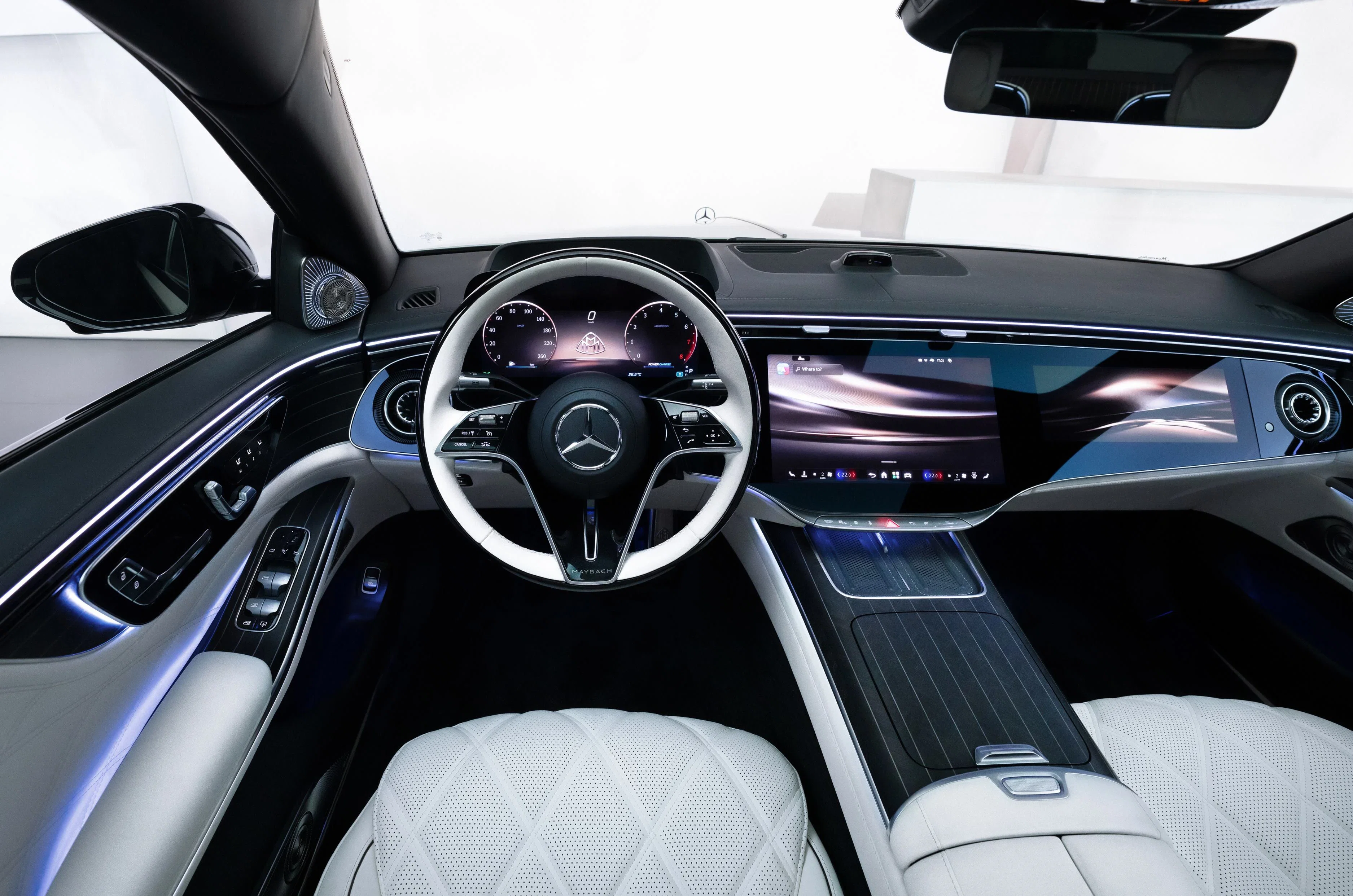
Mercedes-Maybach S-Class interior
Mercedes-Benz S-Class interior
 

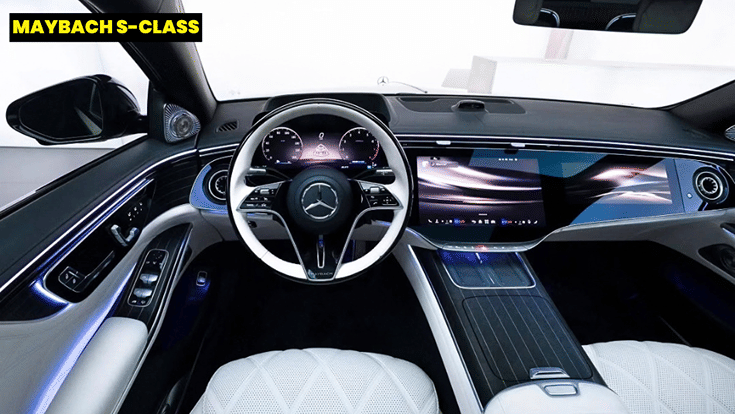
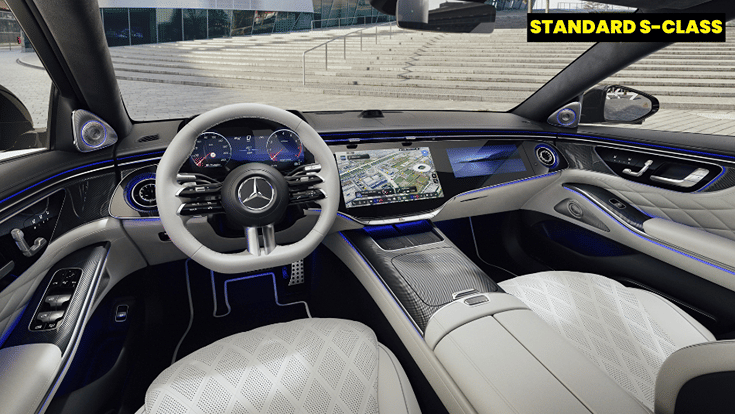
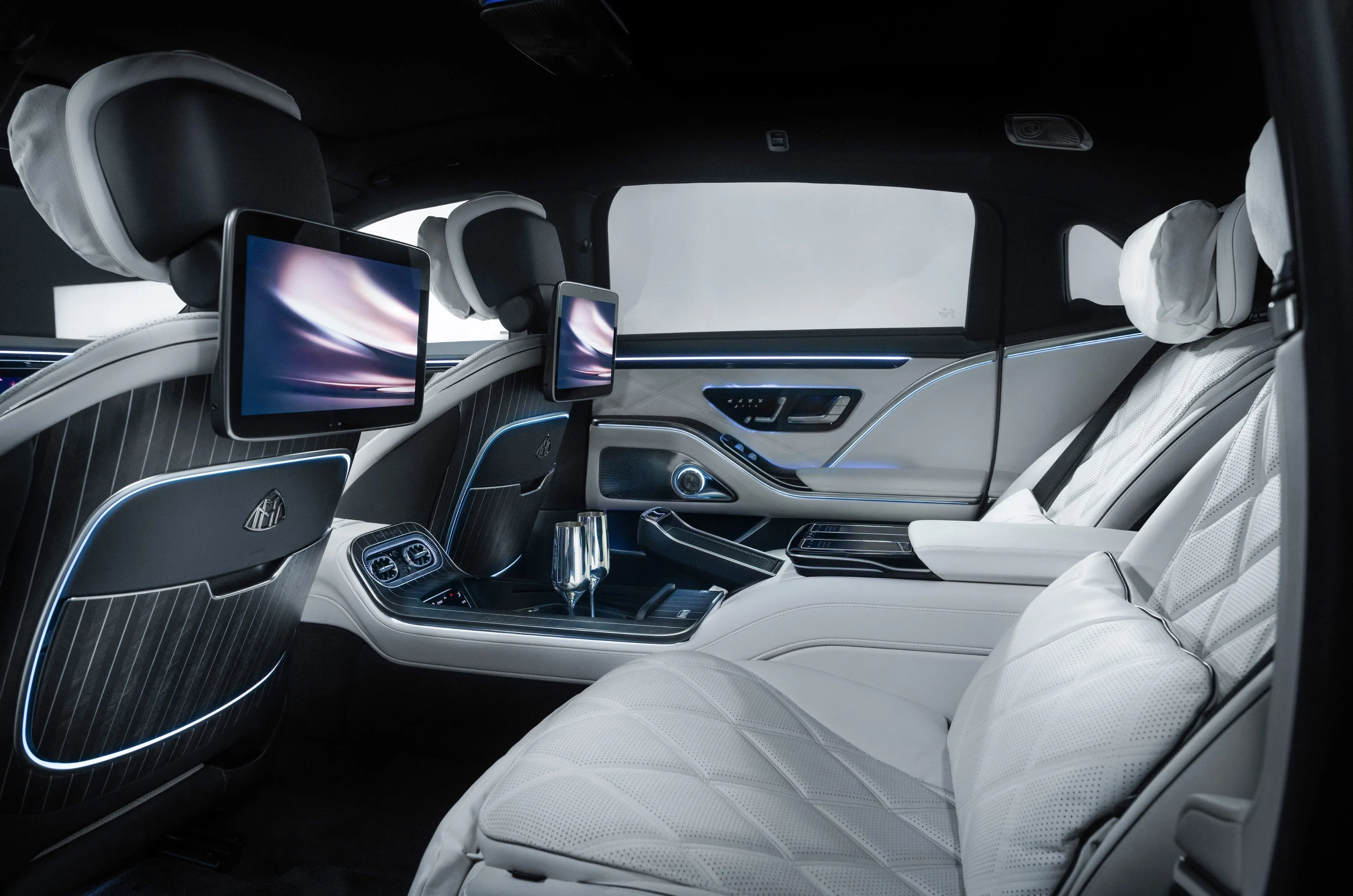
Inside, the Maybach retains the multi-screen layout of the regular S-Class. The dashboard features a 14.4-inch OLED central touchscreen, a 12.3-inch digital instrument cluster, and a dedicated 12.3-inch display for the front passenger. Both models run the latest MB.OS software, but the Maybach gets custom user-interface graphics. It also offers richer materials and expanded upholstery options, including bespoke leather finishes, stitching, and embroidery. 

At the back, the Maybach S-Class gets the  “executive rear seats” package as standard, whereas the standard S-Class gets it as an optional extra. This means you get a 4-seat layout as standard, and the rear seat recline angle is increased to 43 degrees, up from 38 degrees on the standard model’s 5-seat configuration.

Rear passengers in the Maybach get more creature comforts over the standard S-Class, including temperature-controlled cup holders and dual wireless phone chargers.

Mercedes-Maybach S-Class vs Regular S-Class: Powertrain

Like the standard S-Class, the Maybach uses a plug-in hybrid (PHEV) setup. In the S 580e trim, it pairs a 3.0-litre turbocharged inline-six petrol engine with an electric motor and a 22kWh battery pack. Combined output reaches 585hp and 750Nm of torque—a noticeable step up from the regular S 450e’s 435hp and 680Nm. Both cars send power to the rear wheels via a 9-speed automatic transmission. An AWD layout is standard on both models.

Both models feature a dedicated pure-electric mode. Here, the regular S-Class offers a WLTP-certified electric range of up to 115km, while the Maybach achieves 100km. Conversely, the Maybach earns a higher claimed combined efficiency figure of 34.48kpl versus the standard model’s 32.3kpl. Additionally, the Maybach adds an exclusive “Maybach” drive mode that’s used for maximum rear-seat ride comfort.

All prices are ex-showroom, India.

2026 Mercedes-Maybach S-Class launched at Rs 3.35 crore

2026 Mercedes-Maybach S-Class launched at Rs 3.35 crore
Mercedes-Maybach-S-Class-India

Mercedes-Benz has launched the Maybach S-Class facelift at Rs 3.35 crore (ex-showroom). It has been brought to India in S 580e guise, making it the first Maybach in India to be offered with a plug-in hybrid powertrain. Only 30 units have been allocated in the first batch, costing Rs 97 lakh more than the ‘regular’ S-Class Manufaktur Edition AMG Line that was launched just a couple of months ago. This is also Mercedes’s third PHEV in India, following the updated S-Class and AMG E 53 Hybrid. Mercedes says around 50 percent of its S-Class sales in India are of the Maybach variant. 

  1. Maybach S-Class comes to India in S 580e guise with 3.0-litre PHEV powertrain 
  2. Gets executive rear seats with full-length business console as standard 
  3. Offers 98km electric-only range thanks to a 22kWh battery 

Mercedes-Maybach S 580e powertrain and specs 

The new PHEV powertrain is one of the biggest updates to the Maybach S-Class, as the outgoing model was offered with a 4.0-litre V8. The S 580e uses a 443hp/560Nm 3.0-litre inline-six petrol engine paired with a 160hp/480Nm electric motor and a 22kWh battery. Total system output is 585hp and 750Nm, and it comes with all-wheel drive as standard. Mercedes claims the car can travel up to 98km and reach a top speed of 140kph on electric power alone. It also has a WLTP-certified fuel efficiency of 34.48kpl, although it’s likely not to be of much interest to a Maybach owner.  

The S 580e offers three drive modes – Maybach, Electric and Battery Hold – along with adjustable energy recuperation, including one-pedal driving. As for charging, Mercedes will offer an 11kW AC on-board charger, and the car is also compatible with up to 60kW DC fast charging. The S 580e gets air suspension and rear-axle steering as standard. 

Mercedes-Maybach S 580e interior and features 

The focus of any Maybach is, of course, the back seat, and in that regard, Mercedes is offering the S 580e in a four-seat layout with executive seats with a full-length business console. Rear Comfort Package Plus is standard, offering fold-out tray tables, wireless charging pads, rear-compartment ambient lighting and even temperature-controlled cup holders. The seats recline to 43 degrees (compared to the regular S-Class’s 38 degrees) and are heated, ventilated and massaging. You also get two individual ‘smartphone’ remotes to operate everything instead of the tablet controller from before.

Up front, the dashboard remains largely unchanged from the regular S-Class. The MBUX Superscreen spans the front of the cabin, combining the central display with a front passenger display carrying a privacy function, while the driver gets a free-standing 3D display. The difference here is that you get a unique Maybach graphical theme for all screens, along with signature rose gold accents. Some of the equipment highlights include an augmented reality head-up display and navigation, a 31-speaker Burmester 4D surround sound system and two rear entertainment screens with wireless headsets.

The cabin is trimmed in Maybach-exclusive Nappa in crystal white and silver grey pearl, with Manufaktur piano lacquer trim, a Manufaktur roof liner in crystal white Nappa leather and Manufaktur seat backrest trim. 

Mercedes-Maybach S 580e exterior design 

Changes to the exterior are similar to those on the regular S-Class facelift, albeit with a few Maybach-specific twists. For instance, here too the grille is 20 percent larger and framed by LED illumination, with an illuminated Mercedes star on the bonnet above. The difference is that the grille uses the Maybach signature vertical slats, and there’s an illuminated ‘Maybach’ wordmark above them.

The headlamps are the new, larger units with the latest version of Mercedes’s Digital Light ambient lighting and three-pointed star daytime running lamps (DRLs), but rather than the techie blue accents, there are rose gold embellishments with the Maybach logo on them.

Mercedes-Benz Maybach S-Class facelift Wheel

As before, the Maybach is 180mm longer than the long-wheelbase S, and that’s plain to see in profile. The India-spec model rides on 20-inch forged Maybach wheels, which also house a counterweighted Mercedes logo that always stays upright as the wheels turn. The Maybach logo on the D-pillar is illuminated as well, and the tail-lamps also get the triple-three-pointed star LED signature, like in the standard S-Class.

Bajaj Pulsar bikes get festive offers of up to Rs 12,000

Bajaj Pulsar bikes get festive offers of up to Rs 12,000
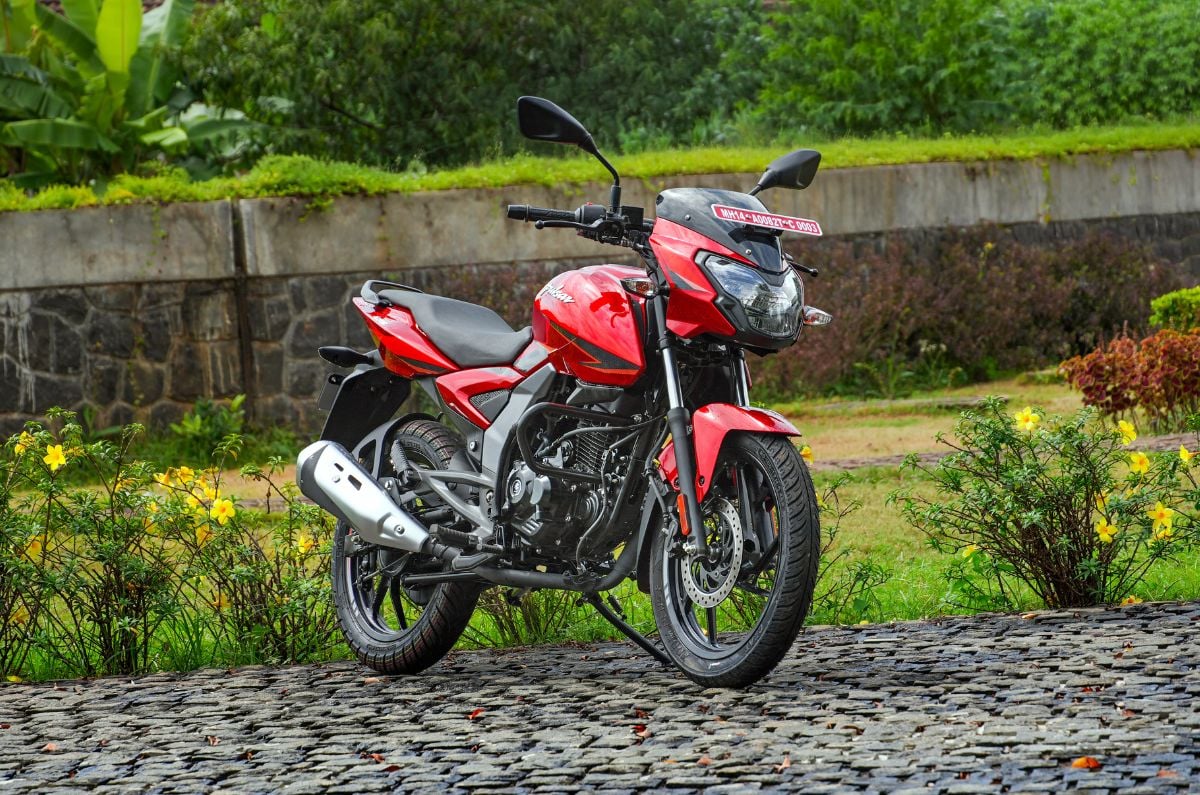
All-new Bajaj Pulsar 125 in Red colour.

Bajaj has been on a roll lately. Starting in August, the brand has been upgrading and improving many of its Pulsar motorcycles. In cases like the NS400Z, the changes are minimal, whereas in others (like the Classic Pulsar 125 and 150) almost everything has changed. Now, Bajaj would like to incentivise customers to upgrade to these new and improved Pulsars, by way of its festive offers.

  1. Bajaj Pulsar 125, 150, and N160 recently received substantial upgrades
  2. More Pulsars are expected to be refreshed in the near future

Bajaj Pulsar festive offers: The breakdown

Applicable for both cash and loan purchases

To recap, Bajaj currently sells 11 different Pulsar motorcycles with numerous variants to choose from across the country. Some of these, like the NS and the RS series, continue without any major changes for years now. Whereas others, like the N160 and the classic 125 and 150, have received comprehensive upgrades pretty recently. Considering the upcoming festive season, Bajaj has announced a bunch of offers across the entire line-up. A mix of up front cash discount and extended free service benefits, the potential customer is said to enjoy up to Rs 12,000 in total value. Predictably, the NS400Z enjoys the highest available discount.

To understand how the offer works for you, the customer, let’s break it down for the recently refreshed classic Pulsar 125. In the state of Maharashtra, the ex-showroom price is Rs 1.04 lakh for the top variant with the TFT screen. Bajaj has announced a Rs 2,500 up front cash discount for this model, which brings down the price immediately to Rs 1.02 lakh. On top of that, you get Rs 3,500 benefit by way of five free services (compared to the standard four) and no processing fee. This isn’t an up front discount and thus has no immediate impact on the price you will pay to the dealership. The good news is that these benefits are not limited to people buying via a two-wheeler loan; so, even if you plan to buy your Pulsar in an all-cash transaction, they would still be applicable to you. Bajaj hasn’t restricted the offers to a specific few states either for they’re available across India.

The Pulsar 125 was recently upgraded with a brand-new frame, engine, and added many new features. The entry-level Pulsar now gets three ride modes, LED lighting and a TFT screen on the top variant. Its revamped 124.58cc engine now makes 12.1hp and 11.4Nm (versus 11.8hp and 10.8Nm earlier). The 150 also received similar improvements across the board, so did the Pulsar N160, with its new S and SS variants. If recent reports are anything to go by, the Pune-based manufacturer will continue to update more Pulsars as we move closer to the festive season.

Outgoing Honda Elevate available with benefits of up to Rs 2.35 lakh

Outgoing Honda Elevate available with benefits of up to Rs 2.35 lakh
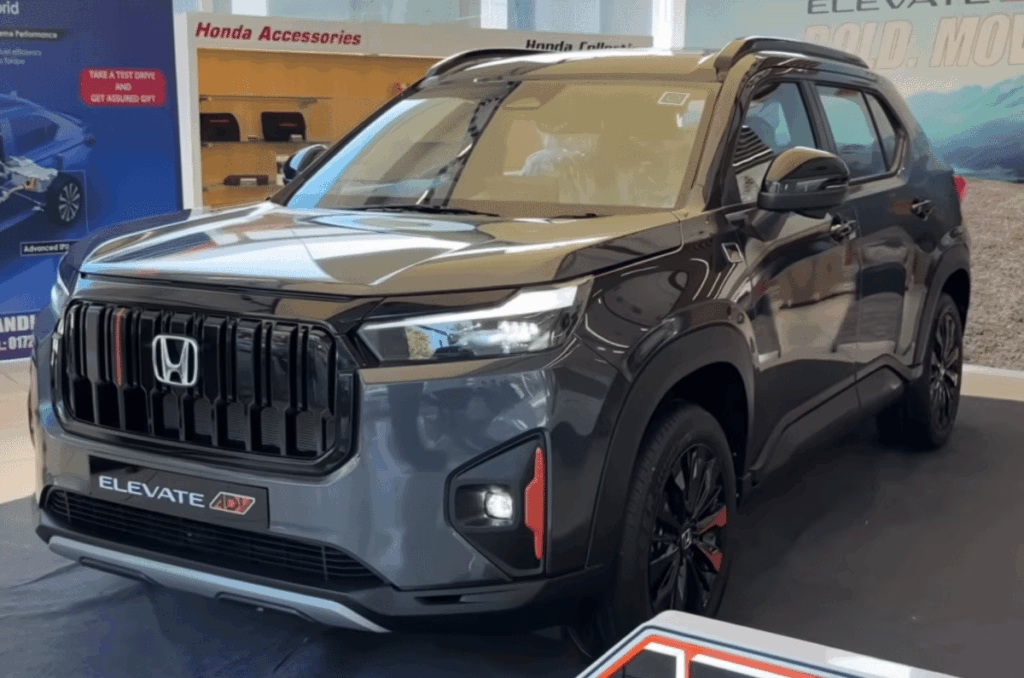
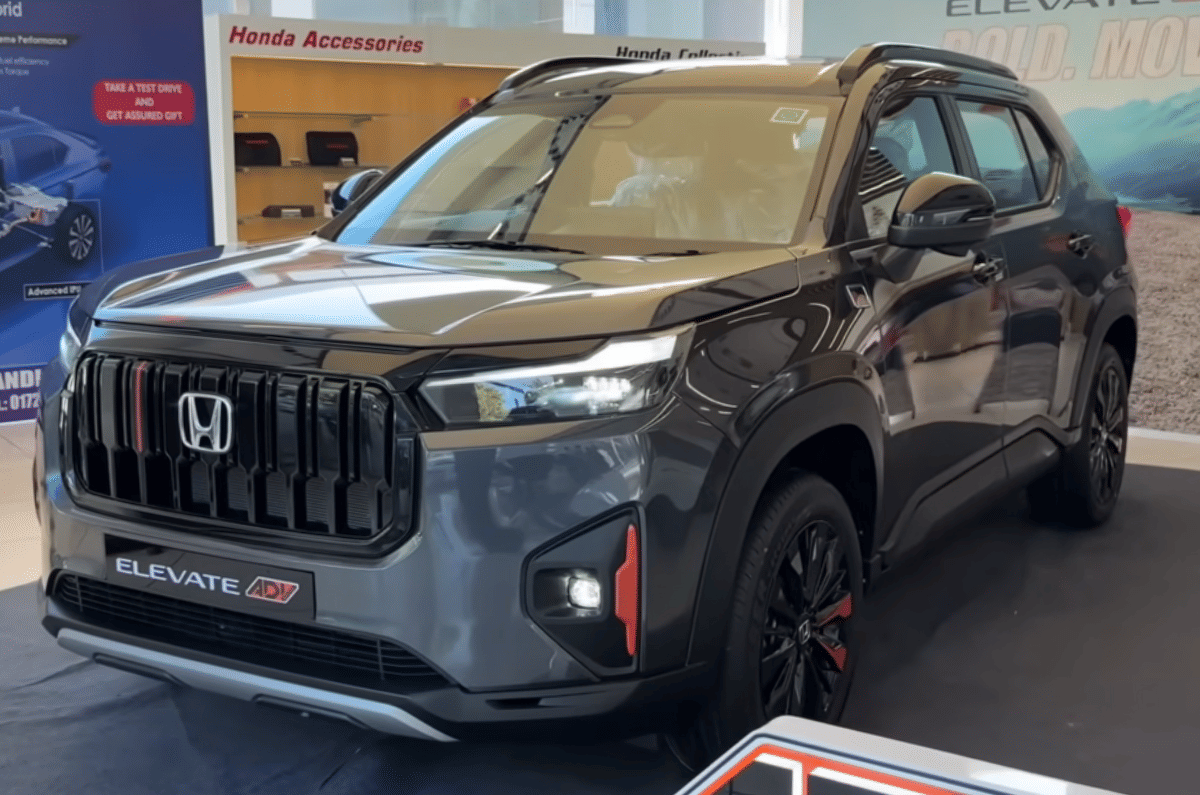
Honda Elevate ADV front quarter static

Honda is offering attractive benefits across its vehicle lineup. Models like the outgoing Elevate, the recently facelifted Honda City, and the Amaze are available with cash discounts, exchange bonuses, loyalty benefits, optional feature bundles, and extended warranty packages. Offers are valid until October 31, 2026. 

Disclaimer: Offers/benefits may vary by city and are subject to stock availability. Buyers are advised to check with their local dealer for exact figures.

Honda Elevate offers in October 2026 

Benefits of up to Rs 2.35 lakh

 The outgoing Honda Elevate is getting benefits of up to Rs 2.35 lakh. This includes a cash discount of up to Rs 50,000, an exchange bonus of up to Rs 80,000, a loyalty benefit of up to Rs 4,000, a corporate benefit of Rs 5,000, along with other schemes, feature bundles and warranty packages, depending on the variant. The current Elevate is priced between Rs 11.88 lakh and Rs 16.36 lakh. It competes with the likes of the Hyundai Creta, Skoda Kushaq, Volkswagen Taigun, Kia Seltos, Tata Sierra, Maruti Grand Vitara, and Victoris. 

Honda City offers in October 2026 

Benefits of up to Rs 1.71 lakh

The recently unveiled City facelift gets benefits of up to Rs 1.71 lakh. It comprises a cash discount of up to Rs 60,000, an exchange bonus of up to Rs 50,000, a loyalty benefit of Rs 4,000, and a corporate offer of Rs 5,000.  Like the Elevate, there are additional offers available that bring further benefits. The City’s price ranges from Rs 12 lakh and goes all the way up to Rs 21.44 lakh. It takes on rivals like the Skoda Slavia, Volkswagen Virtus, and Hyundai Verna.

Honda Amaze offers in October 2026 

Benefits of up to Rs 66,800

 Honda’s most affordable model on sale, the Amaze gets benefits of up to Rs 66,800. The latest third-generation model gets a cash discount of up to Rs 15,000, an exchange bonus of up to Rs 15,000, a loyalty benefit of Rs 4,000, a corporate offer of Rs 3,000, and other schemes and extended warranty benefits that increase the total benefits. In contrast, the older second-gen model gets slightly lower benefits of up to Rs 57,600. The third-gen and second-gen Amaze are priced between Rs 7.65 lakh and Rs 10 lakh and Rs 6 lakh and Rs 7.78 lakh, respectively. The Amaze locks horns with the Tata Aeris, Maruti Dzire, and the Hyundai Aura.

All prices are ex-showroom, India

Bajaj Pulsar 150 vs TVS Apache RTR 160: Prices and specifications compared

Bajaj Pulsar 150 vs TVS Apache RTR 160: Prices and specifications compared
Bajaj Pulsar 150 vs TVS Apache RTR 160 (2V) in clockwise direction.

Bajaj launched the very first Pulsar 150 all the way back in 2001. TVS first responded with the Apache 150 in 2005, and upped the ante with the 160 in 2006. Bajaj, for the Pulsar’s 25th anniversary, effectively rebuilt the Pulsar 150 from scratch, marking some of its biggest changes since the original. TVS responded to this by introducing a new top-variant for the Apache 160 2V with traction control. At the time of writing, the difference in prices between the two is less than the price of six litres of petrol. If you’re not sure which one of these street-nakeds is right for you, we can help with that.

Bajaj Pulsar 150 vs TVS Apache RTR 160 (2V): Engine and output

The older motorcycle is… better?


Bajaj Pulsar 150

TVS Apache RTR 160 (2V)

Engine

149.5cc, single-cylinder, oil-cooled

159.7cc, single-cylinder, air-cooled

Power

14hp at 8,000rpm

16.04hp at 8,750rpm

Torque

14.1Nm at 6,500rpm

13.85Nm at 7,000rpm

Transmission

5-speed

5-speed

Power-to-weight ratio

99.29hp/tonne

115.40hp/tonne

Despite being the older motorcycle of the two, it’s the Apache that has the upper hand in this area. It has the better number for all the metrics; although it delivers both peak power and peak torque higher up in the rev range compared to the Pulsar. The Apache’s power and torque figures vary according to the chosen ride mode, and for this comparison, we’ve taken the figures from the Sport mode, the most powerful one of the three on offer.

Bajaj Pulsar 150 vs TVS Apache RTR 160 (2V): Dimensions and weight

Pulsar gets a notably larger fuel tank


Bajaj Pulsar 150

TVS Apache RTR 160 (2V)

Fuel tank

15 litres

12 litres

Ground clearance

186mm

180mm

Seat height

795mm

790mm

Kerb weight

141kg

139kg

Wheelbase

1338mm

1300mm

With an all-new diamond frame, Bajaj was able to achieve a weight reduction of 9kg on the Pulsar 150 compared to the previous version. However, the Apache is still lighter by 2kg for its top-most variant. It’s also most accessible with a 5mm lower seat height. Do note that the lower seat height also translates to a 6mm lesser ground clearance, and the Pulsar gives you three extra litres of capacity on its fuel tank. In this segment, that translates to at least 120km, not an insignificant number.

Bajaj Pulsar 150 vs TVS Apache RTR 160 (2V): Tyres, brakes, and suspension

TVS (mostly) has the stronger ride package


Bajaj Pulsar 150

TVS Apache RTR 160 (2V)

Tyres (F,R)

80/100-17, 100/90-17

90/90-17, 120/70-17

Brakes (F,R)

260mm disc, 230mm disc; single-channel ABS

270mm disc, 240mm disc; dual-channel ABS

Suspension (F,R)

Telescopic fork, monoshock

Telescopic fork, twin-shock

Bajaj had reduced the rear tyre size on the Pulsar 150 with the new version; the older top variant (Split Seat) had a 120/80-17 size rear tyre. As things stand, the TVS gets the larger tyre on both ends. Do note that TVS gives a slightly smaller 110/80-17 rear tyre on the lower variant. The Apache also has larger disc sizes for its brakes, but both motorcycles get 130mm drum brakes on the lower variants. Apache is the only motorcycle to offer dual-channel ABS, even if it’s limited to the top-two variants. In this section, the Pulsar’s only real advantage is that its newer frame gives it a monoshock, whereas the TVS continues with a twin-shock.

Bajaj Pulsar 150 vs TVS Apache RTR 160 (2V): Features

Newer is better

This is where the Pulsar makes its strongest case to be your motorcycle of choice. The top variant of the Pulsar 150 now gets a 5-inch TFT screen (first debuted on the Pulsar N160 SS) with Google Maps mirroring support, an integrated starter-motor-generator (ISG) to enable silent starts as well as an auto stop/start system. The TVS makes its age very obvious with its LCD instrument cluster; however, it still has bluetooth on the higher variants and can connect to your smartphone for call and SMS alerts, just like the Bajaj. 

Considering how long it’s been since TVS gave it a major upgrade though, it’s impressive how well the Apache holds up against the all-new Pulsar. To give you two examples, both companies offer their own solutions for making low speed riding easier (in stop-and-go traffic, for example); Bajaj calls its version Crawl Mode and TVS calls its version Glide Through Technology (GTT). Both also offer all LED lighting, a feature that reached the TVS later than Bajaj. However, only the Apache gets traction control.

Bajaj Pulsar 150 vs TVS Apache RTR 160 (2V): Price

Neck-and-neck


Bajaj Pulsar 150

TVS Apache RTR 160 (2V)

Price (ex-showroom, Delhi)

Rs 1,15,233-1,28,650 lakh

Rs 1,13,890-1,27,990 lakh

Bajaj has two variants of the Pulsar 150, with a lower variant replacing the TFT screen for an LCD one and losing out on the features that are associated with it. TVS, at the time of writing, offers seven variants for the Apache RTR 160, all separated by about Rs 3,000 difference. However, it’s the Apache that’s more affordable to purchase, even if the difference is just Rs 660. Hopefully, the other differences are enough to help you choose one over the other.