
Hyundai Creta gets benefits of up to Rs 1 lakh in September 2026

Hyundai Creta gets benefits of up to Rs 1 lakh in September 2026
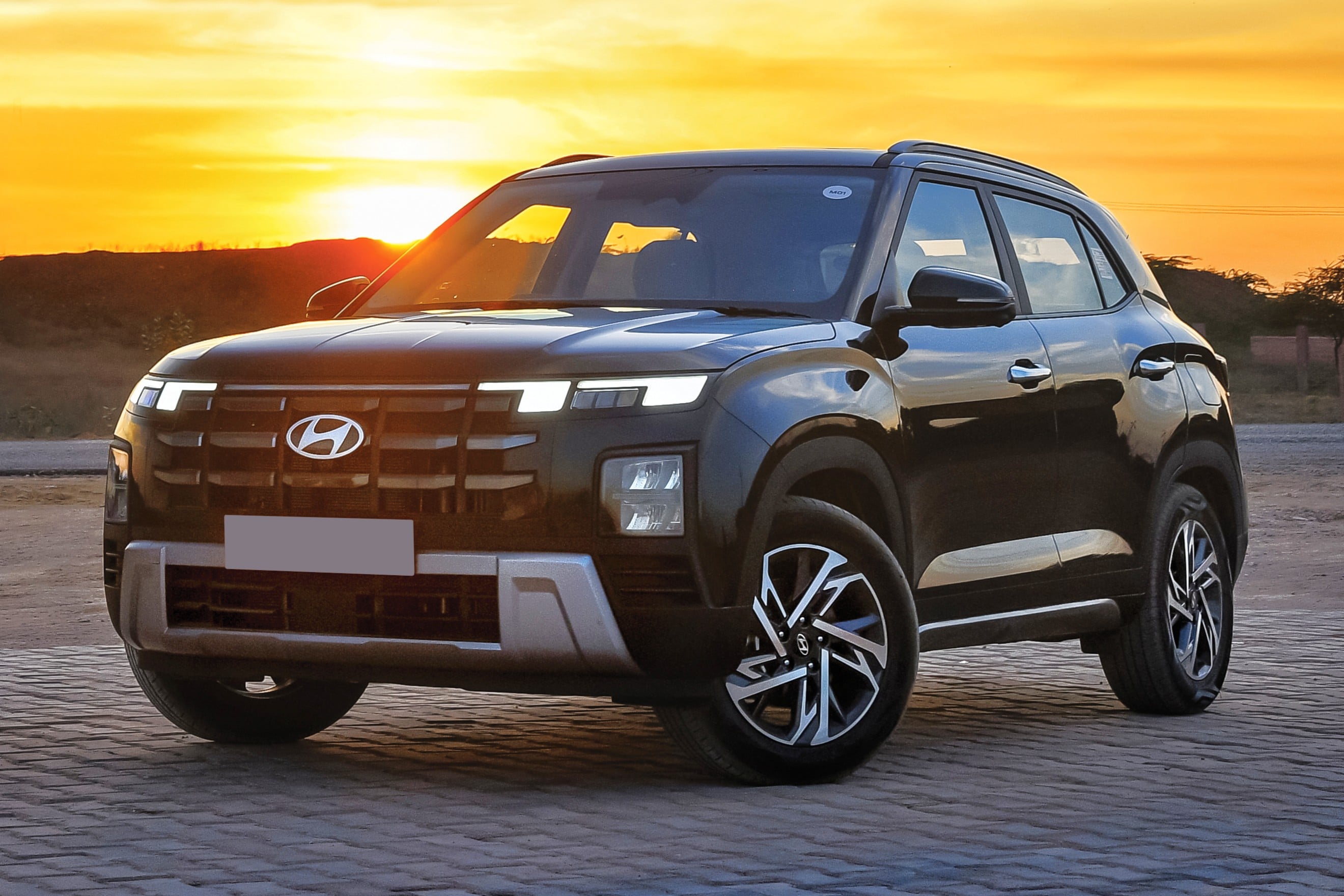
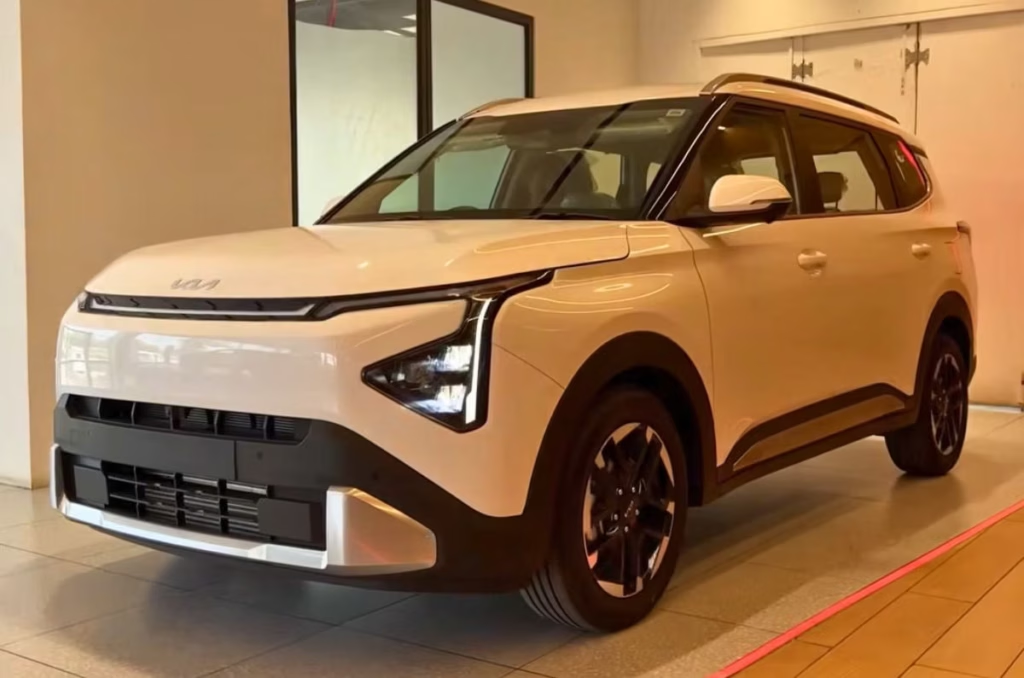
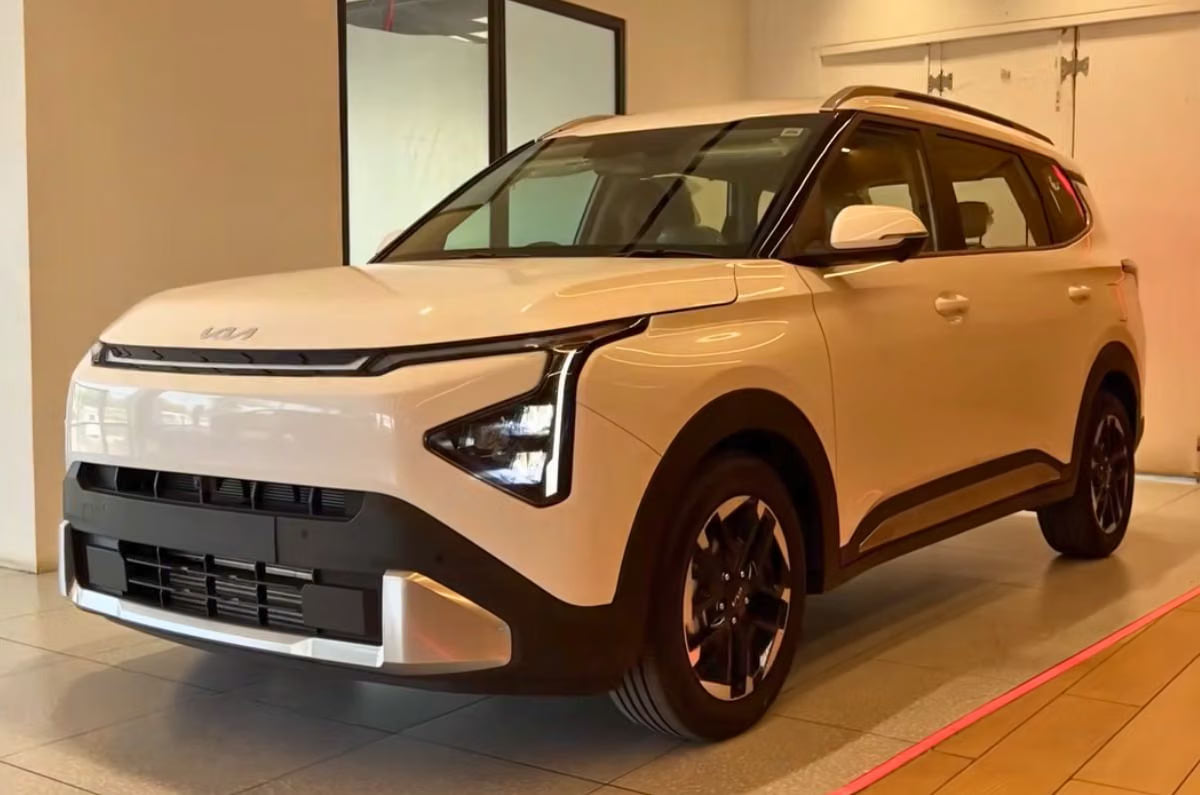
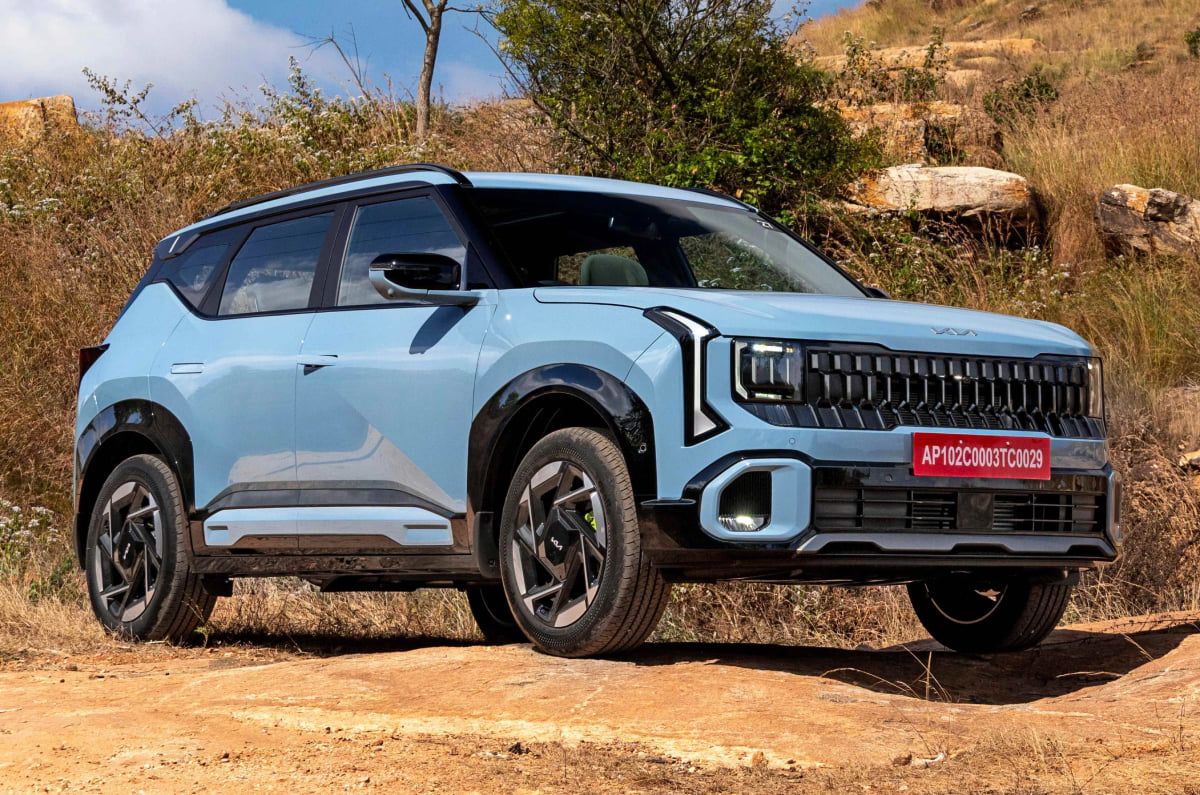
Hyundai Creta front quarter static

Hyundai India is offering an attractive range of benefits on select models in its portfolio. Depending on the model chosen, customers can avail up to Rs 1 lakh in benefits, valid until September 30, 2026.

Disclaimer: Offers/benefits may vary by city and are subject to stock availability. Buyers are advised to check with their local dealer for exact figures.

Hyundai Creta offers in September 2026

Benefits of up to Rs 1 lakh

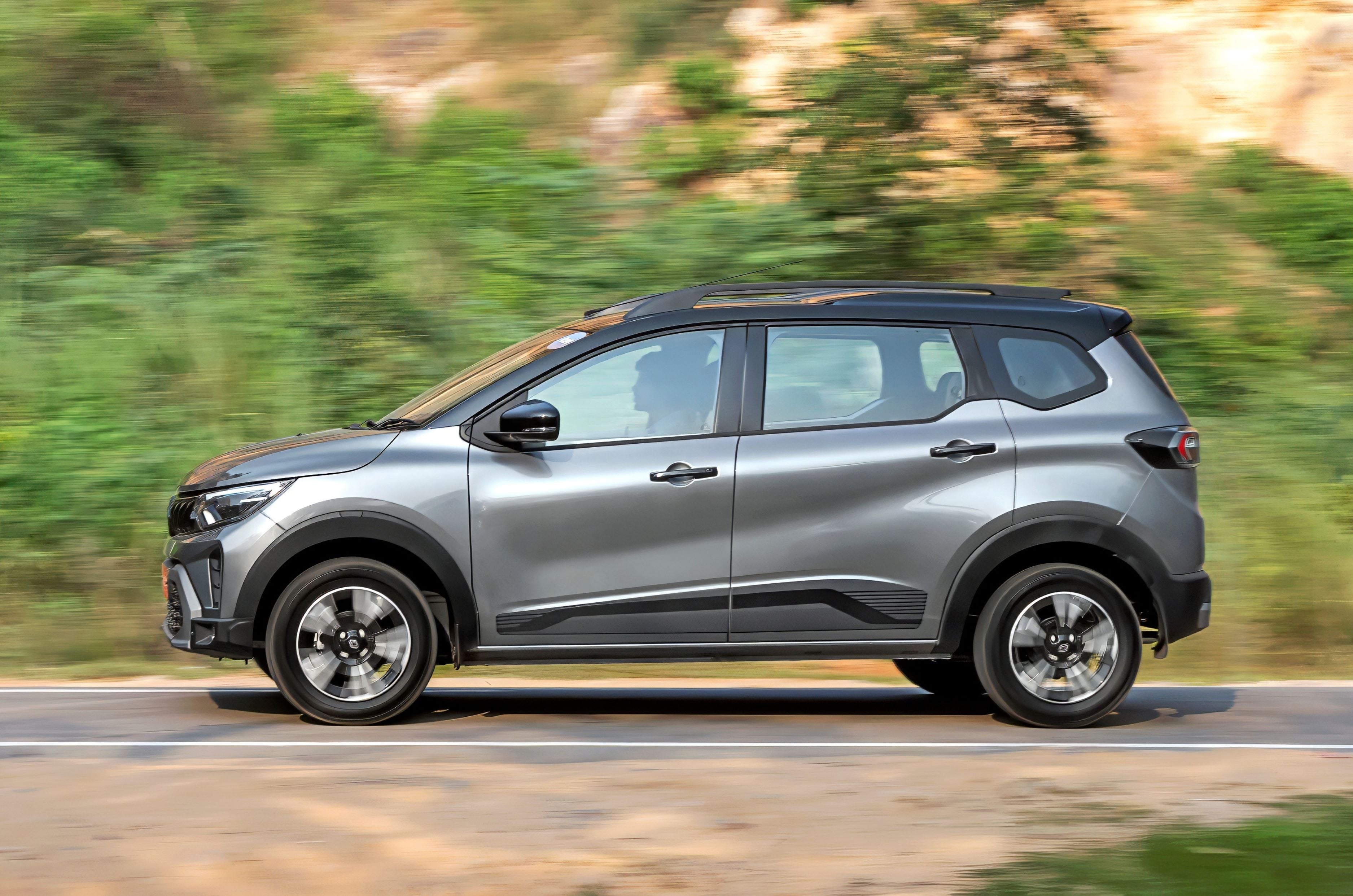
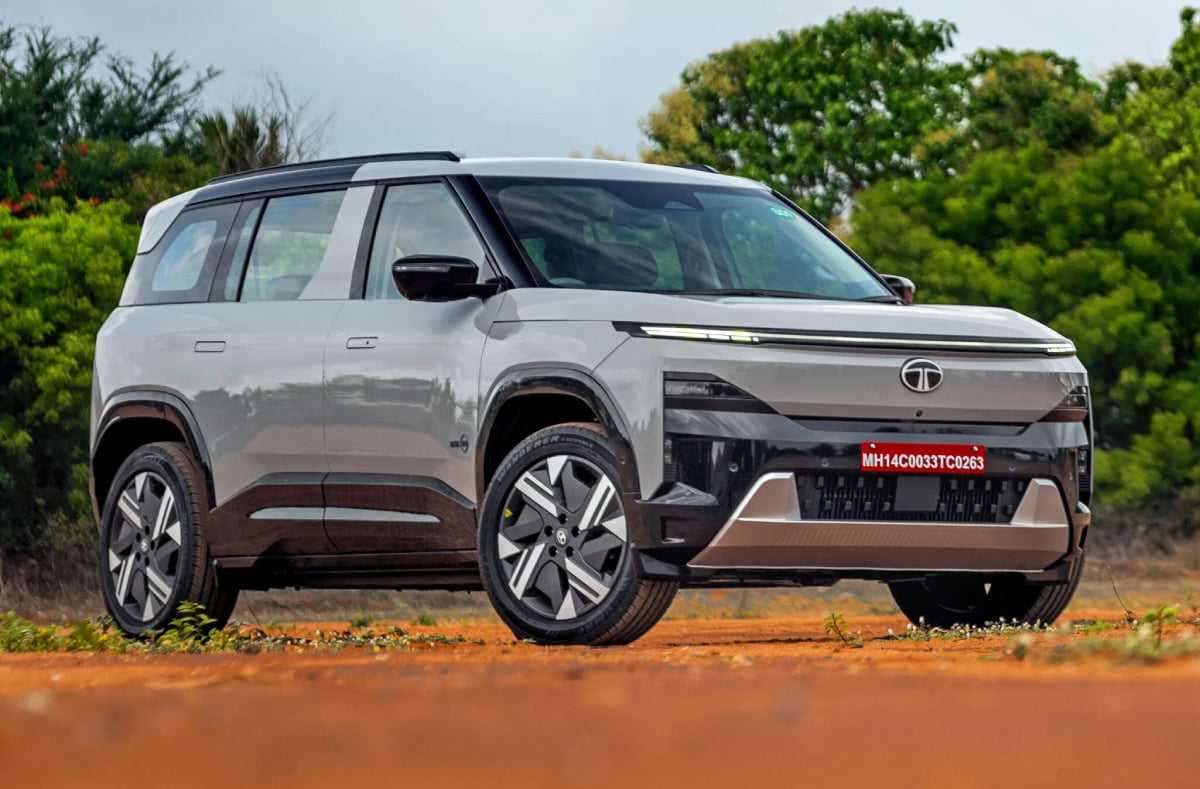
The Creta mid-size SUV is available with benefits of up to Rs 1 lakh. The Korean carmaker’s best-selling model in India is offered with a trio of 1.5-litre engines, namely, a naturally aspirated petrol, a turbo-petrol, and a diesel engine. All engines are offered with manual and automatic gearboxes. Prices range between Rs 10.90 lakh and Rs 19.91 lakh, with the Creta taking on rivals like the Tata Sierra, Kia Seltos, Renault Duster, Skoda Kushaq, and Maruti Victoris.

Hyundai Grand i10 Nios offers in September 2026 

Benefits of up to Rs 70,000

Hyundai’s Grand i10 Nios is being offered with up to Rs 70,000 in benefits. Its most affordable model in India is offered solely with a 1.2-litre petrol engine paired to either a manual or AMT gearbox. A factory-fit dual-cylinder CNG kit can be fitted to this engine and is paired exclusively with a manual gearbox. The Grand i10 is priced between Rs 5.59 lakh to Rs 8.04 lakh and is Hyundai’s answer to the Maruti Swift and the Tata Tiago.

Hyundai i20 offers in September 2026 

Benefits of up to Rs 60,000

The Grand i10’s elder sibling, the i20, is being offered with benefits of up to Rs 60,000. Standard versions of the i20 come powered by a 1.2-litre petrol engine mated with either a manual or CVT automatic gearbox. The i20 is priced from Rs 5.99 lakh to Rs 11.59 lakh, and it competes with the Maruti Baleno, Tata Altroz, and the Toyota Glanza.

Hyundai Exter offers in September 2026

Benefits of up to Rs 50,000

Hyundai is offering benefits of up to Rs 50,000 on the Exter. The subcompact SUV was updated earlier this year with refreshed looks and feature additions. It is powered by a 1.2-litre petrol engine and is mated with either a manual or AMT gearbox. Like the Grand i10, it also gets a CNG kit fitted to this engine. The Exter’s price begins at Rs 5.8 lakh and goes all the way up to Rs 9.46 lakh. It takes on the likes of the Tata Punch.

Hyundai Aura offers in September 2026 

Benefits of up to Rs 30,000

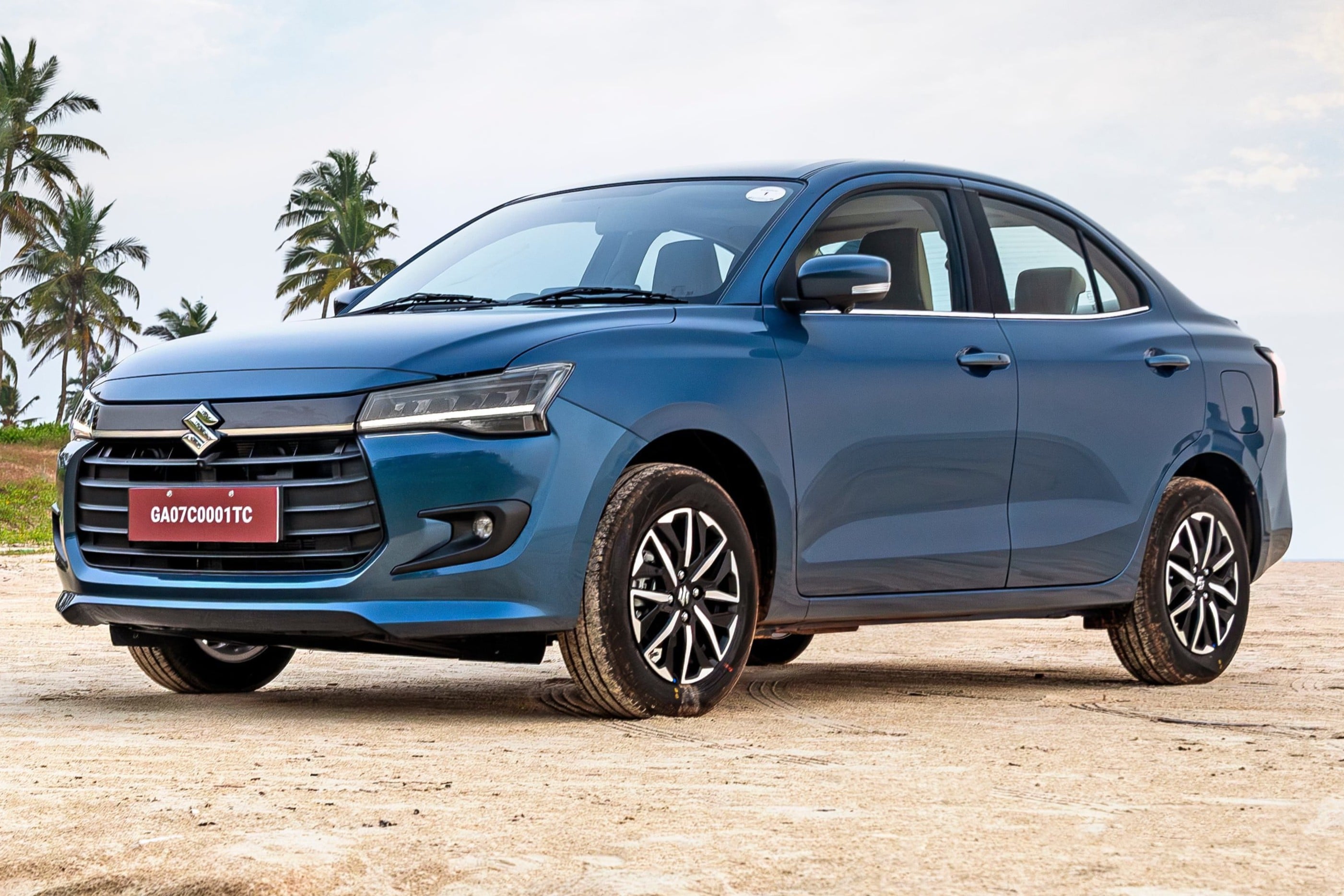
The Aura compact sedan is available with benefits of up to Rs 30,000. The Aura shares the same petrol engine as the Grand i10 Nios and the Exter, along with a CNG version on offer. It is priced between Rs 5.99 lakh and Rs 8.59 lakh and competes with the Tata Tigor, Maruti Dzire, and the Honda Amaze.

3 reasons to buy the Toyota Hyryder and 2 reasons not to

3 reasons to buy the Toyota Hyryder and 2 reasons not to
Toyota Urban Cruiser Hyryder

Introduced in 2022, the Urban Cruiser Hyryder and Maruti Grand Vitara were the first products co-developed through the partnership between Toyota and Maruti Suzuki. Currently, the Hyryder is Toyota’s bestselling SUV in India, averaging 7,000-9,000 units a month. If you are considering the Hyryder, we will help you decide whether this midsize SUV is suitable for you or whether you should look elsewhere.  

Reasons to buy the Toyota Hyryder

Efficient strong hybrid engine

The petrol engine in the strong hybrid version runs on the Atkinson cycle that prioritises efficiency. Coupled with the battery and motor, the Hyryder can run temporarily on pure electric power, which helps curb fuel consumption. In our real-world fuel efficiency tests, the Hyryder strong hybrid delivered much higher efficiencies than the mild hybrid petrol automatic version: 20.28kpl in the city and 22.85kpl on the highway compared to 10.83kpl and 15.67kpl, respectively. Do note that this test was done before the rollout of E20 fuel.

Well-judged ride and handling

A combination of tough underpinnings and well-judged suspension helps the Hyryder have a balanced ride and handling setup. It handles tough roads with ease, and even the sharp surfaces are absorbed quite well. At higher speeds, the Hyryder remains glued to the road and composed, while direction changes and cornering abilities are predictable. Even when cornering, body roll is kept to a minimum despite its high 210mm ground clearance, which is remarkable.

AWD availability

The Hyryder is among the few models in the very crowded midsize SUV space to offer AWD. Available solely with an automatic gearbox, it comes with Suzuki’s AllGrip Select all-wheel-drive system, bringing decent off-road capability for the Hyryder, especially for those who regularly drive in snowy or slushy conditions. With the help of terrain modes and the ability to send 50 percent of its power to the rear wheels, it can tackle challenging roads.

Reasons not to buy the Toyota Hyryder

Engines lack outright performance

Strong-hybrid versions of the Hyryder are optimised for fuel efficiency over outright performance. Thus, drivers looking for a turbo-petrol-like exhilaration won’t be satisfied, as it lacks midrange punch. Apart from the strong hybrid, there’s also a mild hybrid version that utilises a 103hp, 139Nm 1.5-litre naturally aspirated petrol engine. Though it has enough pep in the city, as with the strong hybrid, you’ll find yourself longing for more power on the highway. Overtakes will require careful planning and working your way through the gears. At 14.01 seconds, the mild-hybrid’s 0-100kph time is slow by segment standards.

Limited boot space

With a capacity of 355 litres, the mild hybrid-powered Toyota Hyryder has one of the smallest trunks in the segment. Additionally, the Hyryder strong hybrid’s high fuel efficiency comes at the cost of boot space, which is reduced further to 255 litres because of the lithium-ion battery pack placed beneath it. This could be a dealbreaker for those who carry large suitcases on road trips.

Tata Punch EV new vs old real-world range comparison

Tata Punch EV new vs old real-world range comparison
Tata Punch EV new vs old

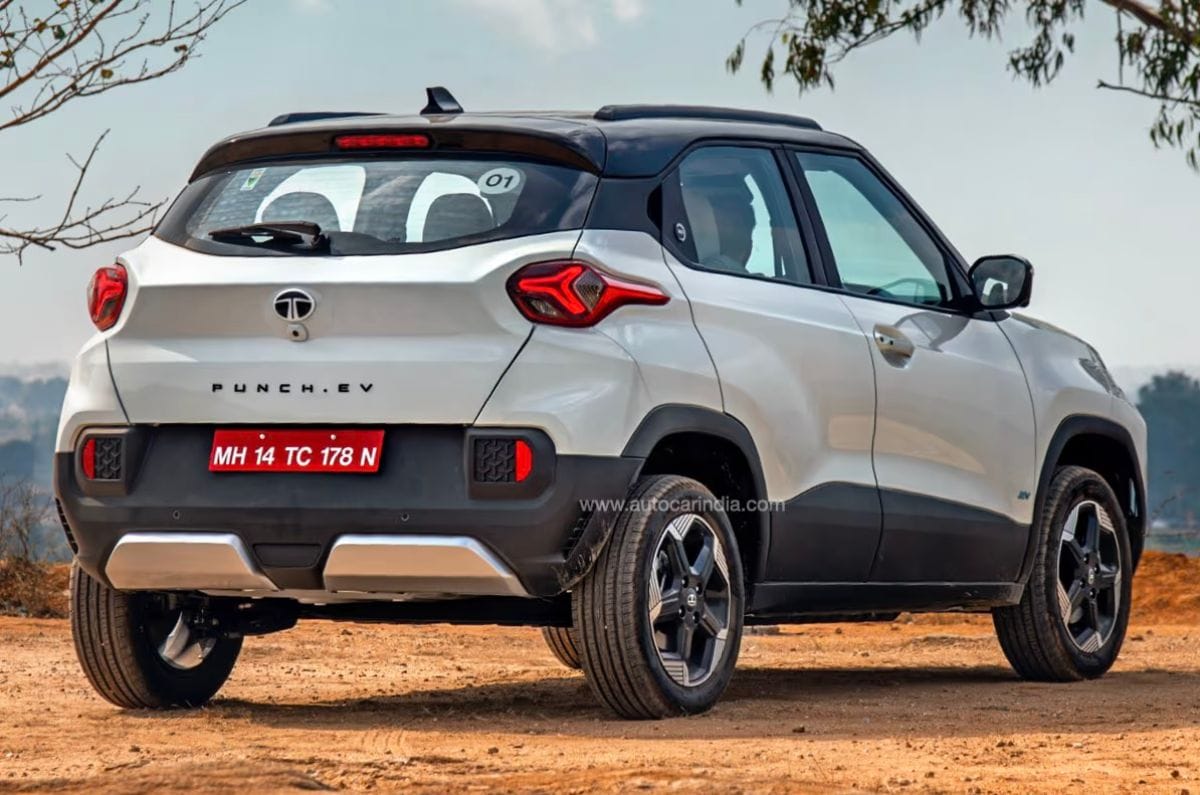
In February 2026, Tata Motors brought incremental updates to the Punch EV. The carmaker’s most affordable electric SUV saw a bump in battery size, subtle cosmetic revisions, and feature additions, while also being more affordable than its predecessor. To see how much the 2026 Punch EV has improved over its older iteration, we put it through our real-world range tests and compare it to its predecessors. 

Tata Punch EV new vs old: Specifications

Tata Punch EV new vs old: Specifications


Tata Punch EV New

Tata Punch EV Old

Battery size

40

35

Electric motor setup

Single motor, front

Single motor, front

Power (hp)

129

122

Torque (Nm)

154

190

ARAI range (km)

468

365

Kerb weight (kg)

1365

1,360

0-100kph time (claimed, in seconds)

9

9.5

With the newer Punch EV, Tata has increased the battery size in its long-range version by 5kWh and bumped the motor’s power slightly. However, the older Punch EV’s motor delivered 36Nm more torque than the newer model. In the new Punch EV, Tata introduced a new 6-in-1 drivetrain setup, replacing the older one’s 3-in-1 unit. With this new setup, Tata claims a 50 percent reduction in packaging size, a 28 percent reduction in weight, and a 6 percent increase in efficiency. Despite the larger battery, this new drivetrain setup on the Punch EV has led to a weight increase of a mere 5kg over its predecessor.

Tata Punch EV new vs old: Real-world range 

In our real-world range tests, the newer Tata Punch EV delivered much higher range than its predecessor. On average, the former goes 75km further than the latter on a single charge. This is because the more efficient drivetrain setup (see table below), coupled with the larger battery pack on the new Punch EV, has translated into going farther on a single charge. 

Tata Punch EV new vs old: Efficiency 


Tata Punch EV New

Tata Punch EV Old

City efficiency (km/kWh)

7.92

6.92

Highway efficiency (km/kWh)

7.29

6.17

Average efficiency (km/kWh)

7.61

6.54

Tata Punch EV new vs old: Prices

Tata Punch EV new vs old: Prices


Tata Punch EV New

Tata Punch EV Old

Long Range version price range (Rs lakh)

10.99 – 12.79

12.99 to 14.49

Despite the updates and higher real-world range, the new Tata Punch EV is much more affordable than the older model. In fact, depending on the variant chosen, the former is up to Rs 2 lakh cheaper than the latter. 

Autocar India’s range testing

Before our real-world range tests, the battery of our test car was fully charged, and we maintained tyre pressures in accordance with the manufacturer’s recommendations. The car was driven on a weekday in Mumbai city and on the adjoining state highway in a fixed loop, and we maintained the set average speeds. At the end of each cycle, we calculated the range based on the percentage charge consumed.

Throughout our tests, the climate control was set to 22deg C in a full-auto setting, and other electricals, such as the audio system, indicators and ventilated front seats, were used when required, just as a regular user would. We take pride in our testing data, which isn’t merely consistent but also gives users an accurate indication of what they can expect in the real world.

Tata Sierra vs Harrier: Diesel AT performance compared

Tata Sierra vs Harrier: Diesel AT performance compared

The Tata Sierra is one of the newer midsize SUVs to offer a diesel engine, a powertrain that is becoming increasingly rare in the segment. Positioned below the Harrier in Tata’s SUV lineup, the Sierra gets a 1.5-litre diesel engine, while a 2.0-litre diesel powers the larger Harrier. Both SUVs are available with a 6-speed automatic gearbox, but with different engines under the hood, how do they compare in terms of performance? Let’s find out.

Tata Sierra vs Harrier diesel AT: Specifications and price

The Sierra’s smaller engine offers less performance, but it is also more affordable

Tata Sierra vs Harrier diesel AT: Specifications and price


Tata Sierra 1.5D AT

Tata Harrier 2.0D AT

Engine

4-cyl, turbo-diesel

4-cyl, turbo-diesel

Displacement (cc)

1,497

1,956

Power (hp)

118

170

Torque (Nm)

280

350

Kerb weight (kg)

NA

1,823

Power-to-weight (hp per tonne)

93.25

Torque-to-weight (Nm per tonne)

191.99

Price range (Rs, lakh)

15.99-21.29

18.85-25.40  

The Tata Harrier gets a larger 2.0-litre diesel engine, making 52hp and 70Nm more than the Sierra’s 1.5-litre diesel. Tata is yet to reveal the Sierra diesel’s kerb weight, but it will be lower than the Harrier diesel’s weight because of its smaller size. For reference, the Sierra’s turbo-petrol AT weighs 1,552kg.

The Sierra diesel also has a clear price advantage. Its starting price is Rs 2.86 lakh lower than the Harrier’s, while the top-spec Sierra diesel undercuts the Harrier by a substantial Rs 4.11 lakh.

Tata Sierra vs Harrier diesel AT: 0-100kph acceleration test

The Harrier is 0.77s faster than the Sierra to reach 100kph from a standstill

Tata Sierra vs Harrier diesel AT: Acceleration from rest (in seconds)


Tata Sierra 1.5D AT

Tata Harrier 2.0D AT

20kph

1.44

1.33

40kph

3.53

2.94

60kph

5.93

5.16

80kph

9.31

8.30

100kph

13.37

12.60

The Harrier diesel-AT gets off the line 0.11 seconds quicker than the Sierra diesel-AT and continues to pull ahead as speeds rise. By 60kph, the Harrier’s lead grows to 0.77 seconds, a gap it maintains through to 100kph.

Tata Sierra vs Harrier diesel AT: Rolling acceleration tests

While the Harrier clocks a faster 20-80kph run, the Sierra is quicker to do 40-100kph

Tata Sierra vs Harrier diesel AT: Rolling acceleration (in seconds)


Tata Sierra 1.5D AT

Tata Harrier 2.0D AT

20-80kph

7.97

7.20

40-100kph

9.42

9.52

In the rolling acceleration tests, the Harrier diesel-AT is again quicker in the 20-80kph test, taking 0.77 seconds less than the Sierra diesel-AT.

However, the Sierra clocks a 0.10-second quicker 40-100kph time. In the real world, we noticed that the Sierra’s 1.5-litre engine builds power linearly and lacks the midrange punch associated with diesel engines. On the other hand, the Harrier offers a punchy mid-range and the powertrain feels more responsive to throttle inputs. 

Autocar India’s testing standards

Before we conduct our performance tests, we check and maintain tyre pressures based on the manufacturer’s recommendation and ensure the car has a full tank of fuel. The car is then tested in a controlled environment with two people on board, and the data is collected via highly accurate GPS-based timing equipment.

2026 Tata Punch EV real world range tested, explained

2026 Tata Punch EV real world range tested, explained
Tata Punch EV real world range

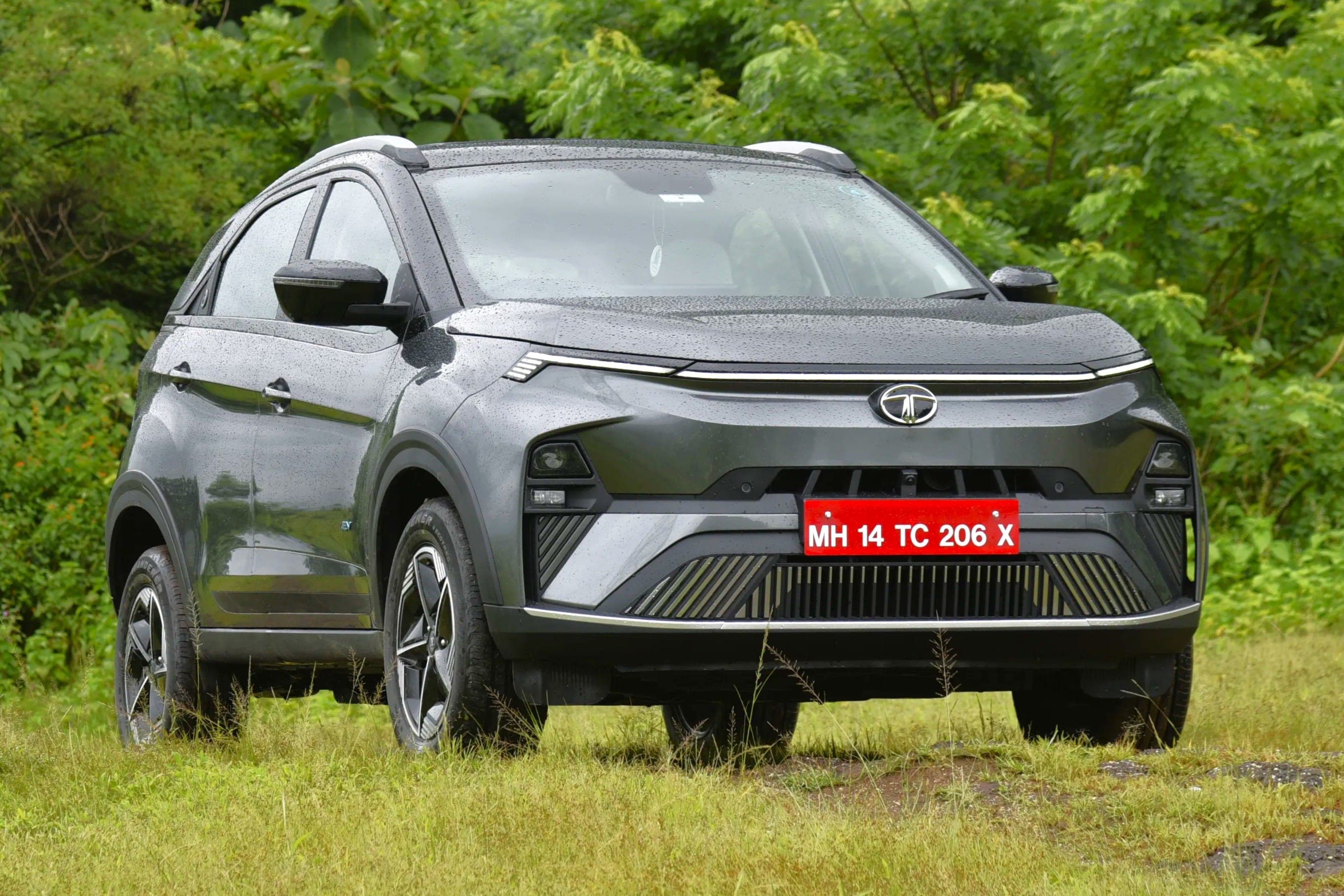
The 2026 Tata Punch EV gets changes to its styling, tweaks to the powertrain and bigger battery options. Interestingly, its starting price is now Rs. 1.65 lakh lower than before and the price range spans Rs. 9.7 lakh and Rs. 12.8 lakh (ex-showroom). We put the Tata Punch EV with the 40kWh battery through our real-world efficiency test to see how it performs.

  1. 80 percent recharge takes 27 minutes on a 180kW DC fast charger
  2. Punch EV 40kWh variant weighs 1,365kg
  3. Gets four regen modes; no single pedal driving

Tata Punch EV real-world range and charging explained 

The Punch EV currently is available with either a 30kWh or a 40kWh battery pack, up from 25kWh and 35kWh, respectively. We tested the Punch EV with the 40kWh battery pack, which is powered by a PMSM motor producing 129hp and 154Nm. The Punch EV offers three driving modes – Eco, City and Sport. For our tests, we used the Eco driving mode with the regen level set to L3 in the city and L1 on the highway.

In the city, the Tata Punch EV returned an efficiency of 7.92km/kWh extrapolating to a range of 317km. On the highway, the efficiency dropped to 7.29km/kWh translating to a range of 291km. With an overall efficiency of 7.61km/kWh, the Tata Punch EV can deliver a real-world range of 304km on a full charge.

Tata claims that the DC fast capability of the Punch EV has gone up to 65kW from 50kW in the previous model. That said, we charged the car using a 180kW DC fast charger and noted peak charging speeds around 67.3kW. However, the charging speed dropped after 50 percent state of charge, before rapidly dropping after 90 percent. In terms of charging times, the Punch EV took 27 minutes to charge from 20-80 percent, and took another 31 minutes to reach 100 percent. 

Autocar India’s range testing

Before our real-world range tests, the battery of our test car was fully charged, and we maintained tyre pressures in accordance with the manufacturer’s recommendations. The car was driven on a weekday in Mumbai city and on the adjoining state highway in a fixed loop, and we maintained the set average speeds. At the end of each cycle, we calculated the range based on the percentage charge consumed.

Throughout our tests, the climate control was set to 22deg C in a full-auto setting, and other electricals, such as the audio system, indicators and ventilated front seats, were used when required, just as a regular user would. We take pride in our testing data, which isn’t merely consistent but also gives users an accurate indication of what they can expect in the real world.

Top five CNG cars under Rs 10 lakh

Top five CNG cars under Rs 10 lakh
Best CNG SUVs under Rs 10 lakh

CNG cars are no longer considered budget options like before. Today, they are offered across multiple body styles and price points and even with automatic gearboxes. Moreover, with manufacturers now offering good features across the line-up, along with dual-tank or underbody CNG tank setups that free up boot space, these cars now don’t feel like a compromise made for lower running costs. Here, we have listed the best CNG cars under Rs 10 lakh that you can buy.

1. Maruti Suzuki Dzire CNG 

Price: Rs 8.11 lakh-Rs 9.11 lakh 

The Maruti Dzire is powered by a 1.2-litre 3-cylinder engine that produces 70hp and 102Nm of torque in the CNG spec. While performance is adequate for everyday driving, the Dzire really impresses with its great ride quality and tidy handling manners. The cabin is spacious, and with CNG available on the mid-spec VXi and ZXi trims, most features are covered, too. The Dzire gets a single large CNG tank in the boot but still offers some usable space.   

2. Maruti Suzuki Baleno CNG

Price: Rs 7.77 lakh-Rs 8.67 lakh

The Maruti Baleno uses a 1.2-litre 4-cylinder engine that develops 78hp and 98Nm of torque in the CNG spec. It’s a smooth, refined and efficient CNG powertrain. Like on the Dzire, CNG is available on the mid-spec Delta and Zeta trims that come reasonably well equipped. This car, too, has a very spacious cabin, although its boot space is compromised by a single large CNG tank. One can also consider its Toyota twin, the Glanza, which, too, is available with CNG on the equivalent mid-spec S and G trims. 

3. Hyundai Exter CNG

Price: Rs 6.99 lakh-Rs 9.42 lakh 

The Hyundai Exter has a 1.2-litre 4-cylinder engine that produces 69hp and 95Nm of peak torque. It has a wide spread of CNG variants, with top trims being particularly well equipped. The Exter also gets twin CNG tanks that don’t take up too much boot space, and its smooth engine and compact dimensions make it very user-friendly. However, interior space isn’t as good as some other cars here.

4. Tata Punch CNG

Price: Rs 6.80 lakh-Rs 10.67 lakh 

The Tata Punch uses a 1.2-litre 3-cylinder engine that produces 73hp and 103Nm of torque in CNG mode. The Punch CNG is the only one on this list to offer an AMT gearbox. It’s also the best-equipped CNG model here, with a wide spread of variants, but the top ones are quite expensive. Performance is just about adequate, but ride and handling are good, and twin CNG tanks leave usable boot space. 

5. Nissan Gravite CNG

Price: Rs 6.59 lakh-Rs 8.94 lakh 

The Nissan Gravite is powered by a 1.0-litre 3-cylinder engine. However, since the CNG kit on the Gravite is a dealer-level fitment and has not been homologated, specific power and torque figures aren’t available. The Gravite’s real USP is its excellent packaging and flexible 7-seat configuration. As the CNG kit comes as a dealer fitment, it can be had on all trims. The Gravite is, however, not as well equipped as some other models here; the performance is quite dull, and the twin CNG tanks in the boot leave no usable space.

Volkswagen Tayron R-Line long term review, 4420km report

Volkswagen Tayron R-Line long term review, 4420km report
VW Tayron R Line front quarter static

The VW Tayron R-Line is back in the Autocar India garage, and we’ve been running it for some weeks now. First things first, I switch off the Automatic Emergency Braking (AEB) as a matter of habit. The thing is, every time you turn on the car, the system defaults to AEB being active; it doesn’t remember that you last turned it off. This can be rather annoying, but like with most CBUs, which this VW Tayron R-Line is, it follows the homologation requirements of Europe, or what is called GSR 870. That means, for safety reasons, it is mandated to have the AEB on by default every time you begin driving the car. 
AEB triggers inadvertently in traffic.

Now, in Europe and other parts of the world where traffic is predictable and sane, it makes sense, but on our chaotic streets, pedestrians, cyclists, bikes and three-wheelers can trigger the AEB into a heart-stopping slam on the brakes, with the risk of being rear-ended by someone who is two inches away from your bumper. Every run to work, the proximity sensors go berserk tackling Mahalaxmi’s infamous Saat Rasta roundabout in Mumbai. It’s also a reminder that the Tayron is a long car, but the good thing is that outside visibility is pretty good, so you can judge the edges quite easily, which is essential when threading through traffic. 
2.0-litre TSI feels refined at all speeds.

The Tayron got a chance to stretch its legs on a run to the Nanoli track. The ‘EA888 Evo’ 2.0-litre TSI engine is the epitome of refinement and possibly the smoothest turbo-petrol in the premium segment. It lacks a bit of low-end punch, but likes to be revved and encourages visits to the 6,000rpm redline. The Tayron is a happy cruiser too, and feels nice and planted at expressway speeds in a VW sort of way. 

Peeling off the expressway onto the poorly paved, single-lane roads leading to Nanoli exposes a weak chink in the Tayron R-Line – a crashy ride that makes the body jar. The true culprit is the low 45-profile tyres the R-Line comes with, and their short sidewalls simply can’t cushion sharp edges, ruts and jagged tarmac well enough. I suspect the lower-spec Tayron Life, recently launched at Rs 41.99 lakh, is a cheaper and more practical option with the less sporty spec and taller 55-profile tyres. 

Low-profile tyres impact ride comfort.

Living with the Tayron R-Line, you discover the smaller details that go some way in justifying the hefty Rs 46.99 lakh price. Cabin materials feel genuinely plush – the stitching, fit and finish and tasteful use of ambient lighting – though I have to say some of the trim did creak on bad roads. There’s good storage space too, which makes long-distance driving with your family a pleasant affair. What stood out for me was the clarity and ease of use of the infotainment system. Large fonts, smooth and slick operation and a nicely intuitive menu make it easy to operate on the go. 

Seats comfy for long hours behind the wheel.

Other things that stood out after a long drive were the seats – supremely comfortable and not too hard and stiff like those in Volkswagens of the past. These seats have well-judged cushioning, and what makes them special is that they also give your upper body good and even support. 

Fuel efficiency is not the strength of a turbo-petrol, and E20 now being the only choice doesn’t help matters. In the city, we could only muster up 6.2kpl, whilst on the sole highway run to Nanoli, we averaged 11.2kpl.

Volkswagen Tayron R-Line test data

Odometer4,421km
PriceRs 47.74 lakh (ex-showroom, India)
Economy8.7kpl (this month)
Maintenance costNone
FaultsNone
Previous reportNone

Tata Motors plans UK, Europe export push by FY28

Tata Motors plans UK, Europe export push by FY28
Shailesh Chandra

Tata Motors is preparing to expand into new overseas markets as part of its broader international growth strategy. Speaking during the company’s Q1 FY27 earnings call, Managing Director and CEO Shailesh Chandra said, “There will be either at the end of this financial year or maybe early next financial year we will open another big market.”

While the company has not officially named the market, Tata Motors has previously indicated that it is evaluating opportunities in the UK and Europe as part of its next phase of export expansion.

  1. UK, Europe among Tata Motors’ identified focus regions
  2. Exports to Australia and Malaysia also being explored
  3. South Africa continues to drive current export growth

Tata Motors preparing next overseas expansion

Chandra said Tata Motors has identified several priority overseas markets over the next two to three years, covering both internal combustion engine and electric vehicle portfolios. “We have in the next two to three years some key focus markets identified… which would be ICE-focused markets as well as EV-focused markets,” Chandra said.

The comments build on Tata Motors’ earlier confirmation that it had begun preparations for a UK market entry. The company has already started work on vehicle certification and is preparing its sales and aftersales network, although it has not announced a launch timeline. Tata Motors has also not disclosed sales targets or investment plans for either the UK or Europe.

Tata Group Chairman N. Chandrasekaran had earlier said the company would deepen its presence in South Africa while exploring opportunities in Australia and Malaysia, adding that Tata Motors also plans to look more closely at the UK and Europe.

South Africa continues to drive export growth

While Tata Motors prepares for its next phase of international expansion, South Africa continues to drive the company’s current export growth. Tata Motors returned to the country’s passenger vehicle market in 2025 and currently sells the Punch, Curvv, Harrier and Tiago through its partnership with Motus Holdings.

Explaining the recent growth in exports, Chandra said, “This quarter will be equally strong because, as you know, we opened South Africa last year… Since then we have been expanding our product range as well as the number of outlets and dealerships.”

Tata Motors sold 2,408 passenger vehicles in international markets during the first quarter of FY27, up from 970 units in the corresponding period last year. Although exports have more than doubled, they still account for a small share of the company’s overall passenger vehicle volumes.

BGauss OoWah MAX Plus launched at Rs 1.23 lakh

BGauss OoWah MAX Plus launched at Rs 1.23 lakh
OoWah MAX Plus

EV manufacturer BGauss has launched the new OoWah MAX Plus scooter as part of their EV Pop which will sit above the existing OoWah EX. The brand says the scooter’s design and features have been centered around making urban commutes easier and that the model is aimed at first-time and young EV buyers.

  1. Same motor as the OoWah EX, but a 0.7kWh bigger battery
  2. Comes bundled with a 750W charger

What’s new on the OoWah MAX Plus

Essentially, the removable battery and colourways

The MAX Plus continues with the brand’s PMSM hub motor with 2.4kWh peak power (1.5kWh continuous), but a larger 3kWH LFP battery. The battery is rated by ARAI for 145km range, and it’s removable for charging at home. Despite the increase in size, top speed remains capped at a claimed 60kph. The battery is also CAN-enabled (Controller Area Network) which the brand says will allow it to continuously communicate with the vehicle. Both the motor and the battery are rated for IP67. It’s worth mentioning that BGauss previously had a MAX scooter that had the same but non-removable 3kWh battery. Besides that, the MAX Plus gains a reverse assist and a distance to empty indicator into the instrument cluster.

Going back to the scooter, the brand is bundling a 750W charger at no extra cost. With it, the scooter is rated to charge from 0-80 percent in 3 hours and 30 minutes, with 0-100 percent taking 4 hours and 55 minutes. Note that according to the spec sheet on BGauss website, with a 1350W charger the scooter can charge to 100 percent in 2 hours and 50 minutes, although details on the charger’s cost or availability are unclear. Dimensions for the scooter remain the same, with an accessible 765mm seat height and 160mm ground clearance, but the kerb weight has gone up to 104kg (compared to 97kg for the EX). The under seat storage is 21 litres.

Elsewhere too things remain the same with all LED lighting, drum brakes, CBS, and convenience features like limp home mode, USB charging, and the same warranties (3 years/36,000km for the vehicle and charger; 3 years/50,000km for the battery). The warranties are extendable up to 5 years/75,000km.

BGauss has priced the OoWah MAX Plus at Rs 1.23 lakh (ex-showroom) and the scooter is available in Emerald Shadow, Jamun Punch, Tangy Toma, and Zesty Red colours. The OoWah EX also continues to be available at Rs 94,990 (ex-showroom) and now has the same four colour options.

Stephen Raj Antony

Volkswagen Kylaq-based compact SUV confirmed for India

Volkswagen Kylaq-based compact SUV confirmed for India
Volkswagen compact SUV India launch details

Volkswagen has been working on its version of the Skoda Kylaq, which we first reported on six months ago. Volkswagen India has now secured global approval for the project, which is estimated to cost around 25 million euros (Rs 275 crore). The green light paves the way for Volkswagen’s re-entry into India’s high-volume sub-four-metre vehicle market, which the brand had exited following the discontinuation of the Ameo compact sedan and Polo hatchback.

  1. VW compact SUV to share powertrain options with Kylaq 
  2. Differentiation will come in the form of design, features and positioning 
  3. Will mark VW’s return to the sub-4m space since the discontinuation of Polo 

Volkswagen compact SUV: what to expect?

The programme will mark an important step in a broader expansion of Volkswagen’s India portfolio, allowing the brand to reach customers in segments below the Taigun and Virtus.

The new compact SUV will essentially be a badge-engineered version of the Kylaq, but will receive substantial design changes to give it a distinct Volkswagen identity. The differentiation is expected to extend to the exterior, interior, features and positioning.

The 1.0-litre TSI engine will be shared with the Kylaq

It will use the same 1.0-litre TSI petrol engine as the Kylaq, paired with manual and automatic gearbox options. At launch, the Volkswagen compact SUV will get an 8-speed automatic transmission rather than the 6-speed automatic currently offered on the Kylaq. The Kylaq, however, is also expected to receive the 8-speeder with its next update.

It’s unclear what the compact SUV will be named upon launch, but Volkswagen already sells the Tera in the Brazilian market that’s closely related to the Skoda Kylaq. It remains to be seen what it will be called here in India. Prices can be expected to range between Rs 8-13 lakh (ex-showroom). 

Scope of the compact SUV segment 

The model will give Volkswagen access to one of India’s largest vehicle categories. The broader sub-four-metre SUV market, comprising compact and micro-SUVs, currently generates monthly sales of around 1.1 lakh units. The category accounts for around 30 percent of India’s passenger vehicle sales and more than half of utility vehicle volumes. Its growth has been supported by hatchback buyers moving to SUVs, the drastic reduction of GST from 28 percent to 18 percent last year on cars meeting prescribed length and engine-capacity limits, and the availability of multiple powertrain options.

The market is led by Tata Motors with the Punch and Nexon, followed by Maruti Suzuki with the Fronx and Brezza. Sister brand Skoda too has grown significantly after the launch of the Kylaq last year, further underscoring the need for a compact SUV in VW’s portfolio. 

This will mark VW’s return to the compact SUV space since the Polo was discontinued in 2022. 

Volkswagen’s locally produced portfolio is currently limited to the Taigun and Virtus, both positioned above the compact vehicle market. The Kylaq-based SUV will lower the entry point to the Volkswagen brand and give it access to a substantially larger customer base.

Additional volumes from the compact SUV could also improve capacity utilisation at Skoda Auto Volkswagen India’s Chakan plant and deliver better economies of scale, helping lower costs for both Volkswagen and Skoda.