
Top 10 best-selling cars in September 2026: Baleno takes top spot

Top 10 best-selling cars in September 2026: Baleno takes top spot
Top 10 best-selling cars in September 2026

September 2026 saw the Maruti Suzuki Baleno top the best-selling cars list with 25,392 units dispatched, a 93 percent increase year on year. The Tata Nexon and Punch ranked second and third, respectively, with over 20,000 units each. Combined dispatches of the top 10 models rose 15.5 percent to 1,91,332 units. Maruti Suzuki had six models on the list, followed by Tata Motors with two, and Hyundai and Mahindra with one each.

Top 10 best-selling cars in September 2026

RankModelSep 2026 sales (units)Aug 2026 sales (units)Sep 2025 sales (units)MoM change (%)YoY change (%)
1Maruti Baleno25,39215,37613,173+61+93
2Tata Nexon20,45618,43122,573+11-9
3Tata Punch20,33321,32015,891-5+28
4Maruti Fronx19,28218,73013,767+3+40
5Maruti Wagon R18,83520,18015,388-7+22
6Maruti Dzire17,75418,41820,038-4-11
7Hyundai Creta17,65716,28818,861+8-6
8Maruti Swift17,39919,83215,547-12+12
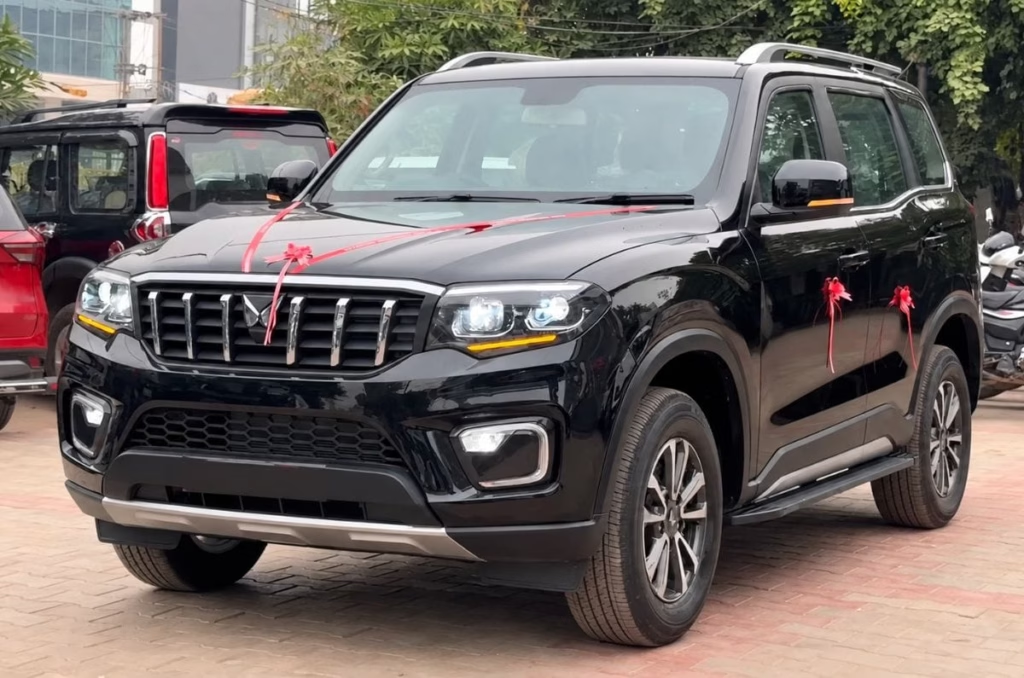
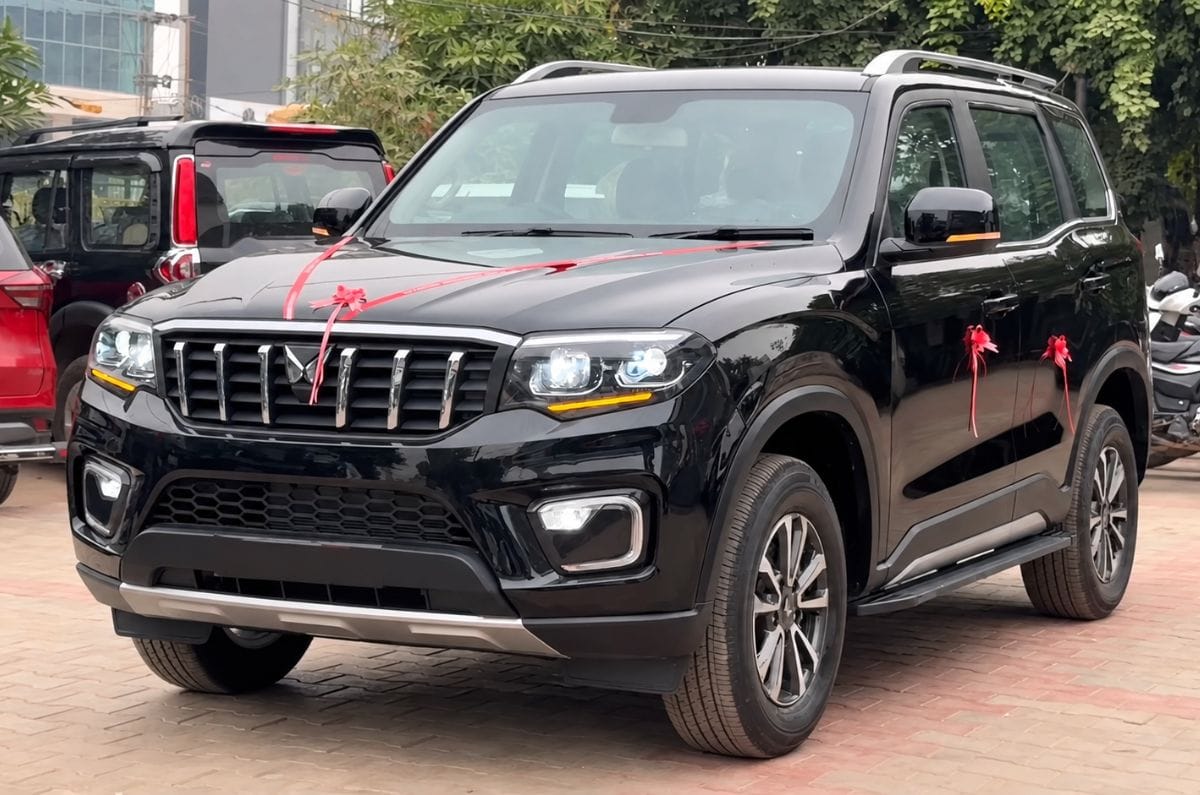
9Mahindra Scorpio17,31315,57618,372+11-6
10Maruti Ertiga16,91118,51612,115-9+40

1. Maruti Suzuki Baleno

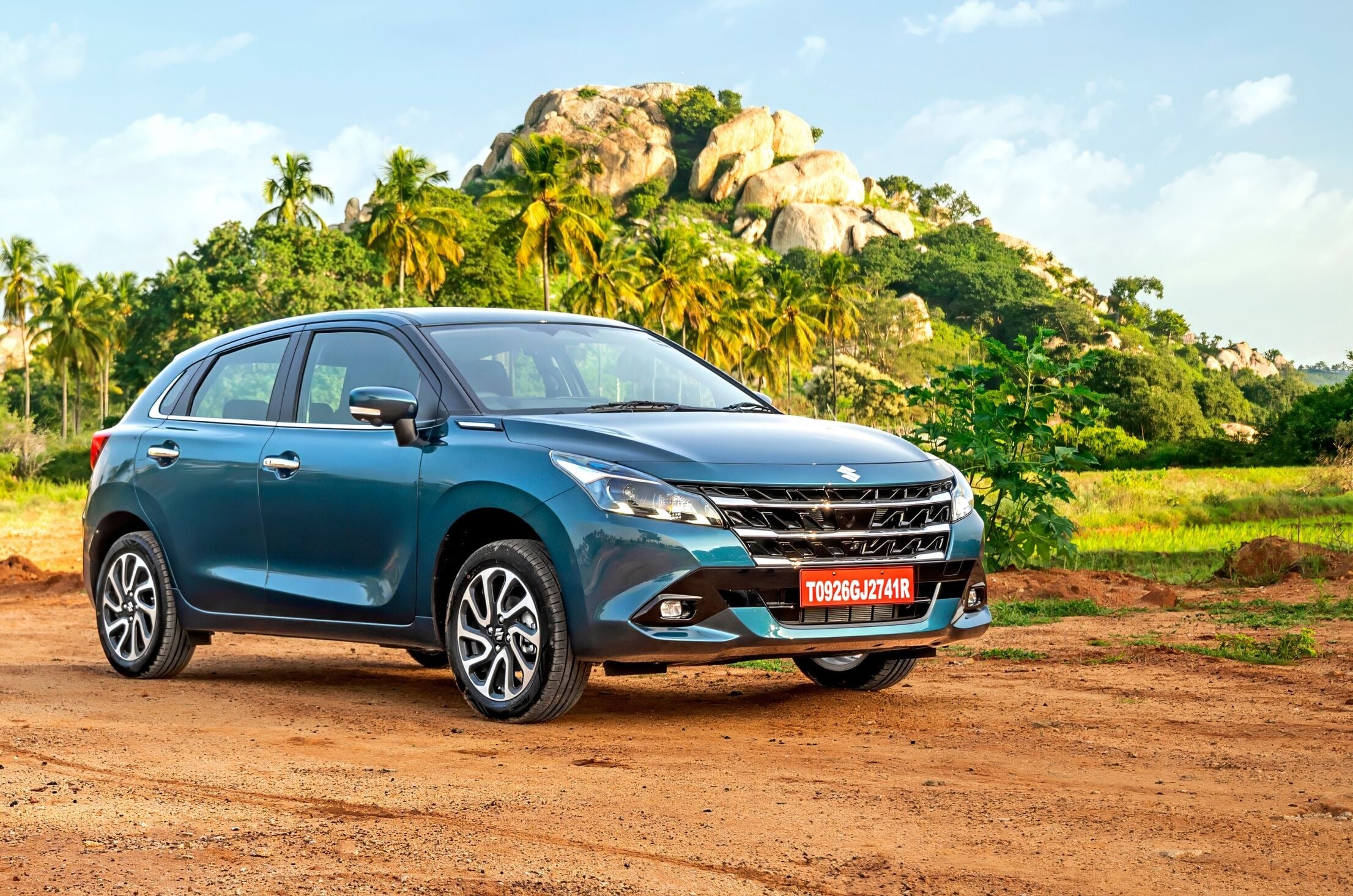
The Maruti Suzuki Baleno topped the September 2026 sales rankings with 25,392 units, compared with 13,173 units in September 2025. Its dispatches increased 93 percent year on year, the highest growth rate among the 10 models. The premium hatchback recently received a facelift and is sold through Maruti Suzuki’s Nexa dealership network. It rivals the Hyundai i20, Tata Altroz and Toyota Glanza. The Baleno is priced between Rs 5.99 lakh and Rs 9.99 lakh.

2. Tata Nexon
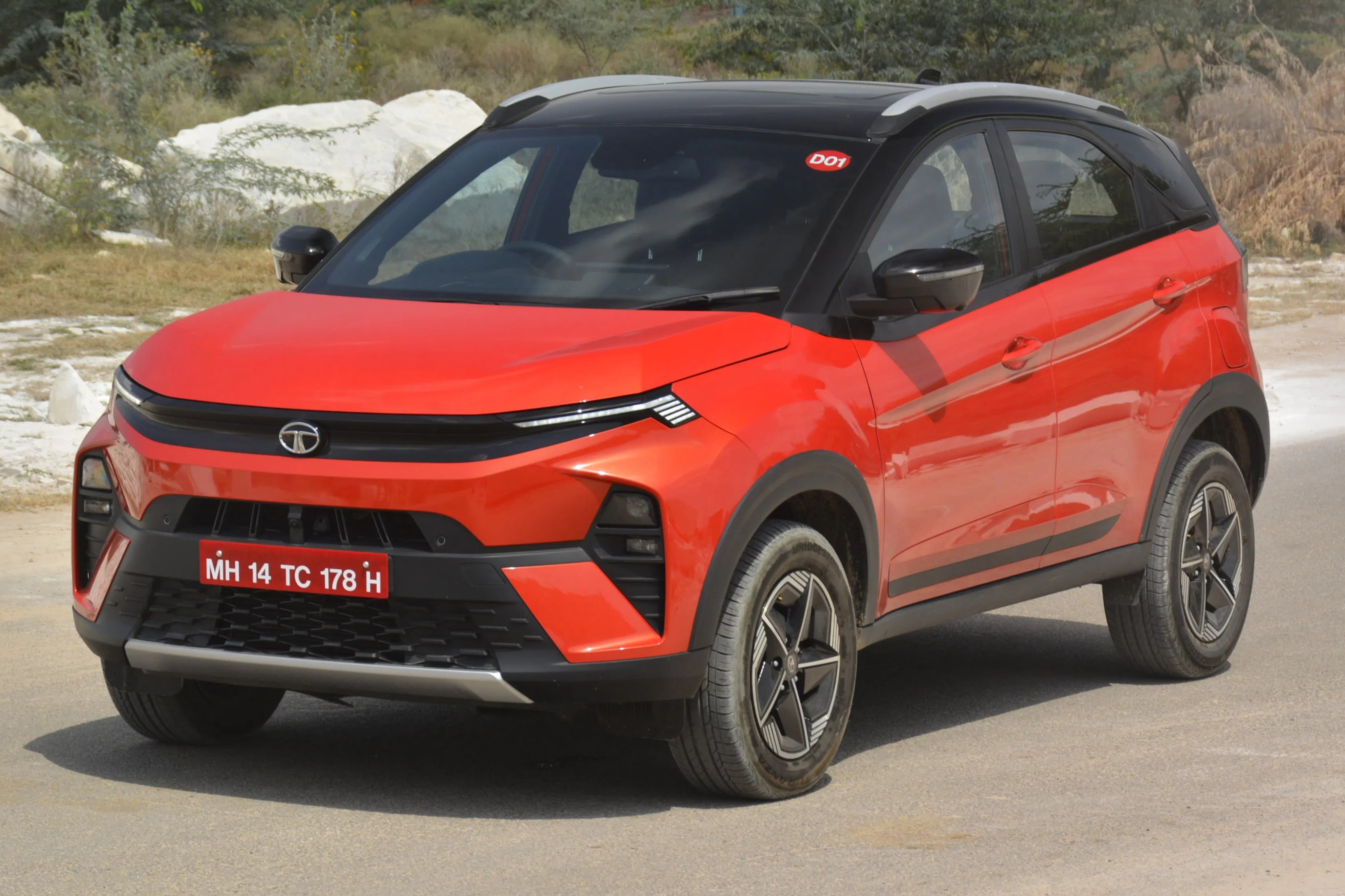
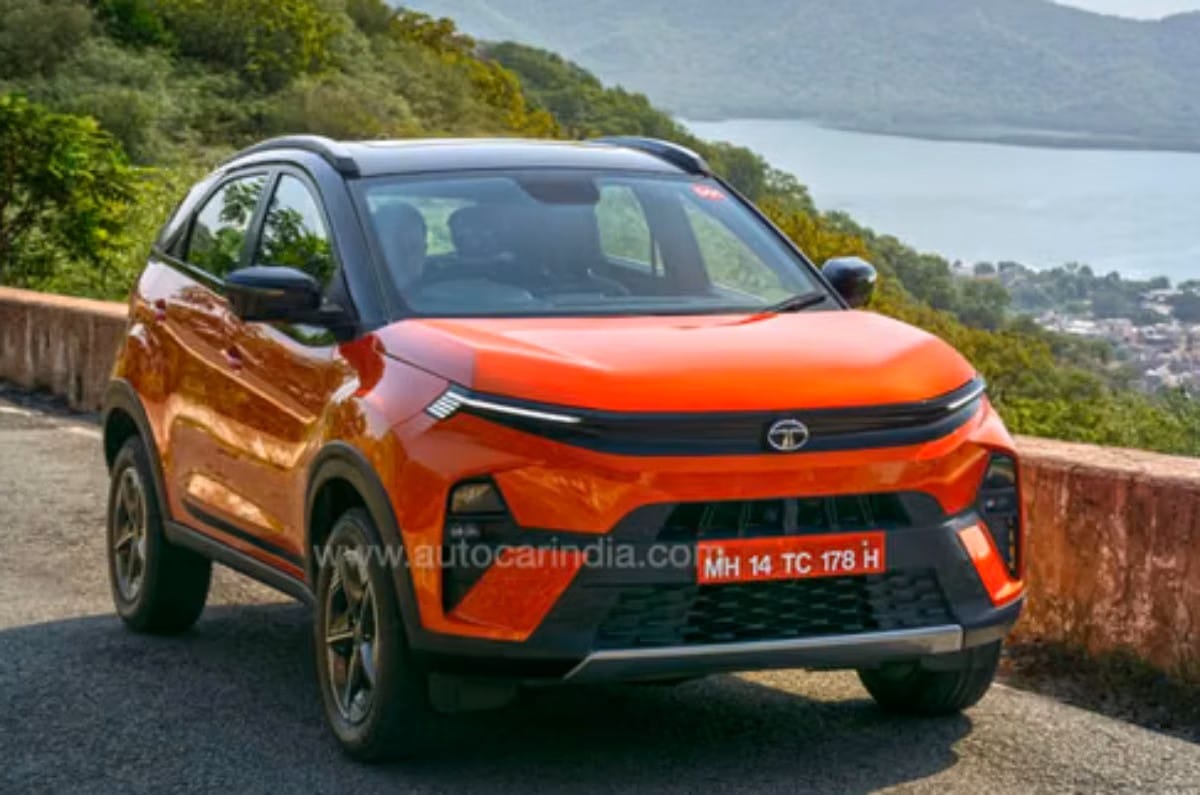
The Tata Nexon, including the Nexon EV, recorded 20,456 units in September 2026, down 9 percent from 22,573 units in the same month last year. It finished second, just 123 units ahead of the Punch. The Nexon is available with petrol, diesel, CNG and electric powertrains. It rivals the Maruti Suzuki Brezza, Hyundai Venue, Kia Sonet and Mahindra XUV 3XO and is priced from Rs 7.40 lakh to Rs 14.52 lakh for the ICE powered Nexon, while the Nexon EV starts at Rs 12.49 lakh and goes up to 17.89 lakh.

3. Tata Punch
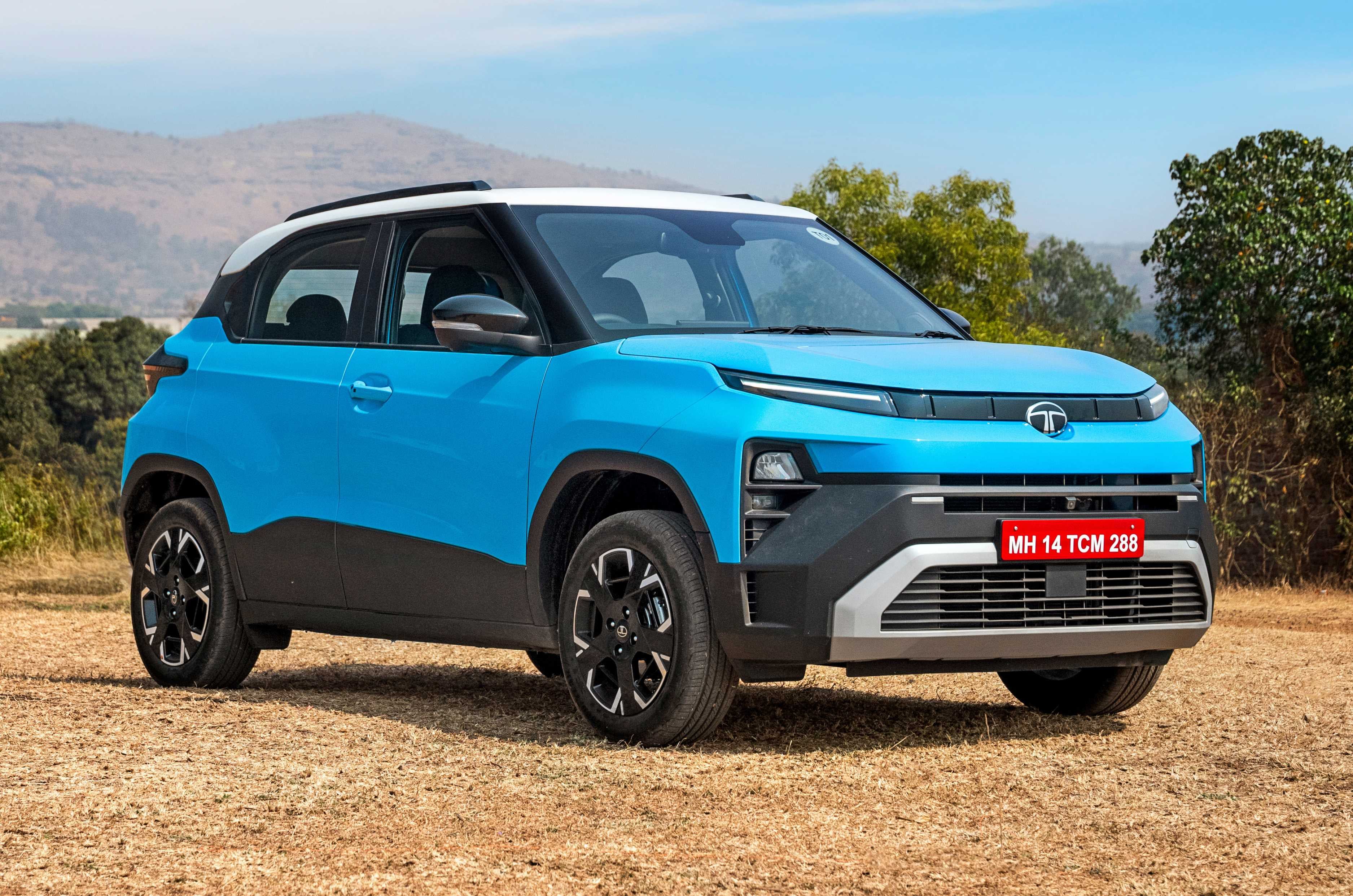
The Tata Punch, including the Punch EV, recorded 20,333 units in September 2026, up 28 percent from 15,891 units a year earlier. It ranked third in the overall list, with the Nexon finishing narrowly ahead. Tata’s smallest SUV is offered with multiple powertrain options, while its compact dimensions and ride-and-handling balance remain key strengths. The Punch rivals the Hyundai Exter and Citroen C3 and is priced from Rs 5.75 lakh to Rs 10.77 lakh. The Punch EV meanwhile is priced from Rs 9.79 lakh to Rs 12.99 lakh.

4. Maruti Suzuki Fronx
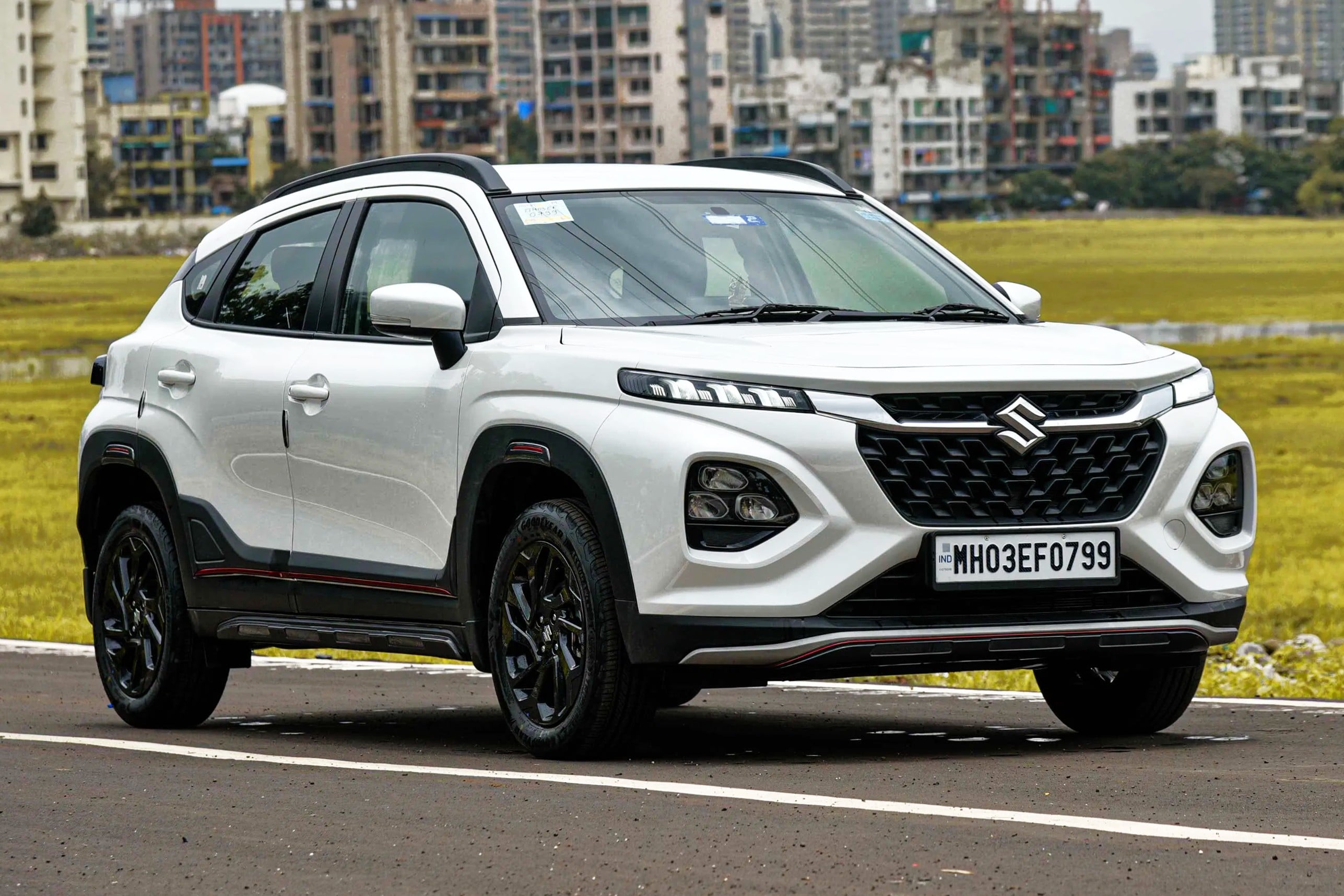
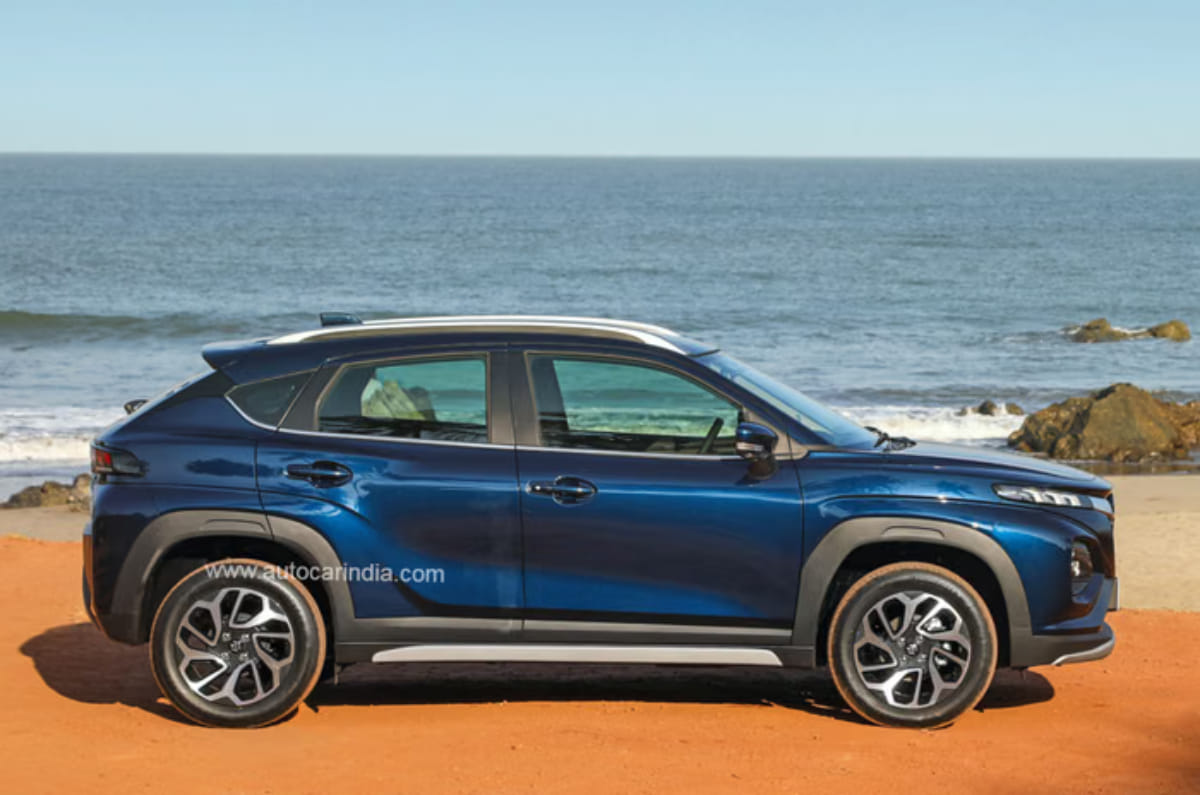
The Maruti Suzuki Fronx ranked fourth in September 2026 with 19,282 units, compared with 13,767 units in September 2025. Its dispatches increased 40 percent year on year. The Fronx’s crossover styling, comfortable cabin and fuel-efficient powertrains continue to support demand, although it lacks some popular features. It rivals the Nissan Magnite and Renault Kiger and is priced between Rs 6.85 lakh and Rs 11.84 lakh.

5. Maruti Suzuki Wagon R
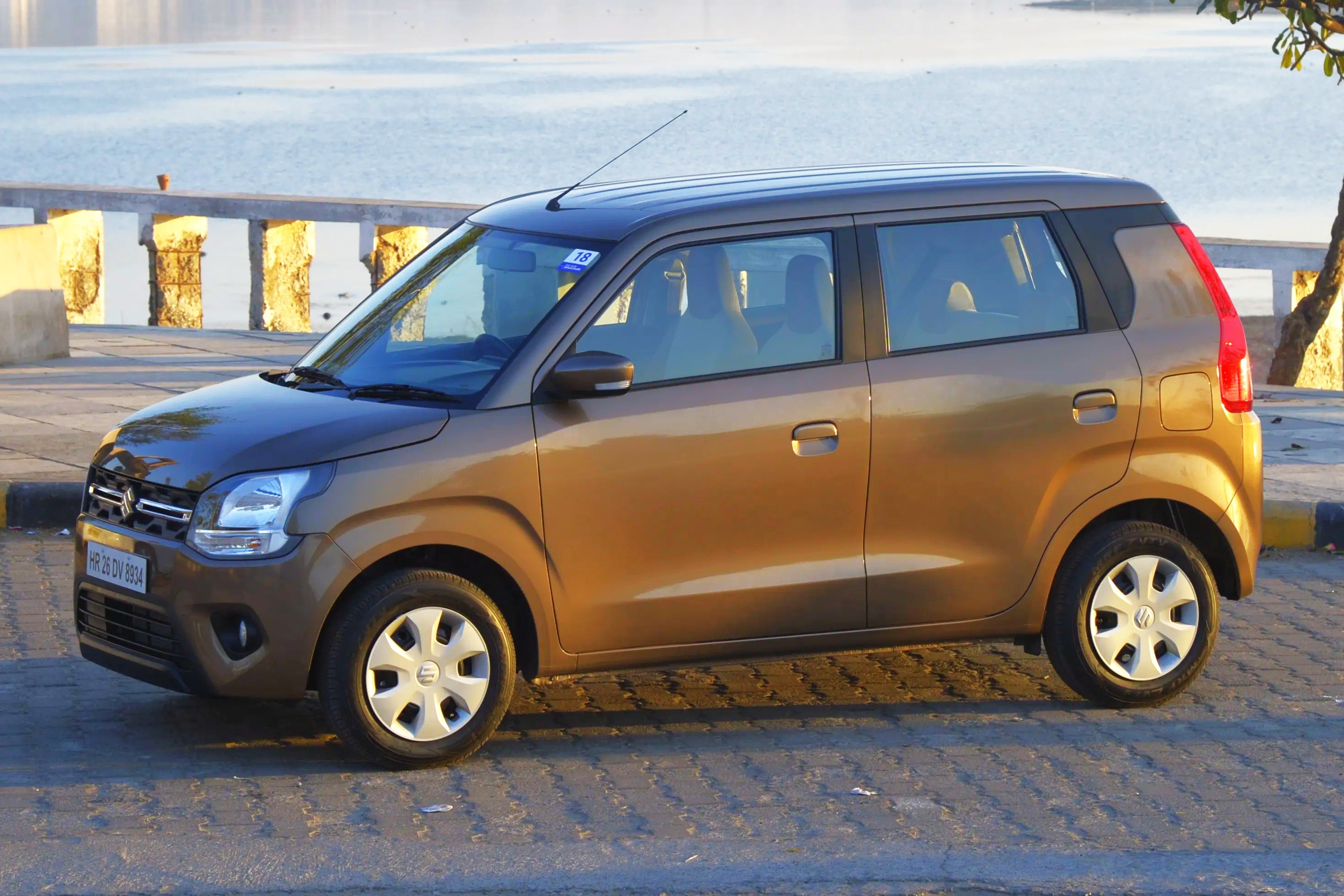
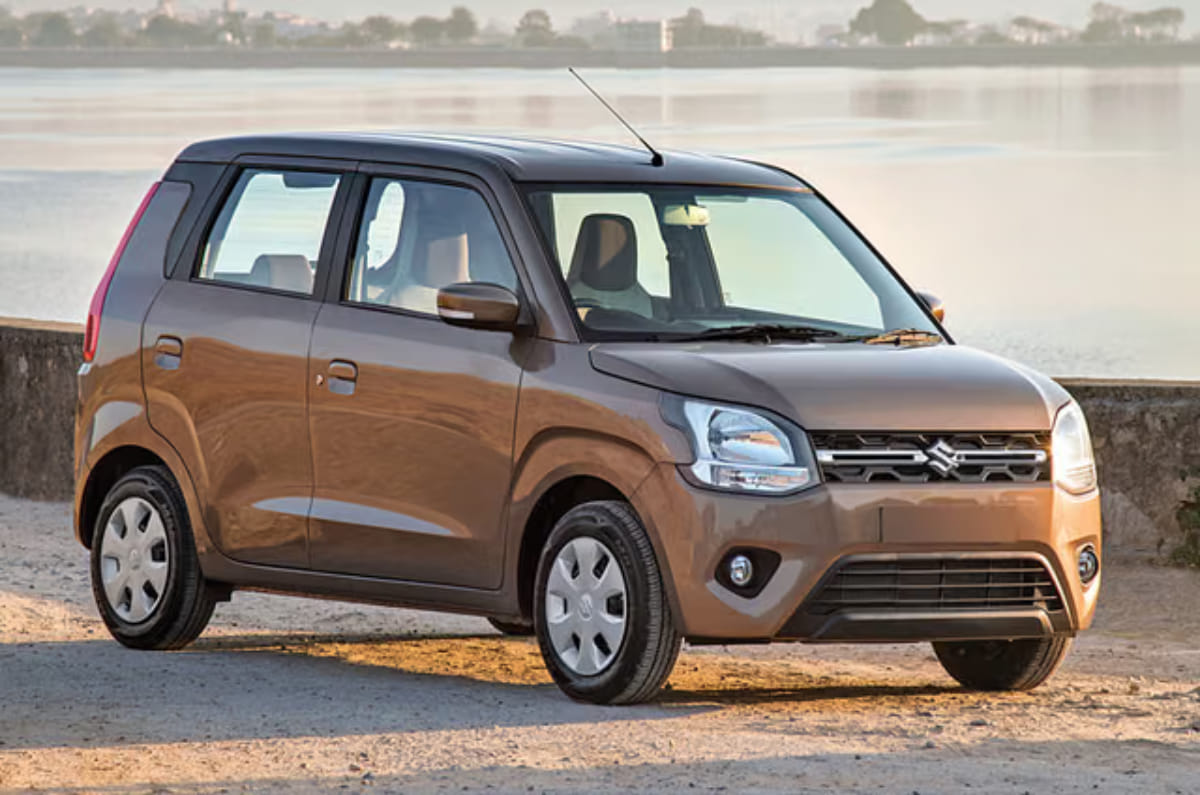
The Maruti Suzuki Wagon R recorded 18,835 units in September 2026, up 22 percent from 15,388 units in the same month last year. It finished fifth in the rankings. Its spacious cabin, ease of driving and low running costs remain key strengths, although its light build and limited highway ability are drawbacks. The Wagon R rivals the Tata Tiago and Citroen C3 and is priced between Rs 4.99 lakh and Rs 7.24 lakh.

6. Maruti Suzuki Dzire
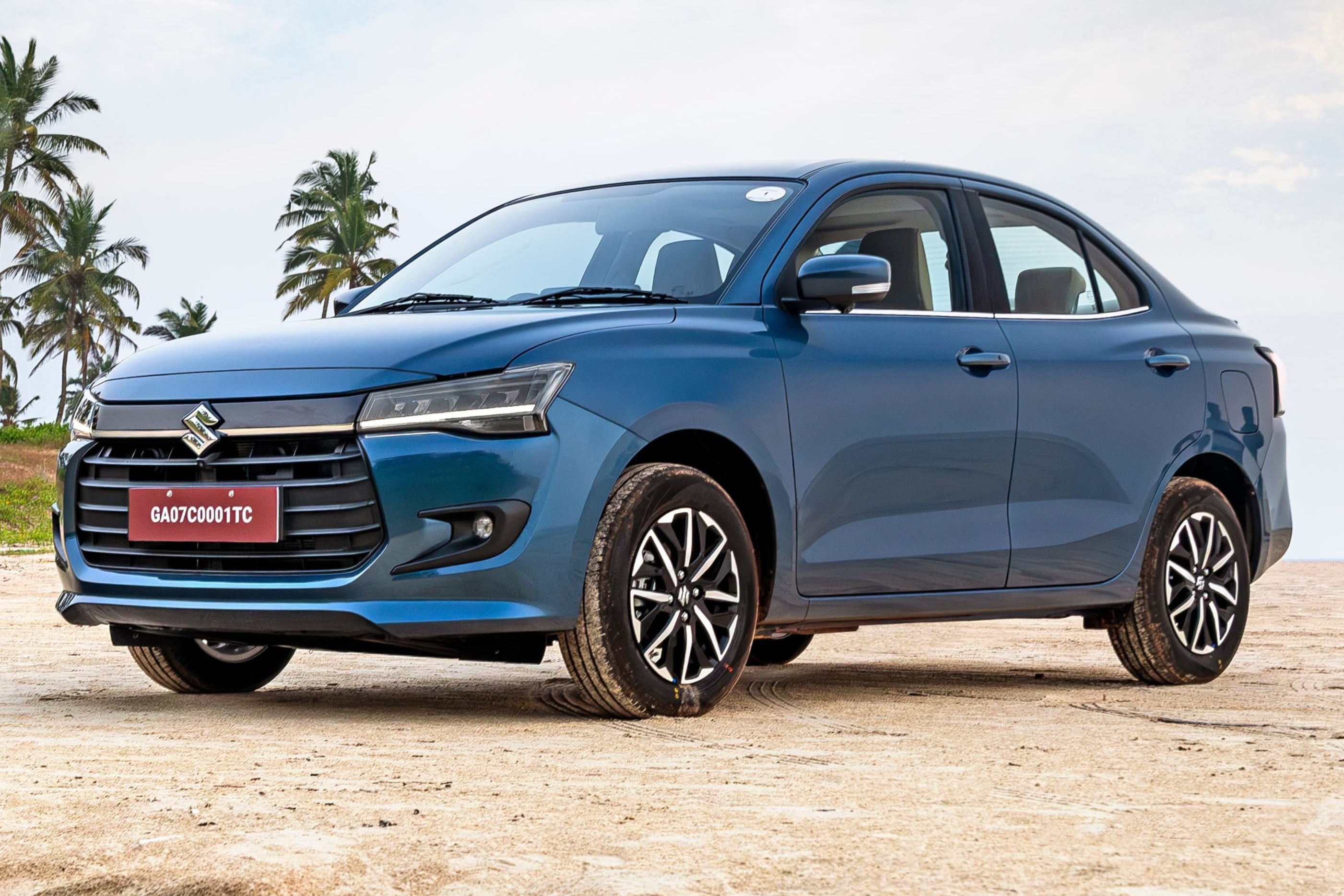
The Maruti Suzuki Dzire recorded 17,754 units in September 2026, down 11 percent from 20,038 units in September 2025. It ranked sixth and was the only sedan in the top 10. Strong fleet demand, fuel efficiency and a well-balanced ride and handling setup continue to support the compact sedan’s volumes. The Dzire rivals the Hyundai Aura, Honda Amaze and Tata Tigor and is priced between Rs 6.31 lakh and Rs 9.41 lakh.

7. Hyundai Creta
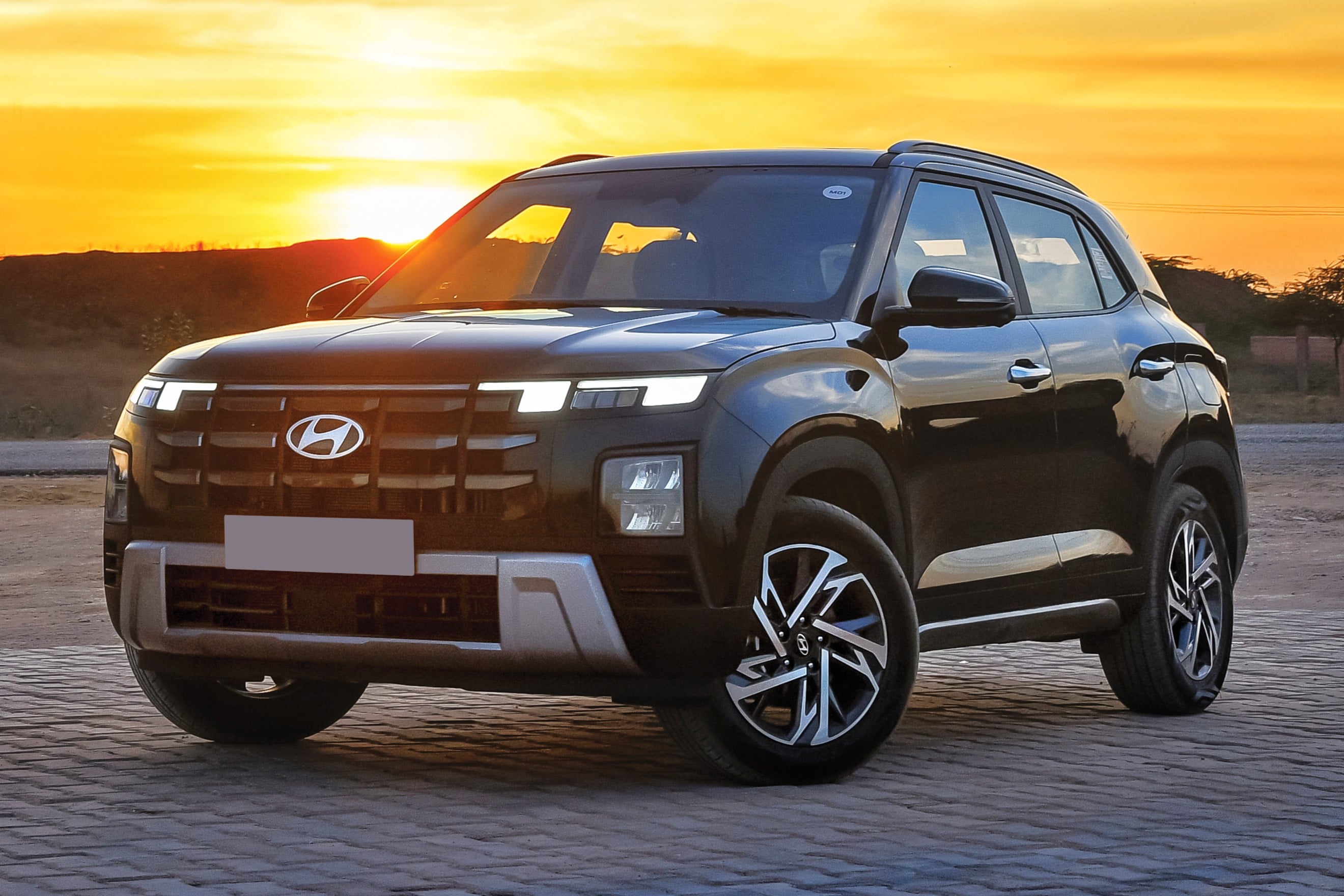
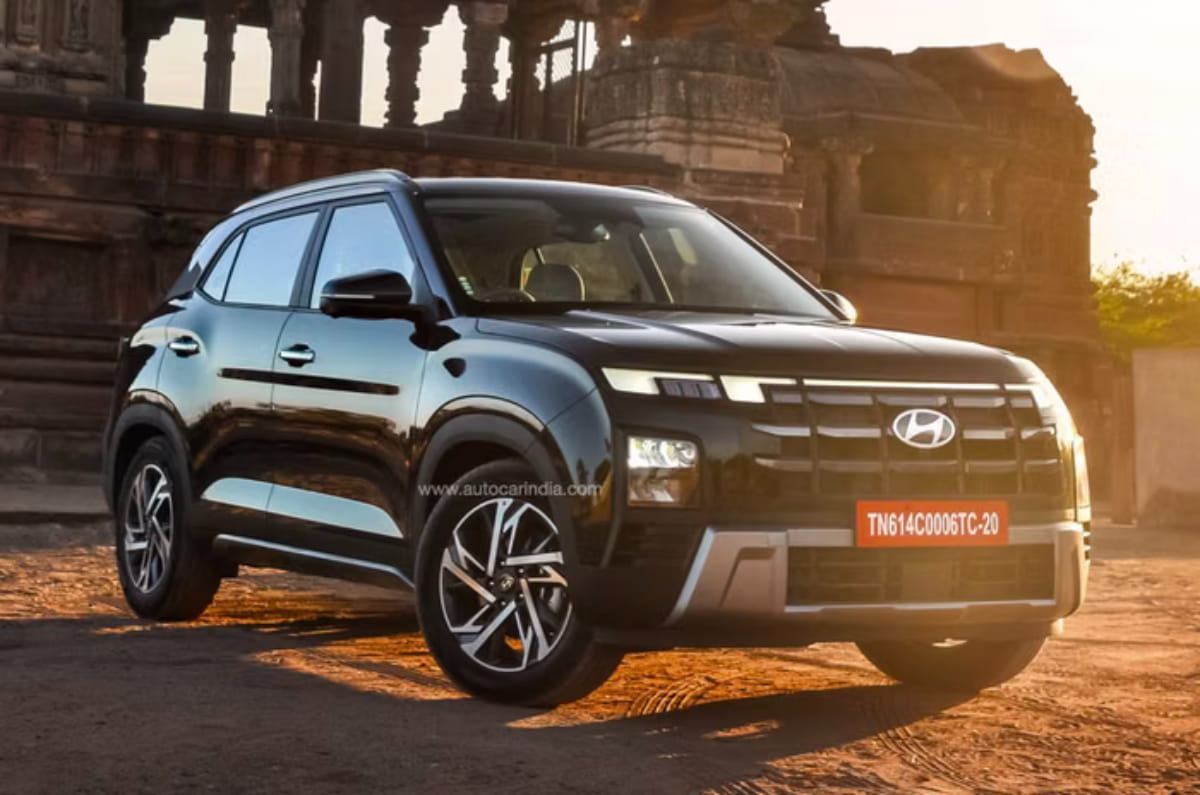
The Hyundai Creta, including the Creta Electric, recorded 17,657 units in September 2026, a 6 percent decline from 18,861 units in the year-ago month. It was the only Hyundai model in the top 10, finishing seventh. A roomy cabin, multiple powertrain options and a long feature list continue to attract buyers, although the top variants are expensive and some interior plastics could be better. The Creta rivals the Kia Seltos, Maruti Suzuki Grand Vitara, Toyota Urban Cruiser Hyryder, Honda Elevate and Tata Sierra. It is priced between Rs 10.91 lakh and Rs 20.14 lakh.

8. Maruti Suzuki Swift
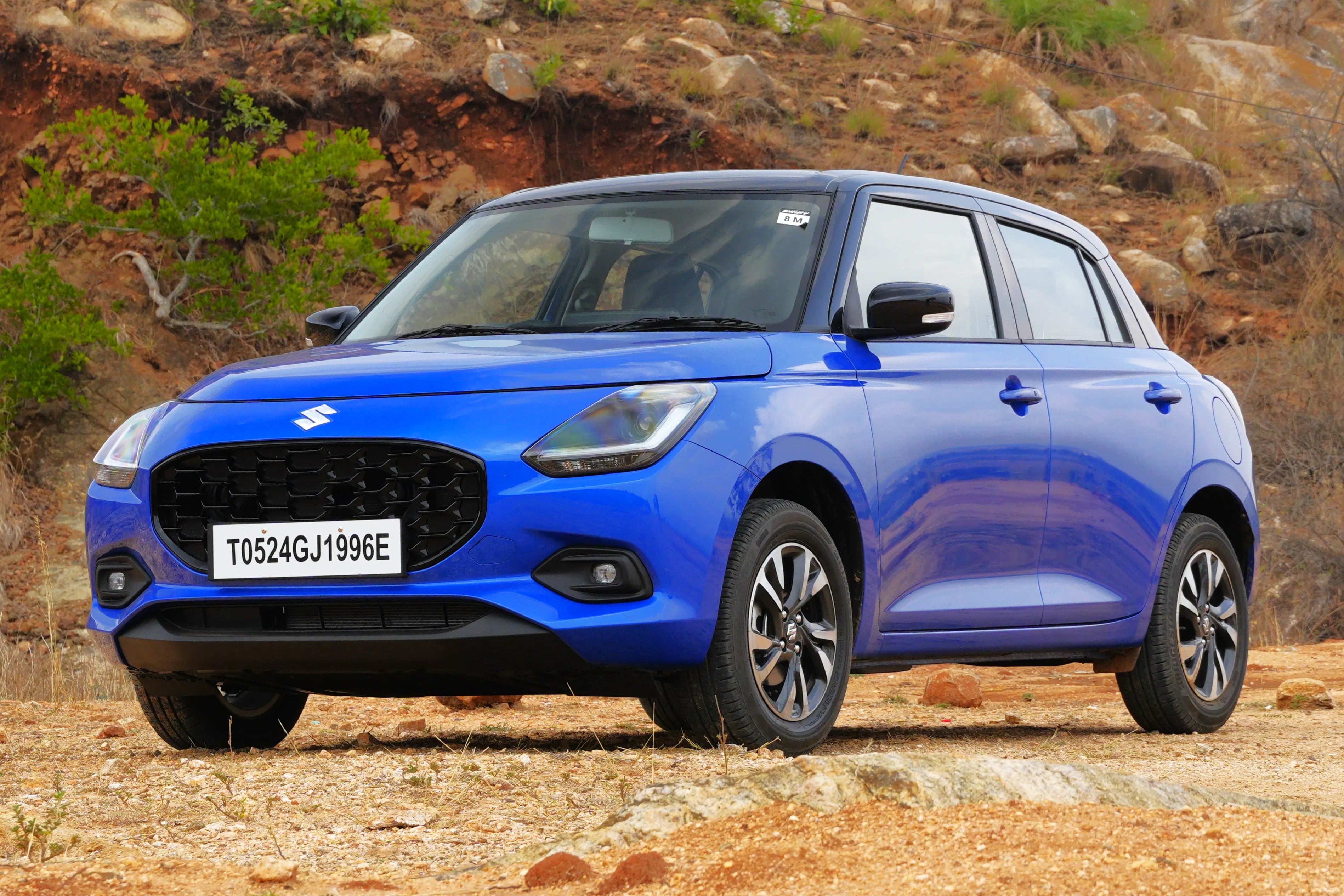
The Maruti Suzuki Swift recorded 17,399 units in September 2026, up 12 percent from 15,547 units a year earlier. It finished eighth and was one of three Maruti Suzuki hatchbacks in the top 10. Its high fuel efficiency, light controls and easy-to-drive nature continue to support demand, although the top variants are priced close to the more premium Baleno. The Swift rivals the Hyundai Grand i10 Nios and Tata Tiago and is priced between Rs 5.84 lakh and Rs 8.74 lakh.

9. Mahindra Scorpio
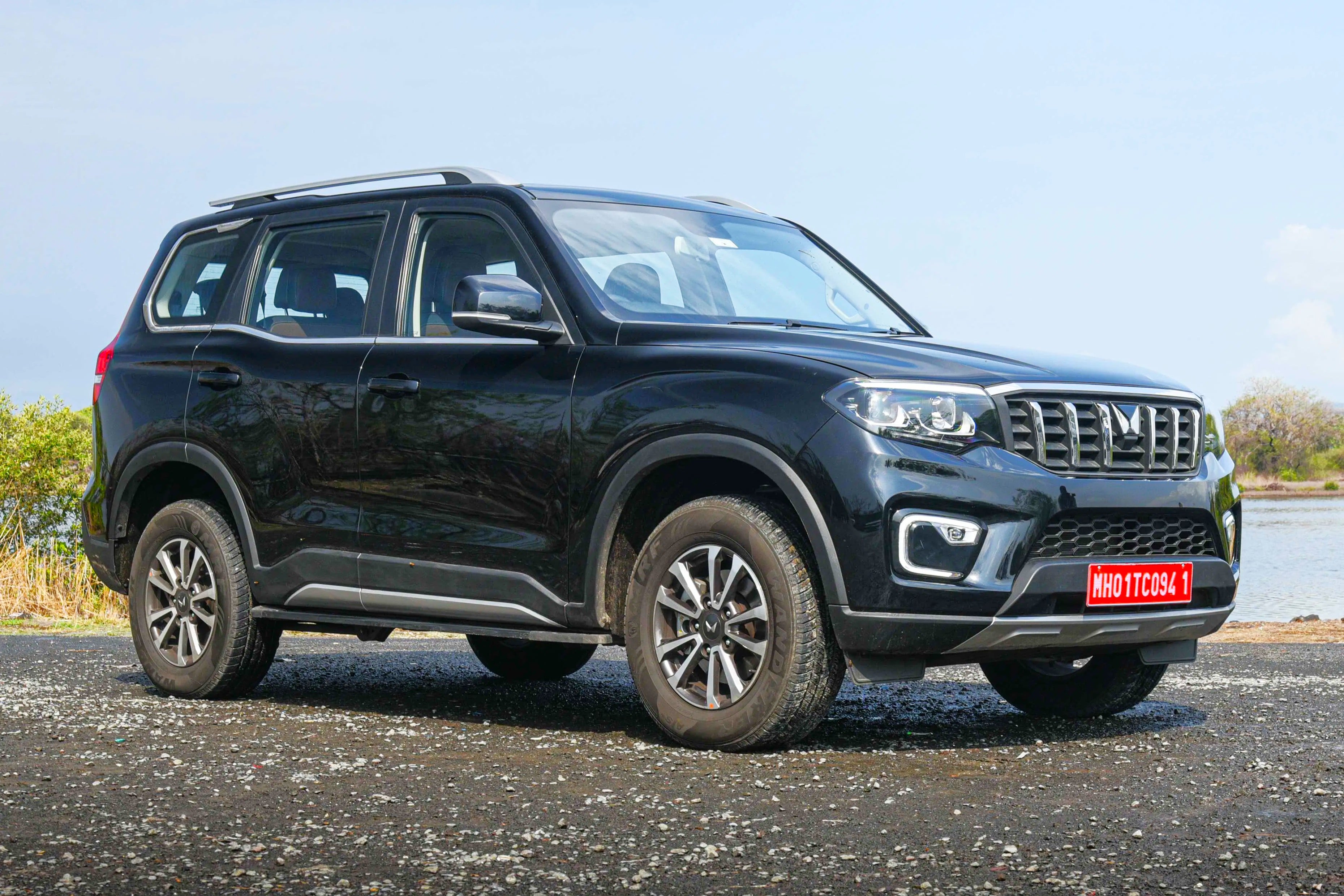
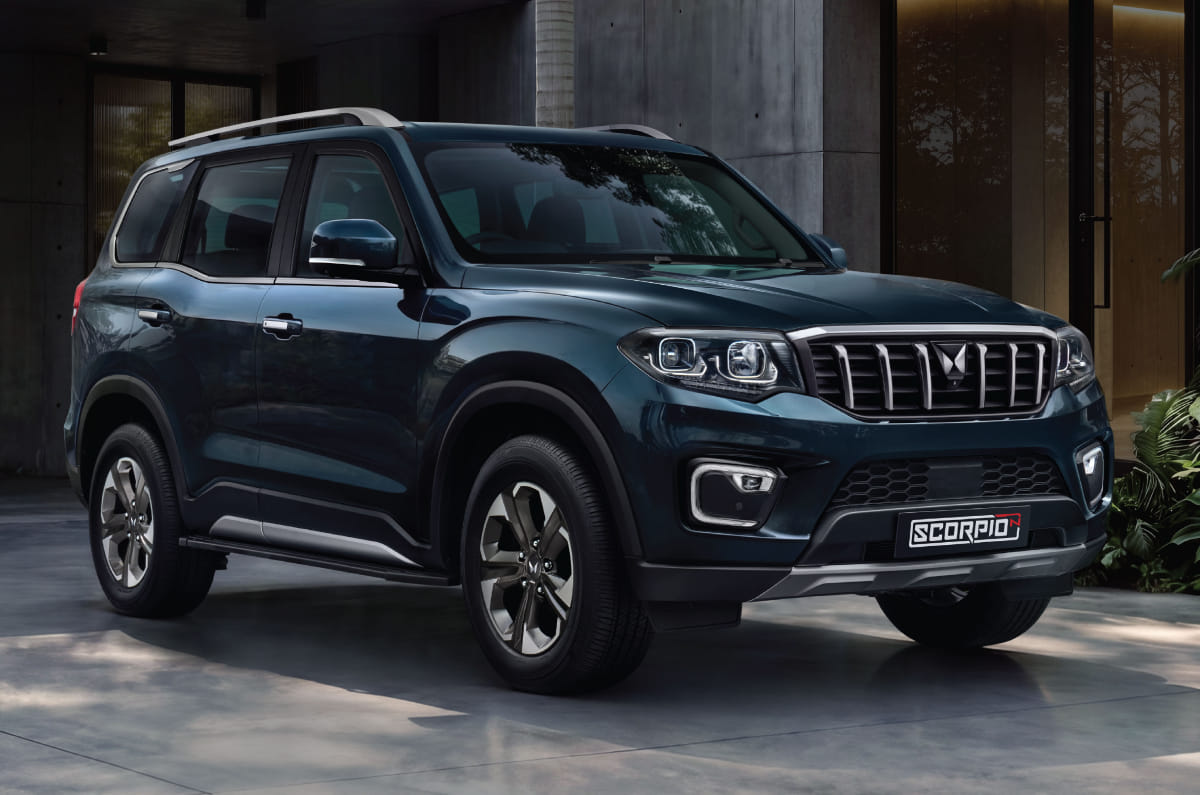
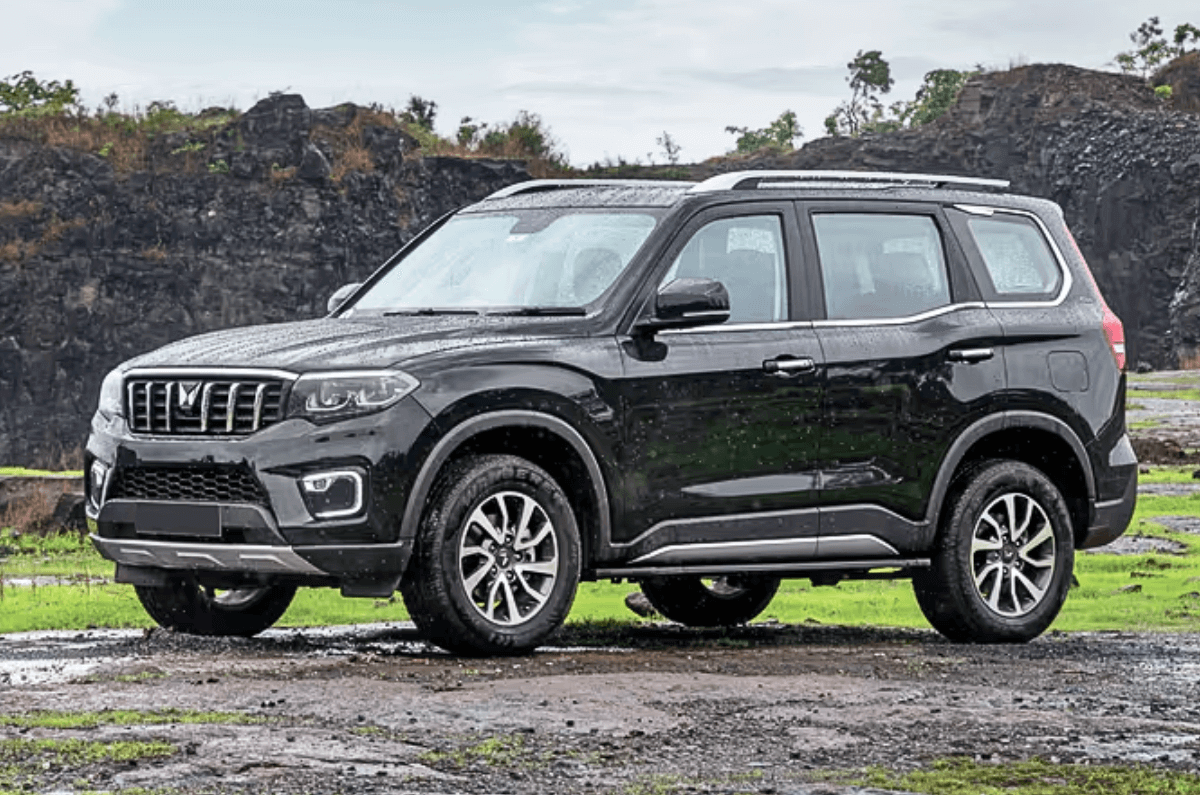
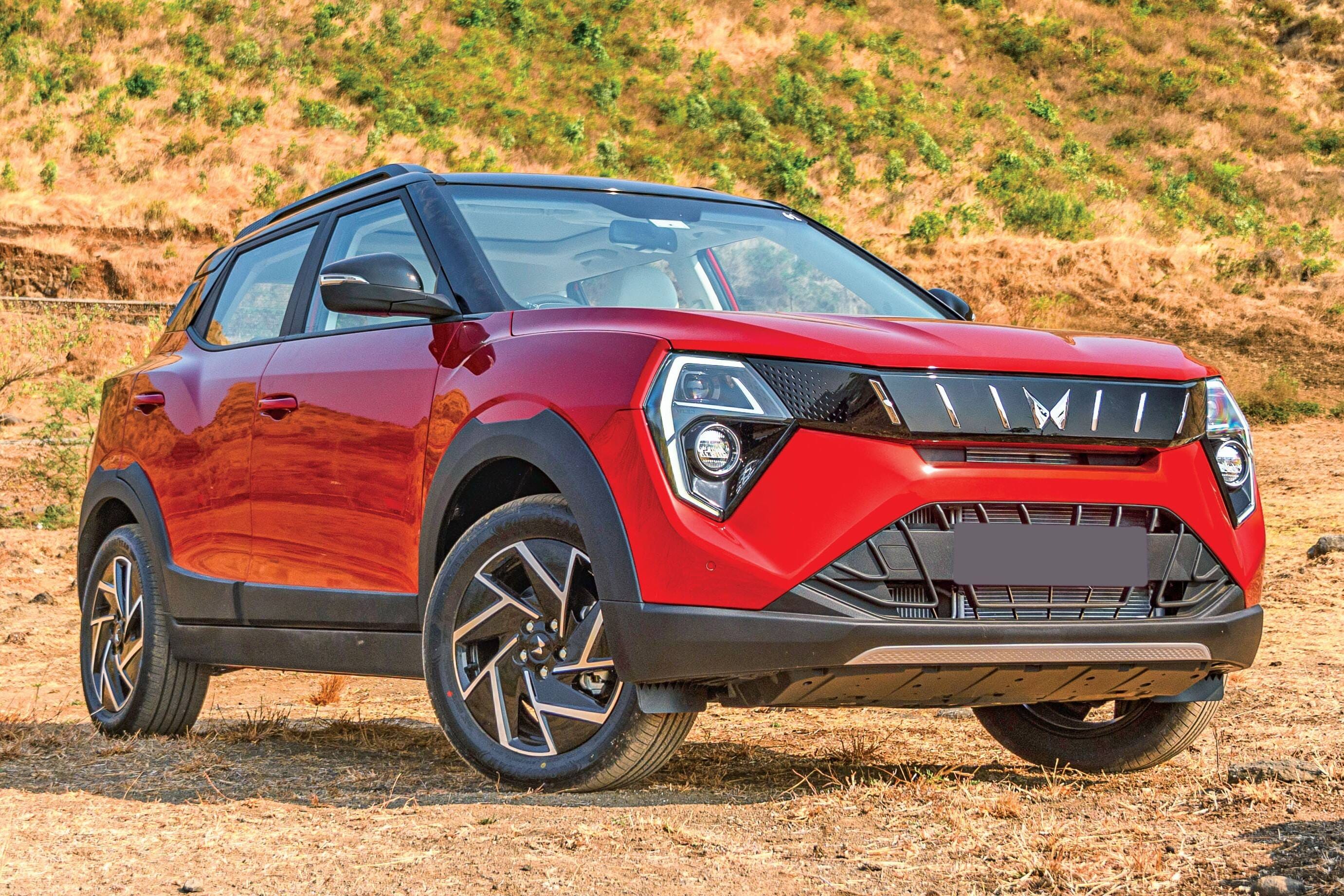
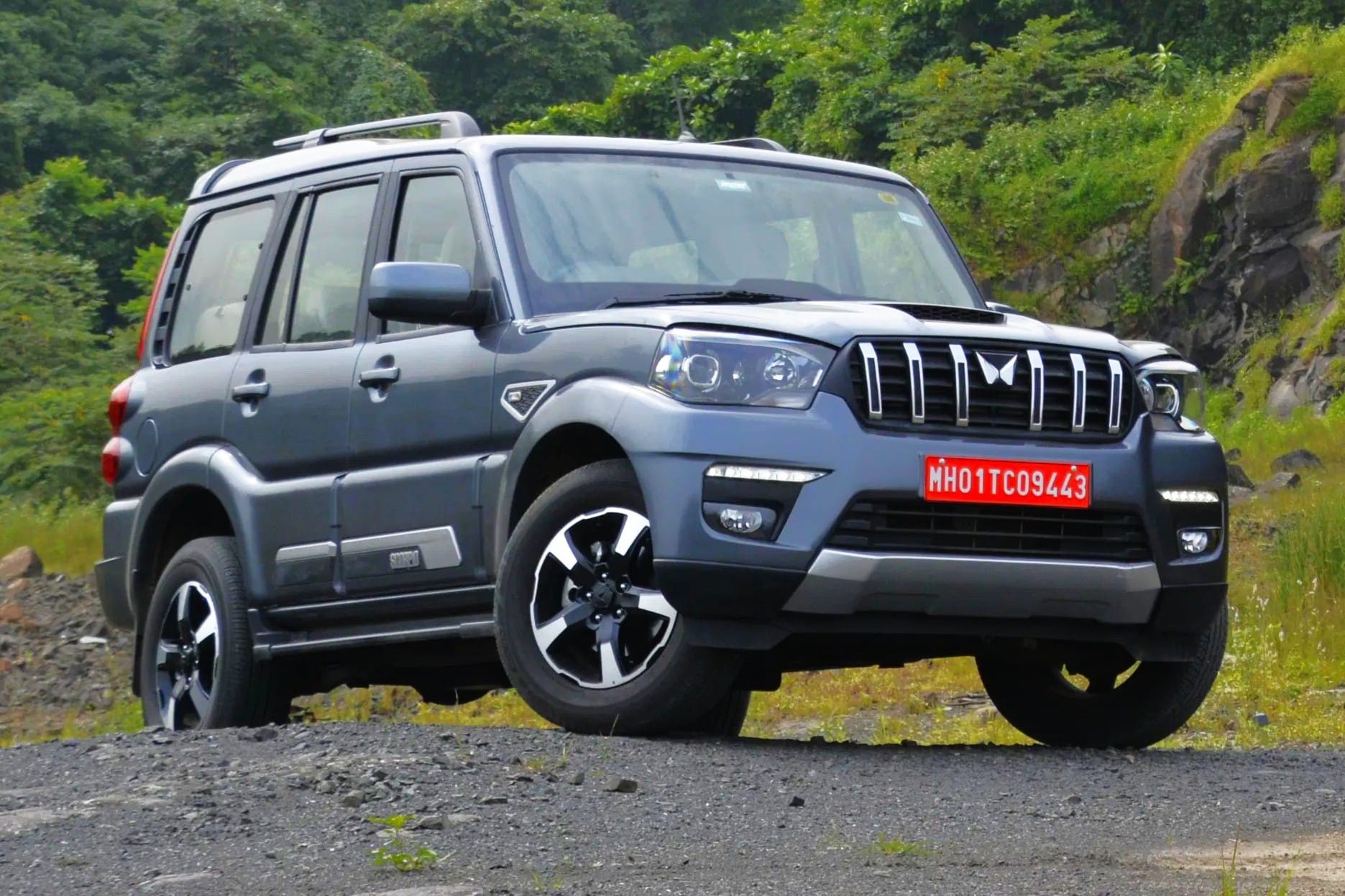
The Mahindra Scorpio, combining the Scorpio N and Scorpio Classic, recorded 17,313 units in September 2026. This was down 6 percent from 18,372 units in September 2025, placing it ninth. The Scorpio nameplate remains popular for its strong engines, rugged character and off-road ability. However, the third-row seating is cramped and the luggage area is not particularly practical. The Scorpio N rivals the Tata Safari, Hyundai Alcazar and Mahindra XUV 7XO and is priced from Rs 13.69 lakh to Rs 25.49 lakh.

10. Maruti Suzuki Ertiga
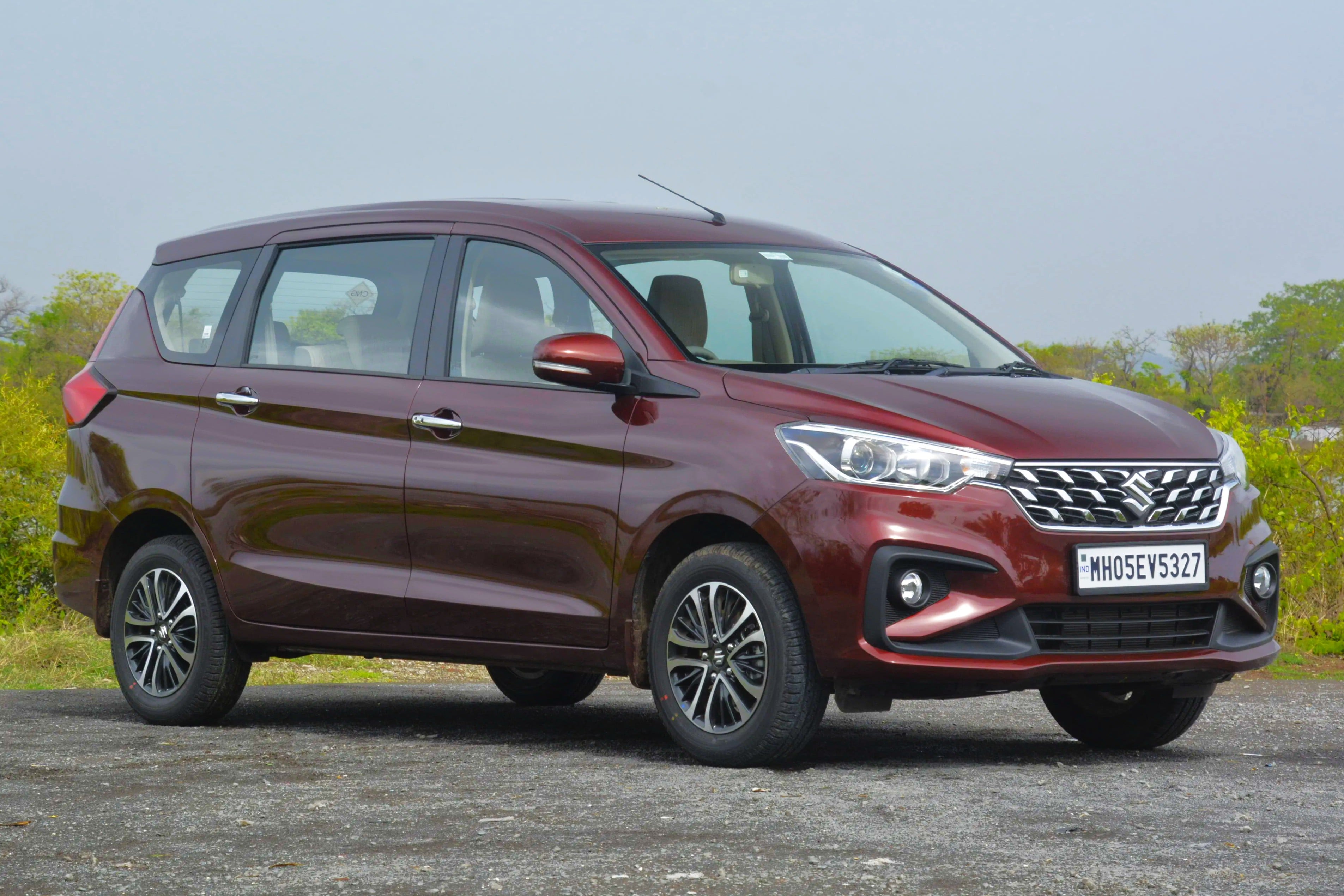
The Maruti Suzuki Ertiga completed the top 10 with 16,911 units in September 2026, up 40 percent from 12,115 units in the same month last year. It was the sixth Maruti Suzuki model in the rankings. The Ertiga continues to hold the title of India’s highest-selling MPV. Its practical cabin, strong fuel efficiency and value-for-money positioning attract both private and fleet buyers, although it misses out on some features offered by rivals. It is priced from Rs 8.90 lakh to Rs 13.04 lakh and rivals the Kia Carens and Toyota Rumion.

All prices are ex-showroom, India.

SUV के दौर में Maruti की इस सेडान का जलवा! 5 महीने में बिकी 1.08 लाख यूनिट, बनी नंबर-1 कार

भारत में SUV का क्रेज लगातार बढ़ रहा है। FY27 के अप्रैल से अगस्त के बीच देश में बिकी करीब हर 5 पैसेंजर गाड़ियों में से 3 SUV थीं। वहीं, सेडान कारों की बिक्री 12 गाड़ियों में से एक से भी कम रही। इसके बावजूद, इस दौरान भारत में सबसे ज्यादा बिकने वाली कार का खिताब Maruti Suzuki Dzire ने अपने नाम किया।

रिपोर्ट के मुताबिक, FY27 के शुरुआती पांच महीनों में Dzire की 1.08 लाख यूनिट बिकीं। यह Tata Punch, Tata Nexon, Maruti Suzuki Fronx, Mahindra Scorpio और Hyundai Creta जैसी लोकप्रिय SUV से आगे रही। Punch 1.03 लाख यूनिट के साथ इसके सबसे करीब थी, लेकिन फिर भी Dzire से लगभग 5,000 यूनिट पीछे रही।

पूरे कार बाजार के आंकड़ों पर नजर डालें तो Dzire की बिक्री और भी खास नजर आती है। अप्रैल से अगस्त के बीच भारत में कुल 22.05 लाख पैसेंजर गाड़ियां बिकीं। इनमें से 12.63 लाख यूनिट SUV थीं, यानी कुल बिक्री में SUV की हिस्सेदारी 57.28 प्रतिशत रही।

वहीं, इस दौरान देश में सिर्फ 1.74 लाख सेडान कारें बिकीं। यानी कुल पैसेंजर व्हीकल मार्केट में सेडान की हिस्सेदारी सिर्फ 7.89 प्रतिशत रही।

हालांकि, यह बढ़त कुछ समय के लिए ही नहीं थी। Dzire ने FY26 में 2.29 लाख यूनिट की बिक्री के साथ भारत की मॉडल रैंकिंग में भी टॉप किया था।

सेडान मार्केट में एक ही मॉडल का दबदबा

इंडस्ट्री के डेटा के मुताबिक, अप्रैल-अगस्त के दौरान हुई कुल सेडान बिक्री में Dzire की हिस्सेदारी 62.2% थी। बाकी सभी सेडान की कुल बिक्री 65,716 यूनिट रही। अकेले Dzire की बिक्री बाकी सभी सेडान की कुल बिक्री से 42,568 यूनिट ज्यादा रही।

यही ट्रेंड FY26 में भी देखने को मिला था। सेडान की बिक्री लगभग 59,000 यूनिट बढ़कर 3.99 लाख हो गई, जो 17.35% की ग्रोथ है। हालांकि, अकेले Dzire की बिक्री में 64,109 यूनिट का उछाल आया है। Dzire को छोड़कर, बाकी सेडान की कुल बिक्री में साल-दर-साल लगभग 5,100 यूनिट की गिरावट आई।

वित्त वर्ष 2026 में भी कुछ ऐसा ही ट्रेंड देखने को मिला था। उस साल भारत में सेडान की बिक्री करीब 59,000 यूनिट बढ़कर 3.99 लाख हो गई थी। यानी सेडान बाजार में 17.35 प्रतिशत की ग्रोथ दर्ज की गई। लेकिन इस बढ़ोतरी में Dzire की भूमिका सबसे बड़ी रही। अकेली Dzire की बिक्री में 64,109 यूनिट का इजाफा हुआ।

अगर Dzire को सेडान बाजार से अलग कर दें, तो बाकी सेडान की कुल बिक्री में साल-दर-साल लगभग 5,100 यूनिट की गिरावट आई है।

Maruti Suzuki India के मार्केटिंग और सेल्स के सीनियर एग्जीक्यूटिव ऑफिसर पार्थो बनर्जी ने मनीकंट्रोल को बताया, “31 लाख से ज्यादा ग्राहकों का भरोसा जीतने वाली Dzire, 2008 में लॉन्च होने के बाद से ही अपने सेगमेंट में सबसे ज्यादा बिकने वाली सेडान रही है। SUV के दबदबे वाले बाजार में भी इसने अपने कॉम्पिटिटर्स को पीछे छोड़ते हुए FY26 और इस साल अगस्त तक भारत की नंबर 1 कार का दर्जा हासिल किया है।”

बनर्जी ने कहा कि अप्रैल-अगस्त के दौरान Dzire की बिक्री में सालाना आधार पर 23% की बढ़ोतरी हुई है और अब इसके कुल ग्राहकों में से 61% ऐसे लोग हैं जो पहली बार कार खरीद रहे हैं।

कीमत, चलाने का खर्च और सेफ्टी

मौजूदा Dzire की कीमत 6.31 लाख रुपये से 9.41 लाख रुपये (एक्स-शोरूम) के बीच है, यानी यह 10 लाख रुपये से कम कीमत वाली कैटेगरी में आती है। इसके 1.2-लीटर पेट्रोल इंजन के साथ मैनुअल और ऑटोमेटेड मैनुअल ट्रांसमिशन का ऑप्शन मिलता है, जबकि कम खर्च में गाड़ी चलाने के इच्छुक खरीदार CNG वर्जन चुन सकते हैं।

Maruti Suzuki का दावा है कि पेट्रोल मैनुअल का माइलेज 24.79 kmpl, पेट्रोल AMT का 25.71 kmpl और CNG वर्जन का 33.73 km/kg है। Dzire को Global NCAP और Bharat NCAP, दोनों से फाइव-स्टार सेफ्टी रेटिंग मिली है। सेफ्टी फीचर्स की बात करें, तो छह एयरबैग, इलेक्ट्रिक सनरूफ, 9-इंच टचस्क्रीन, वायरलेस फोन चार्जर और ऑटोमैटिक क्लाइमेट कंट्रोल जैसी खूबियां इसे प्राइवेट खरीदारों के बीच और भी आकर्षक बनाती हैं।

GlobalData Plc के ऑटोमोटिव – इंडिया के डायरेक्टर विवेक शर्मा ने कहा, “डिजायर एक खास गाड़ी है क्योंकि इसमें किफायती दाम, अच्छा माइलेज, CNG की सुविधा और कम मेंटेनेंस खर्च के साथ-साथ Maruti Suzuki का मजबूत सेल्स और सर्विस नेटवर्क भी मिलता है। इसकी रीसेल वैल्यू और भरोसेमंद होने की खूबी इसे और भी बेहतर बनाती है।”

Dzire को Maruti Suzuki के ‘अरीना’ नेटवर्क के जरिए बेचा जाता है, जिसके तहत लगभग 2,900 शहरों में 3,400 से ज्यादा आउटलेट हैं। कार बनाने वाली इस कंपनी के पूरे भारत में 6,000 से ज्यादा सर्विस सेंटर भी हैं।

Mobility Globalके इंडिया और ASEAN डायरेक्टर पुनीत गुप्ता ने कहा कि Swift और Baleno जैसी लोकप्रिय हैचबैक कारों के साथ पार्ट्स साझा करने और बड़े पैमाने पर उत्पादन (इकोनॉमीज ऑफ स्केल) से Maruti Suzuki को Dzire की कीमत को प्रतिस्पर्धी बनाए रखने में मदद मिलती है। उन्होंने कार के केबिन और बूट स्पेस, ईंधन के विकल्पों, ग्राहकों के भरोसे और कंपनी के बड़े नेटवर्क का भी जिक्र किया।

गुप्ता ने कहा, “इसी तरह के बड़े पैमाने पर उत्पादन (इकोनॉमीज ऑफ स्केल) वाली कोई सीधी टक्कर न होने की वजह से यह प्रोडक्ट मौजूदा बाजार में एक पसंदीदा विकल्प बना हुआ है।”

सिर्फ टैक्सी और फ्लीट ग्राहकों तक सीमित नहीं Dzire

Dzire की टैक्सी और फ्लीट मार्केट में भी मजबूत पकड़ है, जहां गाड़ी का कम रनिंग कॉस्ट और भरोसेमंद होना काफी मायने रखता है। हालांकि, Dzire को खरीदने वाले ग्राहकों में निजी खरीदारों की संख्या ज्यादा है।

नवंबर 2024 में मौजूदा जेनरेशन की Dzire लॉन्च होने के समय Maruti Suzuki के सीनियर एग्जीक्यूटिव ऑफिसर (मार्केटिंग एंड सेल्स) पार्थो बनर्जी ने बताया था कि कंपनी की कुल Dzire बिक्री में फ्लीट ग्राहकों की हिस्सेदारी करीब 30-35 प्रतिशत थी। वहीं, 65-70 प्रतिशत बिक्री निजी ग्राहकों से आती थी। Maruti Suzuki की हालिया जानकारी के मुताबिक, 61% ग्राहक पहली बार गाड़ी खरीदने वाले हैं, जो यह दिखाता है कि कमर्शियल इस्तेमाल करने वालों के अलावा भी इसकी कितनी लोकप्रियता है।

शर्मा ने कहा, “खास बात यह है कि इसका फ्लीट और टैक्सी कस्टमर बेस भी मजबूत है, जहां चलने का खर्च, मजबूती और प्रैक्टिकैलिटी बहुत अहम हैं। इसलिए इसकी सफलता सेडान की वापसी के बारे में कम और प्राइवेट और कमर्शियल, दोनों तरह के इस्तेमाल के लिए प्रोडक्ट और मार्केट के बीच बेहतर तालमेल के बारे में ज्यादा है।”

एक अपवाद, न कि सेडान की वापसी

चुनौती तब और मुश्किल हो जाएगी जब कार बनाने वाली कंपनियां Dzire की कीमत वाली रेंज में और SUV लाएंगी। ये मॉडल ऊंची सीटिंग पोजीशन और SUV जैसी स्टाइलिंग देते हैं, जिसे आजकल बहुत से खरीदार पसंद कर रहे हैं।

शर्मा ने कहा कि किफायती, कुशल और प्रैक्टिकल सेडान की अभी भी अच्छी-खासी मांग है। हालांकि, डिजायर की लीडरशिप बनाए रखना उसकी कीमत, CNG ऑप्शन, फ्यूल एफिशिएंसी और कुल ओनरशिप कॉस्ट पर निर्भर करेगा।

उन्होंने आगे कहा, “संक्षेप में कहें तो, Dzire SUV-प्रधान बाजार में एक मजबूत अपवाद की तरह दिखती है, न कि सेडान की संरचनात्मक वापसी के सबूत के तौर पर।”

यह भी पढ़ें: 2027 Kawasaki Vulcan S भारत में लॉन्च, मिलेगा नया कलर और अपडेटेड ब्रेकिंग सेटअप, जानें कीमत

Top 10 bestselling cars in August 2026: Punch back on top spot

Top 10 bestselling cars in August 2026: Punch back on top spot
Bestselling cars in August

The Tata Punch was India’s best-selling car in August 2026, with 21,320 units sold, ahead of the Maruti Suzuki Wagon R and Swift. The top 10 models together recorded 1,83,037 units, up from 1,37,334 units in August 2025. Nine of the 10 models recorded year-on-year growth, with Maruti Suzuki accounting for six models in the list.

The year-on-year increase came against a lower base in August 2025, when buyers deferred purchases and manufacturers moderated dealer dispatches amid expectations of GST changes announced that month.

RankModelAugust 2026 sales (units)August 2025 sales (units)YoY growth (percent)
1Tata Punch21,32010,70499
2Maruti Suzuki Wagon R20,18014,55239
3Maruti Suzuki Swift19,83212,38560
4Maruti Suzuki Fronx18,73012,42251
5Maruti Suzuki Ertiga18,51618,4450
6Tata Nexon18,43114,00432
7Maruti Suzuki Dzire18,41816,50912
8Hyundai Creta16,28815,9242
9Maruti Suzuki Baleno15,74612,54925
10Mahindra Scorpio

15,576

9,84058
 Total

1,83,037

1,37,334

33

1. Tata Punch

Sales: 21,320 units

The Tata Punch topped the August 2026 sales rankings with 21,320 units, almost double the 10,704 units sold in August 2025. Its sales increased 99 percent year on year, the highest growth among the 10 models.

Tata’s smallest SUV is offered with multiple powertrain options, while its compact dimensions and ride and handling balance remain key strengths. The Punch rivals the Hyundai Exter and Citroen C3 and is priced from Rs 5.75 lakh to Rs 10.77 lakh.

2. Maruti Suzuki Wagon R

Sales: 20,180 units

The Maruti Suzuki Wagon R finished second in August 2026 with 20,180 units, up from 14,552 units in August 2025. Its sales increased 39 percent year on year, putting it 1,140 units behind the Tata Punch. 

Its spacious cabin, ease of driving and low running costs remain key strengths, although its light build and limited highway ability are drawbacks. The Wagon R rivals the Tata Tiago and Citroen C3 and is priced between Rs 4.99 lakh and Rs 7.24 lakh.

3. Maruti Suzuki Swift

Sales: 19,832 units

The Maruti Swift ranked third in August 2026 with 19,832 units, compared with 12,385 units in August 2025. Its sales increased 60 percent year on year, leaving it 348 units behind the Wagon R.

Its high fuel efficiency, light controls and easy-to-drive nature continue to support demand, although the top variants are priced close to the more premium Baleno. The Swift rivals the Hyundai Grand i10 Nios and Tata Tiago and is priced between Rs 5.84 lakh and Rs 8.74 lakh.

4. Maruti Suzuki Fronx

Sales: 18,730 units

The Maruti Suzuki Fronx was fourth in August 2026 with 18,730 units, compared with 12,422 units in August 2025. Its sales increased 51 percent year on year, leaving it 1,102 units behind the Swift.

The Fronx’s crossover styling, comfortable cabin and fuel-efficient powertrains continue to support demand, although it lacks some popular features. It rivals the Nissan Magnite and Renault Kiger and is priced between Rs 6.85 lakh and Rs 11.84 lakh.

5. Maruti Suzuki Ertiga

Sales: 18,516 units

The Maruti Suzuki Ertiga finished fifth in August 2026 with 18,516 units, almost unchanged from the 18,445 units sold in August 2025. Its sales were effectively flat year on year.

The Ertiga continues to hold the title of India’s highest-selling MPV. Its practical cabin, strong fuel efficiency and value-for-money positioning attract both private and fleet buyers, although it misses out on some features offered by rivals. It is priced from Rs 8.90 lakh to Rs 13.04 lakh and rivals the Kia Carens and Toyota Rumion.

6. Tata Nexon

Sales: 18,431 units

The Tata Nexon, including the ICE and EV versions, recorded 18,431 units in August 2026, up from 14,004 units in August 2025. Its sales increased 32 percent year on year, making it the sixth best-selling model in the month.

The Nexon is offered with petrol, diesel, CNG and EV powertrain options, along with a feature-rich cabin. However, its fit and finish are not as polished as some rivals. It competes with the Maruti Suzuki Brezza, Hyundai Venue, Kia Sonet and Mahindra XUV 3XO and is priced from Rs 7.40 lakh to Rs 14.52 lakh.

7. Maruti Suzuki Dzire

Sales: 18,418 units

The Maruti Dzire was seventh in August 2026 with 18,418 units, compared with 16,509 units in August 2025. Its sales increased 12 percent year on year, with the Dzire being the only sedan in the top 10.

Strong fleet demand, fuel efficiency and a well-balanced ride and handling setup continue to support the compact sedan’s volumes. The Dzire rivals the Hyundai Aura, Honda Amaze and Tata Tigor and is priced between Rs 6.31 lakh and Rs 9.41 lakh.

8. Hyundai Creta

Sales: 16,288 units

The Hyundai Creta finished eighth in August 2026 with 16,288 units, up from 15,924 units in August 2025. Its sales increased 2 percent year on year, making it the only Hyundai model in the top 10.

A roomy cabin and long feature list continue to attract buyers, although the top variants are expensive and some interior plastics could be better. The Creta rivals the Kia Seltos, Maruti Suzuki Grand Vitara, Toyota Urban Cruiser Hyryder, Honda Elevate and Tata Sierra. It is priced between Rs 10.91 lakh and Rs 20.11 lakh.

9. Maruti Suzuki Baleno

Sales: 15,746 units

The Maruti Suzuki Baleno ranked ninth in August 2026 with 15,746 units, compared with 12,549 units in August 2025. Its sales increased 25 percent year on year, making it the third Maruti Suzuki hatchback in the top 10.

The premium hatchback has recently received a facelift and rivals the Hyundai i20, Tata Altroz and Toyota Glanza. The Baleno is priced between Rs 5.99 lakh and Rs 9.99 lakh.

10. Mahindra Scorpio

Sales: 15,576 units

The Mahindra Scorpio, comprising the Scorpio N and Scorpio Classic, completed the August 2026 top 10 with 15,576 units, up from 9,840 units in August 2025. Its sales increased 58 percent year on year, the third-highest growth rate among the top 10 models.

The Scorpio nameplate remains popular for its strong engines, rugged character and off-road ability. However, the third-row seating is cramped and the luggage area is not particularly practical. The Scorpio N rivals the Tata Safari, Hyundai Alcazar and Mahindra XUV 7XO and is priced from Rs 13.69 lakh to Rs 25.49 lakh.

Mahindra Scorpio Getaway: Lifestyler, I am your father

Mahindra Scorpio Getaway: Lifestyler, I am your father
Mahindra Scorpio Getaway

This is the story of a 1,50,000km-old Mahindra Scorpio Getaway that has lived the life it was designed for.

My name is Ouseph Chacko, and I am part-owner of this Getaway because it is my company car. As a partner of an off-road motorcycle school and adventure touring company, I can tell you that if we didn’t have the Getaway from when we started out, it would have taken us a lot longer to get here. We would have been a fair bit lighter of wallet too.

To tell this story properly, I need to rewind a bit – pickup trucks by their very nature are designed to be versatile, and that’s the story of this Getaway. Back in 2016, my business partner Rish was big into long-distance cycling, kayaking and camping tours and needed a vehicle that could accommodate his expensive cycles, carry a couple of kayaks and have the ability to lug around enough gear to make camping, glamping.

The Getaway offered power steering, power windows, power mirrors, air conditioning, front seat armrests and a rear defogger! It also had the electronic shift-on-the-fly four-wheel-drive system and was the most powerful pickup truck on offer.

First things first

While the Getaway looked as lifestyle as could be for pickup trucks back then, it still looked more BRO than Special Forces (no disrespect to the BRO but you get the picture), it needed upgrades.

Who needs drones when you have a roof carrier?

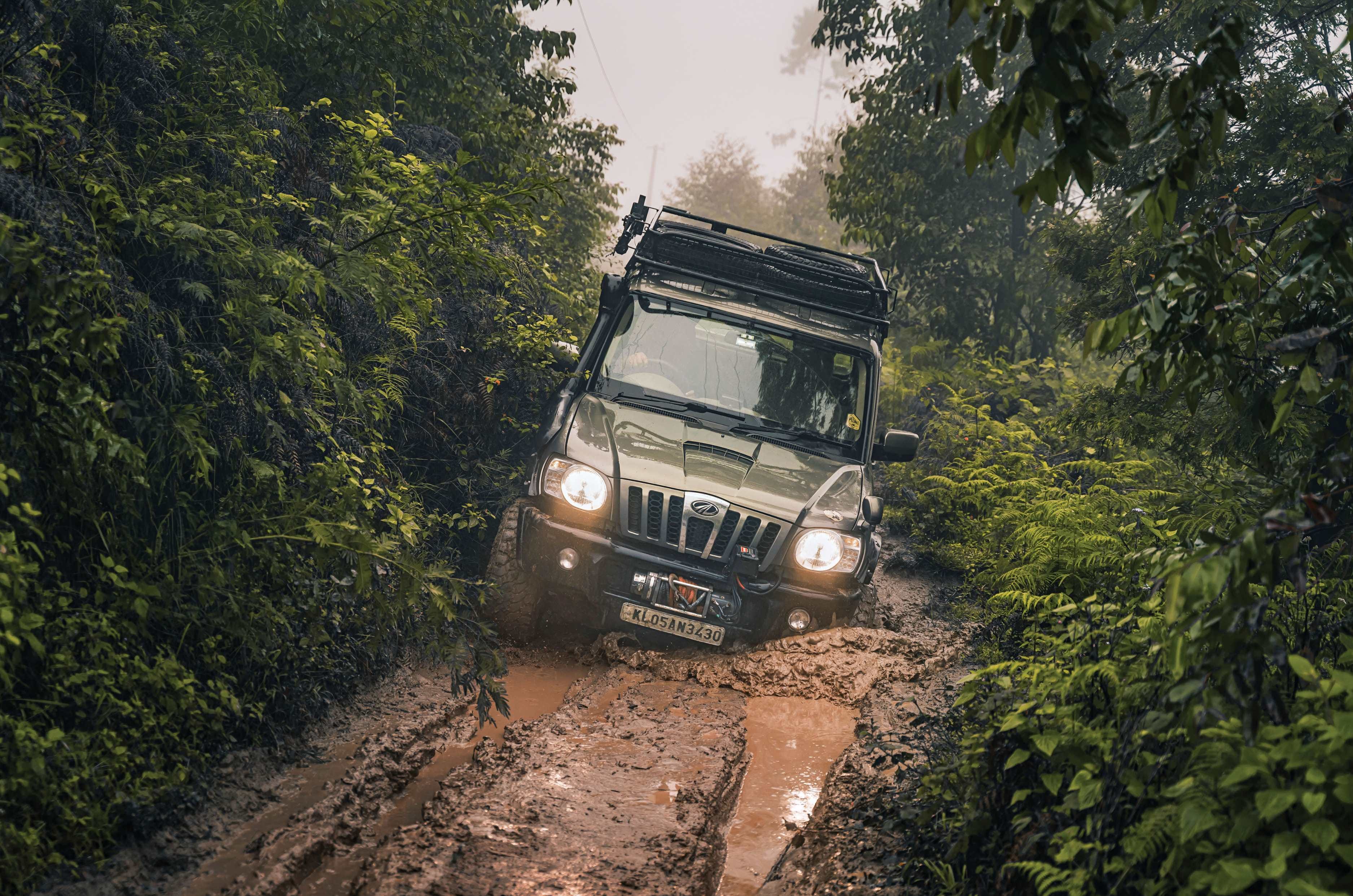
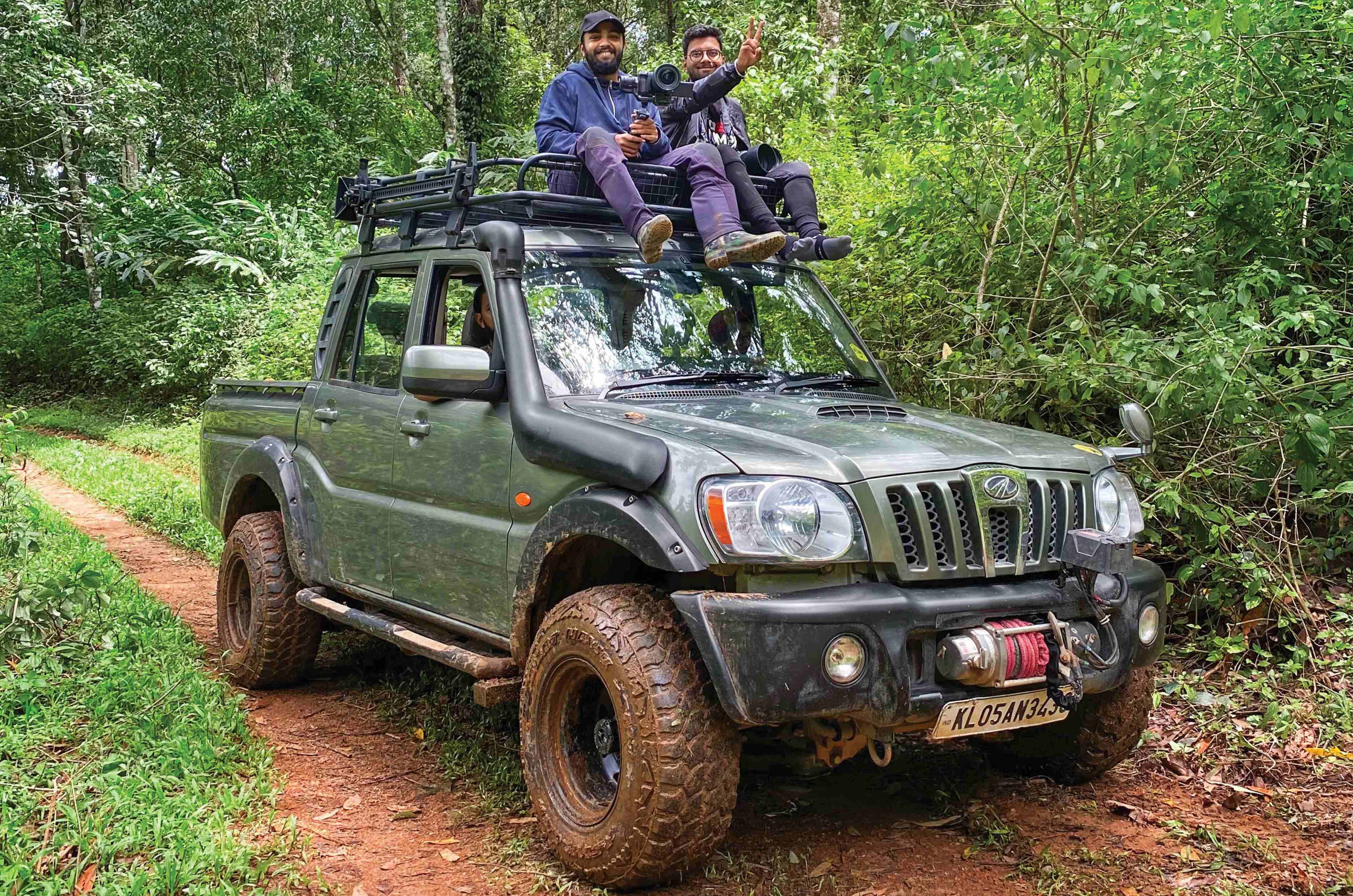
To ensure Rish got stuck further down the trail, a Lamda cable-operated locking differential found its way into the rear axle, while the front axle got manual locking hubs (the factory-fitted auto-locking hubs were prone to breaking under heavy load). The engine was left untouched, but to allow adequate wheel arch clearance for the planned high-profile fat tyres, a two-inch body-lift kit was installed. When you lift it, you need to stance it, and so, the vanilla factory wheels made way for off-road -30 off-set steel wheels and faux wheel arch extensions that muscled up the looks but also let us squeeze in fatter tyres without alerting the RTO.

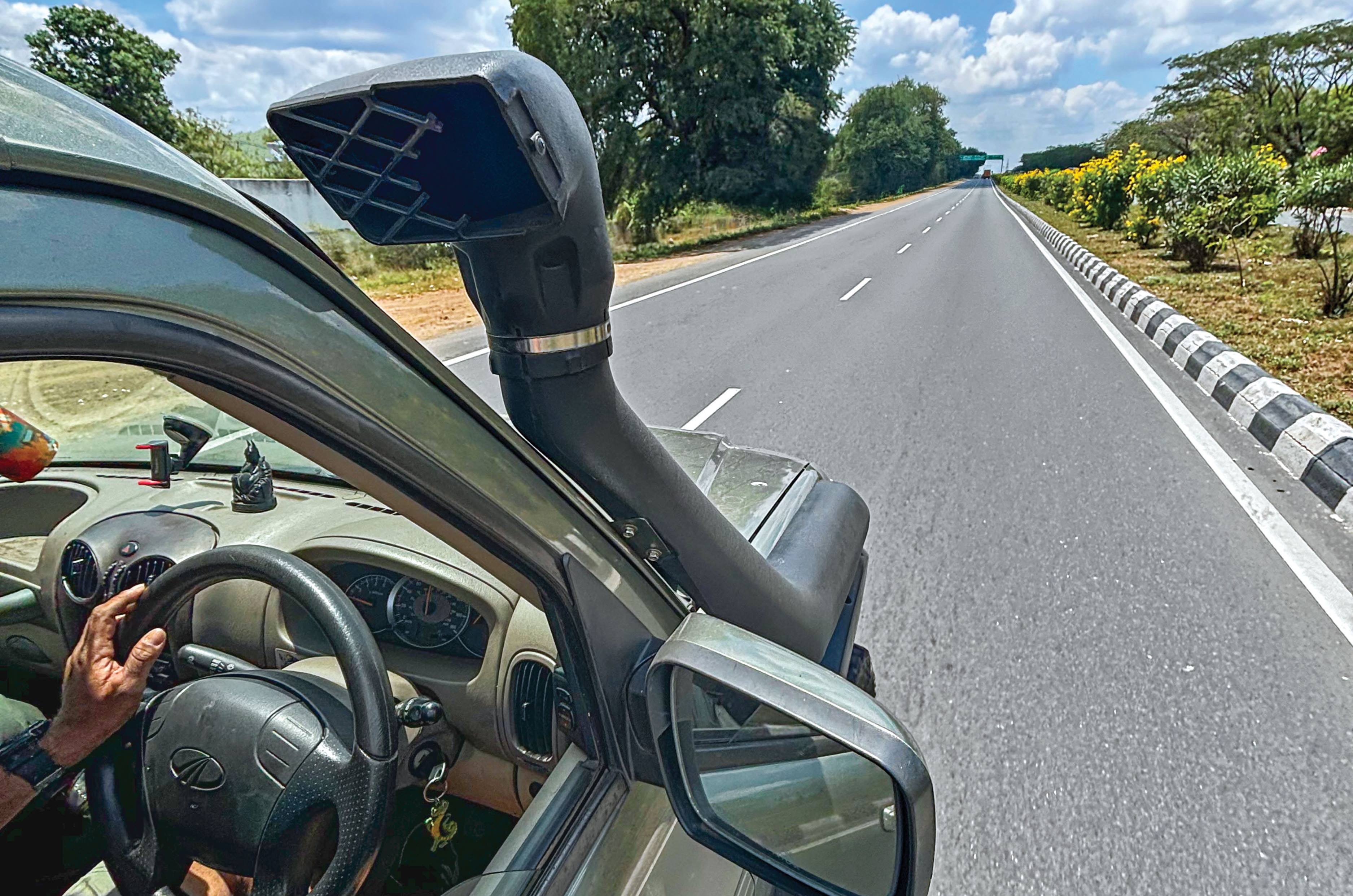
A canopy was added to cover the pickup bed, custom bicycle mounts were welded onto the floor of the bed, a roof-mounted tent, a side awning, solar panels on the roof, an AC-to-DC converter to run devices off the solar panels, a roof carrier, a snorkel, the legendary Warn M8000 winch, metal off-road bumpers, nine auxiliary lamps. Kitchen sink? Pah! There was no space left!

Life has other plans

The snorkel allows some river crossing, but the Brahmaputra had to be crossed on this raft.

For reasons beyond the scope of this story, the Getaway spent most of its first two years parked up with no place to go. It preened, posed, went for the occasional camping trip and lent itself to all the mall crawler memes you can think of.

Then came August 2018. The skies over Kerala opened up. Rivers breached banks, houses were flooded up to the first floor in some places, and parts of middle Kerala were unreachable unless you had a boat or a vehicle with a snorkel. The official rescue teams quickly found themselves overwhelmed, so the Getaway, along with all of Kerala’s 4×4 community, stepped in to assist. The need of the hour was clean bedsheets, towels, underwear, drinking water, easy-to-reheat food and a way to get these supplies to people stranded in homes surrounded by flood waters or cut off by landslides. We loaded the Getaway’s pickup bed to the sky and drove through bonnet-deep water for about three days, handing out generously donated essentials. We stopped only when the rains subsided and when one of the people we thought needed help asked if we were carrying blue underwear. His favourite colour apparently!

Extremely useful as a backup car for our business because it can carry a mechanic, medic, tools, medical kit and motorcycles, with room to spare.

Soon after the rains subsided, the Motor Vehicles Department in Kerala started a serious clampdown run on modified vehicles, and we figured it was time to strip the Getaway of everything but the essentials. The School Of Dirt  – our off-road motorcycling school – was in full swing by then, and the Getaway was the backup car because it could carry a mechanic, medic and two broken motorcycles at a go. We kept the winch, the snorkel and the mud-terrain tyres. We added new features like the comprehensive tool kit for off-road trail fixes and an exhaustive medical kit for when things go wrong far from a hospital. This thing can carry a lot!

We’ve had a few heart-in-mouth moments, but the Getaway always got us home safe.

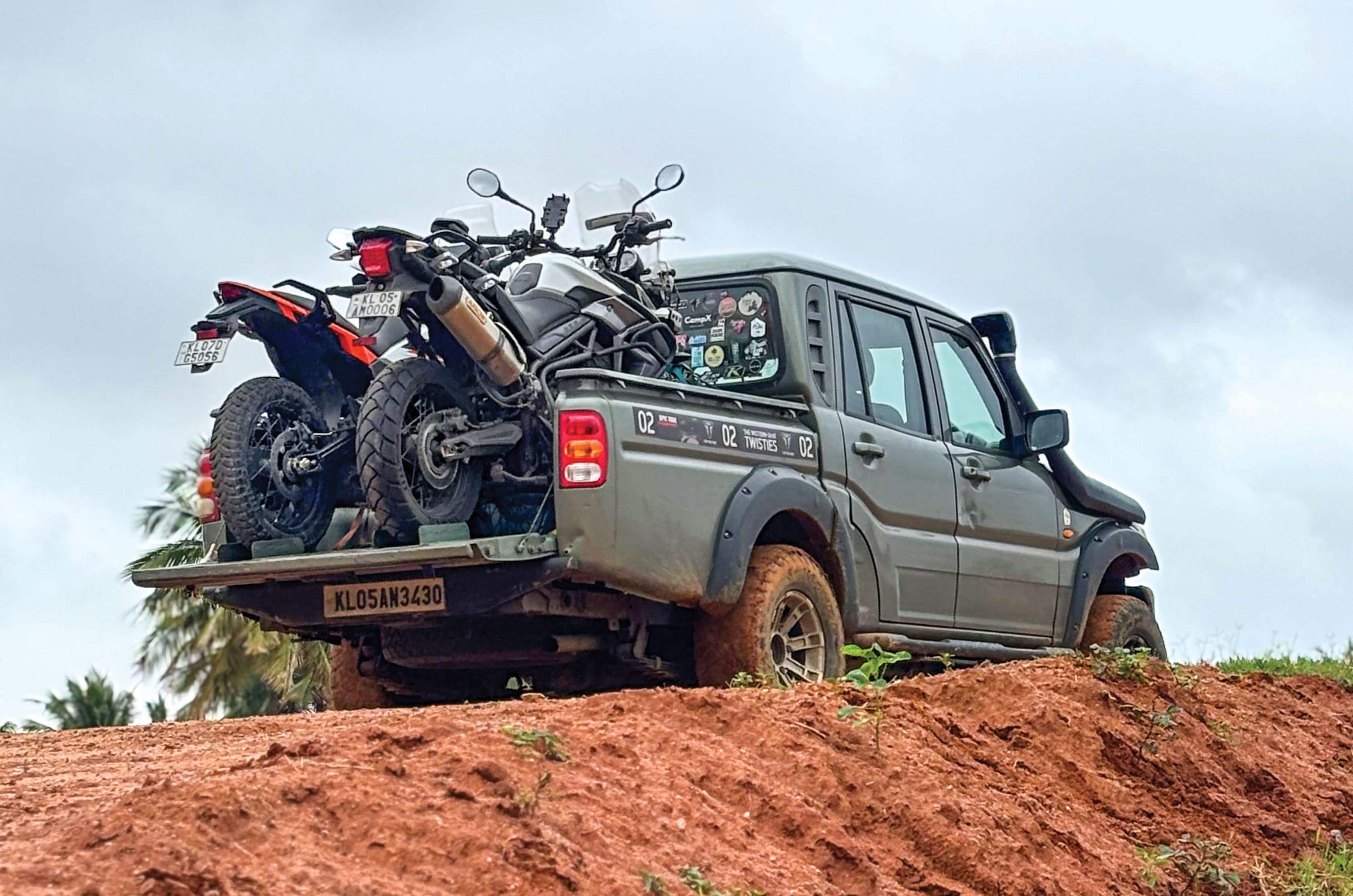
The next eight years were when the Getaway really pulled its own weight in gold. Most notably, the two 8,000km Kottayam-to-Kohima round trips, mostly with a 250kg Tiger 1200 strapped to its back, and about 1,10,000km criss-crossing South India with us and paraphernalia in it. It has been our hotel room and our home away from home when the adventure motorcycle thrill started booming. More than anything, it has been as reliable as a hammer and didn’t need much more than a full tank of diesel and some duct tape to get to the next destination.

Wear and tear on big bikes is expensive. Getaway helps mitigate that expense.

We figured a long time ago that using its ‘certified’ 600kg payload capacity to carry a motorcycle is a huge cost saving for a startup business. Ever since all nice and fast things became sin goods in the eyes of the government, carrying the bike to the start of the trip and using it only at the event became a much more economical proposition than riding it all the way. An example? A proper load- and speed-rated rear tyre on the Tiger 1200 costs Rs 25,000, and with the way I ride the bike, I obliterate that poor tyre in just 3,500km. That and the expensive mechanical wear and tear on these big bikes ultimately meant it was cheaper to load the bike on the back of the Getaway and transport it to the event.

Spare a thought

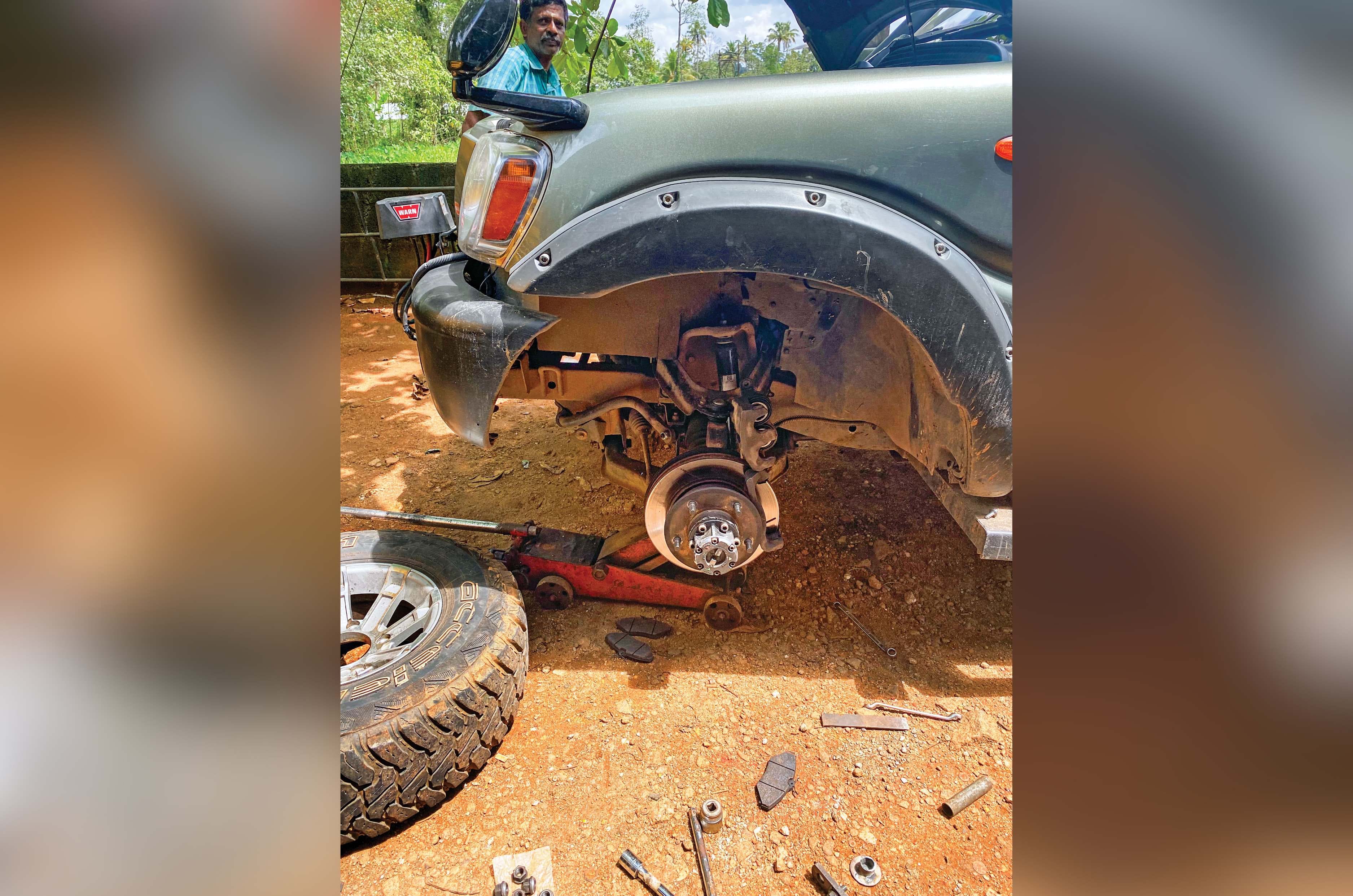
This being a Mahindra and based largely on the Scorpio, parts are available everywhere in India, and mechanics know their way around the Getaway’s Scorpio bloodline despite the pickup’s rarity. We run the car on a preventive maintenance schedule because we really work it hard, and no matter what, it gets fresh air, oil and diesel filters every 5,000km. The engine and transmission oil get changed at the same time, the leaf springs at the back are realigned and reshaped every 15,000km and the torsion bar front suspension gets re-adjusted every time we notice it starting to sag. We don’t have a bed liner for the pickup bed, so once a year, we check it in to a paint spa for a fresh coat to prevent rusting from all the scratches. That’s it.

Easily repaired because it shares a lot of parts with the Scorpio.

The engine has never needed an overhaul, and it is helpful that the bomb-proof 2.6 CRDe engine will run on anything that resembles diesel. The weak link in the mechanical package is the clutch – if you’re not reasonably careful every time you start off on a slope, it’ll vaporise fast. Still, the clutch pack along with the clutch release bearing works out to something like Rs 6,000, so apart from the inconvenience of being stranded, it really doesn’t hurt the wallet.

Also, because of our carelessness, we’ve chewed through three rear differentials in the course of the last decade (sometimes the cable-operated Lamda differential doesn’t fully disengage thanks to a corroded cable, and if you are not careful, you end up driving with a partially locked differential on the road). The rear differential turned out to be one of the most expensive spares on the Getaway, working out to around Rs 40,000 a pop, and even that is not too bad considering a broken tail-lamp on a Hilux will set you back Rs 30,000. We’ve since discarded the locking differential and keep fingers crossed that the winch will yank us out when the time comes. Also, don’t break the rear windshield – it is harder to source than a Ferrari 250 GTO!

With a full load, the Getaway still runs around 10 kilometres for every litre of diesel consumed, and that, along with its 60-litre fuel tank, gives it a useful range of 600km.

1,50,000km of highways and trails, and it is still going strong!

The Getaway doesn’t seem to lose much on resale value either. Back in 2016, Rish bought it for Rs 11 lakh and some spare change (on road!). Because every other new lifestyle pickup truck in the market is considerably more expensive, I think people are coming around to the sweet spot of utility, value and comfort that the Getaway hits. It is a reasonably simple vehicle with zero electronics (no ABS even!) and so lends itself to hard work and easy fixes happily. Still, well-maintained Getaways are few and far between and their owners (like us) are loathe to let them go. The ones you find on used-car portals are bad. Trust me, I’ve looked.

What next?

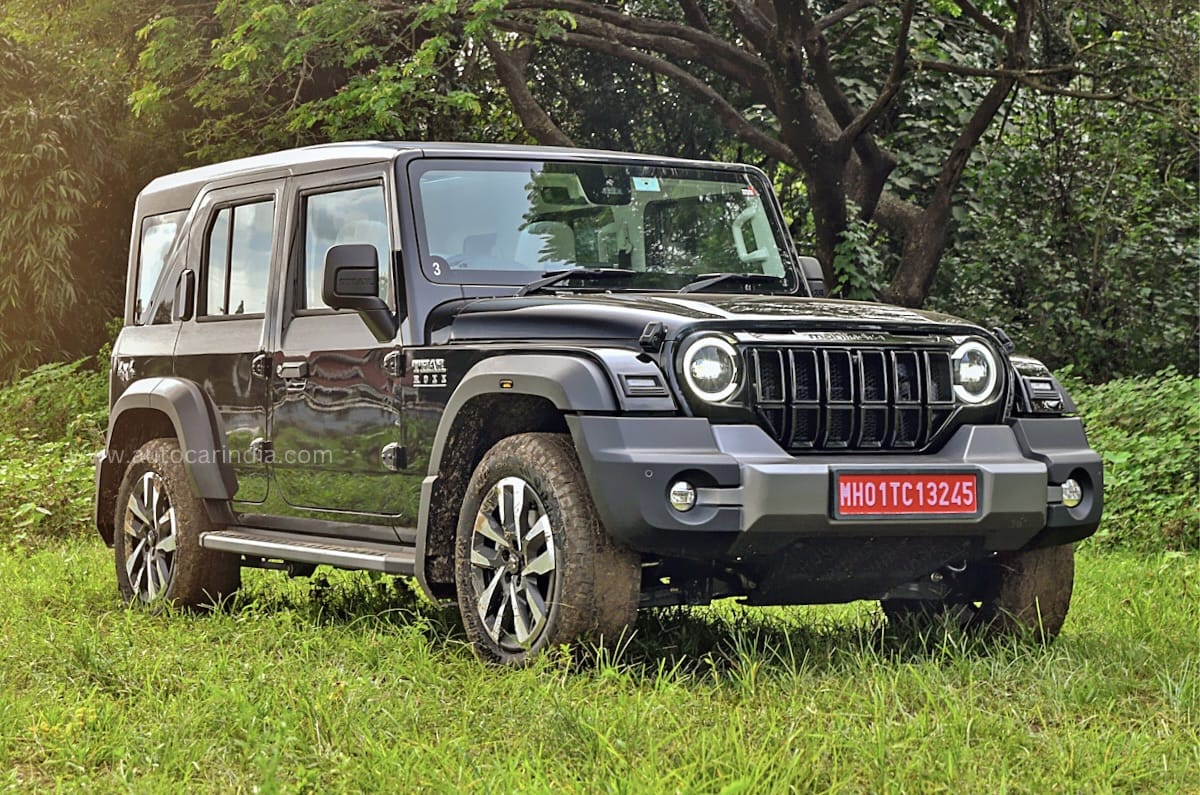
No one is more excited about the launch of the Getaway’s replacement than I am. The new Lifestyler (weird name) looks very cool, and the more powerful engines will definitely make fully loaded cross-country trips effortless. The expected base price is positively tasty, and I hope it will come with maintenance costs to match.

It does seem a bit too fancy, though, and I worry about the interiors that are no longer the hose-down kind. I hope Mahindra will offer a more pared-down version that will allow people like me to use it with dirty boots and greasy gloves guilt-free. 
In the mountaineering world, when someone successfully summits a peak, you ask, “Who’s your sherpa” The Getaway has been The School Of Dirt’s unfailing sherpa. The Lifestyler has its work cut out.

Video: रील की चाहत में दांव पर लगी जिंदगी…नदी में उतारी SUV, अचानक हो गया ऐसा तगड़ा कांड

Viral Video: सोशल मीडिया पर अक्सर लोग एक वीडियो के लिए अपनी जान को भी खतरे में डाल देते हैं। जम्मू-कश्मीर के सोनमर्ग से एक ऐसा ही वीडियो सामने आया है, रील बनाने के चक्कर में कुछ युवाओं ने अपनी महिंद्रा स्कॉर्पियो को तेज बहाव वाली सिंध नदी में उतार दी। ये घटना होटल सिंध रिसॉर्ट्स के पास हुई। SUV के नदी में फंसते ही उसमें सवार लोगों की जान पर बन आई और मौके पर अफरा-तफरी मच गई। वहीं बाद में उनको पुलिस और स्थानीय लोगों की मदद से सभी को सुरक्षित बाहर निकाल लिया गया। इस घटना का वीडियो सोशल मीडिया पर तेजी से वायरल हो रहा है।

लोगों को बाहर निकाला गया

सिंध नदी में स्कॉर्पियो फंसने के बाद मौके पर मौजूद लोगों के लिए गाड़ी को बाहर निकालना मुश्किल हो गया था। घटना की सूचना मिलते ही जम्मू-कश्मीर पुलिस की टीम वहां पहुंची और स्थानीय लोगों की मदद से बचाव अभियान शुरू किया। पुलिस और स्थानीय लोगों ने मिलकर SUV में फंसे सभी लोगों को सुरक्षित बाहर निकाला और नदी के किनारे ले आए। राहत की बात रही कि इस घटना में किसी को चोट नहीं आई। बचाव अभियान के बाद स्कॉर्पियो को नदी से सुरक्षित बाहर निकाल लिया गया।

पुलिस ने शुरू की जांच

पुलिस ने बताया कि गाड़ी चला रहे शख्स की पहचान श्रीनगर के नवाकदल निवासी मोहम्मद इबाद भट के रूप में हुई है, वहीं उनके साथ मौजूद नसीर अहमद मुगल रियासी के माहोर के रहने वाले हैं। पुलिस के अनुसार, वीडियो बनाने के लिए तेज बहाव वाली नदी में गाड़ी ले जाना बेहद खतरनाक और गैर-जिम्मेदाराना कदम था। इससे SUV में मौजूद लोगों के अलावा आसपास के लोगों की जान भी खतरे में पड़ सकती थी। मामले को लेकर पुलिस ने केस दर्ज कर आगे की जांच शुरू कर दी है।


अधिकारियों ने लोगों से की अपील

अधिकारियों ने पर्यटकों और स्थानीय लोगों से नदी, झरने और दूसरी पानी वाली जगहों पर खतरनाक स्टंट न करने की अपील की है। पुलिस ने कहा कि पहाड़ी इलाकों में पानी का बहाव कभी भी अचानक तेज हो सकता है और थोड़ी सी लापरवाही बड़ा हादसा कर सकती है। सोशल मीडिया पर वीडियो बनाने के लिए नदी में गाड़ी उतारना भी बेहद खतरनाक है। इससे जान जाने का खतरा रहता है और ऐसी हरकत करने वालों पर पुलिस कार्रवाई भी हो सकती है।

लोगों ने किया कमेंट

इस घटना के सामने आने के बाद सोशल मीडिया पर लोगों ने भी अपनी नाराजगी जाहिर की। एक यूजर ने कमेंट करते हुए कहा कि, ‘SUV को नदी में ले जाना बिल्कुल समझदारी भरा फैसला नहीं था।’ वहीं, दूसरे यूजर ने लिखा कि, ‘ज्यादा पैसे होने पर कुछ लोग अपनी जिम्मेदारी और समझदारी भूल जाते हैं।’ एक अन्य यूजर ने दोषियों की गिरफ्तारी की मांग की। कुछ लोगों ने पुलिस और स्थानीय लोगों की ओर से किए गए बचाव कार्य की तारीफ की।

(डिस्क्लेमर: यह रिपोर्ट सोशल मीडिया पर यूज़र द्वारा शेयर किए गए कंटेंट पर आधारित है। मनीकंट्रोल इन दावों की न तो स्वतंत्र रूप से पुष्टि नहीं करता है और न ही इनका समर्थन करता है।)

Benefits up to Rs 3 lakh on Mahindra Scorpio N in September 2026

Benefits up to Rs 3 lakh on Mahindra Scorpio N in September 2026
Mahindra Scorpio N front quarter static

September 2026 offers on Mahindra models, including the Scorpio N, Thar Roxx, 3-door Thar and XUV 3XO. The maximum benefits are available with the older Scorpio N stock, followed by the Thar Roxx. However, the XUV 7XO, or any EV, including BE 6 Sporteq, XEV 9e and XEV 9S, are not carrying any official benefits. Let us take a look at the model-wise offer breakdown for Mahindra models in India for the month of September 2026.

Note: The mentioned offers are applicable till September 30 and may vary by city, dealership and stock availability. Please check with your nearest Mahindra dealership for the exact figures.

Mahindra Scorpio N September 2026 offers

Up to Rs 3 lakh

Older-spec Mahindra Scorpio N

Select variants of the older-stock Mahindra Scorpio N are being offered with benefits up to Rs 3 lakh. This includes consumer offers of up to Rs 1.50 lakh, cash discounts of up to Rs 1.25 lakh and free accessories worth up to Rs 25,000. The current-spec Mahindra Scorpio N is priced from Rs 13.69 lakh to Rs 25.49 lakh and serves as an alternative to 3-row SUVs like the Tata Safari, Mahindra XUV 7XO, MG Hector Plus and Hyundai Alcazar. 

Mahindra Thar Roxx September 2026 offers

Up to Rs 2.40 lakh

Select variants of the Mahindra Thar Roxx are available with offers of up to Rs 2.40 lakh in September 2026. Total benefits include consumer offers of up to Rs 1.20 lakh, cash discounts of up to Rs 90,000 and free accessories of up to Rs 30,000, depending on the variant chosen. The Mahindra Thar Roxx prices range from Rs 12.52 lakh to Rs 23.52 lakh. It locks horns with the Force Gurkha 5-door and can be considered an alternative to midsize SUVs like the Hyundai Creta, Tata Sierra and Renault Duster.

Mahindra XUV 3XO September 2026 offers

Up to Rs 1.20 lakh

The Mahindra XUV 3XO is offered with total benefits of up to Rs 1.20 lakh, depending on the selected variant. These include up to Rs 60,000 in consumer offers, up to Rs 40,000 cash discount and up to Rs 20,000 worth of free accessories. The Mahindra XUV 3XO is priced from Rs 7.79 lakh to Rs 15.04 lakh, and rivals compact SUVs such as the Tata Nexon, Hyundai Venue, Kia Sonet, and Maruti Suzuki Brezza.

Mahindra Scorpio Classic September 2026 offers

Up to Rs 1.10 lakh

The Scorpio Classic is being offered with total benefits of up to Rs 1.10 lakh in September 2026. Along with consumer offers worth Rs 50,000, it also includes a cash discount of up to Rs 30,000 and free accessories worth up to Rs 30,000, depending on the variant. Prices of the Mahindra Scorpio Classic range from Rs 3.37 lakh to Rs 17.40 lakh.

Mahindra Thar 3-door September 2026 offers

Up to Rs 1 lakh

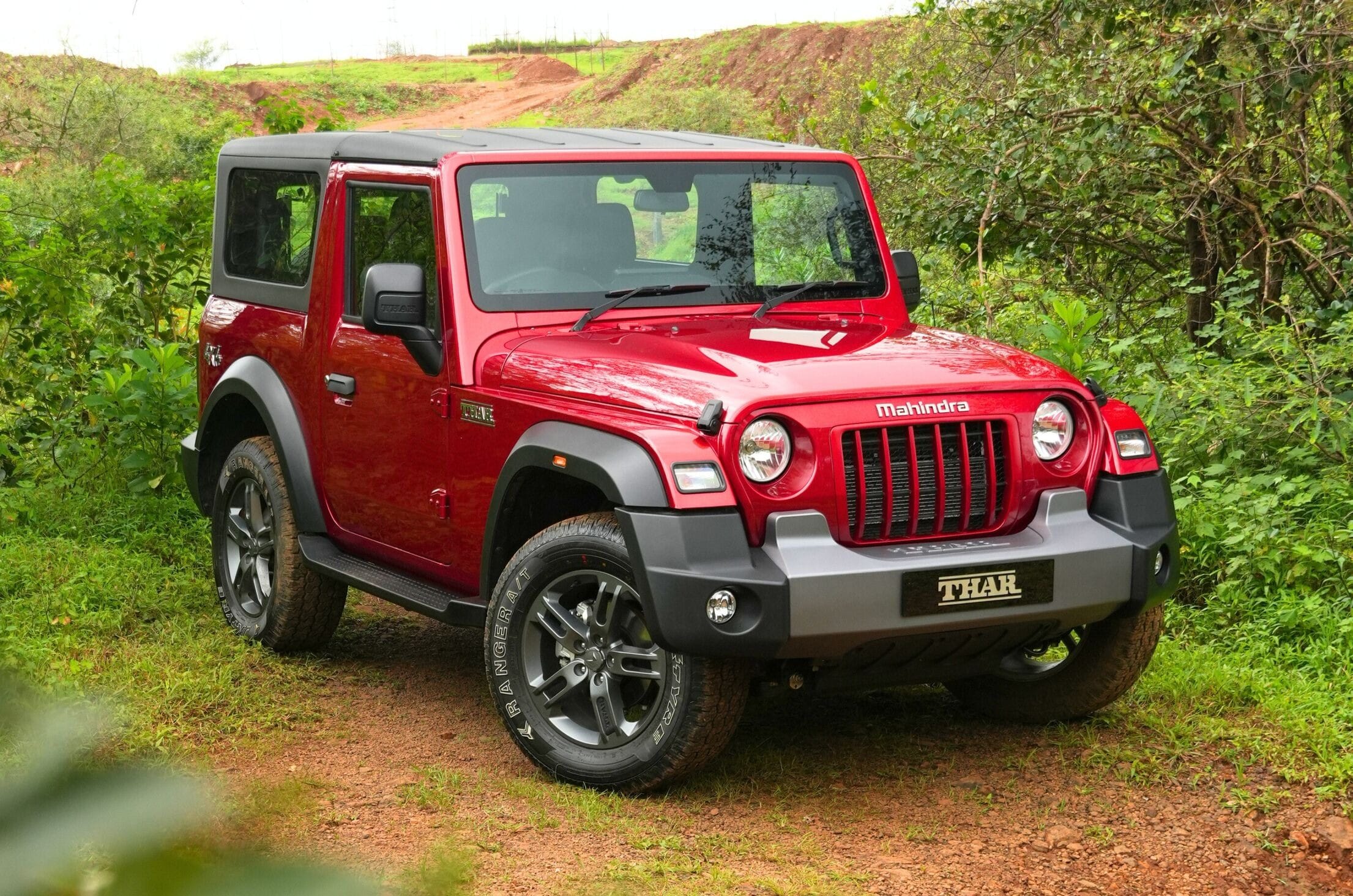
Mahindra is offering the 3-door Thar’s four-wheel-drive (4WD) variants with benefits of up to Rs 1 lakh, which includes consumer offers of up to Rs 50,000, cash discounts of up to Rs 30,000 and free accessories worth up to Rs 20,000. The rear-wheel-drive (RWD) variants, however, are offered with no official offers. The Mahindra Thar is priced from Rs 10.32 lakh to Rs 18 lakh and it locks horns with Force Gurkha 3-door and can be considered an alternative to the Maruti Suzuki Jimny.

Mahindra Bolero Neo (including Neo Plus) September 2026 offers

Up to Rs 50,000

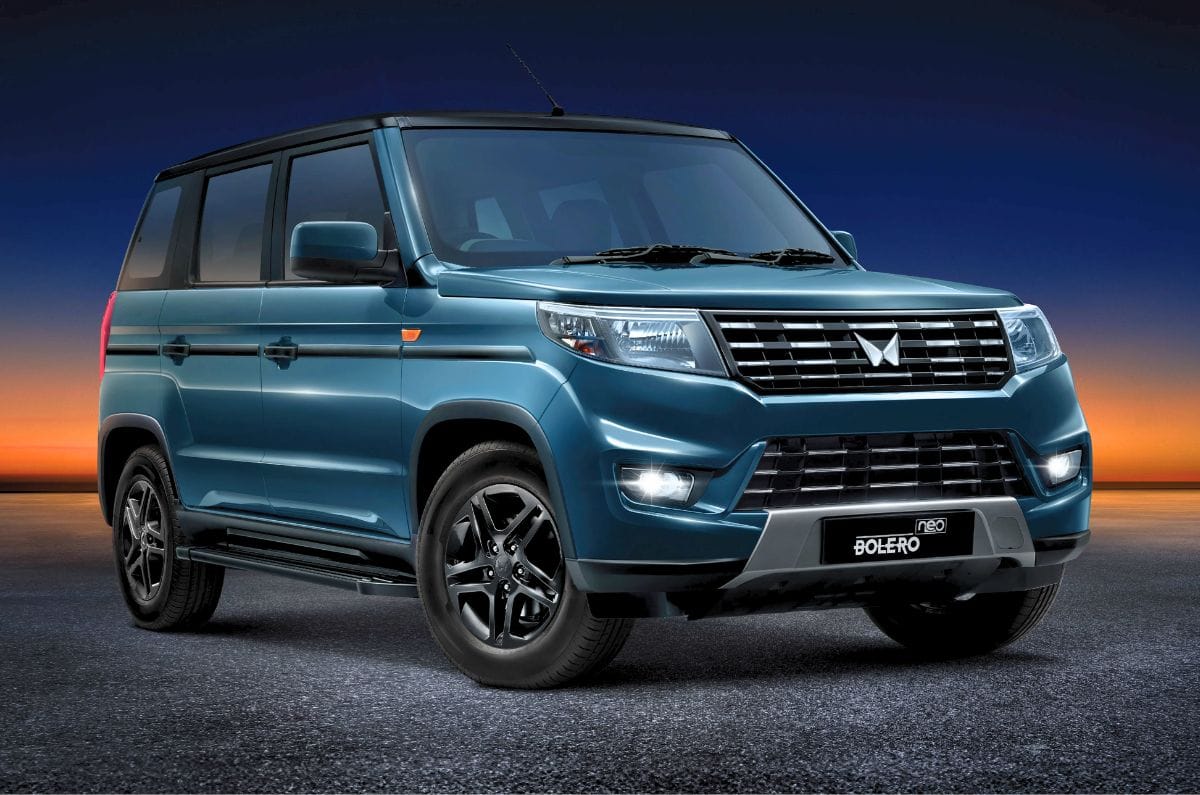
Mahindra is offering the Bolero Neo Plus with offers up to Rs 50,000, including a consumer offer of up to Rs 25,000, a cash discount of up to Rs 15,000 and free accessories worth up to Rs 10,000, depending on the variant. The Bolero Neo gets lower benefits of up to Rs 20,000, which includes a consumer offer and a cash discount of up to Rs 10,000 each. The Bolero Neo Plus is priced from Rs 11.39 lakh to Rs 13.49 lakh, while the smaller Bolero Neo prices range from Rs 8.99 lakh to Rs 10.79 lakh. 

Prices are ex-showroom, India.

Video: चोरी के डर से बिहार के शख्स ने लगाया अनोखा जुगाड़! क्रेन से घर की छत पर ही चढ़ा दी Scorpio, वीडियो वायरल

Viral Video: सोशल मीडिया पर बिहार के गोपालगंज का एक वीडियो तेजी से वायरल हो रहा है। यहां पर एक व्यक्ति ने अपनी नई महिंद्रा स्कॉर्पियो क्लासिक को चोरी से बचाने के लिए अनोखा जुगाड़ लगाता है। उसका ये अनोखा जुगाड़ सोशल मीडिया पर चर्चा का विषय बन गया है। गोपालगंज के एक व्यक्ति ने अपनी नई महिंद्रा स्कॉर्पियो को चोरी से बचाने के लिए उसे घर की दूसरी मंजिल पर रखवा दिया। व्यक्ति ने क्रेन की मदद से SUV को जमीन से ऊपर उठाकर छत पर पहुंचाया। गाड़ी को क्रेन से उठाने का वीडियो सोशल मीडिया पर तेजी से वायरल हो रहा है और लोग इस अनोखे तरीके को देखकर हैरान हैं। सोशल मीडिया पर वायरल हो रहे इस दावे और वीडियो की स्वतंत्र रूप से पुष्टि नहीं हो पाई है।

सोशल मीडिया पर वायरल हुआ वीडियो

सोशल मीडिया पर वायरल हो रहे इस 46 सेकेंड के वीडियो में महिंद्रा स्कॉर्पियो क्लासिक को क्रेन के जरिए एक घर की छत तक पहुंचाते हुए देखा गया। क्रेन से लटकी गाड़ी को धीरे-धीरे दो मंजिला मकान की छत तक पहुंचाया जाता है और फिर बेहद सावधानी से उसे छत पर खड़ा कर दिया जाता है। गाड़ी को इस तरह घर की छत पर पहुंचाने का तरीका देखकर लोग काफी हैरान हैं। इस घटना पर लोग तरह-तरह के रिएक्शन दे रहे हैं।


परिवार को थी गाड़ी की टेंशन

बताया जा रहा है कि ये SUV मनोज यादव की है, जिन्होंने इसे कुछ समय पहले ही खरीदा था। मनोज काम के सिलसिले में इजराइल में रहते हैं और उनकी गैरमौजूदगी में कार की देखभाल एक ड्राइवर कर रहा था। बाद में ड्राइवर के वहां से चले जाने के बाद परिवार को गाड़ी की सुरक्षा की चिंता होने लगी। इसके बाद कार को चोरी से सुरक्षित रखने के लिए परिवार ने उसे घर की छत पर रखने का फैसला किया और क्रेन की मदद से SUV को ऊपर पहुंचाया गया। सोशल मीडिया पर वीडियो वायरल होने के बाद यह मामला चर्चा में आ गया है।

बताया जा रहा है कि छत पर खड़ी स्कॉर्पियो को देखने के लिए आसपास के लोग भी पहुंच रहे हैं। घर की छत पर इतनी भारी SUV रखने से छत की मजबूती और सुरक्षा को लेकर अभी कोई आधिकारिक जानकारी नहीं मिली है।

(डिस्क्लेमर: यह रिपोर्ट सोशल मीडिया पर यूज़र द्वारा शेयर किए गए कंटेंट पर आधारित है। मनीकंट्रोल इन दावों की न तो स्वतंत्र रूप से पुष्टि नहीं करता है और न ही इनका समर्थन करता है।)

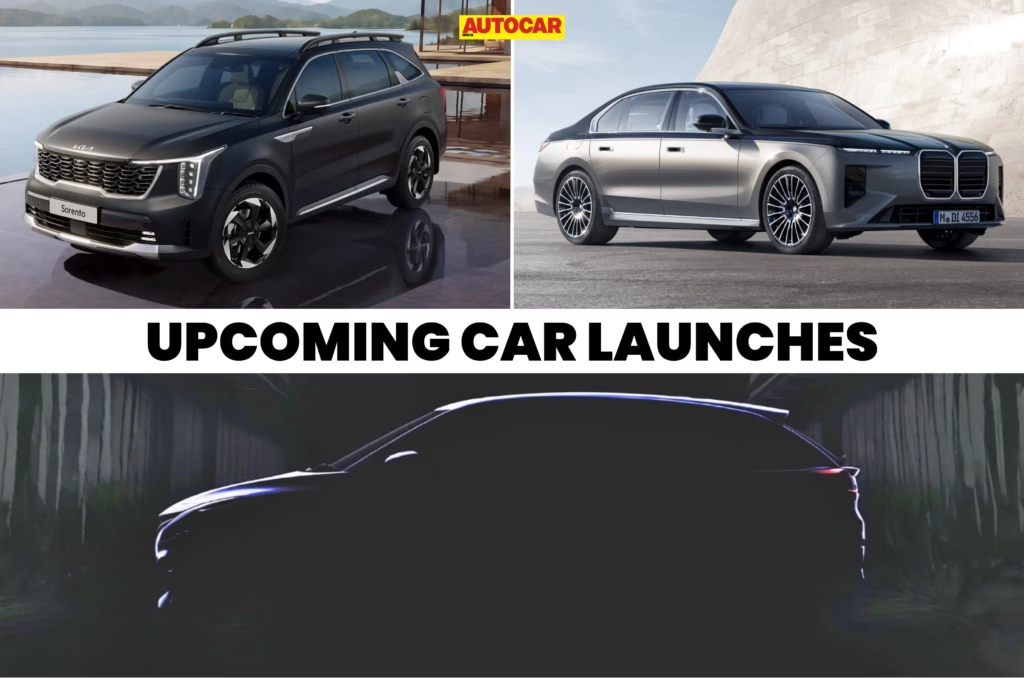
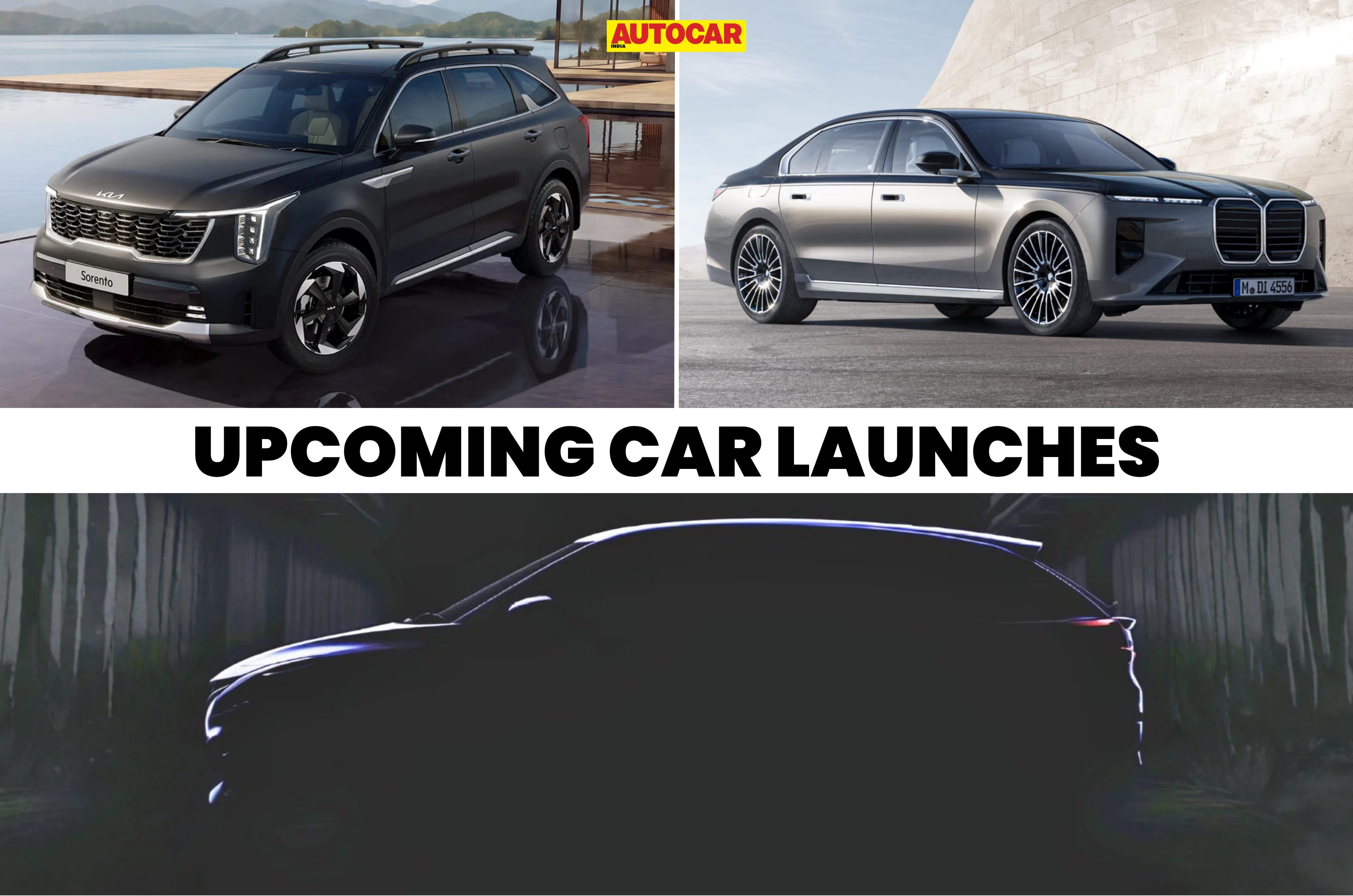
Upcoming car launches in September 2026

Upcoming car launches in September 2026

August was a busy month for the Indian car market, bringing several new models ajd variants, as well as updates. The BMW X1 LWB and MG Hector Tomahawk EV and PHEV were among the fresh launches, while the Mahindra Scorpio N received a mid-lifecycle update. The Mahindra BE 6 gained the ‘Sporteq’ suffix, while three existing models added new trims: the Range Rover SV Ultra, BYD Sealion 7 Dynamic and Skoda Kylaq Sportline. After such a packed August, September is also set to see more car launches.

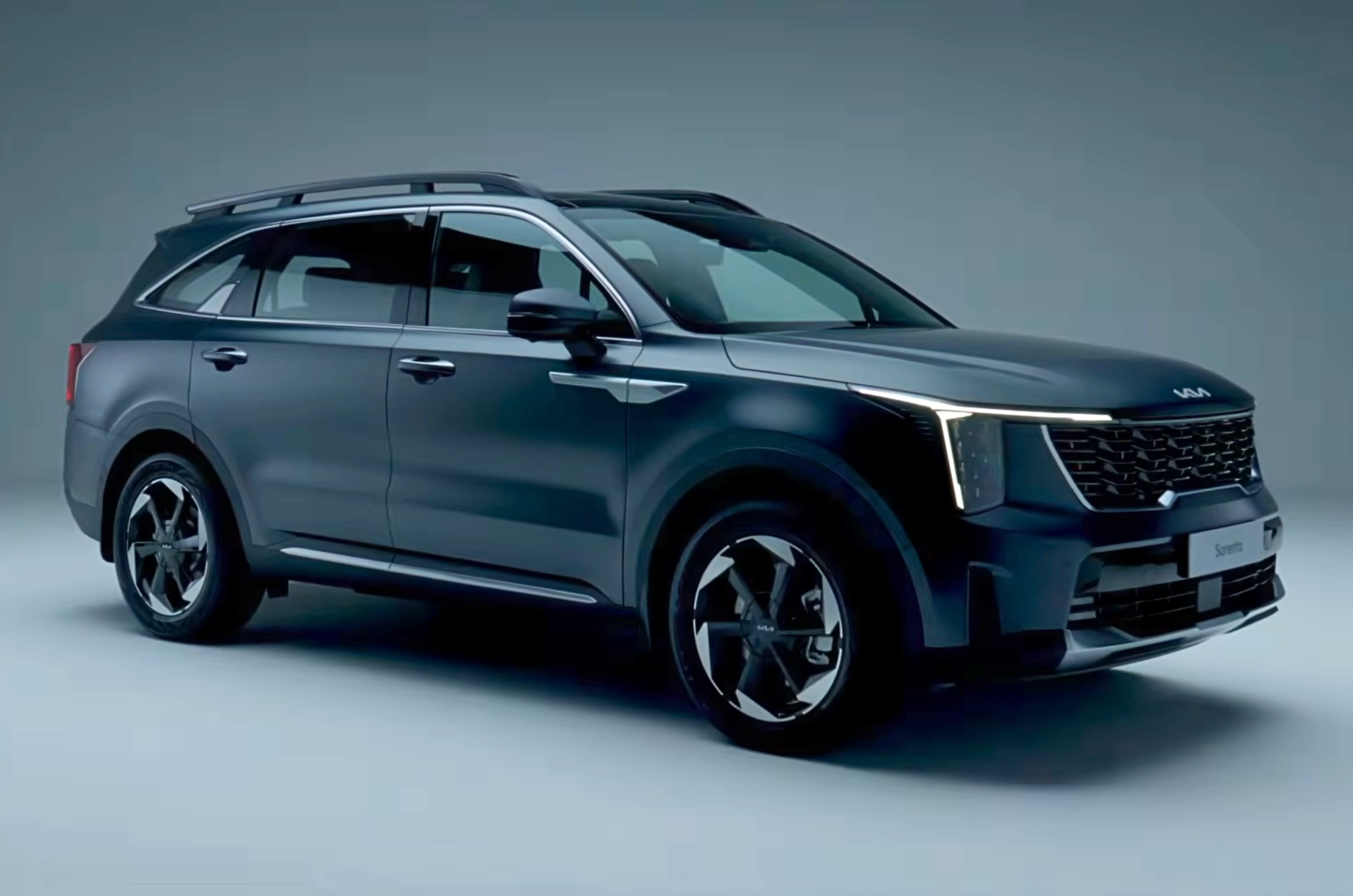
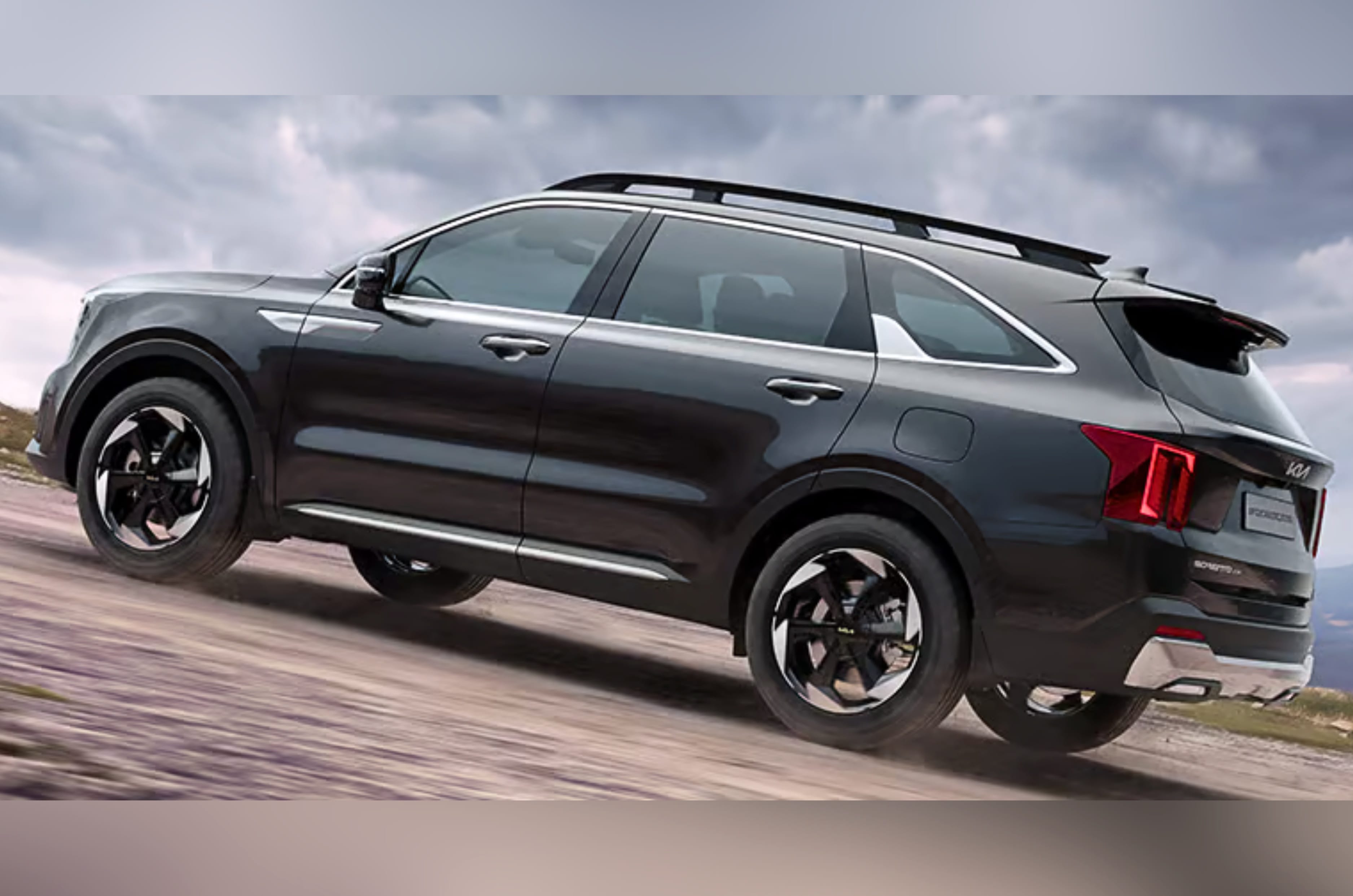
Kia Sorento

Launch: September 4

The Kia Sorento will be the brand’s new flagship ICE model in India, and it will be offered with both strong-hybrid and diesel powertrains. The 1.6-litre strong-hybrid version will produce 238hp and 380Nm, while the 2-litre diesel will make 202hp and 441Nm.

Kia Sorento

The Sorento gets Kia’s signature Tiger Nose grille, large vertical LED headlights with Y-shaped LED daytime running lamps (DRLs), LED fog lamps and vertical aero vents at the edges. Kia has not revealed the alloy wheel size yet, but they are likely to be 19-inch units. At the rear, the Sorento gets squarish tail-lamps with an inverted L-shaped LED signature, a large roof spoiler and a two-tone bumper.

India-spec Kia Sorento revealed ahead of September 4 launch

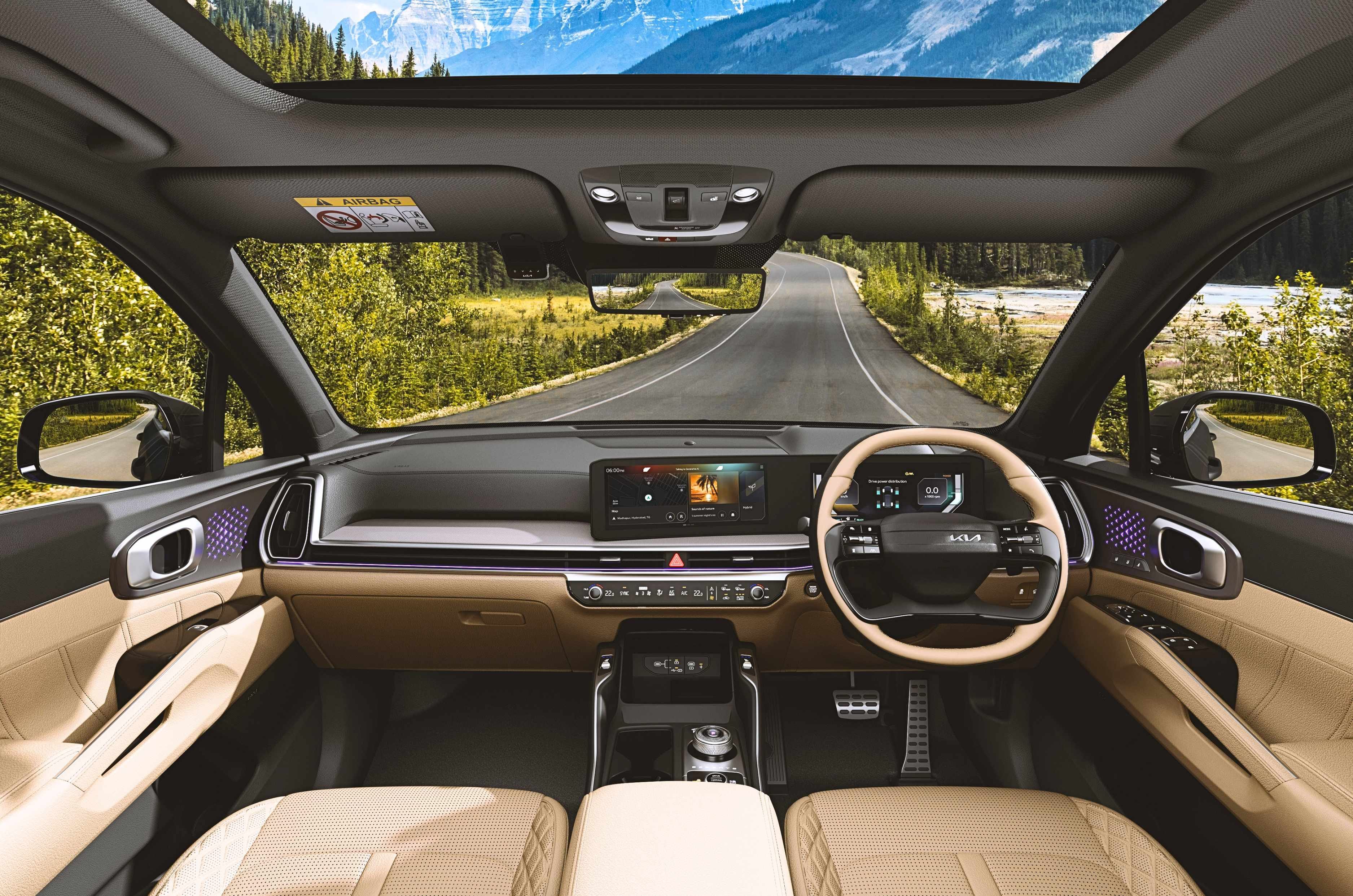
Inside, there is a connected panel housing the infotainment and instrument cluster screens. Kia has not revealed their sizes, but both are likely to be 12.3-inch units. Other features seen in the official images include ADAS, ventilated front seats, a digital interior rearview mirror (IRVM), an electrically operated tailgate, dual-zone climate control, ambient lighting and a panoramic sunroof.

India-spec Kia Sorento revealed ahead of September 4 launch

The Sorento is expected to be available in both 6- and 7-seat layouts. Kia has already started accepting bookings for the Sorento and upon launch, it will compete with the Skoda Kodiaq, Volkswagen Tayron and Jeep Meridian.

Maruti Baleno facelift

Launch: September 5

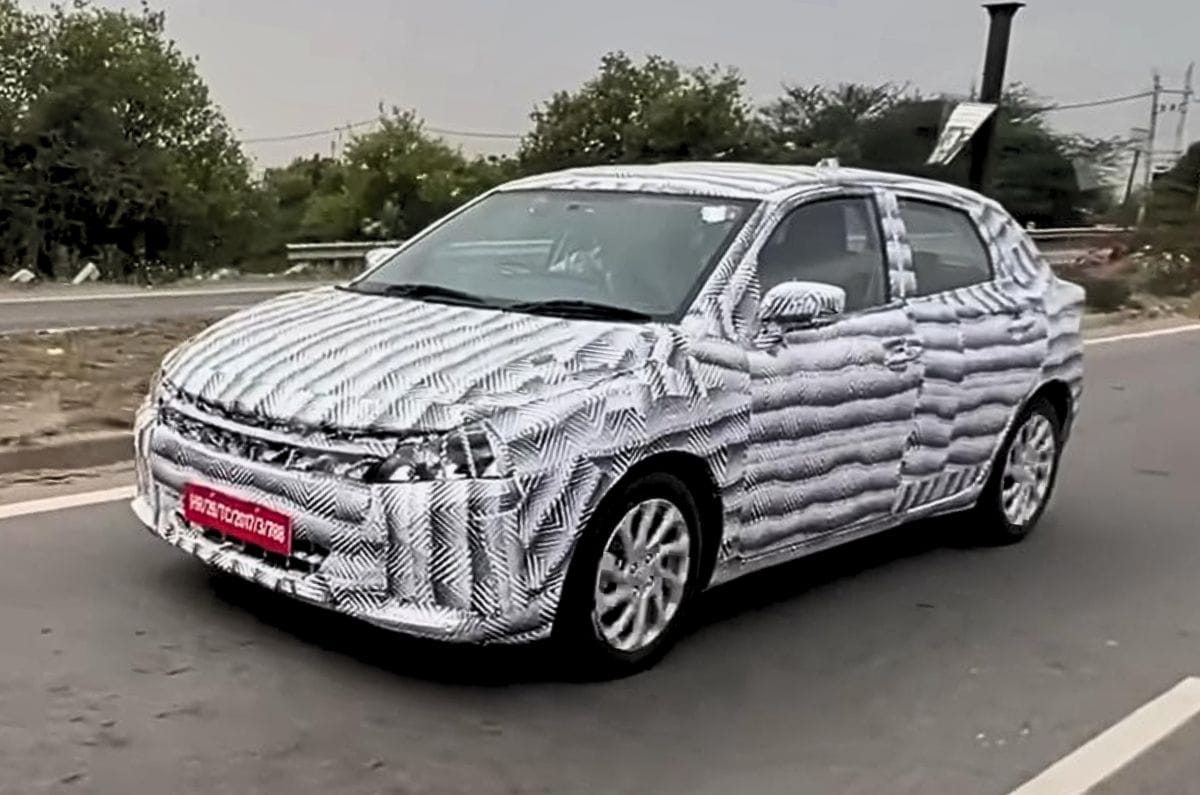
The Maruti Baleno is currently in its second generation, which was launched in 2022, and is due for an update. Previous spy shots of the Baleno facelift have suggested a redesigned front end with a new grille featuring a horizontal bar in the centre connecting the headlights. Test mules have also shown a new bumper without the front fog lamps seen on the current model.

Maruti Baleno facelift to launch on September 5
Image credit: Harsh Vlogs via YouTube.

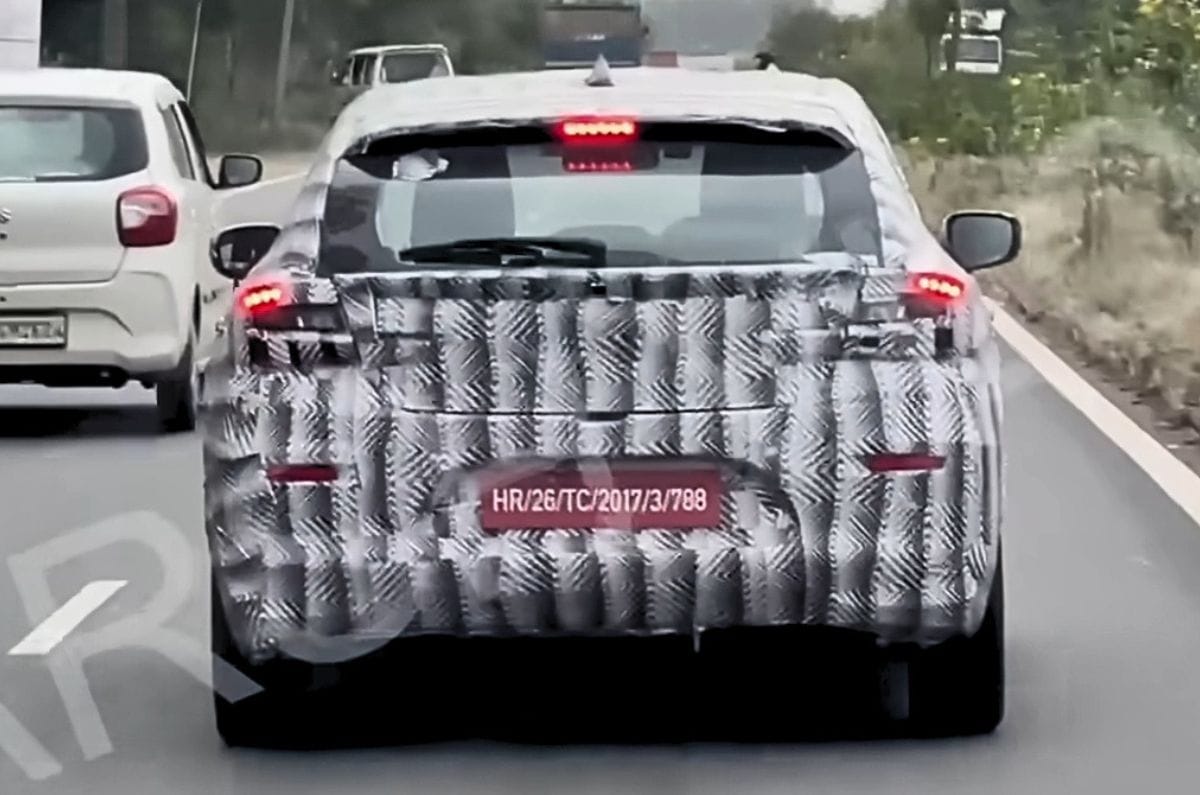
From the side, the only expected change is a new alloy wheel design. At the rear, the facelift could get a redesigned bumper, while the tail-lights are likely to remain unchanged. Inside, the Baleno could retain the current 9-inch touchscreen; however, update the upholstery and add new features.

Maruti Baleno facelift to launch on September 5
Image credit: Harsh Vlogs via YouTube.

Under the hood, the facelifted Baleno is expected to continue with the existing powertrain options. These include a 90hp 1.2-litre naturally aspirated petrol engine with 5-speed manual and 5-speed AMT choices, along with a 77.5hp CNG version available only with the manual gearbox. It will continue to rival the Tata Altroz, Hyundai i20 and Toyota Glanza.

BMW 7 Series, i7 facelifts

Launch: September 11

BMW opened bookings for the facelifted 7 Series and i7 flagship sedans on August 1, soon after their global debut earlier this year. In India, the company currently sells the 740i petrol and 740d diesel versions of the 7 Series, along with the eDrive 50 and M70 xDrive variants of the all-electric i7. These versions get several updates with the facelift, although BMW is yet to confirm which variants will be introduced in here.

BMW 7 Series facelift

In international markets, the facelifted 740i and 740d continue with their 3.0-litre straight-six engines, but with uprated outputs. The 740i makes 400hp and 580Nm, up by 19hp and 60Nm, while the 740d develops 313hp and 670Nm, an increase of 27hp and 20Nm. Both continue to use 48V mild-hybrid systems, 8-speed automatic gearboxes and BMW’s xDrive all-wheel-drive system. The i7 also gets a larger 112.4kWh battery in both variants, up from 101.7kWh. The lower 50 trim now comes only with xDrive all-wheel drive instead of rear-wheel drive and produces 455hp and 660Nm, up by 6hp and 10Nm. The M70 xDrive now makes 680hp and 1,100Nm, gaining 30hp and 85Nm. Charging speeds have also improved. 

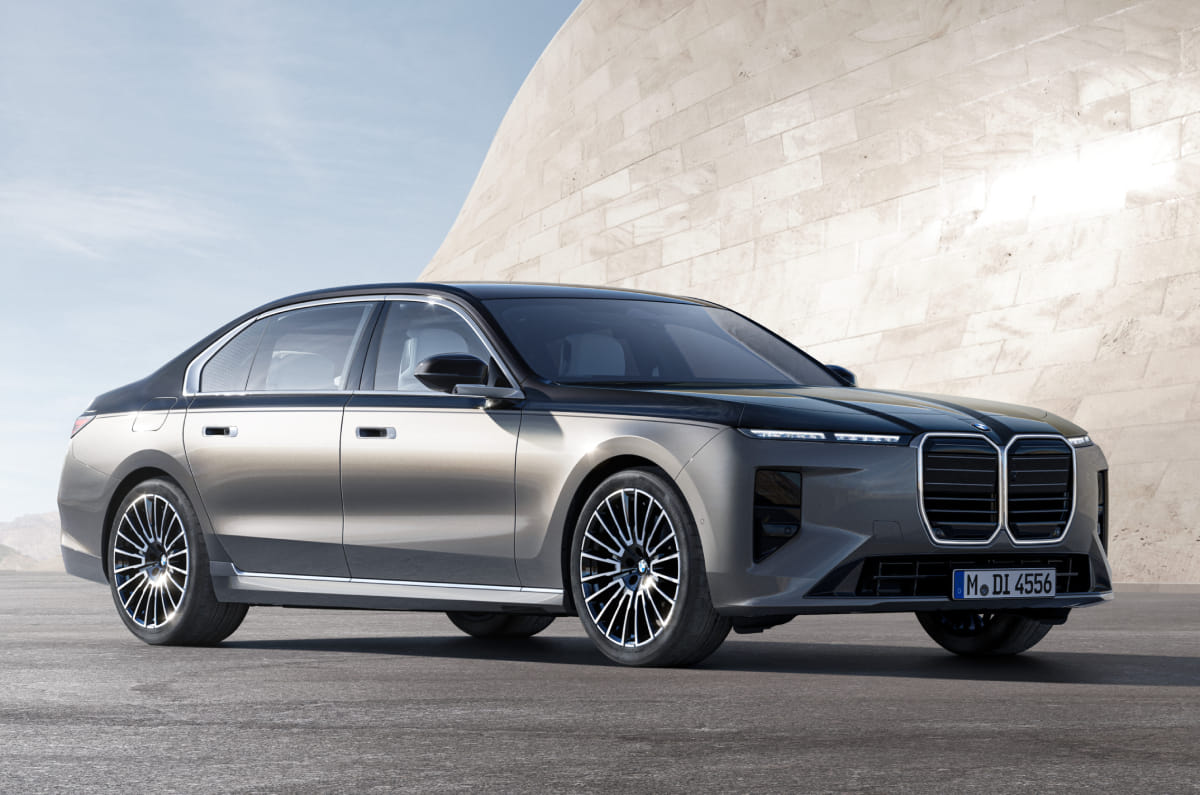
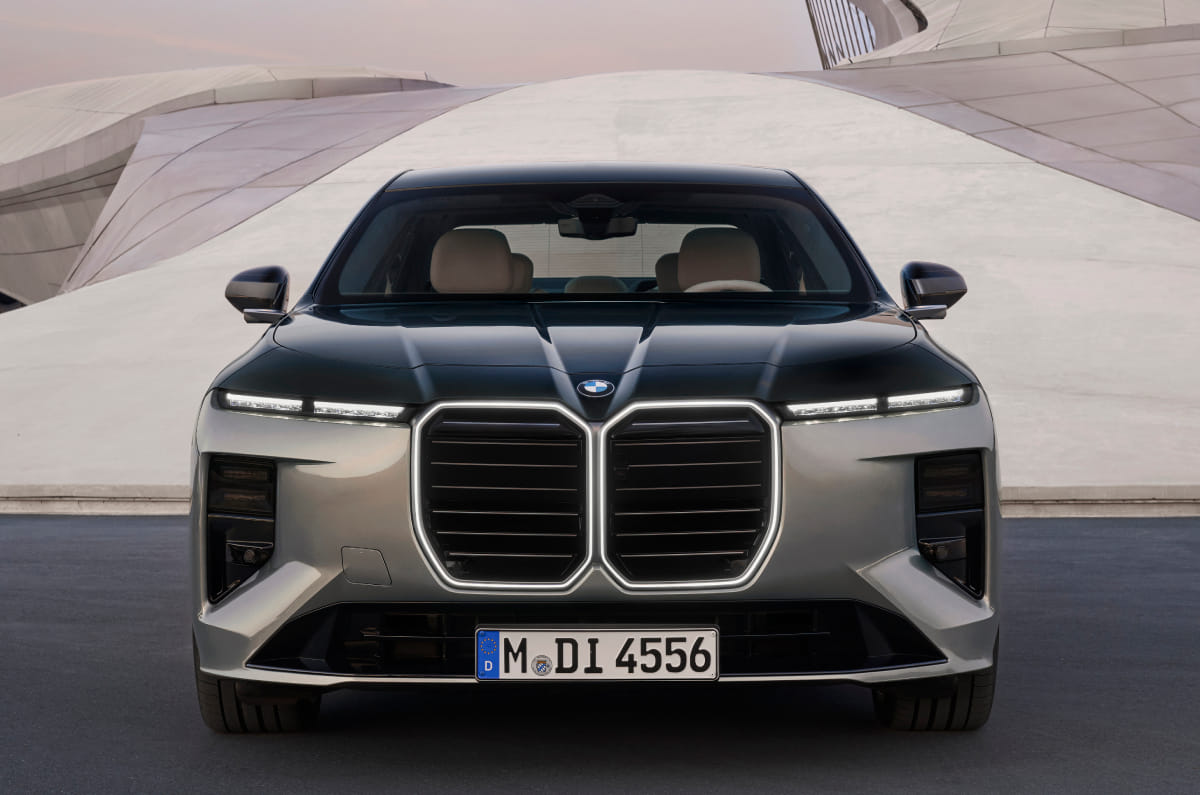
Visually, the updated 7 Series and i7 have a more monolithic look. They get new split LED headlights, slimmer and more upright kidney grilles with an illuminated surround, and larger bumper air intakes. The side profile remains largely unchanged apart from the side skirts and alloy wheels, while the rear gets new wraparound LED tail-lamps, a redesigned tailgate and a revised bumper.

BMW 7 Series, i7 facelifts to launch on September 11

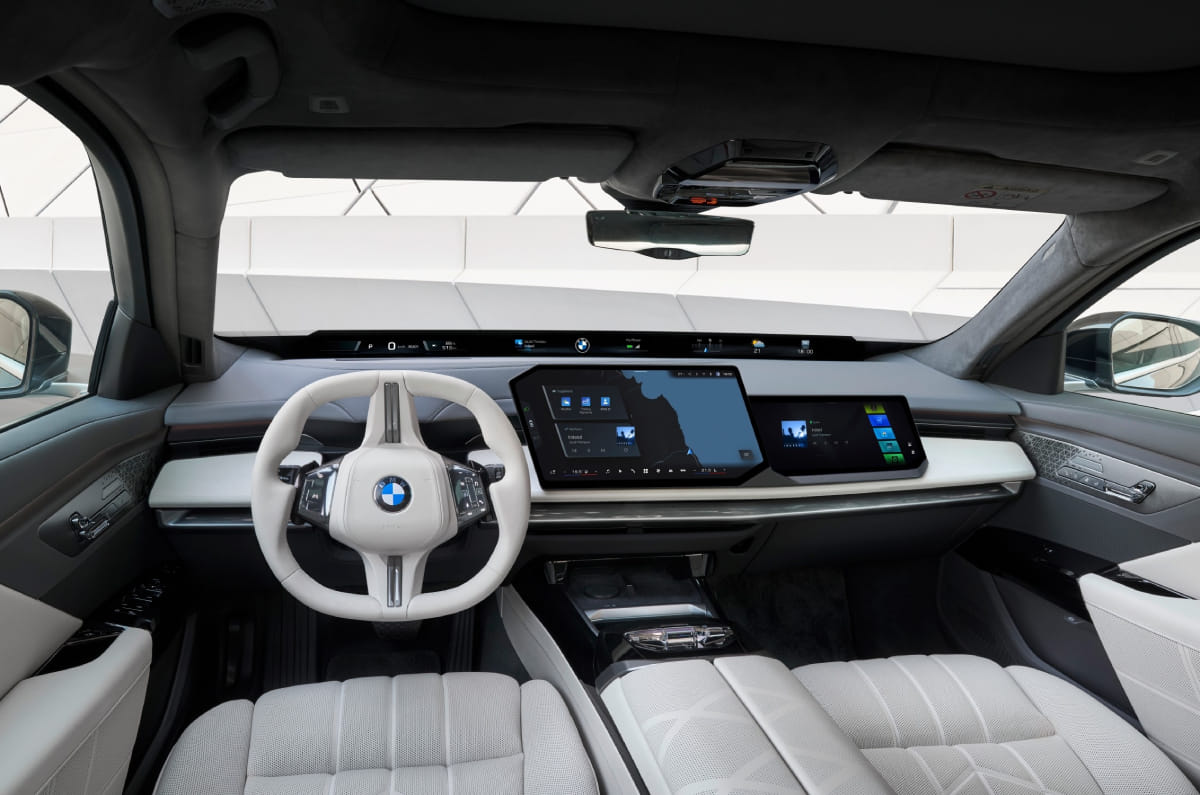
Inside, BMW has redesigned the dashboard around a 17.9-inch infotainment touchscreen, a 14.6-inch passenger display and a pillar-to-pillar Panoramic Vision display at the base of the windscreen. The steering wheel is now a four-spoke unit, similar to those used in BMW’s Neue Klasse models, while the centre console and transmission tunnel have also been updated.

BMW 7 Series, i7 facelifts to launch on September 11

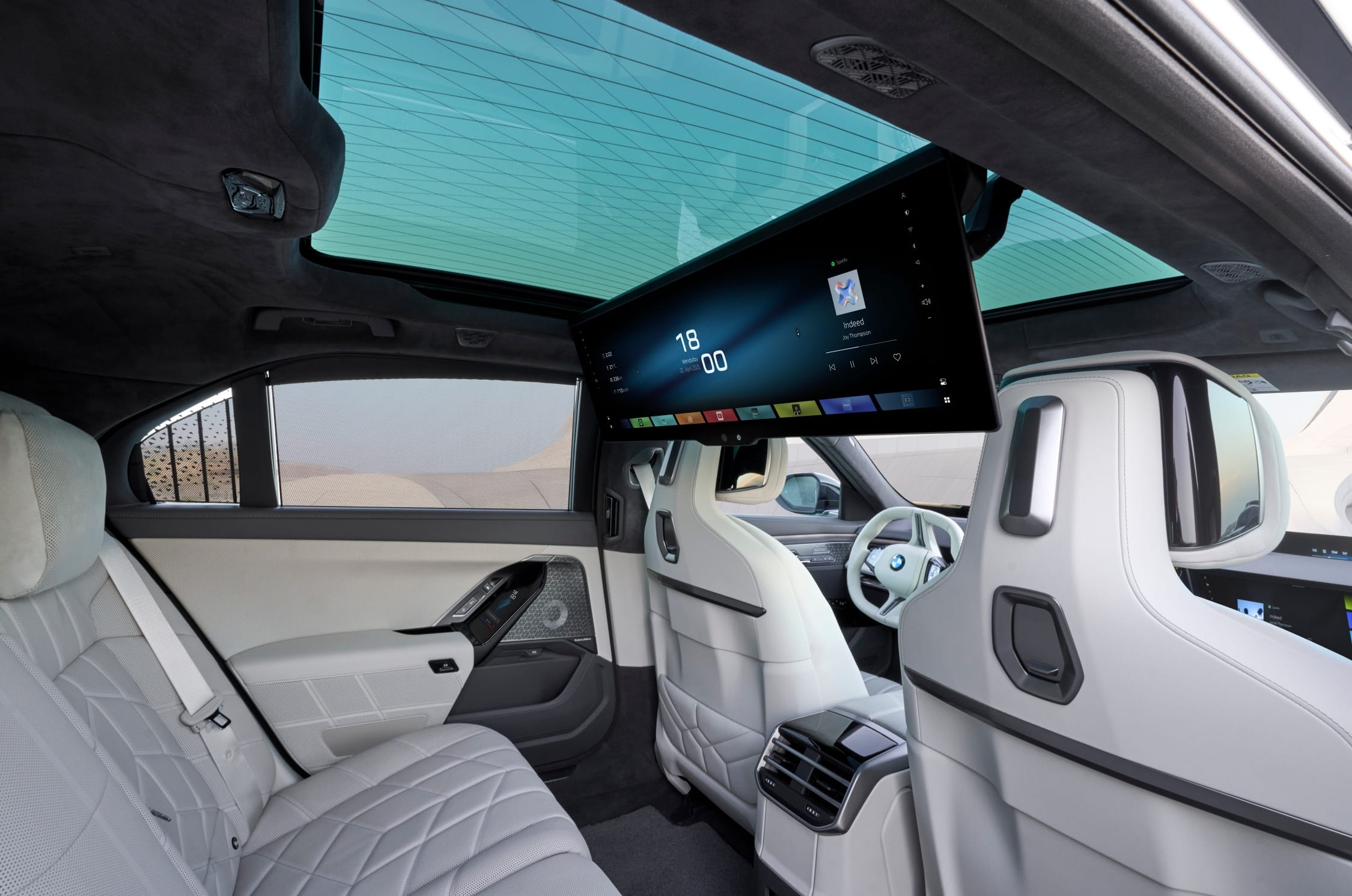
Rear passengers get powered seats with heating, ventilation, massage and lumbar support. The 31.3-inch 8K Theatre Screen can now be operated by touch, while the rear-door displays have also been updated to control the rear-seat experience. Other key features include ambient lighting, a Bowers & Wilkins surround sound system and 4-zone climate control. The BMW luxury sedan competes directly with the Mercedes-Benz S-Class, which also received a facelift this year.

Porsche Cayenne Electric

Debut: September 30

Porsche announced prices for the Cayenne Electric in November last year, and the SUV is now set for its physical showcase. The standard Cayenne Electric is priced at Rs 1.77 crore, while the range-topping Turbo Electric costs Rs 2.27 crore (both ex-showroom).

Porsche Cayenne Electric

Both trims of the Porsche Cayenne Electric get a 113kWh battery and a dual-motor all-wheel-drive setup as standard. The more powerful Turbo Electric produces 1,156hp and 1,500Nm with Launch Control, allowing it to sprint from 0-100kph in 2.5 seconds before reaching an electronically limited top speed of 260kph. It has a claimed WLTP range of 537km. Whereas, the standard Cayenne Electric makes 442hp and 835Nm with Launch Control, does 0-100kph in 4.8 seconds and has an electronically limited top speed of 230kph. Its claimed WLTP range stands at 542km.

Porsche Cayenne Electric launched at Rs 1.76 crore

The Cayenne Electric keeps a similar overall shape to the ICE-powered Cayenne. However, the EV gets a closed-off grille, with two air vents on either side of the bumper to cool the battery and electrical components. These vents are larger on the Turbo trim. At the rear, there is a full-width LED light bar with illuminated Porsche lettering. The bumper has also been redesigned with horizontal black elements.

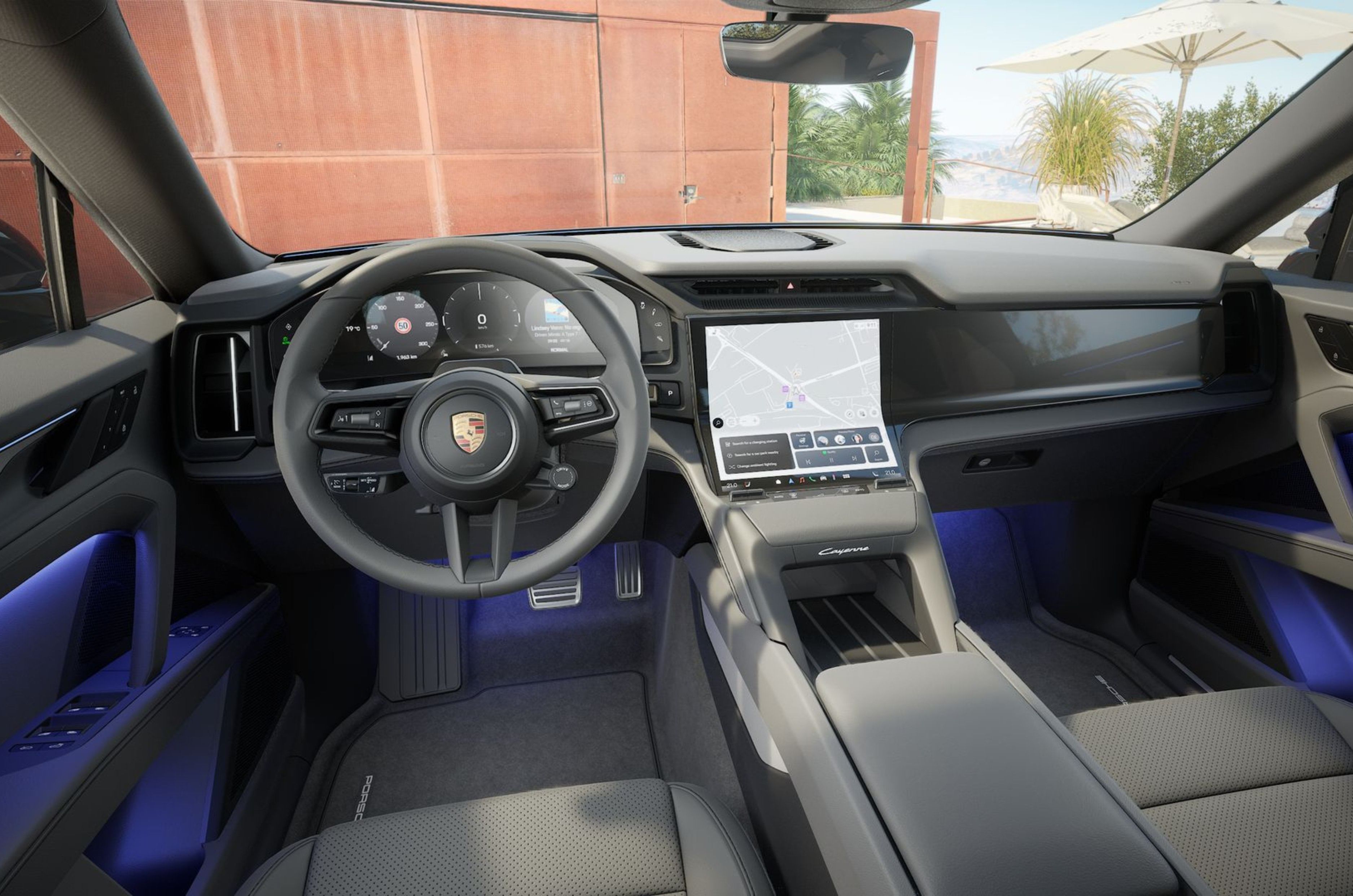
Porsche Cayenne Electric launched at Rs 1.76 crore Inside, the Cayenne Electric gets a three-spoke steering wheel and digital driver’s display, similar to the ICE model. Porsche has also added a new 14.5-inch curved touchscreen infotainment system that flows into the centre console. An optional 14.9-inch passenger display is also available at an additional cost. Other features include 8-way electrically adjustable front seats, four-zone automatic climate control, ventilated front seats, a panoramic sunroof and wireless phone charging.

All you need to know about the 2027 Skoda Superb diesel

All you need to know about the 2027 Skoda Superb diesel
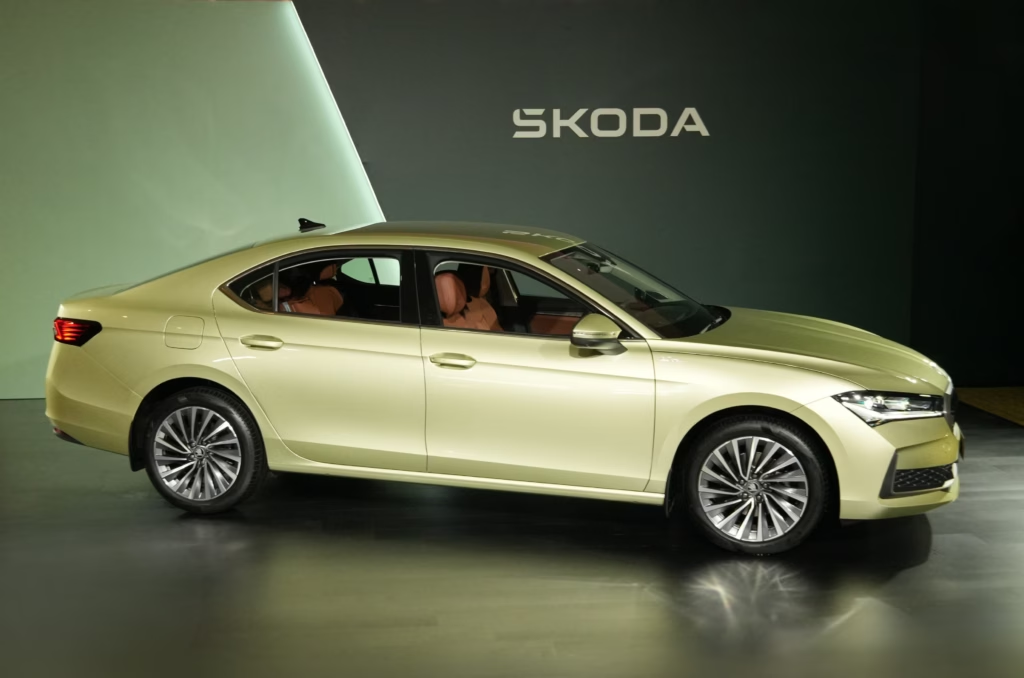
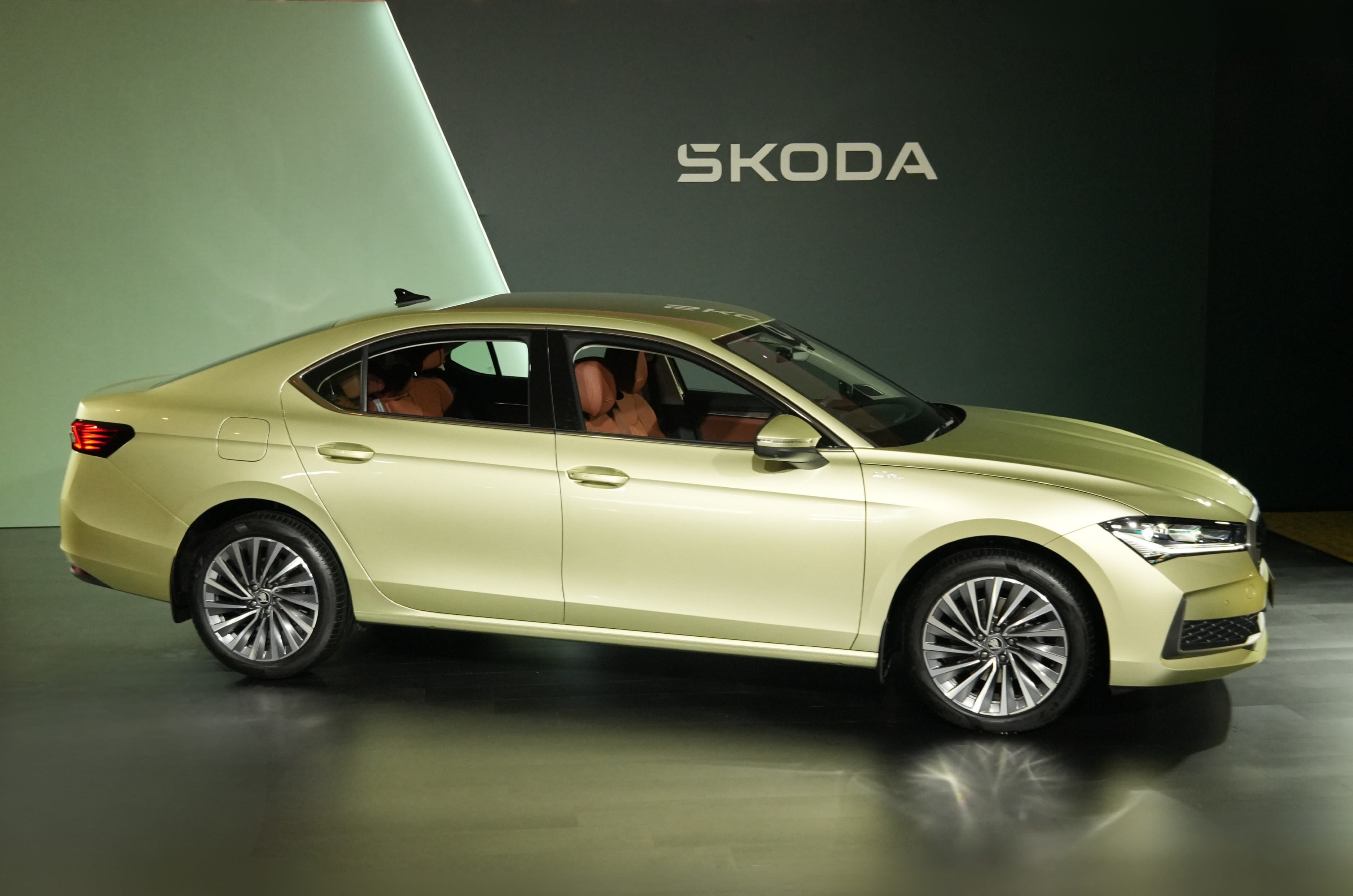
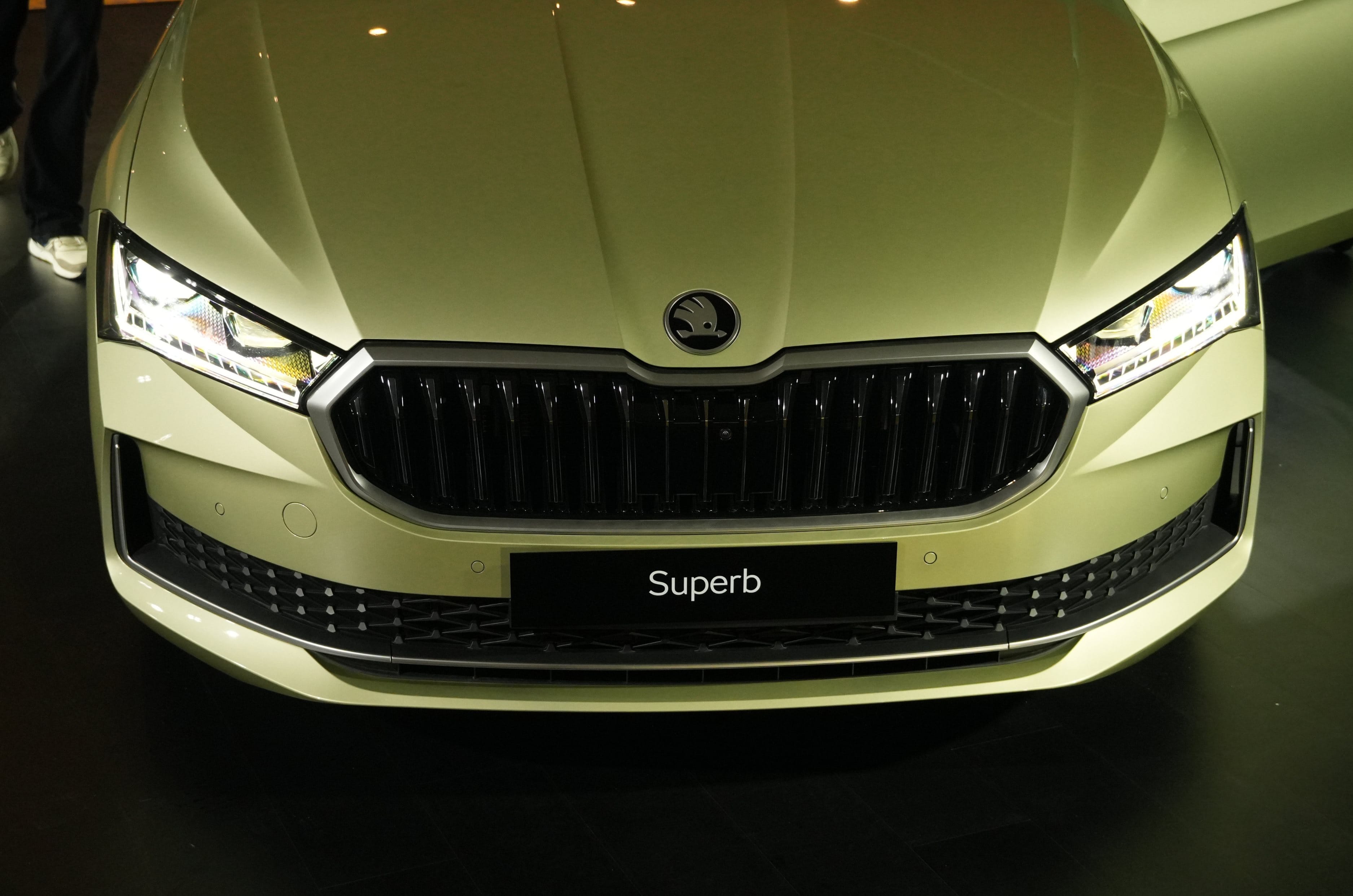
2027 Skoda Superb diesel front quarter

Skoda will be bringing the fourth-generation Superb to India in 2027 in its top-spec Laurin & Klement (L&K) trim, no less. However, this time around, the premium sedan will be offered in diesel guise – a first for the brand since it discontinued diesel models in India when BS6 emission norms took effect in 2020. Without further ado, here’s all you need to know about the upcoming 2027 Skoda Superb diesel.

1. How much will the 2027 Skoda Superb diesel cost?

2027 Skoda Superb diesel L&K

Skoda will bring the 2027 Superb diesel to India in limited numbers via the CBU (completely built units) route, with the expected starting price to be around Rs 50 lakh (ex-showroom). This means that the fully imported fourth-gen Superb diesel could be priced along the same lines as the Toyota Camry, which also has the price benefit of being a CKD (completely knocked down) model.

2. When will deliveries of the 2027 Skoda Superb diesel start in India

The reason why Skoda is yet to finalise on the price of the India-spec Superb diesel has to do with the upcoming India-EU Free Trade Agreement (FTA), which is set to come into effect by early 2027. While the FTA’s lower import duties will benefit fully imported modes like the Skoda Superb, the brand is awaiting further clarity before announcing its price. We know that the premium sedan will reach our shores in Q1 or Q2 of 2027 and will only be available in limited numbers.

3. What engine and gearbox will the 2027 Skoda Superb diesel get?

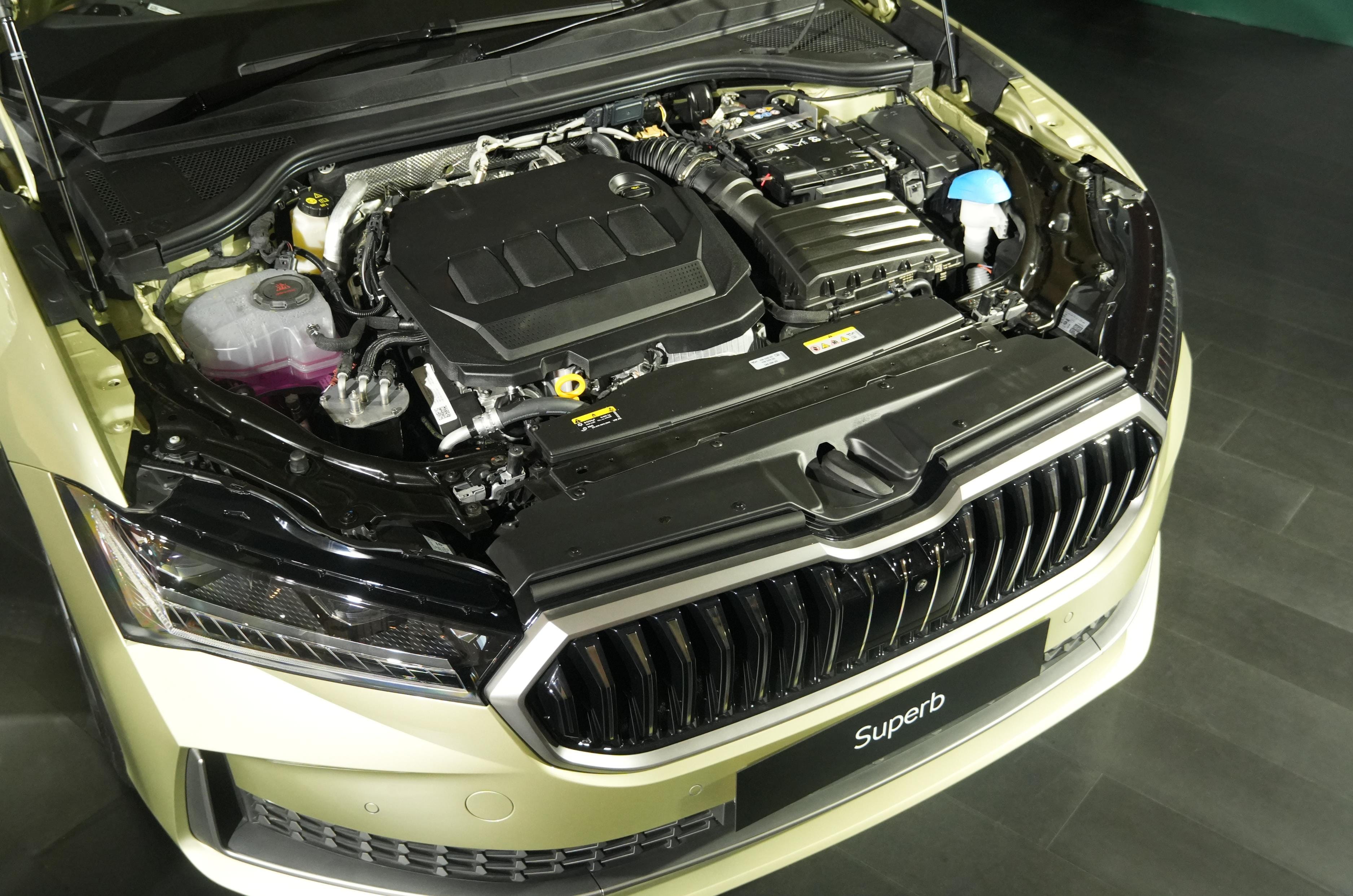
2027 Skoda Superb diesel engine

Under the bonnet of the 2027 Skoda Superb sits a 2.0-litre four-cylinder turbocharged diesel (TDI) engine rated at 150hp and 360Nm of torque. This transverse-mounted engine comes mated to a 7-speed dual-clutch automatic transmission (DCT) and drives the front wheels. Drive modes aside, the 2027 Skoda Superb for India will get the brand’s Progressive Dynamic Steering and Dynamic Chassis Control (DCC) systems. Skoda says that these automatically adjust the car’s ride and handling balance depending on the drive mode, road conditions and vehicle speed.

4. What are the exterior highlights of the 2027 Skoda Superb diesel?

2027 Skoda Superb diesel front quarter

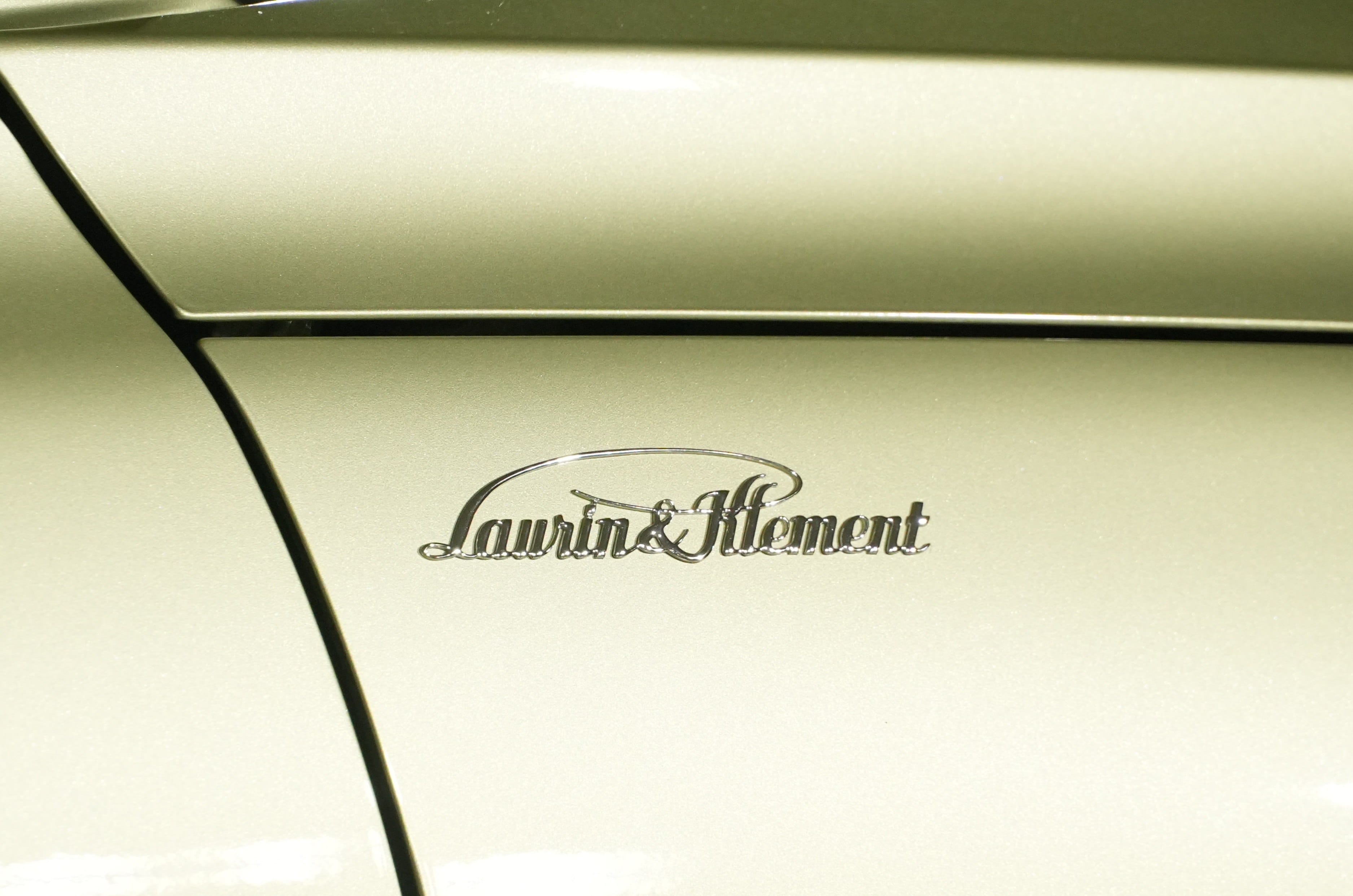
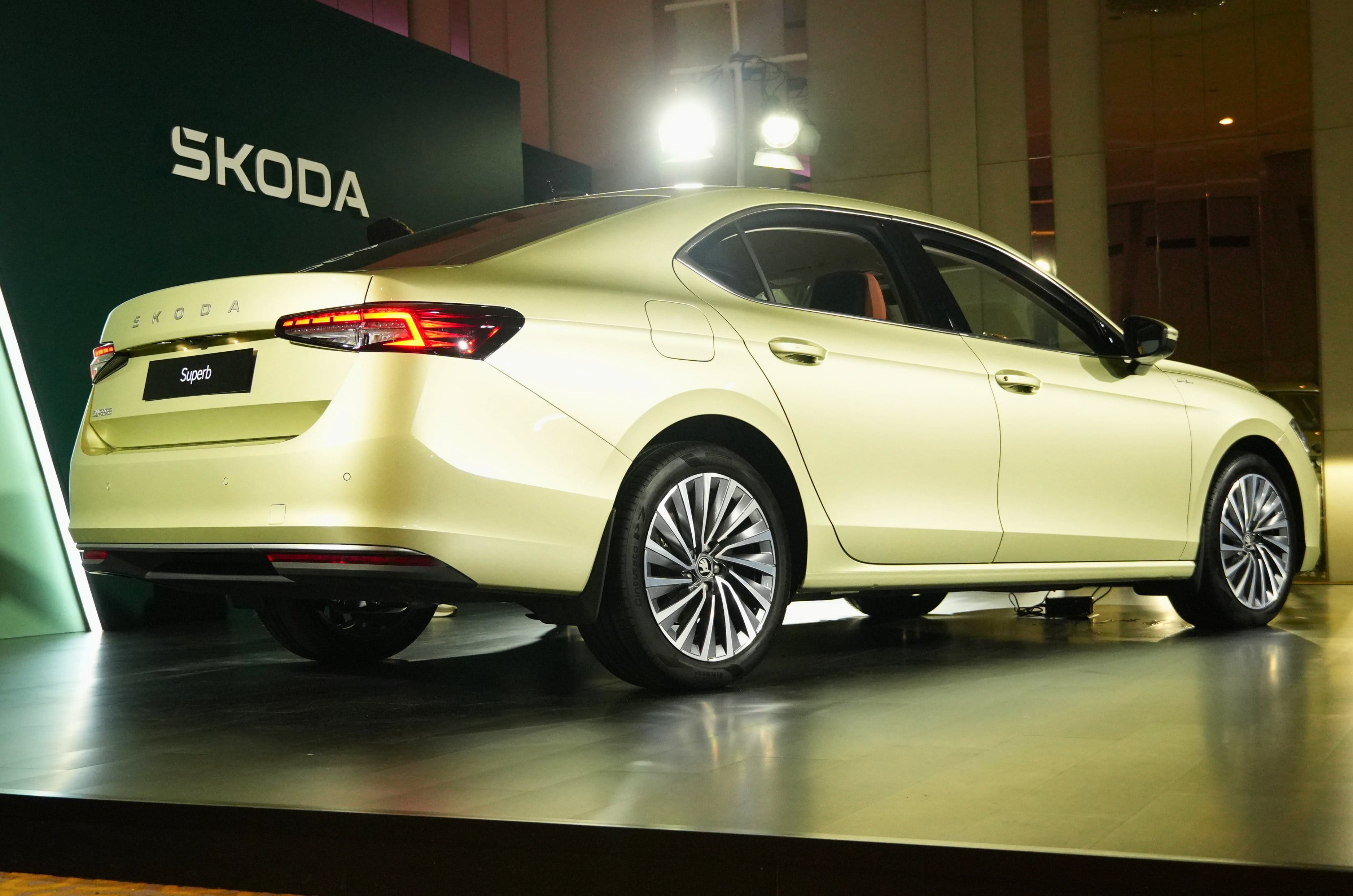
The top-spec L&K trim of the Skoda Superb diesel comes with Matrix LED headlamps with ‘Skoda Crystal Lighting’ branding, a large black grille with shiny surrounds, full-LED tail lamps with sequential turn indicators, 18-inch alloy wheels with turbine-like detailing, ‘Laurin & Klement’ badging on the front fenders, chrome garnish for the windowline, and a simplistic bootlid with large ‘SKODA’ lettering.

2027 Skoda Superb diesel rear quarter

Opening the power-operated bootlid reveals the Superb’s familiar liftback design and a 645-litre luggage space. There are storage cubbies here too, along with bag hooks, an extendable cargo cover, a space-saver spare wheel, flip-down rear seat releases and through-loading for carrying longer items. Overall, the 2027 Skoda Superb looks elegant and premium, while its liftback design offers more practicality than a typical three-box sedan.

5. Does the interior of the 2027 Skoda Superb diesel feel premium enough?

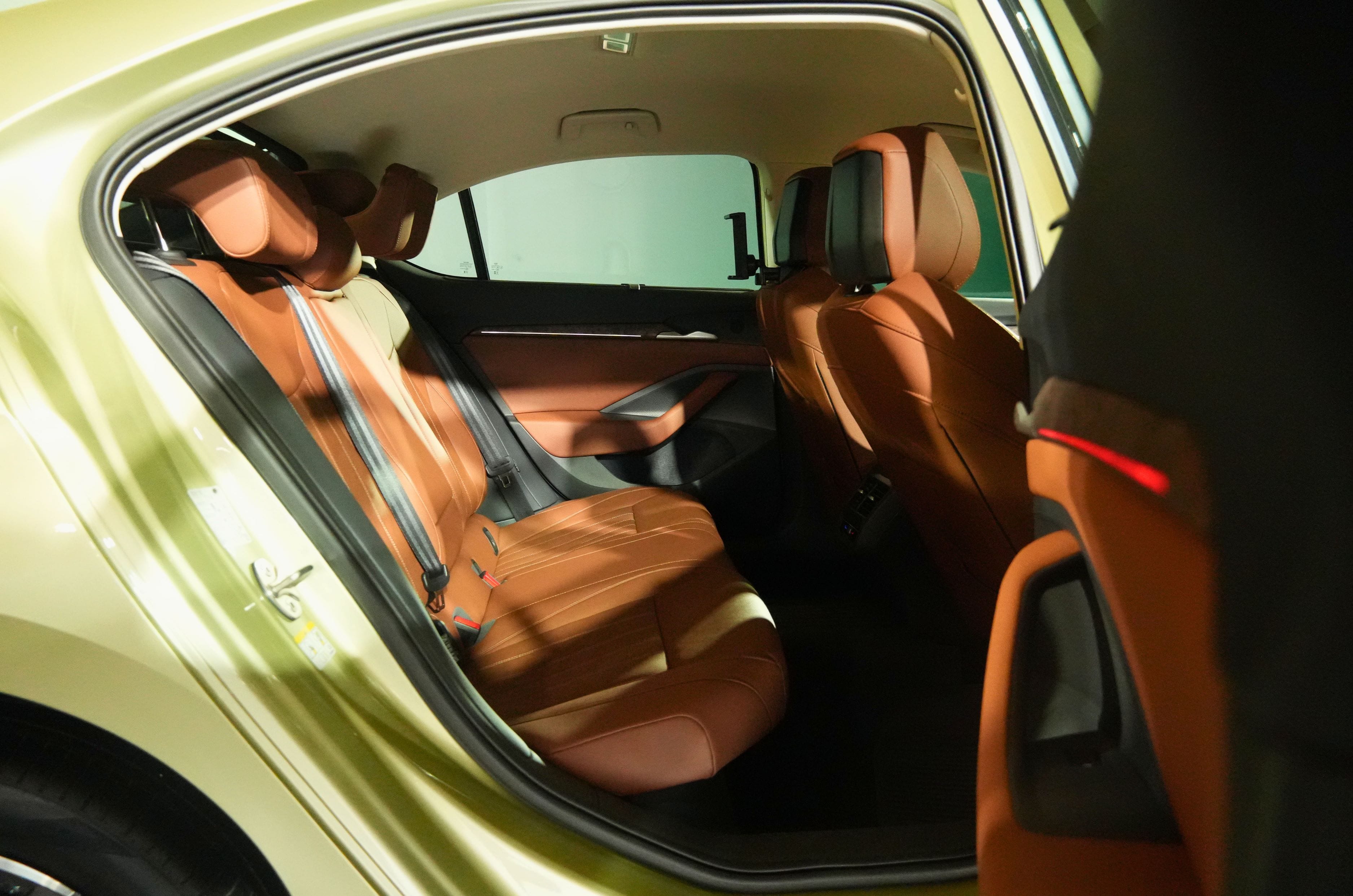
2027 Skoda Superb diesel rear seats

The 2027 Skoda Superb, like its predecessors, is aimed at buyers who prefer to be seated at the back. There’s plenty of space for rear-seat occupants – no shortage of legroom or kneeroom – even taller folks shouldn’t have trouble stretching out. The interior is upholstered in what Skoda calls “Cognac leather”, which looks premium.

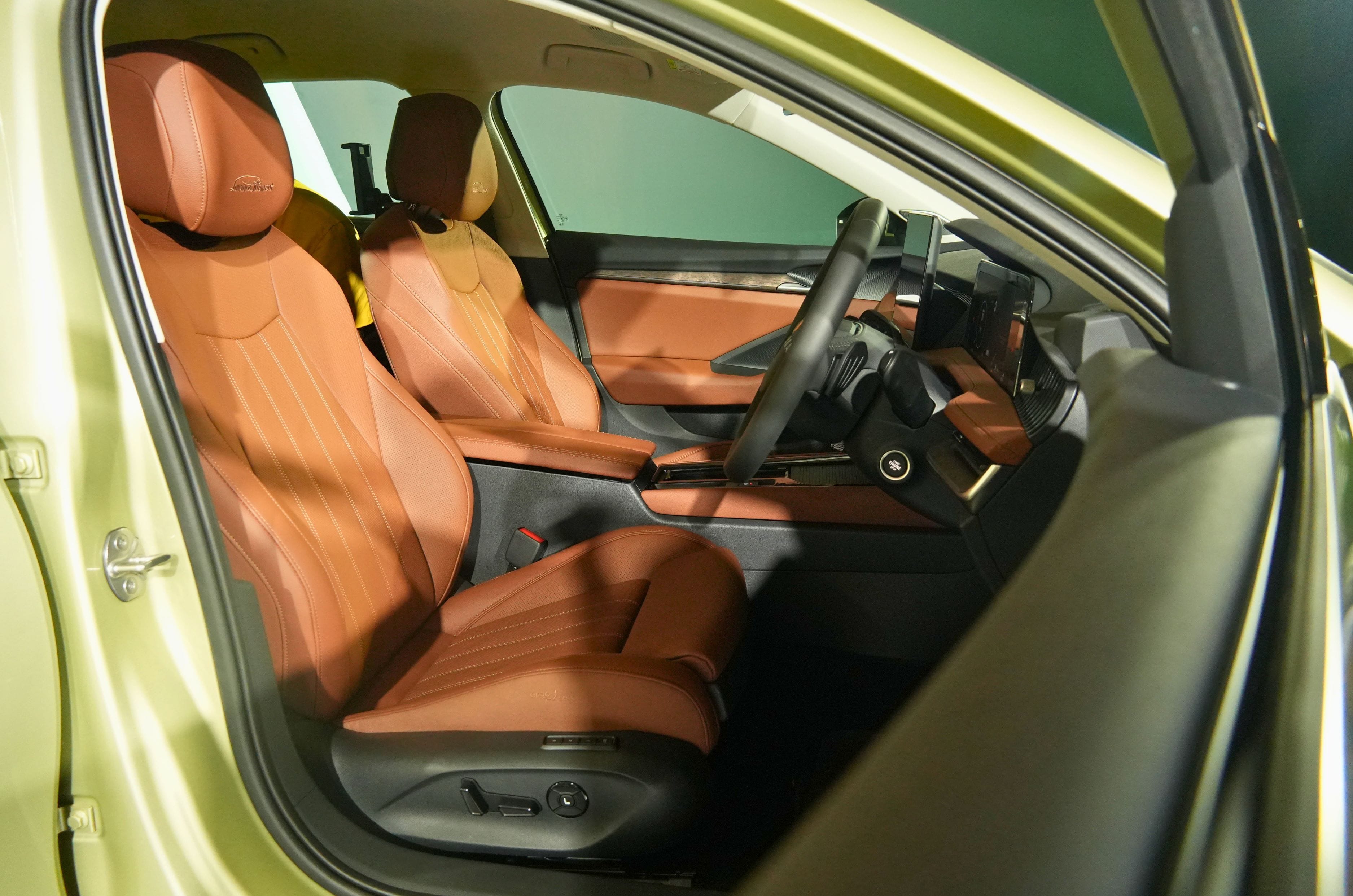
2027 Skoda Superb diesel front seats

The quality and tactility of the physical dials up front feel good, too. These dials integrate multiple functions and users can cycle through the climate control and seat ventilation & heating settings easily. There’s a covered storage tray beneath these dials and another even deeper storage cubby under the front-centre armrest. The front seats look nice and are multi-way powered and have a memory feature, of course.

6. What are some of the feature highlights of the 2027 Skoda Superb diesel?

Enhancing comfort further is a ‘Rear Sleep Packagage, which bring sunblinds for the rear-side windows as well as for the rear windscreen, and specially designed ‘wings’ on the headrests to help support your head should you fall asleep. There’s a fold-down armrest with cupholders and also a slot for holding a smartphone – the backrest of the front seats also get such device holders.

2027 Skoda Superb diesel interior

Other highlights inside the 2027 Skoda Superb diesel include roof-mounted LED reading lights, a dedicated climate control zone for the rear seats (it’s a three-zone system), backlit USB charging ports, a 14-speaker Canton audio system, multi-colour LED ambient lighting, a wireless charging slot at the front, a 12.9-inch touch-infotainment system, 360-degree cameras, Level 2 ADAS and 10 airbags. However, the 2027 Superb misses out on a sunroof and recline-adjustable rear seats, among a few other features.

Also read

All you need to know about the Mahindra Scorpio Lifestyler

Kia Sonet vs Toyota Taisor turbo-petrol automatic performance compared

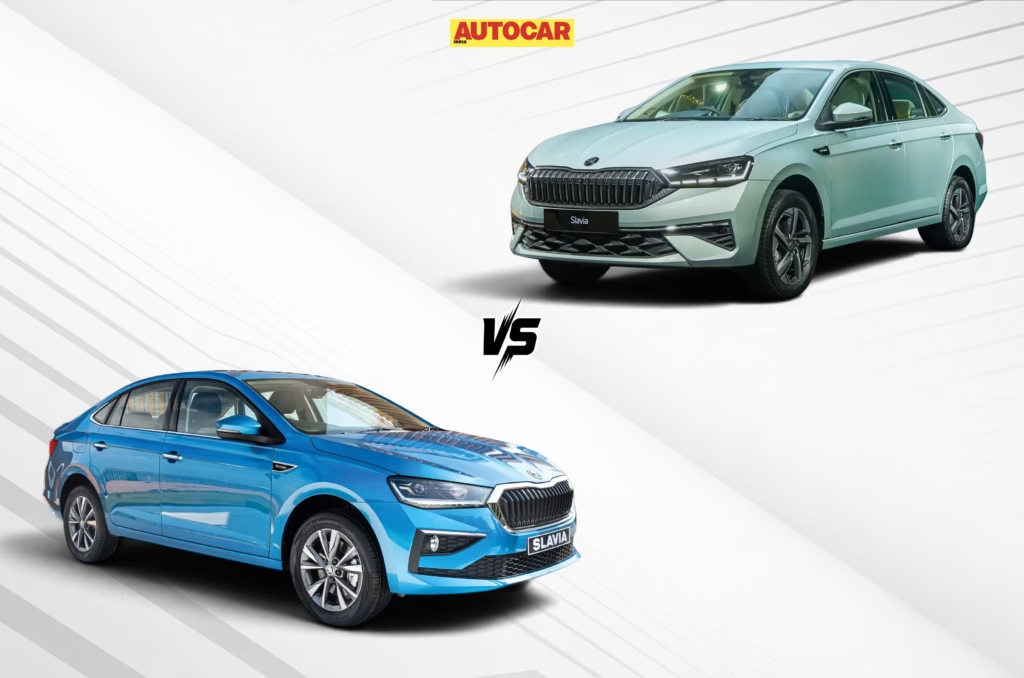
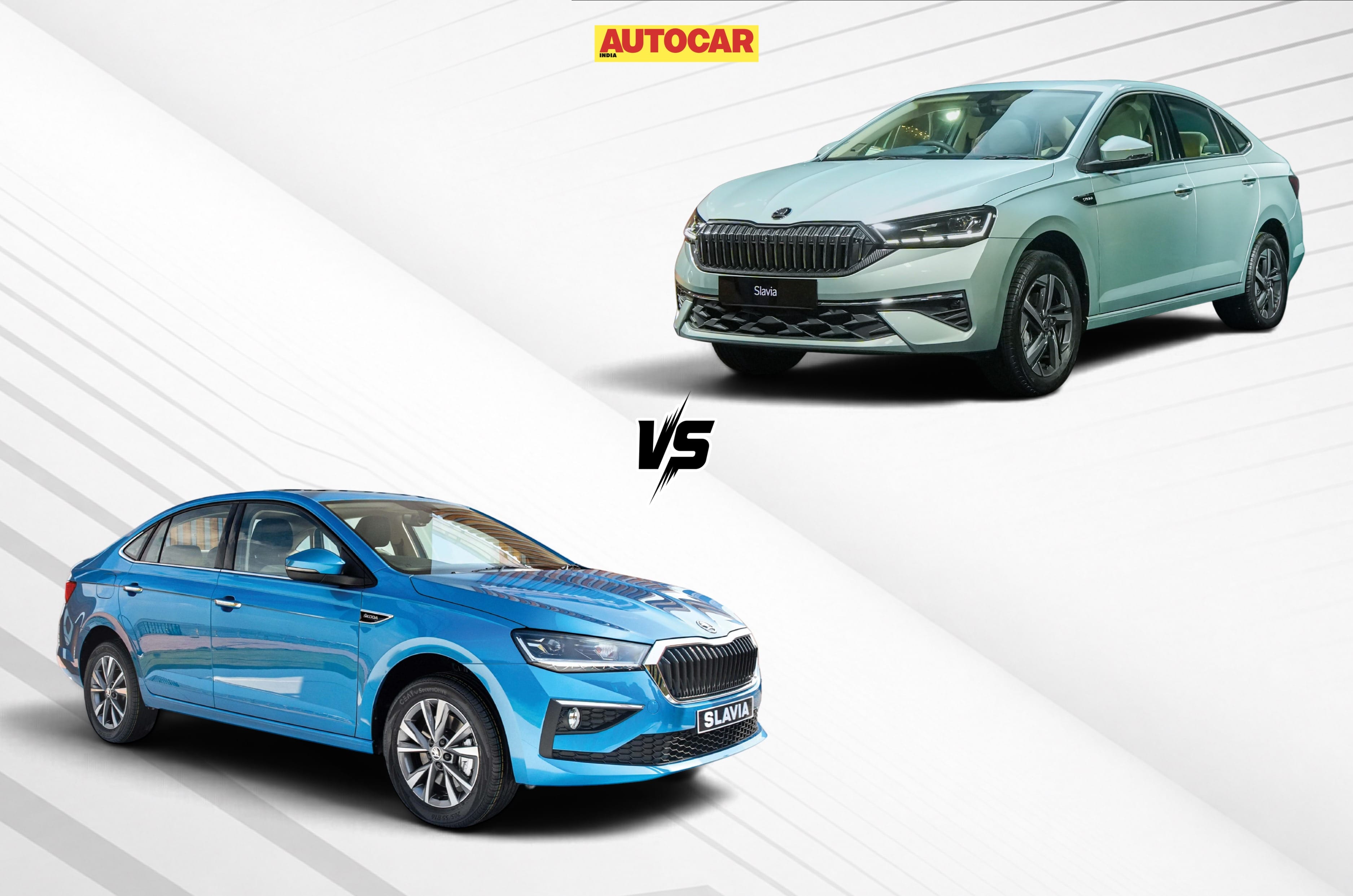
Skoda Slavia new vs old: Differences and similarities explained

Skoda Slavia new vs old: Differences and similarities explained
Skoda Slavia New vs Old comparison

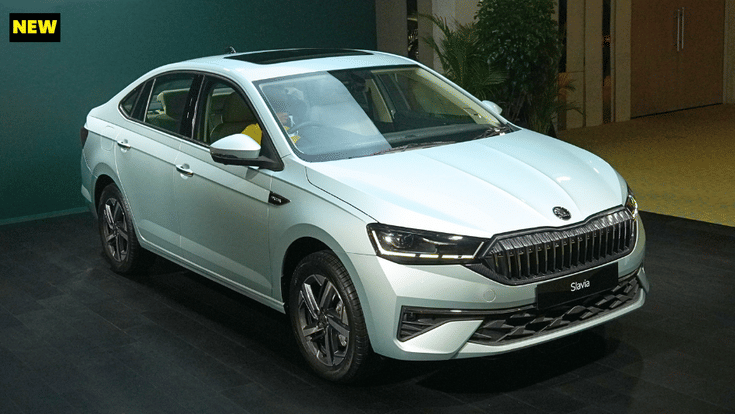
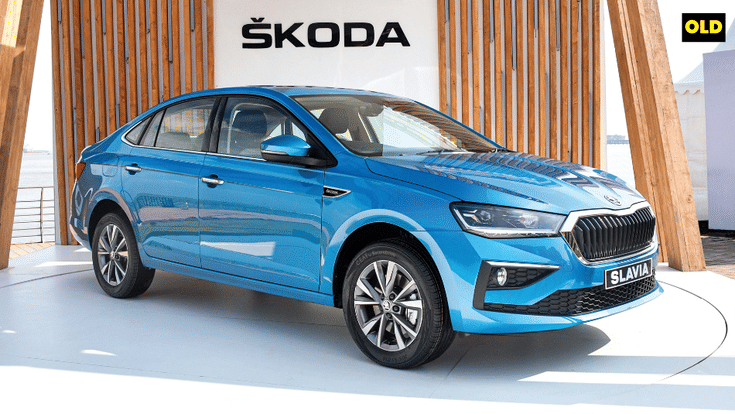
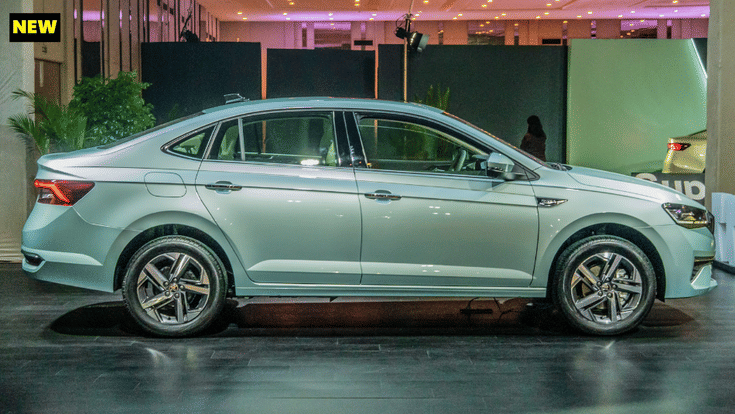
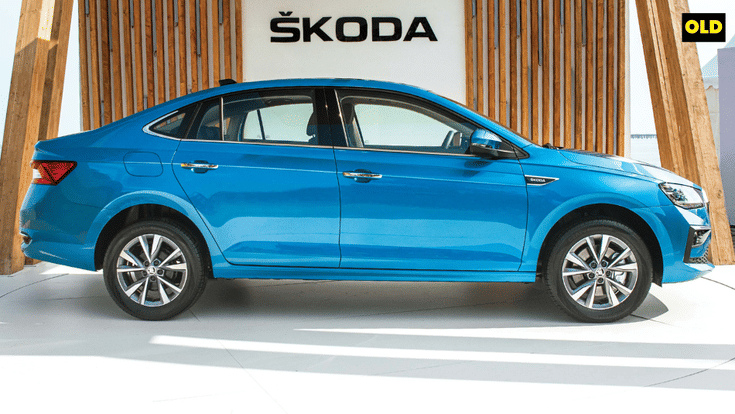
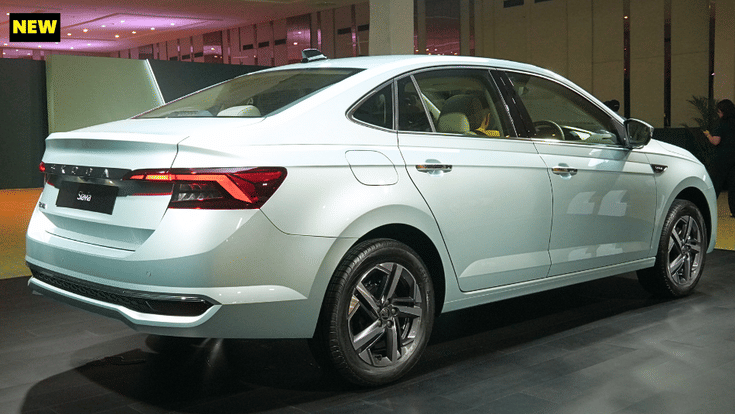
It took Skoda three and a half years to bring the first facelift of the Slavia to market. However, with this mid-cycle update, the Czech carmaker has introduced minor cosmetic tweaks and added a few new features to its midsize sedan. Furthermore, the Skoda Slavia facelift has hit showrooms ahead of the updated Volkswagen Virtus. The Slavia’s competition also includes the Honda City and Hyundai Verna. Without further ado, here are some of the differences and similarities between the old and new Skoda Slavia.
Skoda Slavia new vs old: Exterior design

Changes on the outside are limited to updated bumpers and light signatures

New Skoda Slavia front quarter
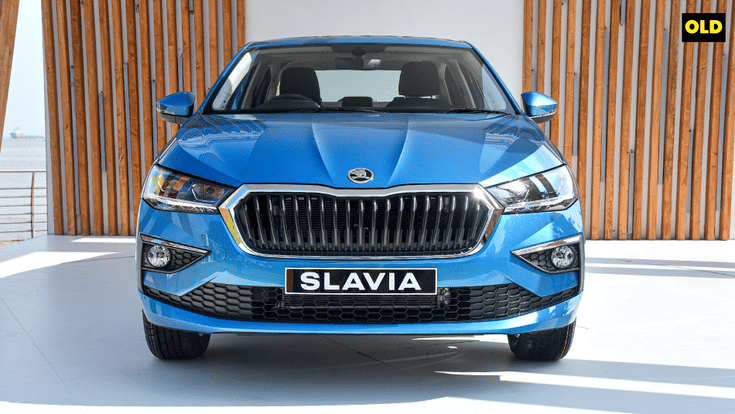
Old Skoda Slavia front quarter
 

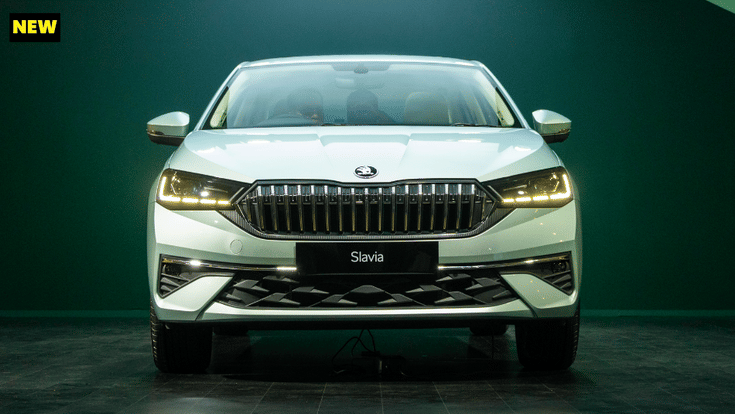
The front of the Skoda Slavia now gets a new bumper with a shiny piece of trim running its full width and small LED fog lamps. The design of the grille hasn’t changed but its chrome surround has been removed in favour of two different black bars. While the shape of the headlamp housing is the same as before, the internals have been revised – the daytime running signatures are different too.

New Skoda Slavia side
Old Skoda Slavia side
 

Viewed from the side, the new Slavia carries forward the same silhouette and overall proportions as its predecessor. Details such as the beltline, chrome lining along the windowline, and the ‘Skoda’ plaque above the front fenders remain. However, what has changed is the design of the 16-inch alloy wheels, which now look more bold and sport a two-tone finish.

New Skoda Slavia rear
Old Skoda Slavia rear
 

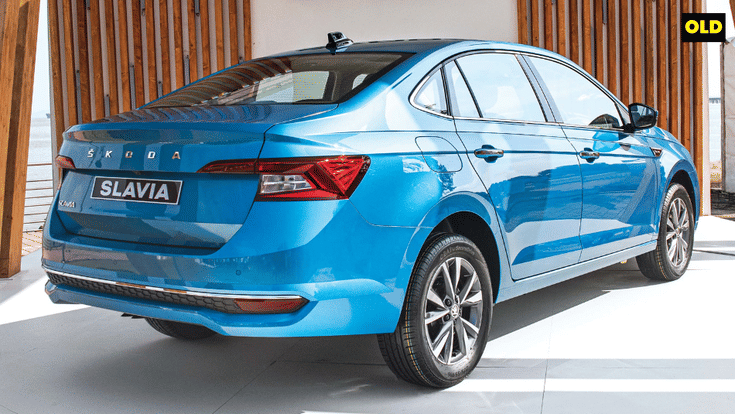
Similar to the front, the lights at the back of the new Slavia feature the same housing as the old model. However, Skoda has tweaked the internal LED elements of the tail-lamps. Compared to the old Slavia that had a prominent ‘SKODA’ lettering across its bootlid, the new model features a piece of plastic trim with the brand name spelled on it. The rear bumper hasn’t been revised in any significant way, though. However, the Slavia does come in two new colours: Arctic Silver and Cappuccino Beige.

Skoda Slavia new vs old: Interior design

The facelift brings a couple of notable updates to the interior over the old model

New Skoda Slavia front seats
Old Skoda Slavia front seats
 

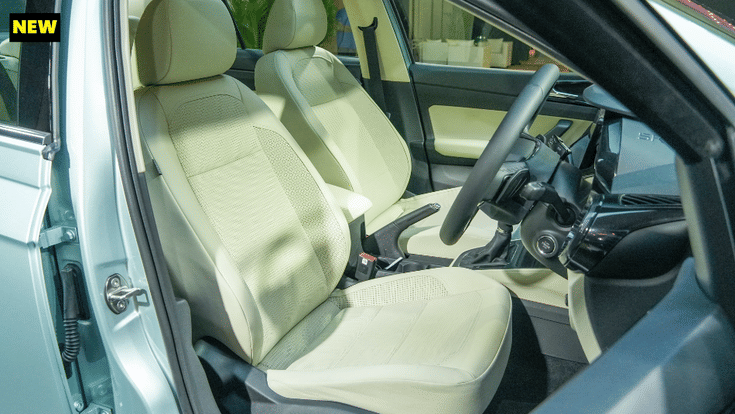
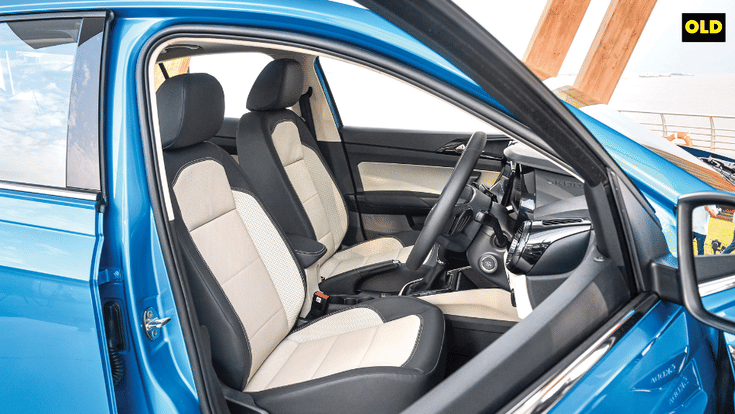
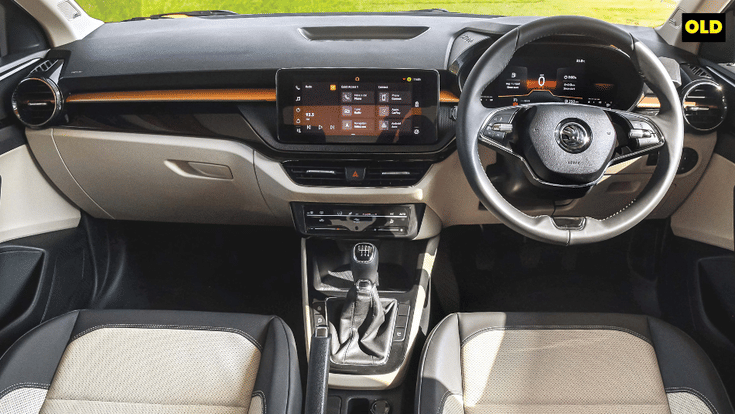
Where the top-spec of the old model offered a beige & black dual-tone leatherette seats, the new Slavia gets fully beige seats. The design of these seats don’t appear to have changed with this facelift, but they do get a new pattern now.

New Skoda Slavia dashboard
Old Skoda Slavia dashboard
 

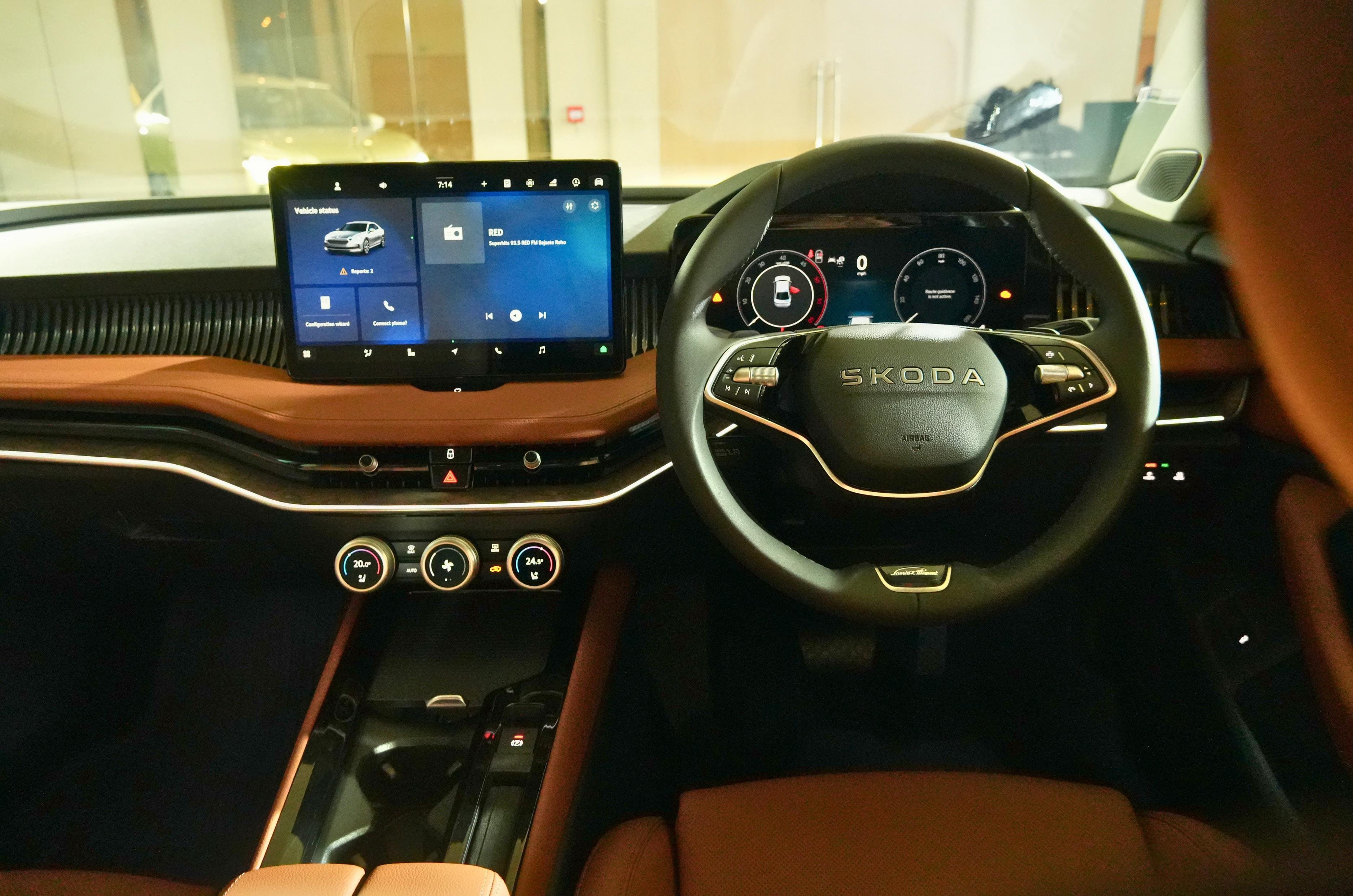
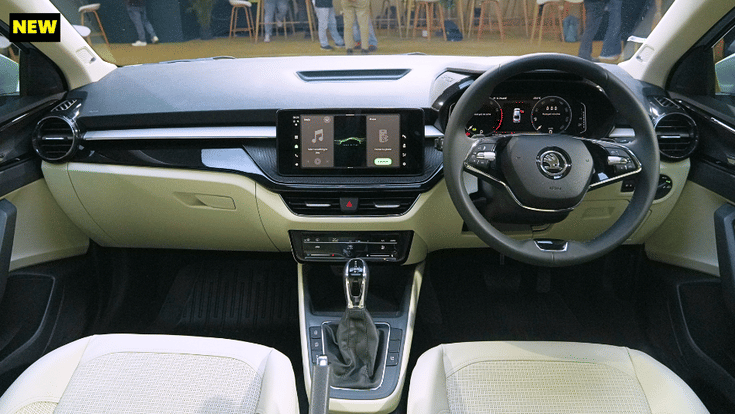
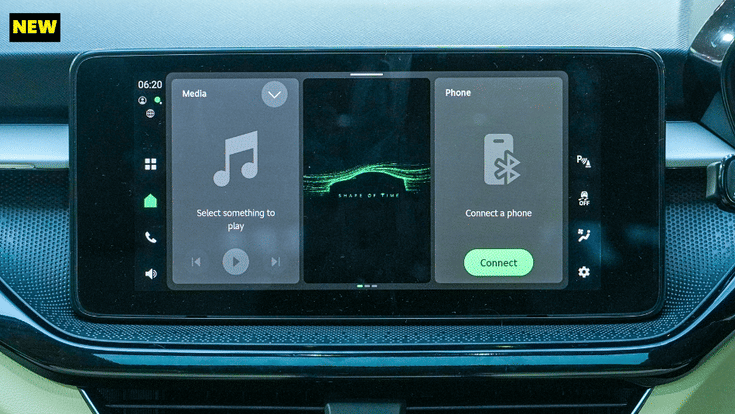
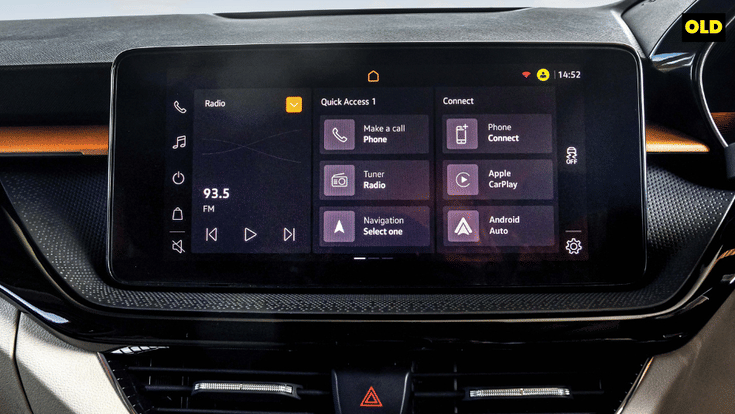
Shifting focus to the dashboard, the new Skoda Slavia is available with a 10.25-inch digital instrument cluster – the old model’s unit maxed out at 8 inches. The infotainment screen has also grown larger by the slightest of margins – from 10 inches to 10.1 inches. The new infotainment system also offers a built-in AI assistant powered by Google Cloud, while the feed from the Slavia’s new 360-degree camera is also displayed on this screen. Finally, the outer seats at the back are now available with a massaging function.

New Skoda Slavia touchscreen
Old Skoda Slavia touchscreen
 

Features such as a cooled glovebox, powered & ventilated front seats, an electric sunroof, wireless Apple CarPlay & Android Auto, automatic climate control, LED ambient lighting, 6 airbags, electronic stability control, hill-hold control and a tyre-pressure monitoring system are offered with both models.

Skoda Slavia new vs old: Engine and gearbox

Engine options remain the same, but a new gearbox comes aboard

New Skoda Slavia front
Old Skoda Slavia front
 

The new Skoda Slavia gets the same engine options as its predecessor. The 1.0-litre direct injection three-cylinder turbo-petrol engine makes 115hp and 178Nm, whilst the 1.5-litre direct injection four-cylinder turbo-petrol mill outputs 150hp and 250Nm. While the smaller motor gets a 6-speed manual transmission as standard, it can now be had with an 8-speed torque-converter automatic gearbox. Like before, the larger engine is only available with the 7-speed dual-clutch automatic transmission.

The old Skoda Slavia has been available in Classic, Signature, Sportline, Prestige and Monte Carlo trims. However, there’s now a new Classic+ option as well – slotted between Classic and Signature trims.

Also read

6 updates Mahindra BE 6 Sporteq gets over its predecessor

All you need to know about the Mahindra Scorpio Lifestyler