Outgoing Honda Elevate available with benefits of up to Rs 2.35 lakh

Outgoing Honda Elevate available with benefits of up to Rs 2.35 lakh
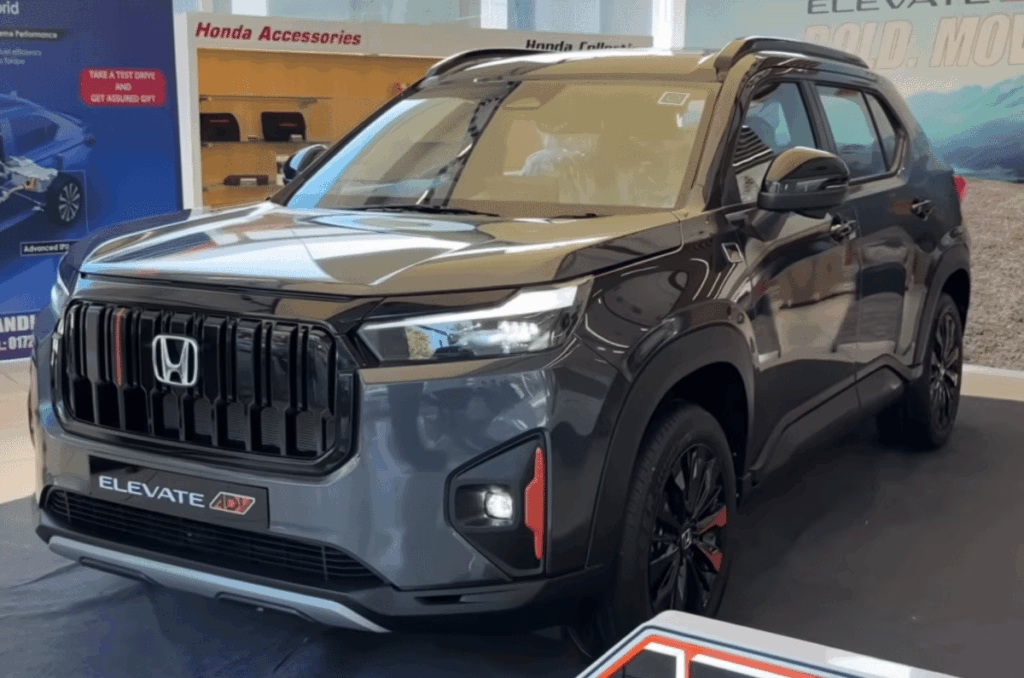
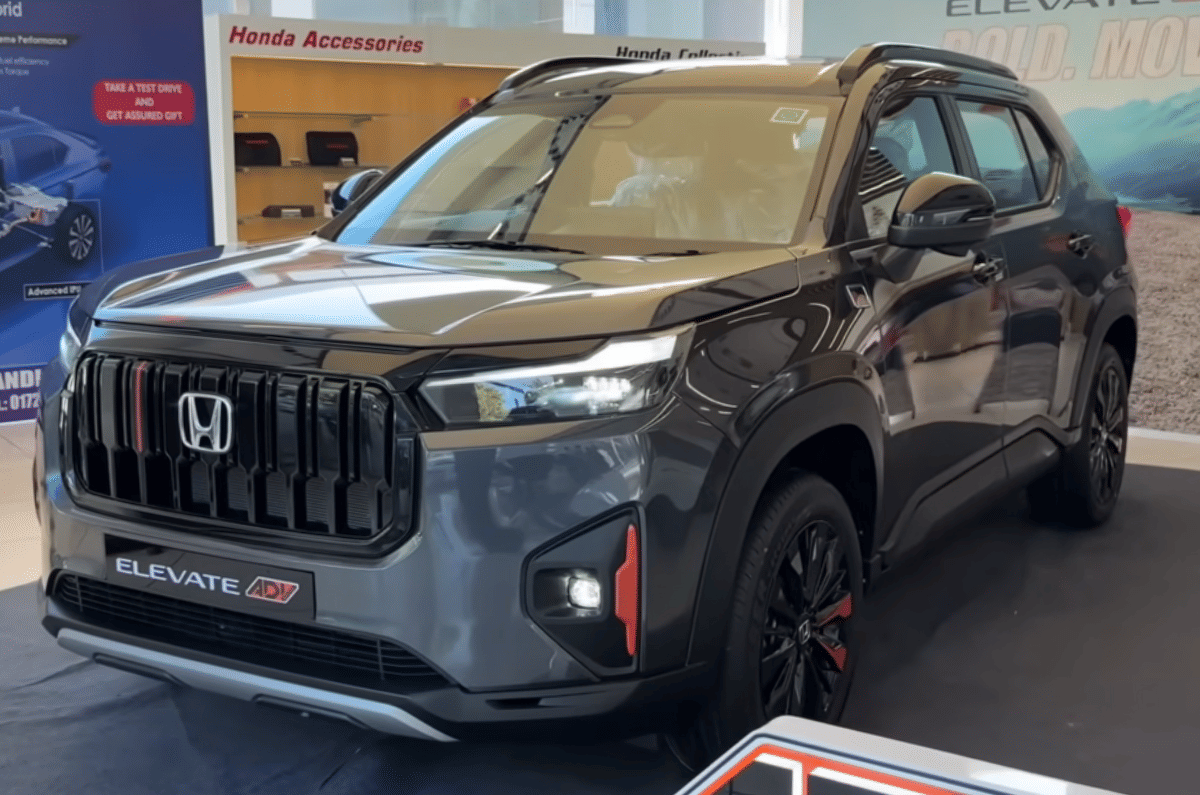
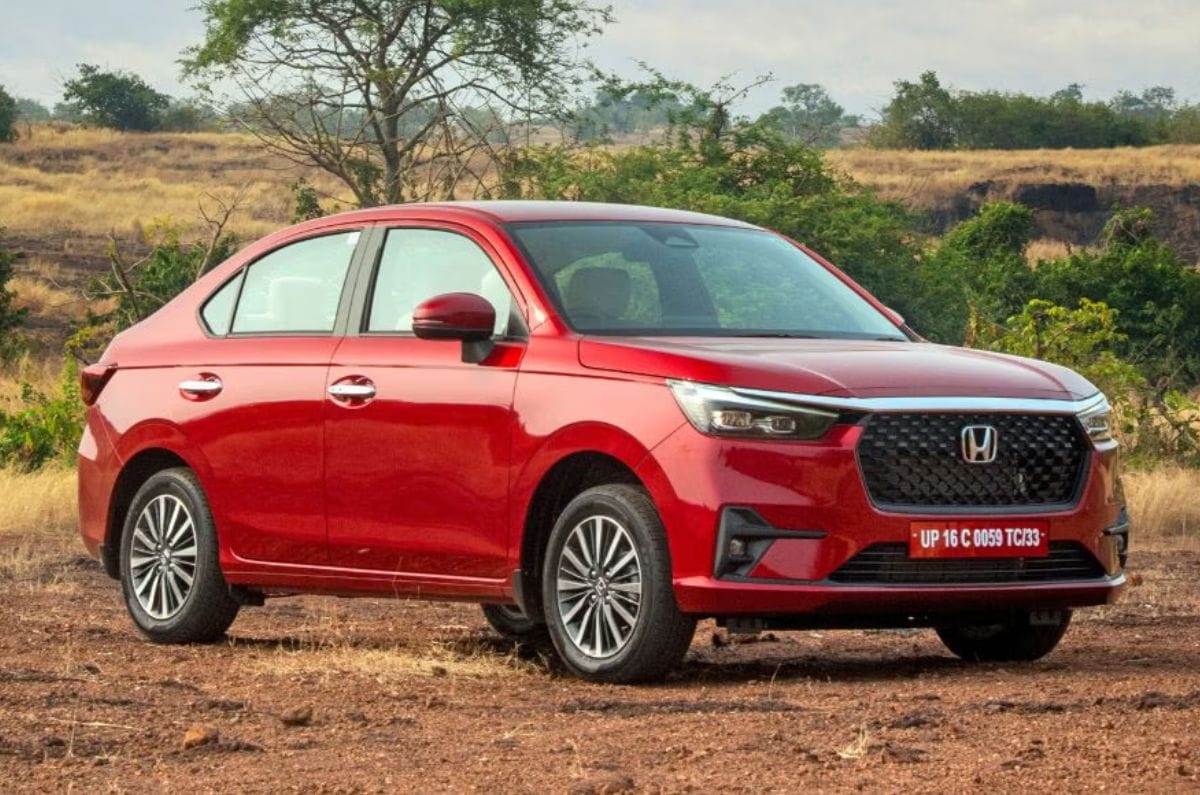
Honda Elevate ADV front quarter static

Honda is offering attractive benefits across its vehicle lineup. Models like the outgoing Elevate, the recently facelifted Honda City, and the Amaze are available with cash discounts, exchange bonuses, loyalty benefits, optional feature bundles, and extended warranty packages. Offers are valid until October 31, 2026. 

Disclaimer: Offers/benefits may vary by city and are subject to stock availability. Buyers are advised to check with their local dealer for exact figures.

Honda Elevate offers in October 2026 

Benefits of up to Rs 2.35 lakh

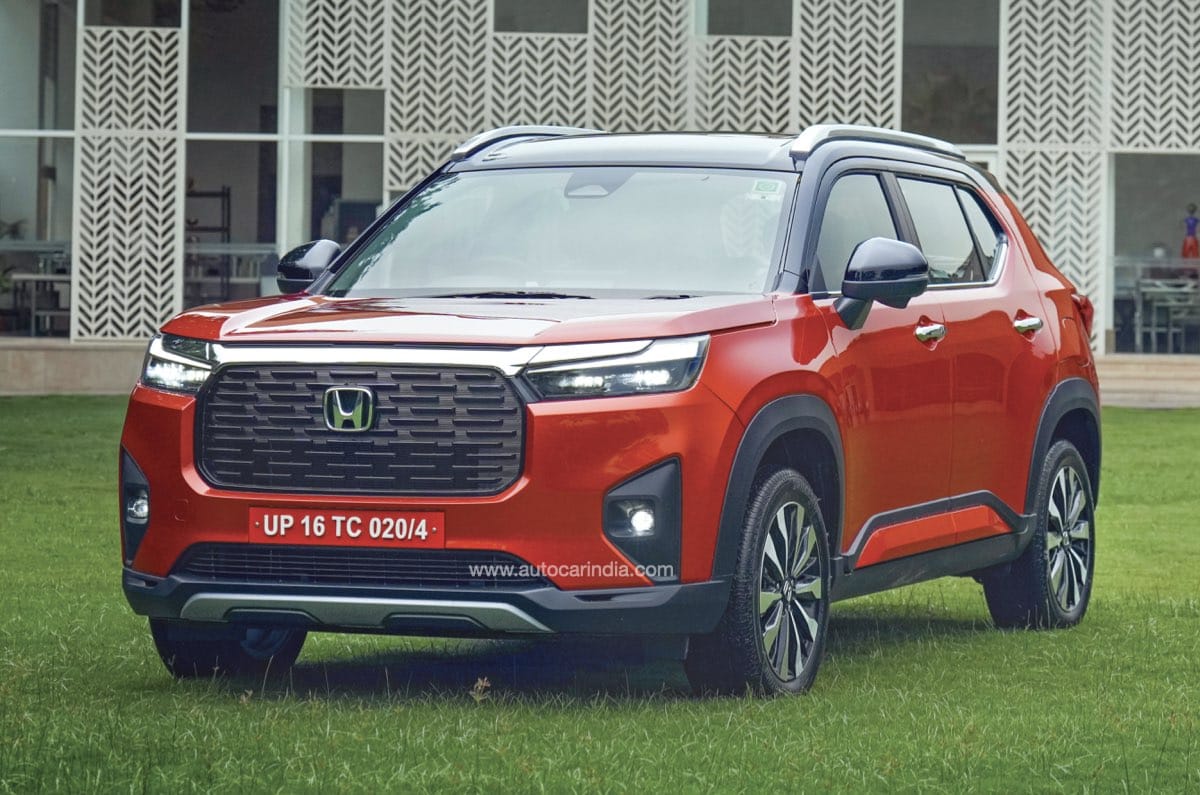
 The outgoing Honda Elevate is getting benefits of up to Rs 2.35 lakh. This includes a cash discount of up to Rs 50,000, an exchange bonus of up to Rs 80,000, a loyalty benefit of up to Rs 4,000, a corporate benefit of Rs 5,000, along with other schemes, feature bundles and warranty packages, depending on the variant. The current Elevate is priced between Rs 11.88 lakh and Rs 16.36 lakh. It competes with the likes of the Hyundai Creta, Skoda Kushaq, Volkswagen Taigun, Kia Seltos, Tata Sierra, Maruti Grand Vitara, and Victoris. 

Honda City offers in October 2026 

Benefits of up to Rs 1.71 lakh

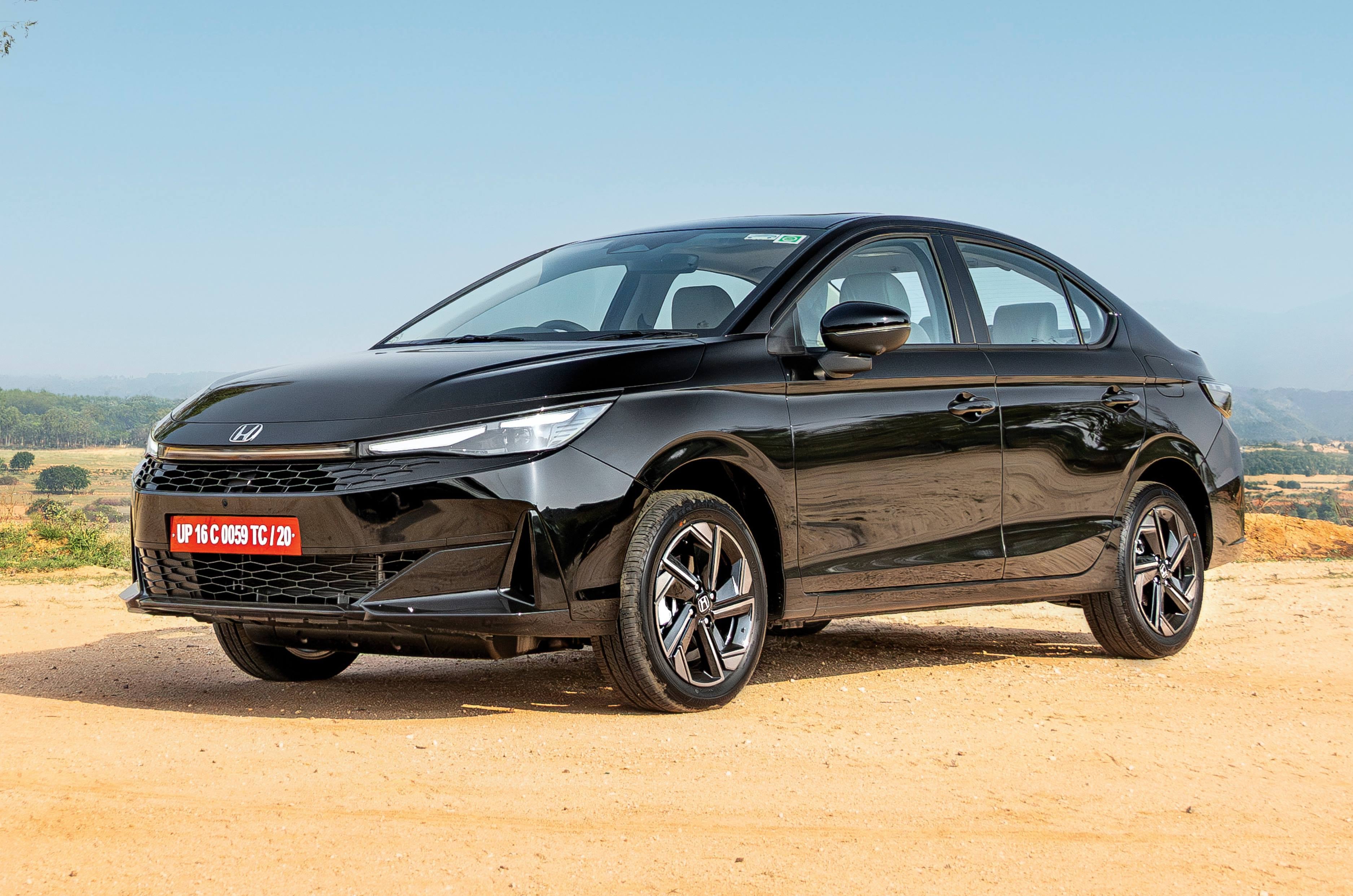
The recently unveiled City facelift gets benefits of up to Rs 1.71 lakh. It comprises a cash discount of up to Rs 60,000, an exchange bonus of up to Rs 50,000, a loyalty benefit of Rs 4,000, and a corporate offer of Rs 5,000.  Like the Elevate, there are additional offers available that bring further benefits. The City’s price ranges from Rs 12 lakh and goes all the way up to Rs 21.44 lakh. It takes on rivals like the Skoda Slavia, Volkswagen Virtus, and Hyundai Verna.

Honda Amaze offers in October 2026 

Benefits of up to Rs 66,800

 Honda’s most affordable model on sale, the Amaze gets benefits of up to Rs 66,800. The latest third-generation model gets a cash discount of up to Rs 15,000, an exchange bonus of up to Rs 15,000, a loyalty benefit of Rs 4,000, a corporate offer of Rs 3,000, and other schemes and extended warranty benefits that increase the total benefits. In contrast, the older second-gen model gets slightly lower benefits of up to Rs 57,600. The third-gen and second-gen Amaze are priced between Rs 7.65 lakh and Rs 10 lakh and Rs 6 lakh and Rs 7.78 lakh, respectively. The Amaze locks horns with the Tata Aeris, Maruti Dzire, and the Hyundai Aura.

All prices are ex-showroom, India

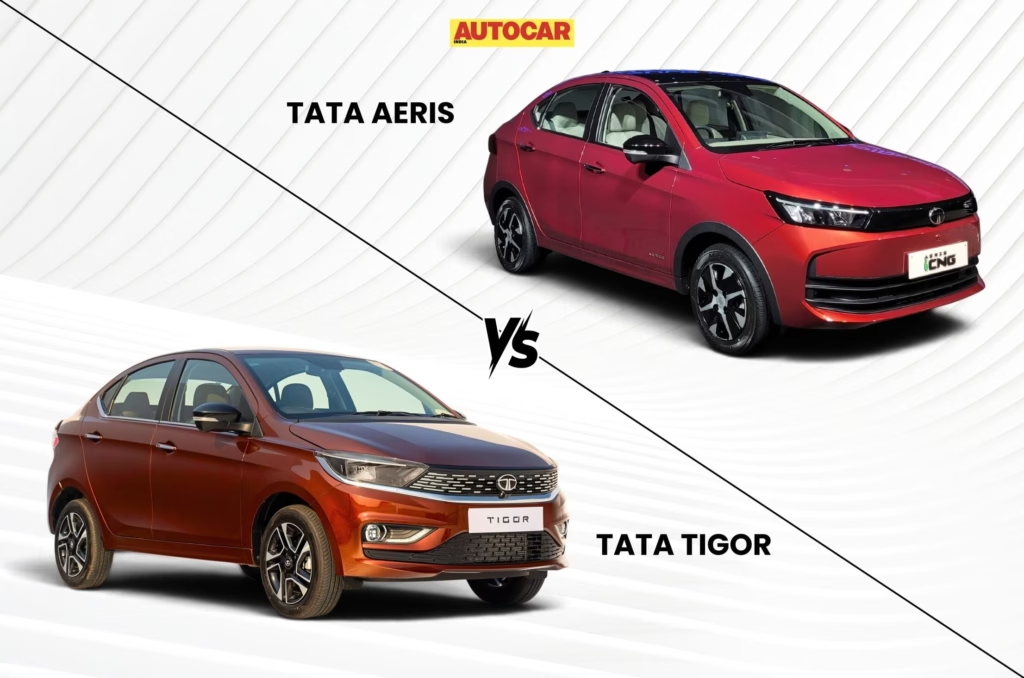
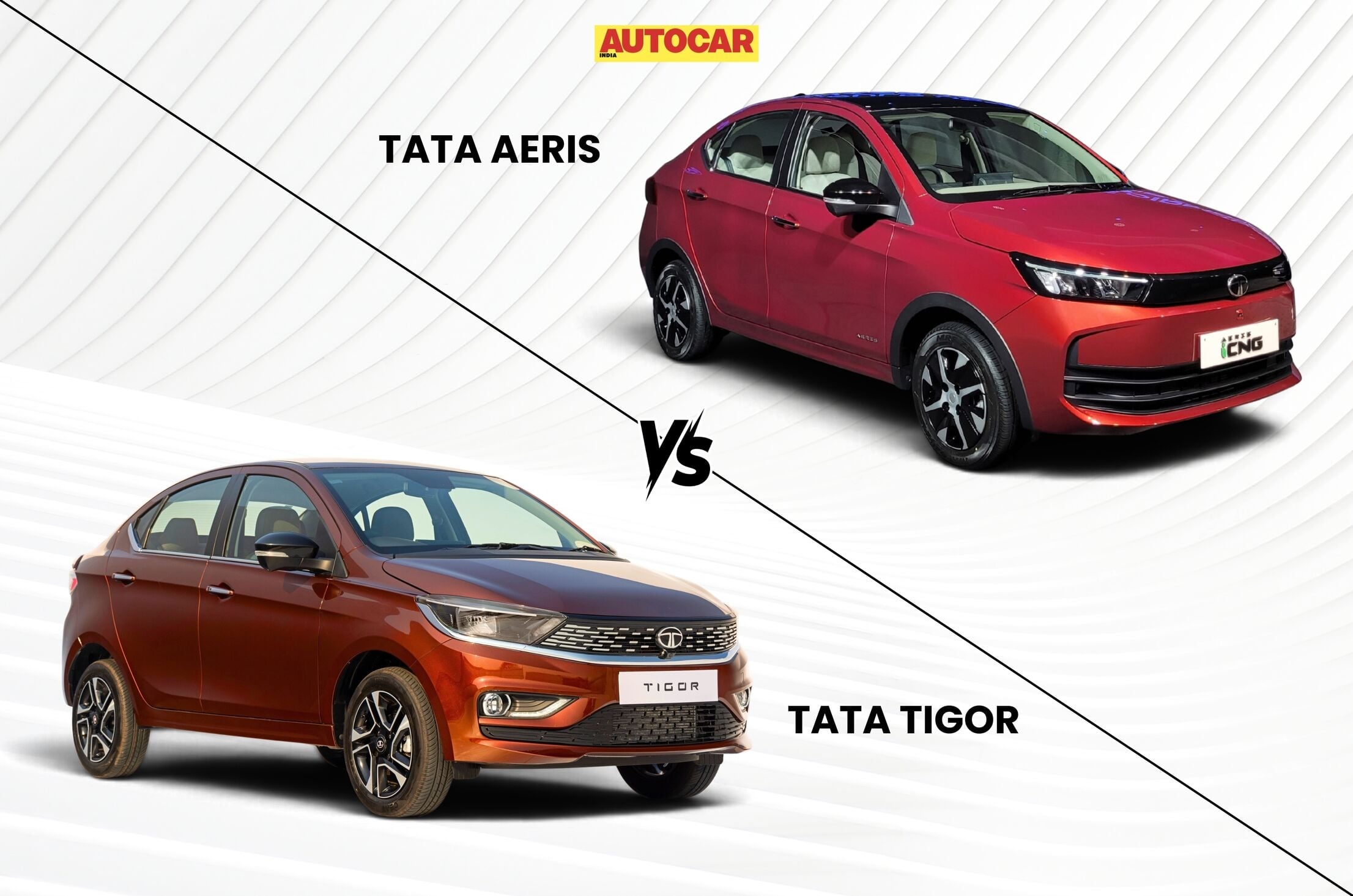
Tata Aeris vs Tigor: Similarities and differences explained

Tata Aeris vs Tigor: Similarities and differences explained

Tata has launched the Aeris as the facelifted version of the Tigor, priced from Rs 5.29 lakh to Rs 9.74 lakh (ex-showroom). It features a sleeker exterior with new LED lighting elements and redesigned bumpers, while the cabin gets a revamped dashboard and fresh features. Here’s a look at how the new Aeris compares with the outgoing Tigor, including the key similarities and differences.

Tata Aeris vs Tigor: Exterior design

Gets a more aggressive face with sleeker headlights and fog lamps

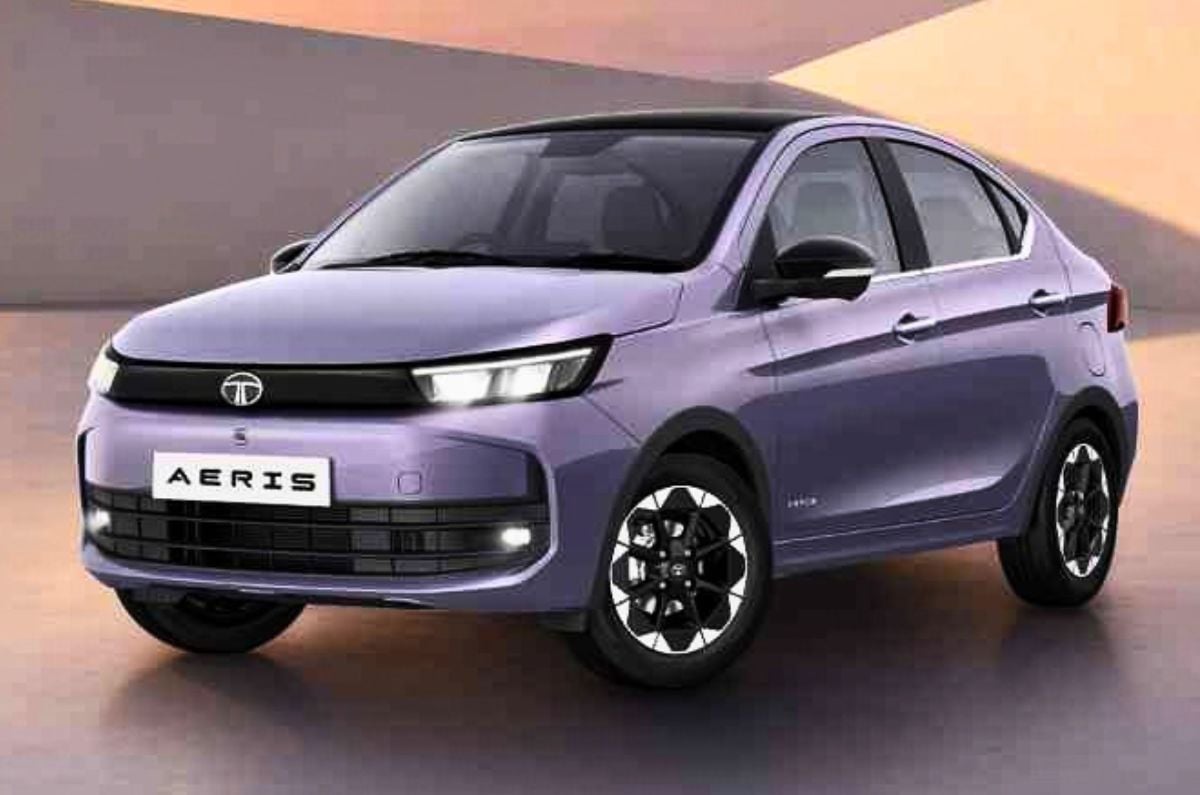
Tata Aeris front quarter static
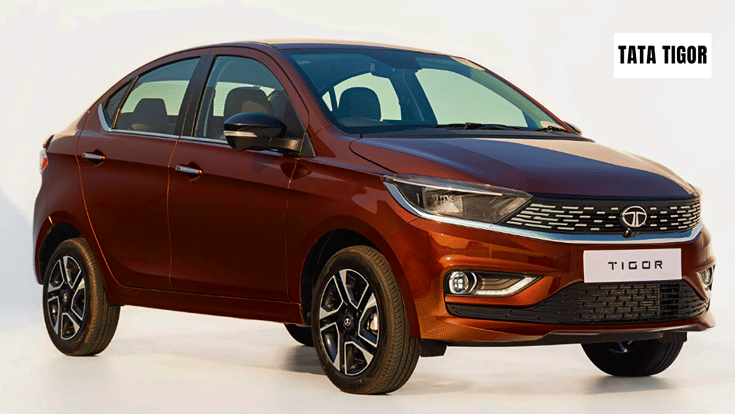
Tata Tigor front quarter static
 

The Tata Aeris features a more aggressive design inspired by the Tiago hatchback, much like the pre-facelift versions of both Tata models. It gets sleeker LED headlights with eyebrow-shaped DRLs, along with a slimmer and simpler grille that does away with the chrome trims seen on the Tigor. The bumper has also been redesigned with larger air intakes and sleeker LED fog lamps, giving it a more minimal look compared with the Tigor’s circular halogen units. 

Aeris gets redesigned alloy wheels and new badges on front doors

In profile, the Tata Aeris remains largely unchanged from the Tigor, with the only notable updates being the redesigned 15-inch alloy wheels and new Aeris badges on the front doors. Both sedans feature black outside rearview mirrors (ORVMs), chrome door handles and a chrome strip along the window line.

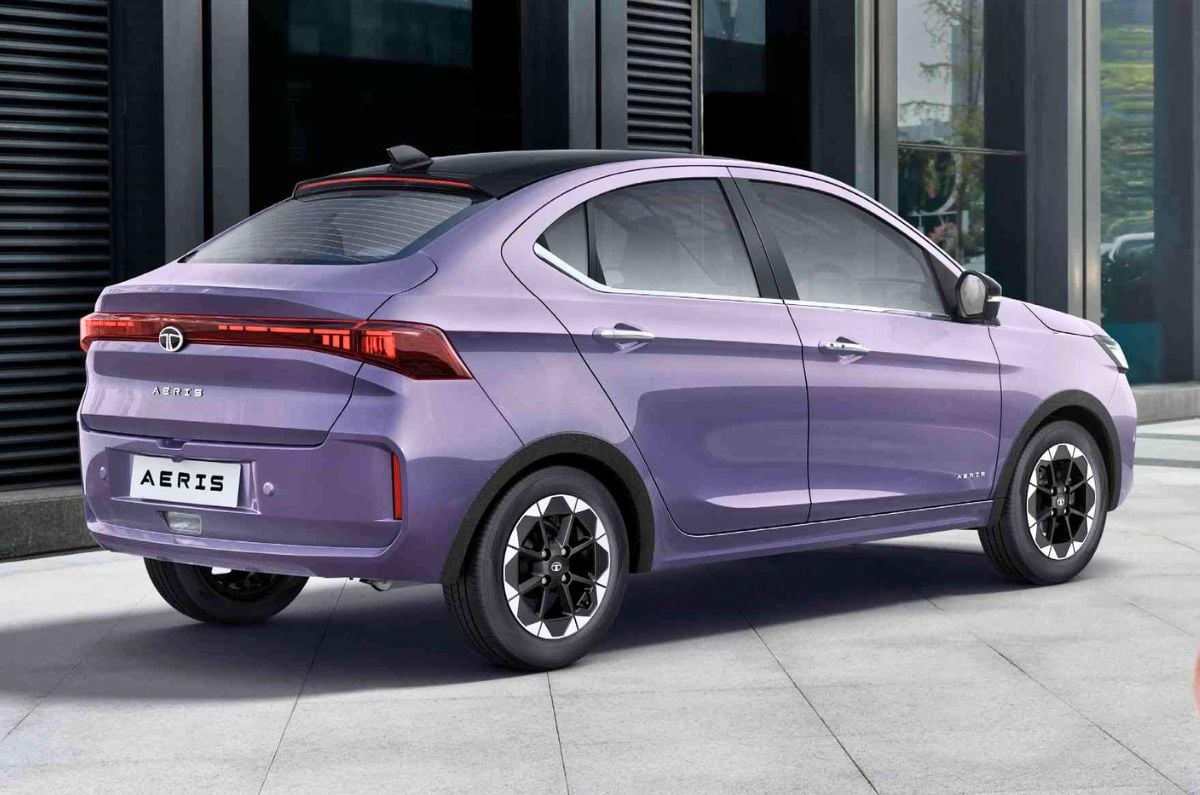
Sleeker LED taillights and a simpler bumper are offered with the Aeris

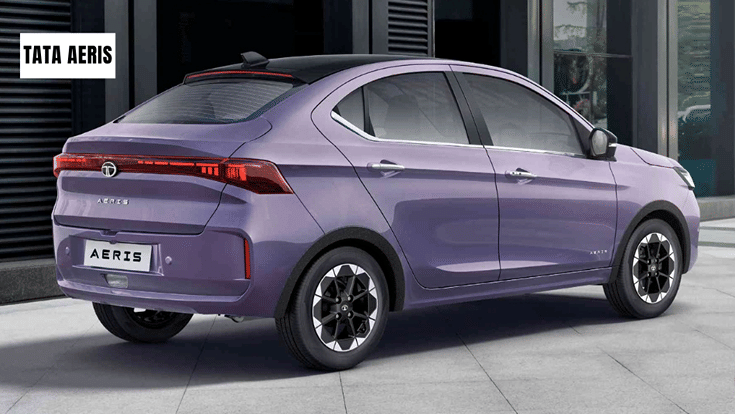
Tata Aeris rear quarter static
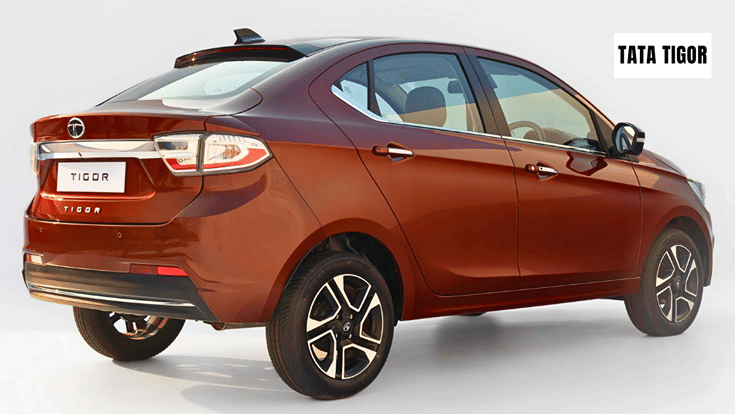
Tata Tigor rear quarter static
 

The Aeris retains the Tigor’s coupe-like tapering roofline, but gets a few updates that give it a more modern look. These include sleeker LED taillights connected by a red plastic trim and a revised bumper with a centrally positioned reverse parking light. The high-mounted stop lamp continues to span the width of the rear windscreen.

Tata Aeris vs Tigor: Interior design and features

Gets a new cabin theme and a minimalistic dashboard

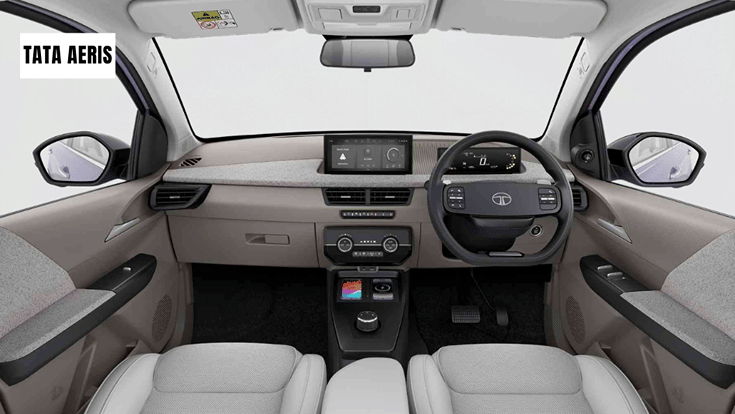
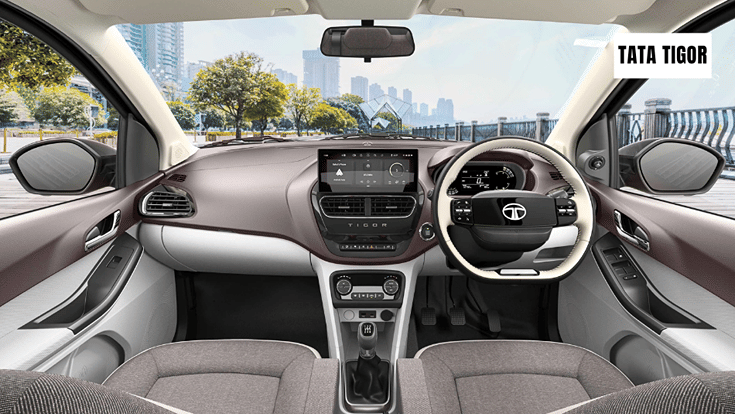
Tata Aeris dashboard
Tata Tigor  dashboard
 

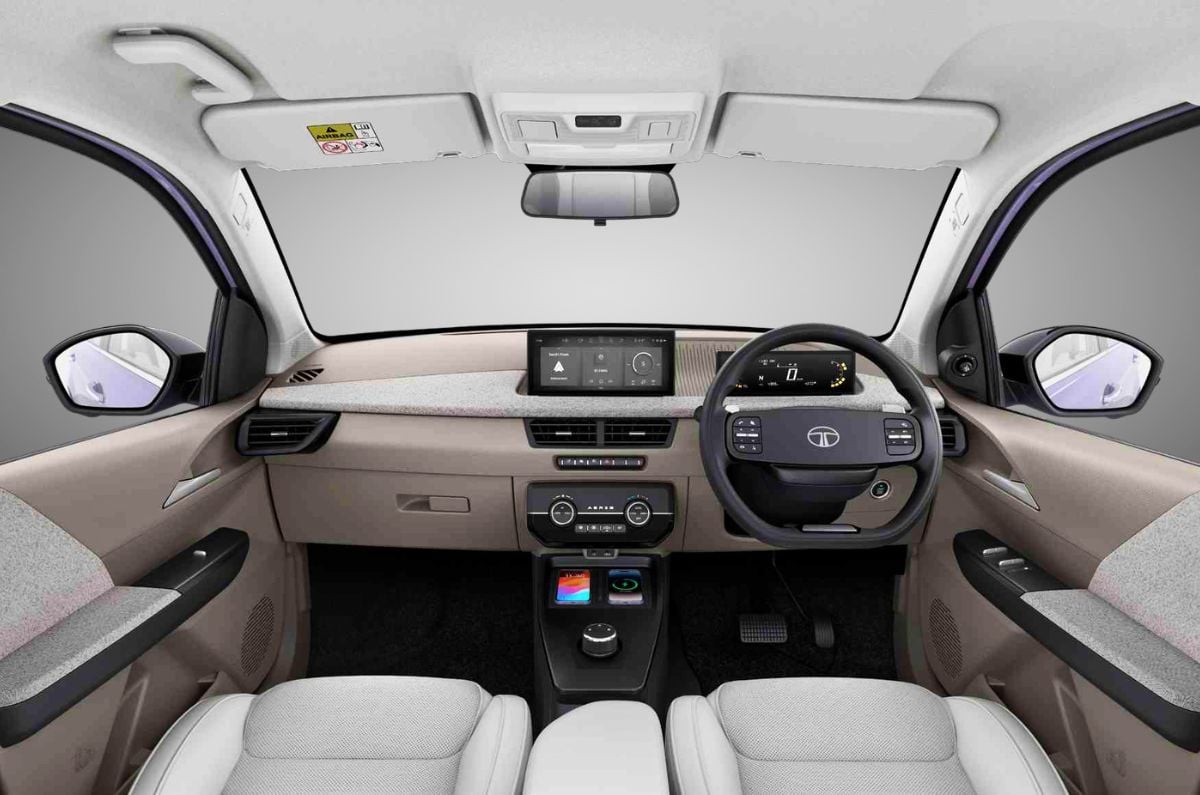
The Tata Aeris gets a new cabin theme with a more minimalistic dashboard design. It continues with the free-standing 10.25-inch touchscreen infotainment system, but now features a new free-standing semi-digital driver’s display. The 2-spoke steering wheel is carried over, but now gets a non-illuminated Tata logo on the horn pad.

The climate control panel remains unchanged from the Tigor, while the centre console has been redesigned to accommodate two smartphones, with one slot incorporating a wireless charging pad. The door armrests have also been revised, while the individual centre armrests have been replaced by a chunkier single unit with storage space underneath. On AMT variants, a rotary drive selector replaces the traditional gear selector stalk. 

New features make the Aeris a more modern offering

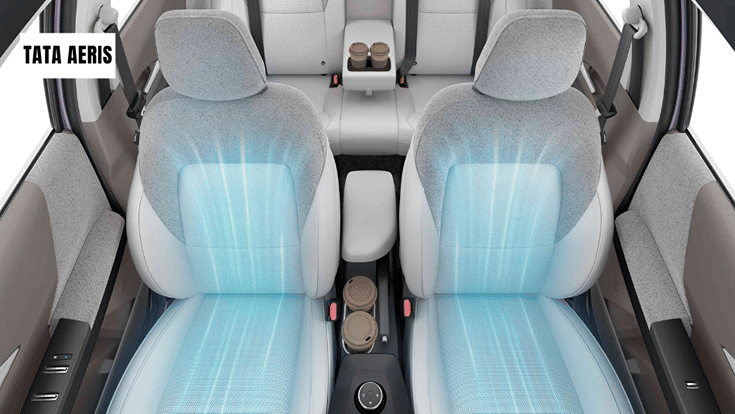
Tata Aeris seats
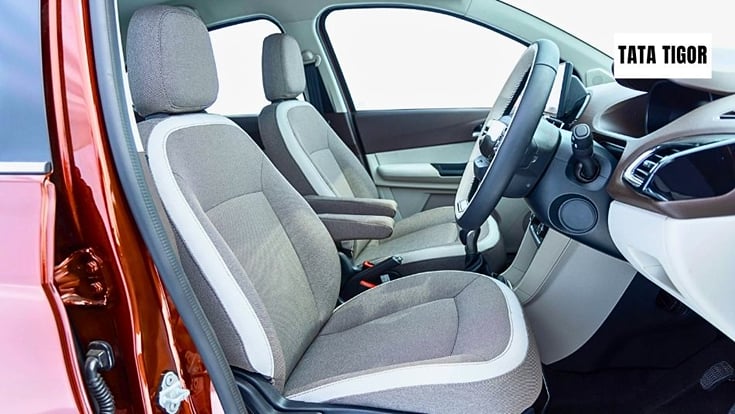
Tata Tigor seats
 

The seats in the Tata Aeris get revised cushions and leatherette upholstery, while the front seats are now ventilated. However, the 6-speaker sound system is a downgrade from the Tigor’s 8-speaker unit. Other features, including automatic climate control, wireless Android Auto and Apple CarPlay, a cooled glovebox and rear AC vents, continue to be offered.

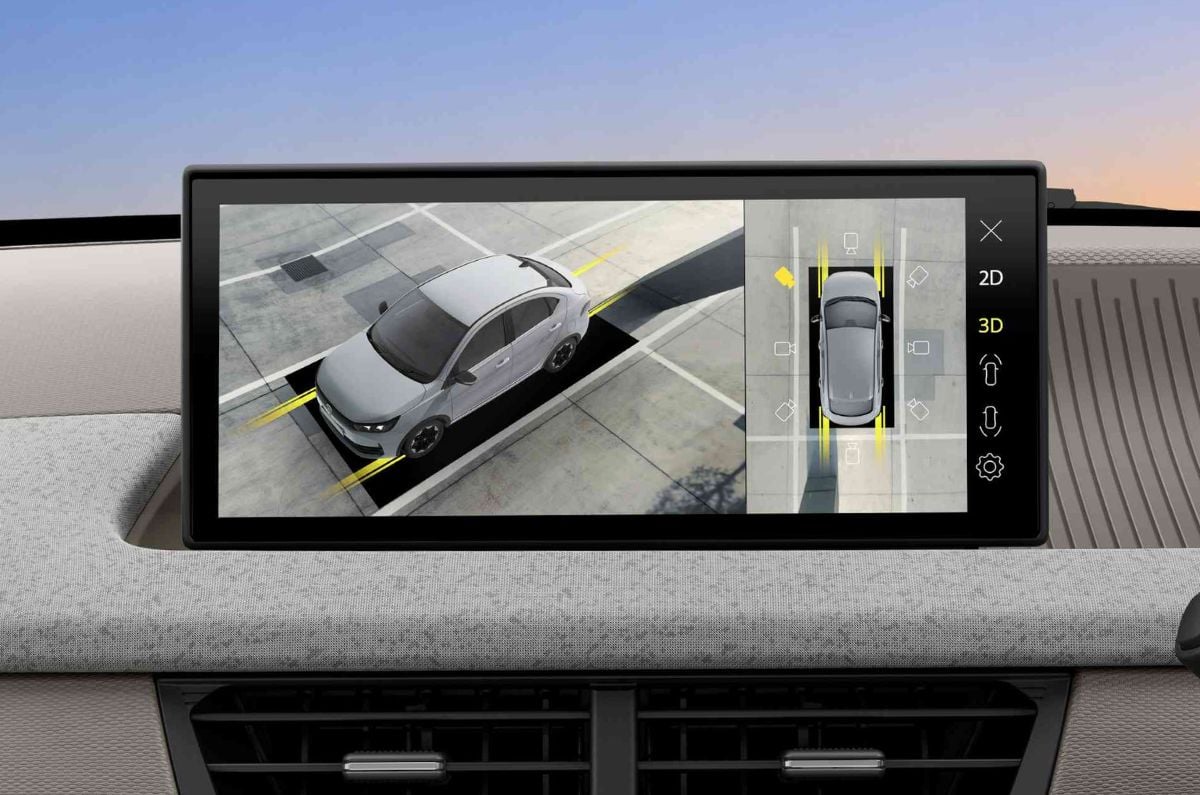
In terms of safety, the Aeris gets six airbags as standard, compared with the Tigor’s standard dual-airbag setup. Its 360-degree camera can also be used as a dashcam, while hill hold assist, ISOFIX child-seat anchorages and rear parking sensors are carried over from the Tigor. 

Tata Aeris vs Tigor: Powertrain options

No changes have been made to the powertrain department 

There are no changes to the powertrain, with the Tata Aeris continuing with the 1.2-litre, 3-cylinder naturally aspirated engine, available with either petrol or CNG. The petrol version produces 86hp and 113Nm, while the CNG version makes 76hp and 97Nm. Both powertrain options are paired with either a 5-speed manual or a 5-speed AMT.

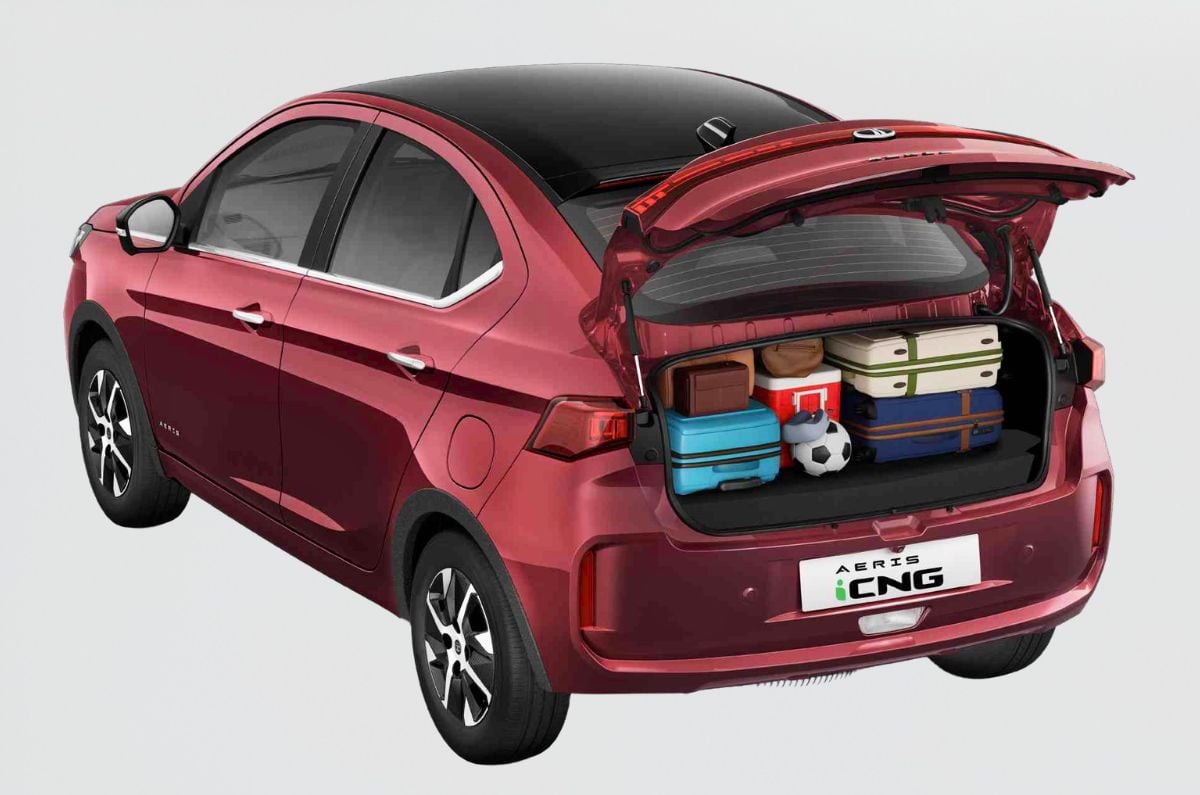
As before, the CNG version gets two cylinders mounted inside the boot, reducing boot space to 227 litres, which is 192 litres less than the petrol version.

The Tata Aeris is priced from Rs 5.29 lakh to Rs 9.74 lakh, compared to the older Tigor’s Rs 5.70 lakh to Rs 9.10 lakh range. The Aeris locks horns with the Maruti Dzire, Honda Amaze and Hyundai Aura.  

Prices are ex-showroom, India.

Tata Aeris launched at Rs 5.29 lakh

Tata Aeris launched at Rs 5.29 lakh
Tata Aeris launched in India

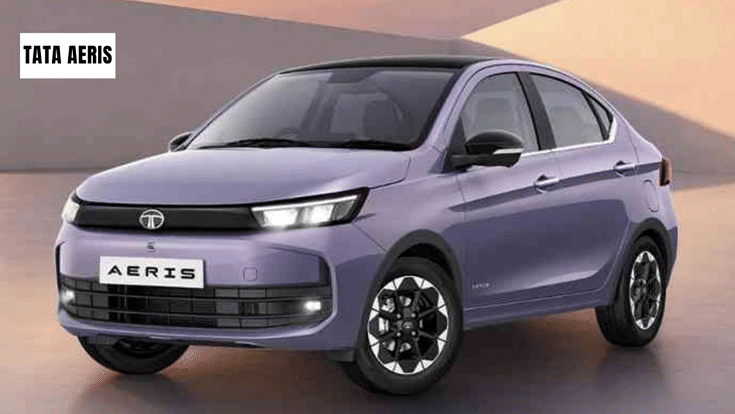
The Tata Aeris has been launched in India at Rs 5.29 lakh (introductory, ex-showroom). It is essentially a facelifted version of the outgoing Tigor compact sedan. It features a Tiago-like exterior and interior design while retaining the mechanicals. Tata is offering the Aeris in five trims: Smart, Pure, Pure+, Creative and Accomplished. Official bookings for the sedan have begun, and deliveries will commence from October 11. 

  1. Both 86hp petrol and 76hp CNG are available with manual and AMT options.
  2. Gets sleeker LED lighting elements, fresh bumpers and 15-inch alloy wheels. 
  3. New features include a wireless charger and ventilated seats.

Tata Aeris variant-wise prices

Tata has yet to reveal AMT prices for both the petrol and CNG engines

Tata Aeris variant-wise price list (in Rs, lakh)


Petrol MT

CNG MT

Smart

5.29

6.29

Pure

6.14

7.14

Pure+

6.74

7.74

Creative

7.49

8.49

Accomplished

8.19

9.19

Prices for the petrol-AMT and CNG-AMT versions are expected to be announced soon. An AMT option will be available with both engines across all trims, except the base-spec Smart trim.

Tata Aeris exterior design

Borrows a lot of its design from the Tiago hatchback

The Tata Aeris gets a sharper look that borrows a lot from the smaller Tiago. It gets sleeker LED headlights with eyebrow-like LED DRLs, and a gloss black grille. The front bumper features black elements with pixel-shaped LED fog lamps.

In profile, the Aeris gets 15-inch dual-tone alloy wheels. Lower-spec (Smart and Pure) and all CNG variants get smaller 14-inch wheels. Like the Tiago, the Aeris gets slim cladding on the wheel arches, chrome door handles and a chrome trim on the window line. 

At the rear, it gets slimmer LED taillights connected via a red trim. Like the older Tigor, the high-mounted stop lamp stretches the length of the rear windscreen. The rear bumper is simpler now and features a reverse parking light in the centre. 

The Aeris is being offered in six exterior shades: Nitro Crimson, Pure Grey, Dandeli Drizzle, Pristine White, Daytona Grey, and Dune Glow. 

Here are the dimensions and other specifications of the Tata Aeris:

Tata Aeris dimensions and other specifications

Length

3,995mm

Width

1,684mm

Height

1,532mm

Wheelbase

2,450mm

Ground clearance

170mm

Boot space

419 litres (petrol)

The Tata Aeris CNG has dual cylinders, while all its rivals have a single CNG tank. This setup enabled a 227-litre boot space on the Tigor, which is expected to be the same on the Aeris, making it the largest for a CNG-powered sedan in the segment. The petrol version’s 419-litre boot space is similar to the Amaze (416 litres) but larger than the Dzire (382 litres) and Aura (402 litres).

Tata Aeris interior design and features

Gets a Tiago-like dashboard and is offered with more features

Like the exterior, the Aeris’ interior design is similar to the Tiago, but it gets a lighter cabin theme. The dashboard features a free-standing semi-digital driver’s display, a 10.25-inch infotainment touchscreen and a 2-spoke steering wheel with physical buttons. New features include a wireless phone charger, ventilated front seats and leatherette seat upholstery. The Aeris also gets a ‘DashCam Recorder’ function, which uses the surround view cameras as a dashcam. However, a 6-speaker sound system is a downgrade from the previous model’s 8-speaker audio system. 

In terms of safety, the Aeris comes with 6 airbags as standard, a 360-degree camera with a blind-spot monitor, a tyre pressure monitoring system (TPMS), hill hold control and ISOFIX child seat anchorages.

Tata Aeris powertrain options

Gets petrol and CNG engine options with manual and AMT choice

The Tata Aeris is powered by a 1.2-litre 3-cylinder naturally aspirated petrol engine that produces 86hp and 113Nm. It is offered with either a 5-speed manual or a 5-speed automated manual transmission. This engine is also available with a CNG powertrain, with both manual and AMT options, producing a lower output of 76hp and 97Nm. These are the same powertrains offered with the pre-facelift Tigor and the current Tiago. 

The Tata Aeris rivals the Maruti Dzire (Rs 6.31 lakh to Rs 9.54 lakh), Honda Amaze (Rs 7.65 lakh to Rs 10 lakh) and Hyundai Aura (Rs 6 lakh to Rs 8.67 lakh). 

Prices are ex-showroom, India. 

All you need to know about Tata Aeris ahead of launch tomorrow

All you need to know about Tata Aeris ahead of launch tomorrow
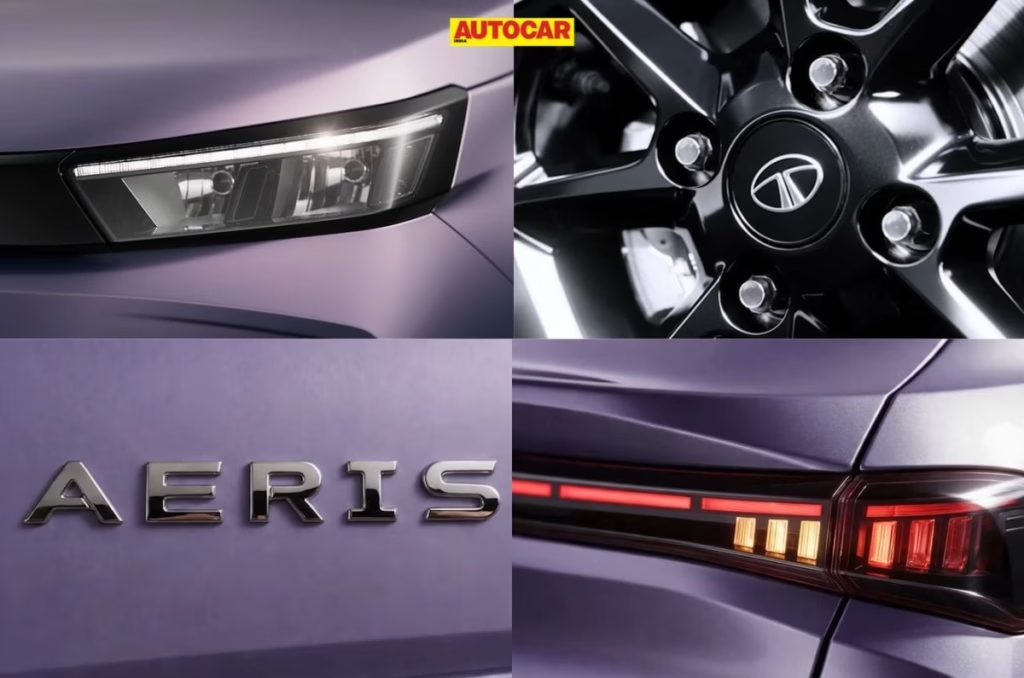
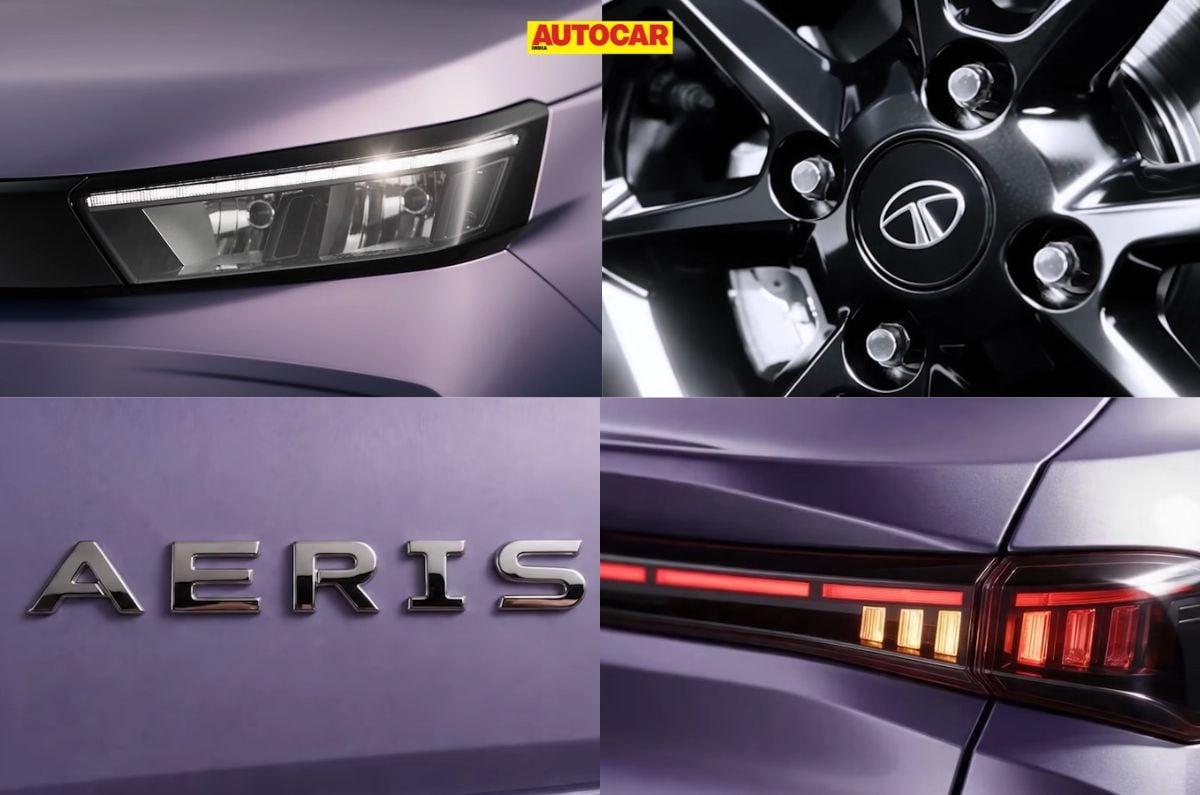
Tata Aeris exterior teased

Tata Motors is set to launch the Aeris on September 25, 2026, both in internal combustion (ICE) and fully electric (EV) avatars. The Aeris is essentially a rebranded Tigor facelift, and the upcoming sub-4-metre sedan has already been previewed through official teasers and design patent filings. Here’s all you need to know about the Tata Aeris before it breaks cover tomorrow.

1. How will the Tata Aeris look?

The Aeris gets a sleeker face and new lighting without losing the Tigor’s notchback profile 

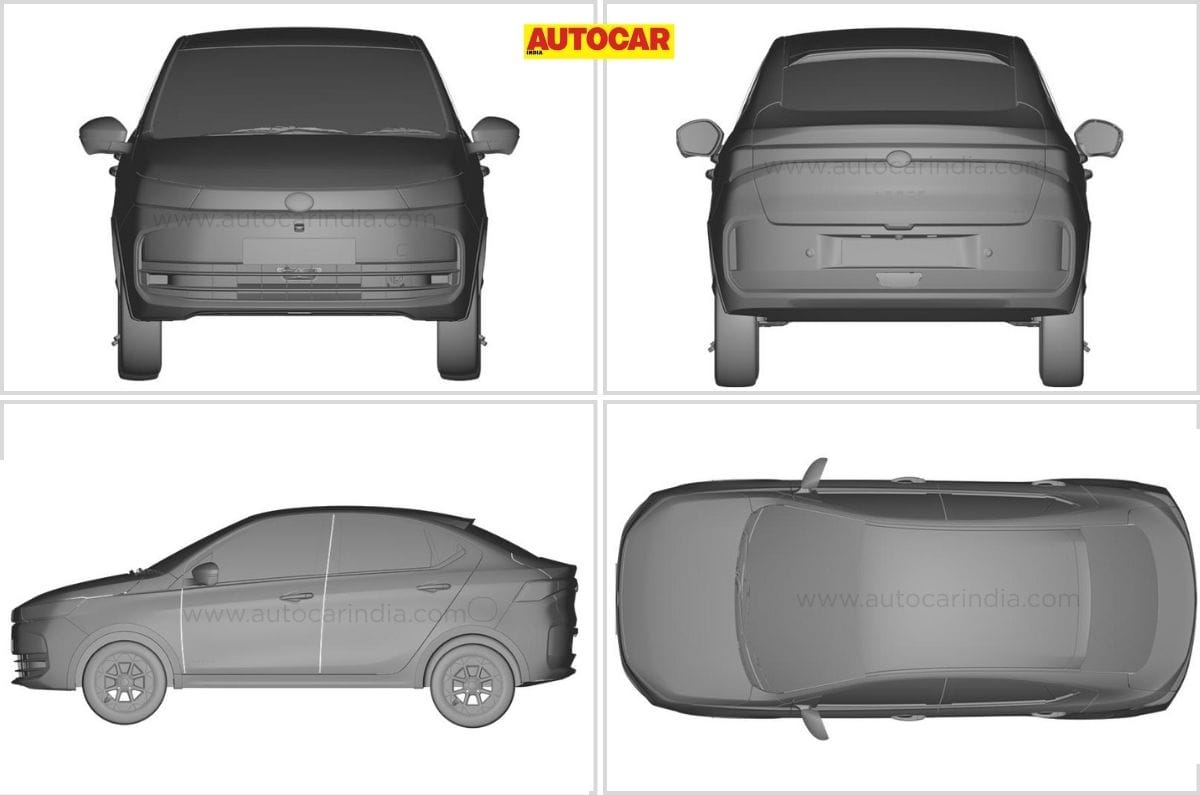
Compared to the Tigor, the new Tata Aeris will sport a sleeker front fascia featuring slim LED headlamps and thin LED DRLs. The official teaser also confirms LED fog lamps and C-shaped elements in the front bumper. Patent images suggest sharper-looking connected tail-lamps, with the number plate having been moved from the bootlid to the bumper.

Tata Aeris patent images
Design patent of the Aeris as filed by Tata Motors.

Other changes expected include a new shoulder line and wheel designs, plus a new purple colour. The Aeris EV should share much of the ICE version’s overall design language, with a few tweaks as seen in Tata’s other ICE-to-EV models. The notchback roofline of the outgoing Tigor will be carried over, as shown in the patent filings.

2. How different will the interior of the Tata Aeris be?

The Aeris will get a more modern-looking and feature-rich cabin over the Tigor

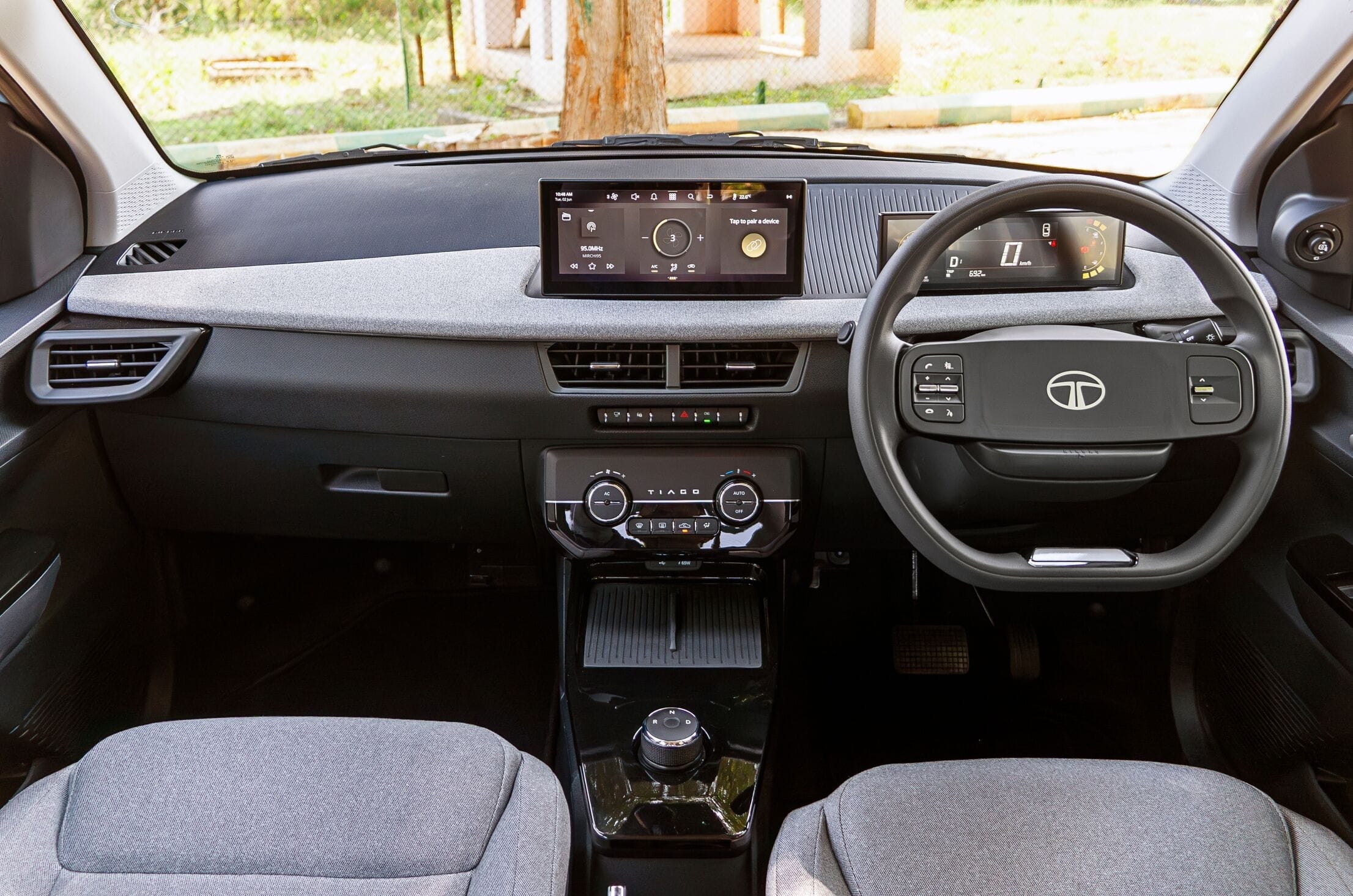
Tata hasn’t teased the cabins of the Aeris yet, but they are expected to be similar to those of the new Tiago and Tiago EV. This means a modern-looking dual-tone theme with piano-black accents and a layered dashboard design with two free-standing digital displays, plus Tata’s new two-spoke steering wheel and an array of physical buttons and dials.

Tata Tiago interior
Tata Tiago’s interior shown for representational purposes only.

The Tata Aeris is also expected to share the feature set that’s available with the updated Tiago. Wireless charging, automatic climate control, rear AC vents, a 10.25-inch touchscreen, a digital driver’s display, wireless Apple CarPlay & Android Auto, connected car tech, a 360-degree camera, 6 airbags and electronic stability control could all be offered with select variants of the Aeris as well.

3. What powertrain options will the Tata Aeris get?

The ICE version could get the same setup as the Tigor; the pure-electric option may get the Tiago EV’s battery packs

On the powertrain front, the Aeris ICE variants could carry on with the existing Tigor’s engine and gearbox options. The latter’s 1.2-litre naturally aspirated three-cylinder engine produces 86hp and 113Nm when on petrol, and 76hp and 97Nm when running on CNG. Its gearbox choices are a 5-speed manual and a 5-speed AMT (automated manual transmission).

As for the Aeris EV, it may borrow the Tiago EV’s 19.2kWh and 24kWh battery packs. Alternatively, Tata could equip it with the larger 26kWh battery that currently powers the Tigor EV. Both setups utilise a permanent magnet synchronous motor producing up to 75hp/114Nm and 75hp/170Nm, respectively. The Tata Aeris EV is likely to offer a multi-mode regenerative braking system and multiple drive modes as well.

4. What is the expected price of the Tata Aeris?

Tata could offer the Aeris EV with BaaS to lower upfront costs 

A slew of updates could potentially bump up the price of the Tata Aeris when compared to the Tigor. For reference, the combustion-powered Tigor is priced between Rs 5.70 lakh and Rs 9.10 lakh, while the Tigor EV is priced from Rs 12.49 lakh to Rs 13.75 lakh – both ex-showroom. Tata could offer the Aeris EV with a Battery-as-a-Subscription (BaaS) option on the EV to lower upfront costs, as it has done with the Tiago EV. The Tata Aeris will rival the Honda Amaze, Maruti Dzire and Hyundai Aura, while the Aeris EV doesn’t have any direct competitors.

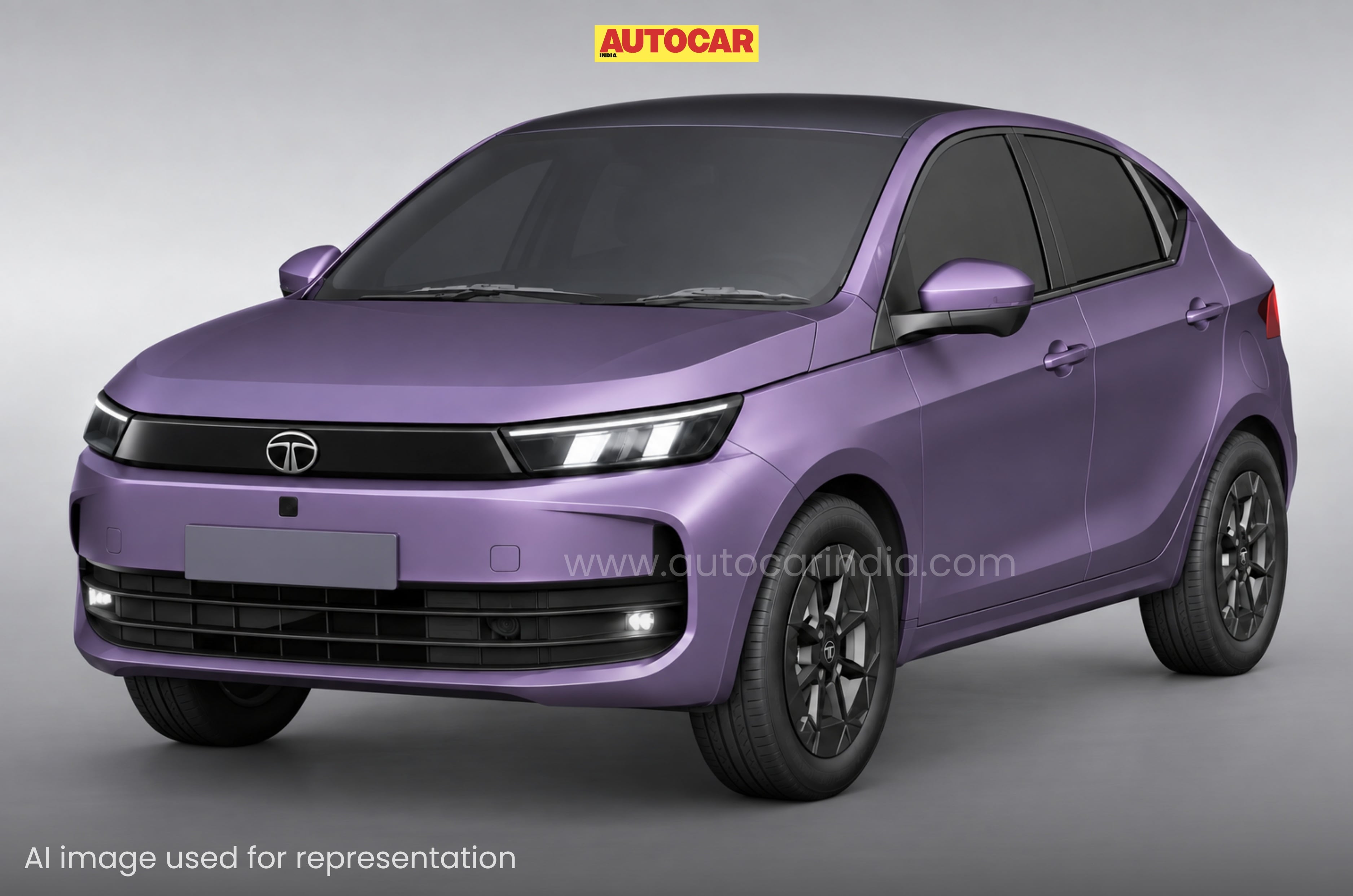
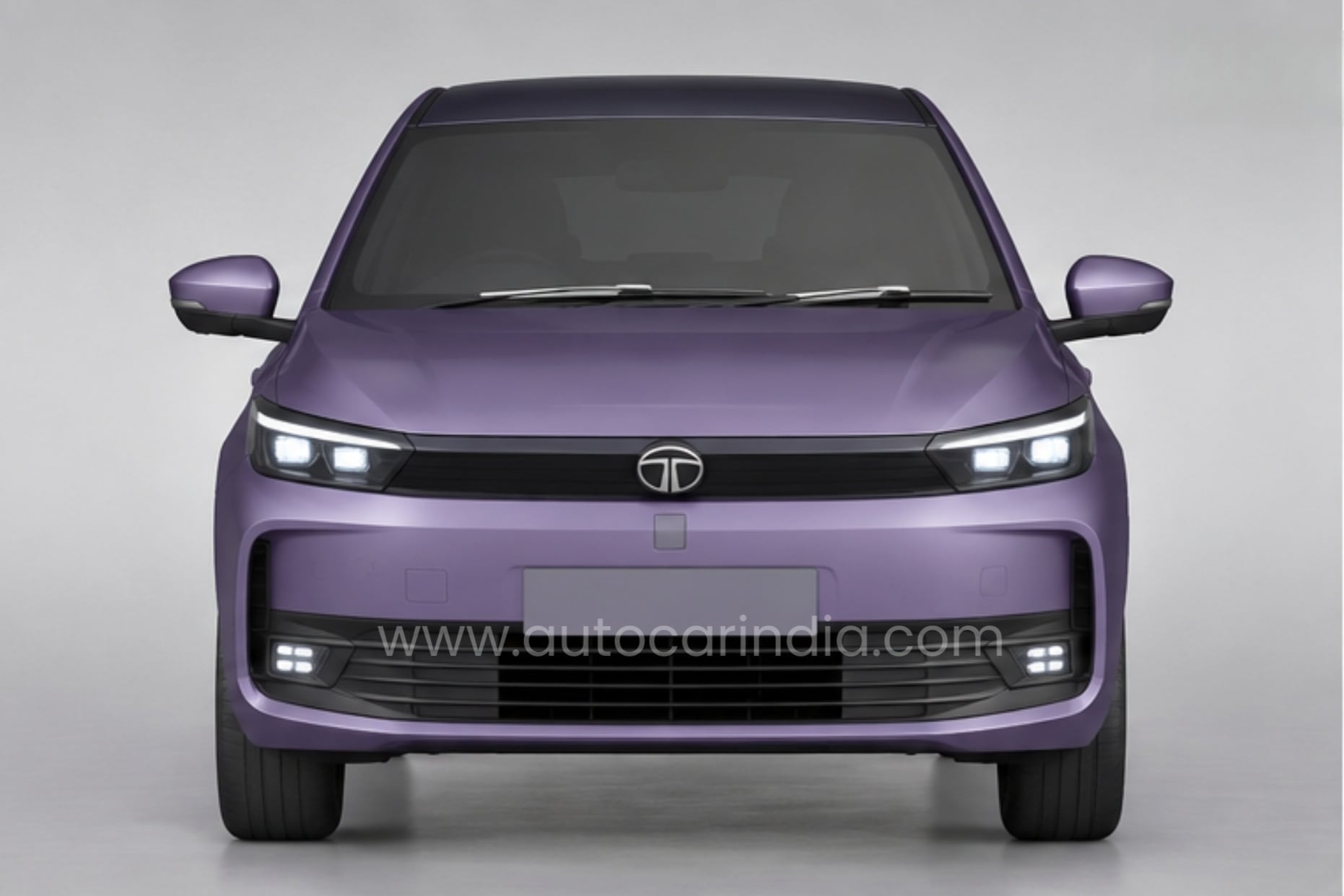
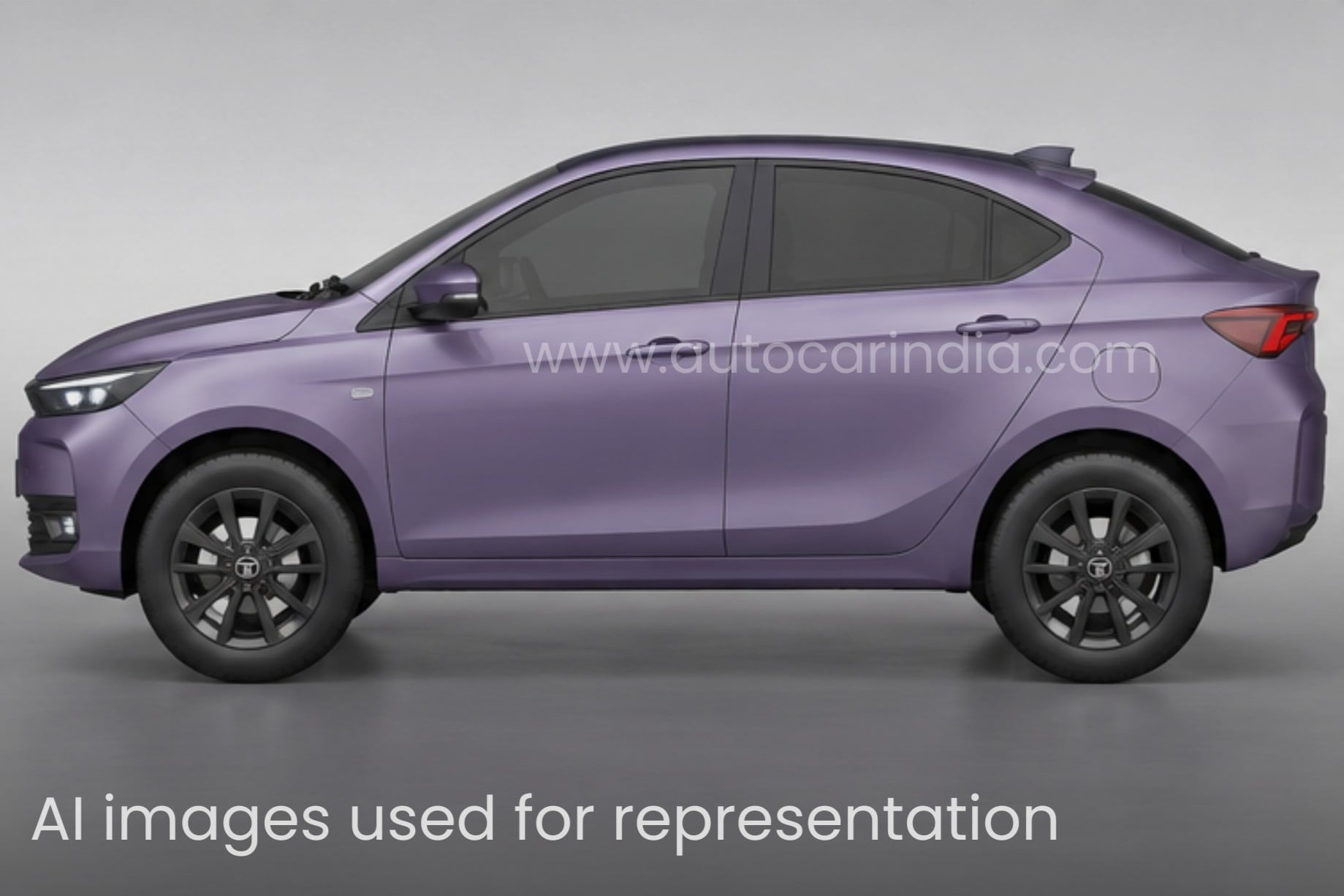
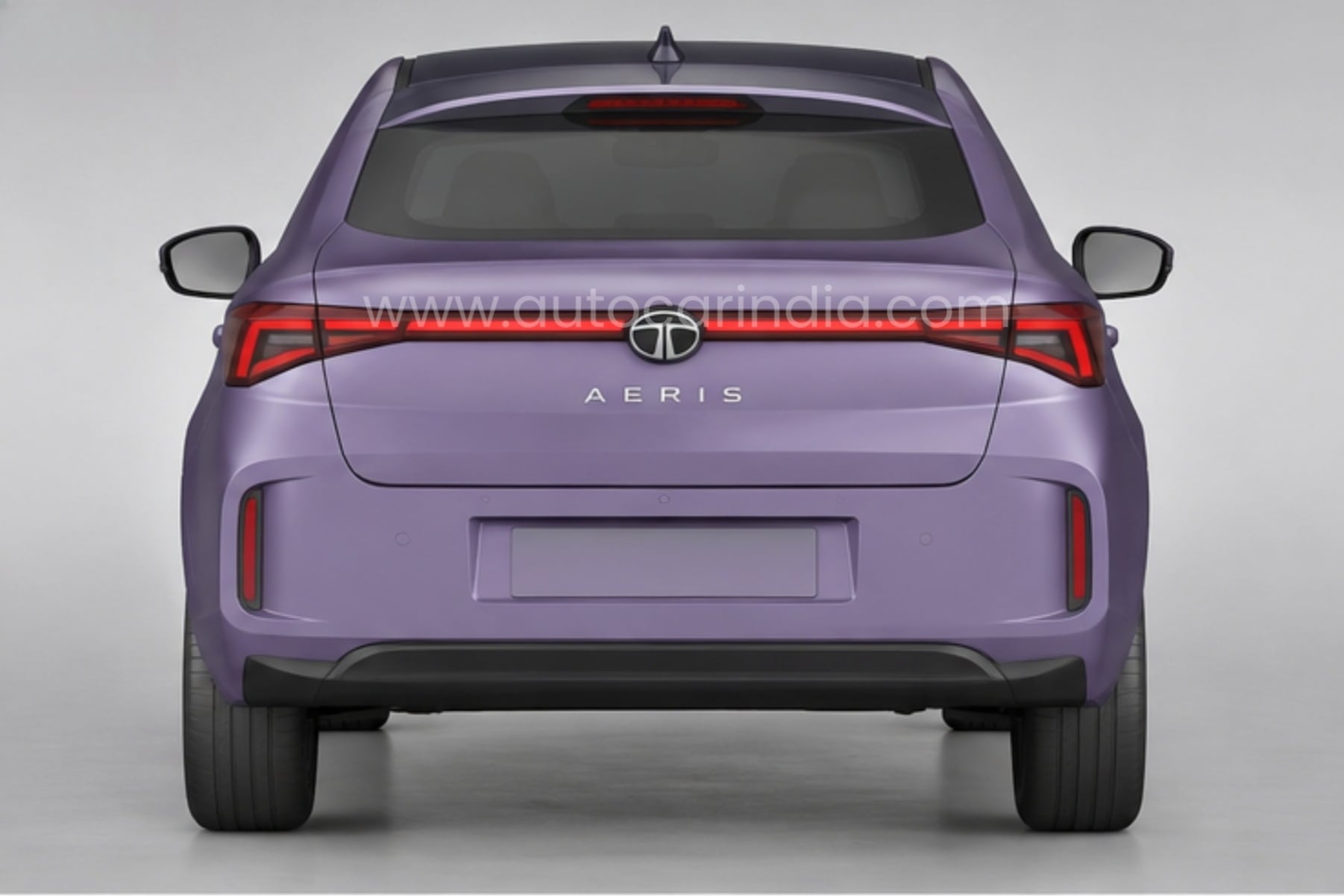
Tata Aeris rendered based on design patent and teasers

Tata Aeris rendered based on design patent and teasers
Tata Aeris render front quarter static

Tata Motors is slated to debut the Aeris on September 25, 2026. It will be a rebranded version of the Tigor and marks one of the biggest updates to Tata’s compact sedan since its inception close to a decade ago. We’ve rendered the upcoming Aeris based on teasers and a design patent filing by Tata ahead of its arrival. This rendering hints at what the Aeris could potentially look like.

  1. Aeris is expected to borrow design cues from the Tiago.
  2. Likely to come with petrol, CNG and EV powertrains.

Tata Aeris: What to expect?

New body panels expected to bring an upmarket look

AI Image used for representation

The Aeris won’t just have new soft parts over the current Tigor, but will likely get sheet metal changes, as seen on the Tiago facelift earlier this year. Up front, the fascia of the Aeris sports a sleeker look as compared to the current Tigor. This includes slimmer LED headlamps and LED fog lamps, which the teaser also revealed. The headlamps are connected by a black trim, and the bumper gets C-shaped design elements and a wide air inlet.

In profile, the notchback roofline and the glasshouse appear to be retained from the current Tigor, with the beltline having an upward kink towards the C-pillar. There’s also a prominent shoulder line running the length of the car, which was shown on the teaser, and a new design for the alloy wheels is likely.

AI Image used for representation.

Though the rear side of the Aeris wasn’t teased, our rendering based on patent images hints at major design revisions here. The slimmer tail-lamps get a connected design, and the license plate section has moved from the bootlid to the bumper, which gets vertical reflectors and similar C-shaped design elements as the front. Meanwhile, EV versions are expected to have subtle design changes to set it apart from the ICE counterpart.

Expected to have a Tiago-like interior with new features onboard

Tata Tiago interior used for representation

Inside, the Aeris is expected to carry the Tiago’s cabin layout with a binnacle-less digital driver’s display with Bluetooth and a 10.25-inch infotainment system on the dashboard. Features like a 360-degree camera, wireless phone charger, and connected-car tech are expected to be part of the Aeris’ equipment list.

Petrol, CNG and EV powertrains likely to be carried over from current Tigor

On the powertrain front, the Aeris is expected to retain the current Tigor’s powertrain options. Petrol-powered versions would utilise a 1.2-litre naturally aspirated engine, and factory-fitted CNG-powered variants will also be on offer. In EV guise, it’s expected to have a 26kWh battery with a front-mounted motor.

Expect the Aeris to come at a premium over the current Tigor facelift. The Tigor currently has a price range of Rs 5.7 lakh to Rs 9.10 lakh, and its EV counterpart is priced between Rs 12.49 lakh and Rs 13.75 lakh. It will lock horns with the Honda Amaze, Maruti Dzire, and the Hyundai Aura.

Maruti Dzire, Baleno and Swift CNG AMT full price list revealed

Maruti Dzire, Baleno and Swift CNG AMT full price list revealed
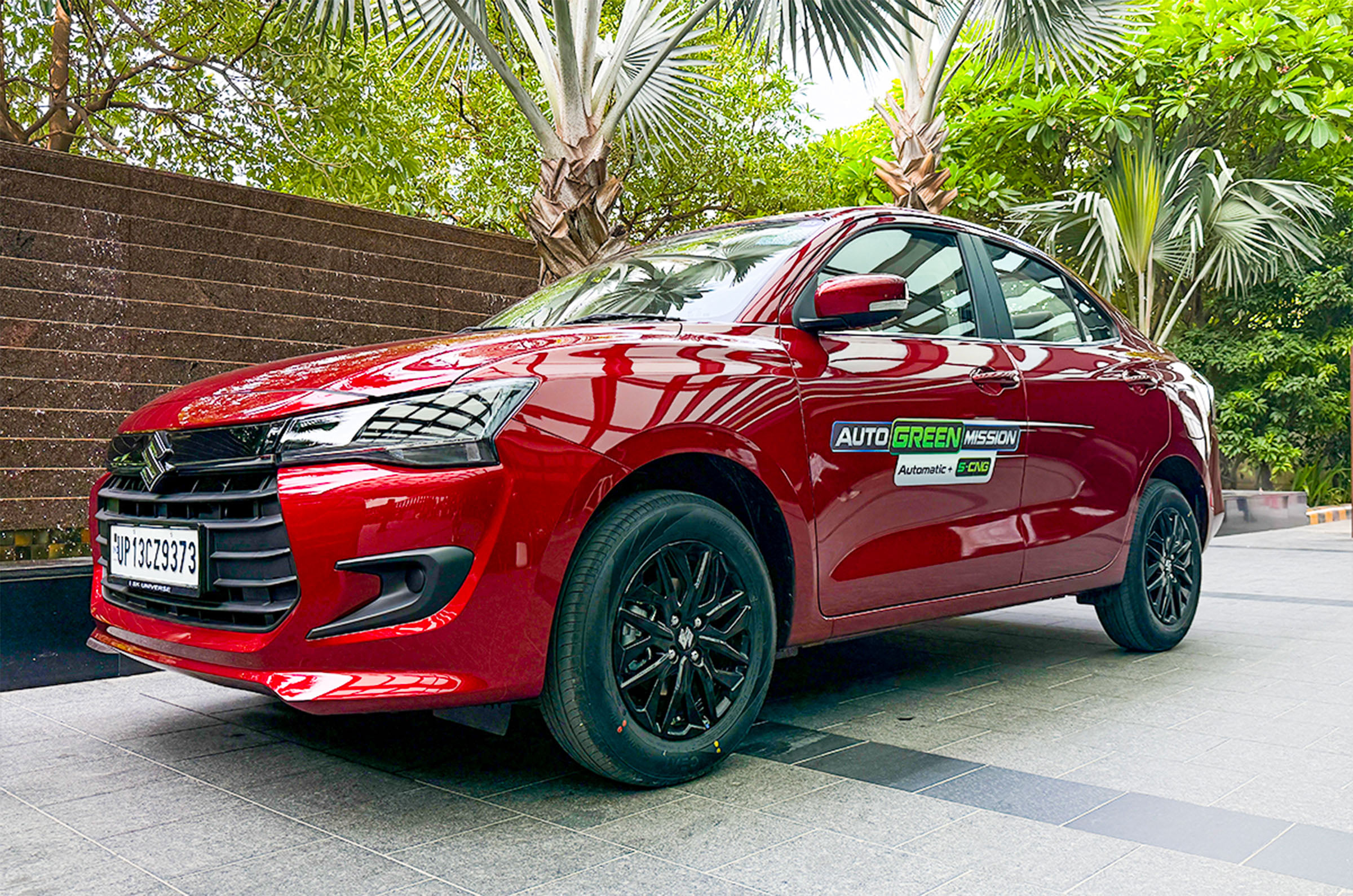
Maruti Dzire CNG AMT front quarter static

Maruti Suzuki has revealed the complete price list of the recently introduced CNG AMT versions of the Dzire, Baleno, and Swift. Introductory ex-showroom prices of the Dzire, Baleno, and Swift CNGs begin at Rs 8.53 lakh, Rs 8.32 lakh, and Rs 7.92 lakh, respectively.

Maruti Dzire, Baleno and Swift CNG AMT full price list 

Maruti Dzire and Swift CNG AMT price list (Rs lakh)


Dzire

Swift

VXi

8.53

7.92

VXi (O)

–

8.18

ZXi

9.53

8.86

Maruti Baleno CNG AMT price list (Rs lakh) 

Delta 

8.32

Zeta

9.32

For the Dzire and Swift, the CNG AMT commands a premium of Rs 35,000 over their respective manual gearbox-equipped counterparts. In the case of the Baleno, its CNG AMT versions are Rs 40,000 pricier than the manual. Compared to their respective petrol AMT variants, the Dzire, Baleno and Swift CNG AMT’s cost an additional Rs 81,000, Rs 79,500 and Rs 82,500, respectively. 

All prices are ex-showroom, India

SUV के दौर में Maruti की इस सेडान का जलवा! 5 महीने में बिकी 1.08 लाख यूनिट, बनी नंबर-1 कार

भारत में SUV का क्रेज लगातार बढ़ रहा है। FY27 के अप्रैल से अगस्त के बीच देश में बिकी करीब हर 5 पैसेंजर गाड़ियों में से 3 SUV थीं। वहीं, सेडान कारों की बिक्री 12 गाड़ियों में से एक से भी कम रही। इसके बावजूद, इस दौरान भारत में सबसे ज्यादा बिकने वाली कार का खिताब Maruti Suzuki Dzire ने अपने नाम किया।

रिपोर्ट के मुताबिक, FY27 के शुरुआती पांच महीनों में Dzire की 1.08 लाख यूनिट बिकीं। यह Tata Punch, Tata Nexon, Maruti Suzuki Fronx, Mahindra Scorpio और Hyundai Creta जैसी लोकप्रिय SUV से आगे रही। Punch 1.03 लाख यूनिट के साथ इसके सबसे करीब थी, लेकिन फिर भी Dzire से लगभग 5,000 यूनिट पीछे रही।

पूरे कार बाजार के आंकड़ों पर नजर डालें तो Dzire की बिक्री और भी खास नजर आती है। अप्रैल से अगस्त के बीच भारत में कुल 22.05 लाख पैसेंजर गाड़ियां बिकीं। इनमें से 12.63 लाख यूनिट SUV थीं, यानी कुल बिक्री में SUV की हिस्सेदारी 57.28 प्रतिशत रही।

वहीं, इस दौरान देश में सिर्फ 1.74 लाख सेडान कारें बिकीं। यानी कुल पैसेंजर व्हीकल मार्केट में सेडान की हिस्सेदारी सिर्फ 7.89 प्रतिशत रही।

हालांकि, यह बढ़त कुछ समय के लिए ही नहीं थी। Dzire ने FY26 में 2.29 लाख यूनिट की बिक्री के साथ भारत की मॉडल रैंकिंग में भी टॉप किया था।

सेडान मार्केट में एक ही मॉडल का दबदबा

इंडस्ट्री के डेटा के मुताबिक, अप्रैल-अगस्त के दौरान हुई कुल सेडान बिक्री में Dzire की हिस्सेदारी 62.2% थी। बाकी सभी सेडान की कुल बिक्री 65,716 यूनिट रही। अकेले Dzire की बिक्री बाकी सभी सेडान की कुल बिक्री से 42,568 यूनिट ज्यादा रही।

यही ट्रेंड FY26 में भी देखने को मिला था। सेडान की बिक्री लगभग 59,000 यूनिट बढ़कर 3.99 लाख हो गई, जो 17.35% की ग्रोथ है। हालांकि, अकेले Dzire की बिक्री में 64,109 यूनिट का उछाल आया है। Dzire को छोड़कर, बाकी सेडान की कुल बिक्री में साल-दर-साल लगभग 5,100 यूनिट की गिरावट आई।

वित्त वर्ष 2026 में भी कुछ ऐसा ही ट्रेंड देखने को मिला था। उस साल भारत में सेडान की बिक्री करीब 59,000 यूनिट बढ़कर 3.99 लाख हो गई थी। यानी सेडान बाजार में 17.35 प्रतिशत की ग्रोथ दर्ज की गई। लेकिन इस बढ़ोतरी में Dzire की भूमिका सबसे बड़ी रही। अकेली Dzire की बिक्री में 64,109 यूनिट का इजाफा हुआ।

अगर Dzire को सेडान बाजार से अलग कर दें, तो बाकी सेडान की कुल बिक्री में साल-दर-साल लगभग 5,100 यूनिट की गिरावट आई है।

Maruti Suzuki India के मार्केटिंग और सेल्स के सीनियर एग्जीक्यूटिव ऑफिसर पार्थो बनर्जी ने मनीकंट्रोल को बताया, “31 लाख से ज्यादा ग्राहकों का भरोसा जीतने वाली Dzire, 2008 में लॉन्च होने के बाद से ही अपने सेगमेंट में सबसे ज्यादा बिकने वाली सेडान रही है। SUV के दबदबे वाले बाजार में भी इसने अपने कॉम्पिटिटर्स को पीछे छोड़ते हुए FY26 और इस साल अगस्त तक भारत की नंबर 1 कार का दर्जा हासिल किया है।”

बनर्जी ने कहा कि अप्रैल-अगस्त के दौरान Dzire की बिक्री में सालाना आधार पर 23% की बढ़ोतरी हुई है और अब इसके कुल ग्राहकों में से 61% ऐसे लोग हैं जो पहली बार कार खरीद रहे हैं।

कीमत, चलाने का खर्च और सेफ्टी

मौजूदा Dzire की कीमत 6.31 लाख रुपये से 9.41 लाख रुपये (एक्स-शोरूम) के बीच है, यानी यह 10 लाख रुपये से कम कीमत वाली कैटेगरी में आती है। इसके 1.2-लीटर पेट्रोल इंजन के साथ मैनुअल और ऑटोमेटेड मैनुअल ट्रांसमिशन का ऑप्शन मिलता है, जबकि कम खर्च में गाड़ी चलाने के इच्छुक खरीदार CNG वर्जन चुन सकते हैं।
Maruti Suzuki का दावा है कि पेट्रोल मैनुअल का माइलेज 24.79 kmpl, पेट्रोल AMT का 25.71 kmpl और CNG वर्जन का 33.73 km/kg है। Dzire को Global NCAP और Bharat NCAP, दोनों से फाइव-स्टार सेफ्टी रेटिंग मिली है। सेफ्टी फीचर्स की बात करें, तो छह एयरबैग, इलेक्ट्रिक सनरूफ, 9-इंच टचस्क्रीन, वायरलेस फोन चार्जर और ऑटोमैटिक क्लाइमेट कंट्रोल जैसी खूबियां इसे प्राइवेट खरीदारों के बीच और भी आकर्षक बनाती हैं।

GlobalData Plc के ऑटोमोटिव – इंडिया के डायरेक्टर विवेक शर्मा ने कहा, “डिजायर एक खास गाड़ी है क्योंकि इसमें किफायती दाम, अच्छा माइलेज, CNG की सुविधा और कम मेंटेनेंस खर्च के साथ-साथ Maruti Suzuki का मजबूत सेल्स और सर्विस नेटवर्क भी मिलता है। इसकी रीसेल वैल्यू और भरोसेमंद होने की खूबी इसे और भी बेहतर बनाती है।”

Dzire को Maruti Suzuki के ‘अरीना’ नेटवर्क के जरिए बेचा जाता है, जिसके तहत लगभग 2,900 शहरों में 3,400 से ज्यादा आउटलेट हैं। कार बनाने वाली इस कंपनी के पूरे भारत में 6,000 से ज्यादा सर्विस सेंटर भी हैं।

Mobility Globalके इंडिया और ASEAN डायरेक्टर पुनीत गुप्ता ने कहा कि Swift और Baleno जैसी लोकप्रिय हैचबैक कारों के साथ पार्ट्स साझा करने और बड़े पैमाने पर उत्पादन (इकोनॉमीज ऑफ स्केल) से Maruti Suzuki को Dzire की कीमत को प्रतिस्पर्धी बनाए रखने में मदद मिलती है। उन्होंने कार के केबिन और बूट स्पेस, ईंधन के विकल्पों, ग्राहकों के भरोसे और कंपनी के बड़े नेटवर्क का भी जिक्र किया।

गुप्ता ने कहा, “इसी तरह के बड़े पैमाने पर उत्पादन (इकोनॉमीज ऑफ स्केल) वाली कोई सीधी टक्कर न होने की वजह से यह प्रोडक्ट मौजूदा बाजार में एक पसंदीदा विकल्प बना हुआ है।”

सिर्फ टैक्सी और फ्लीट ग्राहकों तक सीमित नहीं Dzire

Dzire की टैक्सी और फ्लीट मार्केट में भी मजबूत पकड़ है, जहां गाड़ी का कम रनिंग कॉस्ट और भरोसेमंद होना काफी मायने रखता है। हालांकि, Dzire को खरीदने वाले ग्राहकों में निजी खरीदारों की संख्या ज्यादा है।

नवंबर 2024 में मौजूदा जेनरेशन की Dzire लॉन्च होने के समय Maruti Suzuki के सीनियर एग्जीक्यूटिव ऑफिसर (मार्केटिंग एंड सेल्स) पार्थो बनर्जी ने बताया था कि कंपनी की कुल Dzire बिक्री में फ्लीट ग्राहकों की हिस्सेदारी करीब 30-35 प्रतिशत थी। वहीं, 65-70 प्रतिशत बिक्री निजी ग्राहकों से आती थी। Maruti Suzuki की हालिया जानकारी के मुताबिक, 61% ग्राहक पहली बार गाड़ी खरीदने वाले हैं, जो यह दिखाता है कि कमर्शियल इस्तेमाल करने वालों के अलावा भी इसकी कितनी लोकप्रियता है।

शर्मा ने कहा, “खास बात यह है कि इसका फ्लीट और टैक्सी कस्टमर बेस भी मजबूत है, जहां चलने का खर्च, मजबूती और प्रैक्टिकैलिटी बहुत अहम हैं। इसलिए इसकी सफलता सेडान की वापसी के बारे में कम और प्राइवेट और कमर्शियल, दोनों तरह के इस्तेमाल के लिए प्रोडक्ट और मार्केट के बीच बेहतर तालमेल के बारे में ज्यादा है।”

एक अपवाद, न कि सेडान की वापसी

चुनौती तब और मुश्किल हो जाएगी जब कार बनाने वाली कंपनियां Dzire की कीमत वाली रेंज में और SUV लाएंगी। ये मॉडल ऊंची सीटिंग पोजीशन और SUV जैसी स्टाइलिंग देते हैं, जिसे आजकल बहुत से खरीदार पसंद कर रहे हैं।

शर्मा ने कहा कि किफायती, कुशल और प्रैक्टिकल सेडान की अभी भी अच्छी-खासी मांग है। हालांकि, डिजायर की लीडरशिप बनाए रखना उसकी कीमत, CNG ऑप्शन, फ्यूल एफिशिएंसी और कुल ओनरशिप कॉस्ट पर निर्भर करेगा।

उन्होंने आगे कहा, “संक्षेप में कहें तो, Dzire SUV-प्रधान बाजार में एक मजबूत अपवाद की तरह दिखती है, न कि सेडान की संरचनात्मक वापसी के सबूत के तौर पर।”

यह भी पढ़ें: 2027 Kawasaki Vulcan S भारत में लॉन्च, मिलेगा नया कलर और अपडेटेड ब्रेकिंग सेटअप, जानें कीमत