भारतीय क्रिकेट प्रेमी शायद ही Vinod Kambli का नाम कभी भूल सकते हैं। क्रिकेट के भगवान कहे जाने वाले सचिन तेंदुलकर के दोस्त विनोद कांबली का एक वीडियो आजकल चर्चा है। लोग इस वीडियो को देखकर हैरान हैं और उनके स्वास्थ्य को लेकर चिंतित हैं। उनके इस वीडियो से पता चल रहा है कि वो एक वृद्धाश्रम में रहने को मजबूर है। माइक्रोब्लॉगिंग वेबसाइट एक्स पर पोस्ट इस वीडियो में भावुक नजर आ रहे कांबली वृद्धाश्रम में सुविधाओं की खूब तारीफ कर रहे हैं।
हाल ही में पूर्व भारतीय क्रिकेट खिलाड़ी की सेहत को लेकर काफी चिंताजनक खबरें आई थीं। उनका एक वीडियो सामने आया था, जिसमें उन्हें डंडे के सहारे चलते हुए देखा गया था। उनका ये वीडियो चर्चा का विषय बना था। उनको लेकर लगातार ऐसी खबरें सामने आती रहती हैं कि उनकी सेहत ठीक नहीं है। उनकी आर्थिक स्थिति भी दयनीय होने की खबरें मीडिया में आती रही हैं। एका बाद वह भारतीय क्रिकेट कंट्रोल बोर्ड (BCCI) से नौकरी मांगते हुए भी दिखाई दिए थे। अब उनके नए वीडियो ने एक बार फिर उनके स्वास्थय की चर्चा बढ़ा दी है।
क्या वृद्धाश्रम में रह रहे हैं कांबली?
पूर्व भारतीय क्रिकेटर, जो दिग्गज बल्लेबाज सचिन तेंदुलकर के दोस्त हैं, उनका ताजा वीडियो सामने आया है। दैनिक जागरण की खबर के अनुसार, इसमें वे वृद्धाश्रम में नजर आ रहे हैं। उन्होंने वहां पर मिलने वाली सुविधाओं और लोगों की जमकर तारीफ की है। उन्होंने कहा, “मैं इस समय निदान में हूं। मैं यही कहना चाहूंगा कि यहां पर सभी सुविधाएं बहुत अच्छी हैं। यहां की साफ-सफाई और बाकी चीजें शानदार है। मुझे यहां पर रहते हुए ये कभी भी महसूस नहीं होता है कि मैं अपने घर पर नहीं हूं। यहां के लोगों से मुझे बहुत ही मान सम्मान मिल रहा है।”
Vinod Kambli’s latest video, he is presently at an elderly care centre in Thane.
कांबली को एक होनहार खिलाड़ी के रूप में जाना जाता था। हालांकि, वे अधिक समय तक इंटरनेशनल क्रिकेट नहीं खेल सके। उन्होंने भारत के लिए 17 टेस्ट मैच खेले, जिसमें 54 की बेहतरीन औसत के साथ 1084 रन बनाए। इस दौरान उनके बल्ले से चार शतक भी निकले। उन्हें वनडे में अधिक मौके मिले लेकिन वे अच्छा प्रदर्शन नहीं कर सके। कांबली ने 104 वनडे मैचों में 32 की औसत के साथ 2477 रन बनाए, जिसमें मात्र दो शतक शामिल रहे।
झारखंड के रांची में एक बंदरिया ने ऐसा कारनामा कर दिया कि देखने वाले भी हैरान रह गए। मामला ओरमांझी के ब्लॉक चौक का है, जहां एक बंदरिया अचानक शराब की दुकान के अंदर जा पहुंची। पहले तो वह दुकान में इधर-उधर घूमती रही, लेकिन कुछ ही देर में उसने वहां रखी शराब की बोतल पर हाथ साफ कर दिया। बताया जा रहा है कि बंदरिया ने बोतल से थोड़ी शराब पी और इसके बाद वहीं आराम से बैठ गई। कुछ समय बाद वह दुकान के अंदर ही सो गई, जिससे दुकानदार और आसपास मौजूद लोग हैरान रह गए।
देखते ही देखते यह खबर इलाके में फैल गई और लोग इस अनोखे नजारे को देखने पहुंचने लगे। मामले की सूचना मिलने के बाद रेस्क्यू टीम भी मौके पर पहुंची और बंदरिया को सुरक्षित बाहर निकालने की कोशिश शुरू की। घटना का वीडियो भी लोगों के बीच चर्चा का विषय बन गया।
दुकान में घूमते-घूमते बोतल पर पड़ी नजर
बताया जा रहा है कि बंदरिया काफी देर तक दुकान के अंदर इधर-उधर घूमती रही। इसके बाद उसकी नजर वहां रखी शराब की एक बोतल पर पड़ी। उसने बोतल से कुछ शराब पी और फिर दुकान के अंदर ही आराम से बैठ गई। दुकानदार और आसपास मौजूद लोग इस पूरे नजारे को देखकर हैरान रह गए। मामला तब और दिलचस्प हो गया, जब बंदरिया ने दुकान को जैसे अपना आराम करने का ठिकाना ही समझ लिया।
पीने के बाद ऐसी नींद आई कि उठने का नाम नहीं लिया
शराब पीने के बाद बंदरिया वहीं सो गई। वह इतनी गहरी नींद में चली गई कि उसे देखकर ऐसा लग रहा था जैसे दुकान में आने का उसका असली मकसद ही थोड़ा आराम करना हो। दुकान पर मौजूद लोगों के लिए यह नजारा किसी मजेदार फिल्मी सीन से कम नहीं था। देखते ही देखते बंदरिया की तस्वीर और वीडियो की चर्चा आसपास फैलने लगी।
दुकानदारों के सामने आई नई परेशानी
बंदरिया के दुकान में घुसने की खबर फैलने के बाद उसे सुरक्षित बाहर निकालने की कोशिश शुरू हुई। मामले की जानकारी मिलने पर एक रेस्क्यू टीम मौके पर पहुंची। टीम ने बंदरिया को बिना नुकसान पहुंचाए वहां से निकालने की कोशिश की।
देखने वालों की लगी भीड़
अनोखी घटना की खबर मिलते ही आसपास के लोग भी मौके पर पहुंचने लगे। हर कोई यह देखने को उत्सुक था कि आखिर दुकान के अंदर पहुंची बंदरिया को बाहर कैसे निकाला जाएगा। पूरे घटनाक्रम ने लोगों को खूब गुदगुदाया। आमतौर पर बंदरों को पेड़ों या घरों की छतों पर उछलते-कूदते देखा जाता है, लेकिन इस बार इस बंदरिया ने सीधे शराब की दुकान में एंट्री लेकर सबको चौंका दिया।
#रांची: ठेके में घुसा बंदर और हो गया ‘फुल टाइट’, बीयर की पेटियों पर बेसुध सोने का वीडियो वायरल*
* *ओरमांझी में ‘पियक्कड़’ बंदर का अजब कारनामा: दुकान में गटक गया शराब, फिर पेटियों पर ही झूमकर सो गया*
* *नशा ऐसा कि संभलना मुश्किल’… शराब दुकान में पउआ पीकर मदहोश हुआ बंदर, सोशल मीडिया पर चर्चा तेज*
घटना का वीडियो सामने आने के बाद यह मामला और भी चर्चा में आ गया। बंदरिया का दुकान में पहुंचना, शराब की बोतल से पीना और फिर वहीं सो जाना लोगों के लिए किसी अनोखे वायरल वीडियो से कम नहीं रहा। हालांकि, शराब जानवरों के लिए सुरक्षित नहीं होती। ऐसे मामलों में लोगों को जानवर को परेशान करने के बजाय वन्यजीव बचाव टीम को सूचना देना ही उचित है।
तमिलनाडु के नागरकोइल से सामने आई चोरी की एक घटना ने सोशल मीडिया पर अपनी संपत्ति दिखाने को लेकर सवाल खड़े कर दिए हैं। यहां एक YouTuber कपल के घर से कथित तौर पर करीब 1 करोड़ रुपये के सोने के गहने और नकदी चोरी हो गई। रिपोर्ट्स के अनुसार, विनोद कुमार और मधुमिता के घर को चोरों ने निशाना बनाया। इस घटना की चर्चा इसलिए ज्यादा हो रही है क्योंकि चोरी से कुछ दिन पहले सोशल मीडिया पर घर और कीमती सामान से जुड़े वीडियो शेयर किए गए थे। पुलिस ने मामला दर्ज कर जांच शुरू कर दी है और CCTV समेत दूसरे सुरागों की जांच की जा रही है।
118 सॉवरेन सोना चोरी होने की खबर
बताया जा रहा है कि कपल का घर नागरकोइल के थम्माथुकोणम इलाके के VIP Garden में है। चोरों ने कथित तौर पर घर के पीछे का दरवाजा तोड़कर अंदर प्रवेश किया और करीब 118 सॉवरेन सोने के आभूषण समेत अन्य कीमती सामान लेकर फरार हो गए। चोरी हुए सोने की अनुमानित कीमत लगभग एक करोड़ रुपये बताई जा रही है।
घर में CCTV, फिर भी चोर कैसे पहुंचे अंदर?
रिपोर्ट्स के अनुसार, घर एक गेटेड इलाके में स्थित है और वहां CCTV कैमरों की निगरानी भी है। इसके बावजूद चोर पीछे के रास्ते से घर में घुसने में सफल रहे। घटना गुरुवार रात की बताई जा रही है। पुलिस अब CCTV फुटेज और अन्य सुरागों की मदद से मामले की जांच कर रही है।
सोशल मीडिया पोस्ट ने खींचा ध्यान
इस मामले का सबसे ज्यादा चर्चा में रहने वाला पहलू सोशल मीडिया है। बताया जा रहा है कि चोरी से कुछ समय पहले मधुमिता ने ऐसा वीडियो पोस्ट किया था,जिसमें पूजा घर में मौजूद परिवार की संपत्ति दिखाई गई थी। वह सोने की खरीदारी, ज्वेलरी और नकदी से जुड़े वीडियो और Instagram Reels भी पोस्ट करती रही हैं। हालांकि, सोशल मीडिया पोस्ट और चोरी के बीच सीधे संबंध की पुष्टि जांच पूरी होने तक नहीं मानी जा सकती।
पुलिस ने शुरू की जांच
राजाकामंगलम पुलिस ने मामला दर्ज कर जांच शुरू कर दी है। अधिकारियों द्वारा इलाके के CCTV कैमरों की फुटेज खंगालने के साथ मोबाइल नेटवर्क से जुड़े रिकॉर्ड की भी जांच किए जाने की रिपोर्ट है। फिलहाल पुलिस चोरों की पहचान और चोरी हुए सामान को बरामद करने की कोशिश में जुटी है।
This Youtuber from KanyaKumari showed off her money & jewelry in the vlog.
Thieves broke the house & stole 1 Cr. worth of jewelry.
घटना सामने आने के बाद सोशल मीडिया यूजर्स ने महंगे सामान को सार्वजनिक रूप से दिखाने के संभावित जोखिमों पर चर्चा शुरू कर दी। कुछ लोगों ने इसे ऑनलाइन प्राइवेसी और सुरक्षा से जुड़ा मामला बताया,जबकि कुछ ने कपल के कंटेंट को लेकर आलोचनात्मक टिप्पणियां कीं।
Balapur Ganesh Laddu Auction Record: हैदराबाद में गणपति बप्पा के भक्तों की अलग ही दीवानगी देखने को मिली है। यहां बालापुर गणेश उत्सव समिति में हर साल बप्पा को अर्पित किए जाने वाले लड्डू की नीलामी की जाती है। इस साल हुई नीलामी में अर्बन रियल्टी ग्रुप के समा रेड्डी ने 21 किलो लड्डू का प्रसाद 39 लाख रुपये में खरीदा। बालापुर गणेश प्रसाद का आइकॉनिक लड्डू की नीलामी 1994 में मात्र 450 रुपये से शुरू हुई थी। समय बीतने के साथ अब यह परंपरा देश भर में आकर्षण का बड़ा केंद्र बन चुकी है।
बालापुर के इस आइकॉनिक गणेश लड्डू ने इस साल ऐसा तहलका मचाया कि हर कोई बस इसी की बात कर रहा है। इस लड्डू को अपने घर ले जाने के लिए बड़े-बड़े सूरमाओं और एनआरआई ने अपनी तिजारी खोल दी। लोग सांस खींचकर इंतजार करते रहे कि इस बार यह सुपर-एक्सक्लूसिव लड्डू किसके हाथ लगेगा और कौन नया इतिहास रचेगा।
#WATCH | Rangareddy, Telangana: The famous Balapur Ganesh Laddu prasadam has been auctioned for a record price of ₹39 lakh.
Sama Praneet Reddy, a businessman from Urban Reality Group, emerged as the successful bidder, outbidding several others for the sacred 21-kg laddu on the… pic.twitter.com/1vRIiyew6j
इस हाई-वोल्टेज नीलामी में वनाथलीपुरम के साहेब नगर के रहने वाले रियल एस्टेट कंपनी के हेड समा प्रणीत रेड्डी ने सारे रिकॉर्ड्स धवस्त कर दिए। पिछले साल यह लड्डू 35 लाख में बिका था, लेकिन इस बार प्रणीत रेड्डी ने 4 लाख रुपये ऊपर यानी सीधे 39 लाख रुपये की भारी-भरकम बोली लगाकर इसे अपने नाम कर लिया। विजेता के तौर पर उनके नाम की घोषणा होते ही सोशल मीडिया से लेकर मैदान तक बस उन्हीं की चर्चा होने लगी।
1994 में 450 रुपये से शुरू हुई थी नीलामी की विचित्र प्रथा
बालापुर गणेश उत्सव में बप्पा को चढ़ने वाले लड्डू की नीलामी कील शुरुआत एक दम साधारण तरीके से साल 1994 में हुई थी। बालापुर गणेश उत्सव समिति ने 450 रुपये से इस ऑक्शन की शुरुआत की थी। इस नीलामी के पहले विजेता स्थानीय किसान कोलानू मोहन रेड्डी थे जो प्रसाद का कुछ हिस्सा अपनी खेती में बरकत के लिए छिड़कने ले गए थे। शुरुआत के 15 साल तो सिर्फ लोकल लोग ही इसमें हिस्सा ले सकते थे, लेकिन धीरे-धीरे इसकी लोकप्रियता इतनी बढ़ गई कि साल 2009 में सरिता नाम की महिला ने पहली बार विदेश से आकर इसे 5.10 लाख में जीता।
नीलामी से मिली रकम शहर में कल्याणकारी कामों में होती है खर्च
बालापुर गणेश उत्सव समिति इस महा-नीलामी से मिलने वाले फंड का इस्तेमाल शहर के सामुदायिक विकास और तमाम कल्याणकारी कामों के लिए करती है। यानी इससे मिलने वाला पैसा समाज की भलाई में काम आता है। कोरोना काल के दौरान साल 2020 में जब ऑक्शन नहीं हुआ था, तब इसे तत्कालीन सीएम को दिया गया था।
AFGvsNEP कुशल भुर्तेल (चार विकेट) और ललित राजवंशी (तीन विकेट) के बेहतरीन गेंदबाजी के बाद रोहित पॉडेल (नाबाद 33) रन और संदीप जोरा (34) रन के शानदार प्रदर्शन की बदौलत नेपाल ने एशियाई खेलों की पुरुष क्रिकेट प्रतियोगिता में अफगानिस्तान को 16 गेंदें शेष रहते पांच विकेट से शिकस्त दी।
103 रनों के लक्ष्य का पीछा करने उतरी नेपाल ने शुरुआत अच्छी नहीं रही और उसने मात्र 12 रन पर अपने दो विकेट गवां दिये। इसके बाद कुशल मल्ला और संदीप जोरा ने पारी को संभालने का प्रयास किया। दोनों के बीच 19 रनों की साझेदारी हुई। सातवें ओवर में कुशल मल्ला (नौ) के रनआउट होने पर यह साझेदारी टूटी।
इसके बाद 10वें ओवर में संदीप जोरा भी रनआउट हो गये। संदीप जोरा ने 35 गेंदों में तीन चौके और एक छक्का लगाते हुए (34) रनों की पारी खेली। 18वें ओवर की पहली गेंद पर कप्तान दीपेंद्र सिंह ऐरी (15) रन बनाकर आउट हुये। उन्होंने रोहित पॉडेल के साथ पांचवें विकेट के लिए 46 रन जोड़कर नेपाल की जीत सुनश्चित की। नेपाल ने 17.2 ओवरों में पांच विकेट पर 103 रन बनाकर मुकाबला पांच विकेट से अपने नाम कर लिया। रोहित पॉडेल ने 32 गेंदों में चार चौकों की मदद से (नाबाद 33) रन बनाये। अफगानिस्तान की ओर से फरीदून दावूदजई, अब्दुल्लाह अहमदजई और अरब गुल ने एक-एक बल्लेबाज को आउट किया।
इससे पहले आज अफगानिस्तान टॉस जीतकर कर पहले बल्लेबाजी करते हुए निर्धारित 20 ओवरों में सात विकेट पर 102 रनों का स्कोर बनाया। फैसल खान अहमदजई (30), नजीबउल्लाह जदरान (30) और नांगेलिया खरोटे (17) रनों का योगदान दिया। नेपाल के गेंदबाजी आक्रमण के आगे अफगानिस्तान के पांच बल्लेबाज दहाई आंकड़े तक भी नहीं पहुंच सके। नेपाल के लिए कुशल भुर्तेल ने 21 रन देकर चार विकेट लिये। ललित राजवंशी ने 13 रन देकर तीन विकेट झटके।
एशियाई खेलों में जहां चीन 80 पदक जीत चुका है और लग रहा है कि सिर्फ 2-3 खेलों में ही स्वर्ण पदक नहीं जीतेगा वहां ऐसा प्रतीत होता है कि भारत सिर्फ 2-3 खेलों में ही स्वर्ण पदक जीतेगा। हांगजाऊ में हुए एशियाई खेलों में जहां भारत इस वक्त तक 28 गोल्ड मेडल जीत चुका था इस बार अब तक सिर्फ 2 गोल्ड मेडल आए हैं। पहला महिला क्रिकेट में और दूसरा निशानेबाजी में ऐसे में भारत का हांगजाऊ के 107 पदक तालिका से बेहतर प्रदर्शन करना मुश्किल ही नहीं नामुमकिन लग रहा है।
भारत को सबसे ज्यादा नुकसान निशानेबाजी और रोइंग में हुआ जहां पिछली बार भारत ने रोइंग में 5 पदक जीते थे अभी सिर्फ एक ही है। वहीं निशानेबाजी में भी पिछली बार के मुकाबले पदक आधे ही हैं।
With all that investment, money poured in, yet we are sitting below likes of North Korea, Tajikistan, Bahrain, Thailand in Asian Games medal tally. WTF really! This is utter shame and embarrassing!
India won 28 Gold medals at last Asian Games & at current Asian Games, we have won just 2 gold so far. I mean what the hell?
We claim as developing sporting nation but where is the development? At Olympics, we were winning 6-7 medals 10-15 years ago, same is the case rn & at…
ऐसे में खेल प्रेमी इस बात पर नाराज हो रहे हैं कि खेल मंत्रालय ने भारतीय खिलाड़ियों पर इतना पैसा बहाया ही क्यों। गौरतलब है कि जापान के आइची-नागोया में 19 सितंबर से 4 अक्टूबर तक होने वाले एशियाई खेलों में भारत का 503 सदस्यीय दल हिस्सा ले रहा है।
केंद्रीय खेल मंत्री डॉ. मनसुख मांडविया ने जानकारी दी कि मंत्रालय ने एशियाड दल और उनके कोच तथा इक्विपमेंट के लिए 702 करोड़ रुपए खर्च किए हैं।503 सदस्यों वाले इस दल में एथलीट और सपोर्ट स्टाफ़ शामिल हैं, जिनमें से 300 से ज़्यादा एथलीट पहली बार एशियन गेम्स में हिस्सा लेंले रहे हैं।
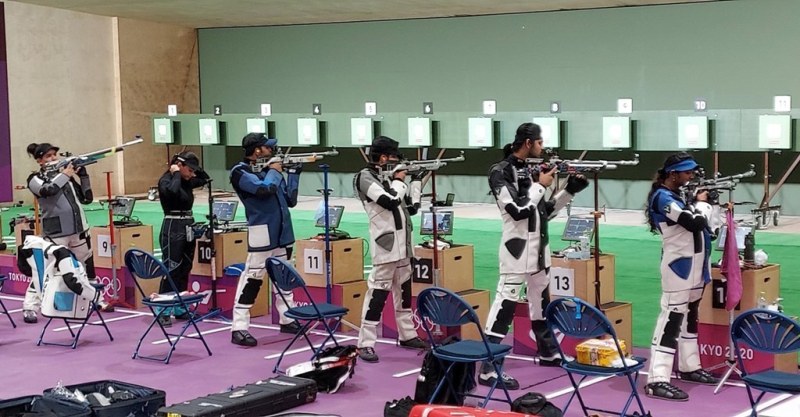
भारतीय निशानेबाज कमलजीत और सुरुचि सिंह ने व्यक्तिगत स्पर्धाओं में निराशाजनक प्रदर्शन के बाद जोरदार वापसी करते हुए शुक्रवार को एशियाई खेलों की 10 मीटर एयर पिस्टल मिश्रित टीम स्पर्धा में हुए स्वर्ण पदक जीता।
ऐश्वर्य प्रताप सिंह तोमर, रुद्रांक्ष पाटिल और नीरज कुमार की भारतीय तिकड़ी ने पुरुषों की 50 मीटर राइफल थ्री पोजिशन टीम स्पर्धा में 1762 अंक के साथ रजत पदक जीता। चीन ने 1766 अंक के साथ स्वर्ण, जबकि कोरिया ने 1751 अंक के साथ कांस्य पदक हासिल किया।
तोमर ने 589 और नीरज ने 588 अंक के साथ व्यक्तिगत 3पी स्पर्धा के फाइनल में भी जगह बनाई। दोनों क्रमश: तीसरे और चौथे स्थान पर रहे।
रुद्रांक्ष हालांकि व्यक्तिगत फाइनल में जगह नहीं बना सके क्योंकि एक देश से अधिकतम दो निशानेबाज ही व्यक्तिगत फाइनल में प्रवेश कर सकते हैं। कमलजीत और सुरुचि ने फाइनल में कुल 484.6 अंक हासिल किए। दक्षिण कोरिया की सुह्योन होंग और गाउन चू की जोड़ी 478.0 अंक के साथ दूसरे स्थान पर रही, जबकि ईरान ने 415.8 अंक के साथ कांस्य पदक जीता। भारतीय जोड़ी ने रजत पदक विजेता जोड़ी से 6.6 अंक की बढ़त बनाई।
GOLD FOR INDIA!
Asian Games 2026 | Shooting
10m Air Pistol Mixed Team – Final
Kamaljeet (National Camper) and Suruchi Inder Singh (TOPS Core Athlete) clinched the Gold Medal with a score of 484.6, setting a new Asian Record and surpassing the previous mark of 481.3 held… pic.twitter.com/nkb51pmBNM
इससे पहले कमलजीत और सुरुचि ने क्वालीफिकेशन में शीर्ष स्थान हासिल कर फाइनल में प्रवेश किया था। उन्होंने पहली सीरीज में 196 अंक, दूसरी में 195 और तीसरी में 196 अंक जुटाकर कुल 587 अंक हासिल किए, जिसमें 29 इनर-10 शामिल थे।
यह 10 मीटर एयर पिस्टल स्पर्धाओं में भारत का पदक जीतने का आखिरी मौका था। कमलजीत व्यक्तिगत क्वालीफिकेशन में नौवें और सुरुचि 26वें स्थान पर रही थीं और दोनों व्यक्तिगत फाइनल में जगह नहीं बना सकी थीं। भारत पुरुष और महिला टीम स्पर्धाओं में भी पदक से चूक गया था।
SILVER FOR BHARAT!
Heartiest congratulations to Aishwary Pratap Singh Tomar, Rudrankksh Balasaheb Patil and Niraj Kumar on winning the Silver Medal in the Men’s 50m Rifle 3 Positions Team event at the #AsianGames2026.
फाइनल में भारतीय जोड़ी ने शुरुआत से ही बढ़त बनाए रखी। पहले 10 शॉट के बाद वे 202.4 अंक के साथ शीर्ष पर थीं। सुरुचि ने पहली कोशिश में 10.4 और कमलजीत ने 9.7 अंक हासिल किए, जबकि दूसरी कोशिश में सुरुचि ने 10.2 और कमलजीत ने 9.8 अंक जुटाए। इसके बाद 101.3 अंक की अगली सीरीज के साथ भी भारतीय जोड़ी ने अपनी बढ़त बरकरार रखी।
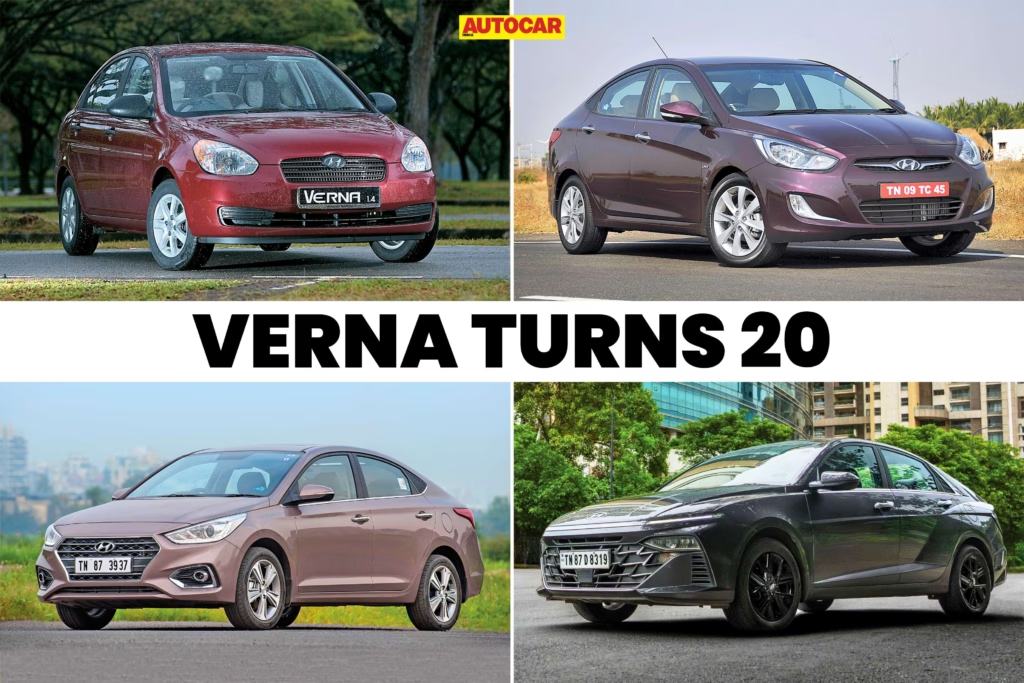
Hyundai is currently all-in on SUVs thanks to the persistent success of the Creta and Venue, but not many people know that the Korean carmaker’s longest-running nameplate in India belongs to a sedan: the Verna. Launched on September 25, 2006 as the successor to the Accent, the Verna is the longest-standing rival to the venerable Honda City in the midsize sedan segment.
Competitors like the Maruti Suzuki SX4 and Ciaz, Toyota Yaris, Fiat Linea, and Nissan Sunny came and went from this space, but the Verna continues to survive, pushing the segment forward and helping keep the midsize sedan alive – more important than ever given buyers’ increasing preference for high-riding form factors. On the Verna’s 20th anniversary, let’s take a look at how this beloved sedan has evolved with each generation.
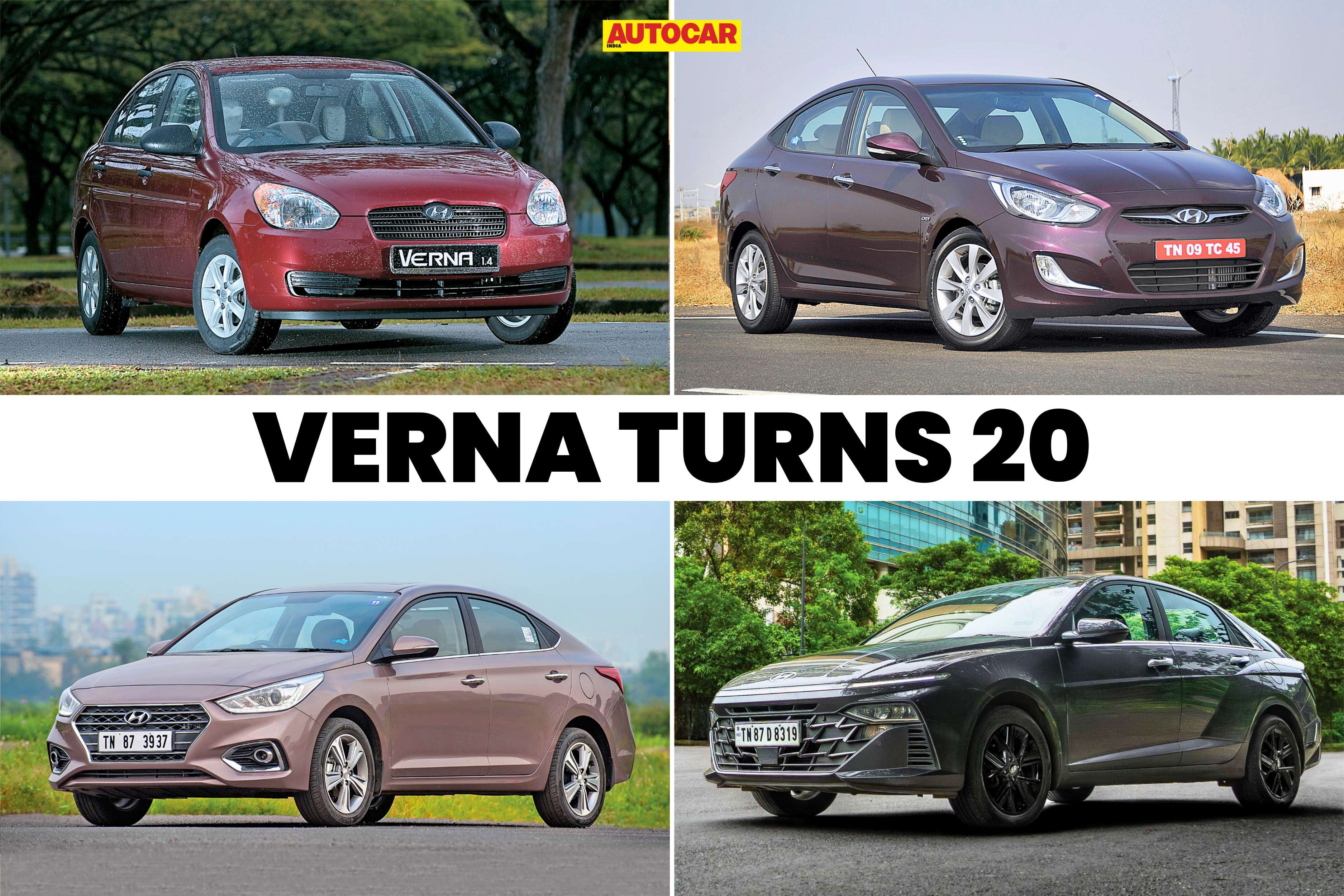
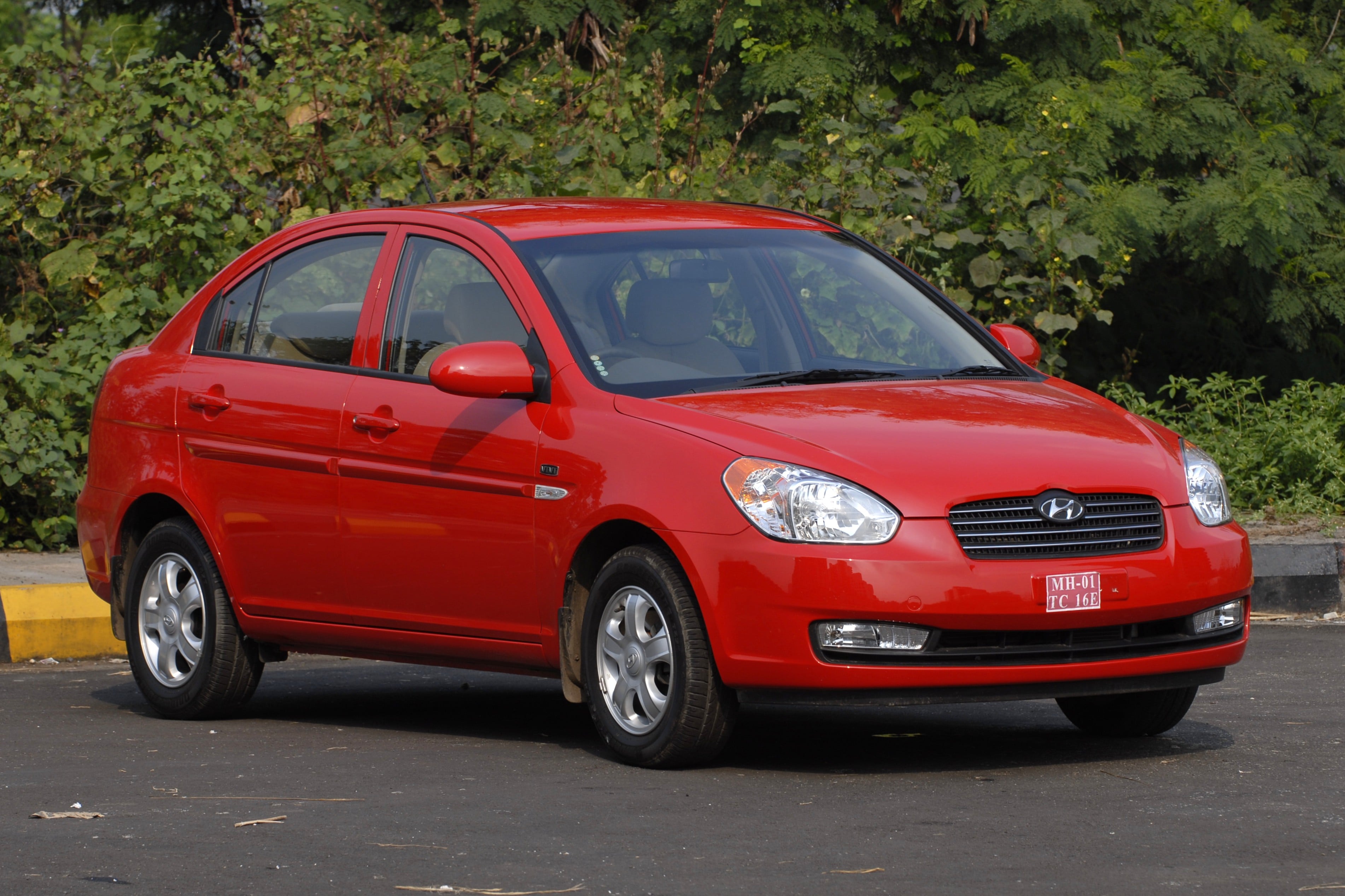
First-gen Hyundai Verna (2006-2011)
The one that started it all
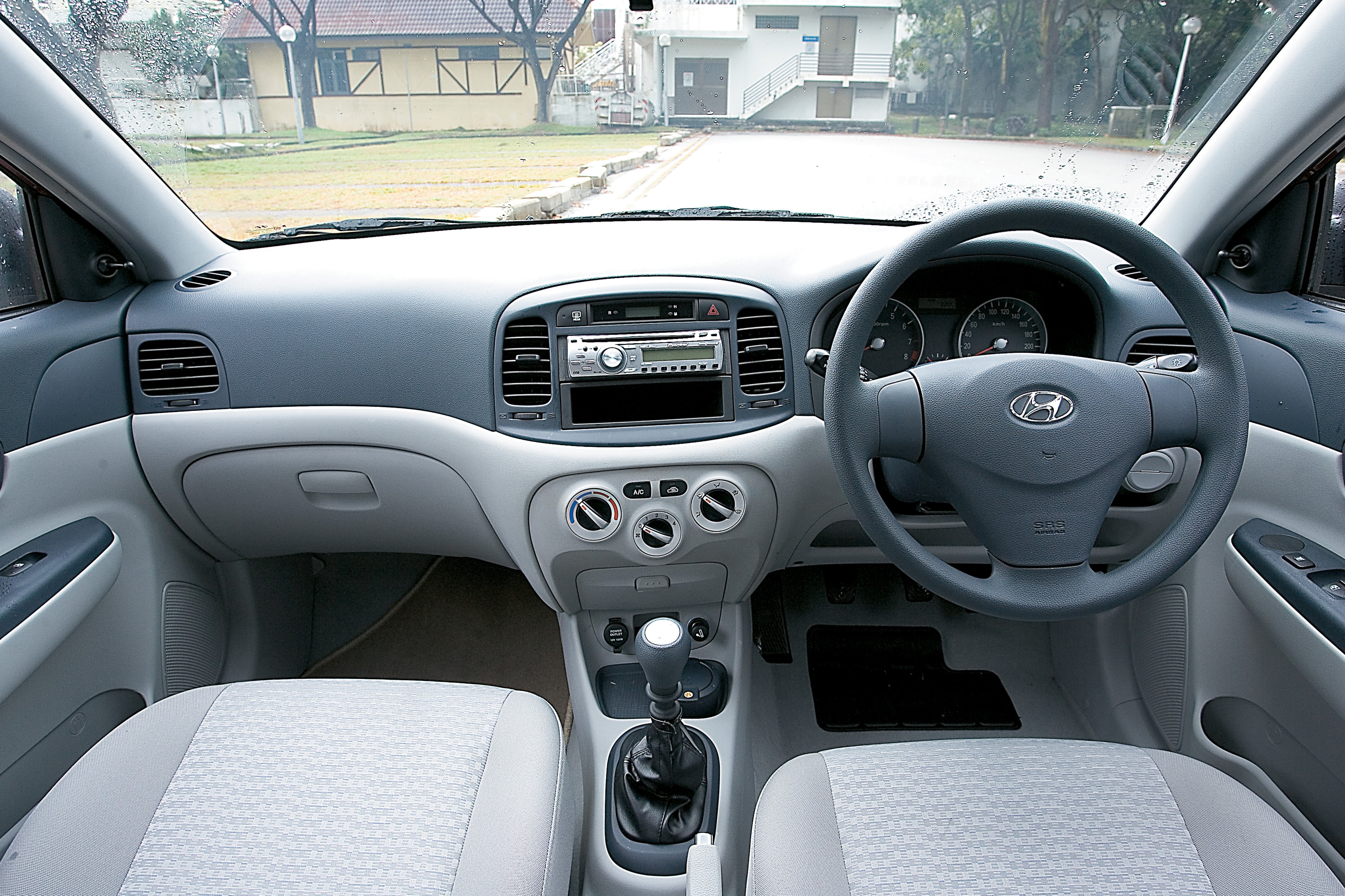
In 2006, Hyundai launched its Accent replacement under the Verna name because it wanted to sell both midsize sedans concurrently. The first-gen Verna featured a straightforward three-box design and was just over 4.3 metres long. Inside, the Verna was much more premium than the Accent, offering features like keyless entry, automatic climate control, a 4-speaker sound system, and more.
Under the bonnet, the first-gen Verna came with 103hp 1.6-litre naturally aspirated petrol and 110hp 1.5-litre diesel engine options, both of which were mated solely to a 5-speed manual gearbox – the diesel was later available with a segment-first 4-speed automatic transmission. The diesel Verna was particularly lauded for its strong power delivery and excellent fuel efficiency. Prices ranged from Rs 6.21 lakh-7.35 lakh, which was quite reasonable for the time. Needless to say, sedan buyers flocked to the Verna in droves, and it even won the 2007 Autocar India Value for Money award, among several others.
2010 facelift (Verna Transform)
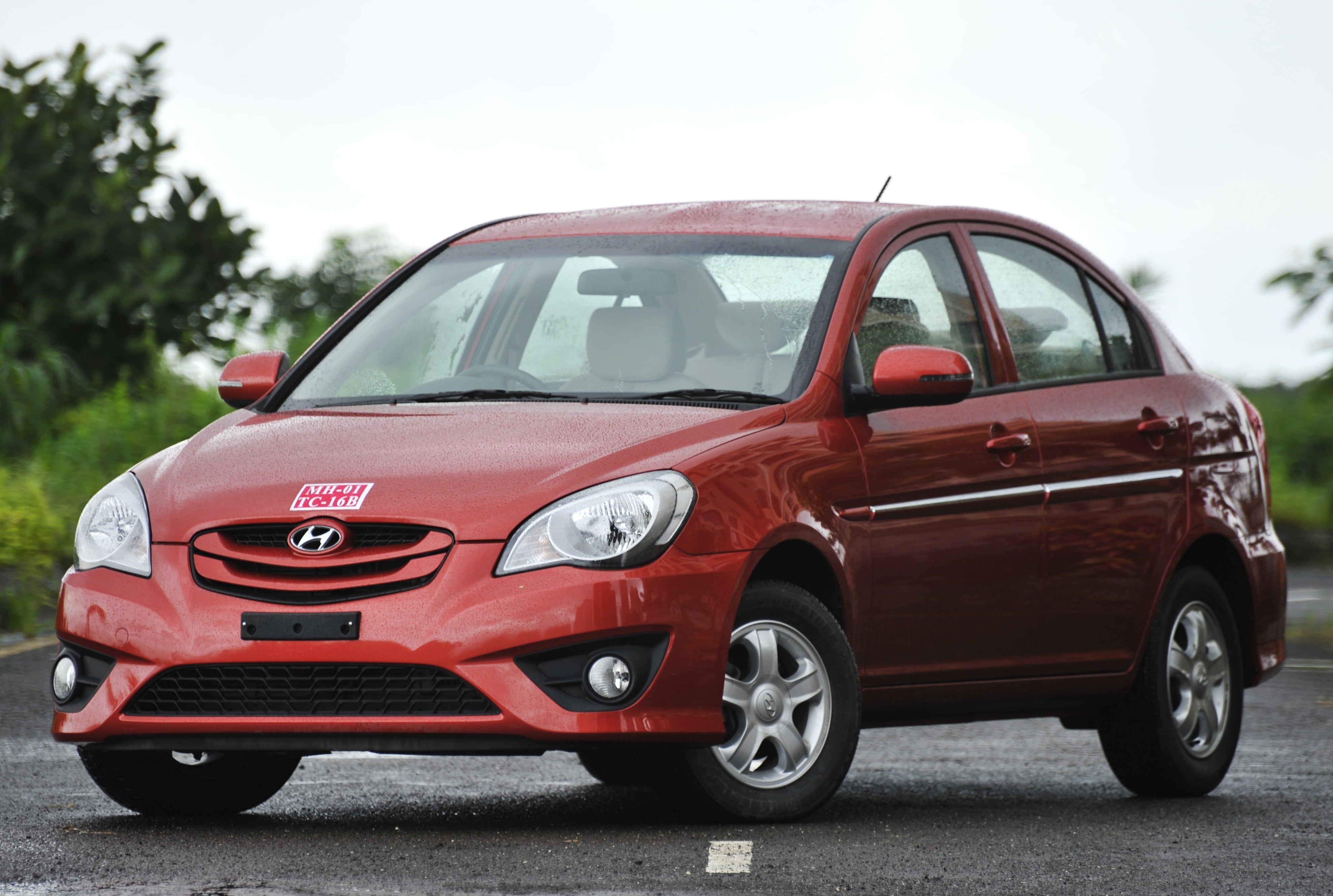
The Verna’s very first facelift arrived in 2010 with a ‘Transform’ suffix attached to its name, and priced from Rs 6.56 lakh-9.22 lakh. While the engine options were unchanged, the Verna Transform was given a sharper-looking redesign on the outside, with revisions to the headlamps, grille, bumpers, wheels, and tail-lamps. The interior was fitted with blue LED illumination and a new instrument cluster, but was largely identical to the prior Verna.
Second-gen Hyundai Verna (2011-2017)
The one remembered as the ‘Fluidic’
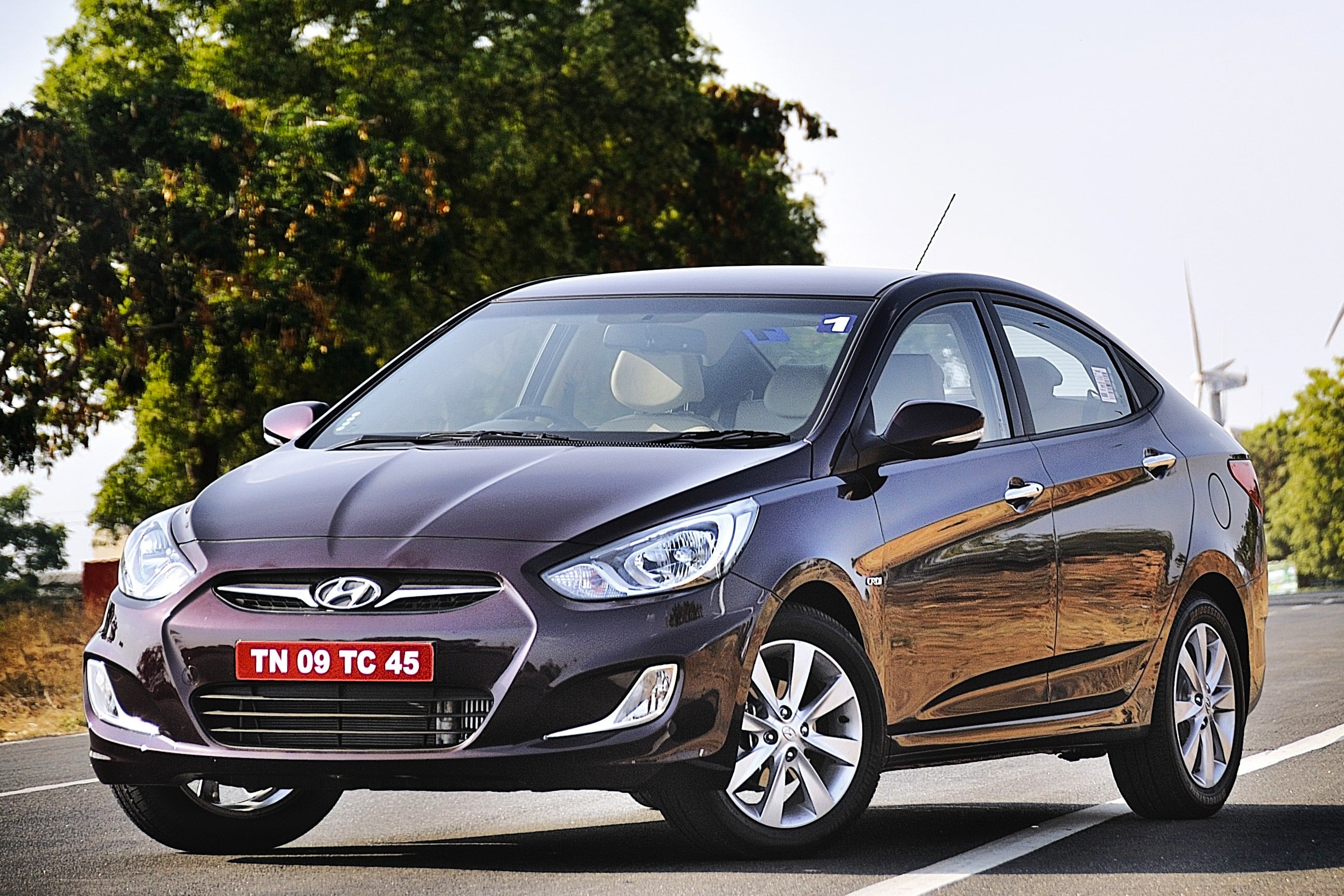
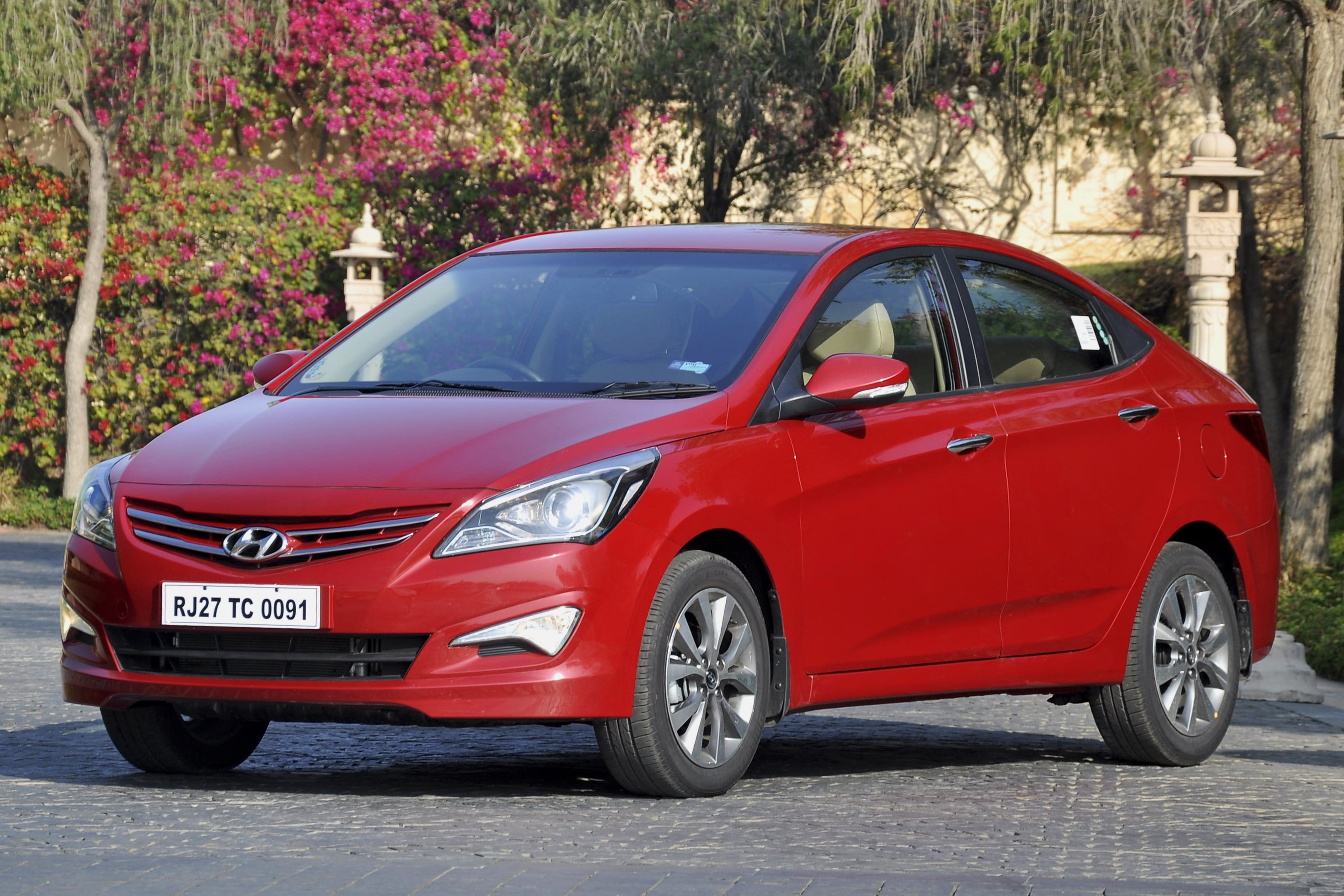
The second-generation Verna is the one many Indians still picture when they think of the nameplate. Adopting Hyundai’s ‘Fluidic Sculpture’ design language, the second-gen Verna was larger and lower-slung than its predecessor, featuring more sculpted body lines, wing-shaped tail-lamps, and distinctive ‘eagle-eye’ headlamps. It was a sensational design at the time, and the engine options further sweetened the deal.
This generation of the Verna had the widest powertrain spread of them all. Buyers could choose between two naturally aspirated petrol engines – a 107hp 1.4-litre and a 124hp 1.6-litre – and two diesel engines – a 90hp 1.4-litre and a 128hp 1.6-litre. The petrol engines came with a 5-speed manual as standard, with the 1.6-litre unit additionally offering a 4-speed automatic. Similarly, the diesel mills got a 6-speed manual, with the larger engine available with a 4-speed automatic as well.
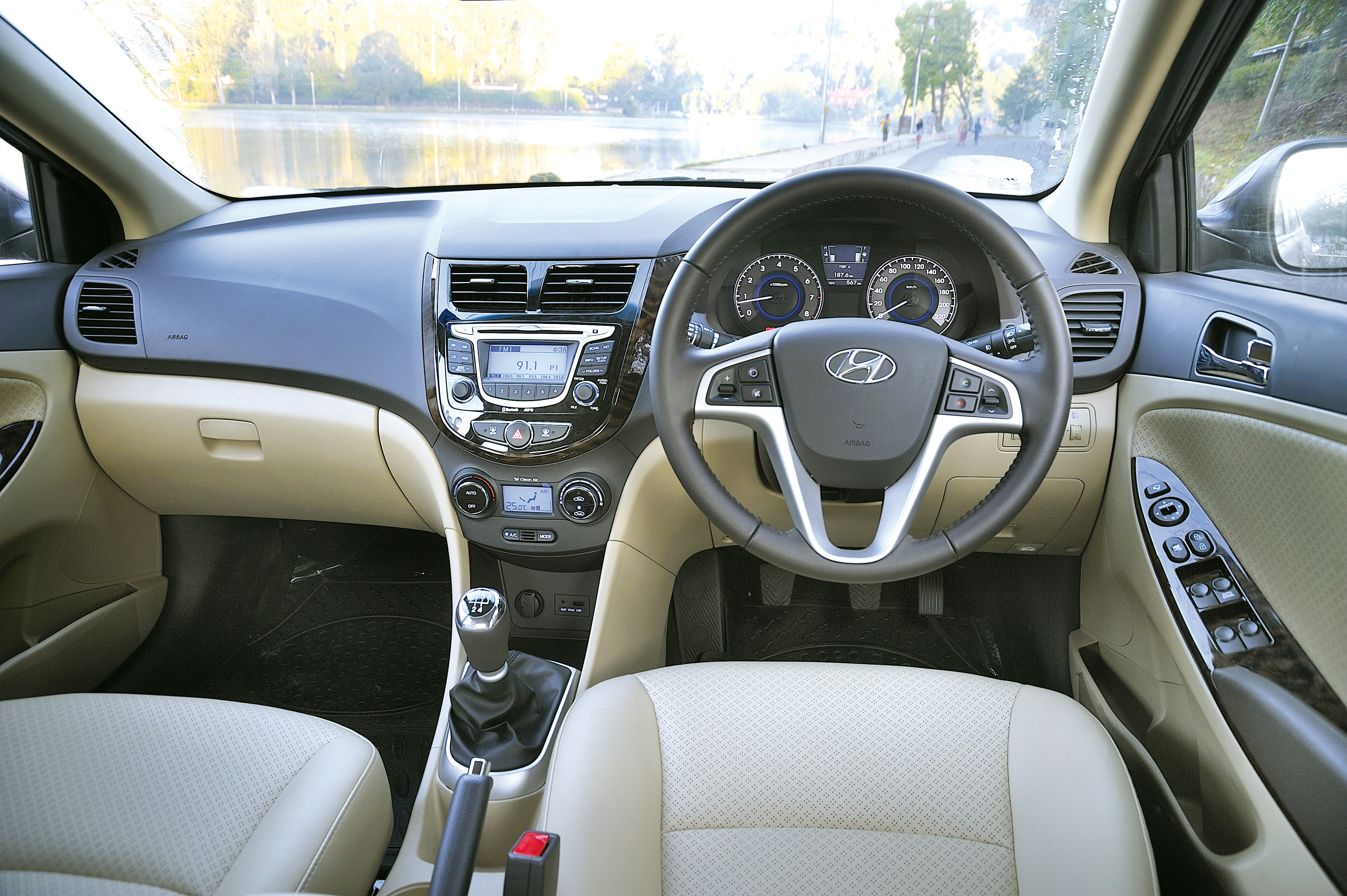
Combine all of the above with a much more modern interior equipped with segment-first goodies like a rear camera, 6 airbags, a cabin air purifier, and a cooled glovebox, along with very competitive pricing (Rs 6.99 lakh-10.74 lakh), and it’s no surprise that the Fluidic Verna was a major success.
2015 facelift (Verna 4S)
2015 marked the arrival of the second-gen Verna’s mid-lifecycle facelift, with prices starting at Rs 7.74 lakh and topping off at Rs 12.20 lakh. The styling grew more mature, with reshaped headlamps, updated bumpers, new wheels, and more, while the broad powertrain line-up was unchanged. However, the diesel engines came with a new low-friction piston coating that improved fuel efficiency and refinement. There were no changes to the interior layout, but Hyundai added rake adjust for the steering wheel, rain-sensing wipers, and even a manual Boss mode.
Third-gen Hyundai Verna (2017-2023)
The one with the Audi-like grille
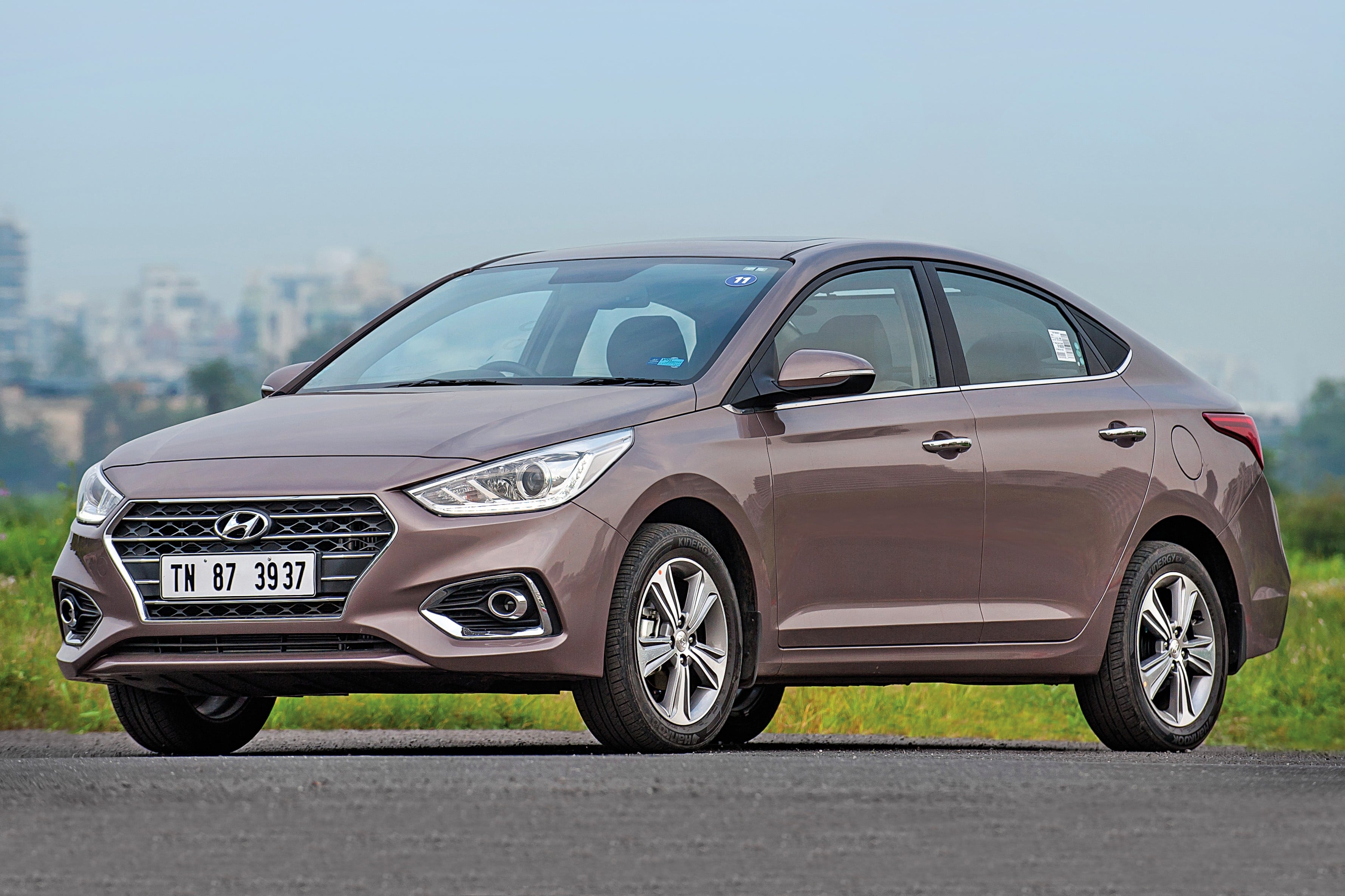
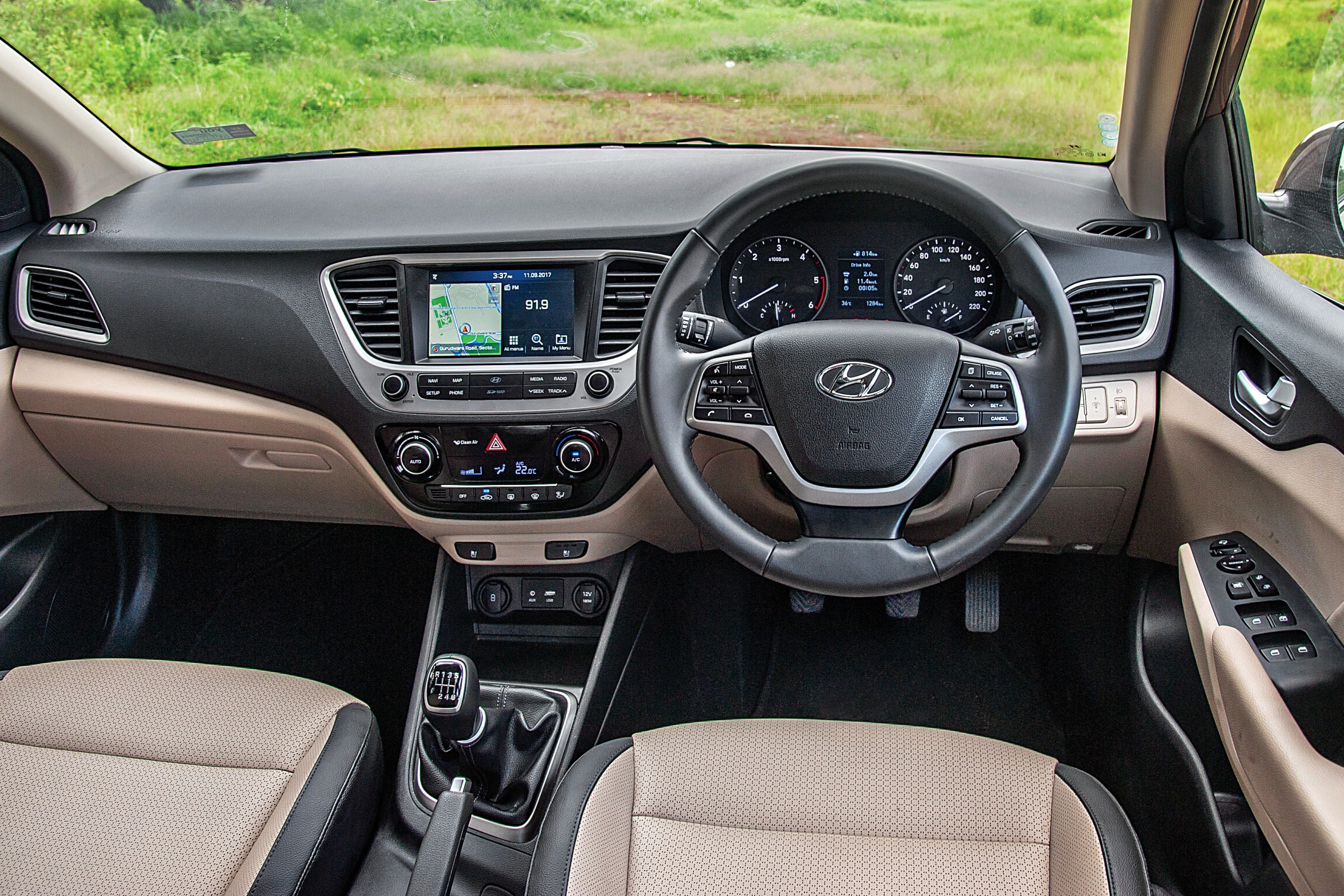
Underpinned by Hyundai’s newer K2 platform, the third-gen Verna was longer and wider than its Fluidic predecessor, and featured styling cues inspired by the larger and more upmarket Elantra. These included swept-back headlamps, L-shaped DRLs, an Audi-like hexagonal grille, and sleek tail-lamps. On the inside, the third-gen Verna yet again pushed the envelope with features like ventilated front seats (a segment-first), a sunroof, a 7-inch infotainment touchscreen, a 6-speaker sound system, cruise control, and more.
Engine options were simplified to just one per fuel type at launch: a 123hp 1.6-litre naturally aspirated petrol and a 128hp 1.6-litre diesel, both available with 6-speed manual and 6-speed torque converter automatic gearbox options. The third-gen Verna went on sale at a starting price of Rs 7.99 lakh, climbing to Rs 12.61 lakh at the top end.
2020 facelift
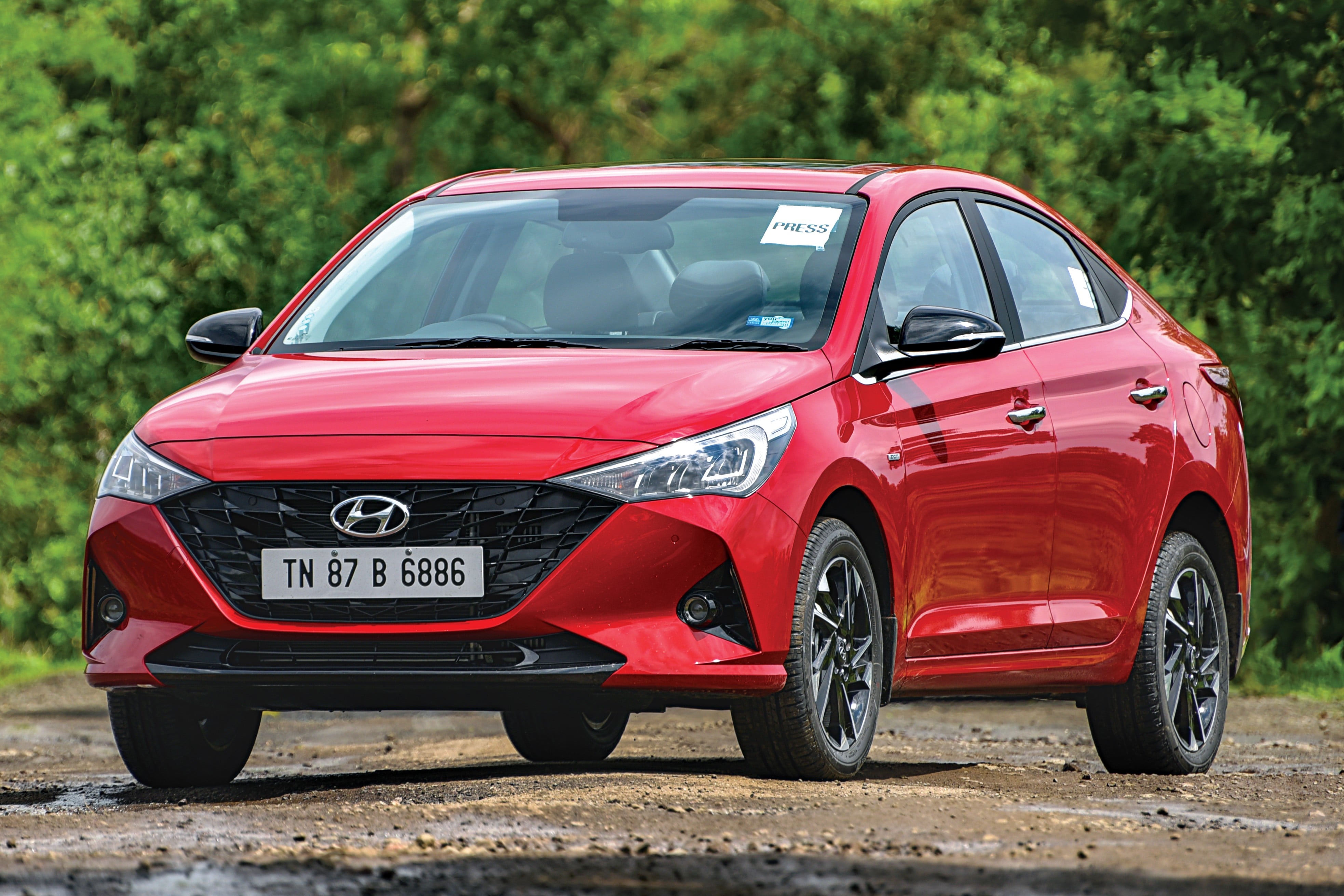
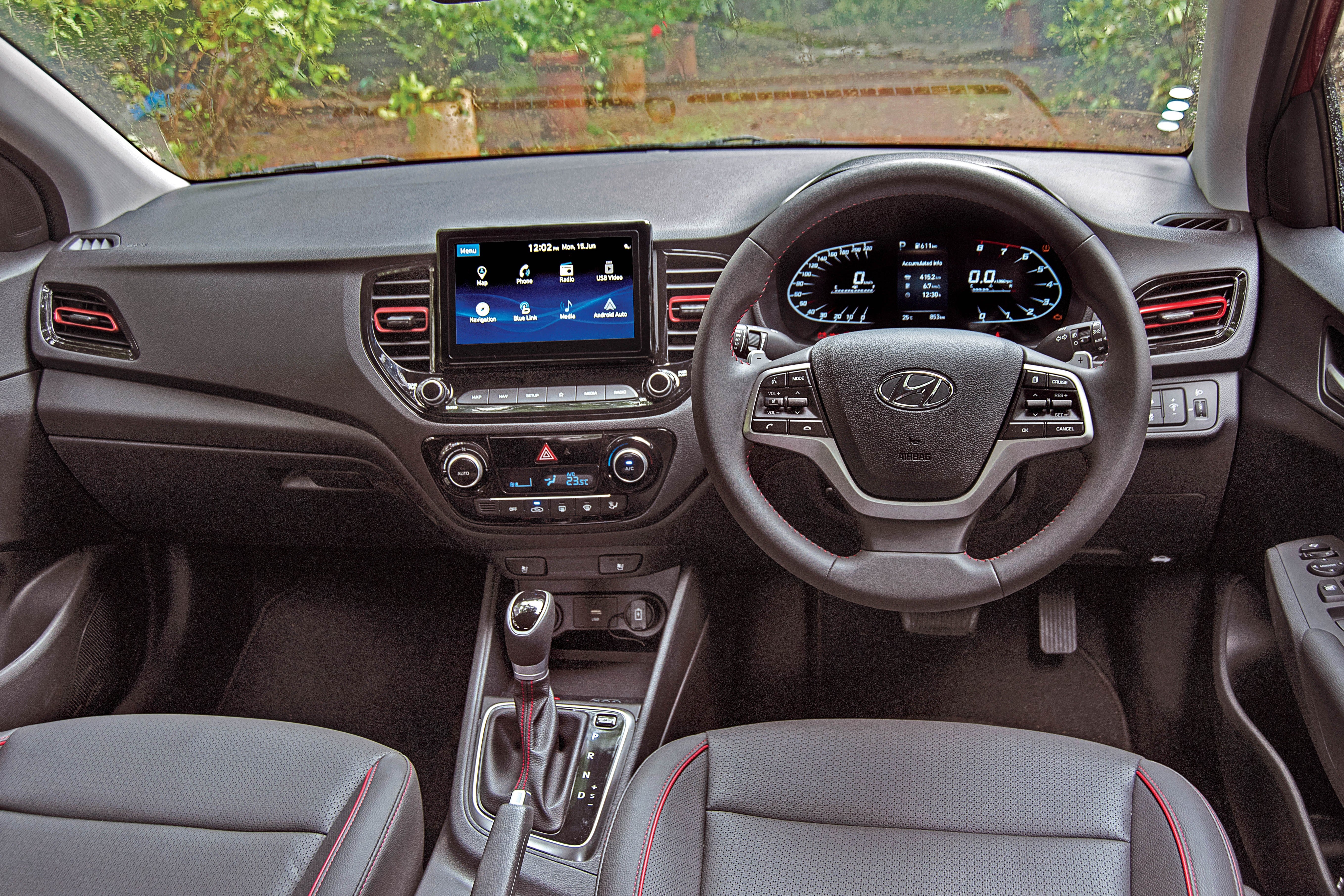
Hyundai launched a comprehensive facelift of the third-gen Verna in 2020, bringing compliance with Bharat Stage 6 emission norms by way of fresh 1.5-litre diesel and naturally aspirated petrol engines with manual and automatic gearboxes. This was also the first generation of the Verna to offer a turbo-petrol engine, specifically the 120hp 1.0-litre 3-cylinder direct-injection unit from the Venue, paired with a 7-speed dual-clutch automatic.
The 2020 Verna facelift also introduced significantly sharper styling changes, like a wider grille, larger headlamps, redesigned bumpers, new alloy wheels, and more. Inside, the midsize sedan saw upgrades like a larger 8-inch touchscreen, an Arkamys sound system, connected car tech, and a digital driver’s display. Pricing for the 2020 Verna facelift ranged from Rs 9.31 lakh to Rs 15.10 lakh – a considerable uptick over the prior model.
Fourth-gen Hyundai Verna (2023-present)
The one with the lightbar
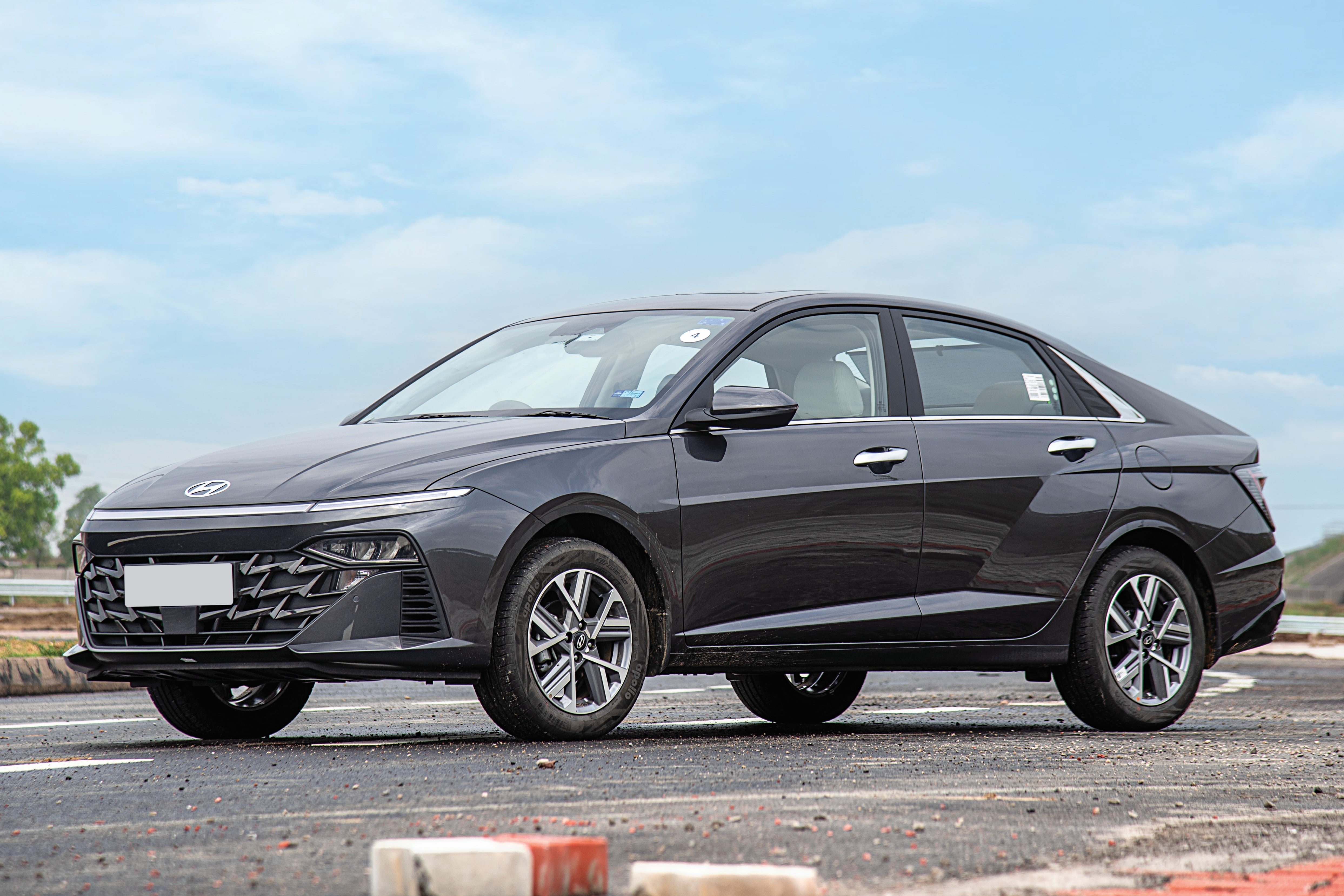
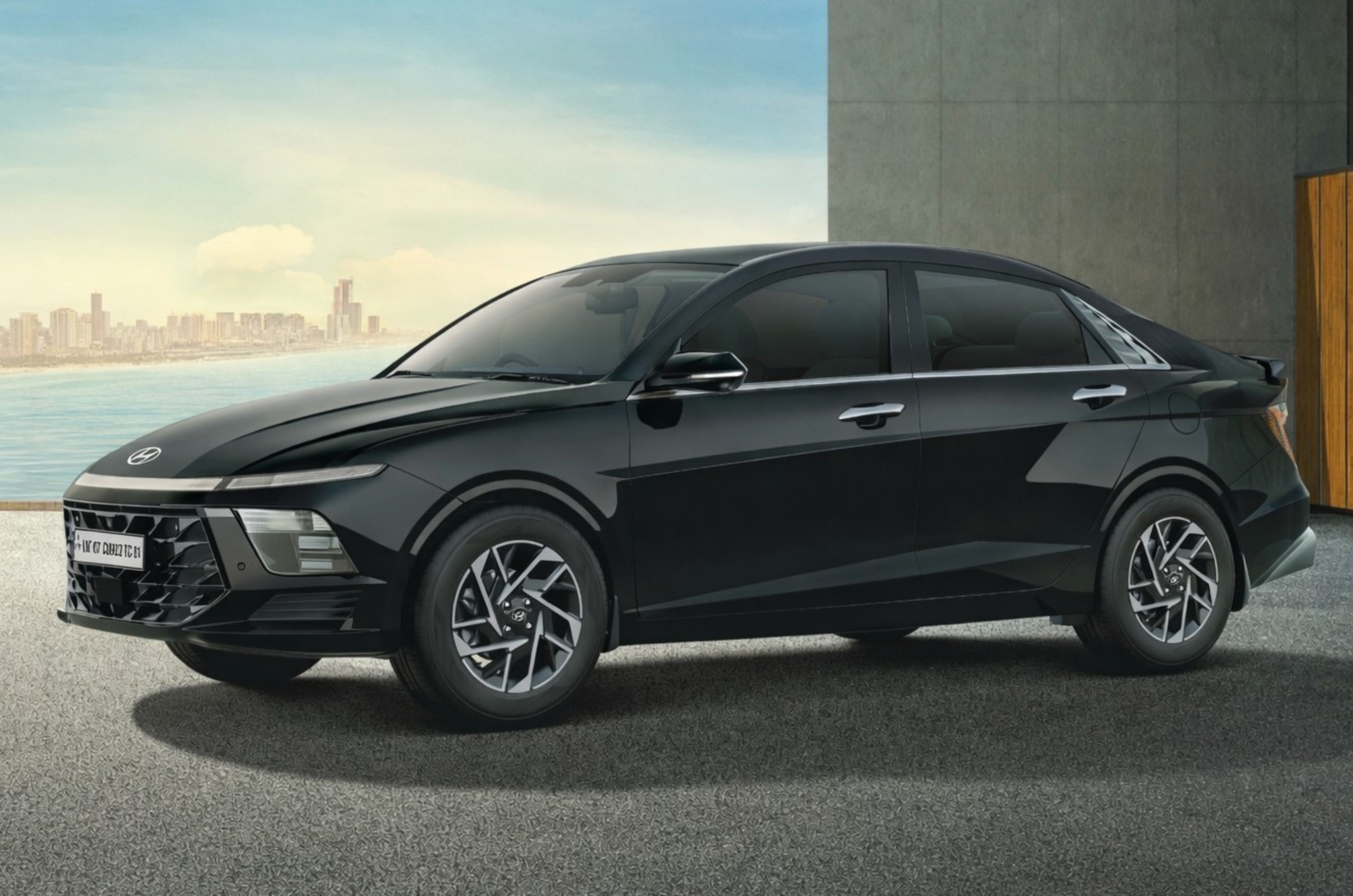
The current-gen Verna went on sale in India in 2023, and unlike its predecessors, the styling immediately split opinions. Hyundai’s ‘Sensuous Sportiness’ design language introduced a split-headlamp setup with a full-width LED light bar on the fourth-gen Verna’s front end, lots of cuts and creases all around the bodywork, a sloping fastback-esque roofline, and connected LED tail-lamps. Another point of contention was the absence of a diesel engine in the line-up – a first for the Verna.
Only two petrol engines are available for the fourth-gen Verna, particularly a 115hp 1.5-litre naturally aspirated and a 160hp 1.5-litre direct-injection turbo-petrol unit. Both engines get a 6-speed manual as standard, with the naturally aspirated motor additionally offering a CVT and the turbo-petrol a 7-speed dual-clutch automatic. On the inside, though, the fourth-gen Verna has an impressively clean and contemporary layout, equipped with segment-first features like heated front seats, Level 2 ADAS, and an 8-speaker Bose sound system.
2026 facelift
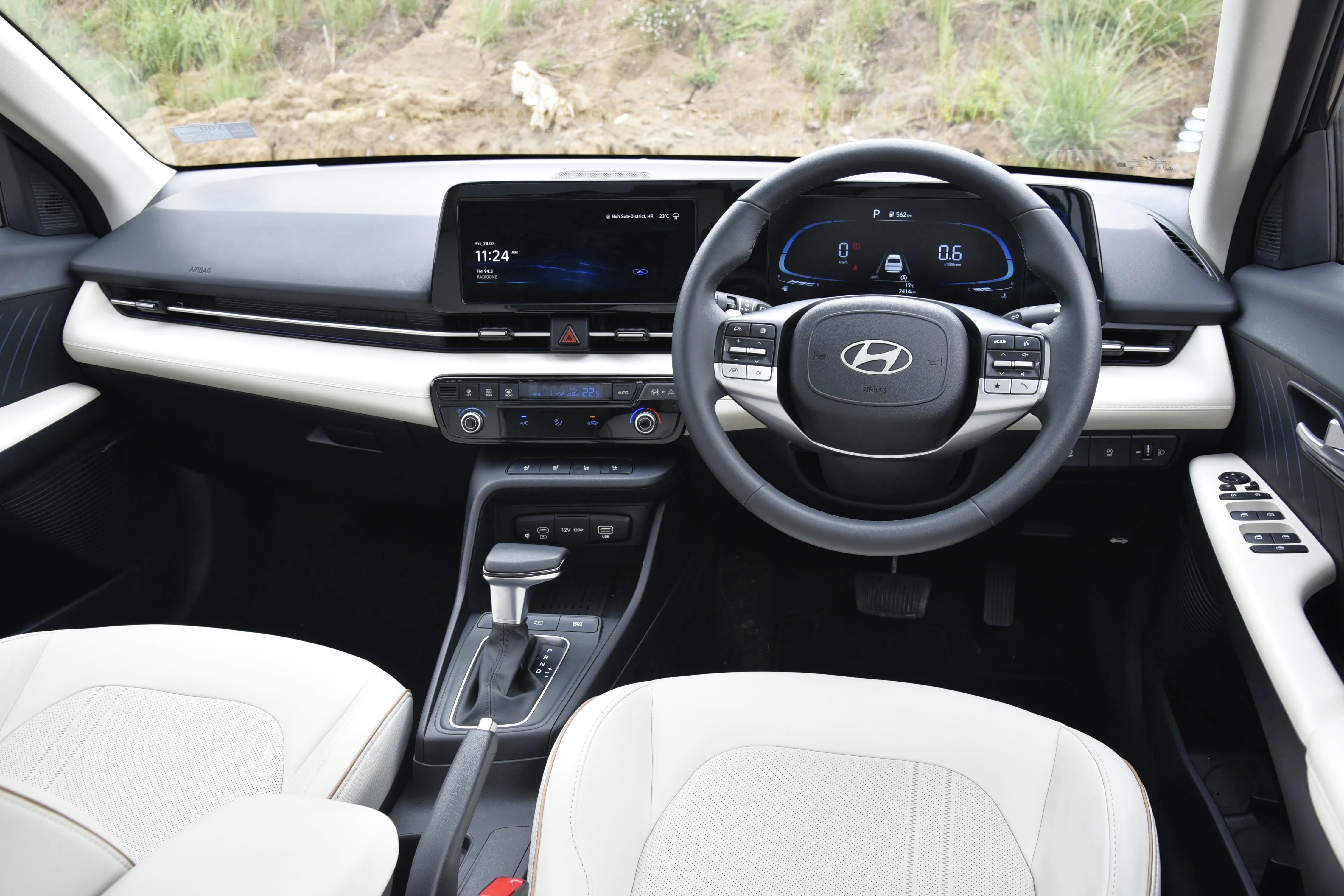
Most recently, Hyundai launched a facelift of the fourth-gen Verna. Styling updates were limited to revised bumpers and fresh alloy wheel designs, while the interior got a new three-spoke steering wheel, a 10.25-inch full-digital instrument cluster, and additional segment-first features like Boss mode, a 360-degree camera, and 7 airbags. Powertrains remain unchanged, and prices start at Rs 10.99 lakh and extend all the way up to Rs 18.31 lakh.
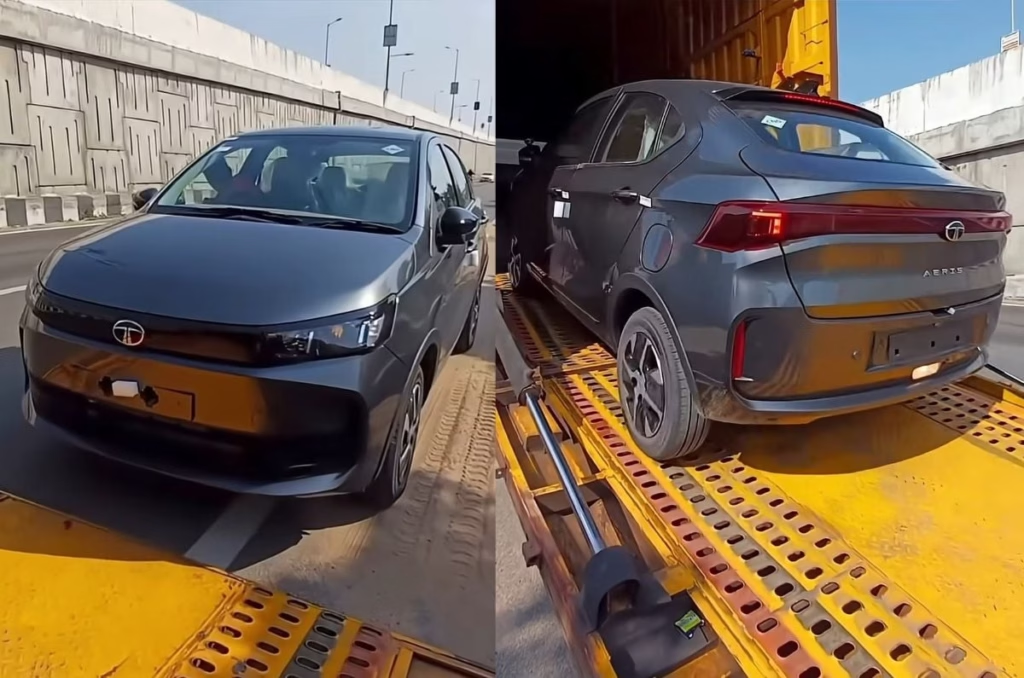
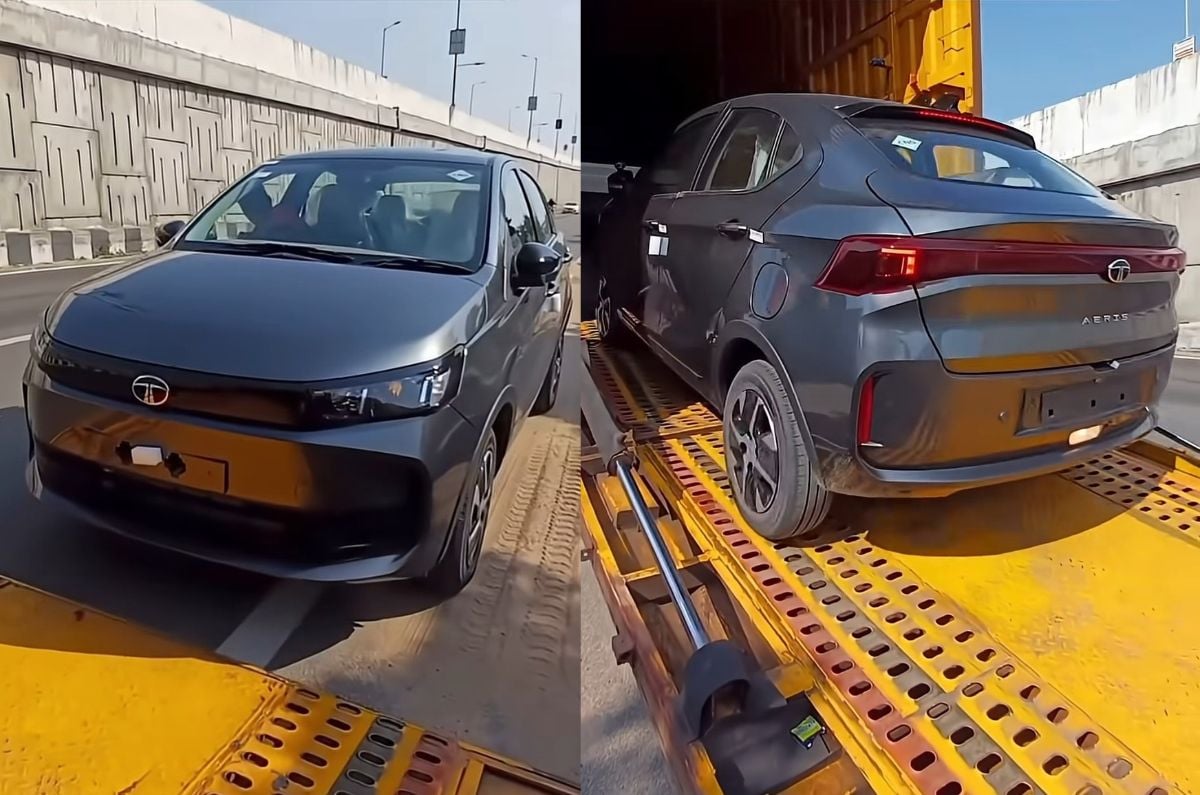
A video of the upcoming Tata Aeris has been leaked on social media just ahead of its launch on September 25, 2026. The footage clearly shows a showroom-ready i-CNG variant of the Aeris being driven off a trailer. The Tigor successor will also be available in petrol and EV guises. Official teasers of the Aeris have been released by Tata Motors, while design patents of the new sub-4-meter sedan have also surfaced.
Tiago-inspired design cues at the front and rear.
Two-tone interior, free-standing touchscreen and digital gauge cluster.
Tata Motors is set to launch the Aeris on September 25, 2026, both in internal combustion (ICE) and fully electric (EV) avatars. The Aeris is essentially a rebranded Tigor facelift, and the upcoming sub-4-metre sedan has already been previewed through official teasers and design patent filings. Here’s all you need to know about the Tata Aeris before it breaks cover tomorrow.
1. How will the Tata Aeris look?
The Aeris gets a sleeker face and new lighting without losing the Tigor’s notchback profile
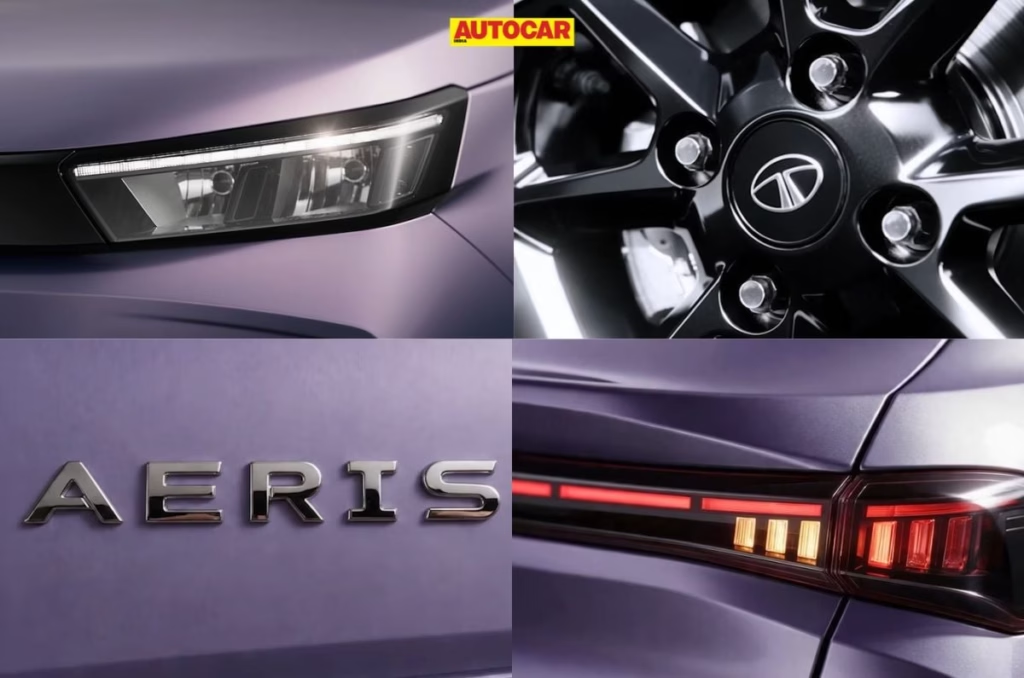
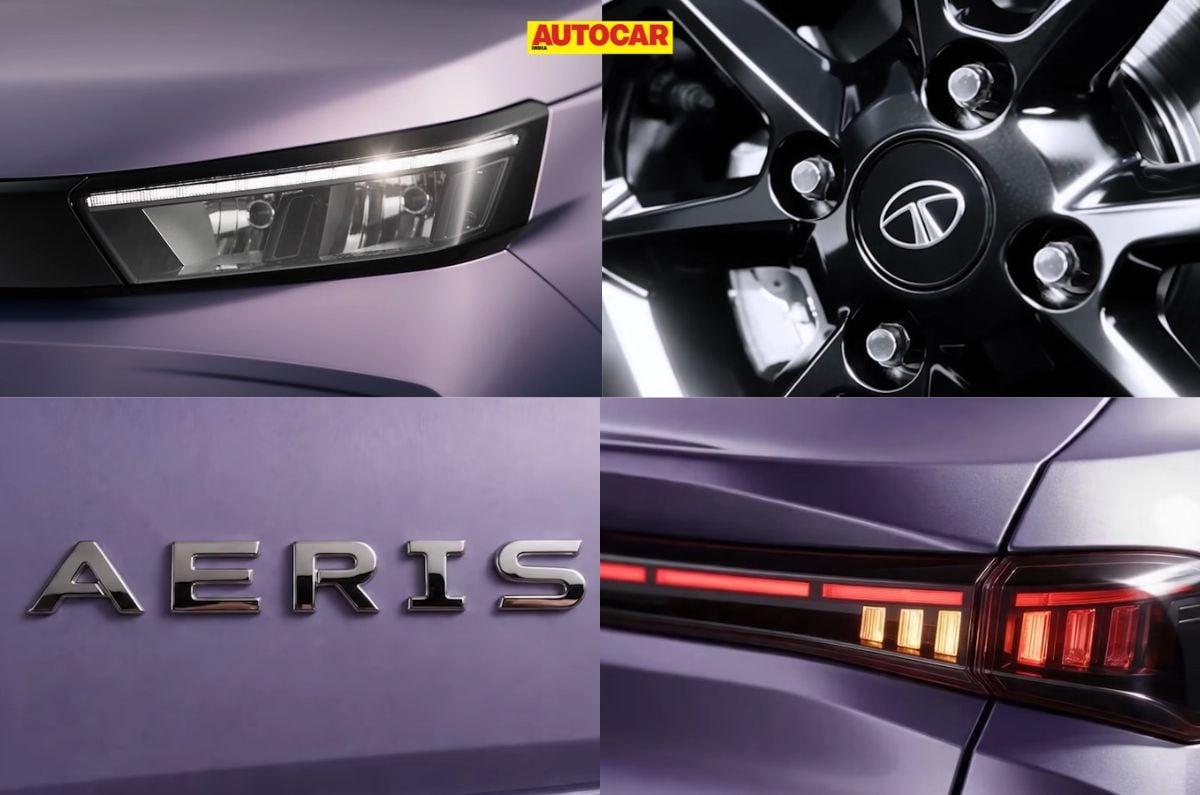
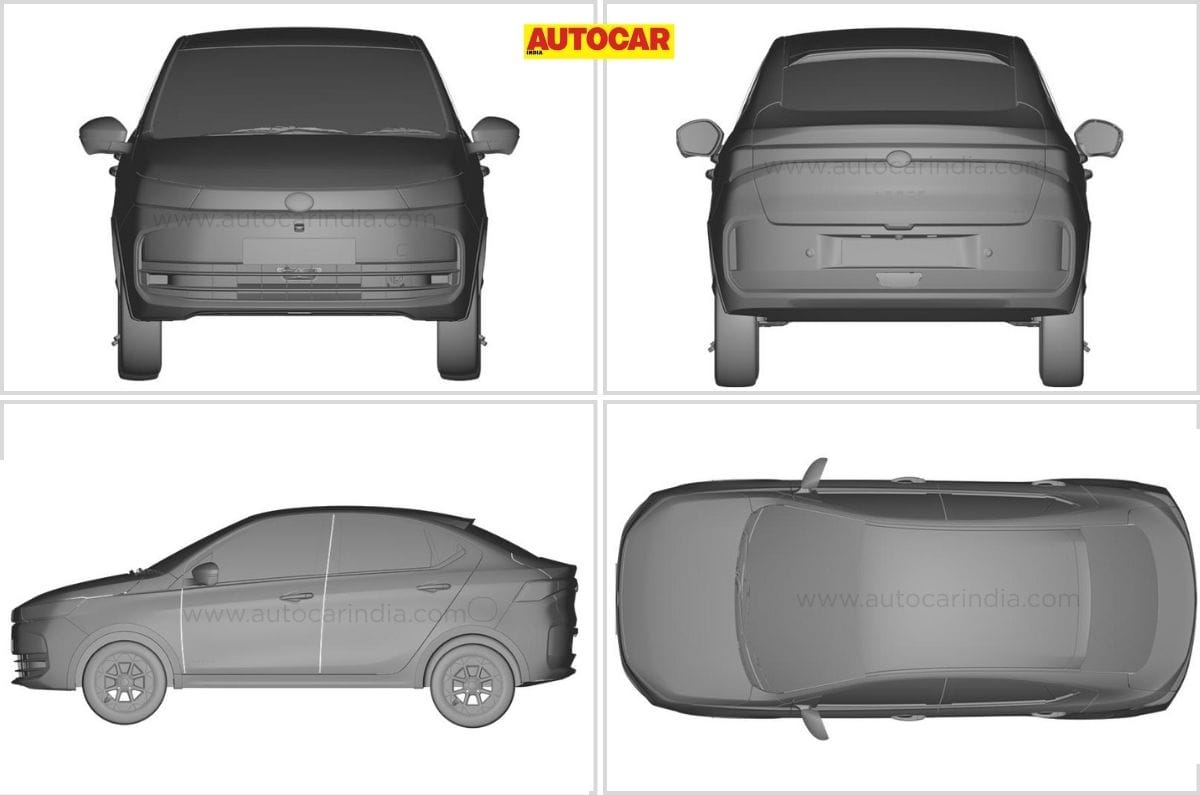
Compared to the Tigor, the new Tata Aeris will sport a sleeker front fascia featuring slim LED headlamps and thin LED DRLs. The official teaser also confirms LED fog lamps and C-shaped elements in the front bumper. Patent images suggest sharper-looking connected tail-lamps, with the number plate having been moved from the bootlid to the bumper.
Design patent of the Aeris as filed by Tata Motors.
Other changes expected include a new shoulder line and wheel designs, plus a new purple colour. The Aeris EV should share much of the ICE version’s overall design language, with a few tweaks as seen in Tata’s other ICE-to-EV models. The notchback roofline of the outgoing Tigor will be carried over, as shown in the patent filings.
2. How different will the interior of the Tata Aeris be?
The Aeris will get a more modern-looking and feature-rich cabin over the Tigor
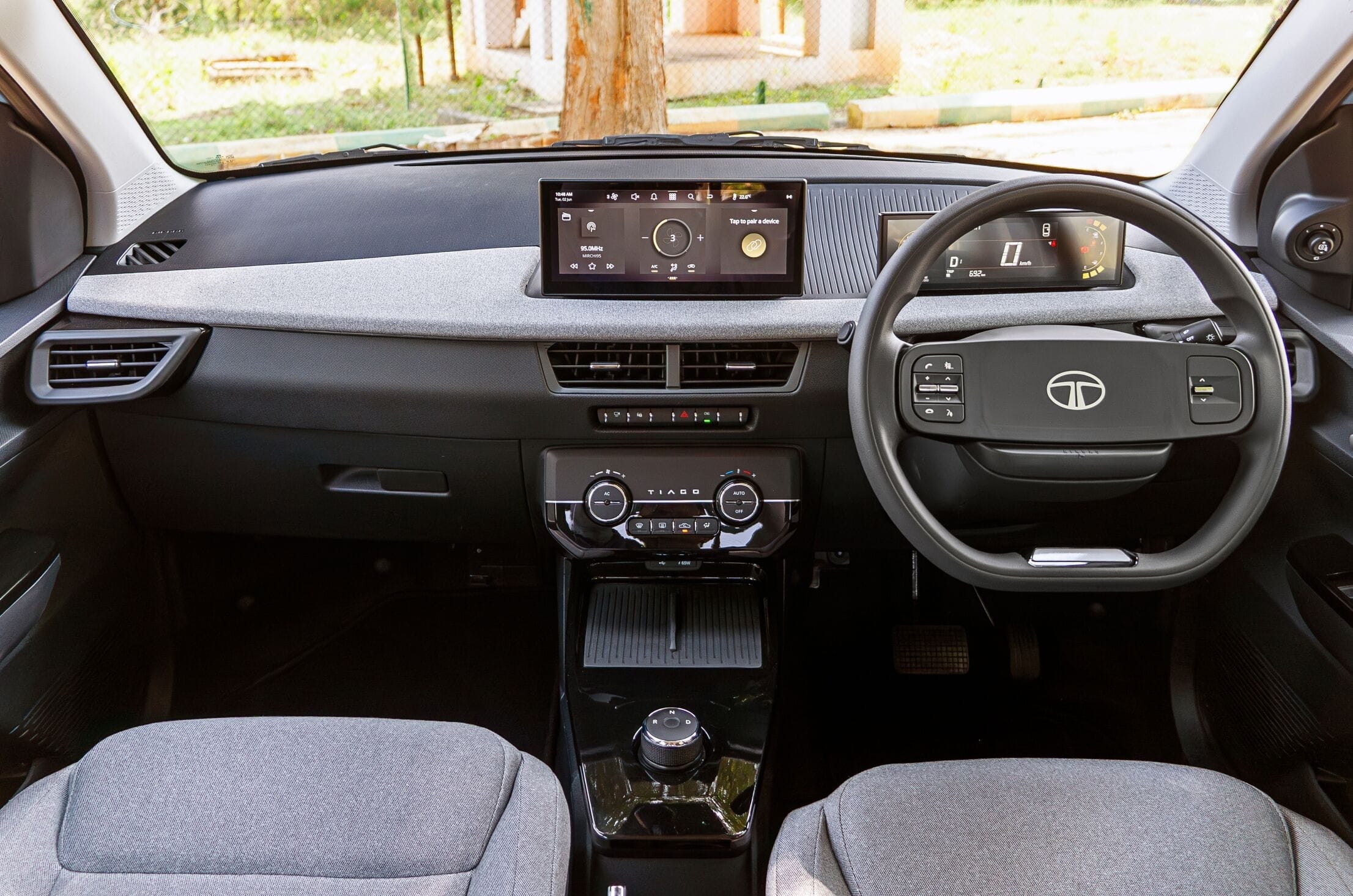
Tata hasn’t teased the cabins of the Aeris yet, but they are expected to be similar to those of the new Tiago and Tiago EV. This means a modern-looking dual-tone theme with piano-black accents and a layered dashboard design with two free-standing digital displays, plus Tata’s new two-spoke steering wheel and an array of physical buttons and dials.
Tata Tiago’s interior shown for representational purposes only.
The Tata Aeris is also expected to share the feature set that’s available with the updated Tiago. Wireless charging, automatic climate control, rear AC vents, a 10.25-inch touchscreen, a digital driver’s display, wireless Apple CarPlay & Android Auto, connected car tech, a 360-degree camera, 6 airbags and electronic stability control could all be offered with select variants of the Aeris as well.
3. What powertrain options will the Tata Aeris get?
The ICE version could get the same setup as the Tigor; the pure-electric option may get the Tiago EV’s battery packs
On the powertrain front, the Aeris ICE variants could carry on with the existing Tigor’s engine and gearbox options. The latter’s 1.2-litre naturally aspirated three-cylinder engine produces 86hp and 113Nm when on petrol, and 76hp and 97Nm when running on CNG. Its gearbox choices are a 5-speed manual and a 5-speed AMT (automated manual transmission).
As for the Aeris EV, it may borrow the Tiago EV’s 19.2kWh and 24kWh battery packs. Alternatively, Tata could equip it with the larger 26kWh battery that currently powers the Tigor EV. Both setups utilise a permanent magnet synchronous motor producing up to 75hp/114Nm and 75hp/170Nm, respectively. The Tata Aeris EV is likely to offer a multi-mode regenerative braking system and multiple drive modes as well.
4. What is the expected price of the Tata Aeris?
Tata could offer the Aeris EV with BaaS to lower upfront costs
A slew of updates could potentially bump up the price of the Tata Aeris when compared to the Tigor. For reference, the combustion-powered Tigor is priced between Rs 5.70 lakh and Rs 9.10 lakh, while the Tigor EV is priced from Rs 12.49 lakh to Rs 13.75 lakh – both ex-showroom. Tata could offer the Aeris EV with a Battery-as-a-Subscription (BaaS) option on the EV to lower upfront costs, as it has done with the Tiago EV. The Tata Aeris will rival the Honda Amaze, Maruti Dzire and Hyundai Aura, while the Aeris EV doesn’t have any direct competitors.