Kia Sorento में पहली बार Real-Time Generative AI और भी धांसू फीचर्स, जानिए कीमत

Kia Sorento में पहली बार Real-Time Generative AI और भी धांसू फीचर्स, जानिए कीमत

Kia Sorento 1

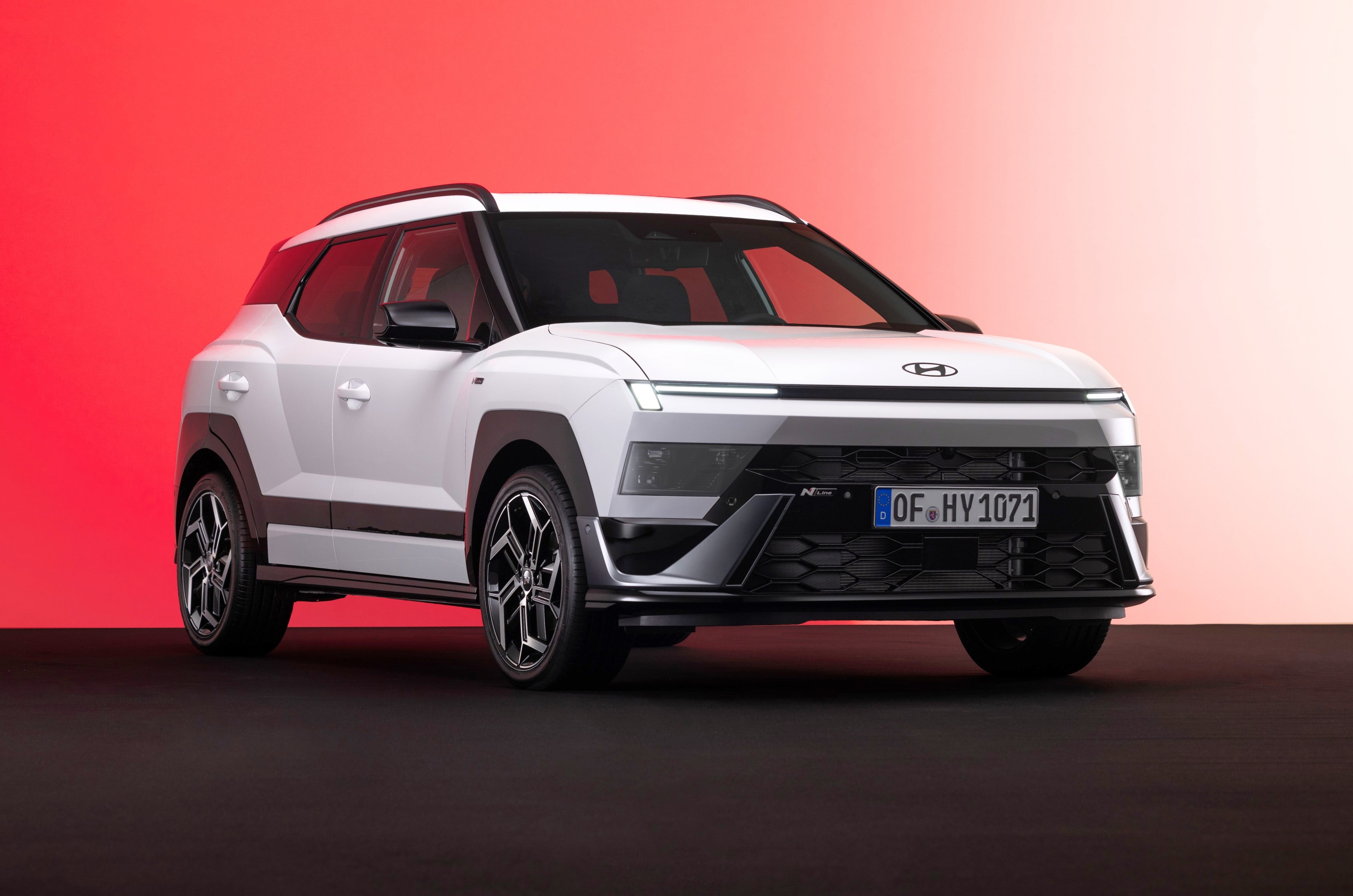
kia sorento launched : किआ इंडिया ने भारत के प्रीमियम थ्री-रो SUV सेगमेंट में कदम रखते हुए अपनी ग्लोबल SUV Kia Sorento को भारत में लॉन्च कर दिया है। इसकी शुरुआती एक्स-शोरूम कीमत ₹27.99 लाख रखी गई है। वहीं, इसका Hybrid मॉडल ₹29.99 लाख की शुरुआती कीमत पर उपलब्ध होगा।

Kia Sorento के साथ कंपनी ने भारत में पहली बार Hybrid पावरट्रेन पेश किया है। इसके अलावा, भारत-स्पेक Sorento में Kia AI Assistant भी पेश किया गया है, जिसमें रियल-टाइम Generative AI की क्षमता है। कंपनी के मुताबिक, यह तकनीक पहली बार वैश्विक स्तर पर Sorento में पेश की गई है। Kia Sorento की आधिकारिक डिलीवरी 4 सितंबर 2026 से देशभर में शुरू हो गई है।


भारत में पहली बार Hybrid पावरट्रेन


Kia Sorento को Hybrid और Diesel, दो पावरट्रेन विकल्पों के साथ पेश किया गया है। Hybrid मॉडल में Smartstream 1.6 Turbo GDI Hybrid इंजन मिलता है। इस इंजन से 180 PS की पावर और 265 Nm का टॉर्क मिलता है। इसके साथ 65 PS का इलेक्ट्रिक मोटर दिया गया है, जो 264 Nm का टॉर्क पैदा करता है। Hybrid पावरट्रेन को 6-स्पीड ऑटोमैटिक गियरबॉक्स से जोड़ा गया है।
 

दूसरा विकल्प Smartstream 2.2 Diesel इंजन है, जो 193 PS की पावर और 442 Nm का टॉर्क देता है। इसे 8-स्पीड Dual Clutch Transmission (8DCT) के साथ जोड़ा गया है। दोनों पावरट्रेन में Eco, Normal, Smart और Sport ड्राइव मोड दिए गए हैं।


Hybrid के साथ AWD का भी विकल्प


Kia Sorento अपने सेगमेंट की पहली SUV है जिसमें Hybrid पावरट्रेन के साथ All-Wheel Drive (AWD) का विकल्प दिया गया है। Hybrid और Diesel दोनों पावरट्रेन AWD के साथ उपलब्ध हैं। इनमें Snow, Sand और Mud जैसे Terrain Modes दिए गए हैं, जो अलग-अलग परिस्थितियों में बेहतर ट्रैक्शन और टॉर्क डिस्ट्रीब्यूशन में मदद करते हैं।


4,815 mm लंबी और 1,900 mm चौड़ी SUV


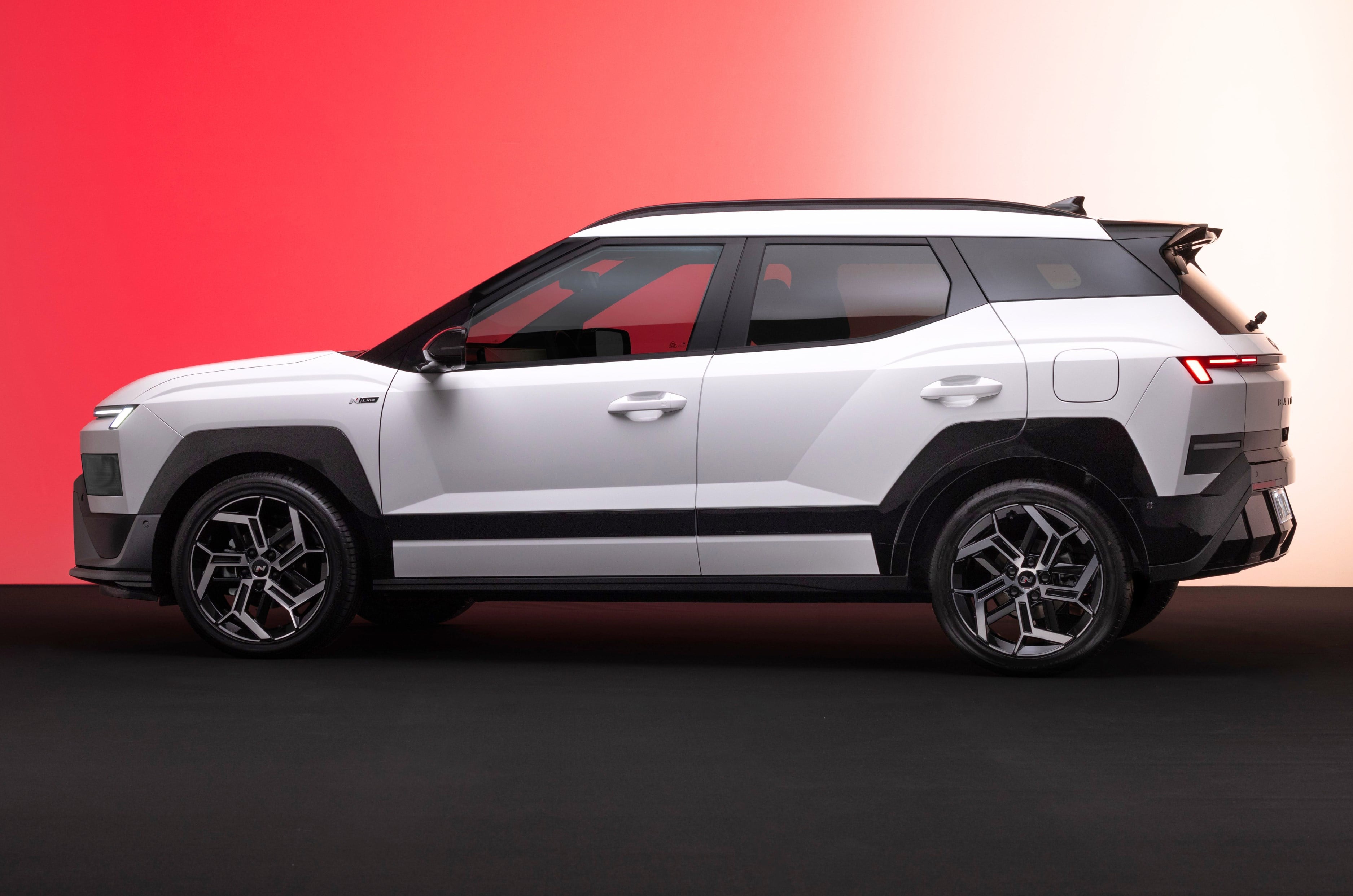
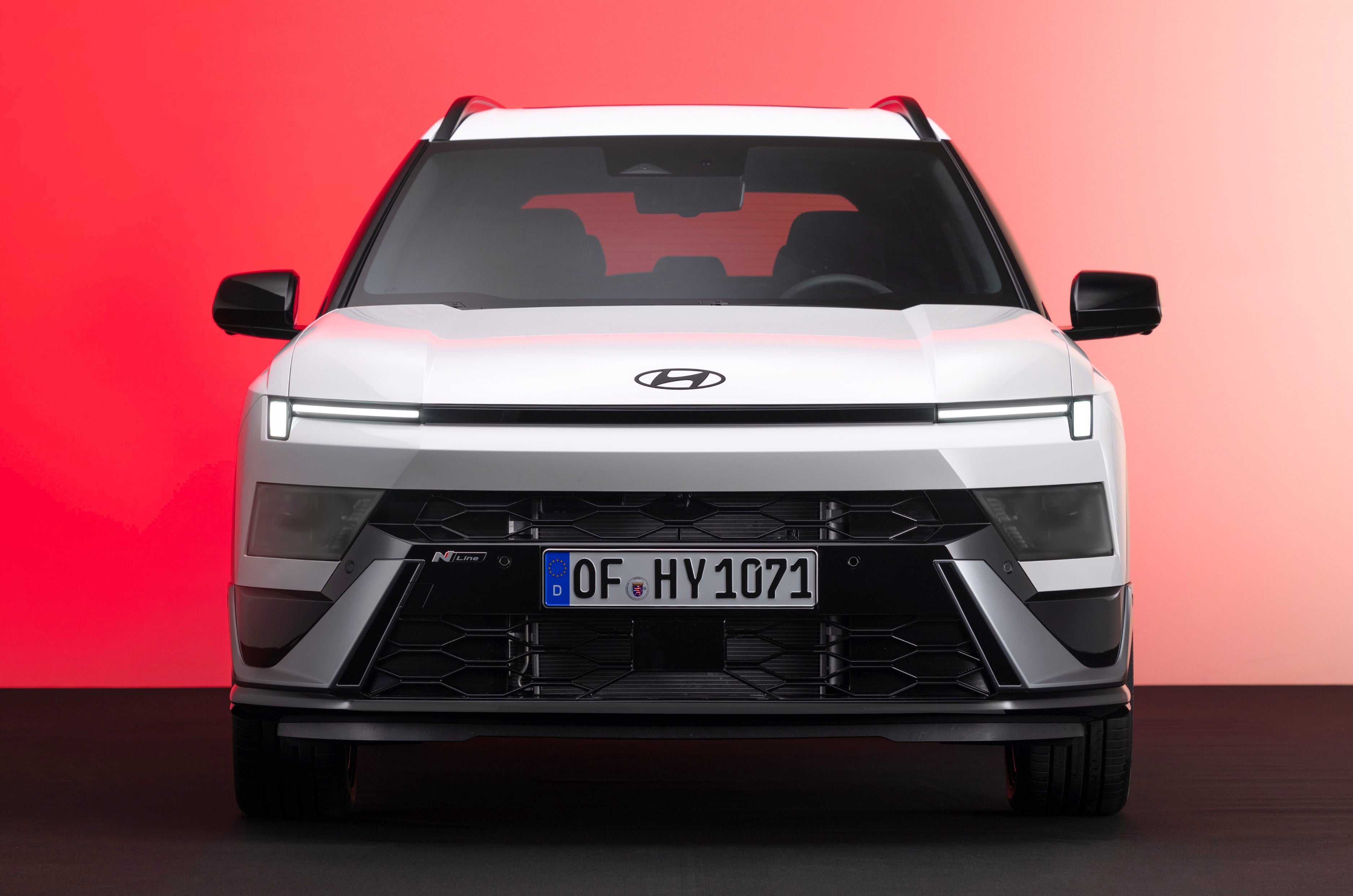
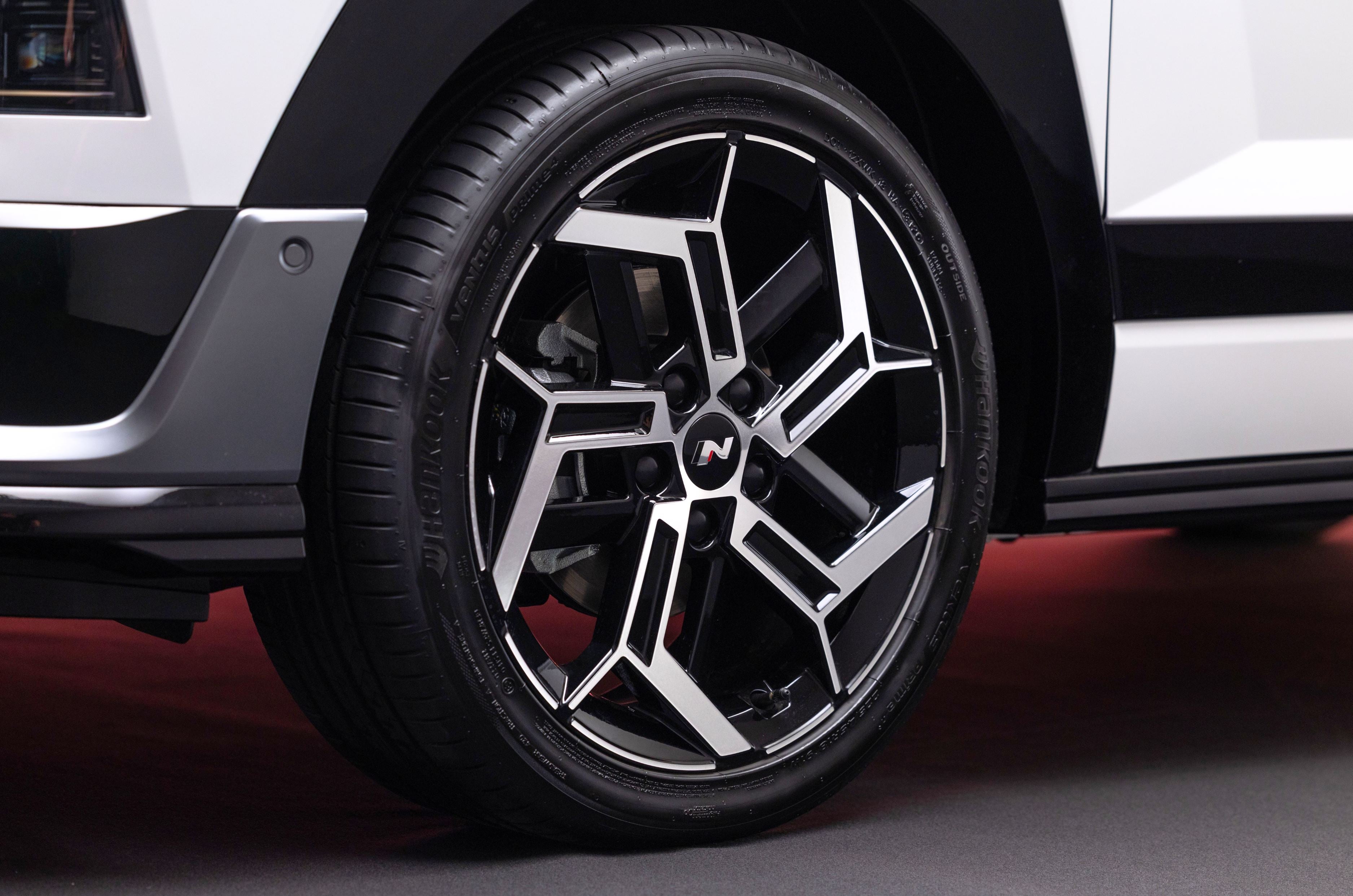
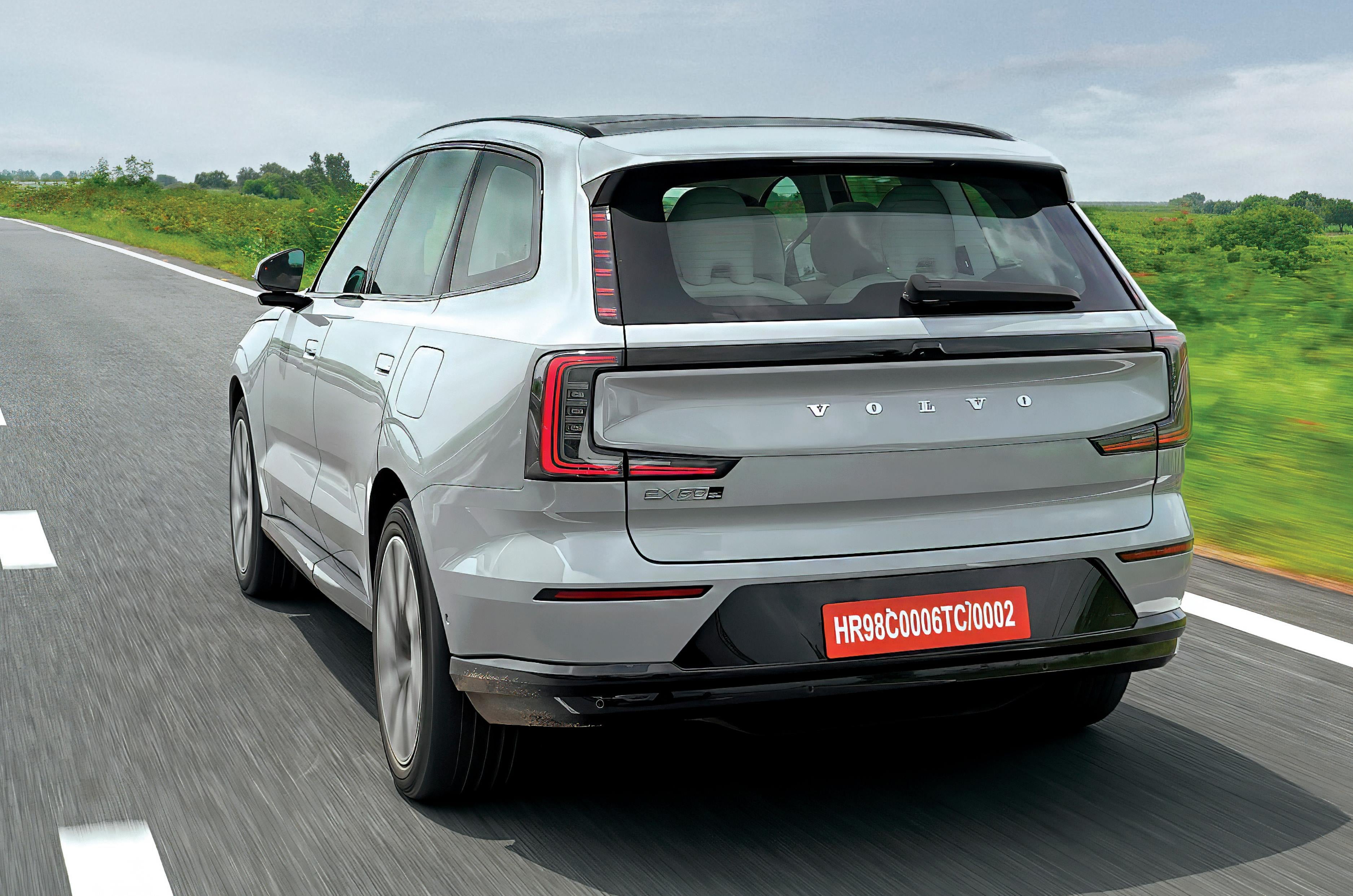
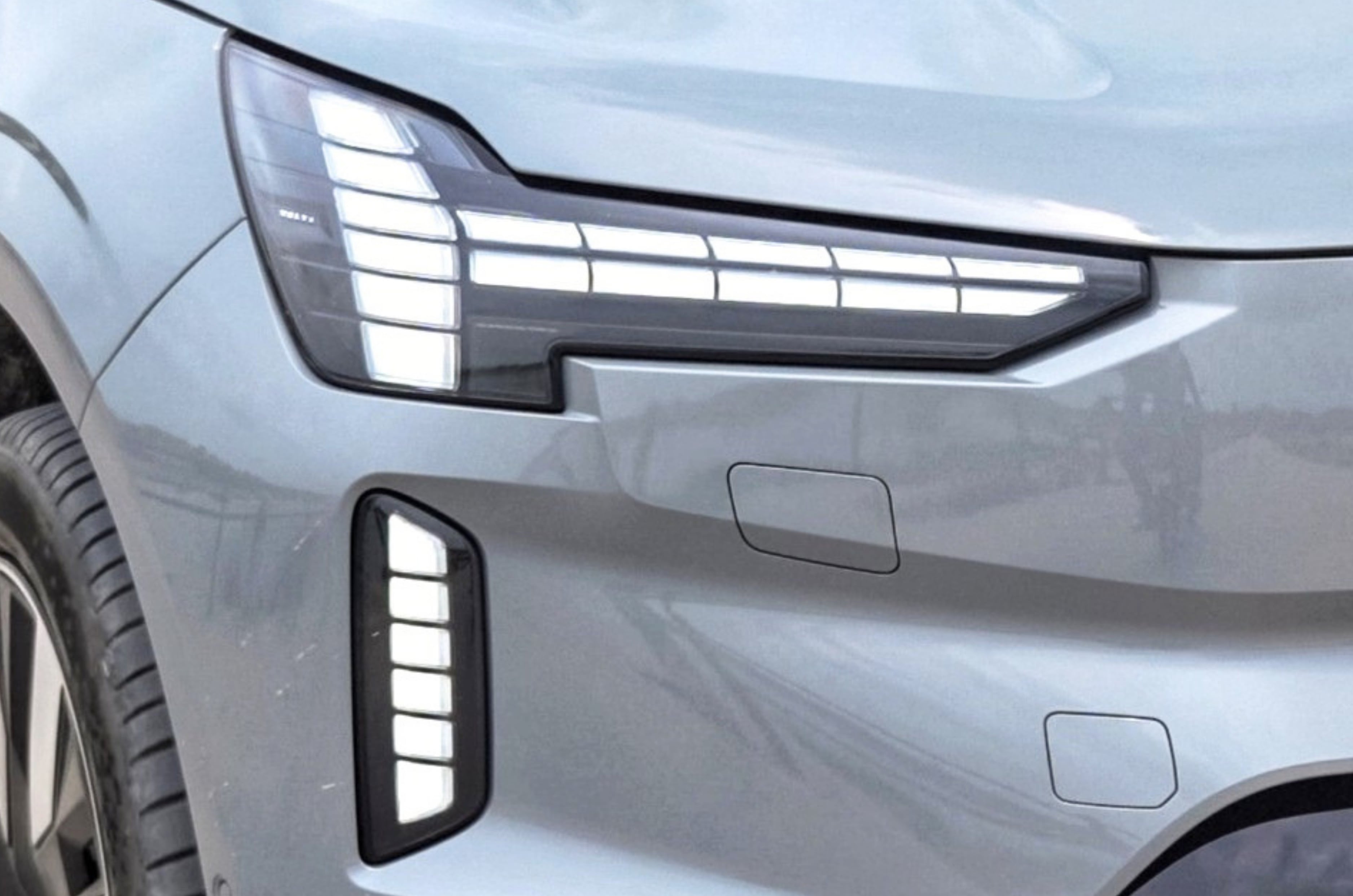
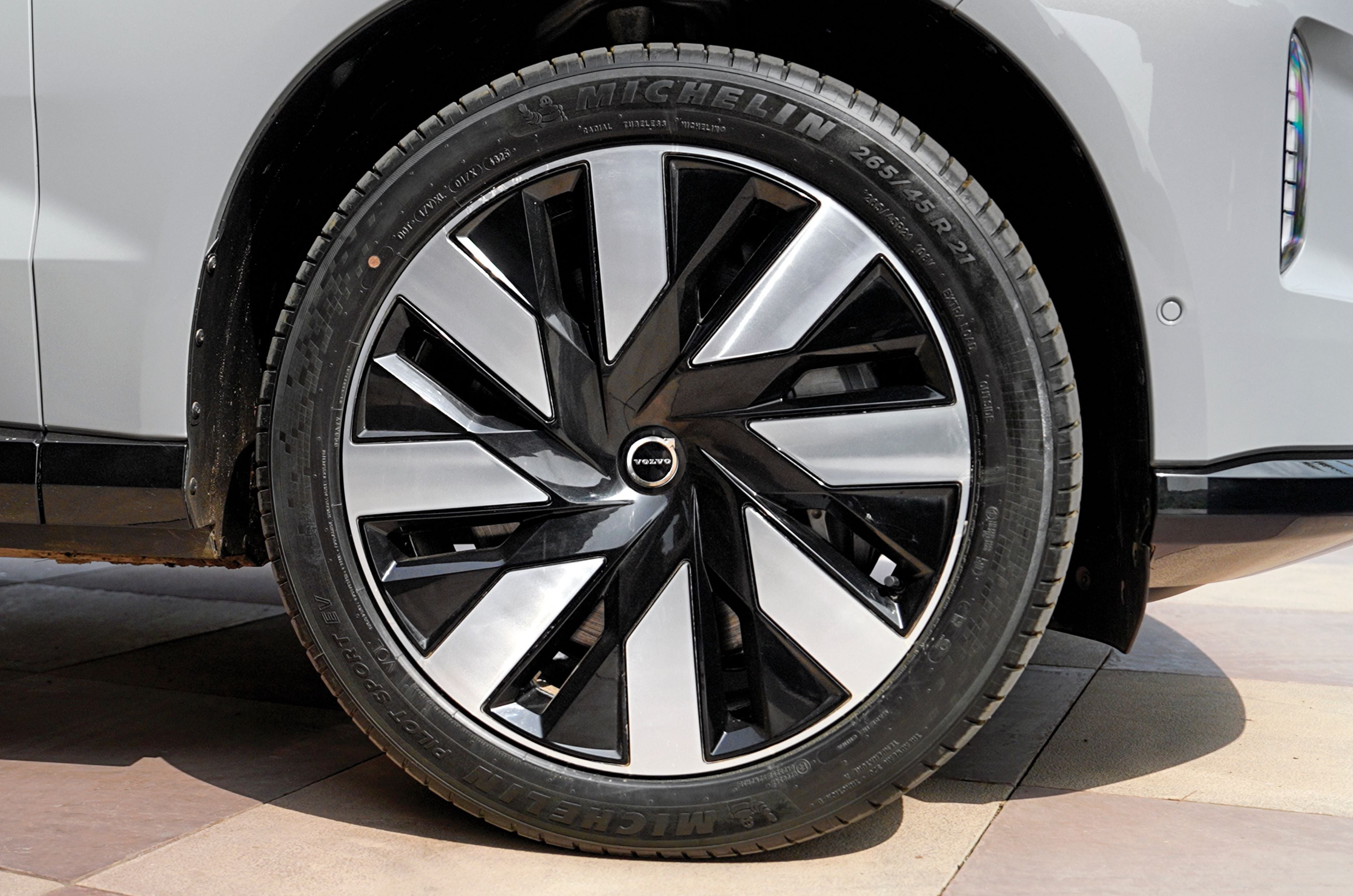
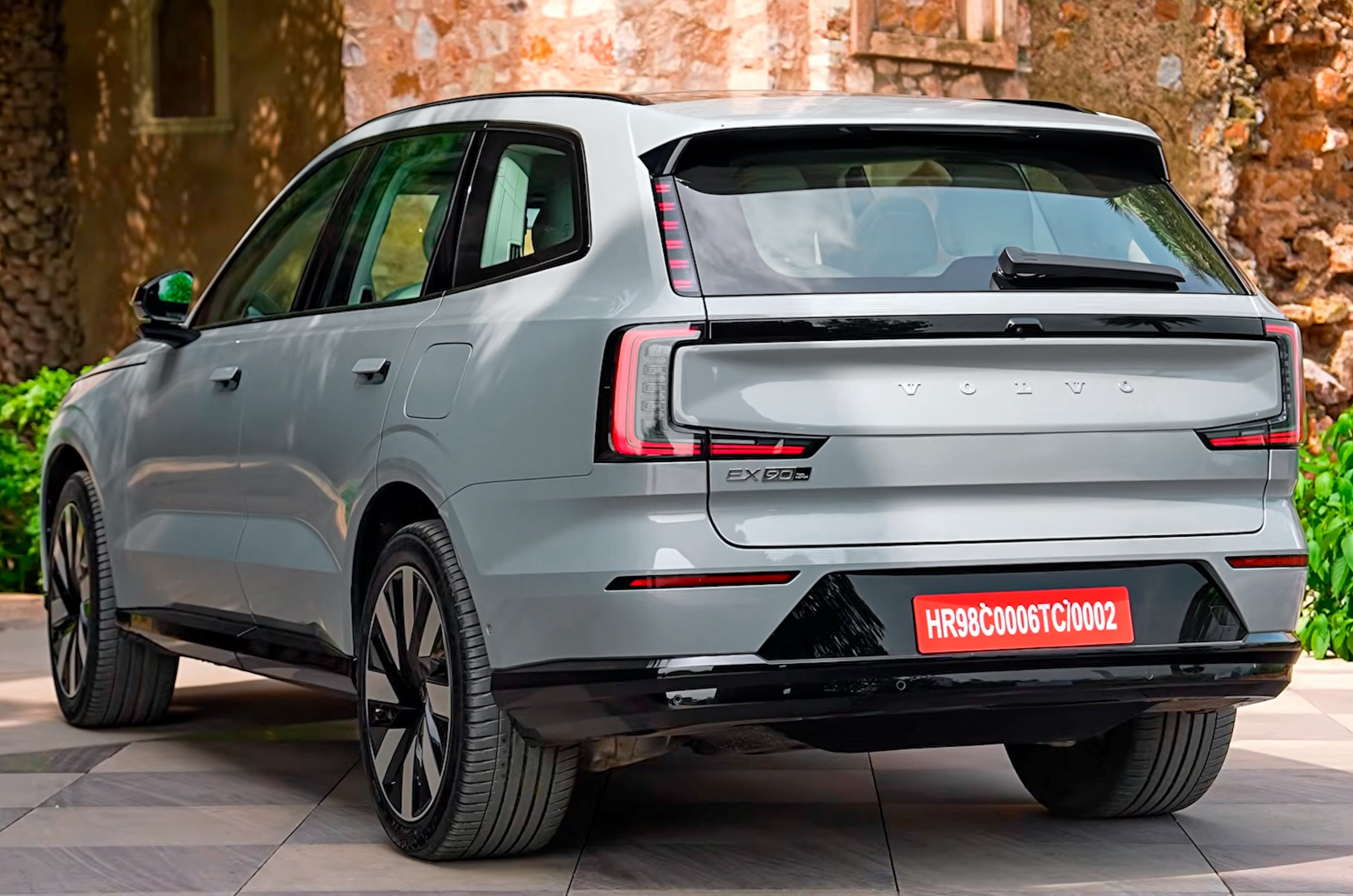
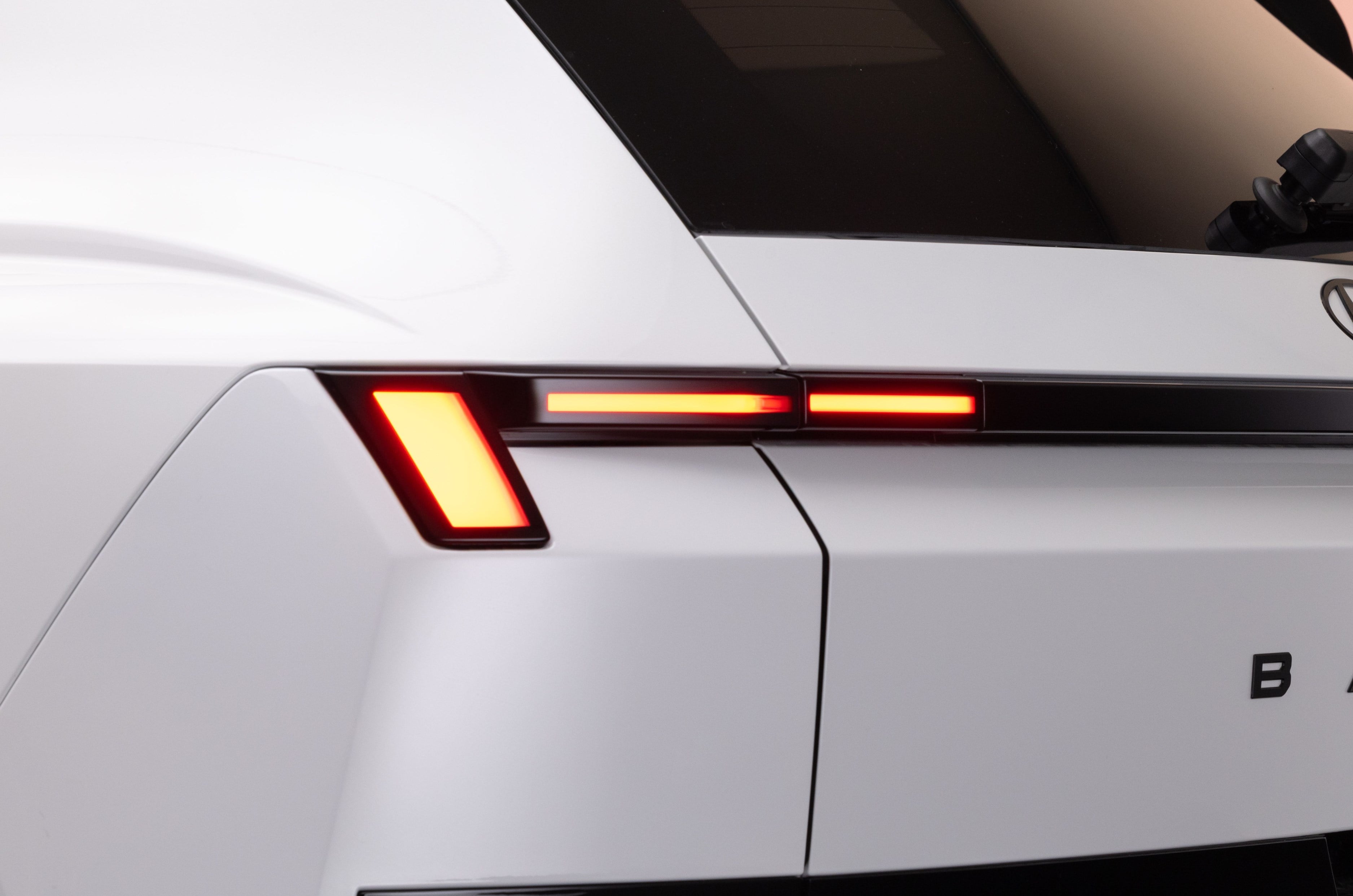
Sorento को Kia के ग्लोबल N3 प्लेटफॉर्म पर तैयार किया गया है। इसकी लंबाई 4,815 mm, चौड़ाई 1,900 mm, व्हीलबेस 2,815 mm और रूफ रेल्स के साथ ऊंचाई 1,785 mm है। कंपनी के अनुसार, यह अपने सेगमेंट की सबसे लंबी और चौड़ी SUV है। इसका बड़ा आकार तीनों रो में ज्यादा जगह उपलब्ध कराने में मदद करता है। SUV के फ्रंट में Kia Digital Tiger Face, Crystal Cube LED Projection Headlamps और Star Map LED DRLs दिए गए हैं। पीछे Star Map LED Tail Lamps मिलते हैं। इसके अलावा SUV में Satin Chrome फिनिश वाली फ्रंट और रियर स्किड प्लेट, Satin Chrome बेल्टलाइन और इंटीग्रेटेड रियर स्पॉयलर भी दिया गया है। Sorento में 18-इंच Sporty Crystal Cut Alloy Wheels और 19-इंच Premium Crystal Cut Alloy Wheels का विकल्प मिलता है।


प्रीमियम केबिन में 12.3-इंच के दो डिस्प्ले


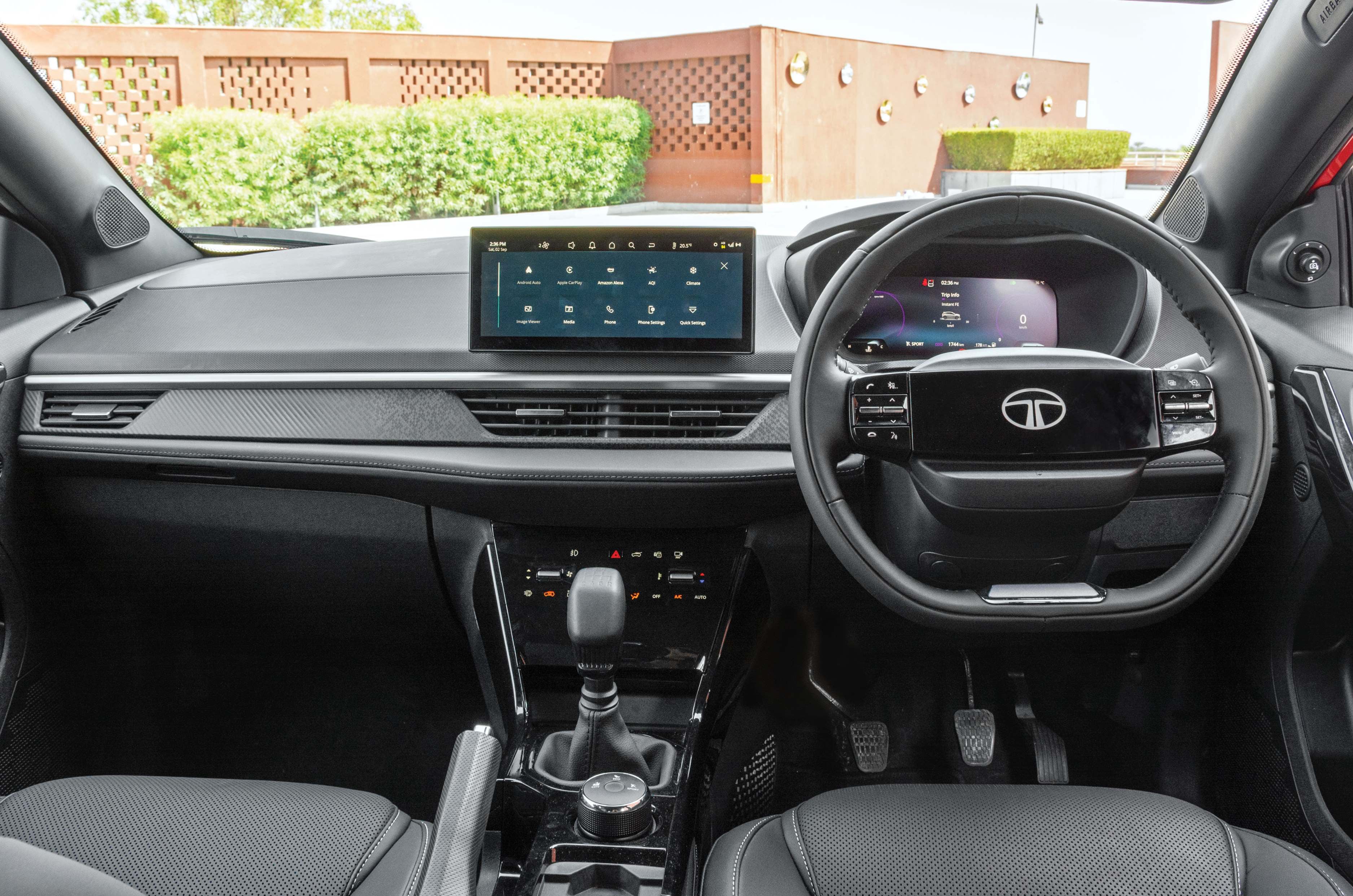
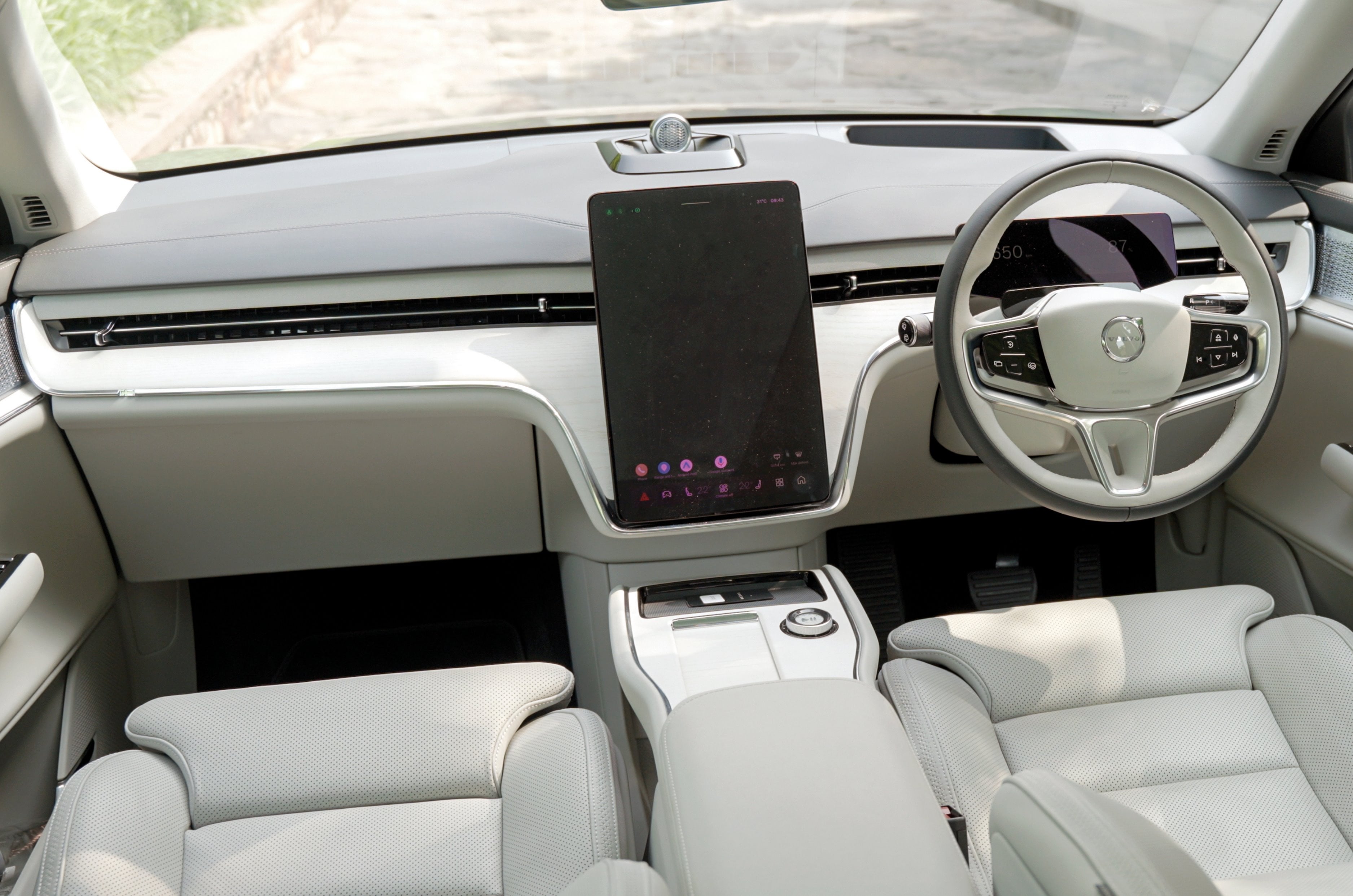
Kia Sorento के केबिन को प्रीमियम और टेक्नोलॉजी से लैस बनाया गया है। इसमें Panoramic Curved Display Panel मिलता है, जिसमें 31.24 cm यानी 12.3-इंच HD Touchscreen Navigation Cockpit और 12.3-इंच HD Digital Instrument Cluster शामिल हैं। इसके साथ Windshield Head-Up Display और Advanced Digital IRVM दिया गया है। SUV में Smoky Black & Grey और टॉप HTX वेरिएंट में Black & Olive Brown इंटीरियर थीम का विकल्प मिलता है। इसमें Dual Pane Panoramic Sunroof और 64-कलर Ambient Mood Lighting भी दी गई है।


6 और 7-सीटर दोनों विकल्प


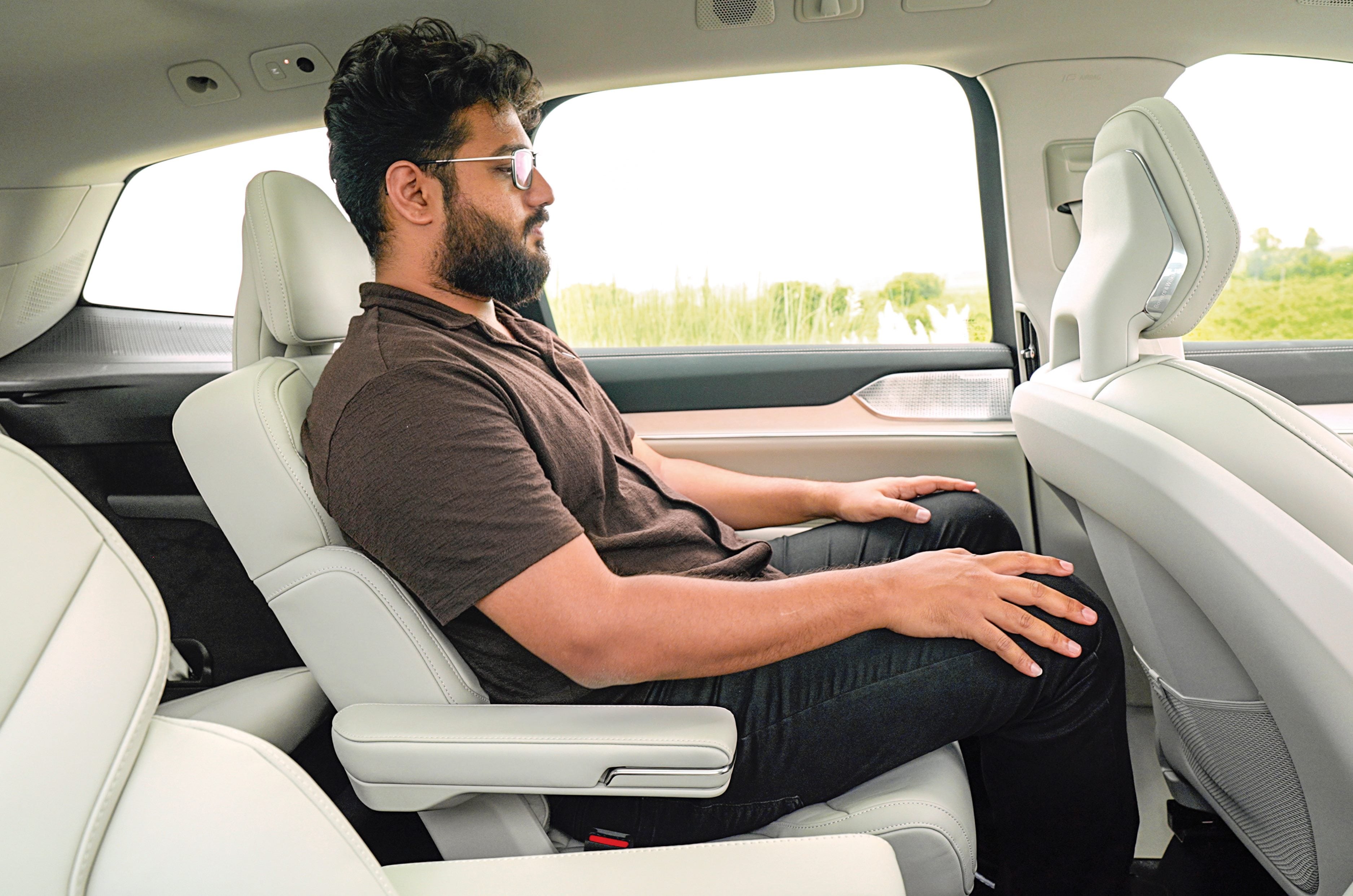
Kia Sorento को 6-सीटर और 7-सीटर कॉन्फिगरेशन में पेश किया गया है। पहली रो में 10-Way Power Driver और Co-Passenger Seats, Lumbar Adjustment, Relaxation Power Seats, Driver Seat Ergo Function और Integrated Memory System जैसे फीचर्स दिए गए हैं। Sorento की खासियत यह है कि इसमें पहली रो के अलावा दूसरी रो में भी Ventilated Seats मिलती हैं। सीटों में 3-स्टेप कूलिंग फंक्शन दिया गया है। 6-सीटर मॉडल में दूसरी रो में Captain Seats मिलती हैं, जबकि 7-सीटर मॉडल में 60:40 स्प्लिट रियर सीटें दी गई हैं। दोनों में Slide, Recline और Walk-in फंक्शन मिलता है।

 इसके अलावा 4-Way Power Boss Mode, Wing Type Headrests, तीसरी रो में 50:50 Split-Folding Seats और दूसरी-तीसरी रो के लिए Rear AC Vents दिए गए हैं।


Kia Sorento में पहली बार Real-Time Generative AI


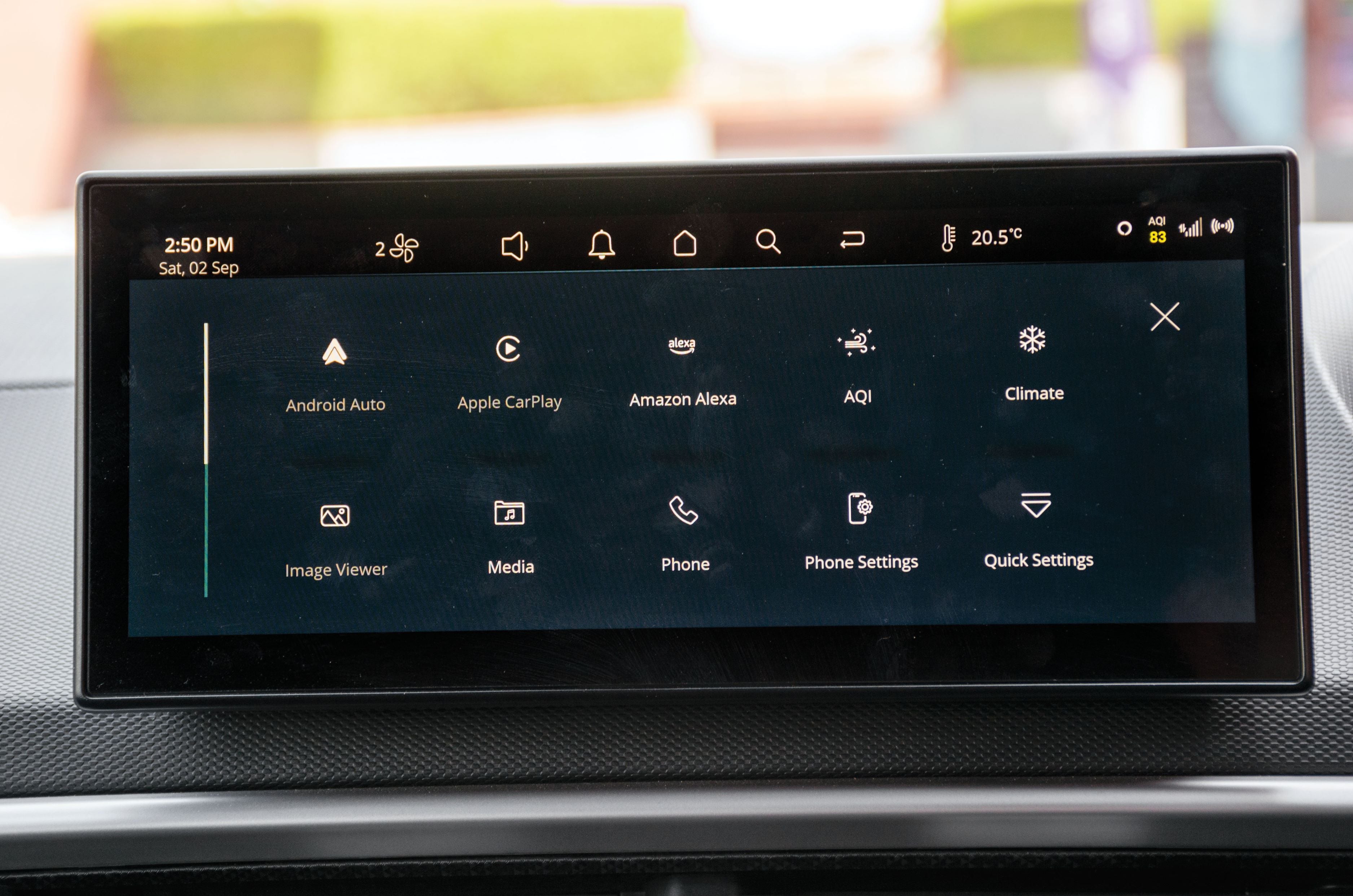
Kia Sorento का सबसे बड़ा टेक्नोलॉजी अपडेट इसका Kia AI Assistant है। भारत-स्पेक Sorento में यह तकनीक पहली बार वैश्विक स्तर पर पेश की गई है। Kia AI Assistant रियल-टाइम सर्च पर आधारित जानकारी उपलब्ध कराता है। यह सामान्य बातचीत को समझने के साथ Follow-up Questions का जवाब भी दे सकता है। “Hey Kia” Wake Word के जरिए इसे हैंड्स-फ्री इस्तेमाल किया जा सकता है। यह चुनिंदा वाहन फंक्शंस, जैसे Air Conditioning और Windows को भी कंट्रोल कर सकता है।


इसके अलावा Sorento में:

  •  
  • Remote Vehicle Immobilization
  • Kia Connect 2.0 के 85+ कनेक्टेड कार फीचर्स
  • 30 कंट्रोलर्स के लिए OTA Software Updates
  • Digital Key 2.0
  • Wireless Android Auto
  • Wireless Apple CarPlay


जैसे फीचर्स मिलते हैं।


Disney, Marvel और Pixar थीम से कर सकेंगे कार को पर्सनलाइज


Kia ने पहली बार भारत में Personalized Display Themes भी पेश किए हैं। Sorento के Cluster और Infotainment सिस्टम में Disney, Marvel और Pixar पर आधारित कुल 9 थीम मिलेंगी। इन थीम के जरिए ग्राहक डैशबोर्ड के रंग, एनिमेशन और स्क्रीन लेआउट को अपनी पसंद के अनुसार बदल सकेंगे। दिसंबर 2026 से Kia Connect Store भी Sorento के लिए शुरू किया जाएगा। इसके जरिए ग्राहक चुनिंदा Feature-on-Demand सेवाओं को खरीद सकेंगे।


30 ADAS फीचर्स और 10 एयरबैग तक


सेफ्टी के मामले में भी Sorento को काफी एडवांस बनाया गया है। SUV में ADAS Level 2+ के 30 फीचर्स दिए गए हैं।


इनमें:


  • Forward Collision Warning
  • Forward Collision-Avoidance Assist
  • Lane Keeping Assist
  • Lane Following Assist
  • Highway Driving Assist
  • Smart Cruise Control
  • Blind Spot Collision Avoidance
  • Rear Cross Traffic Collision Avoidance
  • Safe Exit Warning
  • Remote Smart Parking Assist


जैसे फीचर्स शामिल हैं।


Kia का Robust 26 Standard Safety Package भी मिलता है। इसमें 7 एयरबैग स्टैंडर्ड हैं, जबकि टॉप वेरिएंट में अतिरिक्त Rear Side और Centre Side Airbags के साथ कुल 10 एयरबैग तक मिलते हैं।


इसके अलावा 360-डिग्री कैमरा, Blind View Monitor, 12 पार्किंग सेंसर, पांच रडार और Dynamic Guidelines वाला रियर कैमरा भी दिया गया है।


भारत में बनी, भारतीय ग्राहकों के हिसाब से तैयार


Kia Sorento का उत्पादन भारत में Kia India की अनंतपुर, आंध्र प्रदेश स्थित मैन्युफैक्चरिंग फैसिलिटी में किया गया है। कंपनी ने भारतीय सड़कों और ग्राहकों की जरूरतों को ध्यान में रखते हुए इसमें कई बदलाव किए हैं। इनमें India-specific grille detailing, Acoustic Windshield और Black High Glossy Bridge Type Roof Rails शामिल हैं। कंपनी का दावा है कि Acoustic Windshield, Door Trim Insulator और अन्य इंजीनियरिंग सुधारों की वजह से Sorento में बेहद शांत केबिन और बेहतर NVH प्रदर्शन मिलता है।


ये प्रमुख फीचर्स भी मिलेंगे


Kia Sorento में कई प्रीमियम और सेगमेंट-फर्स्ट फीचर्स दिए गए हैं, जिनमें शामिल हैं:


  • Smart Power Tailgate with Anti-Pinch
  • Dual Pane Panoramic Sunroof
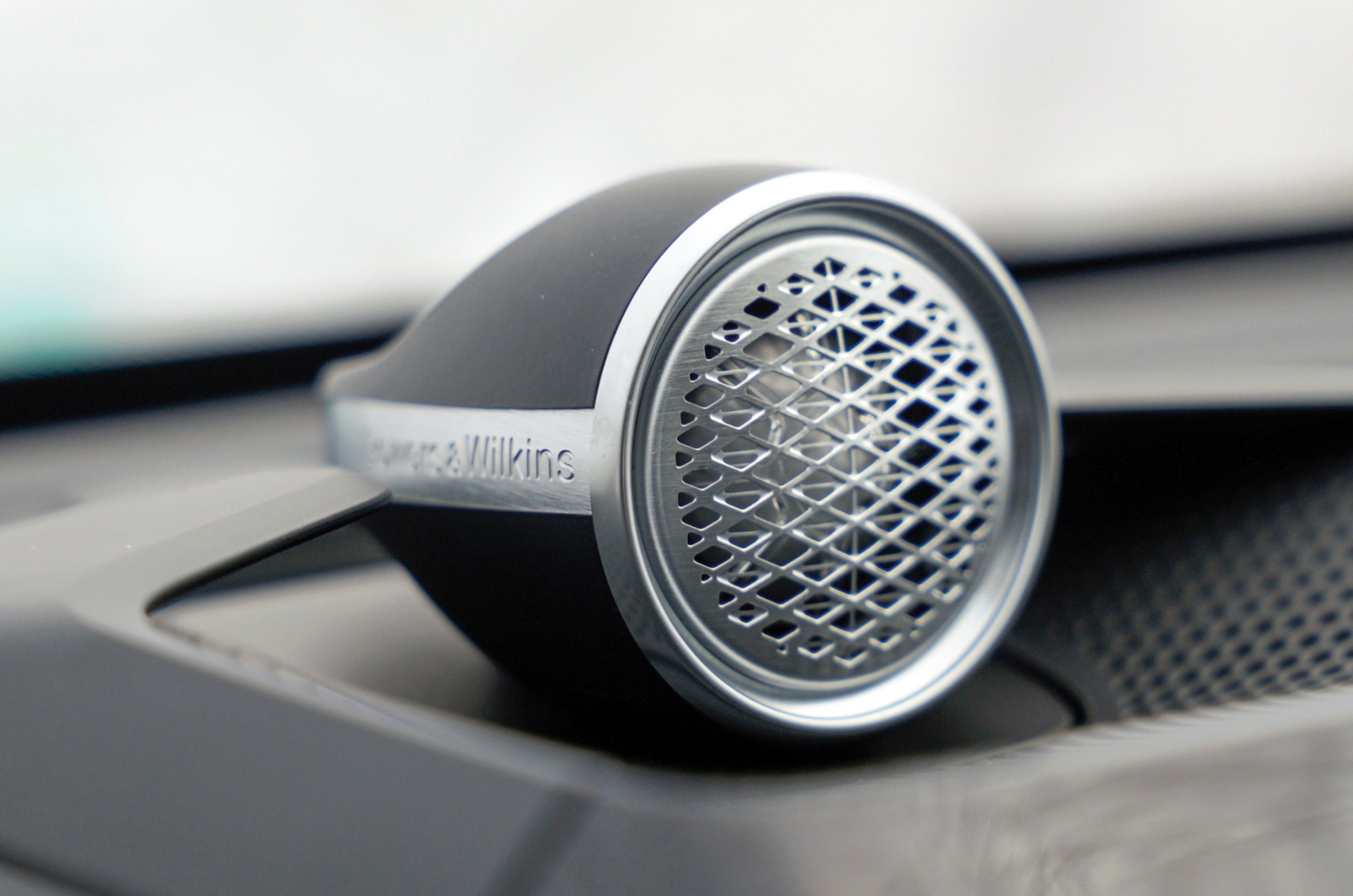
  • Bose Premium Sound System with 12 Speakers
  • Smart Dashcam with Front & Rear Camera
  • Remote Smart Parking Assist
  • 220V Power Outlet
  • Digital IRVM
  • Head-Up Display
  • Wireless Smartphone Charger
  • Dual-Zone Automatic Climate Control
  • Tyre Pressure Monitoring System
  • Electronic Parking Brake with Auto Hold
  • Front और Rear Seat Side Airbags
  • Driver Knee Airbag
  • All-Wheel Disc Brakes
  • ISOFIX
  • Rear Occupant Alert
     

Kia Sorento की कीमत और वेरिएंट


Kia Sorento को तीन मुख्य ट्रिम्स और उनके Option Pack के साथ पेश किया गया है। Diesel 7-Seater की शुरुआती कीमत ₹27.99 लाख है, जबकि Hybrid 7-Seater की शुरुआती कीमत ₹29.49 लाख है। टॉप वेरिएंट में कीमत करीब ₹40.19 लाख एक्स-शोरूम तक जाती है।


प्रमुख कीमतें

  • पावरट्रेन सीटिंग शुरुआती कीमत टॉप कीमत
  • 2.2 Diesel 8DCT 7-सीटर ₹27.99 लाख ₹38.69 लाख
  • 2.2 Diesel 8DCT 6-सीटर ₹32.69 लाख ₹38.89 लाख
  • 1.6 Turbo Hybrid 6AT 7-सीटर ₹29.49 लाख ₹40.19 लाख
  • 1.6 Turbo Hybrid 6AT 6-सीटर ₹34.19 लाख ₹40.39 लाख
  • आठ एक्सटीरियर कलर का विकल्प


Kia Sorento को आठ मोनो-टोन एक्सटीरियर कलर में पेश किया गया है:


  • Glacier White Pearl
  • Gravity Gray
  • Imperial Blue
  • Magma Red
  • Pewter Olive
  • Ivory Silver Gloss
  • Aurora Black Pearl
  • Matte Dark Gun Metal


इसके अलावा पहली बार Kia India लाइन-अप में Black Line Trim भी पेश किया गया है। इसमें Kia और Sorento बैज, 19-इंच Premium Crystal Cut Alloy Wheels, Fender Garnish और Beltline सहित कई एक्सटीरियर एलिमेंट्स को ब्लैक फिनिश दी गई है।


4.8 मिलियन से ज्यादा ग्राहकों का भरोसा


Kia Sorento पिछले 24 वर्षों और चार पीढ़ियों के दौरान 132 देशों में 4.8 मिलियन से ज्यादा ग्राहकों तक पहुंच चुकी है। यही वजह है कि यह Kia की सबसे सफल ग्लोबल SUV नेमप्लेट में शामिल है। भारत में नई Sorento के साथ Kia ने पहली बार प्रीमियम थ्री-रो SUV सेगमेंट में कदम रखा है। Hybrid पावरट्रेन, AWD, ADAS Level 2+, 10 एयरबैग तक और Real-Time Generative AI वाला Kia AI Assistant इसे इस सेगमेंट की एक टेक्नोलॉजी-फोकस्ड SUV बनाते हैं।

Poco X8 और X8 Power भारत में लॉन्च, 10,000mAh बैटरी और 100W चार्जिंग ने खींचा ध्यान

Poco X8 Power को आखिरकार भारतीय बाजार में इसके बेस वेरिएंट, Poco X8 के साथ लॉन्च कर दिया गया है। Power वेरिएंट में दो कलर ऑप्शन और एक बड़ी 10000mAh की बैटरी मिलती है। दोनों फोन में लेदर फिनिश वाला बैक पैनल और चौकोर आकार का कैमरा मॉड्यूल दिया गया है। अब आइए, हाल ही में लॉन्च हुए इन दोनों फोन के बारे में वे सभी बातें जानते हैं जो आपको पता होनी चाहिए।

Poco X8 Power, Poco X8 की भारत में कीमत

Poco X8 भारतीय बाजार में ₹29,999 की शुरुआती कीमत पर उपलब्ध है, जबकि Poco X8 Power ₹35,999 की शुरुआती कीमत पर मिल रहा है। कंपनी फिलहाल दोनों फोन पर ₹2,000 का डिस्काउंट दे रही है। इसके अलावा ₹1,000 का एक्सचेंज बोनस भी मिलेगा। इन ऑफर्स के बाद Poco X8 की प्रभावी कीमत ₹26,999 और Poco X8 Power की ₹32,999 हो जाएगी।

बता दें कि दोनों फोन की बिक्री 11 सितंबर 2026 से शुरू होगी। कलर ऑप्शन की बात करें तो, Poco X8 Power को Black और Yellow कलर में खरीदा जा सकेगा। वहीं, Poco X8 को Fiery Orange, Frost White और Black में उपलब्ध होगा।

Poco X8 Power, Poco X8 के स्पेसिफिकेशन्स और कैमरा

दोनों डिवाइस में 6.83-इंच का 1.5K AMOLED डिस्प्ले है, जिसमें 120Hz रिफ्रेश रेट और 3500 निट्स की पीक ब्राइटनेस मिलती है। Poco X8 में Snapdragon 6s Gen 4 प्रोसेसर है, जबकि X8 Power में Snapdragon 6 Gen 5 प्रोसेसर दिया गया है। इनके पैनल Gorilla Glass Victus 2 से सुरक्षित हैं। बैटरी की बात करें तो, Poco X8 में 9000mAh की बैटरी है, जो 67W वायर्ड और 22.5W चार्जिंग को सपोर्ट करती है। इसके अलावा, Poco X8 Power में 10000mAh की बैटरी है, जो 100W वायर्ड और 27W रिवर्स चार्जिंग सपोर्ट के साथ आती है। दोनों फोन Android 16 ऑपरेटिंग सिस्टम पर चलते हैं और इनमें HyperOS 3 स्किन दी गई है।

कैमरे की बात करें तो, Poco X8 में डुअल रियर कैमरा सेटअप है, जिसमें ऑप्टिकल इमेज स्टेबिलाइजेशन (OIS) वाला 50MP का प्राइमरी कैमरा और 2MP का कैमरा शामिल है। वहीं, X8 Power में ऑप्टिकल इमेज स्टेबिलाइजेशन (OIS) वाला 50MP का प्राइमरी सेंसर और 8MP का अल्ट्रा-वाइड-एंगल कैमरा दिया गया है। सेल्फी और वीडियो कॉल के लिए, X8 में 16MP का फ्रंट कैमरा है, जबकि X8 Power में 32MP का फ्रंट कैमरा दिया गया है।

यह भी पढ़ें: iQOO 16 जल्द ही नए Samsung डिस्प्ले के साथ होगा लॉन्च, जिसमें मिलेगी iPhone Ultra जैसी टेक्नोलॉजी

iQOO 16 जल्द ही नए Samsung डिस्प्ले के साथ होगा लॉन्च, जिसमें मिलेगी iPhone Ultra जैसी टेक्नोलॉजी

iQOO 16 को इस महीने के आखिर में कंपनी के नए फ्लैगशिप फोन के तौर पर लॉन्च किया जा सकता है। यह फोन iQOO 15 का अपग्रेड वर्जन होगा। हाल ही में iQOO 16 को एक बेंचमार्किंग प्लेटफॉर्म पर देखा गया था, जहां इसके कई अहम स्पेसिफिकेशंस और फीचर्स सामने आए। इसके अलावा, यह हैंडसेट पहले लीक हुई तस्वीरों में भी देखा गया है, जिससे संकेत मिलता है कि इसमें नए डिजाइन वाला रियर कैमरा मॉड्यूल हो सकता है। अब, iQOO 16 के बारे में एक नई लीक से पता चलता है कि टेक कंपनी इस हैंडसेट में इंडस्ट्री का पहला OLED पैनल लगाने की योजना बना रही है। खबर है कि कंपनी Samsung के साथ मिलकर iQOO 16 में वही डिस्प्ले टेक्नोलॉजी लाने पर काम कर रही है जो Apple के आने वाले बुक-स्टाइल फोल्डेबल फोन में होगी।

iQOO 16 के स्पेसिफिकेशन्स और फीचर्स (अनुमानित)

वीबो (Weibo) पर एक पोस्ट में, टिपस्टर ‘डिजिटल चैट स्टेशन’ (चीनी भाषा से अनुवादित) ने आने वाले iQOO 16 के बारे में अहम जानकारी शेयर की है। कहा जा रहा है कि यह पहला ऐसा Android स्मार्टफोन होगा जिसमें M16 ल्यूमिनसेंट मटीरियल वाला लेटेस्ट सैमसंग OLED डिस्प्ले और नेक्स्ट-जेनरेशन LEAD [लो पावर, इको-फ्रेंडली, ऑगमेंटेड ब्राइटनेस और स्लिम व लाइट डिज़ाइन] डिस्प्ले टेक्नोलॉजी होगी।

इसके अलावा, लीक करने वाले का दावा है कि iQOO 16 पहला ऐसा Android फोन होगा जिसमें Samsung की LEAD डिस्प्ले टेक्नोलॉजी होगी। उम्मीद है कि यह टेक्नोलॉजी Apple के पहले बुक-स्टाइल फोल्डेबल स्मार्टफोन, iPhone Ultra में भी देखने को मिलेगी। खबर है कि Vivo का सब-ब्रांड, फ्लैगशिप iQOO 16 में डिस्प्ले से जुड़े और भी फीचर्स लाने के लिए Samsung के साथ मिलकर काम कर रहा है। हालांकि, इनमें से किसी भी टेक कंपनी ने इन जानकारियों की पुष्टि नहीं की है।

हाल ही में, iQOO 16 के कथित रेंडर ऑनलाइन सामने आए हैं, जिनसे फोन के डिजाइन का पता चलता है। तस्वीर में आने वाले स्मार्टफोन का री-डिजाइन किया गया रियर कैमरा मॉड्यूल दिख रहा है, जिसमें ट्रिपल कैमरा सिस्टम है। फोन के फ्लैट रियर पैनल को भी मेटल जैसा नया पैटर्न देकर री-डिजाइन किया जा सकता है। पैनल के निचले हिस्से में बीच में iQOO की ब्रांडिंग दिख रही है। वहीं, iQOO 16 के दाईं ओर पावर बटन और वॉल्यूम कंट्रोल हो सकते हैं।

इसके अलावा, iQOO 16 को हाल ही में Geekbench बेंचमार्किंग प्लेटफॉर्म पर मॉडल नंबर V2606A के साथ देखा गया था। खबरों के मुताबिक, इस हैंडसेट को Qualcomm के अभी तक रिलीज नहीं हुए ऑक्टा-कोर Snapdragon 8 Elite Gen 6 Pro चिपसेट के साथ लिस्ट किया गया था, जो 5.01GHz की पीक क्लॉक स्पीड देता है। Geekbench पर iQOO 16 को Android 17 पर चलते हुए भी देखा गया है। फोन से जुड़ी और भी कई जानकारियां आने वाले हफ्तों में सामने आने की उम्मीद है।

यह भी पढ़ें: 200MP Leica कैमरा के साथ Xiaomi 18 Fold होगा लॉन्च, जानें कीमत, फीचर्स और लॉन्च डेट

Oppo Find X10 भारत में मचाएगा तहलका! BIS सर्टिफिकेशन पर दिखा फोन, फीचर्स भी हुए लीक

Oppo अपनी लेटेस्ट फ्लैगशिप, Oppo Find X10 सीरीज को ग्लोबल मार्केट में लाने के लिए पूरी तरह तैयार है। खास बात यह है कि Oppo Find X10 पहले ही BIS सर्टिफिकेशन वेबसाइट पर दिख चुका है, जिसका मतलब है कि यह डिवाइस भारत में लॉन्च होने के लिए तैयार हो रहा है। इसके अलावा, Oppo Find X10 Pro Max भी थाईलैंड के NBTC डेटाबेस पर सामने आया है और इसे TUV मंजूरी भी मिल गई है।

इस सीरीज के भारत-स्पेसिफिक वेरिएंट की बात करें, तो Oppo Find X10 का मॉडल नंबर CPH2911 है। सीरीज के Pro वेरिएंट के बारे में अफवाहें हैं कि कंपनी इसे सिर्फ चीन तक ही सीमित रखेगी। हालांकि, अभी तक Oppo Find X10 Pro Max के भारत में उपलब्ध होने की भी पुष्टि नहीं हुई है। तो चलिए अब, लीक, अफवाहों और अनुमानों के आधार पर इस फोन के बारे में जो भी जानकारी मिली है वह यहां हम आपको बताते हैं।

Oppo Find X10 सीरीज के अनुमानित स्पेसिफिकेशन्स

Oppo Find X10 में 6.59-इंच का 1.5K डिस्प्ले और बहुत पतले बेजेल्स होने की उम्मीद है। इसके अलावा, इस डिवाइस में MediaTek Dimensity 9600 सीरीज या Dimensity 9500 Plus चिपसेट हो सकता है, साथ ही 12GB RAM और 256GB इंटरनल स्टोरेज भी मिल सकती है। इसके कई RAM और स्टोरेज वेरिएंट्स भी आ सकते हैं। ऐसी भी खबरें हैं कि इस फोन में 8000mAh की बैटरी होगी और यह 80W वायर्ड और 50W वायरलेस चार्जिंग को सपोर्ट करेगा। यह Android 17 ऑपरेटिंग सिस्टम पर आधारित होगा और इसमें ColorOS स्किन होगी।

कैमरे की बात करें तो, Oppo Find X10 में ट्रिपल रियर कैमरा सेटअप होगा, जिसमें 200MP का पेरिस्कोप सेंसर, 200MP का प्राइमरी सेंसर और 50MP का अल्ट्रा-वाइड-एंगल सेंसर शामिल होगा। सेल्फी और वीडियो कॉल के लिए, इस डिवाइस में 50MP का फ्रंट कैमरा भी हो सकता है। अभी तक डिवाइस की कीमत के बारे में कोई जानकारी नहीं मिली है। उम्मीद है कि Oppo की ओर से आधिकारिक घोषणा होने पर ही इस बारे में और जानकारी मिल पाएगी।

यह भी पढ़ें: iPhone Ultra होगा अब तक का सबसे महंगा iPhone! कीमत और फीचर्स ऑनलाइन लीक

Redmi 17 5G की भारत में एंट्री, Snapdragon 4 Gen 5 प्रोसेसर और 7,900mAh बैटरी के साथ

Redmi ने गुरुवार को भारत में अपना नया Redmi 17 5G स्मार्टफोन लॉन्च कर दिया है। इस फोन को Amazon और कंपनी के अधिकृत आउटलेट्स से खरीदा जा सकेगा। ग्लोबल वेरिएंट की तरह भारत में भी यह स्मार्टफोन तीन अलग-अलग कलर ऑप्शन में उपलब्ध होगा। आइए जानते हैं Redmi 17 5G की कीमत और इसके स्पेसिफिकेशंस के बारे में।

भारत में Redmi 17 5G की कीमत

Redmi 17 5G के 6GB RAM + 128GB स्टोरेज वाले मॉडल की शुरुआती कीमत ₹39,999 है। वहीं, 8GB RAM + 128GB स्टोरेज वाले मॉडल की कीमत ₹41,999 है। खास बात यह है कि कंपनी ने दोनों मॉडल्स की नेट इफेक्टिव कीमत क्रमशः ₹23,999 और ₹26,999 तय की है।

यह फोन भारत में 10 सितंबर 2026 से Amazon और Xiaomi के अधिकृत आउटलेट्स के जरिए खरीदा जा सकेगा। Redmi 17 5G को Absolute Black, Endless Blue और Eternal Orange जैसे तीन कलर ऑप्शन में पेश किया गया है।

Redmi 17 5G के स्पेसिफिकेशन्स

Redmi 17 5G में डुअल-सिम स्लॉट है और यह Android 16 पर आधारित HyperOS3 पर चलता है। इस हैंडसेट में 6.9-इंच का HD+ डिस्प्ले होगा, जिसका रिफ्रेश रेट 120Hz तक और पीक ब्राइटनेस 825 निट्स होगी।

पावर की बात करें तो, इस स्मार्टफोन में Qualcomm का ऑक्टा-कोर Snapdragon 4 Gen 5 चिप है, जो 4nm प्रोसेस पर बना है। इसमें Adreno GPU के साथ 8GB तक LPDDR4x RAM और 256GB तक UFS 2.2 ऑनबोर्ड स्टोरेज भी मिलता है, जिसे माइक्रो-SD कार्ड से 2TB तक बढ़ाया जा सकता है।

फोटोग्राफी के लिए, इस हैंडसेट में डुअल रियर कैमरा सेटअप है, जिसमें f/1.8 अपर्चर वाला 50MP का मेन सेंसर और एक सेकेंडरी कैमरा शामिल है। सेल्फी के लिए, स्मार्टफोन में f/2.05 अपर्चर वाला 8MP का कैमरा दिया गया है।

Redmi 17 5G में 7,900mAh की बैटरी है और यह 45W वायर्ड फास्ट चार्जिंग और 22.5W रिवर्स वायर्ड चार्जिंग को सपोर्ट करता है। इस डिवाइस का साइज 170.12×78.42×8.8mm है। कनेक्टिविटी के लिए, Redmi 17 5G में 5G और 4G LTE नेटवर्क के साथ डुअल-बैंड Wi-Fi, Bluetooth, NFC, GPS और USB Type-C पोर्ट की सुविधा है। इसमें 3.5mm हेडफोन जैक भी दिया गया है।

यह भी पढ़ें: iPhone 18 Pro और 18 Pro Max की प्री-ऑर्डर डेट लीक! 12 सितंबर से शुरू हो सकती है बुकिंग, 48MP ट्रिपल कैमरा समेत मिलेंगे ये फीचर्स

3 reasons to buy the Maruti Celerio and 3 reasons to avoid it

3 reasons to buy the Maruti Celerio and 3 reasons to avoid it
Maruti Celerio side static

The Celerio is positioned between the cheaper Alto K10 and the even more popular Wagon R in Maruti Suzuki’s line-up. Priced between Rs 4.70 lakh and Rs 6.75 lakh (ex-showroom), the Celerio is available in petrol and CNG versions with manual and AMT gearbox options, just like its rivals. While the second-gen model arrived on the entry-level hatchback scene in 2021, it hasn’t received a single facelift in the following five years, placing it at a disadvantage over some of its competitors. This Heartect platform-based hatchback goes up against the likes of the new-gen Tata Tiago and its own stablemate, the Wagon R.

Reasons to buy the Maruti Celerio

City slicker

The Celerio’s urban-friendly demeanour is great for regular commutes

Maruti Celerio engine

One of the factors making the Maruti Celerio a great urban runabout is its 1.0-litre three-cylinder engine. It builds power smoothly right from lower RPMs which, along with a slick 5-speed manual gearbox and a light clutch, make pottering around town an easy affair. Those seeking an even easier time commuting can pick the AMT (automated manual transmission), whose shifts are relatively smooth as far as AMTs go.

Maruti Celerio front tracking

Helping matters further in the city is the plaint suspension, which soaks up bumps at lower speeds without much fuss. The light steering, tight turning radius and good front visibility also go a long way in helping you navigate compact parking spots and bustling city traffic. And despite its cost-friendly design, the height-adjustment feature for the driver’s seat means finding a suitable position isn’t too much of an issue.

Efficiency champ

This is Maruti Suzuki’s most frugal offering in the country

Maruti Celerio AMT gearbox

Not only is it easy to drive, but the Maruti Celerio will not have you complaining about fuel economy either. The petrol version with the 5-speed manual transmission has a claimed mileage of up to 25.24kpl, while the AMT option is rated at 26kpl – making the Celerio AMT the most fuel-efficient petrol car in the market. All variants of the Celerio come with an automatic engine stop-start function, further reducing fuel consumption. While this feature isn’t enabled when running on CNG (in VXi MT only), the claimed mileage of 34.43km/kg is better than that of the Maruti Wagon R CNG and the Renault Kwid CNG.

Roomy boot

The Celerio’s boot affords more space than some rivals

Maruti Celerio boot space

At 292 litres, the boot of the Maruti Celerio is bigger than those rivals such as the Tata Tiago and Renault Kwid. This is enough to accommodate two large suitcases and a couple of carry-on-sized bags, with still some room to spare. If you need even more space, the 60:40 split-folding rear seats will come in handy. On the other hand, the loading lip is high and relatively narrow, making loading or unloading heavier items cumbersome.

Reasons to avoid the Maruti Celerio

Ergonomic niggles

This interior has a few sore points that’ll take getting used to

Maruti Celerio infotainment

Compared to most of its adversaries, the power window switches of the Maruti Celerio aren’t placed on the doors. The front ones are positioned on the dashboard, whilst the rear switches are found on the rear centre pedestal between the front seats. Buttons to operate the door and power-window locks are also on the dashboard. Then there are the thick A-pillars, which can obstruct your view at junctions and roundabouts.

Maruti Celerio rear seats

The well-cushioned rear seats of the Celerio offer plenty of kneeroom for even taller occupants. However, headroom isn’t all that good, and the fixed headrests are positioned way too low to be effective. The angled design of these headrests also means that they poke into your back, which can be uncomfortable.

Unimpressive material quality and feature set

The Celerio’s cabin isn’t the most up-to-date in this segment

When compared to the new-gen Tata Tiago, the interior of the Maruti Celerio looks and feels a touch dated. There’s plenty of hard plastics which, even though are accompanied by shiny trim and a sculpted dashboard, feel pretty basic. The relatively simple design is backed by an equipment list that isn’t particularly competitive either.

Maruti Celerio interior

For instance, even the top trim level of the Celerio doesn’t come with a rearview camera. There’s also no automatic climate control system, while Apple CarPlay and Android Auto both require a wired connection. The touch-infotainment screen is a 7-inch unit, whereas a similarly priced Tata Tiago offers an 8-inch setup. On the outside, the Maruti Celerio gets the old-school ‘flip-up’ door handles.

Imperfect on a highway

This hatchback isn’t particularly meant to be driven hard or fast

Maruti Celerio side tracking

While it’s perfectly at home in the city, the Maruti Suzuki Celerio isn’t as good out on the open road. The lifeless steering aside, the body moves around enough – both of which robs you of confidence required to push the car any harder.

Also read

3 reasons to buy the Toyota Hyryder and 2 reasons not to

Mitsubishi Pajero: What’s changed from fourth to fifth-generation model

Tata Curvv Series X launched at Rs 9.9 lakh

Tata Curvv Series X launched at Rs 9.9 lakh
Curvv

Tata Motors has introduced the Curvv Series X, with prices ranging from Rs 9.9 lakh to Rs 18.5 lakh (ex-showroom). The new range gets a reshuffled variant lineup, with features from higher variants moved to lower and mid-spec versions. Tata has also expanded the availability of the #DARK edition across the range, while the powertrain remains unchanged.

Tata Curvv Series X price

Tata Curvv Series X ex-showroom prices
VariantPrice
Smart XRs 9.9 lakh
Pure XRs 10.99 lakh
Pure X+Rs 11.79 lakh
Creative XRs 12.91 lakh
Accomplished XRs 13.99 lakh
Accomplished X+Rs 18.5 lakh

The Smart X is the most affordable variant in the lineup, priced Rs 14,000 higher than the previous base trim. The petrol-diesel price gap has been reduced to Rs 1.3 lakh from Rs 1.5 lakh previously, while the premium for the automatic gearbox has also come down to Rs 1.3 lakh from Rs 1.5 lakh.

Tata Curvv Series X interior and features

The Curvv Series X gets a 10.25-inch infotainment screen with wireless Android Auto and Apple CarPlay, automatic climate control, cruise control and a rear-view camera. It also gets a 10.25-inch digital cockpit, smart key with push-button start, front and rear USB ports, Wi-Fi connectivity and multiple drive modes.

The cabin gets a lighter interior theme with leatherette upholstery and leatherette finishes on the steering wheel, gear-shift knob and centre-console armrest. Rear passengers get dedicated AC vents, a rear armrest and reclining rear seats. The front seat-back is 10mm slimmer, while the rear seat has been moved 20mm rearwards and 10mm lower.

Other features include a panoramic sunroof, 360-degree 3D surround-view camera with a blind-view monitor, front parking assist, rain-sensing wipers and automatic headlamps. Safety equipment includes six airbags, ESP, hill-hold control, ABS with EBD and rear parking sensors.

Tata Curvv Series X exterior

The Curvv Series X retains the SUV-coupe design of the existing model, with flush door handles, an illuminated four-spoke steering wheel, LED headlamps, DRLs and tail-lamps, and a rear spoiler. The Series X gets a black grille treatment in place of the earlier chrome finish. The #DARK edition is now available from lower down the range, with a blacked-out exterior and Obsidian-themed interior. It gets 17-inch diamond-cut alloy wheels, while higher versions offer 18-inchers.

Tata Curvv Series X powertrain 

The Curvv Series X continues with three engine options: a 1.2-litre turbo-petrol producing 120hp and 170Nm, a 1.2-litre direct-injection turbo-petrol producing 125hp and 225Nm, and a 1.5-litre diesel producing 118hp and 260Nm.

The 1.2-litre turbo-petrol and 1.5-litre diesel are available with a 6-speed manual and 7-speed dual-clutch automatic, while the 1.2-litre direct-injection turbo-petrol is exclusive to the top-spec Accomplished X+ and is paired with the 7-speed DCA.

Hyundai Bayon-based SUV interior spied for the first time

Hyundai Bayon-based SUV interior spied for the first time
Hyundai Bayon-based SUV interior

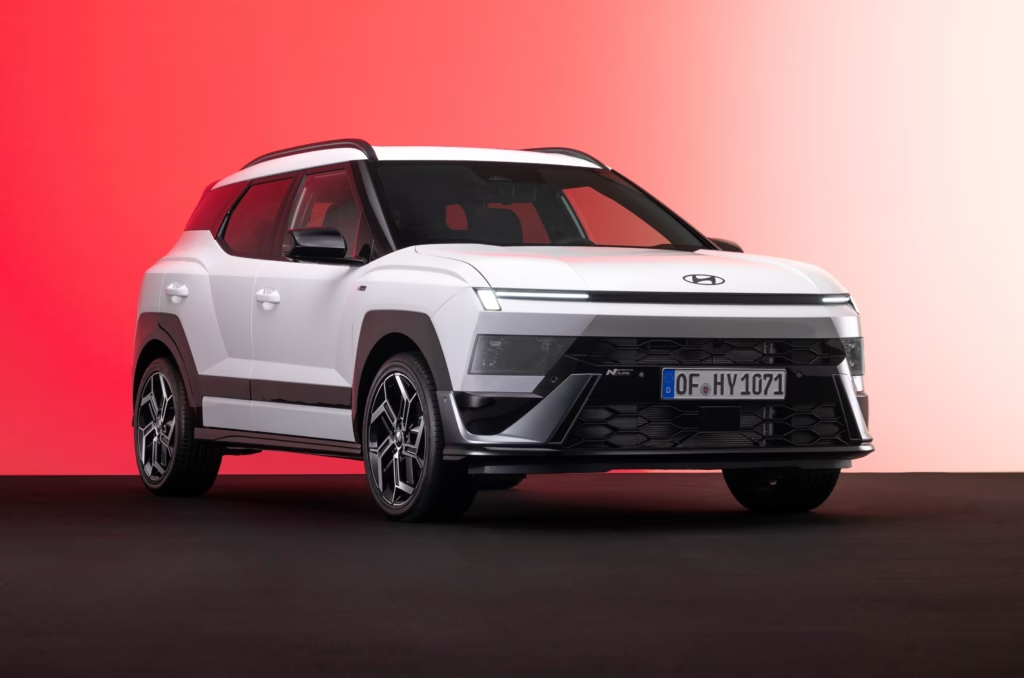
Some newly released spy shots of Hyundai’s upcoming Bayon-based midsize SUV offer the first glimpse of its interior. This SUV is expected to launch in the festive season as an alternative to Hyundai’s other midsize SUV, the highly popular Creta. However, the spy shots here indicate that the Bayon-based SUV will offer a more modern interior layout.

Hyundai Bayon-based SUV interior: What do the spy shots reveal?

Credit: Ankan Baruah via YouTube

Among the most notable elements visible in the spy shots is a new curved set of displays, similar to the dual 12.3-inch screens found in top-spec variants of the smaller Venue. By contrast, the Creta comes with dual 10.25-inch displays at most, and its infotainment system doesn’t natively support wireless Apple CarPlay and Android Auto – a separate USB adapter is required for that. We expect the Bayon-based SUV to rectify this shortcoming with updated infotainment software.

A dual-tone steering wheel resembling that of the Venue can be observed too. Like many of Hyundai’s newer cars, the steering wheel is expected to bear the four-dot motif that signifies ‘H’ in Morse code. Its black-and-white finish likely informs the overall colour scheme of the cabin as well.

Credit: Ankan Baruah via YouTube

In the second spy shot, we can clearly see a black-and-white finish for the door liners. The Bayon-based SUV also looks to have circular interior door handles.

Hyundai Bayon-based SUV: What else do we know?

On the outside, the Bayon-based SUV is anticipated to adopt Hyundai’s latest ‘Art of Steel’ design language, which is seen in newer global models like the eighth-gen Elantra and fifth-gen Tucson. Expect the Bayon-based SUV to sport T-shaped light bars at the front and rear, squared-off wheel-arch cladding, new alloy wheels, edgy proportions, and lots of cuts and creases on the bodywork.

The Bayon-based SUV will differ majorly from the Creta in powertrain offerings. We exclusively reported in July that the upcoming Hyundai SUV is expected to get the Creta’s 115hp 1.5-litre 4-cylinder naturally aspirated petrol engine with its respective 6-speed manual and CVT options. However, this engine will also be offered in CNG form, which will make the Bayon-based SUV the first Hyundai car over four metres long to be powered by CNG.

An underbody CNG tank is expected for the Bayon-based SUV as well, allowing it to directly rival the Maruti Suzuki Victoris, which is the only CNG-powered midsize SUV with an underbody tank at the moment.

All you need to know about Lexus ES

All you need to know about Lexus ES
Lexus ES

The Lexus ES is available in India in two forms: the ES 350h strong hybrid and the ES 500e EV. The 350h was added to the ES range in July, joining the 500e that launched earlier this year. Beyond the new powertrain options, the latest ES gets a larger footprint, a redesigned cabin and a host of new features. Here’s everything you need to know.

1. How much do the Lexus ES 350h and ES 500e cost in India

The Lexus ES 350h is priced at Rs 66.10 lakh for the Exquisite variant and Rs 71.80 lakh for the Luxury trim, whereas the ES 500e costs Rs 89.99 lakh (all prices are ex-showroom). Both versions get an eight-year/2,00,000km warranty, covering the vehicle and its battery.

2. What powertrain does the Lexus ES 350h get?

The ES 350h uses a 2.5-litre four-cylinder naturally aspirated petrol engine paired with an electric motor and lithium-ion battery. The petrol engine produces 186hp and 235Nm, while the electric motor develops 201hp and 270Nm in isolation. The combined system output is 244hp. Power is sent to the front wheels through an e-CVT gearbox. Lexus claims an ARAI-certified fuel efficiency of 25.22kpl.

3. What battery, motor and range does the Lexus ES 500e offer?

The ES 500e gets a 74.68kWh battery and two electric motors, one on each axle. The front motor produces 227hp and 267Nm, while the rear motor makes 120hp and 170Nm. The combined output is 343hp and 438Nm, with a claimed 0-100kph time of 5.5sec. Lexus claims a range of 580km on a full charge. The ES 500e supports 11kW AC charging, while a 150kW DC fast charger can charge the battery from 10 to 80 percent in 28 minutes. A 2.8kW portable charger is also offered.

4. What are the key features of the Lexus ES?

The new ES gets a dual-tone cabin with a 14-inch touchscreen and a 12.3-inch digital driver’s display. It also gets a Mark Levinson premium audio system, wireless Apple CarPlay and Android Auto, wireless phone charging and three-zone climate control. Other features include powered front seats with heating and ventilation, a head-up display, digital inside rearview mirror, ambient lighting, rear window sunshades and a power-operated boot lid.

One of the ES’s standout features is proximity-sensing controls. Physical controls are integrated into the dashboard and steering wheel and illuminate when they detect a hand approaching, combining touch controls with physical switches.

The exterior gets Lexus’s new design language, with a sealed-off front end, Twin L-signature lighting and a connected rear light bar. The new ES also has a coupe-like roofline and a rising beltline.

5. How spacious is the new Lexus ES?

The new ES measures 5,145mm long, 1,920mm wide and 1,575mm tall. It is 170mm longer, 55mm wider and 130mm taller than the previous-generation model, while the wheelbase has increased by 80mm to 2,950mm. Lexus has increased ground clearance for India by 20mm to 158mm. The larger dimensions are complemented by a lower window line and thinner seats and trim pieces, while the longer wheelbase frees up more space inside the cabin.

6. What safety and ADAS features does the Lexus ES get?

The ES 350h gets Lexus Safety System+, which includes a pre-collision system, adaptive cruise control, lane keep assist, lane departure alert, automatic emergency braking, a blind-spot monitor and automatic high beam. It also gets eight airbags, Isofix and top-tether mounts and an emergency brake signal. The Luxury variant additionally gets a drive monitor.

The ES 500e gets 10 airbags, a 360-degree camera setup, blind-spot monitoring, adaptive high-beam assist, radar-guided cruise control, lane-change assist and a driver drowsiness monitor. Electronic stability control and all-round parking sensors are also standard.

7. Where is the Lexus ES made, and which cars does it compete with?

The ES is locally assembled in India. The Lexus ES competes with luxury sedans such as the Mercedes-Benz E-Class, BMW 5 Series and Audi A6. The ES stands out in the segment by offering buyers a choice of hybrid and fully electric powertrains.

Bajaj Pulsar N160 SS: 3 reasons to buy and 2 reasons to skip it

Bajaj Pulsar N160 SS: 3 reasons to buy and 2 reasons to skip it
Bajaj Pulsar N160 4V SS

The Bajaj Pulsar N160 4V SS is the top variant of the updated N160 range, bringing a significantly reworked engine with ride-by-wire, a new 37mm USD fork, a 5-inch TFT display and Google Maps casting to a segment that was already competitive. It continues alongside the 2-valve N160 rather than replacing it. Here’s what works in its favour and a couple of reasons it might not be for everyone.

Reasons to buy the Bajaj Pulsar N160 4V SS

Smooth, tractable and genuinely quick

The new 4-valve engine is a more significant step up than the numbers alone might suggest. Despite producing 18.5hp at 9,500rpm from the same 165cc displacement, it retains the excellent smoothness and tractability of the outgoing 2-valve unit, with only minor vibrations at high revs and a very light clutch pull. During our time with the bike, we found it genuinely pleasant to ride in the city at lower revs, while still having enough performance higher up in the range to more closely match the TVS Apache RTR 160 4V, which was a rival it previously trailed. 

TFT display and features that justify the step up

The SS model comes with a 5-inch TFT display that happens to be the most feature-rich instrument cluster in the segment, offering Bluetooth music control, document storage and Google Maps casting. The last feature works seamlessly on Android devices (with the phone screen staying off during casting) but iOS users will need to keep their screen on, which is a Google limitation rather than Bajaj’s. Ride-by-wire unlocks four riding modes, making this the only bike in the 160cc segment to offer them. Dual-channel ABS and a larger 300mm front disc are also part of the SS package.

Competitive pricing

At Rs 1.43 lakh (ex-showroom), the N160 4V SS is priced slightly above the equivalent top variant of the TVS Apache RTR 160 4V but offers a more comprehensive feature set in return. With a 4-valve engine, ride-by-wire, a USD fork, dual-channel ABS and feature-rich TFT display, the value proposition is genuinely strong for what the segment offers.

Reasons to skip the Bajaj Pulsar N160 4V SS

Suspension is on the firmer side

Despite the move to the larger 37mm USD fork, the overall suspension tune retains the taut, firm character of previous N160 models. It handles rough roads competently and corners well, but doesn’t have the soft, cushioned feel of rivals like the Apache RTR 160 4V. Riders who spend long hours in the saddle or frequently encounter broken urban surfaces may find it harder work than the competition.

Kerb weight and turning radius

At 151kg, the N160 4V SS is not the lightest motorcycle in its class, and this makes itself felt in slow-speed city manoeuvring. The turning radius in particular is less generous than ideal for navigating tight urban situations and that’s a practical drawback that everyday commuters are likely to notice more than those who primarily ride on open roads.