Kia Sorento hybrid vs MG Tomahawk PHEV: Specifications comparison

Kia Sorento hybrid vs MG Tomahawk PHEV: Specifications comparison
MG Hector Tomahawk PHEV and Kia Sorento PHEV quick comparison

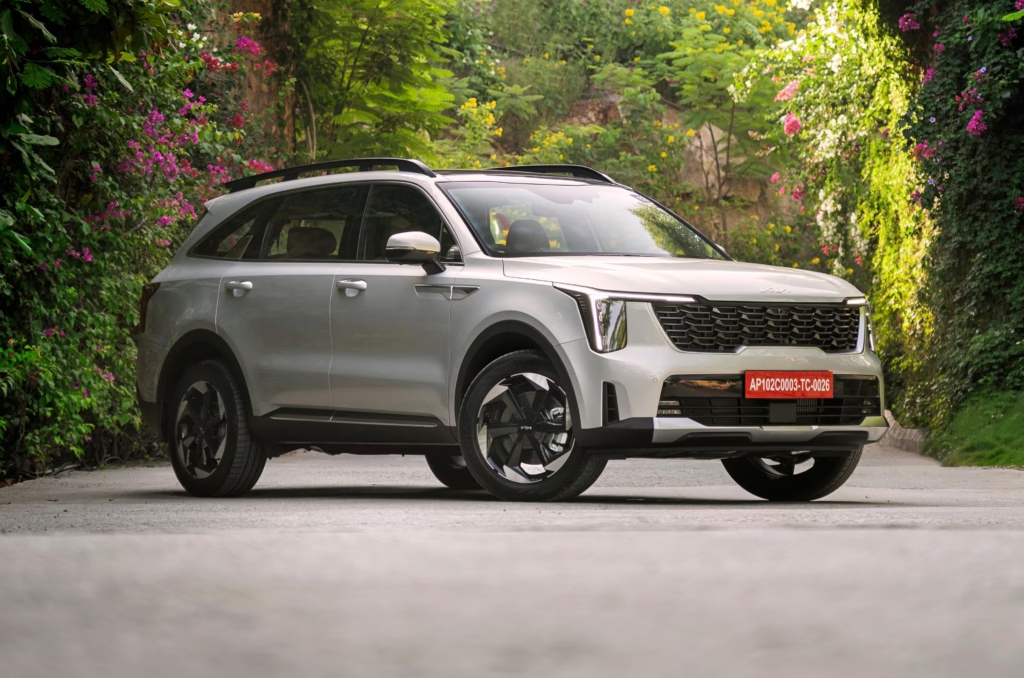
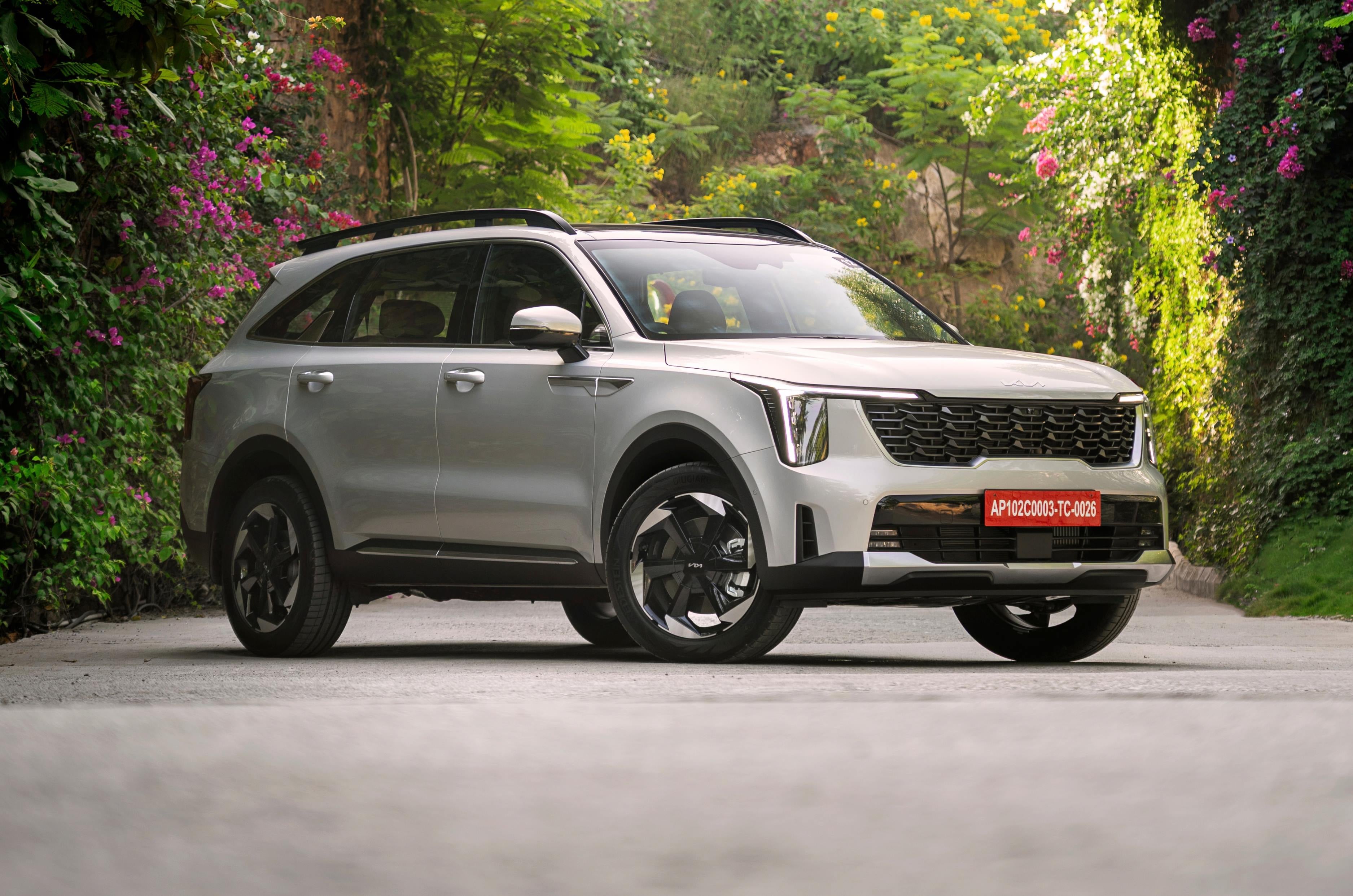
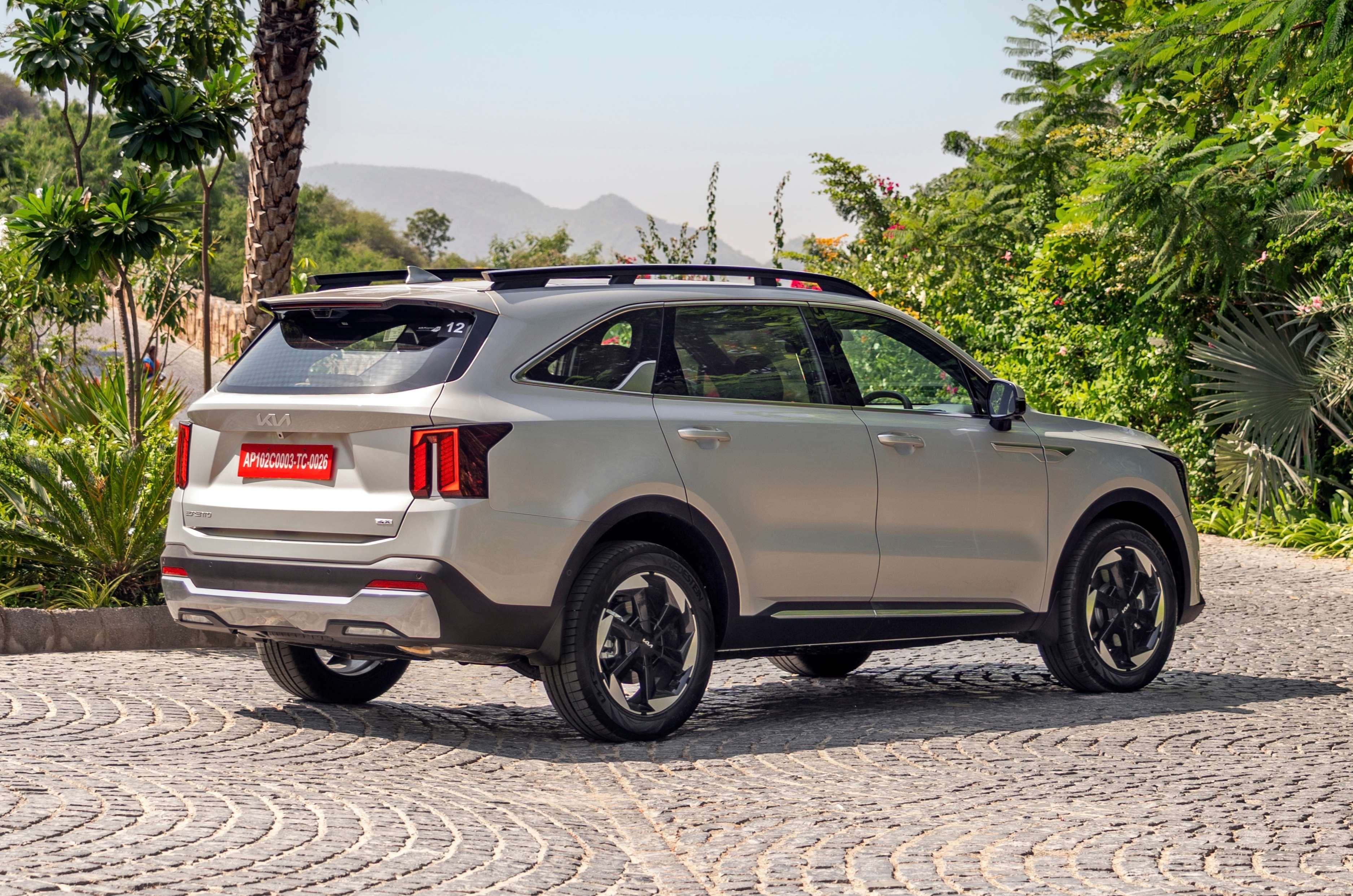
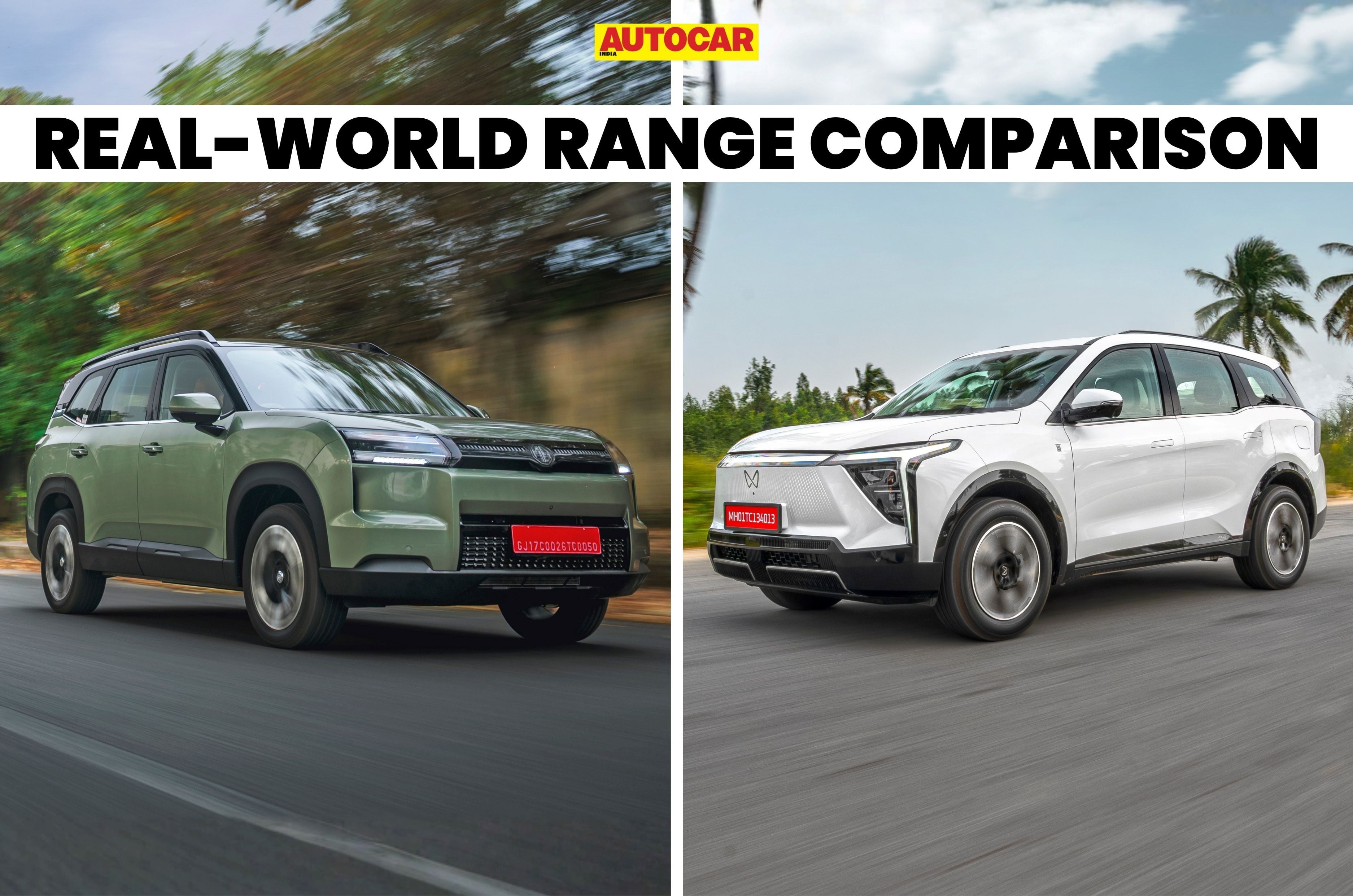
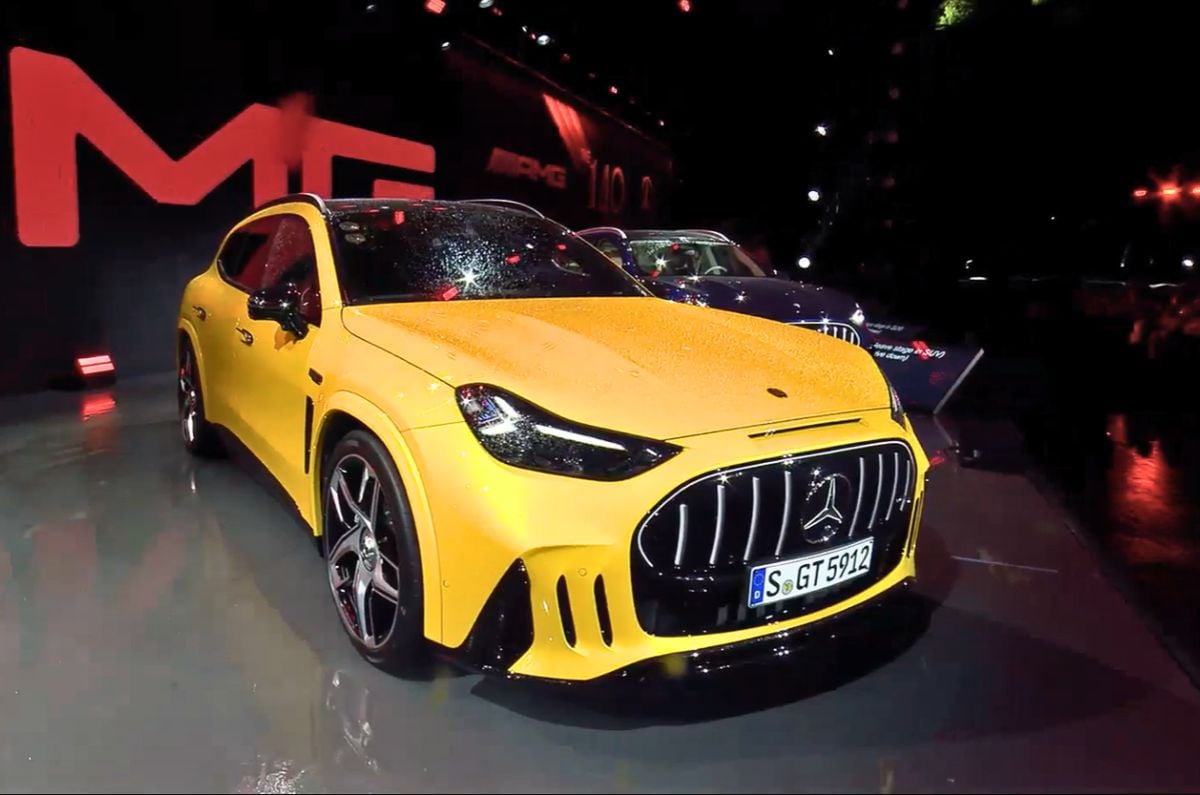
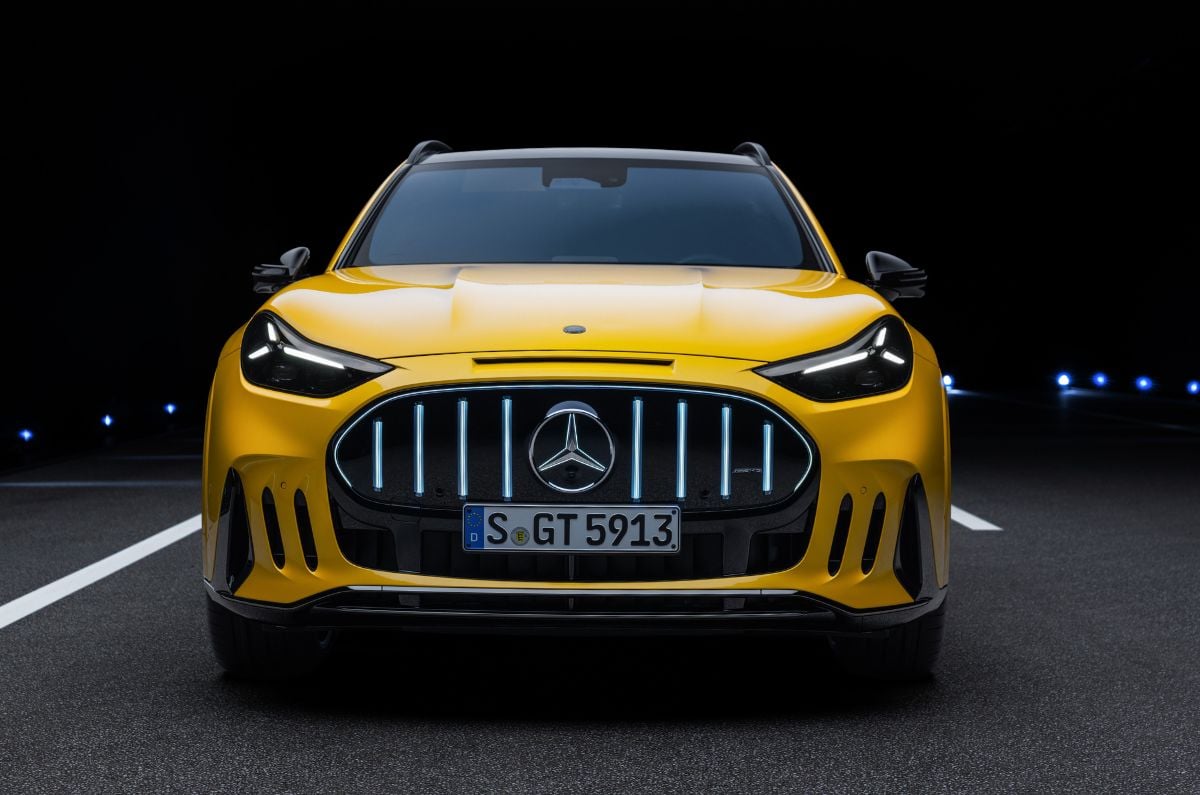
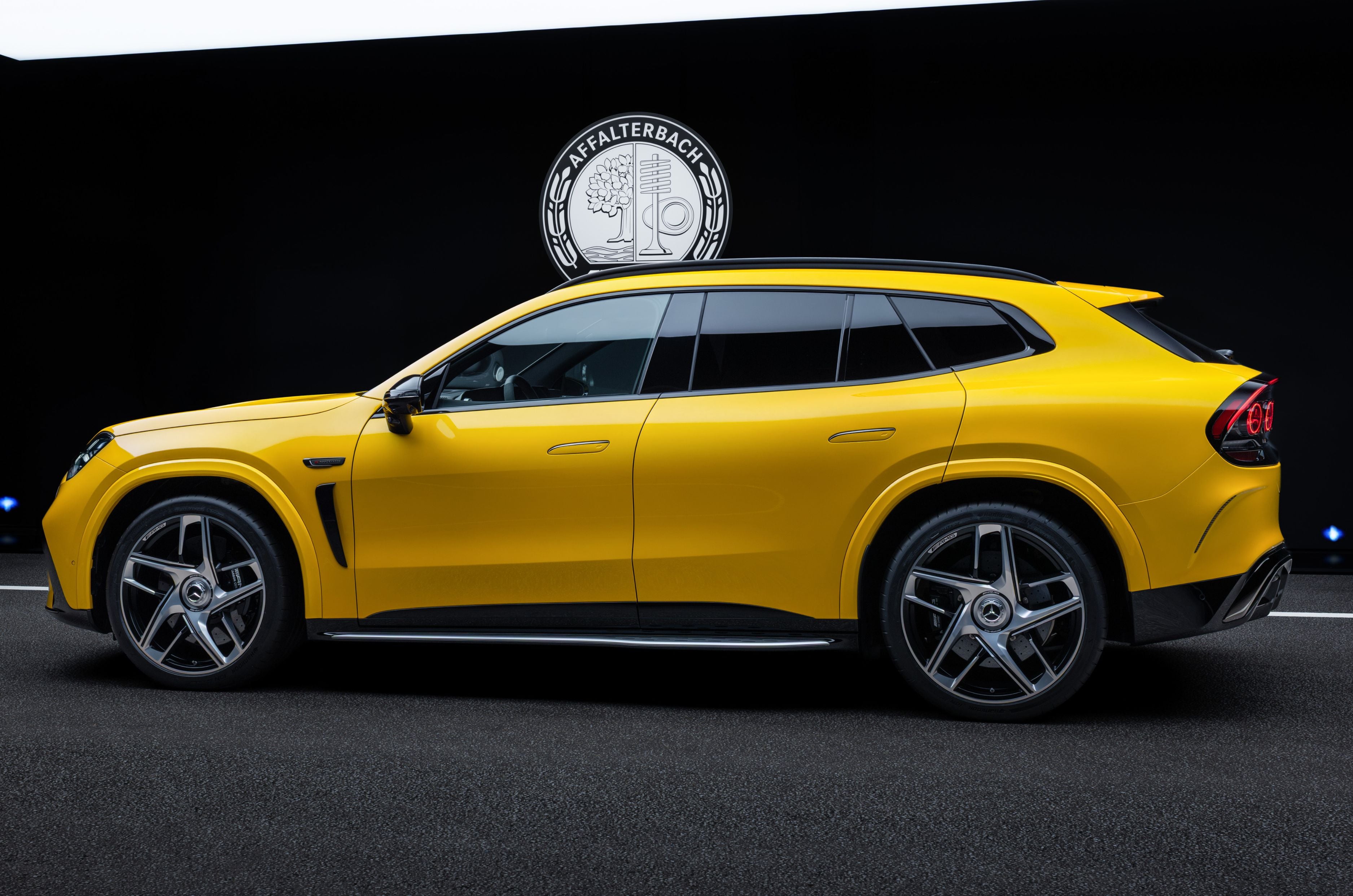
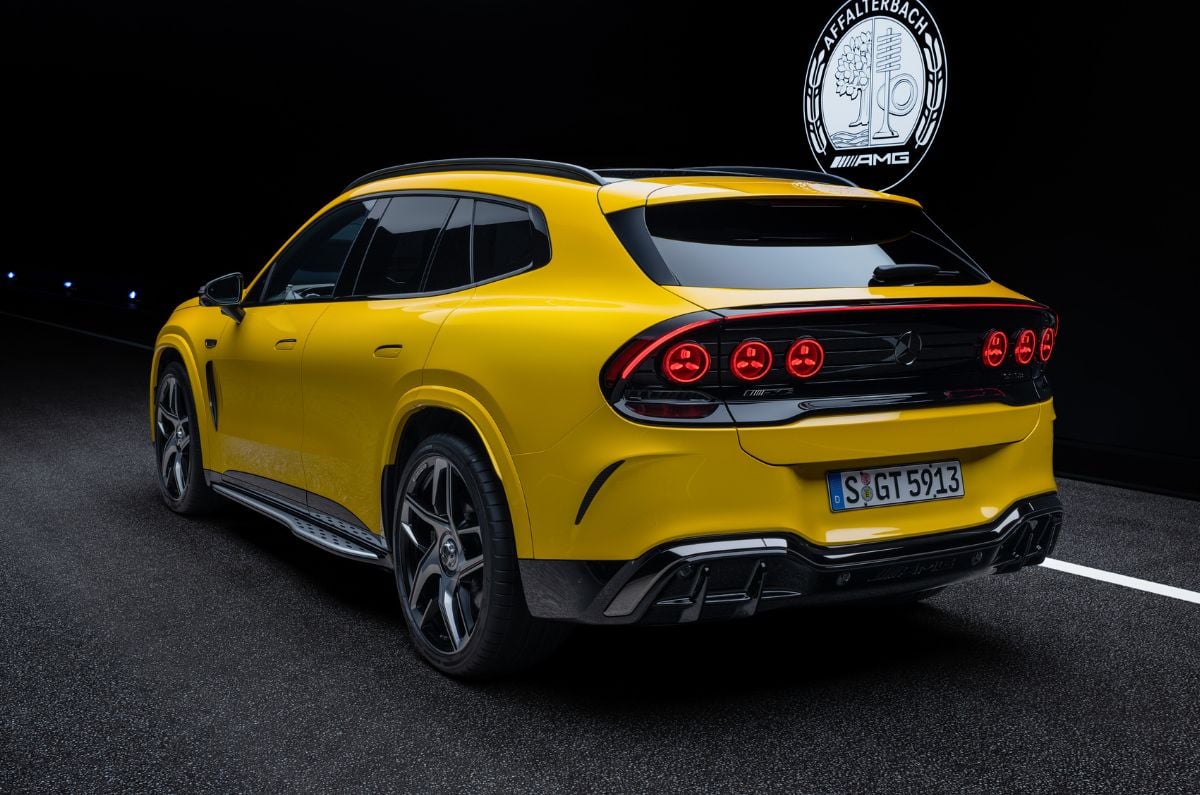
Kia’s ICE (internal combustion engine) flagship SUV offering in India, the Sorento, is based on the Hyundai Motor Group’s N3 platform. While the Kia SUV is also available with a diesel powertrain, our focus will be on the strong hybrid version for this comparison. As its segment rival, the MG Hector Tomahawk PHEV (plug-in hybrid) is also a three-row SUV, and is built around the brand’s new ADAPT platform. Let’s have a quick look on how these SUVs compare in terms of their dimensions, powertrain specifications and prices.

Explore full specs, features and a price breakdown in our Kia Sorento hybrid vs MG Hector Tomahawk PHEV comparison.

Kia Sorento hybrid vs MG Hector Tomahawk PHEV: Dimensions

The Sorento has the overall size advantage over the Hector Tomahawk

Kia Sorento hybrid vs MG Hector Tomahawk PHEV dimensions


Kia Sorento hybrid

MG Hector Tomahawk PHEV

Length (mm)

4,815

4,745

Width (mm)

1,900

1,850

Height (mm)

1,785

1,770

Wheelbase (mm)

2,815

2,810

Boot space (litres)

179

192

Wheel size (inches)

18-19

18

Neither of these are small SUVs. However, the Kia Sorento hybrid is longer, wider and taller (and has a larger wheelbase) than the MG Hector Tomahawk PHEV. The Sorento hybrid can be had with 19-inch alloy wheels at the top end, while the Hector Tomahawk PHEV only gets 18-inch wheels. However, the MG SUV’s boot can accommodate an additional 13 litres worth of cargo behind its third row of seats.

Kia Sorento hybrid vs MG Hector Tomahawk PHEV: Powertrain

The MG comes with a plug-in hybrid system compared to the Kia’s strong-hybrid setup

Kia Sorento hybrid vs MG Hector Tomahawk PHEV powertrain options


Kia Sorento hybrid

MG Hector Tomahawk PHEV

Engine

1.6-litre turbocharged petrol

1.5-litre naturally aspirated petrol

Battery size

TBA

20.5kWh

Electric motor type

Permanent magnet synchronous motor

Permanent magnet synchronous motor

Drive configuration

FWD / AWD

FWD

Total system output

TBA

198hp, 230Nm

Transmission

6AT

DHT

0-100kph

TBA

9.0 seconds

Claimed mileage

TBA

50kpl

Fuel tank

67 litres

52 litres

AC charging

7.5 hrs at 3.3kW (10-100%)

DC fast charging

35 mins at 25kW (30-80%)

Unlike the Sorento’s strong-hybrid setup, where the battery can only be charged by the internal combustion engine, the battery pack of the Hector Tomahawk PHEV can also be topped up by plugging it into either a DC fast charger or a slower AC charger. The Hector Tomahawk’s plug-in hybrid system allows the car to be driven in pure-electric mode over a distance of up to 115km (claimed), with Kia yet to disclose the Sorento hybrid’s EV-only range. Depending on the state of charge (SoC) of its battery pack, the MG SUV can also be driven using different powertrain modes.

In series-hybrid mode, the engine charges the battery while the electric motor drives the wheels. Then there’s the parallel-hybrid mode, where the engine and electric motor both power the driven wheels. Finally, the Hector Tomahawk PHEV can also be driven in engine-only mode with no assistance from the electric motor. The Hector Tomahawk PHEV employs a naturally aspirated petrol engine running the Atkinson cycle, plus a relatively high-capacity battery pack and a single electric motor.

Under the bonnet of the India-spec Kia Sorento hybrid sits a punchier 1.6-litre four-cylinder turbo-petrol engine with direct injection, developing 180hp and 265Nm. There’s a compact battery pack and an electric motor whose output is rated at 65hp and 264Nm. Kia is yet to specify the combined output of this hybrid powertrain, alongside its mileage and performance figures. The Hector Tomahawk PHEV gets what MG calls a  “Dedicated Hybrid Transmission (DHT)”, while the Sorento hybrid is equipped with a conventional 6-speed automatic gearbox (AT). Furthermore, the Kia’s fuel tank can carry an additional 13 litres of petrol. The Kia Sorento hybrid gets Eco, Sport and Smart drive modes, along with Snow, Mud and Sand terrain modes. While the Sorento hybrid is available in both front-wheel drive (FWD) and all-wheel drive (AWD) configurations, the Hector Tomahawk PHEV is exclusively FWD.

Kia Sorento hybrid vs MG Hector Tomahawk PHEV: Prices

Where the pricier Sorento is available in four different trims, the MG is limited to just two

Kia Sorento hybrid vs MG Hector Tomahawk PHEV prices


Kia Sorento hybrid

MG Hector Tomahawk PHEV

Price range (In Rs, lakh)

29.49-40.19

25.70-27.79

Even the base-spec trim of the Kia Sorento hybrid costs Rs 3.79 lakh more than the entry-level MG Hector Tomahawk PHEV. On the higher end of the line-up, the Sorento hybrid with all-wheel drive costs a staggering Rs 12.40 lakh more than the fully loaded Hector Tomahawk PHEV (which is front-wheel drive only). While the Hector Tomahawk PHEV has a 7-seat configuration, the Sorento hybrid is also available in a 6-seat format with individual captain seats in the second row. The Kia also offers more power and also has a larger physical footprint. However, if you want the flexibility offered by a plug-in hybrid system and a long list of standard equipment at a lower asking price, then the MG Hector Tomahawk PHEV could be the right three-row mass-market hybrid SUV for you.

Toyota Ebella vs Mahindra BE 6 performance comparison

Toyota Ebella vs Mahindra BE 6 performance comparison
Toyota Ebella vs Mahindra BE 6

Earlier in 2026, Toyota launched the Urban Cruiser Ebella, its first EV for India. The Ebella competes in the popular electric midsize SUV segment that includes models such as the Mahindra BE 6. First introduced in 2024, the BE 6 was updated in 2026, with ‘Sporteq’ added to its name, along with changes to the feature list and a variant rejig. Here, we’ve tested and compared the real-world performance of the Urban Cruiser Ebella and the BE 6 to determine which one is quicker.

Toyota Ebella vs Mahindra BE 6: Specifications 

Toyota Ebella vs Mahindra BE 6: Specifications 

Specifications

Toyota Ebella

Mahindra BE 6

Battery capacity (kWh)

61

79

Electric motor setup

Single, front-mounted

Single motor, rear-mounted

Power (hp)

174

286

Torque (Nm)

193

380

Kerb weight (kg)

1,815

2,115

Power-to-weight (hp/tonne)

95.86

135.22

Torque-to-weight (Nm/tonne)

106.33

179.67

Gearbox

Single-speed automatic

Single-speed automatic

ARAI range (km)

543

708

The Urban Cruiser Ebella is powered by a 61kWh battery pack paired with a front-mounted motor. Meanwhile, the larger BE 6’s 79kWh battery pack is mated to a rear-mounted motor. The BE 6 comes across as the more powerful one on paper, with higher power-to-weight and torque-to-weight ratios, but the Ebella is 300kg lighter.

Toyota Ebella vs Mahindra BE 6: Acceleration  

More powerful BE 6 takes the lead here by a fair margin

Toyota Ebella vs Mahindra BE 6: Acceleration (in seconds)


Toyota Ebella

Mahindra BE 6

0-20kph

1.75

1.37

0-40kph

3.32

2.69

0-60kph

4.93

4.00

0-80kph

6.95

5.38

0-100kph

9.65

7.14

0-120kph

13.18

9.48

The BE 6’s more powerful motor helps it get off the line quickly. The Ebella trails behind and fails to catch up while the BE 6 extends its lead to 2.51 seconds at 100kph. Interestingly, the BE 6’s 0-120kph time is even quicker than that of the Ebella’s 0-100kph time. The Mahindra EV’s higher weight doesn’t stop it from outperforming the Toyota. Though both models deliver power in a progressive manner, the Ebella’s much lower torque output is a reason why it is much slower than the BE 6.

Toyota Ebella vs Mahindra BE 6: Rolling acceleration 

Ebella is not too far behind in rolling acceleration

Toyota Ebella vs Mahindra BE 6: Rolling acceleration (in seconds)


Toyota Ebella

Mahindra BE 6

20-80kph (in kickdown)

5.27

4.03

40-100kph (in kickdown)

6.39

4.46

The BE 6 outperforms the Ebella in rolling acceleration as well. It completed the 20-80kph and 40-100kph tests faster by 1.24 and 1.93 seconds, respectively. However, the gap between the two isn’t as much as it was in acceleration tests from a standstill.

Toyota Ebella vs Mahindra BE 6: Prices 

Ebella more affordable by up to Rs 3.35 lakh

Toyota Ebella vs Mahindra BE 6: Prices 


Toyota Ebella

Mahindra BE 6

Price range (in Rs lakh)

23.60

24.45-26.95* (79kWh)

*BE 6 Sporteq price

As far as price is concerned, the Ebella is available in a single fully loaded trim for Rs 23.6 lakh. On the other hand, the BE6 offers its largest 79kWh battery pack on a few trims. Depending on the trim chosen, the BE 6 is priced up to Rs 3.35 lakh higher than the Ebella.

Autocar India’s testing standards

Before conducting our performance tests, we check and maintain tyre pressures based on the manufacturer’s recommendations and ensure that the car is charged to 100 percent. The car is then tested in a controlled environment with two people on board, and data is collected via highly accurate GPS-based timing equipment.

All prices are ex-showroom, India.
Kinetic Watts & Volts eyes seven overseas markets

Kinetic Watts & Volts eyes seven overseas markets

Kinetic Watts & Volts (KWV) is evaluating seven international markets as the Pune-based electric two-wheeler maker looks to expand beyond India. Turkey, Nepal, Sri Lanka, Bangladesh, Kenya, Nigeria and Egypt are currently being assessed, with KWV studying local regulations, customer requirements, electric two-wheeler demand and potential distribution partners.

  1. International expansion to cover markets across Europe, South Asia and Africa
  2. Makarand Joshi appointed to lead KWV’s international business development
  3. Company plans to add 40 more exclusive showrooms in India

Kinetic EV international expansion plans

It has also issued 150 LOIs to prospective dealership partners.

KWV currently sells the Kinetic DX and DX+ electric scooters in India, with the range positioned around accessible urban mobility. The company is now looking to identify markets and distribution partners that can support its next phase of growth overseas.

KWV has appointed Makarand Joshi as head of international business development to lead its overseas plans. Joshi has more than two decades of experience in developing overseas markets for Indian automotive products, with experience across Asia, the Middle East, Europe and Africa. His background includes two-wheelers, commercial vehicles and tractors, as well as international distribution and market-entry strategies.

Ajinkya Firodia, Vice Chairman and Managing Director, Kinetic Watts & Volts, said the company’s products had been designed with a broad range of markets in mind. He added that the momentum of its domestic business had allowed KWV to begin laying the groundwork for international expansion. The company is yet to confirm which of the seven markets it will enter or provide a timeline for its overseas launch.

KWV’s international plans come as it continues to build its presence in the Indian market. The company currently has 45 exclusive showrooms and expects another 40 outlets to become operational within the next two months. It has also issued 150 Letters of Intent (LOI) to prospective dealership partners.

With inputs from ANGITHA SURESH

Hyundai compact EV to debut by end of 2026

Hyundai compact EV to debut by end of 2026

At its 2026 CEO Investor Day, Hyundai revealed plans to debut its made-in-India compact electric SUV by March 2027. However, Tarun Garg, Managing Director and CEO of Hyundai Motor India, in an interaction with our sister publication Autocar Professional, confirmed the EV will debut earlier than that, by the end of 2026. Garg also said that the EV will initially use battery cells from Svolt, before moving to its original plan to source them from Exide. 

  1. To be built on the E-GMP (K) platform that underpins the Inster EV
  2. Will rival the Tata Nexon EV, Mahindra XUV 3XO EV and Kia Syros EV

Hyundai has also revealed it expects EVs to account for more than 7 percent of its domestic sales within the next year. In FY26 (April 2025 to March 2026), EVs accounted for a 1 percent share of total Hyundai sales in the country, a figure similar to FY25 (April 2024 to March 2025).

Upcoming Hyundai compact EV: More details

Svolt to supply battery cells initially, after Exide flagged production delays earlier

Image source: @joonsun_erin on Instagram

The upcoming compact EV will initially use Svolt battery cells. “We are already ready with the new EV using Svolt cells. Otherwise, the programme could have been delayed, and we did not want to delay the vehicle,” Garg said to Autocar Professional. However, Hyundai subsequently plans to source locally produced cells through its association with Exide, as was originally planned. Notably, Exide revealed in August 2026 that battery production is delayed and that they would not be able to supply components by FY27 (by March 2027). 

Will be underpinned by the Inster’s E-GMP (K) platform

The upcoming compact EV, codenamed HE1i, will be underpinned by the E-GMP (K) platform, also used by the internationally available Inster EV. It will be offered in two versions: standard range and long range, but exact specifications are under wraps. For context, the Inster EV is also available in standard and long-range versions, with 42kWh and 45kWh batteries, respectively, offering a WLTP-claimed range of up to 355km.

Hyundai has also confirmed that the new compact EV will get a ‘next-generation infotainment system’, which could be the Pleos Connect infotainment system seen on several new-age Hyundai models now, and a ‘Level 2 assisted driving technology’. It will be manufactured at Hyundai’s Sriperumbudur facility in Tamil Nadu. Upon launch, it will lock horns with the Tata Nexon EV, Mahindra XUV 3XO EV and Kia Syros EV. 

With inputs from Ketan Thakkar and Hormazd Sorabjee

टेक्सटाइल कंपनी के शेयर में 20% का अपर सर्किट लगा, EV बिजनेस में बड़े प्लान का दिखा दम

टेक्सटाइल कंपनी Jindal Worldwide के शेयर में गुरुवार को जबरदस्त तेजी आई। शेयर 20% चढ़कर अपर सर्किट लगा और यह ₹48.22 पर बंद हुआ। ये स्टॉक का एक साल से ज्यादा समय का सबसे ऊंचा स्तर है। पिछले 6 महीने में स्टॉक 108.65% का रिटर्न दिया है।

इससे पहले मंगलवार को शेयर 10% चढ़ा था। बुधवार को इसमें करीब 4.5% की गिरावट आई। लेकिन गुरुवार को इसमें फिर से तेज खरीदारी देखने को मिली।

FY28 तक 100 शोरूम खोलने का प्लान

Jindal Worldwid की EV सब्सिडियरी Jindal Mobilitric ने बड़ा विस्तार प्लान बनाया है। कंपनी FY28 के अंत तक देशभर में करीब 100 शोरूम खोलना चाहती है।

FY27 के अंत तक करीब 40 शोरूम खोले जाएंगे। बाकी शोरूम FY28 में शुरू होंगे। कंपनी का कहना है कि वह EV ग्राहकों तक बेहतर तरीके से पहुंचना चाहती है। साथ ही आफ्टर-सेल्स सर्विस को भी मजबूत किया जाएगा।

अभी दो शोरूम, 52 डीलर जुड़े

कंपनी का अहमदाबाद स्थित मैन्युफैक्चरिंग प्लांट चालू हो चुका है। Jindal Mobilitric ने श्रीनगर और जयपुर में अपने पहले दो शोरूम खोले हैं।

कंपनी ने देशभर में 52 डीलर भी नियुक्त किए हैं। अब इन्हीं के जरिए कंपनी अपना रिटेल नेटवर्क बढ़ाएगी। उसका फोकस बड़े शहरों के साथ छोटे शहरों पर भी है।

अमित अग्रवाल फिर बने मैनेजिंग डायरेक्टर

Jindal Worldwide ने अमित यमुनादत्त अग्रवाल को फिर से मैनेजिंग डायरेक्टर नियुक्त किया है। उनका नया कार्यकाल तीन साल का होगा।

EV बिजनेस के विस्तार प्लान से शेयर में निवेशकों की दिलचस्पी बढ़ी है। यही वजह है कि गुरुवार को शेयर में फिर से तेज उछाल देखने को मिला।

Jindal Worldwide का बिजनेस क्या है?

Jindal Worldwide का मुख्य कारोबार टेक्सटाइल सेक्टर में है। कंपनी डेनिम फैब्रिक और दूसरे टेक्सटाइल प्रोडक्ट्स बनाती है। कंपनी का टेक्सटाइल बिजनेस उसका मुख्य कारोबार है। हालांकि, अब वह इलेक्ट्रिक व्हीकल सेक्टर में भी तेजी से कदम बढ़ा रही है।

कंपनी की सब्सिडियरी Jindal Mobilitric इलेक्ट्रिक व्हीकल बिजनेस संभालती है। कंपनी ने अहमदाबाद में अपना मैन्युफैक्चरिंग प्लांट शुरू कर दिया है। श्रीनगर और जयपुर में दो शोरूम खुल चुके हैं। अब कंपनी देशभर में रिटेल नेटवर्क बढ़ाने और EV मार्केट में अपनी मजबूत पहचान बनाने की तैयारी कर रही है।

Share Market Updates: सेंसेक्स दिन के हाई से 372 अंक तक लुढ़का, इन कारणों से बाजार ने गंवाई पूरी बढ़त

Disclaimer: यहां मुहैया जानकारी सिर्फ सूचना के लिए दी जा रही है। यहां बताना जरूरी है कि मार्केट में निवेश बाजार जोखिमों के अधीन है। निवेशक के तौर पर पैसा लगाने से पहले हमेशा एक्सपर्ट से सलाह लें। मनीकंट्रोल की तरफ से किसी को भी पैसा लगाने की यहां कभी भी सलाह नहीं दी जाती है।

EVs could improve dealer customer retention, says Hero MotoCorp CBO

EVs could improve dealer customer retention, says Hero MotoCorp CBO

Electric two-wheelers could help dealers retain more customers even as they reduce the need for traditional servicing, according to Hero MotoCorp’s chief business officer, Ashutosh Varma.

  1. EVs are currently complementing, rather than replacing, ICE two-wheelers, says Hero MotoCorp
  2. EV service retention could reach 85-90 percent
  3. Software-based services could create new revenue opportunities for dealers

EVs could improve service retention

Dealer revenue set to evolve

Speaking at a FADA conclave, Varma said the current growth of the ICE two-wheeler market suggests EVs are complementing conventional motorcycles and scooters rather than replacing them.

“The way the ICE business seems to be growing, it doesn’t seem like EVs are substituting ICE sales. It’s just like complementing ICE sales,” he said.

One of the potential benefits for dealers could be higher customer retention. Varma said average retention in the ICE business is around 60 percent, while EVs could push this considerably higher.

“In EVs it nudges us to move even further, possibly 85-90 percent,” he said.

While EVs have fewer mechanical components and generally require less routine maintenance than ICE vehicles, a higher proportion of EV owners returning to authorised workshops could help offset some of the reduction in conventional service and parts revenue.

Varma also pointed to software as another potential source of income for dealers. Manufacturers are increasingly offering modular, paid software and technology features, giving dealerships an opportunity to earn from services beyond traditional workshop jobs.

The revenue mix for dealerships is therefore likely to change as EVs become more common, rather than simply declining because vehicles need less mechanical servicing.

“The nature of revenues as you go forward will continue to evolve,” Varma said. “There are new avenues that will continue to emerge and EVs is an excellent example.”

Simple Wave इलेक्ट्रिक स्कूटर लॉन्च, मिलेगा 70L स्टोरेज और 243km रेंज, जानें कीमत और फीचर्स

Simple Wave Electric Scooter: Simple Energy ने अपना पहला फैमिली-ओरिएंटेड इलेक्ट्रिक स्कूटर ‘Wave’ लॉन्च कर दिया है। इसकी शुरुआती कीमत ₹1.10 लाख (एक्स-शोरूम) है और इसके टॉप-एंड मॉडल ‘Wave+’ की रेंज एक बार चार्ज करने पर 243km है। फैमिली स्कूटर खरीदने वाले भारतीय ग्राहकों के लिए, यह कीमत इस सेगमेंट की लीडर कंपनियों को सीधी टक्कर देती है। साथ ही, इसमें कुल 70 लीटर तक का स्टोरेज स्पेस मिलता है, जिसमें 4 लीटर का एक खास Auxiliary ‘Pill’ कम्पार्टमेंट भी शामिल है। यह एक ऐसा फीचर है जो ज्यादातर दूसरी कंपनियों के स्कूटर में नहीं मिलता है।

Simple Energy ने Wave को तीन वेरिएंट और कुल छह मॉडल में पेश किया है। इनमें 2.2kWh से लेकर 5kWh तक की चार अलग-अलग बैटरी क्षमता के विकल्प मिलते हैं। कंपनी के मुताबिक, इसकी डिलीवरी सितंबर के आखिरी हफ्ते से शुरू होगी।

Simple Wave Electric Scooter: कीमत और बैटरी विकल्प

Wave Electric Scooter लाइनअप को Wave S, Wave और Wave+ में बांटा गया है। ये मॉडल बैटरी साइज, डिस्प्ले टाइप और कनेक्टेड फीचर्स के आधार पर 6 अलग-अलग वर्जन में आते हैं। बेस मॉडल ‘Wave S EBN’ में 2.2kWh की बैटरी और 6.03hp की मोटर है, जिससे 110km (IDC) की रेंज मिलती है। वहीं, 2.7kWh और 3.7kWh बैटरी पैक वाले मॉडल में ज्यादा पावरफुल 8.58hp की मोटर मिलती है, जिससे रेंज क्रमशः 132km और 171km हो जाती है।

‘Wave+’ इस रेंज का टॉप मॉडल है, जिसमें kWh की बैटरी मिलती है और कंपनी 243 किलोमीटर IDC रेंज का दावा करती है। इसकी टॉप स्पीड 90km/h है, जबकि इसमें 179Nm का व्हील टॉर्क मिलता है। बताई गई सभी कीमतें शुरुआती हैं और Simple Energy ने यह कन्फर्म नहीं किया है कि अलग-अलग वेरिएंट की कीमतें बढ़ने से पहले ये शुरुआती कीमतें कितने समय तक लागू रहेंगी।

Simple Wave Electric Scooter: चार्जिंग, चेसिस और पानी में चलने की क्षमता

इसके टॉप वेरिएंट को 0 से 80% तक फास्ट चार्ज होने में लगभग 2 घंटे 15 मिनट लगते हैं, जबकि सभी वेरिएंट्स के साथ घर पर रेगुलर चार्जिंग के लिए 750W का पोर्टेबल चार्जर मिलता है। यह स्कूटर ट्यूबलर स्टील फ्रेम पर बना है, जिसमें टेलीस्कोपिक फ्रंट फोर्क्स और ट्विन रियर शॉक्स दिए गए हैं। इसमें 12-इंच के अलॉय व्हील्स के साथ-साथ फ्रंट डिस्क और रियर ड्रम ब्रेक का सेटअप है, जिसमें कंबाइंड ब्रेकिंग सिस्टम भी मिलता है। इसका ग्राउंड क्लीयरेंस 175mm है और यह 300mm गहरे पानी में भी चल सकता है। यह उन खरीदारों के लिए बहुत काम की बात है जो मानसून के दौरान बाढ़ की संभावना वाले भारतीय शहरों में रहते हैं।

स्टोरेज, डिस्प्ले और उपलब्धता

Simple Wave की सबसे खास बात इसका स्टोरेज स्पेस है। स्कूटर में कुल 70 लीटर तक का स्टोरेज मिलता है। इसमें सीट के नीचे 63 लीटर का स्टोरेज, 3 लीटर का ग्लव बॉक्स और नया 4 लीटर का Pill यूनिट शामिल है। हालांकि, Simple Energy ने अभी तक यह साफ नहीं किया है कि Pill यूनिट को स्कूटर में कहां लगाया गया है और इसका इस्तेमाल किस तरह किया जाएगा।

इसके हायर वेरिएंट्स में 7 इंच का TFT डिस्प्ले दिया गया है। इसमें GPS ट्रैकिंग, OTA अपडेट और हिल-होल्ड असिस्ट जैसे फीचर्स मिलते हैं। वहीं, बेस वेरिएंट्स में 5 इंच का EBN डिस्प्ले दिया गया है।

Simple Wave की बुकिंग अभी Simple Energy के आउटलेट्स और कंपनी की वेबसाइट पर शुरू हो गई है। इसकी डिलीवरी सितंबर के आखिरी हफ्ते से शुरू होने की उम्मीद है।

यह भी पढ़ें: भारत के रईस पेट्रोल-डीजल गाड़ियों को छोड़ खरीद रहे ये महंगी EV, समझिए अमीरों में तेजी से क्यों बढ़ा लग्जरी EVs का क्रेज

Ather aims for a larger market presence with the Konarc

Ather aims for a larger market presence with the Konarc
An outside image showing the Ather Konarc after the launch

Ather‘s new scooter Konarc is a broader bet for the electric two-wheeler maker to move beyond the relatively narrow customer base it has built around its technology-led products and compete for a larger share of India’s mainstream electric scooter market. Konarc is the first product on Ather’s new EL platform, which the company says was developed with safety, serviceability and scale in mind.

  1. Six different Konarcs with two available starting September
  2. Konarc doubles the service interval compared to a typical scooter
  3. AtherNode and True Health to help with charging and resale, respectively

Konarc is built to be serviced faster and less frequent

Ather says EV priorities have changed with times

The Konarc will be offered across S and Z lines. The 100km Konarc S is priced at Rs 99,999, while the 125km and 161km versions cost Rs 1.22 lakh and Rs 1.45 lakh respectively. Prices for the 200km S and the two Z variants have not been announced. The rollout will start with the S 125 and S 161 variants from September 21, followed by the 100km version in the first quarter of 2027. The Z line is scheduled for the second quarter of 2027, and the 200km S will follow in the third quarter. Once all Konarc variants are rolled out over the next year, Ather expects to have an option for 80-90 percent of the scooter market.

Ather’s own assessment is that the questions surrounding EVs have changed. Ather co-founder and CEO Tarun Mehta said that when the company started, customers asked whether an electric scooter was powerful enough, reliable enough, or even practical. As adoption has grown, the questions have become more conventional: where to charge, how safe is the battery, how long it will last, how the vehicle will be serviced and what happens when it has to be eventually sold. The company wants to solve for the three main concerns: service, charging, and resale value for its EV scooters.

Serviceability is one of the areas where Ather says the EL platform is intended to deliver an advantage. The Konarc’s service interval is 10,000 km (vs 5,000 km for most other scooters), while the number of service checkpoints has also been reduced. In a demonstration during the launch, the motor and transmission assembly was removed in 38 seconds and put back in 1 minute 33 seconds. Mehta acknowledged that service centres would not necessarily replicate these times, but said the architecture was designed to make servicing simpler.

Charging network has also been improved

Ather is solving for public and residential charging

Konarc owners will of course have access to Ather’s existing network of about 6,000 public fast chargers known as Ather Grid. The company, however, sees apartment complexes as the next charging bottleneck. To solve that, it has built AtherNode, a new residential charging system, which uses a building’s common electricity supply to serve individual parking spaces. It manages the available load, queues vehicles, and generates separate bills for residents. This could allow housing societies to add more charging points without immediately upgrading their transformers. Ather plans to introduce the system in six cities from December, beginning with Bengaluru. The Konarc itself gets a 450W onboard charger and supports combined charging; which means that it can be paired with an external 450W charger to refill the battery at 900W.

Ather True Health to help with resale value

The company remains committed to its software first approach

With the Konarc, Ather has attempted to put more conventional attributes of a mass-market scooter alongside the technology it has developed over several years. The company is wanting to solve not only the product problem, but also some of the ownership concerns that could prevent customers from switching from petrol scooters. As the third prong on that front, Ather has introduced True Health on its app, a digital report covering the battery, motor, charger, dashboard, service history and wear components for eligible scooters more than three years old. Owners can view the condition of major components, the battery’s state of health and an estimated resale value. Such a company-verified report could give buyers and sellers a better basis for arriving at a price.

Finally, the company expects software adoption to remain strong even as it moves into a more mainstream segment. For example, in Madhya Pradesh, the adoption rate for AtherStack Pro initially stood at about 40 percent, but eventually crossed 88 percent with the number of stores increasing. The Konarc is Ather’s aim at a much broader part of the market, but that means competing not only with other electric scooter makers, but also with established petrol scooter brands. It remains to be seen whether the company’s push to improve serviceability, charging, and resale value will ease that challenge.

With inputs from Nayan Jain and Stephen Raj Antony.
 

Ather plans to expand to 2000 stores by 2028

Ather plans to expand to 2000 stores by 2028
An outside image of an Ather showroom

Ather is targeting to more than double its retail footprint to between 1,800 and 2,000 stores over the next two years as the EV maker rolls out its new family scooter Konarc and expands production capacity, according to a senior company official. The company currently sells the 450X and Rizta electric scooters, which are positioned in the premium and mass premium segments of the market across some 750 stores. The company plans to use its new EL platform to broaden its product range into the more affordable segment.

  1. More scooters of different battery sizes expected from the EL platform
  2. Ather EV motorcycle at least two years away
  3. Production capacity to increase with the Aurangabad plant becoming operational

Number of retail stores and production to increase

More products expected from the Konarc’s EL platform

The newly unveiled Konarc will be available in two variants and six battery options at a starting ex-showroom price of Rs 99,999. The delivery of the first two battery options (S 125 and S 161) is set to commence in September 2026. “We are targeting 1,800 to 2,000 stores in the next 24 months,” Ather Energy’s Chief Business Officer Ravneet Phokela said. Phokela said the company expects the domestic market to remain its main focus for now, with exports only becoming important after a few years.

The EL platform, on which the Konarc is based, can produce different types of scooters, and it can also accommodate different battery sizes, wheel dimensions and dashboard designs. The company boasts that the platform helps launch more products while also reducing costs through changes like lower use of aluminium and simpler engineering. Ather has said it plans to launch multiple scooter products based on the platform first; and added that an Ather electric motorcycle is more than two years away.

Ather’s push into a wider range of scooters comes as the company looks to increase production capacity. Ather currently manufactures electric scooters at its Hosur plant, which has an annual production capacity of 4.20 lakh units. Its upcoming Aurangabad facility is expected to add another 5 lakh units of annual capacity when its first phase becomes operational later this year. The company said that it’s also considering whether to accelerate the second phase of the Aurangabad facility if demand continues to grow at its current pace.

With inputs from Stephen Raj Antony.
 

Simple Wave Launched from Rs 1.10 lakh

Simple Wave Launched from Rs 1.10 lakh
An indoor shot showing the new Wave scooter with the founders of Simple Energy on stage

Simple, the Bengaluru based EV startup, has finally launched their family scooter Wave today. The scooter was first spotted testing back in March this year and was earlier referred to as Arrive during development. Simple is looking to position this as a mass market scooter compared to their sharp, performance focussed One and One S.

  1. Simple Wave has four variants; six, if you count instrument cluster options
  2. Lowest variant has a 2.2kWh battery, top variant has a 5kWh battery
  3. Delivery starts from 25 September 2026

Simple Wave: What you should know

New and improved motor, battery, and design

The Wave is based on an updated platform of the brand’s One scooter range. The first update is to the suspension, with the Wave using a twin shock rear suspension (compared to the One’s monoshock) and a much longer seat. Speaking of which, the Wave has a whopping 920mm long seat, claimed to be the longest scooter seat in the country. The other headline is the 70L storage in the Wave. Of which, 63 litres come from the under seat compartment, three litres on the front apron cubby, and four litres from a quick access pocket on the left side of the rider’s seat (called Pill Storage). An identical pocket for the right side is offered as an accessory.

The Wave has four variants by battery capacity. The base WaveS is offered in two battery capacities, 2.2kWh and 2.7kWh with 110km and 132km of IDC range, respectively. The middle variant, Wave, has a 3.7kWh battery and 171km of IDC range, and the top Wave+ variant has a 5kWh battery and 243km of IDC range. Wave+ currently has the highest range in its segment. Compared to the One range, the powertrain has seen updates all over. The 6.4kW motor has been updated to third generation and so has the Battery Management System, with the overall size of the motor reduced by 15 percent.

For context, the One uses a 5kWh battery and an 8.8kW motor; the One S has a 3.7kWh battery and a 6.4kW motor. They offer up to 265km and 190km of claimed range, respectively. Do note that there’s also a One Ultra with a 6.5kWh battery and a motor with 8.8kW of power with a claimed 400km range, but the delivery dates for that have not been announced so far. The One Ultra is currently the most expensive scooter from Simple, priced at Rs 2.35 lakh (ex-showroom, Bengaluru).

The scooter’s design has also shifted to a sleeker silhouette, letting go of the One’s sharp and aggressive lines. Simple claims it’s inspired by water, as opposed to air for the One range. However, the Wave retains the 7-inch TFT instrument cluster. The Wave+ gets it as standard, whereas the lower variants offer an option between the TFT or an InfinityBlack LCD cluster. The WaveS variants get three ride modes (EcoX, Eco, and Ride) with a claimed top speed of 75kph. Wave and Wave+ variants add an additional Sports mode and increases the top speed to 90kph. The 2.2kWh variant is available in two colours, 2.7kWh variants in four, and the 3.7kWh and 5kWh variants in six colours.

First spotted on the test mule, the Wave swaps the rear disc from the One range for a more cost-effective rear drum brake but retains the Combined Braking System (CBS) across all four variants. However, the One scooters offer traction control as standard rider aid, with the Wave limiting it to — called GripSense now — on the higher variants. Dimensions-wise, compared to the One range, seat height has been lowered by 5mm to 775mm and ground clearance has been increased by 3mm to 175mm.

The Simple Wave has been priced starting at Rs 1.10 lakh (ex-showroom, Bengaluru). Simple has announced that deliveries commence from September 25. Prices for the higher variants hasn’t been revealed, and Simple hasn’t clarified if the delivery date applies to all the variants. With its pricing, the Simple Wave directly rivals other EV scooters like the new Ather Konarc, Bajaj Chetak, Hero Vida, and TVS iQube, with range as its biggest trump card over all of them.