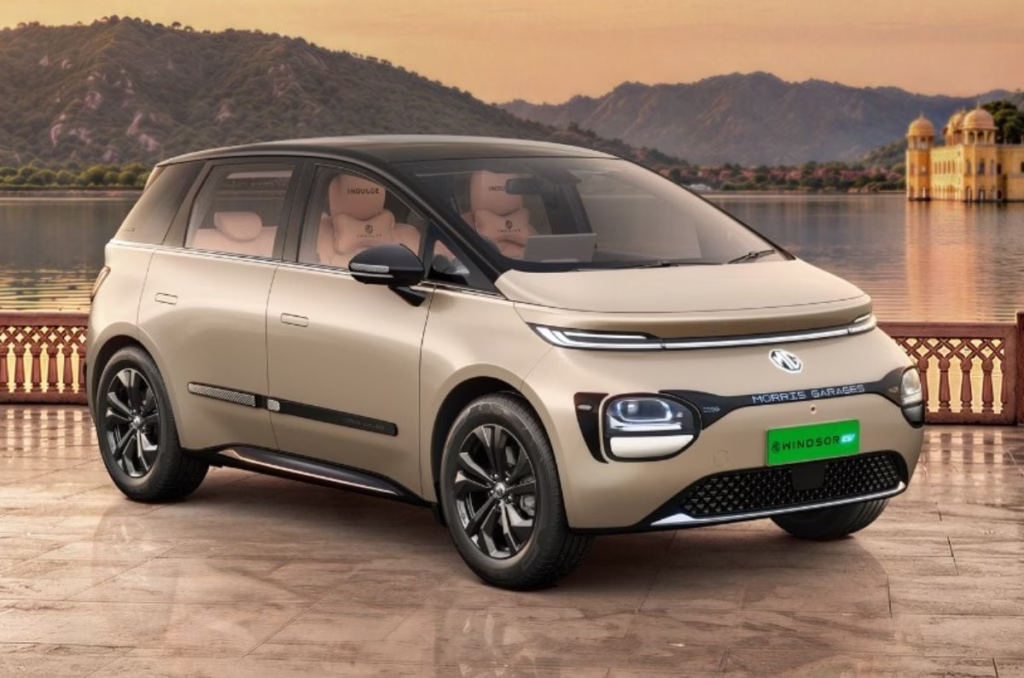
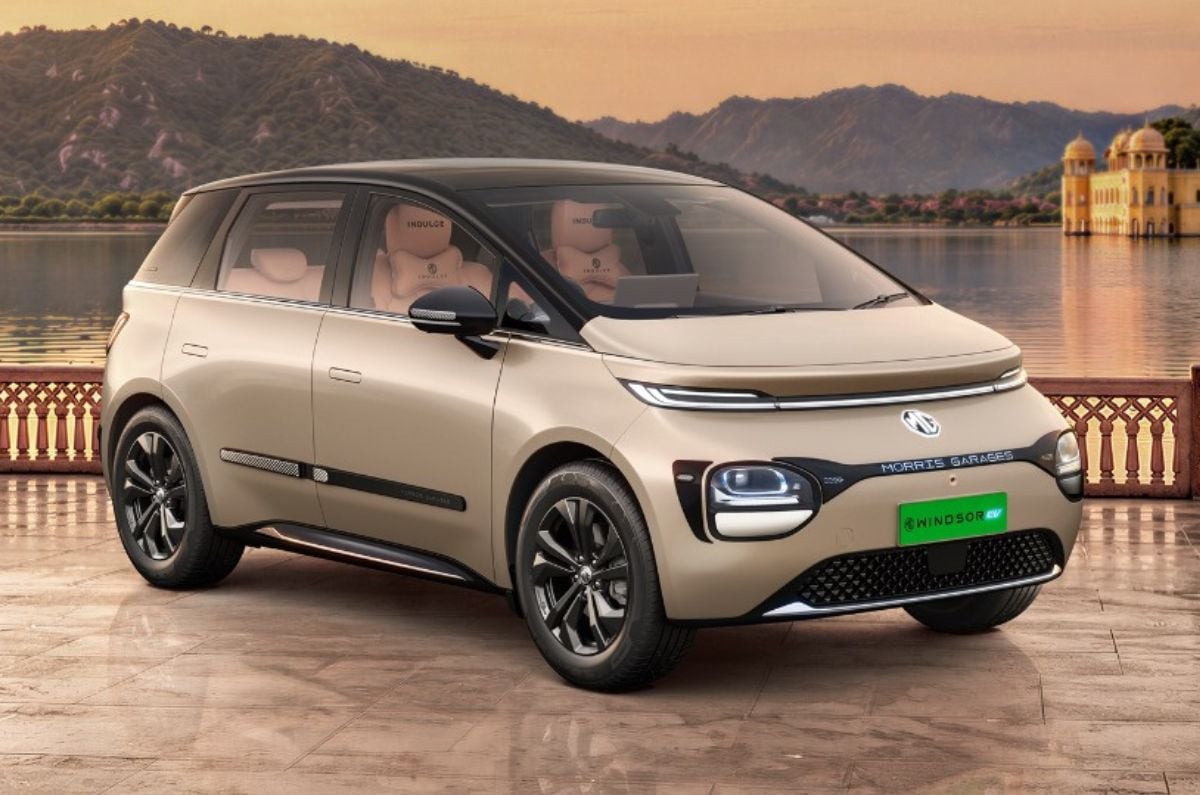
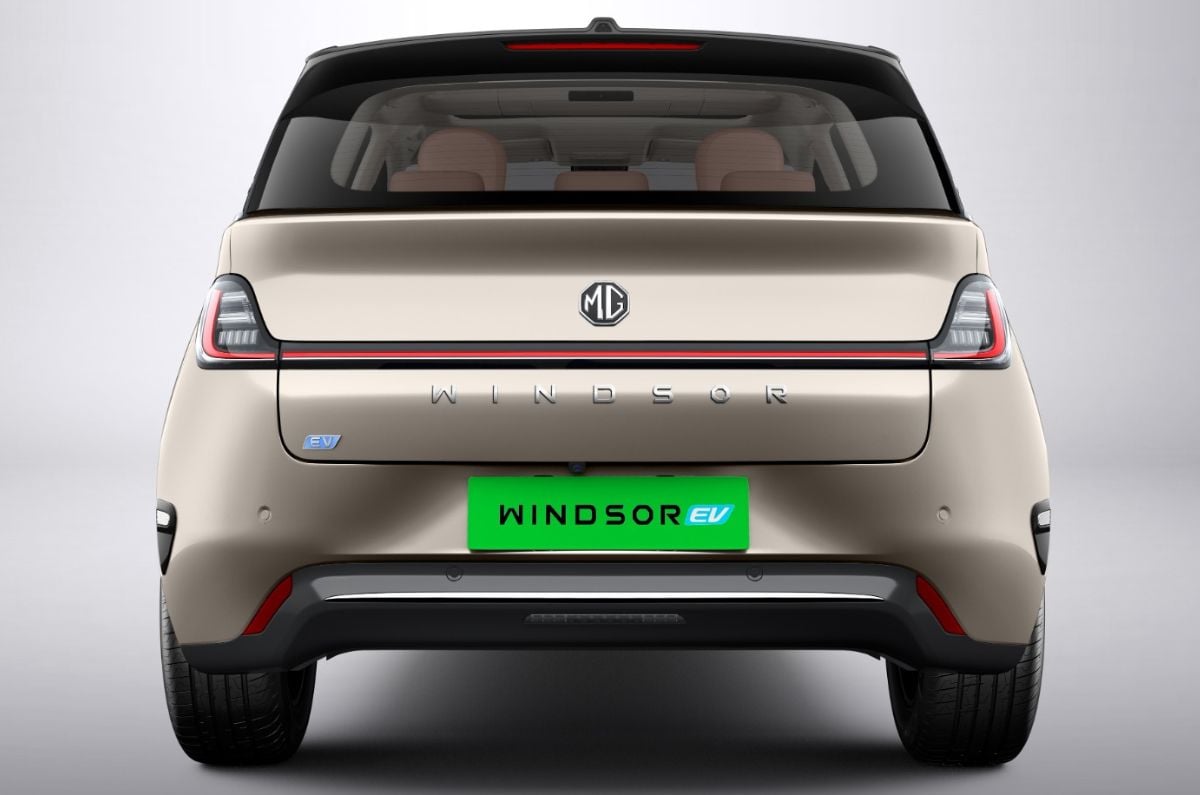
MG has launched the Windsor EV Indulge edition at Rs 17.89 lakh (ex-showroom). This follows our previous report, where we leaked that the Indulge edition will sport a new exterior colour, fresh seat upholstery and additional in-cabin comfort and convenience features compared to the standard model. Now, MG has launched it, while also revealing that it will be offered only with the smaller 38kWh battery pack.
Gets a new golden exterior colour, black alloy wheels and Indulge badges outside
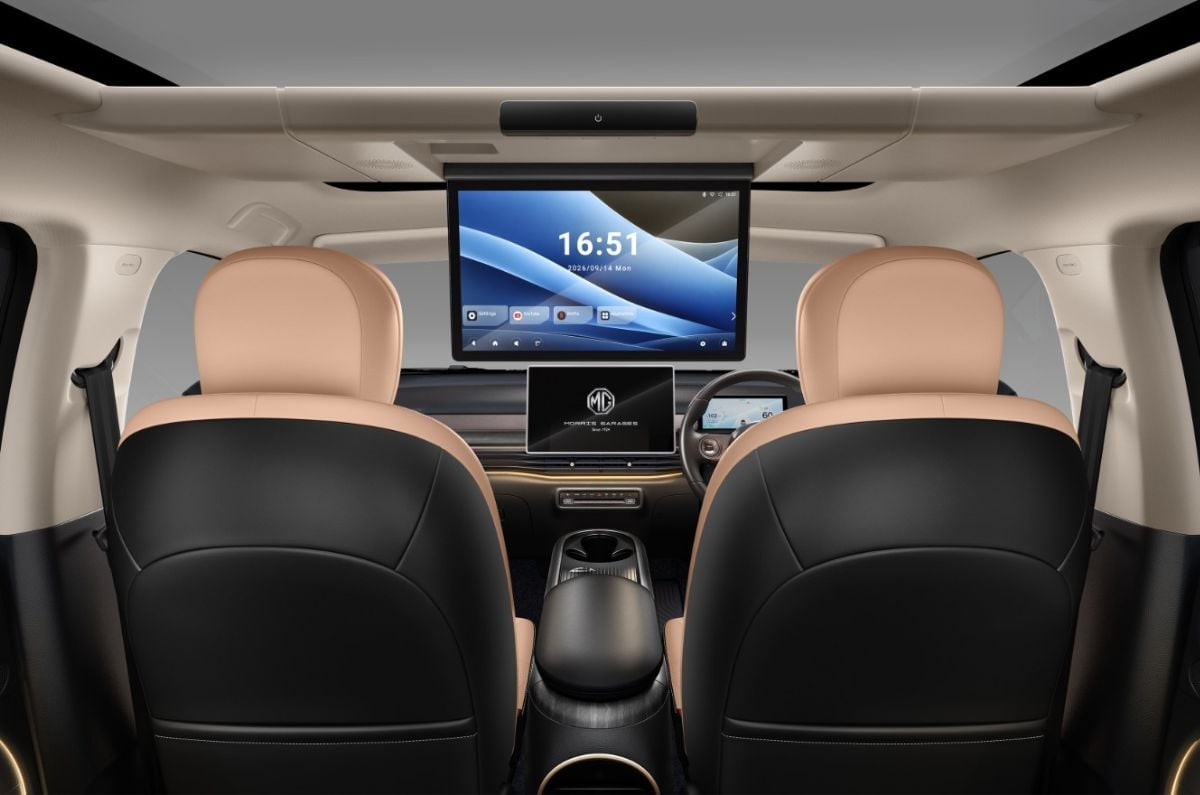
Features black-and-tan seat upholstery and a flip-down screen for rear passengers
Also offers neck cushions for front passengers and pillows for rear seat occupants
MG is offering the Windsor EV Indulge Edition with “a curated range of accessories”, including a rear sunshade, 3D mats, chrome grille accents, bumper corner protectors, body side moulding, and a leather key cover.
MG Windsor EV Indulge edition: What’s new?
Gets a ‘Shadow Gold’ exterior hue and black alloy wheels
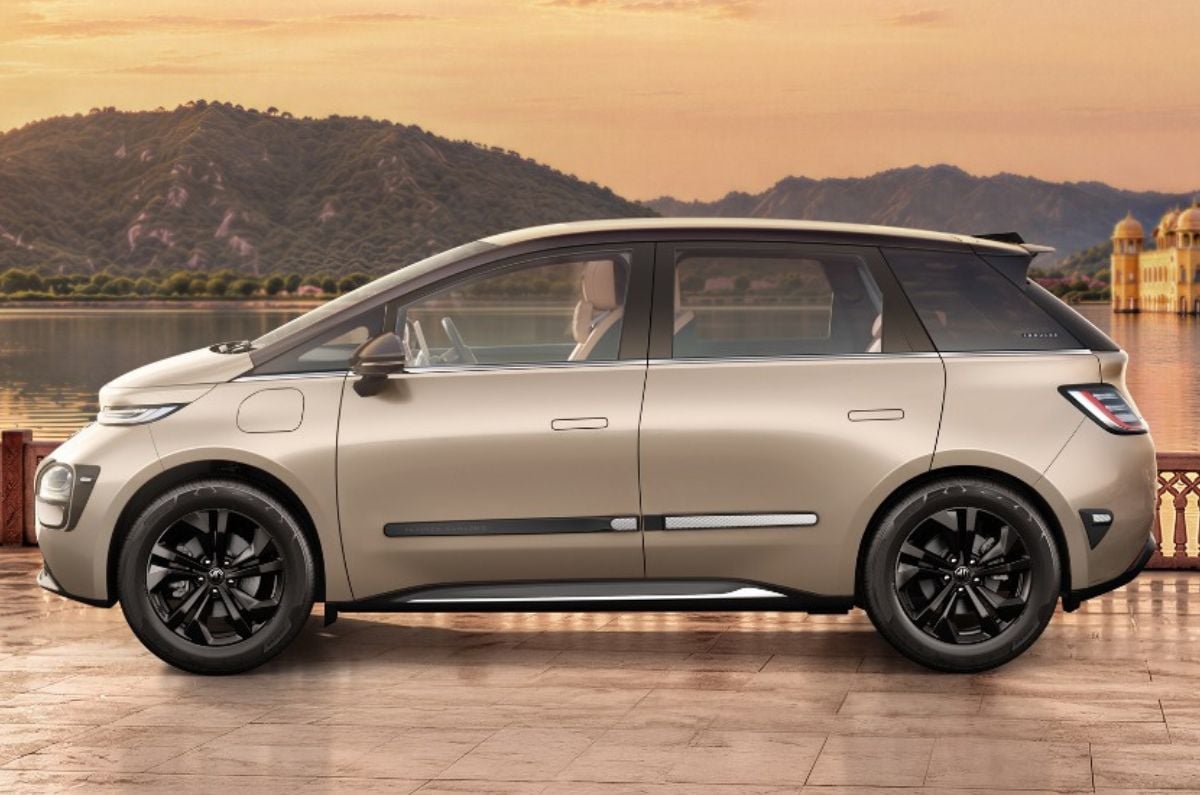
The Windsor EV Indulge edition features a new golden exterior shade – ‘Shadow Gold’ – as MG calls it, along with blackened alloy wheels which are the same 18-inch size as the standard model. The special edition also gets ‘Indulge’ badges on the rear quarter glass panes. Everything else, including the LED lighting, body cladding, an all-black roof and blacked-out outside rearview mirrors (ORVMs).
Gets a new seat upholstery theme, a rear screen and cushions, pillows
Changes on the inside include black-and-tan leatherette seat upholstery and a new roof-mounted flip-down screen for rear passengers, called a ‘Prive Screen’ by the manufacturer. MG has yet to reveal this screen size. The front seat headrests have an ‘Indulge’ embossing, and the Windsor EV Indulge edition also gets Indulge-themed cushions and neck pillows. Other features are the same as those offered with the top-spec ‘Essence’ trim, on which this special edition is based.
Only offered with the smaller 38kWh battery pack
The MG Windsor EV Indulge Edition is offered only with the smaller 38kWh battery pack version, which is paired with a front-axle-mounted electric motor that produces 136hp and 200Nm, and offers a claimed range of 332km. Compared to the ‘Essence’ trim on which it is based, its Rs 17.89 lakh price tag is Rs 89,000 more expensive.
MG also offers the standard Windsor with a larger 52.9kWh battery pack paired with the same FWD motor as the 38kWh battery version, but offering a higher claimed range of 449km. The Windsor EV Indulge edition’s price is similar to the Exclusive Pro trim, which is the most affordable trim with this 52.9kWh battery.
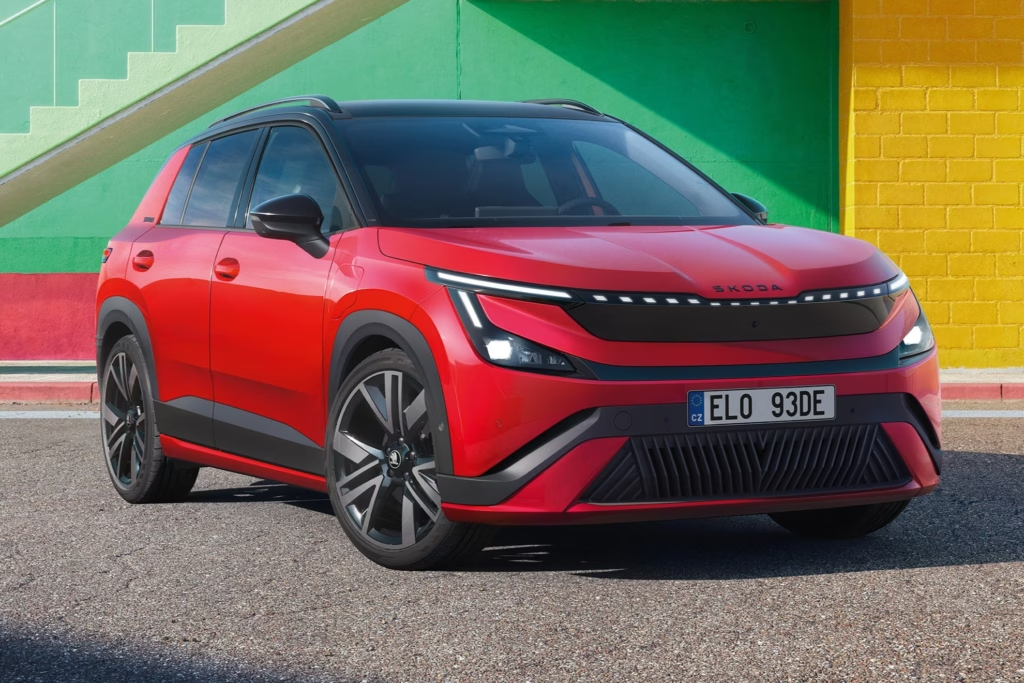
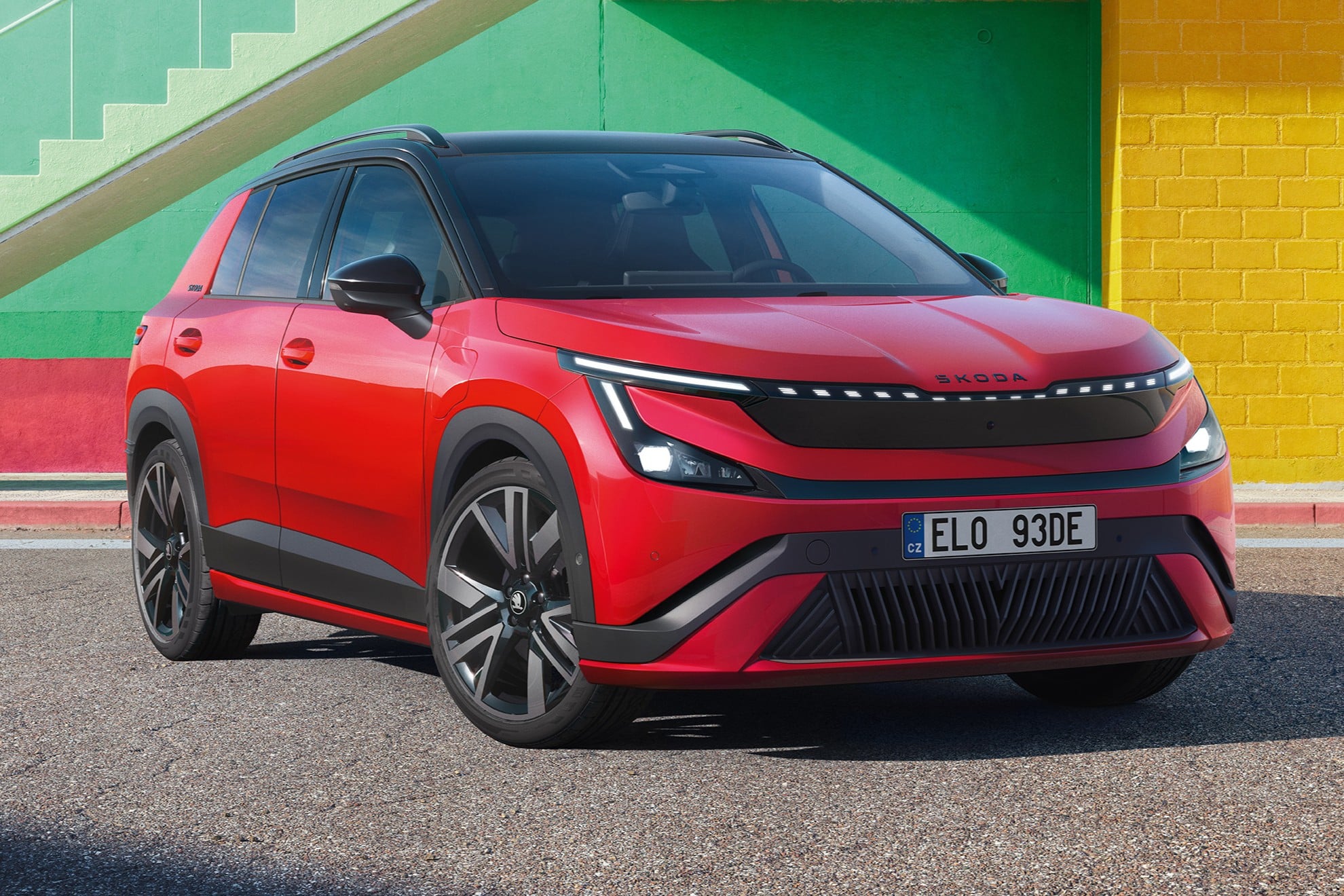
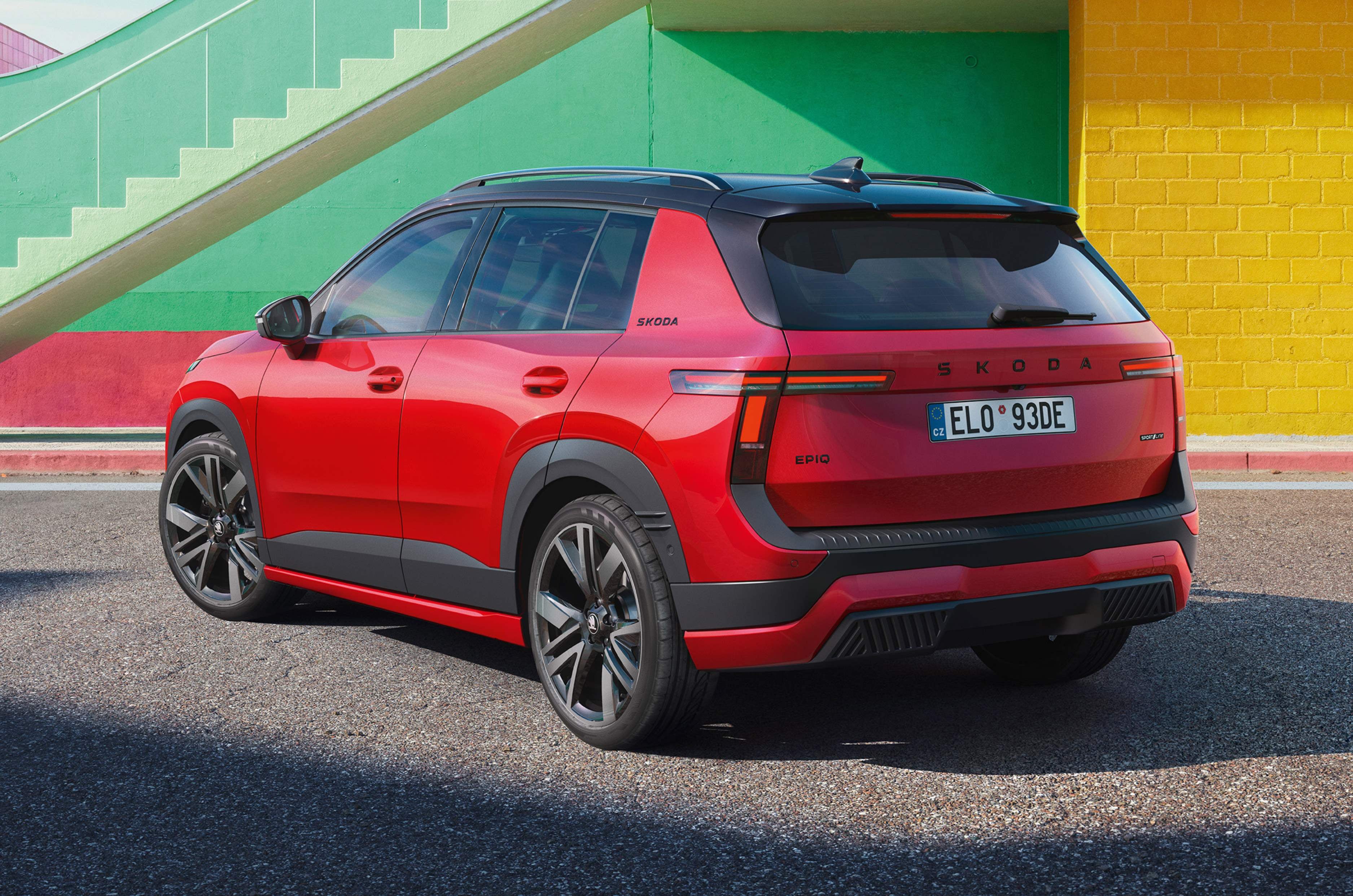
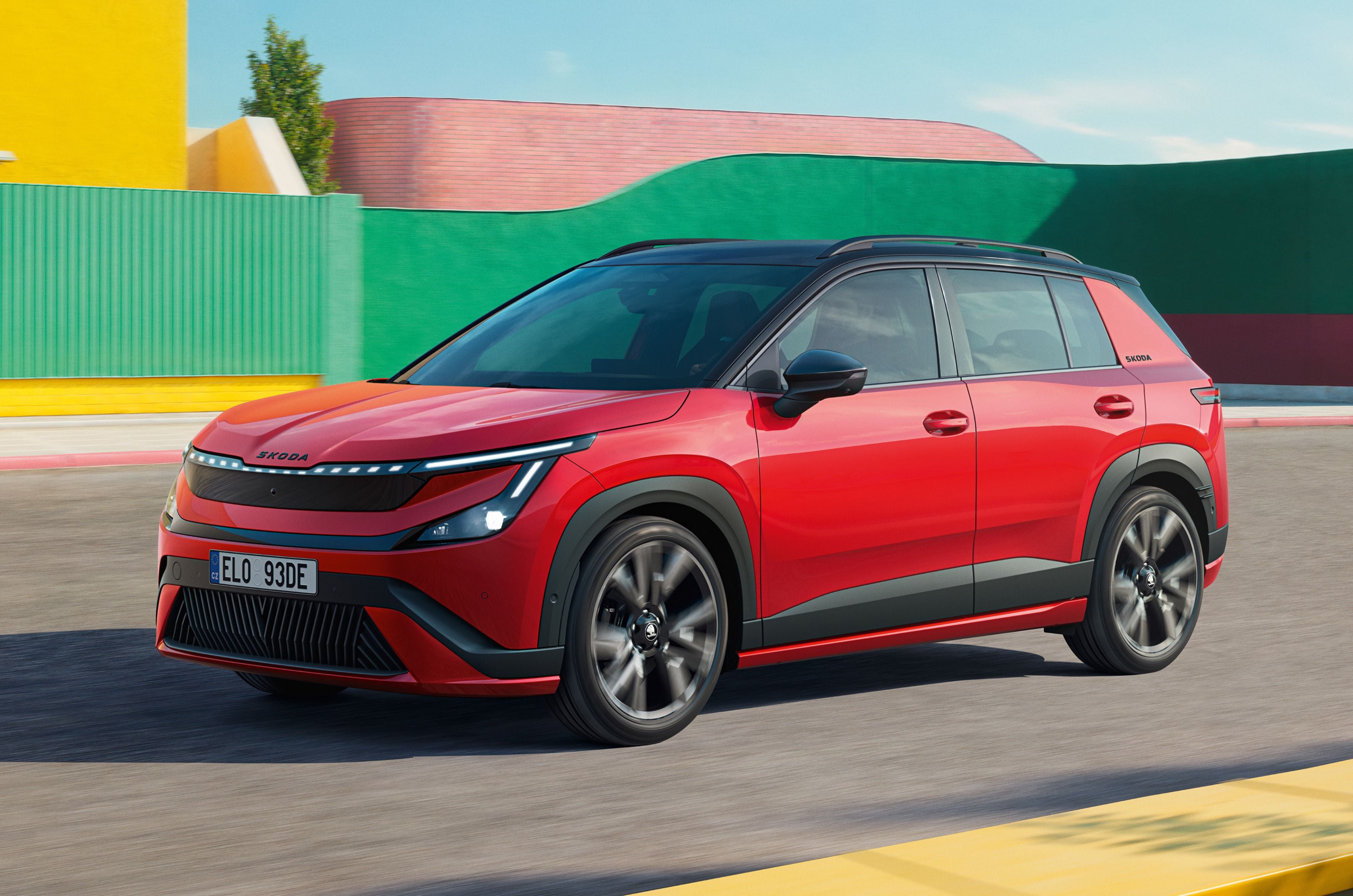
Skoda has extended the spicier ‘Sportline’ treatment to its entry-level EV, the Epiq. In Sportline guise, the Epiq features several cosmetic upgrades over the standard model while retaining its battery pack options, albeit in a higher state of tune.
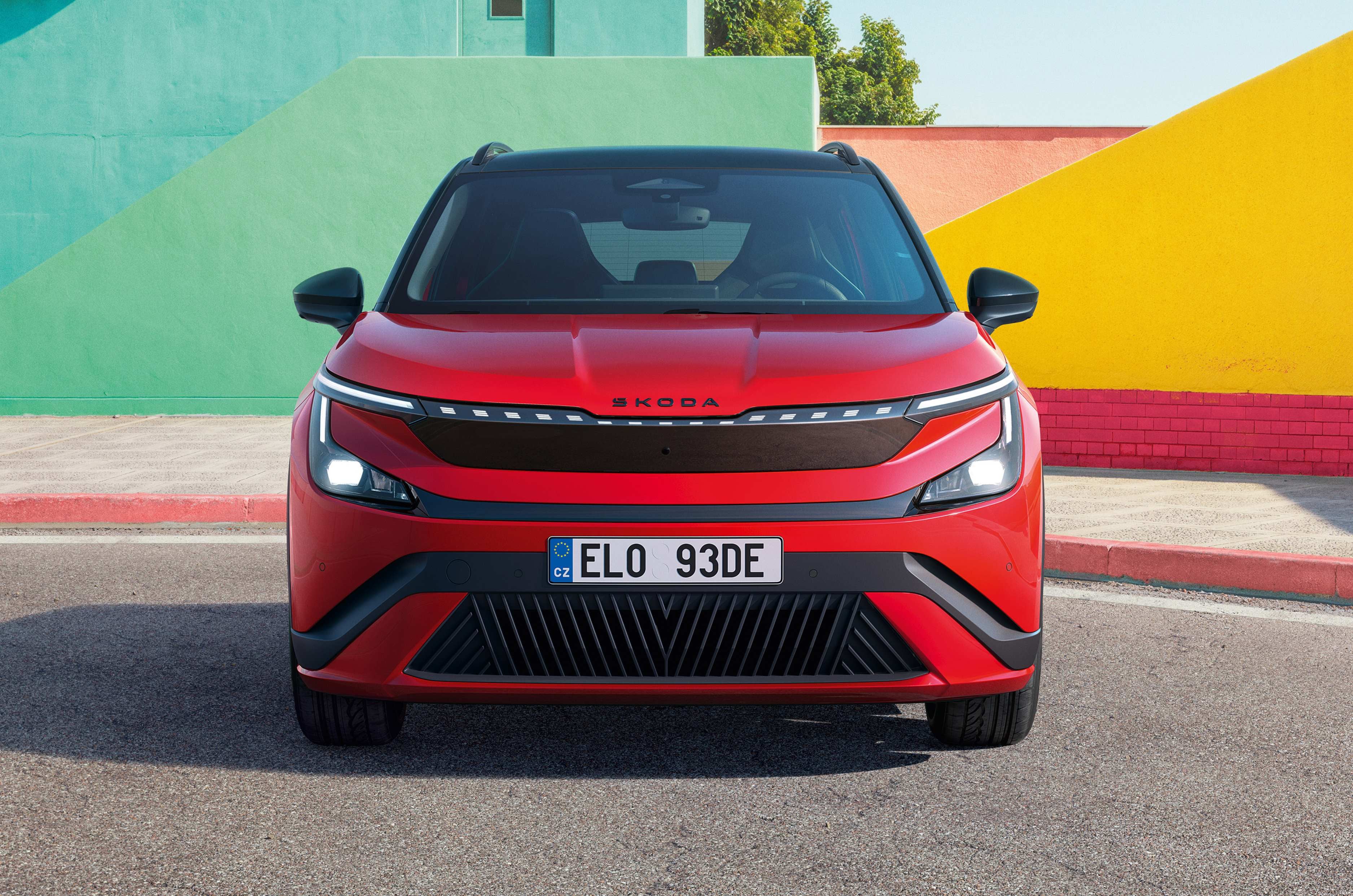
Exterior gets body-coloured bumpers, a segmented LED strip, and blacked-out Skoda badges.
Optional 20-inch alloy wheels—the largest available on the Epiq, with an exclusive design.
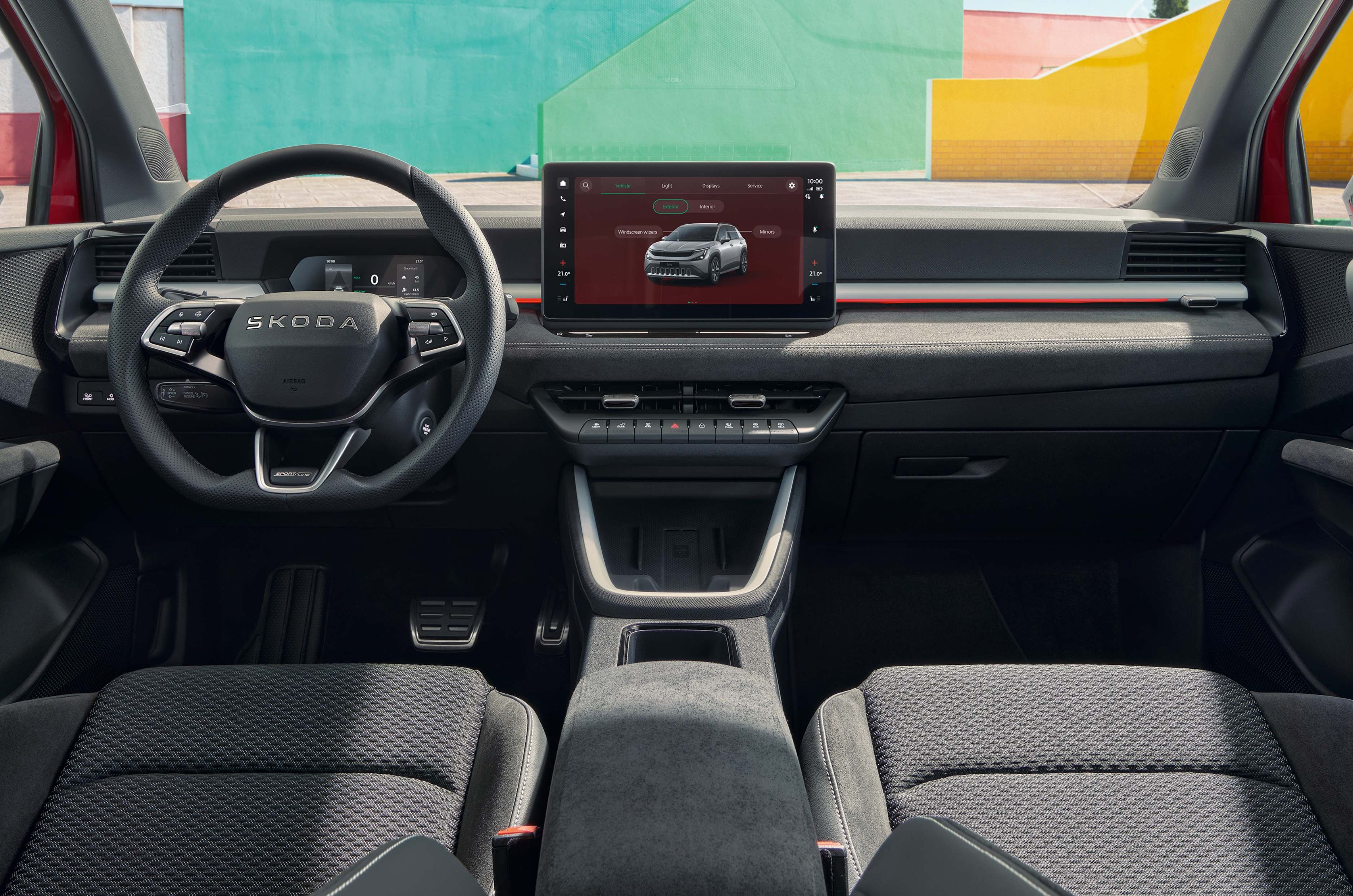
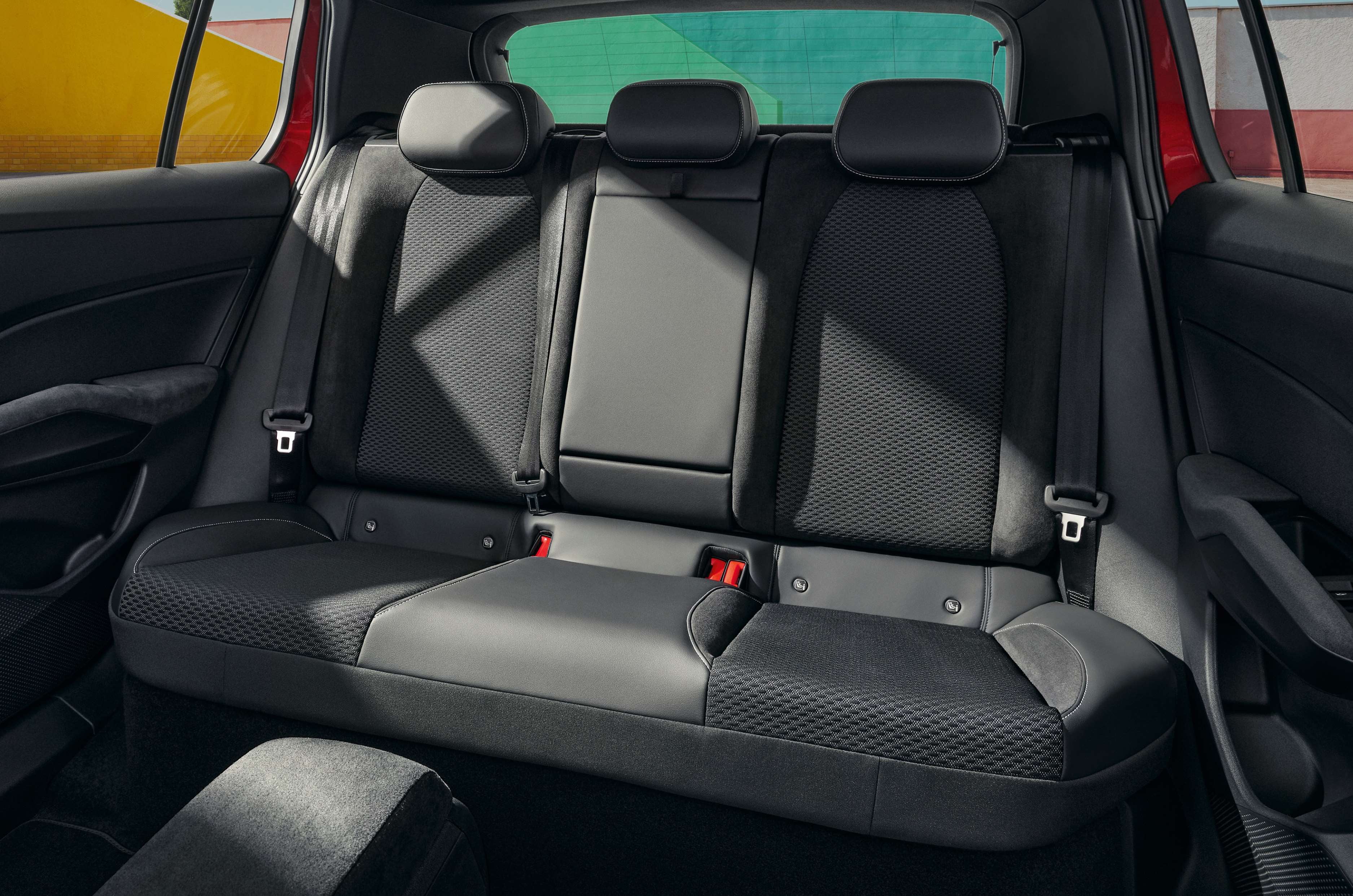
Black-theme cabin and suede for the dashboard, door pads, armrest and seat upholstery.
Offered in two variants: 40 (38.5kWh) and 55 (55 kWh); Claimed range of up to 440km.
Skoda Epiq Sportline: What’s new?
Changes to the front end of the Epiq include a segment LED strip across the grille, a body-coloured bumper, and a revised air intake grille. Updates to its profile include a gloss black finish for the outside rear-view mirrors (ORVMs) and exclusive designs for the 19-inch and optional 20-inch alloy wheels. The latter size is the largest available on the Epiq.
Additionally, there’s a black finish for the Skoda branding on the bonnet, C-pillar and tailgate, and also for the Epiq badge. A Sportline badge on the tailgate and a body-coloured rear bumper bring further distinction over the standard model. Optional equipment includes a panoramic sunroof, two-tone paint with a black roof, and a tow bar.
Like other Skoda Sportline models, the Eqiq Sportline also gets an all-black theme for its interior. The dashboard trim, door pads, armrest, and sport seats are wrapped in suede, while there’s a flat-bottomed three-spoke steering wheel with a Sportline badge and a stainless-steel finish for the pedals. The infotainment and digital driver’s display get red Sportline-themed graphics.
Standard kit includes keyless entry, electrically adjustable and heated front seats, a heated steering wheel, dual-zone climate control, digital key, wireless phone charging, rear-view camera and a dark tint for the rear-view mirrors. Optional features include an ADAS suite, on-board navigation, connected car tech, a 360-degree camera, a 10-speaker Canton sound system, frunk, and parking assist.
The Epiq Sportline is available only in the higher-end ‘40’ and ‘50’ variants, which are also available on the standard model. ‘40’ guise versions use a 38.5kWh battery pack with a front-mounted motor producing 135hp and 267Nm, while ‘55’ variants use a 55kWh battery pack with the motor delivering 211hp and 290Nm. Top speed for both versions is capped at 160kph, and claimed range figures for the 40 and 55 variants are 310km and 440km, respectively. Skoda says that both battery packs can do a 10-80 percent top-up within 24 minutes via DC fast charging.
नई दिल्ली, (ANI)। दिल्ली में बसों से सफर करने वालों के लिए 150 नई इलेक्ट्रिक बसें शुरू की जाएंगी। पांच जगहों पर गाड़ियां चार्ज करने के स्टेशन भी शुरू होंगे। जिससे लोगों को बस से सफर करने में आसानी होगी और इलेक्ट्रिक गाड़ियों को चार्ज करने की सुविधा भी बढ़ेगी।
150 नई बसें आने के बाद दिल्ली में इलेक्ट्रिक बसों की संख्या बढ़कर 5,238 हो जाएगी। अभी शहर के पास करीब 6,838 इलेक्ट्रिक बसें हैं। नई बसों के आने के बाद इनकी कुल संख्या 6,988 हो जाएगी। इनमें 1,750 CNG बसें भी हैं।
सरकार आने वाले सालों में दिल्ली में बसों की संख्या बढ़ाना चाहती है। 2028-29 तक शहर में कुल बसों की संख्या करीब 14 हजार करने का लक्ष्य है।
किन सुविधाओं से लैस होंगी नई बसें?
नई इलेक्ट्रिक बसें लो-फ्लोर और एयर-कंडीशन्ड होंगी। इन्हें इस तरह तैयार किया गया है कि पैसेंजर को सफर के दौरान आराम और सुविधा मिल सके। बसों में कई आधुनिक सुविधाएं भी दी गई हैं।
• CCTV कैमरे: बसों में सुरक्षा पर नजर रखने के लिए।
• पैनिक बटन: जरूरत पड़ने पर मदद मांगने के लिए।
• रियल-टाइम ट्रैकिंग: बस की लोकेशन की जानकारी पाने के लिए।
• दिव्यांगों के लिए सुविधा: बस में चढ़ने और सफर करने को आसान बनाने के लिए।
दिल्ली में इलेक्ट्रिक गाड़ियों की चार्जिंग सुविधा बढ़ाने के लिए पांच जगहों पर स्टेशन तैयार किए गए हैं। इनमें एक स्टेशन अंतर-राज्यीय बस अड्डे पर और चार DTC डिपो में हैं।
इन पांच जगहों पर मिलेंगे EV चार्जिंग स्टेशन:
स्वामी विवेकानंद ISBT, आनंद विहार
नंद नगरी DTC डिपो,
रोहिणी सेक्टर-37 DTC डिपो,
नांगलोई DTC डिपो,
केशवपुर DTC डिपो
आनंद विहार ISBT पर दिल्ली ट्रांसपोर्ट इंफ्रास्ट्रक्चर डेवलपमेंट कॉरपोरेशन लिमिटेड (DTIDC) ने ज्यादा कैपेसिटी वाला EV चार्जिंग स्टेशन बनाया है। इस बस अड्डे पर रोज करीब 1.25 लाख पैसेंजर आते-जाते हैं और औसतन 2,300 बसें गुजरती हैं। इनमें दिल्ली, उत्तर प्रदेश और उत्तराखंड की बसों के साथ टूरिस्ट बसें भी शामिल हैं।
दिल्ली परिवहन निगम (DTC) दूसरे डिपो में भी EV चार्जिंग स्टेशन बना रहा है। परिवहन मंत्री पंकज कुमार सिंह के मुताबिक, नई इलेक्ट्रिक बसें शुरू करने और चार्जिंग की सुविधा बढ़ाने से लोगों को बेहतर पब्लिक ट्रांसपोर्ट मिलेगा। इससे इलेक्ट्रिक गाड़ियों का इस्तेमाल बढ़ाने और दिल्ली में प्रदूषण कम करने में मदद मिलेगी।
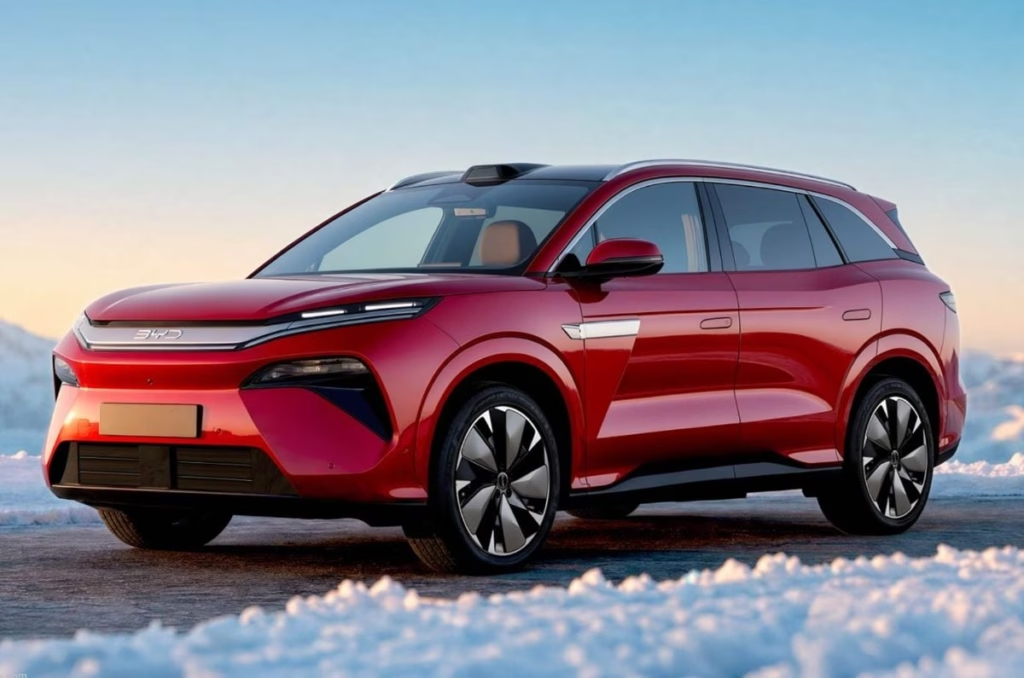
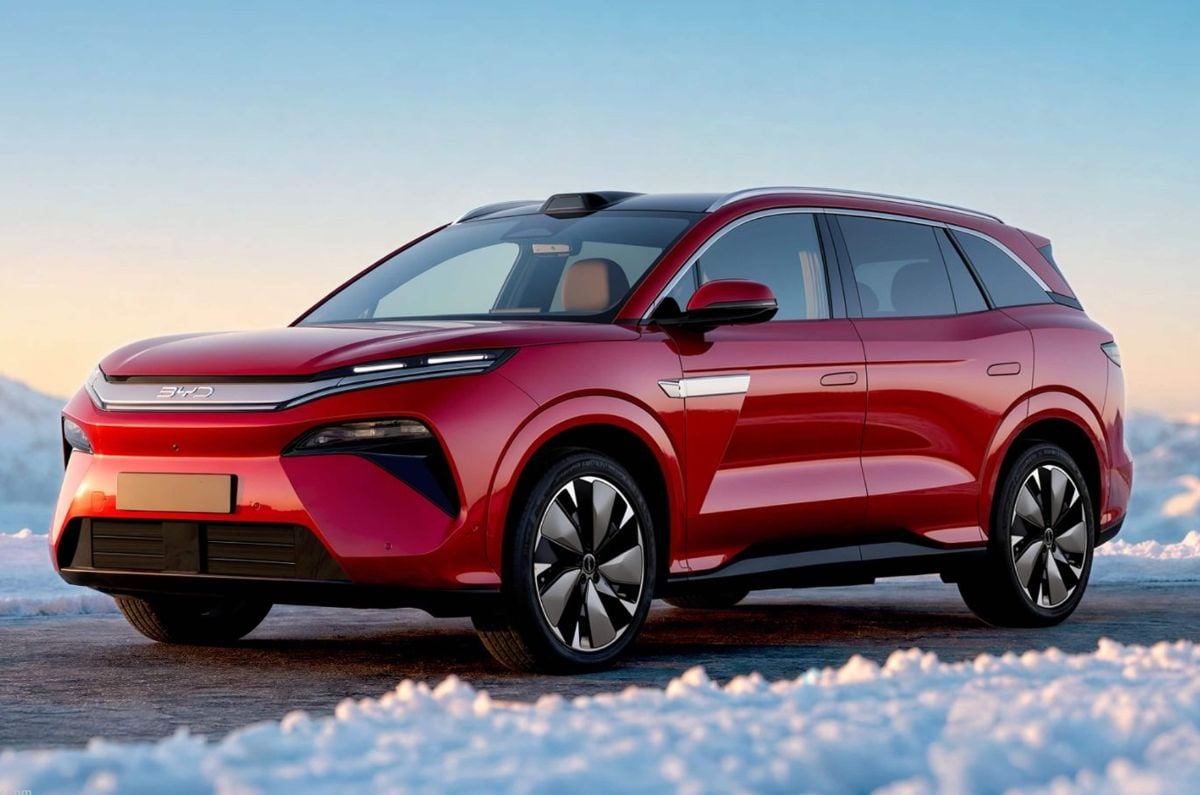
BYD has revealed the Atto 8 at the 2026 Paris Motor Show as its flagship SUV. Internationally, the 7-seater BYD Atto 8 SUV is offered with multiple EV and PHEV powertrains. The EV version is the first BYD model to support ultra-fast ‘Flash Charging’, which recharges the 115kWh battery from 10 to 97 percent in a mere 9 minutes. The PHEV version is offered either with a 19kWh or a 35.6kWh battery, paired with a 1.5-litre turbocharged 4-cylinder petrol engine.
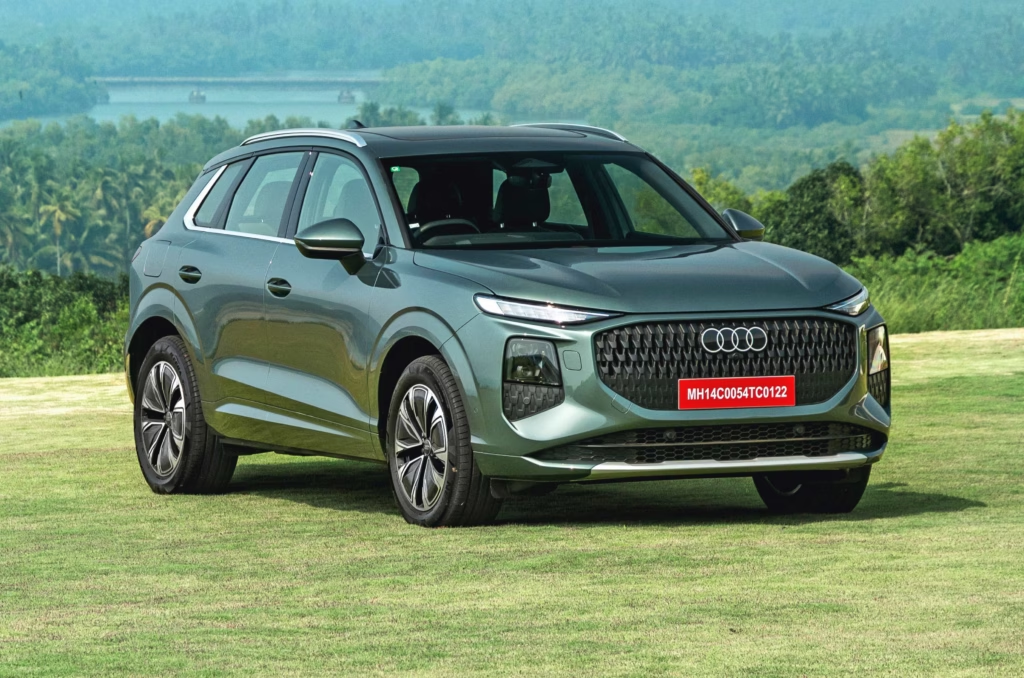
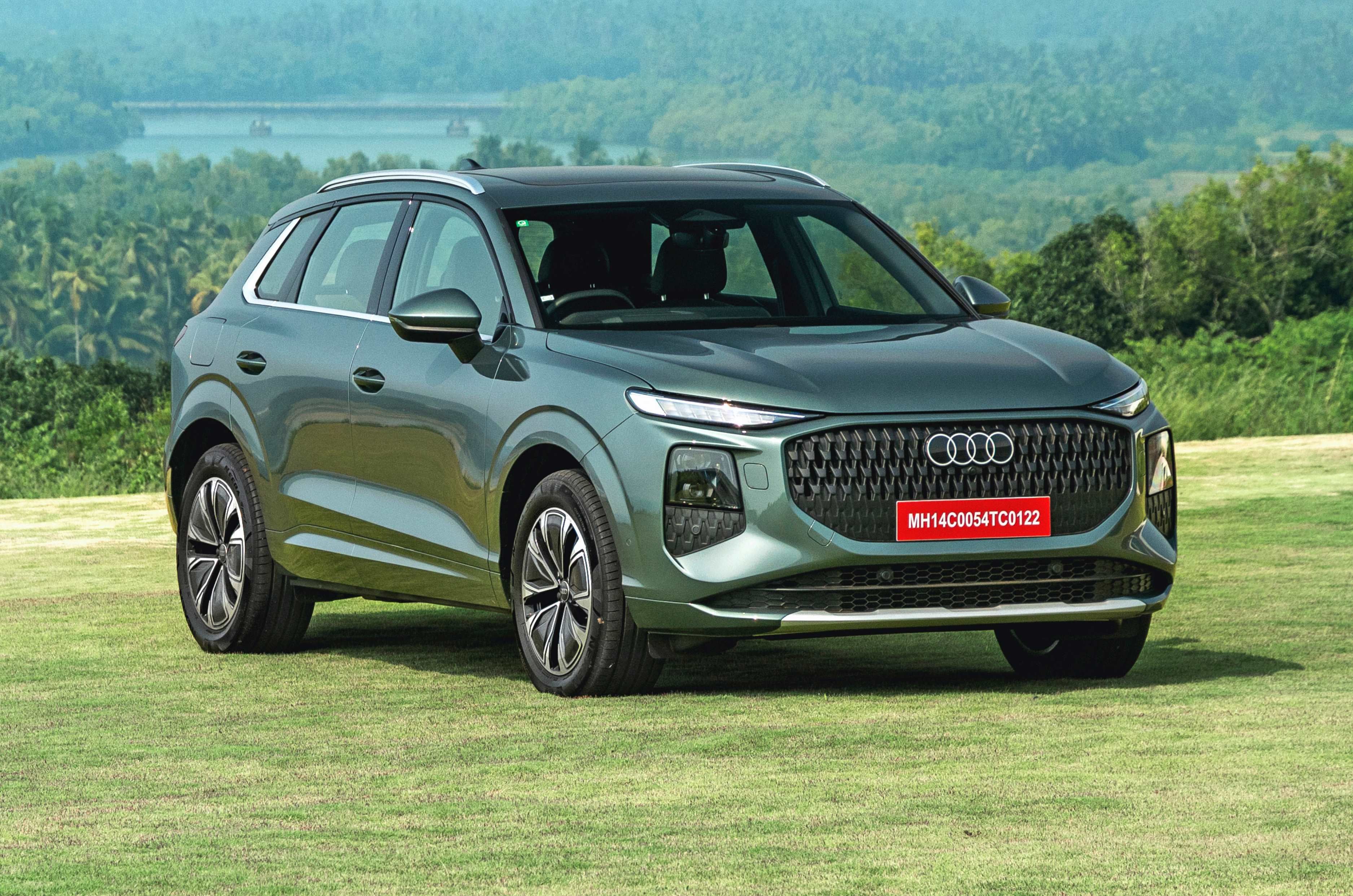
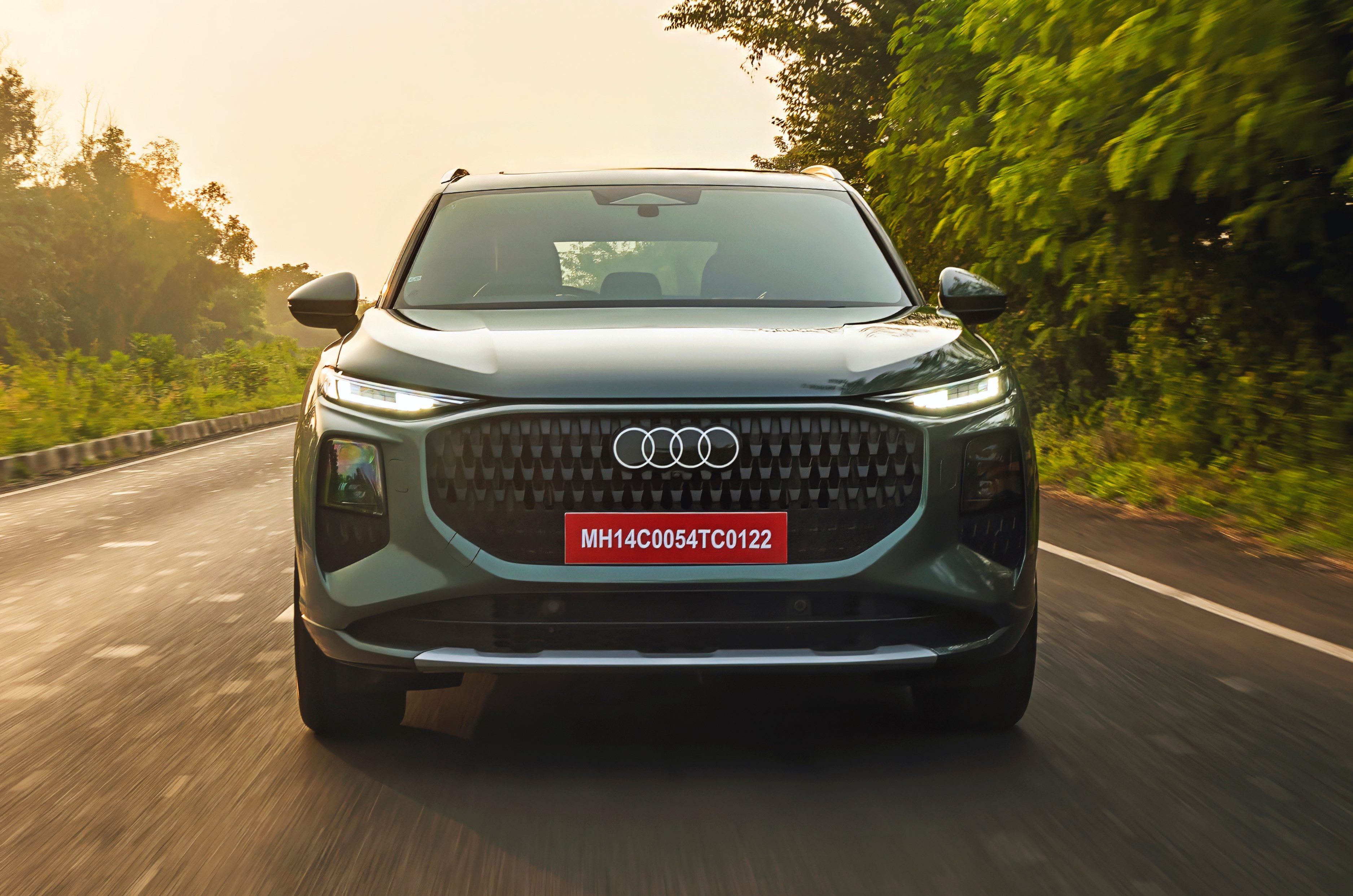
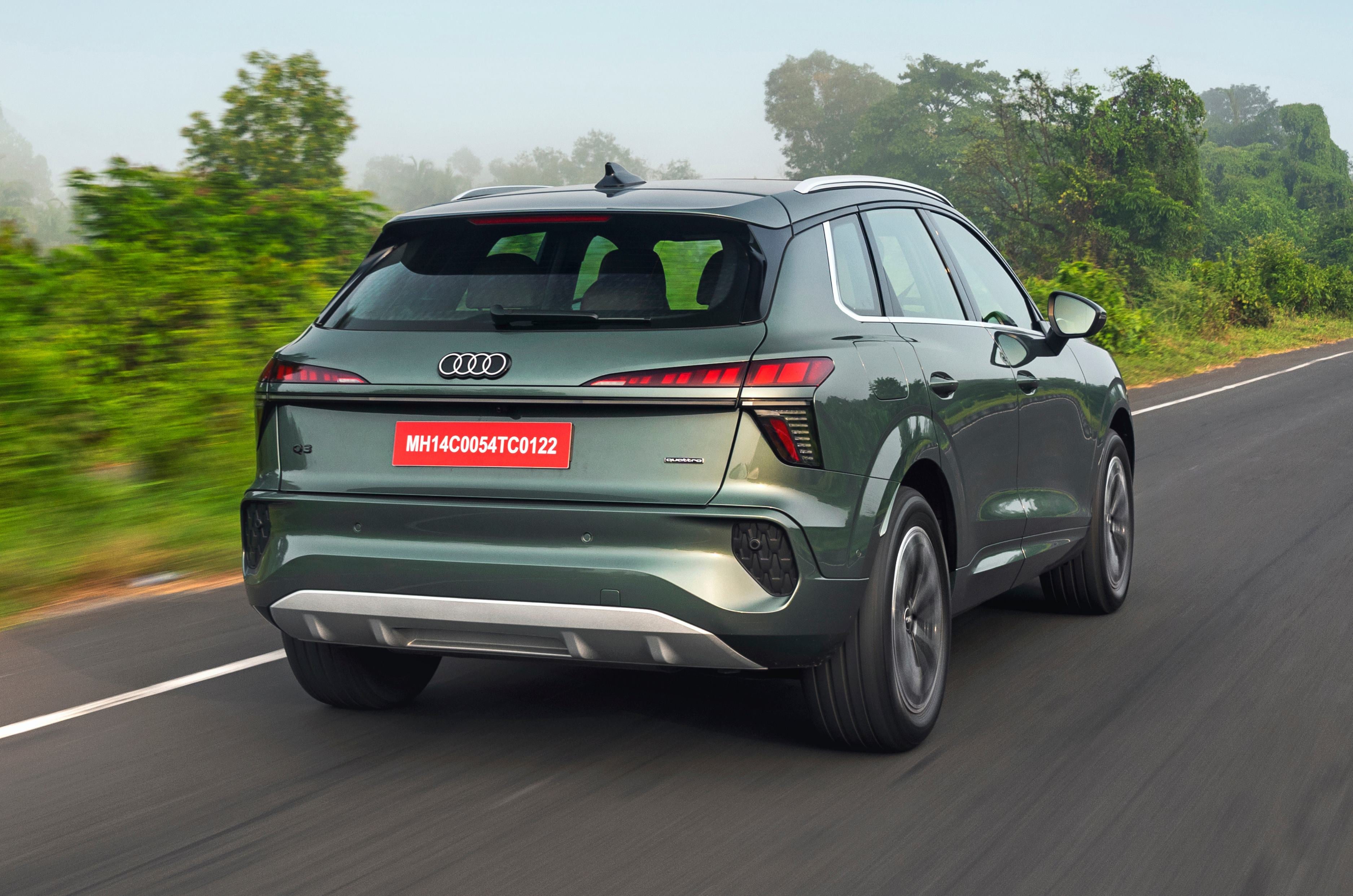
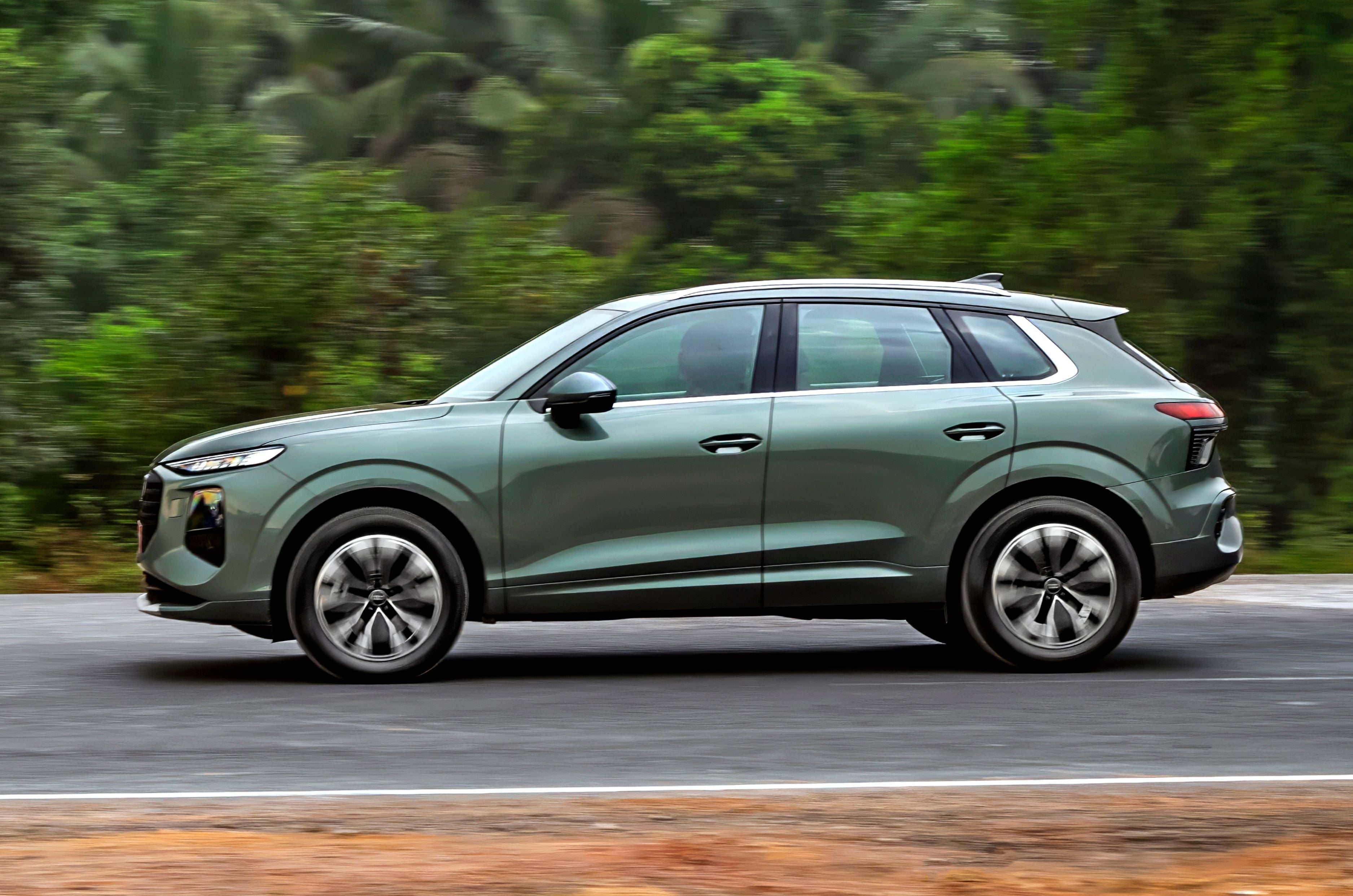
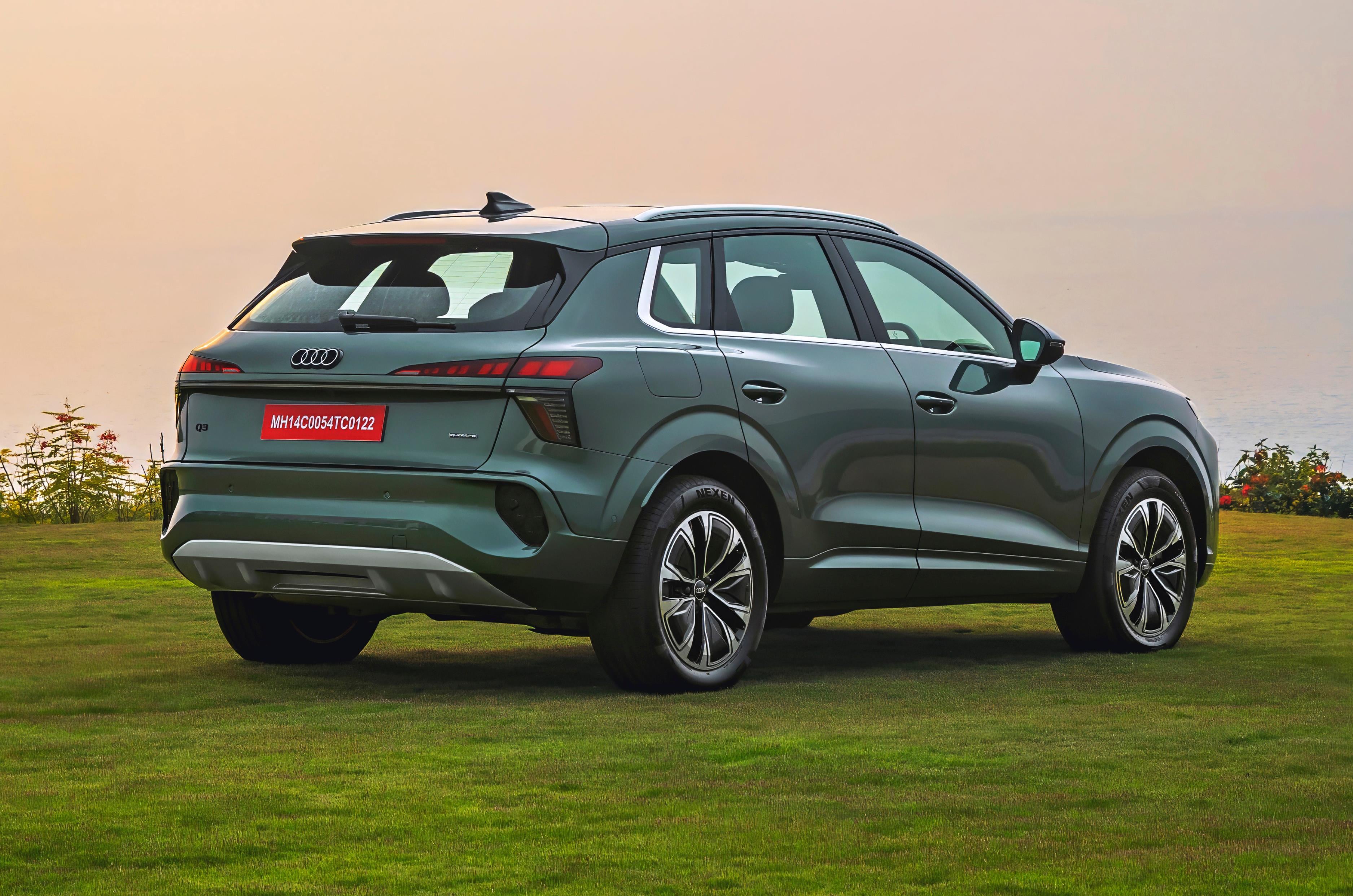
Audi India is set to launch the third-gen Q3 on Friday, 16 October. It will replace the current Q3, which has been around for quite a while, as Audi India’s entry-level SUV. More importantly, the third-gen Q3 will usher in some of the latest tech that Audi offers, which should make the SUV much more competitive against rivals like the Mercedes-Benz GLA and BMW X1. But will it? Now that we’ve reviewed the new Q3, here are three reasons why you should consider it over rivals, and two reasons why you may want to think twice about buying one.
Pros
Punchy turbo-petrol engine
Like its predecessor, the third-gen Q3 is powered by a 2.0-litre four-cylinder direct-injection turbo-petrol engine developing 204hp and 320Nm. It’s the biggest and strongest engine in its segment, and save for some brief hesitation at low revs, remains a gem. As soon as the turbo is on song, this engine is eager and free-revving, responding promptly in the city and building speed easily on the highway. Audi claims a 0-100kph time of 7.1 seconds for the new Q3 – a segment-best figure.
The Q3’s engine continues to be paired with a 7-speed dual-clutch automatic, which is a great companion. Downshifts are quick and easy, and engaging Sport mode or flicking the paddle shifters will give you full control. Audi’s Quattro all-wheel drive system is standard fit for the Q3 as well, giving you more confidence when driving on slippery surfaces.
Excellent ride and handling balance
Audi has tuned the new Q3’s suspension very well. The setup has the typical firmness you expect from a European car, but it’s never uncomfortable and absorbs potholes and broken roads with great composure. Part of the credit goes to the 55-profile tyres too, as their thick sidewalls soak up much of the shock before it reaches the suspension.
The handling of the new Q3 is surprisingly good too, with the variable-ratio steering effectively loosening at low speeds and weighing up as you increase the pace. There’s a slight amount of slack around the straight-ahead position, but the steering remains very accurate and direct regardless. Despite its quick steering, the Q3 also remains stable at highway speeds and changes lanes with ease and agility.
Well-built interior
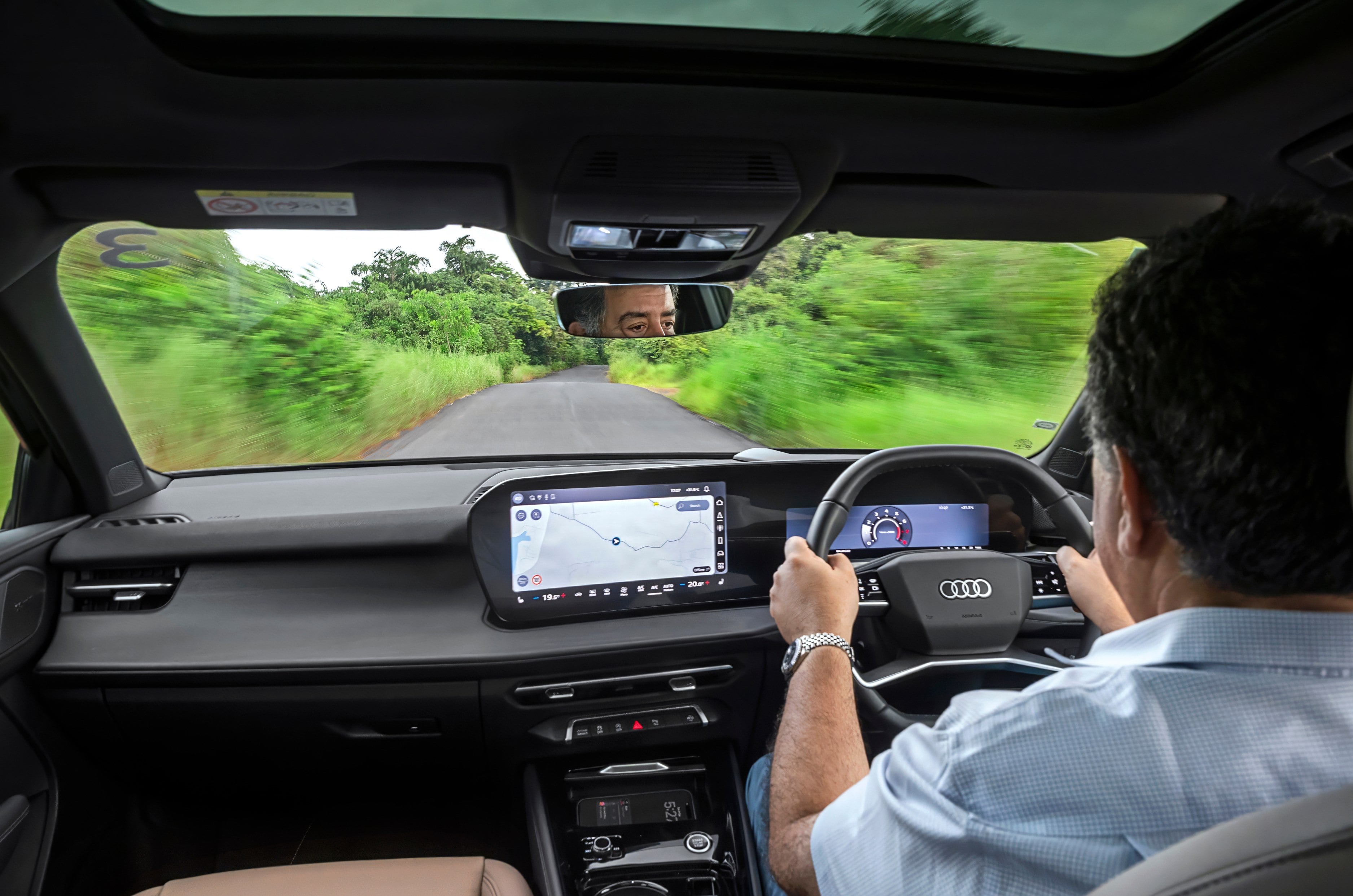
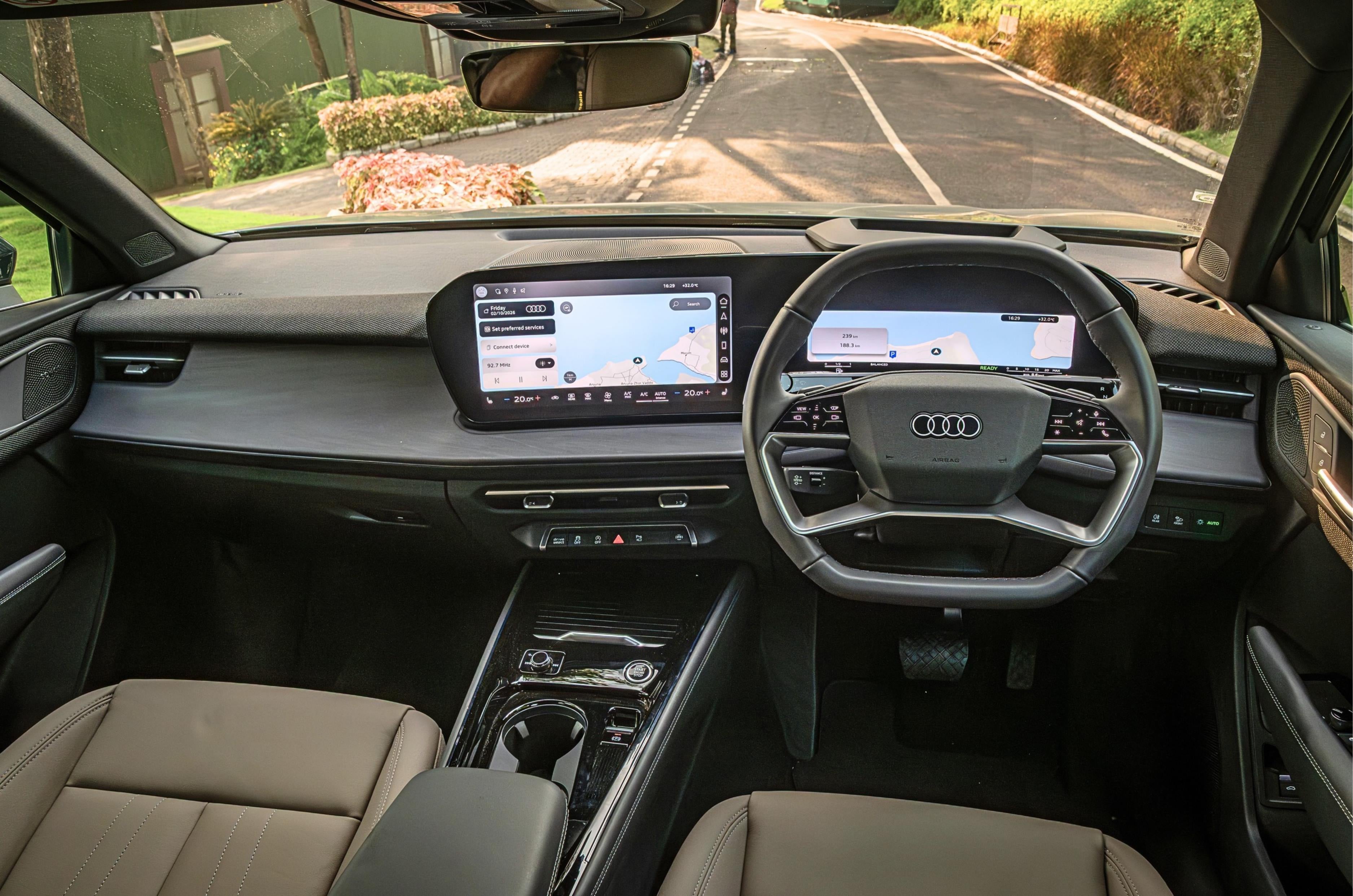
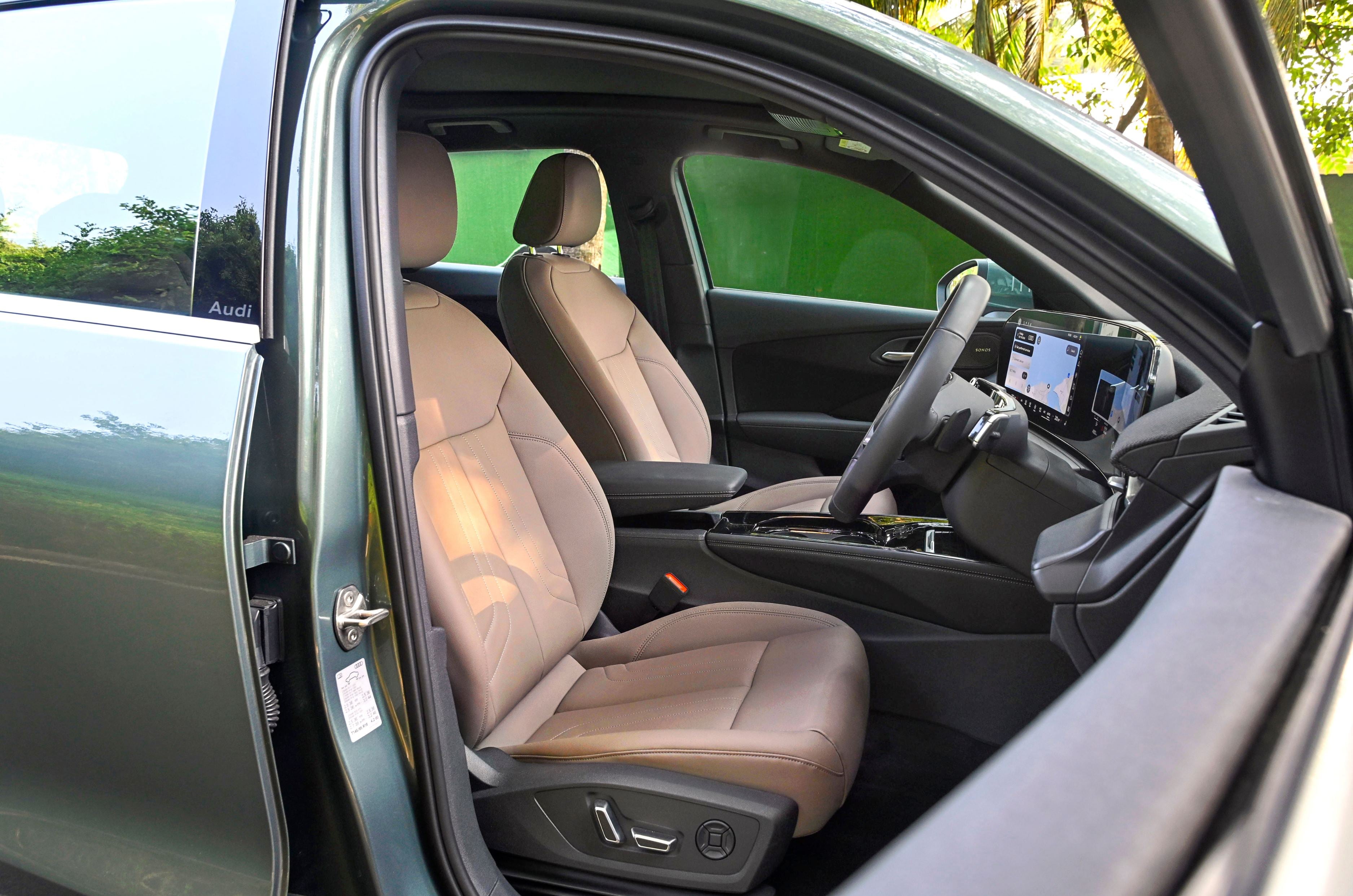
Among the most noticeable leaps of the new Q3 over the outgoing model is on the inside. The dashboard sports a cleaner and more modern layout, housing an 12.8-inch infotainment touchscreen and 11.9-inch digital driver’s display. Much of the leather in the cabin has been ditched in favour of fabric, and plastic quality isn’t that great in the lower regions, but even so, the Q3’s interior feels well put-together and more robust than those of its rivals.
Cons
Lack of powertrain options
The Q3’s turbo-petrol engine is undoubtedly lovely, but that’s about it as far as powertrain options go. There will be no diesel, hybrid, or electric versions of the India-spec Q3, at least at launch. This puts the Audi SUV at a disadvantage, since the GLA and X1 can be had with diesel engines – the BMW is available as a long-wheelbase EV too (iX1 LWB). Offering Quattro as standard may also drive up the price of the new Q3, which could dissuade buyers who prefer a lower price tag over all-wheel drive.
Some features still missing
While the Q3 has a decent list of equipment, including a 12-speaker Sonos sound system, a panoramic sunroof, powered and heated front seats, dual-zone climate control, adaptive cruise control, auto-park assist, and more, there are still some features that Audi missed out on.
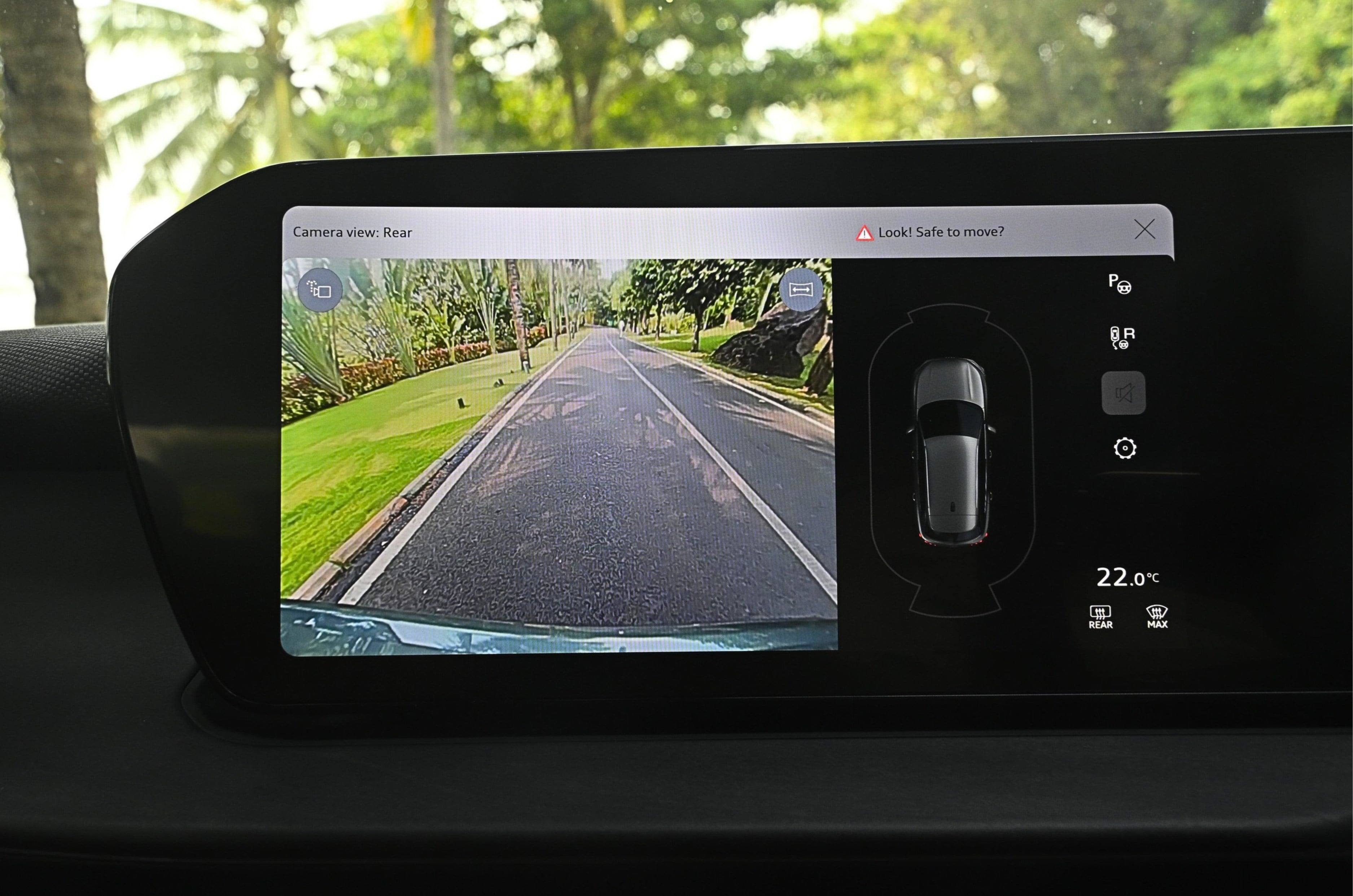
Chief among them is seat ventilation, which makes much more sense than heated seats in our climate conditions. Another big miss is a 360-degree camera, as it greatly helps with maneuovring and parking in tight spaces. The included rear camera’s resolution (pictured above) is disappointing too. Lastly, there are no ADAS features aside from adaptive cruise control – lane-keep assist and blind-spot monitoring would’ve come in handy.
आंध्र प्रदेश के NTR जिले में विजयवाड़ा वेस्ट बाईपास पर सोमवार शाम एक दर्दनाक सड़क हादसा हुआ। विजयवाड़ा वेस्ट बाईपास पर एक इलेक्ट्रिक गाड़ी (EV) डिवाइडर से टकराने के बाद आग की चपेट में आ गई। इस हादसे में तीन साल के बच्चे समेत चार लोगों की जिंदा जलकर मौत हो गई, जबकि एक अन्य व्यक्ति गंभीर रूप से घायल बताया जा रहा है। जानकारी के मुताबिक, कार में सवार लोग गुंटूर जिले के नंबुरु गांव में एक कार्यक्रम से लौट रहे थे। ये एक्सीडेंट शाम करीब 6 बजे हुआ।
हादसे में 4 लोगों की हुई मौत
हादसे में जान गंवाने वालों की पहचान विजयवाड़ा के नुन्ना इलाके के रहने वाले 39 वर्षीय कोम्मारेड्डी रामदेव के रूप में हुई है। उनके साथ उनकी 65 वर्षीय मां कोम्मारेड्डी अरुणा और 30 वर्षीय बहन तिगुरु विजया की भी मौत हो गई। दोनों महिलाएं गुंटूर जिले के नंबुरु की रहने वाली थीं। हादसे में एक बच्चे की भी जान चली गई, जिसकी पहचान फिलहाल नहीं हो सकी है। गंभीर रूप से घायल व्यक्ति का इलाज जारी है।
कुछ ही देर में फैल गई आग
हादसे से जुड़ा एक वीडियो भी सामने आया है, जिसमें कार को आग की तेज लपटों में घिरा देखा जा सकता है। एक वरिष्ठ पुलिस अधिकारी के अनुसार, तेज रफ्तार कार सड़क के किनारे लगे डिवाइडर या रेलिंग से टकरा गई, जिसके बाद उसमें आग लग गई। आग कुछ ही समय में पूरी गाड़ी में फैल गई और अंदर बैठे चार लोग बाहर नहीं निकल सके। उनकी मौके पर ही मौत हो गई। हादसे में घायल हुए पांचवें व्यक्ति को स्थानीय लोगों की मदद से अस्पताल पहुंचाया गया, जहां डॉक्टरों ने उसकी हालत गंभीर बताई है।
पुलिस कर रही मामले की जांच
घटना की जानकारी मिलते ही पुलिस और दमकल की टीम मौके पर पहुंची। फायर ब्रिगेड ने कार में लगी आग बुझाई, जबकि पुलिस ने हादसे की जांच शुरू कर दी और दुर्घटना के कारणों का पता लगाने में जुट गई। अधिकारियों के मुताबिक, शुरुआती जांच में कार की तेज रफ्तार को हादसे की संभावित वजह माना जा रहा है। हालांकि, पुलिस अभी पूरे मामले की जांच कर रही है। हादसा कैसे हुआ और टक्कर के बाद कार में आग किस वजह से लगी, इसका पता लगाने के लिए सभी पहलुओं की जांच की जा रही है।
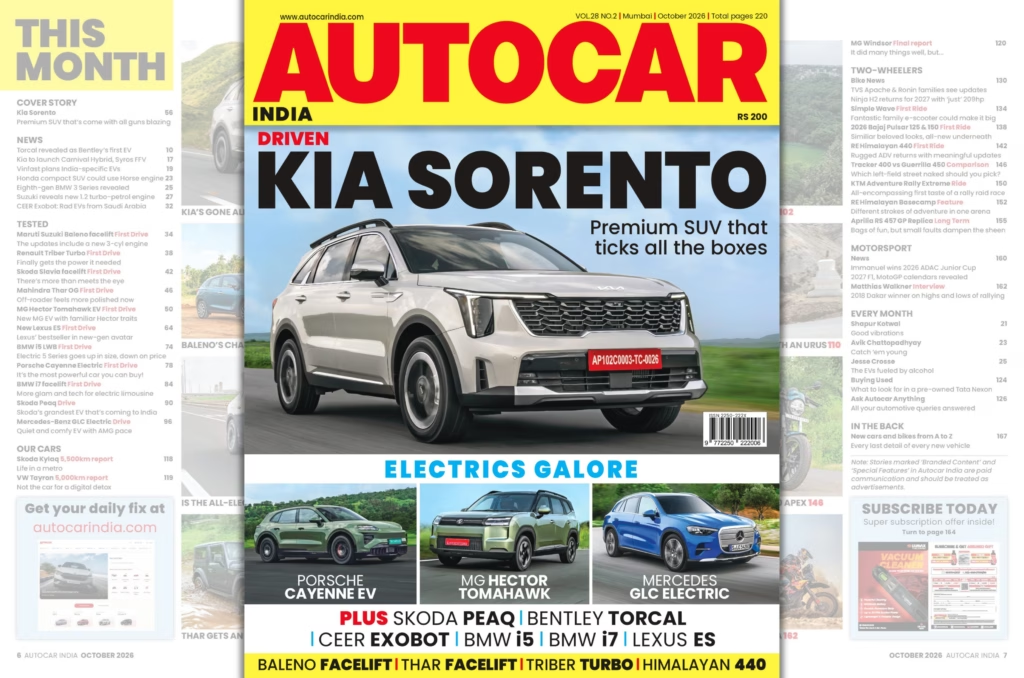
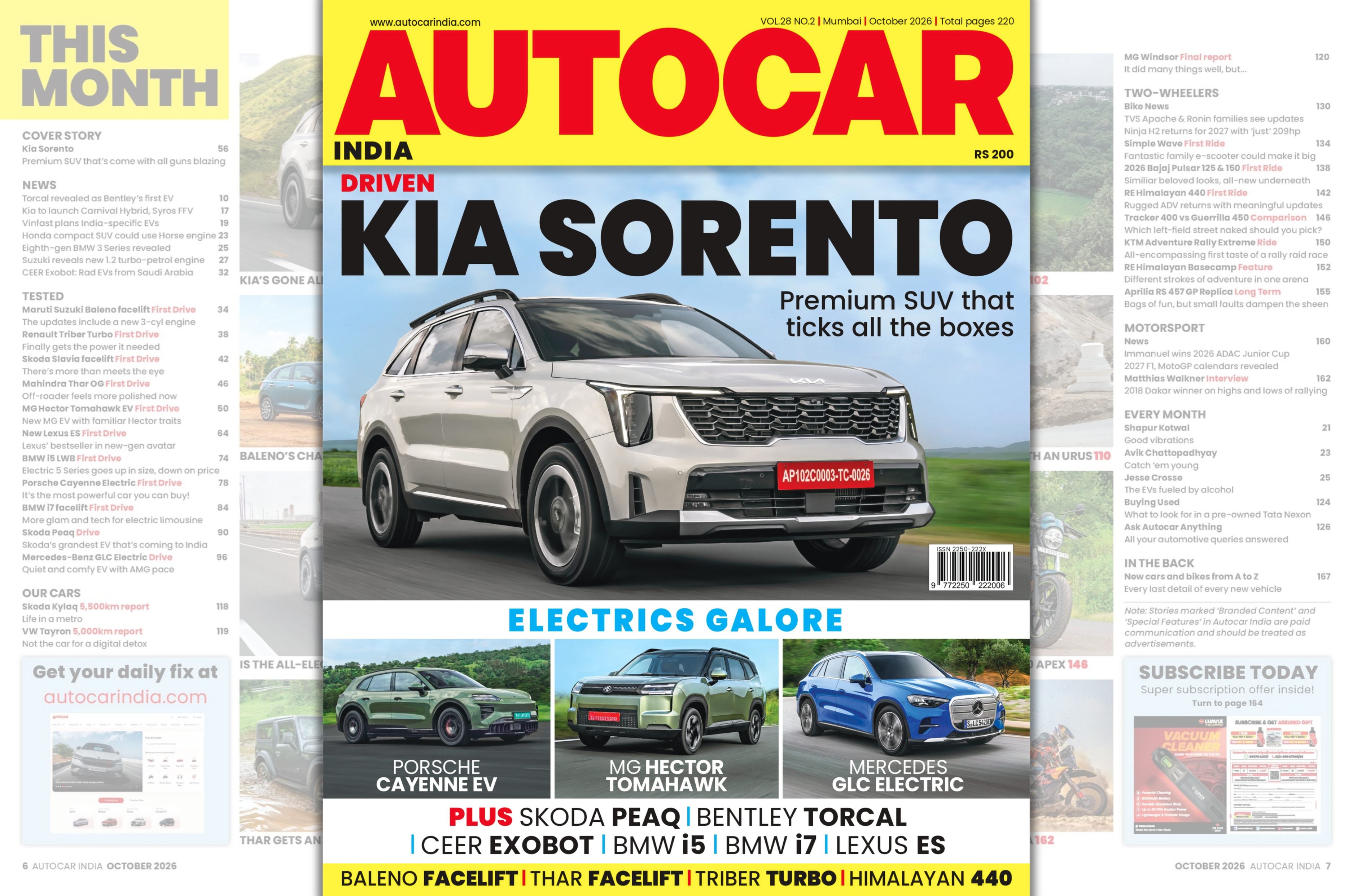
This month, we go big on power and even bigger on premium metal. The cover story is Kia’s biggest swing yet at the executive SUV segment, and then there’s a family SUV with more horsepower than a Lamborghini, and BMW’s electric onslaught continues with a new long-wheelbase sedan and a sharper flagship limousine.
Kia Sorento: Cover Story
Six trims, two powertrains, up to seven seats and 32 variants in all. Kia isn’t dipping a toe into the premium SUV pool; it’s diving straight in, locally assembling the Sorento from Rs 27.99 lakh to take on the Skoda Kodiaq and VW Tayron. Has Kia cracked the code, or has it bitten off more than it can chew?
Porsche Cayenne Electric: First Drive
Forget hypercars. The most powerful vehicle currently on sale in India is a family SUV, the Cayenne Electric, with more horsepower than your senses can fathom. We took it to an airstrip to see what that actually does to your stomach.
BMW i5 LWB & i7 Facelift: First Drives
BMW’s electric push continues, with a long-wheelbase i5 slotting in between the iX1 and flagship i7. Can BMW’s long-wheelbase playbook continue to work? And there’s also the i7 getting a sharper face and more tech to go with it, like it didn’t have enough already.
Mercedes-Benz GLC Electric: Drive
The first-gen electric GLC was far from ideal. The new one, however, is a completely new generation with an 800V architecture, 330kW charging and a claimed 715km range. We took all 489 of its horses to the Autobahn to see how much of an improvement it has been over its predecessor.
MG Hector Tomahawk EV: First Drive
Don’t let the familiar name fool you. The Hector Tomahawk EV rides on MG’s all-new ADAPT platform, bigger than the Mahindra XEV 9S in every dimension, with a PHEV sibling already waiting in the wings.
Maruti Suzuki Baleno, Renault Triber Turbo and Skoda Slavia: First Drives
India’s favourite premium hatch, the Baleno, gets a new engine and ADAS, the budget-friendly Triber finally gets the power it’s been begging for, and the Slavia’s facelift turns out to be more than skin-deep.
Mahindra Thar OG: First Drive
The original three-door Thar gets another round of updates, bringing changes to its engines, equipment and chassis. With the off-road icon continuing to evolve, we head out to discover what this latest iteration brings to the table.
Taking the High Road: Features
Goa’s new Porvorim Elevated Corridor opens on NH66, and we test it in two ways: solo against Google Maps’ ETA in an MG Cyberster, and then flanked by a dozen supercars, Ferraris, a McLaren 750S and a Lamborghini Huracan among them, for its proper initiation.
Rocket Ship to the Moon: Feature
A Lamborghini SUV is already an exercise in excess. Take it somewhere unexpected, add a little spectacle, and you have the ingredients for an automotive adventure that refuses to be ordinary.
Royal Enfield Himalayan 440
The original Himalayan is back with a bigger engine and a handful of meaningful changes. In a world where adventure bikes keep getting more complicated, there’s something rather appealing about going back to basics.
Tracker 400 vs Guerrilla 450: Comparison
Two left-field street nakeds, the Triumph Tracker 400 and Royal Enfield Guerrilla 450, go head-to-head. One takes its inspiration from flat-track racers, while the other fancies itself a sporty roadster. Both want your money, and neither is particularly interested in being sensible about it.
KTM Adventure Rally Extreme: Ride
Adventure riding is all well and good until the road disappears, the terrain turns hostile and you begin questioning your life choices. We get a taste of KTM’s rally raid experience, where the only shortcut is having the skill to take one.
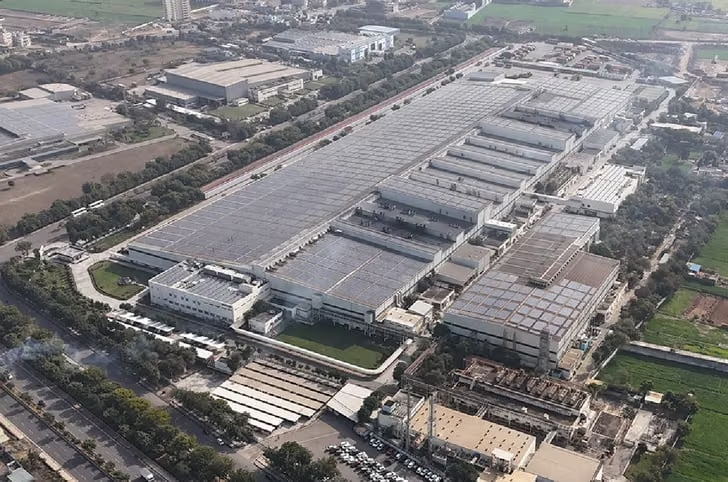
Honda Motorcycle and Scooter India (HMSI) is significantly scaling up its manufacturing capacity in India, with company President and CEO Tsutsumu Otani confirming plans to increase output across its four Indian plants from the current 62.5 lakh units per year to 80 lakh units by 2028.
HMSI to expand production capacity from 62.5 lakh to 80 lakh units annually by 2028
CB350 already being exported to Europe; CB500 being evaluated as the next export model
Africa, Central America and South America identified as key future export markets
HMSI production and export plans
The expansion is expected to create over 2,000 jobs
Otani said the expansion over the next 18-24 months is aimed at serving both domestic demand and a growing export business. “With the eight-million-unit capacity planned in 2028, we will be well equipped to handle customer demand for ICE or EV products,” he said. The company’s current production is already running at full capacity.
On the export front, HMSI has begun shipping India-made models to Europe, starting with the CB350, for which Otani said the “sales situation is also very good”. The CB500 is being evaluated as the next potential export model, although he described these plans as being at an early stage.
Beyond Europe, Otani highlighted Africa, Central America and South America as important future markets, with Africa singled out as particularly significant. “India’s geographical proximity can provide an advantage in serving the African market, especially if one were to factor in transportation costs,” he said.
To support its export ambitions, HMSI is also looking to deepen localisation. Otani acknowledged that several components currently undergo final assembly in India but rely on parts imported from Thailand, Japan and Europe. “We intend to accelerate localisation and manufacture more in India as our next step,” he said, adding that resource circulation and the recycling of steel and aluminium remain areas the company is working through, given India’s limited domestic supplies of these materials.
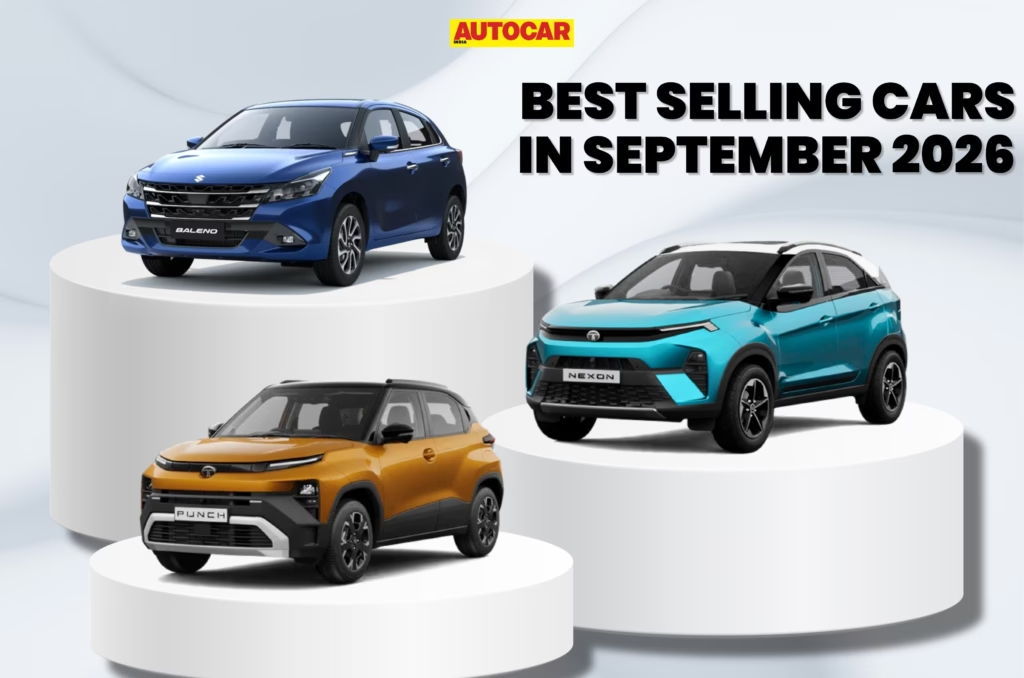
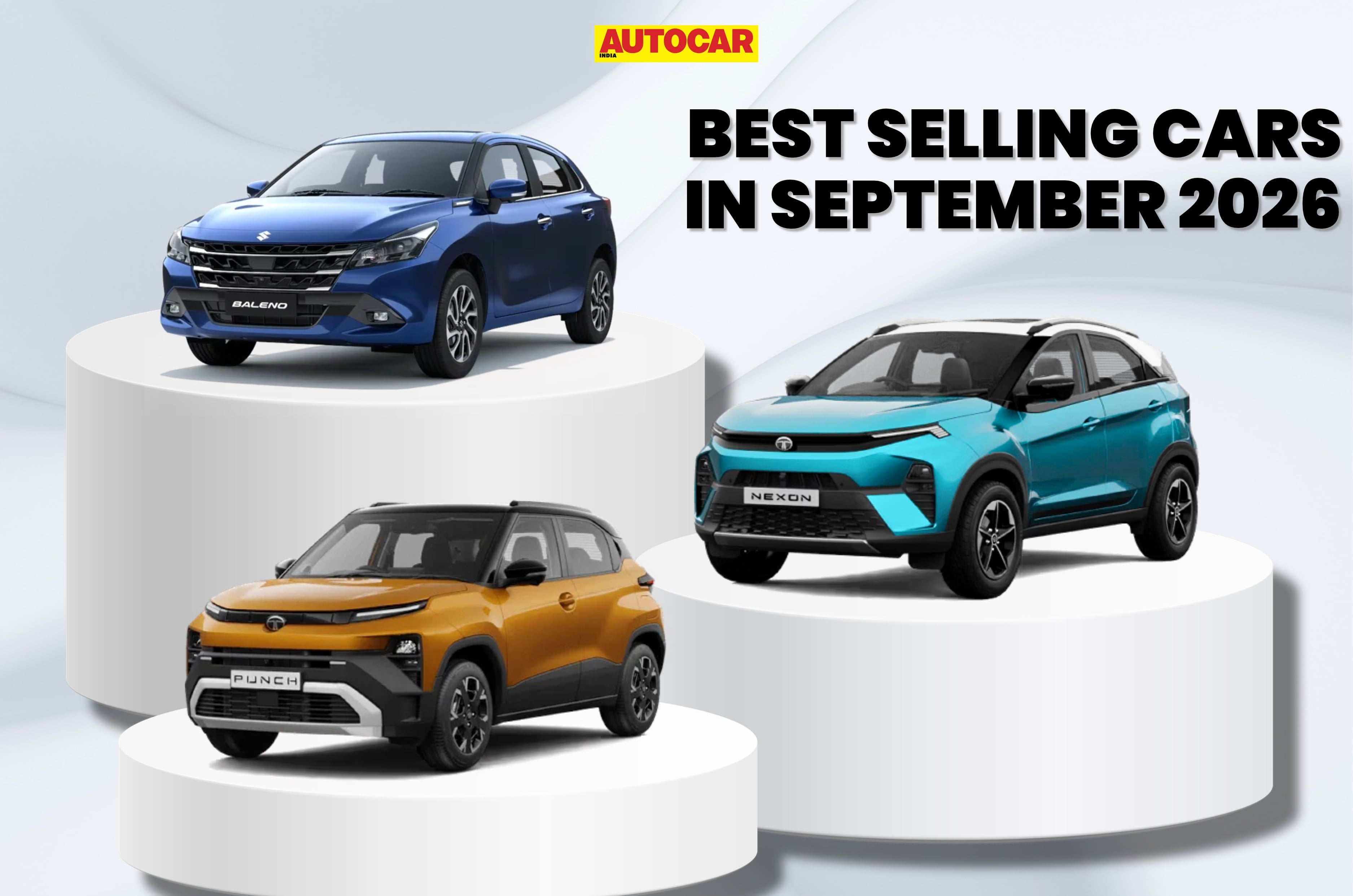
September 2026 saw the Maruti Suzuki Baleno top the best-selling cars list with 25,392 units dispatched, a 93 percent increase year on year. The Tata Nexon and Punch ranked second and third, respectively, with over 20,000 units each. Combined dispatches of the top 10 models rose 15.5 percent to 1,91,332 units. Maruti Suzuki had six models on the list, followed by Tata Motors with two, and Hyundai and Mahindra with one each.
Top 10 best-selling cars in September 2026
Rank
Model
Sep 2026 sales (units)
Aug 2026 sales (units)
Sep 2025 sales (units)
MoM change (%)
YoY change (%)
1
Maruti Baleno
25,392
15,376
13,173
+61
+93
2
Tata Nexon
20,456
18,431
22,573
+11
-9
3
Tata Punch
20,333
21,320
15,891
-5
+28
4
Maruti Fronx
19,282
18,730
13,767
+3
+40
5
Maruti Wagon R
18,835
20,180
15,388
-7
+22
6
Maruti Dzire
17,754
18,418
20,038
-4
-11
7
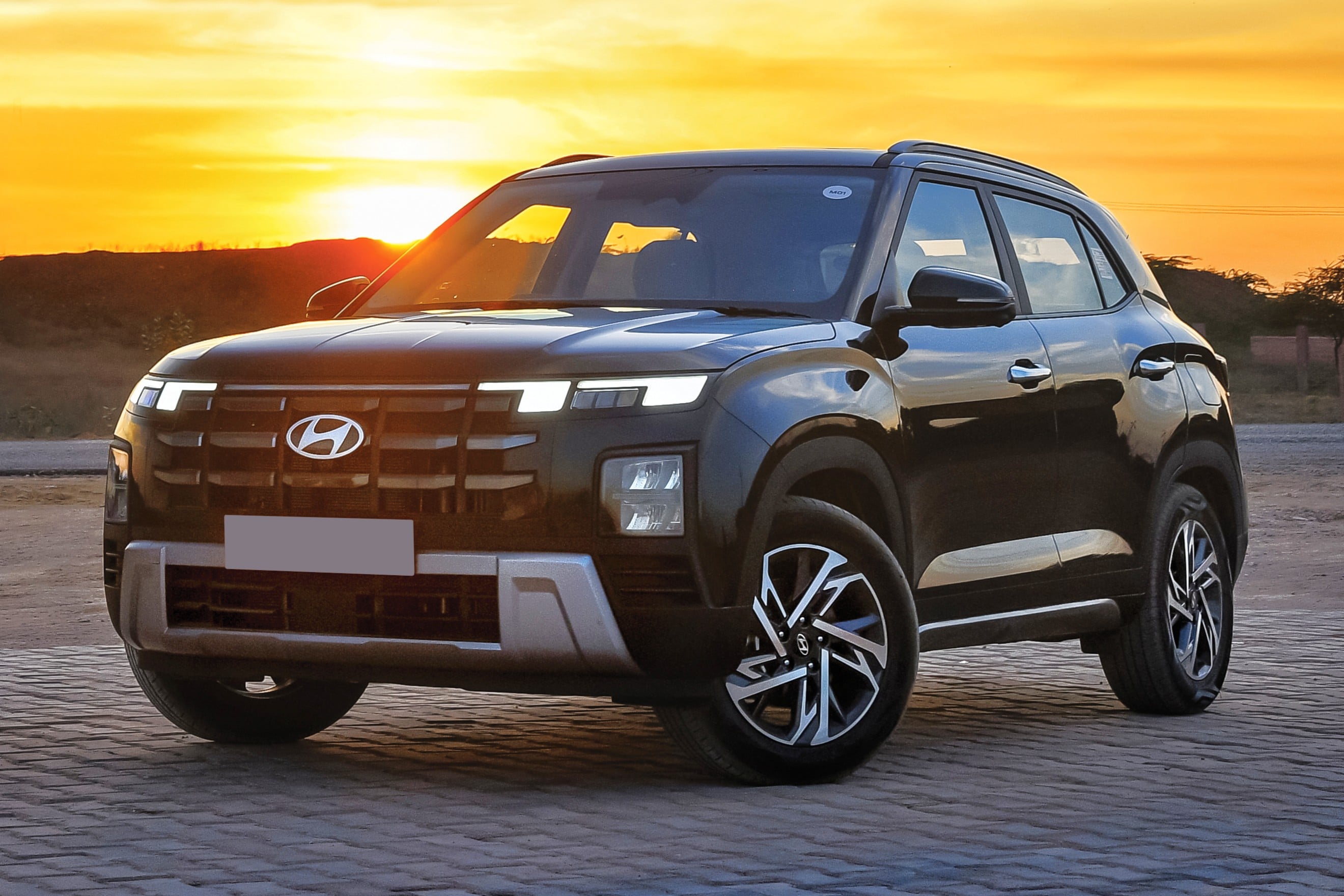
Hyundai Creta
17,657
16,288
18,861
+8
-6
8
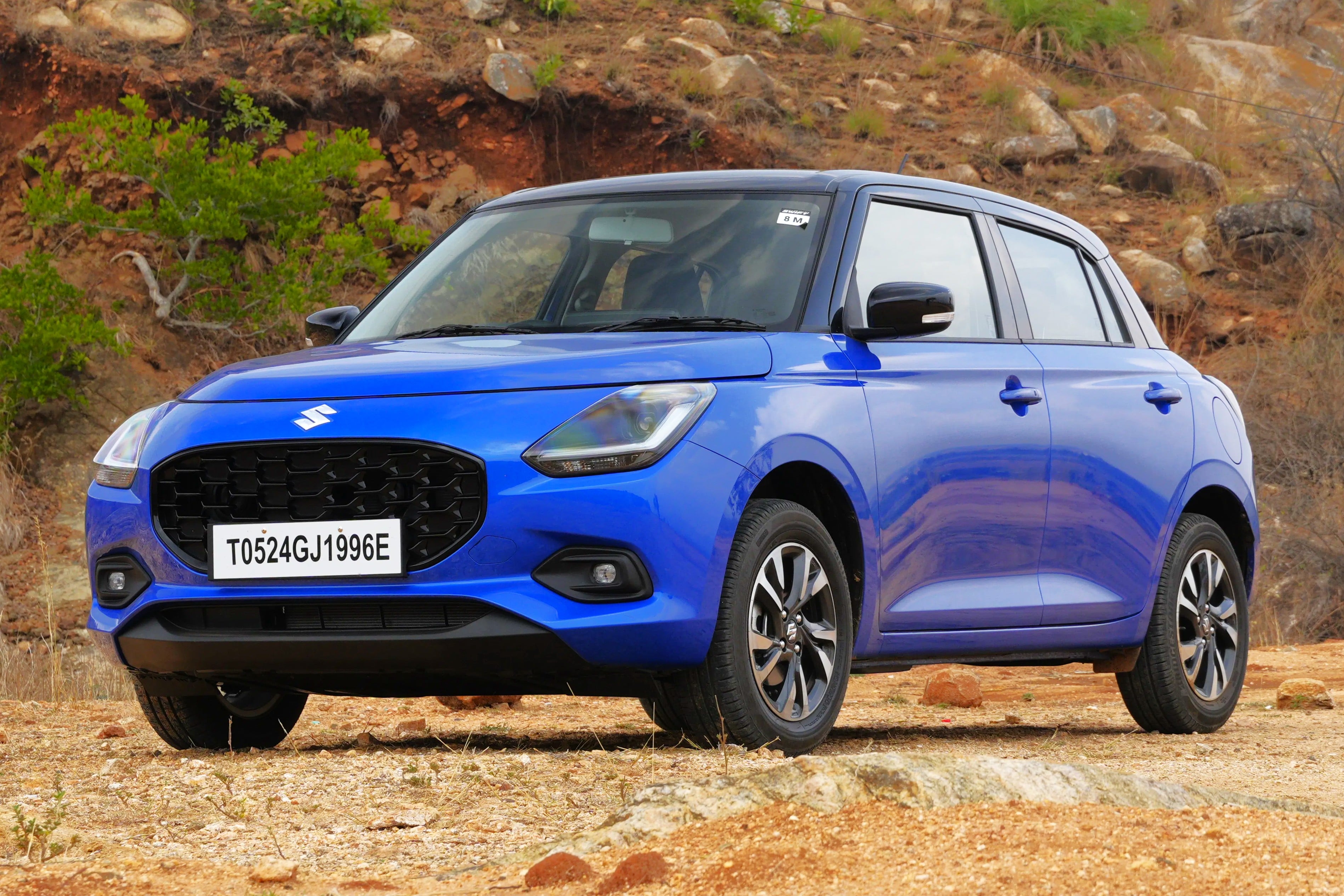
Maruti Swift
17,399
19,832
15,547
-12
+12
9
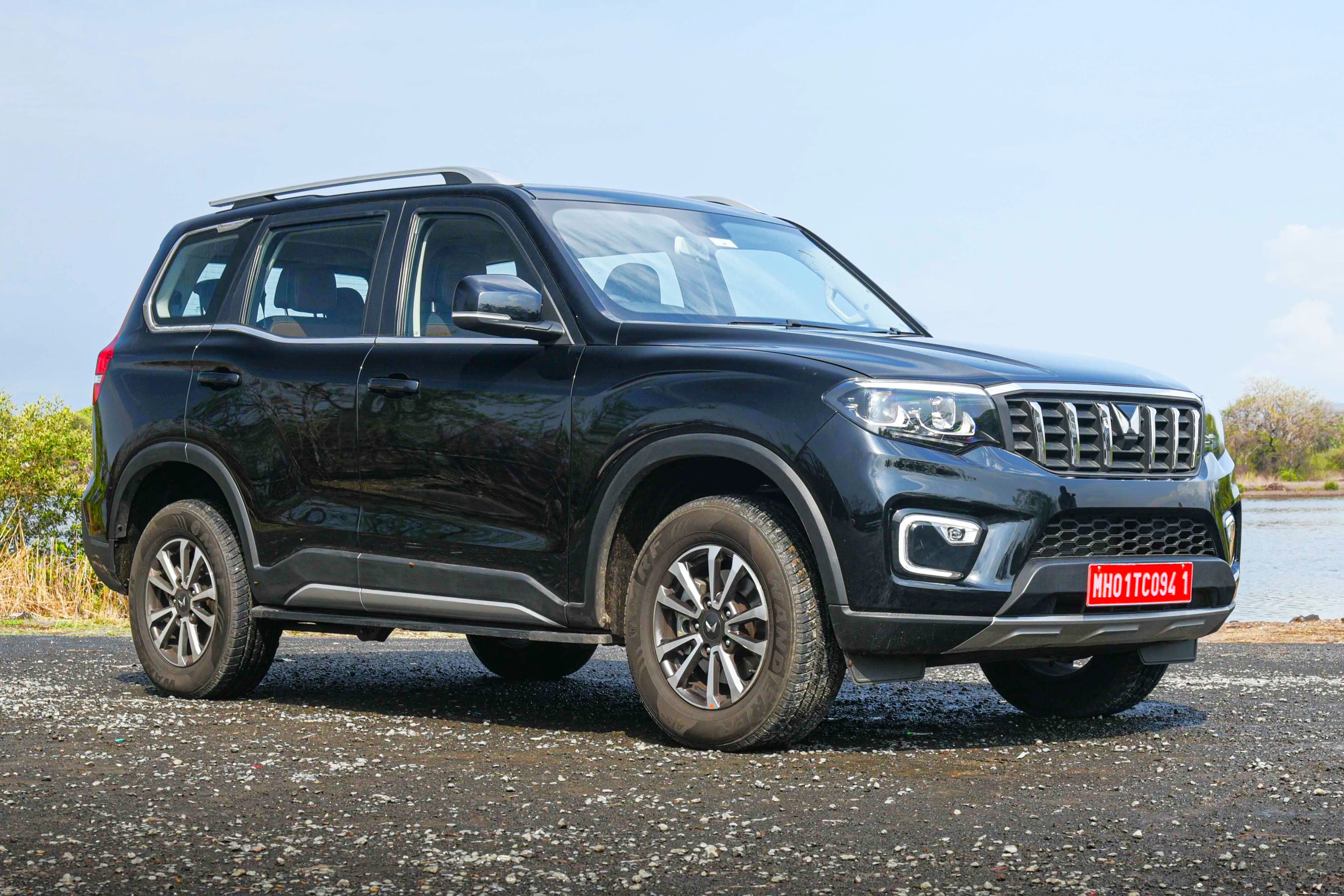
Mahindra Scorpio
17,313
15,576
18,372
+11
-6
10
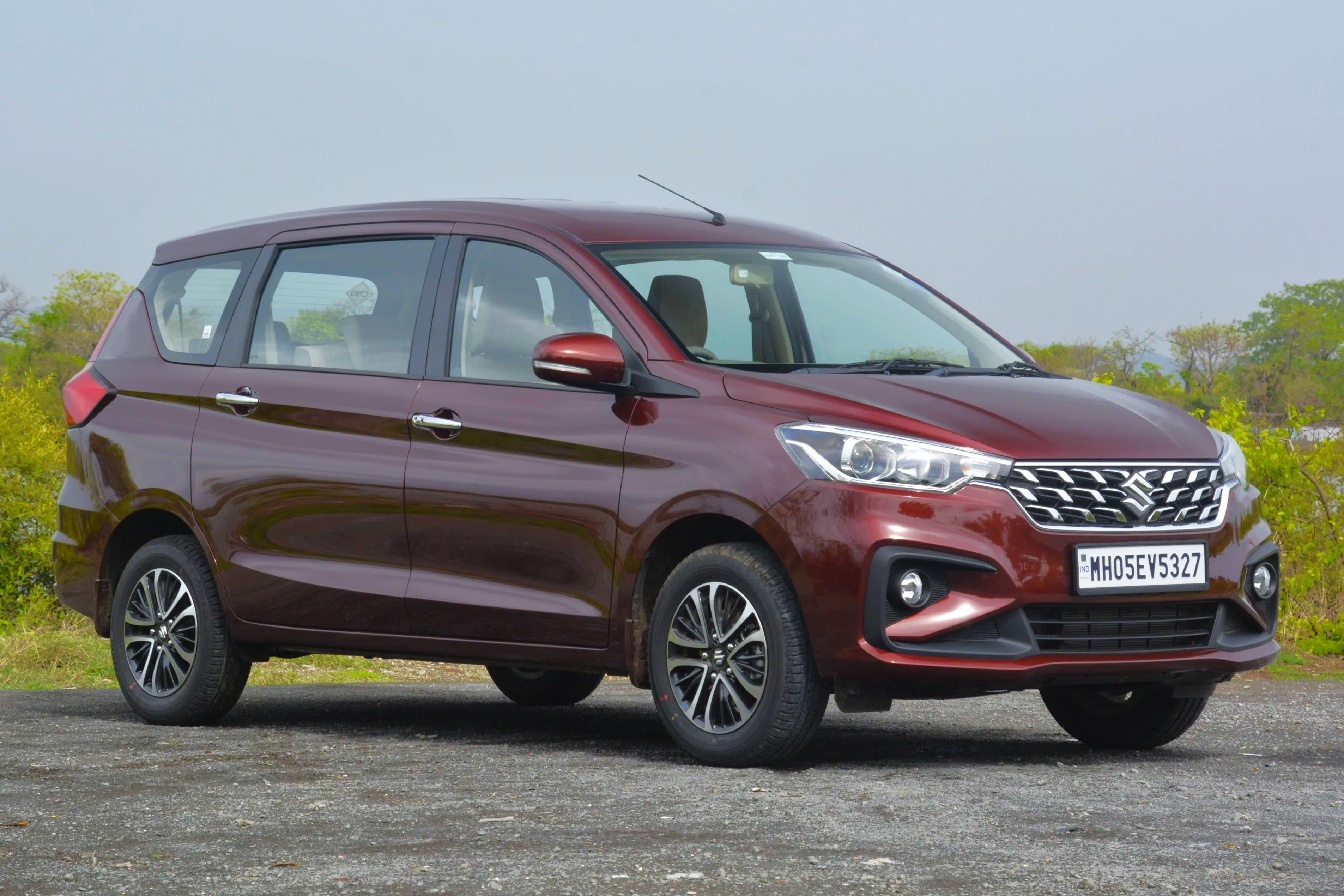
Maruti Ertiga
16,911
18,516
12,115
-9
+40
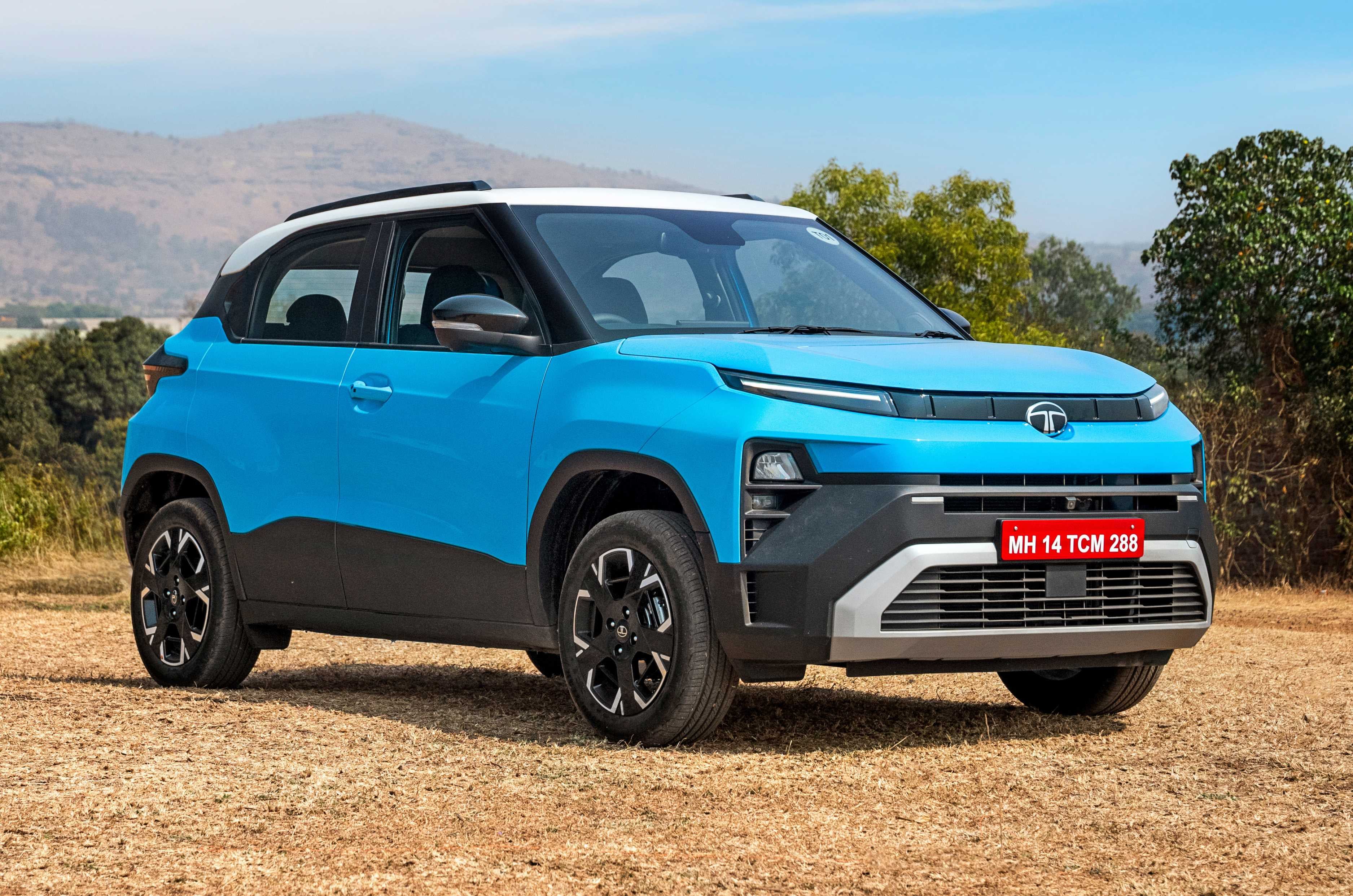
1. Maruti Suzuki Baleno
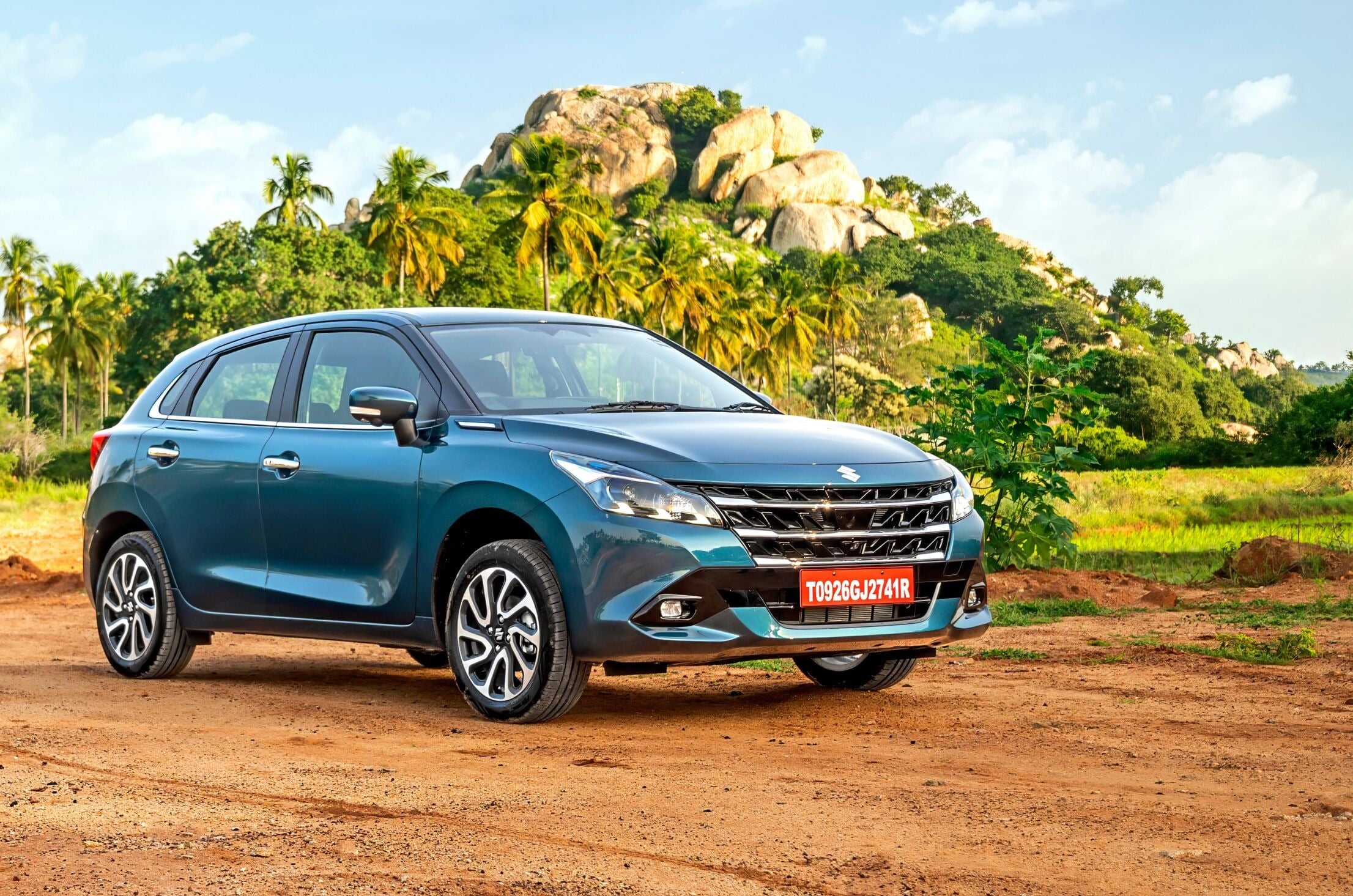
The Maruti Suzuki Baleno topped the September 2026 sales rankings with 25,392 units, compared with 13,173 units in September 2025. Its dispatches increased 93 percent year on year, the highest growth rate among the 10 models. The premium hatchback recently received a facelift and is sold through Maruti Suzuki’s Nexa dealership network. It rivals the Hyundai i20, Tata Altroz and Toyota Glanza. The Baleno is priced between Rs 5.99 lakh and Rs 9.99 lakh.
2. Tata Nexon
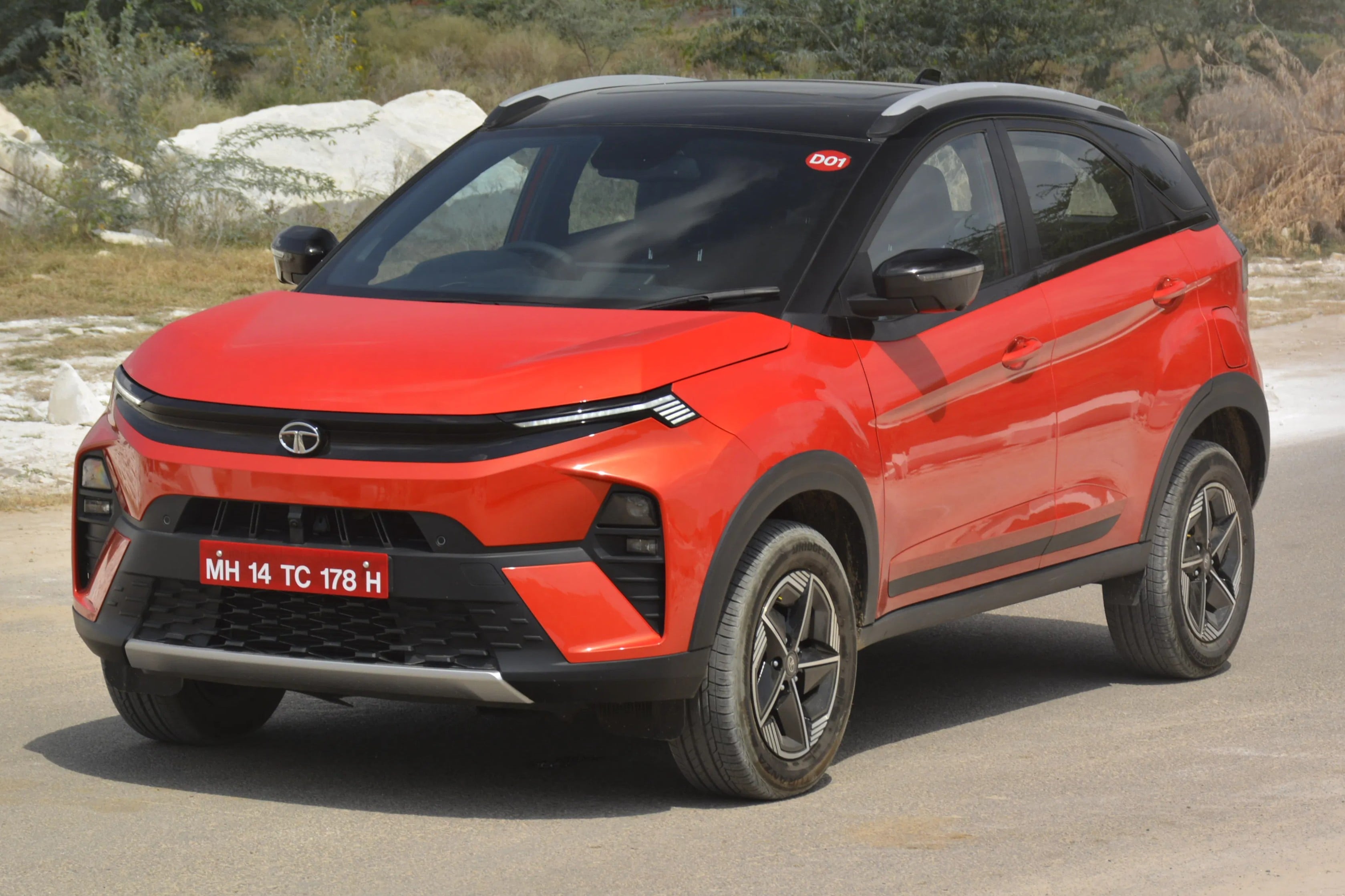
The Tata Nexon, including the Nexon EV, recorded 20,456 units in September 2026, down 9 percent from 22,573 units in the same month last year. It finished second, just 123 units ahead of the Punch. The Nexon is available with petrol, diesel, CNG and electric powertrains. It rivals the Maruti Suzuki Brezza, Hyundai Venue, Kia Sonet and Mahindra XUV 3XO and is priced from Rs 7.40 lakh to Rs 14.52 lakh for the ICE powered Nexon, while the Nexon EV starts at Rs 12.49 lakh and goes up to 17.89 lakh.
3. Tata Punch
The Tata Punch, including the Punch EV, recorded 20,333 units in September 2026, up 28 percent from 15,891 units a year earlier. It ranked third in the overall list, with the Nexon finishing narrowly ahead. Tata’s smallest SUV is offered with multiple powertrain options, while its compact dimensions and ride-and-handling balance remain key strengths. The Punch rivals the Hyundai Exter and Citroen C3 and is priced from Rs 5.75 lakh to Rs 10.77 lakh. The Punch EV meanwhile is priced from Rs 9.79 lakh to Rs 12.99 lakh.
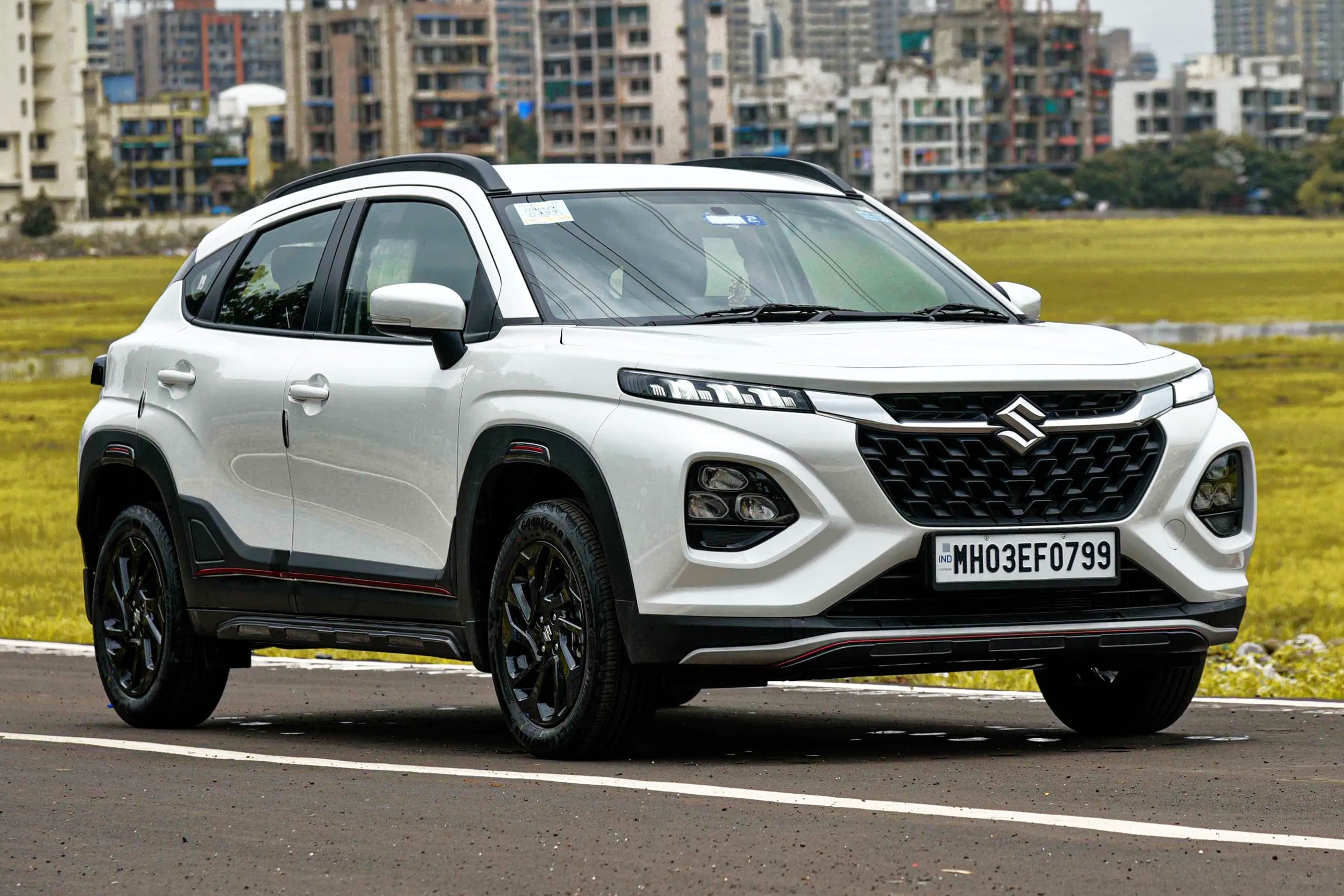
4. Maruti Suzuki Fronx
The Maruti Suzuki Fronx ranked fourth in September 2026 with 19,282 units, compared with 13,767 units in September 2025. Its dispatches increased 40 percent year on year. The Fronx’s crossover styling, comfortable cabin and fuel-efficient powertrains continue to support demand, although it lacks some popular features. It rivals the Nissan Magnite and Renault Kiger and is priced between Rs 6.85 lakh and Rs 11.84 lakh.
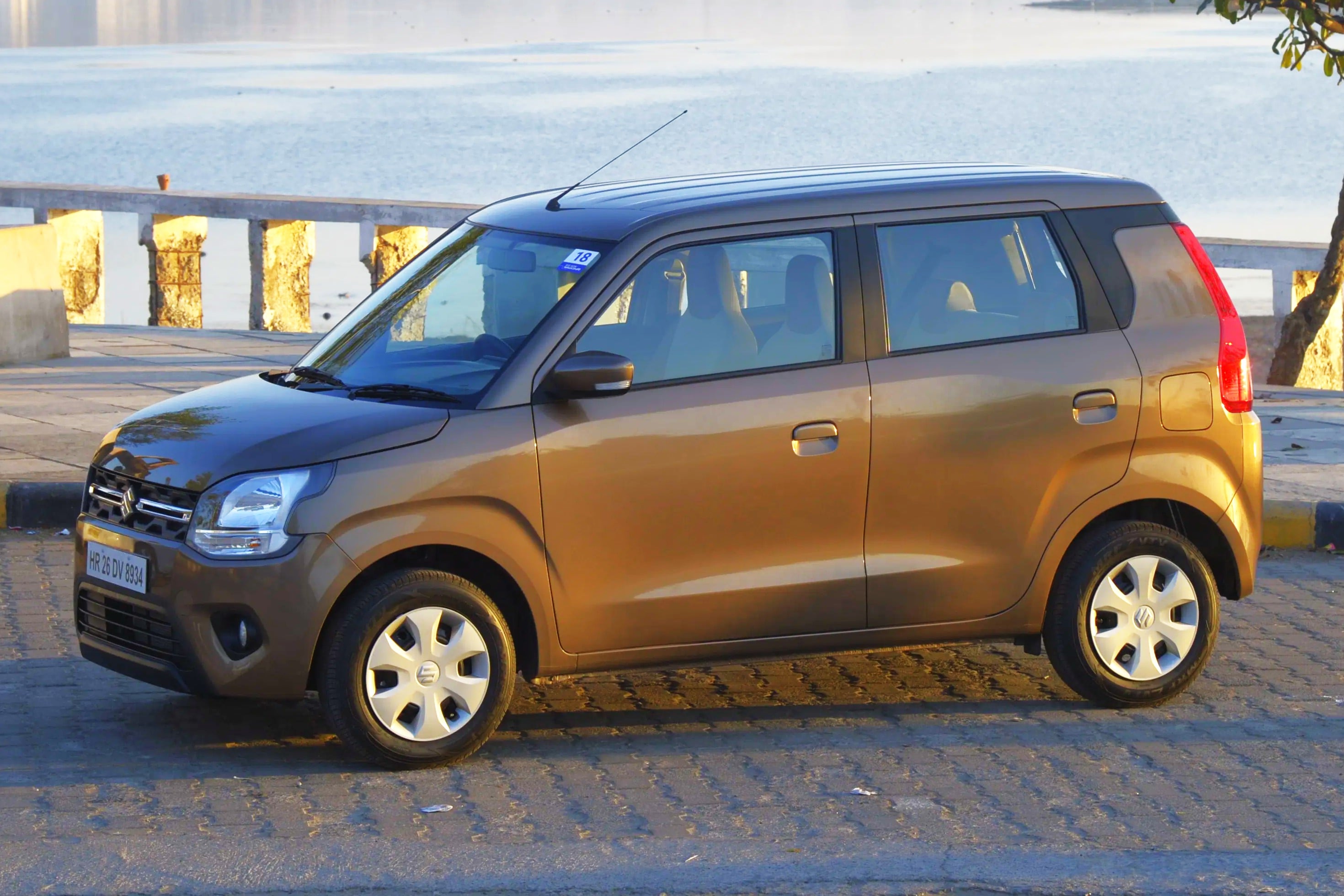
5. Maruti Suzuki Wagon R
The Maruti Suzuki Wagon R recorded 18,835 units in September 2026, up 22 percent from 15,388 units in the same month last year. It finished fifth in the rankings. Its spacious cabin, ease of driving and low running costs remain key strengths, although its light build and limited highway ability are drawbacks. The Wagon R rivals the Tata Tiago and Citroen C3 and is priced between Rs 4.99 lakh and Rs 7.24 lakh.
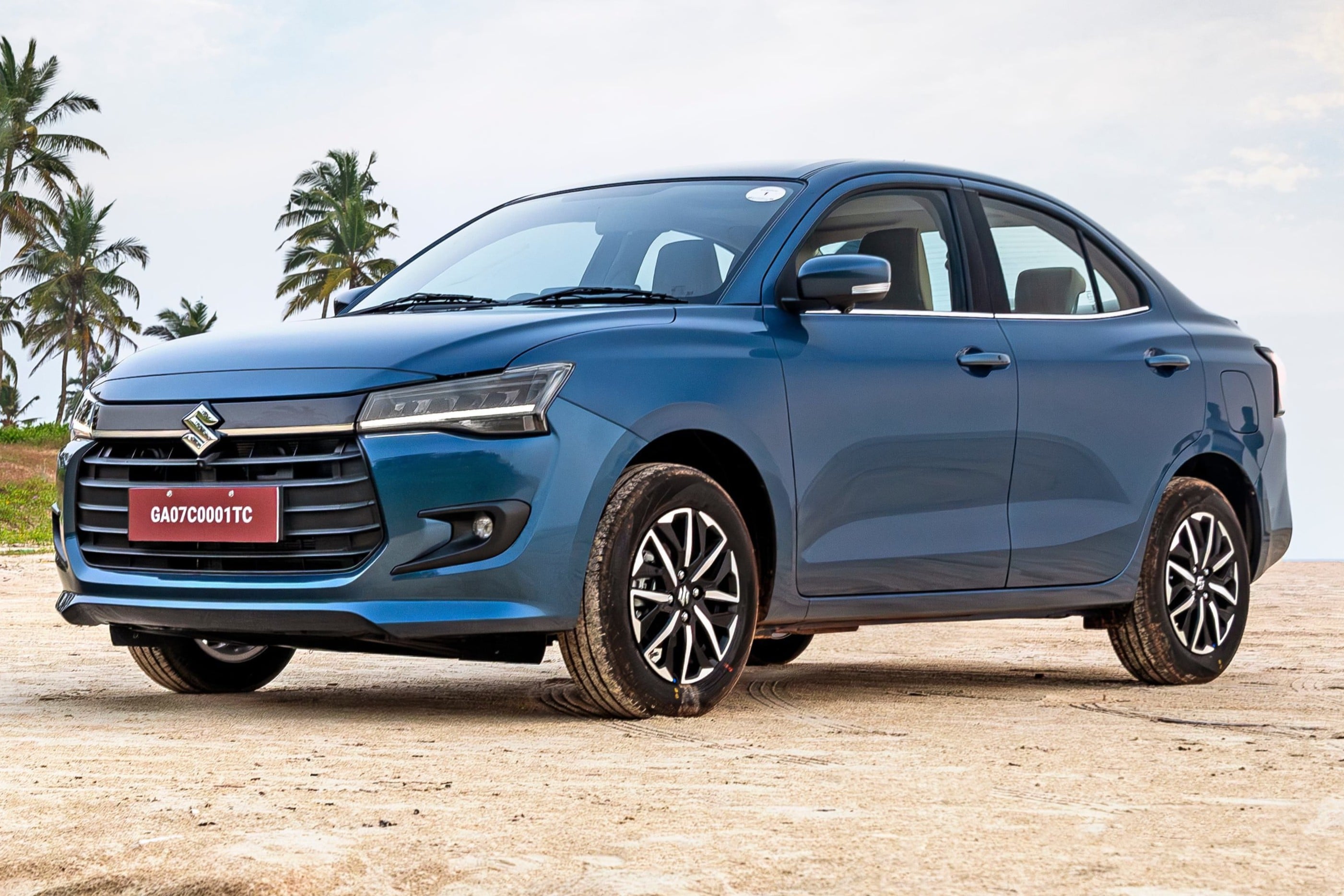
6. Maruti Suzuki Dzire
The Maruti Suzuki Dzire recorded 17,754 units in September 2026, down 11 percent from 20,038 units in September 2025. It ranked sixth and was the only sedan in the top 10. Strong fleet demand, fuel efficiency and a well-balanced ride and handling setup continue to support the compact sedan’s volumes. The Dzire rivals the Hyundai Aura, Honda Amaze and Tata Tigor and is priced between Rs 6.31 lakh and Rs 9.41 lakh.
7. Hyundai Creta
The Hyundai Creta, including the Creta Electric, recorded 17,657 units in September 2026, a 6 percent decline from 18,861 units in the year-ago month. It was the only Hyundai model in the top 10, finishing seventh. A roomy cabin, multiple powertrain options and a long feature list continue to attract buyers, although the top variants are expensive and some interior plastics could be better. The Creta rivals the Kia Seltos, Maruti Suzuki Grand Vitara, Toyota Urban Cruiser Hyryder, Honda Elevate and Tata Sierra. It is priced between Rs 10.91 lakh and Rs 20.14 lakh.
8. Maruti Suzuki Swift
The Maruti Suzuki Swift recorded 17,399 units in September 2026, up 12 percent from 15,547 units a year earlier. It finished eighth and was one of three Maruti Suzuki hatchbacks in the top 10. Its high fuel efficiency, light controls and easy-to-drive nature continue to support demand, although the top variants are priced close to the more premium Baleno. The Swift rivals the Hyundai Grand i10 Nios and Tata Tiago and is priced between Rs 5.84 lakh and Rs 8.74 lakh.
9. Mahindra Scorpio
The Mahindra Scorpio, combining the Scorpio N and Scorpio Classic, recorded 17,313 units in September 2026. This was down 6 percent from 18,372 units in September 2025, placing it ninth. The Scorpio nameplate remains popular for its strong engines, rugged character and off-road ability. However, the third-row seating is cramped and the luggage area is not particularly practical. The Scorpio N rivals the Tata Safari, Hyundai Alcazar and Mahindra XUV 7XO and is priced from Rs 13.69 lakh to Rs 25.49 lakh.
10. Maruti Suzuki Ertiga
The Maruti Suzuki Ertiga completed the top 10 with 16,911 units in September 2026, up 40 percent from 12,115 units in the same month last year. It was the sixth Maruti Suzuki model in the rankings. The Ertiga continues to hold the title of India’s highest-selling MPV. Its practical cabin, strong fuel efficiency and value-for-money positioning attract both private and fleet buyers, although it misses out on some features offered by rivals. It is priced from Rs 8.90 lakh to Rs 13.04 lakh and rivals the Kia Carens and Toyota Rumion.
This month, we go big on power and even bigger on premium metal. The cover story is Kia’s biggest swing yet at the executive SUV segment, and then there’s a family SUV with more horsepower than a Lamborghini, and BMW’s electric onslaught continues with a new long-wheelbase sedan and a sharper flagship limousine.
Kia Sorento: Cover Story
Six trims, two powertrains, up to seven seats and 32 variants in all. Kia isn’t dipping a toe into the premium SUV pool; it’s diving straight in, locally assembling the Sorento from Rs 27.99 lakh to take on the Skoda Kodiaq and VW Tayron. Has Kia cracked the code, or has it bitten off more than it can chew?
Porsche Cayenne Electric: First Drive
Forget hypercars. The most powerful vehicle currently on sale in India is a family SUV, the Cayenne Electric, with more horsepower than your senses can fathom. We took it to an airstrip to see what that actually does to your stomach.
BMW i5 LWB & i7 Facelift: First Drives
BMW’s electric push continues, with a long-wheelbase i5 slotting in between the iX1 and flagship i7. Can BMW’s long-wheelbase playbook continue to work? And there’s also the i7 getting a sharper face and more tech to go with it, like it didn’t have enough already.
Mercedes-Benz GLC Electric: Drive
The first-gen electric GLC was far from ideal. The new one, however, is a completely new generation with an 800V architecture, 330kW charging and a claimed 715km range. We took all 489 of its horses to the Autobahn to see how much of an improvement it has been over its predecessor.
MG Hector Tomahawk EV: First Drive
Don’t let the familiar name fool you. The Hector Tomahawk EV rides on MG’s all-new ADAPT platform, bigger than the Mahindra XEV 9S in every dimension, with a PHEV sibling already waiting in the wings.
Maruti Suzuki Baleno, Renault Triber Turbo and Skoda Slavia: First Drives
India’s favourite premium hatch, the Baleno, gets a new engine and ADAS, the budget-friendly Triber finally gets the power it’s been begging for, and the Slavia’s facelift turns out to be more than skin-deep.
Mahindra Thar OG: First Drive
The original three-door Thar gets another round of updates, bringing changes to its engines, equipment and chassis. With the off-road icon continuing to evolve, we head out to discover what this latest iteration brings to the table.
Taking the High Road: Features
Goa’s new Porvorim Elevated Corridor opens on NH66, and we test it in two ways: solo against Google Maps’ ETA in an MG Cyberster, and then flanked by a dozen supercars, Ferraris, a McLaren 750S and a Lamborghini Huracan among them, for its proper initiation.
Rocket Ship to the Moon: Feature
A Lamborghini SUV is already an exercise in excess. Take it somewhere unexpected, add a little spectacle, and you have the ingredients for an automotive adventure that refuses to be ordinary.
Royal Enfield Himalayan 440
The original Himalayan is back with a bigger engine and a handful of meaningful changes. In a world where adventure bikes keep getting more complicated, there’s something rather appealing about going back to basics.
Tracker 400 vs Guerrilla 450: Comparison
Two left-field street nakeds, the Triumph Tracker 400 and Royal Enfield Guerrilla 450, go head-to-head. One takes its inspiration from flat-track racers, while the other fancies itself a sporty roadster. Both want your money, and neither is particularly interested in being sensible about it.
KTM Adventure Rally Extreme: Ride
Adventure riding is all well and good until the road disappears, the terrain turns hostile and you begin questioning your life choices. We get a taste of KTM’s rally raid experience, where the only shortcut is having the skill to take one.