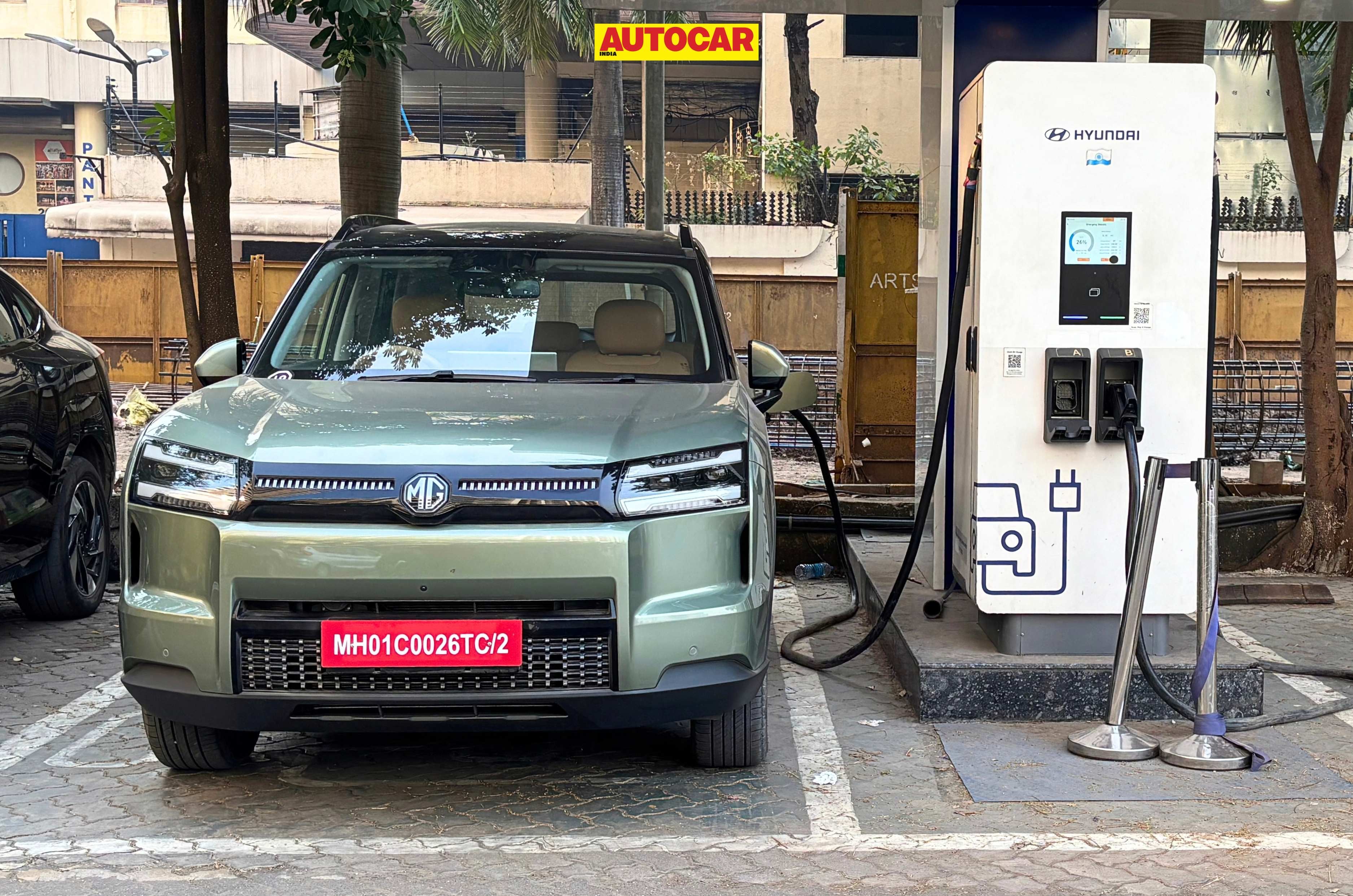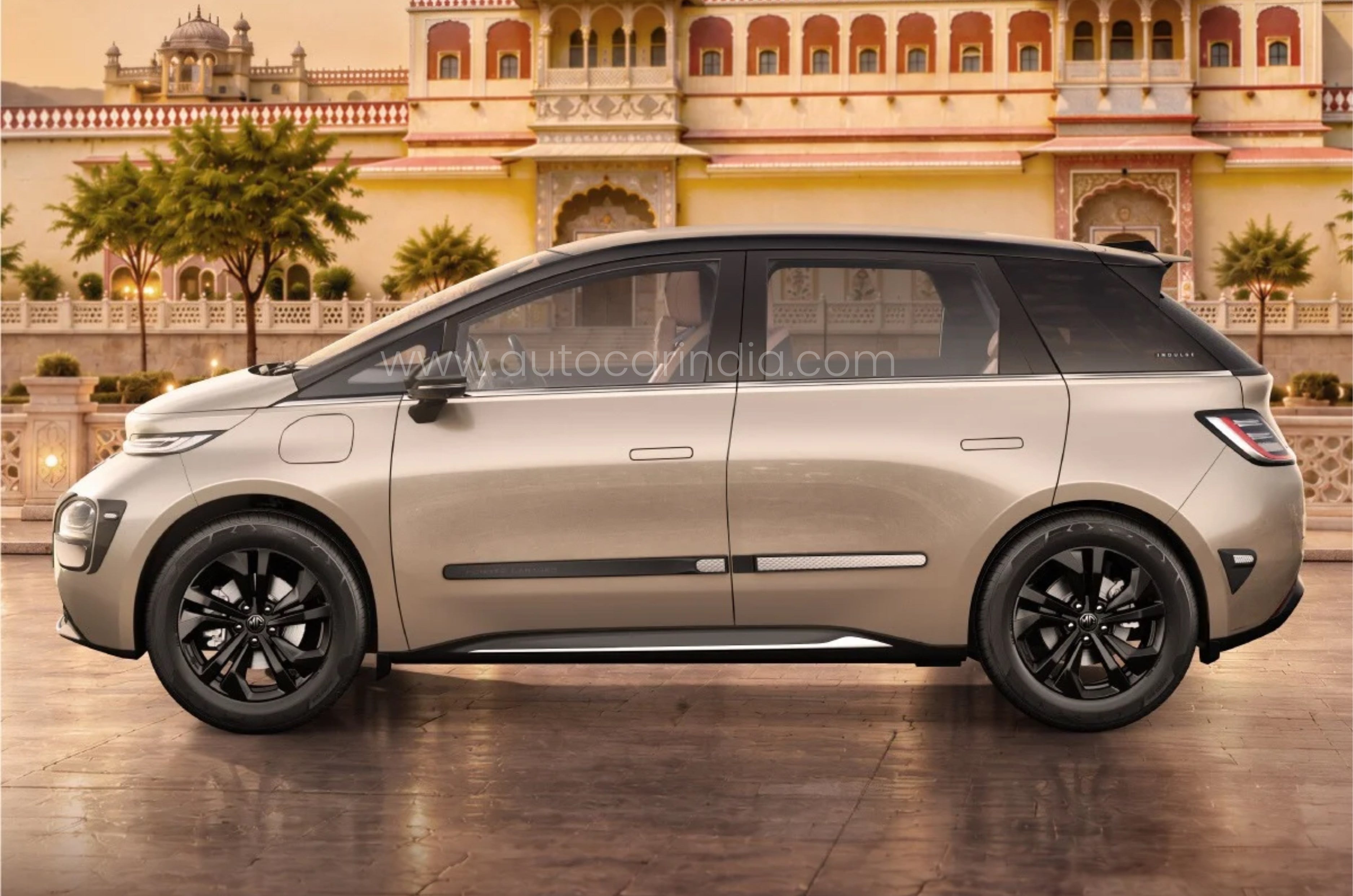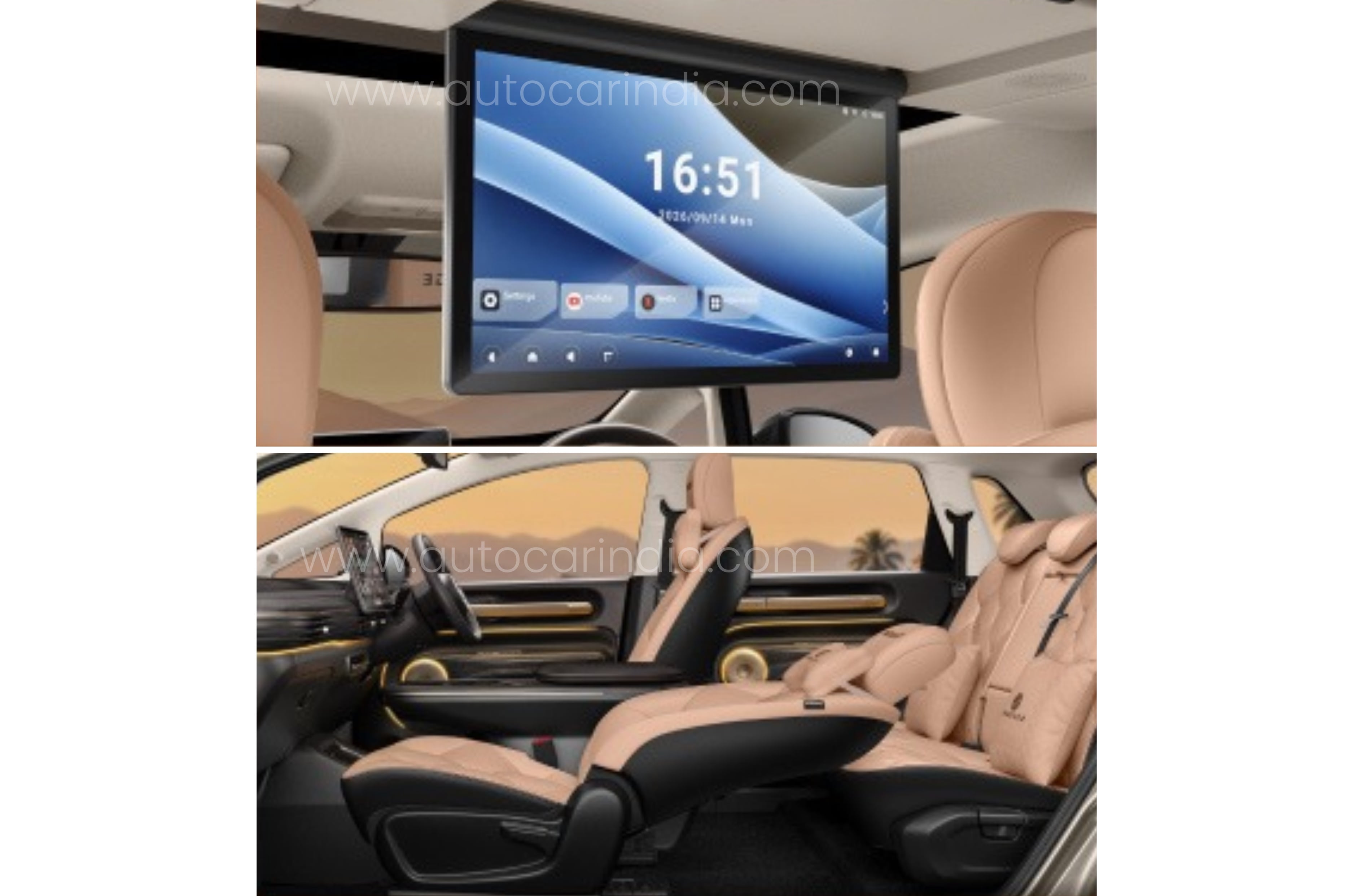

While both models here are hybrids and have 7 seats across three rows, they offer different hybrid technologies. With the ADAPT platform-based JSW MG Hector Tomahawk PHEV, India has its first-ever mass-market plug-in hybrid vehicle making its entry in the hugely popular SUV segment. On the other hand, the TNGA-C platform-based Toyota Innova Hycross is an MPV and offers a strong-hybrid powertrain. Here’s how they stack up in their fully loaded trims.
Explore full specs, features and a price breakdown in our Hector Tomahawk PHEV and Innova Hycross Hybrid comparison.
MG Hector Tomahawk PHEV Essence vs Toyota Innova Hycross Hybrid ZX (O): Dimensions
The Innova Hycross is larger and offers a slightly bigger boot with all seats in place
MG Hector Tomahawk PHEV Essence vs Toyota Innova Hycross Hybrid ZX (O) dimensions | ||
| MG Hector Tomahawk PHEV | Toyota Innova Hycross Hybrid |
Length (mm) | 4,745 | 4,755 |
Width (mm) | 1,850 | 1,850 |
Height (mm) | 1,770 | 1,790 |
Wheelbase (mm) | 2,810 | 2,850 |
Boot space (litres) | 192 | 239 |
Wheel size (inches) | 18 | 18 |
The Innova Hycross Hybrid is 10mm longer and 20mm taller than the Hector Tomahawk PHEV. The Toyota MPV also has a wheelbase that’s longer by 40mm, while both cars have identical width figures and sport 18-inch alloy wheels in their top-spec trims. The Innova Hycross Hybrid’s luggage capacity with the third row in place is greater by 47 litres. One of the factors limiting the outright cargo volume of the Hector Tomahawk PHEV is its more space-consuming plug-in hybrid tech.
MG Hector Tomahawk PHEV Essence vs Toyota Innova Hycross Hybrid ZX (O): Powertrain
The plug-in hybrid powertrain of the MG SUV is more fuel-efficient and offers more power
MG Hector Tomahawk PHEV Essence vs Toyota Innova Hycross Hybrid ZX (O) powertrain options | ||
| MG Hector Tomahawk PHEV | Toyota Innova Hycross Hybrid |
Engine | 1.5-litre naturally aspirated petrol | 2.0-litre naturally aspirated petrol |
Battery size | 20.5kWh | 1.6kWh |
Electric motor type | Permanent magnet synchronous motor | Permanent magnet synchronous motor |
Drive configuration | FWD | FWD |
Total system output | 198hp, 230Nm | 184hp, 188Nm |
Transmission | DHT | eCVT |
0-100kph | 9.0 seconds | 10.69 seconds* |
Claimed mileage | 50kpl | 22.16kpl |
Fuel tank | 52 litres | 52 litres |
AC charging | 7.5 hrs at 3.3kW (10-100%) | – |
DC fast charging | 35 mins at 25kW (30-80%) | – |
*Autocar India-tested 0-100kph time.
The strong hybrid powertrain of the Toyota Innova Hycross offers a couple of drive modes – including pure-electric and engine + electric. However, its compact nickel metal hydride (NiMH) battery means that the EV mode of the Innova Hycross Hybrid is understandably more limited than the MG Hector Tomahawk PHEV’s, requiring the 2.0-litre petrol engine to step in more often.
The claimed mileage figure of the Innova Hycross Hybrid is 27.84kpl worse than the MG plug-in hybrid SUV, and despite the same fuel tank size, the former’s combined range tops out at around 800km, as per our real-world test of the Toyota MPV. Meanwhile, the plug-in hybrid system of the MG Hector Tomahawk PHEV offers more flexibility and comes with four main drive modes. The larger 20.5kWh battery pack and 1.5-litre engine allow for a combined claimed range of over 1,100km.
The Hector Tomahawk PHEV not only offers a claimed pure-electric range of over 115km, but it can also have the engine charging the battery pack while the electric motor drives the front wheels. This is a drive mode that isn’t offered with the Toyota Innova Hycross Hybrid. To extract the highest possible efficiency from its hybrid system, the Hector Tomahawk PHEV needs to be plugged in to an AC or a DC charger in order to fully top up its battery pack.
Depending on the battery’s SoC, both cars can rely entirely on their petrol engine to drive the wheels. Compared to the Innova Hycross Hybrid’s e-CVT (electronically controlled continuously variable transmission), the Hector Tomahawk PHEV gets a DHT (Dedicated Hybrid Transmission) with an e-clutch. The combined output of the MG Hector Tomahawk PHEV is 14hp and 42Nm more than what the Toyota Innova Hycross Hybrid offers.
MG Hector Tomahawk PHEV Essence vs Toyota Innova Hycross Hybrid ZX (O): Exterior features
Different body styles aside, both cars are similarly equipped on the outside
MG Hector Tomahawk PHEV Essence vs Toyota Innova Hycross Hybrid ZX (O) exterior features | ||
| MG Hector Tomahawk PHEV | Toyota Innova Hycross Hybrid |
Auto LED headlamps | Yes | Yes |
LED DRLs | Yes | Yes |
Backlit logo | Yes | No |
Sequential turn signals | Yes | Yes |
Front fog lamps | No | Yes (LED) |
Rear fog lamps | Yes (LED) | No |
Welcome lights | No | Yes |
Powered ORVMs | Yes (with auto-fold function) | Yes (with auto-fold function) |
Body cladding | Yes | No |
Roof rails | Yes | No |
Rear spoiler | Yes | Yes |
Powered tailgate | Yes | Yes |
Radio antenna | Windscreen-integrated | Sharkfin |
Colours | Mono-tone and dual-tone | Mono-tone |
The MG Hector Tomahawk PHEV is offered in two dual-tone colour options and six mono-tone shades, including a couple of bolder choices. The Toyota Innova Hycross Hybrid is restricted to six simpler-looking colours. The SUV body style aside, the Hector Tomahawk PHEV also sports a backlit ‘MG’ logo up front plus prominent roof rails and body cladding.
Where the Innova Hycross Hybrid gets the traditional sharkfin radio antenna, the Hector Tomahawk PHEV has its antenna embedded in the windscreen. The Toyota Innova Hycross Hybrid gets front LED fog lamps, whilst the MG Hector Tomahawk PHEV features rear LED fog lamps. While the top-spec trims of both cars get automatic LED headlamps and sequential turn indicators, it’s only the Toyota that offers ‘welcome’ lights.
MG Hector Tomahawk PHEV Essence vs Toyota Innova Hycross Hybrid ZX (O): Interior features
The Hector Tomahawk PHEV offers even more modern on-board tech than the Hycross
MG Hector Tomahawk PHEV Essence vs Toyota Innova Hycross Hybrid ZX (O) interior features | ||
| MG Hector Tomahawk PHEV | Toyota Innova Hycross Hybrid |
Infotainment screen | 15.6-inch (with swipe gestures) | 10.1-inch |
Digital driver’s display | 8.8-inch | 7.0-inch MID |
Panoramic sunroof | Yes (dual-pane) | Yes (dual-pane) |
Steering adjustment | Tilt & telescopic | Tilt & telescopic |
Driver’s seat adjustment | 6-way powered | 8-way powered |
| Memory powered | Yes (with ‘retreat’ function) | Yes |
Co-driver’s seat adjustment | 4-way powered | 4-way manual |
Sliding & reclining second row | Yes | Yes (powered ottoman seats) |
Split rear seats | Yes (second & third rows) | Yes (second & third rows) |
Ventilated front seats | Yes | Yes |
Leatherette upholstery | Yes | Yes |
Rear sunblinds | Yes | Yes |
Rear armrest | Yes (with cupholders) | Yes (individual armrests) |
Wireless charger | Yes (50W) | No |
Automatic climate control | Yes (dual-zone) | Yes (single-zone) |
Ambient lighting | Yes (256 colours) | Yes (single-colour) |
Audio system | 10-speaker Infinity | 9-speaker JBL |
Wireless Apple CarPlay & Android Auto | Yes | Yes (CarPlay only) |
USB ports | Yes (5 ports) | Yes (4 ports) |
Connected car tech | Yes | Yes |
Voice assistant | Yes (AI-powered & multilingual) | Yes |
OTA updates | Yes | No |
Multi-app support | Yes | No |
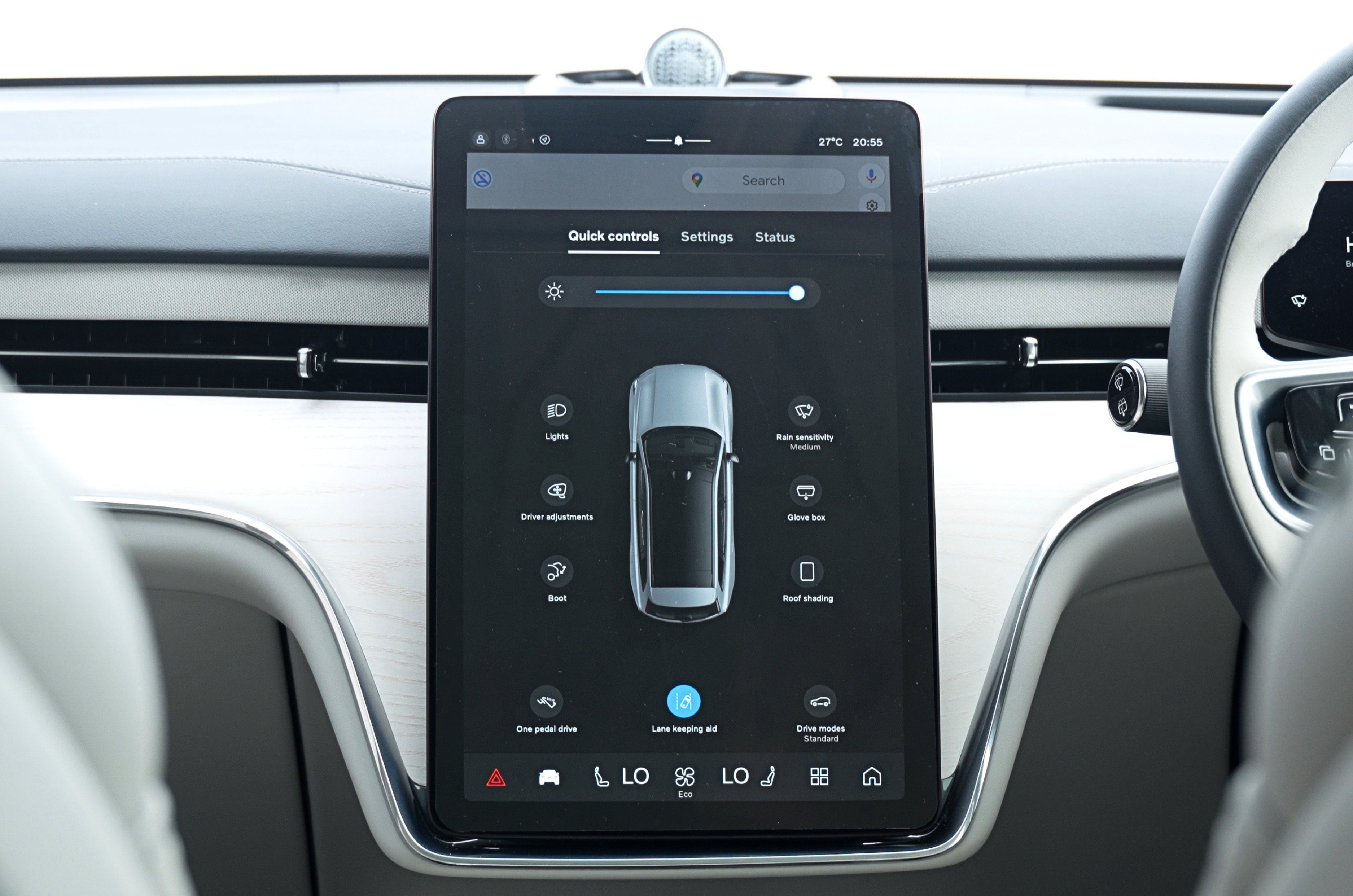
The infotainment features of the top-spec MG Hector Tomahawk PHEV are more comprehensive. It comes with a larger touchscreen that supports swipe-gesture functionalities, along with an AI-powered voice assistant with six languages supported. MG’s tie-up with Jio means that there are plenty of apps offered – including gaming, streaming and more. The Hector Tomahawk PHEV also offers OTA software updates, wireless connectivity for both Apple CarPlay and Android Auto and a built-in 50-watt wireless charger.
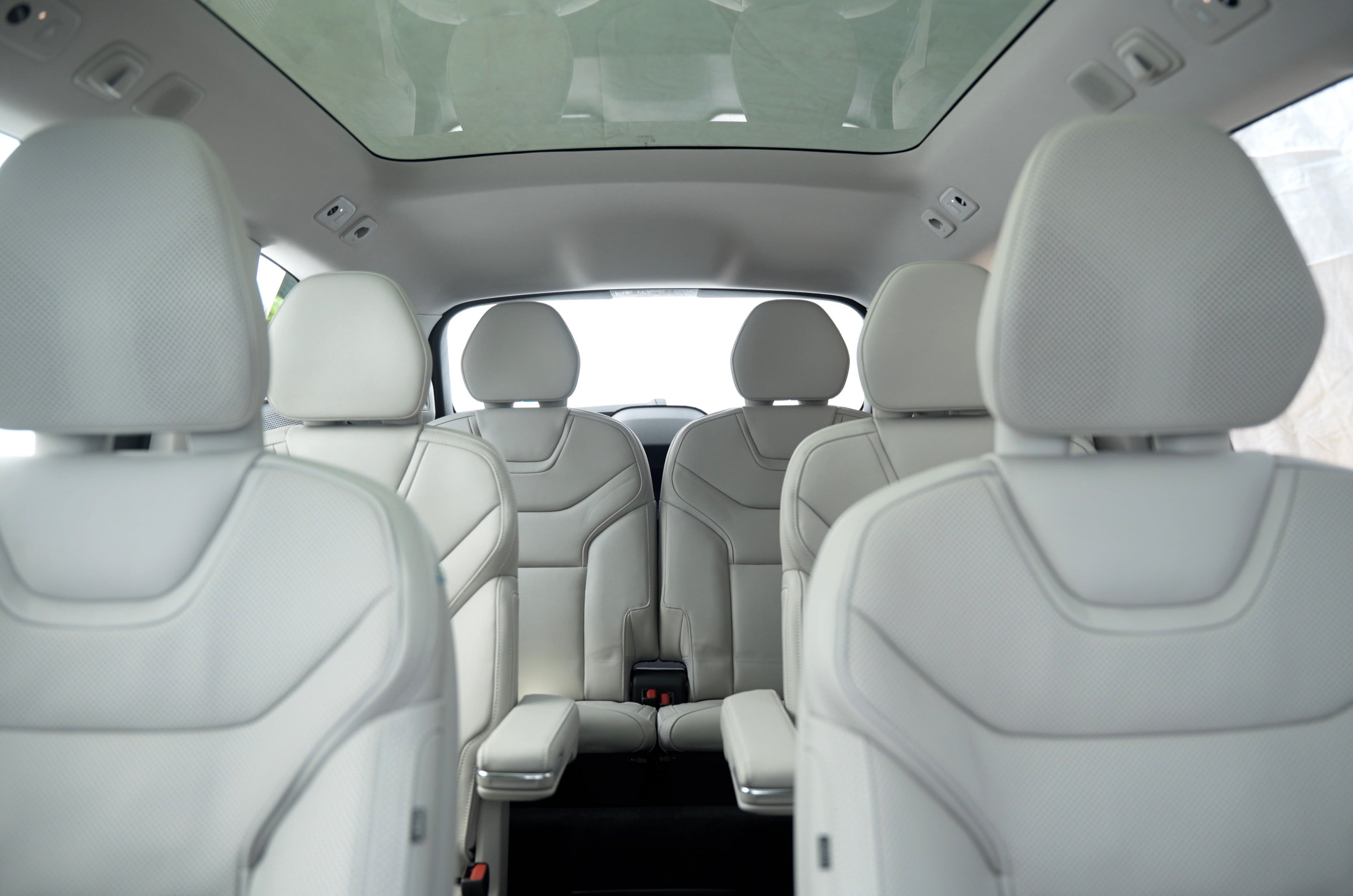
The MG SUV’s convenience features further include a more comprehensive 256-colour ambient lighting system, a fully digital instrument panel, dual-zone AC, a powered front passenger seat, a ‘retreat’ function for the driver’s seat when the door is opened, armrest-integrated cupholders for the second row, and an additional USB port over the top-spec Toyota Innova Hycross Hybrid.
However, the latter offers individual & powered captain chairs for the second row with a fold-away ottoman function. The 7-seat capability of the Innova Hycross comes by way of a three-seat third bench. The minimalist interior of the Hector Tomahawk PHEV looks modern but the increased reliance on the touchscreen can come in the way of everyday usability, especially while on the move. The Innova Hycross Hybrid’s interior, meanwhile, offers plenty of physical switchgear that are much easier to use.
MG Hector Tomahawk PHEV Essence vs Toyota Innova Hycross Hybrid ZX (O): Safety features
Both cars are relatively well-equipped on the safety front
MG Hector Tomahawk PHEV Essence vs Toyota Innova Hycross Hybrid ZX (O) safety features | ||
| MG Hector Tomahawk PHEV | Toyota Innova Hycross Hybrid |
Airbags | 6 | 6 |
ABS with EBD | Yes | Yes |
Electronic stability program | Yes | Yes |
Traction control system | Yes | No |
Hill-hold assist | Yes | Yes |
TPMS | Yes | Yes |
Parking sensors | Yes (front & rear) | Yes (front & rear) |
360-degree camera | Yes | Yes |
Electronic parking brake | Yes (with auto-hold function) | Yes (with auto-hold function) |
Auto-dimming IRVM | Yes | Yes |
Rain-sensing wipers | Yes | No |
ISOFIX | Yes | Yes |
Rear wiper and defogger | Yes | Yes |
All-wheel disc brakes | Yes | Yes |
ADAS | Yes | Yes |
The fully loaded trims of both these cars offer all the basic passive and active safety aids that buyers at this price bracket expect. While both come with ADAS (Advanced Driver Assistance Systems), it’s the MG Hector Tomahawk PHEV that packs in more features within its ADAS suite. Its adaptive cruise control aid integrates Bend Cruise Assistance (BCA), which slows down the vehicle when approaching corners. There’s also Traffic Jam Assist, which works alongside other active lane-keeping measures.
MG Hector Tomahawk PHEV Essence vs Toyota Innova Hycross Hybrid ZX (O): Other features
The MG SUV adds a few nice-to-have features over the equivalent Innova Hycross
MG Hector Tomahawk PHEV Essence vs Toyota Innova Hycross Hybrid ZX (O) other features | ||
| MG Hector Tomahawk PHEV | Toyota Innova Hycross Hybrid |
Drive modes | Yes (4) | Yes (3) |
Paddle shifters | No | Yes |
V2V and V2L | Yes | No |
The MG Hector Tomahawk PHEV offers Eco, Normal, Sports and Custom drive modes, whereas the Toyota Innova Hycross Hybrid gets Eco, Normal and Power – one less than the MG. The latter also lacks Vehicle to Vehicle (V2V) and Vehicle to Load (V2L) functionalities that are available with the Hector Tomahawk PHEV.
Conclusion
MG Hector Tomahawk PHEV Essence vs Toyota Innova Hycross Hybrid ZX (O) prices | ||
| MG Hector Tomahawk PHEV | Toyota Innova Hycross Hybrid |
Prices (In Rs, lakh) | 27.79 | 31.84 |
While the prices of the MG Hector Tomahawk PHEV are currently introductory, the delta between the two cars here is steep. The top-spec Toyota Innova Hycross Hybrid ZX (O) is priced Rs 4.05 lakh more than fully loaded Essence trim of the MG plug-in hybrid SUV. Its affordability factor notwithstanding, the Hector Tomahawk PHEV Essence trim gets a more comprehensive & punchier hybrid powertrain that offers better mileage, along with a better-finished and more premium-looking interior. Moreover, if you prefer an SUV body style, the MG Hector Tomahawk PHEV would be worth a serious look.
Also read
MG Hector Tomahawk EV vs PHEV: Differences explained
Maruti Brezza ZXi+ vs Tata Nexon Fearless+ PS: Which should you buy?
टाटा ग्रुप की पैसेंजर गाड़ी बनाने वाली कंपनी Tata Motors Passenger Vehicles (TMPV) अब ग्राहकों के सामने Tata.Cars नाम से नजर आएगी। कंपनी के MD और CEO शैलेश चंद्रा ने यह जानकारी दी। अब डीलरशिप, शोरूम और मार्केटिंग में Tata.Cars नाम ज्यादा दिखेगा।
हालांकि, कंपनी का कानूनी नाम नहीं बदला है। Tata Motors Passenger Vehicles ही कंपनी की रजिस्टर्ड कॉरपोरेट एंटिटी रहेगी। यह बदलाव सिर्फ ग्राहकों के सामने कंपनी की पहचान को लेकर है।
Tata.Cars नाम क्यों अपनाया?
पैसेंजर गाड़ी कंपनी Tata Motors अपने इस कारोबार की अलग पहचान मजबूत करना चाहती है। कंपनी पेट्रोल और डीजल के साथ इलेक्ट्रिक गाड़ियां भी बेचती है। ऐसे में Tata.Cars नाम के जरिए पैसेंजर गाड़ी कारोबार को एक साफ ब्रांड पहचान देने की कोशिश है।
EV पर Tata ने कब लगाया था दांव?
Tata Motors Passenger Vehicles ने इलेक्ट्रिक गाड़ियों पर उस समय दांव लगाया था, जब भारत में EV का बाजार काफी शुरुआती दौर में था। उस समय लोगों को इलेक्ट्रिक गाड़ियों पर ज्यादा भरोसा नहीं था। चार्जिंग स्टेशन भी बहुत कम थे।
यानी समस्या दोनों तरफ थी। ग्राहक चार्जिंग की कमी के कारण EV नहीं खरीद रहे थे। कंपनियां कम EV होने की वजह से चार्जिंग नेटवर्क पर बड़ा निवेश नहीं कर रही थीं। Tata Motors ने इस चक्र को तोड़ने की कोशिश की।
Tata Group की कंपनियों ने दिया साथ
EV का पूरा इकोसिस्टम बनाने में Tata Group की कई कंपनियों ने मदद की। Tata Power ने चार्जिंग नेटवर्क में सहयोग किया। Tata AutoComp ने कंपोनेंट्स में मदद की। Tata Technologies, Tata Elxsi और TCS ने इंजीनियरिंग और टेक्नोलॉजी से जुड़ा सपोर्ट दिया।
कंपनी का मानना था कि EV से प्रदूषण कम करने में मदद मिलेगी। इससे इंपोर्टेड फॉसिल फ्यूल पर निर्भरता भी घट सकती है। बाद में Tata Motors भारत के इलेक्ट्रिक पैसेंजर गाड़ी बाजार की प्रमुख कंपनियों में शामिल हो गई।
Tata Motors Passenger Vehicles शेयर
Tata Motors Passenger Vehicles का शेयर गुरुवार, 27 अगस्त को 0.86% बढ़कर ₹315.80 पर बंद हुआ। पिछले 6 महीने में स्टॉक 17.47% गिरा है। वहीं, 1 साल में यह 22.77% टूटा है। कंपनी का मार्केट कैप 1.15 लाख करोड़ रुपये है।
Stock in Focus: सरकार कंपनी को ₹134 करोड़ के 5 ऑर्डर मिले, शेयरों पर रहेगी नजर
Disclaimer: यहां मुहैया जानकारी सिर्फ सूचना के लिए दी जा रही है। यहां बताना जरूरी है कि मार्केट में निवेश बाजार जोखिमों के अधीन है। निवेशक के तौर पर पैसा लगाने से पहले हमेशा एक्सपर्ट से सलाह लें। मनीकंट्रोल की तरफ से किसी को भी पैसा लगाने की यहां कभी भी सलाह नहीं दी जाती है।

Tata Motors announced Tata.cars as the new retail name for its passenger vehicle (PV) division on Thursday. Both internal combustion engine (ICE) and electric vehicle (EV) models will now come under Tata.cars umbrella brand. Tata.ev will continue as a sub-brand under the wider Tata.cars brand. This new identity will progressively appear across showrooms, digital touch points, after-sales and service operations, and marketing communications.
- Tata.ev to continue as a sub-brand under Tata.cars
- Tata Motors Passenger Vehicles to remain as the registered legal entity
- New principal colour and typeface are a part of the new identity
That said, the company’s legal identity and corporate structure remain unchanged. Tata Motors Passenger Vehicles will continue to be the registered legal entity for statutory filings, manufacturing plants, official contracts and regulatory obligations.

Tata Motors said the new identity formalises how Indian customers already refer to its passenger vehicles as “Tata cars”. “In many ways, Tata.cars is an identity that India has given us. Today, we formally embrace it,” said Shailesh Chandra, Managing Director, Tata Motors Passenger Vehicles and Tata Passenger Electric Mobility. “The Tata name carries our heritage, our values and the trust earned over generations, while Tata.cars gives our passenger vehicle business a distinct, modern and future-facing expression,” he added.
Vivek Srivatsa, Chief Commercial Officer, Tata Passenger Electric Mobility, said the transition would also introduce a new visual and sensory system built around a design philosophy called Parallel Pathways. It includes Ambition Blue as the principal colour, a bespoke typeface called Parallel Display and a new sonic identity. Tata Motors will also begin updating its dealerships over the next few months with redesigned interiors and a new stainless-steel facade featuring louvred panels.
The new brand system has been designed to work across products, technologies, customer experiences and markets. While customers will increasingly encounter Tata.cars across sales and service channels, corporate and regulatory references will continue under Tata Motors Passenger Vehicles.
With inputs from Ketan Thakkar.

Only the day before I would be surprised with a passenger ride in a prototype of Bentley’s new electric SUV, I just so happened to be engaged in a conversation about why an EV would be so well suited to this brand in particular. Yes, as we’ve said in the past, EVs are perfect for luxury applications – smooth, silent and effortless as they are. But the other realisation we made was that Bentley, despite leaning into sportiness as one of its core brand pillars, has never been a slave to weight loss. Even its lightest car in 85 years – the new, stripped-down Supersports – is but one kilogram shy of two tonnes! And yet its cars have always managed to deliver the comfort expected of a super-luxury vehicle, and somehow also the poise and agility of a sports tourer. A tricky balance indeed.
Reining in 2.5-tonne-plus vehicles, then, isn’t so much a challenge for Bentley’s chassis engineers as it is standard operating procedure. And thus, when the time came to create the brand’s first EV – a five-metre SUV no less – weight management was the last thing on their minds. Being a luxury EV with the full technological might of the Volkswagen Group behind its development, it would be all too easy to just squeeze out a bunch of eye-watering performance figures and leave it at that. But Bentley engineers say that won’t necessarily be the case, and certainly not the focus. The focus, instead, was on making the Torcal walk the razor-thin line between sport and luxury that every one of their cars is required to.

The Torcal prototype rolls silently into view at the driveway of our hotel in Monterey, California shrouded as it is in its crystalline camouflage – a motif we’ll revisit later. It hides the details well enough, but what’s clear is that this a tall and squared-off SUV, much like the Bentayga, and though aerodynamics will no doubt have been a consideration, that Bentley boldness is recognisable in its bluff front fascia. It’s actually a little smaller than a Bentayga, but the smaller front overhangs tell me they’re making good use of its wheelbase.
We’re ushered quickly into the cabin, which too is wrapped up from floor to headliner, and quickly given a brief before prying eyes can come in for a closer look. There’s stuff we’re told about that I can’t reveal today, but I’m hurriedly making notes all the same. But then Torcal product line director Martin Page presses the start button, and my brain does a somersault. “It’s… idling?” I mutter, as he cracks a smile from the driver’s seat.

Digital meets analogue
Yes, they’ve given the Torcal the sound of a V8, the most enduring engine layout the brand has used in its century of making cars. And while this is hardly the first EV to mimic an engine, there’s a mesmerising authenticity to it that I’ve never experienced from a synthetised setup before. I’d go as far as saying sounds better – more layered and full-bodied than the twin-turbo 4.0-litre you’ll find in the Continental range, and we’re still at a standstill. It’s uncanny.
As we move off, the sound swells, ebbs and flows with an almost flawed resonance that fills up the cabin. It’s not loud or overwhelming; but it’s ever present, though I’m told it can be switched off if not desired. I’m told the car is in ‘Bentley’ mode – the middle ground, as we know from existing models – and once on the move, the sound fades into the background.

The story behind the V8 sound is almost as fascinating as the sound itself. Any other brand would record one of its V8 engines, play the recording through the speakers and call it a day. But in keeping with Bentley’s history of doing things painstakingly by hand, they recorded the sound and got an orchestra to recreate it with live instruments. What I’m listening to is a mix of drums, viola and bass guitar – every beat and note fed into a machine and algorithmically meted back out in proportion with the torque demand. Moving up to Sport mode suitably increases the volume and even alters the pitch slightly, but what doesn’t change is the genuine feeling that somewhere up front, an old-school, hairy-chested V8 is thumping away to move us forward.
The crystal method
The over-engineering doesn’t stop there, however; Bentley’s handcrafted approach extends to the graphics of the Torcal – both physical and digital. The diamond motif has long been a part of the Bentley brand, and you’ll see it everywhere from its cars’ grille mesh patterns, to stitching, to upholstery quilting. Something catches my eye from under the sheet that covers the rear doors, which I carefully lift up to catch a sneak peek.

It’s ambient lighting, shimmering, moving as it cascades across a soft Merino wool door card. The idea was to simulate light flowing through crystal, and though it’s probably a simulated effect, it is incredibly convincing, and oddly relaxing to stare at. Curiously, it’s blue, and we’re in Sport mode, Bentley having chosen to buck the trend of equating ‘Sport’ with ‘red’.
But as Martin cycles back and forth through the modes of the ‘Curation Engine’ – a luxurious way to say ‘drive mode selector’ – I notice something else. The graphics on the curved touchscreen – also with a crystalline theme – are slick and incredibly sharp, in a way I haven’t seen in any Bentley before. Credit to the new-gen PPE (Premium Platform Electric) and its E&E architecture the Torcal shares with the electric Cayenne, I suppose.

I then glance at the digital speedo, which shows a digital number encased in a ring of crystal, which again hides a fascinating story. This seemingly innocuous graphical element is not the result of Adobe After Effects or, god forbid, generative AI. Bentley commissioned Cumbria Crystal to make a cut crystal tube and then shone light through it from various angles. This was filmed and then programmed to play back in sync with the car’s speed, so what you’re seeing is high-res footage of real light passing through real glass, moving in a circle as the car goes faster. But what is luxury, if not unnecessary excess?
Effortless heft
My mind circles back to my conversation from the previous evening, however, as we approach the Freeway. Bentley hasn’t revealed power and torque figures yet, describing them only as ‘ample’, and that’s clear as we break off the on-ramp and merge into the swarm of American commuters hurrying to work. The seat-of-the-pants sensation is one of power that feels effortless, if not hurried, if that makes sense, which is in line with any of the V8 hybrid cars Bentley also sells.
Bentley also hasn’t revealed the kerb weight figure, but going by other EVs of this size and nature, my guess puts it well past 2.5 tonnes and closer to 2.7 or 2.8. Not that you can tell from inside, where there’s a composure that feels truest to the contemporary range of Bentley models. The Torcal uses two-chamber air suspension, adaptive dampers and active anti-roll bars to control its immense mass, and I suspect a bit of magic too, because here too, they’ve managed to find a balance. I noticed the prototype was riding on 22-inch wheels with supercar-like 315-section rear tyres, and road noise is kept incredibly well in check.

The ride is hefty but not harsh like some sports SUVs, comfortable but not floaty like some outright luxury SUVs. It stays steady on the Freeway, and as we get back to the narrower roads that snake around Pebble Beach, it stomps out imperfections with authority. As Martin takes the opportunity to lean it into some curvier bits of road, I sense a bit of give and roll, but not too much. I’m told they could have erased it entirely, but that would feel too unnatural.
And that sums up the Torcal nicely. It feels ‘natural’, and even from this short passenger ride, a great exercise in manufacturing analogue authenticity from what is a very digital set of tools. When advancing beyond the realm of mundane transportation and into more desirable applications – luxury, or performance, for instance, of which Bentleys have to do both – an EV has to be more convincing. So far, ballistic numbers have been that route for most, but there is an increasing effort to build tangible character into these cars that must be applauded. The Torcal feels like one of the best examples of this yet, and though far from the finished product, it’s a promising sign that Bentley is on the right track with its first EV.
Maharashtra Language Controversy: महाराष्ट्र के मुख्यमंत्री देवेंद्र फडणवीस ने गुरुवार को घोषणा की कि राज्य सरकार के भाषा संबंधी आदेश को लेकर हो रहे विरोध और राजनीतिक विवाद के बीच, ऑटो-रिक्शा और कैब ड्राइवरों को मराठी सीखने के लिए एक साल का समय दिया जाएगा। फडणवीस ने कहा कि अगले एक साल तक ड्राइवरों के खिलाफ कोई कार्रवाई नहीं की जाएगी, ताकि उन्हें मराठी का कामकाजी ज्ञान हासिल करने के लिए समय मिल सके।
फडणवीस ने कहा, “मैंने कैब और ऑटो ड्राइवरों से मुलाकात की। वे सभी इस बात से सहमत हैं कि हर किसी को मराठी आनी चाहिए, लेकिन उन्होंने कहा कि इस पेशे में अलग-अलग उम्र के लोग हैं और उनके लिए जल्दी मराठी सीखना मुश्किल है। उन्होंने एक योजना तैयार की है और इसके लिए एक साल का समय मांगा है। हालांकि, राज्य सरकार ने यह मांग मान ली है। इस साल कोई कार्रवाई नहीं होगी।”
बता दें कि यह घोषणा महाराष्ट्र के परिवहन मंत्री प्रताप सरनाईक के उस बयान के कुछ दिनों बाद की गई है, जिसमें उन्होंने कहा था कि जो ड्राइवर मराठी का कामकाजी ज्ञान दिखाने में विफल रहेंगे, उनके ऑथराइजेशन बैज सस्पेंड किए जा सकते हैं।
मराठी भाषा को लेकर बढ़ा विवाद
महाराष्ट्र में मराठी भाषा को लेकर सख्ती के बीच मुंबई के कुछ ऑटो ड्राइवर बिहार और उत्तर प्रदेश लौटने लगे हैं। वहीं, पुणे में कुछ ड्राइवर RTO की कार्रवाई से बचने के लिए यात्रियों से बातचीत के दौरान सतर्कता बरत रहे हैं।
मराठी से जुड़ा नया नियम क्या है?
सरनाईक ने कहा था कि अगर ड्राइवर को मराठी की कामकाजी जानकारी नहीं है, तो उसका ड्राइवर बैज शुरू में एक महीने के लिए सस्पेंड कर दिया जाएगा। इस महीने की शुरुआत में बदले गए नियमों के मुताबिक, अगर ड्राइवर उस समय में भाषा नहीं सीख पाता है, तो बैज रद्द करने से पहले उसे तीन महीने का और समय दिया जाएगा।
मंत्री ने यह भी कहा था कि जो ड्राइवर चार महीने बाद भी मराठी नहीं सीख पाते हैं, वे असल में यह दिखा रहे होंगे कि उन्हें “भाषा से प्यार नहीं है” और उन्हें मराठी पहचान की जरूरत नहीं है।
इस बीच, सरनाईक ने मंगलवार को आरोप लगाया कि कुछ राजनीतिक नेता मुंबई और ठाणे में “मराठी-हिंदी” विवाद खड़ा करने की कोशिश कर रहे हैं, खासकर उत्तर प्रदेश और बिहार में होने वाले चुनावों को ध्यान में रखते हुए।
बता दें कि भाषा से जुड़े इस नियम की वजह से दूसरे राज्यों से आए ड्राइवरों के बीच भी तनाव पैदा हो गया है। सोमवार को मुंबई के कांदिवली इलाके में चार ऑटो-रिक्शा ड्राइवरों ने कथित तौर पर मराठी बोलने वाले एक ड्राइवर के साथ मारपीट की, क्योंकि उसने मराठी भाषा की जानकारी की अनिवार्यता के खिलाफ विरोध प्रदर्शन में शामिल होने से इनकार कर दिया था।
यह घटना उस समय हुई, जब बड़ी संख्या में ऑटो-रिक्शा ड्राइवर MG रोड पर सरकार की मराठी भाषा संबंधी अनिवार्यता के खिलाफ प्रदर्शन कर रहे थे। आरोप है कि प्रदर्शनकारियों ने दूसरे ऑटो ड्राइवरों से भी अपने वाहन चलाना बंद करने को कहा।
सरकार के इस फैसले को बॉम्बे हाई कोर्ट में भी चुनौती दी गई है। चार कैब ड्राइवरों ने एक जनहित याचिका (PIL) दायर कर ऑटो-रिक्शा, टैक्सी और ऐप आधारित कैब ड्राइवरों के लिए काम चलाने लायक मराठी जानना जरूरी किए जाने वाले नियम पर रोक लगाने की मांग की है।
याचिकाकर्ताओं का कहना है कि 12 अगस्त को जारी सरकारी नोटिफिकेशन से लाखों “गरीब और प्रवासी” ड्राइवरों की रोजी-रोटी पर असर पड़ सकता है। उन्होंने कोर्ट से इस नियम को लागू करने पर फिलहाल रोक लगाने की मांग की है।
यह भी पढ़ें: 2030 तक EV सेक्टर में आएंगी 5 करोड़ नौकरियां, 20 लाख करोड़ रुपये तक पहुंचेगा मार्केट! नितिन गडकरी का बड़ा दावा
भारत में E20 पेट्रोल को लेकर बहस के बीच पुराने गाड़ियों के लिए E10 पेट्रोल उपलब्ध कराने पर विचार हो रहा है। सरकारी ऑयल मार्केटिंग कंपनी BPCL के चेयरमैन और मैनेजिंग डायरेक्टर संजय खन्ना ने गुरुवार को यह जानकारी दी। हालांकि, उन्होंने साफ कहा कि E20 को हटाकर दोबारा E10 लागू करने का कोई प्रस्ताव नहीं है।
E10 और E20 में क्या अंतर है?
E10 पेट्रोल में 10% इथेनॉल और 90% पेट्रोल होता है। वहीं E20 में 20% इथेनॉल और 80% पेट्रोल होता है। E20 को लेकर पुरानी गाड़ियों के मालिकों की चिंता रही है। इसमें माइलेज, फ्यूल सिस्टम के पार्ट्स और मरम्मत से जुड़े सवाल उठे हैं।
पुरानी गाड़ियों के लिए E10 पर विचार
ऑयल मार्केटिंग कंपनी BPCL के मुताबिक, पुरानी गाड़ियों के लिए अलग से E10 उपलब्ध कराने का विकल्प देखा जा रहा है। संजय खन्ना ने कहा कि मौजूदा इंफ्रास्ट्रक्चर से E10 की सप्लाई करना संभव है। हालांकि, E10 और E20 को एक साथ उपलब्ध कराने के तरीके पर अभी चर्चा चल रही है।
E10 की सप्लाई में क्या दिक्कत है?
ऑयल मार्केटिंग कंपनी BPCL को E10 की सप्लाई में कोई बड़ी लॉजिस्टिक दिक्कत नजर नहीं आती। लेकिन अगर E10 और E20 दोनों को एक साथ बेचना है, तो अलग ग्रेड के पेट्रोल की सप्लाई संभालनी होगी। इसी वजह से सरकार और कंपनियां इसके तौर-तरीकों पर काम कर रही हैं।
E20 को वापस लेने का प्लान नहीं
सरकार पहले ही कह चुकी है कि E20 से वापस E10 या E0 पर जाने का कोई प्रस्ताव नहीं है। पेट्रोलियम राज्य मंत्री सुरेश गोपी ने 10 अगस्त को राज्यसभा में कहा था कि देशभर के एक लाख से ज्यादा पेट्रोल पंपों पर E0, E10 और E20 की अलग-अलग सप्लाई रखने से लॉजिस्टिक्स और स्टोरेज की लागत बढ़ेगी।
हालांकि, BPCL के ताजा बयान से साफ है कि E10 को E20 के विकल्प के तौर पर नहीं, बल्कि पुरानी गाड़ियों के लिए एक अलग विकल्प के रूप में देखा जा रहा है।
E10 की मांग क्यों उठी?
E20 को लेकर पुरानी गाड़ियों के मालिकों की चिंता बढ़ी है। लोगों का कहना है कि ज्यादा इथेनॉल वाले पेट्रोल से माइलेज पर असर पड़ सकता है। कुछ पुरानी गाड़ियों में फ्यूल सिस्टम के पार्ट्स की अनुकूलता को लेकर भी सवाल हैं।
मुख्य आर्थिक सलाहकार वी. अनंत नागेश्वरन ने भी 17 अगस्त को एक लेख में सुझाव दिया था कि पुरानी गाड़ियों के मालिकों की परेशानी दूर करने के लिए पेट्रोल पंपों पर E10 के साथ E20 भी उपलब्ध कराया जा सकता है।
E20 की शुरुआत कैसे हुई?
केंद्र सरकार ने 1 अप्रैल से ऑयल कंपनियों को 20% तक इथेनॉल मिला पेट्रोल बेचने का निर्देश दिया था। इस पेट्रोल का न्यूनतम Research Octane Number यानी RON 95 होना भी जरूरी किया गया। इसके बाद पुरानी गाड़ियों के मालिकों में माइलेज और गाड़ी की सेहत को लेकर चिंता बढ़ी।
फिलहाल तस्वीर यही है कि E20 की व्यवस्था जारी रहेगी। पुरानी गाड़ियों के लिए E10 उपलब्ध कराने का विकल्प जरूर सरकार और ऑयल कंपनियों की चर्चा में है।
2030 तक ₹20 लाख करोड़ का हो सकता है EV मार्केट, 5 करोड़ नौकरियां पैदा होंगी: नितिन गडकरी
Disclaimer: यहां मुहैया जानकारी सिर्फ सूचना के लिए दी जा रही है। यहां बताना जरूरी है कि मार्केट में निवेश बाजार जोखिमों के अधीन है। निवेशक के तौर पर पैसा लगाने से पहले हमेशा एक्सपर्ट से सलाह लें। मनीकंट्रोल की तरफ से किसी को भी पैसा लगाने की यहां कभी भी सलाह नहीं दी जाती है।
भारत का इलेक्ट्रिक व्हीकल यानी EV बाजार तेजी से बढ़ने की उम्मीद है। केंद्रीय सड़क परिवहन और राजमार्ग मंत्री नितिन गडकरी ने बुधवार को कहा कि 2030 तक भारत का EV बाजार ₹20 लाख करोड़ का हो सकता है। इससे करीब 5 करोड़ नौकरियां पैदा होने का अनुमान है।
गडकरी ने CII-ITC Centre of Excellence for Sustainable Development के एक कार्यक्रम में यह बात कही। उन्होंने बताया कि भारत में अभी करीब 57 लाख इलेक्ट्रिक व्हीकल रजिस्टर्ड हैं। देश में EV की गाड़ियों के मार्केट में हिस्सेदारी करीब 7% है।
EV बाजार में बड़ा मौका
गडकरी के मुताबिक, भारत के EV सेक्टर में आने वाले वर्षों में तेजी से विस्तार हो सकता है। सरकार इलेक्ट्रिक मोबिलिटी को बढ़ावा दे रही है। इससे वाहन निर्माण के साथ बैटरी, चार्जिंग और इससे जुड़े दूसरे कारोबार भी बढ़ सकते हैं।
उन्होंने यह भी कहा कि बजाज ऑटो और हीरो मोटोकॉर्प जैसे बड़े टू-व्हीलर निर्माता भारत की मैन्युफैक्चरिंग क्षमता दिखा रहे हैं। दोनों कंपनियां अपने बनाए 50% से ज्यादा वाहन विदेशों में एक्सपोर्ट करती हैं।
इलेक्ट्रिक बसों की मांग ज्यादा
गडकरी ने कहा कि भारत में हर साल करीब 1 लाख इलेक्ट्रिक बसों की जरूरत है। लेकिन घरेलू कंपनियां अभी सिर्फ 50,000 से 60,000 इलेक्ट्रिक बसें सालाना बना रही हैं।
यानी इस सेगमेंट में अभी भी बड़ी कमी है। सरकार का फोकस घरेलू उत्पादन बढ़ाने पर है। इससे इलेक्ट्रिक बस बनाने वाली कंपनियों के लिए भी अवसर बढ़ सकते हैं।
ऑटो सेक्टर को नंबर-1 बनाने का लक्ष्य
गडकरी ने कहा कि सरकार अगले पांच साल में भारत के ऑटोमोबाइल इंडस्ट्री को दुनिया का नंबर-1 बनाना चाहती है। उन्होंने माना कि लक्ष्य मुश्किल है। लेकिन इसे हासिल करना असंभव नहीं है।
उनके मुताबिक, जब उन्होंने परिवहन मंत्री का पद संभाला था, तब भारत का ऑटोमोबाइल इंडस्ट्री करीब ₹14 लाख करोड़ का था। अब इसका आकार करीब ₹22 लाख करोड़ हो गया है।
अमेरिका और चीन से पीछे भारत
गडकरी के मुताबिक, अमेरिका का ऑटोमोबाइल उद्योग करीब ₹78 लाख करोड़ का है। चीन का उद्योग करीब ₹47 लाख करोड़ का है। वहीं भारत का ऑटो सेक्टर करीब ₹23 लाख करोड़ का है।
उन्होंने कहा कि भारत के पास प्रशिक्षित कर्मचारी और प्रतिस्पर्धी मैन्युफैक्चरिंग क्षमता है। इसलिए देश के पास वैश्विक ऑटो हब बनने की क्षमता है।
फॉसिल फ्यूल इंपोर्ट घटाने पर जोर
गडकरी ने कहा कि भारत हर साल करीब ₹22 लाख करोड़ का फॉसिल फ्यूल इंपोर्ट करता है। इससे देश के आयात बिल के साथ प्रदूषण भी बढ़ता है। उन्होंने बायोफ्यूल और दूसरे वैकल्पिक ईंधनों को भविष्य के लिए अहम बताया।
लॉजिस्टिक्स लागत 8% करने का लक्ष्य
सरकार लॉजिस्टिक्स लागत को घटाकर GDP के करीब 8% तक लाने का लक्ष्य रखती है। गडकरी के मुताबिक, इससे भारतीय कंपनियों की वैश्विक प्रतिस्पर्धा क्षमता बढ़ेगी।
उन्होंने बताया कि IIT चेन्नई, IIT कानपुर और IIM बेंगलुरु की एक रिपोर्ट के मुताबिक एक्सप्रेसवे और इकोनॉमिक कॉरिडोर बनने से भारत की लॉजिस्टिक्स लागत करीब 16% से घटकर 10% रह गई है। सरकार इसे और घटाकर 8% तक लाना चाहती है।
विप्रो ने गूगल क्लाउड के साथ AI पार्टनरशिप बढ़ाई, Wipro ADR में 5% की तेजी
Disclaimer: यहां मुहैया जानकारी सिर्फ सूचना के लिए दी जा रही है। यहां बताना जरूरी है कि मार्केट में निवेश बाजार जोखिमों के अधीन है। निवेशक के तौर पर पैसा लगाने से पहले हमेशा एक्सपर्ट से सलाह लें। मनीकंट्रोल की तरफ से किसी को भी पैसा लगाने की यहां कभी भी सलाह नहीं दी जाती है।
केंद्रीय सड़क परिवहन और राजमार्ग मंत्री नितिन गडकरी ने बुधवार को कहा कि भारत का इलेक्ट्रिक व्हीकल (EV) बाजार 2030 तक 20 लाख करोड़ रुपये तक पहुंच सकता है। इसके साथ ही इस सेक्टर में 5 करोड़ नौकरियां पैदा होने की उम्मीद है।
PTI की रिपोर्ट के अनुसार, CII-ITC सेंटर ऑफ एक्सीलेंस फॉर सस्टेनेबल डेवलपमेंट की ओर से आयोजित एक समिट को संबोधित करते हुए गडकरी ने कहा कि भारत में अभी 57 लाख इलेक्ट्रिक वाहन रजिस्टर्ड हैं और ऑटोमोबाइल बाजार में इलेक्ट्रिक वाहनों की हिस्सेदारी करीब 7 प्रतिशत है।
उन्होंने कहा, “2030 तक भारत का इलेक्ट्रिक व्हीकल (EV) मार्केट 20 लाख करोड़ रुपये का हो जाएगा। इससे 2030 तक पांच करोड़ नौकरियां भी पैदा होंगी।”
इस दौरान गडकरी ने भारत की दो सबसे बड़ी टू-व्हीलर बनाने वाली कंपनियों, बजाज ऑटो और हीरो मोटोकॉर्प की एक्सपोर्ट क्षमता का भी जिक्र किया और कहा कि वे अपने बनाए गए वाहनों में से 50 प्रतिशत से ज्यादा का एक्सपोर्ट करती हैं।
भारत को और ज्यादा इलेक्ट्रिक बसों की जरूरत
गडकरी ने कहा कि भारत में हर साल एक लाख इलेक्ट्रिक बसों की मांग है, लेकिन देश के मैन्युफैक्चरर अभी साल में सिर्फ 50,000-60,000 EV बसें ही बनाते हैं।
उन्होंने कहा कि सरकार का लक्ष्य अगले पांच सालों में भारत के ऑटोमोबाइल इंडस्ट्री को दुनिया में सबसे बड़ा बनाना है। उन्होंने यह भी कहा कि देश के पास ट्रेंड मैनपावर और कॉम्पिटिटिव व्हीकल मैन्युफैक्चरिंग क्षमताएं हैं।
गडकरी ने आगे कहा, “अगले पांच सालों में हमारा लक्ष्य भारत के ऑटोमोबाइल इंडस्ट्री को दुनिया में नंबर 1 बनाना है… यह मुश्किल है, लेकिन नामुमकिन नहीं।”
उन्होंने कहा कि भारत के ऑटोमोबाइल सेक्टर का आकार काफी बढ़ गया है। उन्होंने बताया कि जब उन्होंने ट्रांसपोर्ट मिनिस्टर का पद संभाला था, तब इस सेक्टर की वैल्यू 14 लाख करोड़ रुपये थी, जो अब बढ़कर 22 लाख करोड़ रुपये हो गई है।
केंद्रीय मंत्री ने कहा कि अभी US के ऑटोमोबाइल सेक्टर की वैल्यू 78 लाख करोड़ रुपये है, इसके बाद चीन 47 लाख करोड़ रुपये के साथ दूसरे और भारत 23 लाख करोड़ रुपये के साथ तीसरे स्थान पर है।
फॉसिल फ्यूल के इंपोर्ट और लॉजिस्टिक्स लागत को कम करने पर जोर
गडकरी ने कहा कि भारत फॉसिल फ्यूल के इंपोर्ट पर 22 लाख करोड़ रुपये खर्च करता है, जिससे प्रदूषण भी बढ़ता है।
उन्होंने कहा, “हम अच्छे हाईवे बना रहे हैं… अच्छे रास्ते और उनके विकल्प तैयार कर रहे हैं, और बायो-फ्यूल ही भविष्य है।”
लॉजिस्टिक्स लागत के बारे में गडकरी ने कहा कि सरकार का लक्ष्य इसे घटाकर 8% तक लाना है। उनका तर्क है कि लॉजिस्टिक्स लागत कम होने से ग्लोबल मार्केट में भारत की कॉम्पिटिटिवनेस (प्रतिस्पर्धा क्षमता) बेहतर होगी।
गडकरी ने कहा कि IIT चेन्नई, IIT कानपुर और IIM बैंगलोर की हालिया रिपोर्ट से पता चला है कि एक्सप्रेसवे और इकोनॉमिक कॉरिडोर बनने से भारत की लॉजिस्टिक्स लागत 16% से घटकर 10% हो गई है।
उन्होंने कहा, “सरकार का लक्ष्य लॉजिस्टिक्स लागत को घटाकर 8% करना है, जिससे भारत को ज्यादा प्रतिस्पर्धी बनने में मदद मिलेगी।”
यह भी पढ़ें: Honda ADV160 Flex-Fuel स्कूटर और Rebel 300 बाइक लॉन्च, ₹5,000 में बुकिंग शुरू, अक्टूबर से मिलेगी डिलीवरी

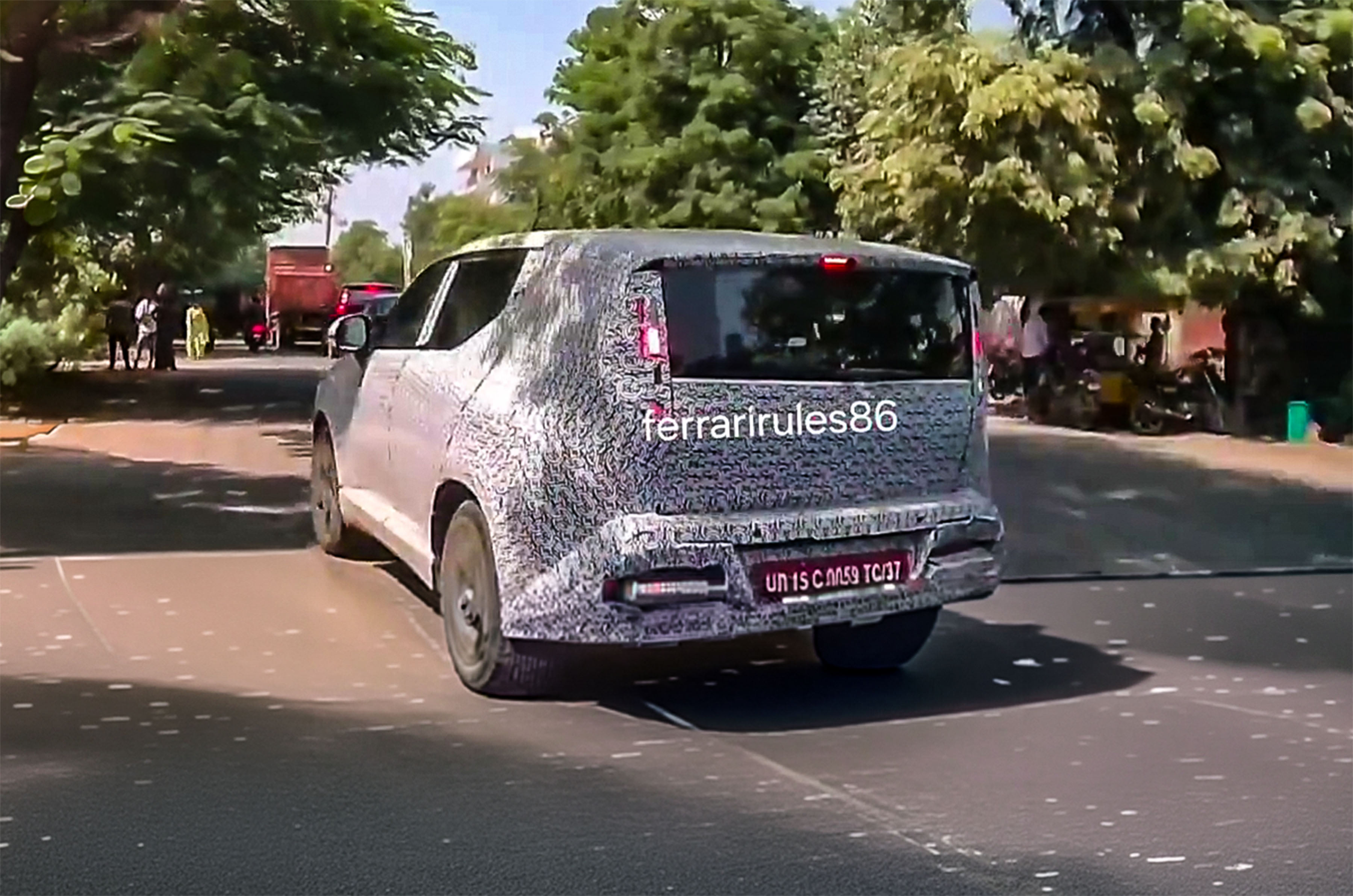
Hyundai has announced a new compact electric SUV for India at its 2026 CEO Investor Day. The new EV will be designed and manufactured in India and is slated to debut in the country by the last quarter of FY 2027 (by March 2027). Jose Munoz, President and CEO of Hyundai Motor Company, said, “A brand-new compact SUV is coming, designed and localised in India.”
- A ‘next-gen infotainment’ and Level-2 ADAS are confirmed features
- Will be built on the E-GMP (K) platform and manufactured in Tamil Nadu
- Will compete with the Tata Nexon EV and Mahindra XUV 3XO EV
Upcoming Hyundai compact EV: All we know so far
It will be built on the E-GMP (K) platform and will be a rival to the Nexon EV

The upcoming EV, codenamed HE1i, was first announced at Hyundai’s Investor Day 2025. Later, we got to know it will be a born-electric vehicle built on the E-GMP (K) platform, which also underpins the Inster EV offered abroad. It will be manufactured at Hyundai’s Sriperumbudur facility in Tamil Nadu.
The HE1i EV will use localised Exide-sourced batteries and will be offered in two versions: standard range and long range, the exact specifications of which are unknown. For context, the Euro-spec Inster is offered with a 42kWh battery with 300km WLTP-claimed range and a long-range 49kWh battery with 355km claimed range.

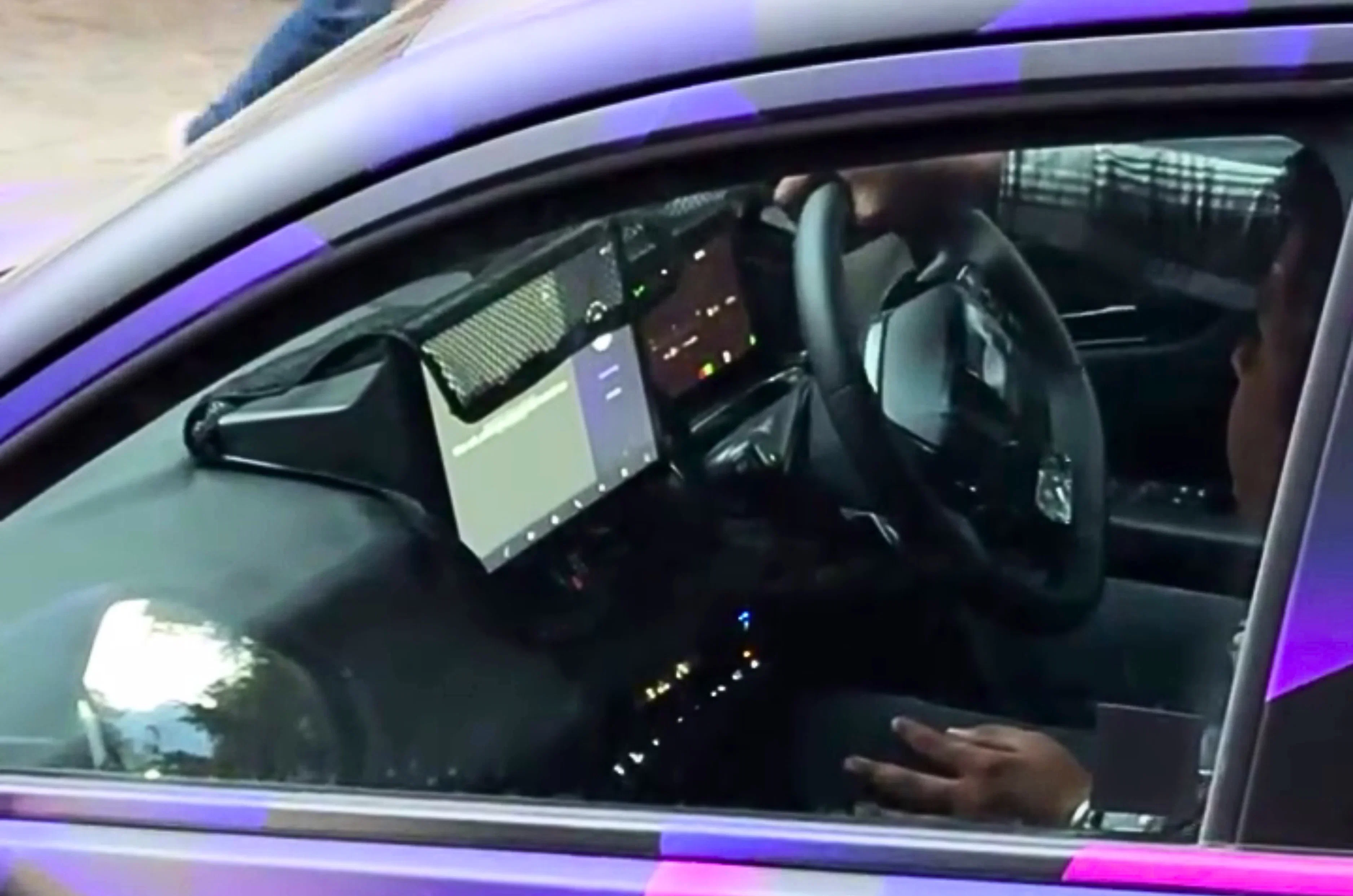
The new compact EV is confirmed to have a “next-generation infotainment system”, which could be the Pleos Connect infotainment system also expected on the upcoming third-generation Creta, and “Level 2 assisted driving technology”.
The upcoming Hyundai compact EV will be positioned as a rival to the Tata Nexon EV, Mahindra XUV 3XO EV and Kia Syros EV. Being a localised offering, it could have a lower price tag than the Syros EV, which is currently the most expensive option in the segment.

Hyundai expects electrified vehicles to account for 50 percent of India sales by 2030. Currently, it sells two EVs in the country: the Creta Electric and Ioniq 5, and the upcoming compact eSUV will give the carmaker a share in the more accessible segment of India’s EV market.