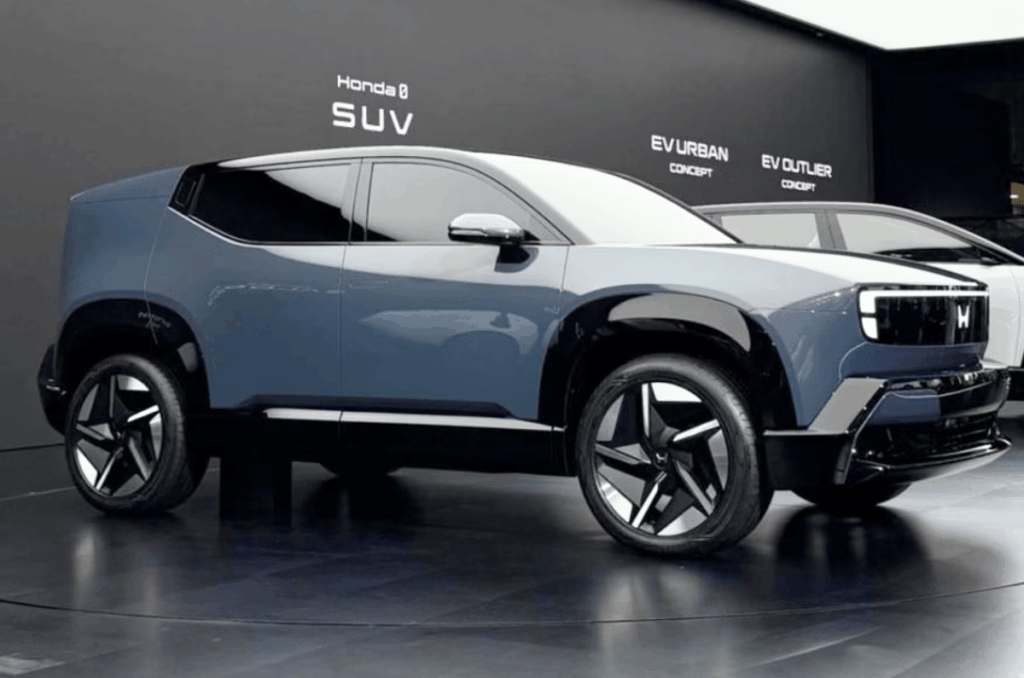
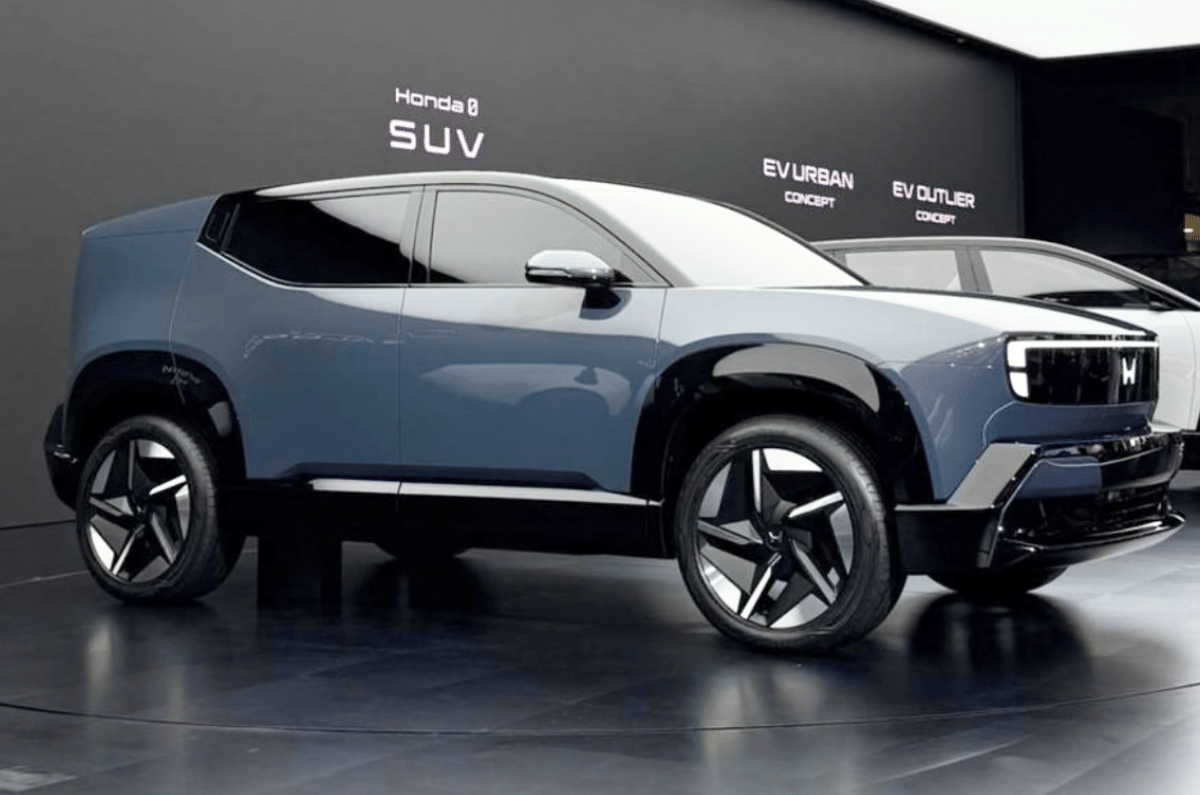
Honda India is going to debut the production-spec 0 Alpha EV on December 2. The 0 Alpha SUV concept was revealed in October 2025, and its production version will be the carmaker’s first all-electric vehicle for our market. Honda is expected to reveal the official name of the vehicle as well. A heavily camouflaged prototype of 0 Alpha SUV was recently spied testing on our roads.
MRPL Share Price: मजबूत तिमाही नतीजों के बाद भी मैंगलोर रिफाइनरी एंड पेट्रोकेमिकल्स (MRPL) के शेयरों में बिकवाली देखने को मिली। शेयर 15 अक्टूबर 7% से ज्यादा टूटा। मैंगलोर रिफाइनरी एंड पेट्रोकेमिकल्स के शेयर आज NSE पर ₹189.60 पर खुला, जबकि बुधवार को ये ₹185.26 पर बंद हुए थे। 15 अक्टूबर को इन शेयरों ने ₹171.20 का निचला स्तर (इंट्राडे लो) छुआ।
ऑयल एंड नेचुरल गैस कॉरपोरेशन (ONGC) की सहायक कंपनी, मैंगलोर रिफाइनरी एंड पेट्रोकेमिकल्स लिमिटेड (MRPL) का स्टैंडअलोन नेट प्रॉफिट वित्त वर्ष 2027 की दूसरी तिमाही में लगभग तीन गुना बढ़कर ₹1,881 करोड़ हो गया। पिछले साल की इसी तिमाही में यह ₹639 करोड़ था।
वित्त वर्ष 2027 की दूसरी तिमाही में ऑपरेशंस से प्राप्त रेवेन्यू सालाना आधार पर 37.1% बढ़कर ₹35,590 करोड़ हो गया, जो वित्त वर्ष 2026 की दूसरी तिमाही में ₹25,953 करोड़ था। टैक्स से पहले का मुनाफा (PBT) भी काफी बढ़कर ₹975 करोड़ से ₹2,519 करोड़ हो गया।
सितंबर तिमाही में कंपनी की EBITDA (ब्याज, डेप्रिसिएशन, टैक्स और अमोर्टाइजेशन से पहले की कमाई) दोगुनी से भी अधिक होकर ₹3,210 करोड़ हो गई, जबकि पिछले वित्त वर्ष की इसी अवधि में यह ₹1,565 करोड़ थी।
वित्त वर्ष 2027 की पहली छमाही के लिए, MRPL का स्टैंडअलोन नेट प्रॉफिट पिछले साल की इसी अवधि के ₹367 करोड़ से उछलकर ₹2,796 करोड़ हो गया। ऑपरेशंस से प्राप्त रेवेन्यू ₹46,942 करोड़ से बढ़कर ₹77,199 करोड़ हो गया, जबकि टैक्स से पहले का मुनाफा ₹572 करोड़ से बढ़कर ₹3,734 करोड़ हो गया।
इस बीच, कंपनी के बोर्ड ने प्रति इक्विटी शेयर ₹3 का पहला अंतरिम डिविडेंड (लाभांश) देने की मंजूरी दी है, जो प्रत्येक शेयर की फेस वैल्यू का 30% है। MRPL को फिच रेटिंग्स (Fitch Ratings) से अपनी पहली अंतरराष्ट्रीय क्रेडिट रेटिंग मिली है। इसे ‘BBB-‘ रेटिंग के साथ ‘स्टेबल आउटलुक’ (स्थिर दृष्टिकोण) दिया गया है, जो भारत की सॉवरेन रेटिंग (देश की क्रेडिट रेटिंग) के अनुरूप है।
ब्रोकरेज की क्या है स्टॉक पर राय
ब्रोकरेज फर्म PL कैपिटल ने मैंगलोर रिफाइनरी एंड पेट्रोकेमिकल्स (MRPL) के शेयर पर अपनी ‘होल्ड’ (hold) रेटिंग बरकरार रखी है और इसका टारगेट प्राइस संशोधित करके ₹180 प्रति शेयर कर दिया है।
ब्रोकरेज फर्म ने कहा, “वित्त वर्ष 2027 की पहली छमाही (1HFY27) में मजबूत प्रदर्शन को देखते हुए, हमने वित्त वर्ष 2027 (FY27E) के लिए अपने GRM (ग्रॉस रिफाइनिंग मार्जिन) अनुमान को 7.8 USD/bbl से बढ़ाकर 11.3 USD/bbl कर दिया है। हालांकि, हमें उम्मीद है कि भू-राजनीतिक तनाव कम होने और रिफाइनिंग मार्जिन (रिफाइनिंग क्रैक्स) के सामान्य स्तर पर लौटने के साथ, वित्त वर्ष 2028 और 2029 (FY28E/FY29E) में GRM भी सामान्य होकर 7.4-7.5 USD/bbl के स्तर पर आ जाएंगे।
PL कैपिटल ‘होल्ड’ रेटिंग बरकरार रखी है और टारगेट प्राइस (TP) को 165 रुपये से बढ़ाकर 180 रुपये कर दिया है। यह सितंबर 2028 (Sep’28E) के लिए 6.0x EV/EBITDA के आधार पर तय किया गया है। हम कंपनी के केमिकल प्रोजेक्ट के लिए 23 रुपये प्रति शेयर की ‘ऑप्शन वैल्यू’ मान रहे हैं, क्योंकि इस प्रोजेक्ट के कमर्शियल स्तर पर शुरू होने में अभी कई साल लगेंगे।”
(डिस्क्लेमर: मनीकंट्रोल.कॉम पर दिए गए विचार एक्सपर्ट के अपने निजी विचार होते हैं। वेबसाइट या मैनेजमेंट इसके लिए उत्तरदाई नहीं है। यूजर्स को मनी कंट्रोल की सलाह है कि कोई भी निवेश निर्णय लेने से पहले सार्टिफाइड एक्सपर्ट की सलाह लें।
Maruti Suzuki Festive Offers 2026: अगर आप इस नवरात्रि या दशहरा पर Maruti Suzuki की कार खरीदने की सोच रहे हैं, तो आपके कुछ पैसे बच सकते हैं, क्योंकि कंपनी अपनी Nexa रेंज की कारों पर भारी डिस्काउंट दे रही है। देश की सबसे बड़ी कार बनाने वाली कंपनी अपने लगभग सभी मॉडल्स – जैसे XL6, Jimny, Invicto, Fronx, Grand Vitara और e-Vitara – पर डील्स दे रही है। इन स्कीम्स में मॉडल और वैरिएंट के हिसाब से कैश डिस्काउंट, एक्सचेंज बोनस, लॉयल्टी बेनिफिट्स, वारंटी पैकेज और स्क्रैपेज से जुड़े इंसेंटिव्स शामिल हैं। दिलचस्प बात यह है कि जहां इस महीने कुछ प्रोडक्ट्स पर अच्छे-खासे फायदे मिल रहे हैं, वहीं हाल ही में अपडेट हुई Baleno पर कोई फेस्टिव ऑफर नहीं है। अब आइए, इन स्कीम्स की डिटेल्स पर एक नजर डालते हैं।
Maruti Suzuki Baleno: कोई फेस्टिव ऑफर नहीं
बलेनो का नया वर्शन (फेसलिफ़्ट) मारुति सुज़ुकी के अक्टूबर के फेस्टिव कैंपेन का हिस्सा नहीं है। स्कीम के डॉक्यूमेंट के अनुसार, यह प्रीमियम हैचबैक अभी बिना किसी अतिरिक्त फेस्टिव फ़ायदे के मिल रही है।
Maruti Suzuki Fronx: टर्बो वेरिएंट्स पर कैश फायदे
Fronx पर मुख्य रूप से इसके टर्बो-पेट्रोल वेरिएंट्स पर फयदे मिल रहे हैं। Maruti Suzuki Turbo वेरिएंट्स पर ₹12,100 का कैश डिस्काउंट दे रही है, जबकि नॉन-टर्बो पेट्रोल और CNG वर्शन पर कोई कैश बेनिफिट नहीं मिल रहा है। खरीदार इसके अलावा ₹10,000 का एक्सचेंज बोनस और ₹5,000 का PCM बोनस भी पा सकते हैं, जिससे योग्य ग्राहकों के लिए कुल फायदा और बढ़ जाता है।
Maruti Suzuki Jimny और XL6
फेस्टिव सीजन के दौरान Jimny पर सीधे ₹35,000 का कैश डिस्काउंट मिल रहा है। हालांकि, इस लाइफस्टाइल SUV पर कोई एक्सचेंज बोनस नहीं दिया जा रहा है।
वहीं, XL6 पर ₹31,000 का कैश बेनिफिट, ₹20,000 का एक्सचेंज बोनस और ₹10,000 का PCM बोनस मिल रहा है।
Maruti Suzuki Grand Vitara: भारी एक्सचेंज बोनस
Maruti Suzuki Grand Vitara Smart Hybrid पर मिलने वाले ऑफर्स इसके वेरिएंट के हिसाब से अलग-अलग हैं। इसके Sigma वेरिएंट पर ₹35,000 का कैश डिस्काउंट मिल रहा है, जबकि Delta वेरिएंट पर ₹25,000 का कैश बेनिफिट दिया जा रहा है। Delta CNG खरीदने वालों को ₹20,000 और Zeta CNG वेरिएंट पर ₹10,000 का कैश डिस्काउंट मिल रहा है।
इसके अलावा, कंपनी Grand Vitara के Zeta, Alpha और AWD वेरिएंट पर 5 साल का वारंटी पैकेज भी दे रही है। चुनिंदा पुराने वाहनों को एक्सचेंज करने पर ग्राहकों को ₹30,000 का अतिरिक्त एक्सचेंज बोनस और पुरानी कार से नई कार में अपग्रेड करने पर ₹20,000 का बोनस मिल सकता है।
Grand Vitara Strong Hybrid पर मिलने वाले फायदे भी काफी आकर्षक हैं। इस वेरिएंट पर ग्राहकों को ₹1.85 लाख तक के रोड टैक्स बेनिफिट का फायदा मिल सकता है। इसके साथ 5 साल का वारंटी पैकेज, ₹50,000 का एक्सचेंज बोनस और चुनिंदा पुरानी कारों को अपग्रेड करने पर ₹30,000 का बोनस भी दिया जा रहा है।
Maruti Suzuki e Vitara: मुफ्त चार्जर और अपग्रेड बोनस
Maruti Suzuki अपनी हाल ही में लॉन्च हुई e-Vitara पर भी फेस्टिव ऑफर्स दे रही है। खरीदारों को मुफ़्त चार्जर और होम इंस्टॉलेशन पैकेज के साथ-साथ ₹30,000 का एक्सचेंज बोनस भी मिलेगा।
Maruti Suzuki Invicto: ₹80,000 तक की छूट
Invicto MPV पर चुनिंदा पुरानी गाड़ियों के बदले ₹50,000 का एक्सचेंज बोनस और ₹30,000 का अपग्रेड बोनस मिल रहा है।
स्कीम के अतिरिक्त फायदे
Maruti Suzuki का कहना है कि 15 साल से ज्यादा पुरानी गाड़ियों के मालिक स्क्रैपेज फायदे के लिए पात्र हो सकते हैं। कंपनी यह भी बताती है कि ग्राहक एक्सचेंज बोनस या स्क्रैपेज बोनस में से कोई एक चुन सकते हैं। दोनों फायदे एक साथ नहीं मिलेंगे।
कंपनी 0 से 6 साल पुरानी गाड़ियों के एक्सचेंज पर PCM बोनस भी दे रही है। यह इंसेंटिव स्टैंडर्ड एक्सचेंज फायदे के अलावा दिया जाता है।
इसके अलावा, अपनी पुरानी Maruti गाड़ी को एक्सचेंज करने वाले मौजूदा Maruti Suzuki ग्राहकों के लिए अपग्रेड लॉयल्टी बोनस भी उपलब्ध है। इस फायदे को एक्सचेंज बोनस के साथ जोड़ा जा सकता है, लेकिन अगर ग्राहक स्क्रैपेज का विकल्प चुनता है तो यह लागू नहीं होगा।
डिस्क्लेमर: ऊपर बताए गए ऑफर सोर्स इमेज में दिए गए स्कीम डॉक्यूमेंट पर आधारित हैं। डिस्काउंट, एक्सचेंज बोनस, अपग्रेड फायदे और दूसरे इंसेंटिव शहर, डीलरशिप, वेरिएंट, पात्रता की शर्तों और स्टॉक की उपलब्धता के आधार पर अलग-अलग हो सकते हैं। ग्राहकों को सलाह दी जाती है कि वे अपनी चुनी हुई गाड़ी पर लागू सही ऑफर के बारे में जानने के लिए अपनी नजदीकी Maruti Suzuki डीलरशिप से संपर्क करें।
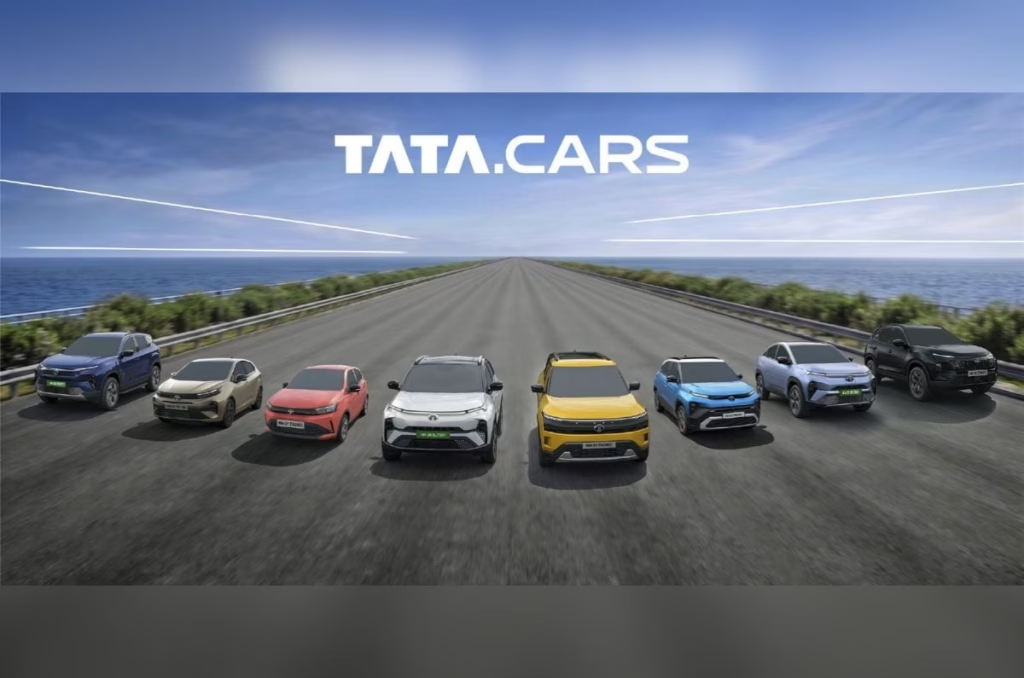
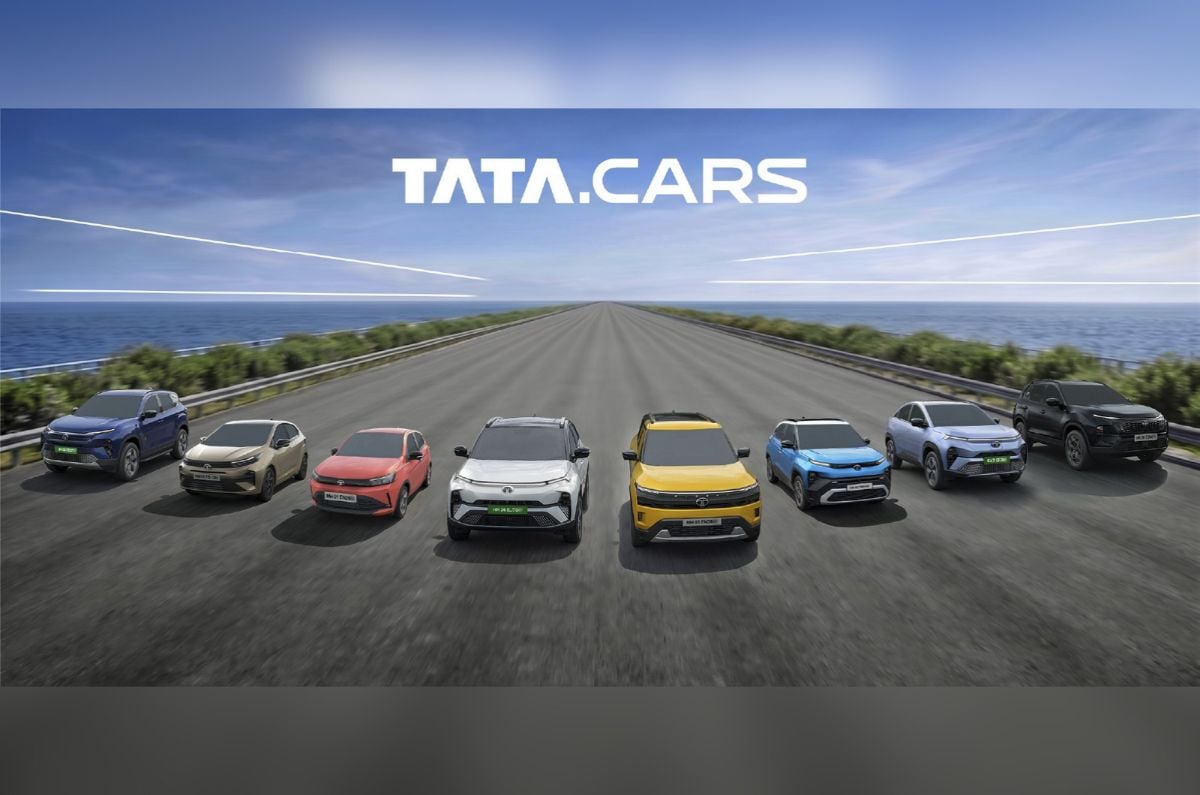
Tata’s passenger vehicle (PV) business grew by 35 percent in its first year after the demerger, which came into effect on October 1, 2025, and separated the commercial vehicle (CV) business from the PV division. Domestic sales between October 2025 and September 2026 stood at 7.44 lakh units, well ahead of the industry’s roughly 22 percent growth. According to the home-grown brand, its market share increased to 14.1 percent, making it India’s second-largest carmaker over this period.
Factors behind the Tata PV business growth
Two SUVs and a GST cut did much of the heavy lifting
One of the major factors behind Tata’s strong numbers is the revised GST rates, which took effect on September 22, 2025. This was shortly before the October 1 demerger, and it made cars more affordable across multiple segments. Despite this, Tata Managing Director Shailesh Chandra admitted to being surprised. “We had not expected 35 percent,” he said.
According to Chandra, monthly bookings topped one lakh more often than not, and more than seven in ten of these typically turned into retail sales. Tata crossed the 70,000-unit mark in a single month twice, and two of its quarters went past two lakh units.
With sales of 2.38 lakh units and 2.33 lakh units respectively, the Nexon and Punch accounted for around 63 percent of Tata’s domestic volumes over this period. Sales of the Sierra, meanwhile, crossed 60,000 units between January and September 2026. This is despite supply being constrained even as production was being scaled up.
Tata EV and CNG sales make up nearly half of volumes
Tata Motors claimed that EVs and CNG cars accounted for 44 percent of its annual volumes, rising to about 51 percent in the July-September quarter. Sales of fully electric models were up 84 percent (at 1.3 lakh units), with the brand claiming a 42 percent share of India’s EV market. Sales of CNG models grew by 31 percent, registering over 2.03 lakh units.
However, each powertrain faces a different set of rivals. “For EVs, my competitors are different,” said Chandra. Product development for all powertrain categories now falls under a single chief product officer, though each gets its own dedicated team.
Tata Motors targets 12 lakh annual sales by FY31
Six new nameplates are on the way
Tata is targeting over 12 lakh units per year by FY31 (financial year 2031), with a 20 percent share of the Indian passenger vehicle market. According to Tata, the plan involves over 20 product refreshes and the introduction of six new nameplates, including the Avinya.
What the brand calls its “15 product interventions” over the past year included models such as the Sierra and Sierra.ev, the updated Punch, Punch.ev, Tiago and Tiago.ev, petrol versions of the Harrier and Safari, and the Aeris. The Indian automaker said that it’s also recalibrating launch timelines. This, it said, is to ensure that each new model gets proper marketing support and that dealers have enough time to sell them.
The recent surge in demand means production capacity has become an immediate priority for Tata Motors. The company stated that its plants and suppliers are stretched thin, particularly smaller tier-two and tier-three firms, and that it has had to work more closely with them to resolve shortages. More capacity will come online at Tata’s existing plants, with the Sanand facility playing a major role. Helped by Tata’s entry into South Africa, exports have nearly doubled, to around 12,000 units.
Tata Motors to triple service network and focus on quality
The brand said that its workshops will grow faster than its showrooms
Apart from focusing on growth, Tata Motors will also be paying attention to addressing the quality and after-sales perception. The quality department now reports directly to Chandra instead of to the manufacturing department, the Managing Director stated. Tata has also set up a central software integration team, which will eventually become a ‘centre of excellence’. Tata now also tests software and hardware together earlier in development. In fact, the Sierra is one of the first models developed this way, the company mentioned.
Another point of attention is the brand’s service network, with Chandra stating that Tata’s workshops now see about six lakh vehicles per month – this is up from around 1.5 lakh in 2021. “My showrooms will increase by two times. But my service centres will increase by three times,” Chandra said. The automaker has addressed 26 of the 30 locations that it flagged as service problem areas, with dealer incentives now placing more weight on customer experience.
Between April and June, the availability of spare parts was an issue. This, the company said, was due to labour constraints, when production was being prioritised. It’s providing existing customers first claim on spare parts even if that affects the production of new cars, with Chandra claiming fill rates are back at around 85-86 percent. Regardless, changes will take time. “The perception will only change after three-four years,” Chandra admitted. “After people really see the consistency of that.”
With inputs from Hormazd Sorabjee and Ketan Thakkar.
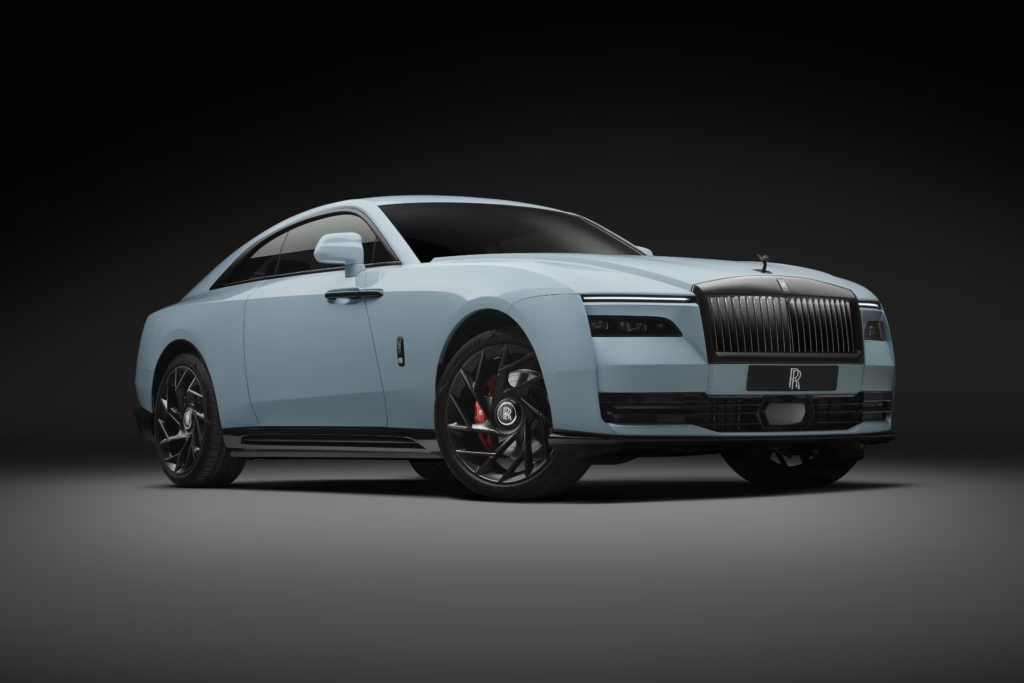
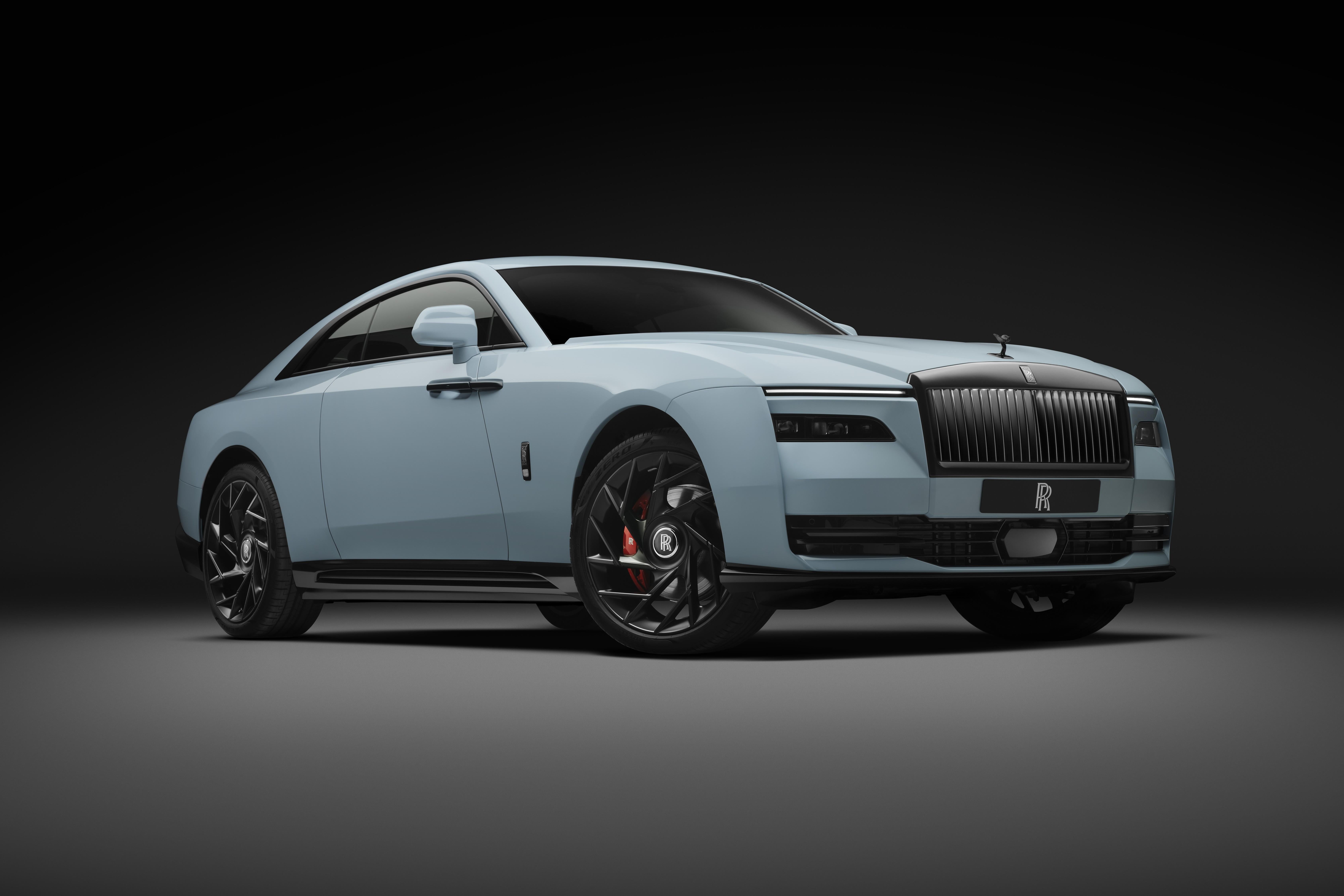
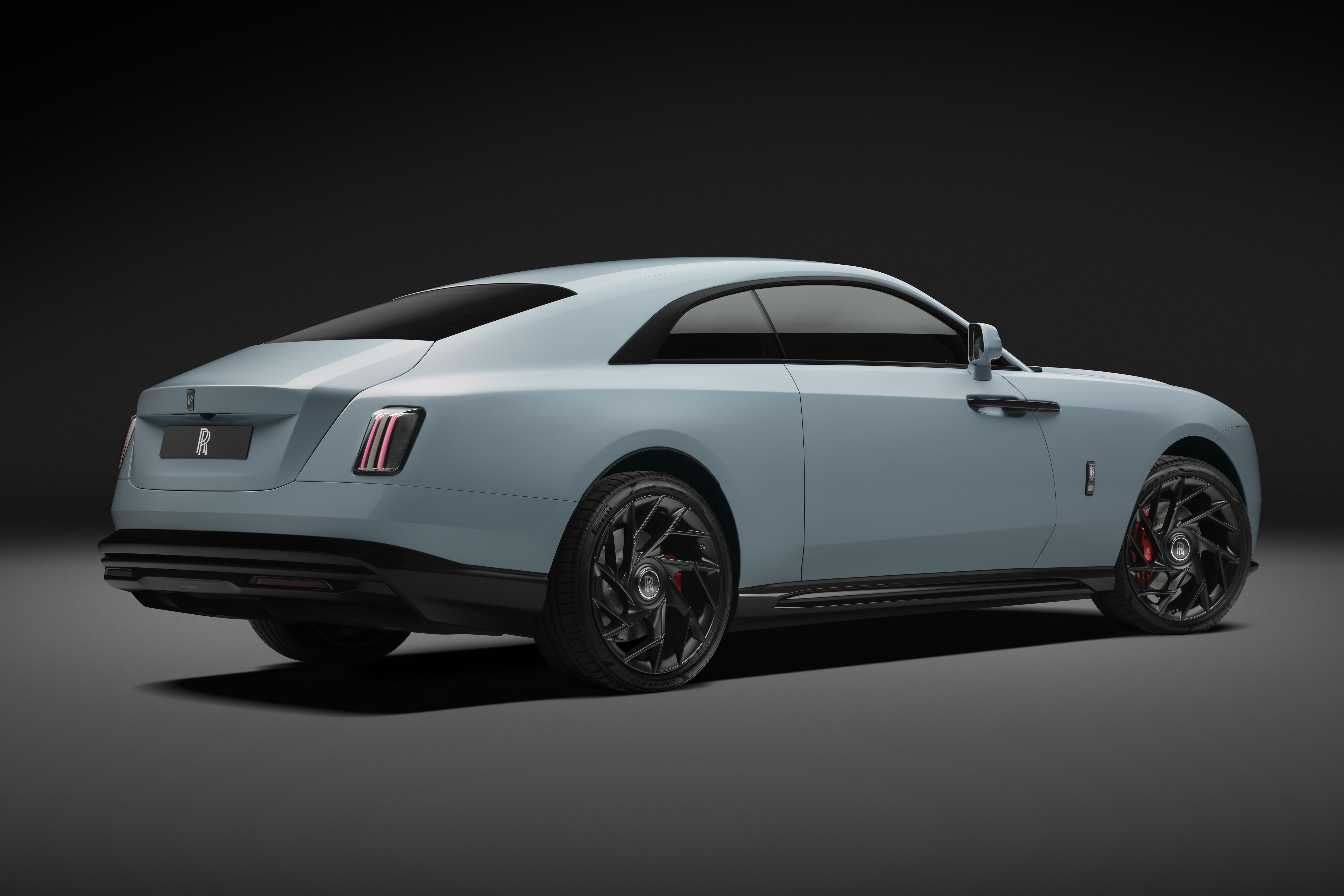
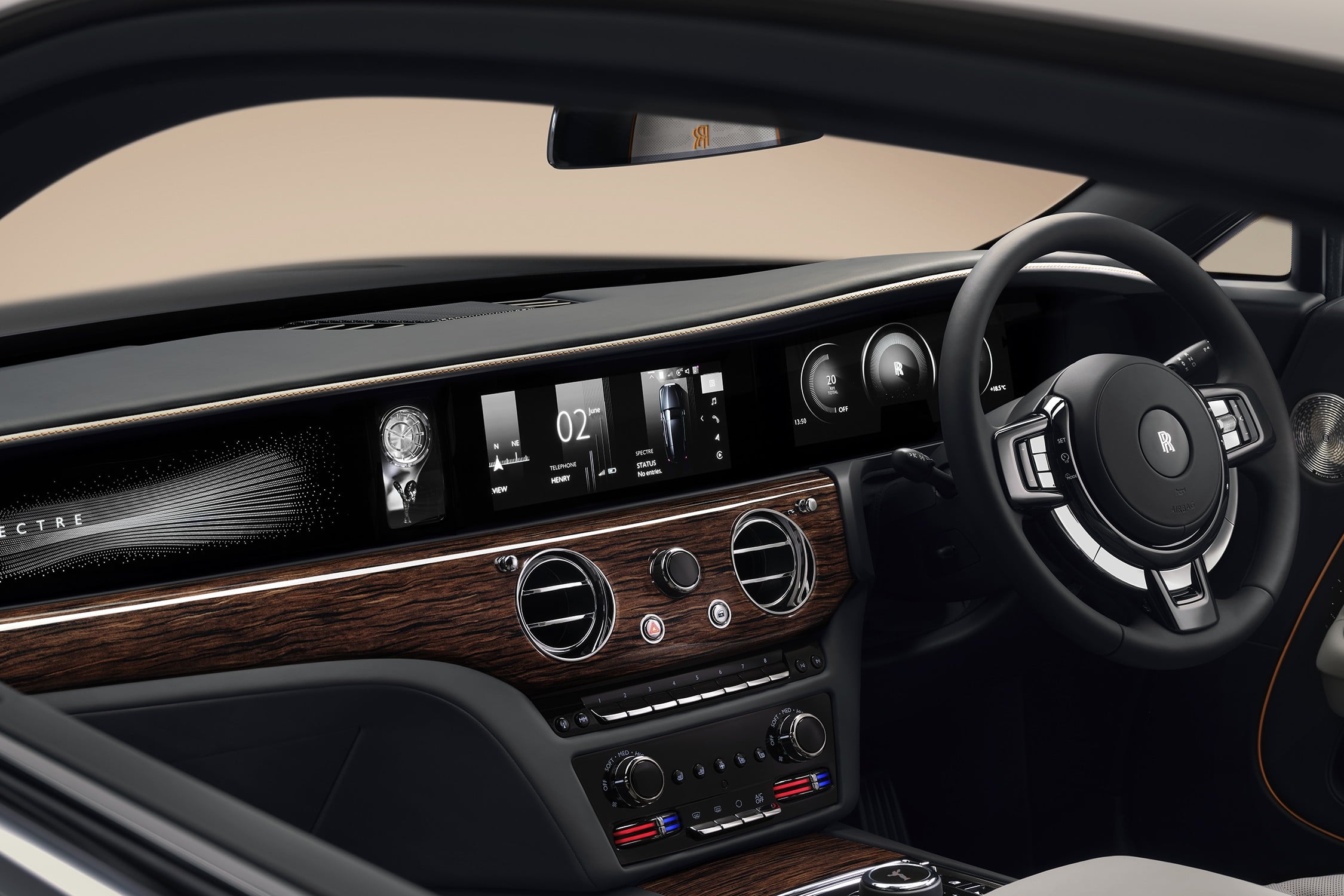
Rolls-Royce will bring the Spectre Series II to India this year. In an interview with Autocar India, Julian Jenkins, Global Director – Sales and Brand at Rolls-Royce Motor Cars, said, We’ve got the Series II, which is an evolution of the motor car, and I think the first car will arrive here in India this year.” The Series II Spectre arrives more than two years after the first iteration of the luxury two-door electric coupe was launched.
Series II gets a larger 112kWh battery pack; Up to 680hp and 1100Nm.
WLTP-certified claimed range of up to 629km.
More personalisation choices for the exterior and interior.
Rolls-Royce Spectre II: What’s new?
Changes to the Spectre Series II focus mainly on the mechanical rather than the visual. There’s a larger 112kWh battery pack this time. It uses a new battery architecture that is shared with the i8 and continues with a 400V electric architecture. The Spectre Series II continues with a dual-motor setup with one motor at each axle. Combined power output stands at 601hp and 1015Nm for the standard model, while Black Badge models develop 680hp and 1,110Nm in Spirited mode. Rolls-Royce claims a WLTP-certified range of 628km and 629km for the standard and Black Badge versions, respectively.
On the exterior front, the Spectre Series II remains largely unchanged from its predecessor. Because the Spectre was the second-most personalised car after the Phantom, it gets more customisation options this time around. Black Badge versions come with matte black exterior detailing as opposed to gloss black on the predecessor, even for the Spirit of Ecstasy. The interior, too, gets more material and personalisation options and an illuminated dashboard panel with 8,108 individual pixels.
Expect the Spectre Series II to be priced higher than the current model on sale, which retails at Rs 7.5 crore and Rs 9.5 crore for the standard and Black Badge versions, respectively. The current Spectre is the most expensive EV sold in India.
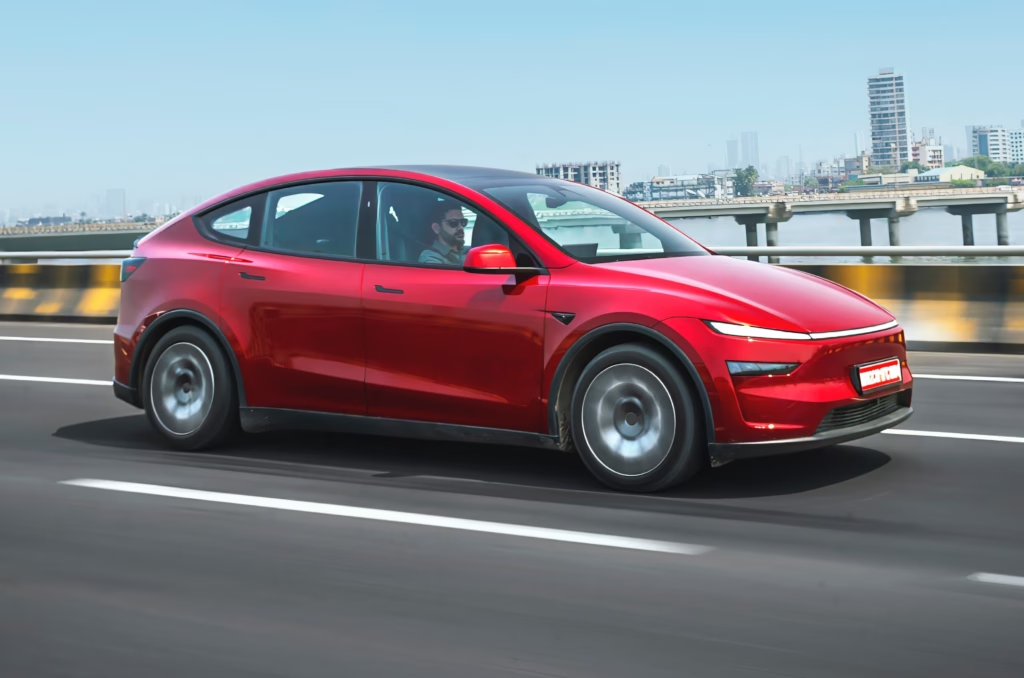
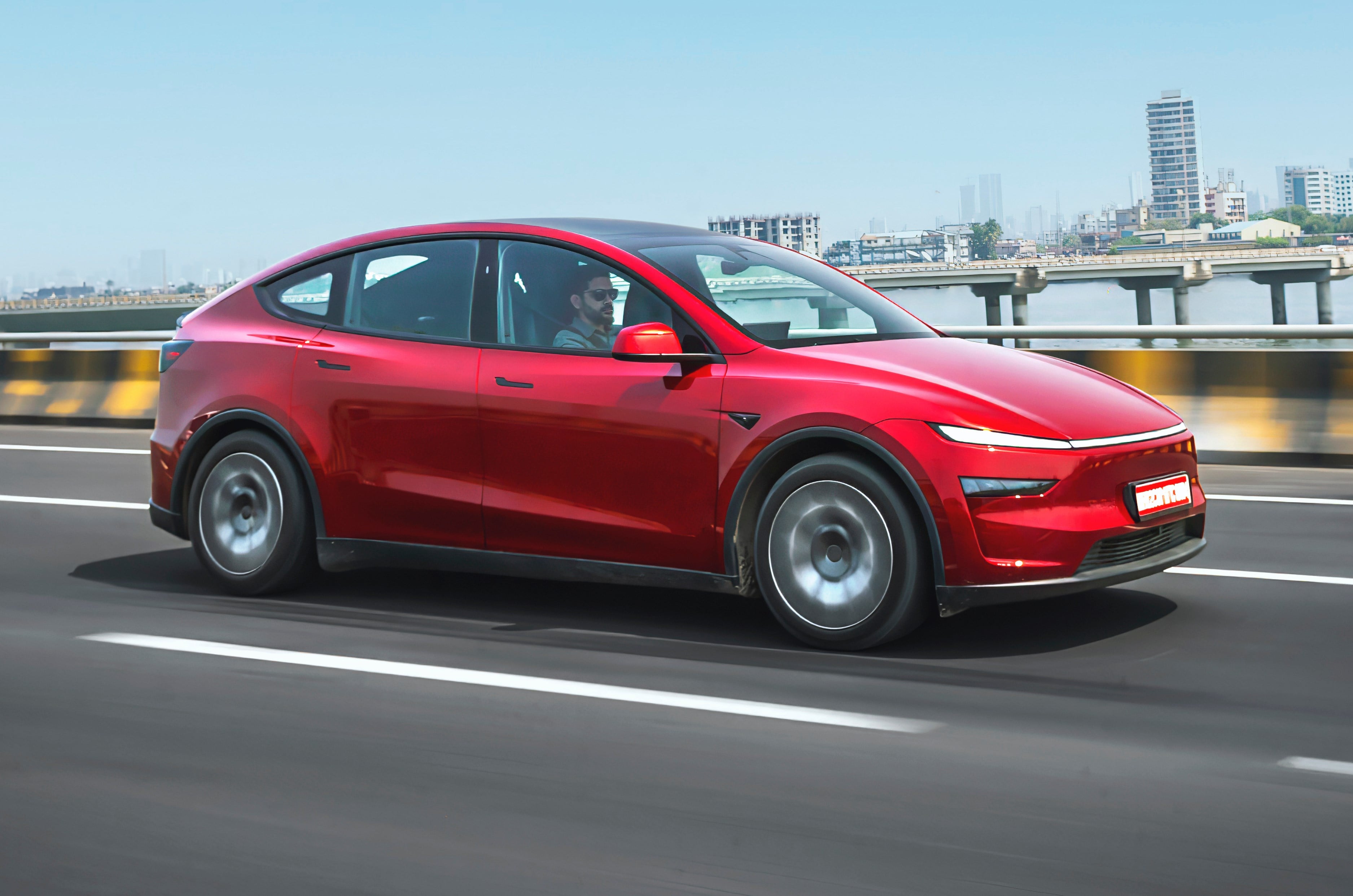
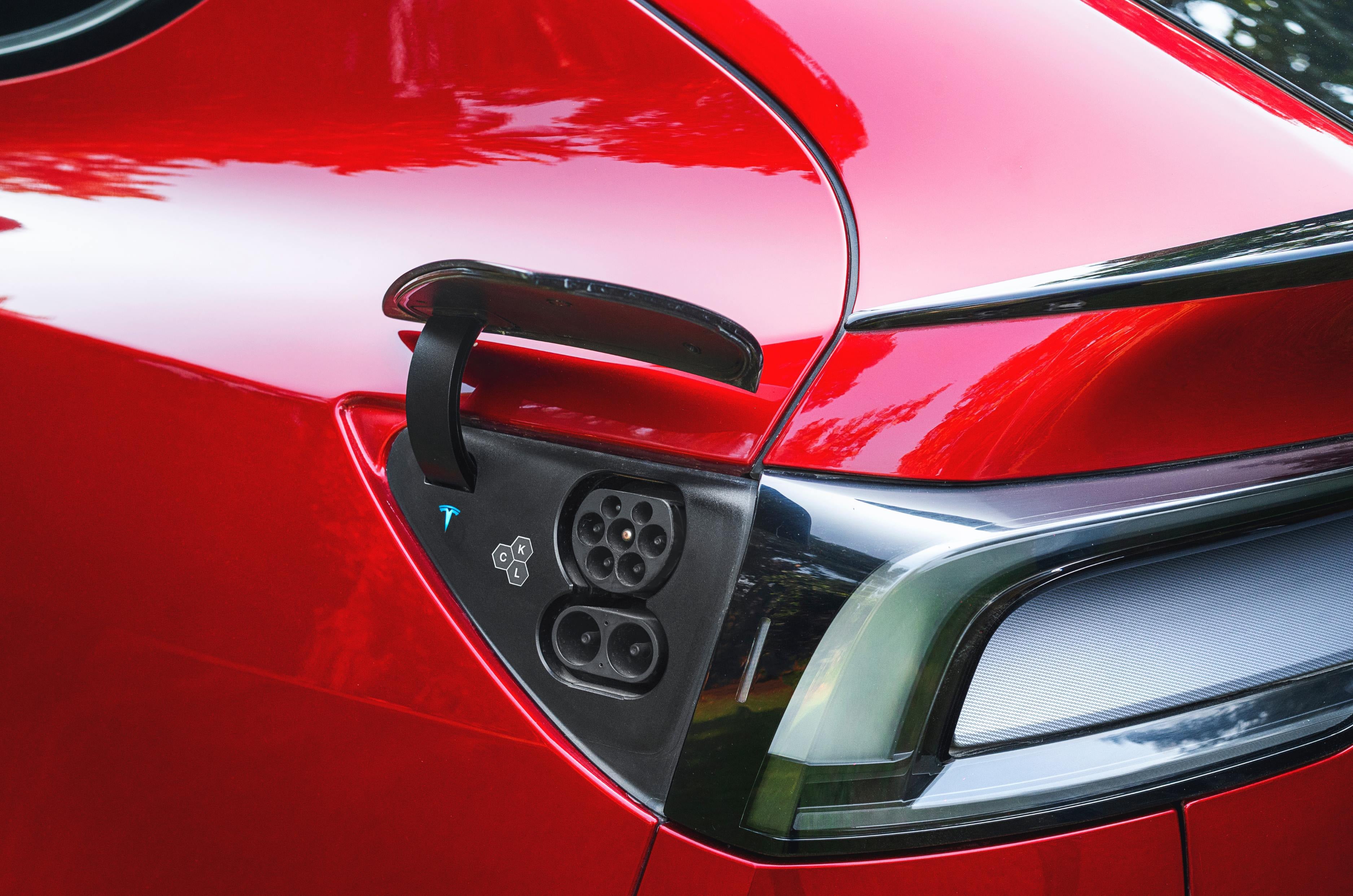
The Tesla Model Y is a tech-loaded electric crossover that prioritises cabin space and performance over everything else. The new Model Y L takes that formula a step further, adding a third row of seats, a longer wheelbase, more power with an all-wheel drive setup, more range and more sophisticated suspension as well. Given the additions, naturally it costs more than the standard-wheelbase, real wheel drive versions, but is the Y L actually worth the extra outlay?
Model Y Exterior Design and Engineering – 6/10
Appears near-identical to the Model Y, but the Y L is longer, taller and has a longer wheelbase.
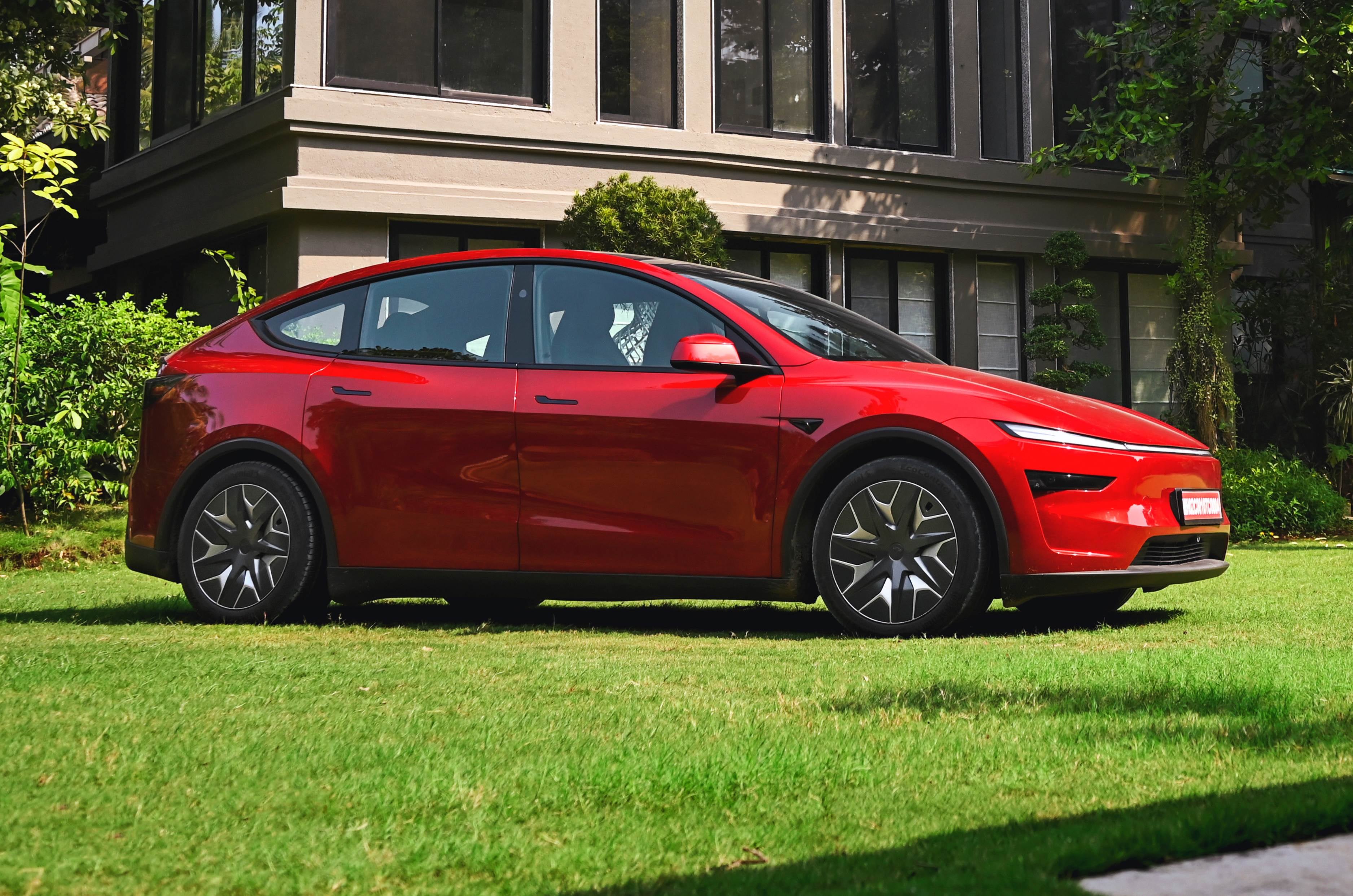
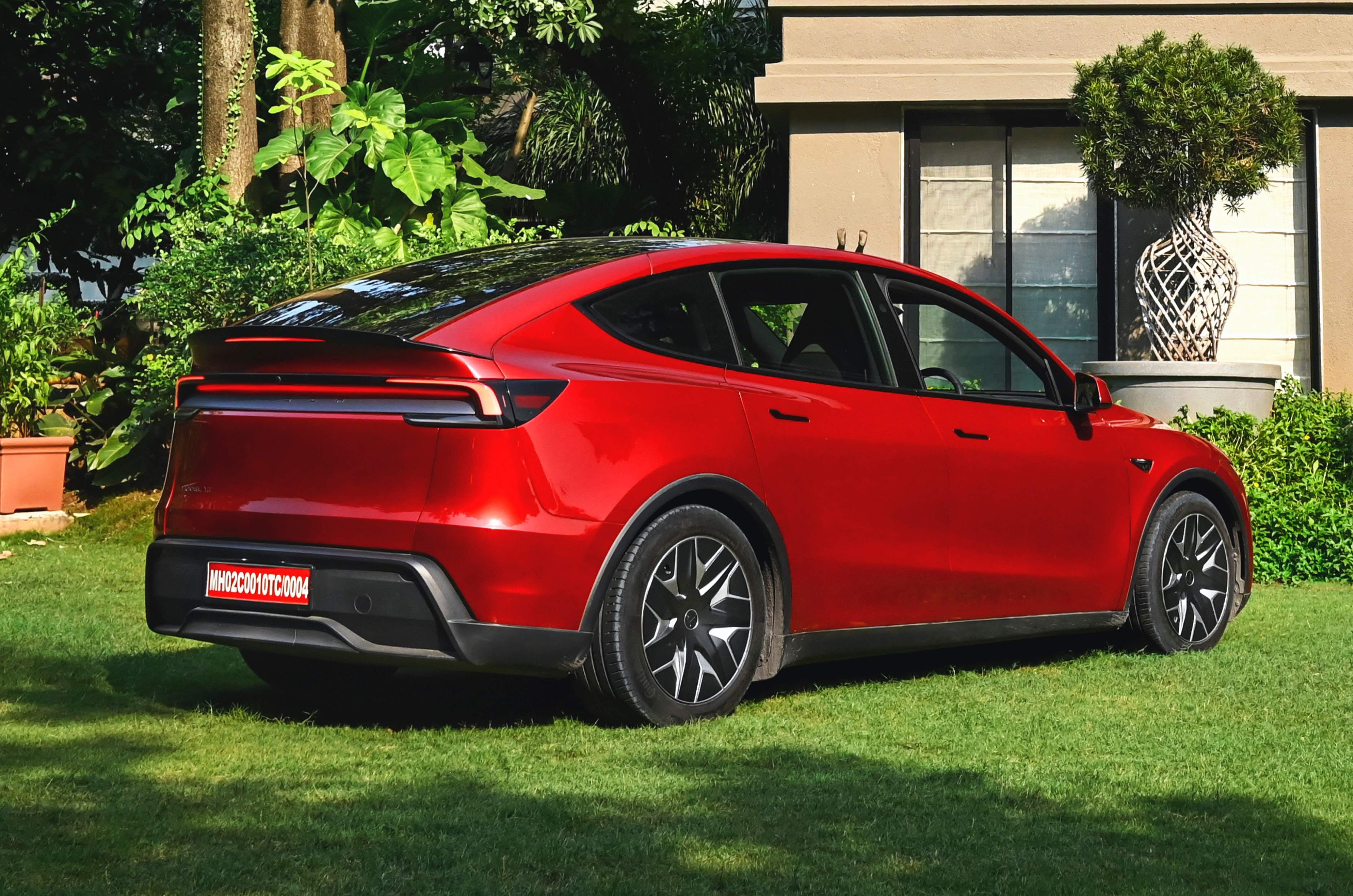
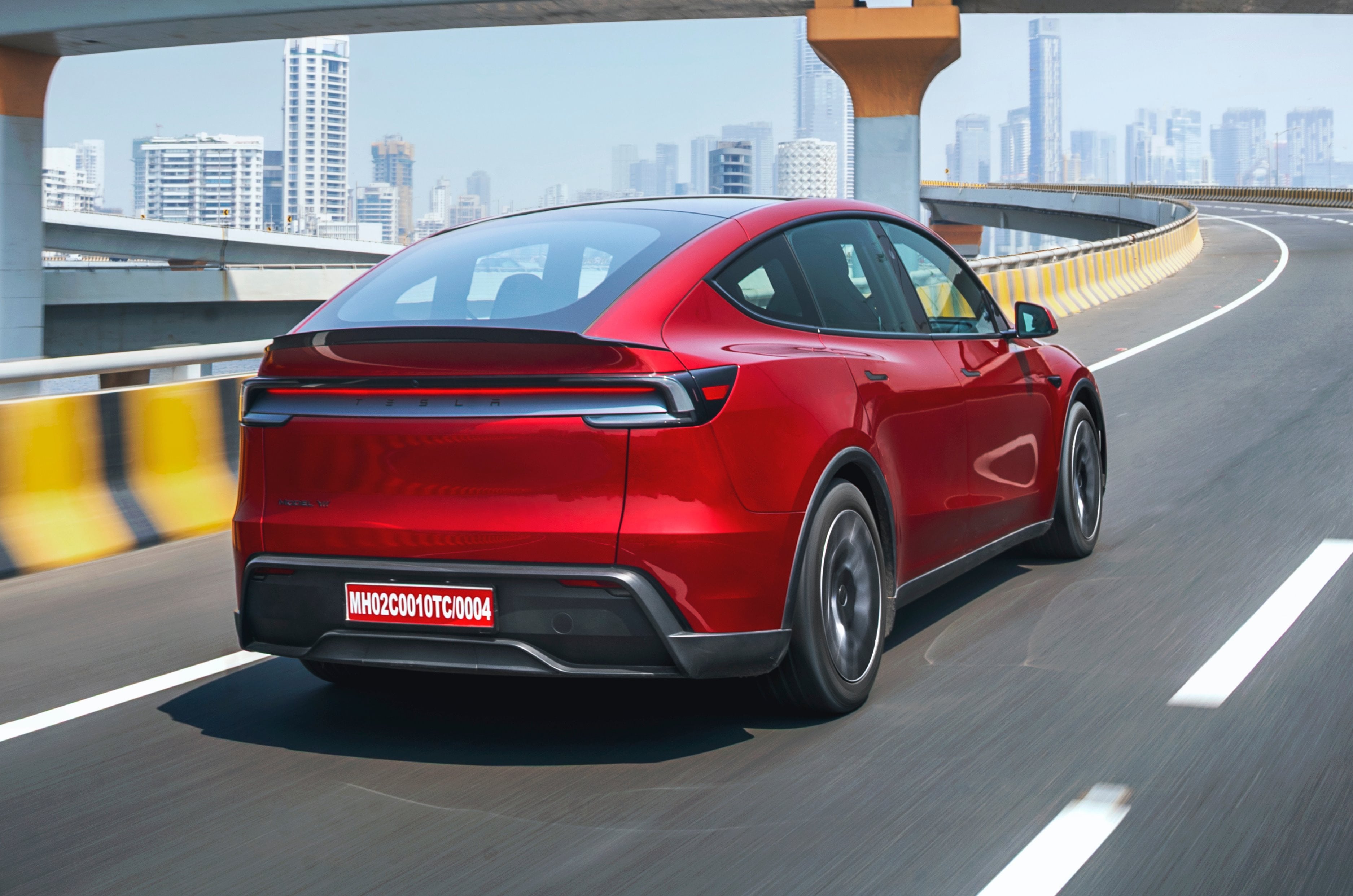
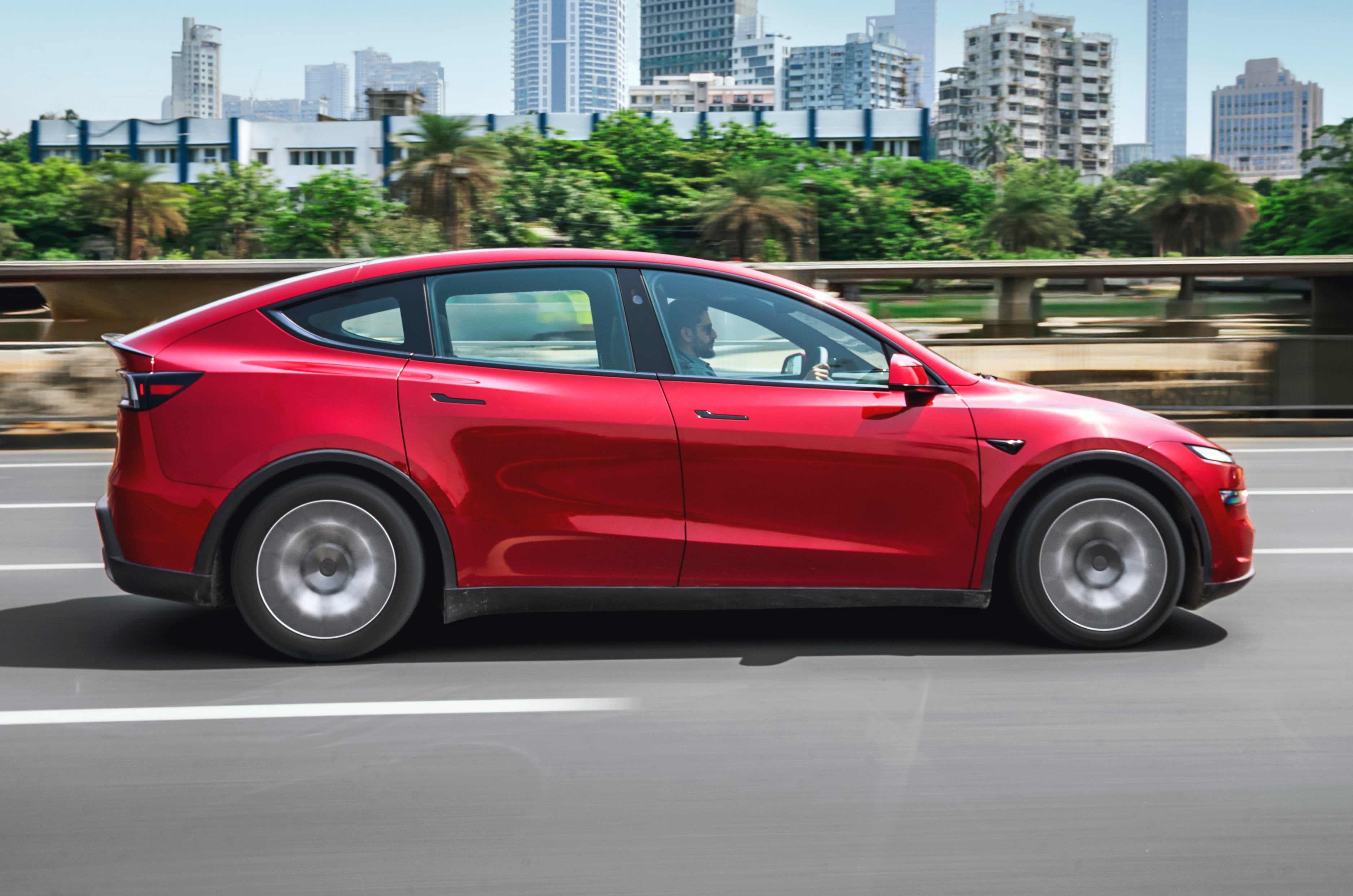
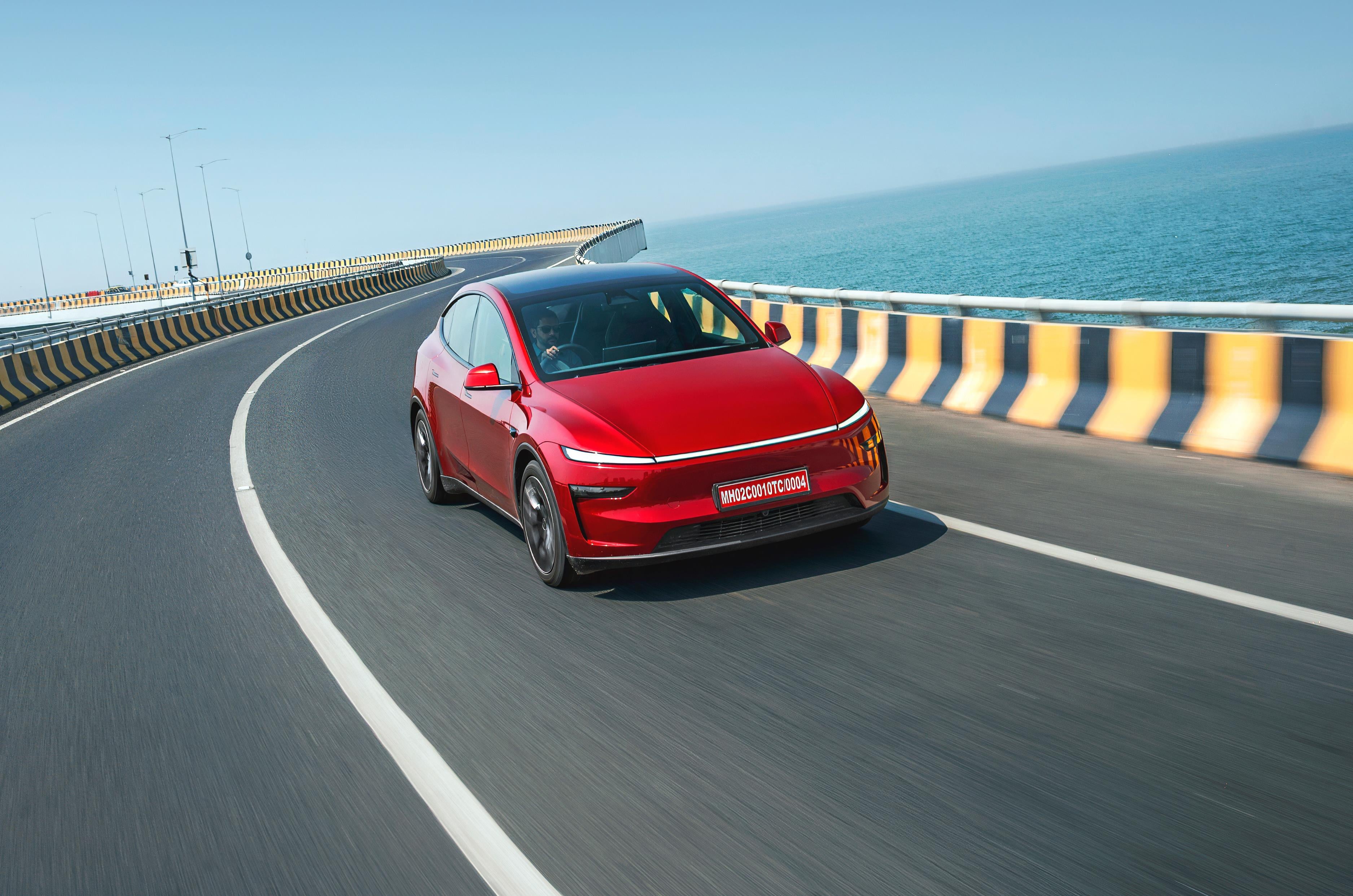
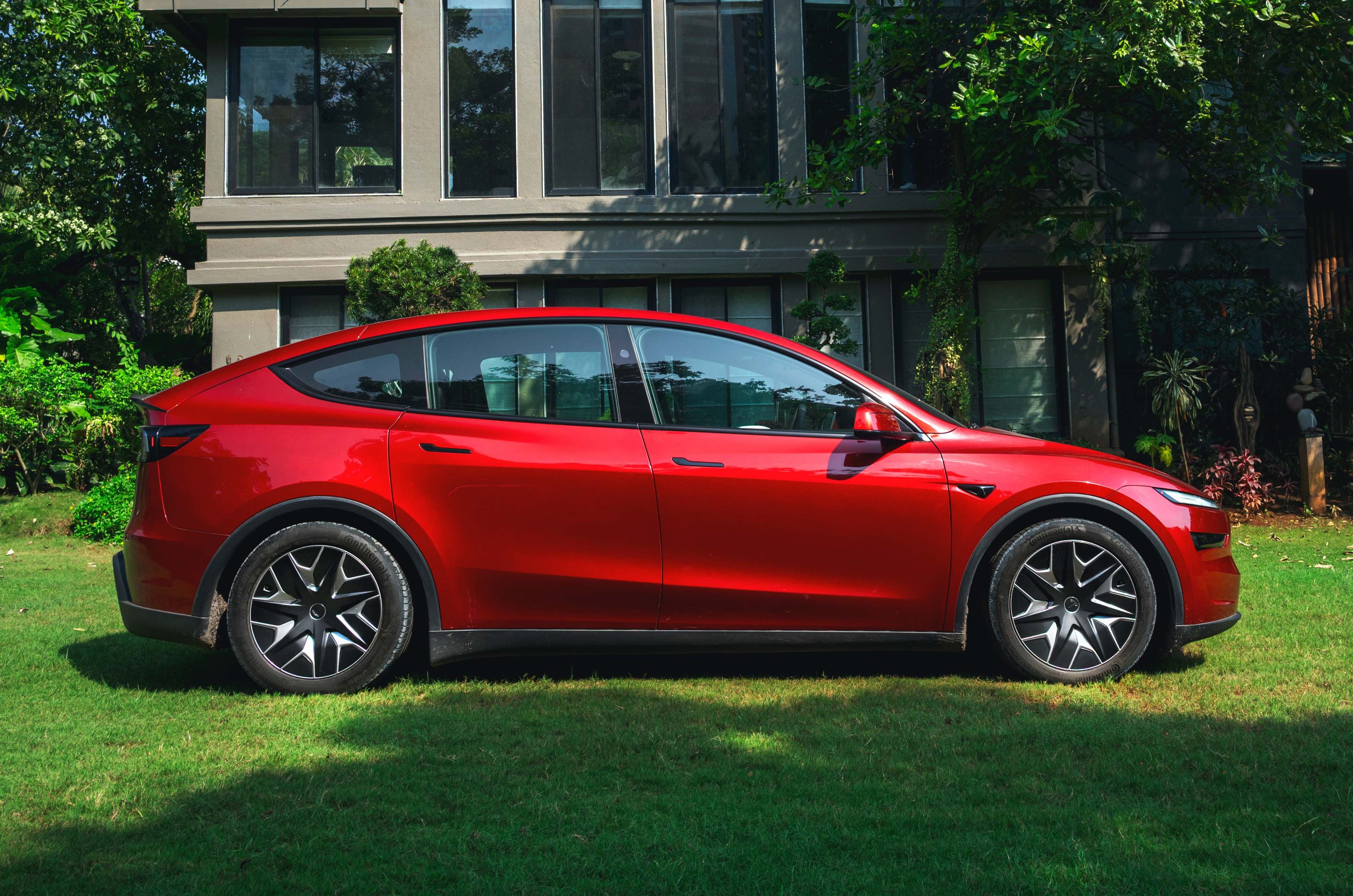
At first glance, the L looks very familiar to the Model Y, but this version looks noticeably larger from the side and rear. The Model Y L measures 4,969mm in length and 1,664mm in height, 1,982mm in width with a 3,040mm wheelbase, which makes it 179mm longer overall and 40mm taller than the Model Y, and it also has a 150mm longer wheelbase. At 166mm (unladen), the Y L has decent ground clearance but considering the longer wheelbase, you have to be extra careful going over big speedbreakers otherwise you will end up scraping the belly.
The growth in dimensions is particularly apparent in the raised and extended roofline, plus the expanded rear glass and rear-quarter glass area. The other changes include a new bootlid spoiler and the 19-inch alloy wheels have a more enclosed design, both in the interest of further aero optimisation.
Other than that, the smooth, aerodynamic silhouette with minimalist detailing and distinctive lighting elements remain. The overall design is unmistakably Tesla, although the extra length gives it slightly more road presence. That said, the Model Y L doesn’t suddenly become a traditional SUV just because it has grown. Its rounded, slightly anonymous shape with clean surfacing continues to favour aerodynamic efficiency over visual appeal. But it looks distinctive and as such, has carved out a niche for itself in terms of design.
Model Y Interior Space and Comfort – 8/10
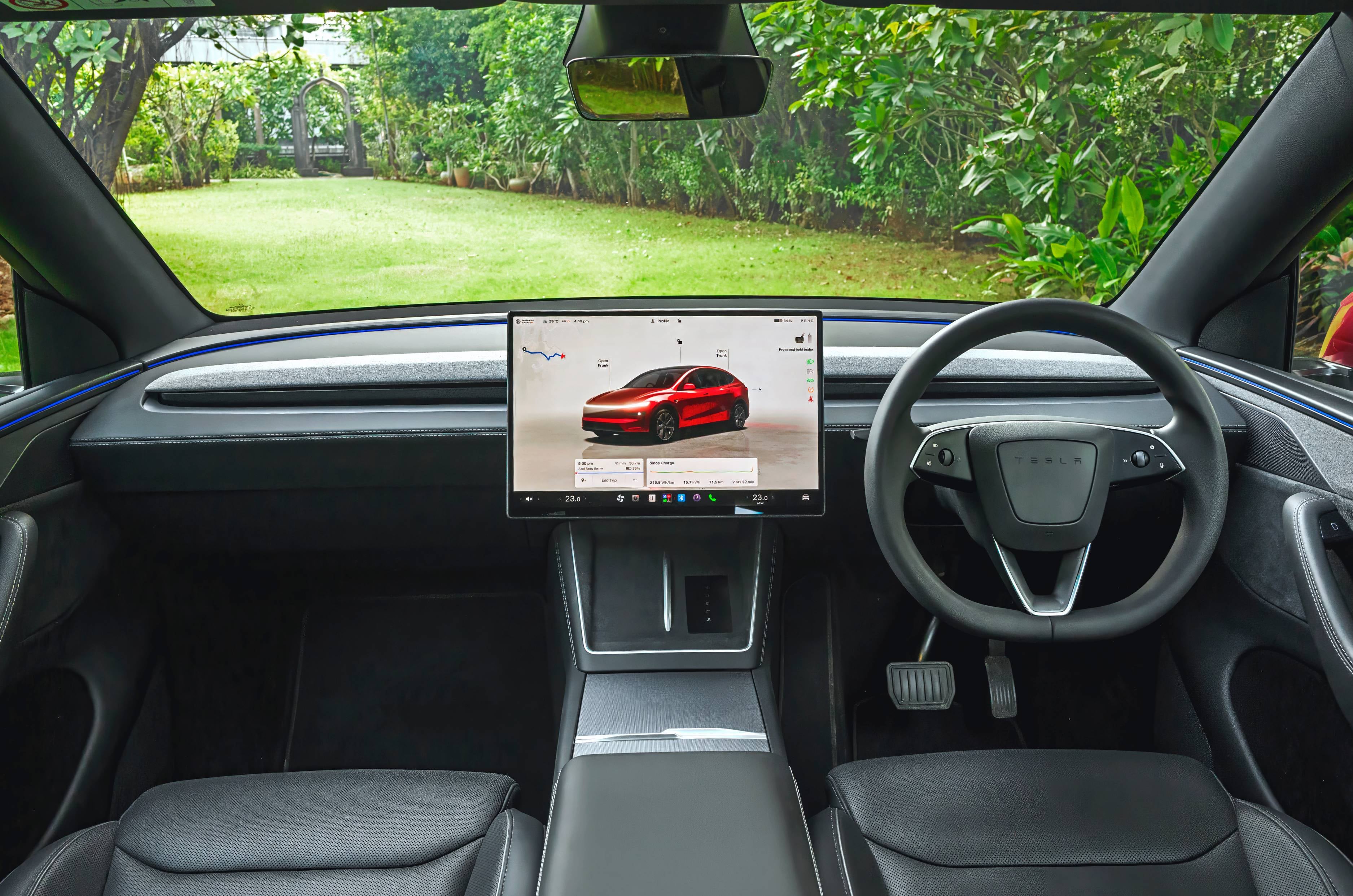
Minimalist design remains the same, save for a new textured finish on top of the dashboard.
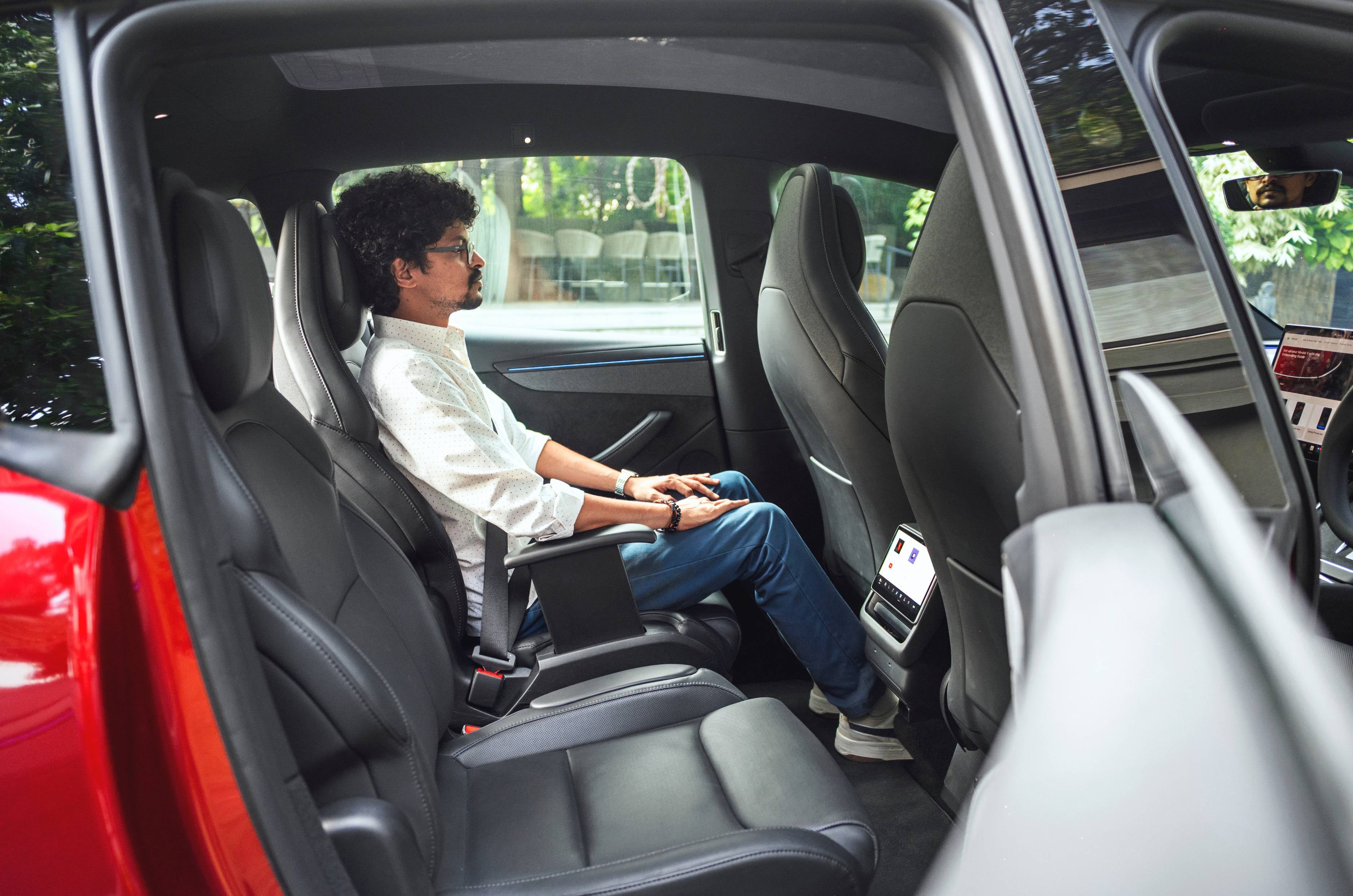
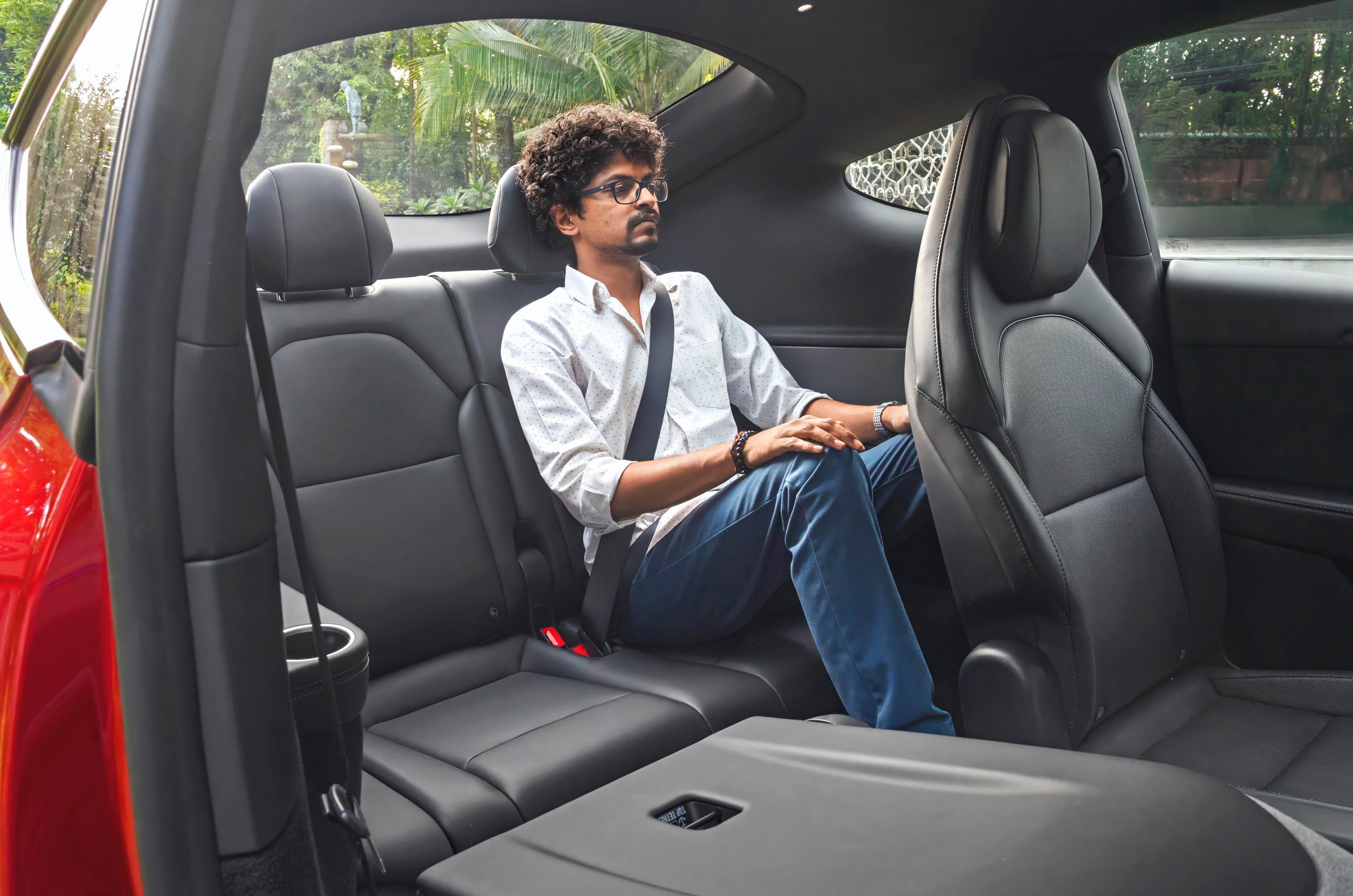
This is where the Model Y L takes a larger step up. The standard Model Y already had a spacious cabin, but the Y L has even more room and brings further versatility, by adding a third row of seats. It is a six-seater rather than a seven-seater, with two individual captain’s chairs in the middle row instead of the standard car’s bench.
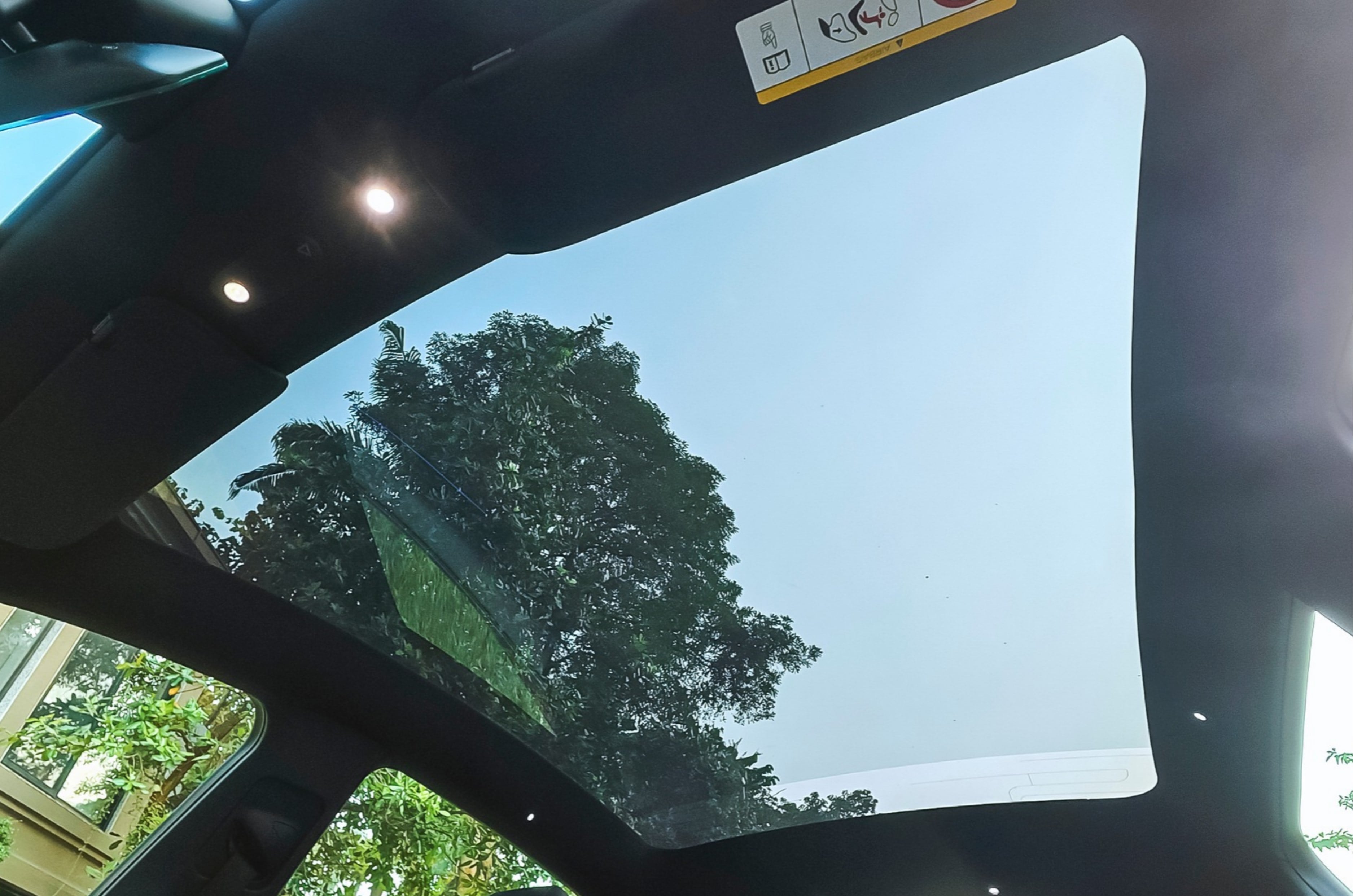
The front seats may be simple-looking but they are plush and comfy, and the extended underthigh support enhances comfort especially for taller people. These seats are also heated, cooled and feature electric adjustment. The second row is arguably the highlight, however. The individual captain’s seats are very comfy, and they feature integrated headrests, a heating and cooling function, along with power adjustment and powered armrests too. The extra wheelbase and taller roof of course gives passengers more room to stretch out and as such there’s no shortage of legroom or headroom here. The larger windows, coupled with the tinted panoramic glass roof further enhances the sense of space. However, since there are no window blinds or a sunshade for the roof, the large glasshouse area means the cabin heats up too easily especially on a hot, sunny day.
Captain seats are very comfy and there’s plenty of legroom and headroom here.
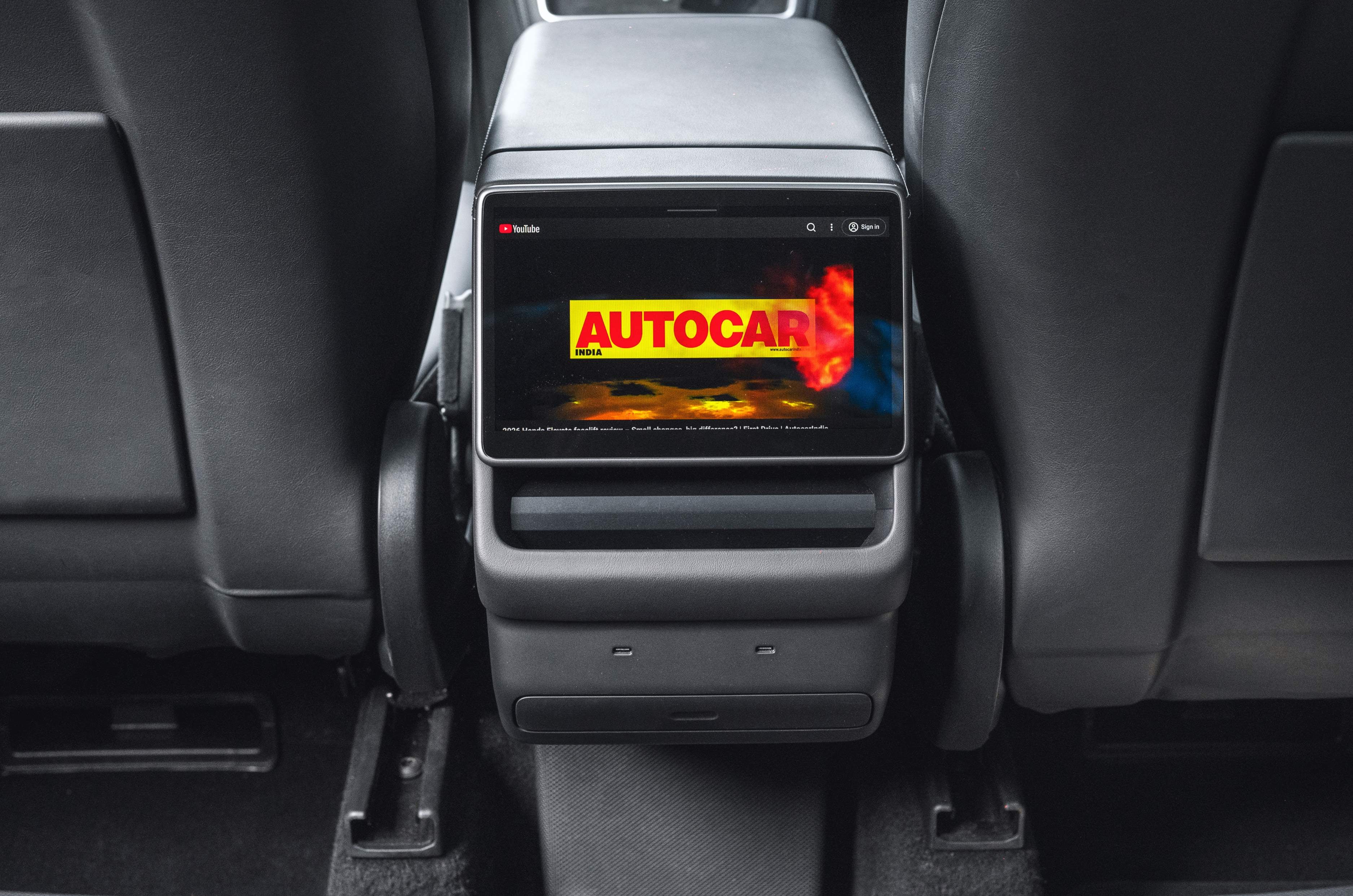
Middle row passengers are well-catered too, however. Apart from the aforementioned heated/cooled and powered seats, you also get cupholders, charging ports, cupholders and a 8-inch touchscreen. This centrally-mounted unit is just as slick to use as the one in the front and it controls several functions, along with the ability to play videos and games.
Seating is knees-up, but the third row is usable even for adults.
The third row, however, comes as a bit of a surprise. Considering the low seat, you’re sat in a knees-up position but space back here is genuinely usable for adults, with adequate headroom and kneeroom. Dedicated AC vents, cup holders and type C charging ports are useful inclusions and show that the rearmost seats aren’t simply an afterthought. Like in the middle, here too the large window and untinted rear windscreen lets in a considerable amount of heat.
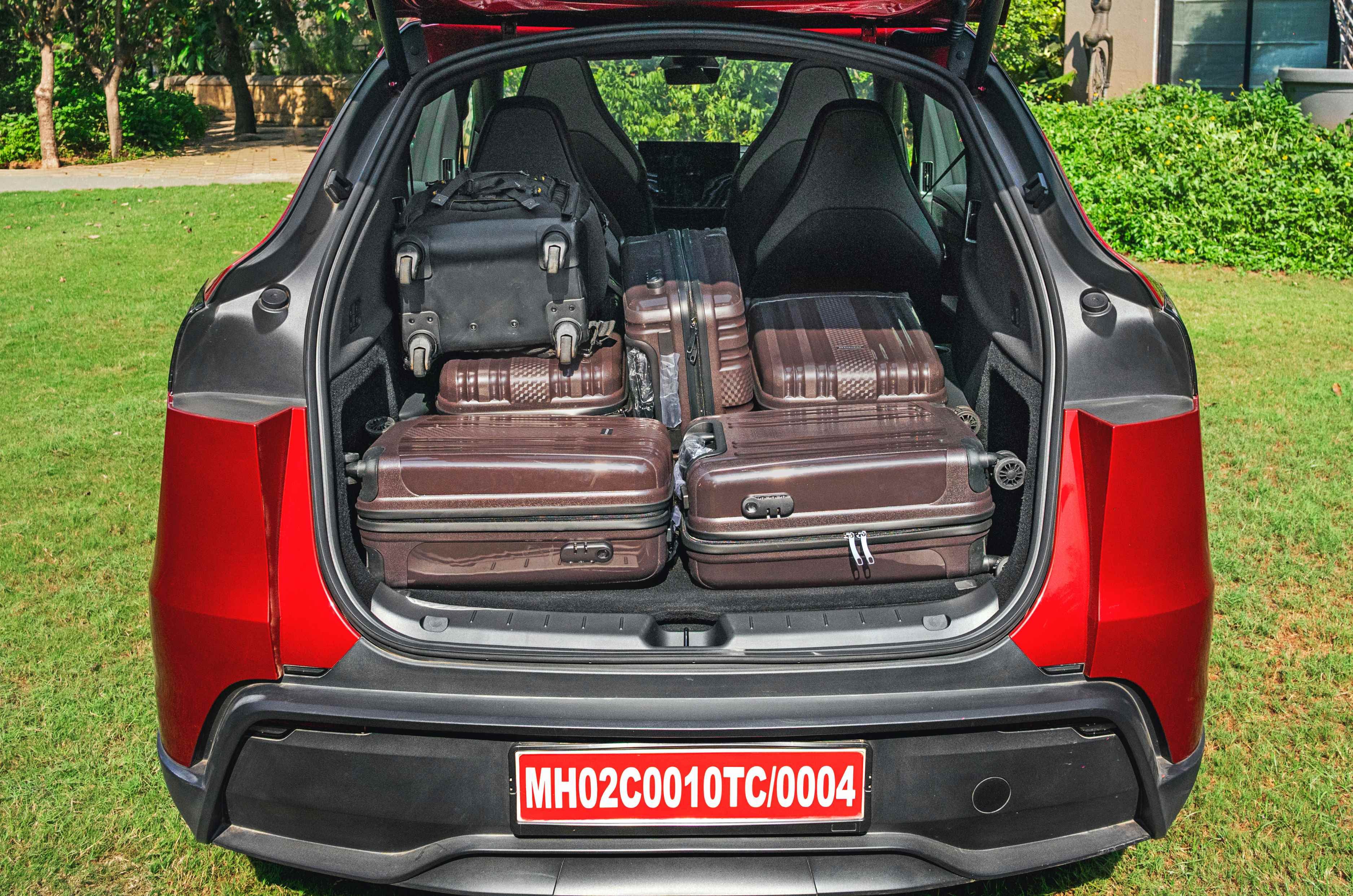
420-litre boot can be expanded to a massive 1,076 litres by folding the third row; more room under the boot floor too.
Luggage space is another important consideration for a family focused car such as the Y L. With all three rows up, boot space is a respectable 420 litres which can be further expanded to a massive 1,076 litres by electronically folding the third row. Then there’s also a considerable amount of storage space under the boot floor and a properly usable 117-litre frunk. As such, the Y L remains practical despite the added seats. It’s worth noting though, there’s no spare wheel.
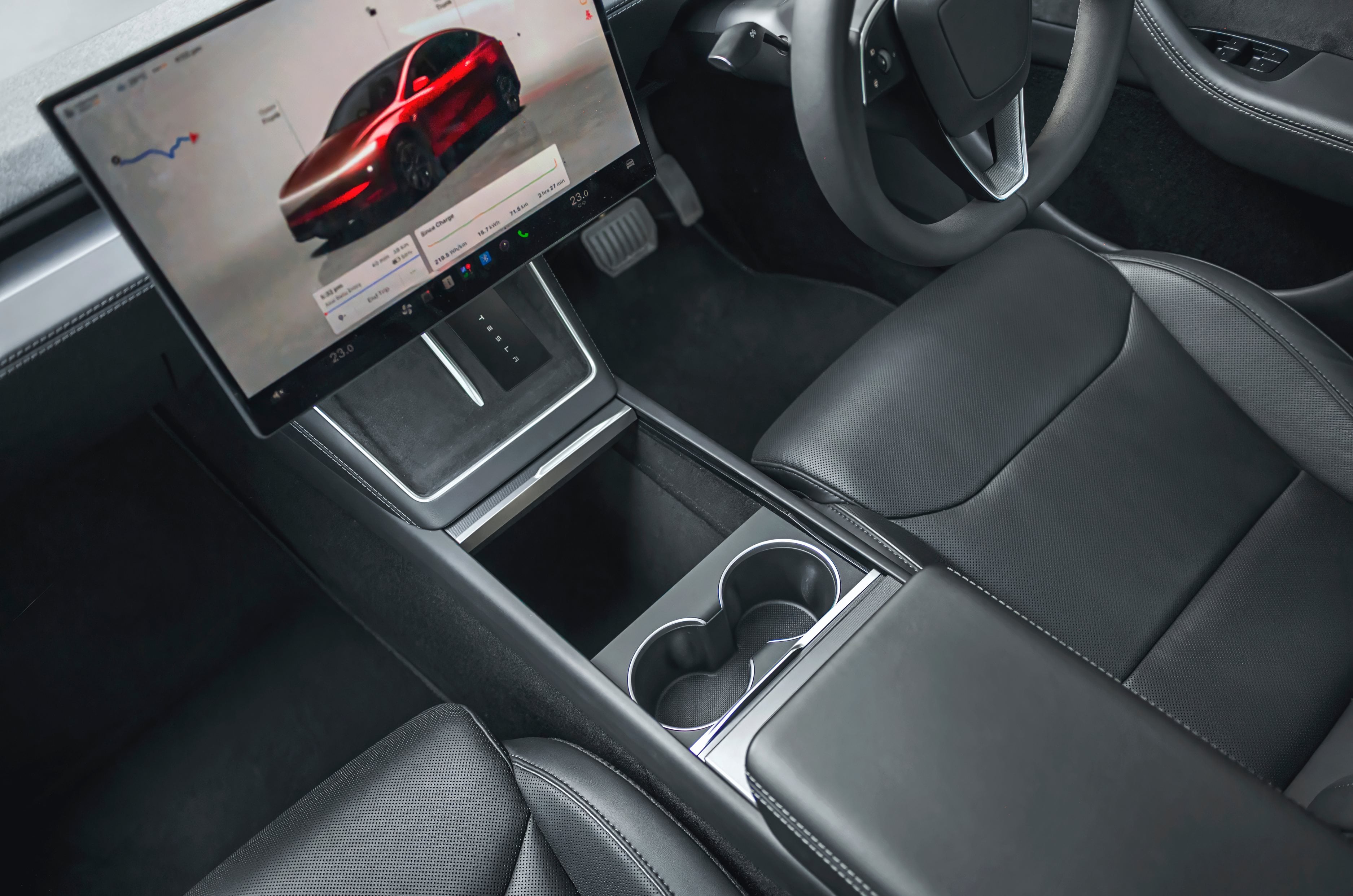
Practical cabin features a large storage box in the centre, cup holders, two wireless phone chargers, and space under the centre armrest.
Up front, the cabin retains Tesla’s familiar minimalist layout. A large central touchscreen dominates the dashboard, with very few physical controls to interrupt the clean design. This extended model gets a textured finish on top of the dashboard, but the overall layout remains largely unchanged. It also remains a practical place, with a large cubby space in the centre console, storage under the centre armrest, multiple cupholders and seat back pockets.
Model Y Features and Safety – 7/10
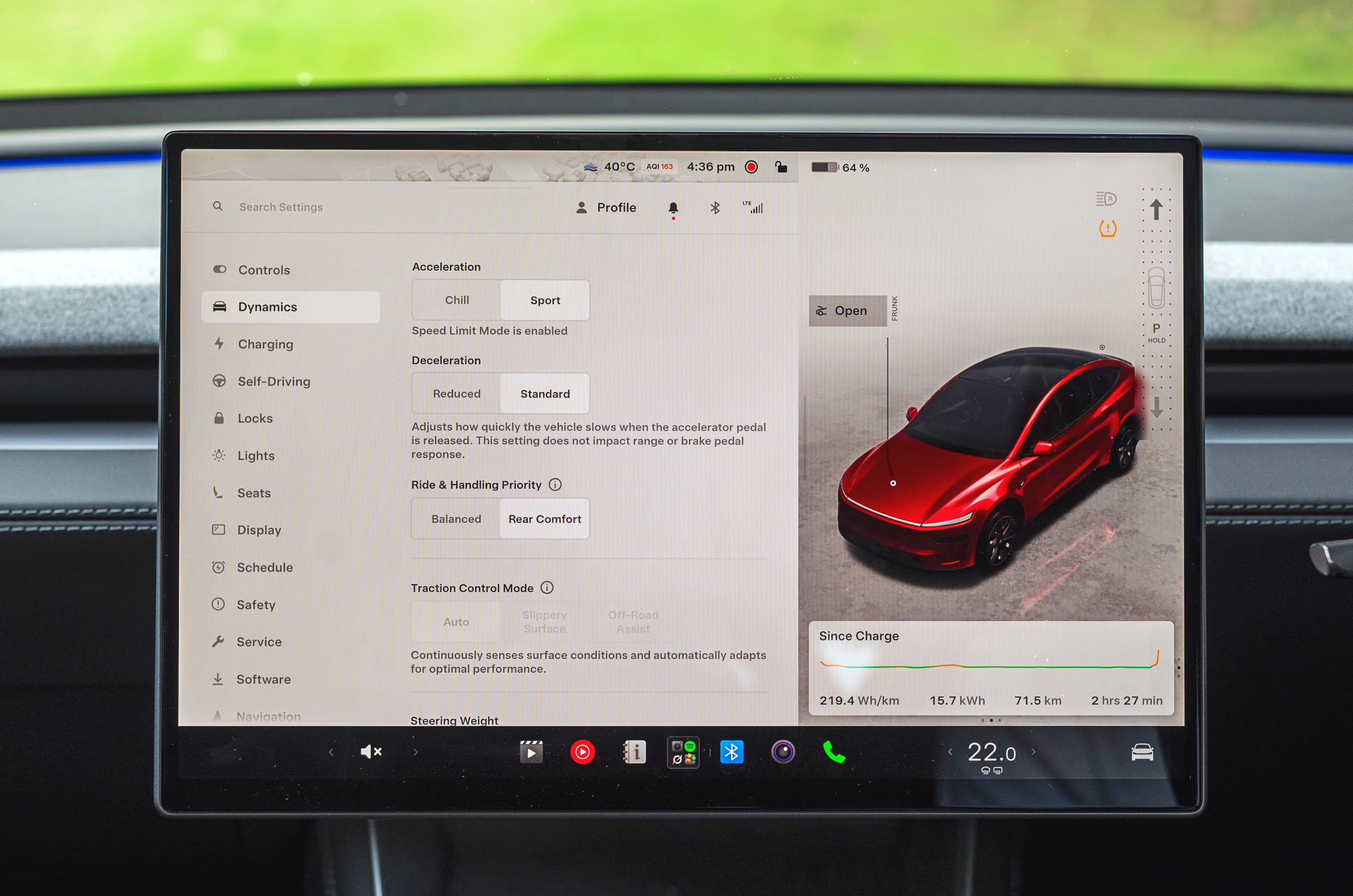
Y L gets a Sport drive mode and two settings for the new adaptive dampers.
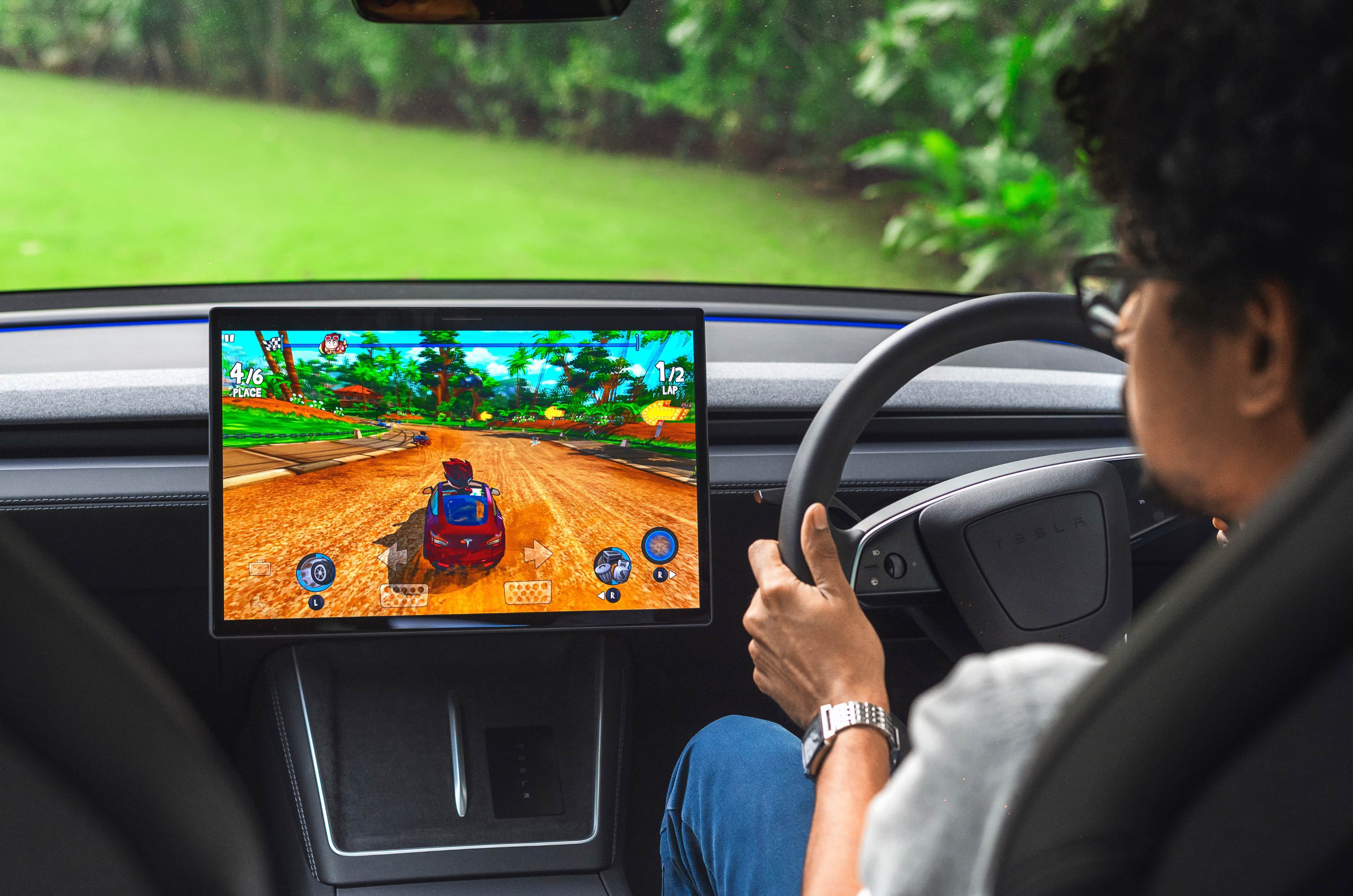
Technology has always been central to Tesla’s appeal, and the Model Y L continues with that approach. Apart from the aforementioned 8-inch rear screen, the main party piece of this car is the central 16-inch touchscreen. This screen is easily one of the best in the business in terms of resolution and responsiveness.
16-inch touchscreen is one of the sharpest around and packs in the typical Tesla quirks and features.
The screen is slick and feature-packed, but the reliance on it for everyday functions remains a usability compromise. Adjusting climate settings and accessing basic vehicle functions like adjusting the mirrors and opening the frunk require navigating menus, which isn’t as intuitive as using dedicated switches. It looks modern and gives the cabin a clean appearance, but a little more emphasis on straightforward ergonomics wouldn’t hurt.
8-inch rear screen is just as slick and can bes used to play videos and control other functions.
But thankfully, you do get the Grok AI assistant as a part of the package which can pretty much do everything for you right from setting the AC, to setting the navigation, finding a charger and much more. It can converse in multiple languages and also constantly learns more about you, so it’s said to get more intuitive as you spend more time with it.
Other features include a panoramic glass roof, dual wireless phone chargers, multi-colour ambient lighting, a superb sounding audio system with 18 speakers and a subwoofer, heated/ventilated and powered front two rows of seats, heated third row seats, all LED lights and so much more. There’s also connected-car tech, and as with any Tesla it gets over-the-air updates, so the car is constantly improving without the need to visit a service centre.
Tinted glass roof helps the cabin feel airy but no sunshade means it heats up quickly as well.
Safety equipment includes nine airbags and a suite of driver-assistance features, including lane-departure warning, lane-keeping assist and blind-spot monitoring. The car also has high-resolution cameras all around it which provide a great view of the surroundings, although Tesla’s more advanced Autopilot capabilities remain absent in India.
The technology is impressive, but the screen-centric interface requires some acclimatisation. Some buyers may find the learning curve frustrating, especially while driving. But for the tech-savvy buyers the Y L is aimed at, they will find this approach very appealing.
Model Y Performance and Refinement – 9/10
Dual-motor, all-wheel-drive powertrain puts out over 500hp and does 0-100kph in a claimed 5 seconds.
The Model Y L is offered in India with a dual-motor all-wheel-drive setup, unlike the rear-wheel-drive only Model Y variants. Tesla does not officially list powertrain specifications, but it has an estimated combined system output of 514hp and 590Nm and the brand claims a 0-100kph time of 5 sec and a top speed of 201kph. We did a quick acceleration test and managed a 0-100kph time of 5.02sec, though we couldn’t test the top speed as our car was electronically limited to 120kph. For a family crossover which is estimated to weigh over two tonnes, the performance is properly brisk. Expectedly, acceleration feels very potent and as typical of any high-performance EV, the Model Y L pins you back into the seat. However, there is a certain progression to the power delivery and the added traction of the all wheel drive setup makes it feel manageable and not overwhelming. There’s also two drive modes, Chill and Sport, the latter of which is exclusive for the Y L. And they have a corresponding effect on the response of the powertrain, with Sport obviously feeling much more immediate.
The added performance also makes overtaking on highways and closing gaps in traffic particularly effortless, as is reflected in the rolling acceleration figures. 20-80kph takes 2.85sec while 40-100kph is dispatched in just 2.94sec.
As with the standard Model Y, the Model Y L also impresses with its refinement. The cabin is superbly insulated from the outside world, thanks in part to the double glazed windows, with barely any road, tyre and wind noise filtering through into the cabin.
Model Y Mileage / Range and Efficiency – 7/10
Tesla Supercharger is said to add up to 288km of range in 15 mins; has a WLTP-rated range of 681km.
Tesla claims a WLTP range of 681km, from the Model Y L’s 88kWh (estimated) NMC battery pack. That’s more than the standard RWD Model Y, for reference. It can also add up to 288km of range in 15 minutes when connected to a Tesla Supercharger, according to the company. Speaking of which, the electric crossover is capable of accepting up to 250kW on DC fast charging and 11kW on AC charging. As always, real world range will depend on driving conditions, speed, weather and other factors.
Model Y Ride Comfort and Handling – 7/10
Adaptive dampers and longer wheelbase does make the Y L feel more settlled than the standard Model Y.
The standard Model Y’s ride and handling package is competent, although its low-speed ride is noticeably firm, especially on uneven surfaces. Tesla has made changes to the L’s suspension, equipping it with adaptive dampers in a bid to improve comfort and body control.
This is a particularly relevant upgrade for a longer, heavier vehicle designed to carry more passengers. As with everything else, this is also controlled via the touchscreen with two settings available – Balanced and Rear Comfort. The latter softens things down and gives it a slightly plusher feel, while the former represents a good middle ground between ride comfort and handling. Even though the difference in the modes isn’t that great, the Y L does feel more composed over broken roads and avoids transmitting as much movement into the cabin as the Standard Model Y.
The longer wheelbase also helps the car feel a bit more settled at speed, although manoeuvring in confined spaces is more cumbersome, and this is particularly amplified thanks to the rather poor turning circle. Like the standard Model Y’s, the Y L’s steering is light and easy to use, but it isn’t particularly feelsome. There’s also three modes for the steering, which progressively add more weight. The handling too is more competent and predictable rather than entertaining. It doesn’t feel as agile as the Model Y but body movements do seem better controlled thanks to the adaptive dampers.
There’s two levels of regenerative braking – Standard and Reduced. Standard is the stronger setting and best for use in the city as it almost functions like a one-pedal mode while Reduced is for highway use as it allows for some coasting.
Model Y Value for Money – 7/10
The Model Y L is for those who want a spacious, quick, refined, and cutting-edge premium EV for the family.
Priced at Rs 61.99 lakh (ex-showroom), the Tesla Model Y L makes for a more compelling case than the standard Model Y despite costing 10 lakh more. It still costs a fair bit more than its most direct rivals, the BMW iX1 LWB and the BYD Sealion 7, but the Y L is more spacious with more seats. The Model Y L does have its compromises though. It’s over reliant on the touchscreen for even basic functions and the large glasshouse means the cabin heats up easily. The larger dimensions, poor turning circle, low ground clearance and long wheelbase also means it is more challenging to maneuver in the city and while parking.
But it brings a lot more to the table too. There’s more cabin space, the added versatility of a third row, a more potent dual-motor powertrain with all-wheel-drive and a higher claimed range as well. And it retains its strengths of being featured-packed, with excellent refinement and massive cargo space. Tesla says that buyers are now preferring to opt for the Y L over the Model Y considering all the additional things it brings, and that really doesn’t come as a surprise. So for buyers who want a spacious, quick, refined and cutting-edge electric crossover for the family, the Tesla Model Y L fits the bill perfectly.
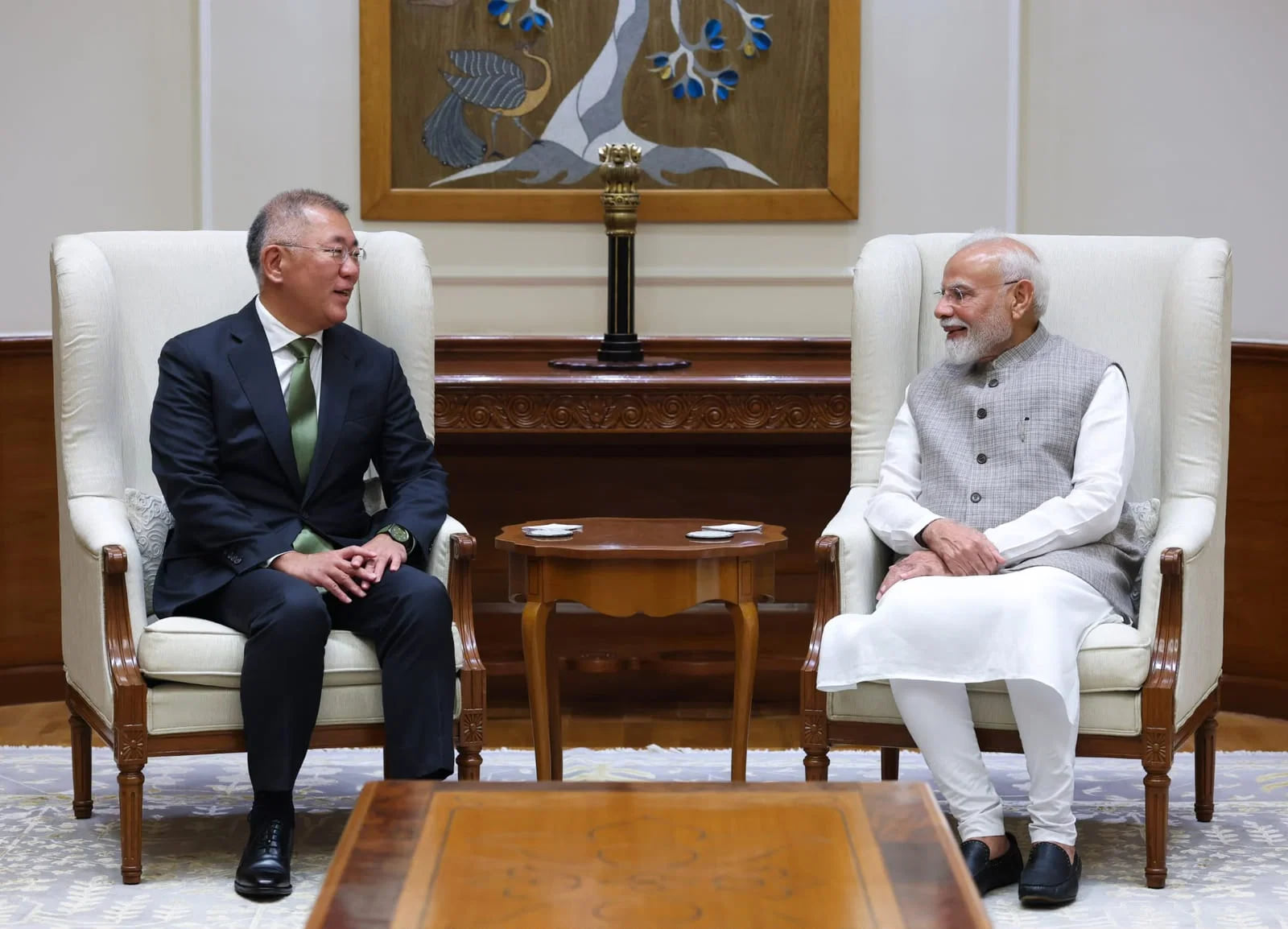
Hyundai has announced plans to invest USD 15.5 billion in India between 2026 and 2032. The investment will cover research and development, manufacturing capacity, local supplier development and businesses such as electric vehicle charging and automotive financing. The announcement follows a meeting between prime minister Narendra Modi and Hyundai Motor Group executive chair Euisun Chung in New Delhi on October 13.
“India remains one of Hyundai Motor Group’s most important and strategic markets globally. The past 30 years have been defined by our commitment to India. This investment reaffirms our commitment to India for the next 30 years and beyond,” Chung said.
Hyundai investment: R&D and manufacturing plans
The company plans to invest around USD 700 million in its Indian R&D centre, including a vehicle testing track. The investment is intended to expand engineering facilities and support the development of automotive technologies and local talent.
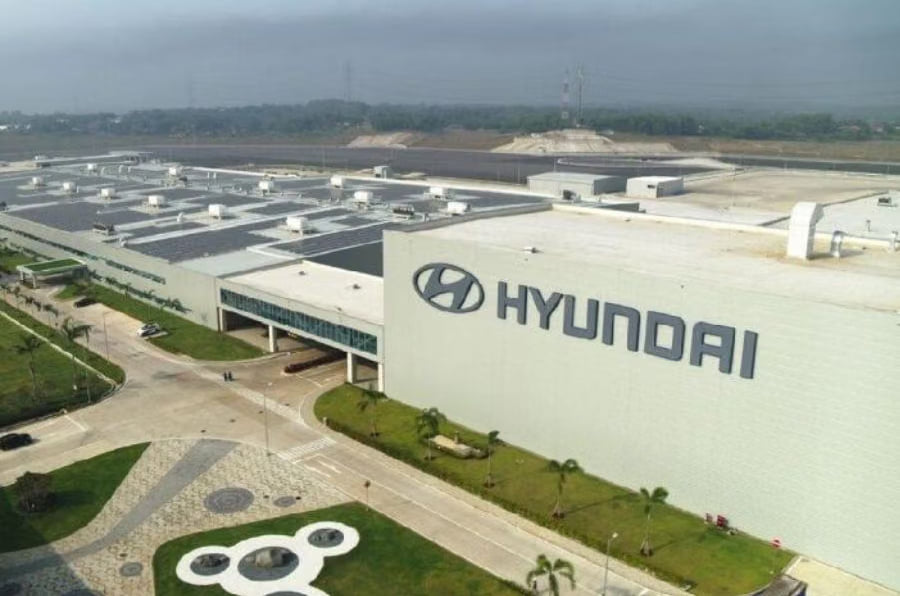
The group also plans to increase manufacturing capacity across Hyundai and Kia. Their combined annual production capacity in India currently exceeds 1.4 million vehicles, across Hyundai’s facilities in Chennai and Pune, and Kia’s plant in Anantapur.
Capacity at Hyundai’s Pune facility is scheduled to increase in phases. The group is also assessing a third manufacturing location to meet its longer-term requirements.
Our sister publication, Autocar Professional reported on September 29 that Chhatrapati Sambhaji Nagar in Maharashtra and Sanand in Gujarat were among the locations under consideration. According to people familiar with the plans, the proposed facility could eventually add around 500,000 units of annual capacity, with investment potentially exceeding USD 2 billion over time. The plant could come up around 2030, with capacity added in phases over five to seven years. The October 13 announcement did not confirm the location, investment schedule or additional capacity.
The company will also invest in local suppliers and regional partners to increase parts localisation and strengthen its supply chain. It plans to establish a dedicated investment entity in India to oversee the programme and identify suppliers, technology partners and investment opportunities.
Hyundai to explore new mobility businesses
Beyond vehicle manufacturing, Hyundai Motor Group plans to explore automotive financing, EV charging infrastructure and end-of-life vehicle recycling. It also intends to support promising start-ups and expand into mobility services linked to its vehicle business.
Hyundai is developing electric three-wheelers with TVS Motor Company under a joint development agreement. The partnership is aimed at commercialising electric three-wheelers for India and other markets.
The group said the investment programme is expected to create employment in manufacturing, R&D, engineering and supply chains, including through suppliers and new mobility businesses. It currently employs more than 24,000 people across India.
Hyundai Motor Group has not disclosed how the USD 15.5 billion investment will be divided between Hyundai and Kia, or how much will be allocated to individual projects.
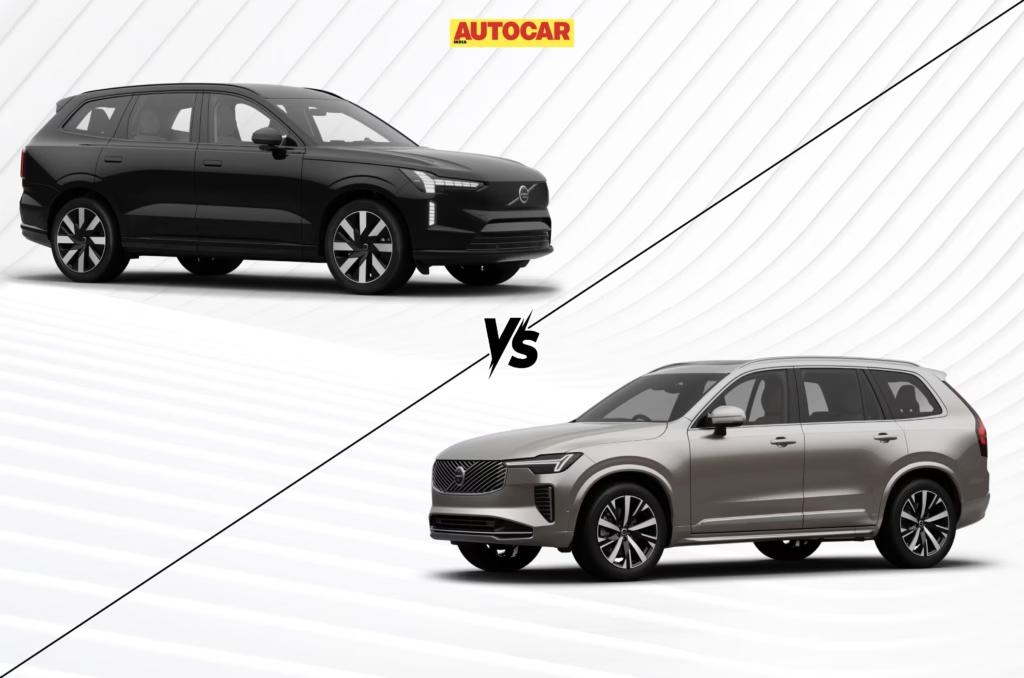
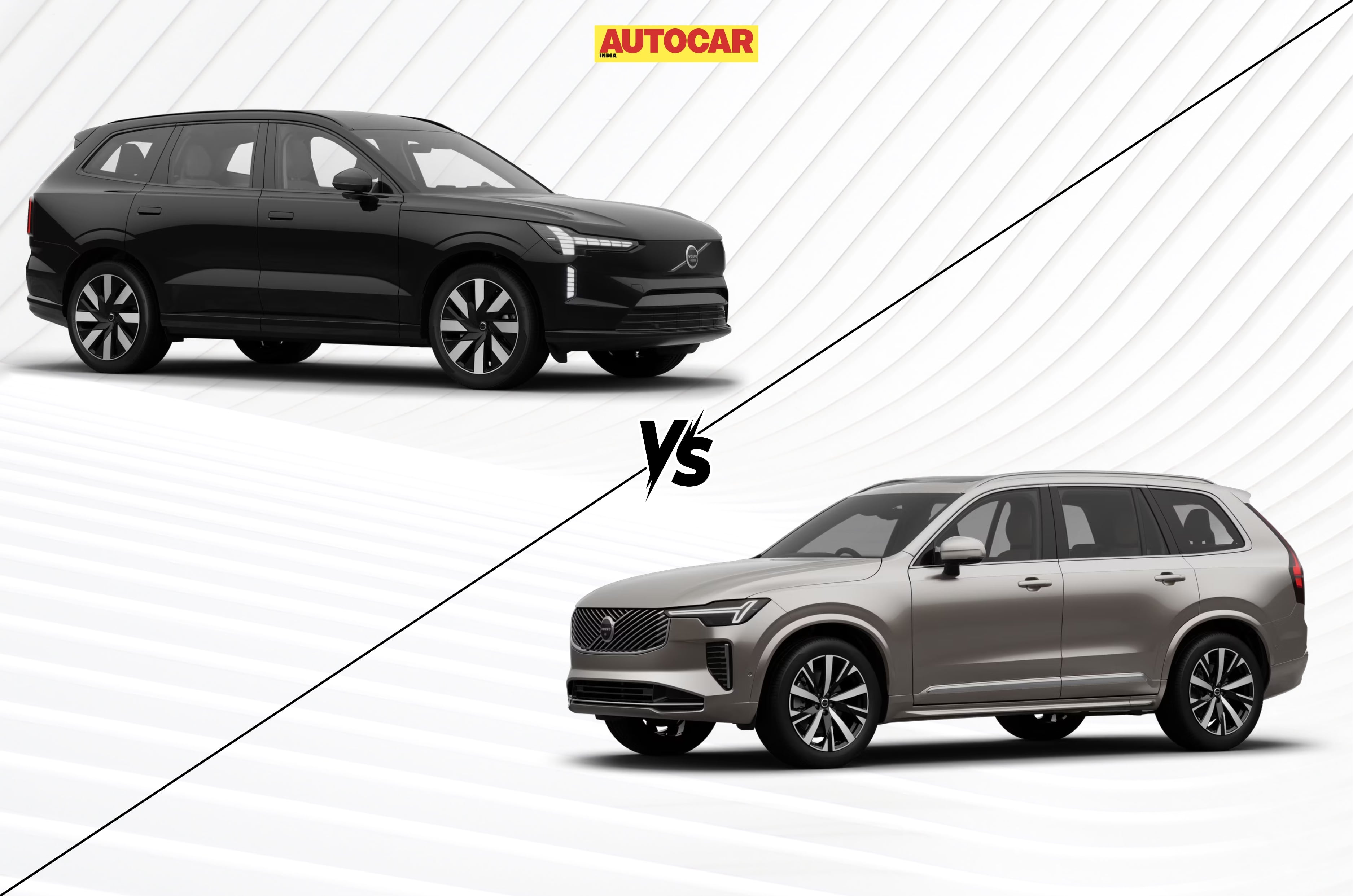
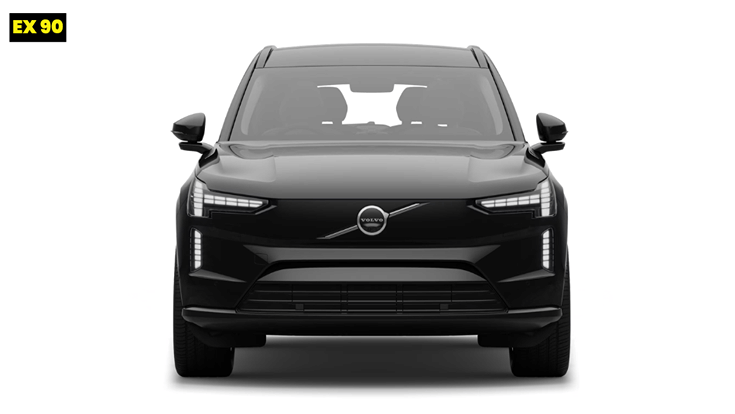
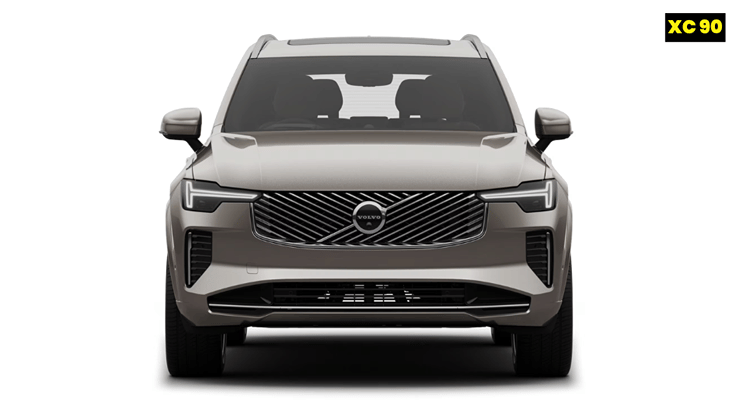
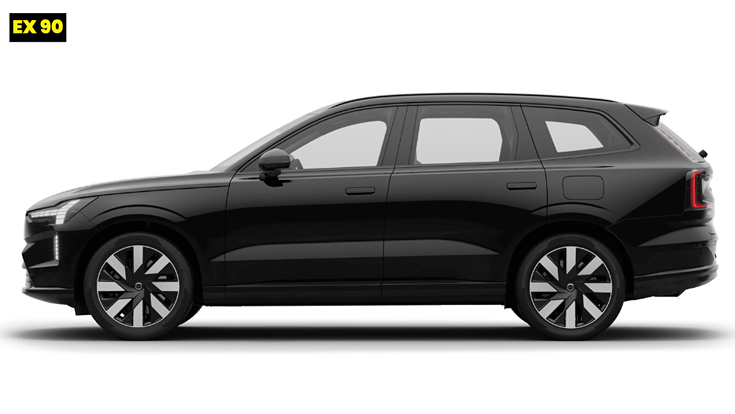
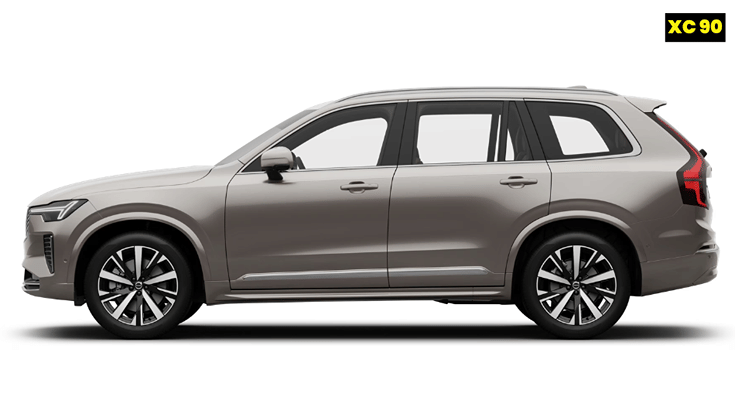
Volvo India launched the EX90, its flagship electric SUV, in October 2026. It serves as an electric alternative to the XC90, the carmaker’s flagship ICE SUV. While the two models differ in their powertrains, they also vary in pricing, exterior design, interior features and more. Here is how the two Volvo SUVs compare.
Volvo EX90 vs XC90: Exterior
The EX90 has a simpler front design, with a closed-off grille, and vertical lighting elements on either side of the bumper. In comparison, the Volvo XC90 gets a more traditional front fascia with a prominent grille and a slightly different bumper. Both get hammer-shaped LED DRLs, though the ones on the EX90 have a pixel-like design. Also, main headlamps are hidden behind the DRLs on the EV.
In profile, the EX90 features electrically operated flush-fitting door handles and a gently sloping rear roofline. In comparison, the Volvo XC90 opts for manual pull-type door handles and a slightly more upright stance. Both SUVs feature blacked-out B-pillars, sculpted wheel arches devoid of cladding and roof-mounted spoilers. While the XC90 has a chrome outline around the glass area, the EV skips it.
Speaking of dimensions, the Volvo EX90 is 5,037mm long, 1,964mm wide and 1,744mm tall. This makes the EV 84mm longer and 33mm wider, but 27mm lower than the XC90. Both SUVs have an almost identical wheelbase, with the EX90’s 2,985mm wheelbase being just 1mm longer. It also gets larger 21-inch wheels, compared to the XC90’s 20-inch wheels.
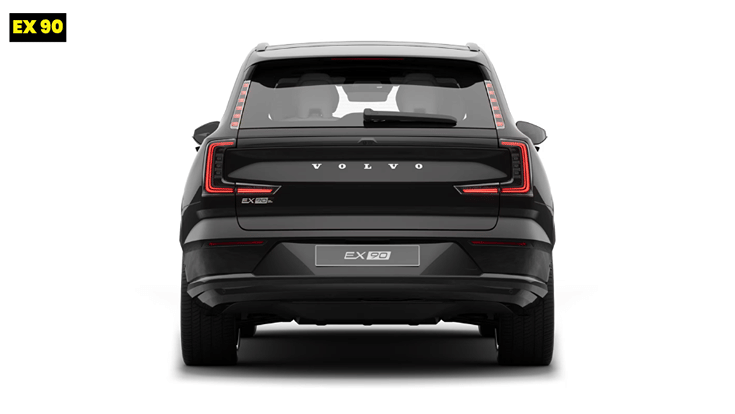
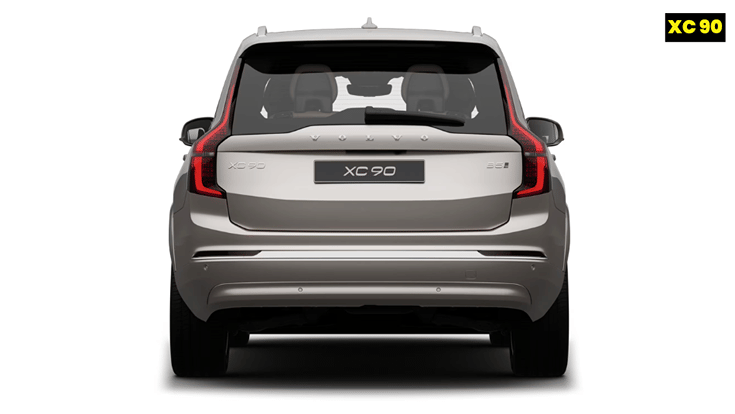
Both SUVs feature slim vertical LED lights along the sides of the rear windscreen, although their designs differ slightly. The tail-lamps also have different designs, while the ‘VOLVO’ lettering is positioned on different locations on the tailgate. The rear bumper designs vary as well.
Volvo EX90 vs XC90: Interior and features
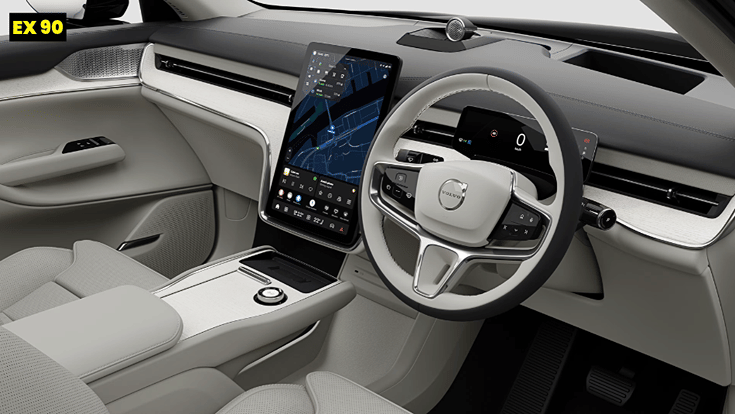
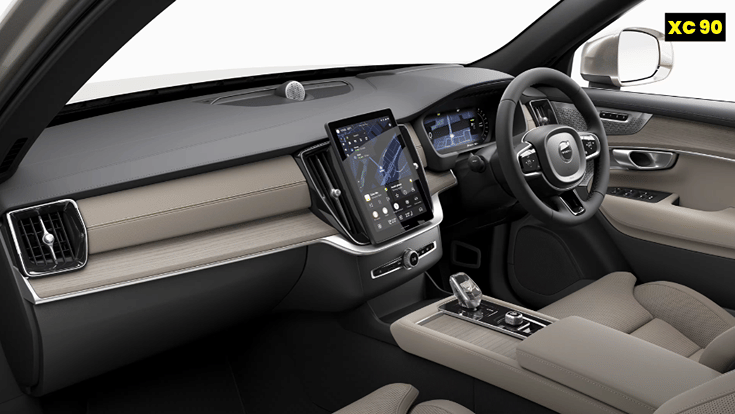
Both the Volvo XC90 and EX90 get air suspension, a 360-degree camera setup, an ADAS suite, four-zone climate control and an onboard air purifier. Both also feature front-seat heating, ventilation and massage functions, and a Bowers & Wilkins audio system. However, the XC90 has 19 speakers, while the EX90 gets 25 speaker units. Middle row seats don’t get heating, ventilation or massage functions on either SUV.
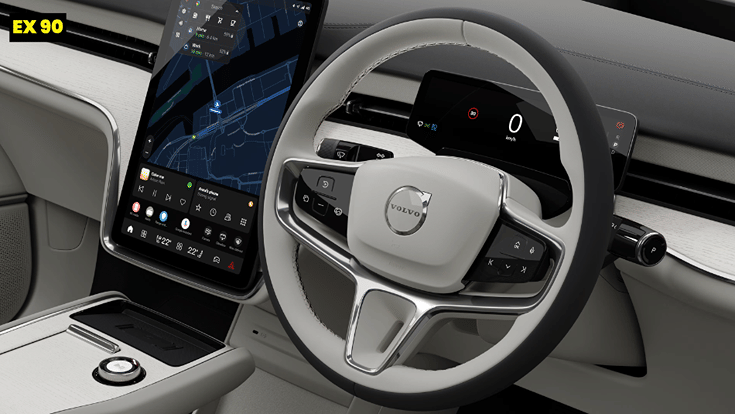
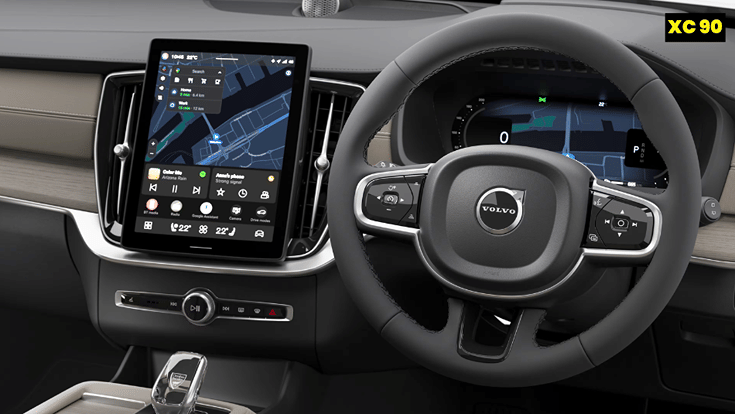
While both get vertically oriented touchscreens, they differ in sizes – 11.2 inches on the XC90 and 14..5 inches on the EX90. Some physical control have been provided on the XC90 under the touchscreen, while its electric counterpart does not feature them. The design for the steering wheel also differs in both cars. Also, the XC90 gets a panoramic sunroof, while the EX90 has an electrochromic glass roof, whose tint can be changed from the central touchscreen.
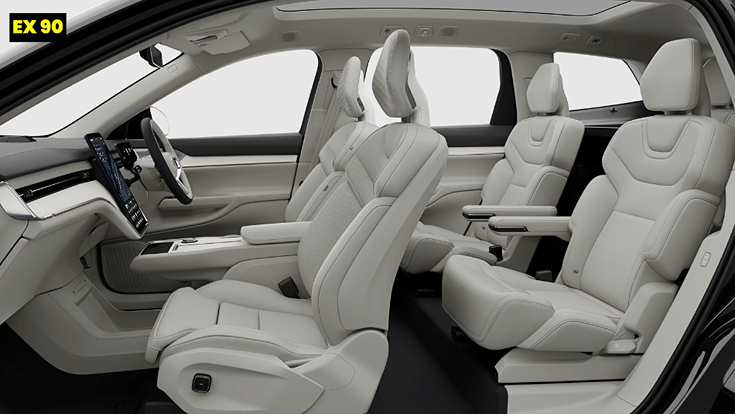
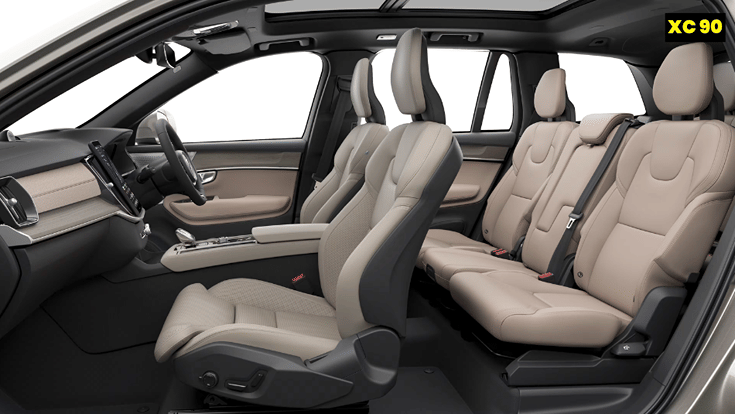
As for the seating capacity, the EX90 is on offer in a six seater configuration, featuring captain seats in the middle row. Meanwhile, the XC90 is a seven-seater SUV. Two interior colour options – Cardamom and Blond – are available with the XC90, while the EX90 is sold with one colour – Dawn. The XC90’s boot capacity with all seats up is 302 litres, while the EX90 claims 324 litres; the EV also gets a 46 litre frunk.
Volvo EX90 vs XC90: Powertrain
The India-spec EX90 comes with a 106kWh battery pack, which powers a dual electric motor setup. Combined output is 456hp and 670Nm, with a claimed 0-100kph sprint time of 5.5 seconds. Claimed range stands at 625km on the WLTP cycle.
On the other hand, the XC90 features a 2.0-litre, four-cylinder, turbocharged petrol engine with support from a 48V mild-hybrid system. Peak power is 250hp and max torque is 360Nm, which is 206hp and 310Nm less relatively. Its 0-100kph sprint time of 7.94 seconds is slower by 2.44 seconds.
Volvo EX90 vs XC90: Prices
EX90
XC90
Price difference
Price (Rs)
1.26 crore
98.80 lakh
27.20 lakh
At Rs 1.26 crore, the Volvo EX90 is the more expensive model in this comparison, costing Rs 27.20 lakh more. Beyond the price difference, the two models mainly differ in their powertrains and peak power outputs, while differences in their exterior and interior features are relatively less. The choice between them will depend on factors such as the buyer’s driving requirements, family size and performance.
Ex-showroom prices mentioned above are as on October 13, 2026.
Hero Motors Q2 Results: ऑटो कंपोनेंट बनाने वाली Hero Motors का दूसरी तिमाही में मुनाफा दोगुने से ज्यादा बढ़ गया। कंपनी ने मंगलवार, 13 अक्टूबर को नतीजे जारी किए। यह पिछले महीने लिस्टिंग के बाद कंपनी का पहला रिजल्ट है। जुलाई-सितंबर तिमाही में कंपनी को ₹10.2 करोड़ का नेट प्रॉफिट हुआ। पिछले साल इसी तिमाही में यह ₹4.73 करोड़ था। यानी मुनाफे में करीब 115% की बढ़ोतरी हुई।
कंपनी का रेवेन्यू भी 24.9% बढ़कर ₹319.3 करोड़ हो गया। पिछले साल इसी तिमाही में यह ₹255.7 करोड़ था। वहीं, EBITDA 92% बढ़कर ₹35.9 करोड़ पहुंच गया। एक साल पहले यह ₹18.7 करोड़ था। EBITDA मार्जिन में भी सुधार हुआ। यह पिछले साल के 7.3% से बढ़कर 11.3% हो गया। यानी कंपनी की कमाई का मार्जिन बेहतर हुआ है।
ब्रिटेन की कंपनी में हिस्सेदारी बढ़ाएगी
Hero Motors अपनी सब्सिडियरी कंपनी Hewland Engineering में हिस्सेदारी बढ़ाने जा रही है। कंपनी इसके मौजूदा शेयरधारकों William Hewland और Siobhan Hewland से 39% अतिरिक्त हिस्सेदारी खरीदेगी। इस सौदे पर करीब 6 लाख पाउंड खर्च होंगे।
इस खरीद के बाद Hewland Engineering में Hero Motors की हिस्सेदारी 51% से बढ़कर 90% हो जाएगी। सौदे के तहत £1 की कीमत वाले 8,039 शेयर खरीदे जाएंगे। कंपनी को उम्मीद है कि यह सौदा करीब छह महीने में पूरा हो जाएगा। इसके लिए किसी सरकारी या नियामकीय मंजूरी की जरूरत नहीं है।
क्या काम करती है Hewland Engineering?
Hewland Engineering ब्रिटेन की कंपनी है। इसकी शुरुआत 29 मई 1957 को हुई थी। यह हाई-परफॉर्मेंस गाड़ियों के ट्रांसमिशन और ड्राइवट्रेन से जुड़े पार्ट्स बनाती है। कंपनी मोटरस्पोर्ट, इलेक्ट्रिक गाड़ियों और एयरोस्पेस सेक्टर के लिए भी काम करती है। इसके अलावा, यह ग्राहकों की जरूरत के हिसाब से इंजीनियरिंग समाधान तैयार करती है और रिसर्च पर भी पैसा खर्च करती है।
Hero Motors का कारोबार
Hero Motors ऑटोमोबाइल कंपनियों के लिए पावरट्रेन से जुड़े प्रोडक्ट बनाती है। कंपनी इनकी डिजाइनिंग से लेकर मैन्युफैक्चरिंग और सप्लाई तक का काम करती है। इसका कारोबार भारत के अलावा अमेरिका, यूरोप और आसियान क्षेत्र में भी फैला है।
कंपनी दोपहिया गाड़ियों, इलेक्ट्रिक साइकिल, ऑफ-रोड गाड़ियों, इलेक्ट्रिक और हाइब्रिड कारों के लिए प्रोडक्ट बनाती है। भारी गाड़ियों के लिए भी इसके पास सॉल्यूशंस हैं। BMW, Ducati, Enviolo, Formula Motorsport, Hummingbird EV और HWA जैसी कंपनियां इसकी ग्राहक हैं।
Hero Motors का शेयर मंगलवार को NSE पर 0.82% गिरावट के साथ ₹154.44 पर बंद हुआ। हालांकि, स्टॉक अभी भी अपने आईपीओ प्राइस से करीब 56.95% ऊपर है।
Disclaimer: यहां मुहैया जानकारी सिर्फ सूचना के लिए दी जा रही है। यहां बताना जरूरी है कि मार्केट में निवेश बाजार जोखिमों के अधीन है। निवेशक के तौर पर पैसा लगाने से पहले हमेशा एक्सपर्ट से सलाह लें। मनीकंट्रोल की तरफ से किसी को भी पैसा लगाने की यहां कभी भी सलाह नहीं दी जाती है।