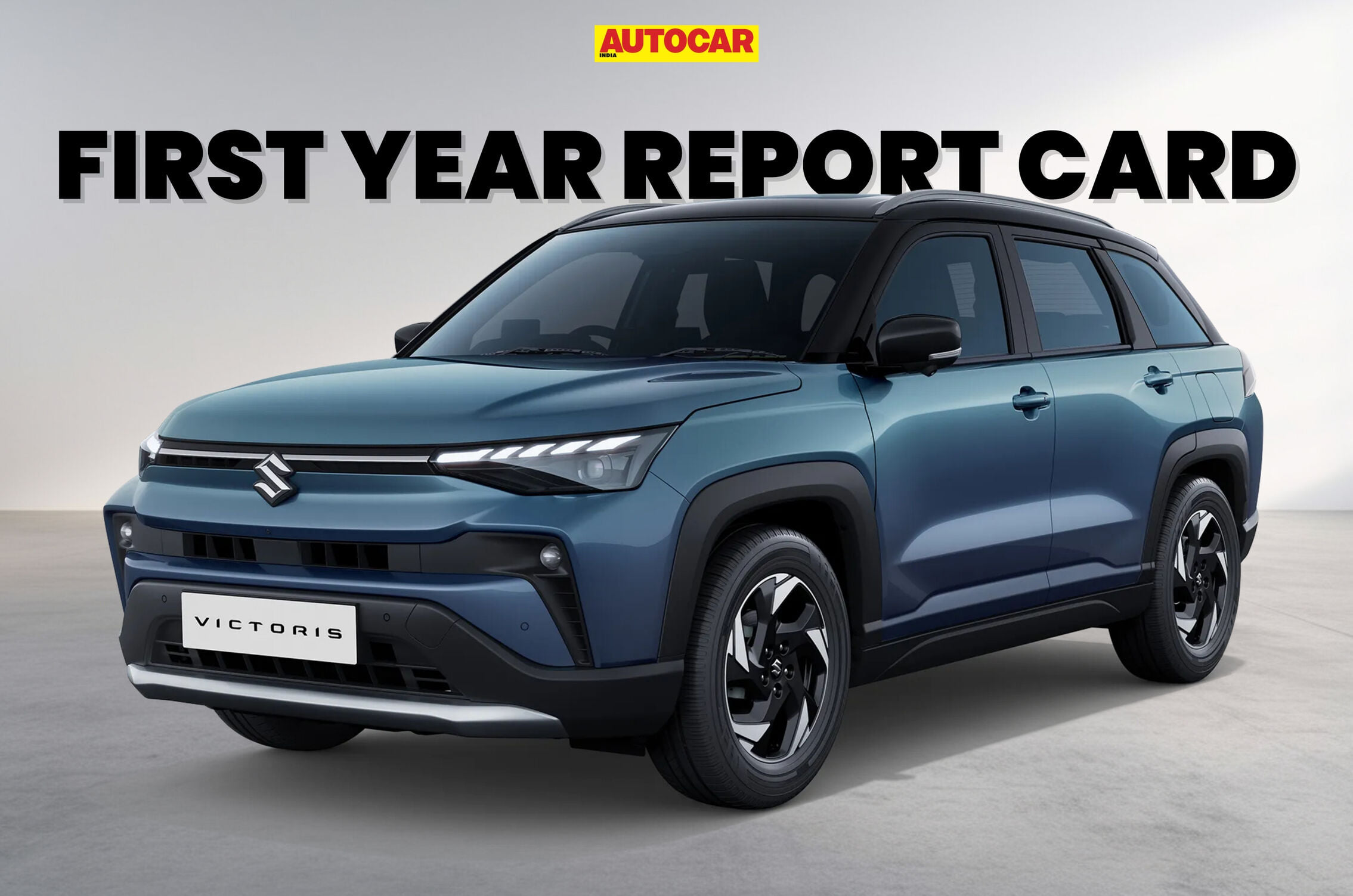
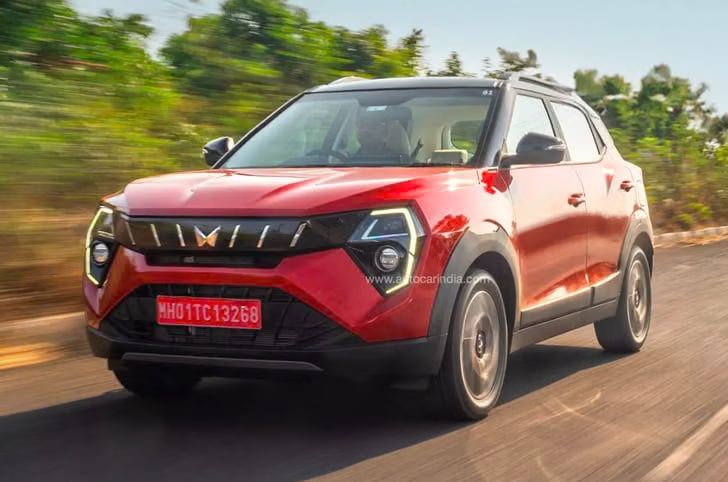
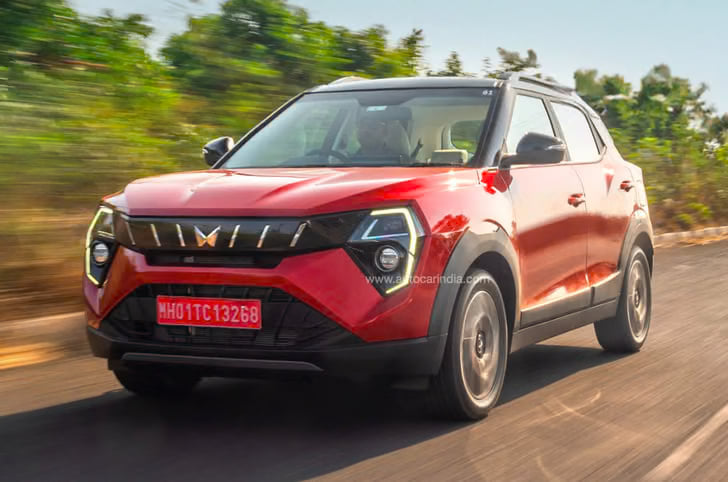
Maruti Suzuki introduced the Victoris SUV on September 15, 2026, as its second mid-size SUV. With the Victoris, Maruti aimed to capture a larger share of the mid-size SUV segment by retailing it through its widespread Arena dealership network, in contrast to its Nexa-sold stablemate, the Grand Vitara. The Victoris shares its platform and engines with the Grand Vitara but sports a distinct exterior design. Additionally, it introduced features such as an underbody-mounted CNG tank and became the first Maruti model to feature a Level 2 ADAS suite.
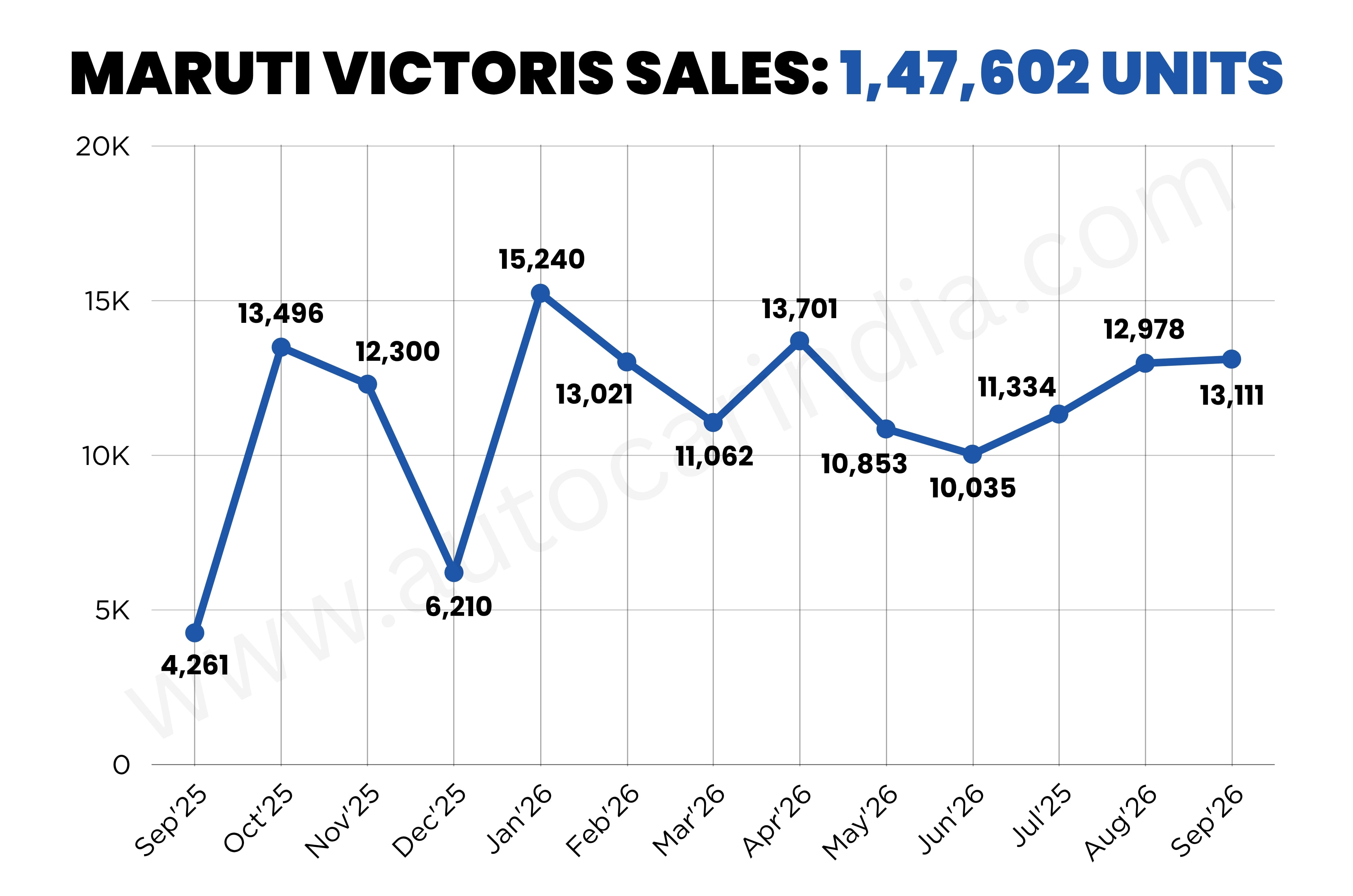
Victoris records 1,47,602 units in total sales in its first year.
Prices have increased/decreased for select variants; still range between Rs 10.5 lakh and Rs 19.99 lakh.
No variant rejigs took place in its first year.
Maruti Victoris sales
In its first year since launch, the Maruti Suzuki Victoris recorded sales of 1,47,602 units, averaging roughly 12,300 units per month. Monthly volumes began at 4,261 units in September 2025 and rose quickly to 13,496 units in October 2025. Following a minor dip to 12,300 units in November 2025, sales dropped by nearly half in December 2025. Peak sales were recorded in January 2026 at 15,240 units, after which the SUV maintained steady monthly volumes ranging between 10,000 and 13,000 units.
Despite launching after the Grand Vitara, the Victoris achieves higher monthly sales figures, largely supported by Maruti Suzuki’s wider Arena dealership network. Notably, the SUV crossed the 1-lakh sales milestone within eight months of launch—outpacing the Grand Vitara to reach this mark.
Maruti Victoris variant -wise price
Variant
Price now (Rs lakh)
Price at launch (Rs lakh)
1.5 LXi
10.50
10.50
1.5 LXi CNG
11.55
11.50
1.5 VXi
11.85
11.80
1.5 VXi AT
13.41
13.36
1.5 VXi CNG
12.90
12.80
1.5 VXi strong hybrid eCVT
16.43
16.38
1.5 ZXi
13.62
13.57
1.5 ZXi AT
15.18
15.13
1.5 ZXi CNG
14.66
14.57
1.5 ZXi strong hybrid eCVT
18.00
17.80
1.5 ZXi(O)
13.69
14.08
1.5 ZXi(O) AT
15.25
15.64
1.5 ZXi(O) strong hybrid
18.43
18.39
1.5 ZXi+
15.39
15.24
1.5 ZXi+ AT
17.34
17.19
1.5 ZXi+ AT AWD
18.69
18.64
1.5 ZXi+ strong hybrid eCVT
19.52
19.47
1.5 ZXi+(O)
15.48
15.82
1.5 ZXi+(O) AT
17.43
17.77
1.5 ZXi+(O) AT AWD
19.27
19.22
1.5 ZXi+(O) strong hybrid eCVT
19.99
19.99
The Victoris is priced between Rs 10.50 lakh and Rs 19.99 lakh, and is offered in several variants. Depending on the variant, prices have increased by up to Rs 20,000 because of hikes by the carmaker due to a rise in input costs. However, select variants of the Victoris saw a price cut of up to Rs 39,000 in July 2026.
Maruti Victoris milestones
Within its first year in the market, Maruti hasn’t introduced or discontinued any of its variants. Additionally, the SUV has not been subject to any recalls.
Maruti Victoris specifications
The Victoris is offered with petrol, CNG, and strong-hybrid powertrains. The petrol and CNG versions use a 1.5-litre naturally aspirated engine: the former produces 103hp and 139Nm, while the latter outputs 88hp and 122Nm. Petrol variants feature a 5-speed manual or a 6-speed automatic transmission, with the automatic also available in an all-wheel-drive (AWD) configuration. CNG versions come exclusively with a 5-speed manual.
The strong-hybrid variant is powered by a 1.5-litre naturally aspirated Atkinson-cycle petrol engine producing 92hp and 122Nm, paired with an e-CVT. The system incorporates a 0.76 kWh battery and an electric motor generating 80hp and 141Nm, delivering a combined peak power output of 116 hp.
In terms of fuel efficiency, the claimed figures for the petrol manual, petrol automatic, and petrol AWD variants are 21.18kpl, 21.06kpl, and 19.07kpl, respectively. The strong-hybrid model leads with a claimed efficiency of 28.65kpl, while the CNG version delivers 27.02km/kg.
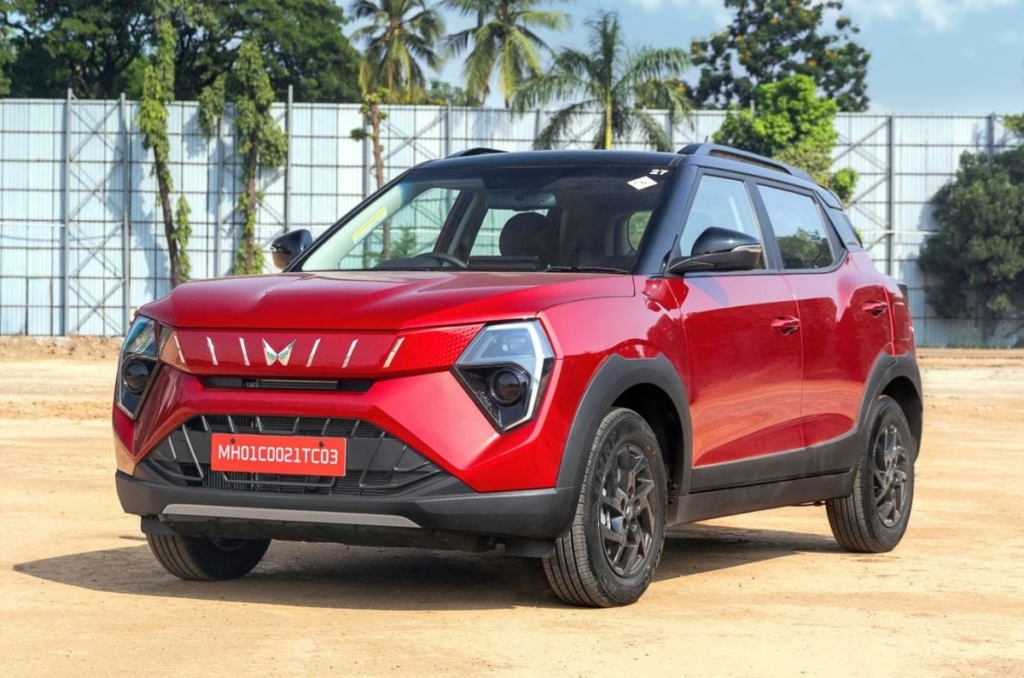
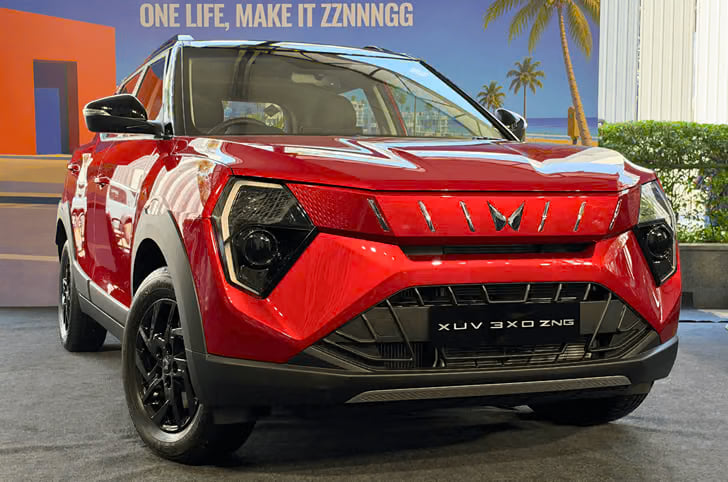
The Mahindra XUV 3XO ZNG takes on the Tata Nexon iCNG and the Maruti Brezza CNG in the CNG compact SUV space. Priced from Rs 9.99 lakh to Rs 12.27 lakh (ex-showroom), it carries a premium of Rs 1 lakh to Rs 1.2 lakh over the corresponding petrol versions. Before signing on the dotted line, here are the key strengths and weaknesses of this Mahindra SUV.
Reasons to buy the Mahindra XUV 3XO CNG
Strong performance on CNG
The XUV 3XO CNG loses none of its power when running on gas
The 1.2-litre MPFI (multi-point fuel-injected) turbo-petrol engine of the XUV 3XO CNG is the same unit found in the lower and mid-spec petrol trims. Here it develops 111hp and 200Nm in both petrol and CNG modes. While there’s some turbo lag below 2,000rpm, the engine pulls eagerly once it crosses that mark. This unit is also notable for its refinement and tractability, rarely requiring one to drop down to first gear, for going over speed breakers, for example.
Switching between petrol and CNG is seamless as well, and few would be able to tell which fuel the XUV 3XO ZNG is running on. While we’re yet to test it, Mahindra claims a mileage of 24.7km/kg for this compact SUV, translating to a theoretical range of 247km on CNG.
Comfy ride and tidy handling
Mahindra has retuned the suspension to accommodate the extra heft of the CNG kit
The CNG hardware adds around 100kg to the XUV 3XO’s kerb weight, with the majority of it being over the rear axle. Mahindra has reworked the suspension to compensate for this heft. The result is a slightly firm ride but one that deals with bad roads quite well.
Adding to the overall comfort here are the 16-inch wheels wrapped with high-profile tyres. These manage to cushion the cabin from sharp bumps. The XUV 3XO CNG rides better than most cars in its segment. What’s good is that this ride comfort doesn’t come at the cost of sloppy handling. In fact, this Mahindra SUV feels tight and planted around corners. The steering is direct and doesn’t require much effort, with drivers being offered three steering modes for flexibility.
Upmarket cabin
This cabin is just as plush as that of the petrol and diesel versions
A CNG switch next to the steering wheel aside, the cabin of the XUV 3XO CNG is identical to that of non-CNG versions. While it can’t be had in equally top-end trim levels, the CNG version is available with a dual-tone dashboard, gloss black accents and leatherette upholstery. Overall, there’s a feeling of good build that’s backed by a sense of premiumness. Meanwhile, the rear seat is quite roomy for the class and can accommodate three adults without much fuss.
The top-spec RevX A trim gets twin 10.25-inch screens, a panoramic sunroof and a 6-speaker audio system with Dolby Atmos. Mahindra says the CNG version is engineered to match the five-star Bharat NCAP safety rating of other combustion-powered XUV 3XO versions. Standard safety features here include 6 airbags, stability control, ISOFIX anchors and a reversing camera.
Reasons not to buy the Mahindra XUV 3XO CNG
Small boot
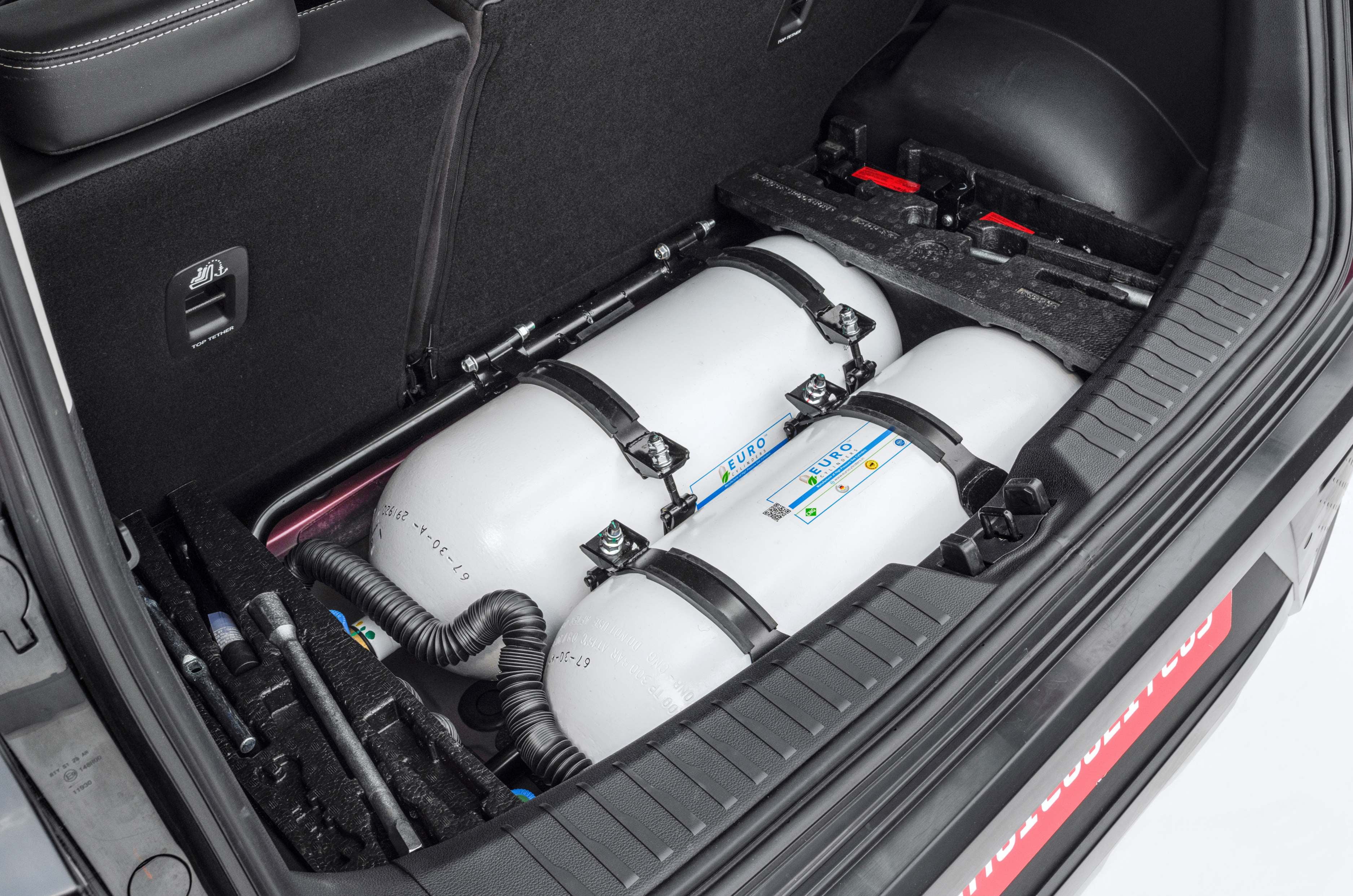
The twin-tank setup eats into what was already a small boot
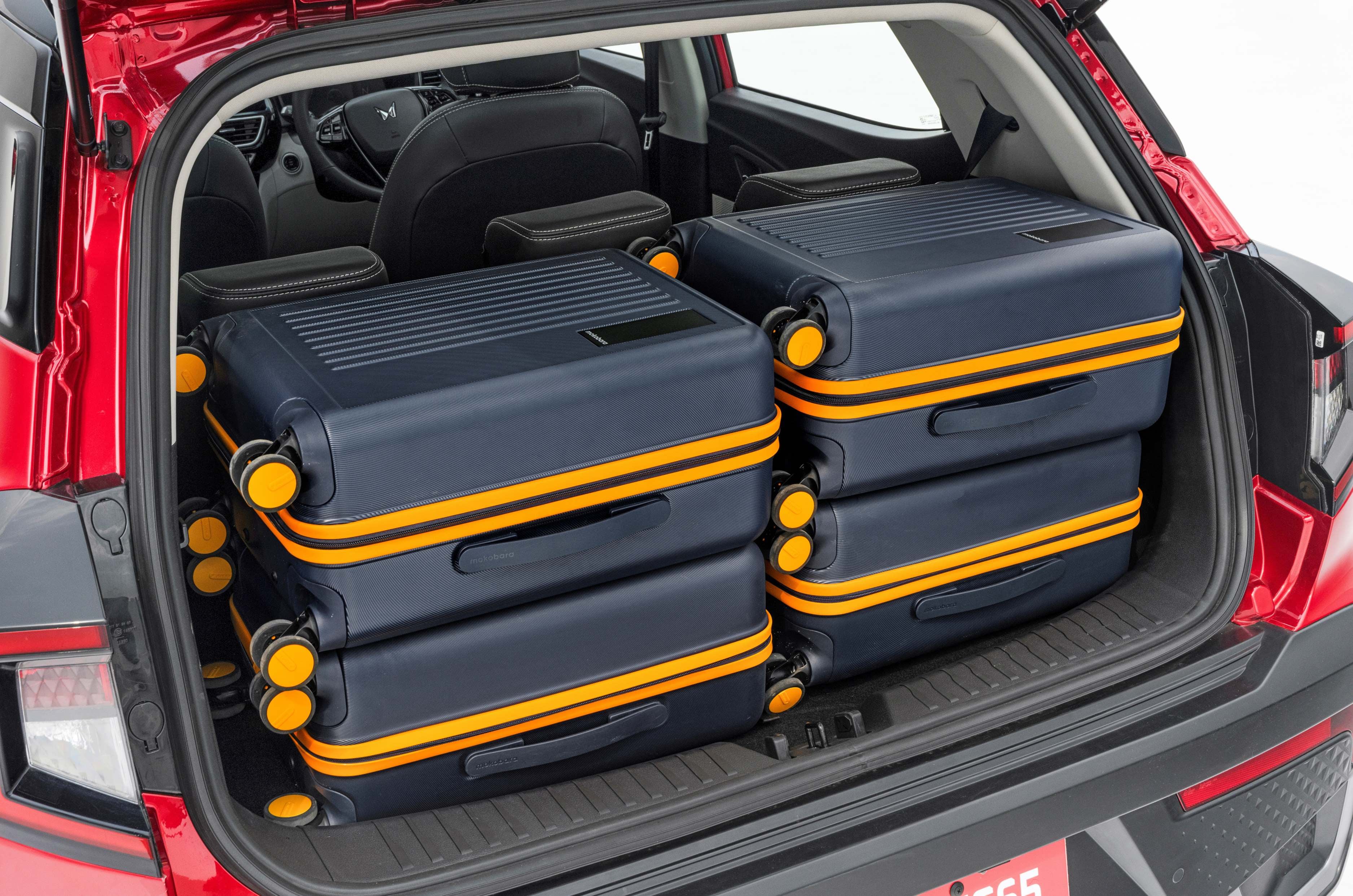
The 295-litre boot of the XUV 3XO was already the most compact in the segment. Despite moving the spare wheel under the car’s body and fitting the twin cylinders beneath the boot floor, the XUV 3XO CNG’s boot is even more compromised – offering just 270 litres of cargo space. It’s only its width that allows up to four cabin-sized bags to be stored.
Cabin niggles
The XUV 3XO CNG’s interior isn’t devoid of ergonomic flaws
While the black leatherette seats look sporty, they don’t get a ventilation function. This means that, on a bright sunny day, they will heat up quite quickly. If you’ve a larger build, the front seats of the XUV 3XO CNG will feel lacking in space. Adding to the ergonomic niggles is the steering wheel, which cannot be adjusted for reach, making it harder to find a comfortable driving position. Lastly, not only is the XUV 3XO CNG’s driver footwell cramped, there’s also no dead pedal.
Limited options
Customers get only mid-spec trim levels with the CNG version
The CNG version of the Mahindra XUV 3XO is sold in just four trim levels, all of which are mid-spec options within the broader line-up. This limitation becomes obvious given the lack of a 360-degree camera, ventilated front seats, or a wireless charging pad – these are available in the Nexon iCNG. There are no fog lamps, either. Another limitation is that the CNG version only comes with a 6-speed manual, which has long throws and a fair amount of clutch pedal travel.
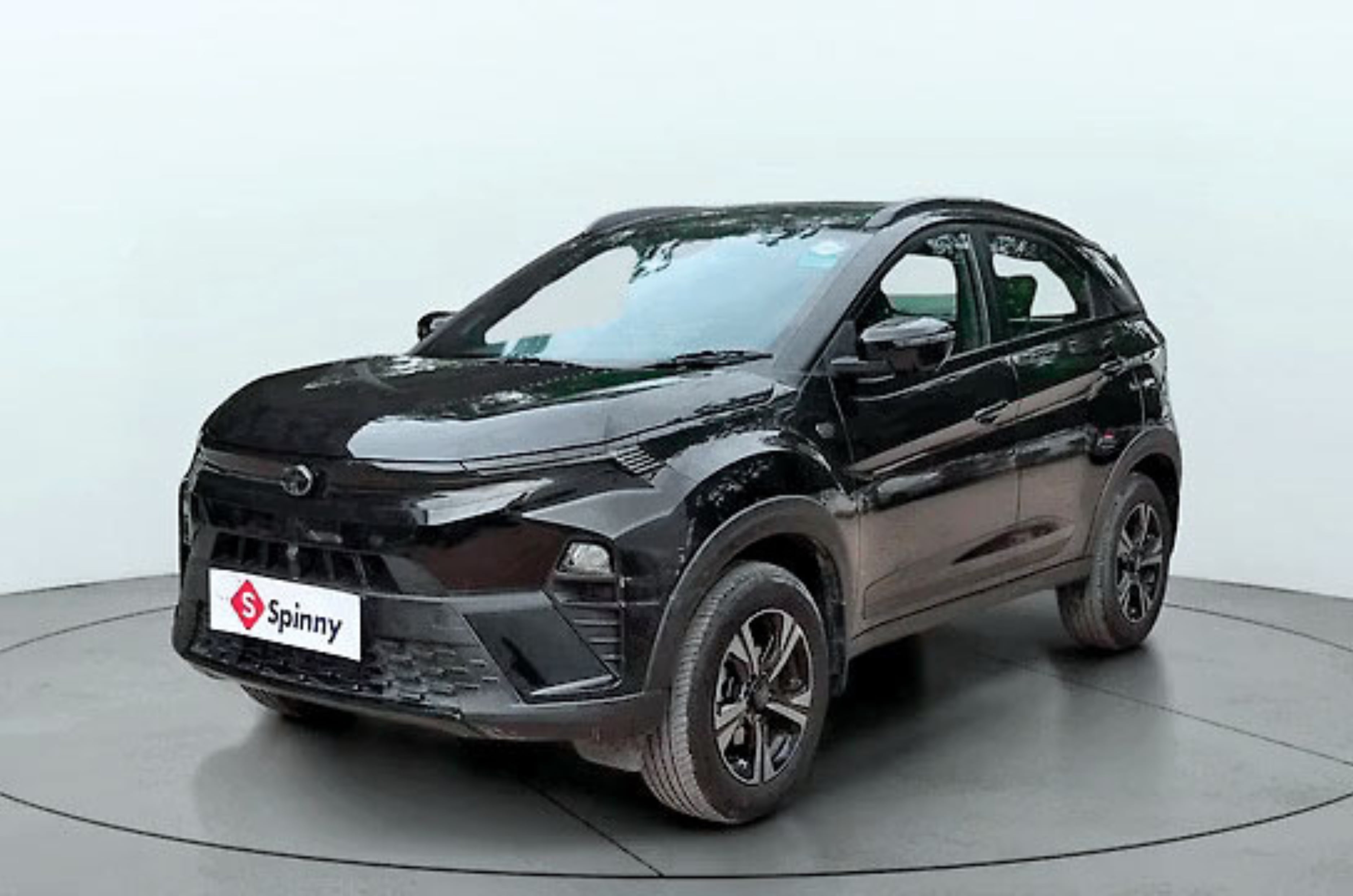
The Tata Nexon received a comprehensive facelift in September 2023, bringing a sharper exterior, a redesigned interior and more technology. It retained its compact SUV dimensions while offering a wide powertrain choice, along with manual and automatic gearbox options for both petrol and diesel. With its generous equipment, practical cabin and SUV-like stance, the facelifted Nexon makes a compelling case as a used buy.
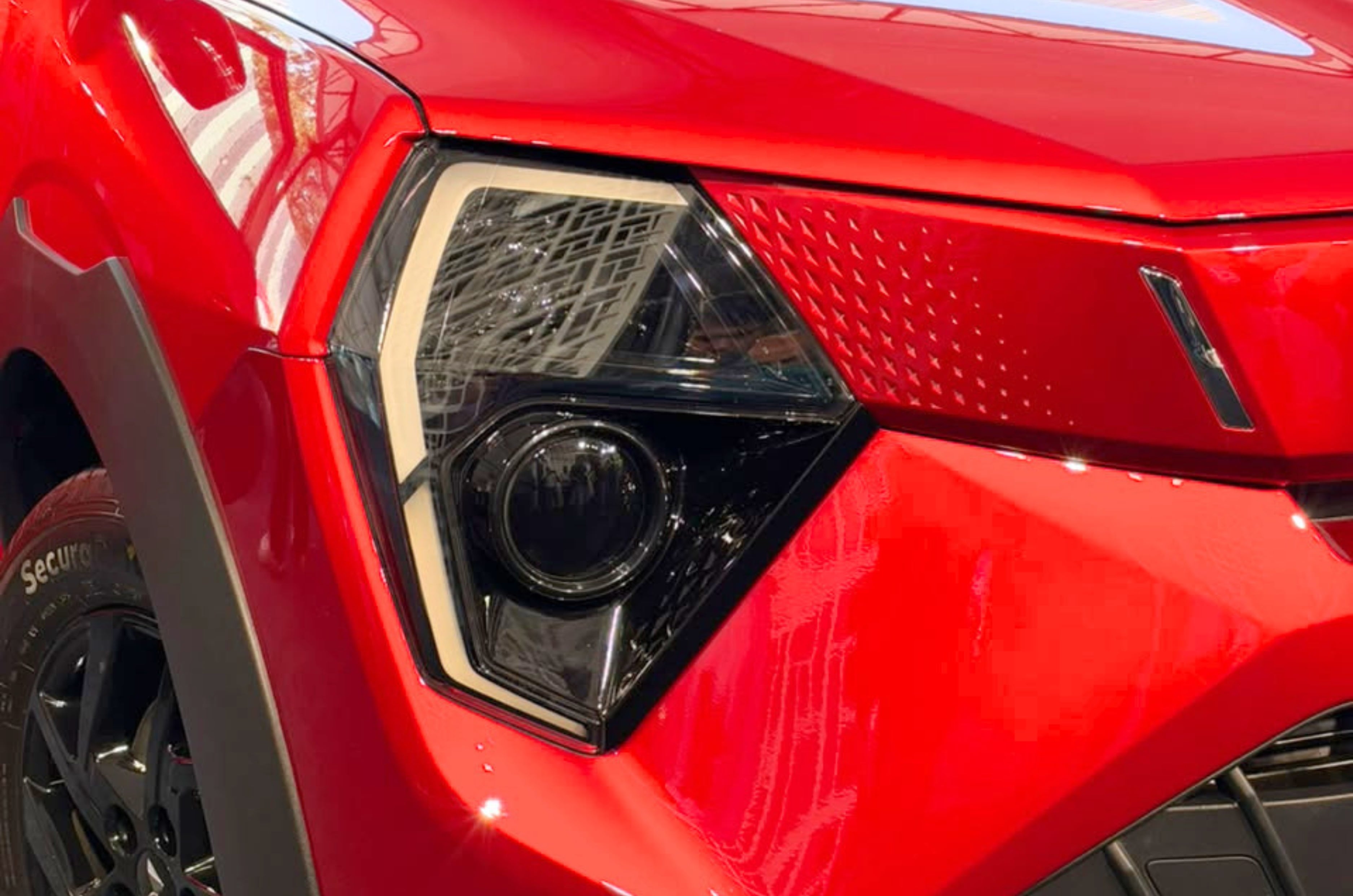
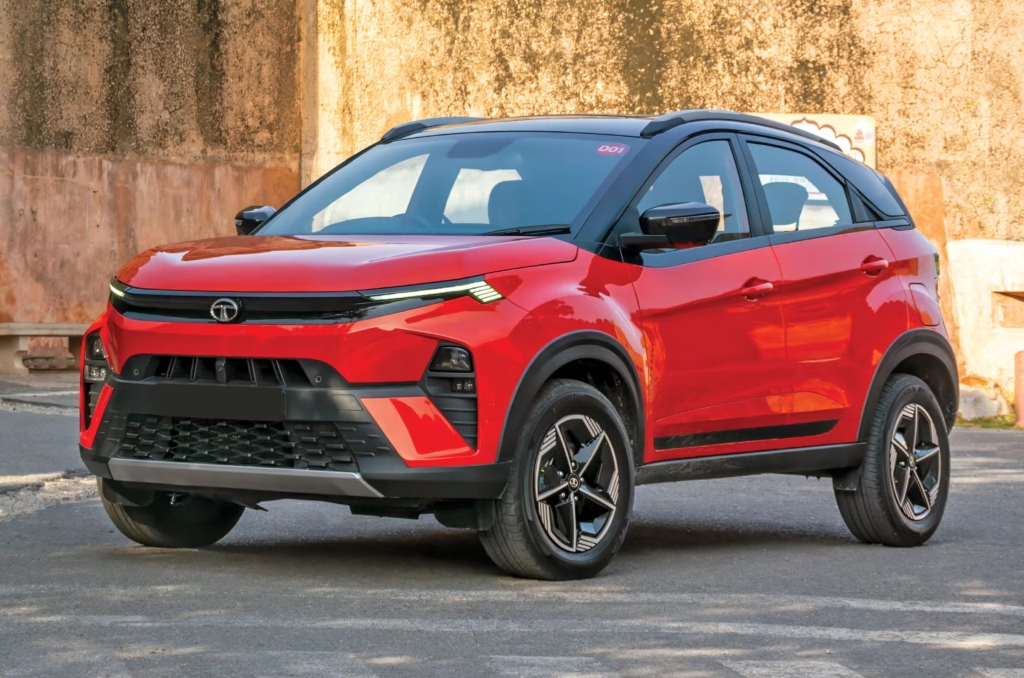
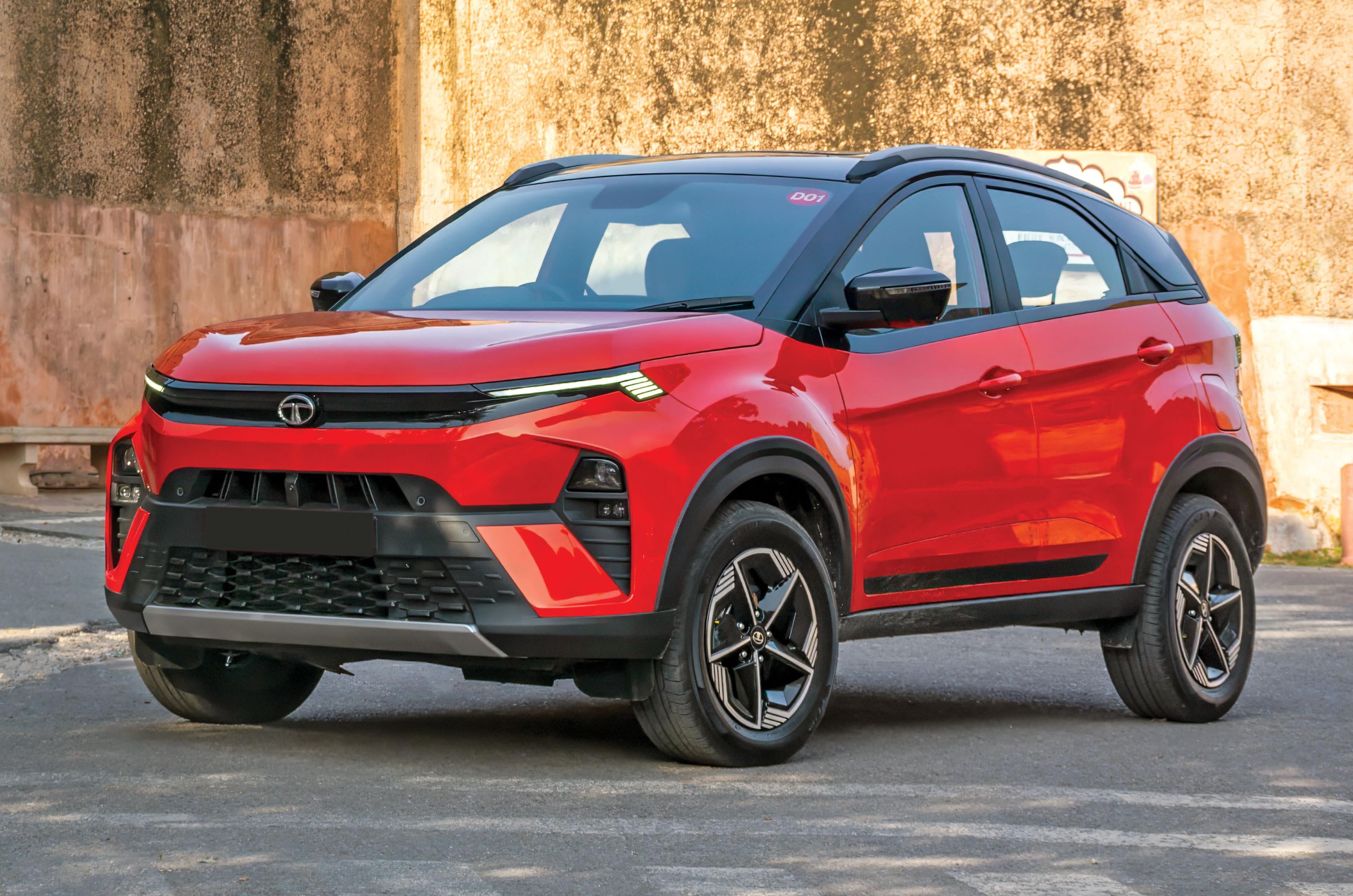
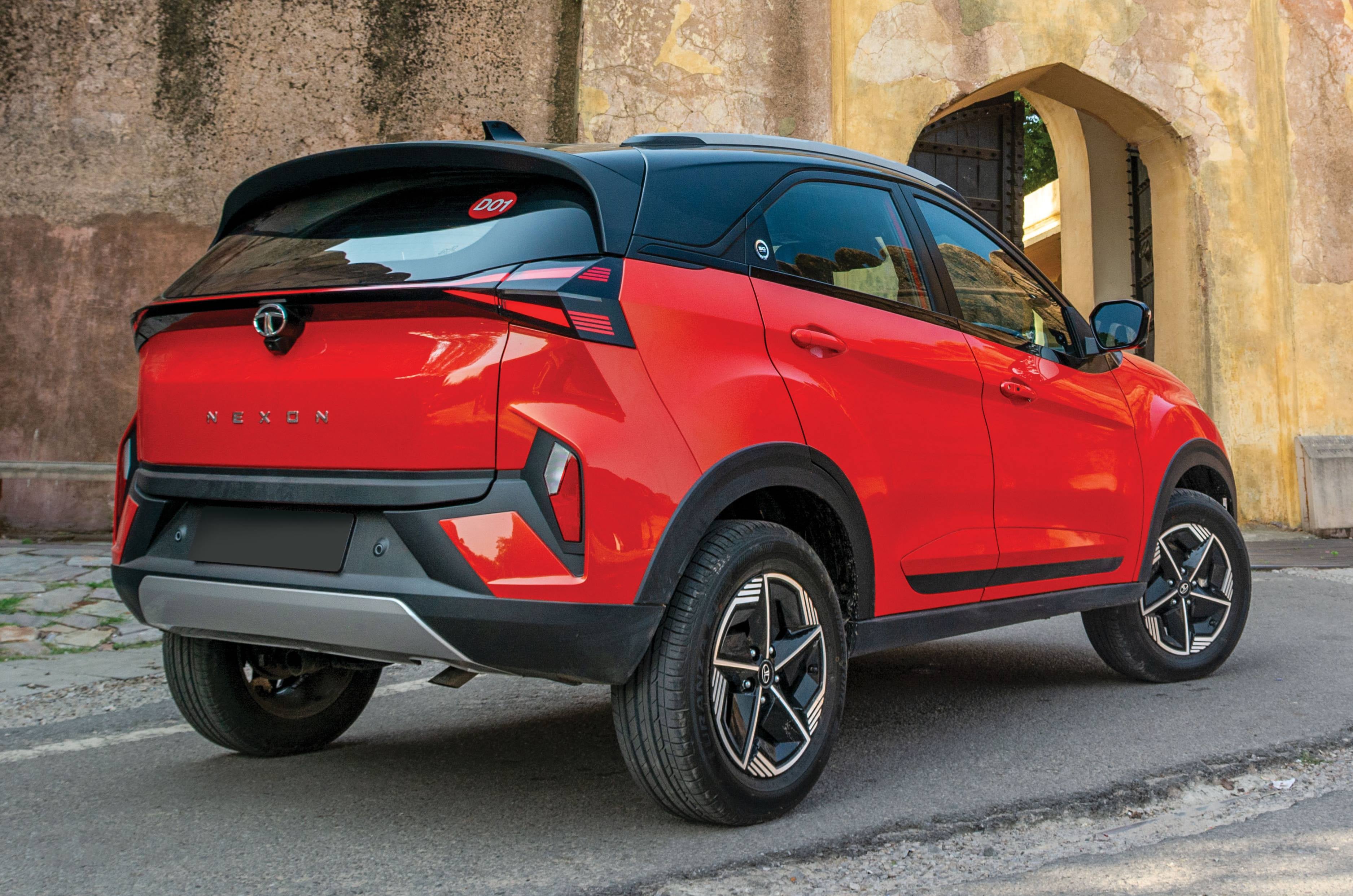
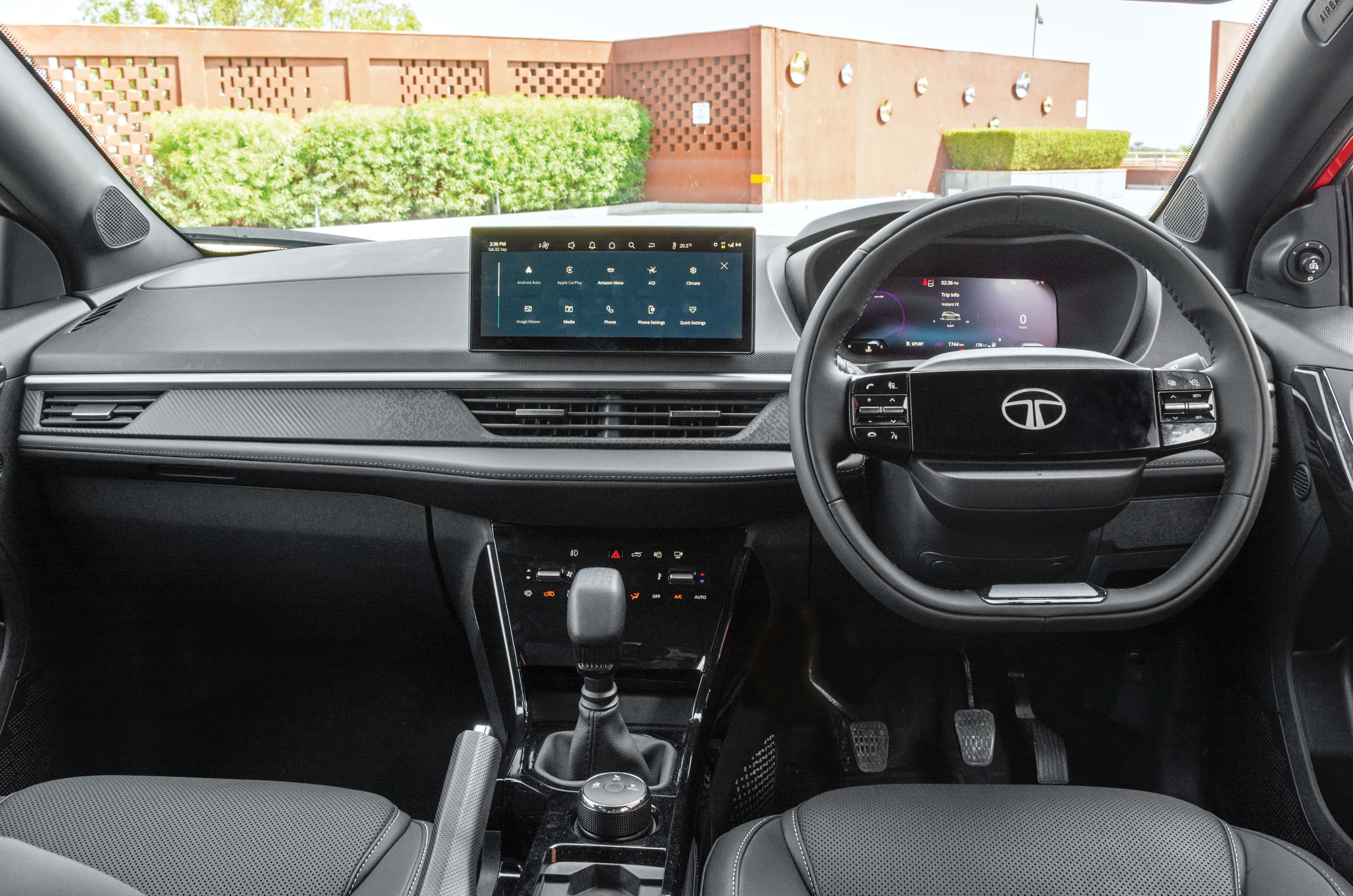
The 2023 Nexon was a significant styling departure from its predecessor, featuring slim sequential LED DRLs and headlamps positioned lower in the bumper. Revised bumpers, a new grille, connected LED tail-lights and redesigned alloy wheels gave it a more modern appearance. The cabin also received a thorough redesign, including a two-spoke steering wheel, a digital instrument cluster and a new touch panel for the HVAC controls. But, it retained its strengths of a spacious and practical cabin, a solid feature set and well-sorted ride and handling.
Petrol, diesel and CNG options; MT, AMT and DCT gearboxes
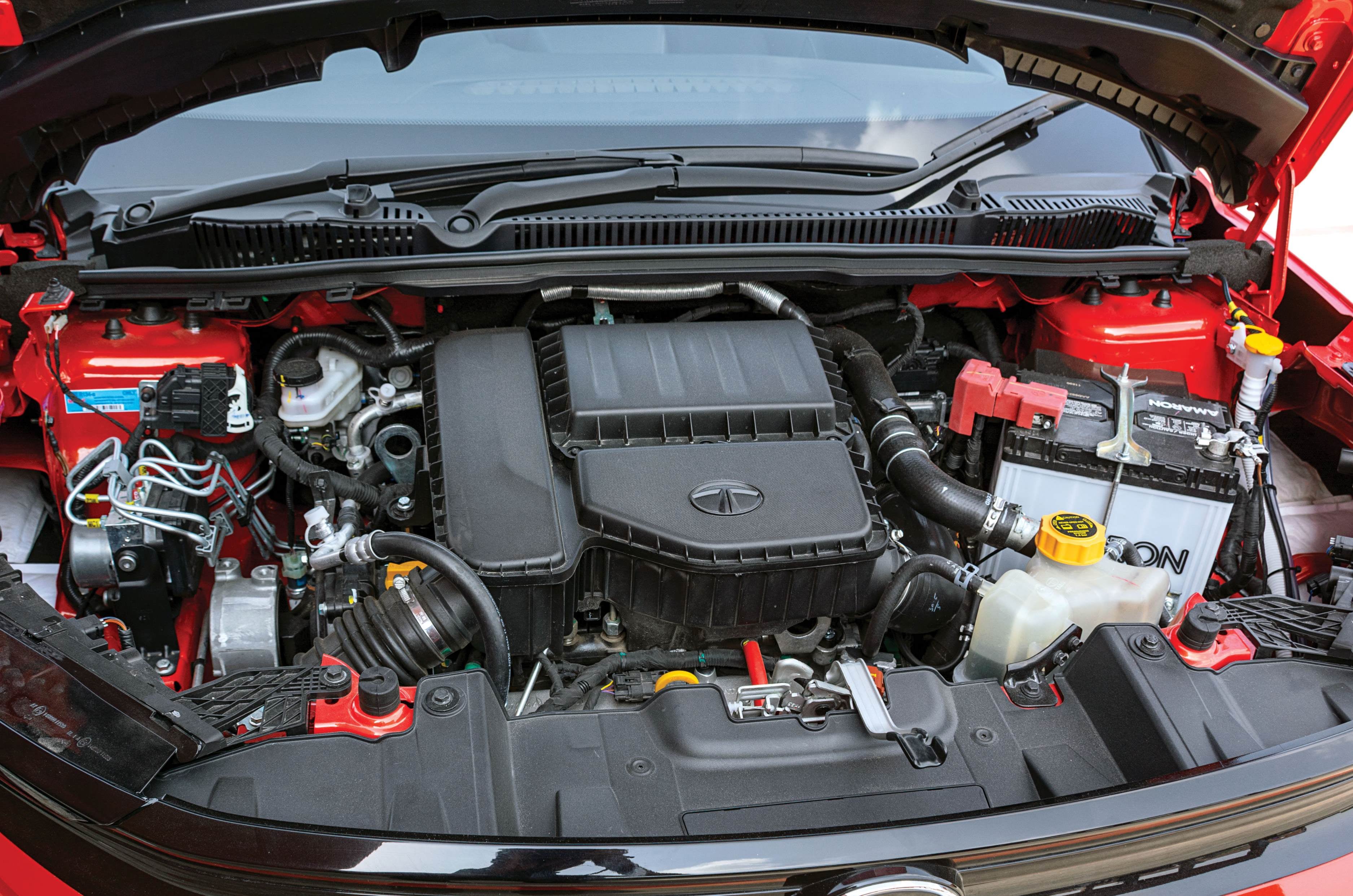
Under the bonnet, the Nexon continued with its 1.2-litre turbo-petrol and 1.5-litre diesel engines. The petrol engine produces 120hp and 170Nm, while the diesel makes 115hp and 260Nm. Gearbox options included a 5-speed manual, 6-speed manual, 6-speed AMT and 7-speed dual-clutch automatic, depending on the engine and variant. A CNG version was added to the line-up later, which featured the same 1.2-litre petrol engine and came with a 6-speed manual only. The CNG came with Tata’s innovative twin tank setup under the boot floor, which meant a usable cargo space and spare tyre were retained.
The petrol engine is suitable for everyday urban driving, while the diesel’s higher torque makes it better suited to buyers for highway use. The automatics, of course, are the choice for someone looking for an easier driving experience. The CNG makes sense for high running.
Tata Nexon variants and features
10.25-inch touchscreen, 360-degree camera, ventilated seats and more
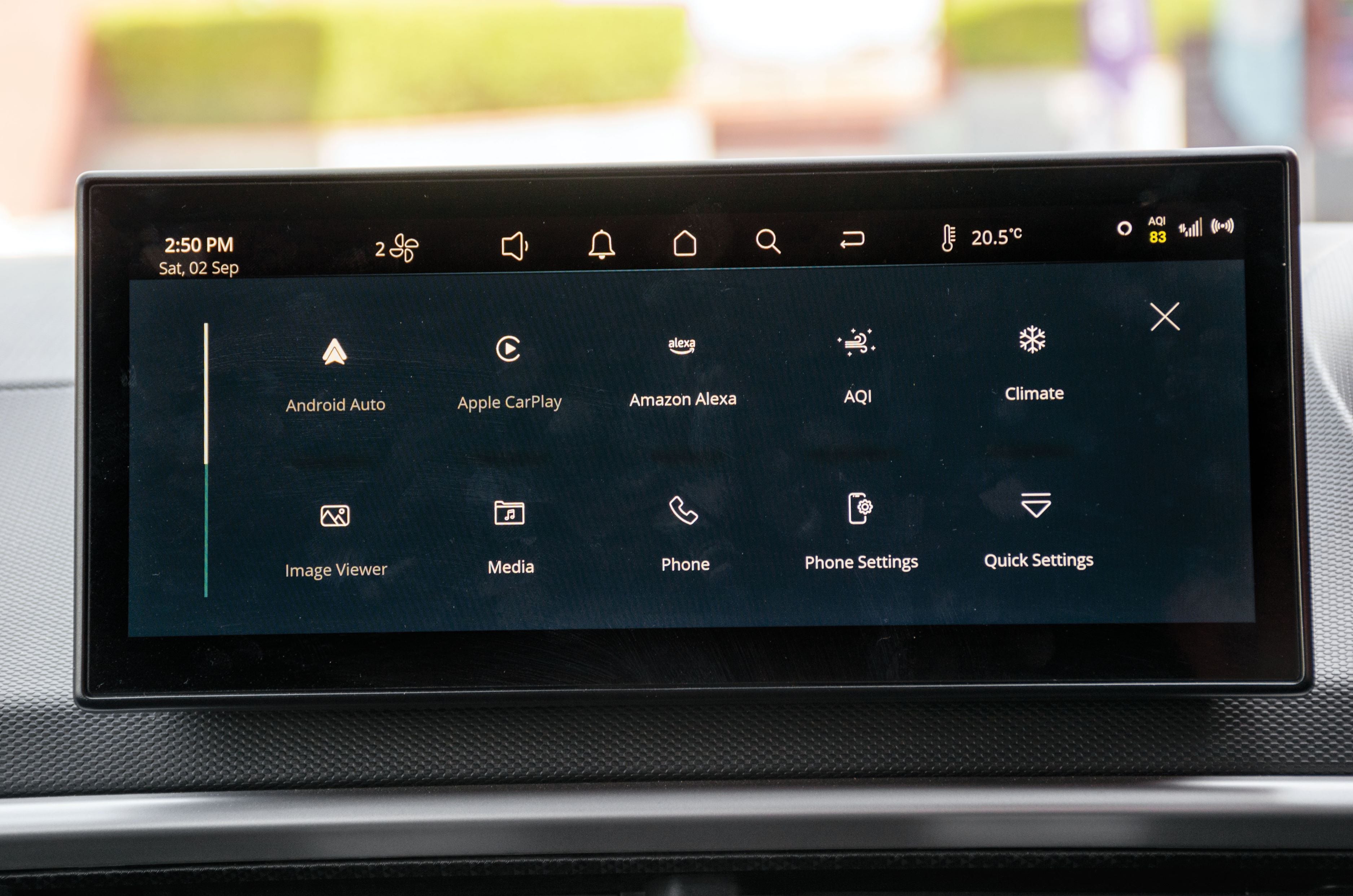
The 2023 Nexon was offered in Smart, Pure, Creative and Fearless trim levels at launch, with equipment varying by variant. Top-spec versions featured a 10.25-inch touchscreen infotainment, a 10.25-inch digital cluster, wireless Android Auto and Apple CarPlay, connected-car tech, a 360-degree parking camera, ventilated front seats, cruise control, leatherette upholstery and a sunroof. Safety equipment included six airbags, electronic stability control and ISOFIX child-seat mounts. The Nexon has also received a five-star Global NCAP crash safety rating under the enhanced 2022 protocol.
As is always the case with Tata products, the Nexon line-up has been regularly updated with the addition/deletion of certain variants, special editions and new features like a panoramic sunroof and Level 2 ADAS tech. With such a widespread line-up, choosing the right one can be tricky. Pick based on your budget and the non-negotiable features you’d want. As it is, even the mid-spec trims come well equipped and have more than the basics covered.
Tata Nexon reliability and aftersales
Tatas are not known to be very reliable, but with the Nexon’s long run, bugs have been ironed out, and these Nexons have proven to be a generally reliable package. Spare parts are easily available, and you’re backed up by Tata’s wide service network throughout the country, though their service quality varies.
What to look out for in a used Tata Nexon
Electronic glitches
The 2023 Nexon introduced a larger touchscreen, a digital cluster, a 360-degree camera and LED lights. Before buying, test the touchscreen thoroughly, connect your phone and check that the 360-degree camera works as intended. Make sure the cluster has no warning messages or glitches and that the LED lights work correctly. Some owners have faced issues with these.
Suspension wear
Nexons that have spent considerable time on poor roads can develop wear in suspension components. Drive it over speed breakers and uneven surfaces, listening for knocking sounds or excessive crashing, as these are signs of worn-out suspension components.
Auto gearbox health
During a test drive, check for excessive juddering, hesitation, delayed engagement or unusual noises, particularly in slow-moving traffic, as these could be signs of potential trouble with the auto gearboxes.
Used Tata Nexon service history and warranty check
Look for a Nexon that comes with a detailed service history or one that has an extended warranty package, as that will give you additional peace of mind since you are buying a pre-owned example.
Second-hand Tata Nexon price and resale value
Rs 7 lakh-11 lakh
The price of a used 2023 Tata Nexon will depend on its engine, gearbox, variant, kilometres driven, ownership history and condition. Petrol manual examples will be the most affordable, while the diesel and CNG versions tend to be the more expensive ones. However, refrain from spending too much more than Rs 11 lakh, as you’d rather be better off buying a brand-new one.
Renault Duster Hybrid: Renault India ने Duster Hybrid E-Tech 160 को भारत में लॉन्च कर दिया है। इसकी एक्स-शोरूम कीमत ₹16.99 लाख से ₹19.49 लाख के बीच रखी गई है। कंपनी के मुताबिक, यह SUV ARAI सर्टिफिकेशन के अनुसार 29 kmpl का माइलेज देती है। खास बात यह है कि माइलेज के मामले में नई Duster Hybrid ने Maruti Suzuki Victoris, Grand Vitara और Toyota Hyryder को पीछे छोड़ दिया है। Victoris का माइलेज 28.65 kmpl, जबकि Grand Vitara और Hyryder का माइलेज 27.97 kmpl है। चूंकि Duster में डीजल का विकल्प नहीं है, इसलिए यह बेहतर माइलेज चाहने वालों के लिए एक अच्छा विकल्प है।
इस हाइब्रिड SUV की बुकिंग ₹21,000 देकर की जा सकती है। इसकी शुरुआती कीमत Duster के सामान्य मॉडल की शुरुआती एक्स-शोरूम कीमत ₹10.49 लाख से ₹6.50 लाख ज्यादा है। आइए जानते हैं कि Duster Hybrid में क्या खास है, यह दूसरी SUVs के मुकाबले कैसी है और बुकिंग से पहले किन बातों का ध्यान रखना चाहिए।
Renault Duster Hybrid: कीमत और वेरिएंट
Renault Duster Hybrid का शुरुआती वेरिएंट Evolution है, जिसकी एक्स-शोरूम कीमत ₹16.99 लाख रखी गई है। वहीं, इसका टॉप वेरिएंट Emotion है, जिसकी कीमत ₹19.49 लाख है। दोनों वेरिएंट की कीमत में ₹2.50 लाख का अंतर है।
हालांकि, कंपनी ने अभी यह नहीं बताया है कि किस वेरिएंट में कौन-कौन से फीचर्स मिलेंगे। ऐसे में कार खरीदने का फैसला लेने से पहले डीलर से दोनों वेरिएंट के फीचर्स की पूरी लिस्ट जरूर मांग लें। इससे आपको समझने में आसानी होगी कि ज्यादा कीमत देकर टॉप वेरिएंट खरीदना आपके लिए कितना फायदेमंद है।
हाइब्रिड सिस्टम कैसे काम करता है
इसमें 1.8-लीटर का पेट्रोल इंजन दो इलेक्ट्रिक मोटरों और 1.4 kWh की सेल्फ-चार्जिंग बैटरी के साथ मिलकर काम करता है, जिससे कुल 160 hp की पावर मिलती है। गाड़ी को चलाने का काम एक मल्टी-मोड ऑटोमैटिक गियरबॉक्स संभालता है। बैटरी, रीजेनरेटिव ब्रेकिंग और पेट्रोल इंजन की मदद से खुद ही चार्ज हो जाती है, इसलिए इसे कभी भी प्लग-इन करने की जरूरत नहीं पड़ती। रेनॉल्ट का दावा है कि सही परिस्थितियों में शहर के अंदर 80% तक ड्राइविंग इलेक्ट्रिक मोड में की जा सकती है। हालांकि, यह दावा ट्रैफिक, गाड़ी की रफ्तार और आपके ड्राइविंग के तरीके पर निर्भर करता है।
Renault Duster के दूसरे वेरिएंट से कितनी अलग है Hybrid?
Renault Duster Hybrid के साथ कंपनी इस SUV में पहले से मिलने वाले 1.0-लीटर और 1.3-लीटर टर्बो-पेट्रोल इंजन का विकल्प भी दे रही है। इस जनरेशन की Duster में डीजल इंजन का विकल्प नहीं मिलता।
हाइब्रिड मॉडल की शुरुआती कीमत और सामान्य Duster की शुरुआती कीमत में ₹6.50 लाख का अंतर है। हालांकि, दोनों की सीधी तुलना करना सही नहीं होगा, क्योंकि एक तरफ सामान्य मॉडल का बेस वेरिएंट है, जबकि दूसरी तरफ हाइब्रिड मॉडल है।
अगर आप हाइब्रिड खरीदने की सोच रहे हैं, तो इसकी तुलना समान फीचर्स वाले 1.3-लीटर टर्बो-पेट्रोल वेरिएंट से करें। इसके बाद हिसाब लगाएं कि बेहतर माइलेज से हर साल कितने रुपये की बचत होगी। इससे आपको अंदाजा लग सकेगा कि हाइब्रिड मॉडल के लिए ज्यादा खर्च की गई रकम की भरपाई करने में कितने साल लग सकते हैं।
बुकिंग कराने से पहले डीलर से कुछ जरूरी बातें जरूर पूछ लें। पता करें कि ₹21,000 की बुकिंग राशि वापस मिलेगी या नहीं, इससे कार की कीमत लॉक हो जाएगी या नहीं और आपके चुने हुए वेरिएंट की डिलीवरी कब तक मिलेगी। इसके अलावा, बैटरी की वारंटी और आपके शहर में सर्विस की सुविधा के बारे में भी जानकारी लें।
Renault Duster Hybrid में दिया गया गियरबॉक्स Toyota की हाइब्रिड कारों में मिलने वाले e-CVT गियरबॉक्स से अलग है। इसलिए दोनों तरह की कारों को टेस्ट ड्राइव करके ही तय करें कि आपके लिए कौन-सा विकल्प बेहतर रहेगा
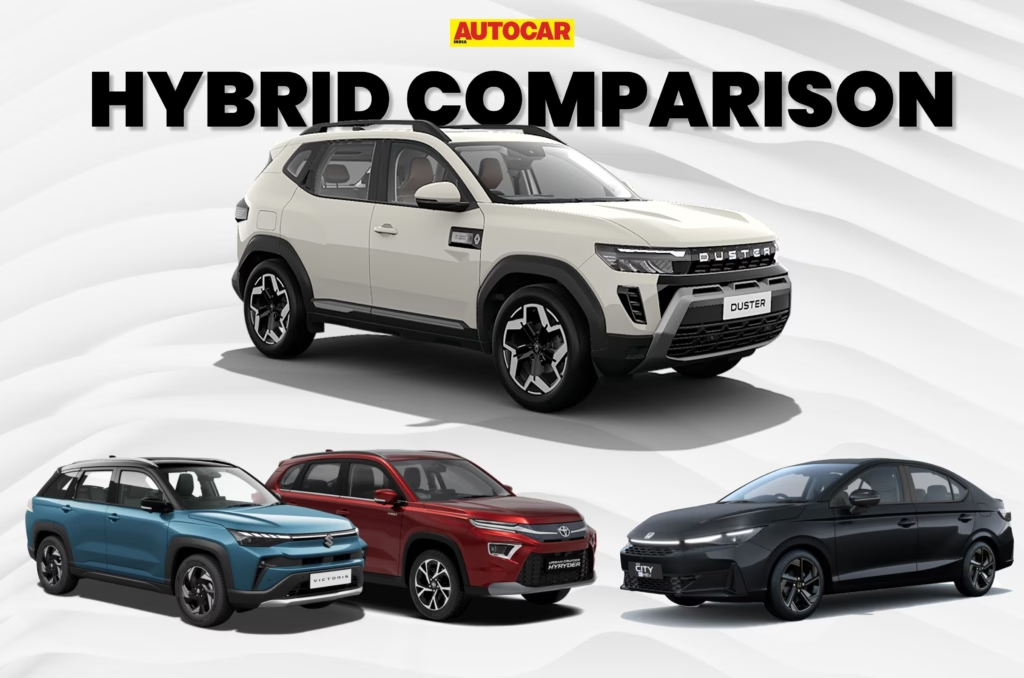
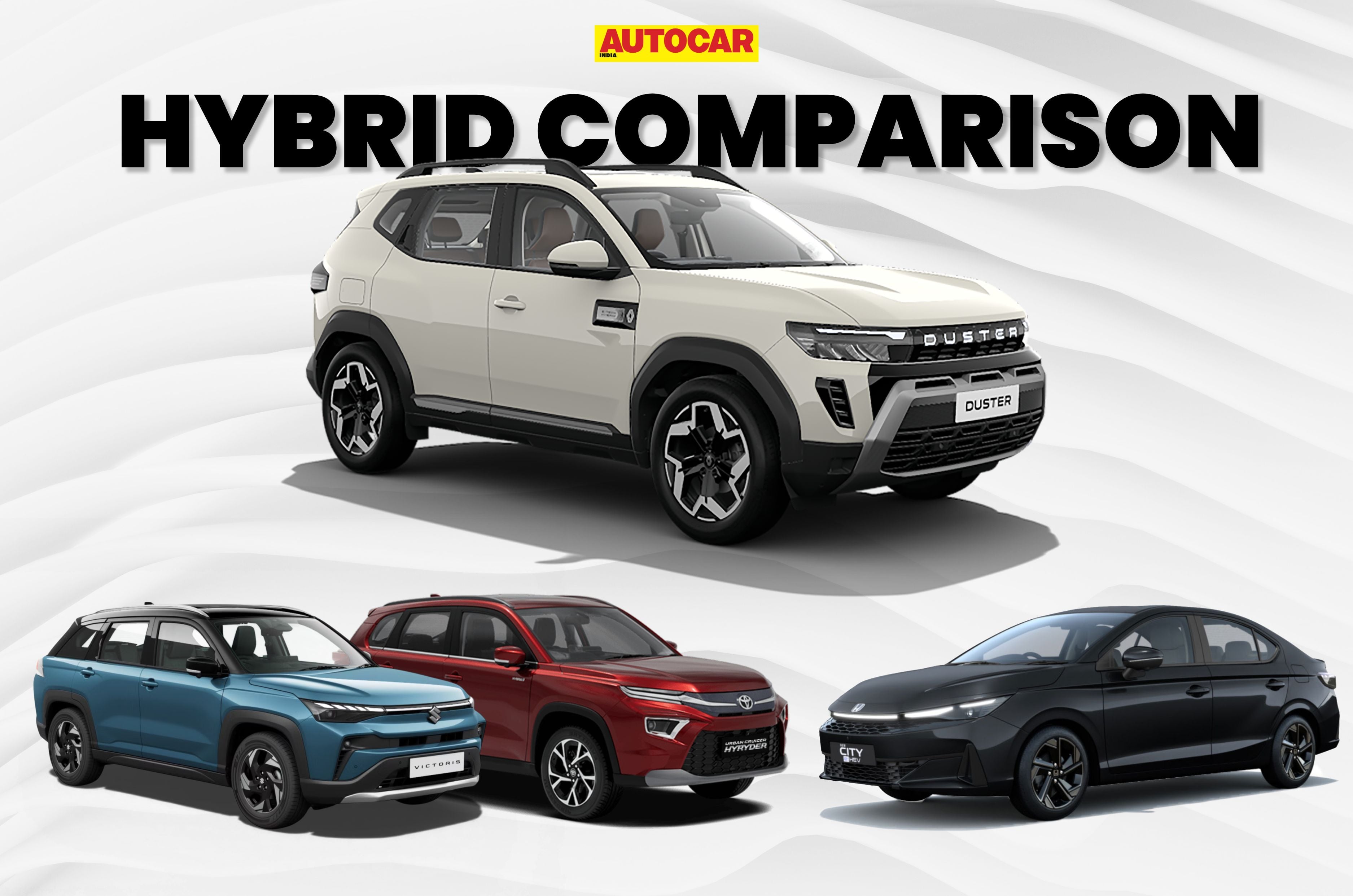
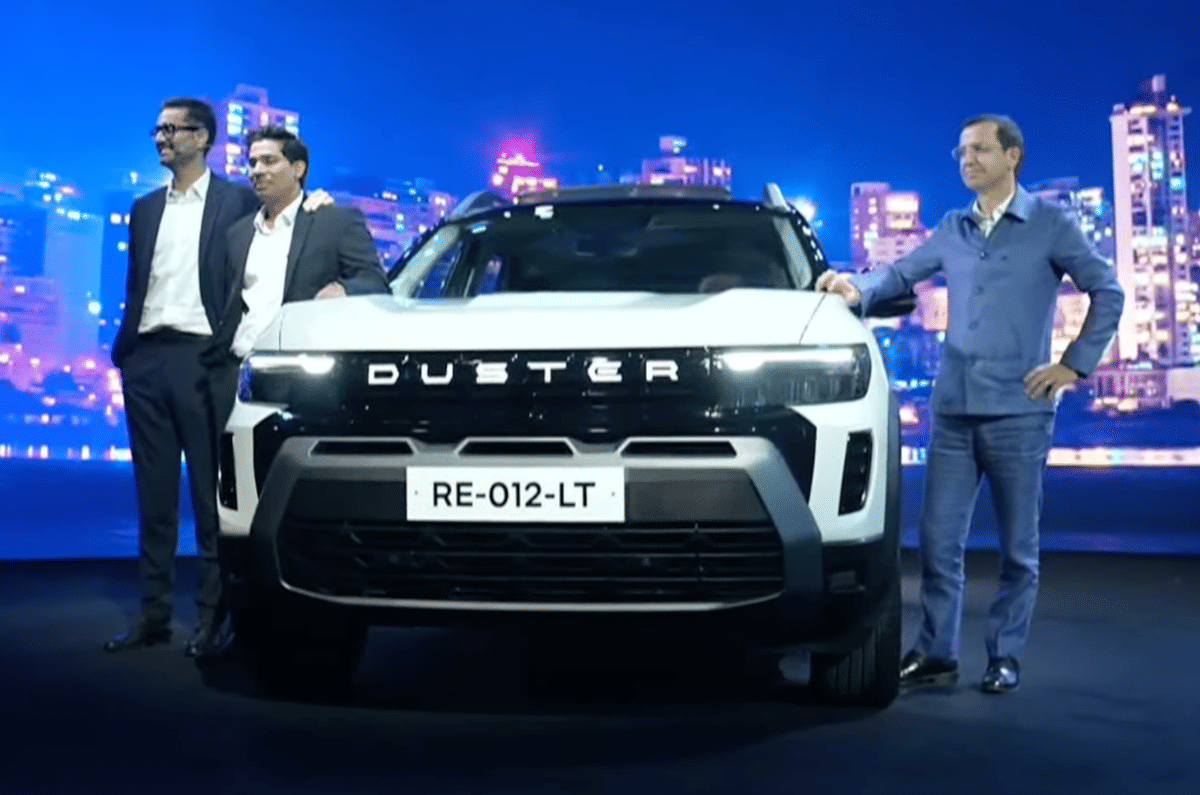
The new Renault Duster has been launched with a strong hybrid powertrain option, a first for the nameplate in India. The latest from Renault competes in the midsize SUV space, where only the Maruti Grand Vitara, Maruti Victoris and Toyota Hyryder currently offer a hybrid choice. Honda does not offer a hybrid setup with the Elevate at the moment, though the City midsize sedan has been equipped with one. But how do these vehicles stack up on paper when it comes to specifications? Let’s find out.
Renault Duster hybrid spec comparison
Duster has the highest power output
Renault Duster hybrid specs vs Grand Vitara, Victoris, Hyryder and City e:HEV
Hybrid system
Combined power
Combined torque
Transmission
Mileage
Battery size | Voltage
Duster
1.8L 4cyl + 2 e-motors
160hp
–
Multi-mode automatic
29kpl
1.4kWh | 247V
Grand Vitara
1.5L 3cyl + e-motor
116hp
141Nm
eCVT
27.97kpl
0.60kWh | 177.6V
Victoris
1.5L 3cyl + e-motor
116hp
141Nm
eCVT
28.65kpl
0.60kWh | 177.6V
Hyryder
1.5L 3cyl + e-motor
116hp
141Nm
eCVT
27.97kpl
0.60kWh | 177.6V
City e:HEV
1.5L 4cyl + e-motor
126hp
253Nm
eCVT
27.13kpl
Not available | 172.8V
While we are yet to sample the Duster hybrid in real-world conditions, the above specs table suggests it takes a more performance-led approach than the rest. Its four-cylinder naturally aspirated petrol engine is the largest by cubic capacity here, and paired with two electric motors, this hybrid setup delivers the highest peak power output. Renault claims a 0-100kph time of 9.61 seconds, which it says makes the Duster hybrid the quickest in the segment. The brand has not revealed a combined torque figure yet, though the Duster’s traction motor produces 208Nm on its own.
Renault SUV’s multi-mode gearbox stands out
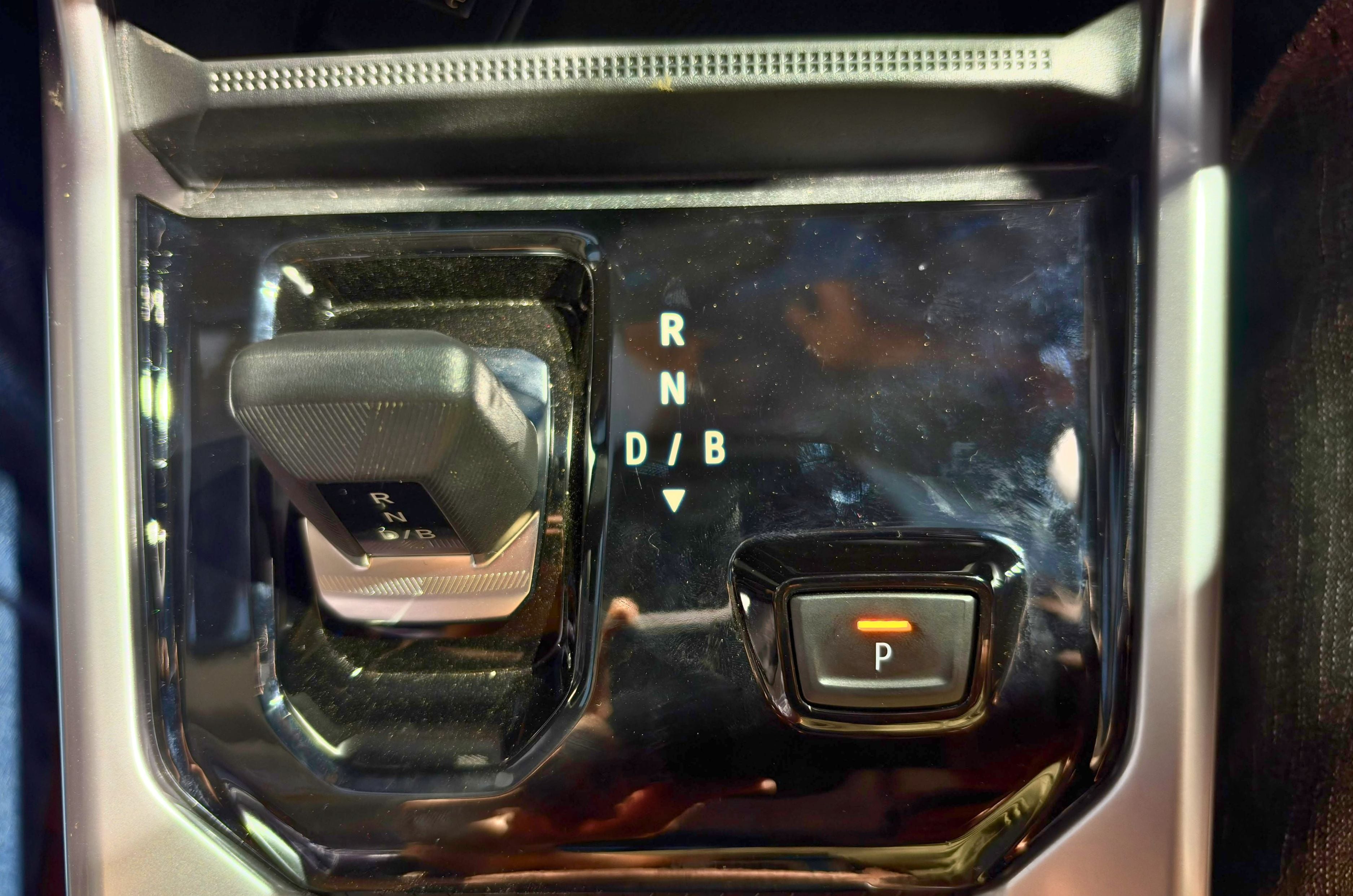
The Duster’s multi-mode automatic gearbox has two gears for the motor and four gears for the engine. Renault claims that this setup creates an 8-speed combination in hybrid mode, and it stands out as the others use an eCVT unit, which is known for a smooth driving experience. Moreover, the Duster hybrid’s larger, higher-voltage battery further points to more electric assistance than the rest. The French brand claims that 80 percent of city drives are possible in EV mode alone, while the Duster hybrid’s ARAI-certified mileage of 29kpl is the highest of all the cars here.
Midsize SUVs offer most powertrains
Only PHEV is missing
Save for plug-in hybrid, midsize SUVs offer almost every major powertrain choice, including petrol, CNG, diesel and electric. Hyundai Creta is expected to adopt a hybrid powertrain in its next generation, due in 2027, and its Kia Seltos sibling is also set to follow suit. The new Tata Sierra’s ARGOS platform is hybrid-ready, giving the homegrown carmaker the flexibility to introduce a hybrid version in the future. Volkswagen and Skoda are also working on hybrid midsize SUVs for the Indian market.
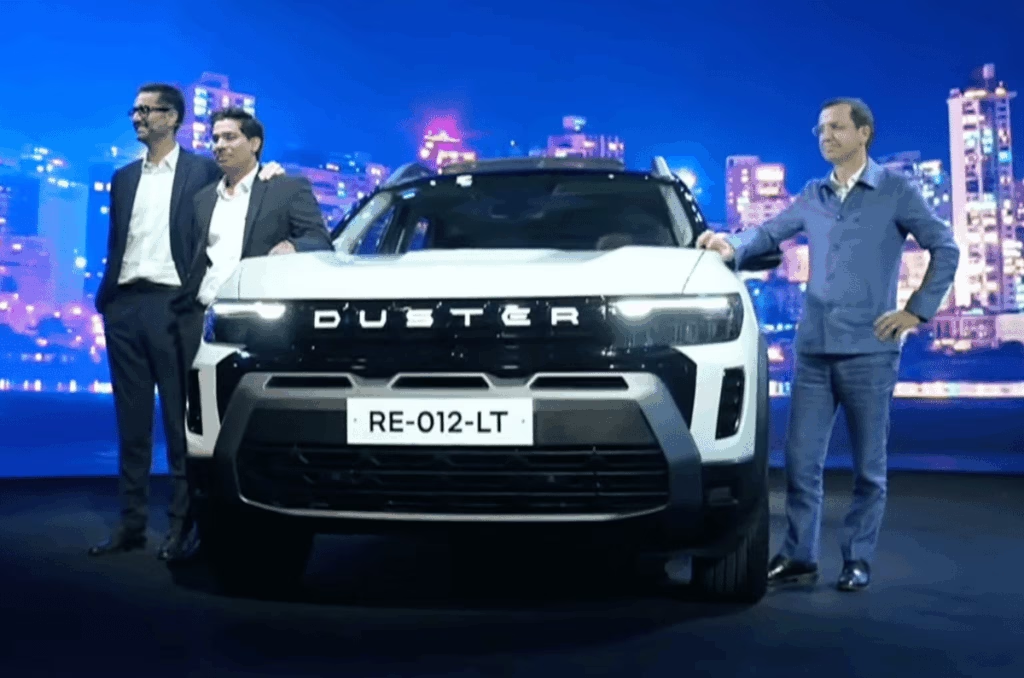
Renault has launched the Duster hybrid in India at an introductory price of Rs 16.99 lakh for the entry-level Evolution trim, with prices going up to Rs 19.49 lakh for the top-end Emotion trim. Customer bookings are underway at Rs 21,000, with deliveries scheduled to begin in November. The Duster hybrid takes on the strong-hybrid versions of the Maruti Grand Vitara, Maruti Victoris and Toyota Urban Cruiser Hyryder.
1.8-litre petrol and two electric motors make a combined 160hp, with 0-100kph in a claimed 9.61sec.
1.4kWh battery pack, multi-mode automatic gearbox and a claimed 29kpl.
Features include ventilated seats, panoramic sunroof, dual-zone climate control and more.
Renault Duster hybrid prices
The Duster hybrid range is available in three trim levels
Renault Duster hybrid price list (Rs, lakh)
Trims
Prices (ex-showroom)
Evolution
16.99
Techno
18.99
Emotion
19.49
Renault is offering the Duster hybrid in three trims: Evolution, Techno and Emotion. These introductory prices apply to all deliveries until December 31, 2026, and R-Pass owners will get priority deliveries. Buyers can also opt for the Renault Protect 360 ownership package, priced from Rs 89,900, which bundles three years of comprehensive insurance, three years of scheduled maintenance and a three-year assured resale value.
Renault Duster hybrid powertrain and mileage
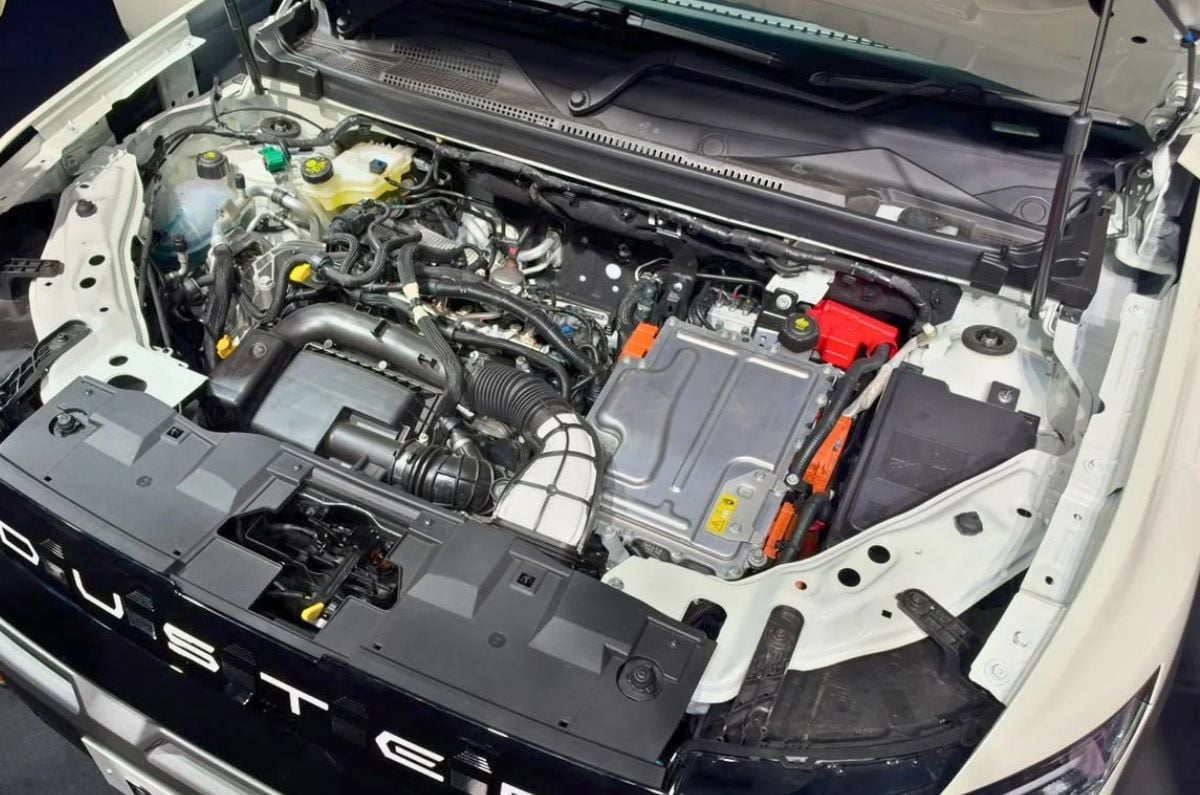
The E-Tech hybrid features a 1.4kWh battery pack and a multi-mode automatic transmission
The Duster is based on Renault’s RGMP platform, which the brand says can accommodate petrol, hybrid and CNG powertrains. The hybrid is equipped with the brand’s ‘E-Tech 160’ system, which pairs a 1.8-litre four-cylinder petrol engine with two electric motors. The Atkinson-cycle engine makes 110hp and 175Nm, and Renault claims it is the biggest engine in the segment, with a thermal efficiency of up to 41 percent. A high-voltage starter-generator mounted on the engine handles engine starts, smooths out gearshifts and charges the battery, including through regenerative braking. A separate 50hp traction motor, connected directly to the driveline, drives the front wheels and produces 208Nm. The combined system output stands at 160hp, which Renault says is the highest in the segment.
The hybrid system runs on a 1.4kWh, 247V NMC battery pack with direct refrigerant cooling. Transmission duties are handled by what Renault calls a “multi-mode automatic” gearbox, with two electric gears and four petrol gears. The system switches automatically between six operating modes, including all-electric, petrol-only, and series and series-parallel hybrid. The French automaker claims the hybrid can manage up to 80 percent of city driving in pure electric mode, and a 0-100kph time of 9.61sec, which it says is the quickest in the segment. The Duster hybrid also gets frequency-dependent dampers.
The ARAI-certified mileage of the Renault Duster hybrid is 29kpl, which the brand says makes it the most fuel-efficient hybrid in India, ahead of rivals such as the Maruti Victoris hybrid, Maruti Grand Vitara hybrid and Toyota Urban Cruiser Hyryder hybrid. Combined with a 50-litre fuel tank, Renault claims a total driving range of over 1,400km.
Renault Duster hybrid exterior design
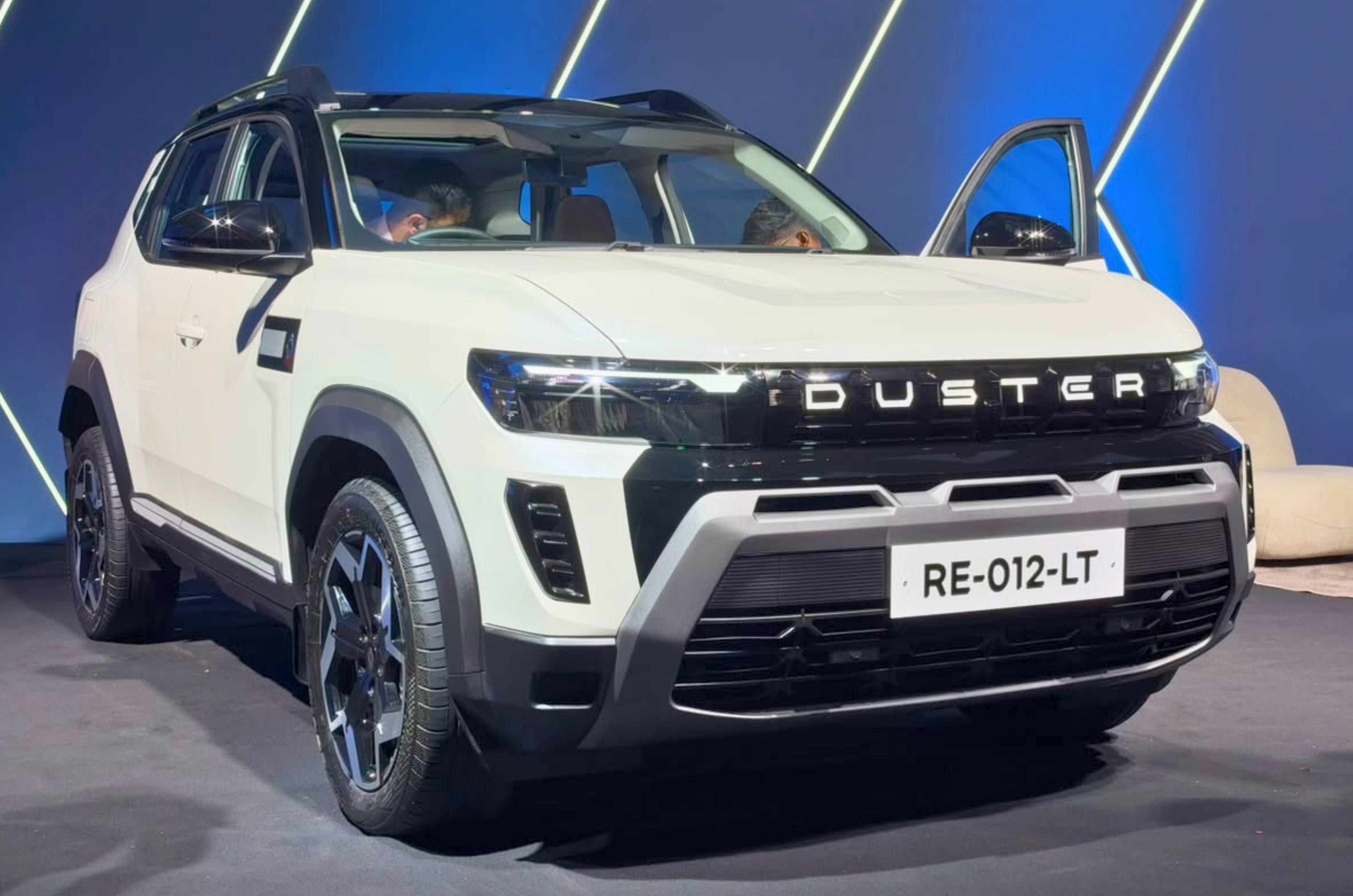
Overall styling is largely similar to the turbo-petrol Duster
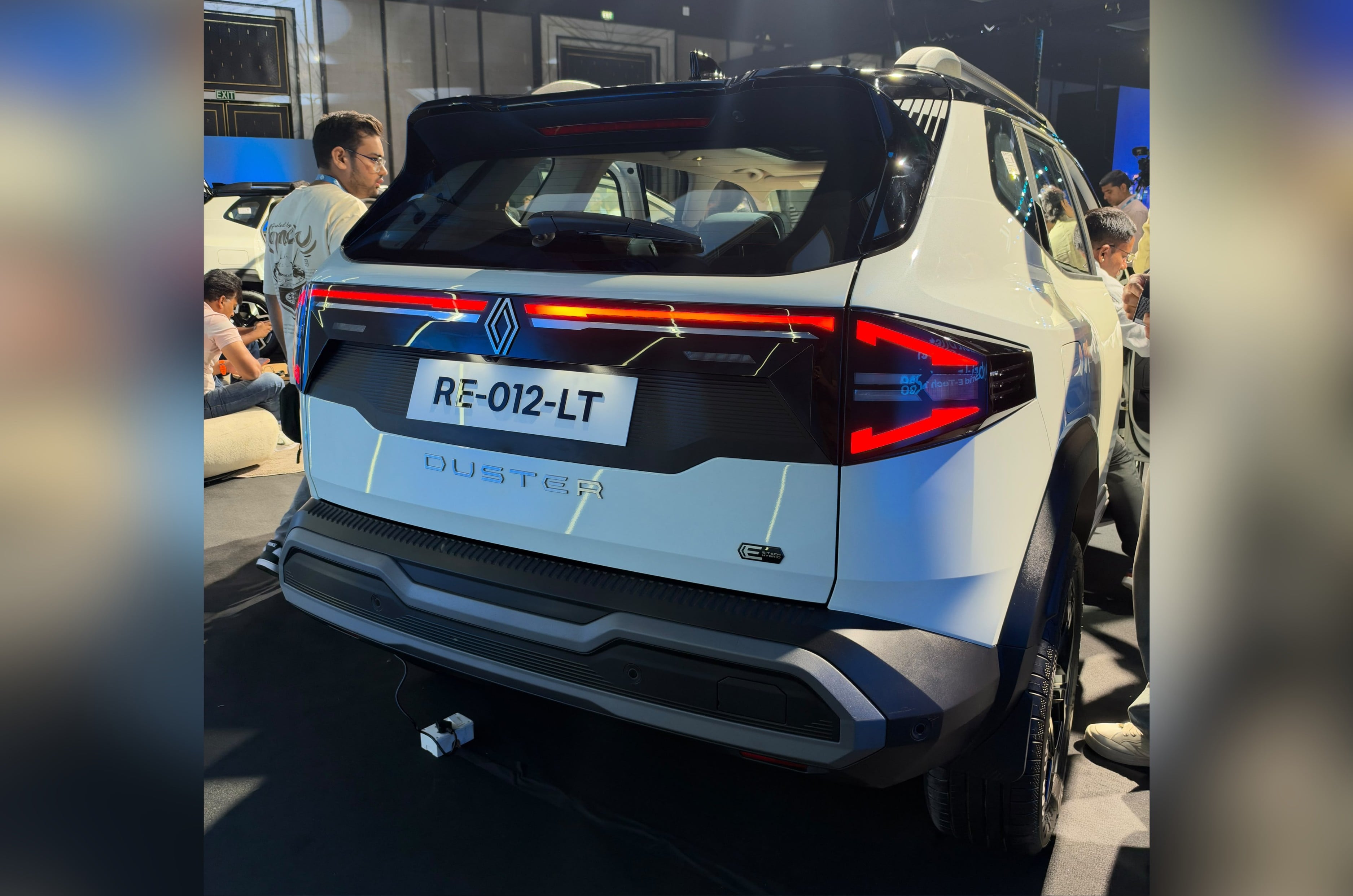
The Duster hybrid looks largely the same as the turbo-petrol versions, with chunky body cladding, C-pillar-mounted rear door handles, roof rails and eyebrow-style DRLs (daytime running lights). Up front, the signature grille gets an illuminated ‘Duster’ emblem, and full-LED headlamps are offered from the Techno trim onwards.
The base Evolution trim rides on 18-inch flex wheels, while the top-spec Emotion gets 18-inch diamond-cut alloys. At the rear is an LED horizontal light bar, while there are ‘E-Tech’ badges on the front doors and the tailgate. The Duster hybrid’s ground clearance stands at 212mm.
Renault Duster hybrid interior and features
Feature highlights include a pano sunroof, ventilated seats and a 10.25-inch digital cluster
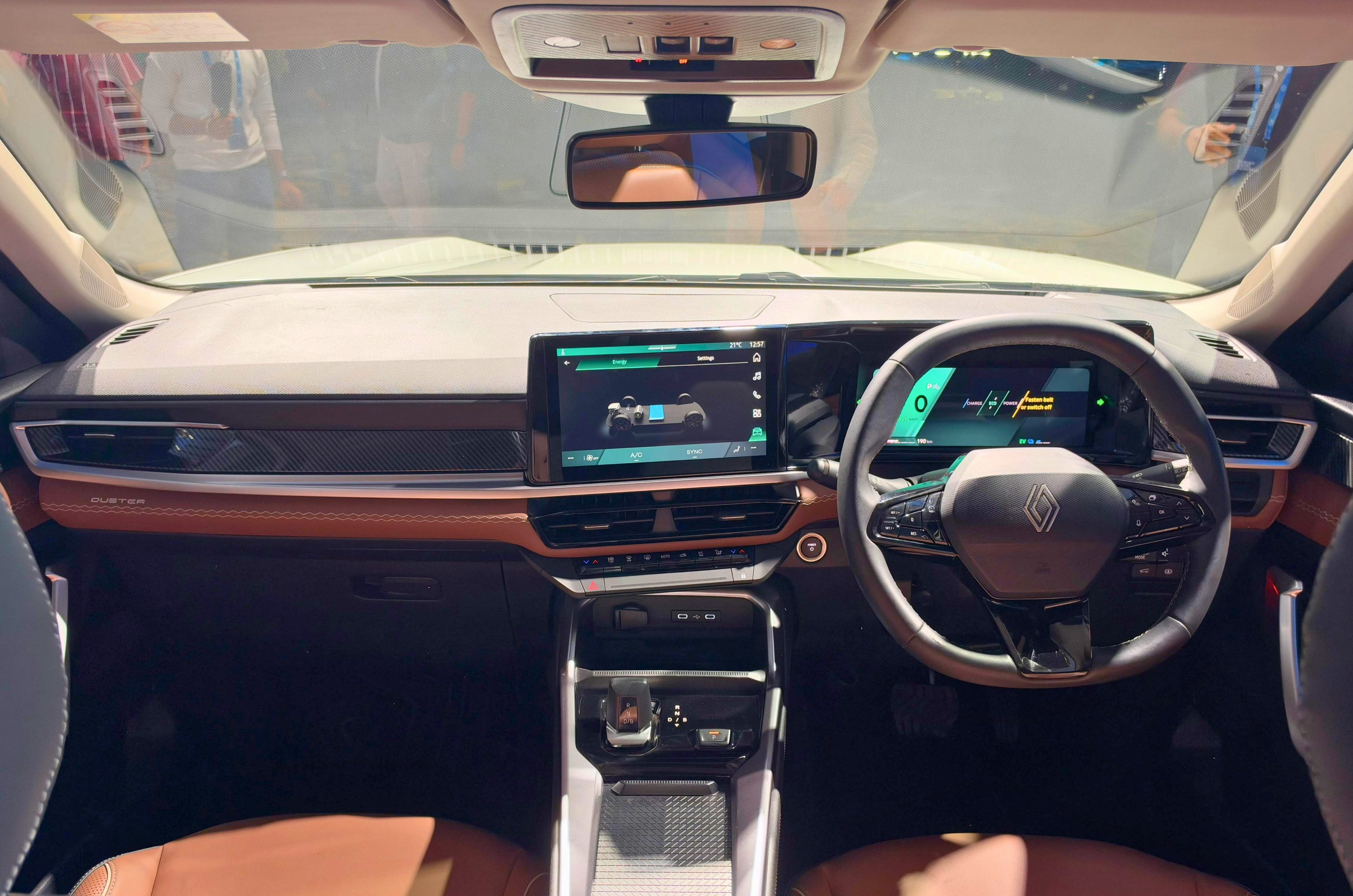
The Duster hybrid’s cabin follows the general design of the turbo-petrol versions, with a dual-screen layout. The mid-spec Techno gets Desert Beige semi-leatherette upholstery, while the top-spec Emotion gets Dune Brown leatherette upholstery.
Standard features on the base Evolution trim include a 10.1-inch touchscreen, a 7-inch digital driver’s display and dual-zone automatic climate control. The Techno adds an electric panoramic sunroof, keyless entry with push-button start and connected car tech via the ‘MyRenault’ (MYR) app. The range-topping Emotion trim gets a larger 10.25-inch digital driver’s display, 6-way electrically adjustable and ventilated front seats, and a powered tailgate.
Renault Duster hybrid safety features
A wide array of safety tech is on offer
Renault claims that the Duster hybrid’s entry-level Evolution trim gets 38 safety features as standard. These come in the form of 6 airbags, hill-start assist, cruise control, rear parking sensors and a rearview camera.
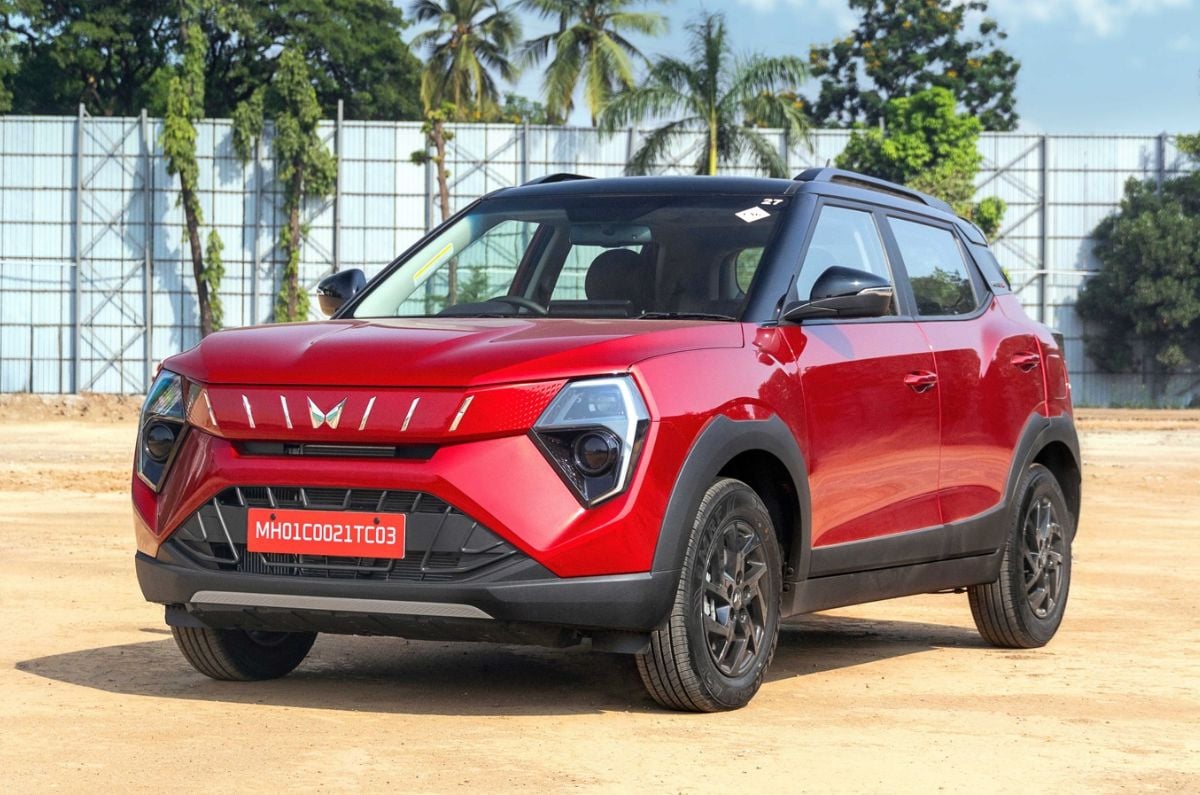
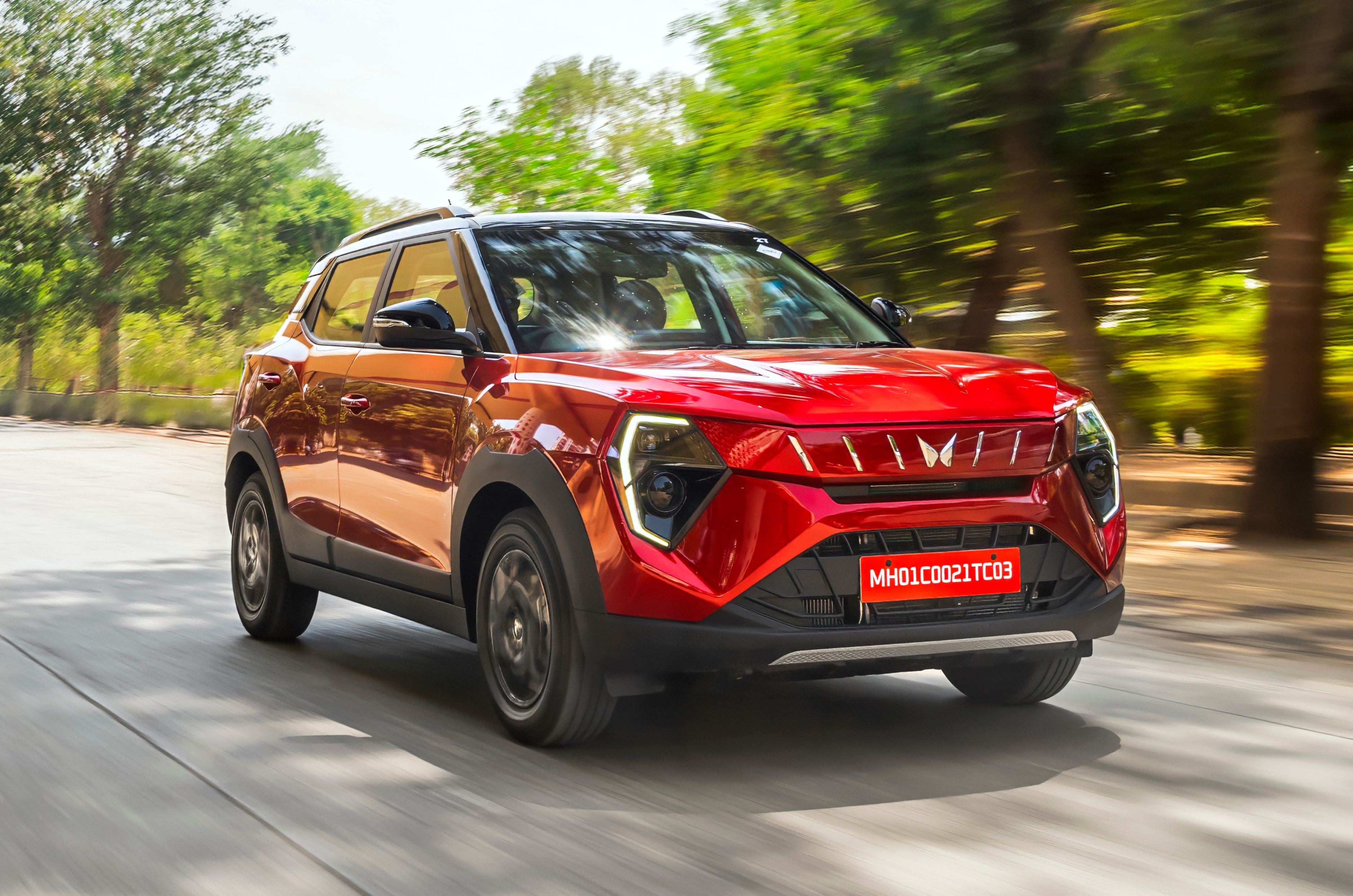
CNG is shaping up to be the new diesel. For the second year running, CNG passenger vehicles outsold diesels, accounting for 21.98 percent of the market compared to 18.08 percent for oil burners in FY2026. That is a very big deal. Big enough for Mahindra – traditionally a diesel-first brand – to sit up, take notice and want a piece of the action. Its first attempt – if you don’t count the fleet-only KUV100 CNG – is the Mahindra XUV 3XO ZNG. Read as Zee-NG and pronounced Zing. The headline is that it makes the same amount of power as the pure-petrol 3XO TCMPFi. We experienced it in Mumbai to see if it really has zing.
Mahindra XUV 3XO ZNG Exterior Design and Engineering – 7/10
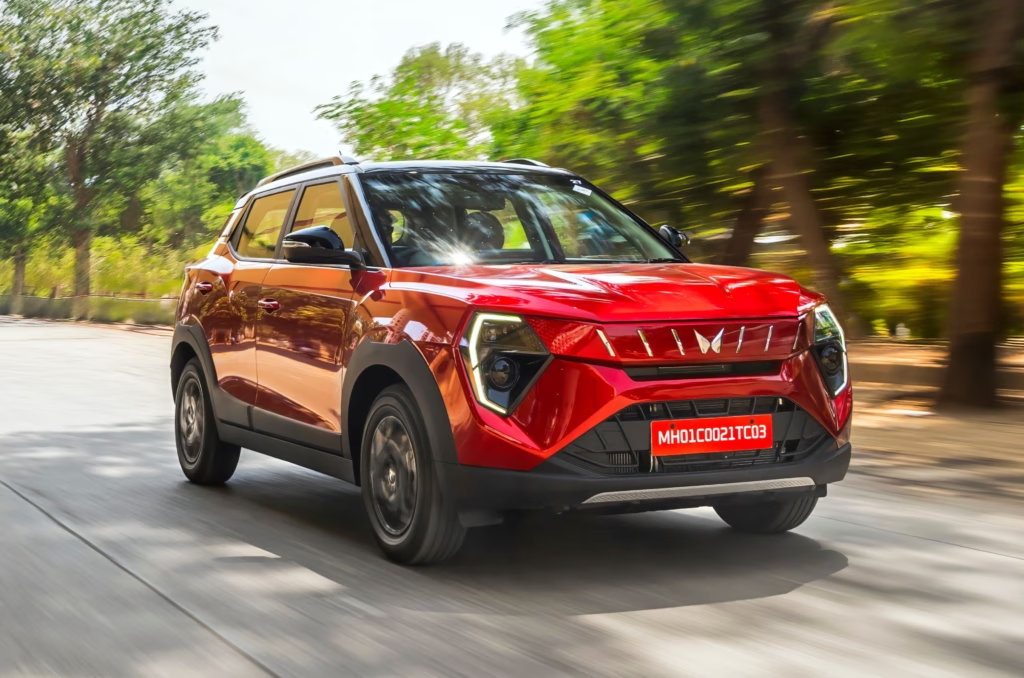
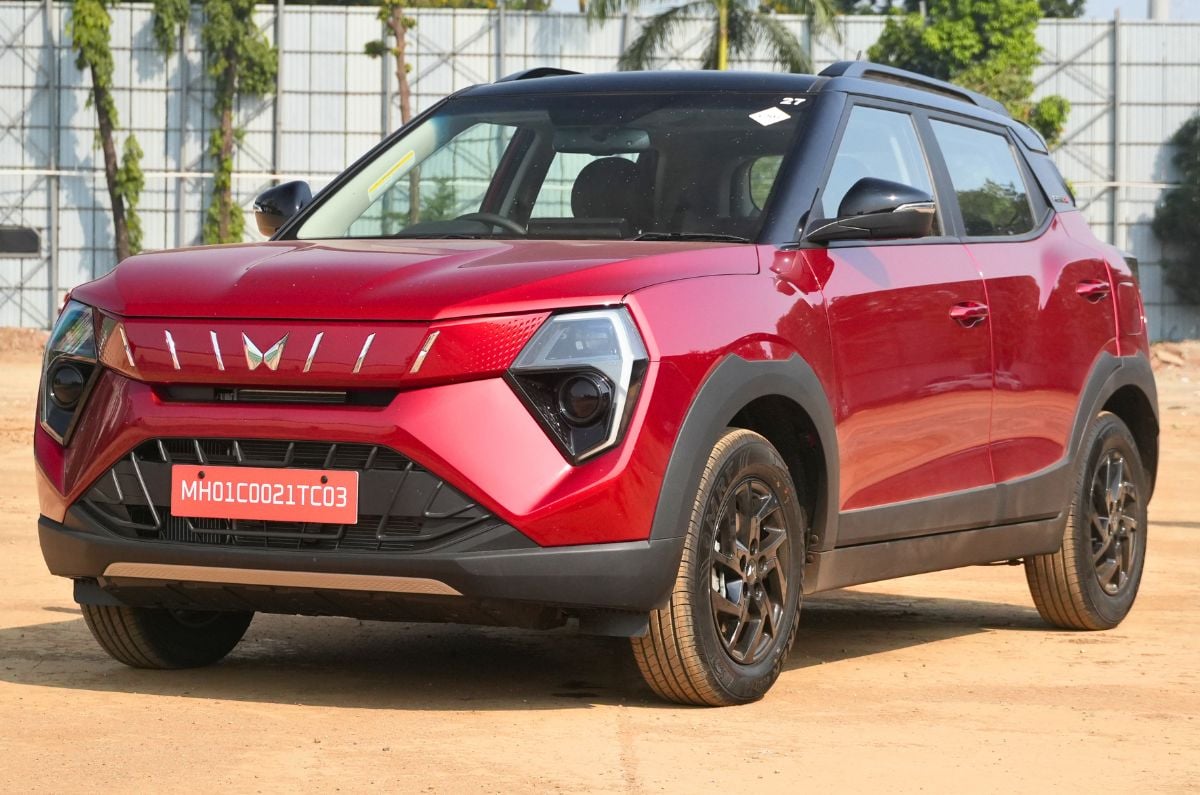
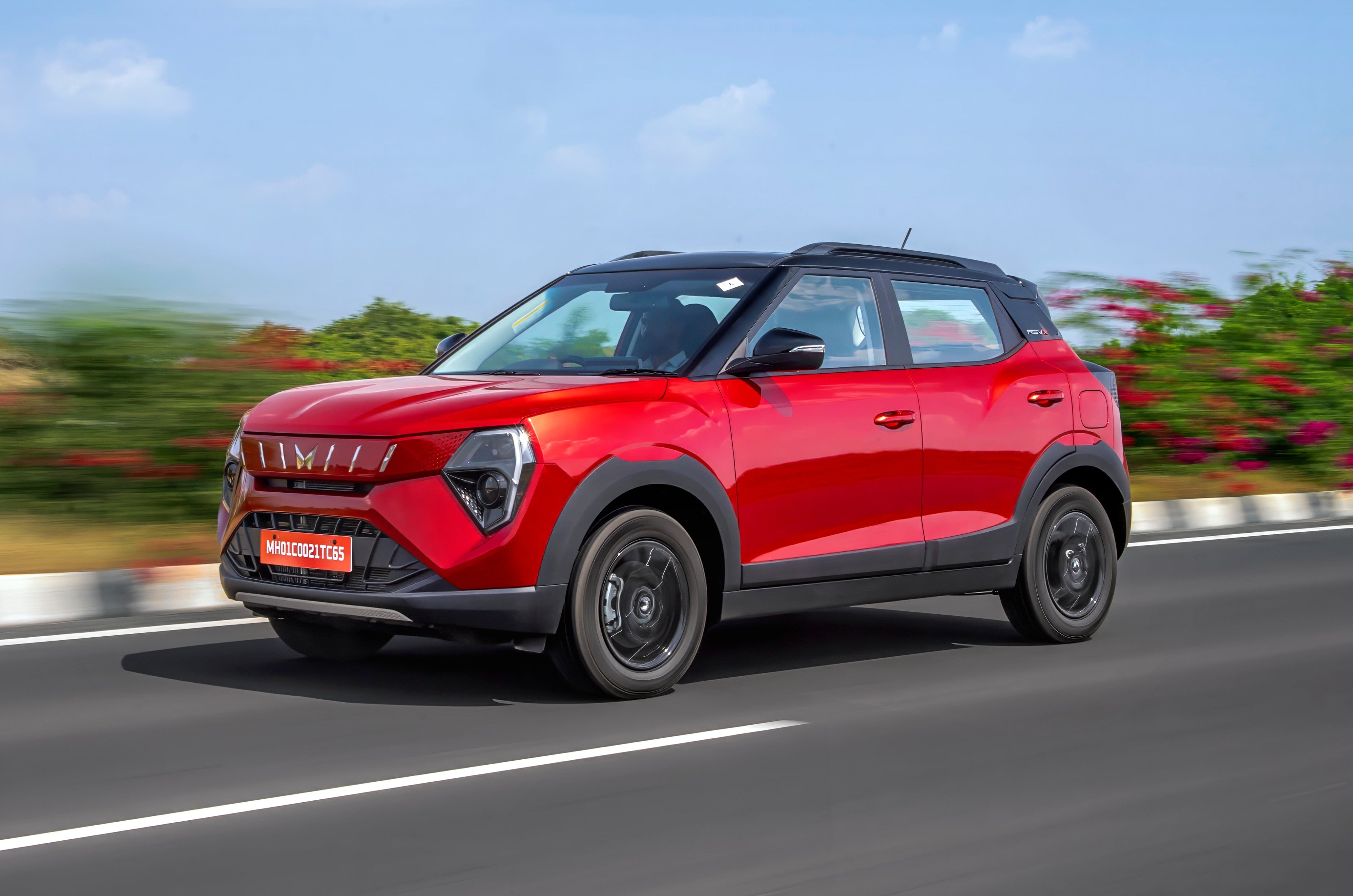
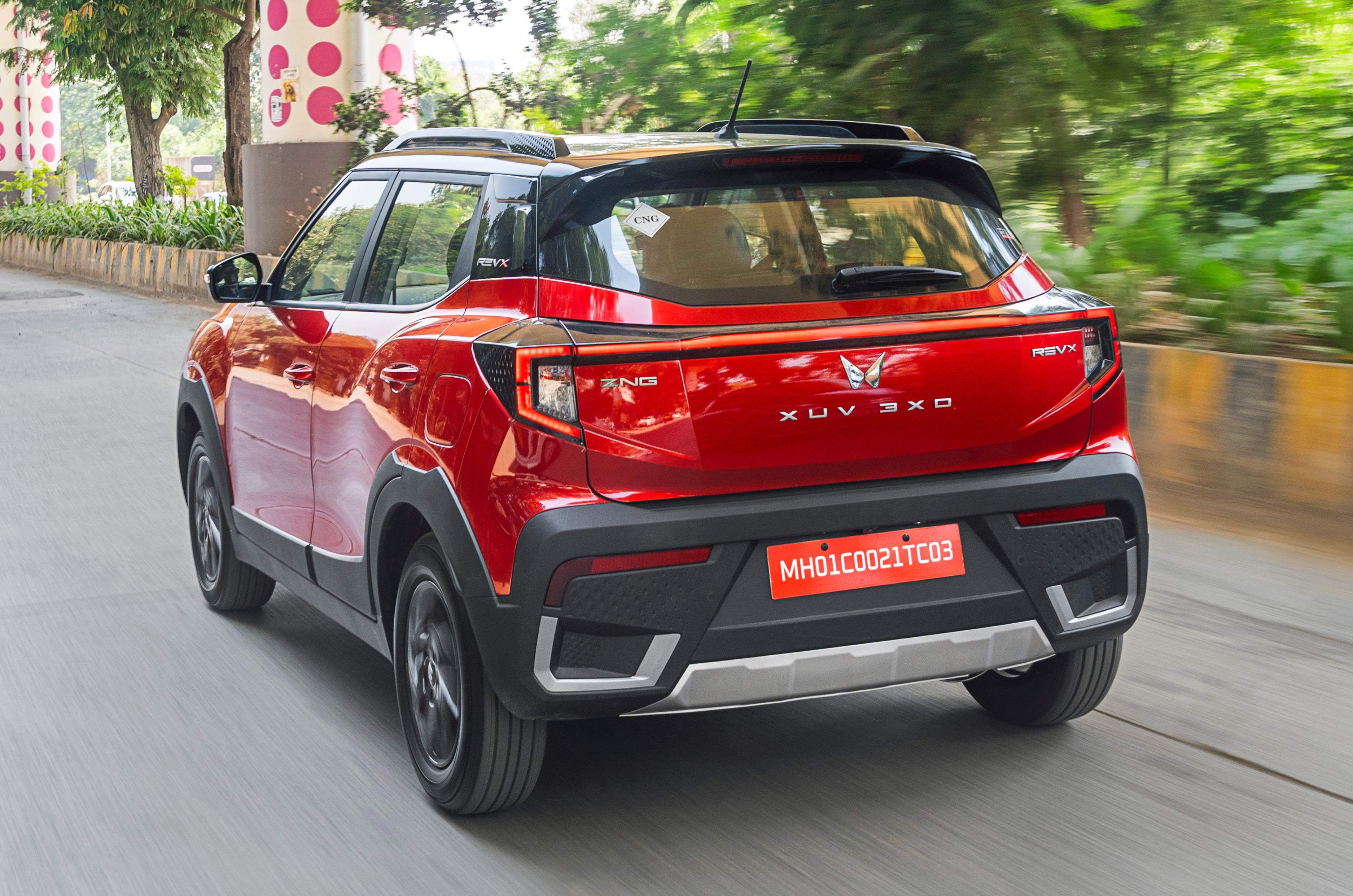
Outside, there isn’t much to tell the ZNG apart from the regular XUV 3XO. Our test car is based on the REVX trim and gets a body-coloured grille, while other trims gloss black. LED lighting is present, though fog lamps are missing even on the top REVX A CNG trim.
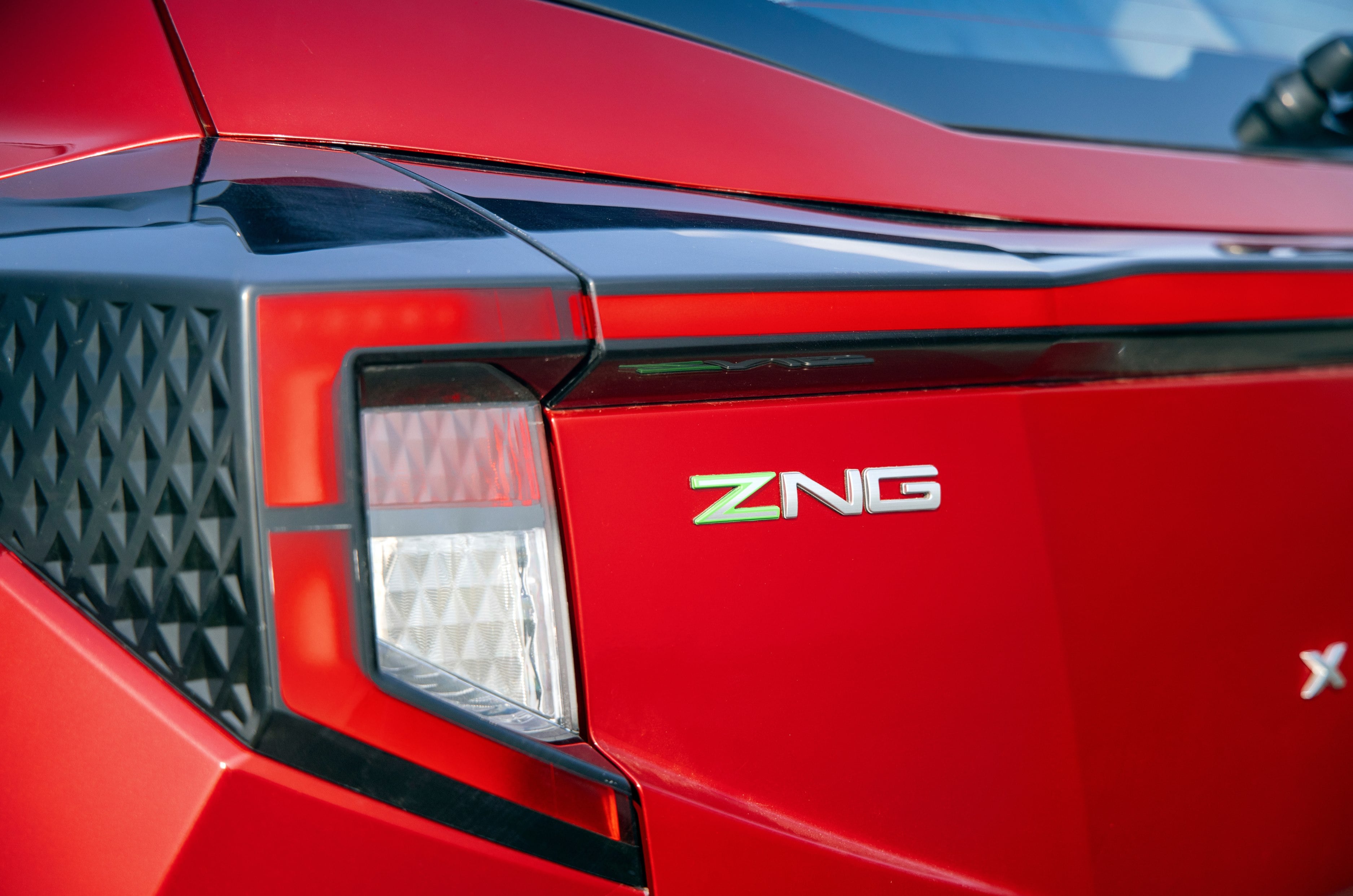
ZNG badge on the tailgate is the only exterior telltale of the CNG powertrain.
In profile, you’ll notice the gloss black 16-inch wheels – the largest size available on the ZNG, with 17s reserved for the pure-petrol TGDi. At the rear is the clearest giveaway of its CNG powertrain: a ZNG badge on the tailgate.
XUV 3XO ZNG Interior Space and Comfort – 8/10
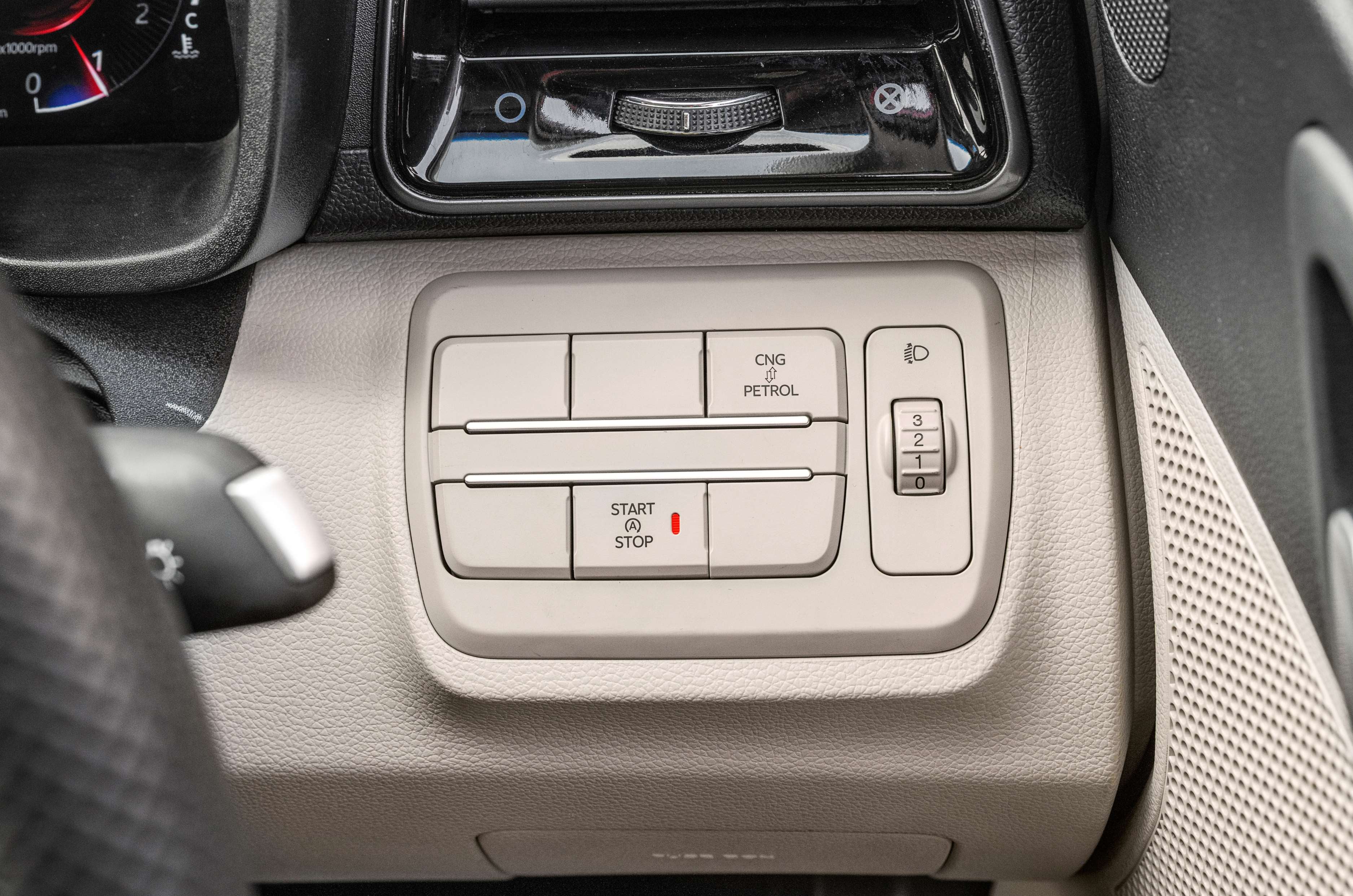
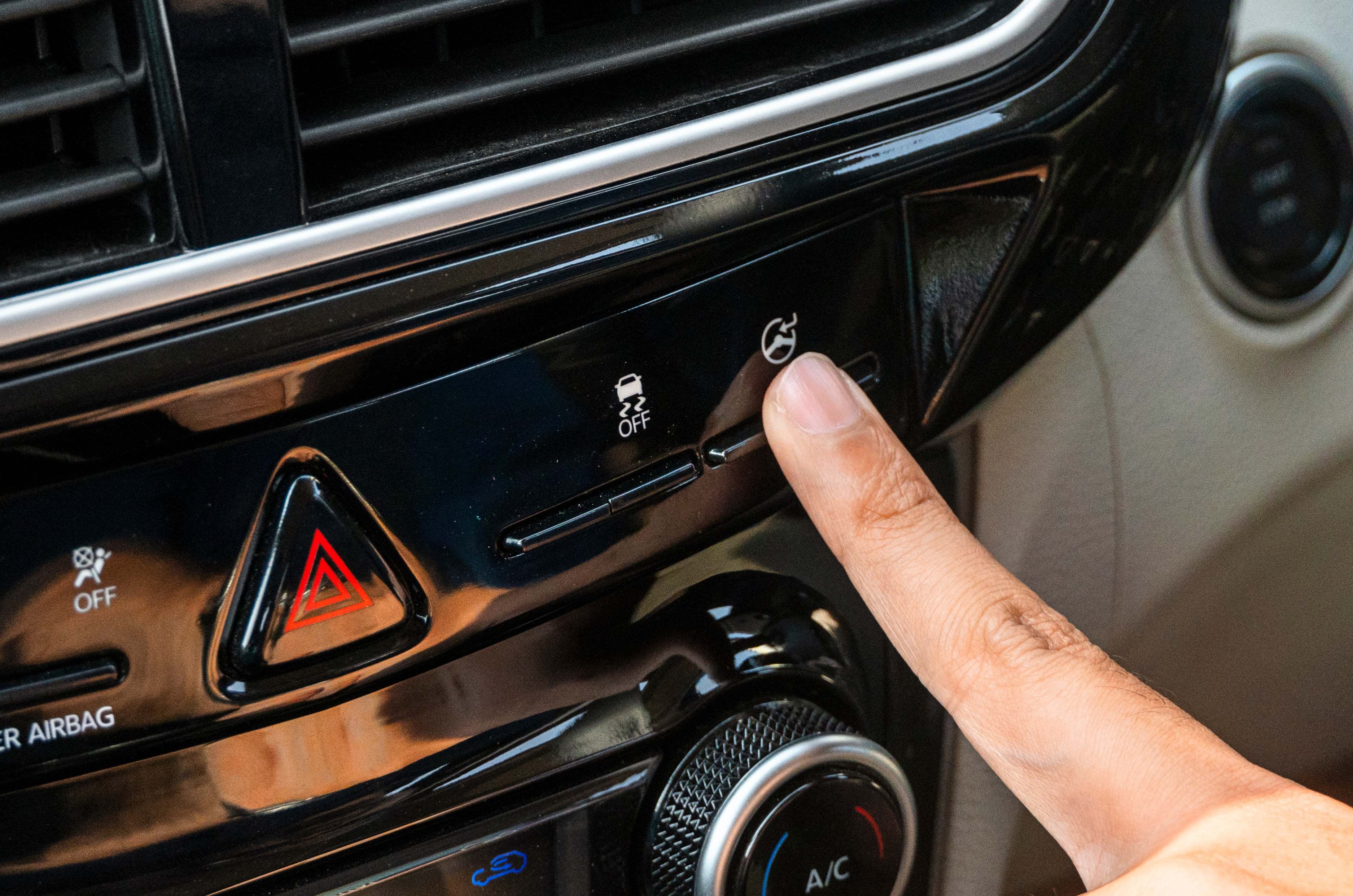
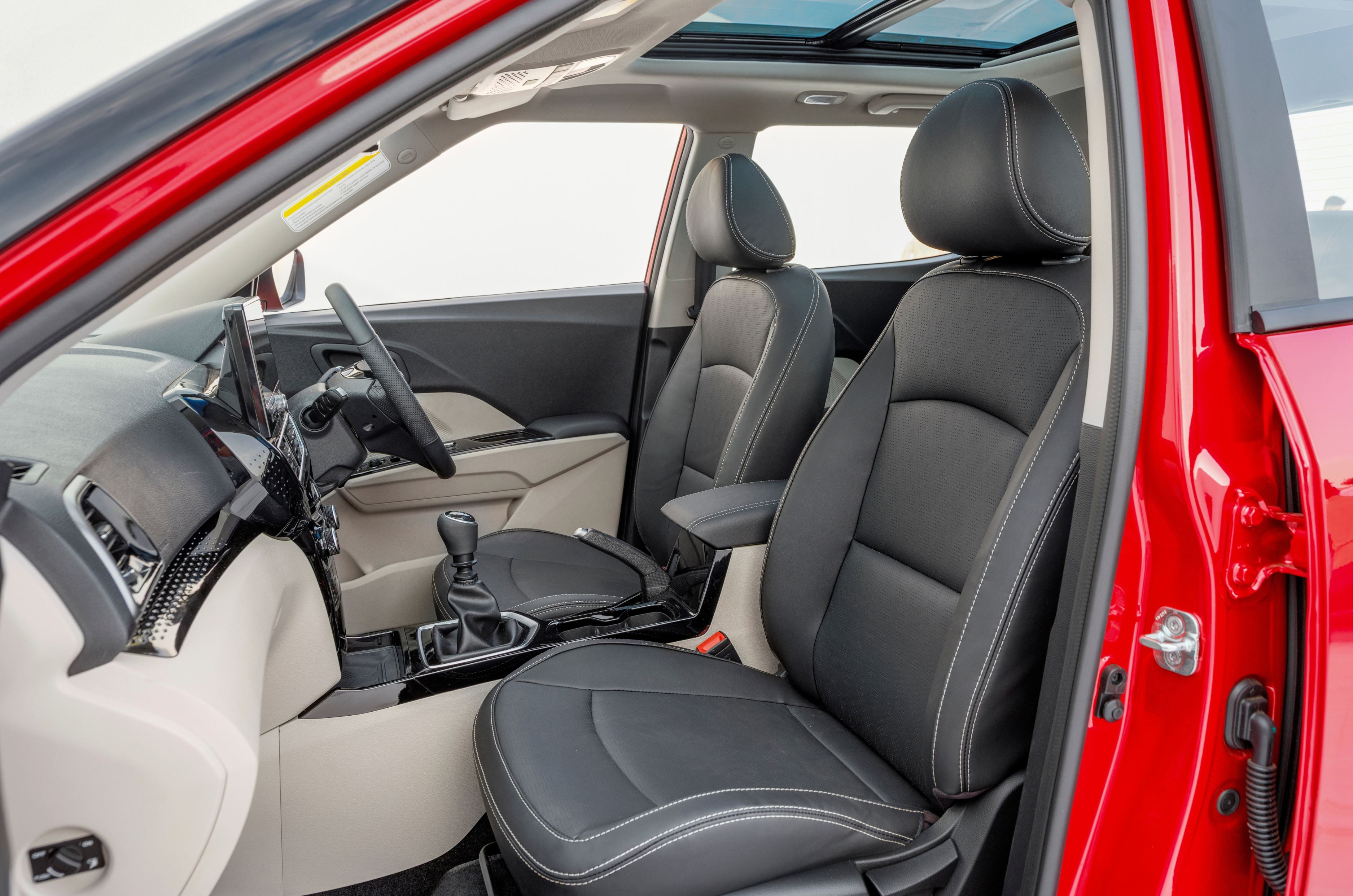
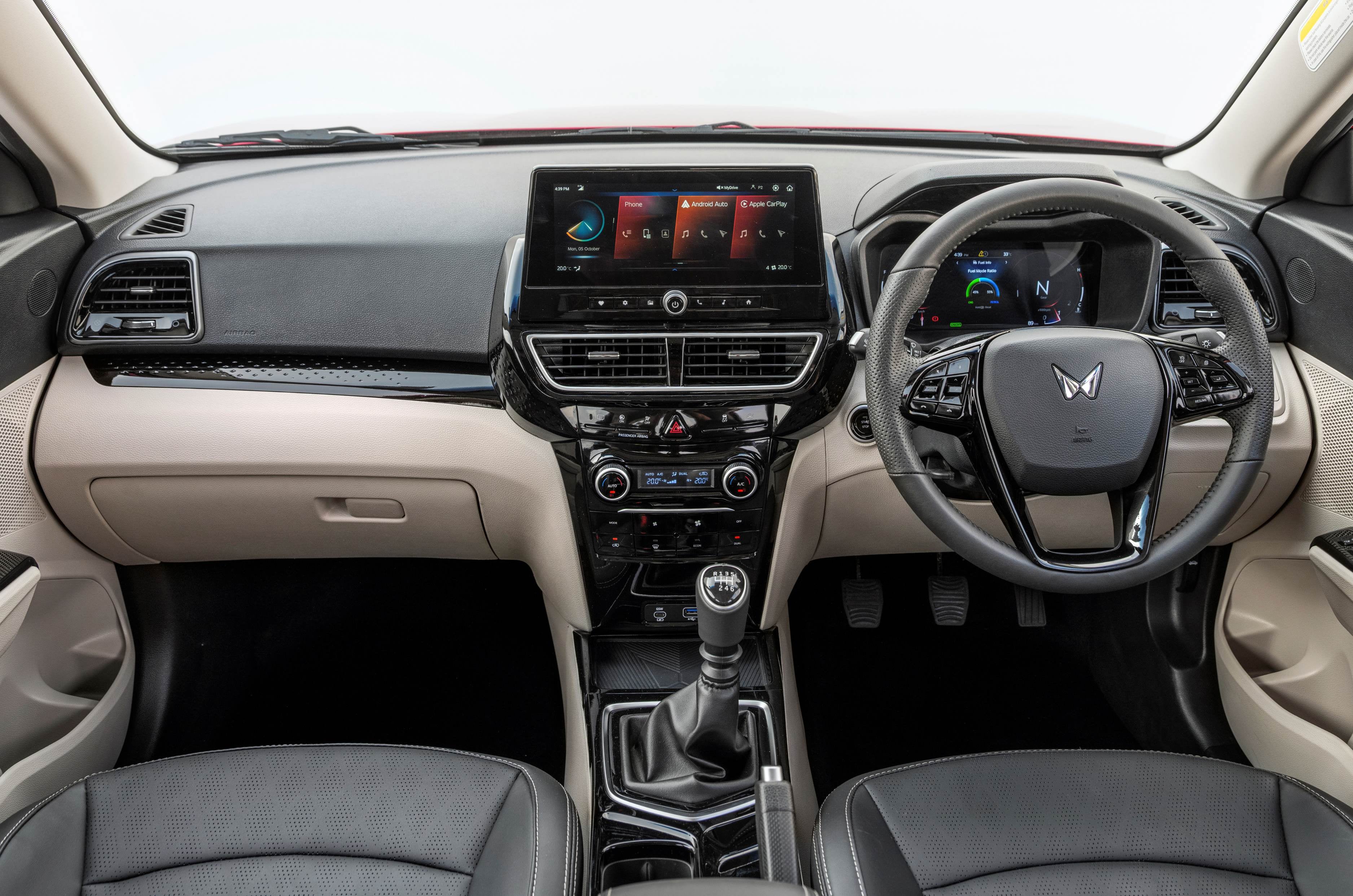
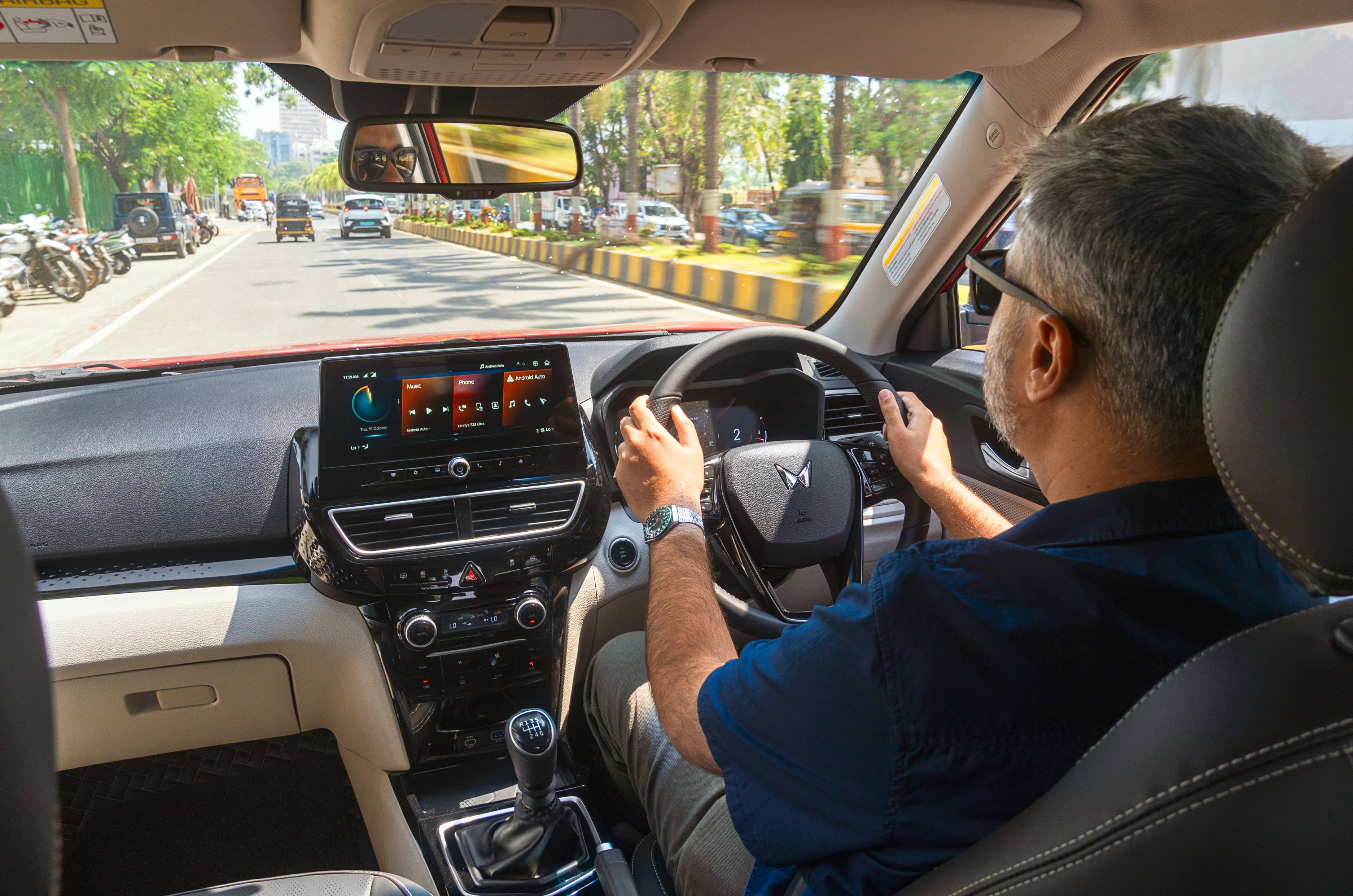
Inside, too, the ZNG is largely identical to its petrol and diesel counterparts, with a CNG switch to the right of the steering wheel being the only real giveaway. The dual-tone dashboard with lots of gloss black trim is otherwise carried over unchanged. Despite not being the top of the line variant, the cabin has an upmarket and well-trimmed air to it.
Our REVX A test car gets black leatherette seats, which can get quite hot, and they lack ventilation, just like the regular 3XO. The front seats are also a bit tight for larger frames, and the lack of a telescoping steering makes it hard to get comfy. Another ergonomic gripe is the tight driver’s footwell, with no dead pedal – pertinent as a six-speed manual is your only gearbox option.
The rear seat remains spacious and comfortable for its segment, and accommodating three abreast is not an issue. One area where the 3XO fell short was boot space, measuring just 295 litres – the smallest in the segment. To keep as much of the boot intact as possible, Mahindra has moved the space-saver spare under the body and placed a dual-tank setup under the boot floor. The combined liquid capacity of the tanks is 60 litres, which translates to 10kg of CNG capacity.
Boot capacity has dropped to 270 litres, which is smallest amongst immediate rivals, however it remains fairly wide and can accommodate up to four cabin bags.
Mahindra XUV 3XO ZNG Features and Safety – 8/10
The 3XO ZNG is available in four trims, which offer the same features as their petrol and diesel counterparts. The highlights are a pair of sharp 10.25-inch screens for infotainment and instrumentation, a panoramic sunroof and a six-speaker audio system with Dolby Atmos.
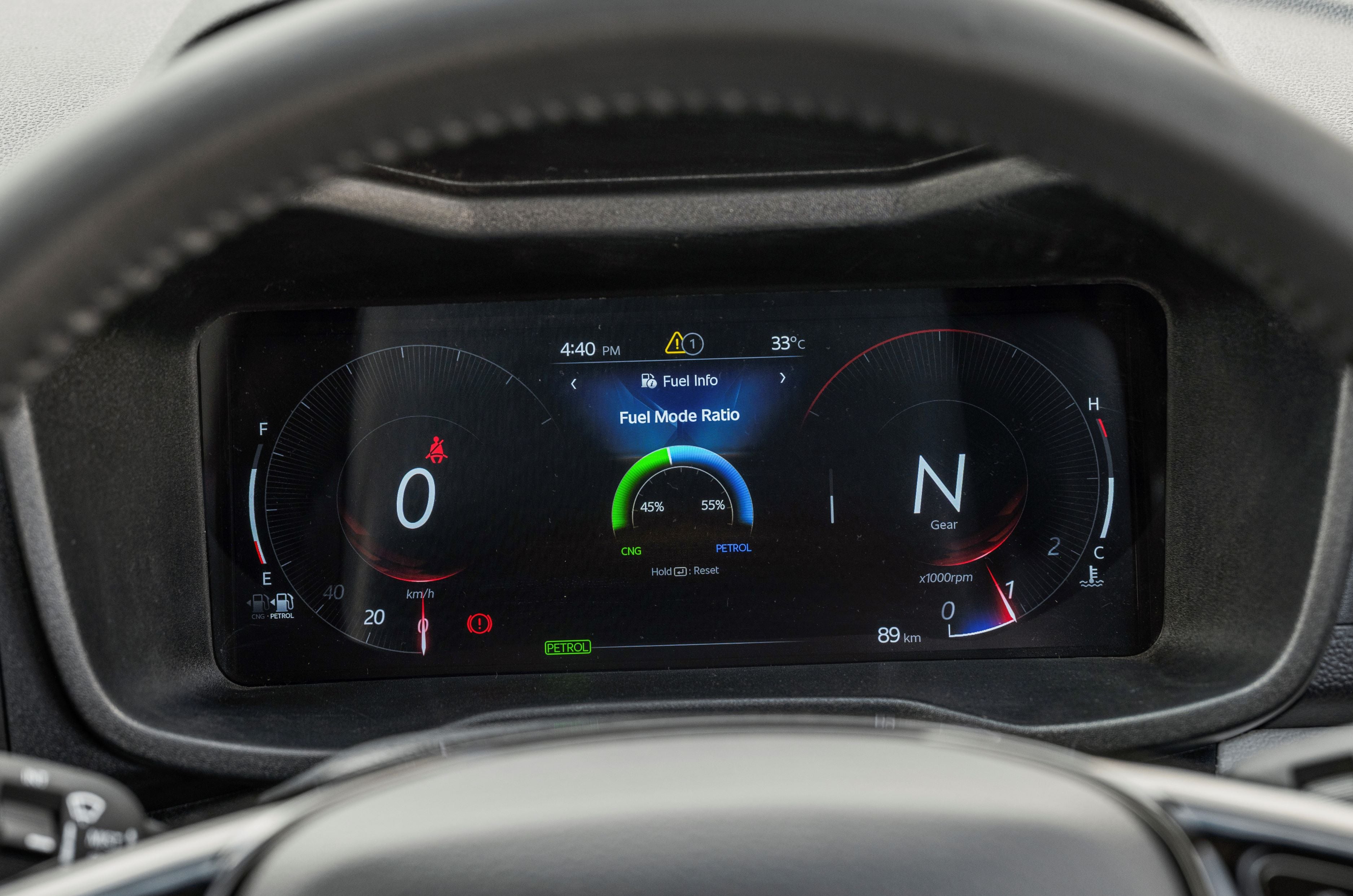
The digital instrument cluster has a few more CNG-related functions. Hit the CNG switch, and an indicator on the digital instrument cluster confirms the fuel you are using, while the fuel gauge changes to display the fuel level. The cluster can also show the ratio of time spent in each fuel mode and the corresponding fuel efficiency.
As such, the 3XO ZNG is reasonably well equipped compared to equivalent variants of its main rival, the Tata Nexon iCNG. However, the Nexon offers a wider choice of CNG variants, with top-spec versions getting features such as a 360-degree camera, ventilated front seats and a wireless charger, all of which the Mahindra misses out on.
The safety kit is quite comprehensive, featuring six airbags, ESC, ISOFIX mounts, a tyre pressure monitoring system and a reversing camera. The regular XUV 3XO is also a five-star Bharat NCAP safety-rated car, and Mahindra says the ZNG has been engineered to meet the same standards.
Mahindra XUV 3XO ZNG Performance and Refinement – 8/10
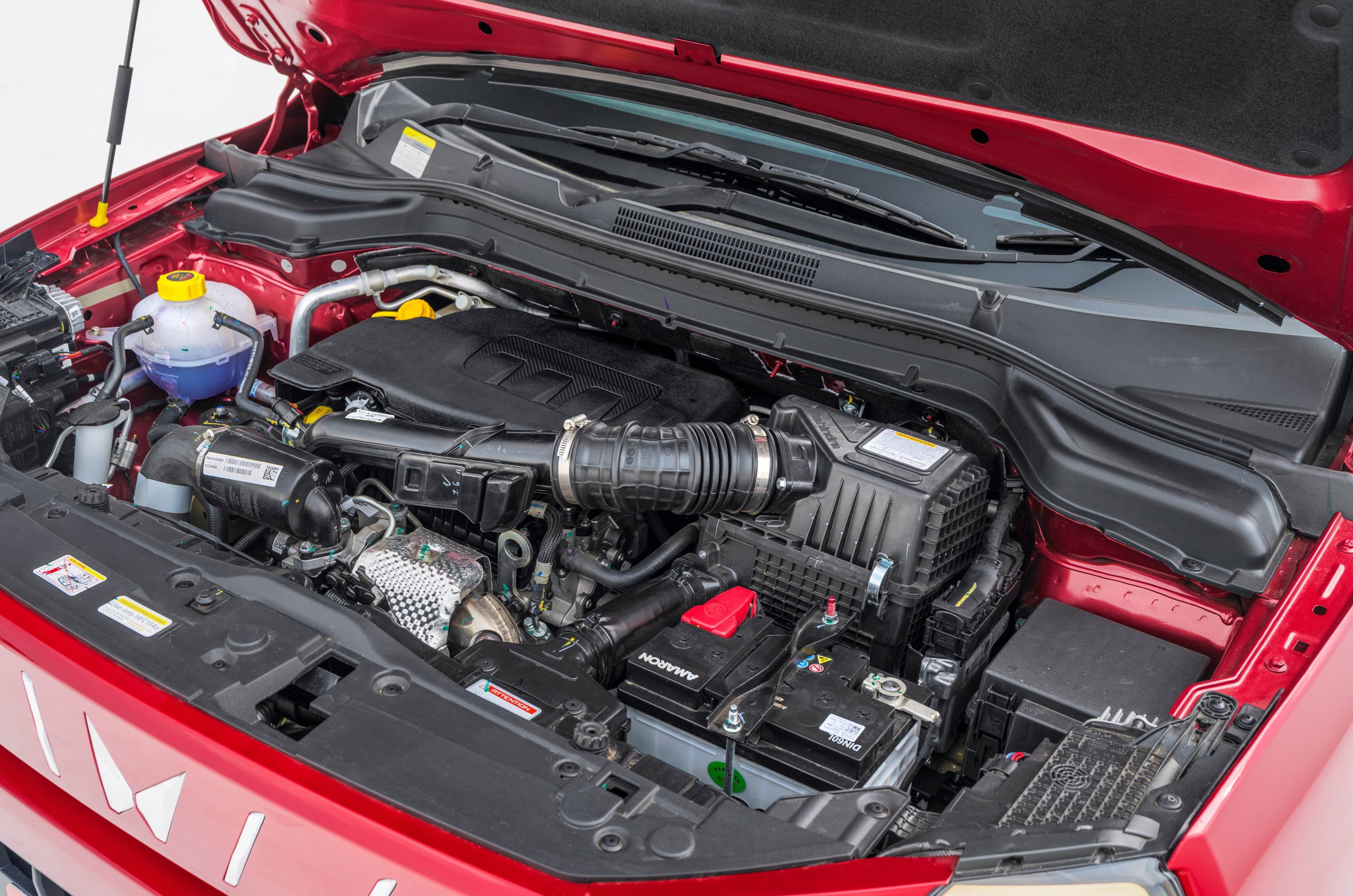
Powering the ZNG is the same 1.2-litre multi-point fuel injection (MPFi) turbo-petrol engine that does duty on the lower and mid-level trims of the 3XO. The kicker is that Mahindra quotes the exact same power and torque figures for CNG as for the pure-petrol version – 111hp and 200Nm. That is highly unusual, as a 10 to 15 percent drop in power figures is the norm. For comparison, its direct rival, the Tata Nexon iCNG, loses 20hp when switching from petrol to CNG. Mahindra says it has managed this with the use of a 10-bar CNG injection system. It also says the turbocharger and ECU calibration have been optimised to run on CNG, and initial impressions seem to back this up.
1.2-litre TCMPFI engine uses a 10-bar CNG injection system; Mahindra claims identical 111hp and 200Nm figures for petrol and CNG.
In everyday driving, the difference between CNG and petrol modes is barely noticeable. The engine feels smooth and refined in both, only becoming audible when extended. Performance, too, is very similar. Throttle response is good and the motor feels tractable, rarely requiring a shift into first when negotiating a speed breaker. There is a bit of turbo lag below 2,000rpm, but get past this and performance feels brisk.
The switch between modes is also quite seamless, with no apparent jerkiness or change in engine note. However, switch back and forth a few times, and you’ll notice the throttle response is ever so slightly duller in CNG mode, and there are times when it will hesitate on sudden throttle inputs. Overall, though, calibration in CNG mode is very good, and in everyday driving, there is very little to fault.
Performance feels brisk once you get past 2000rpm.
While the pure-petrol version of this engine can be had with a six-speed torque-converter automatic, the ZNG is only available with the six-speed manual. While its immediate rivals don’t offer an automatic with CNG either, Mahindra would have done well to offer at least an AMT. As it is, the manual is a smooth and easy-to-use unit, but not quite at the level of its Japanese or Korean competition. Its throws are a bit too long, and the clutch, while light, has a long travel.
In terms of outright performance, Mahindra claims an 11.8sec 0-100kph time for the ZNG. We conducted a quick performance test (not to Autocar India standards), which resulted in a 0-100kph time of 12.98s on petrol and 12.64s on CNG – a difference we put down to the launch. In-gear acceleration figures paint a clearer picture, where the ZNG was quicker in petrol mode by about 0.7 seconds in both 20-80kph and 40-100kph runs. Nevertheless, performance in either CNG or petrol is so close that most drivers would be hard-pressed to tell the difference.
Mahindra XUV 3XO ZNG Mileage and Efficiency – 8/10
Mahindra claims an efficiency figure of 24.7km/kg for the XUV 3XO ZNG, which translates to a theoretical range of 247km from its 10kg CNG capacity.
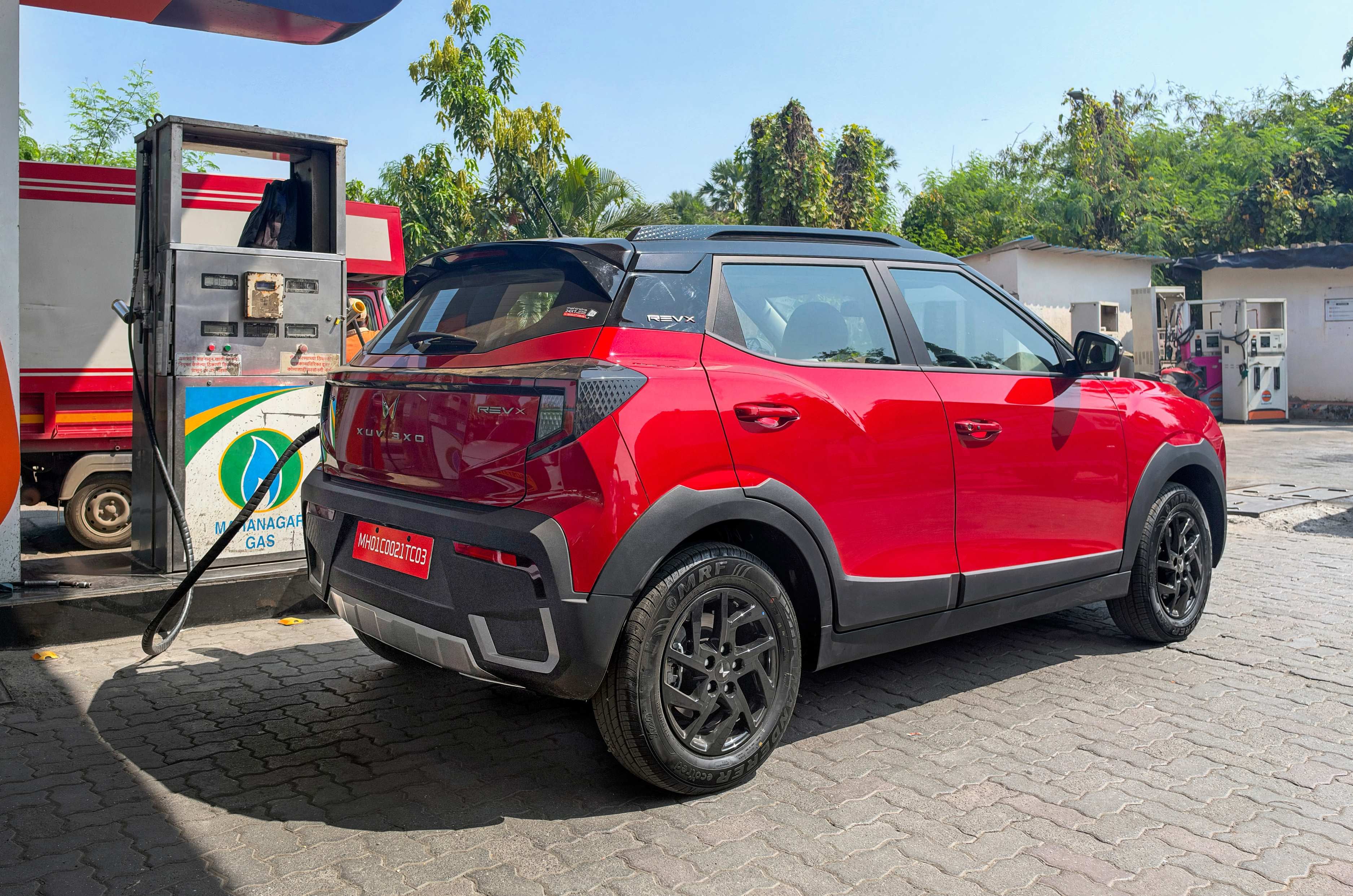
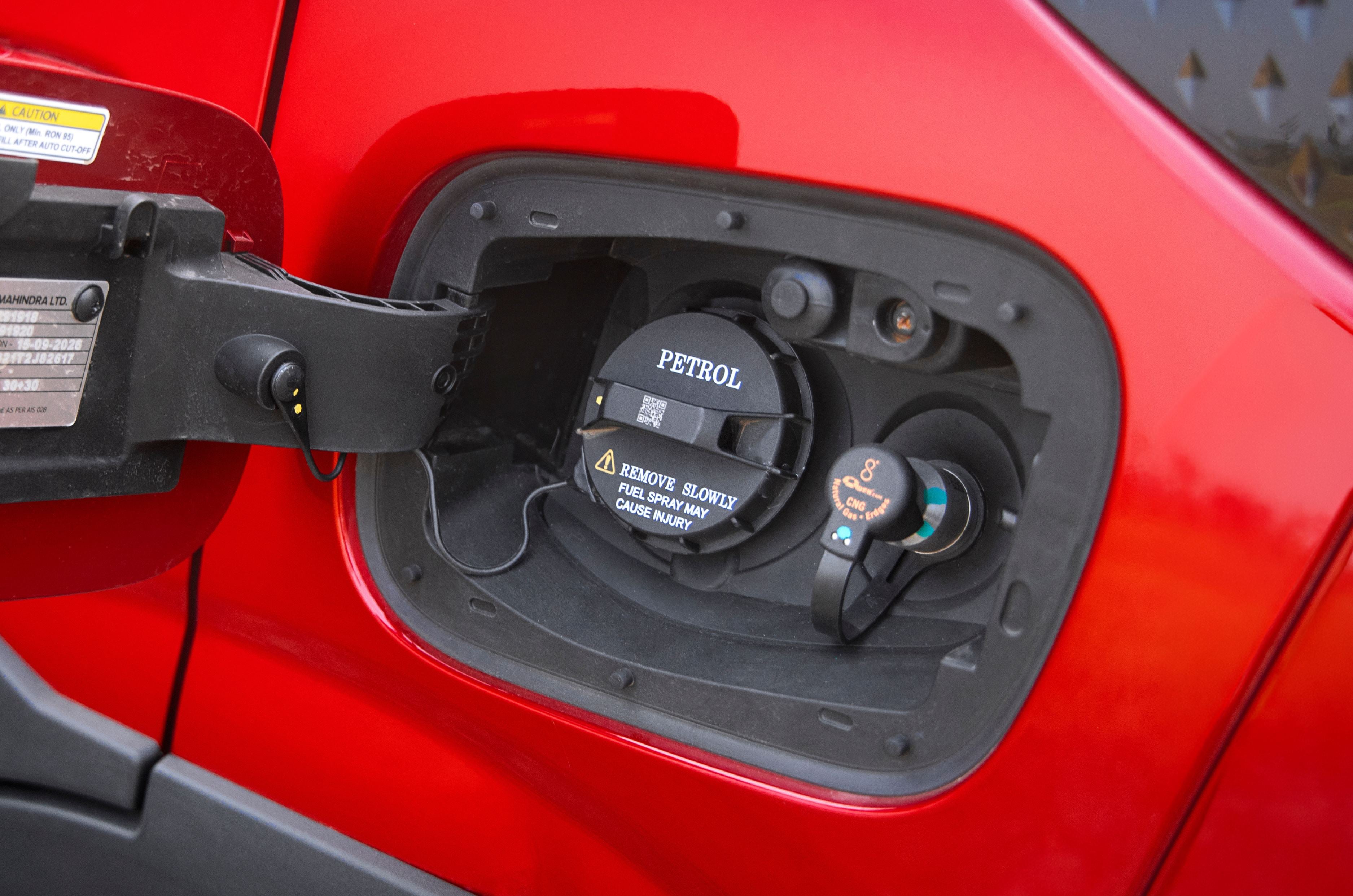
CNG filler neatly positioned beside the fuel filler; fuel filler door still has a manual release in the cabin.
It also gets an idle-stop/start function, which should help efficiency. We will verify these claims with a real-world test soon.
Mahindra XUV 3XO ZNG Ride Comfort and Handling – 9/10
Light steering works well in town; steering modes dial up resistance but don’t offer better feel.
The switch to CNG adds around 100kg to the 3XO, most of it concentrated at the rear. To ensure this doesn’t affect ride or handling, Mahindra has tweaked the suspension to cope with the extra weight. The ZNG’s ride has a slightly firm edge, but overall it deals with bad roads very well.
16-inch wheels and tall tyres are better at absorbing sharper bumps than the 17s on higher petrol trims.
The smaller 16-inch wheels also play an important part here, as their taller-sidewall tyres absorb sharp edges before they make their way to the cabin. Overall, the ride remains amongst the best in the class.
Handling, too, remains tight and engaging, with a planted feel around the bends. The steering is light and direct, and while you can dial up the resistance using the three steering modes, this adds little in terms of feel or feedback.
Mahindra XUV 3XO ZNG Value for Money – 8/10
Overall, the Mahindra XUV 3XO offers good value for money and makes for a compelling entrant into the CNG compact SUV space. Prices for the Mahindra XUV 3XO ZNG start at Rs 9.99 lakh and go up to Rs 12.27 lakh, which is between Rs 1 lakh and Rs 1.2 lakh more than the equivalent petrol trims. Pricing is on par with comparable variants of the Tata Nexon iCNG. However, the Nexon has a wider range and also offers more features on the higher trims.
Mahindra has packaged the CNG tanks cleverly, minimising the impact on boot space. That said, the 3XO’s boot wasn’t particularly large to begin with, and that remains a drawback. What sets it apart is the driving experience. CNG calibration is very good, and performance in CNG mode is close enough to petrol for most people not to notice a real difference. For a first attempt, the XUV 3XO ZNG certainly ticks a lot of boxes.
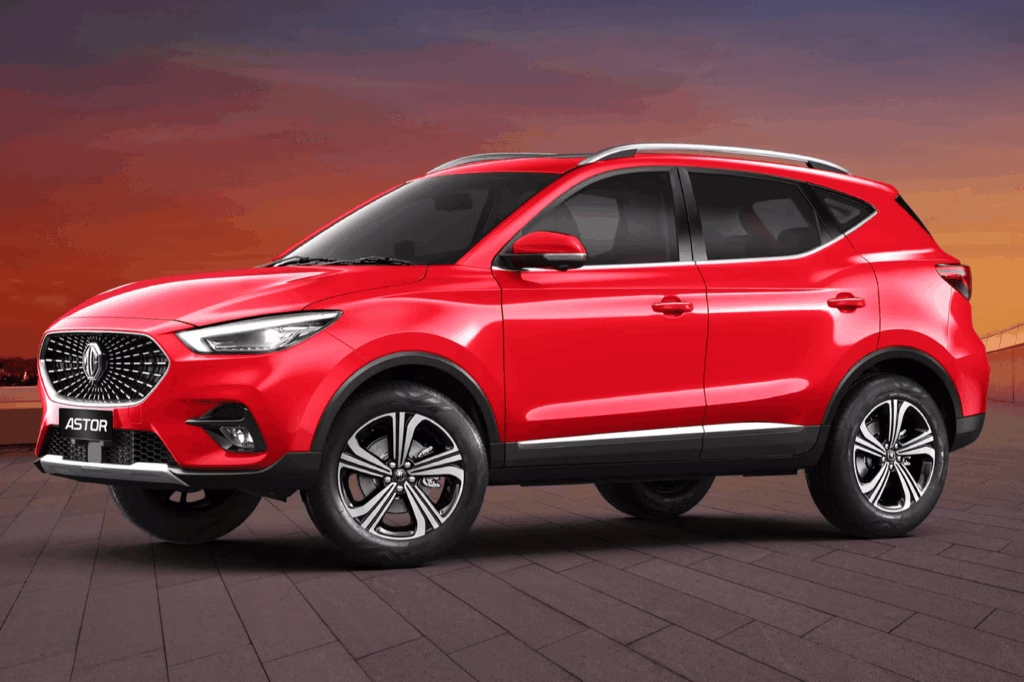
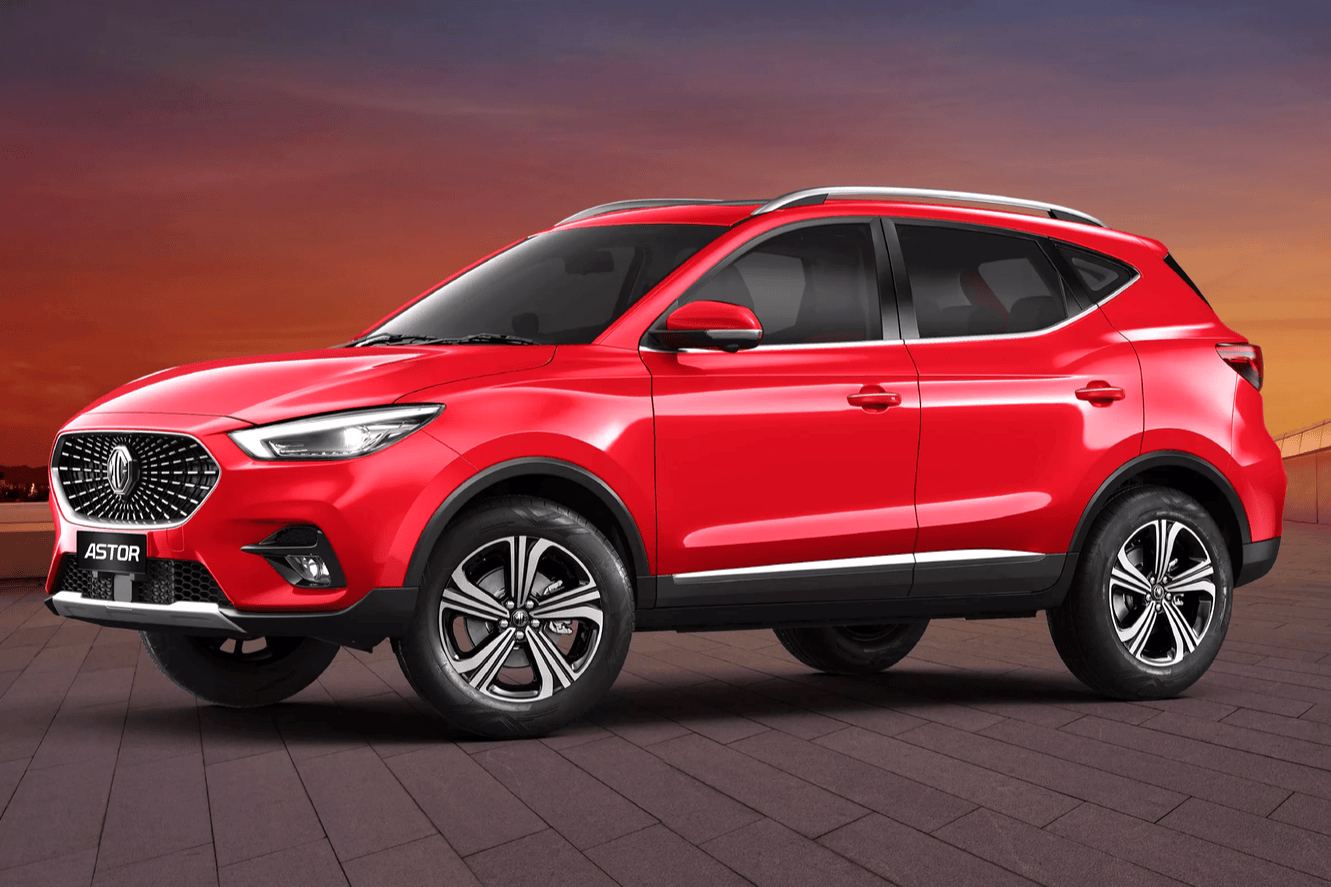
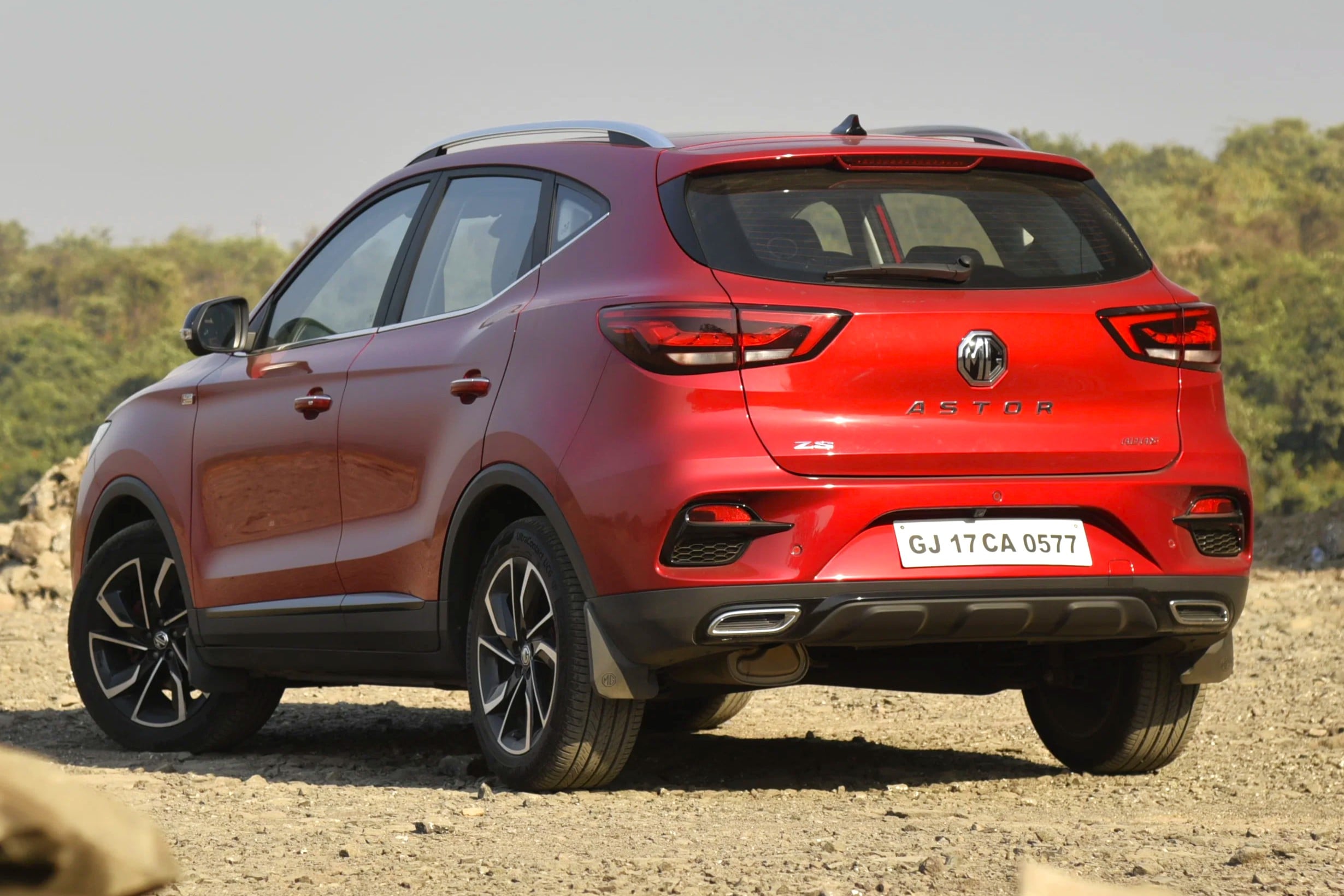
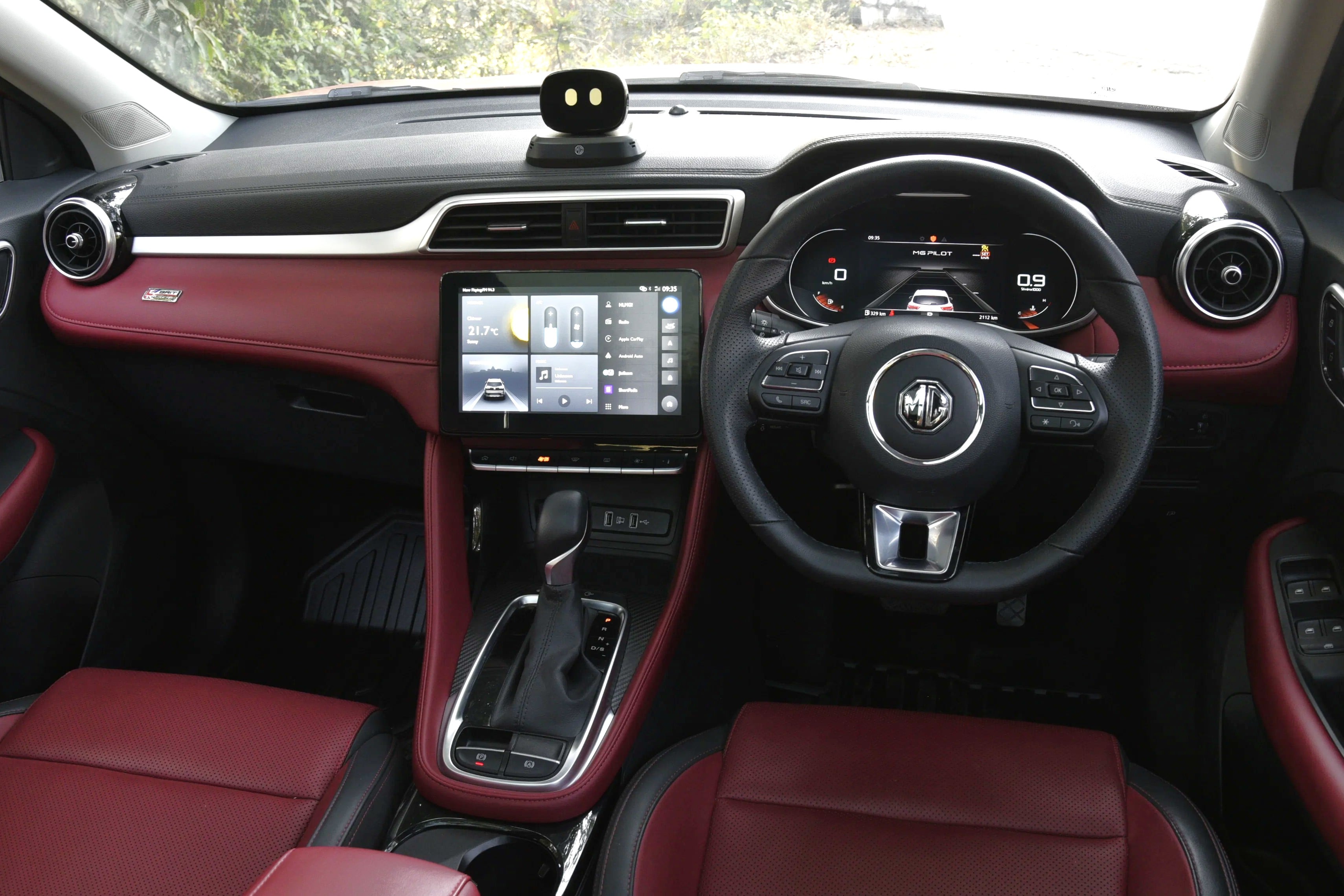
MG Motor India has discontinued the Astor midsize SUV, according to our dealer sources. The Astor first went on sale in India in 2021, rivalling the likes of the Hyundai Creta, Kia Seltos, Volkswagen Taigun, and Skoda Kushaq. However, the Astor didn’t find much of a footing with buyers, selling double or triple digits a month on average. For example, the Astor’s monthly average sales figure from September 2025 to September 2026 is 112 units.
Why did the MG Astor not succeed?
The MG Astor looked smart and came well-equipped, but it had little in the way of powertrain diversity. Where newer rivals offered petrol, diesel, CNG, and hybrid powertrains, the Astor was available with only two petrol engines: a 110hp 1.5-litre naturally aspirated four-cylinder, and a 140hp 1.3-litre direct-injection turbocharged three-cylinder. An electric counterpart of the Astor, dubbed the ZS EV, is available, but it costs significantly more.
Moreover, the 1.3-litre turbo engine was discontinued back in February 2025, leaving the Astor with only the rather-unexciting 1.5-litre NA engine, which could be paired with either a 5-speed manual or a CVT automatic. Another reason behind the Astor’s sluggish sales was likely its relatively low-slung crossover-esque design, which made it look smaller than its more upright-looking rivals.
Will there be a next-gen MG Astor?
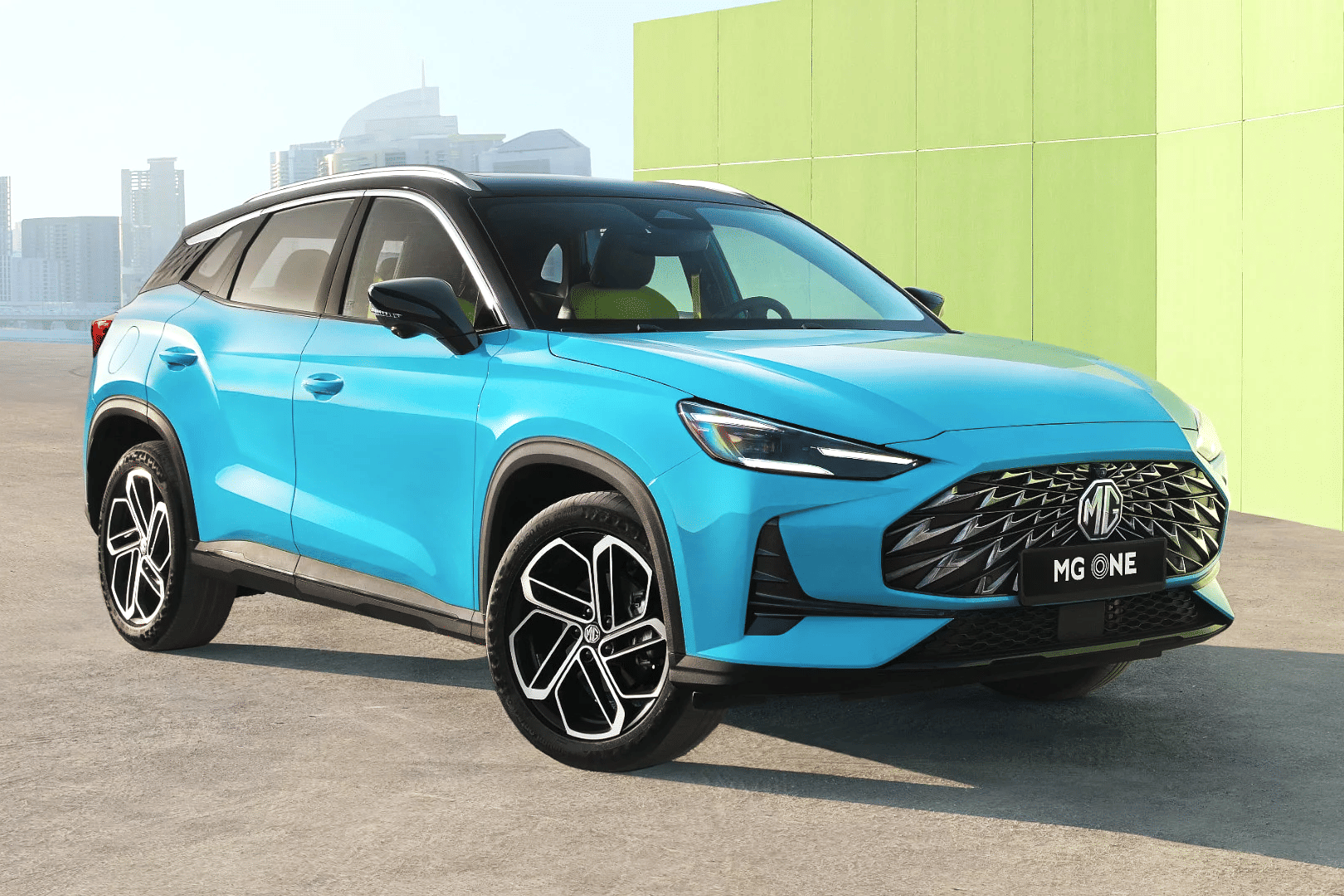
Global-spec MG One. Image used for representation only.
The midsize SUV space is too lucrative to ignore, and to that effect, MG is not giving up on it. As we reported exclusively back in March 2026, MG is readying an Astor replacement that’s likely to be based on the brand’s SIGMA (SAIC Intelligent Global Modular Architecture) platform.
SIGMA can accommodate pure-combustion, hybrid, and electric powertrains, which would overcome the powertrain variety hurdle faced by the Astor. We expect the next-gen Astor replacement to launch in 2027.
अगर आप CNG SUV खरीदने की सोच रहे हैं, लेकिन पावर और फीचर्स से समझौता नहीं करना चाहते, तो Mahindra की नई पेशकश आपके लिए दिलचस्प हो सकती है। कंपनी ने XUV 3XO का CNG वर्जन लॉन्च कर दिया है। इसकी एक्स-शोरूम कीमत ₹9.99 लाख से शुरू होती है। इसमें बूट स्पेस के अंदर दो CNG सिलेंडर दिए गए हैं और कंपनी का दावा है कि यह 1 किलोग्राम CNG में 24.70 किलोमीटर तक चल सकती है।
खास बात यह है कि Mahindra की SUV रेंज में अब तक CNG का विकल्प नहीं मिलता था। ऐसे में XUV 3XO CNG के आने से ग्राहकों को एक नया ऑप्शन मिल गया है। इसका मुकाबला Tata Nexon CNG और Maruti Suzuki Brezza CNG से होगा। CNG मॉडल में भी 110 bhp का टर्बो-पेट्रोल इंजन, छह एयरबैग और 360-डिग्री कैमरा जैसे फीचर्स दिए गए हैं।
Mahindra XUV 3XO CNG चार वेरिएंट में उपलब्ध है। इनकी एक्स-शोरूम कीमत ₹9.99 लाख से ₹12.27 लाख तक है। अगर आप इसे खरीदने का प्लान बना रहे हैं, तो जान लीजिए कि किस वेरिएंट की कीमत कितनी है, उसमें क्या-क्या फीचर्स मिलते हैं और खरीदने से पहले बूट स्पेस, माइलेज और CNG से होने वाली बचत से जुड़ी किन बातों पर ध्यान देना चाहिए।
Mahindra XUV 3XO CNG: वेरिएंट के हिसाब से कीमतें
यहां XUV 3XO CNG की वेरिएंट-वार एक्स-शोरूम कीमतें दी गई हैं।
Mahindra XUV 3XO CNG: वेरिएंट के हिसाब से कीमतें
वेरिएंट
एक्स-शोरूम कीमत
बेस वेरिएंट से कितनी ज्यादा कीमत
MX Edge
₹9.99 लाख
लागू नहीं
RevX Edge (O)
₹10.79 लाख
₹80,000
AX5
₹11.19 लाख
₹1.20 लाख
RevX A
₹12.27 लाख
₹2.28 लाख
Mahindra XUV 3XO CNG: इसमें क्या-क्या मिलता है
इसका डिजeइन पेट्रोल 3XO जैसा ही है, बस टेलगेट पर ‘CNG’ का बैज लगा है। इसके फीचर्स में तीन स्टीयरिंग मोड (नॉर्मल, कम्फर्ट और स्पोर्ट्स), स्टार्ट-स्टॉप बटन, 10.25-इंच की टचस्क्रीन और 10.25-इंच का डिजिटल क्लस्टर शामिल हैं। इसके अलावा, इसमें पैनोरमिक सनरूफ, 360-डिग्री कैमरा, टायर प्रेशर मॉनिटर, डॉल्बी एटमॉस साउंड, लेदरेट सीटें, रियर वाइपर, कनेक्टेड LED टेललैंप और आगे व पीछे के आर्मरेस्ट भी दिए गए हैं।
सेफ्टी के लिए इसमें 6 एयरबैग, 4 डिस्क ब्रेक, सभी यात्रियों के लिए 3-पॉइंट सीटबेल्ट, EBD के साथ ABS, रियर पार्किंग सेंसर, सीटबेल्ट रिमाइंडर और स्पीड अलर्ट जैसे फीचर्स मिलते हैं। हालांकि, कंपनी ने अभी यह साफ नहीं किया है कि कौन-सा फीचर किस वेरिएंट में मिलेगा। इसलिए बुकिंग करने से पहले डीलर से संबंधित वेरिएंट की फीचर लिस्ट जरूर मांग लें।
Mahindra XUV 3XO CNG: हार्डवेयर
इसमें दो सिलेंडर बूट (डिग्गी) में लगे हैं, इसलिए यह जरूर पता करें कि कितना इस्तेमाल करने लायक स्पेस बचता है और क्या इसमें एक फुल-साइज सूटकेस आ सकता है। इसमें 1.2-लीटर TCMPFi टर्बो-पेट्रोल इंजन है, जो 110 bhp की पावर और 200 Nm का टॉर्क जनरेट करता है। कंपनी का दावा है कि यह 0-100 km/h की रफ्तार 11.8 सेकंड में पकड़ लेती है। 24.70 km/kg का माइलेज सिर्फ एक दावा है, असल इस्तेमाल में यह आंकड़ा इससे कम होगा। लॉन्च की जानकारी में गियरबॉक्स के विकल्पों और CNG किट की वारंटी के बारे में नहीं बताया गया है, इसलिए इन दोनों बातों को जरूर कंफर्म कर लें।
महिंद्रा XUV 3XO CNG: क्या यह एक्स्ट्रा कीमत वसूल है?
पेट्रोल RevX Edge (O) की कीमत पहले 9.89 लाख रुपये थी, इसलिए CNG वर्जन लगभग 90,000 रुपये महंगा है। यह जानने के लिए कि आपकी एक्स्ट्रा कीमत कब वसूल होगी, इस एक्स्ट्रा रकम को प्रति किलोमीटर होने वाली बचत (पेट्रोल की प्रति किमी लागत – CNG की प्रति किमी लागत) से भाग दें और इसकी तुलना हर साल आप जितनी दूरी तय करते हैं, उससे करें। जो लोग ज्यादा गाड़ी चलाते हैं, उनकी लागत जल्दी वसूल हो जाएगी, जबकि कम इस्तेमाल करने वालों की लागत शायद कभी वसूल न हो।
गाड़ी बुक करने से पहले देख लें कि आपके घर और रास्ते के आस-पास CNG स्टेशन आसानी से उपलब्ध हैं या नहीं। यह भी पता करें कि किन वेरिएंट्स में पैनोरमिक सनरूफ और 360-डिग्री कैमरा मिलता है। साथ ही, यह भी पूछ लें कि क्या सिलेंडरों की समय-समय पर होने वाली जांच और CNG किट, महिंद्रा की वारंटी और सर्विसिंग में शामिल हैं या नहीं।
The XUV 3XO is the latest model from Mahindra to achieve the 5 lakh domestic market wholesales milestone. This total comprises sales of the XUV300 launched in April 2024, the rebranded model XUV 3XO introduced in April 2024, and the XUV 3XO EV unveiled in January 2026.
Collated sales data for this Mahindra compact SUV from February 2019 to September 2026 shows total domestic market wholesales of 505,590 units. An additional 37,000 units have also been exported.
XUV 3XO Sales Trend: Record Month and the Last 100,000 Units
Mahindra XUV300 / 3XO / 3XO EV Sales
Fiscal
Units
YoY % change
FY2019
9,532
FY2020
37,576
294%
FY2021
35,965
-4%
FY2022
50,260
40%
FY2023
60,968
21%
FY2024
54,174
-11%
FY2025
1,00,923
86%
FY2026
1,03,341
2%
FY2027*
52,851
19%
Total
5,05,590
This Mahindra SUV registered its highest monthly sales in October 2025 (12,237 units) when the 3XO achieved the 4 lakh milestone. This also means that the last 1 lakh 3XOs, comprising both ICE and EV, have been sold in the past 11-odd months.
The 5,05,590 sales units give the 3XO brand a 17% share of the 30 lakh (30,12,830) SUVs Mahindra has sold from February 2024 till September 2026. FY2026 (103,341 XUV 3XOs), a marginal 2 percent improvement over FY2025 (1,00,923 units), was the best fiscal year yet for this compact SUV. In the first six months of FY2027, the 52,851 units are a 19 percent YoY increase (April-September 2025: 44,400 units) and give the XUV 3XO a 15 percent share of the 3,58,142 SUVs Mahindra dispatched to its dealers. Of the total 5,05,590 units sold, the XUV300 is estimated to account for 2,48,493 units from February 2019 to April 2024. The XUV 3XO, which took over, has sold 2,57,097 units.
CNG Demand to bring more sales in FY27
Mahindra XUV 3XO CNG
With the addition of a CNG powertrain, the 3XO compact SUV will address a larger target buyer category. Current market trends indicate that CNG-powered vehicles, which typically draw value-conscious buyers keen on lower running costs, now also include buyers in higher-priced vehicle segments. CNG is now a mainstream fuel, particularly in the wake of higher petrol and diesel prices, and Mahindra is looking to tap this growing demand with the arrival of the XUV 3XO CNG. Suffice it to say that FY2027 should see the XUV 3XO (ICE, EV and CNG) achieve its highest-ever fiscal sales of around 1.25 lakh units.
XUV 3XO powertrain options and price
The XUV 3XO is Mahindra’s most affordable model and competes in the compact SUV space. Priced from Rs 7.79 lakh to Rs 15.04 lakh, it is offered with a 111hp, 200Nm 1.2-litre turbo-petrol engine that can also be paired with a factory-fitted CNG kit, a 131hp, 230Nm, turbo-petrol engine, and a 117hp, 300Nm, 1.5-litre turbo-diesel engine. All-electric versions range from Rs 13.89 lakh to Rs 14.96 lakh, and utilise a 39.4kWh battery pack paired with a front-mounted motor that produces 150hp and 310Nm and gets a claimed range of 351km.