Stocks to Watch: बुधवार, 21 अक्टूबर को शेयर बाजार में कई कंपनियों के शेयर खबरों के दम पर फोकस में रहेंगे। कुछ कंपनियों ने सितंबर तिमाही में शानदार नतीजे पेश किए हैं, तो कुछ के मुनाफे में गिरावट आई है। वहीं, कुछ कंपनियां अपने कारोबार और मैनेजमेंट से जुड़े बदलावों को लेकर चर्चा में हैं। ऐसे में निवेशकों की नजर इन 10 शेयरों पर रहेगी।
Bajaj Finance
नॉन-बैंकिंग फाइनेंस कंपनी Bajaj Finance का सितंबर तिमाही में कंसोलिडेटेड नेट प्रॉफिट 28.8% बढ़कर ₹6,367 करोड़ हो गया। नेट इंटरेस्ट इनकम (NII) 23.6% बढ़कर ₹13,335 करोड़ रही। कंपनी की नेट टोटल इनकम 23% बढ़कर ₹15,974 करोड़ पहुंच गई। तिमाही के दौरान कंपनी ने 1.345 करोड़ नए लोन भी दिए।
Hindustan Zinc
वेदांता ग्रुप की मेटल कंपनी Hindustan Zinc का सितंबर तिमाही में नेट प्रॉफिट 142% उछलकर ₹6,412 करोड़ पहुंच गया। कंपनी का रेवेन्यू 76.5% बढ़कर रिकॉर्ड ₹15,093 करोड़ हो गया। EBITDA भी दोगुने से ज्यादा बढ़कर ₹9,248 करोड़ रहा।
IREDA
सरकारी रिन्यूएबल एनर्जी फाइनेंस कंपनी IREDA का सितंबर तिमाही में नेट प्रॉफिट मामूली 0.5% बढ़कर ₹552 करोड़ रहा। हालांकि, ऑपरेटिंग प्रॉफिट 16.5% बढ़कर ₹904 करोड़ पहुंच गया। कंपनी की ग्रॉस NPA घटकर 3.57% और नेट NPA 1.08% रह गई। इससे पिछले साल के मुकाबले खराब कर्ज के स्तर में सुधार दिखा।
Piramal Finance
पिरामल ग्रुप की फाइनेंस कंपनी Piramal Finance का सितंबर तिमाही में नेट प्रॉफिट सालाना आधार पर 67% बढ़कर ₹545 करोड़ हो गया। नेट इंटरेस्ट इनकम (NII) भी 35% बढ़कर ₹1,530 करोड़ पहुंच गई। इसके अलावा, SBI के पूर्व चेयरमैन दिनेश खारा को 19 अक्टूबर 2026 से पांच साल के लिए कंपनी का स्वतंत्र निदेशक नियुक्त किया गया है।
L&T Technology Services
टेक्नोलॉजी सर्विसेज कंपनी L&T Technology Services (LTTS) का सितंबर तिमाही में कंसोलिडेटेड नेट प्रॉफिट तिमाही आधार पर 53.7% बढ़कर ₹548.2 करोड़ हो गया। रेवेन्यू 3.4% बढ़कर ₹3,040 करोड़ रहा। यह ₹3,022.5 करोड़ के अनुमान से ज्यादा है।
Waaree Renewable Technologies
वारी ग्रुप की सोलर EPC कंपनी Waaree Renewable Technologies का सितंबर तिमाही में नेट प्रॉफिट 30% गिरकर ₹82 करोड़ रह गया। हालांकि, रेवेन्यू 36.53% बढ़कर ₹1,057.84 करोड़ पहुंच गया। कंपनी की अधूरी ऑर्डर बुक ₹5,500 करोड़ से ज्यादा है। इसके अलावा, सोलर, बैटरी स्टोरेज और ट्रांसमिशन-डिस्ट्रिब्यूशन प्रोजेक्ट्स में भी बड़े मौके मौजूद हैं।
Just Dial
हाइपरलोकल सर्च प्लेटफॉर्म Just Dial का सितंबर तिमाही में रेवेन्यू सालाना आधार पर 13.2% बढ़कर ₹343 करोड़ हो गया। पिछले साल इसी अवधि में यह ₹303.1 करोड़ था। EBITDA भी 4.5% बढ़कर ₹91 करोड़ पहुंच गया। हालांकि, EBITDA मार्जिन घटकर 26.4% रह गया। एक साल पहले यह 28.7% था।
Nelco
टाटा ग्रुप की सैटेलाइट कम्युनिकेशन सर्विसेज कंपनी Nelco का सितंबर तिमाही में नेट प्रॉफिट 6.79% बढ़कर ₹1.73 करोड़ हो गया। रेवेन्यू 5.1% बढ़कर ₹78.14 करोड़ रहा। EBITDA में 22% की बढ़ोतरी हुई और यह ₹9.1 करोड़ पहुंच गया। कंपनी का EBITDA मार्जिन भी एक साल पहले के 10% से बढ़कर 11.7% हो गया।
SML Mahindra
कमर्शियल गाड़ियों की कंपनी SML Mahindra का सितंबर तिमाही में नेट प्रॉफिट 42.9% गिरकर ₹12 करोड़ रह गया। हालांकि, रेवेन्यू 20.7% बढ़कर ₹670 करोड़ पहुंच गया। EBITDA 31% गिरकर ₹29 करोड़ रहा। कंपनी का EBITDA मार्जिन भी 7.6% से घटकर 4.3% रह गया।
Trent
टाटा ग्रुप की रिटेल कंपनी Trent के नॉन-एग्जीक्यूटिव और नॉन-इंडिपेंडेंट डायरेक्टर हरीश भट्ट ने इस्तीफा दे दिया है। वह 12 साल से ज्यादा समय से कंपनी के बोर्ड में थे। उन्होंने बढ़ती पेशेवर और निजी जिम्मेदारियों का हवाला दिया। उनका इस्तीफा 17 अक्टूबर से प्रभावी हुआ। कंपनी के सितंबर तिमाही के नतीजे 29 अक्टूबर को आने वाले हैं।
Disclaimer: यहां मुहैया जानकारी सिर्फ सूचना के लिए दी जा रही है। यहां बताना जरूरी है कि मार्केट में निवेश बाजार जोखिमों के अधीन है। निवेशक के तौर पर पैसा लगाने से पहले हमेशा एक्सपर्ट से सलाह लें। मनीकंट्रोल की तरफ से किसी को भी पैसा लगाने की यहां कभी भी सलाह नहीं दी जाती है।
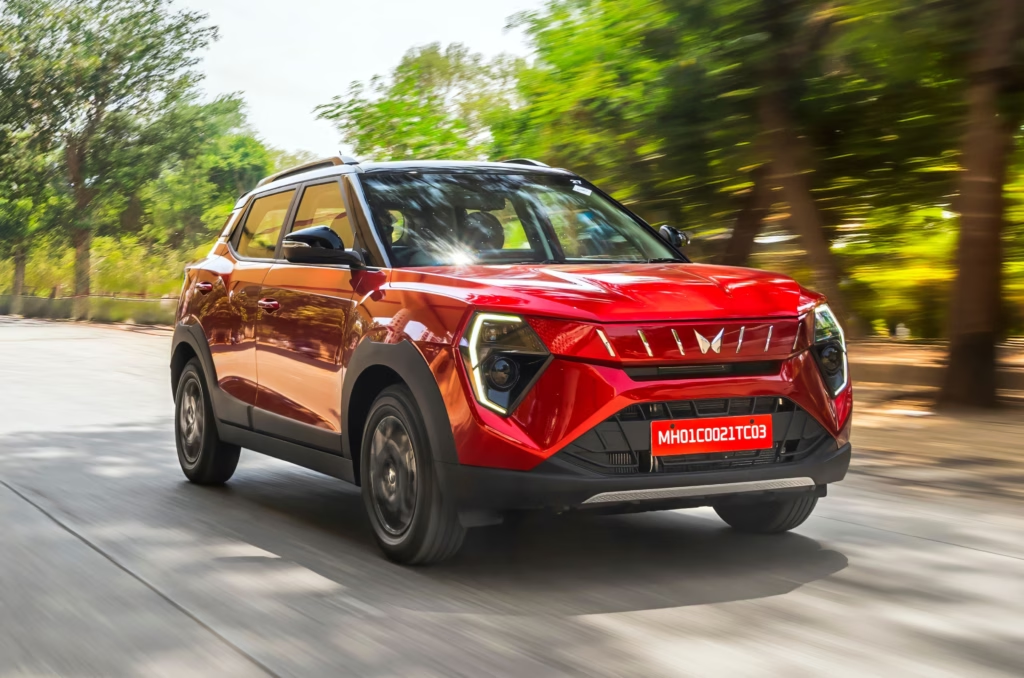
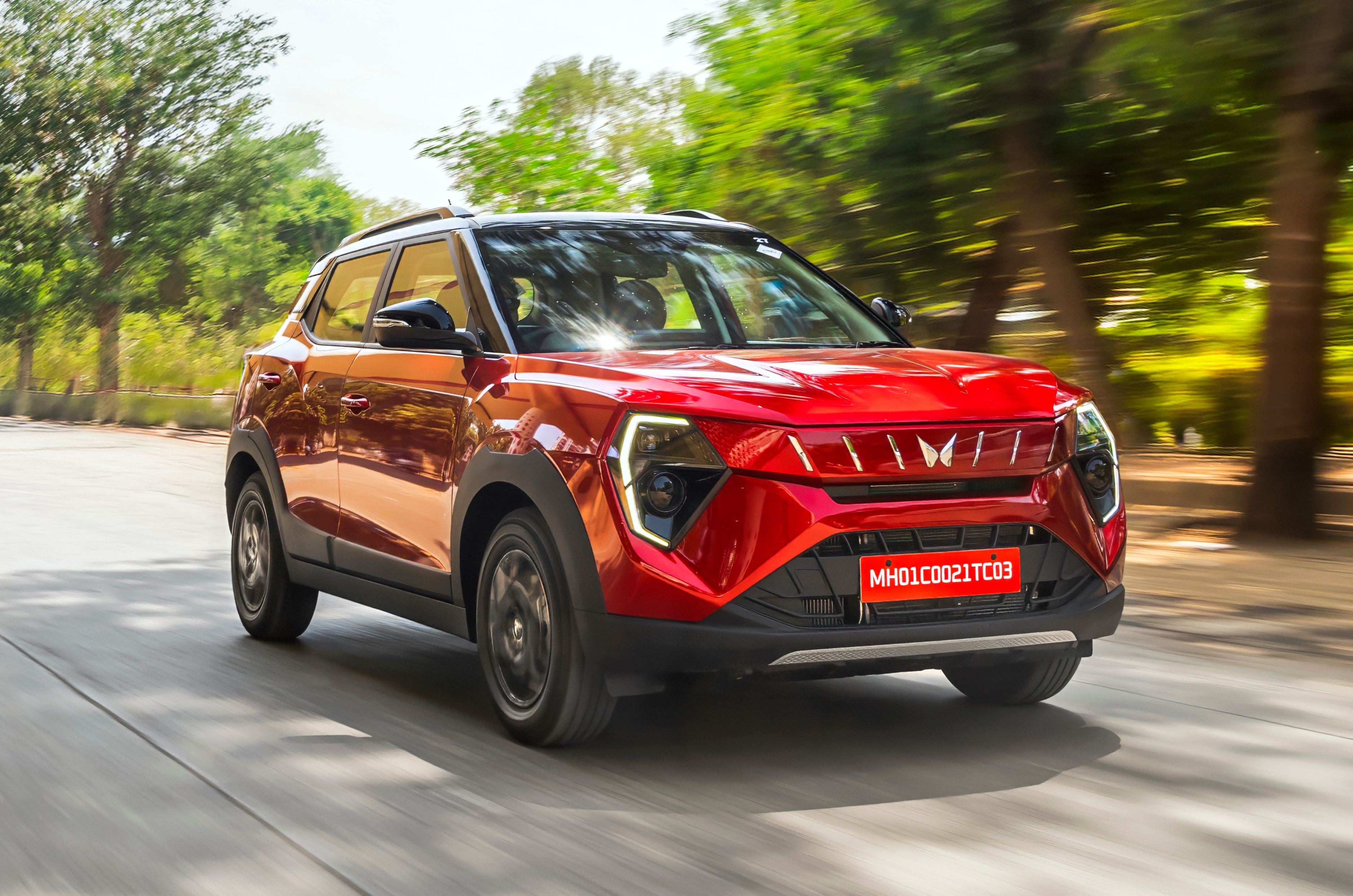
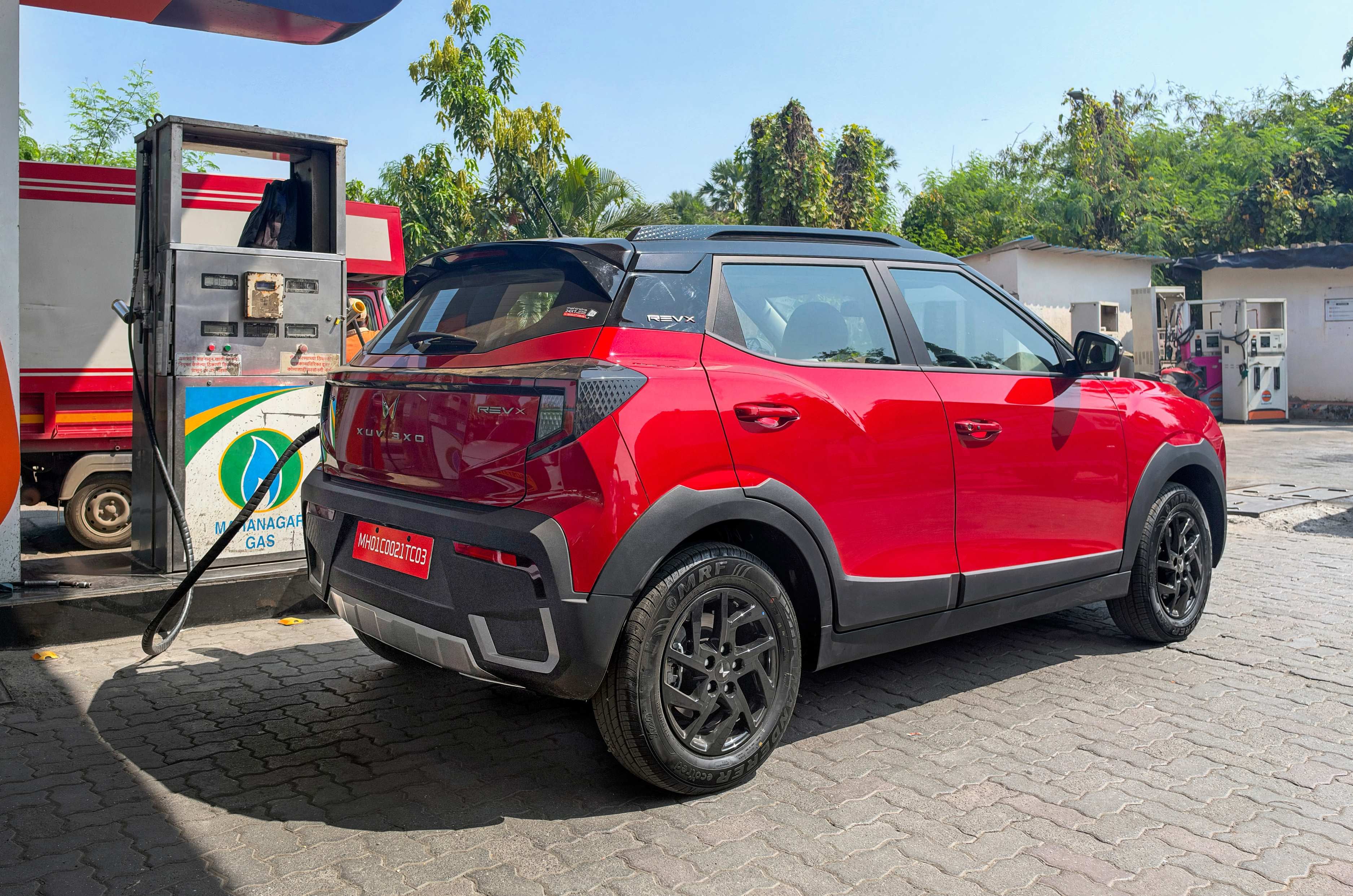
CNG is shaping up to be the new diesel. For the second year running, CNG passenger vehicles outsold diesels, accounting for 21.98 percent of the market compared to 18.08 percent for oil burners in FY2026. That is a very big deal. Big enough for Mahindra – traditionally a diesel-first brand – to sit up, take notice and want a piece of the action. Its first attempt – if you don’t count the fleet-only KUV100 CNG – is the Mahindra XUV 3XO ZNG. Read as Zee-NG and pronounced Zing. The headline is that it makes the same amount of power as the pure-petrol 3XO TCMPFi. We experienced it in Mumbai to see if it really has zing.
Mahindra XUV 3XO ZNG Exterior Design and Engineering – 7/10
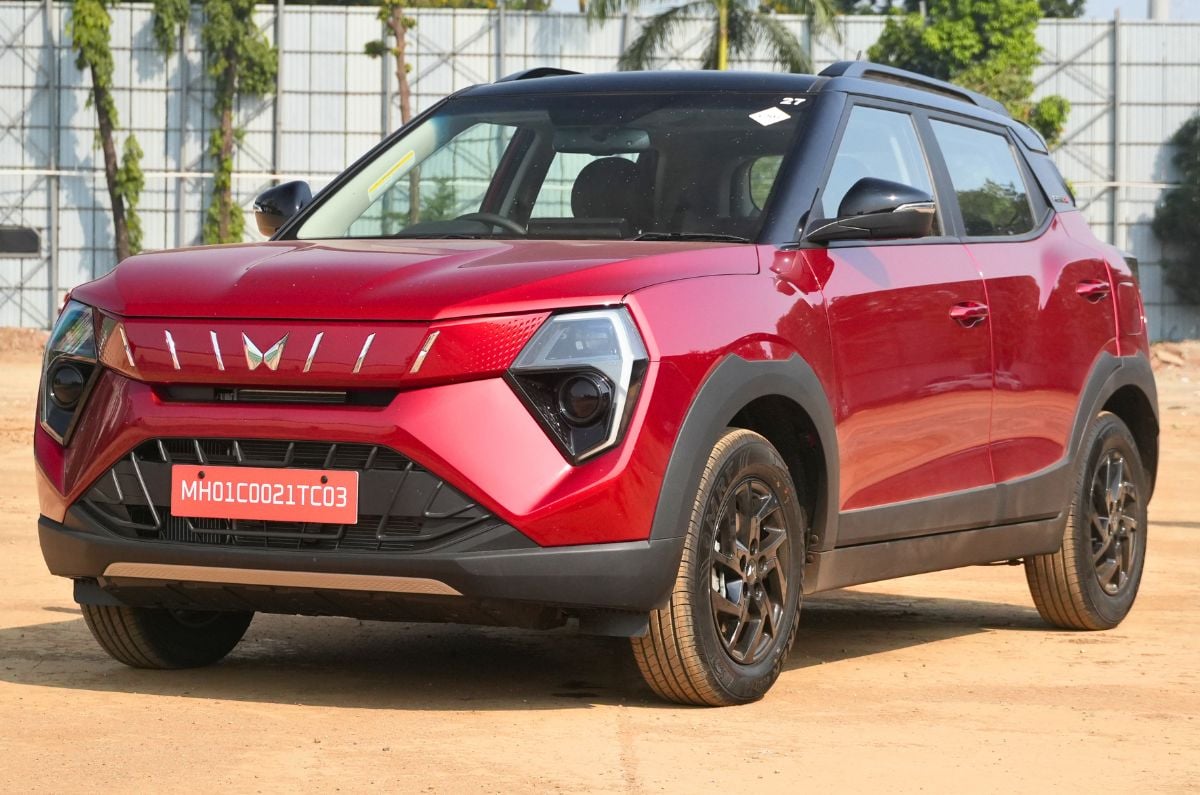
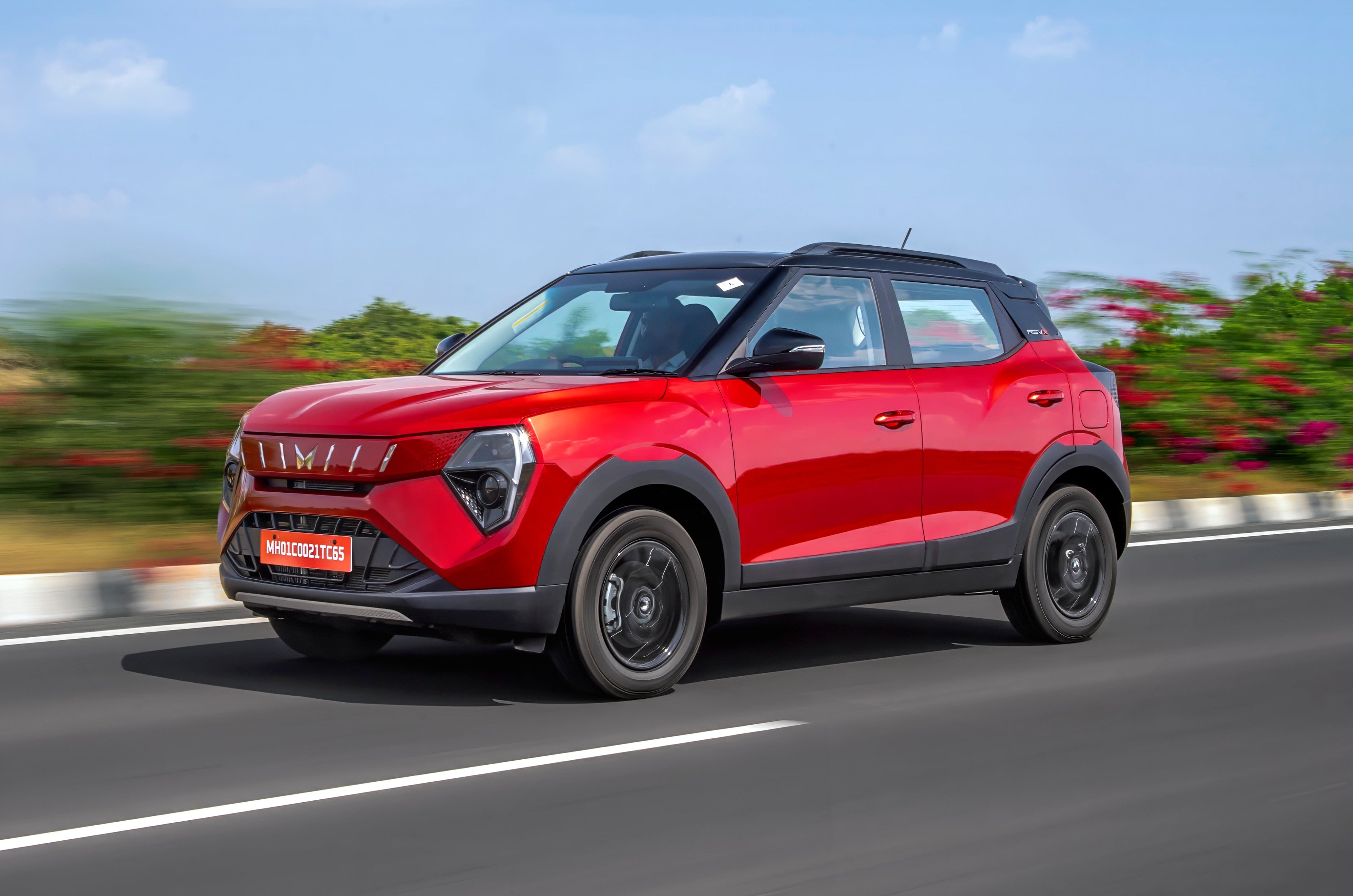
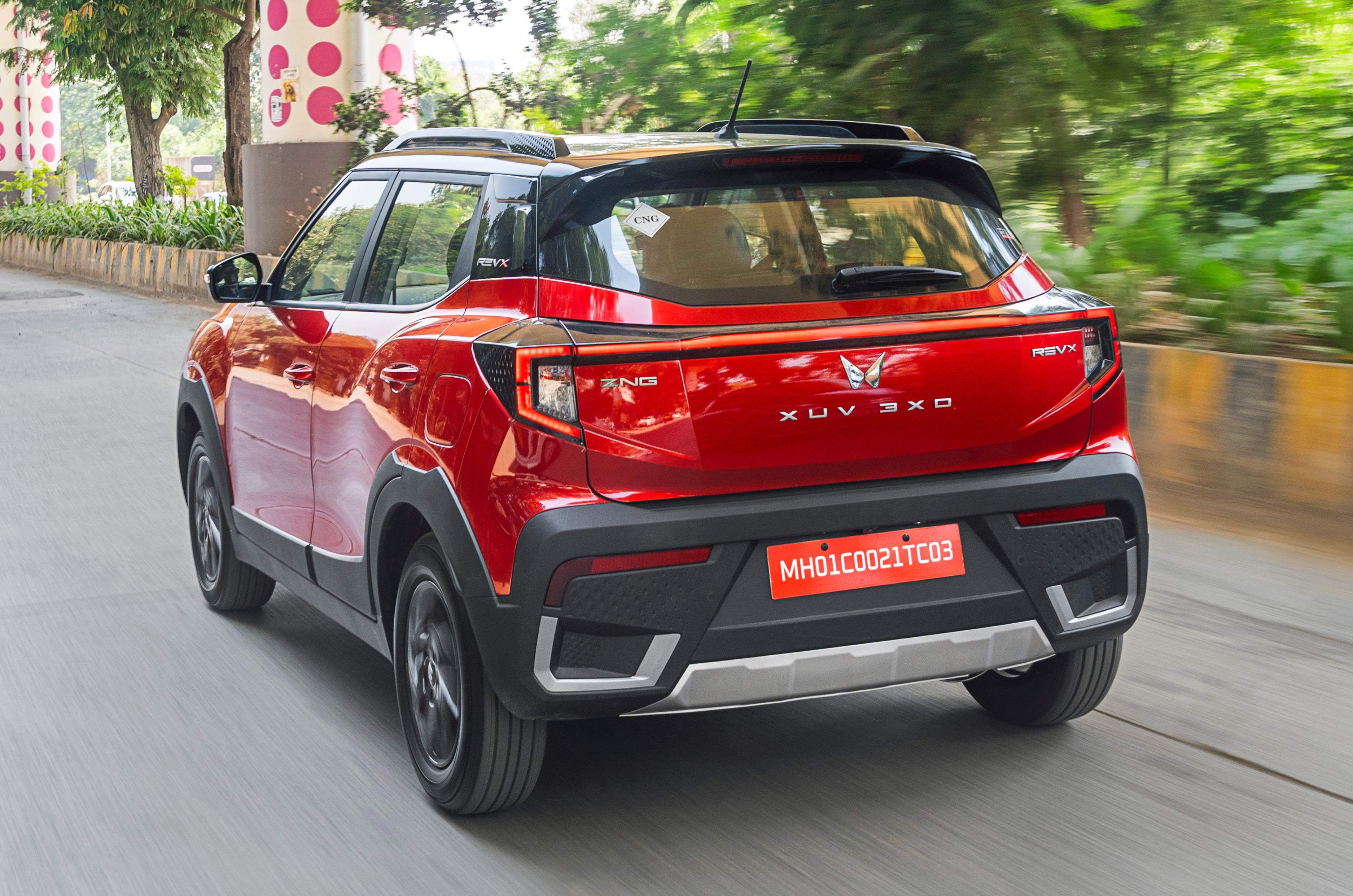
Outside, there isn’t much to tell the ZNG apart from the regular XUV 3XO. Our test car is based on the REVX trim and gets a body-coloured grille, while other trims gloss black. LED lighting is present, though fog lamps are missing even on the top REVX A CNG trim.
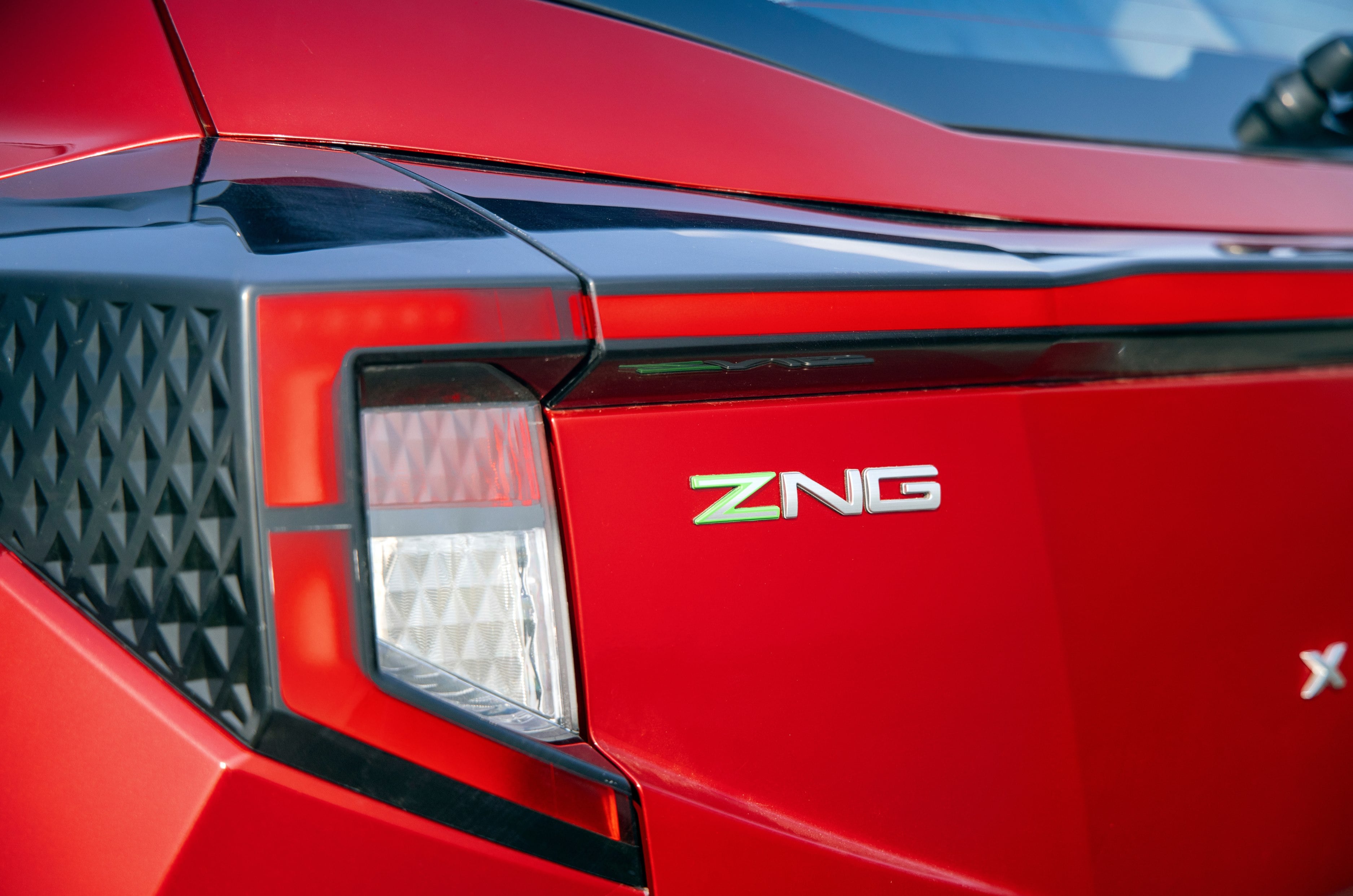
ZNG badge on the tailgate is the only exterior telltale of the CNG powertrain.
In profile, you’ll notice the gloss black 16-inch wheels – the largest size available on the ZNG, with 17s reserved for the pure-petrol TGDi. At the rear is the clearest giveaway of its CNG powertrain: a ZNG badge on the tailgate.
XUV 3XO ZNG Interior Space and Comfort – 8/10
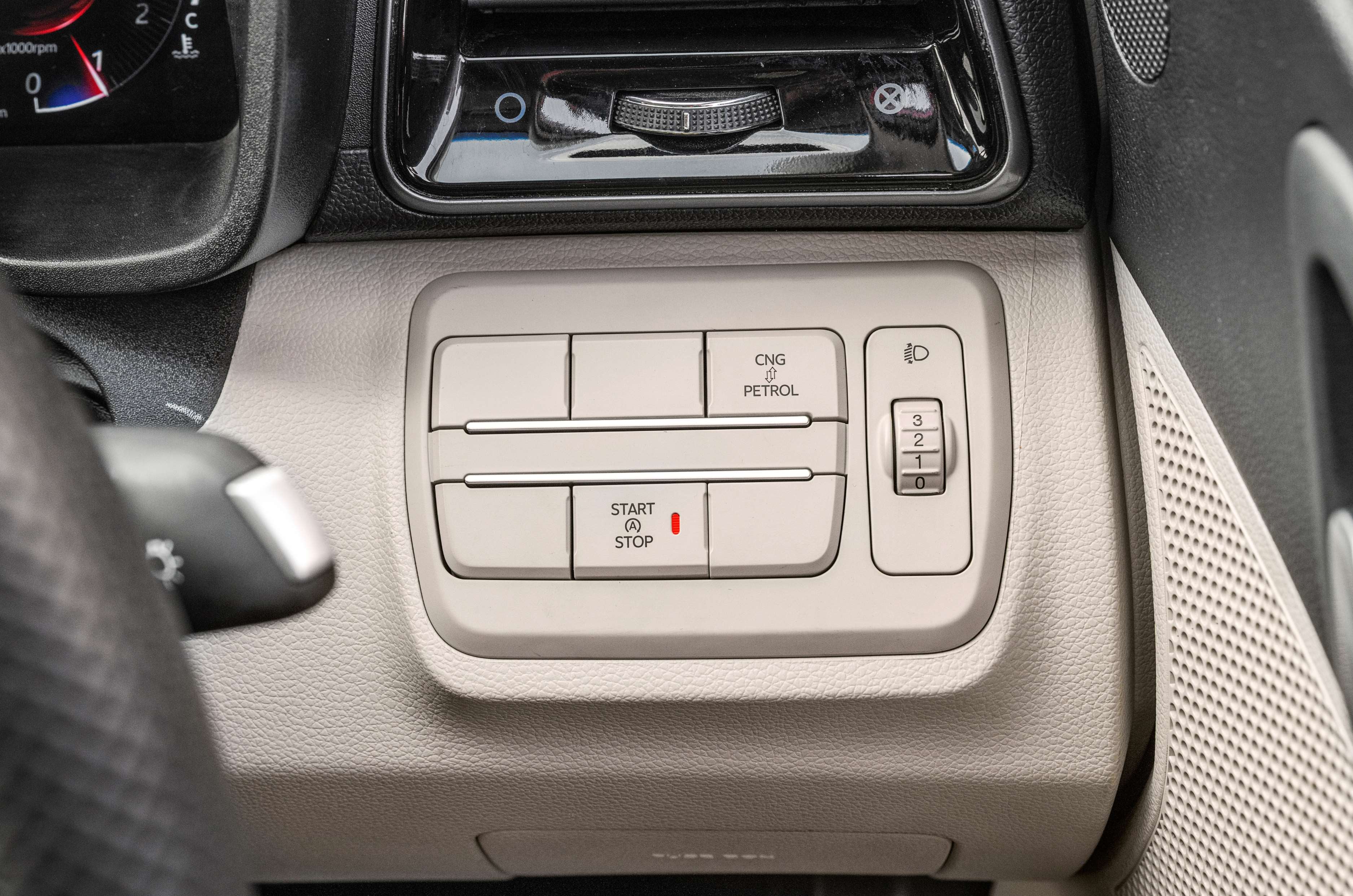
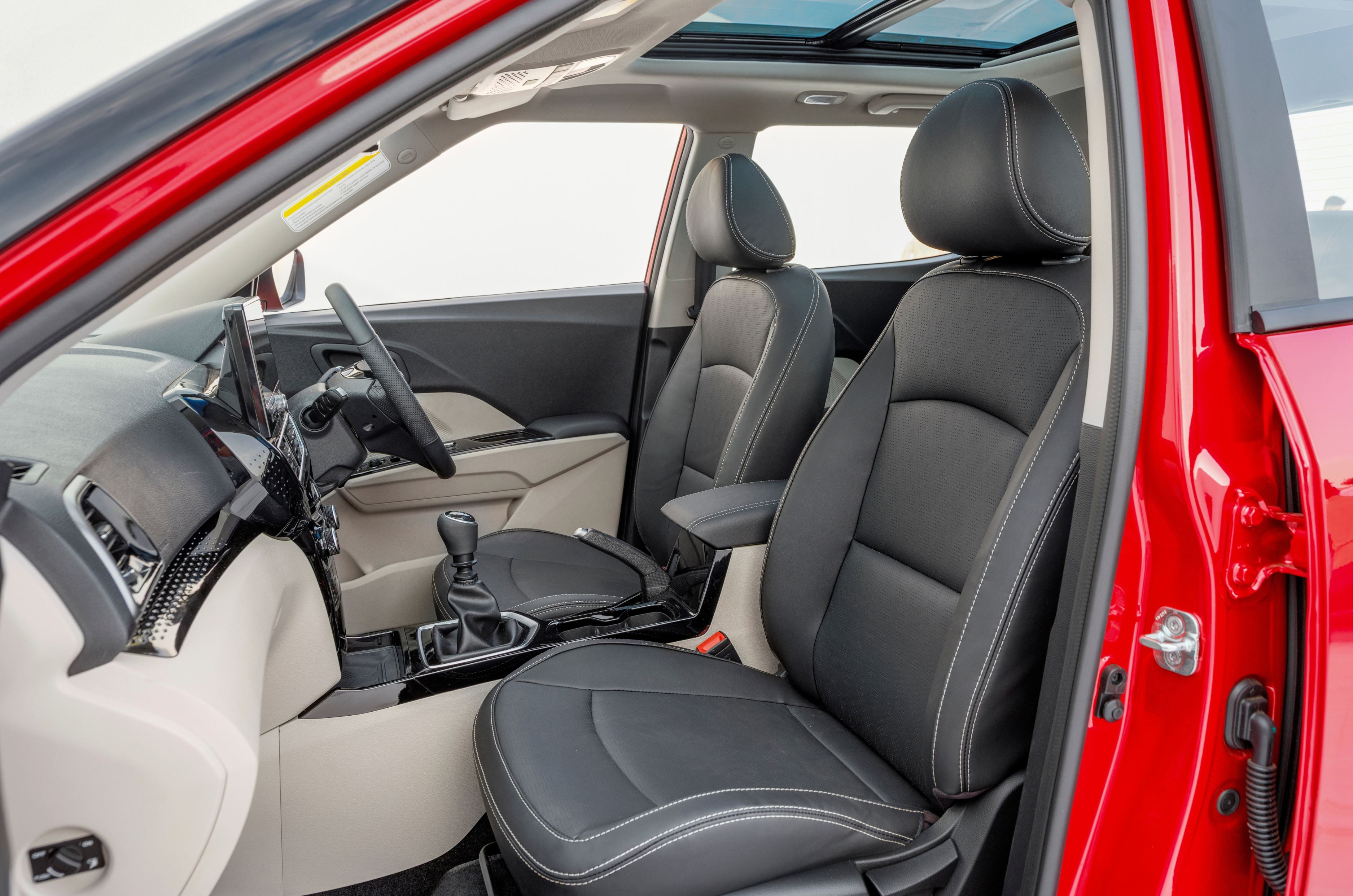
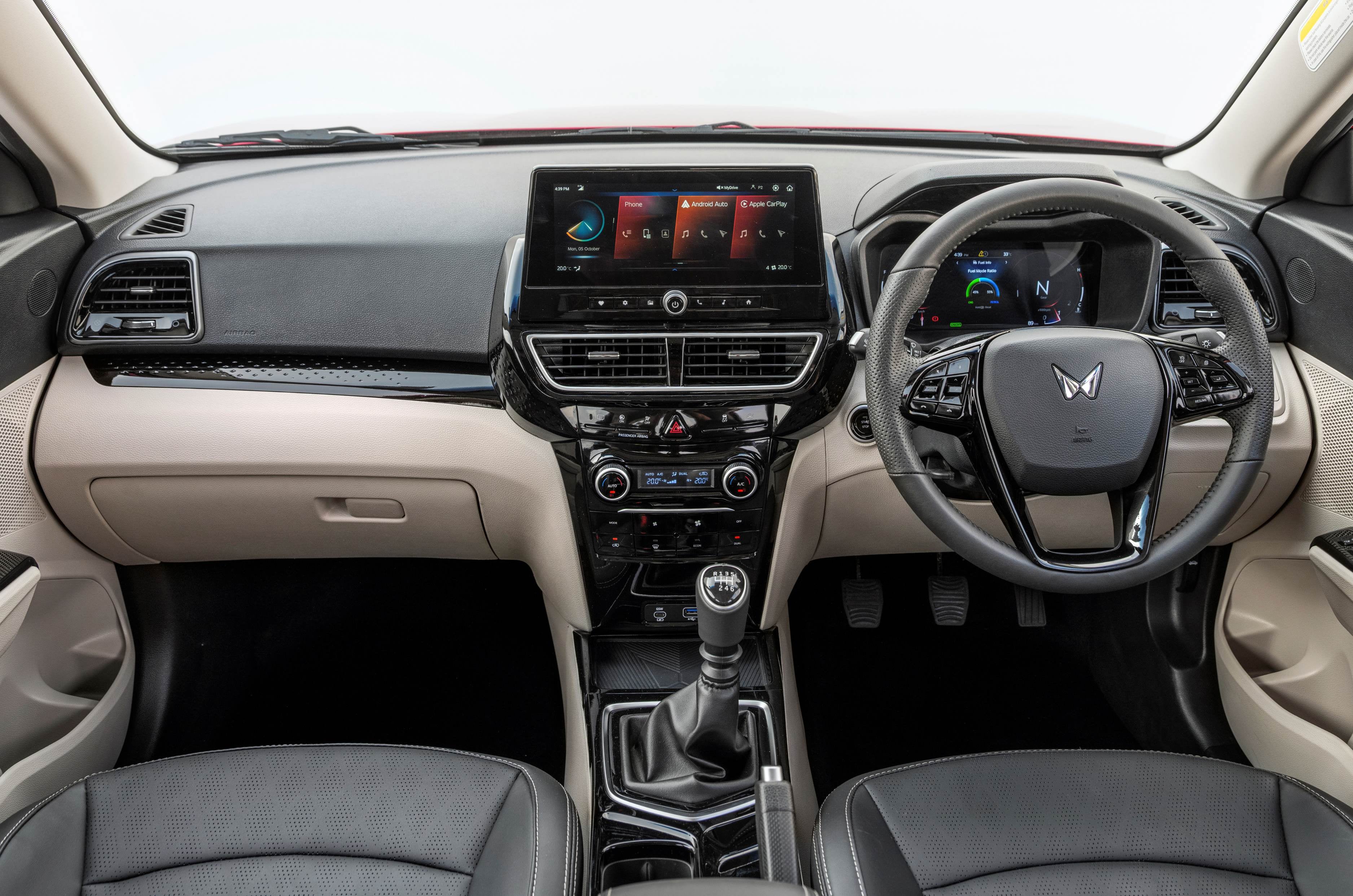
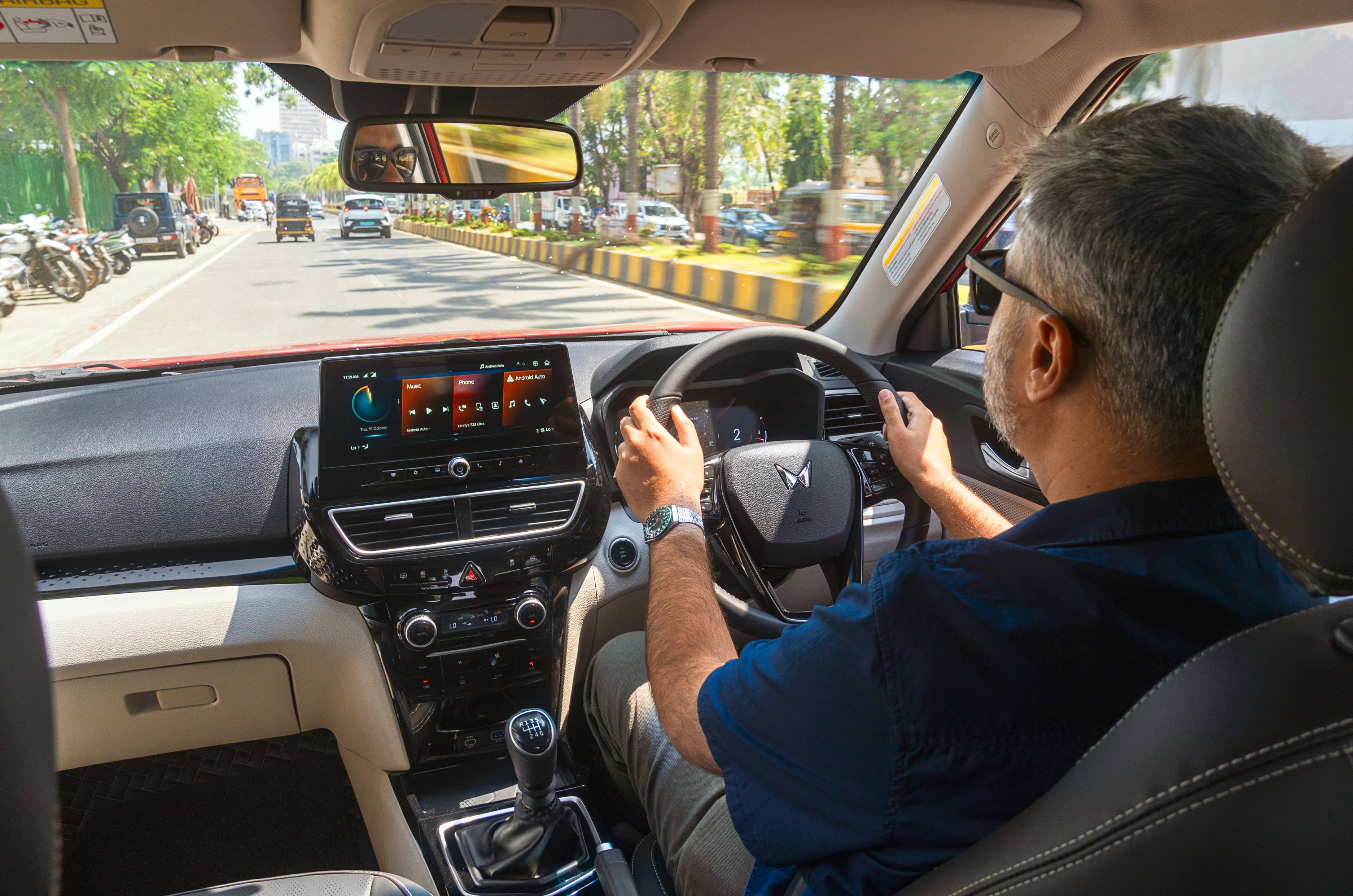
Inside, too, the ZNG is largely identical to its petrol and diesel counterparts, with a CNG switch to the right of the steering wheel being the only real giveaway. The dual-tone dashboard with lots of gloss black trim is otherwise carried over unchanged. Despite not being the top of the line variant, the cabin has an upmarket and well-trimmed air to it.
Our REVX A test car gets black leatherette seats, which can get quite hot, and they lack ventilation, just like the regular 3XO. The front seats are also a bit tight for larger frames, and the lack of a telescoping steering makes it hard to get comfy. Another ergonomic gripe is the tight driver’s footwell, with no dead pedal – pertinent as a six-speed manual is your only gearbox option.
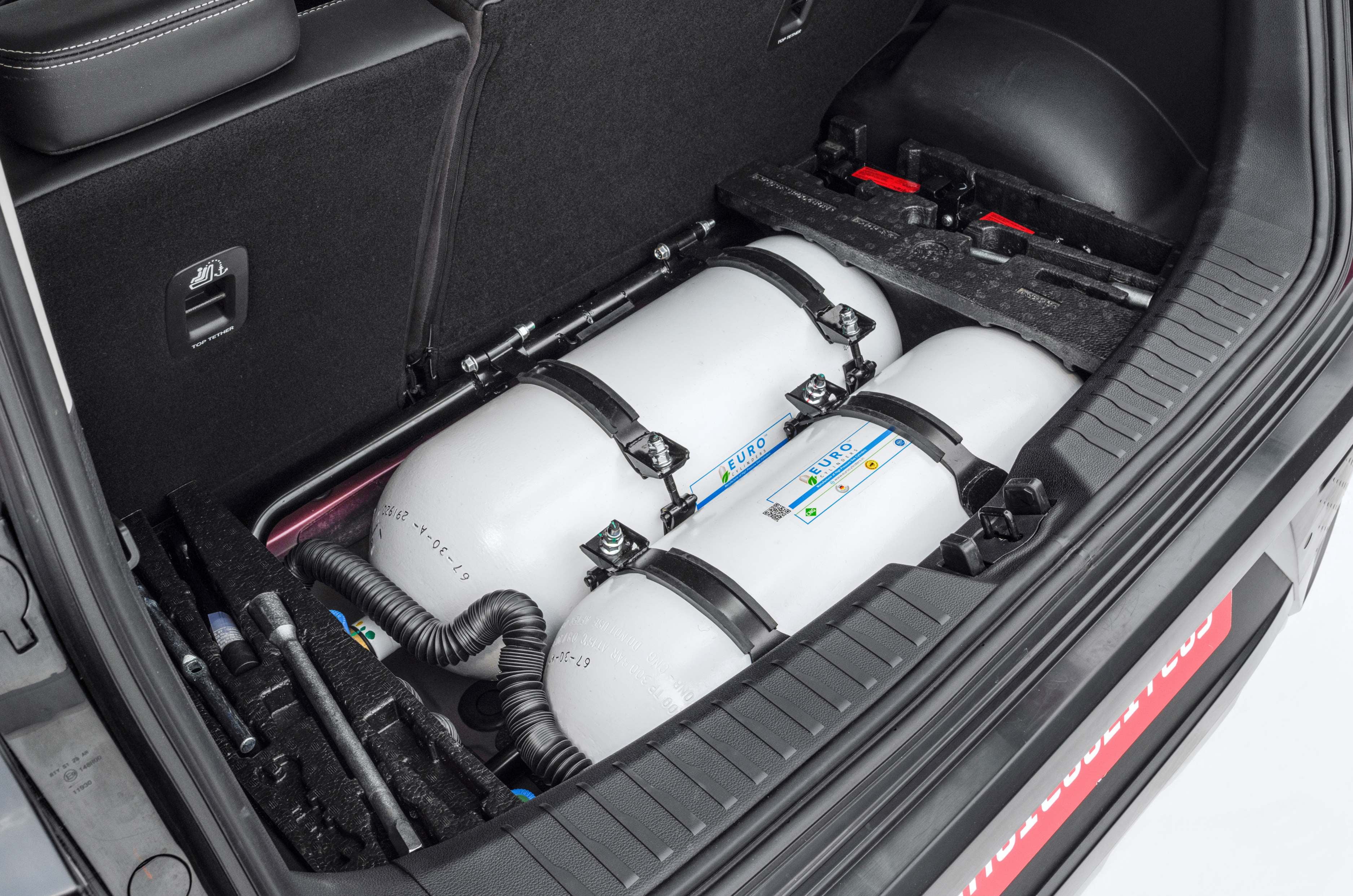
The rear seat remains spacious and comfortable for its segment, and accommodating three abreast is not an issue. One area where the 3XO fell short was boot space, measuring just 295 litres – the smallest in the segment. To keep as much of the boot intact as possible, Mahindra has moved the space-saver spare under the body and placed a dual-tank setup under the boot floor. The combined liquid capacity of the tanks is 60 litres, which translates to 10kg of CNG capacity.
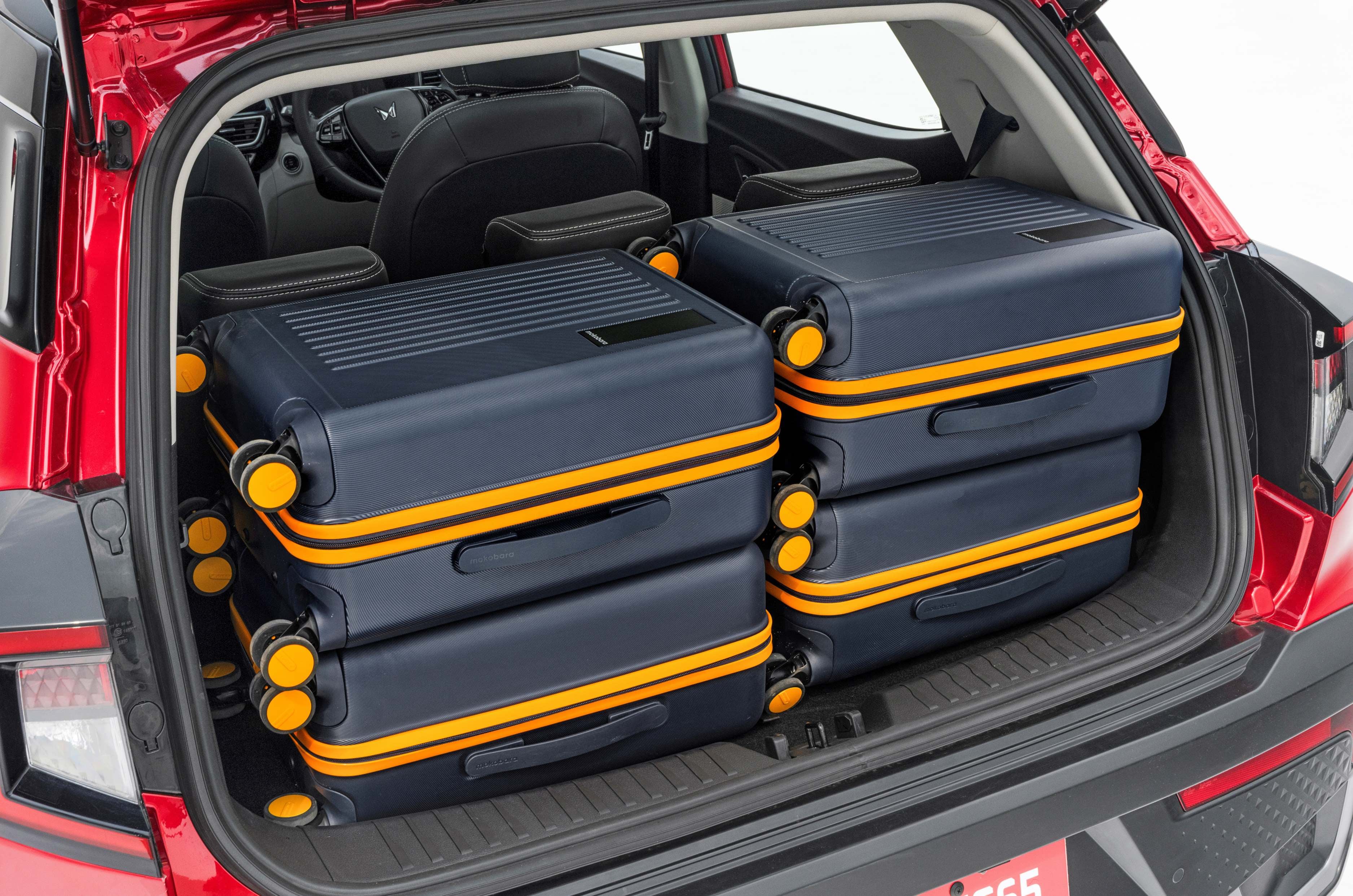
Boot capacity has dropped to 270 litres, which is smallest amongst immediate rivals, however it remains fairly wide and can accommodate up to four cabin bags.
Mahindra XUV 3XO ZNG Features and Safety – 8/10
The 3XO ZNG is available in four trims, which offer the same features as their petrol and diesel counterparts. The highlights are a pair of sharp 10.25-inch screens for infotainment and instrumentation, a panoramic sunroof and a six-speaker audio system with Dolby Atmos.
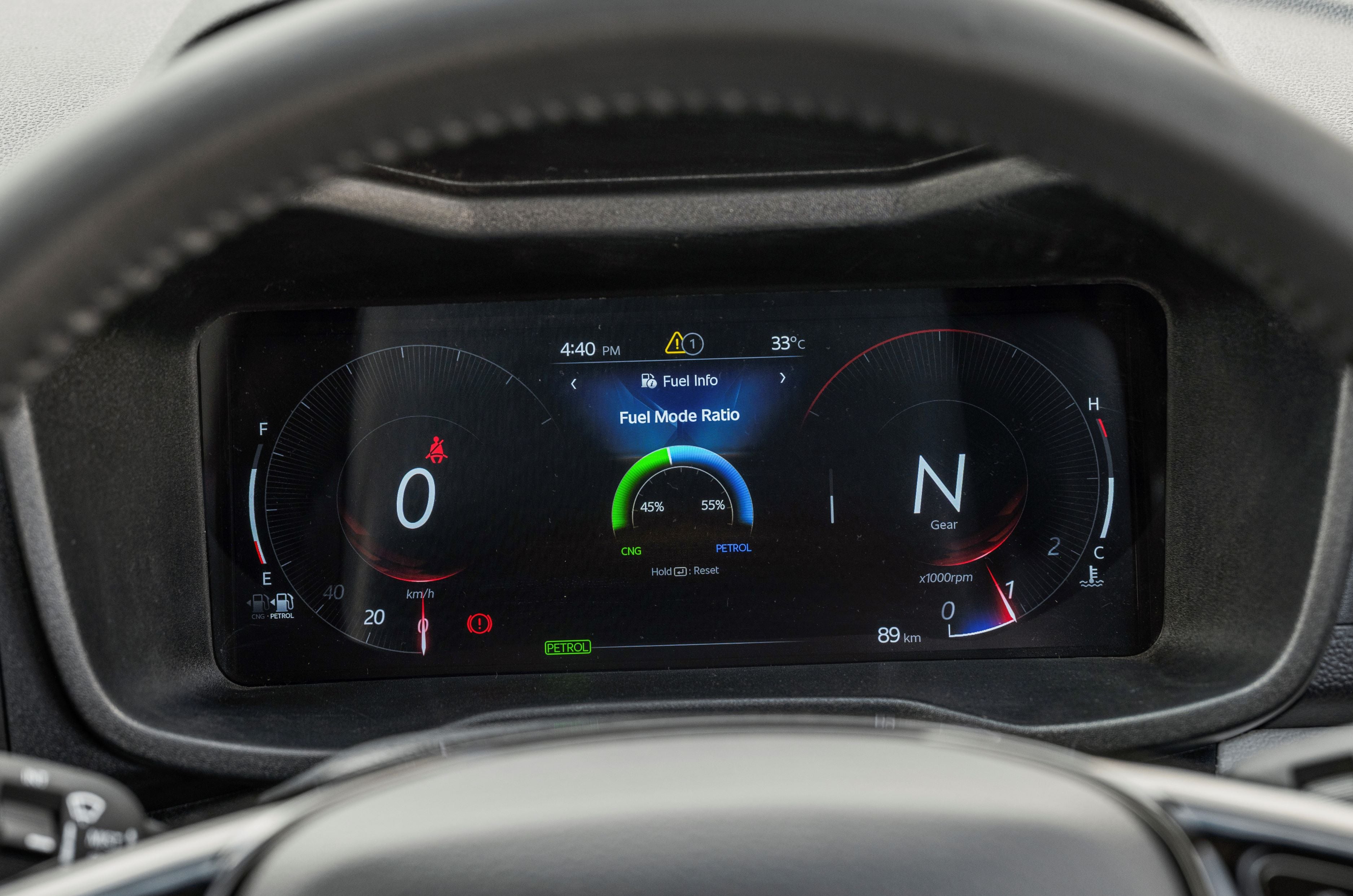
The digital instrument cluster has a few more CNG-related functions. Hit the CNG switch, and an indicator on the digital instrument cluster confirms the fuel you are using, while the fuel gauge changes to display the fuel level. The cluster can also show the ratio of time spent in each fuel mode and the corresponding fuel efficiency.
As such, the 3XO ZNG is reasonably well equipped compared to equivalent variants of its main rival, the Tata Nexon iCNG. However, the Nexon offers a wider choice of CNG variants, with top-spec versions getting features such as a 360-degree camera, ventilated front seats and a wireless charger, all of which the Mahindra misses out on.
The safety kit is quite comprehensive, featuring six airbags, ESC, ISOFIX mounts, a tyre pressure monitoring system and a reversing camera. The regular XUV 3XO is also a five-star Bharat NCAP safety-rated car, and Mahindra says the ZNG has been engineered to meet the same standards.
Mahindra XUV 3XO ZNG Performance and Refinement – 8/10
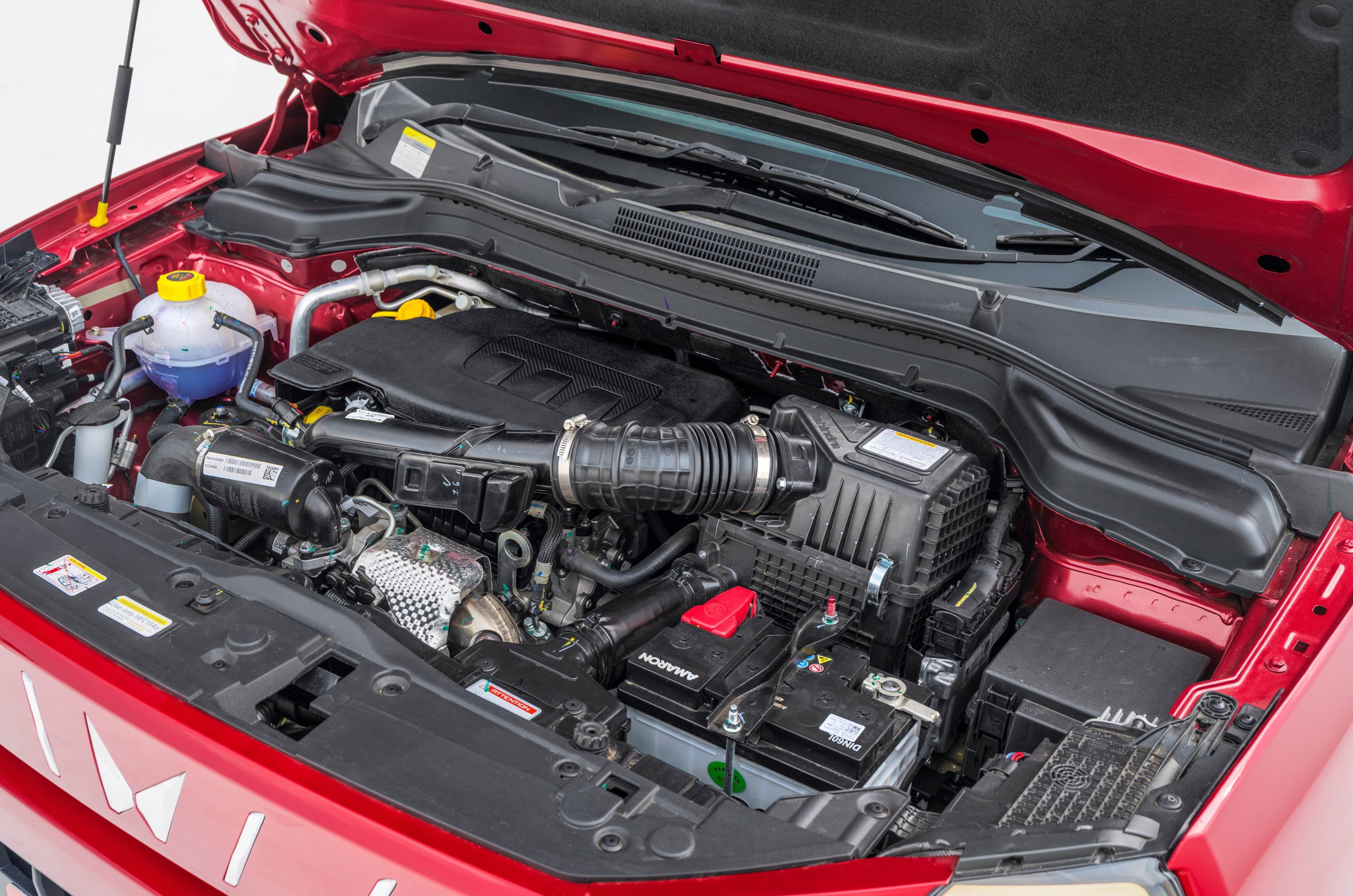
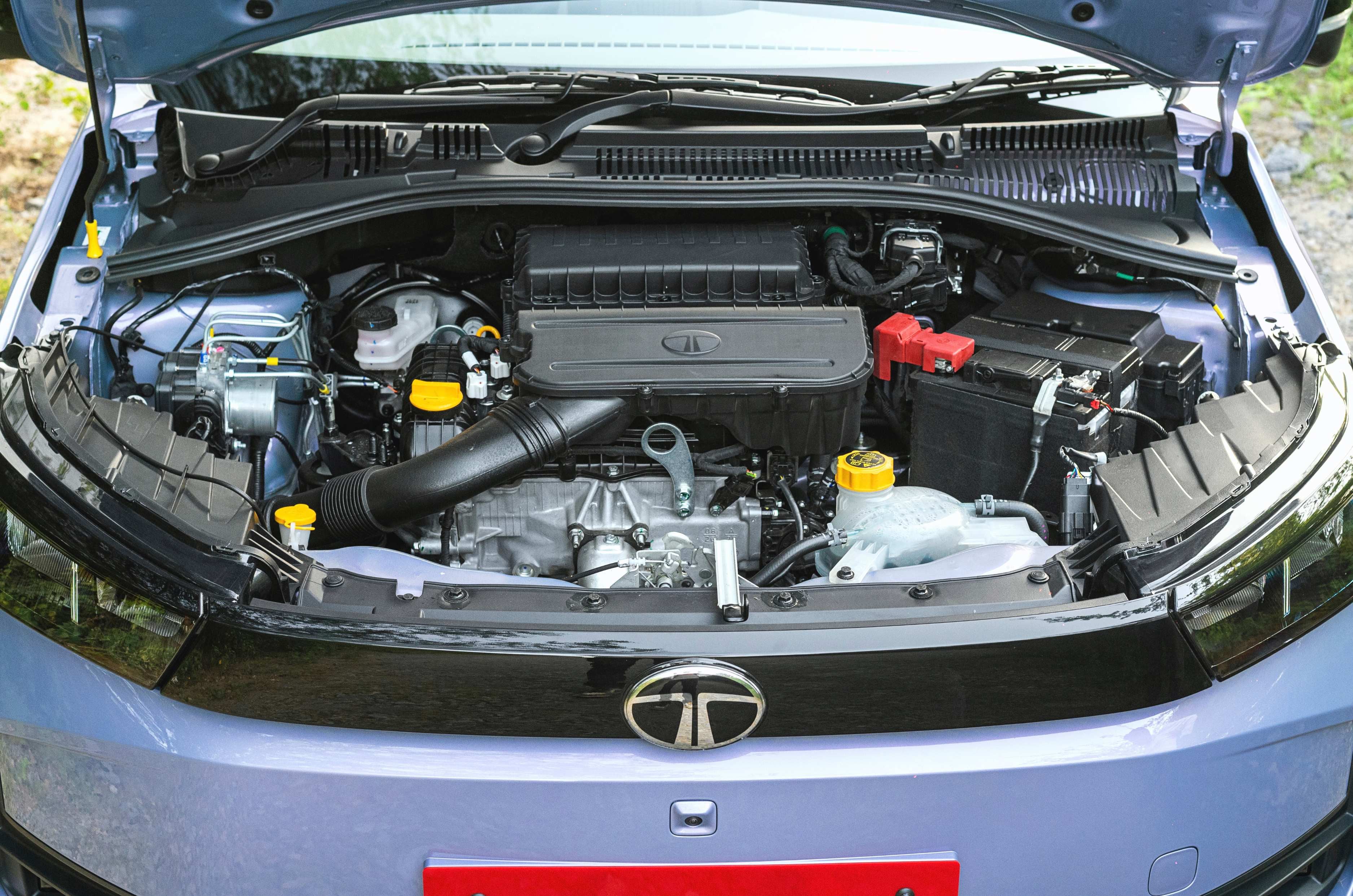
Powering the ZNG is the same 1.2-litre multi-point fuel injection (MPFi) turbo-petrol engine that does duty on the lower and mid-level trims of the 3XO. The kicker is that Mahindra quotes the exact same power and torque figures for CNG as for the pure-petrol version – 111hp and 200Nm. That is highly unusual, as a 10 to 15 percent drop in power figures is the norm. For comparison, its direct rival, the Tata Nexon iCNG, loses 20hp when switching from petrol to CNG. Mahindra says it has managed this with the use of a 10-bar CNG injection system. It also says the turbocharger and ECU calibration have been optimised to run on CNG, and initial impressions seem to back this up.
1.2-litre TCMPFI engine uses a 10-bar CNG injection system; Mahindra claims identical 111hp and 200Nm figures for petrol and CNG.
In everyday driving, the difference between CNG and petrol modes is barely noticeable. The engine feels smooth and refined in both, only becoming audible when extended. Performance, too, is very similar. Throttle response is good and the motor feels tractable, rarely requiring a shift into first when negotiating a speed breaker. There is a bit of turbo lag below 2,000rpm, but get past this and performance feels brisk.
The switch between modes is also quite seamless, with no apparent jerkiness or change in engine note. However, switch back and forth a few times, and you’ll notice the throttle response is ever so slightly duller in CNG mode, and there are times when it will hesitate on sudden throttle inputs. Overall, though, calibration in CNG mode is very good, and in everyday driving, there is very little to fault.
Performance feels brisk once you get past 2000rpm.
While the pure-petrol version of this engine can be had with a six-speed torque-converter automatic, the ZNG is only available with the six-speed manual. While its immediate rivals don’t offer an automatic with CNG either, Mahindra would have done well to offer at least an AMT. As it is, the manual is a smooth and easy-to-use unit, but not quite at the level of its Japanese or Korean competition. Its throws are a bit too long, and the clutch, while light, has a long travel.
In terms of outright performance, Mahindra claims an 11.8sec 0-100kph time for the ZNG. We conducted a quick performance test (not to Autocar India standards), which resulted in a 0-100kph time of 12.98s on petrol and 12.64s on CNG – a difference we put down to the launch. In-gear acceleration figures paint a clearer picture, where the ZNG was quicker in petrol mode by about 0.7 seconds in both 20-80kph and 40-100kph runs. Nevertheless, performance in either CNG or petrol is so close that most drivers would be hard-pressed to tell the difference.
Mahindra XUV 3XO ZNG Mileage and Efficiency – 8/10
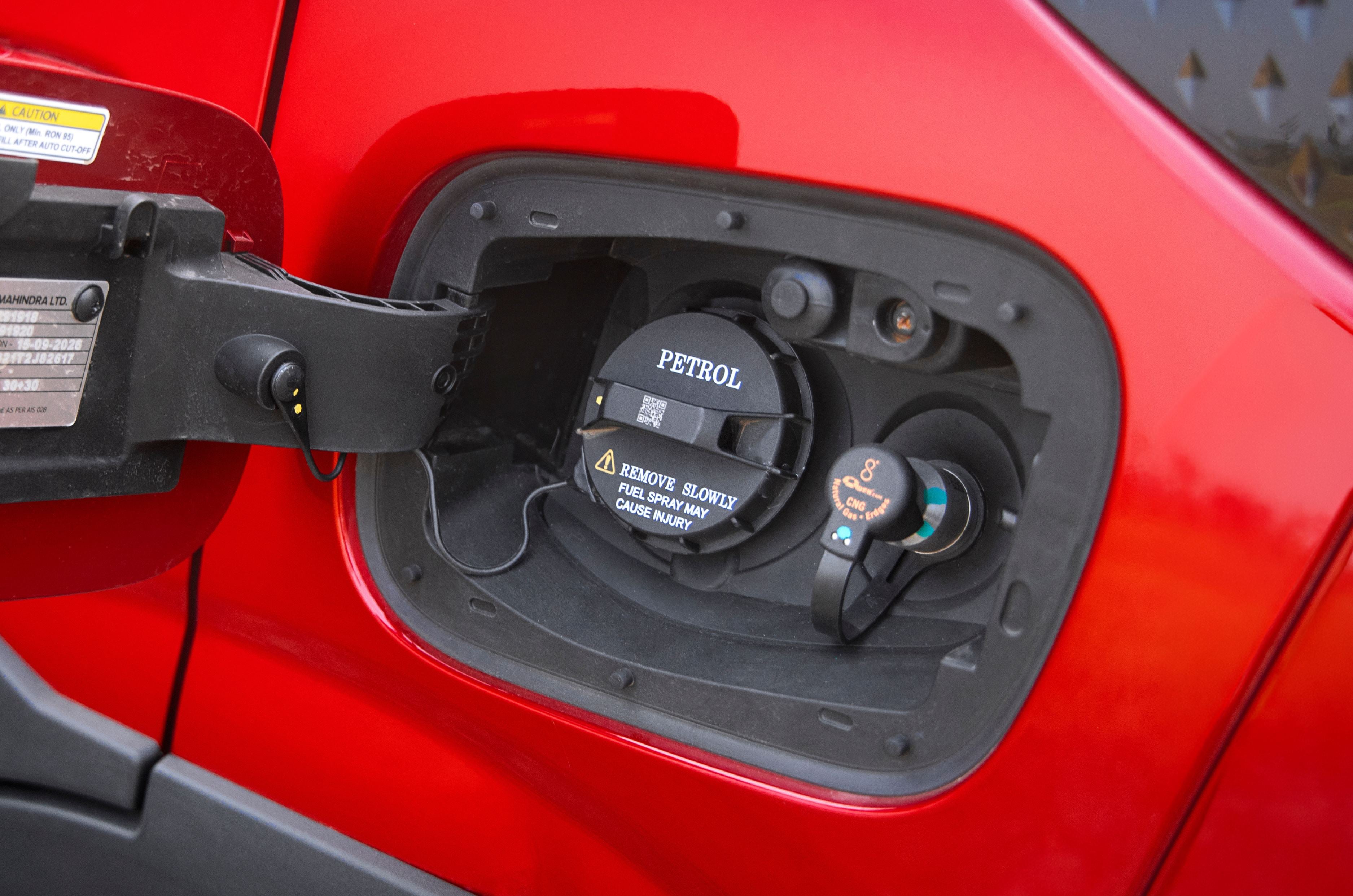
Mahindra claims an efficiency figure of 24.7km/kg for the XUV 3XO ZNG, which translates to a theoretical range of 247km from its 10kg CNG capacity.
CNG filler neatly positioned beside the fuel filler; fuel filler door still has a manual release in the cabin.
It also gets an idle-stop/start function, which should help efficiency. We will verify these claims with a real-world test soon.
Mahindra XUV 3XO ZNG Ride Comfort and Handling – 9/10
Light steering works well in town; steering modes dial up resistance but don’t offer better feel.
The switch to CNG adds around 100kg to the 3XO, most of it concentrated at the rear. To ensure this doesn’t affect ride or handling, Mahindra has tweaked the suspension to cope with the extra weight. The ZNG’s ride has a slightly firm edge, but overall it deals with bad roads very well.
16-inch wheels and tall tyres are better at absorbing sharper bumps than the 17s on higher petrol trims.
The smaller 16-inch wheels also play an important part here, as their taller-sidewall tyres absorb sharp edges before they make their way to the cabin. Overall, the ride remains amongst the best in the class.
Handling, too, remains tight and engaging, with a planted feel around the bends. The steering is light and direct, and while you can dial up the resistance using the three steering modes, this adds little in terms of feel or feedback.
Mahindra XUV 3XO ZNG Value for Money – 8/10
Overall, the Mahindra XUV 3XO offers good value for money and makes for a compelling entrant into the CNG compact SUV space. Prices for the Mahindra XUV 3XO ZNG start at Rs 9.99 lakh and go up to Rs 12.27 lakh, which is between Rs 1 lakh and Rs 1.2 lakh more than the equivalent petrol trims. Pricing is on par with comparable variants of the Tata Nexon iCNG. However, the Nexon has a wider range and also offers more features on the higher trims.
Mahindra has packaged the CNG tanks cleverly, minimising the impact on boot space. That said, the 3XO’s boot wasn’t particularly large to begin with, and that remains a drawback. What sets it apart is the driving experience. CNG calibration is very good, and performance in CNG mode is close enough to petrol for most people not to notice a real difference. For a first attempt, the XUV 3XO ZNG certainly ticks a lot of boxes.
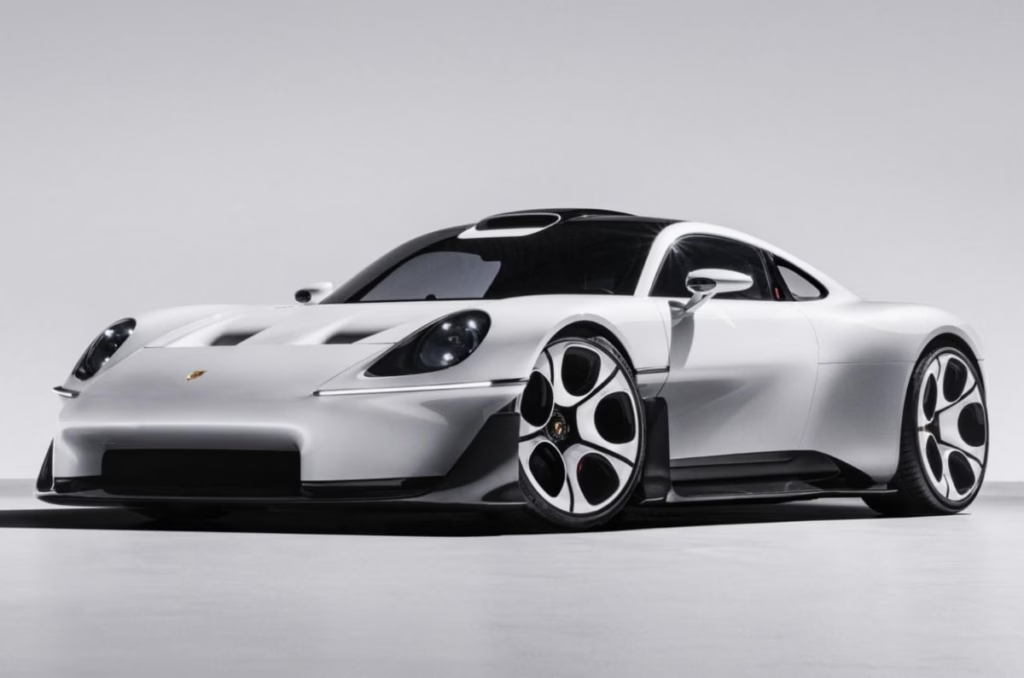
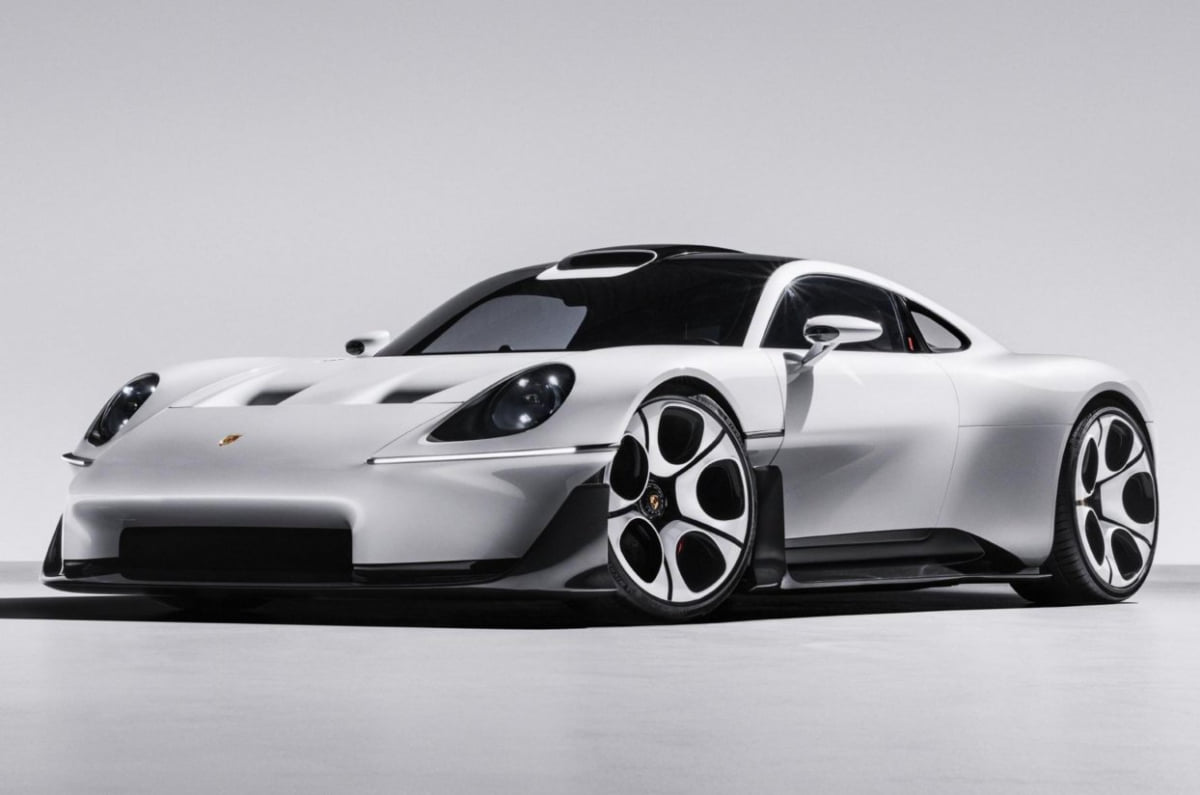
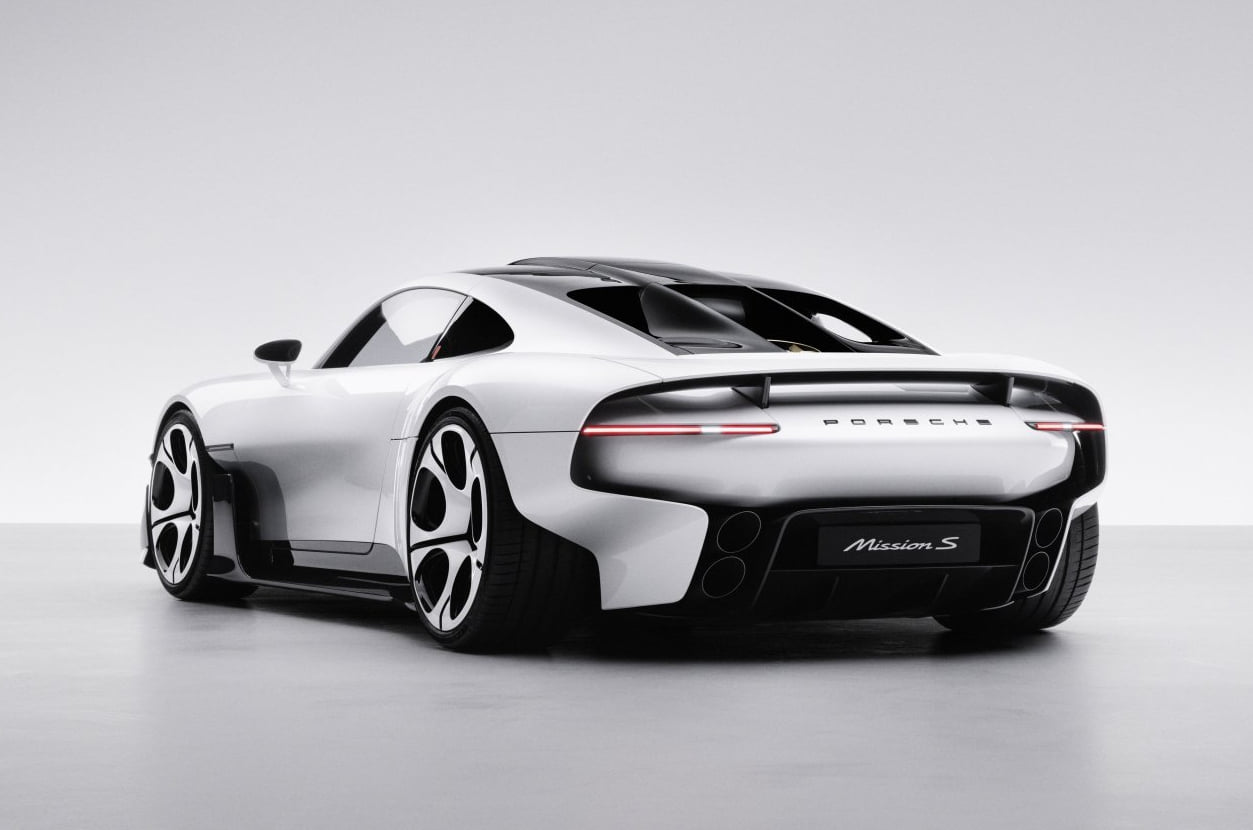
Porsche has unveiled the Mission S concept as part of its ‘Sportwagenschmiede ’35’ strategy. It previews a new mid-engined platform for a model positioned above the 911, which Porsche says is intended to become a permanent part of its line-up rather than a one-off hypercar. The concept also signals the brand’s future design direction, with styling inspired by historic Porsche models.
Porsche Mission S: Exterior
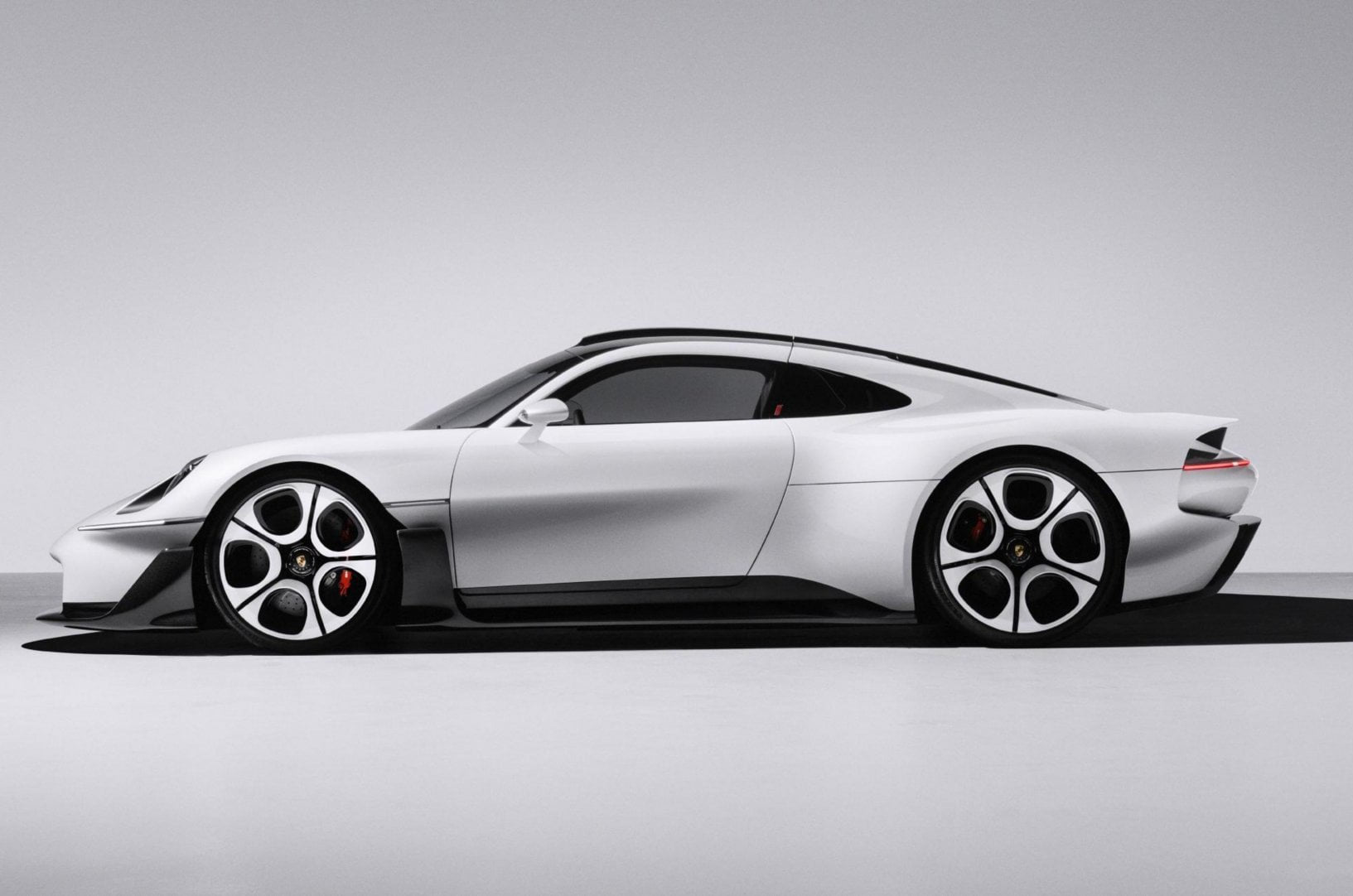
The Porsche Mission S features a low front end with rounded headlights, raised ‘torpedo’ fenders and slim LED daytime running lights. It also has a large air intake at the front of the roof, a sloping roofline and sculpted side panels. The rear features narrow split taillights, an integrated active wing, a large diffuser and a cooling fan above the engine bay.
The design draws inspiration from several historic Porsche models. The roofline takes cues from the 959, while the rear bodywork is influenced by the 911 GT1. The wheels feature a telephone-dial design inspired by the 928.
Explaining the raised front fenders, Tobias Sühlmann, head of Style Porsche said, “The Bauhaus rule is that form and function work together and that’s vital in the exterior and interior of our cars.” He added that the fenders sit higher than the bonnet to help drivers judge the position of the front wheels and the edges of the car.
The concept also features an active rear wing that retracts when not required, while its rear cooling arrangement takes inspiration from the Porsche 917.
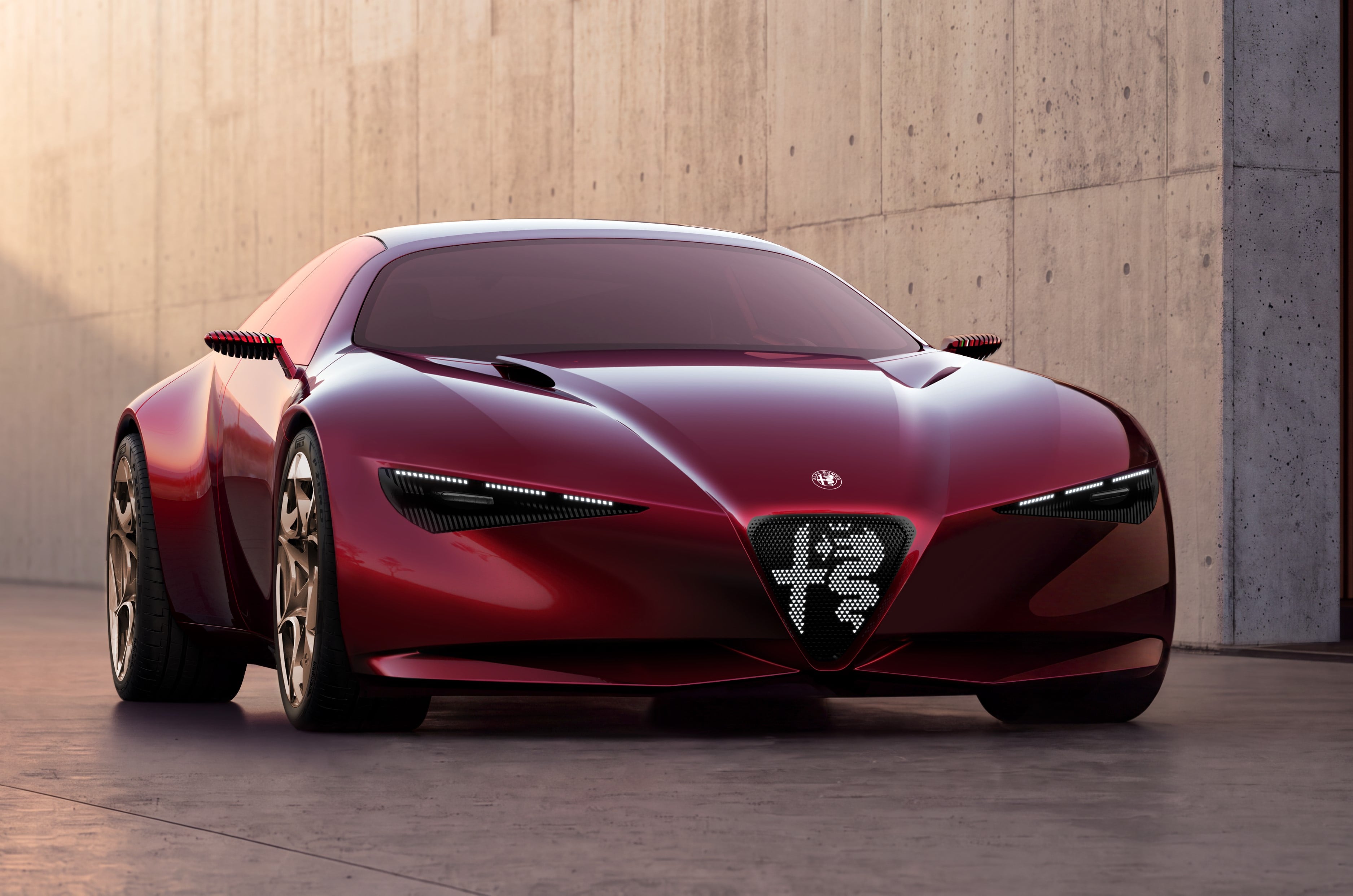
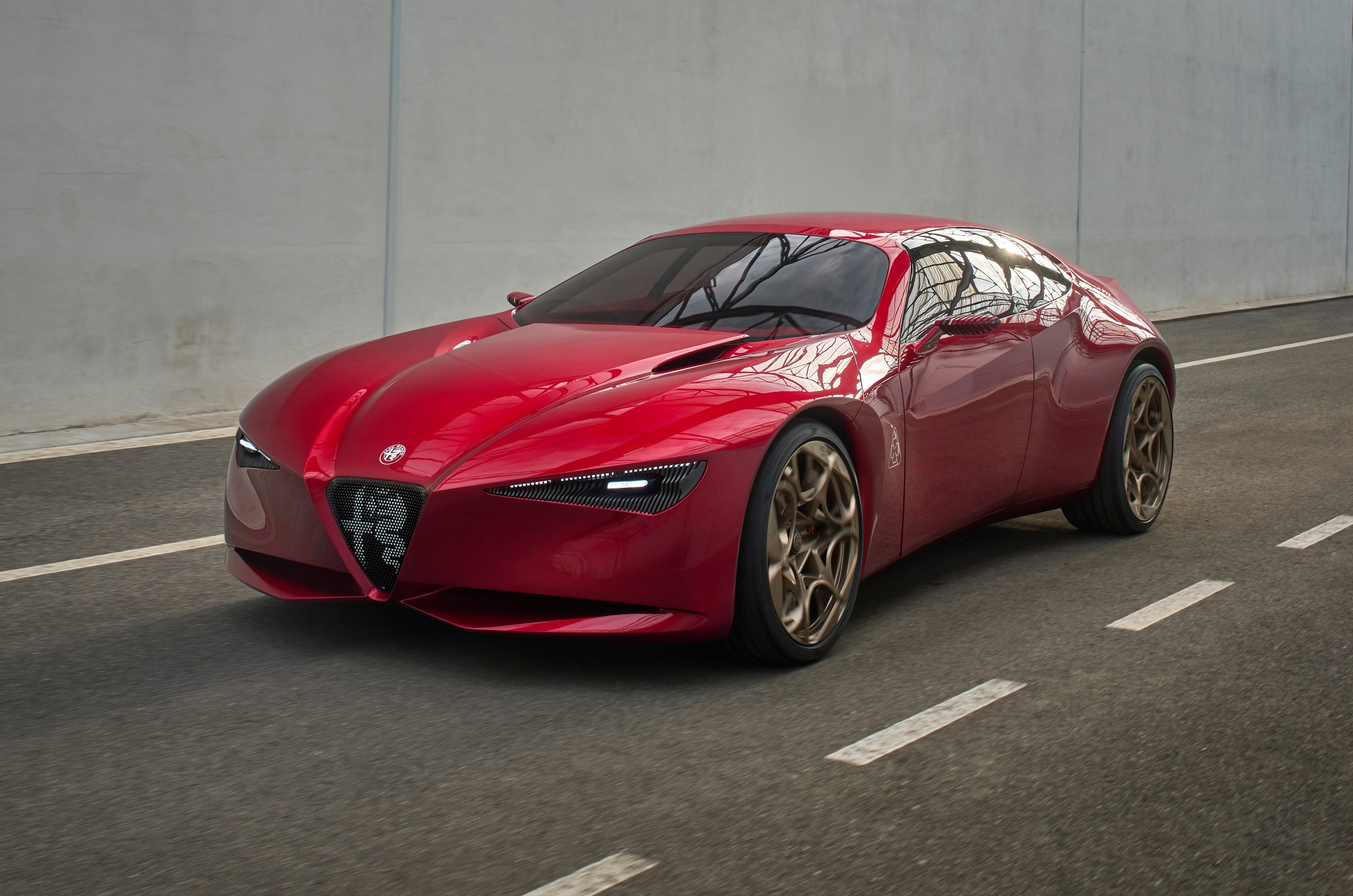
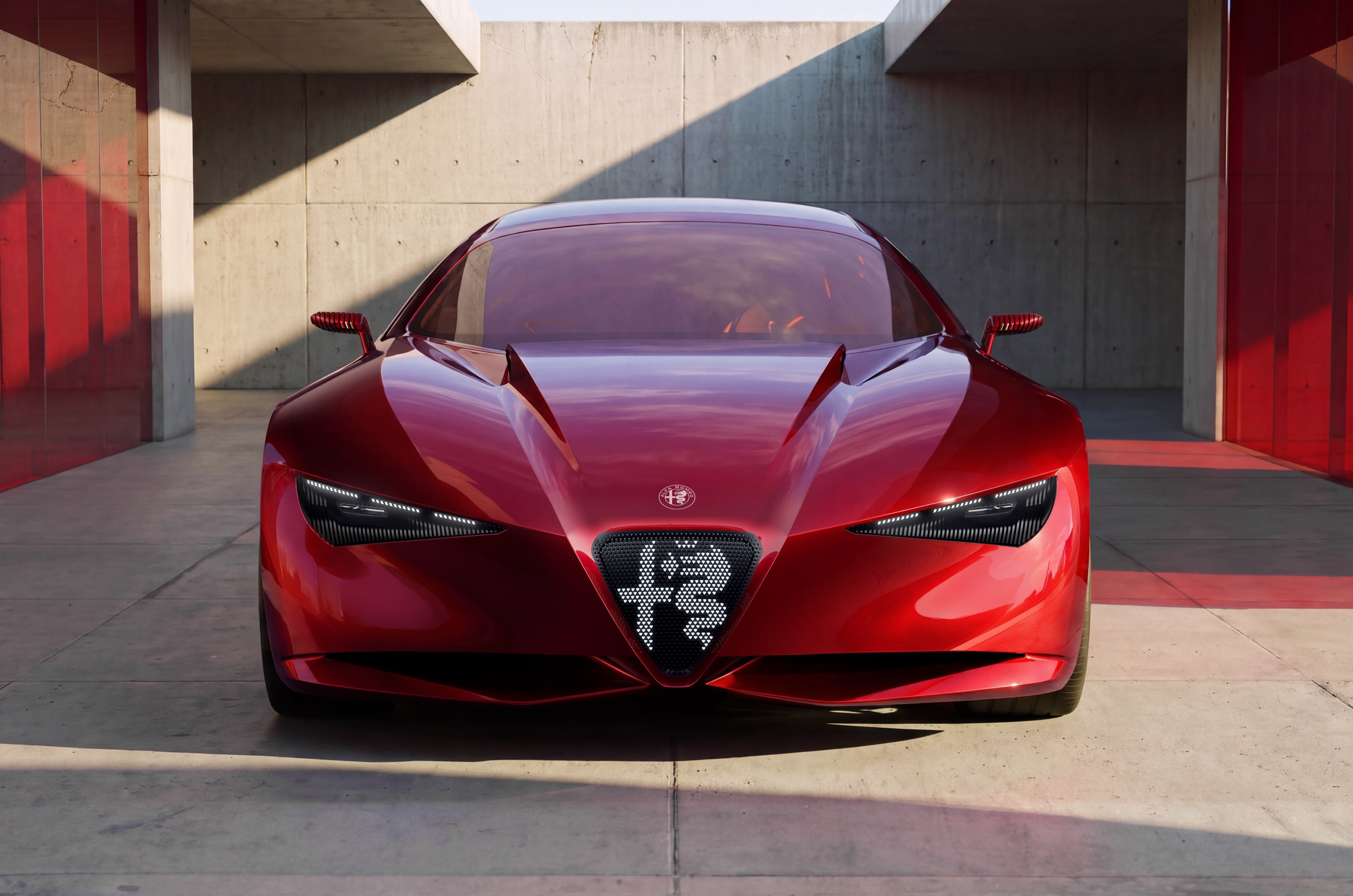
Alfa Romeo’s major reveal at the 2026 Paris Motor Show is the Cuorerosso, a four-door concept that previews a new design language dubbed ‘Necessary Beauty’. In addition, the Cuorerosso debuts a strong hybrid version of Alfa Romeo’s 2.9-litre twin-turbo V6, which is used in the Giulia, Stelvio, and 33 Stradale.
Alfa Romeo Cuorerosso powertrain
Alfa Romeo says that the Cuorerosso serves as a precursor to a “multi-energy approach” that the carmaker’s future models will follow, specifically mild hybrid, strong hybrid, plug-in hybrid, and full-electric powertrains. To put it succinctly, Alfa Romeo wants to put “technology and innovation at the service of driving pleasure and sportiness.”
The Cuorerosso’s 2.9-litre V6 hybrid powertrain is mated to a torque converter automatic gearbox, an all-wheel drive system, and a carbonfibre driveshaft – the concept weighs 1,750kg. It’s also equipped with steer-by-wire tech, which eliminates physical linkages between the steering rack and wheels in favour of full electronic control.
Alfa Romeo Cuorerosso exterior design
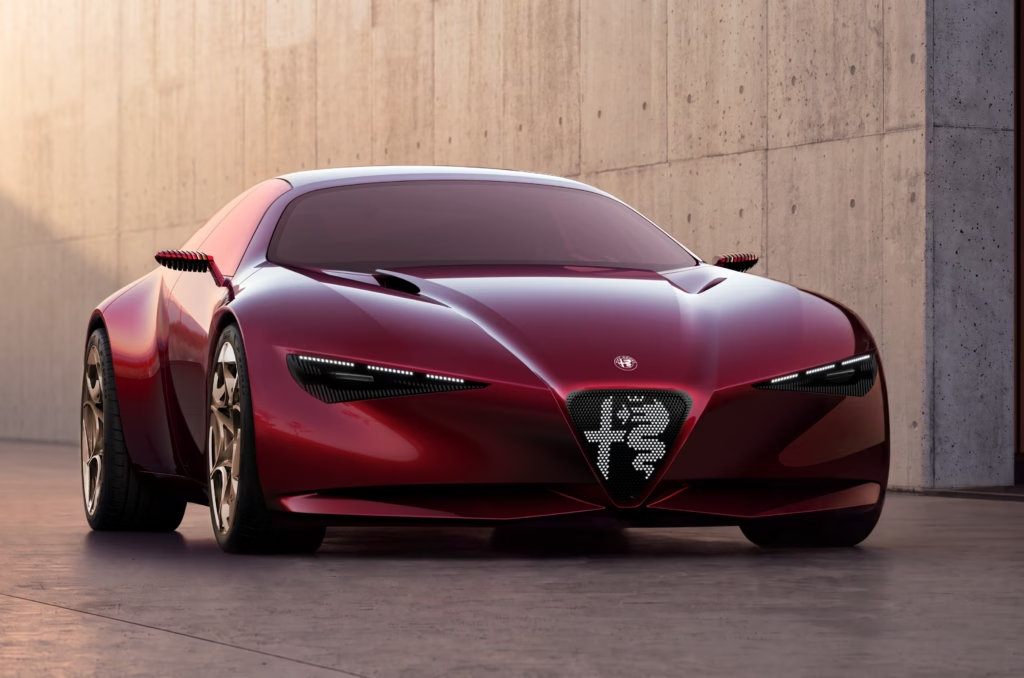
Stretching the tape at 4,700mm long, 1,980mm wide, and 1,331mm tall, with a wheelbase of 2,930mm, the Cuorerosso doesn’t stray all that far from the Alfa Romeo Giulia in terms of dimensions. The styling, though, is a different story. Up front, the Cuorerosso looks quite menacing thanks to its swept-back triangular headlamps and segmented eyebrow-like DRLs, which flank a backlit grille that displays the Alfa Romeo motif in a pixel pattern – the brand’s emblem sits right above the grille too.
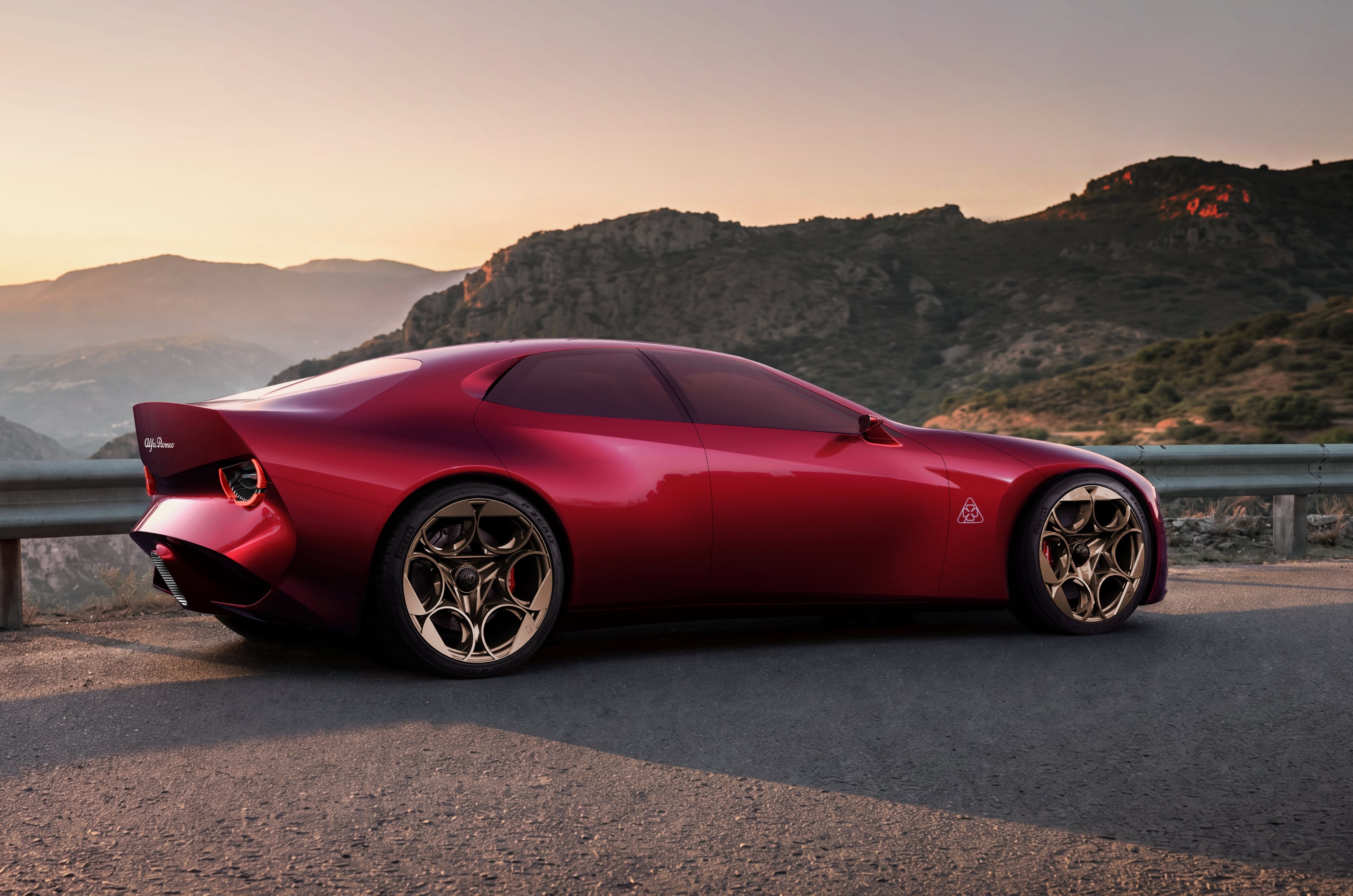
Sleek air intakes can be seen on the front bumper, while the bonnet looks very sculpted and muscular, with air exits opening up just ahead of the windscreen. Over to the side, the 22-inch bronze-coloured forged alloy wheels immediately stand out, and so do the slatted ORVMs and heavily flared rear wheel arches. Rear-hinged back doors are another flamboyant styling touch on the Cuorerosso.
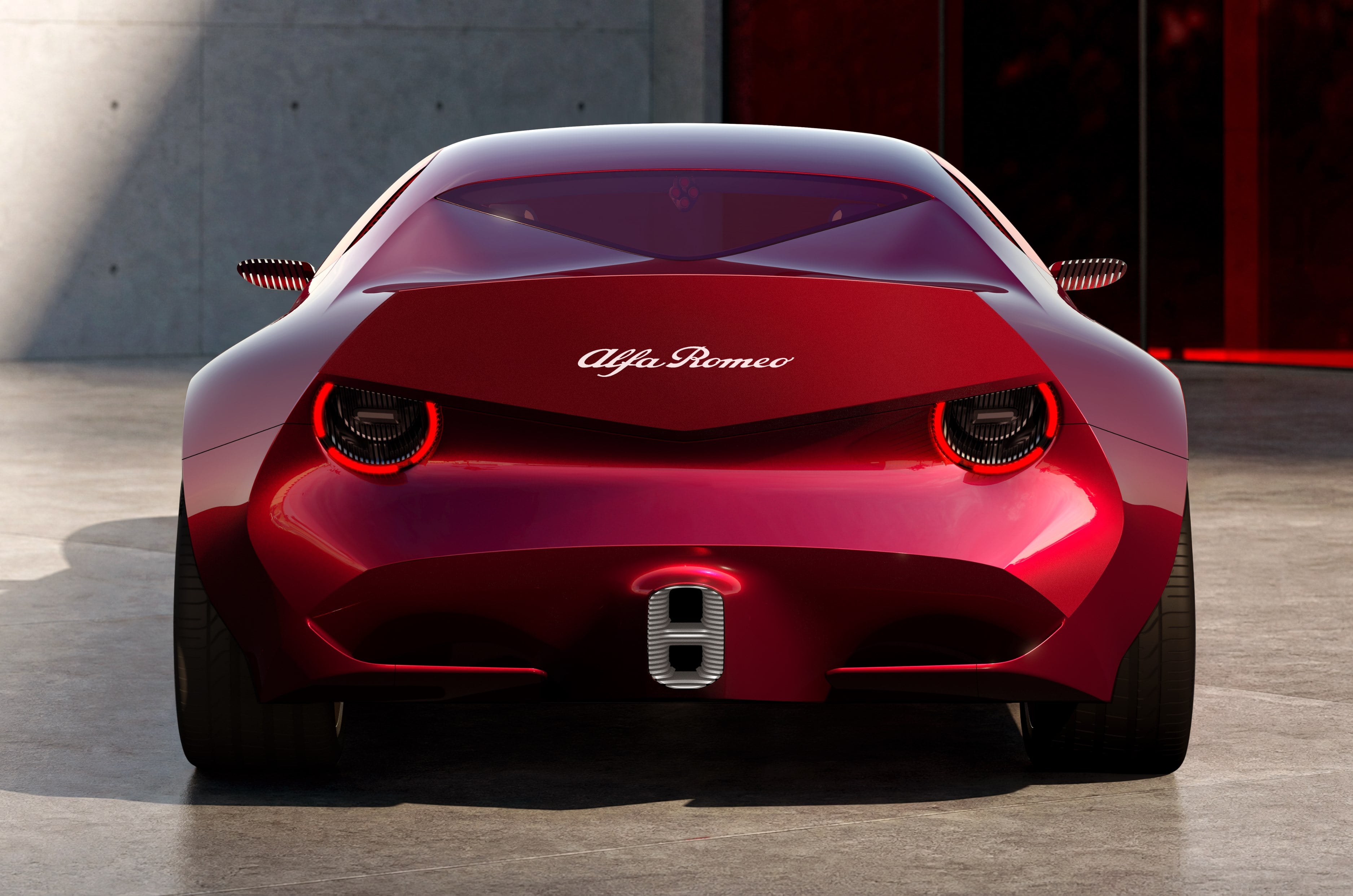
The rear end of the Cuorerosso is characterised by a large integrated ducktail spoiler, below which sits a pair of crescent-shaped tail-lamps and an Alfa Romeo wordmark. The sharply-protruding bumper lends a cool wedge-like shape to the rear, especially when viewed from the side, and includes a centrally positioned dual-exhaust setup flanked by air exits. Alfa Romeo claims a 0.28Cd drag coefficient for the Cuorerosso.
Alfa Romeo Cuorerosso interior
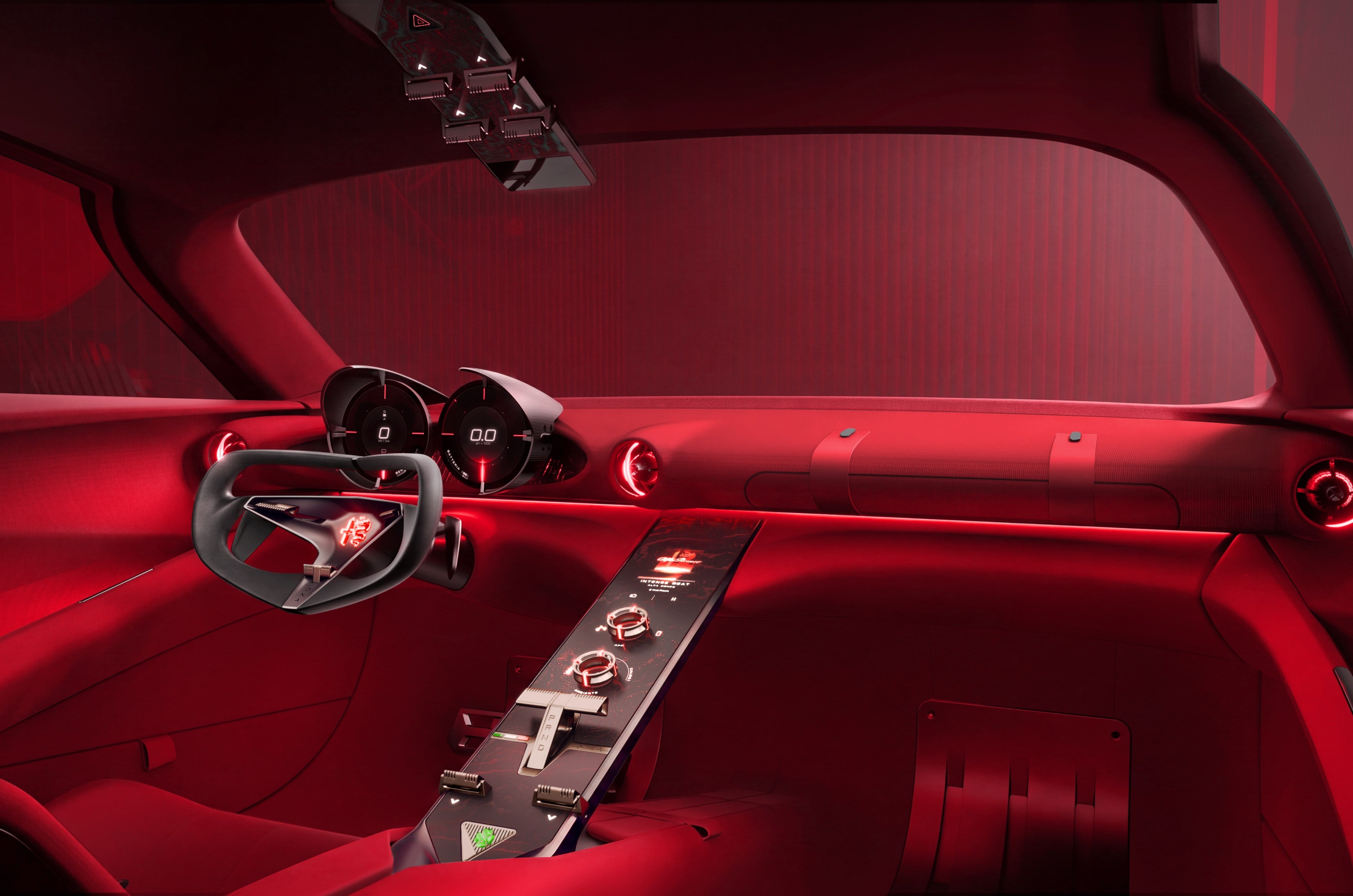
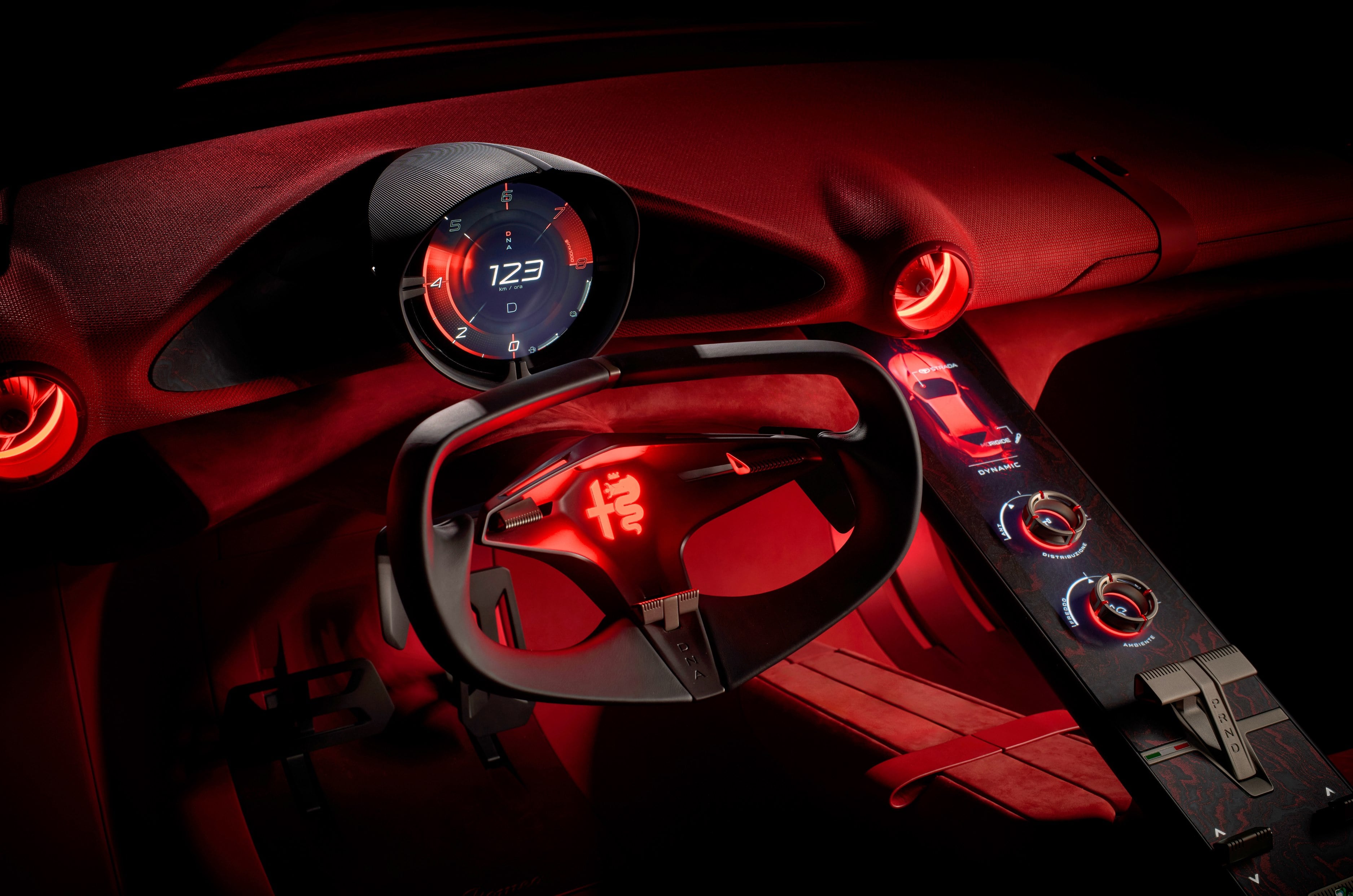
Inside, the Cuorerosso has a 2+2 seating layout and is just as radical as its exterior. For one, the colour scheme is predominantly red to convey the Cuorerosso’s sporty intentions, and there’s red ambient lighting in various spots too. The centre console has a pass-through design, and integrates a ‘Magma Display’ that combines physical controls with a digital interface. An aircraft-style gear selector can also be seen in the lower half of the centre console, along with a clover leaf emblem that glows green.
Ahead of the driver sits an unconventional-looking three-spoke steering wheel that has a flat top and a pointed bottom, while the central hub is dished inward and sports an Alfa Romeo emblem that glows red. Behind the steering wheel sits a pair of digital dials, which remain separate during normal driving and merge into one large dial if you start picking up the pace.
The Cuorerosso itself is unlikely to make it to production, but if it’s any indication of Alfa Romeo’s future, things look to be quite exciting for the Italian marque.
The Tata Aeris may be a new name, but its roots lie in the Tigor, which has enjoyed considerable popularity since 2017 for its distinctive styling, practical cabin, comfortable ride and decent powertrains. The Aeris builds on that foundation with a sharper design, a more upmarket cabin and an even more generous equipment list while retaining the same basic mechanical package underneath. Having already driven the iCNG version, we now get behind the wheel of the petrol Aeris to see how it fares as an everyday sedan.
Tata Aeris petrol performance and refinement – 7/10
The petrol engine gives it slightly better cruising capability than the CNG
3-cylinder engine is so-so on refinement and sounds coarse when revved hard
The Tata Aeris comes with a 1.2-litre 3-cylinder naturally aspirated engine that produces 86hp and 113Nm in its petrol guise and is offered with a choice between a 5-speed manual and a 5-speed automated manual transmission (AMT). The three-cylinder engine isn’t the smoothest in the segment, while the sound insulation also has room for improvement. There are noticeable vibrations at idle and low speeds, though these settle down once you’re on the move. However, they make a comeback beyond 2,500rpm, accompanied by a coarse engine note that can get intrusive and tiring on longer high-speed drives.
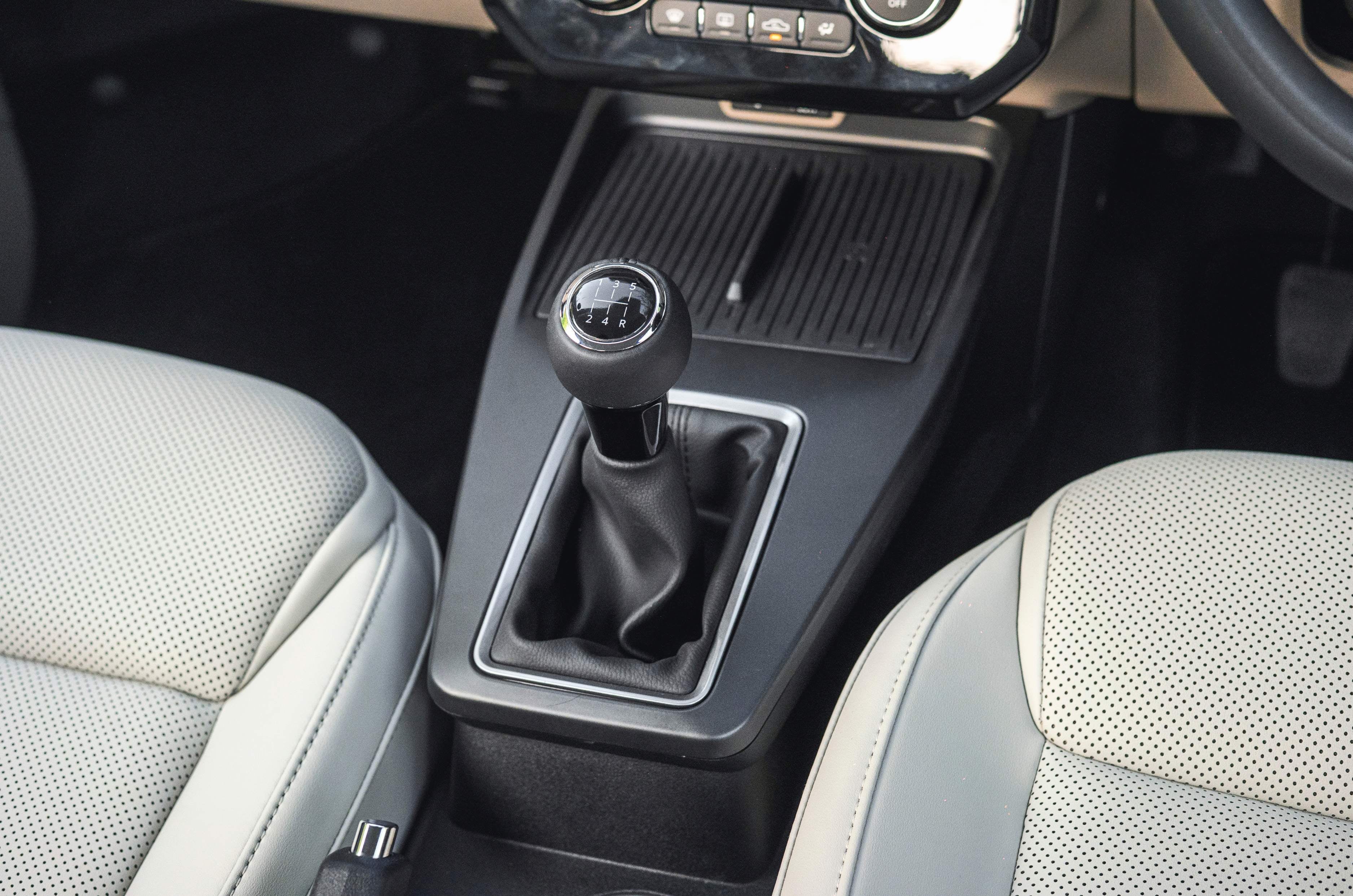
Manual lever looks premium for the price, offering short throws and defined gear gates.
The petrol version’s output figures are 10hp and 16Nm higher than the CNG version, which may look modest on paper, but the difference is discernible out on the road. We drove the petrol-powered Aeris with a 5-speed manual gearbox and noticed it offers short shift throws and well-defined gear gates. While it is not the slickest gearbox compared to its Maruti, Honda and Hyundai rivals, it is still a step up from the Tigor’s in terms of smoothness.
Aeris’ petrol version feels adequate for the city and is fine for gentle highway cruises too.
The performance in city speeds is adequate, and the powertrain is peppy enough for everyday driving. The clutch is light and has a predictable bite point, meaning you do not strain your left foot even in bumper-to-bumper traffic. There’s a dead pedal too, but it feels narrower than what we would have liked.
It is fairly quick to reach 80kph, but takes some time to reach triple-digit speeds. However, the petrol-powered Aeris maintains these speeds with relative ease, which makes it a decent highway cruiser. Unlike the CNG, the Aeris petrol does not feel out of breath when overtaking, and as long as you are in the right gear, it maintains good momentum.
AMT adds convenience for city drives but doesn’t like being rushed; the manual gearbox is easy to use.
We got a taste of the AMT during our earlier stint with the Aeris iCNG, when we switched to petrol mode, and found that the gearbox offered reasonable acceleration with measured inputs. Push the accelerator aggressively, though, and the typical AMT hesitation became evident, meaning overtakes need to be planned well. The AMT also gets a creep function, which comes in handy in bumper-to-bumper traffic.
All of this makes the AMT a good option for city driving, but for high-speed highway cruising, we recommend the manual gearbox, which offers greater control and a more engaging experience. That said, opting for the manual in the city is not a compromise either.
Tata Aeris petrol ride comfort and handling – 8/10
It allows for a confident drive at both low and high speeds
Like other Tata offerings, ride quality is one area where the Aeris excels. It takes broken roads in its stride, with the suspension absorbing rough patches well and keeping most surface irregularities from filtering into the cabin. The 170mm ground clearance is also adequate for tackling large speed breakers without much concern. That said, the CNG version has an edge in this department, thanks to its 14-inch steel wheels with taller sidewalls, which offer a more cushioned ride than the 15-inch alloys on the top-spec petrol version. Notably, lower Aeris trims get 14-inch wheels.
Well-tuned suspension keeps the Aeris comfortable and confident on all roads.
At high speed too, the suspension stiffens enough to keep the Aeris composed through quick lane changes, without feeling floaty. On the highways, it remains stable and inspires confidence at higher speeds. The steering, however, could do with more precision, as it feels slightly vague around the centre. While it weighs up nicely as speeds rise, a sharper response around the centre would have further enhanced the Aeris’ high-speed confidence.
Tata Aeris petrol mileage and efficiency
We expect the Aeris petrol to have similar fuel efficiency as the Tiago
Tata has yet to reveal the official fuel-efficiency figures for the petrol-powered Aeris. But it gets the same powertrain as the pre-facelift Tiago we tested in 2022. In that test, it returned 13.30kpl in the city and 16.60kpl on the highway. The Aeris could have similar fuel efficiency. However, we will be able to give you a more definitive assessment once we put the Aeris through our standard fuel-efficiency tests.
Tata Aeris petrol exterior design and engineering – 8/10
Has a sleeker and more modern exterior design and comes with LED lights all around
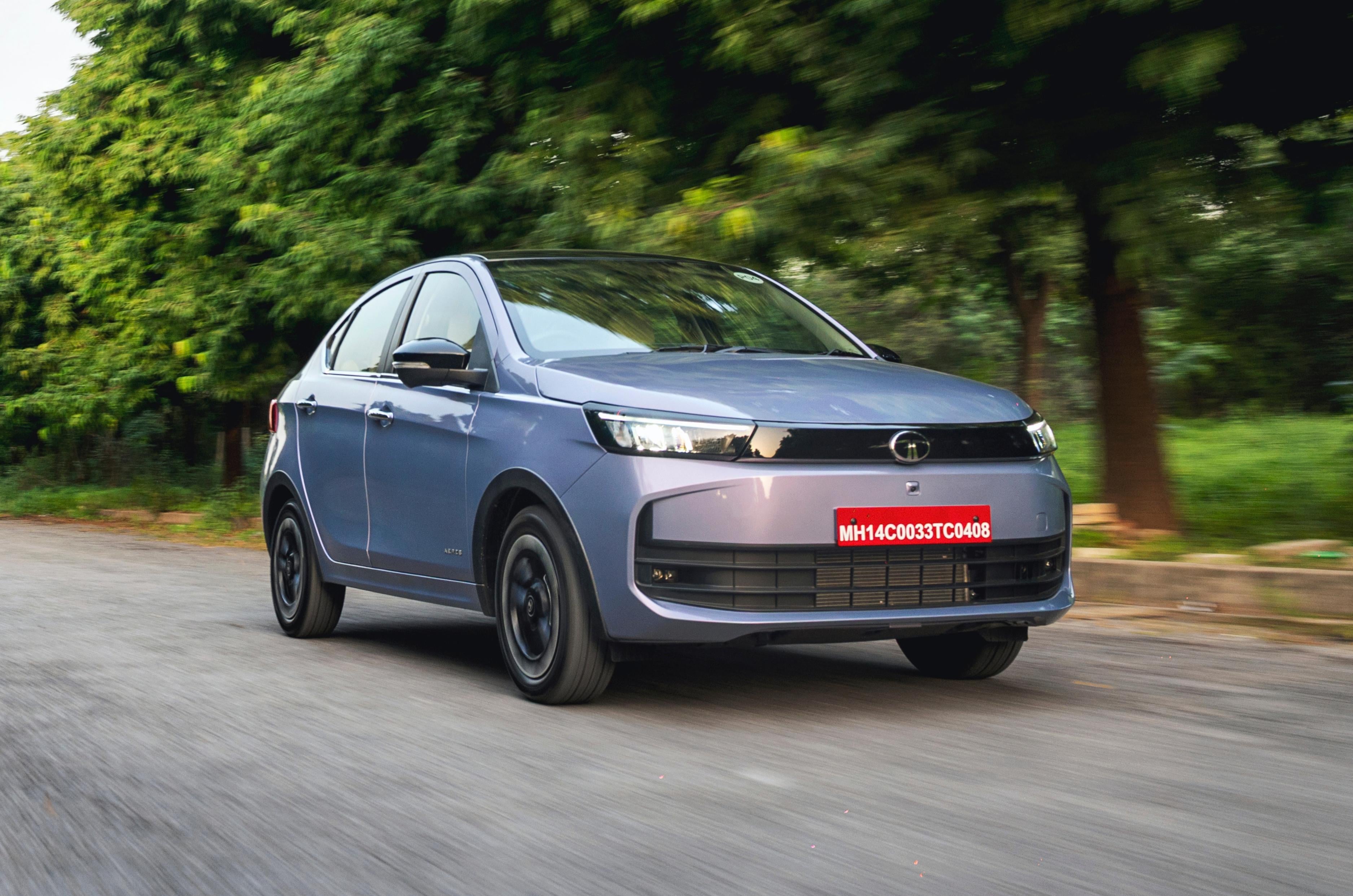
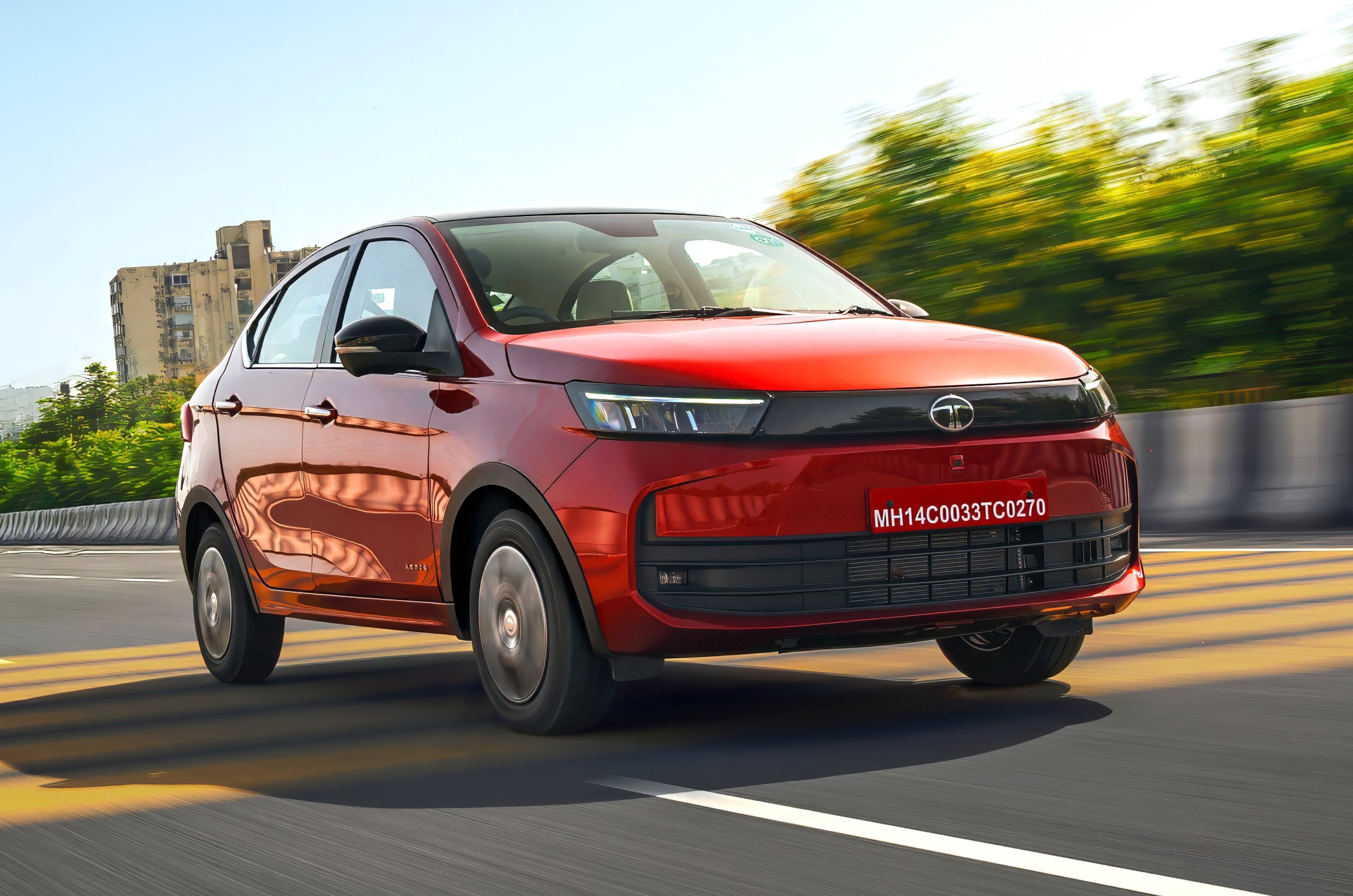
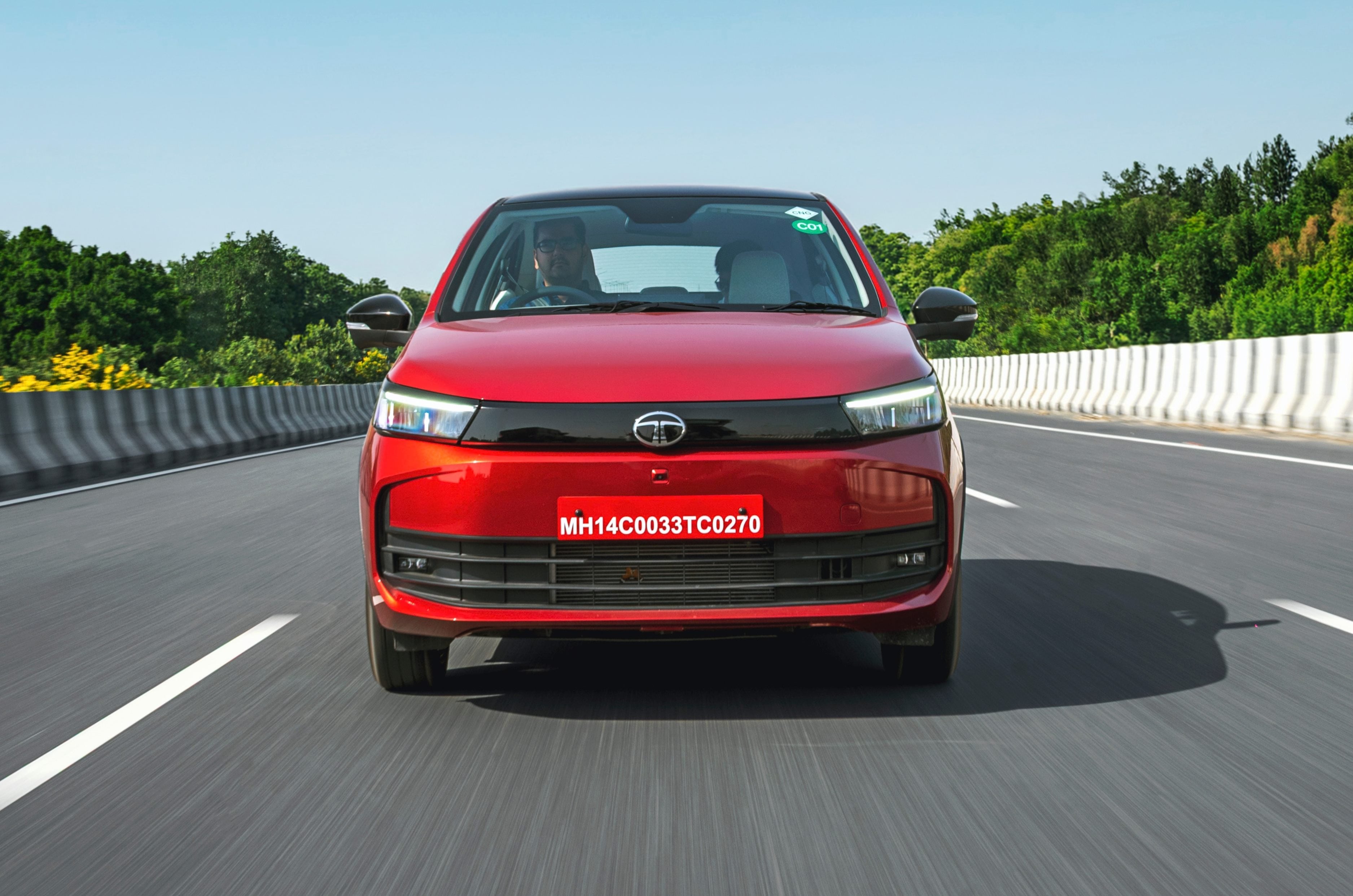
Save for the new bumper, the fascia is similar to the Tiago’s and looks very modern.
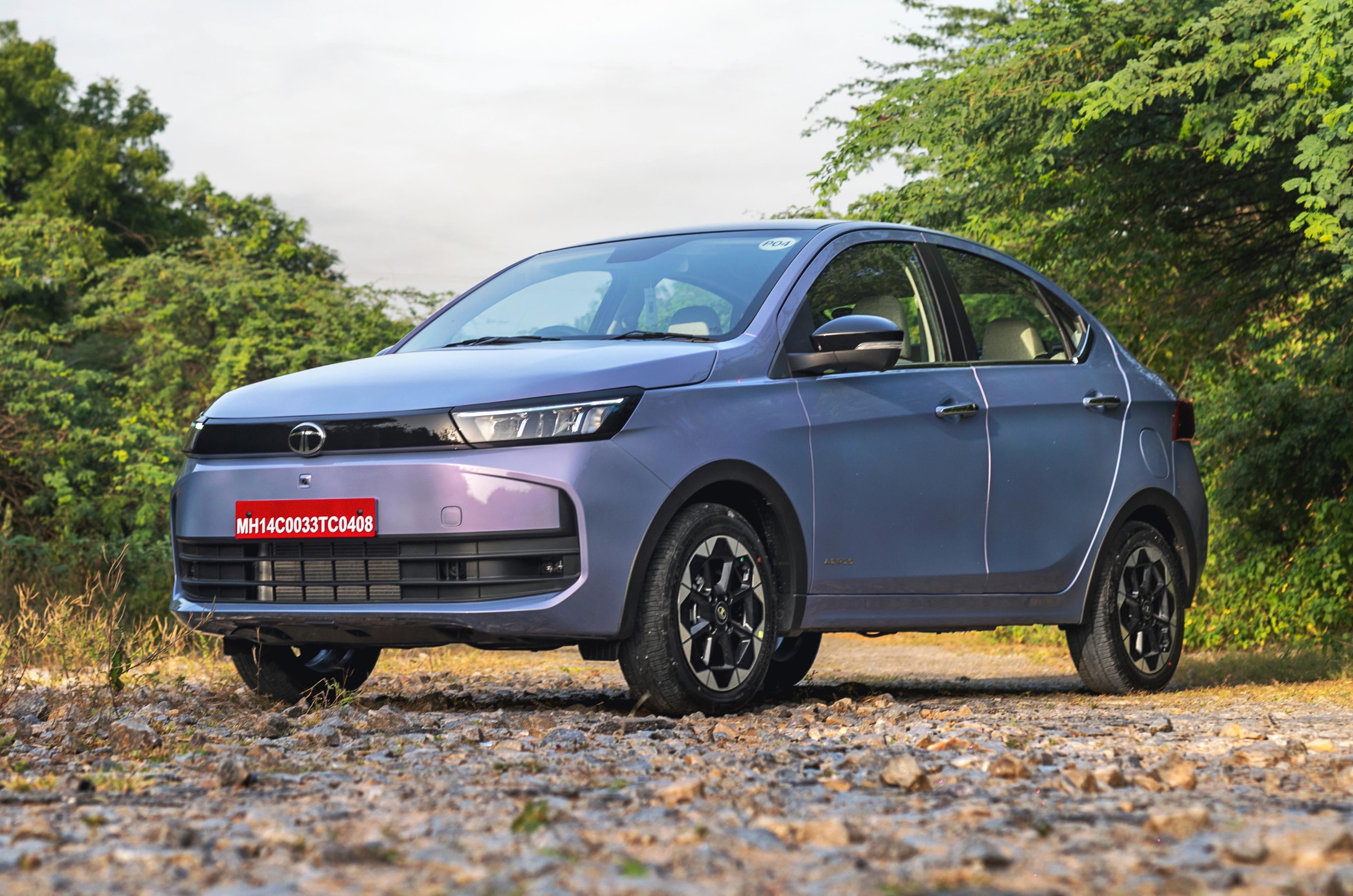
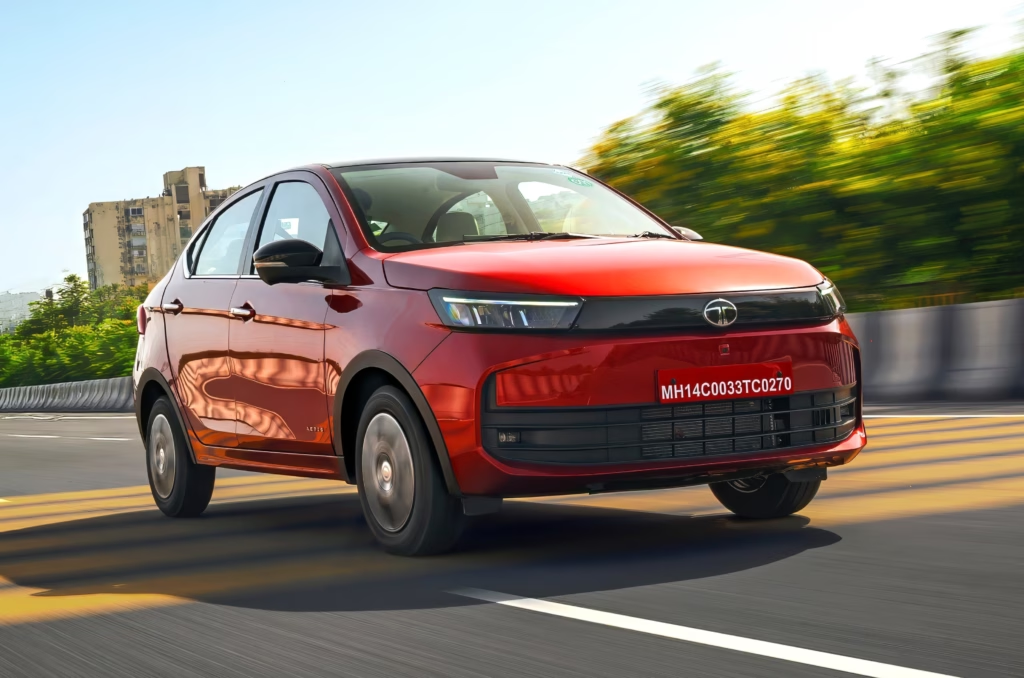
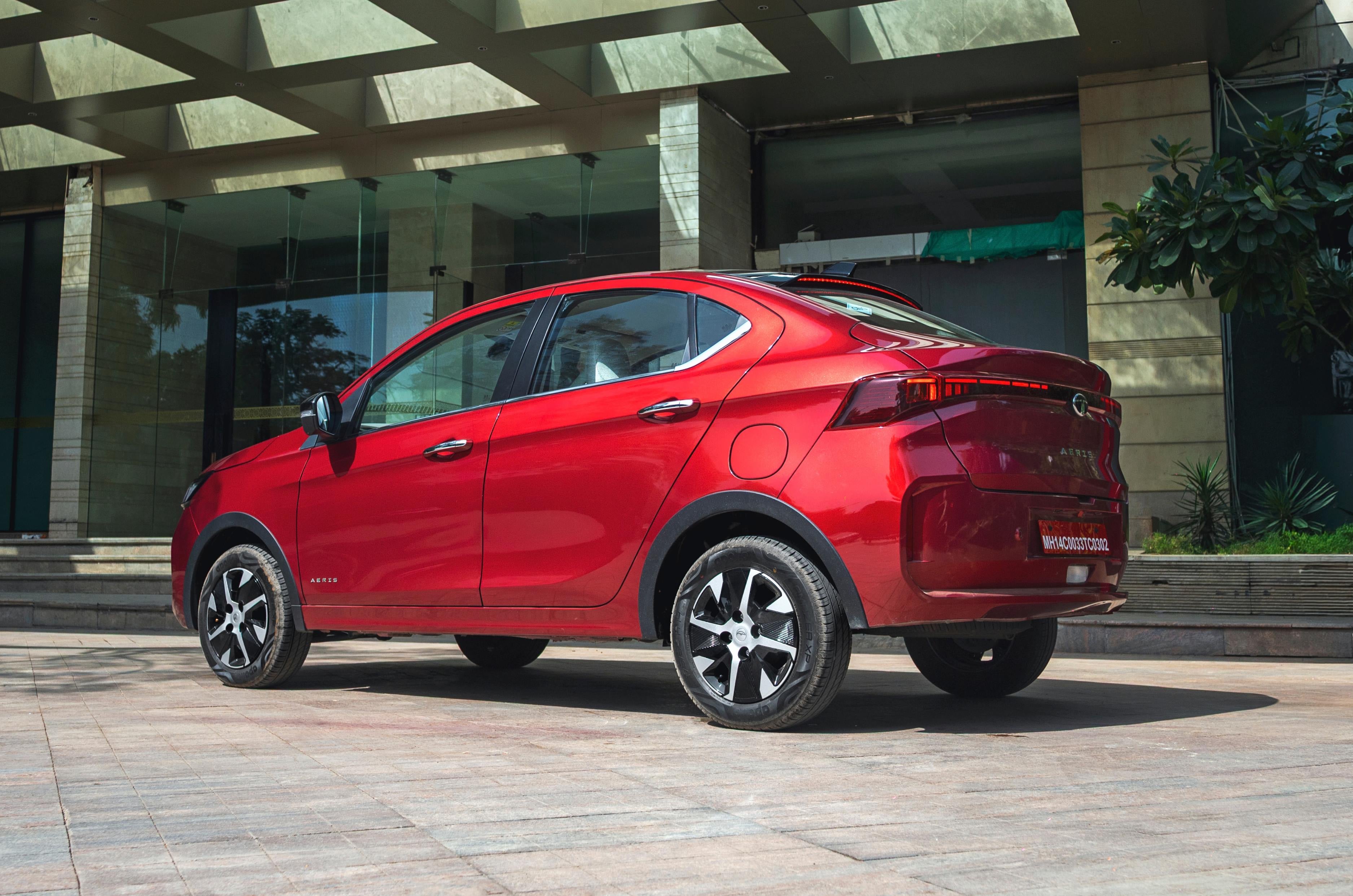
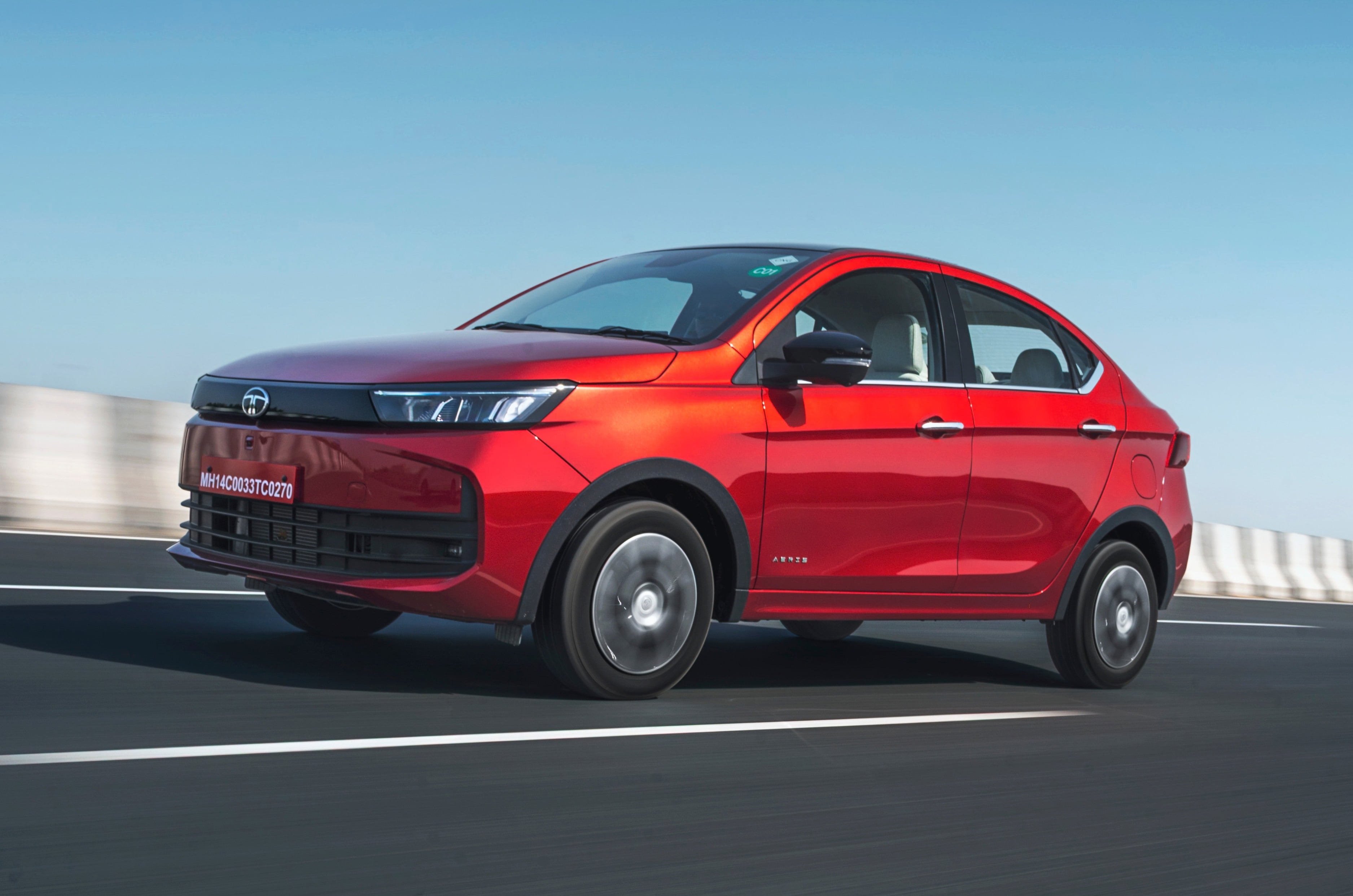
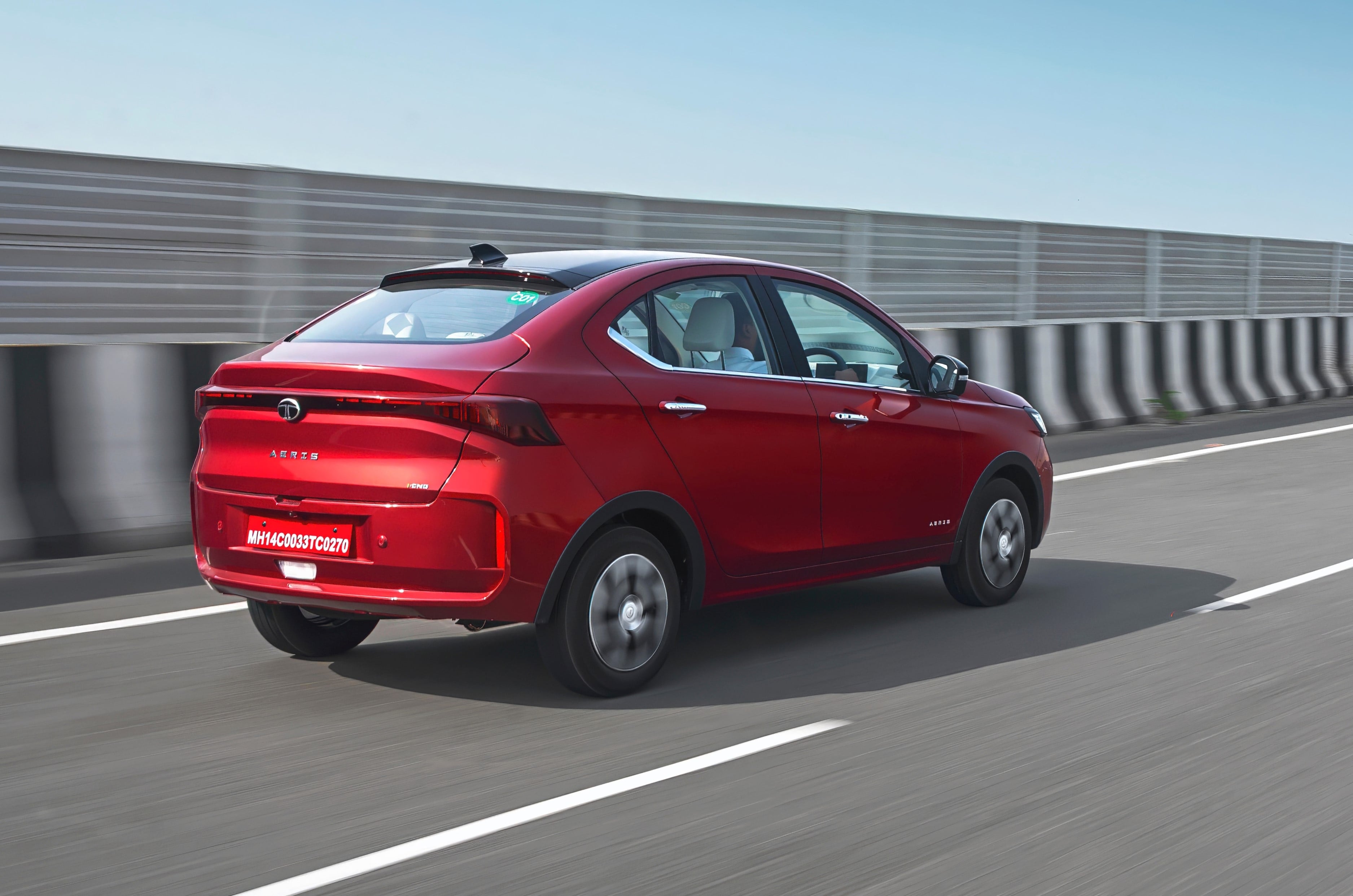
The Tata Aeris looks sleeker than before, with its design now closely aligned with the Tiago hatchback, something we have seen previously with the Tigor. Another factor that could work in the Aeris’ favour is Tata’s decision to offer it exclusively to private buyers, while retaining the Xpres, the fleet version of the Tigor, for commercial customers. This should help the Aeris steer clear of the ‘taxi’ tag often associated with rival compact sedans.
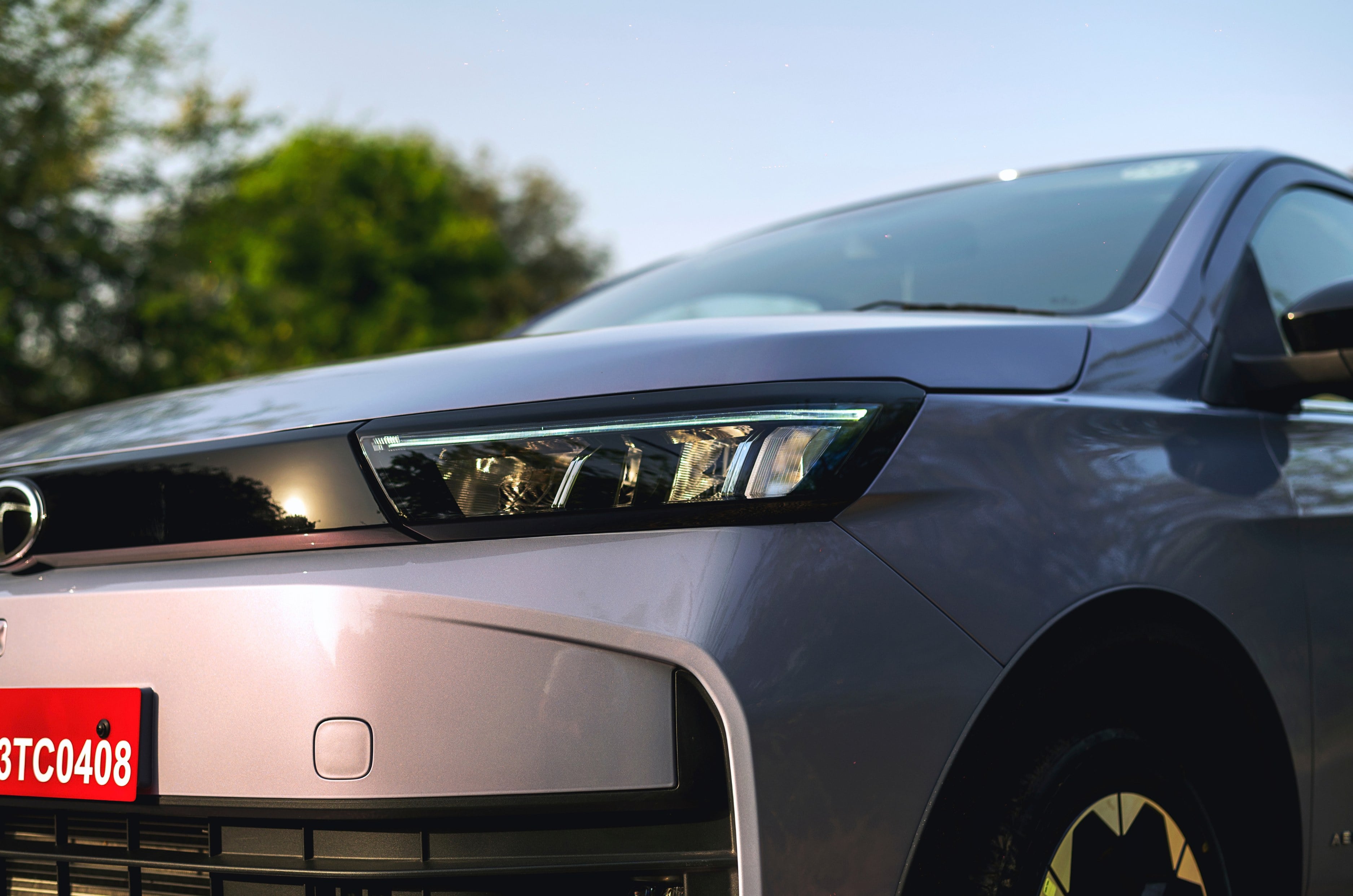
LED headlights with LED DRLs, which are connected by a black trim, make it look sleeker.
Up front, the new clamshell bonnet leads into slim LED headlights with thin LED DRL strips integrated into them. The headlights are connected by a gloss-black trim. The front bumper is also new, featuring wider air intakes and LED fog lamps, a welcome upgrade over the Tigor’s halogen units.
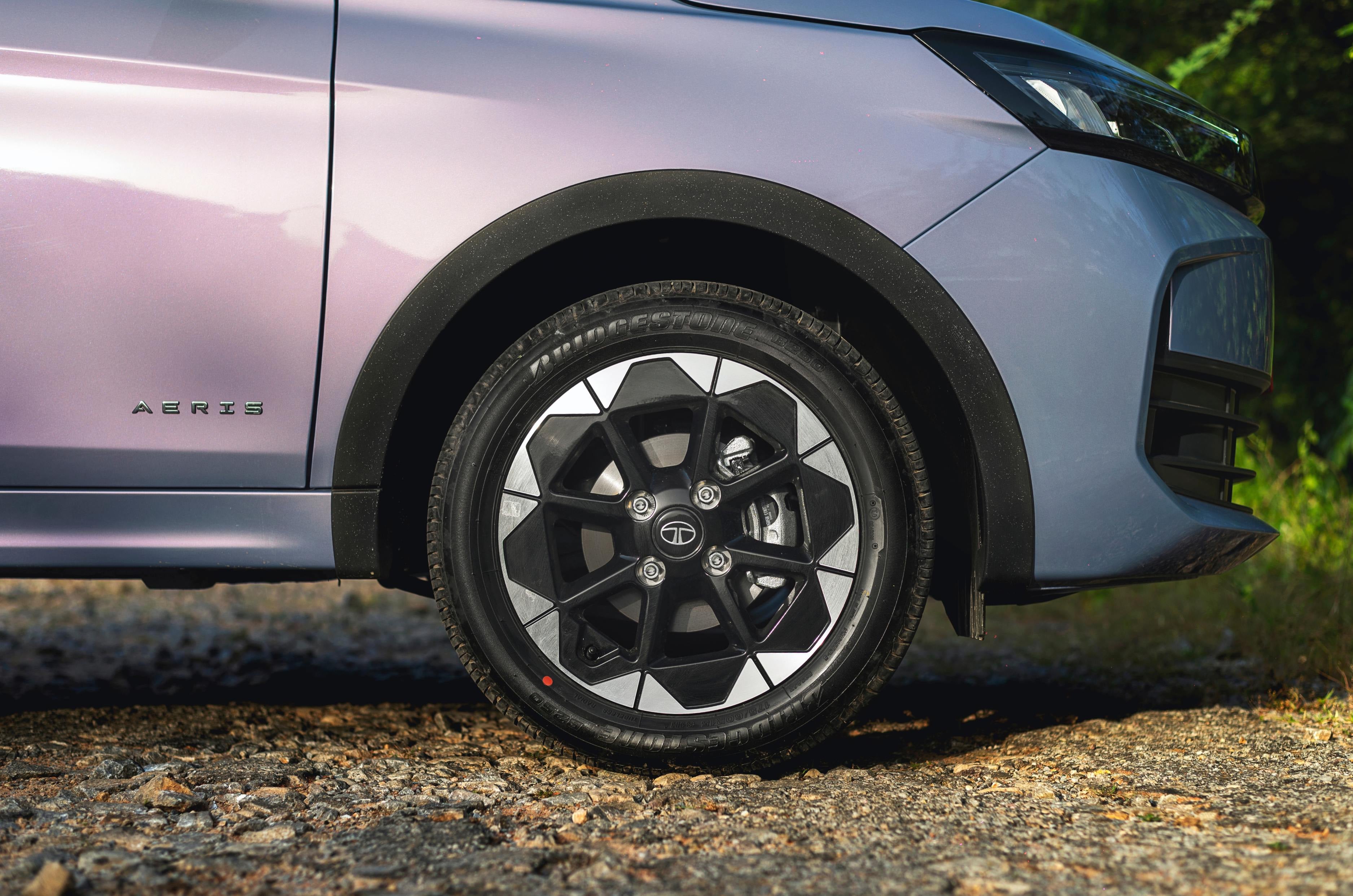
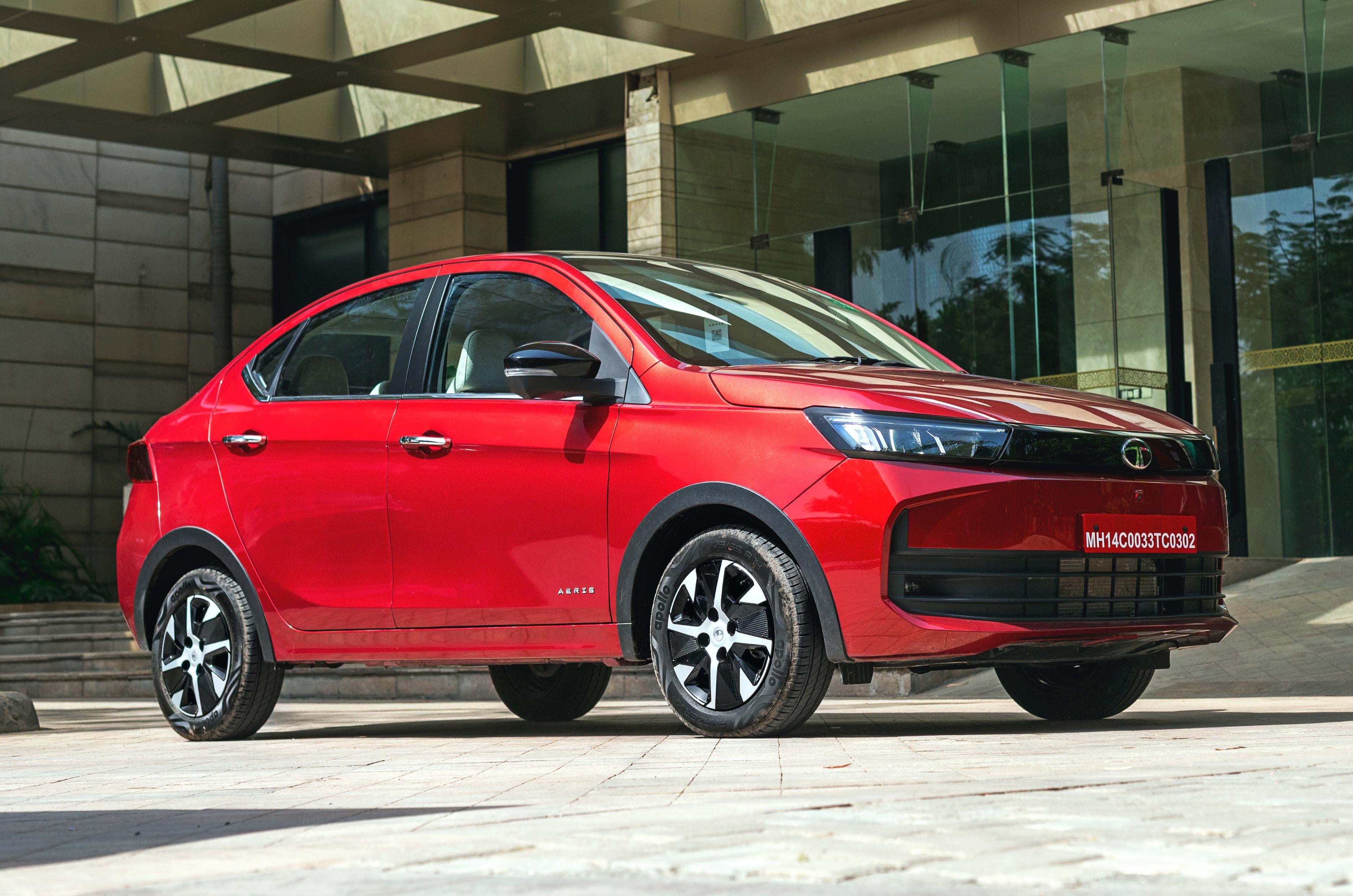
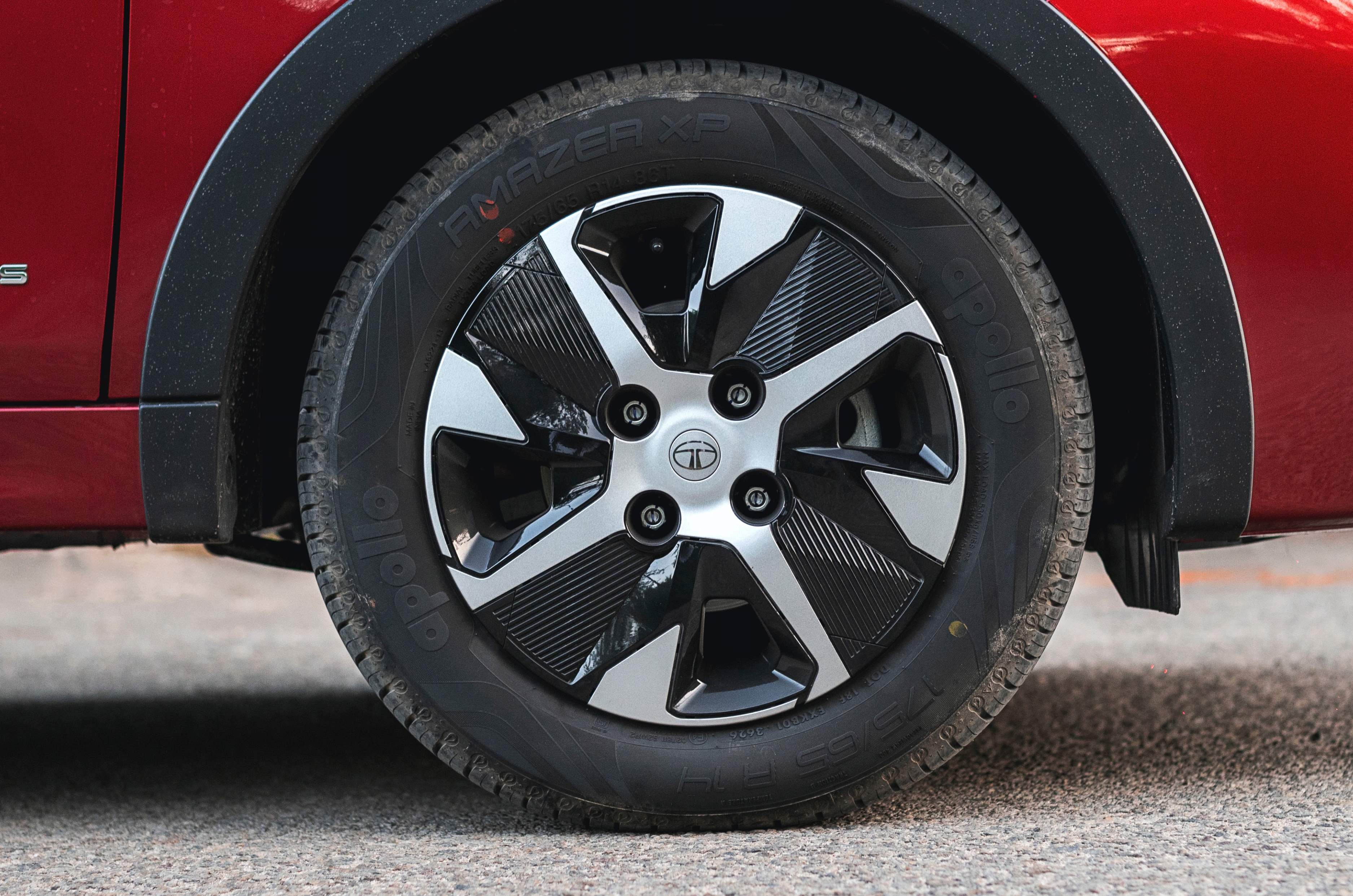
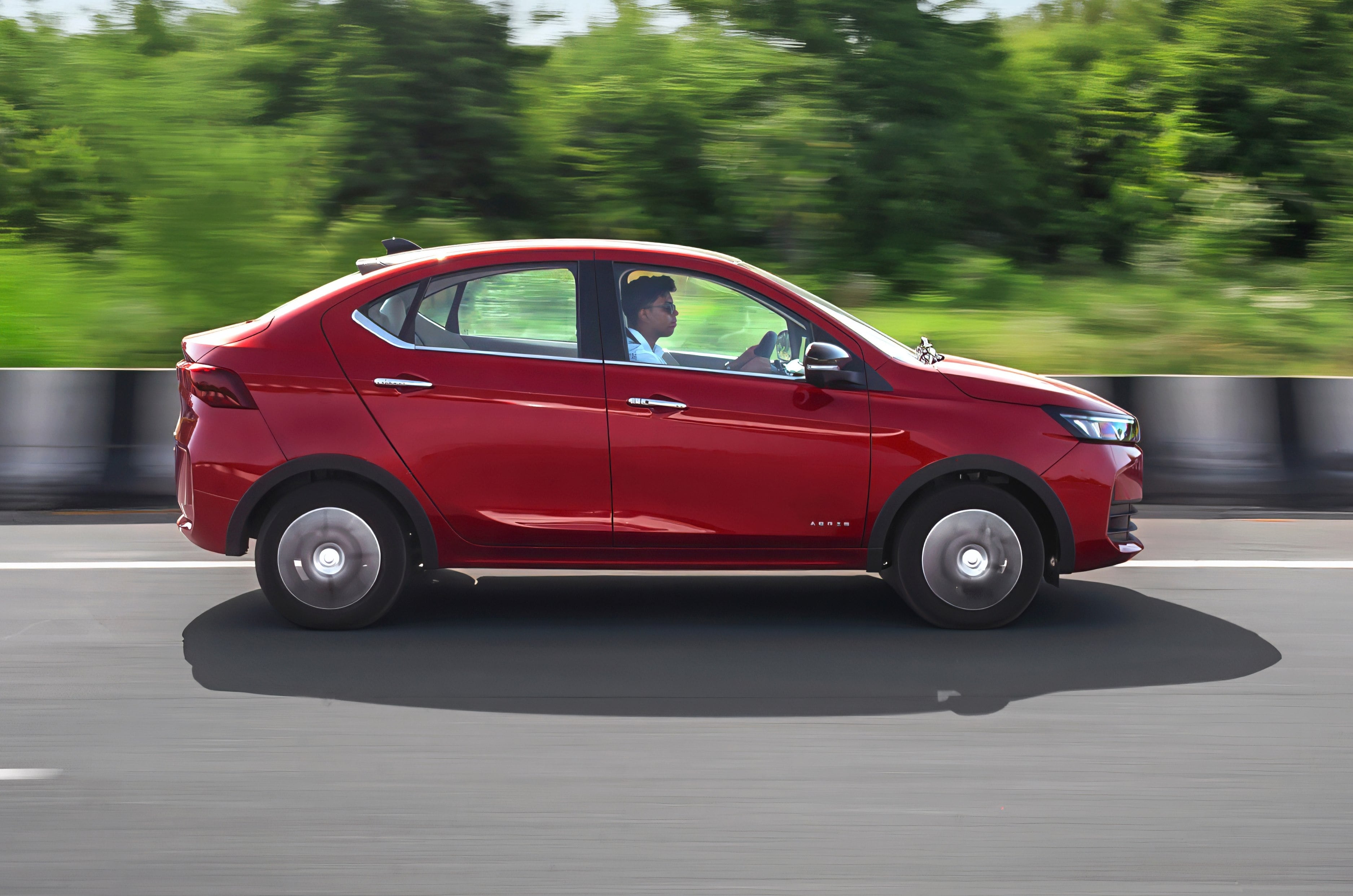
Top versions get 15-inch alloy wheels; 14-inch wheels on other variants appear undersized.
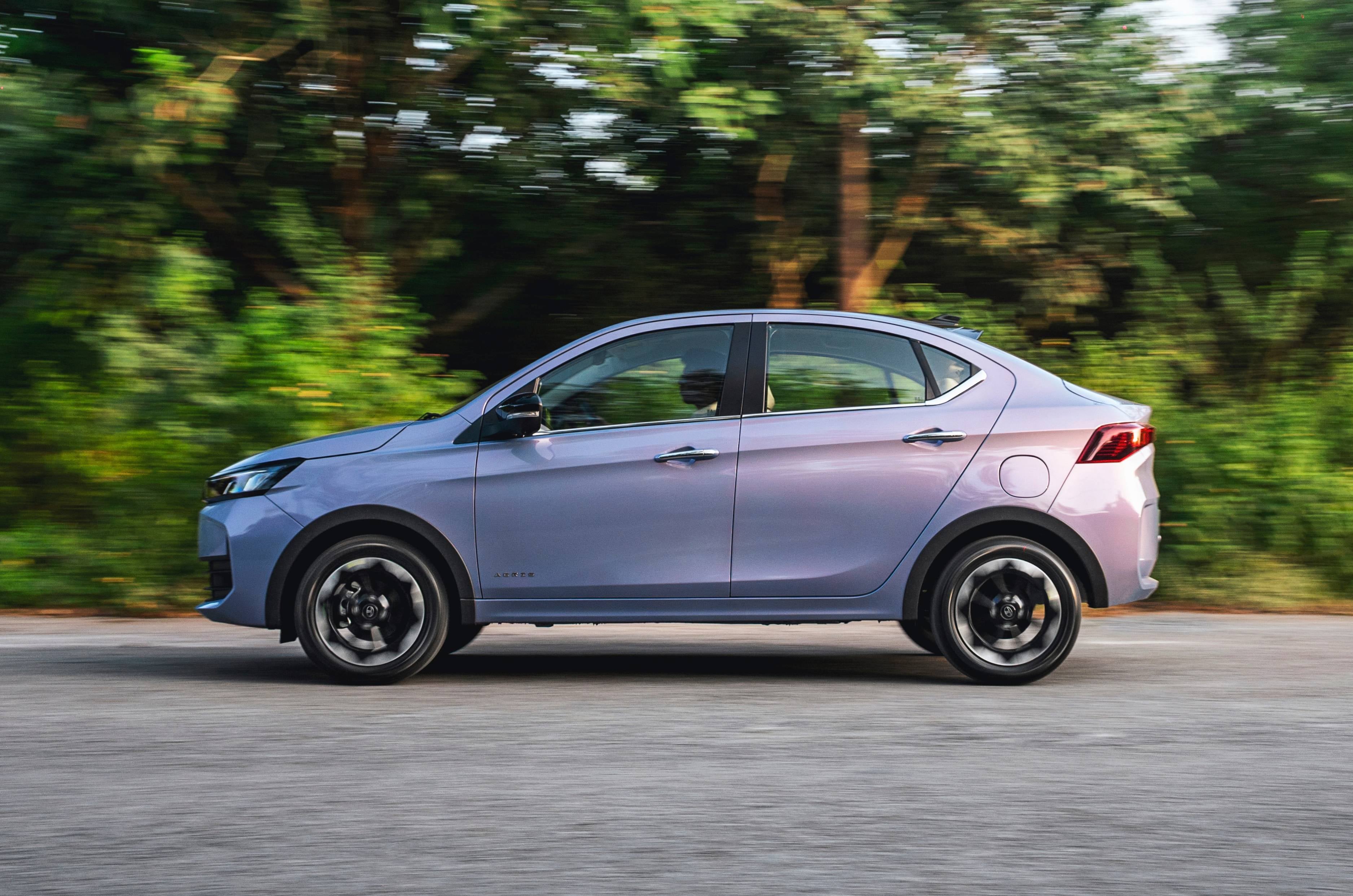
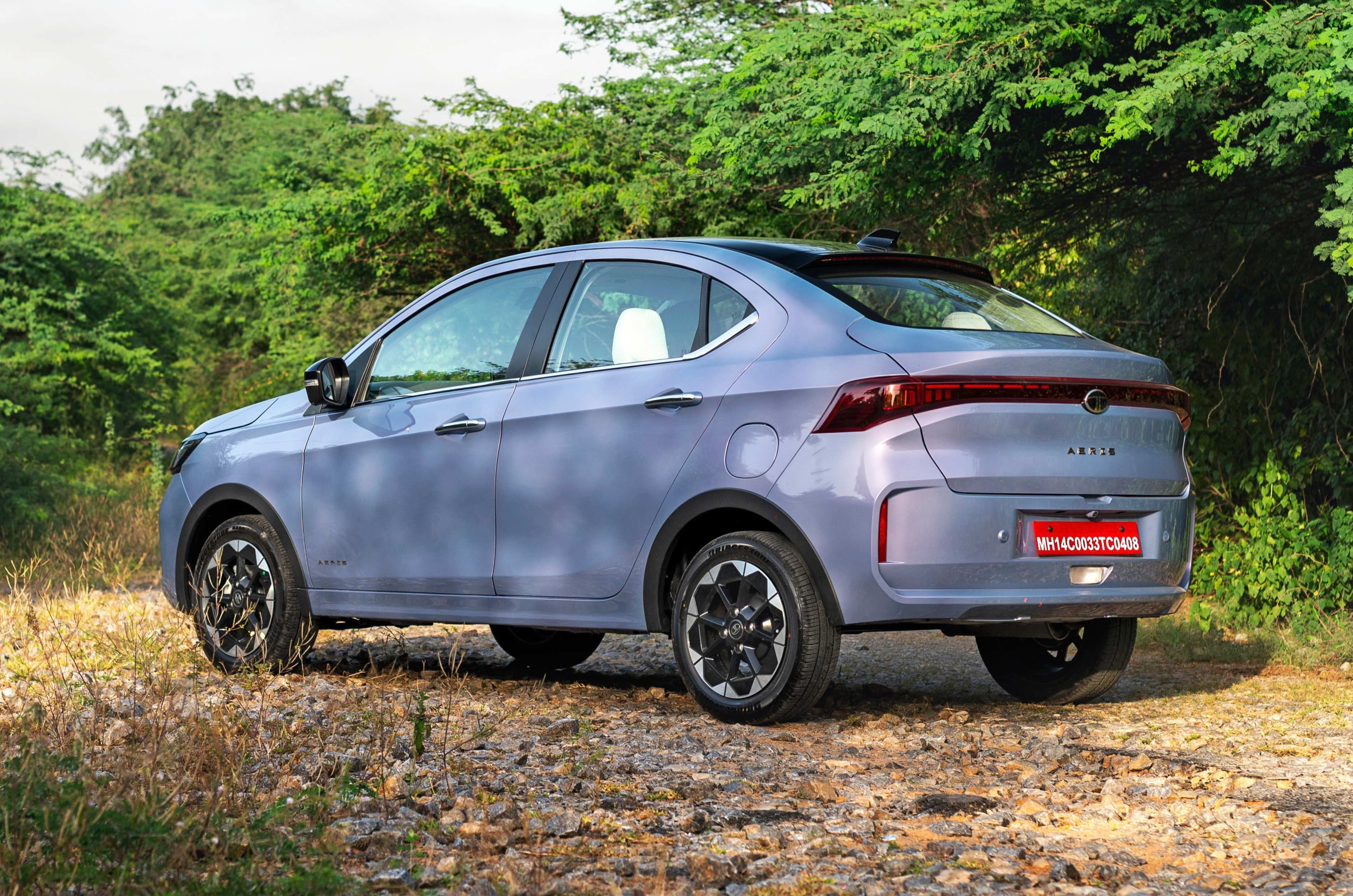
In profile, the 15-inch dual-tone alloy wheels fill the wheel arches nicely, and their contrasting finish looks particularly appealing when the Aeris is on the move. The wheel arches get slim cladding, which Tata says is made from recycled materials and features a distinctive speckled texture. Like the Tigor, the Aeris also gets chrome door handles and a chrome strip along the window line, adding some contrast to the otherwise clean design.
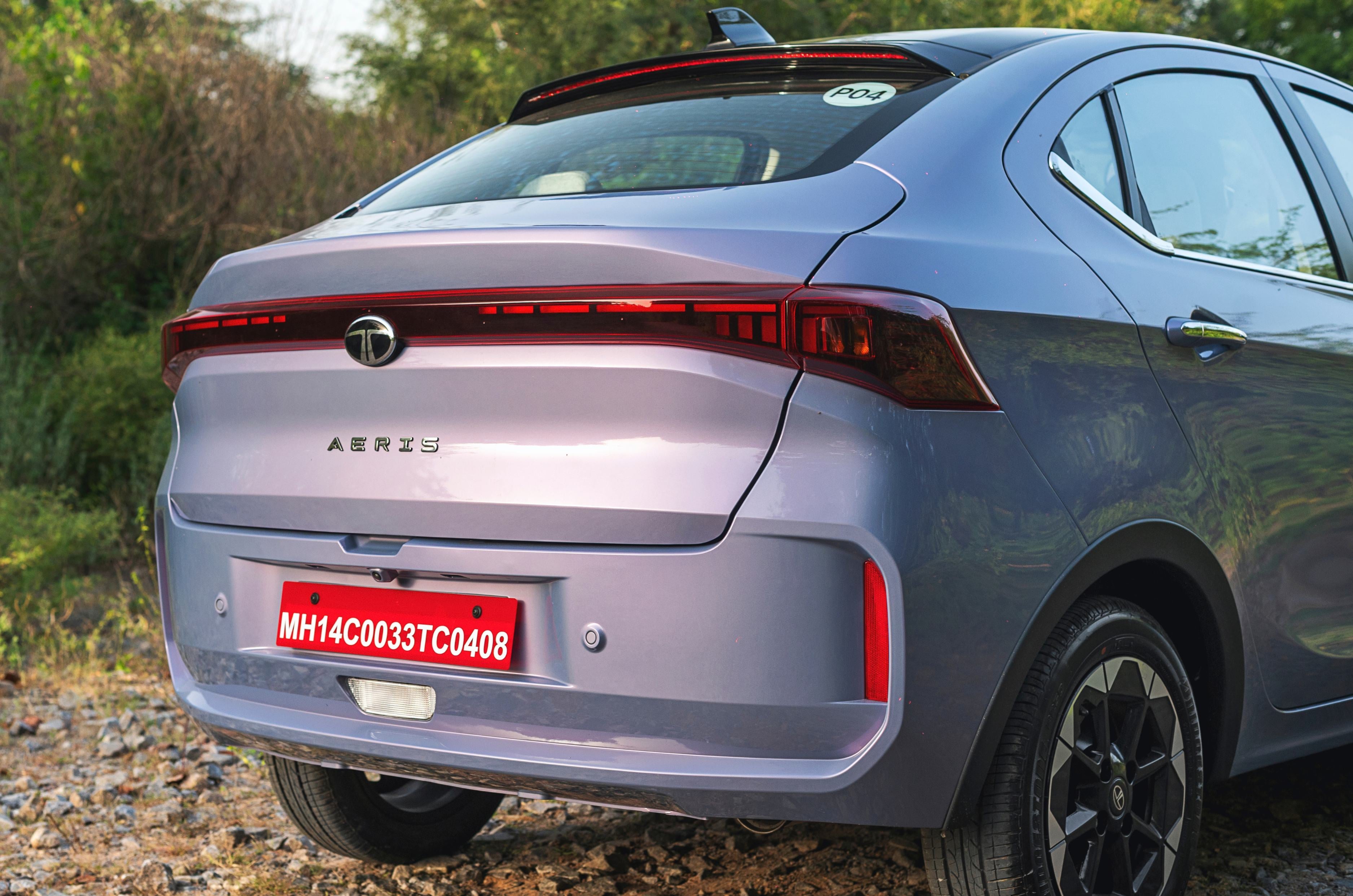
Fastback-like roofline remains a distinctive design element.
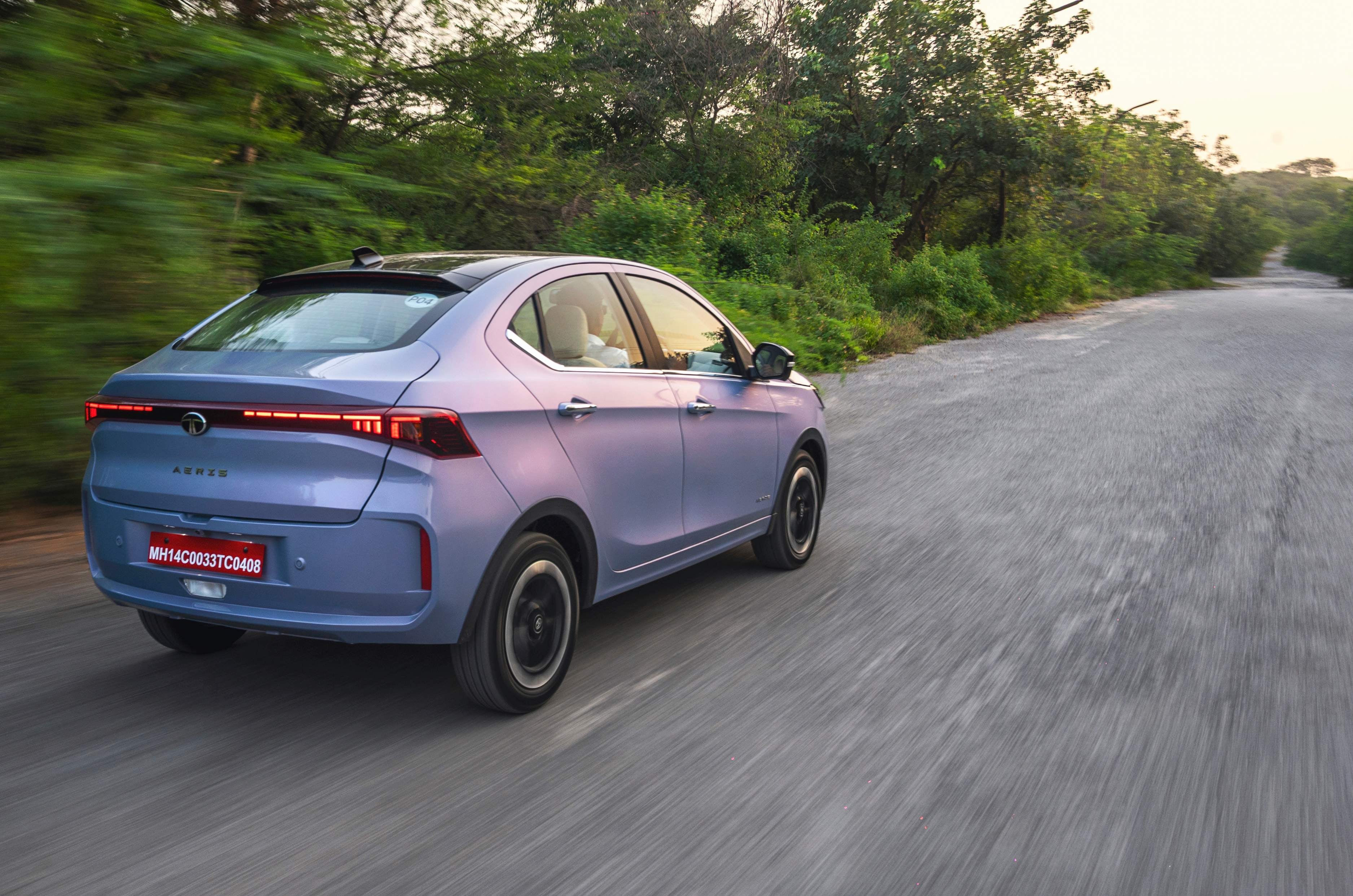
The coupe-like, tapering roofline remains unchanged from the Tigor, and continues to make the Aeris’ overall design cohesive. At the rear, the new taillights give the sedan a more modern appearance, while the red trim connecting them visually makes the Aeris appear larger than it is. The rear bumper is cleanly styled, with the reverse light neatly positioned in the centre.
The Aeris measures 3,995mm in length, 1,684mm in width and 1,532mm in height, and has a 2,450mm wheelbase.
Tata Aeris petrol interior space and comfort – 8/10
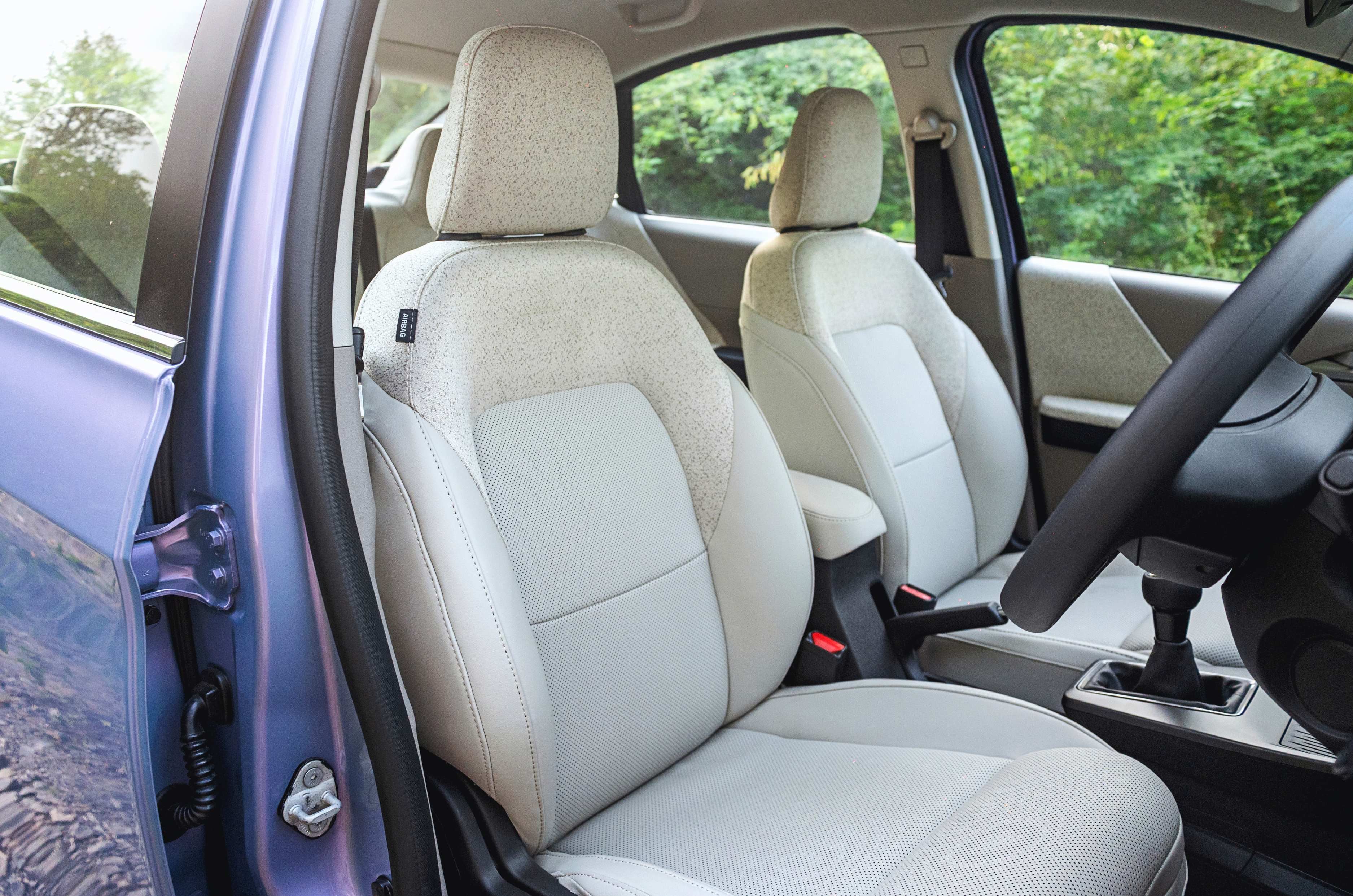
Beige theme makes the interior feel airy, and everything is nicely laid out in the cabin
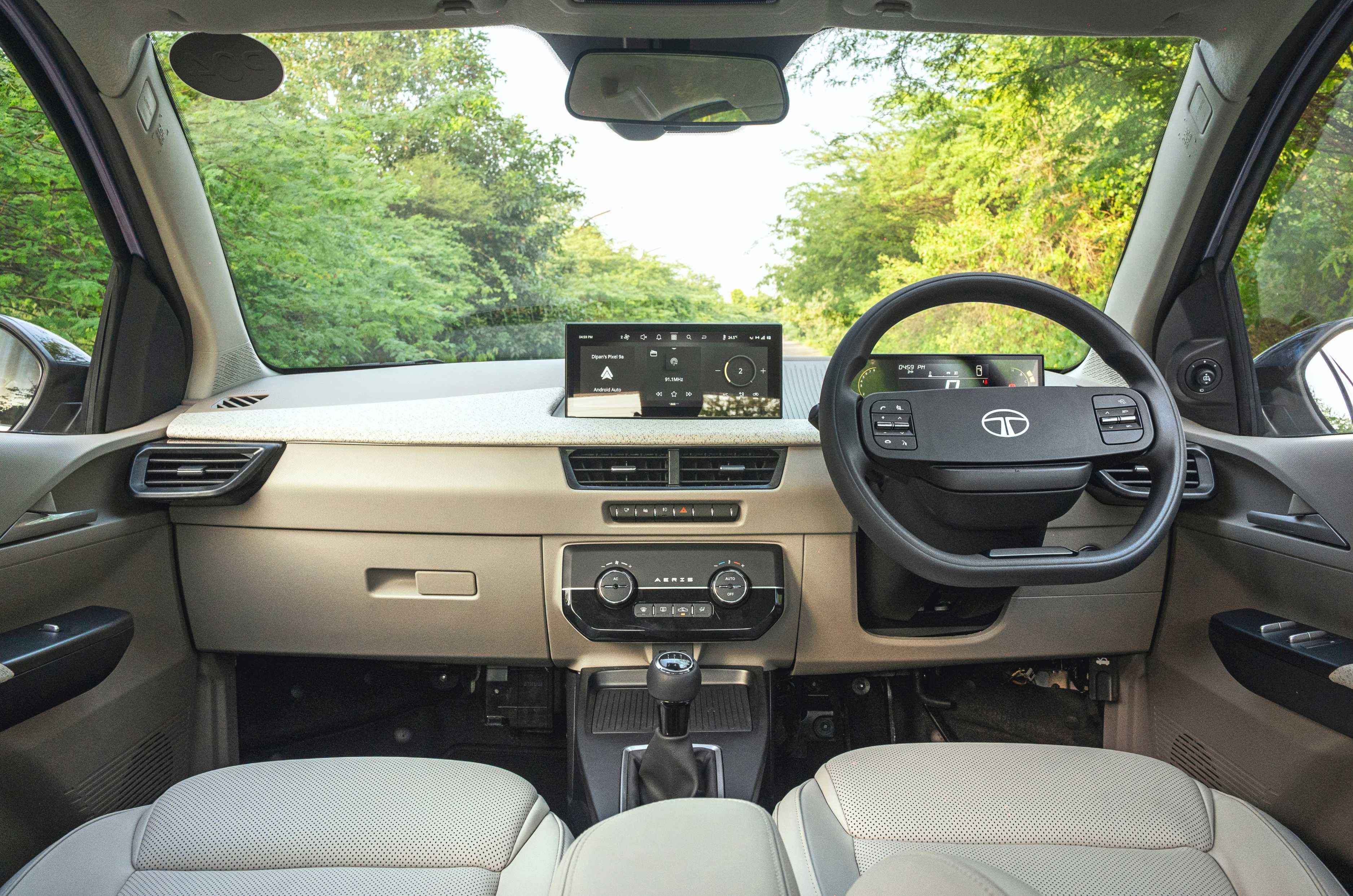
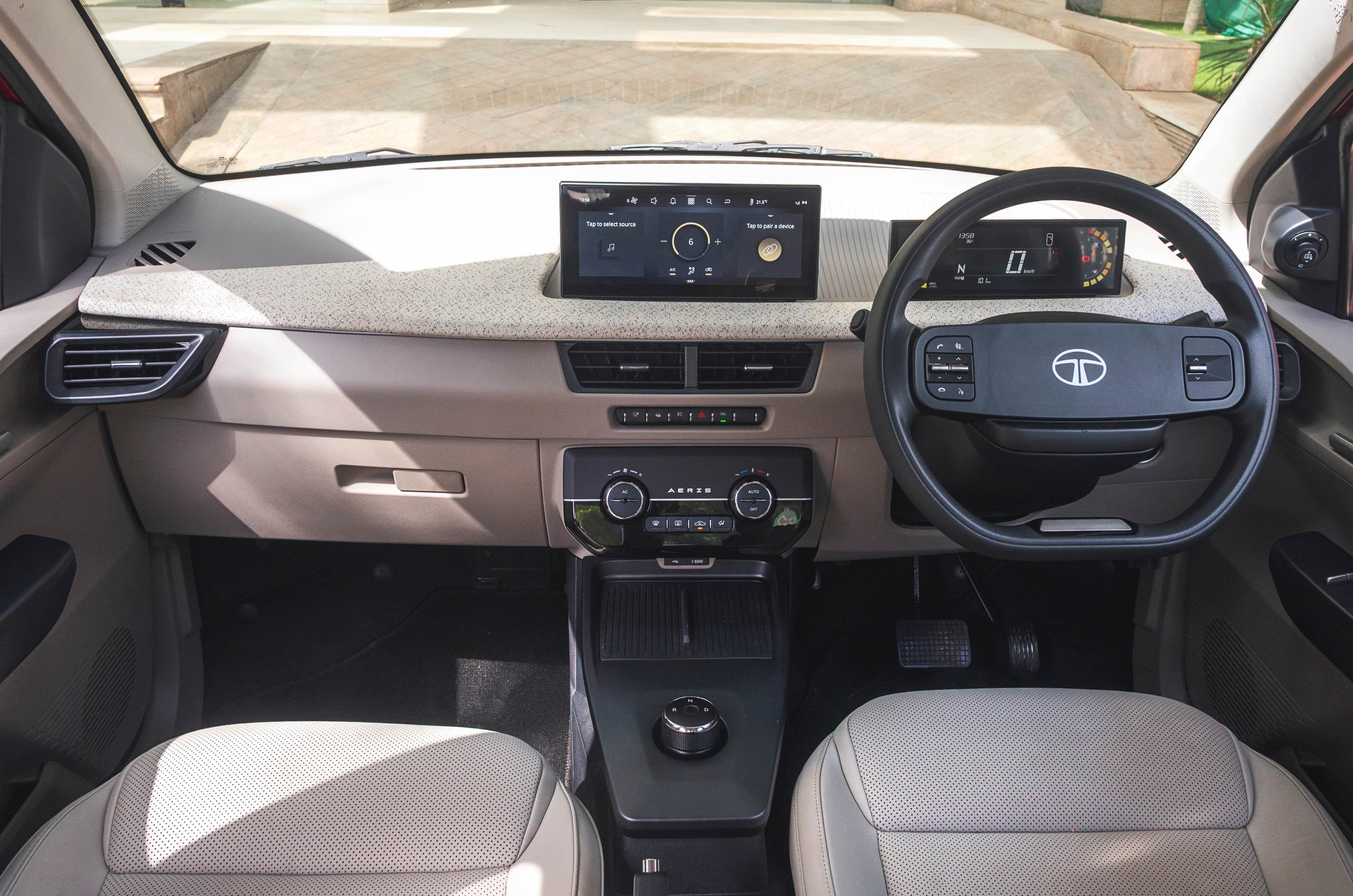
Beige theme lends the cabin an airy feel; dashboard is neatly laid out.
The Aeris’ interior is neatly laid out and looks fairly modern. The cabin gets a beige colour scheme, which makes it feel airy and gives the sedan a greater sense of space. However, the light shade could prove difficult to keep spick and span, especially with regular use.
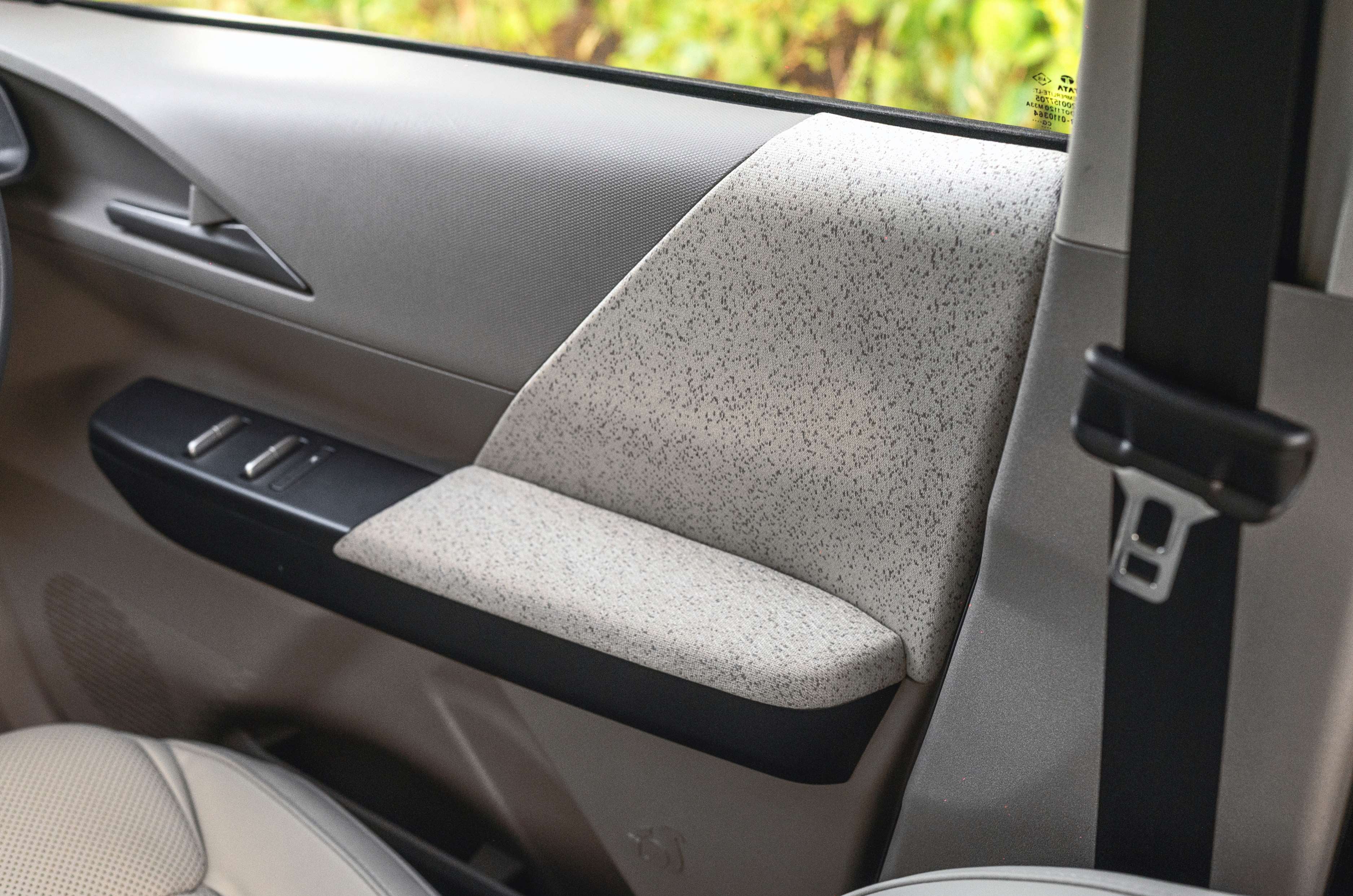
The dashboard houses a 10.25-inch infotainment touchscreen, a free-standing semi-digital instrument cluster and a revised two-spoke steering wheel. The latter retains physical buttons and, thankfully, does away with the scratch-prone gloss-black finish seen on the Tigor. The door handles look floating like the Sierra and feel sturdy. Lower down, Tata has retained rotary dials and physical buttons for the climate control. They feel solid and do not come across as flimsy.
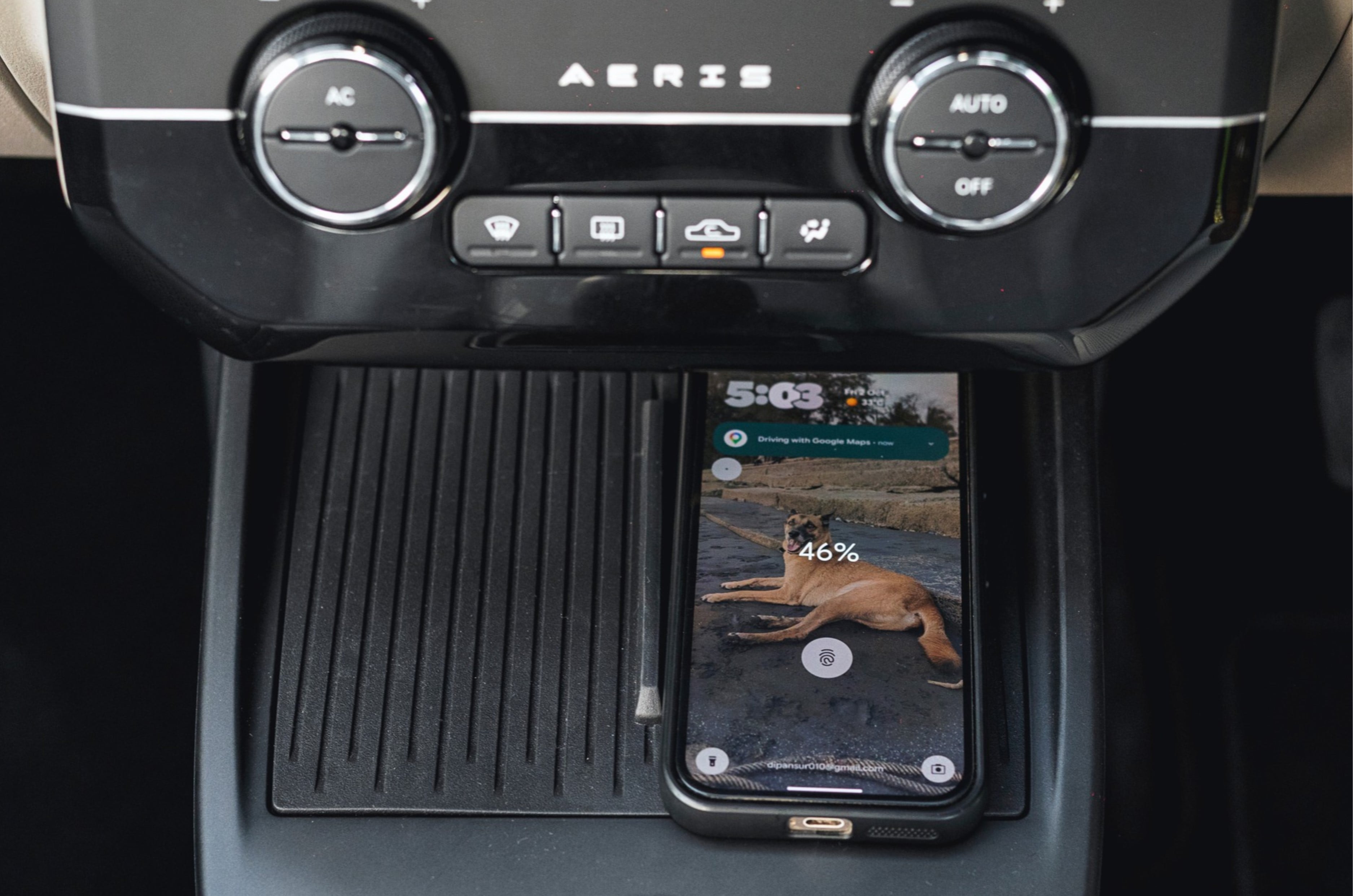
The wireless charger works well but tends to make the phone hot during prolonged use.
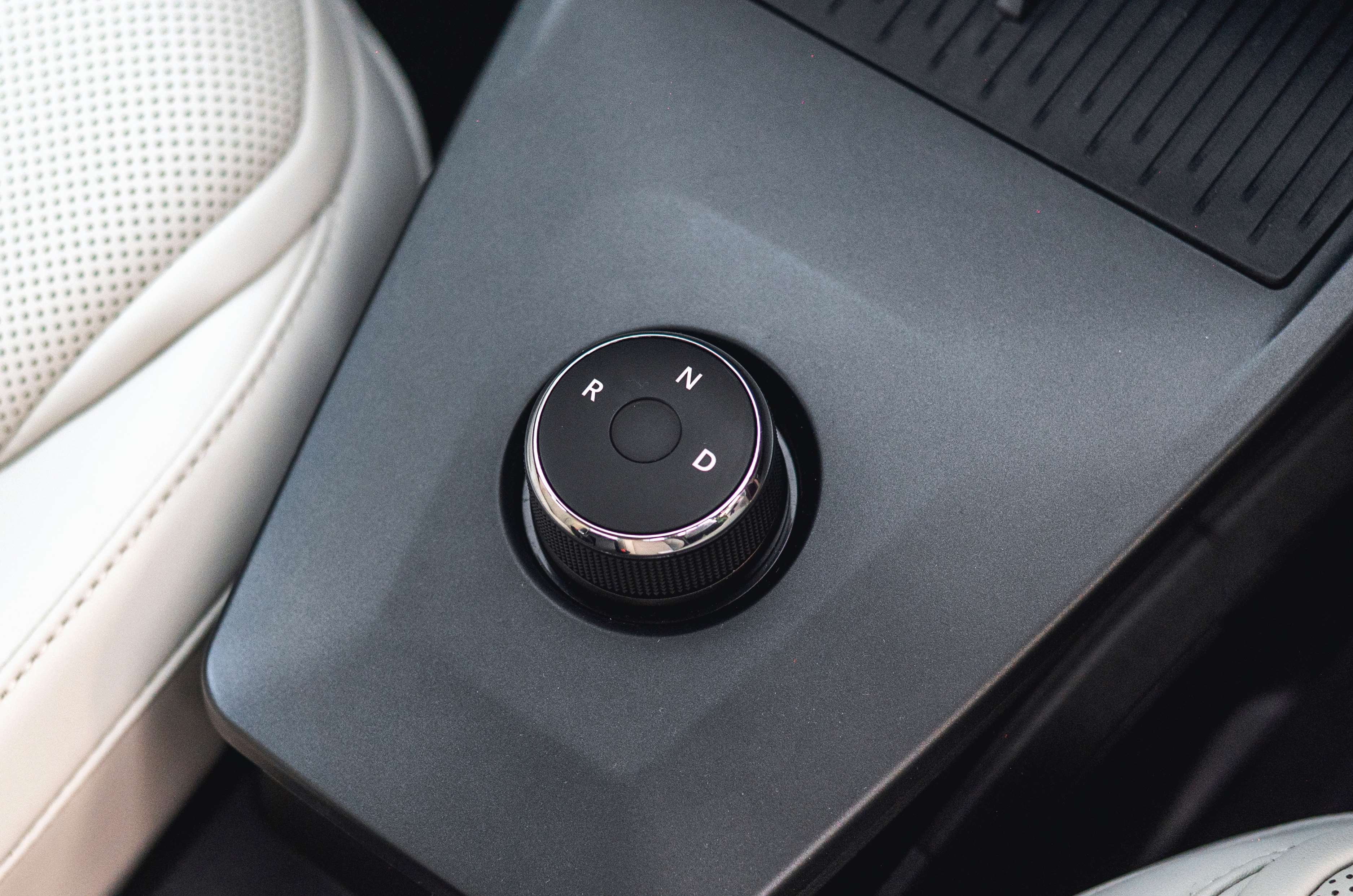
The centre console has been thoroughly redesigned and looks neat. The manual gear lever looks premium and feels good to hold, while the AMT gets a rotary dial that also feels solid and operates seamlessly. Two rubberised phone holders on the console keep phones from sliding around, and the top-spec Accomplished trim offers wireless charging in one slot. The centre console also gets two cupholders and a leatherette-wrapped centre armrest with integrated storage space underneath.
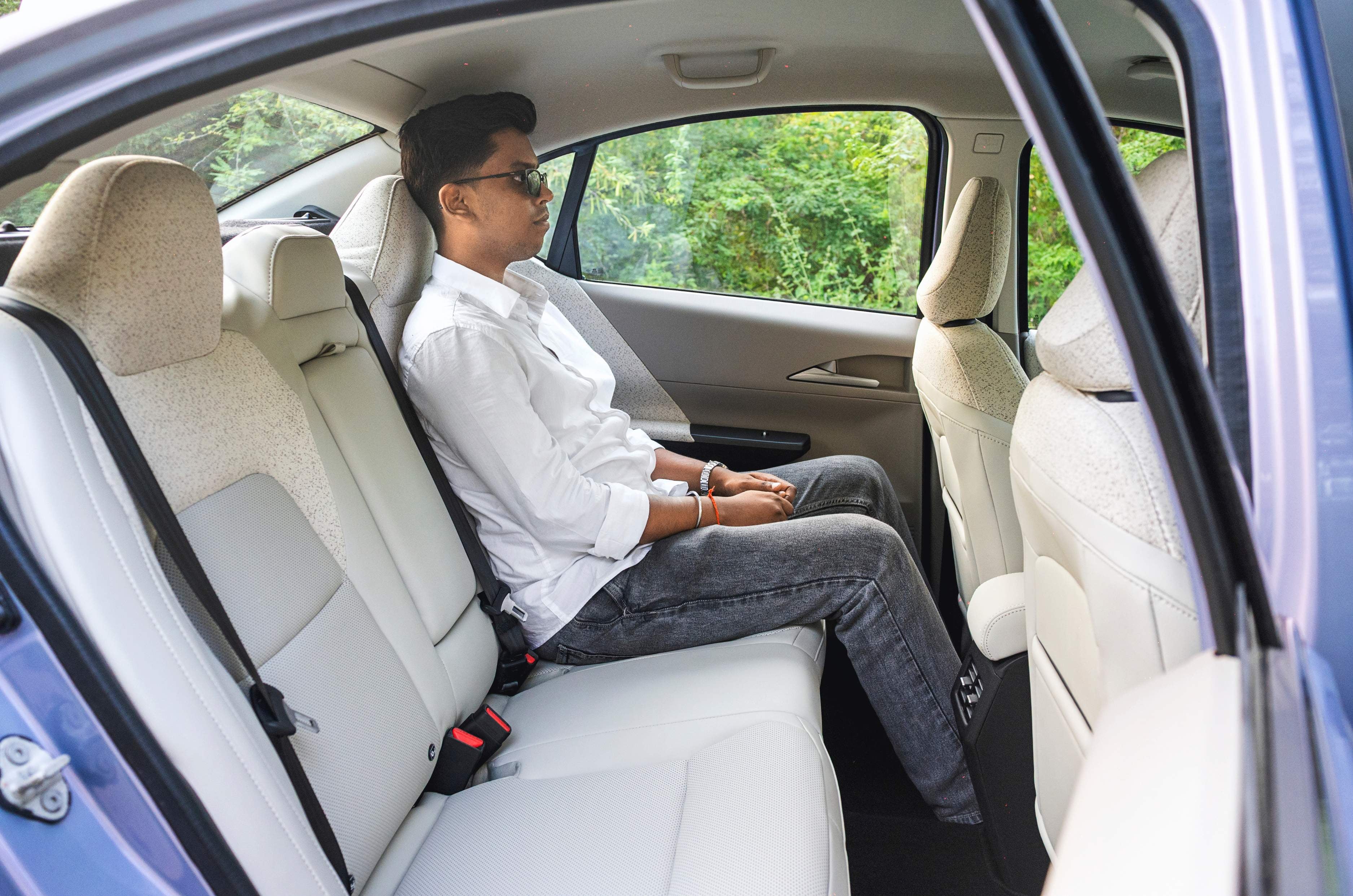
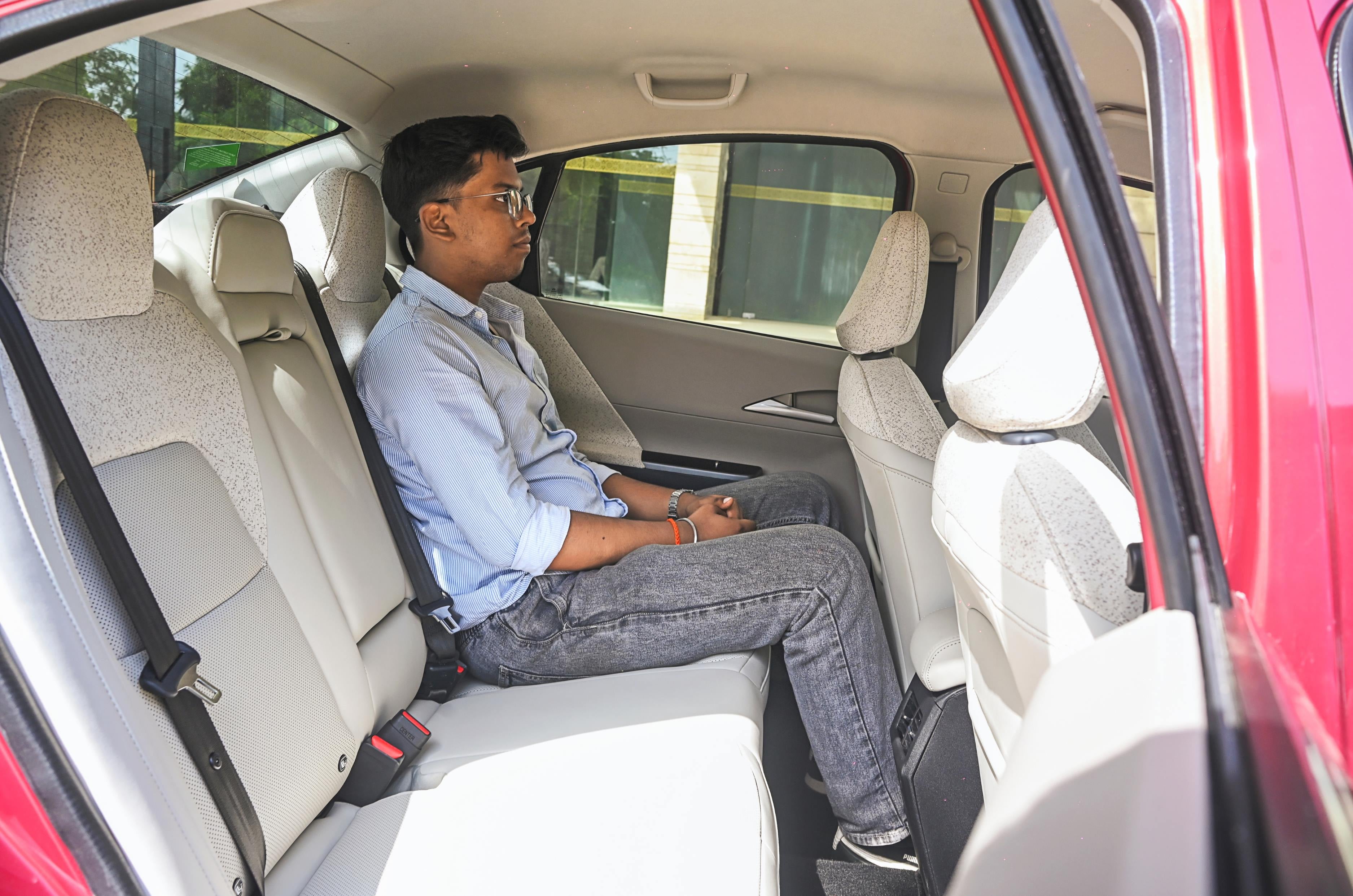
The rear seat offers good kneeroom and legroom, while headroom can be tight for taller passengers.
Tata offers part-leatherette upholstery and has revised the cushioning and bolstering, ensuring comfort even on long journeys. They also get a segment-first ventilation function. The rear seats are comfortable too, with good legroom and kneeroom, although headroom is a little tight for passengers over six feet tall. Under-thigh support is adequate.
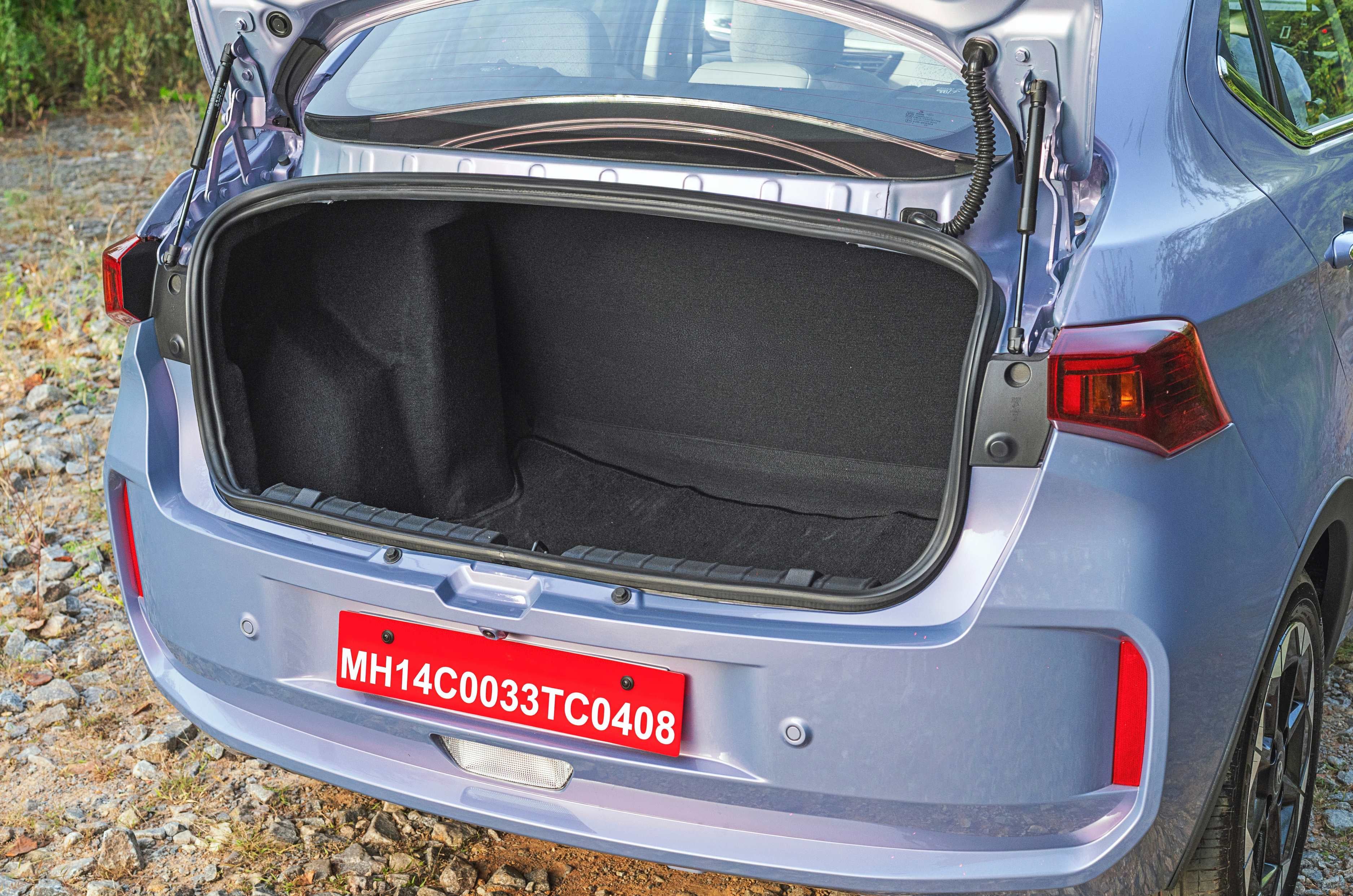
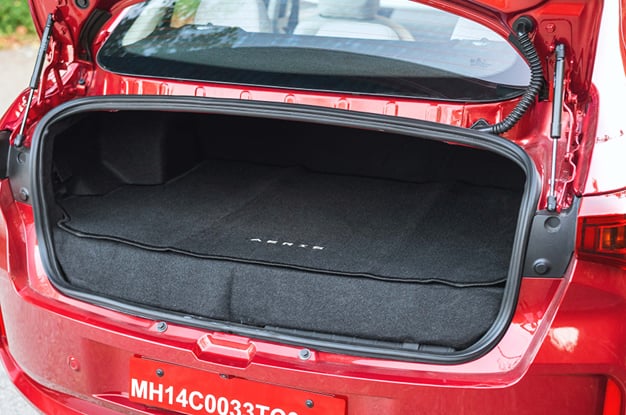
The 419-litre boot is handily large, but the aperture makes loading tricky. Struts free up more usable space.
The Aeris offers 419 litres of boot space, marginally more than the Amaze’s 416 litres and comfortably ahead of the Dzire’s 382 litres and Aura’s 402 litres. The boot itself is large and can swallow a substantial amount of luggage. The use of mechanical struts instead of conventional hinges is a clever touch, as they do not eat into the available boot space. Despite the large boot, the Aeris gets a 14-inch underbody-mounted spare wheel, which is always more promising than a puncture repair kit.
Tata Aeris petrol features and safety – 9/10
Loaded with features to the brim, most of which are well integrated
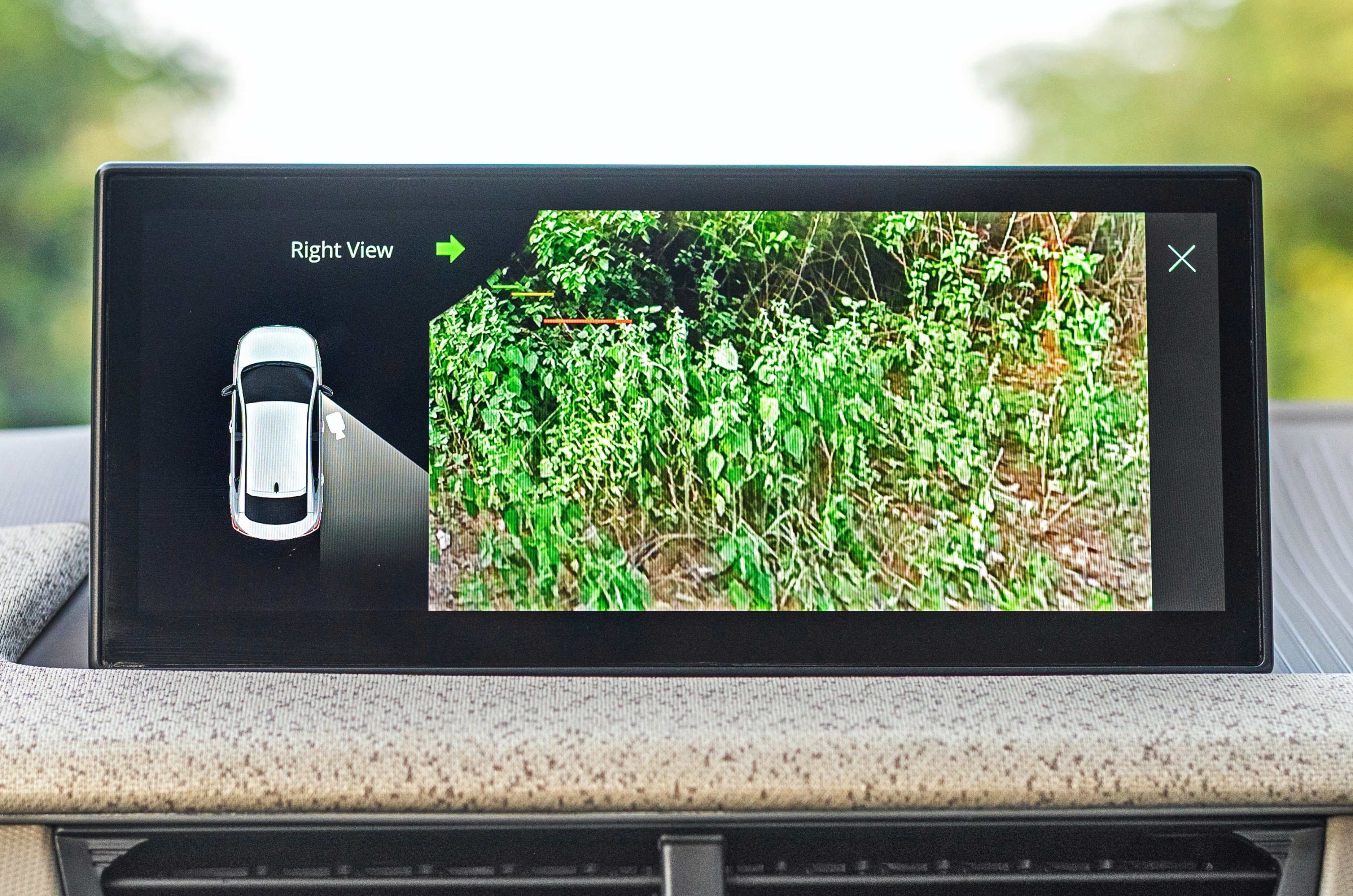
Blind-spot monitor is very useful but takes up the full screen and hides the map display.
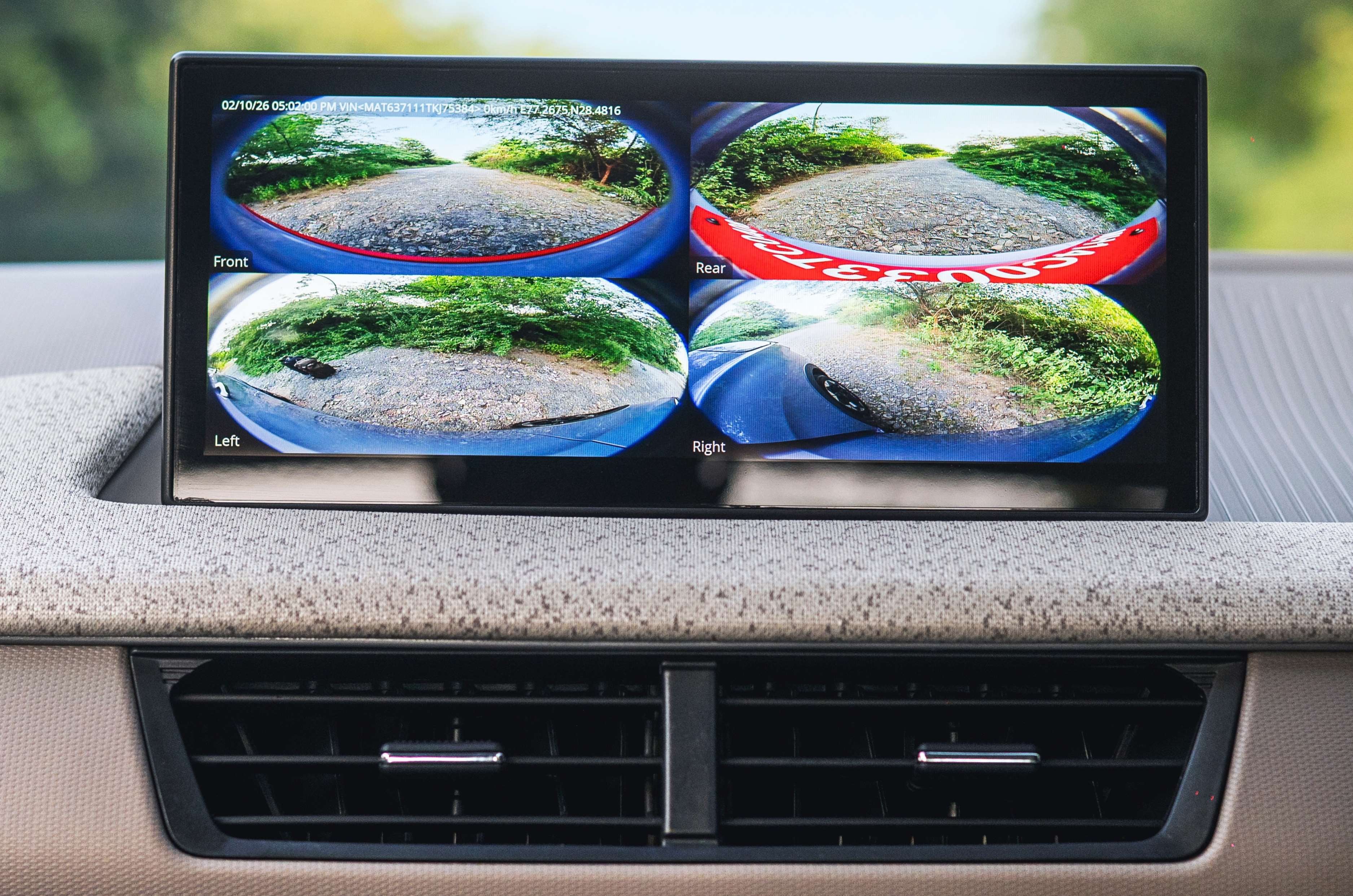
Like other Tata cars, the Aeris is packed with features. The 10.25-inch infotainment touchscreen is slick to use and remains responsive even when navigating through multiple menus. It also displays the 360-degree camera feed, which is lag-free, although the image quality isn’t the best. Tata has also added a new DVR function that allows the surround-view cameras to record the car’s surroundings, ensuring you do not shell out extra for a dashcam. The infotainment screen automatically switches to the blind-spot monitor when indicators are used, which is useful. However, this can be annoying when you are using navigation, although there is an option to disable the view completely.
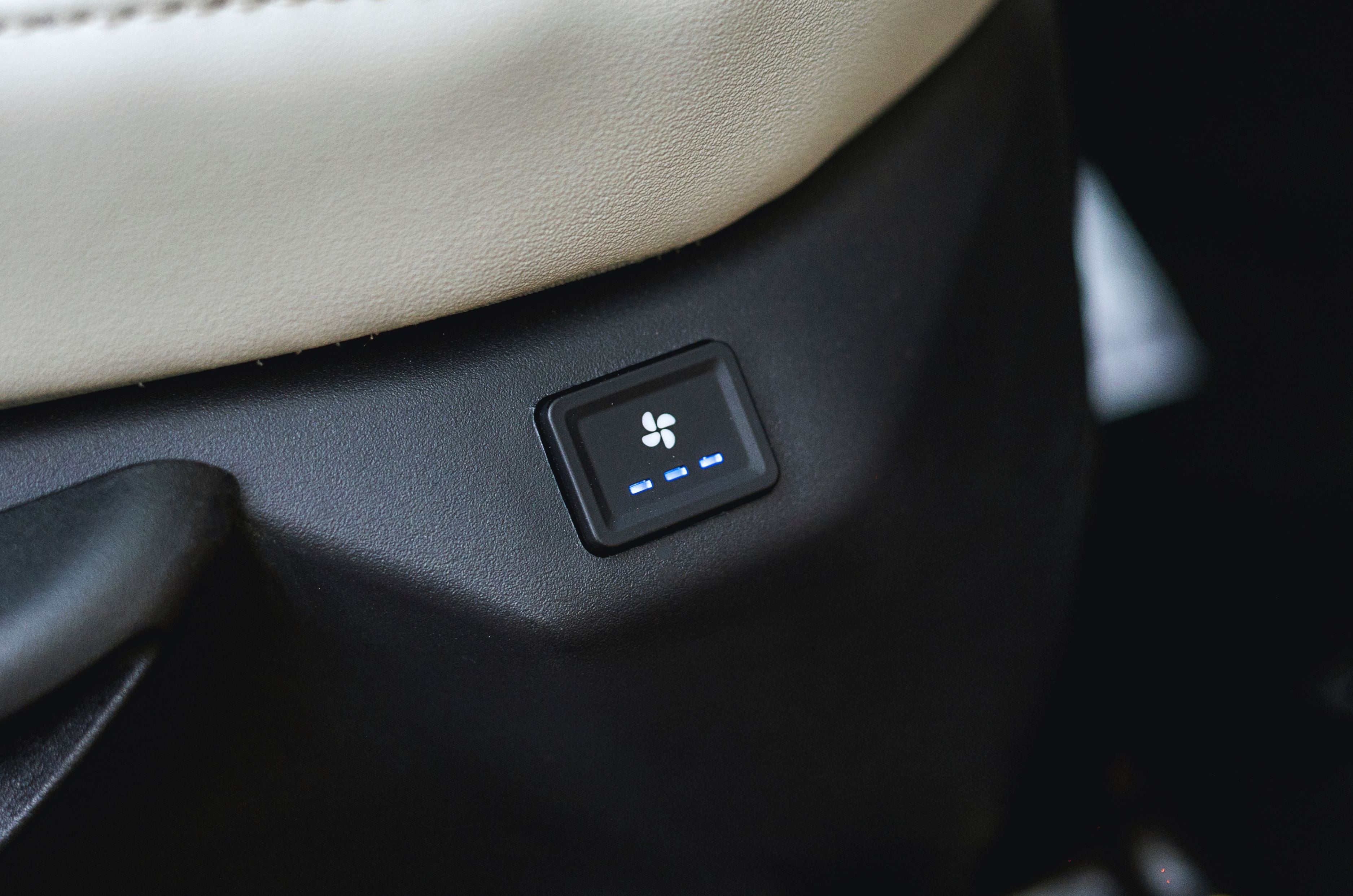
Revised cushioning and bolstering, and a new ventilation function on the front seats improve overall comfort.
The front-seat ventilation function works well too. During our time with the car, it proved effective at keeping us cool in Faridabad’s near 40deg C ambient temperature. However, the infotainment screen or driver’s display shows nothing when the ventilation is on or the level is adjusted, which can be a little inconvenient.
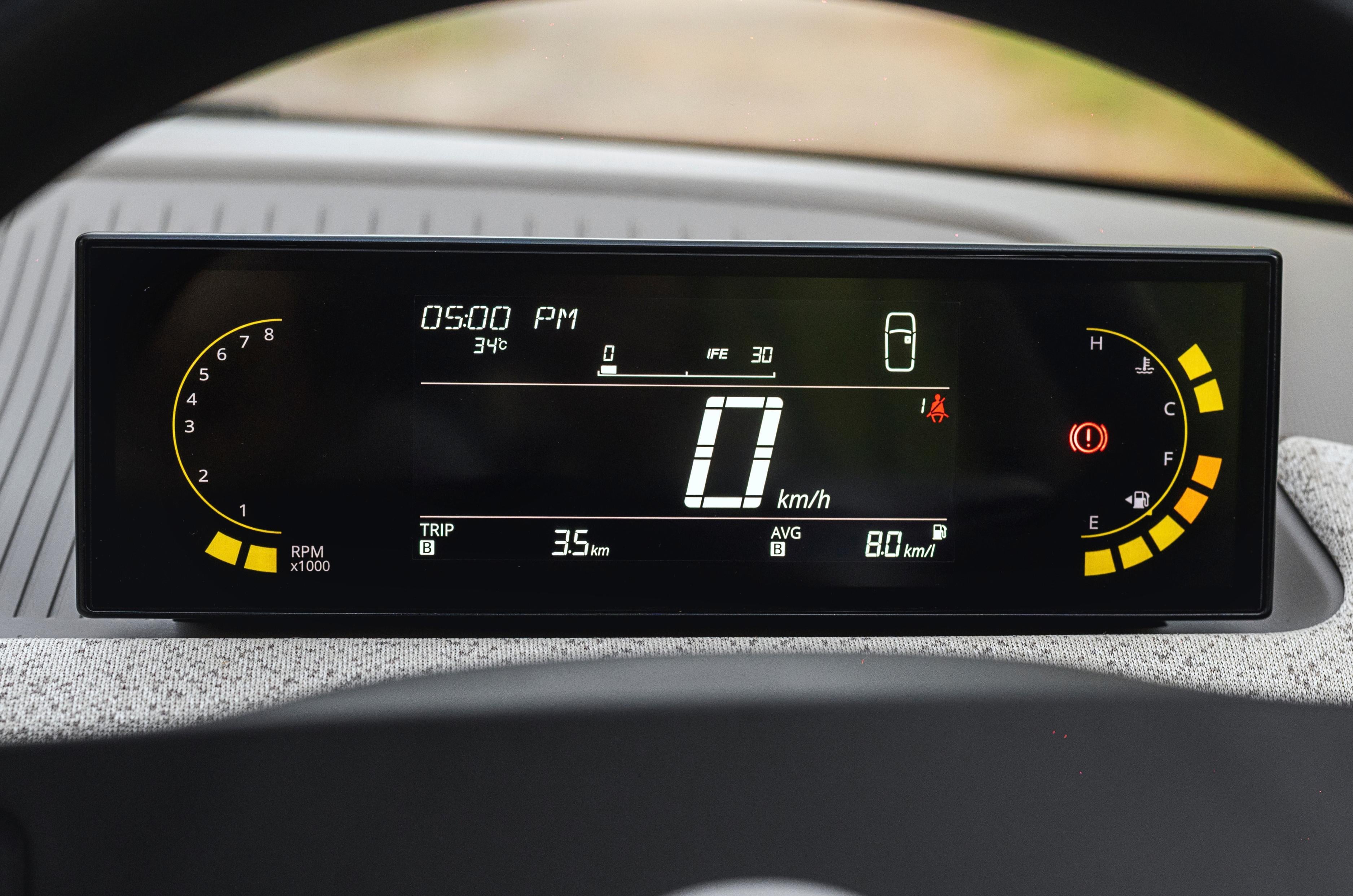
Part-digital Instrument cluster includes screen flanked by rev counter and fuel gauge.
The instrument cluster itself is fairly basic, with analogue dials for the fuel level and rev counter, while a digital display handles the speed and other general information. Depending on the steering wheel’s tilt angle and the driver’s seating position, some of this information can occasionally be obscured.
The four-speaker, two-tweeter audio system is a step down from the Tigor’s four-speaker, four-tweeter setup, although sound quality remains good enough for the segment. The rear seats lack pressure sensors, meaning the seat-belt warning will sound until the belts are fastened.
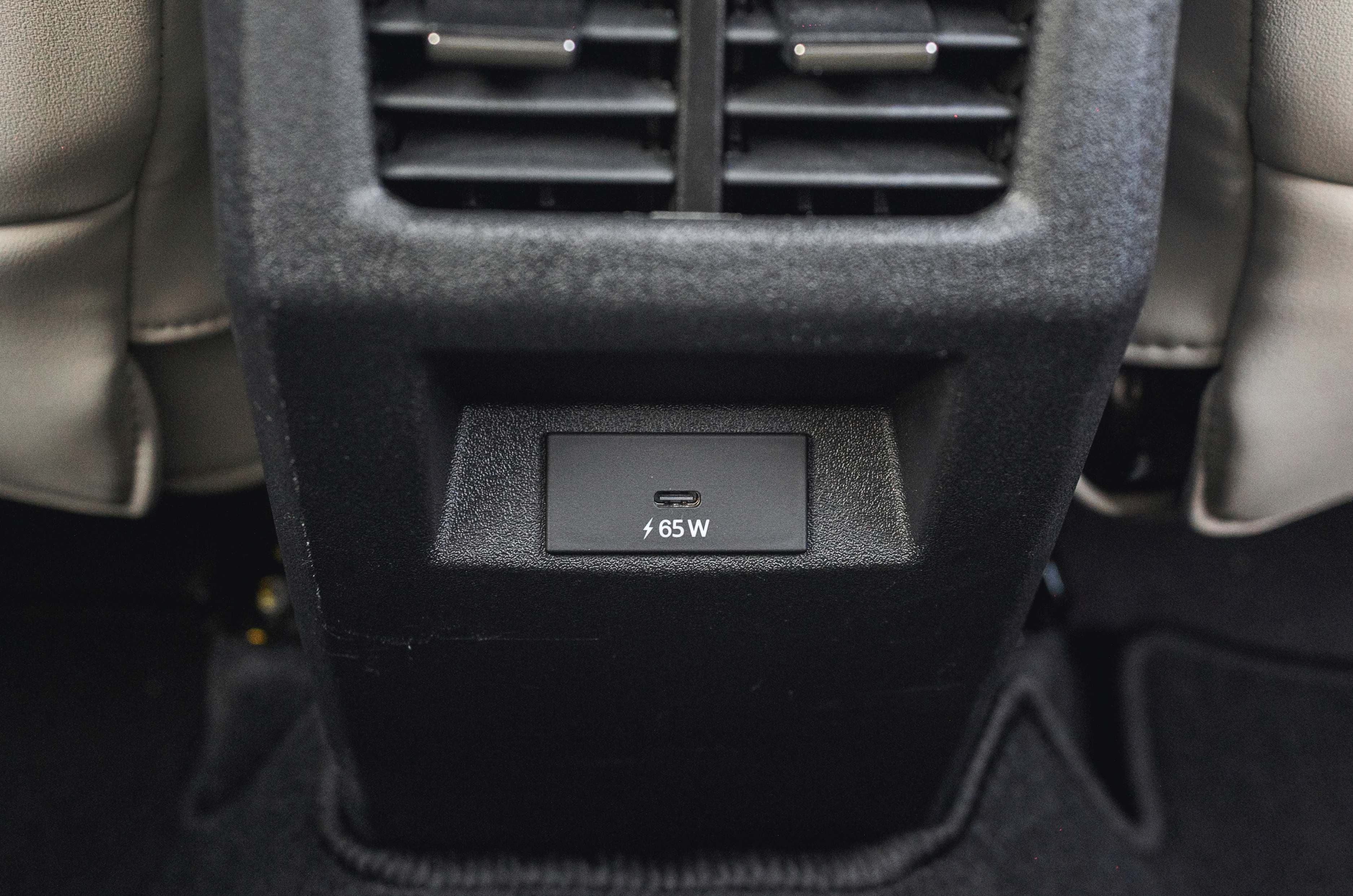
AC vents and a 65W Type-C charging port are among the additions at the back.
On the safety front, the Aeris gets six airbags, Isofix child-seat anchorages for the rear seats, rear parking sensors and three-point seat belts with reminders for all occupants as standard. Higher variants add a 360-degree camera, a day/night inside rear-view mirror, rain-sensing wipers, a rear defogger, a tyre pressure monitoring system (TPMS) and ESP with traction control. The pre-facelift Tigor scored four stars in Global NCAP testing in 2020, but a Bharat NCAP test for the Aeris is due.
Tata Aeris petrol value for money and verdict – 8/10
A well-rounded compact sedan, with the petrol engine making it more versatile
Priced from Rs 5.29 lakh, it offers strong value in a segment where affordability matters.
The Tata Aeris is a much more appealing proposition than the Tigor it replaces. Its fresh design, well-equipped cabin, generous boot and comfortable ride make it easy to live with, while the petrol engine gives it enough performance for both city and high-speed highway cruising. The manual gearbox is light and easy to use, while the AMT is better suited to relaxed city driving than enthusiastic highway use. The long list of features adds further appeal to the package.
There are some shortcomings too, including a coarse engine and poor cabin insulation. However, the Aeris’ biggest strength is its pricing. The petrol variants are priced from Rs 5.29 lakh to Rs 8.74 lakh (ex-showroom), and it undercuts rivals by a fair margin, making a strong case for itself in a segment where value for money remains a key consideration.
The Tata Tigor never quite made the impact the manufacturer hoped for in the compact sedan segment. Now, Tata has reworked it and given it a new identity as the Aeris, with a fresh design, a more upmarket cabin and a longer list of features. That alone makes the Aeris an interesting proposition, but there is another reason its arrival is well timed.
Tata has a CNG option in a market where demand for the fuel is growing rapidly, with CNG cars accounting for nearly 22 percent of passenger vehicle sales in FY2026, up from around 12-13 percent three years ago in FY2023. That gives the manufacturer an interesting opportunity, but the bigger question is whether the Aeris itself has enough going for it this time around.
Tata Aeris iCNG exterior design and engineering – 8/10
Looks more modern than the Tigor, but the Tiago influence is hard to miss
Save for the new bumper, the fascia is similar to the Tiago and looks very modern.
The Tata Aeris looks more modern and sleeker than the older Tigor, but there’s a strong sense of familiarity to its exterior design. It borrows several elements from the Tiago, giving the two cars a similar visual identity, but that also means the Aeris does not look particularly distinctive.
At the front, it gets slim LED headlights with integrated LED DRLs, joined by a gloss black trim, a design treatment that is very similar to the Tiago. What’s new is the front bumper with wider air inlets. It also features fog lamps that get an LED upgrade from the Tigor’s halogens. The Aeris also gets a new clamshell bonnet.
The wheel arch cladding adds contrast, but they make 14-inch wheels look undersized.
In profile, the iCNG gets the 14-inch stylised steel wheels which look undersized, particularly against the prominent wheel-arch cladding. The cladding is made from recycled materials and features a speckled texture. The use of chrome on the door handles and the window line further gives some contrast to the Aeris’ otherwise clean profile.
The Aeris retains the Tigor’s distinct coupe-like roof that flows into the tail. The rear features segmented LED taillights joined by red plastic trim, and new Aeris lettering on the centre of the tailgate. The rear bumper features a reverse light and has an overall clean design.
Tigor’s fastback-like sloping roofline is retained; new taillights make it appear larger.
The Aeris is 3,995mm long, 1,684mm wide and stands 1,532mm tall. It has a wheelbase of 2,450mm. These dimensions are similar to the older Tigor. While Tata has not quoted an official ground clearance figure, we found it adequate for broken roads and large speed breakers. All of this is expected to appeal to most buyers.
Tata Aeris iCNG interior space and comfort – 8/10
Lighter theme makes the cabin feel airy, and revised cushioning improves seat comfort
The dashboard looks minimalistic, and the lighter theme makes the cabin feel airy.
The Tata Aeris’ interior layout is the same as the Tiago and looks neat. The lighter beige theme makes the cabin feel airy. However, this same thing might make it difficult to keep the interior spick and span. The dashboard has a clean look, featuring two free-standing displays and a revised 2-spoke steering wheel.
The rotary dial does not have illuminated drive modes, but operating it is a breeze.
The manual variants feature a new, more premium-looking gear stalk, while the AMT variants get a cleaner-looking rotary drive selector with N (neutral), D (drive) and R (reverse) modes. The rotary dial does not feel finicky, and the modes switch seamlessly. One complaint, however, is that the drive modes (N, D and R) are not illuminated, which means you rely on the instrument cluster to know which mode is selected.
The Aeris gets floating door handles like on the Sierra, which feel sturdy.
The centre console has also been thoroughly redesigned for a cleaner look and a more practical application. It features two rubberised pads to keep phones, one of which gets wireless charging capability in the top-spec Accomplished trim. The centre console also features two cupholders and a leatherette-wrapped centre armrest which integrates a decent cubby space. The doors have floating-style handles integrated with the armrest, which feel sturdy.
Legroom and kneeroom won’t be an issue for most, but taller passengers could feel the headroom is tight.
The seats feature revised cushions and bolsters that have increased the overall comfort and are wrapped in a part leatherette upholstery that feels premium. The rear seats are comfortable as well and offer good legroom and kneeroom. The headroom, however, could be an issue for passengers over 6 feet tall. The rear passengers benefit from dedicated air vents and a 65-watt Type-C charger. These seats get fixed headrests.
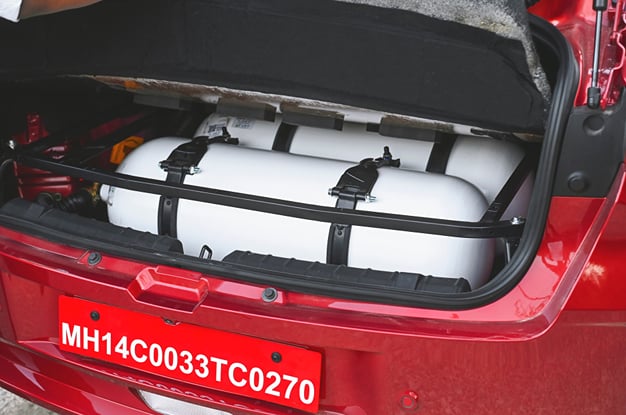
Aeris CNG’s boot space figure is not revealed, but could be similar to the Tigor CNG’s 227-litre space.
The Aeris iCNG gets a dual-cylinder tank setup inside the boot, unlike its rivals that use a single CNG tank and are left with very little usable boot space. Despite the additional tank, the Aeris has enough room for a couple of backpacks and a small luggage bag. Tata also offers a 13-inch underbody-mounted spare wheel, which is more useful than a puncture repair kit.
Tata Aeris iCNG features and safety – 9/10
Gets a lot of modern-day features, some of which could have better integration
Segment-only ventilated seats cool effectively and mark a step up in the comfort quotient.
Like other Tata cars, the Aeris is filled with features to the brim. It debuts a front seat ventilation function for the compact sedan segment, which is offered with the Aeris’ top Accomplished trim. During our drive, the seat ventilation was very effective in cooling the cabin in Faridabad’s near 40deg ambient temperature. However, there’s no confirmation on the infotainment system or the driver’s display when the feature is engaged or the ventilation level is changed.
360-degree camera system has a crisp feed and can record the surroundings.
A 10.25-inch infotainment touchscreen is the same as before, which remains slick to use and has no lag even when browsing through multiple menus. The user interface (UI) is also easy to get used to. The Aeris continues with a 360-degree camera setup that is also lag-free and works well even in low-light conditions. Tata has added a new DVR feature, which allows the surround-view cameras to double up as a dashcam and record the surroundings of the car. These recordings can be stored and accessed either on the infotainment touchscreen or a USB drive, and can also be seen on a phone via a QR code.
The instrument cluster has a retro theme and displays all the important driving data, but the steering wheel’s tilt angle and the driver’s seating position sometimes obscure certain details. The steering wheel lacks the leatherette wrap offered with the Tigor, but feels nice to hold nevertheless. The wheel is now free of the Tigor’s scratch-prone gloss black trim and thankfully retains physical controls. It also gets cruise control, but only with the manual variants.
The wireless charger works well, but tends to make the phone hot during prolonged use.
The 4-speaker, 2-tweeter audio system is a step down from the Tigor’s 4-speaker, 4-tweeter setup, although sound quality is still good enough for the price. Certain features also could have been integrated better. The wireless charging pad can also heat up phones, particularly during extended use. Cooling vents near the pad could have fixed the issue. The infotainment system switches to the blind-spot monitor every time the indicators are used, which can be annoying when following navigation. The rear seats also lack pressure sensors, so the seatbelt warning continues to chime until the belts are fastened.
Standard safety features include 6 airbags, ISOFIX child seat anchorages on the rear seats, rear parking sensors and 3-point seatbelts with reminders on all seats. Higher variants equip the Aeris with a 360-degree camera, a day/night inside rearview mirror (IRVM), rain-sensing wipers, rear defogger, a tyre pressure monitoring system (TPMS) and ESP with traction control. The pre-facelift Tigor received a four-star rating from Global NCAP in 2020, but the Aeris has yet to be tested by Bharat NCAP.
Tata Aeris iCNG performance and refinement – 6/10
Performance in the city is adequate, but it feels out of breath if pushed hard
The 3-cylinder engine is not the smoothest in the segment and the NVH levels are also not the best.
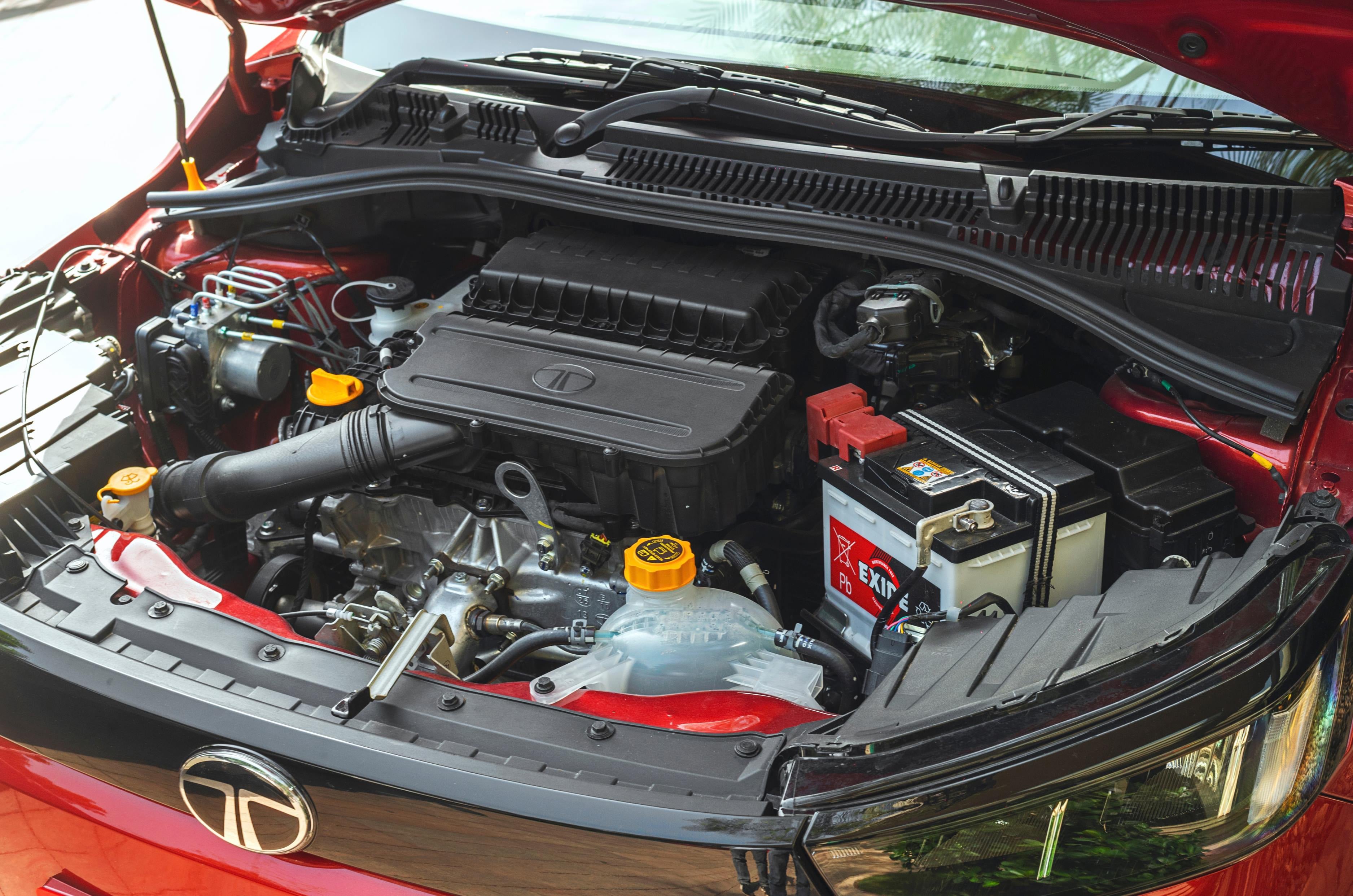
The Tata Aeris continues with the Tigor’s 1.2-litre, three-cylinder naturally aspirated engine, producing 76hp and 97Nm in CNG guise. It is offered with a five-speed manual and a five-speed AMT, and we drove the latter.
At city speeds, the engine has enough performance to keep up with traffic, but the CNG-AMT combination is not particularly responsive. There is a noticeable pause between pressing the accelerator and the powertrain responding, which becomes more evident when you need to accelerate quickly.
Performance is adequate in the city, but it feels out of breath during overtakes.
The AMT also makes starts from standstill quite jerky, which can get tiresome in stop-and-go traffic. Once up to speed, however, the Aeris settles into a relaxed rhythm and is comfortable enough when driven at a steady pace. The AMT also gets paddle shifters for manual gear changes, which are useful when you want more control over the gearbox, particularly during overtakes.
On the highway, the lack of response is more noticeable, particularly when overtaking. The Aeris can maintain triple-digit speeds, but building speed takes time, and overtaking requires some planning. The rotary gear selector itself, however, as mentioned above, is neat and easy to use.
As you start driving, the vibrations from the 3-cylinder engine are ironed out till you reach 2,500rpm.
Refinement is another weak point. Refinement is another weak point. The engine feels generally smooth when driven gently, but above 2,500rpm, engine noise and vibrations become quite pronounced. Wind and road noise insulation isn’t particularly strong either, so the cabin gets fairly noisy at higher speeds.
Tata Aeris iCNG ride comfort and handling – 8/10
Has a commendable ride quality for a sedan on both rough roads and highways
Like other Tata cars, the suspension is well tuned to Indian conditions.
The Aeris is particularly impressive over poor roads. The suspension does a good job of absorbing broken surfaces and larger bumps without unsettling the car, while the ground clearance is adequate for tackling rough roads and large speed breakers. Despite being a sedan, it does not feel particularly vulnerable to bad roads.
Out on the highway, the Aeris is equally composed. It stays planted at triple-digit speeds and does not feel floaty or nervous when driven quickly. The steering is also nice to hold and offers decent feedback, although there is some vagueness around the centre that takes away a little from the confidence.
Tata Aeris iCNG mileage and efficiency
We expect it to offer a real-world mileage in the 25-30km/kg range
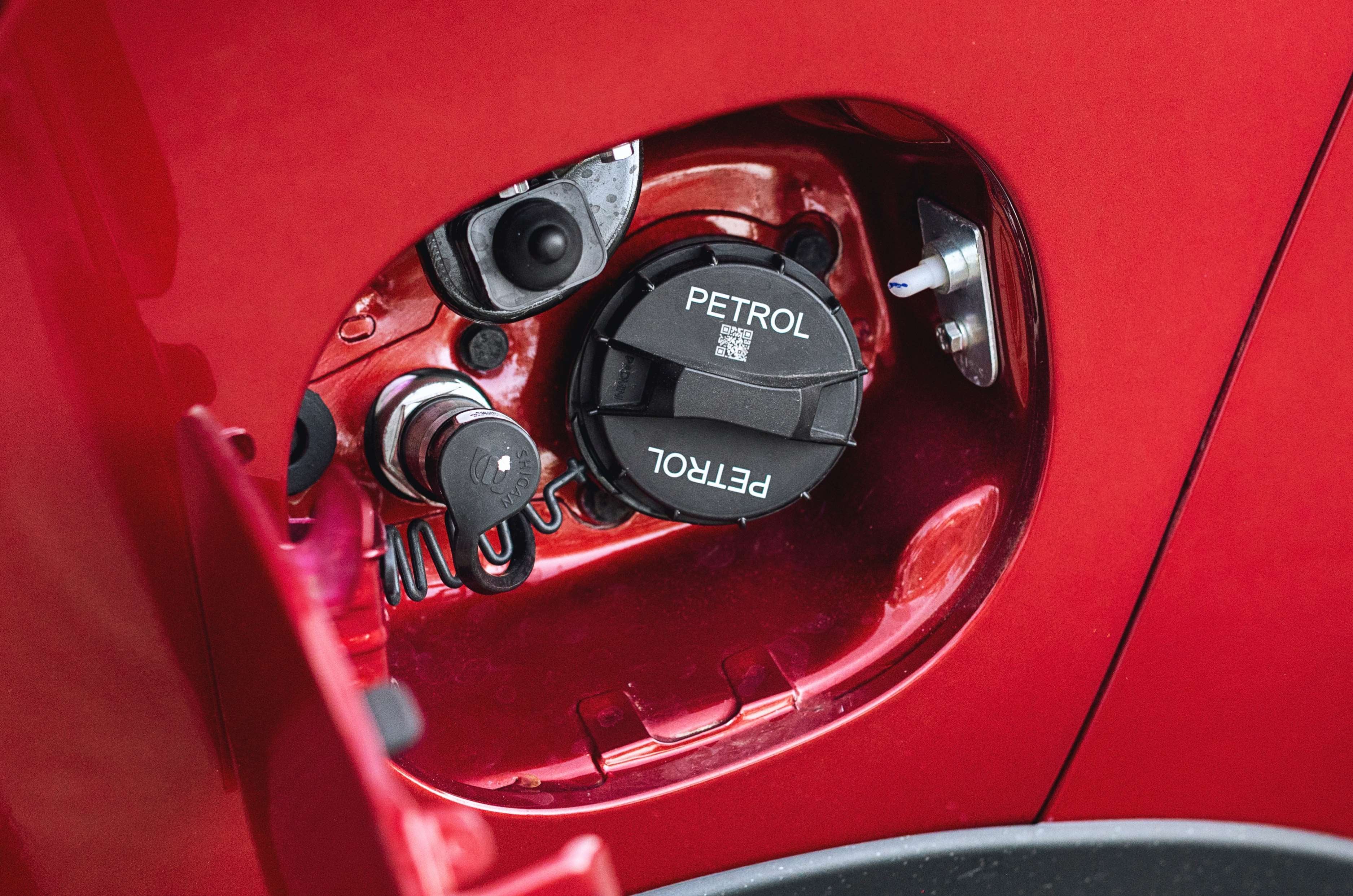
It kills the ignition whenever the fuel lid is opened, offering a layer of safety while filling fuel.
While we haven’t put the Aeris iCNG through our full test yet, its CNG powertrain should make it considerably more economical to run than the petrol version. Tata is yet to reveal an official efficiency figure, but we expect real-world mileage to be in the 25-30km/kg range. We’ll bring you our tested mileage figures once we put the Aeris iCNG through our standardised test procedures.
Tata Aeris iCNG value for money – 8/10
CNG buyers don’t have to compromise on features, but the AMT isn’t ideal
The Aeris CNG offers good value, but AMT should be chosen only if city driving is a priority.
The Aeris, priced from Rs 5.70 lakh to Rs 9.10 lakh (ex-showroom), is a more convincing compact sedan than the Tigor ever was. Its modern design, well-equipped cabin, comfortable ride and, most importantly, useful boot space despite the CNG setup give it plenty going for it. The fact that Tata offers the CNG powertrain with higher-spec variants also means buyers don’t have to sacrifice features for lower running costs.
The CNG-AMT powertrain, however, takes some shine off the package. The slow responses, jerky starts and excessive NVH at higher revs make it better suited to relaxed city driving than frequent highway use. Even so, for buyers looking for a practical and well-equipped CNG sedan, the Aeris does make a stronger case than its predecessor and even against its rivals.
नई दिल्ली। दिल्ली के इंदिरा गांधी इंटरनेशनल एयरपोर्ट (IGI) की सालाना पैसेंजर कैपेसिटी अगले चार साल में 10.4 करोड़ से बढ़ाकर 12.5 करोड़ से ज्यादा करने की तैयारी है। इसमें इंटरनेशनल पैसेंजर को संभालने की क्षमता 50 फीसदी से ज्यादा बढ़ाई जाएगी। इसके लिए T3 पर नया इंटरनेशनल Pier E बनाया जाएगा। वहीं T1 में बिना बड़े स्ट्रक्चरल बदलाव के चेक-इन और सिक्योरिटी काउंटर बढ़ाए जाएंगे। इंटरनेशनल ट्रैफिक बढ़ने को देखते हुए T3 के Pier C को भी घरेलू से इंटरनेशनल ऑपरेशन के लिए बदला गया है। इसे सितंबर 2026 से चरणबद्ध तरीके से शुरू किया गया और इसके बाद इंटरनेशनल पैसेंजर कैपेसिटी करीब 3.1 करोड़ सालाना हो गई है। यहां इमिग्रेशन और दूसरी इंटरनेशनल सुविधाएं बढ़ाई गई हैं, जिससे बड़े और वाइड-बॉडी विमानों को संभालने में भी मदद मिलेगी।
T3 पर बनेगा नया Pier E
• नए Pier E की सालाना कैपेसिटी करीब 1.6 करोड़ पैसेंजर की होगी। इसके बनने के बाद T3 की टोटल कैपेसिटी 5 करोड़ से बढ़कर 6.6 करोड़ पैसेंजर सालाना हो जाएगी।
• योजना में करीब 4.6 करोड़ इंटरनेशनल और 2 करोड़ घरेलू पैसेंजर को संभालने की क्षमता होगी। इससे T3 पर बढ़ते हवाई ट्रैफिक को संभालने में मदद मिलेगी।
• इस प्रोजेक्ट पर करीब 2,000 करोड़ रुपये खर्च होने का अनुमान है। काम शुरू होने के बाद Pier E को तैयार करने में करीब तीन साल लग सकते हैं।
एयरपोर्ट का नया मास्टर प्लान तैयार
T1 में बिना बड़े निर्माण के ही पैसेंजर की क्षमता बढ़ाने की तैयारी है। DIAL चेक-इन और सिक्योरिटी काउंटर बढ़ाकर इसकी क्षमता 4 करोड़ से बढ़ाकर 4.5 करोड़ पैसेंजर सालाना करने की योजना बना रहा है। इस काम पर करीब 100 करोड़ रुपये खर्च होने का अनुमान है।
T2 फिलहाल पहले की तरह चलता रहेगा। आगे पैसेंजर की संख्या बढ़ने पर अगले दशक में T2 की जगह बड़ा T4 बनाने का ऑप्शन रखा गया है। एयरपोर्ट का 10 साल का मास्टर प्लान अभी तैयार किया जा रहा है।
बढ़ते ट्रैफिक के लिए बदलेगा रोड नेटवर्क
एयरपोर्ट पर पैसेंजर की संख्या बढ़ने के साथ सड़कों पर बढ़ने वाले ट्रैफिक को देखते हुए दिल्ली सरकार ने RITES से स्टडी कराई है। रिपोर्ट में T1 और T3 के बीच Y-शेप फ्लाईओवर बनाने का सुझाव दिया गया है। इससे उस जंक्शन पर सिग्नल की जरूरत कम होगी और वाहनों की आवाजाही आसान होगी।
इसके अलावा T3 तक जाने वाली सड़क को चौड़ा करने और रनवे के नीचे बनी सुरंग की क्षमता बढ़ाने का भी प्रस्ताव है। इन बदलावों का मकसद बढ़ते ट्रैफिक को बेहतर तरीके से संभालना है। पूरी योजना के तहत 2030 की शुरुआत तक IGI एयरपोर्ट की क्षमता 12.5 करोड़ से ज्यादा पैसेंजर की करने का लक्ष्य है।