Kia’s ICE (internal combustion engine) flagship SUV offering in India, the Sorento, is based on the Hyundai Motor Group’s N3 platform. While the Kia SUV is also available with a diesel powertrain, our focus will be on the strong hybrid version for this comparison. As its segment rival, the MG Hector Tomahawk PHEV (plug-in hybrid) is also a three-row SUV, and is built around the brand’s new ADAPT platform. Let’s have a quick look on how these SUVs compare in terms of their dimensions, powertrain specifications and prices.
Kia Sorento hybrid vs MG Hector Tomahawk PHEV: Dimensions
The Sorento has the overall size advantage over the Hector Tomahawk
Kia Sorento hybrid vs MG Hector Tomahawk PHEV dimensions
Kia Sorento hybrid
MG Hector Tomahawk PHEV
Length (mm)
4,815
4,745
Width (mm)
1,900
1,850
Height (mm)
1,785
1,770
Wheelbase (mm)
2,815
2,810
Boot space (litres)
179
192
Wheel size (inches)
18-19
18
Neither of these are small SUVs. However, the Kia Sorento hybrid is longer, wider and taller (and has a larger wheelbase) than the MG Hector Tomahawk PHEV. The Sorento hybrid can be had with 19-inch alloy wheels at the top end, while the Hector Tomahawk PHEV only gets 18-inch wheels. However, the MG SUV’s boot can accommodate an additional 13 litres worth of cargo behind its third row of seats.
Kia Sorento hybrid vs MG Hector Tomahawk PHEV: Powertrain
The MG comes with a plug-in hybrid system compared to the Kia’s strong-hybrid setup
Kia Sorento hybrid vs MG Hector Tomahawk PHEV powertrain options
Kia Sorento hybrid
MG Hector Tomahawk PHEV
Engine
1.6-litre turbocharged petrol
1.5-litre naturally aspirated petrol
Battery size
TBA
20.5kWh
Electric motor type
Permanent magnet synchronous motor
Drive configuration
FWD / AWD
FWD
Total system output
TBA
198hp, 230Nm
Transmission
6AT
DHT
0-100kph
TBA
9.0 seconds
Claimed mileage
TBA
50kpl
Fuel tank
67 litres
52 litres
AC charging
–
7.5 hrs at 3.3kW (10-100%)
DC fast charging
–
35 mins at 25kW (30-80%)
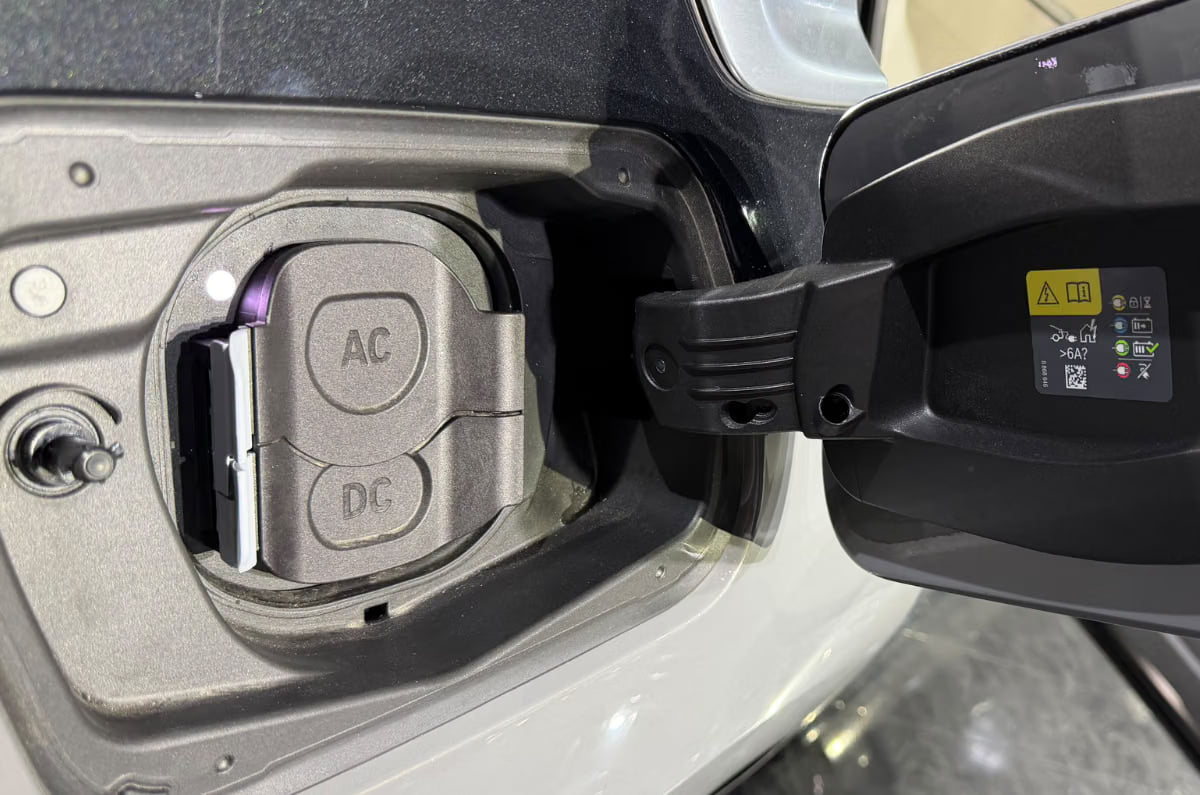
Unlike the Sorento’s strong-hybrid setup, where the battery can only be charged by the internal combustion engine, the battery pack of the Hector Tomahawk PHEV can also be topped up by plugging it into either a DC fast charger or a slower AC charger. The Hector Tomahawk’s plug-in hybrid system allows the car to be driven in pure-electric mode over a distance of up to 115km (claimed), with Kia yet to disclose the Sorento hybrid’s EV-only range. Depending on the state of charge (SoC) of its battery pack, the MG SUV can also be driven using different powertrain modes.
In series-hybrid mode, the engine charges the battery while the electric motor drives the wheels. Then there’s the parallel-hybrid mode, where the engine and electric motor both power the driven wheels. Finally, the Hector Tomahawk PHEV can also be driven in engine-only mode with no assistance from the electric motor. The Hector Tomahawk PHEV employs a naturally aspirated petrol engine running the Atkinson cycle, plus a relatively high-capacity battery pack and a single electric motor.
Under the bonnet of the India-spec Kia Sorento hybrid sits a punchier 1.6-litre four-cylinder turbo-petrol engine with direct injection, developing 180hp and 265Nm. There’s a compact battery pack and an electric motor whose output is rated at 65hp and 264Nm. Kia is yet to specify the combined output of this hybrid powertrain, alongside its mileage and performance figures. The Hector Tomahawk PHEV gets what MG calls a “Dedicated Hybrid Transmission (DHT)”, while the Sorento hybrid is equipped with a conventional 6-speed automatic gearbox (AT). Furthermore, the Kia’s fuel tank can carry an additional 13 litres of petrol. The Kia Sorento hybrid gets Eco, Sport and Smart drive modes, along with Snow, Mud and Sand terrain modes. While the Sorento hybrid is available in both front-wheel drive (FWD) and all-wheel drive (AWD) configurations, the Hector Tomahawk PHEV is exclusively FWD.
Kia Sorento hybrid vs MG Hector Tomahawk PHEV: Prices
Where the pricier Sorento is available in four different trims, the MG is limited to just two
Kia Sorento hybrid vs MG Hector Tomahawk PHEV prices
Kia Sorento hybrid
MG Hector Tomahawk PHEV
Price range (In Rs, lakh)
29.49-40.19
25.70-27.79
Even the base-spec trim of the Kia Sorento hybrid costs Rs 3.79 lakh more than the entry-level MG Hector Tomahawk PHEV. On the higher end of the line-up, the Sorento hybrid with all-wheel drive costs a staggering Rs 12.40 lakh more than the fully loaded Hector Tomahawk PHEV (which is front-wheel drive only). While the Hector Tomahawk PHEV has a 7-seat configuration, the Sorento hybrid is also available in a 6-seat format with individual captain seats in the second row. The Kia also offers more power and also has a larger physical footprint. However, if you want the flexibility offered by a plug-in hybrid system and a long list of standard equipment at a lower asking price, then the MG Hector Tomahawk PHEV could be the right three-row mass-market hybrid SUV for you.
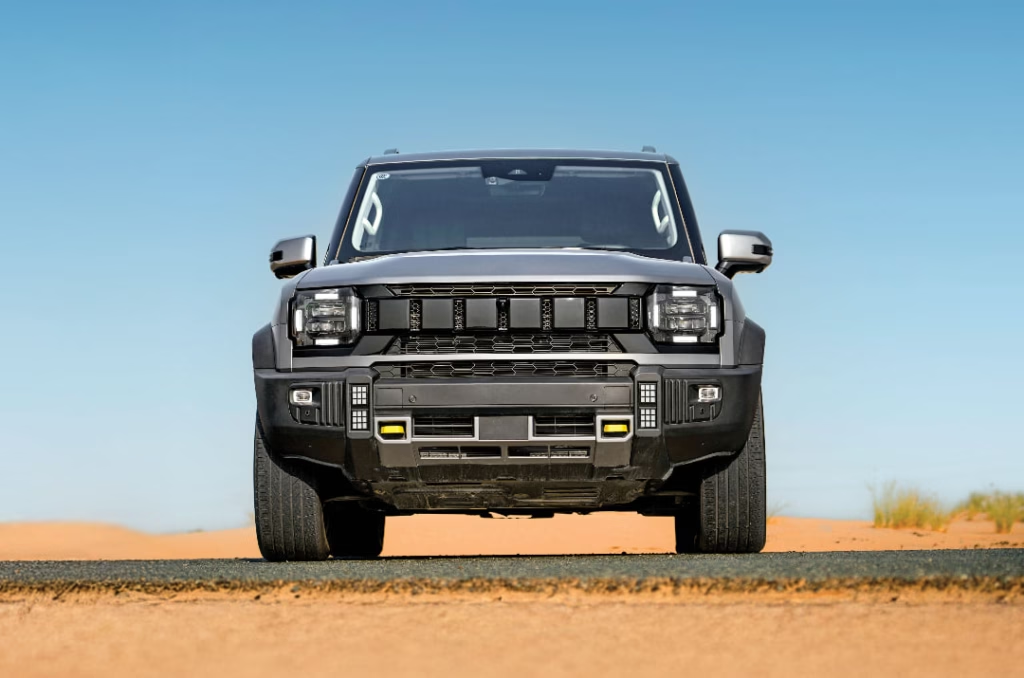
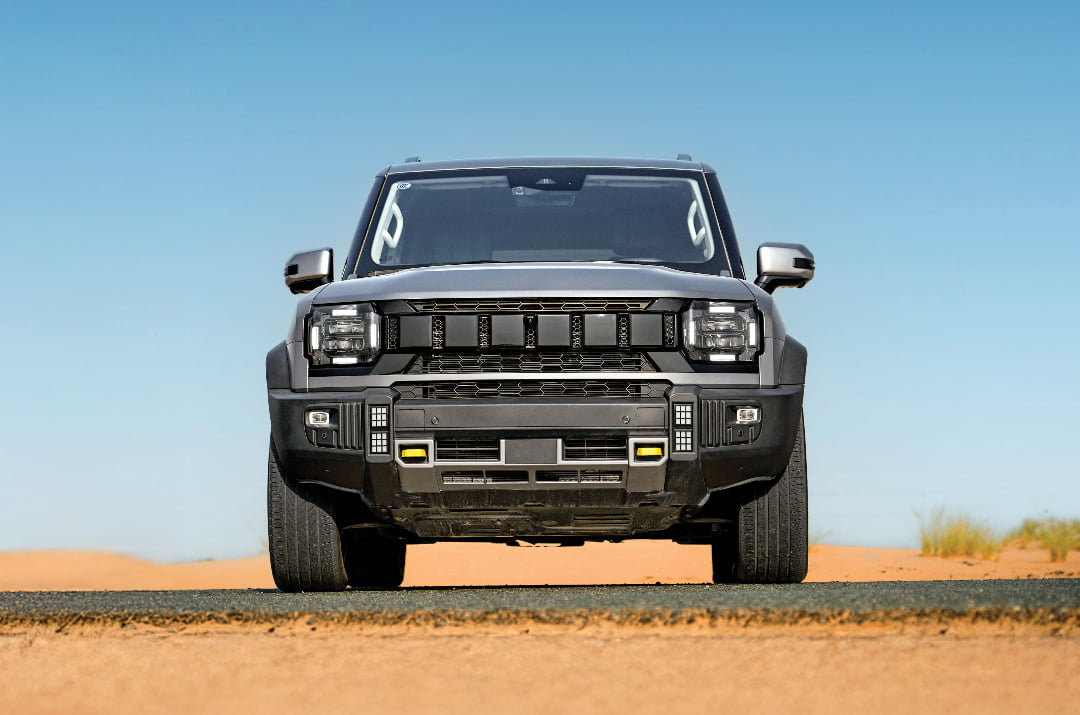
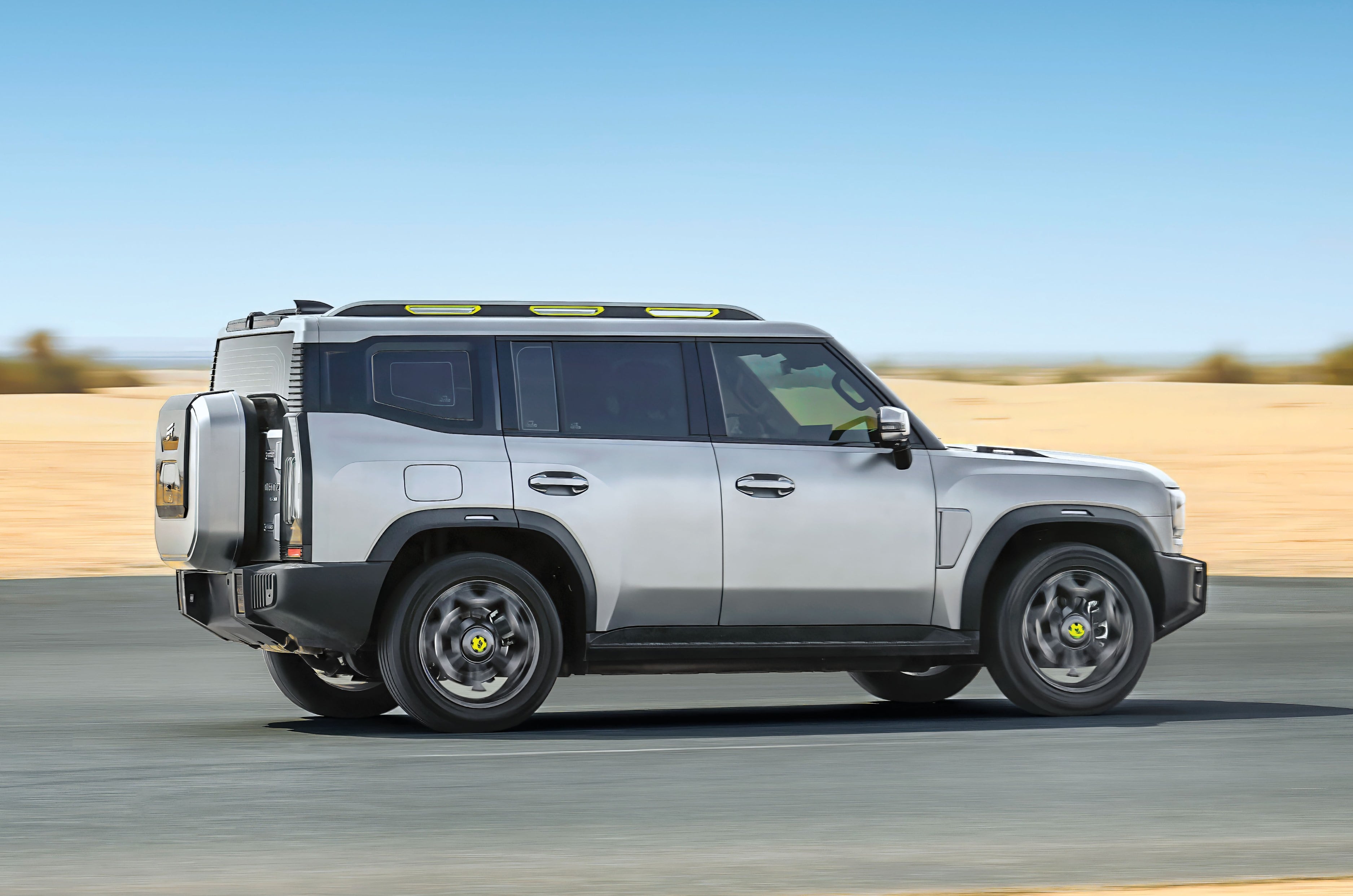
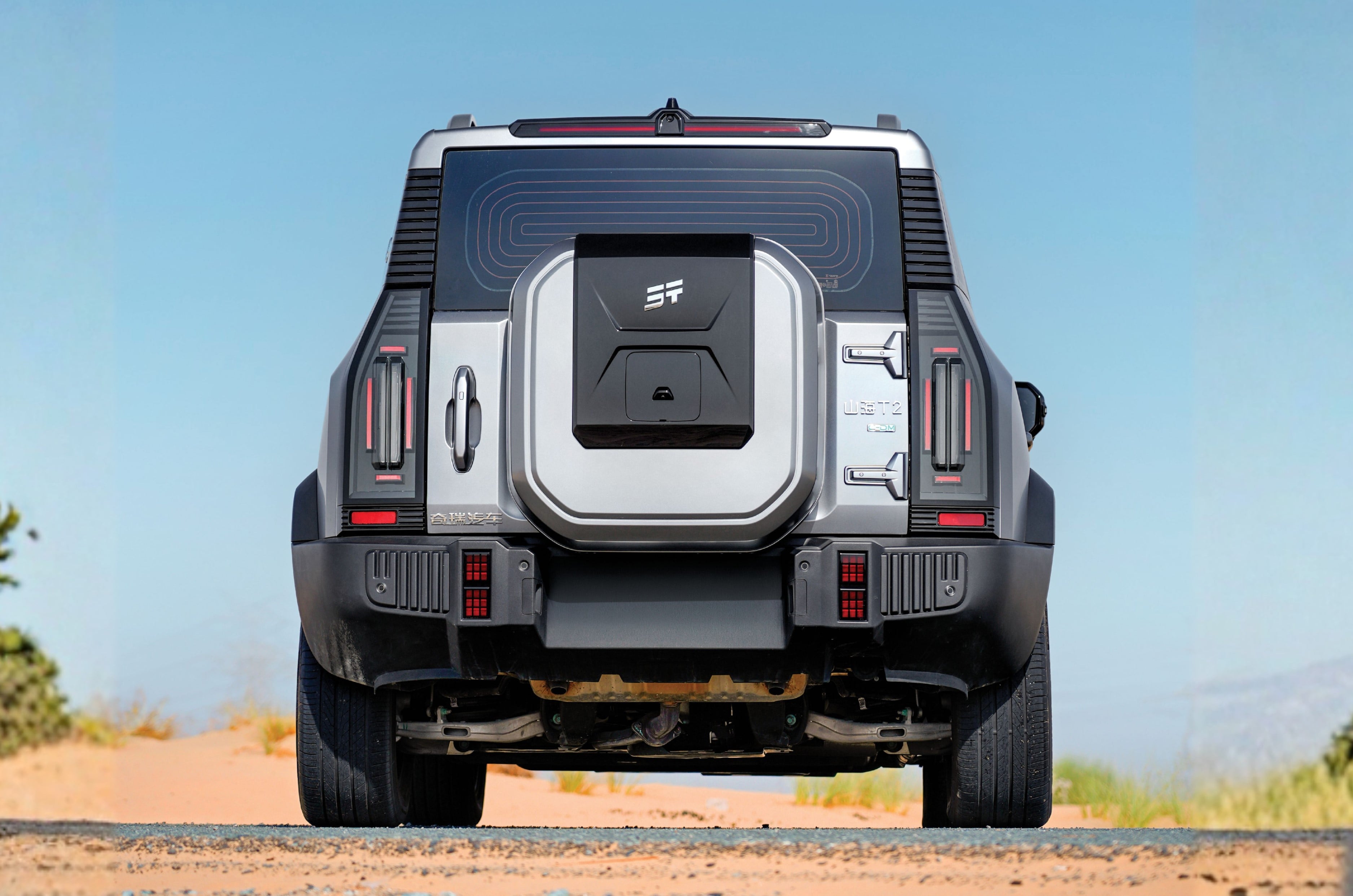
A camo-clad test mule of JSW Motors‘ upcoming SUV based on the Jetour T2 was recently spied on our roads. The T2-based model will be JSW Motors’ debut offering, and it will be offered with a plug-in hybrid powertrain. It will be assembled at JSW Motors’ Chhatrapati Sambhajinagar (formerly Aurangabad) plant in Maharashtra.
Going by the spy shots, the design resembles that of the T2 sold overseas. Even the design for the tail-lights, roof rails and wheels look similar. A design patent filed in India earlier this year suggests the JSW SUV could retain most of the T2’s design elements, while replacing the Jetour branding with the carmaker’s own.
The SUV’s interior was not seen, and specifics around the feature list are currently unknown. The global-spec Jetour T2, for reference, gets a massive 15.6-inch touchscreen, a 540-degree camera, Level 2 ADAS, a panoramic sunroof, a Sony surround-sound system, ambient lighting, a wireless charging pad, a powered tailgate and more.
International-spec Jetour T2’s interior shown for representation.
The JSW SUV is expected to use the Jetour T2 i-DM’s plug-in hybrid powertrain, which features a 1.5-litre direct-injection turbo-petrol engine, and a 26.7kWh battery pack which powers two electric motors. One of the motors is placed on the front axle and can drive the wheels. The other motor, meanwhile, is integrated into the gearbox to provide assistance during engine starting and torque fill during gear shifts.
The Jetour T2 plug-in hybrid’s combined output stands at 381hp and 610Nm and transmission duties are handled by a 3-speed dedicated hybrid transmission (DHT). The global-spec T2 i-DM has an NEDC-rated electric-only range of 139km, while the combined range is over 1,000km (brand claimed figure). As of now, the range figures for the JSW Motors SUV are not known.
JSW Motors’ Jetour T2-based SUV: Estimated price and rivals
We expect JSW Motors’ Jetour T2-based SUV to be priced between Rs 38 lakh and Rs 40 lakh, ex-showroom. At this price, it will find itself in the company of the Skoda Kodiaq and Volkswagen Tayron. However, among ICE SUVs in this price range, the T2-based SUV is expected to offer significantly more power and torque than its rivals.
As for the launch, our sources had earlier indicated a September timeline, but JSW Motors has not yet made any official announcement. Recent reports, meanwhile, suggest that the company will launch its first passenger vehicle in January 2027.
MG has introduced the Hector Tomahawk PHEV as India’s first mass-market plug-in hybrid, with prices ranging from Rs 25.70 lakh to Rs 27.80 lakh (ex-showroom). It combines a 1.5-litre petrol engine with a 20.5kWh battery and electric motor, allowing it to offer electric-only driving as well as the longer range of a petrol engine. But how does the Hector Tomahawk PHEV’s hybrid system work, and how does it differ from the strong-hybrid systems already offered by Maruti Suzuki, Toyota and Honda Let’s take a closer look.
MG Hector Tomahawk PHEV powertrain: All you need to know
Gets an electric motor powered by a 20.5kWh battery and a 1.5-litre petrol engine
The Hector Tomahawk PHEV combines a 1.5-litre naturally aspirated petrol engine with a 20.5kWh battery and an electric motor. The petrol engine uses the Atkinson cycle and produces 102hp and 125Nm, while the permanent-magnet synchronous motor develops 201hp and 237Nm. The system sends a combined 198hp and 230Nm to the front wheels.
The petrol engine is paired with a Dedicated Hybrid Transmission (DHT) with an e-clutch, while the battery uses lithium iron phosphate (LFP) chemistry. Unlike a conventional hybrid, the Hector Tomahawk PHEV’s battery can be charged externally, allowing it to operate as an EV for more than 115km, according to MG, before the petrol engine kicks in.
How is the Hector Tomahawk PHEV different from a strong-hybrid powertrain?
Honda, Toyota and Maruti Suzuki offer strong-hybrid powertrains in models such as the City Hybrid, Urban Cruiser Hyryder, Innova Hycross, Grand Vitara, Victoris and Invicto. These systems also use an electric motor and battery, but their battery packs are charged through regenerative braking and the combustion engine rather than an external power source. They can drive the wheels on electric power for short periods but do not offer the extended electric driving capability of a plug-in hybrid.
The Hector Tomahawk PHEV’s 20.5kWh battery can be charged from the grid, giving it a greater electric driving capability. It supports 25kW DC charging, which MG claims takes 35 minutes for a 30-80 percent charge. A 3.3kW AC charger is said to take 7.5 hours for a 10-100 percent charge.
MG claims a 43.2 percent thermal efficiency for the petrol engine and around 50kpl combined fuel efficiency. The company pegs the combined range with a fully charged battery and the 52-litre fuel tank brimmed at over 1,100km.
MG offers it with four primary drive modes
The MG Hector Tomahawk PHEV can operate in four primary drive modes: EV, Series Hybrid, Parallel Hybrid and Engine Direct. Each mode uses the petrol engine, electric motor and battery differently. Here is how each one works.
EV mode: The battery alone powers the electric motor, which drives the wheels. The petrol engine remains switched off, making this the mode used for electric-only driving.
Series Hybrid mode: The petrol engine runs as a generator to produce electricity. It recharges the battery pack, which powers the electric motor driving the front wheels. The engine therefore does not directly power the wheels in this mode.
Parallel Hybrid mode: Both the petrol engine and electric motor drive the wheels. This allows the powertrain to combine the engine’s output with electric assistance when higher performance is required.
Engine Direct drive mode: The petrol engine drives the wheels directly through the hybrid transmission, reducing energy conversion losses associated with generating electricity and then using the motor to drive the wheels. This mode is primarily suited for high-speed cruising.
However, MG is offering no way to change these drive modes manually. The automaker claims the system shuffles between the modes in just 0.1 seconds, depending on the Hector Tomahawk PHEV’s state of charge, speed, throttle input and road conditions.
MG Hector Tomahawk PHEV prices
Although it’s a plug-in hybrid, the Hector Tomahawk PHEV comes with a BaaS option
MG Hector Tomahawk PHEV prices (ex-showroom)
Trim
Non-BaaS prices
BaaS prices
Upfront cost saving
Exclusive
Rs 25.70 lakh
Rs 21.79 lakh + 3.2 per km
Rs 3.91 lakh
Essence
Rs 27.80 lakh
Rs 23.89 lakh + 3.2 per km
Rs 3.91 lakh
Both the Exclusive and Essence trims get the same powertrain, but certain features differ. Interestingly, the Hector Tomahawk PHEV is being offered with a Battery-as-a-Service (BaaS) scheme, just like the manufacturer’s EVs. This scheme reduces the upfront cost by a significant Rs 3.91 lakh.
As mentioned earlier, the MG Hector Tomahawk PHEV is the sole plug-in hybrid in India, offering a more fuel-efficient alternative to three-row SUVs such as the Tata Safari and Mahindra XUV 7XO.
Over two decades after the Toyota Celica nameplate was discontinued with the seventh-generation model, the Japanese carmaker is set to bring the moniker back with a new hybrid all-wheel drive sports coupe, per a new report from Autocar UK. Internally referred to as the Celica Sport, the eighth-gen model will serve as an entry point to Toyota’s performance-focused GR line-up, and is expected to directly rival the Honda Prelude.
The Celica’s return was officially confirmed by Toyota in late 2024 as part of an effort to revive the “three brothers,” which is chairman Akio Toyoda’s affectionate nickname for the Supra, Celica, and MR2. The Supra nameplate came back as part of a joint collaboration with BMW in 2019 for the fifth-gen model (codename: A90), with the Celica likely to be next. A new mid-engined MR2 is tipped to be in development too.
Eighth-gen Toyota Celica: Everything we know
Toyota Corolla Concept. Image used for representation only.
Like prior generations of the Celica, the eighth-gen model is anticipated to use the underpinnings of a mainstream Toyota car, possibly the next-gen Corolla. The front-engined coupe is likely to be powered by Toyota’s all-new 2.0-litre 4-cylinder turbo-petrol engine that debuted last year, which is codenamed the G20E. This motor has a shorter piston stroke than Toyota’s current engines, making it lighter and more compact, and is expected to output around 400hp and 500Nm in road-going applications.
The G20E engine will be paired with a hybrid system in the new Celica – it remains unclear whether the setup will be strong hybrid or plug-in hybrid. A Toyota spokesperson confirmed to Autocar UK that the eighth-gen Celica will be fitted with AWD as well.
Toyota GR GT. Image used for representation only.
As for the form factor, expect the eighth-gen Celica to be a two-door coupe, much like its predecessors. Styling may draw inspiration from the top-of-the-line Toyota GR GT supercar, which looks quite rakish and menacing. Interestingly, there will be a WRC version of the new Celica for the 2027 season. A prototype of the same was spotted testing a few months ago, sporting an all-new, relatively compact two-door body.
Since the 2027 WRC regulations mandate a 1.6-litre engine, however, the rally Celica is expected to use an evolved version of the GR Yaris’s 3-cylinder turbo-petrol motor. Speaking to Autocar UK, Gazoo Racing marketing manager Mikio Hayashi said, “The displacement size of 1.6 litres, for example, cannot meet emission regulations. So we have to consider the possibility of a 2.0-litre” for the road-going Celica, lending further credence to the utilisation of the G20E.
When introduced originally, the Lamborghini Urus rewrote the playbook of what an SUV could be. Sharp to look at, ferociously fast and with a mighty V8 soundtrack, the Urus has become the benchmark of performance SUVs. Now though, thanks to ever tightening regulations, the Urus has had to pivot to hybridisation. But has that diluted the experience? We got behind the wheel of the Lamborghini Urus SE to answer that question.
Lamborghini Urus SE Exterior Design and Engineering – 9/10
Urus SE has a more rounded-off design than its predecessor, but it’s no less menacing.
In comparison to the older Urus and the mad Urus Performante, the Urus SE does appear a bit softer and more rounded off. But that’s not to say it lacks presence by any means. It’s still full of sharp angles and surfaces, the Arancio Borealis optional paint on our test car looked stunning as did the diamond-cut, multi-spoke 23-inch alloy wheels. Up front, there’s a new bonnet, redesigned bumper and a larger front grille, while the slimmer headlights are now matrix LED units and a different DRL signature.
Rear end features quad-exhaust setup, sporty raked roofline, and a hexagon-patterned grille connecting the tail-lights.
The differences are immediately apparent at the rear too, with a new tailgate, rear bumper and a connecting tail-light grille. As always, Lamborghini’s Ad Personam personalisation programme offers an enormous scope for customisation, so buyers can tailor the Urus SE as per their needs. It remains a substantial machine, measuring 5.12m long and 2.02m wide, with a 3m wheelbase. Kerb weight is a hefty 2,505kg, which makes the fact that it can sprint from 0-100kph in just 3.4sec all the more impressive.
Lamborghini Urus SE Interior Space and Comfort – 8/10
Dashboard layout is premium and feature-loaded, and gets a lot of Lamborghini theatrics.
Inside, the Urus SE retains the familiar Lamborghini approach of combining the ambience of a supercar with the practicality expected of an SUV. However, the changes here are less apparent than those on the outside. The centre console is ever so slightly redesigned with a new array of toggle switches under the touchscreen. The touchscreen itself is larger than the earlier Urus, with updated graphics and a slicker user interface.
Lamborghini’s signature flip-up engine start/stop button is inspired by those of fighter jets.
There’s plenty of visual theatre, too, and it looks just as extroverted as the outside. Standout elements include the hexagonal AC vents, the Lamborghini badging on the dashboard, the aircraft-style levers for the drive modes and of course, the fighter-jet inspired flap-up engine start/stop button. Lamborghini has also introduced new colour and trim combinations with the SE, with our test car featuring the same predominantly orange theme as on the outside.
Rear space is surprisingly plentiful given the Urus SE’s sporty proclivities.
Despite all the drama, this remains a practical SUV. The long wheelbase means there’s plenty of legroom at the rear and it’s wide enough for three too, though taller passengers may find headroom a bit tight thanks to the tapering roofline. The front seats are large, well padded and the optional Lamborghini crest on the headrests just adds to the ambience. The glovebox is decent sized, there’s cupholders and the boot offers 454 litres of capacity.
Lamborghini Urus SE Features and Safety – 8/10
Info-packed driver’s display interface can get confusing at times.
As standard, the Urus SE gets plenty of features like the three screen setup – for the infotainment, AC system and driver’s display – wireless Android Auto and Apple CarPlay, LED matrix headlamps, four-zone auto climate control, leather upholstery, 360-degree camera, connected car tech and so much more.
The SE also gets a comprehensive technology upgrade, with the new user interface being one of the more significant updates. It features a carousel-style layout on the touchscreen to access the numerous sub-menus it packs in, while the driver’s display shows all sorts of data pertaining to the hybrid system, navigation, media and other car-related info. Navigating all the sub-menus can get confusing, however.
New Lamborghini Telemetry function comes with over 300 pre-loaded racetracks to record lap times on.
There’s also ‘Lamborghini Telemetry’ that can display lap times and sector information for more than 300 preloaded circuits, as well as record new tracks. Connected services extend to navigation, real-time traffic, remote locking, vehicle-status information, remote charging, remote cooling of the cabin and various safety and security alerts.
Also part of the package is ADAS tech like autonomous emergency braking, lane keep assist, adaptive cruise control and more. But there’s a lot that’s optional too, like a large panoramic sunroof, a Bang and Olufsen 3D audio system and a whole lot more, apart from the usual trim, material and stitching options. On the whole, the Urus SE is well-equipped but some of the optional extras really could have been standard fitment given the asking price.
Lamborghini Urus SE Performance and Refinement – 9/10
Twin-turbo V8 and electric motor develop a combined 800hp and 950Nm.
As for the numbers, they are, predictably, staggering. The Urus SE combines the familiar 4.0-litre twin-turbo V8 with a 25.9kWh lithium-ion battery and a permanent-magnet synchronous electric motor for an eye-watering combined output of 800hp and 950Nm. The result is 0-100kph in 3.4sec and 0-200kph in 11.2sec, with a claimed top speed of 312kph. Those figures put the Urus SE firmly in supercar territory, despite its size and weight.
And it does feel like one from behind the wheel too, especially in a straight line. Acceleration is relentless and it feels borderline scary on narrow, two-lane roads. The Urus SE always feels like it has power in reserve, especially when you’ve got the powertrain fully dialled up. There’s Strada mode for everyday driving, Sport for when you want to have a bit more fun and of course, Corsa for when you want a proper scare. Couple that with the hybrid system in its full performance mode, and the SE can really feel overwhelming. But if you don’t drive with a heavy foot, it’s surprisingly cordial and sedate. The SE really has a Jekyll and Hyde character about it.
Unrelenting acceleration can get scary on public roads.
What makes the SE more interesting than simply being a faster Urus is the way the electric motor has been integrated. Of course, it’s to help with emissions and meet regulations, but it’s also to boost performance. In EV mode, it can reach up to 135kph and go as far as 66km. But with a flick of a switch, it can turn from silent to violent.
The V8 also hasn’t become anonymous with the hybridisation. It still makes its presence felt, especially through the optional Akrapovic exhaust our car came fitted with, but it does feel a bit subdued. It’s also piped through the speakers, which doesn’t feel entirely ethical but it does help its case.
Optional Akrapovic exhaust system helps enhance the V8’s aural character.
Lamborghini has also paid considerable attention to keeping performance consistent, with additional cooling for the powertrain and brakes. Not that we ever managed to push it so hard to test out that claim. And apart from the aforementioned drive modes, there’s even some off-road modes baked in, but how many buyers actually take their prized possession off the grippy stuff remains to be seen.
Lamborghini Urus SE Mileage and Efficiency – 7/10
This is where the Urus SE’s plug-in hybrid system makes a big difference. Lamborghini quotes a WLTP combined energy consumption of 4.67km/kWh plus 17.54kpl. With a discharged battery, however, combined claimed fuel efficiency falls to 7.75kpl.
Thanks to the 25.9kWh battery, the Urus SE claims a 66km all-electric range.
The headline figure therefore needs some context. The SE’s efficiency advantage is greatest when the battery is regularly topped up. With a claimed 66km of EV range, many shorter daily journeys can theoretically be completed without the V8 needing to fire up at all.
For longer journeys, the hybrid system allows the electric motor and V8 to share the workload. But once the battery is depleted, this remains a 2.5-tonne SUV with a twin-turbo V8, so expectations of conventional-SUV fuel economy would be unrealistic.
Lamborghini Urus SE Ride Comfort and Handling – 8/10
Ride isn’t all that absorbent due to the low-profile Pirelli P Zero tyres.
The Urus SE uses a multilink suspension setup front and rear with semi-active dampers, all of which make this large SUV feel engaging around corners without sacrificing comfort. There is a sense of pliancy at low speeds with the ride firming up as speeds rise. Of course, riding on 23-inch wheels means you can feel potholes and road imperfections, but still it isn’t uncomfortable by any means.
Rear-wheel steering, semi-active dampers, e-diff, and torque vectoring help make the Urus SE a keen handler.
It also gets rear-wheel steering, which helps make it more manageable at lower speeds while contributing to agility at higher speeds. The SE feels eager to change direction and the e-diff and clever torque vectoring system do their best to keep things tidy around bends. You also get a good sensation from the steering which has good heft to it and the Pirelli P Zero tyres it comes with are grippy too. Lamborghini has also worked on the aerodynamics, with a new rear aero lip and diffuser increasing rear downforce by 35 percent over the Urus S. Overall though, the SE feels agile enough but there’s no escaping its heavy kerb weight.
Giant carbon-ceramic brakes peek out from behind the 23-inch alloys.
You’re also backed by massive carbon-ceramic brakes, measuring 440mm at the front and 410mm at the rear, and they do take some time getting used to. They may not have the initial bite like with conventional steel brakes, but the stopping power is immense and they stay consistent despite repeated hard braking, which is essential in something as big and powerful as the Urus SE.
Lamborghini Urus SE Value for Money – 7/10
The Urus SE is arguably the most convincing expression yet of Lamborghini’s super-SUV. More importantly, it hasn’t sacrificed the characteristics that make a Lamborghini feel special in the pursuit of meeting ever tightening restrictions. There’s still a V8, it’s still outlandish inside and out, and it still delivers a driving experience that goes well beyond what you’d expect from something this large. All of that while adding the benefit of the plug-in hybrid system for performance and efficiency, as well as properly usable EV range.
The Urus SE is the all-in-one Lamborghini.
At Rs 4.47 crore (ex-showroom, before options), of course, the Urus SE is expensive. But that’s almost beside the point. The Urus SE isn’t for those who expect rational value; it is for those who want a vehicle that can combine supercar pace, SUV practicality, luxury, all-electric driving and aspirational brand value all in one package. As a technological statement and a performance SUV then, the Urus SE makes a compelling case for Lamborghini’s hybrid future.
MG launched the Hector Tomahawk in India in both all-electric (EV) and plug-in hybrid (PHEV) versions, with prices starting from Rs 19.50 lakh and Rs 25.70 lakh, respectively. Both models are offered with a lot of new-age technology and have piqued the interest of enthusiasts. Here’s everything you need to know about the MG Hector Tomahawk EV and Hector Tomahawk PHEV.
1. What are the exterior differences between the EV and PHEV?
Both versions get different grilles, front bumpers, and alloy wheels
Both the Hector Tomahawk’s EV and PHEV versions have some design differences. While the EV gets a blanked-off gloss-black grille, the PHEV gets a functional grille with chrome inserts and black trims underneath the headlights. The front bumper design is also different, with the PHEV getting a silver bullbar-like element in the centre that the EV misses. The headlights and illuminated MG logo are, however, shared.
Not much is different in the side profile, except for the 18-inch alloy designs and red callipers on the top-spec Hector Tomahawk PHEV. If you opt for a dual-tone shade, the EV will have a black roof, while the PHEV will have a white roof. The rear design, however, is identical for both versions of the SUV.
2. What are the interior differences between the EV and PHEV?
Save for a luggage cover and different cabin themes, everything else is the same
MG Hector Tomahawk EV gets a beige and black cabin theme.
Save for a rolling luggage shade on the 5-seater variants of the EV, and a different cabin theme – brown and black on the EV and a darker brown and black on the PHEV – there is no visible difference. Everything else is the same, including the feature suite: a 15.6-inch touchscreen infotainment system, an 8.8-inch digital driver’s display, a 10-speaker Infinity sound system, a panoramic sunroof, powered and ventilated front seats with memory function for the driver’s seat, and a 50W fast wireless charger.
MG Hector Tomahawk PHEV gets a brown and black cabin theme.
The safety suite is also identical in both Hector Tomahawk versions, which includes 6 airbags, a 360-degree camera with an under-bonnet view, Level 2 advanced driver assistance systems (ADAS) and a tyre pressure monitoring system (TPMS).
3. What is the boot space on the MG Hector Tomahawk EV and PHEV?
EV and PHEV versions offer up to 610 litres and 192 litres of boot space, respectively
5-seater MG Hector Tomahawk EV’s boot space.
The MG Hector Tomahawk EV is offered in either a 5-seater or a 7-seater version. The 5-seater offers 610-litre boot space, with all rows up, which can be expanded to 1,053 litres by folding down the rear row. The 7-seater version offers a 192-litre boot space with all rows up, and 528 litres when the third row is folded.
The PHEV, offered only as a 7-seater, offers 192-litre boot space like the EV’s 7-seater version, expandable to 528 litres by folding the third row. Neither the EV nor the PHEV version of the Hector Tomahawk are offered with a frunk (storage space under the bonnet).
4. What are the powertrain specifications of the MG Hector Tomahawk PHEV and EV?
PHEV gets a 1.5L engine and 20.5kWh battery; EV offers a 69.2kWh battery pack
The MG Hector Tomahawk PHEV gets a 1.5-litre naturally aspirated petrol engine and a 20.5kWh battery pack, offering a combined output of 198hp and 230Nm. The front-wheel-drive (FWD) SUV has an all-electric range of around 115km and a total range including the petrol engine of around 1,100km.
The MG Hector Tomahawk EV, on the other hand, gets a 69.2kWh battery pack, mated to a front-axle-mounted electric motor producing 204hp and 310Nm. It has a claimed range of 517km.
5. Can the Hector Tomahawk PHEV be charged at a public EV charging station?
It supports 25kW DC fast charging
Yes, being a plug-in hybrid (PHEV), the MG Hector Tomahawk PHEV supports 25kW DC fast charging. This can replenish the battery from 30 to 80 percent in 35 minutes, like a typical EV. MG is also offering it with a 3.3kW home charger, which can recharge the battery pack from 10 to 100 percent in 7.5 hours.
6. Are the MG Tomahawk EV and PHEV more affordable with BaaS?
BaaS reduces the EV’s and PHEV’s initial prices by up to Rs 6.01 lakh and 3.91 lakh, respectively
MG Hector Tomahawk EV, PHEV BaaS vs non-BaaS prices (in Rs, lakh)
Without BaaS
With BaaS
Initial cost difference
EV
19.50 to 23.50
13.99 to 17.49*
Up to 6.01
PHEV
25.70 to 27.80
21.79 to 23.89^
3.91
*Battery subscription fee is Rs 4.9 per km per month
^Asks for a battery subscription fee of Rs 3.2 per km per month
The BaaS (Battery-as-a-Service) option reduces the upfront price of the MG Hector Tomahawk EV by Rs 6.01 lakh and the PHEV by Rs 3.91 lakh. However, you then pay a battery rental fee for every kilometre you drive: Rs 4.90 per km for the EV and Rs 3.20 per km for the PHEV. At these rates, the upfront savings from BaaS are effectively used up after around 1.22 lakh km. The break-even point is 1,22,653 km for the EV and 1,22,187 km for the PHEV.
In simple terms, if you expect to drive less than 1.22 lakh km over the entire ownership period, BaaS could be the more affordable option because of its lower initial cost. However, if you plan to drive more than 1.22 lakh km, buying the Hector Tomahawk with the battery included is likely to save you more money in the long run.
There is also another factor to consider. Under the BaaS plan, you do not own the battery, so your long-term costs depend on the rental agreement. If MG increases the per-kilometre fee or changes the contract in the future, your running costs could also increase. So, while BaaS would be more affordable for most buyers, purchasing the vehicle with the battery included may offer greater certainty in running cost calculations.
While both models here are hybrids and have 7 seats across three rows, they offer different hybrid technologies. With the ADAPT platform-based JSW MG Hector Tomahawk PHEV, India has its first-ever mass-market plug-in hybrid vehicle making its entry in the hugely popular SUV segment. On the other hand, the TNGA-C platform-based Toyota Innova Hycross is an MPV and offers a strong-hybrid powertrain. Here’s how they stack up in their fully loaded trims.
MG Hector Tomahawk PHEV Essence vs Toyota Innova Hycross Hybrid ZX (O): Dimensions
The Innova Hycross is larger and offers a slightly bigger boot with all seats in place
MG Hector Tomahawk PHEV Essence vs Toyota Innova Hycross Hybrid ZX (O) dimensions
MG Hector Tomahawk PHEV
Toyota Innova Hycross Hybrid
Length (mm)
4,745
4,755
Width (mm)
1,850
1,850
Height (mm)
1,770
1,790
Wheelbase (mm)
2,810
2,850
Boot space (litres)
192
239
Wheel size (inches)
18
18
The Innova Hycross Hybrid is 10mm longer and 20mm taller than the Hector Tomahawk PHEV. The Toyota MPV also has a wheelbase that’s longer by 40mm, while both cars have identical width figures and sport 18-inch alloy wheels in their top-spec trims. The Innova Hycross Hybrid’s luggage capacity with the third row in place is greater by 47 litres. One of the factors limiting the outright cargo volume of the Hector Tomahawk PHEV is its more space-consuming plug-in hybrid tech.
MG Hector Tomahawk PHEV Essence vs Toyota Innova Hycross Hybrid ZX (O): Powertrain
The plug-in hybrid powertrain of the MG SUV is more fuel-efficient and offers more power
MG Hector Tomahawk PHEV Essence vs Toyota Innova Hycross Hybrid ZX (O) powertrain options
MG Hector Tomahawk PHEV
Toyota Innova Hycross Hybrid
Engine
1.5-litre naturally aspirated petrol
2.0-litre naturally aspirated petrol
Battery size
20.5kWh
1.6kWh
Electric motor type
Permanent magnet synchronous motor
Drive configuration
FWD
FWD
Total system output
198hp, 230Nm
184hp, 188Nm
Transmission
DHT
eCVT
0-100kph
9.0 seconds
10.69 seconds*
Claimed mileage
50kpl
22.16kpl
Fuel tank
52 litres
52 litres
AC charging
7.5 hrs at 3.3kW (10-100%)
–
DC fast charging
35 mins at 25kW (30-80%)
–
*Autocar India-tested 0-100kph time.
The strong hybrid powertrain of the Toyota Innova Hycross offers a couple of drive modes – including pure-electric and engine + electric. However, its compact nickel metal hydride (NiMH) battery means that the EV mode of the Innova Hycross Hybrid is understandably more limited than the MG Hector Tomahawk PHEV’s, requiring the 2.0-litre petrol engine to step in more often.
The claimed mileage figure of the Innova Hycross Hybrid is 27.84kpl worse than the MG plug-in hybrid SUV, and despite the same fuel tank size, the former’s combined range tops out at around 800km, as per our real-world test of the Toyota MPV. Meanwhile, the plug-in hybrid system of the MG Hector Tomahawk PHEV offers more flexibility and comes with four main drive modes. The larger 20.5kWh battery pack and 1.5-litre engine allow for a combined claimed range of over 1,100km.
The Hector Tomahawk PHEV not only offers a claimed pure-electric range of over 115km, but it can also have the engine charging the battery pack while the electric motor drives the front wheels. This is a drive mode that isn’t offered with the Toyota Innova Hycross Hybrid. To extract the highest possible efficiency from its hybrid system, the Hector Tomahawk PHEV needs to be plugged in to an AC or a DC charger in order to fully top up its battery pack.
Depending on the battery’s SoC, both cars can rely entirely on their petrol engine to drive the wheels. Compared to the Innova Hycross Hybrid’s e-CVT (electronically controlled continuously variable transmission), the Hector Tomahawk PHEV gets a DHT (Dedicated Hybrid Transmission) with an e-clutch. The combined output of the MG Hector Tomahawk PHEV is 14hp and 42Nm more than what the Toyota Innova Hycross Hybrid offers.
MG Hector Tomahawk PHEV Essence vs Toyota Innova Hycross Hybrid ZX (O): Exterior features
Different body styles aside, both cars are similarly equipped on the outside
MG Hector Tomahawk PHEV Essence vs Toyota Innova Hycross Hybrid ZX (O) exterior features
MG Hector Tomahawk PHEV
Toyota Innova Hycross Hybrid
Auto LED headlamps
Yes
Yes
LED DRLs
Yes
Yes
Backlit logo
Yes
No
Sequential turn signals
Yes
Yes
Front fog lamps
No
Yes (LED)
Rear fog lamps
Yes (LED)
No
Welcome lights
No
Yes
Powered ORVMs
Yes (with auto-fold function)
Body cladding
Yes
No
Roof rails
Yes
No
Rear spoiler
Yes
Yes
Powered tailgate
Yes
Yes
Radio antenna
Windscreen-integrated
Sharkfin
Colours
Mono-tone and dual-tone
Mono-tone
The MG Hector Tomahawk PHEV is offered in two dual-tone colour options and six mono-tone shades, including a couple of bolder choices. The Toyota Innova Hycross Hybrid is restricted to six simpler-looking colours. The SUV body style aside, the Hector Tomahawk PHEV also sports a backlit ‘MG’ logo up front plus prominent roof rails and body cladding.
Where the Innova Hycross Hybrid gets the traditional sharkfin radio antenna, the Hector Tomahawk PHEV has its antenna embedded in the windscreen. The Toyota Innova Hycross Hybrid gets front LED fog lamps, whilst the MG Hector Tomahawk PHEV features rear LED fog lamps. While the top-spec trims of both cars get automatic LED headlamps and sequential turn indicators, it’s only the Toyota that offers ‘welcome’ lights.
MG Hector Tomahawk PHEV Essence vs Toyota Innova Hycross Hybrid ZX (O): Interior features
The Hector Tomahawk PHEV offers even more modern on-board tech than the Hycross
MG Hector Tomahawk PHEV Essence vs Toyota Innova Hycross Hybrid ZX (O) interior features
MG Hector Tomahawk PHEV
Toyota Innova Hycross Hybrid
Infotainment screen
15.6-inch (with swipe gestures)
10.1-inch
Digital driver’s display
8.8-inch
7.0-inch MID
Panoramic sunroof
Yes (dual-pane)
Yes (dual-pane)
Steering adjustment
Tilt & telescopic
Tilt & telescopic
Driver’s seat adjustment
6-way powered
8-way powered
Memory powered
Yes (with ‘retreat’ function)
Yes
Co-driver’s seat adjustment
4-way powered
4-way manual
Sliding & reclining second row
Yes
Yes (powered ottoman seats)
Split rear seats
Yes (second & third rows)
Ventilated front seats
Yes
Yes
Leatherette upholstery
Yes
Yes
Rear sunblinds
Yes
Yes
Rear armrest
Yes (with cupholders)
Yes (individual armrests)
Wireless charger
Yes (50W)
No
Automatic climate control
Yes (dual-zone)
Yes (single-zone)
Ambient lighting
Yes (256 colours)
Yes (single-colour)
Audio system
10-speaker Infinity
9-speaker JBL
Wireless Apple CarPlay & Android Auto
Yes
Yes (CarPlay only)
USB ports
Yes (5 ports)
Yes (4 ports)
Connected car tech
Yes
Yes
Voice assistant
Yes (AI-powered & multilingual)
Yes
OTA updates
Yes
No
Multi-app support
Yes
No
The infotainment features of the top-spec MG Hector Tomahawk PHEV are more comprehensive. It comes with a larger touchscreen that supports swipe-gesture functionalities, along with an AI-powered voice assistant with six languages supported. MG’s tie-up with Jio means that there are plenty of apps offered – including gaming, streaming and more. The Hector Tomahawk PHEV also offers OTA software updates, wireless connectivity for both Apple CarPlay and Android Auto and a built-in 50-watt wireless charger.
The MG SUV’s convenience features further include a more comprehensive 256-colour ambient lighting system, a fully digital instrument panel, dual-zone AC, a powered front passenger seat, a ‘retreat’ function for the driver’s seat when the door is opened, armrest-integrated cupholders for the second row, and an additional USB port over the top-spec Toyota Innova Hycross Hybrid.
However, the latter offers individual & powered captain chairs for the second row with a fold-away ottoman function. The 7-seat capability of the Innova Hycross comes by way of a three-seat third bench. The minimalist interior of the Hector Tomahawk PHEV looks modern but the increased reliance on the touchscreen can come in the way of everyday usability, especially while on the move. The Innova Hycross Hybrid’s interior, meanwhile, offers plenty of physical switchgear that are much easier to use.
MG Hector Tomahawk PHEV Essence vs Toyota Innova Hycross Hybrid ZX (O): Safety features
Both cars are relatively well-equipped on the safety front
MG Hector Tomahawk PHEV Essence vs Toyota Innova Hycross Hybrid ZX (O) safety features
MG Hector Tomahawk PHEV
Toyota Innova Hycross Hybrid
Airbags
6
6
ABS with EBD
Yes
Yes
Electronic stability program
Yes
Yes
Traction control system
Yes
No
Hill-hold assist
Yes
Yes
TPMS
Yes
Yes
Parking sensors
Yes (front & rear)
Yes (front & rear)
360-degree camera
Yes
Yes
Electronic parking brake
Yes (with auto-hold function)
Auto-dimming IRVM
Yes
Yes
Rain-sensing wipers
Yes
No
ISOFIX
Yes
Yes
Rear wiper and defogger
Yes
Yes
All-wheel disc brakes
Yes
Yes
ADAS
Yes
Yes
The fully loaded trims of both these cars offer all the basic passive and active safety aids that buyers at this price bracket expect. While both come with ADAS (Advanced Driver Assistance Systems), it’s the MG Hector Tomahawk PHEV that packs in more features within its ADAS suite. Its adaptive cruise control aid integrates Bend Cruise Assistance (BCA), which slows down the vehicle when approaching corners. There’s also Traffic Jam Assist, which works alongside other active lane-keeping measures.
MG Hector Tomahawk PHEV Essence vs Toyota Innova Hycross Hybrid ZX (O): Other features
The MG SUV adds a few nice-to-have features over the equivalent Innova Hycross
MG Hector Tomahawk PHEV Essence vs Toyota Innova Hycross Hybrid ZX (O) other features
MG Hector Tomahawk PHEV
Toyota Innova Hycross Hybrid
Drive modes
Yes (4)
Yes (3)
Paddle shifters
No
Yes
V2V and V2L
Yes
No
The MG Hector Tomahawk PHEV offers Eco, Normal, Sports and Custom drive modes, whereas the Toyota Innova Hycross Hybrid gets Eco, Normal and Power – one less than the MG. The latter also lacks Vehicle to Vehicle (V2V) and Vehicle to Load (V2L) functionalities that are available with the Hector Tomahawk PHEV.
Conclusion
MG Hector Tomahawk PHEV Essence vs Toyota Innova Hycross Hybrid ZX (O) prices
MG Hector Tomahawk PHEV
Toyota Innova Hycross Hybrid
Prices (In Rs, lakh)
27.79
31.84
While the prices of the MG Hector Tomahawk PHEV are currently introductory, the delta between the two cars here is steep. The top-spec Toyota Innova Hycross Hybrid ZX (O) is priced Rs 4.05 lakh more than fully loaded Essence trim of the MG plug-in hybrid SUV. Its affordability factor notwithstanding, the Hector Tomahawk PHEV Essence trim gets a more comprehensive & punchier hybrid powertrain that offers better mileage, along with a better-finished and more premium-looking interior. Moreover, if you prefer an SUV body style, the MG Hector Tomahawk PHEV would be worth a serious look.
JSW MG Motor is betting on plug-in hybrid technology to attract buyers of executive diesel SUVs, with the Hector Tomahawk PHEV forming the centrepiece of its strategy. The company believes the powertrain can offer the lower running costs of electric driving without the range concerns associated with a pure EV. The seven-seat Tomahawk PHEV offers more than 115km of electric-only driving and a combined range of over 1,100km.
MG claims Rs 3,000-4,000 running cost per 1,000km, versus Rs 10,000-12,000 for diesel
JSW MG targets the executive SUV market that sells 50,000 units a month
Company aims for 5,000-6,000 Tomahawk sales per month
JSW MG eyes executive diesel SUV market
JSW MG says that the executive SUV market in India accounts for around 50,000 units a month, with diesel SUVs contributing about 40,000 units and EVs around 10,000. The diesel segment includes models such as the Mahindra XUV 7XO, Tata Safari and Tata Harrier, while the EV segment includes the Mahindra XEV 9S, Tata Harrier EV and Kia Carens Clavis EV.
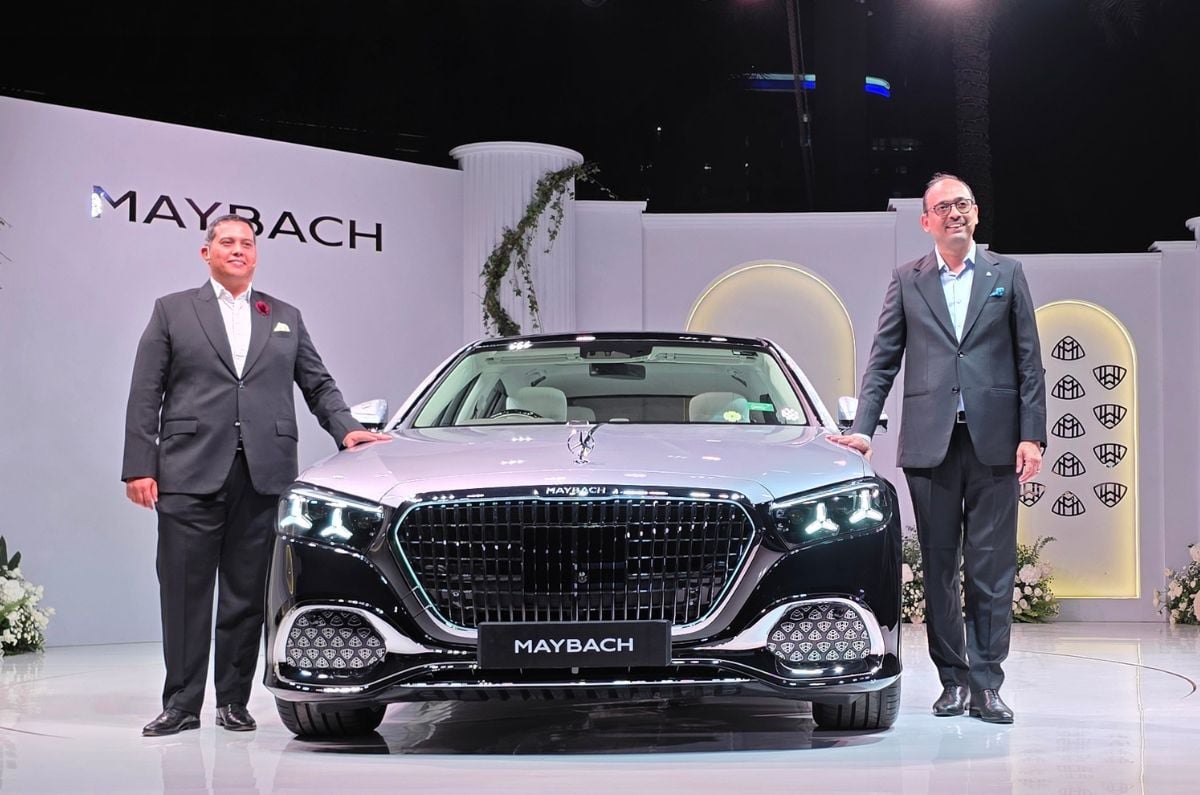
“If you look at the diesel C-sized market, that is about 40,000 units. The C-sized EV market is about 10,000. So, the total potential is 50,000,” says Anurag Mehrotra, Managing Director, JSW MG Motor India.
The Hector Tomahawk PHEV is priced Rs 1.5 lakh-2 lakh higher than the top diesel automatic variants of the Mahindra XUV 7XO, Tata Safari and Tata Harrier. JSW MG expects to justify this premium through lower operating costs and the overall product package.
The Tomahawk PHEV has no direct mass-market PHEV rival in India and will instead target diesel SUV buyers. According to surveys cited by Mehrotra, owners in this segment typically cover 18,000-20,000km a year, with many combining daily commutes with regular outstation travel.
“They want the fuel efficiency of a diesel because they are travelling longer distances,” says Mehrotra. “For them, there has not been a new-energy choice. The plug-in hybrid takes away the range issue completely, but still gives you the unit economics of an EV.”
Vinay Raina, Chief Commercial Officer, JSW MG Motor India, says many of these customers choose diesel because it suits their usage rather than because of a fixed preference for the fuel. “The Indian consumer is willing to experiment,” he says.
MG Hector Tomahawk PHEV running costs
JSW MG estimates that covering 1,000km in the PHEV could cost Rs 3,000-4,000, compared with Rs 10,000-12,000 in a diesel SUV. This calculation assumes regular charging and substantial use of the electric mode. “The plug-in hybrid will be close to a third of the cost of running a diesel,” Mehrotra says.
The company says the PHEV can return around 22kpl when used mainly as a hybrid, while its claimed 30-50kpl figure assumes regular charging and that most daily travel is completed using electric power. These figures include kilometres covered on electricity and therefore cannot be directly compared with the fuel economy of a diesel SUV. Charging costs also need to be included when calculating the overall running cost.
This also means the claimed savings will depend on how the vehicle is used. Owners who regularly charge at home and complete much of their daily driving on battery power should use less petrol, while those who rarely charge will rely more on the engine and lose much on the projected savings.
JSW MG targets 5,000-6,000 Tomahawks a month
JSW MG is targeting monthly sales of 5,000-6,000 units for the Tomahawk range, which includes the EV and PHEV. The company has not specified how that volume will be split between the two powertrains. At the targeted volume, JSW MG estimates the range would account for around 10-12 percent of the 50,000-unit monthly executive SUV opportunity it has identified.
The Tomahawk EV and PHEV are based on the company’s ADAPT architecture, which is designed to support multiple powertrain types. JSW MG currently has achieved around 45 percent localization in the Tomahawk and plans to increase this to approximately 70 percent by next year, with the investment already approved by its board.
JSW MG Motor has launched the Hector Tomahawk with two electrified powertrains: a fully electric version and a plug-in hybrid. Although the two share the same basic dimensions and cabin design, there are several differences in their exterior detailing, equipment, seating configuration, battery and charging systems. Here’s how the two versions compare.
MG Hector Tomahawk EV vs PHEV: Price and variants
Variant
Seating
EV price (ex-showroom)
EV BaaS*
PHEV price (ex-showroom)
PHEV BaaS*
Excite
7-seat
Rs 19.49 lakh
Rs 13.99 lakh
–
–
Exclusive
7-seat
Rs 21.99 lakh
Rs 15.99 lakh
Rs 25.70 lakh
Rs 21.79 lakh
Essence
7-seat
Rs 23.49 lakh
Rs 17.49 lakh
Rs 27.80 lakh
Rs 23.89 lakh
Essence
5-seat
Rs 22.99 lakh
Rs 16.99 lakh
–
–
*For the EV, the battery rental is Rs 4.90 per km, while for the PHEV it is Rs 3.20 per km.
The Hector Tomahawk EV is priced from Rs 19.49 lakh to Rs 23.49 lakh (ex-showroom). It is available in Excite, Exclusive and Essence trims in the seven-seat configuration, while the five-seat version is offered only in the Essence trim at Rs 22.99 lakh.
The PHEV is positioned higher in the range, with prices starting at Rs 25.70 lakh for the Exclusive seven-seater and going up to Rs 27.80 lakh for the Essence seven-seater. Unlike the EV, however, a 5-seat configuration is not available here.
MG Hector Tomahawk EV vs PHEV: Exterior
Both versions measure 4,745mm in length, 1,850mm in width and 1,770mm in height, with a 2,810mm wheelbase. They share the rectangular LED projector headlamps with LED DRLs and an illuminated MG logo, but the front-end treatment is completely different.
The PHEV versions gets a conventional three-dimensional grille with chrome inserts, gloss-black elements below the headlamps and a chunky bull bar-like silver trim piece on the lower bumper. Meanwhile, the EV gets a closed-off fascia, lending it a more minimalistic look than the PHEV version. The PHEV also gets red brake callipers on the higher-spec version.
The two versions use different wheel designs for the 18-inch dual-tone alloys. There is also a difference in the dual-tone treatment. The EV gets a black roof, while the PHEV gets a white roof. Both, however, get roof rails, a powered tailgate and wraparound LED tail-lamps.
MG Hector Tomahawk EV vs PHEV: Interior
The two versions have the same basic cabin layout, but differ in colour. The EV gets a beige interior, while the PHEV gets a brown interior. Both get a panoramic sunroof, ventilated front seats, 256-color ambient lighting, wireless charging and an 8.8-inch digital driver’s display. The top versions of both get the 15.6-inch infotainment screen. Both versions also use a stalk-type drive selector, positioned behind the steering wheel.
The more significant difference is the seating configuration. The EV is available as a five- or seven-seater, while the PHEV is offered only as a seven-seater. The five-seat EV has 610 litres of boot space, expanding to 1,053 litres with the second row folded. The seven-seat EV offers 192 litres with all three rows in use and 528 litres with the third row folded. The PHEV, being seven-seat only, has 604 litres of boot space in the Exclusive and 579 litres in the Essence with the third row folded.
The EV also has a slightly different seating position because of its battery packaging, with occupants sitting in a more knees-up position than in the PHEV.
MG Hector Tomahawk EV vs PHEV: Powertrain
The Hector Tomahawk EV uses a 204hp electric motor that produces 310Nm. It is powered by a 69.2kWh battery and has a claimed MIDC range of 517km. The EV supports up to 90kW DC fast charging, with MG claiming a 30-80 percent charge time of around 35 minutes.
The PHEV combines a 1.5-litre naturally aspirated petrol engine, electric motor and 20.5kWh battery, with a dedicated hybrid transmission with an e-clutch. The powertrain produces a combined 198hp and 230Nm. MG claims an electric-only range of over 115km and around 40kpl combined fuel efficiency. A full tank of fuel and a fully charged battery can take it more than 1100km.
The PHEV supports up to 25kW DC charging and is claimed to take around 35 minutes to charge from 30-80 percent. It can also be charged using a 3.3kW AC charger, which takes around 7.5 hours for a 10-100 percent charge.
The key difference is that the EV is powered solely by its battery and electric motor, while the PHEV combines a smaller battery and electric motor with a petrol engine, allowing it to operate on electric power or use the engine when required.
Alongside the fully electric model, JSW MG Motor has also launched the plug-in hybrid version of the Hector Tomahawk. Called the MG Hector Tomahawk PHEV, it too is based on the company’s ADAPT platform. The plug-in hybrid option pairs a 1.5-litre Atkinson-cycle petrol engine with a single electric motor and a 20.5kWh battery pack. The brand claims a maximum range of over 1,100km (on a full tank and charge), while the quoted 0-100kph time of the MG Hector Tomahawk PHEV is 9 seconds.