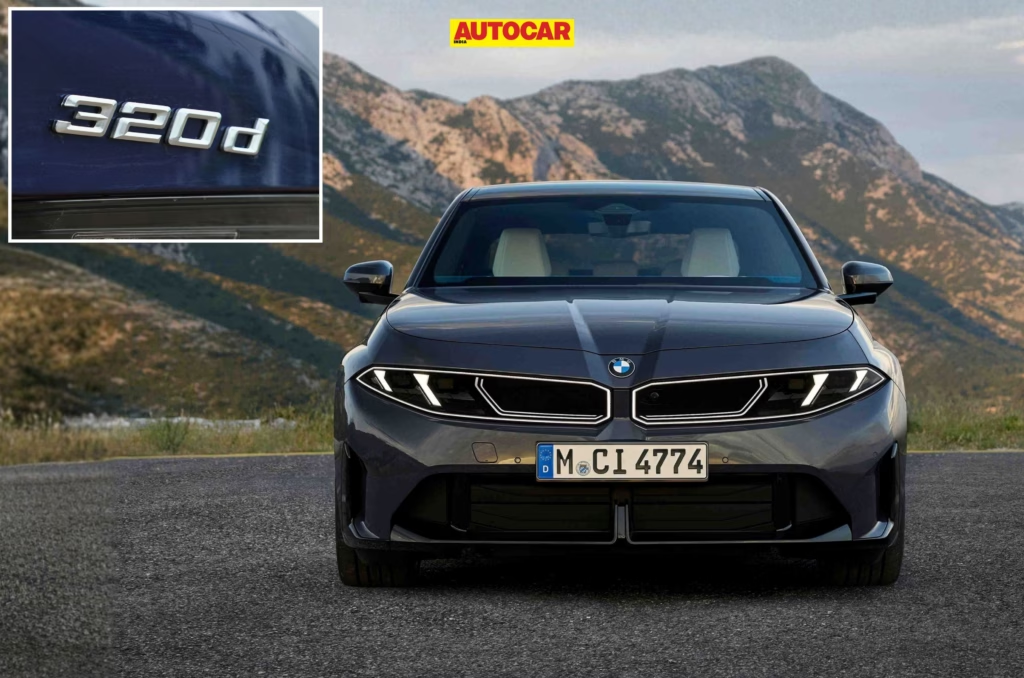
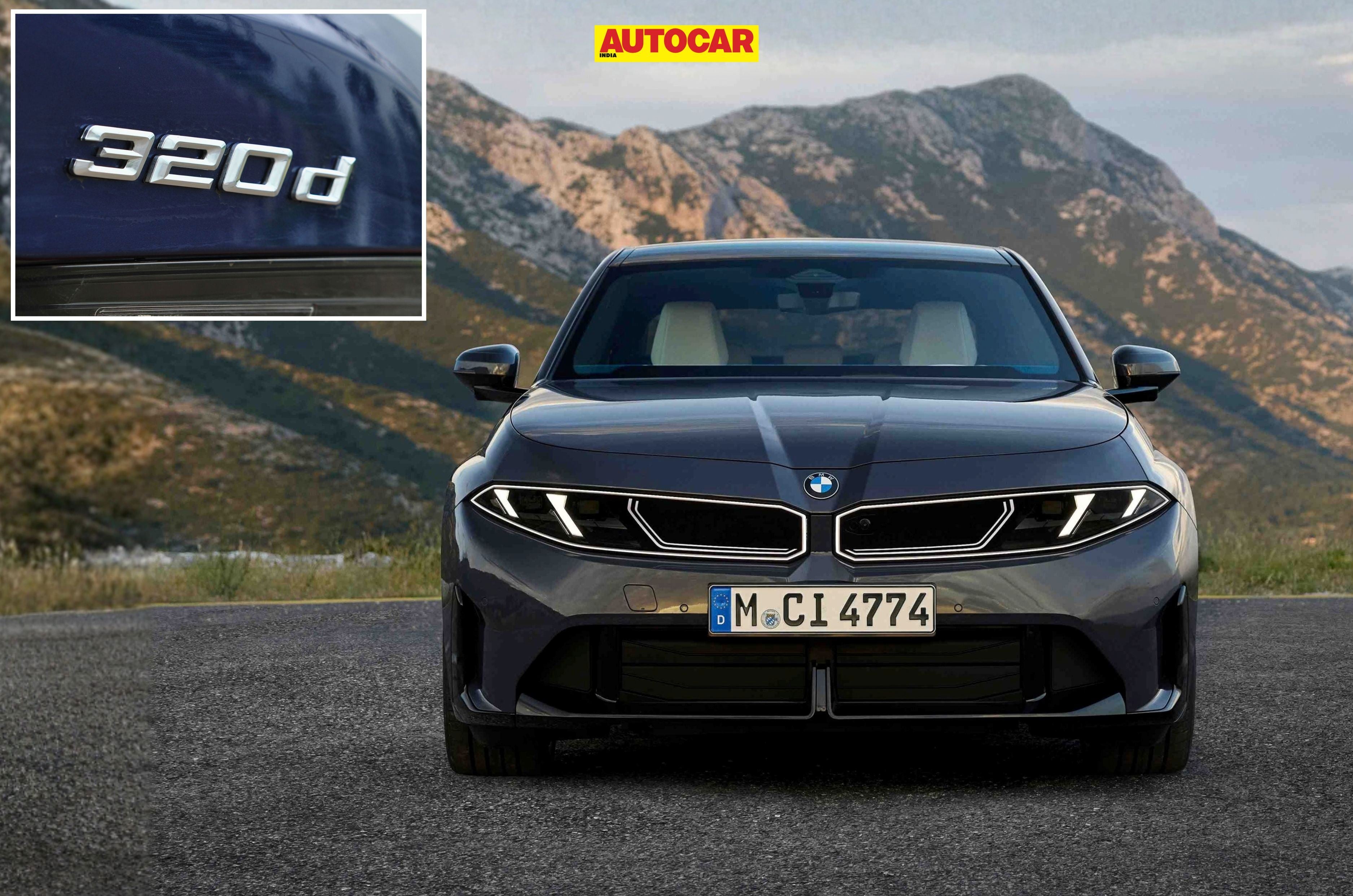
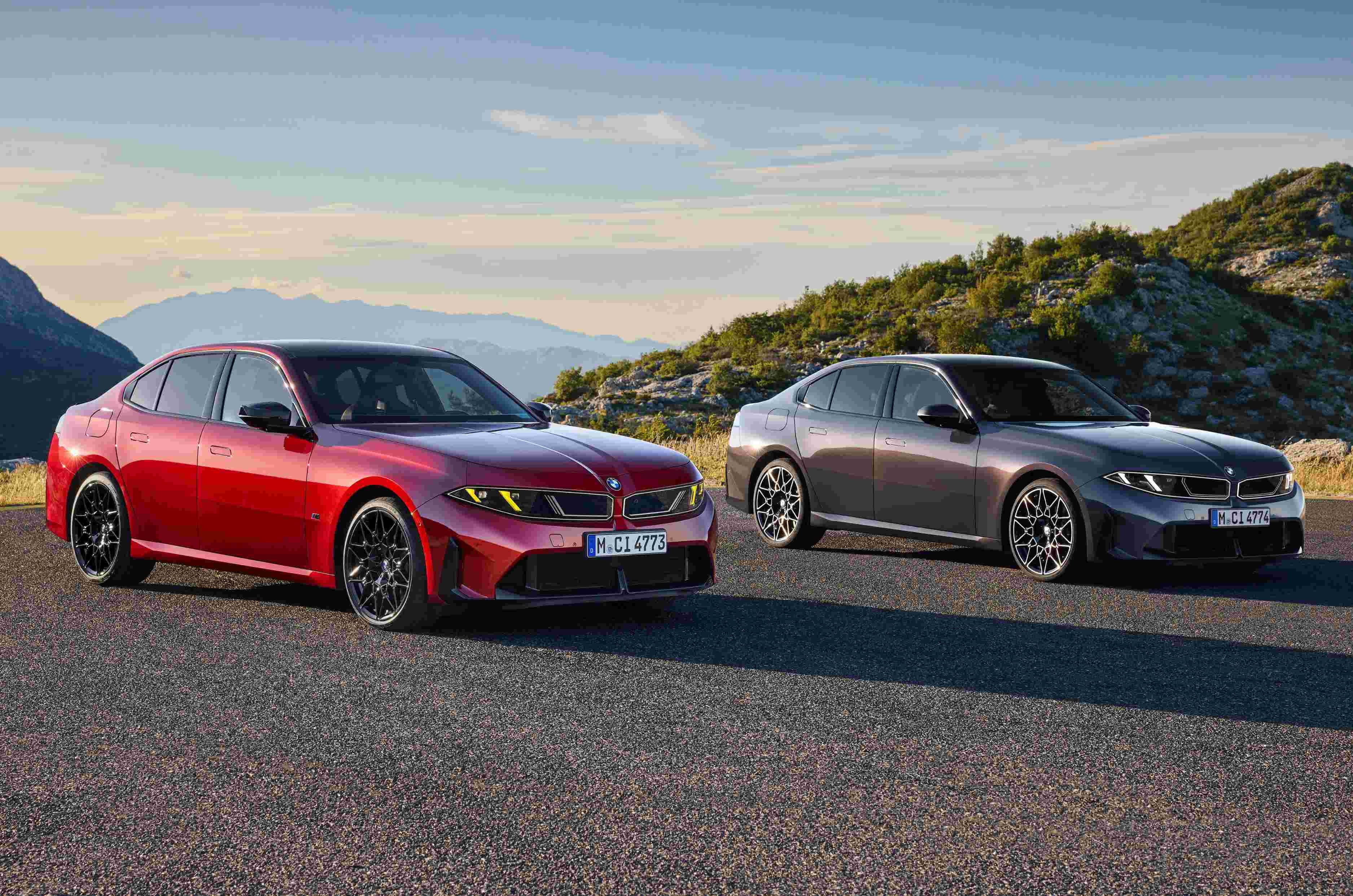
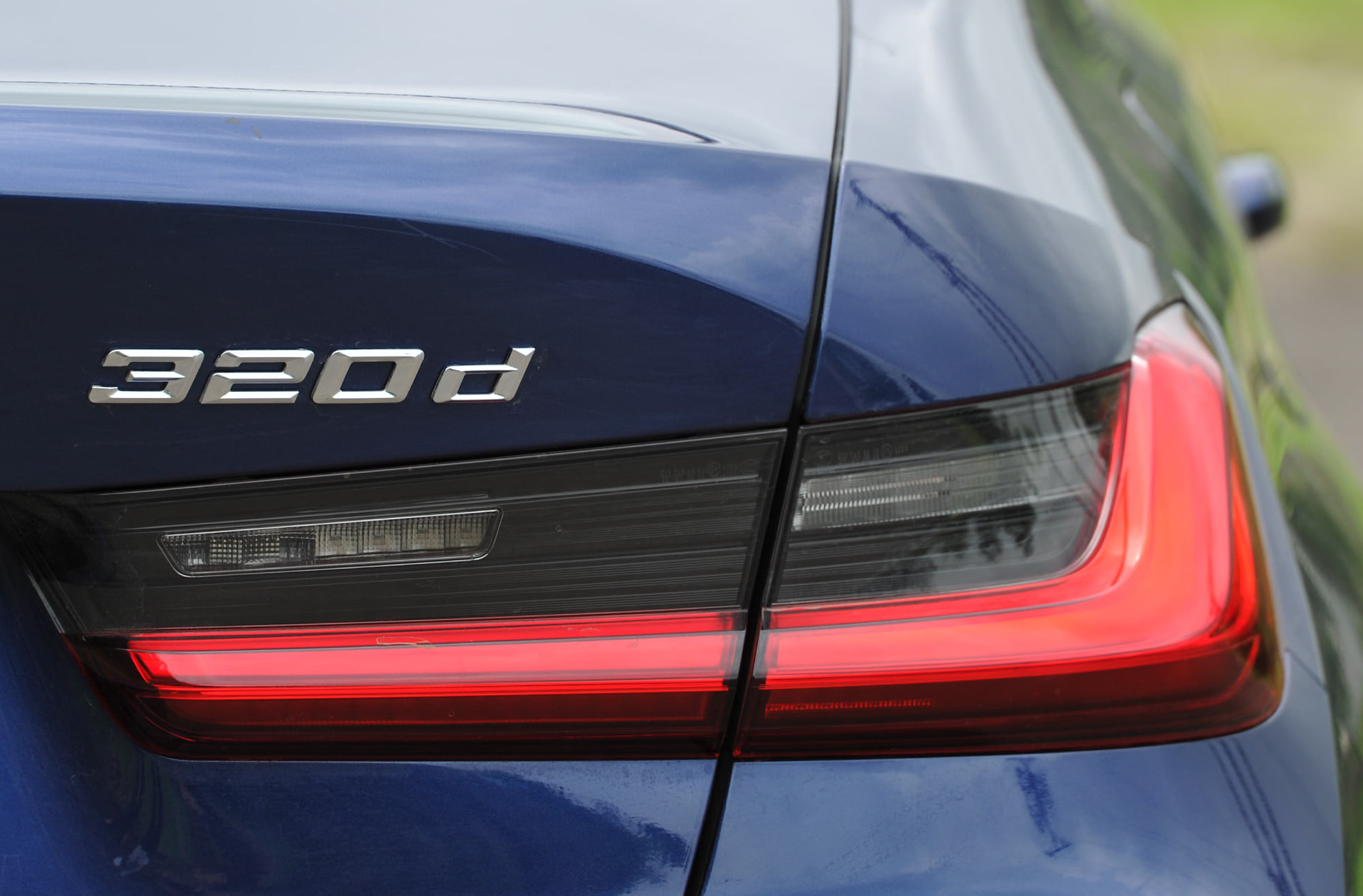
BMW has dropped diesel power from the eighth-generation 3 Series, codenamed G50, ending a run that dates back to the second generation (E30). The new G50 is offered with petrol engines, while a plug-in hybrid version is due to join the range in 2027. The fully electric i3 is also part of the eighth-generation 3 Series family.
G50 3 Series offered only with petrol engines
Speaking to members of the European press at the debut, BMW confirmed that the eighth-generation 3 Series will not be offered with a diesel engine. Besides the first-generation (E21), the G50 is the only other 3 Series generation without a diesel option. All other generations offered at least one diesel variant.
The G50 is available in 318, 320 and M350 xDrive forms. The 318 and 320 use 2.0-litre four-cylinder turbo-petrol engines with 48V mild-hybrid technology, while the M350 xDrive gets a 3.0-litre six-cylinder turbo-petrol mill with the same system.
BMW has not given a specific reason for removing diesel from the new-generation 3 Series, although it is likely in the interest of meeting increasingly stringent local emissions regulations.
Plug-in hybrid to join 3 Series range
BMW will add a plug-in hybrid version to the G50 range in 2027. Technical details of this version have not yet been announced. The fully electric BMW i3 is also part of the eighth-generation 3 Series family. The i3 40 xDrive and i3 50 xDrive are available with electric power, with claimed WLTP ranges of up to 710km and 912km respectively.
The result is a 3 Series range comprising petrol, plug-in hybrid and fully electric powertrains, with diesel no longer part of the new-generation line-up.
BMW’s shift from diesel to electrification in India
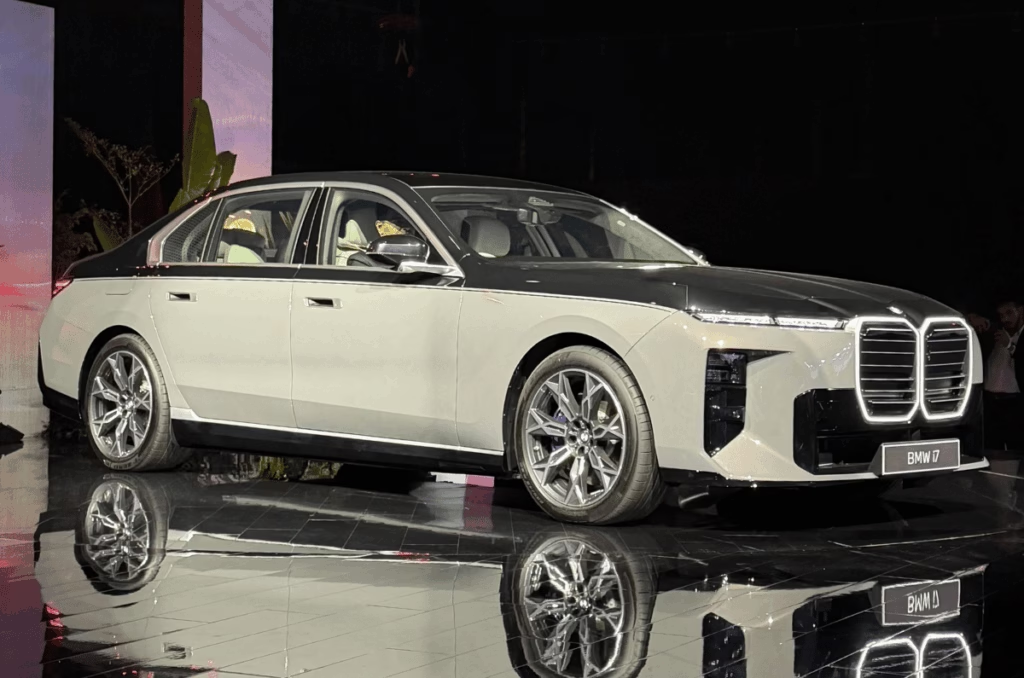
BMW’s changing powertrain strategy for the 3 Series is also reflected in its India portfolio. The company is increasingly pairing its petrol models with electric alternatives in India rather than offering diesel versions across these newer model lines. The 7 Series is available with a petrol engine, while the fully electric i7 is offered alongside it. The 5 Series LWB follows the same approach with the petrol-powered 5 Series and electric i5 LWB, while the X1 LWB is available with a petrol engine alongside the electric iX1 LWB.
None of these models is offered with a diesel engine in India. BMW’s electric models are therefore increasingly filling the role that diesel variants traditionally occupied as the more efficient option for buyers. The same transition is now evident in the new 3 Series in Europe, where the diesel has been dropped in favour of petrol, plug-in hybrid and fully electric options.
BMW India says electrification and its long-wheelbase range are two key areas of its current product strategy, with EVs accounting for 26 percent of its sales in the first half of 2026. The company expects the share of EVs in its sales to exceed 30 percent in the second half of the year.
BMW India has also seen some customers move from diesel to electric vehicles. The company says concerns around the long-term use and residual values of diesel cars have contributed to the shift in some markets, while it continues to offer diesel engines where demand remains strong.
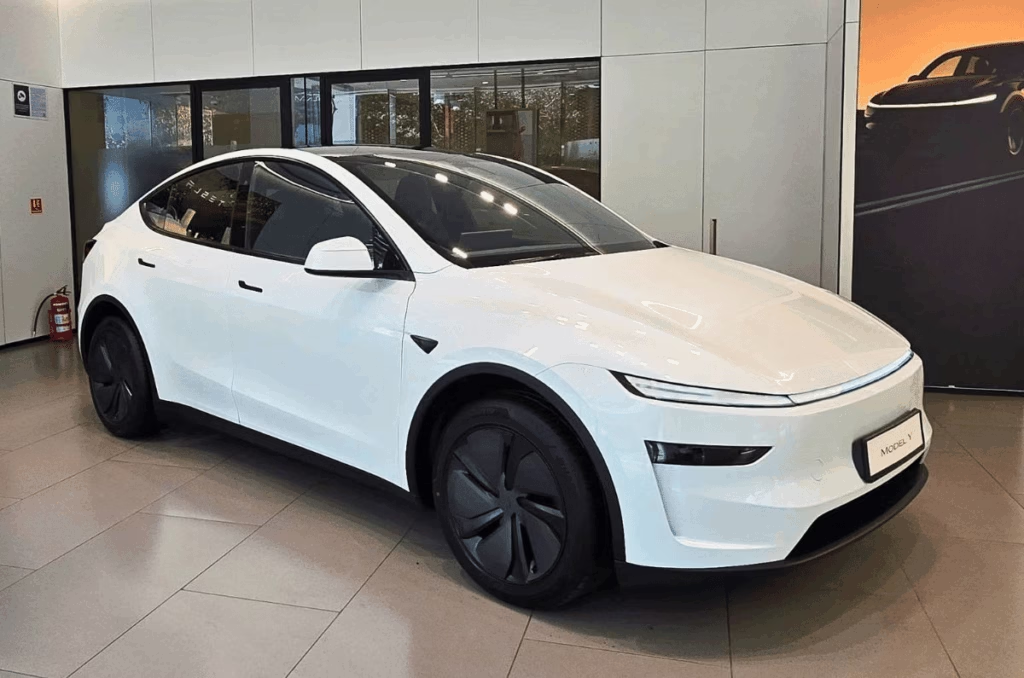
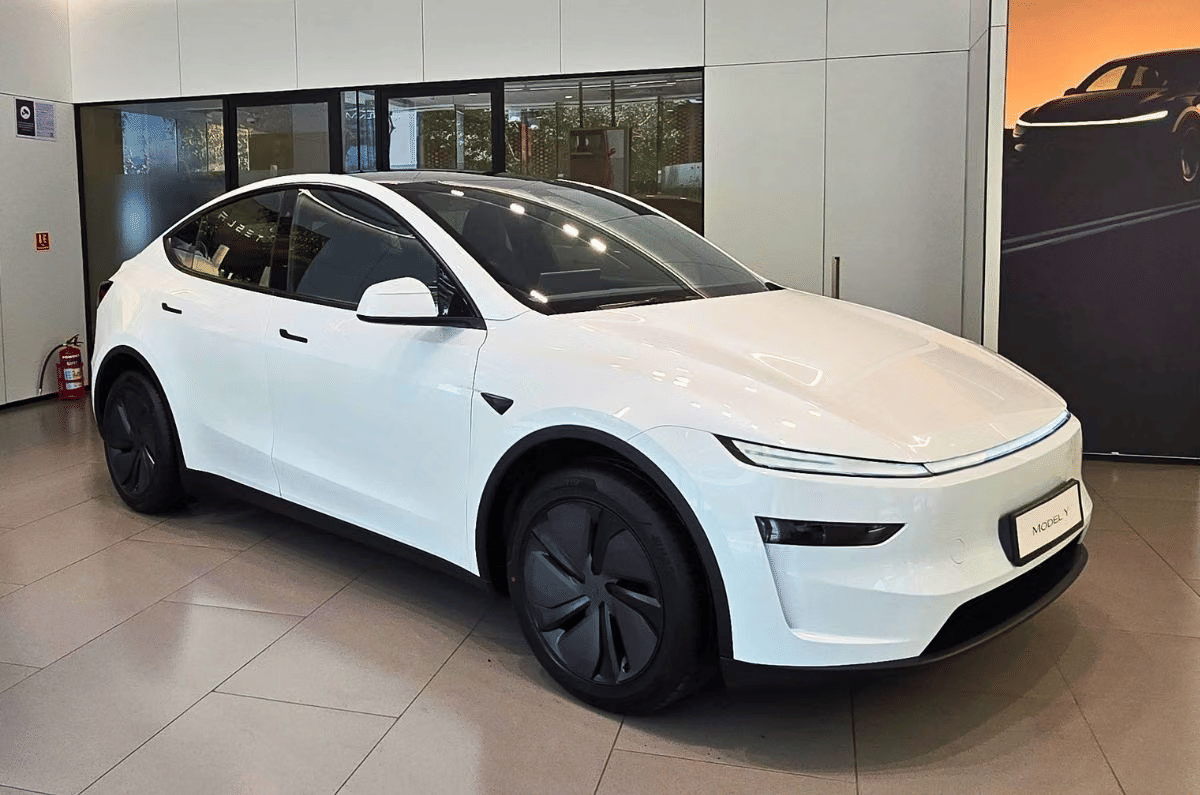
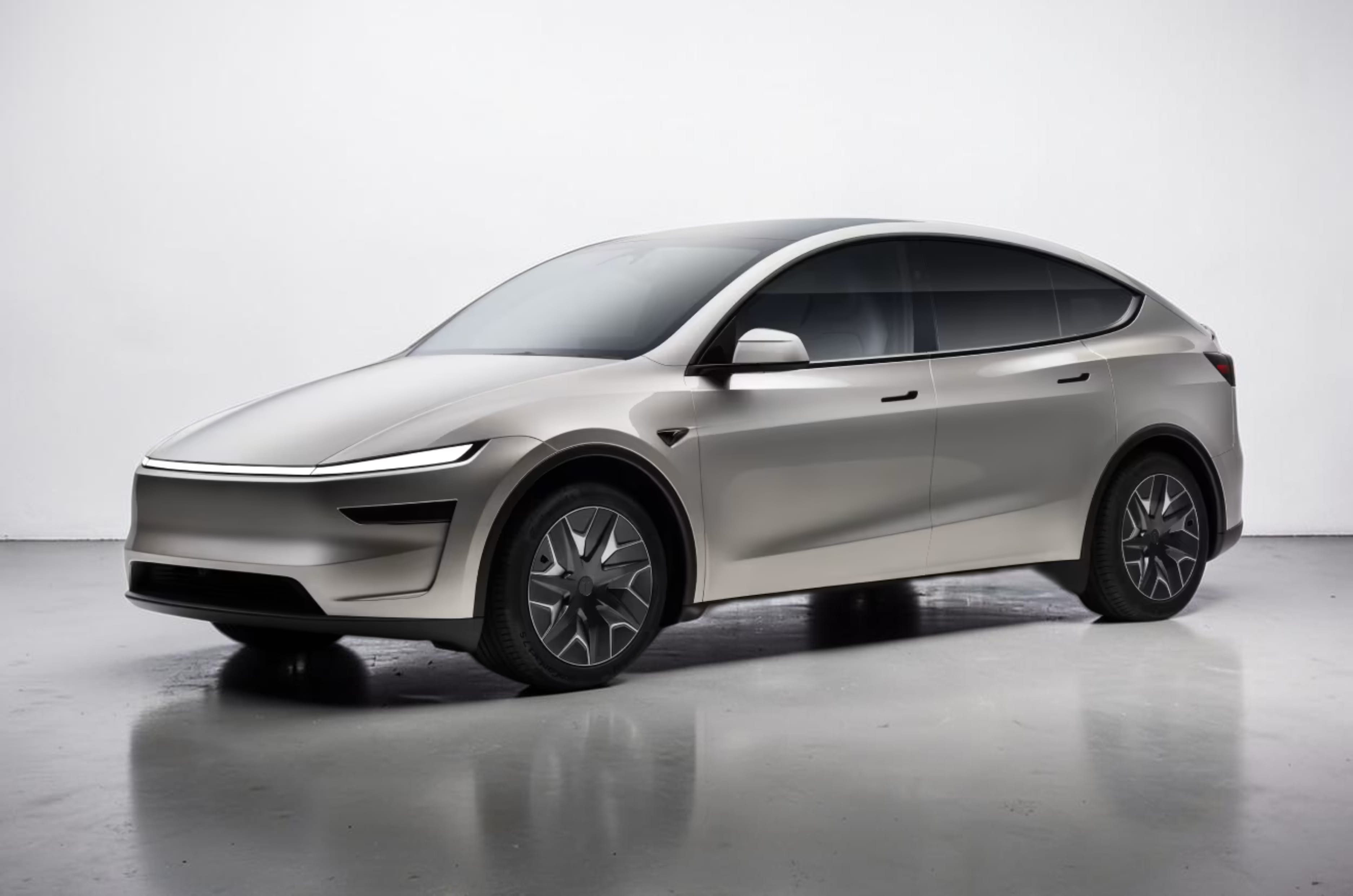
A little over 13 months after entering the Indian market, Tesla has crossed the 1,000-unit sales mark with its sole offering – the Model Y. According to the Vahan portal, Tesla India recorded total deliveries of 1,017 Model Y units between September 2025 and October 2, 2026. Last month, Tesla recorded its highest-ever monthly sales in the country at 291 units, up 322 percent from 69 units from the year-ago period. Month-on-month, too, sales were up 149 percent from 117 units in August.
Tesla India sales so far
Triple-digit sales registered since July
Tesla Model Y sales in India so far
Month
Units
Change (percent)
September 2025
69
–
October 2025
40
-42
November 2025
48
20
December 2025
69
44
January 2026
38
-45
February 2026
29
-24
March 2026
53
83
April 2026
43
-19
May 2026
36
-16
June 2026
38
6
July 2026
116
205
August 2026
117
1
September 2026
291
149
October 2026*
30
–
Total
1,017
–
*Data for October 1 and 2.
The American EV maker’s September sales performance came during a record month for India’s electric passenger vehicle (e-PV) market, which recorded monthly retail sales of 35,995 units; Tesla accounted for 0.80 percent of total e-PV sales. It also moved up to second place in the luxury e-PV segment for the first time, outselling Mercedes-Benz India, which sold 125 units in September. BMW India was the segment leader with 502 units and a 51 percent share. Tesla’s share of the luxury e-PV market rose to 30 percent in September 2026, from 11 percent a year earlier. In July, Tesla had moved ahead of Volvo to take third place.
Tesla Model Y L AWD.
From September 2025 until June 2026, the Model Y recorded monthly deliveries in double digits. Sales rose 205 percent month-on-month to 116 units in July, compared to just 38 units in June. Between July and October 2, Tesla delivered 554 Model Ys, accounting for 54 percent of its total sales so far. This came after Tesla India cut the Model Y Premium RWD base trim’s price by Rs 9 lakh in May, bringing it down to Rs 50.89 lakh. The Tesla EV is available in five-seater (Model Y) and six-seater (Model Y L) iterations. Compared to the top-spec Model Y L Premium AWD, the Model Y Premium RWD costs Rs 11.1 lakh less.
The Model Y rivals the Hyundai Ioniq 5 (Rs 55.71 lakh), Kia EV6 (Rs 65.98 lakh) and BYD Sealion 7 (Rs 49.4 lakh to Rs 55.9 lakh).
Model Y specs, range
The Model Y Premium RWD gets a 64kWh battery (gross capacity) with a claimed 500km WLTP range, and it uses a 299hp, 420Nm electric motor. The battery size of the Model Y L has not been revealed. Since the Model Y L in right-hand drive configuration is also available in Australia, and going by the Australian-spec model, it is likely powered by an 88.2kWh battery (gross capacity). Power and torque figures are estimated at 514hp and 590Nm, respectively. Tesla India has confirmed that the Model Y L gets a dual-motor AWD setup and has a claimed range of 681km (WLTP).
Tesla India expanding sales, charging network
6 showrooms, 7 charging stations are operational here
Last month, Tesla India opened its sixth showroom in Chennai, adding to its existing outlets in Mumbai, Delhi, Gurugram, Bengaluru and Hyderabad. It has also started service and bodyshop operations in Chennai, taking its service network to eight locations.
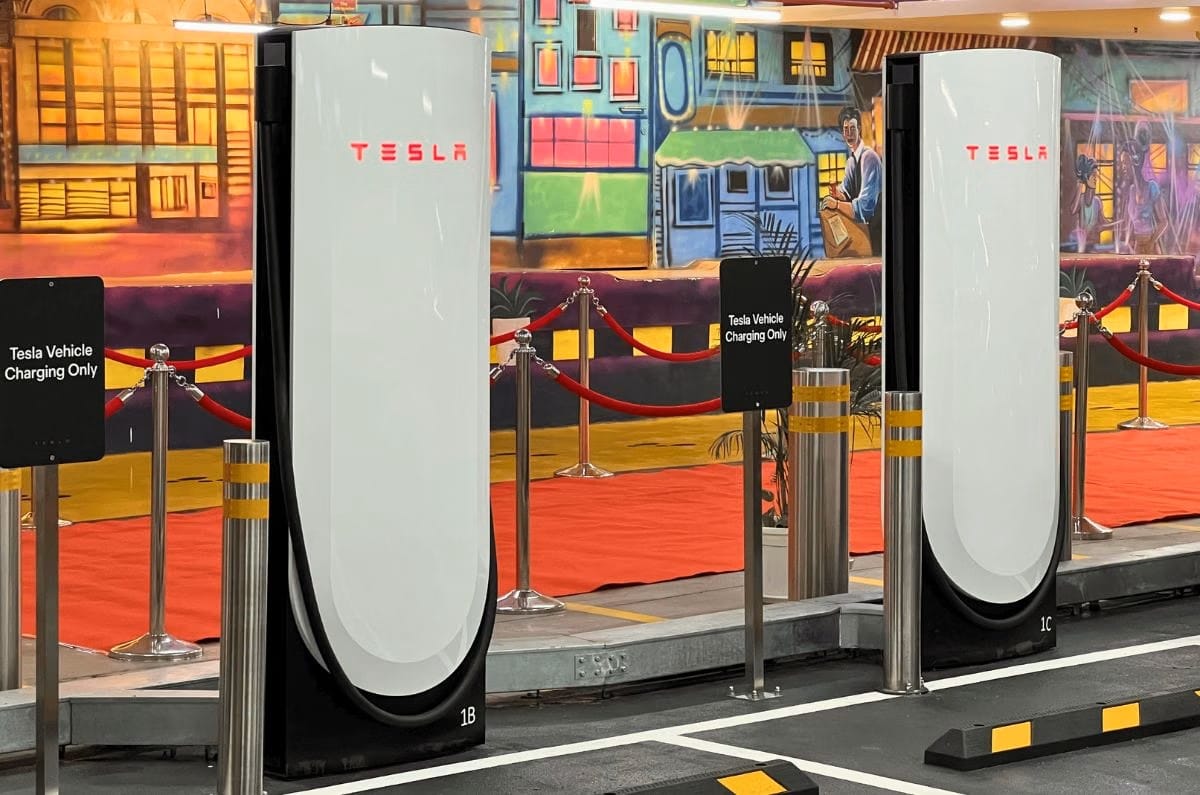
In August, Tesla opened its latest Destination Charging facility at Lake Shore Thane in Mumbai. It has four 11kW AC chargers. Tesla now operates seven charging stations in India, including locations in Navi Mumbai, Delhi and Gurugram, with 20 Superchargers and 24 Destination Chargers.
Ex-showroom prices mentioned above are as on October 5, 2026.
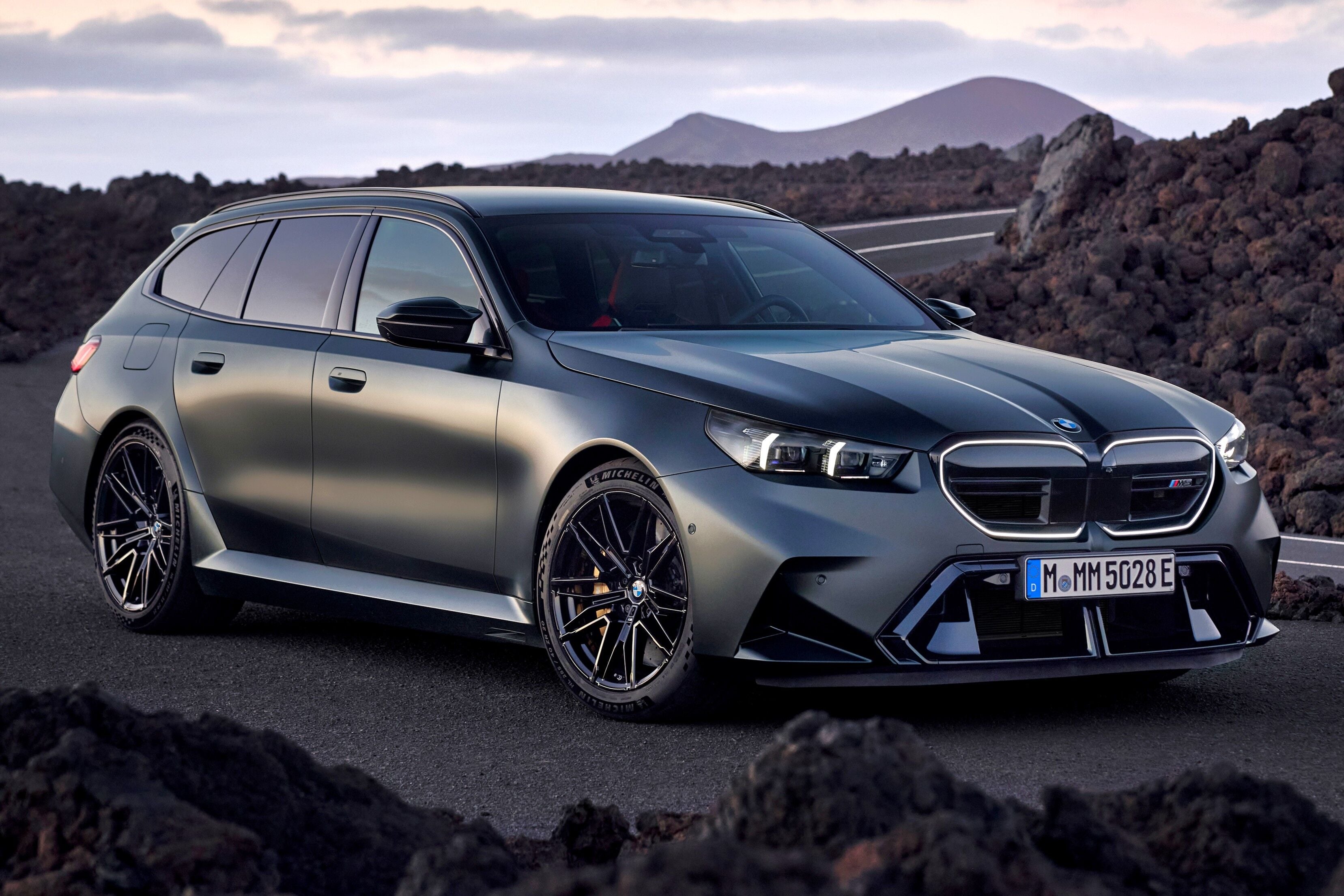
BMW has confirmed that it will make the M3 Competition and M5 Touring available in India by way of limited-run ‘100 Jahre Nürburgring’ editions, bookings for which are now open. Alongside the M5 Touring and M3 Competition, 100 Jahre Nürburgring editions of the M5 sedan, M2 xDrive, and M4 Competition are also on offer. The arrival of the M5 Touring is especially notable as it will be BMW India’s first estate offering.
BMW India expects long-wheelbase models to account for around 60 percent of its sales by the end of 2026, up from 52 percent in the first half. BMW’s sales grew 14 percent in 2025 and 15 percent year on year in the first half of 2026, even as the wider market remained flat or declined marginally. The carmaker is focusing on long-wheelbase models and electric vehicles as the two key areas of its product strategy in the country.
BMW to focus on long-wheelbase range
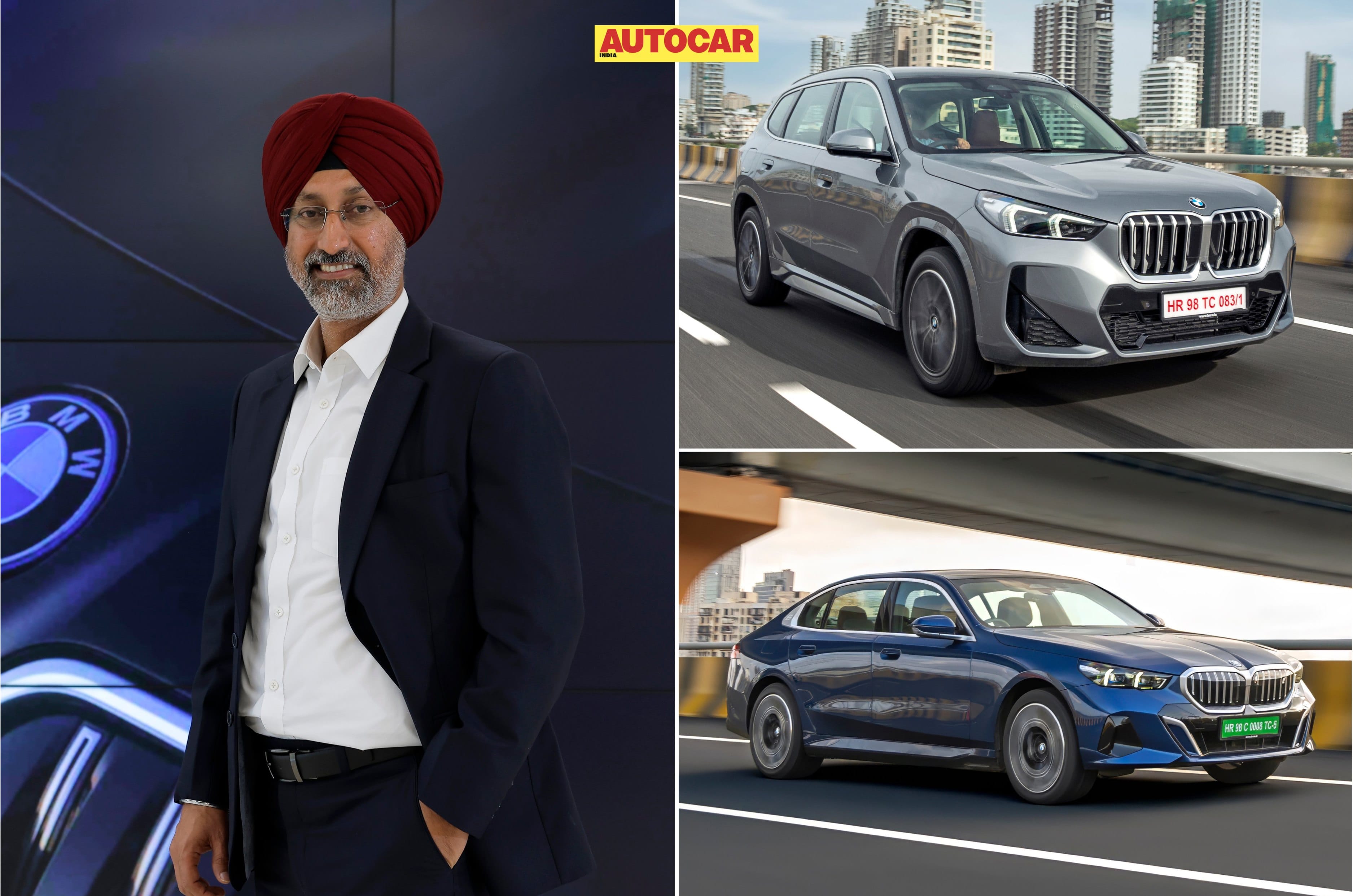
“Long wheelbase and electrification are the two pillars we are working on this year,” Hardeep Singh Brar, president and CEO of BMW Group India, told our sister publication, Autocar Professional, on the sidelines of the launch of the BMW i5 LWB. “In the first half, we were at 52 percent long wheelbase. With the new launches, I think the long-wheelbase category will grow further,” he added.
BMW’s long-wheelbase portfolio currently includes the 3 Series LWB, 5 Series LWB, X1 LWB, i5 LWB and iX1 LWB. The company has extended the format beyond executive sedans and indicated that it will continue to favour long-wheelbase versions for relevant models introduced in India. The LWB format is aimed at buyers seeking greater rear-seat legroom and comfort, particularly chauffeur-driven customers.
“It is a tried-and-tested formula, so why not go with it?” Brar said. The introduction of long-wheelbase models in the entry-luxury and executive segments has also helped BMW differentiate its products in an increasingly competitive market.
EVs could account for over 30 percent of BMW India’s sales in H2 2026
Electric vehicles accounted for 21 percent of BMW’s India volumes in 2025 and 26 percent in the first half of 2026. Brar expects the share to cross 30 percent in the second half, with one-third also possible. The iX1 comprises around half of sales in the X1 range, while the i7 constituted about 60 percent of combined 7 Series and i7 volumes during the previous model cycle.
EVs taking up diesel’s share in BMW’s portfolio
BMW has also seen some customers move from diesel to electric vehicles. Brar attributed part of the decline in diesel demand to concerns over vehicle life and residual values, particularly in markets such as Delhi, where diesel vehicles have a 10-year registration life.
The company does not plan to discontinue diesel and will continue offering the powertrain where demand remains strong. The X5 and X7 continue to see reasonable demand for diesel versions, Brar said.
In the first half of 2026, BMW sold nearly 2,400 EVs in India, with the entry-level iX1 and flagship i7 accounting for the bulk of those volumes. Now, BMW has introduced an all-new electric long-wheelbase sedan to bridge the sizable gap between the two. Meet the BMW i5 eDrive35L, the electric counterpart to the 5 Series sedan.
The i5 nameplate isn’t new to India. BMW launched the imported, performance-focused i5 M60 here back in 2024. However, that was a niche offering. This new version is expected to appeal to a much wider audience. Being locally assembled, the i5 eDrive35L is priced at Rs 79.60 lakh, commanding a premium of Rs 3 lakh over its petrol-powered sibling. In this review, we find out what it’s like to live with.
BMW i5 LWB Exterior Design and Engineering – 8/10
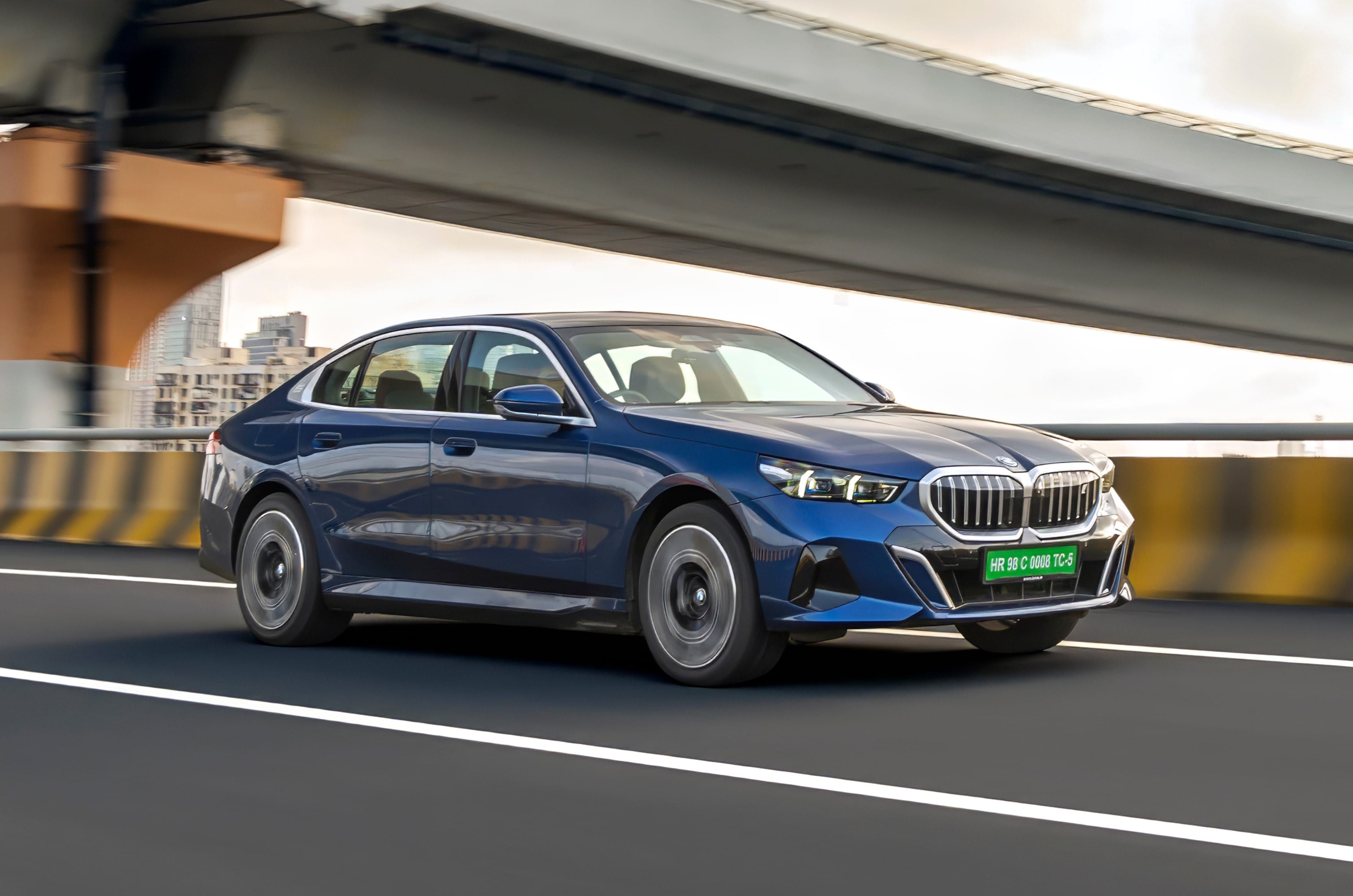
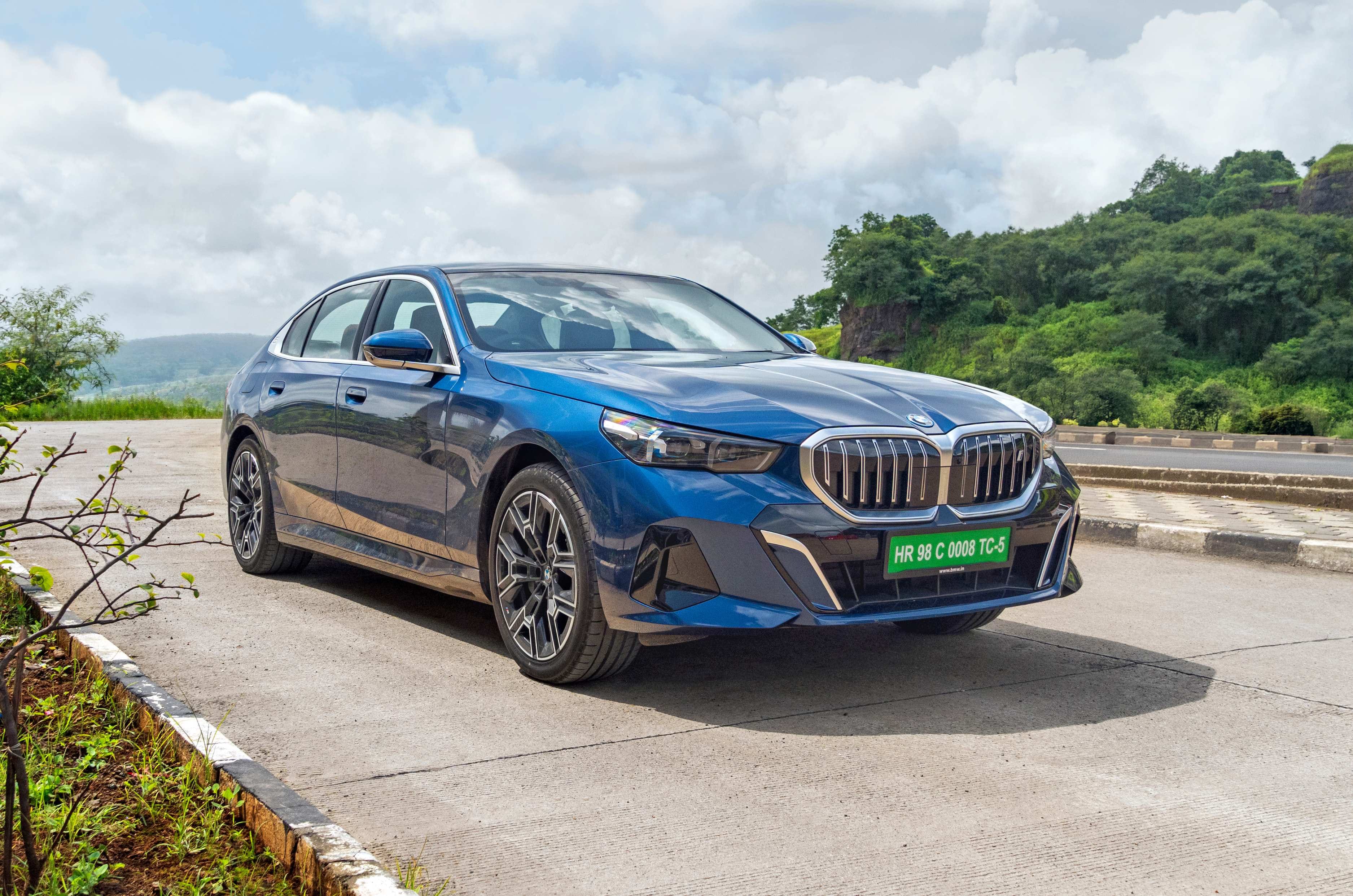
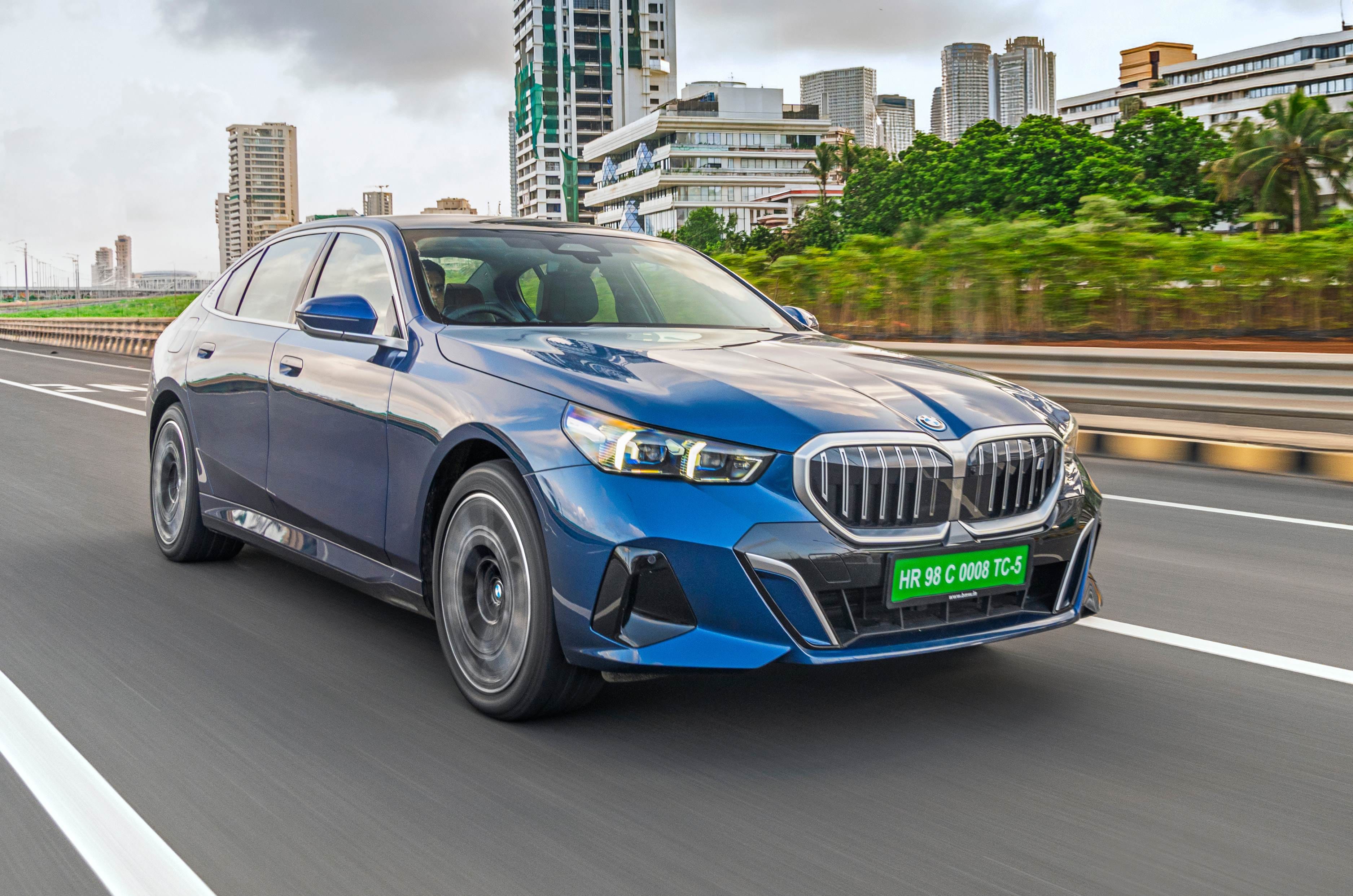
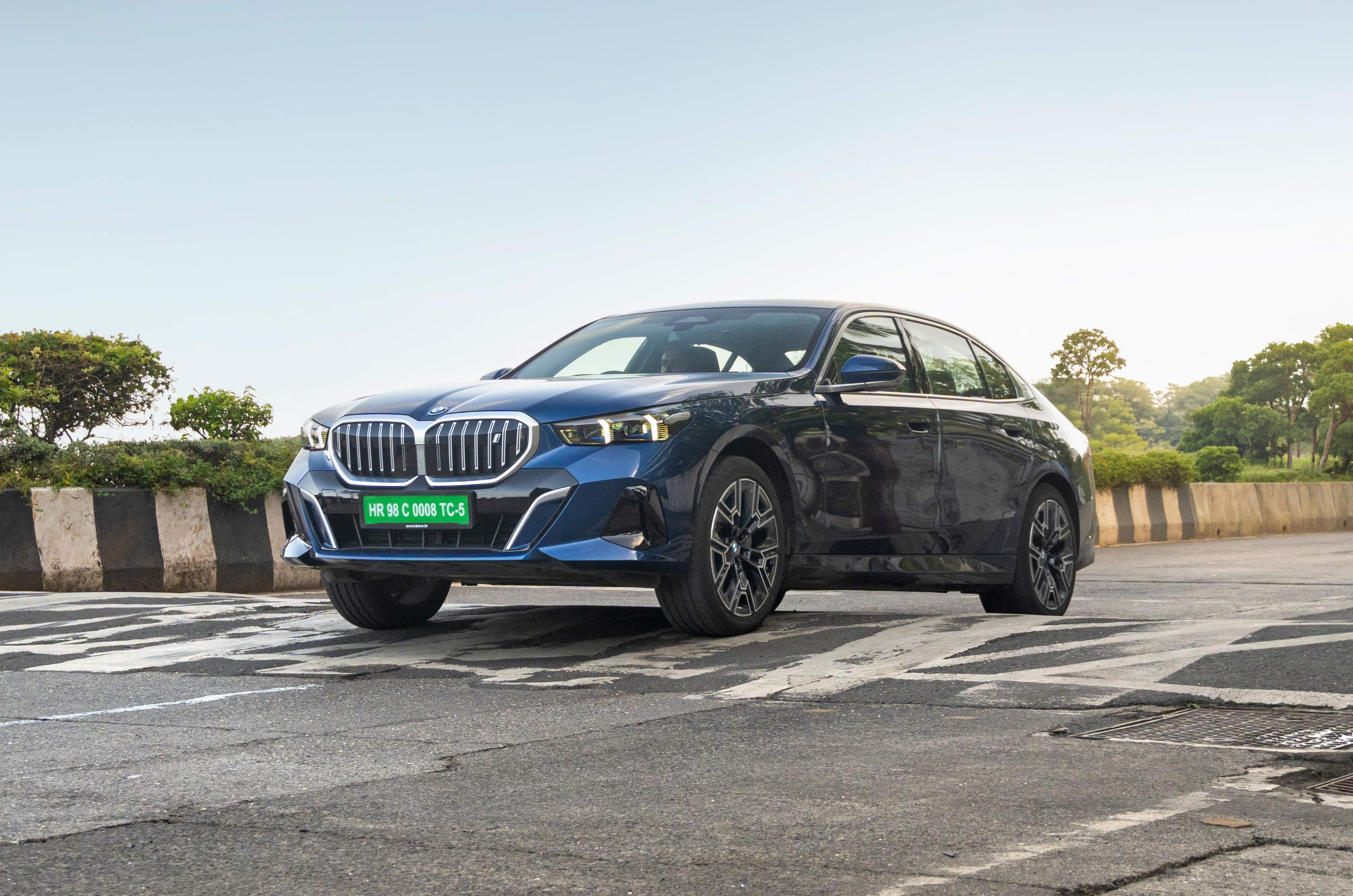
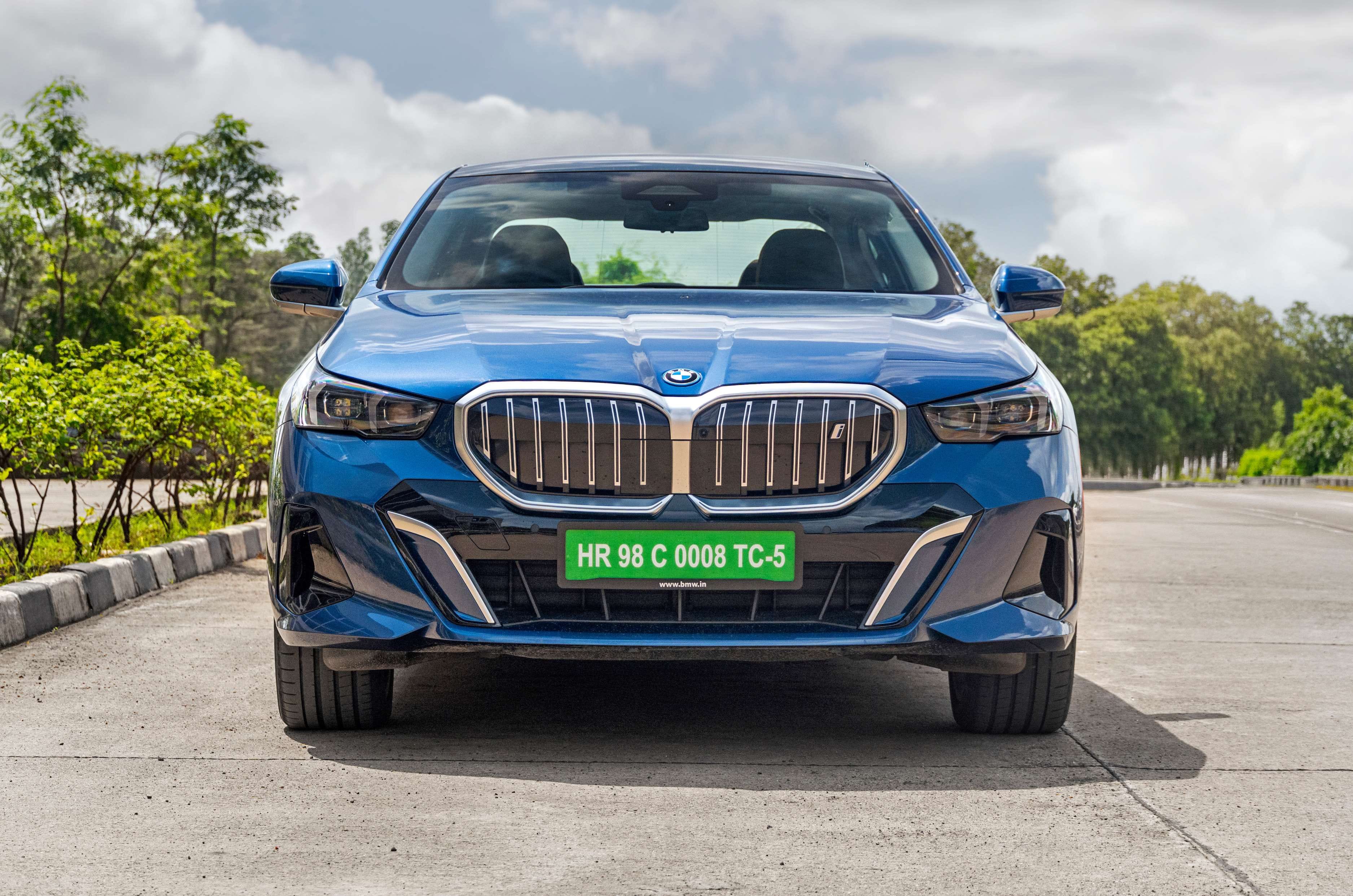
An ‘i’ badge on the grille along with its green number plate differentiate it from its petrol sibling
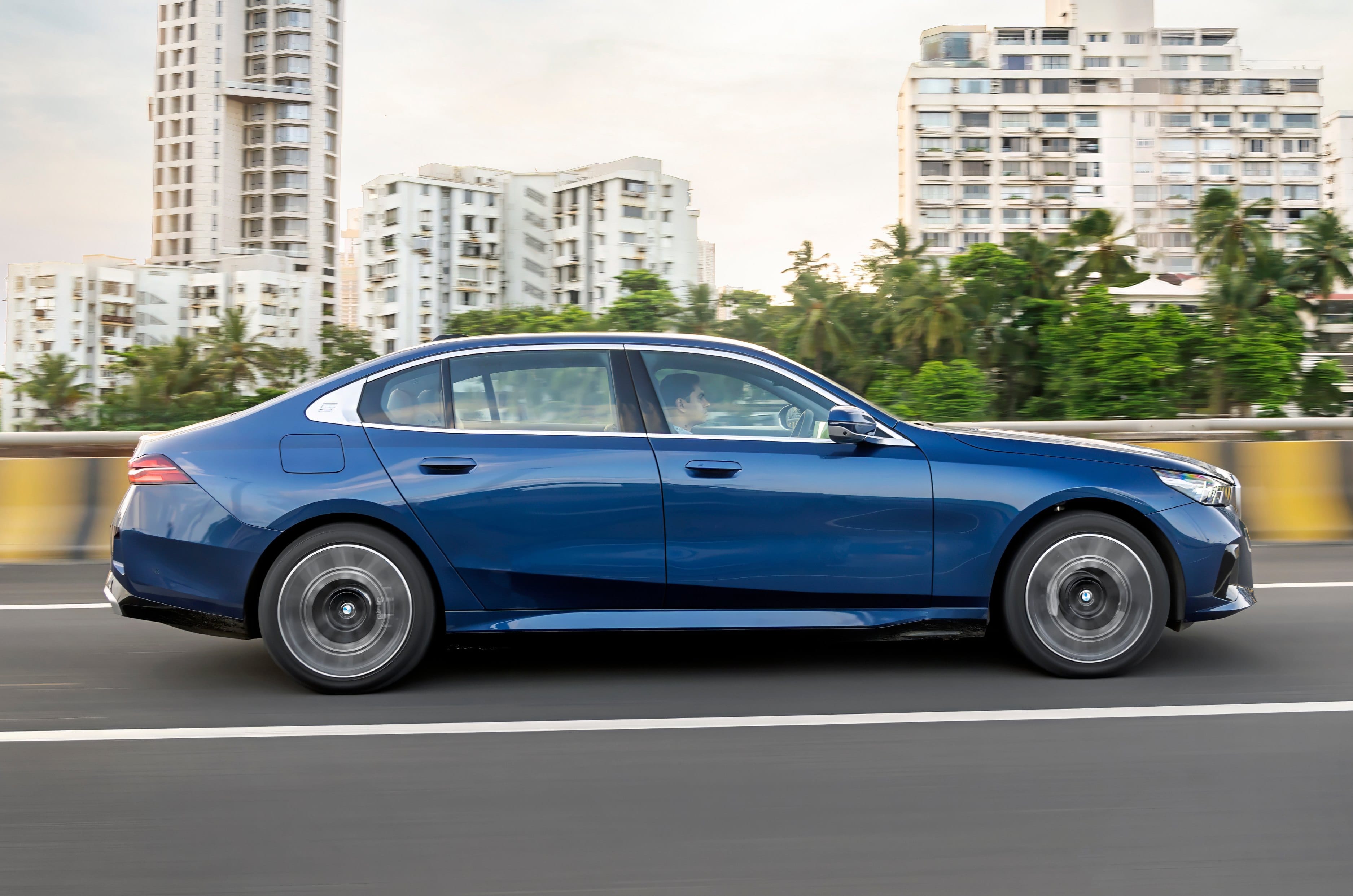
Compared to the international version, this i5’s wheelbase has been stretched by 110mm to 3,105mm, while overall length now stands at 5,175mm. Interestingly, the 5 Series is larger than its chief rival, the Mercedes-Benz E-Class, in every dimension.
As for styling, this generation of the 5 Series has been around since 2024 and much like most modern BMW designs, it’s something that grows on you with time. That said, there’s no denying that it’s a polarising design. The numerous cuts, heavy surfacing and intricate detailing make it look busy and excessive to some eyes.
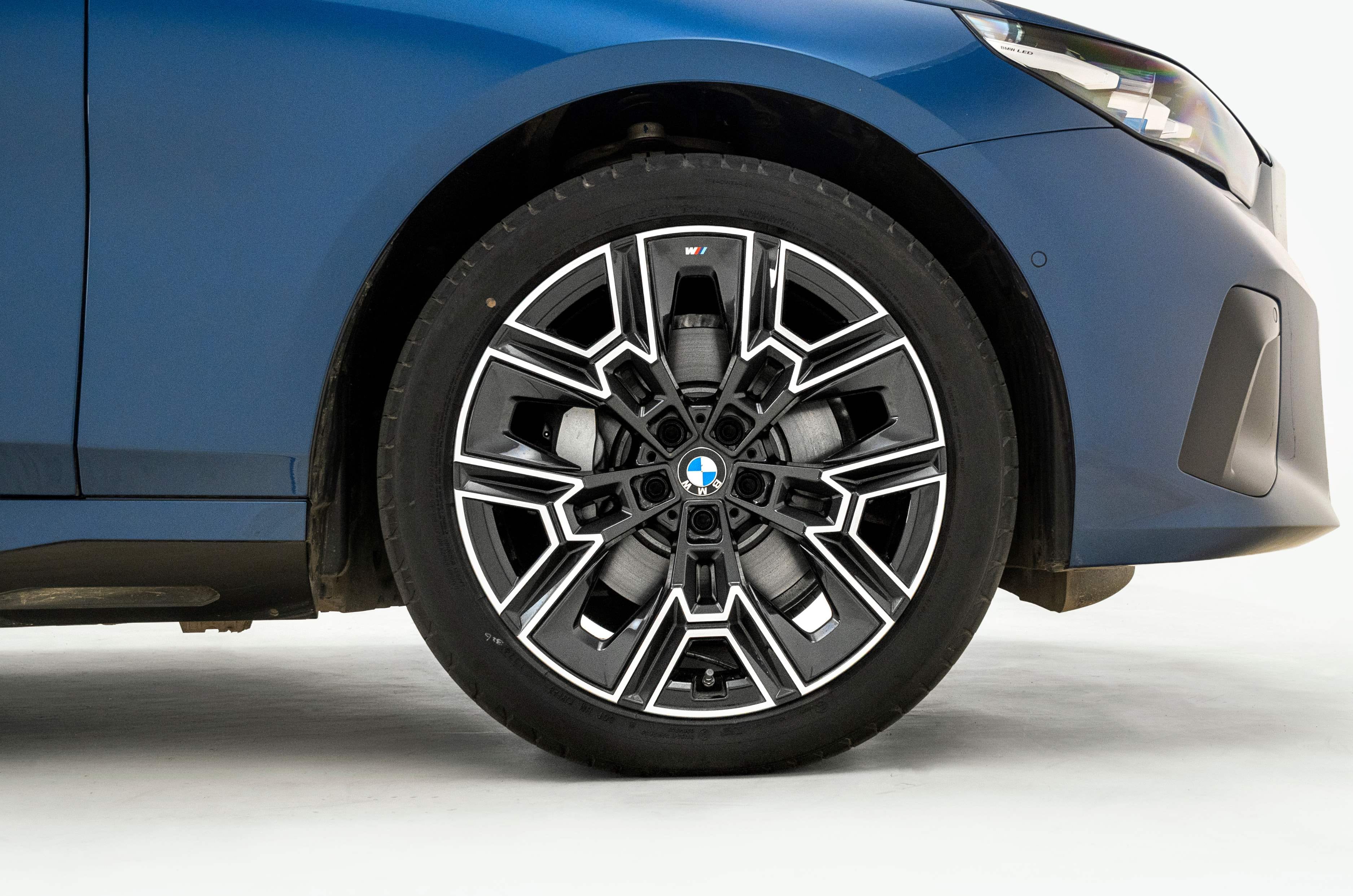
Gets large 20-inch alloys which look far more proportionate than the 18-inch wheels initially available with the 530Li.
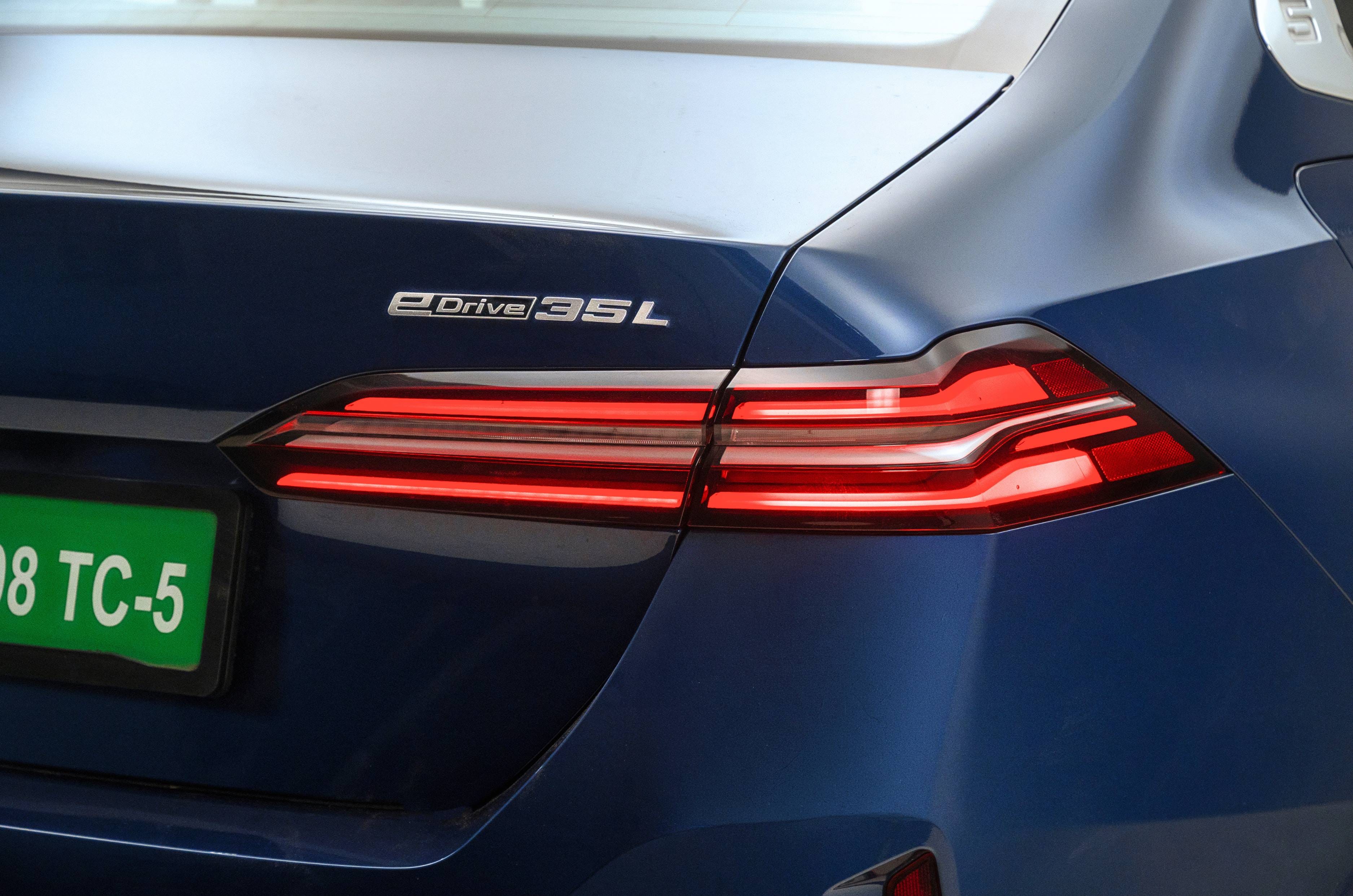
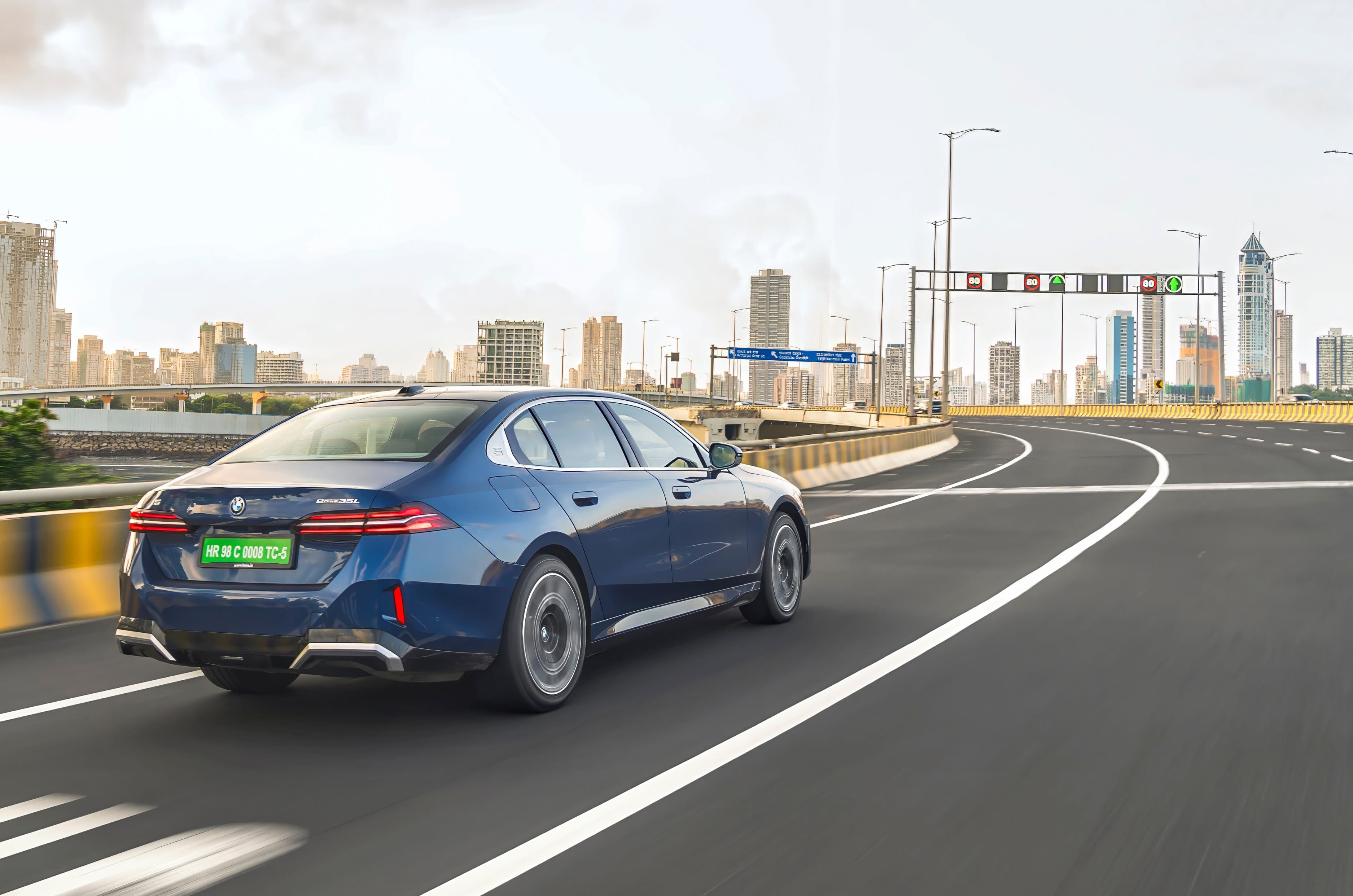
Differentiating the i5 from its petrol-powered counterpart are an ‘i’ logo on the grille and larger 20-inch alloy wheels. The latter look far more proportionate than the 18-inch wheels initially offered on the 530Li. At the rear, the only distinguishing elements are the i5 and eDrive35L badges, apart from the obvious giveaway – the green number plate.
BMW i5 LWB Interior Space and Comfort – 9/10
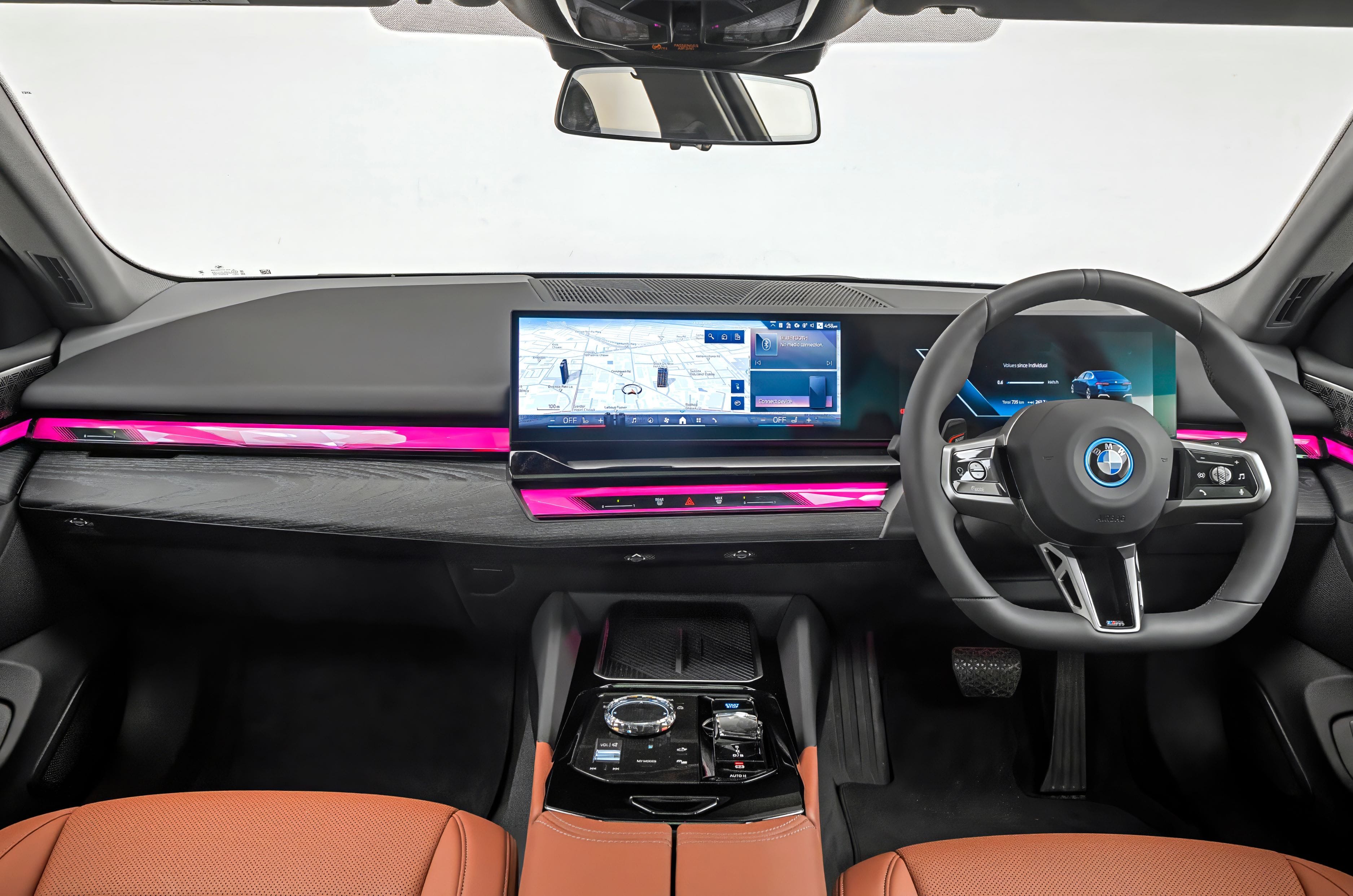
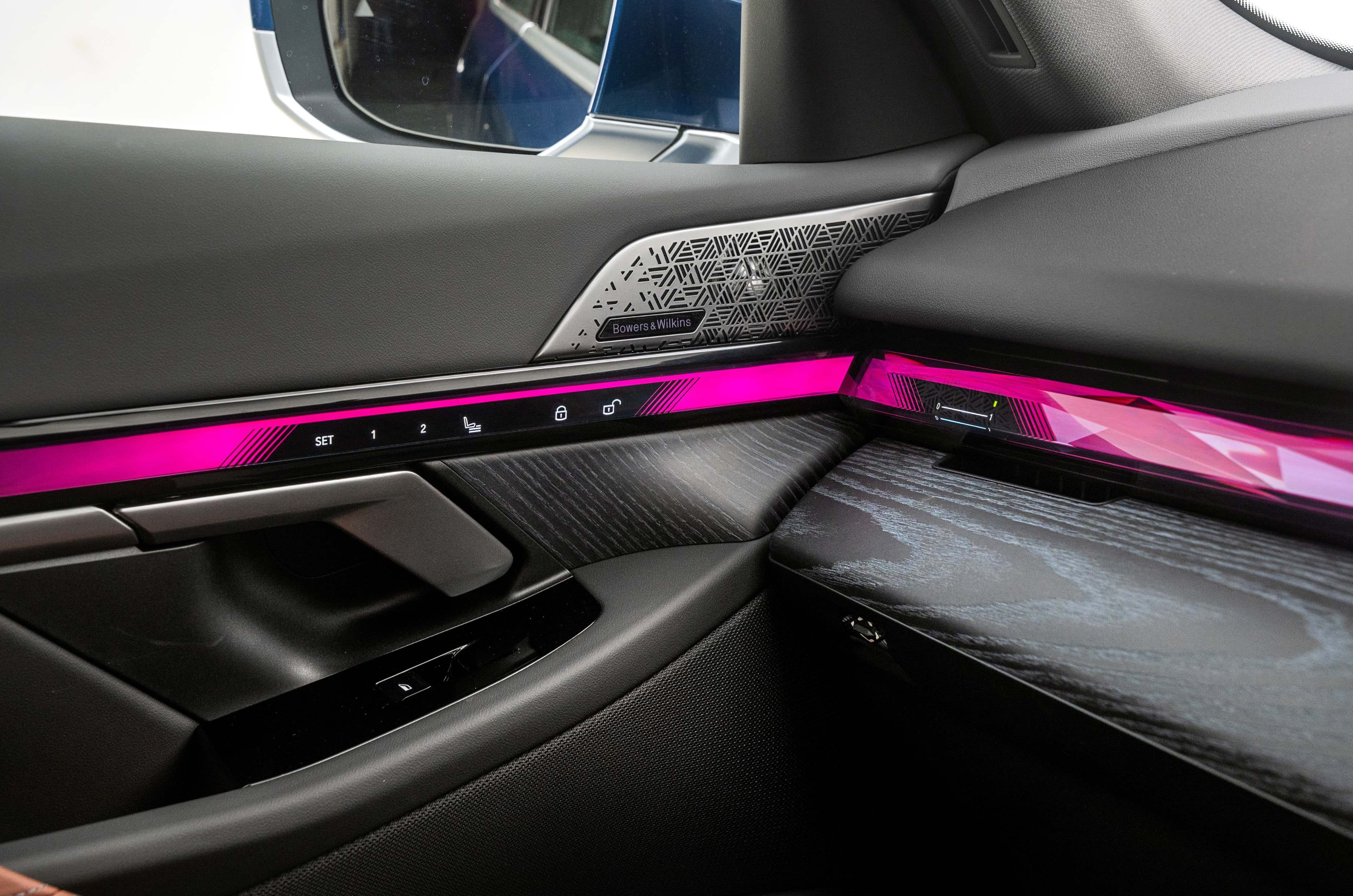
Dash is dominated by BMW’s twin curved screens, a flat-bottomed steering wheel and generous ambient lighting.
Step inside and the dashboard is dominated by BMW’s twin curved-screen setup, complemented by a flat-bottomed steering wheel, generous ambient lighting, and a tasteful mix of open-pore wood trim and silver inlays. The crystalline drive selector, rotary infotainment controller and volume roller on the centre console add a welcome sense of occasion.
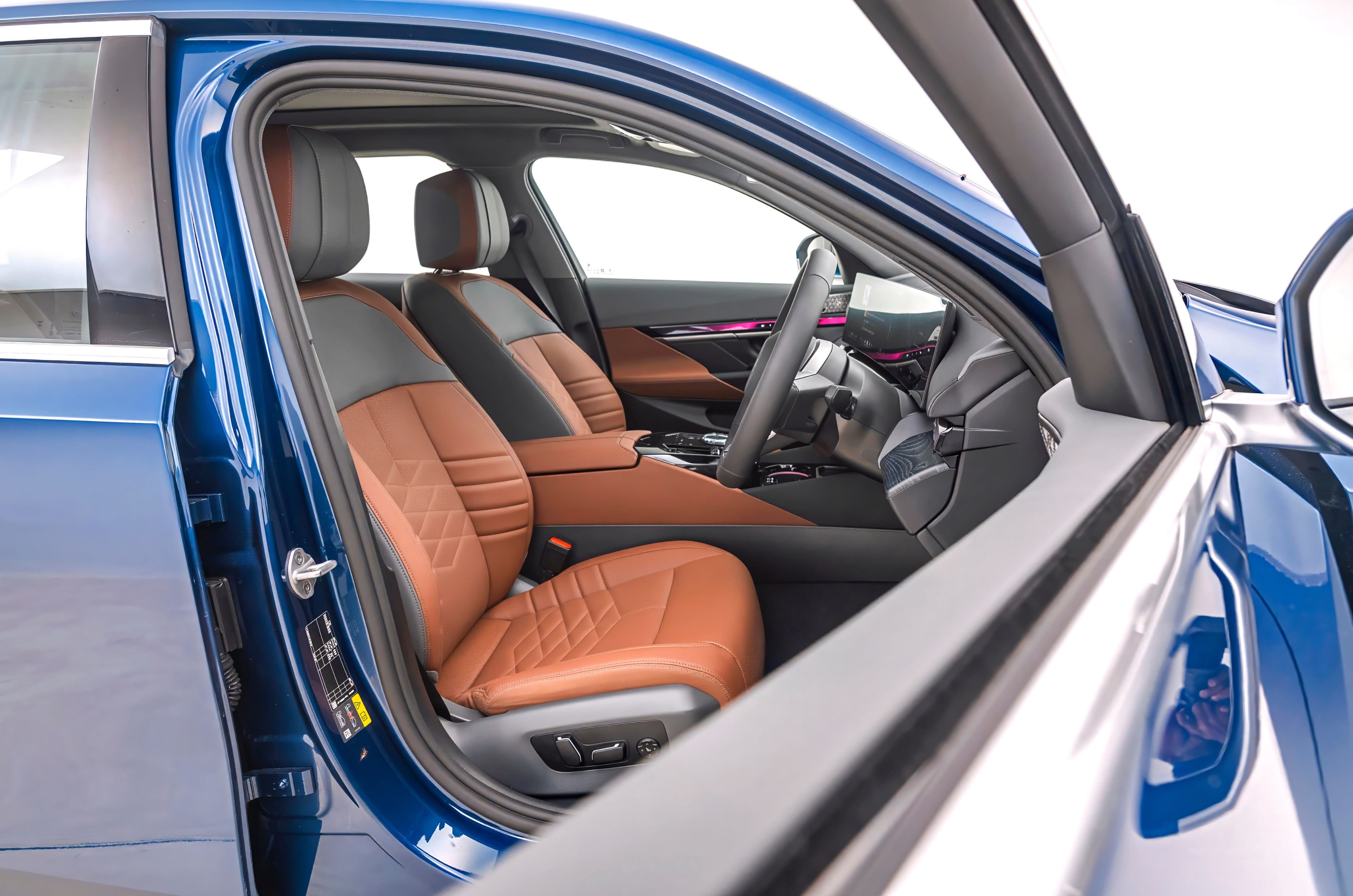
Those familiar with older 5 Series models will quickly notice the absence of the manually adjustable thigh support for the front seats. That aside, the seats themselves are exceptionally comfortable and supportive, and they also feature ventilation.
The seats are exceptionally comfortable and supportive, and they also feature ventilation.
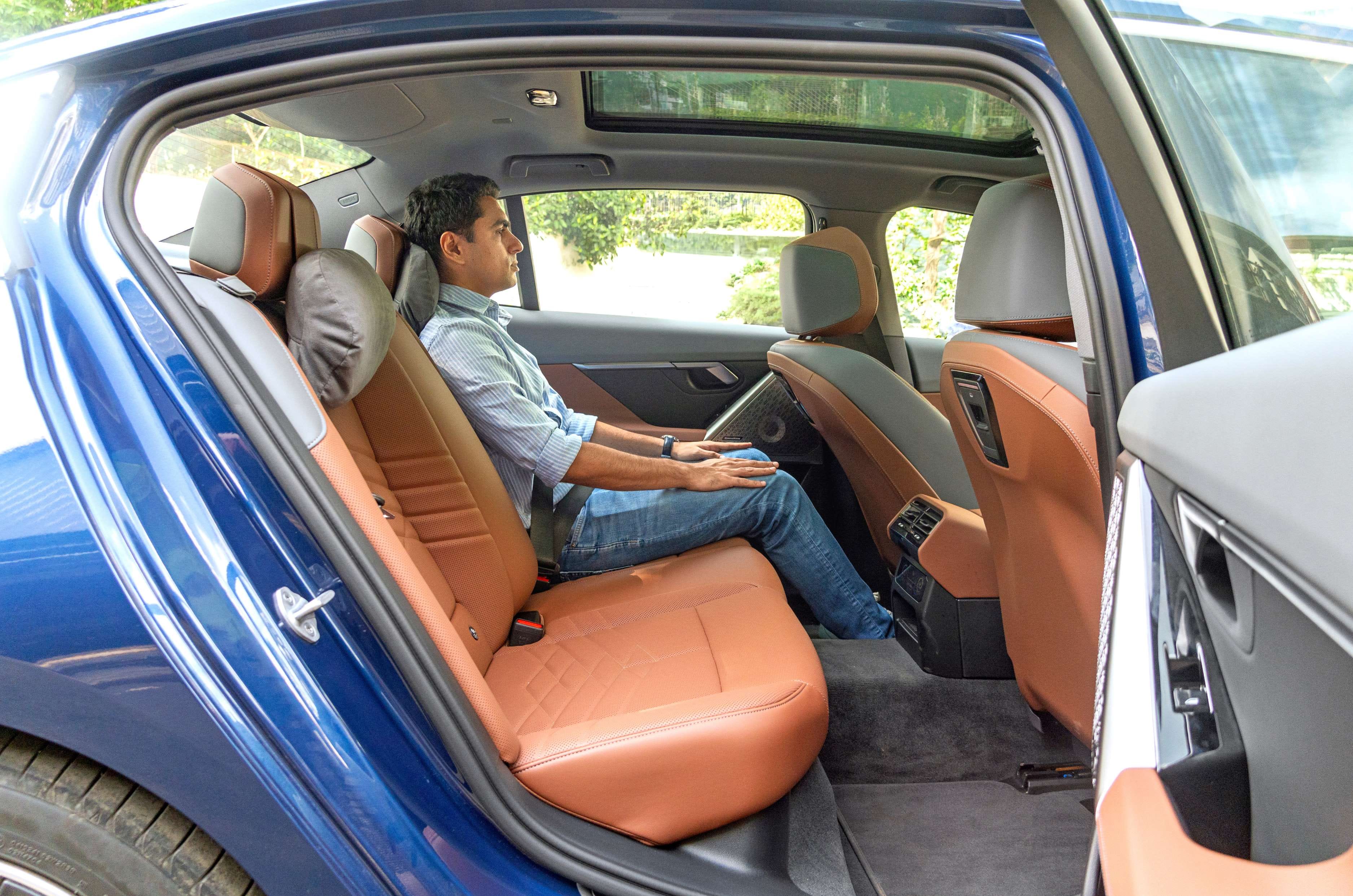
Being the long-wheelbase version, the i5 benefits from an additional 4.3 inches of wheelbase compared to the international model, resulting in noticeably more rear legroom. Sure, the floor sits higher than in the ICE version, but this remains a very comfortable place to be for chauffeur-driven buyers. The rear bench is well contoured and, with just two occupants, delivers a genuinely luxurious experience. Some may find the pillows a little excessive, and they aren’t quite as comfortable as the integrated units in the E-Class. Speaking of which, unlike the Mercedes, the i5’s rear seat doesn’t recline, and there are arguably too few indulgent touches to truly cater to chauffeur-driven buyers.
A bit knees-up, but the rear seat feels luxurious; however, there are too few amenities for chauffeur-driven buyers.
The middle seat is considerably less accommodating. The raised seat base compromises headroom, the backrest is firm, and the tall central tunnel further detracts from comfort for a third passenger.
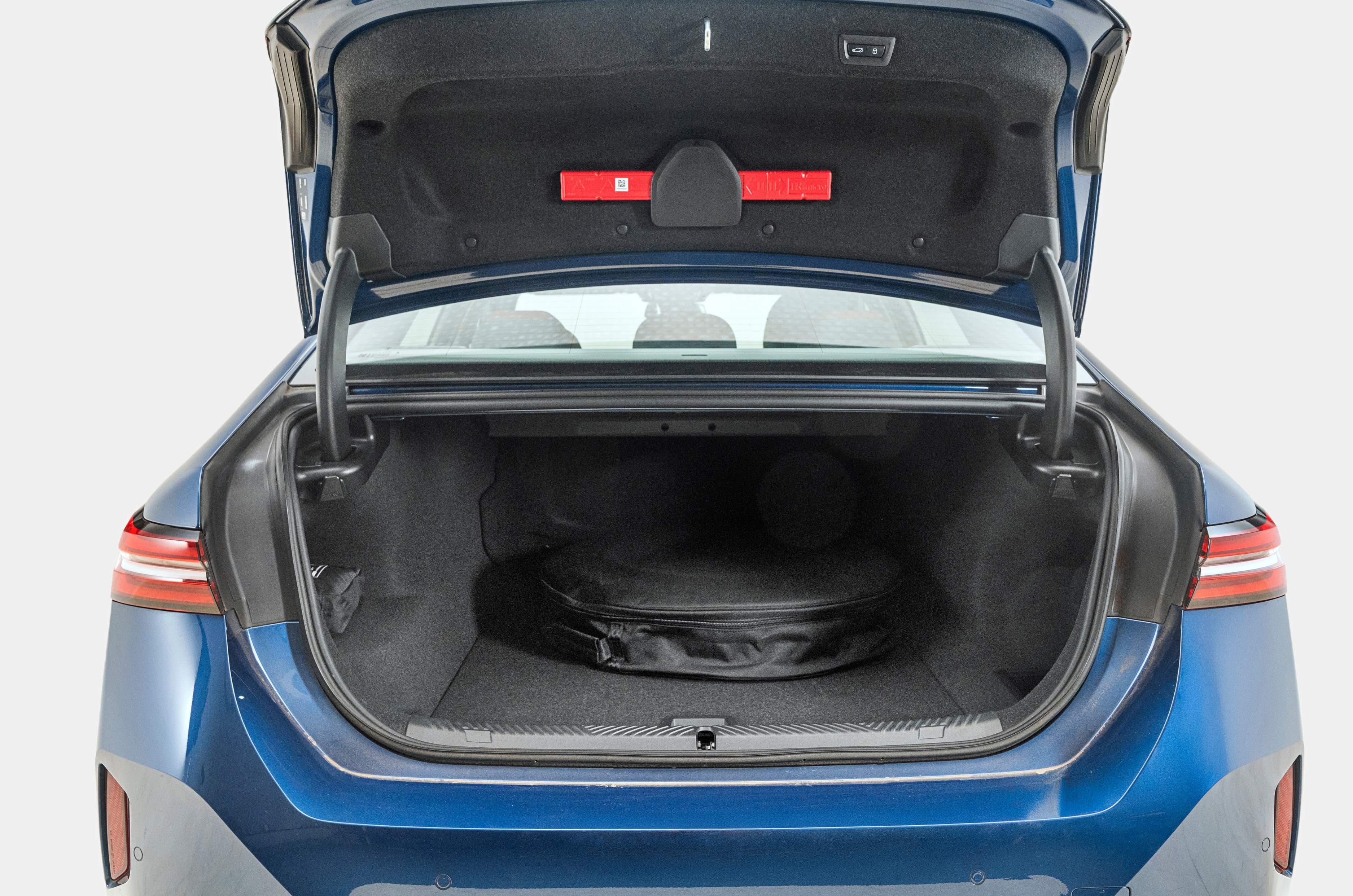
Boot space is rated at 500 litres, which is broadly similar to the ICE 5 Series. However, while the spare wheel is neatly tucked beneath the boot floor in the petrol version, it sits on the boot floor in the i5, significantly compromising usable luggage space.
The spare wheel sits on the boot floor, significantly compromising usable luggage space.
BMW i5 LWB Features and Safety – 8/10
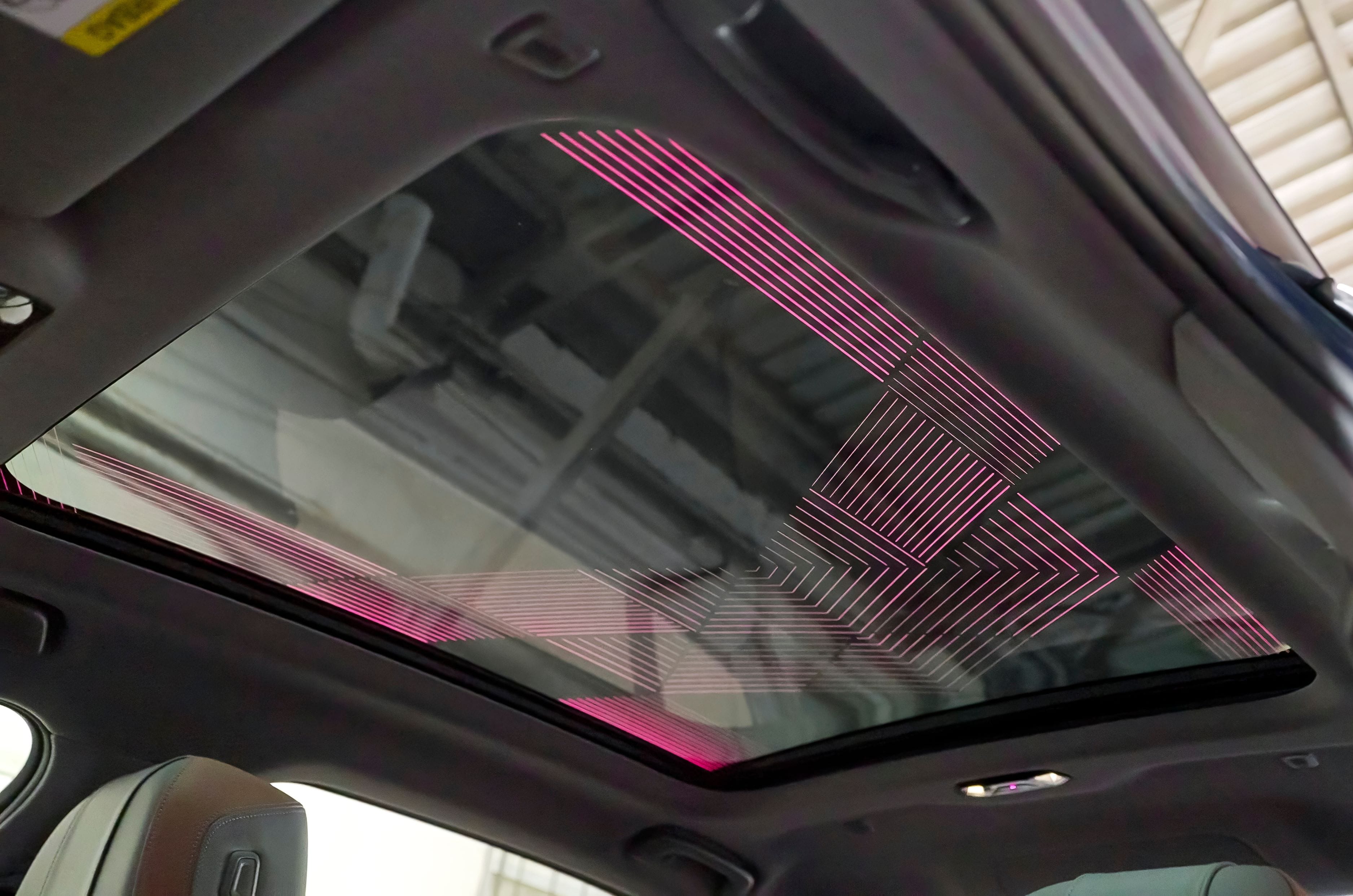
The i5 eDrive35L comes generously equipped. Highlights include 20-inch alloy wheels, adaptive LED headlamps, powered and ventilated front seats, four-zone climate control, wireless charging pads for both front and rear occupants, a panoramic fixed glass roof, ambient lighting and a powered boot lid.
Audiophiles will particularly appreciate the superb 17-speaker, 655W Bowers & Wilkins audio system.
The curved touchscreen and digital instrument cluster look suitably futuristic, although the user experience isn’t the most intuitive due to the number of menus and sub-menus. On the plus side, the 360-degree camera offers excellent clarity. Audiophiles will particularly appreciate the superb 17-speaker, 655W Bowers & Wilkins audio system.
The i5 also gets a comprehensive suite of driver assistance features, including adaptive cruise control, lane-keeping assist and autonomous emergency braking.
Its fixed panoramic glass roof has unique embedded LED lighting.
However, there are a few omissions that chauffeur-driven buyers may find difficult to overlook. A head-up display is absent, while smaller but genuinely useful features such as rear window sunshades, reclining rear seats, soft-close doors, a boss mode for the front passenger seat and rear-seat audio controls are all missing.
BMW i5 LWB Performance and Refinement – 8/10
The rear-wheel-drive i5 eDrive35L uses a single electric motor producing 272hp and 410Nm, figures that are remarkably similar to the mild-hybrid 530Li. However, the way it delivers its performance is entirely different. With peak torque available instantly, responses are smooth, effortless and distinctly EV-like. There are multiple drive modes on offer, each altering throttle response. Sport sharpens reactions noticeably, while Efficient is the most relaxed and efficiency-focused setting.
Retains a 50:50 weight distribution and RWD layout, but it has lost the sharpness and precision of earlier generations of the 5 Series.
BMW claims a 0-100kph time of 6.7 seconds, although our best run yielded 6.99 seconds. Interestingly, the 530Li is marginally quicker, recording 6.45 seconds for the same sprint, and it is also slightly faster in our 20-80kph and 40-100kph acceleration tests.
The i5’s top speed is rated at 195kph, although acceleration begins to taper off noticeably beyond 100kph. In short, acceleration isn’t neck-snappingly quick, but there’s more than enough performance to keep things entertaining within legal limits.
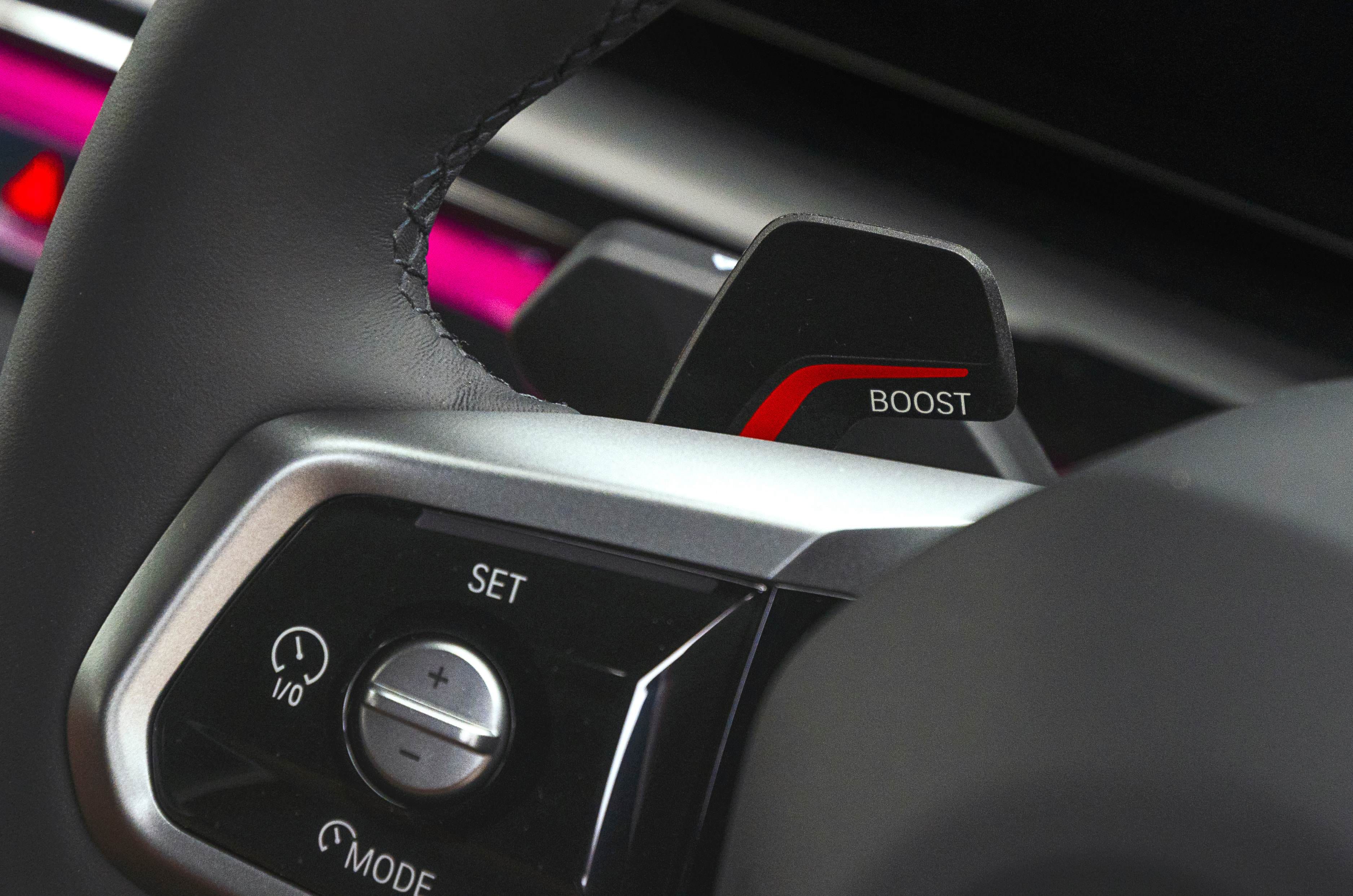
Boost function unlocks the motor’s full potential for 10 seconds. If your’re already in Sport mode, it barely makes any difference.
The i5 also offers multiple regenerative braking settings, including Adaptive, High, Mid and Low. Of these, Adaptive stands out for its excellent calibration, intelligently varying regeneration and coasting based on traffic and road conditions. There’s also a dedicated one-pedal ‘B’ mode, selectable via the drive selector. It delivers regeneration comparable to the High setting but, unlike it, can bring the car to a complete stop without requiring any brake pedal input.
Braking performance itself is strong, although keen drivers may wish for a little more feel from the pedal. The transition between regenerative and mechanical braking leaves it feeling somewhat numb.
BMW i5 LWB Range and Efficiency – 6/10
BMW claims the i5’s 81.6kWh battery (net capacity is 76.3kWh) can deliver a range of up to 669km, a figure that appears rather optimistic. In our real-world range tests, the i5 eDrive35L returned an average efficiency of 5.06km/kWh, translating to an estimated range of 386km. It’s worth noting that the car was driven in its most efficiency-focused ‘Efficient’ mode throughout the test, with regenerative braking set to Adaptive.
We also connected the battery to a 60kW DC fast charger, where it took 47 minutes to charge from 20-80 percent state of charge. BMW additionally supplies a complimentary AC wallbox charger along with installation.
BMW i5 LWB Ride Comfort and Handling – 8/10
Ground clearance has been increased by 18mm compared to the international version; hence, it clears most speedbreakers easily.
With every successive generation, the 5 Series has become softer and more comfort-focused, and the i5 is arguably the most luxurious iteration yet. Despite riding on larger 20-inch wheels with lower-profile tyres than the petrol-powered 530Li, ride quality is seriously impressive. The i5 feels plush and remarkably absorbent over typical urban roads. Notably, it also benefits from rear air suspension, a feature absent on the 530Li.
In addition to the extended wheelbase, BMW has increased ground clearance by 18mm compared to the global standard-wheelbase model. The result is a luxury sedan that’s far better suited to Indian conditions. Even with four occupants on board, the i5 clears most speed breakers without drama. As a luxury car, then, it unquestionably gets the fundamentals right.
With a plush ride and increased ground clearance, the i5 is far better suited to Indian conditions.
However, the softer suspension setup and increased ground clearance have diluted some of the driver-focused character that defined earlier generations of the 5 Series. While it retains a near-perfect 50:50 weight distribution and rear-wheel-drive layout, there’s no escaping the fact that, in prioritising comfort and practicality, BMW has sacrificed a measure of the sharpness and precision that once made the 5 Series a benchmark for driving enthusiasts.
BMW i5 LWB Price and Verdict – 8/10
At Rs 79.60 lakh, the locally assembled i5 LWB has all the ingredients to become BMW India’s next EV success story alongside the iX1. With the i5 eDrive35L, BMW continues its successful long-wheelbase formula, maximising cabin space while building upon the strengths of the petrol-powered 5 Series, with which it shares much of its cabin, equipment and overall character. Buyers can also opt for extended warranty and prepaid maintenance packages of up to 10 years, in addition to the standard eight-year battery warranty.
Generous cabin space, comfy seats, a plush ride, and effortless performance make the i5 eDrive35L a compelling electric luxury sedan
That said, much like its petrol-powered sibling, some of the traditional 5 Series driving feel has been diluted. It also misses a few feel-good features, particularly those aimed at rear-seat occupants. More importantly, the spare wheel’s placement on the boot floor significantly compromises luggage-carrying ability.
So, is it worth paying the Rs 3 lakh premium over the petrol-powered 5 Series? The answer largely depends on your usage. The i5 eDrive35L makes sense for buyers registering it under a company name, thanks to the higher depreciation benefits available for EVs. It also suits those who cover significant distances and can take advantage of lower running costs. Generous cabin space, comfortable seats, a plush ride, respectable range and effortless performance make the i5 eDrive35L a compelling electric luxury sedan for buyers shopping in this segment.
Ranveer Singh: आज दिल्ली में एक विशेष और लैंडमार्क लॉन्च किया गया, जो डेडिकेशन को एक ट्रिब्यूट था। इस दौरान दो बड़े आइकॉन्स की मौजूदगी देखी गई। दरअसल इस खास मौके पर एनर्जेटिक रणवीर सिंह को देखा गया, जिन्हें इस मौके पर BMW इंडिया के ब्रांड एंबेसडर के तौर पर पेश किया गया। यह कोलैबोरेशन ‘7 सीरीज’ के लिए बेहद खास था।
इस ग्रैंड इवेंट में BMW इंडिया ने देश में अपनी मच अवेटेड नई BMW 7 सीरीज रेंज लॉन्च करते हुए, ब्रांड एंबेसडर रणवीर सिंह ने इसे पेश किया है।
रणवीर सिंह ने ब्रांड एंबेसडर के तौर पर अपनी एंट्री से इस खास लॉन्च को एक यादगार पल में बदल दिया। इस दौरान उनकी लार्जर-दैन-लाइफ पर्सोना को BMW की फ्लैगशिप 7 सीरीज की कमांडिंग प्रेज़ेंस के साथ देखना अपने आप में एक अलग अनुभव देने वाला था।
इसके साथ BMW की फ्लैगशिप सेडान पेट्रोल और पूरी तरह इलेक्ट्रिक पावरट्रेन के साथ उपलब्ध होगी। पूरी तरह इलेक्ट्रिक परफॉर्मेंस मॉडल, BMW i7 M70 भी भारत में ग्राहकों के लिए उपलब्ध होगी, जिससे यह अब तक की सबसे पावरफुल BMW 7 सीरीज बन जाएगी। इन कारों की बुकिंग BMW इंडिया की डीलरशिप पर की जा सकती है, जबकि डिलीवरी अक्टूबर 2026 से शुरू होगी।
बात करें रणवीर सिंह की आने वाली फिल्मों की तो जल्द ही प्रलय में नजर आएंगे। फिल्म की शूटिंग मुंबई में शुरू की जा चुकी है। इससे पहले रणवीर ने साल की शुरूआत में धुरंधर 2 जैसी सुपरहिट फिल्म देकर इंडियन बॉक्स ऑफिस पर तहलका मचा दिया था। वहीं डॉन 3 विवाद को लेकर भी एक्टर लगातार लाइम लाइट में हैं।
BMW India has launched the 2026 i7 facelift at Rs 1.95 crore (eDrive 50 trim), ex-showroom. The range-topping M70 xDrive trim costs Rs 2.65 crore. With this year’s mid-lifecycle update, BMW’s flagship electric sedan gets powertrain upgrades, along with several exterior and interior design tweaks.
2026 BMW i7 facelift: Powertrain specs
The range-starting i7 eDrive 50 trim makes 455hp and 600Nm, accelerating from 0-100kph in 5.5 seconds and topping out at 210kph. It uses a 112.5kWh battery pack, allowing for a single charge range of 728km (WLTP rated). BMW claims that is an increase of 125km over the outgoing model.
The top-spec i7 M70 xDrive (all-wheel drive in BMW speak) makes higher outputs of 680hp, and 1,015Nm (in Sport mode) and 1,100Nm (with Sport Boost function). As a result, it does the sprint from rest to 100kph in just 3.8 seconds; top speed is 250kph. Range, however, stands at 686km (also WLTP).
With a 250kW DC fast charger, a 10-80 percent charge takes 28 minutes; BMW claims that a 10-minute charging top-up can add a range of 235km. Whereas, it takes about six hours to charge the battery from 0-100 percent with a 22kW AC charger. Both trims come with a complimentary wallbox charger with installation. It can be installed at home to enable charging at speeds of up to 22kW.
2026 BMW i7 facelift: Exterior highlights
The updated i7 sedan receives subtle styling revisions, though it carries over the overall design of the outgoing model. Part of the changes include a more squared-off kidney grille with illuminated surrounds, revised LED headlamps and a new front bumper. Along the sides, BMW has introduced a new alloy wheel design while retaining the flush-fitting door handles. At the rear, the i7 gets new tail-lamps with smoked lenses, along with a redesigned tailgate and bumper.
Compared to the standard sedan, i7 M70 xDrive gets a larger front air intake. In addition to the grille, this trim also gets M badges on the Hofmeister kink of the side windows and on the outer edges of the rear lights. The M70 rides on 21-inch wheels.
2026 BMW i7 facelift: Interior features
The biggest changes are inside the cabin. Instead of a traditional driver’s display, the facelift gets BMW’s Panoramic Vision full-width projection at the windscreen’s base. The rhomboidal touchscreen in the centre measures 17.9 inches, and it runs the latest BMW Operating System X, supports over-the-air updates, wireless Apple CarPlay and Android Auto, and features improved voice controls. There’s a new passenger screen as well, and it measures 14.6 inches.
Even the centre console has been redesigned with a more storage space, lesser buttons, and a new cylindrical rotary drive selector. BMW has also redesigned the dashboard, introduced a new four-spoke steering wheel like in its Neue Klasse models.
As before, the i7 gets a massive 31.3-inch 8K Theatre Screen at the rear. Audio duties are taken care of by a Bowers & Wilkins surround sound system with Dolby Atmos. Powered doors have been retained as well. The panoramic glass roof can be specified with more than 40 LED lights. Other features include Boss mode, powered ottomans, connected car tech, Level 2 ADAS, and powered, heated, ventilated, and massaging seats.
The 2026 BMW i7 eDrive 50 will be locally-assembled at the company’s Chennai plant, while the M70 xDrive version will arrive here as a fully imported model.
भारत में महंगी कार खरीदने वाले अमीर ग्राहकों के बीच इलेक्ट्रिक कारों का चलन बाकी कार बाजार के मुकाबले काफी तेजी से बढ़ रहा है। 2026 के पहले छह महीनों में भारत में बिकने वाली हर चार BMW कारों में से एक इलेक्ट्रिक कार थी। इससे BMW की इलेक्ट्रिक कारों की बिक्री करीब 25% रही, जो पूरे पैसेंजर व्हीकल बाजार के मुकाबले लगभग तीन गुना है। इस दौरान देश में कुल कार बिक्री में इलेक्ट्रिक कारों की हिस्सेदारी करीब 8-9% रही।
यह बदलाव Mercedes-Benz में भी साफ तौर पर दिख रहा है, खासकर इसके सबसे अमीर ग्राहकों के बीच। इन्हीं छह महीनों के दौरान, कंपनी ने अपने ‘टॉप-एंड’ सेगमेंट – जिसमें 1.4 करोड़ रुपये से ज्यादा कीमत वाले मॉडल शामिल हैं – से लगभग हर तीन घंटे में एक बैटरी इलेक्ट्रिक गाड़ी (BEV) बेची। इसकी CLA BEV, जिसकी शुरुआती कीमत 57 लाख रुपये है, का 2026 का कोटा पहले ही खत्म हो चुका है, जिससे नए खरीदारों को डिलीवरी के लिए अगले साल तक इंतजार करना पड़ेगा
आम भारतीय कार खरीदारों को इलेक्ट्रिक कार खरीदने से जो दिक्कतें होती हैं, जैसे चार्जिंग की सुविधा, कार की रेंज को लेकर चिंता और ज्यादा कीमत, अमीर परिवारों के लिए ये समस्याएं काफी कम हो जाती हैं।
LVP फोरकास्टिंग मोबिलिटी ग्लोबल के एसोसिएट डायरेक्टर गौरव वंगाल ने कहा, “लग्जरी सेगमेंट में EV को अपनाने की दर ज्यादा है क्योंकि इसके रास्ते में कोई रुकावट नहीं है। इन खरीदारों के पास घर पर चार्जर के साथ कवर्ड पार्किंग होती है, इसलिए चार्जिंग कभी कोई समस्या नहीं बनती।”
उन्होंने आगे कहा, “EV शायद ही कभी उनकी एकमात्र कार होती है, इसलिए रेंज की चिंता कभी नहीं होती। और पेट्रोल या डीजल वाली लग्जरी कार की तुलना में इलेक्ट्रिक कार पर टैक्स बहुत कम लगता है, इसलिए कीमत का वह अंतर जो ज्यादातर खरीदारों को रोकता है, यहां मौजूद ही नहीं है।”
मालिक होने की स्थितियों में यह अंतर बिक्री के आंकड़ों में साफ तौर पर दिख रहा है। जहां पारंपरिक लग्जरी कारों की बिक्री में बढ़ोतरी धीमी हुई है, वहीं EV से BMW और मर्सिडीज-बेंज को तेजी से बढ़ते ग्राहक मिल रहे हैं।
2026 के पहले छह महीनों में, BEV को छोड़कर Mercedes-Benz की बिक्री में सिर्फ 2.3% की बढ़ोतरी हुई, जबकि BMW की नॉन-BEV बिक्री में 5% की बढ़ोतरी हुई। जब इलेक्ट्रिक कारों को भी शामिल किया जाता है, तो Mercedes की कुल बढ़ोतरी 9% और BMW की 17% हो जाती है।
इसलिए, इलेक्ट्रिक गाड़ियां अब लग्जरी मार्केट में सिर्फ एक अतिरिक्त पावरट्रेन नहीं रह गई हैं। वे अतिरिक्त बढ़ोतरी का एक अहम जरिया बन रही हैं।
BMW ग्रुप इंडिया के प्रेसिडेंट और CEO, हरदीप सिंह बरार ने कहा कि इसकी अपील सिर्फ पर्यावरण से जुड़ी बातों से कहीं ज्यादा है।
बरार ने कहा, “EVs न सिर्फ जीरो-एमिशन वाली गाड़ियां हैं, बल्कि ये परफॉर्मेंस से कोई समझौता किए बिना सस्टेनेबल मोबिलिटी भी देती हैं, और साथ ही इनकी रनिंग, मेंटेनेंस और टैक्स की लागत भी काफी कम होती है।”
यह बात उन कीमतों पर भी असरदार साबित हो रही है जहां ईंधन की बचत शायद ही यह तय करती हो कि कोई ग्राहक कार खरीदेगा या नहीं।
मर्सिडीज़-बेंज़ के टॉप-एंड इलेक्ट्रिक पोर्टफ़ोलियो – जिसमें लगभग 1.4 करोड़ रुपये की EQS SUV, 2.4 करोड़ रुपये की EQS मेबैक SUV और 3.1 करोड़ रुपये की G580 शामिल हैं – ने जून 2026 को खत्म हुए छह महीनों में साल-दर-साल 27 प्रतिशत की ग्रोथ दर्ज की।
लक्ज़री मार्केट के ज़्यादा किफायती सेगमेंट में, मर्सिडीज़ ने CLA BEV का अपना 2026 का पूरा कोटा पहले ही बेच दिया है।
Mercedes-Benz इंडिया के मैनेजिंग डायरेक्टर और CEO, संतोष अय्यर ने कहा, “CLA BEV का पूरी तरह बिक जाना, खासकर 61 लाख रुपये वाले टॉप-एंड 250+ वेरिएंट्स का, लक्जरी EV ग्राहकों की बढ़ती समझ को दिखाता है। ये ग्राहक अब सिर्फ कीमत नहीं, बल्कि टेक्नोलॉजी और वैल्यू-बेस्ड लक्जरी मोबिलिटी को ज्यादा पसंद कर रहे हैं।”
रुकावटें दूर हो रही हैं
लग्जरी कार खरीदने वालों की प्रोफाइल से यह समझने में मदद मिलती है कि EV को अपनाने की रफ्तार आम बाजार के मुकाबले इतनी तेज क्यों है।
जो परिवार अपनी इकलौती कार खरीद रहा है, उसके लिए इलेक्ट्रिक कार अपनाने में कई समझौते करने पड़ सकते हैं। अपार्टमेंट में रहने वाले खरीदार के पास शायद अपना पर्सनल चार्जर न हो, और लंबी यात्राओं के लिए चार्जिंग इंफ्रास्ट्रक्चर को ध्यान में रखकर योजना बनानी पड़ती है। EV की शुरुआती ज्यादा कीमत की तुलना कई सालों में होने वाली ईंधन की बचत से भी करनी पड़ती है।
कई अमीर परिवारों के लिए, ये हिसाब-किताब काफी अलग होते हैं।
इन परिवारों के पास आमतौर पर अपनी पार्किंग की जगह होती है, इसलिए घर पर चार्जर लगाना आसान होता है। वे रातभर अपनी कार चार्ज कर सकते हैं और उन्हें पब्लिक चार्जिंग स्टेशन पर ज्यादा निर्भर नहीं रहना पड़ता।
सबसे बड़ी बात यह है कि अमीर परिवारों में EV अक्सर इकलौती कार नहीं होती। उनके पास एक से ज्यादा गाड़ियां होती हैं।
इसका मतलब है कि EV को परिवार की हर तरह की यात्रा की जरूरत पूरी करने की जरूरत नहीं होती। इलेक्ट्रिक कार रोजाना शहर में आने-जाने के काम आ सकती है, जबकि लंबी दूरी की यात्रा के लिए परिवार के पास पेट्रोल या डीजल कार का विकल्प मौजूद रहता है।
भारत का टैक्स सिस्टम इस बात को और मज़बूत करता है।
इलेक्ट्रिक कारों पर 5% GST लगता है, जबकि बड़ी पेट्रोल और डीजल कारों पर 28% GST और साथ में कंपनसेशन सेस भी लगता है। लग्जरी कारों की कीमतों के मामले में, यह अंतर बैटरी टेक्नोलॉजी की ज्यादा लागत को काफी हद तक कम कर सकता है और इलेक्ट्रिक व इंटरनल-कंबशन मॉडल के बीच कीमत के अंतर को घटा सकता है।
EVs में अब ऐसी खूबियां भी तेज़ी से आ रही हैं जो लग्ज़री ड्राइविंग के लिए एकदम सही हैं। इलेक्ट्रिक मोटर तुरंत टॉर्क देती है, जिससे कार तेजी से पिकअप लेती है। वहीं, पेट्रोल या डीजल इंजन नहीं होने के कारण EV काफी शांत और स्मूद ड्राइविंग अनुभव देती है। प्रीमियम कार कंपनियां भी अपनी लग्जरी कारों में इसी तरह की शांति और आराम देने के लिए काफी पैसा खर्च करती हैं।
इसलिए, हाई-एंड मार्केट के खरीदारों के लिए, इलेक्ट्रिक गाड़ियां कम टैक्स और कम रनिंग कॉस्ट के साथ-साथ परफॉर्मेंस, टेक्नोलॉजी और नई खूबियों का बेहतरीन कॉम्बिनेशन हो सकती हैं।
विकल्प तेजी से बढ़ रहे हैं
एक और बड़ा बदलाव यह है कि अमीर भारतीय अब कई तरह की इलेक्ट्रिक कारें खरीद सकते हैं।
FY25 से, भारत के लग्जरी सेगमेंट में 13 नई BEV लॉन्च हुई हैं, जिनमें Porsche, Volvo, Rolls-Royce, Ferrari और Lexus के मॉडल शामिल हैं। इनकी सबसे ज्यादा कीमत लगभग 5 करोड़ रुपये तक है।
इस विस्तार से EV अपनाने में आने वाली एक और रुकावट धीरे-धीरे दूर हो रही है: विकल्पों की कमी।
शुरुआत में लग्जरी EV खरीदने वालों के पास इलेक्ट्रिक मॉडल्स के कुछ ही विकल्प होते थे, जबकि पेट्रोल और डीजल मार्केट में कई तरह की सेडान, SUV और परफॉर्मेंस कारें उपलब्ध थीं। अब ग्राहक अपनी पसंद की बॉडी स्टाइल, परफॉर्मेंस कैटेगरी या लग्जरी ब्रांड को छोड़े बिना आसानी से पावरट्रेन बदल सकते हैं।
इसका असर इंडस्ट्री के आंकड़ों में साफ दिखता है।
FY26 में भारत में बिकने वाली कुल पैसेंजर व्हीकल्स में लग्जरी कारों की हिस्सेदारी सिर्फ 1.1-1.2% रही। लेकिन देश में बिकने वाली कुल इलेक्ट्रिक कारों (BEV) में लग्जरी कारों की हिस्सेदारी करीब 2.5-2.7% रही। यानी पूरे पैसेंजर व्हीकल बाजार में लग्जरी कारों की हिस्सेदारी के मुकाबले इलेक्ट्रिक कारों की बिक्री में इनकी हिस्सेदारी दोगुने से भी ज्यादा है।
इस बदलाव का सबसे साफ उदाहरण BMW है। कंपनी ने जून 2026 को खत्म हुए छह महीनों में 2,359 EV बेचीं, जिससे भारत में उसकी कुल बिक्री में इलेक्ट्रिक गाड़ियों का हिस्सा लगभग एक-चौथाई हो गया। इसी दौरान Mercedes-Benz ने 859 BEV बेचीं।
फिर भी, Tesla का अनुभव बताता है कि इस तेजी का फायदा हर प्रीमियम EV बनाने वाली कंपनी को बिक्री के तौर पर नहीं मिलता।
इलेक्ट्रिक मोबिलिटी के क्षेत्र में ग्लोबल पहचान होने के बावजूद, भारत में अपने पहले साल (जो जून 2026 में खत्म हुआ) में Tesla ने सिर्फ 450 के आस-पास कारें बेचीं।
इसकी सीमित प्रोडक्ट रेंज एक रुकावट है। टेस्ला अभी भारत में सिर्फ ‘मॉडल Y’ बेचती है, जिससे यह कई ऐसे सेगमेंट में मौजूद नहीं है जहां पहले से मौजूद लग्जरी कार बनाने वाली कंपनियां ग्राहकों को सेडान, SUV और परफॉर्मेंस-ओरिएंटेड मॉडल ऑफर कर सकती हैं।
इसकी एक और चुनौती कीमत भी रही है। टेस्ला ने बेस ‘मॉडल Y’ को 59.89 लाख रुपये (एक्स-शोरूम) में लॉन्च किया था, और बाद में मई 2026 में इसकी कीमत घटाकर 50.89 लाख रुपये कर दी। कीमत कम करने के बाद भी, पूरी तरह से इम्पोर्ट किया गया यह मॉडल उन कंपनियों से मुकाबला करता है जिनके पास ज्यादा बड़े पोर्टफोलियो और पहले से स्थापित सेल्स और सर्विस नेटवर्क हैं। यह अंतर दिखाता है कि भारत का लग्जरी EV मार्केट किस तरह बदल रहा है।
आम कार खरीदारों के लिए EV खरीदने पर अभी भी चार्जिंग, ड्राइविंग रेंज, ज्यादा शुरुआती कीमत और सिर्फ एक कार पर निर्भर रहने जैसी कई परेशानियां हो सकती हैं। लेकिन अमीर परिवारों के लिए इनमें से कई दिक्कतों को आसानी से दूर किया जा सकता है। वे घर पर चार्जर लगवा सकते हैं, लंबी दूरी की यात्रा के लिए दूसरी कार का इस्तेमाल कर सकते हैं और EV पर कम टैक्स लगने से इलेक्ट्रिक कार खरीदना उनके लिए अपेक्षाकृत सस्ता पड़ता है।
इन वजहों से अमीर भारतीय परिवारों में इलेक्ट्रिक लग्जरी कार अब सिर्फ महंगा प्रयोग नहीं रह गई है। यह धीरे-धीरे उनकी गैराज में एक आम और पसंदीदा विकल्प बनती जा रही है।
BMW और Mercedes-Benz के लिए यह बदलाव एक कदम और आगे बढ़ चुका है। भारत में EV अब सिर्फ उनके भविष्य के प्रोडक्ट प्लान का हिस्सा नहीं हैं, बल्कि आज ही उनकी बिक्री और ग्रोथ को बढ़ाने में अहम भूमिका निभा रही हैं।
BMW India ने आज भारत में अपनी नई BMW X1 Long Wheelbase (LWB) लॉन्च कर दी है। कंपनी ने इसकी शुरुआती कीमत 49.90 लाख रुपये (एक्स-शोरूम) रखी है। खास बात यह है कि इस SUV को भारत में ही BMW Group के चेन्नई प्लांट में तैयार किया जा रहा है। फिलहाल, नई X1 LWB को पेट्रोल इंजन के साथ बाजार में उतारा गया है। इसकी बुकिंग ग्राहक देशभर की BMW डीलरशिप से कर सकते हैं।
BMW ग्रुप इंडिया के प्रेसिडेंट और CEO हरदीप सिंह बराड़ ने कहा, “आज के ग्राहक ऐसी कार चाहते हैं, जो उनकी रोजमर्रा की जरूरतों के साथ-साथ उनकी पसंद और लग्जरी का भी ख्याल रखे। नई X1 LWB इन दोनों जरूरतों को बखूबी पूरा करती है।”
भारत में BMW X1 LWB की कीमत
इसकी शुरुआती कीमत ₹49.90 लाख है, जिसमें लागू GST तो शामिल है, लेकिन रोड टैक्स, TCS (सोर्स पर वसूला जाने वाला टैक्स), रजिस्ट्रेशन चार्ज, लोकल लेवी और इंश्योरेंस शामिल नहीं हैं। BMW ने कहा है कि इनवॉइसिंग के समय जो कीमत होगी, वही लागू होगी।
इस SUV के साथ 2 साल की स्टैंडर्ड वारंटी मिलती है, जिसमें किलोमीटर की कोई सीमा नहीं है। इसके अलावा, 2 साल की रोडसाइड असिस्टेंस भी दी जा रही है। सर्विस पैकेज की शुरुआत 3 साल या 40,000 किलोमीटर से होती है। इसे बढ़ाकर अधिकतम 10 साल या 1 लाख किलोमीटर तक किया जा सकता है। वहीं, कार की वारंटी को भी 10 साल तक बढ़ाने का विकल्प दिया गया है।
लंबा व्हीलबेस और पिछली सीट पर ज्यादा स्पेस
BMW X1 LWB की मुख्य खूबियों में 4,616 mm की लंबाई, 2,104 mm की चौड़ाई, 1,641 mm की ऊंचाई और 2,800 mm का व्हीलबेस शामिल है। BMW का दावा है कि यह अपने सेगमेंट की सबसे लंबी गाड़ी है।
इसका व्हीलबेस 108 mm बढ़ गया है, जबकि पिछली सीट पर लेगरूम और नी-रूम (घुटनों के लिए जगह) में क्रमशः 150 mm और 109 mm की बढ़ोतरी हुई है। पिछली सीट की कुशनिंग को भी 15 mm बढ़ाया गया है। पीछे बैठने वाले यात्री अपनी सीटों को 28.5 डिग्री तक पीछे झुका सकते हैं।
इसके अलावा, इसकी बूट कैपेसिटी 540 लीटर है, जिसे पिछली सीटों को फोल्ड करके 1,700 लीटर तक बढ़ाया जा सकता है।
बाहर की तरफ इसमें BMW की सिग्नेचर किडनी ग्रिल, कॉर्नरिंग फंक्शन वाली अडैप्टिव LED हेडलाइट्स, हाई बीम असिस्टेंट, एल्युमीनियम-फिनिश वाली रूफ रेल्स और 18-इंच के M लाइट अलॉय व्हील्स दिए गए हैं। पीछे की तरफ थ्री-डायमेंशनल LED लाइट्स और एक बड़ा डिफ्यूजर है।
BMW X1 LWB का इंजन और परफॉर्मेंस
नई BMW X1 LWB में 1.5-लीटर, 3-सिलेंडर वाला TwinPower Turbo पेट्रोल इंजन दिया गया है, जो 156 hp की पावर और 230 Nm का टॉर्क देता है। इसे 7-स्पीड Steptronic डुअल-क्लच ऑटोमैटिक ट्रांसमिशन के साथ जोड़ा गया है। हालांकि, BMW X1 LWB में डीजल का कोई ऑप्शन नहीं है। अगर आपको डीजल इंजन चाहिए, तो आपको स्टैंडर्ड X1 लेनी होगी।
फिलहाल, यह SUV फ्रंट-व्हील ड्राइव (FWD) सिस्टम के साथ आती है और कंपनी के मुताबिक इसकी माइलेज 15.5 kmpl तक है। बेहतर आरामदायक ड्राइविंग के लिए इसमें खास तौर पर ट्यून किया गया कंफर्ट सस्पेंशन दिया गया है। साथ ही, इसमें अलग-अलग ड्राइविंग मोड्स और 50:50 वेट डिस्ट्रीब्यूशन भी मिलता है।
BMW X1 LWB के फीचर्स
BMW X1 LWB के फीचर्स की लिस्ट में ड्राइवर और आगे बैठने वाले पैसेंजर के लिए इलेक्ट्रिकली एडजस्टेबल स्पोर्ट सीट्स, एक वाइडस्क्रीन कर्व्ड डिस्प्ले और BMW का लेटेस्ट Operating System 9 शामिल है।
इसका इंफोटेनमेंट सिस्टम QuickSelect इंटरफेस, ओवर-द-एयर सॉफ्टवेयर अपडेट और BMW डिजिटल प्रीमियम पैकेज के जरिए अतिरिक्त डिजिटल सेवाओं को सपोर्ट करता है। केबिन में वर्टिकली लगा वायरलेस स्मार्टफोन चार्जर, एम्बिएंट लाइटिंग और 12 स्पीकर्स व 205W आउटपुट वाला हरमन कार्डन ऑडियो सिस्टम भी मिलता है।
BMW X1 LWB में 9 वर्ग मीटर का पैनोरमिक सनरूफ भी मिलता है। BMW का दावा है कि यह अपने सेगमेंट में मिलने वाला सबसे बड़ा पैनोरमिक सनरूफ है।
BMW डिजिटल की प्लस (Digital Key Plus) की मदद से मालिक कम्पैटिबल स्मार्टफोन या स्मार्टवॉच का इस्तेमाल करके गाड़ी को लॉक, अनलॉक और स्टार्ट कर सकते हैं। इस Digital Key को 18 यूजर्स तक के साथ शेयर किया जा सकता है। वहीं, Comfort Access 2.0 फीचर की मदद से ऑथराइज्ड डिवाइस के कार के पास आते ही SUV अपने आप अनलॉक हो सकती है। इसके लिए दरवाजे के हैंडल को छूने की जरूरत नहीं पड़ती।
सेफ्टी और ड्राइवर असिस्टेंस
सेफ्टी फीचर्स की बात करें तो, BMW X1 LWB में 8 एयरबैग, ब्रेक असिस्ट के साथ ABS, डायनामिक स्टेबिलिटी कंट्रोल, डायनामिक ट्रैक्शन कंट्रोल, कॉर्नरिंग ब्रेक कंट्रोल, ऑटो होल्ड के साथ इलेक्ट्रॉनिक पार्किंग ब्रेक, टायर-प्रेशर मॉनिटरिंग और ISOFIX चाइल्ड-सीट माउंट्स मिलते हैं।
इसके ड्राइवर-असिस्टेंस सिस्टम में लेन-डिपार्चर वॉर्निंग, ब्लाइंड-स्पॉट असिस्टेंस, ब्रेकिंग के साथ क्रूज कंट्रोल, ऑटोमैटिक इमरजेंसी ब्रेकिंग, पैदल चलने वालों की सुरक्षा और अटेंटिवनेस असिस्टेंट शामिल हैं।
पार्किंग को आसान बनाने के लिए SUV में फ्रंट और रियर पार्किंग सेंसर, रियर-व्यू कैमरा और 360-डिग्री सराउंड-व्यू कैमरा दिया गया है। इसका Reversing Assistant फीचर पिछले 50 मीटर की ड्राइविंग को याद रख सकता है और जरूरत पड़ने पर कार को उसी रास्ते पर अपने आप पीछे ले जा सकता है।
नई BMW X1 LWB को चार एक्सटीरियर कलर ऑप्शन- Night Dusk Blue, Skyscraper Grey, Carbon Black और Mineral White में खरीदा जा सकता है। वहीं, इंटीरियर के लिए Castanea और डुअल-टोन Smoke White और Atlas Grey अपहोल्स्ट्री का विकल्प मिलता है।
BMW X1 LWB की लॉन्चिंग के बाद अब ग्राहक देशभर में मौजूद अधिकृत BMW डीलरशिप पर जाकर इसकी बुकिंग कर सकते हैं।
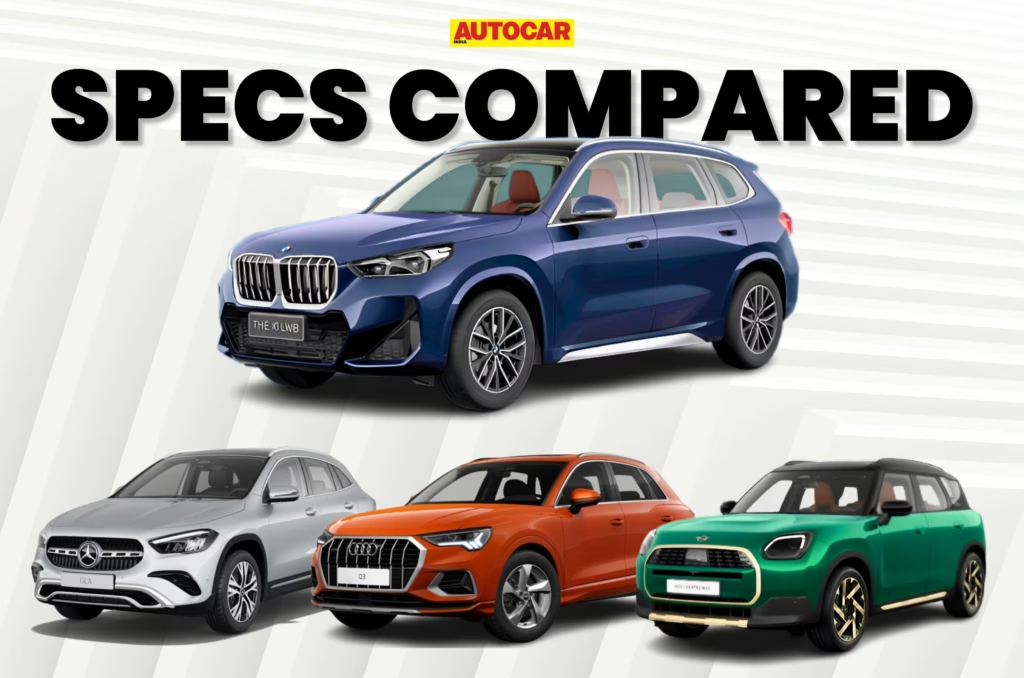
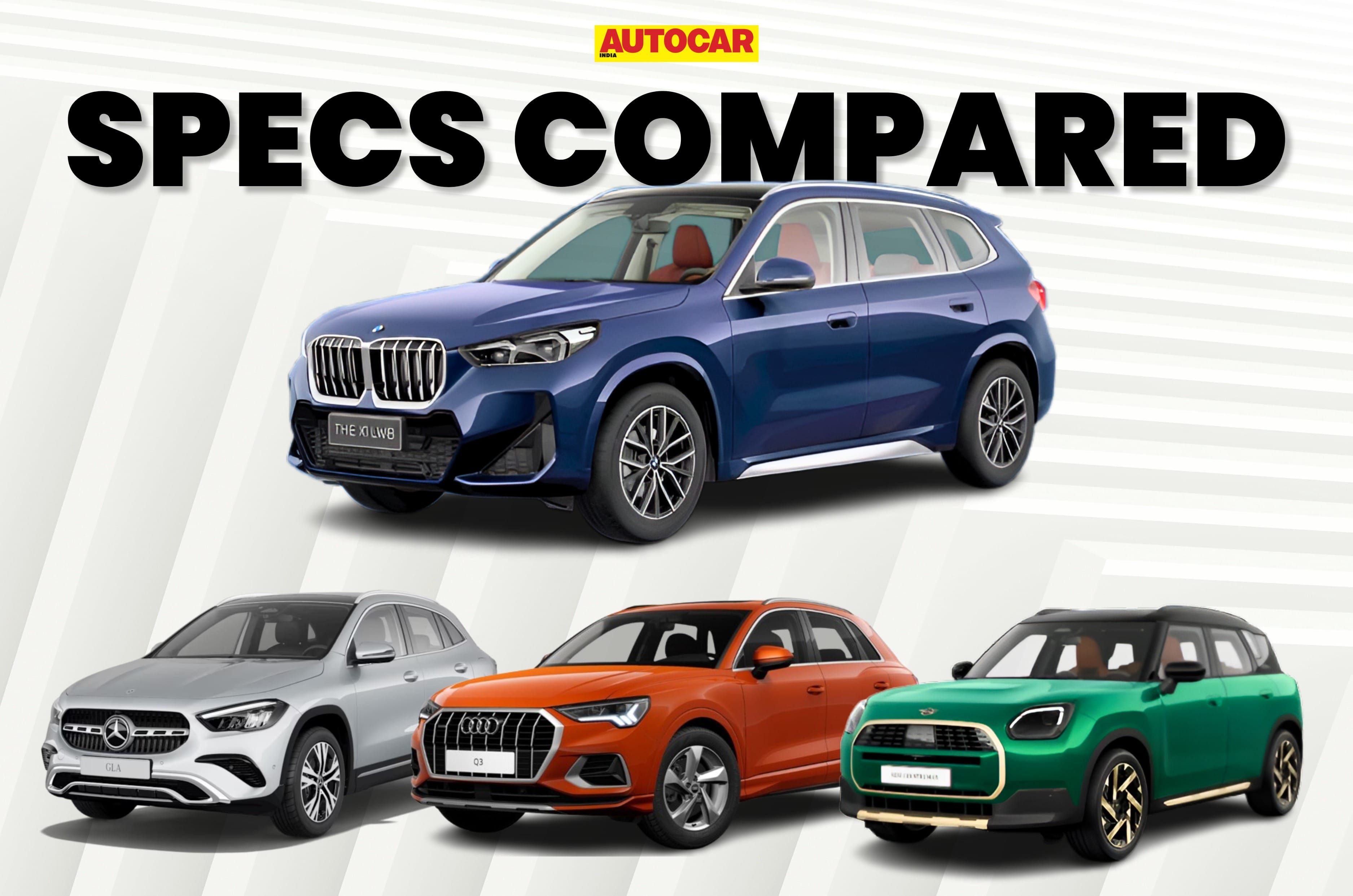
After introducing the iX1 in long-wheelbase (LWB) guise, BMW India has given the same treatment to its ICE-powered X1. With a focus on chauffeur-driven customers who prioritise rear seat space and comfort, the German carmaker has been bringing certain models to India in LWB versions. In this article, we compare the specifications of the X1 LWB against other entry-level luxury SUVs.
BMW X1 LWB vs rivals: Dimensions
X1 LWB has the longest length and wheelbase
BMW X1 LWB vs rivals: Dimensions
BMW X1 LWB
Mini Countryman C
Mercedes-Benz GLA
Audi Q3
Length (mm)
4,616
4,447
4,412
4,482
Width (mm)
1,845
1,843
1,834
1,849
Height (mm)
1,641
1,661
1,616
1,607
Wheelbase (mm)
2,800
2,692
2,729
2,680
Ground clearance (mm)
190
190
183
170
Boot space (litres)
540
505
425
530
Wheel size (inches)
18
19
18 – 19
18
When we previously compared the standard X1 against its rivals, it had the longest length, but fell short of having the longest wheelbase. The new X1 LWB not only extends its lead in the length department, but also has the longest wheelbase in the segment. Additionally, it has the largest boot among the models here and rides highest off the ground along with the Countryman C. Meanwhile, the Countryman C is tallest, while the Audi Q3 is widest. Only the Mercedes-Benz GLA offers both 18-inch and 19-inch wheels depending on the variant.
BMW X1 LWB vs rivals: Powertrain options
X1 LWB has the least powerful petrol engine
BMW X1 LWB vs rivals: Powertrain options
BMW X1 LWB
Mini Countryman C
Mercedes-Benz GLA
Audi Q3
Engine
1.5 turbo-petrol
1.5 turbo-petrol
1.3 turbo-petrol | 2.0 turbo-diesel
2.0 turbo-petrol
Power (hp)
156
156
163 | 190
190
Torque (Nm)
230
240
270 | 400
320
Drive layout
FWD
FWD
FWD
AWD
Transmission
7DCT
7DCT
7DCT | 8DCT
7DCT
The X1 LWB and all its rivals come powered by turbo-petrol engines. However, only the Mercedes GLA offers a diesel engine as well. Comparing all petrol engines side by side, the Audi Q3 develops the most power and torque figures, while the X1 delivers the lowest numbers. Interestingly, despite the X1 LWB and Countryman C having the same engine, the latter develops more torque. Meanwhile, only the Audi Q3 comes with an AWD setup as standard, while the rest are FWD models only. The only commonality among all SUVs here is a 7-speed DCT for their petrol-powered versions.
BMW X1 LWB vs rivals: Price
X1 LWB is the third most expensive petrol-powered SUV here
BMW X1 LWB vs rivals: Price (Rs lakh)
BMW X1 LWB
Mini Countryman C
Mercedes-Benz GLA
Audi Q3
Petrol
49.90
47.5
51.8
43.67 – 53
Diesel
–
–
53 – 55
–
BMW has priced the iX1 LWB at Rs 49.9 lakh ex-showroom. Notably, it’s more affordable than the regular X1 by 1 lakh. Compared to petrol-powered models, it is the third most expensive here. Interestingly, the Q3 is the most affordable here with petrol power, while its high-end variant is also the most expensive. Meanwhile, the diesel-powered GLA is the priciest in this comparison.