2026 Hyundai Ioniq 5 real world range tested, explained

2026 Hyundai Ioniq 5 real world range tested, explained
Hyundai Ioniq 5 real world range

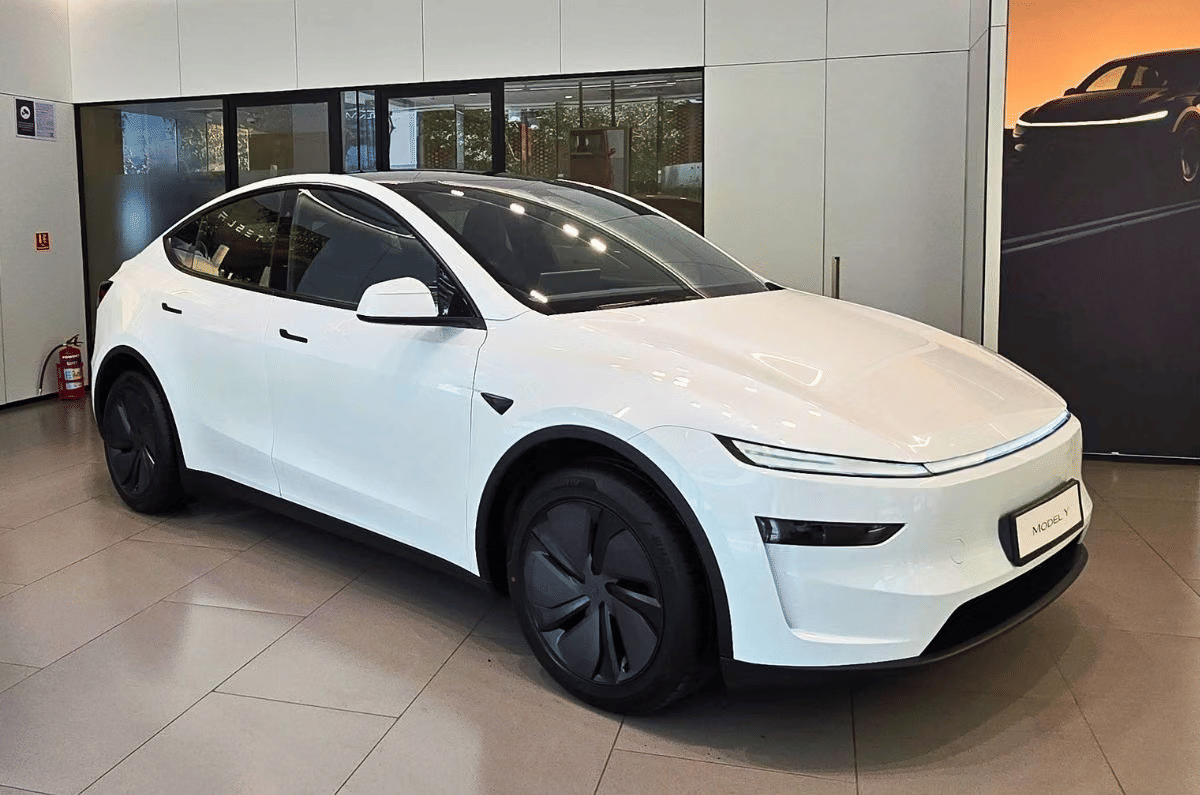
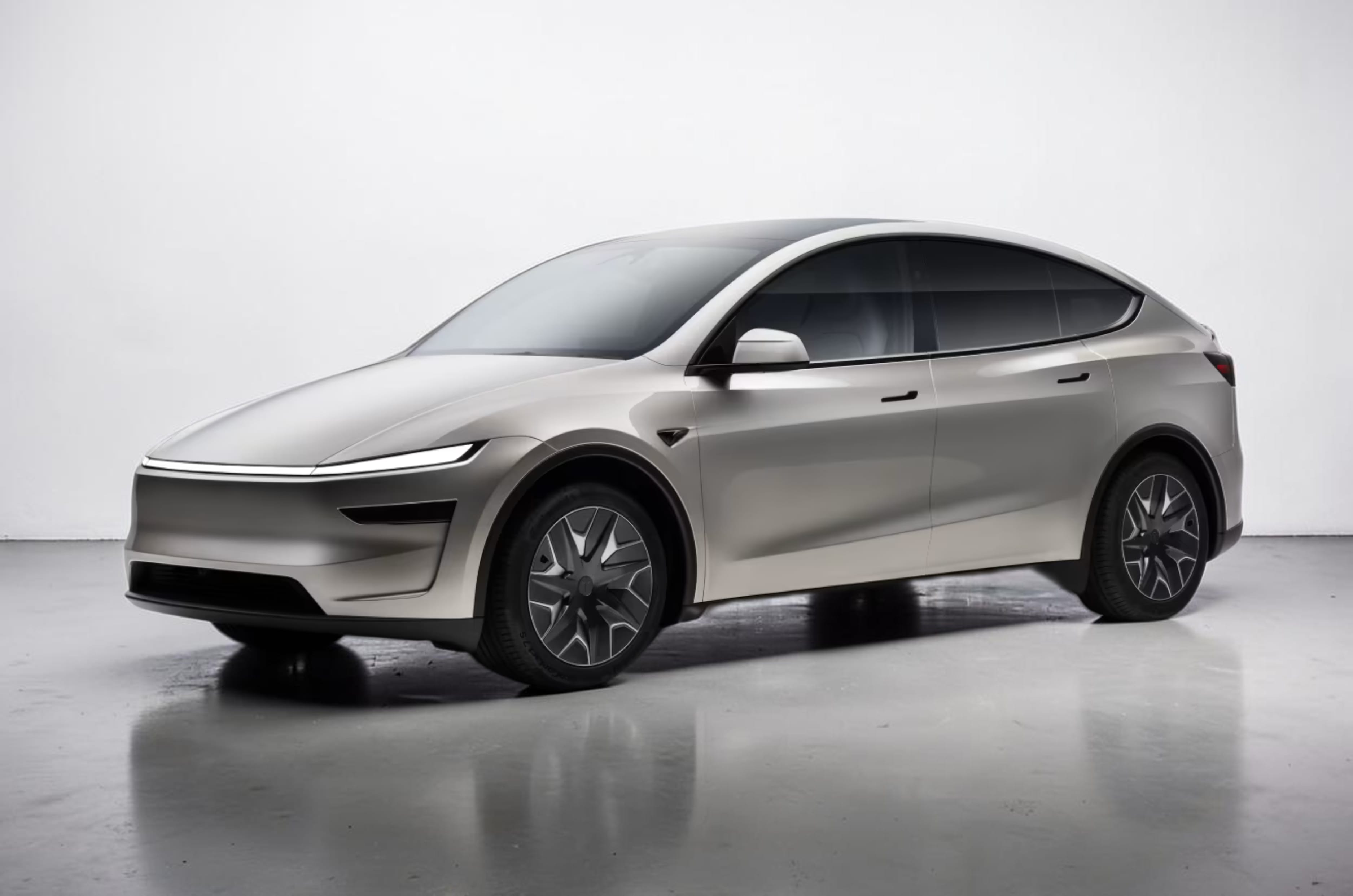
The 2026 update for the Hyundai Ioniq 5 brought with it some cosmetic updates and a larger 84kWh battery. More significantly, its pricing and positioning have changed. While the previous model, with its 72.6kWh battery, was priced at Rs 45 lakh and was considered the value king of its segment, that claim is harder to justify for the new model, which now costs Rs 55.7 lakh.

Hyundai says the larger battery helps the 2026 Ioniq 5 deliver an ARAI-certified range of 690km. We put that claim to the test to determine its real-world efficiency.

  1. Weighs 2,165kg; 150kg more than before
  2. 0-80 percent took 22 minutes on a 150kW DC fast charger
  3. Max charging speed of 350kW

Hyundai Ioniq 5 real-world range and charging tested 

The 2026 Hyundai Ioniq 5 is powered by a rear-mounted PMSM motor producing 229hp and 350Nm. Paired with a larger 84kWh lithium-ion battery pack using Nickel Manganese Cobalt (NMC) cell chemistry, it now boasts a claimed ARAI range of 690km, up from 631km in the previous 72.6kWh version. The Ioniq 5 offers four drive modes — Eco, Normal, Sport and Snow. For our tests, we used Eco mode, with regenerative braking set to Level 2 in the city and Level 1 on the highway.

In city conditions, the Ioniq 5 returned an efficiency of 6.22km/kWh, translating to an estimated range of around 523km. On the highway, efficiency dropped slightly to 5.71km/kWh, resulting in an extrapolated range of 479km. With an overall efficiency of 5.96km/kWh, the Ioniq 5 can realistically deliver about 501km on a full charge.

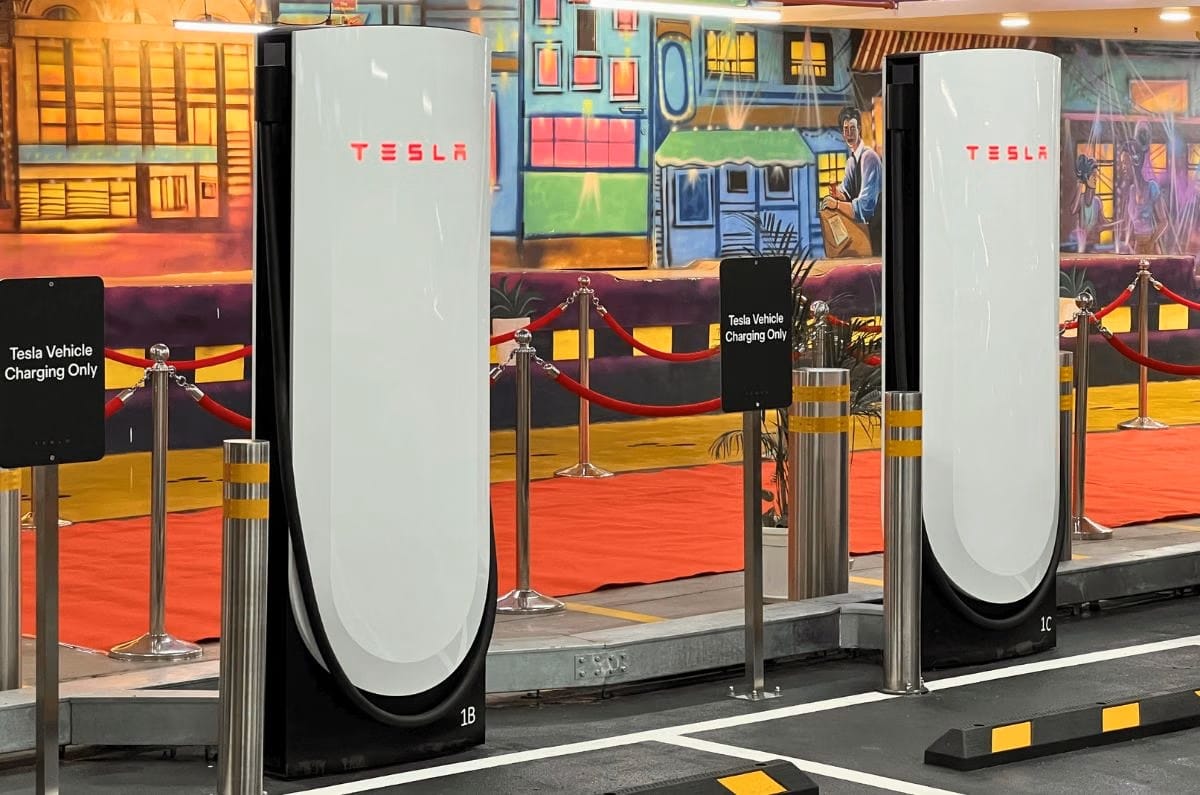
Hyundai claims the Ioniq 5 can support DC fast-charging speeds of up to 350kW. We charged it using a 150kW DC fast charger and recorded a peak charging rate of 149kW. Impressively, the charging speed remained close to its peak from 30 percent to 70 percent state of charge, before tapering off rapidly. In terms of charging times, the Ioniq 5 took 22 minutes to charge from 20 to 80 percent, and a further 32 minutes to reach 100 percent.

Autocar India’s range testing

Before our real-world range tests, the battery of our test car was fully charged, and we maintained tyre pressures in accordance with the manufacturer’s recommendations. The car was driven on a weekday in Navi Mumbai city and on the adjoining state highway in a fixed loop, and we maintained the set average speeds. At the end of each cycle, we calculated the range based on the percentage charge consumed.

Throughout our tests, the climate control was set to 22deg C in a full-auto setting, and other electricals, such as the audio system, indicators and ventilated front seats, were used when required, just as a regular user would. We take pride in our testing data, which isn’t merely consistent but also gives users an accurate indication of what they can expect in the real world.

Skoda Kushaq 1.0 AT vs 1.5 DCT: Real-world efficiency compared

Skoda Kushaq 1.0 AT vs 1.5 DCT: Real-world efficiency compared
Skoda Kushaq side tracking

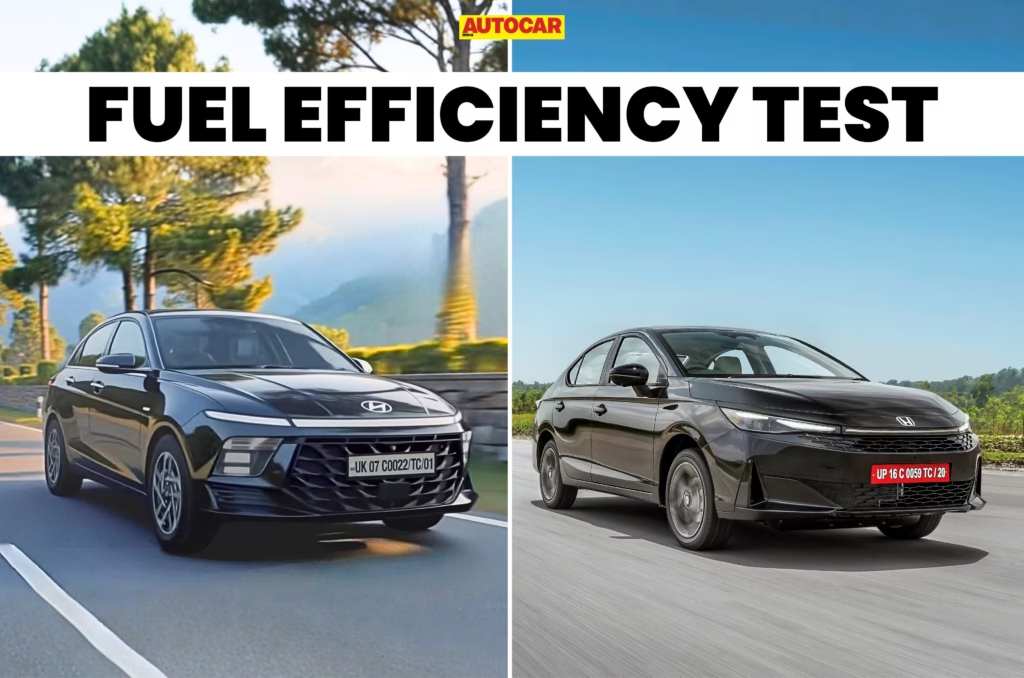
The Skoda Kushaq was updated earlier this year with much-needed improvements, and continues to offer 1.0-litre and 1.5-litre direct-injection turbo-petrol engines. In the interest of better fuel efficiency, the carmaker introduced a new automatic gearbox for the former engine option, replacing the older 6-speed unit. We’ve tested the updated Kushaq’s fuel efficiency with this new gearbox and compared it with the real-world fuel efficiency figures with the larger, more powerful 1.5 TSI engine.

Skoda Kushaq 1.0 AT vs 1.5 DCT: Specifications 

1.5 unit develops more power, while the 1.0 has a much lighter kerb weight

Skoda Kushaq 1.0 AT vs 1.5 DCT:


Kushaq 1.0

Kushaq 1.5

Engine

3 cyls, turbo-petrol 

4 cyls, turbo-petrol

Displacement (cc)

999

1,498

Power (hp)

115

150

Torque (Nm)

178

250

Gearbox

8AT

7DCT

Fuel tank capacity (litres)

50

50

Kerb weight (kg)

1,270 – 1,300 

1,321 – 1,322

While the smaller 1.0 TSI develops 115hp and 178Nm, the 1.5 TSI mill outputs 150hp and 250Nm. In automatic guise, the former is paired to an 8-speed torque converter gearbox while the latter is paired to a 7-speed DCT. Additionally, both come with an auto engine start/stop system, but only the 1.5 TSI comes with cylinder deactivation technology, a feature that shuts off operation of two of the four cylinders depending on throttle input and engine load to curb fuel consumption. Both come with identical 50-litre fuel tanks, but the smaller 1.0 TSI helps it have a lighter kerb weight than the 1.5 TSI.

Skoda Kushaq 1.0 AT vs 1.5 DCT: Real-world fuel efficiency 

1.0 AT delivers better efficiency, but the gap isn’t huge 

In our real-world fuel efficiency tests, the Kushaq 1.0 TSI AT averaged better than the 1.5 TSI DCT by 0.48kpl. In the city, the 1.0 TSI was more efficient than the 1.5 TSI by 1.15kpl. This is because of the 1.0’s lighter kerb weight and aggressive start/stop system. In contrast, the 1.5’s twin-cylinder deactivation tech helped it be more efficient on the highway than the 1.0 by 0.19kpl. Overall, the gap in real-world efficiency is slightly higher than their ARAI-claimed figures (0.48kpl vs 0.37kpl).   

Skoda Kushaq 1.0 AT vs 1.5 DCT: Price

Availability from lower trims makes the 1.0 AT much more affordable than the 1.5 DCT 

Skoda Kushaq 1.0 AT vs 1.5 DCT: Price


Kushaq 1.0 TSI

Kushaq 1.5 TSI

Petrol automatic price range (Rs lakh)

12.89 – 17.89

18.79 – 18.99

As the Kushaq’s 1.5 TSI automatic is limited to top-spec variants, it is Rs 5.9 lakh pricier than the 1.0 TSI automatic. In fact, even in top-spec guise, the latter powertrain combo is Rs 1 lakh cheaper than the former.

Autocar India’s fuel-efficiency testing

Before our real-world fuel-efficiency tests, we fill our test cars’ tanks to the brim and maintain tyre pressures based on the manufacturer’s recommendations. These cars are driven in fixed city and highway loops in and around Navi Mumbai, and we maintain certain average speeds. Throughout the tests, there is only one person in each car, operating the air conditioner and other electricals, such as the audio system, indicators and wipers, when required, just like a regular user would. Periodic driver swaps further neutralise variations in driver patterns. At the end of each cycle, we calculate efficiency by filling the tanks to full again.

All prices are ex-showroom, India.

UPI Payment पर 6 साल बाद फिर लगेगा MDR! क्यों हो रही वापसी, किनमें बंटेगा इसका पैसा

UPI Payment Charges: लगभग छह साल बाद यूपीआई से लेन-देन पर मर्चेंट डिस्काउंट रेट (MDR) वापस आ सकता है। दुकानदार को ₹2,000 या उससे अधिक के यूपीआई पेमेंट पर 0.3% का चार्ज लग सकता है। इसके लागू होने का कानूनी रास्ता तब साफ हुआ, जब सरकार ने अगस्त में पेमेंट एंड सेटलमेंट सिस्टम्स एक्ट में बदलाव किया और जीरो-एमडीआर प्रोटेक्शन को हटा दिया। 21 अगस्त की फाइनेंशियल एक्सप्रेस की रिपोर्ट के मुताबिक अब यूपीआई से पेमेंट पर जीरो की बजाय 0.3% के शुल्क का नियम अगले दो हफ्ते के भीतर लागू किया जा सकता है। हालांकि केंद्रीय वित्त मंत्री निर्मला सीतारमण ने साफ कर दिया है कि ग्राहकों और छोटे कारोबारियों पर इसका भार नहीं डाला जाएगा। सरकार की कोशिश इस पेमेंट सिस्टम से जुड़ी एंटिटीज को डिजिटल इंफ्रास्ट्रक्चर बनाए रखने पर होने वाले खर्च के कुछ हिस्से की भरपाई है। ₹2,000 या इससे अधिक के लेन-देन पर MDR लागू होने से इलेक्ट्रॉनिक्स, सिक्योरिटीज, कपड़े और अधिक दाम वाली खरीदारी प्रभावित हो सकती है।

किसे मिलेगा UPI Payment में MDR का पैसा

एमडीआर का पैसा किसी एक को नहीं मिलेगा बल्कि बैंक, फिनटेक कंपनियां और इस लेन-देन में शामिल अन्य एंटिटीज में बंटेगा। साल 2019 तक एमडीआर वाली व्यवस्था लागू थी लेकिन फिर डिजिटल पेमेंट को बढ़ावा देने के लिए इसे जीरो कर दिया गया। इसे हटाए जाने से पहले ₹100 से अधिक मूल्य वाले ऑफलाइन क्यूआर कोड के जरिए किए गए P2M (पर्सन-टू-मर्चेंट) पेमेंट पर 0.3% शुल्क लगता था, जिसे इश्यूअर (Issuer) और एक्वायरर (Acquirer) बैंकों के बीच बराबर बांटा जाता था। एमडीआर की अधिकतम सीमा भी ₹100 थी, जिसे साल 2020 में पूरी तरह समाप्त कर दिया गया।

अब इसे फिर लाया जा रहा है। इसका पैसा पेमेंट चेन में चार प्लेयर्स के बीच बंटेगा। एक हिस्सा ग्राहक के बैंक को, दूसरा हिस्सा पेमेंट सर्विस प्रोवाइडर और ट्रांजैक्शन हैंडल करने वाले इसके बैंक को, तीसरा हिस्सा दुकानदार की तरफ से यानी एक्वायरिंग बैंकों और उसके पेमेंट सर्विस प्रोवाइडर को तो चौथा हिस्सा यूपीआई नेटवर्क चलाने और लेन-देन का निपटारा करने वाली NPCI को मिलेगा। एमडीआर में सबसे अधिक हिस्सा इंटरचेंज शुल्क के रूप में इश्यूइंग बैंक यानी ग्राहकों के बैंक को तो सबसे कम हिस्सा एनपीसीआई को मिलेगा।

क्यों हुई वापसी

भर्तृहरि महताब के नेतृत्व में फाइनेंस से जुड़ी संसदीय स्थायी समिति ने 12 अगस्त को अपनी रिपोर्ट में जिक्र किया कि यूपीआई को बढ़ावा देने और जीरो-MDR के कारण इंडस्ट्री के रेवेन्यू लॉस की भरपाई के लिए सरकार ने सिर्फ ₹2,000 करोड़ एलॉट किए हैं जोकि डिजिटल पेमेंट इंडस्ट्री की अनुमानित सालाना लागत ₹20,700 करोड़ से बहुत ही कम है। कमेटी ने आगाह किया है कि इसके चलते साइबर सिक्योरिटी, फर्जीवाड़े की रोकथाम और पेमेंट नेटवर्क इंफ्रास्ट्रक्चर में जरूरी निवेश प्रभावित हो सकता है। चूंकि अब एआई का इस्तेमाल बढ़ा है तो साइबर खतरे भी बढ़े हैं, जिससे चिंता और गंभीर हो गई है। आरबीआई गवर्नर संजय मल्होत्रा भी कह चुके हैं कि यूपीआई हमेशा फ्री नहीं रह सकता है और कोई न कोई इसका खर्च चुका रहा है।

हालांकि सिर्फ एमडीआर ही इन खर्चों की भरपाई के लिए पर्याप्त नहीं है। डिपार्टमेंट ऑफ फाइनेंशियल सर्विसेज ने संसदीय समिति को बताया कि फंडिंग के बोझ को कम करने के लिए दो विकल्पों पर विचार किया जा रहा है- अधिक वैल्यू वाले यूपीआई पेमेंट पर एमडीआर को दोबारा लागू करना या आने वाले वषों में सरकारी सहायता को धीरे-धीरे कम करना। सरकारी आंकड़ों के अनुसार वित्त वर्ष 2025-26 में देश में करीब ₹314 लाख करोड़ के 24,000 करोड़ से अधिक UPI लेनदेन हुए। इसमें से 71% P2P (पर्सन-टू-पर्सन) और बाकी P2M (पर्सन-टू-मर्चेंट) थे। पी2एम में सिर्फ 4% की वैल्यू ही ₹2,000 या उससे अधिक थी यानी कि अधिकतर यूपीआई पेमेंट एमडीआर के दायरे से बाहर रहेगा तो छोटे कारोबारियों को बाहर रखने से इसका दायरा और सीमित हो जाता है।

F&O में कई साल बाद घाटा हुआ कम लेकिन, SEBI की रिपोर्ट में रिटेलर्स को परेशान करने वाली बातें आई सामने

US vs Iran: ईरान को बर्बाद करने की तैयारी! ट्रंप के पास कार्ड्स में अभी हैं इतने इक्के