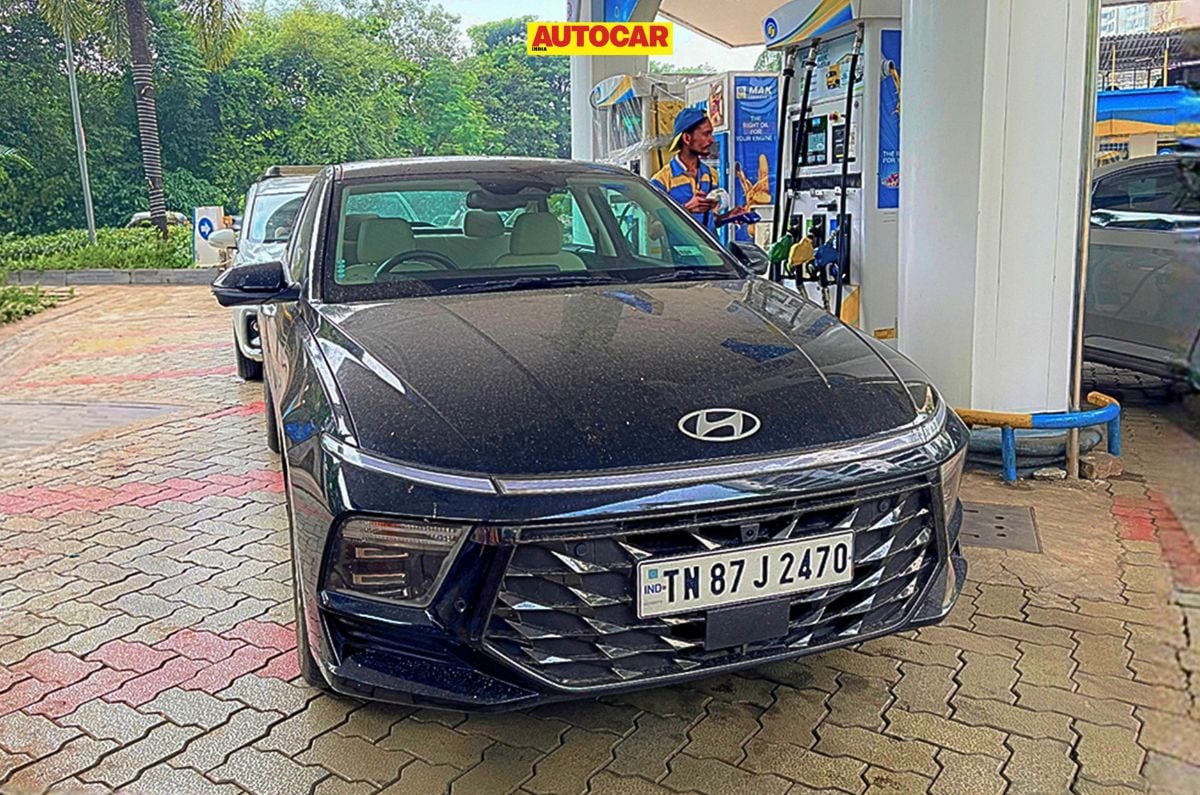
As part of the 2026 update, the Hyundai Verna got minor design tweaks with a few feature additions and deletions, but with the same engines carried over. It is available with a 1.5-litre naturally aspirated petrol engine and a 1.5-litre direct injection turbo petrol engine with the option of manual and automatic transmissions for both.
We’ve put the Hyundai Verna petrol CVT through our efficiency tests to see how it performs.
Gets an auto stop-start feature
Claimed efficiency is 19.6kpl
Weighs 1,224kg, as tested
Hyundai Verna petrol CVT real-world fuel efficiency explained
Powering the Hyundai Verna is a 1.5-litre, four cylinder, naturally aspirated petrol engine producing 115hp and 143.8Nm that is paired with an 8-step continuously variable transmission (CVT), or Intelligent Variable Transmission (iVT) as Hyundai likes to call it. It also gets three driving modes – Eco, Normal and Sport.
For our tests, we drove the car in its most efficient ‘Eco’ mode in the city and on the highway.
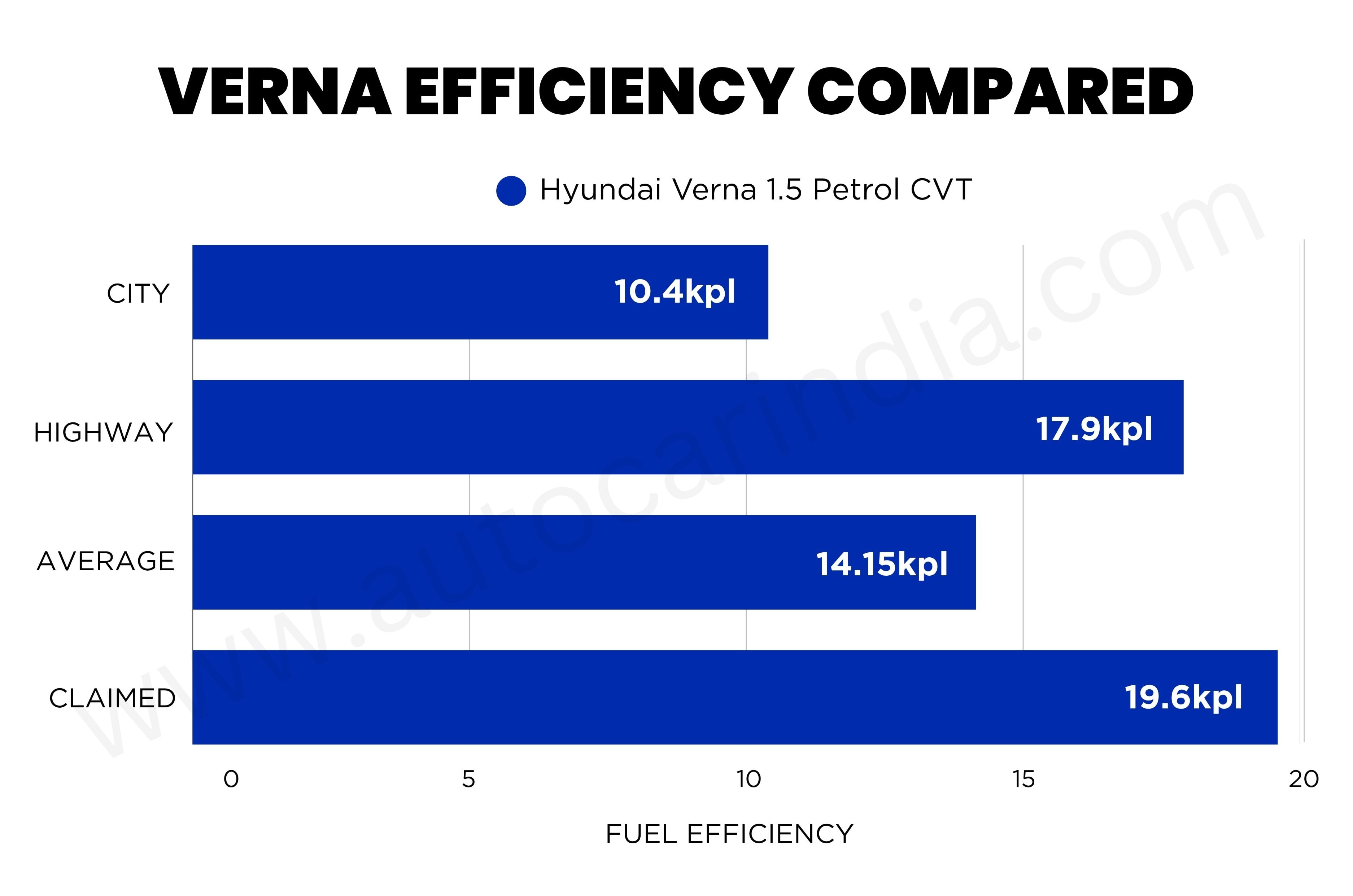
In the city, the Verna returned 10.4kpl, whereas on the highway it returned 17.9kpl, which resulted in an overall average fuel efficiency of 14.15kpl. With the 45-litre fuel tank, you can expect a real world range of 630km on a tankful of petrol.
What’s impressive is that its highway efficiency of 17.9kpl is close to its ARAI claimed efficiency of 19.6kpl. With a light foot on the highway, the engine spins at a lazy ~1900rpm at 100kph, which helps its highway efficiency. In the city, the automatic stop start feature helped save fuel, especially at traffic stops. Moreover, the system wasn’t as aggressive as some other cars we’ve tested and worked exactly as it should.
Autocar India’s fuel efficiency testing
Before our real-world fuel efficiency tests, we fill our test cars’ tanks to the brim and maintain tyre pressures based on the manufacturer’s recommendation. These cars are driven in fixed city and highway loops in and around Navi Mumbai, and we maintain certain average speeds. Throughout the tests, there is only one person in each car, running the aircon at 22deg C in full-auto mode, and other electricals, such as the audio system, ventilated seats, indicators and wipers, are used when required, just like a regular user would. Periodic driver swaps further neutralise variations in driver patterns. At the end of each cycle, we calculate efficiency by filling the tanks to full again.
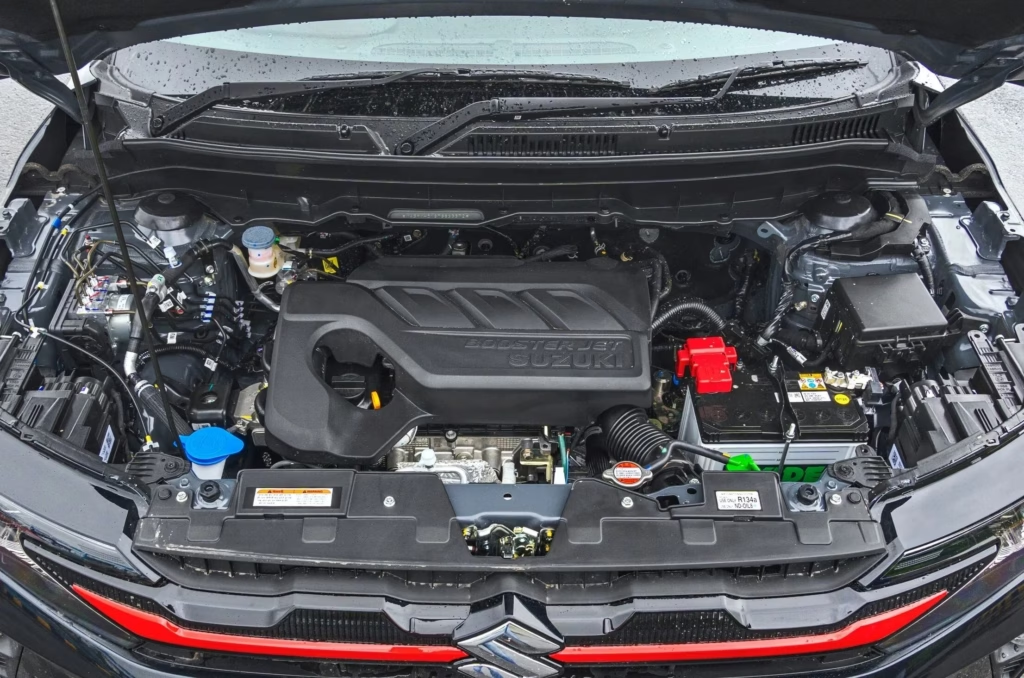
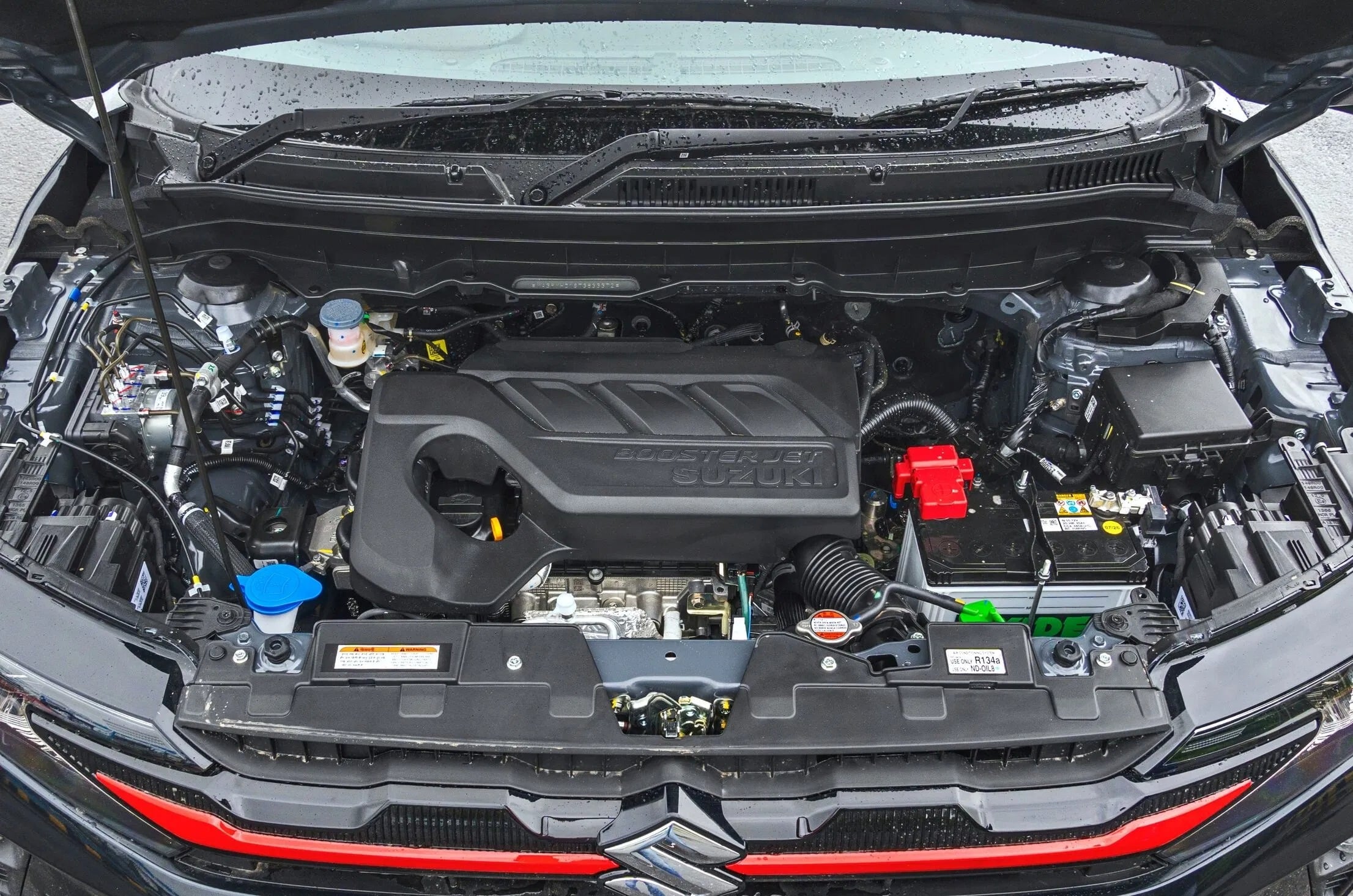
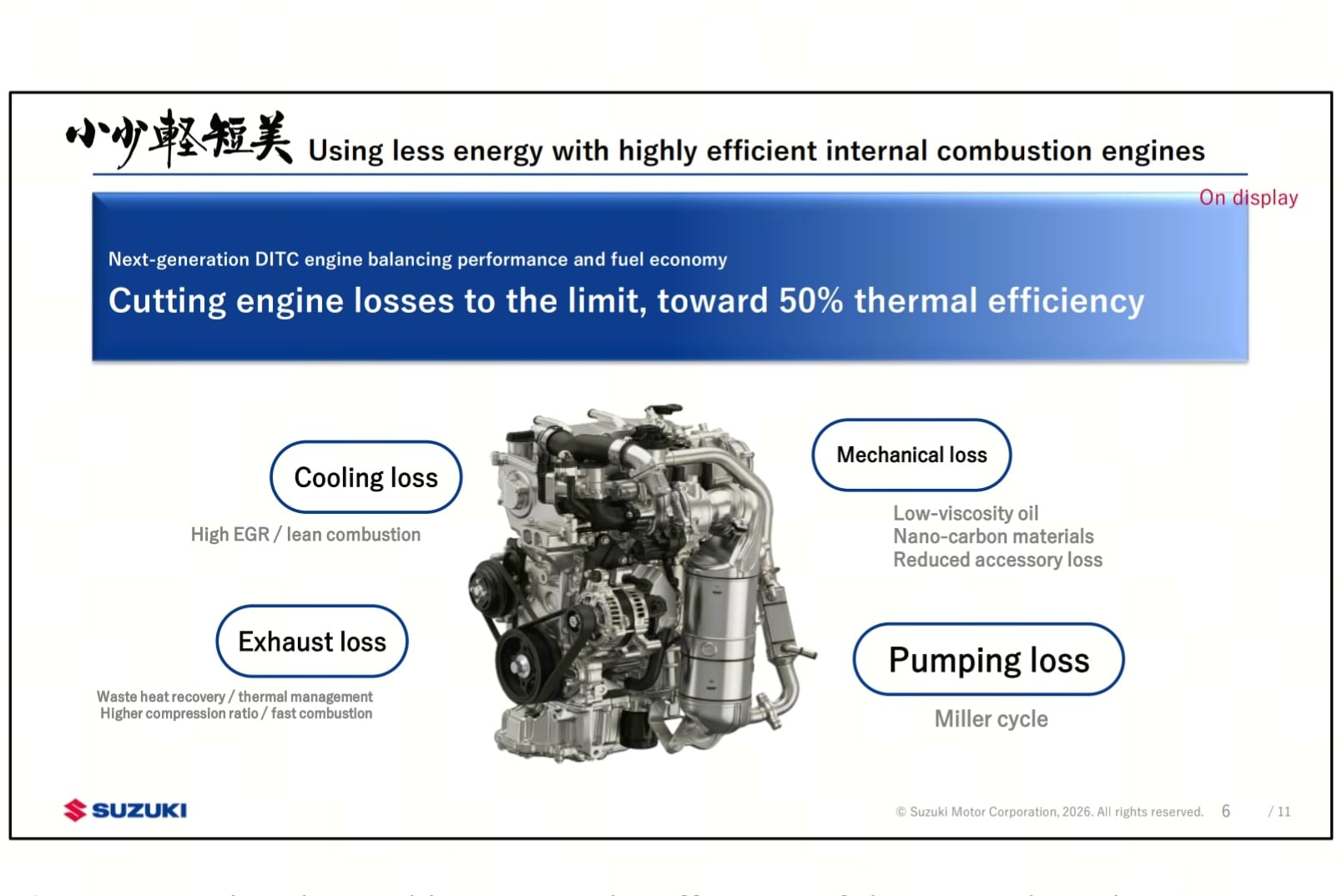
Suzuki Motor Corporation is developing a new direct-injection turbocharged engine for growth markets, including India, with the aim of combining stronger performance with lower fuel consumption.
New-gen turbo-petrol engine to prioritize performance and efficiency.
Automaker aiming to improve ICE thermal efficiency to 50 percent.
Suzuki direct-injection turbo-petrol engine: Additional info
Suzuki identified the engine, referred to as DITC in its technology briefing, as one of the technologies it is preparing for future vehicles. India is among the markets it specifically named for the project. The company has not disclosed the engine’s size, power output, or first model application.
Suzuki powertrain expansion plans
The decision to develop another combustion engine comes as Suzuki widens its work on hybrids and electric vehicles. Its strategy calls for different powertrains in different markets, according to local energy supply, infrastructure, and customer needs. For India, where Suzuki is also investing in CNG and biogas, improving the efficiency of petrol engines remains part of that approach.
Suzuki’s research goal aims to improve ICE thermal efficiency to 50 percent
Separately, Suzuki outlined a broader research goal for its combustion engines: moving beyond the current range of around 40 percent thermal efficiency and working towards 50 percent. Thermal efficiency measures how much of the energy in fuel an engine converts into useful power. That research draws on work done for the Z12E engine and examines ways to reduce heat lost through cooling and exhaust, friction within the engine, and the energy needed to draw air in. Suzuki cited lean combustion, waste-heat recovery and lower-viscosity oil among the measures under study. It did not say which of these would feature in the production DITC engine.
An India-focused turbo engine project could provide another powertrain option for Maruti Suzuki as it widens its product portfolio here.
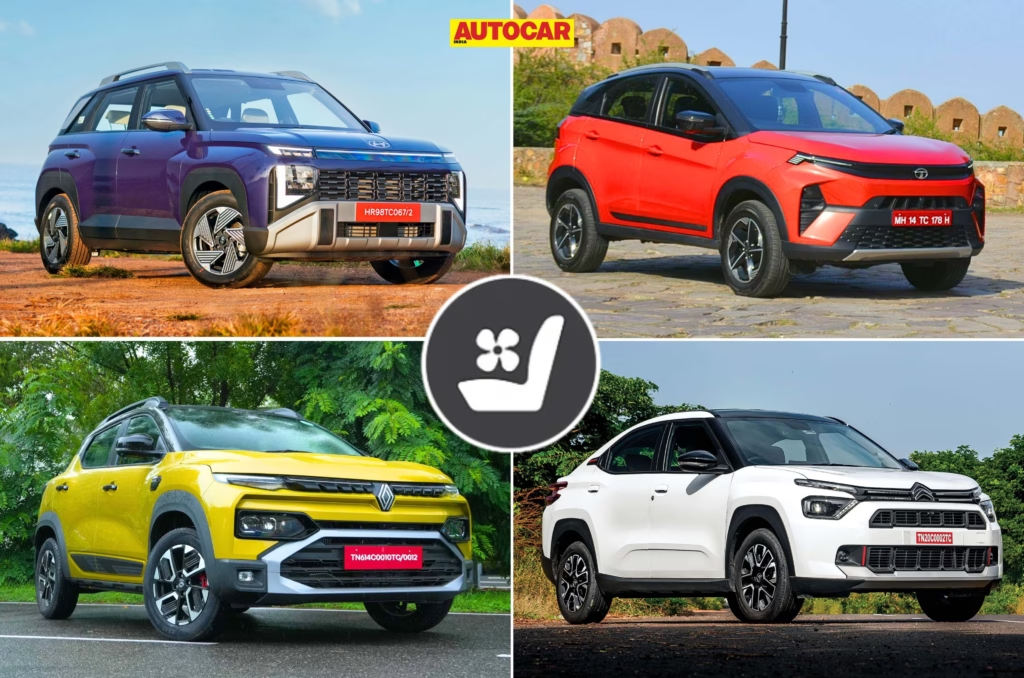
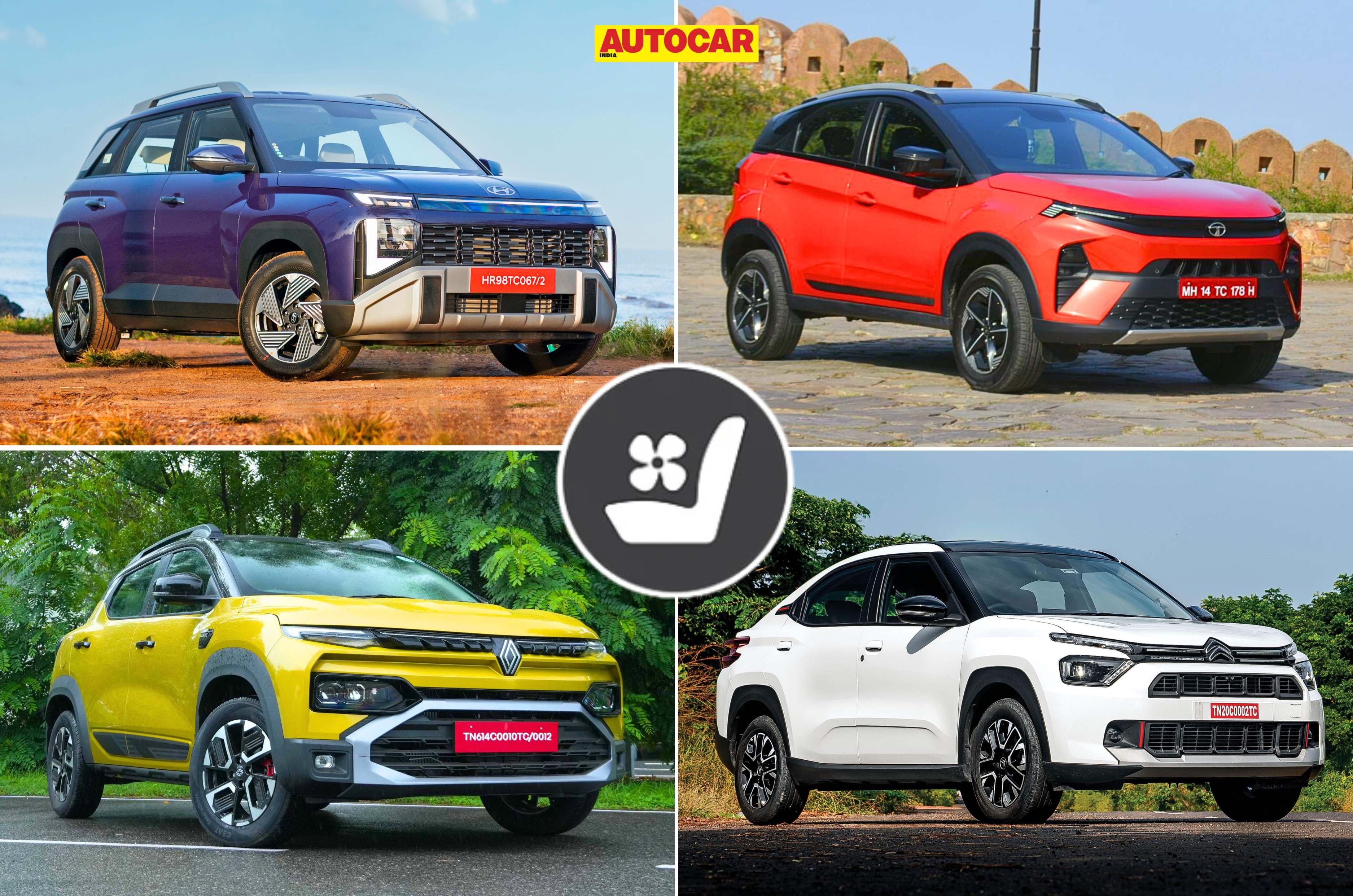
Ventilated seats are among the most desirable features car buyers look for and are especially useful in the summer. Having ventilated seats in your hatchback, sedan, MPV, or SUV can be advantageous for staying cool. Ten years ago, this feature was quite rare in the mass-market segment, with buyers needing to spend around Rs 30 lakh to get it. Today, however, there are plenty of SUVs and even a hatchback available with ventilated seats. So, here are the 10 most affordable cars on sale in India with ventilated seats.
10. Tata Punch EV
Price: Rs 12.99 lakh
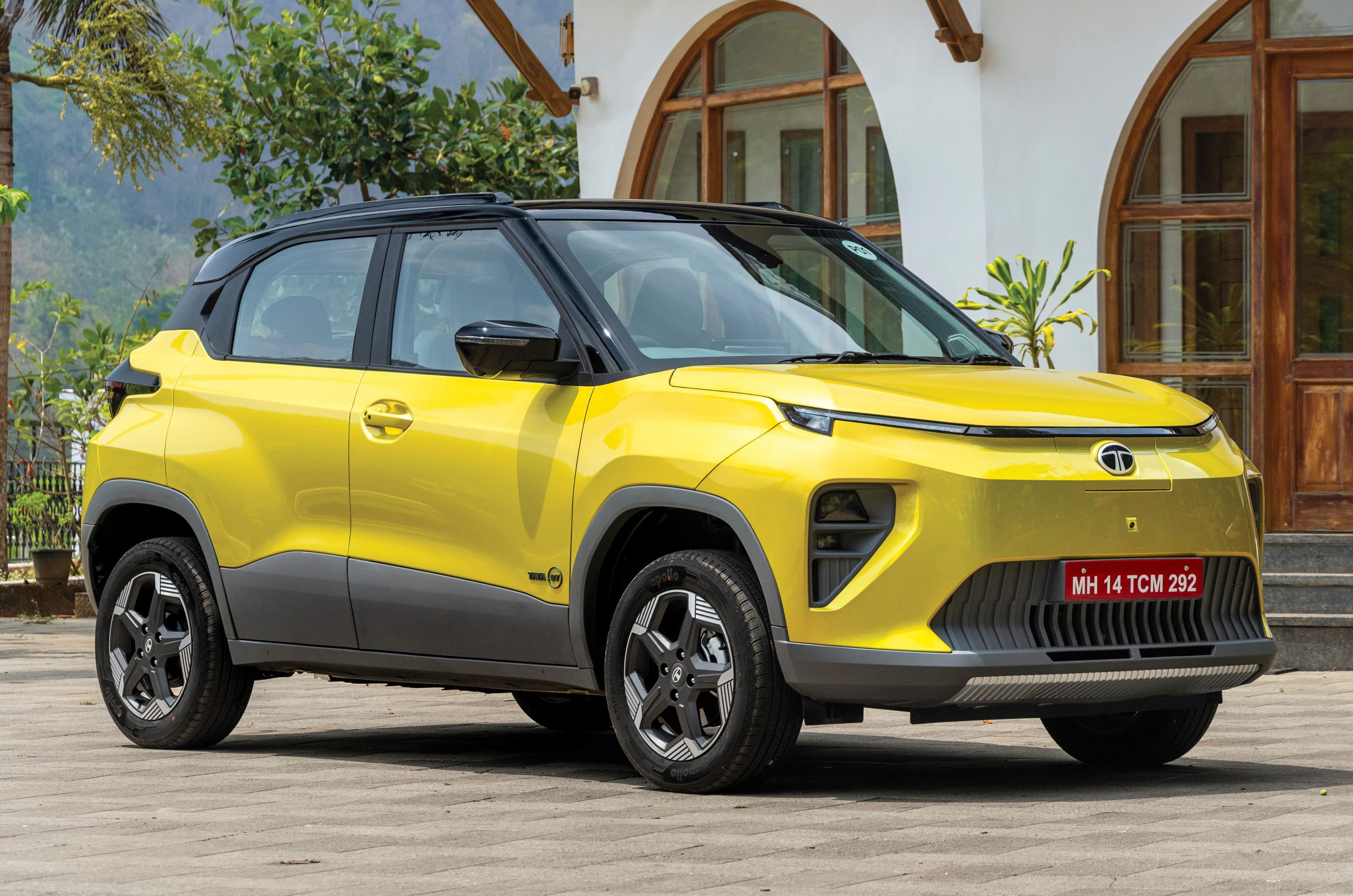
Tata’s smallest eSUV, the Punch EV, gets ventilated seats in its range-topping Empowered+ S 40 trim. The Tata Punch EV is offered with a choice between a 30kWh battery and a 40kWh pack, with respective claimed ranges of 365km and 468km. The Tata Punch EV is the most affordable EV on sale in India with such a convenience feature.
9. Citroen Aircross
Prices: Rs 11.62 lakh to Rs 14.52 lakh
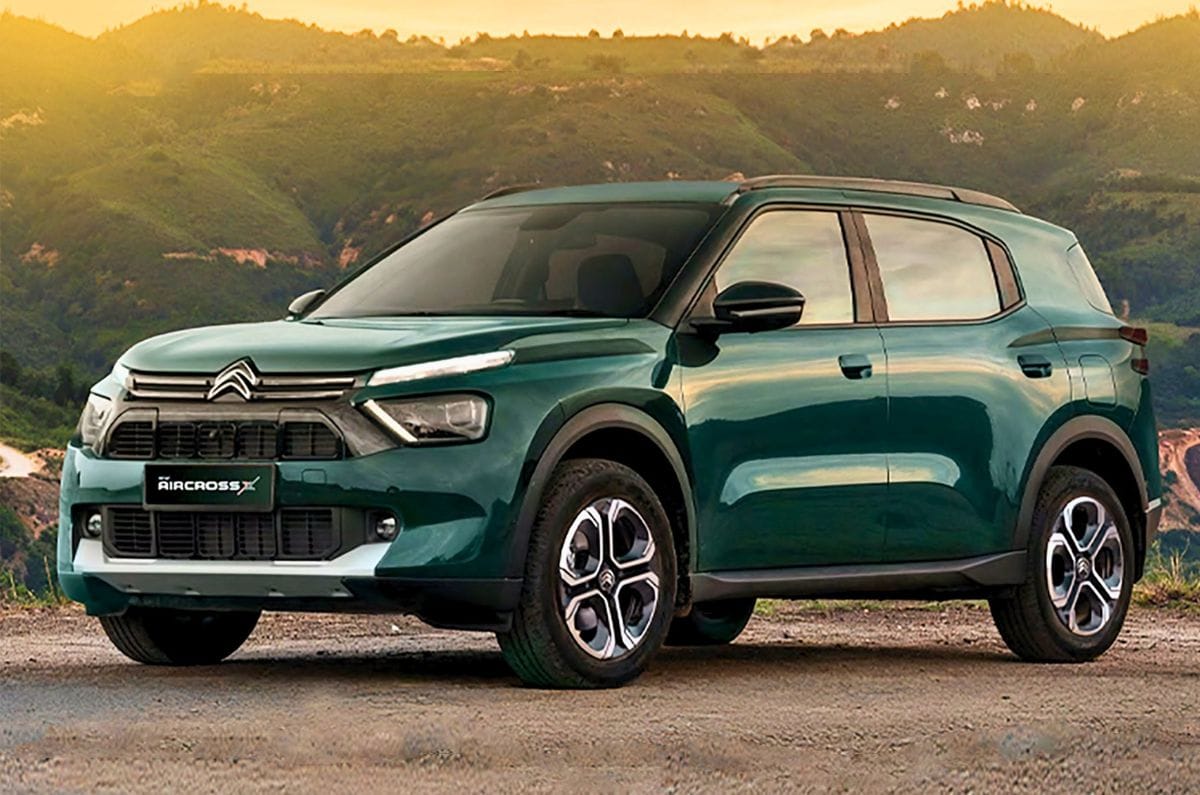
In the Citroen Aircross, ventilated front seats are available only on the top-spec Max trim, offered with both 5- and 7-seater configurations. The Max trim is available both with an 82hp, 1.2-litre naturally aspirated petrol engine or a 110hp, 1.2-litre turbo-petrol engine, producing 110hp, and is offered with both manual and automatic transmissions. It’s not only the most affordable Citroen SUV with this feature, but also the cheapest midsize SUV in India with ventilated seats.
8. Tata Nexon
Prices: Rs 12.42 lakh to Rs 14.22 lakh
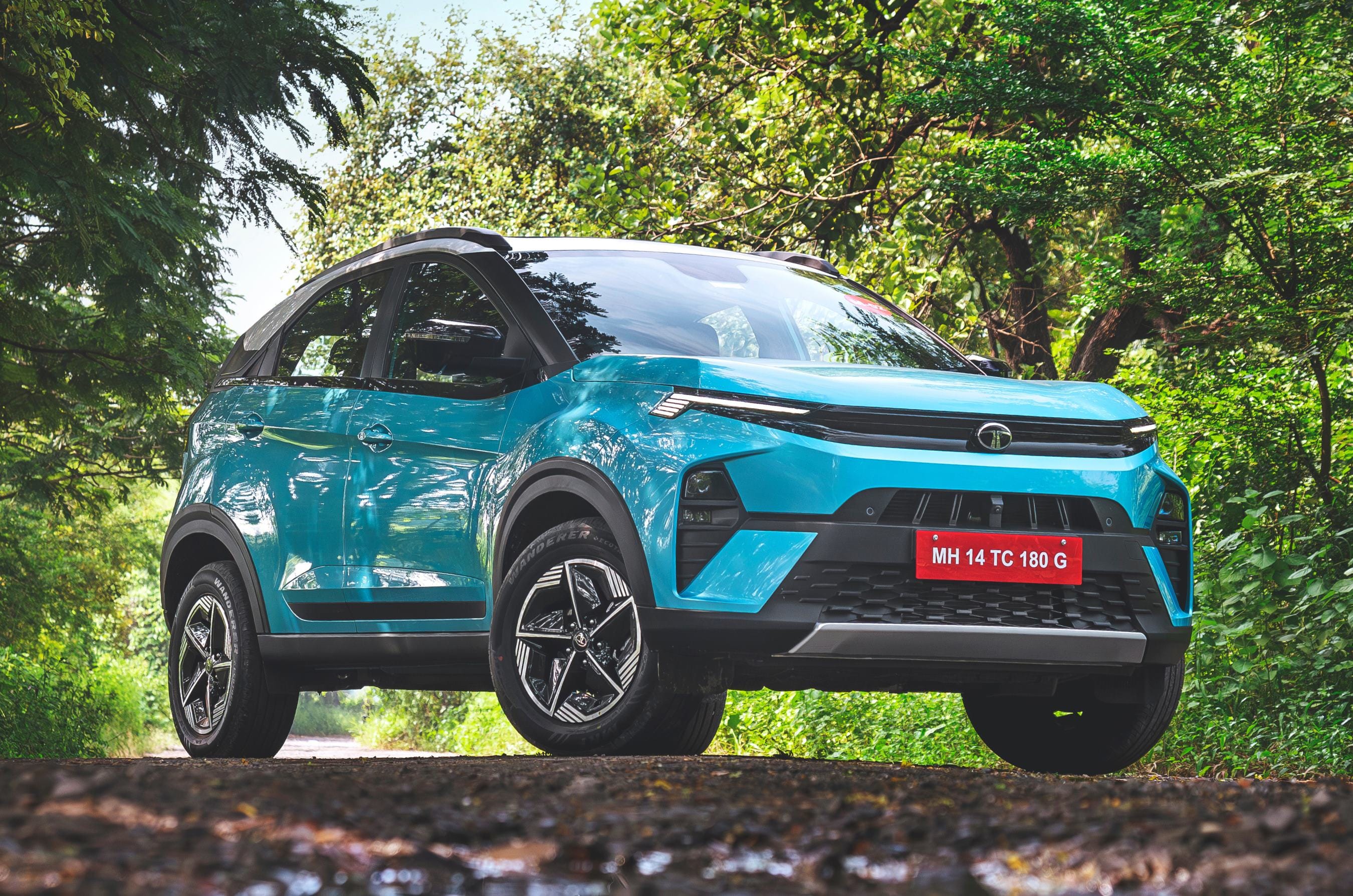
Ventilated front seats are available only on the top-spec Tata Nexon Fearless+ PS trim. Interestingly, a CNG option is also available in this trim, making it the most affordable CNG-powered model with cooled seats. The Nexon is available with a 120hp 1.2-litre turbo-petrol engine, a 100hp CNG-powered version of the three-cylinder turbocharged unit, and a 115hp 1.5-litre diesel engine. In its range-topping form, the petrol gets a 6-speed manual and 7-speed dual-clutch auto gearbox options, while the diesel gets 6-speed manual and AMT options.
7. Citroen Basalt
Prices: Rs 11.34 lakh to Rs 13.90 lakh
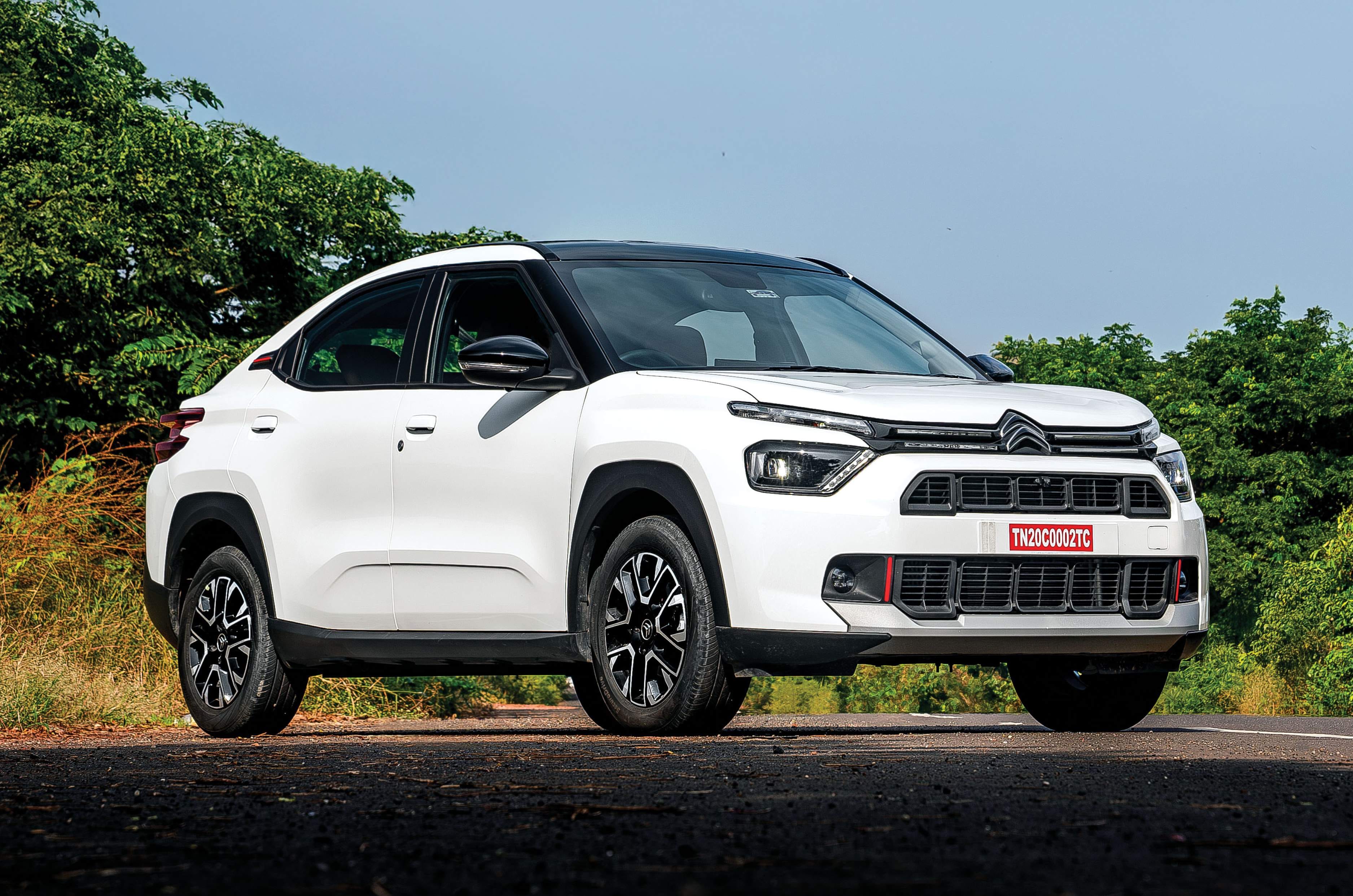
Like the Aircross, the Citroen Basalt offers seat ventilation in the top-spec Max trim. This trim is available with either an 82 hp, 1.2-litre naturally aspirated engine with only a 5-speed manual transmission, or the 110hp, 1.2-litre turbo petrol engine, paired with a 6-speed manual or a 6-speed torque converter automatic gearbox option.
6. Hyundai Venue
Prices: Rs 11.91 lakh to Rs 15.51 lakh
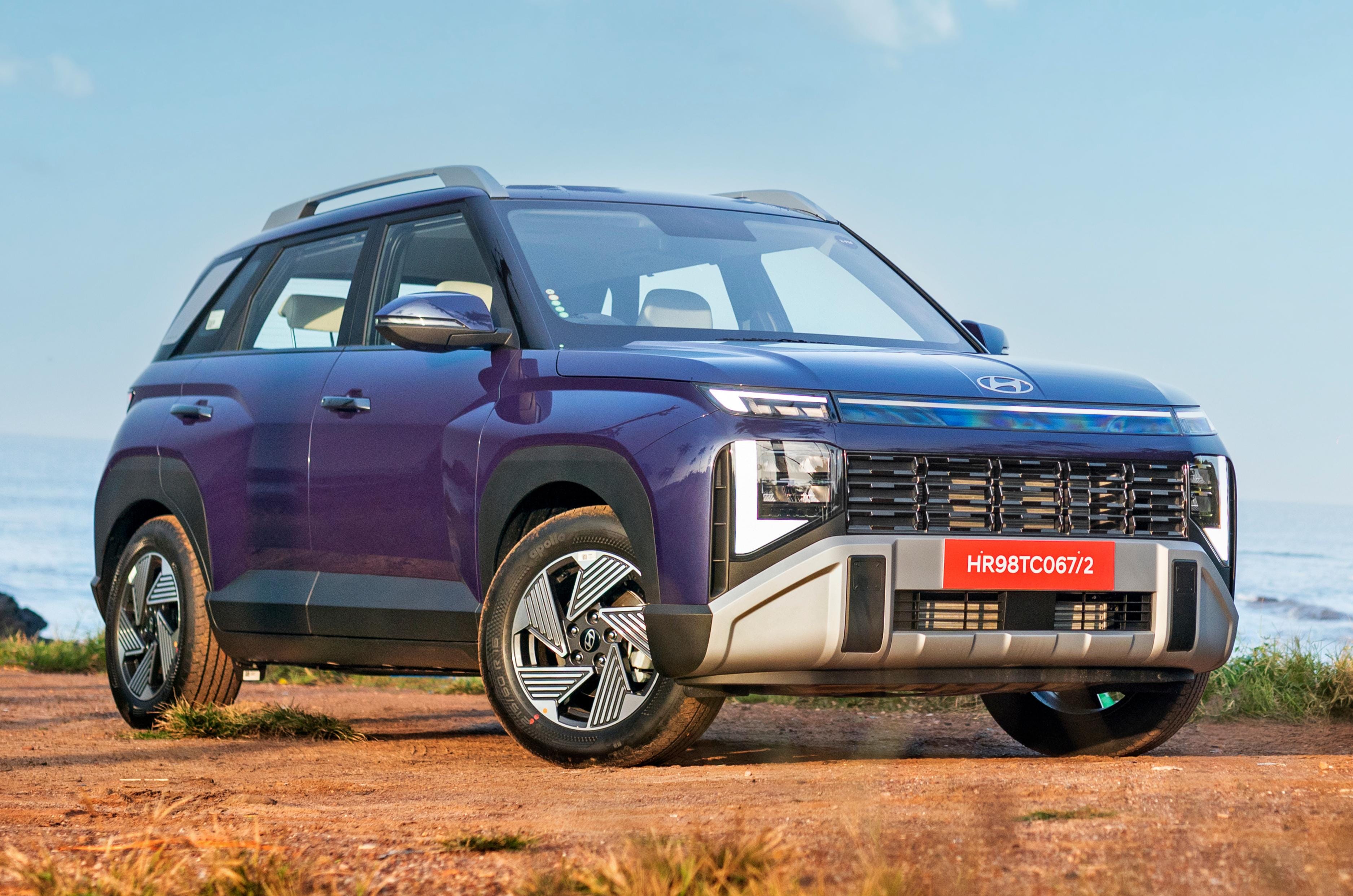
The newest car here, the second-gen Hyundai Venue, is available with ventilated front seats on the top-end HX8 and HX10 trims. The new Venue N Line’s N10 trim also gets cooled seats. These top trims are powered by either the 1.0-litre turbo-petrol or a 1.5-litre diesel mill. Transmission options include a 6-speed manual, a 7-speed DCT and a 6-speed torque-converter automatic. Some of the Venue’s notable features include Level 2 ADAS and twin 12.3-inch displays.
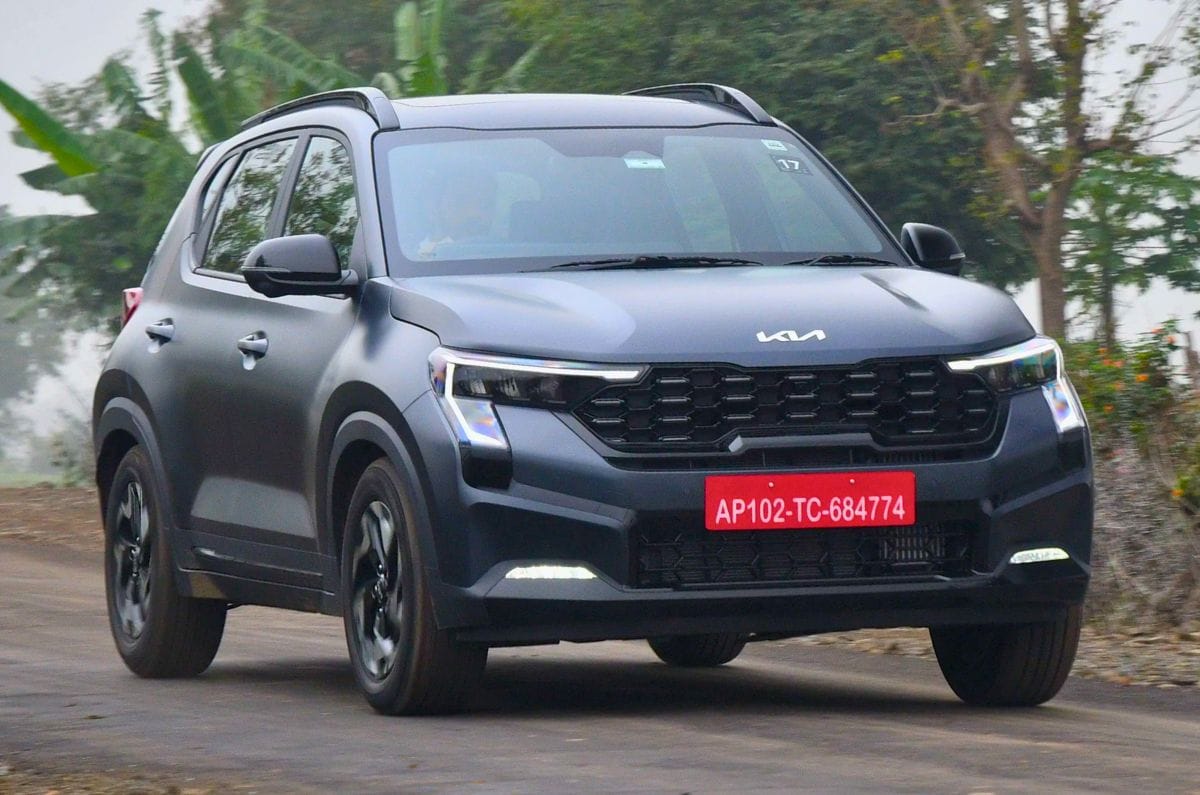
5. Kia Sonet
Prices: Rs 11.75 lakh to Rs 13.80 lakh
The Sonet is the most affordable Kia SUV that gets cooled front seats on the top-spec HTX, GTX+ and X-Line variants. These range-topping trims are available only with the 120hp, 1.0-litre turbo-petrol engine and the 116hp, 1.5-litre diesel unit; a 7-speed dual-clutch automatic transmission is offered on the Kia Sonet petrol, while the diesel is available with both a 6-speed manual and a 6-speed torque converter automatic gearbox. However, the HTX diesel-manual is not offered with ventilated seats, unlike the diesel-automatic variant.
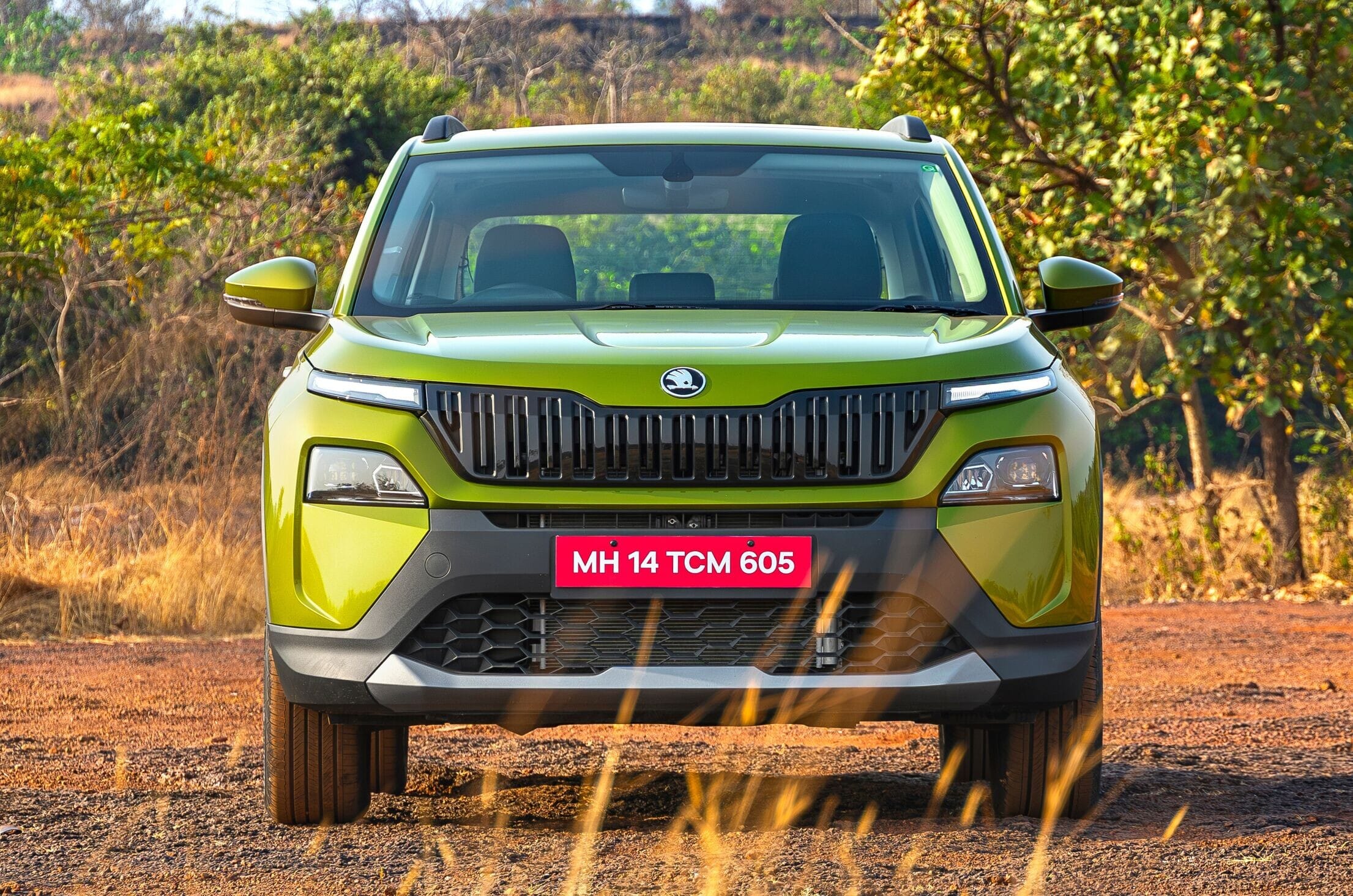
4. Skoda Kylaq
Prices: Rs 11.75 lakh to Rs 12.99 lakh
Skoda’s first compact SUV, the Kylaq, comes with ventilated front seats, but only on the higher-spec Prestige and Prestige+ trims. The Skoda Kylaq is powered by a 115hp, 1.0-litre turbo-petrol engine paired with a 6-speed manual or a 6-speed torque converter automatic gearbox.
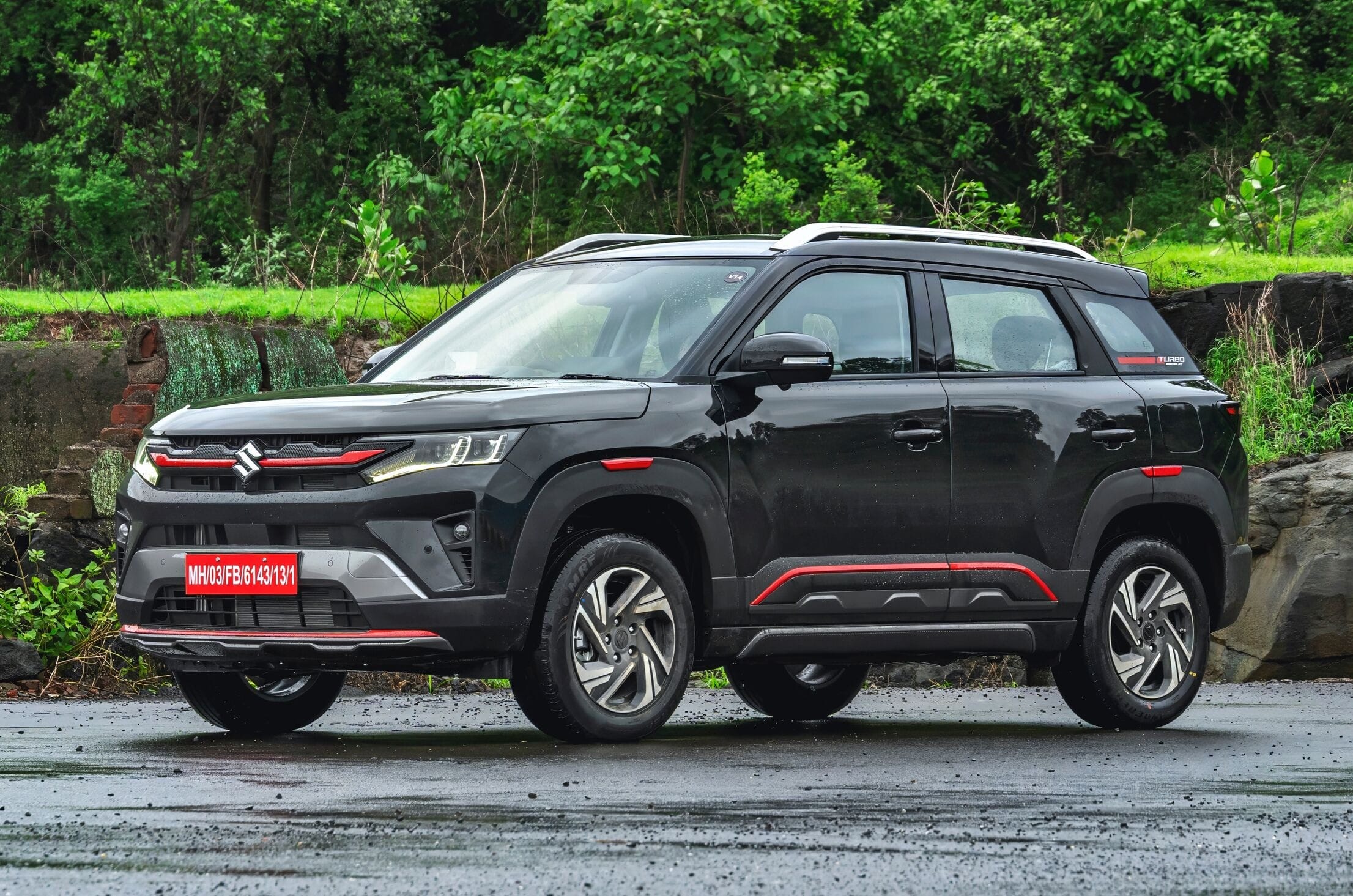
3. Maruti Brezza
Prices: Rs 11.16 lakh to Rs 13.71 lakh
Maruti is offering the facelifted Brezza with ventilated front seats on the top-spec ZXi+ trim. It is offered both with a 110hp, 1.0-litre turbo-petrol engine and a 103hp, 1.5-litre petrol engine. In the ZXi+ trim, the turbo-petrol engine is offered with a 6-speed manual gearbox, while the larger petrol engine gets a 6-speed torque converter gearbox only.
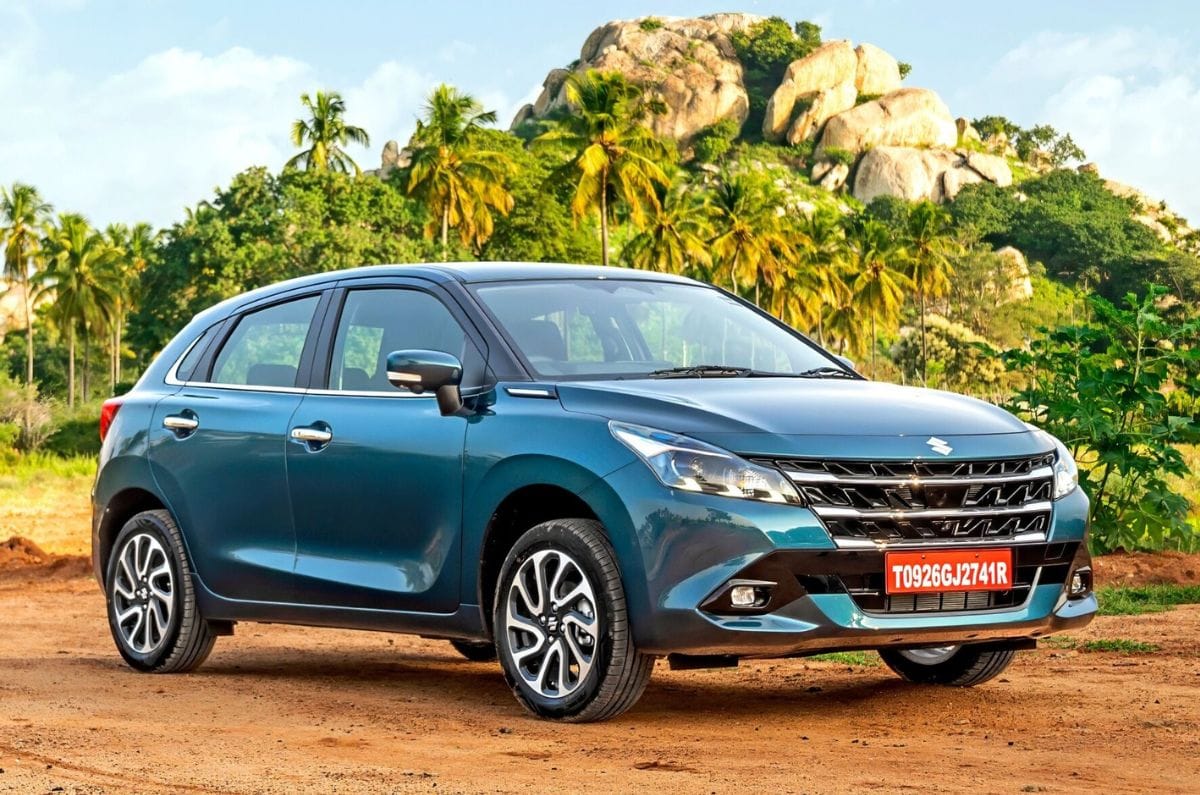
2. Maruti Baleno
Prices: Rs 9.10 lakh to Rs 9.99 lakh
The Maruti Baleno is the only hatchback in India to be offered with ventilated front seats. It offers this feature on the Baleno’s Alpha and Alpha (O) trims, which are below Rs 10 lakh. However, this is not a segment-first feature, as the Tata Altroz Racer introduced it. However, this feature was removed from the Altroz with the 2025 facelift. The Alpha and Alpha (O) trims of the Baleno are offered with an 83hp, 1.2-litre 3-cylinder petrol engine, with a 5-speed manual or a 5-speed AMT option.
1. Renault Kiger
Prices: Rs 8.50 lakh to Rs 10.40 lakh
The Renault Kiger is the most affordable car in India with ventilated front seats, as it offers the feature at just Rs 8.50 lakh in the top-spec Emotion trim. In fact, it is also the only SUV under Rs 10 lakh to offer the convenience amenity. The Kiger’s Emotion trim is available with 72hp 1.0-litre petrol and 100hp, 1.0-litre turbo-petrol engine options; the former gets a 5-speed manual only, while the turbocharged unit has a CVT option too.
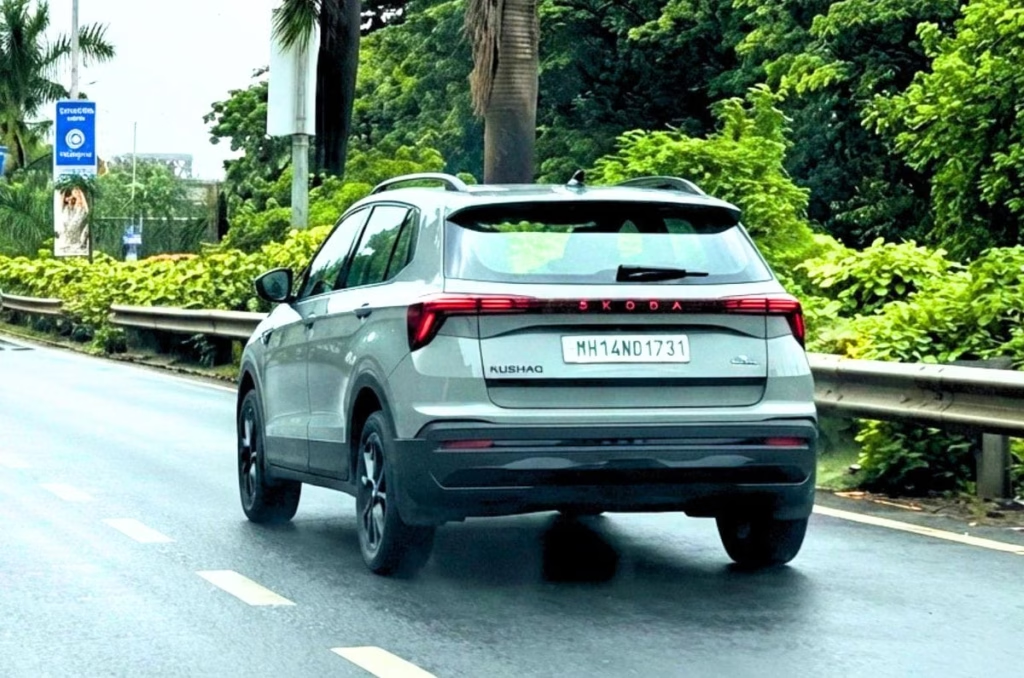
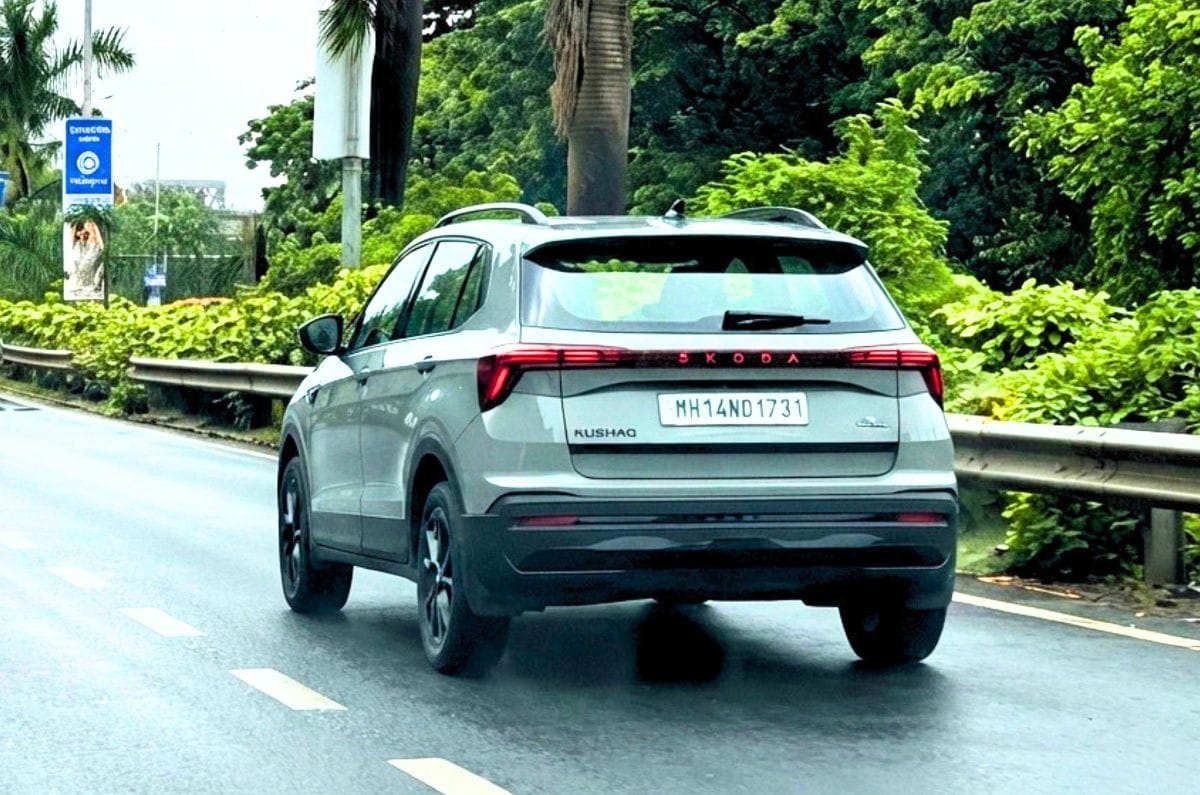
In March 2026, Skoda launched the updated Kushaq and one of the biggest updates was the introduction of a new 8-speed torque converter (automatic) with the smaller 1.0-litre turbo petrol engine, replacing the older 6-speed automatic. We’ve put the 2026 Kushaq 1.0L 8AT through our real-world fuel efficiency tests to see how it fares.
Gets an aggressive auto stop-start system
Weighs 1300kg
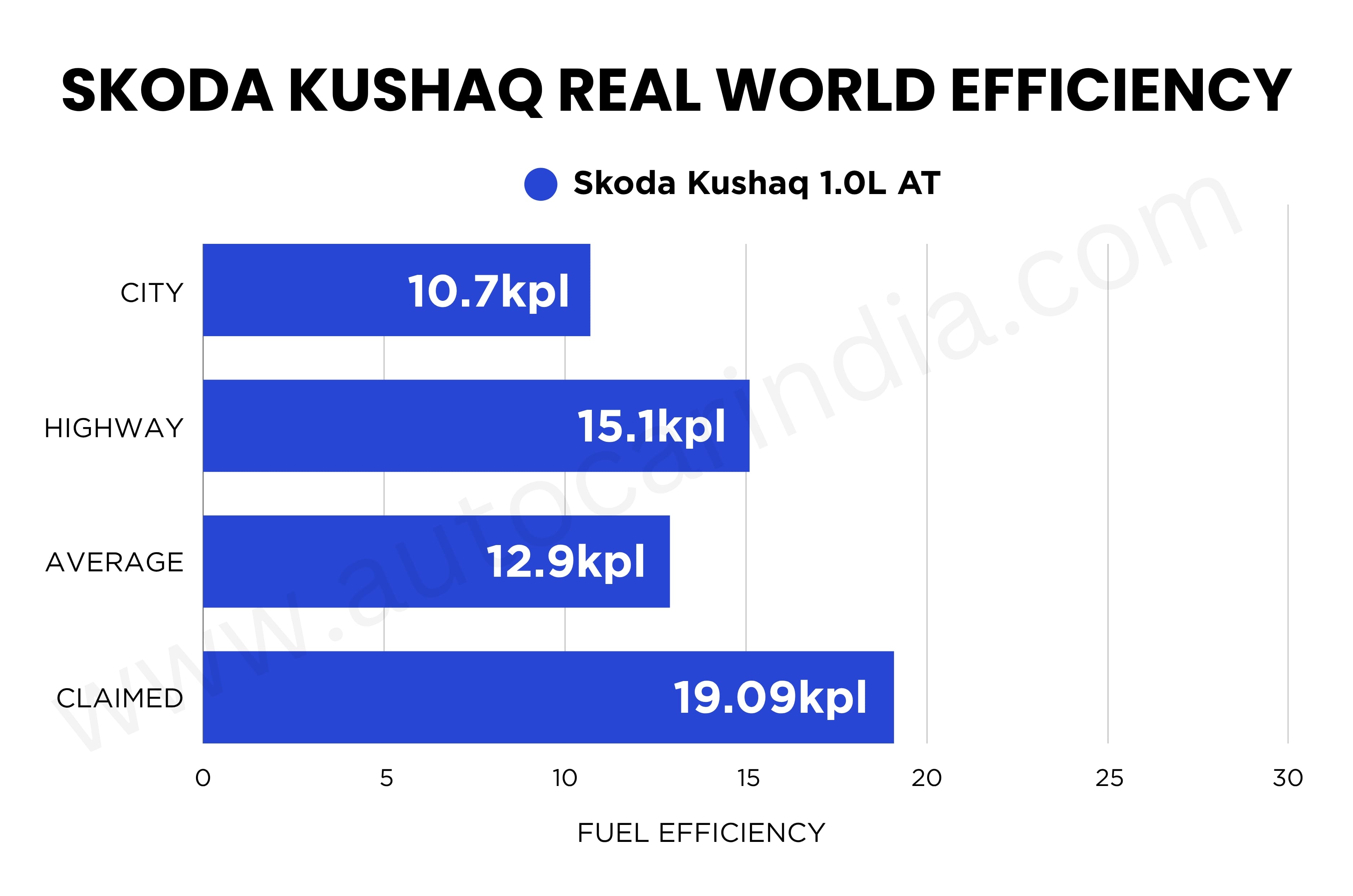
Claimed efficiency is 19.09kpl, 1kpl more than 1.0 6AT
Skoda Kushaq 1.0L automatic mileage explained
Powering the Kushaq is the same 1.0-litre three cylinder direct injection turbo-petrol engine that produces 115hp and 178Nm. With the addition of a new 8-speed automatic gearbox, the claimed efficiency has gone up by 1kpl, to 19.09kpl.
In our real world tests, the Kushaq returned 10.7kpl in the city and 15.1kpl on the highway, bringing its overall average efficiency to 12.9kpl. Interestingly, the updated Kushaq is 1.8kpl and 2.7kpl, more efficient than the older Kushaq with the 6-speed automatic gearbox, in the city and highway respectively, despite being 14kg heavier.
Notably, like the outgoing version, the Kushaq 1.0 8AT doesn’t get drive modes, but it continues to get an automatic engine stop-start feature. The latter is quite aggressive, and often tends to cut the engine while decelerating, even before the car has come to a complete stop. Also, while the creep function is less aggressive than the 6-speed auto version, it still feels quite eager off- the-line.
Autocar India’s fuel efficiency testing
Before our real-world fuel efficiency tests, we fill our test cars’ tanks to the brim and maintain tyre pressures based on the manufacturer’s recommendation. These cars are driven in fixed city and highway loops in and around Navi Mumbai, and we maintain certain average speeds. Throughout the tests, there is only one person in each car, running the aircon at 22deg C in full-auto mode, and other electricals, such as the audio system, indicators and wipers, when required, just like a regular user would. Periodic driver swaps further neutralise variations in driver patterns. At the end of each cycle, we calculate efficiency by filling the tanks to full again.
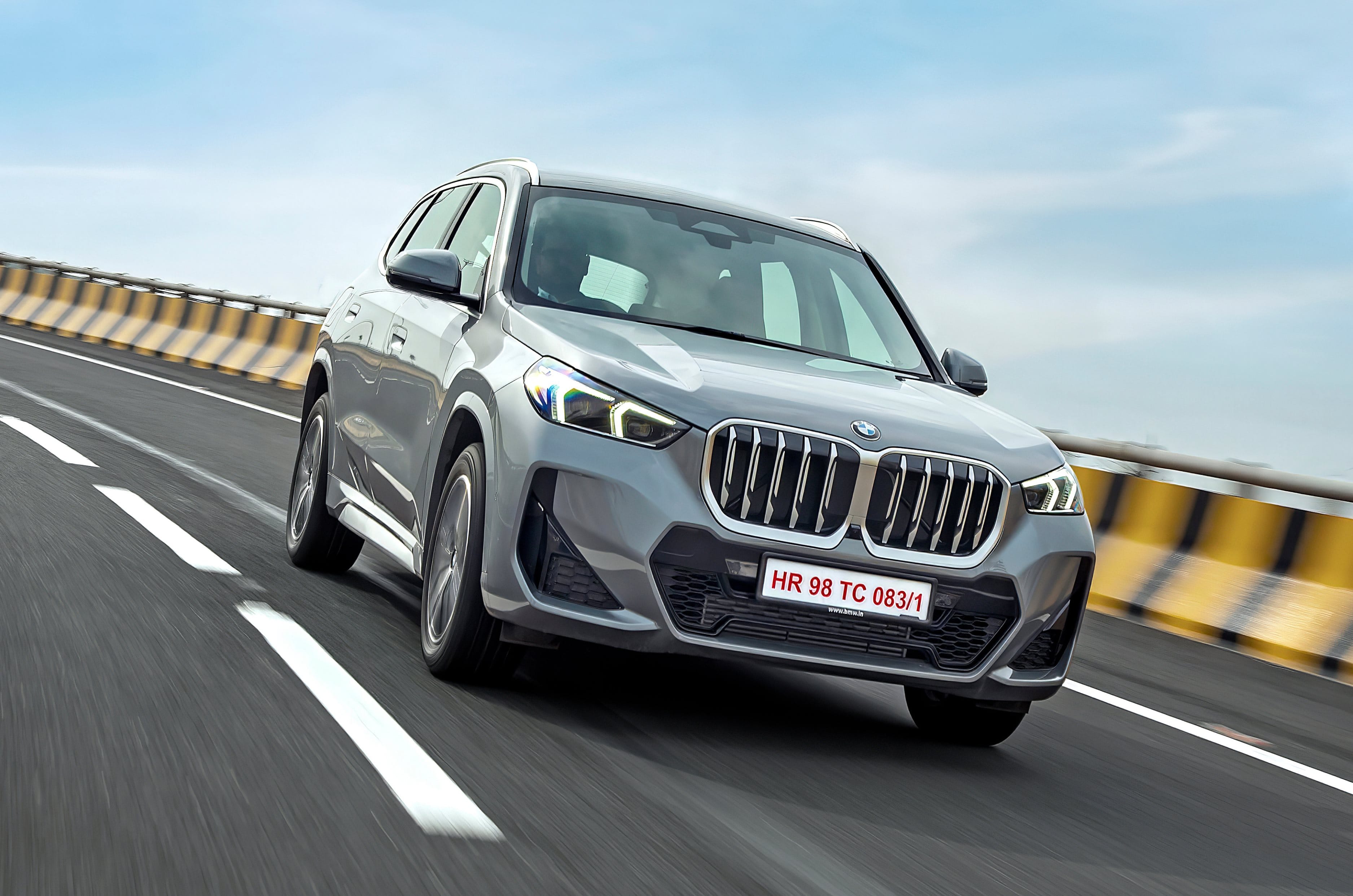
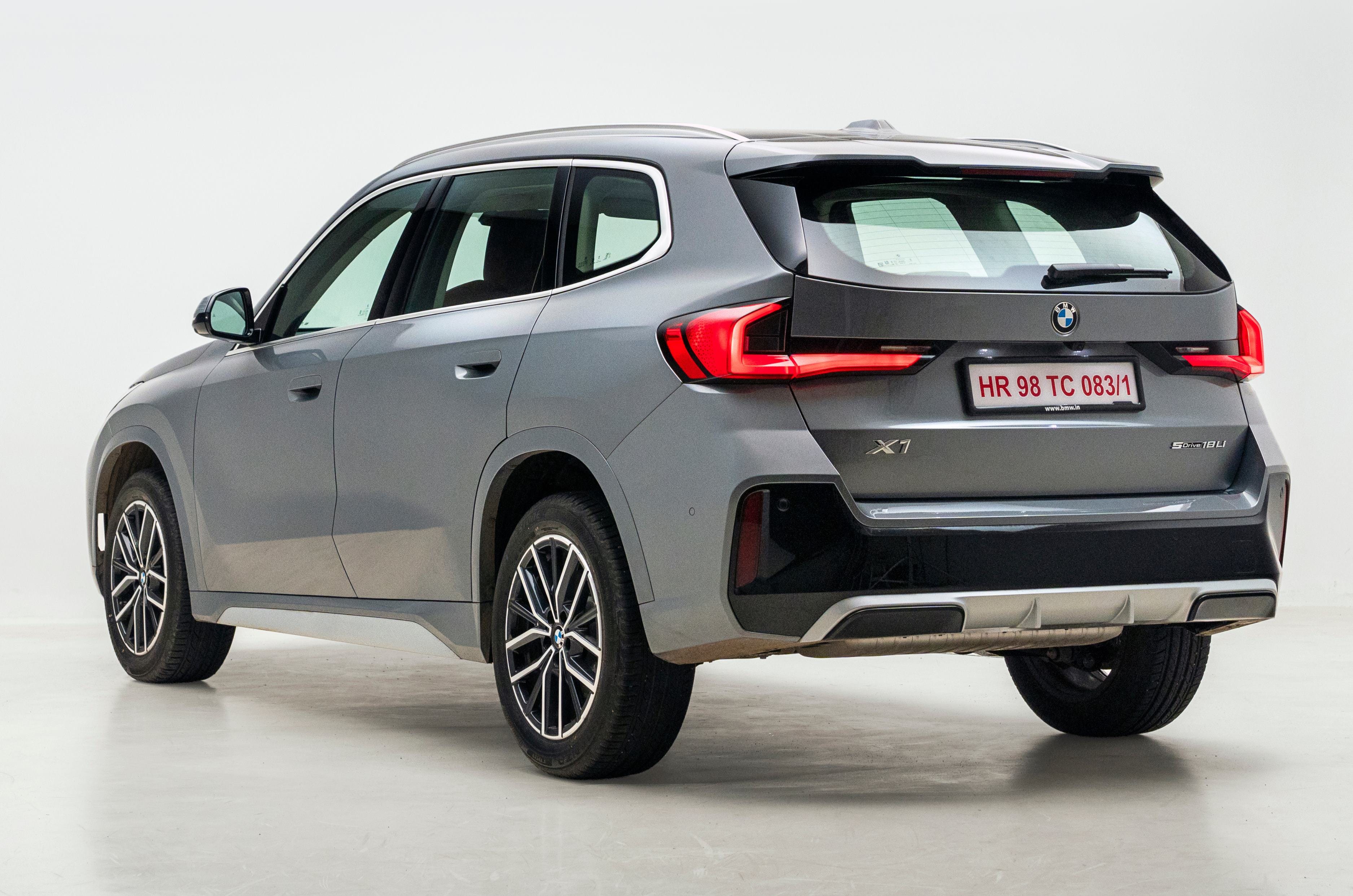
A long-wheelbase BMW X1 isn’t a new idea. China has had an extended-length X1 for years, and we got it in India last year in the form of the all-electric iX1 LWB. The X1 LWB brings the formula to the ICE X1 range. BMW says the standard-wheelbase X1 will continue to sell, though we assume the LWB will be the only X1 down the road.
BMW X1 LWB Exterior Design and Engineering – 7/10
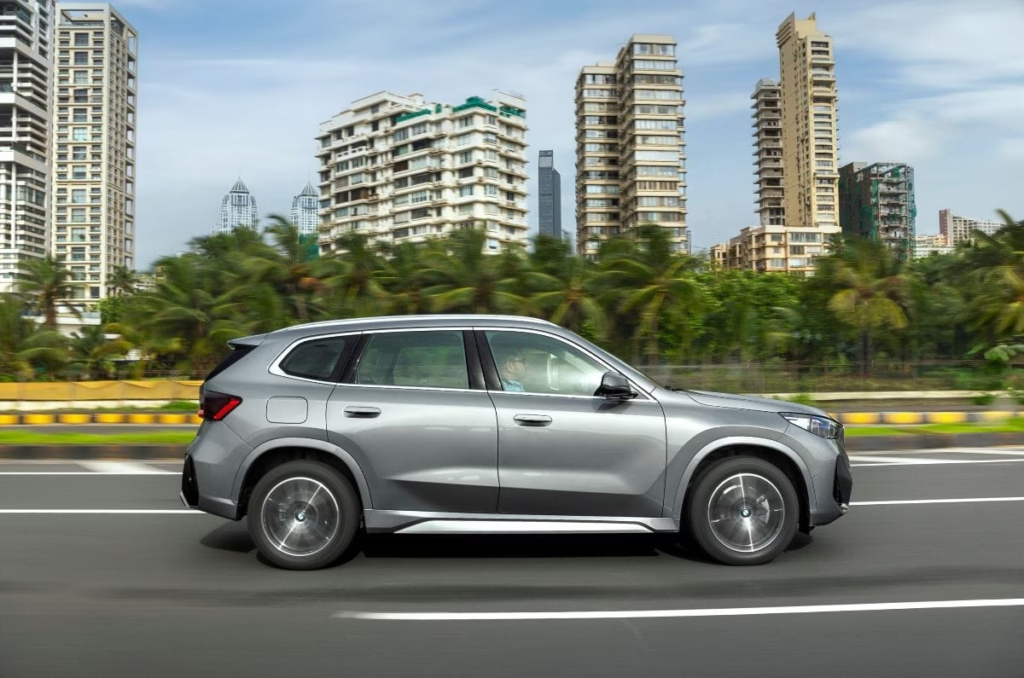
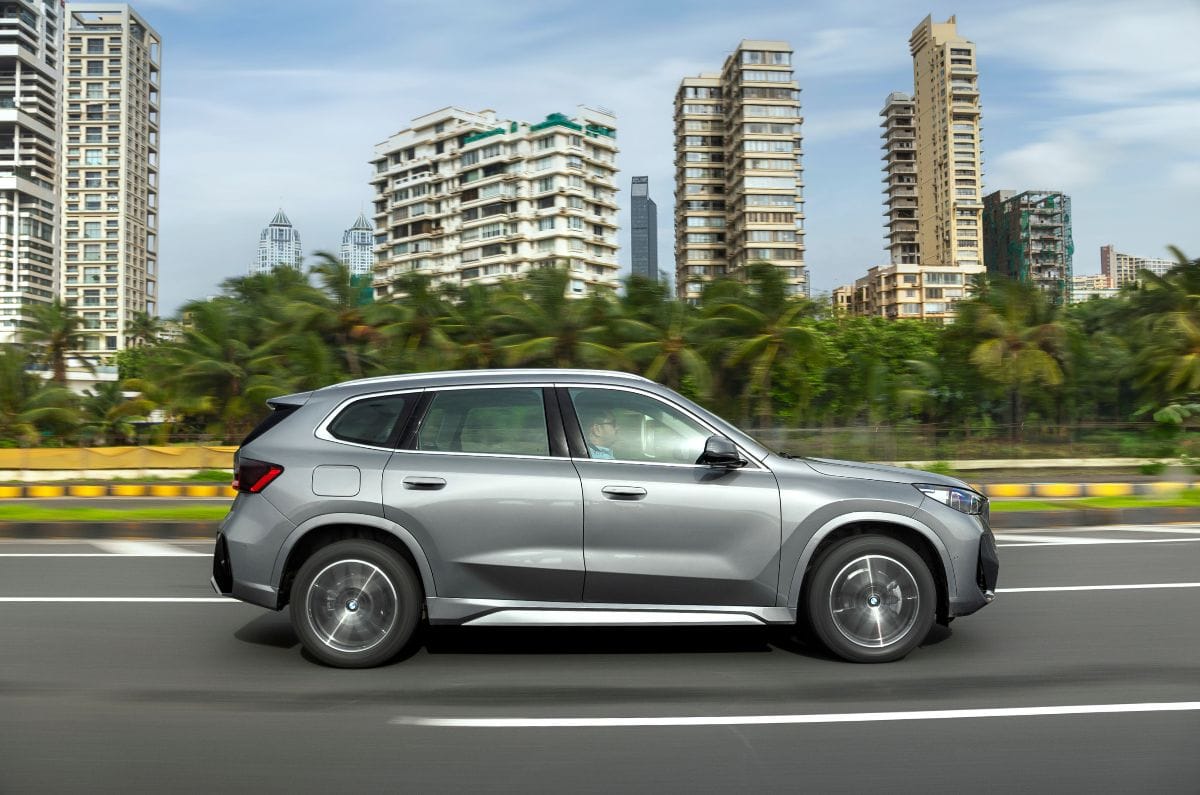
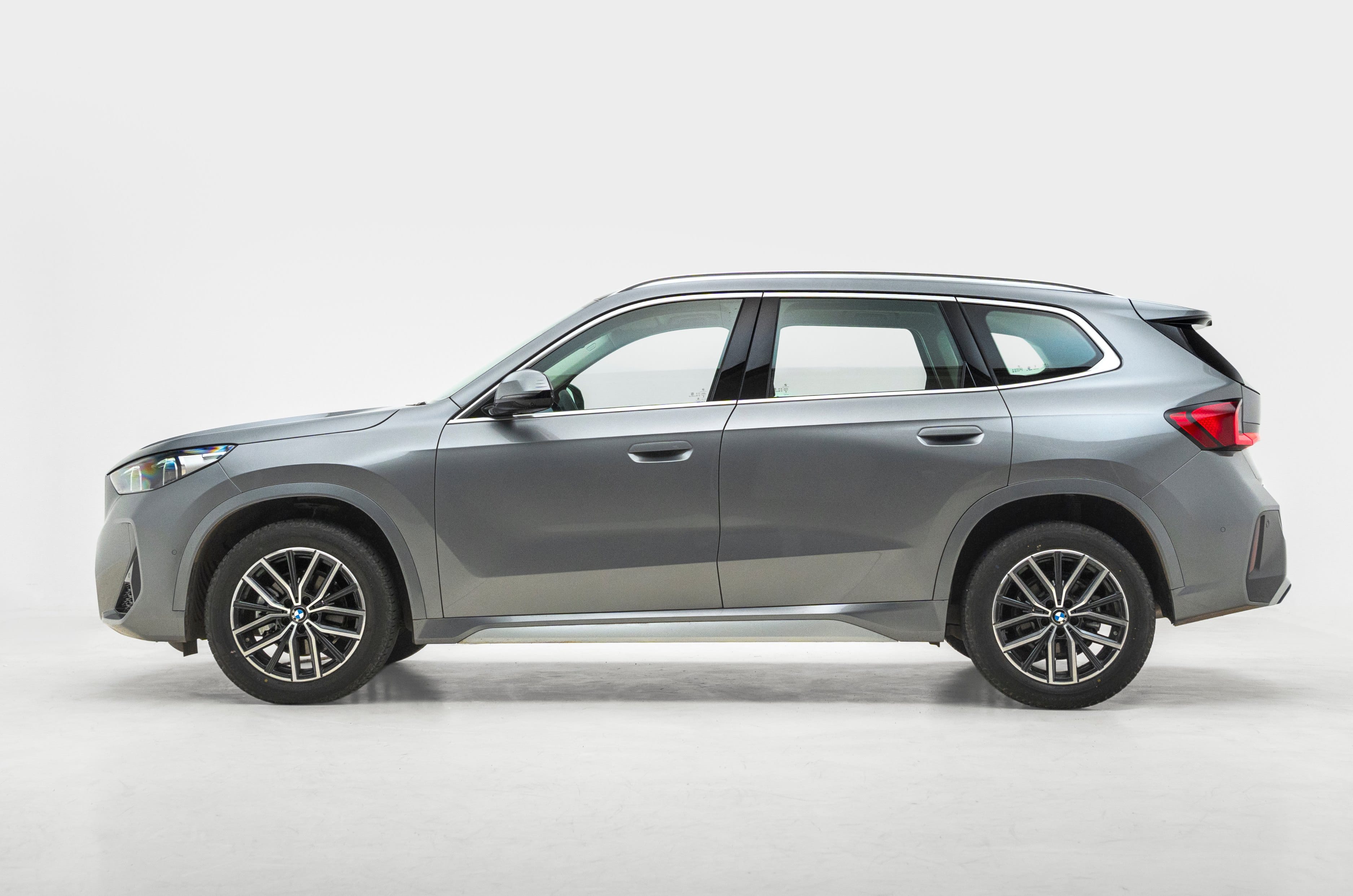
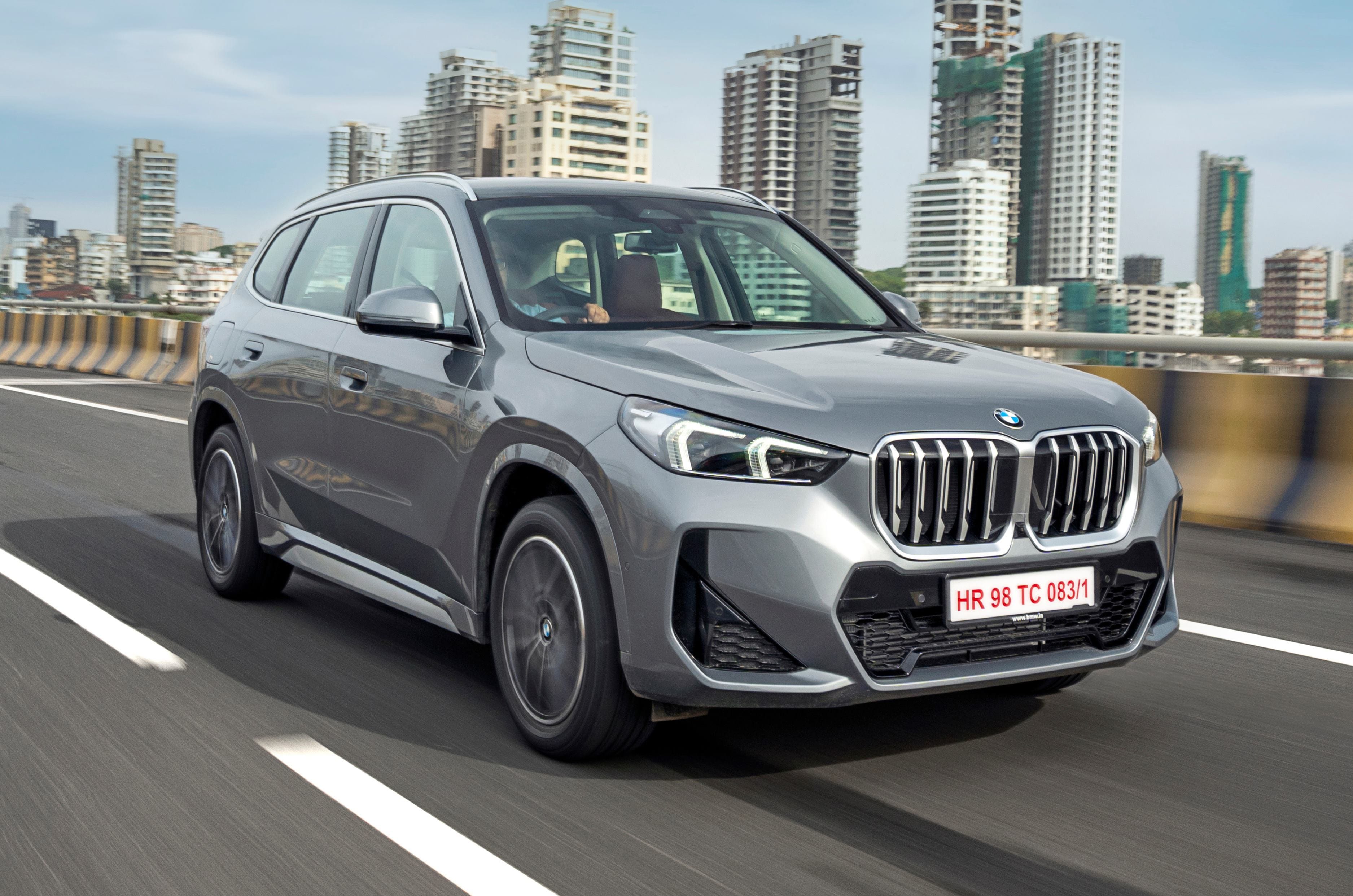
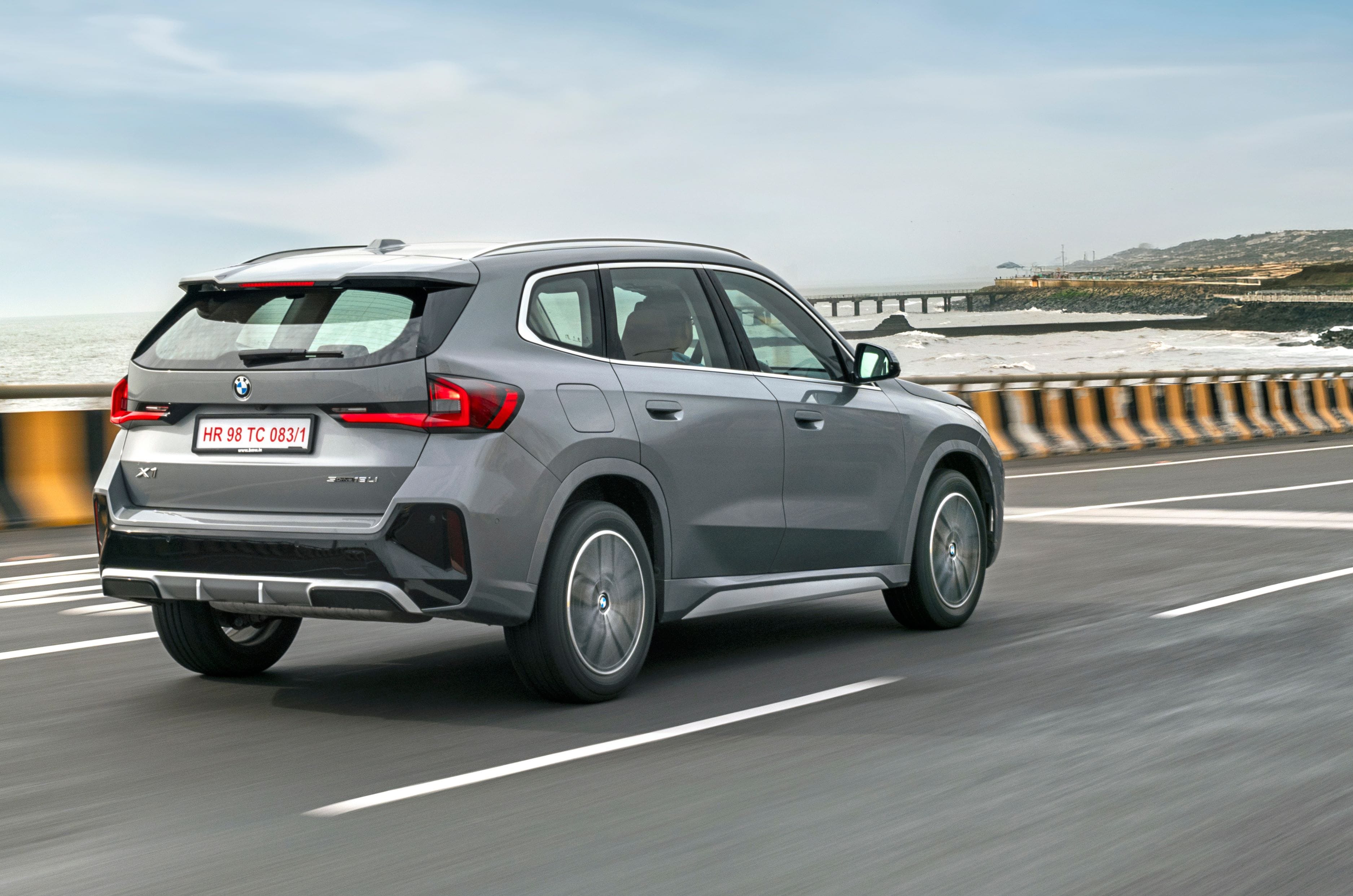
The X1 might be BMW’s smallest SUV, but it’s not particularly small anymore. It’s 116mm longer overall with 108mm of that added length at the wheelbase alone. Importantly, the longer wheelbase doesn’t look unusually long, and so the proportions work.
Lengthened body but well-proportioned design
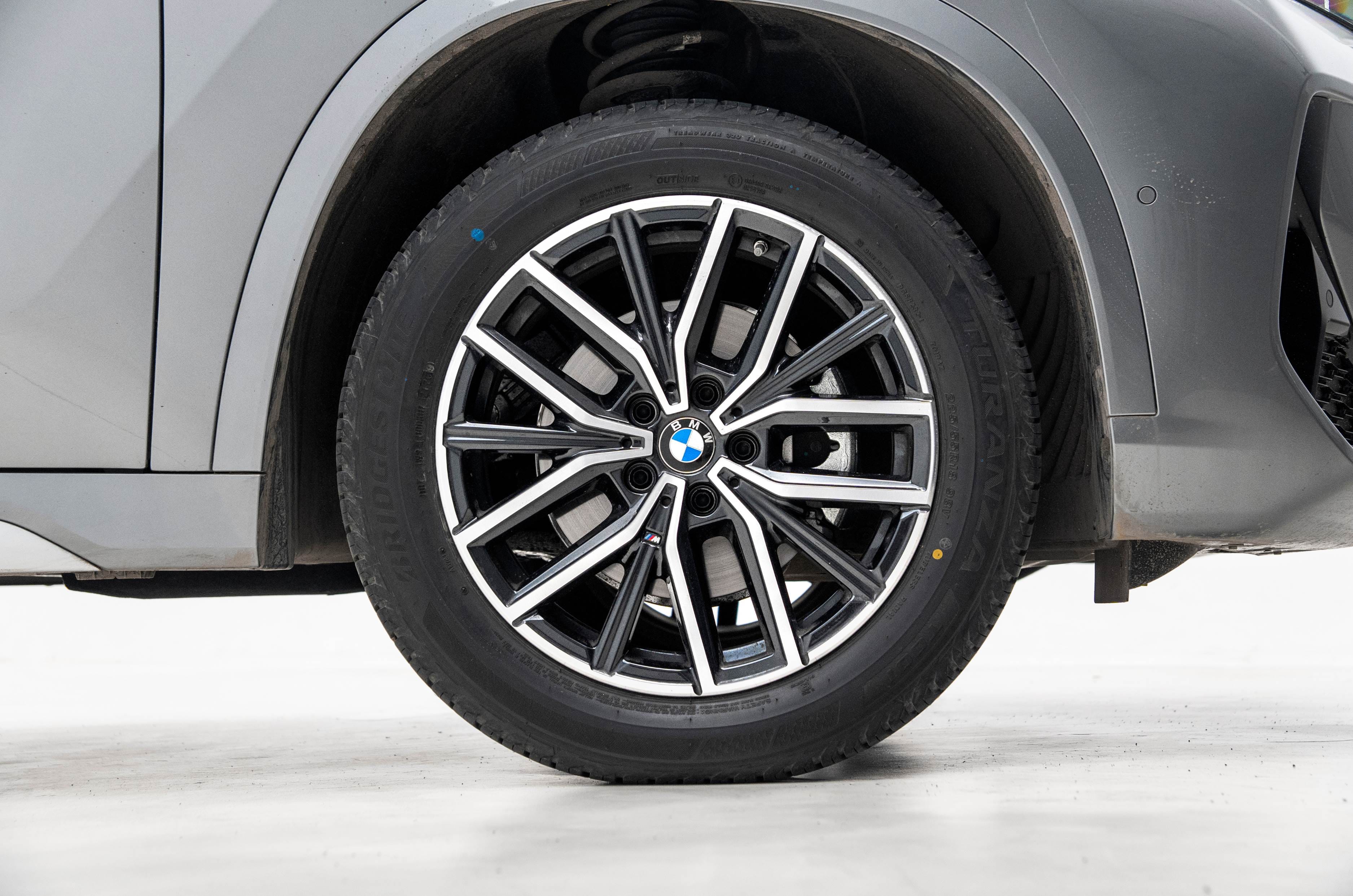
In person, the X1 LWB doesn’t look vastly different to the standard wheelbase model. It’s got the same peeled back headlamps, same M Sport styling pack and same edgy tail lights. The 18-inch rims are shared with the other X1s, but a more exciting design and or a larger size would have done much for the look. A chrome surround for the large windows is a small detail distinction to the standard X1 that uses a black effect, while the conventional grille here serves as a distinguishing element to the iX1 that sports a closed-off grille.
18-inch wheels shared with regular X1; larger wheels would have done much for the look.
BMW X1 LWB Interior Space and Comfort – 8/10
Long wheelbase opens up huge space at the back
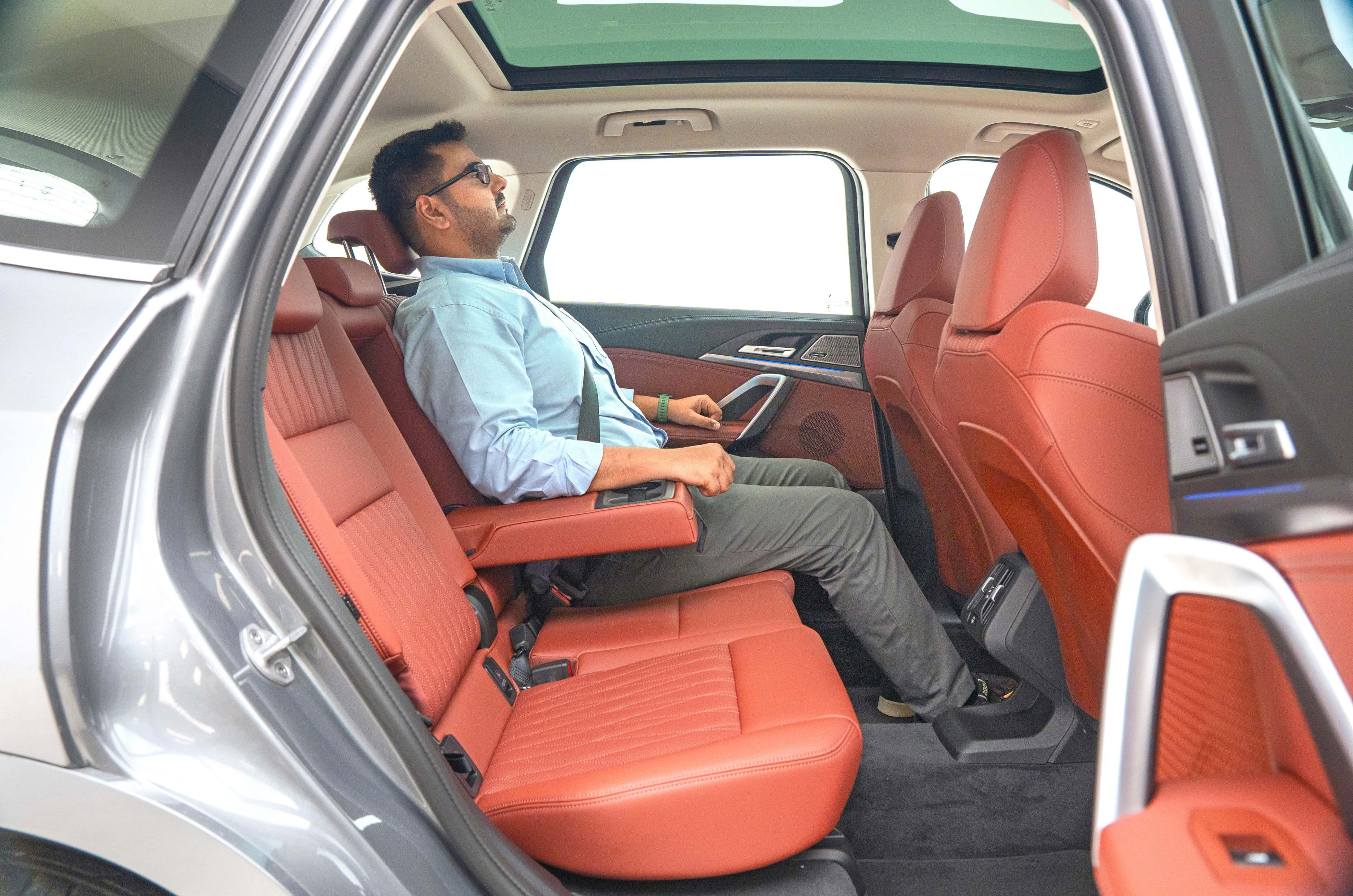
Thanks to wide opening rear doors and a large door aperture, getting into the back of the X1 LWB is very convenient. And once you’re inside, you’ll be amazed by the sense of space that you get there.
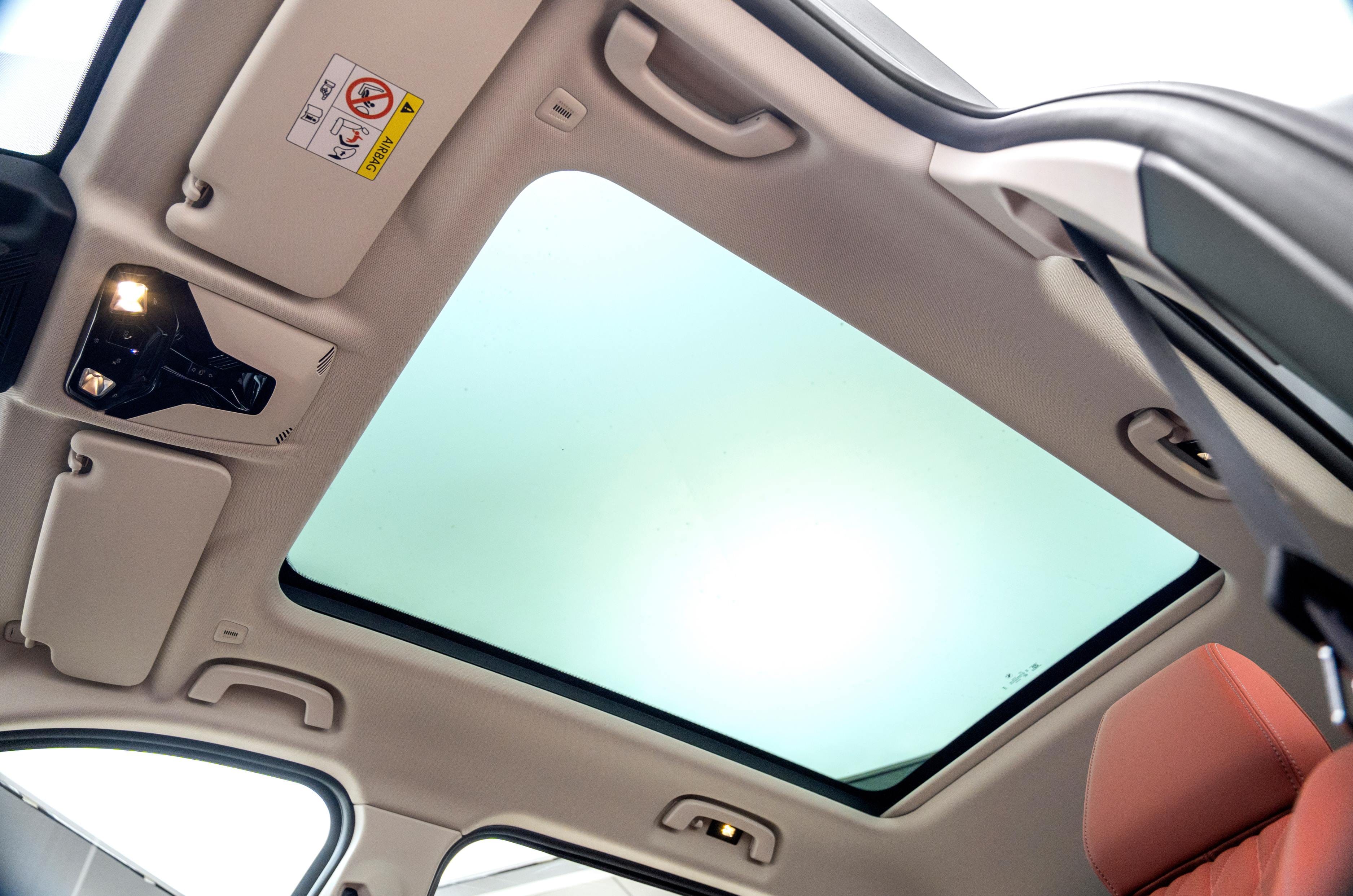
Even six footers will find legroom generous and helping the feeling of space is the large glasshouse. The panoramic glass roof (it doesn’t open) lets in lots of light and the rear windows are also large. Pity, they don’t get adjustable sunshades.
Rear seat gets a longer base and enhanced cushioning for better comfort.
Like the iX1 LWB, the X1 LWB also benefits from a redone rear seat. There’s enhanced cushioning while a 15mm longer seat base adds a bit more by way of thigh support. The seating position itself is very good, and if you want a more relaxed setting, you also have the option to recline the backrest by a couple of degrees. The extra leg room also makes the X1 LWB that little bit comfier for a middle passenger who will have more space to keep his or her feet on either side of the high centre tunnel. Still, the rear seat is best for two.
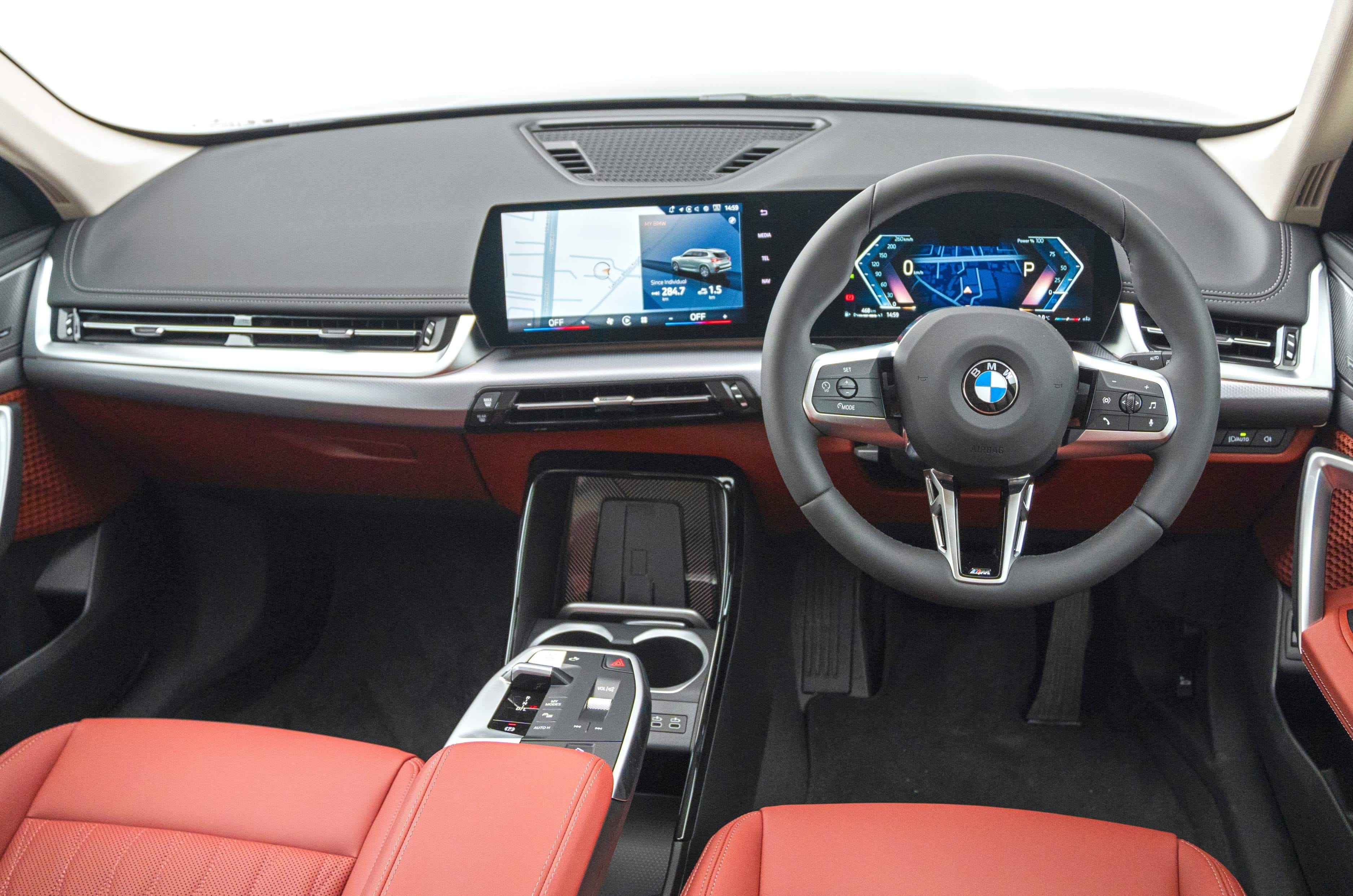
Dashboard is identical to the standard wheelbase X1.
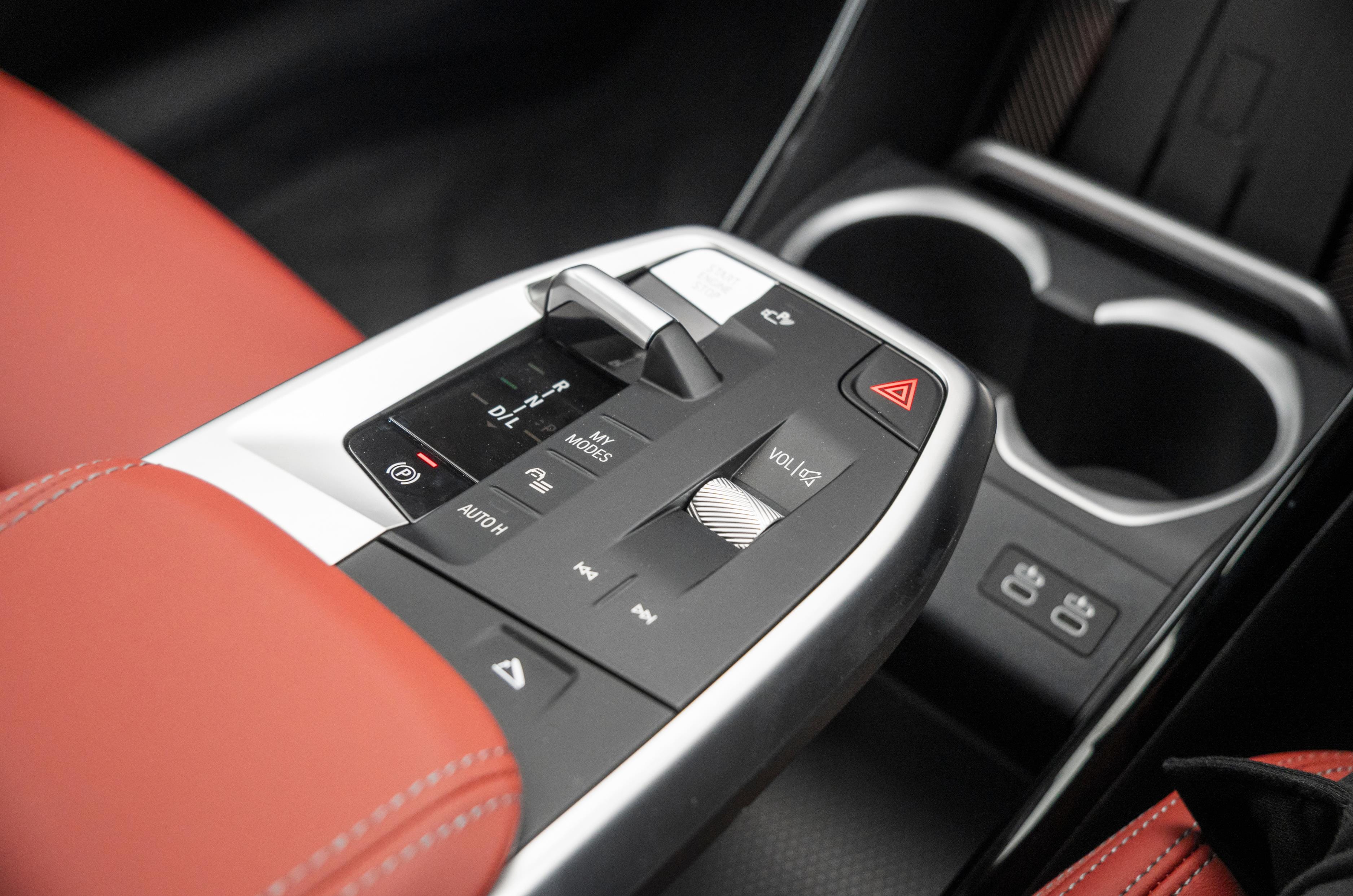
Up front, the X1 LWB is no different to the standard wheelbase X1. The dash with its asymmetric AC vents looks youthful and what also adds some flavour to the X1’s cabin is the upright wireless phone charging pad at the base of the dash. There’s also a floating centre console, which houses a few key buttons, such as for the gear selector, volume control and driving modes. There’s some storage under the front centre armrest but oddly, the lid opens towards the passenger side.
Floating centre console gets a few physical controls and some storage underneath.
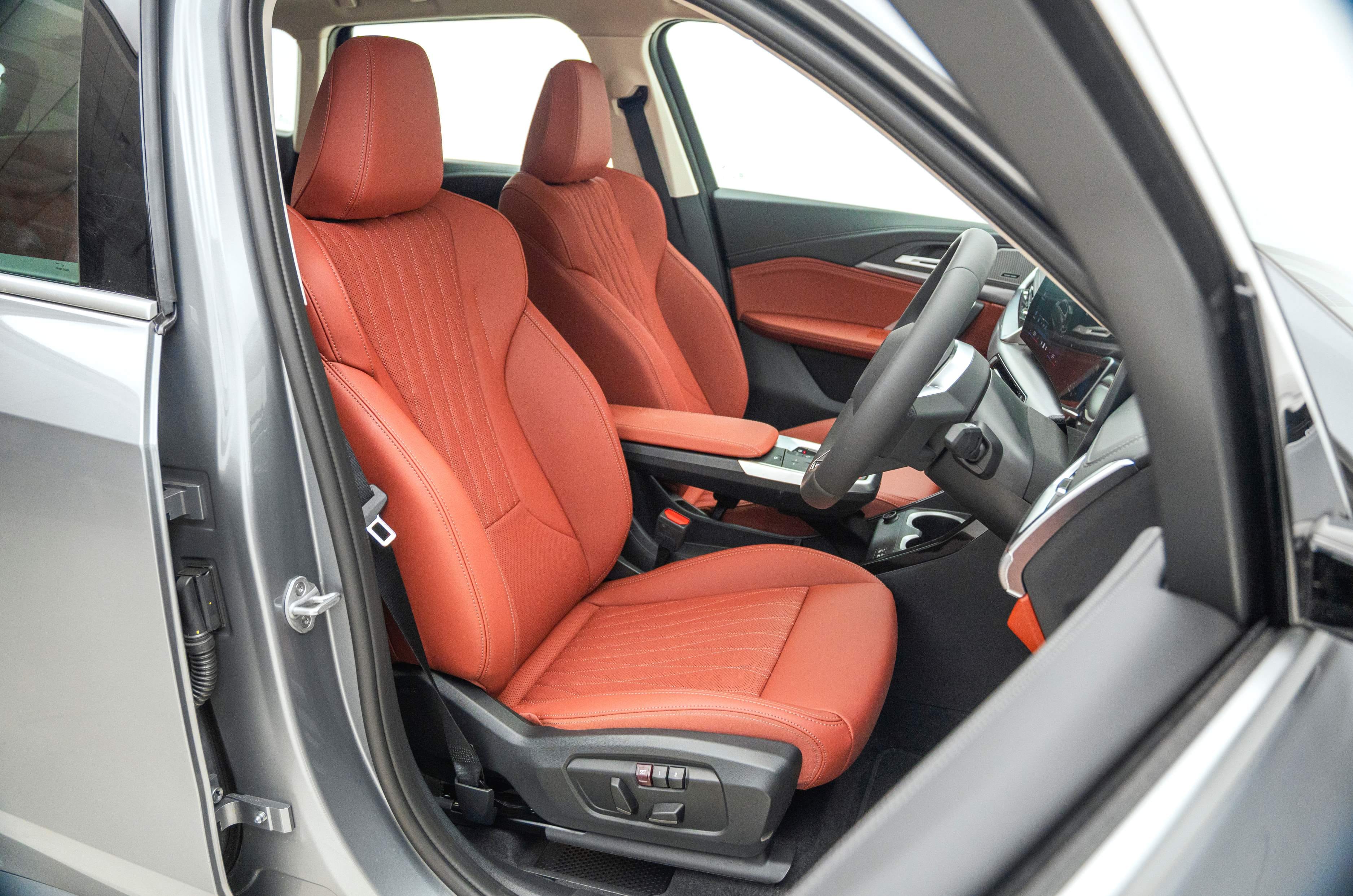
Upholstery choices include the brown you see here as well as a white on black theme which we suspect would be a pain to keep clean. The front seats themselves look sporty and also hold you really well, but unfortunately, the X1’s seat massage function has been dropped on the long wheelbase model. There’s also no seat ventilation function. An M Sport steering is standard but feels a bit too chunky in most hands, and also misses on paddleshifters.
Front seats are sporty, but they miss out on ventilation and massage functions.
In terms of quality, key touch points look and feel good. There are padded materials on the dash and the textured metal-like effect is nicely done. However, it’s not quite got the same attention to detail as pricier BMWs. The USB slots on the dash, for one, aren’t backlit, so you’ll fumble with wires in the dark. The ambient lighting, too, isn’t as vibrant as, say, in a Mercedes GLA. BMW says boot capacity stands at 540 litres and there is plenty of space for large bags. Packaged under the boot floor is a space-saver spare tyre.
BMW X1 LWB Features and Safety – 7/10
X1 LWB is available in a single M Sport trim
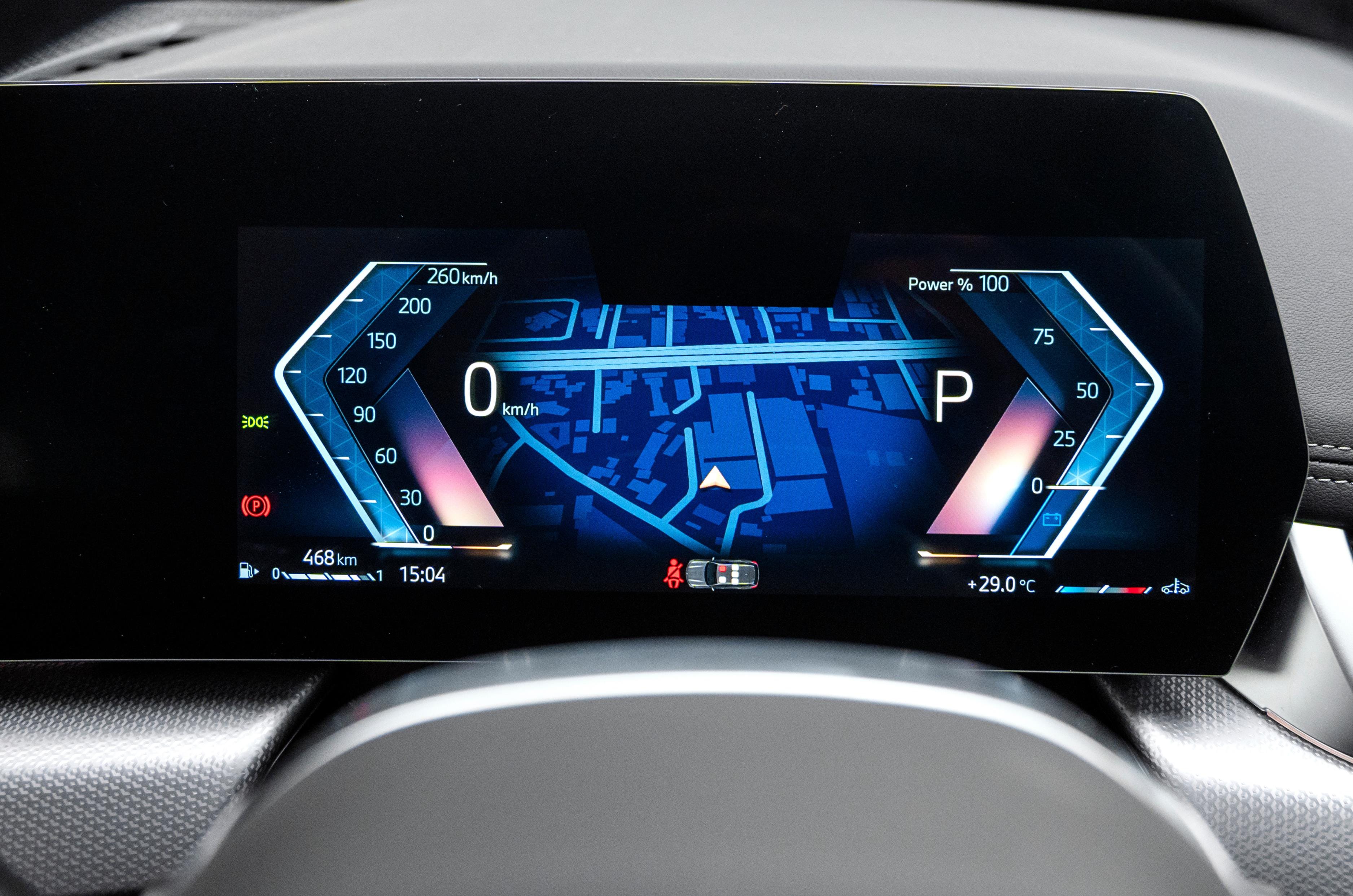
The X1 LWB sports BMW’s twin screen Curved Display. The 10.25-inch digital instrument cluster does give all the info you need, but the presentation with hexagonal themes isn’t appealing even after all these years. The 10.7-inch touchscreen has its highs and lows, too. It’s crisp and responsive, but packs in way too much, including the climate control settings. The menus, frankly, can feel overwhelming on the go. The crisp 360-degree camera does get our vote. A Reversing Assistant that retraces the path in and automatically backs out (up to 50m) is a handy function to get you out of tricky situations.
Instrument cluster offers lots of information, but the presentation with hexagonal themes isn’t appealing.
Interestingly, BMW offers a subscription service to unlock more advanced maps, customizable icons, and more screen themes and modes. Other features include a digital key, allowing you to share access with up to 18 friends and family members, while the 12-speaker Harman Kardon sound system is rather nice, too.
Headlining the list of comfort features is the panoramic glass roof, and there’s power adjust for both front seats. Rear seat passengers get dedicated rear AC vents but there’s no dedicated zone for the rear section of the cabin. A fold-down armrest and USB type C charging port are other functions at the back.
Panoramic glass roof lets in lots of light, but isn’t openable.
Safety kit includes 8 airbags, ABS, ESC and Isofix child seat mounts among other features. The X1 LWB also packs in a few ADAS functions such as auto emergency braking and lane departure warning and assist. Adaptive cruise control, however, is missed.
BMW X1 LWB Performance and Refinement – 7/10
1.5-litre, three-cylinder turbo-petrol is only engine on X1 LWB
BMW is launching the X1 LWB in S-Drive 18 Li form, which is a complicated way of saying that it’s powered by a 1.5-litre three-cylinder turbo petrol engine. Yes, you read that right. The engine is E25 compliant, but there’s no diesel option for the moment, and buzz is there won’t be one in the future either.
Performance is adequate but unexciting
The X1 LWB’s petrol engine makes 156hp and 230Nm and all the power goes to the front wheels only, via a seven-speed dual-clutch transmission. A fact to note, 156hp is the upgraded power figure. On the standard wheelbase X1, the engine makes 136 horsepower.
Unfortunately, the power bump doesn’t magically transform the X1 LWB into something sporty. In ordinary city driving, you really won’t have a problem with the performance on hand. There’s enough power for the urban grind. It’s just that when you pick up the pace, you’ll miss that reserve of power that you just expect in a luxury car.
Refinement is good but the engine thrums when extended
Sport mode does make the engine feel a bit more urgent, but it’s also in Sport mode that the engine can’t hide its three-cylinder-ness. When it’s time to overtake, for instance, and you press down on the accelerator pedal, there is a bit of a delay, then you hear the engine thrum, and that’s not a very BMW sound. Performance is also not very BMW. We managed a 0-100 kph time of 9.58 seconds.
Then again, the X1 LWB’s USP is the rear seat, and there will be buyers who rarely, if ever, take the wheel. If you’ve instructed your chauffeur to drive in an easygoing manner, you will note that engine noise is actually pretty well-contained.
BMW X1 LWB Mileage and Efficiency – 8/10
While we haven’t put the X1 LWB to the full test it should prove to be more efficient than rivals’ four-cylinder turbo-petrol units. Of course, it won’t be outright frugal because the X1 LWB is a substantial vehicle. We expect real-world fuel economy in the 7-10kpl band with the figure rising to 9-12kpl over highway drives.
BMW X1 LWB Ride Comfort and Handling – 8/10
Suspension has been tweaked for better comfort on the X1 LWB
The X1 LWB might be front-wheel drive only but there is a crispness to the way it changes direction. You will like the feel at the steering wheel and you get a good sense of connect too. Unfortunately, the handling isn’t supported by the engine. Long story short, this is not the BMW for keen drivers.
As for ride comfort, BMW has tweaked the suspension for the X1 LWB, and they’ve done a pretty good job of things. The suspension works quiet, it feels absorbent, and it’s only when you’re really paying attention that you’ll notice a distant firmness to the setup.
BMW X1 LWB price and verdict – 8/10
X1 LWB makes for a great backseat SUV
Prices for the X1 LWB will be announced on August 21. We expect BMW to keep pricing within the Rs 50-55 lakh (estimated, ex-showroom) band, which would make the X1 LWB a very enticing proposition.
Rear seat space is the highlight and immediately gives the BMW bragging rights over the Mercedes GLA and Audi Q3. Thing is, the X1 LWB’s appeal is almost too tied to the rear seat experience. The drive experience is just so-so. Performance is fine for the daily grind but the three cylinder unit does little to excite. If that’s not a deal breaker for you, the BMW X1 LWB is sure worth a long, hard look.
Maruti Brezza 2026: Maruti Suzuki India ने उन बातों को खारिज कर दिया है, जिनमें कहा गया था कि नई Brezza कॉम्पैक्ट SUV का 1.0-लीटर टर्बो बूस्टरजेट पेट्रोल इंजन बदले हुए GST स्ट्रक्चर का फायदा उठाने के लिए लाया गया था। कंपनी का कहना है कि यह इंजन टैक्स में बदलाव लागू होने से काफी पहले से ही डेवलप किया जा रहा था।
नई Brezza के लॉन्च के मौके पर Maruti Suzuki India के सीनियर एग्जीक्यूटिव ऑफिसर (मार्केटिंग और सेल्स) पार्थो बनर्जी ने कहा, “नई Brezza में टर्बो पेट्रोल इंजन लाने के पीछे GST कोई वजह नहीं थी। यह बाद में सोचा गया फैसला नहीं था। हम इस पर पहले से ही काम कर रहे थे।”
उन्होंने आगे कहा, “प्रोडक्ट साइकल लंबे होते हैं। इसका GST से कोई लेना-देना नहीं है।”
यह स्पष्टीकरण इसलिए जरूरी है क्योंकि नए GST स्ट्रक्चर में कुछ छोटी पेट्रोल कारों के लिए कम टैक्स ब्रैकेट बनाया गया है। सितंबर 2025 में लागू हुए GST बदलावों के बाद, 4,000mm से कम लंबाई और 1,200cc से छोटे इंजन वाली पेट्रोल कारों पर 18% GST लगता है। जबकि बड़ी इंटरनल कंबशन इंजन (ICE) वाली कारों पर 40% की दर से टैक्स लगाया जाता है।
GST स्लैब में आई नई Brezza
नई Brezza की लंबाई 3,995 mm है। जहां इसका नया 1.0-लीटर टर्बो बूस्टरजेट पेट्रोल इंजन (997 cc) 18% GST स्लैब के दायरे में आता है। वहीं, इसका मौजूदा 1.5-लीटर K15C पेट्रोल इंजन (1,462 cc डिस्प्लेसमेंट वाला) अभी भी 40% स्लैब में शामिल है।
GST कटौती से सस्ती हुई Brezza
GST में बदलाव से पहले, Brezza पर कुल 45% टैक्स लगता था, जिसमें 28% GST और कंपनसेशन सेस शामिल था। बदलाव के बाद, इस पर टैक्स घटकर 40% हो गया, जिससे पूरी रेंज की कीमतों में 1.12 लाख रुपये तक की कमी आई। जहां पुरानी Brezza की शुरुआती कीमत 8.26 लाख रुपये (एक्स-शोरूम) थी, वहीं नए मॉडल की शुरुआती कीमत 7.40 लाख रुपये (एक्स-शोरूम) है।
नई Brezza में तीन पावरट्रेन ऑप्शन
नई Brezza में 1.0-लीटर टर्बो बूस्टरजेट पेट्रोल इंजन दिया गया है, जो 110.2 PS की पावर और 170 Nm का टॉर्क जनरेट करता है और इसके साथ छह-स्पीड मैनुअल ट्रांसमिशन मिलता है। हालांकि, मारुति सुजुकी ने 1.5-लीटर K15C पेट्रोल इंजन को छह-स्पीड मैनुअल और ऑटोमैटिक ट्रांसमिशन ऑप्शन के साथ बरकरार रखा है। इसके अलावा, S-CNG वेरिएंट भी पेश किया है जिसमें नए अंडरबॉडी CNG टैंक का कॉन्फिगरेशन दिया गया है।
SUV सेगमेंट की रफ्तार धीमी, लेकिन बाजार में दबदबा बरकरार
Maruti Suzuki की SUV रणनीति में Brezza की भूमिका अहम बनी हुई है। हालांकि, SUV सेगमेंट का तेजी से बढ़ना अब थोड़ा धीमा हो गया है, फिर भी भारत के पैसेंजर व्हीकल (PV) मार्केट में इसका सबसे बड़ा योगदान है।
बनर्जी ने कहा, “अब SUV सेगमेंट की हिस्सेदारी कुल PV इंडस्ट्री का लगभग 57-58% है। इसमें अब ज्यादा बढ़ोतरी नहीं हो रही है। वहीं, कॉम्पैक्ट SUV की हिस्सेदारी लगभग 30% है।”
FY26 में बिकीं 47 लाख से ज्यादा कारें
इंडस्ट्री के आंकड़े भी इस बात की पुष्टि करते हैं। FY26 में कुल 47.07 लाख पैसेंजर व्हीकल की बिक्री हुई, जिसमें से 26.70 लाख यूनिट SUV थीं। यानी कुल PV मार्केट में SUV की हिस्सेदारी करीब 57% रही। वहीं, कॉम्पैक्ट SUV सेगमेंट में 14.46 लाख यूनिट की बिक्री हुई, जो पूरे पैसेंजर व्हीकल बाजार का लगभग 31% हिस्सा है।
पार्थो बनर्जी ने कहा “कॉम्पैक्ट SUV सेगमेंट तेजी से बढ़ रहा है क्योंकि इस सेगमेंट में ज्यादा प्रोडक्ट्स मौजूद हैं। मिड-साइज SUV सेगमेंट भी बढ़ रहा है। यह ग्रोथ पूरी तरह से मार्केट में आने वाले नए प्रोडक्ट्स पर निर्भर करती है।”
बता दें कि Brezza देश की सबसे ज्यादा बिकने वाली कॉम्पैक्ट SUV में से एक बनी हुई है। FY26 में, इसकी बिक्री करीब 1.80 लाख यूनिट रही। वहीं, , इस सेगमेंट में Tata Nexon सबसे आगे रही, जिसकी बिक्री 2.16 लाख यूनिट दर्ज की गई।
बनर्जी ने यह भी कहा कि मौजूदा फाइनेंशियल ईयर में Brezz की बिक्री में गिरावट आई क्योंकि ग्राहक नए मॉडल का इंतजार कर रहे थे, और प्रोडक्शन से जुड़ी दिक्कतों की वजह से सप्लाई सीमित रही।
उन्होंने बताया, “इस साल (FY27) हमारी Breza की बिक्री कम रही क्योंकि मार्केट को नए मॉडल का इंतजeर था। हमें प्रोडक्शन से जुड़ी दिक्कतों का भी सामना करना पड़ा।”