Volvo is currently not considering plug-in-hybrid vehicles (PHEVs) in its India portfolio anytime soon, as it sees the current tax structure and uncertain customer interest as hurdles to their introduction. “The regulations are not conducive to plug-in hybrids,” Jyoti Malhotra, MD of Volvo Car India, told our sister publication Autocar Professional on the sidelines of the recent EX90 launch. He also added that Volvo’s India plans remain focused on mild hybrids and EVs for now.
GST on PHEVs is 40 percent, making them less competitive than BEVs with 5 percent GST
Volvo’s India strategy focuses on mild hybrids and BEVs for the foreseeable future
PHEVs could be introduced if customer demand, economics support their future viability
India’s tax structure makes PHEVs less competitive
In India, PHEVs attract a 40 percent GST rate (plus applicable cesses bringing total taxes even higher, up to 43 percent). In contrast, pure battery EVs (BEVs) face a 5 percent GST rate and no compensation cess.
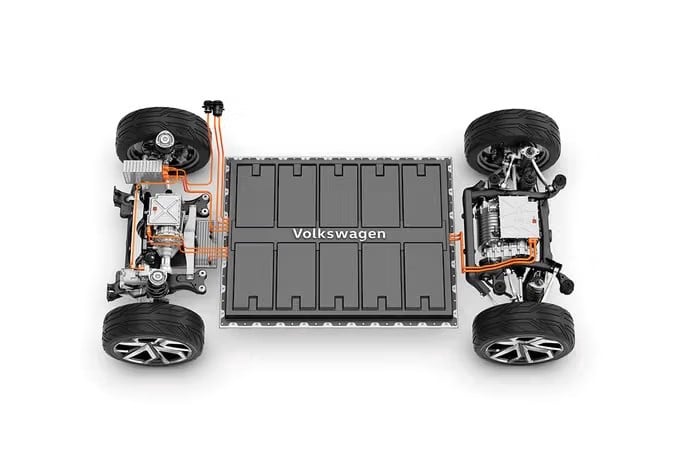
Malhotra said current tax treatment favours BEVs and makes PHEVs less competitive. PHEVs combine an internal combustion engine (ICE) with an electric drivetrain comprising an electric motor and a rechargeable battery that can be charged externally. This dual-powertrain setup adds to the vehicle’s cost. The higher tax burden further affects the final price, making PHEVs less competitive against conventional ICE models and battery electric vehicles (BEVs).
Higher costs, customer willingness to pay remain key hurdles
Beyond taxation, customer willingness to pay remains a key factor in Volvo’s assessment. Malhotra said PHEVs would be more expensive than conventional ICE vehicles because they combine two powertrains and face a higher tax burden. “Are our customers ready to pay that cost is something we are watching very closely,” he added.
He also believes incentives under the third phase of Corporate Average Fuel Economy (CAFE) norms, slated to go into effect from April 2027, would not by themselves change the commercial case or the final purchase price. “I don’t think CAFE will bring much change to that. It is basically the tax structure,” he said.
Volvo’s India strategy remains focused on EVs, mild hybrids
Malhotra maintained that Volvo’s broader direction remained towards battery electric vehicles, even as the company adjusted the pace of its transition to reflect conditions in individual markets. “Our end goal is still the same, globally as well as in India, that we want to become an electric car company,” he said.
In India, Volvo offers mild-hybrid SUVs alongside BEVs, with electric cars accounting for nearly one in four vehicles it sells. The BEV portfolio includes EX30, EC40 and EX90 models, while the ICE models include the XC60 and XC90 SUVs, which come in a mild-hybrid avatar. Internationally, though, Volvo offers the XC60 and XC90 as PHEVs as well.
Malhotra said that mix also left the company well placed on CAFE compliance, allowing its powertrain decisions to be guided by market demand. Plug-in hybrids remain an option if customer demand and the economics support their introduction. “It’s not that we will bring it, but we can bring it if all things fall in place,” he added.
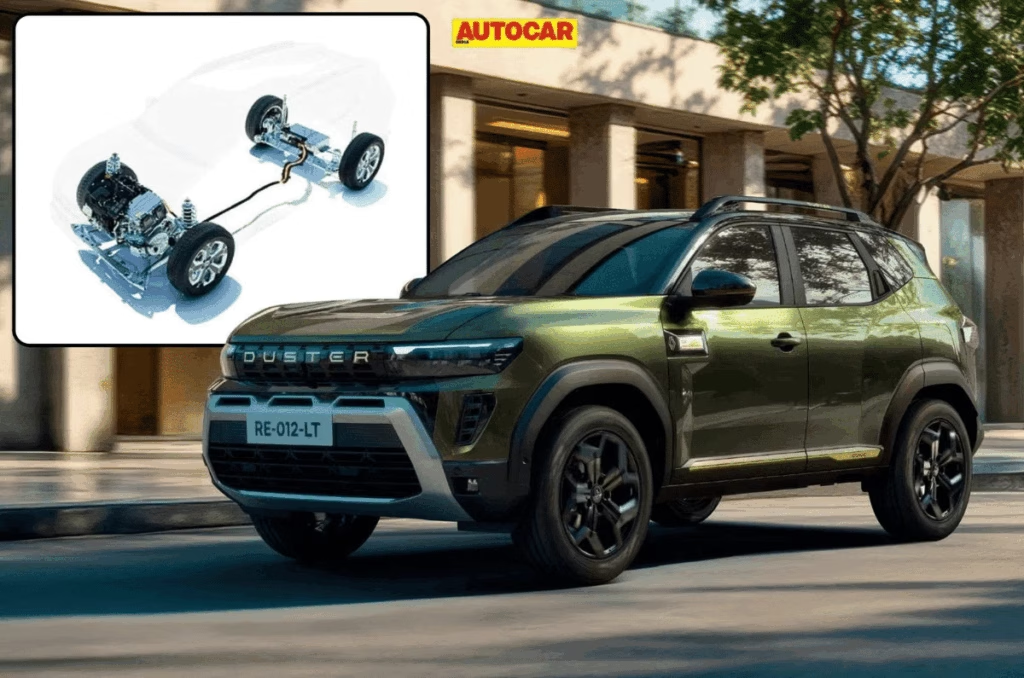
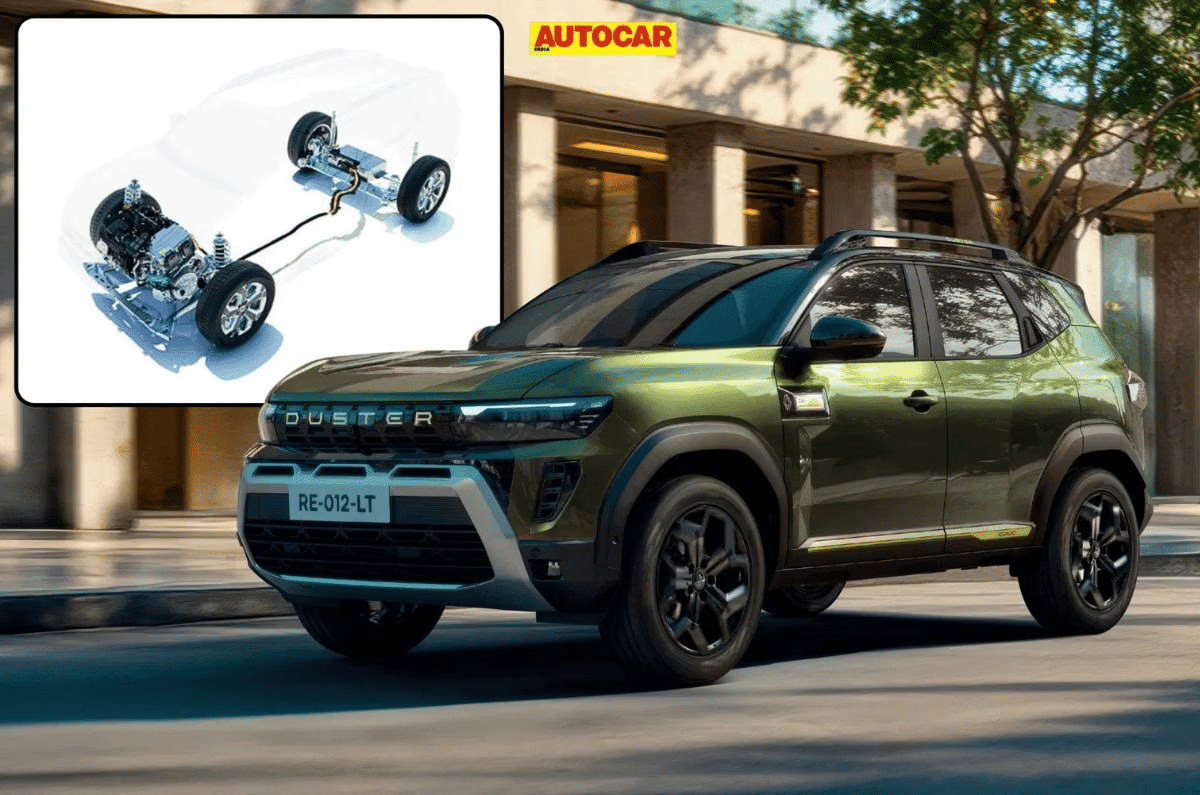
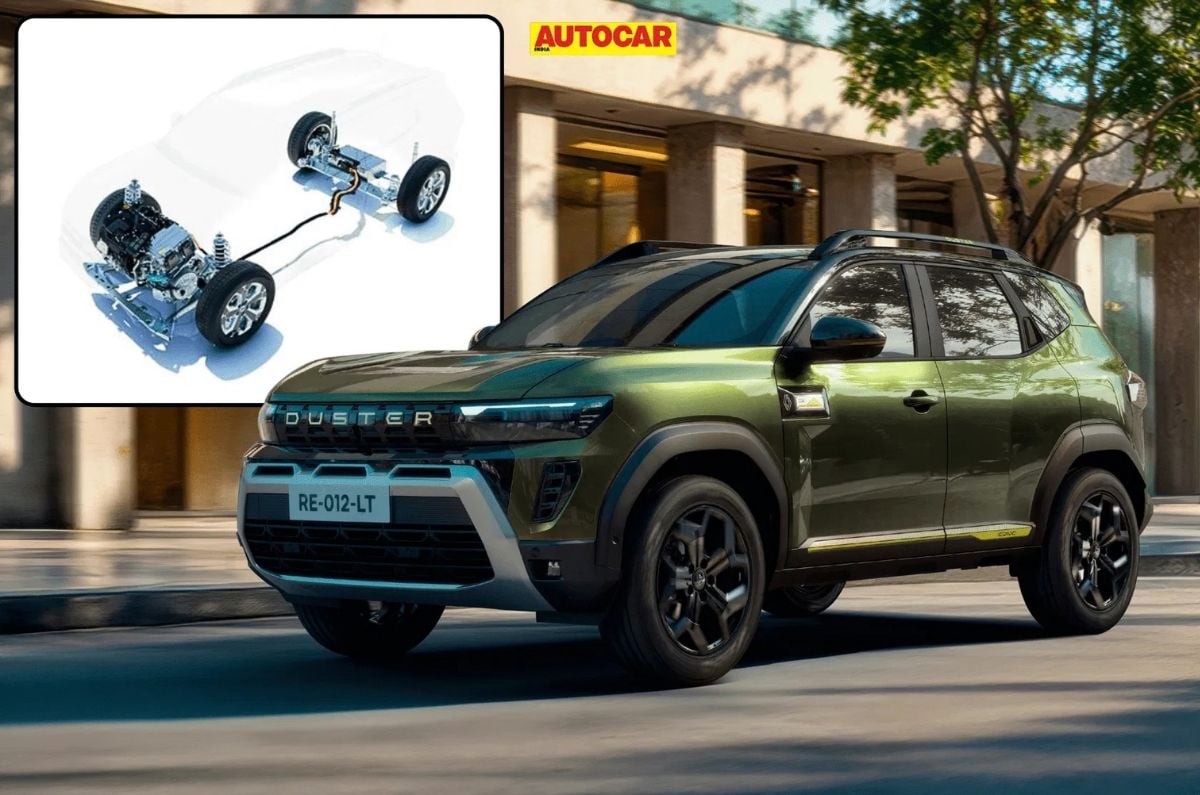
Renault India has opened the Duster hybrid’s bookings for Rs 21,000, ahead of its launch on October 17. This will be the third powertrain option for the Renault Duster, adding to the existing 1.0-litre and 1.3-litre turbo-petrol engines. Called the E-Tech system, it draws from the carmaker’s experience and expertise in Formula 1. Renault has also revealed that the Duster hybrid has an ARAI-rated fuel efficiency figure of 29kpl.
Renault Duster hybrid powertrain details
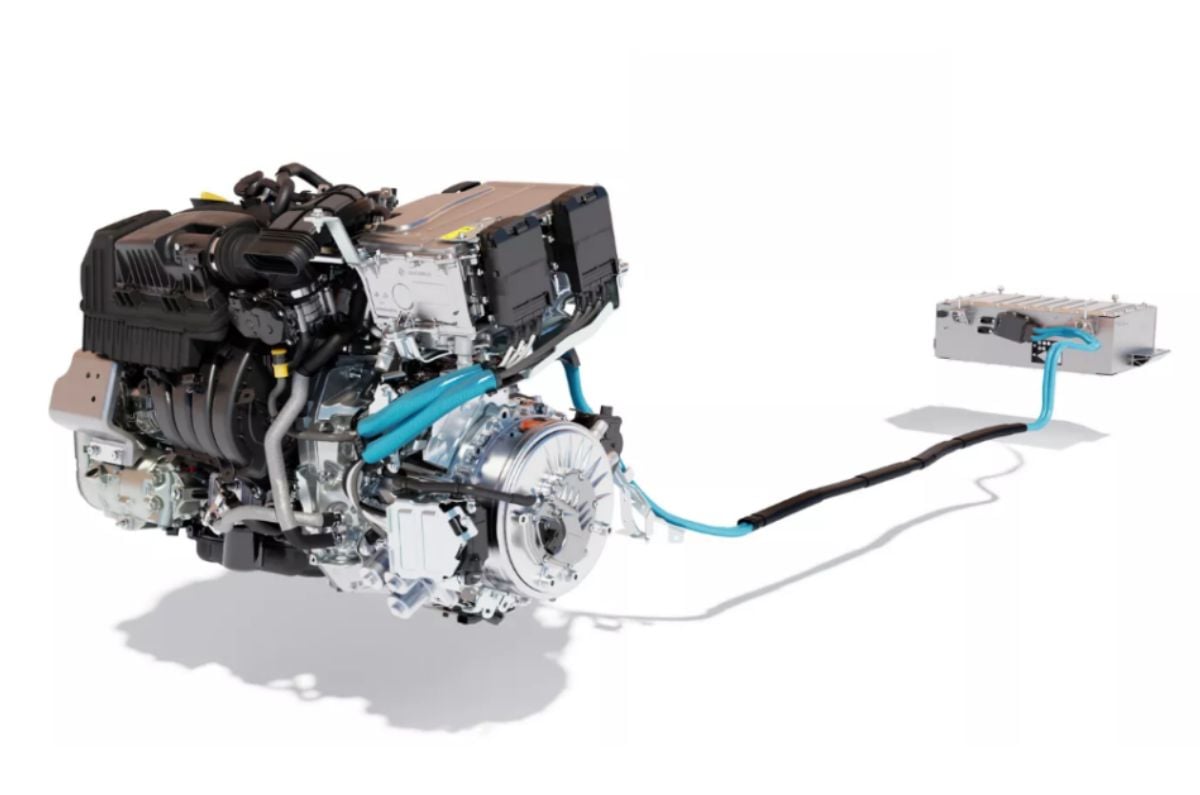
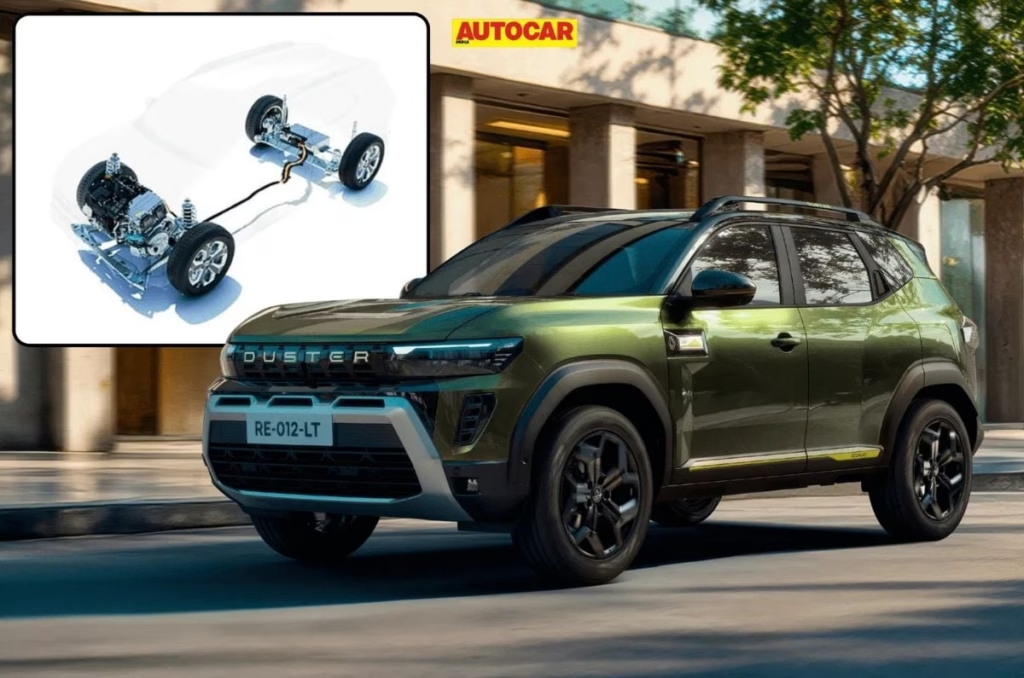
The Duster hybrid combines a naturally aspirated 1,789cc four-cylinder petrol engine with two electric motors, a 20hp unit acting as a generator and a 49hp motor powering the wheels. Combined, the system produces 160hp and 172Nm, and it is supported by a 1.4kWh battery pack. The Duster’s hybrid combines a petrol engine with electric drive and a battery, and it sends power to the wheels through a multi-mode automatic gearbox. The transmission uses fixed gear ratios and can shift between them. This means engine rpm is expected to rise and fall more like a conventional automatic, and you may notice gear engagements as it switches between electric drive, engine drive and a combination of both.
Renault’s 160hp E-Tech hybrid powertrain.
As with any full hybrid, the efficiency gains come from low-speed electric running, regenerative braking and the ability to keep the petrol engine off when it is not needed. However, real-world fuel economy will still depend on traffic conditions, speed, ambient temperature and driving style. That said, Renault claims the engine will enable 80 percent of city drives to be done in EV mode.
The choice of a hybrid powertrain is expected to help make up for the absence of a diesel option on the new Duster. This will also directly compete with the Maruti Grand Vitara, Victoris and Toyota Hyryder, all of which currently offer a hybrid powertrain option.
The government has notified the third phase of its Corporate Average Fuel Economy norms, setting progressively tighter fuel-efficiency requirements for passenger vehicle manufacturers from April 2027 while giving them several routes to comply, including higher weightage for electric and hybrid vehicles, benefits for alternative fuels, efficiency-technology credits and trading of compliance credits.
The final CAFE III framework will apply to M1 category passenger vehicles manufactured or imported for sale in India from April 1, 2027 to March 31, 2032, according to a Ministry of Power notification. The standards will continue to be calculated at the manufacturer level using the sales-weighted average fuel consumption of its vehicle portfolio.
CAFE III targets tighten through FY2032
Year
Permitted fleetwide fuel economy average*
FY28
3.996 litres/100kms
FY29
3.860 litres/100kms
FY30
3.7585 litres/100kms
FY31
3.5313 litres/100kms
FY32
3.3273 litres/100kms
*For a manufacturer with a reference fleet weight of 1,229kg
The permitted fleet-average fuel consumption will become progressively lower each year. The standard will be calculated using the formula a×(W−1,229)+c, where W represents the weighted average unladen mass of all eligible vehicles manufactured or imported for sale by an OEM.
For a manufacturer with a reference fleet weight of 1,229kg, the target falls from 3.996 litres of petrol equivalent per 100km in FY2028 to 3.3273 litres per 100km in FY2032. This corresponds to about 94.8g CO2/km in FY2028 and 78.9g/km in FY2032.
The targets are calculated across the manufacturer’s eligible fleet, meaning sales of more efficient vehicles can offset higher-consuming models within the same portfolio. Small-volume manufacturers with annual eligible vehicle volumes below 1,000 units are exempt from meeting the specific CAFE target, although they will still have to report their average fuel-consumption performance.
EVs gain biggest advantage
EVs get the biggest compliance boost
Battery electric vehicles and range-extended electric vehicles will receive a 3.0 super credit multiplier under CAFE III. Plug-in hybrids and flex-fuel strong hybrids get 2.5 super credit multiplier, strong hybrids get 1.6 and flex-fuel ethanol vehicles get 1.1 super credit multiplier.
Vehicle type
Multiplier
Battery electric
3.0
Range-extended electric
3.0
Plug-in hybrids
2.5
Flex-fuel strong hybrids
2.5
Strong hybrids
1.6
Flex-fuel ethanol
1.1
The final rules do not include the additional 3g CO2/km benefit for certain sub-four-metre petrol cars that had been proposed in an earlier draft of CAFE III.
CNG and ethanol also get benefits
CAFE III also gives carmakers another route through what the government calls a Carbon Neutrality Factor for alternative-fuel vehicles. Cars running on E20 or higher notified ethanol-petrol blends, including strong and plug-in hybrids, get an 8 percent carbon-neutrality factor on tailpipe CO2.
Flex-fuel ethanol vehicles get a 22.3 percent carbon-neutrality factor, while CNG vehicles get 5 percent or the notified CBG blending percentage, whichever is higher. Diesel vehicles receive a benefit linked to the notified biofuel blending level.
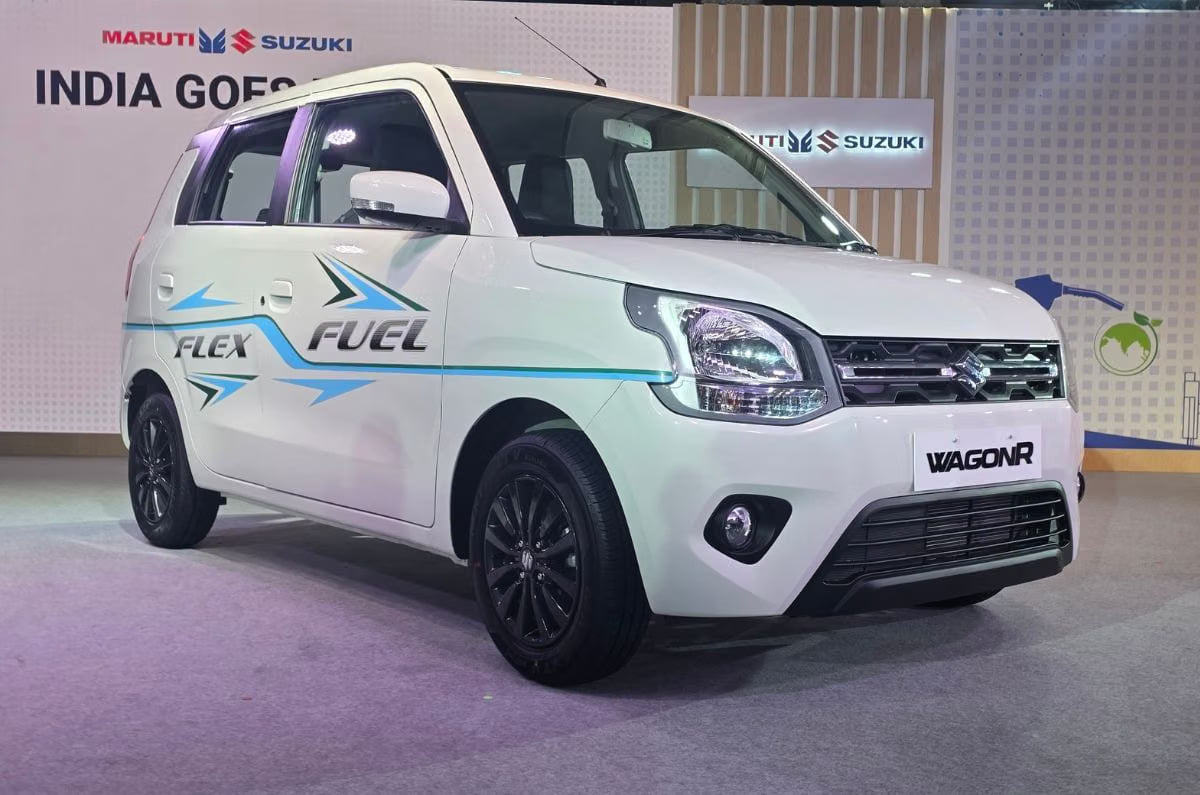
The provision gives manufacturers another compliance route alongside electrification, with the benefits extending to CNG, ethanol and other alternative-fuel vehicles.
Carmakers can trade fuel-efficiency credits
One of the bigger structural changes under CAFE III is the formalisation of a credit-and-debit system that allows compliance performance to carry financial value. Manufacturers whose fleet performs better than their prescribed target will generate credits, while those exceeding their permitted fuel-consumption level will accumulate debits. These will be maintained in a manufacturer-specific compliance “passbook”.
Surplus credits can be traded between manufacturers on mutually agreed terms. Carmakers can also buy credits from the Bureau of Energy Efficiency (BEE) to offset outstanding debits. The price rises from Rs 2,500 per g CO2/km in FY2028 to Rs 4,500 per g CO2/km in FY2032. The escalating price increases the incentive for companies to improve their underlying fleet performance.
The five-year CAFE III period will be split into two compliance blocks: FY2028-FY2030 and FY2031-FY2032. Credits and debits can be carried forward within each block, while unused credits will lapse at the end of the block.
Efficiency technologies also carry benefits
CAFE III allows manufacturers to claim a 1g CO2/km reduction for each eligible efficiency technology, subject to a maximum benefit of 9g CO2/km. The 12 eligible technologies include start-stop systems, tyre-pressure monitoring, regenerative braking, six-speed or higher transmissions, efficient alternators, motor-generators, LED exterior lighting, advanced glazing, electric water pumps and high-efficiency air-conditioning systems.
CAFE III introduces WLTP reporting
CAFE III also begins India’s transition towards using the Worldwide Harmonised Light Vehicles Test Procedure (WLTP) for corporate efficiency calculations. Manufacturers will have to declare the CO2 performance of models sold from April 1, 2027 under both the existing Modified Indian Driving Cycle (MIDC) and WLTP.
The conversion factor for translating the CAFE target from MIDC to WLTP will be notified separately by the Ministry of Power in consultation with the BEE. That leaves an important part of the implementation framework to be finalised despite the five-year CAFE III regime now being notified.
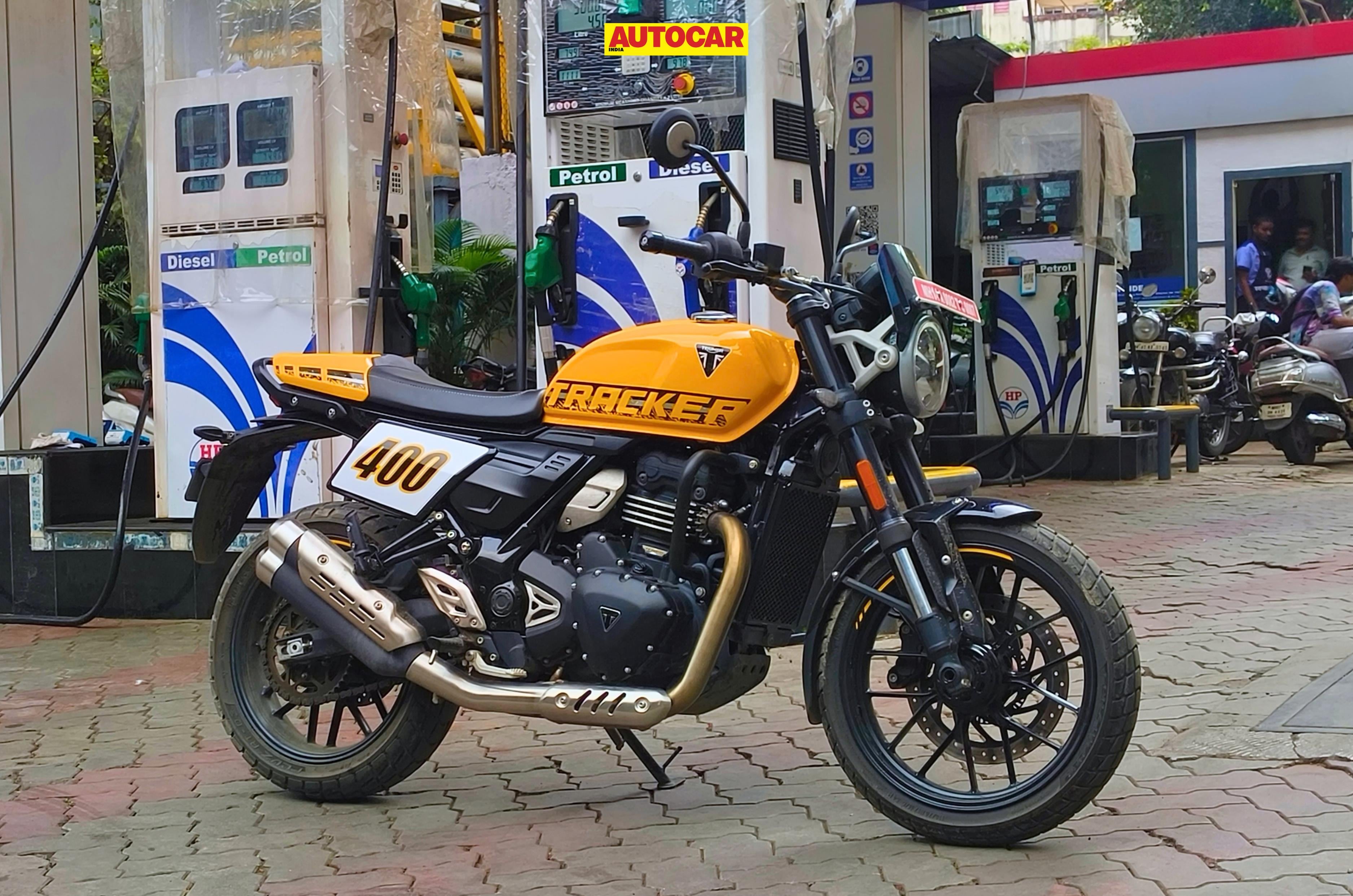
The Triumph Tracker 400 is the most recent launch from the brand in their 400 line-up. It uses the down-sized 349cc liquid-cooled single-cylinder engine in its higher state of tune, like the Thruxton 400. We’ve been able to spend some extensive time on the saddle and here’s how much fuel economy it returned in our standard test.
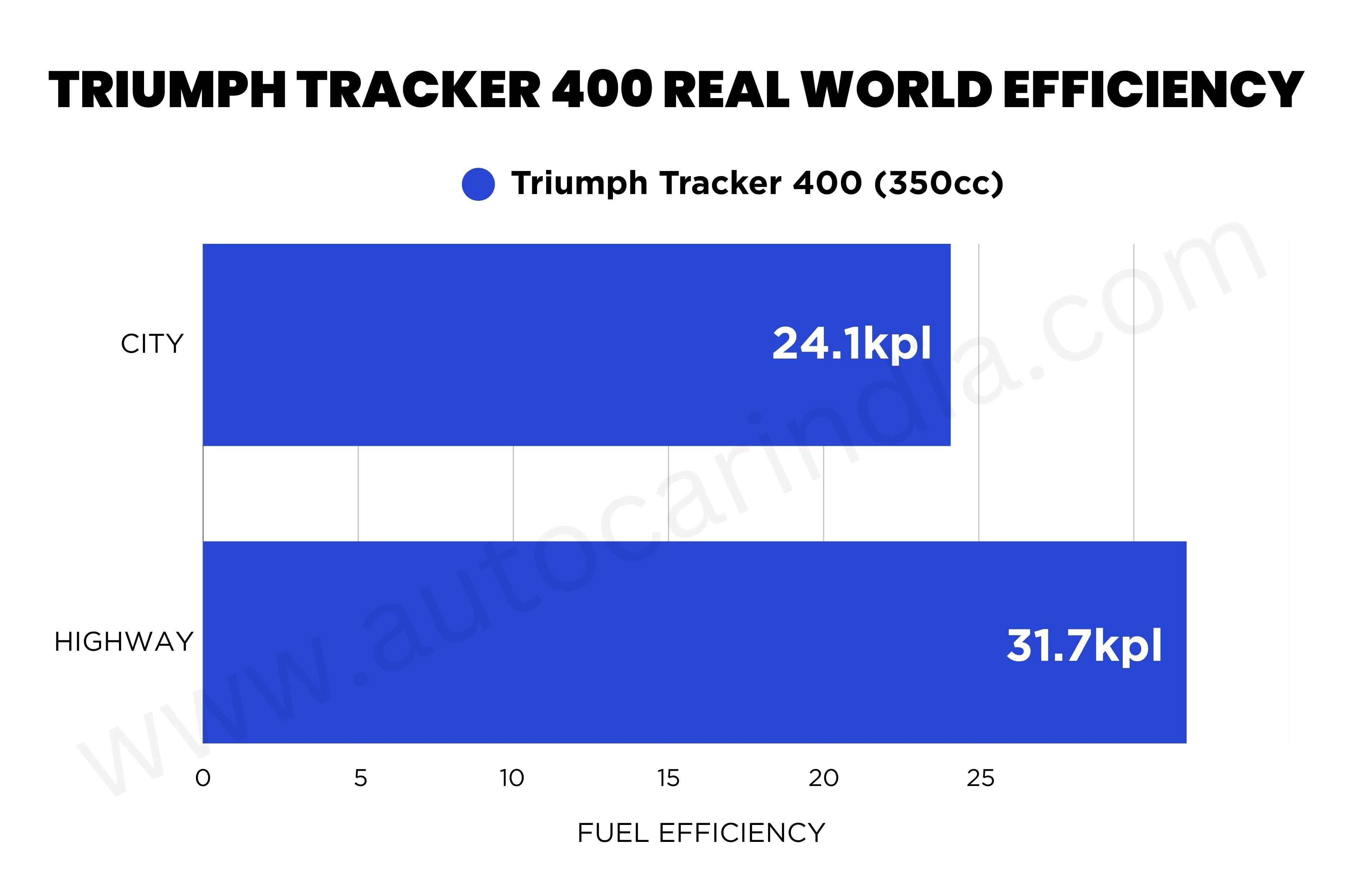
Tracker 400 returned 24.1kpl in the city, 31.7kpl on the highway
As is our testing procedure, we first ran the Tracker 400 on the highway for a little over 44km at steady speeds of 75-80kph. At the end of it, the Tracker 400 required 1.4 litres of petrol to brim the fuel tank, thus achieving a fuel efficiency figure of 31.7kpl.
After this, we ran the Tracker for just over 44km in the city confines of South Mumbai, keeping pace with usual city traffic. After this, it took another 1.83 litres of petrol to fully fill the tank, resulting in a city fuel economy of 24.1kpl.
Triumph Tracker 400 fuel economy analysis
The Tracker 400 isn’t as effortless to ride in the city compared to the Speed 400
As mentioned above, the Tracker 400 has a slightly more powerful engine compared to the other 400s from Triumph other than the Thruxton. It achieved a decent 24.1kpl in the city and 31.7kpl on the highway, resulting in an average fuel economy of 27.9kph. This gives the Tracker a tank range of 360km before you need to fill up again. The engine of the Tracker 400 feels tractable enough to cruise at lower speeds in higher gears. However, since its downsizing, the 349cc Bajaj-made Triumph engine does need to be revved higher to make quick progress, which does impact fuel economy.
Out on the highway, the bike felt relaxed cruising at 80kph (the legal speed limit on our testing patch), without the engine showing any signs of strain and there was enough power in reserve to make quick overtakes, although a downshift or two would help make quicker progress.
Autocar India’s fuel-efficiency testing
Our fuel-efficiency testing routine starts by first brimming the tank and ensuring the bike is running the manufacturer’s recommended tyre pressures. The bike is then ridden on fixed city and highway routes, where we maintain average speeds that best mimic real-world scenarios as well as keeping speed limits in mind. The payload on the bikes is kept constant by balancing rider weights and ballast, ensuring consistency across different vehicles and riders. At the end of the test cycle, the fuel tank is once again filled to the brim, giving us an accurate figure of how much fuel has been consumed against the trip meter reading.
Renault is finally gearing up launch the Duster hybrid in India on October 17. This will be the third powertrain option on the Duster, adding to the existing 1.0-litre and 1.3-litre turbo-petrol engines. Called the E Tech system, Renault says it draws from its experience and expertise in Formula 1.
New strong hybrid unit will be third powertrain for the Duster
It combines a 1.8-litre petrol engine with two electric motors
To rival hybrid variants of Grand Vitara, Victoris and Hyryder
Renault Duster strong-hybrid details
The strong-hybrid Duster combines a naturally aspirated 1,789cc four-cylinder petrol engine with two electric motors, a 20hp unit acting as a generator and a 49hp motor powering the wheels. Combined, the system produces 160hp and 172Nm, and it is supported by a 1.4kWh battery pack.
Unlike the Toyota hybrid system seen on the Hyryder, Grand Vitara and Victoris, Renault’s E Tech setup works differently. The Duster’s hybrid combines a petrol engine with electric drive and a battery, and it sends power to the wheels through a multi-mode automatic gearbox. While Toyota’s full hybrid uses an e-CVT and a power split device for a largely step-free driving feel, Renault’s hybrid transmission uses fixed gear ratios and can shift between them. This means engine rpm is expected to rise and fall more like a conventional automatic, and you may notice gear engagements as it switches between electric drive, engine drive, and a combination of both. It also uses a larger 1.4kWh battery pack compared to Toyota’s 0.76kWh unit.
Renault strong-hybrid E-Tech 160 hp powertrain
As with any full hybrid, the efficiency gains come from low-speed electric running, regenerative braking and the ability to keep the petrol engine off when it is not needed. However, real-world fuel economy will still depend on traffic conditions, speed, ambient temperature and driving style. That said, Renault claims the engine will enable 80 percent of city drives to be done in EV mode.
The strong hybrid is expected to help make up for the absence of a diesel engine option on the new Duster. This will also directly compete with the likes of the Maruti Grand Vitara, Victoris and Toyota Hyryder strong-hybrids in the midsize SUV segment.
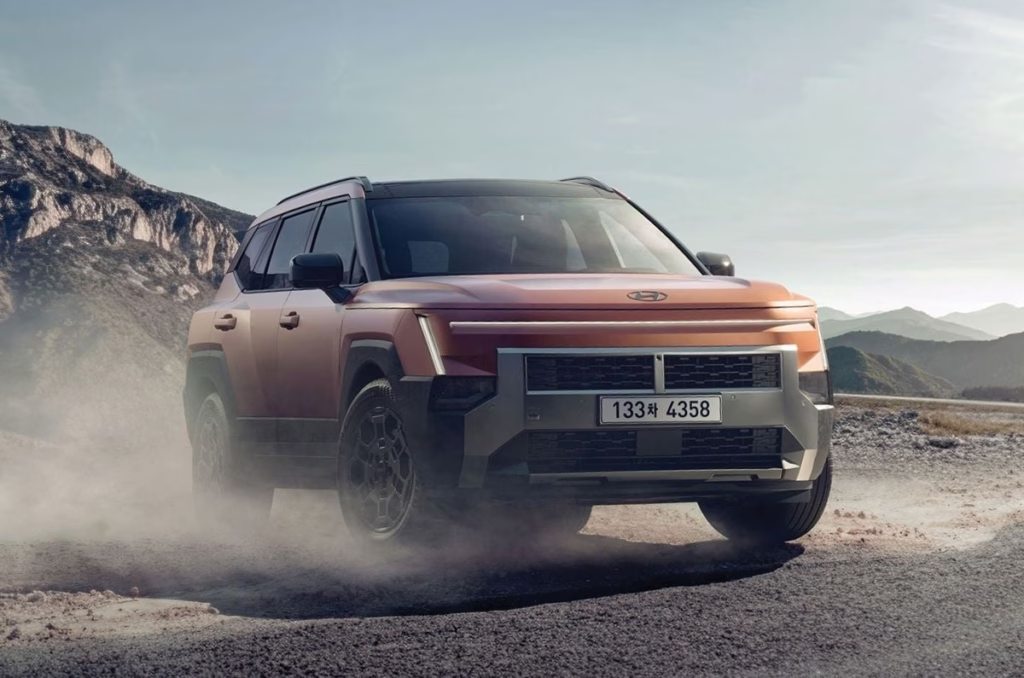
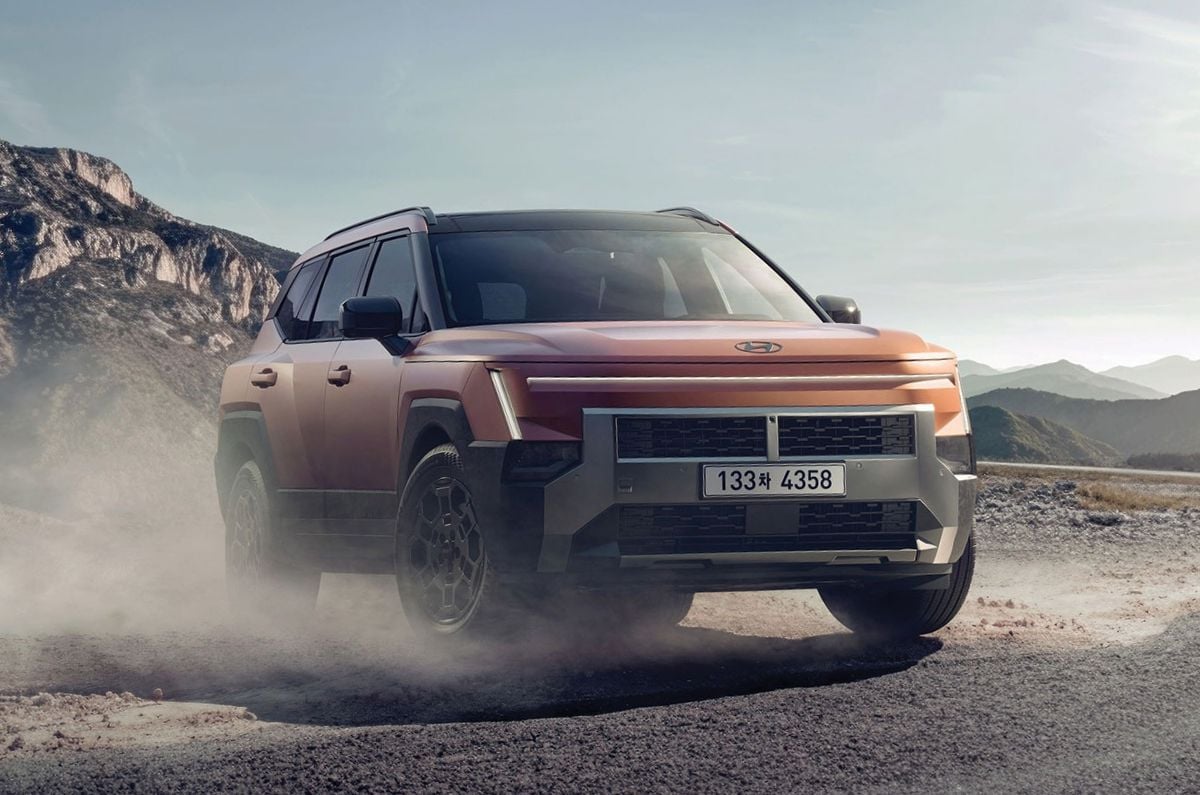
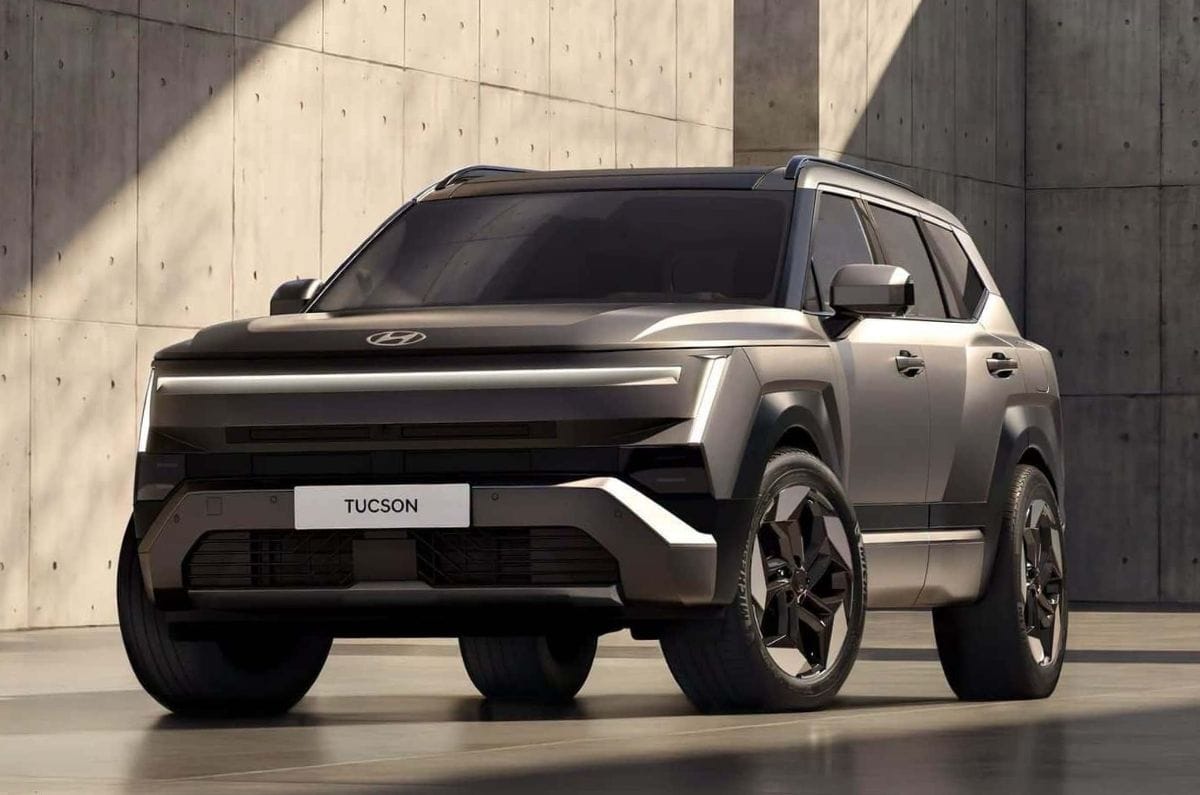
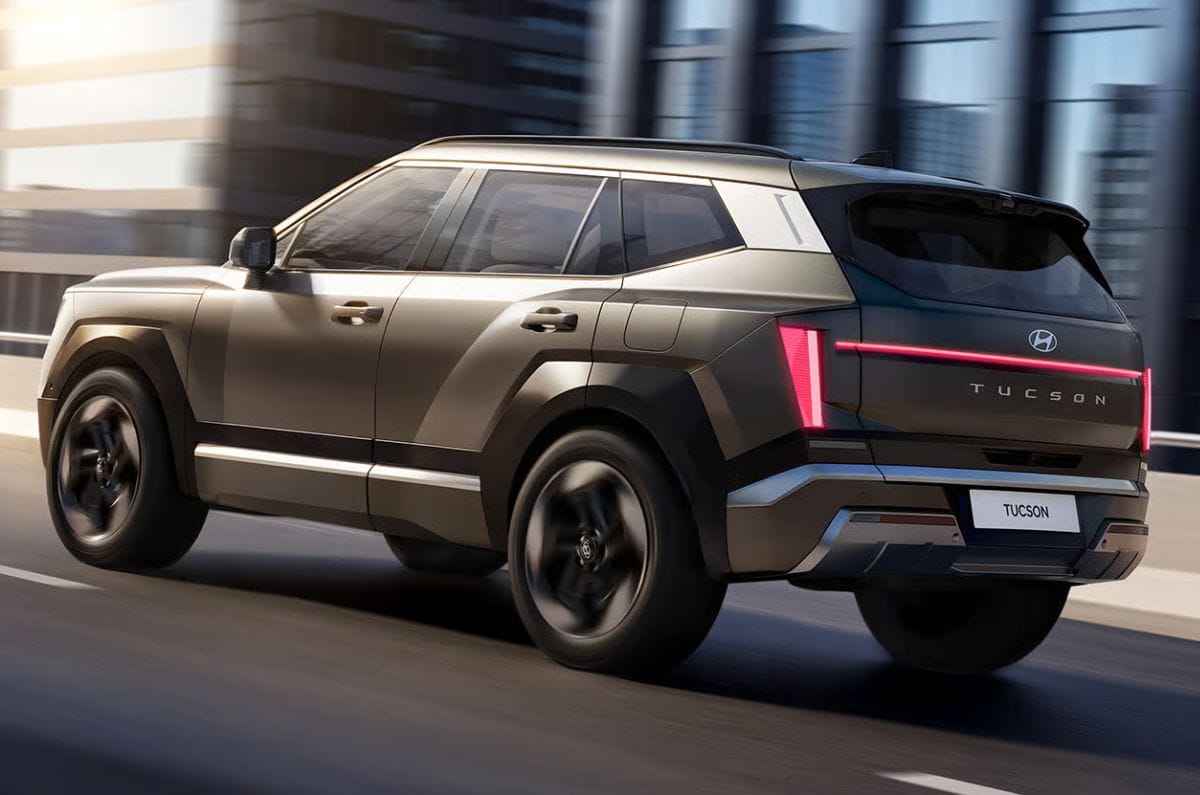
Hyundai has officially revealed several technical details of its upcoming 2027 Tucson at a media event in South Korea, ahead of the SUV’s domestic launch in October 2026. This generational update brings larger dimensions over the old model, along with two powertrain options and a long list of safety and connectivity tech. Hyundai has not detailed any plans of bringing the fifth-gen Tucson to India yet.
Gets active air flaps, a rear bumper spoiler and more for better aero
1.6 turbo-petrol and 1.6 turbo-hybrid powertrains offered
Tucson hybrid has a claimed mileage of 17.4kpl
2027 Hyundai Tucson dimensions
The next-gen model has grown in terms of length, width and wheelbase
Compared to the outgoing model, the next-gen Hyundai Tucson is 60mm longer and 40mm wider – the wheelbase has grown by 30mm. Hyundai claims that the larger dimensions have resulted in the second-row headroom increasing by 29mm (to 1,031mm), while the rear doors can now open to 83 degrees (up from the previous model’s 73 degrees).
2027 Hyundai Tucson suspension and chassis
The Tucson now gets new suspension and increased sound insulation measures
Hyundai has reinforced the mounting points for the front suspension, along with strengthening the underbody structure that supports the rear suspension. The 2027 Tucson also features a new suspension valve, whilst the overall setup has been tuned to better control body movement and reduce road shocks.
The E-Traction feature of the hybrid version utilises a drive motor to minimise its body movements, while Hyundai says that the larger dimensions of the 2027 Tucson hasn’t come at the cost of body roll even when executing corners at high speeds. The next-gen Tucson also comes with refinement improvements over the previous-gen model. Revised engine mounts, plus additional sound-deadening for the dashboard and thicker glass for the doors, mean engine and wind noise should be better controlled.
The drag coefficient of the 2027 Tucson petrol and 2027 Tucson hybrid have both gone down from 0.33 to 0.30. Hyundai claims that this has been achieved with the help of active air flaps, a roof spoiler, a dedicated rear bumper spoiler and the new 17-inch wheel design.
2027 Hyundai Tucson engine and gearbox details
Both non-hybrid and hybrid powertrains use a turbo-petrol engine
The 2027 Hyundai Tucson gets a 1.6-litre turbo-petrol engine rated at 193hp and 265Nm, and mated to an 8-speed automatic gearbox. Compared to the equivalent unit powering the outgoing model, this unit’s output is higher by 13hp. The 2027 Tucson hybrid clubs a 1.6-litre turbo-petrol engine with what Hyundai calls its next-generation hybrid system. The combined output of this hybrid setup is 245hp, while the claimed mileage figure is 17.4kpl. A ‘Inertial Driving Guidance’ feature even prompts the driver to get off the accelerator pedal to improve fuel economy.
2027 Hyundai Tucson feature set
The next-gen Tucson isn’t short on modern technology or safety measures
The 2027 Hyundai Tucson comes with 9 airbags as standard, plus a navigation-based adaptive cruise control feature with front & rear collision-avoidance assist. The next-gen Tucson gets a memory-based reverse assist function, which Hyundai says is capable of automatically steering the car by retracing its path.
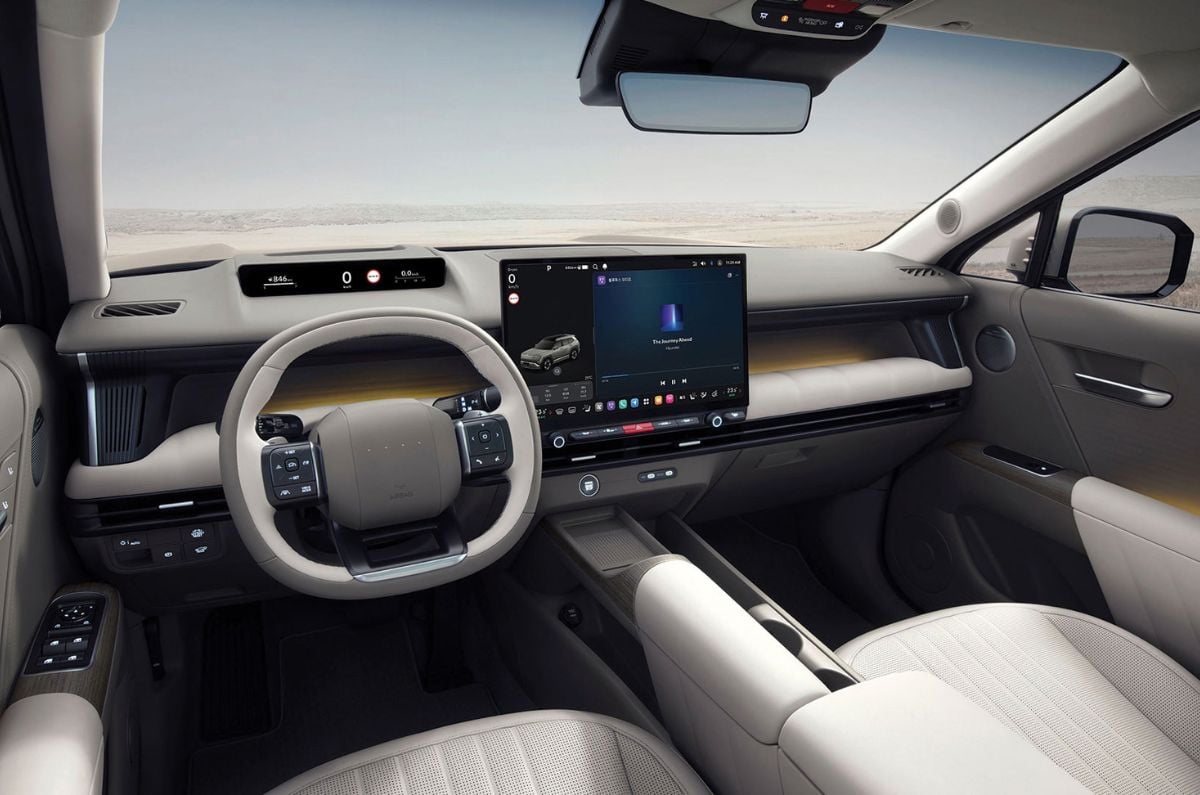
Meanwhile, the ‘Ground View’ function displays the surface beneath the car on the infotainment screen. The next-gen Hyundai Tucson also features the brand’s Pleos Connect system with built-in Gleo AI, along with third-party app support via the Pleos App Market. The interior has a floating-style dashboard, D-cut steering wheel, a slim digital driver’s display and a large touchscreen (either 12.9-inch or 17-inch). There will be four mono-tone and three dual-tone interior themes, which include Mud Grey & Dove Grey, Black & Sand Beige, and a Black & Inlay Soil Brown colours.
2027 Hyundai Tucson design
The next-gen model uses the brand’s ‘Art of Steel’ design language
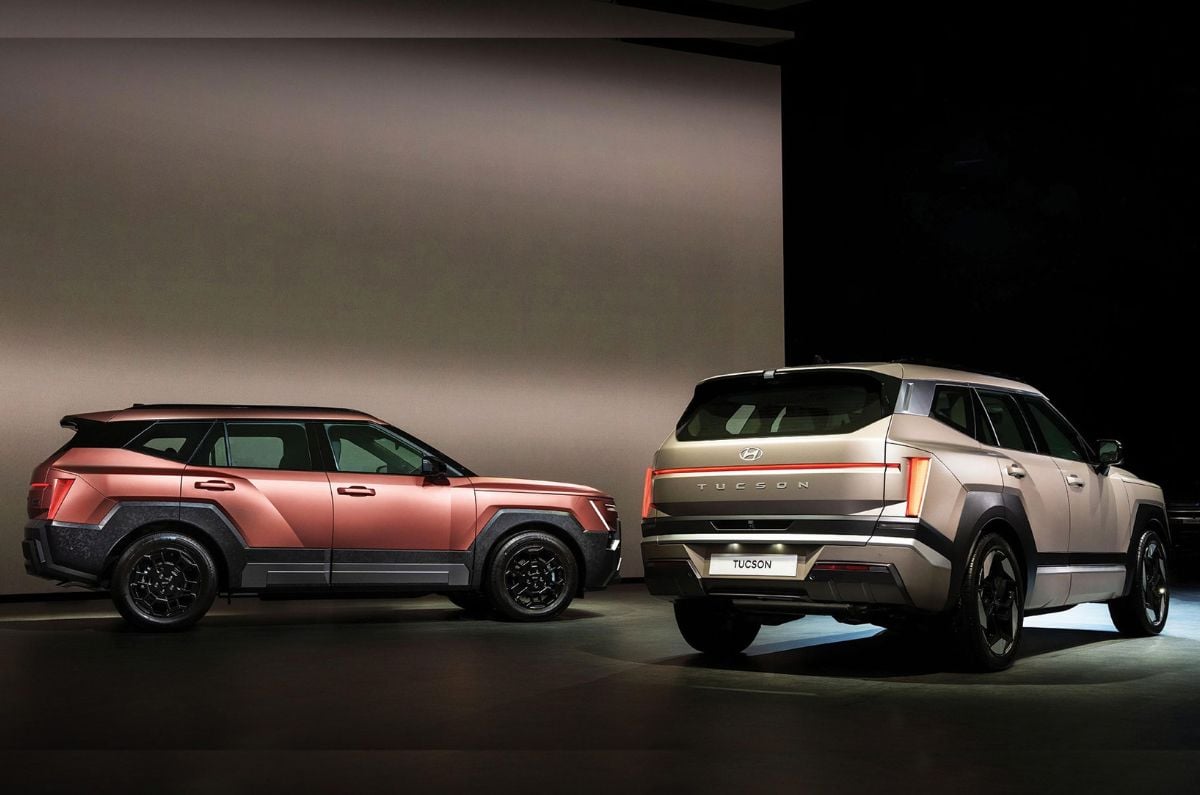
The 2027 Hyundai Tucson sports the brand’s ‘Art of Steel’ design language. There are vertical H-shaped LED daytime running lights up front, a slim horizontal centre light strip, and a prism-effect rear light design. The next-gen Tucson gets roof rails, flared wheel arches and conventional pull-type door handles, while the more rugged-looking XRT trim gets a different grille, wheel-arch garnish and skid plate. The 2027 Hyundai Tucson will be sold in 8 colour options – Serenity White Pearl, Driftwood Grey Matte, Driftwood Grey Metallic, Redrock Orange Matte and Goyo Copper Pearl.
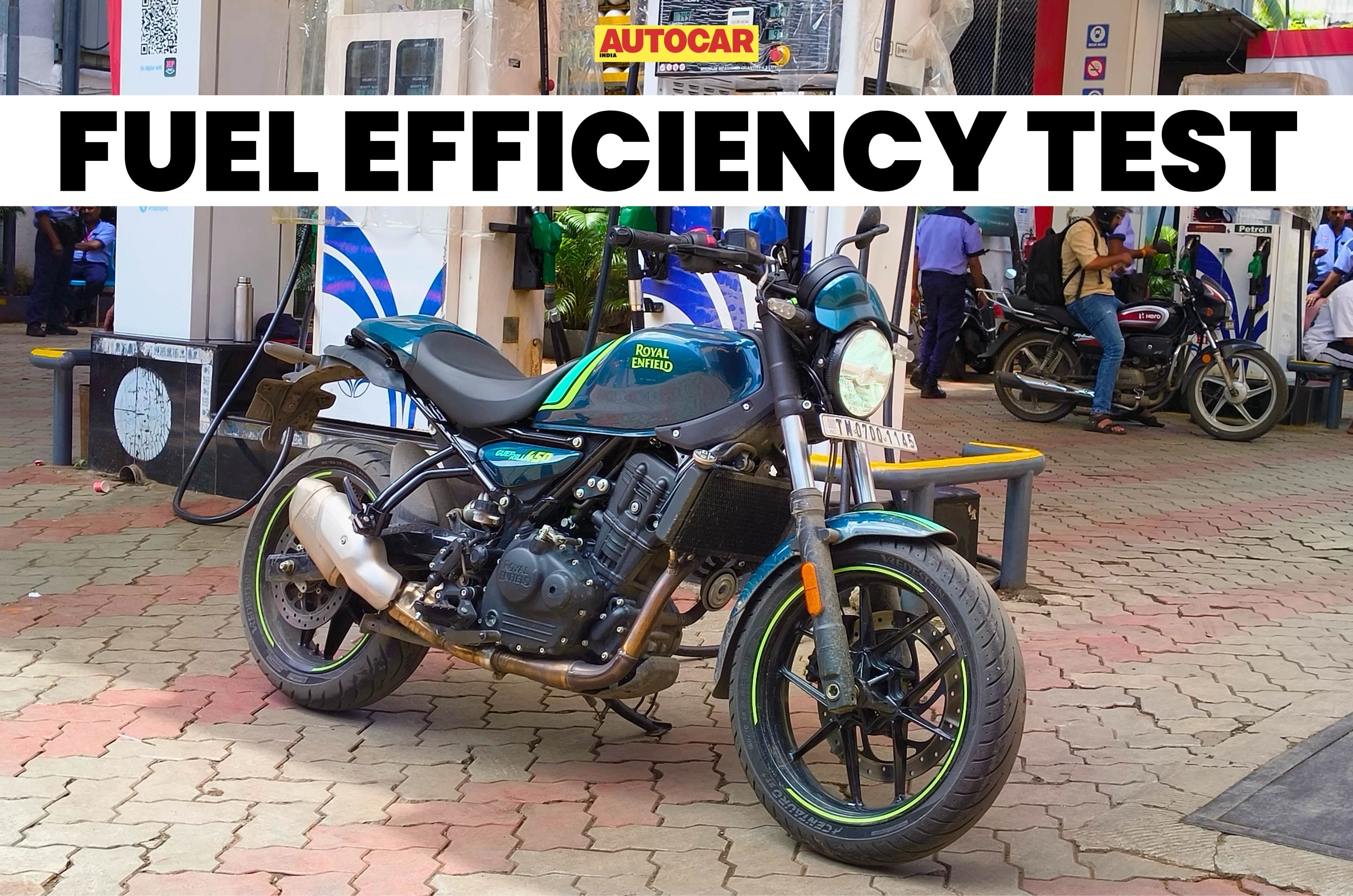
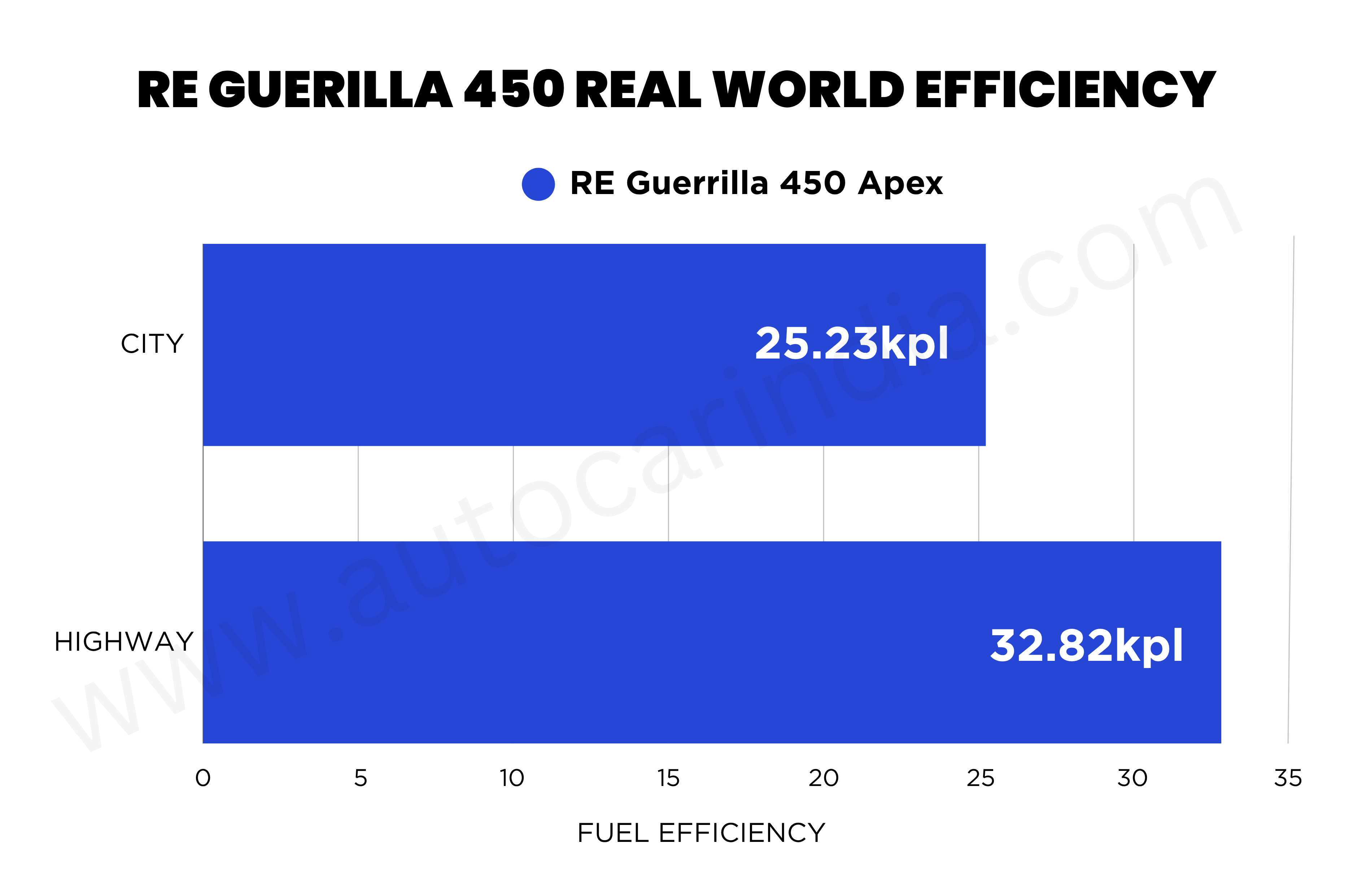
The Guerrilla 450 Apex is Royal Enfield’s sportiest motorcycle yet and it has a more focused rider triangle and comes with road-focused Vredestein Centauro ST sport touring tyres. We were recently able to subject the bike through our instrumented fuel economy tests and here are the numbers we received. It bears mentioning that since the difference between the standard Guerrilla and the Apex boils down to different ergos, a few cosmetic parts and different tyres, these numbers will largely hold true for the standard Guerrilla as well.
Royal Enfield Guerrilla 450 real-world fuel efficiency
It returned 25.23kpl in the city, 32.82kpl on the highway
As is our norm, we first ran the Guerrilla 450 Apex on the highway for a little over 40km (we couldn’t do our usual 50km loop due to construction on our testing patch), after which it took 1.30 litres of fuel to brim the tank.
Then we headed to the traffic-riddled streets of South Mumbai, where we again ran the bike for a little over 40km once again after which it needed 1.7 litres to top up the tank once more. Thus, we arrived at a fuel economy number of 25.23kpl.
Royal Enfield Guerrilla 450 fuel efficiency analysis
452cc single has a strong mid-range, makes for effortless riding
The Guerrilla 450 is powered by the same ‘Sherpa 450’ engine as the Himalayan 450 and it makes the same 40hp at 8,000rpm and 40Nm of torque at 5,500rpm. The power figure – while certainly respectable – may not be the best in class but it is the strong surge of mid-range torque which really dictates the riding experience.
Out on the highway, the Guerrilla purrs along stress-free at 75-80kph (the legal speed limit on the stretch of highway where we conduct our tests), with the revs hovering around the 4,000rpm mark. If you need to make a quick overtake, all it takes is a small twist of the accelerator to make forward progress.
In the city, it’s again the strong low and mid-range pull which makes it a breeze to squeeze through gaps in traffic. One caveat is that you need to keep the revs above 3,000rpm to keep the engine in its sweet spot, below that mark the motor feels sluggish and progress is noticeably slower.
Autocar India’s fuel-efficiency testing
Our fuel-efficiency testing routine starts by first brimming the tank and ensuring the bike is running the manufacturer’s recommended tyre pressures. The bike is then ridden on fixed city and highway routes, where we maintain average speeds that best mimic real-world scenarios as well as keeping speed limits in mind. The payload on the bikes is kept constant by balancing rider weights and ballast, ensuring consistency across different vehicles and riders. At the end of the test cycle, the fuel tank is once again filled to the brim, giving us an accurate figure of how much fuel has been consumed against the trip meter reading.
LOOK OUT FOR: Suspension wear, Infotainment issues
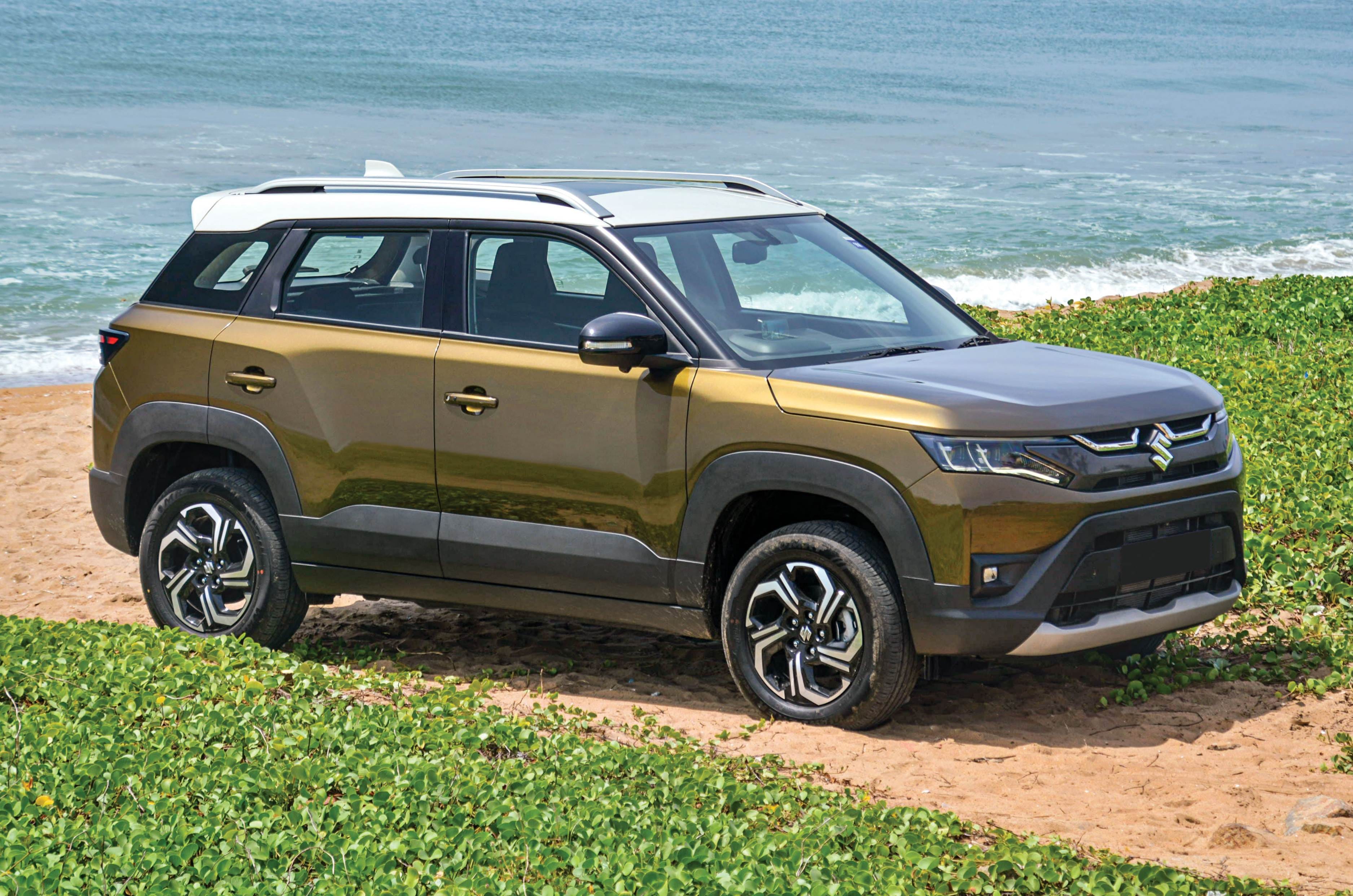
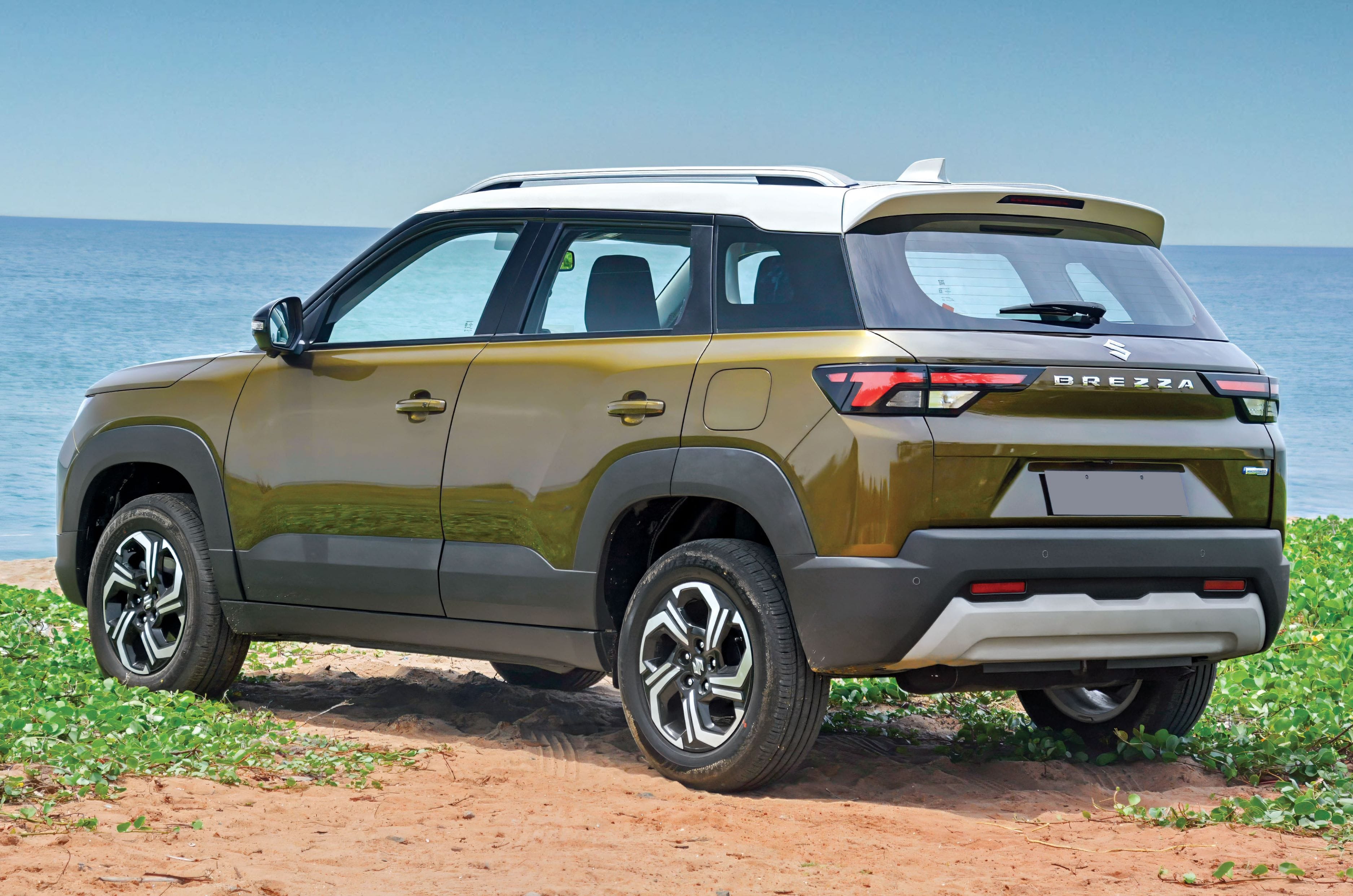
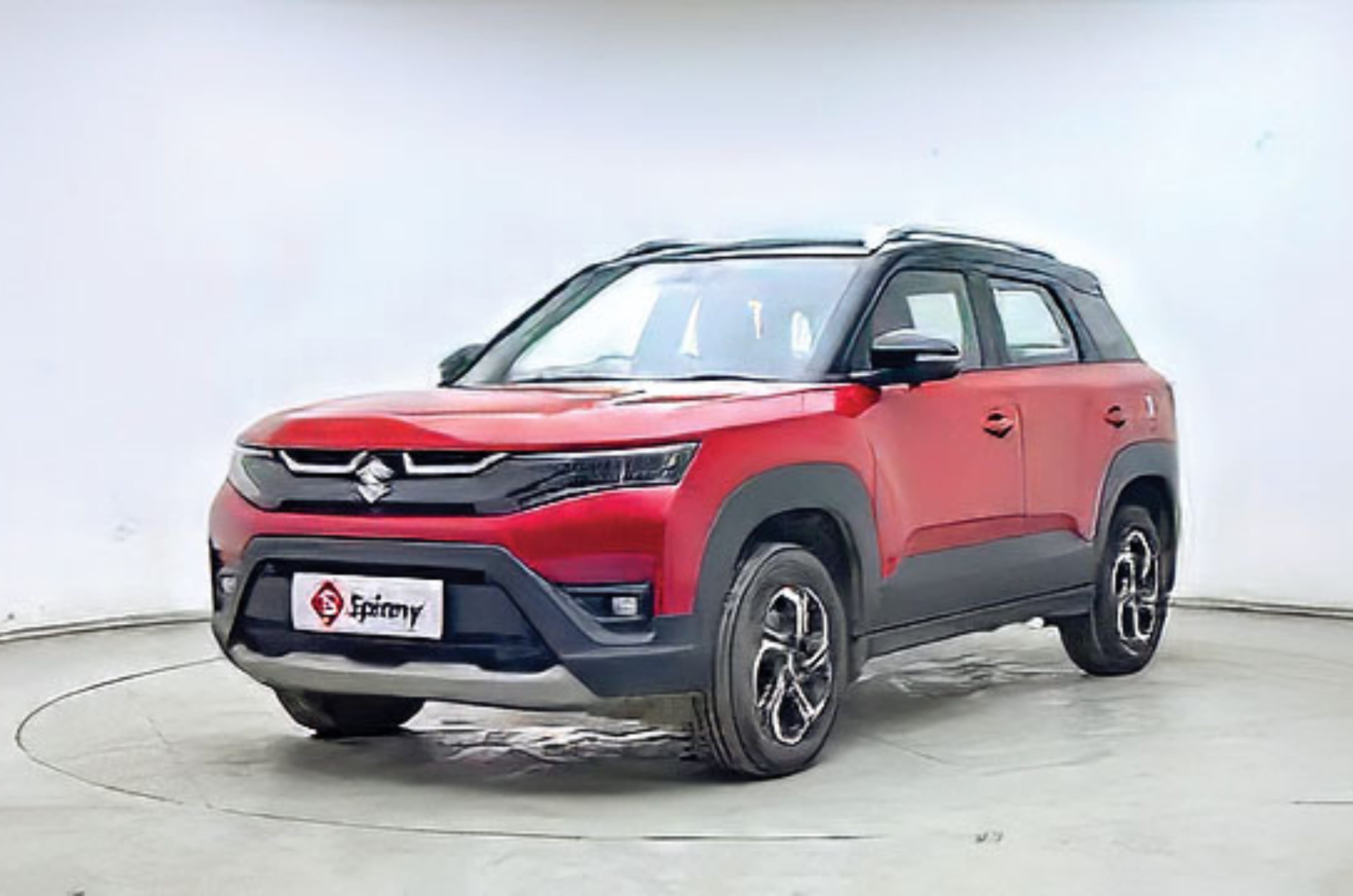
The Maruti Brezza has long been one of the most sensible choices in the compact SUV segment, and the 2022 update made it considerably more desirable. It brought a sharper design, a more efficient petrol engine, a new automatic gearbox and a substantial increase in equipment. Being comfortable, practical and relatively inexpensive to run, the Maruti Brezza makes a strong case as a used buy. Here’s all you need to know when looking for one.
In terms of cosmetics, the 2022 Brezza was a complete reskin with new sheet metal all around and a new grille and bumpers, slimmer LED headlamps, new LED tail-lights and fresh 16-inch alloy wheels. The rear number plate was moved down onto the bumper, while the sharper surfacing and revised lighting gave it a more contemporary appearance. Dual-tone colour options were also offered, giving it a more upmarket look.
Petrol and CNG powertrains; up to 20.15kpl claimed mileage
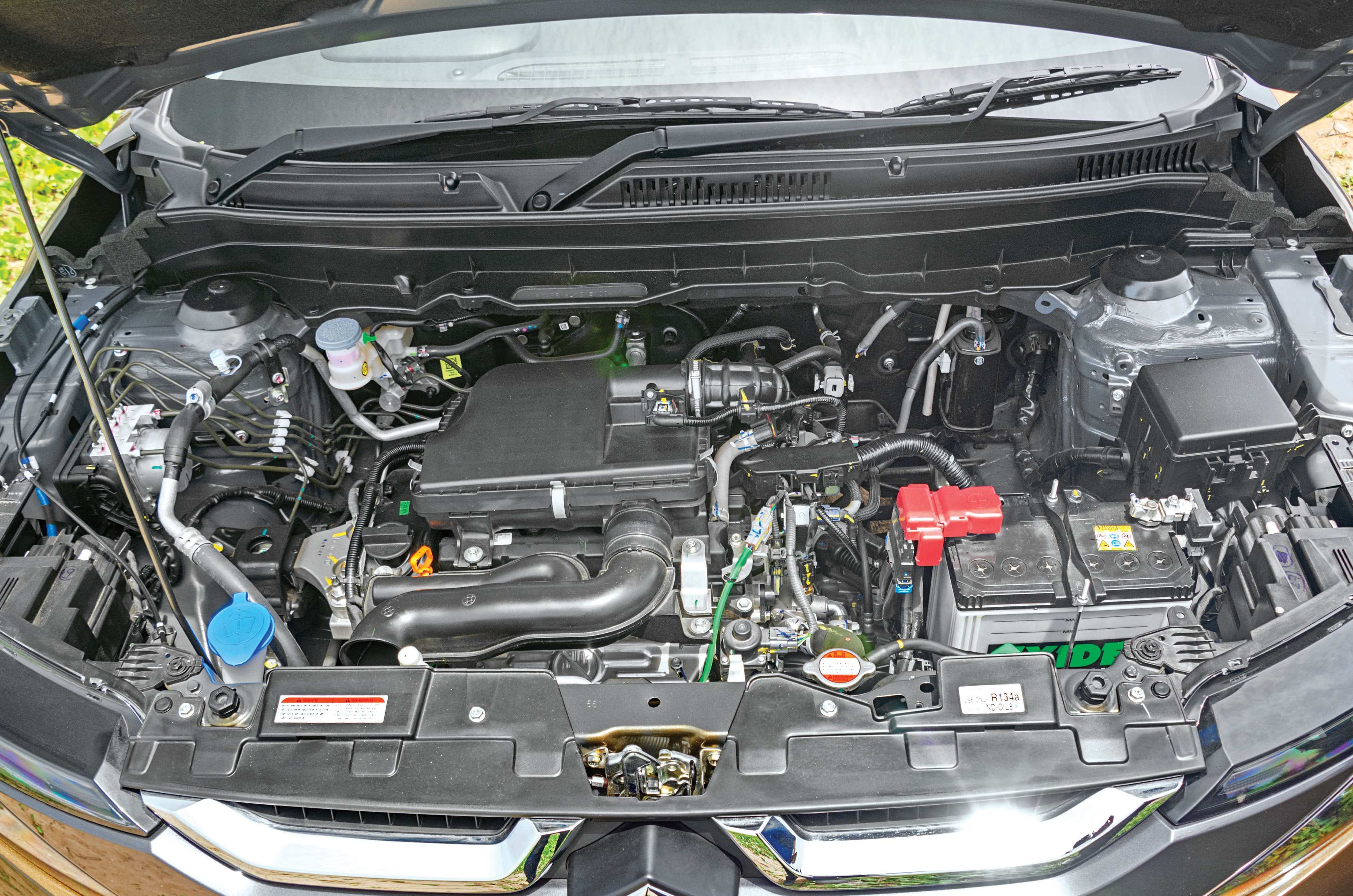
The biggest change was under the hood, with the Brezza receiving Maruti’s 1.5-litre K15C DualJet petrol engine. It uses two injectors per cylinder and, together with the Smart Hybrid system, puts out 103hp and 137Nm. The other major change was the new 6-speed torque-converter automatic gearbox with paddle shifters, replacing the older 4-speed unit. The standard 5-speed manual gearbox was carried over. The updated Brezza also got auto start-stop and a lithium-ion battery as part of its mild-hybrid system. Maruti claimed fuel efficiency of 20.15kpl for the manual and 19.80kpl for the automatic.
In 2023, Maruti also launched the Brezza CNG, which used the same 1.5-litre engine that put out a lower 88hp and 121.5Nm on CNG and came with the manual only. The Brezza CNG was offered in three trims, and Maruti claimed a fuel economy of 25.51km/kg.
The petrol manual is ideal for most users as it’s easy to drive, reasonably efficient and generally the most affordable version to buy. Those doing most of their running in the city should consider the automatic, which is smooth and far more convenient in traffic. Meanwhile, the CNG makes sense for high-mileage users. The 1.5-litre engine isn’t punchy, so don’t buy the Brezza expecting strong performance, especially when overtaking at highway speeds.
Maruti Suzuki Brezza variants and features
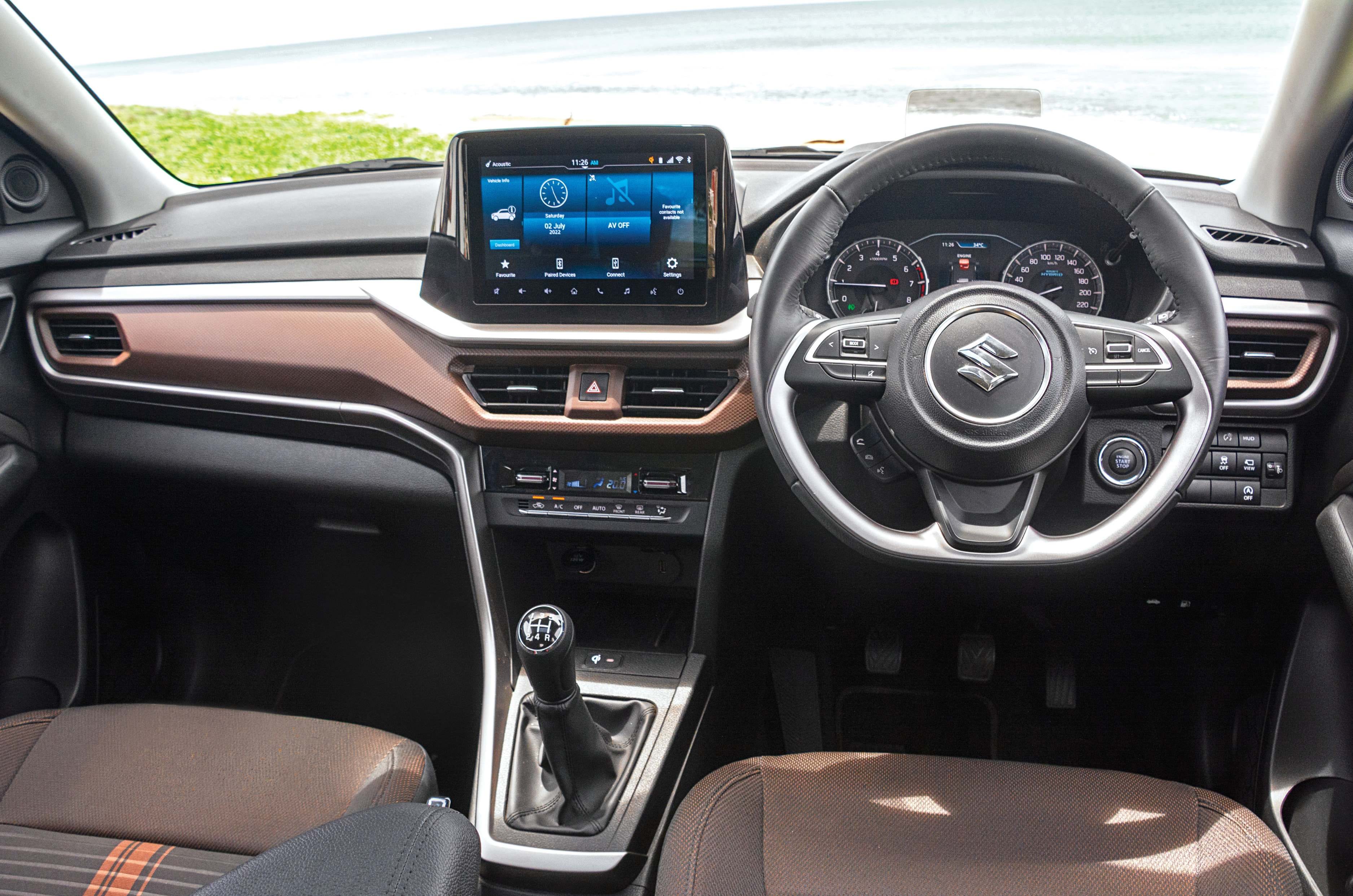
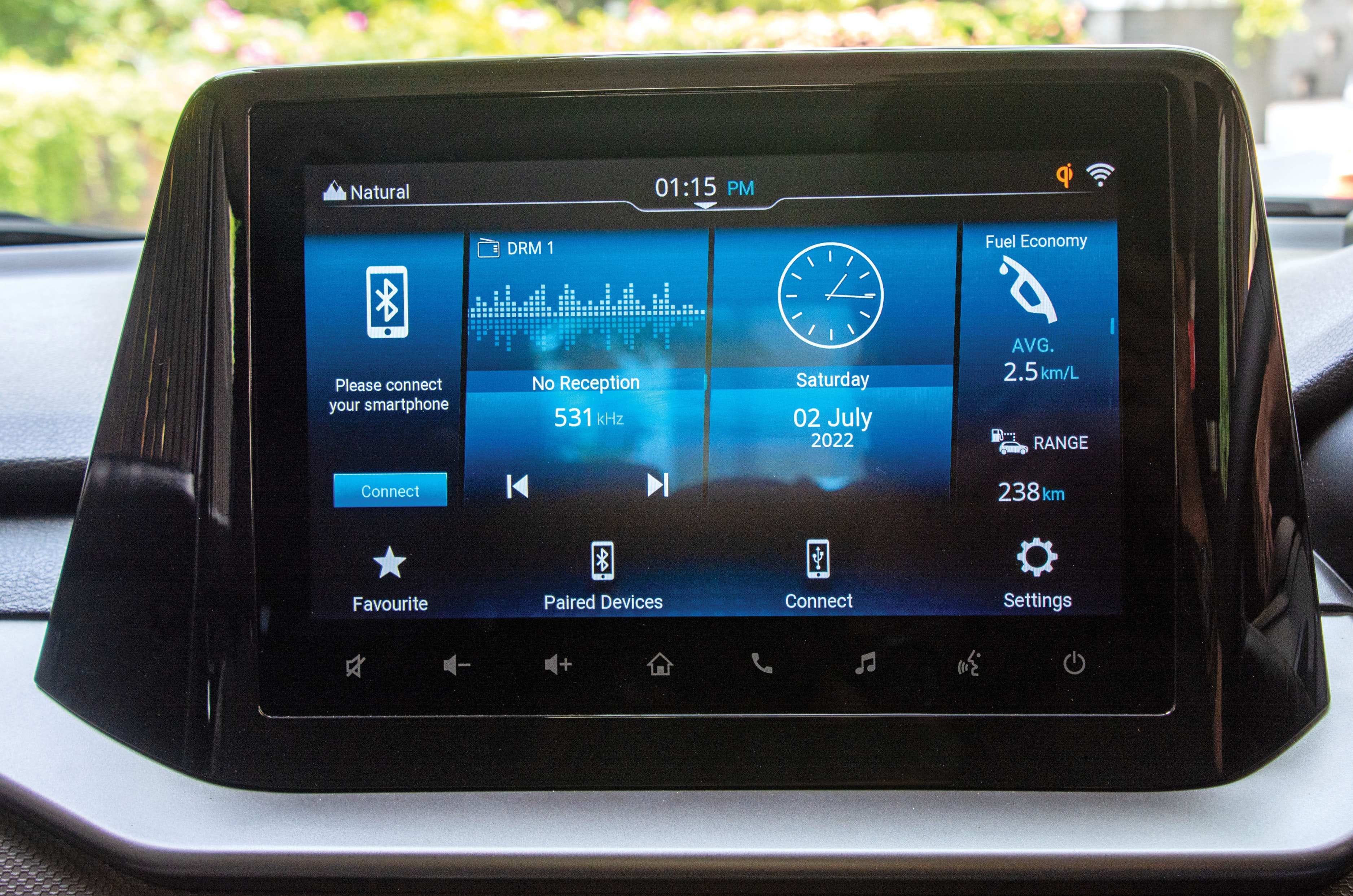
9-inch infotainment system, 360-degree camera, head-up display and more
As for variants, there were four main trims – LXi, VXi, ZXi and ZXi+. The top-spec ZXi+ packs in features such as a 9-inch SmartPlay Pro+ touchscreen with Android Auto and Apple CarPlay, a 360-degree camera, head-up display, sunroof, connected-car tech, cruise control, auto climate control, LED lighting and six airbags. Lower variants are reasonably well equipped too, so it’s worth choosing the car based on condition and service history rather than simply chasing the highest trim.
Brezza aftersales details
Being a Maruti product, the Brezza is easy to maintain and spare parts are widely available. Maruti’s extensive service network is another advantage, particularly for buyers intending to keep the car for several years. The Brezza also has strong resale demand, which helps lower depreciation. It’s worth looking for an example with a complete service history and, where applicable, an extended warranty.
What to look out for in a used Maruti Suzuki Brezza
Suspension wear
Brezza owners have reported of noises or looseness from the suspension as the car ages. Drive the car over uneven roads and speed breakers, and listen for any noises or excessive crashing. Also check the condition of the tyres, as uneven wear can point towards alignment or suspension issues.
Infotainment issues
The Brezza gets a 9-inch touchscreen, 360-degree camera and head-up display. While the screen is generally responsive, owners have reported glitches, including camera display problems and phone disconnections. Before buying, test the touchscreen thoroughly, connect Android Auto/Apple CarPlay and make sure the 360-degree camera and HUD work correctly.
Potential defect in front seatbelts and airbag
Brezza units manufactured between November 2 and November 28, 2022, were recalled over a possible defect in a child part of the front seatbelt shoulder height adjuster assembly. Later, Brezza’s manufactured between December 8, 2022 and January 12, 2023, were included in another recall involving a possible airbag-controller defect. Make sure any car from these periods has had the relevant recall work completed.
Second-hand Maruti Suzuki Brezza price and resale value
Rs 7 lakh-11 lakh
The Brezza continues to command a healthy price in the used market. Current listings show examples spanning a wide range depending on variant, mileage and condition. However, be careful about paying too close to the price of a new Brezza. A low-mileage, single-owner example with a full service history is worth paying a little extra for, but condition should remain the priority.
Maruti Suzuki Brezza fact file
Years produced
2022-2026
Price when new
Rs 8 lakh-13.96 lakh (ex-showroom, India)
Engine
4 cyls, 1462cc, petrol / 4 cyls, 1462cc, petrol+CNG
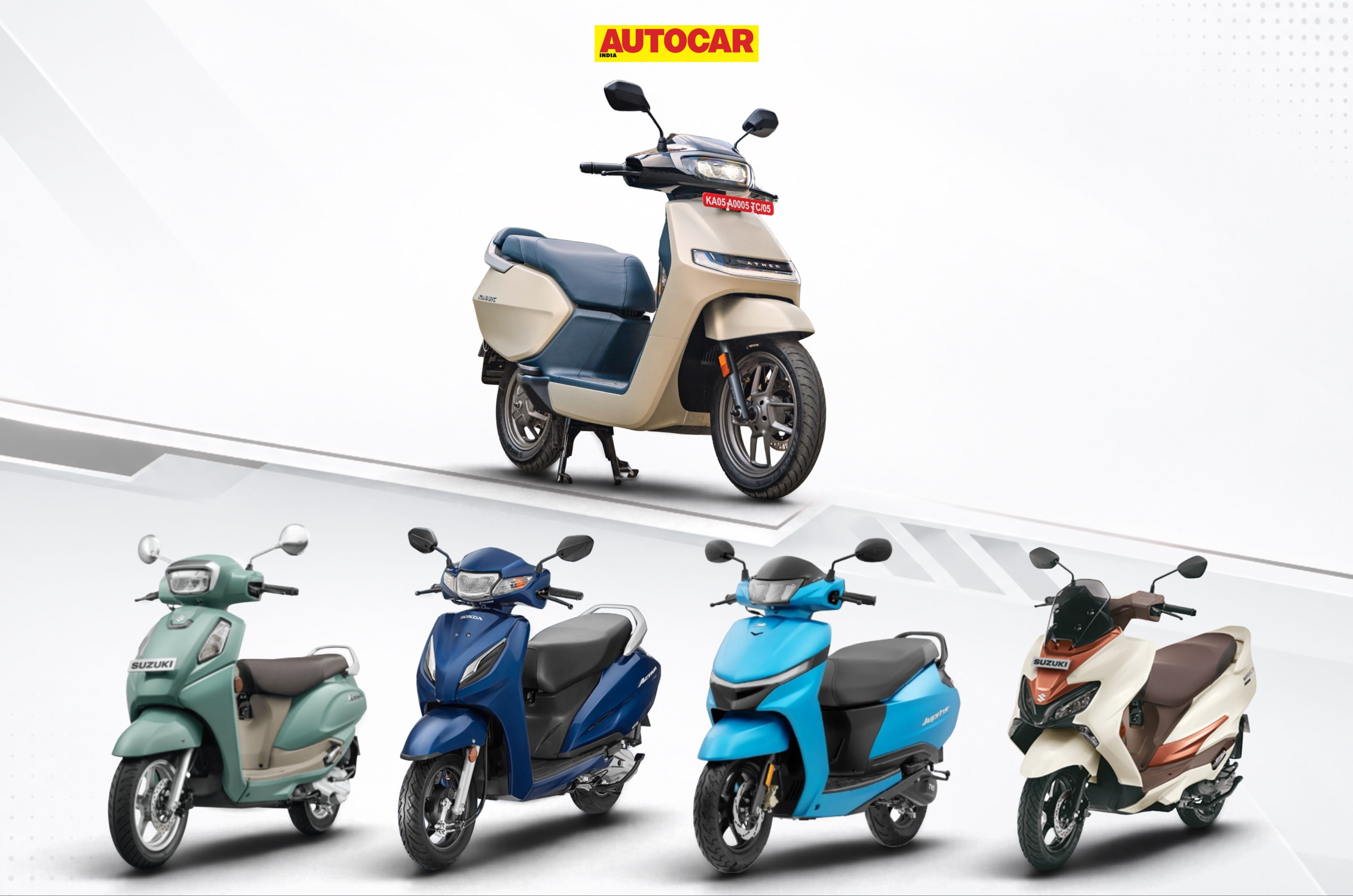
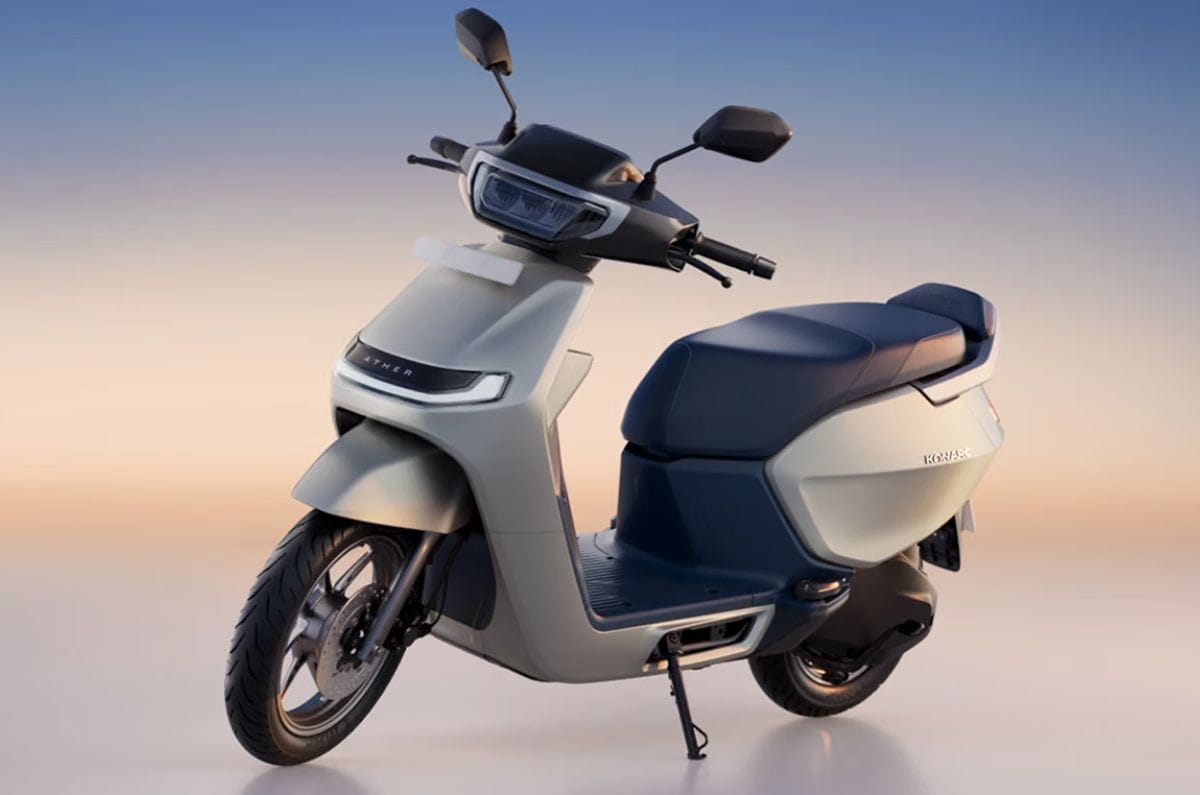
Family scooter. As soon as you read that, probably one specific scooter comes to your mind, summing up how the scooter industry has functioned the past two decades. However, over the past few years, EVs like the TVS iQube, River Indie, and the Ather Rizta have shown that they can go toe-to-toe with petrol scooters. The brand-new Ather Konarc is poised to add to that arsenal. However, if you aren’t quite convinced yet, here are some internal combustion engine (ICE) scooters you can look at instead.
All scooters are being compared to the Ather Konarc S 100, priced at Rs 99,999 (ex-showroom, Bengaluru). For Konarc, we haven’t considered features that require Ather StackPro subscription. All the other scooter prices mentioned are ex-showroom, Delhi.
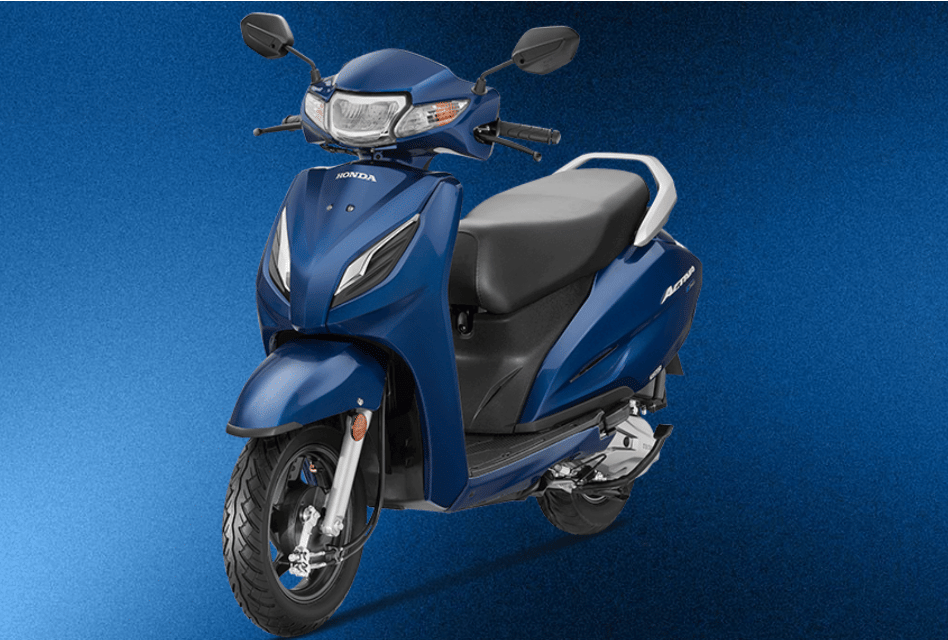
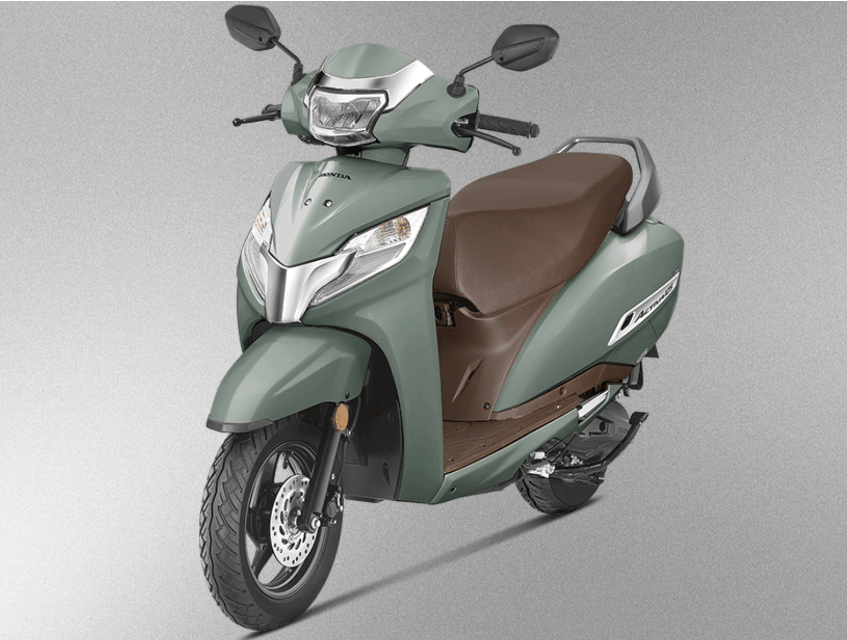
Honda Activa
Rs 76,083 onwards
The default family scooter and the one your mind reminded you of when you started reading this. You cannot go wrong with the Activa’s reliable 110cc engine and the trust the brand brings you. However, this and the 125 have a lean feature set compared to the other ICE scooters here. The Activa 110 gets a 4-inch TFT instrument cluster with turn-by-turn navigation, smartphone connectivity, a silent start and stop-start system via an Integrated Starter Generator (ISG), and a smart key on the top variant. With the Activa’s 54.4kpl fuel economy, you’re looking at a 270km range before coming to a standstill. The Activa’s prices tops out at Rs 91,082 which makes it close to the entry-level variants of the Ather Konarc and the Simple Wave.
By paying Rs 9,000 more for the Konarc, you’ll get 100km IDC range, 70kph top speed, two ride modes, bigger 14/12-inch front/rear wheels, a bigger 31L under seat storage.
Honda Activa 125
Rs 91,178 onwards
The bigger Activa bumps up the cubic capacity to 124cc and increases the power by 0.4hp to 8.3hp and increases the torque by 1.4Nm to 10.5Nm compared to the 110, but is otherwise almost exactly the same as the 110. For that extra power and torque, the Activa 125 bumps up the prices and tops out at Rs 95,622. As such, the extra features you gain by switching to the Konarc also remain the same.
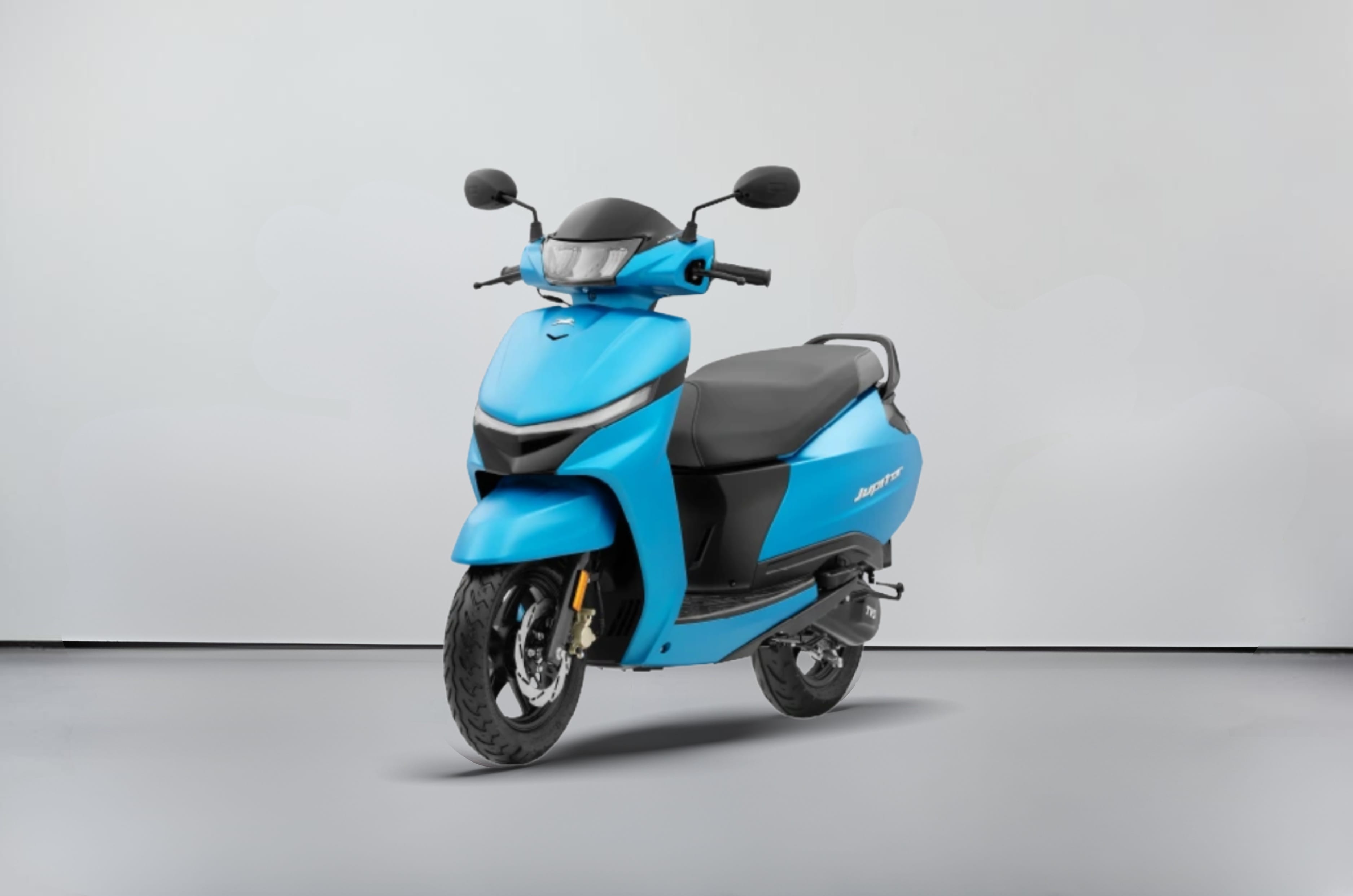
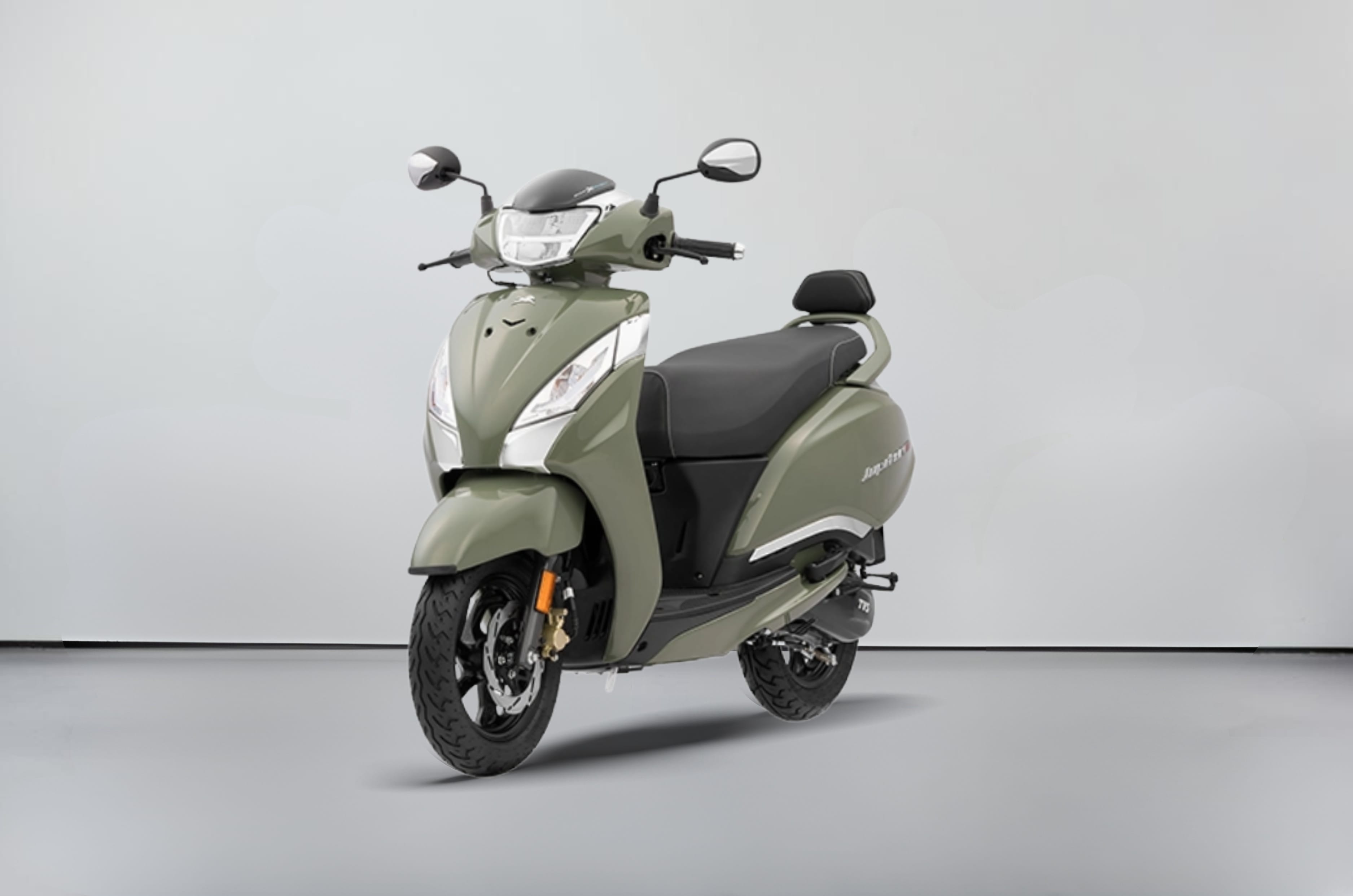
TVS Jupiter (110)
Rs 74,125 onwards
The Activa’s biggest competitor is the Jupiter which received a comprehensive upgrade in 2024. TVS gave it an all-new 113.3cc engine with 7.9hp and 9.8Nm of torque (with 0.6Nm from the ISG). It also received a much sleekier design over its predecessor. As things stand today, the Jupiter has perhaps the largest feature set of any ICE scooter. Thanks to sharing the platform with its bigger brother, the new Jupiter gets a front fuel tank, 33L under seat storage (that’s still the largest on an ICE scooter). It also gets a wide floorboard, more storage on the front apron storage, an ISG, smartphone connectivity, 12-inch wheels at both ends, a front disc brake on higher variants, and a design that’s much more modern than any of its peers. With its 57kpl fuel economy, the Jupiter also has the Activa beat with a higher 285km range. The Jupiter starts at Rs 74,125 and tops out at Rs 89,825 for the dual-tone variant.
By stepping up to the Konarc by paying an additional Rs 10,174 over the top-most variant, you gain a larger 14-inch front wheel.
TVS Jupiter 125
Rs 81,700 onwards
The bigger Jupiter unfortunately didn’t quite get the rejuvenation. It’s stuck to essentially the same design from its debut in 2021. With the larger 124.8cc engine, you get 0.5hp extra power and 1.3Nm extra torque over the 110, with the ISG’s assistance; without it, they become 0.1hp and 0.7Nm extra, respectively. Sharing the same platform means that the new 110 has caught up to most of the 125’s features. Though, you do get a TFT display on the 125’s cluster, but it isn’t adding any real value. The Jupiter 125 starts at Rs 81,700 and tops out at Rs 89,935.
By stepping up to the Konarc for approximately Rs 10,000 extra, you gain a larger front tyre.
Suzuki Access (125)
Rs 82,185 onwards
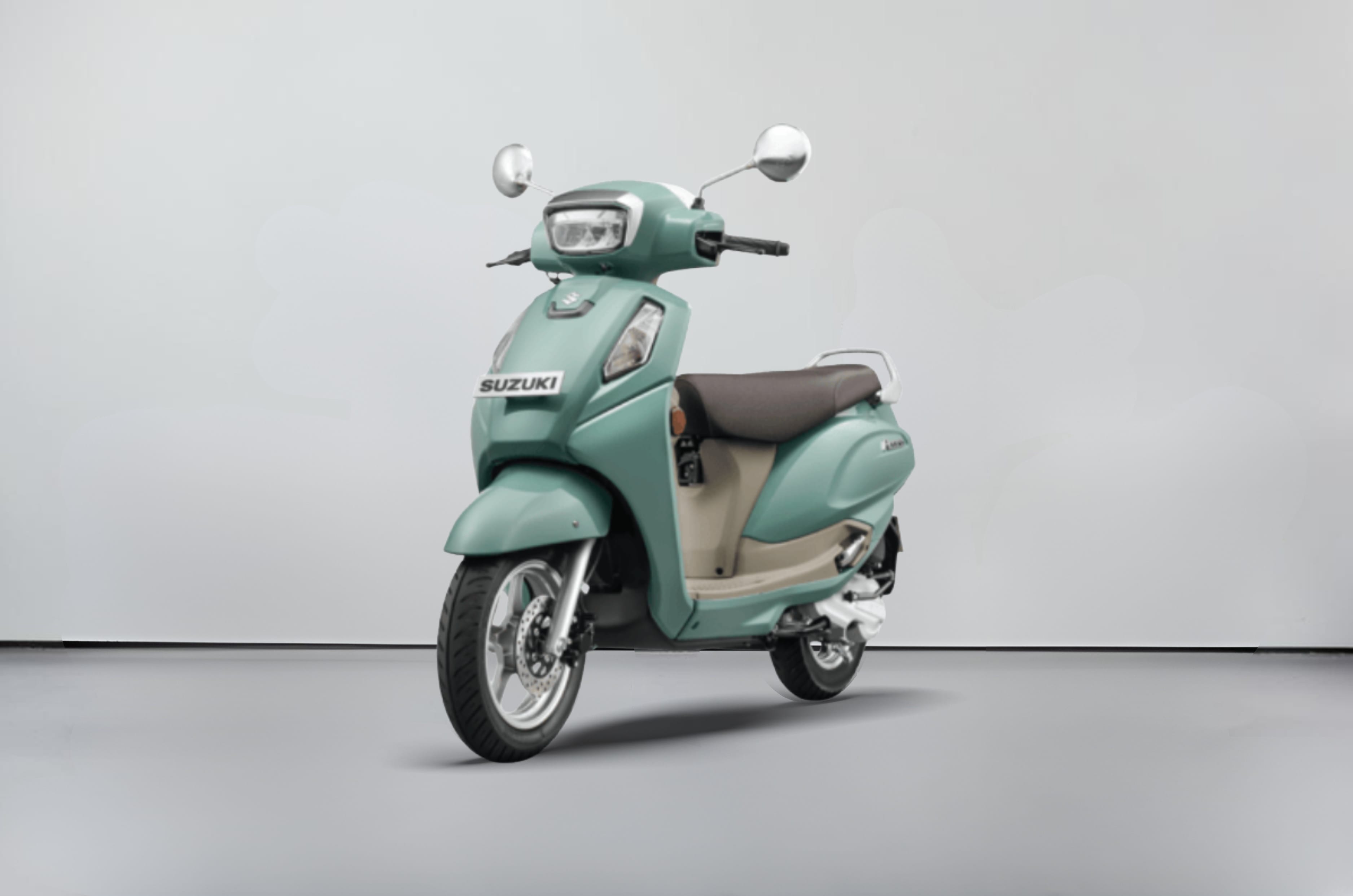
The Suzuki Access has silently been one of the best-selling scooters in the family scooter segment and it received a comprehensive upgrade in early 2025. While there wasn’t a brand-new engine, Suzuki gave it a new frame and made scores of minute improvements to the engine that added up to make it a comprehensively better scooter. However, that also means there aren’t any new features to help the Access’ case. It sticks to a 12/10-inch front and rear wheel setup, a 24.4L under seat storage that now feels measly even for the ICE world. Suzuki did give it a TFT instrument cluster and single-channel ABS on the highest variant, but that’s about it. The Access starts at Rs 82,185 and will set you back by Rs 1.02 lakh for the TFT-ABS variant.
With the Ather Konarc, you will end up paying Rs 3,000 less and gain a larger 14/12-inch front and rear wheels, two ride modes, and a considerably larger 31L under seat storage but the Access is the only scooter here that offers the safety net of an ABS system.
Suzuki Burgman Street
Rs 1.03 lakh onwards
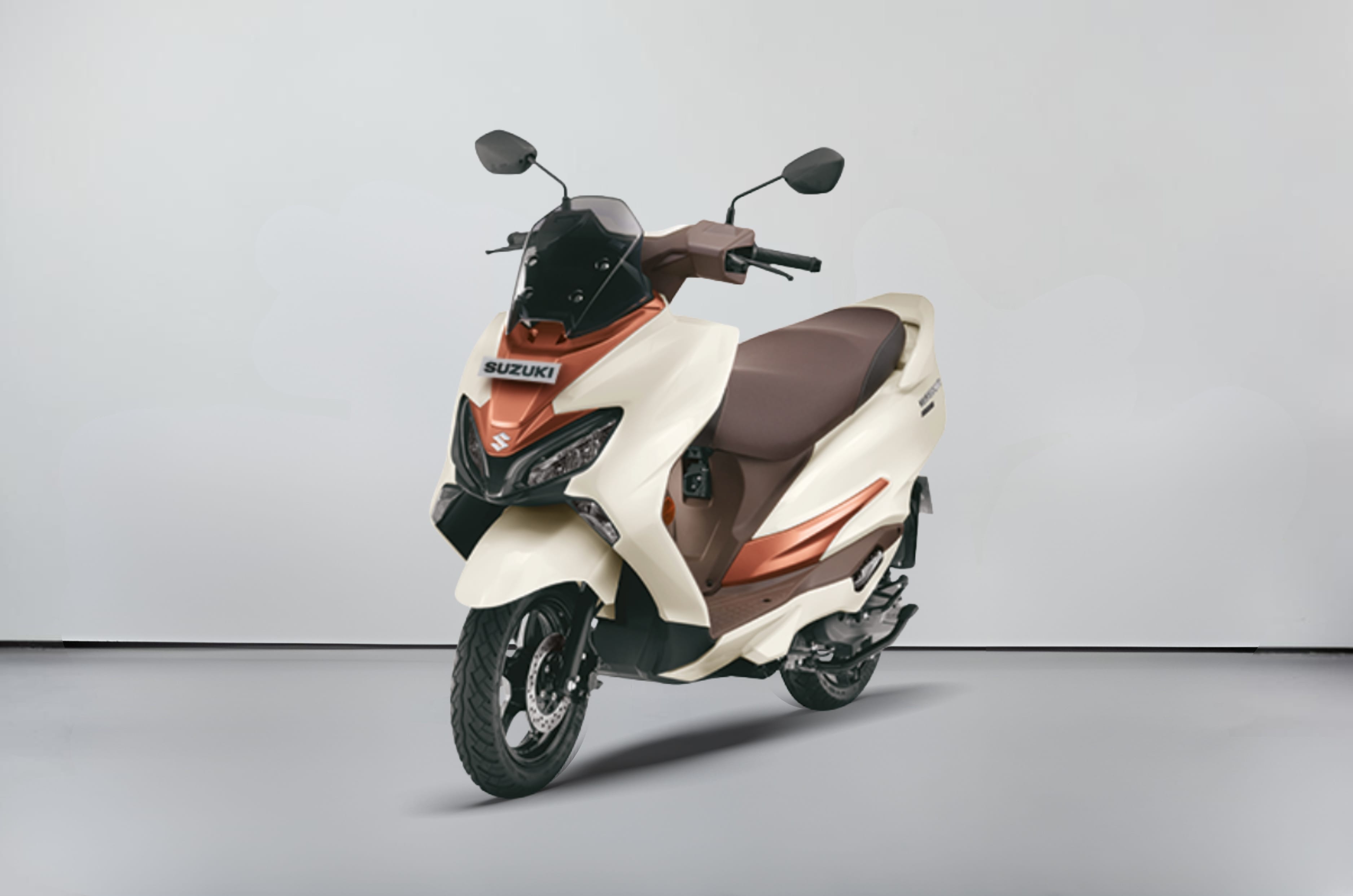
The Burgman received most of the same upgrades as the Access in early 2026, with the maxi-scooter stance as its biggest differentiation. The Burgman Street exclusively gets a keyless system on the top-variant, but loses out on the single-channel ABS compared to the Access. On the dimensions front, it gets a 25mm longer wheelbase, 7kg additional weight, and 0.2 litres larger fuel tank compared to the Access. It’s also one of the two Suzuki scooters to have a 12/12-inch front and rear wheel setup in India; the older Burgman Street EX being the other one. Except for these differences and a different design, the Burgman Street shares its mechanicals and convenience features with the Access. The Burgman Street starts at Rs 1.03 lakh and the top TFT variant with the keyless system costs Rs 1.15 lakh.
By getting the Konarc instead, you end up saving about Rs 4,000 (Rs 12,000 compared to the top variant) and you gain a larger 14-inch front wheel, two ride modes, and of course, the larger 31L under seat storage.
Summary and conclusion
We understand that this article makes it seem like there’s no point in choosing the Ather Konarc in most cases; that’s not quite true. Getting an EV scooter might be the best decision for some people, especially ones with a fixed daily travel distance, living in either their own house, or a housing society that’s generous with setting up a home charger, and all the tech enthusiasts who would like to see how far EVs have come in the past few years. Just the novel riding experience of an EV might be enough to choose the Konarc for you. So, take a test ride of the Konarc S 100 when it becomes available. We’d like you to be aware of the closest ICE options, if you end up deciding the Konarc isn’t for you.
With Ather StackPro and Ather Connect subscription, the Konarc S can offer more smart features that none of the others here can hope to match, but there’s an additional price to be paid for them. Hence, if you’re after the most value for your money, there’s no question that ICE vehicles still offer more for their asking price.
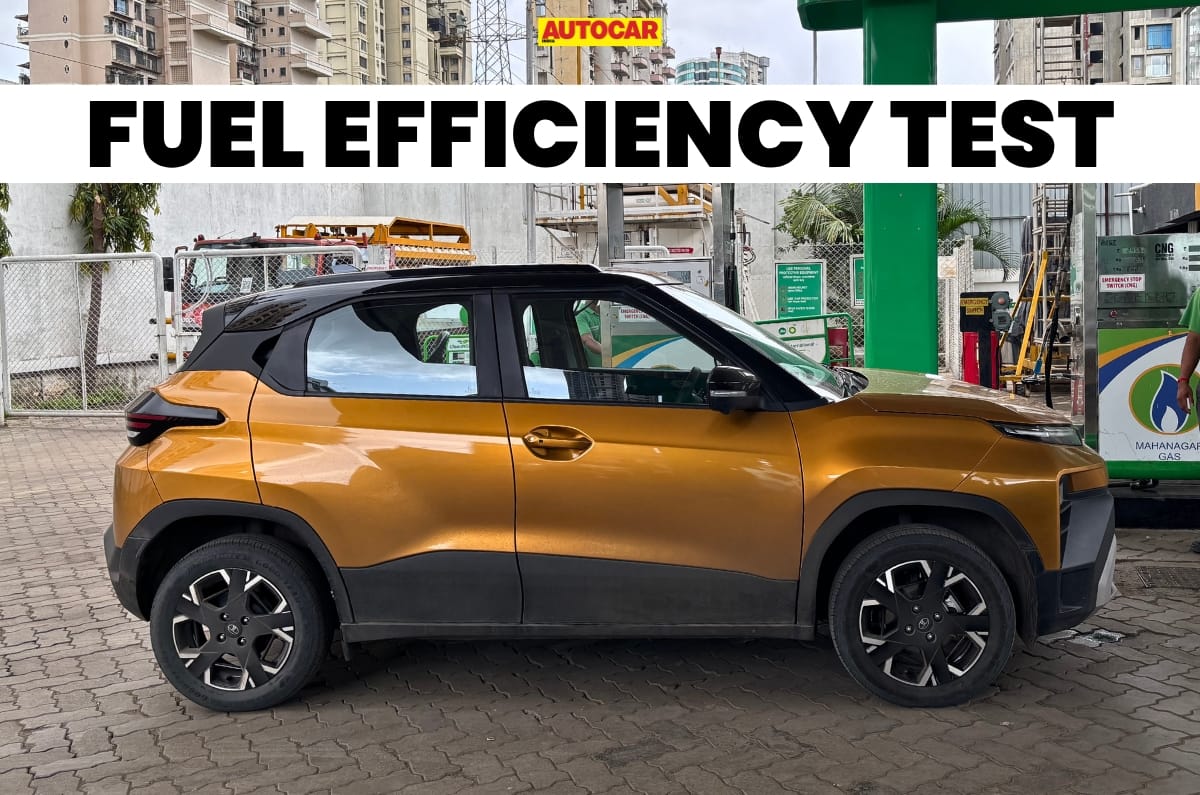
The 2026 Tata Punch facelift expands its powertrain line-up with two new additions: a 1.2-litre turbo-petrol engine and an automated manual transmission (AMT) option for its CNG variant. This makes the Punch one of the few cars in India to offer a factory-fitted CNG kit paired with an automatic gearbox. Tata’s iCNG range now spans all variants, priced between Rs 6.85 lakh and Rs 10.77 lakh (ex-showroom). We’ve put the Tata Punch iCNG with the 5-speed AMT through our efficiency tests to see how it performs.
Gets twin CNG tanks placed beneath the boot floor
Misses drive modes and an automatic stop-start feature
The Punch iCNG is powered by a 1.2-litre three-cylinder engine, paired with a 5-speed automated manual transmission (AMT). In CNG mode, the engine produces 73.4hp and 103Nm, whereas in petrol mode, it develops 87.8hp and 115Nm. We conducted this test with the vehicle in CNG mode throughout.
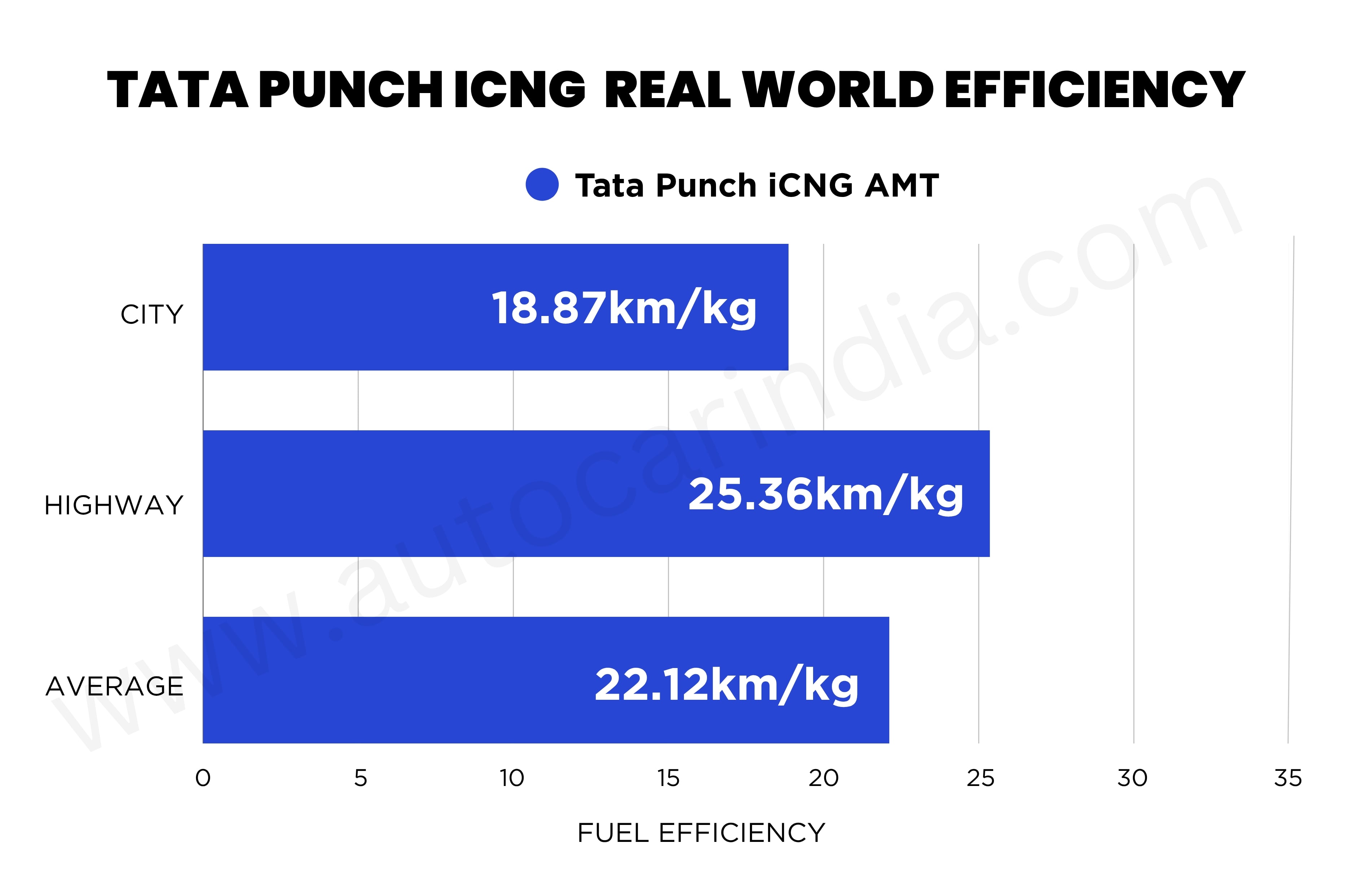
The Punch iCNG delivered 18.87km/kg in the city and 25.36km/kg on the highway.
While refilling the empty 60-litre CNG tank, we managed to fill 7.9kg of CNG, although this can vary depending on pump pressure and ambient temperature. With an overall average efficiency of 22.12km/kg, you can expect a range of 175-185km on a full tank of CNG.
Since CNG tanks are more difficult to fill consistently due to variables such as ambient temperature and pump pressure, we did not use our standard tankful-to-tankful methodology. Instead, for our real-world tests, we emptied the CNG tank and refilled it with 2kg of CNG. We then drove the vehicle in city conditions until the gas was exhausted. The same process was repeated for the highway run. Throughout both tests, the Punch iCNG was driven exclusively in CNG mode.
Before our real-world fuel efficiency tests, we maintain tyre pressures based on the manufacturer’s recommendations. The car is driven in fixed city and highway loops in and around Navi Mumbai, and we maintain certain average speeds. Throughout the tests, there is only one person in the car, and the aircon is set to 22deg C in full-auto mode. We operate other electricals, such as the audio system, indicators and wipers, just like a regular user would. Periodic driver swaps further neutralise variations in driver patterns.