New Cafe 3 norms revealed; EVs get 3x credit

New Cafe 3 norms revealed; EVs get 3x credit
CAFE III

The government has notified the third phase of its Corporate Average Fuel Economy norms, setting progressively tighter fuel-efficiency requirements for passenger vehicle manufacturers from April 2027 while giving them several routes to comply, including higher weightage for electric and hybrid vehicles, benefits for alternative fuels, efficiency-technology credits and trading of compliance credits.

The final CAFE III framework will apply to M1 category passenger vehicles manufactured or imported for sale in India from April 1, 2027 to March 31, 2032, according to a Ministry of Power notification. The standards will continue to be calculated at the manufacturer level using the sales-weighted average fuel consumption of its vehicle portfolio.

CAFE III targets tighten through FY2032

Year

Permitted fleetwide fuel economy average*

FY28 

3.996 litres/100kms 

FY29

3.860 litres/100kms

FY30

3.7585 litres/100kms

FY31

3.5313 litres/100kms 

FY32

3.3273 litres/100kms

*For a manufacturer with a reference fleet weight of 1,229kg

The permitted fleet-average fuel consumption will become progressively lower each year. The standard will be calculated using the formula a×(W−1,229)+c, where W represents the weighted average unladen mass of all eligible vehicles manufactured or imported for sale by an OEM.

For a manufacturer with a reference fleet weight of 1,229kg, the target falls from 3.996 litres of petrol equivalent per 100km in FY2028 to 3.3273 litres per 100km in FY2032. This corresponds to about 94.8g CO2/km in FY2028 and 78.9g/km in FY2032. 

The targets are calculated across the manufacturer’s eligible fleet, meaning sales of more efficient vehicles can offset higher-consuming models within the same portfolio. Small-volume manufacturers with annual eligible vehicle volumes below 1,000 units are exempt from meeting the specific CAFE target, although they will still have to report their average fuel-consumption performance.

EVs gain biggest advantage  
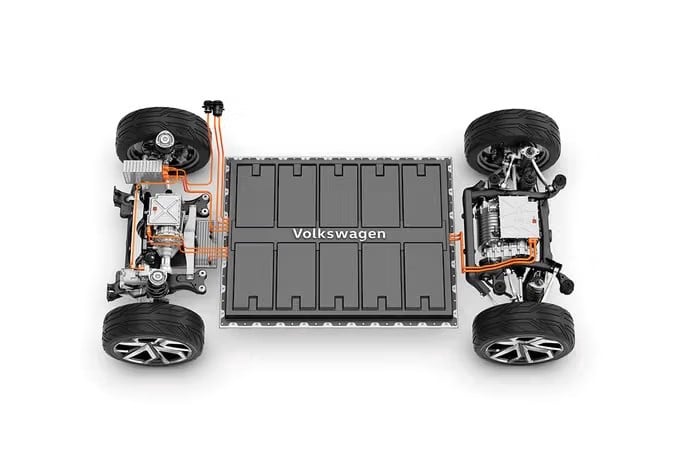
EVs get the biggest compliance boost

Battery electric vehicles and range-extended electric vehicles will receive a 3.0 super credit multiplier under CAFE III. Plug-in hybrids and flex-fuel strong hybrids get 2.5 super credit multiplier, strong hybrids get 1.6 and flex-fuel ethanol vehicles get 1.1 super credit multiplier.

Vehicle type

Multiplier

Battery electric 

3.0

Range-extended electric 

3.0

Plug-in hybrids

2.5

Flex-fuel strong hybrids

2.5

Strong hybrids

1.6

Flex-fuel ethanol

1.1

The final rules do not include the additional 3g CO2/km benefit for certain sub-four-metre petrol cars that had been proposed in an earlier draft of CAFE III.

CNG and ethanol also get benefits
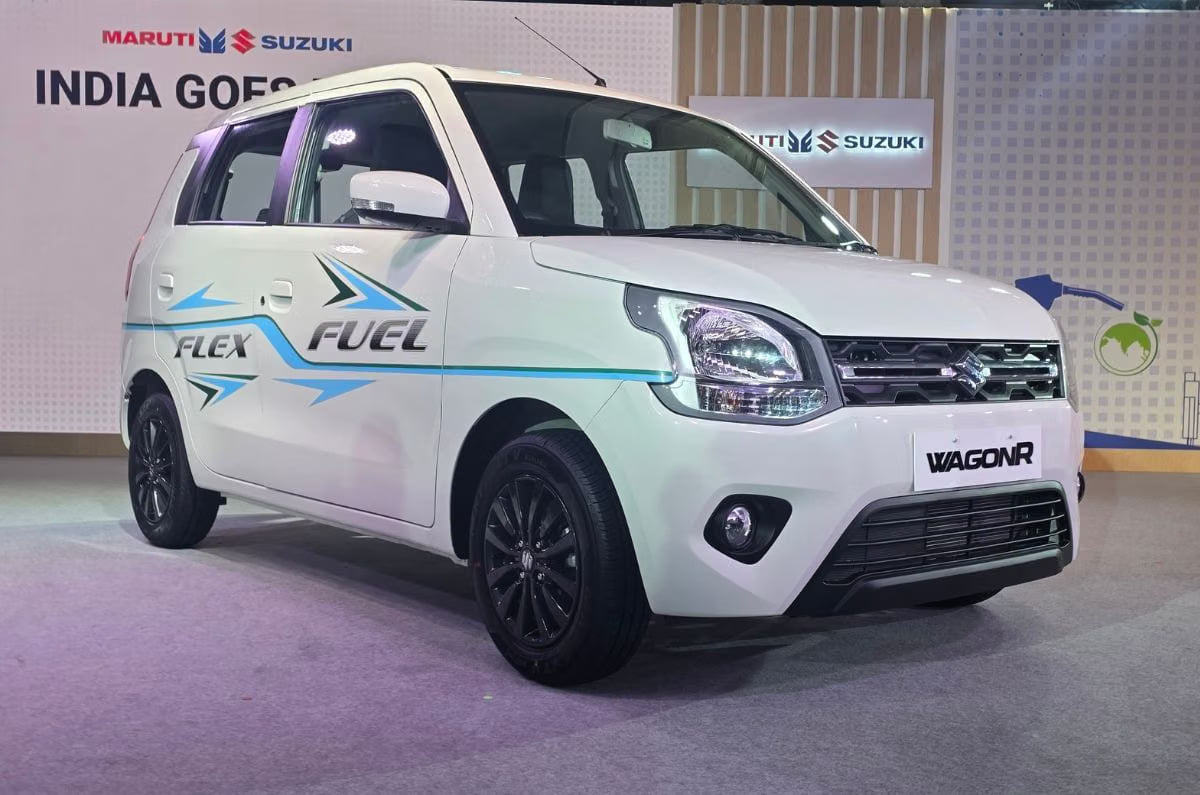
CAFE III also gives carmakers another route through what the government calls a Carbon Neutrality Factor for alternative-fuel vehicles. Cars running on E20 or higher notified ethanol-petrol blends, including strong and plug-in hybrids, get an 8 percent carbon-neutrality factor on tailpipe CO2. 

Flex-fuel ethanol vehicles get a 22.3 percent carbon-neutrality factor, while CNG vehicles get 5 percent or the notified CBG blending percentage, whichever is higher. Diesel vehicles receive a benefit linked to the notified biofuel blending level.

The provision gives manufacturers another compliance route alongside electrification, with the benefits extending to CNG, ethanol and other alternative-fuel vehicles.

Carmakers can trade fuel-efficiency credits
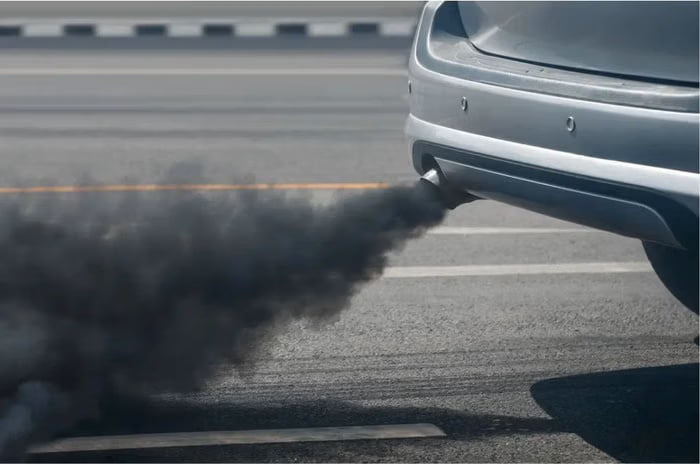
One of the bigger structural changes under CAFE III is the formalisation of a credit-and-debit system that allows compliance performance to carry financial value. Manufacturers whose fleet performs better than their prescribed target will generate credits, while those exceeding their permitted fuel-consumption level will accumulate debits. These will be maintained in a manufacturer-specific compliance “passbook”.

Surplus credits can be traded between manufacturers on mutually agreed terms. Carmakers can also buy credits from the Bureau of Energy Efficiency (BEE) to offset outstanding debits. The price rises from Rs 2,500 per g CO2/km in FY2028 to Rs 4,500 per g CO2/km in FY2032. The escalating price increases the incentive for companies to improve their underlying fleet performance.

The five-year CAFE III period will be split into two compliance blocks: FY2028-FY2030 and FY2031-FY2032. Credits and debits can be carried forward within each block, while unused credits will lapse at the end of the block. 

Efficiency technologies also carry benefits

CAFE III allows manufacturers to claim a 1g CO2/km reduction for each eligible efficiency technology, subject to a maximum benefit of 9g CO2/km. The 12 eligible technologies include start-stop systems, tyre-pressure monitoring, regenerative braking, six-speed or higher transmissions, efficient alternators, motor-generators, LED exterior lighting, advanced glazing, electric water pumps and high-efficiency air-conditioning systems.

CAFE III introduces WLTP reporting
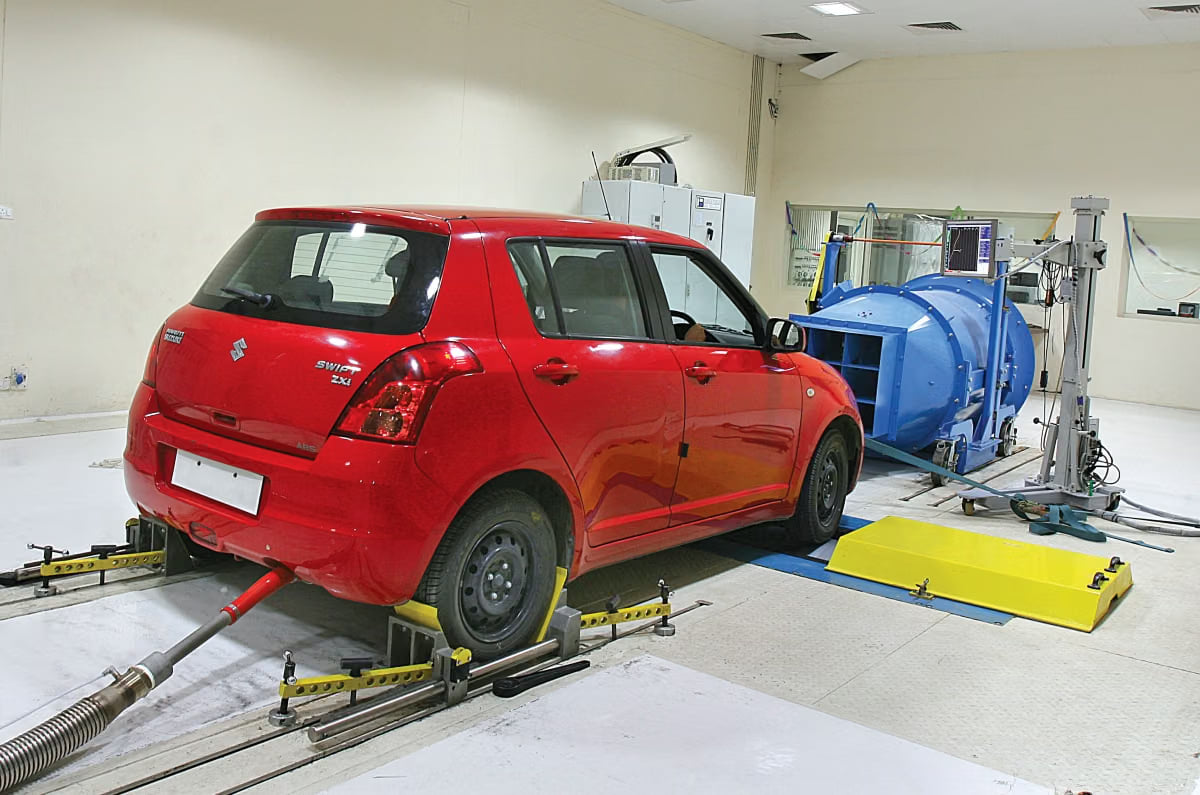
CAFE III also begins India’s transition towards using the Worldwide Harmonised Light Vehicles Test Procedure (WLTP) for corporate efficiency calculations. Manufacturers will have to declare the CO2 performance of models sold from April 1, 2027 under both the existing Modified Indian Driving Cycle (MIDC) and WLTP.

The conversion factor for translating the CAFE target from MIDC to WLTP will be notified separately by the Ministry of Power in consultation with the BEE. That leaves an important part of the implementation framework to be finalised despite the five-year CAFE III regime now being notified.

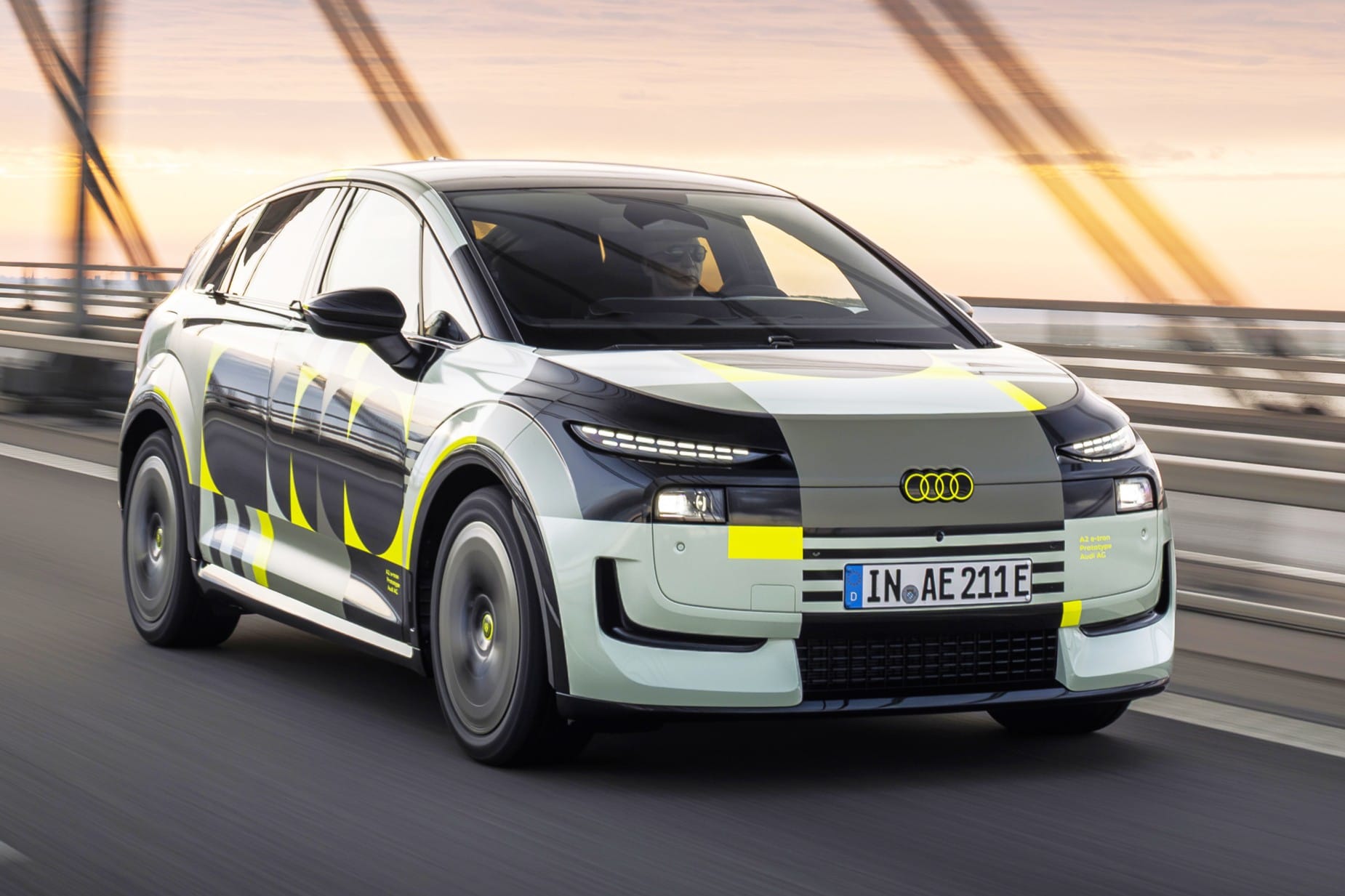
Audi A2 e-tron to be the brand’s most efficient production car yet

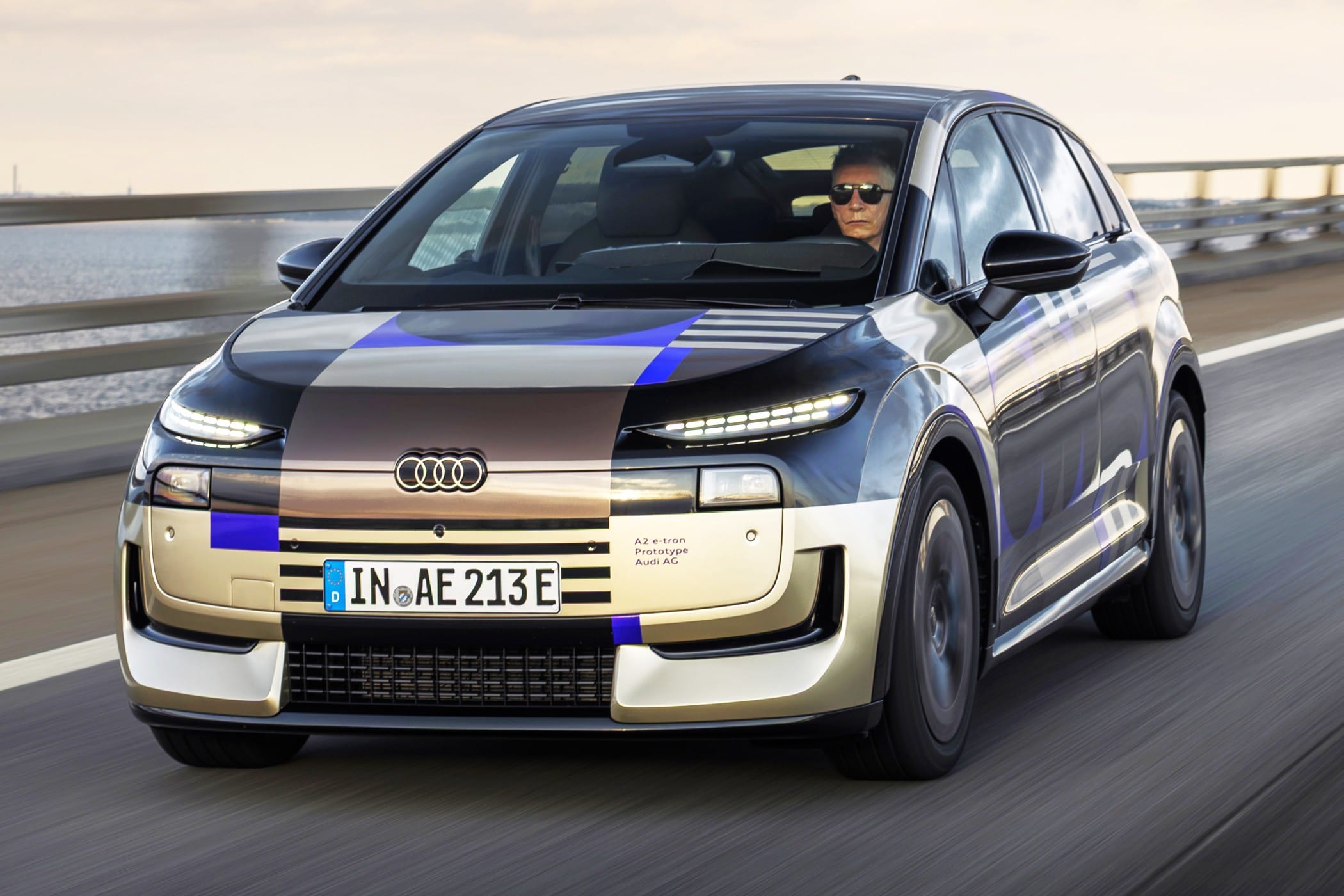
audi a2 prototype on road

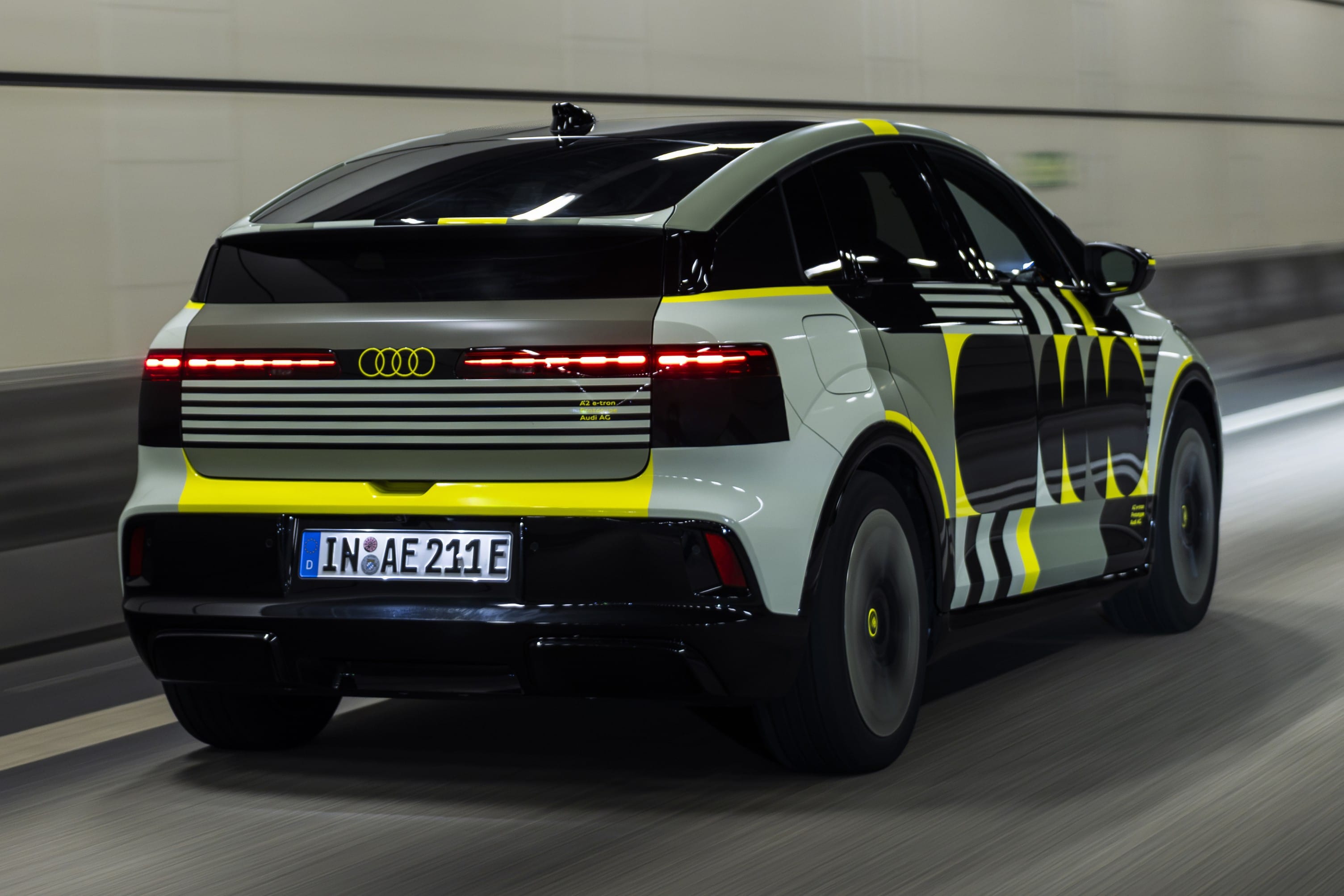
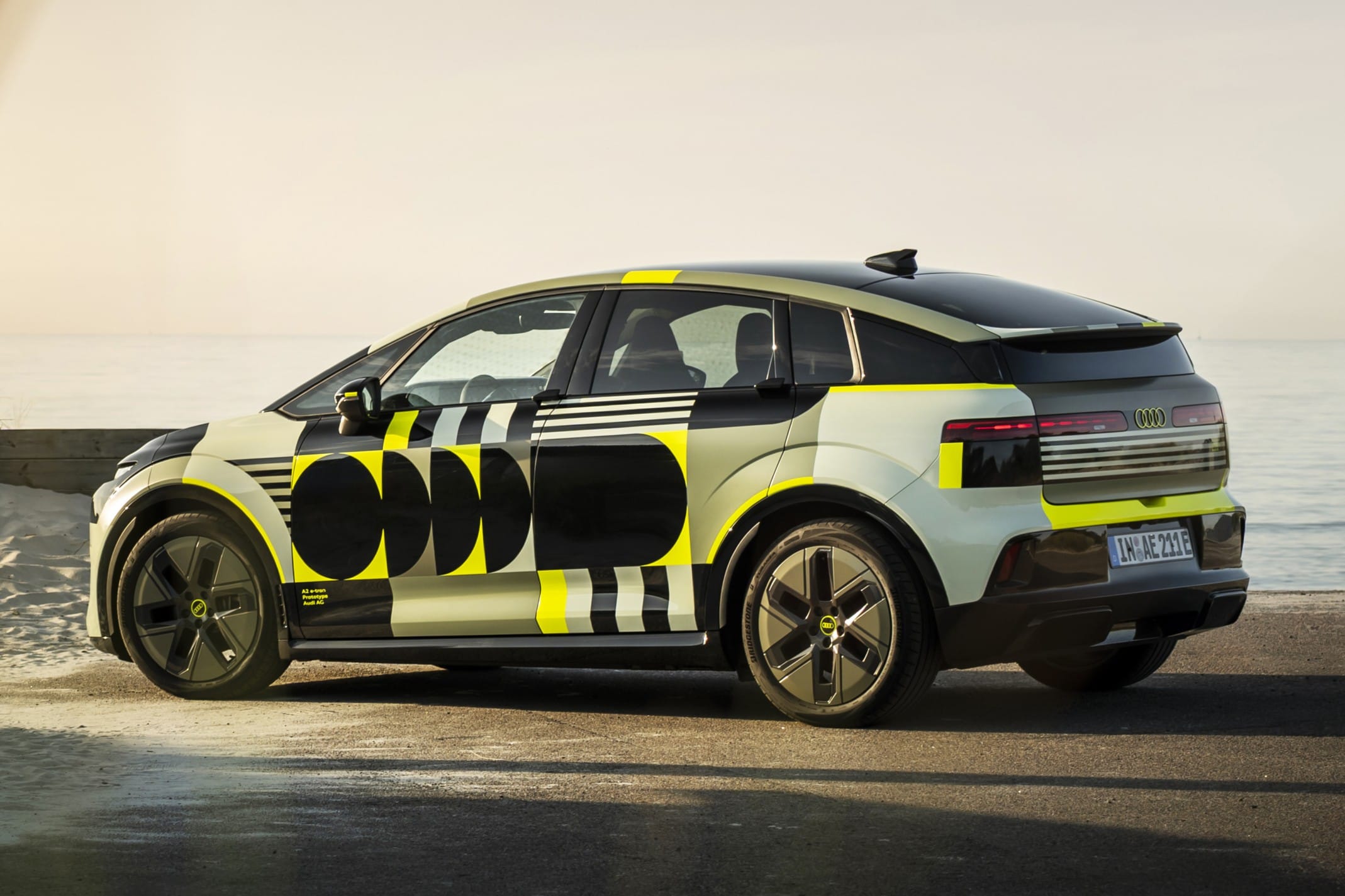
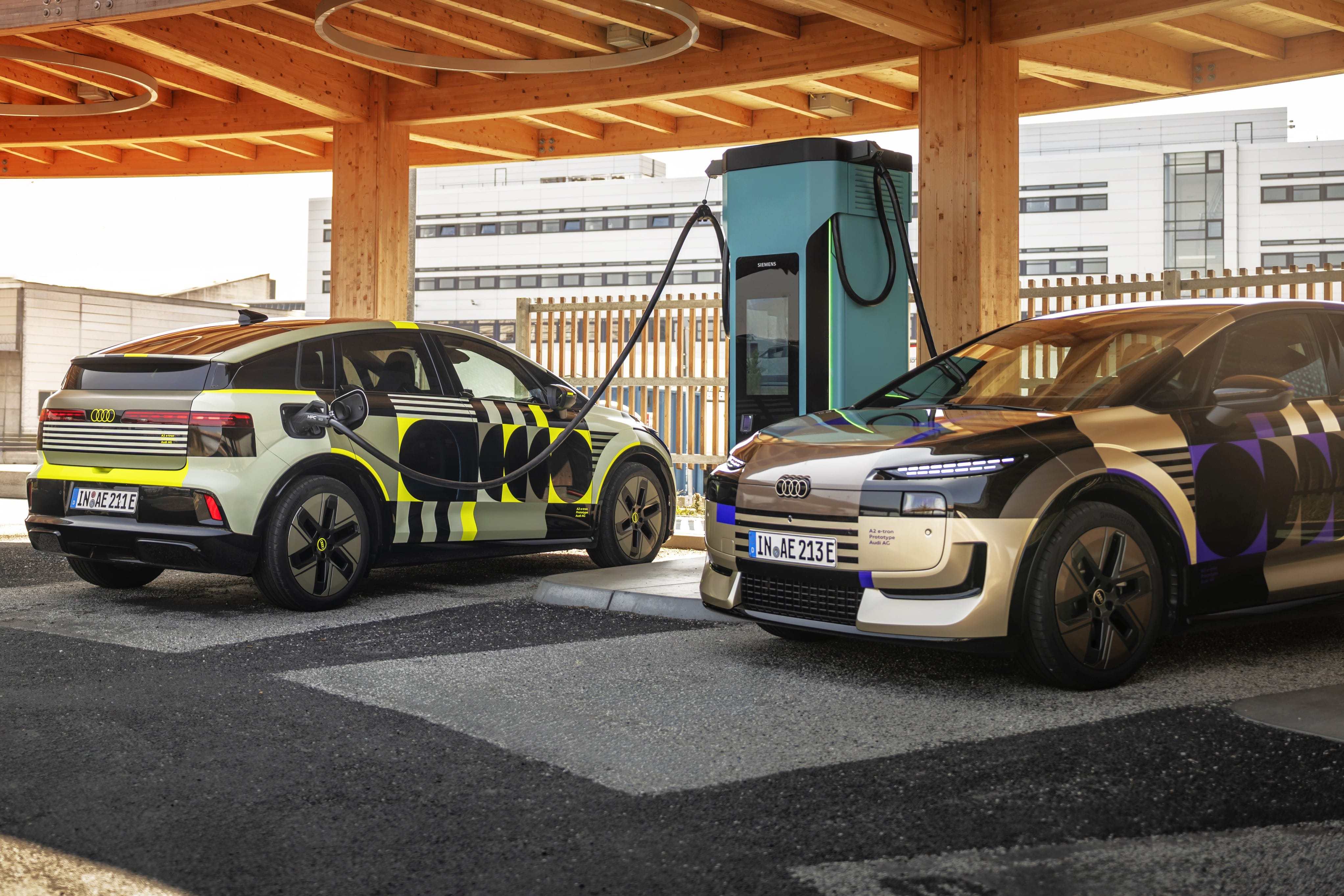
Audi has revealed fresh details and camouflaged prototype shots of the upcoming A2 e-tron, confirming that the electric hatchback will be the most efficient production car the brand has ever built. The A2 e-tron is expected to debut in full this fall, with European sales scheduled to begin in the end 2026 to early 2027 timeframe.

Reborn Audi A2 adopts the original’s efficiency-first ethos

Achieved 7.81km/kWh WLTP energy efficiency in preliminary testing

Equipped with the optional Efficiency Package, the A2 e-tron recorded a preliminary WLTP energy consumption figure of just 12.8kWh/100km (7.81km/kWh), making it the German carmaker’s most energy-efficient model to date. Notably, the original A2 (sold from 1999 to 2005) was built to deliver superb fuel economy, and its EV successor clearly adheres to the same efficiency-first principles.

Audi says the A2 e-tron achieves its impressive claimed efficiency via a combination of advanced aerodynamics, a highly optimised drivetrain, and a battery designed specifically for everyday use. The Efficiency Package lowers the A2 e-tron’s energy consumption by up to 0.9kWh/100km over the standard model.

The A2 e-tron also boasts a drag coefficient of 0.24, the lowest of any compact Audi to date. To achieve this, Audi has equipped the A2 e-tron with a rounded fascia, a flowing roofline, a fully enclosed underbody, air curtains, wheel arch gap reducers, an upright rear end, and an active front cooling intake that remains closed during normal driving to minimise drag. The intake automatically opens during rapid charging, heavy acceleration, or high ambient temperatures to provide additional cooling for the battery and power electronics.

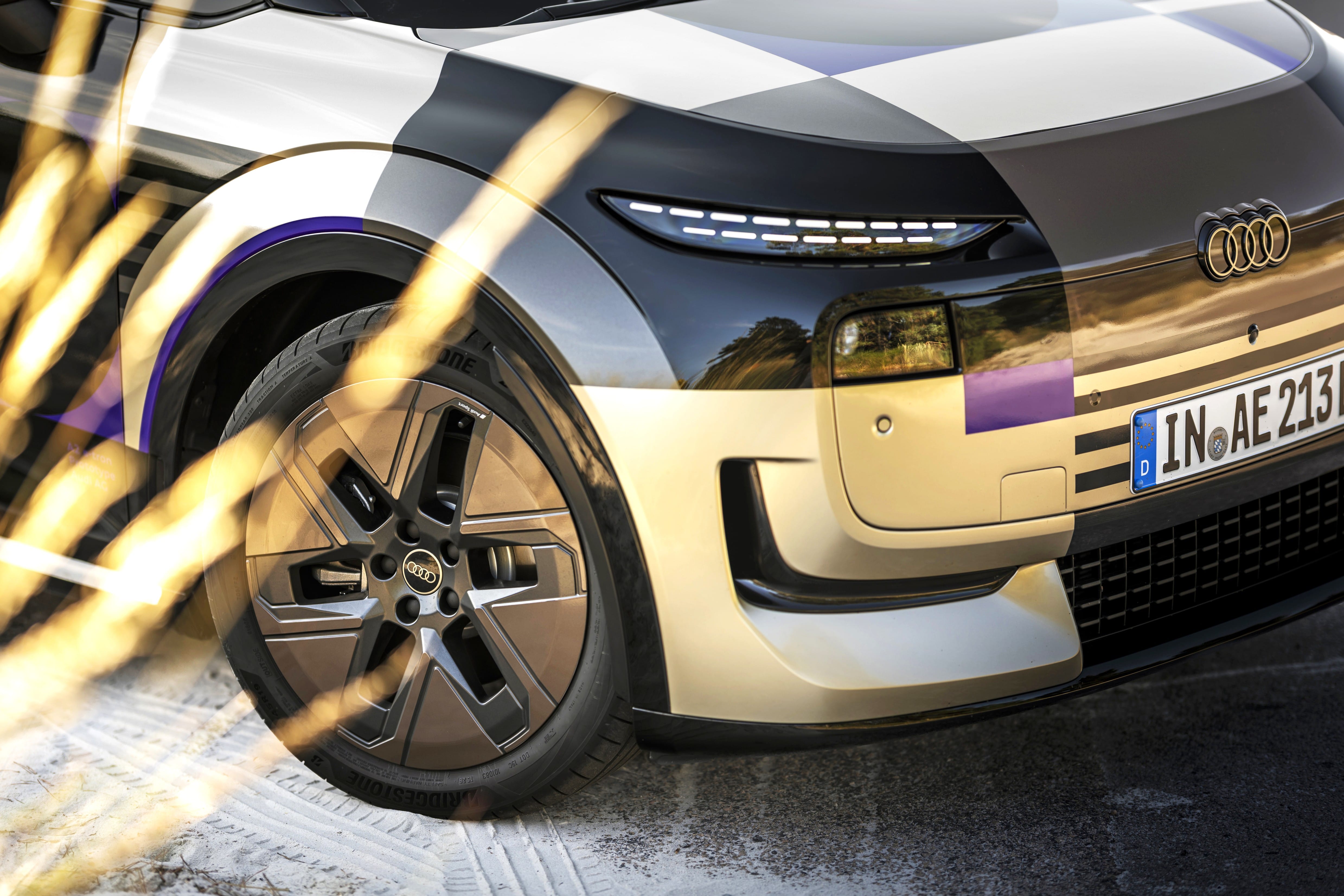
Other observable design highlights on the A2 e-tron prototype include a split-headlamp setup, L-shaped intakes up front, aero-optimised alloy wheels, wide rectangular tail-lamps, subtly flared fenders, and a silhouette that pays homage to the original A2 – the A2 e-tron actually looks quite similar to the Hyundai Ioniq 3 in profile.

Audi A2 e-tron to offer 61kWh battery in base spec

Estimated WLTP range of around 453km

Entry-level versions of the A2 e-tron are confirmed to offer a 61kWh (58kWh usable) LFP battery that powers a rear-mounted 190hp electric motor dubbed APP350. Multiplying the usable battery capacity with the aforementioned 7.81km/kWh efficiency figure yields an indicative WLTP range of 453km.

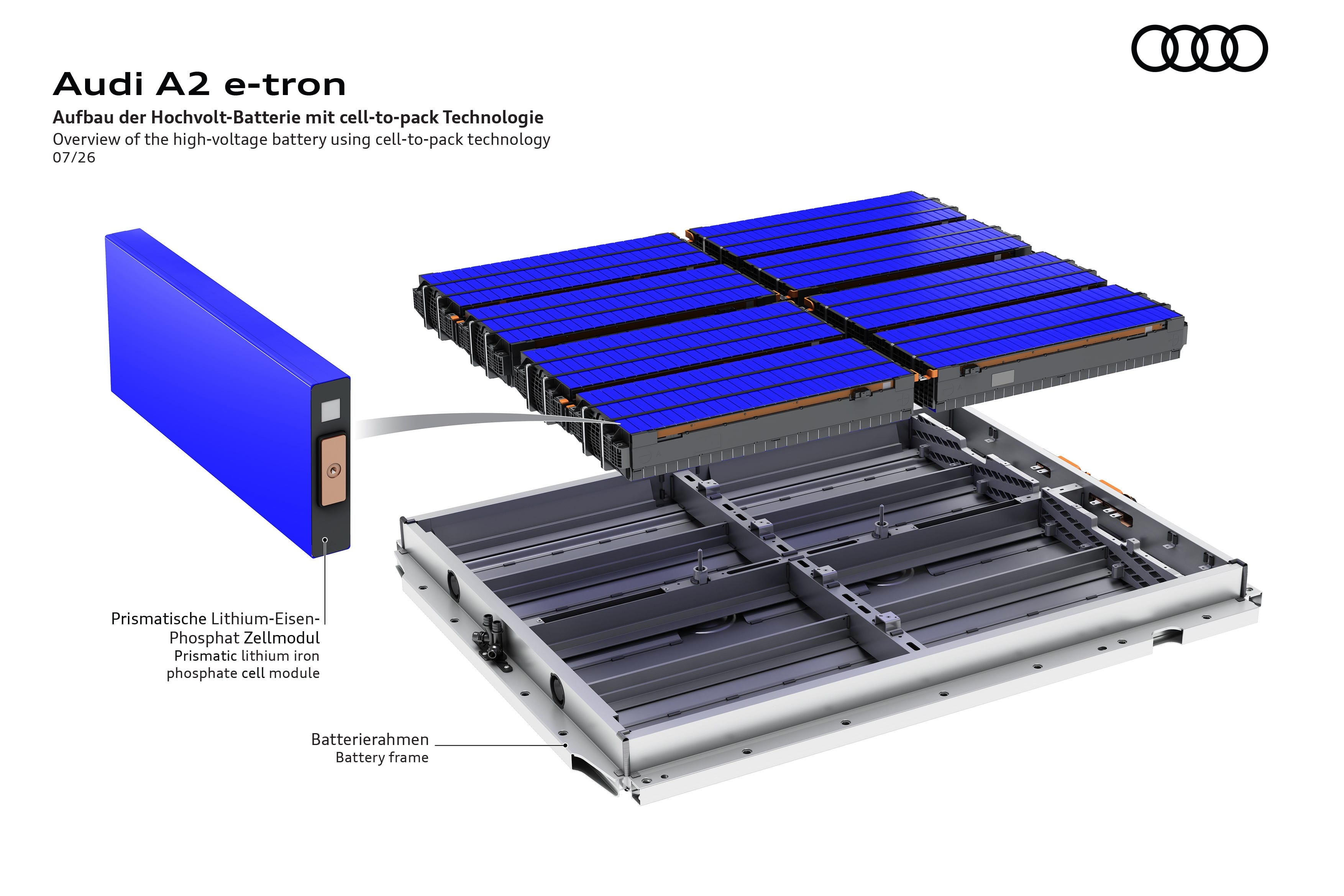
The A2 e-tron’s battery uses a cell-to-pack design that improves packaging efficiency while eliminating conventional battery modules. It can even be routinely charged to 100 percent without the degradation concerns associated with other battery chemistries. A revised thermal management system also improves home wallbox charging efficiency to 89.6 percent.

According to Audi, the A2 e-tron’s electric drive system is around 10 percent more efficient than previous designs. Improvements include silicon carbide (SiC) power electronics, thinner motor laminations to reduce energy losses, revised stator windings, and a new low-friction transmission oil paired with a tall 10.2:1 gear ratio for improved highway efficiency.

The A2 e-tron will also support vehicle-to-load (V2L) functionality, allowing owners to power external appliances with up to 2.3kW of output, as well as a vehicle-to-home (V2H) feature that enables the vehicle to act as a home energy storage system when paired with compatible charging equipment.

While Audi has confirmed only the 140kW version of the A2 e-tron for now, more variants are expected to be part of the line-up. Since the A2 e-tron shares its underpinnings with the Volkswagen ID 3 Neo, which gets a 79kWh NMC battery option, the Audi hatchback could offer a similarly sized unit.

फ्रिज पर मैग्नेट लगाने से पहले जान लें यह जरूरी बात, ये मैग्नेट कहीं ‘बिजली चोर’ तो नहीं!

आपने सुना है कि फ्रिज पर मैग्नेट लगाने से बिजली का बिल बढ़ जाता है। आजकल सोशल मीडिया पर यह मिथ काफी वायरल है, लेकिन यह सच है या सिर्फ एक अफवाह। इस दावे को लेकर एक्सपर्ट्स ने क्या कहा है और इसके पीछे की सच्चाई क्या है, यही जानना सबसे जरूरी है:

Fridge Magnet Myth (फ्रिज मैग्नेट का सच)

12 Pcs Fridge Magnets Refrigerator Stylish, Resin Food Decor Magnets for Kitchen, Realistic Bakery Style Fridge Stickers, Magnet Set for Freezer Door (Golden Yellow) : Amazon.in: Fashion‘

फ्रिज पर मैग्नेट लगाने से बिजली का बिल नहीं बढ़ता। कोई भी फ्रिज मैग्नेट इतने पावरफुल नहीं होते कि वे फ्रिज के काम करने के तरीके या उसकी बिजली की खपत को बढ़ा सकें।

Heavy Magnets (भारी मैग्नेट से रखें दूरी)

How to Choose Standard Refrigerator Size for Your Home - Spinchill

अगर फ्रिज पर बहुत ज्यादा या भारी मैग्नेट लगा दिए जाएं, तो समय के साथ दरवाजे के कब्जों (हिंज) पर जयदा दबाव पड़ सकता है। इससे फ्रिज की फिटिंग और उम्र पर असर पड़ सकता है।

Cooling Performance (कूलिंग पर पड़ता है असर)

Magnets On Refrigerator Images – Browse 18,081 Stock Photos, Vectors, and Video | Adobe Stock

एक्सपर्ट्स के अनुसार, फ्रिज के बाहर लगे मैग्नेट अंदर की कूलिंग, सेंसर या खाने की क्वालिटी पर कोई असर नहीं डालते। इसलिए इस बात को लेकर परेशान होने की जरूरत नहीं है।

Save Electricity (बिजली बचाने का सही तरीका)

This may contain: an open refrigerator in a kitchen with food on the counter and door to the other side

अगर बिजली का बिल कम करना चाहते हैं, तो फ्रिज का दरवाजा बार-बार खुला न छोड़ें, रबर सील की जांच करते रहें, सही टेम्परेचर सेट करें और फ्रिज की रेगुलर सफाई करें। यही तरीके सच में बिजली बचाने में मदद करते हैं।

Expert Advice (क्या करें)

Best Fridge Magnets for Heavy Items: A Complete Guide - Fridge Magnets

फ्रिज पर कुछ हल्के मैग्नेट लगाना बिल्कुल सही है। बस बहुत ज्यादा भारी मैग्नेट या बिना कारण वजन दरवाजे पर न रखें, ताकि फ्रिज लंबे समय तक अच्छी तरह काम करता रहे।