BS7 draft likely in couple of months: MoRTH

BS7 draft likely in couple of months: MoRTH

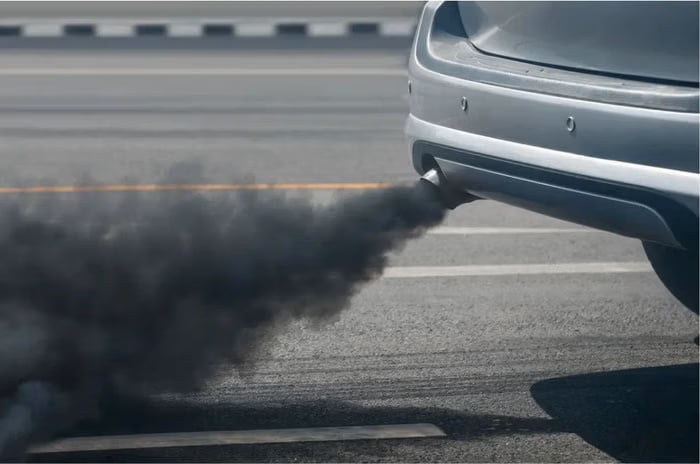
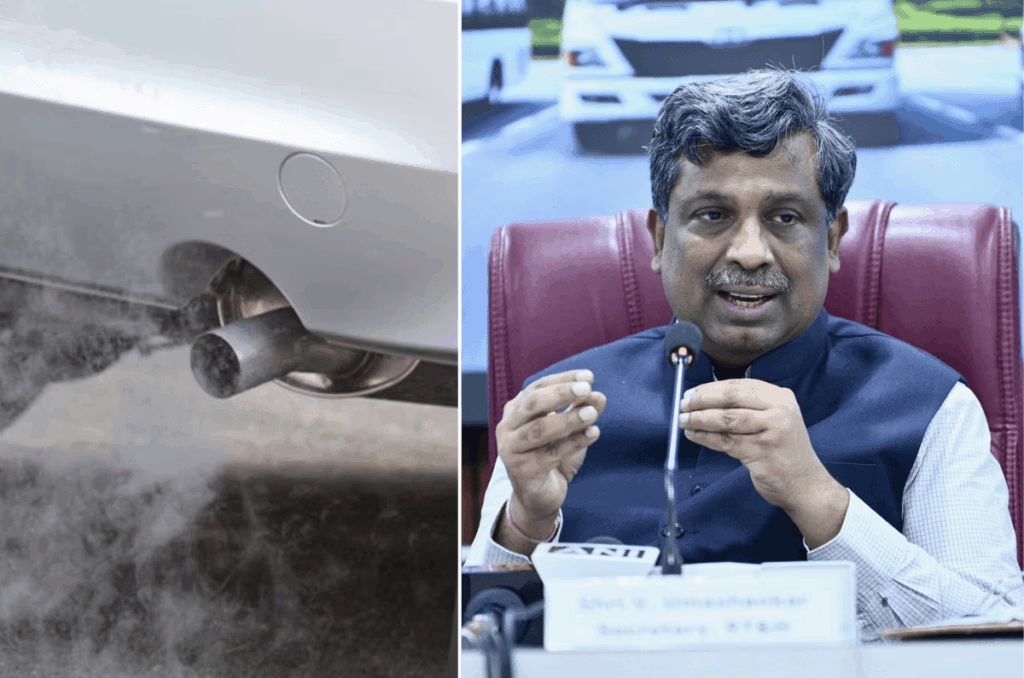
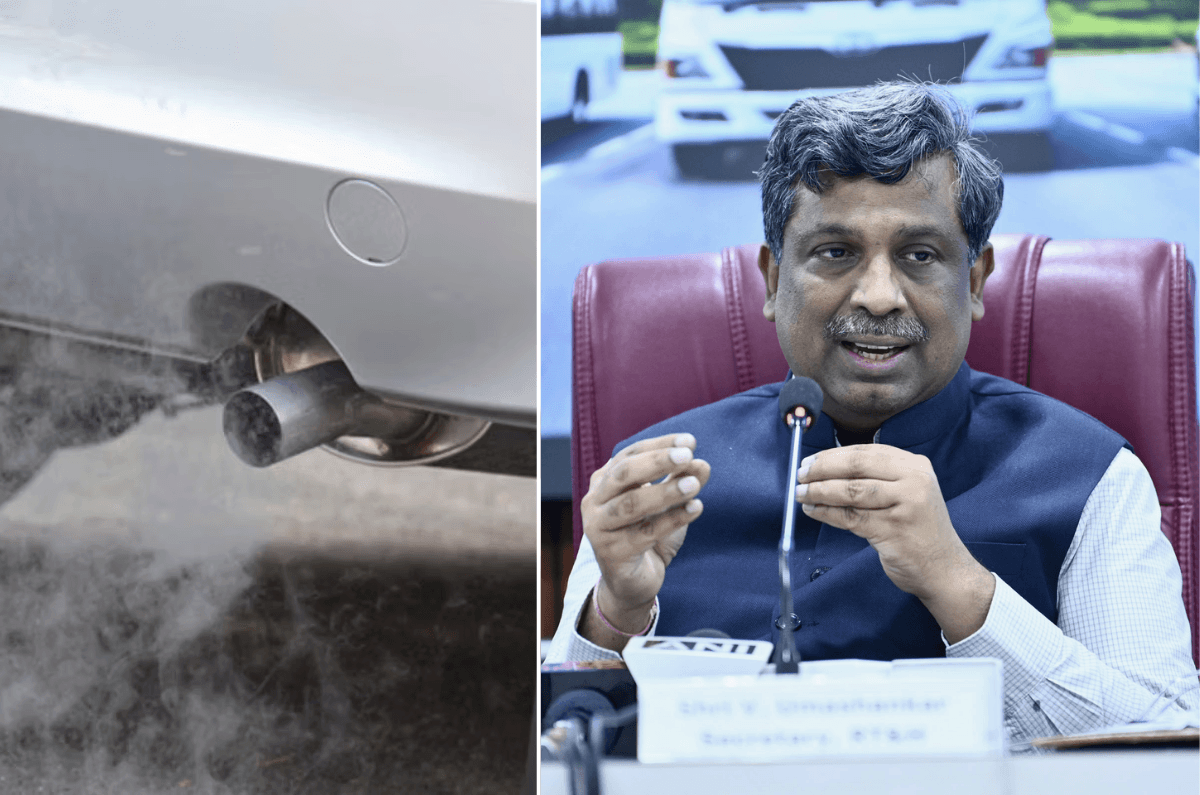
“We are ready with the next level of Bharat Stage [emission] standards and the final consultations are underway. We hopefully should be in a position to bring out the draft in a couple of months’ time for the BS 7 introduction,” Ministry of Road Transport and Highways (MoRTH) Secretary V Umashankar said at the 2026 SIAM Annual Convention in Delhi. 

Bharat Stage norms limit the emissions of pollutants like hydrocarbons, sulphur and oxides of nitrogen from vehicles. India currently follows BS6 Phase 2 (or BS6.2) norms, which came into effect on April 1, 2023. “I think the industry is also preparing itself for it. The key challenge there would be the timelines,” Umashankar added.

What changes with BS7?

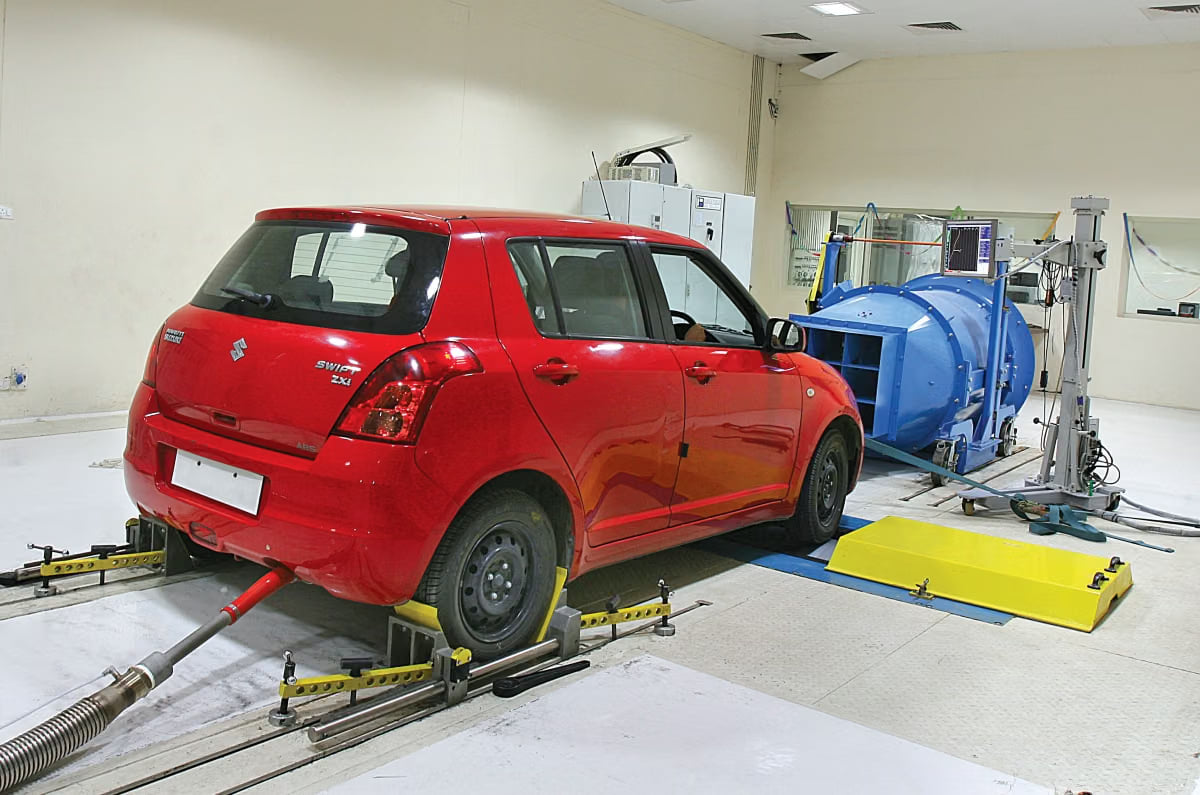
BS7 will put a greater focus on pollution levels from vehicles in real-world driving conditions rather than laboratory testing. Unlike the dramatic transition from BS4 to BS6, the move to BS7 is a natural progression from BS6. This should put relatively less pressure on manufacturers to upgrade their vehicles. Prices may also go up slightly due to the upgrades. Some models could even be discontinued if upgrading them to meet BS7 norms is not financially viable, something that we saw during the move from BS4 to BS6 in 2020.

Bharat Stage emission norms so far

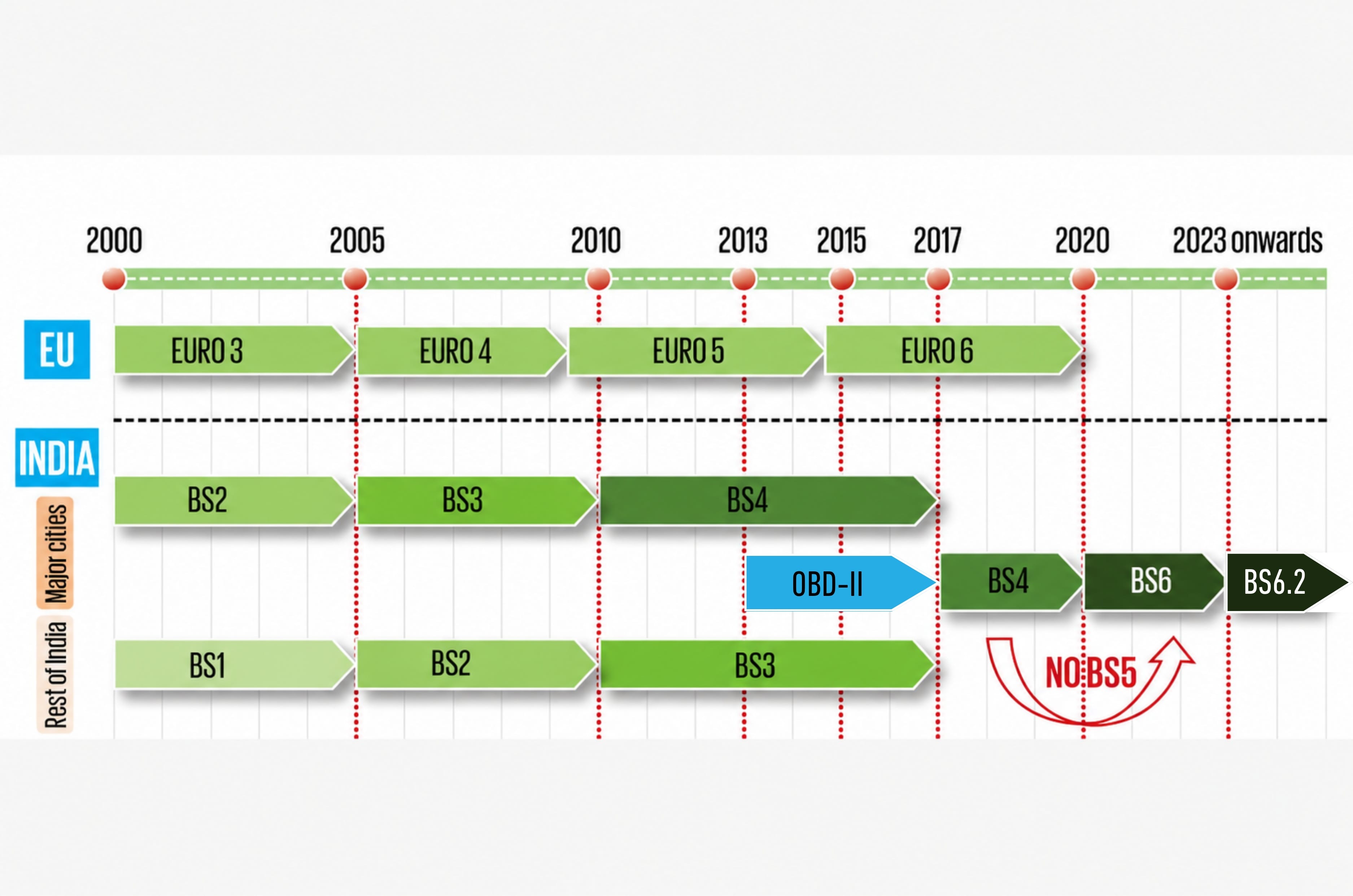
Bharat Stage emission norms were introduced in India in the year 2000 with the implementation of BS1 standards, while also rolling out BS2 across major cities in a phased manner. BS2 was based on European emission regulations, with the main difference being the test cycle’s top speed – 90kph versus 120kph in Europe.

India remained one stage behind Europe until 2010, after which the oil industry could not supply the low-sulphur fuel needed to progress to BS5 before eventually leapfrogging from BS4 to BS6 in 2020.

How are CAFE norms different from BS standards?

Corporate Average Fuel Economy (CAFE) norms deal with overall fuel consumption, specifically the quantity of fuel consumed. Imposed on a carmaker’s entire fleet, and not on an individual model, it’s a limit set on the total emission of carbon dioxide produced. These norms force manufacturers to make more fuel efficient cars, which impacts many other things. Whereas, Bharat Stage norms measure emissions at a vehicular level.

8 things to know about the 2026 Royal Enfield Continental GT 650

8 things to know about the 2026 Royal Enfield Continental GT 650

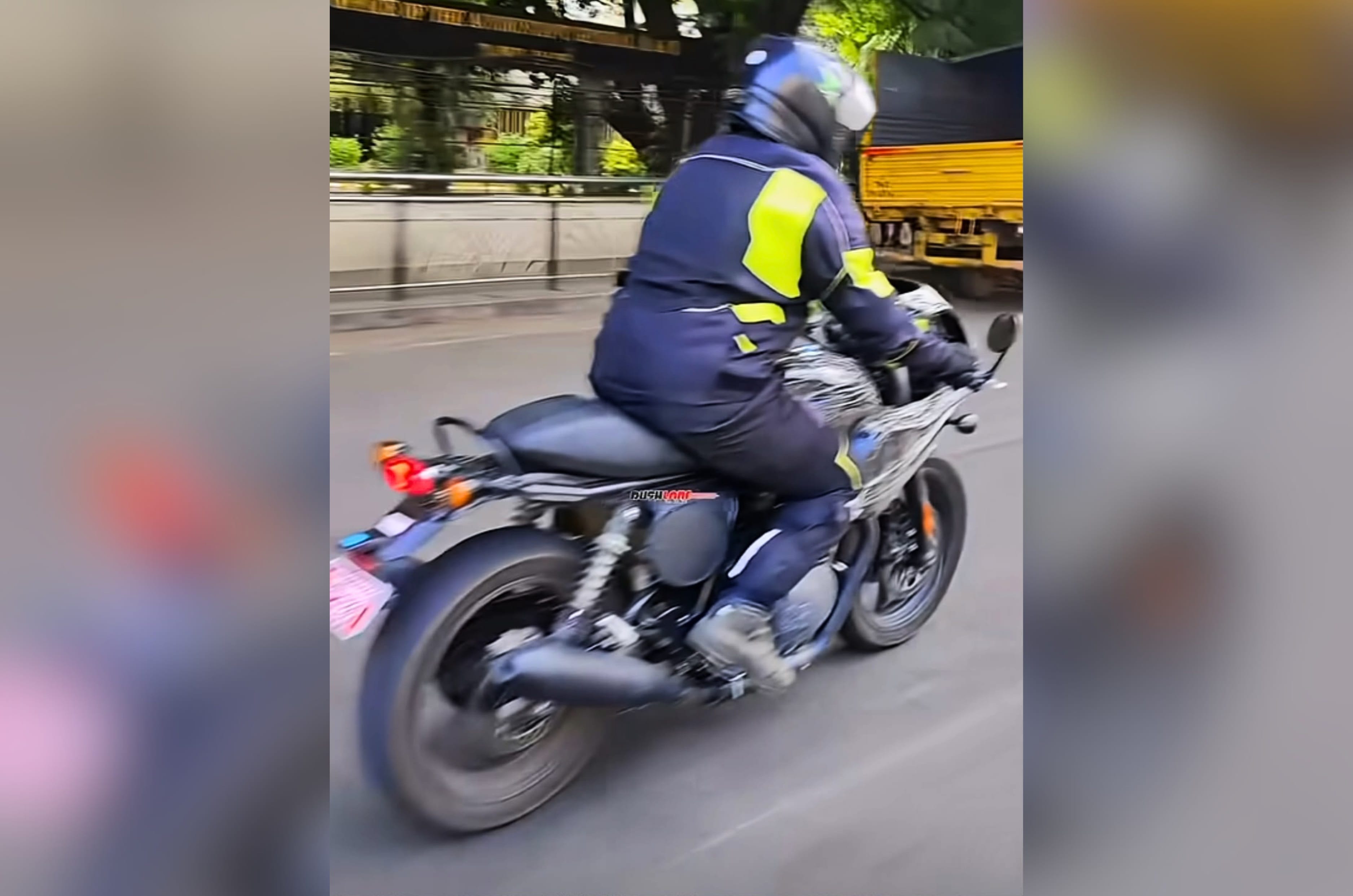
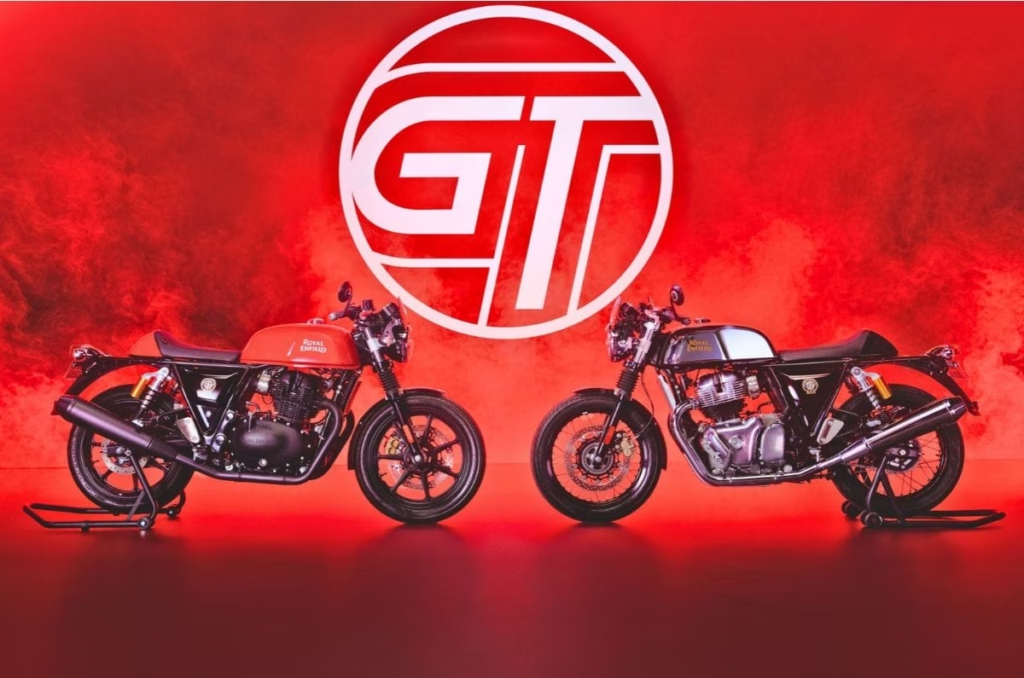
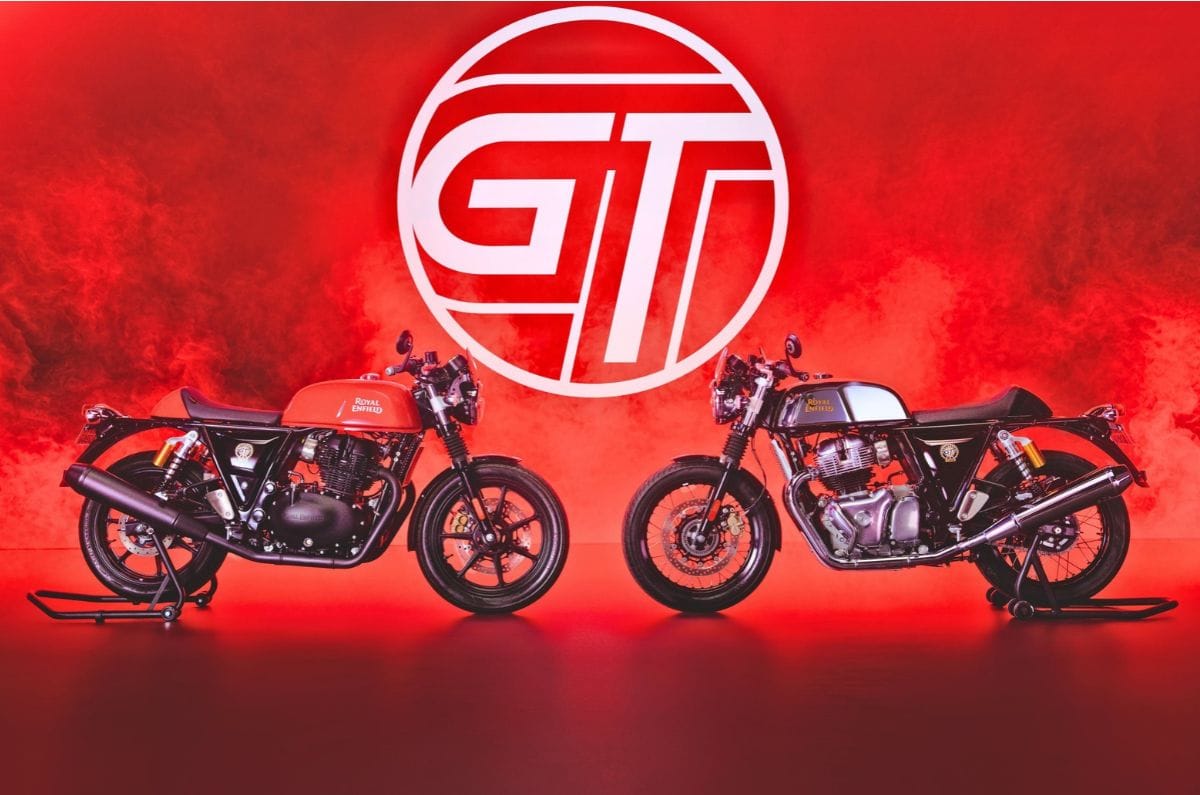
Royal Enfield’s Continental GT 650 is the brand’s modern take on the classic cafe racer, combining a retro design with its 648cc parallel-twin engine. If you’re considering one, here’s everything you need to know about the motorcycle.

1. How much does the Continental GT 650 cost?

Royal Enfield has priced the Continental GT 650 from Rs 3.58 lakh to Rs 3.88 lakh (ex-showroom, Chennai). The Rocker Red and British Racing Green variants are priced at Rs 3.58 lakh, while the Apex Grey and Mr Clean cost Rs 3.81 lakh and Rs 3.88 lakh, respectively.

2. Which engine does the Continental GT 650 have?

The Continental GT 650 continues with Royal Enfield’s 648cc, air/oil-cooled parallel-twin engine. It produces 47hp at 7,150rpm and 52.3Nm at 5,250rpm, with power sent to the rear wheel through a six-speed gearbox.

3. What is the seat height of the Continental GT 650?

The Continental GT 650 has an 820mm seat height. It also has a 1,398mm wheelbase and 174mm of ground clearance.

4. What features does the Continental GT 650 get?

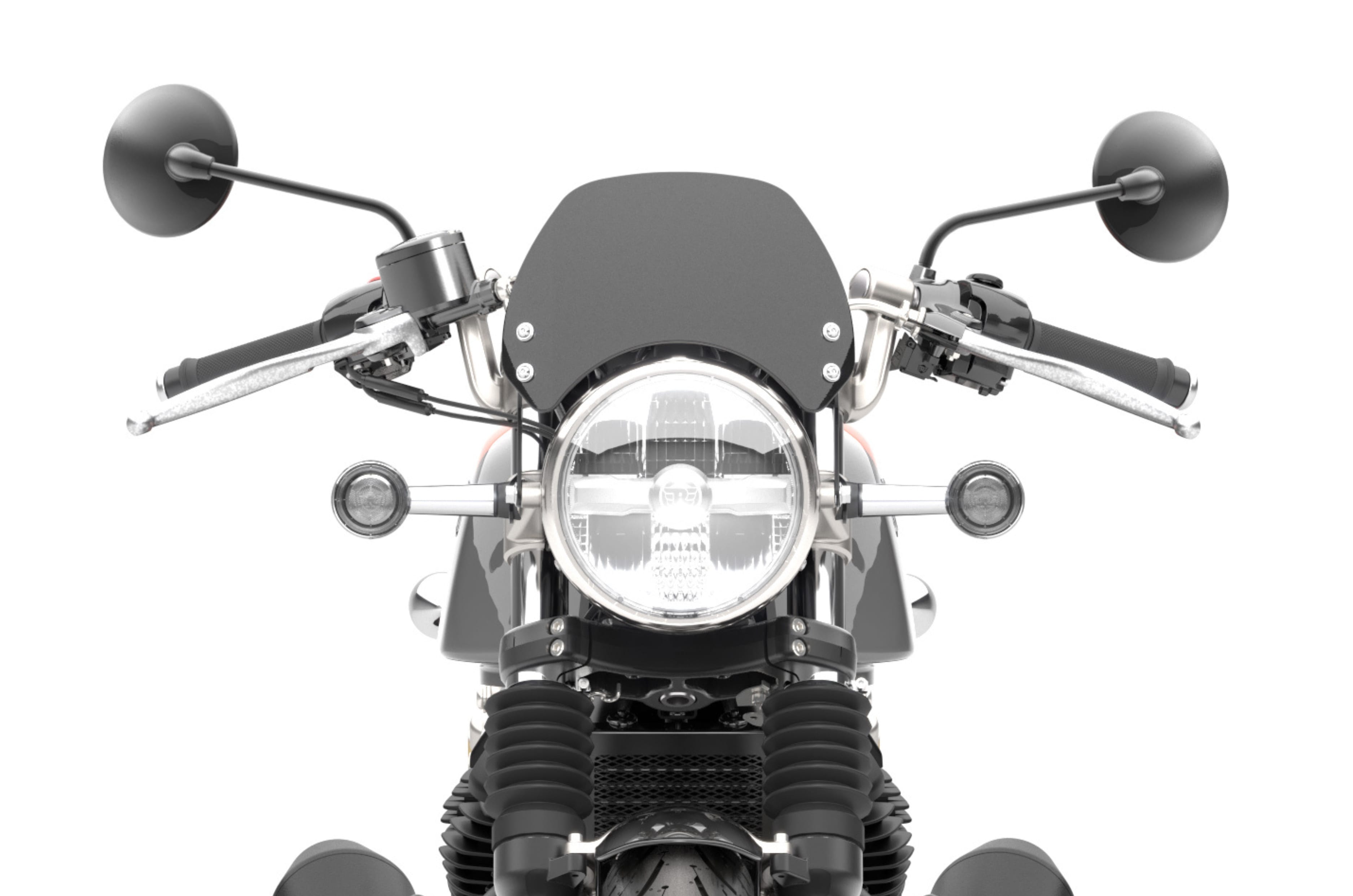
The updated Continental GT 650 gets LED indicators, a USB Type-C charging port and a black-painted instrument cowl. The Rocker Red and Apex Grey variants get blacked-out engines and exhausts, while both are equipped with cast-alloy wheels.

5. Does the Continental GT 650 get dual-channel ABS?

Yes, the Continental GT 650 gets dual-channel ABS as standard. It uses a 320mm disc at the front and a 240mm disc at the rear.

6. What is the weight and ground clearance of the Continental GT 650?

The Continental GT 650 has a 214kg kerb weight and 174mm of ground clearance.

7. What is the fuel tank capacity of the Continental GT 650?

The Continental GT 650 gets a 12.5-litre fuel tank.

8. Does the Continental GT 650 get alloy wheels?

Not all versions. The Rocker Red and Apex Grey variants get cast-alloy wheels, while the British Racing Green and Mr Clean versions continue with traditional spoke wheels.

Royal Enfield Continental GT vs Interceptor 650: Price and differences explained

Royal Enfield Continental GT vs Interceptor 650: Price and differences explained

Royal Enfield has just updated the Continental GT 650 for 2026. While the mechanicals remain where they were earlier, the popular cafe racer gets a few new features like LED indicators, USB type-C port and cosmetic updates like a black instrument cowl. The Rocker Red colour now also gets a blacked out engine case and cast-alloy wheels, both of which were previously limited to the Apex Grey colour. The Interceptor, the platform sibling, is yet to see an update for 2026 but how do the 650 twins differ? Let’s examine it in detail.

All prices ex-showroom, Chennai

Royal Enfield Continental GT 650 vs Interceptor 650: What’s shared?

Engine, chassis, and more

Both have quite a lot in common. They share the steel tubular, dual-cradle frame, the 648cc twin-cylinder engine making 47.4hp of power and 52.3 Nm of torque, tyre sizes, suspension, and most of the dimensions. Both also get alloy and wire spoke wheel options, but not on all the colours. In addition to this, most of Royal Enfield’s first-party accessories for one of these bikes should also be compatible with the other.

Royal Enfield Continental GT 650 vs Interceptor 650: Design

Continental looks better, but is less practical

The biggest difference between the two is in the appearance. The Continental GT has a clip-on style handlebar, placed lower than the Interceptor. The rider footpegs are also set further back, altering the rider’s triangle noticeably. While the Continental’s handlebar makes it steadier at higher speeds—thanks to the added load on the front wheel—it does put more strain on the wrists, especially over long distances. The upright riding position on the Interceptor makes it far more practical to live with, although at the cost of the ‘cool factor’. The Continental GT 650 also gets Vredestein tyres, replacing the CEATs on the Interceptor.

Royal Enfield Continental GT 650 vs Interceptor 650: Dimensions and weight

Interceptor is heavier by 4kg

The Interceptor is 45mm wider and 25mm taller than the Continental GT 650. The Interceptor also has a larger 13.7-litre fuel tank, compared to 12.5-litre unit on the Continental. Naturally, that means the Interceptor is 4kg heavier at 218kg.

Royal Enfield Continental GT 650 vs Interceptor 650: Features

Continental now gets more features

Both the models do share most of the features, such as the semi-digital instrument cluster with twin-pods and dual-channel ABS, but with the update the Continental GT has gotten features like a USB-C charging port (vs USB-A on the Interceptor), LED indicators, and an instrument cowl as standard. 

Royal Enfield Continental GT 650 vs Interceptor 650: Colour options

Interceptor gets more colours

There’s no crossover between the two motorcycles in the colour options with both having distinct colour choices. Like we mentioned earlier, some of the colours get black, cast-alloy wheels while others stick to wire spoke wheels. On the Continental, Apex Grey and Rocker Red get alloys whereas on the Interceptor, alloy wheels are limited to only one colour, Black Ray.

Royal Enfield Continental GT 650 vs Interceptor 650: Price

Continental is more expensive

With the new updates, the Continental GT 650 now starts at Rs 3.58 lakh and goes up to Rs 3.97 lakh. As of the writing of this piece, the Interceptor starts at Rs 3.39 lakh and goes up to Rs 3.69 lakh without any of the new features. 

Interestingly, the Bear 650, the other platform sibling of these two, gets more modern features like a TFT instrument cluster,  USD fork, and a slightly more powerful engine owing to its different two-into-one exhaust system. It remains to be seen if Royal Enfield will bring these updates to the Interceptor 650 anytime soon.

Opinion: Why India needs a small car assault

Opinion: Why India needs a small car assault
Citroen AMI, Honda Super N, Renault 5, Nissan Micra.

The CAFE 3 norms are just eight months away. Things will certainly get tighter and tougher for automakers, in terms of upping the number of clean power options as well as light-weighting their current brawn-ish SUVs. If one has to bring a 30 percent reduction in fleet-average performance and move from MIDC to WLTP test results, an automaker has very little leeway in terms of just about making it. 

As a product planner, I would seriously take this as an opportunity to bring the focus back onto the entry-level small car. In fact, all product planners should be doing the same, irrespective of what your current portfolio is. The policymakers are sending out a clear message to the Indian automobile industry – relook and revive the small car, for you have neglected it for quite some time now!

And why not? It’s not just for developing markets; look at the developed world too. The otherwise ostentatious European is seriously evaluating the small car once again. Even the more aware and conscious American is. Japan has always been a ready reference for all. Tomorrow’s car buyer is going frugal and smart once again. Going back to the basics. Without compromising on comfort and features. And the automakers have prepared themselves for such times. Some started almost a decade ago, with varying outcomes, but the efforts have been commendable and great teachers on how to approach the future. 

The Citroën Ami. The Fiat Topolino and Multiplina. The Renault 5 and its hot hatchback cousin, the Alpine A290. The Nissan Micra. The Smart For2. The Honda Super N. The Microlino and Microletta. And I have not even gone into what the Chinese have launched over the last 12 months. 

This is the attack of the “minors”. Electric. Power-packed. Feature-rich. Head-turning looks. Both microcars as well as conventional entry-level little runabouts. They are not cheap-looking, frugally engineered, cost-compromised, low-on-status offers that one never wants. They are clean, conscious and very cool. They cater to the sceptical youth and the wizened elder alike.

For years, Japan and Europe have been the homes of such cars. It is time India takes over that role. And it makes perfect business sense too. If we are to increase car penetration and grow the market to a size even half of that of China, given our consumption power, there is no other way but to make the entry-level car the hero of the script. Whether electric, CNG or hybrid. It is the responsibility of brands like Maruti Suzuki, Hyundai, Toyota, Tata and Honda to make this happen. Only then will we create a mature and sustainable market with a rich and robust pipeline of two-wheeler owners who will want to look up!

Harley-Davidson files trademarks for new cafe racer and flat-tracker models

Harley-Davidson files trademarks for new cafe racer and flat-tracker models
Harley-Davidson RMCR concept

Harley-Davidson has filed trademark applications for the names RMCR and RMXR with the US Patent and Trademark Office, according to reports – the clearest signal yet that a production version of the Revolution Max Cafe Racer concept could be on its way, along with what appears to be a flat-tracker sibling.

  1. Trademark applications for RMCR and RMXR filed in the US
  2. RMCR is believed to be the Revolution Max Cafe Racer; RMXR likely a flat-tracker derivative
  3. Both filed on an intent-to-use basis; production not guaranteed

Harley-Davidson RMCR and RMXR: What to expect

The RMCR concept was previously showcased at the Mama Tried Motorcycle Show earlier this year

Reports suggest the RM prefix in both names stands for Revolution Max – Harley-Davidson’s liquid-cooled DOHC V-twin platform, which is currently available in 975cc and 1,250cc configurations. The CR suffix in RMCR is widely read as standing for Cafe Racer, while XR draws a direct lineage from the company’s storied flat-track heritage – the XR750 race bike and XR1200 being some examples.

The RMCR concept was first shown at the Mama Tried Motorcycle Show in Milwaukee in February this year, featuring pinstriped carbon-fibre bodywork, Brembo brakes and a custom Akrapovic exhaust. The concept featured the larger 1,250cc version of the Revolution Max engine, which produces peak output figures of 150hp and 127.4Nm.

It is worth noting that Harley-Davidson trademarks filed in the past haven’t always made it to production. However, with the company now attempting a new approach with its Back to the Roots strategy, we could see the brand revisit some of the platform styles from its history. Along those lines, flat-tracker and cafe racer concepts based on the Revolution Max platform surfaced in a leaked investor presentation as far back as 2020, although those were early sketches and it’s unclear whether they bear any resemblance to these potential production models.

As with any trademark filing, this doesn’t necessarily mean a production version is imminent, but it does raise the possibility that Harley-Davidson could be preparing new models based on the Revolution Max platform.

Source: Motorcycle.com

Harley-Davidson files trademarks for new cafe racer and flat-tracker models

Harley-Davidson files trademarks for new cafe racer and flat-tracker models
Harley-Davidson RMCR concept

Harley-Davidson has filed trademark applications for the names RMCR and RMXR with the US Patent and Trademark Office, according to reports – the clearest signal yet that a production version of the Revolution Max Cafe Racer concept could be on its way, along with what appears to be a flat-tracker sibling.

  1. Trademark applications for RMCR and RMXR filed in the US
  2. RMCR is believed to be the Revolution Max Cafe Racer; RMXR likely a flat-tracker derivative
  3. Both filed on an intent-to-use basis; production not guaranteed

Harley-Davidson RMCR and RMXR: What to expect

The RMCR concept was previously showcased at the Mama Tried Motorcycle Show earlier this year

Reports suggest the RM prefix in both names stands for Revolution Max – Harley-Davidson’s liquid-cooled DOHC V-twin platform, which is currently available in 975cc and 1,250cc configurations. The CR suffix in RMCR is widely read as standing for Cafe Racer, while XR draws a direct lineage from the company’s storied flat-track heritage – the XR750 race bike and XR1200 being some examples.

The RMCR concept was first shown at the Mama Tried Motorcycle Show in Milwaukee in February this year, featuring pinstriped carbon-fibre bodywork, Brembo brakes and a custom Akrapovic exhaust. The concept featured the larger 1,250cc version of the Revolution Max engine, which produces peak output figures of 150hp and 127.4Nm.

It is worth noting that Harley-Davidson trademarks filed in the past haven’t always made it to production. However, with the company now attempting a new approach with its Back to the Roots strategy, we could see the brand revisit some of the platform styles from its history. Along those lines, flat-tracker and cafe racer concepts based on the Revolution Max platform surfaced in a leaked investor presentation as far back as 2020, although those were early sketches and it’s unclear whether they bear any resemblance to these potential production models.

As with any trademark filing, this doesn’t necessarily mean a production version is imminent, but it does raise the possibility that Harley-Davidson could be preparing new models based on the Revolution Max platform.

Source: Motorcycle.com

चॉल से 2 घरों तक! 14 साल की उम्र में खरीदा पहला घर | Mahima Makwana Inspiring Story | Musafir Cafe

महज़ 5 महीने की उम्र में पिता को खो दिया।
9 साल की उम्र में काम शुरू किया।
14 साल की उम्र में अपनी माँ का सबसे बड़ा सपना पूरा कर दिया – अपना घर।
महिमा मकवाना की कहानी याद दिलाती है कि परिस्थितियाँ आपकी शुरुआत तय कर सकती हैं, लेकिन मंज़िल नहीं।

@mahima_makwana

Mahima Makwana Musafir Cafe, Mumbai Chawl to Success Story, TV Actress to Bollywood Actress, Happy Birthday Mahima Malwana

चॉल से 2 घरों तक! 14 साल की उम्र में खरीदा पहला घर | Mahima Makwana Inspiring Story | Musafir Cafe |

#thebetterindia #goodnews #positivestories #indianews #thebetterindiahindi #hindi

Follow us for more:

Facebook: https://www.facebook.com/thebetterindia.hindi
Instagram: https://www.instagram.com/thebetterindia.hindi/
Twitter: https://twitter.com/TbiHindi
LinkedIn: https://www.linkedin.com/company/the-better-india-hindi/

Website: https://hindi.thebetterindia.com/

पत्नी ने मुश्किल समय में दिया साथ | 12th Fail Actor Vikrant Massey Love Story | Sheetal Massey

जब विक्रांत मैसी के पास ऑडिशन तक जाने के पैसे नहीं थे, तब शीतल ठाकुर ने सिर्फ़ उनका साथ नहीं दिया… उनके सपनों को भी ज़िंदा रखा।
आज लोग उनकी सफलता देखते हैं, लेकिन हर सफलता के पीछे किसी का अटूट भरोसा भी होता है।
कुछ रिश्ते प्यार से नहीं… संघर्ष में निभाए गए साथ से महान बनते हैं।

@vikrantmassey
@sheetalthakur

Vikrant Massey Sheetal Thakur love story, Musafir Cafe, 12th Fail, Vikrant Massey wife supported him

पत्नी ने मुश्किल समय में दिया साथ | 12th Fail Actor Vikrant Massey Love Story | Sheetal Massey | Musafir Cafe

#thebetterindia #goodnews #positivestories #indianews #thebetterindiahindi #hindi

Follow us for more:

Facebook: https://www.facebook.com/thebetterindia.hindi
Instagram: https://www.instagram.com/thebetterindia.hindi/
Twitter: https://twitter.com/TbiHindi
LinkedIn: https://www.linkedin.com/company/the-better-india-hindi/

Website: https://hindi.thebetterindia.com/

Opinion: Why product planning may become auto industry’s most coveted function

Opinion: Why product planning may become auto industry's most coveted function

Here’s a prediction – Product Planning will be the most coveted function in the Indian automobile industry, to navigate it towards true sustainable and accessible mobility over the next decade. Given the regulatory pressures, changing consumer behaviour and ever-fluid geopolitics, the year 2026 will be a crucial one.

Tightening CAFE norms, new safety mandates, end-of-life rules, powertrain fragmentation with varying levels of incentives, platform strategies, ROI anxieties and shareholder pressures are the various balls a product planner has to juggle on an everyday basis.

The complexities are enormous. The pressures are immense, right from supplier ecosystem stress and tech-stack capabilities to localisation targets, increasing price sensitivity and network anxieties. 

Now add the layer of multiple consumer generations coe₹xisting in the form of millennials, gen Z, gen α and gen β with opposing views on personal mobility, and you are in a function that very few will want. This is almost like being the editor of a Truffaut film – you need to edit, but are grappling with what to leave out. 

The product planner has been behind the backdrop for all these years. While marketers, designers, engineers and salespersons have been valorised, the product planners have preferred walking in the shadows. The media, barring a rare few, have overlooked them. This is possibly because the function is not too glamorous. For them, there are no launch events, no design conclaves, no sales conferences and no engineering hackathons. This tribe basically leads a typically ‘boring’ life in the marketplaces and on the shopfloors, studying multiple tracks, balancing various power centres and taking crucial decisions that affect the lives of the more glamorous and valorised. 

They operate in the classic chaos theory ecosystem, trying to create deterministic laws through interdisciplinary teamwork from the myriad dynamic stimuli arising out of culture codes and geopolitics. If the culture codes are evolutionary in nature and the geopolitics rest on collaborative trade and peace, life is easy for them. But not right now. The generational culture codes are in conflict. Geopolitics are in a state of flux. Stability and order are definitely not to be seen today and even in the next four to five years. The political actions of today will have far-reaching ripple effects. And the product planner is expected to provide working solutions and sustainable success. 

Will the SUV-isation trend remain? Will rising costs make entry-level vehicles out of reach? Will gen β want to buy a personal vehicle at all?    

Highly complex questions that many CEOs would stay away from answering. Yet, it is the product planner who will stick his/her neck out and not just hazard an answer but also provide a solution. Time to recognise this unsung hero as the pivot of the automobile industry.

बेंगलुरु के इस कैफे में लैपटॉप खोलकर बैठना पड़ेगा महंगा! 99 रुपये प्रति घंटे लगेगा वर्कस्पेस चार्ज

बेंगलुरु के एक कैफे का नोटिस इन दिनों सोशल मीडिया पर चर्चा का विषय बना हुआ है। कैफे में लगे नोटिस में लिखा है कि कि अगर कोई कस्टमर्स उस जगह को ऑफिस या वर्कस्पेस की तरह इस्तेमाल करता है, तो उससे 99 रुपये प्रति घंटे का शुल्क लिया जाएगा। इस फैसले को लेकर लिंक्डइन पर लोगों की अलग-अलग राय सामने आई है। कुछ लोग कैफे के फैसले को सही बता रहे हैं, वहीं कई लोगों के मुताबिक इससे असली समस्या का समाधान नहीं होगा। सोशल मीडिया पर ये पोस्ट तेजी से वायरल हो रहा है।

बेंगलुरु के कार्तिक सुरोजू ने इंदिरानगर के एक कैफे में लगे नोटिस की तस्वीर सोशल मीडिया पर शेयर की। नोटिस में लिखा था, “वर्कस्पेस रेंटल चार्ज: 99 रुपये प्रति घंटा।” इस पर प्रतिक्रिया देते हुए सुरोजू ने कहा कि ये नियम उन ग्राहकों को ही दूर कर सकता है, जिनके लिए ऐसी जगहें अक्सर आकर्षण का केंद्र होती हैं।

कैफे ने किया चॉर्ज

अपने पोस्ट में उन्होंने लिखा, “वहां कोई भी बैठकर काम नहीं कर रहा था। एक भी व्यक्ति नहीं था।” उन्होंने आगे कहा, “मुझे लगता है कि यह साइन उस समस्या का समाधान करने की कोशिश कर रहा है, जो असली समस्या ही नहीं है। यह सही है कि कैफे में कोई एक कॉफी लेकर पांच घंटे तक नहीं बैठ सकता, लेकिन इस तरह के चार्ज वाला बोर्ड लगाने से ग्राहक आने के बजाय दूर हो सकते हैं।”

कैफे के रिव्यू है अच्छे

इस पोस्ट के सामने आते ही सोशल मीडिया पर लोगों की अलग-अलग प्रतिक्रियाएं आने लगीं। कई यूजर्स का मानना था कि कैफे ने ये नियम इसलिए बनाया जिससे कस्टमर लंबे समय तक एक ही टेबल पर बैठकर उसे ऑफिस की तरह इस्तेमाल न करें और दूसरे ग्राहकों के लिए भी जगह उपलब्ध रहे। एक यूजर ने कमेंट किया, “हो सकता है कैफे यही चाहता हो। शायद वे नहीं चाहते कि लोग 150 रुपये की एक कॉफी लेकर घंटों तक टेबल घेरकर बैठे रहें।” इस पर कार्तिक सुरोजू ने जवाब देते हुए कहा, “हो सकता है।” उन्होंने ये भी बताया कि कैफे के रिव्यू अच्छे हैं और वहां का खाना-पीना भी पसंद किया जाता है। साथ ही उन्होंने कहा कि वह दोबारा कैफे जाकर मालिक से इस नियम के पीछे की वजह जानने की कोशिश करेंगे।

2-3 घंटे तक करते हैं काम

वहीं कई लोगों ने कैफे के इस फैसले का खुलकर सपोर्ट भी किया। एक यूजर ने लिखा, “मैं इस कैफे के फैसले के पूरी तरह समर्थन में हूं। मेरे पसंदीदा कैफे में कई बार ऐसा हुआ कि कुछ लोगों ने पूरी टेबल को अपना वर्कस्टेशन बना लिया, जिसकी वजह से खाना खाने आए ग्राहकों के लिए बहुत कम सीटें बचती हैं।” कार्तिक सुरोजू ने कहा कि कैफे में बैठकर काम करने वाले सभी लोग परेशानी नहीं बनते। उन्होंने लिखा, “ज्यादातर लोग 2-3 घंटे तक काम करते हैं और इस दौरान इतना ऑर्डर भी करते हैं कि उनका वहां बैठना उचित लगता है। असली दिक्कत उन लोगों से होती है, जो पूरे दिन सिर्फ एक कॉफी लेकर बैठे रहते हैं।” उनके मुताबिक, कई छोटे कैफे ऐसे ग्राहकों को कुछ कहने से भी बचते हैं, क्योंकि उन्हें खराब रिव्यू या अपनी छवि पर असर पड़ने का डर रहता है।

कुछ यूजर्स के मुताबिक, इस समस्या का समाधान प्रति घंटे शुल्क लेने के बजाय साफ नियम बनाकर किया जा सकता है। एक यूजर ने लिखा, “अगर असली परेशानी यह है कि कुछ लोग कम ऑर्डर देकर घंटों तक टेबल घेरकर बैठे रहते हैं, जिससे नए ग्राहकों को जगह नहीं मिलती, तो नोटिस में सीधे उसी व्यवहार का जिक्र होना चाहिए।”