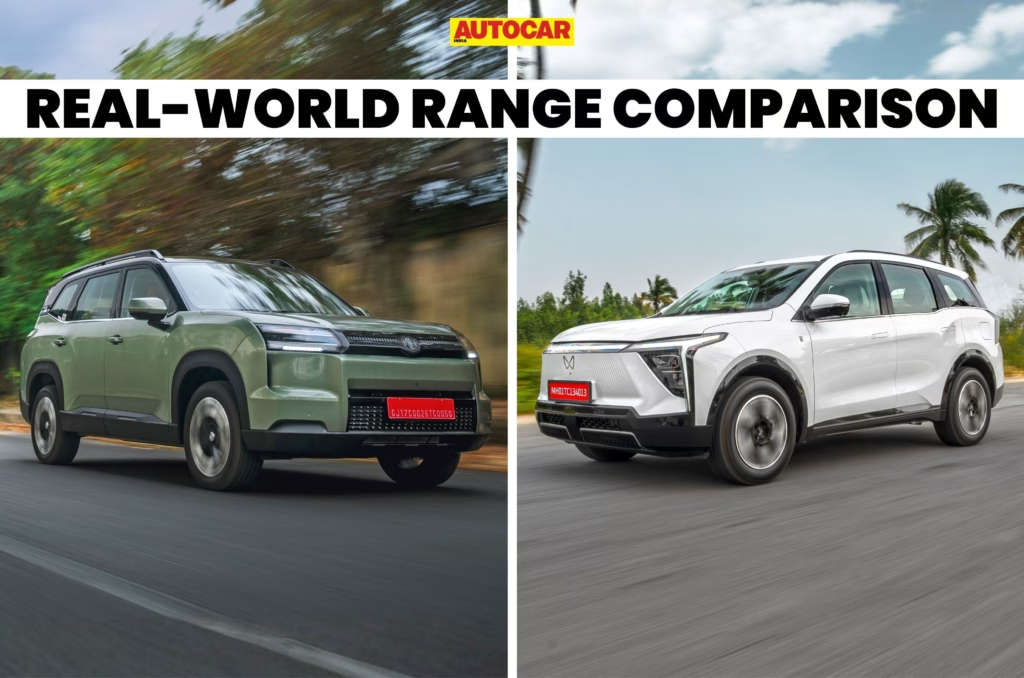
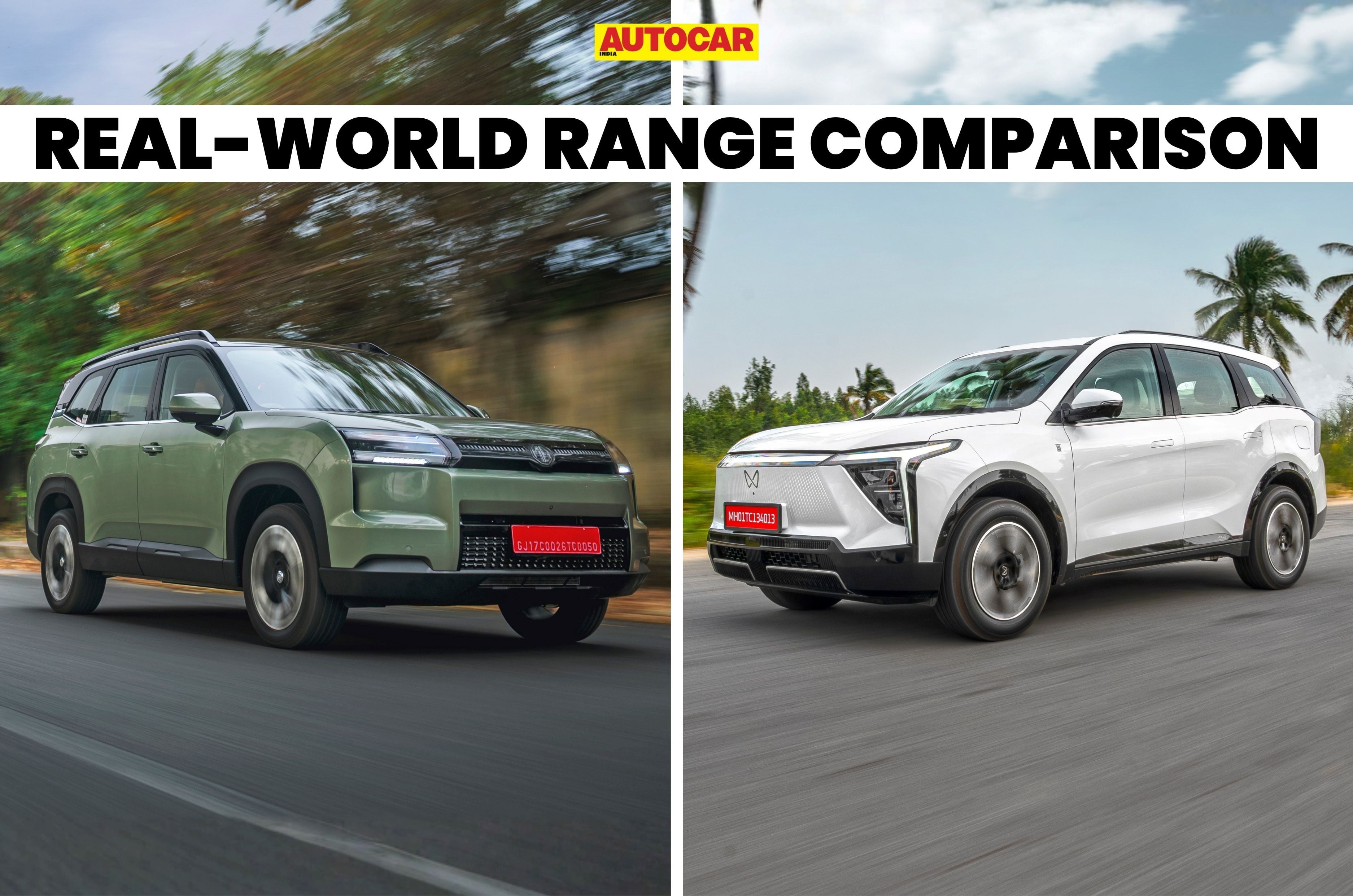
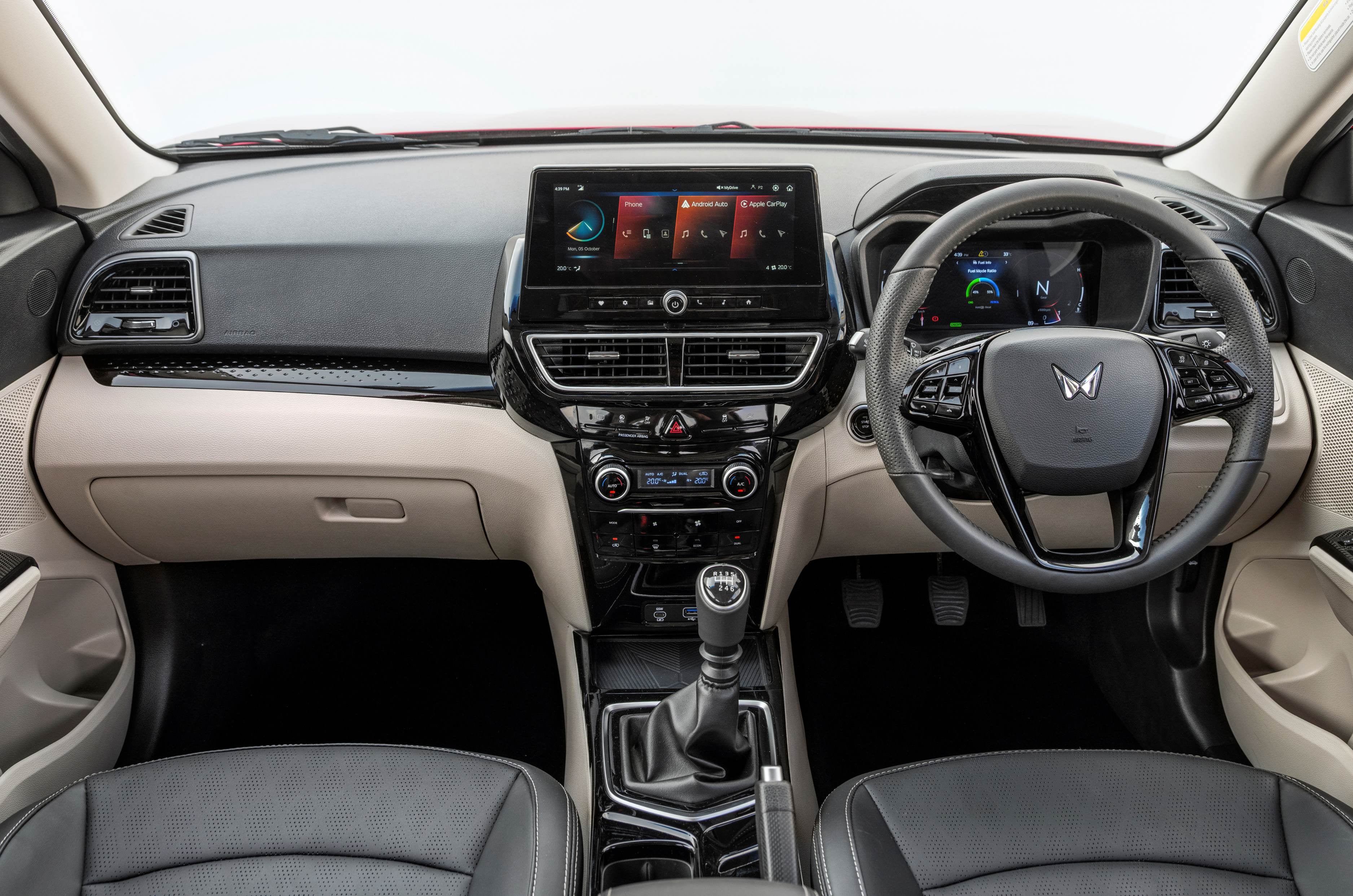
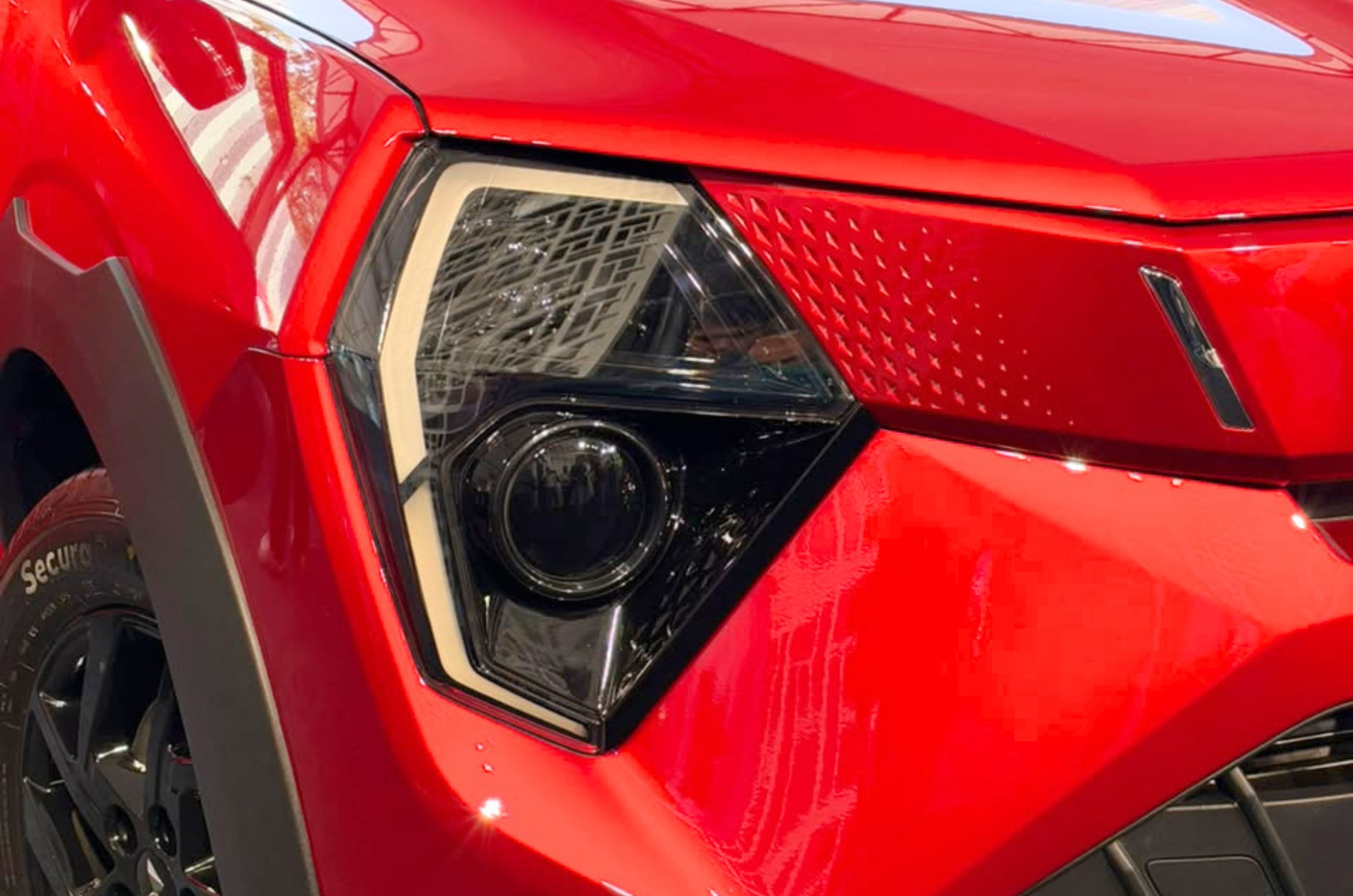
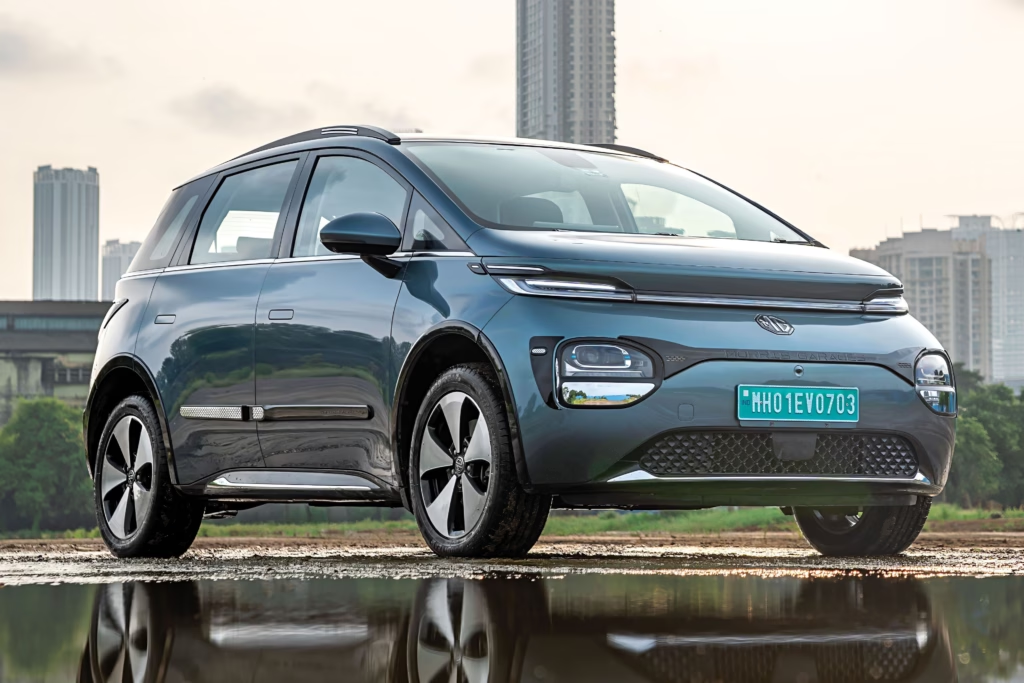
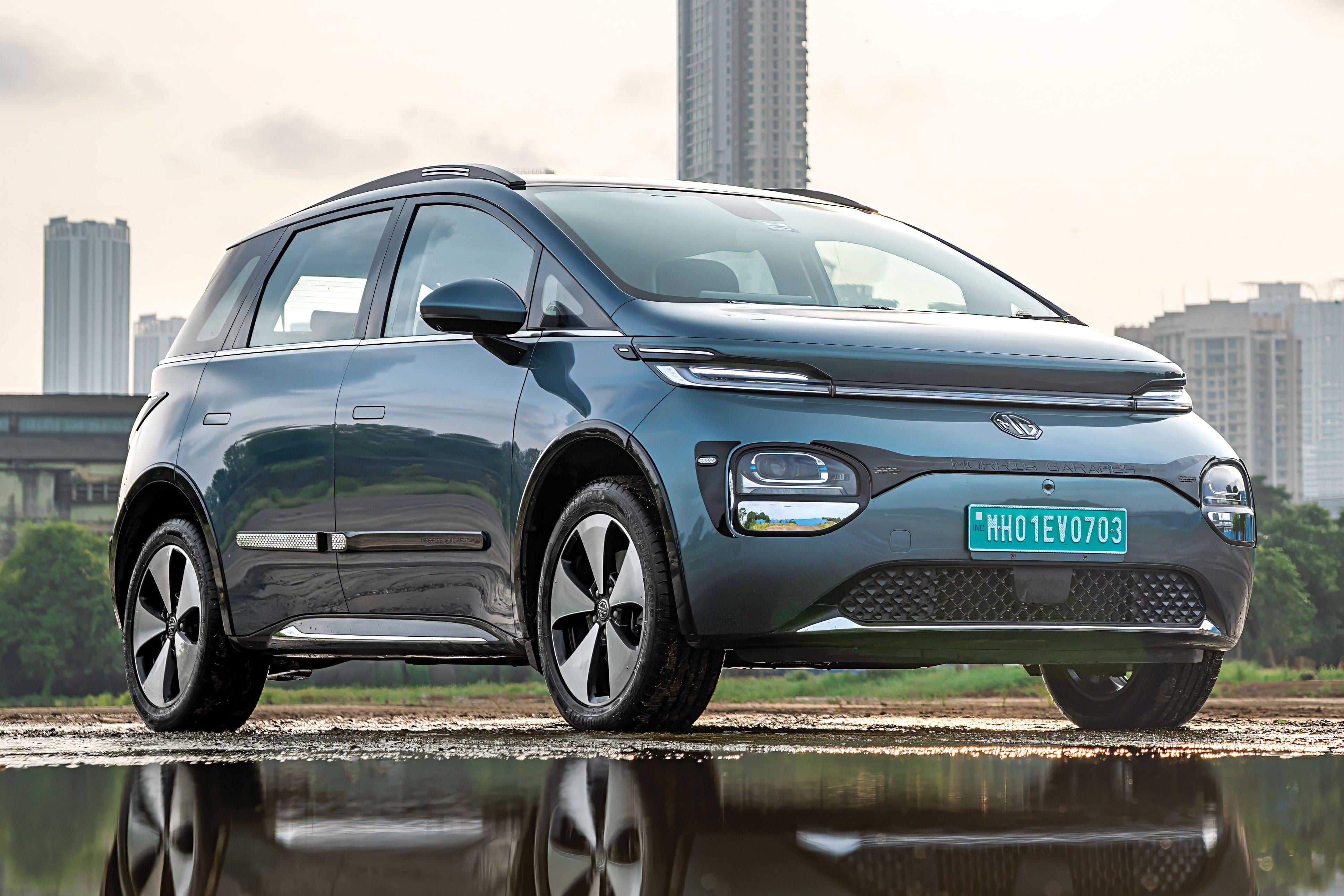
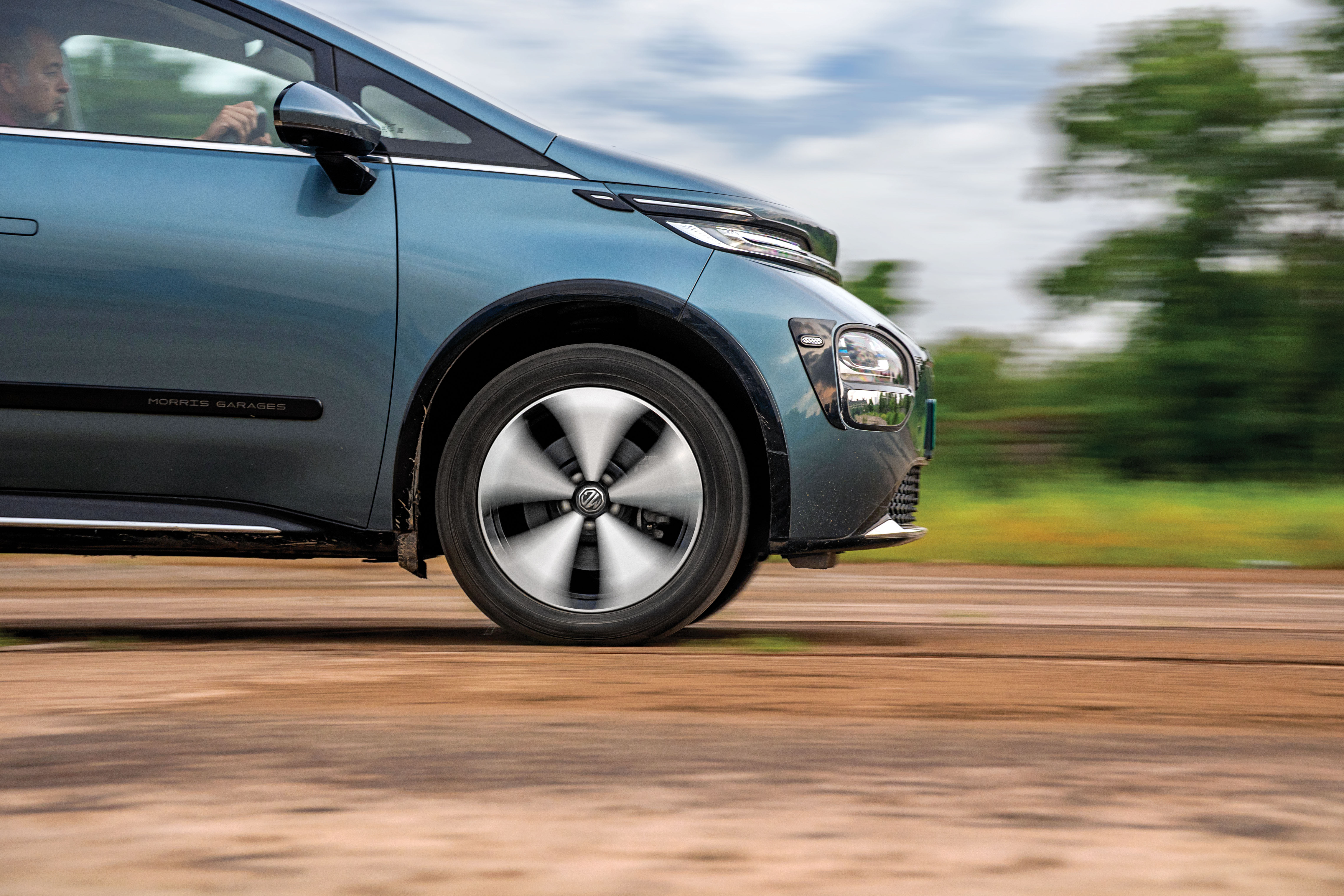
MG recently launched the Hector Tomahawk EV with a 69.2kWh battery, promising a claimed range of 517km. The 3-row electric SUV is positioned squarely against the Mahindra XEV 9S, which is one of the most popular EVs in its price range, and has a larger battery capacity and a higher claimed range of 679km. But in real-world conditions, does the Mahindra XEV 9S offer higher range than the MG Hector Tomahawk EV? We find out.
MG Hector Tomahawk EV vs Mahindra XEV 9S: Specifications, price
Tomahawk EV has a smaller battery, but weighs less than XEV 9S and is more affordable
MG Hector Tomahawk EV vs Mahindra XEV 9S: Specifications, price
MG Hector Tomahawk EV
Mahindra XEV 9S
Battery pack (kWh)
69.2
79
No. of motor(s)
1
1
Drivetrain
FWD
RWD
Power (hp)
204
286
Torque (Nm)
310
380
Kerb weight (kg)
1,908
Over 2,201*
Price (in Rs lakh)
19.50-23.50
22.65-30.15
*The XEV 9e has a kerb weight of 2201kg, so the XEV 9S, being a 3-row offering, will be heavier.
The MG Hector Tomahawk EV gets a smaller 69.2kWh battery compared to the XEV 9S’ 79kWh unit. It also gets a less powerful front motor that produces 82hp and 70Nm less than the XEV 9S’s rear-mounted motor. However, the Hector Tomahawk EV is the lighter electric SUV in this comparison, weighing over 250kg less than the Mahindra XEV 9S.
The MG Hector Tomahawk EV also asks a lower price, its base-spec variant costing Rs 3.15 lakh less and its top-spec variant costing Rs 6.65 lakh less than the XEV 9S’s 79kWh battery trims.
MG Hector Tomahawk EV vs Mahindra XEV 9S: Real-world range comparison
Although offering very different city and highway efficiencies, both eSUVs offer similar average range
MG Hector Tomahawk EV vs Mahindra XEV 9S: Real-world range comparison
MG Hector Tomahawk EV
Mahindra XEV 9S
Claimed range (ARAI)
517km
679km
Tested city range
495km
478km
Tested highway range
397km
477km
Tested average range
446km
477.5km
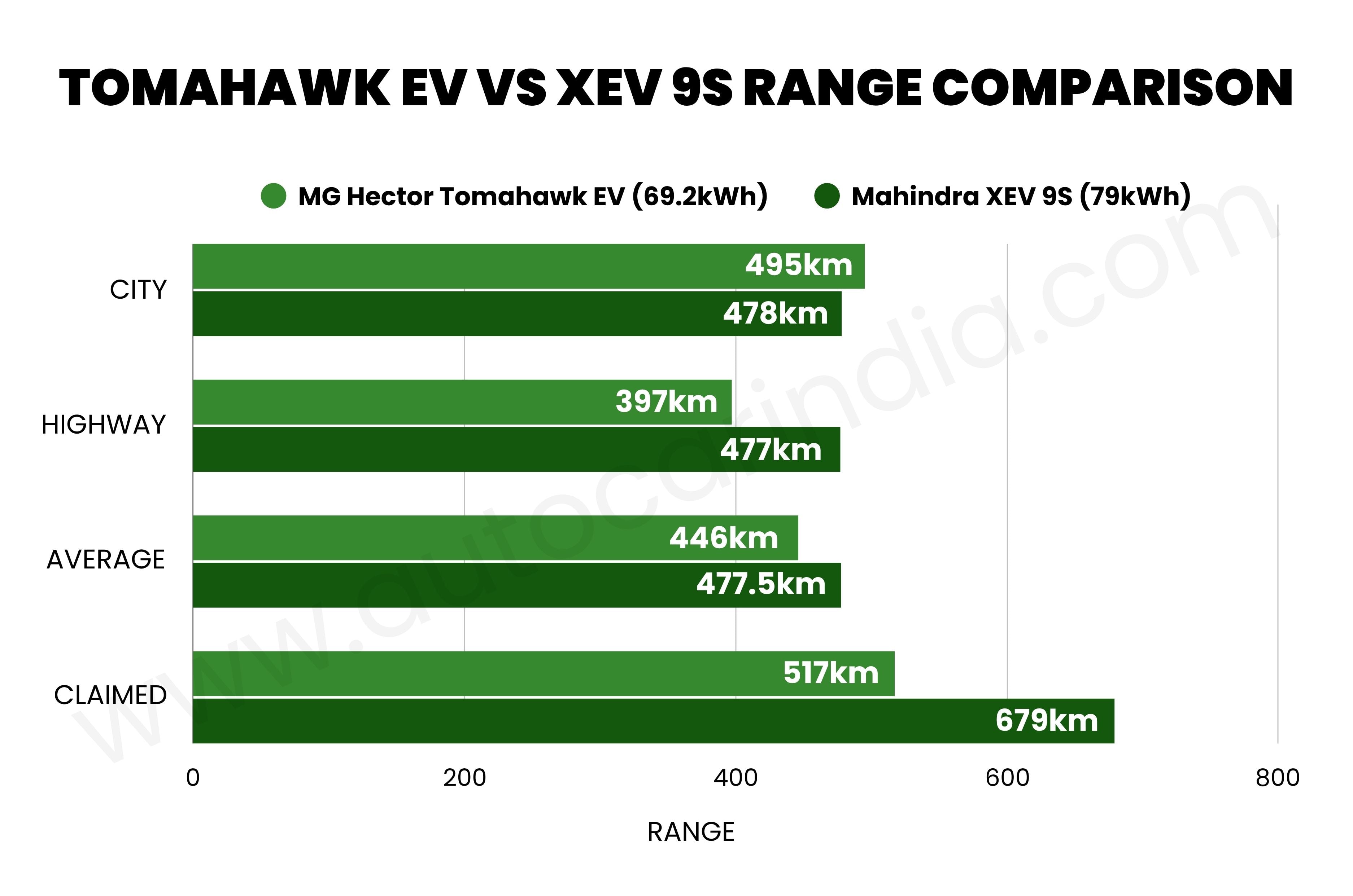
While the MG Hector Tomahawk EV has a claimed ARAI range of 517km, the Mahindra XEV 9S promises a higher range of 679km. However, in our real-world tests, the XEV 9S delivered a higher average range, despite the Hector Tomahawk EV performing better in city driving conditions.
In the city, the Tomahawk EV covered 495km on a full charge, which is 17km more than the XEV 9S. However, on the highway, the Mahindra managed 477km, going 80km further than the MG. As a result, the Mahindra achieved an average real-world range of 477.5km, which is 31.5km more than the Tomahawk EV’s 446km.
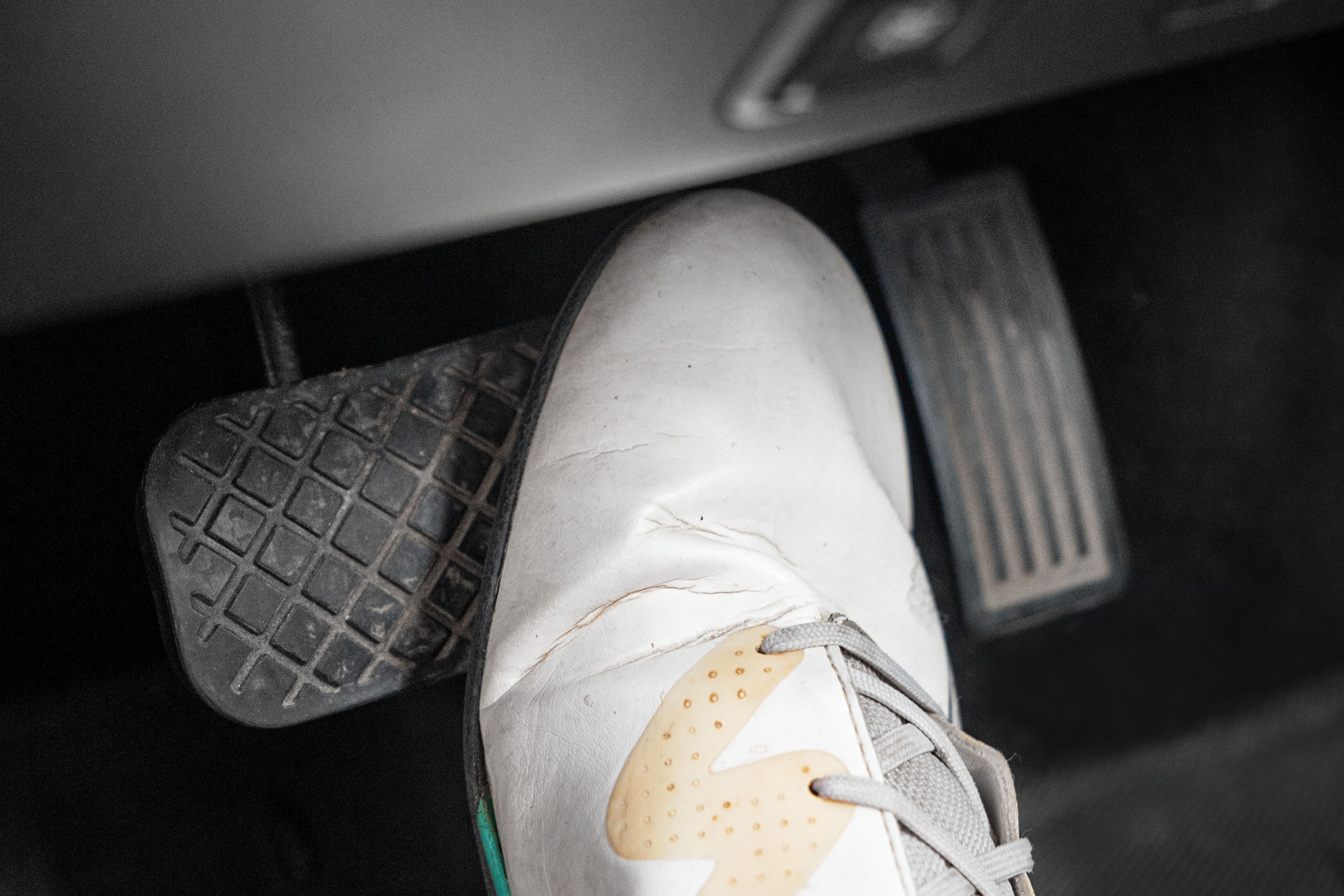
In our real-life tests, we found the Tomahawk EV’s relatively mild regenerative braking, even in its strongest setting, limits its potential for better city efficiency. Meanwhile, its bulky, upright design also works against it on the highway. The XEV 9S, on the other hand, weighs over 2.2 tonnes, which definitely affects its efficiency against the Hector Tomahawk EV.
Autocar India’s range testing
For our real-world range test, we begin with each car’s battery fully charged and tyre presures set as per the manufacturer’s recommendations. We drive the cars on a fixed loop covering both city and highway stretches while maintaining set average speeds. We then calculate the range based on the percentage of charge consumed. The AC is set to 22deg C in auto mode, and features such as the music system, lights and ventilated seats are used as needed, just as a regular user would. This approach ensures consistency and gives a clear idea of what to expect in daily use.
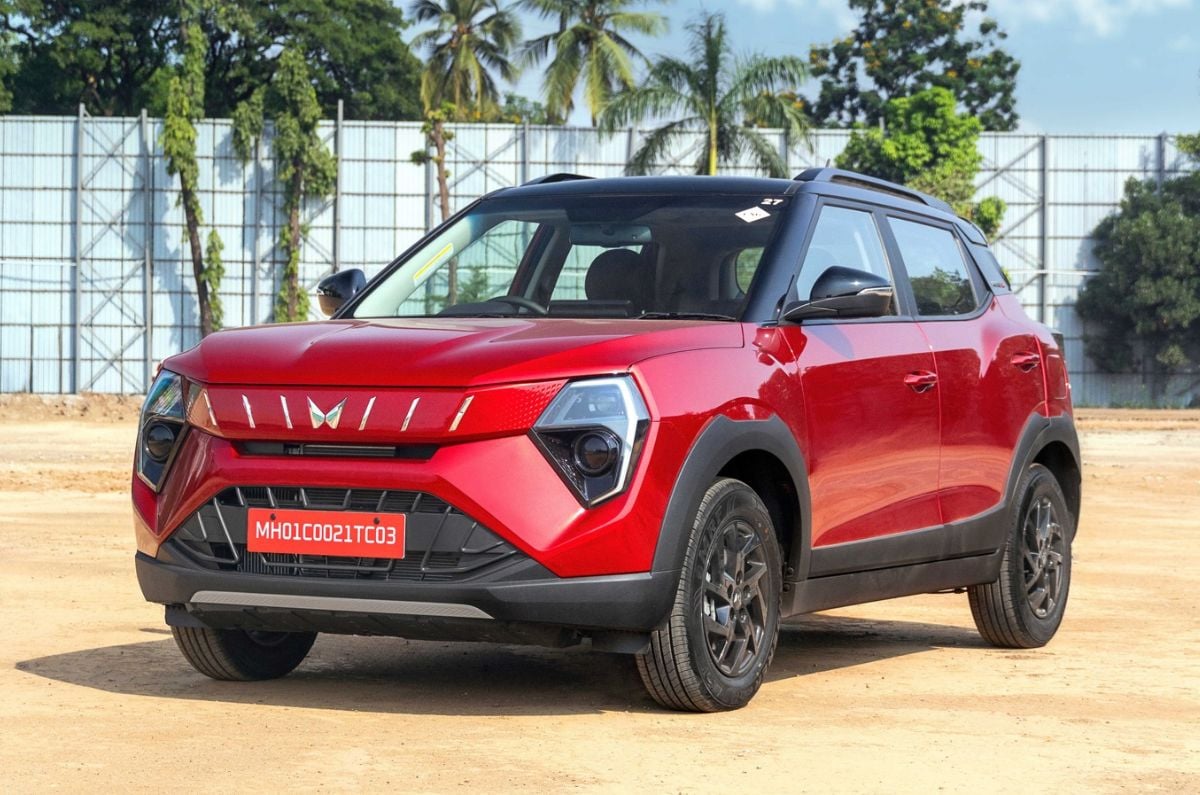
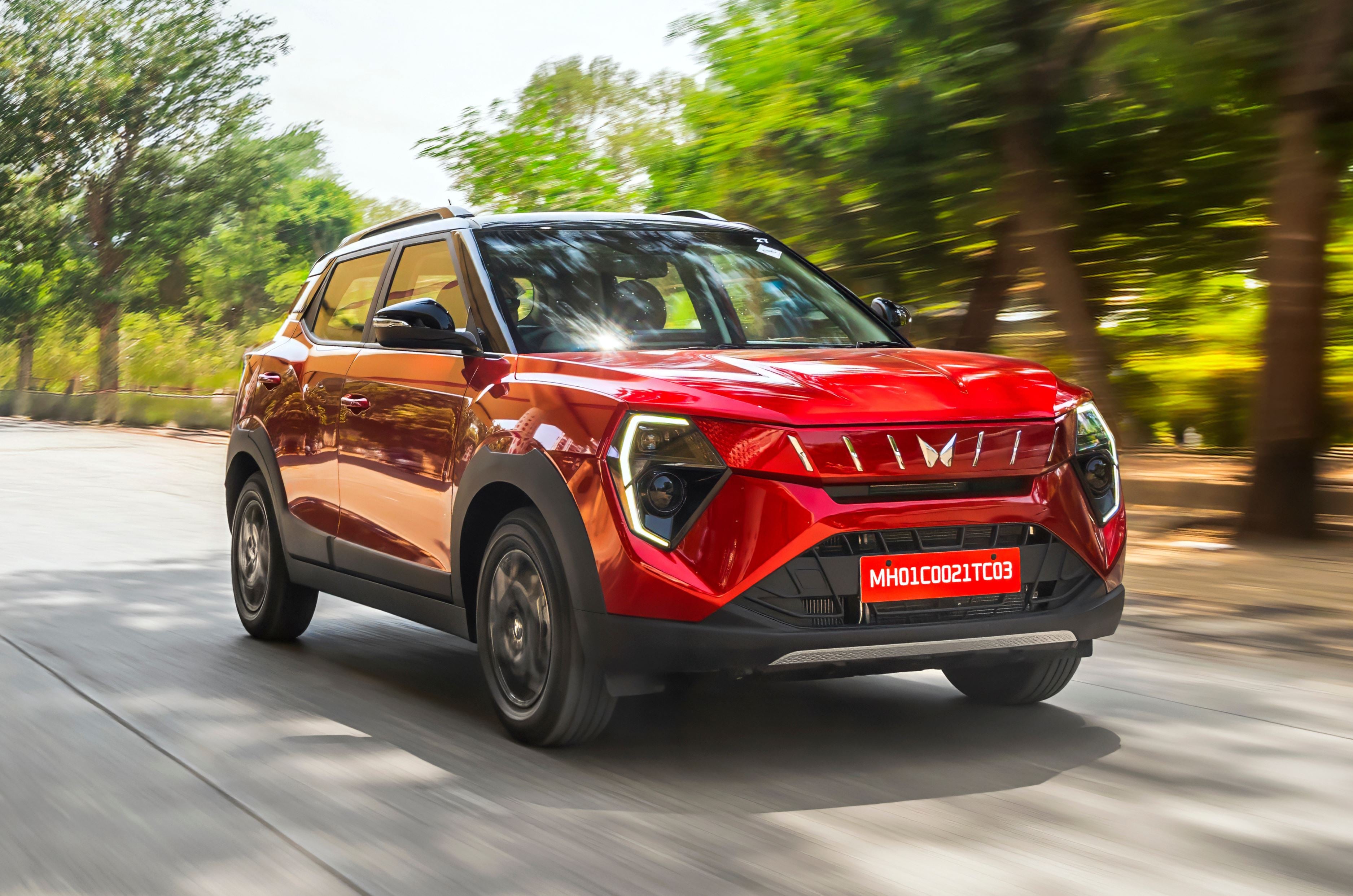
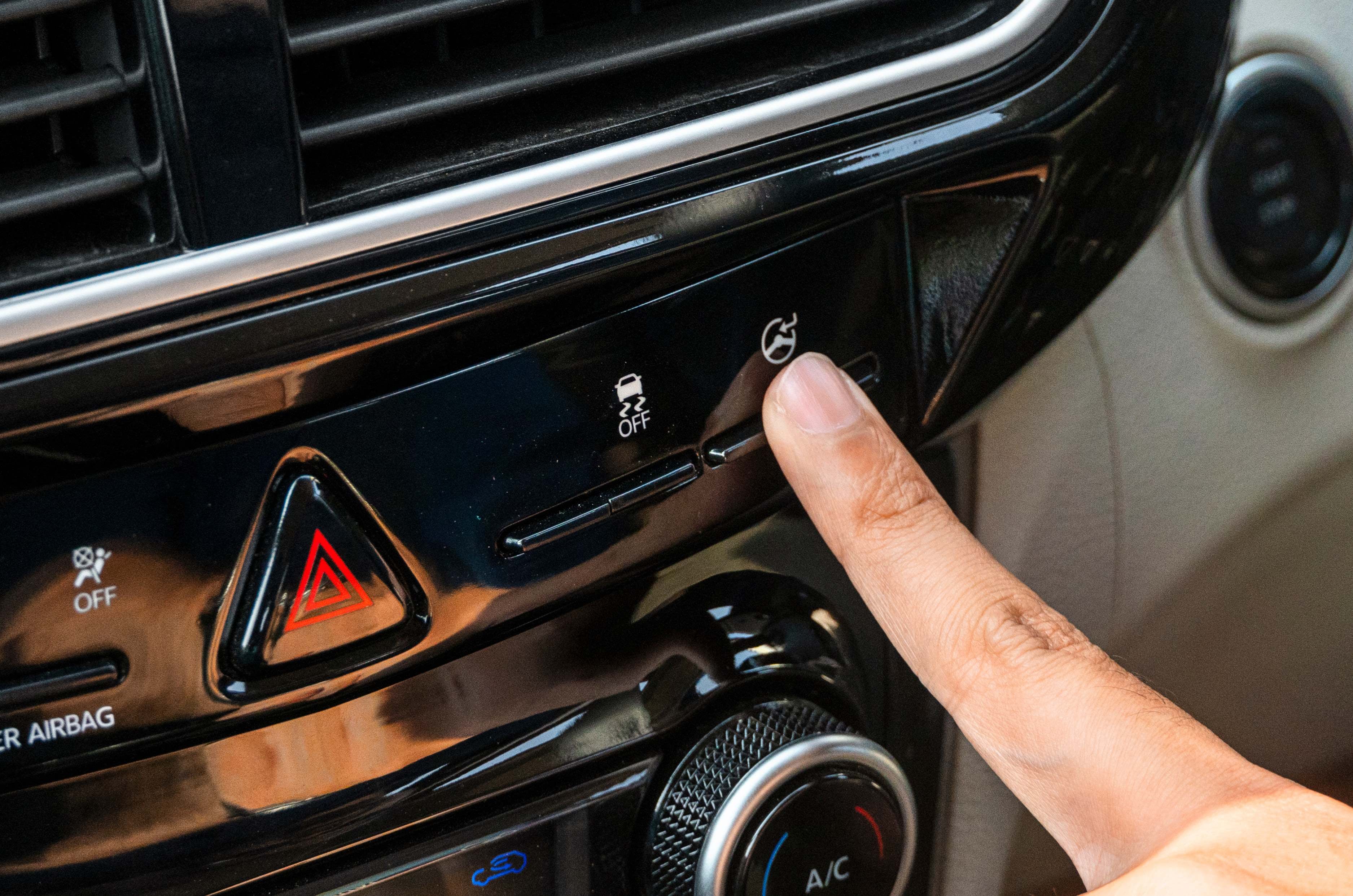
The Mahindra XUV 3XO ZNG takes on the Tata Nexon iCNG and the Maruti Brezza CNG in the CNG compact SUV space. Priced from Rs 9.99 lakh to Rs 12.27 lakh (ex-showroom), it carries a premium of Rs 1 lakh to Rs 1.2 lakh over the corresponding petrol versions. Before signing on the dotted line, here are the key strengths and weaknesses of this Mahindra SUV.
Reasons to buy the Mahindra XUV 3XO CNG
Strong performance on CNG
The XUV 3XO CNG loses none of its power when running on gas
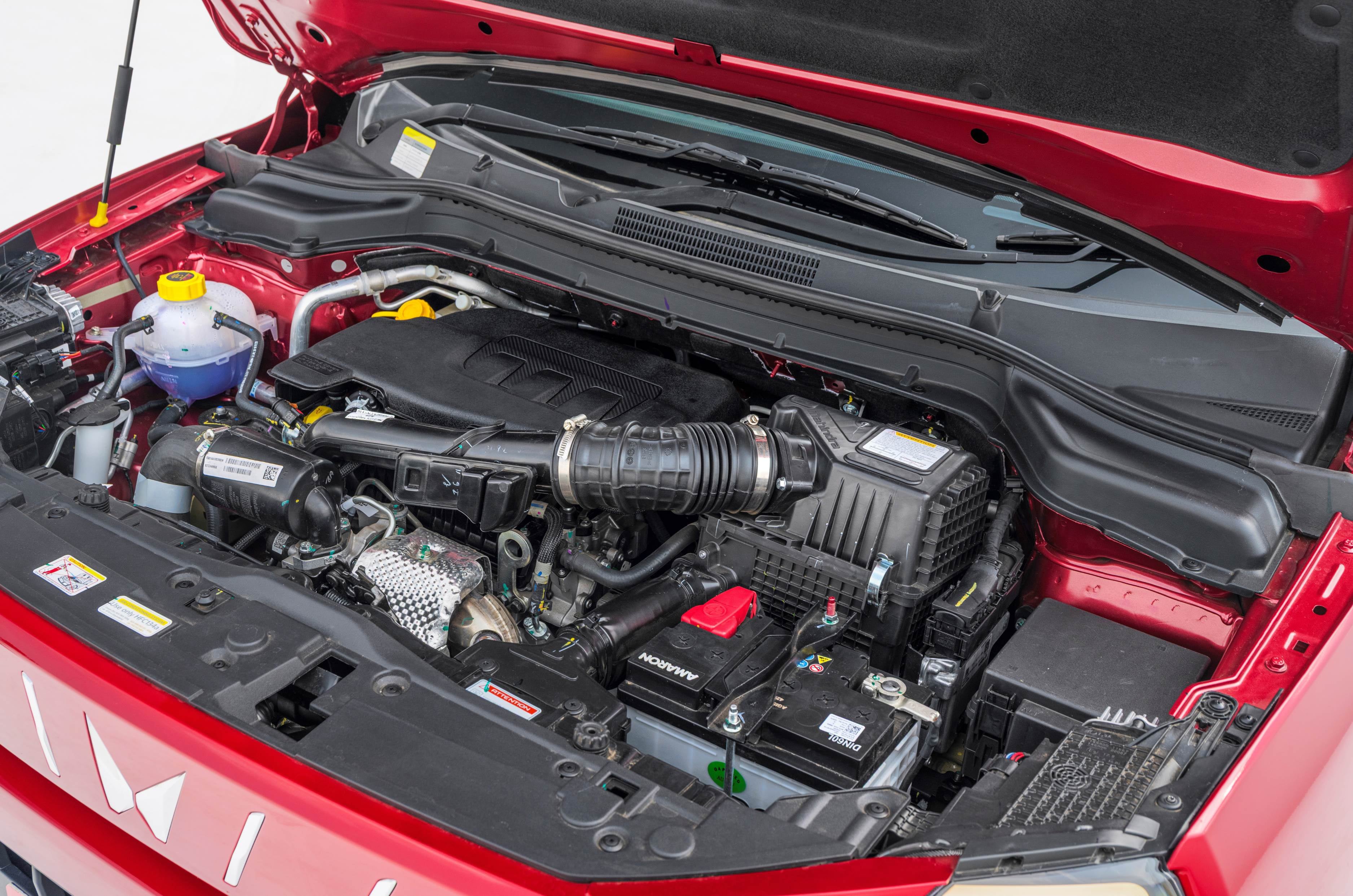
The 1.2-litre MPFI (multi-point fuel-injected) turbo-petrol engine of the XUV 3XO CNG is the same unit found in the lower and mid-spec petrol trims. Here it develops 111hp and 200Nm in both petrol and CNG modes. While there’s some turbo lag below 2,000rpm, the engine pulls eagerly once it crosses that mark. This unit is also notable for its refinement and tractability, rarely requiring one to drop down to first gear, for going over speed breakers, for example.
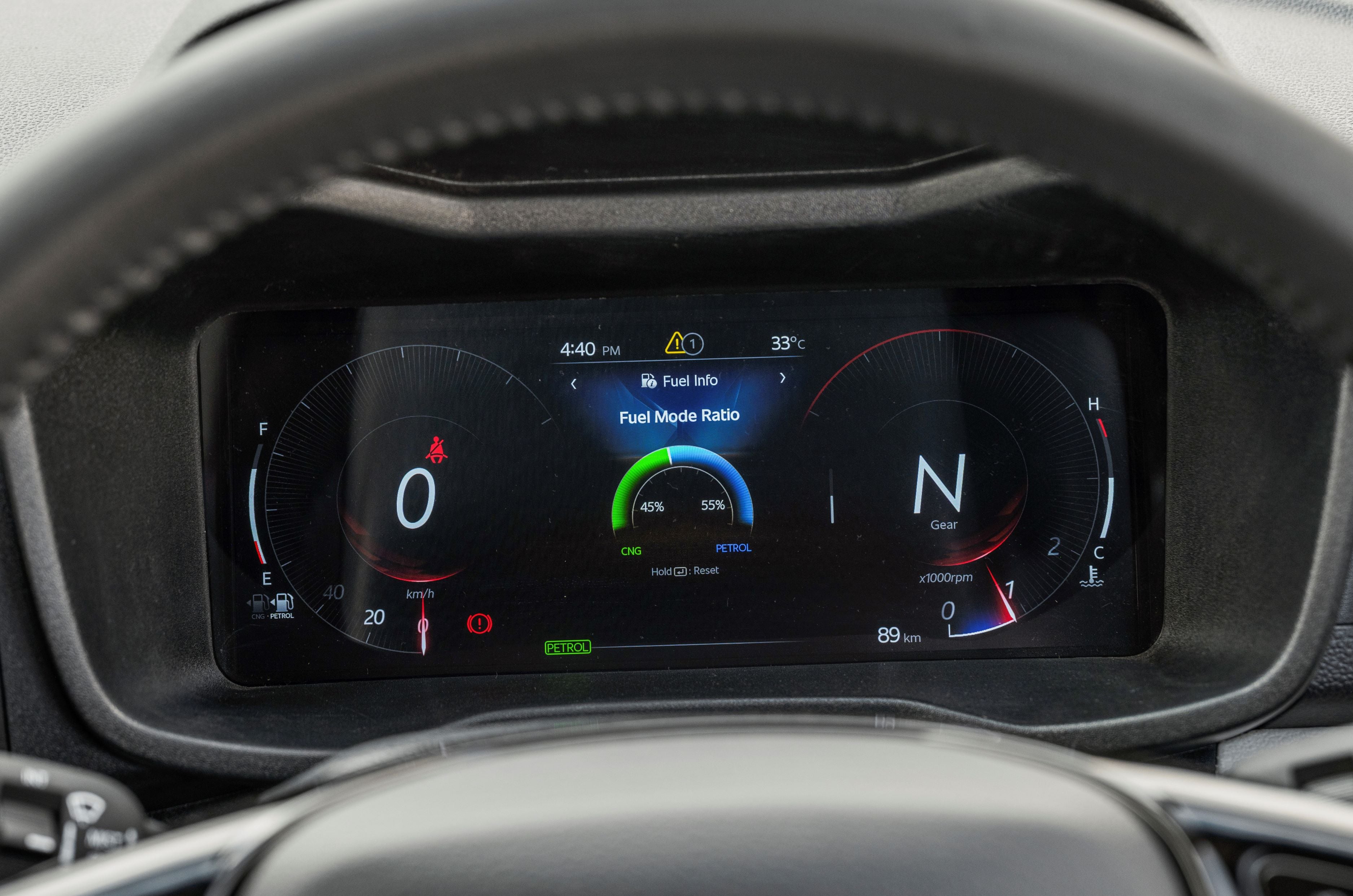
Switching between petrol and CNG is seamless as well, and few would be able to tell which fuel the XUV 3XO ZNG is running on. While we’re yet to test it, Mahindra claims a mileage of 24.7km/kg for this compact SUV, translating to a theoretical range of 247km on CNG.
Comfy ride and tidy handling
Mahindra has retuned the suspension to accommodate the extra heft of the CNG kit
The CNG hardware adds around 100kg to the XUV 3XO’s kerb weight, with the majority of it being over the rear axle. Mahindra has reworked the suspension to compensate for this heft. The result is a slightly firm ride but one that deals with bad roads quite well.
Adding to the overall comfort here are the 16-inch wheels wrapped with high-profile tyres. These manage to cushion the cabin from sharp bumps. The XUV 3XO CNG rides better than most cars in its segment. What’s good is that this ride comfort doesn’t come at the cost of sloppy handling. In fact, this Mahindra SUV feels tight and planted around corners. The steering is direct and doesn’t require much effort, with drivers being offered three steering modes for flexibility.
Upmarket cabin
This cabin is just as plush as that of the petrol and diesel versions
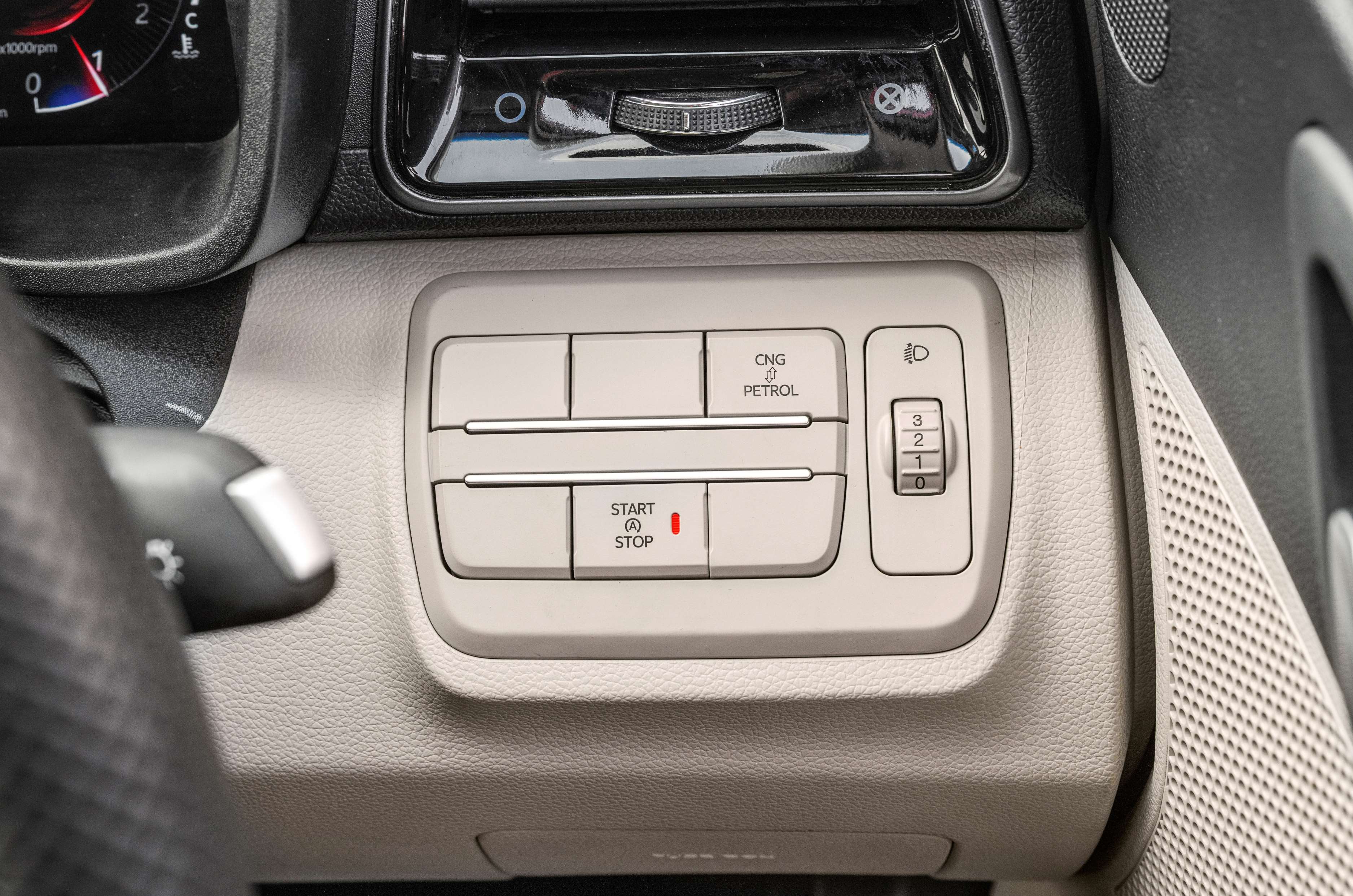
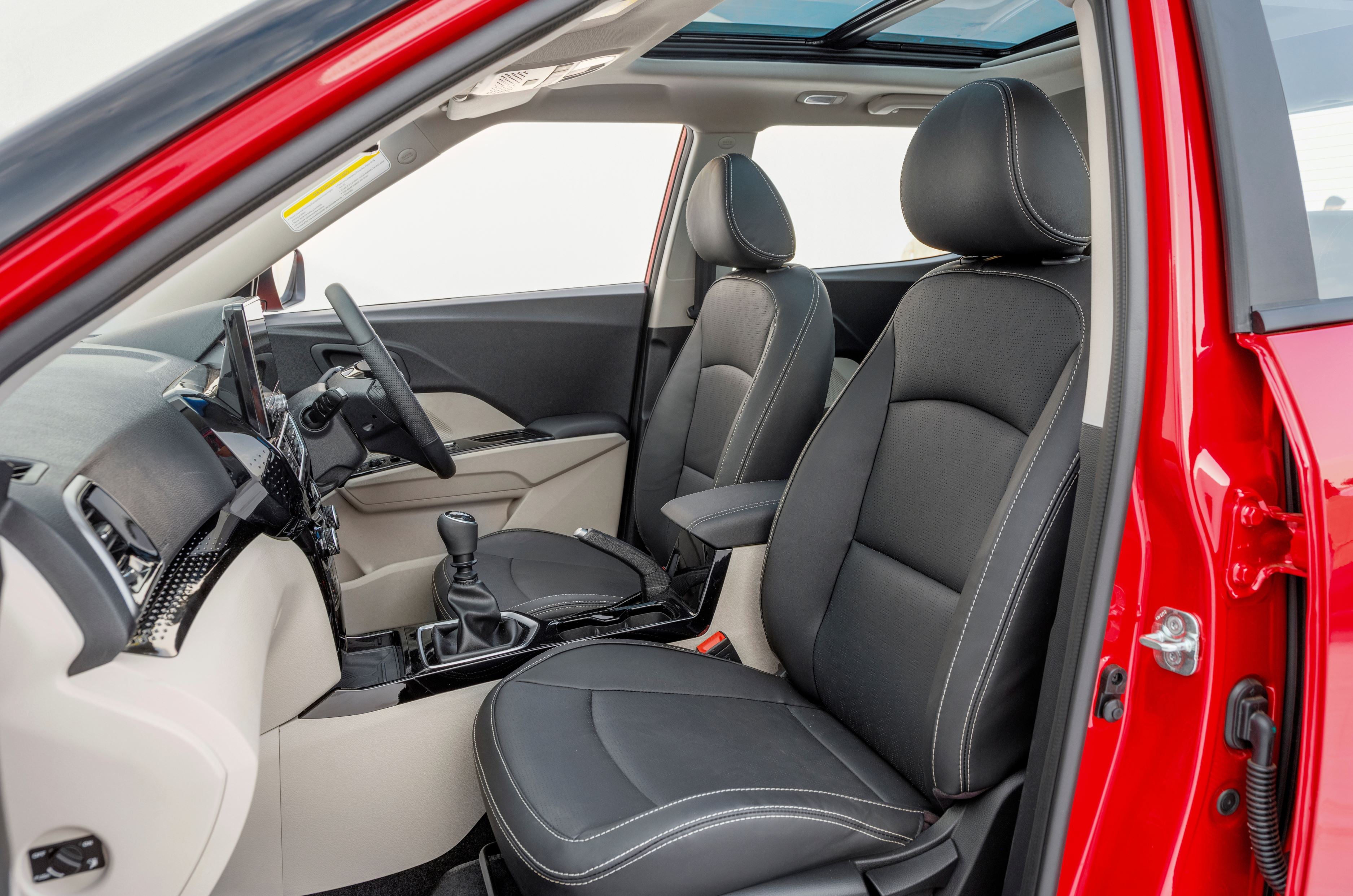
A CNG switch next to the steering wheel aside, the cabin of the XUV 3XO CNG is identical to that of non-CNG versions. While it can’t be had in equally top-end trim levels, the CNG version is available with a dual-tone dashboard, gloss black accents and leatherette upholstery. Overall, there’s a feeling of good build that’s backed by a sense of premiumness. Meanwhile, the rear seat is quite roomy for the class and can accommodate three adults without much fuss.
The top-spec RevX A trim gets twin 10.25-inch screens, a panoramic sunroof and a 6-speaker audio system with Dolby Atmos. Mahindra says the CNG version is engineered to match the five-star Bharat NCAP safety rating of other combustion-powered XUV 3XO versions. Standard safety features here include 6 airbags, stability control, ISOFIX anchors and a reversing camera.
Reasons not to buy the Mahindra XUV 3XO CNG
Small boot
The twin-tank setup eats into what was already a small boot
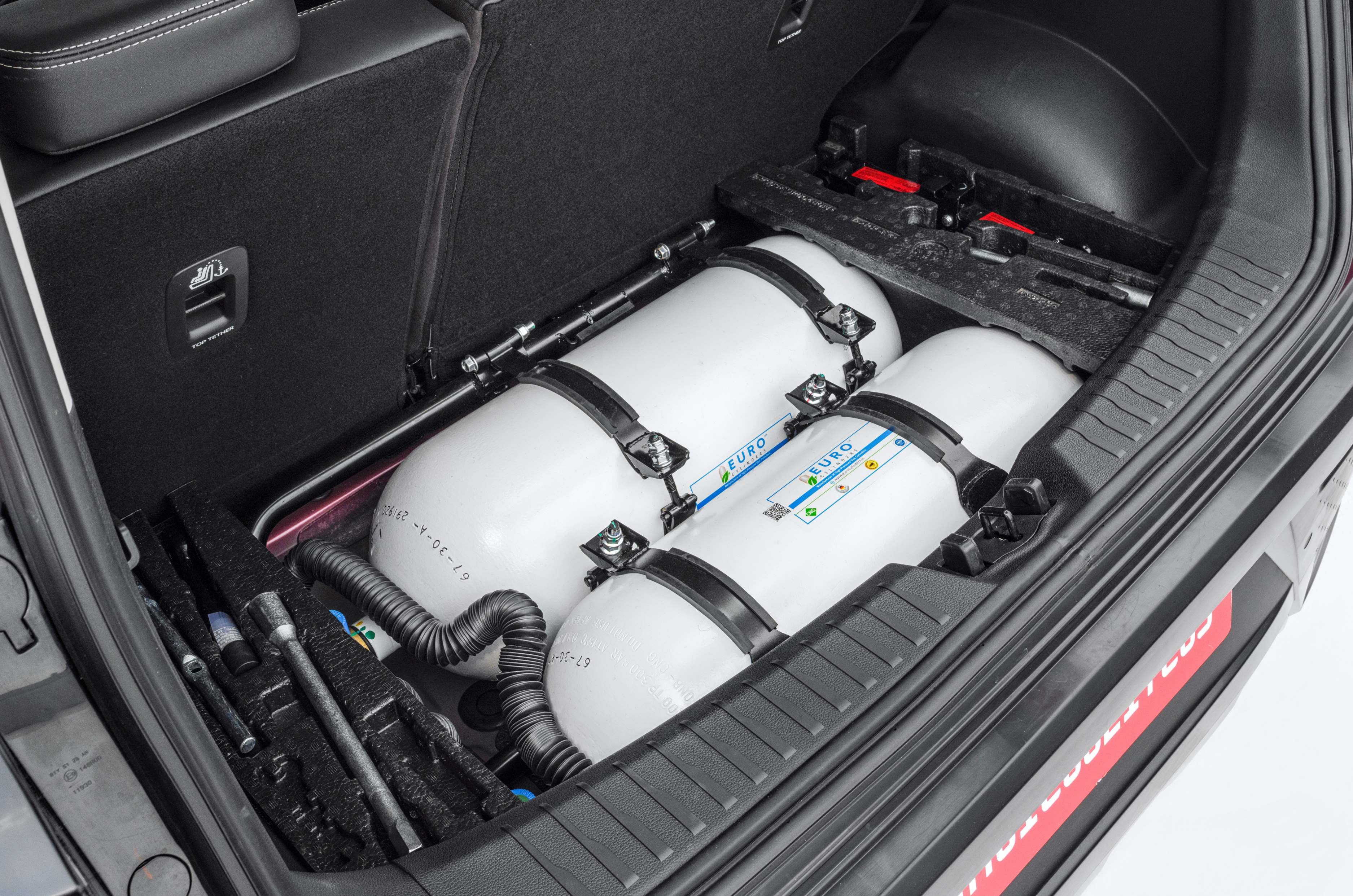
The 295-litre boot of the XUV 3XO was already the most compact in the segment. Despite moving the spare wheel under the car’s body and fitting the twin cylinders beneath the boot floor, the XUV 3XO CNG’s boot is even more compromised – offering just 270 litres of cargo space. It’s only its width that allows up to four cabin-sized bags to be stored.
Cabin niggles
The XUV 3XO CNG’s interior isn’t devoid of ergonomic flaws
While the black leatherette seats look sporty, they don’t get a ventilation function. This means that, on a bright sunny day, they will heat up quite quickly. If you’ve a larger build, the front seats of the XUV 3XO CNG will feel lacking in space. Adding to the ergonomic niggles is the steering wheel, which cannot be adjusted for reach, making it harder to find a comfortable driving position. Lastly, not only is the XUV 3XO CNG’s driver footwell cramped, there’s also no dead pedal.
Limited options
Customers get only mid-spec trim levels with the CNG version
The CNG version of the Mahindra XUV 3XO is sold in just four trim levels, all of which are mid-spec options within the broader line-up. This limitation becomes obvious given the lack of a 360-degree camera, ventilated front seats, or a wireless charging pad – these are available in the Nexon iCNG. There are no fog lamps, either. Another limitation is that the CNG version only comes with a 6-speed manual, which has long throws and a fair amount of clutch pedal travel.
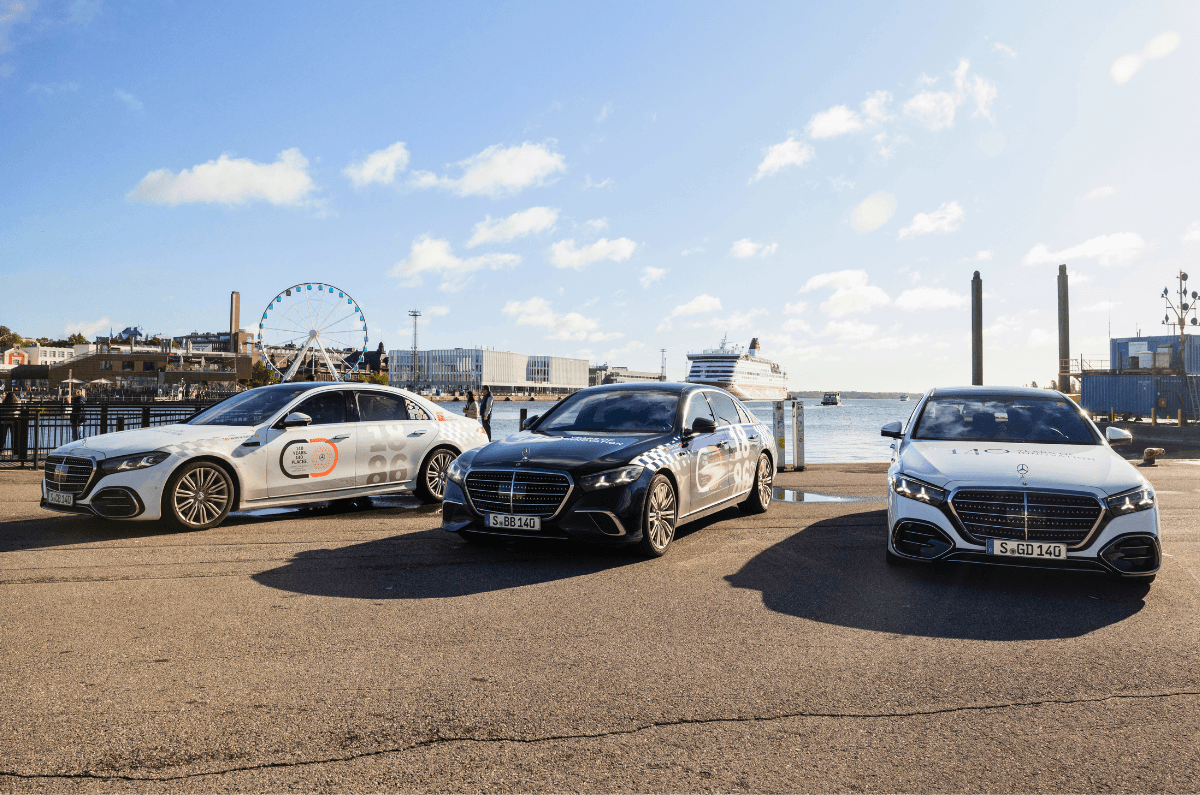
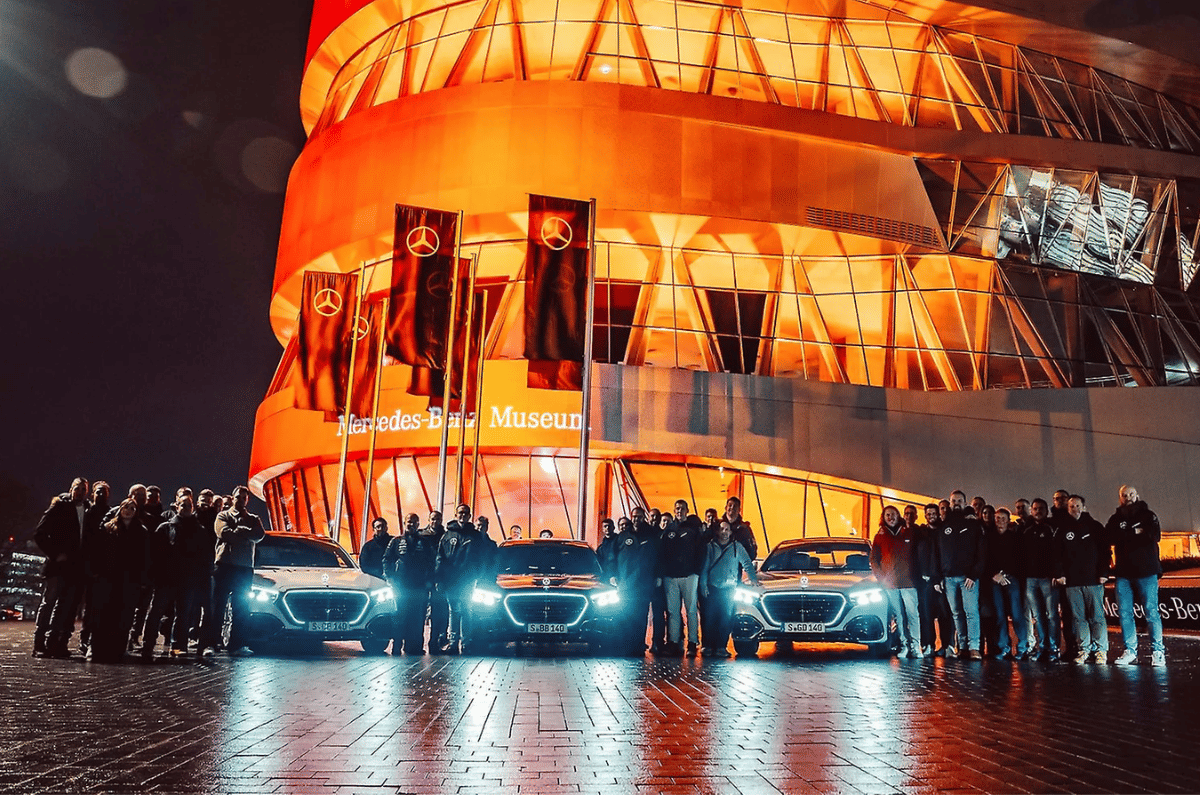
Mercedes-Benz has concluded its ‘140 Years. 140 Places.’ global tour, organised to commemorate 140 years since Carl Benz filed the patent for his Motorwagen in 1886. Three S-Class sedans returned to the Mercedes-Benz Museum in Stuttgart, Germany, on October 17, after covering more than 65,000km across 55 countries and six continents over nearly nine months. Approximately 20,000 guests attended the homecoming event, which also featured the global debut of the new Mercedes-AMG GT SUV.
Mercedes-Benz 140 Years, 140 Places: All you need to know
Tour marks 140 years since Carl Benz’s Patent-Motorwagen
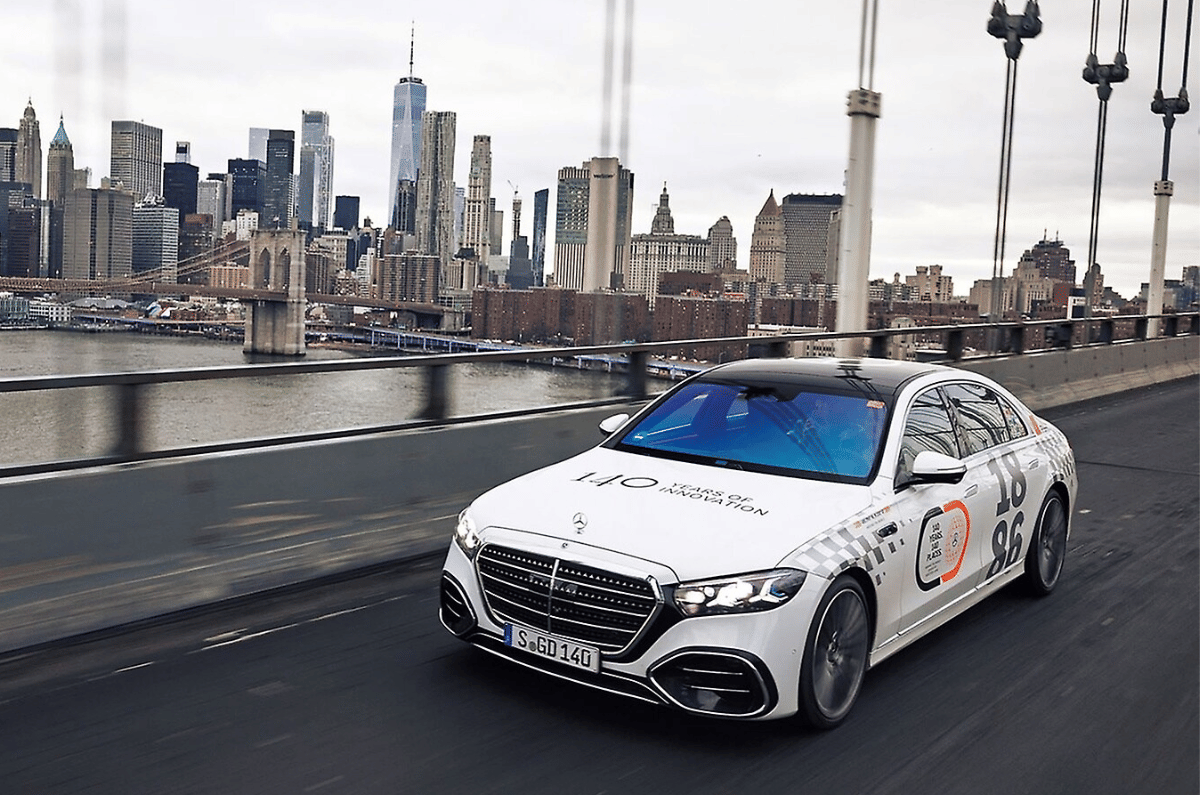
The expedition began in Stuttgart on January 29, 2026, with three S-Class sedans named Bertha, Carl and Gottlieb. The tour visited more than 140 locations across six continents, crossing 67 national borders and 13 climate zones.
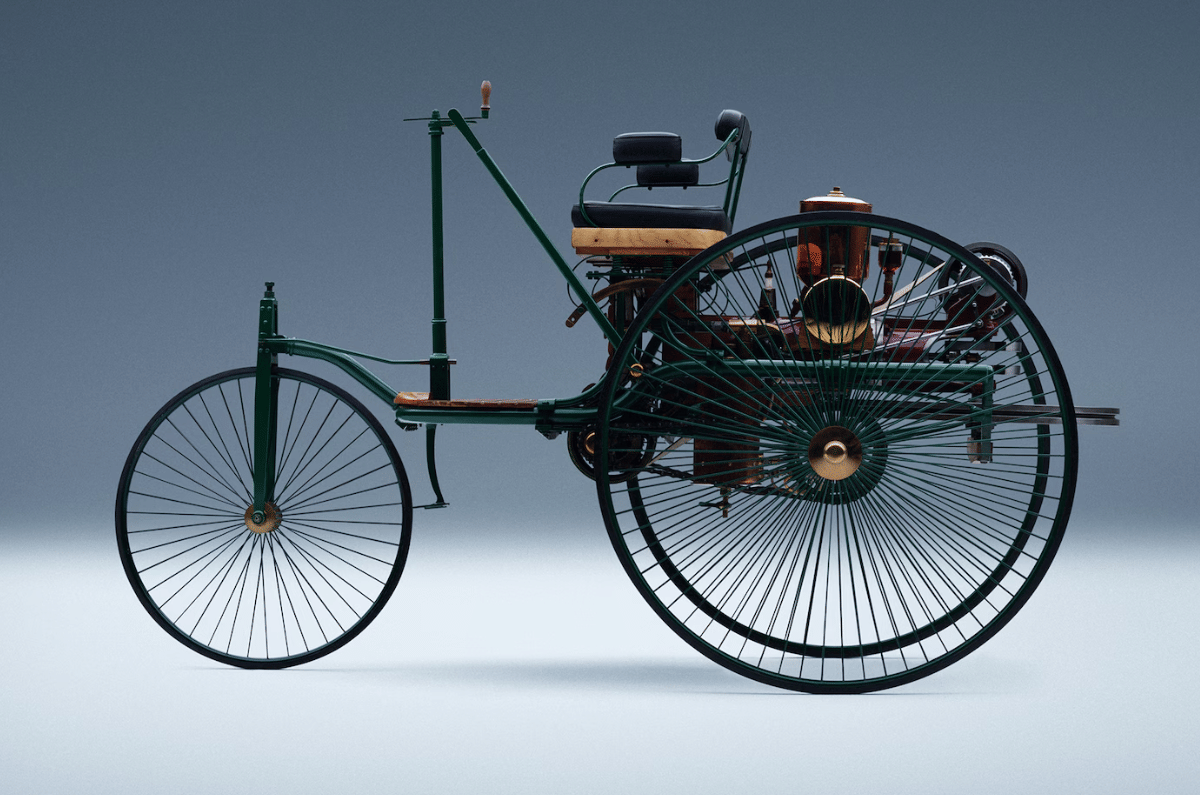
The route covered cities including New York, Tokyo, Mumbai, Nairobi and Sao Paulo. The cars returned to Stuttgart in a convoy of 140 historic and current vehicles, including a replica of the 1886 Benz Patent-Motorwagen, the Mercedes-Benz 300 SLR Uhlenhaut Coupé, a Ponton 220 S, the C 111 experimental vehicle, and the electric G-Class and C-Class.
Mercedes-Benz says tour tested S-Class under challenging conditions
Mercedes-Benz said the expedition provided insights into the S-Class under real-world conditions beyond those covered by its regular development testing in extreme temperatures and simulation chambers.
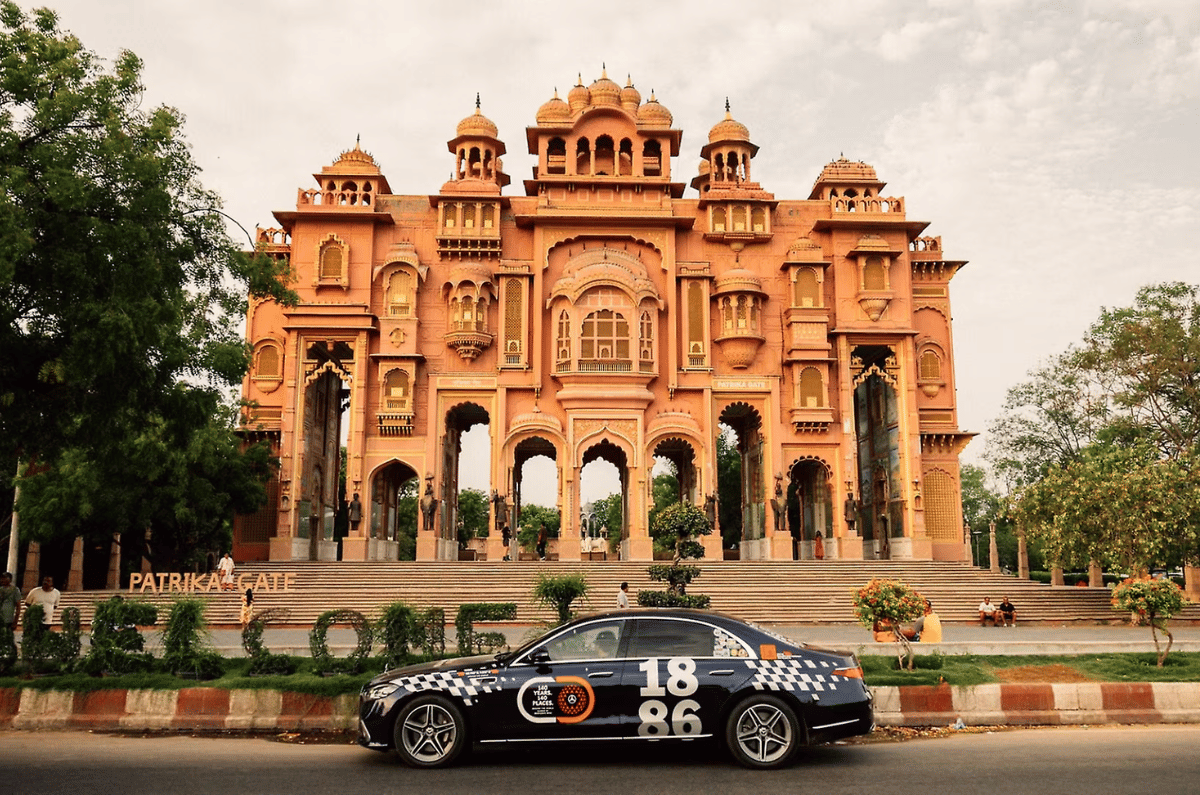
During the India leg, the cars travelled to Umling La, at approximately 5,800 metres above sea level, and encountered monsoon conditions and flooded roads. In Kenya, Tanzania and Zambia, the route included unpaved and uneven surfaces. Mercedes-Benz said the journey also exposed the cars to temperatures varying by more than 50deg C across desert and tropical climates.
Autocar India participated in the India Leg
We also participated in the India leg of the expedition, driving the pre-production S-Class sedans through Udaipur and Ahmedabad. The drive provided an opportunity to experience the updated luxury sedan’s performance, ride comfort and technology.
Anniversary activities continue through December
Mercedes-Benz will continue its ‘140 Years of Innovation’ anniversary programme through the end of 2026. Mercedes-Benz plans further studios in international cities following launches in Copenhagen, Los Angeles, Sydney and Delhi.
In December, the company will convert the approximately 145-metre-long glass facade of its dealership at Donnersbergerbrucke in Munich into an oversized Advent calendar. Mercedes-Benz is also planning a coffee-table book documenting the expedition, its stops, and its encounters along the route.
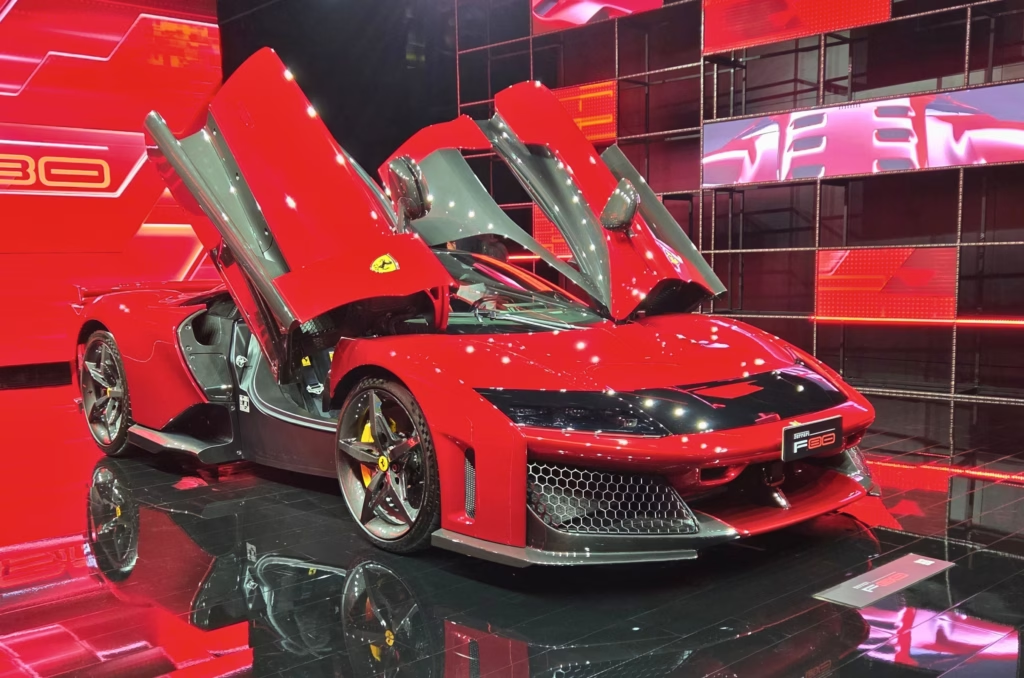
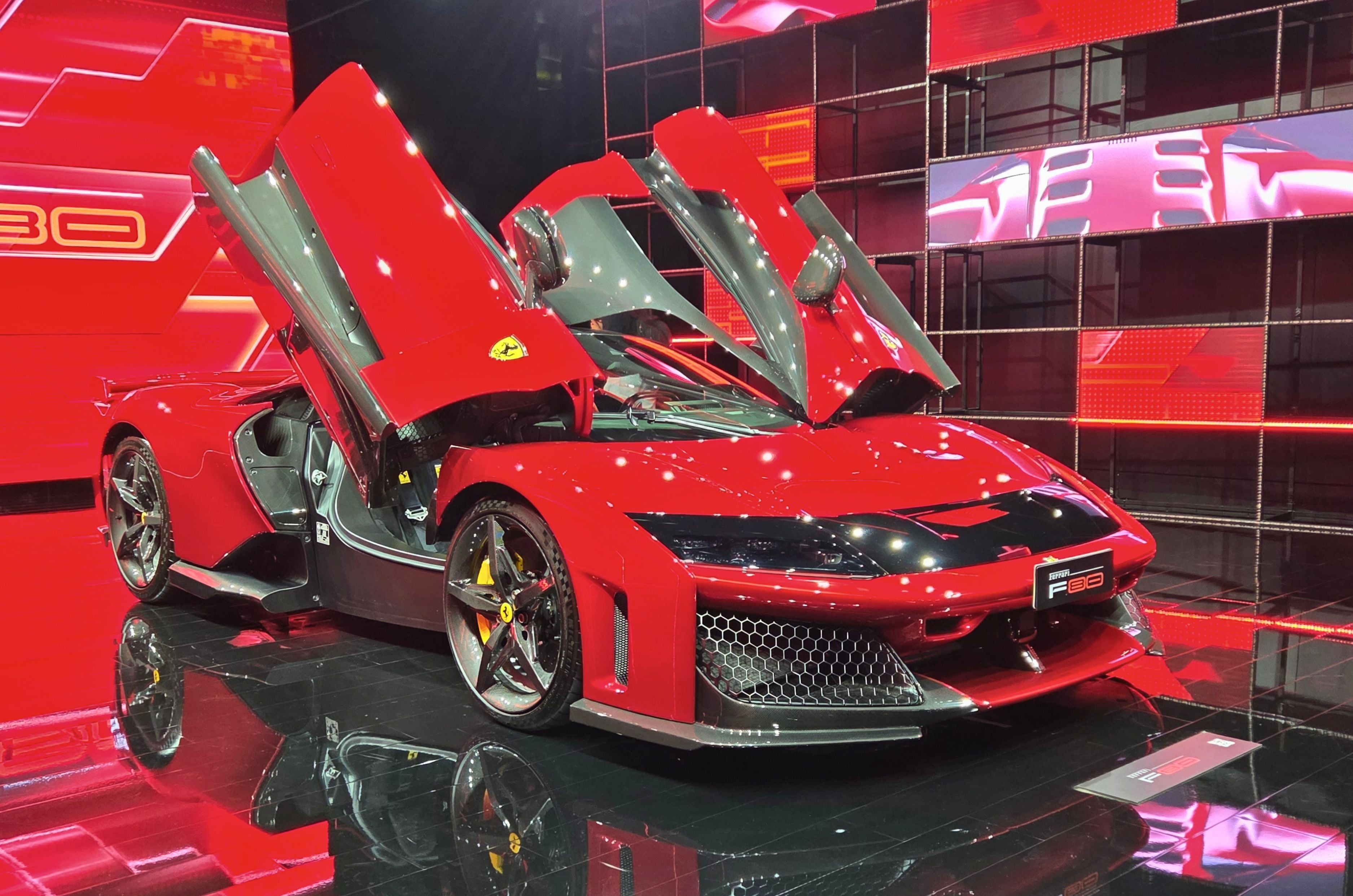
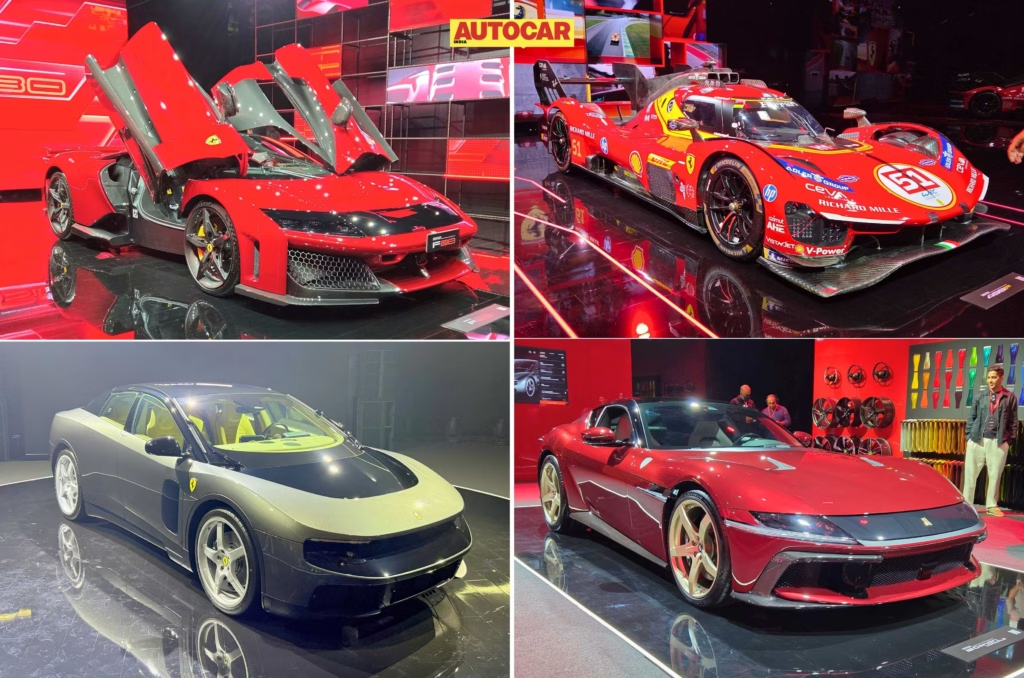
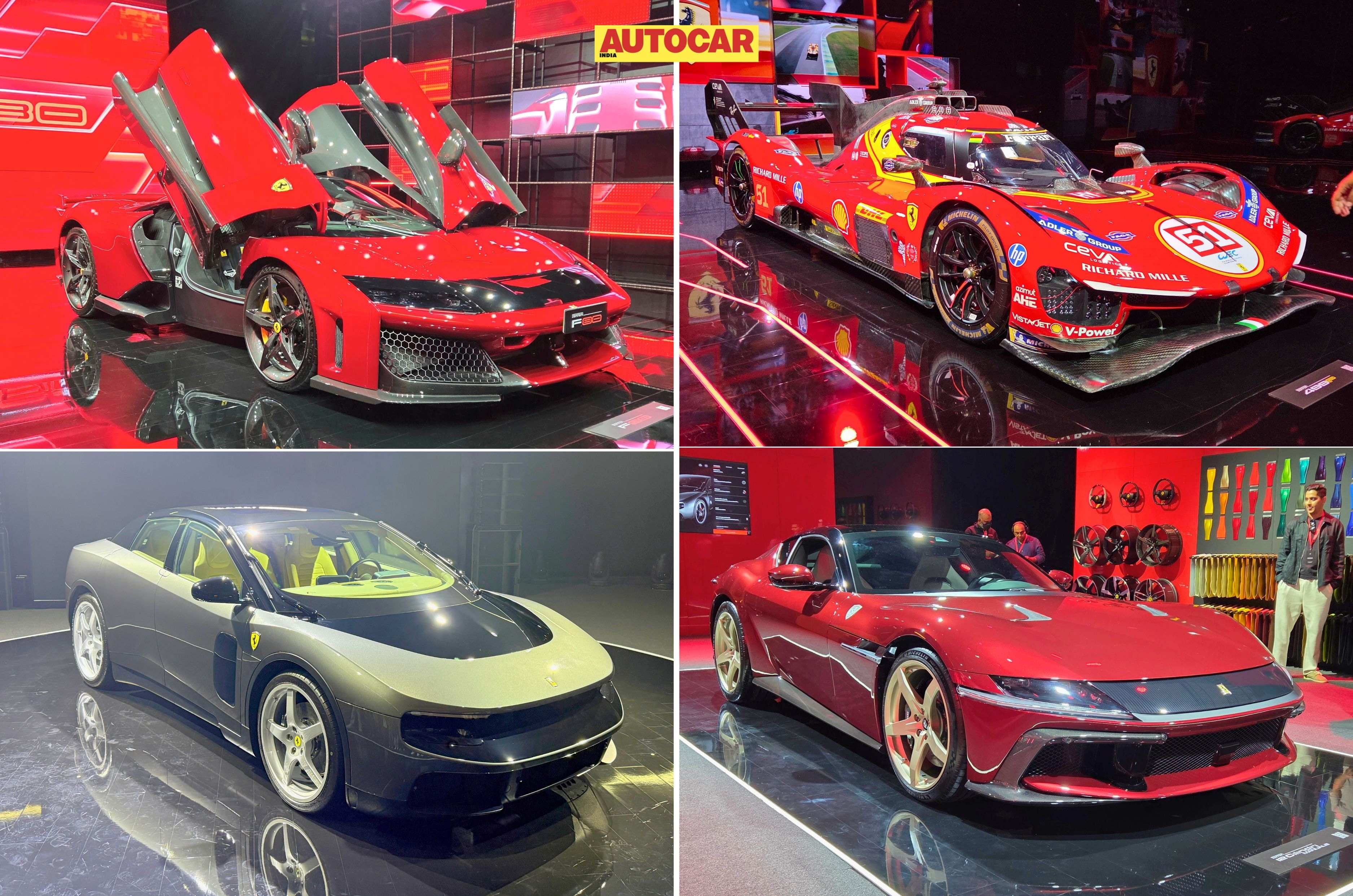
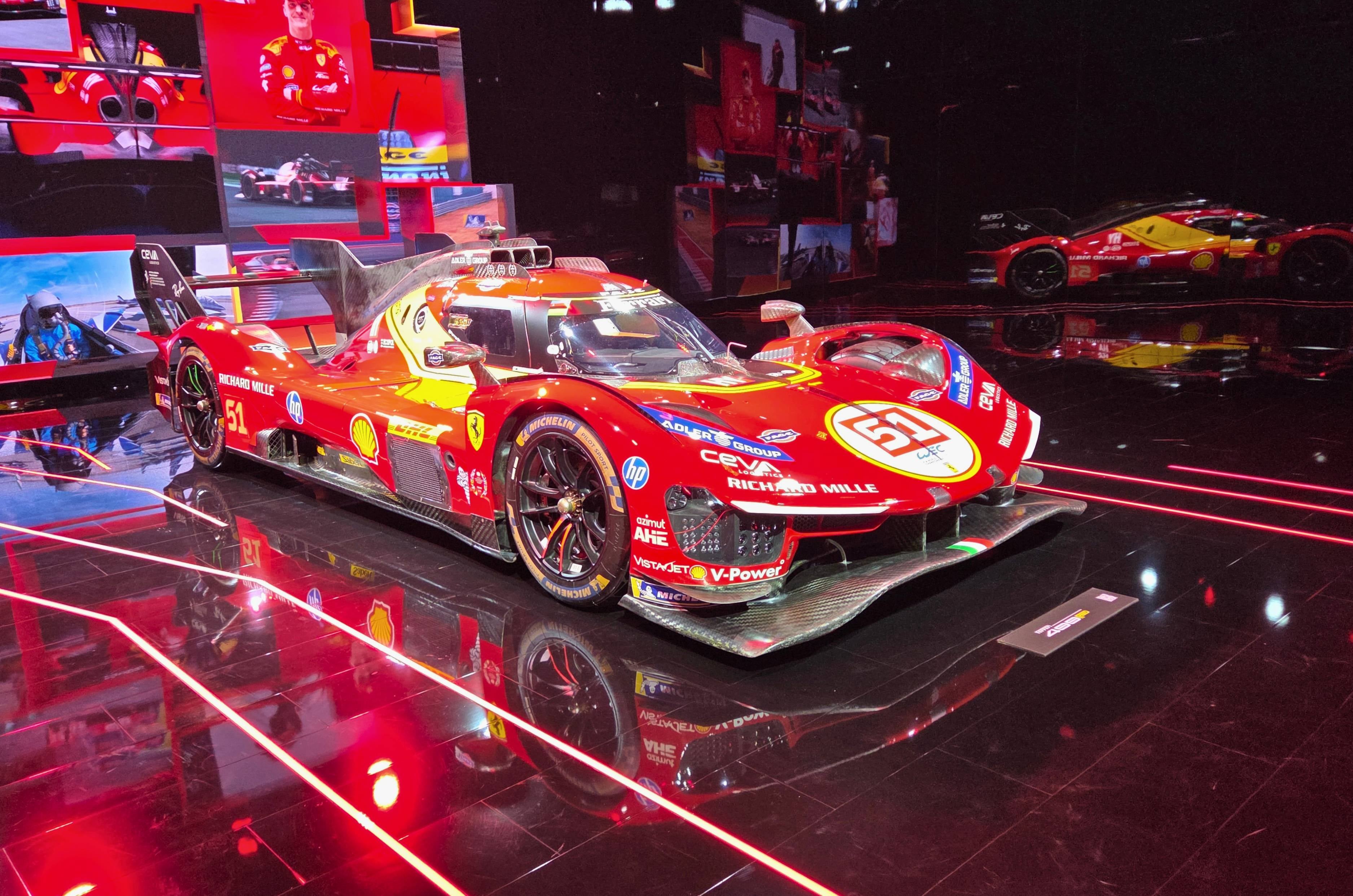
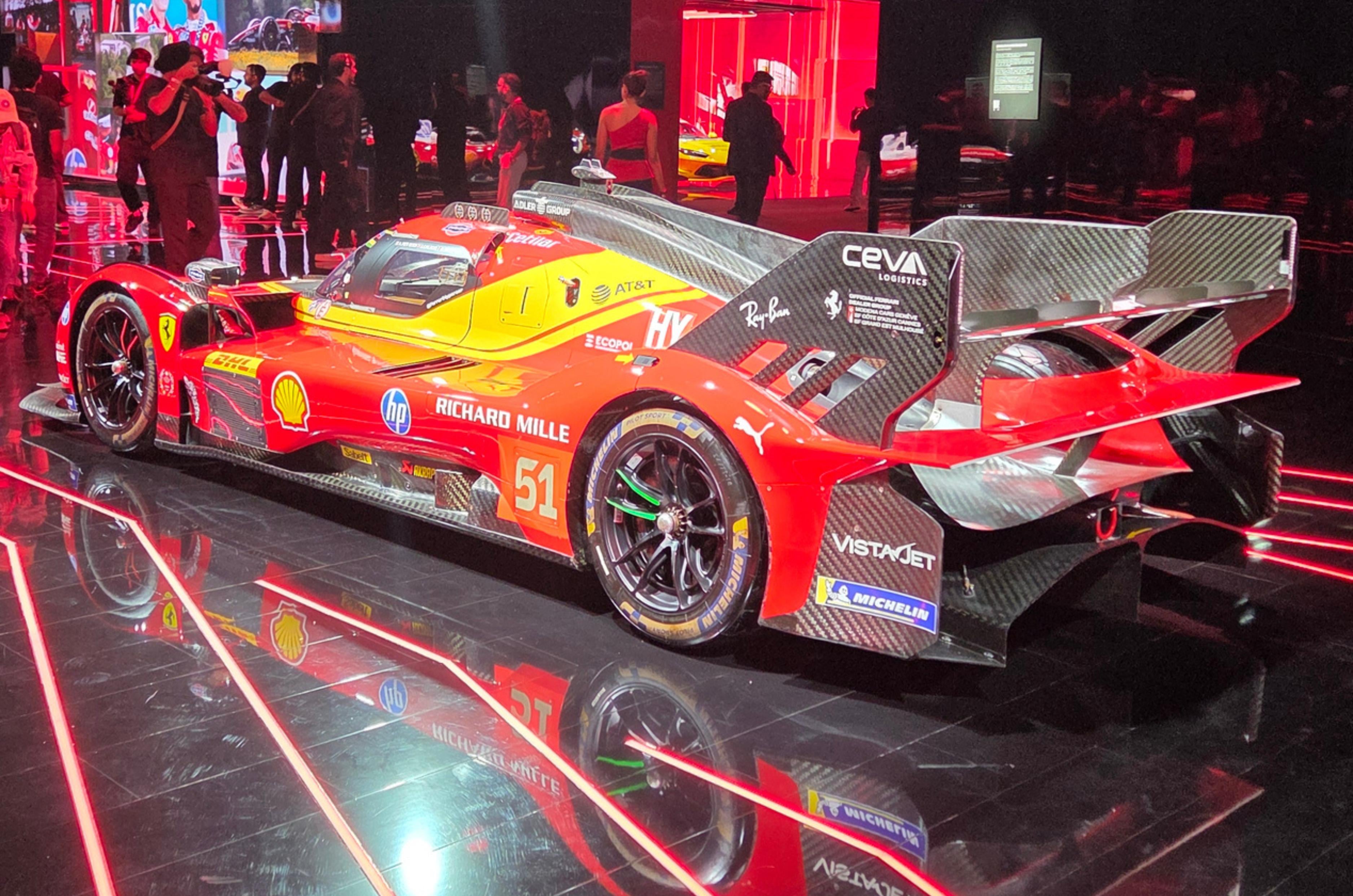
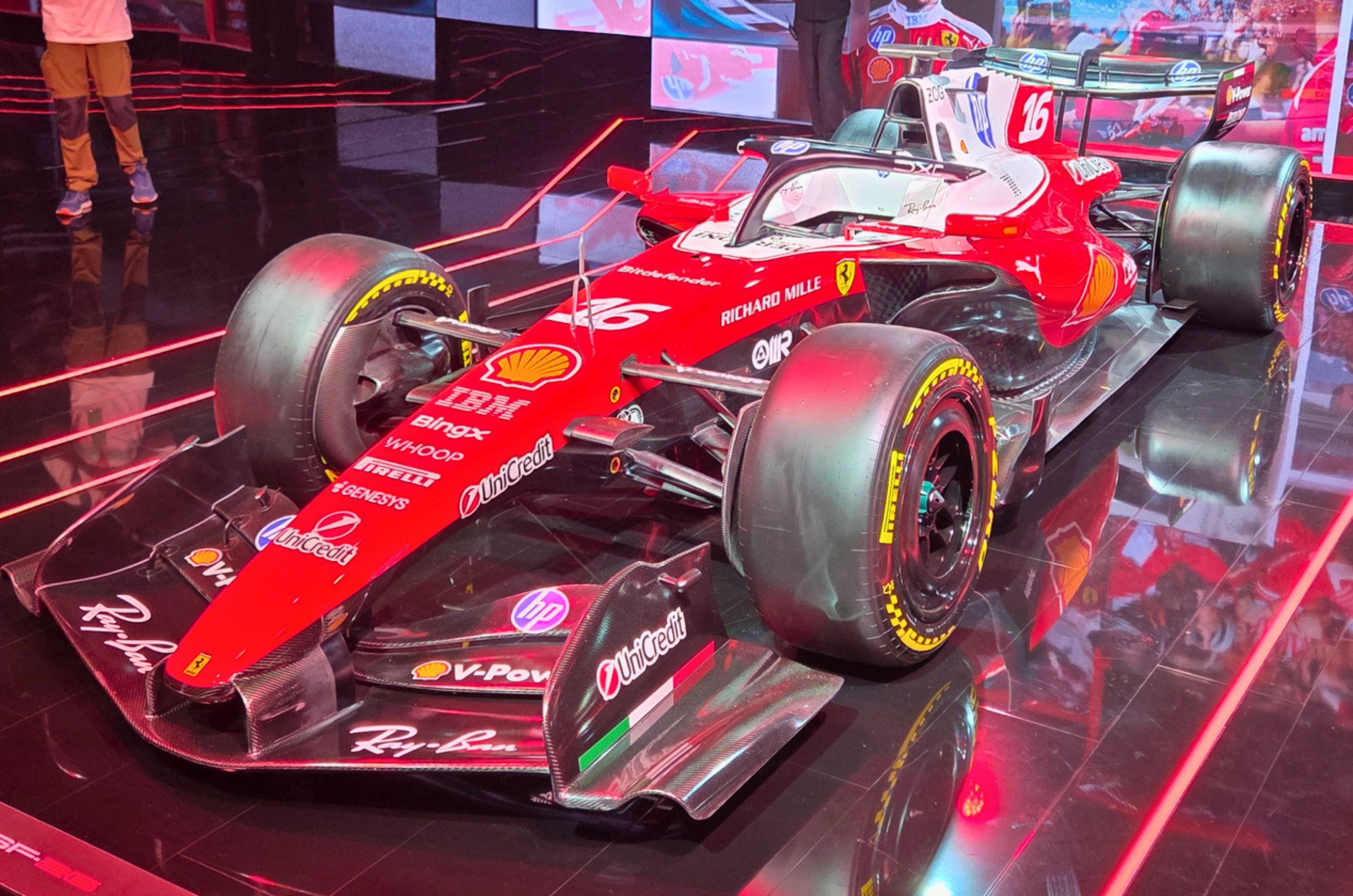
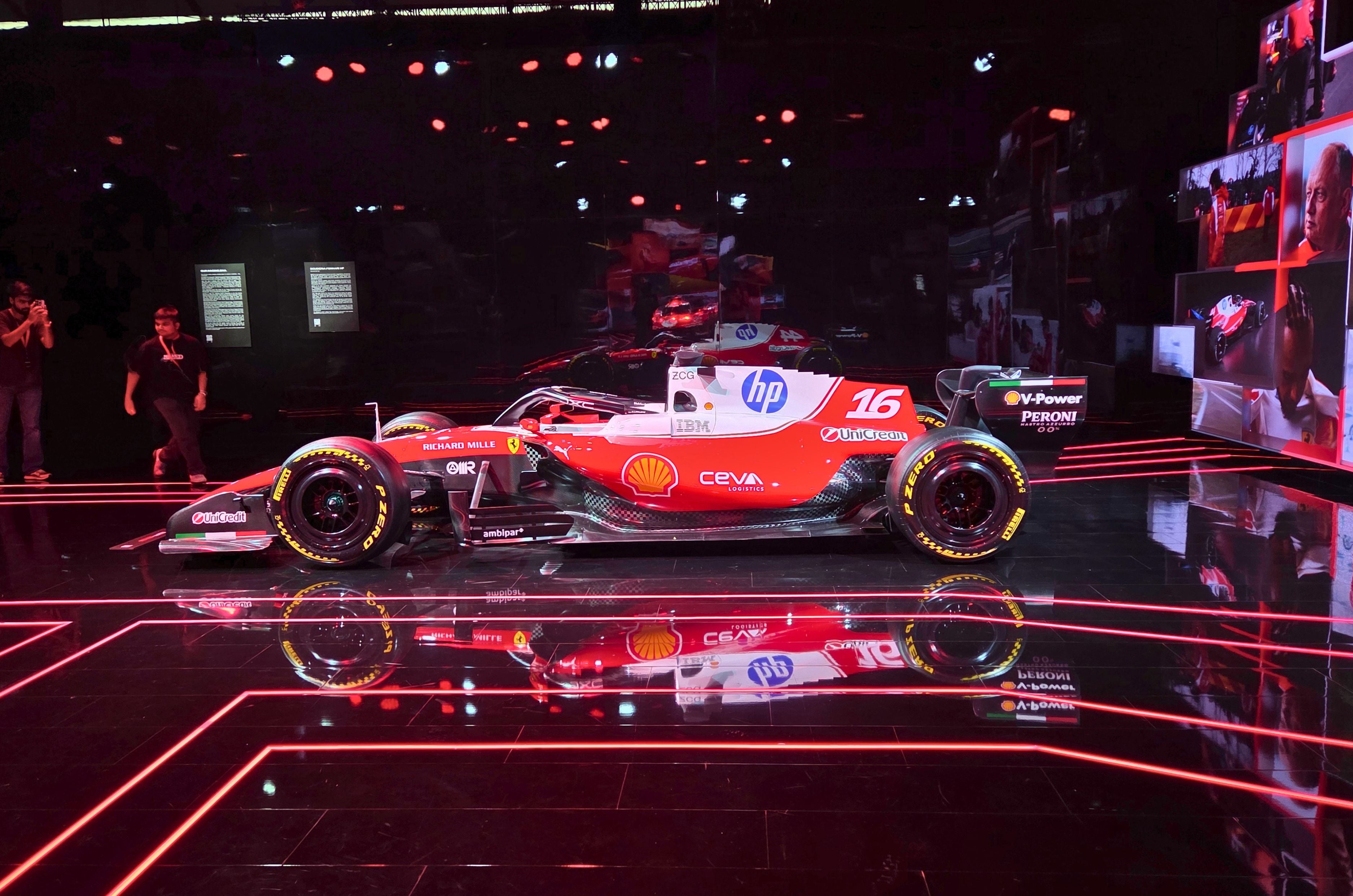
The Universo Ferrari exhibition 2026 in New Delhi has brought together the Italian brand’s road cars and race cars on the same stage. The event, which is being held at Yashobhoomi in Dwarka, will conclude on November 1. This is the Prancing Horse’s first Universo exhibition in India. Leading the line-up is the F80, the brand’s 80th anniversary hypercar. Beside it are the Luce and the 12Cilindri Manuale, which pairs a V12 with a simulated manual gearbox. Representing the racing side are the 499P Le Mans Hypercar and the SF-26, Ferrari’s 2026 Formula 1 car.
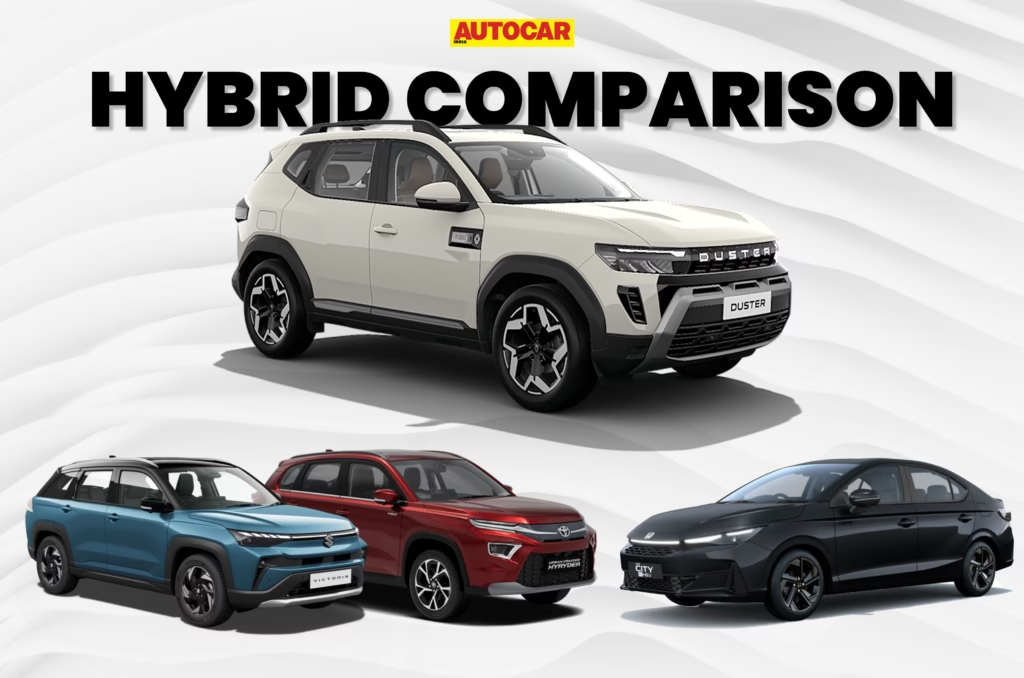
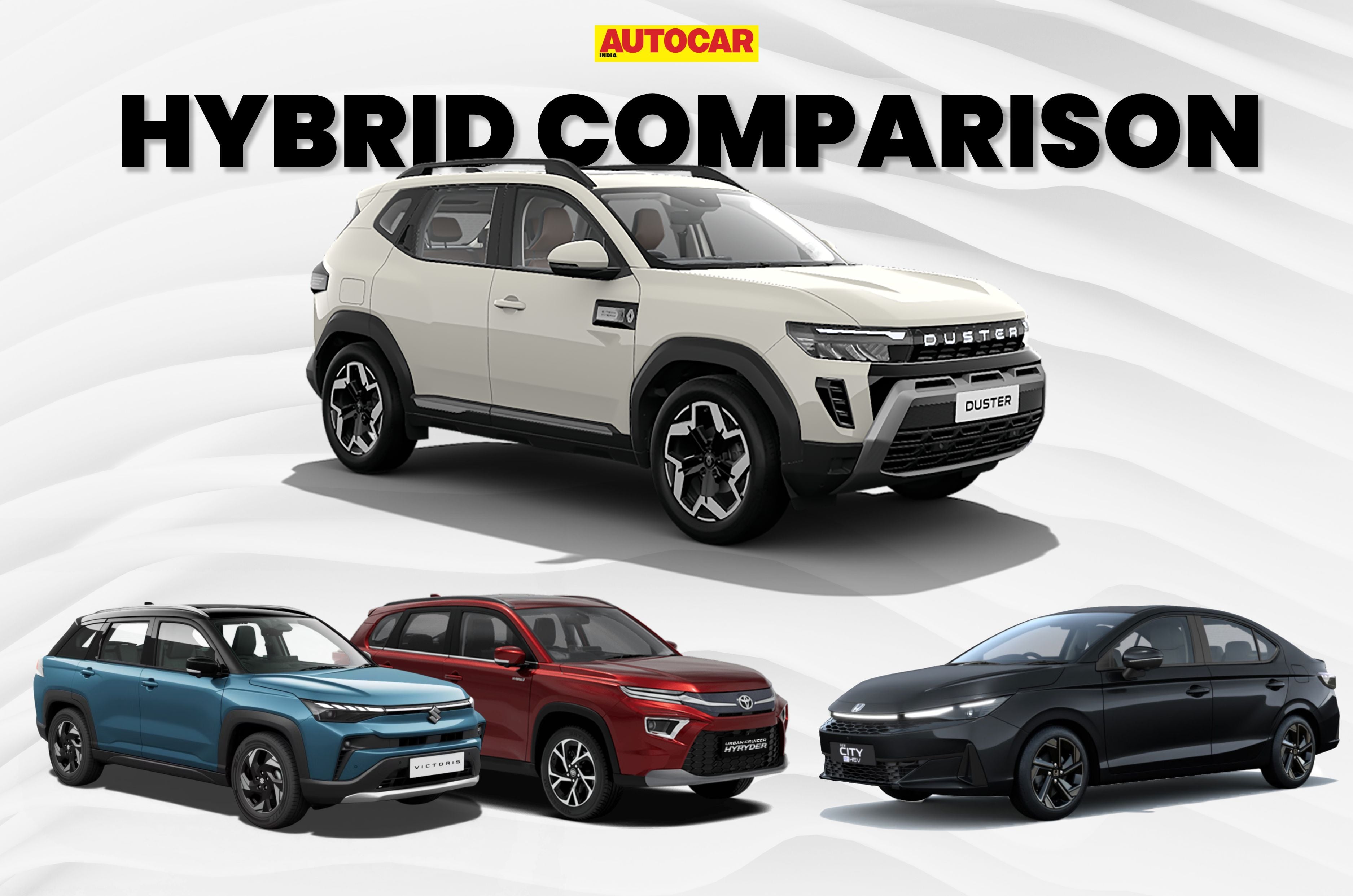
The new Renault Duster has been launched with a strong hybrid powertrain option, a first for the nameplate in India. The latest from Renault competes in the midsize SUV space, where only the Maruti Grand Vitara, Maruti Victoris and Toyota Hyryder currently offer a hybrid choice. Honda does not offer a hybrid setup with the Elevate at the moment, though the City midsize sedan has been equipped with one. But how do these vehicles stack up on paper when it comes to specifications? Let’s find out.
Renault Duster hybrid spec comparison
Duster has the highest power output
Renault Duster hybrid specs vs Grand Vitara, Victoris, Hyryder and City e:HEV
Hybrid system
Combined power
Combined torque
Transmission
Mileage
Battery size | Voltage
Duster
1.8L 4cyl + 2 e-motors
160hp
–
Multi-mode automatic
29kpl
1.4kWh | 247V
Grand Vitara
1.5L 3cyl + e-motor
116hp
141Nm
eCVT
27.97kpl
0.60kWh | 177.6V
Victoris
1.5L 3cyl + e-motor
116hp
141Nm
eCVT
28.65kpl
0.60kWh | 177.6V
Hyryder
1.5L 3cyl + e-motor
116hp
141Nm
eCVT
27.97kpl
0.60kWh | 177.6V
City e:HEV
1.5L 4cyl + e-motor
126hp
253Nm
eCVT
27.13kpl
Not available | 172.8V
While we are yet to sample the Duster hybrid in real-world conditions, the above specs table suggests it takes a more performance-led approach than the rest. Its four-cylinder naturally aspirated petrol engine is the largest by cubic capacity here, and paired with two electric motors, this hybrid setup delivers the highest peak power output. Renault claims a 0-100kph time of 9.61 seconds, which it says makes the Duster hybrid the quickest in the segment. The brand has not revealed a combined torque figure yet, though the Duster’s traction motor produces 208Nm on its own.
Renault SUV’s multi-mode gearbox stands out
The Duster’s multi-mode automatic gearbox has two gears for the motor and four gears for the engine. Renault claims that this setup creates an 8-speed combination in hybrid mode, and it stands out as the others use an eCVT unit, which is known for a smooth driving experience. Moreover, the Duster hybrid’s larger, higher-voltage battery further points to more electric assistance than the rest. The French brand claims that 80 percent of city drives are possible in EV mode alone, while the Duster hybrid’s ARAI-certified mileage of 29kpl is the highest of all the cars here.
Midsize SUVs offer most powertrains
Only PHEV is missing
Save for plug-in hybrid, midsize SUVs offer almost every major powertrain choice, including petrol, CNG, diesel and electric. Hyundai Creta is expected to adopt a hybrid powertrain in its next generation, due in 2027, and its Kia Seltos sibling is also set to follow suit. The new Tata Sierra’s ARGOS platform is hybrid-ready, giving the homegrown carmaker the flexibility to introduce a hybrid version in the future. Volkswagen and Skoda are also working on hybrid midsize SUVs for the Indian market.
Ferrari has officially opened the doors to its first-ever Universo Ferrari exhibition in India. Held at Yashobhoomi, Dwarka in New Delhi from 17 October to 1 November, Universo Ferrari offers a comprehensive look at the Italian marque’s heritage, motorsport pedigree, technology, and craftsmanship. More pertinently, several exciting Ferraris are also on display at Universo Ferrari, some of them for the first time in India. Let’s have a look at the Ferrari cars that have debuted in India as part of Universo Ferrari.
Ferrari F80
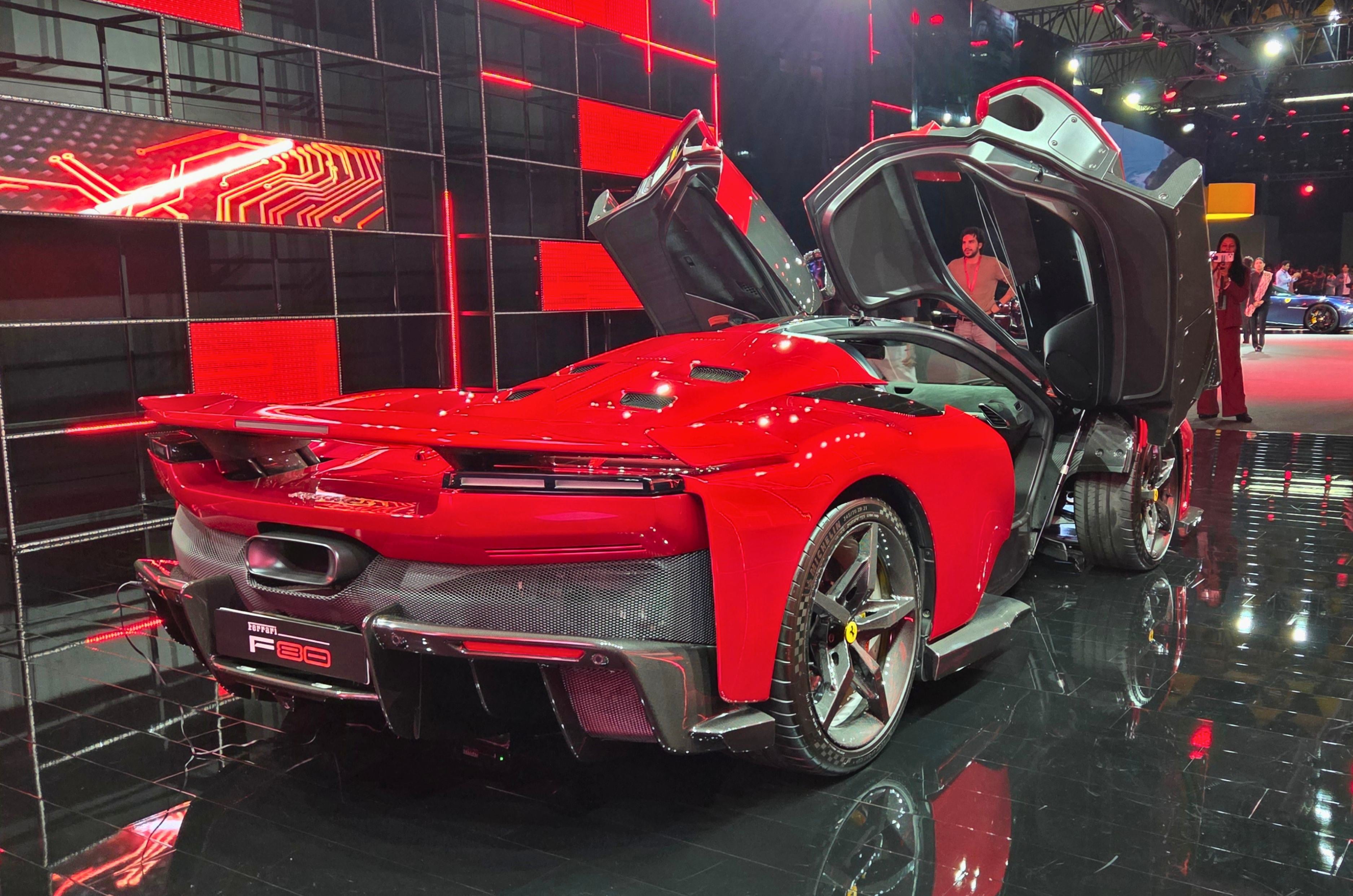
Revealed in 2024 as a successor to the LaFerrari, and to commemorate Ferrari’s 80th anniversary, the F80 is the brand’s most powerful road-going offering yet. Producing a combined 1,200hp from its 3.0-litre twin-turbo V6 hybrid powertrain, the F80 claims a ridiculous 0-100kph time of 2.15 seconds and a 0-200kph time of 5.75 seconds. All-wheel drive is fitted as standard, along with a slew of motorsport-derived tech like an MGU-K energy recovery system and electric turbos.
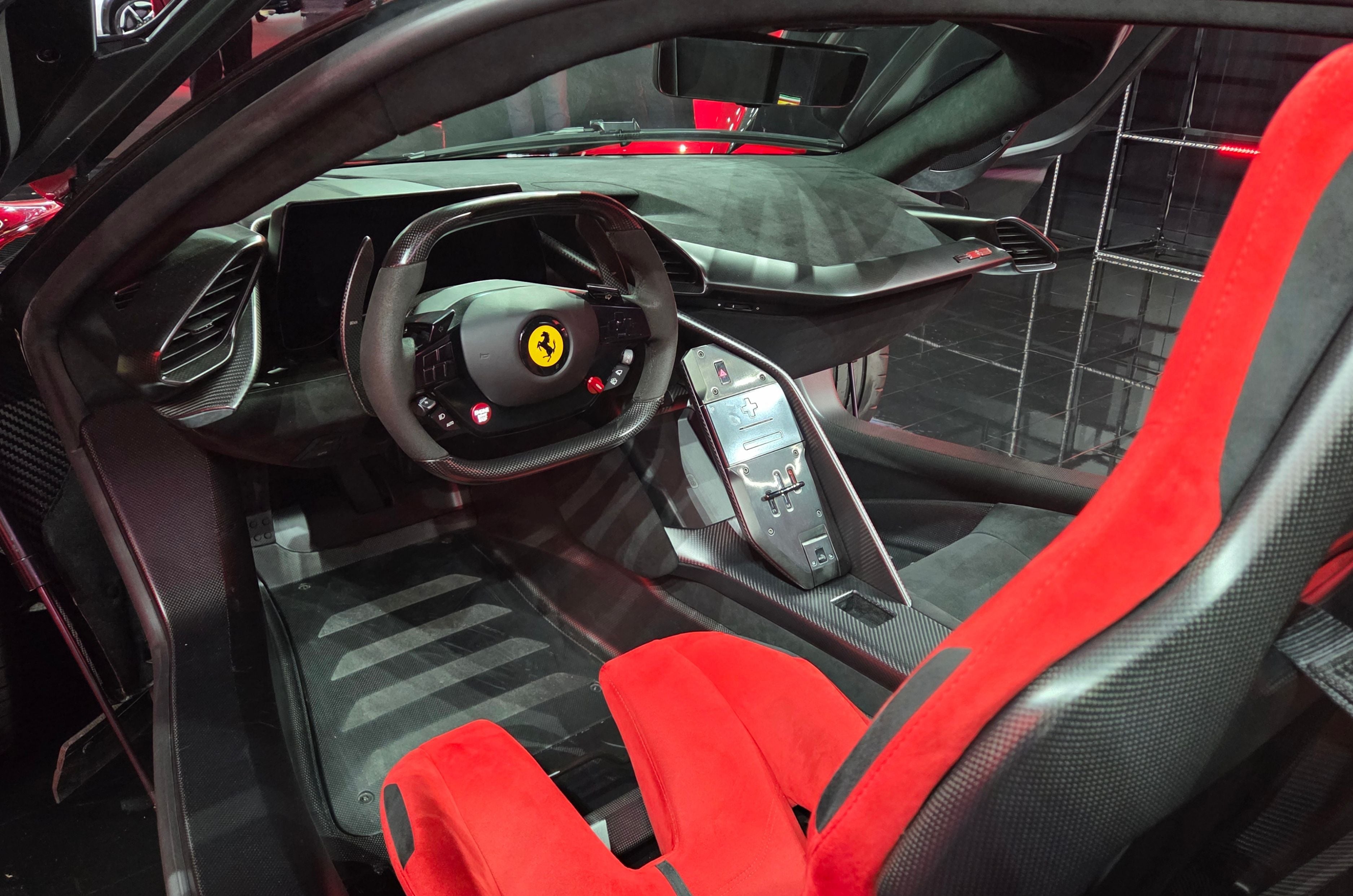
On the outside, the F80 matches the wildness of its powertrain with design elements like a slew of air ducts across the body, a black strip between the headlamps, an active rear wing, a central exhaust, and a massive rear diffuser. Inside, things are quite minimalistic and driver-focused – highlights include a motorsport-style ovoid steering wheel, a large digital driver’s display, an angled centre console, and bucket seats. Ferrari has sold through all 799 units of the F80, each retailing for €3 million (Rs 32 crore), before options.
Ferrari Luce
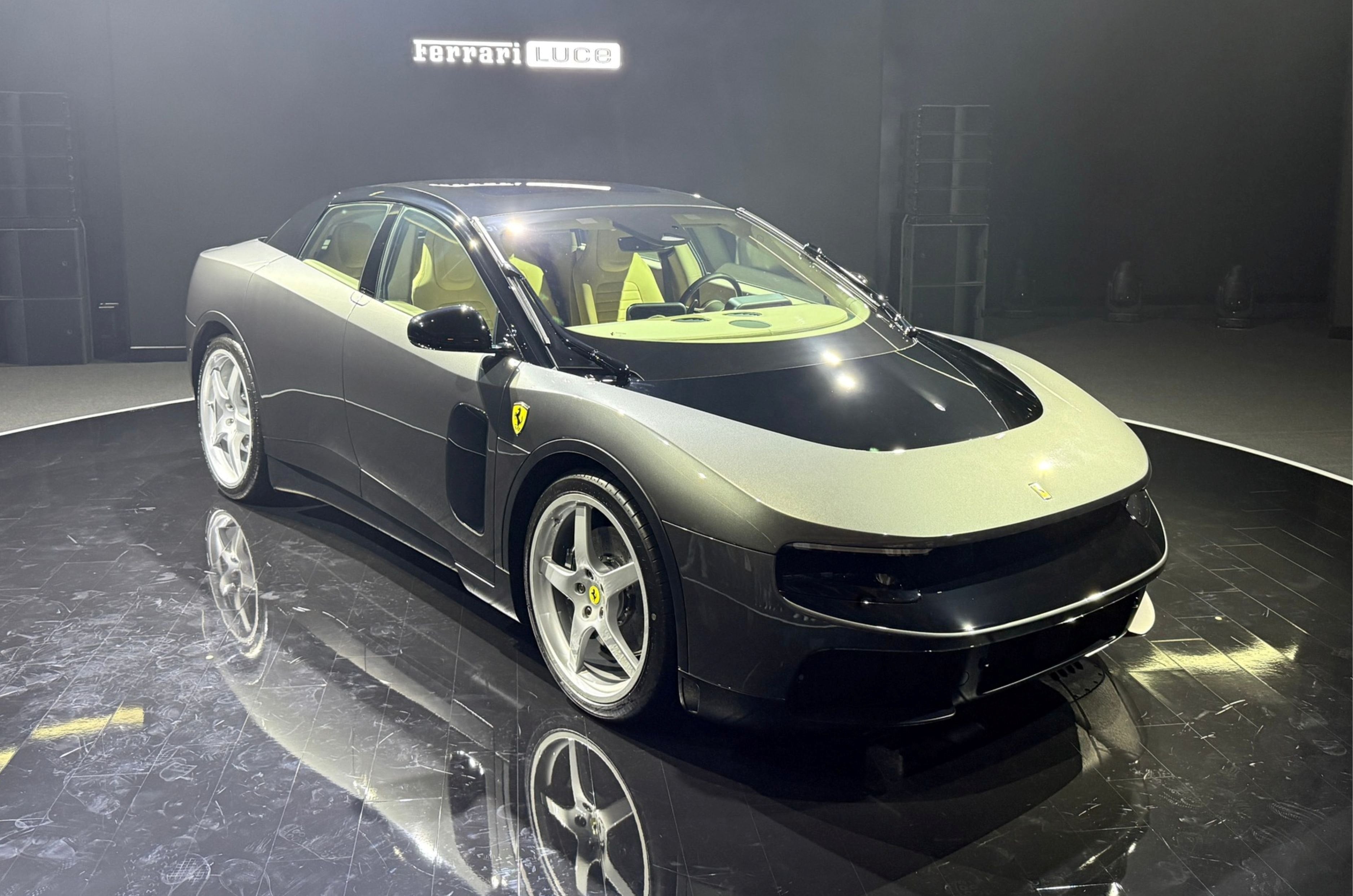
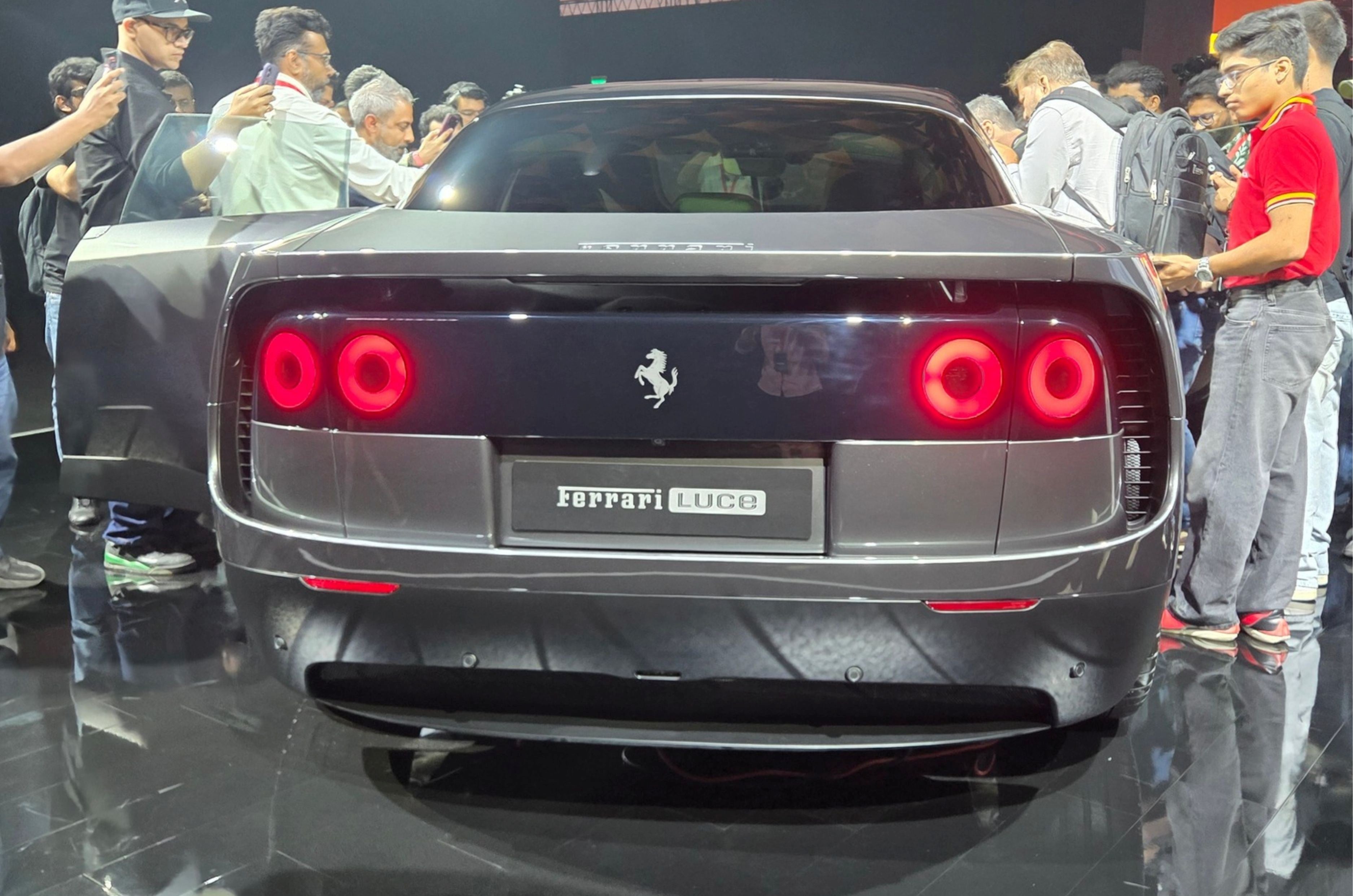
The Luce is Ferrari’s first EV, and perhaps its most controversial offering. Based on an all-new 800-volt architecture, the Luce features a 122kWh battery and four electric motors producing a combined 1,050hp and 990Nm. Ferrari claims a 0-100kph time of 2.5 seconds, a top speed of 310kph, and a range of up to 530km. Unlike other EVs, the Luce doesn’t pump artificial engine noises into the cabin via speakers – instead, the electric motors are tuned to emit a distinct, high-pitched sound.
Styled by LoveFrom, a firm co-founded by former Apple designer Jony Ive, the Luce features a distinctive two-piece body structure, with a gloss-black passenger cell enclosed within a coloured aluminium shell. It gets recessed LED headlamps, quad LED tail-lamps, suicide doors, and staggered 23-inch front and 24-inch rear wheels. At 5,026mm long, the Luce is the largest Ferrari yet, and its 0.254 drag coefficient is the lowest among road-legal Ferraris. The interior sports a retro-inspired design, with a 10-inch touchscreen, a 12.5-inch OLED driver’s display, and seating for five – a first for a Ferrari. Order books are open for the Luce in overseas markets, with prices starting at 550,000 euros (approximately Rs 6.1 crore) before options.
Ferrari 12Cilindri Manuale
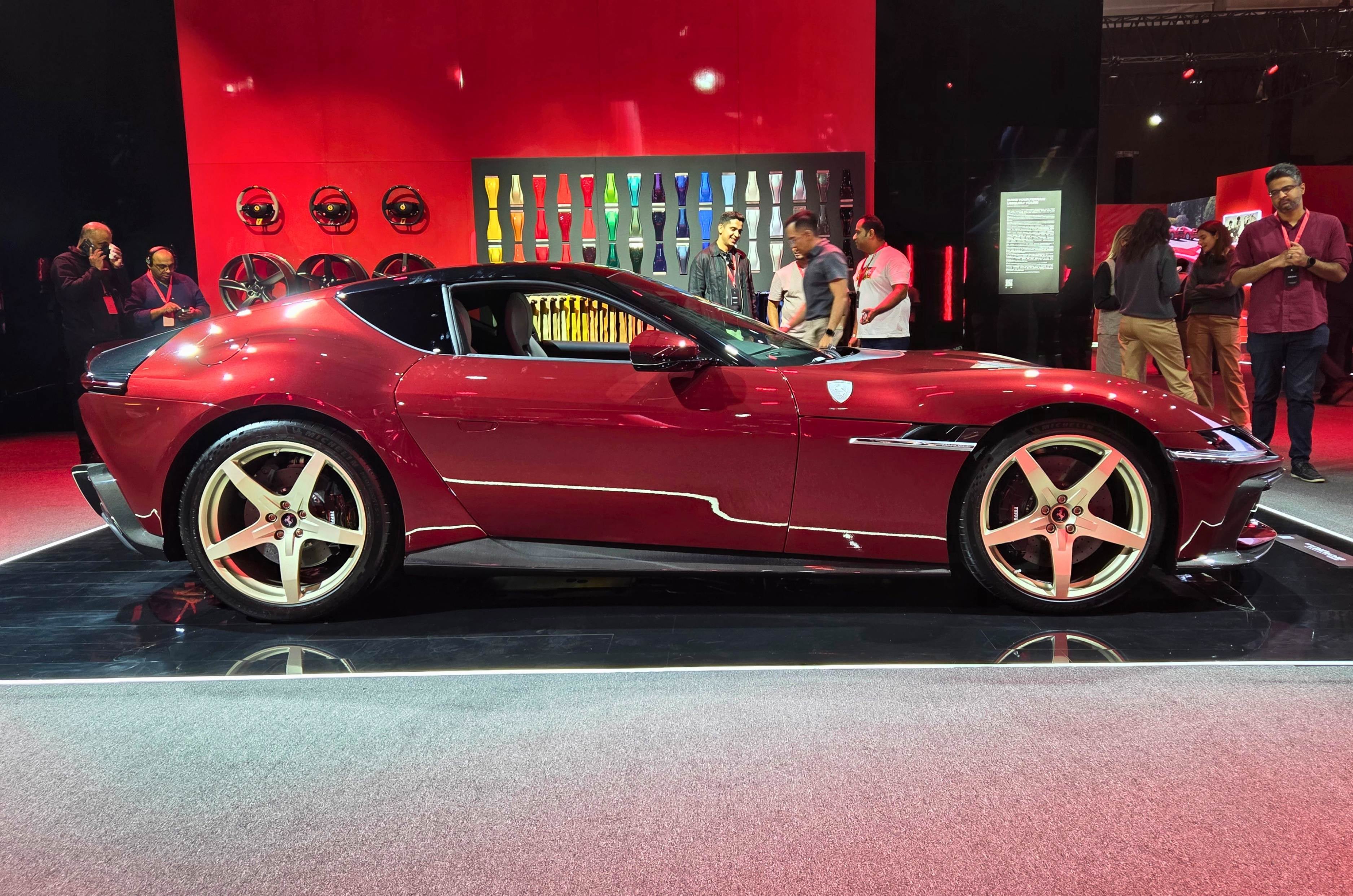
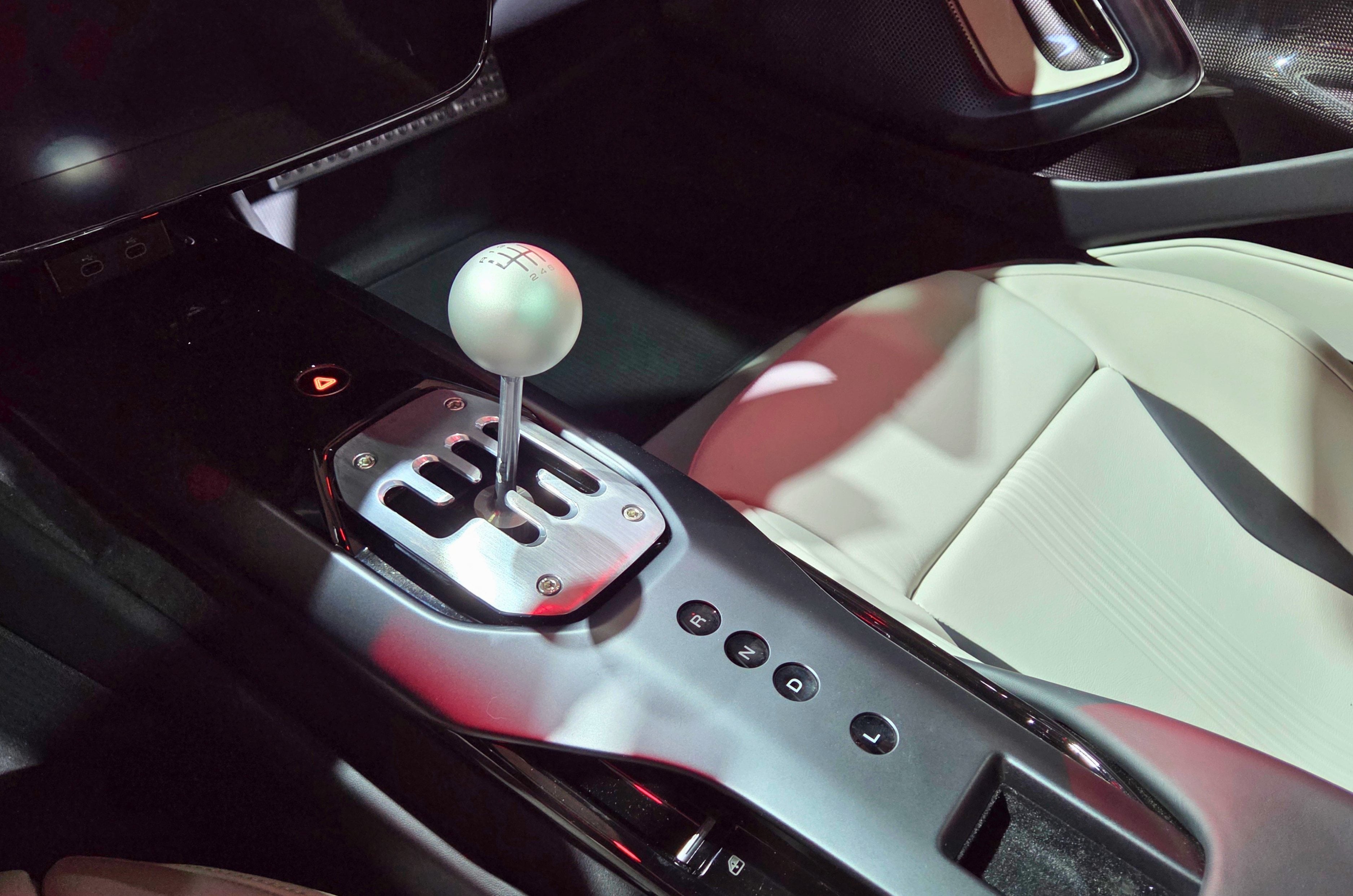
Unveiled a few months ago, the 12Cilindri Manuale is a limited-run special and the first Ferrari in 14 years to offer a manual gearbox. Only, this gearbox isn’t a true manual, but a simulated ‘Manuale By-Wire’ system based on the 12Cilindri’s 8-speed dual-clutch automatic. The experience is intact, however, with a clutch pedal, 6 speeds, a gated shifter, and the ability to stall and clutch-dump the car. If needed, you can even switch to automatic mode and let the DCT take over. Elsewhere, the Manuale retains the 12Cilindri’s 830hp 6.5-litre naturally aspirated V12, claiming a 0-100kph time of 2.9 seconds and a top speed of 340kph.
The exterior largely mirrors that of the standard 12Cilindri but gets exclusive Manuale badges, silver-finished Ferrari side logos, pinstripes on the front splitter and rear winglets, and bespoke five-spoke forged alloy wheels available in four finishes. Inside, the centre console has been redesigned to accommodate a rounded aluminium gear lever inspired by classic Ferrari gated shifters, available in silver or black. Buyers can also choose comfort or racing seats with six vertical grooves. Limited to 1,499 units, the 12Cilindri Manuale is priced from €590,000 (approximately Rs 6.42 crore), before options.
Ferrari 499P
The 499P Le Mans Hypercar was revealed in 2022 as Ferrari’s return to the top class of endurance racing after 50 years. It’s powered by a twin-turbo V6 based on the architecture of the engine used in the 296 GT3, itself derived from the road-going 296 GTB. Developed specifically for racing, the 499P’s V6 works with a bespoke 900-volt, 200kW energy recovery system (ERS) connected to the front axle, forming a hybrid all-wheel drive layout. A brake-by-wire system recovers kinetic energy, while power is delivered through a 7-speed sequential gearbox. Balance of Performance regulations limit the 499P’s total output to 680hp.
The 499P’s design pays tribute to Ferrari’s endurance racing heritage, particularly the 312P prototype from 1973 – Ferrari’s last factory entry in the top class. Its name refers to the 499cc displacement of each cylinder, while ‘P’ stands for Prototype. A yellow stripe runs through the livery – another nod to the 312P – while carbonfibre construction allows for a 1,030kg baseline weight. The 499P brought home several accolades for Ferrari, such as three consecutive Le Mans victories (2023, 2024, and 2025), a complete sweep at the 2025 FIA World Endurance Championship, and more.
Ferrari SF-26
Ferrari pulled the wraps off the SF-26 racer back in January 2026. Built for F1’s 2026 technical regulations overhaul, the SF-26 is powering by Ferrari’s 067/6 power unit – a 1.6-litre turbocharged V6 that can run on sustainable fuel blends and is paired with a heavily bolstered 350kW MGU-K system, creating a near 50-50 performance split between combustion and electric power. Driven by Charles Leclerc and Lewis Hamilton, the SF-26 has compiled 11 Grand Prix podiums and 2 victories, with dramatic wins at the Spanish Grand Prix with Hamilton and the British Grand Prix with Leclerc.
The SF-26’s bodywork shifts away from the previous ground-effect era toward a lighter, more agile 770kg carbon-composite structure. It features advanced active aerodynamics with movable front and rear wings to minimise drag on straights while maximising cornering downforce. Visually, the SF-26 incorporates push-rod suspension on both axles and debuts a gloss Rosso Scuderia livery accented with white.
A vehicle’s Registration Certificate (RC) is an essential document that confirms its registration with the Regional Transport Office (RTO) and establishes its legal identity. In India, the RC for a private vehicle is generally valid for 15 years from the date of registration, after which it must be renewed every five years.
Owners can apply for renewal through the government’s Parivahan Sewa portal within 60 days before the RC expires, although a physical vehicle inspection may be required before approval. If the RC has already expired, they should follow the prescribed renewal process and check the applicable requirements with their RTO.
Driving with an expired RC is illegal and can attract penalties. It can also complicate insurance claims and the transfer of vehicle ownership. Here is how to renew an RC online, the documents required and the applicable fees.
Documents required for RC renewal
Before starting the application, vehicle owners should keep the following documents ready:
Form 25: The application form for renewal of registration.
Existing RC: The original or a copy of the expired registration certificate for verification.
Valid insurance certificate: Proof of active third-party or comprehensive insurance.
Pollution Under Control (PUC) certificate: A valid certificate confirming compliance with applicable emission standards.
Road tax receipt: Proof of payment of applicable road tax.
Identity proof: An Aadhaar card, PAN card, passport or another accepted government-issued document.
Address proof: An Aadhaar card, voter ID, utility bill or another accepted document.
Fitness certificate: Required for applicable vehicle categories, particularly commercial vehicles.
Chassis and engine number pencil print: This may be required as part of the application process.
Document requirements can vary depending on the vehicle category and the relevant RTO.
How to renew your RC online through Parivahan
The RC renewal application can be submitted through the government’s Parivahan Sewa portal by following these steps:
1. Visit the Parivahan Sewa portal
Open the official website at https://parivahan.gov.in/ and navigate to ‘Online Services’, followed by ‘Vehicle Related Services’.
2. Select the state and RTO
Choose the state in which your vehicle is registered and select the relevant registering authority.
3. Enter the vehicle details
Log in if required, and enter your vehicle’s registration number. The portal may also ask for the last five digits of the chassis number.
4. Select the renewal service
Choose ‘Renewal of Registration’ from the list of available vehicle-related services.
5. Fill in the application form
Verify the details of your vehicle, including its make, model, year of manufacture, engine number, and chassis number. Enter any other requested information accurately.
6. Upload the required documents
Submit scanned copies of the existing RC, insurance certificate, PUC certificate, identity proof, address proof, and other applicable documents.
7. Pay the renewal fee
Complete the online payment. The amount depends on your vehicle’s category and applicable charges.
8. Book a vehicle inspection
Schedule an appointment at the relevant RTO if required.
9. Take your vehicle for inspection
Present your vehicle and original documents for verification. The RTO will assess the application and your vehicle’s road-worthiness where applicable.
10. Receive the renewed RC
Once the application is approved, the renewed certificate will be processed. Depending on the applicable procedure, it may be dispatched to your registered address. Applicants can also check their application status online.
RC renewal fees in India
The registration renewal fees listed under Rule 81 of the Central Motor Vehicles Rules, 1989, vary according to the vehicle category.
Vehicle category
RC renewal fee (Rs)
Motorcycle
300
Medium passenger motor vehicle
1,000
Heavy passenger motor vehicle
1,500
Imported motorcycle
2,500
Imported motor vehicle
5,000
Invalid carriage
50
Three-wheeler, quadricycle, or light motor vehicle (non-transport)
600
Three-wheeler or light motor vehicle (transport)
1,000
Medium goods vehicle
1,000
Heavy-duty vehicle
1,500
Other vehicle categories
3,000
Additional charges may apply for delayed renewal, smart card issuance, inspection and other applicable services. The supplied fee schedule lists delayed-renewal charges of Rs 300 per month for motorcycles, and Rs 500 per month for passenger cars, along with a Rs 200 charge for smart card reissue or renewal. Owners should confirm the current charges on the Parivahan portal or with their RTO before making a payment.
How to check your RC renewal status
After submitting the RC renewal application, you can track its progress through the Parivahan Sewa portal. Navigate to the vehicle-related services section, select the relevant state, and enter your vehicle’s registration details. Open the applicable application or registration status option to check whether the renewal is being processed, has been approved or requires further action. The online application makes it easier to initiate the renewal process, but approval may still depend on document verification, payment of applicable fees, and a physical inspection where required.
The MG Windsor EV is convenience Pro Max. You walk up to it, the doors unlock on their own, you slide into the driver’s seat, select ‘D’ on the gear-selector stalk, and pull away. Quick, simple, easy, and super convenient.
Over the weeks and months we’ve had the car, I’ve even found it to be well suited to our traffic, especially when the need to overtake quickly arises. The electric motor makes a healthy 200Nm of torque, and with near-instant responses, overtaking becomes almost therapeutic.
Overtaking slower cars is a breeze due to the strong and linear torque delivery
Squeeze down on the accelerator and a wave of torque helps you breeze past the car ahead. What’s nice is that the e-motor doesn’t overreact or deliver a massive spike of torque the moment you touch the pedal, it’s well metered and measured, and that makes all the difference. So, the Windsor feels surprisingly swift and fleet-footed; just what the doctor ordered for our fluid traffic, where gaps and opportunities open and close quickly.
Strong brakes blend regenerative and friction braking quite seamlessly.
I even really like the strong brakes, especially how well they blend initial regeneration and later stronger action via the discs. Even the steering is light, direct and well-suited to urban use. Put all these factors together, and you can see why I found myself setting off to run a lot more errands in this car, with even long intra-city commutes handled with ease; podcasts on the clear audio system keeping me company.
What I’ve often found, however, especially when driving on a low battery, is that Eco mode is not as well calibrated. The responses are quite severely dulled down, and that means you need to keep using more and more throttle to get a move on. I soon switched back to Normal, almost every single time.
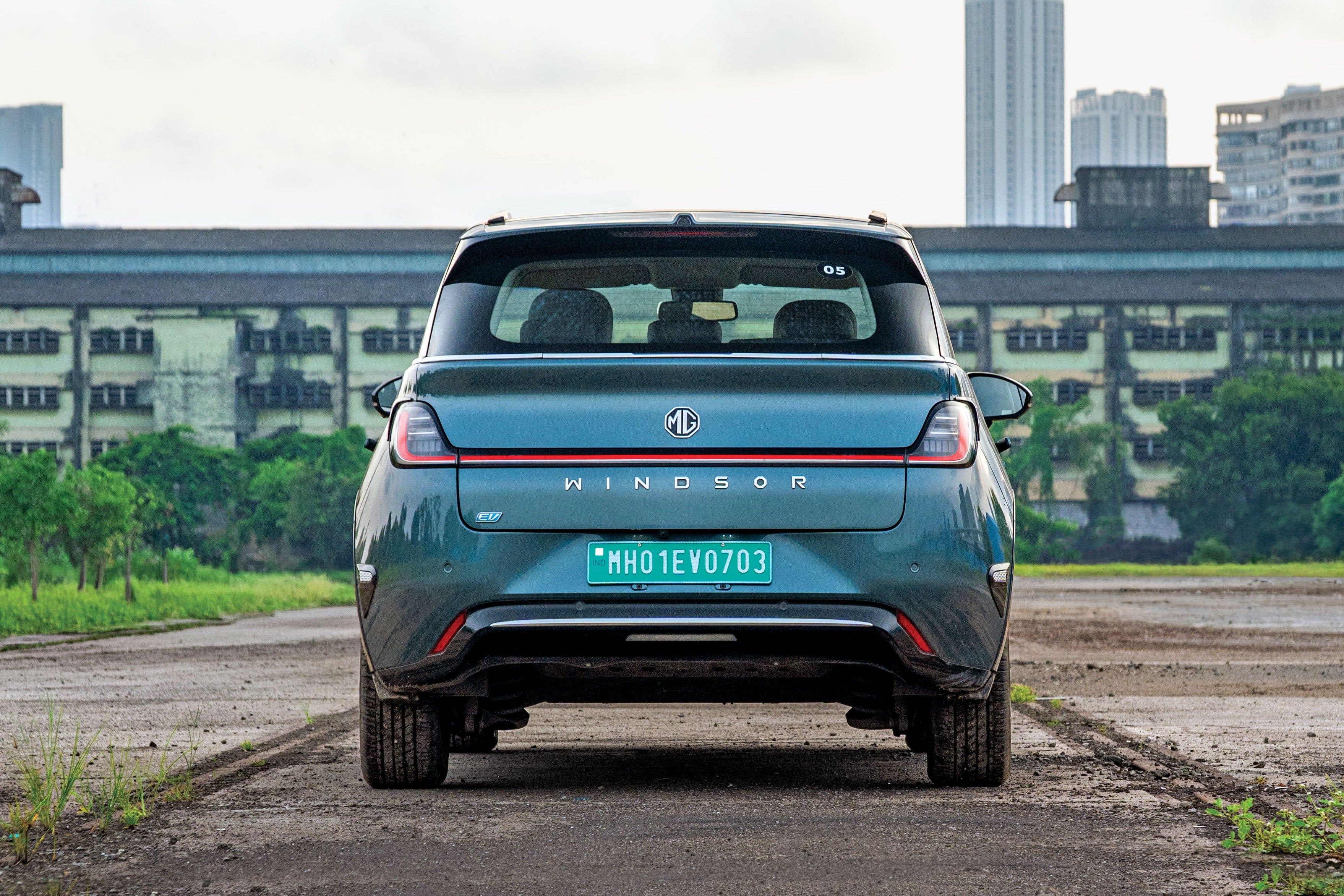
Where the Windsor also did well was that despite being a monovolume, the design has wide appeal. Sure, it has an unconventional profile, an unconventional cab-forward stance and an unconventional seating position. But the design works so well, first impressions from passengers are overwhelmingly positive. Many passengers commented on its modern looks and the spacious feeling in the rear. And doesn’t the stepped nose up front, with its chrome embellishments, work well?
MPV profile nicely packaged with modern details and look.
The MG Windsor, however, also has its fair share of issues and irritants. For one, insulation is very poor. It’s tolerable at lower city speeds, but past 70 or 80kph, road noise gets so prevalent, you start looking around for a commercial vehicle overtaking you. There is none. Then there’s the fact that the ride often gets brittle and unsettled, and go faster, such as on the Coastal Road in Mumbai, and stability at speed is also nowhere near as good as it should be. Some of this is down to the Windsor’s raised ride height and tall stance. But hey.
Over the time we’ve had the car, I’ve also come across a litany of questionable details in the cabin. To begin with, the seats have diamond-quilted covers that prod you in the back and feel unnecessarily ‘textured’. Then a lot of the plastics feel low-rent and cheap, especially the faux wood and the top of the dash. This includes some of the toggle switches used for the aircon and, especially, the gear selector stalk. Then there’s the fact that the screen is a size too large and in your face, and the left bottom of the windscreen is obscured by it; especially irritating when you are parking in a tight place.
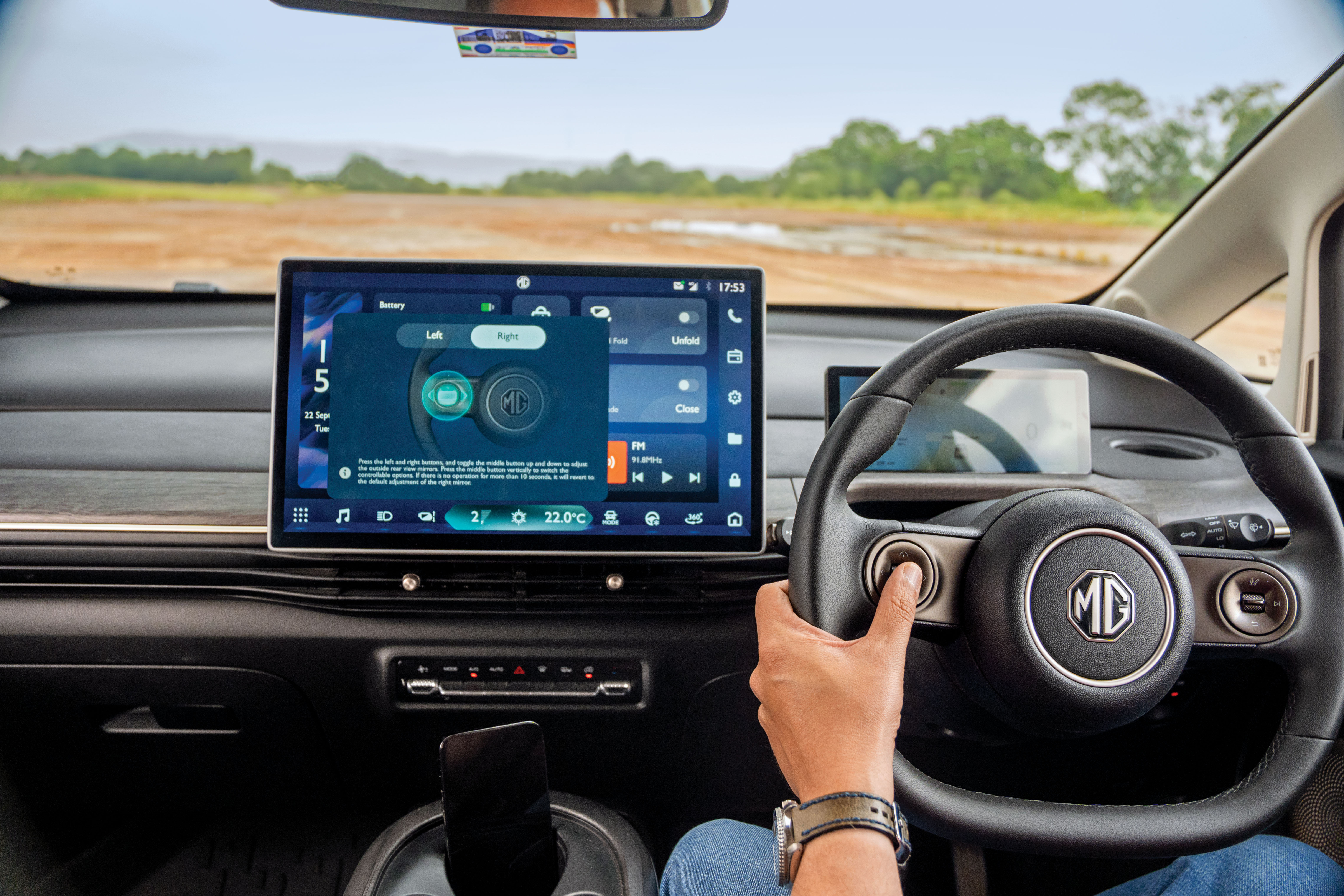
Even important functions like adjustments of the mirrors are on the screen
Then, of course, almost everything is controlled from the screen. This includes adjustment of mirrors, drive modes and regenerative braking, among others. So, often, you find yourself stopped on the side of the road, diving into a menu. And more often than not, the said feature is difficult to find. Too much of a good thing here, for sure. It’s only right that buttons are coming back.
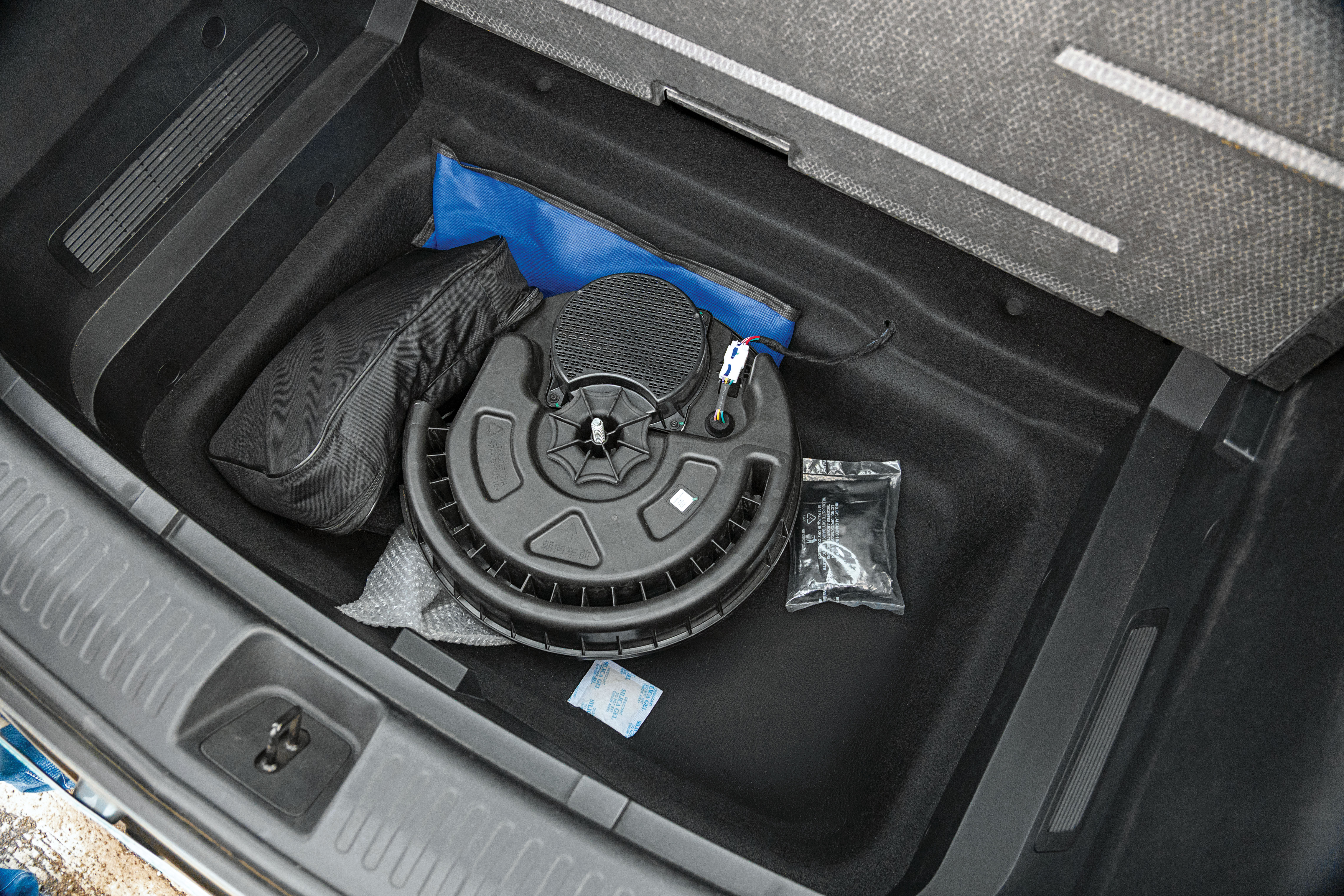
Then there’s the fact that while the fonts on the massive screen are huge, those on the digital ‘instrument panel’ are tiny and often difficult to read in a moving car. There’s also no spare tyre, only a puncture kit, of no use if you get a sidewall cut, and this version of the car gets no parcel tray; annoying if you have to leave a bag or luggage.
No spare or space to keep one; all you get is a puncture repair kit.
What of the battery and the range? The 37.9 kWh battery, charged for the most part at our office in Byculla, Mumbai, indicates a 100 percent battery range of around 320kms and has been delivering an average of around 6.5 kilometers per kW. So yes, while the MG Windsor is a lot of EV for the money and offers plenty of convenience, space and comfort, MG has a long to-do list for the facelift.
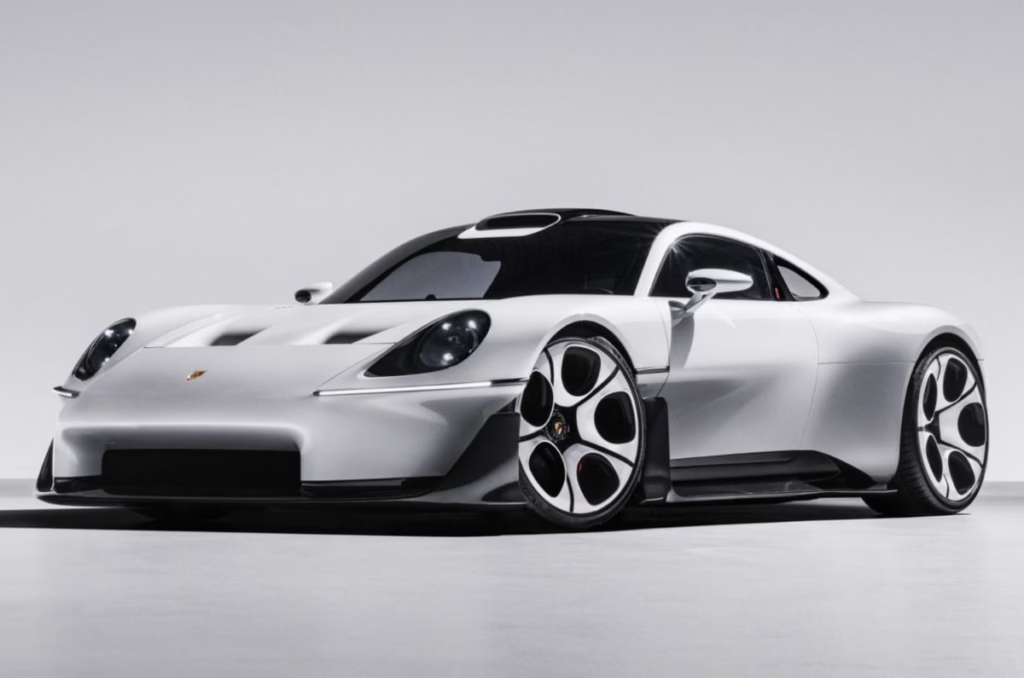
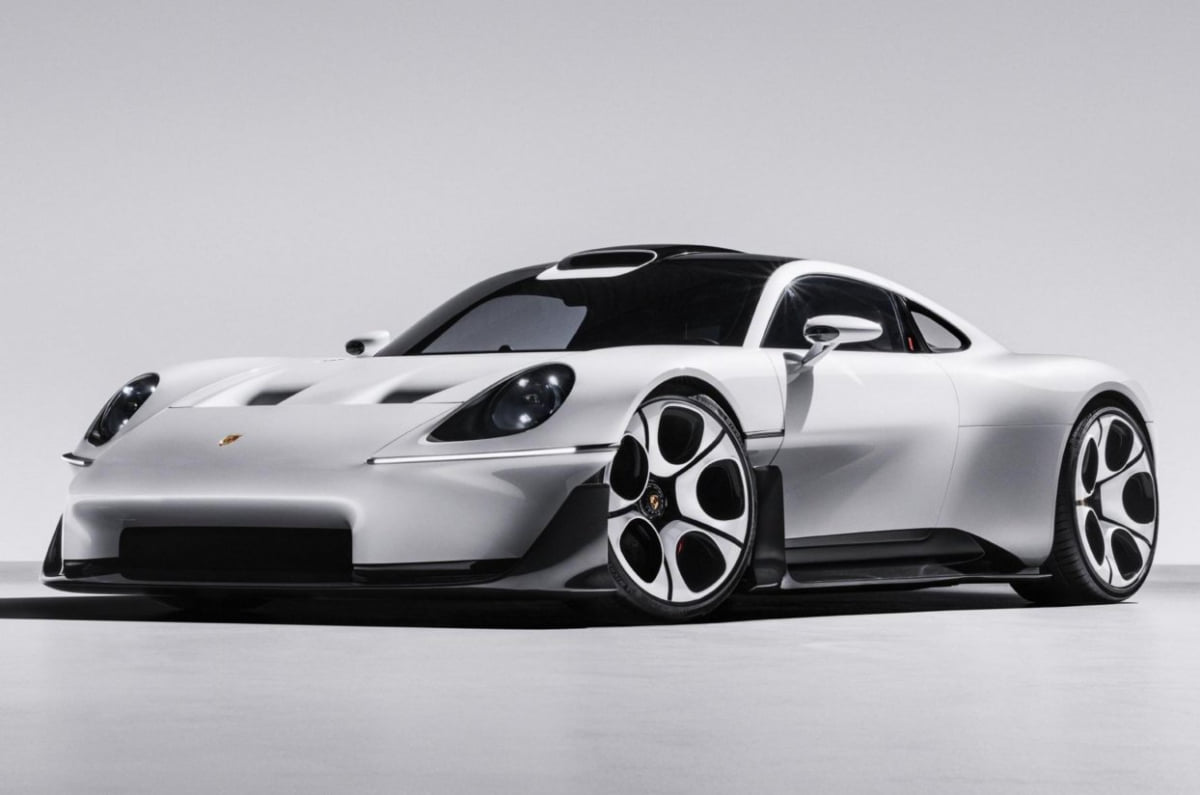
Porsche has unveiled the Mission S concept as part of its ‘Sportwagenschmiede ’35’ strategy. It previews a new mid-engined platform for a model positioned above the 911, which Porsche says is intended to become a permanent part of its line-up rather than a one-off hypercar. The concept also signals the brand’s future design direction, with styling inspired by historic Porsche models.
Porsche Mission S: Exterior
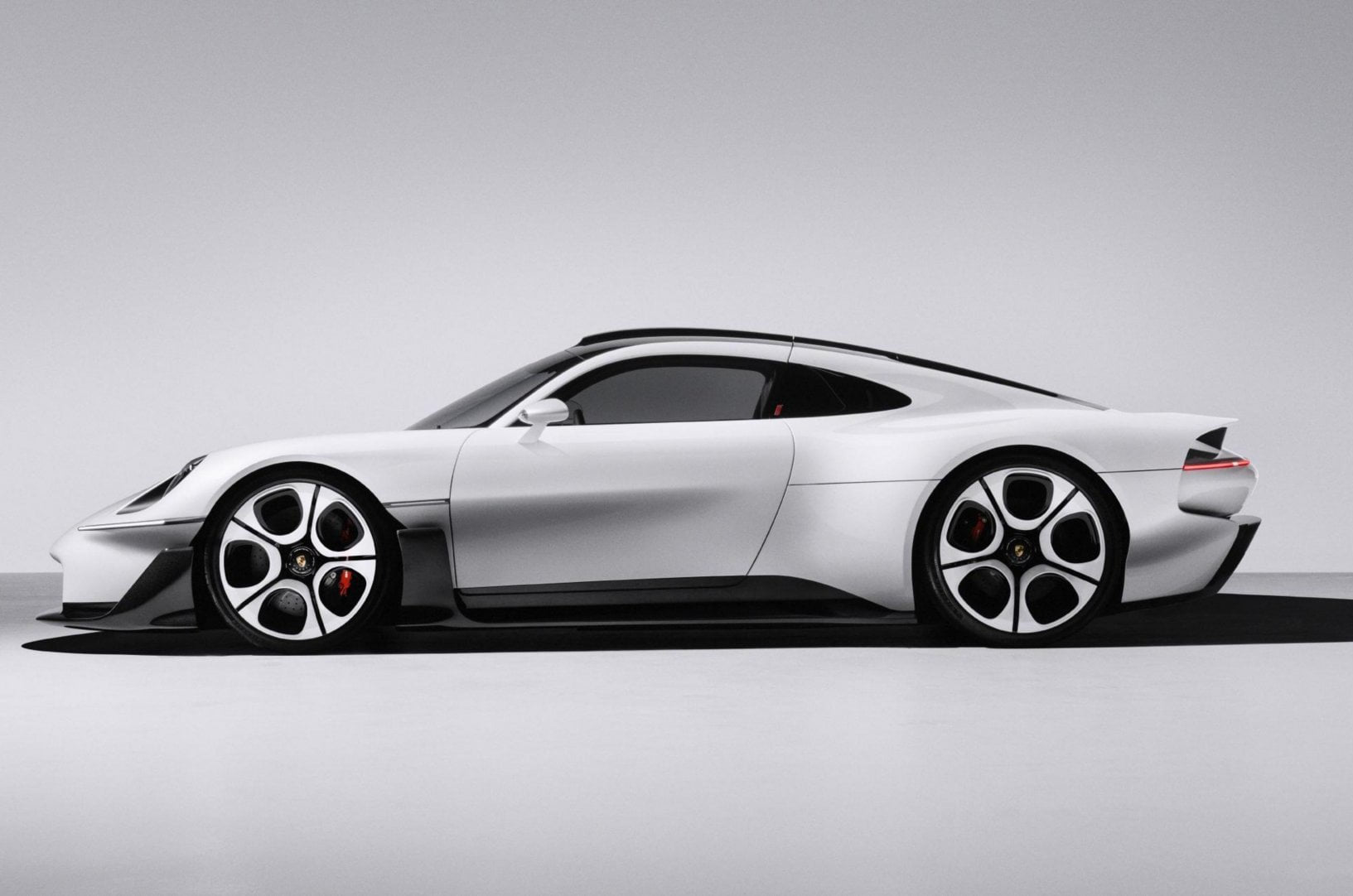
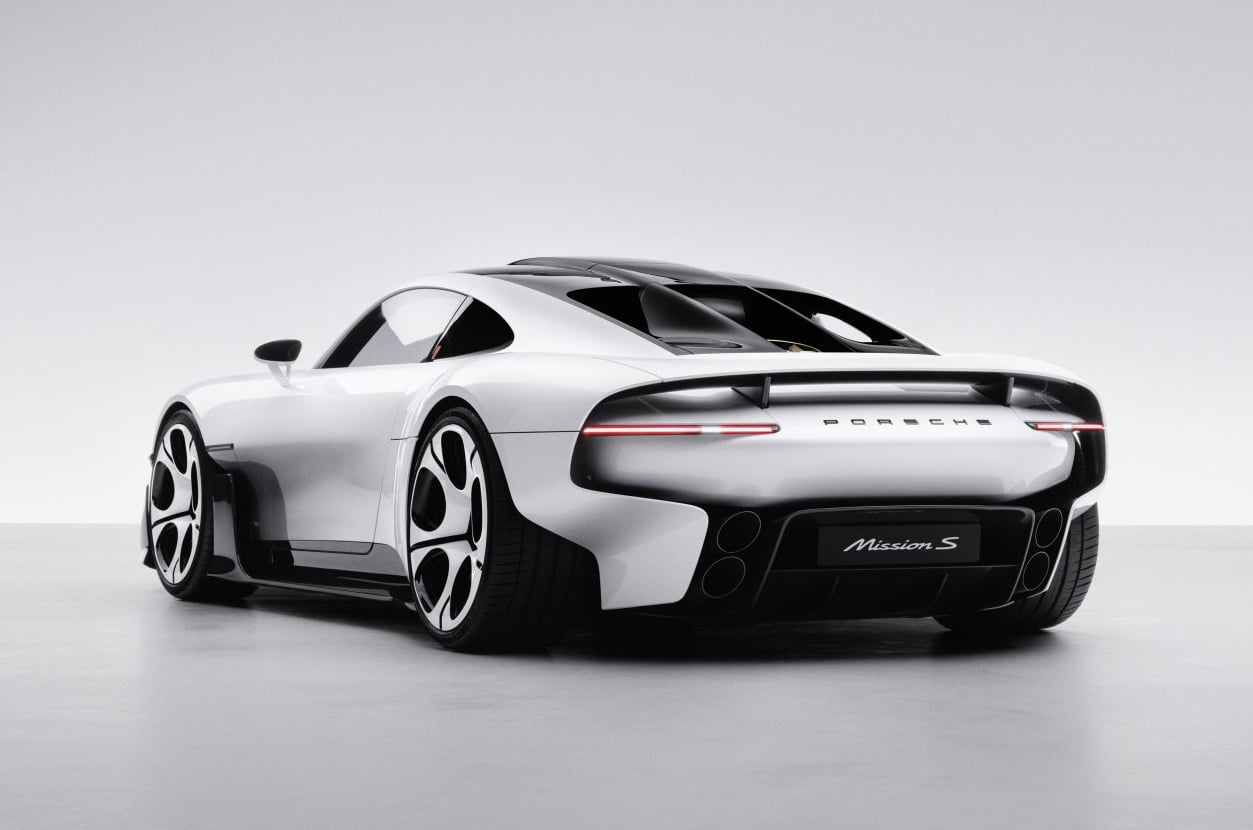
The Porsche Mission S features a low front end with rounded headlights, raised ‘torpedo’ fenders and slim LED daytime running lights. It also has a large air intake at the front of the roof, a sloping roofline and sculpted side panels. The rear features narrow split taillights, an integrated active wing, a large diffuser and a cooling fan above the engine bay.
The design draws inspiration from several historic Porsche models. The roofline takes cues from the 959, while the rear bodywork is influenced by the 911 GT1. The wheels feature a telephone-dial design inspired by the 928.
Explaining the raised front fenders, Tobias Sühlmann, head of Style Porsche said, “The Bauhaus rule is that form and function work together and that’s vital in the exterior and interior of our cars.” He added that the fenders sit higher than the bonnet to help drivers judge the position of the front wheels and the edges of the car.
The concept also features an active rear wing that retracts when not required, while its rear cooling arrangement takes inspiration from the Porsche 917.
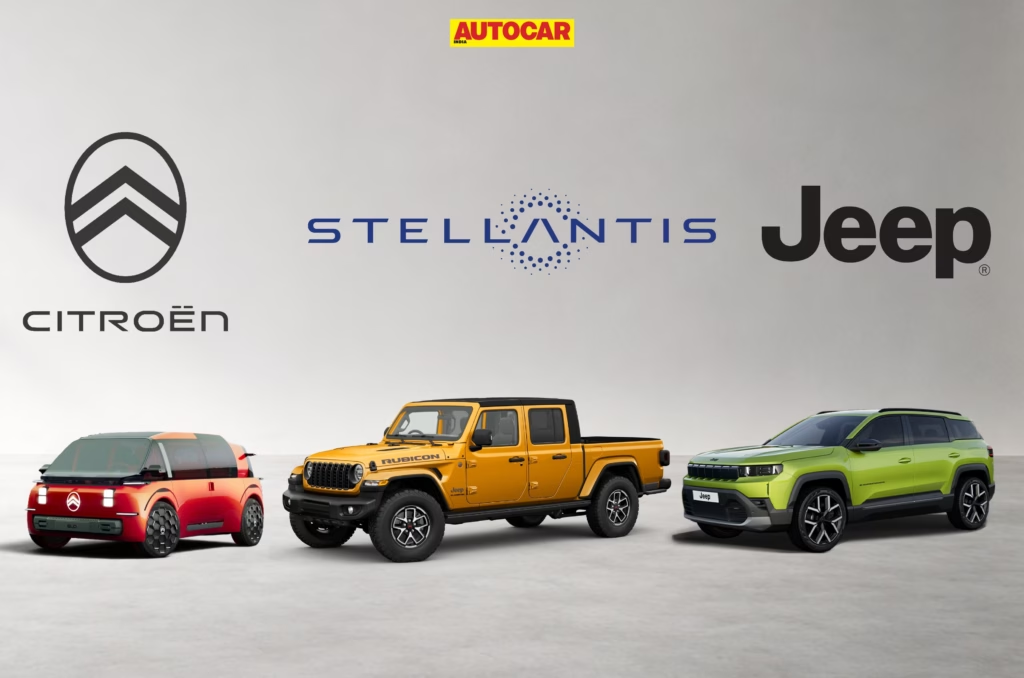
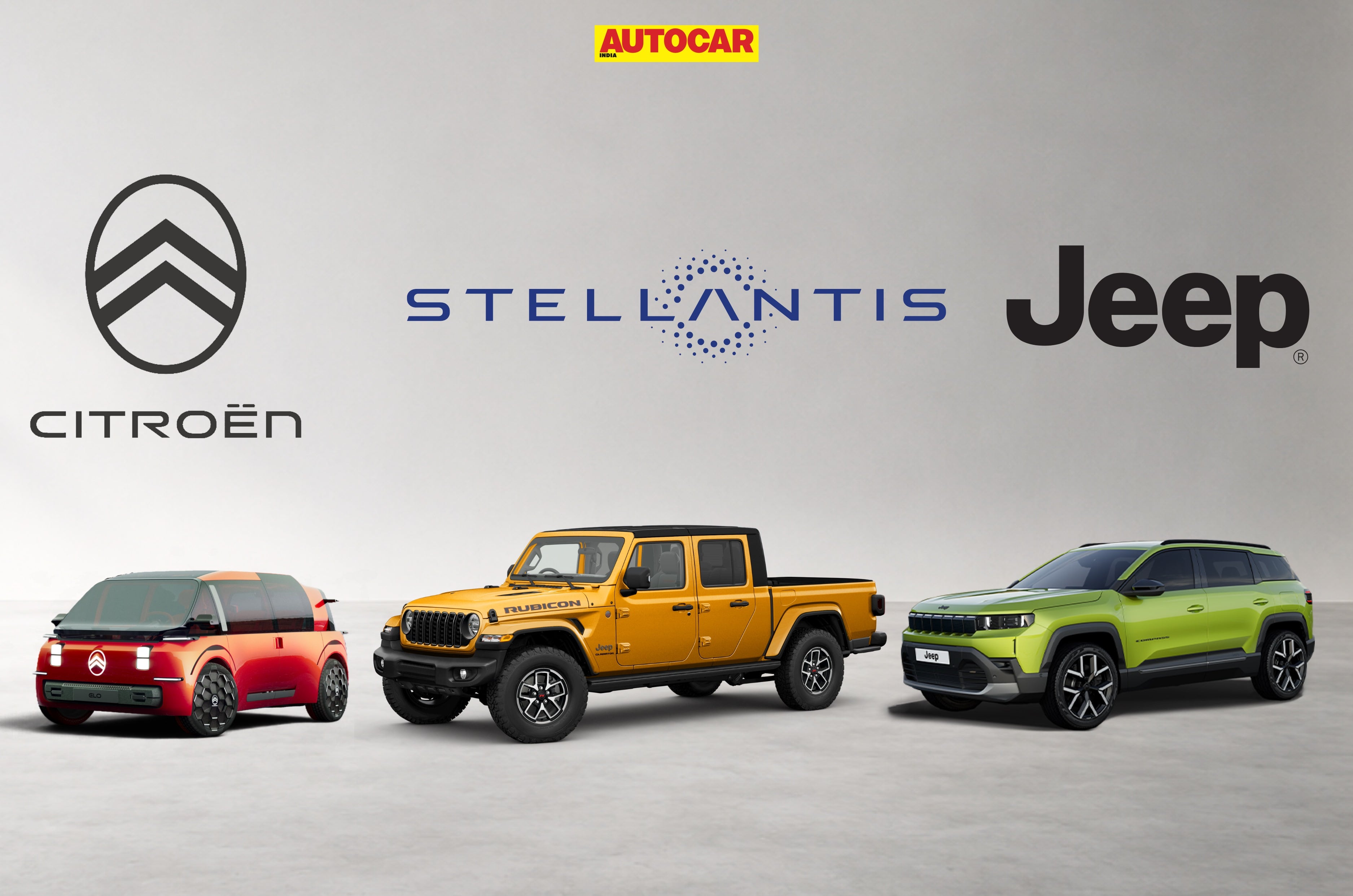
Stellantis has confirmed 12 Citroen and Jeep launches for India by 2030 as part of a roadmap dubbed ‘FaSTLAne 2030’. Speaking to Autocar India at the 2026 Paris Motor Show, Tianshu Xin – the head of Stellantis China and Asia-Pacific – confirmed a new investment of Rs 4,000 crore for the Indian market and said, “The plan is to introduce 12 new models in the next three years…seven of them will be new models and five are upgrades.”
Stellantis India lines up a dozen launches across Citroen and Jeep
Multiple SUVs inbound, along with an MPV, an entry-level car, and a premium pickup
The first model under FaSTLAne 2030 is scheduled to go on sale in India by the second quarter of 2027. This influx of new Citroen and Jeep launches will cover the compact, midsize, and premium SUV segments, and include a new MPV, an entry-level car, and a premium pickup truck. Of the 12 launches, seven will be from Citroen and five from Jeep.
Brand footprints to be expanded in India
Stellantis says these brands will play “distinct but complementary roles” in its line-up – Jeep will bolster its current position in the premium SUV arena, and Citroen will do the same in the mass-market segments. Expanding the customer reach of Citroen and Jeep is crucial, and Stellantis has committed to growing the brands’ retail and service networks, especially in Tier 2, 3, and 4 cities, along with increasing parts availability.
More Stellantis EVs coming, hybrids also confirmed
Additionally, Stellantis has confirmed a new multi-fuel strategy for the Indian market, which will span “efficient internal combustion engines, hybrid, plug-in hybrid (PHEV), and battery-electric (BEV) technologies.” These are already offered by Stellantis brands globally, and it should be interesting to see the specific powertrains that make it to India. As it stands, the majority of Stellantis India’s powertrain offerings are petrol; Citroen and Maserati also offer EVs, while Jeep additionally offers diesel in entry-level models.
Localisation target of 90 percent
According to Xin, the new models under FaSTLAne 2030 will be produced in India, so localisation will play a key role for competitive pricing. In light of that, Stellantis has set a target of 90 percent localisation across Jeep and Citroen, and will bank on its Indian R&D and manufacturing facilities, along with its supplier ecosystem, to achieve this. Moreover, India-developed FaSTLAne 2030 models will be exported to overseas markets.
Stellantis India’s two major brands, Citroen and Jeep, haven’t been very successful at attracting buyers in recent years. Citroen’s cars, despite recent updates, have struggled to gain traction in India due to their rivals being more aspirational and feature-rich. Jeep India, meanwhile, hasn’t launched any new models or facelifts in several years, turning prospective buyers away to more updated offerings. FaSTLAne 2030 is looking to be the shot in the arm that Stellantis India needs to pique buyer interest again.
What about Leapmotor?
Xin also provided an update on the long-overdue India entry of Stellantis’s Chinese EV brand, Leapmotor. Stellantis had planned to bring Leapmotor to India in 2025, but that evidently didn’t pan out. Xin noted that Leapmotor’s India entry is still being studied, and that there has to be enough “volume potential to justify the business case.” Therefore, a decision on Leapmotor entering India will only be made when the business case is ‘proven and solid.’