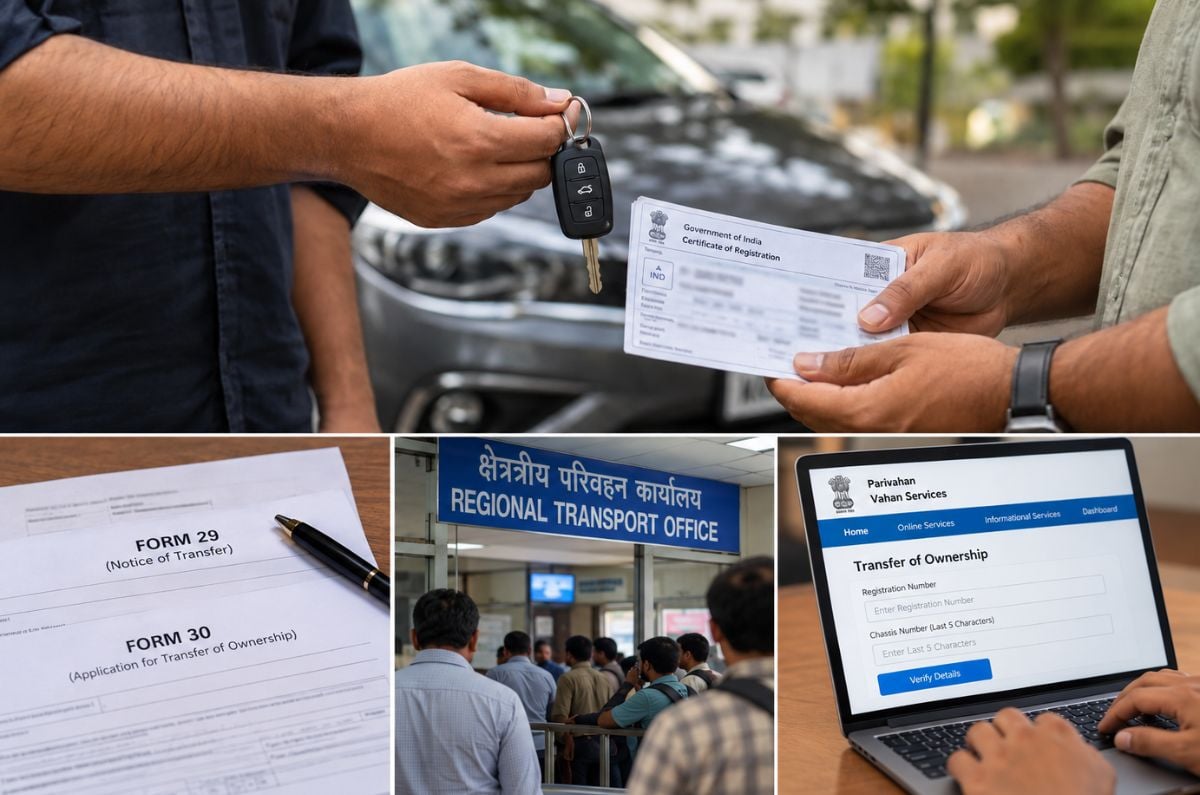
How to transfer RC from one state to another: Process, documents, fees explained

How to transfer RC from one state to another: Process, documents, fees explained

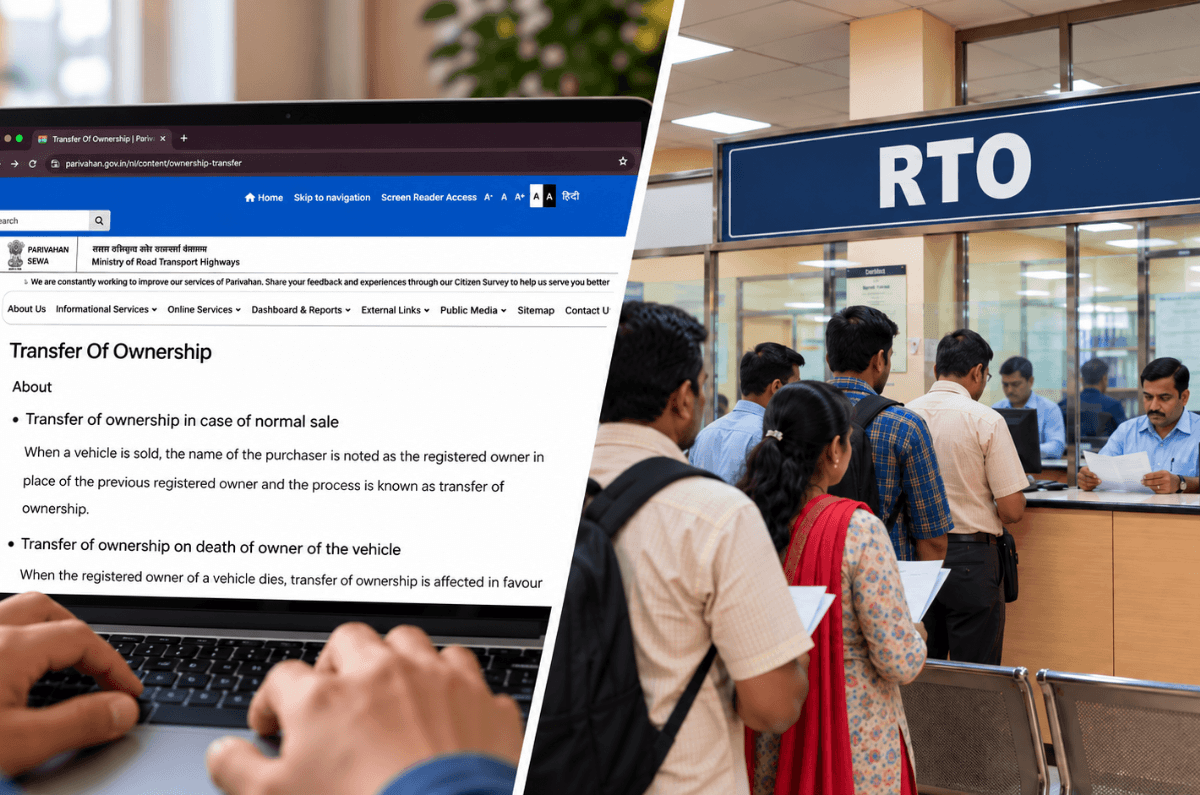
If you are moving to another state or selling your car to someone, you need to transfer the vehicle registration. This updates the registration to the new state if you relocate, or to the new owner if you sell the car. Since each state’s transport department has its own rules, registration certificate (RC) transfer fees, requirements and timelines can differ. So how exactly do you transfer your RC to a new regional transport office (RTO) and what are the documents and fees required in the process? We answer all your questions here.

Disclaimer: This guide is for private vehicles. Commercial vehicles need additional paperwork, such as permit and fitness documents, which are not covered here. The information used here comes from the Parivahan portal. Documents, fees and deadlines vary by state and RTO, and are subject to change. Check with your local RTO before you apply or pay.

What forms are required for an RC transfer?

FormPurpose
Form 29The seller’s notice reporting the transfer of ownership.
Form 30The buyer’s application to register the vehicle in their name.
Form 31Transfer of the vehicle to the person who succeeds the owner after their death.
Form 32Transfer of a vehicle bought through a government auction.
Form 28Application for a No-objection Certificate (NOC).
Form 35Application to remove loan, lease or hypothecation details from the RC.

The form you need depends on how the vehicle’s ownership is changing. Forms 29 and 30 are the main forms used in a regular used-car sale.

Why should you complete the RC transfer soon after a sale?

If you do not complete the ownership transfer or pay the applicable RTO charges, you may face penalties. You could also be held legally responsible if a car you sold is still registered in your name and is involved in an accident or criminal offence.

For a vehicle transferred within the same state, the buyer should submit the ownership-transfer application within 14 days of the sale. If the vehicle is registered in another state, the buyer should apply within 45 days. The seller should also protect their own interests instead of waiting for the buyer to finish the entire process. Form 29 and the sale intimation should be submitted promptly to create an official record of the handover. State transport departments may charge late fees or impose penalties if the application is submitted after the deadline.

Don’t forget to transfer the insurance policy

Updating the RC does not automatically transfer the motor insurance policy. The buyer should contact the insurer, submit the updated ownership documents and complete a new proposal or endorsement request. The RC and insurance policy should ultimately show the same owner’s name and address.

The seller’s No Claim Bonus (NCB) belongs to the seller. The seller can request an NCB retention certificate and use the eligible discount on another vehicle. The buyer should start the insurance transfer immediately and complete it within 14 days of the ownership transfer. A delay may affect eligibility for an own-damage claim.

What other documents are required for an RC transfer?

The exact list can vary by state and RTO. A regular sale usually requires:

  • Original RC.
  • Completed and signed Forms 29 and 30
  • Valid motor insurance certificate
  • Valid pollution under control (PUC) certificate
  • The buyer’s identity and address proof
  • PAN card or Form 60, where applicable
  • Passport-sized photographs
  • Pencil print of the chassis and engine numbers, if required
  • Sale agreement or delivery note
  • Applicable tax-clearance proof
  • Fee-payment receipt
  • Financier’s NOC and Form 35, if a loan is recorded
  • RTO NOC for an interstate transfer

Some states allow Aadhaar-based authentication and digital document submission. Others may require physical copies or verification at the RTO.

How to transfer an RC online?

You can usually start the ownership transfer through the Parivahan vehicle-services portal.

Step 1: Open vehicle-related services

Go to the vehicle-related services section on Parivahan and select the state where the vehicle is registered.

Step 2: Enter the vehicle details

Enter the registration number and open the online services section. For authentication, you may need the last five digits of the chassis number and an OTP sent to the registered mobile number.

The mobile number linked to the RC must be active. If it is outdated, the registered owner may need to update it before continuing.

Step 3: Select transfer of ownership

Choose the transfer-of-ownership service. In some states, the seller must start the application before the buyer can enter the remaining details.

Step 4: Enter the buyer and sale details

Enter the sale date, the buyer’s address and identity details, and any other information requested. Make sure all entries match the supporting documents.

Step 5: Upload the documents

Upload the signed forms and supporting documents where online uploads are available. Make sure the images are clear, and all signatures can be seen.

Step 6: Pay the applicable fee

Check the fee details and pay online. Save the payment receipt and application number.

Step 7: Complete verification

Depending on the state, verification may be completed through Aadhaar authentication, faceless verification or a physical visit to the RTO.

For a physical verification, you may need to bring the original RC, signed forms and identity documents.

Step 8: Track the application

Use the application number or vehicle registration details to check the status on the Parivahan portal. After approval, the updated RC may be available digitally through DigiLocker or mParivahan before the physical card arrives.

How to transfer an RC offline?

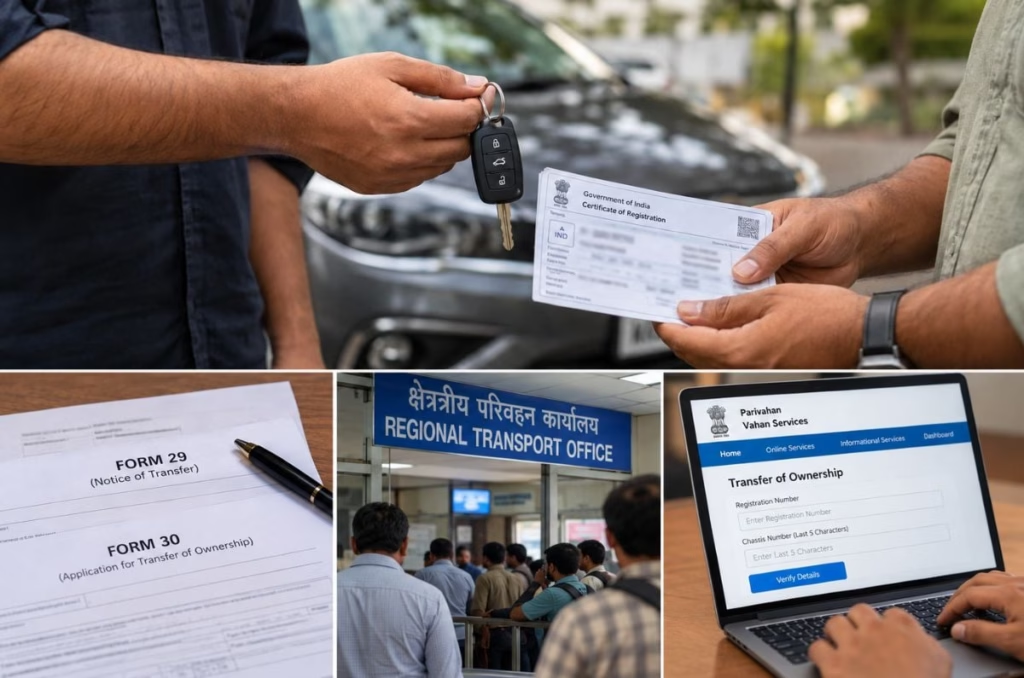
You can also complete the transfer by visiting the RTO. The seller and buyer should fill in and sign Forms 29 and 30. The buyer then submits the forms, original RC, insurance, PUC, identity documents and other required papers to the appropriate registering authority.

After the fee is paid, the RTO checks the application and updates the registration record. It may ask for a physical vehicle inspection, especially for interstate transfers, address mismatches or document discrepancies. Always collect an acknowledgement or receipt when you submit the application.

How to transfer an RC within the same state?

A transfer within the same state is usually simpler because the vehicle keeps its existing registration number. The buyer generally submits Forms 29 and 30 along with the RC, insurance, PUC and personal documents. A separate NOC for an interstate transfer is normally not required. However, the process can differ if the seller and buyer come under different RTO jurisdictions within the same state. The online portal will usually direct the application to the relevant authority.

How to transfer an RC between states?

An interstate sale may involve two related processes:

  • Ownership transfer
  • Re-assignment of the registration mark in the buyer’s state

The seller should get an NOC from the original RTO using Form 28. The buyer then submits the ownership-transfer documents and pays the applicable road tax in the destination state, whether it be from Haryana, Maharashtra or Tamil Nadu. We will explain this process in the following FAQs.

The documents may include:

  • Original RC
  • Forms 29 and 30
  • RTO NOC
  • Insurance and PUC certificates
  • The buyer’s local address proof
  • Tax-payment documents
  • Pencil print of the chassis and engine numbers
  • Vehicle inspection report, if required

If the vehicle is moved to another state for more than 12 months, the owner may also need to apply for a new registration mark.

A road-tax refund from the original state is handled separately and depends on that state’s rules. The owner may need to provide proof of re-registration and tax payment in the new state.

How to get an NOC?

There are two ways to apply for an NOC – offline and online. The first method requires you fill out a copy of the Form 28. After that, attach the other required documents which are mentioned above, pay the applicable fee and submit the application at your RTO. Before starting, make sure there are no pending challans, unpaid toll dues, or vehicle tax payments, as the RTO will not issue an NOC if any dues remain. This process can also be done online by visiting the Parivahan portal – parivahan.gov.in. An NOC is valid for six months from the date of issue.

How to transfer the RC of a car with an active loan?

Check the RC for a hypothecation entry that names the bank or finance company. A vehicle with an active loan generally cannot be transferred without the financier’s consent. The seller should first close the loan or obtain the required approval. After the dues are cleared, the lender provides a loan-closure or no-dues certificate and signs Form 35. The owner can then apply to remove the hypothecation entry from the RC. In some states, you can request hypothecation removal and ownership transfer at the same time. Completing the loan-removal process first can reduce the risk of rejection.

How to transfer the RC of a car after the registered owner’s death?

When the registered owner dies, the person who succeeds to the vehicle should inform the registering authority and apply to transfer ownership using Form 31. The successor may use the vehicle for up to three months if the registering authority is informed within 30 days of the owner’s death.

The application usually requires:

  • Form 31
  • Original RC
  • Insurance and PUC certificates
  • Death certificate
  • Proof of succession or legal-heir documents
  • Declarations from other legal heirs
  • The applicant’s address and identity proof
  • Vehicle-verification documents, if required

Requirements can differ if there is a will, more than one legal heir or a dispute over ownership.

How to transfer the RC of a car bought at a government auction?

If you buy a vehicle through an auction held by or on behalf of the Central or a state government, you should apply using Form 32 within 30 days of taking possession. The buyer must submit the auction certificate or sale order, the government authorisation for the auction, the available vehicle documents and the applicable fee. Auction vehicles may have incomplete records, repairs that are still needed or unusual registration histories. Check the documents before bidding.

How much does an RC transfer cost?

RC transfer charges depend on the vehicle category, state, smart-card fee, postal charge, any outstanding tax and whether extra services are needed. The Parivahan portal shows the amount payable before you make an online payment. Under Rule 81 of the Central Motor Vehicles Rules, the RC transfer fee is half the standard registration fee. This may amount to Rs 150 for a motorcycle and Rs 300 for a private car. Delays can attract a late fee of Rs 300 per month for motorcycles and Rs 500 per month for cars. Some states may also impose a penalty if the application is not submitted within 14 days of purchase. Road tax is charged separately, and is applicable if the vehicle is being re-registered in another state.
What to expect from Volvo ES90 ahead of launch tomorrow

What to expect from Volvo ES90 ahead of launch tomorrow

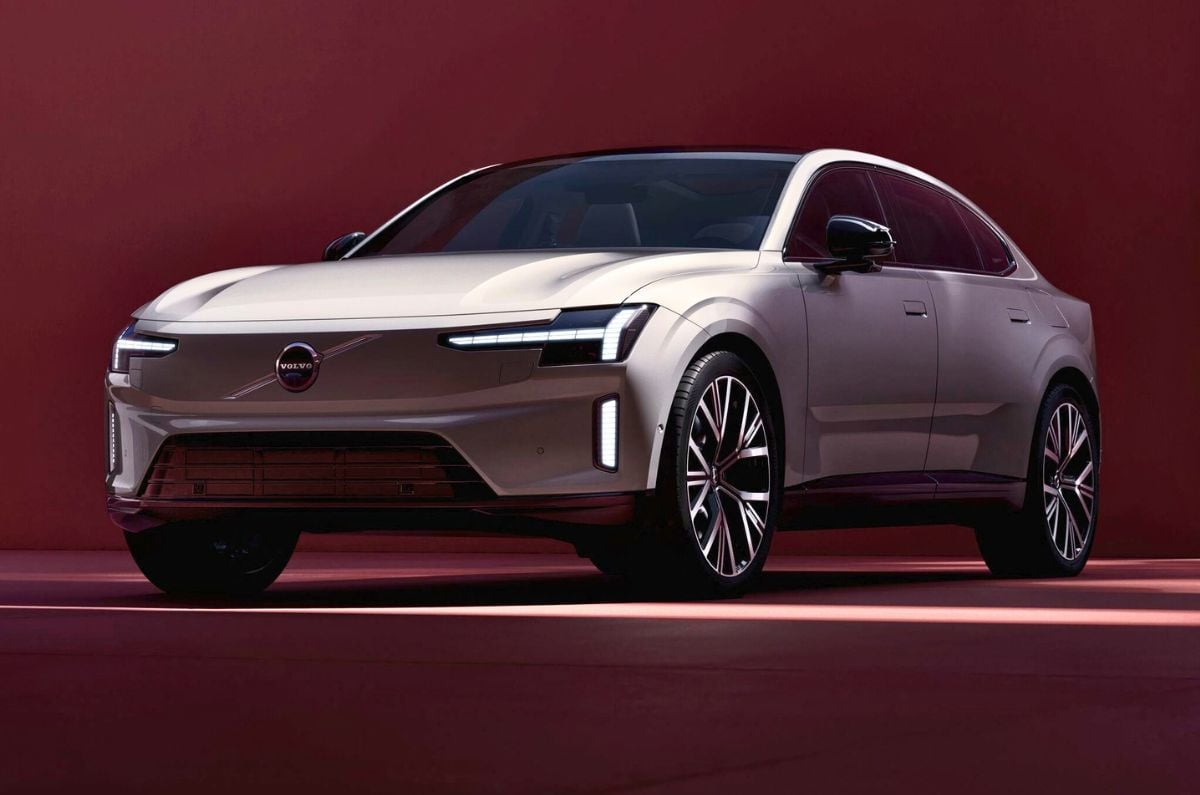
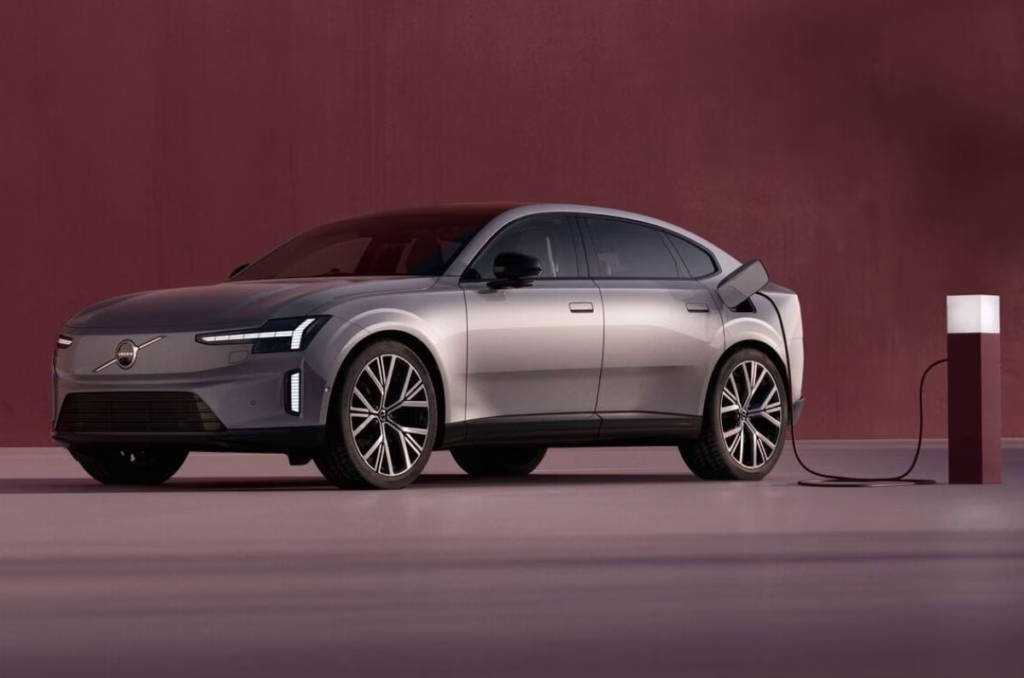
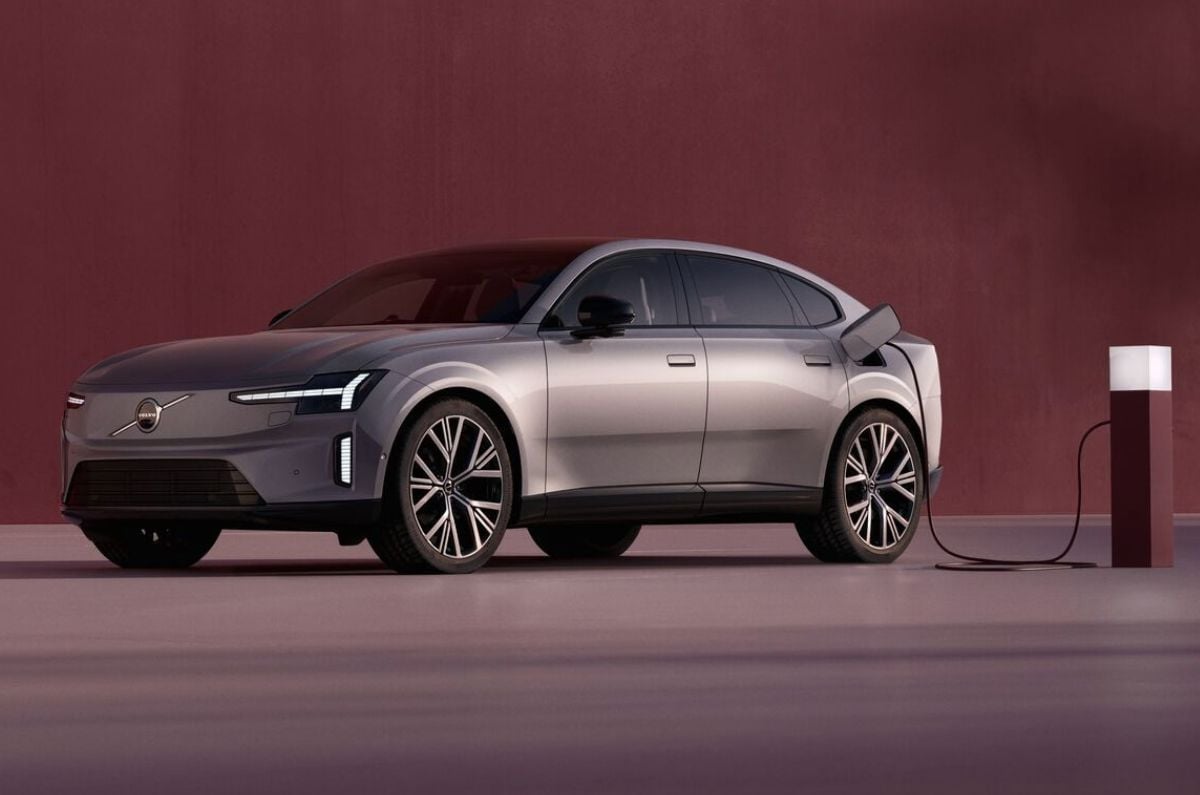
The Volvo ES90 will be launched in India tomorrow, marking a comeback for a Volvo sedan in the country after the S90’s discontinuation in 2024. Upon launch, it will serve as the manufacturer’s flagship EV alongside the EX90 SUV, which will also be launched alongside the ES90 sedan. Here’s everything you need to know about the upcoming Volvo ES90 ahead of its launch tomorrow. 

1. What is the expected price of the Volvo ES90?

Prices are expected to be in the Rs 1 crore to Rs 1.20 crore range (ex-showroom)

The Volvo ES90 will arrive in India as a completely built unit (CBU) import. It is expected to be priced in the Rs 1 crore to Rs 1.20 crore range (ex-showroom) in the country. 

2. What powertrain option will the India-spec Volvo ES90 get?

Gets two battery pack options and choices between RWD and AWD internationally

The Volvo ES90 is built on the manufacturer’s 800-volt SPA2 architecture shared with the EX90 eSUV. Internationally, the ES90 is offered with either a 92kWh or a 106kWh battery. The smaller battery has a claimed WLTP range of 664km and is paired with a rear-axle-mounted (RWD) electric motor that produces 333hp and 480Nm. It has a claimed 0-100kph time of 6.6 seconds and has a 180kph capped top speed. It supports up to 350kW DC fast charging, which can replenish the battery from 10-80 percent in 22 minutes. 

The larger 106kWh battery has a claimed WLTP range of 702km, and is offered with a dual-motor all-wheel-drive (AWD) setup producing either 456hp and 670Nm, or 680hp and 870Nm, with claimed 0-100kph sprint times of 5.4 seconds and 4 seconds, respectively, depending on the chosen trim. 180kph capped top speed, 350kW DC fast-charging capability, and 22-minute 10-80 percent charging time are the same as the smaller battery version. 

Volvo is yet to reveal which powertrain option will be offered with the India-spec ES90 sedan. 

3. What are the design highlights of the Volvo ES90?

Gets LED lights all around, with a rather simple and elegant design

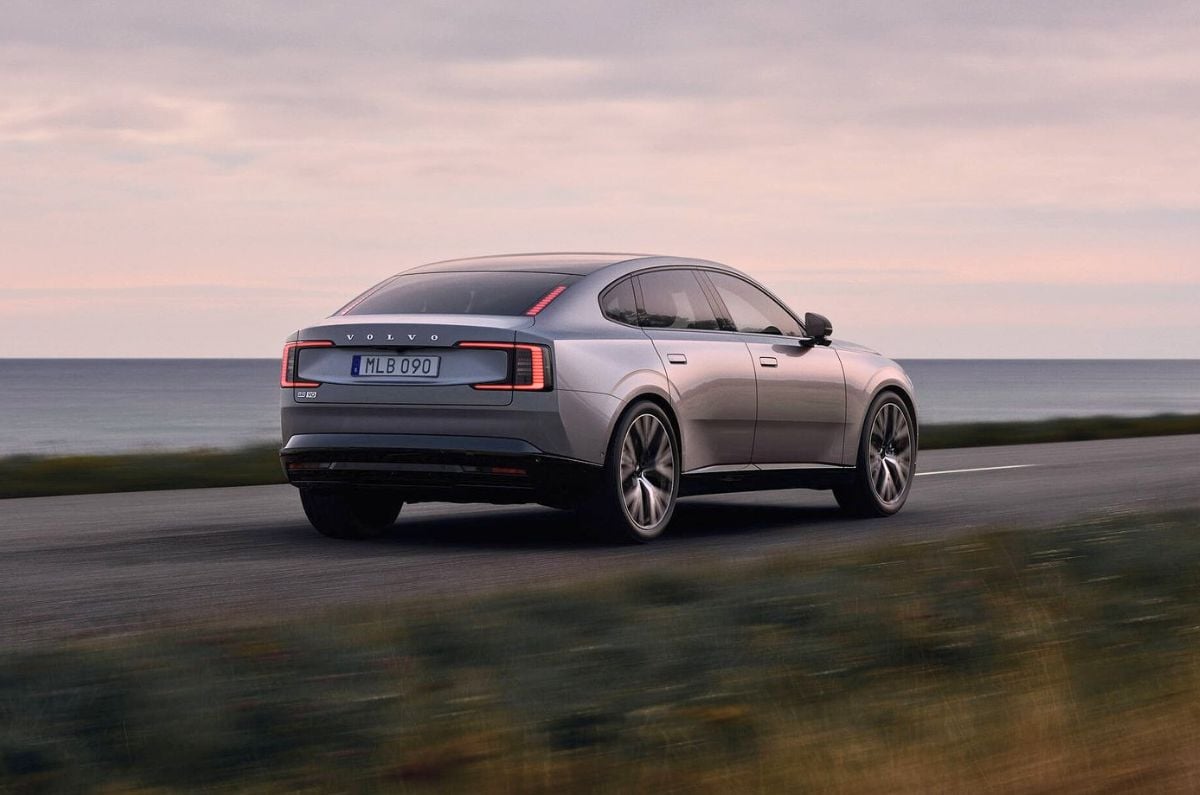
The Volvo ES90 features a blanked-off body-coloured grille with a Volvo logo in the centre, flanked by LED headlights with segmented Thor’s hammer LED DRLs on both ends. The bumper has air inlets in the centre to cool the internals and features vertically stacked LED fog lamps similar to those on the EX90. A LiDAR sensor was previously mounted on the edge of the roof, but is no longer offered on Volvo’s MY2026 models in international markets, following the termination of Volvo’s contract with its supplier, Luminar, after the latter filed for bankruptcy. 

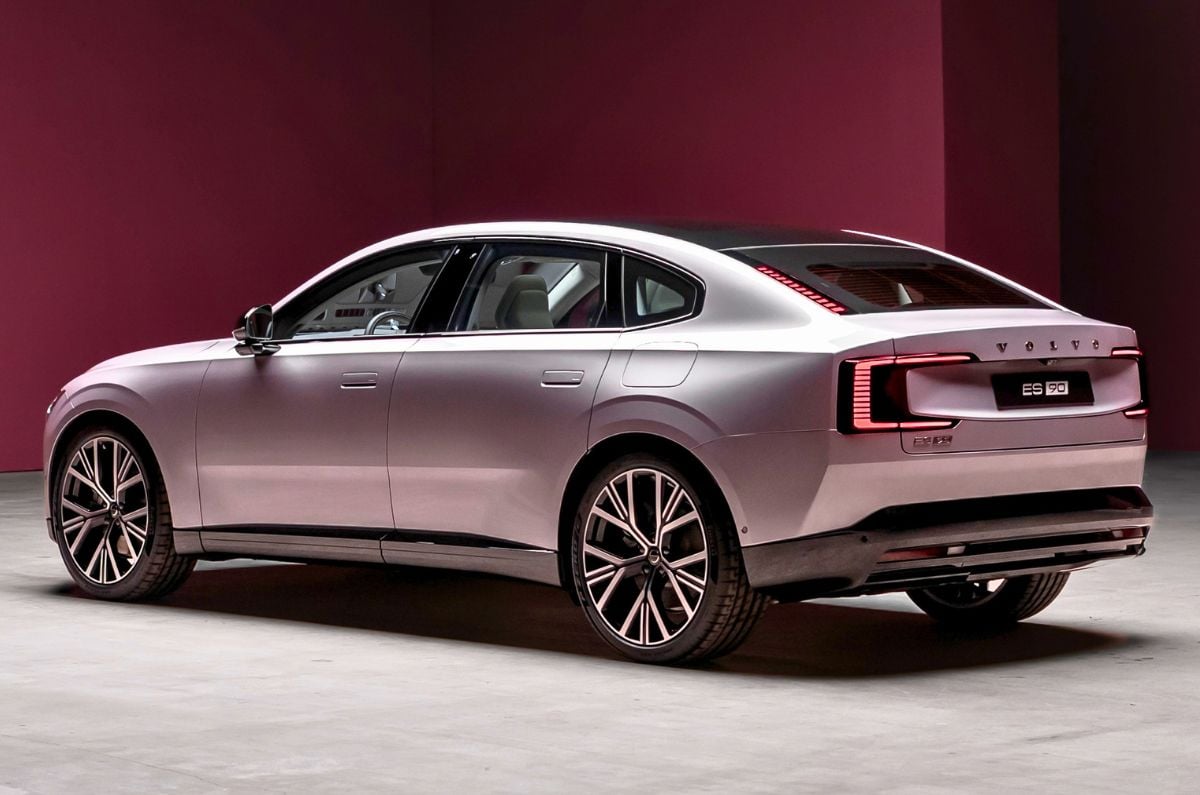
In profile, it offers wheel sizes ranging from 20 to 22 inches, all with aerodynamic inserts. It gets a gloss black section on the lower portion of the doors, along with black outside rearview mirrors (ORVMs) and a blacked-out roof, which add contrast. It gets sleek pull-type door handles. Interestingly, the ES90 has a drag coefficient (Cd) of 0.25, making it Volvo’s most aerodynamic production car yet. 

At the rear, it features C-shaped wraparound LED taillights and LED stop lights on both sides of the rear windscreen, similar to the EX90. The rear bumper features a gloss black portion that gives a nice contrast to the otherwise simple design.

4. What features will the Volvo ES90 offer?

Features two free-standing screens, 4-zone AC, and up to 25 speakers

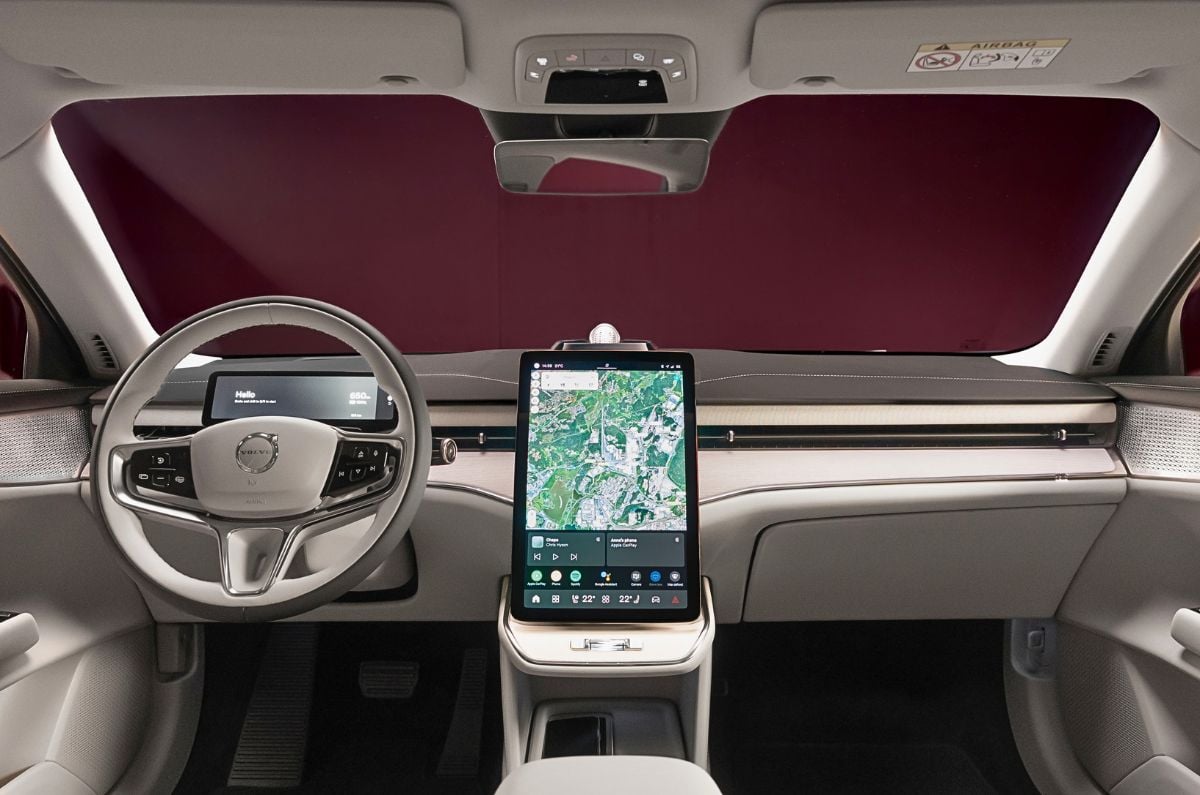
Inside, the Volvo ES90 has a clean design and is filled to the brim with modern-day features. These include a 14.5-inch portrait-oriented, free-standing infotainment touchscreen, a 9-inch digital driver’s display, a 13.2-inch coloured head-up display (HUD), and a 14-speaker Bose sound system, which can be upgraded to a 25-speaker Bowers & Wilkins audio setup. Other features include a wireless phone charger, a powered tailgate, a 4-zone climate control and a digital key. The front seats are powered, heated, ventilated and offer a massage function with powered lumbar support. The rear seats are electrically reclinable, have powered side bolsters, and are offered with heating and ventilation functions. 

Most of these features are expected to be a part of the India-spec Volvo ES90. 

5. Which cars will the Volvo ES90 rival in India

Will be a more affordable alternative to full-size BMW and Mercedes-Benz electric sedans

The Volvo ES90 will be a more reasonably priced alternative to the Mercedes-Benz EQS sedan (Rs 1.30 crore) and the BMW i7 (Rs 1.95 crore).  

Prices are ex-showroom, India. 

What to expect from Volvo ES90 ahead of launch tomorrow

What to expect from Volvo ES90 ahead of launch tomorrow

The Volvo ES90 will be launched in India tomorrow, marking a comeback for a Volvo sedan in the country after the S90’s discontinuation in 2024. Upon launch, it will serve as the manufacturer’s flagship EV alongside the EX90 SUV, which will also be launched alongside the ES90 sedan. Here’s everything you need to know about the upcoming Volvo ES90 ahead of its launch tomorrow. 

1. What is the expected price of the Volvo ES90?

Prices are expected to be in the Rs 1 crore to Rs 1.20 crore range (ex-showroom)

The Volvo ES90 will arrive in India as a completely built unit (CBU) import. It is expected to be priced in the Rs 1 crore to Rs 1.20 crore range (ex-showroom) in the country. 

2. What powertrain option will the India-spec Volvo ES90 get?

Gets two battery pack options and choices between RWD and AWD internationally

The Volvo ES90 is built on the manufacturer’s 800-volt SPA2 architecture shared with the EX90 eSUV. Internationally, the ES90 is offered with either a 92kWh or a 106kWh battery. The smaller battery has a claimed WLTP range of 664km and is paired with a rear-axle-mounted (RWD) electric motor that produces 333hp and 480Nm. It has a claimed 0-100kph time of 6.6 seconds and has a 180kph capped top speed. It supports up to 350kW DC fast charging, which can replenish the battery from 10-80 percent in 22 minutes. 

The larger 106kWh battery has a claimed WLTP range of 702km, and is offered with a dual-motor all-wheel-drive (AWD) setup producing either 456hp and 670Nm, or 680hp and 870Nm, with claimed 0-100kph sprint times of 5.4 seconds and 4 seconds, respectively, depending on the chosen trim. 180kph capped top speed, 350kW DC fast-charging capability, and 22-minute 10-80 percent charging time are the same as the smaller battery version. 

Volvo is yet to reveal which powertrain option will be offered with the India-spec ES90 sedan. 

3. What are the design highlights of the Volvo ES90?

Gets LED lights all around, with a rather simple and elegant design

The Volvo ES90 features a blanked-off body-coloured grille with a Volvo logo in the centre, flanked by LED headlights with segmented Thor’s hammer LED DRLs on both ends. The bumper has air inlets in the centre to cool the internals and features vertically stacked LED fog lamps similar to those on the EX90. A LiDAR sensor was previously mounted on the edge of the roof, but is no longer offered on Volvo’s MY2026 models in international markets, following the termination of Volvo’s contract with its supplier, Luminar, after the latter filed for bankruptcy. 

In profile, it offers wheel sizes ranging from 20 to 22 inches, all with aerodynamic inserts. It gets a gloss black section on the lower portion of the doors, along with black outside rearview mirrors (ORVMs) and a blacked-out roof, which add contrast. It gets sleek pull-type door handles. Interestingly, the ES90 has a drag coefficient (Cd) of 0.25, making it Volvo’s most aerodynamic production car yet. 

At the rear, it features C-shaped wraparound LED taillights and LED stop lights on both sides of the rear windscreen, similar to the EX90. The rear bumper features a gloss black portion that gives a nice contrast to the otherwise simple design.

4. What features will the Volvo ES90 offer?

Features two free-standing screens, 4-zone AC, and up to 25 speakers

Inside, the Volvo ES90 has a clean design and is filled to the brim with modern-day features. These include a 14.5-inch portrait-oriented, free-standing infotainment touchscreen, a 9-inch digital driver’s display, a 13.2-inch coloured head-up display (HUD), and a 14-speaker Bose sound system, which can be upgraded to a 25-speaker Bowers & Wilkins audio setup. Other features include a wireless phone charger, a powered tailgate, a 4-zone climate control and a digital key. The front seats are powered, heated, ventilated and offer a massage function with powered lumbar support. The rear seats are electrically reclinable, have powered side bolsters, and are offered with heating and ventilation functions. 

Most of these features are expected to be a part of the India-spec Volvo ES90. 

5. Which cars will the Volvo ES90 rival in India

Will be a more affordable alternative to full-size BMW and Mercedes-Benz electric sedans

The Volvo ES90 will be a more reasonably priced alternative to the Mercedes-Benz EQS sedan (Rs 1.30 crore) and the BMW i7 (Rs 1.95 crore).  

Prices are ex-showroom, India. 

2 reasons to buy the Renault Kiger and 2 reasons not to

2 reasons to buy the Renault Kiger and 2 reasons not to
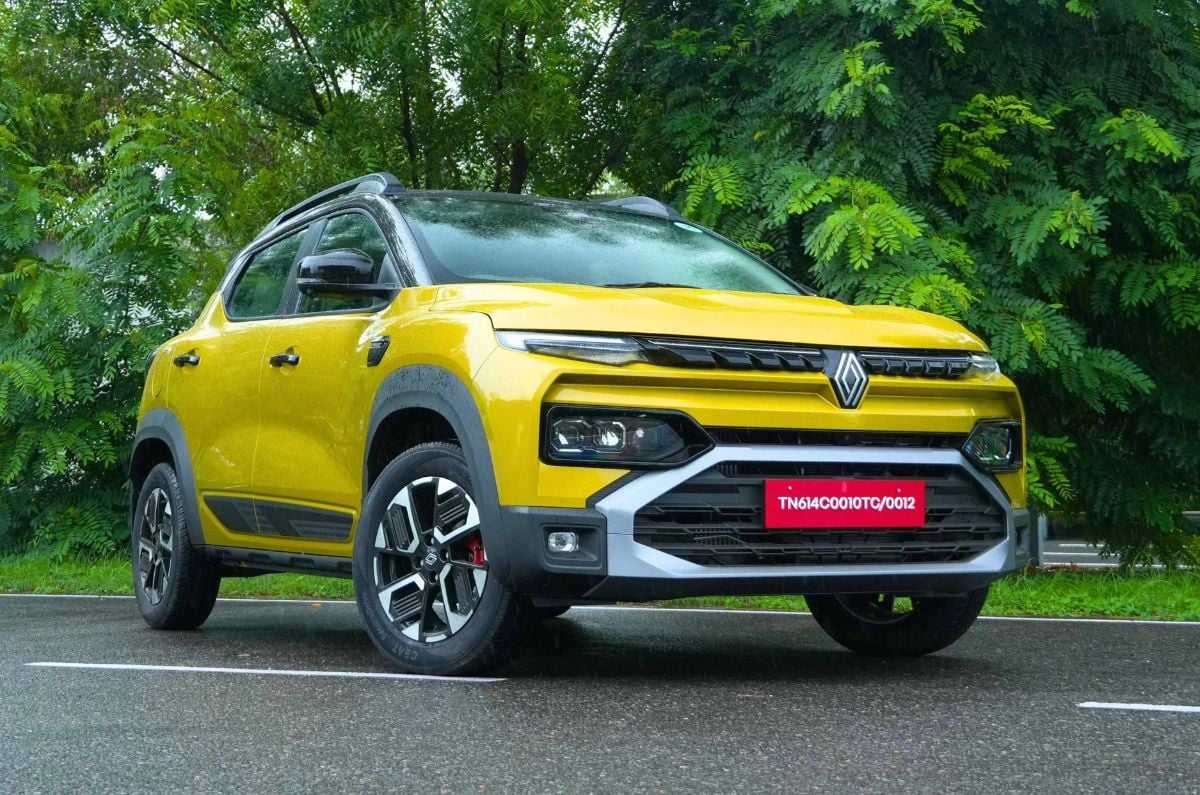
Renault Kiger front quarter

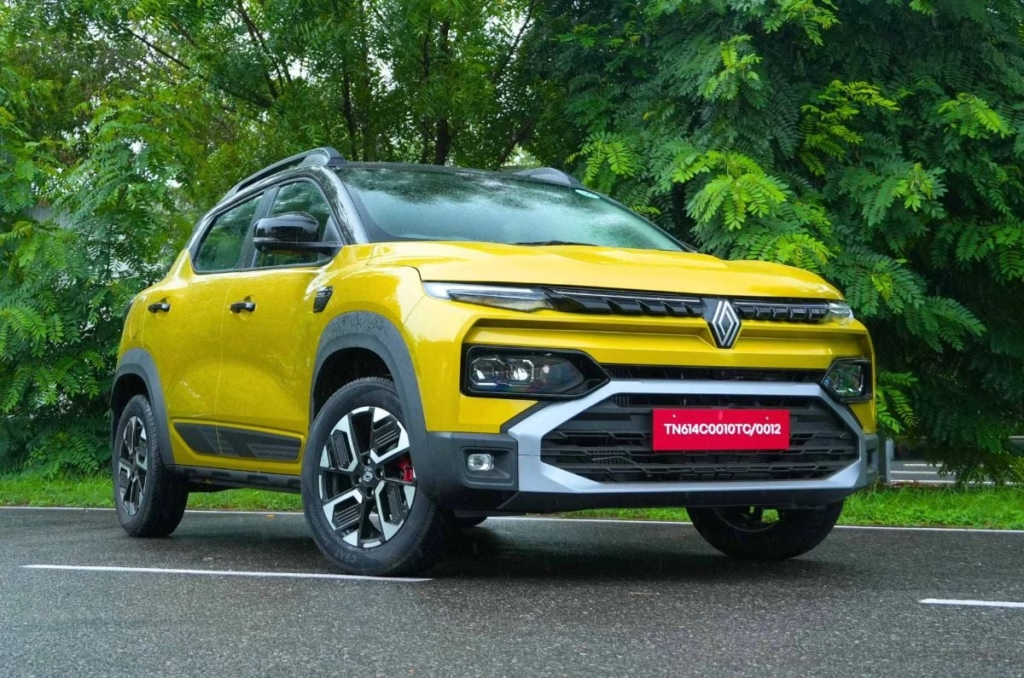
The Renault Kiger sits on the automaker’s CMF-A+ platform, which it shares with the Triber MPV and also its Nissan Magnite rival. The Kiger is priced from Rs 5.81 lakh to Rs 10.40 lakh (ex-showroom), and is available with two engine and three gearbox options. Here are the main pros and cons of the Renault Kiger.

Reasons to buy the Renault Kiger

Peppy turbo-petrol engine and a sorted CVT

This engine-gearbox combination works well and remains our pick

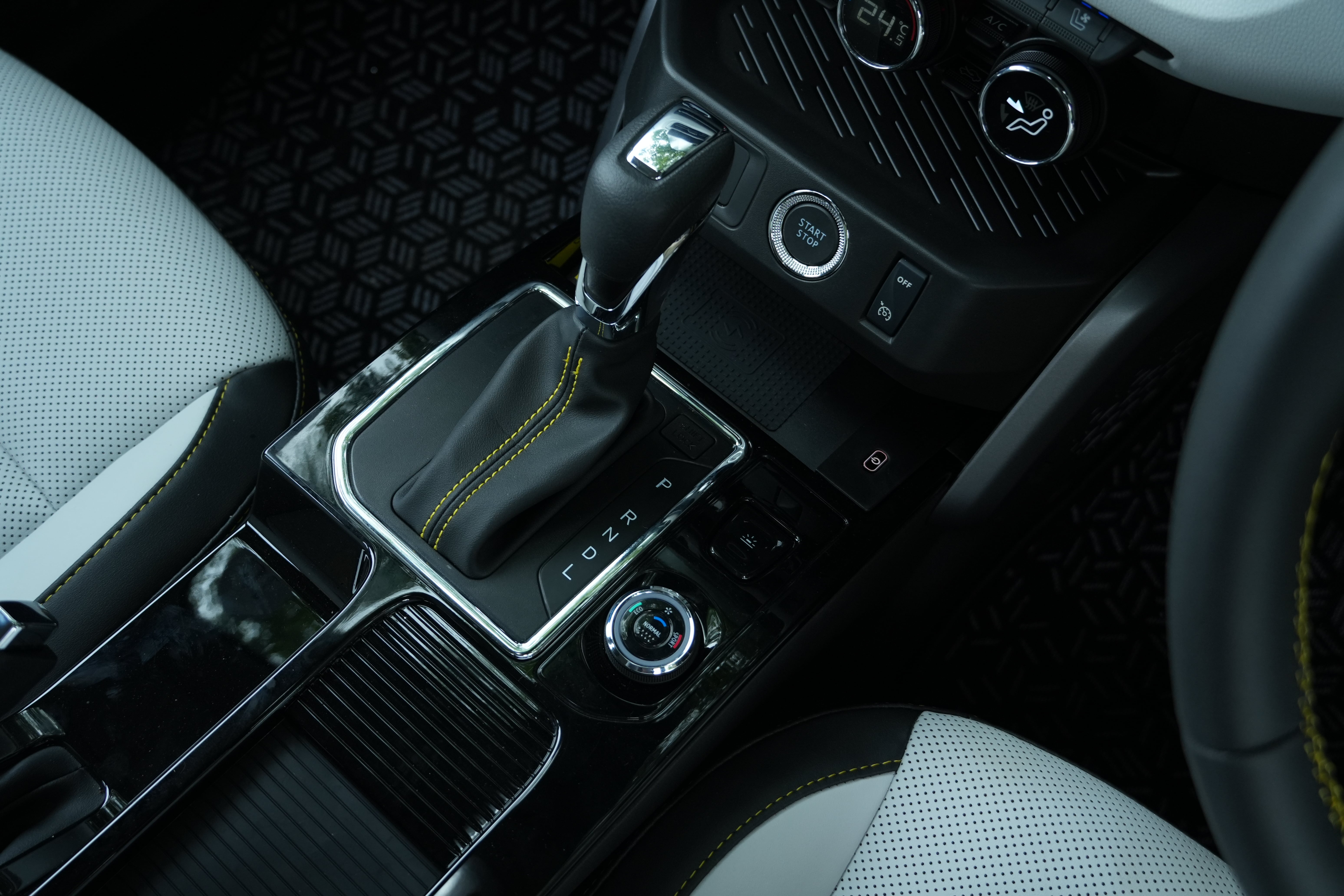
Renault Kiger CVT gearbox

The 1.0-litre three-cylinder turbo-petrol engine puts out 100hp and 152Nm when paired with the CVT (continuously variable transmission) and 160Nm when mated to the 5-speed manual gearbox. However, it’s the former that we would pick as it displays very little in the way of the type’s notorious rubber-band affect.

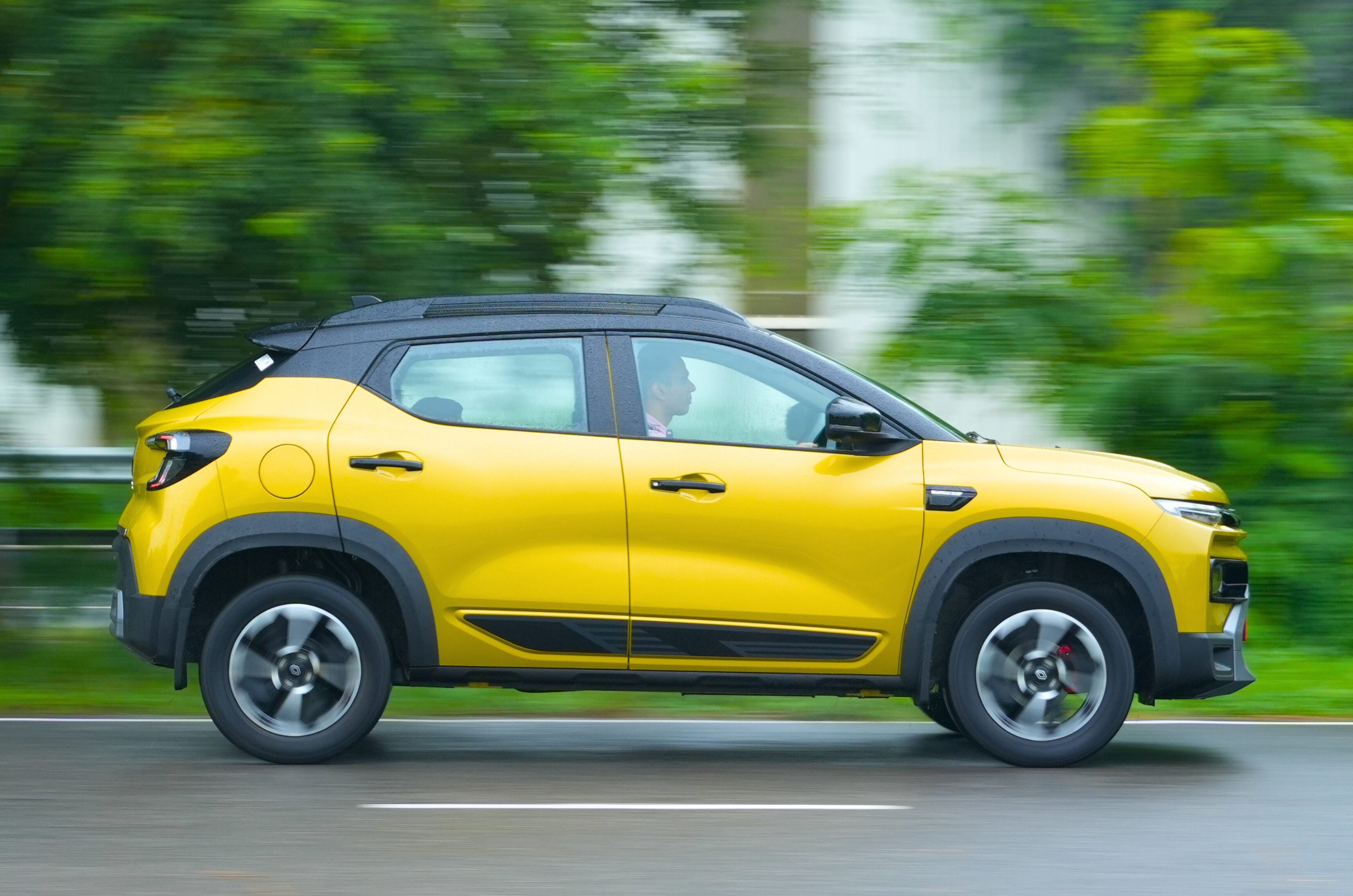
Renault Kiger side tracking

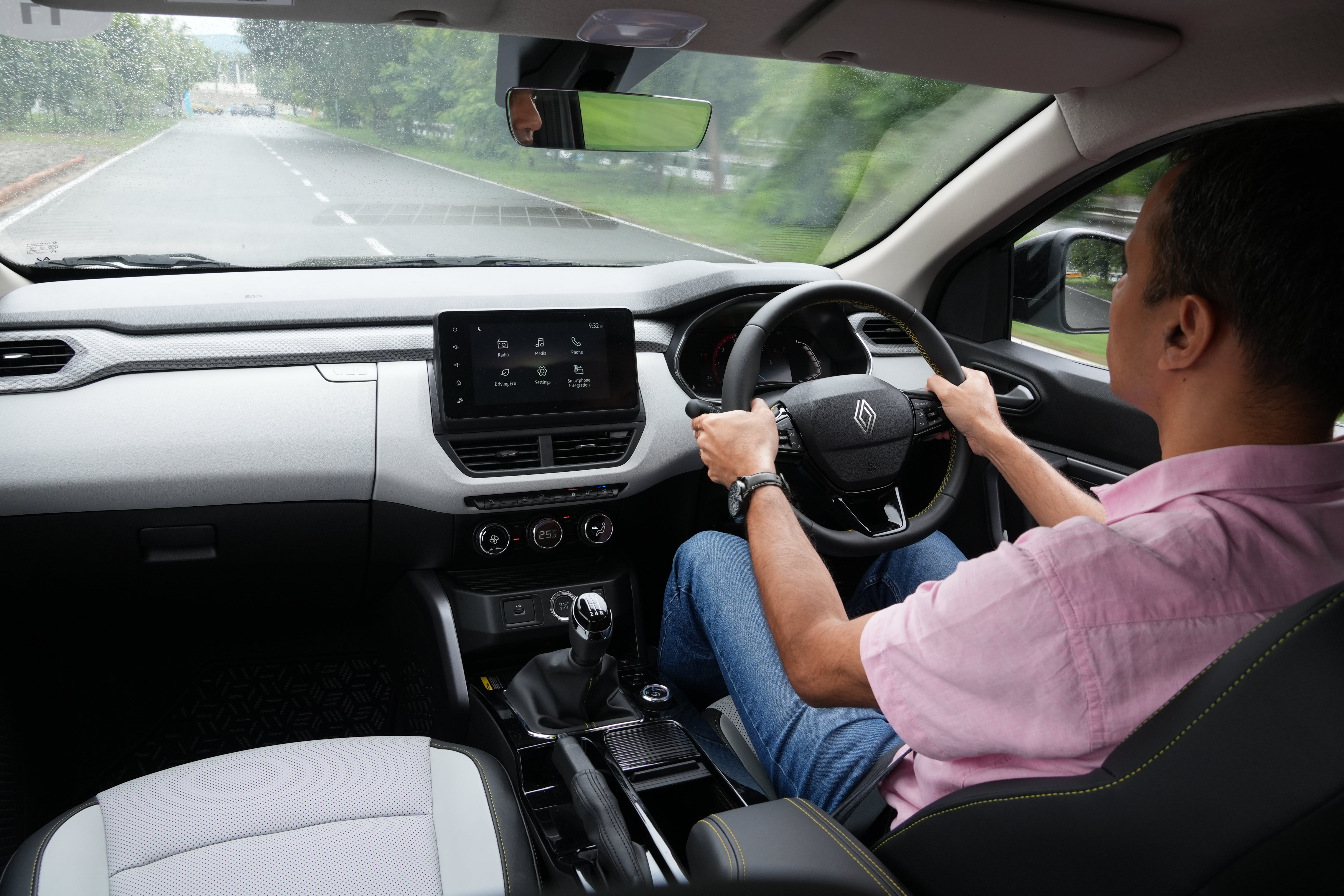
The CVT not feels smooth but also does a fine job of keeping this turbo-petrol engine on the boil, with the latter delivering a linear pull even past the 5,000rpm mark – the throttle response is quick too. The available Eco, Normal and Sport drive modes actually feel different as you switch between them. Then there’s the way the Kiger ride, feeling compliant and displaying a sense of confidence at higher speeds that few cars this size manage to do.

Spacious interior with comfy seats

The Kiger’s cabin feels roomy, practical and more premium than its predecessor

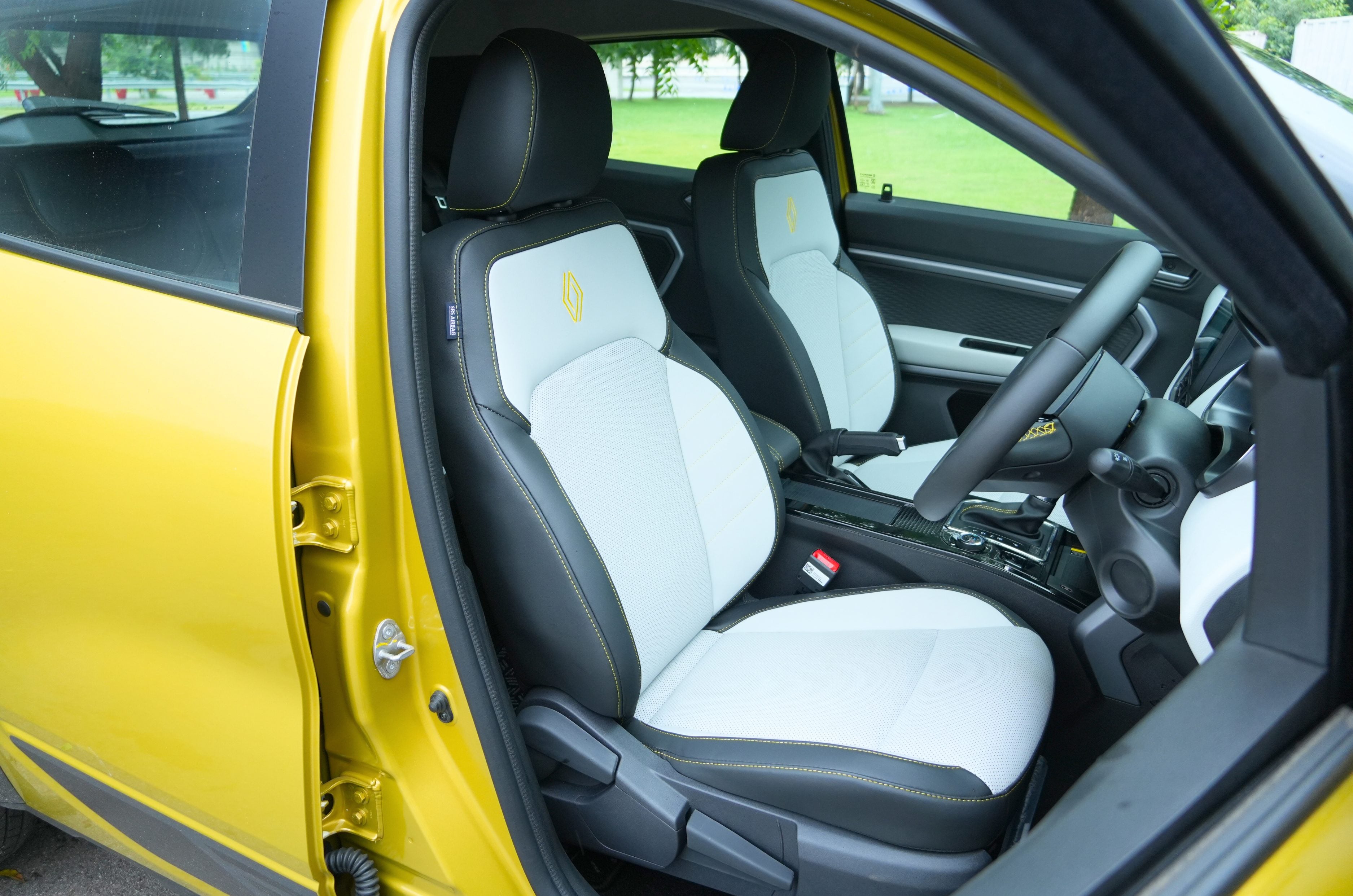
Renault Kiger front seats

Stepping into the Renault Kiger’s cabin reveals a premium-looking cabin, especially with the top-end trim. The two-tone colour theme and contrast stitching on select surfaces, along with the embroidered Renault diamond on the front seats, add to the overall appeal. There’s no shortage of storage spaces either – be it the 405-litre boot, or the large door pockets, two gloveboxes and the twin phone trays – useful cubbies are everywhere.

Renault Kiger rear seats

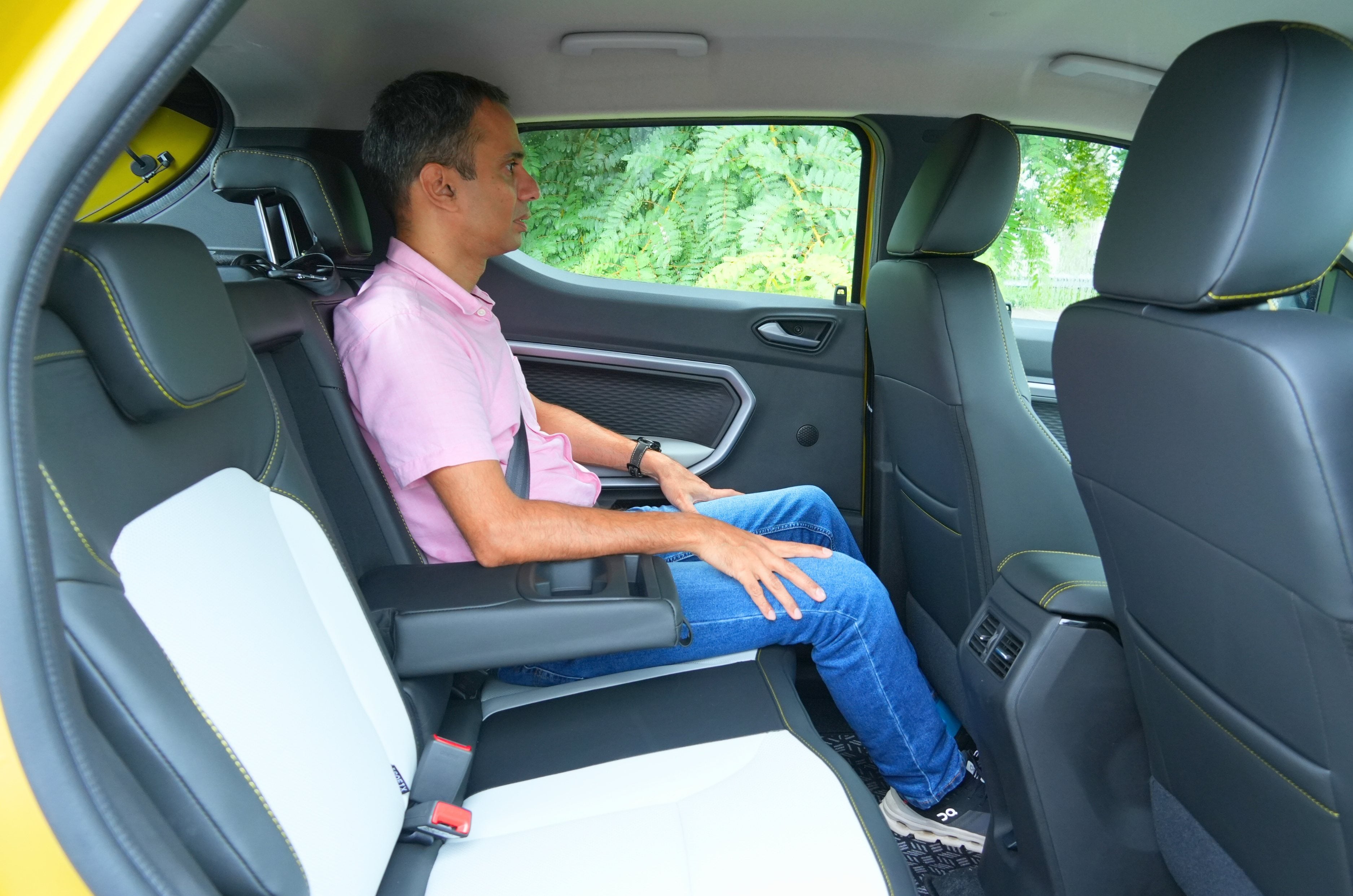
You will also notice the front seats to be supportive and reasonably well-designed. The outer rear seats are not only well-sized, but offer the passengers sat ample headroom and legroom. In case there are just two occupants in the back, the centre armrest can be folded down to reveal cupholders. Should you wish to carry an additional passenger instead, the centre seat is wide enough for the job. Build quality is fine, but it’s the climate control dials that particularly impress with their tactile feel and crisp, integrated displays.

Reasons to not buy the Renault Kiger

a mediocre feature set

The equipment list of the Kiger isn’t as impressive as some rivals

Renault Kiger touchscreen

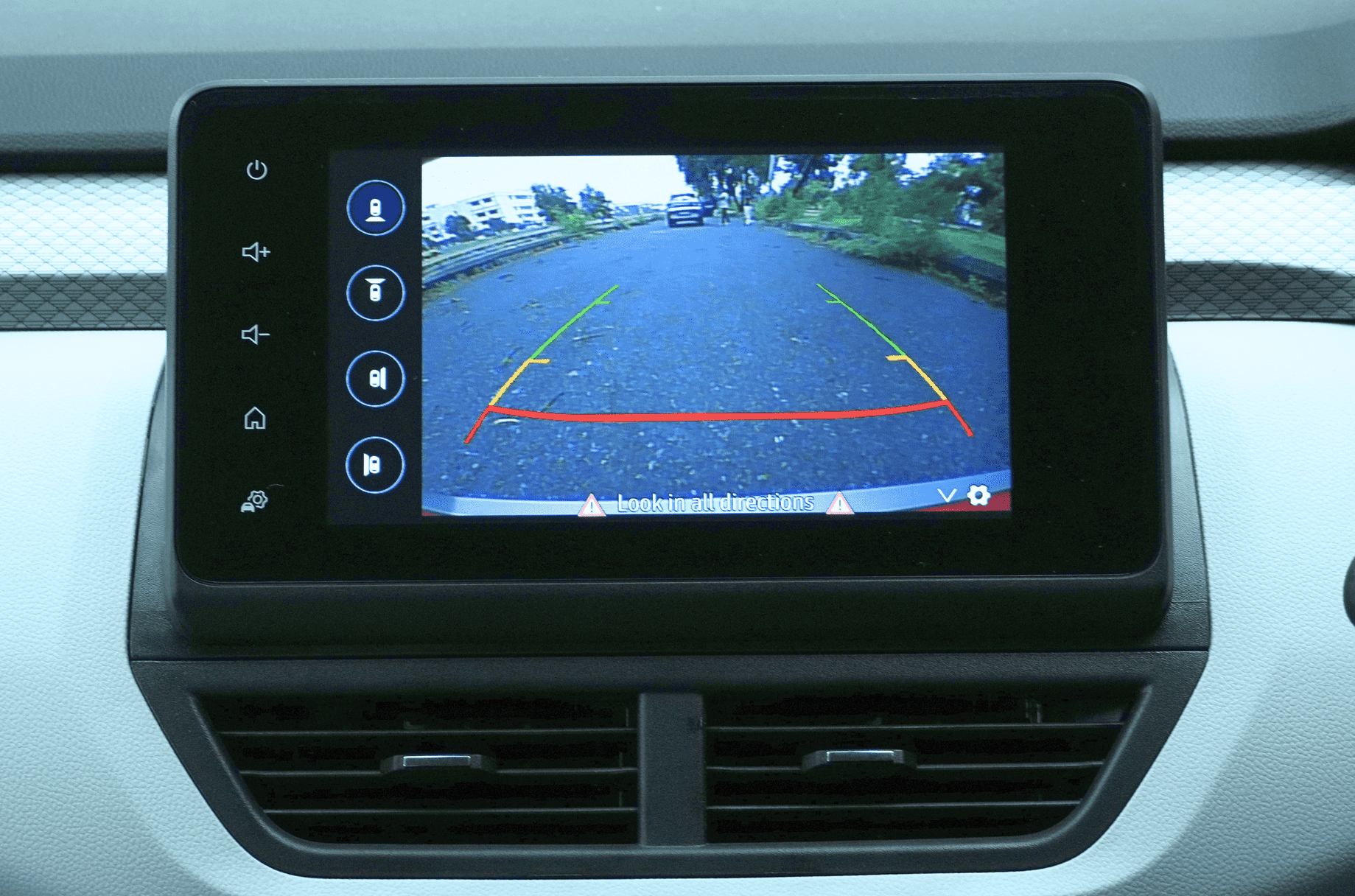
The Renault Kiger does not get a powered sunroof, while its 8.0-inch touchscreen is smaller than units found in some of its rivals offer. Moreover, this screen’s resolution is far from crisp and its built-in features are also not segment-best by measure. Then there are its thick bezels that immediately make this design look dated.

Poor cabin insulation

It doesn’t take much for mechanical noises to be heard inside the Kiger

Renault Kiger driving shot

While Renault claims to have upped the sound proofing alongside providing thicker carpets over the old model, the Kiger’s cabin is far from a calm place. One can easily pick out the noises made by the engine, suspension and brakes as they go about their business without much effort. In fact, even the sound made by the rear wiper motor is quite distinguishable.

How to transfer vehicle ownership in India: Process, documents, fees explained

How to transfer vehicle ownership in India: Process, documents, fees explained
How to transfer vehicle ownership in India

The sale of a car or two-wheeler isn’t considered complete until its registration certificate (RC) carries the name of the new owner. Prior to this, the seller of the vehicle remains its legal owner on record. This means that any challans issued, tax dues, or even liability in case of an accident are to be resolved by the existing owner. So, how does vehicle ownership transfer work and what are the necessary steps one needs to take to complete this process.

Disclaimer: This guide is for buyers and sellers of private vehicles. Commercial vehicles need additional paperwork, such as permit and fitness documents, which isn’t covered here. The information used here comes from the Parivahan portal and state transport department websites. Documents, fees and deadlines vary by state and RTO, and are subject to change. Check with your local RTO or a government-approved official portal before you apply or pay.

1. Why you need to complete the RC transfer soon after sale?

Both the seller and buyer should sign a sale agreement, thus documenting the transaction. Remember, the vehicle legally belongs to whoever’s name appears on the RC. This means unless the RC is transferred to the new owner, any untoward incident (including traffic violations, accidents and crimes) involving the vehicle can remain the responsibility of the seller. A factor for the buyer to consider is the insurance policy, which is deemed transferred along with the vehicle, though the buyer still has to apply to the insurer within 14 days to have it put in their name.

Before the sale, the seller should clear any pending challans and ensure that there are no unpaid National Highway tolls. Both parties should confirm that any pending loan amount (if applicable) on the vehicle has been cleared. Once the vehicle is handed over, the seller should also close or delink the FASTag linked to it.

2. What paperwork do you need for an RC transfer?

A normal sale of a vehicle involves two forms. The seller files Form 29 (notice of transfer), reporting the sale to the registering authorities where the seller and buyer reside. Meanwhile, the buyer files Form 30 (application for transfer), along with the RC and insurance certificate. Depending on the state, the RTO may also ask for the PUC certificate, PAN card or Form 60, address proof, a chassis and engine pencil print, the buyer’s date of birth proof and undertaking, a passport-size photograph and a tax clearance certificate.

There are three cases that may involve extra paperwork. If the vehicle is registered in another state, the RC transfer application will also need a no objection certificate (NOC) from the source RTO (whether it be from Delhi, Maharashtra or Karnataka). If the owner has died, the legal heir applies on Form 31 with the death certificate. In case the vehicle was bought at a government auction, the buyer applies on Form 32 with the sale certificate and a copy of the government order authorising the auction.

Bank auctions are a bit different to government-run ones. These usually involve vehicles repossessed by banks and finance companies over unpaid loans. Since they aren’t government auctions, Form 32 doesn’t apply here. Instead, the lender provides a sale letter and a NOC, though the RC transfer follows the same process as a government auction. Vehicles here are sold on an ‘as is’ basis, so no warranty or test drives – any pending challans or road tax are likely to be sorted by the buyer. To know about all the other forms that may be required, scroll to the bottom of the story.

3. How much does an RC transfer cost and what are the deadlines?

The RC transfer application has to be submitted within 14 days of the transfer if the vehicle is registered in the same state. The deadline goes up to 45 days if the vehicle is from another state. A legal heir has to inform the RTO within 30 days of the original owner’s death and apply for a transfer within three months. Meanwhile, an auction buyer gets 30 days to transfer the RC from the date of taking possession of the vehicle.

As for the costs involved, the central fee that’s set under Rule 81 of the Central Motor Vehicles Rules describes it as half the registration fee, depending on the vehicle’s class. This works out to Rs 150 for a motorcycle and Rs 300 for a private car. If the buyer misses these deadlines, they will attract a late NOC fee of Rs 300 a month for motorcycles and Rs 500 a month for cars. Certain states levy a penalty if the RC transfer isn’t applied for within 14 days of purchase. Road tax is separate, and is applicable if the vehicle is being re-registered in another state.
4. Should you apply for RC transfer online, through an agent or do it yourself?

You can apply for an RC transfer through the Vahan portal (vahan.parivahan.gov.in/vahanservice/vahan). Enter the registration number, select ‘Basic Service’s and verify with the last five digits of the chassis number and an OTP sent to your registered mobile number. Then choose ‘Transfer of Ownership’, fill in the details and pay the fee displayed. The receipt carries a trackable application number, while the application moves to the concerned RTO for processing.

Some states also let you upload documents and book an appointment online, while others still want the papers submitted in person. Doing it yourself at the RTO costs nothing beyond the official fee, and your documents go directly to the office in charge of processing them. However, this can take time and effort from your end, perhaps even requiring multiple visits in case of missing or incorrect documents.

If absolute convenience is what you want, you can get the process done through an agent. This will not only save you the hassle of standing in queues or making follow-up visits to the RTO, but also help with inter-state RC transfers that can involve an NOC and re-registration. Understandably, this convenience comes at a cost (which can vary from agent to agent) and also having your original documents and signed forms being with a third party. If you do use an agent, don’t sign blank forms and always ask for official receipts and the application number for self-tracking the progress.

5. Other forms that may be required for an RC transfer

Form

What’s it for

Submitted by

Form 28

Application for a no objection certificate (NOC)

Seller – when the vehicle moves to another RTO or state

Form 31

Application for transfer on death of the owner

Legal heir

Form 32

Application for transfer of a vehicle bought at public auction

Auction buyer

Form 35

Notice of termination of hypothecation

Owner and financier, if there was a loan on the vehicle

Form 36

Application for transfer to the financier’s name

Financier, for a repossessed vehicle


JAS Tensei and Honda NSX: the reimagining vs the original

JAS Tensei and Honda NSX: the reimagining vs the original
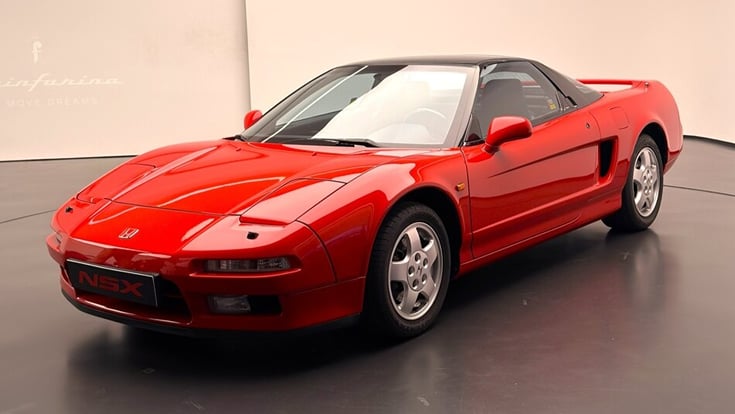
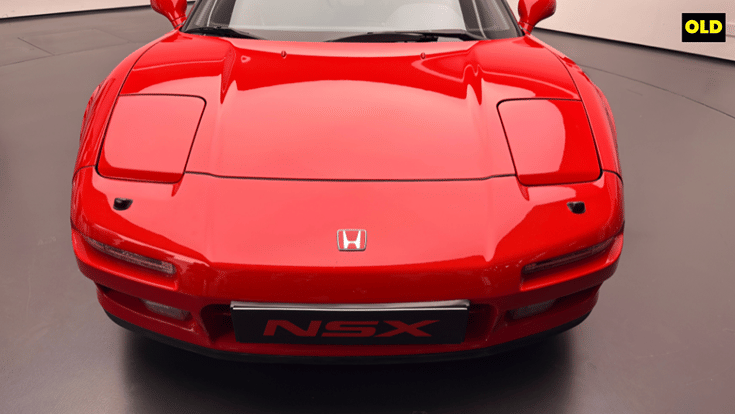
JAS Tensei vs Honda NSX comparison

Four decades ago, Honda embarked on a quest to prove that a mid-engined, rear-wheel-drive sports car can be just as, or more performant than a V8-powered Ferrari (specifically, the 348), while being comfortable, reliable, relatively easy to drive, and more affordable. From this ambitious mission, the first-generation Honda NSX (shorthand for New Sportscar eXperimental) was born, making its global debut at the Chicago Auto Show in 1989. Production of the NSX commenced in 1990 and lasted till 2005.

The NSX made history as the first production car to use an all-aluminium spaceframe chassis. It also received inputs from F1 champions Ayrton Senna and Satoru Nakajima during its development, enabling a driving experience that was almost universally acclaimed. Such was the glory of the first-gen NSX, that it was officially inducted into the Toyota Automotive Museum in 2021 – even one of Honda’s biggest rivals couldn’t ignore how great the masterpiece that the NSX was.

jas tensei
honda nsx
 

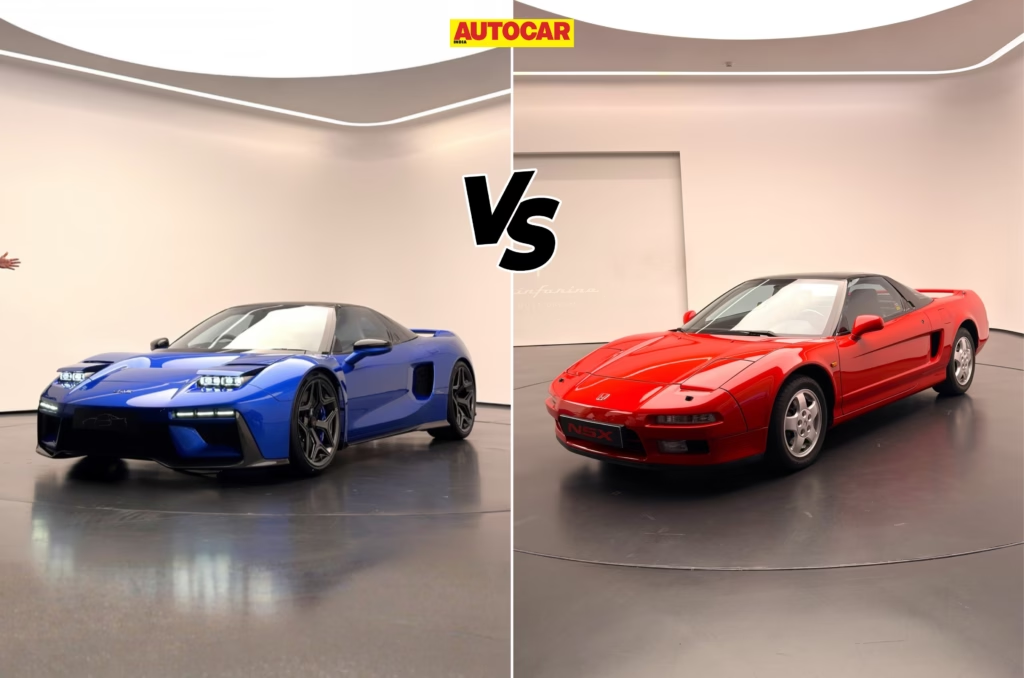
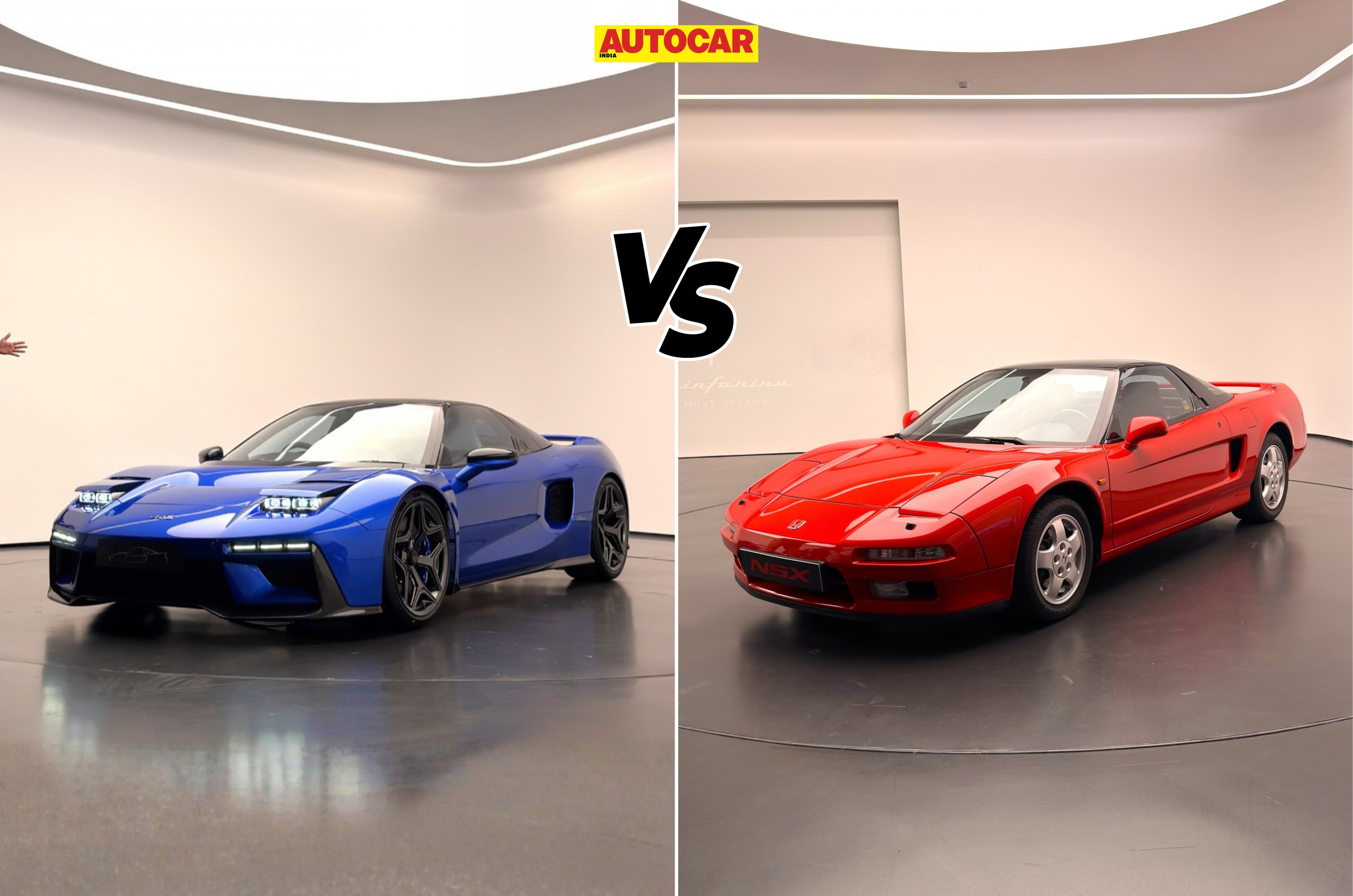
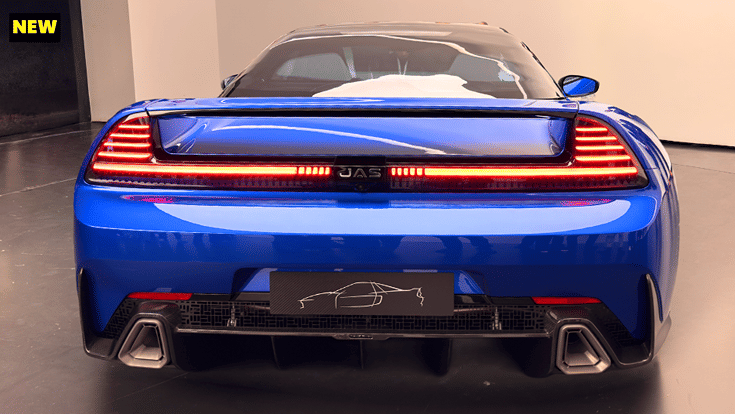
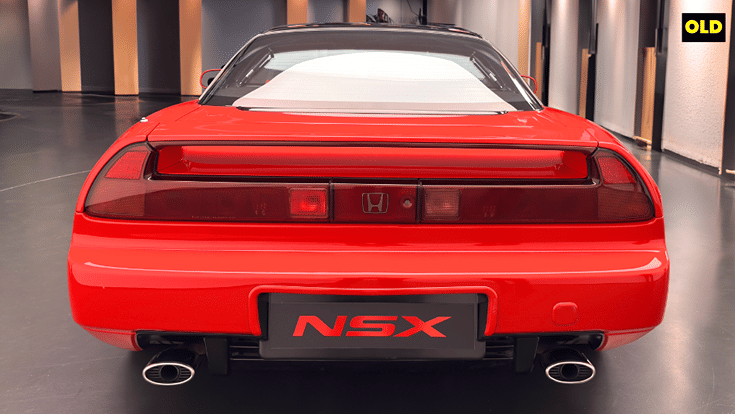
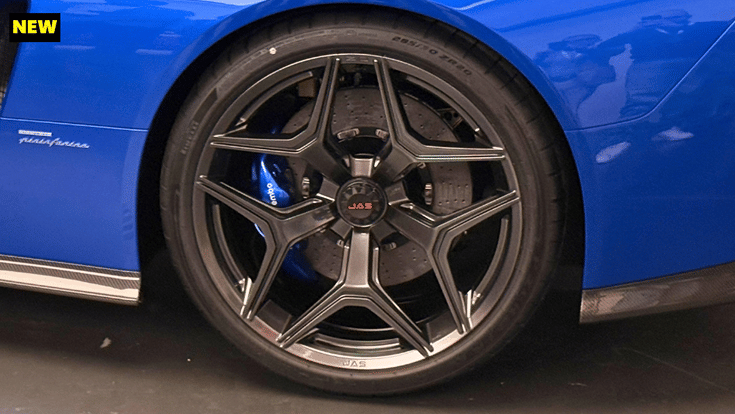
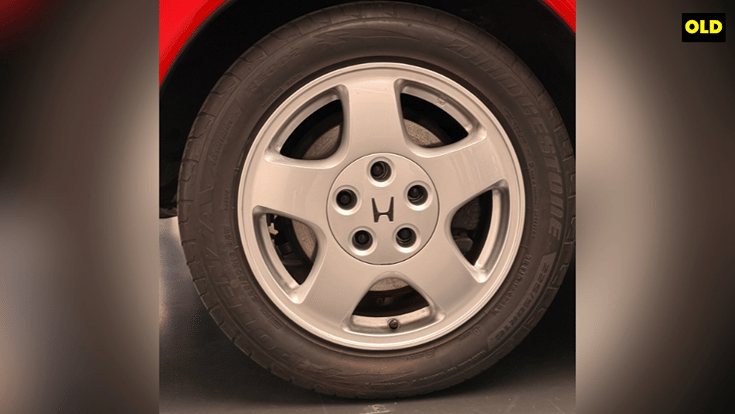
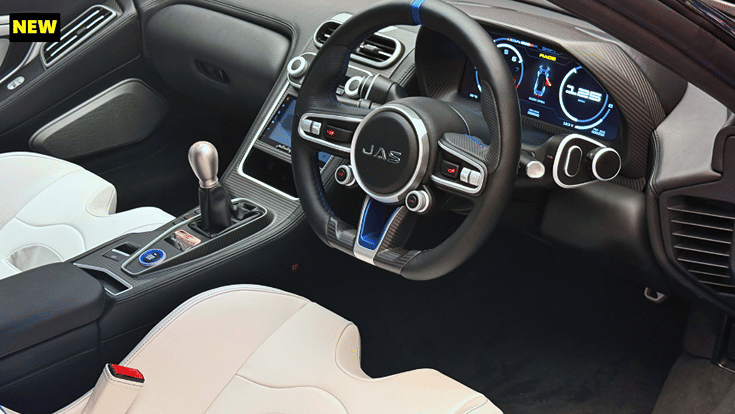
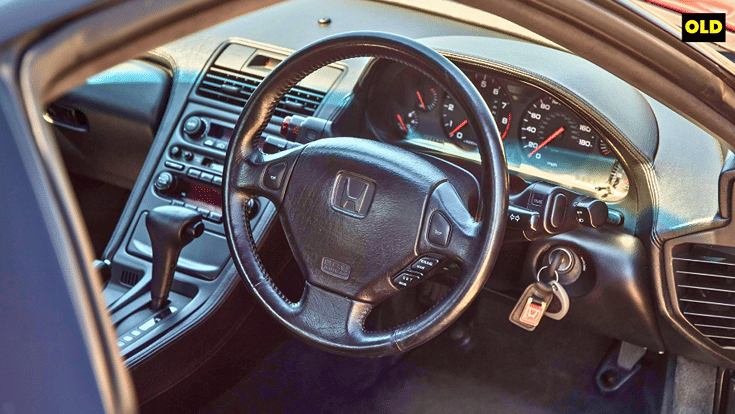
L: JAS Tensei | R: Honda NSX Gen 1

Throughout its 15-year production run, several revisions and editions (Type S, NSX-R, NSX-T, and more) of the first-gen NSX were launched. It sold over 18,000 units in total and cemented itself as one of the most iconic performance cars to come out of the Land of the Rising Sun. A second-gen NSX was launched in the mid-2010s as a bleeding-edge supercar with a mid-engined, hybrid all-wheel-drive powertrain. However, the new NSX was not received as well as its predecessor was, selling under 3,000 units globally until its discontinuation in 2022.

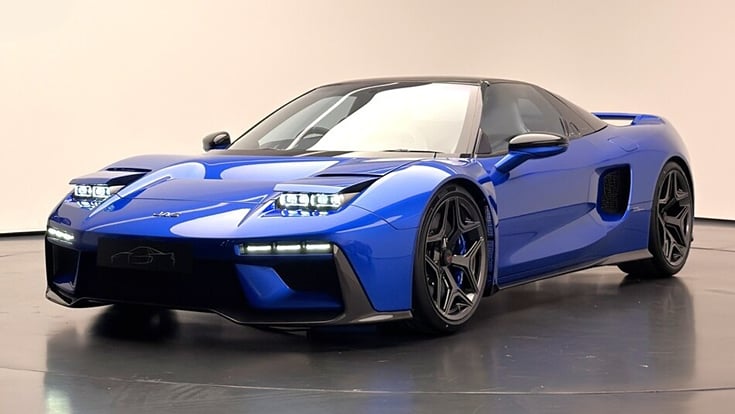
Roughly four decades after the first-gen NSX’s birth, JAS Motorsport (Honda’s racing partner since 1998) has paid tribute to the original sports car with the Tensei. The name roughly translates to “rebirth” in Japanese, which is apt given that the Tensei uses the first-gen NSX as its base and re-imagines it with modern materials, design philosophies, and technologies – along with a new carbonfibre body styled by Pininfarina. With that in mind, let’s take a look at how the JAS Tensei compares to the Honda NSX.

JAS Tensei vs Honda NSX engine and gearbox

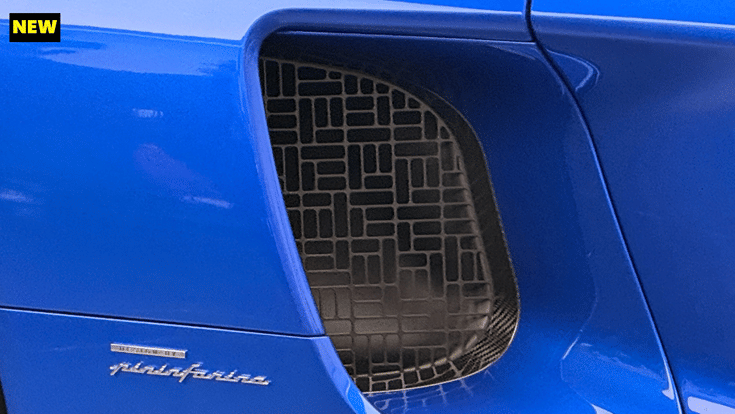
jas tensei side vent
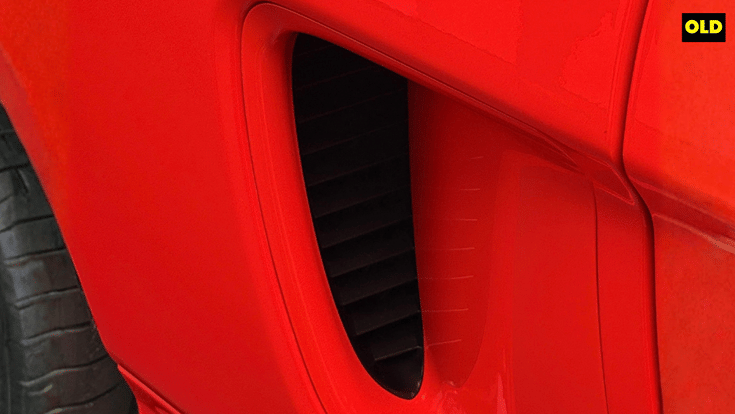
honda nsx side vent
 

The Tensei forgoes the turbocharging and electrical assistance seen on modern performance cars in favour of a refreshingly old-school 3.5-litre naturally aspirated V6, which is a fair bit larger than the 3.0-litre naturally aspirated V6 (codename: C30A) that powered the first-gen NSX – a 3.2-litre V6 (codename: C32A) was used in later model revisions. JAS Motorsport teamed up with British motorsport engineering specialist Judd Power to thoroughly re-engineer the Tensei’s V6, with upgrades like a billet crankshaft, forged lightweight pistons and connecting rods, individual throttle bodies, better cooling, revised ignition and engine management systems, new headers, and a more visceral-sounding exhaust system.

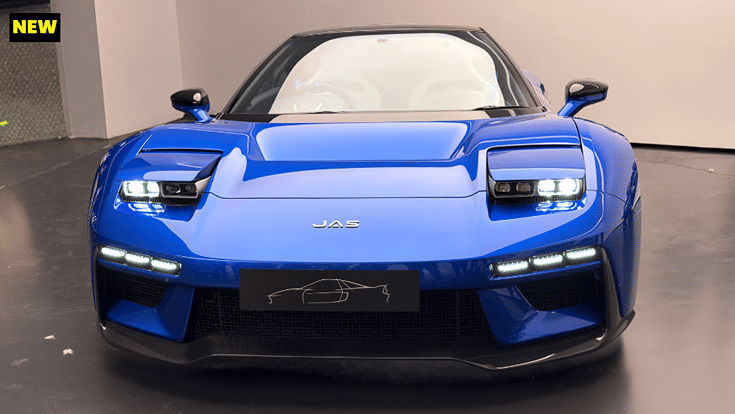
jas tensei front
honda nsx front
 

Thanks to those mechanical changes, the Tensei develops 420hp and 350Nm, which is up 146hp and 65Nm over the first-gen NSX’s 274hp and 285Nm output. Even when compared to the later-lifecycle C32A-powered NSXs powered by the 3.2-litre V6, the Tensei is more powerful by 126hp and 45Nm. The Tensei’s engine also has a higher 8,500rpm redline, while the NSX’s V6s could spin to a maximum of 8,000rpm. A 6-speed manual is the only gearbox available for the Tensei, while the C30A-powered NSX models came with a 5-speed unit only. However, a 6-speed manual was introduced alongside the NSX’s C32A engine from 1997 onward.

JAS Tensei vs Honda NSX exterior design

jas tensei rear
honda nsx rear
 

As mentioned earlier, the Tensei has a completely new Pininfarina-designed carbonfibre body with a slightly longer wheelbase and wider tracks. The Tensei retains many of the NSX’s core styling elements, such as the long and low stance, pop-up headlamps (which look very cool), side intakes, B-pillar door handles, integrated rear spoiler, wide L-shaped tail-lamps, and dual-exhaust tips.

jas tensei wheels
honda nsx wheel
 

However, the Tensei sets itself apart with modern touches like LED lighting up front, with segmented DRLs on either side, larger front air intakes accentuated by a full-width carbonfibre splitter, larger wheels (19 inches front, 20 inches rear), bigger side intakes, a slatted 3D LED treatment for the tail-lamps, longer and more svelte ORVMs, hexagonal exhaust tips, a rear diffuser, and a sportier design for the rear bumper.

JAS Tensei vs Honda NSX interior

Inside, the Tensei features the same F16-inspired layout as that of the NSX, but a lot else has changed here. For one, the steering wheel looks much more modern, with a redesigned three-spoke design, a flat bottom, a 12 o’clock marker, and a circular hub. The instrument cluster is fully digital instead of analogue like in the NSX, but JAS Motorsport has retained the large stalk that incorporates cruise control and lighting functions.

jas tensei interior
honda nsx interior
 

The Tensei’s centre console has been thoroughly revised too, with an oval housing for the central air vents, a raised hub for the AC controls, a modestly-sized touchscreen and an open storage space. Lower down, the central tunnel sports a chunky gear lever with a titanium knob, a row of buttons on the passenger side, the engine start/stop button, and an electronic parking brake button – no pull-type handbrake here, like you get in the NSX.

Only 35 examples of the JAS Tensei will be built, priced at €880,000 (Rs 9.55 crore) a pop, before options.

Skoda to debut Epiq Sportline at Paris Motor Show

Skoda to debut Epiq Sportline at Paris Motor Show
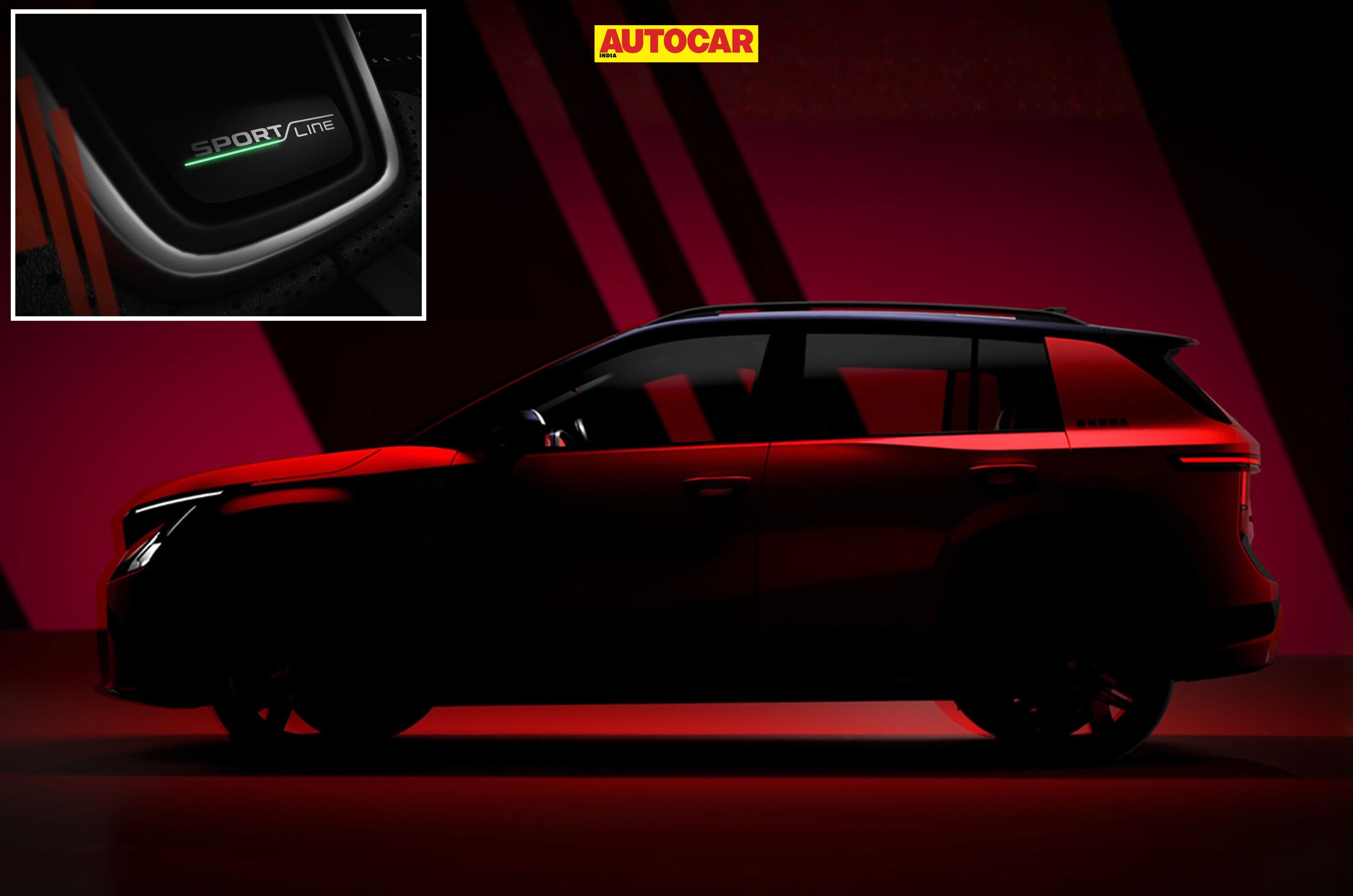
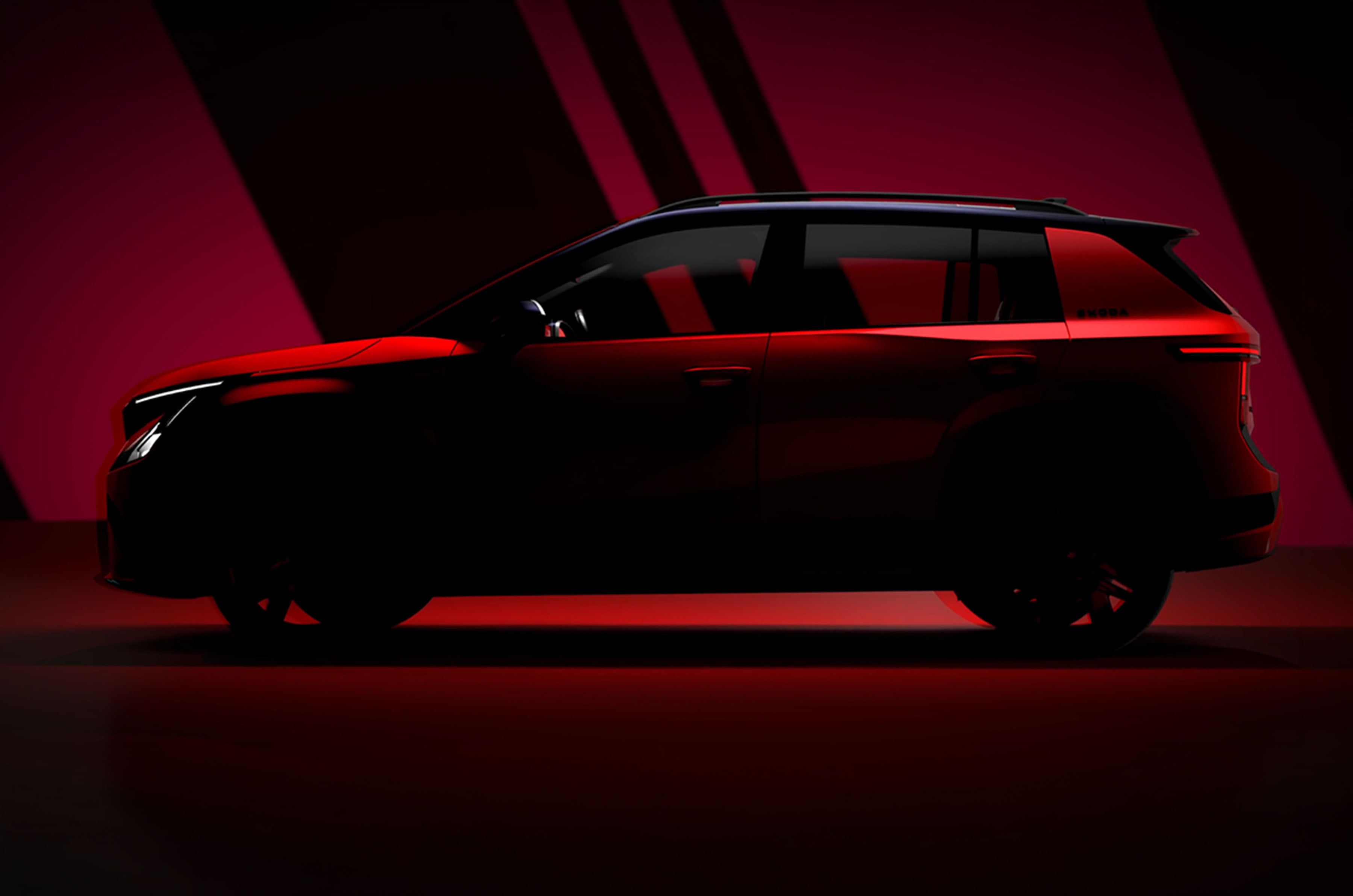
Skoda Epiq Sportline

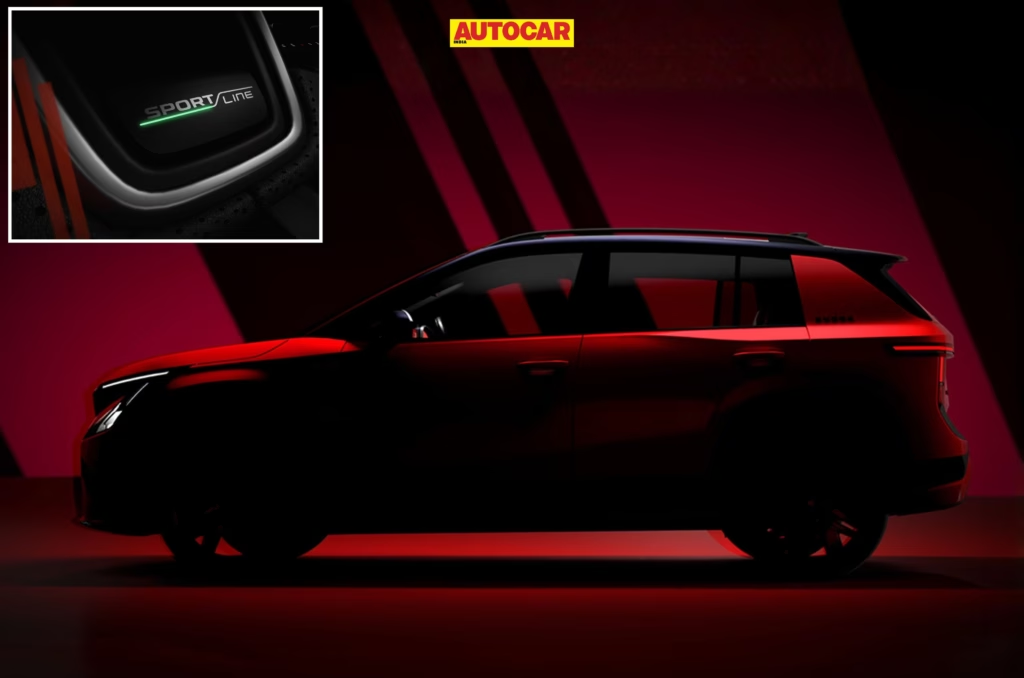
Skoda will debut a new Sportline variant of the Epiq, the brand’s smallest EV, at the Paris Motor Show 2026. The Epiq Sportline will be the prime attraction at Skoda’s stall alongside 14 other models that the brand plans to showcase at the upcoming motor show. As with other Sportline models, one can expect the Epiq Sportline to sport a blacked-out exterior and interior theme. The Paris Motor Show will be held from October 13 to 18. 

  1. Epiq Sportline to be Skoda’s hero car at Paris Motor Show 
  2. Expected to come with blacked-out exterior and interior theme 
  3. Skoda Peaq Tour De France, 130 RS to also be showcased at Paris Motor Show 

Skoda Epiq Sportline: what to expect?

Skoda’s official teaser doesn’t reveal much about the Epiq Sportline, but if other Sportline models from the brand’s portfolio are anything to go by, expect the Epiq Sportline to get several blacked-out cosmetic enhancements. The blacked-out treatment can extend to the alloy wheels, ORVMs, front and rear bumpers and perhaps to the roof as well. On the inside, it will likely come draped in all-black upholstery with contrast re stitching, and perhaps a dark-themed dashboard as well. A few feature additions could also be part of the package. 

The Epiq is the brand’s most affordable EV and is based on Volkswagen Group’s MEB+ platform. It’s available with two battery pack options – 38.5kWh and 55kWh – with front-mounted motors (FWD). There are three variants on offer: 35, 40 and 55. The 35 and 40 variants, equipped with the 38.5kWh battery, develop 116hp and 135hp, respectively, while the torque is the same 267Nm for both. The top-spec Epiq 55, meanwhile, comes with the 55kWh pack and produces 211hp and 290Nm.

The Sportline variant could be offered with the top-spec 55 version. Coming to claimed range figures, Skoda cites 310km for the 38.5kWh battery and 440km for the 55kWh unit. 

What else is Skoda showcasing at the Paris Motor Show?

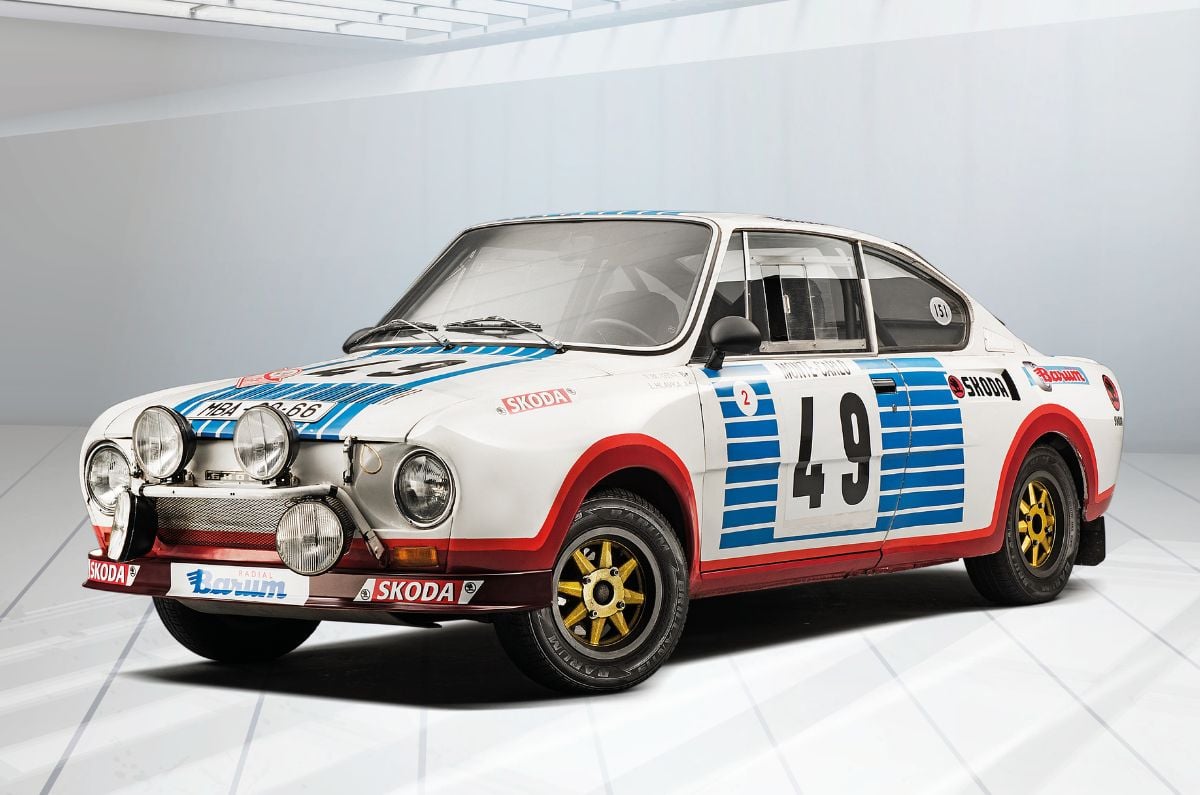
Skoda will be showcasing its full range of new EVs at the upcoming Paris Motor Show, which means the Elroq and the Peaq will also be display. Other key displays will include the iconic Skoda 130 RS, which was one of the most successful rally and racing cars in Europe in the late 1970s and early 1980s. During its active career, this beautifully designed two-door coupe collected countless laurels on tracks at home as well as abroad. 

Skoda 130 RS

Also on display will be the Peaq Tour de France ‘Red Car’. Based on the Peaq Sportline, it serves as a specially modified mobile command center for the Tour de France multi-stage bicycle race. Equipped with six antennas, warning beacons and a refrigerator stocked with champagne hidden inside, the so-called Red Car is a symbol of the entire Tour de France.

Kia introduces assured buyback programme for locally produced cars

Kia introduces assured buyback programme for locally produced cars
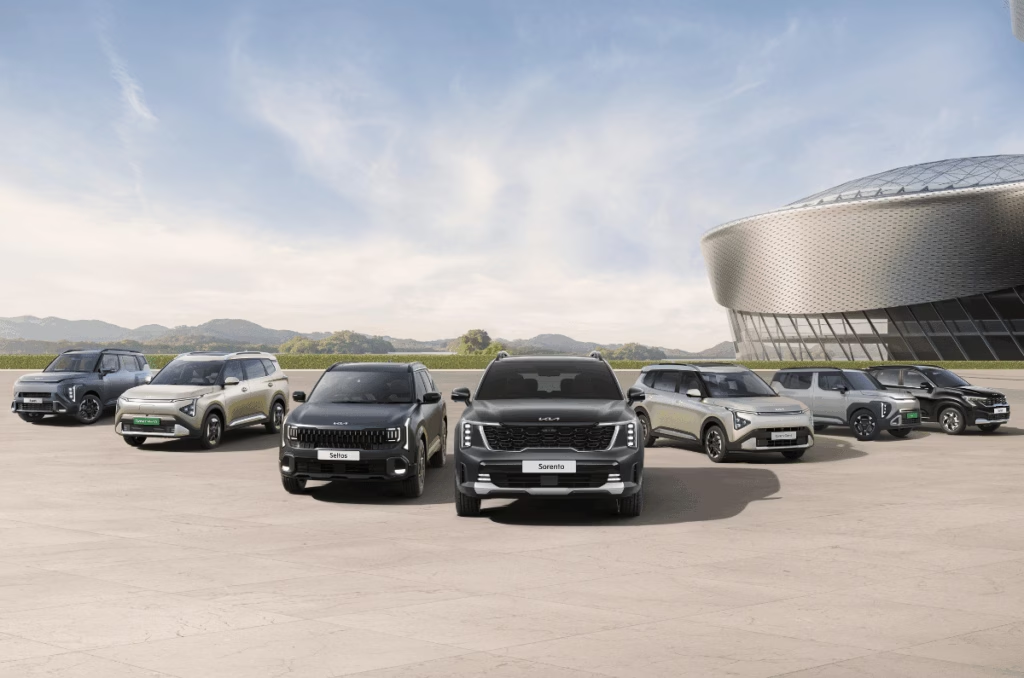
Kia introduces buyback programme for locally produced cars

Kia India has now expanded its assured buyback programme to more locally produced cars, including the Sorento, Seltos, Sonet, Carens Clavis, Carens and Syros; the locally-assembled Carnival is not covered under this programme. Notably, the Syros EV has been available with such a programme since its July launch. The buyback programme covers all powertrain options offered by these vehicles, including petrol, CNG, diesel, hybrid and electric. Those opting for the programme can avail an assured residual value of up to 75 percent for ICE and up to 70 percent for EV models in three years, subject to terms and conditions.

Kia assured buyback programme details

ModelPrice range (Rs lakh)
Sonet7.45-13.89
Syros8.42-15
Carens11.12-12.12
Seltos11.25-21.57
Carens Clavis11.39-21.79
Syros EV13.5-20
Carens Clavis EV18.04-25
Sorento27.99-38.49

The programme offers tenure options of three, four and five years for ICE models, and three and four years for EVs. Depending on the tenure, annual running limits like 10,000km, 15,000km and 20,000km are available, with the maximum capped at up to 1,00,000km over the ownership period.

It will be offered through authorised Kia dealers and customers may enroll at the time of vehicle purchase. At the end of the selected tenure, customers may avail the assured buyback value in accordance with the programme agreement and relevant terms and conditions.

Ex-showroom prices mentioned above are as on October 9, 2026.

Renault Duster hybrid mileage compared with strong-hybrid rivals

Renault Duster hybrid mileage compared with strong-hybrid rivals

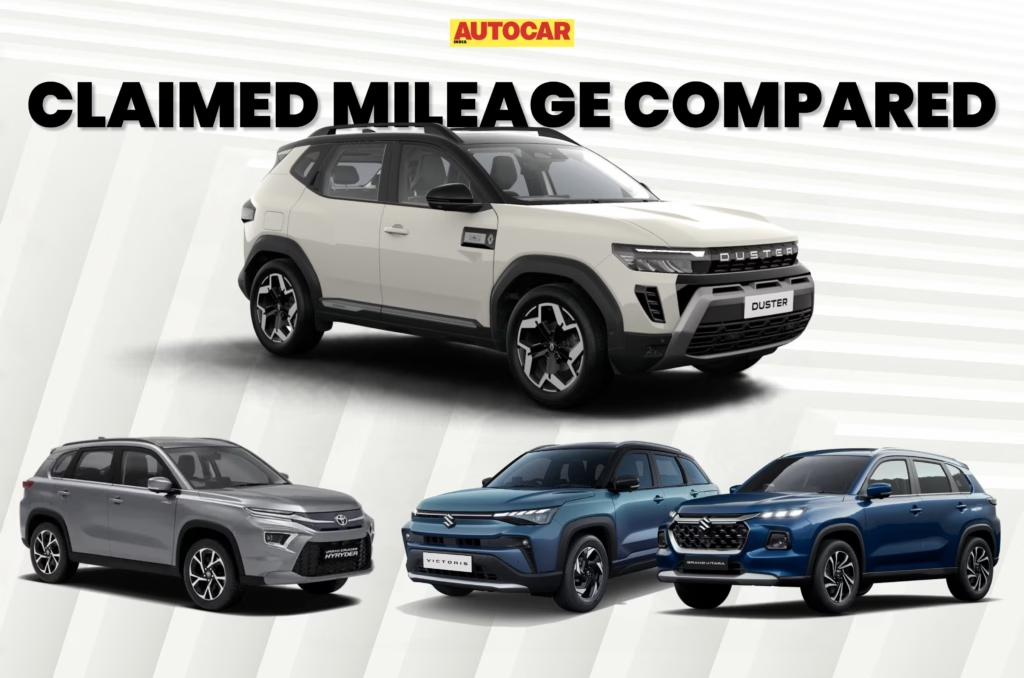
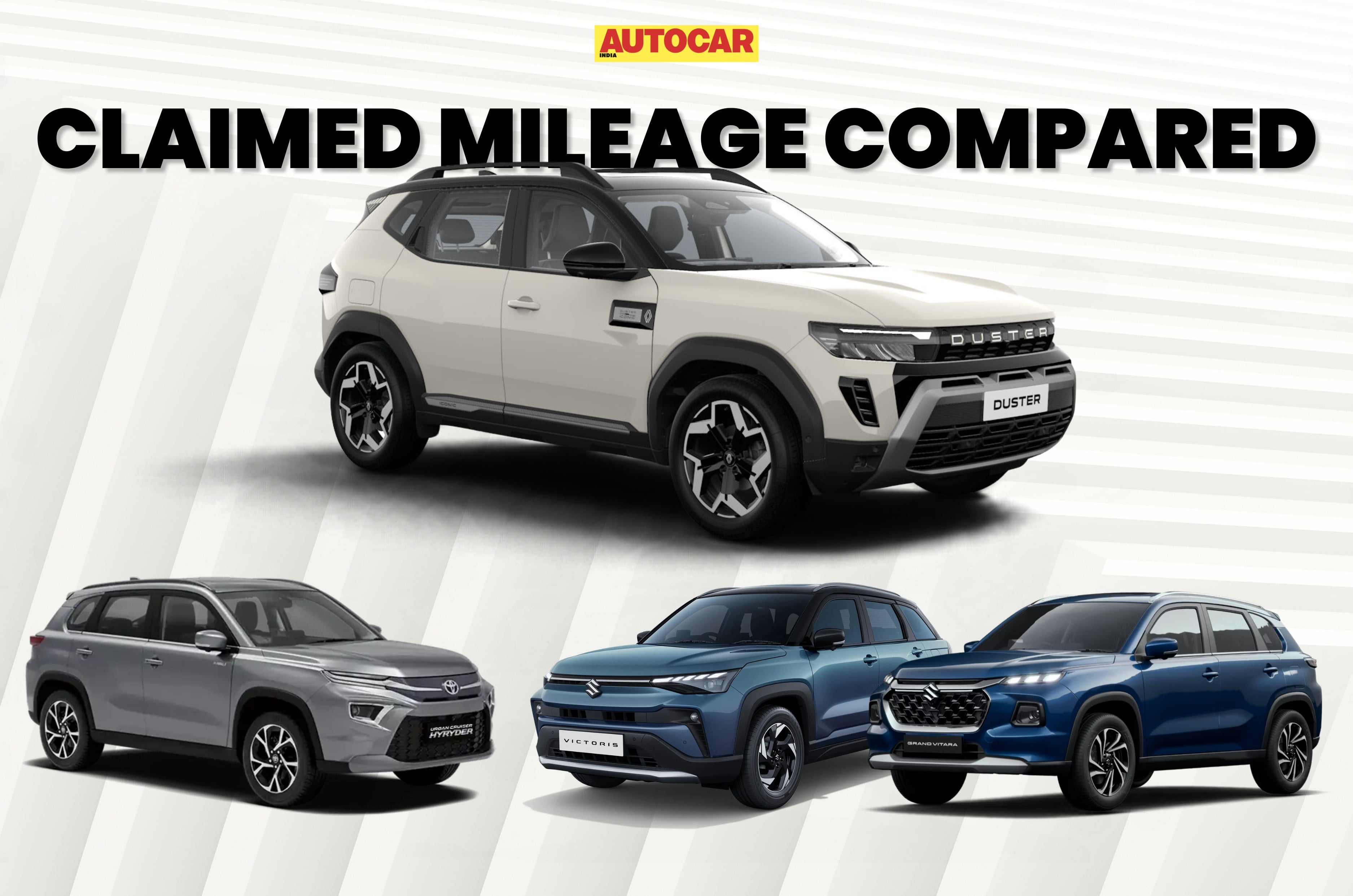
Around seven months after launching the new-gen Duster in India, Renault is now getting ready to bring the hybrid version of its midsize SUV. Featuring what the French brand calls “strong hybrid E-Tech 160” powertrain, this version of the Duster is aimed at buyers who want good mileage without sacrificing performance. Having said that, let’s see how the Renault Duster hybrid compares in terms of claimed fuel efficiency when compared to segment rivals.

Renault Duster hybrid vs rivals: Claimed mileage 

The Duster hybrid’s ARAI mileage of 29kpl gives it an upper hand among its strong-hybrid rivals

Renault Duster hybrid vs rivals: ARAI claimed mileage (kpl)

Renault Duster hybrid

29

Maruti Suzuki Grand Vitara strong hybrid

27.97

Maruti Suzuki Victoris strong hybrid

28.65

Toyota Urban Cruise Hyryder strong hybrid

27.97

The Renault Duster hybrid’s ARAI-claimed mileage of 29kpl, which is 1.03kpl higher than what its Maruti Grand Vitara strong hybrid and Toyota Urban Cruise Hyryder strong hybrid rivals claim. It is only the Maruti Victoris with its strong-hybrid powertrain that comes close to matching the claimed figure of the Renault SUV, with a margin of just 0.35kpl between the two cars.

The Renault Duster’s strong hybrid powertrain comprises a 1.8-litre four-cylinder petrol engine that’s assisted by two electric motors and a 1.4kWh battery pack, resulting in a combined output of 160hp and 172Nm. According to Renault, the electric motors of the Duster hybrid include a 20hp unit that acts as a generator and a 49hp motor that drives the front wheels. While all models here offer an automatic transmission, the Duster hybrid features what Renault calls an “intelligent multi-mode transmission”. The rest come equipped with an e-CVT (electronically controlled continuous variable transmission).

The battery pack of the Renault Duster hybrid is larger than what the Urban Cruiser Hyryder strong hybrid offers. Considering the latter shares its underpinnings with the Grand Vitara strong hybrid, their battery packs would be the same too. For reference, the Toyota Urban Cruiser Hyryder’s strong-hybrid version is equipped with a 0.60kWh lithium-ion battery, which makes it less than half the size of the battery pack fitted to the Duster hybrid. This capacity advantage also likely explains the Renault SUV’s higher claimed range.

VinFast takes first step toward entering Indian two-wheeler market

VinFast takes first step toward entering Indian two-wheeler market
An outdoor image showing large group of people standing together in front of the Vinfast headquarter

VinFast entered the Indian market in 2025, with activities spanning from the distribution, manufacturing and assembly of electric cars. Following this, the brand also showed some e-scooters at Auto Expo and then subsequently patented designs of some of them in our market, all hinting at plans to enter the huge Indian two-wheeler market. The signing of these letters of intent (LOIs) and partnering with numerous electric two-wheeler dealers now marks a new phase in the brand’s expansion in the Indian market.

  1. Partnered with 50+ electric two-wheeler dealers across 15 states
  2. Plans to establish showrooms across 34 cities
  3. Line-up likely to feature the recently patented Viper and Rasad e-scooters

Retail network expansion details   

Over 50 showrooms panned 15 states

Vinfast and its dealer partners will work together to establish 50+ electric two-wheeler showrooms across 34 cities in 15 states and territories. The locations that the company is targeting to establish a presence in first include Delhi, Rajasthan, Punjab, Madhya Pradesh, Chhattisgarh, Uttar Pradesh, Maharashtra, Gujarat, Karnataka, Telangana, Tamil Nadu, Kerala, Andhra Pradesh, West Bengal and Odisha. Through these partnerships VinFast plans to bring its electric scooter line-up to the country, though it hasn’t shared any timelines so far. Initial line-up expected to feature the Viper and Rasad electric scooters, following design patents filed in India earlier this year.

These selected cities and regions have large two-wheeler markets, providing significant room for the brand’s expansion. VinFast says in fiscal year 2025-2026 there were 21.41 million two-wheelers registered, of which electric vehicles accounted for only 6.54 percent. When VinFast does officially launch some of its models in our country, it will have to ward off stiff competition from both established legacy players as well as mould-breaking start-ups like Bajaj, TVS, Hero, Suzuki, Yamaha, Ather and River.