

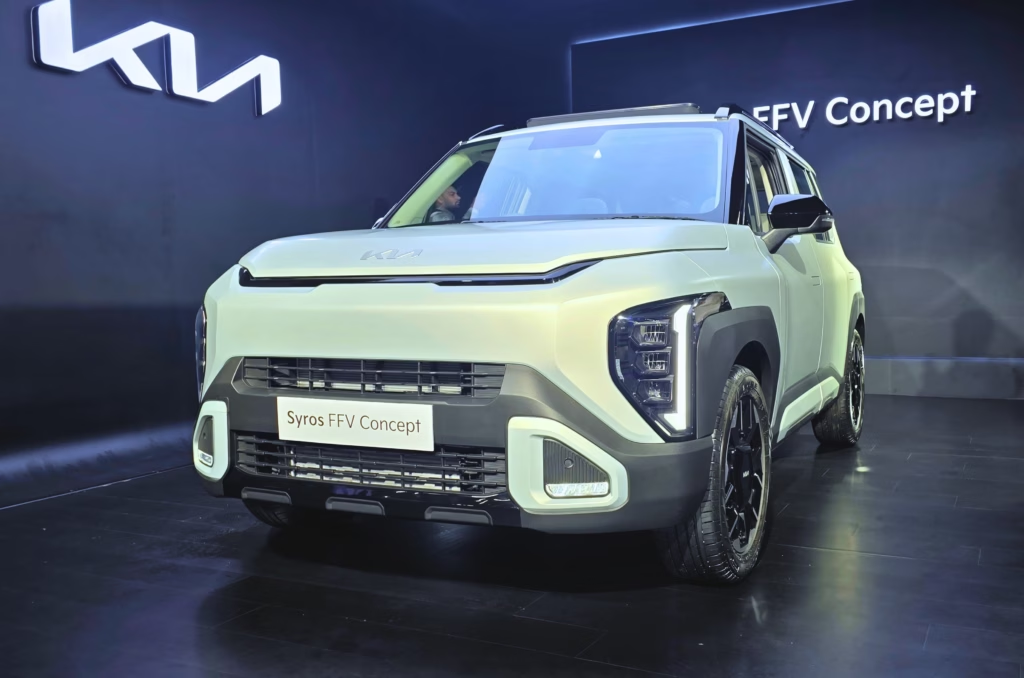
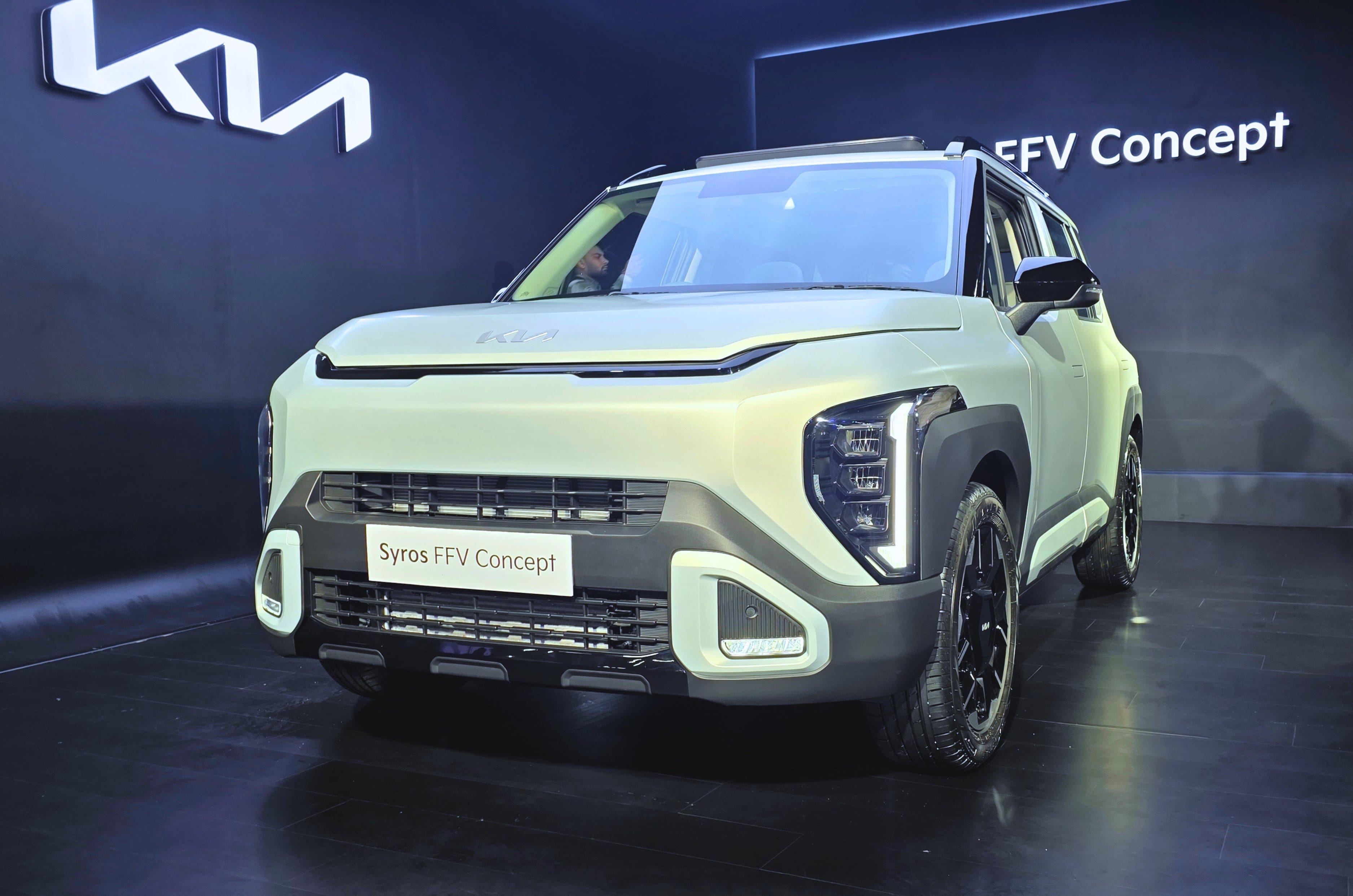
In a bid to join the flex–fuel race in India, Kia has unveiled the Syros FFV concept, its first flex-fuel car in India. The carmaker says that the Syros flex-fuel can run on pure petrol, pure ethanol, and varying ethanol-petrol blends. Kia is yet to confirm when a production-spec version will come to our market.
- Utilises a 1.0-litre direct-injection turbo-petrol engine.
- The engine comes with an upgraded ECU, TCU, and fuel system.
- Transmission duties handled by a 6-speed automatic gearbox.
Kia Syros flex-fuel concept: Powertrain details
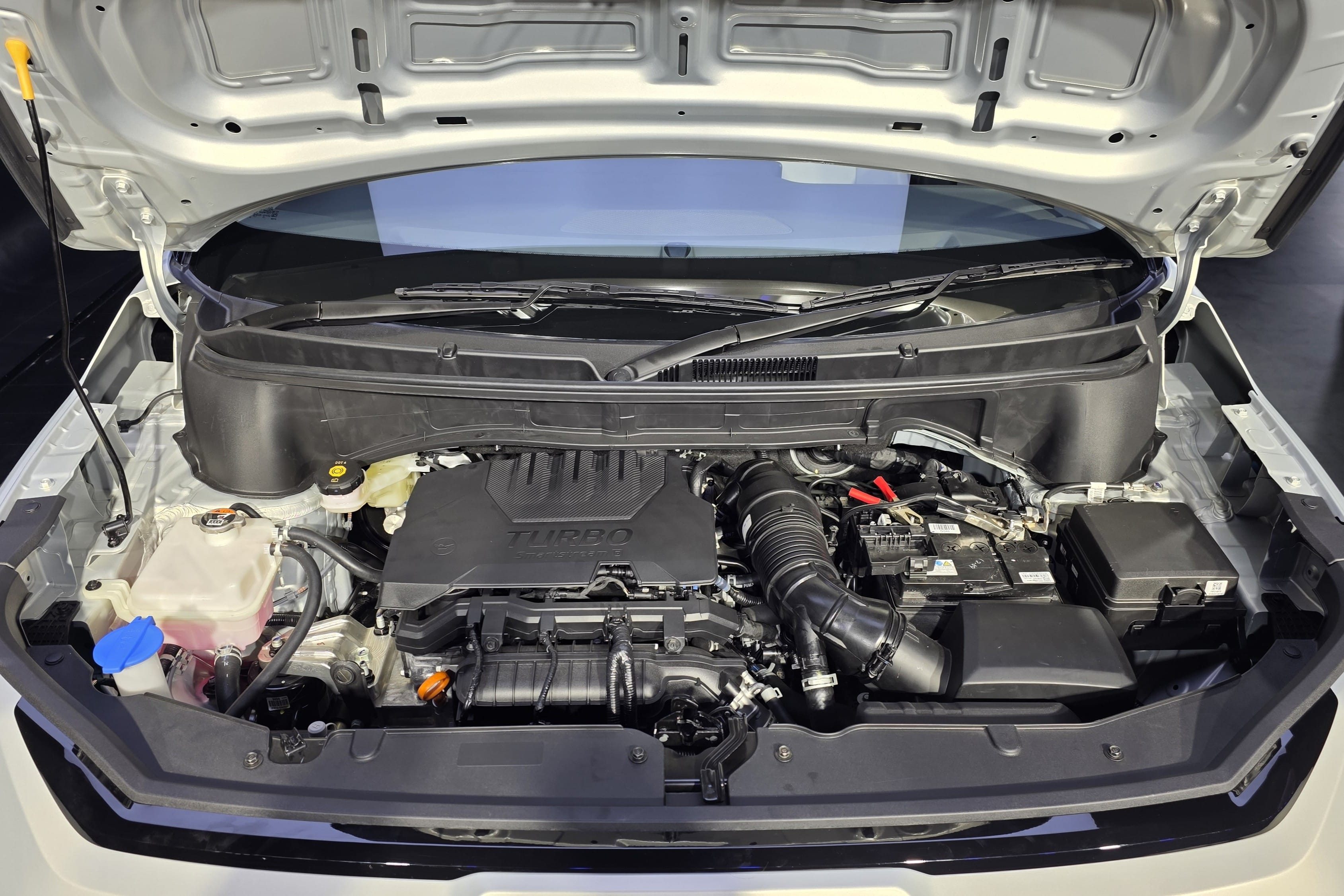
Powering the Syros flex-fuel is a 1.0-litre, three-cylinder, direct-injection turbo-petrol engine. However, the carmaker has not confirmed the power outputs of this engine. For compatibility with varying ethanol blends, Kia has tweaked components like its ECU, TCU, and fuel system. Unlike the standard Syros turbo-petrol that’s paired to a 7-speed DCT, the Syros flex fuel is mated with a 6-speed torque converter automatic.
Kia Syros flex-fuel concept: Exterior and interior
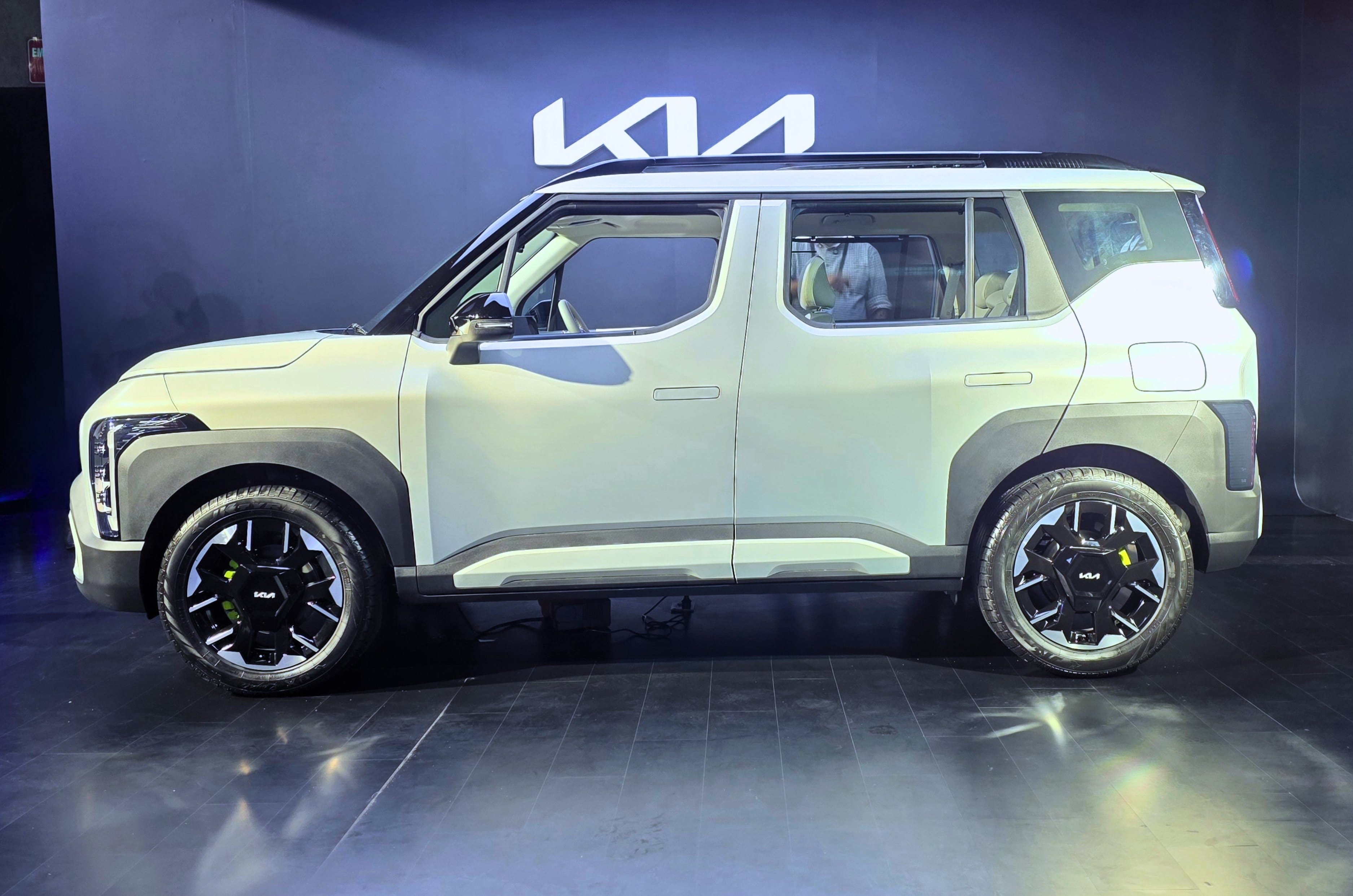
Apart from E85 compatibility, the Syros flex-fuel’s exterior remains unchanged from the standard model. You continue to get the familiar boxy, ‘tall-boy’ silhouette, ice-cube LED headlamps with DRLs, 17-inch dual-tone alloy wheels, roof rails, dual-tone bumpers, and high-mounted L-shaped LED signatures at the back.
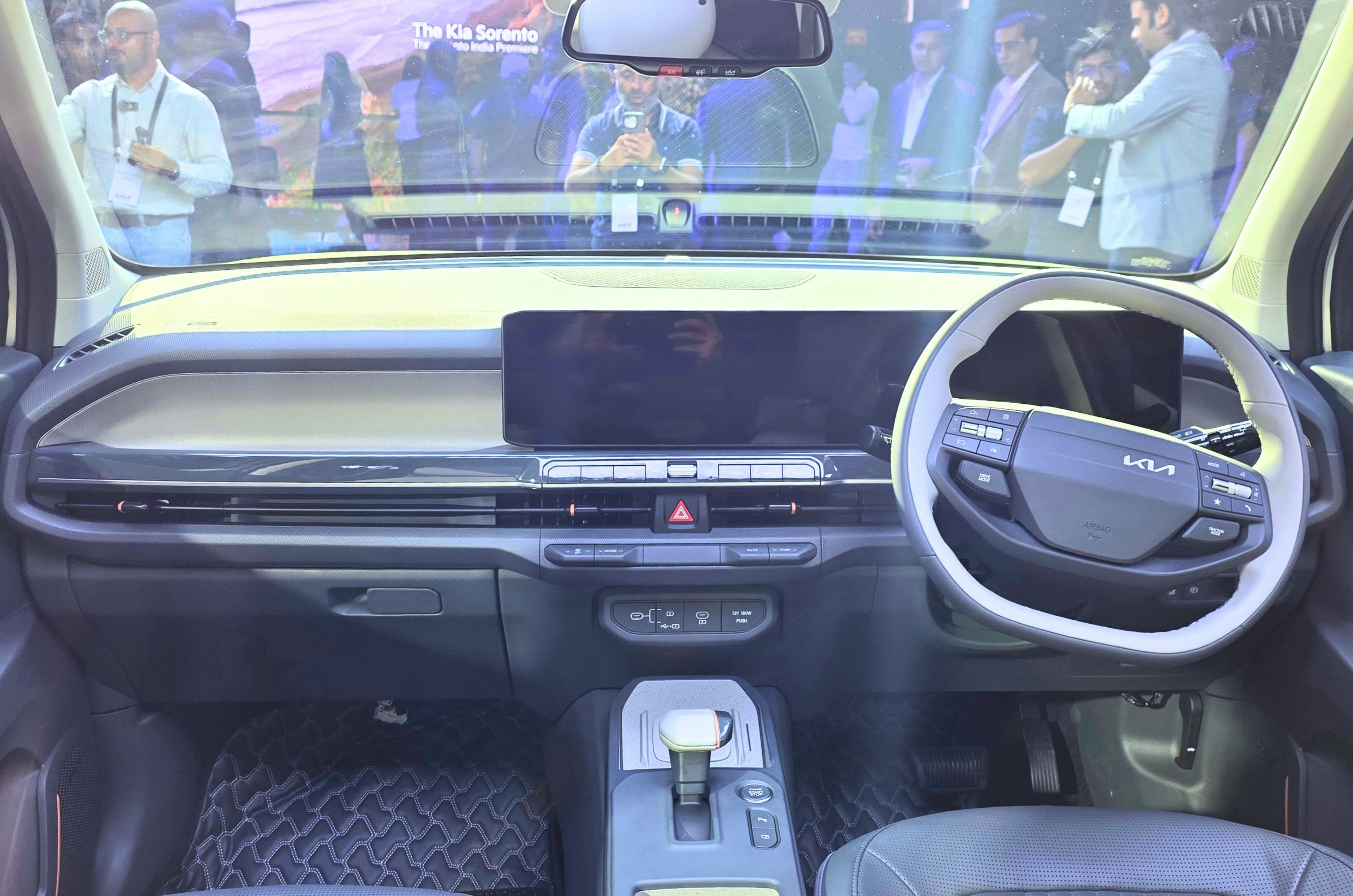
Like the exterior, the interior of the Syros flex-fuel is quite similar to the standard model. The dashboard is dominated by a triple-screen display for the digital instrument cluster, infotainment system, and HVAC controls, while you get an array of physical buttons at the centre. Lower down is a wireless phone charger, the same gear lever, and storage spaces as seen on the standard Syros.
With the debut, Kia is India’s second manufacturer to debut a flex-fuel car. Earlier this year, Maruti Suzuki was the first to unveil the Wagon R flex fuel, which currently retails at Rs 7.24 lakh. Kia joins the list of carmakers who are working on bringing flex fuel cars to India, as the government pushes for higher ethanol-blended petrol in an effort to reduce crude oil imports.
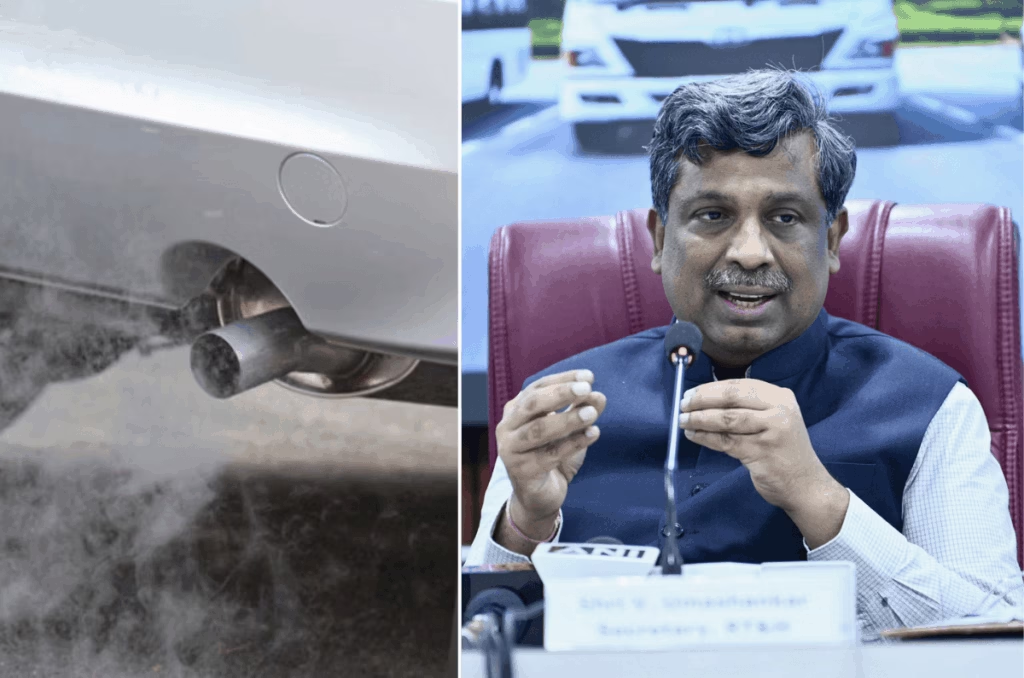
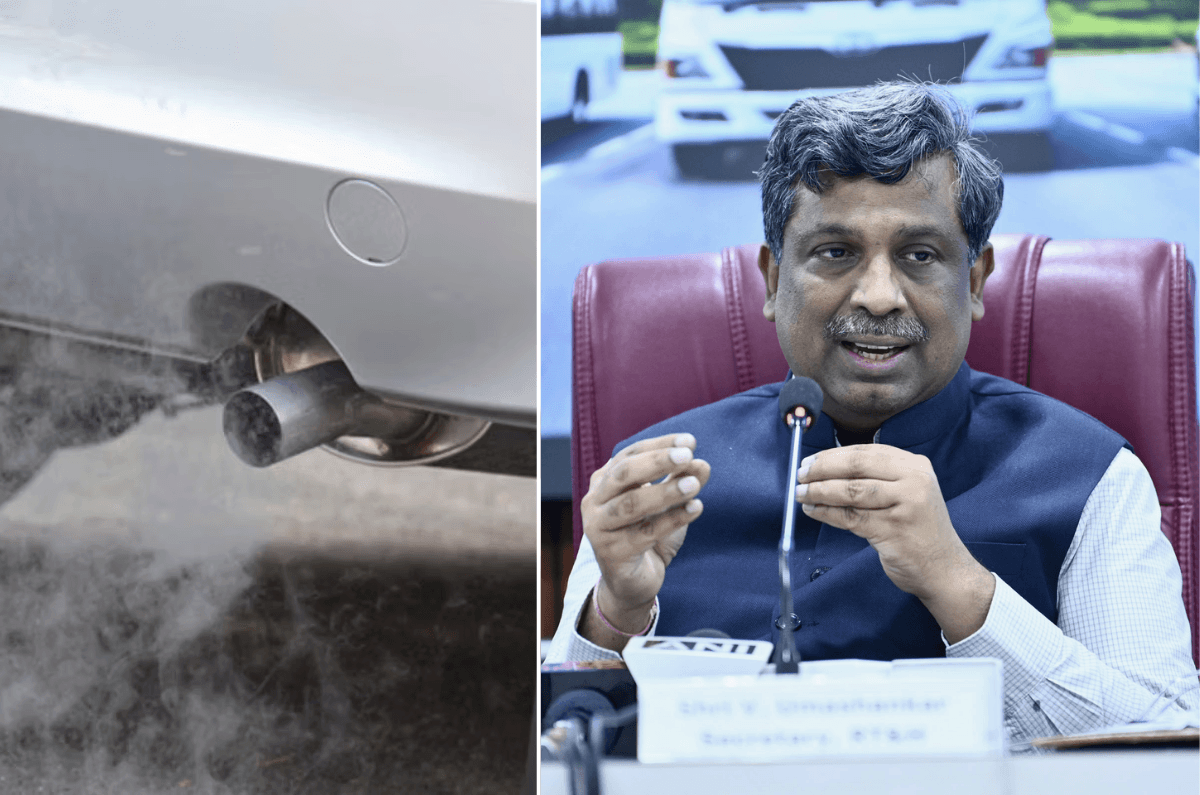
“We are ready with the next level of Bharat Stage [emission] standards and the final consultations are underway. We hopefully should be in a position to bring out the draft in a couple of months’ time for the BS 7 introduction,” Ministry of Road Transport and Highways (MoRTH) Secretary V Umashankar said at the 2026 SIAM Annual Convention in Delhi.
Bharat Stage norms limit the emissions of pollutants like hydrocarbons, sulphur and oxides of nitrogen from vehicles. India currently follows BS6 Phase 2 (or BS6.2) norms, which came into effect on April 1, 2023. “I think the industry is also preparing itself for it. The key challenge there would be the timelines,” Umashankar added.
What changes with BS7?
BS7 will put a greater focus on pollution levels from vehicles in real-world driving conditions rather than laboratory testing. Unlike the dramatic transition from BS4 to BS6, the move to BS7 is a natural progression from BS6. This should put relatively less pressure on manufacturers to upgrade their vehicles. Prices may also go up slightly due to the upgrades. Some models could even be discontinued if upgrading them to meet BS7 norms is not financially viable, something that we saw during the move from BS4 to BS6 in 2020.
Bharat Stage emission norms so far
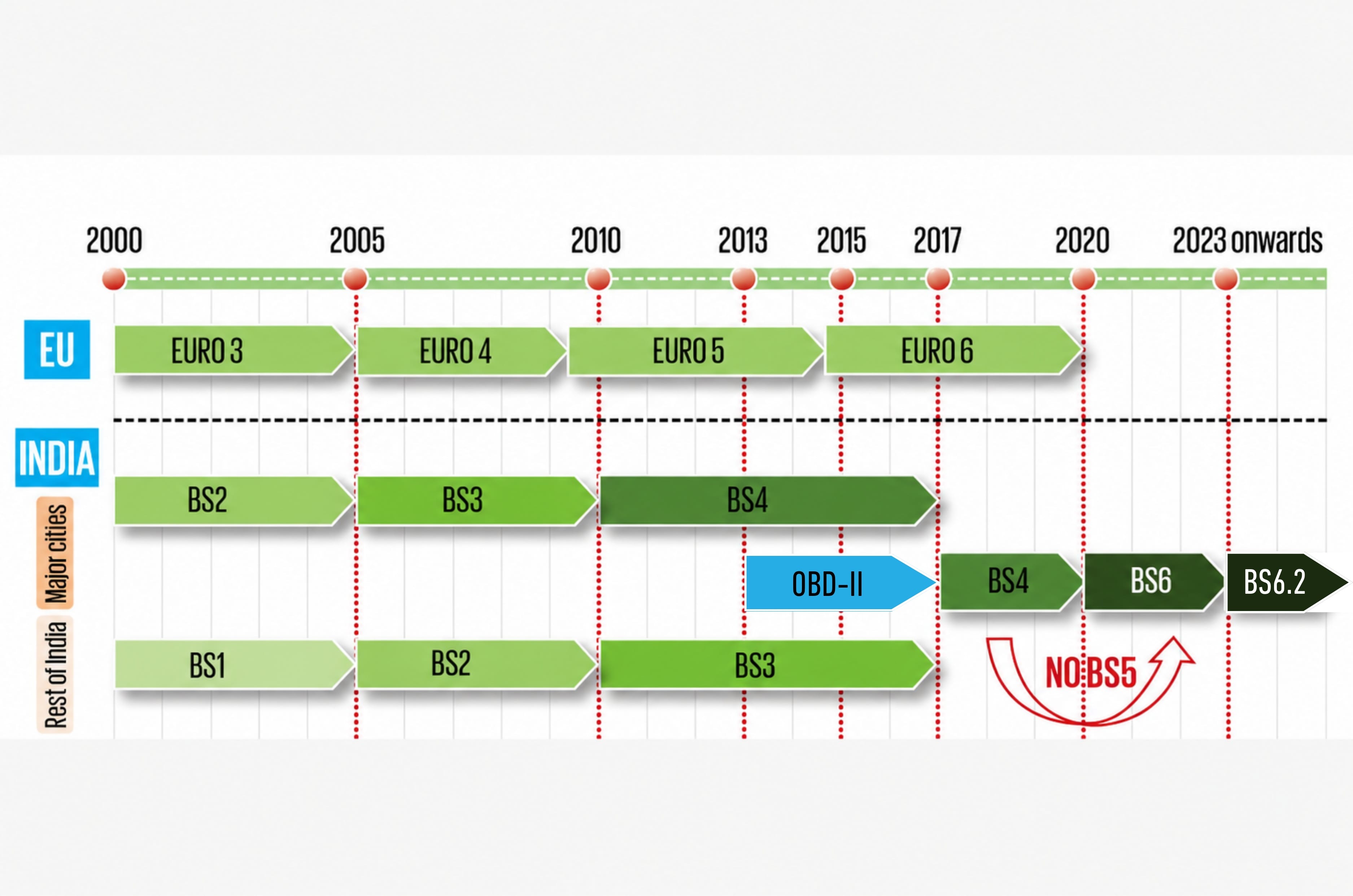
Bharat Stage emission norms were introduced in India in the year 2000 with the implementation of BS1 standards, while also rolling out BS2 across major cities in a phased manner. BS2 was based on European emission regulations, with the main difference being the test cycle’s top speed – 90kph versus 120kph in Europe.
India remained one stage behind Europe until 2010, after which the oil industry could not supply the low-sulphur fuel needed to progress to BS5 before eventually leapfrogging from BS4 to BS6 in 2020.
How are CAFE norms different from BS standards?
Corporate Average Fuel Economy (CAFE) norms deal with overall fuel consumption, specifically the quantity of fuel consumed. Imposed on a carmaker’s entire fleet, and not on an individual model, it’s a limit set on the total emission of carbon dioxide produced. These norms force manufacturers to make more fuel efficient cars, which impacts many other things. Whereas, Bharat Stage norms measure emissions at a vehicular level.
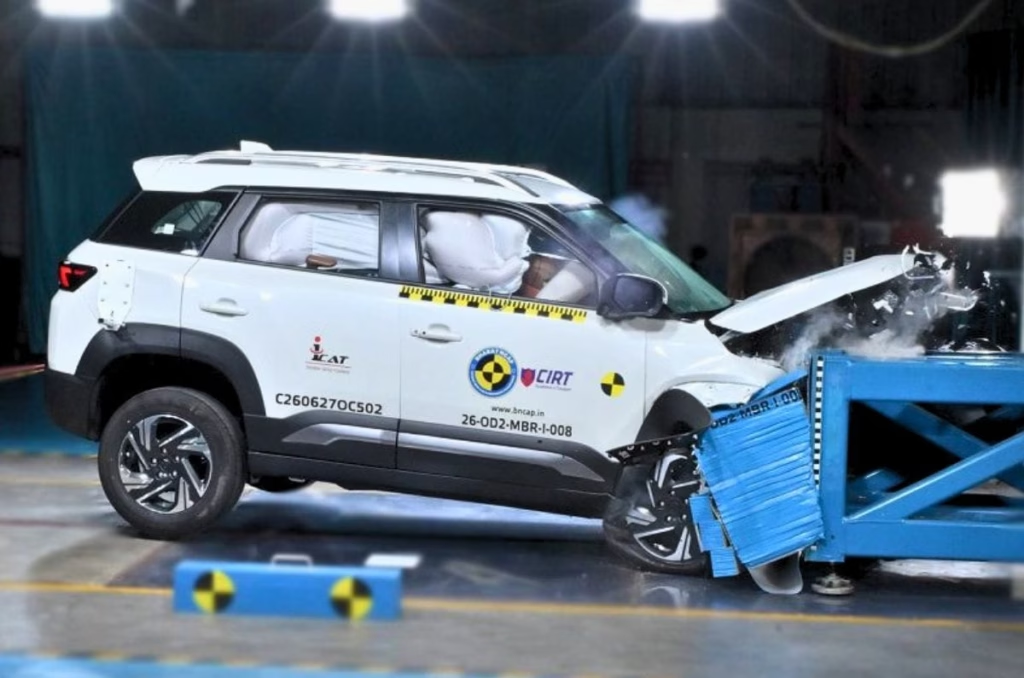
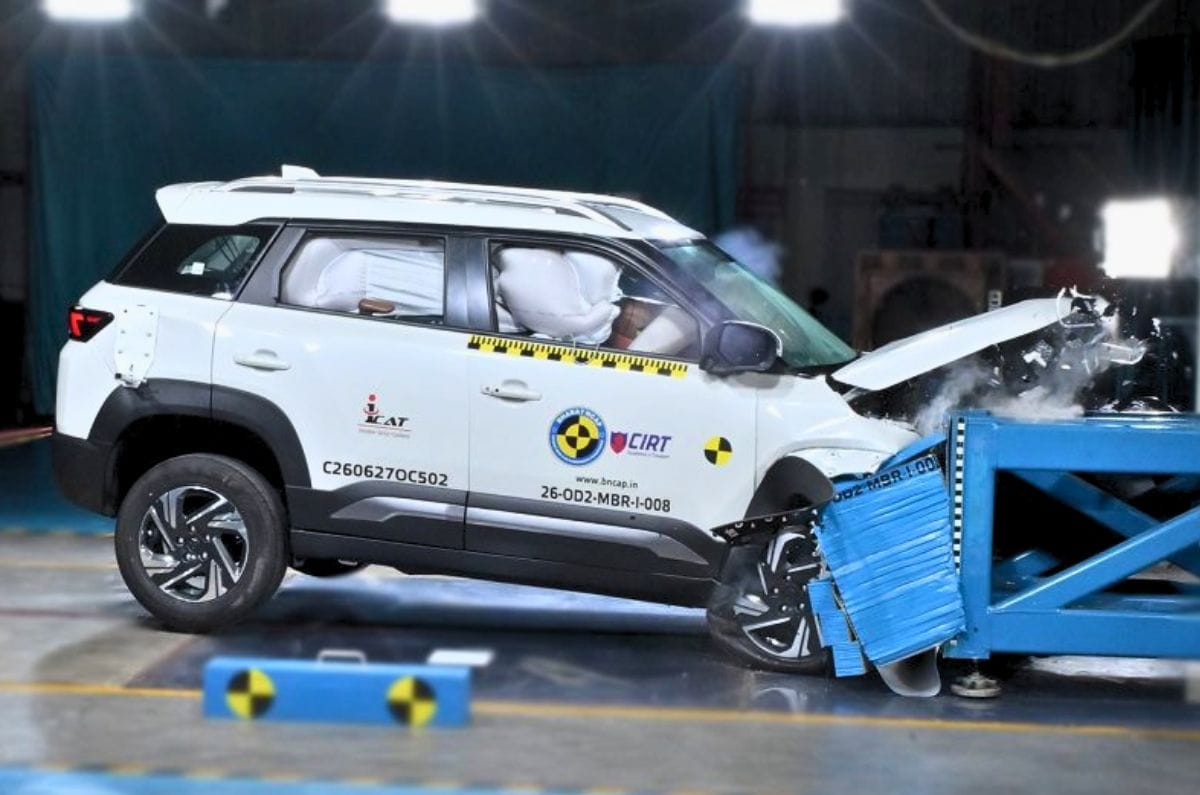
At the 66th SIAM Annual Convention, Union Minister of Road Transport and Highways, Nitin Gadkari, revealed that the government is preparing for the second phase of Bharat NCAP that’s set to take effect from October 2027. The new phase of the BNCAP, Gadkari said, is planned to broaden the vehicle assessment programme to areas such as crash avoidance, pedestrian safety and post-crash response.
- Entire crash chain will be evaluated, expanding beyond occupant protection
- Gadkari invited manufacturers to submit suggestions based on global safety practices
Bharat NCAP 2.0 plans: What was revealed?
“Entire crash chain” to be evaluated with the Bharat NCAP 2.0 programme
“We are going ahead with making Bharat NCAP 2. This is a very important program [which will be] valid from October 2027,” said Gadkari while addressing the SIAM convention. The next phase is expected to assess a wider range of safety parameters. “We are going to evaluate the entire crash chain,” he added while identifying three broad areas – avoiding a crash, pedestrian protection, and post-crash evacuation and care – rather than focusing only on how vehicles protect occupants during a crash.
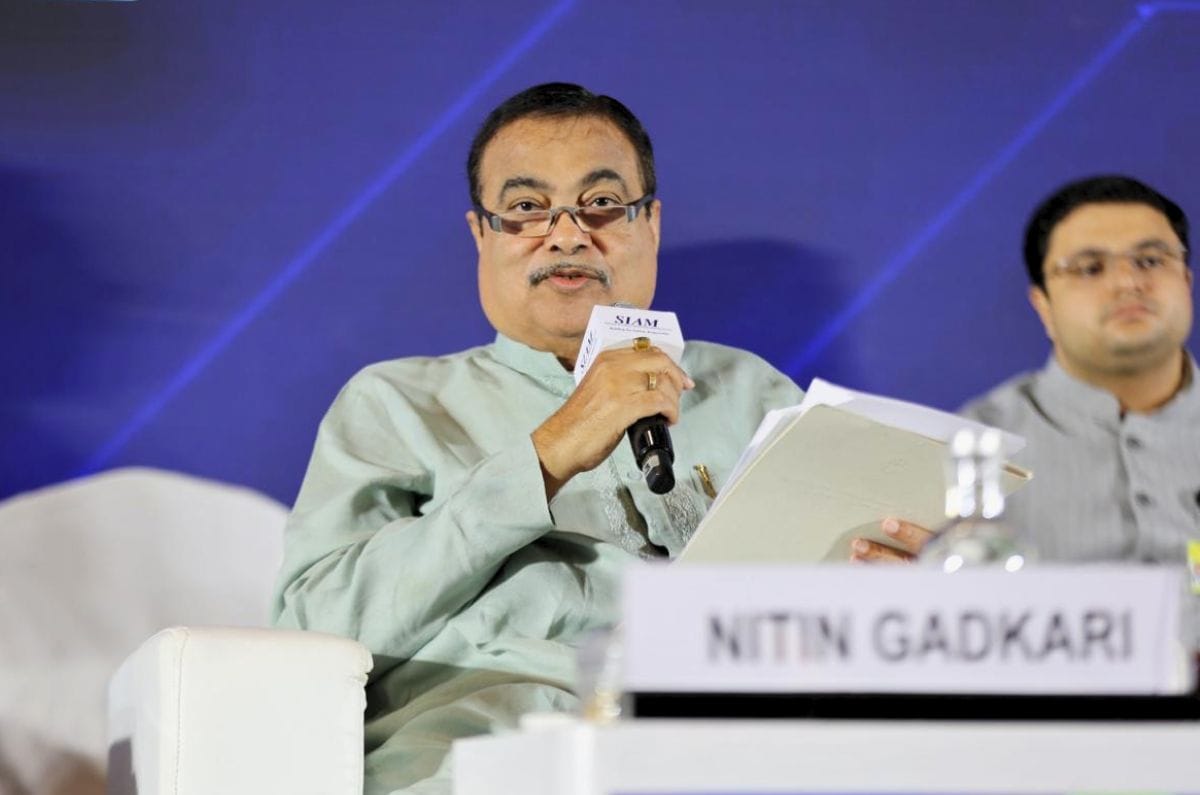
The ministry will also look at new safety technologies available globally as well as solutions being developed by Indian start-ups. Gadkari also invited vehicle manufacturers to submit suggestions based on their research, technical experience and safety practices followed in other markets “If you have any good suggestions, don’t hesitate, come to us”, he said.
Notified draft rules from MoRTH in November 2025 proposed 100-point evaluation criteria
In November 2025, MoRTH proposed new rules for the next phase of Bharat NCAP under AIS-197 (Revision 1), aimed at making the car safety testing programme more detailed and stricter. Under the proposed system, cars would receive a score out of 100 based on five areas: crash protection (55 points), protection for pedestrians and other vulnerable road users (20 points), safe driving features (10 points), accident avoidance technology (10 points), and post-crash safety (5 points).
The requirements for a 5-star safety rating would also become tougher. From 2027, a car would need to score at least 70 out of 100 to receive 5 stars, while from 2029, the minimum score would increase to 80 points.
The proposal also calls for more crash tests. In addition to the existing tests, cars would have to undergo a 50kph full-width frontal crash test, a 32kph oblique pole impact test and a 50kph rear-impact test. The speed of the existing side-pole test would also increase from 29kph to 32kph. Another major change is that cars would need to offer curtain airbags and electronic stability control (ESC) as standard to qualify for a star rating.
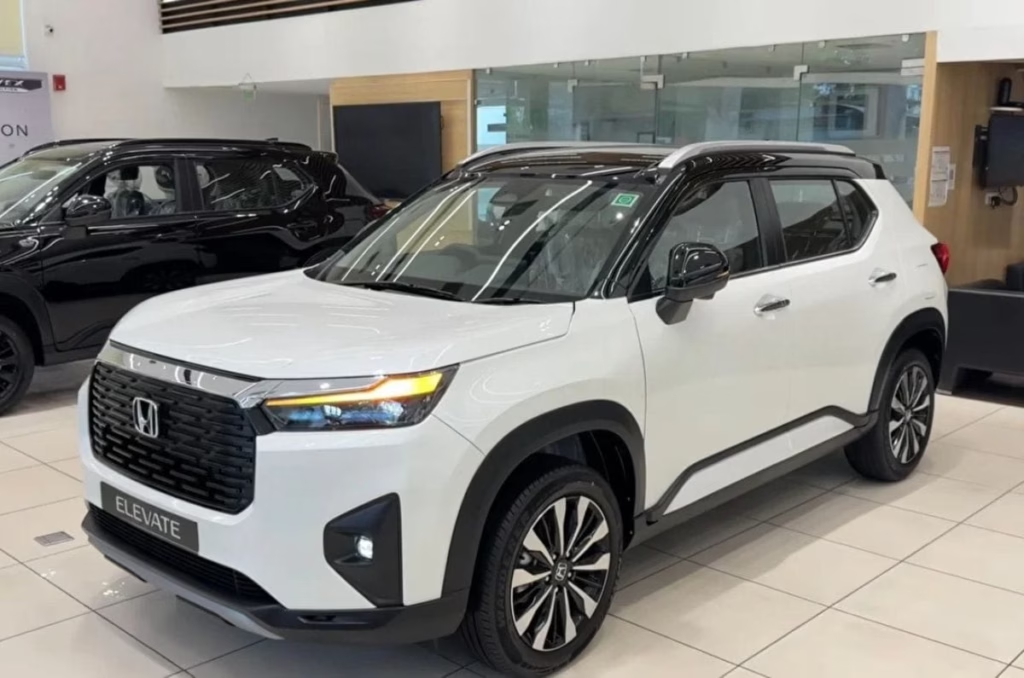
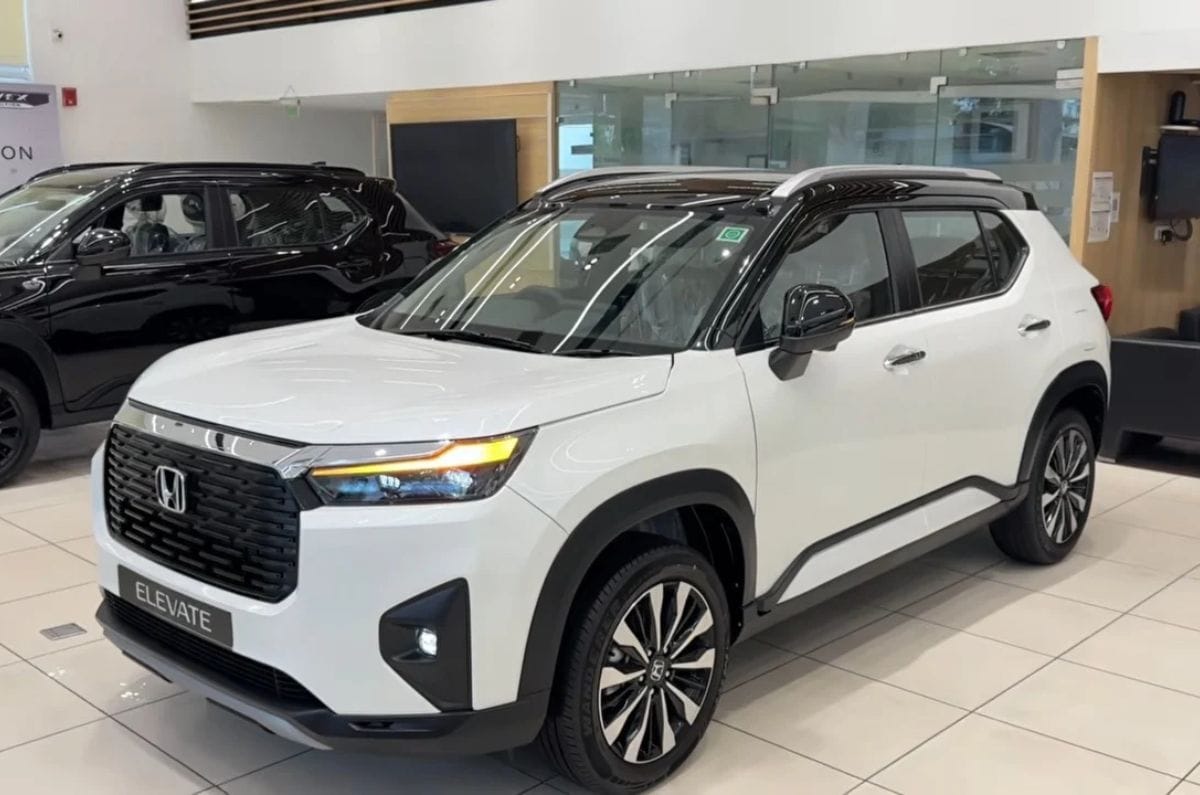
Honda has rolled out discounts for the Amaze, City and Elevate models for September 2026. Of the three, the schemes being offered on the Amaze and Elevate remain more or less the same compared to August 2026. That said, the Japanese automaker is providing higher discounts on the City than it did last month. Note that the offers mentioned here are valid from September 1 to September 30, 2026.
- Loyalty and corporate benefits are the same for all three cars
- 50 percent discount on Honda’s extended 7-year warranty
- The City is available with higher discounts this month
Disclaimer: Offers/benefits may vary by city and are subject to stock availability. Buyers are advised to check with their local dealer for exact figures.
Honda Elevate offers in September 2026
Benefits of up to Rs 1.79 lakh
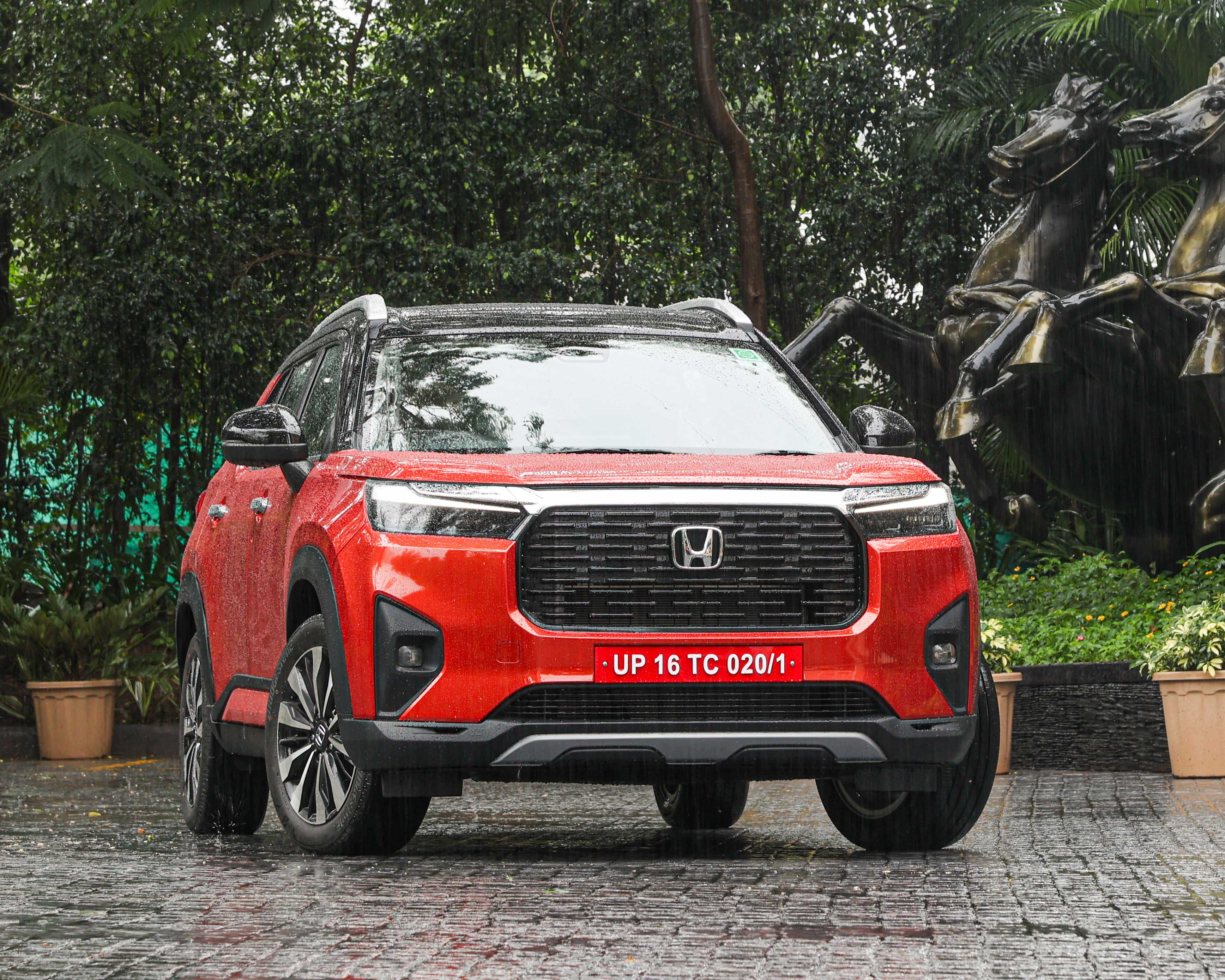
The Honda Elevate is available with discounts worth up to Rs 1.79 lakh this September, applicable for both MY25 and MY26 cars. These come in the form of cash discounts of up to Rs 60,000, loyalty benefits of Rs 4,000, corporate benefits of up to Rs 10,000 and exchange offers worth up to Rs 1.05 lakh. Honda is also providing buyers of the Elevate with an extended 7-year warranty at up to Rs 18,600, which is inclusive of a 50 percent discount. The price of the Honda Elevate ranges from Rs 11.81 lakh to Rs 16.78 lakh.
Honda City offers in September 2026
Benefits of up to Rs 1.30 lakh
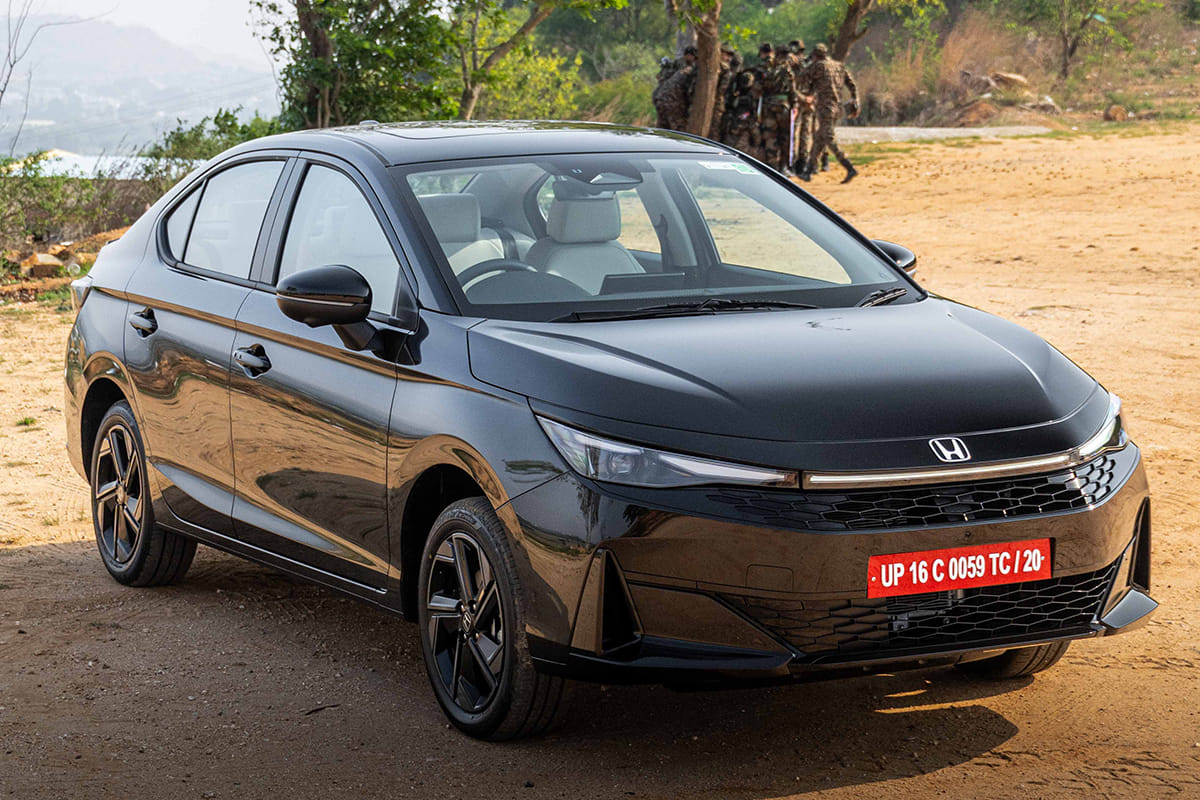
The top-spec variants of the Honda City are being offered this month with discounts amounting to Rs 1.30 lakh. Customers can avail cash discounts worth up to Rs 60,000 and loyalty incentives of Rs 4,000. There are also exchange benefits worth up to Rs 56,000, while corporate discounts can go up to Rs 10,000. There’s also a 50 percent discount on the extended 7-year warranty, now costing Rs 16,900. The Honda City is priced from Rs 12.08 lakh to Rs 21.44 lakh.
Honda Amaze offers in September 2026
Benefits of up to Rs 50,000
Honda is offering discounts similar to those available last month on both the second-gen and third-gen Amaze in September 2026. Those opting for the former can avail consumer benefits worth up to Rs 40,000, alongside the brand’s extended 7-year warranty with a 50 percent discount, i.e., at Rs 14,600.
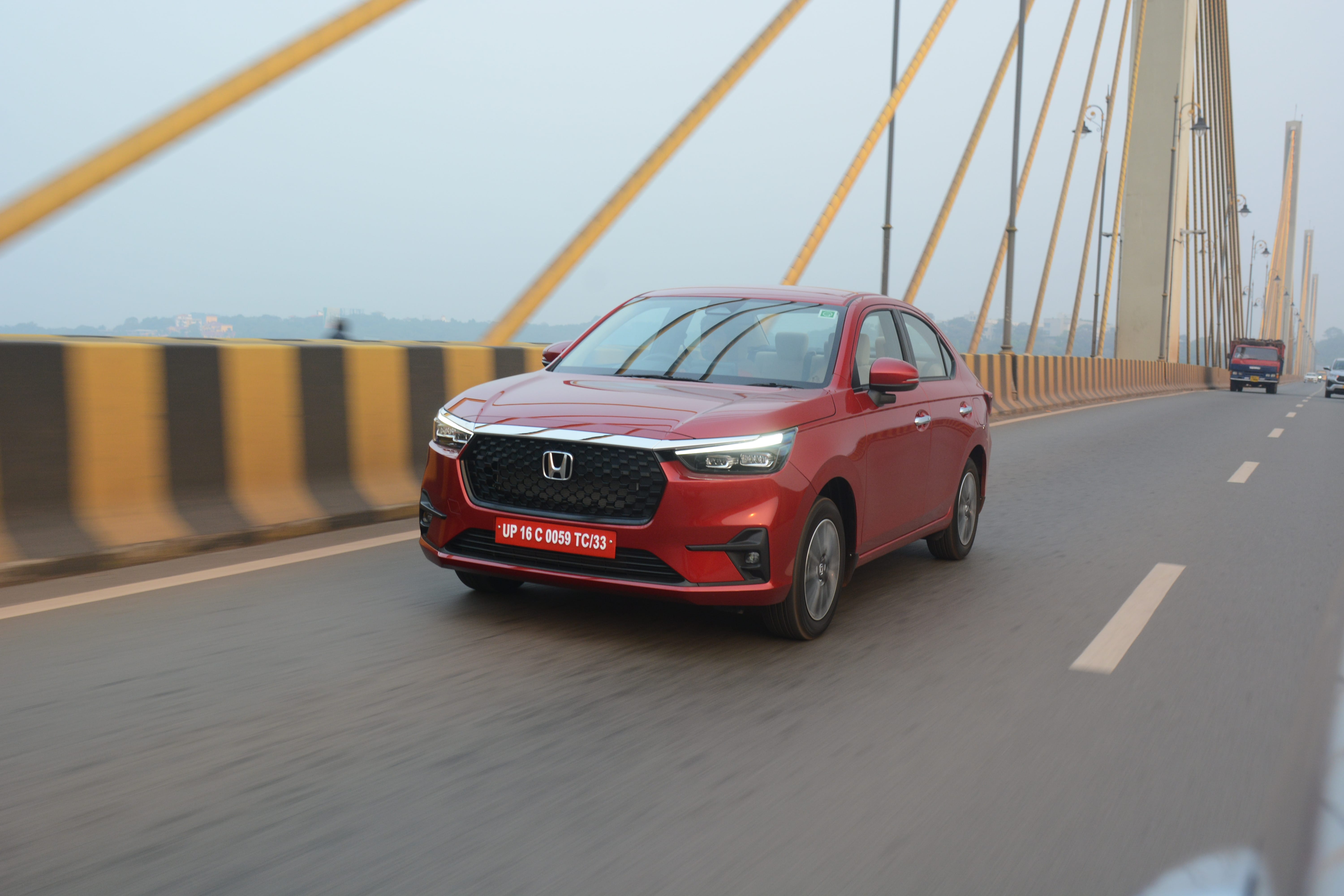
Select variants of the third-gen Amaze come with cash discounts of up to Rs 15,000, loyalty benefits of Rs 4,000 and corporate offers of up to Rs 10,000. Exchange bonuses of up to Rs 21,000 are also available. Meanwhile, the extended 7-year warranty is the same as that of the second-gen model. The price of the Honda Amaze second-gen model is from Rs 5.99 lakh to Rs 7.80 lakh while that of the third-gen Amaze is between Rs 7.65 lakh and Rs 10.00 lakh.
All prices are ex-showroom, India.
Also read
MY2025 Volkswagen Taigun gets up to Rs 3.5 lakh discount in September 2026
Hyundai Creta gets benefits of up to Rs 1 lakh in September 2026
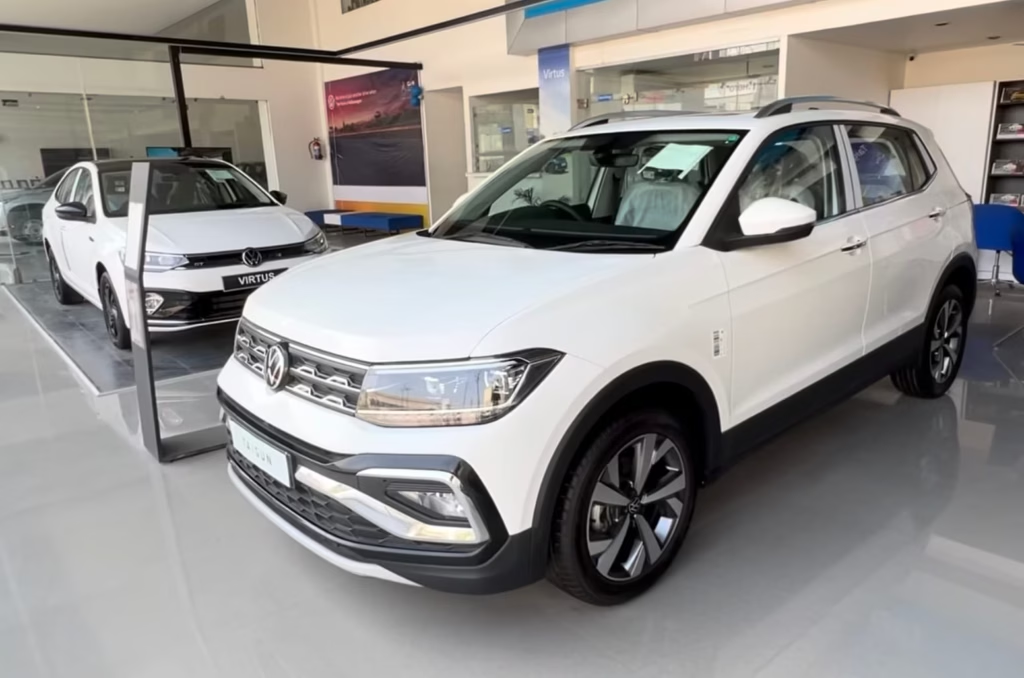
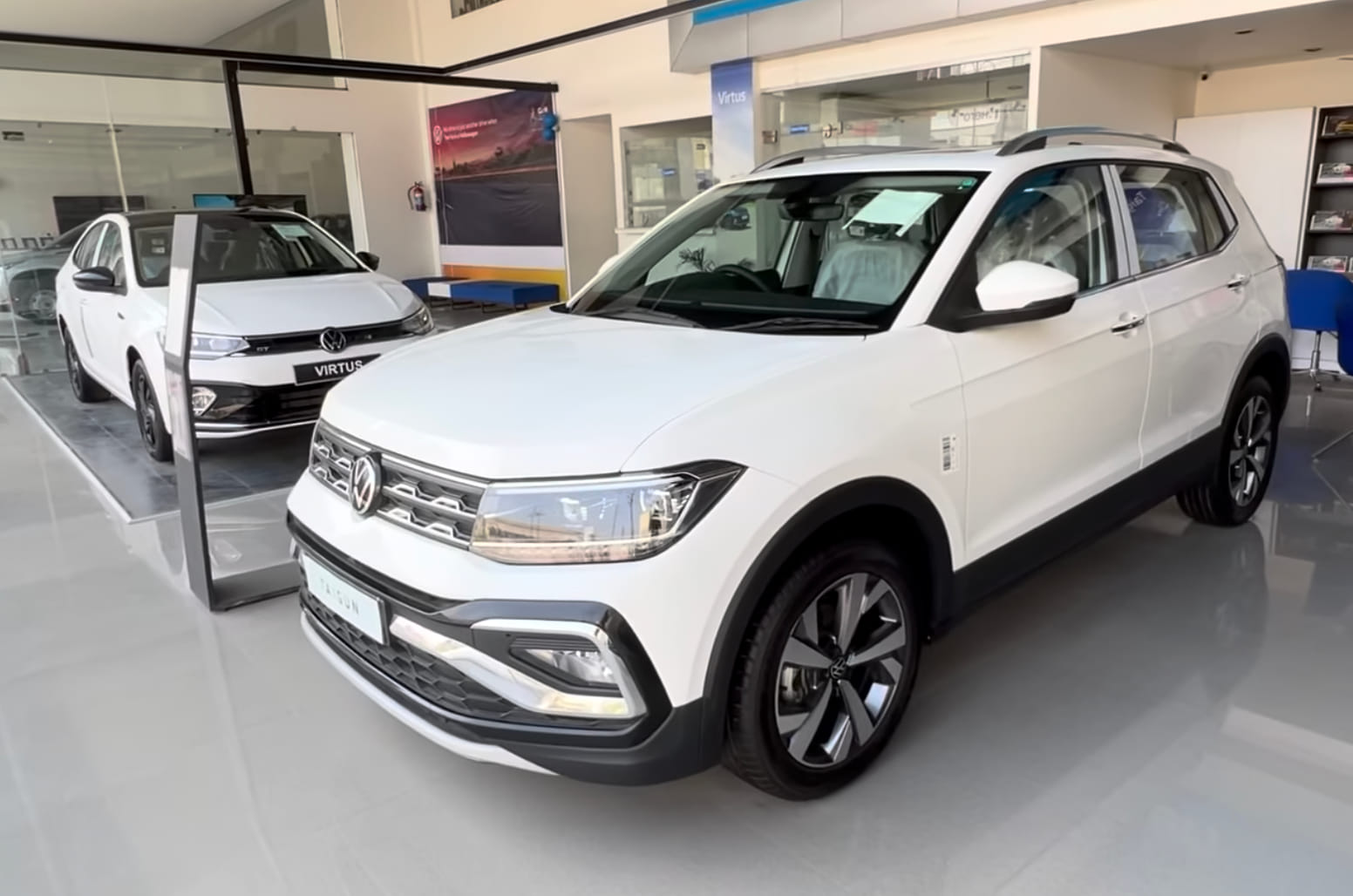
Volkswagen is offering benefits on the Virtus, Taigun, Tiguan R-Line and Tayron in September 2026. The benefits vary by model, variant and model year, and comprise cash discounts, exchange or scrappage bonuses and loyalty benefits.
Disclaimer: Discounts vary from city to city and are subject to stock availability. Check with your local dealership for exact figures.
Volkswagen Tiguan R-Line discounts in September 2026
Up to Rs 6 lakh off
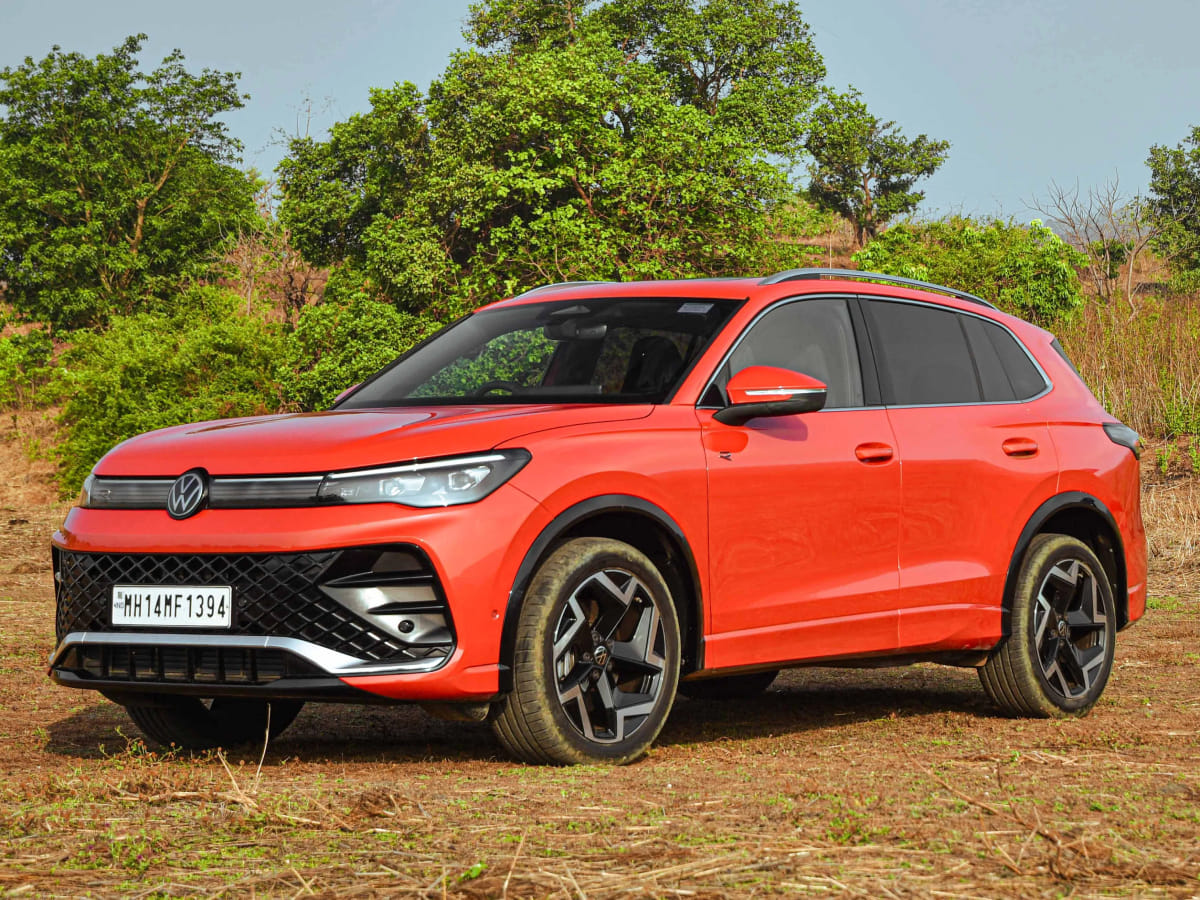
The Tiguan R-Line gets benefits of up to Rs 6 lakh in September 2026. These comprise a Rs 3.5 lakh cash discount, a Rs 2 lakh exchange bonus and a Rs 50,000 loyalty bonus. Customers opting for scrappage can get Rs 20,000 instead of the Rs 2 lakh exchange bonus.
Volkswagen Taigun discounts in September 2026
Up to Rs 3.5 lakh off
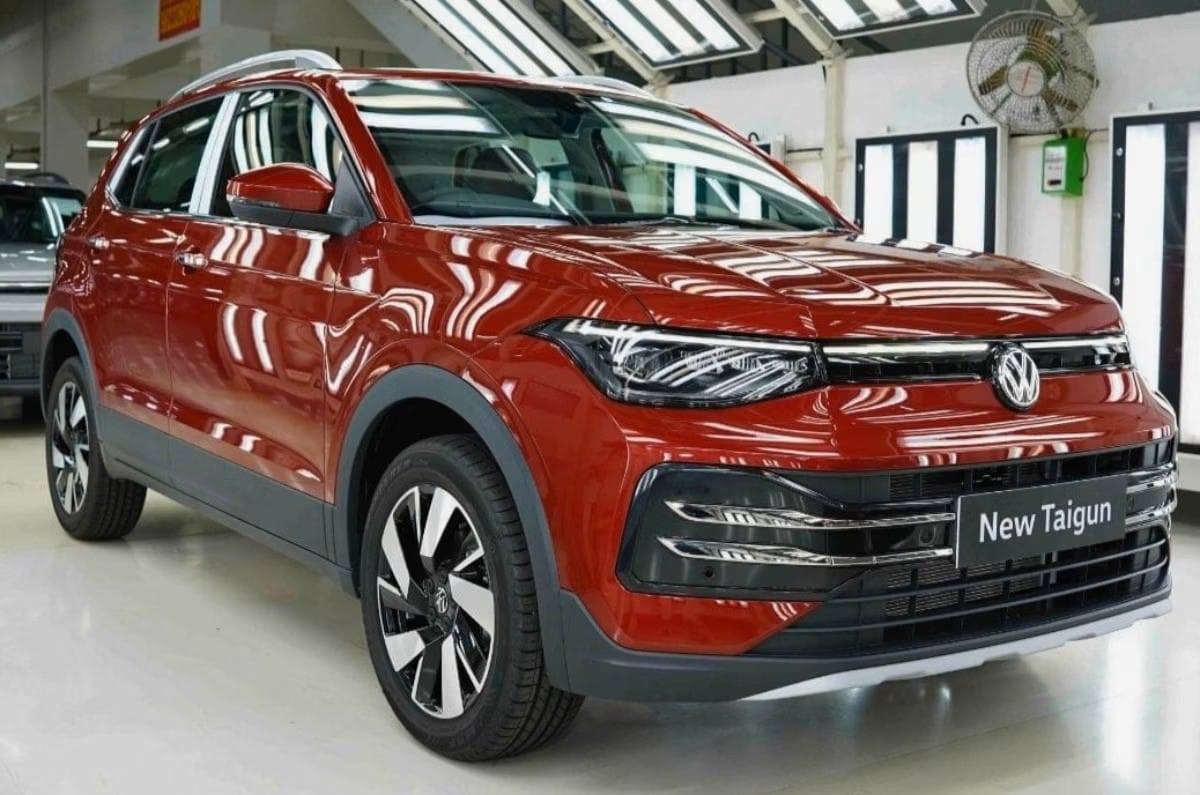
Volkswagen is offering different benefits on the outgoing Taigun and the updated Taigun this month. The outgoing Taigun gets higher benefits, with MY2025 cars getting a cash discount of up to Rs 2 lakh, along with Rs 1 lakh in liquidation support. MY2026 cars get a cash discount of up to Rs 1 lakh. Eligible buyers can also get a Rs 30,000 exchange bonus or a Rs 20,000 scrappage benefit, along with a Rs 20,000 loyalty benefit.
On the updated Taigun, cash discounts range from Rs 20,000 to Rs 25,000, depending on the variant. The GT Line gets Rs 20,000, while the Topline AT and GT Plus DSG Sport get Rs 25,000. A Rs 30,000 exchange bonus or a Rs 20,000 scrappage benefit, as well as a Rs 20,000 loyalty benefit, is also available on eligible variants.
The exchange and scrappage benefits cannot be combined, and customers can choose either a loyalty or a corporate benefit.
Volkswagen Virtus discounts in September 2026
Up to Rs 1.55 lakh off
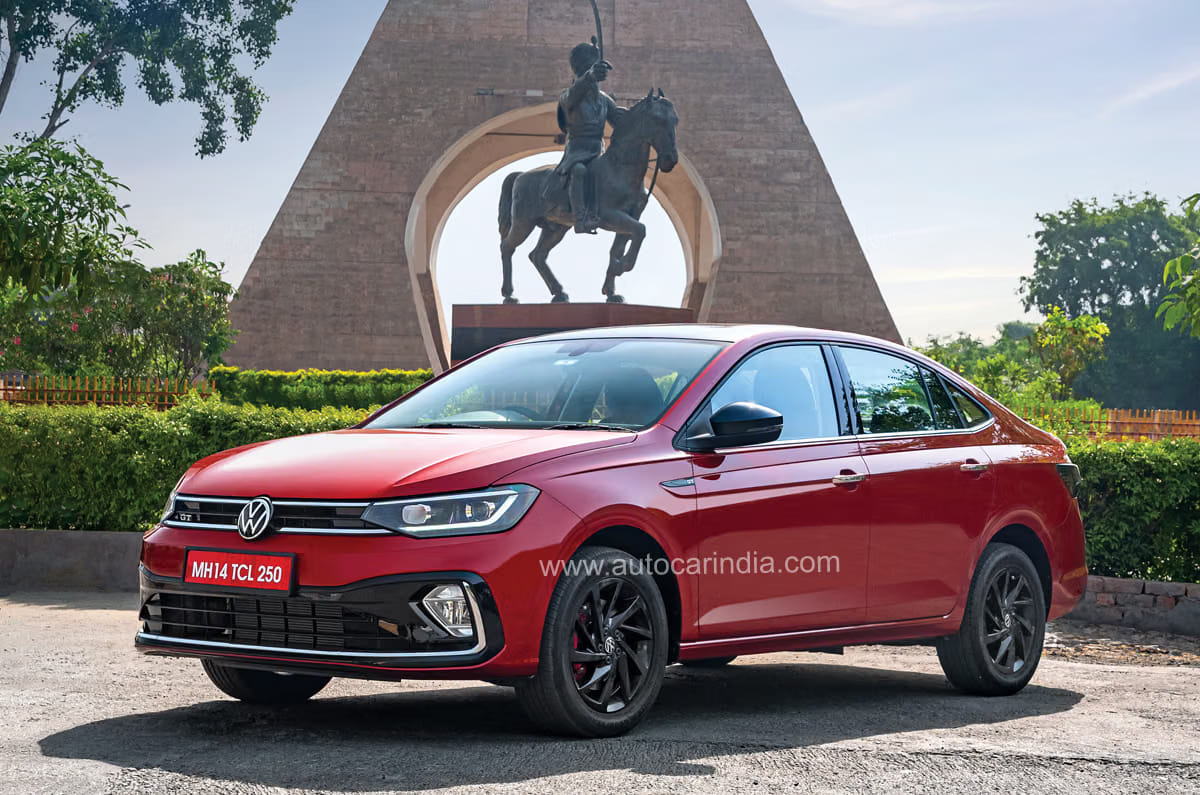
Volkswagen is offering different benefits on the Virtus, depending on the variant and model year this month. MY2025 cars get a cash discount of up to Rs 75,000, while MY2026 cars get up to Rs 50,000 off. Eligible buyers can also get a Rs 30,000 exchange bonus or a Rs 20,000 scrappage benefit, along with a Rs 50,000 loyalty benefit.
The highest benefit is available on the MY2025 Virtus Topline MT and AT, which get a Rs 75,000 cash discount, a Rs 30,000 exchange bonus and a Rs 50,000 loyalty benefit, taking the total to Rs 1.55 lakh. The MY2026 Topline variants get a Rs 50,000 cash discount, making the maximum benefit Rs 1.30 lakh when combined with the exchange and loyalty benefits.
Volkswagen Tayron discounts in September 2026
Up to Rs 1.5 lakh off
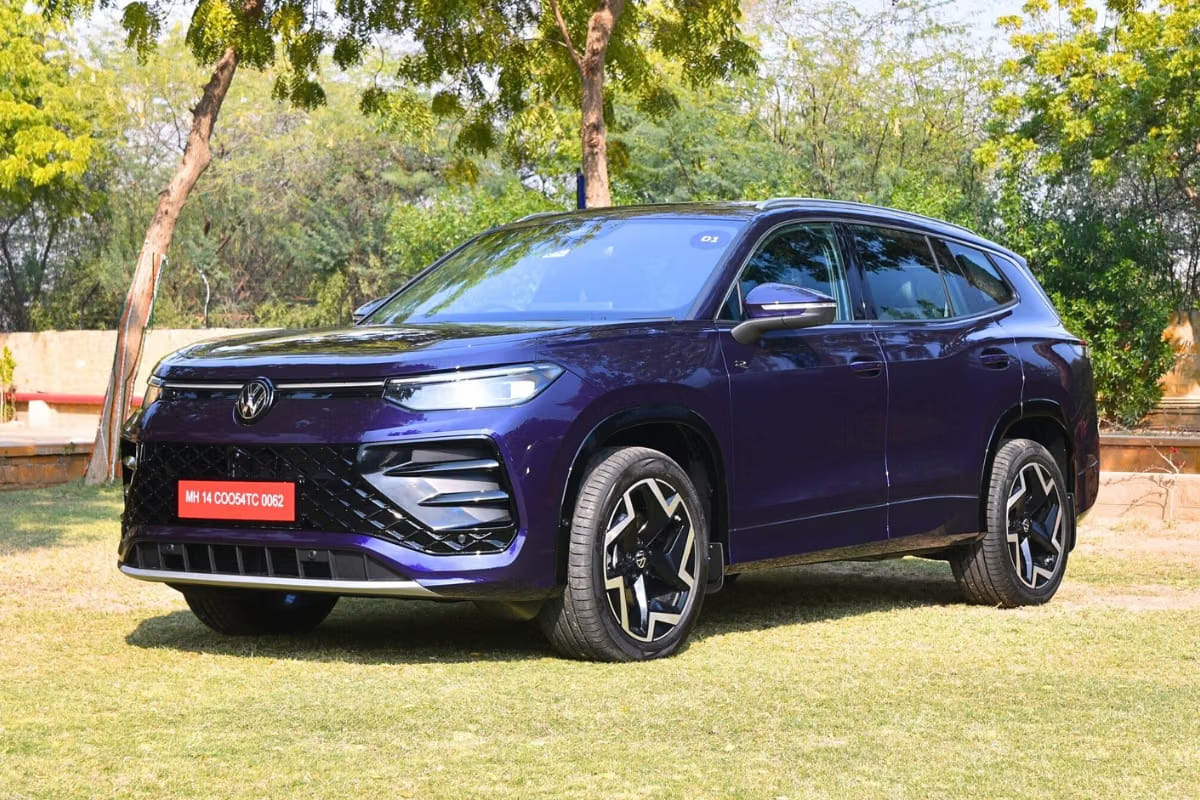
The Tayron, available in R-Line and Life variants, gets benefits of up to Rs 1.5 lakh. There is no cash discount, but buyers can get a Rs 1 lakh exchange bonus and a Rs 50,000 loyalty bonus. Alternatively, the exchange bonus can be replaced by a Rs 20,000 scrappage bonus.
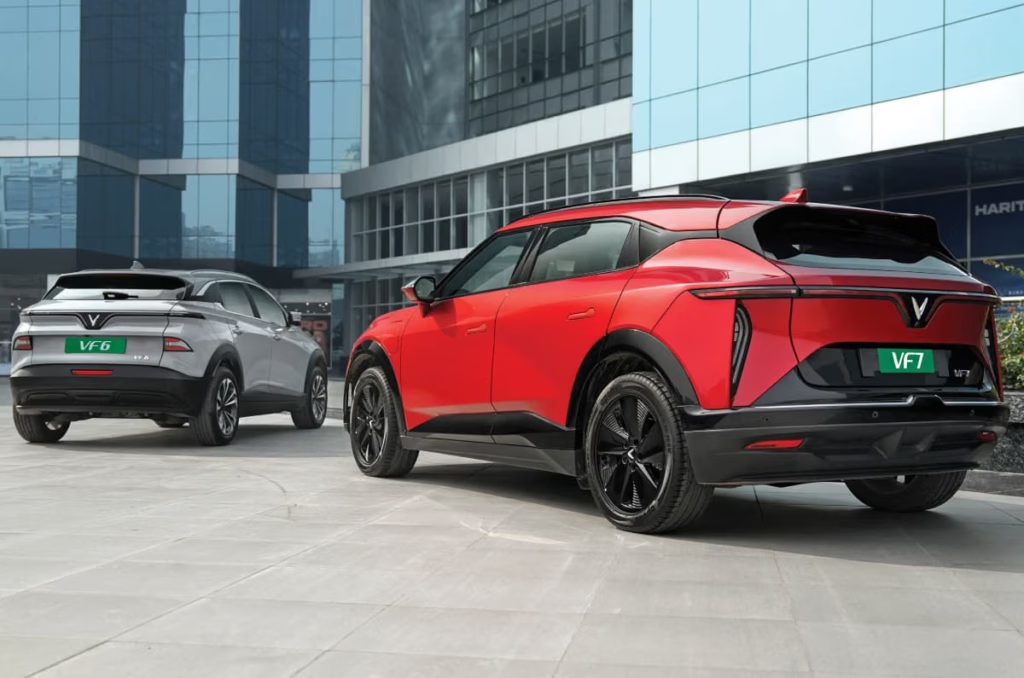
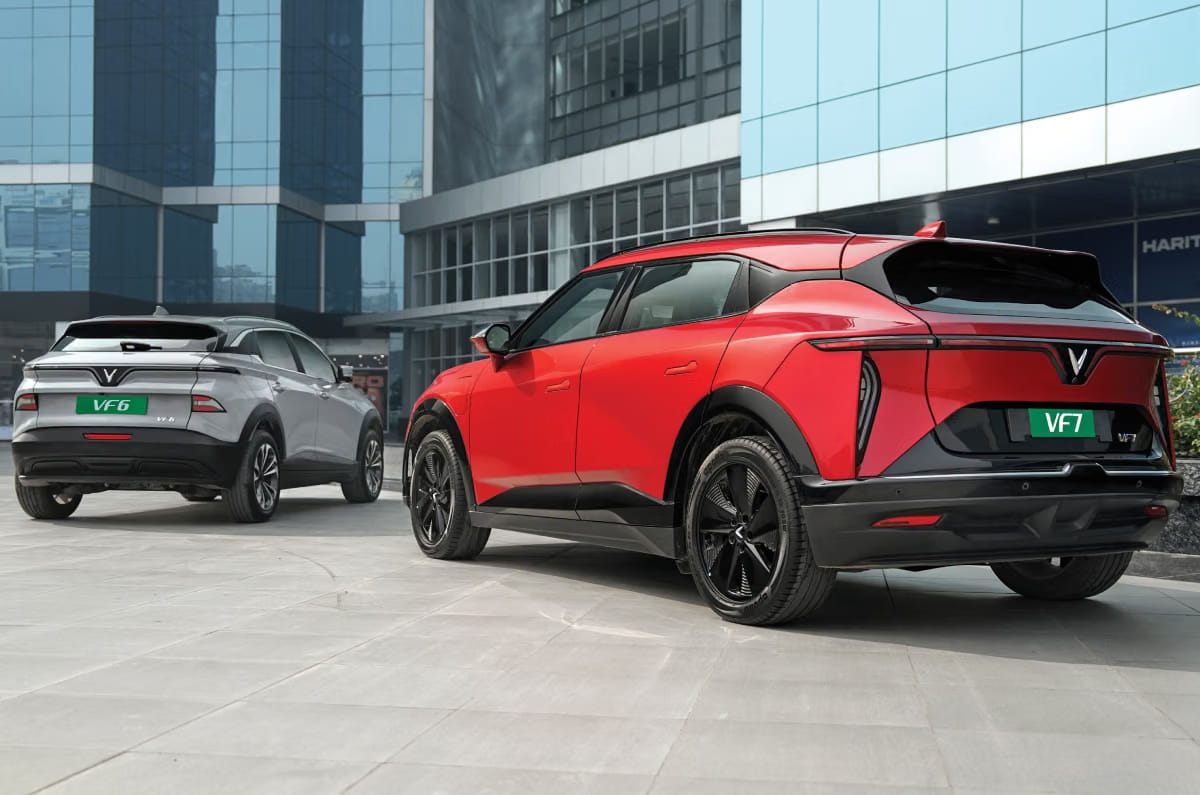
Vinfast plans to design, develop and manufacture electric vehicles specifically for India as it expands its operations in the country. The Vietnamese EV maker has also received investment approval for Phase 2 of its Thoothukudi plant in Tamil Nadu, although it has not disclosed the investment amount, additional production capacity or timeline for the expansion.
- Phase 2 of Vinfast’s Thoothukudi plant gets investment approval
- Vinfast to increase sourcing from Indian suppliers
India-specific EVs won’t be existing cars adapted for the market
Vinfast says its upcoming models will not simply be existing products adapted for India. The company plans to develop them specifically for local requirements and with a higher level of localisation.
“For upcoming models, Vinfast’s approach is not simply to bring existing products from our global portfolio into the market, but to design, develop and manufacture products specifically for India, tailored to the needs of local customers, while also targeting a much higher level of localisation,” a Vinfast spokesperson told our sister publication, Autocar Professional.
The company said it has conducted market studies and customer clinics to understand Indian customer requirements. Feedback from these exercises has already been used to make changes to products such as the VF6 and VF7 for the Indian market.
VF6, VF7 CKD assembly to continue
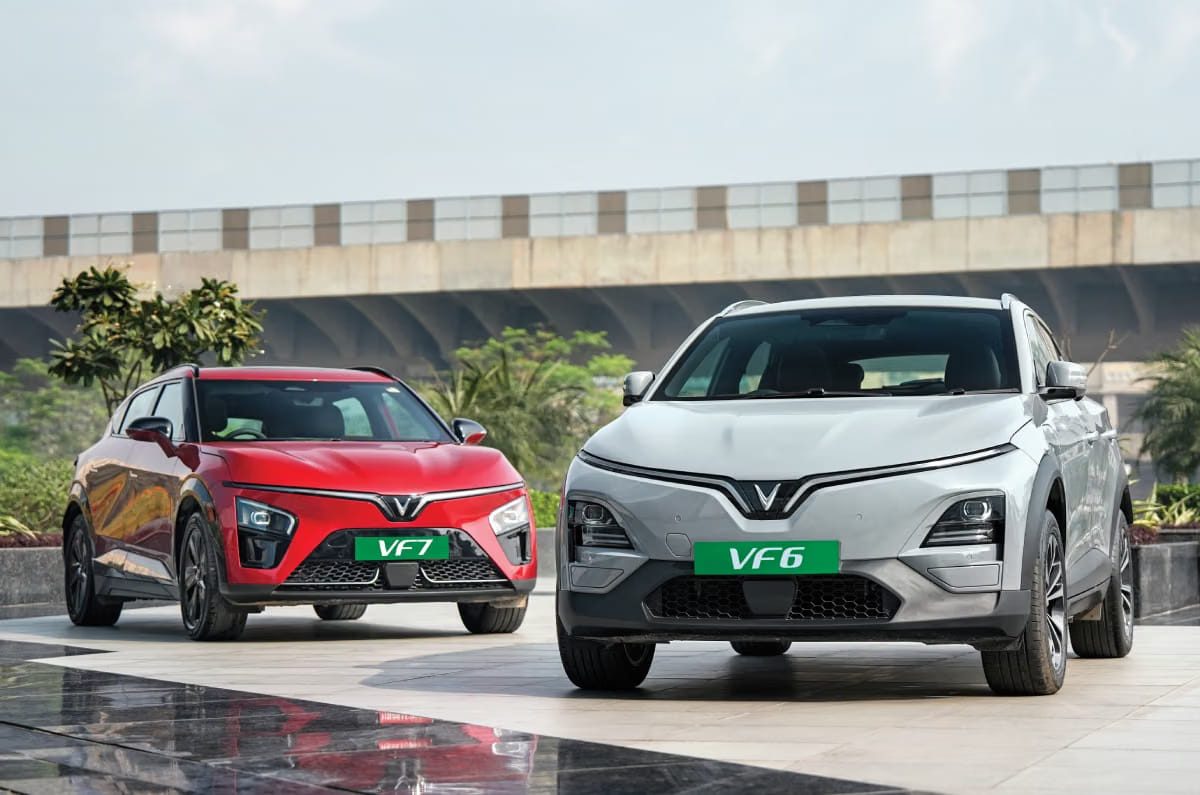
VinFast currently assembles the VF6 and VF7 from completely knocked down (CKD) kits at its Thoothukudi facility. The company has clarified that it has neither changed nor suspended production plans for the two SUVs and will continue CKD assembly for India. The clarification follows a Reuters report that had raised questions over the carmaker’s production plans for the two models.
Vinfast said India remains an important part of its long-term business and manufacturing strategy, adding that the initial response to its products has helped it consistently rank among the five largest electric passenger vehicle brands in India.
Vinfast to expand local supplier base
The carmaker is also working to increase sourcing from Indian suppliers. It has held supplier conferences in India and Vietnam involving more than 300 Indian suppliers to explore sourcing opportunities and increase localisation.
“Building a sustainable and resilient supply chain is the foundation of Vinfast’s long-term strategy in India. Accordingly, we are accelerating our operations in line with the ‘Make in India’ direction,” the spokesperson said.
Vinfast is also engaging with government agencies on policy measures aimed at supporting further production and investment by global EV manufacturers in India. The company described the approval for Phase 2 of the Thoothukudi plant as an important step towards expanding its manufacturing capacity.
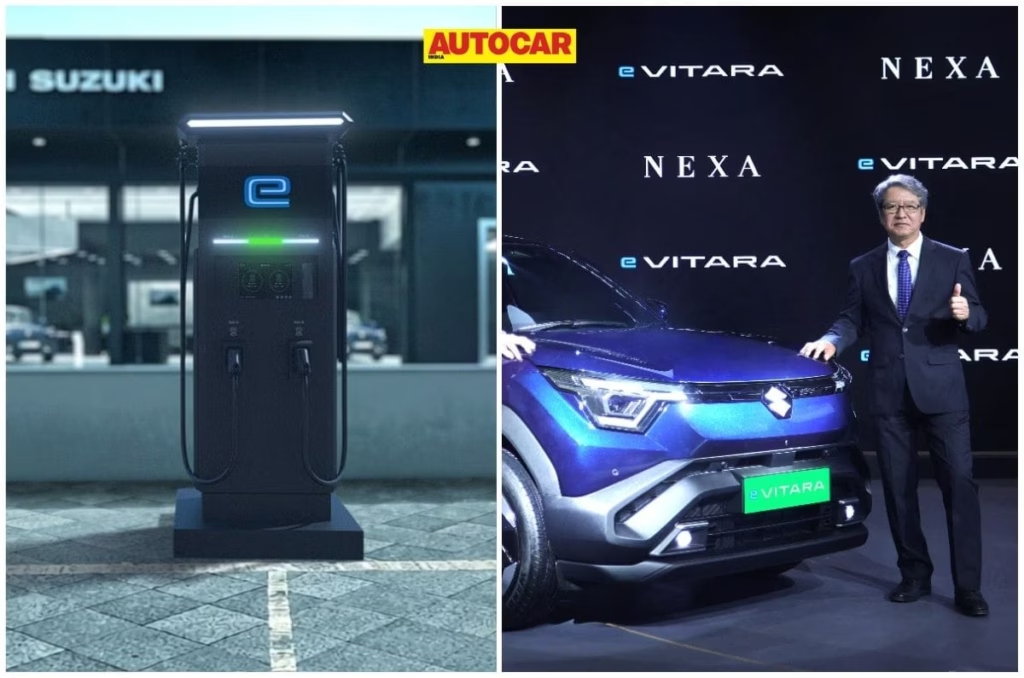
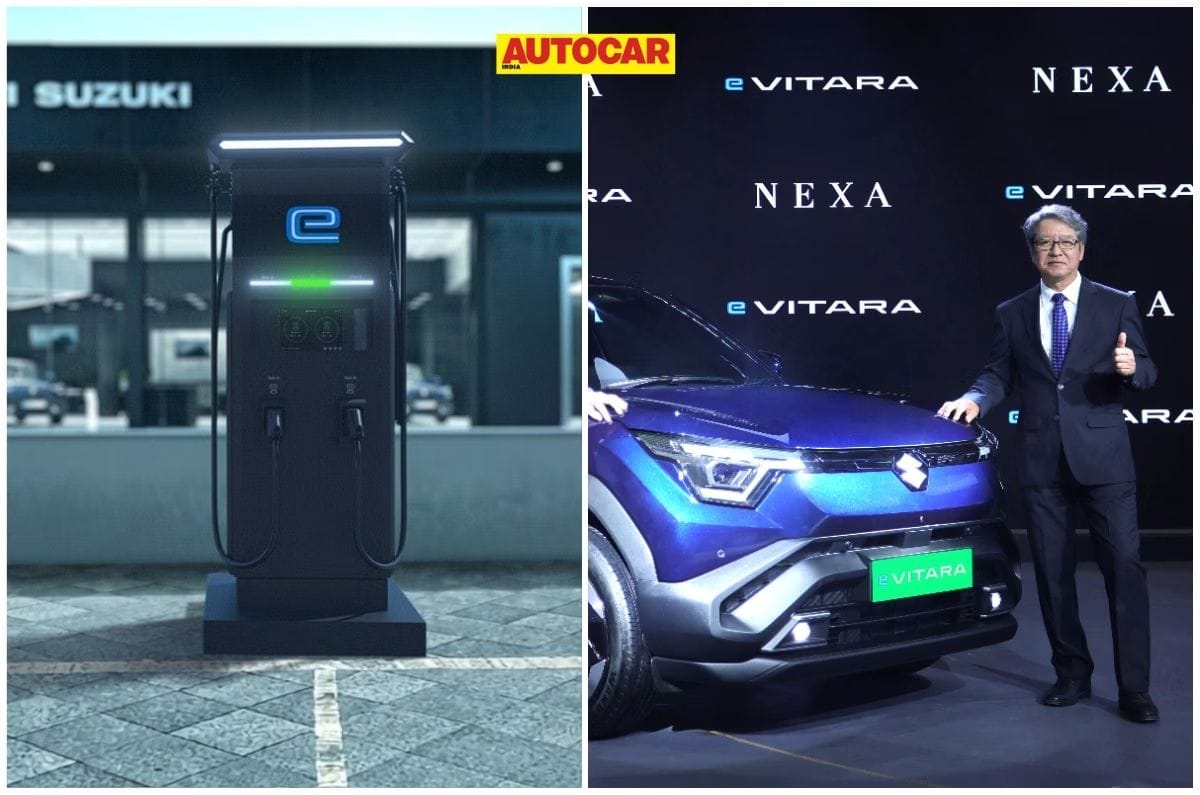
Maruti Suzuki plans to add smaller EVs to its India line-up once it has developed the charging infrastructure needed to support them. At the company’s annual general meeting, Managing director and CEO Hisashi Takeuchi said, “As soon as our EV charging will be ready in India, we will add smaller EVs in our portfolio.”
- More than 2,000 exclusive chargers installed across 1,100-plus cities
- Claims around 90 percent share of India’s EV exports
- Plans to build EVs, hybrids, CNG and ICE cars on the same line
Maruti Suzuki’s charging network plans
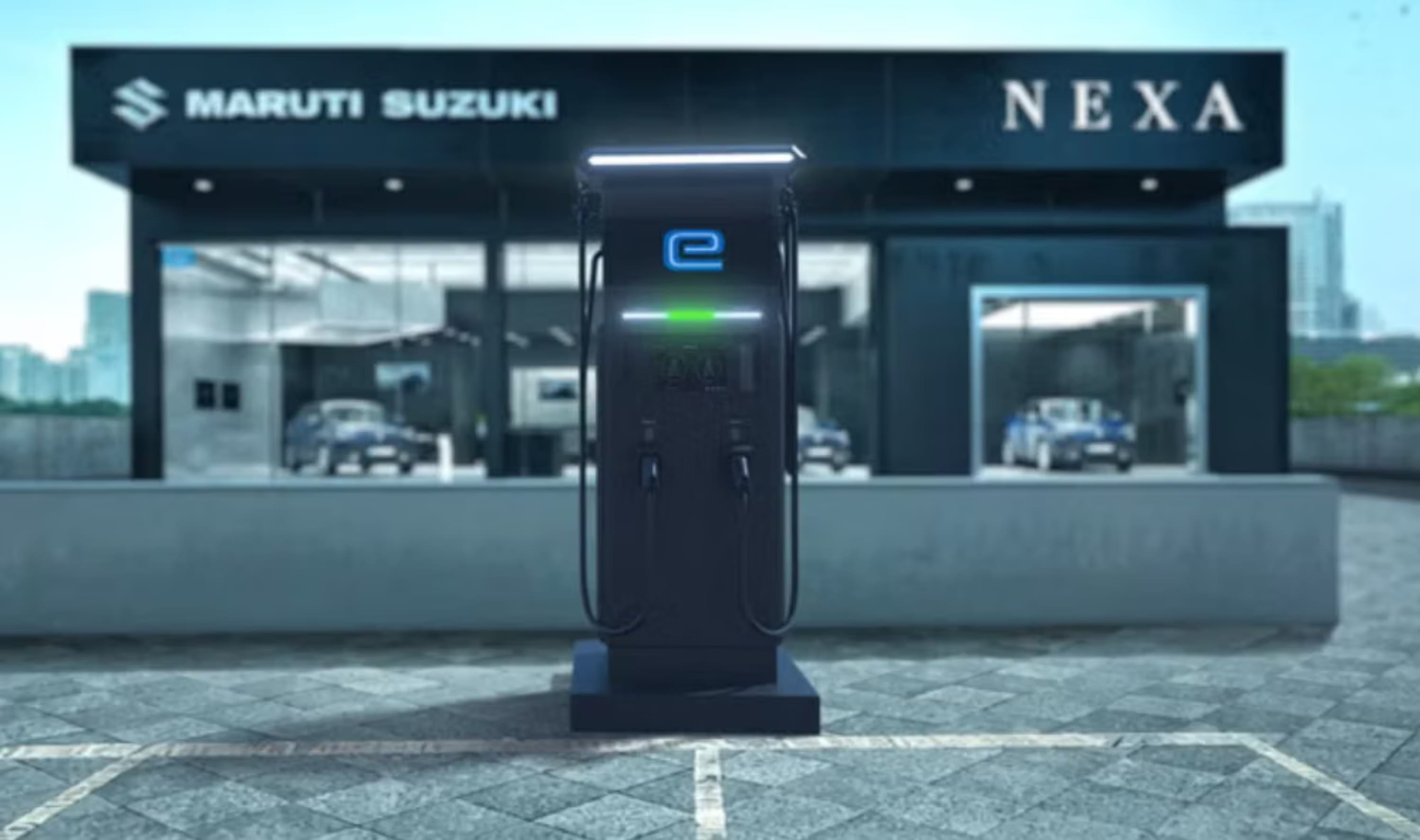
Maruti Suzuki has partnered with 13 charge-point operators and has already installed more than 2,000 exclusive charging points across over 1,100 cities. The company is also working to improve charging coverage on highways and expressways, while its plan for the top 100 cities calls for chargers at key locations around 5-10km apart.
The carmaker has set a larger target of more than 1,00,000 charging points across India by the end of this decade. The company has linked the introduction of smaller EVs to the expansion of this charging network.
Maruti currently sells the e Vitara as its only EV in India, while competitors Tata Motors and JSW MG Motor India already have smaller electric models on sale.
Maruti Suzuki expands EV exports
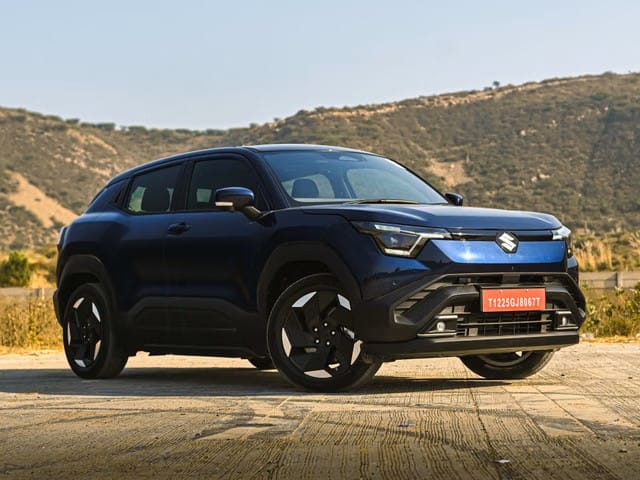
Maruti Suzuki is also expanding its electric vehicle exports. “We have started our EV exports to Europe first. Now, we are the largest exporter of EVs from India, with about 90 percent share in total EV exports from India,” he said. Takeuchi said the company exports vehicles to nearly 120 countries and shipped more than 4.4 lakh vehicles last year, a 34 percent increase overall.
Japan has become Maruti’s second-largest market, according to Takeuchi, while the company expects trade agreements to create further export opportunities in markets including the UK, Germany and France.
ICE, hybrid and CNG investments to continue
Maruti Suzuki will continue investing in internal-combustion engine, hybrid and CNG vehicles alongside EVs. Takeuchi said ICE vehicles would remain an important part of the company’s business, with compressed biogas also expected to support their continued demand.
“Investment in ICE facilities will continue to be an integral part of our manufacturing process,” he said. The company is designing its new manufacturing facilities to build different types of vehicles on the same production line, allowing production to be adjusted as demand changes. “In our new plants, we can make EVs, hybrid vehicles, CNG and ICE vehicles on the same line,” Takeuchi said.
Nissan Motor and Honda Motor have announced a joint development agreement to standardise multiple electronic control units (ECUs) and software for their next-generation software-defined vehicles (SDVs), aiming to reduce development costs and improve R&D efficiency. Under the agreement, the two companies will jointly establish common specifications for multiple core ECUs within the electrical/electronic (E/E) architecture of next-generation SDVs, along with the in-vehicle operating system, key parts of the middleware, and vehicle control software that runs on these ECUs.
- Software-defined vehicles (SDVs) identified as a priority for collaboration.
- Collaboration aims to mitigate development costs and enhance R&D efficiency.
Common E/E architecture to underpin upcoming Honda and Nissan cars
The ECUs covered include high-performance main ECUs (High Performance Computers) that use system-on-chips (SoCs), as well as zone ECUs that oversee individual areas of the vehicle. The resulting E/E architecture is planned for application in both companies’ next-generation SDVs starting in fiscal year 2029.
The agreement follows extensive joint studies by Nissan and Honda into potential collaboration in the software domain, conducted as part of their broader strategic partnership. The companies identified the SDV software domain as a priority area for collaboration, citing the pace of technological change and the need to strengthen competitiveness through faster R&D and more efficient investment.
By standardising these foundational technologies, Nissan and Honda said they aim to combine their engineering expertise and development resources to accelerate innovation and achieve economies of scale. The two automakers said they will continue to build on their respective strengths and explore further collaboration opportunities, including efforts related to carbon neutrality and vehicle safety.
With inputs from Shruti Shiraguppi
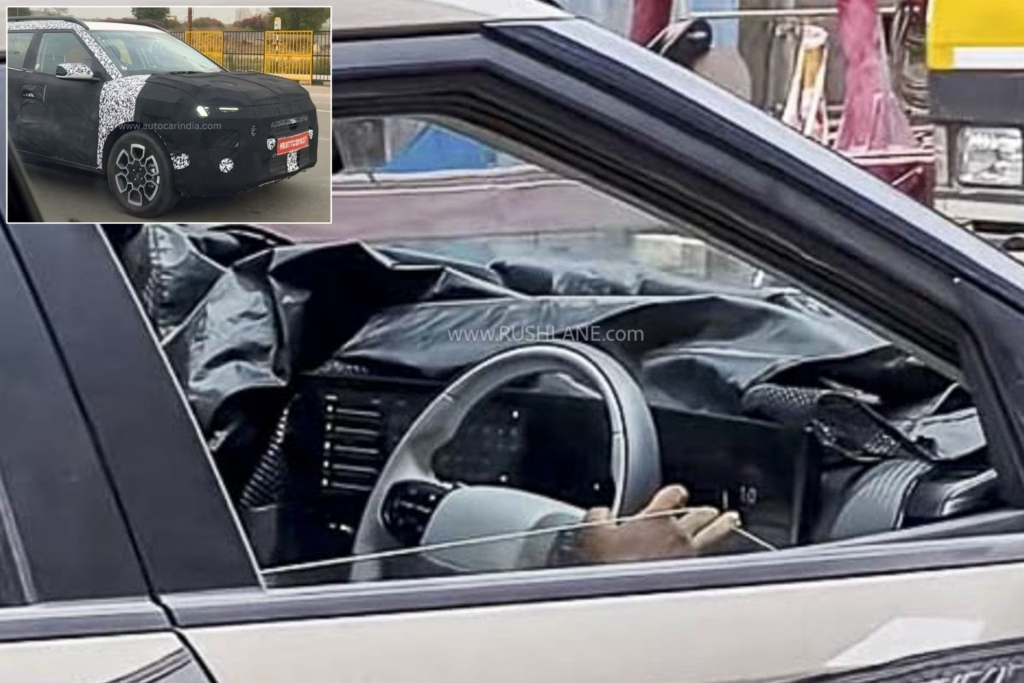
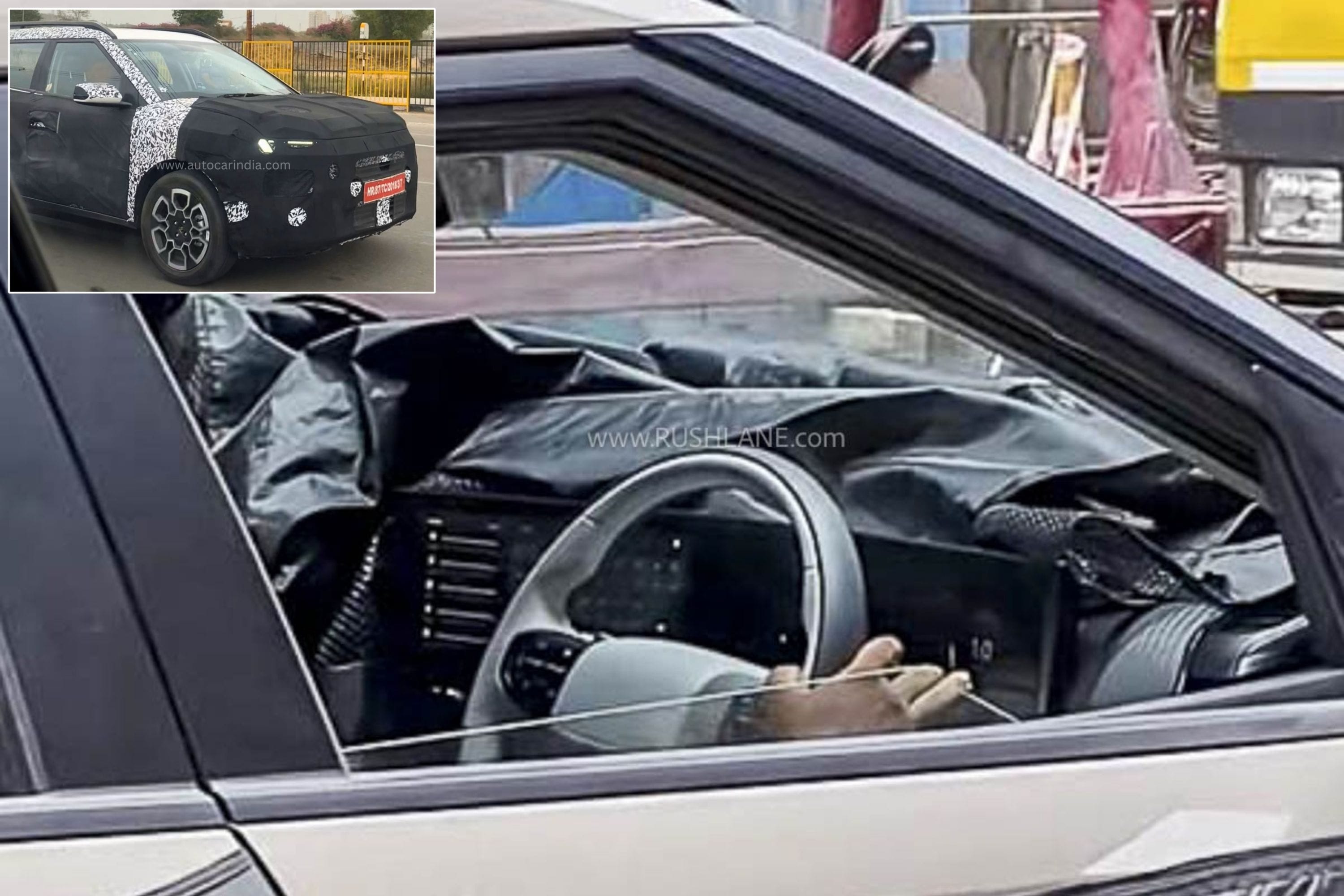
Some newly released spy shots of Hyundai’s upcoming Bayon-based midsize SUV offer the first glimpse of its interior. This SUV is expected to launch in the festive season as an alternative to Hyundai’s other midsize SUV, the highly popular Creta. However, the spy shots here indicate that the Bayon-based SUV will offer a more modern interior layout.
Hyundai Bayon-based SUV interior: What do the spy shots reveal?
Among the most notable elements visible in the spy shots is a new curved set of displays, similar to the dual 12.3-inch screens found in top-spec variants of the smaller Venue. By contrast, the Creta comes with dual 10.25-inch displays at most, and its infotainment system doesn’t natively support wireless Apple CarPlay and Android Auto – a separate USB adapter is required for that. We expect the Bayon-based SUV to rectify this shortcoming with updated infotainment software.
A dual-tone steering wheel resembling that of the Venue can be observed too. Like many of Hyundai’s newer cars, the steering wheel is expected to bear the four-dot motif that signifies ‘H’ in Morse code. Its black-and-white finish likely informs the overall colour scheme of the cabin as well.
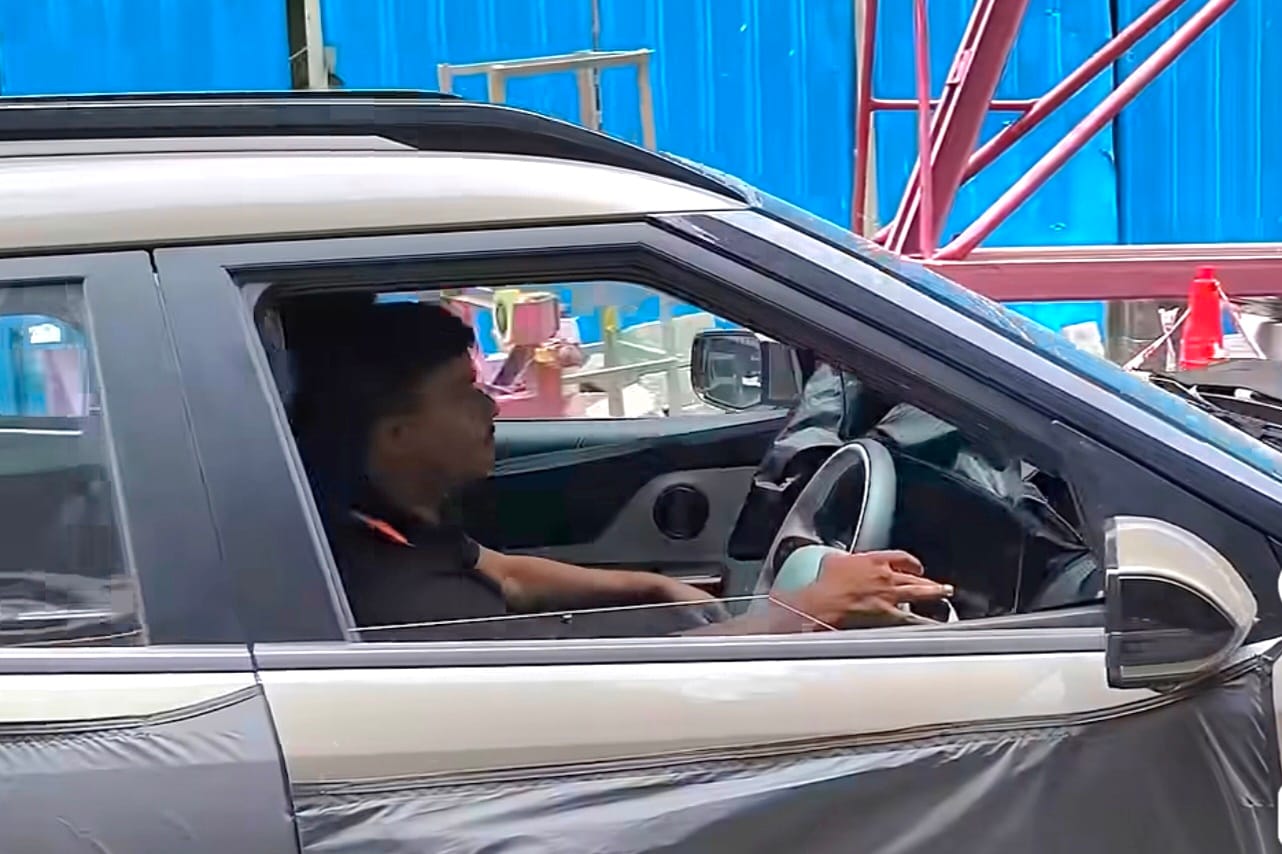
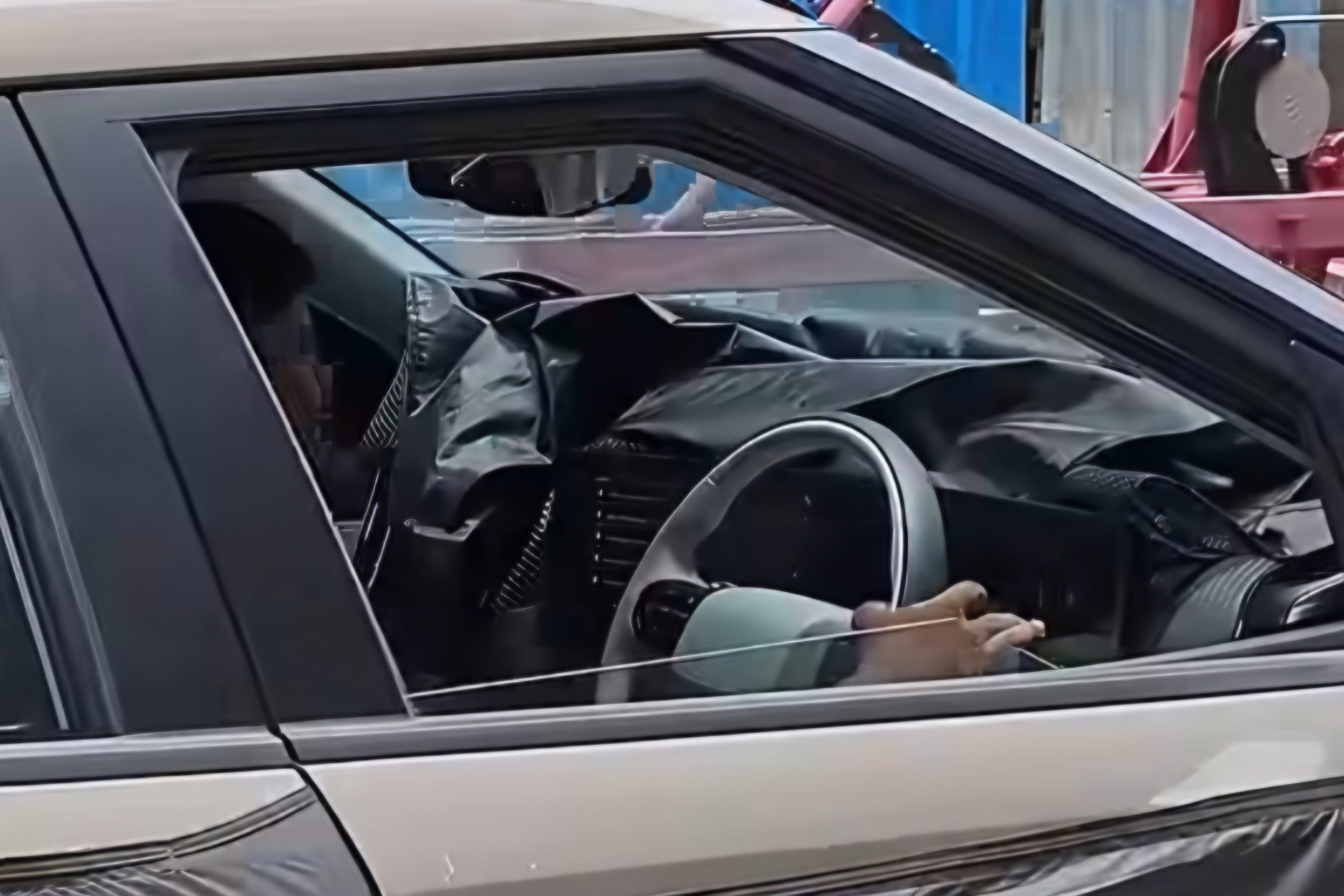
In the second spy shot, we can clearly see a black-and-white finish for the door liners. The Bayon-based SUV also looks to have circular interior door handles.
Hyundai Bayon-based SUV: What else do we know?
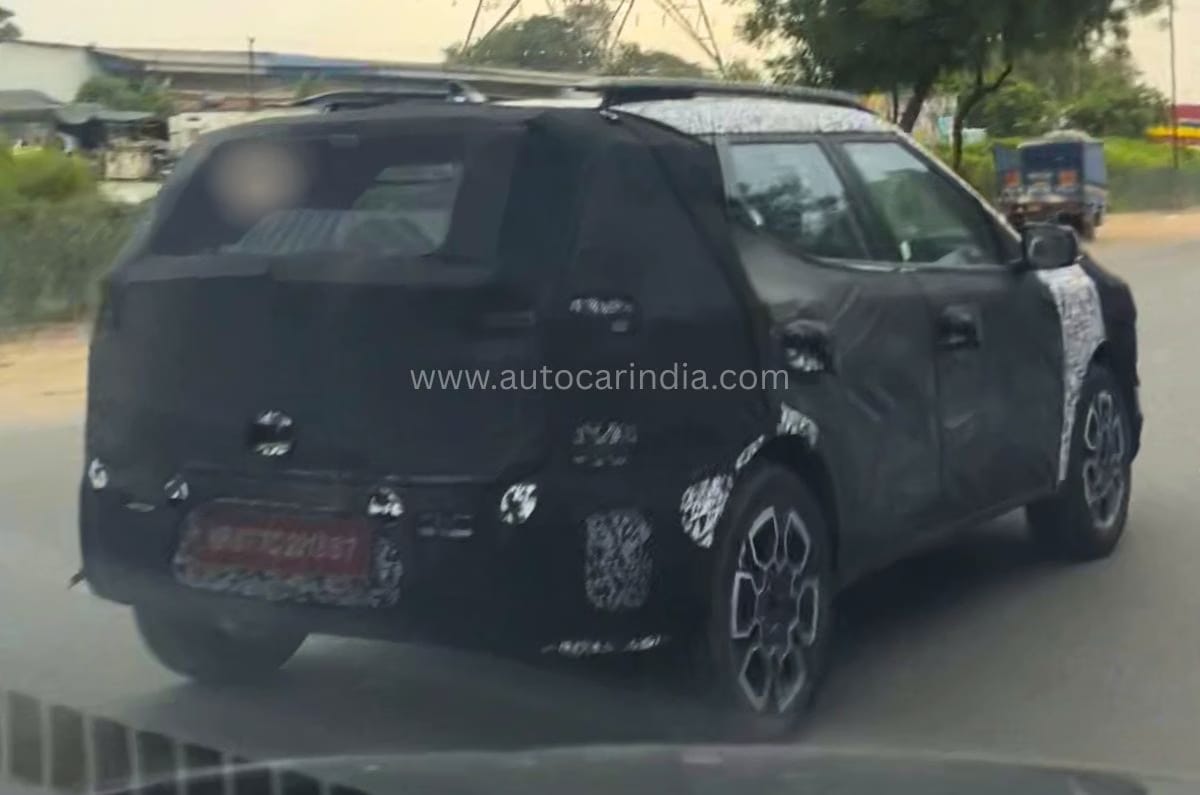
On the outside, the Bayon-based SUV is anticipated to adopt Hyundai’s latest ‘Art of Steel’ design language, which is seen in newer global models like the eighth-gen Elantra and fifth-gen Tucson. Expect the Bayon-based SUV to sport T-shaped light bars at the front and rear, squared-off wheel-arch cladding, new alloy wheels, edgy proportions, and lots of cuts and creases on the bodywork.
The Bayon-based SUV will differ majorly from the Creta in powertrain offerings. We exclusively reported in July that the upcoming Hyundai SUV is expected to get the Creta’s 115hp 1.5-litre 4-cylinder naturally aspirated petrol engine with its respective 6-speed manual and CVT options. However, this engine will also be offered in CNG form, which will make the Bayon-based SUV the first Hyundai car over four metres long to be powered by CNG.
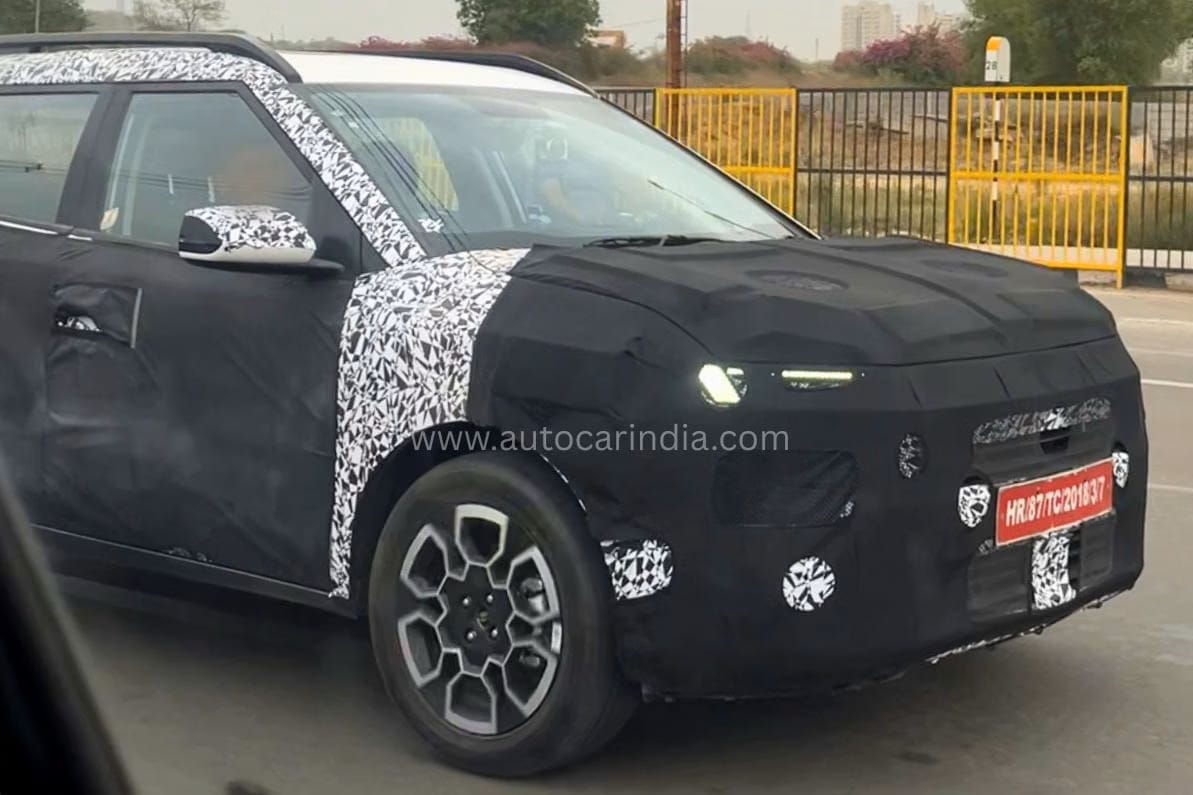
An underbody CNG tank is expected for the Bayon-based SUV as well, allowing it to directly rival the Maruti Suzuki Victoris, which is the only CNG-powered midsize SUV with an underbody tank at the moment.
- 1
- 2