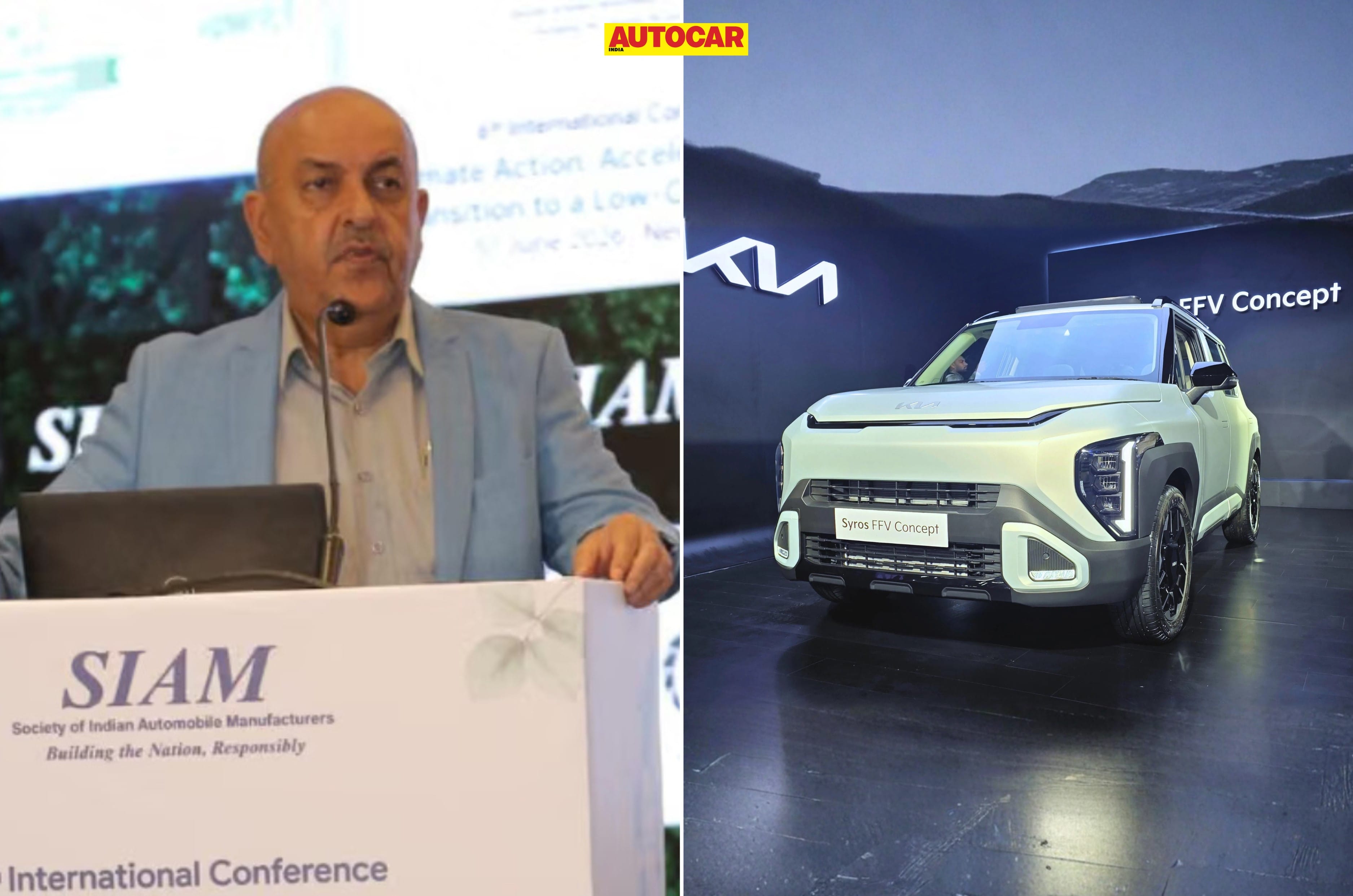
PMO advisor calls for higher ethanol blends, focus on flex-fuel vehicles

PMO advisor calls for higher ethanol blends, focus on flex-fuel vehicles
PMO advisor FFV

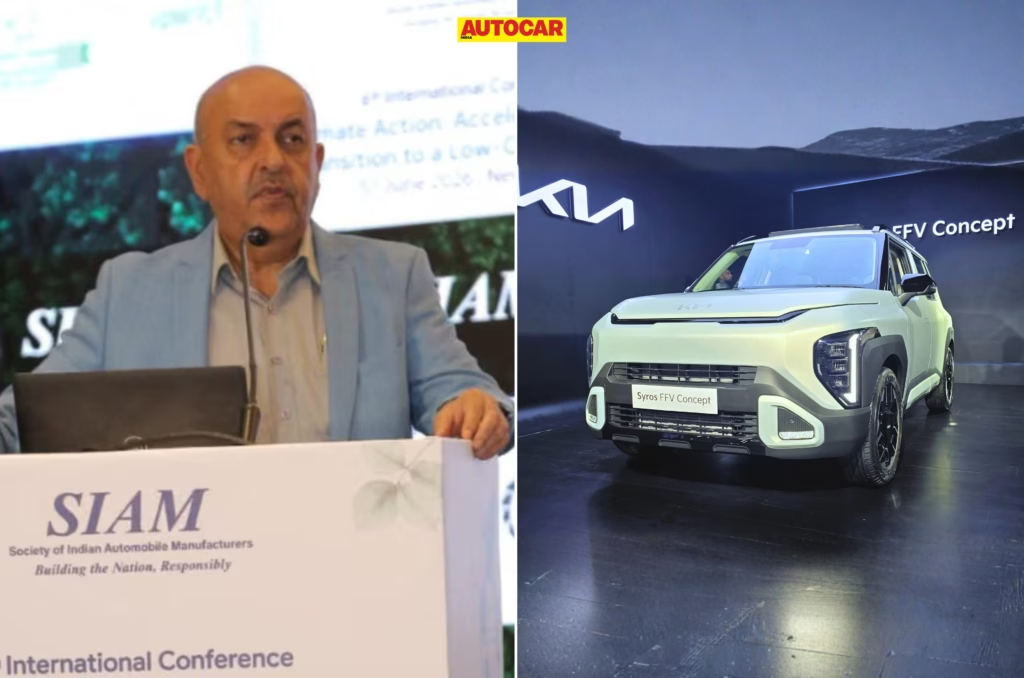
After achieving a 20 percent ethanol blend in petrol, the focus is now on flex-fuel vehicles and increasing the ethanol blend in petrol beyond 20 percent, according to PMO advisor, Tarun Kapoor. Kapoor made the comments in his address at the India Sugar and Bio Energy Conference organised by the India Sugar Manufacturers Association.

He said the E20 programme has been successful, while acknowledging criticism over its impact on vehicles that are not compatible with E20. His comments come as the government looks to move towards higher ethanol blends through flex-fuel vehicles. “Up to E20 it’s been very successful. Now our focus is on going into flex-fuel vehicles and allowing blending at a percentage which should be higher than E20, and it has to be on flex-fuel vehicles.”

  1. Ethanol production now exceeds blending needs
  2. Isobutanol is being studied for potential diesel biofuel use
  3. Government is exploring non-transport uses for ethanol

Automakers preparing flex-fuel vehicles
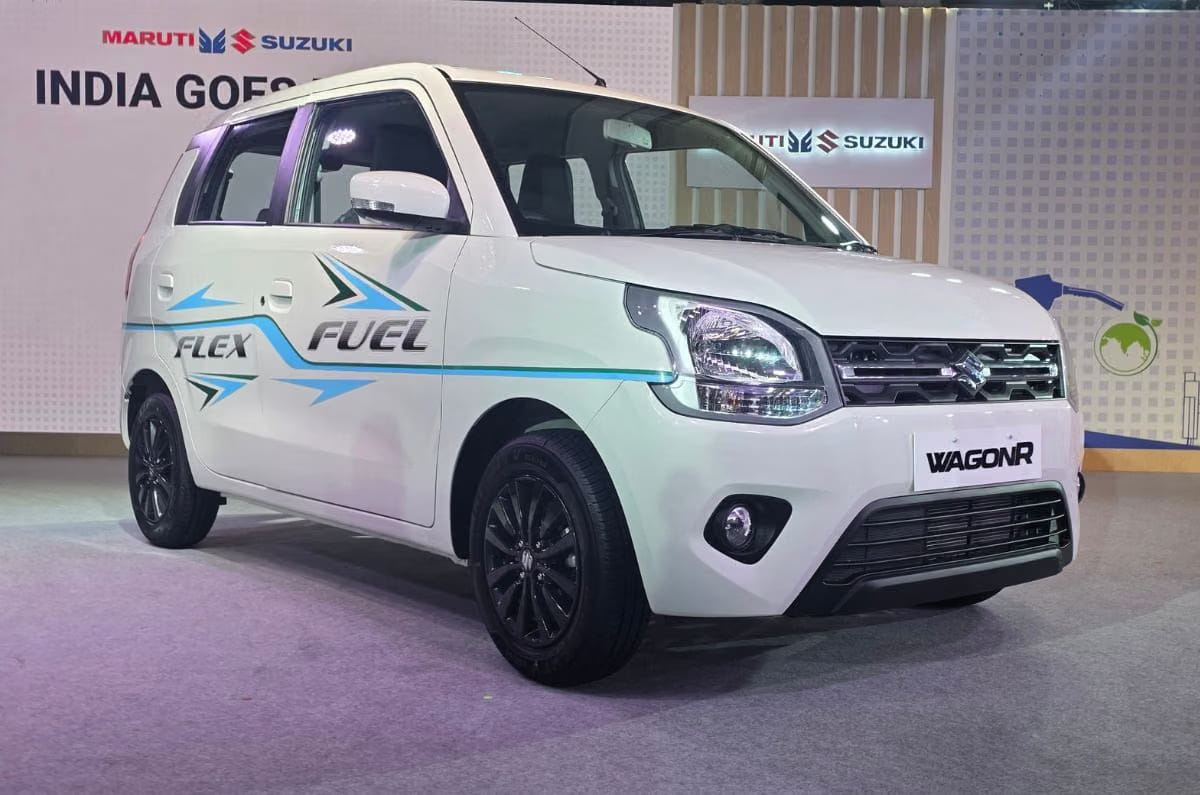
Maruti Wagon R flex fuel. 

Kapoor said several motor vehicle manufacturers have announced plans to introduce flex-fuel vehicles soon, and their launch could help drive higher use of ethanol. “I am happy to learn that several motor vehicle companies have announced that they are going to come out with flexible vehicles very soon and so we should see good numbers in the market.”

He also said the availability of higher ethanol blends or pure ethanol at petrol stations would need to expand alongside the rollout of flex-fuel vehicles. Some stations already have such fuel, but Kapoor said its availability needs to expand. “Supply of pure ethanol or whatever, maybe some additive has to be added to it, should also happen quite soon. There are some petrol stations where it is already available, but it has to be expanded now, but it has to go hand in hand with availability of flexible vehicles.”

Kapoor said India also needs biofuel products that can be blended with diesel and pointed to experiments involving isobutanol as a potential route for deploying biofuels on a larger scale.

E20 compatibility remains a point of concern

While Kapoor called the E20 programme successful, he acknowledged criticism over vehicles that are not compatible with the blend. He said studies and experiments had found that E20 works well, although fuel efficiency may decline to some extent. “E20 is quite good and works very well, maybe a little bit of fuel efficiency declines somewhere, but it gets compensated with higher octane,” he said.

Ethanol production exceeds blending requirement

Kapoor said ethanol production has exceeded what is currently required for blending, prompting the government to explore additional uses for the fuel. Kapoor said, “Now the production is more than that, probably it’s more than what we actually need for blending, but then probably we have to look for more uses of ethanol in various forms.”

The government is looking at uses beyond transportation, including cooking and industrial applications, to expand demand for ethanol. “We are very keen that we are able to expand the market as much as possible so that this overcapacity issue is resolved at the earliest time,” he added.
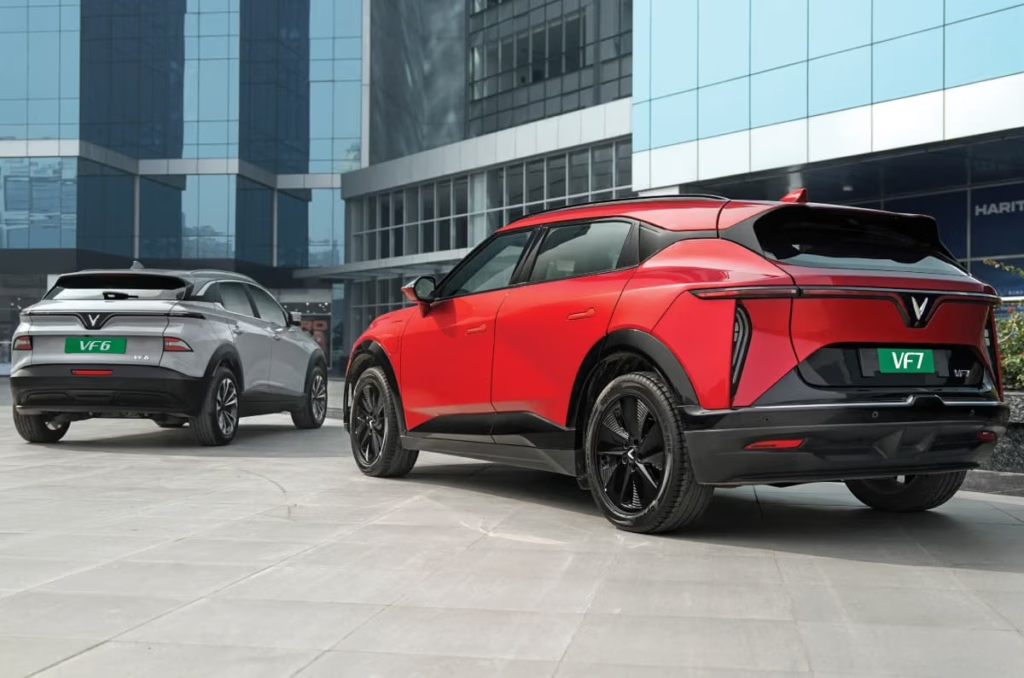
Vinfast plans India-specific EVs, gets approval for plant expansion

Vinfast plans India-specific EVs, gets approval for plant expansion
Vinfast

Vinfast plans to design, develop and manufacture electric vehicles specifically for India as it expands its operations in the country. The Vietnamese EV maker has also received investment approval for Phase 2 of its Thoothukudi plant in Tamil Nadu, although it has not disclosed the investment amount, additional production capacity or timeline for the expansion.

  1. Phase 2 of Vinfast’s Thoothukudi plant gets investment approval
  2. Vinfast to increase sourcing from Indian suppliers

India-specific EVs won’t be existing cars adapted for the market

Vinfast says its upcoming models will not simply be existing products adapted for India. The company plans to develop them specifically for local requirements and with a higher level of localisation.

“For upcoming models, Vinfast’s approach is not simply to bring existing products from our global portfolio into the market, but to design, develop and manufacture products specifically for India, tailored to the needs of local customers, while also targeting a much higher level of localisation,” a Vinfast spokesperson told our sister publication, Autocar Professional.

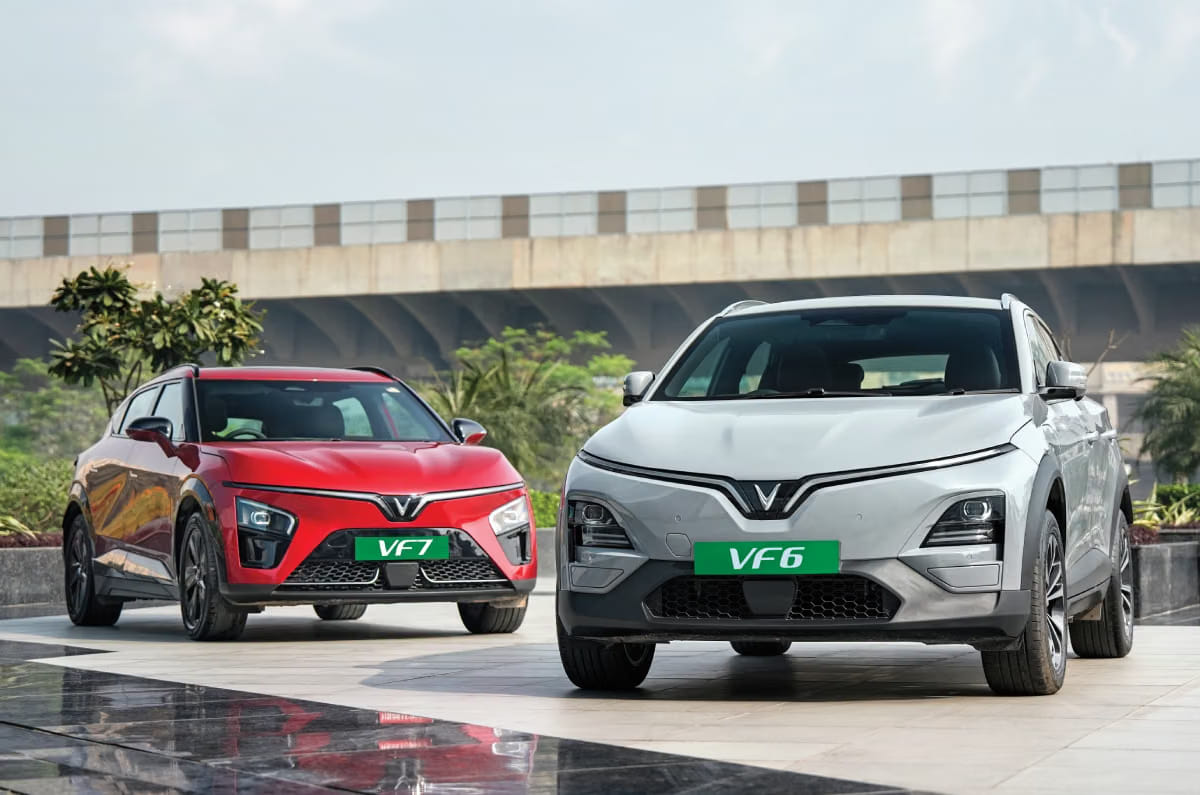
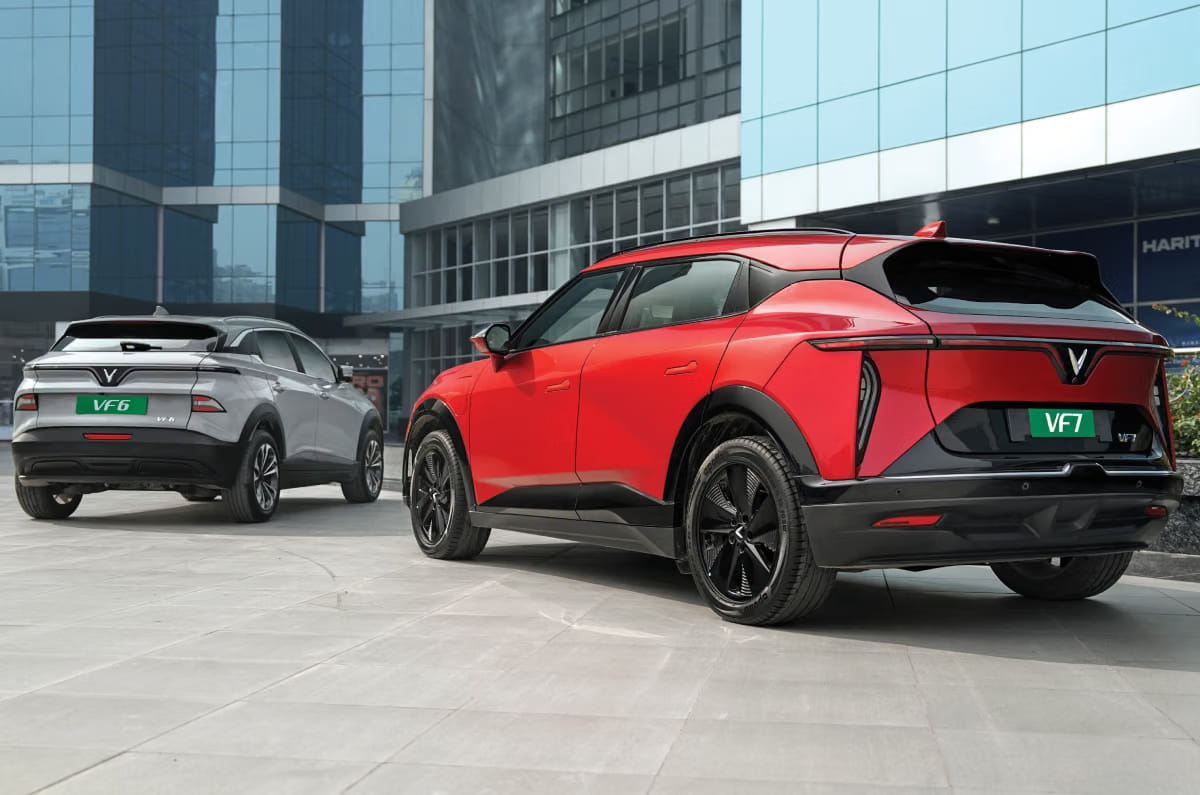
The company said it has conducted market studies and customer clinics to understand Indian customer requirements. Feedback from these exercises has already been used to make changes to products such as the VF6 and VF7 for the Indian market.

VF6, VF7 CKD assembly to continue

VinFast currently assembles the VF6 and VF7 from completely knocked down (CKD) kits at its Thoothukudi facility. The company has clarified that it has neither changed nor suspended production plans for the two SUVs and will continue CKD assembly for India. The clarification follows a Reuters report that had raised questions over the carmaker’s production plans for the two models.

Vinfast said India remains an important part of its long-term business and manufacturing strategy, adding that the initial response to its products has helped it consistently rank among the five largest electric passenger vehicle brands in India.

Vinfast to expand local supplier base

The carmaker is also working to increase sourcing from Indian suppliers. It has held supplier conferences in India and Vietnam involving more than 300 Indian suppliers to explore sourcing opportunities and increase localisation.

“Building a sustainable and resilient supply chain is the foundation of Vinfast’s long-term strategy in India. Accordingly, we are accelerating our operations in line with the ‘Make in India’ direction,” the spokesperson said.

Vinfast is also engaging with government agencies on policy measures aimed at supporting further production and investment by global EV manufacturers in India. The company described the approval for Phase 2 of the Thoothukudi plant as an important step towards expanding its manufacturing capacity.

Nissan, Honda team up to standardise ECUs, software for next-gen vehicles

Nissan, Honda team up to standardise ECUs, software for next-gen vehicles
Honda and Nissan logo

Nissan Motor and Honda Motor have announced a joint development agreement to standardise multiple electronic control units (ECUs) and software for their next-generation software-defined vehicles (SDVs), aiming to reduce development costs and improve R&D efficiency. Under the agreement, the two companies will jointly establish common specifications for multiple core ECUs within the electrical/electronic (E/E) architecture of next-generation SDVs, along with the in-vehicle operating system, key parts of the middleware, and vehicle control software that runs on these ECUs.

  1. Software-defined vehicles (SDVs) identified as a priority for collaboration.
  2. Collaboration aims to mitigate development costs and enhance R&D efficiency.

Common E/E architecture to underpin upcoming Honda and Nissan cars 

The ECUs covered include high-performance main ECUs (High Performance Computers) that use system-on-chips (SoCs), as well as zone ECUs that oversee individual areas of the vehicle. The resulting E/E architecture is planned for application in both companies’ next-generation SDVs starting in fiscal year 2029.

The agreement follows extensive joint studies by Nissan and Honda into potential collaboration in the software domain, conducted as part of their broader strategic partnership. The companies identified the SDV software domain as a priority area for collaboration, citing the pace of technological change and the need to strengthen competitiveness through faster R&D and more efficient investment.

By standardising these foundational technologies, Nissan and Honda said they aim to combine their engineering expertise and development resources to accelerate innovation and achieve economies of scale. The two automakers said they will continue to build on their respective strengths and explore further collaboration opportunities, including efforts related to carbon neutrality and vehicle safety.

With inputs from Shruti Shiraguppi

क्या आपका बच्चा पढ़ने बैठता है लेकिन ध्यान भटक जाता है? रोज की ये 5 आदतें तेज याददाश्त और फोकस बेहतर करने में करेंगी मदद

जैसे ही नया शैक्षणिक वर्ष शुरू होता है, कई माता-पिता चाहते हैं कि उनके बच्चे ध्यान भटकाने वाली चीज़ों को छोड़कर अपने स्कूल के काम पर बेहतर ढंग से ध्यान दें। हालांकि, आज की आधुनिक दुनिया में, स्मार्ट टेलीविजन, फ़ोन, सोशल मीडिया और किसी विषय को पूरी तरह से न समझ पाना पढ़ाई के दौरान रुकावटें पैदा कर सकता है।

ध्यान और याददाश्त को बेहतर बनाने के उपाय खोजने से पहले, ध्यान (फ़ोकस) और एकाग्रता (कॉन्सेंट्रेशन) के बीच के अंतर को समझना ज़रूरी है। फ़ोकस का मतलब है किसी गतिविधि या विचार पर ध्यान देना, जबकि एकाग्रता का मतलब है किसी चीज़ पर लगातार ध्यान बनाए रखने की क्षमता। फ़ोकस और एकाग्रता दोनों ही ज़रूरी कौशल हैं जिनकी बच्चों को सीखने, लक्ष्य हासिल करने, अपनी भावनाओं को संभालने और रचनात्मक रूप से सोचने में सफलता के लिए आवश्यकता होती है। बच्चों को कामों पर ध्यान केंद्रित करने में परेशानी होने के कई कारण हैं।

ध्यान और एकाग्रता कौशल में सुधार एक क्रमिक प्रक्रिया है जिसके लिए धैर्य, निरंतरता और निश्चित रूप से माता-पिता, शिक्षकों और साथियों से उचित सहयोग की आवश्यकता होती है। आज की दुनिया में, जो ध्यान भटकाने वाली चीज़ों से भरी है, ऐसे कौशल विकसित करना एक रोज़मर्रा की दिनचर्या बन सकती है जो बच्चों को पढ़ाई में सफल होने और अधिक आत्मविश्वासी और मज़बूत व्यक्ति बनने में मदद करती है। हमने संस्कृति ग्रुप ऑफ़ स्कूल्स के शिक्षक और ट्रस्टी प्रणीत मुंगाली से बात की, जिन्होंने 5 ऐसी आदतें बताईं जिनका अभ्यास स्कूली बच्चे कर सकते हैं और जो याददाश्त और फ़ोकस को बेहतर बनाने में सार्थक बदलाव ला सकती हैं:

1. शारीरिक व्यायाम को बढ़ावा देना

शारीरिक व्यायाम मस्तिष्क में रक्त के प्रवाह को बढ़ाने के साथ-साथ एकाग्रता और समन्वय कौशल को बेहतर बनाने में मदद करेगा।

a. योग और गहरी सांस लेने को बढ़ावा दें। योग मुद्राएं जैसे ‘ट्री पोज़’ (वृक्षासन) और ‘वॉरियर पोज़’ (वीरभद्रासन) शरीर में समन्वय बनाने और खुद पर नियंत्रण विकसित करने में मदद करती हैं। गहरी सांस लेने से बच्चे शांत और फिर से ध्यान केंद्रित करने में सक्षम होंगे।

b. क्रॉस-लेटरल मूवमेंट (शरीर के दोनों हिस्सों का इस्तेमाल करने वाली गतिविधियां) शुरू करें। ऐसी गतिविधियां जैसे अपने दाहिने कोहनी को अपने बाएं घुटने से छूना, मस्तिष्क के दोनों हिस्सों का उपयोग करने में मदद करती हैं।

2. ऐसी गतिविधियां करें जो आपके मस्तिष्क को सक्रिय करें

मज़ेदार ब्रेन गेम्स ध्यान देने, याद रखने और तार्किक रूप से सोचने की आपकी क्षमता को विकसित करते हैं।

a. अंतर पहचानें या छिपी हुई वस्तु खोजें। यह अवलोकन कौशल, दृश्य स्मृति और लंबे समय तक ध्यान बनाए रखने की क्षमता विकसित करने के लिए किया जाता है।

b. पैटर्न की नकल करें और उन्हें आगे बढ़ाएं। रंगीन मोतियों, ब्लॉकों या किसी अन्य आकार का उपयोग करके पैटर्न बनाना और उन्हें आगे बढ़ाना अनुक्रमण कौशल, तार्किक सोच और फ़ोकस विकसित करता है।

c. स्टोरी चेन एक्टिविटी- हर बच्चे को कहानी में एक वाक्य जोड़ना होता है, जिसमें उन्हें यह याद रखना होता है कि पहले क्या कहा गया था। इससे सुनने की क्षमता, मौखिक याददाश्त और रचनात्मकता को विकसित करने में मदद मिलती है।

3. बड़े कामों को छोटे हिस्सों में बांटें

कभी-कभी बच्चे काम से ध्यान हटा लेते हैं क्योंकि उन्हें वे काम बहुत मुश्किल लगते हैं। किसी नए या मुश्किल काम को कई आसान स्टेप्स में बांटने से उसे समझना, करना और याद रखना आसान हो जाता है।

4. पोमोडोरो तकनीक

पोमोडोरो तकनीक में कुछ समय (20-25 मिनट) तक किसी काम पर ध्यान देने और फिर थोड़ा ब्रेक (5 मिनट) लेने का सुझाव दिया जाता है। इस तकनीक से दिमाग की थकान कम होती है, प्रोडक्टिविटी बढ़ती है और ध्यान लगाने की क्षमता बेहतर होती है।

5. पढ़ाई के लिए ऐसी जगह बनाएं जहां ध्यान न भटके

बच्चों को पढ़ाई के लिए शांत और व्यवस्थित जगह देना बहुत ज़रूरी है। साथ ही, यह पक्का करें कि होमवर्क करते समय गैजेट्स जैसी चीज़ें उनका ध्यान न भटकाएं। आखिरी टिप लाइफ़स्टाइल के बारे में है। सही खान-पान, भरपूर पानी और अच्छी नींद से दिमाग बेहतर काम करता है, और ध्यान लगाने व याद रखने की क्षमता में सुधार होता है।