Exclusive: New 450cc class single-cylinder Norton to debut at EICMA 2026

Exclusive: New 450cc class single-cylinder Norton to debut at EICMA 2026
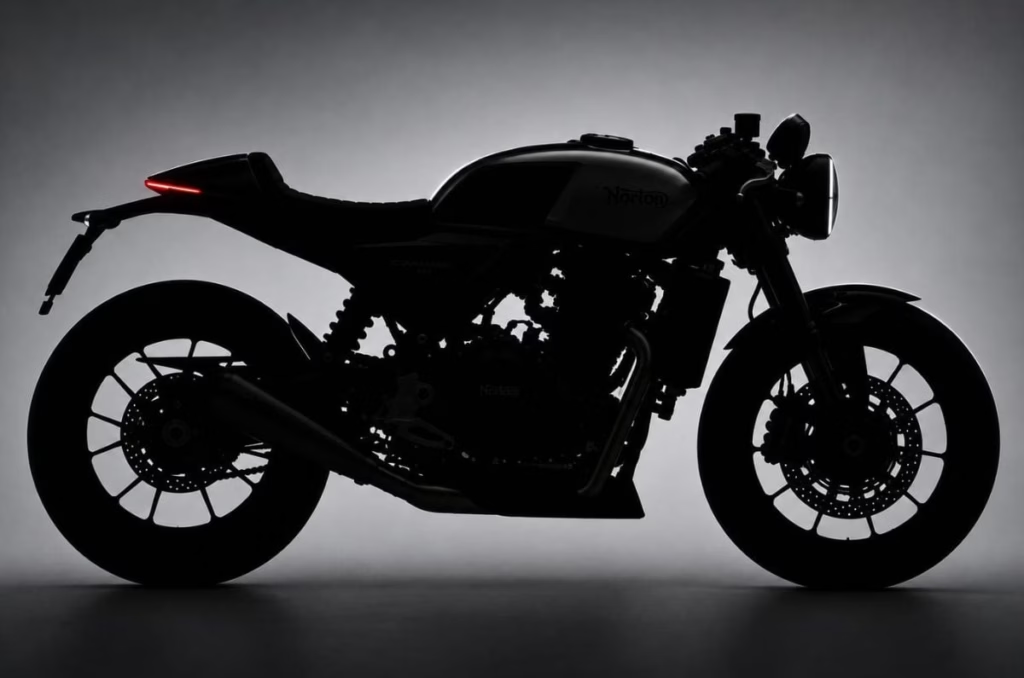
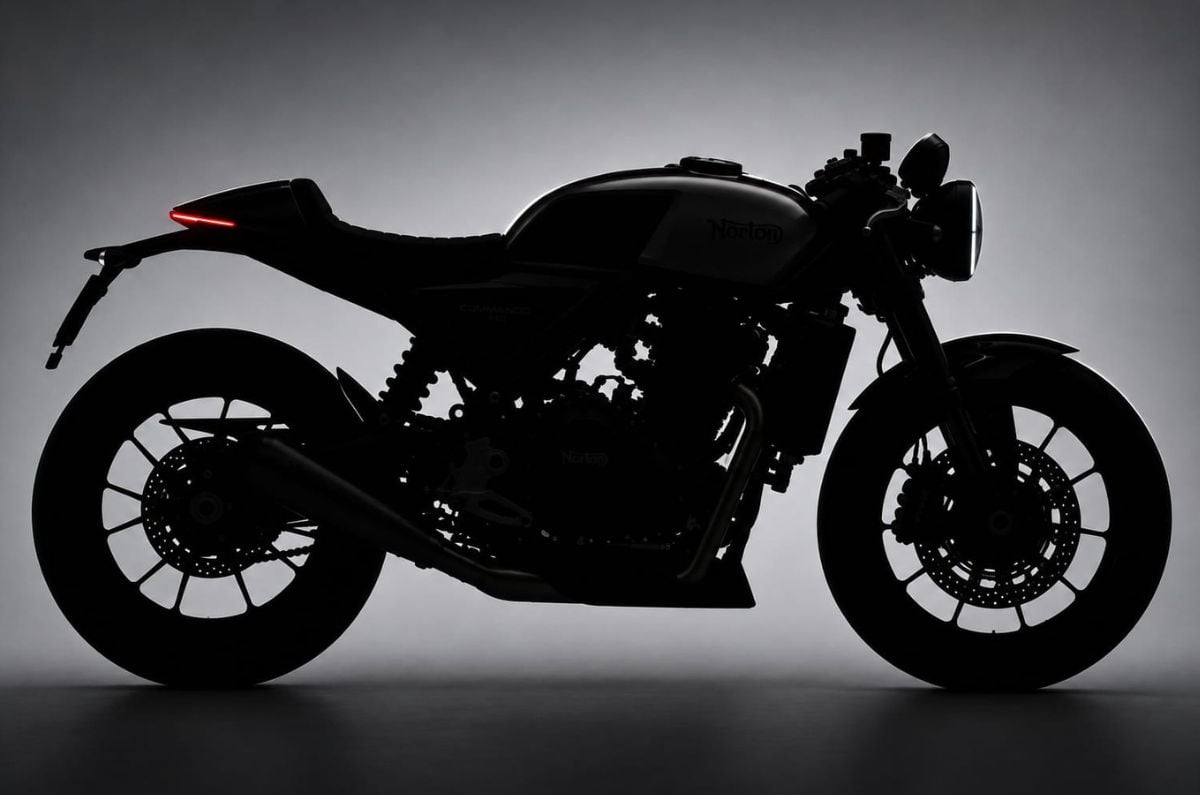
A silhouette of the soon-to-debut single-cylinder Norton

Norton Motorcycles will premiere its much-awaited 450cc-class single-cylinder roadster at EICMA 2026 in Milan, expanding its range with a motorcycle aimed at higher volumes in India and overseas. Autocar Professional expects the motorcycle to produce around 40-45hp and 40-45Nm. The engine is likely to be liquid-cooled and is expected to come with a 6-speed gearbox. The roadster will be the first model on a new platform understood to be called the H-series, with other body styles to follow. It will sit below the TVS Motor-owned British marque’s twin-cylinder Atlas range and V4-powered Manx family.

  1. Norton Atlas is expected to first launch in India, in Q1 2027
  2. New Norton single-cylinder motorcycle will launch overseas and in India simultaneously
  3. Will also be manufactured at TVS’ Hosur plant

New Norton single-cylinder platform at EICMA 2026

Expected to launch in India and overseas in 2027

Autocar Professional understands that TVS plans to begin Norton’s India rollout in the January-March 2027 quarter, if not sooner, starting with the Atlas, followed by the Manx. The H-series roadster is expected to launch simultaneously in India and global markets in the second half of 2027. Responding to queries from Autocar Professional, a Norton spokesperson said the brand’s India introduction would follow its appearance at this year’s Milan show. “Norton is set to launch in India soon following the brand’s presence at EICMA this year, when the next key stage of the resurgence will be revealed,” the spokesperson said. The company has not officially confirmed the roadster’s platform name, engine capacity, output, pricing or sales timeline.

Norton has recently trademarked three names in India – Roven, Inter and Avalon and the first single cylinder bike may bear one of them. In 2025, the company also trademarked the Norton Electra name here, and this followed on the trademarking of the Norton Combat name in 2023.

Reimagined Norton under TVS

Design and ease of use is at the new Norton’s core

Differentiated design is central to TVS’s effort to give Norton a contemporary identity while retaining its British heritage. Simon Skinner, Head of Design, Norton Motorcycles, is leading the development of a design language connecting the brand’s products across capacities and categories. The roadster will extend that approach to a motorcycle intended to sell in larger numbers.

As we have seen with the thoroughly modern designs on the Atlas and V4, it is safe to anticipate modern, pared-back styling, with selected mechanical components exposed and others concealed. This could help distinguish the roadster in a segment where several competitors draw heavily on retro styling. According to Norton, the Manx R received the “Best of the Best” distinction at the 2026 Red Dot Award: Design Concept. Norton Design was also recognised at the 2026 International Design Excellence Awards in the United States.

The roadster is expected to prioritise manageable weight and ease of use, particularly in city riding. It could feature 17-inch wheels and equipment drawn from Norton’s larger motorcycles, potentially including an eight-inch TFT touchscreen, riding aids and multiple riding modes. Final specifications remain unconfirmed.

Taking on Royal Enfield

How does Norton plan to combat the 350cc onslaught?

The platform represents a significant bet on the global mid-size motorcycle market. The opportunity spans roughly the 350cc-750cc categories, with annual volumes estimated at around 15 lakh-20 lakh units. This broad classification includes motorcycles marketed as 350cc models whose actual displacement is slightly lower.

It will bring Norton into closer competition with Royal Enfield and Triumph in India and overseas. However, the new single-cylinder Nortons will face a specific challenge in India. That is the fact that they will not come under the 350cc segment, unlike the massively popular RE 350 range and the recently re-engineered 349cc Triumph line in India. The result is that they will attract the much higher 40 percent GST rate instead of 18 percent. Norton is likely to position these bikes at a premium that will be justified by higher levels of technology and a heavy focus on design, quality and detail.

Royal Enfield’s dominance in India demonstrates the demand for motorcycles used for daily travel, touring and leisure riding. Its extensive dealer network, broad product range and established riding community also present a substantial challenge for Norton. Overseas, Royal Enfield has expanded into many of the markets the TVS-owned British marque is targeting. For TVS, the single-cylinder Norton offers a way to participate more widely in this market. Additional body styles on the same platform would help spread development costs and reach buyers with different riding preferences.

The India distribution plan

TVS is yet to confirm showroom rollout schedule for India

Norton’s design and heritage will form part of its appeal, but pricing, service coverage and parts availability will be important to building sustained sales, particularly in India. TVS had said in June that the Norton Atlas would be introduced in India later in the year. It had also scheduled the launch of TVS Paddock, its premium retail channel for both Norton and select premium TVS products, for the second quarter of FY27. The latest official response did not provide an updated Paddock rollout schedule.

Current preparations are understood to point to around three Paddock outlets by December, although a larger network is being sought. The number of outlets that will be operational when motorcycle sales begin has yet to be finalised. The company said it now has more than 50 retailers across 10 markets, including the UK, Italy, France, Germany and Spain. Preparations for a United States launch are continuing, subject to the final stages of vehicle certification.

Norton said its European test-ride programme had introduced the new motorcycles to thousands of riders. Foster + Partners has designed its showroom environments. TVS acquired Norton in April 2020. Its FY2025-26 annual report records investments exceeding GBP 250 million in rebuilding the business and identifies the marque as an important part of its premium-isation strategy, particularly in developed markets.

India already supports that expansion through manufacturing. The first Atlas motorcycles rolled off TVS’s Hosur production line in June, combining Norton’s UK design and engineering with its parent’s manufacturing operations. Production for the new single-cylinder range will also be out of Hosur.

With inputs from Anurag Chaturvedi and Rishaad Mody.
Caller Name Display Service : क्या है कॉलर नेम डिस्प्ले की व्यवस्था, मोबाइल यूजर्स को क्या फायदा होगा, पूरी खबर में पढ़िए

Caller Name Display Service : क्या है कॉलर नेम डिस्प्ले की व्यवस्था, मोबाइल यूजर्स को क्या फायदा होगा, पूरी खबर में पढ़िए

telecom sector

मोबाइल फोन पर कॉल करने वाले की पहचान करना अब आसान हो सकता है। दूरसंचार विभाग (DoT) ने 1 नवंबर से सभी टेलीकॉम ग्राहकों के लिए कॉलर नेम डिस्प्ले (Caller Name Display) अनिवार्य कर दिया है। इस निर्देश के तहत टेलीकॉम कंपनियों को कॉलर का नाम दिखाने की व्यवस्था लागू करने के साथ-साथ इस सुविधा से जुड़ी ग्राहकों की शिकायतों का समाधान भी करना होगा।

ALSO READ: Toyota Glanza Facelift : टोयोटा की सस्ती कार लॉन्च, त्योहारों पर मचाएगी धमाका, जानिए क्या हैं फीचर्स

इस कदम का मुख्य उद्देश्य फोन कॉल के दौरान पारदर्शिता बढ़ाना और मोबाइल यूजर्स को आने वाली कॉल करने वाले व्यक्ति की पहचान करने में मदद देना है।


क्या है कॉलर नेम डिस्प्ले की व्यवस्था?


कॉलर नेम डिस्प्ले ऐसी सुविधा है, जिसके जरिए मोबाइल फोन पर इनकमिंग कॉल आने के दौरान कॉल करने वाले का नाम दिखाई दे सकता है। इससे यूजर्स को यह समझने में मदद मिल सकती है कि उन्हें किसकी कॉल आ रही है। दूरसंचार विभाग के इस निर्देश का उद्देश्य कॉल करने वाले की पहचान से जुड़ी व्यवस्था को बेहतर बनाना है, ताकि ग्राहकों को अनजान नंबरों से आने वाली कॉल के बारे में अधिक जानकारी मिल सके।

ALSO READ: Toyota Glanza Facelift : टोयोटा की सस्ती कार लॉन्च, त्योहारों पर मचाएगी धमाका, जानिए क्या हैं फीचर्स

टेलीकॉम कंपनियों की क्या होगी जिम्मेदारी?


दूरसंचार विभाग के निर्देश के अनुसार, टेलीकॉम सेवा प्रदाताओं को कॉलर नेम डिस्प्ले की अनिवार्य व्यवस्था का पालन सुनिश्चित करना होगा। इसके अलावा, यदि किसी ग्राहक को इस सुविधा से संबंधित परेशानी होती है या वह शिकायत दर्ज कराता है, तो कंपनी को उसका समाधान करना होगा।


इससे कॉलर नेम डिस्प्ले सुविधा के संचालन के साथ-साथ ग्राहकों की समस्याओं के निपटारे की जिम्मेदारी भी टेलीकॉम ऑपरेटरों पर होगी।


मोबाइल यूजर्स को क्या फायदा होगा?


कॉलर नेम डिस्प्ले की व्यवस्था का उद्देश्य फोन पर संपर्क करने वाले व्यक्ति की पहचान को आसान बनाना और दूरसंचार सेवाओं में पारदर्शिता बढ़ाना है। हालांकि, यह सुविधा अपने आप में हर अनजान कॉल या संभावित धोखाधड़ी वाली कॉल की पहचान की गारंटी नहीं देती। इस निर्देश को लागू करने की विस्तृत प्रक्रिया, नाम दिखाने के तकनीकी मानकों और ग्राहकों की शिकायतों के निपटारे से जुड़े अतिरिक्त विवरणों की जानकारी अभी सामने आनी बाकी है।

Hyundai Bayon revealed ahead of October 26 launch

Hyundai Bayon revealed ahead of October 26 launch
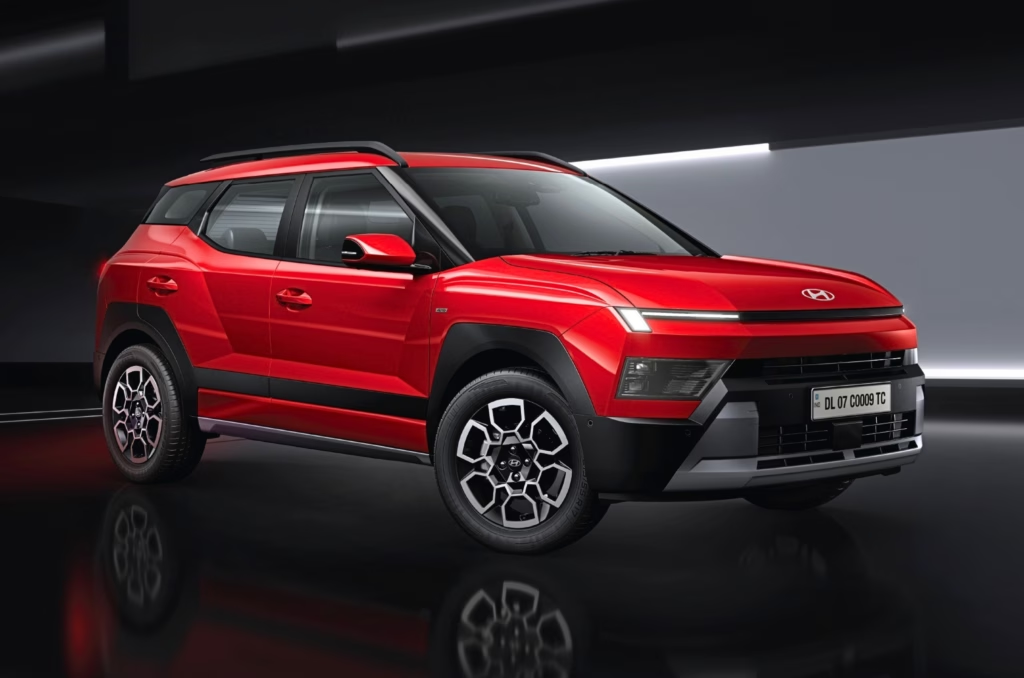
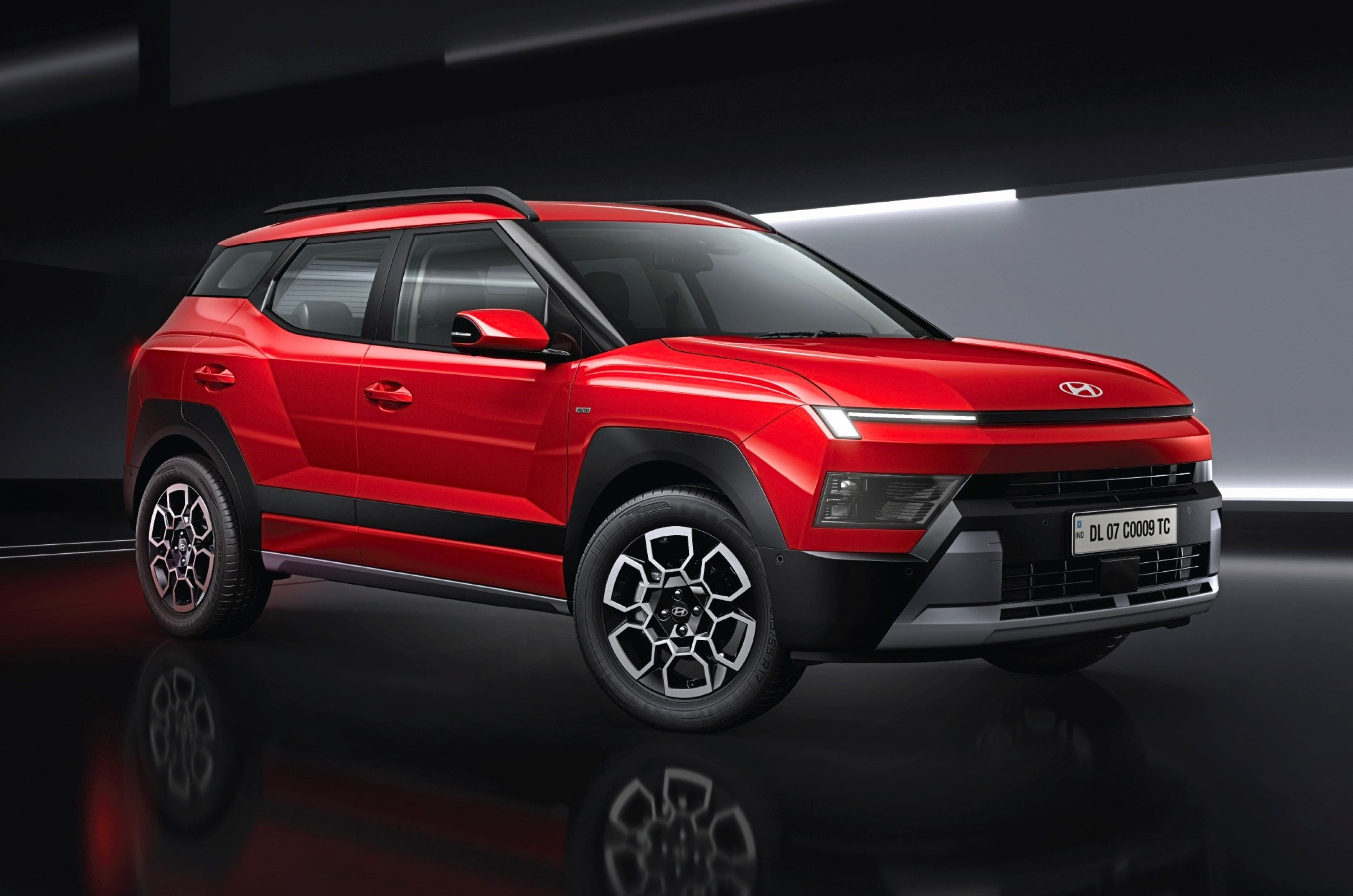
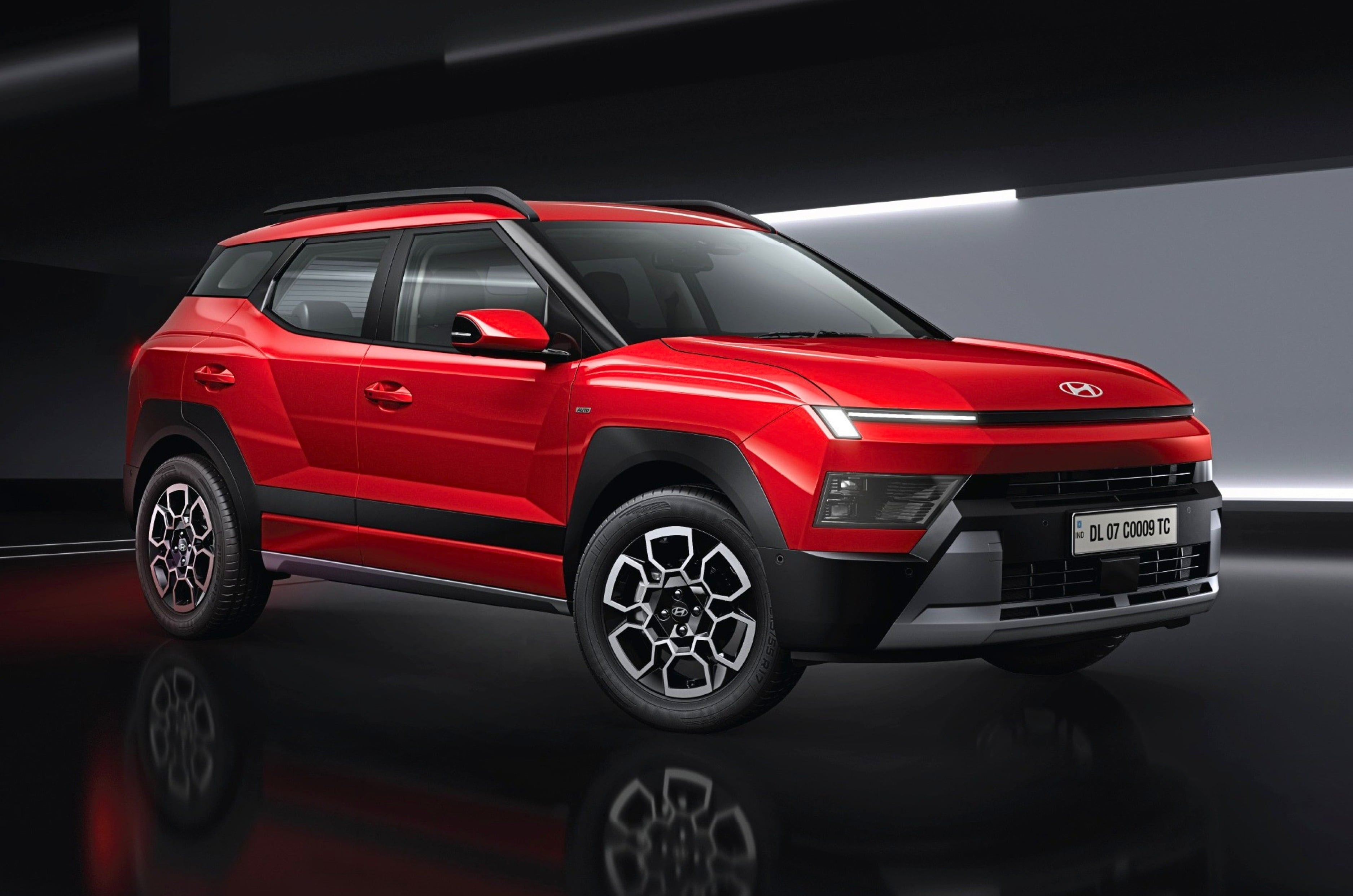
Hyundai Bayon revealed

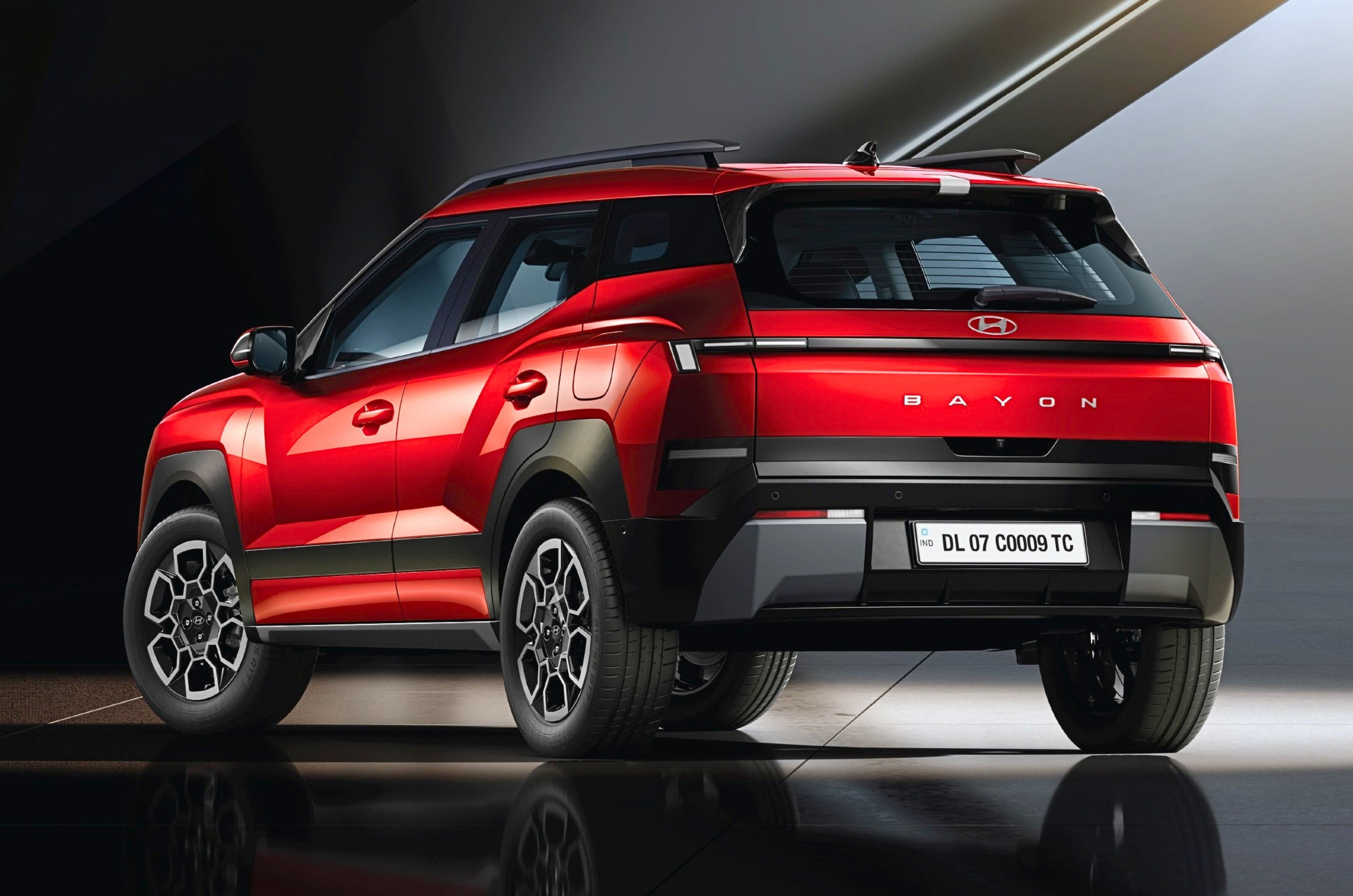
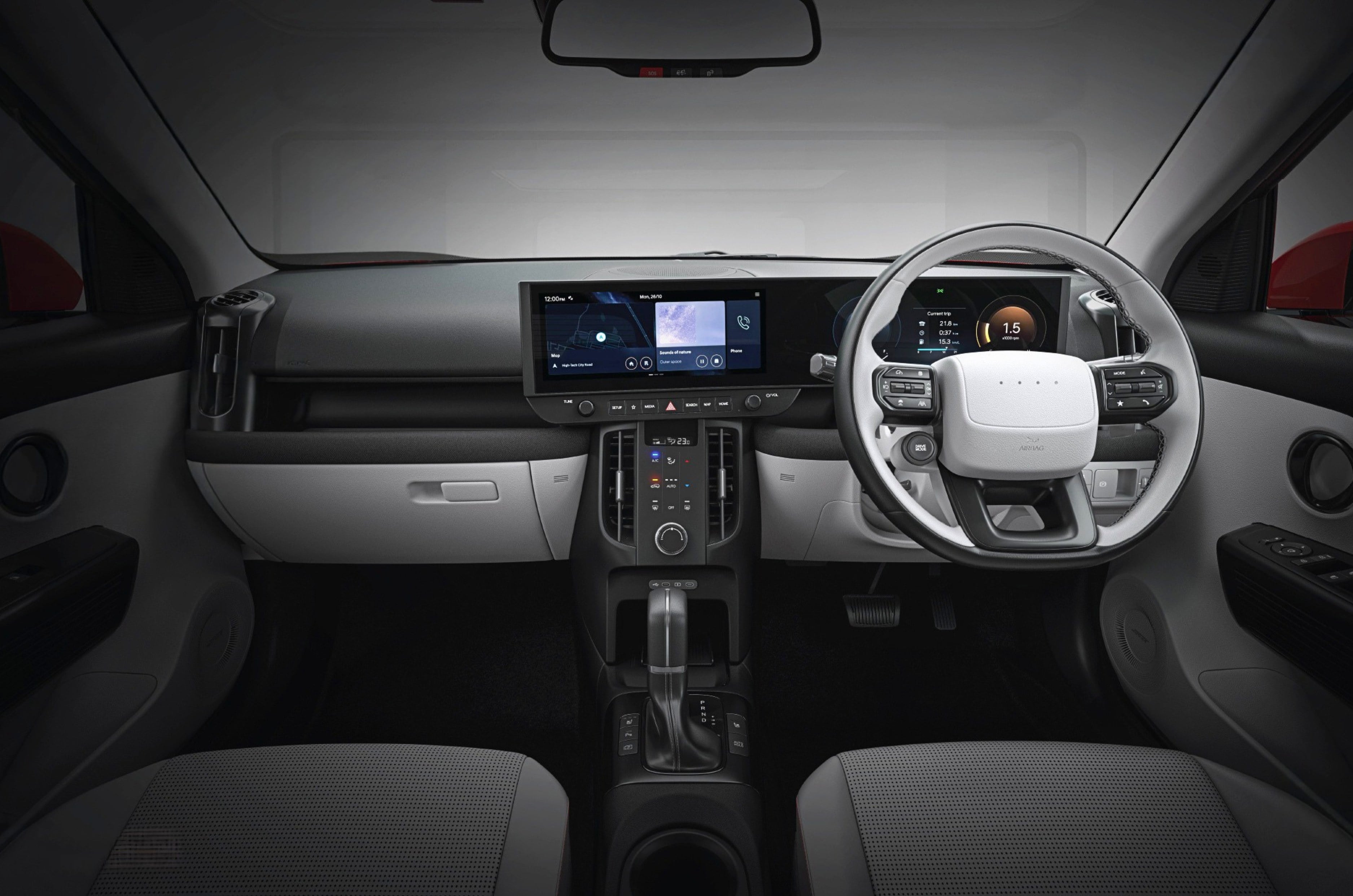
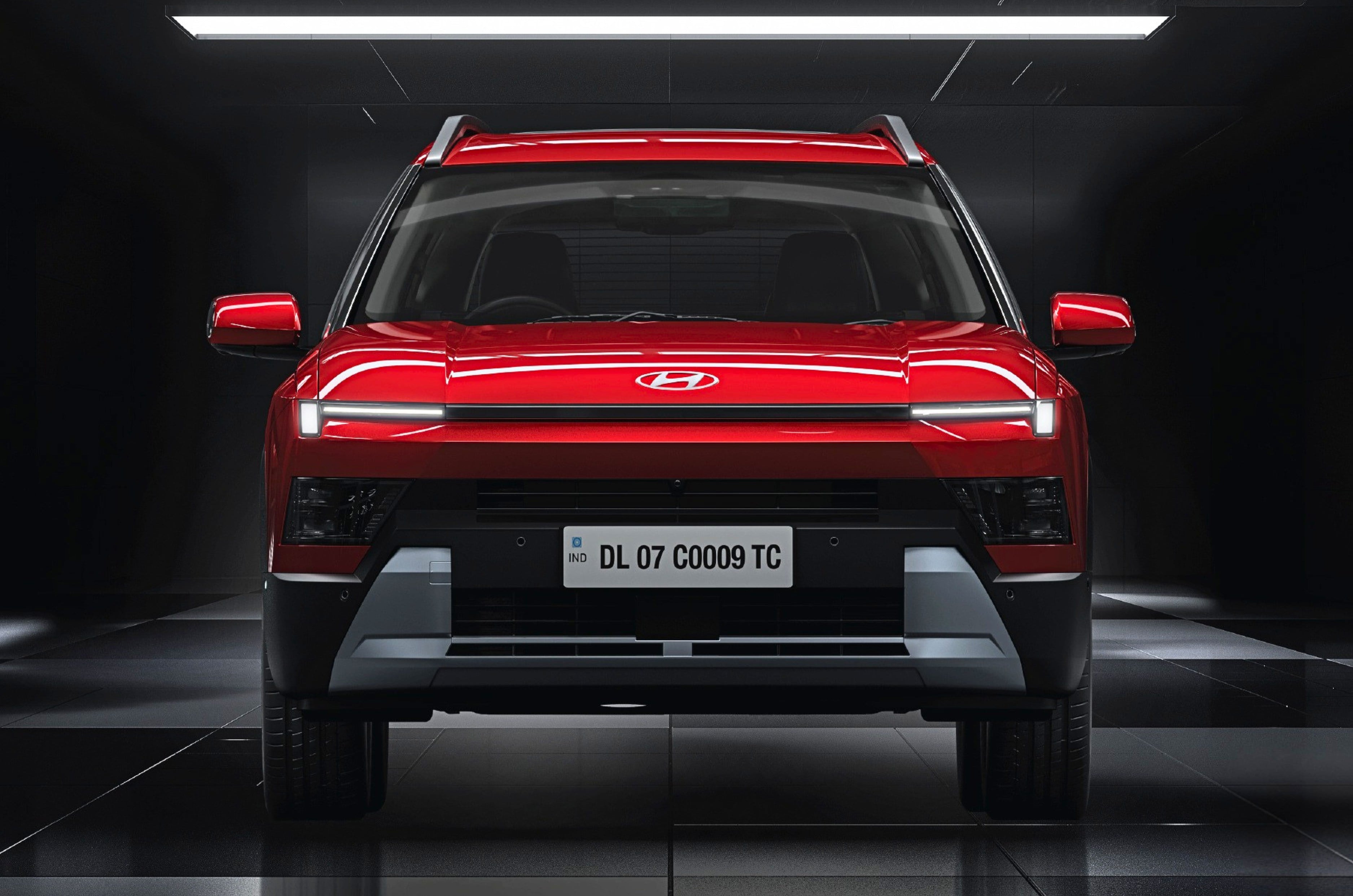
Hyundai has fully revealed the new Bayon midsize SUV ahead of its price announcement on October 26. The Bayon will be positioned between the Venue and Creta in Hyundai’s SUV lineup and is squarely meant to take on the Maruti Victoris. It gets Hyundai’s latest ‘Art of Steel’ design language, a new interior shared with the Brazil-spec i20 and will come powered by a 1.5-litre petrol engine at launch. Bookings for the new Hyundai Bayon have commenced today. 

  1. First Hyundai in India to get Generative AI voice assistance
  2. Interior gets dual 12.3-inch displays for instrumentation and infotainment 
  3. 1.5-litre petrol engine gets 6-speed MT and CVT gearbox options 

Hyundai Bayon exterior design 

The Bayon gets Hyundai’s latest ‘Art of Steel’ design language, and from certain angles, looks very much like a scaled-down Tucson that was recently revealed for the North American market. Although Hyundai hasn’t revealed the exact dimensions yet, it’s expected to measure just a tad more than 4 meters, thereby slotting below the 4.3-meter Creta. 

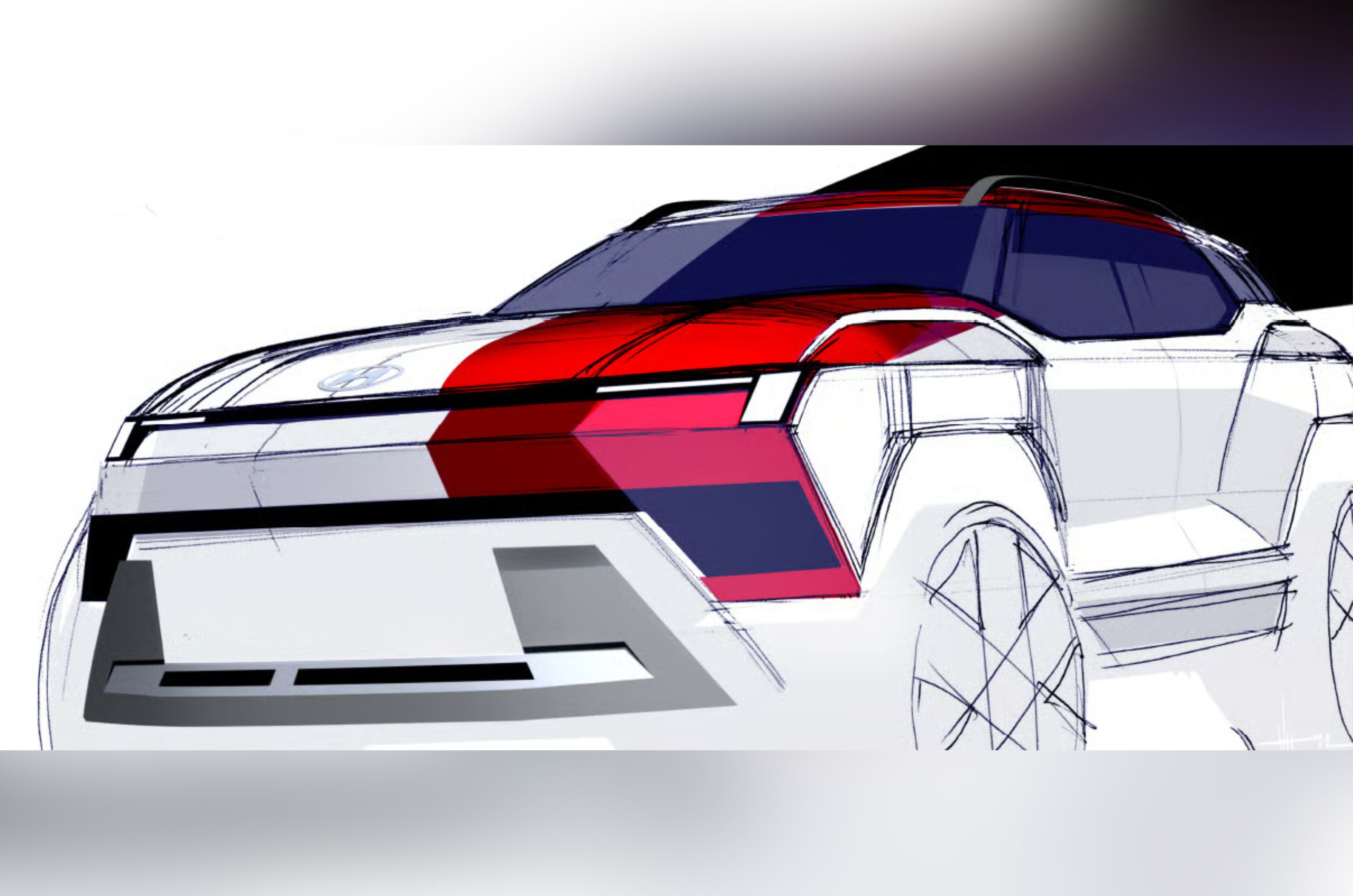
Up front, the layered fascia sports a split headlamp setup, with the LED DRLs positioned in a slim black trim on the leading edge of the bonnet. The DRLs also resemble Hyundai’s ‘H’ motif split in half – this one doesn’t get a full-width LED light band, as is very much the trend these days. Meanwhile, the bumper houses the main headlamp unit and chunky cladding finished in black and silver. 

The Bayon perhaps looks the most distinctive in profile, with its flared wheel arches and sharp character lines adding quite a lot of visual muscle. There’s generous use of cladding over the wheel arches and the petal-style alloy wheels also look quite stylish. Hyundai has also opted for traditional pull-type door handles instead of flush-fitting units and the gloss-black treatment for the pillars creates a nice floating effect for the roof. 

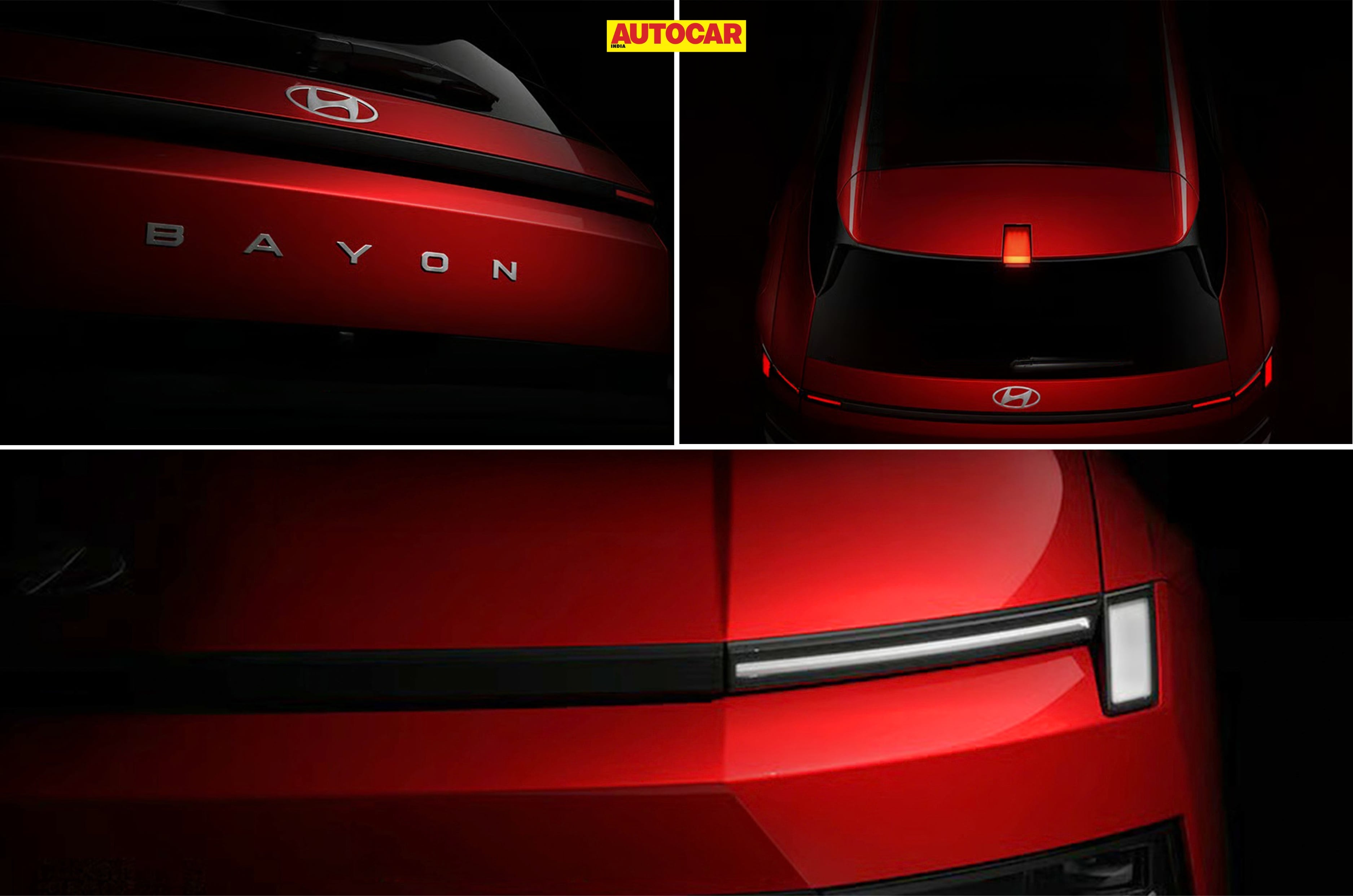
At the rear, the Bayon gets a slim black band housing very sleek tail lamps and there’s ‘Bayon’ spelt bold and centre on the tail gate. There’s also a pronounced roof spoiler, while the bumper gets a dual-tone black and silver treatment housing some more lighting elements. Overall, the Bayon has a crossover-ish look rather a boxy, upright SUV. 

Hyundai Bayon interior and features 

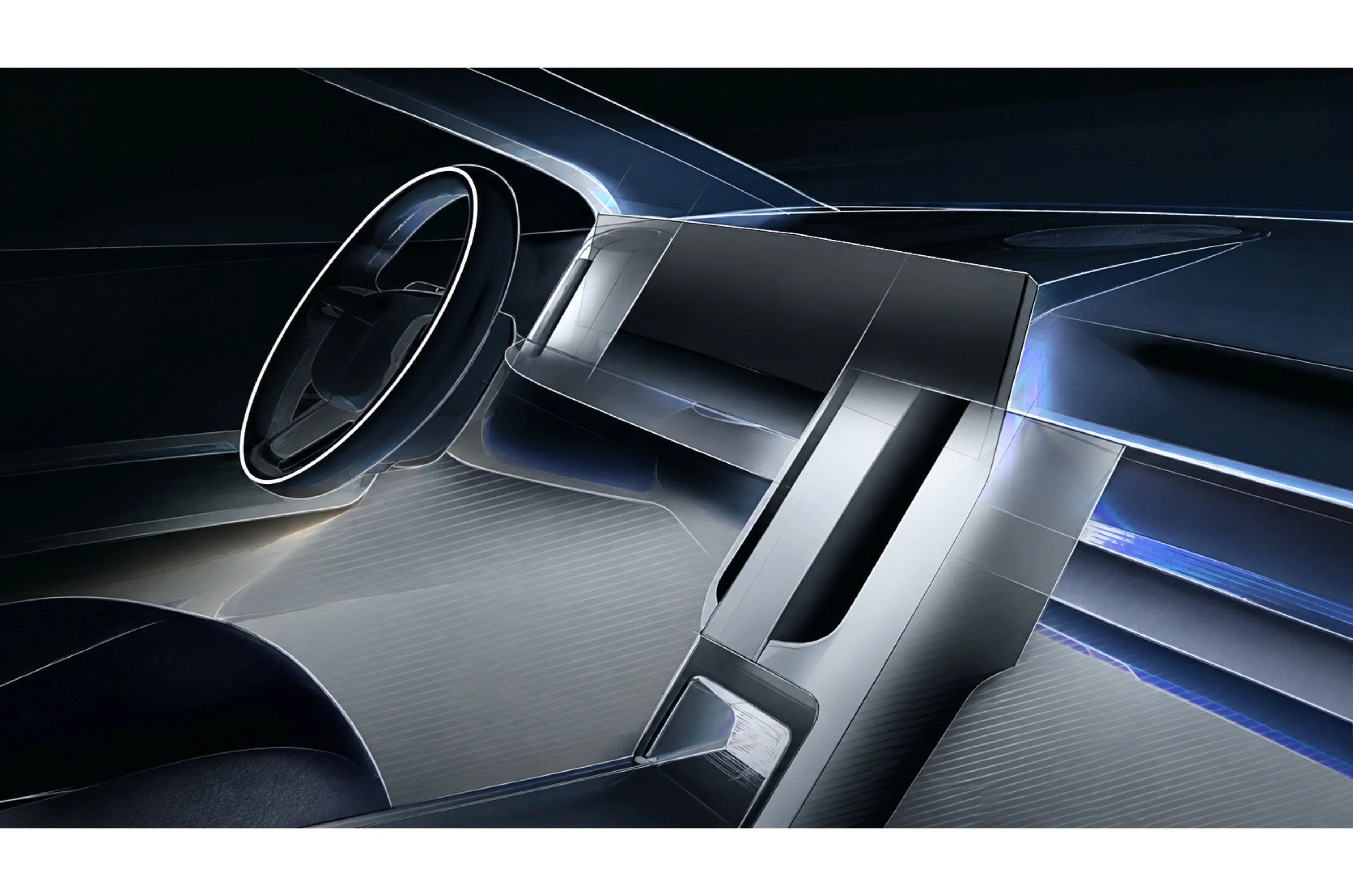
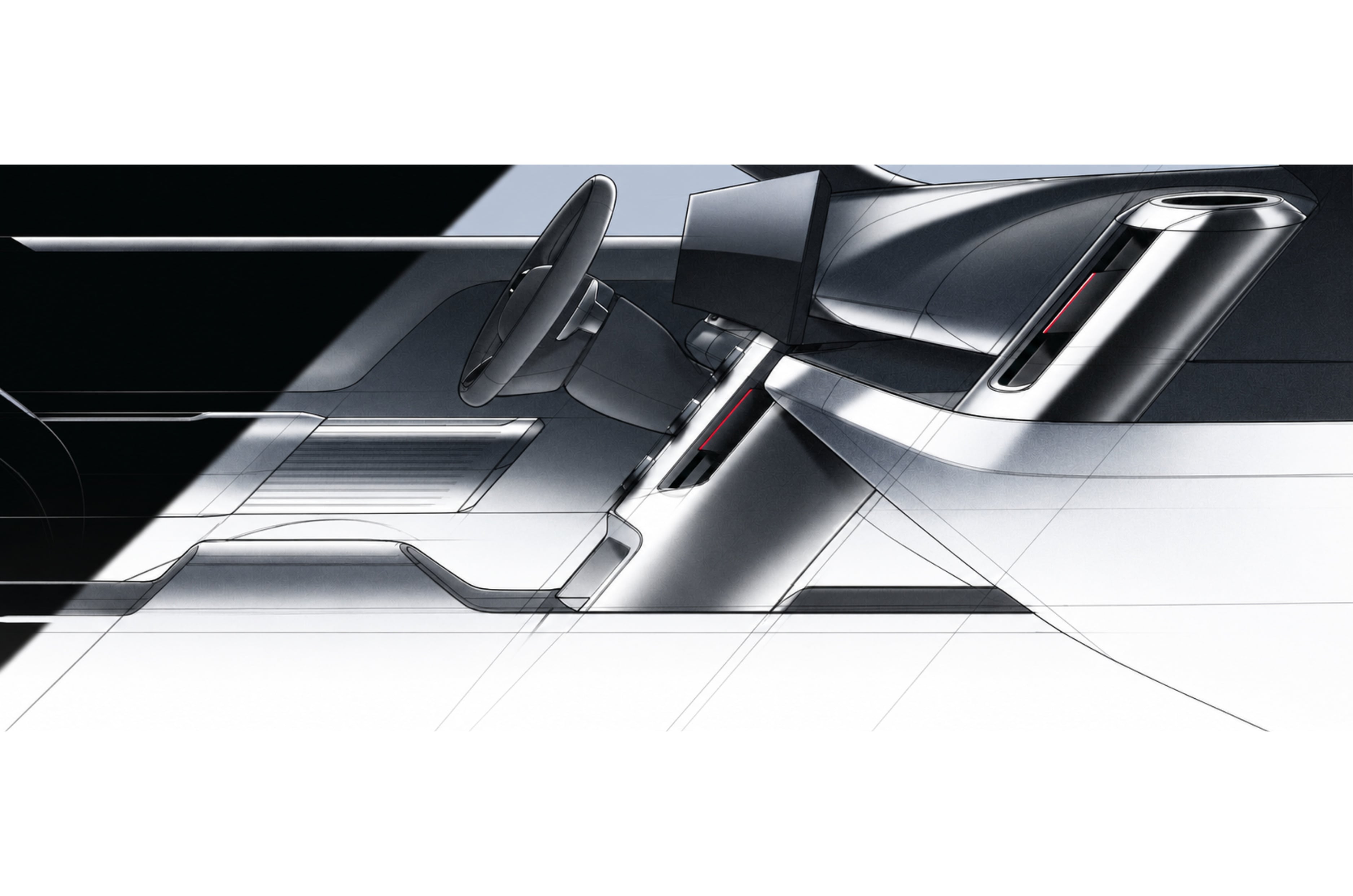
The layered dashboard sports a twin 12.3-inch connected screen setup and a central dropdown panel housing the HVAC controls – it also seems to have physical dials and knobs, which is always a welcome sight. We can also spot a wireless charging pad at the base of the vertically oriented centre console. 

The steering wheel with Hyundai’s four-dot motif, the vertical AC vents flanking the centre panel and even the door pads look very similar to those on the new i20. It also gets steering-mounted paddle shifters, and like all Hyundais, expect it to be properly kitted out with convenience and safety features. 

Hyundai Bayon expected powertrain options 

At launch, Hyundai is offering the Bayon with the tried and tested 115hp/144Nm 1.5-litre, four-cylinder naturally aspirated petrol engine that powers the Creta. It will come with manual and CVT gearbox options. And while Hyundai hasn’t confirmed it yet, a CNG version is also expected to be added to the lineup at a later stage, likely with an underbody tank, making the Bayon the first Hyundai model over four metres long to be powered by CNG.

Upcoming car launches and debuts in October 2026

Upcoming car launches and debuts in October 2026

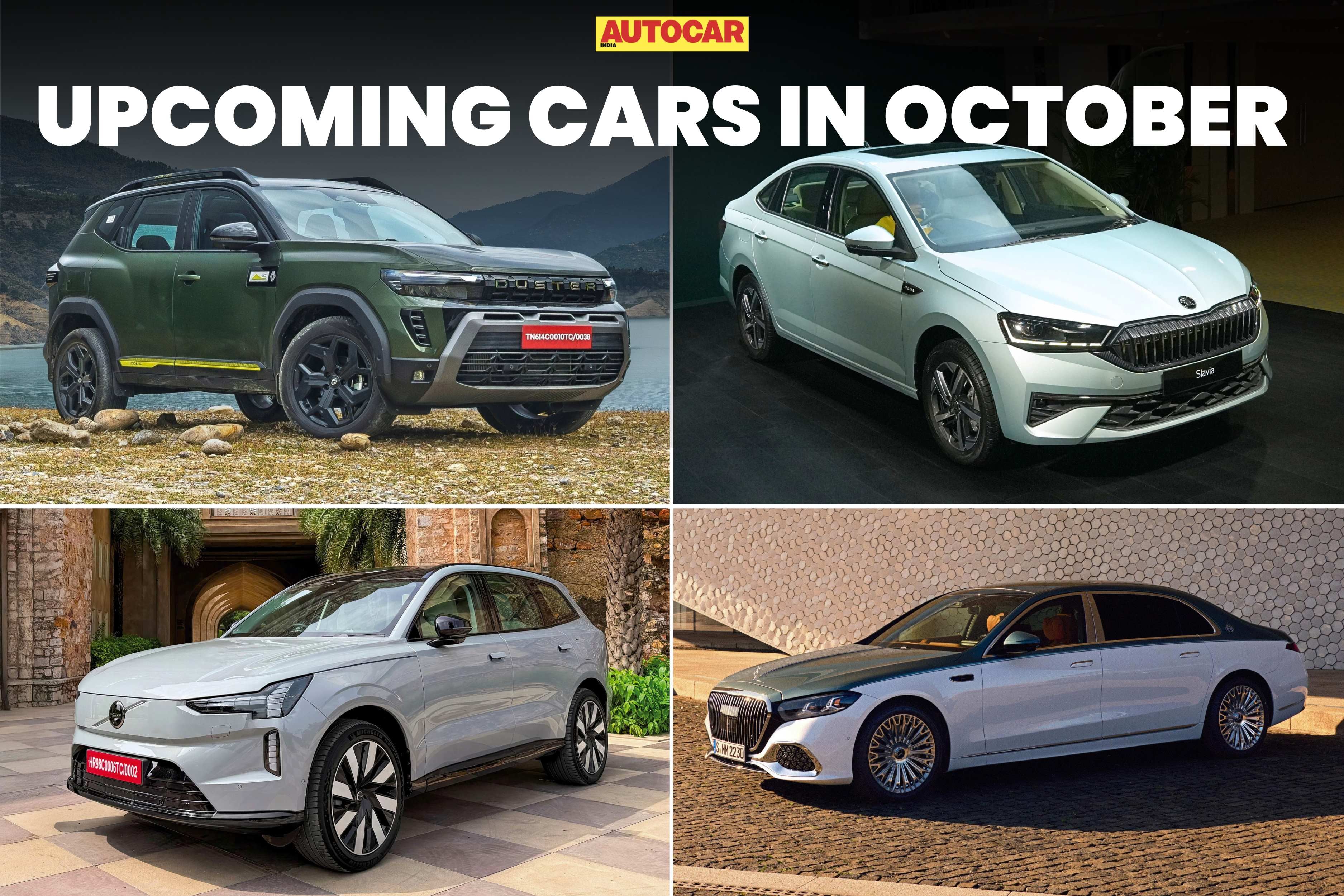
October marks the onset of the festive season in India, which means manufacturers line up a barrage of new car launches and debuts for prospective buyers to consider. It’s no different this year, with October 2026 looking quite stacked with fresh launches and debuts, especially during the first half of the month. Let’s delve into every new car that will either go on sale or debut in India next month.

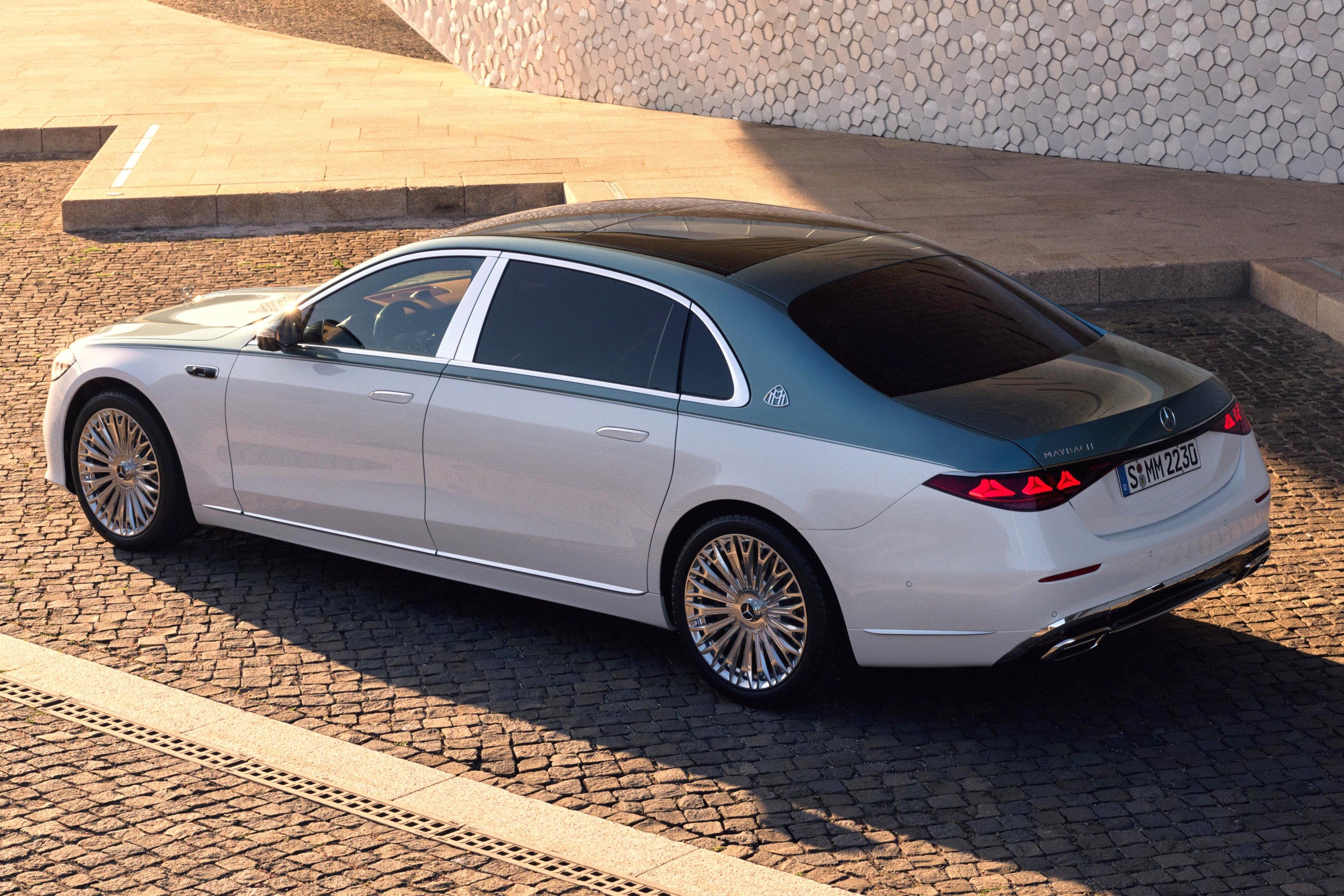
Mercedes-Benz Maybach S-Class facelift

Launch: 5 October

Following the launch of the 2026 S-Class facelift back in June, Mercedes-Benz India will bring the sedan’s longer and more luxurious Maybach derivative in October. Compared to its standard version, the Maybach S-Class facelift continues to be 180mm longer, but carries styling differentiators like a vertically-slatted grille adorned with a ‘Maybach’ wordmark, mildly revised bumpers, bespoke wheel designs, lots of Maybach logos peppered across the bodywork, and the signature dual-tone exterior finish.

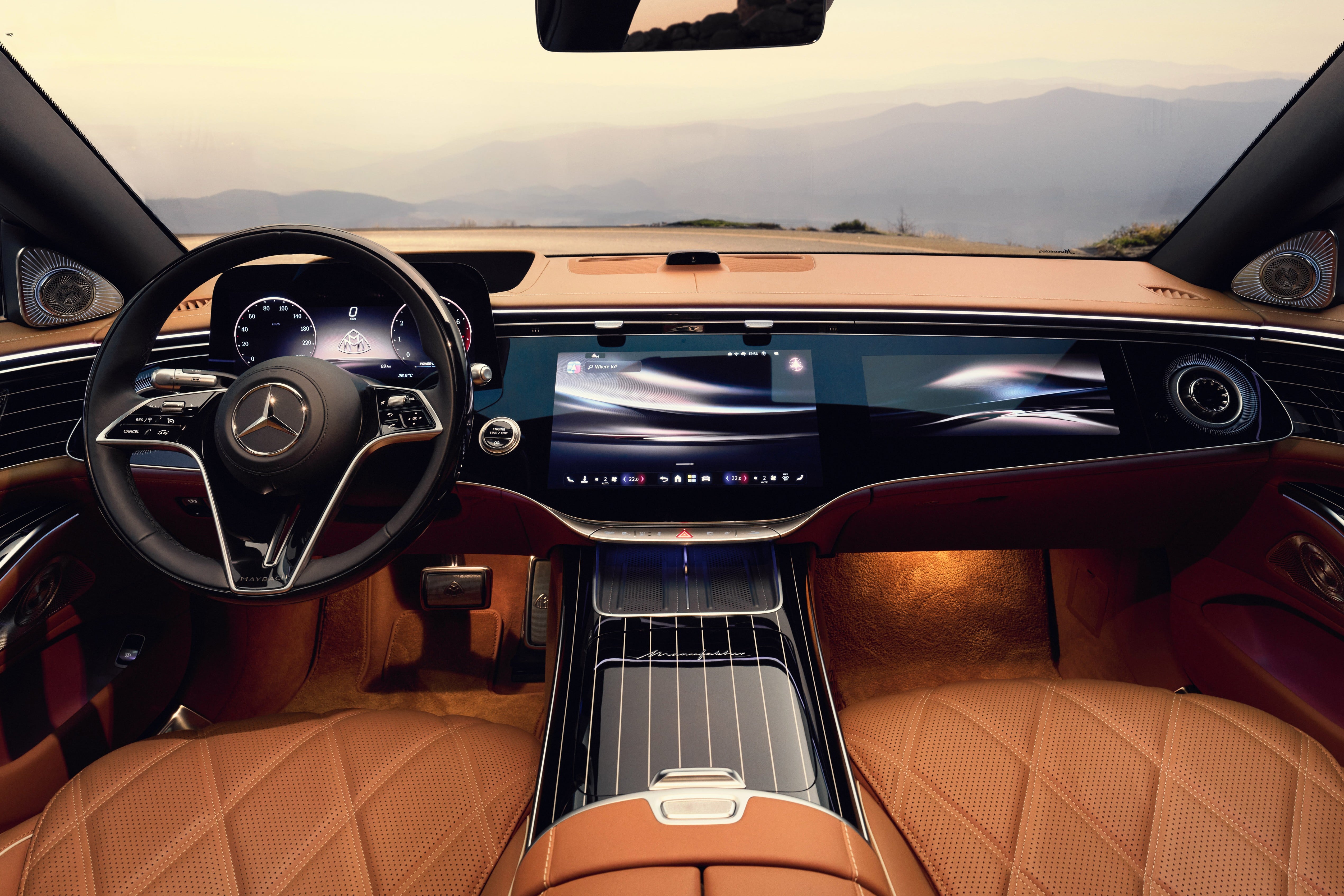
Inside, the Maybach prominently retains the standard S-Class’s Superscreen setup, comprising a 12.3-inch digital driver’s display, a 14.4-inch central touchscreen, and a 12.3-inch passenger display. New upholstery choices include extended leather and a leather-free vegan option. The rear seats remain largely unchanged, offering up to 43 degrees of recline, along with heating, ventilation, and massage functions. Globally, the Maybach S-Class can be had with either a 4.0-litre twin-turbo mild-hybrid V8 (S 580), a 4.0-litre twin-turbo V8 plug-in hybrid (S 580e), or a 612hp 6.0-litre twin-turbo V12 (S 680). Mercedes-Benz India is likely to offer the updated Maybach S-Class in S 580 or S 580e spec.

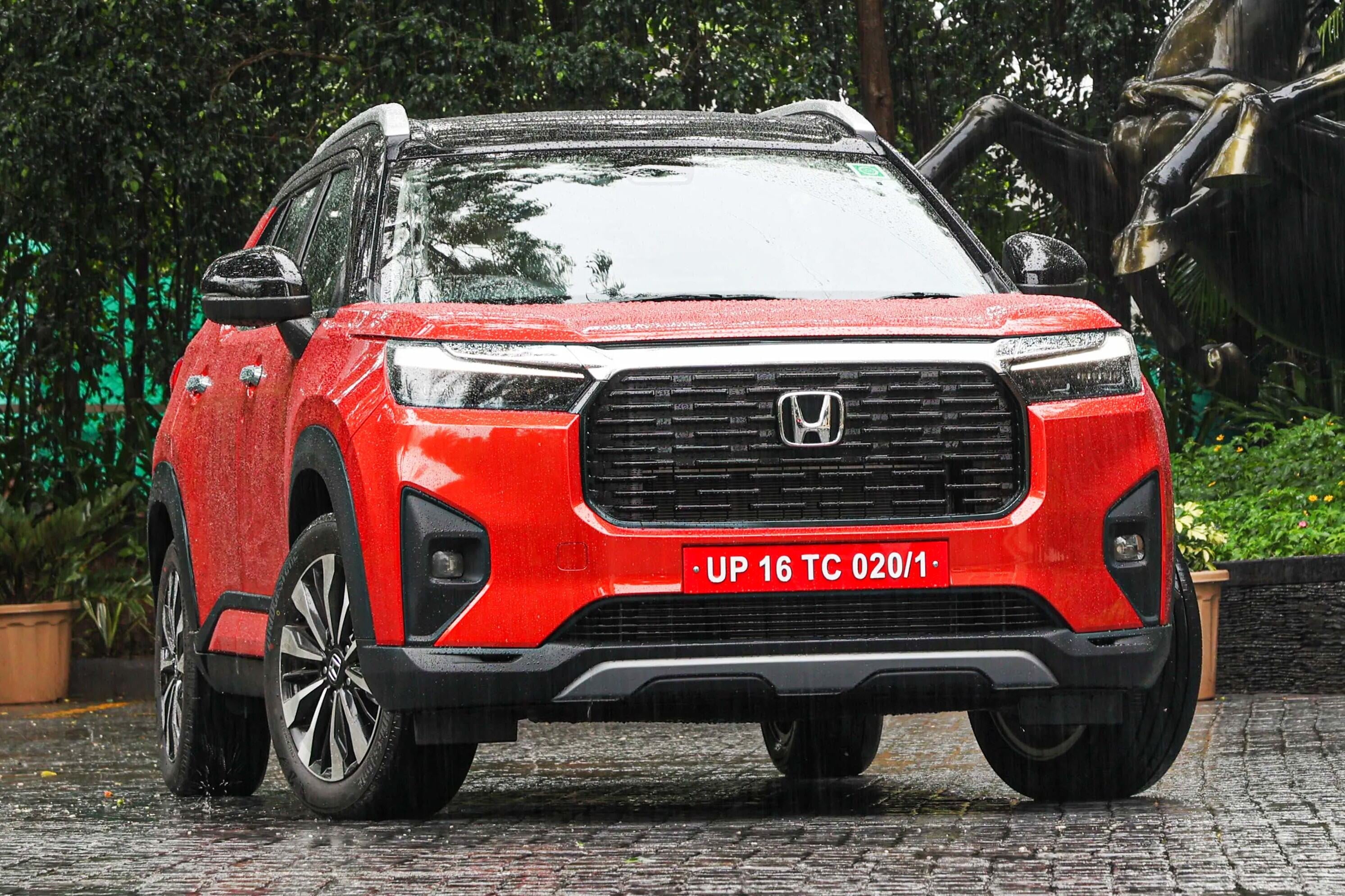
Honda Elevate facelift

Launch: 6 October

Current Honda Elevate. Image used for representation only.

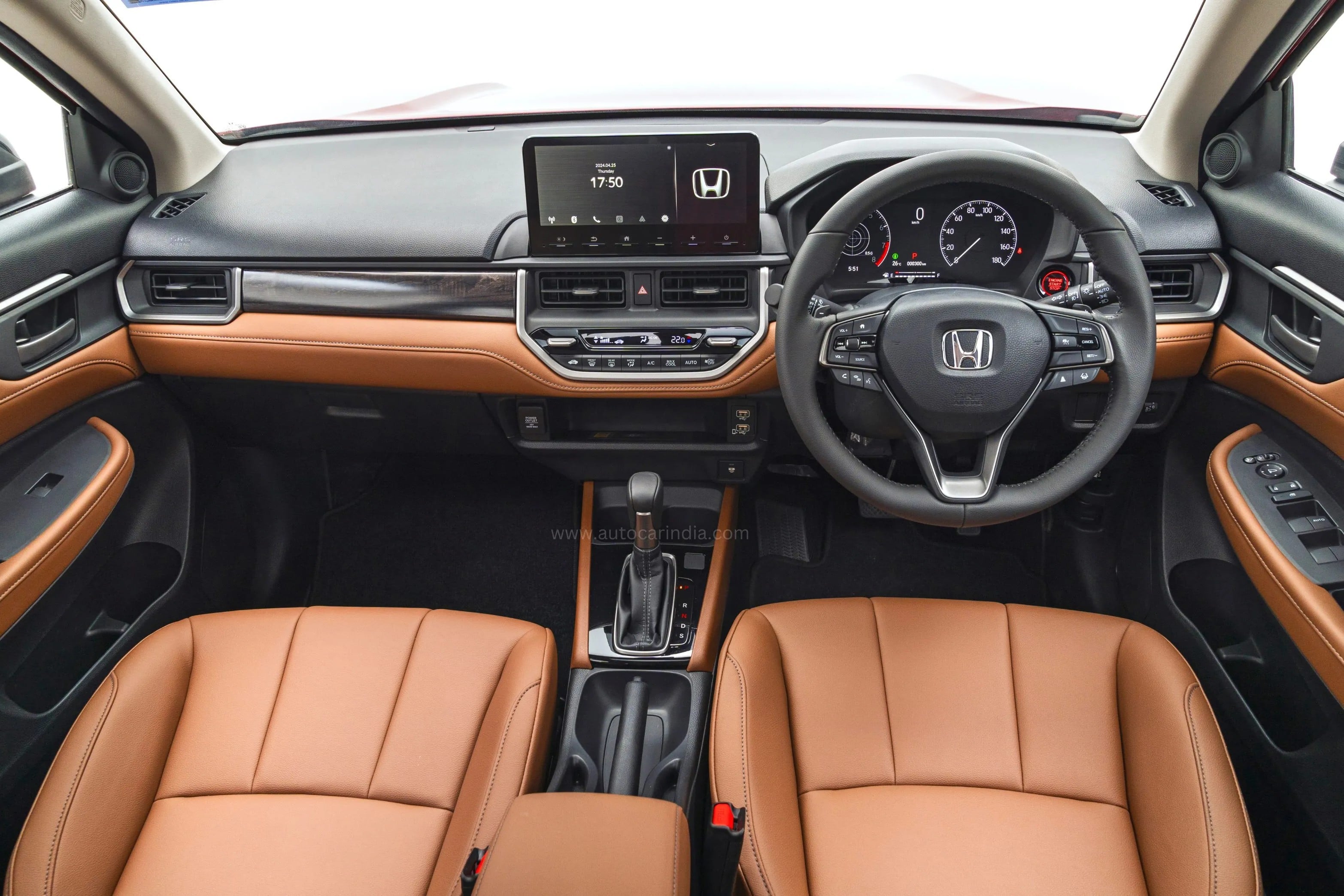
Following in the footsteps of the 2026 City facelift, Honda will launch an updated version of the Elevate SUV in October. Expect the Elevate facelift to sport revised styling cues, including the headlamps, tail-lamps, bumpers, grille, and wheels. The interior is anticipated to see changes like a larger infotainment touchscreen and revised colour schemes, along with feature upgrades like ventilated front seats, a 360-degree camera, ambient lighting, and more.

Current Honda Elevate interior. Image used for representation only.

The facelifted Elevate is likely to retain the current model’s 121hp 1.5-litre four-cylinder naturally aspirated petrol engine, and its 6-speed manual and CVT automatic gearbox options. It remains to be seen if Honda will additionally offer the Elevate facelift with the City e:HEV’s 126hp 1.5-litre four-cylinder petrol-hybrid powertrain, which is solely mated to an e-CVT automatic. A strong hybrid version of the Elevate would allow it to compete directly with established hybrid midsize SUVs like the Maruti Grand Vitara, Victoris, and Toyota Hyryder, as well as the upcoming Renault Duster hybrid – also slated for launch next month.

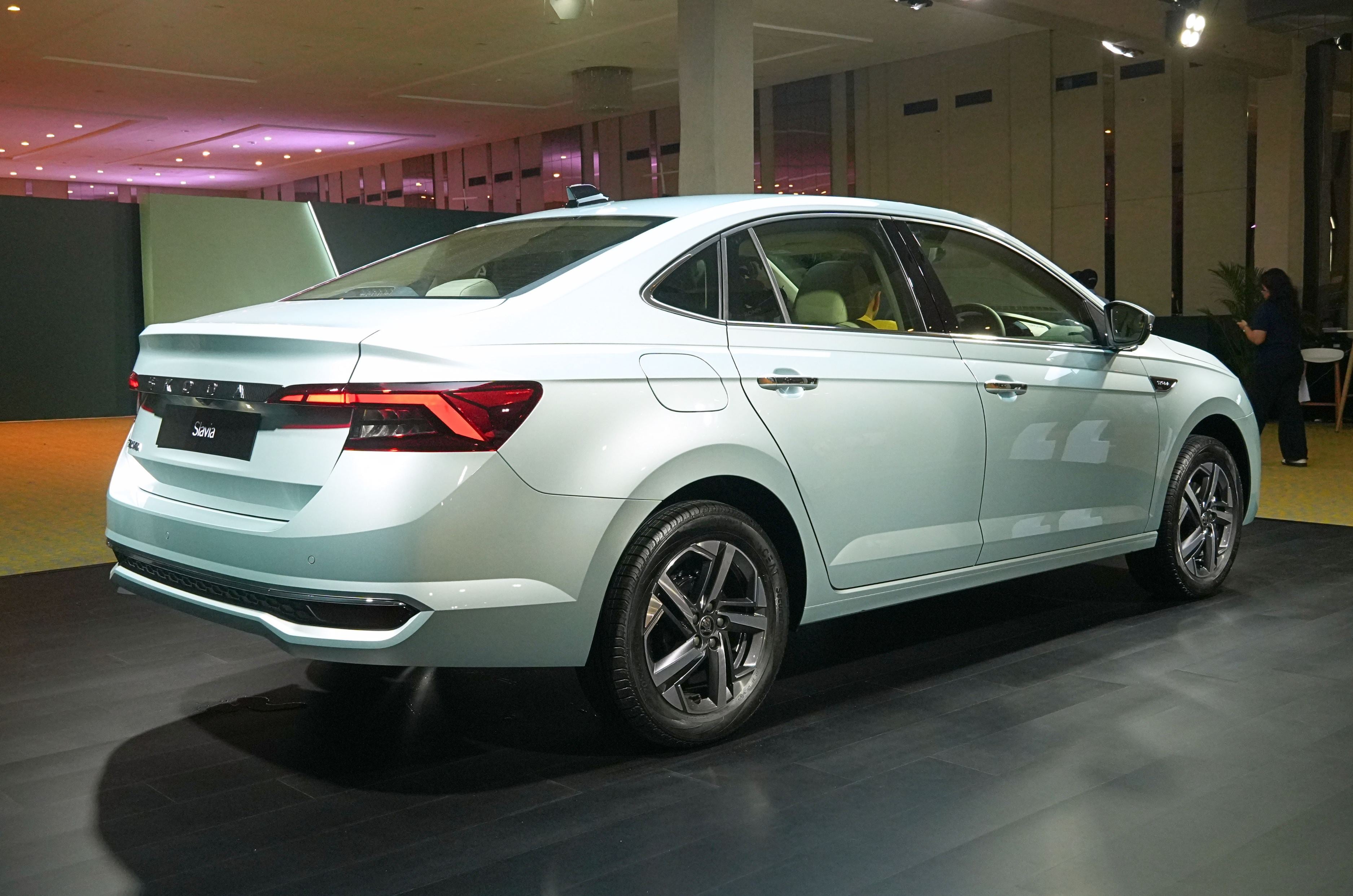
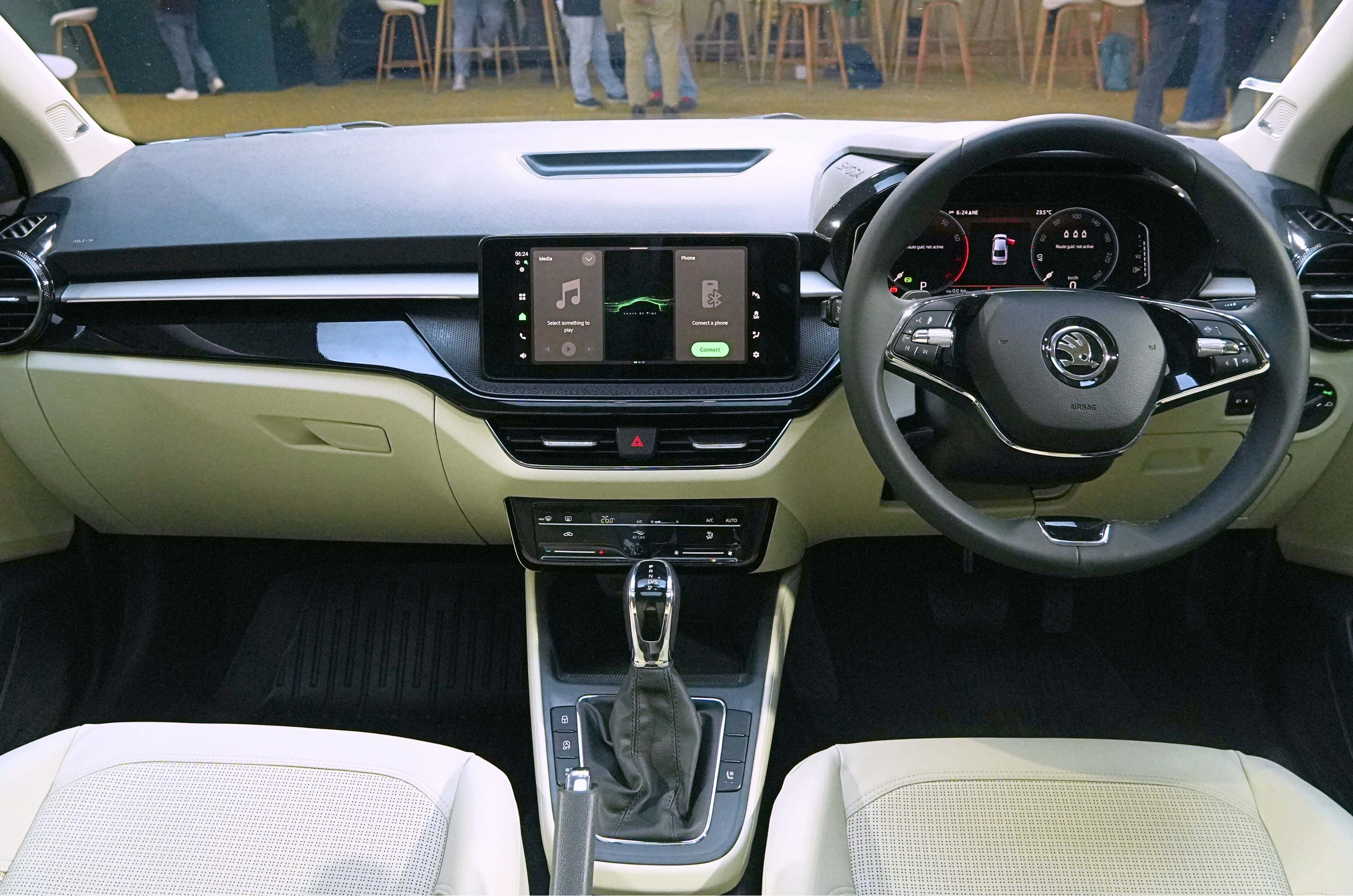
Skoda Slavia facelift

Launch: 6 October

Having debuted back in August, the facelifted Skoda Slavia’s prices will be announced next month. The Slavia facelift brings a host of exterior tweaks, like new DRL signatures for the headlamps, an updated grille, redesigned bumpers, and fresh alloy wheels. Not much has changed on the inside, but there are new colour schemes on offer. Skoda has also added features like a 360-degree camera, a massage function for the outboard rear seats, a larger 10.25-inch digital driver’s display, a Google-based AI assistant, an upgraded variable-geometry AC compressor, and front parking sensors.

Under the bonnet, the Slavia facelift retains its 115hp 1.0-litre three-cylinder direct-injection turbo-petrol and 150hp 1.5-litre four-cylinder direct-injection turbo-petrol engines. The big change here is that the 6-speed torque converter automatic that was previously available for the 1.0 TSI has been swapped with an 8-speed unit, which should deliver better fuel efficiency on the highway. A 6-speed manual gearbox is also available for the 1.0 TSI, whereas the 1.5 TSI continues to be paired exclusively with a 7-speed dual-clutch automatic. The 1.5 TSI will be offered with rear disc brakes too – a much-requested upgrade.

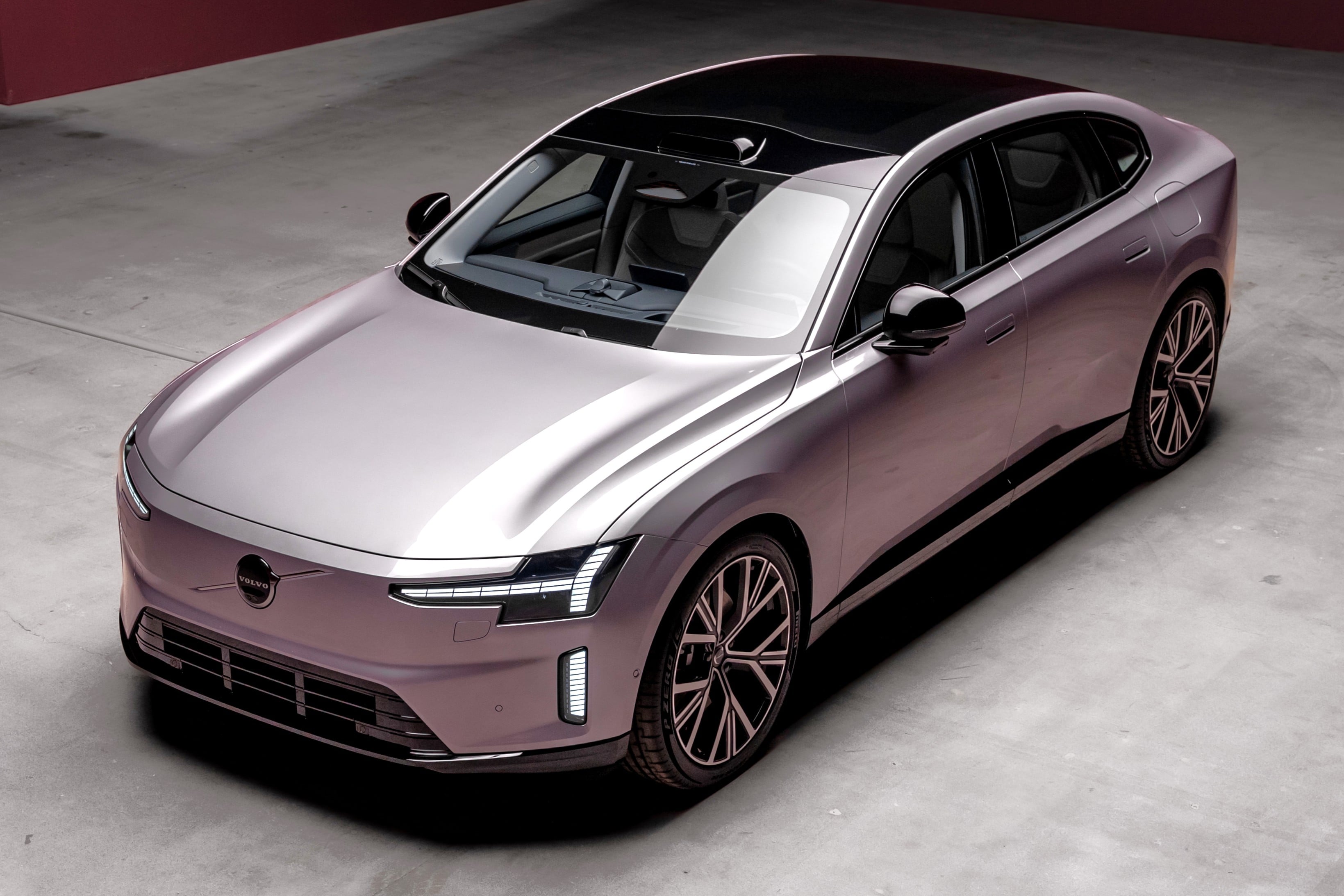
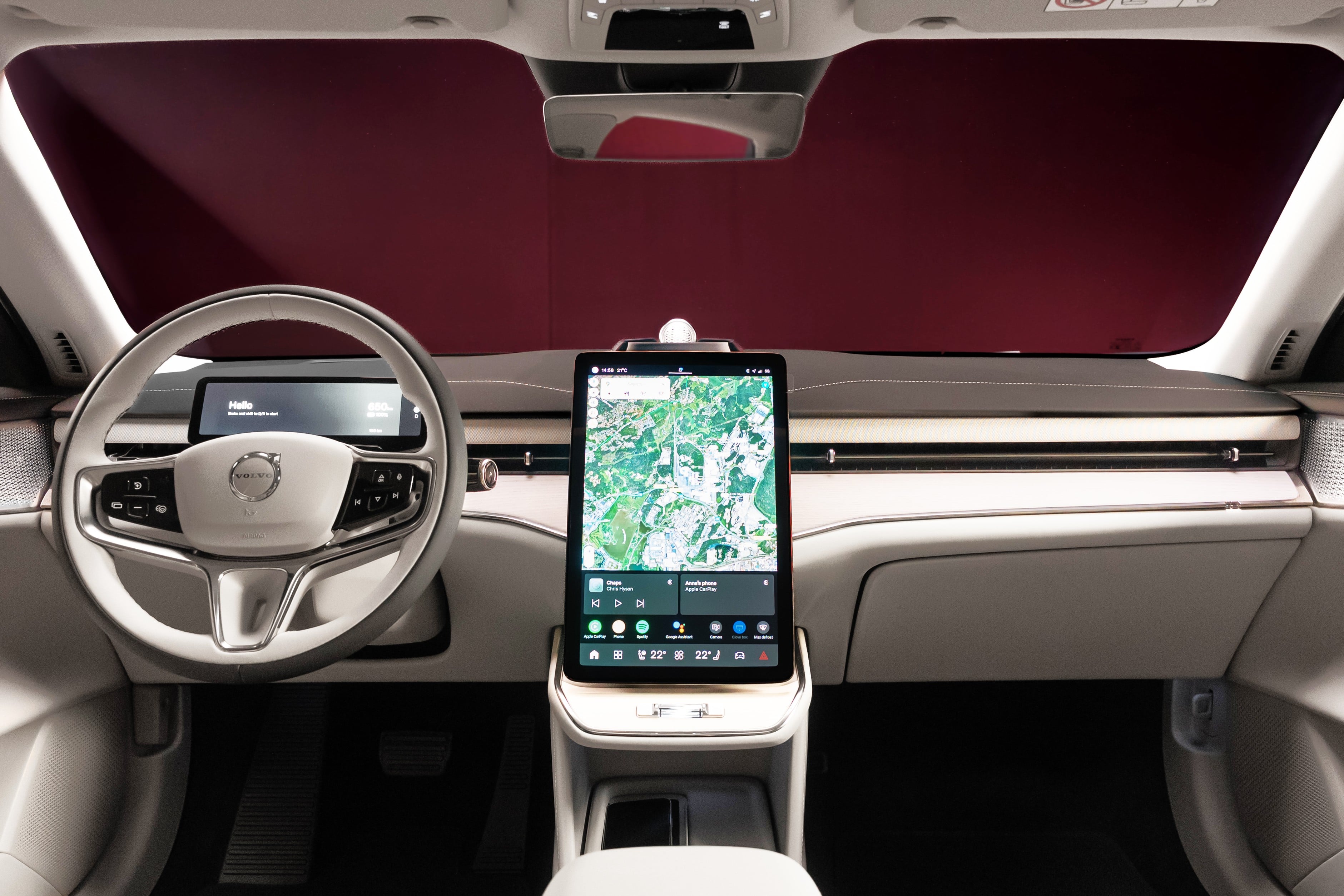
Volvo ES90

Launch: 12 October

Volvo will return to the luxury sedan space next month with the launch of the all-electric ES90. It’s based on Volvo’s 800V SPA2 platform, and is likely to be offered with a 106kWh battery, dual-motor AWD setup in India. Combined output is pegged at 456hp and 670Nm, which is good for a claimed 0-100kph time of 5.3 seconds. As for WLTP range, the ES90 is rated at 696km, and the sedan can charge at up to 350kW DC, taking 22 minutes for a 10-80 percent top-up.

On the outside, the ES90 looks sleek and quietly aggressive, with T-shaped LED headlamps, vertically oriented front fog lamps, clean panelling, and C-shaped tail-lamps. Moreover, it has a drag coefficient of 0.25, making it the most aerodynamic Volvo car yet. Inside, the ES90 packs a 14.5-inch Google-based portrait touchscreen, a floating centre console, a three-spoke steering wheel,  a slim 9-inch digital driver’s display, a 13.2-inch head-up display, a panoramic glass roof, four-zone climate control, powered front seats, Level 3 ADAS, and a Bose sound system.

Volvo EX90

Launch: 12 October

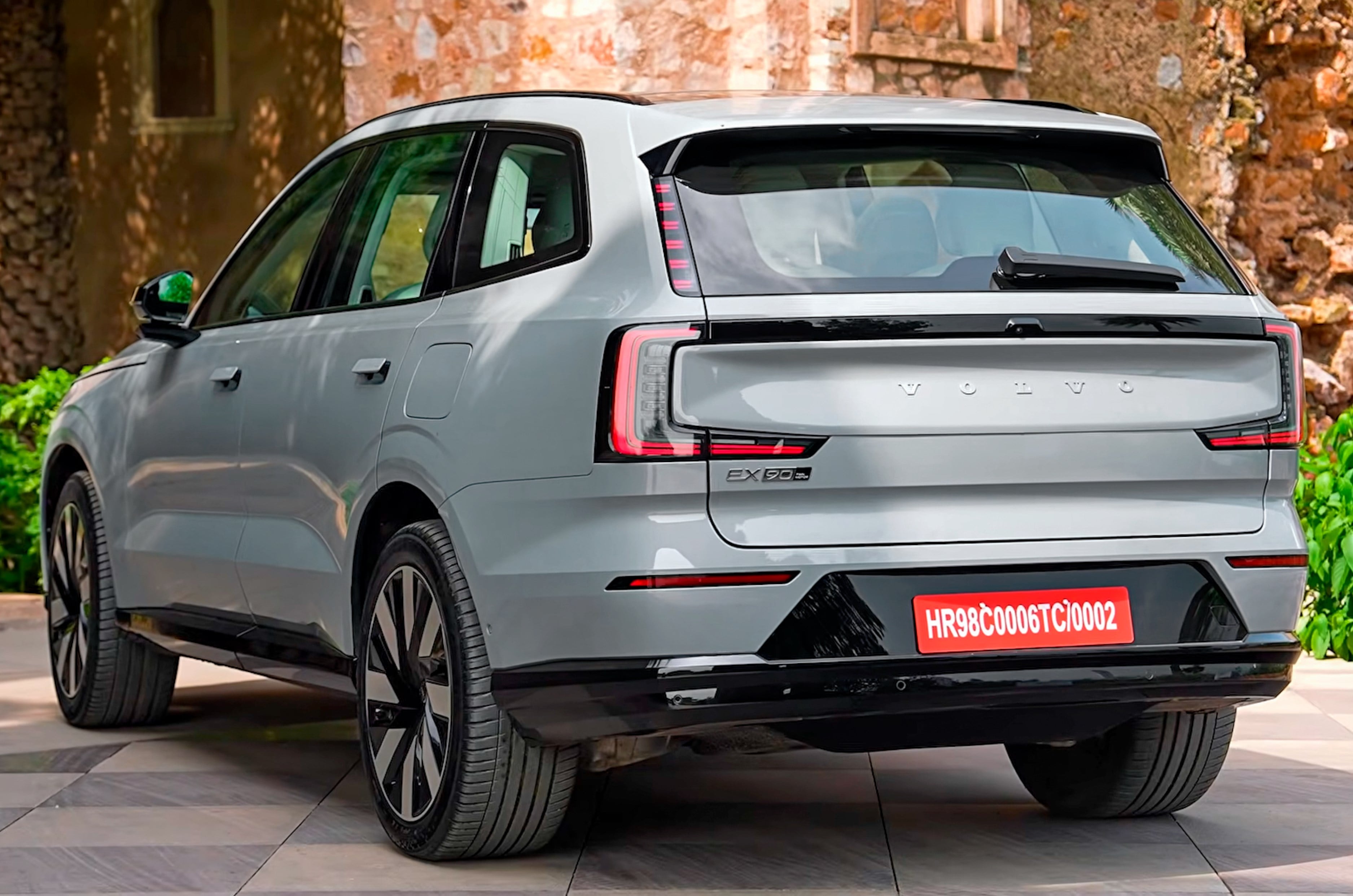
Alongside the ES90, Volvo will launch its SUV counterpart, the EX90. The electric SUV is also based on the SPA2 platform and is expected to offer the same 106kWh dual-motor AWD powertrain. Owing to its higher-riding stance, the EX90’s WLTP range is slightly lower at 625km, but the SUV impressively claims the same 5.3sec 0-100kph time.

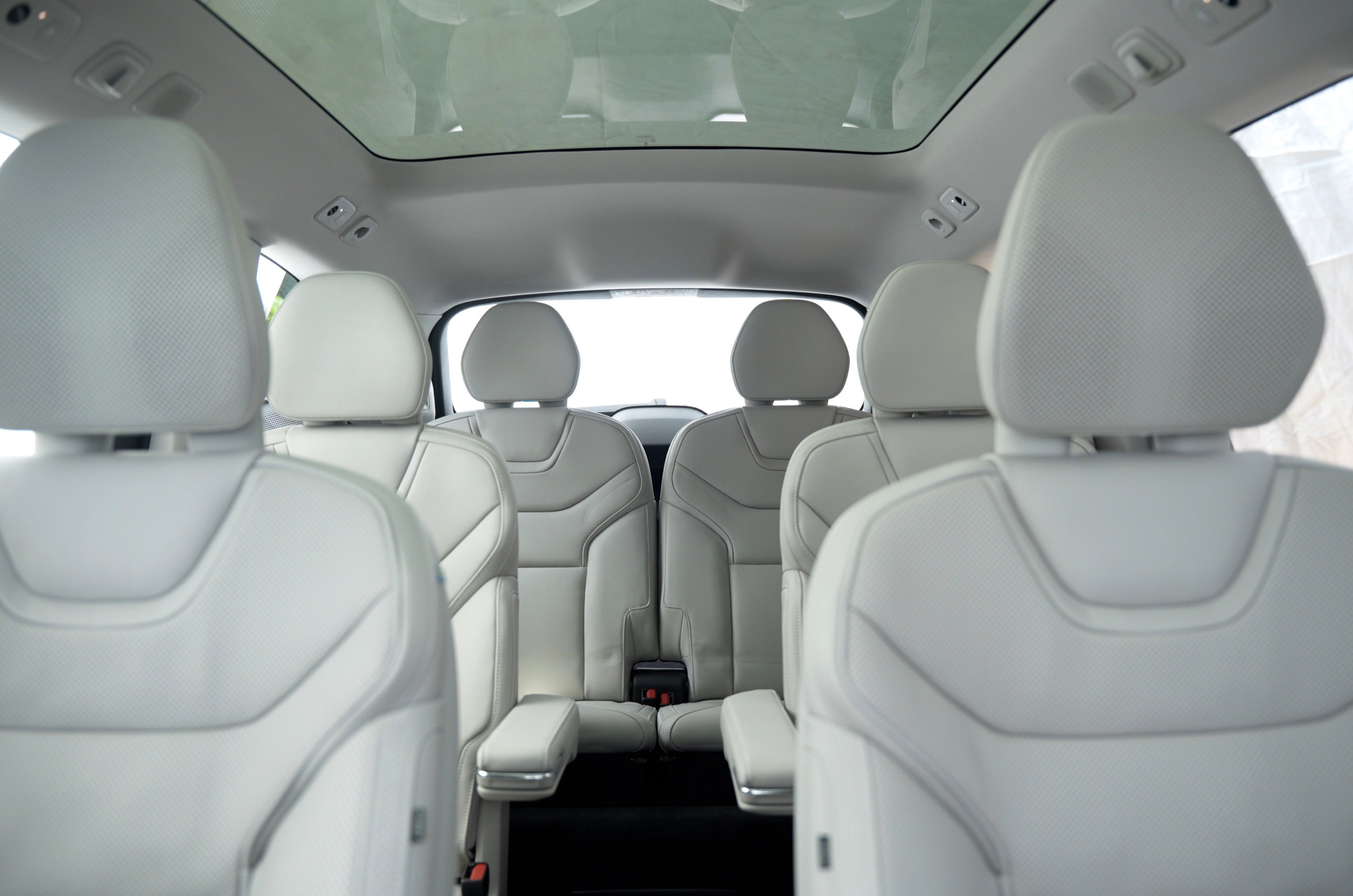
Even in terms of exterior design, the core elements are quite similar between the EX90 and ES90. The same holds true for the interior and equipment list as well, with the only major difference being that the EX90 can seat up to six occupants and gets second-row captain’s chairs.

Toyota Glanza facelift

Debut: 14 October

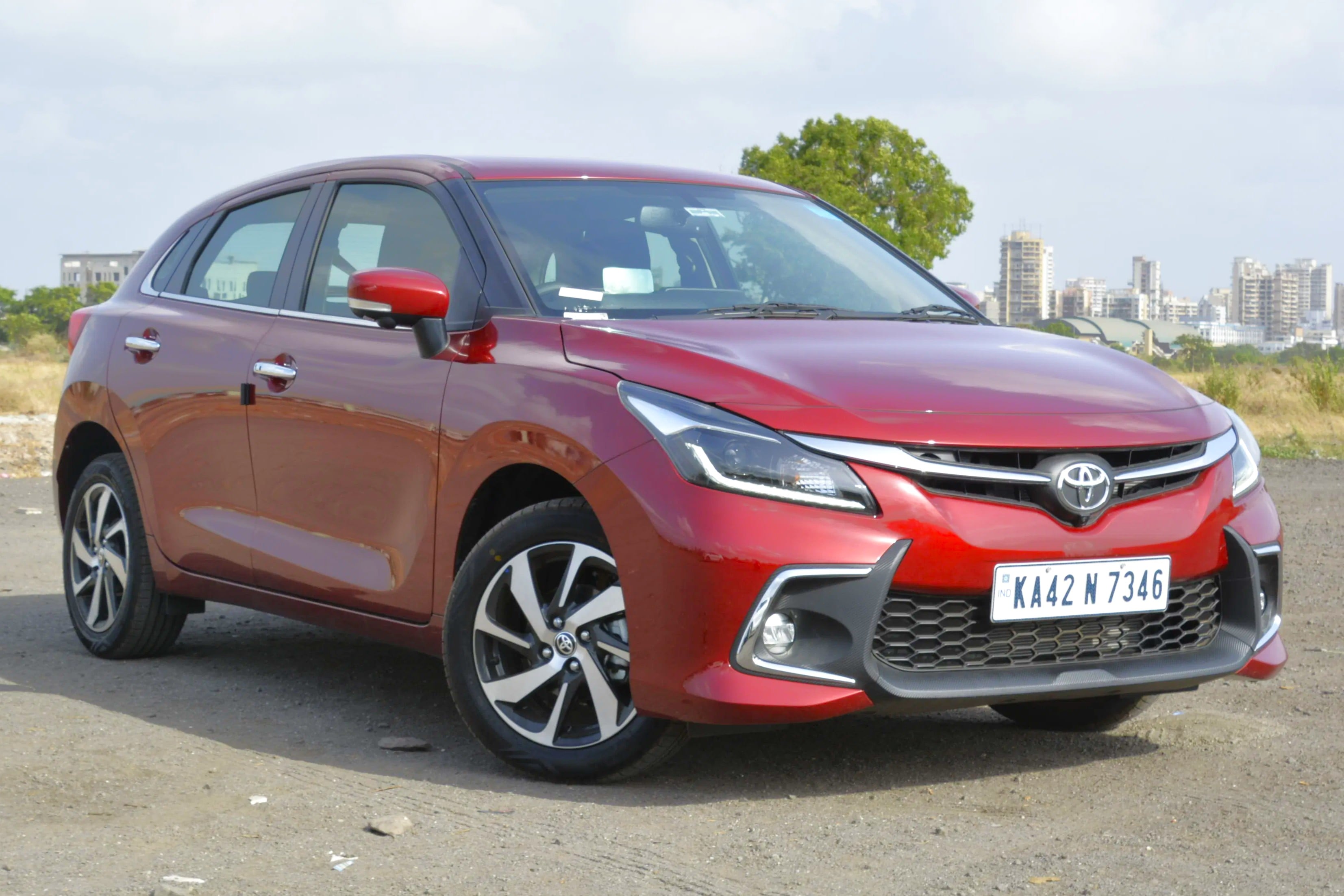
Current Toyota Glanza. Image used for representation only.

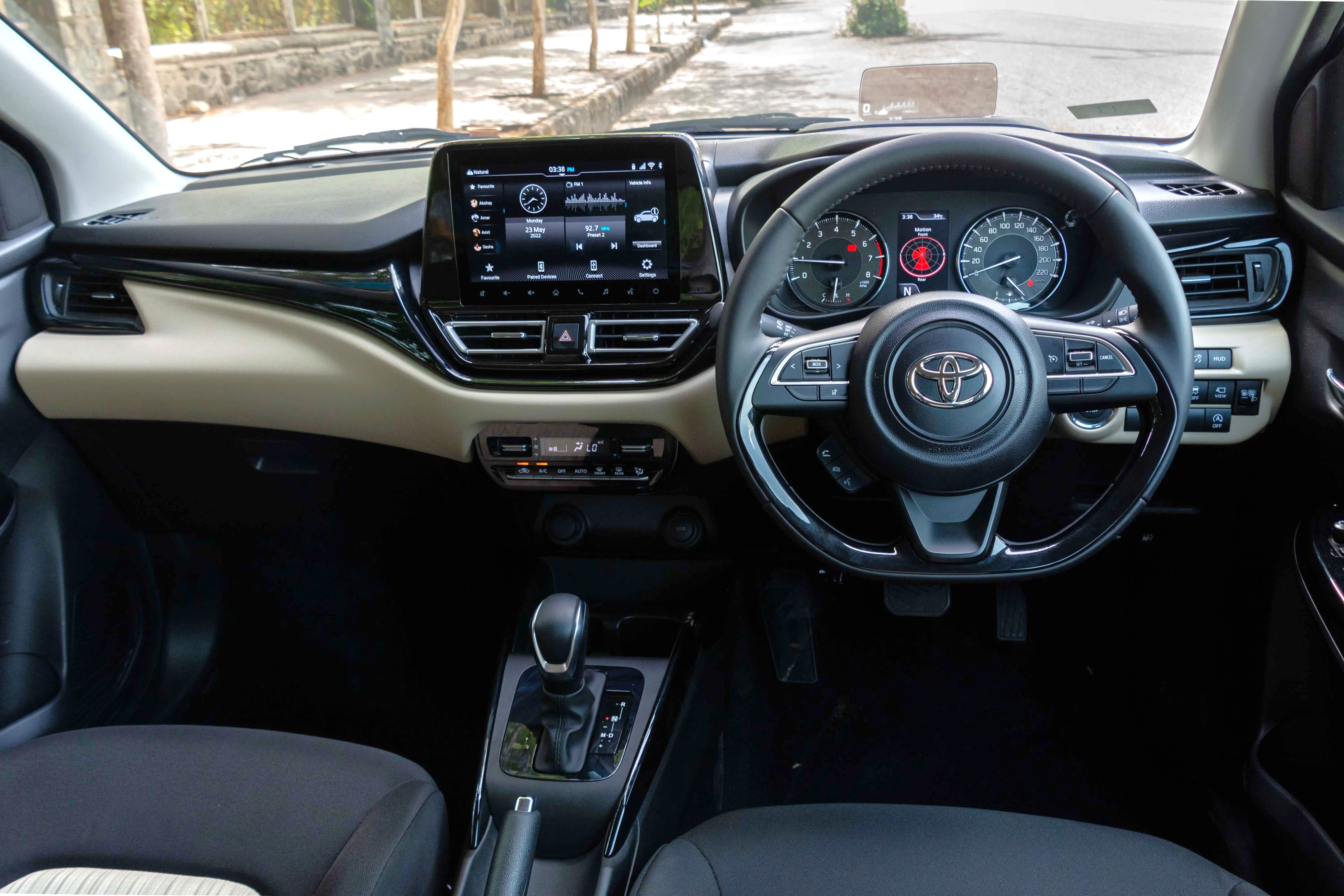
Just a month after the launch of the Baleno facelift, the updated form of its Toyota-badged counterpart, the Glanza, will be revealed. The Glanza facelift is likely to feature styling revisions similar to those of the updated Baleno, like a larger grille, redesigned bumpers, and new alloy wheel designs. Inside, the Toyota hatchback’s dashboard layout is expected to be largely unchanged, save for fresh seat upholstery. New creature comforts are likely to include Level 2 ADAS, a wireless charging pad, and ventilated front seats.

Current Toyota Glanza interior. Image used for representation only.

Under the bonnet, the Glanza facelift is anticipated to mirror the Baleno in dropping its current 90hp 1.2-litre four-cylinder K12N petrol engine in favour of the 83hp 1.2-litre three-cylinder Z12E mill. Like in the Baleno facelift, this engine is expected to be offered with either a 5-speed manual or 5-speed AMT in the updated Glanza, along with a 70hp CNG option.

Third-gen Audi Q3

Launch: 16 October

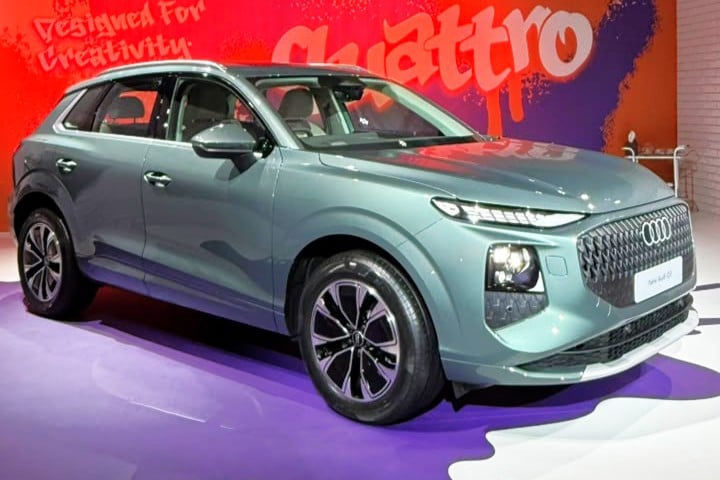
Audi India will launch the latest generation of its entry-level SUV, the Q3, next month. The India-spec third-gen Q3 was unveiled back in August, and will continue to rival the BMW X1 and Mercedes-Benz GLA. On the outside, the new Q3 is larger than its predecessor in every dimension and bears a sharper design language, which includes split LED headlamps, a wide grille, 18-inch alloy wheels, and a rear light bar with an illuminated Audi emblem.

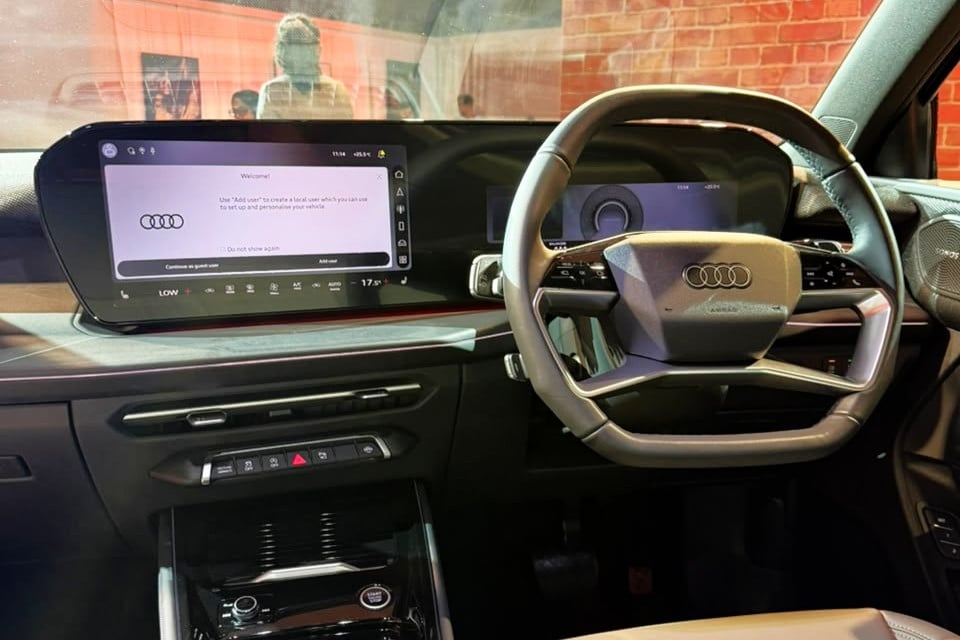
The interior of the third-gen Q3 is more modern and feature-loaded too, offering a 12.8-inch touchscreen, an 11.9-inch digital driver’s display, a new squircle-shaped four-spoke steering wheel, ambient lighting, a Sonos sound system, a panoramic sunroof, ambient lighting, a 360-degree camera, dual-zone climate control, among others. Under the bonnet, the Q3 continues to get a 204hp 2.0-litre four-cylinder direct-injection turbo-petrol engine, mated to a 7-speed dual-clutch automatic and Audi’s Quattro AWD system. 0-100kph comes up in a claimed 7.1 seconds, and the top speed is rated at 229kph.

Renault Duster hybrid

Launch: 17 October

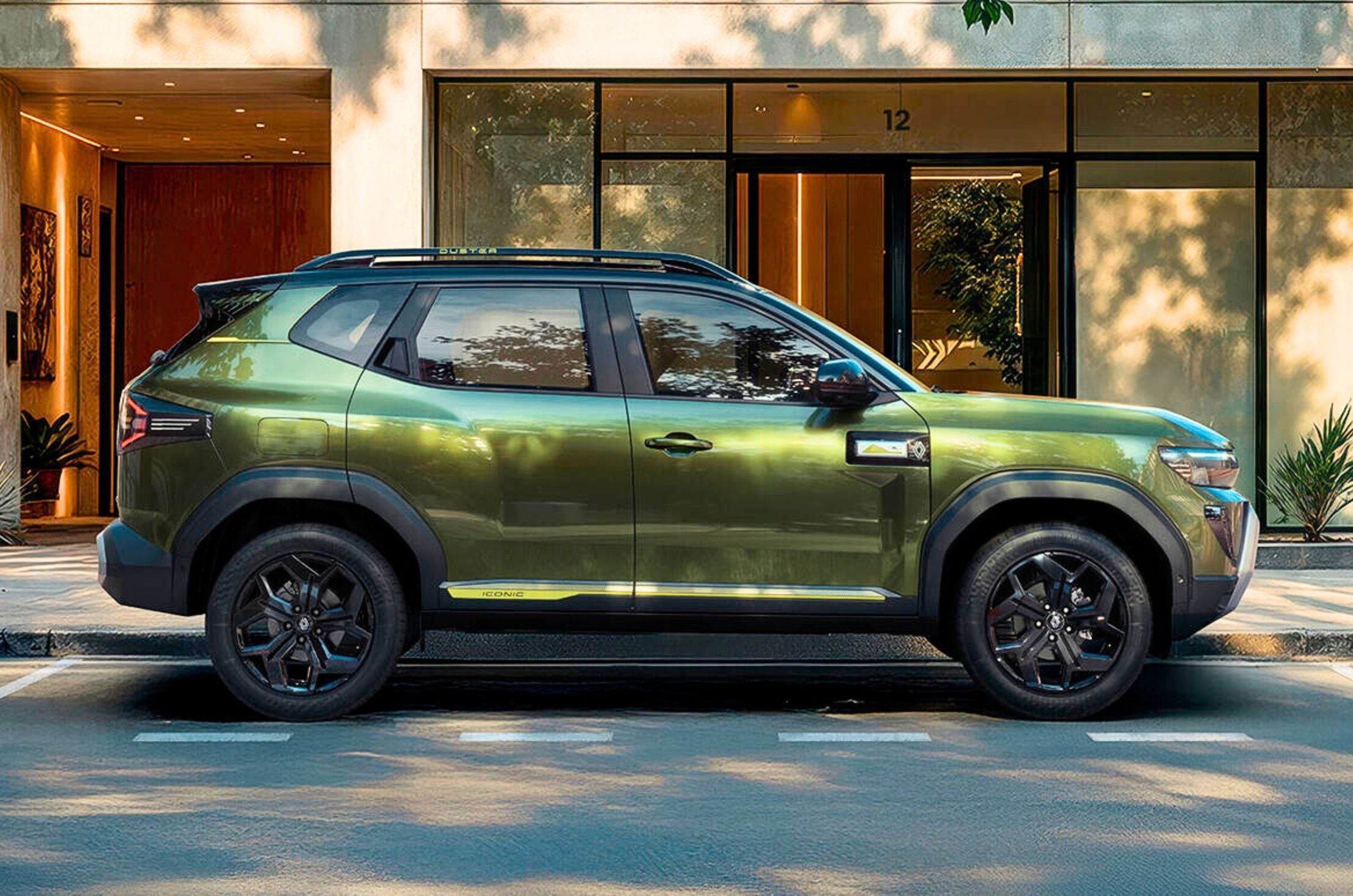
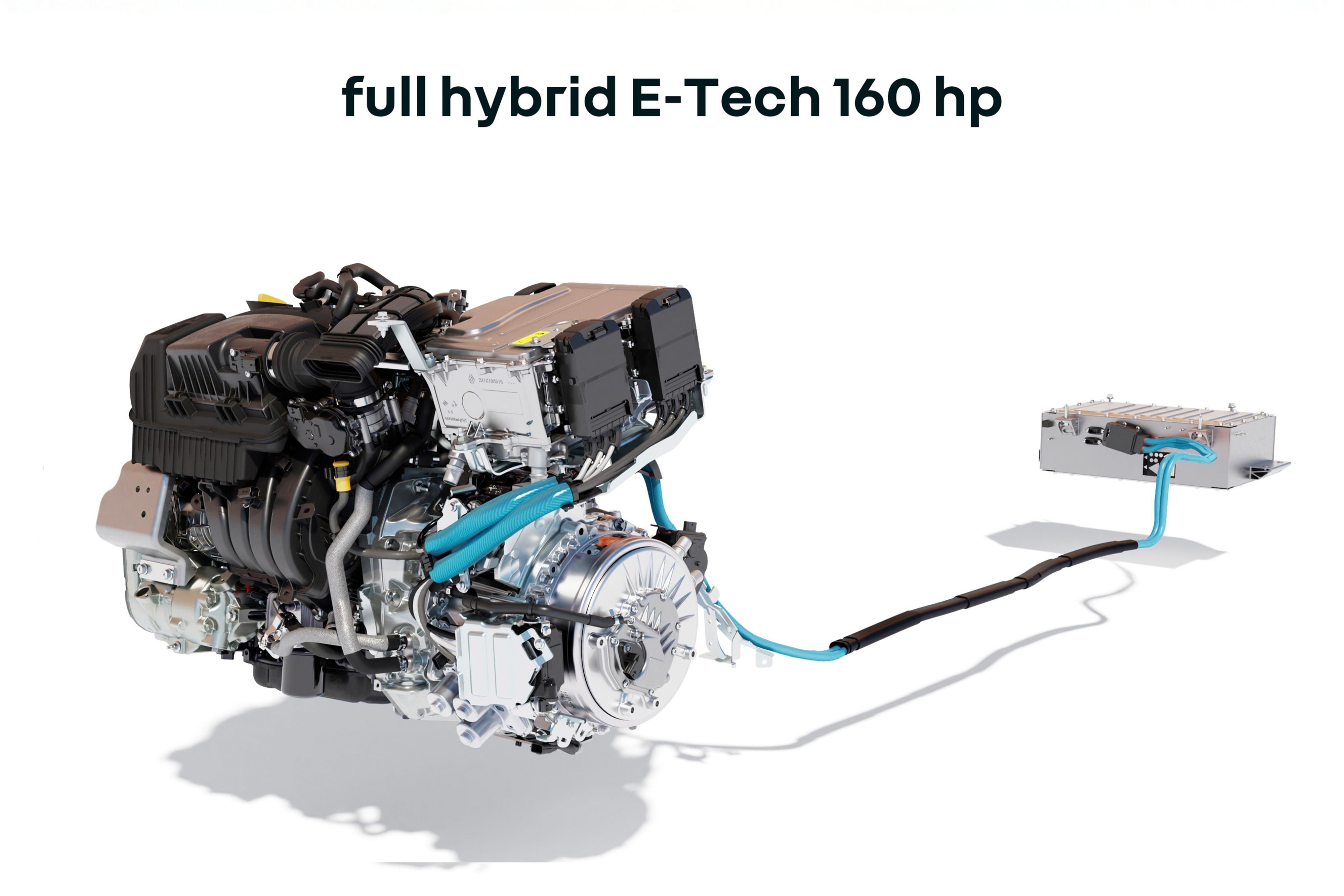
Since its launch earlier this year, the Renault Duster has been available with a couple of turbo-petrol engines only, but that will change come October 17. Renault will bolster the Duster’s line-up with a strong hybrid powertrain dubbed the E-Tech 160. It pairs a 1.8-litre four-cylinder naturally aspirated petrol engine with two electric motors and a 1.4kWh battery pack, developing a combined 160hp and 172Nm.

This setup will be paired with a segment-first 8-speed dedicated hybrid transmission (DHT) that uses fixed gear ratios, unlike the e-CVTs seen in hybrid SUV rivals like the Grand Vitara, Victoris, and Hyryder. The DHT should therefore enable a more natural driving feel to the Duster hybrid. Thanks to its 1.4kWh battery, the E-Tech 160 is also claimed to deliver 80 percent of urban driving in all-electric mode, which should help the Duster hybrid achieve great fuel efficiency.

Hyundai Bayon

Launch: Mid to late October

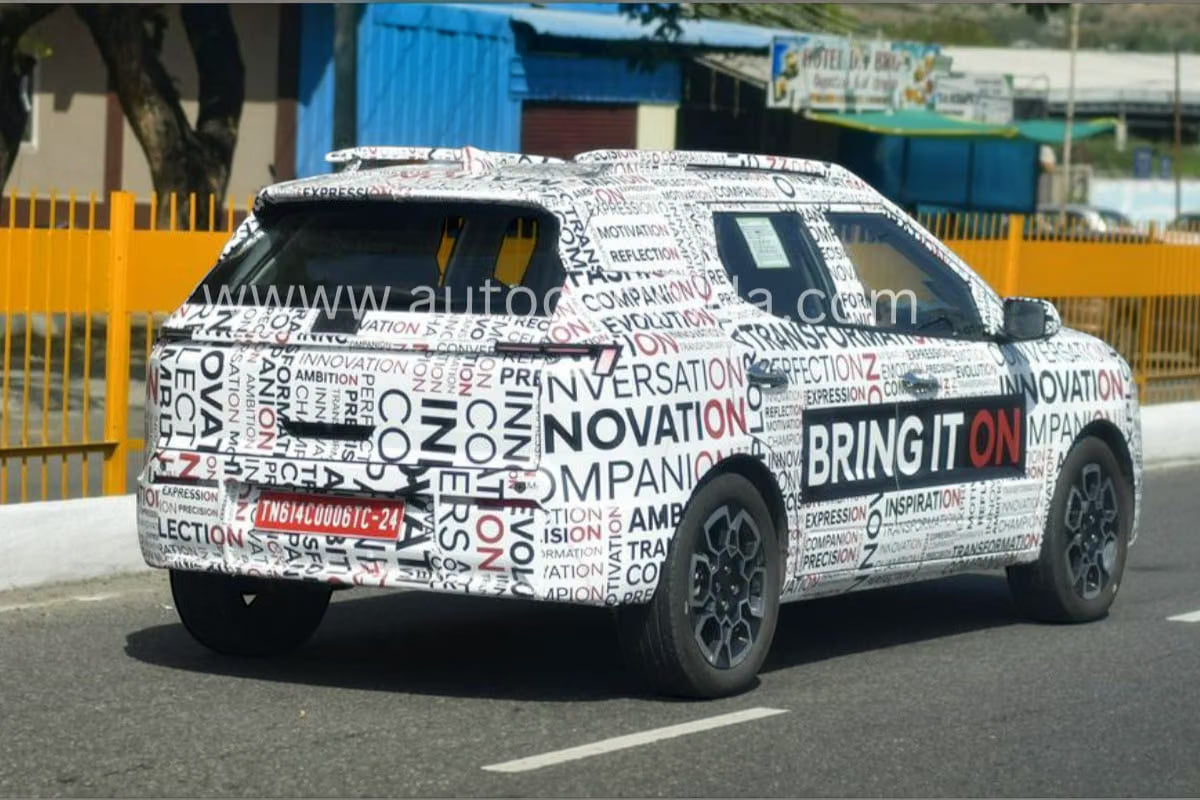
Hyundai’s second midsize SUV for India, the Bayon, is expected to be fully revealed and launched next month – bookings commenced on 23 September. The Bayon will slot between the Venue and Creta, offering the latter’s 1.5-litre naturally aspirated engine in petrol and CNG guises. Gearbox options are likely to include a 6-speed manual and CVT automatic. On the outside, the Bayon will feature Hyundai’s ‘Art of Steel’ design language, with styling cues like L-shaped front and rear LEDs, rakish proportions, an upward-sloping window line, and more. It’s also expected to be the first Hyundai car to come with an underbody CNG tank.

The interior of the Bayon is likely to offer a curved dual-screen setup, a three-spoke steering wheel bearing Hyundai’s four-dot motif, and a vertically oriented centre console – the dashboard layout will resemble that of the fourth-gen i20, which was revealed for the Brazilian market a few months ago.

Hyundai Bayon bookings commence

Hyundai Bayon bookings commence
Hyundai Bayon bookings open

Hyundai has officially commenced bookings for the upcoming Bayon midsize SUV that’s expected to launch next month. Prospective buyers can register an interest online or at their nearest Hyundai dealership. The Bayon will be positioned between the Venue and Creta in the brand’s SUV line-up when it hits the market this festive season.  

  1. Upcoming midsize SUV could be just over four metres long 
  2. Expected to come with 1.5-litre petrol and CNG powertrain options 
  3. Bayon to get new-gen i20-like interior with twin connected screens

Hyundai Bayon exterior and interior 

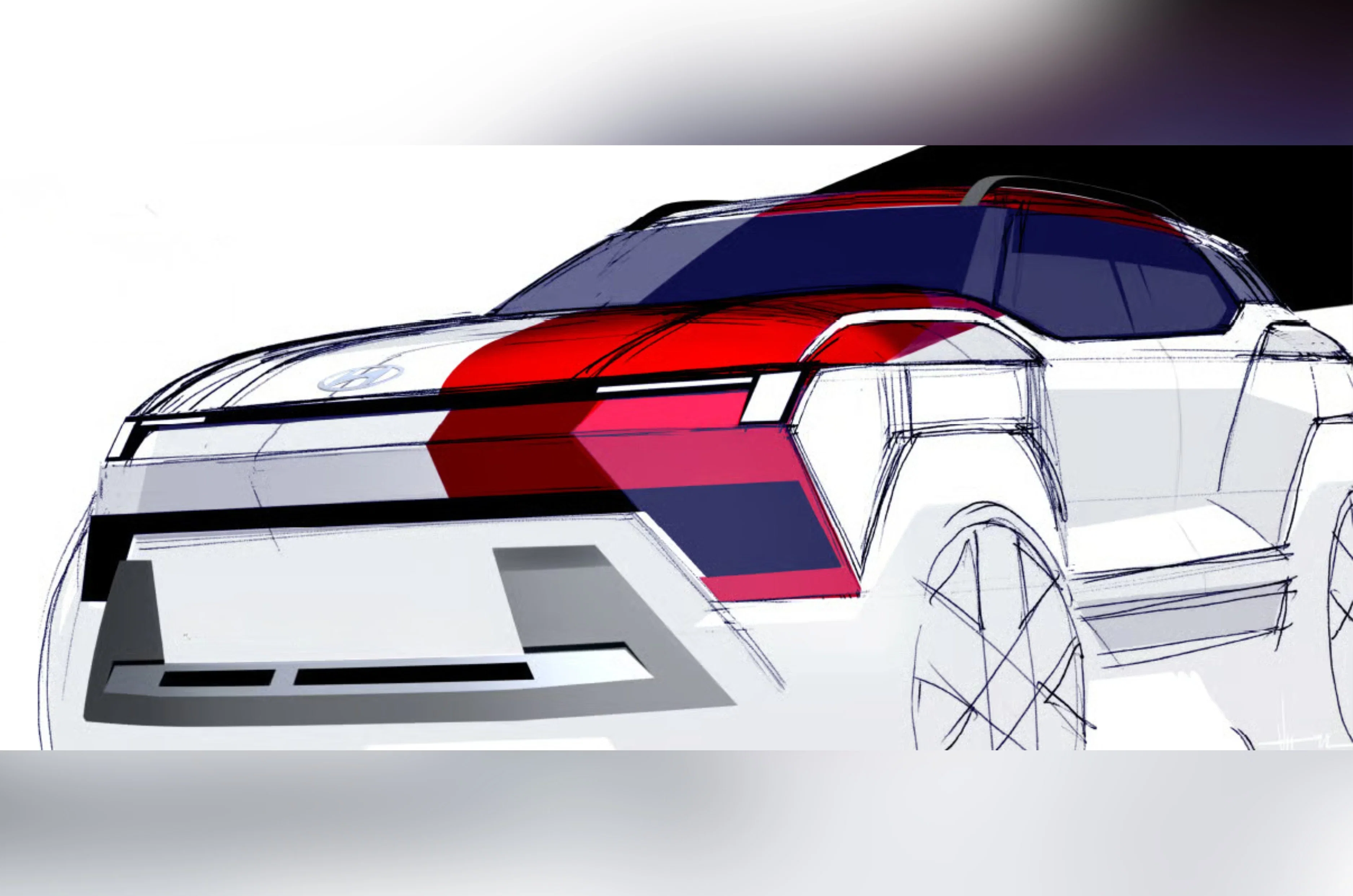
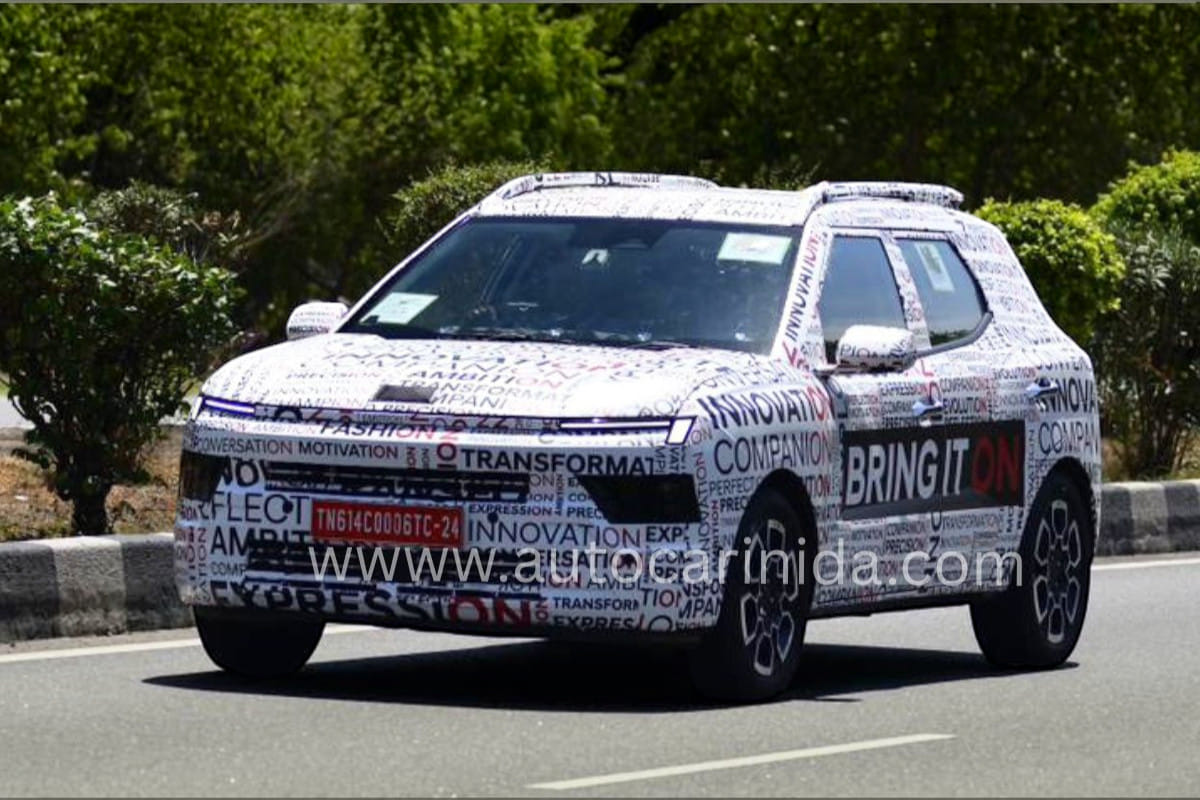
The Bayon has been spied testing on multiple occasions and Hyundai themselves have released several teasers hinting at the new design, so we have a fair idea of what it’s going to look like. The Bayon’s overall stance is of a crossover rather than a boxy, upright SUV. It will sport a split-headlamp setup with half split H-shaped LED DRLs opositioned at the top. The main headlamp is positioned on the bumper, which also houses a rugged-looking skid plate. The fascia also looks well sculpted with sharp character lines and contours.

In profile, the Bayon has a rising window line with a distinct kink at the C-pillar. It will get regular pull-type door handles, functional roof rails and prominently flared wheel arches, much like the Exter. At the back, there’s a slim LED light band mimicking the front LED signature and a pronounced roof spoiler. Overall, the Bayon is expected to measure a little more than 4 metres in length. 

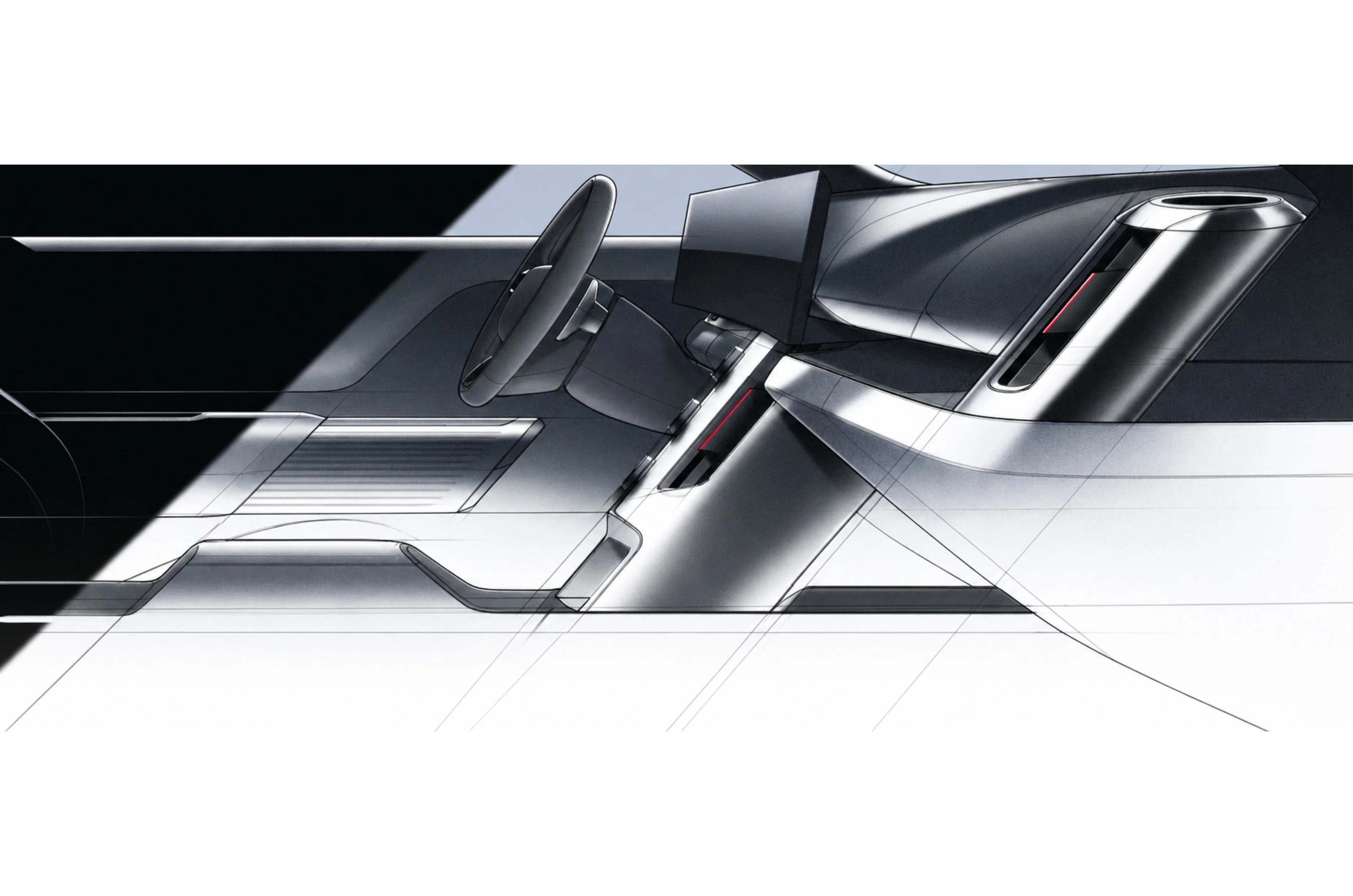
On the inside, the Bayon in India will have a lot in common with the fourth-gen i20 that was recently revealed for Brazil. It will come with twin connected screens and a central dropdown panel housing the physical HVAC controls. The steering wheel with Hyundai’s four-dot motif, the vertical AC vents flanking the centre panel and even the door pads will be very similar to those on the new i20.Like all Hyundais, expect it to be properly kitted out with convenience and safety features.  

Hyundai Bayon powertrain options 

The Bayon is expected to use the 1.5-litre, four-cylinder naturally aspirated petrol engine, which will be offered with manual and CVT gearbox options. This is the same engine that does duty on the Creta, but the exact state-of-tune remains to be seen. Notably, this engine will also be offered with a factory-fitted CNG kit, likely with an underbody tank, making the Bayon the first Hyundai model over four metres long to be powered by CNG.

Hyundai Bayon Front Left Three Quarter

The Bayon is expected to priced between Rs 9 lakh and 14 lakh (ex-showroom) when it goes on sale this festive season, giving Hyundai a two-pronged approach to tackle the midsize SUV market, much like Maruti does with the Victoris and Grand Vitara. 

SIM card : अपनी सिम दूसरे को दी तो ₹50 लाख जुर्माना, 3 साल की जेल भी, जानिए अपने नाम पर एक्टिव सिम कैसे चेक करें

SIM card : अपनी सिम दूसरे को दी तो ₹50 लाख जुर्माना, 3 साल की जेल भी, जानिए अपने नाम पर एक्टिव सिम कैसे चेक करें

how to check active sim cards in your name

मोबाइल SIM को लेकर दूरसंचार विभाग (DoT) ने देशभर के मोबाइल यूजर्स को अहम चेतावनी दी है। विभाग ने कहा है कि अपने नाम पर जारी SIM कार्ड किसी दूसरे व्यक्ति को इस्तेमाल के लिए देना भारी पड़ सकता है। फर्जी तरीके से SIM जारी कराने, टेलीकॉम पहचान से जुड़े नंबरों का गलत इस्तेमाल करने या मोबाइल के IMEI नंबर से छेड़छाड़ करने पर कड़ी कानूनी कार्रवाई हो सकती है।

ALSO READ: EPFO की नई वेज सीलिंग से आपकी सैलरी और PF पर क्या असर होगा? ₹30,000 से ₹50,000 बेसिक वालों के लिए समझें पूरा हिसाब

DoT ने 21 सितंबर को जारी एडवाइजरी में बताया कि Telecommunications Act, 2023 के तहत ऐसे मामलों में तीन साल तक की जेल और 50 लाख रुपए तक का जुर्माना लगाया जा सकता है।


आपके नाम पर किसी और ने SIM तो नहीं लिया?


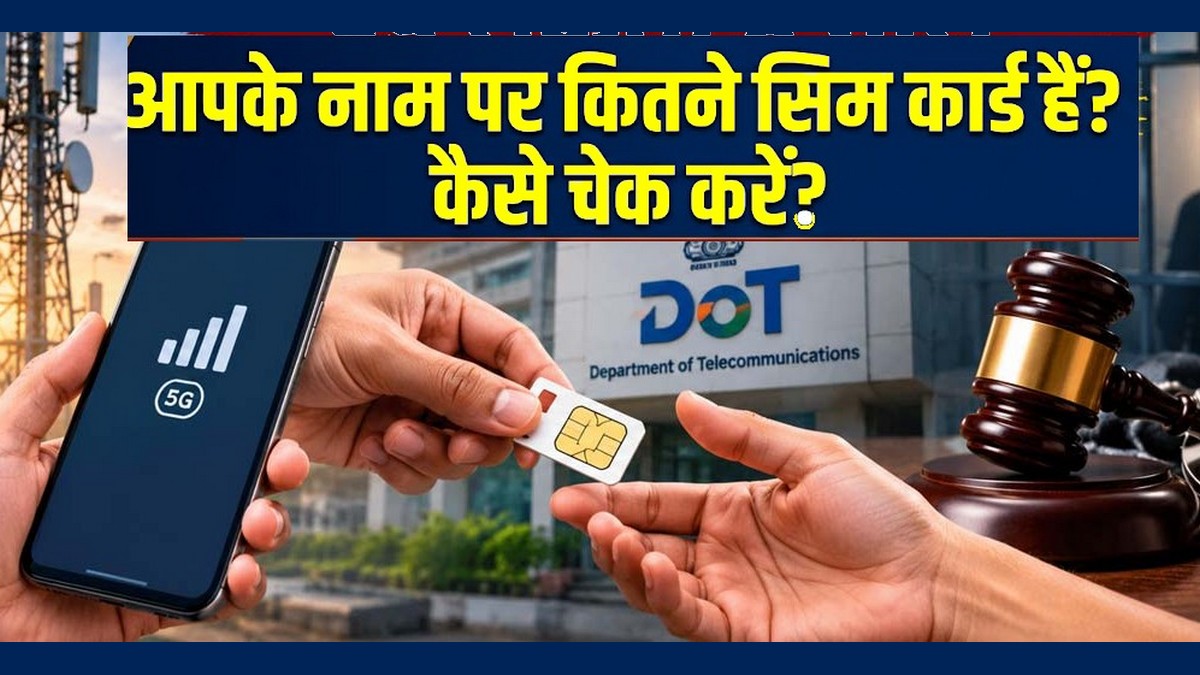
DoT की यह चेतावनी उन लोगों के लिए भी महत्वपूर्ण है जिनके पहचान दस्तावेजों का इस्तेमाल करके उनकी जानकारी के बिना मोबाइल कनेक्शन जारी कर दिया गया हो। इसके अलावा ऐसे लोगों को भी सावधान रहने की जरूरत है, जिन्होंने अपने नाम पर जारी SIM कार्ड किसी दूसरे व्यक्ति को इस्तेमाल करने के लिए दे दिया है। विभाग ने मोबाइल यूजर्स को सलाह दी है कि वे समय-समय पर जांच करें कि उनके पहचान दस्तावेजों से कितने मोबाइल नंबर जारी हैं। इसके लिए सरकार के Sanchar Saathi पोर्टल या मोबाइल ऐप का इस्तेमाल किया जा सकता है।


क्यों जारी की गई DoT की चेतावनी?


DoT की यह एडवाइजरी हाल की साइबर अपराध जांच के दौरान सामने आए एक मामले के बाद जारी की गई है। जांच में छत्तीसगढ़ में एक Point of Sale (PoS) एजेंट पर आरोप लगा कि उसने नागरिकों के पहचान दस्तावेजों का इस्तेमाल उनकी जानकारी और सहमति के बिना 25 मोबाइल कनेक्शन एक्टिवेट करने के लिए किया।


मामला सामने आने के बाद DoT और टेलीकॉम कंपनियों ने संबंधित PoS एजेंट को ब्लैकलिस्ट कर दिया। इसके बाद वह नए SIM कार्ड जारी नहीं कर सका। इन 25 मोबाइल कनेक्शनों की DoT के Digital Intelligence Platform के जरिए भी जांच की गई। संदिग्ध पाए गए कनेक्शनों को दोबारा सत्यापन यानी री-वेरिफिकेशन के लिए भेजा गया। जिन नंबरों का सत्यापन पूरा नहीं हो सका, उन्हें बाद में बंद कर दिया गया।


यह मामला बताता है कि किसी व्यक्ति के नाम पर मोबाइल नंबर जारी होने की जानकारी उसे हमेशा हो, यह जरूरी नहीं है।


अपना SIM किसी दूसरे को देना भी पड़ सकता है भारी


DoT ने मोबाइल ग्राहकों को अपने नाम पर जारी SIM कार्ड किसी दूसरे व्यक्ति को देने से भी बचने की सलाह दी है। विभाग के मुताबिक, अगर आपके नाम पर जारी SIM कार्ड का बाद में गलत गतिविधियों के लिए इस्तेमाल होता है, तो कुछ परिस्थितियों में मूल ग्राहक भी कानूनी जांच के दायरे में आ सकता है। इसलिए अपना SIM किसी अन्य व्यक्ति को इस्तेमाल के लिए देना जोखिम भरा हो सकता है।


कौन-कौन सी गलतियां नहीं करनी चाहिए?


DoT ने मोबाइल यूजर्स को कई तरह की गतिविधियों से दूर रहने की सलाह दी है। इनमें शामिल हैं—


  • फर्जी दस्तावेजों के आधार पर SIM कार्ड लेना।
  • धोखाधड़ी, ठगी या किसी दूसरे व्यक्ति की पहचान का इस्तेमाल करके SIM लेना।
  • अपने नाम पर जारी SIM कार्ड को किसी दूसरे व्यक्ति को बेचना या ट्रांसफर करना।
  • अपने नाम का SIM किसी दूसरे व्यक्ति को इस्तेमाल के लिए देना।
  • SIM को किराये या उधार पर देना।
  • अपने नाम के SIM का साइबर फ्रॉड या अन्य गैरकानूनी गतिविधियों के लिए ‘म्यूल SIM’ के रूप में इस्तेमाल होने देना।


ऐसी स्थिति में SIM के मूल ग्राहक के लिए भी कानूनी परेशानी खड़ी हो सकती है।


IMEI नंबर से छेड़छाड़ से भी बचें


DoT ने सिर्फ SIM कार्ड ही नहीं, बल्कि मोबाइल डिवाइस के IMEI (International Mobile Equipment Identity) नंबर से छेड़छाड़ को लेकर भी चेतावनी दी है। विभाग ने ऐसे मॉडेम, SIM बॉक्स या अन्य उपकरणों के इस्तेमाल से बचने को कहा है जिनमें IMEI नंबर को बदला या कॉन्फिगर किया जा सकता है।


इसके अलावा ऐसे ऐप, वेबसाइट या टूल का इस्तेमाल भी नहीं करना चाहिए जो Calling Line Identity (CLI) या अन्य टेलीकॉम पहचान से जुड़ी जानकारी को बदलने का दावा करते हैं।


IMEI मोबाइल फोन से जुड़ी एक विशिष्ट पहचान संख्या होती है। इसके साथ छेड़छाड़ या टेलीकॉम पहचान से जुड़ी जानकारी का दुरुपयोग मोबाइल यूजर्स के साथ-साथ टेलीकॉम नेटवर्क की सुरक्षा और विश्वसनीयता के लिए भी जोखिम पैदा कर सकता है।


आपके नाम पर कितने SIM हैं, ऐसे करें चेक


मोबाइल यूजर्स सरकार के Sanchar Saathi प्लेटफॉर्म के जरिए अपने नाम पर जारी मोबाइल नंबरों की जानकारी देख सकते हैं।


अगर सूची में ऐसा कोई नंबर दिखाई देता है जिसे आपने नहीं लिया है या जिसकी आपको जरूरत नहीं है, तो उसे रिपोर्ट करके ब्लॉक कराने की प्रक्रिया शुरू की जा सकती है।


इसके अलावा Sanchar Saathi पर मौजूद ‘Check Genuineness of Your Mobile Handset’ सुविधा के जरिए मोबाइल फोन का IMEI भी चेक किया जा सकता है। इससे फोन के ब्रांड, मॉडल और निर्माता जैसी जानकारी देखी जा सकती है।


हर मोबाइल यूजर को दो काम जरूर करने चाहिए


मोबाइल यूजर्स के लिए DoT की इस एडवाइजरी से दो बातें खास तौर पर महत्वपूर्ण हैं। पहला, समय-समय पर यह जांचते रहें कि आपकी पहचान से कितने मोबाइल नंबर जुड़े हुए हैं। दूसरा, अगर किसी मोबाइल फोन की प्रामाणिकता पर संदेह हो तो उसका IMEI और हैंडसेट डिटेल्स सत्यापित करें।
 

कुल मिलाकर, अपने नाम पर जारी SIM कार्ड को किसी दूसरे व्यक्ति को इस्तेमाल के लिए देना या टेलीकॉम पहचान से छेड़छाड़ करना सामान्य बात नहीं समझनी चाहिए। आपके नाम पर जारी मोबाइल कनेक्शन का गलत इस्तेमाल आपकी जानकारी के बिना भी हो सकता है। ऐसे में समय-समय पर अपने नाम से जुड़े मोबाइल नंबरों की जांच करना साइबर और टेलीकॉम फ्रॉड से बचाव का एक अहम कदम है।

टिफिन में मेथी की सब्जी लाना पड़ा भारी: स्कूल ने छात्र पर ठोका 50 रुपये का जुर्माना, नगर निगम ने भेजा नोटिस

टिफिन में मेथी की सब्जी लाना पड़ा भारी: स्कूल ने छात्र पर ठोका 50 रुपये का जुर्माना, नगर निगम ने भेजा नोटिस

fine on student on bringing methi in tifin

मुंबई से सटे भायंदर में लंच बॉक्स में एक मेथी की सब्जी लाने पर स्कूली छात्र पर 50 रुपए का जुर्माना लगाने का एक अजीबोगरीब मामला सामने आया है। तपोवन विद्यालय के इस वाकये के बाद भायंदर म्युनिसिपल कॉर्पोरेशन (MBMC) के शिक्षा विभाग ने कड़ा रुख अपनाते हुए स्कूल प्रशासन को ‘कारण बताओ’ नोटिस जारी किया है। ALSO READ: कहीं आपके नाम से तो नहीं चल रही फर्जी SIM तो सावधान, DoT की चेतावनी, 3 साल जेल और ₹50 लाख तक जुर्माना


क्या है पूरा मामला?

शिकायत के मुताबिक, भायंदर के तपोवन विद्यालय में पढ़ने वाले एक छात्र के टिफिन बॉक्स में मेथी की सब्जी थी। स्कूल ने इस बात पर छात्र से 50 रुपये का जुर्माना वसूल लिया।


महाराष्ट्र नवनिर्माण सेना (मनसे) के पदाधिकारी रॉबर्ट डिसूजा ने इस मामले की शिकायत नगर निगम में दर्ज कराई थी। उनका आरोप है कि स्कूल में पढ़ने वाले अधिकांश छात्र जैन समुदाय से ताल्लुक रखते हैं। दाखिले के समय अभिभावकों को यह हिदायत दी जाती है कि वे बच्चों के खाने में मांसाहारी भोजन या जमीन के नीचे उगने वाली सब्जियां न भेजें। मनसे नेता का कहना है कि किसी खास तरह का भोजन लाने पर बच्चों पर जुर्माना लगाना उनके खान-पान की व्यवस्था पर पाबंदी थोपने जैसा है। ALSO READ: जमुई कांड को लेकर तेजस्वी का तंज, मजाकिया अंदाज में शेयर की सम्राट चौधरी की पुलिस अधिकारी से बात


नगर निगम और शिक्षा विभाग की कार्रवाई

मामले की गंभीरता को देखते हुए भायंदर नगर निगम की शिक्षा अधिकारी सुलभा वतारे ने स्कूल प्रबंधन को नोटिस जारी किया है। नोटिस में स्पष्ट किया गया है कि स्कूल छात्रों के खाने पर इस तरह के अनुचित प्रतिबंध नहीं लगा सकते। किसी विशेष खाद्य पदार्थ को लाने पर जुर्माना वसूलना शिक्षा का अधिकार (RTE) अधिनियम, छात्रों के मौलिक अधिकारों और राज्य सरकार के नियमों का सीधा उल्लंघन है। नगर निगम ने स्कूल को चेतावनी दी है कि यदि जल्द संतोषजनक स्पष्टीकरण नहीं दिया गया, तो आगे की कड़ी कानूनी कार्रवाई की जाएगी।


पहले भी आ चुके हैं ऐसे विवाद

यह घटना मीरा रोड स्थित ‘सेवन स्क्वायर स्कूल’ में हुए विवाद के कुछ दिनों बाद सामने आई है। उस दौरान पर्यूषण पर्व के दौरान लंच बॉक्स में प्याज, लहसुन और अन्य चुनिंदा खाद्य पदार्थों के इस्तेमाल पर रोक लगाने वाले एक सर्कुलर को लेकर काफी हंगामा हुआ था। हालांकि, भारी विरोध और नोटिस मिलने के बाद उस स्कूल ने अपना सर्कुलर वापस ले लिया था।

कहीं आपके नाम से तो नहीं चल रही फर्जी SIM तो सावधान, DoT की चेतावनी, 3 साल जेल और ₹50 लाख तक जुर्माना

कहीं आपके नाम से तो नहीं चल रही फर्जी SIM तो सावधान, DoT की चेतावनी, 3 साल जेल और ₹50 लाख तक जुर्माना

sim

दूरसंचार विभाग (DoT) ने फर्जी तरीके से SIM कार्ड जारी करने और उसके गलत इस्तेमाल को लेकर नागरिकों को सतर्क किया है। विभाग के मुताबिक, किसी व्यक्ति की जानकारी या सहमति के बिना उसके पहचान दस्तावेजों का इस्तेमाल करके मोबाइल कनेक्शन जारी करना, SIM का गलत इस्तेमाल करना या IMEI नंबर से छेड़छाड़ करना कानूनी अपराध हो सकता है।  

DoT के मुताबिक फर्जी तरीके से SIM जारी करना, टेलीकॉम पहचानकर्ताओं का गलत इस्तेमाल करना और IMEI नंबर में छेड़छाड़ करना Telecommunications Act, 2023 के तहत दंडनीय अपराध हैं। दूरसंचार कानून के तहत ऐसे मामलों में 3 साल तक की जेल और ₹50 लाख तक का जुर्माना लगाया जा सकता है।

ऐसे में यह जानना जरूरी है कि आपके नाम पर कितने मोबाइल कनेक्शन चल रहे हैं और कोई नंबर आपकी जानकारी के बिना तो जारी नहीं हुआ है। DoT की यह एडवाइजरी मध्यप्रदेश लाइसेंस्ड सर्विस एरिया (MP LSA) की हालिया साइबर क्राइम जांच के बाद जारी की गई है। जांच में फर्जी तरीके से SIM कार्ड जारी किए जाने के मामले सामने आए हैं।

ALSO READ: Ram Mandir : राम मंदिर दान चोरी का बड़ा खुलासा, CCTV में कैद हुईं 105 घटनाएं, SIT ने कोर्ट को क्या बताया, कब दायर होगी चार्जशीट

 बिना जानकारी के जारी किए गए SIM का मामला सामने आया

DoT के अनुसार, साइबर जांच के दौरान छत्तीसगढ़ में ऐसे मामले सामने आए, जहां पॉइंट ऑफ सेल (POS) के जरिए नागरिकों की जानकारी या सहमति के बिना उनके पहचान दस्तावेजों का इस्तेमाल कर मोबाइल कनेक्शन एक्टिवेट किए गए।

आरोप है कि एजेंट ने नागरिकों के पहचान दस्तावेजों का इस्तेमाल उनकी जानकारी और सहमति के बिना 25 मोबाइल कनेक्शन एक्टिवेट कर दिए। जांच के बाद DoT और संबंधित टेलीकॉम कंपनियों ने इस PoS एजेंट को ब्लैकलिस्ट कर दिया। अब वह भविष्य में नए मोबाइल कनेक्शन जारी नहीं कर सकेगा।


मामले सामने आने के बाद दूरसंचार विभाग और संबंधित टेलीकॉम सर्विस प्रोवाइडर ने संबंधित POS को ब्लैकलिस्ट किया। इसके अलावा कई मोबाइल कनेक्शनों की जांच इंटेलिजेंस प्लेटफॉर्म पर की गई और संदिग्ध पाए गए नंबरों का दोबारा सत्यापन किया गया। जांच के बाद कई नंबरों को ब्लॉक भी किया गया।

ALSO READ: लद्दाख सीमा पर चीन ने घटाए सैनिक, फिर भी तनाव बरकरार, LAC पर अलर्ट मोड में भारतीय सेना

अपने नाम का SIM किसी दूसरे को न दें

DoT ने नागरिकों को सलाह दी है कि अपने नाम पर जारी SIM कार्ड किसी दूसरे व्यक्ति को न दें और न ही उसे ट्रांसफर या बेचें। अगर उस नंबर का इस्तेमाल साइबर फ्रॉड, धोखाधड़ी या किसी अन्य गैरकानूनी गतिविधि में होता है, तो वास्तविक सब्सक्राइबर के लिए कानूनी परेशानी खड़ी हो सकती है। इसलिए अपना SIM किसी को उधार देने, किराए  पर देने या किसी अन्य उद्देश्य से इस्तेमाल करने के लिए देने से बचें।


IMEI से छेड़छाड़ वाले फोन से रहें दूर


विभाग ने नागरिकों को ऐसे मोबाइल डिवाइस खरीदने या इस्तेमाल करने से भी बचने की सलाह दी है, जिनके IMEI नंबर के साथ छेड़छाड़ की गई हो। मोबाइल खरीदते समय डिवाइस की वैधता और उसकी पहचान की जानकारी जांचना जरूरी है। IMEI मोबाइल डिवाइस की विशिष्ट पहचान संख्या होती है।

कॉलिंग लाइन आइडेंटिटी बदलने वाले ऐप से बचें


DoT ने नागरिकों को मोबाइल ऐप या वेबसाइट के जरिए Calling Line Identity (CLI) में बदलाव करने वाली सेवाओं का इस्तेमाल न करने की सलाह दी है। किसी दूसरे व्यक्ति के नाम पर SIM लेकर उसका इस्तेमाल करना या अपने नाम पर जारी SIM को किसी अन्य व्यक्ति को देकर उससे साइबर अपराध करवाना गंभीर कानूनी समस्या पैदा कर सकता है।


संचार साथी से ऐसे जांचें अपने नाम के SIM

अपने नाम पर कितने मोबाइल कनेक्शन सक्रिय हैं, इसकी नियमित जांच करना नागरिकों के लिए महत्वपूर्ण है। इसके लिए सरकार के संचार साथी (Sanchar Saathi) पोर्टल और मोबाइल ऐप का इस्तेमाल किया जा सकता है। अगर आपको अपने नाम पर ऐसा मोबाइल नंबर दिखाई देता है जिसे आपने जारी नहीं कराया है या जिसका इस्तेमाल आप नहीं करते हैं, तो उपलब्ध सुविधा के जरिए उसके खिलाफ कार्रवाई या उसे ब्लॉक कराने की प्रक्रिया शुरू की जा सकती है।


मोबाइल फोन असली है या नहीं, ऐसे करें चेक

संचार साथी प्लेटफॉर्म पर ‘Genuineness of Your Mobile Handset’ सुविधा भी उपलब्ध है। इसके जरिए मोबाइल हैंडसेट से जुड़ी जानकारी की जांच की जा सकती है। इस सुविधा में मोबाइल ब्रांड, मॉडल और निर्माता से जुड़ी जानकारी देखी जा सकती है। नया या इस्तेमाल किया हुआ मोबाइल खरीदते समय यह जांच उपयोगी हो सकती है। DoT ने नागरिकों से अपील की है कि वे सतर्क रहें और अपने नाम पर जारी मोबाइल कनेक्शन और इस्तेमाल किए जा रहे हैंडसेट की समय-समय पर जांच करते रहें। Sanchar Saathi की सेवाएं पोर्टल के साथ-साथ Android और iOS के लिए उपलब्ध मोबाइल ऐप के जरिए भी इस्तेमाल की जा सकती हैं।


नागरिकों के लिए DoT की जरूरी सलाह

  • अपने नाम पर जारी SIM किसी दूसरे व्यक्ति को न दें।
  • SIM को बेचने या अनधिकृत रूप से ट्रांसफर करने से बचें।
  • अपने नाम पर सक्रिय मोबाइल कनेक्शन की नियमित जांच करें।
  • अनजान या संदिग्ध मोबाइल नंबर की जानकारी मिलने पर उसकी शिकायत करें।
  • IMEI से छेड़छाड़ किए गए मोबाइल फोन का इस्तेमाल न करें।
  • संदिग्ध मोबाइल डिवाइस खरीदने से पहले उसकी जानकारी जांचें।
  • CLI बदलने वाली संदिग्ध वेबसाइट या ऐप का इस्तेमाल न करें।
  •  संचार साथी के जरिए अपने मोबाइल कनेक्शन और हैंडसेट की जांच करें।
  • ऐसे मॉडेम, मॉड्यूल, SIM Box या अन्य उपकरणों का इस्तेमाल करना जिनमें IMEI नंबर बदला या छेड़छाड़ किया गया हो।
  • मोबाइल ऐप, वेबसाइट या किसी अन्य माध्यम से Calling Line Identity (CLI) या अन्य टेलीकॉम पहचानकर्ताओं में बदलाव करना।

Vega Helmets factory visit: Lightweight from a heavyweight

Vega Helmets factory visit: Lightweight from a heavyweight
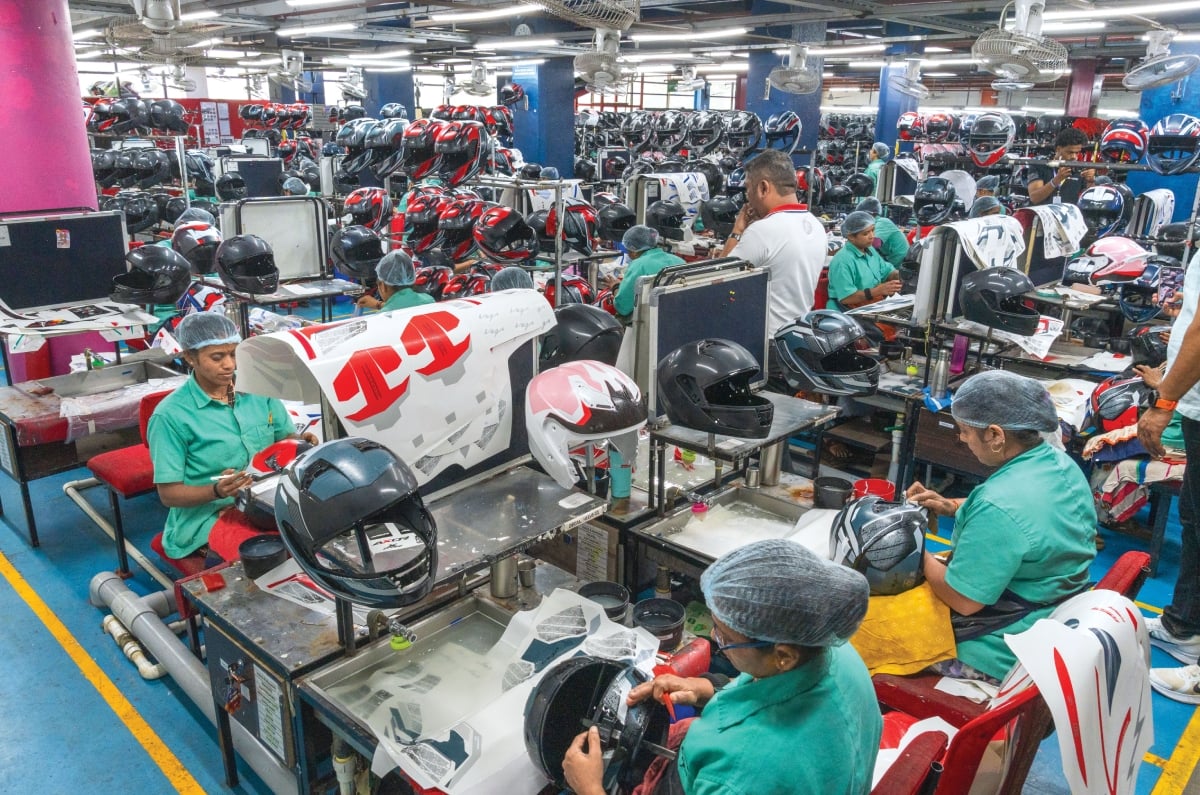
Vega helmet manufacturing facility with workers assembling and finishing motorcycle helmets at multiple workstations, surrounded by rows of helmets and production equipment.

Axor helmets is the premium brand from Belagavi-based motorcycle helmet giant Vega. In existence since the early 1980s, Vega is one of India’s biggest motorcycle helmet manufacturers today, with an annual capacity of 9 million helmets a year across six manufacturing facilities. 

That translates to 25,000 units a day, and we got a sense of what an operation of this scale can look like by visiting one of the company’s production facilities in Belagavi, Karnataka. The facility we visited was one of Vega’s older units, which explained why many of the processes were more labour-intensive than I’d expected. What also came as a surprise was just how much of the manufacturing process is now in-house.

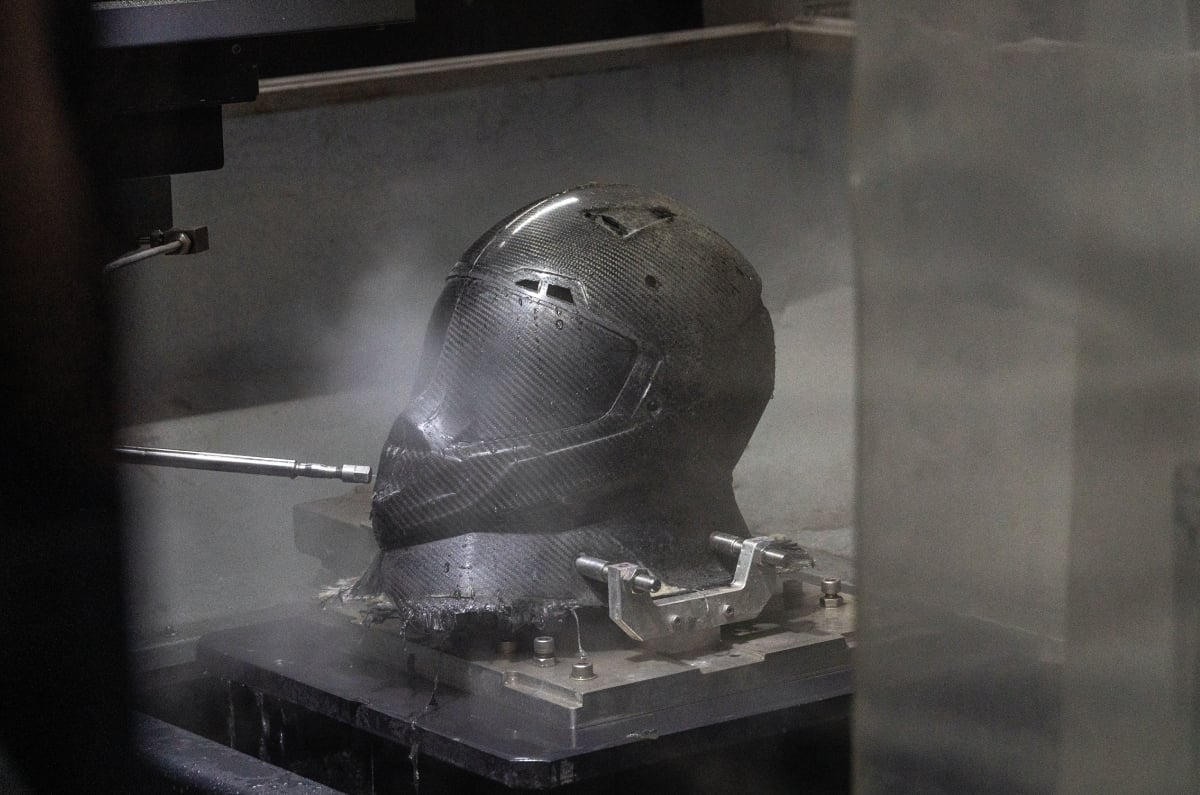
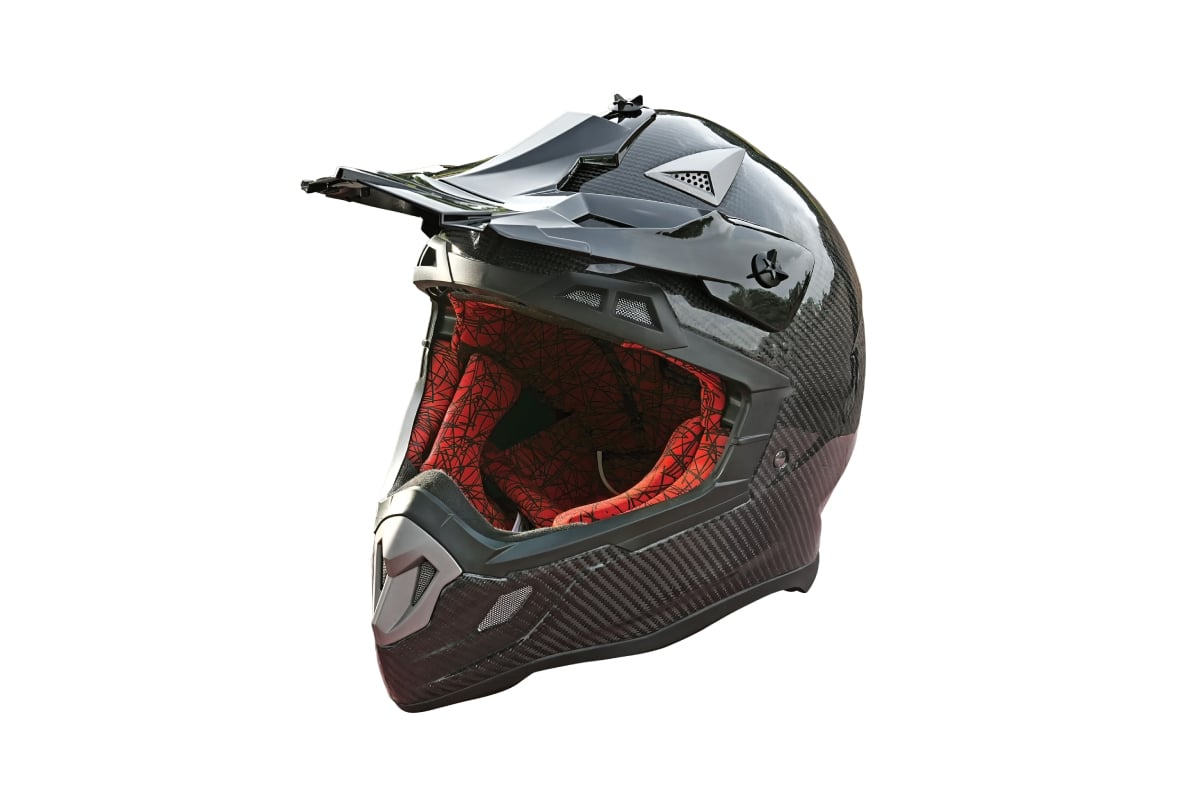
Tri-composite shell is moulded in-house and cut out using a CNC water jet.

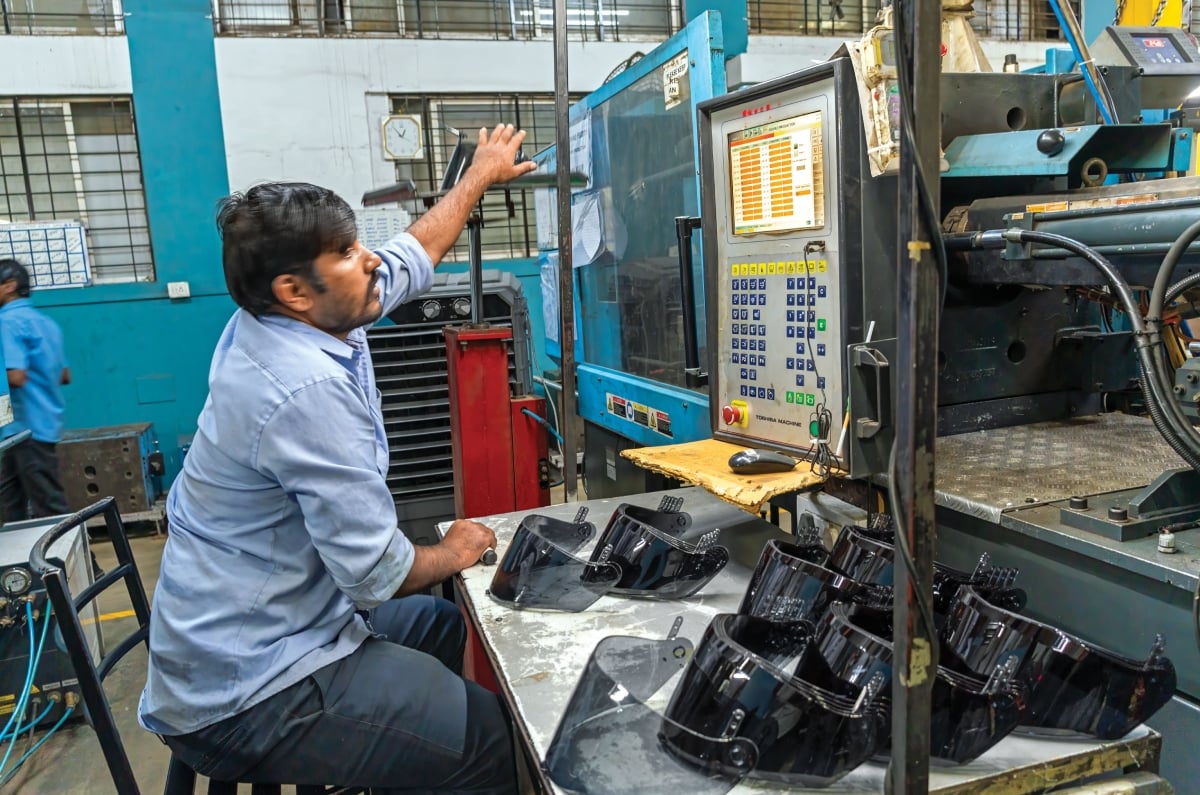
Everything from the plastic components for the vents to the EPS inner liner and even the polycarbonate visors is made by Vega. The company manufactures its own shells too, and the speed with which an ABS plastic shell can be made is what greatly contributes to being able to produce so many helmets in a day. It takes just 90 seconds for a bunch of plastic pellets to be melted and injection-moulded into a shell. The moulding posts are then cut off, and the shell slowly gets transformed into a helmet as it passes through various stages in the factory. 

Once the ABS shell is processed, it is prepped for painting. The painting process in this plant was mostly manual, but there was an automated machine applying a clear coat. A separate UV chamber cures the clear-coated helmets (immediately for clear lacquer and about half an hour for matt lacquer). While some helmets stop with solid colours, many of them have complex water-transfer graphics that are applied to the helmet. 

All plastic components, including the polycarbonate visors, are made in the same facility.

There are literally thousands of painted shells stacked on racks across the factory floor, waiting for assembly. We spotted helmets with KTM, TVS racing, Royal Enfield and Ather branding, which was a reminder of how many of India’s top manufacturers source their helmets from Vega. 

With the painting process complete, components like vents, chin straps, EPS liner and comfort liner are all installed before the helmets are boxed and ready to ship. Watching it all come together was quite interesting, but the really fascinating part lay ahead when we were taken to the top floor of the factory.

This is where Vega makes its fibreglass and carbon-fibre shells. Fibreglass helmets are still made today for international clients, and the company also has a long history of making carbon-fibre helmets as well. This goes all the way back to 1999, when it made its first pudding-bowl style carbon-fibre helmet for the American market under the Daytona Helmets brand. 

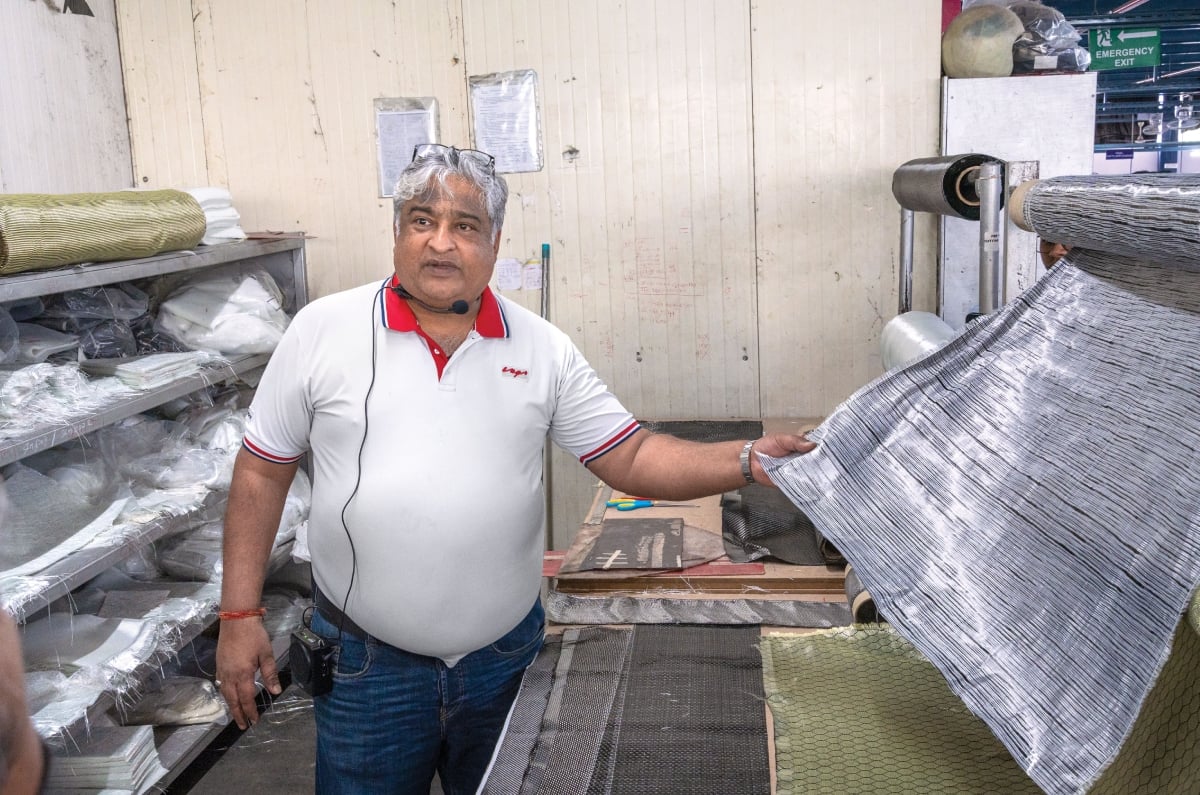
Uttam Chandak, joint MD and R&D head, showcasing the composite materials.

Vega uses balloon moulding technology to make its carbon-fibre shells, and it is based on the same process used for the fibreglass helmets. A tri-composite structure of carbon fibre, aramid and fibreglass enables the critical balance between lightness and impact absorption. The company used to hand cut out the visor aperture and vent holes in the CF shells post-moulding, but has now invested in a CNC water jet machine for the job. This enables much tighter tolerances and will help address customer complaints with excessive wind noise in current Axor carbon-fibre helmets. 

The latest MX Carbon helmet uses new materials, which have raised the price to Rs 20,000, compared to its predecessor. The company says another reason behind the high price is the longer manufacturing time, with the company being able to currently produce up to 8 CF helmets a day. 

With India’s premium two-wheeler market rapidly evolving, Vega is confident that there will be growing demand for such helmets, and has plans to bring out more models soon, including an ADV-style helmet. The company says it’s even working on making FIM-homologated and Snell-approved performance helmets, but that this could take a couple of years.

Having reasonably priced, fully locally manufactured carbon-fibre helmets isn’t something that many Indian motorcycle enthusiasts would have expected to be possible, but Vega Helmets is making that happen.

Experiencing the MX Carbon helmet

The Axor MX Carbon is certified to DOT, ISI and ECE 22 06 standards. It is available in three different shell sizes and weighs just 1,040g, plus or minus 50g, based on the shell size. We got to briefly try the helmet out at the Track 1 off-road facility in Belagavi on a number of vehicles, including an ATV, a buggy and a KTM 890 Adventure R. 

Of course, the lack of weight was highly appreciated, but the helmet also felt nicely balanced. The inner liner material was also softer and more comfortable than expected. I usually wear a size S helmet, and that applies here as well. The fit was mostly very good, without any unusual or uncomfortable pressure points, but I did notice that the tips of my ears made contact with the inner liner. 

The double D-ring closure system was easy to use, but the snap button to secure the strap could have had a more positive feedback when engaged. Overall quality is not bad for the price, but the finishing where the carbon-fibre panels join along the centre of the helmet was inconsistent across different units.

All you need to know about the upcoming Hyundai Bayon

All you need to know about the upcoming Hyundai Bayon
Hyundai Bayon front quarter tracking

Hyundai is slated to launch the Bayon mid-size SUV during the festive season. It will be one of two new nameplate additions for Hyundai India in FY27. The Bayon will compete in the popular mid-size SUV space but with a completely different positioning from the Creta. Ahead of its launch, here’s everything you need to know about the Hyundai Bayon.

Why is Hyundai launching the Bayon if it already has the Creta in the mid-size SUV space?

Hyundai’s strategy is to offer two models in the mid-size SUV space. This two-pronged approach will allow Hyundai to occupy the lower and higher rungs of the segment with the Bayon and Creta, respectively. The former will have fuel-efficient powertrains like CNG, while the latter will offer wider powertrain choices, including a hybrid version in its next generation that’s due in 2027.

Where will the Bayon sit in Hyundai’s India portfolio? 

In Hyundai’s India portfolio, the Bayon will slot right between the Venue compact SUV and the Creta. 

Is the Bayon sold in India similar to the Bayon sold abroad?

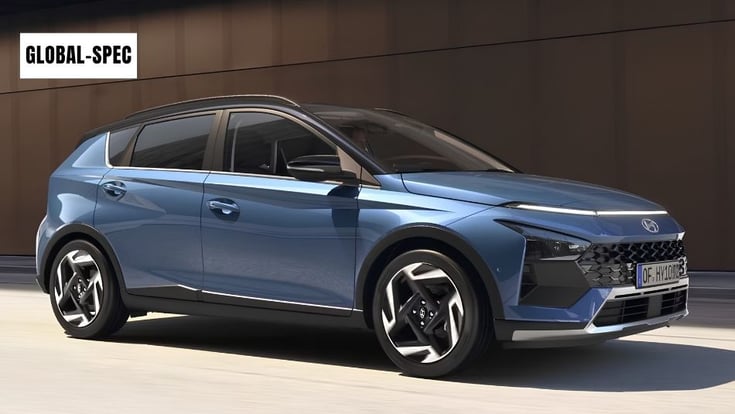
Global-spec Hyundai Bayon
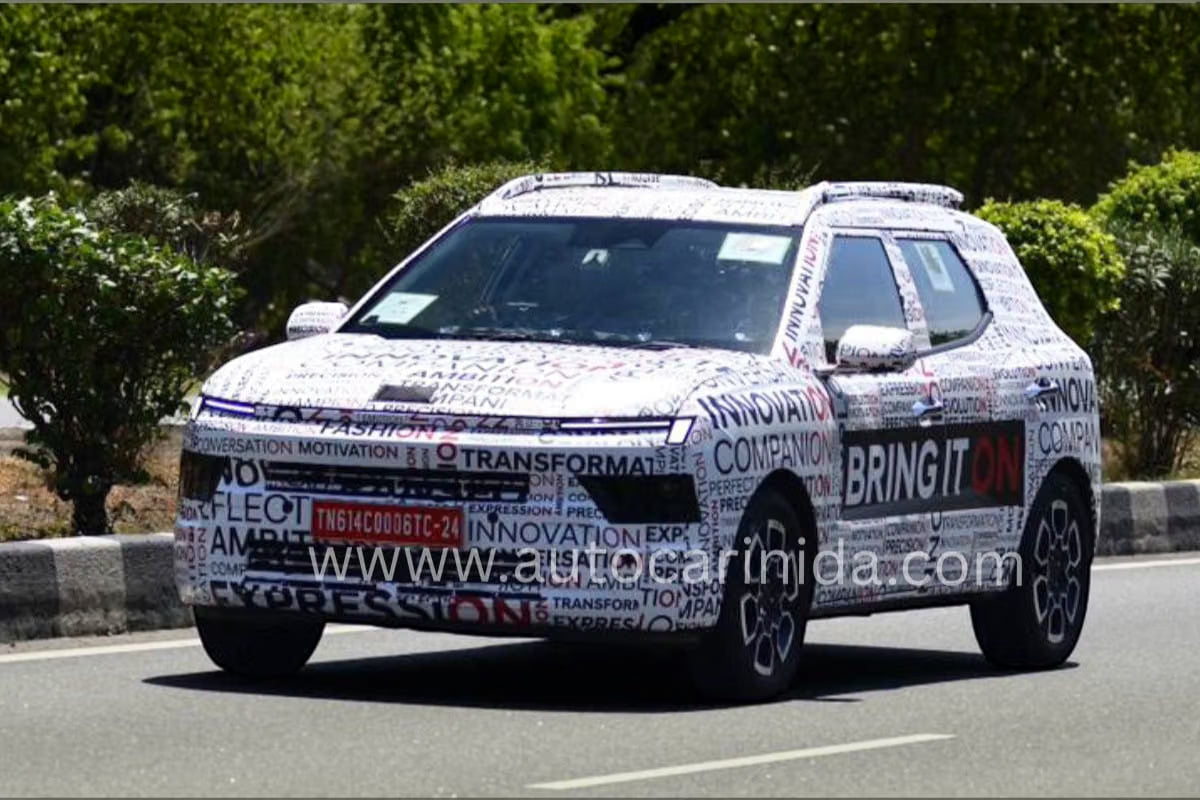
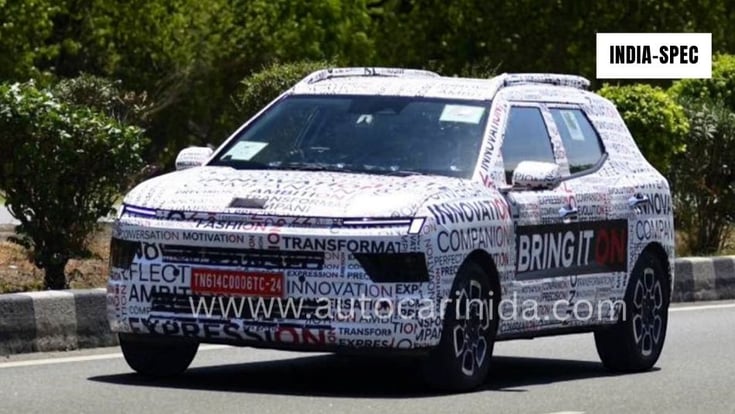
India-spec Hyundai Bayon


Apart from an identical nameplate, the India-spec Bayon is quite different from the global-spec model. In comparison to the latter, the former will get a completely different top hat and interior. 

What powertrains will the Hyundai Bayon come with?

The Bayon will likely be powered by the Creta’s 1.5-litre naturally aspirated petrol engine with manual and CVT gearbox options. It will also be the first Hyundai model over 4 metres to offer CNG power, likely utilising the same 1.5-litre mill with an underbody-mounted tank.  

What will the Hyundai Bayon look like?

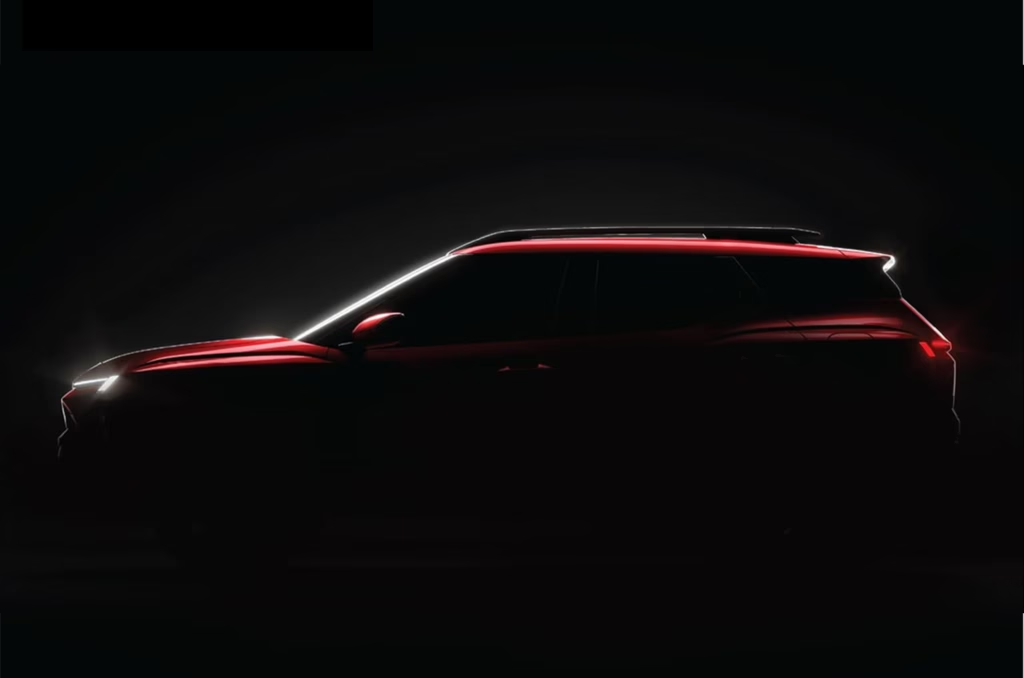
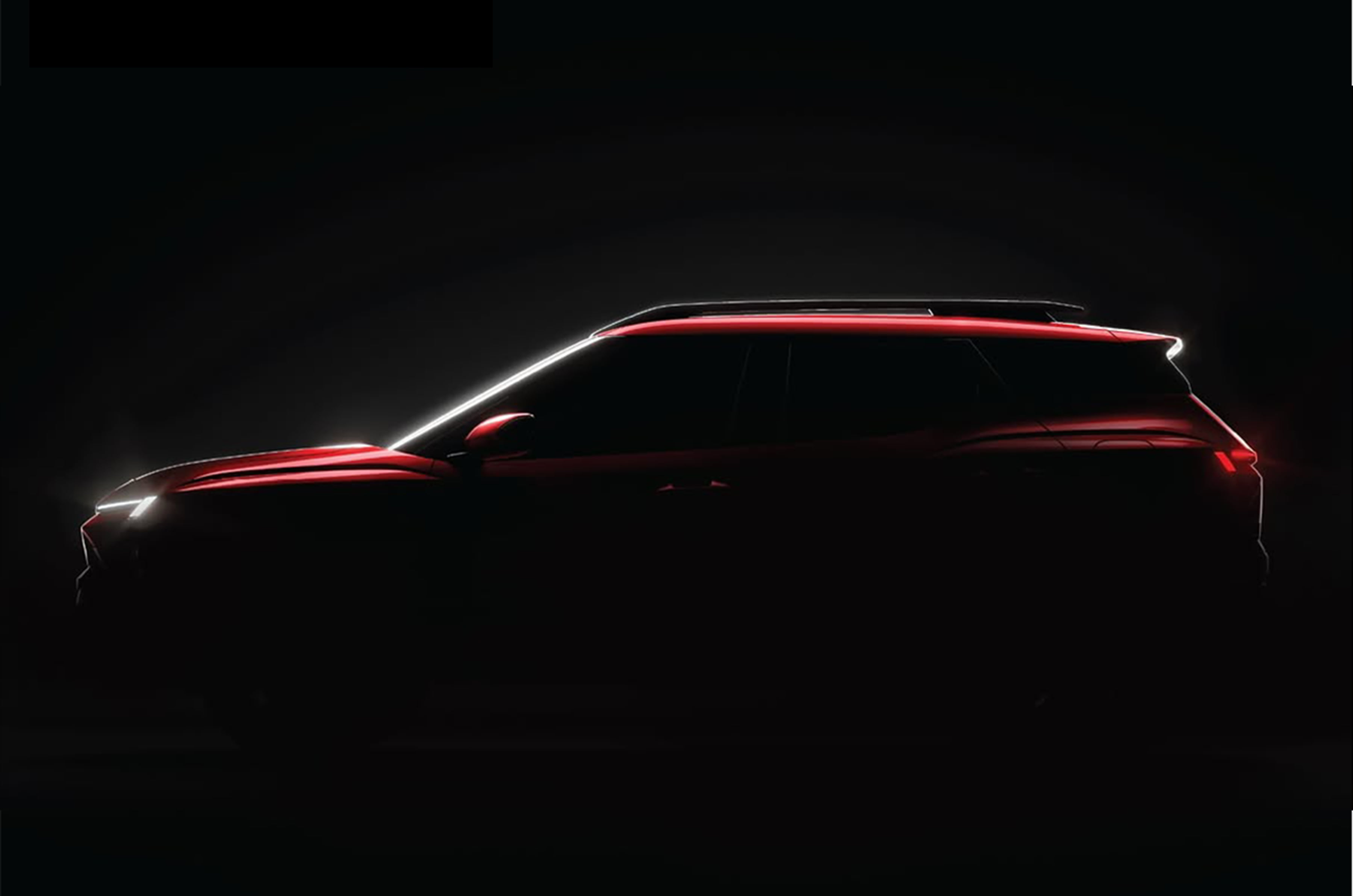
We’ve had a glimpse of what the Bayon would look like through various spy shots and, more recently, with Hyundai’s design sketches. As opposed to the boxy stance of regular SUVs, the Bayon sports a crossover-esque design. The fascia will have a split-headlamp setup with a half-split H-shaped signature for the DRLs and a scuff plate for the bumper. In profile, the Bayon gets a window line with an upward kink, pull-type door handles, flared wheel arches, and dual-tone alloy wheels. The rear is characterised by a roof-mounted spoiler, LED tail-lamps with similar signatures to the DRLs, and a smooth finish for the bumper. 

What will the Hyundai Bayon’s interior look like, and what features will it get?

Hyundai’s design sketches of the Bayon’s interior reveal a layout that looks similar to the Brazil-spec fourth-gen i20. The dashboard gets a Venue-like curved dual-screen setup and a vertically oriented centre console with physical knobs. A black-and-white theme is expected, and spy images of the Bayon’s interior show a three-spoke steering wheel with a four-dot motif signifying ‘H’ in Morse code. In typical Hyundai fashion, the Bayon is expected to come with a lengthy feature list, including a sunroof, ventilated front seats, a wireless phone charger, a 360-degree camera, and a level 2 ADAS suite.     

What is the expected price of the Hyundai Bayon?

Since the Bayon will be positioned below the Creta, it will be priced more affordably with an expected price ranging between Rs 9 lakh and Rs 14 lakh. It will lock horns with the Maruti Victoris, MG Astor, Volkswagen Taigun, Honda Elevate and Skoda Kushaq

All prices are ex-showroom, India