
The Society of India Automobile Manufacturers (SIAM) elected Shenu Agarwal, Managing Director and Chief Executive Officer of Ashok Leyland, as President for the 2026-27 term. SIAM is the apex national body representing all major vehicle and vehicular engine manufacturers in India. The decision was finalised at an executive committee meeting during the 2026 SIAM Annual Convention on Thursday.
Shenu Agarwal succeeds Tata Motors’s Shailesh Chandra as SIAM President
Agarwal served as SIAM Vice President during his previous term
Agarwal has served as SIAM Vice President during his previous term. Taking over as President, he succeeds Shailesh Chandra, Managing Director and CEO of Tata Motors Passenger Vehicles.
K N Radhakrishnan (left), Santosh Iyer (right).
K N Radhakrishnan, Director and CEO of TVS Motor, was elected Vice President by SIAM. Santosh Iyer, Managing Director and CEO of Mercedes-Benz India, took over as Treasurer for the current term.
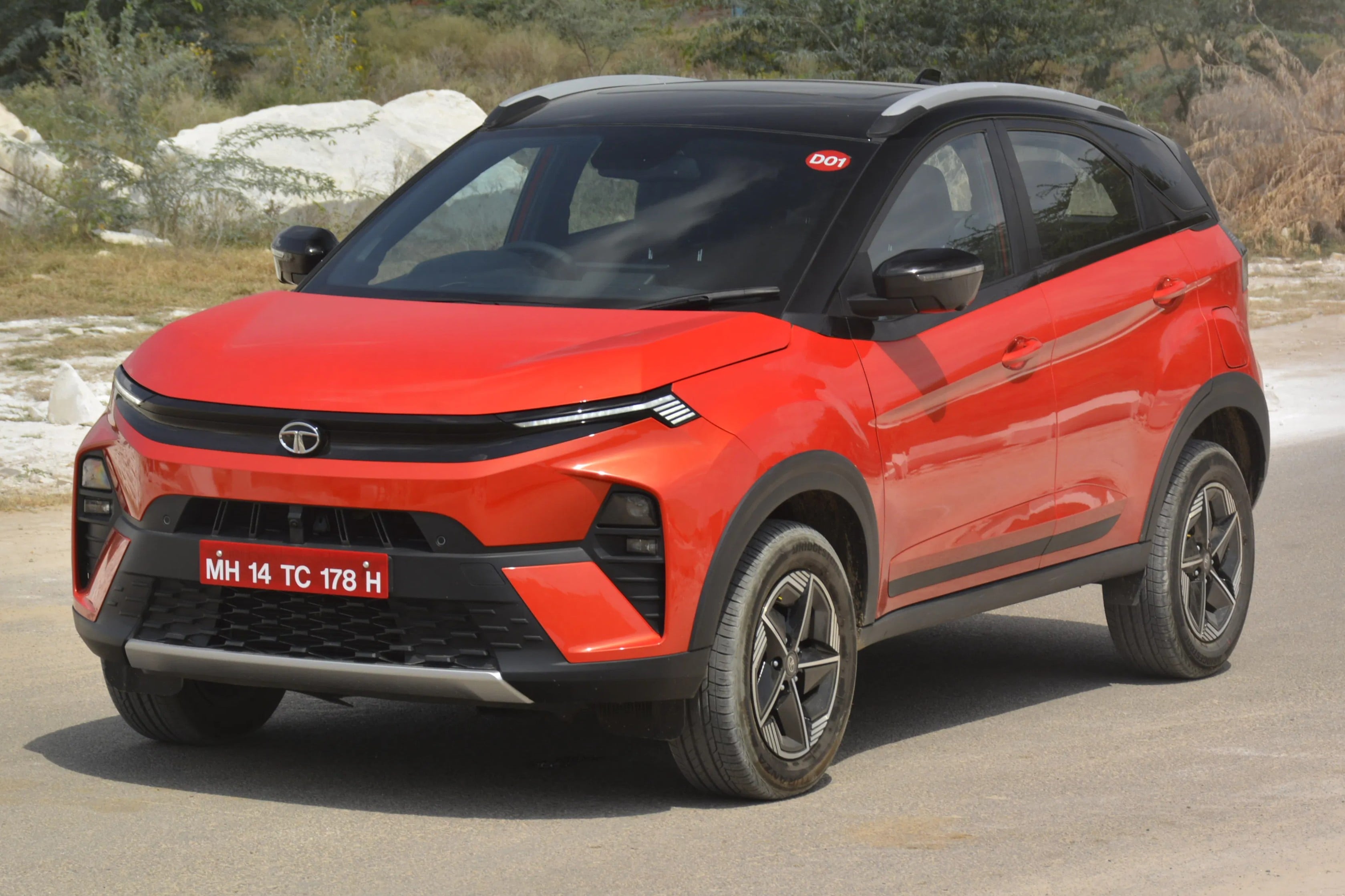
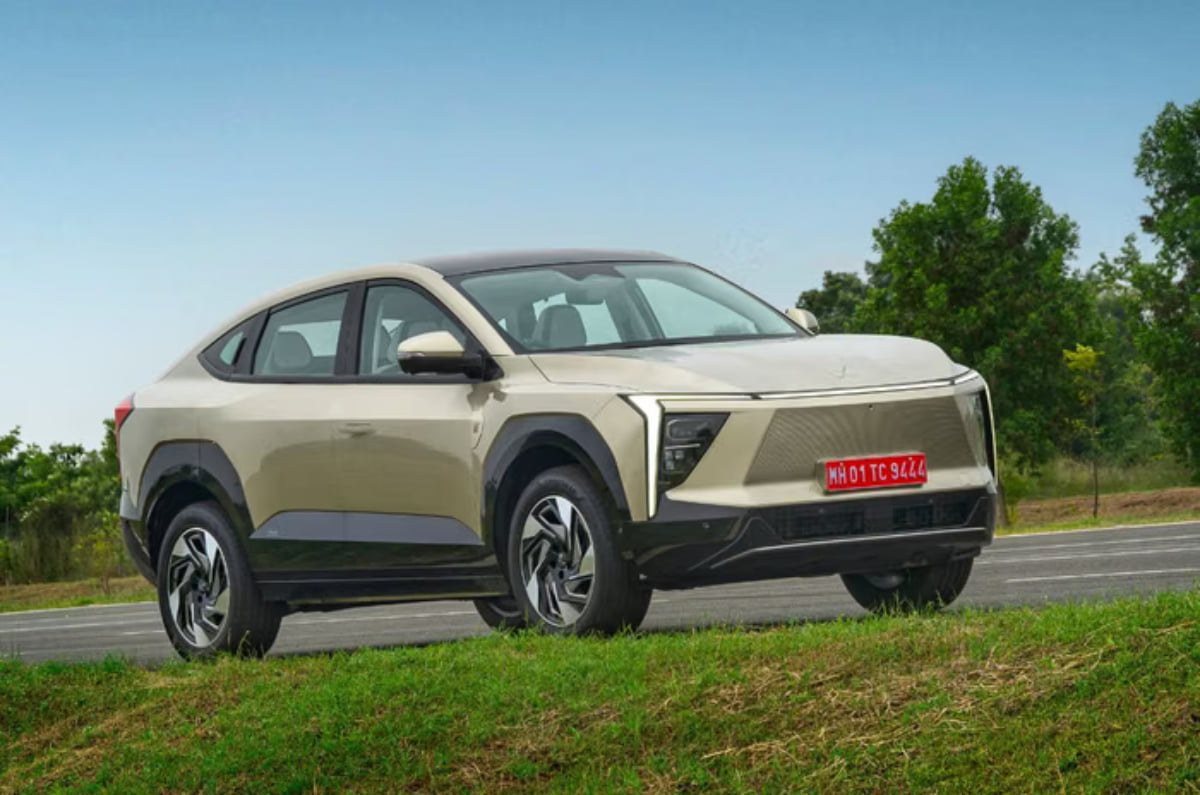
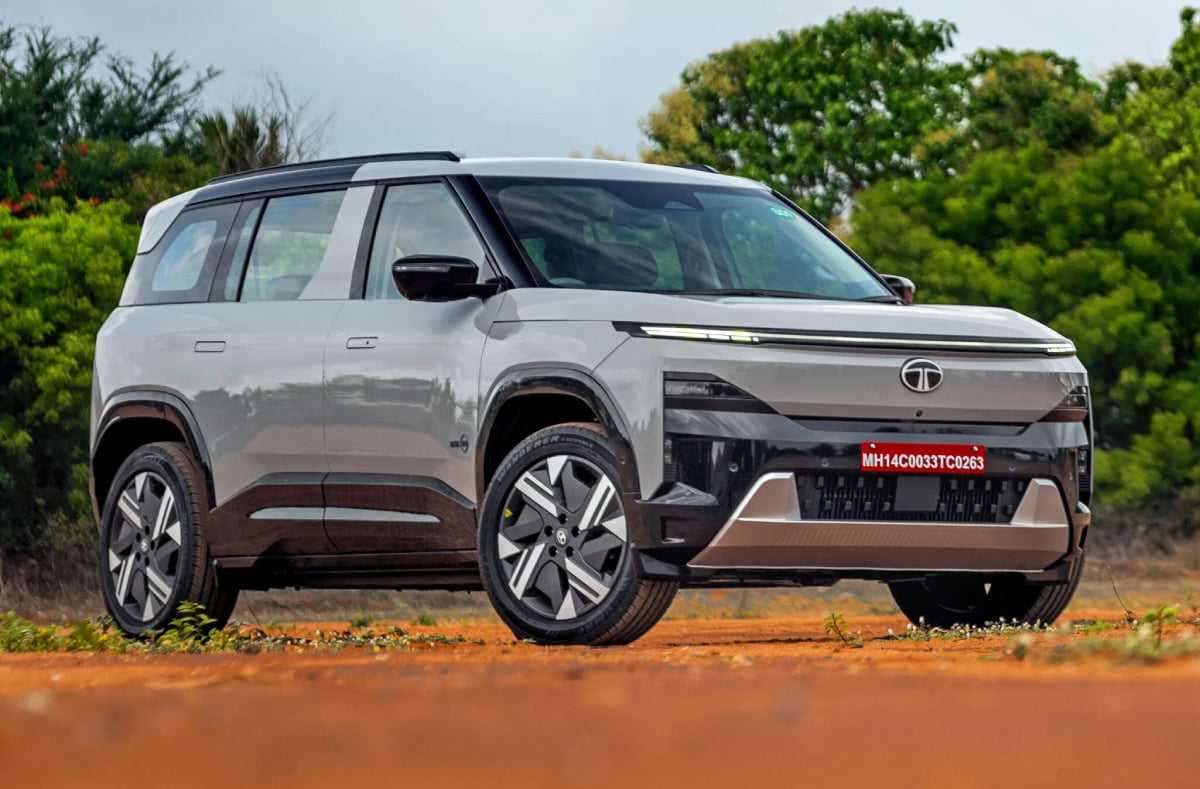
Tata Motors has introduced the Curvv Series X, with prices ranging from Rs 9.9 lakh to Rs 18.5 lakh (ex-showroom). The new range gets a reshuffled variant lineup, with features from higher variants moved to lower and mid-spec versions. Tata has also expanded the availability of the #DARK edition across the range, while the powertrain remains unchanged.
Tata Curvv Series X price
Tata Curvv Series X ex-showroom prices
Variant
Price
Smart X
Rs 9.9 lakh
Pure X
Rs 10.99 lakh
Pure X+
Rs 11.79 lakh
Creative X
Rs 12.91 lakh
Accomplished X
Rs 13.99 lakh
Accomplished X+
Rs 18.5 lakh
The Smart X is the most affordable variant in the lineup, priced Rs 14,000 higher than the previous base trim. The petrol-diesel price gap has been reduced to Rs 1.3 lakh from Rs 1.5 lakh previously, while the premium for the automatic gearbox has also come down to Rs 1.3 lakh from Rs 1.5 lakh.
Tata Curvv Series X interior and features
The Curvv Series X gets a 10.25-inch infotainment screen with wireless Android Auto and Apple CarPlay, automatic climate control, cruise control and a rear-view camera. It also gets a 10.25-inch digital cockpit, smart key with push-button start, front and rear USB ports, Wi-Fi connectivity and multiple drive modes.
The cabin gets a lighter interior theme with leatherette upholstery and leatherette finishes on the steering wheel, gear-shift knob and centre-console armrest. Rear passengers get dedicated AC vents, a rear armrest and reclining rear seats. The front seat-back is 10mm slimmer, while the rear seat has been moved 20mm rearwards and 10mm lower.
Other features include a panoramic sunroof, 360-degree 3D surround-view camera with a blind-view monitor, front parking assist, rain-sensing wipers and automatic headlamps. Safety equipment includes six airbags, ESP, hill-hold control, ABS with EBD and rear parking sensors.
Tata Curvv Series X exterior
The Curvv Series X retains the SUV-coupe design of the existing model, with flush door handles, an illuminated four-spoke steering wheel, LED headlamps, DRLs and tail-lamps, and a rear spoiler. The Series X gets a black grille treatment in place of the earlier chrome finish. The #DARK edition is now available from lower down the range, with a blacked-out exterior and Obsidian-themed interior. It gets 17-inch diamond-cut alloy wheels, while higher versions offer 18-inchers.
Tata Curvv Series X powertrain
The Curvv Series X continues with three engine options: a 1.2-litre turbo-petrol producing 120hp and 170Nm, a 1.2-litre direct-injection turbo-petrol producing 125hp and 225Nm, and a 1.5-litre diesel producing 118hp and 260Nm.
The 1.2-litre turbo-petrol and 1.5-litre diesel are available with a 6-speed manual and 7-speed dual-clutch automatic, while the 1.2-litre direct-injection turbo-petrol is exclusive to the top-spec Accomplished X+ and is paired with the 7-speed DCA.
India’s passenger vehicle market remained on a strong growth path in August 2026, with most carmakers reporting higher domestic wholesales compared with the same month last year. Maruti Suzuki retained the top spot, while Tata Motors remained ahead of Mahindra for second place. Hyundai held fourth position, while Kia overtakes Toyota for the fifth spot.
July 2026 carmaker-wise sales in India
Carmaker
Aug 2026 sales
Jul 2026 sales
MoM change
Aug 2025 sales
YoY change
Maruti Suzuki
1,76,971
1,96,203
-9.80%
1,31,278
34.8%
Tata Motors
67,753
62,611
4.22%
43,315
56%
Mahindra
59,257
60,048
-1.32%
39,399
50%
Hyundai
54,396
54,210
0.3%
43,966
23.6%
Kia
29,042
28,200
3%
19,608
48.1%
Toyota
28,410
30,516
-7%
29,302
-3%
MG
7,508
8,158
-8%
6,687
12.3%
Nissan
3,426
3,006
14%
1,384
147%
Renault
2,842
3,293
-14%
3,015
-5.7%
Maruti Suzuki
Sales: 1,76,971 units. Change: 34.8 percent YoY
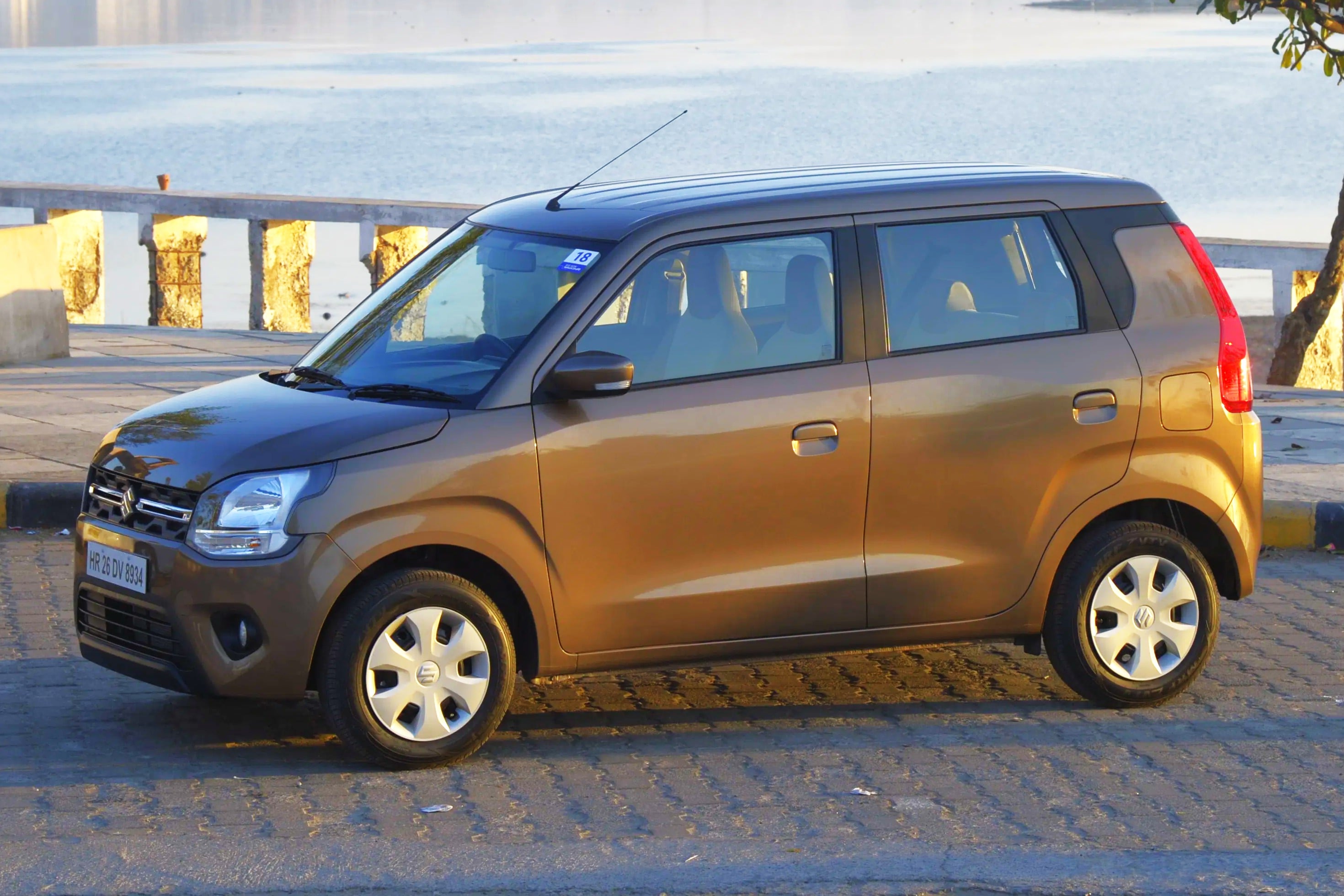
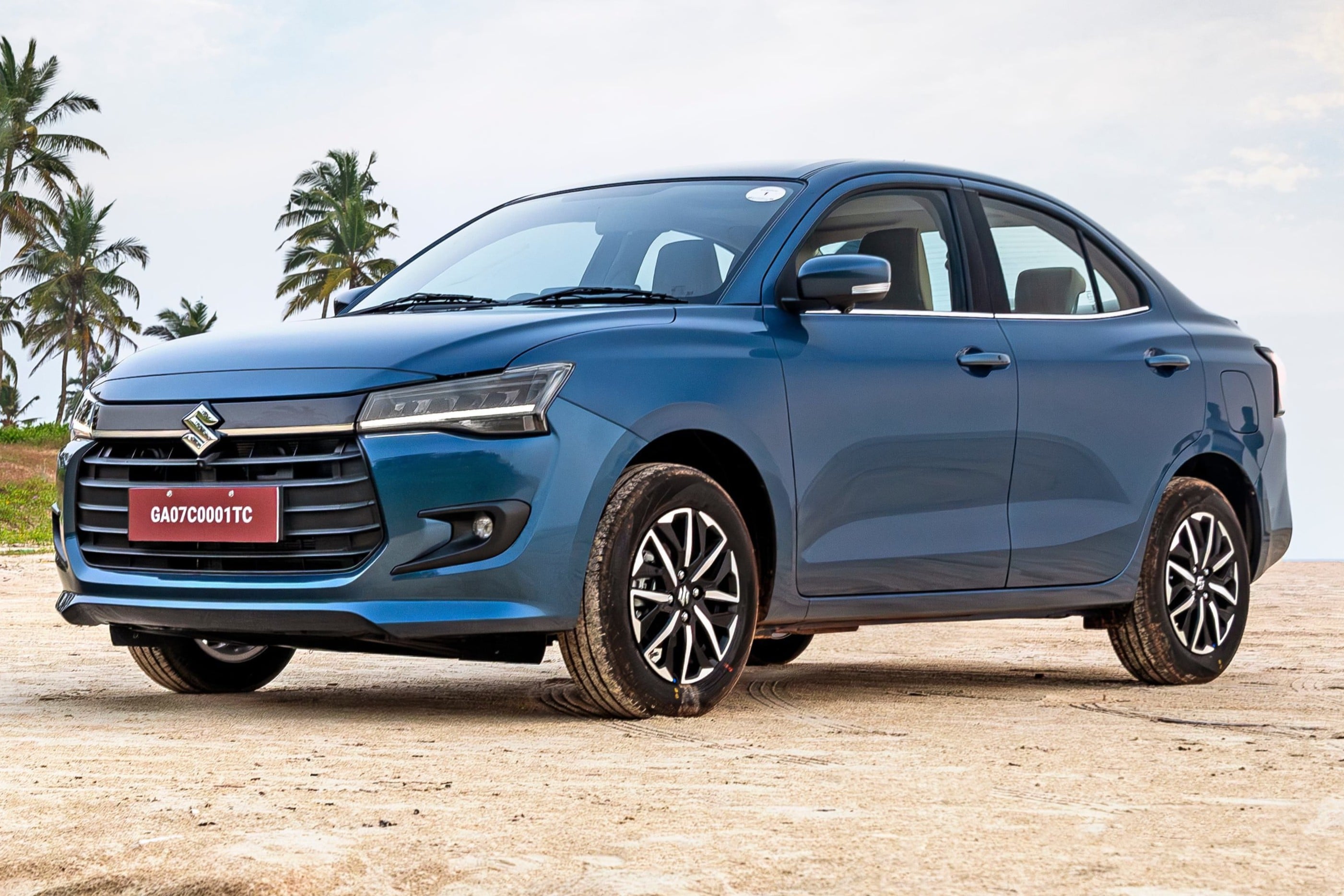
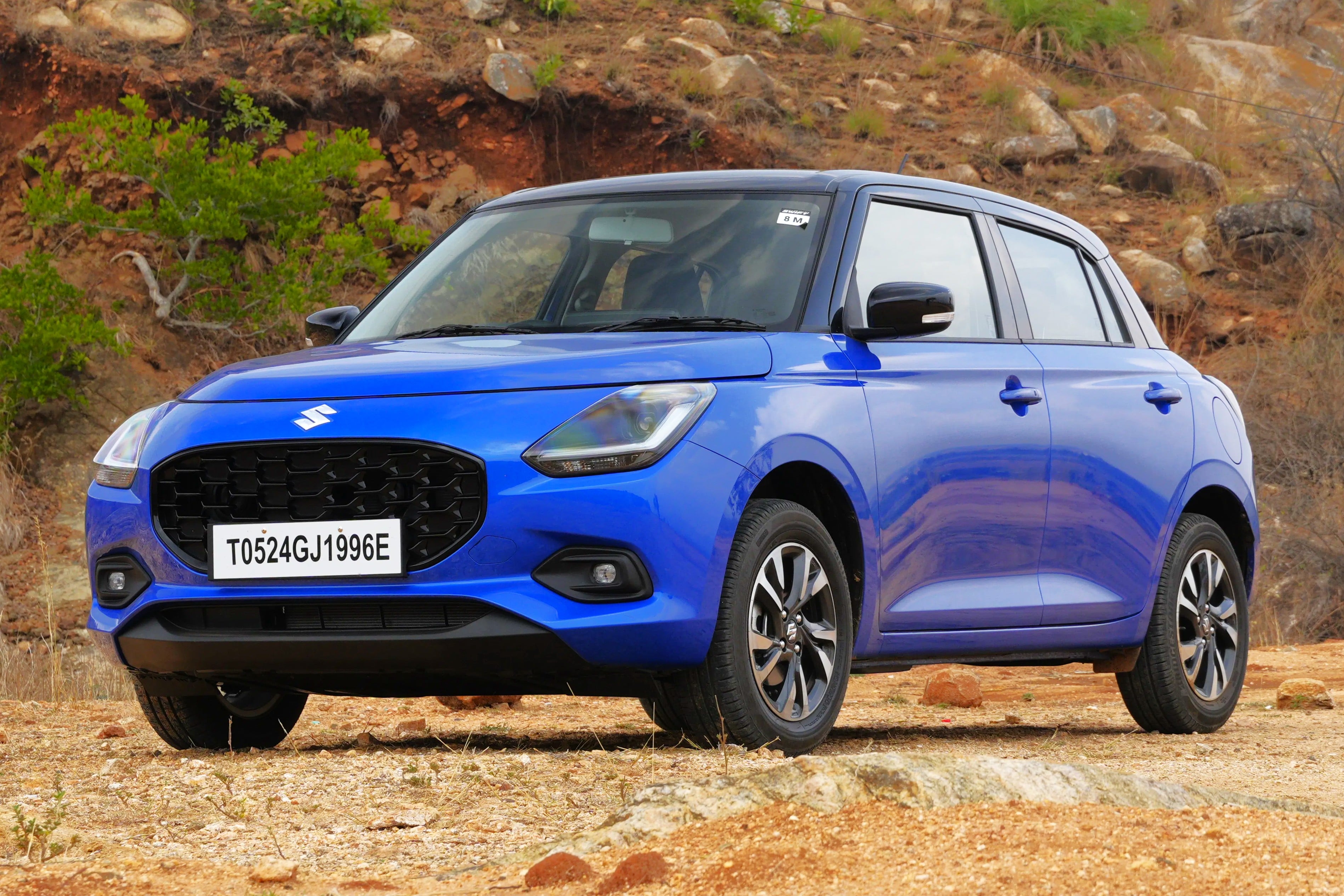
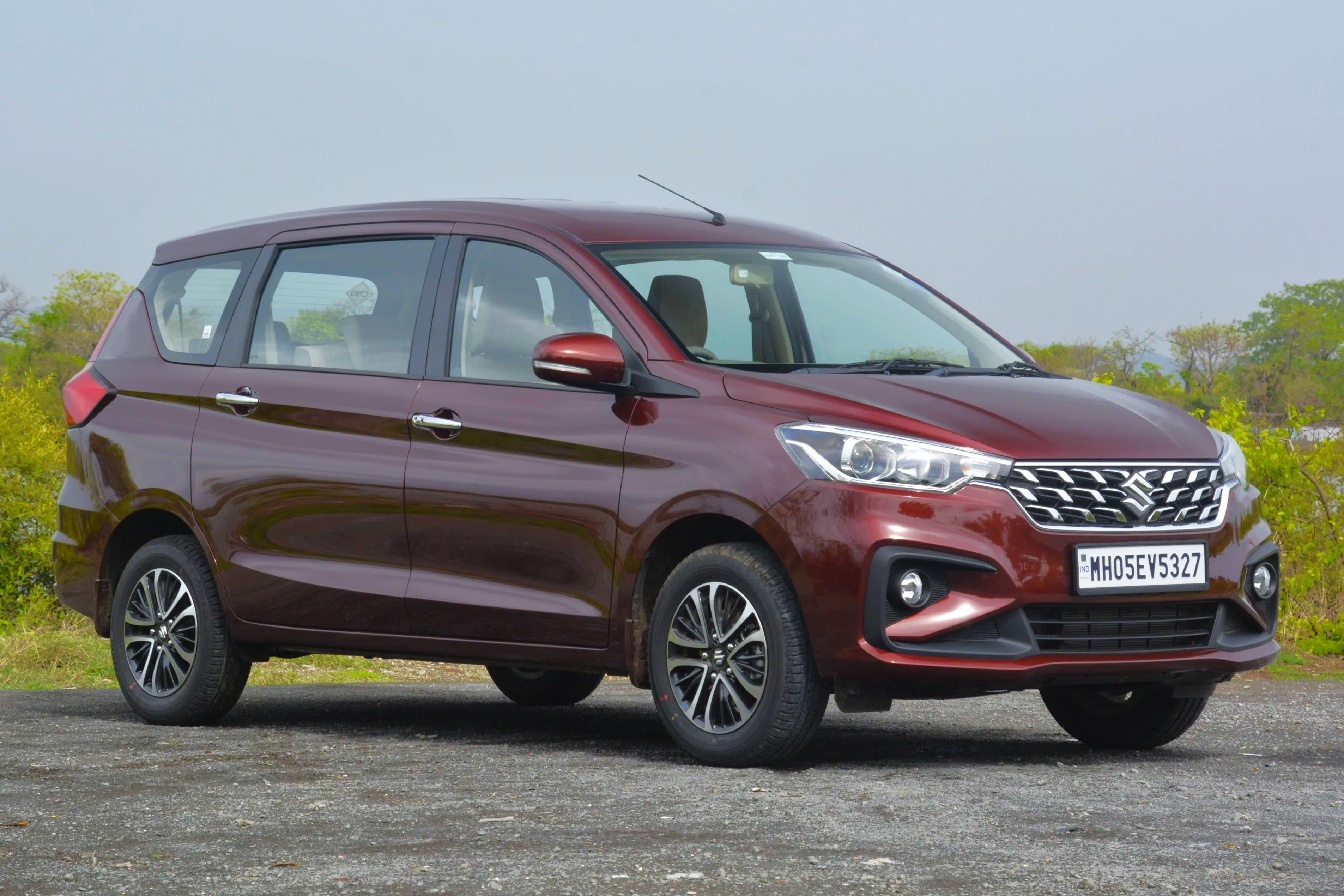
Maruti Suzuki retained its position as India’s largest carmaker in August, with domestic passenger vehicle sales rising 34.8 percent year on year. Utility vehicless, including the Brezza, Ertiga, e Vitara, Fronx, Grand Vitara, Invicto, Jimny, Victoris and XL6, accounted for 79,045 units, while compact and mid-size segment, led by the Baleno, Swift, Dzire and WagonR, contributed 77,166 units. The mini segment, comprising the Alto and S-Presso, added 8,799 units, while the Eeco contributed 11,961 units.
The carmaker also crossed one million total sales in the first five months of FY2026-27. Its total August sales, including exports and sales to other OEMs, stood at 2,19,220 units.
Tata Motors
Sales: 67,753 units. Change: 56 percent YoY
Tata Motors retained second place with 67,753 domestic passenger vehicle sales in August, up 56 percent from the same month last year. Electric vehicle sales, including domestic and international volumes, stood at 16,549 units, almost doubling from 8,540 units in August 2025. Tata also announced a price hike across its passenger vehicle range from September 1.
Mahindra
Sales: 59,257 units. Change: 50 percent YoY
Mahindra remained in third place, recording domestic SUV sales of 59,257 units in August, a 50 percent increase over the 39,399 units sold in August 2025. Its overall vehicle sales, including exports, stood at 1,07,648 units, up 42 percent year on year.
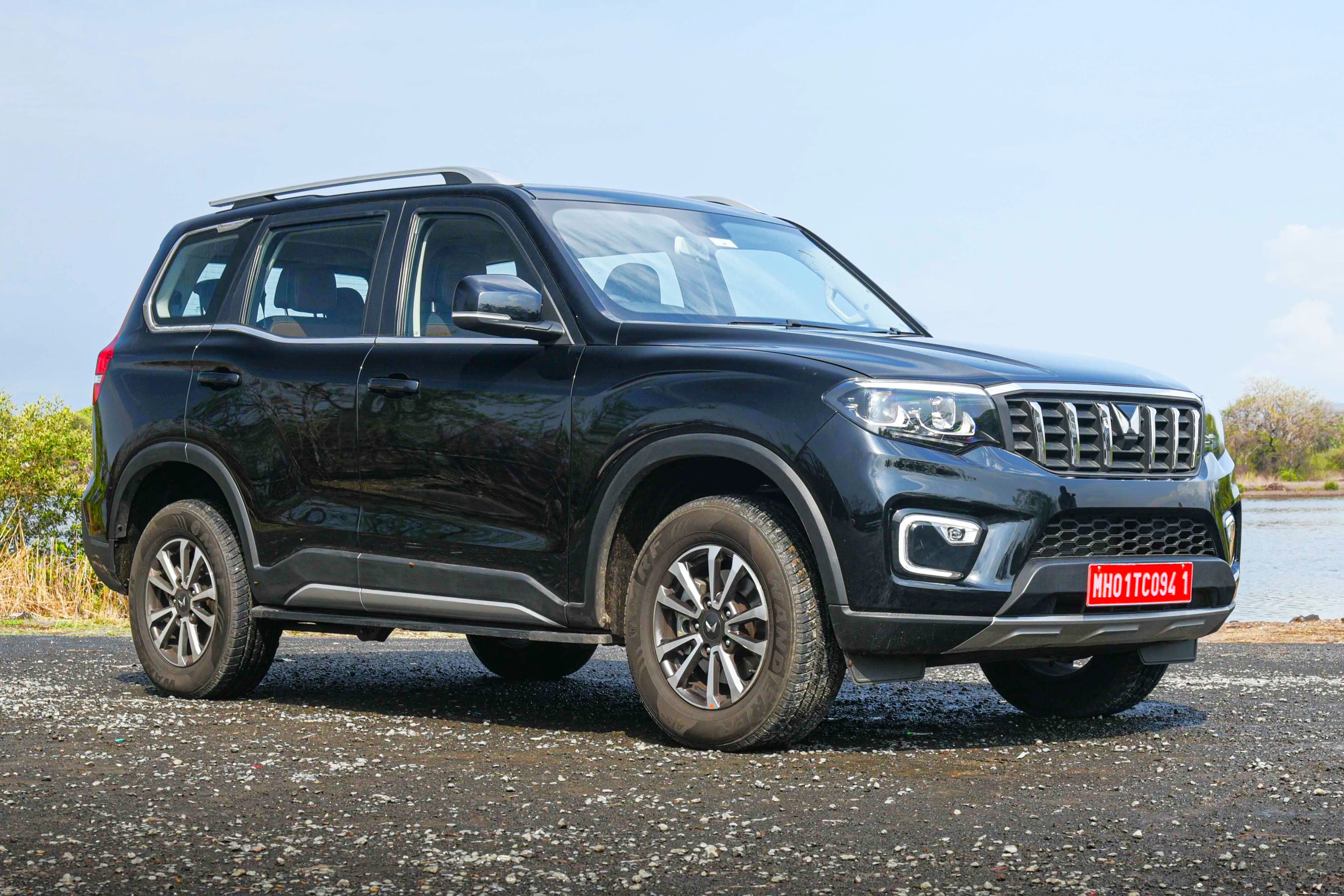
During the month, Mahindra launched the updated Scorpio-N and BE 6 SporteQ, and also introduced its Battery-as-a-Service option for the XEV 9e and XEV 9S.
Hyundai
Sales: 54,396 units. Change: 23.6 percent YoY
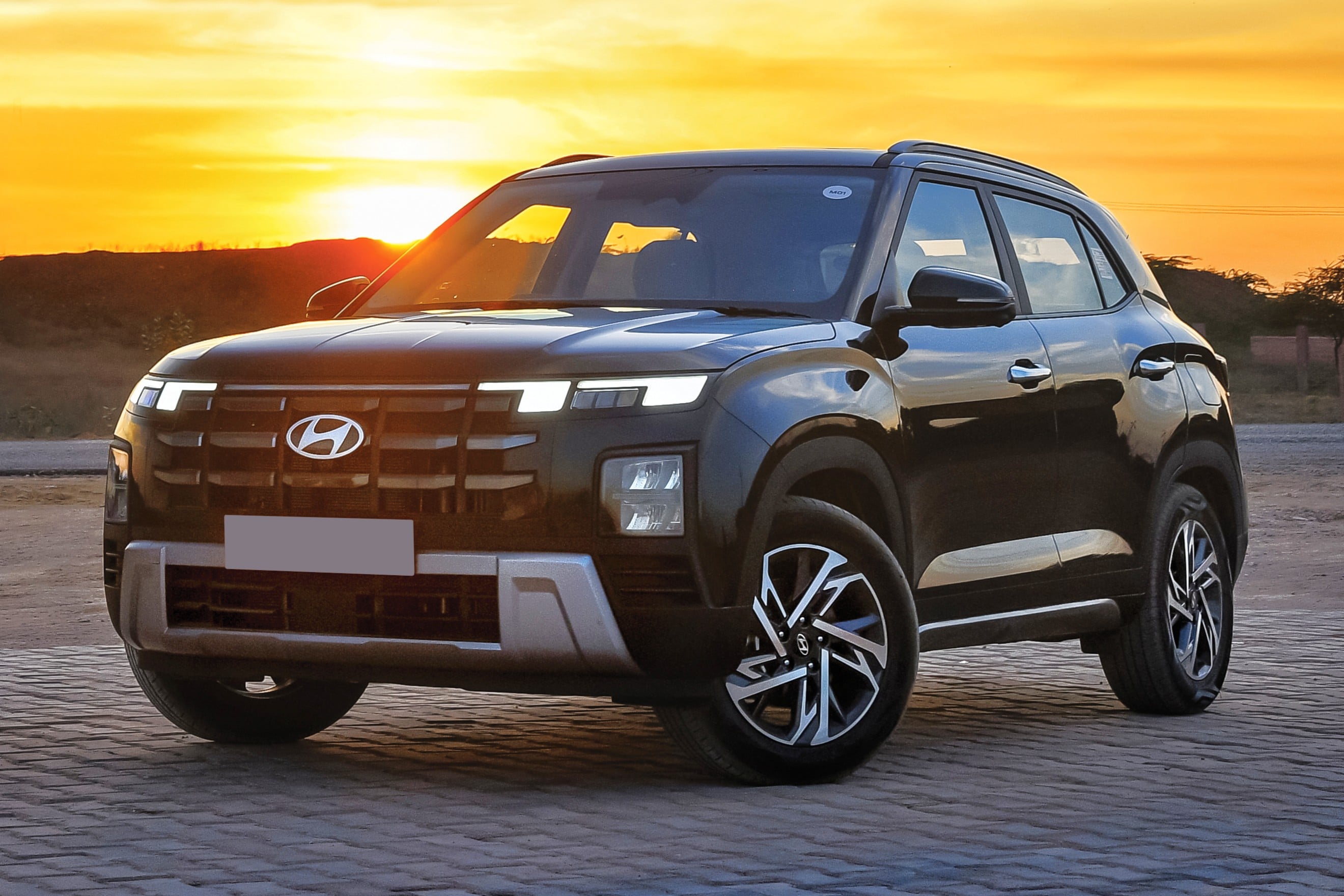
Hyundai recorded 54,396 domestic sales in August, up 23.6 percent year on year. The company said this was its highest-ever domestic sales figure for an August. Hyundai has introduced an assured buyback programme for the Creta Electric, while the carmaker is also set to increase prices from this September 2026.
Kia
Sales: 29,042 units, Change: 48.1 percent YoY
Kia recorded 29,042 units in August, up 48.1 percent from 19,608 units in the same month last year. This was the carmaker’s highest-ever August wholesale volume since entering India. The Seltos and Sonet continued to account for a large share of Kia’s volumes, while the newly launched Syros EV also contributed to the brand’s performance.
Toyota
Sales: 28,410 units, Change: -3 percent YoY
Toyota recorded domestic sales of 28,410 units in August 2026, down 3 percent from 29,302 units in the same month last year. The company remains optimistic about demand during the upcoming festive season, with the Innova Hycross, Urban Cruiser Hyryder and Glanza continuing to drive sales.
JSW MG Motor India
Sales: 7,508 units. Change: 12.3 percent YoY
JSW MG Motor recorded sales of 7,508 units in August, up 14 percent year on year. The company launched the Hector Tomahawk in both EV and PHEV forms during the month. Bookings for both versions are open, while deliveries of the Tomahawk EV are scheduled to begin in September. PHEV test drives and deliveries are scheduled to start in November.
Nissan
Sales: 3,426 units. Change: 147 percent YoY
Nissan recorded domestic wholesale sales of 3,426 units in August, up 147 percent year on year. The company attributed the performance to demand for the Magnite and Gravite, along with the response to the recently launched Tekton. Nissan also began exporting the Tekton to South Africa, Bhutan and Nepal during the month, with the first batch comprising more than 1,300 units.
Renault
Sales: 2,842 units, Change: -5.7 percent YoY
Renault recorded sales of 2,842 units in August 2026, down 5.7 percent from 3,015 units in August 2025. The carmaker’s cumulative domestic wholesales for January-August 2026 stood at 31,979 units, up 47.9 percent from 21,621 units in the same period last year. The company will add another powertrain option to the Triber range with the Triber Turbo, which is scheduled to arrive in late September 2026.
Maruti Suzuki plans to add smaller EVs to its India line-up once it has developed the charging infrastructure needed to support them. At the company’s annual general meeting, Managing director and CEO Hisashi Takeuchi said, “As soon as our EV charging will be ready in India, we will add smaller EVs in our portfolio.”
More than 2,000 exclusive chargers installed across 1,100-plus cities
Claims around 90 percent share of India’s EV exports
Plans to build EVs, hybrids, CNG and ICE cars on the same line
Maruti Suzuki’s charging network plans
Maruti Suzuki has partnered with 13 charge-point operators and has already installed more than 2,000 exclusive charging points across over 1,100 cities. The company is also working to improve charging coverage on highways and expressways, while its plan for the top 100 cities calls for chargers at key locations around 5-10km apart.
The carmaker has set a larger target of more than 1,00,000 charging points across India by the end of this decade. The company has linked the introduction of smaller EVs to the expansion of this charging network.
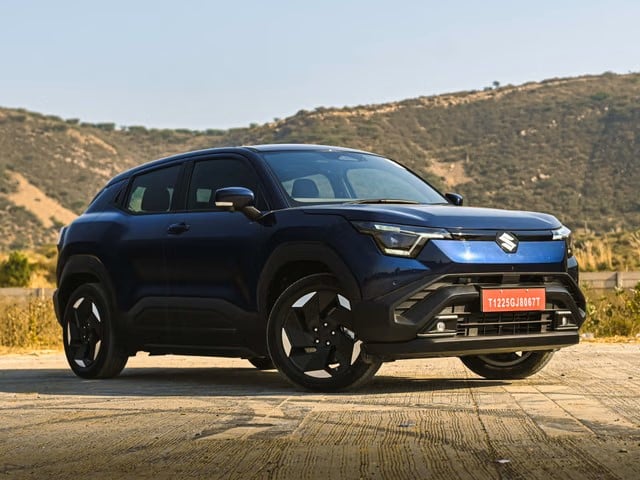
Maruti currently sells the e Vitara as its only EV in India, while competitors Tata Motors and JSW MG Motor India already have smaller electric models on sale.
Maruti Suzuki expands EV exports
Maruti Suzuki is also expanding its electric vehicle exports. “We have started our EV exports to Europe first. Now, we are the largest exporter of EVs from India, with about 90 percent share in total EV exports from India,” he said. Takeuchi said the company exports vehicles to nearly 120 countries and shipped more than 4.4 lakh vehicles last year, a 34 percent increase overall.
Japan has become Maruti’s second-largest market, according to Takeuchi, while the company expects trade agreements to create further export opportunities in markets including the UK, Germany and France.
ICE, hybrid and CNG investments to continue
Maruti Suzuki will continue investing in internal-combustion engine, hybrid and CNG vehicles alongside EVs. Takeuchi said ICE vehicles would remain an important part of the company’s business, with compressed biogas also expected to support their continued demand.
“Investment in ICE facilities will continue to be an integral part of our manufacturing process,” he said. The company is designing its new manufacturing facilities to build different types of vehicles on the same production line, allowing production to be adjusted as demand changes. “In our new plants, we can make EVs, hybrid vehicles, CNG and ICE vehicles on the same line,” Takeuchi said.
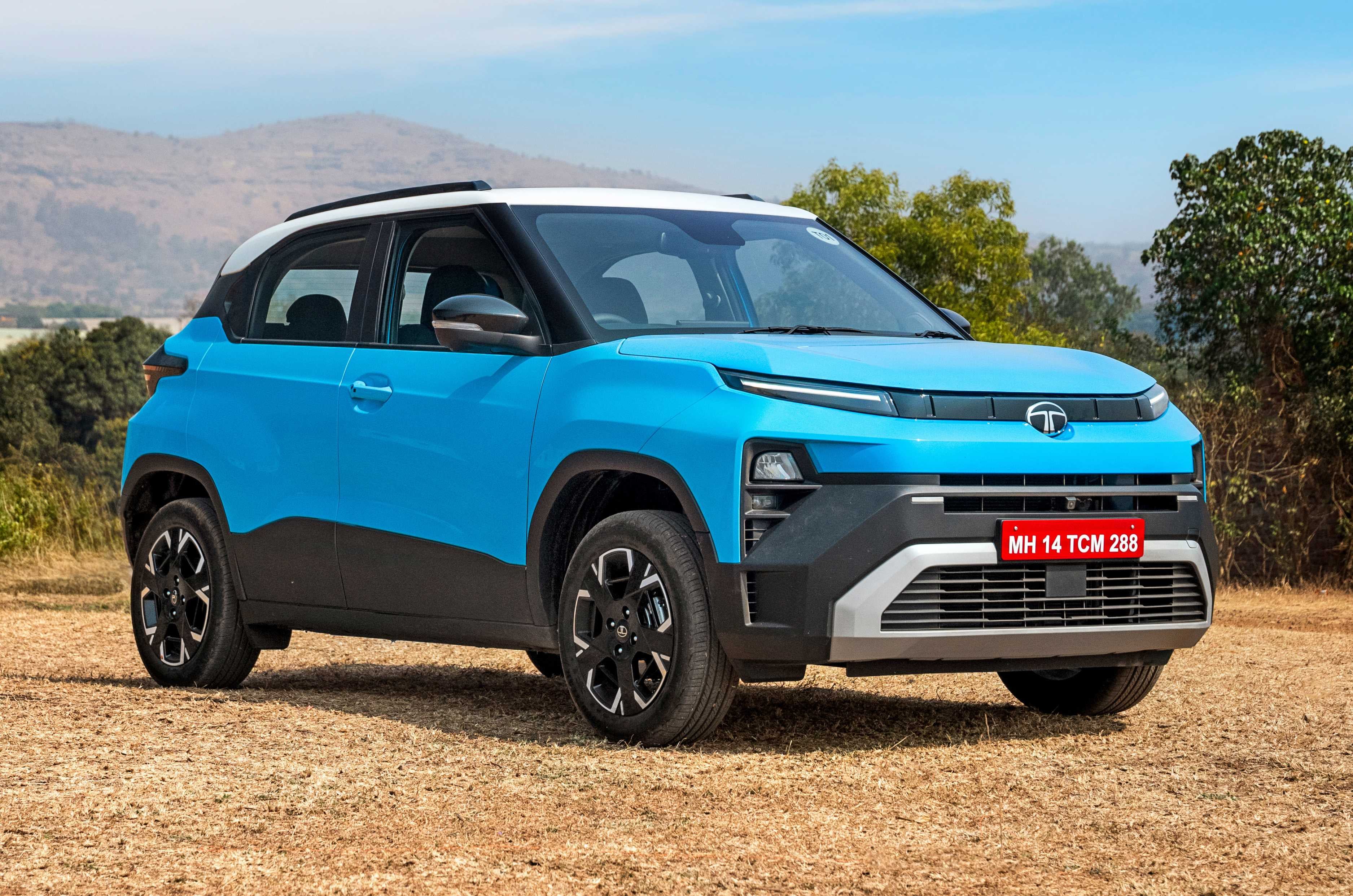
In February 2026, Tata Motors brought incremental updates to the Punch EV. The carmaker’s most affordable electric SUV saw a bump in battery size, subtle cosmetic revisions, and feature additions, while also being more affordable than its predecessor. To see how much the 2026 Punch EV has improved over its older iteration, we put it through our real-world range tests and compare it to its predecessors.
Tata Punch EV new vs old: Specifications
Tata Punch EV New
Tata Punch EV Old
Battery size
40
35
Electric motor setup
Single motor, front
Single motor, front
Power (hp)
129
122
Torque (Nm)
154
190
ARAI range (km)
468
365
Kerb weight (kg)
1365
1,360
0-100kph time (claimed, in seconds)
9
9.5
With the newer Punch EV, Tata has increased the battery size in its long-range version by 5kWh and bumped the motor’s power slightly. However, the older Punch EV’s motor delivered 36Nm more torque than the newer model. In the new Punch EV, Tata introduced a new 6-in-1 drivetrain setup, replacing the older one’s 3-in-1 unit. With this new setup, Tata claims a 50 percent reduction in packaging size, a 28 percent reduction in weight, and a 6 percent increase in efficiency. Despite the larger battery, this new drivetrain setup on the Punch EV has led to a weight increase of a mere 5kg over its predecessor.
Tata Punch EV new vs old: Real-world range
In our real-world range tests, the newer Tata Punch EV delivered much higher range than its predecessor. On average, the former goes 75km further than the latter on a single charge. This is because the more efficient drivetrain setup (see table below), coupled with the larger battery pack on the new Punch EV, has translated into going farther on a single charge.
Tata Punch EV new vs old: Efficiency
Tata Punch EV New
Tata Punch EV Old
City efficiency (km/kWh)
7.92
6.92
Highway efficiency (km/kWh)
7.29
6.17
Average efficiency (km/kWh)
7.61
6.54
Tata Punch EV new vs old: Prices
Tata Punch EV New
Tata Punch EV Old
Long Range version price range (Rs lakh)
10.99 – 12.79
12.99 to 14.49
Despite the updates and higher real-world range, the new Tata Punch EV is much more affordable than the older model. In fact, depending on the variant chosen, the former is up to Rs 2 lakh cheaper than the latter.
Autocar India’s range testing
Before our real-world range tests, the battery of our test car was fully charged, and we maintained tyre pressures in accordance with the manufacturer’s recommendations. The car was driven on a weekday in Mumbai city and on the adjoining state highway in a fixed loop, and we maintained the set average speeds. At the end of each cycle, we calculated the range based on the percentage charge consumed.
Throughout our tests, the climate control was set to 22deg C in a full-auto setting, and other electricals, such as the audio system, indicators and ventilated front seats, were used when required, just as a regular user would. We take pride in our testing data, which isn’t merely consistent but also gives users an accurate indication of what they can expect in the real world.
Mahindra has extended its Battery-as-a-Service (BaaS) ownership programme to the XEV 9S and the XEV 9e. Under BaaS, prices start at Rs 12.65 lakh for the XEV 9S and at Rs 13.90 lakh for the XEV 9e (all ex-showroom), and an additional Rs 3.75 per km will be charged for the battery. All of Mahindra’s born EVs are now available under the BaaS programme.
XEV 9S and XEV 9e starting price reduced by Rs 8 lakh with BaaS
Rs 3.75 to be charged additionally for each kilometre driven
The BaaS program essentially brings down the entry price of both the XEV 9e and the XEV 9S by Rs 8 lakh, which is significant saving on the upfront cost of the vehicle. For reference, prices for the XE 9S start from Rs 20.65 lakh, while the XEV 9e is priced from Rs 21.90 lakh (ex-showroom, without charger)
Additionally, Mahindra has also extended the BaaS program to all variants of the BE 6 Sporteq – until now, it was only available on the Pack One and Pack Two trims with the smaller 59kWh battery. Mahindra, however, hasn’t revealed the exact variant-wise break up of BaaS prices for each of three EVs.
The separate battery financing model carries an effective running cost calculated at Rs 3.75 per kilometre, based on an initial monthly battery EMI of Rs 6,975 assuming a daily running average of 60 kilometres alongside a specified down payment.
What is BaaS?
BaaS is a pricing structure that excludes the cost of an EV’s battery pack from its ex-showroom price, affording the buyer a substantially lower upfront cost. The battery cost is then financed per kilometre of usage for a certain tenure and interest rate, depending on the financier. It’s worth noting, though, that charging expenditures are not included in the battery usage costs.
JSW-MG Motor India was the first carmaker to offer BaaS with the Windsor. Since then, several other electric carmakers such as Tata Motors, Maruti, Toyota, Hyundai and Citroen have adopted this pricing strategy to advance electric vehicle adoption. Mahindra is now the latest carmaker to adopt the BaaS model, although acceptance of BaaS among EV buyers is still very limited.
टाटा ग्रुप की पैसेंजर गाड़ी बनाने वाली कंपनी Tata Motors Passenger Vehicles (TMPV) अब ग्राहकों के सामने Tata.Cars नाम से नजर आएगी। कंपनी के MD और CEO शैलेश चंद्रा ने यह जानकारी दी। अब डीलरशिप, शोरूम और मार्केटिंग में Tata.Cars नाम ज्यादा दिखेगा।
हालांकि, कंपनी का कानूनी नाम नहीं बदला है। Tata Motors Passenger Vehicles ही कंपनी की रजिस्टर्ड कॉरपोरेट एंटिटी रहेगी। यह बदलाव सिर्फ ग्राहकों के सामने कंपनी की पहचान को लेकर है।
Tata.Cars नाम क्यों अपनाया?
पैसेंजर गाड़ी कंपनी Tata Motors अपने इस कारोबार की अलग पहचान मजबूत करना चाहती है। कंपनी पेट्रोल और डीजल के साथ इलेक्ट्रिक गाड़ियां भी बेचती है। ऐसे में Tata.Cars नाम के जरिए पैसेंजर गाड़ी कारोबार को एक साफ ब्रांड पहचान देने की कोशिश है।
EV पर Tata ने कब लगाया था दांव?
Tata Motors Passenger Vehicles ने इलेक्ट्रिक गाड़ियों पर उस समय दांव लगाया था, जब भारत में EV का बाजार काफी शुरुआती दौर में था। उस समय लोगों को इलेक्ट्रिक गाड़ियों पर ज्यादा भरोसा नहीं था। चार्जिंग स्टेशन भी बहुत कम थे।
यानी समस्या दोनों तरफ थी। ग्राहक चार्जिंग की कमी के कारण EV नहीं खरीद रहे थे। कंपनियां कम EV होने की वजह से चार्जिंग नेटवर्क पर बड़ा निवेश नहीं कर रही थीं। Tata Motors ने इस चक्र को तोड़ने की कोशिश की।
Tata Group की कंपनियों ने दिया साथ
EV का पूरा इकोसिस्टम बनाने में Tata Group की कई कंपनियों ने मदद की। Tata Power ने चार्जिंग नेटवर्क में सहयोग किया। Tata AutoComp ने कंपोनेंट्स में मदद की। Tata Technologies, Tata Elxsi और TCS ने इंजीनियरिंग और टेक्नोलॉजी से जुड़ा सपोर्ट दिया।
कंपनी का मानना था कि EV से प्रदूषण कम करने में मदद मिलेगी। इससे इंपोर्टेड फॉसिल फ्यूल पर निर्भरता भी घट सकती है। बाद में Tata Motors भारत के इलेक्ट्रिक पैसेंजर गाड़ी बाजार की प्रमुख कंपनियों में शामिल हो गई।
Tata Motors Passenger Vehicles शेयर
Tata Motors Passenger Vehicles का शेयर गुरुवार, 27 अगस्त को 0.86% बढ़कर ₹315.80 पर बंद हुआ। पिछले 6 महीने में स्टॉक 17.47% गिरा है। वहीं, 1 साल में यह 22.77% टूटा है। कंपनी का मार्केट कैप 1.15 लाख करोड़ रुपये है।
Disclaimer: यहां मुहैया जानकारी सिर्फ सूचना के लिए दी जा रही है। यहां बताना जरूरी है कि मार्केट में निवेश बाजार जोखिमों के अधीन है। निवेशक के तौर पर पैसा लगाने से पहले हमेशा एक्सपर्ट से सलाह लें। मनीकंट्रोल की तरफ से किसी को भी पैसा लगाने की यहां कभी भी सलाह नहीं दी जाती है।
Tata Motors announced Tata.cars as the new retail name for its passenger vehicle (PV) division on Thursday. Both internal combustion engine (ICE) and electric vehicle (EV) models will now come under Tata.cars umbrella brand. Tata.ev will continue as a sub-brand under the wider Tata.cars brand. This new identity will progressively appear across showrooms, digital touch points, after-sales and service operations, and marketing communications.
Tata.ev to continue as a sub-brand under Tata.cars
Tata Motors Passenger Vehicles to remain as the registered legal entity
New principal colour and typeface are a part of the new identity
That said, the company’s legal identity and corporate structure remain unchanged. Tata Motors Passenger Vehicles will continue to be the registered legal entity for statutory filings, manufacturing plants, official contracts and regulatory obligations.
Tata Motors said the new identity formalises how Indian customers already refer to its passenger vehicles as “Tata cars”. “In many ways, Tata.cars is an identity that India has given us. Today, we formally embrace it,” said Shailesh Chandra, Managing Director, Tata Motors Passenger Vehicles and Tata Passenger Electric Mobility. “The Tata name carries our heritage, our values and the trust earned over generations, while Tata.cars gives our passenger vehicle business a distinct, modern and future-facing expression,” he added.
Vivek Srivatsa, Chief Commercial Officer, Tata Passenger Electric Mobility, said the transition would also introduce a new visual and sensory system built around a design philosophy called Parallel Pathways. It includes Ambition Blue as the principal colour, a bespoke typeface called Parallel Display and a new sonic identity. Tata Motors will also begin updating its dealerships over the next few months with redesigned interiors and a new stainless-steel facade featuring louvred panels.
The new brand system has been designed to work across products, technologies, customer experiences and markets. While customers will increasingly encounter Tata.cars across sales and service channels, corporate and regulatory references will continue under Tata Motors Passenger Vehicles.
The Ministry of Petroleum and Natural Gas has launched a massive quality-control campaign across India’s retail fuel network and, as of August 25, 2026, stopped petrol sales at 2,573 non-compliant outlets, according to highly placed ministry sources. Indian Oil Corporation (IOCL) leads with 1,257 halted pumps, followed by Hindustan Petroleum (HPCL) at 915 and Bharat Petroleum (BPCL) at 401.
The trigger was a letter from the Society of Indian Automobile Manufacturers (SIAM) to the ministry on July 28, leaked soon after, flagging alarmingly high levels of chloride contamination in E20 fuel samples tested across the country. SIAM withdrew the letter within days, saying the figures “needed further verification”, but the damage was done. A subsequent Reuters investigation into carmakers’ internal testing data kept the contamination question firmly in the public eye and has forced the government to react.
To restore consumer confidence and tackle contaminants and water in the supply chain, the government has mandated water-ingress testing of underground tanks 8 to 12 times a day, a rigorous regime already underway at 88,995 dealerships. A sweeping audit prioritising older retail outlets has covered 84,687 fuel stations; field teams are checking tank integrity during rainfall, and automation systems with monitoring probes are active at 85,649 outlets, with malfunctioning units being repaired on priority.
Oil-marketing companies (OMCs) have conducted 7,296 sulphur tests and 1,079 chloride tests on ethanol-carrying tankers, along with 151 chloride tests on their own storage tanks.
The intensity of the crackdown reflects a government under pressure to protect the integrity of its green-energy transition. The rollout of E20 (petrol blended with 20 percent ethanol) was accelerated ahead of its original schedule. Since April 1, E20 has been the only petrol available at Indian pumps, leaving motorists with no option of buying the earlier E10 blend.
Automakers’ extensive fuel-testing drive
The move to ensure that the prescribed standards are met at the forecourts is a direct response to growing opposition from motorists and anxiety among the country’s leading vehicle manufacturers.
For motorists, the transition to E20 has brought tangible financial losses arising from lower fuel efficiency and potential mechanical risks. In a widely publicised dispute, a consumer court in Raipur recently directed Maruti Suzuki to replace a Grand Vitara over an E20-related engine complaint, underlining the legal and warranty vulnerabilities facing carmakers. Concerns over mileage loss, accelerated component wear and the compatibility of pre-2023 vehicles have simmered for months.
Behind closed doors, the anxiety ran deeper. While brands like Toyota, Maruti Suzuki and Hero MotoCorp publicly backed the government’s green mandate, a Reuters review of leaked internal communications revealed that Maruti Suzuki, Tata Motors and Mahindra & Mahindra had privately flagged severe contamination in E20 petrol. Over the course of a year, the three carmakers quietly conducted the most extensive fuel-testing drive since the national rollout, collecting and analysing over 250 samples from petrol pumps across 21 states and Union territories.
Leaked report rings alarm bells
The industry findings, compiled by SIAM and reviewed by Reuters, painted a starkly different picture from official compliance narratives. Against the government’s permissible chloride limit of 3 parts per million (ppm) or 3mg/kg, automaker testing found alarming levels across 18 states: Rajasthan recorded 6 to 570ppm — 190 times the limit; Delhi-NCR ranged from 1.4 to 420ppm and Madhya Pradesh from 4.1 to 550ppm. Karnataka and Kerala, by contrast, stayed well within the safe zone at 1 to 2.2ppm.
Water content spiked to 13,000ppm in Andhra Pradesh and 12,500ppm in Uttar Pradesh, which is more than four times the official permissible limit of 3,000ppm.
In modern engines, these deviations can be damaging. Organic chloride is highly corrosive, and modern precision fuel injectors are engineered to tolerate just 1-3ppm to align with international standards. In a leaked July email, a senior Mahindra executive warned that organic chloride was the root cause of rapid vehicle failures, capable of destroying fuel systems and engines in as little as 200km. Mahindra has since described interpretations drawn from the email as baseless, calling the industry data limited and preliminary.
Skoda Auto India brand director Ashish Gupta, in a recent interaction with Autocar Professional, acknowledged a genuine issue with EPC (Electronic Power Control) and fuel pump failures in certain parts of the country, particularly in Punjab. He added that while fuel-sample testing has not shown a definitive chemical difference, engineers suspect high chloride or high sulphur levels, which can clog the fuel-pump filters.
The regulatory gap
To be fair, BIS standards currently lack a formally mandated statutory threshold for inorganic chlorides in finished ethanol-blended petrol (like E20). However, the petroleum ministry and OMCs enforce internal procurement guidelines, capping the limit at 3ppm for ethanol manufacturers. Setting BIS standards that make chloride limits mandatory is urgently needed, as the main culprit for vehicle damage is not E20 petrol but the chloride levels in it.
Stocks to Watch: अधिकतर एशियाई बाजारों में रौनक के बीच गिफ्ट निफ्टी से आज घरेलू मार्केट में भी ग्रीन शुरुआत के संकेत मिल रहे हैं। गिफ्ट निफ्टी फिलहाल 73.50 प्वाइंट्स यानी 0.30% की बढ़त के साथ 24,553.50 पर है। एक कारोबारी दिन पहले 25 अगस्त को अगस्त सीरीज में निफ्टी की मंथली एक्सपायरी के दिन सेंसेक्स (Sensex) 286.98 प्वाइंट्स यानी 0.37% के उछाल के साथ 77,656.09 और निफ्टी 50 (Nifty 50) भी 115.50 प्वाइंट्स यानी 0.48% की मजबूती के साथ 24,334.55 पर बंद हुआ था। अब आज इंडिविजुअल स्टॉक्स की बात करें तो अपनी खास कॉरपोरेट एक्टिविटीज के चलते कुछ स्टॉक्स में तेज हलचल दिख सकती है। यहां इन शेयरों के बारे में डिटेल्स दी जा रही है।
Stocks to Watch: आज इन स्टॉक्स पर फोकस
Billionbrains Garage Ventures (Groww)
सीएनबीसी-टीवी18 को सूत्रों से मिली जानकारी के मुताबिक ग्रो की पैरेंट कंपनी बिलियनब्रेन्स गैराज वेंचर्स में रिबिट कैपिटल 1.6% हिस्सेदारी बेच सकती है। ₹1914 करोड़ की इस ब्लॉक डील के फ्लोर प्राइस ₹195 तय किया गया है।
Welspun Corp
सीएनबीसी-टीवी18 को सूत्रों से मिली जानकारी के मुताबिक वेलस्पन कॉर्प में वेलस्पन इंवेस्टमेंट्स एंड कमर्शियल्स और एमडी-सीईओ विपुल माथुर कुल 63 लाख शेयर (2.4% हिस्सेदारी बेच सकते हैं। ₹1417 करोड़ की इस ब्लॉक डील के फ्लोर प्राइस ₹2250 तय किया गया है।
Honasa Consumer
होनासा कंज्यूमर ने शेयर खरीद सौदे के तहत तय शर्तों को पूरा न कर पाने के कारण फ्लूएंस फार्मा में 58% हिस्सेदारी खरीदने के प्रस्ताव को रद्द कर दिया है।
Cipla
अमेरिकी दवा नियामक एफडी ने 17 से 25 अगस्त, 2026 के बीच पीथमपुर में सिप्ला की मैन्युफैक्चरिंग यूनिट में cGMP (करंट गुड मैन्युफैक्चरिंग प्रैक्टिसेज) का फॉलो-अप इंस्पेक्शन किया, जिसके बाद कंपनी को फॉर्म 483 में सात इंस्पेक्शन ऑब्जर्वेशन मिला।
UCO Bank
यूके बैंक के एग्जीक्यूटिव डायरेक्टर राजेंद्र कुमार साबू को बैंक के एमडी और सीईओ का अतिरिक्त प्रभार सौंपा गया है।
ARSS Infrastructure Projects
एआरएसएस इंफ्रास्ट्रक्चर प्रोजेक्ट्स को ईस्ट कोस्ट रेलवे से ₹104.06 करोड़ का वर्क ऑर्डर मिला है।
Advait Energy Transitions
अद्वैत एनर्जी ट्रांजिशन्स को मध्य प्रदेश पावर ट्रांसमिशन कंपनी लिमिटेड से ₹134.63 करोड़ का टर्न्की कॉन्ट्रैक्ट मिला है। यह कॉन्ट्रैक्ट 400kV, 220kV और 132kV वोल्टेज-क्लास EHV लाइनों के लिए सभी जरूरी एक्सेसरीज के साथ ‘इमरजेंसी रेस्टोरेशन सिस्टम’ (ERS) के डिजाइन, मैन्युफैक्चरिंग और सप्लाई के लिए है।
NBCC (India)
एनबीसीसी को राजस्थान काउंसिल ऑफ स्कूल एजुकेशन से 170 नई स्कूल बिल्डिंग बनाने के लिए ₹121.74 करोड़ का ऑर्डर मिला है।
Sai Parenterals
साई पैरेंटरल्स की ऑस्ट्रेलियाई सब्सिडियरी नोमेड फार्मा ने ऑस्ट्रेलिया की एक बड़ी मल्टी-बिलियन-डॉलर फार्मेसी चेन के साथ ओटीसी (ओवर-द-काउंटर) दवाओं की सप्लाई का एग्रीमेंट रिन्यू किया है। इसमें प्रोडक्ट पोर्टफोलियो बढ़ाया गया है, एग्रीमेंट और लंबा हुआ और इसकी वैल्यू बढ़ी है। तीन साल के लिए इस डील की वैल्यू AUD 3 करोड़ (लगभग ₹204 करोड़) होने का अनुमान है, जो तुरंत लागू होगी।
United Breweries
यूनाइटेड ब्रुअरीज ने प्रीमियमाइजेशन की स्पीड तेज करने के लिए केरल, ओडिशा और मध्य प्रदेश में हेनेकेन सिल्वर के विस्तार का ऐलान किया है।
Varun Beverages
वरुण बेवरेजेज ने रेडी-टू-ड्रिंक (RTD) एल्कोहलिक बेवरेजेज और उससे जुड़े प्रोडक्ट्स का बिजनेस करने के लिए एक नई सब्सिडियरी KIVA स्पिरिट्स एंड कंपनी बनाने का ऐलान किया है। बोर्ड ने इसका सीईओ और एमडी प्रथमेश मिश्रा को बनाया है। इसके अलावा वरुण बेवरेजेज ट्यूनीशिया में बेवरेजेज के प्रोडक्शन और डिस्ट्रीब्यूशन का बिजनेस करने के लिए एक जॉइंट वेंचर कंपनी बनाएगी, जिस पर अभी जरूरी मंजूरी लेनी है।
Rainbow Children’s Hospital
विकास माहेश्वरी ने निजी कारणों से रेनबो चिल्ड्रन्स हॉस्पिटल के सीएफओ पद से इस्तीफा दे दिया है, जो 31 अगस्त, 2026 से लागू होगा।
Tata Motors Passenger Vehicles
टाटा मोटर्स पैसेंजर वेईकल्स ने हाल ही में लॉन्च हुई Sierra.ev को बिल्ट-इन 5G सेल्युलर कनेक्टिविटी से लैस करने के लिए टाटा कम्युनिकेशंस के साथ सहयोग की ऐलान किया, जिससे आने वाले समय में सॉफ्टवेयर-डिफाइंड गाड़ियों (SDVs) का रास्ता साफ हो गया है।
Hindustan Copper
हिंदुस्तान कॉपर के ऑफर फॉर सेल इश्यू के तहत सरकार ने 2.90 करोड़ शेयरों के बेस इश्यू के बाद अब 2.90 करोड़ शेयरों (3% इक्विटी) के ओवरसब्सक्रिप्शन ऑप्शन का इस्तेमाल करने का फैसला किया है। यह इश्यू आज बंद होगा।
Shankesh Jewellers
पीएनजीएस रेवा डायमंड ज्वैलरी के प्रमोटर गाडगिल रेणु गोविंद और पीएन गाडगिल एंड संस ने शंकेश ज्वैलर्स में प्रति शेयर ₹101.05 के भाव पर ₹23.44 करोड़ में 23.2 लाख शेयर (1.57% हिस्सेदारी) खरीद लिए। लिस्टिंग के दिन नीरज रजनीकांत शाह ने ₹22.96 करोड़ में 23 लाख शेयर ₹99.86 के भाव पर, राजस्थान ग्लोबल सिक्योरिटीज ने ₹7.3 करोड़ में 7.3 लाख शेयर ₹100.03 के भाव पर तो एनके सिक्योरिटीज रिसर्च ने ₹35.68 करोड़ में 35.14 लाख शेयर ₹101.55 के भाव पर खरीद लिए। इस बीच नोमुरा सिंगापुर ने शंकेश ज्वैलर्स से अपनी पूरी हिस्सेदारी (16.17 लाख शेयर) ₹15.63 करोड़ में ₹96.66 के भाव पर बेचकर बाहर निकलने का फैसला किया।
Medi Assist Healthcare Services
इन्वेस्टमेंट मैनेजर एनटीएसेट केमैन की एनटीएशियन डिस्कवरी मास्टर फंड ने मेडी असिस्ट हेल्थकेयर सर्विसेज के 4 लाख शेयर और ₹14.27 करोड़ में प्रति शेयर ₹356.76 के भाव पर खरीदे हैं। एनटीएशियन डिस्कवरी मास्टर फंड के पास जून 2026 तक मेडी असिस्ट में पहले से ही 1.39% हिस्सेदारी (10.41 लाख शेयर) थी।
Rama Steel Tubes
मॉरीशस की इंवेस्टमेंट वेईकल मिनर्वा वेंचर्स फंड ने रामा स्टील ट्यूब्स के 1.72 करोड़ शेयर और ₹7.18 करोड़ में प्रति शेयर ₹4.16 के भाव पर खरीदे हैं। इससे पिछले कारोबारी सत्र में फंड ने ₹4.08 के भाव पर 2.25 करोड़ शेयर ₹9.18 करोड़ में खरीदे थे।
Gaja Alternative Asset Management
आईपीओ को करीब 33 गुना बोली मिलने के बाद गजा अल्टरनेटिव एसेट मैनेजमेंट के शेयरों की आज बीएसई और एनएसई पर एंट्री होगी।
Dhanwel Hybrid Seeds, Mopshop Distribution
धनवेल हाइब्रिड सीड्स और मॉपशॉप डिस्ट्रीब्यूशन के शेयर आज बीएसई एसएमई पर लिस्ट होंगे।
डिस्क्लेमर: यहां मुहैया जानकारी सिर्फ सूचना के लिए दी जा रही है। यहां बताना जरूरी है कि मार्केट में निवेश बाजार जोखिमों के अधीन है। निवेशक के तौर पर पैसा लगाने से पहले हमेशा एक्सपर्ट से सलाह लें। मनीकंट्रोल की तरफ से किसी को भी पैसा लगाने की यहां कभी भी सलाह नहीं दी जाती है।