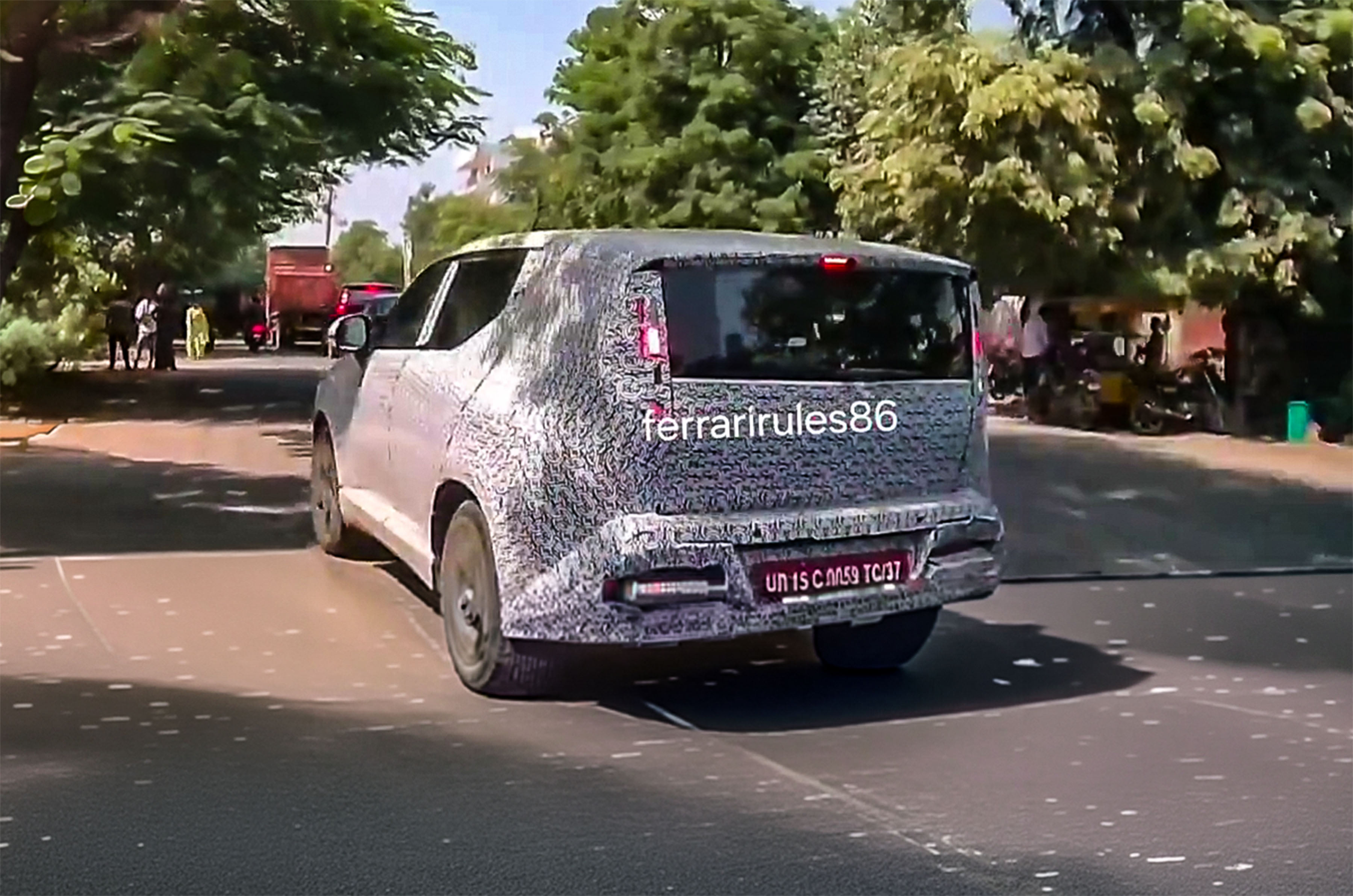
Following the Elevate facelift, Honda’s next launch for India will be the all-new 0 Alpha electric SUV – the brand’s first all-electric vehicle for our market. Honda is expected to reveal the official name later this year and also perhaps showcase the production-spec model before it goes on sale by early 2027. Ahead of its launch, a heavily camouflaged prototype of 0 Alpha SUV has recently been spied testing on our roads.
India-built model planned for global markets, including Japan
To be manufactured at the Tapukara plant in Rajasthan
No technical details available as of yet
Honda 0 Alpha SUV spied: what to expect?
The Honda 0 Alpha was first preview by a concept about exactly a year ago at the Japan Mobility Show 2025. And looking at these camouflaged spy shots, the radical shape doesn’t seem to have changed at all. It looks nothing like any existing Honda, with the characteristic design element being the near-vertical rear end with a thick C-pillar area, almost reminiscent of an MPV. It gets a large rear windscreen that’ll likely be wrapped around by an LED light bar, while the lower section gets a protruding bumper and is expected to feature a diffuser like element.
Image Credit: Ferrarirules86 via X.
At the debut of the concept, Honda had said the design was already near production-ready, so much of the details, including the lighting signatures and the glass panels could be seen on the final model. The front ‘grille’ area is expected to sport an illuminated Honda logo and a charging port, framed on the side and above by the headlights.
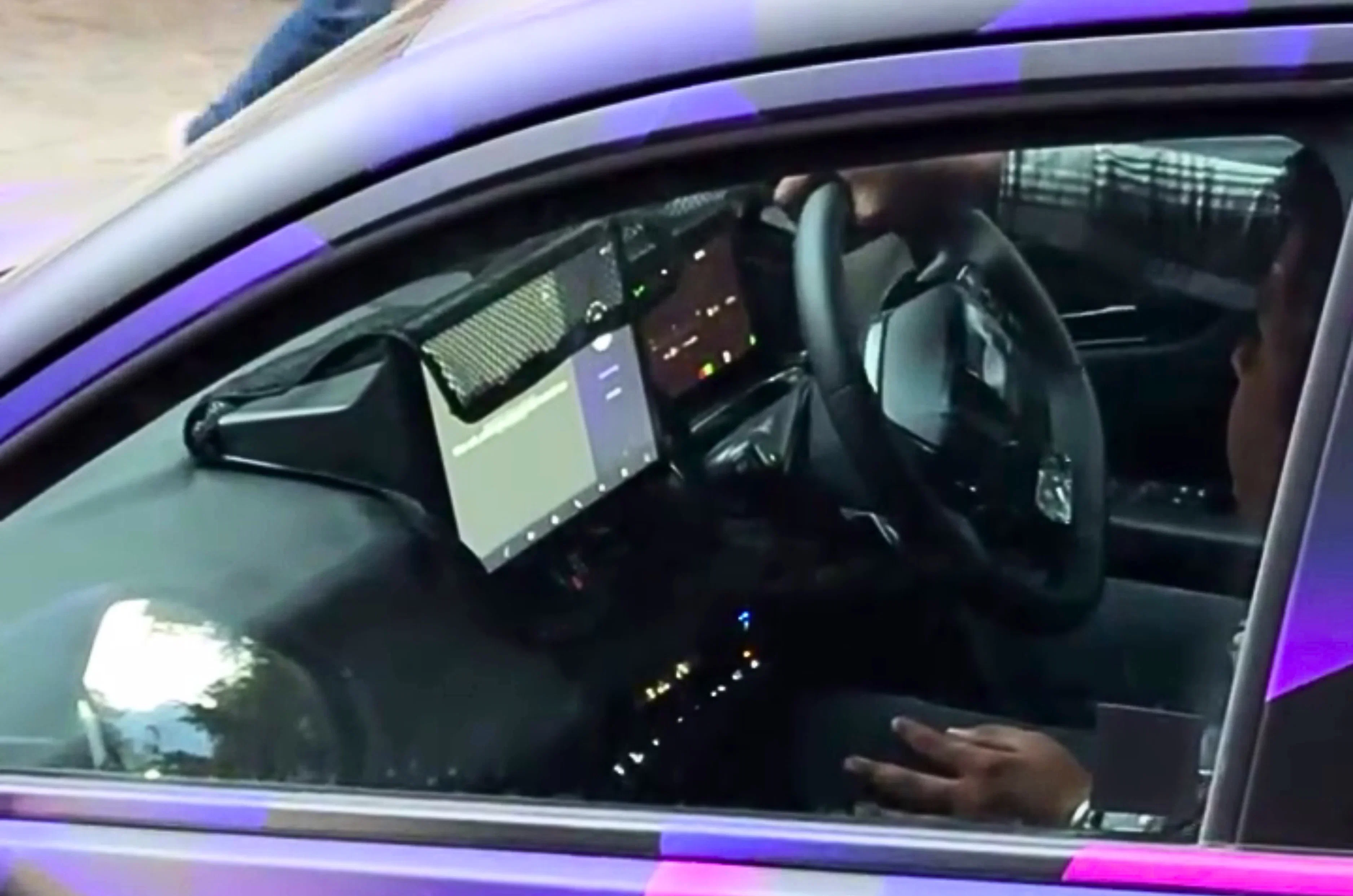
A previous sighting of a camouflaged test mule has also given us a look at the interior of the upcoming electric SUV. The most prominent element in the cabin is a massive central infotainment touchscreen mounted atop the dashboard. To its right sits a much smaller digital driver’s display, ahead of which there’s a three-spoke flat-bottomed steering wheel with paddleshifters for regeneration. The 0 Alpha’s interior incorporates an array of buttons on the centre console, seemingly for functions such as climate control and ventilated seats.
Image Credit: pxrtth.gpt via Instagram
The Honda 0 Alpha SUV is expected to have a wheelbase of about 2700-2800mm, with the priority being maximising interior space. The upright rear tailgate also hints at good luggage space and interior room.
Honda 0 Alpha technical details
Technical details on the 0 Alpha are quite scarce at the moment, but the brand has previously confirmed that it will be offered with two battery pack options. Both will be LFP batteries, likely ranging in the size of 65kWh-75kWh units. At launch, the Honda 0 Alpha SUV is expected to use a single-motor, front-wheel-drive layout.
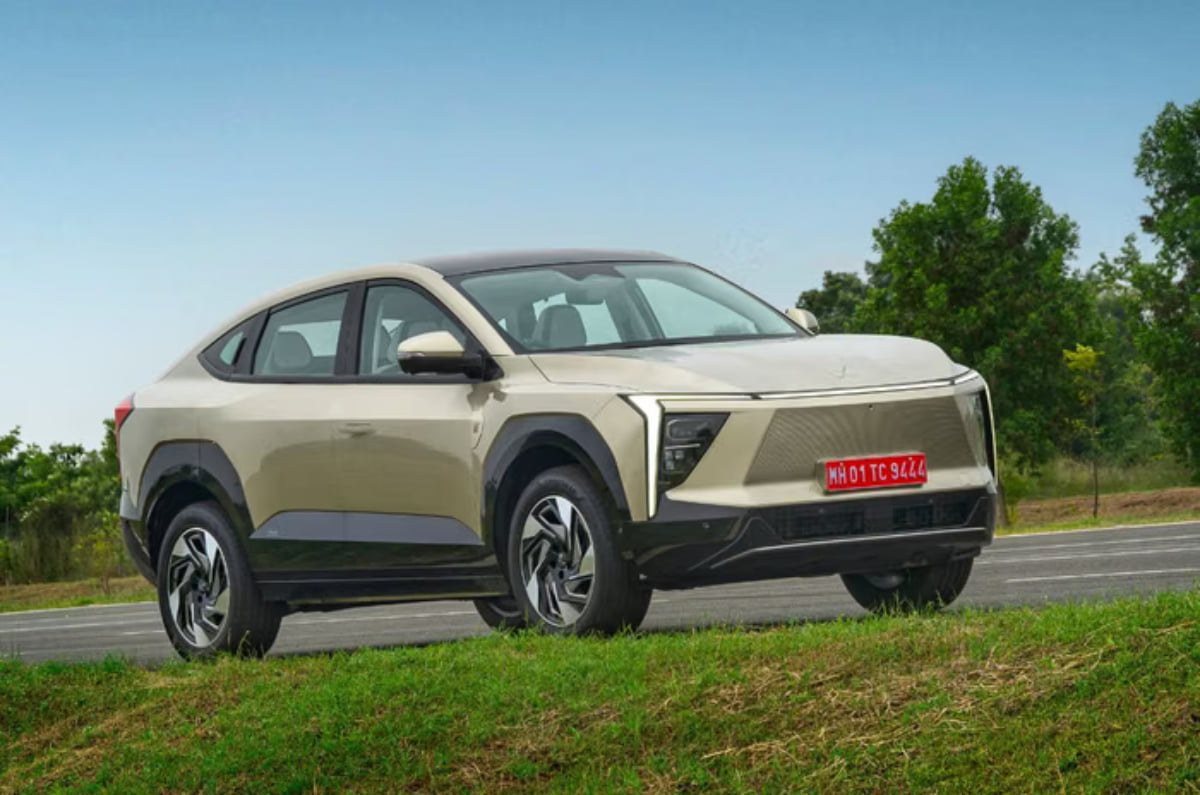
The upcoming electric SUV will be manufactured in India, with Honda’s Tapukara plant in Rajasthan expected to serve as the production base. It’s expected to go on sale by early 2027, with India and Japan among the initial markets. The 0 Alpha will rival electric midsize SUVs such as the Mahindra BE 6, MG ZS EV, Hyundai Creta Electric, Tata Sierra EV, Maruti Suzuki e Vitara and Toyota Urban Cruiser Ebella.
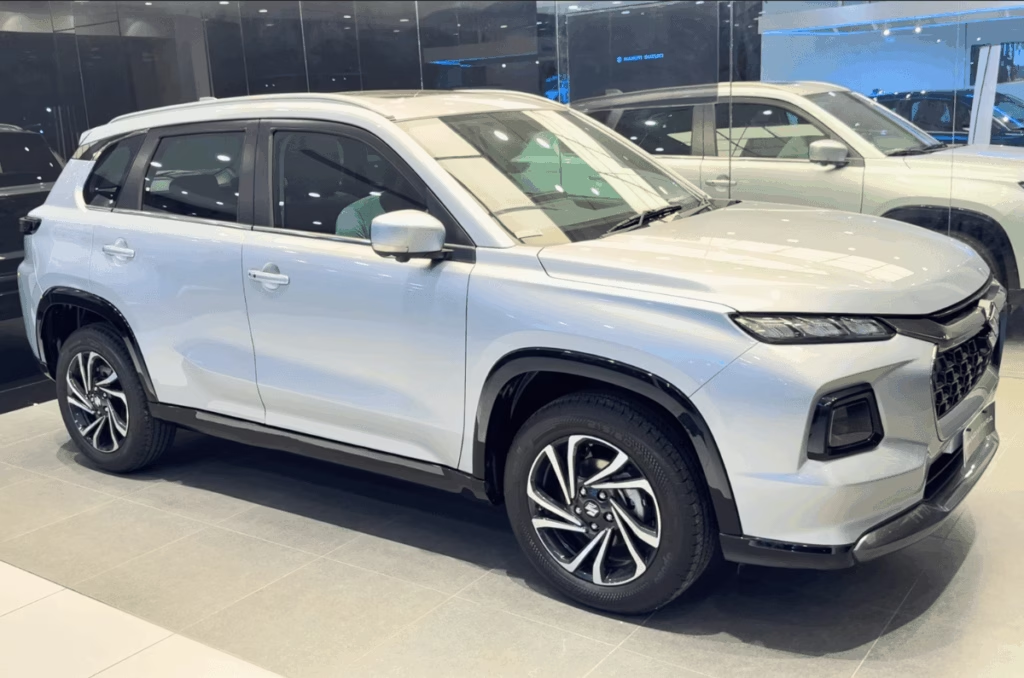
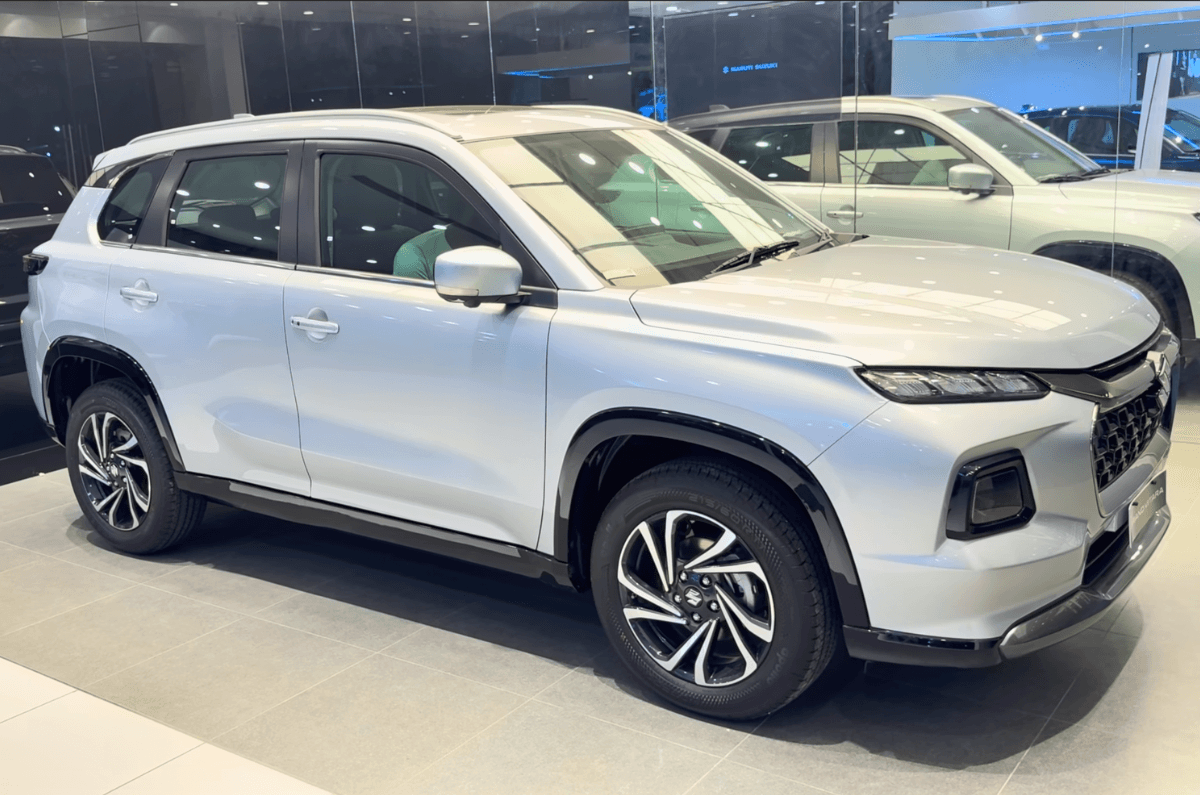
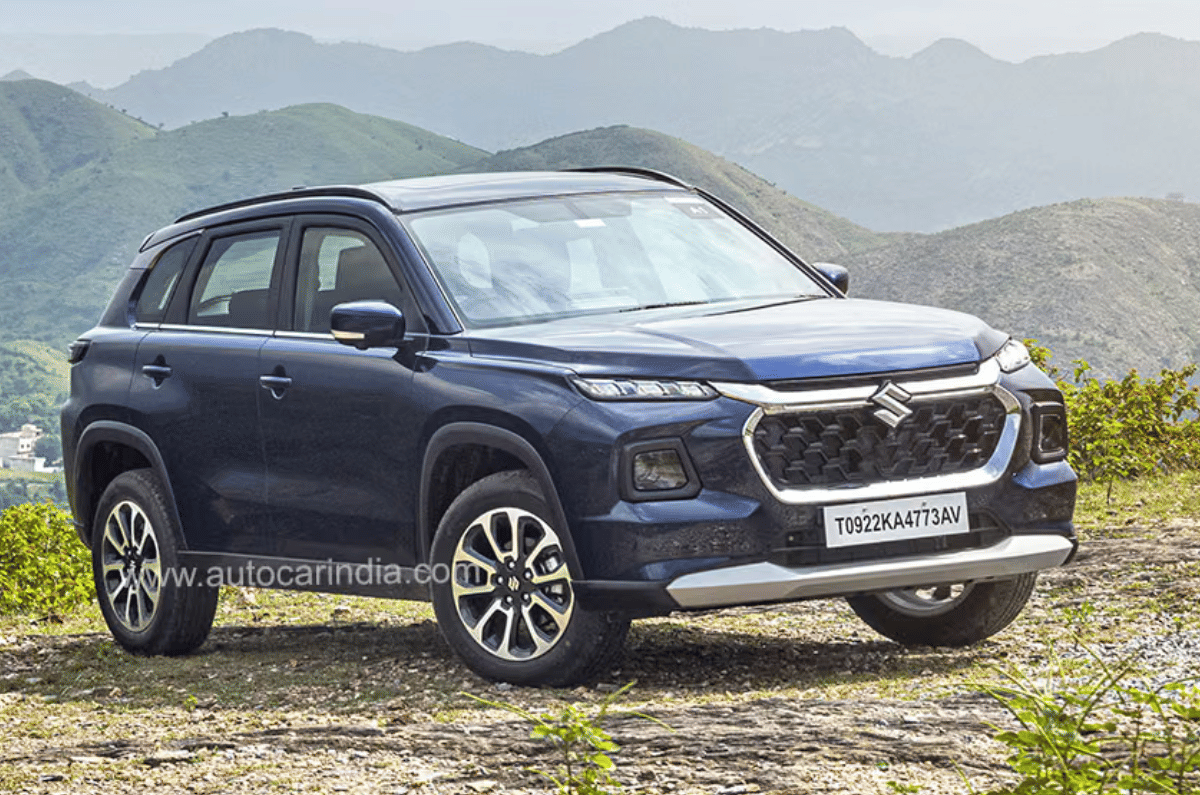
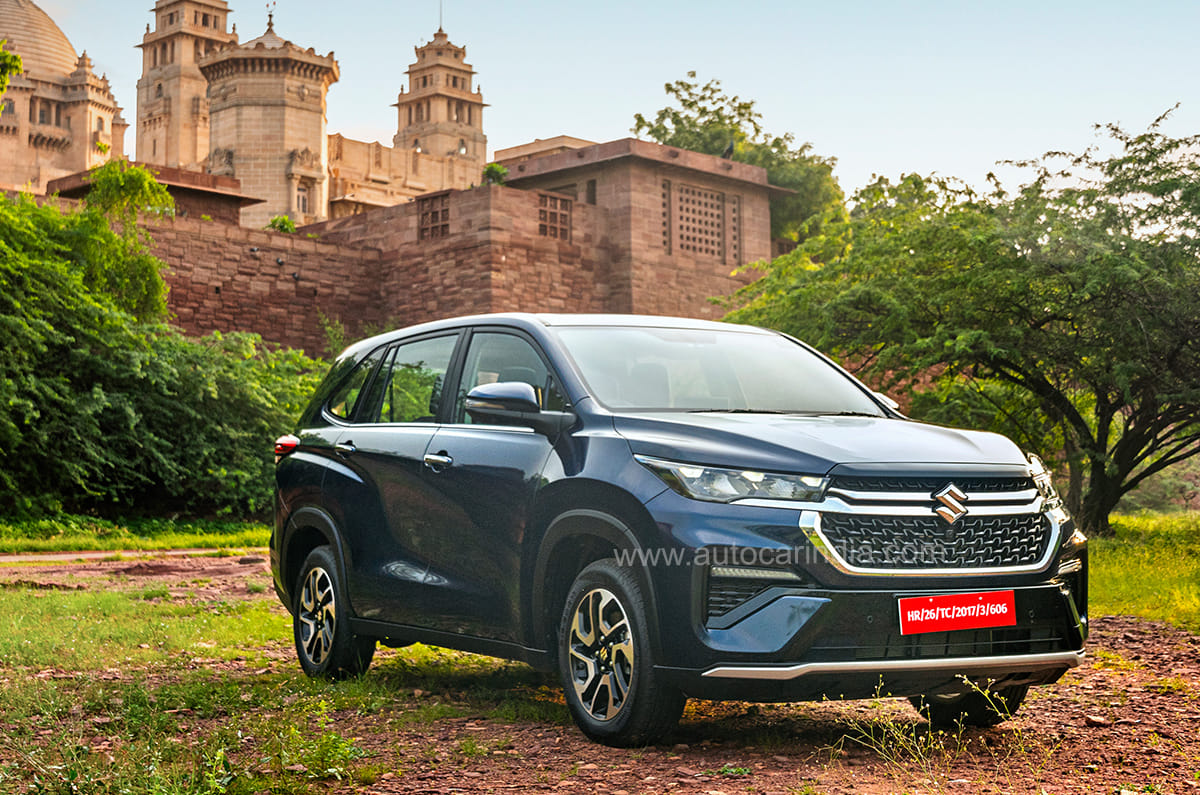
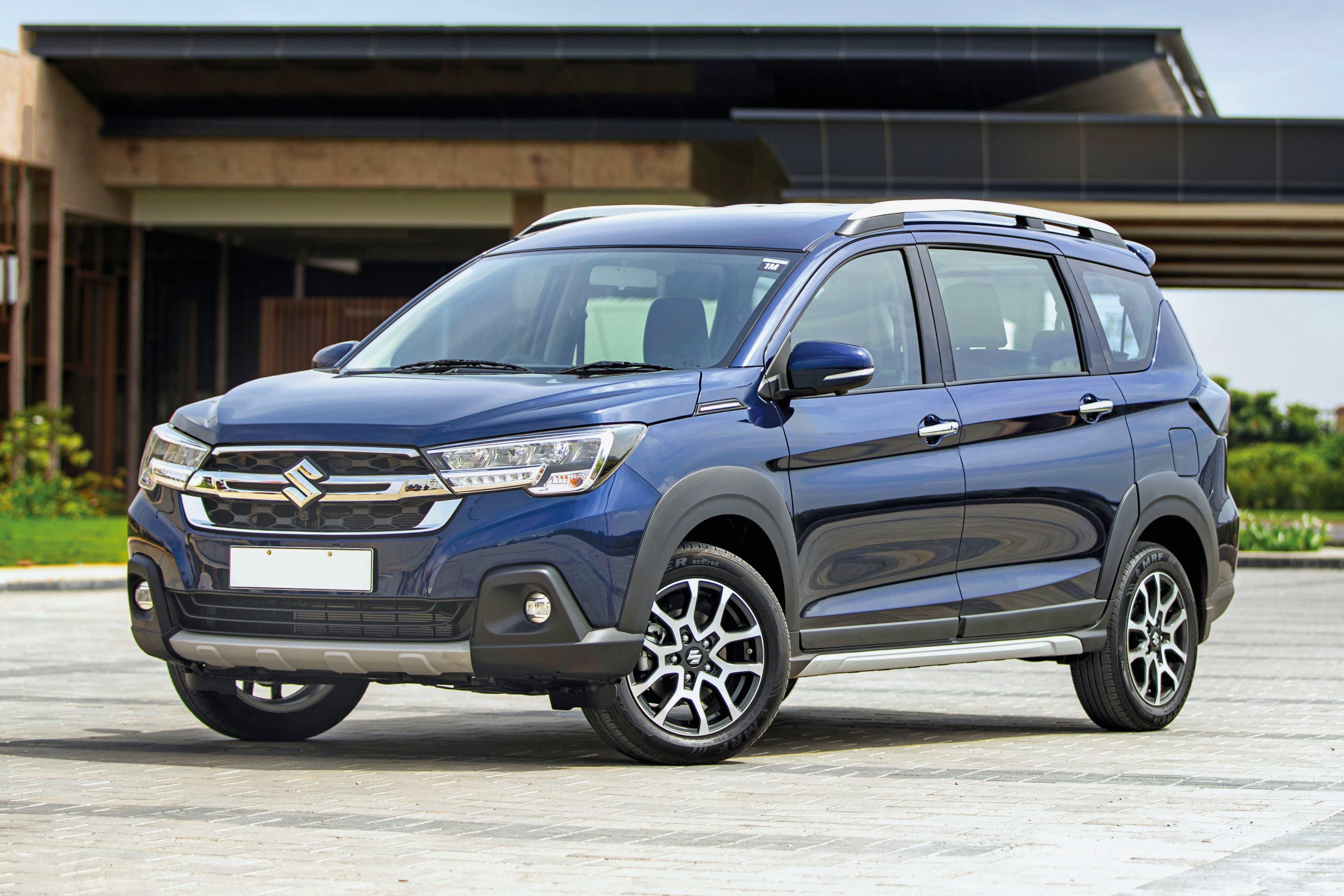
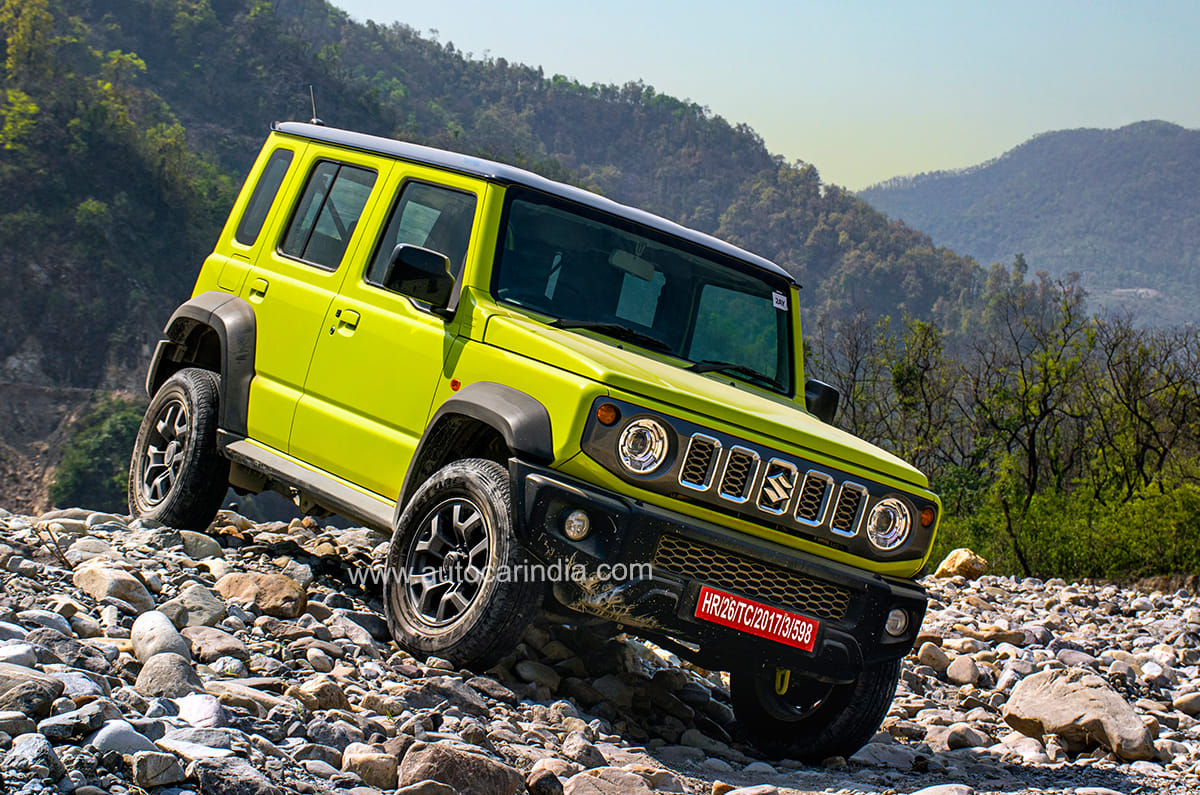
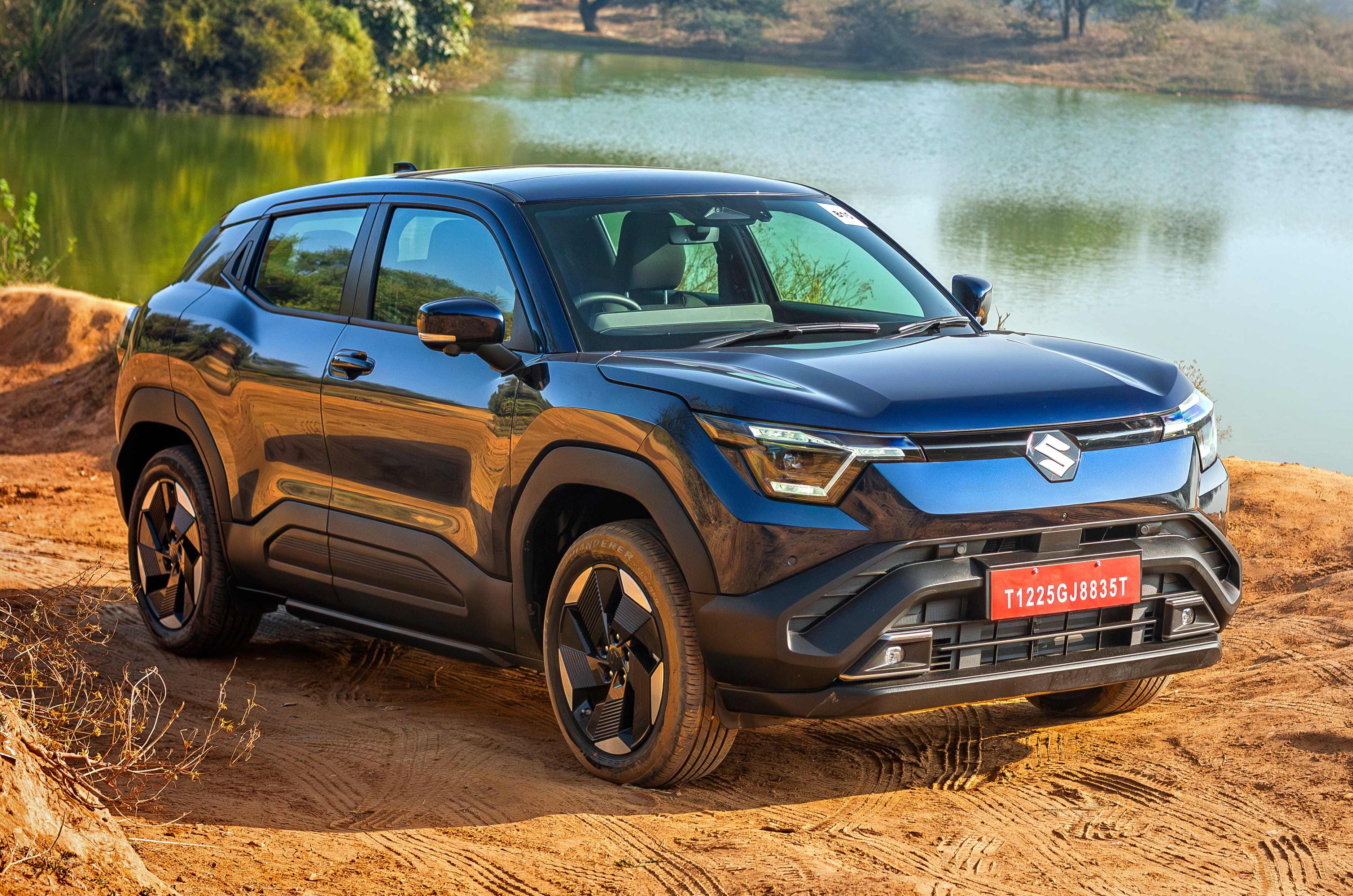
Maruti Suzuki has revealed the offers applicable to its Nexa cars in October. The Grand Vitara receives the highest benefits of up to Rs 1.36 lakh, followed by the Invicto, XL6, Jimny, e Vitara and Fronx. However, there are no benefits on the recently launched Baleno facelift. Let us now take a closer look at these offers.
Note: Offers may vary by city, dealership and stock availability. Please check with your nearest Maruti Nexa dealership for the exact figures. The pre-Navratri booking offer is applicable from October 1 to 10. The exchange offer considered here is for cars up to 10 years old, while the additional exchange offer applies to cars up to 6 years old.
Maruti Grand Vitara October 2026 offers
Up to Rs 1.36 lakh
Pre-2025 Maruti Grand Vitara.
The Maruti Grand Vitara gets offers of up to Rs 1.36 lakh this month. Its Sigma petrol MT variant gets the highest total benefit of up to Rs 1.36 lakh, including a cash discount of Rs 35,000, a pre-Navratri booking offer of Rs 11,000, exchange benefit of Rs 30,000, an additional exchange bonus of Rs 25,000, a loyalty bonus of Rs 20,000 and corporate offer of Rs 15,000.
The Delta petrol MT and AT variants get offers of up to Rs 1.26 lakh, while the Zeta and Alpha petrol variants, along with the AWD variants, get benefits of Rs 1.15 lakh plus a five-year extended warranty. All strong-hybrid variants get benefits worth up to Rs 1.20 lakh, along with zero road tax of up to Rs 1.85 lakh and a five-year extended warranty. Lastly, the Delta CNG gets benefits of up to Rs 1 lakh, while the Zeta CNG gets up to Rs 90,000.
Maruti has priced the Grand Vitara from Rs 10.77 lakh to Rs 19.62 lakh, and it rivals midsize SUVs like the Hyundai Creta, Tata Sierra, Kia Seltos, Renault Duster and more.
Maruti Invicto October 2026 offers
Up to Rs 95,000
Next in line is the Maruti Invicto, with offers of up to Rs 95,000. These are available across all variants of the MPV, and include an exchange benefit of Rs 50,000, a loyalty bonus of Rs 30,000 and a corporate offer of Rs 15,000. However, there are no consumer offer, pre-Navratri booking offer and additional exchange bonus available on the Invicto.
The Maruti Invicto, priced from Rs 25.02 lakh to Rs 28.71 lakh, locks horns with the Toyota Innova Hycross.
Maruti XL6 October 2026 offers
Up to Rs 61,000
The Maruti XL6 gets offers of up to Rs 61,000. Petrol MT and AT variants get a cash discount of Rs 20,000, a pre-Navratri booking offer of Rs 11,000, an exchange benefit of Rs 20,000 and an additional exchange bonus of Rs 10,000. CNG variants get a maximum benefit of Rs 50,000, comprising a cash discount of Rs 20,000, an exchange benefit of Rs 20,000 and an additional exchange bonus of Rs 10,000.
Prices for the Maruti XL6 range from Rs 11.62 lakh to Rs 14.52 lakh, and the MPV rivals the Kia Carens Clavis and Toyota Rumion.
Maruti Jimny October 2026 offers
Up to Rs 35,000
Unlike the models so far which get multiple offers, the Maruti Jimny is available with just a cash discount of Rs 35,000 across all variants. No exchange, pre-Navratri booking, additional exchange bonus, loyalty and corporate offers are on offer this month with the SUV.
The Jimny’s prices range between Rs 12.59 lakh and Rs 14.52 lakh, and it competes with the Mahindra Thar OG and Force Gurkha 3-door.
Maruti e Vitara October 2026 offers
Up to Rs 30,000
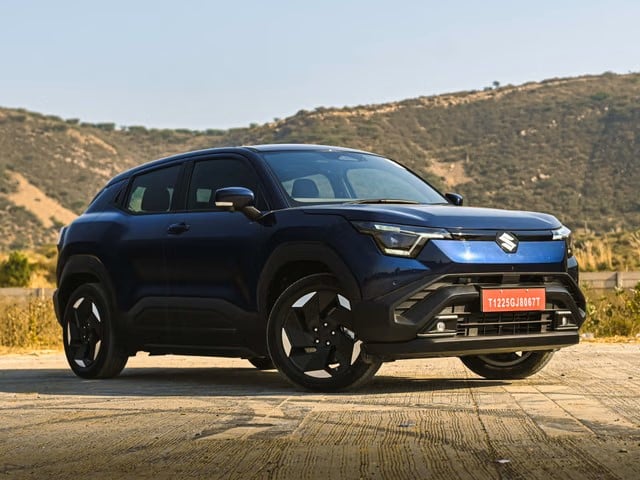
The Maruti e Vitara, the carmaker’s sole EV offering, gets offers of up to Rs 30,000 this month, along with a free charger and its home installation. Available across all variants, the offer includes an exchange benefit of Rs 30,000. There are no consumer, pre-Navratri booking, additional exchange bonus, loyalty, scrappage or corporate offers this month.
The e Vitara is priced between Rs 16.19 lakh and Rs 19.99 lakh, and it rivals the likes of the Hyundai Creta Electric, Vinfast VF6, Mahindra BE 6 and more.
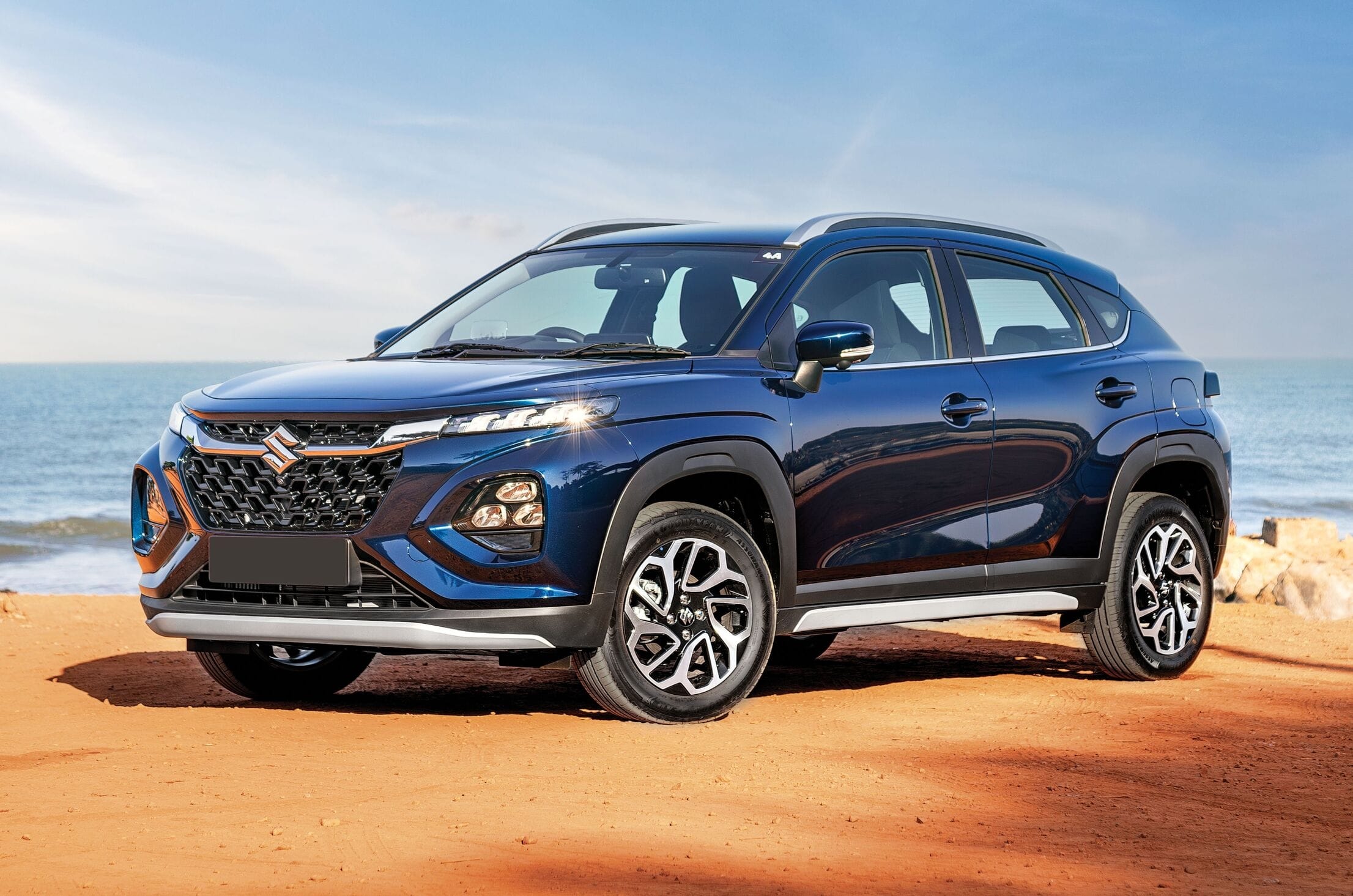
Maruti Fronx October 2026 offers
Up to Rs 27,100
Rounding off this list is the Maruti Fronx, with offers of up to Rs 27,100 in October 2026. The 1.0-litre turbo-petrol variants get the highest benefit, including a consumer offer of Rs 5,000, a pre-Navratri booking offer of Rs 7,100, an exchange benefit of Rs 10,000 and an additional exchange bonus of Rs 5,000.
The 1.2-litre petrol variants get up to Rs 22,100, comprising the pre-Navratri booking, exchange and additional exchange bonus benefits. The 1.2-litre petrol-CNG variants get the lowest benefit of Rs 15,000, through exchange and additional exchange bonus offers.
Prices for the Maruti Fronx range from Rs 6.9 lakh to Rs 11.89 lakh, and it serves as an alternative to compact SUVs like the Tata Nexon, Hyundai Venue, Kia Sonet, Mahindra XUV 3XO and more.
Ex-showroom prices mentioned above are as on October 7, 2026.
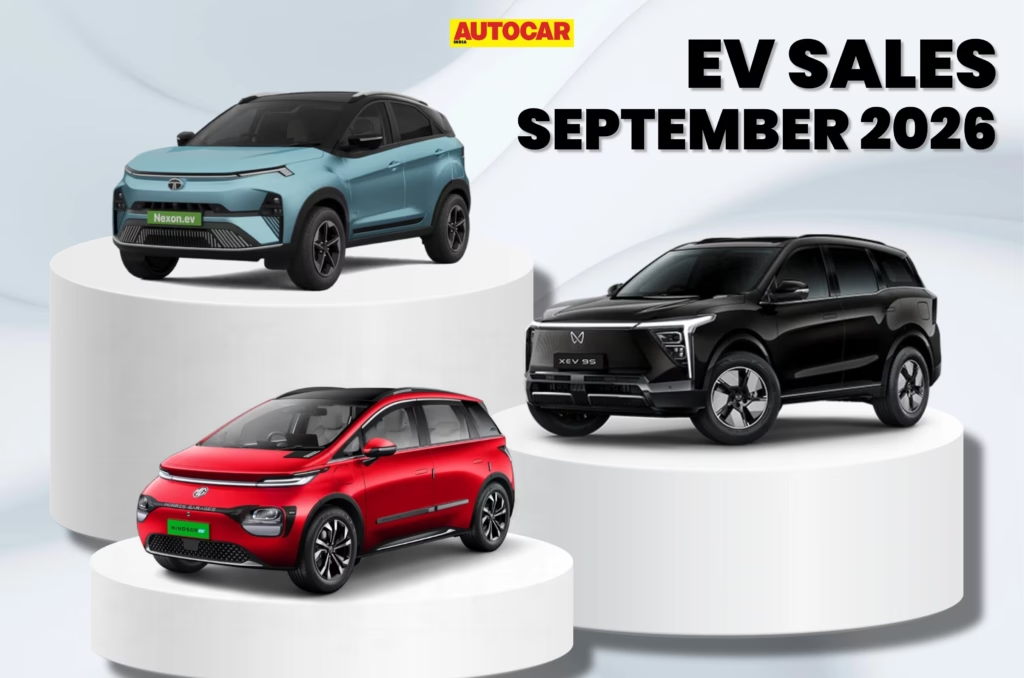
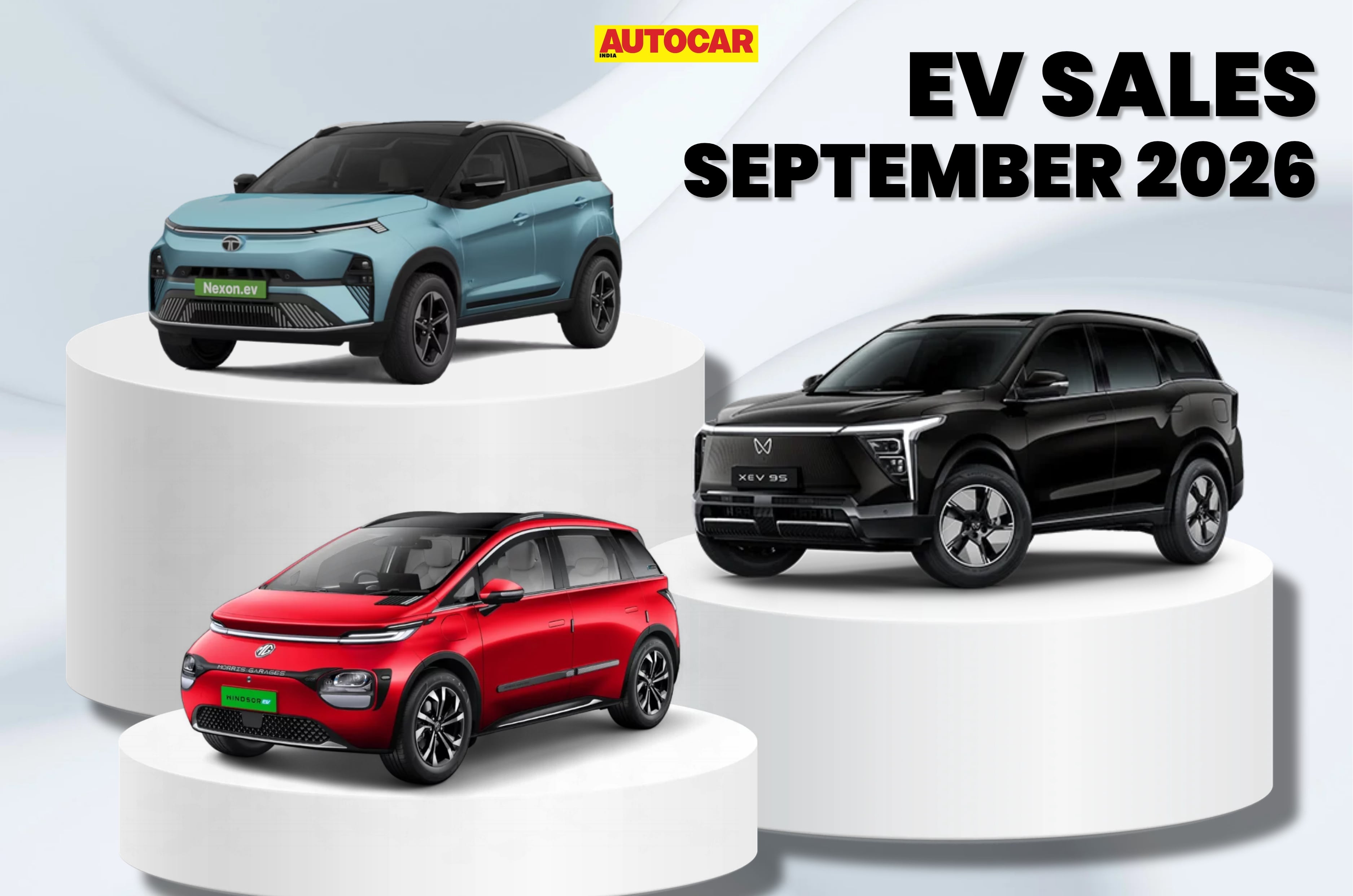
Retail sales of electric passenger vehicles reached a new monthly high of 35,995 units in September 2026, up 94 percent from the same month last year and marking the fourth consecutive month with sales above 30,000 units. Tata Motors retained the top spot with 14,769 units and a 41 percent market share, while Kia moved ahead of Maruti Suzuki to take fifth place. H1 FY2027 EV sales now stand at 1,90,946 units, up 88 percent year on year, putting the industry within 29,971 units of the full-year FY2026 tally.
September 2026 EV sales
Rank
OEM
Sep 2026
Sep 2025
YoY change
Market share
1
Tata Motors
14,769
7,353
101%
41.03%
2
Mahindra & Mahindra
7,779
3,972
96%
21.61%
3
JSW MG Motor India
5,242
4,800
9%
14.56%
4
Vinfast India
2,963
6
49,283%
8.23%
5
Kia India
1,263
598
111%
3.50%
6
Maruti Suzuki India
1,103
–
–
3.06%
7
BYD India
836
732
14%
2.32%
8
Hyundai Motor India
792
404
96%
2.20%
9
BMW India
502
369
36%
1.39%
10
Tesla
291
69
322%
0.80%
11
Toyota Kirloskar Motor
218
–
–
0.60%
12
Mercedes-Benz India
125
137
-9%
0.34%
13
Stellantis India
55
47
17%
0.15%
14
Volvo India
45
24
88%
0.12%
15
Porsche India
11
8
38%
0.03%
16
JLR India
1
0
–
0.00%
17
Audi India
0
0
–
0.00%
18
Lotus
0
0
–
0.00%
19
Rolls-Royce
0
1
-100%
0.00%
Total
35,995
18,520
94%
100%
Tata Motors
14,769 units, up 101 percent YoY
Tata Motors sold 14,769 electric passenger vehicles in September, up 101 percent from 7,353 units in the same month last year. This was the company’s highest monthly EV sales yet, surpassing the previous record of 14,388 units in July. September was also its fourth consecutive month with sales above 12,000 units.
Tata’s EV market share stood at 41.03 percent, up from 39.70 percent in September 2025. The Nexon EV remains its biggest volume driver, while the updated Tiago EV and Punch EV have also contributed to sales. During the month, Tata also extended its Battery-as-a-Service (BaaS) offering to the Nexon EV, Curvv EV, Sierra EV and Harrier EV.
Mahindra
7,779 units, up 96 percent YoY
Mahindra sold 7,779 EVs in September, up 96 percent from 3,972 units a year ago. The company retained second place in the electric PV market, although its sales remained below the monthly record of 8,131 units set in July. Mahindra’s EV market share increased to 21.61 percent from 21.44 percent in September 2025. The BE 6 and XEV 9e continue to make up its main EV offering, while the XEV 9S adds a three-row model to the line-up. Mahindra also recently extended its Battery-as-a-Service (BaaS) ownership programme to the XEV 9S and the XEV 9e.
JSW MG Motor
5,242 units, up 9 percent YoY
JSW MG Motor recorded 5,242 EV sales in September, up 9 percent from 4,800 units a year earlier and 6 percent from August. The company retained third place, although its market share fell to 14.56 percent from 25.91 percent in September 2025.
June remains MG’s best month so far, with 6,220 units. The Windsor EV continues to be its highest-selling model, while the recently launched Hector Tomahawk EV adds another model to its electric line-up. MG also has introduced a battery-as-a-service (BaaS) scheme for the Cyberster and M9 EVs.
Vinfast
2,963 units, up 49,283 percent YoY
Vinfast retained fourth place with 2,963 EVs sold in September, its highest monthly sales since entering India’s electric passenger vehicle market. Sales were up 32 percent from August, giving the company an 8.23 percent market share.
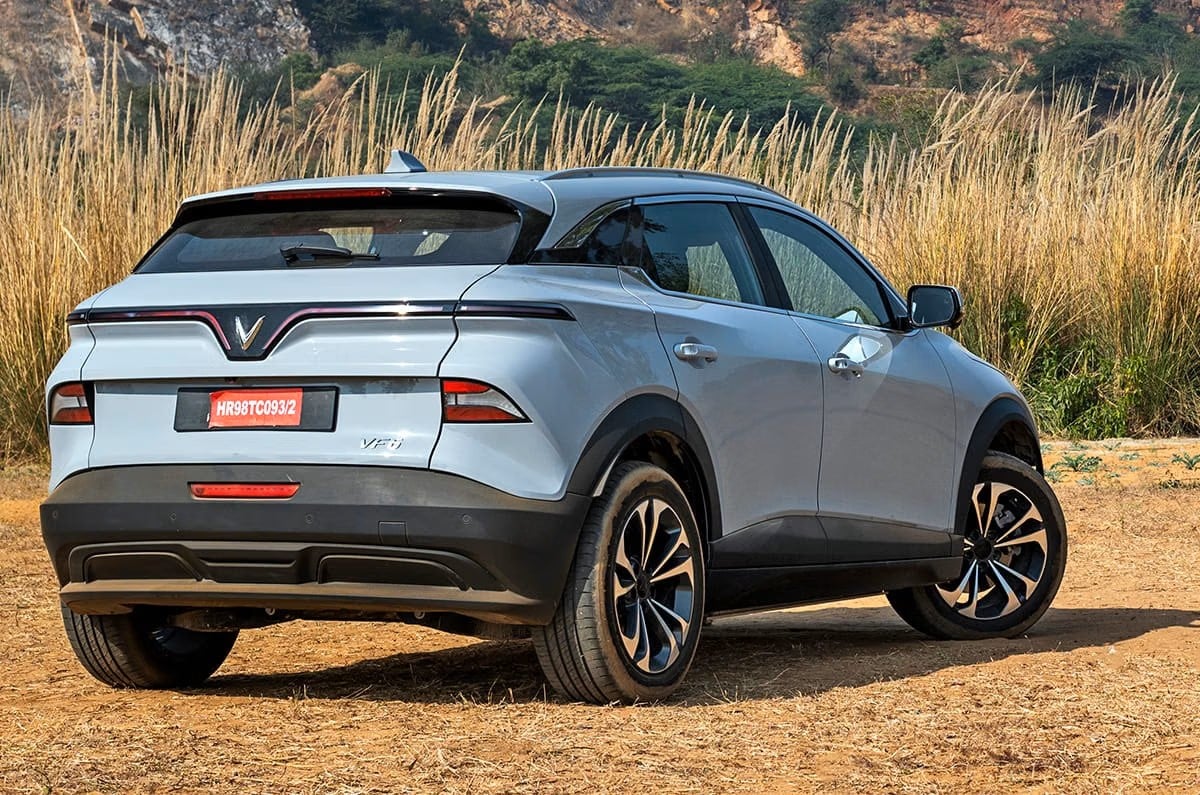
Vinfast currently has three models in its passenger vehicle portfolio: the VF6 and VF7 SUVs, and the VF MPV 7. Its cumulative H1 FY2027 sales stand at 10,826 units.
Kia
1,263 units, up 111 percent YoY
Kia moved ahead of Maruti Suzuki to take fifth place in September after recording 1,263 EV sales, up 111 percent from 598 units in September 2025. Sales also increased 48 percent from August’s 851 units. Kia’s EV market share increased to 3.50 percent, compared with 3.22 percent a year earlier. The increase follows the launch of the Syros EV in August. Kia also sells the Carens Clavis EV in India, while the EV6 and EV9 are sold as fully imported models.
Maruti Suzuki
1,103 units
Maruti Suzuki slipped to sixth place, with 1,103 e Vitara units sold in September. Sales declined 25 percent from August’s 1,472 units, although September marked the company’s sixth consecutive month with four-digit EV sales. The e Vitara has so far seen limited domestic availability as a larger share of production was allocated for exports. Maruti is expected to increase domestic production with the start of operations at its new manufacturing line at the Hansalpur plant in Gujarat.
BYD
836 units, up 14 percent YoY
BYD sold 836 EVs in September, up 14 percent from 732 units in the same month last year. Its market share stood at 2.32 percent, down from 3.95 percent a year earlier. June remains BYD India’s highest-selling month so far, with 938 units. Its current line-up includes the Atto 3, eMax 7, Seal and Sealion 7, while the company has confirmed plans to launch the Seal U later this year.
Hyundai
792 units, up 96 percent YoY
Hyundai sold 792 EVs in September, up 96 percent from 404 units a year ago. This was its second-highest monthly sales tally in FY2027, after 840 units in August. The company sold a total of 3,650 EVs in H1 FY2027, down 8 percent from the 3,951 units sold in H1 FY2026. Hyundai currently has the Creta Electric and Ioniq 5 in its EV line-up.
Toyota
218 units
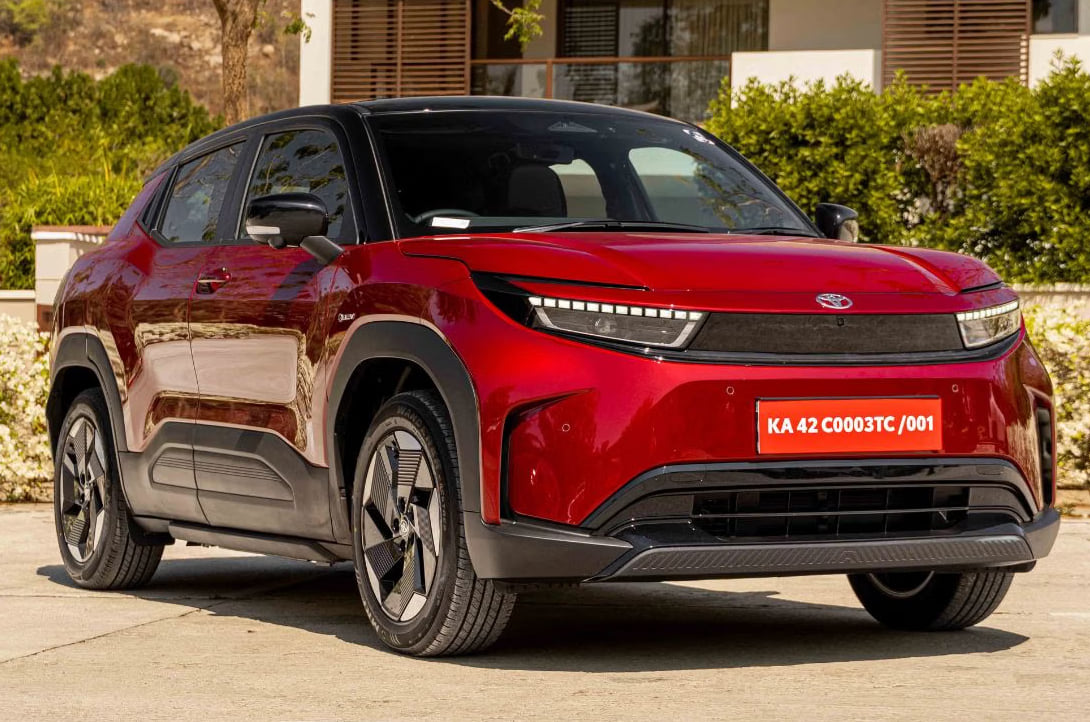
Toyota recorded 218 units of the Urban Cruiser Ebella in September, its highest monthly sales of the electric SUV since launch. Sales were up 30 percent from the 168 units sold in August. The Ebella is Toyota’s version of the Maruti e Vitara and is positioned against models including the Mahindra BE 6, Vinfast VF6, MG ZS EV, Hyundai Creta Electric and Tata Nexon EV.
Luxury EV sales hit new high
Luxury electric passenger vehicle sales also reached a new monthly high of 975 units in September, up 60 percent from 608 units a year earlier. This surpassed the previous record of 853 units set in June. Luxury EVs accounted for 2.70 percent of total electric passenger vehicle sales in September.
BMW
502 units, up 36 percent YoY
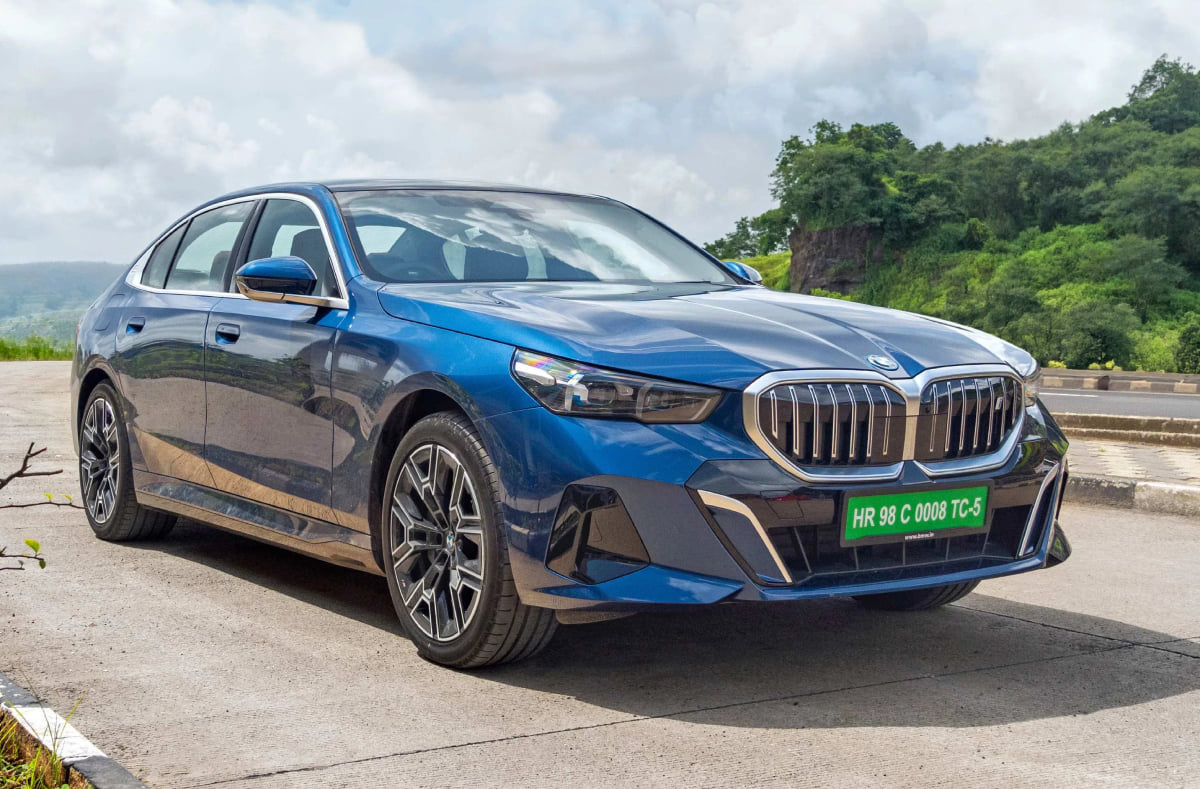
BMW remained the largest luxury EV seller in September with 502 units, up 36 percent from 369 units a year earlier. Its market share stood at 51.48 percent, down from 60.69 percent in September 2025. BMW recently expanded its electric line-up with the i5 Long Wheelbase, which was launched in India in September at Rs 79.6 lakh. It is the company’s first locally produced electric sedan in India. BMW has also recently updated the i7 range, with 50 xDrive M Sport trim and the top-spec M70 xDrive.
Tesla
291 units, up 322 percent YoY
Tesla recorded 291 units in September, its highest monthly sales in India, up 322 percent from 69 units a year earlier. The increase moved Tesla ahead of Mercedes-Benz and into second place in the luxury EV segment for the first time. Its segment share rose to 29.84 percent from 11.34 percent in September 2025.
Mercedes-Benz
125 units, down 9 percent YoY
Mercedes-Benz sold 125 EVs in September, down 9 percent from 137 units in the same month last year. Its share of the luxury EV segment fell to 12.82 percent, from 22.53 percent a year earlier. The company’s highest monthly EV sales this year came in June, when it recorded 245 units.
Volvo
45 units, up 88 percent YoY
Volvo recorded 45 EV sales in September, up 88 percent from 24 units a year earlier. Its market share increased to 4.61 percent, from 3.94 percent in September 2025.
Porsche
11 units, up 38 percent YoY
Porsche sold 11 EVs in September, up 38 percent from eight units in September 2025. It accounted for 1.12 percent of luxury EV sales during the month.
We’ve tested the charging performance of seven EVs so far in 2026, spanning a range of battery capacities and DC fast-charging capabilities. We recorded their 20-80 percent charging times as well as their peak charging speeds. Here’s how they rank from the slowest to the fastest.
7. Tata Punch EV
Prices: Rs 9.79 lakh to Rs 12.99 lakh
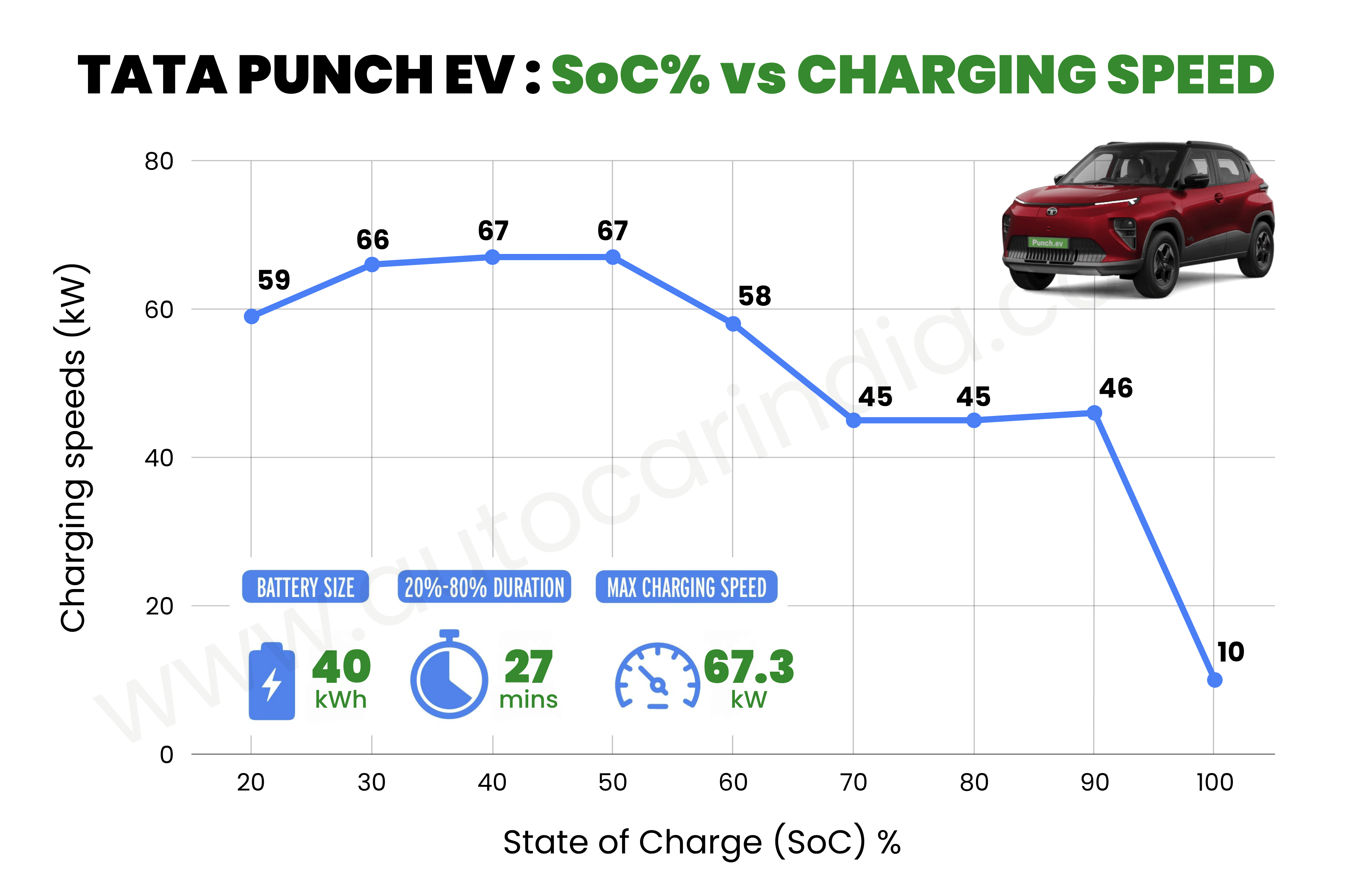
Tata updated the Punch EV earlier this year, bringing with it larger battery packs (30kWh and 40kWh), among other updates. Besides being the most affordable EV here, it’s also the slowest-charging car on this list. That said, its performance remains respectable by segment standards.
Using a 180kW DC fast charger, charging speeds hovered between 65-67kW from 25-50 percent state of charge, before tapering off beyond 50 percent and dropping sharply after 90 percent. Its 40kWh battery pack took 27 minutes to charge from 20-80 percent, and another 31 minutes to reach 100 percent. We also observed a peak charging speed of 67.3kW, slightly exceeding Tata’s claimed 65kW.
6. Toyota Urban Cruiser Ebella
Price: Rs 23.60 lakh
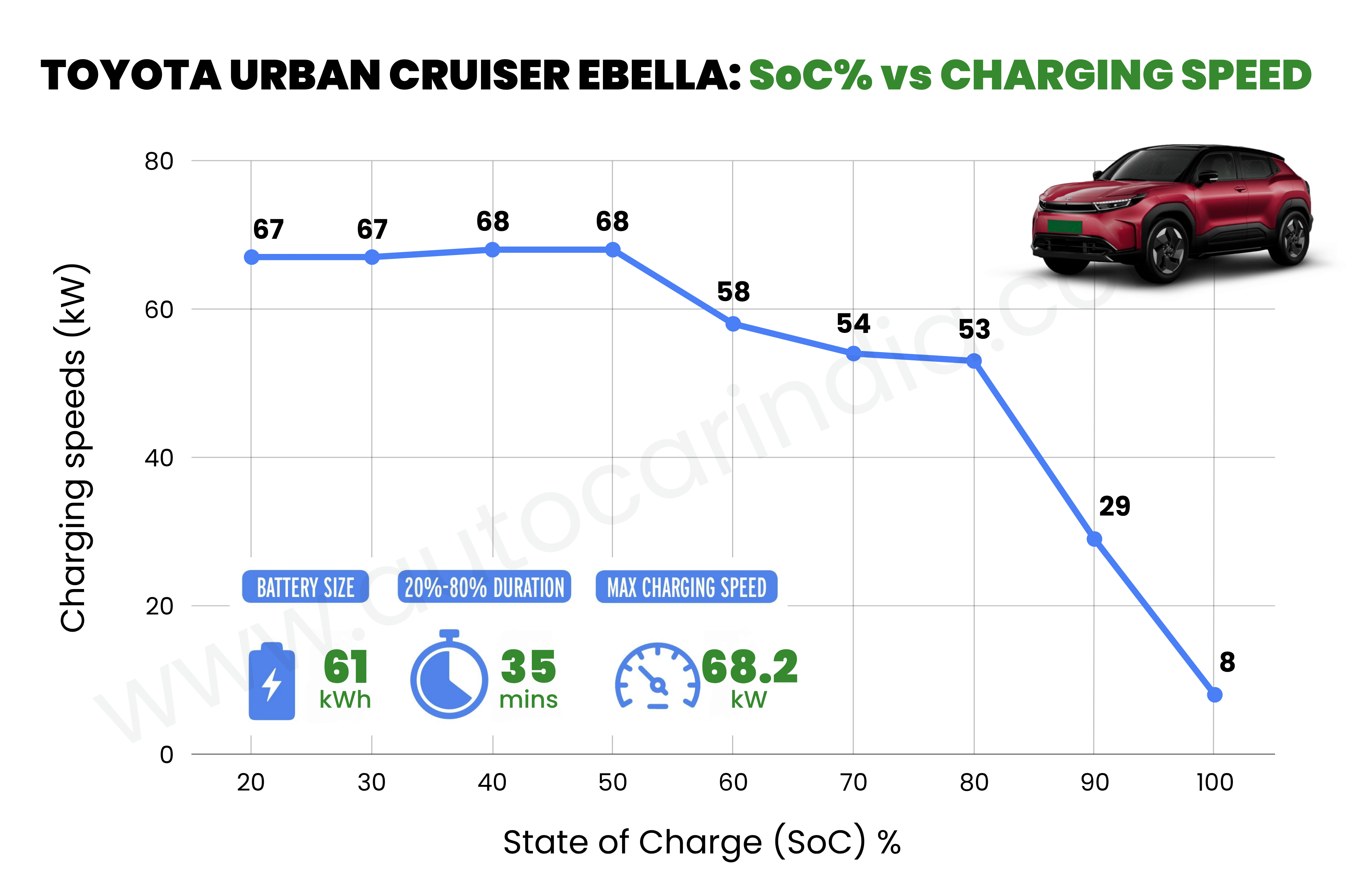
The Urban Cruiser Ebella is Toyota’s only EV on sale in India and is offered in a single variant with a 61kWh battery pack.
Using a 90kW DC fast charger, we recorded a peak charging speed of 68.2kW. Charging the 61kWh battery from 20-80 percent took 35 minutes, while the final 20 percent required another 36 minutes. Impressively, charging speeds remained consistently between 67-68kW from 20-50 percent state of charge.
You can expect similar charging performance from the Maruti Suzuki e Vitara, as the two models are essentially the same vehicle.
5. Mahindra BE 6 Sporteq
Prices: Rs 19.45 lakh to Rs 26.95 lakh
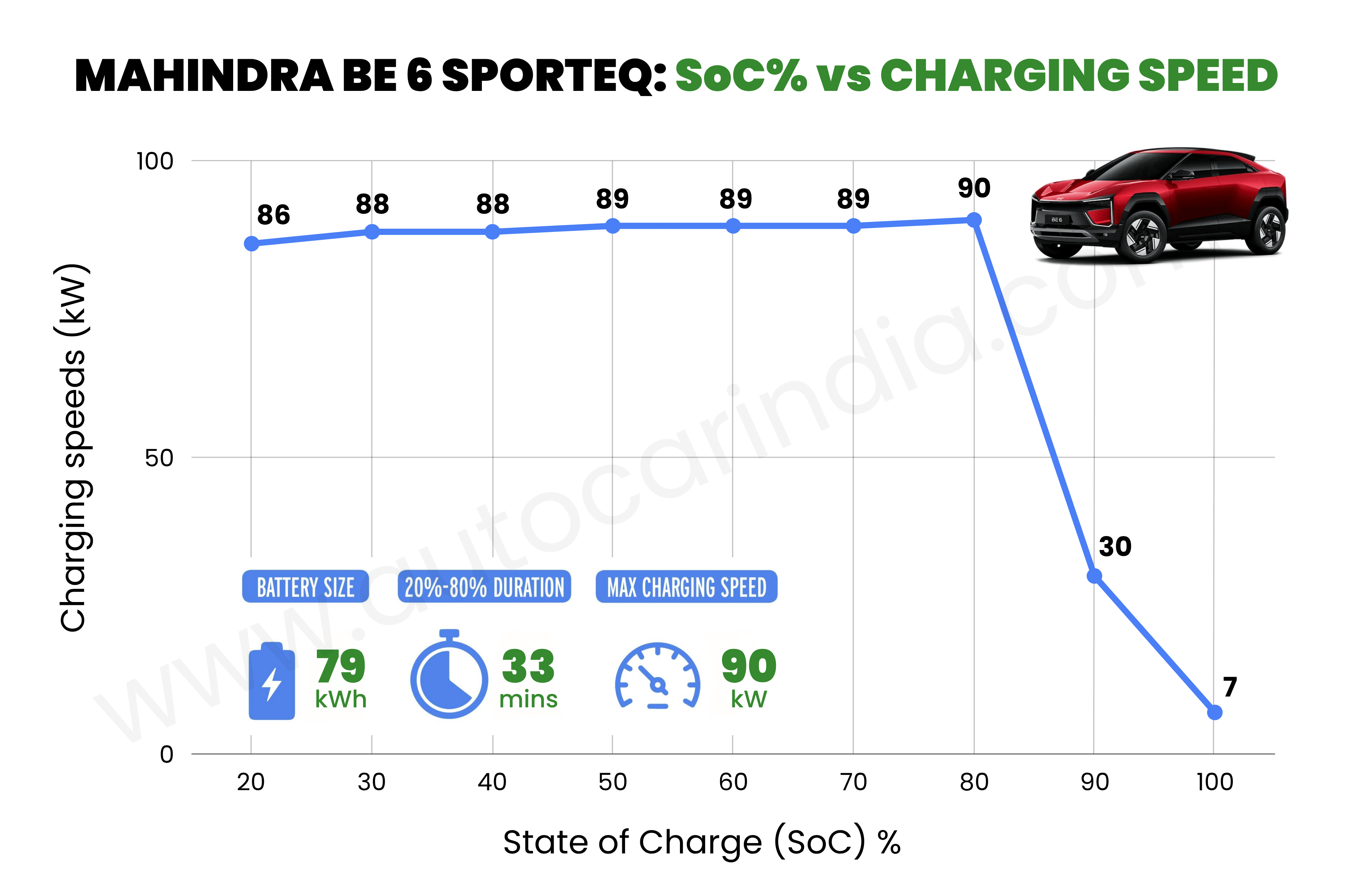
We charged the Mahindra BE 6 Sporteq, equipped with the 79kWh battery pack, using a 150kW DC fast charger. During the test, we recorded a peak charging speed of around 90kW, which is roughly half of Mahindra’s claimed figure. That said, charging speeds remained consistent at around 87-89kW from 20-80 percent state of charge, which is commendable.
The BE 6 took 33 minutes to charge from 20-80 percent and another 35 minutes to go from 80-100 percent.
Notably, owners have reported higher charging speeds, closer to the claimed 180kW, when using Mahindra and Zeon charging stations.
4. Vinfast VF7
Prices: Rs 22.99 lakh to Rs 28.09 lakh
We tested the dual-motor Vinfast VF7, equipped with a 70kWh battery, using a 180kW DC fast charger and observed a peak charging speed of 95.4kW.
Vinfast claims that charging from 10-70 percent takes 28 minutes. In our test, the VF7 required 38 minutes to charge from 20-80 percent using the same 180kW charger.
3. Mercedes-Benz CLA 250+
Price: Rs 60.50 lakh
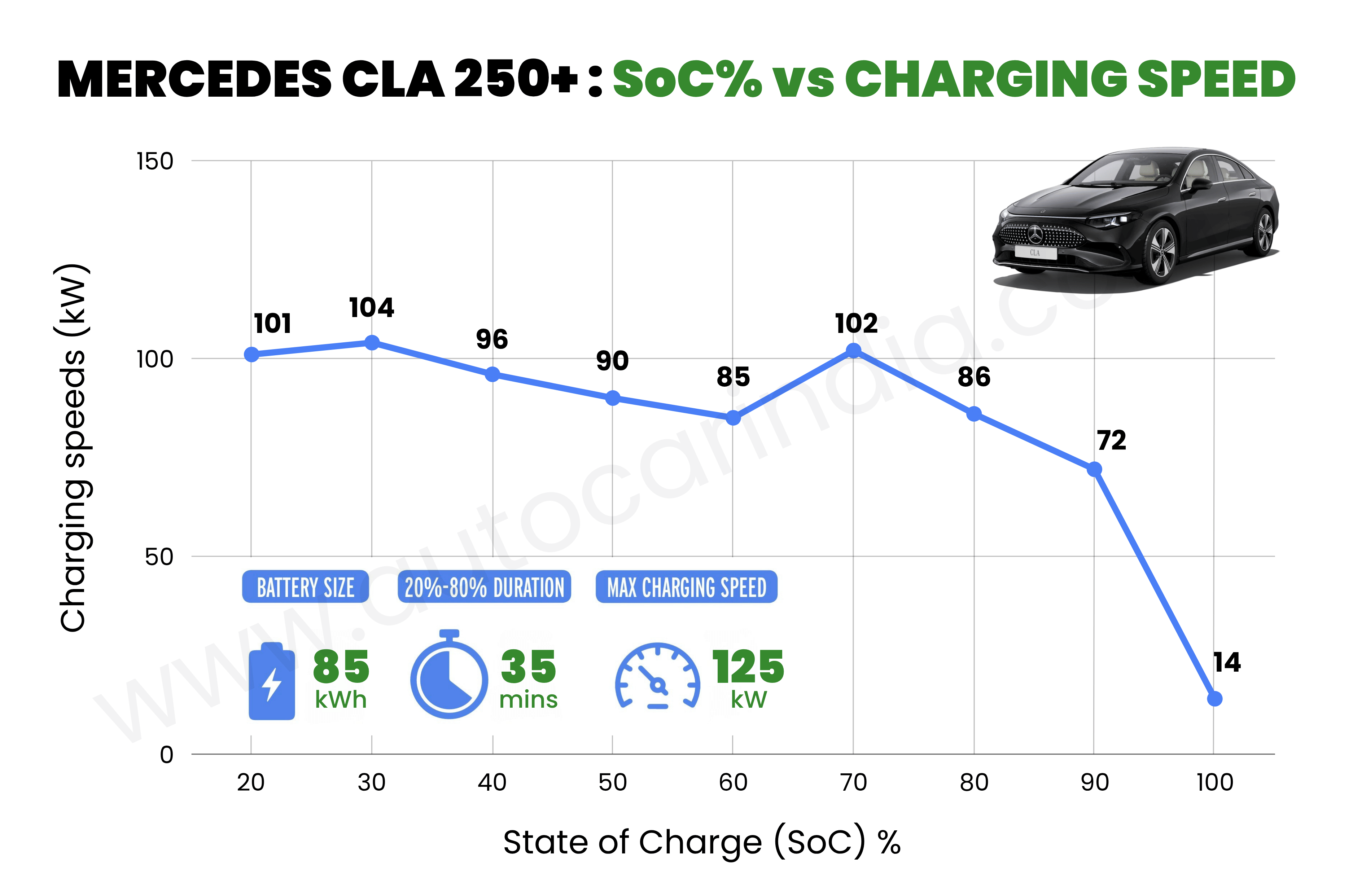
The Mercedes-Benz CLA 250+ is equipped with an 85kWh battery pack and an 800-volt electrical architecture, enabling charging speeds of up to 320kW. Mercedes claims a 10-80 percent charging time of just 22 minutes.
For our test, we used a 150kW DC fast charger, and the CLA’s 85kWh battery charged from 20-80 percent in 35 minutes and reached 100 percent after another 34 minutes. We recorded a peak charging speed of 125kW, with the charging rate averaging 96kW between 20-70 percent state of charge.
2. Tesla Model Y RWD:
Price: Rs 50.89 lakh
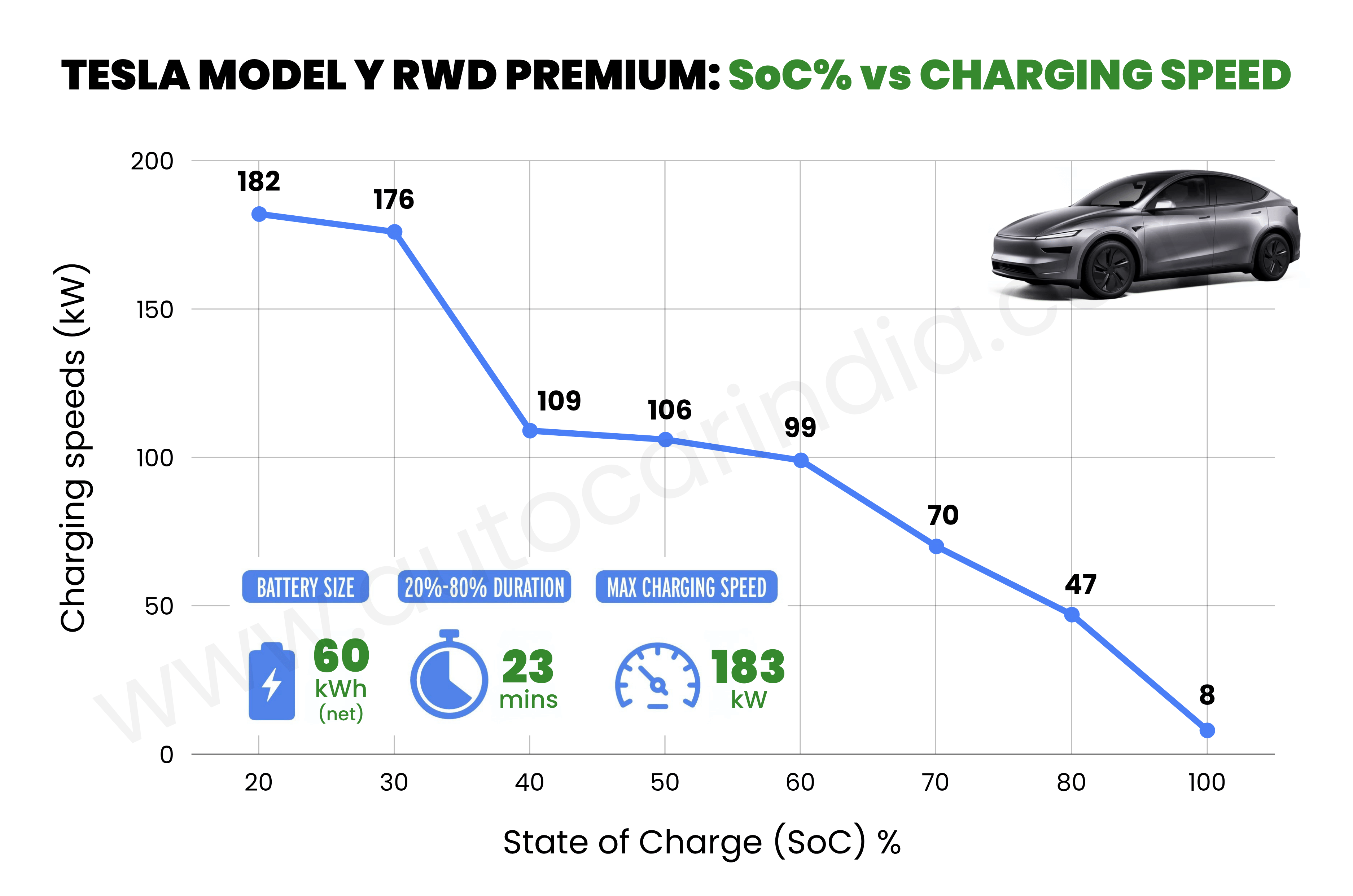
Tesla currently offers the 2026 Model Y in India with a single rear-mounted motor and a 60kWh LFP battery (64kWh gross). Using a 250kW Tesla Supercharger, the battery initially charged at an impressive rate. However, charging speeds dropped rapidly from 176kW at 30 percent state of charge to 109kW at 40 percent, before continuing to taper off thereafter.
In terms of charging times, the Model Y took 23 minutes to charge from 20-80 percent, while the final 20 percent required another 30 minutes.
1. Hyundai Ioniq 5:
Price: Rs 55.71 lakh
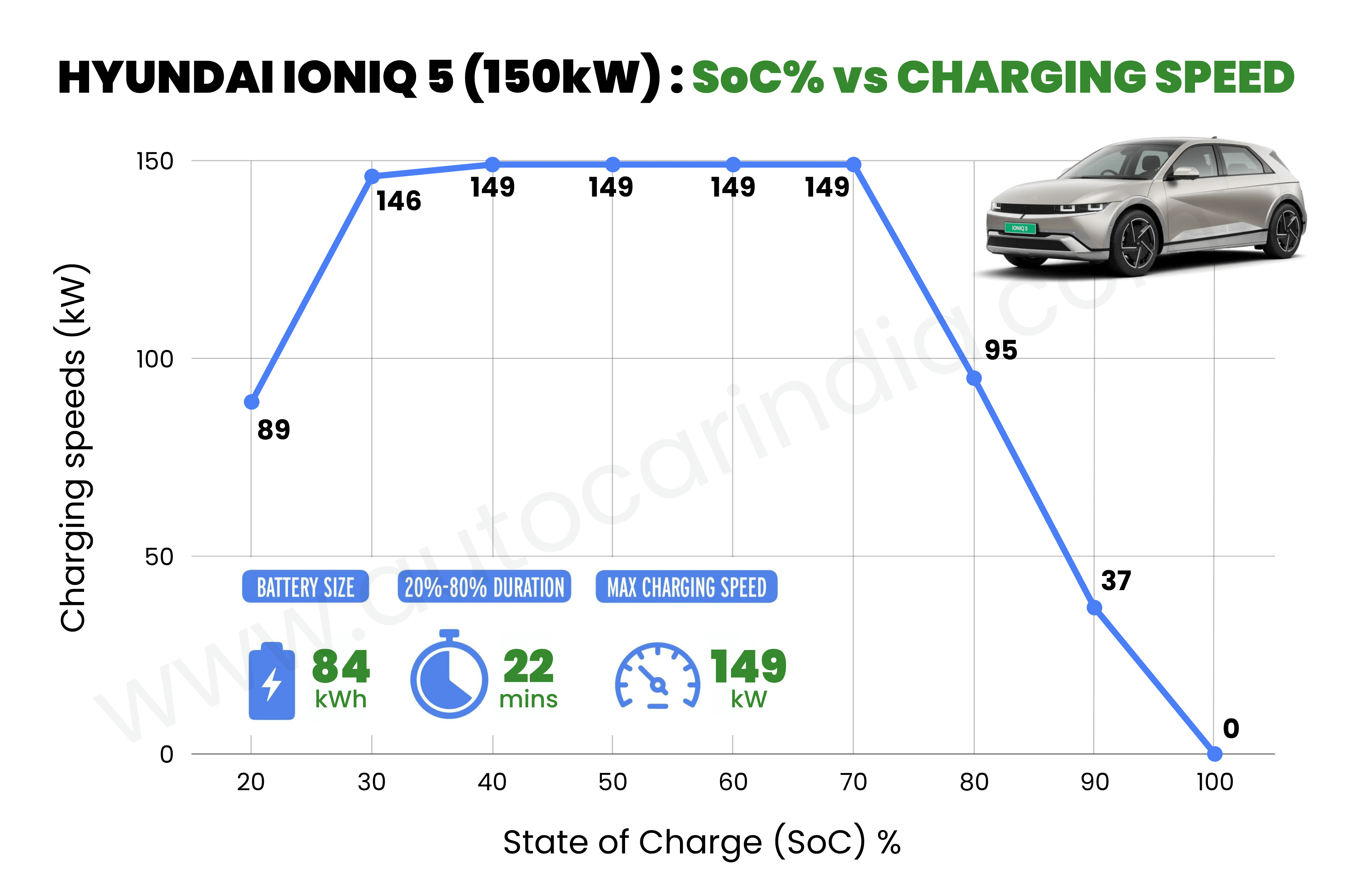
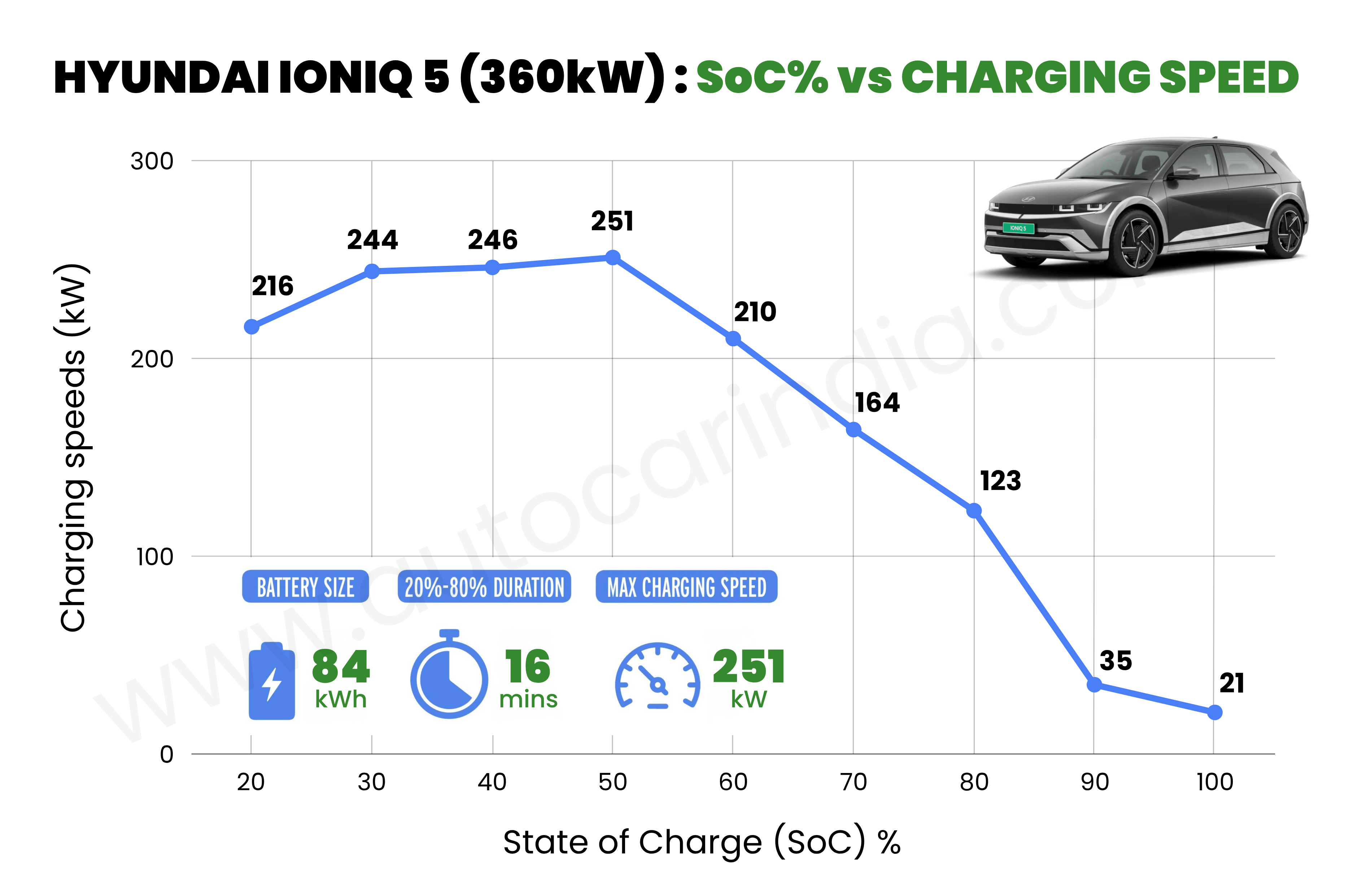
The Hyundai Ioniq 5 is the fastest-charging EV we’ve tested so far in 2026. The updated model features a larger 84kWh battery pack, up from 72.6kWh in the previous version. Using a 360kW DC fast charger, charging speeds remained between 240-250kW from 30-50 percent state of charge before dropping sharply. We also recorded a peak charging speed of 251kW at around 50 percent state of charge.
As for charging times, the Ioniq 5 took just 16 minutes to charge from 20-80 percent – quickest we’ve seen to date; while reaching 100 percent required another 33 minutes.
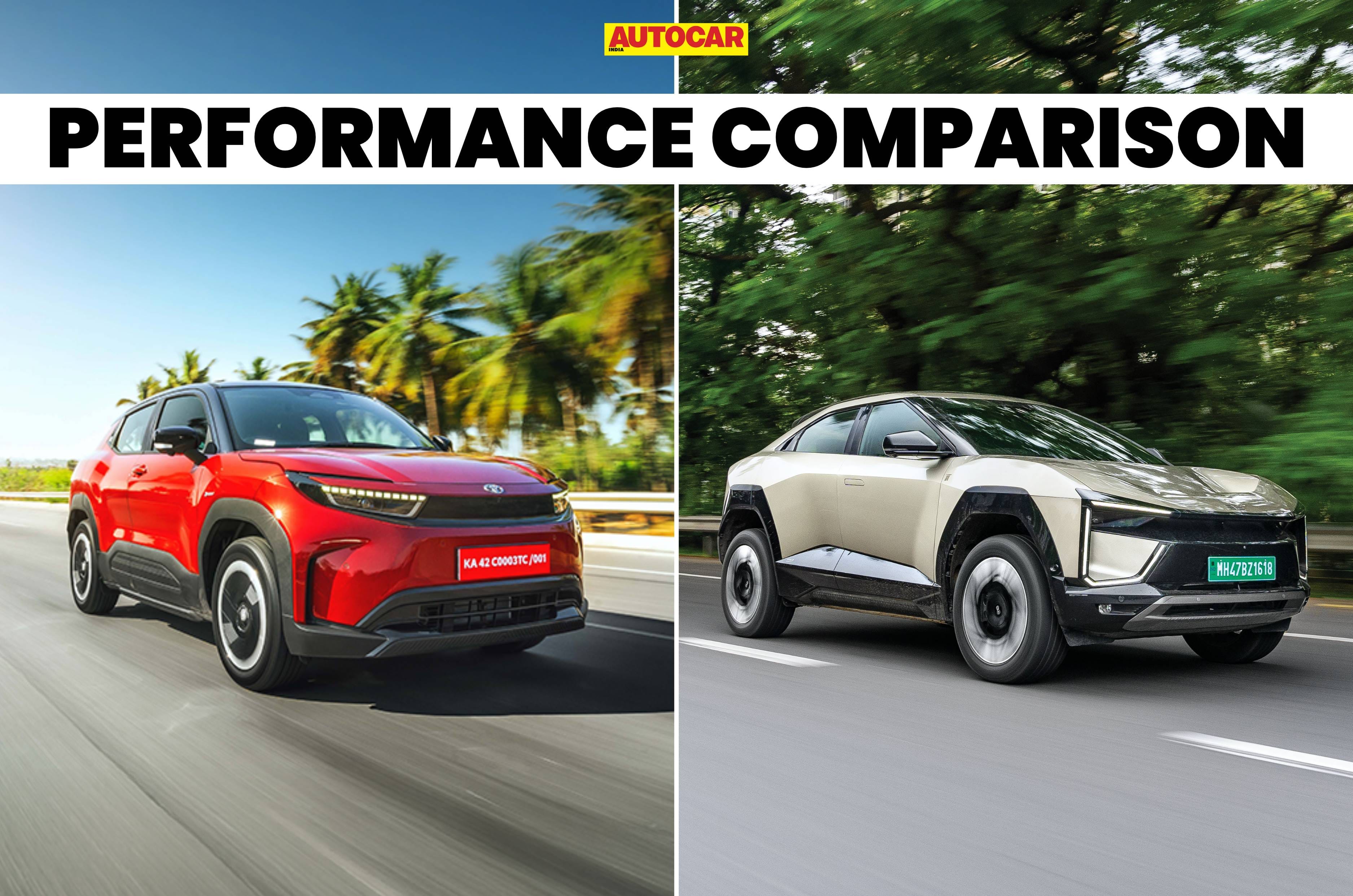
Earlier in 2026, Toyota launched the Urban Cruiser Ebella, its first EV for India. The Ebella competes in the popular electric midsize SUV segment that includes models such as the Mahindra BE 6. First introduced in 2024, the BE 6 was updated in 2026, with ‘Sporteq’ added to its name, along with changes to the feature list and a variant rejig. Here, we’ve tested and compared the real-world performance of the Urban Cruiser Ebella and the BE 6 to determine which one is quicker.
Toyota Ebella vs Mahindra BE 6: Specifications
Toyota Ebella vs Mahindra BE 6: Specifications
Specifications
Toyota Ebella
Mahindra BE 6
Battery capacity (kWh)
61
79
Electric motor setup
Single, front-mounted
Single motor, rear-mounted
Power (hp)
174
286
Torque (Nm)
193
380
Kerb weight (kg)
1,815
2,115
Power-to-weight (hp/tonne)
95.86
135.22
Torque-to-weight (Nm/tonne)
106.33
179.67
Gearbox
Single-speed automatic
Single-speed automatic
ARAI range (km)
543
708
The Urban Cruiser Ebella is powered by a 61kWh battery pack paired with a front-mounted motor. Meanwhile, the larger BE 6’s 79kWh battery pack is mated to a rear-mounted motor. The BE 6 comes across as the more powerful one on paper, with higher power-to-weight and torque-to-weight ratios, but the Ebella is 300kg lighter.
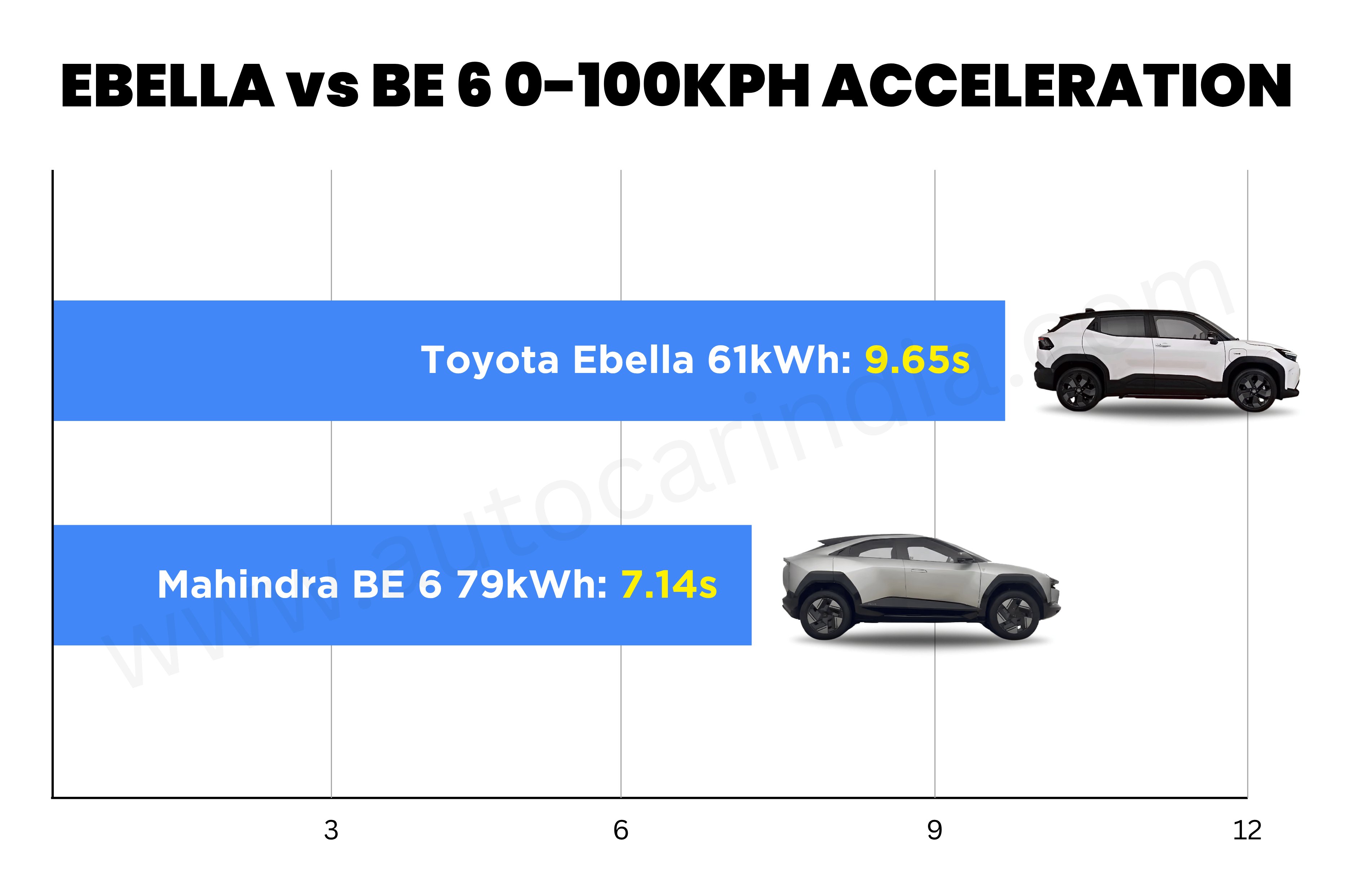
Toyota Ebella vs Mahindra BE 6: Acceleration
More powerful BE 6 takes the lead here by a fair margin
Toyota Ebella vs Mahindra BE 6: Acceleration (in seconds)
Toyota Ebella
Mahindra BE 6
0-20kph
1.75
1.37
0-40kph
3.32
2.69
0-60kph
4.93
4.00
0-80kph
6.95
5.38
0-100kph
9.65
7.14
0-120kph
13.18
9.48
The BE 6’s more powerful motor helps it get off the line quickly. The Ebella trails behind and fails to catch up while the BE 6 extends its lead to 2.51 seconds at 100kph. Interestingly, the BE 6’s 0-120kph time is even quicker than that of the Ebella’s 0-100kph time. The Mahindra EV’s higher weight doesn’t stop it from outperforming the Toyota. Though both models deliver power in a progressive manner, the Ebella’s much lower torque output is a reason why it is much slower than the BE 6.
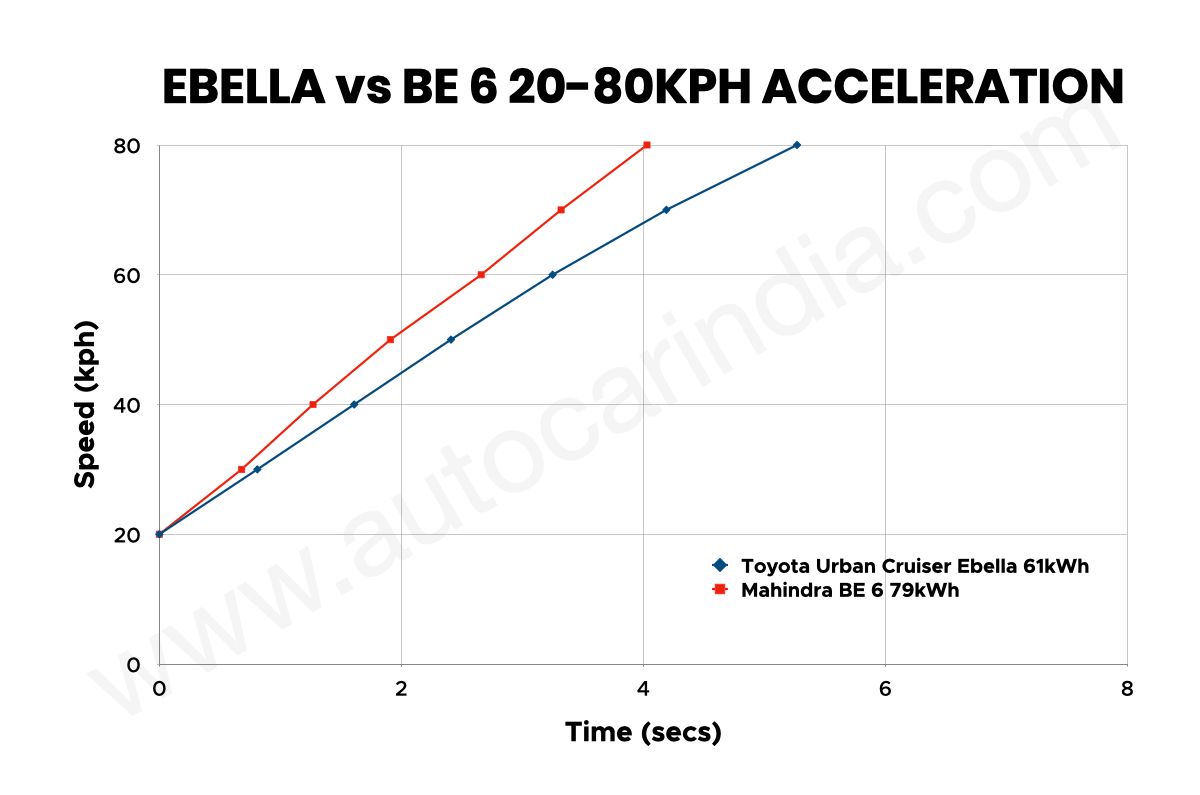
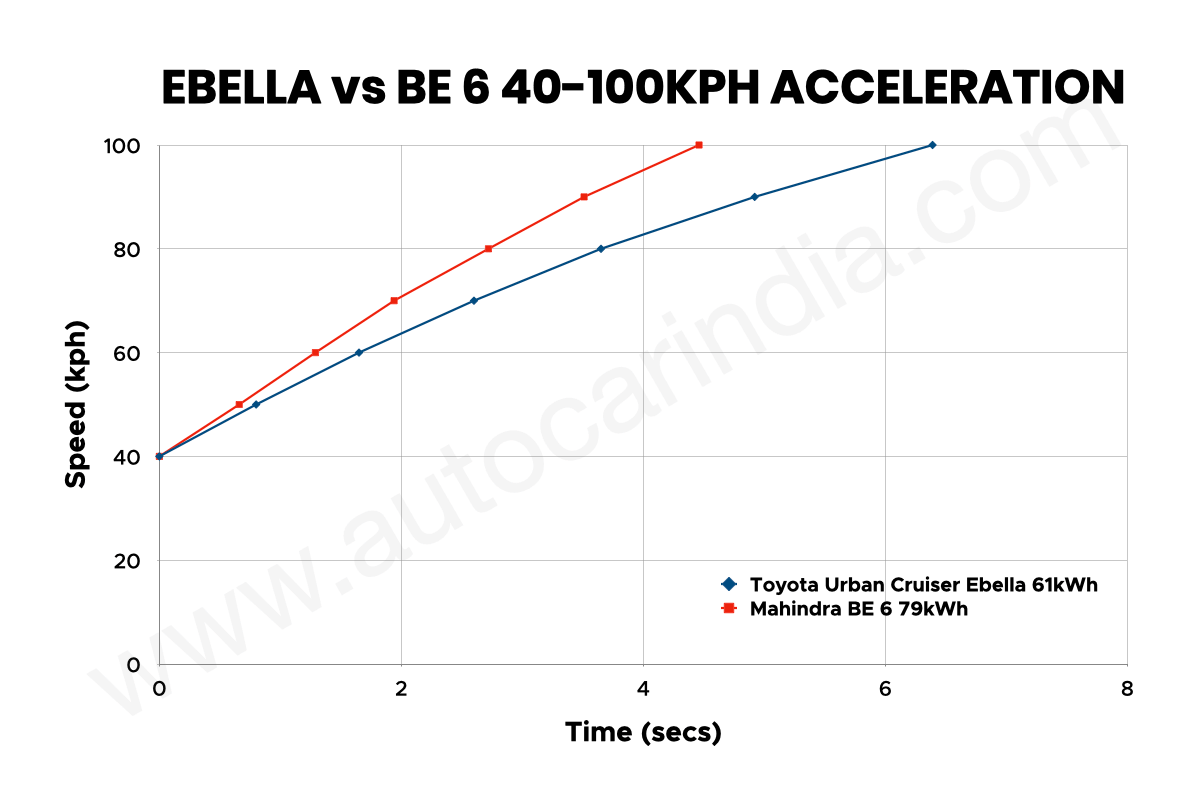
Toyota Ebella vs Mahindra BE 6: Rolling acceleration
Ebella is not too far behind in rolling acceleration
Toyota Ebella vs Mahindra BE 6: Rolling acceleration (in seconds)
Toyota Ebella
Mahindra BE 6
20-80kph (in kickdown)
5.27
4.03
40-100kph (in kickdown)
6.39
4.46
The BE 6 outperforms the Ebella in rolling acceleration as well. It completed the 20-80kph and 40-100kph tests faster by 1.24 and 1.93 seconds, respectively. However, the gap between the two isn’t as much as it was in acceleration tests from a standstill.
Toyota Ebella vs Mahindra BE 6: Prices
Ebella more affordable by up to Rs 3.35 lakh
Toyota Ebella vs Mahindra BE 6: Prices
Toyota Ebella
Mahindra BE 6
Price range (in Rs lakh)
23.60
24.45-26.95* (79kWh)
*BE 6 Sporteq price
As far as price is concerned, the Ebella is available in a single fully loaded trim for Rs 23.6 lakh. On the other hand, the BE6 offers its largest 79kWh battery pack on a few trims. Depending on the trim chosen, the BE 6 is priced up to Rs 3.35 lakh higher than the Ebella.
Autocar India’s testing standards
Before conducting our performance tests, we check and maintain tyre pressures based on the manufacturer’s recommendations and ensure that the car is charged to 100 percent. The car is then tested in a controlled environment with two people on board, and data is collected via highly accurate GPS-based timing equipment.
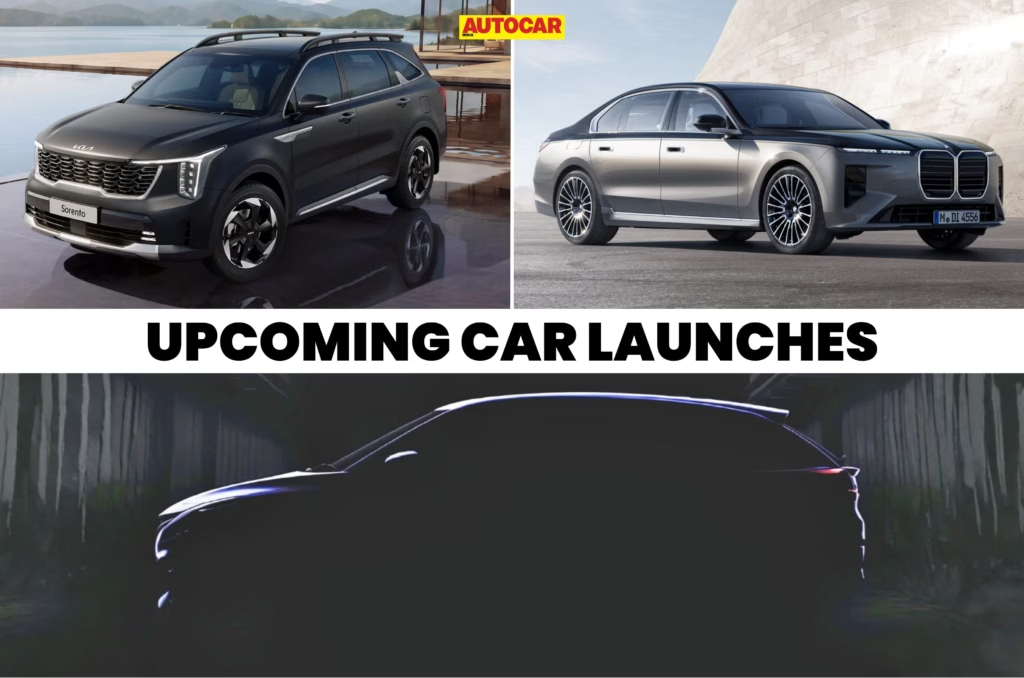
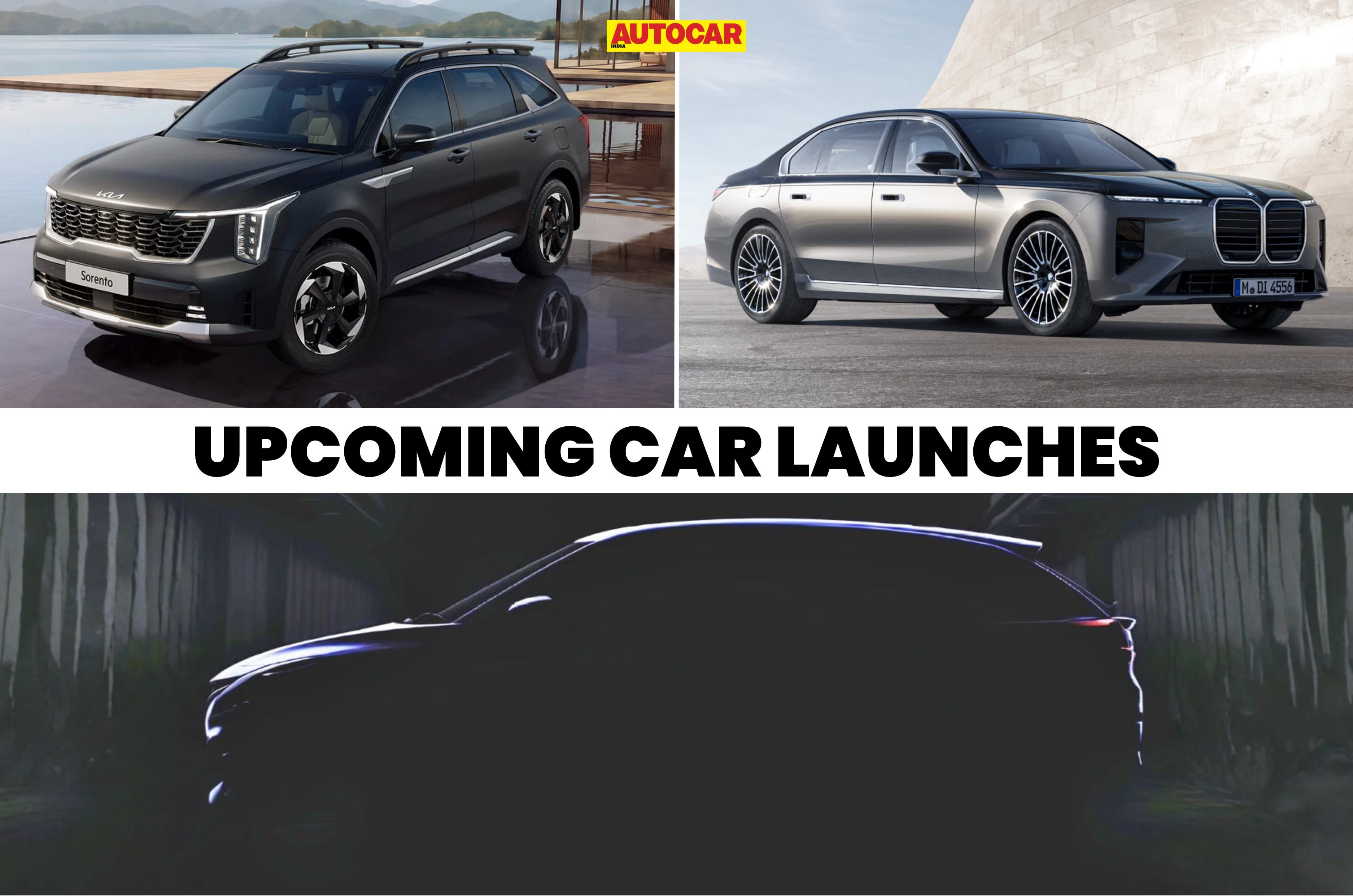
August was a busy month for the Indian car market, bringing several new models ajd variants, as well as updates. The BMW X1 LWB and MG Hector Tomahawk EV and PHEV were among the fresh launches, while the Mahindra Scorpio N received a mid-lifecycle update. The Mahindra BE 6 gained the ‘Sporteq’ suffix, while three existing models added new trims: the Range Rover SV Ultra, BYD Sealion 7 Dynamic and Skoda Kylaq Sportline. After such a packed August, September is also set to see more car launches.
Kia Sorento
Launch: September 4
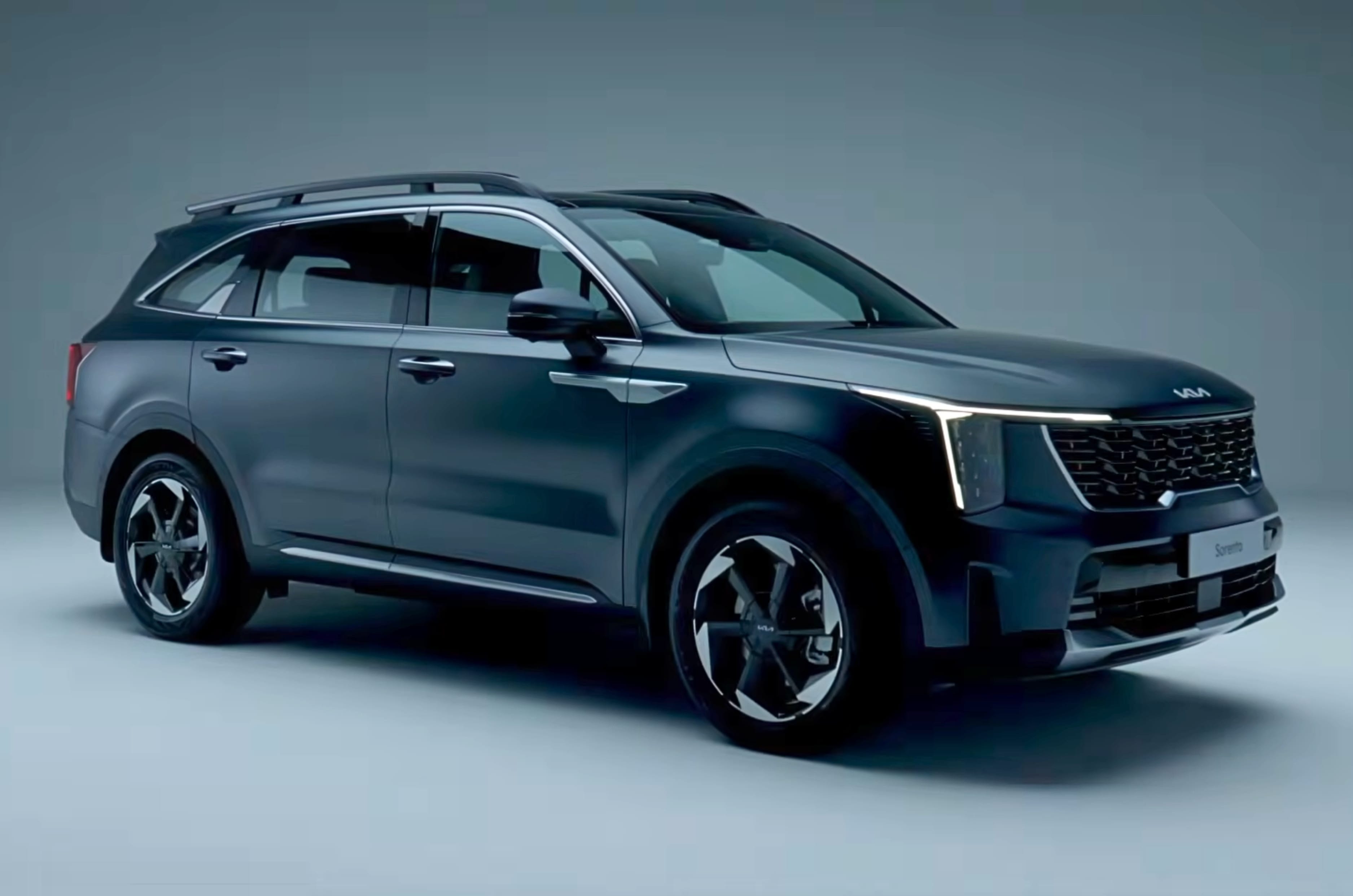
The Kia Sorento will be the brand’s new flagship ICE model in India, and it will be offered with both strong-hybrid and diesel powertrains. The 1.6-litre strong-hybrid version will produce 238hp and 380Nm, while the 2-litre diesel will make 202hp and 441Nm.
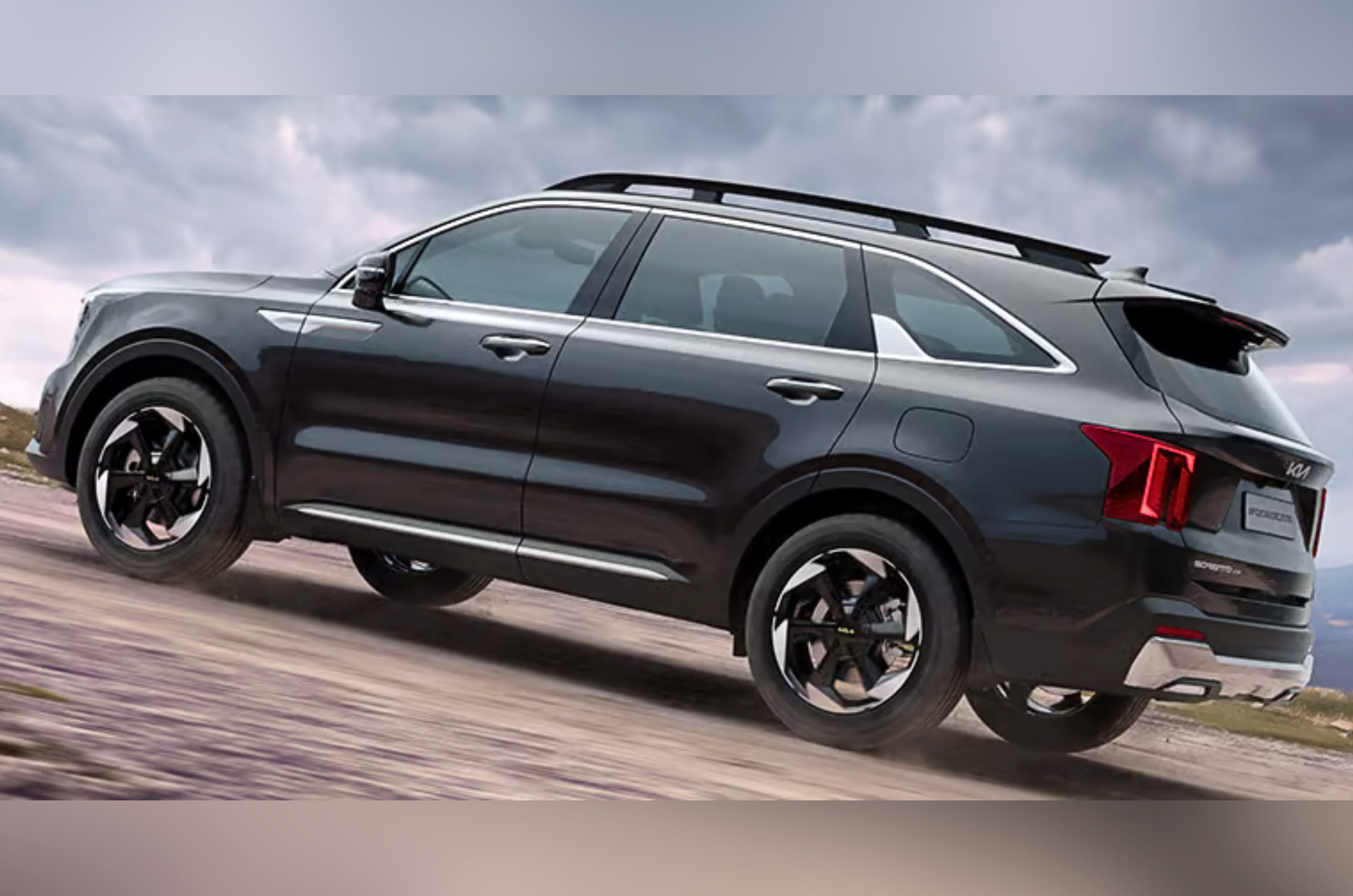
The Sorento gets Kia’s signature Tiger Nose grille, large vertical LED headlights with Y-shaped LED daytime running lamps (DRLs), LED fog lamps and vertical aero vents at the edges. Kia has not revealed the alloy wheel size yet, but they are likely to be 19-inch units. At the rear, the Sorento gets squarish tail-lamps with an inverted L-shaped LED signature, a large roof spoiler and a two-tone bumper.
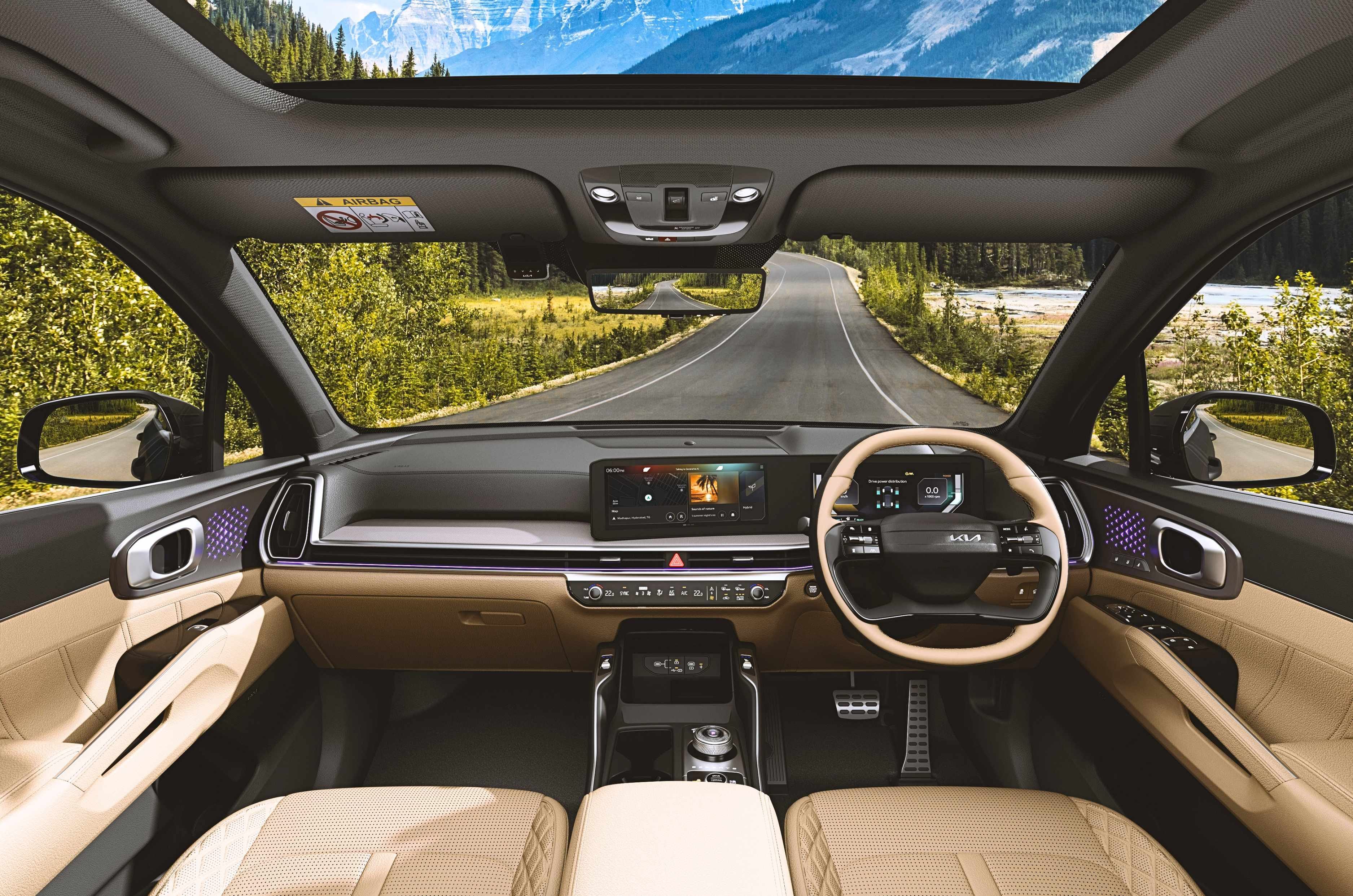
Inside, there is a connected panel housing the infotainment and instrument cluster screens. Kia has not revealed their sizes, but both are likely to be 12.3-inch units. Other features seen in the official images include ADAS, ventilated front seats, a digital interior rearview mirror (IRVM), an electrically operated tailgate, dual-zone climate control, ambient lighting and a panoramic sunroof.
The Sorento is expected to be available in both 6- and 7-seat layouts. Kia has already started accepting bookings for the Sorento and upon launch, it will compete with the Skoda Kodiaq, Volkswagen Tayron and Jeep Meridian.
Maruti Baleno facelift
Launch: September 5
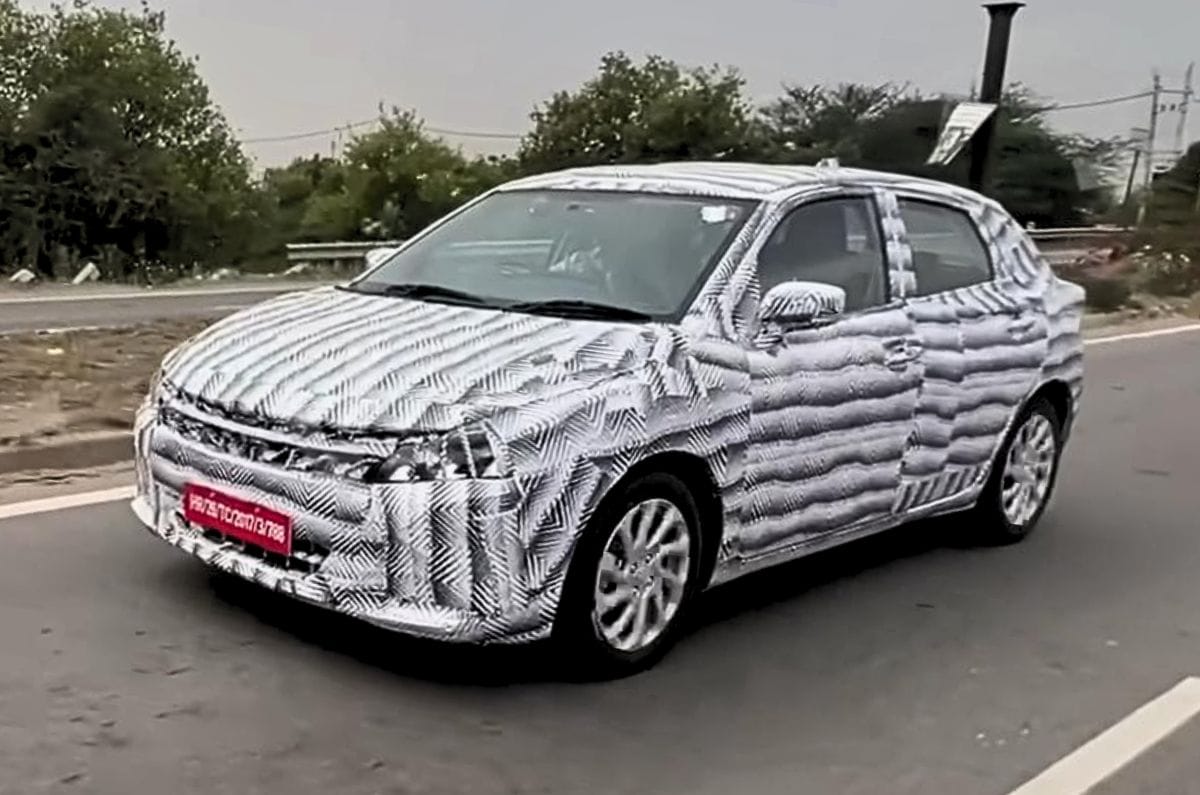
The Maruti Baleno is currently in its second generation, which was launched in 2022, and is due for an update. Previous spy shots of the Baleno facelift have suggested a redesigned front end with a new grille featuring a horizontal bar in the centre connecting the headlights. Test mules have also shown a new bumper without the front fog lamps seen on the current model.
Image credit: Harsh Vlogs via YouTube.
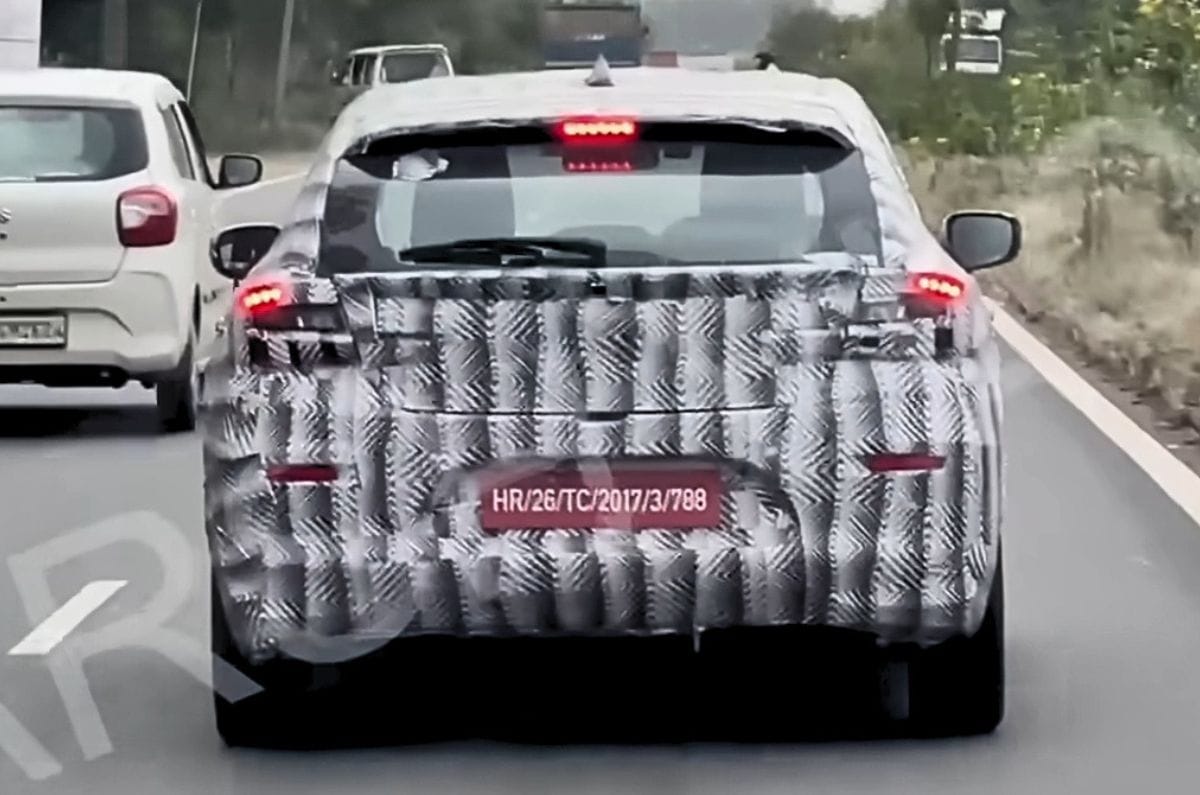
From the side, the only expected change is a new alloy wheel design. At the rear, the facelift could get a redesigned bumper, while the tail-lights are likely to remain unchanged. Inside, the Baleno could retain the current 9-inch touchscreen; however, update the upholstery and add new features.
Image credit: Harsh Vlogs via YouTube.
Under the hood, the facelifted Baleno is expected to continue with the existing powertrain options. These include a 90hp 1.2-litre naturally aspirated petrol engine with 5-speed manual and 5-speed AMT choices, along with a 77.5hp CNG version available only with the manual gearbox. It will continue to rival the Tata Altroz, Hyundai i20 and Toyota Glanza.
BMW 7 Series, i7 facelifts
Launch: September 11
BMW opened bookings for the facelifted 7 Series and i7 flagship sedans on August 1, soon after their global debut earlier this year. In India, the company currently sells the 740i petrol and 740d diesel versions of the 7 Series, along with the eDrive 50 and M70 xDrive variants of the all-electric i7. These versions get several updates with the facelift, although BMW is yet to confirm which variants will be introduced in here.
In international markets, the facelifted 740i and 740d continue with their 3.0-litre straight-six engines, but with uprated outputs. The 740i makes 400hp and 580Nm, up by 19hp and 60Nm, while the 740d develops 313hp and 670Nm, an increase of 27hp and 20Nm. Both continue to use 48V mild-hybrid systems, 8-speed automatic gearboxes and BMW’s xDrive all-wheel-drive system. The i7 also gets a larger 112.4kWh battery in both variants, up from 101.7kWh. The lower 50 trim now comes only with xDrive all-wheel drive instead of rear-wheel drive and produces 455hp and 660Nm, up by 6hp and 10Nm. The M70 xDrive now makes 680hp and 1,100Nm, gaining 30hp and 85Nm. Charging speeds have also improved.
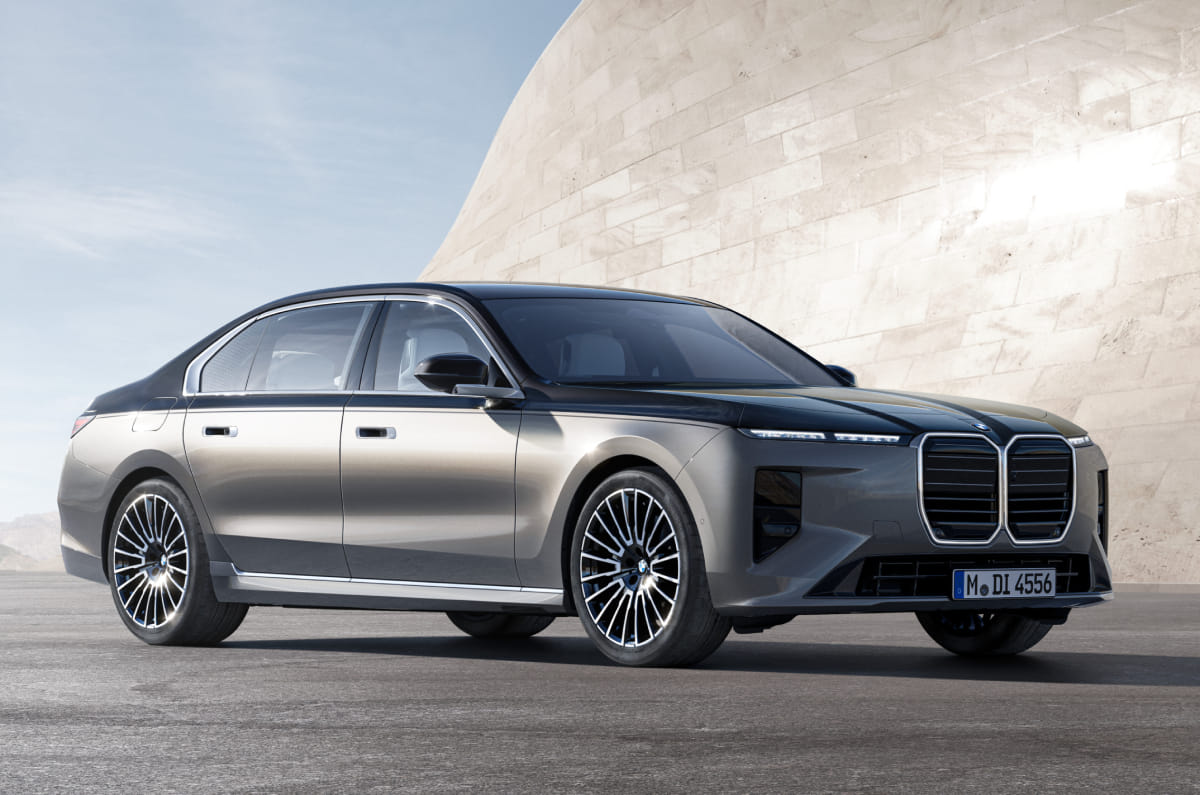
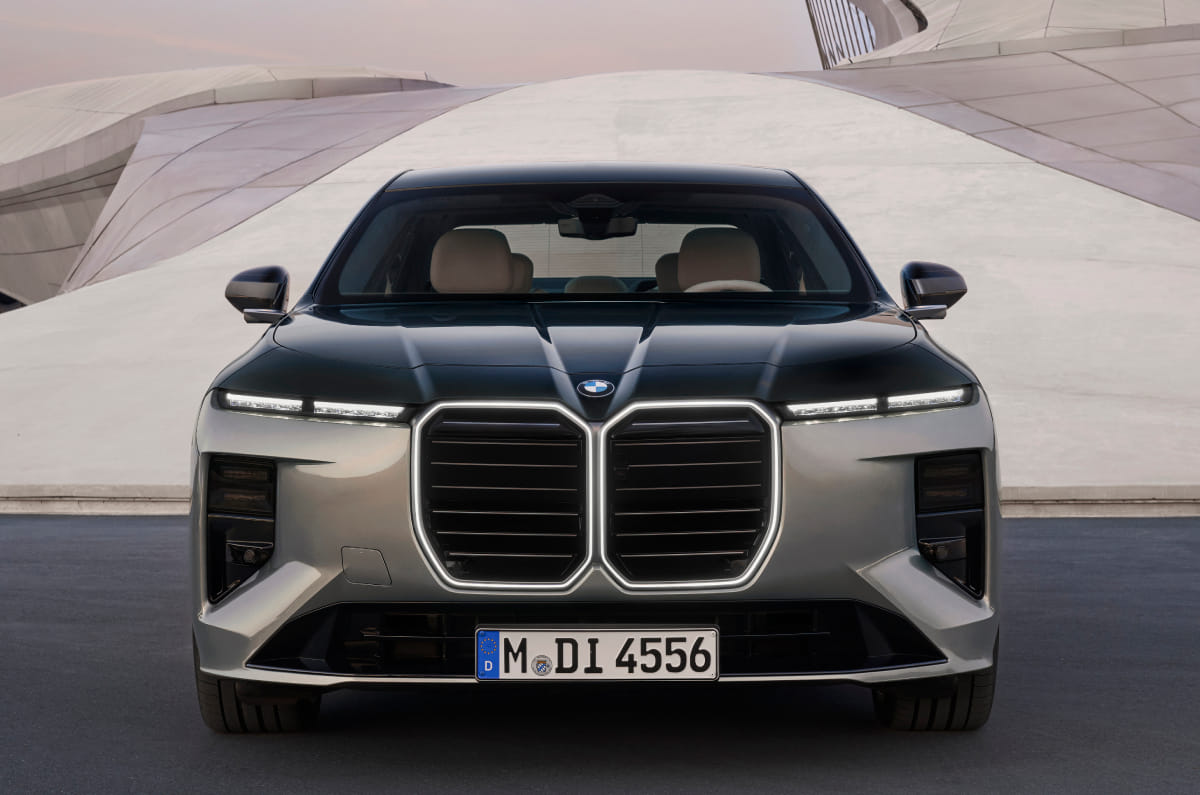
Visually, the updated 7 Series and i7 have a more monolithic look. They get new split LED headlights, slimmer and more upright kidney grilles with an illuminated surround, and larger bumper air intakes. The side profile remains largely unchanged apart from the side skirts and alloy wheels, while the rear gets new wraparound LED tail-lamps, a redesigned tailgate and a revised bumper.
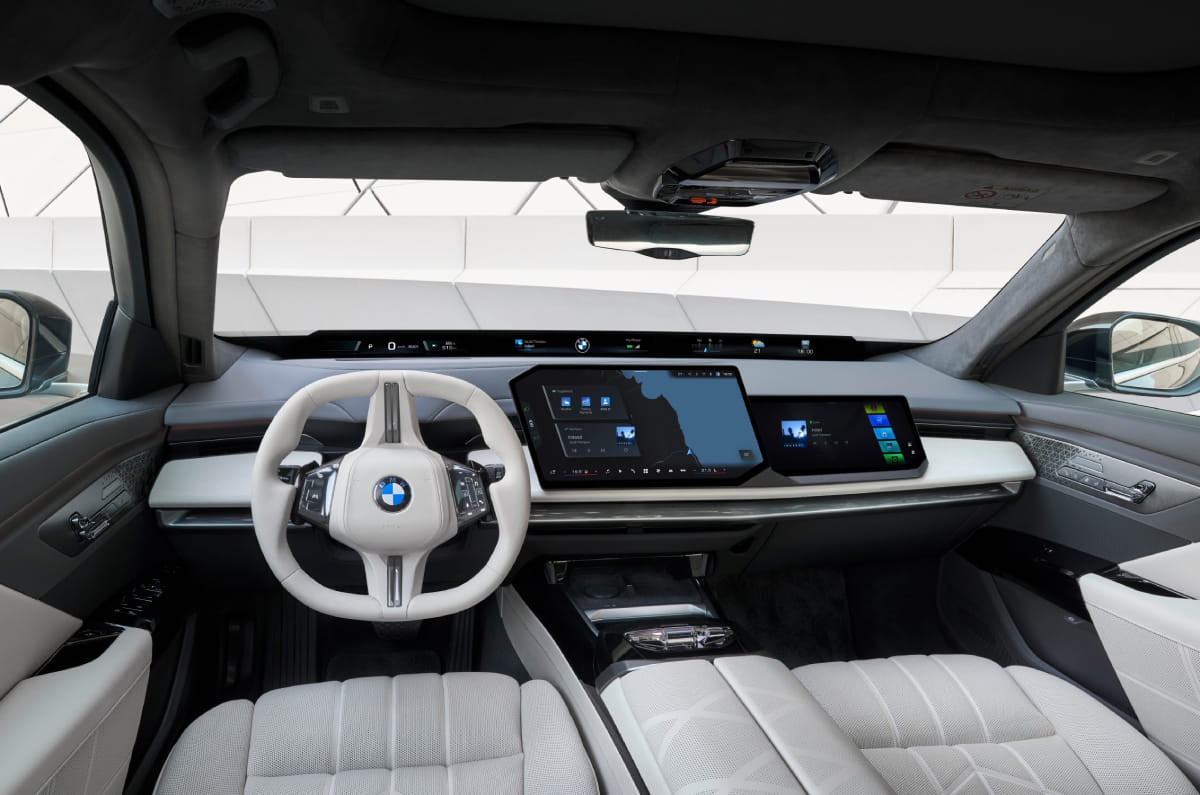
Inside, BMW has redesigned the dashboard around a 17.9-inch infotainment touchscreen, a 14.6-inch passenger display and a pillar-to-pillar Panoramic Vision display at the base of the windscreen. The steering wheel is now a four-spoke unit, similar to those used in BMW’s Neue Klasse models, while the centre console and transmission tunnel have also been updated.
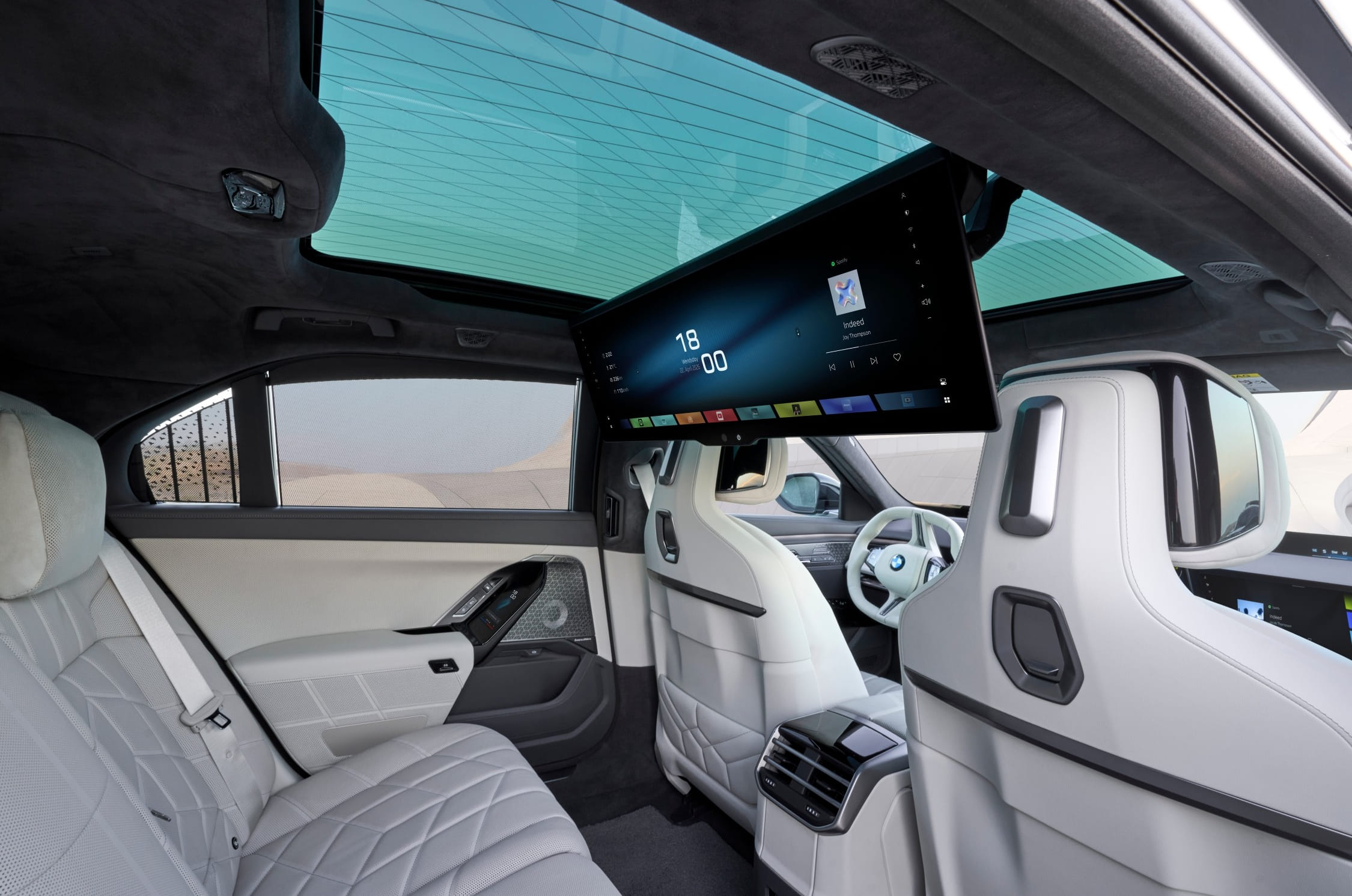
Rear passengers get powered seats with heating, ventilation, massage and lumbar support. The 31.3-inch 8K Theatre Screen can now be operated by touch, while the rear-door displays have also been updated to control the rear-seat experience. Other key features include ambient lighting, a Bowers & Wilkins surround sound system and 4-zone climate control. The BMW luxury sedan competes directly with the Mercedes-Benz S-Class, which also received a facelift this year.
Porsche Cayenne Electric
Debut: September 30
Porsche announced prices for the Cayenne Electric in November last year, and the SUV is now set for its physical showcase. The standard Cayenne Electric is priced at Rs 1.77 crore, while the range-topping Turbo Electric costs Rs 2.27 crore (both ex-showroom).
Both trims of the Porsche Cayenne Electric get a 113kWh battery and a dual-motor all-wheel-drive setup as standard. The more powerful Turbo Electric produces 1,156hp and 1,500Nm with Launch Control, allowing it to sprint from 0-100kph in 2.5 seconds before reaching an electronically limited top speed of 260kph. It has a claimed WLTP range of 537km. Whereas, the standard Cayenne Electric makes 442hp and 835Nm with Launch Control, does 0-100kph in 4.8 seconds and has an electronically limited top speed of 230kph. Its claimed WLTP range stands at 542km.
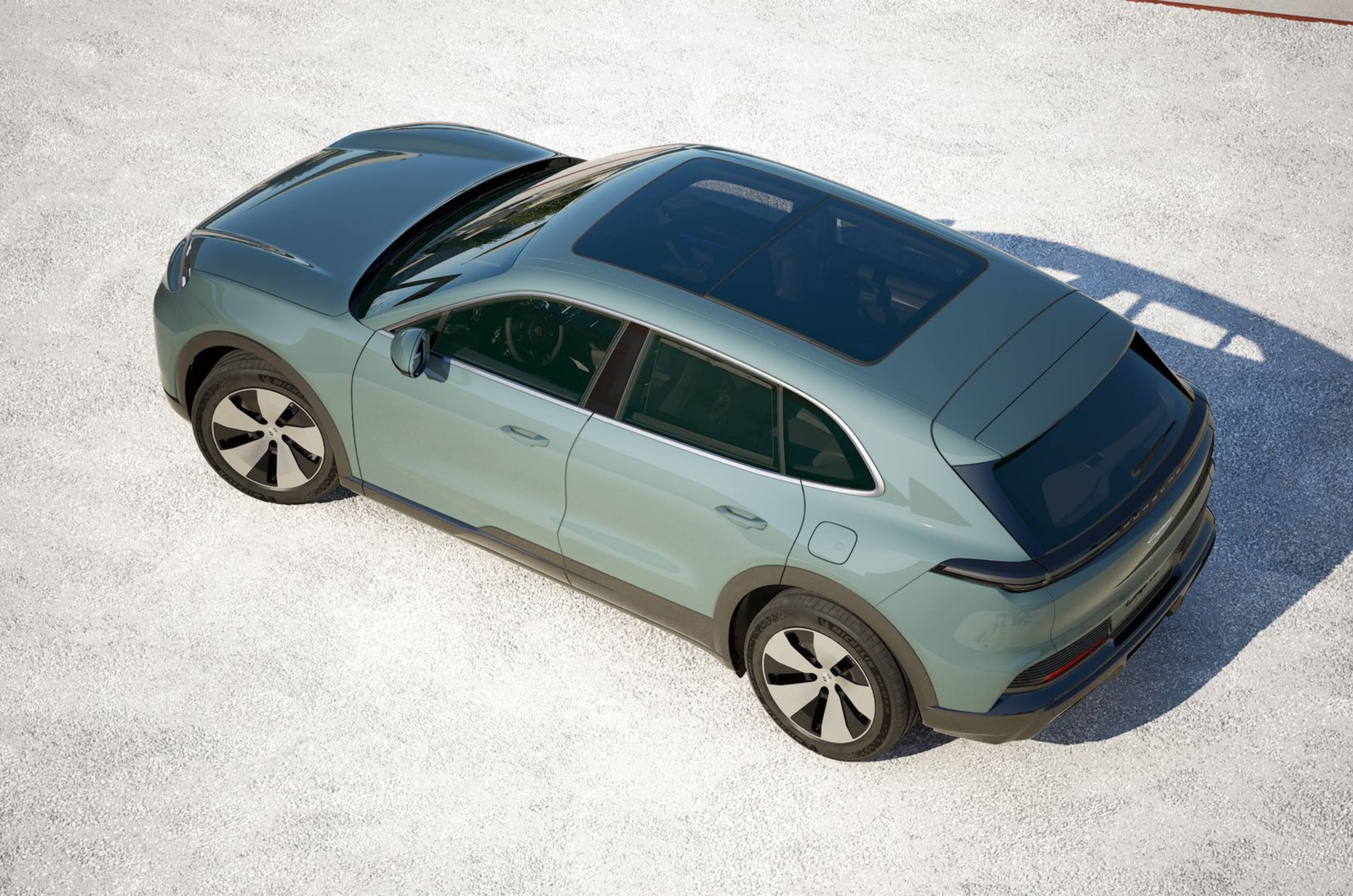
The Cayenne Electric keeps a similar overall shape to the ICE-powered Cayenne. However, the EV gets a closed-off grille, with two air vents on either side of the bumper to cool the battery and electrical components. These vents are larger on the Turbo trim. At the rear, there is a full-width LED light bar with illuminated Porsche lettering. The bumper has also been redesigned with horizontal black elements.
Inside, the Cayenne Electric gets a three-spoke steering wheel and digital driver’s display, similar to the ICE model. Porsche has also added a new 14.5-inch curved touchscreen infotainment system that flows into the centre console. An optional 14.9-inch passenger display is also available at an additional cost. Other features include 8-way electrically adjustable front seats, four-zone automatic climate control, ventilated front seats, a panoramic sunroof and wireless phone charging.
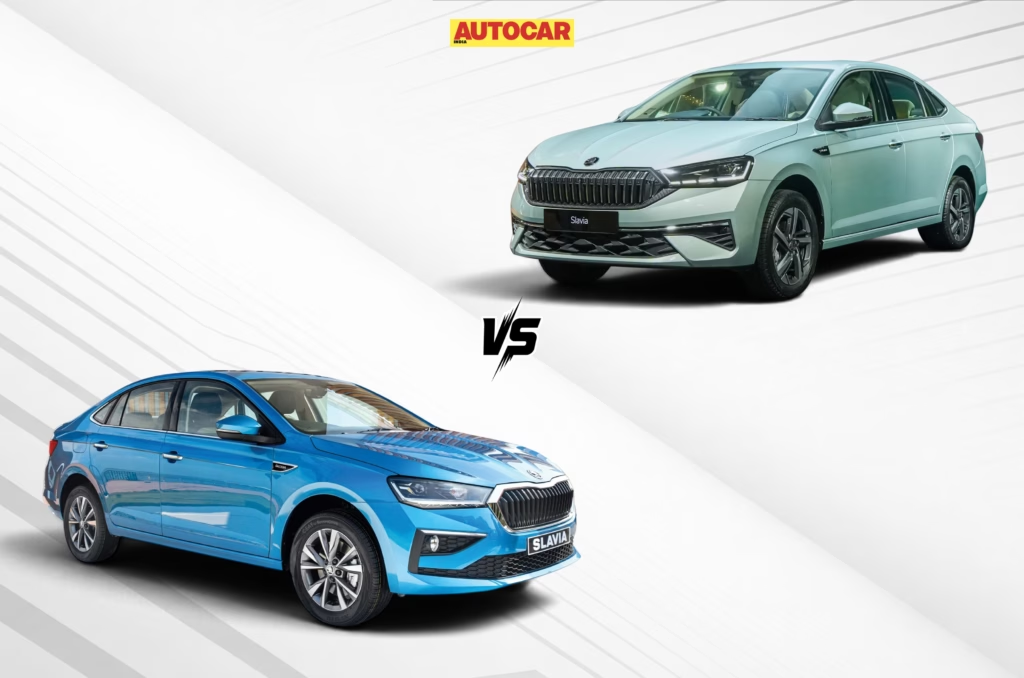
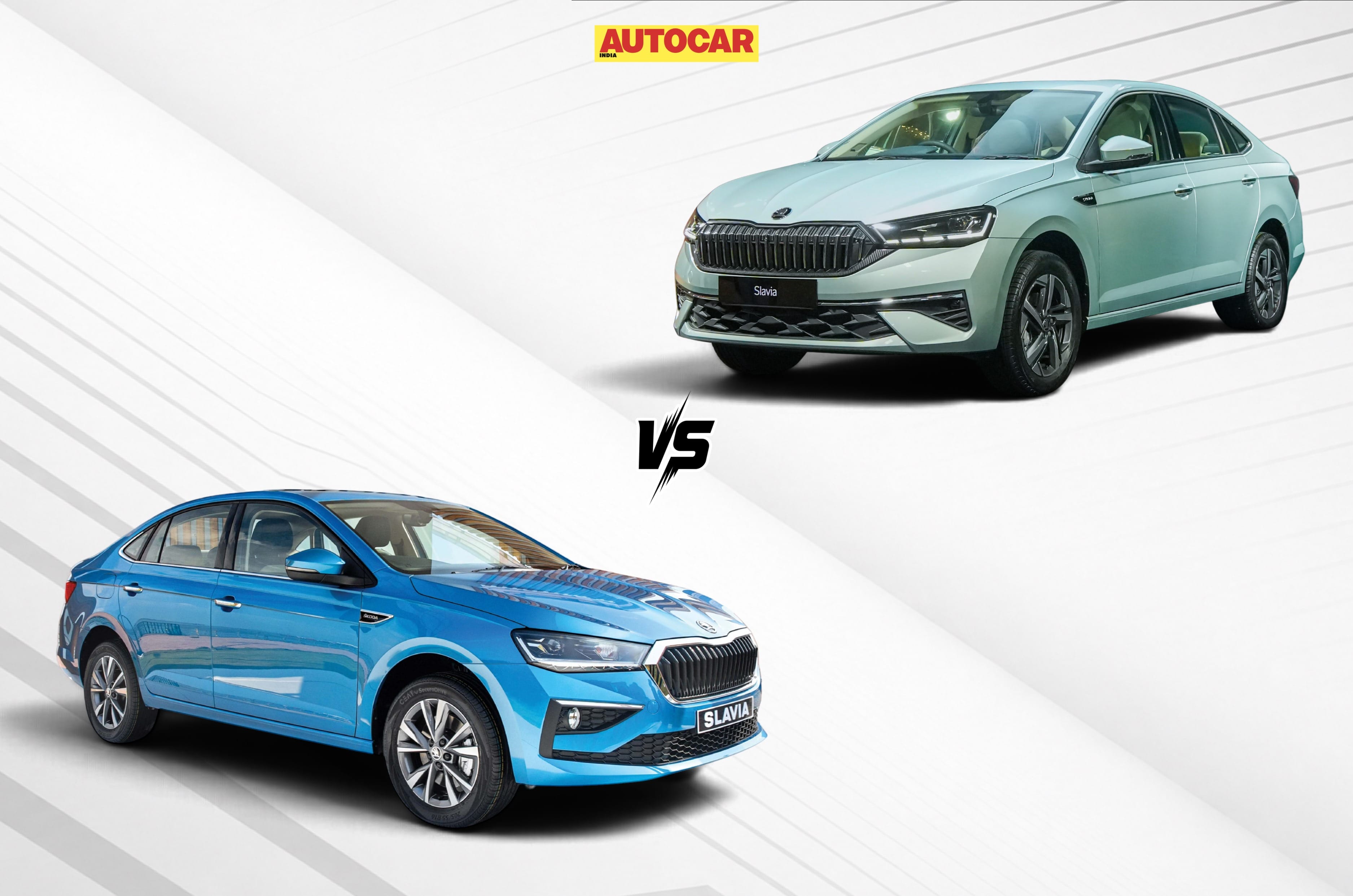
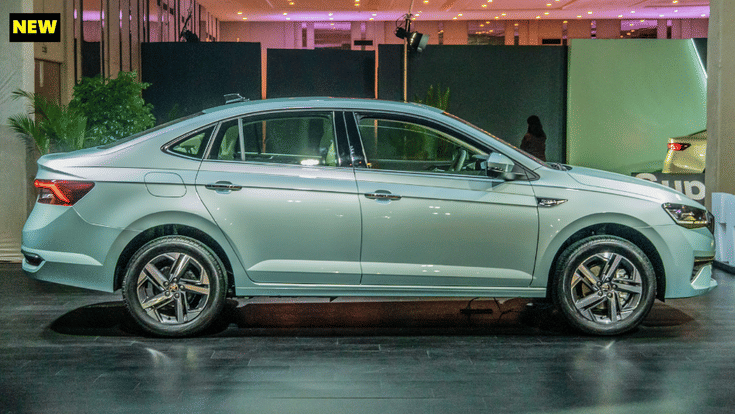
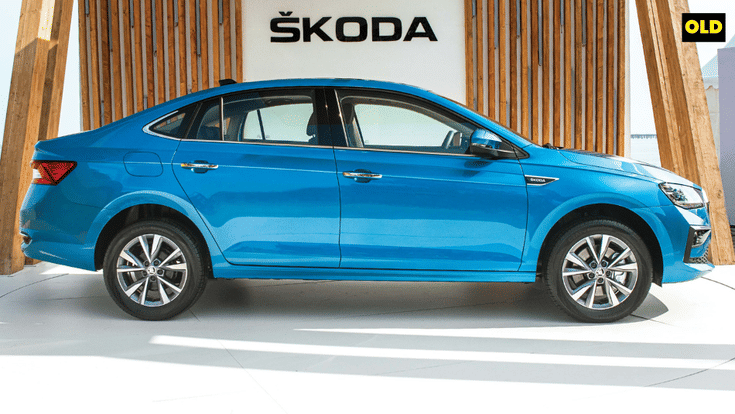
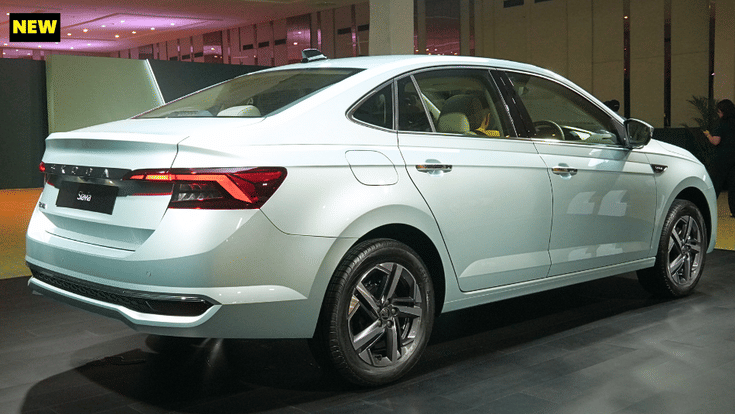
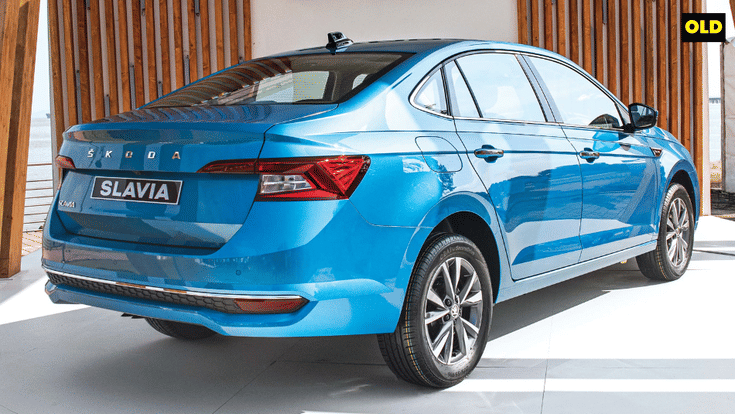
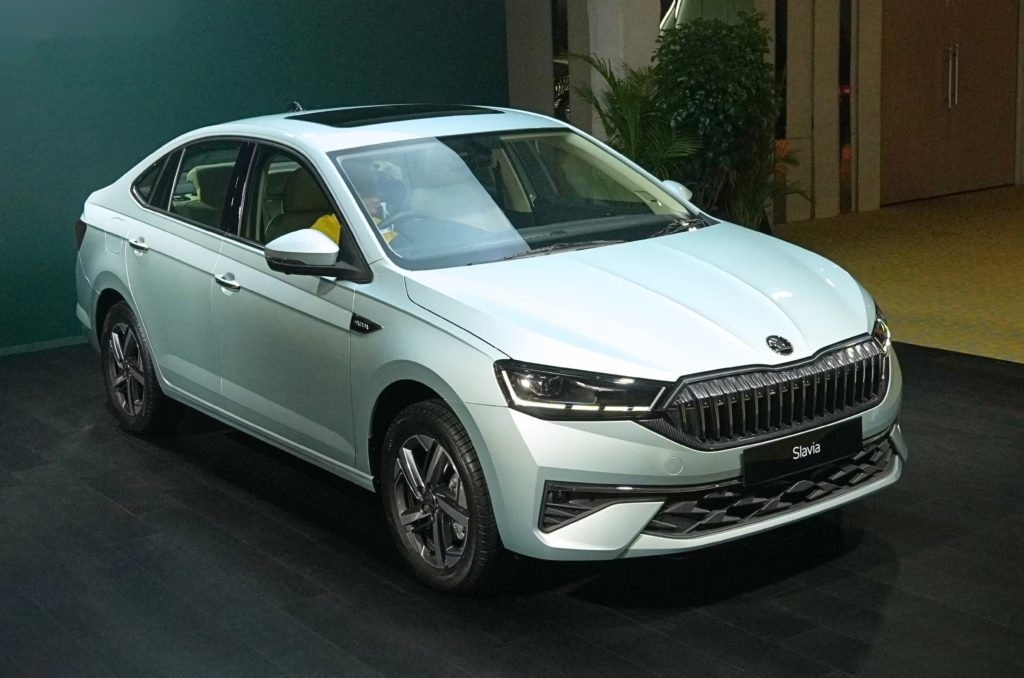
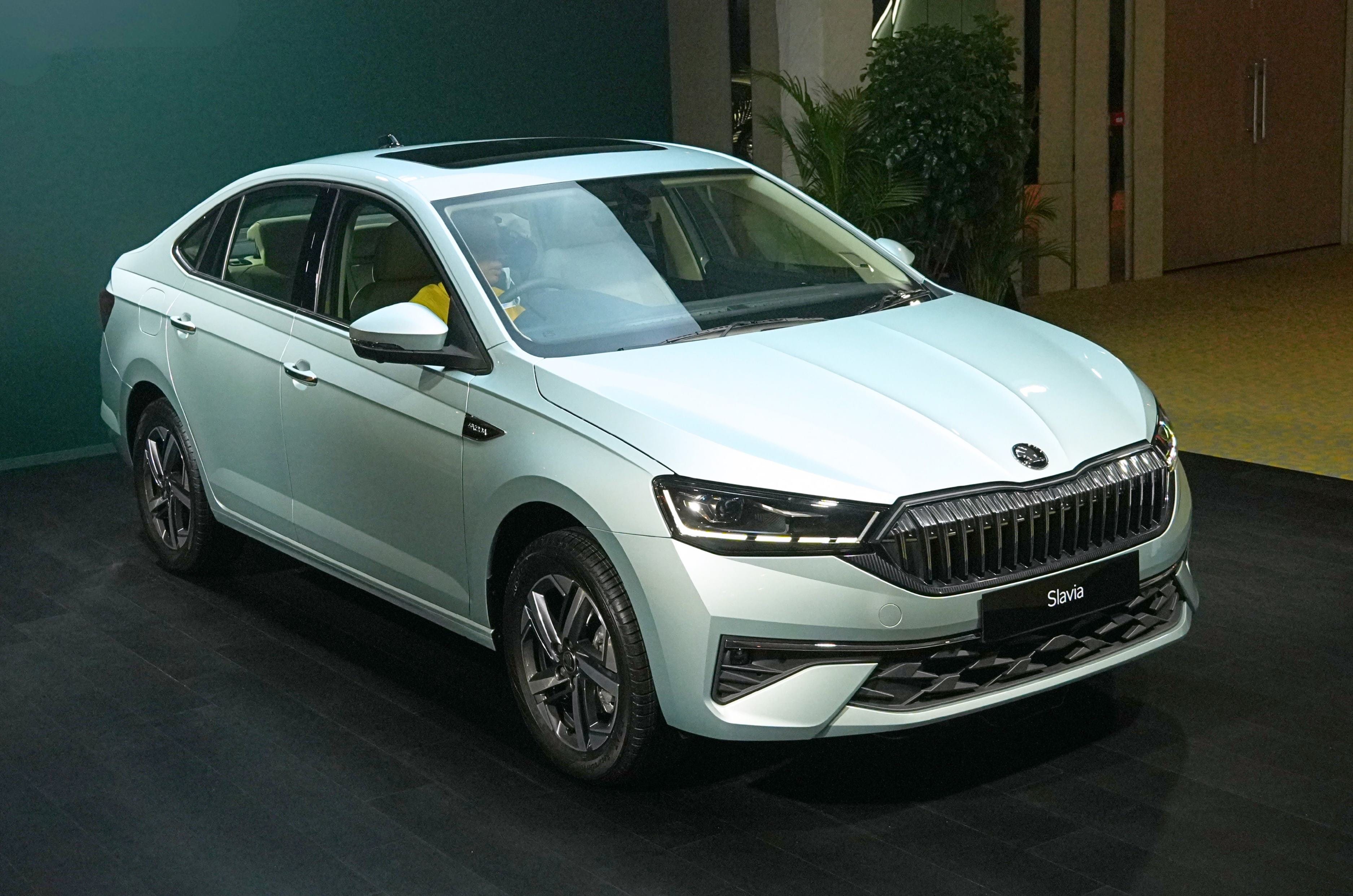
It took Skoda three and a half years to bring the first facelift of the Slavia to market. However, with this mid-cycle update, the Czech carmaker has introduced minor cosmetic tweaks and added a few new features to its midsize sedan. Furthermore, the Skoda Slavia facelift has hit showrooms ahead of the updated Volkswagen Virtus. The Slavia’s competition also includes the Honda City and Hyundai Verna. Without further ado, here are some of the differences and similarities between the old and new Skoda Slavia.
Skoda Slavia new vs old: Exterior design
Changes on the outside are limited to updated bumpers and light signatures
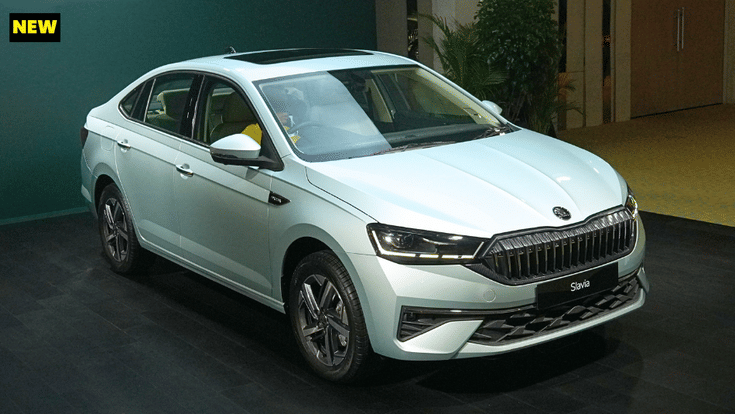
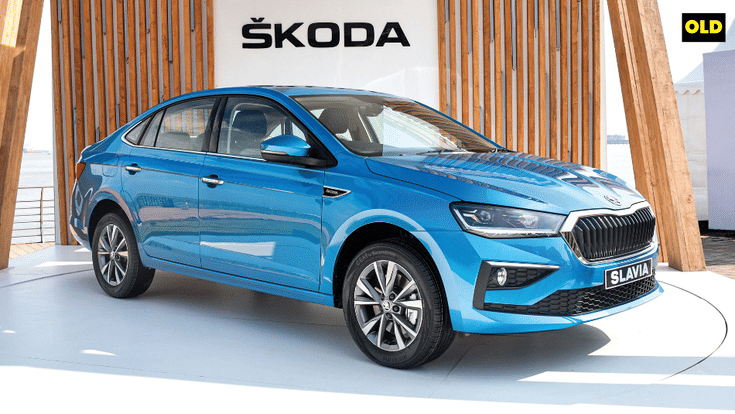
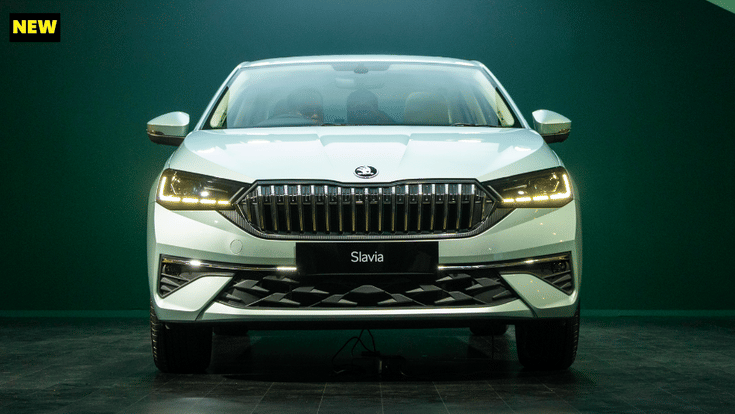
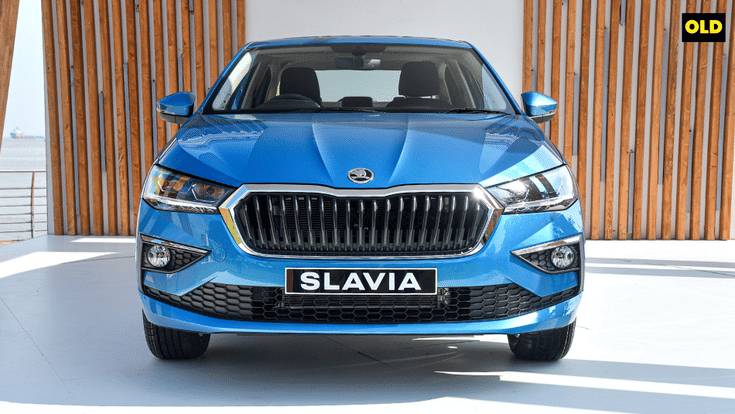
The front of the Skoda Slavia now gets a new bumper with a shiny piece of trim running its full width and small LED fog lamps. The design of the grille hasn’t changed but its chrome surround has been removed in favour of two different black bars. While the shape of the headlamp housing is the same as before, the internals have been revised – the daytime running signatures are different too.
Viewed from the side, the new Slavia carries forward the same silhouette and overall proportions as its predecessor. Details such as the beltline, chrome lining along the windowline, and the ‘Skoda’ plaque above the front fenders remain. However, what has changed is the design of the 16-inch alloy wheels, which now look more bold and sport a two-tone finish.
Similar to the front, the lights at the back of the new Slavia feature the same housing as the old model. However, Skoda has tweaked the internal LED elements of the tail-lamps. Compared to the old Slavia that had a prominent ‘SKODA’ lettering across its bootlid, the new model features a piece of plastic trim with the brand name spelled on it. The rear bumper hasn’t been revised in any significant way, though. However, the Slavia does come in two new colours: Arctic Silver and Cappuccino Beige.
Skoda Slavia new vs old: Interior design
The facelift brings a couple of notable updates to the interior over the old model
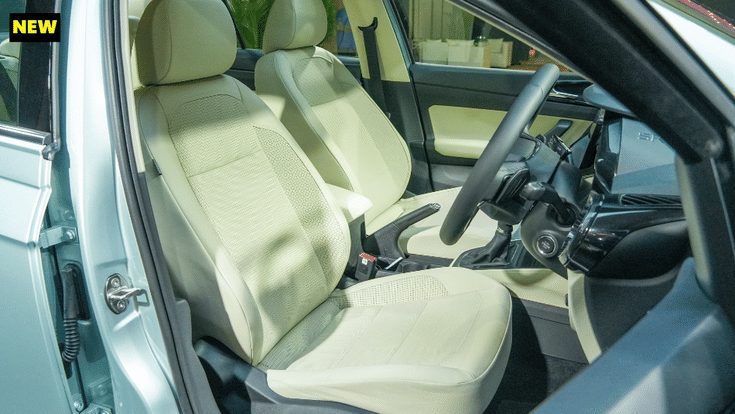
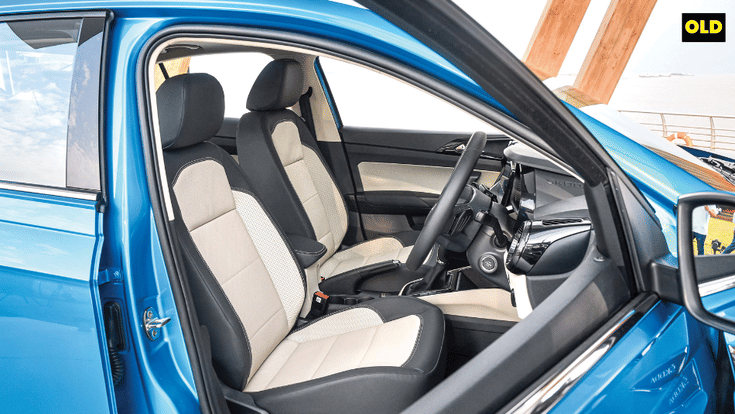
Where the top-spec of the old model offered a beige & black dual-tone leatherette seats, the new Slavia gets fully beige seats. The design of these seats don’t appear to have changed with this facelift, but they do get a new pattern now.
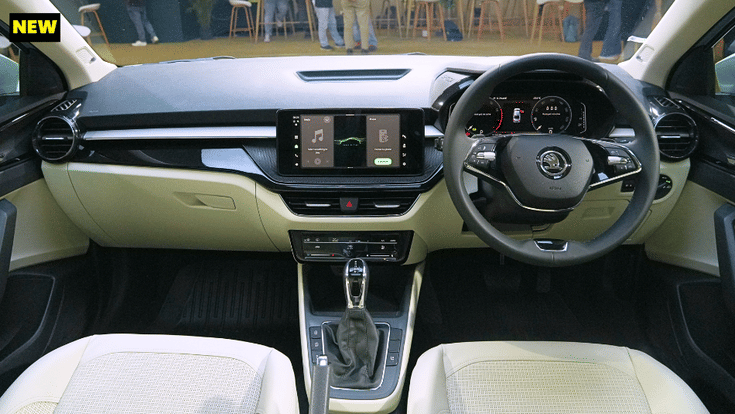
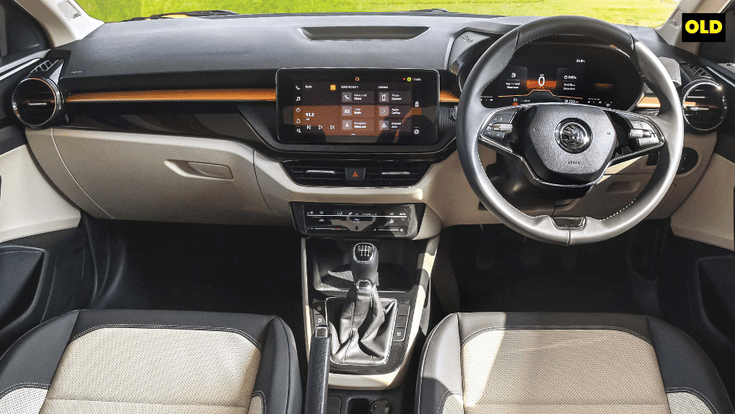
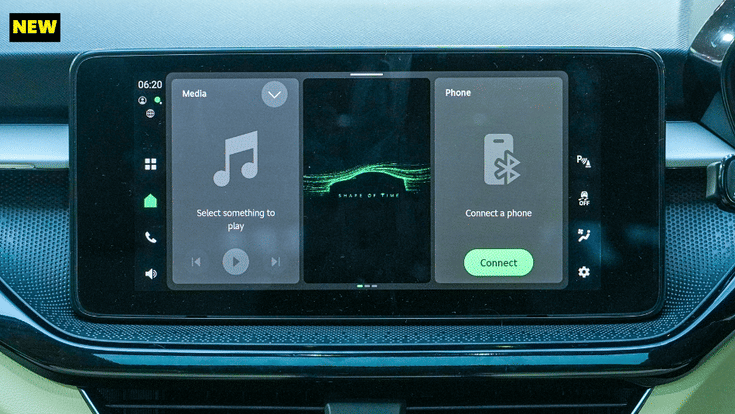
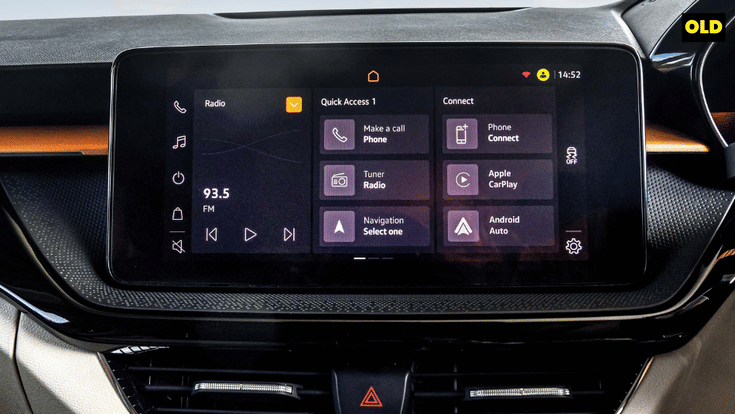
Shifting focus to the dashboard, the new Skoda Slavia is available with a 10.25-inch digital instrument cluster – the old model’s unit maxed out at 8 inches. The infotainment screen has also grown larger by the slightest of margins – from 10 inches to 10.1 inches. The new infotainment system also offers a built-in AI assistant powered by Google Cloud, while the feed from the Slavia’s new 360-degree camera is also displayed on this screen. Finally, the outer seats at the back are now available with a massaging function.
Features such as a cooled glovebox, powered & ventilated front seats, an electric sunroof, wireless Apple CarPlay & Android Auto, automatic climate control, LED ambient lighting, 6 airbags, electronic stability control, hill-hold control and a tyre-pressure monitoring system are offered with both models.
Skoda Slavia new vs old: Engine and gearbox
Engine options remain the same, but a new gearbox comes aboard
The new Skoda Slavia gets the same engine options as its predecessor. The 1.0-litre direct injection three-cylinder turbo-petrol engine makes 115hp and 178Nm, whilst the 1.5-litre direct injection four-cylinder turbo-petrol mill outputs 150hp and 250Nm. While the smaller motor gets a 6-speed manual transmission as standard, it can now be had with an 8-speed torque-converter automatic gearbox. Like before, the larger engine is only available with the 7-speed dual-clutch automatic transmission.
The old Skoda Slavia has been available in Classic, Signature, Sportline, Prestige and Monte Carlo trims. However, there’s now a new Classic+ option as well – slotted between Classic and Signature trims.
The Skoda Slavia facelift comes with a few design tweaks, a new trim level and a couple of new convenience features. Skoda’s midsize sedan continues to compete against the VW Virtus, Honda City and Hyundai Verna. The Slavia facelift continues to be offered with the same 1.0 TSI and 1.5 TSI direct injection turbo-petrol engines, with the former available with a 6-speed manual or a new 8-speed automatic transmission. On the other hand, the larger four-cylinder engine is only offered with a 7-speed dual-clutch automatic gearbox.
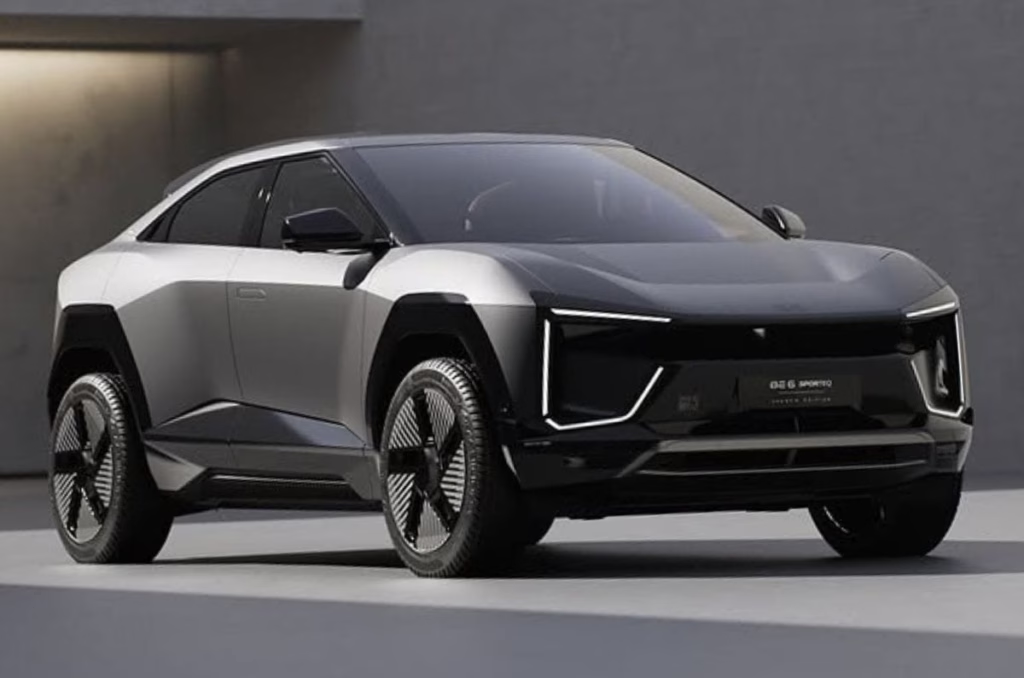
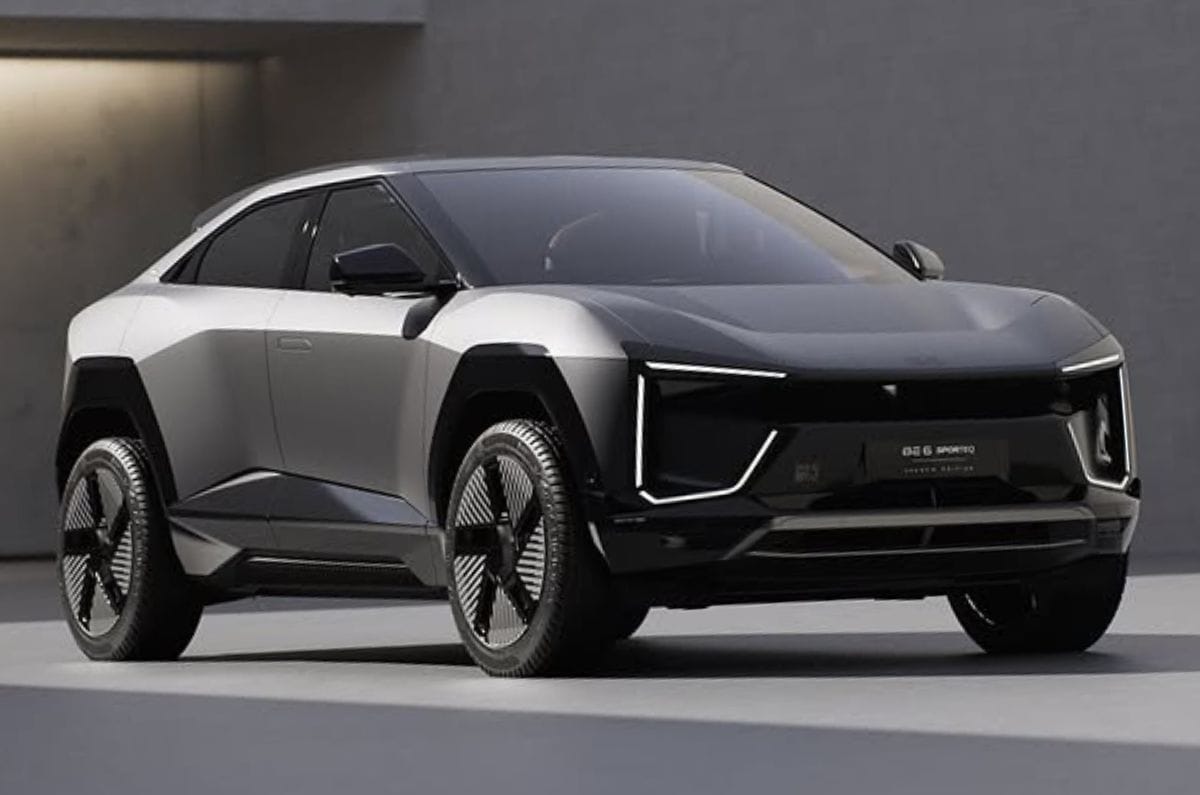
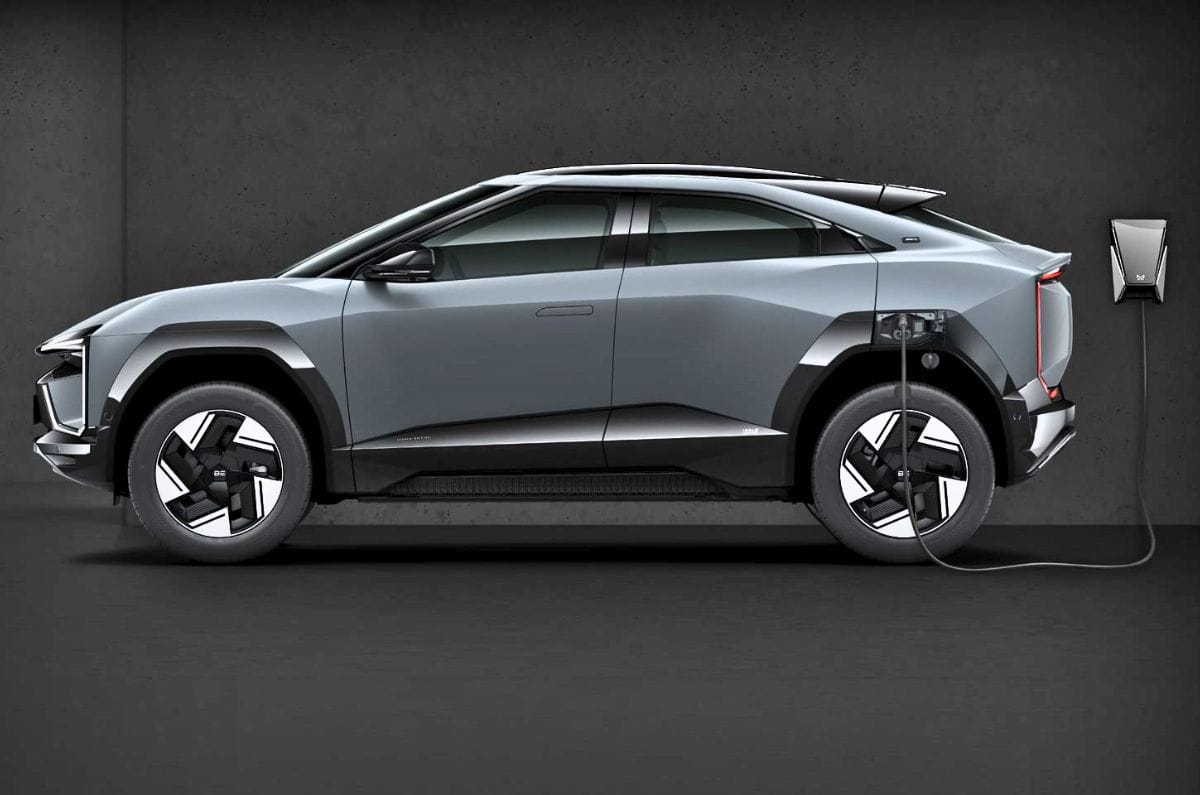
Mahindra launched the 2026 BE 6 recently, adding the ‘Sporteq’ moniker and pricing it from Rs 19.45 lakh to Rs 26.95 lakh (ex-showroom). Along with a new name, Mahindra has also introduced some updates to the midsize electric SUV to keep it modern in the segment. Here’s a detailed list of these updates:
New 70kWh battery pack
New battery pack offers 651km range and is mated to a 241hp rear motor
The 2026 Mahindra BE 6 Sporteq gets a new 70kWh battery pack in addition to the previously available 59kWh and 79kWh batteries. This new 70kWh battery offers an ARAI-claimed range of 651km and a rear-axle-mounted (RWD) electric motor that produces 241hp and 360Nm. It supports a 7.2kW AC, a 11.2kW AC and a 160kW DC charger. The DC fast charger recharges the battery pack from 20-80 percent in a claimed 20 minutes.
Mahindra is offering the 70kWh battery with the Three and Three+ trims, priced at Rs 22.95 lakh and Rs 23.95 lakh, respectively (ex-showroom).
Battery-as-a-Service (BaaS) scheme
Battery rental scheme makes the 59kWh battery variants Rs 8 lakh more affordable
Along with a new battery, Mahindra is also offering the BE 6 with a battery-as-a-service (BaaS) scheme, which is also a first for the brand. However, the BaaS scheme is offered only with the 59kWh battery pack available in the One and Two trims. The battery rental scheme essentially lowers the BE 6’s initial price by Rs 8 lakh, but requires a monthly subscription fee for the battery. Here are the details:
Mahindra BE 6 battery-as-a-service (BaaS) price vs standard price
Standard price
BaaS price*
Difference^
One
Rs 19.45 lakh
Rs 11.45 lakh + Rs 3.75/km
– Rs 8 lakh
Two
Rs 20.95 lakh
Rs 12.95 lakh + Rs 3.75/km
– Rs 8 lakh
Notes: BaaS scheme requires a minimum monthly payment of Rs 6,750, calculated assuming usage of 60km per day and an 8-year battery loan, as per Mahindra’s terms and conditions. The price difference calculated above is on the initial price and does not include the BaaS scheme’s battery subscription charges.
Triple-screen setup on dashboard
Offers an additional third screen for the front passenger now
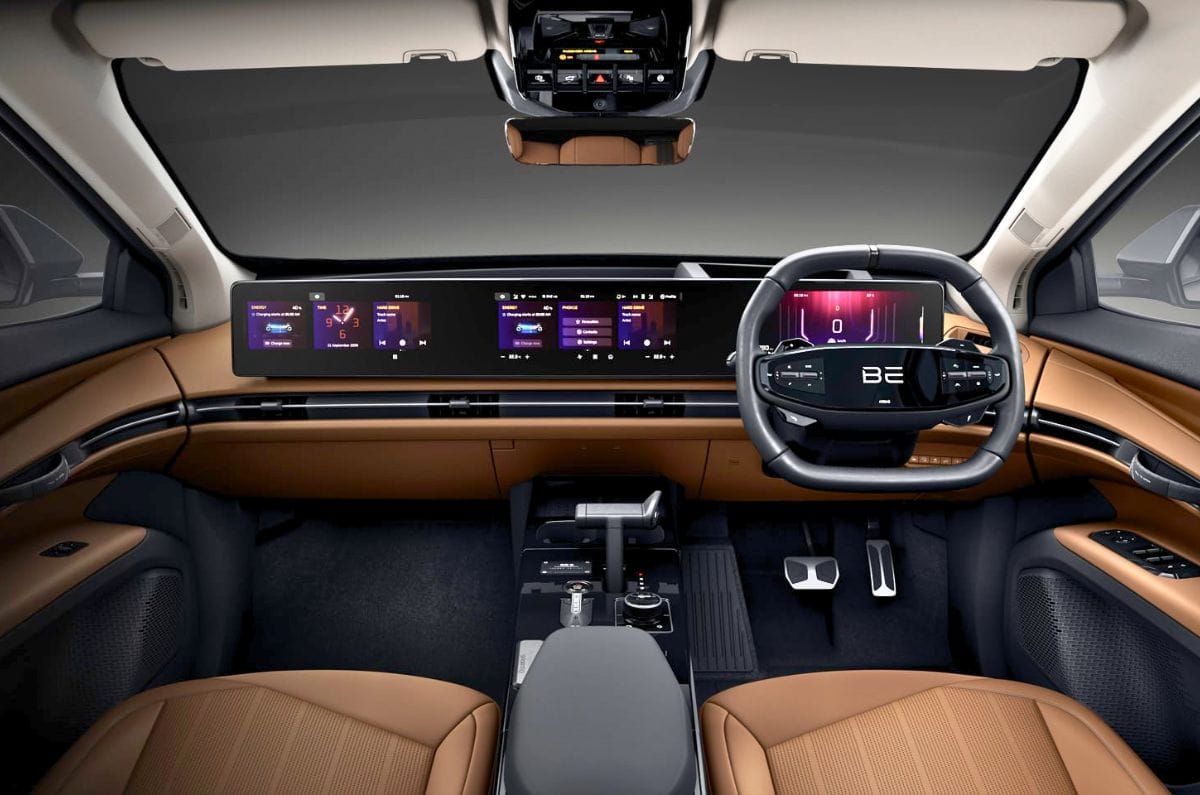
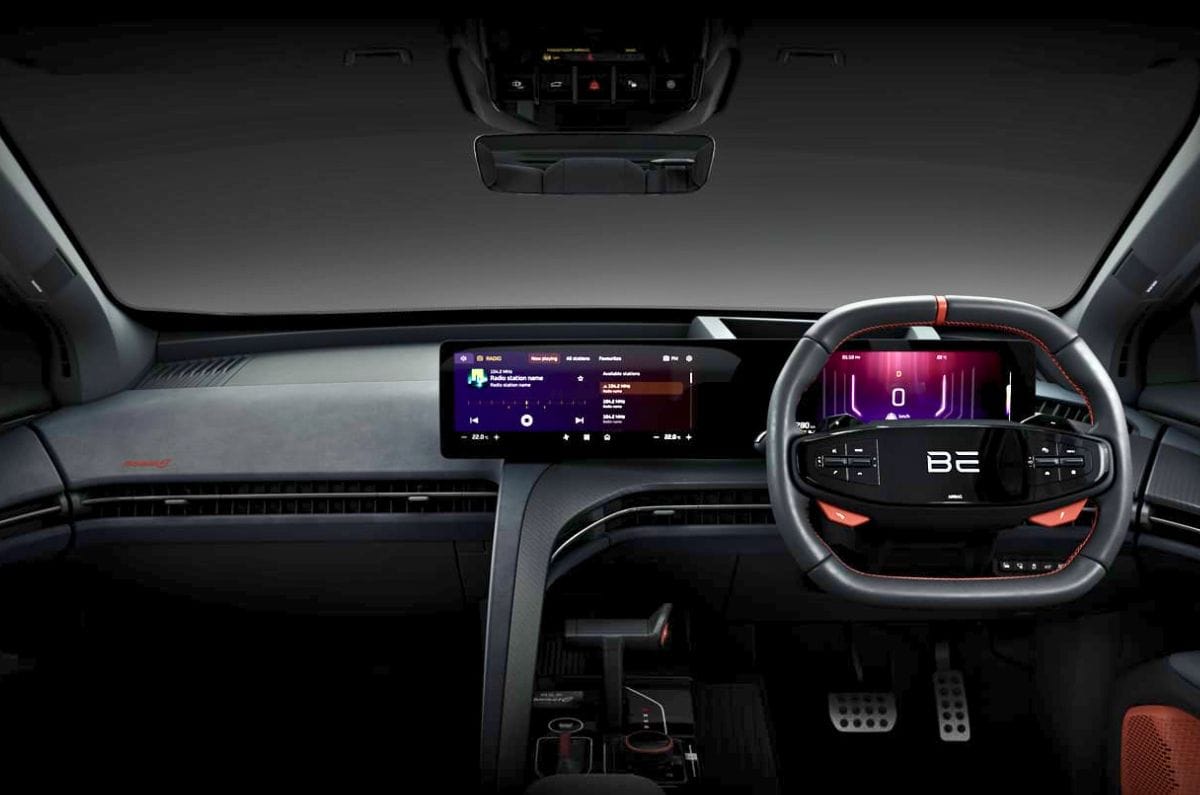
The 2026 update also brought a major redesign to the BE 6’s dashboard, now offered with an additional 12.30-inch screen for the front passenger, in addition to the similarly sized digital driver’s display and touchscreen infotainment system. The new front passenger display also removed the halo-like design element connecting the dashboard to the centre console, allowing the addition of two cupholders on the centre console, something that was sorely missing on the older model.
Mahindra is offering a triple-screen setup on all trims of the BE 6 Sporteq except the base-spec One and the sportier Formula E editions.
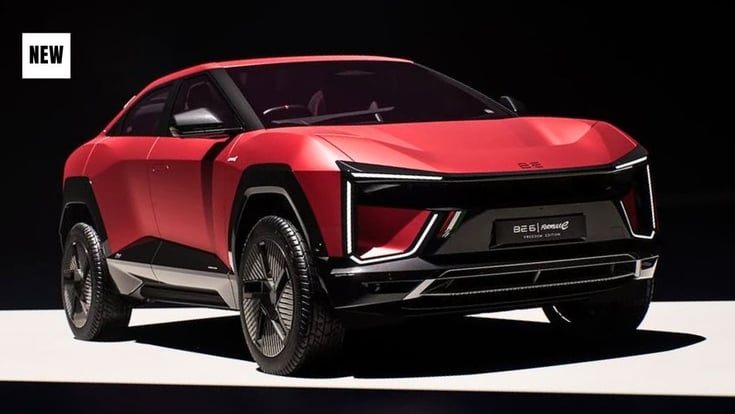
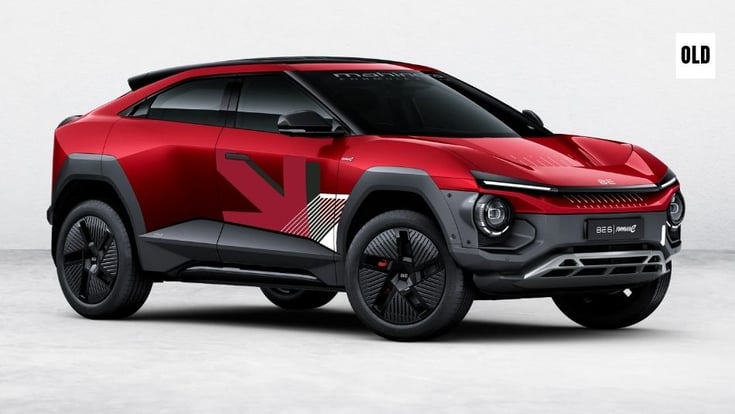
Redesigned Formula E edition
The 2026 Formula E Freedom looks nothing like the older Formula E edition
With the 2026 update, Mahindra has also rejigged the exterior design of the Formula E edition. Unlike the previous model, which had a different fascia from the standard model with circular-shaped LED headlights and a revised bumper, the 2026 Formula E Freedom edition gets the same design as the standard BE 6 Sporteq, with some Formula E badges and FIA decals. Moreover, the Formula E edition is only offered with the older model’s dual-screen dashboard and a halo design element for a sporty appeal.
Mahindra is offering the 2026 Formula E edition at the Three and Four trim levels, priced at Rs 24.45 lakh and Rs 26.95 lakh, respectively (ex-showroom).
Fresh exterior and interior colours
Both the BE 6 Sporteq and Formula E edition get new colour themes
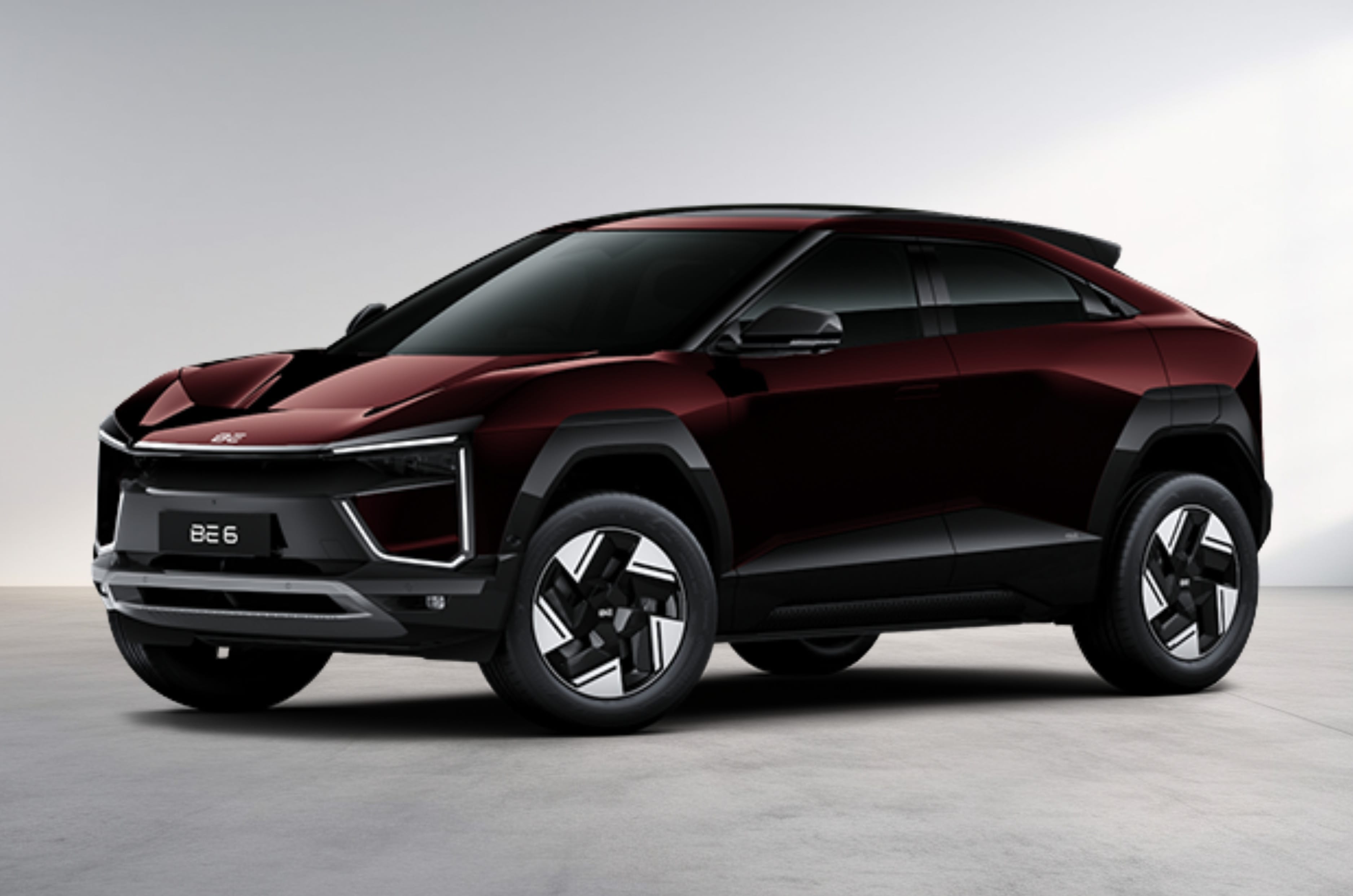
Mahindra BE 6 Sporteq Ruby Velvet exterior colour.
The 2026 Mahindra BE 6 Sporteq is being offered with fresh exterior and interior colour options. It is available in a new ‘Ruby Red’ exterior theme and new Racing Tan and Black interior hues for the Two, Three, Three+ and Four trims. The base-spec One is offered with the same Sage Green and Grey theme as before. A Sporteq Launch Edition, based on the fully loaded Four trim, is also available, which offers a new Graphite Storm exterior paint and Racing Tan interior theme.
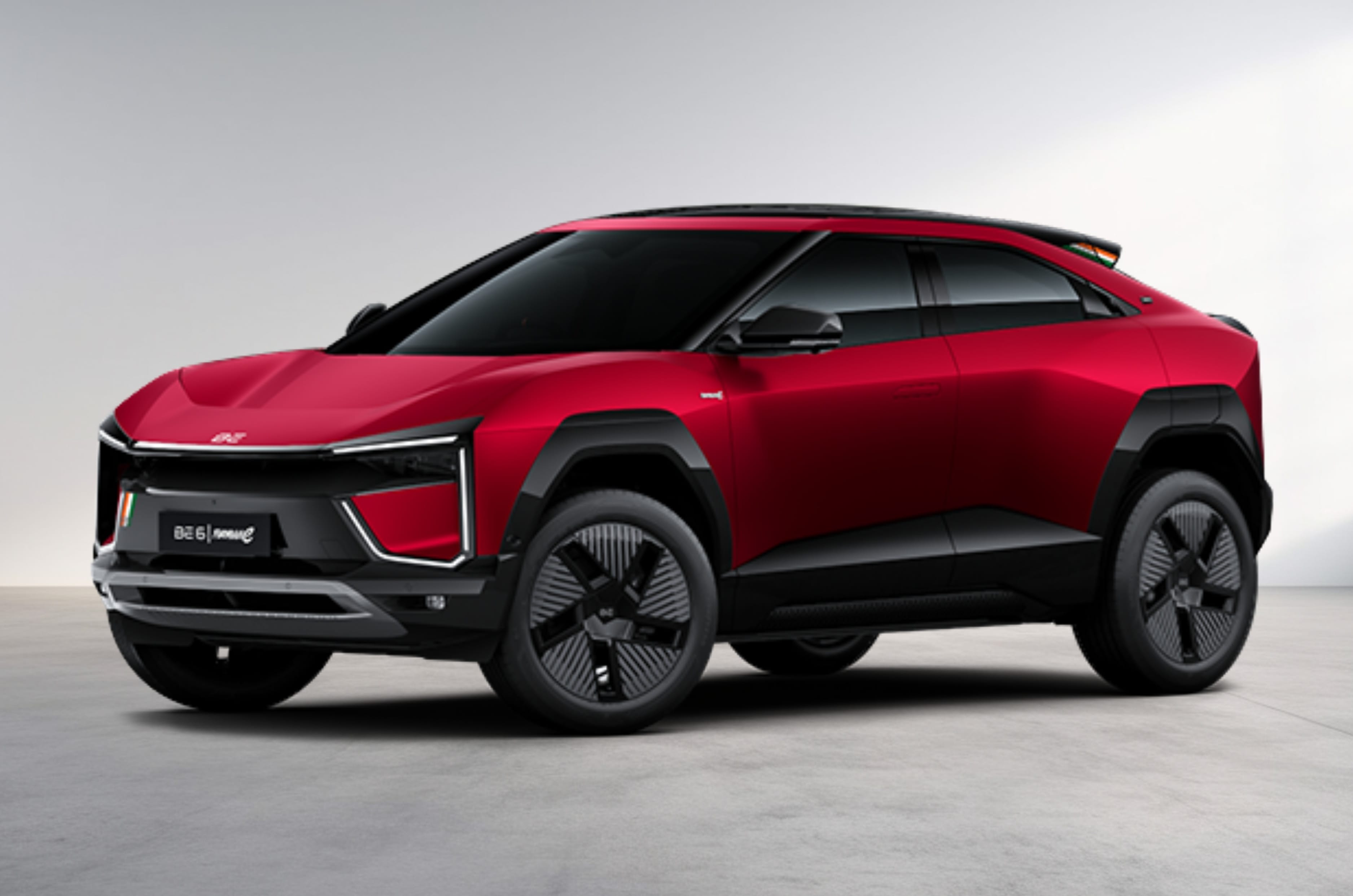
Mahindra BE 6 Formula E Freedom edition Rosso Impulso exterior colour.
While the 2026 BE 6 Formula E edition is offered with a new Rosso Impulso exterior hue, the all-black interior with orange elements for contrast is the same as the outgoing model.
New ‘TEQ’ suite
The suite enables Gemini-based interactions, unlocks additional drive modes and Revive functionalities
Another addition to the BE 6 Sporteq is the new ‘TEQ’ suite, which Mahindra says is designed to make the vehicle more intuitive, engaging, secure and responsive to individual customer needs. At its core is a Gemini-based AI conversation assistant that allows natural voice interactions for functions such as vehicle controls, navigation and music. The suite also introduces a Karaoke mode, along with support for Dolby Vision and Dolby Audio.
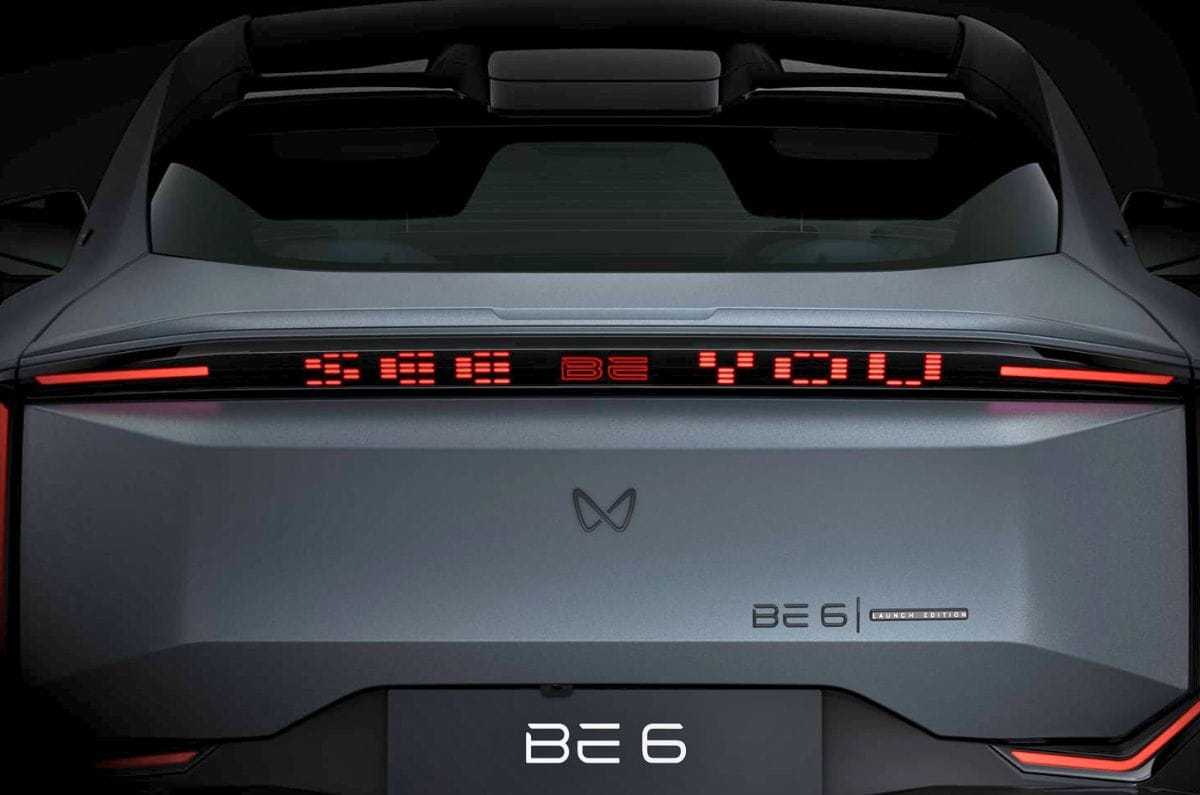
The TEQ suite also adds several performance and convenience features, including Custom Drive Mode, Drift Mode and an acceleration boost mode for the Formula E Freedom Edition, which enables a claimed 0-100 kph time of 6.44 seconds. It also includes Revive and Revive SOS, which can provide additional range even after the battery has run out. Another new feature is ‘TEQ_xting’, which lets owners display personalised messages on the vehicle’s tailgate.
The Mahindra BE 6 Sporteq is priced from Rs 19.45 lakh to Rs 26.95 lakh (ex-showroom), and it rivals the Hyundai Creta Electric, Tata Sierra EV, Tata Curvv EV, MG ZS EV, Maruti Suzuki e Vitara and Toyota Ebella.
Prices are ex-showroom, India, and do not include a wall charger or its installation cost.





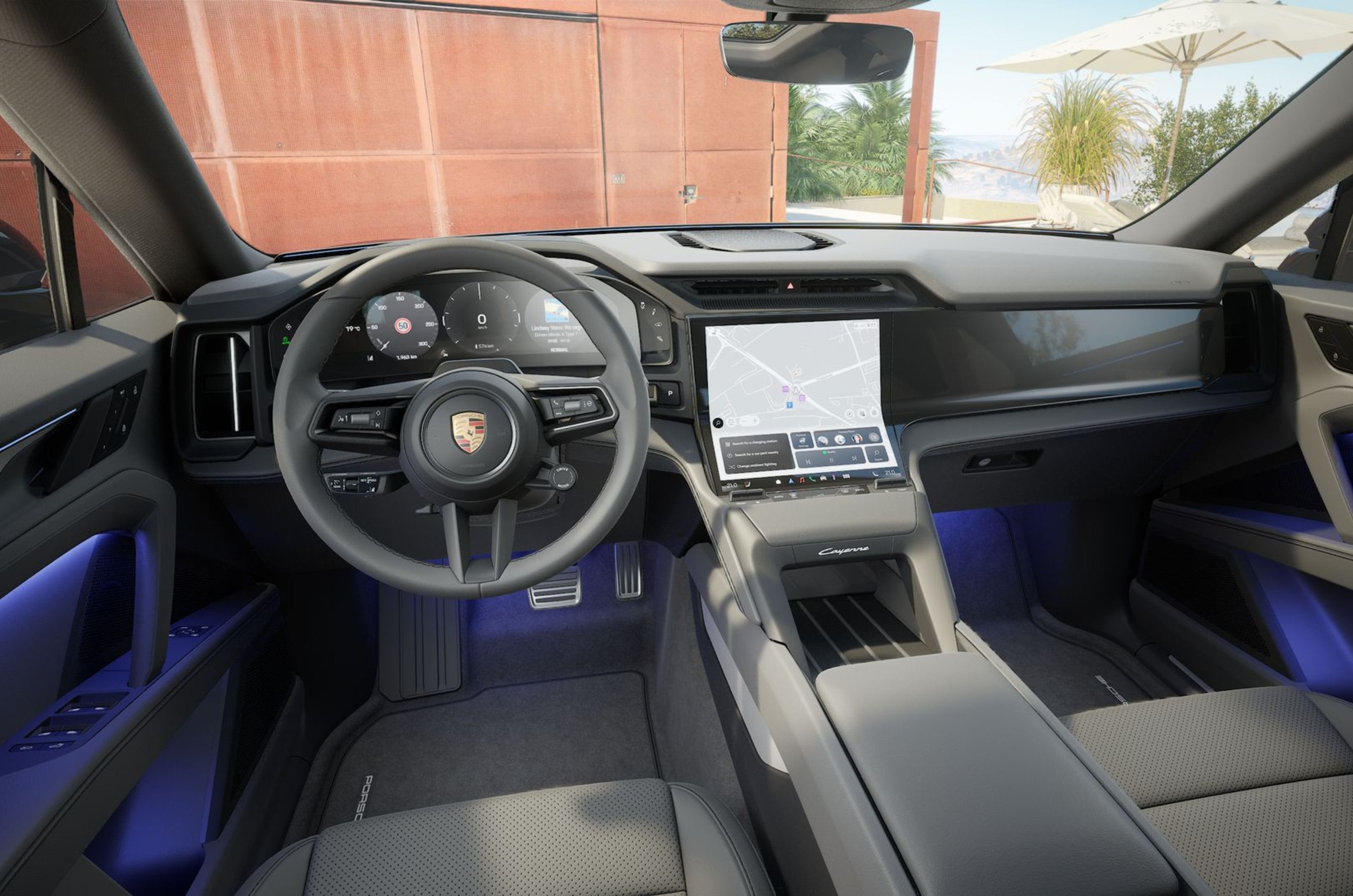 Inside, the Cayenne Electric gets a three-spoke steering wheel and digital driver’s display, similar to the ICE model. Porsche has also added a new 14.5-inch curved touchscreen infotainment system that flows into the centre console. An optional 14.9-inch passenger display is also available at an additional cost. Other features include 8-way electrically adjustable front seats, four-zone automatic climate control, ventilated front seats, a panoramic sunroof and wireless phone charging.