A newly spotted test mule of the upcoming Mahindra Thar 3-door facelift previews the off-roader’s revised front end. While the Thar 3-door received a nip-and-tuck with some feature additions in October 2025, this upcoming facelift looks to be more comprehensive in scope. Expect the 2026 Thar 3-door facelift to launch in the coming months, priced slightly higher than the current model, which costs Rs 10.32 lakh-18 lakh (ex-showroom).
2026 Mahindra Thar 3-door facelift exterior updates
Credit: thepathfinder722 via Instagram
Previous test mule sightings of the facelifted Thar 3-door hinted at an all-new grille that heavily resembles the double-stacked 6-slat one of the Thar Roxx. This test mule, however, has a different 5-slot grille with a small horizontal intrusion on the right side, possibly to accommodate a badge. The discrepancy in grille designs is unclear, with one likely explanation being that the Thar 3-door facelift will be sold in different editions with unique grilles. Aside from the grille, new 5-spoke alloy wheels can also be spotted on the test mule.
2026 Mahindra Thar 3-door facelift powertrain updates
Under the bonnet, the facelifted Thar 3-door is expected to retain the current model’s 119hp 1.5-litre diesel, 132hp 2.2-litre diesel, and 152hp 2.0-litre direct-injection turbo-petrol engine options. All engines get a 6-speed manual gearbox as standard, with the 2.2-litre diesel and 2.0-litre turbo-petrol ones additionally offering a 6-speed torque converter automatic. 4×4 can be equipped with those two engines as well, while the 1.5-litre diesel comes with 4×2 (RWD) only. As we exclusively reported last April, An electric power steering system is also expected to replace the current hydraulic setup.
Mahindra is offering discounts across much of its ICE line-up in August 2026. The Thar Roxx and Scorpio N receive the highest benefits among the brand’s mainstream SUVs this month, while offers are also available on the Scorpio Classic, Thar, XUV 3XO, Bolero Neo and Bolero Neo Plus. Offers are valid until August 31 and may vary depending on the region, dealer and stock availability.
Disclaimer: Offers may vary by region, dealer, stock availability and customer eligibility. Please check with your nearest authorised Mahindra dealership for exact details.
Mahindra Scorpio N discounts in August 2026
Up to Rs 1.25 lakh off
The Scorpio N is available with benefits of up to Rs 1,25,000. These include a cash discount of Rs 1,00,000 and accessories worth Rs 25,000. These discounts apply to existing pre-facelift stock available with dealers.
The Scorpio N is priced between Rs 13.69 lakh and Rs 25.49 lakh (ex-showroom). It rivals the Tata Safari and Thar Roxx. It impresses with its smooth petrol and diesel engines and off-road capability, although the third-row seats and luggage space are not great.
Mahindra Thar Roxx discounts in August 2026
Up to Rs 1.20 lakh off
The Thar Roxx receives benefits of up to Rs 1.20 lakh this month. This comprises a cash discount of Rs 92,000 along with a ceramic coating package worth Rs 28,000. Priced between Rs 12.52 lakh and Rs 23.52 lakh, the Thar Roxx rivals the Force Gurkha 5-door and serves as a more practical alternative to the three-door Thar. It combines the Thar’s off-road capability with a more practical cabin, better refinement and stronger road manners.
Mahindra Scorpio Classic discounts in August 2026
Up to Rs 75,000 off
Mahindra is offering benefits of up to Rs 75,000 on the Scorpio Classic. The offer comprises a cash discount of Rs 50,000 and accessories worth Rs 25,000. Priced between Rs 13.37 lakh and Rs 17.40 lakh, the Scorpio Classic continues to appeal with its refined diesel engine and rugged character, although it lacks the features and driving sophistication of newer rivals.
Mahindra Thar discounts in August 2026
Up to Rs 50,000 off
The three-door Thar is available with a cash discount of up to Rs 50,000 this month. Priced between Rs 10.32 lakh and Rs 18.00 lakh, the Thar rivals the Force Gurkha and Maruti Suzuki Jimny. It offers great off-road capability and is offered with refined and punchy petrol and diesel engine options, although luggage space is limited and access to the rear seats can be cumbersome.
Mahindra Bolero Neo and Bolero Neo Plus discounts in August 2026
Up to Rs 45,000 off
The Bolero Neo and Bolero Neo Plus receive cash discounts of up to Rs 45,000. The Bolero Neo is priced between Rs 8.99 lakh and Rs 10.79 lakh, while the Bolero Neo Plus costs Rs 11.39 lakh to Rs 12.49 lakh. Both SUVs are built to withstand rough roads and heavy use, although they are not as refined or as well equipped as newer compact SUVs.
Mahindra XUV 3XO discounts in August 2026
Up to Rs 40,000 off
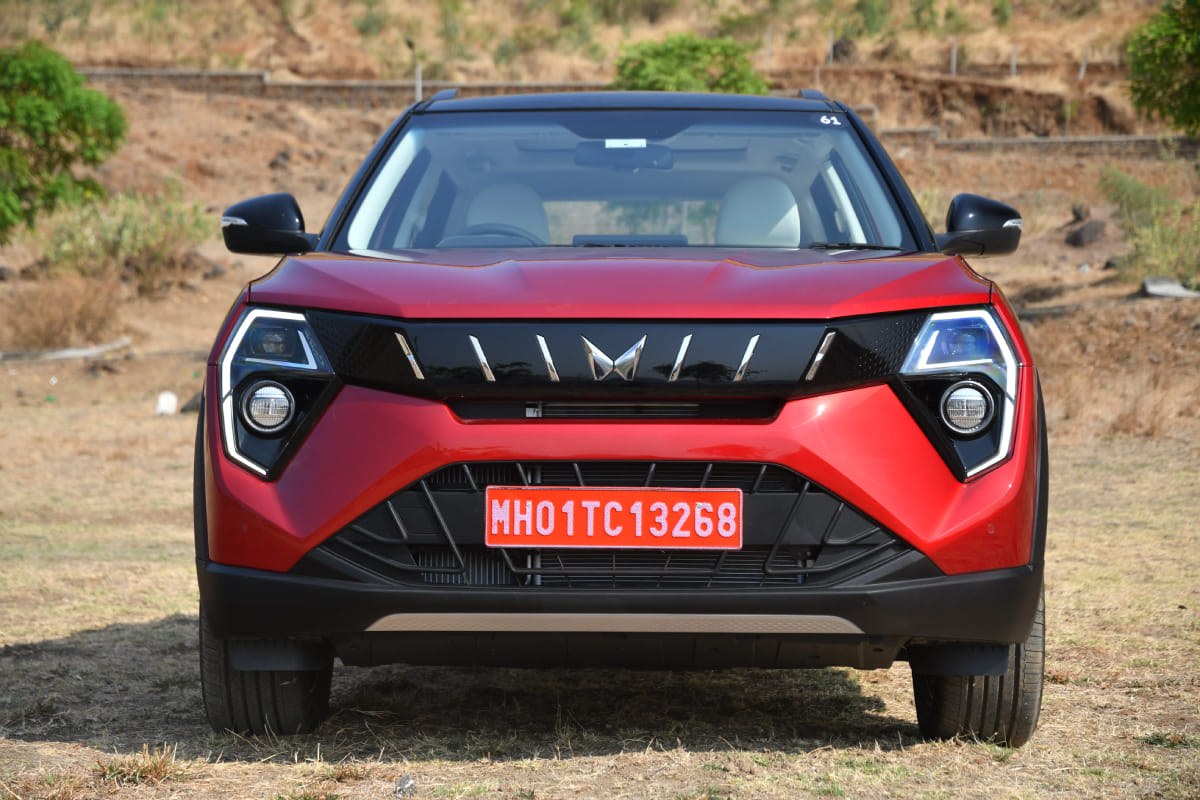
The XUV 3XO is available with a cash discount of up to Rs 40,000 this month. Priced from Rs 7.79 lakh to Rs 15.04 lakh (ex-showroom), the XUV 3XO rivals the Maruti Brezza, Tata Nexon, Hyundai Venue, Kia Sonet, Skoda Kylaq and Nissan Magnite. It offers strong petrol and diesel engines along with a feature-rich cabin, although its boot is smaller than several rivals.
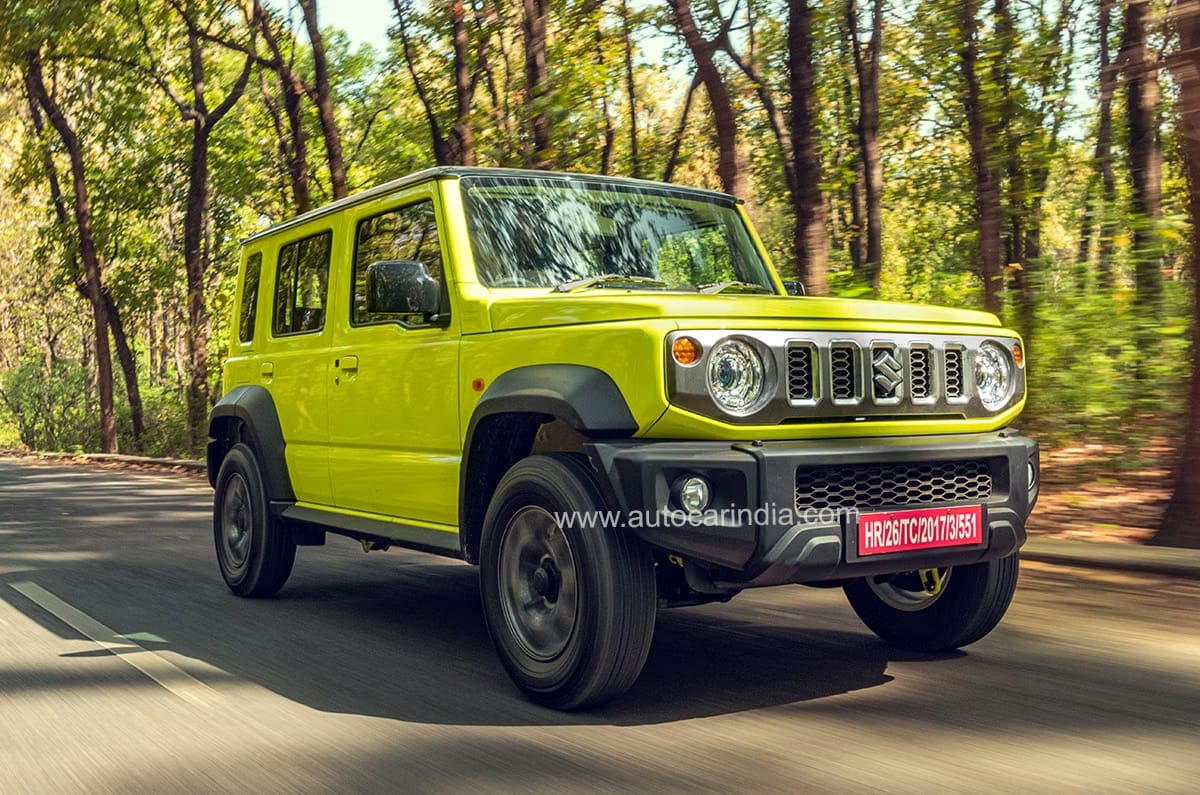
Introduced in 2023, the Jimny debuted in India as Maruti’s successor to the Gypsy. And while the Jimny was sold internationally as a 3-door model, India was the first country to have the 5-door Jimny. It gets retro-futuristic looks, high ground clearance, and a 4×4 drive system with low range. If you’re looking for a hardcore compact off-road SUV, should you consider the Jimny? We list out reasons to buy one and why it may not be the SUV for you.
Reasons to buy the Maruti Jimny
Superb Off-road ability
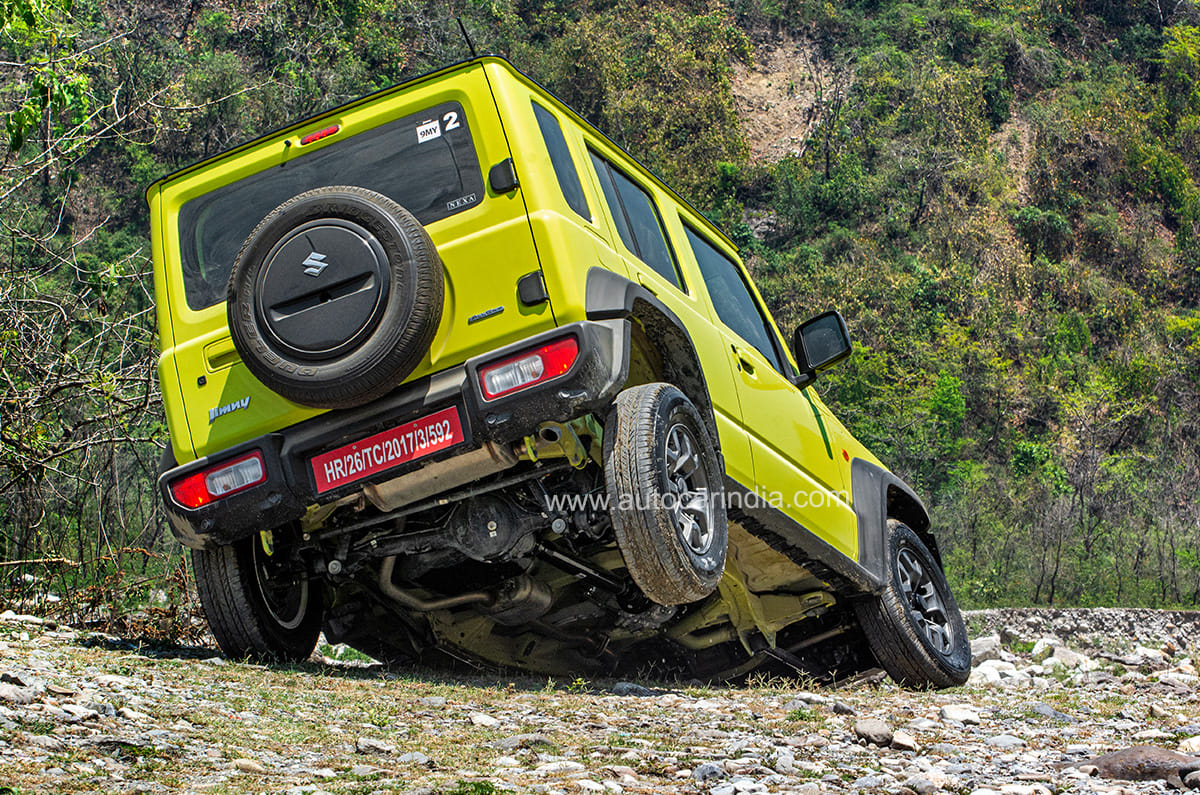
Underpinning the Jimny is a ladder frame chassis that’s best suited for heavy off-roading. Additionally, it gets Suzuki’s All Grip Pro 4×4 drive system with a lever to switch to ‘2WD-high’, ‘4WD-high’ and ‘4WD-low.’ High approach (36-degree) and departure (47-degree) angles, solid front and rear axles along with tech like hill-start assist, hill-descent control, and electronic braking differential (front and rear), help the Jimny feel right at home when off-roading. It performs superbly when wading through water, going up rock-covered steep inclines, pulling out of tricky situations and leaning at unimaginable angles all without breaking a sweat.
Charming character
In a sea of pseudo SUVs, the Jimny comes across as one of the few hardcore compact off-road SUVs that’s underpinned by a ladder-frame chassis. Additionally, it’s the only compact off-roader with 5-doors as opposed to other off-road SUVs in the segment like the Force Gurkha 3-door and Mahindra Thar. What’s best is that it isn’t as intimidating as the latter two and is very usable in the city as well. Adding to its overall appeal is a quirky exterior and interior with retro-futuristic elements all over, lending it a very charming character.
Comfortable ride
While ladder-frame vehicles aren’t known for their ride quality, the Jimny feels comfortable on the whole. Especially when compared to rivals, it is more pliant and has better-controlled body roll. It handles broken roads and potholes with ease, and you could take two wheels off the road to dodge traffic with confidence. With a 210mm ground clearance, you wouldn’t need to think twice about going on a beaten path.
Reasons to not buy the Maruti Jimny
Weak engine
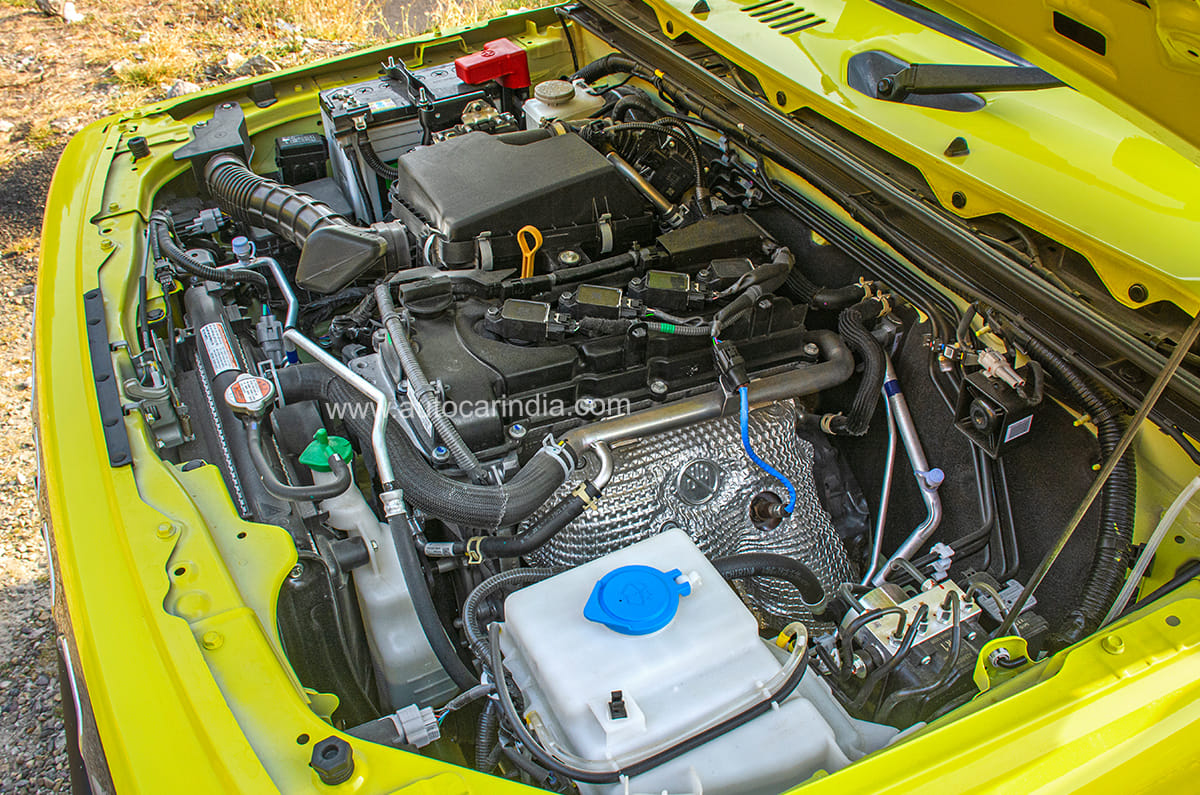
The Jimny is powered solely by a 1.5-litre naturally aspirated petrol engine developing 104hp and 134.2 Nm of torque. It’s grunty enough in urban and off-road conditions, but it falls short if you ask more of it. As with naturally aspirated engines, mid-range punch is lacking. For simple overtakes, you’ll find yourself flattening your right foot and wringing the motor’s neck. 0-100kph acceleration timings were 14.59 and 17.47 seconds for the manual and automatic gearboxes respectively, which is slow.
Clunky manual gearbox
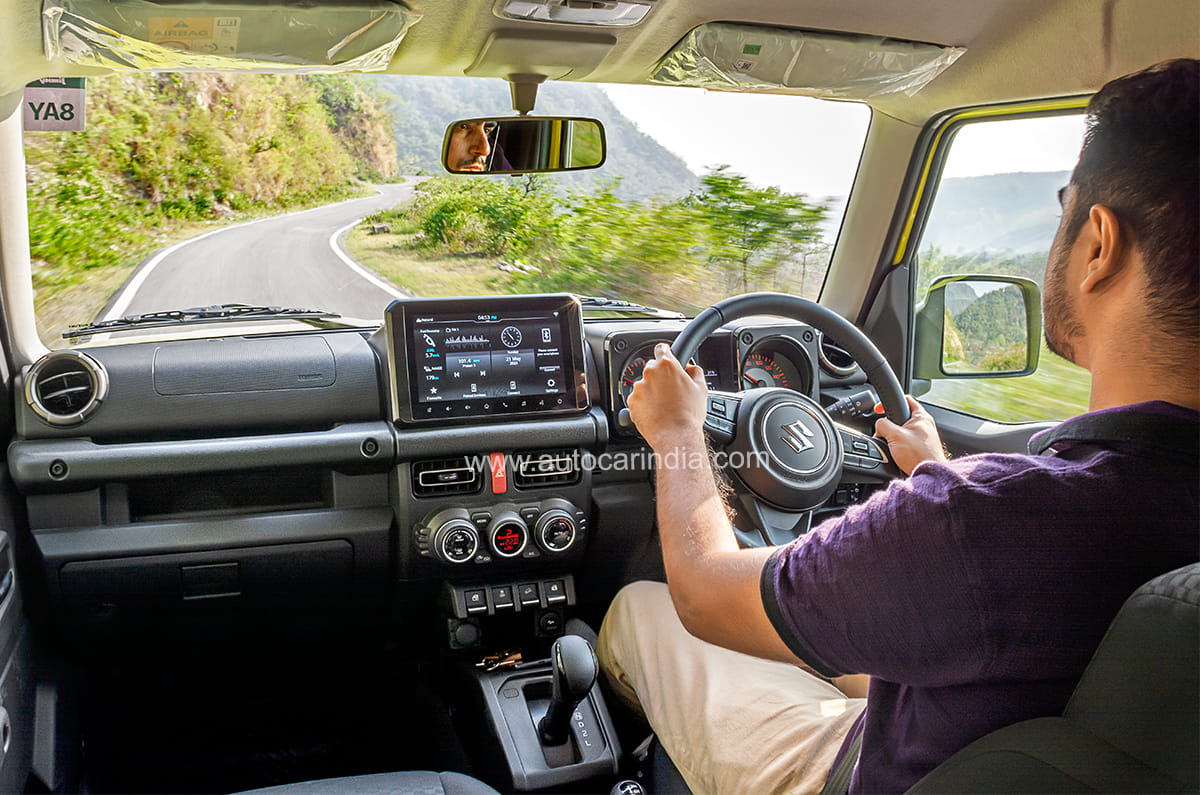
While manual Marutis have been known for buttery-smooth operation, the same can’t be said for the Jimny. Though acceleration is quicker when paired with the manual gearbox, it doesn’t bode well with the Jimny. Shifting is firm and requires substantial effort to slot it into gears, thus taking away the fun that’s associated with driving a manual gearbox. The heavy clutch is also a let-down, especially when driving in city conditions.
Heavy steering
The Jimny’s steering takes 4+ turns lock-to-lock, which is more than most cars, and is cumbersome. Secondly, the electric power steering is slow-geared, and while that’s good for off-roading, it does not bode well on the road. The weight of the steering itself is heavier than most vehicles of its size and has a huge turning radius of 5.7 metres.
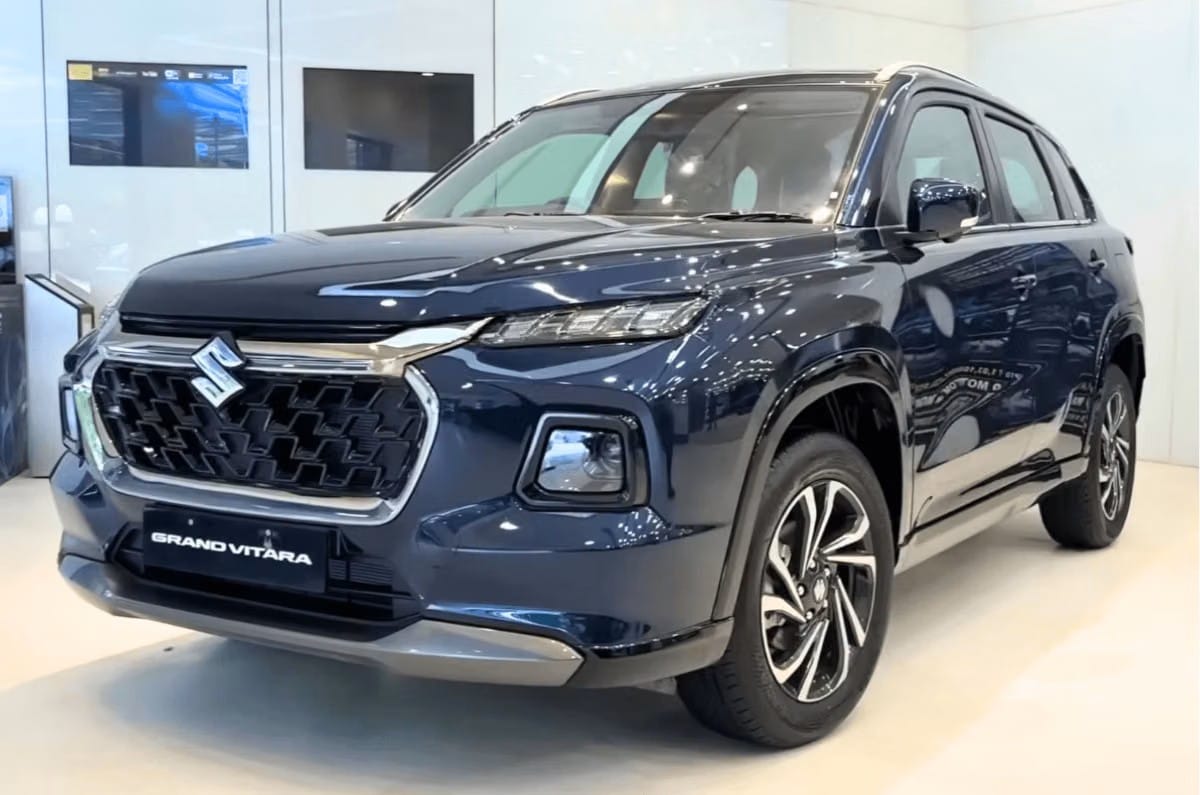
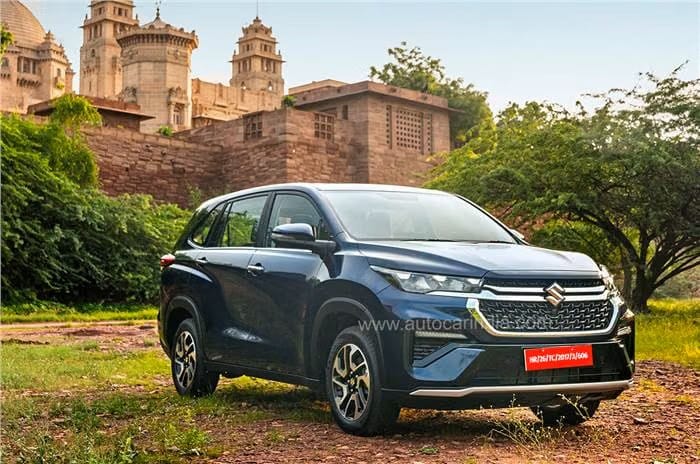
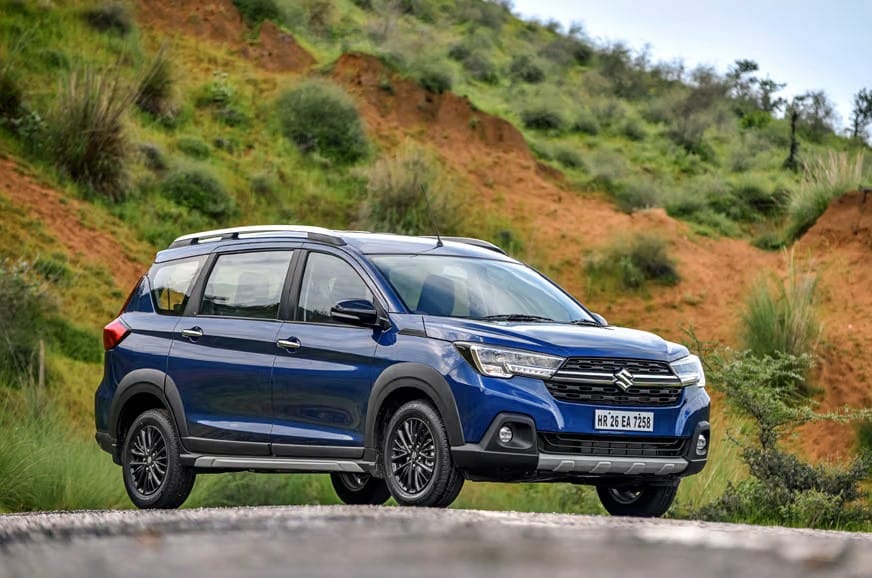
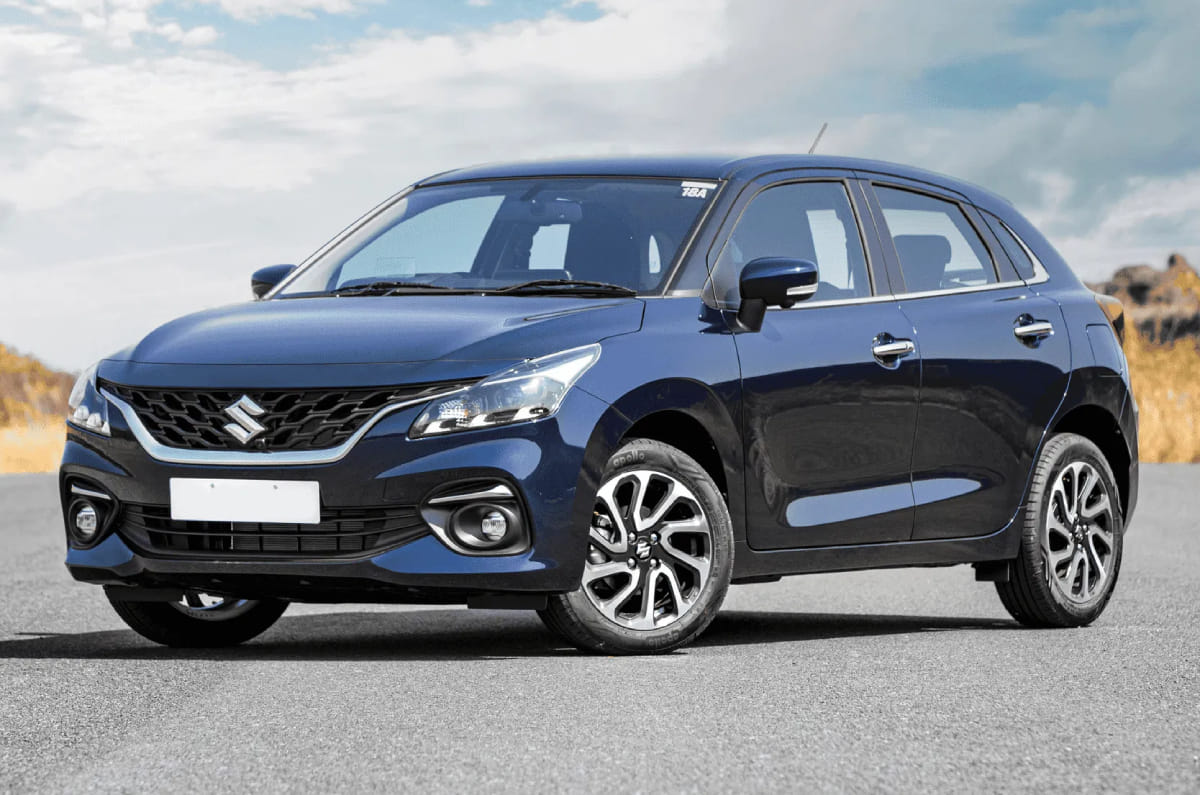
Maruti Suzuki is offering discounts across its Nexa line-up in August 2026. The offers include cash discounts, exchange or scrappage bonuses, loyalty upgrade benefits and institutional discounts, depending on the model and variant. The highest benefits this month are available on the Invicto, while the Grand Vitara, XL6, Jimny, Baleno and Fronx also receive offers.
Disclaimer: Offers may vary by city and are subject to stock availability. Check with your nearest dealer for exact details.
Maruti Invicto discounts in August 2026
Up to Rs 1.55 lakh off
The Invicto attracts the highest discounts in the Nexa range this month, with benefits of up to Rs 1.55 lakh. These include a Rs 55,000 cash discount, an exchange bonus of up to Rs 50,000 or a Rs 50,000 scrappage bonus, a Rs 30,000 loyalty bonus and a Rs 20,000 institutional discount.
Priced between Rs 24.97 lakh and Rs 28.61 lakh, the Invicto is Maruti Suzuki’s flagship MPV and rivals the Toyota Innova Hycross.
Maruti Grand Vitara discounts in August 2026
Up to Rs 1.30 lakh off
The Grand Vitara Sigma petrol receives the highest discounts of up to Rs 1.30 lakh. Delta petrol variants are available with benefits of up to Rs 1.20 lakh, while Zeta, Alpha and AWD variants get offers worth Rs 1.20 lakh, along with a complimentary five-year extended warranty.
Strong hybrid variants also receive plenty of benefits, totaling up to Rs 1.25 lakh along with zero road tax (worth up to Rs 1.85 lakh in Delhi), a five-year extended warranty. The benefits comprise of an exchange bonus of up to Rs 75,000 or a Rs 45,000 scrappage bonus, a Rs 30,000 loyalty upgrade bonus and a Rs 20,000 institutional discount. Delta CNG variants get benefits of up to Rs 1.05 lakh, while Zeta CNG variants receive up to Rs 95,000.
The Grand Vitara is priced from Rs 10.77 lakh to Rs 19.57 lakh and rivals the Hyundai Creta, Kia Seltos, Honda Elevate, Toyota Hyryder and Tata Sierra.
Maruti XL6 discounts in August 2026
Up to Rs 50,000 off
Petrol and CNG variants of the XL6 are available with benefits of up to Rs 50,000. The offer comprises a Rs 20,000 cash discount, an exchange bonus of up to Rs 30,000 or a Rs 15,000 scrappage bonus, and a Rs 10,000 institutional discount. The XL6 is priced between Rs 11.57 lakh and Rs 14.37 lakh and serves as the premium six-seat sibling to the Ertiga.
Maruti Jimny discounts in August 2026
Up to Rs 35,000 off
All variants of the Jimny are available with a Rs 35,000 cash discount this month. No exchange, scrappage, loyalty or institutional benefits are being offered. The Jimny is priced between Rs 12.39 lakh and Rs 14.37 lakh and rivals the Mahindra Thar and Force Gurkha.
Maruti Baleno discounts in August 2026
Up to Rs 30,000 off
Petrol manual and AMT variants of the Baleno receive benefits of up to Rs 30,000, while CNG variants are available with discounts of up to Rs 25,000. Petrol variants get a Rs 5,000 cash discount, an exchange bonus of up to Rs 25,000 or a Rs 10,000 scrappage bonus, while CNG variants miss out on the cash offer but receive the same exchange or scrappage benefits. Priced between Rs 5.99 lakh and Rs 9.17 lakh, the Baleno rivals premium hatchbacks such as the Hyundai i20 and Tata Altroz.
Maruti Fronx discounts in August 2026
Up to Rs 20,000 off
The turbo-petrol Fronx gets the highest discounts this month, with benefits of up to Rs 20,000. Petrol and CNG variants are available with offers of up to Rs 15,000. Turbo variants additionally receive a Rs 5,000 cash discount, while all variants are eligible for an exchange bonus of up to Rs 15,000 or a Rs 10,000 scrappage bonus, along with a Rs 5,000 institutional discount. The Fronx is priced from Rs 6.85 lakh to Rs 11.84 lakh and rivals the Toyota Taisor, Tata Nexon, Hyundai Venue, Kia Sonet, Mahindra XUV 3XO and Nissan Magnite.
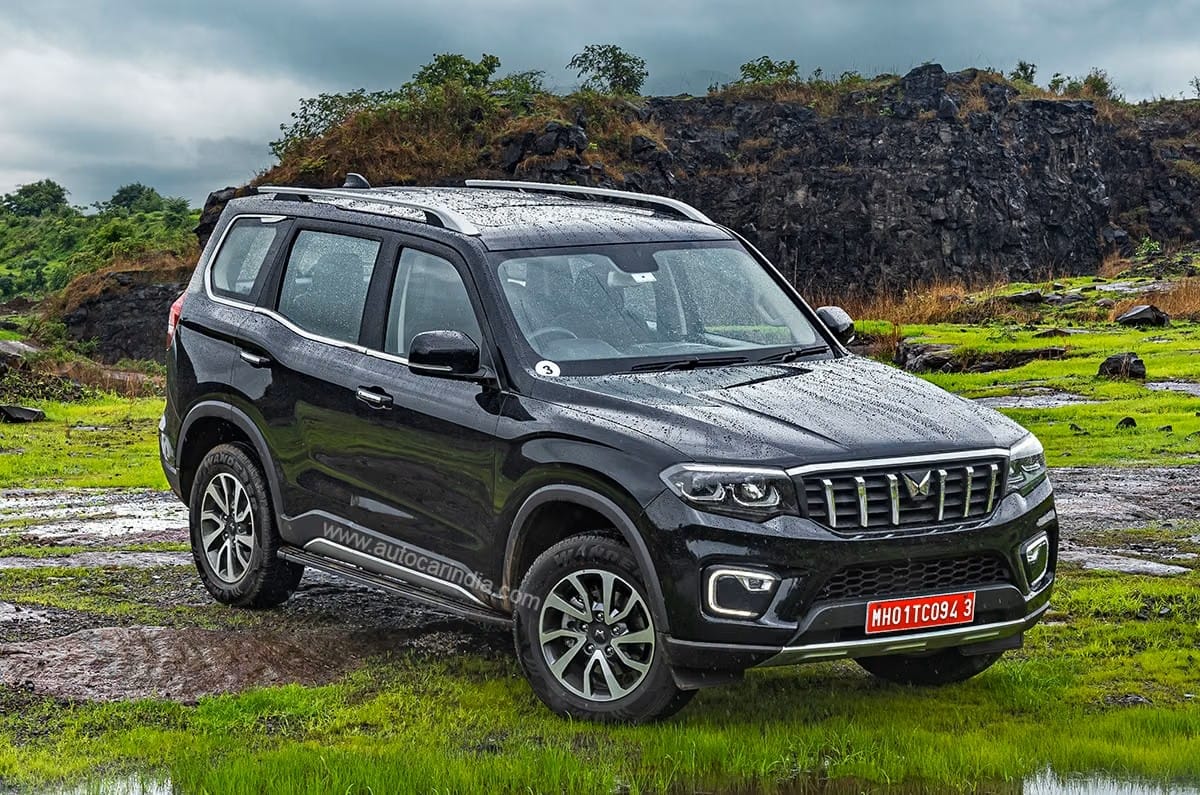
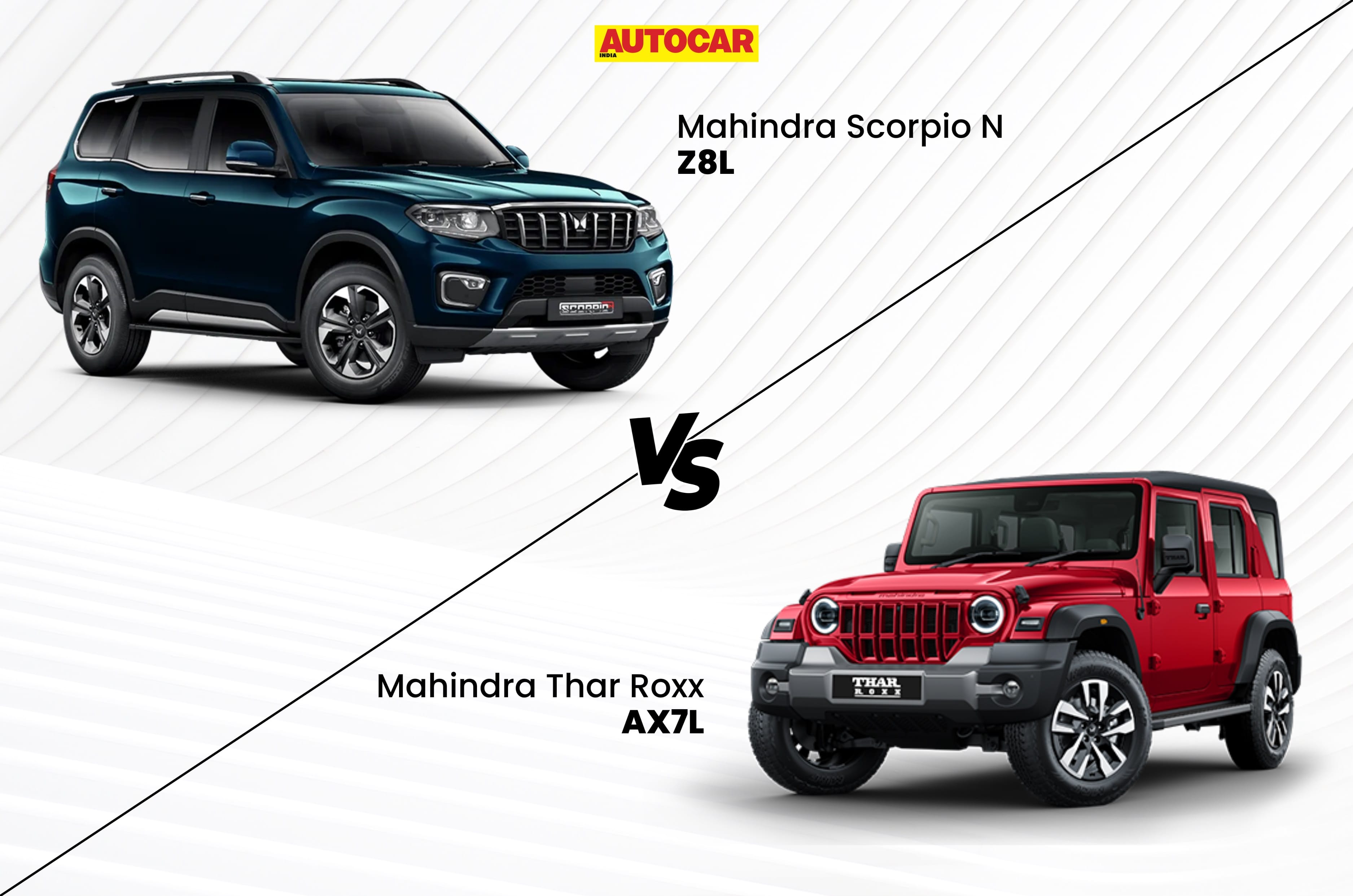
Mahindra recently launched the 2026 Scorpio N, introducing a handful of changes, including new rims, a larger touchscreen, a fresh driver’s display, and a 540-degree camera, while retaining the same powertrain and drivetrain options. It is priced from Rs 13.69 lakh to Rs 25.49 lakh (ex-showroom). Its prices are similar to those of the Thar Roxx’s, which also offers the same powertrain and drivetrain options. So, if you are looking for a Mahindra SUV at around Rs 25 lakh, should you choose the top-spec Mahindra Scorpio N Z8L or the Thar Roxx AX7L? We find out.
2026 Mahindra Scorpio N vs Thar Roxx: Dimensions
Scorpio N is larger and offers more boot space; Thar Roxx has better ground clearance
Mahindra Scorpio N vs Thar Roxx: Dimensions and other specifications
Scorpio N
Thar Roxx
Difference
Length (mm)
4,662
4,428
+234
Width (mm)
1,917
1,870
+47
Height (mm)
1,857
1,923
-66
Wheelbase (mm)
2,750
2,850
-100
Ground clearance (mm)
187
226
-39
Boot space (litres)
786*
447
+339
No. of seats (mm)
6 or 7
5
–
*786 litres of boot space is with the third row folded (with 5 seats up).
The Mahindra Scorpio N is significantly longer compared to the Thar Roxx, and it is also slightly wider. The Thar Roxx, on the other hand, has a larger wheelbase and is also taller than the Scorpio N.
The Scorpio N offers a larger boot with the third row folded. Notably, the Scorpio N is offered with either 6 or 7 seats, the former asking a premium over the latter, while the Thar Roxx is strictly a 5-seater.
2026 Mahindra Scorpio N Z8L vs Thar Roxx AX7L: Powertrain
Both Mahindra SUVs get the same powertrain options, but with slightly different tunes
Top-spec Mahindra Scorpio N vs Thar Roxx: Powertrain options
Scorpio N Z8L*
Thar Roxx AX7L^
Engine
2.0L TP | 2.2L D
2.0L TP | 2.2L D
Power (hp)
203 | 175
177 | 152-175
Torque (Nm)
370-380 | 370-400
380 | 330-400
Transmission
6MT, 6AT | 6MT, 6AT
6AT | 6MT, 6AT
Drivetrain
RWD | RWD, 4WD
RWD | RWD, 4WD
*Scorpio N’s direct-injection turbo-petrol produces 203hp, 370Nm with MT, and 203hp, 380Nm with AT; diesel engine produces 175hp, 370Nm with MT, 175hp, 400Nm with AT.
^Thar Roxx’s direct-injection turbo-petrol engine produces 152hp,300Nm with MT, and 175hp, 400Nm with AT.
Both top-spec Mahindra Scorpio N Z8L and Thar Roxx AX7 are offered with a choice between a 2.0-litre direct-injection turbo-petrol engine and a 2.2-litre diesel engine. However, these engines are offered in different states of tune, with varying power and torque outputs, and the Scorpio N’s select powertrains are slightly more powerful than the Thar Roxx’s.
The Scorpio N’s petrol-AT produces 28hp more than the Thar Roxx. Notably, the Thar Roxx AX7L is not offered with a petrol-manual option. The Scorpio N’s diesel-MT produces 23hp and 40Nm more than the Thar Roxx, while with the diesel-AT both SUVs offer 175hp and 400Nm.
The diesel engines on both SUVs are available with both rear-wheel-drive (RWD) and four-wheel-drive (4WD) setups with both manual and automatic variants, while the petrol engines are only offered with only a RWD setup.
2026 Mahindra Scorpio N Z8L vs Thar Roxx AX7L: Exterior
Thar Roxx AX7L has bigger rims, but Scorpio N Z8L offers roof rails
Mahindra Scorpio N Z8L vs Thar Roxx AX7L: Exterior
Scorpio N Z8L
Thar Roxx AX7L
Headlights
Auto LED
Auto LED
Taillights
Wraparound LED
Wraparound LED
DRLs
LED
LED
Front fog lamps
LED
LED
Wheels
18-inch
19-inch
Powered ORVMs
Yes
Yes
Roof rails
Yes
No
Sharkfin antenna
Yes
No
Colour
Mono-tone
Dual-tone
Top-spec trims of both SUVs are offered with all-LED lighting. The differences, however, are larger 19-inch alloy wheels on the Mahindra Thar Roxx AX7L, and roof rails on the Scorpio N Z8L. The Scorpio N has a sharkfin antenna, while the Thar Roxx’s antenna is placed on the front left fender.
The top-spec Scorpio N is offered with monotone hues only, while the Thar Roxx is available only in dual-tone shades.
2026 Mahindra Scorpio N Z8L vs Thar Roxx AX7L: Interior, features
Scorpio N Z8L offers larger infotainment, more speakers and dual-zone AC
Mahindra Scorpio N Z8L vs Thar Roxx AX7L: Interior and features
Scorpio N Z8L
Thar Roxx AX7L
Driver’s display
10.25-inch
10.25-inch
Infotainment screen
12.30-inch
10.25-inch
Android Auto, Apple CarPlay
Wireless
Wireless
Audio system
12-speaker Sony
8-speaker Harman Kardon
On-board navigation
Yes
Yes
Sunroof
Panoramic
Panoramic
Powered tailgate
No
No
Climate control
Dual-zone
Single-zone
Seat upholstery
Leatherette
Leatherette
Steering wheel adjustment
Tilt
Tilt
Wireless phone charger
Yes, with cooling
Yes
Driver seat adjustment
6-way
6-way
Co-driver’s seat adjustment
–
–
Front seat features
Ventilation
Ventilation
Rear window sunshade
No
No
The Scorpio N Z8L offers a larger 12.3-inch touchscreen infotainment system paired with a 12-speaker Sony sound system compared to the Thar Roxx AX7L’s 10.25-inch unit with an 8-speaker Harman Kardon sound system. The Scorpio N is also equipped with dual-zone climate control and a wireless phone charger with cooling, while the Thar Roxx gets basic single-zone automatic climate control and misses out on the cooling function for the wireless phone charger.
Everything else is identical on both SUVs, including a panoramic sunroof, a 10.25-inch driver’s display, a 6-way powered driver’s seat, front seat ventilation, and a tilt-adjustable steering wheel. Both SUVs also show adventure statistics including a compass, roll and pitch and an altimeter.
2026 Mahindra Scorpio N Z8L vs Thar Roxx AX7L: Driving tech
Scorpio N Z8L comes with more terrain modes than the Thar Roxx AX7L
Mahindra Scorpio N Z8L vs Thar Roxx AX7L: Driving technology
Scorpio N Z8L
Thar Roxx AX7L
Drive modes (RWD only)
Zip, Zap, Zoom
Zip, Zoom
Terrain modes (4WD only)
Normal, Snow, Mud & Ruts, Sand
Snow, Sand, Mud
Shift-on-fly 4WD
Yes
Yes
Electronic locking differential
4WD only
4WD only
Paddle shifters
AT only
AT only
Cruise control
Adaptive
Adaptive
Drive modes on the Scorpio N are offered only with the diesel-RWD variants, while even the petrol variants of the Thar Roxx get this suite. However, the Scorpio N gets an additional ‘Sand’ terrain mode missing on the Thar Roxx. Both SUVs, however, get a shift-on-fly 4WD system and an electronic locking differential, enhancing grip on slippery terrains.
2026 Mahindra Scorpio N Z8L vs Thar Roxx AX7L: Safety
Safety features are similar, save for a 540-degree camera on Scorpio N Z8L
Mahindra Scorpio N Z8L vs Thar Roxx AX7L: Safety features
Scorpio N Z8L
Thar Roxx AX7L
Airbags
6
6
ADAS
Level-2
Level-2
Camera setup
540-degree*
360-degree
Parking sensors
Front and rear
Front and rear
Electronic parking brake
Yes
Yes
All-wheel disc brakes
Yes
Yes
TPMS
Yes
Yes
IRVM
Auto-dimming
Auto-dimming
Rear wiper, washer
Yes
Yes
Hill start assist
Yes
Yes
Hill descent control
Yes
Yes
ESC
Yes
Yes
Traction control
Yes
Yes
*The 540-degree camera setup includes an under-bonnet display.
Except for a 540-degree camera setup on the Scorpio N Z8L, which shows the view under the SUV’s bonnet, all other safety features are identical to both SUVs. These include 6 airbags, Level-2 advanced driver assistance system (ADAS), front and rear parking sensors, a tyre pressure monitoring system (TPMS), and hill start and hold assists.
2026 Mahindra Scorpio N Z8L vs Thar Roxx AX7L: Prices
The Thar Roxx comes at a lower price compared to the top-spec Scorpio N
Mahindra Scorpio N Z8L vs Thar Roxx AX7L: Variant-wise ex-showroom price (Rs, lakh)
Scorpio N Z8L
Thar Roxx AX7L
Petrol MT
21.31-21.69
–
Petrol AT
22.87-23.05
20
Diesel MT
21.99-22.47
19.52
Diesel AT
23.49-23.80
20.78
Diesel MT 4WD
24.25
22.12
Diesel AT 4WD
25.49
22.53
The Mahindra Scorpio N Z8L is more expensive than the Thar Roxx AX7L in all powertrain configurations by over Rs 2 lakh. However, it is offered with an additional third row, which can accommodate more passengers. On the other hand, the Mahindra Thar Roxx is derived from a hardcore off-roader and is a good recreational vehicle while also serving urban buyers with its tech-loaded suite. However, the Scorpio N, despite being pricier, is a more practical option that packs in all the necessary off-roading tech and offers an additional third row, making it a good value-for-money SUV in its class.
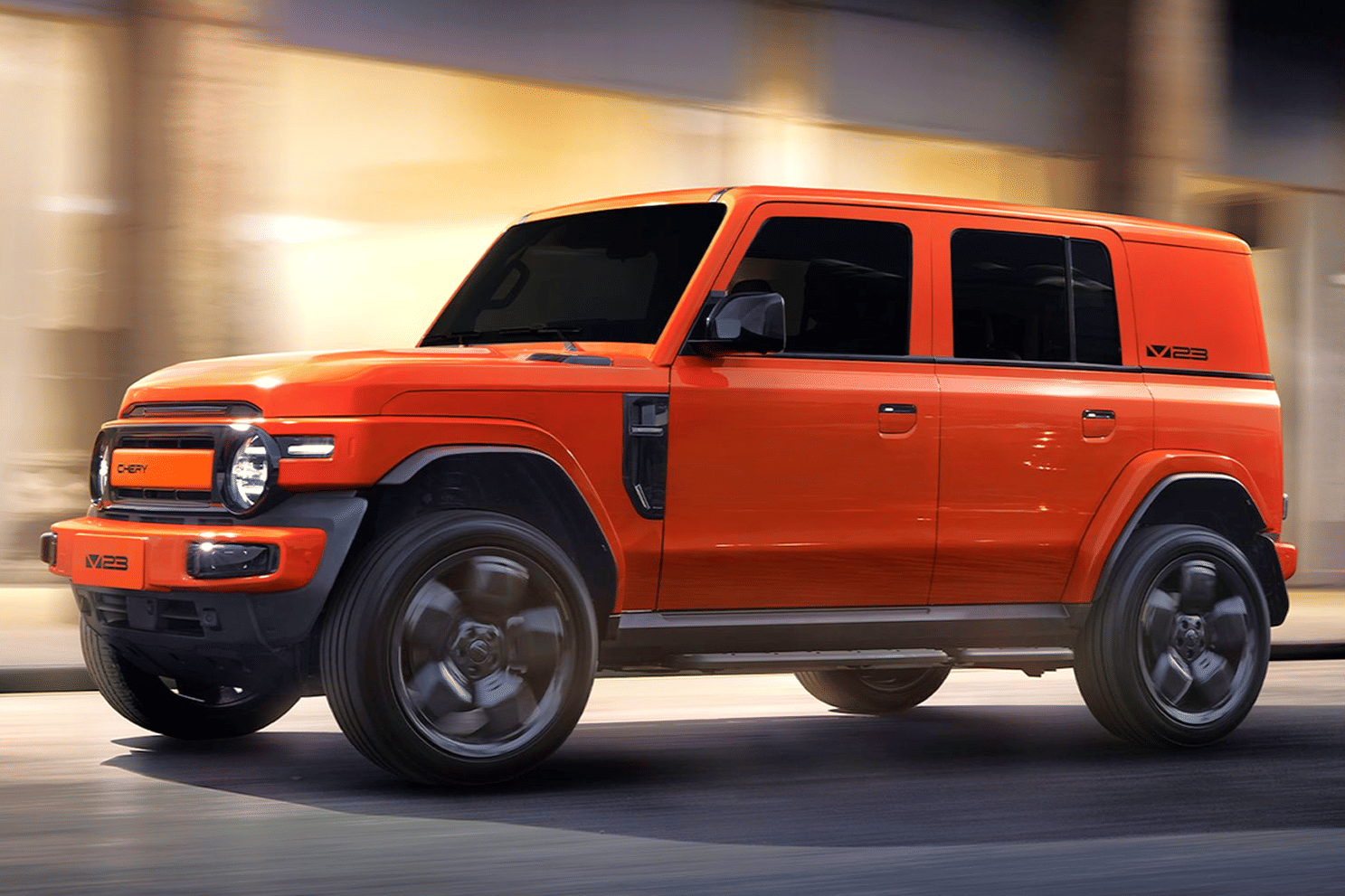
JSW Motors’ third model, an electric SUV based on the Chery iCar V23, is expected to be sold with a dual-motor all-wheel drive powertrain in India, per our sources. This EV will be the first mass-market electric off-roader in India, and its closest rival will be the Mahindra Thar Roxx, which is ICE-powered, but also a 5-door off-road-focused SUV. We even reported previously that JSW’s iCar V23-based EV may be priced under Rs 20 lakh (ex-showroom).
JSW Motors’ iCar V23-based electric SUV: Powertrain
In global markets, the dual-motor AWD version of the iCar V23 packs an 81.76kWh NMC battery pack with an NEDC-certified range of 430km. Combined output is pegged at 211hp and 292Nm, which makes for a rather brisk 0-100kph time of 7.5 seconds (claimed). Top speed is rated at 140kph. The global-spec iCar V23 also supports up to 6.6kW AC and 104kW DC charging speeds.
JSW Motors’ iCar V23-based electric SUV: Exterior and interior
Credit: @torqueculturee via Instagram
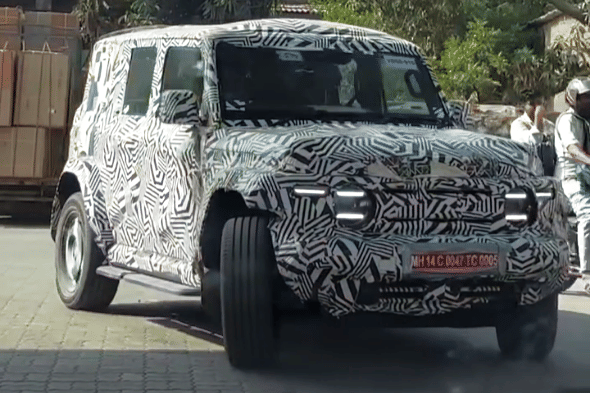
Test mules of JSW’s iCar V23-based EV have been spotted on Indian roads on several occasions, hinting at a very similar design to that of the global model. For reference, the global-spec iCar V23 measures 4,220mm in length, 1,915mm in width, and 1,845mm in height, with a wheelbase of 2,735mm. It also has an unladen ground clearance of 210mm.
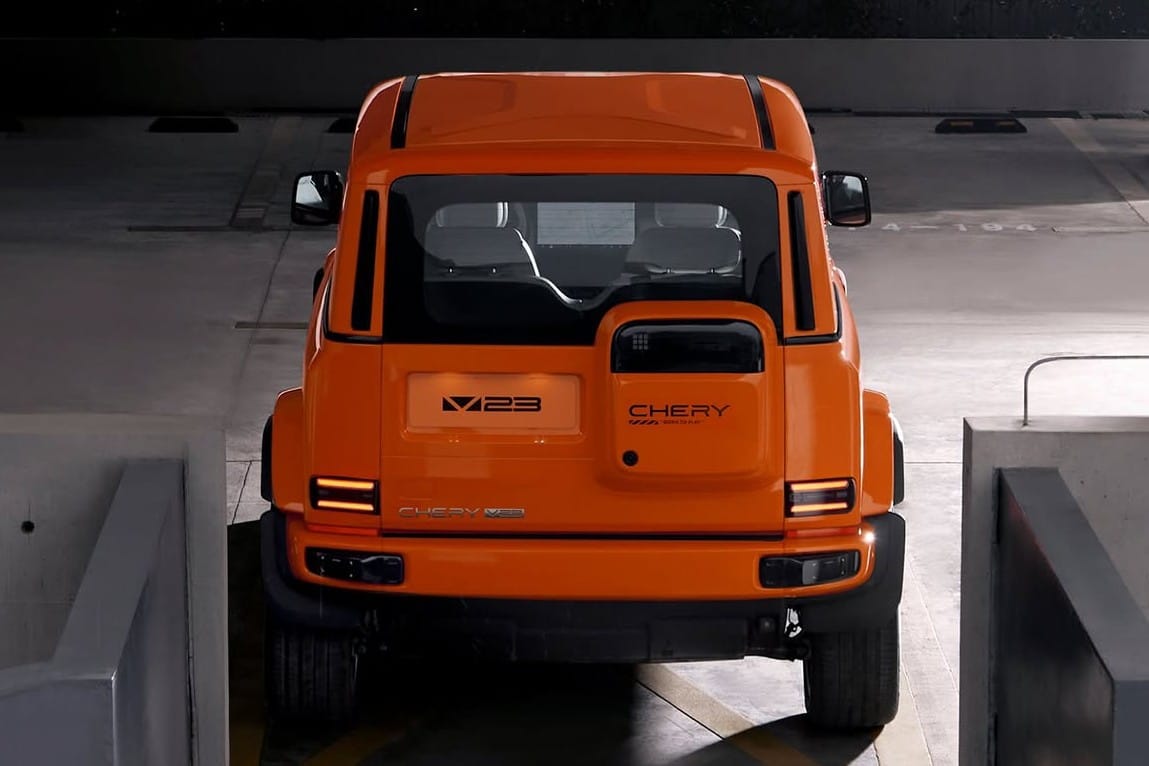
Size-wise, then, the iCar V23 slots between the Maruti Jimny and Thar Roxx. Styling highlights for the iCar V23 include butch and boxy proportions, muscular bumpers, flared and squared-off fenders, 21-inch alloy wheels, circular LED headlamps, low-set rectangular tail-lamps, and a bootlid-mounted spare wheel.
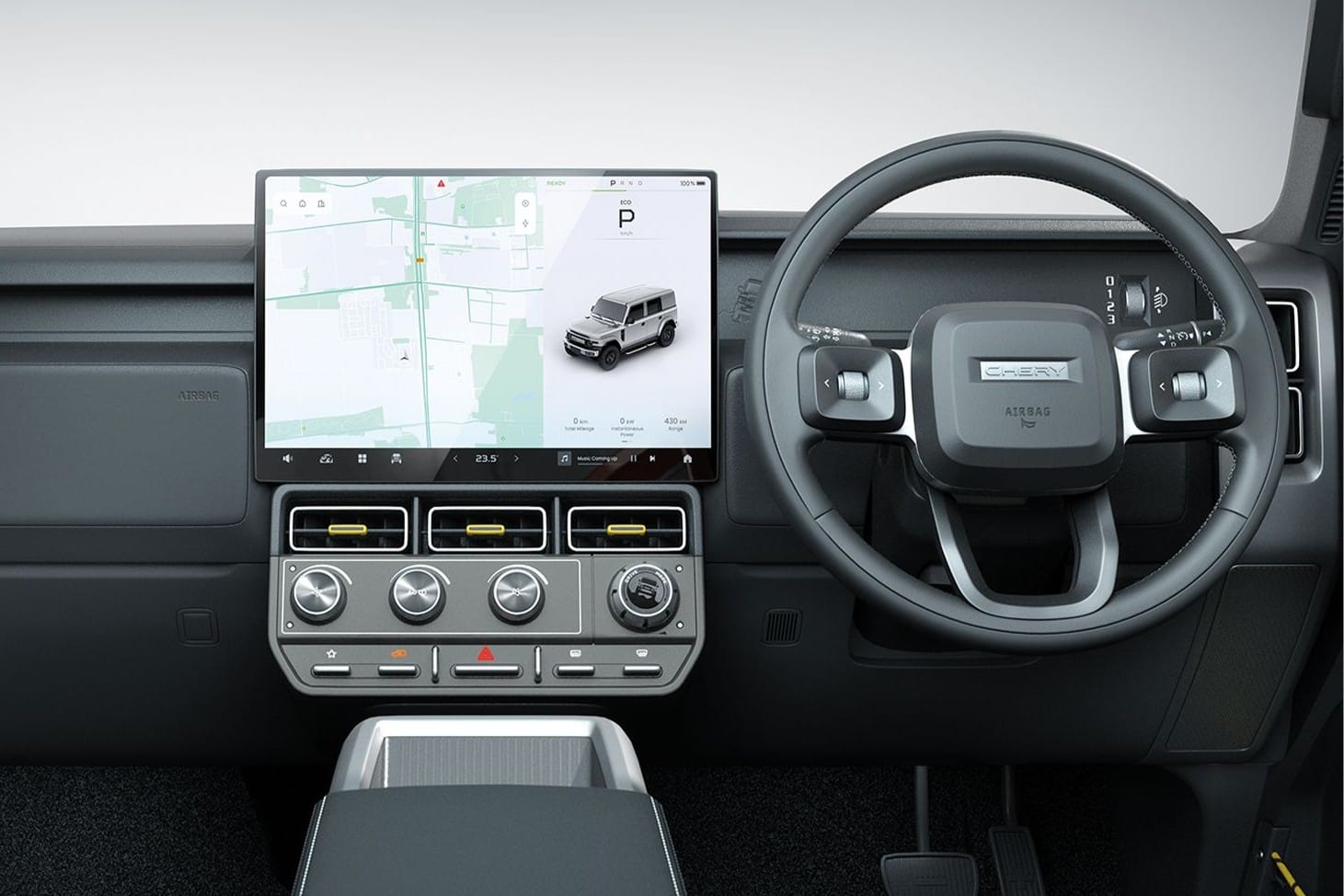
Inside, the iCar V23 sports a minimalist dashboard layout, comprising a massive 15.4-inch infotainment touchscreen, a three-spoke steering wheel, and two rows of physical controls on the centre console. As for features, the global-spec iCar V23 packs wireless Apple CarPlay and Android Auto, a 540-degree camera, six drive modes, ADAS, powered and ventilated front seats, V2L functionality, a digital key, a 7-speaker sound system, and more.
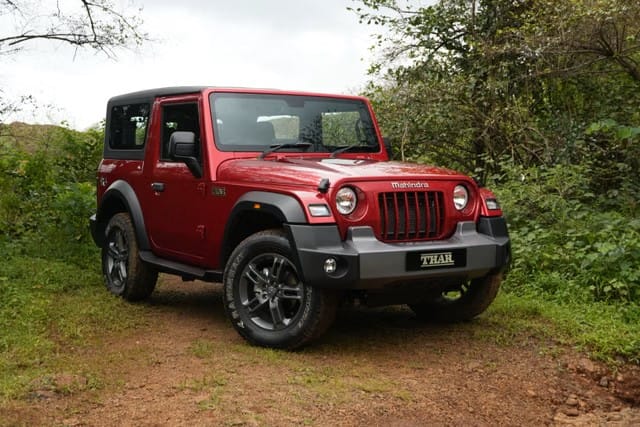
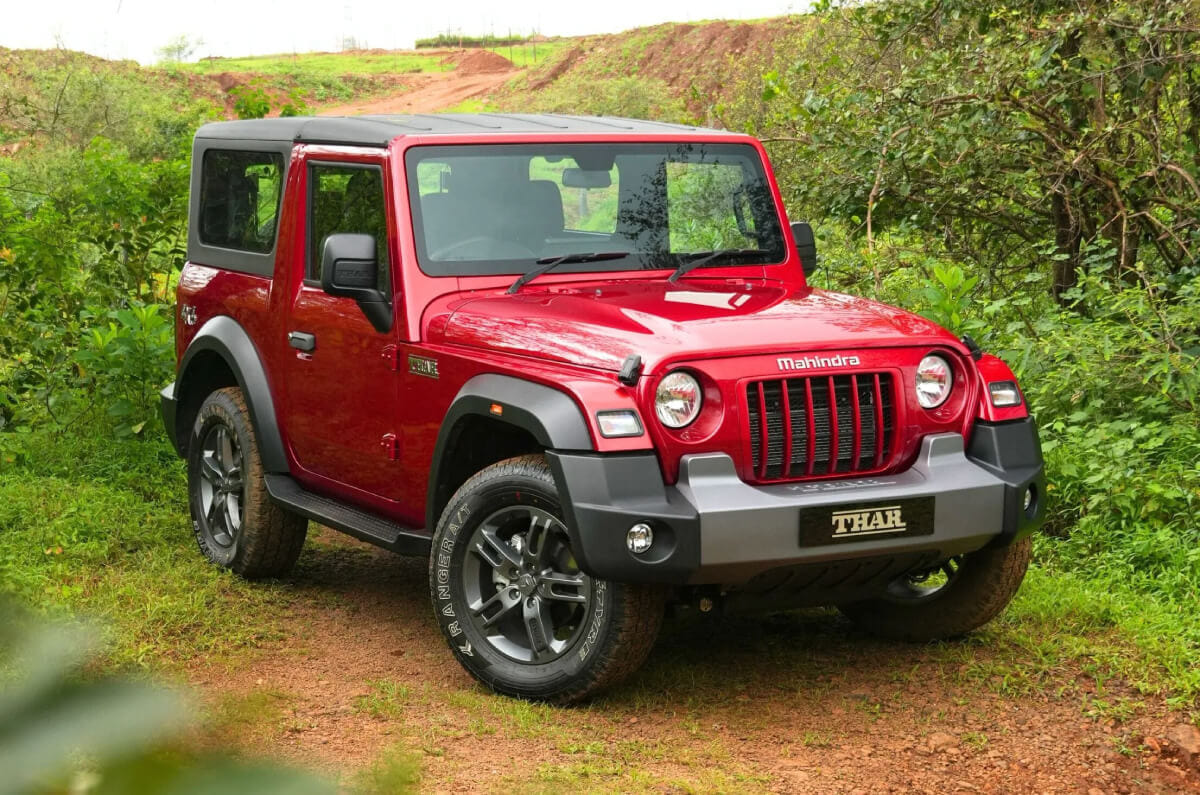
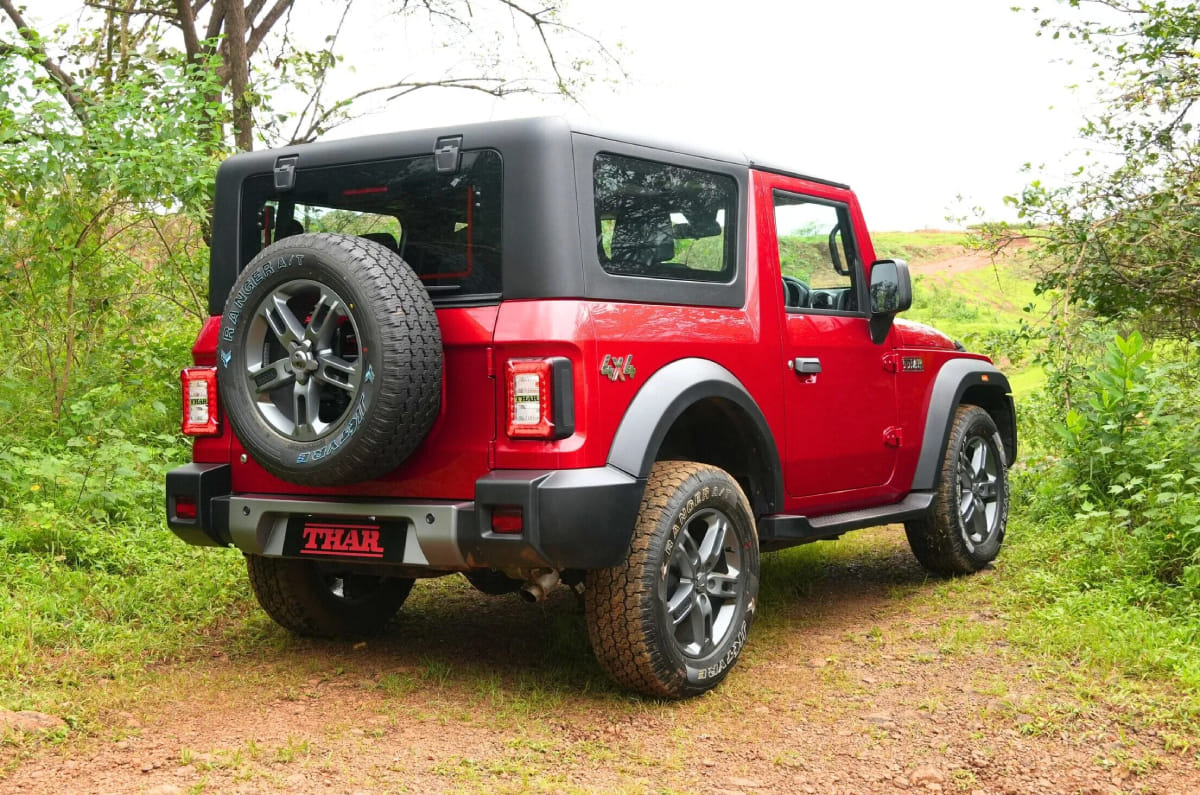
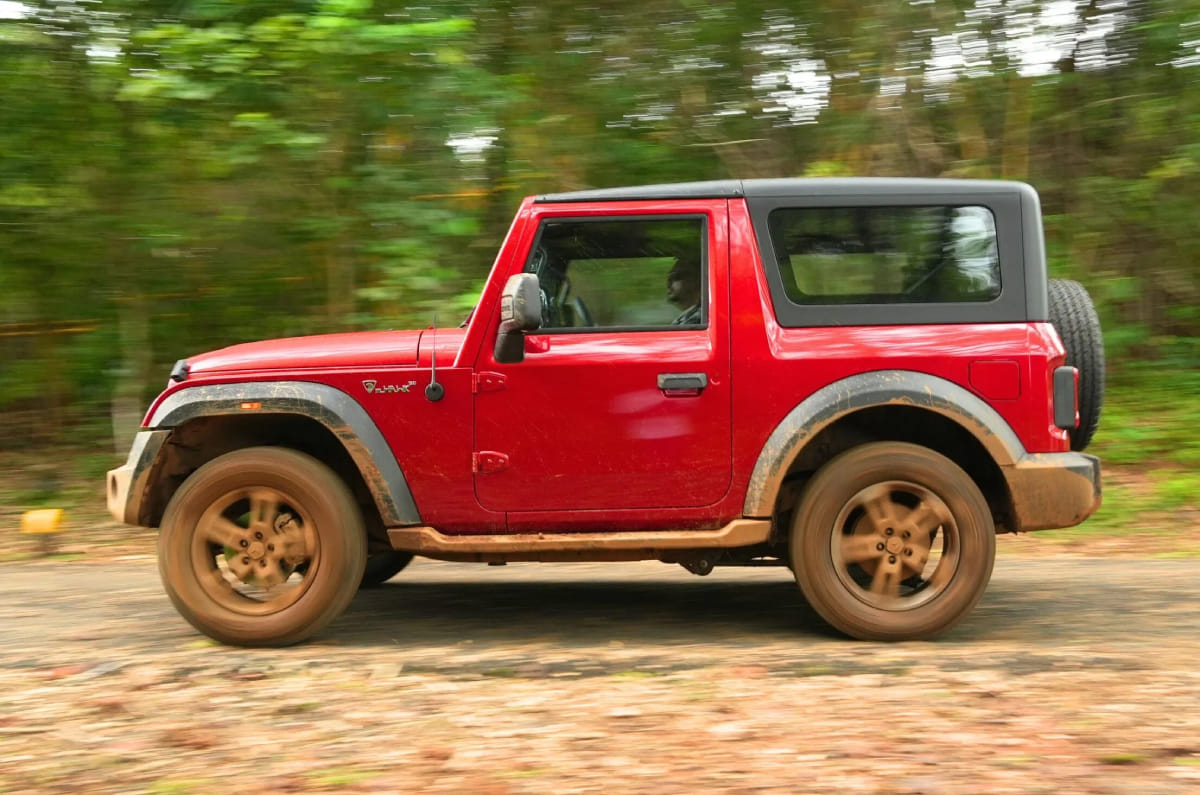
The Mahindra Thar is one of India’s most capable off-road SUVs and is available with petrol and diesel engines, rear-wheel drive and four-wheel drive options. Priced from Rs 10.32 lakh (ex-showroom), it prioritises off-road ability over outright practicality. Here are three reasons to buy the Thar and three reasons why you may want to look elsewhere.
Reasons to buy
Built for serious off-roading
Purpose-built hardware makes it exceptionally capable off road
Few SUVs at this price can match the performance of the Thar once the road ends. Its ladder-frame construction, low-range transfer case and mechanical locking differential on 4×4 variants allow it to tackle steep climbs, deep ruts and loose surfaces with confidence. Even difficult trails are handled with surprising ease, making the Thar one of the most capable off-road SUVs currently on sale.
Strong petrol and diesel engines
Both petrol and diesel engines are refined and offer strong performance
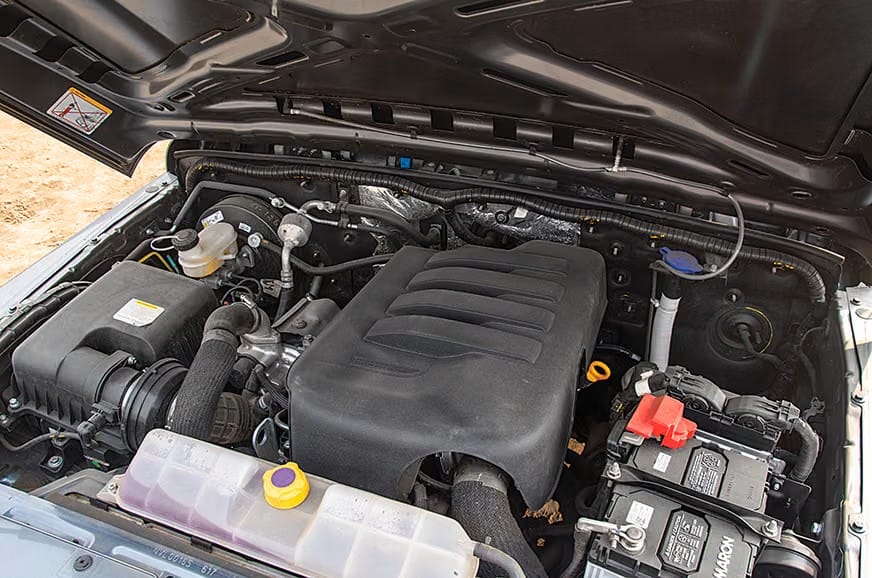
The Thar is available with three engine options. The 1.5-litre diesel (4×2 only) produces 119hp and 300Nm, while the larger 2.2-litre diesel develops 132hp and 300Nm. The 2.0-litre turbo-petrol, meanwhile, makes 152hp and 300Nm. All engines come paired with a 6-speed manual gearbox, while the 2.2-litre diesel and 2.0-litre petrol can also be had with a 6-speed torque-converter automatic.
The diesel engine stands out for its refinement and strong low-end torque, making it particularly well-suited to off-road driving. Buyers looking for stronger on-road performance, meanwhile, will appreciate the punch of the turbo-petrol engine.
Better equipped than before
Recent updates make the cabin easier to live with
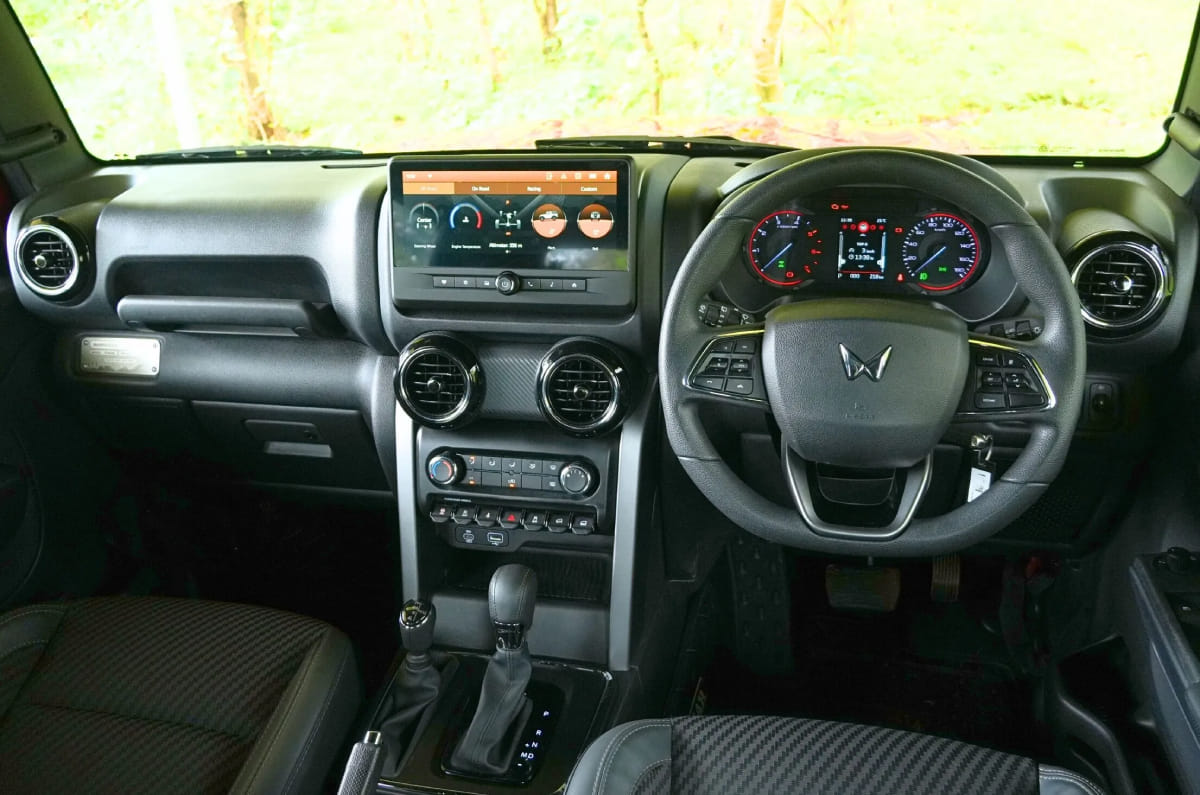
The latest updates have addressed several everyday usability issues. The Thar now gets a larger 10.25-inch touchscreen, rear-view camera, rear washer and wiper, rear AC vents, Type-C charging port, revised centre console with an adjustable armrest, grab handles on the A-pillars and relocated power window switches. While these are relatively small changes individually, together they make the Thar noticeably easier to use every day.
Reasons to skip
Rear-seat access remains inconvenient
Three-door body style limits practicality
Getting into the rear seats remains one of the Thar’s biggest compromises. The front seats need to be folded and slid forward, making access inconvenient, particularly for older passengers and those travelling with children. Boot space is also limited, leaving little room for luggage when all four seats are occupied. Buyers who frequently travel with family or need a more practical everyday SUV may find five-door alternatives better suited to their needs.
Ride comfort isn’t its forte
Suspension prioritises off-road ability over comfort
The Thar’s suspension is designed primarily for off-road use and it feels bouncy over broken roads. While Mahindra has improved the setup over the years, it isn’t as settled or comfortable as most monocoque SUVs. The hydraulically assisted steering is heavier than the electrically assisted systems used by most rivals and can kick back when driving over potholes or other sharp road imperfections.
Not particularly fuel efficient
Petrol and diesel engines aren’t efficiency focused
The Thar’s engines deliver strong performance, but fuel efficiency is not one of its strengths. In our 2021 Thar road test, the petrol automatic returned 7kpl in the city and 9.3kpl on the highway. The diesel manual performed better, managing 12kpl in the city and 12.6kpl on the highway, but it still trails many similarly priced monocoque SUVs. Buyers covering high annual running may find more economical alternatives elsewhere.
दार्जिलिंग से सामने आई एक घटना ने सोशल मीडिया पर लोगों का ध्यान खींच लिया है। यह सिर्फ एक रेस्क्यू की कहानी नहीं, बल्कि मुश्किल वक्त में दिखाई गई बहादुरी और इंसानियत की मिसाल भी है। कुछ ही पलों में हालात इतने बदल गए कि एक सामान्य सफर जानलेवा बन गया। तभी स्थानीय लोगों ने बिना देर किए मदद का हाथ बढ़ाया और एक युवक ने अपनी जान की परवाह किए बिना ऐसा साहस दिखाया, जिसकी हर तरफ सराहना हो रही है। घटना का वीडियो इंटरनेट पर तेजी से वायरल हो रहा है और लोग इसे मानवता, सूझबूझ और हिम्मत का बेहतरीन उदाहरण बता रहे हैं।
मानसून के दौरान नदियों और पहाड़ी इलाकों में बढ़ते जोखिम के बीच यह घटना एक अहम संदेश भी देती है कि मौसम की चेतावनियों को हल्के में लेना भारी पड़ सकता है, जबकि समय पर की गई मदद कई जिंदगियां बचा सकती है।
पिकनिक का प्लान, लेकिन बीच नदी में फंस गई Thar
मंगलवार शाम दार्जिलिंग के लोकप्रिय पिकनिक स्पॉट दुधिया (Dudhia) में दो युवक और दो युवतियां अपनी महिंद्रा थार से बालासन नदी पार करने की कोशिश कर रहे थे। इसी दौरान पहाड़ों में हुई तेज बारिश के कारण नदी का जलस्तर अचानक बढ़ गया और SUV बीच धारा में फंस गई।
बढ़ते पानी के बीच छत पर चढ़कर बचाई जान
जब वाहन आगे नहीं बढ़ सका, तो चारों युवक-युवतियां अपनी जान बचाने के लिए Thar की छत पर चढ़ गए। चारों ओर तेज बहाव और लगातार बढ़ते जलस्तर ने स्थिति को बेहद खतरनाक बना दिया।
स्थानीय युवक बना फरिश्ता
घटना की जानकारी मिलते ही आसपास मौजूद ग्रामीण मदद के लिए जुट गए। इसी बीच एक स्थानीय युवक बिना अपनी जान की परवाह किए उफनती नदी में कूद पड़ा। तेज बहाव से जूझते हुए वह SUV तक पहुंचा और एक-एक कर सभी को सुरक्षित किनारे तक ले आया।
रेस्क्यू के दौरान बढ़ गई थी मुश्किल
बचाव अभियान के दौरान एक युवती तेज बहाव में कुछ दूर तक बह गई, लेकिन स्थानीय लोगों की सतर्कता और युवक की बहादुरी से उसे भी सुरक्षित बाहर निकाल लिया गया। राहत की बात यह रही कि इस हादसे में कोई घायल नहीं हुआ।
A Thar SUV carrying four people was swept away by the Balason River at Dudhia. Without thinking twice, a brave local youth jumped into the raging river, and rescued all four people safely. His courage and selfless act turned a possible tragedy into a story of hope. Salute pic.twitter.com/GbGB7YaIRR
वीडियो हुआ वायरल, लोगों ने बहादुर युवक को किया सलाम
पूरी घटना का वीडियो सोशल मीडिया पर तेजी से वायरल हो रहा है। लोग स्थानीय युवक की बहादुरी और निस्वार्थ मदद की जमकर तारीफ कर रहे हैं। कई यूजर्स ने लिखा कि उसकी सूझबूझ और साहस ने चार परिवारों को बड़ी त्रासदी से बचा लिया।
मौसम विभाग ने पहले ही जारी की थी चेतावनी
इस घटना के बीच भारत मौसम विज्ञान विभाग (IMD) ने पश्चिम बंगाल के कई इलाकों, खासकर दार्जिलिंग के पहाड़ी क्षेत्रों में भारी से बहुत भारी बारिश की चेतावनी जारी की है। विभाग ने नदियों का जलस्तर अचानक बढ़ने और भूस्खलन की आशंका जताते हुए लोगों से सतर्क रहने की अपील की है।
पहले भी खतरनाक साबित हो चुकी है बालासन नदी
यह पहली बार नहीं है जब मानसून में बालासन नदी ने खतरा पैदा किया हो। पिछले महीने भी नदी का जलस्तर बढ़ने से दुधिया का अस्थायी पुल क्षतिग्रस्त हो गया था, जिससे सिलिगुड़ी और मिरिक के बीच संपर्क प्रभावित हुआ था। यह पुल भी पुराने लोहे के पुल के बह जाने के बाद बनाया गया था।
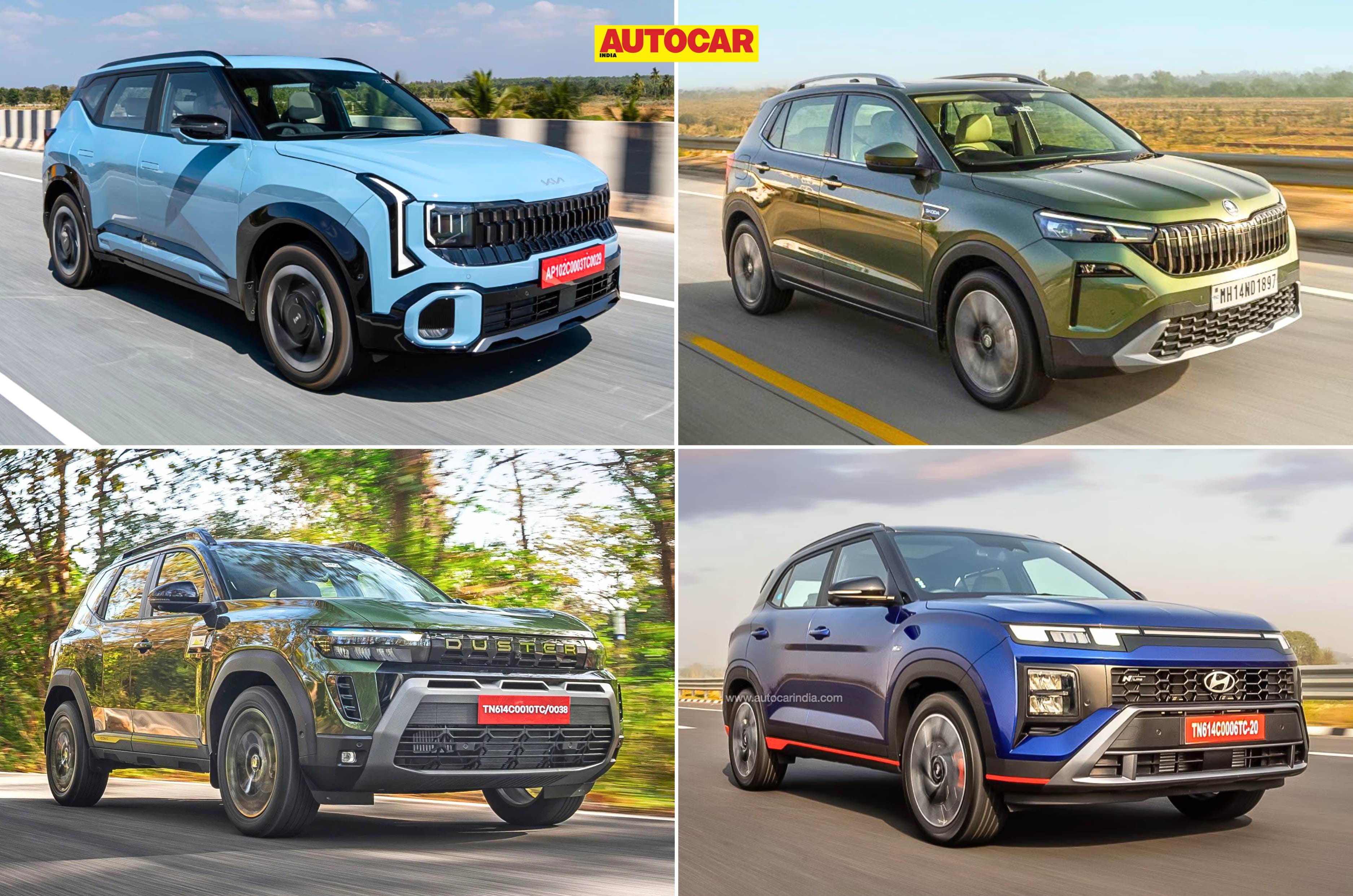
The midsize SUV segment is among the most contested in India, with popular models such as the Hyundai Creta, Tata Sierra, Kia Seltos and Skoda Kushaq fighting for space. A majority of SUVs in this segment come with turbo-petrol engines, which are known to offer good performance and deliver respectable fuel efficiency when driven efficiently. Here, we have compiled a list of the most fuel-efficient turbo-petrol midsize SUVs in India, from lowest to highest. Do note that the list is based on ARAI figures, with real-world numbers expected to vary depending on driving conditions and styles.
Note: The claimed ARAI fuel-efficiency figures for the Mahindra Thar Roxx’s 2.0-litre turbo-petrol and Tata Curvv’s 1.2-litre turbo-petrol engines are yet to be revealed.
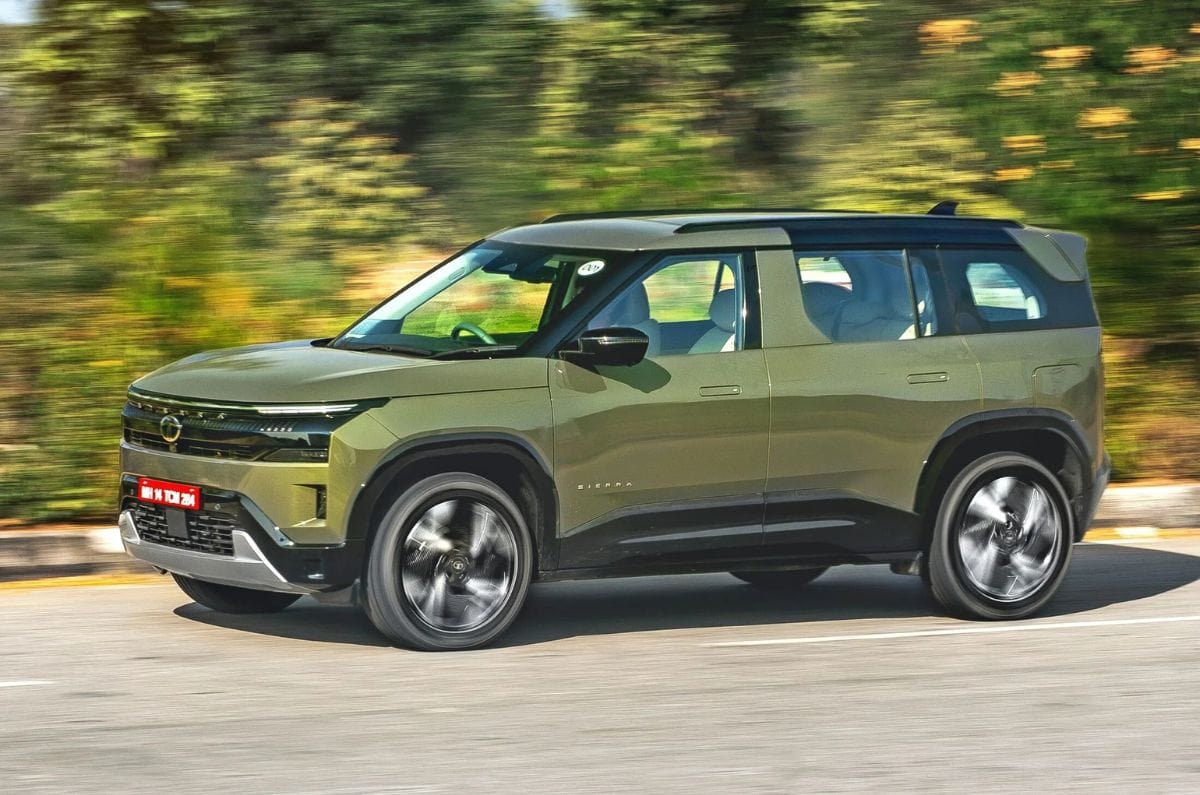
13. Tata Sierra: 1.5-litre turbo-petrol
Claimed mileage of up to 15.3kpl
The Tata Sierra is offered with three engine options: two petrols and a diesel. Of these, the 1.5-litre turbo-petrol is the least frugal, with a claimed mileage of 15.3kpl. Incidentally, the Sierra is also the least fuel-efficient turbo-petrol midsize SUV on this list. The 1.5-litre engine produces 160hp and 255Nm, and is paired only with a 6-speed automatic transmission. This engine is also offered in the bigger Harrier and Safari SUVs but in a higher state of tune.
Tata Sierra ARAI mileage for 1.5-litre turbo-petrol engine
AT claimed mileage
15.30kpl
12. Kia Seltos: 1.5-litre turbo-petrol
Claimed mileage of up to 17.50kpl
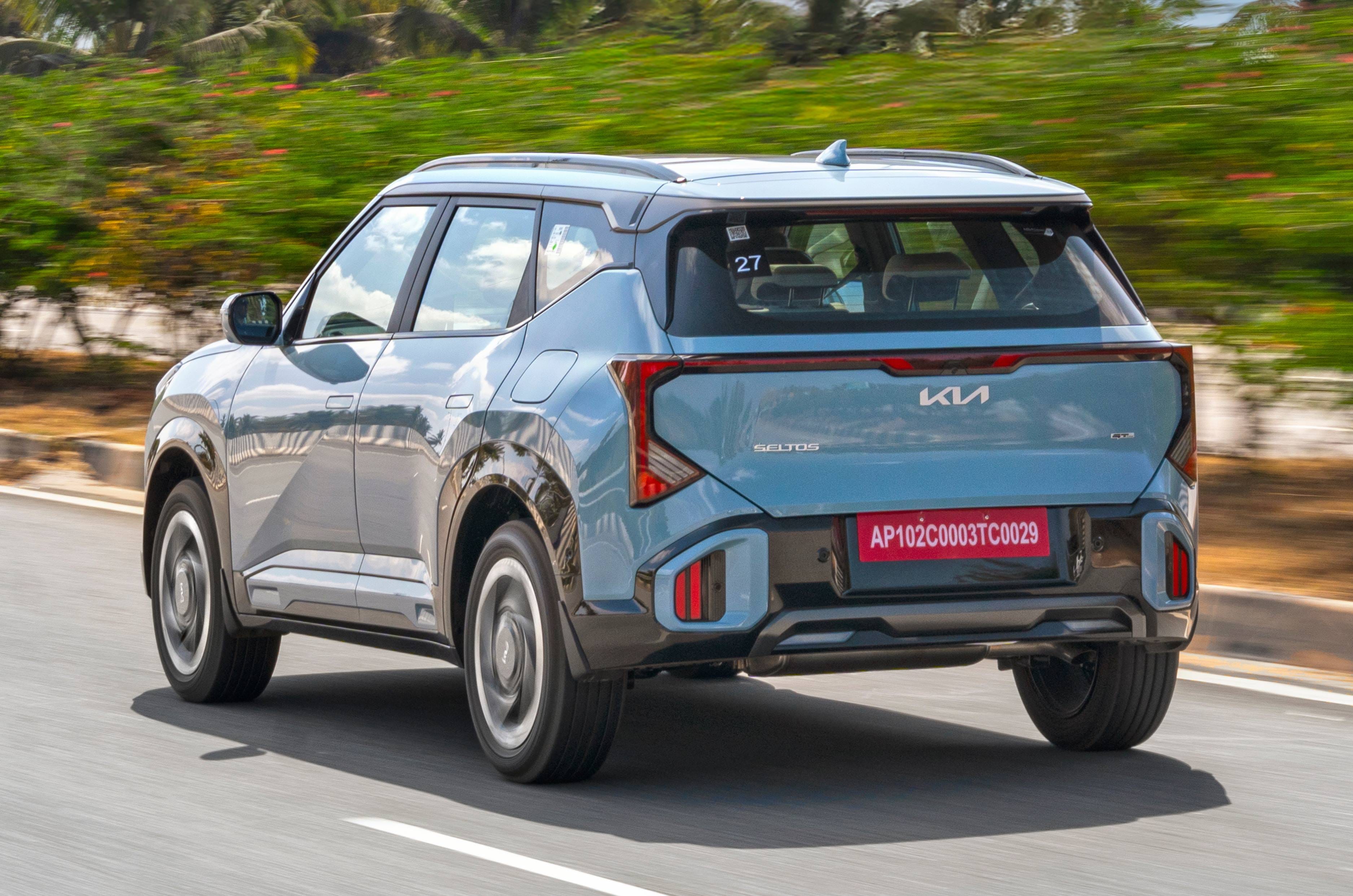
The Kia Seltos comes with two petrol engine options. The more powerful 160hp, 250Nm 1.5-litre turbo-petrol engine is offered with two gearbox options. While the version with a dual-clutch automatic transmission has a claimed fuel efficiency of 17.5kpl, the one with iMT (clutchless manual) returns 15.60kpl, which is almost 2kpl less than the former – the highest difference for any vehicle in the list.
Kia Seltos ARAI mileage for 1.5-litre turbo-petrol engine
iMT claimed mileage
15.60kpl
DCT claimed mileage
17.50kpl
11. Hyundai Creta: 1.5-litre turbo-petrol
Claimed mileage of up to 18.40kpl
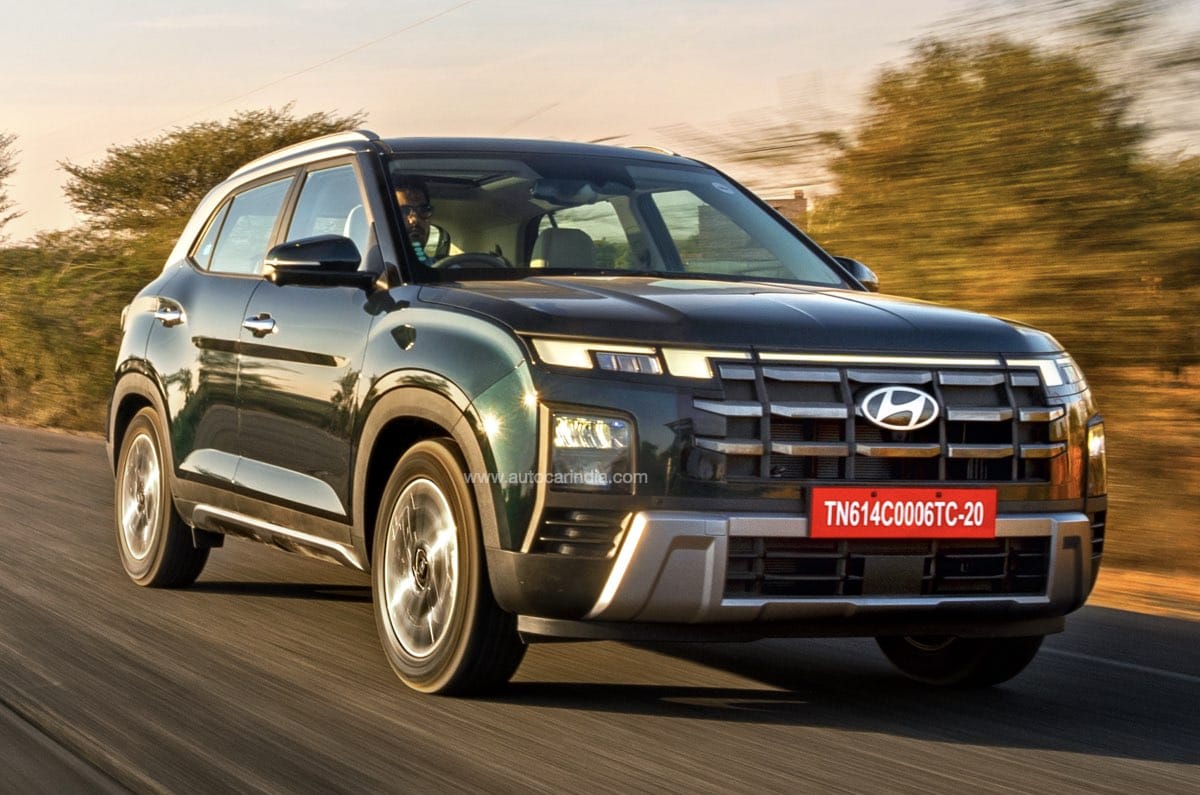
The Hyundai Creta has been the bestselling midsize SUV in India for a long time now. It gets the same turbo-petrol engine as the Seltos with exactly the same outputs, yet it delivers better fuel efficiency figures. This could be because the Creta is smaller than the new Seltos and has a lower kerb weight. While the standard Creta turbo-petrol comes only with a DCT, the Creta N Line is offered with a manual as well.
Hyundai Creta ARAI mileage for 1.5-litre turbo-petrol engine
MT claimed mileage
N-Line: 18kpl
DCT claimed mileage
Standard: 18.4kpl, N-Line: 18.2kpl
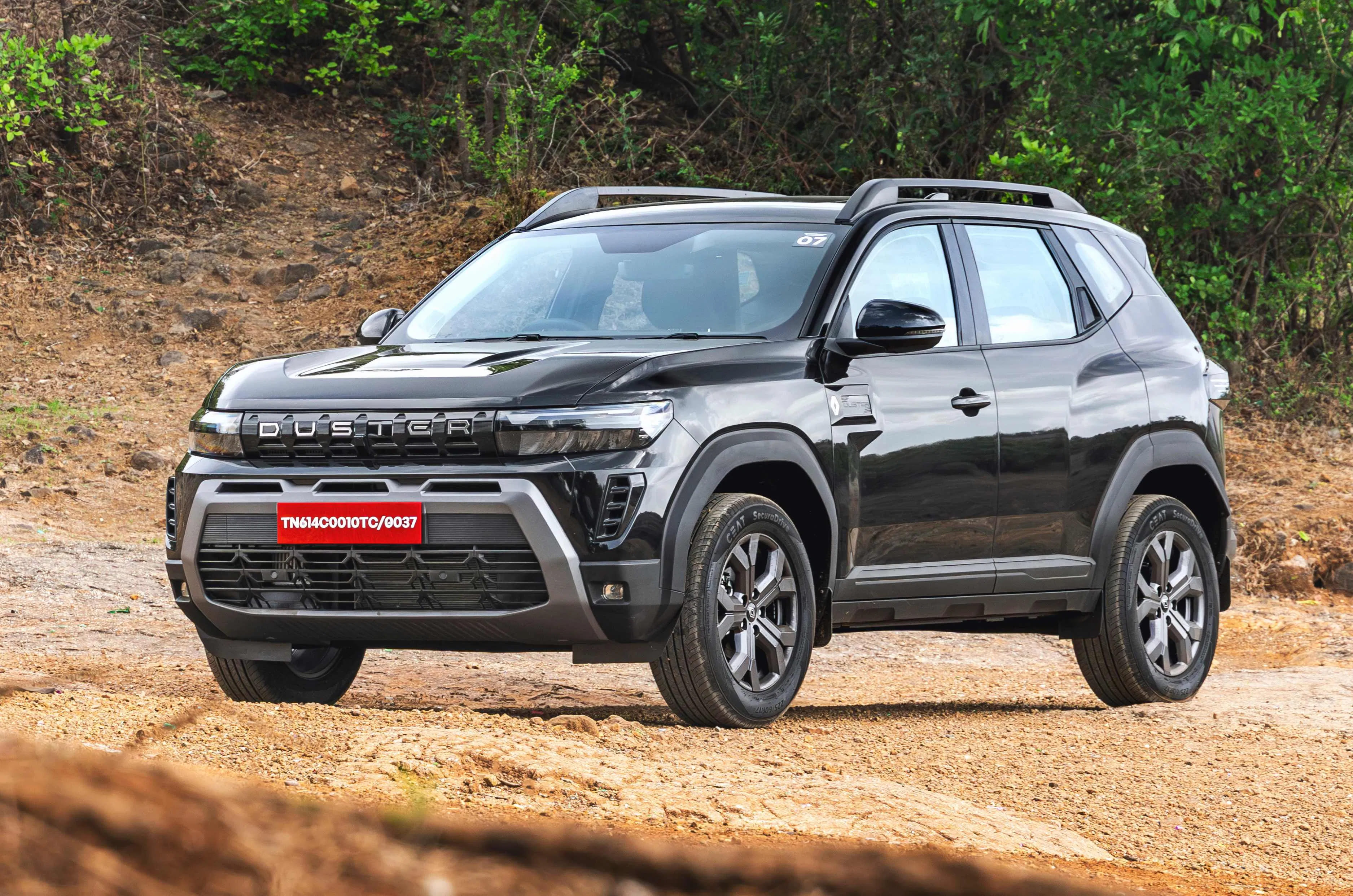
10. Renault Duster: 1.3-litre turbo-petrol
Claimed mileage of up to 18.45kpl
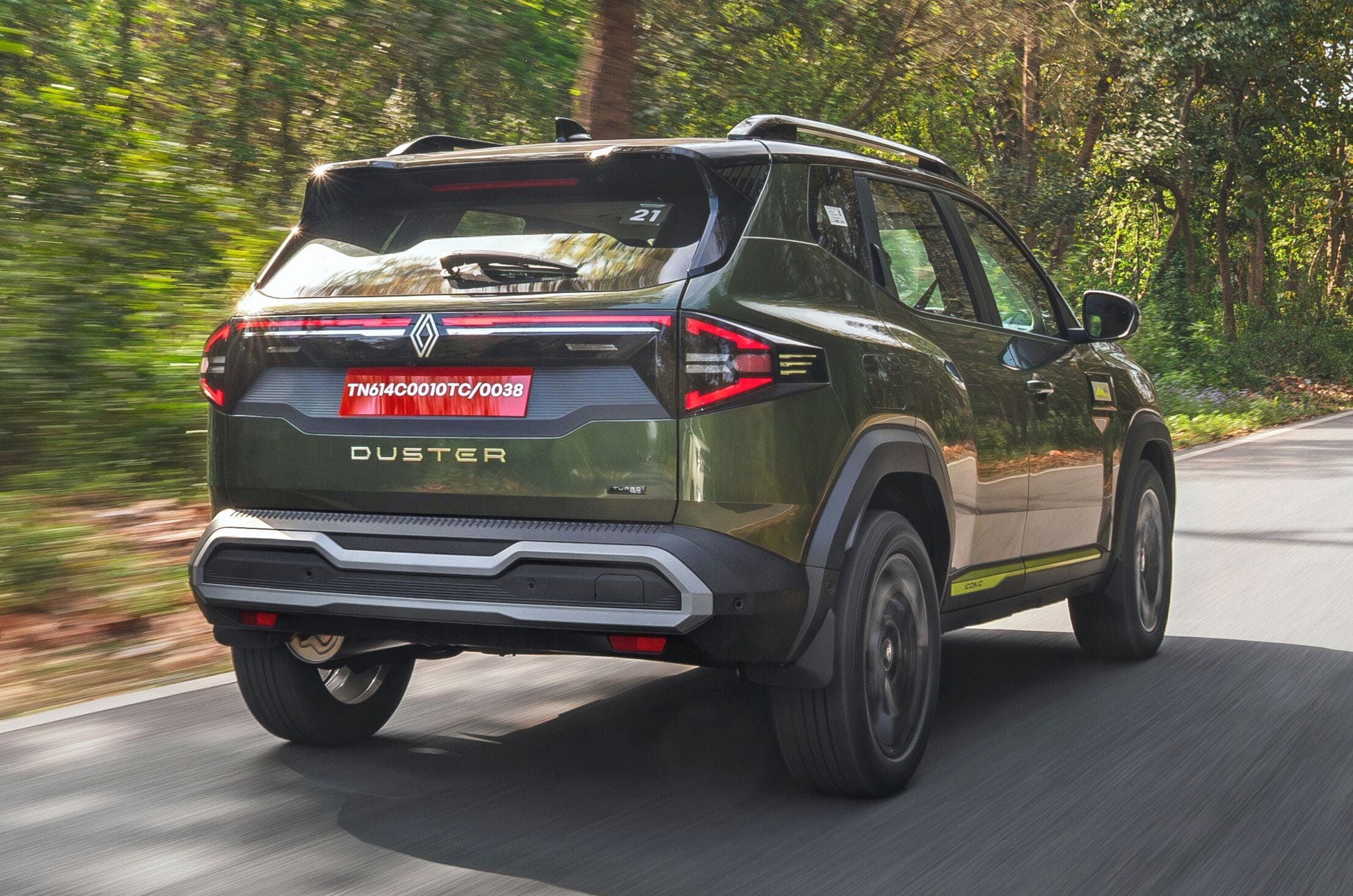
The Duster’s 1.3-litre turbo-petrol engine develops 163hp and 280Nm and is offered with 6-speed manual and 6-speed dual-clutch automatic gearboxes. Interestingly, the DCT version is 0.7kpl more efficient on paper, with a claimed 18.45kpl compared to the manual’s 17.75kpl.
Renault Duster ARAI mileage for 1.3-litre turbo-petrol engine
MT claimed mileage
17.75kpl
AT claimed mileage
18.45kpl
9. Citroen Aircross: 1.2-litre turbo-petrol
Claimed mileage of up to 18.50kpl
The Citroen Aircross is one of the most affordable midsize SUVs in India. It is offered with a choice of naturally aspirated and turbo-petrol engines, the latter of which is available with both manual and automatic transmission options. The Aircross’s turbo-petrol mill produces 110hp, but torque varies by transmission: 190Nm in the manual and 205Nm in the automatic. In terms of ARAI mileage, the manual is 0.9kpl more efficient than the automatic.
Citroen Aircross ARAI mileage for 1.2-litre turbo-petrol engine
MT claimed mileage
18.5kpl
AT claimed mileage
17.6kpl
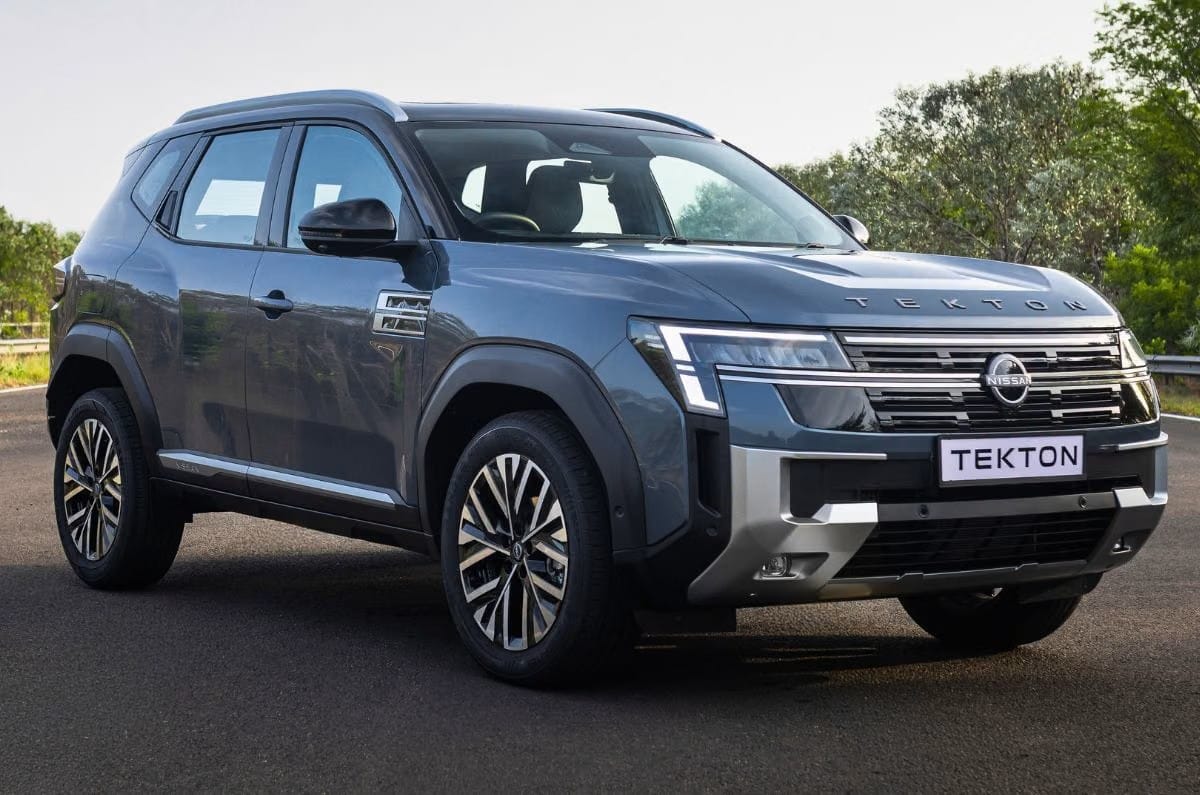
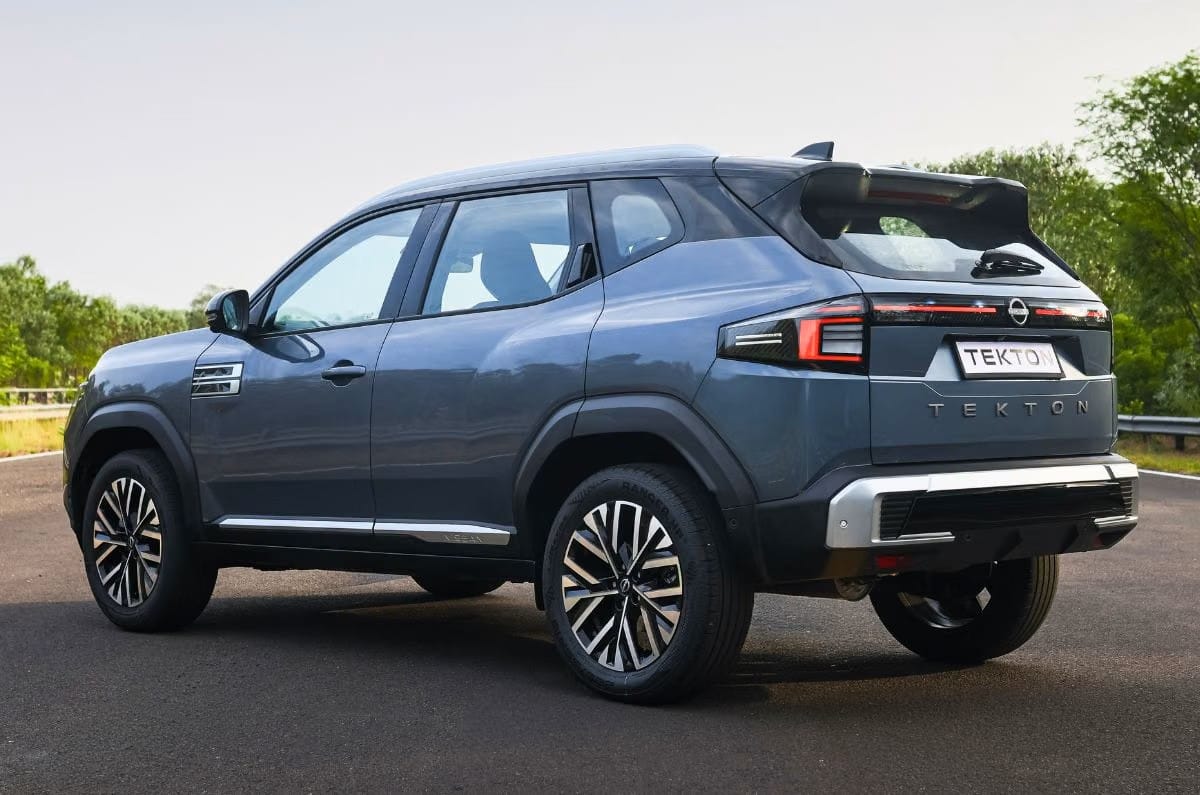
8. Nissan Tekton: 1.3-litre turbo-petrol
Claimed mileage of up to 18.50kpl
The Nissan Tekton shares its 1.3-litre turbo-petrol engine with the Renault Duster, producing the same 163hp and 280Nm. It is also offered with 6-speed manual and 6-speed dual-clutch automatic gearbox options. The DCT is the more fuel-efficient version, with a claimed 18.5kpl, while the manual returns 17.8kpl. This puts the Tekton’s automatic marginally ahead of the equivalent Duster DCT, which is rated at 18.45kpl.
Nissan Tekton ARAI mileage for 1.3-litre turbo-petrol engine
MT claimed mileage
17.8kpl
DCT claimed mileage
18.5kpl
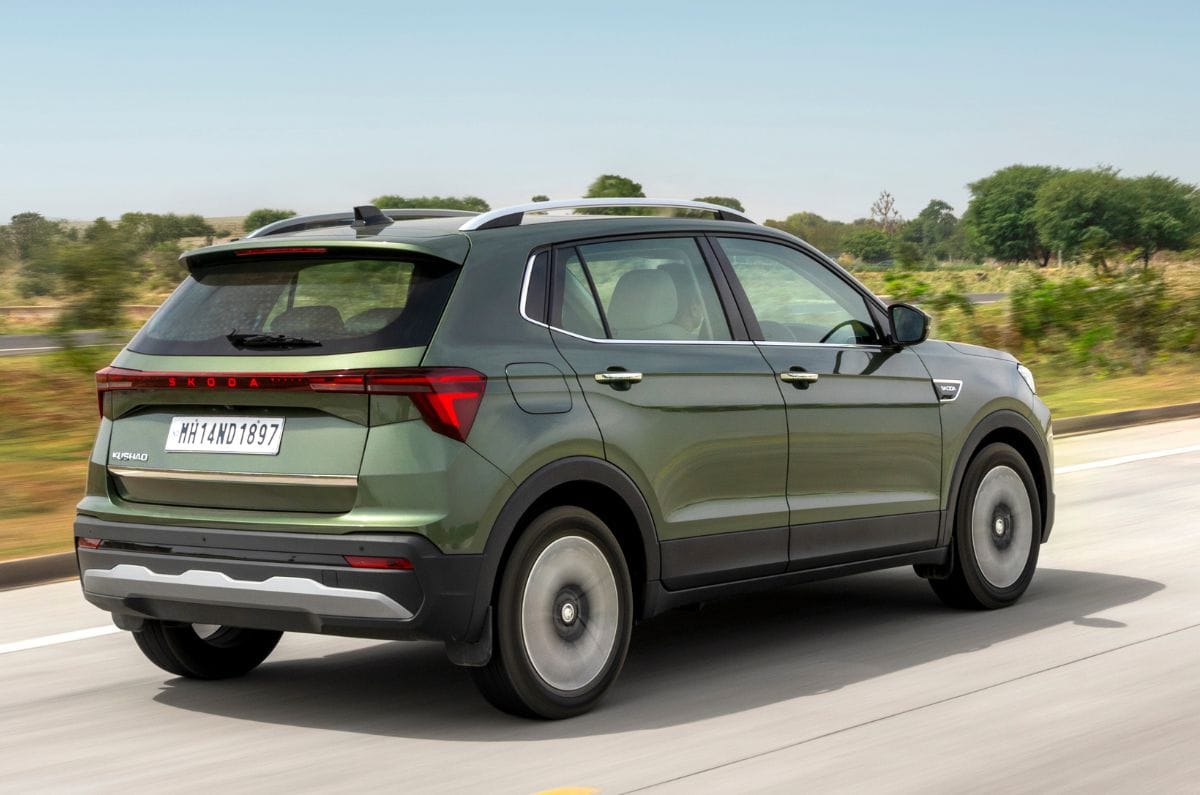
7. Skoda Kushaq: 1.5-litre turbo-petrol
Claimed mileage of 18.72kpl
The Skoda Kushaq is offered with two turbo-petrol engine options: a 1.0-litre and a 1.5-litre. Among these, the 1.5-litre engine is more powerful with outputs of 150hp and 250Nm torque. However, it is only paired with a 7-speed DCT gearbox, as a 6-speed manual, originally offered with the Kushaq since its introduction in 2021, was discontinued in late 2024.
Skoda Kushaq ARAI mileage for 1.5-litre turbo-petrol engine
DCT claimed mileage
18.72kpl
6. Volkswagen Taigun: 1.5-litre turbo-petrol
Claimed mileage of 18.85kpl
The Kushaq’s 1.5-litre turbo-petrol engine is also available on the Volkswagen Taigun in the same state of tune, that too with only the DCT option. However, the Taigun is 0.13kpl more efficient, likely because it has a kerb weight of up to 1,320kg, which is 2 kg lighter than the Kushaq with a similar powertrain.
Volkswagen Taigun ARAI mileage for 1.5-litre turbo-petrol engine
DCT claimed mileage
18.85kpl
5. Nissan Tekton: 1.0-litre turbo-petrol
Claimed mileage of 19.40kpl
The Tekton’s smaller 1.0-litre three-cylinder turbo-petrol engine develops 100hp and 166Nm and is currently paired only with a 6-speed manual gearbox. With a claimed fuel efficiency of 19.4kpl, it is 1.6kpl more frugal than the Tekton’s 1.3-litre turbo-manual and sits close to the similarly powered Duster’s 19.41kpl figure.
Nissan Tekton ARAI mileage for 1.0-litre turbo-petrol engine
MT claimed mileage
19.40kpl
4. Renault Duster: 1.0-litre turbo-petrol
Claimed mileage of 19.41kpl
The Duster’s 100hp, 166Nm 1.0-litre turbo-petrol engine is paired with a 6-speed manual gearbox and returns a claimed 19.41kpl. It is just 0.01kpl more efficient than the Tekton with the same engine and gearbox combination.
Renault Duster ARAI mileage for 1.0-litre turbo-petrol engine
MT claimed mileage
19.41kpl
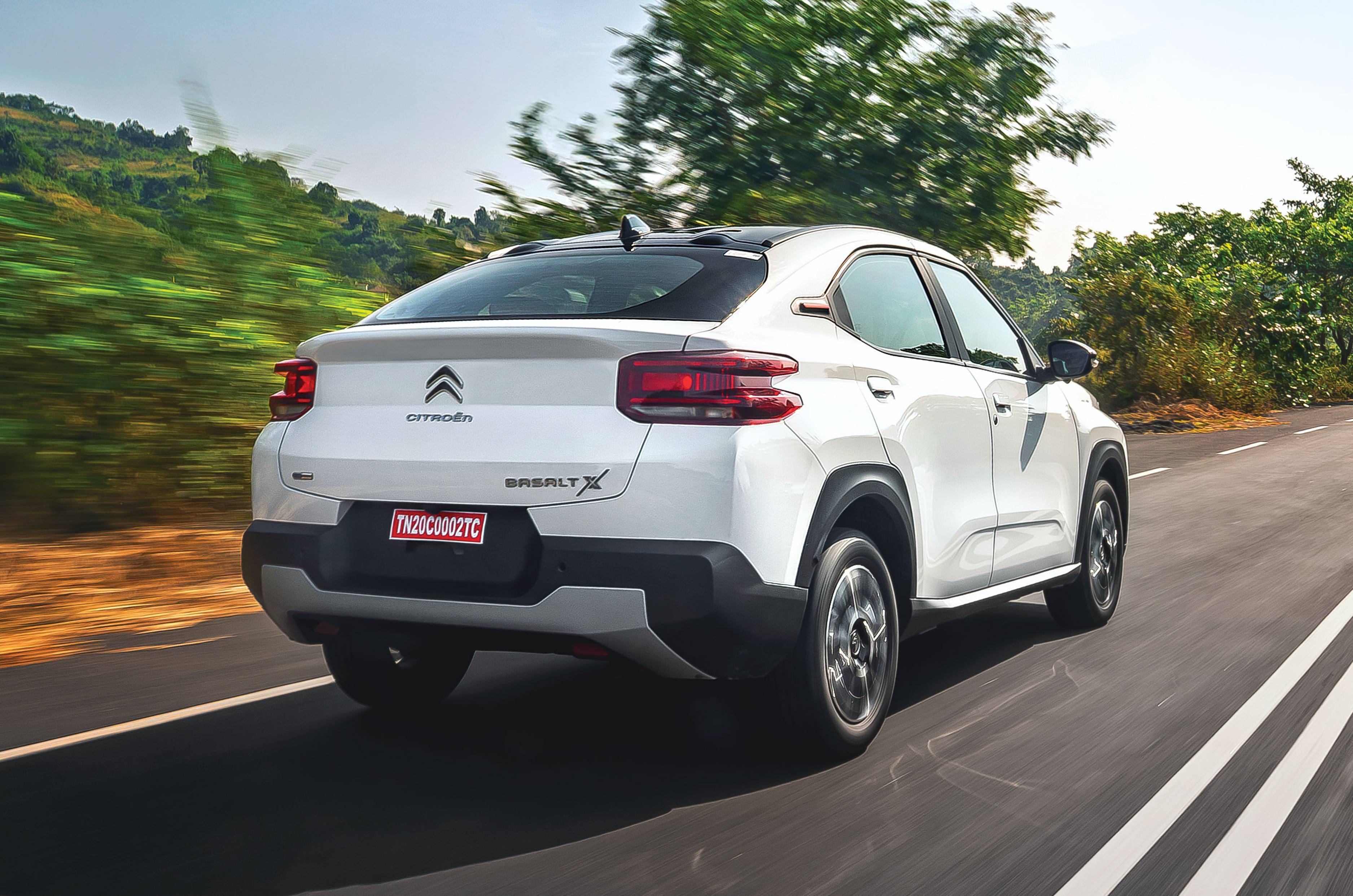
3. Citroen Basalt: 1.2-litre turbo-petrol
Claimed mileage of up to 19.50kpl
The Citroen Basalt gets the same 1.2-litre turbo-petrol engine as the Aircross, but it is more efficient – by 1kpl in the MT version and by 1.1kpl in the AT guise. This could be because of its more aerodynamic coupe-SUV shape, making it one of the only two midsize offerings currently featuring this body style. Moreover, the Aircross is offered with an optional third row, taking its kerb weight to 1,320kg, which is 80kg more than the Basalt’s. Even in its 5-seater configuration, the Aircross weighs 35kg more than the Basalt.
Citroen Basalt ARAI mileage for 1.2-litre turbo-petrol engine
MT claimed mileage
19.5kpl
AT claimed mileage
18.7kpl
2. Skoda Kushaq: 1.0-litre turbo-petrol
Claimed mileage of up to 19.66kpl
The Skoda Kushaq’s 116hp 1.0-litre turbo-petrol engine is offered with an 8-speed torque-converter automatic, but unlike the bigger 1.5-litre engine, it is available with a 6-speed manual option as well. The manual version is 0.57kpl more frugal than the automatic one, mainly because of its 35kg lighter weight.
Skoda Kushaq ARAI mileage for 1.0-litre turbo-petrol engine
MT claimed mileage
19.66kpl
AT claimed mileage
19.09kpl
1. Volkswagen Taigun: 1.0-litre turbo-petrol
Claimed mileage of up to 19.98kpl
With the same 1.0-litre turbo-petrol engine as the Kushaq but higher claimed mileage figures of 19.98kpl with a manual transmission and 19.54kpl with an automatic gearbox, the Volkswagen Taigun is the most fuel-efficient turbo-petrol midsize SUV in India. As with the weight difference between their 1.5-litre versions, the Taigun’s 1.0-litre TSI variants are up to 17kg lighter than the Kushaq with the same powertrain, which explains the higher ARAI-rated mileage.
Volkswagen Taigun ARAI mileage for 1.0-litre turbo-petrol engine
Thar Viral Video: सोशल मीडिया पर एक वीडियो तेजी से वायरल हो रहा है। महिंद्र की थार को स्टंट करना कुछ लोगों को भारी पड़ गया। सोशल मीडिया पर एक वीडियो तेजी से वायरल हो रहा है। वायरल वीडियो में थार के इंजन की ताकत को जांचने के लिए उसे उफनती नदी में घुसा दिया। ओवर कॉन्फिडेंस से भरे लड़कों की हालत तब खराब होनी शुरू हो गई, जब गाड़ी बीच नदी में फंस गई और डूबने लगी। हरिद्वार के इन युवकों हेकड़ी तुरंत निकल गई।
वीडियो की शुरुआत में आपको सबकुछ सही लगता है। लेकिन जैसे ही थार नदी के बीचोंबीच पहुंची, तेजी से लड़खड़ा जाती है। तेज बहाव और नदी के तल में फंसने की वजह से गाड़ी बंद हो जाती है। देखते ही देखते थार पानी में लगभग डूब जाती है। अब तक जो युवक स्टंट के मजे ले रहे थे, उनके चेहरे पर पसीना आ जाता है।
थार में दो युवक बैठे थे। गाड़ी डूबती देख उन्होंने मदद के लिए चिल्लाना शुरू कर दिया। आसपास मौजूद लोगों ने तुरंत दोनों को जैसे तैसे करके सही सलामत बाहर निकाला। कुछ ही देर में वहां भारी भीड़ जमा हो गई। इसके बाद पुलिस भी मौके पर पहुंच और मामले को संभाला।
In the Baidagi camp of #Haridwar#Uttarakhand, young men removed the #Thar to the Neeldhara to test the engine’s power. The Thar got stuck in the middle of the river due to the strong current, after which the young men cried out for help. After considerable effort, the Thar was… pic.twitter.com/8evFebGVo3
गाड़ी के डूबने के बाद ‘ऑफ-रोड रेस्क्यू’ किया गया। गाड़ी बाहर निकालने के लिए क्रेन मंगाई गई। काफी मशक्कत के बाद गंगा की तेज धारा में फंसी थार को बाहर निकालना मुमकिन हो पाया है। वहां क्या-क्या हुआ लोगों ने अपने मोबाइल कैमरों में रिकॉर्ड कर वीडियो सोशल मीडिया पर वायरल कर दिया है।
इंडिया टुडे की रिपोर्ट के मुताबिक कनखल पुलिस ने जानकारी दी है कि घटना 9 जुलाई की है। जांच में पता चला है कि सार्वजनिक जगह पर खतरनाक स्टंट किया कर रहे थे। इसलिए थार को मौके पर ही हमने सीज कर दिया। पुलिस ने कहा कि यह कार्रवाई ‘ऑपरेशन प्रहार’ के तहत की जा रही है।
बता दें कि इस अभियान के जरिए सार्वजनिक स्थानों पर स्टंटबाजी, हुड़दंग और लोगों की जान जोखिम में डालने वालों के खिलाफ तेजी से कार्रवाई हो रही है। इस घटना के बाद सोशल मीडिया पर भी लोग अलग-अलग रिएक्शन दे रहे हैं। कोई इसे ‘ओवरकॉन्फिडेंस’ का मामला कह रहा है… तो कोई कह रहा है कि ऑफ-रोडिंग और लापरवाही में लोगों को फर्क करना आना चाहिए।
















(18).jpg)