LTCG Tax on Global Stocks: बजट 2027 से पहले लॉन्ग-टर्म कैपिटल गेन्स (LTCG) टैक्स और सिक्योरिटीज ट्रांजैक्शन टैक्स (STT) पर वित्त मंत्री निर्मला सीतारमण के रुख ने इक्विटी टैक्सेशन पर नई बहस छेड़ दी है। विदेशी निवेशकों की निकासी और भारतीय इक्विटी की प्रतिस्पर्धा को लेकर चिंताओं के बीच निवेशक राहत की उम्मीद कर रहे हैं।
एक बड़ा सवाल यह है कि क्या भारत में चुनिंदा इक्विटी निवेशों पर मिलने वाली ₹1.25 लाख सालाना LTCG टैक्स छूट का फायदा विदेशी शेयरों पर भी मिल सकता है। आइए जानते हैं कि विदेशी शेयरों पर कैपिटल गेन्स पर टैक्स कैसे लगता है और कौन से निवेश इसके दायरे में आते हैं।
क्या ग्लोबल शेयरों पर ₹1.25 लाख की सालाना LTCG टैक्स छूट मिलती है?
आयकर अधिनियम, 2025 की धारा 198 के तहत मिलने वाला ₹1.25 लाख का सालाना थ्रेशोल्ड सिर्फ इसलिए विदेशी शेयरों के मुनाफे पर लागू नहीं होता कि वे विदेशी एक्सचेंजों पर सूचीबद्ध हैं या लंबे समय तक रखे गए हैं।
इस प्रावधान में केवल वे लॉन्ग-टर्म कैपिटल गेन्स शामिल हैं जो योग्य इक्विटी शेयरों, इक्विटी-ओरिएंटेड म्यूचुअल फंड्स की यूनिट्स और बिजनेस ट्रस्टों की यूनिट्स से मिलते हैं, बशर्ते वे निर्धारित सिक्योरिटीज ट्रांजैक्शन टैक्स (STT) की शर्तों को पूरा करते हों।
विदेशी शेयर आमतौर पर इन शर्तों को पूरा नहीं करते हैं। धारा 197 के तहत उनके लॉन्ग-टर्म मुनाफे पर बिना ₹1.25 लाख की छूट के 12.5 प्रतिशत की दर से टैक्स लगता है, जिसमें लागू सरचार्ज और सेस शामिल हैं।
उदाहरण के लिए, अगर किसी भारतीय निवासी को अमेरिकी शेयरों से ₹1 लाख का लॉन्ग-टर्म कैपिटल गेन होता है, तो यह मुनाफा सिर्फ इसलिए टैक्स-फ्री नहीं हो जाता कि यह ₹1.25 लाख से कम है। किसी अन्य राहत या एडजस्टमेंट को छोड़कर, इस पर सरचार्ज और सेस से पहले ₹12,500 का टैक्स बनेगा।
ग्लोबल शेयरों पर LTCG और STCG की गणना कैसे की जाती है?
विदेशी शेयरों पर कैपिटल गेन्स की गणना, बिक्री मूल्य में से खरीद लागत और ट्रांसफर से जुड़े योग्य खर्चों को घटाकर की जाती है। निवेशकों को इसमें विदेशी मुद्रा रूपांतरण के नियमों का भी ध्यान रखना होता है।
धारा 2(101) के तहत, विदेशी एक्सचेंजों पर सूचीबद्ध शेयर उन एसेट्स की श्रेणी में आते हैं जिन पर मान्यता प्राप्त भारतीय स्टॉक एक्सचेंजों पर सूचीबद्ध विशिष्ट प्रतिभूतियों के मुकाबले 24 महीने की होल्डिंग पीरियड की परीक्षा लागू होती है।
24 महीने या उससे कम समय के लिए रखे गए विदेशी शेयरों से होने वाले मुनाफे को शॉर्ट-टर्म कैपिटल गेन्स (STCG) माना जाता है और निवेशक के लागू इनकम-टर्म स्लैब दरों के अनुसार टैक्स लगाया जाता है। वहीं, 24 महीने से अधिक समय तक रखे गए शेयर बिना इंडेक्सेशन के 12.5 प्रतिशत की लॉन्ग-टर्म कैपिटल गेन्स टैक्स दर के दायरे में आते हैं।
किन अन्य निवेशों को इस छूट से बाहर रखा गया है?
पीएनएएम एंड कंपनी एलएलपी (PNAM & Co. LLP) के पार्टनर मोहित गुप्ता के अनुसार, ₹1.25 लाख का थ्रेशोल्ड सभी प्रकार के लॉन्ग-टर्म कैपिटल गेन्स के लिए यूनिवर्सल छूट नहीं है। धारा 198 के दायरे से बाहर रहने वाले प्रमुख निवेश ये हैं:
रियल एस्टेट: जमीन या मकान की बिक्री से होने वाला मुनाफा।
सोना और चांदी: भौतिक कीमती धातुओं से होने वाला लाभ।
डेट-ओरिएंटेड म्यूचुअल फंड: टैक्स का तरीका विशिष्ट म्यूचुअल फंड्स के विशेष नियमों समेत लागू प्रावधानों पर निर्भर करता है।
इंटरनेशनल म्यूचुअल फंड: अगर वे विदेशी इक्विटी में निवेश करते हैं और इक्विटी-ओरिएंटेड फंड की वैधानिक परिभाषा पर खरे नहीं उतरते हैं, तो वे इसके पात्र नहीं हैं।
बॉन्ड और डिबेंचर: टैक्स का स्वरूप इंस्ट्रूमेंट और लागू नियमों के अनुसार अलग-अलग होता है।
अन्य गैर-पात्र एसेट्स: वे मुनाफे जो धारा 198 की पात्रता और STT शर्तों को पूरा नहीं करते।
निवेशकों को किन बातों का ध्यान रखना चाहिए?
निवेशकों को सबसे पहले यह जांचना चाहिए कि क्या उनके निवेश धारा 198 के तहत योग्य हैं और क्या निर्धारित STT शर्तें पूरी होती हैं।
₹1.25 लाख की छूट की सीमा पात्र मुनाफे के लिए एक संयुक्त वार्षिक सीमा है, न कि प्रत्येक स्टॉक, ब्रोकर, डीमैट खाते या म्यूचुअल फंड निवेश के लिए अलग-अलग मिलने वाली छूट।
कैपिटल गेन्स की गणना को सही साबित करने के लिए निवेशकों को खरीद और बिक्री की पुष्टि, ब्रोकरेज स्टेटमेंट, ट्रांजैक्शन खर्च और विदेशी मुद्रा रूपांतरण के रिकॉर्ड संभाल कर रखने चाहिए।
निवेशक की रेसिडेंशियल स्थिति और फाइलिंग की परिस्थितियों के आधार पर विदेशी निवेशों में विदेशी संपत्ति और विदेशी आय से जुड़े अतिरिक्त खुलासे की जरूरत पड़ सकती है।
जिन निवेशकों ने विदेश में टैक्स चुकाया है, उन्हें अलग से यह आकलन करना चाहिए कि क्या वे लागू प्रावधानों और संधि की शर्तों के तहत विदेशी कर क्रेडिट का दावा कर सकते हैं।
मुख्य अंतर यह है कि किसी निवेश को लंबे समय तक होल्ड करने मात्र से उसका मुनाफा स्वचालित रूप से ₹1.25 लाख की छूट के योग्य नहीं हो जाता। अपनी टैक्स देनदारी की गणना करने से पहले निवेशकों को एसेट कैटेगरी और प्रासंगिक वैधानिक शर्तों की जांच जरूर करनी चाहिए।
Disclaimer: यहां मुहैया जानकारी सिर्फ सूचना के लिए दी जा रही है। यहां बताना जरूरी है कि मार्केट में निवेश बाजार जोखिमों के अधीन है। निवेशक के तौर पर पैसा लगाने से पहले हमेशा एक्सपर्ट से सलाह लें। मनीकंट्रोल की तरफ से किसी को भी पैसा लगाने की यहां कभी भी सलाह नहीं दी जाती है।
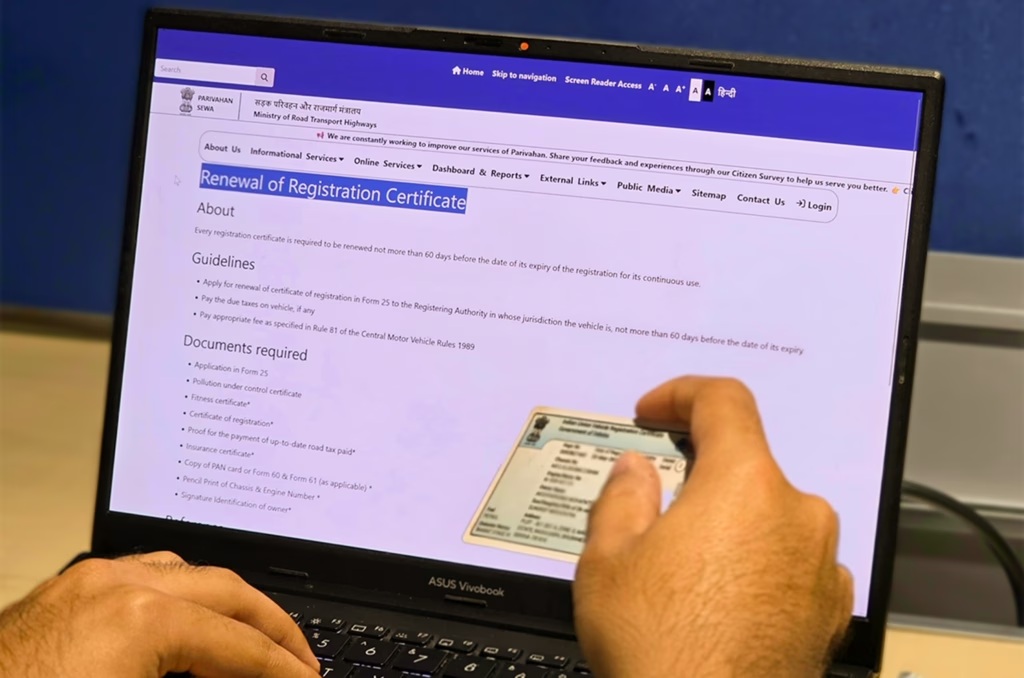
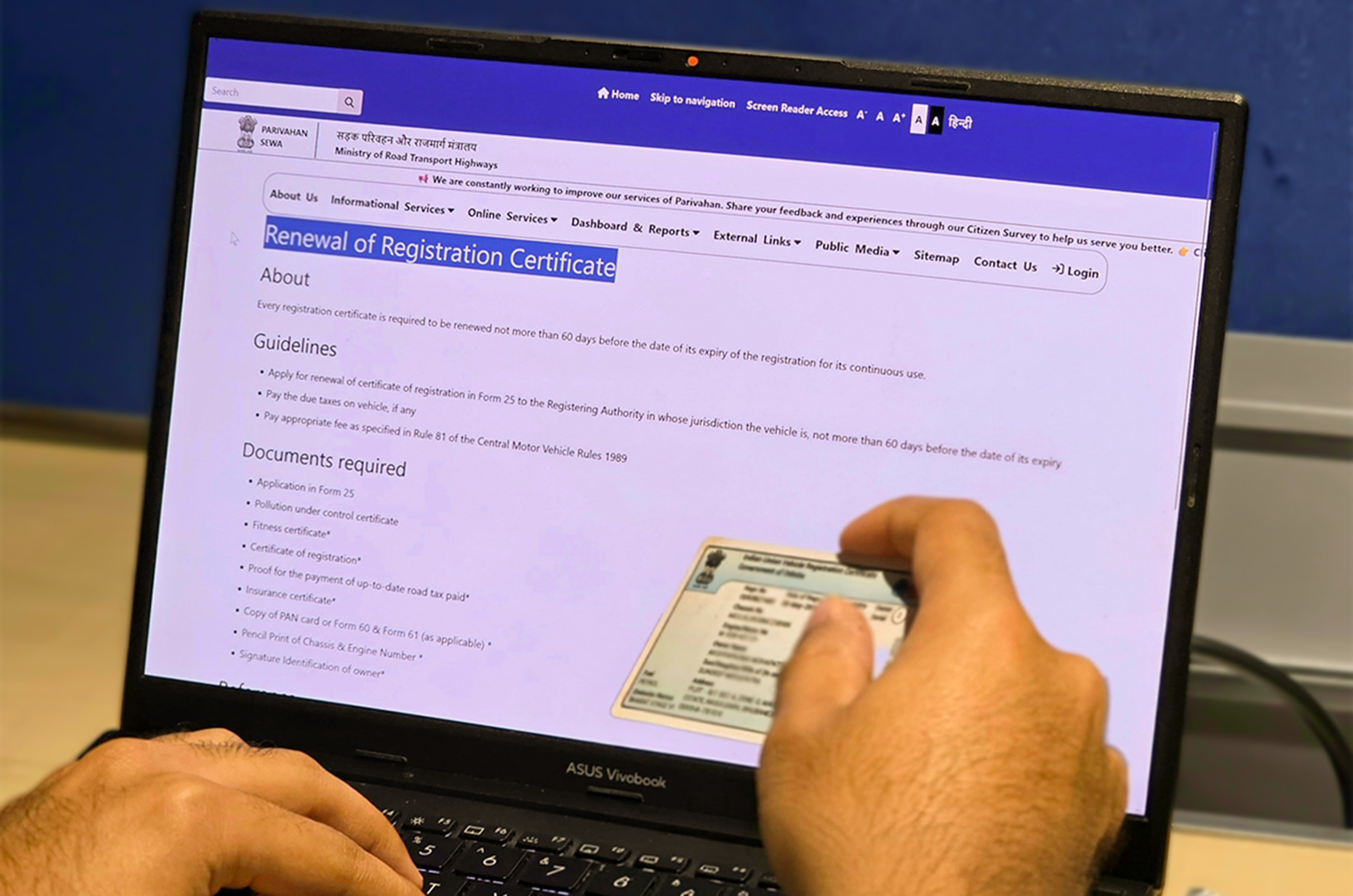
A vehicle’s Registration Certificate (RC) is an essential document that confirms its registration with the Regional Transport Office (RTO) and establishes its legal identity. In India, the RC for a private vehicle is generally valid for 15 years from the date of registration, after which it must be renewed every five years.
Owners can apply for renewal through the government’s Parivahan Sewa portal within 60 days before the RC expires, although a physical vehicle inspection may be required before approval. If the RC has already expired, they should follow the prescribed renewal process and check the applicable requirements with their RTO.
Driving with an expired RC is illegal and can attract penalties. It can also complicate insurance claims and the transfer of vehicle ownership. Here is how to renew an RC online, the documents required and the applicable fees.
Documents required for RC renewal
Before starting the application, vehicle owners should keep the following documents ready:
Form 25: The application form for renewal of registration.
Existing RC: The original or a copy of the expired registration certificate for verification.
Valid insurance certificate: Proof of active third-party or comprehensive insurance.
Pollution Under Control (PUC) certificate: A valid certificate confirming compliance with applicable emission standards.
Road tax receipt: Proof of payment of applicable road tax.
Identity proof: An Aadhaar card, PAN card, passport or another accepted government-issued document.
Address proof: An Aadhaar card, voter ID, utility bill or another accepted document.
Fitness certificate: Required for applicable vehicle categories, particularly commercial vehicles.
Chassis and engine number pencil print: This may be required as part of the application process.
Document requirements can vary depending on the vehicle category and the relevant RTO.
How to renew your RC online through Parivahan
The RC renewal application can be submitted through the government’s Parivahan Sewa portal by following these steps:
1. Visit the Parivahan Sewa portal
Open the official website at https://parivahan.gov.in/ and navigate to ‘Online Services’, followed by ‘Vehicle Related Services’.
2. Select the state and RTO
Choose the state in which your vehicle is registered and select the relevant registering authority.
3. Enter the vehicle details
Log in if required, and enter your vehicle’s registration number. The portal may also ask for the last five digits of the chassis number.
4. Select the renewal service
Choose ‘Renewal of Registration’ from the list of available vehicle-related services.
5. Fill in the application form
Verify the details of your vehicle, including its make, model, year of manufacture, engine number, and chassis number. Enter any other requested information accurately.
6. Upload the required documents
Submit scanned copies of the existing RC, insurance certificate, PUC certificate, identity proof, address proof, and other applicable documents.
7. Pay the renewal fee
Complete the online payment. The amount depends on your vehicle’s category and applicable charges.
8. Book a vehicle inspection
Schedule an appointment at the relevant RTO if required.
9. Take your vehicle for inspection
Present your vehicle and original documents for verification. The RTO will assess the application and your vehicle’s road-worthiness where applicable.
10. Receive the renewed RC
Once the application is approved, the renewed certificate will be processed. Depending on the applicable procedure, it may be dispatched to your registered address. Applicants can also check their application status online.
RC renewal fees in India
The registration renewal fees listed under Rule 81 of the Central Motor Vehicles Rules, 1989, vary according to the vehicle category.
Vehicle category
RC renewal fee (Rs)
Motorcycle
300
Medium passenger motor vehicle
1,000
Heavy passenger motor vehicle
1,500
Imported motorcycle
2,500
Imported motor vehicle
5,000
Invalid carriage
50
Three-wheeler, quadricycle, or light motor vehicle (non-transport)
600
Three-wheeler or light motor vehicle (transport)
1,000
Medium goods vehicle
1,000
Heavy-duty vehicle
1,500
Other vehicle categories
3,000
Additional charges may apply for delayed renewal, smart card issuance, inspection and other applicable services. The supplied fee schedule lists delayed-renewal charges of Rs 300 per month for motorcycles, and Rs 500 per month for passenger cars, along with a Rs 200 charge for smart card reissue or renewal. Owners should confirm the current charges on the Parivahan portal or with their RTO before making a payment.
How to check your RC renewal status
After submitting the RC renewal application, you can track its progress through the Parivahan Sewa portal. Navigate to the vehicle-related services section, select the relevant state, and enter your vehicle’s registration details. Open the applicable application or registration status option to check whether the renewal is being processed, has been approved or requires further action. The online application makes it easier to initiate the renewal process, but approval may still depend on document verification, payment of applicable fees, and a physical inspection where required.
कच्चे तेल की कीमत में फिर से तगड़ा उछाल है। शुक्रवार को ब्रेंट क्रूड की कीमत मई के बाद पहली बार 110 डॉलर प्रति बैरल के स्तर पर पहुंच गई। इसकी वजह मध्य पूर्व में बढ़ता तनाव है, जिससे कच्चे तेल की आपूर्ति में जल्द राहत मिलने की उम्मीदें कम हो रही हैं। रॉयटर्स के मुताबिक, ब्रेंट क्रूड फ्यूचर्स 3.94 डॉलर (3.7 प्रतिशत) बढ़कर 109.86 डॉलर पर बंद हुआ, जो 19 मई के बाद का सबसे ऊंचा स्तर है। वहीं, अमेरिकी वेस्ट टेक्सास इंटरमीडिएट (WTI) क्रूड फ्यूचर्स 3.44 डॉलर (3.5 प्रतिशत) बढ़कर 101.41 डॉलर पर बंद हुआ, जो 17 सितंबर के बाद का सबसे ऊंचा स्तर है।
इस सप्ताह अब तक ब्रेंट क्रूड की कीमत 4.9 प्रतिशत और WTI की कीमत 10.4 प्रतिशत चढ़ी है। ब्लूमबर्ग के मुताबिक, ईरान समर्थित हूती विद्रोही सऊदी अरब पर लगातार मिसाइल और ड्रोन से हमले कर रहे हैं। वहीं रूस और यूक्रेन एक-दूसरे के एनर्जी इंफ्रास्ट्रक्चर निशाना बना रहे हैं।
इस साल 70 प्रतिशत चढ़ा कच्चा तेल
इस साल कच्चे तेल की कीमतों में 70 प्रतिशत से ज्यादा की तेजी आई है, क्योंकि मध्य पूर्व और रूस में चल रहे युद्धों के कारण आपूर्ति बाधित हुई है। फिजिकल बाजारों में भी तंगी के संकेत मिल रहे हैं; डीजल जैसे रिफाइंड उत्पादों की कीमतों में और भी तेज उछाल आया है। यूरोप में इस कमोडिटी के लिए फ्यूचर्स की कीमतें इस साल दोगुनी से भी ज्यादा हो गई हैं।
शुक्रवार को अमेरिकी सांसदों ने एक बिल पेश किया, जिसका मकसद अमेरिकी राष्ट्रपति डोनाल्ड ट्रंप और रूस के बीच हुए उस समझौते को रोकना है, जिसके तहत रूस से कई सौ मिलियन बैरल डीजल रिलीज किया जाना था। समझौते पर रोक का कदम ऐसे किसी भी उपाय के खिलाफ व्यापक विरोध को दर्शाता है, जिससे रूस को अपने युद्ध कोष (War Chest) को मजबूत करने का मौका मिल सके।
अगर वैश्विक बाजारों से रूसी डीजल बाहर रहता है, तो अन्य जगहों की रिफाइनरियों को मांग पूरी करने के लिए ऑयल प्रोसेसिंग बढ़ानी पड़ेगी। हालांकि, ट्रंप ने फिर दोहराया है कि रूस डीजल जारी करने के समझौते पर अमल करेगा। रॉयटर्स की रिपोर्ट के अनुसार, ब्लैक सी के आसपास लगातार तनाव बना हुआ है। रूस की रियाजान तेल रिफाइनरी पर हाल ही में हमला हुआ है। इसके कारण वहां कामकाज रोकना पड़ा। इस हमले ने डीजल रिलीज के समझौते के पूरा होने को लेकर संदेह और बढ़ा दिया है।
Volvo is currently not considering plug-in-hybrid vehicles (PHEVs) in its India portfolio anytime soon, as it sees the current tax structure and uncertain customer interest as hurdles to their introduction. “The regulations are not conducive to plug-in hybrids,” Jyoti Malhotra, MD of Volvo Car India, told our sister publication Autocar Professional on the sidelines of the recent EX90 launch. He also added that Volvo’s India plans remain focused on mild hybrids and EVs for now.
GST on PHEVs is 40 percent, making them less competitive than BEVs with 5 percent GST
Volvo’s India strategy focuses on mild hybrids and BEVs for the foreseeable future
PHEVs could be introduced if customer demand, economics support their future viability
India’s tax structure makes PHEVs less competitive
In India, PHEVs attract a 40 percent GST rate (plus applicable cesses bringing total taxes even higher, up to 43 percent). In contrast, pure battery EVs (BEVs) face a 5 percent GST rate and no compensation cess.
Malhotra said current tax treatment favours BEVs and makes PHEVs less competitive. PHEVs combine an internal combustion engine (ICE) with an electric drivetrain comprising an electric motor and a rechargeable battery that can be charged externally. This dual-powertrain setup adds to the vehicle’s cost. The higher tax burden further affects the final price, making PHEVs less competitive against conventional ICE models and battery electric vehicles (BEVs).
Higher costs, customer willingness to pay remain key hurdles
Beyond taxation, customer willingness to pay remains a key factor in Volvo’s assessment. Malhotra said PHEVs would be more expensive than conventional ICE vehicles because they combine two powertrains and face a higher tax burden. “Are our customers ready to pay that cost is something we are watching very closely,” he added.
He also believes incentives under the third phase of Corporate Average Fuel Economy (CAFE) norms, slated to go into effect from April 2027, would not by themselves change the commercial case or the final purchase price. “I don’t think CAFE will bring much change to that. It is basically the tax structure,” he said.
Volvo’s India strategy remains focused on EVs, mild hybrids
Malhotra maintained that Volvo’s broader direction remained towards battery electric vehicles, even as the company adjusted the pace of its transition to reflect conditions in individual markets. “Our end goal is still the same, globally as well as in India, that we want to become an electric car company,” he said.
In India, Volvo offers mild-hybrid SUVs alongside BEVs, with electric cars accounting for nearly one in four vehicles it sells. The BEV portfolio includes EX30, EC40 and EX90 models, while the ICE models include the XC60 and XC90 SUVs, which come in a mild-hybrid avatar. Internationally, though, Volvo offers the XC60 and XC90 as PHEVs as well.
Malhotra said that mix also left the company well placed on CAFE compliance, allowing its powertrain decisions to be guided by market demand. Plug-in hybrids remain an option if customer demand and the economics support their introduction. “It’s not that we will bring it, but we can bring it if all things fall in place,” he added.
Best OnlyFans Ranking: A Practical Guide to Choosing the Top Creators
1. Understanding the OnlyFans Landscape
OnlyFans has grown from a niche subscription service into a global marketplace where creators of all types can monetize exclusive content. The platform is open to artists, fitness coaches, chefs, and many other professionals, each leveraging a personalized fan base for recurring income. Because the ecosystem is so diverse, newcomers often wonder how to identify the most successful creators and whether those rankings matter for their own strategy.
In practice, the best onlyfans ranking reflects a blend of audience size, earnings consistency, engagement rates, and niche relevance. By studying these factors, you can gauge which creators set realistic standards and which tactics are worth emulating. This understanding forms the foundation for any decision‑making process on the platform.
2. How Rankings Are Determined
Rankings typically aggregate public metrics such as subscriber count, monthly earnings, post frequency, and interaction levels (likes, comments, direct messages). Some third‑party tools also factor in growth trends and audience demographics to provide a more nuanced picture. While raw numbers are important, qualitative aspects like brand consistency and content quality heavily influence long‑term ranking stability.
Most reputable rankings use algorithms that assign weighted scores to each metric. For example, subscriber count might carry a 30 % weight, while engagement averages account for 25 %. Understanding this methodology helps you interpret a ranking position beyond just a headline number.
3. Top Criteria for Evaluating OnlyFans Creators
When you compare creators, focus on the following criteria:
Audience size and growth rate: A large, steadily expanding subscriber base indicates market demand.
Engagement quality: High comment and message volumes show a loyal, interactive community.
Content diversity: Regularly varied media (photos, videos, live streams) keeps fans interested.
Monetization tactics: Use of paid messages, tip menus, and subscription tiers indicates revenue optimization.
Brand consistency: Cohesive visual style and messaging help maintain fan trust.
By scoring each creator against these benchmarks, you can build a personalized ranking that aligns with your business needs.
4. The Current Best OnlyFans Ranking – Who Leads the Pack
Based on publicly available data from the last quarter, the following creators consistently appear at the top of the best onlyfans ranking. They excel across the criteria discussed above and set industry standards for content strategy, pricing, and fan interaction.
Creator
Monthly Subscribers
Average Earnings (USD)
Primary Niche
Key Strength
Alice Blaze
125,000
$780,000
Fitness & Lifestyle
High‑volume live workouts
Nova Noir
98,000
$620,000
Adult Entertainment
Personalized video requests
Chef Marco
47,000
$210,000
Culinary Arts
Exclusive recipe bundles
These creators illustrate how different niches can dominate the ranking when they master the fundamental metrics of subscriber growth and fan engagement.
5. Features and Benefits of High‑Performing OnlyFans Accounts
Top‑ranked creators typically leverage a robust set of platform features. Automated subscription reminders, drip‑feed content schedules, and integrated payment processing reduce administrative overhead while maximizing revenue.
Benefits include predictable cash flow, deeper fan relationships, and the ability to scale content production without sacrificing quality. By using the dashboard analytics, successful creators can identify peak posting times and adjust pricing tiers to capture maximum willingness to pay.
6. Pricing, Payouts, and Monetization Strategies
Pricing is a delicate balance between perceived value and market competition. Most top creators set a base subscription between $15‑$30, then offer premium bundles, pay‑per‑view content, and tip incentives. Seasonal promotions—such as limited‑time discounts or exclusive holiday bundles—can boost subscriber acquisition without long‑term price erosion.
Payouts on OnlyFans are processed weekly, with a standard 20 % platform fee. Creators should plan for tax obligations and reserve a portion of earnings for reinvestment in equipment, marketing, or content upgrades.
7. Setting Up for Success – Step‑by‑Step Guide
Getting started on OnlyFans doesn’t require a degree in digital marketing, but a systematic approach helps you replicate the practices of the best onlyfans ranking leaders.
Create a professional profile: Use high‑resolution photos, a concise bio, and clear content categories.
Define pricing tiers: Start with a modest base price, then add premium options as your library grows.
Develop a content calendar: Plan at least three posts per week, mixing photos, videos, and live streams.
Engage daily: Respond to messages, run polls, and thank top fans to boost loyalty.
Analyze performance: Use the built‑in dashboard to track subscriber growth and adjust strategies.
Following these steps positions you to climb the ranking ladder while maintaining a sustainable workflow.
8. Common Pitfalls and How to Avoid Them
Even the most dedicated creators encounter obstacles. Below are frequent mistakes and practical solutions:
Inconsistent posting: Set automated reminders or batch‑create content to maintain a steady flow.
Over‑pricing early on: Test lower price points first; you can increase rates once you have proven value.
Neglecting fan feedback: Conduct regular surveys and adjust content based on direct requests.
Ignoring platform policies: Review OnlyFans terms to avoid content removals or account suspensions.
By proactively addressing these issues, you minimize churn and protect your position in the best onlyfans ranking.
9. Frequently Asked Questions
Is the best onlyfans ranking reliable for newcomers?
While rankings provide a useful snapshot of top performers, they should be combined with your own niche analysis. Use them as benchmarks, not absolute rules.
How long does it take to appear in the ranking?
Most creators see measurable movement within three to six months of consistent effort, provided they follow best practices for content and engagement.
Can I improve my ranking without increasing prices?
Yes. Enhancing engagement, offering exclusive experiences, and optimizing posting times can boost your score even with stable pricing.
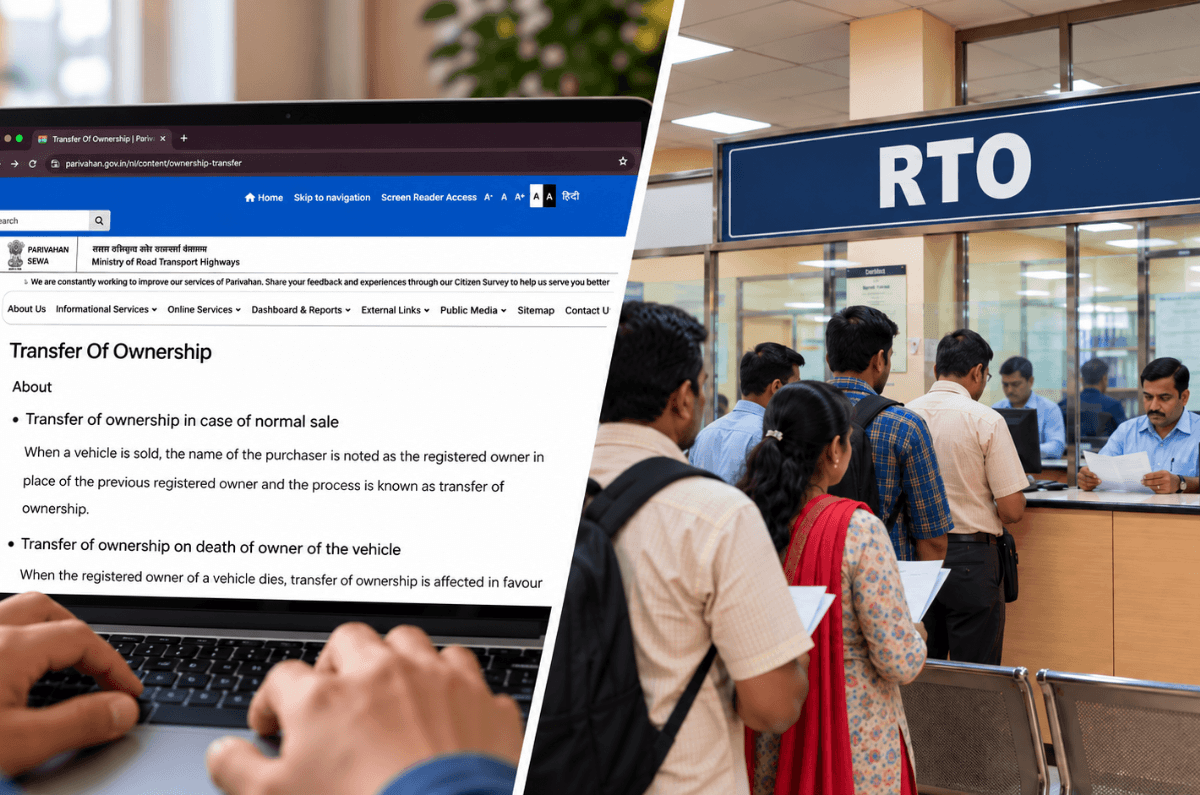
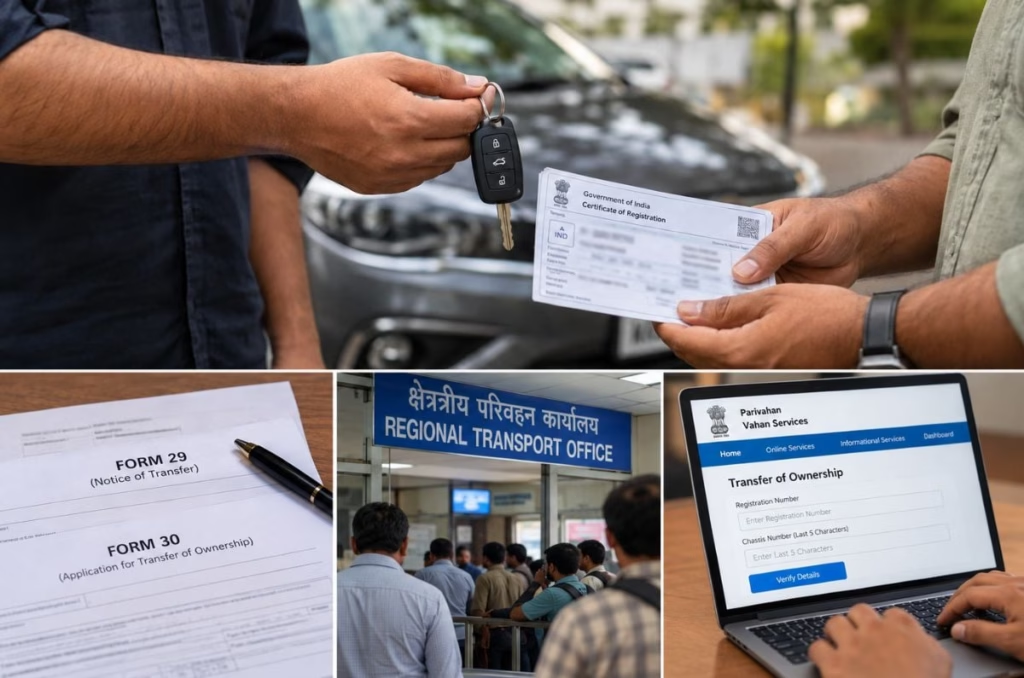
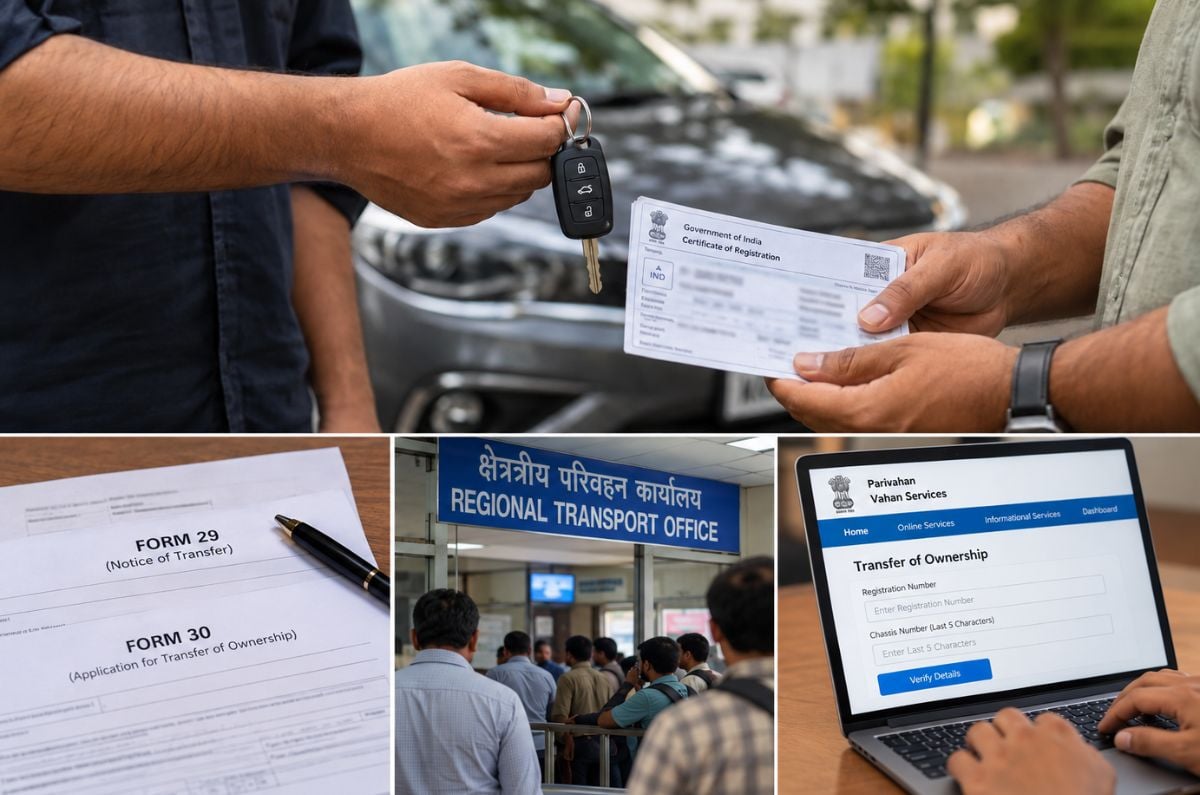
If you are moving to another state or selling your car to someone, you need to transfer the vehicle registration. This updates the registration to the new state if you relocate, or to the new owner if you sell the car. Since each state’s transport department has its own rules, registration certificate (RC) transfer fees, requirements and timelines can differ. So how exactly do you transfer your RC to a new regional transport office (RTO) and what are the documents and fees required in the process? We answer all your questions here.
Disclaimer:This guide is for private vehicles. Commercial vehicles need additional paperwork, such as permit and fitness documents, which are not covered here. The information used here comes from the Parivahan portal. Documents, fees and deadlines vary by state and RTO, and are subject to change. Check with your local RTO before you apply or pay.
What forms are required for an RC transfer?
Form
Purpose
Form 29
The seller’s notice reporting the transfer of ownership.
Form 30
The buyer’s application to register the vehicle in their name.
Form 31
Transfer of the vehicle to the person who succeeds the owner after their death.
Form 32
Transfer of a vehicle bought through a government auction.
Form 28
Application for a No-objection Certificate (NOC).
Form 35
Application to remove loan, lease or hypothecation details from the RC.
The form you need depends on how the vehicle’s ownership is changing. Forms 29 and 30 are the main forms used in a regular used-car sale.
Why should you complete the RC transfer soon after a sale?
If you do not complete the ownership transfer or pay the applicable RTO charges, you may face penalties. You could also be held legally responsible if a car you sold is still registered in your name and is involved in an accident or criminal offence.
For a vehicle transferred within the same state, the buyer should submit the ownership-transfer application within 14 days of the sale. If the vehicle is registered in another state, the buyer should apply within 45 days. The seller should also protect their own interests instead of waiting for the buyer to finish the entire process. Form 29 and the sale intimation should be submitted promptly to create an official record of the handover. State transport departments may charge late fees or impose penalties if the application is submitted after the deadline.
Don’t forget to transfer the insurance policy
Updating the RC does not automatically transfer the motor insurance policy. The buyer should contact the insurer, submit the updated ownership documents and complete a new proposal or endorsement request. The RC and insurance policy should ultimately show the same owner’s name and address.
The seller’s No Claim Bonus (NCB) belongs to the seller. The seller can request an NCB retention certificate and use the eligible discount on another vehicle. The buyer should start the insurance transfer immediately and complete it within 14 days of the ownership transfer. A delay may affect eligibility for an own-damage claim.
What other documents are required for an RC transfer?
The exact list can vary by state and RTO. A regular sale usually requires:
Original RC.
Completed and signed Forms 29 and 30
Valid motor insurance certificate
Valid pollution under control (PUC) certificate
The buyer’s identity and address proof
PAN card or Form 60, where applicable
Passport-sized photographs
Pencil print of the chassis and engine numbers, if required
Sale agreement or delivery note
Applicable tax-clearance proof
Fee-payment receipt
Financier’s NOC and Form 35, if a loan is recorded
RTO NOC for an interstate transfer
Some states allow Aadhaar-based authentication and digital document submission. Others may require physical copies or verification at the RTO.
How to transfer an RC online?
You can usually start the ownership transfer through the Parivahan vehicle-services portal.
Step 1: Open vehicle-related services
Go to the vehicle-related services section on Parivahan and select the state where the vehicle is registered.
Step 2: Enter the vehicle details
Enter the registration number and open the online services section. For authentication, you may need the last five digits of the chassis number and an OTP sent to the registered mobile number.
The mobile number linked to the RC must be active. If it is outdated, the registered owner may need to update it before continuing.
Step 3: Select transfer of ownership
Choose the transfer-of-ownership service. In some states, the seller must start the application before the buyer can enter the remaining details.
Step 4: Enter the buyer and sale details
Enter the sale date, the buyer’s address and identity details, and any other information requested. Make sure all entries match the supporting documents.
Step 5: Upload the documents
Upload the signed forms and supporting documents where online uploads are available. Make sure the images are clear, and all signatures can be seen.
Step 6: Pay the applicable fee
Check the fee details and pay online. Save the payment receipt and application number.
Step 7: Complete verification
Depending on the state, verification may be completed through Aadhaar authentication, faceless verification or a physical visit to the RTO.
For a physical verification, you may need to bring the original RC, signed forms and identity documents.
Step 8: Track the application
Use the application number or vehicle registration details to check the status on the Parivahan portal. After approval, the updated RC may be available digitally through DigiLocker or mParivahan before the physical card arrives.
How to transfer an RC offline?
You can also complete the transfer by visiting the RTO. The seller and buyer should fill in and sign Forms 29 and 30. The buyer then submits the forms, original RC, insurance, PUC, identity documents and other required papers to the appropriate registering authority.
After the fee is paid, the RTO checks the application and updates the registration record. It may ask for a physical vehicle inspection, especially for interstate transfers, address mismatches or document discrepancies. Always collect an acknowledgement or receipt when you submit the application.
How to transfer an RC within the same state?
A transfer within the same state is usually simpler because the vehicle keeps its existing registration number. The buyer generally submits Forms 29 and 30 along with the RC, insurance, PUC and personal documents. A separate NOC for an interstate transfer is normally not required. However, the process can differ if the seller and buyer come under different RTO jurisdictions within the same state. The online portal will usually direct the application to the relevant authority.
How to transfer an RC between states?
An interstate sale may involve two related processes:
Ownership transfer
Re-assignment of the registration mark in the buyer’s state
The seller should get an NOC from the original RTO using Form 28. The buyer then submits the ownership-transfer documents and pays the applicable road tax in the destination state, whether it be from Haryana, Maharashtra or Tamil Nadu. We will explain this process in the following FAQs.
The documents may include:
Original RC
Forms 29 and 30
RTO NOC
Insurance and PUC certificates
The buyer’s local address proof
Tax-payment documents
Pencil print of the chassis and engine numbers
Vehicle inspection report, if required
If the vehicle is moved to another state for more than 12 months, the owner may also need to apply for a new registration mark.
A road-tax refund from the original state is handled separately and depends on that state’s rules. The owner may need to provide proof of re-registration and tax payment in the new state.
How to get an NOC?
There are two ways to apply for an NOC – offline and online. The first method requires you fill out a copy of the Form 28. After that, attach the other required documents which are mentioned above, pay the applicable fee and submit the application at your RTO. Before starting, make sure there are no pending challans, unpaid toll dues, or vehicle tax payments, as the RTO will not issue an NOC if any dues remain. This process can also be done online by visiting the Parivahan portal – parivahan.gov.in. An NOC is valid for six months from the date of issue.
How to transfer the RC of a car with an active loan?
Check the RC for a hypothecation entry that names the bank or finance company. A vehicle with an active loan generally cannot be transferred without the financier’s consent. The seller should first close the loan or obtain the required approval. After the dues are cleared, the lender provides a loan-closure or no-dues certificate and signs Form 35. The owner can then apply to remove the hypothecation entry from the RC. In some states, you can request hypothecation removal and ownership transfer at the same time. Completing the loan-removal process first can reduce the risk of rejection.
How to transfer the RC of a car after the registered owner’s death?
When the registered owner dies, the person who succeeds to the vehicle should inform the registering authority and apply to transfer ownership using Form 31. The successor may use the vehicle for up to three months if the registering authority is informed within 30 days of the owner’s death.
The application usually requires:
Form 31
Original RC
Insurance and PUC certificates
Death certificate
Proof of succession or legal-heir documents
Declarations from other legal heirs
The applicant’s address and identity proof
Vehicle-verification documents, if required
Requirements can differ if there is a will, more than one legal heir or a dispute over ownership.
How to transfer the RC of a car bought at a government auction?
If you buy a vehicle through an auction held by or on behalf of the Central or a state government, you should apply using Form 32 within 30 days of taking possession. The buyer must submit the auction certificate or sale order, the government authorisation for the auction, the available vehicle documents and the applicable fee. Auction vehicles may have incomplete records, repairs that are still needed or unusual registration histories. Check the documents before bidding.
How much does an RC transfer cost?
RC transfer charges depend on the vehicle category, state, smart-card fee, postal charge, any outstanding tax and whether extra services are needed. The Parivahan portal shows the amount payable before you make an online payment. Under Rule 81 of the Central Motor Vehicles Rules, the RC transfer fee is half the standard registration fee. This may amount to Rs 150 for a motorcycle and Rs 300 for a private car. Delays can attract a late fee of Rs 300 per month for motorcycles and Rs 500 per month for cars. Some states may also impose a penalty if the application is not submitted within 14 days of purchase. Road tax is charged separately, and is applicable if the vehicle is being re-registered in another state.
The sale of a car or two-wheeler isn’t considered complete until its registration certificate (RC) carries the name of the new owner. Prior to this, the seller of the vehicle remains its legal owner on record. This means that any challans issued, tax dues, or even liability in case of an accident are to be resolved by the existing owner. So, how does vehicle ownership transfer work and what are the necessary steps one needs to take to complete this process.
Disclaimer:This guide is for buyers and sellers of private vehicles. Commercial vehicles need additional paperwork, such as permit and fitness documents, which isn’t covered here. The information used here comes from the Parivahan portal and state transport department websites. Documents, fees and deadlines vary by state and RTO, and are subject to change. Check with your local RTO or a government-approved official portal before you apply or pay.
1. Why you need to complete the RC transfer soon after sale?
Both the seller and buyer should sign a sale agreement, thus documenting the transaction. Remember, the vehicle legally belongs to whoever’s name appears on the RC. This means unless the RC is transferred to the new owner, any untoward incident (including traffic violations, accidents and crimes) involving the vehicle can remain the responsibility of the seller. A factor for the buyer to consider is the insurance policy, which is deemed transferred along with the vehicle, though the buyer still has to apply to the insurer within 14 days to have it put in their name.
Before the sale, the seller should clear any pending challans and ensure that there are no unpaid National Highway tolls. Both parties should confirm that any pending loan amount (if applicable) on the vehicle has been cleared. Once the vehicle is handed over, the seller should also close or delink the FASTag linked to it.
2. What paperwork do you need for an RC transfer?
A normal sale of a vehicle involves two forms. The seller files Form 29 (notice of transfer), reporting the sale to the registering authorities where the seller and buyer reside. Meanwhile, the buyer files Form 30 (application for transfer), along with the RC and insurance certificate. Depending on the state, the RTO may also ask for the PUC certificate, PAN card or Form 60, address proof, a chassis and engine pencil print, the buyer’s date of birth proof and undertaking, a passport-size photograph and a tax clearance certificate.
There are three cases that may involve extra paperwork. If the vehicle is registered in another state, the RC transfer application will also need a no objection certificate (NOC) from the source RTO (whether it be from Delhi, Maharashtra or Karnataka). If the owner has died, the legal heir applies on Form 31 with the death certificate. In case the vehicle was bought at a government auction, the buyer applies on Form 32 with the sale certificate and a copy of the government order authorising the auction.
Bank auctions are a bit different to government-run ones. These usually involve vehicles repossessed by banks and finance companies over unpaid loans. Since they aren’t government auctions, Form 32 doesn’t apply here. Instead, the lender provides a sale letter and a NOC, though the RC transfer follows the same process as a government auction. Vehicles here are sold on an ‘as is’ basis, so no warranty or test drives – any pending challans or road tax are likely to be sorted by the buyer. To know about all the other forms that may be required, scroll to the bottom of the story.
3. How much does an RC transfer cost and what are the deadlines?
The RC transfer application has to be submitted within 14 days of the transfer if the vehicle is registered in the same state. The deadline goes up to 45 days if the vehicle is from another state. A legal heir has to inform the RTO within 30 days of the original owner’s death and apply for a transfer within three months. Meanwhile, an auction buyer gets 30 days to transfer the RC from the date of taking possession of the vehicle.
As for the costs involved, the central fee that’s set under Rule 81 of the Central Motor Vehicles Rules describes it as half the registration fee, depending on the vehicle’s class. This works out to Rs 150 for a motorcycle and Rs 300 for a private car. If the buyer misses these deadlines, they will attract a late NOC fee of Rs 300 a month for motorcycles and Rs 500 a month for cars. Certain states levy a penalty if the RC transfer isn’t applied for within 14 days of purchase. Road tax is separate, and is applicable if the vehicle is being re-registered in another state.
4. Should you apply for RC transfer online, through an agent or do it yourself?
You can apply for an RC transfer through the Vahan portal (vahan.parivahan.gov.in/vahanservice/vahan). Enter the registration number, select ‘Basic Service’s and verify with the last five digits of the chassis number and an OTP sent to your registered mobile number. Then choose ‘Transfer of Ownership’, fill in the details and pay the fee displayed. The receipt carries a trackable application number, while the application moves to the concerned RTO for processing.
Some states also let you upload documents and book an appointment online, while others still want the papers submitted in person. Doing it yourself at the RTO costs nothing beyond the official fee, and your documents go directly to the office in charge of processing them. However, this can take time and effort from your end, perhaps even requiring multiple visits in case of missing or incorrect documents.
If absolute convenience is what you want, you can get the process done through an agent. This will not only save you the hassle of standing in queues or making follow-up visits to the RTO, but also help with inter-state RC transfers that can involve an NOC and re-registration. Understandably, this convenience comes at a cost (which can vary from agent to agent) and also having your original documents and signed forms being with a third party. If you do use an agent, don’t sign blank forms and always ask for official receipts and the application number for self-tracking the progress.
5. Other forms that may be required for an RC transfer
Form
What’s it for
Submitted by
Form 28
Application for a no objection certificate (NOC)
Seller – when the vehicle moves to another RTO or state
Form 31
Application for transfer on death of the owner
Legal heir
Form 32
Application for transfer of a vehicle bought at public auction
Auction buyer
Form 35
Notice of termination of hypothecation
Owner and financier, if there was a loan on the vehicle
GST Council Meeting: GST काउंसिल की 57वीं बैठक में कारोबारियों और टैक्सपेयर्स के लिए कई बड़े प्रोसेस सुधारों को मंजूरी दी गई है। इनका मकसद GST को समझना और उसका पालन करना आसान बनाना है। साथ ही रिफंड की प्रक्रिया तेज होगी और टैक्स अधिकारियों का फिजिकल इंटरवेंशन कम किया जाएगा।
ये बदलाव GST के दो-दर वाले स्ट्रक्चर लागू होने के करीब एक साल बाद किए गए हैं। सरकार के मुताबिक, टैक्सेबल सप्लाई 25.8% बढ़कर हर महीने 50.58 लाख करोड़ रुपये हो गई है। पहले यह 40.19 लाख करोड़ रुपये थी। वहीं, कंज्यूमर्स को रिपोर्ट की गई सप्लाई 26.7% बढ़कर 7.58 लाख करोड़ रुपये हो गई है।
इस दौरान घरेलू सप्लाई पर प्रभावी टैक्स रेट भी घटा है। यह 14.55% से कम होकर 13.13% रह गया है। अब Council का फोकस टैक्स रेट से हटकर GST के रोजमर्रा के कामकाज पर है। इसमें रजिस्ट्रेशन, रिटर्न, रिफंड, मुकदमे और टैक्स कार्रवाई जैसे मुद्दे शामिल हैं।
GST रिफंड अब तेजी से मिलेगा
सबसे बड़ा बदलाव रिफंड की प्रक्रिया में किया गया है। रिफंड क्लेम को स्वीकार करने की समयसीमा 15 दिन से घटाकर 10 दिन करने का प्रस्ताव है। अगर 10 दिन के भीतर न तो एक्नॉलेजमेंट जारी होता है और न ही डेफिशिएंसी मेमो, तो क्लेम को अपने आप एक्नॉलेज्ड माना जाएगा।
अब सिस्टम रिस्क असेसमेंट के आधार पर रिफंड क्लेम की 90% रकम को मंजूर करेगा। इसमें अधिकारी की भूमिका कम होगी। एक्नॉलेजमेंट के तीन वर्किंग डे के भीतर रिफंड ऑर्डर जारी करना होगा। अभी इसके लिए सात दिन का समय है।
कैश लेजर में पड़े अतिरिक्त बैलेंस का रिफंड भी पूरी तरह ऑटोमैटिक होगा। इसमें अधिकारी के दखल की जरूरत नहीं होगी। इसका फायदा खासकर एक्सपोर्टर्स और इनवर्टेड ड्यूटी स्ट्रक्चर के तहत काम करने वाले कारोबारियों को मिल सकता है। करीब 65% रिफंड क्लेम एक्सपोर्ट या इनवर्टेड रेट से जुड़े हैं, जबकि 19% क्लेम कैश लेजर में पहले से पड़े बैलेंस से जुड़े हैं।
GST रजिस्ट्रेशन भी ज्यादा ऑटोमैटिक होगा
GST रजिस्ट्रेशन और उसमें बदलाव की प्रक्रिया को भी और ऑटोमैटिक करने का प्रस्ताव है। अभी कम जोखिम वाले आवेदकों को बिना अधिकारी की मंजूरी के सिस्टम के जरिए तीन वर्किंग डे में रजिस्ट्रेशन मिल सकता है। कुल रजिस्ट्रेशन में ऐसे मामलों की हिस्सेदारी 61% है।
रजिस्ट्रेशन फॉर्म को भी बदला जाएगा। इसमें आवेदक को वही फील्ड दिखाई जाएंगी, जो उसके लिए जरूरी हैं। साथ ही, मांगे जा रहे दस्तावेजों का मकसद भी बताया जाएगा। इससे आवेदन भरने की प्रक्रिया ज्यादा आसान हो सकती है।
ट्रेड नेम, डायरेक्टर या पार्टनर और कारोबार की अतिरिक्त जगहों में बदलाव जैसे कई सामान्य संशोधन अपने आप मंजूर किए जाएंगे। नवंबर 2025 से सितंबर 2026 के बीच दाखिल 16.73 लाख रजिस्ट्रेशन अमेंडमेंट एप्लिकेशन में से 65.45% इन्हीं कैटेगरी से जुड़े थे।
Input Tax Credit में कारोबारियों को राहत
Council ने कई क्षेत्रों में Input Tax Credit यानी ITC का दायरा बढ़ाने का प्रस्ताव रखा है। अब कर्मचारियों के लिए लिए गए हेल्थ और लाइफ इंश्योरेंस पर भी ITC मिल सकेगा। फैक्ट्री के बाहर लगे टेलीकॉम टावर और पाइपलाइन पर भी इसका फायदा मिलेगा।
एक्सपायरी के कारण खराब स्टॉक पर भी ITC मिलेगा, अगर कानून के तहत उस सामान को नष्ट करना जरूरी है। फ्री सैंपल पर भी ITC उपलब्ध होगा। इससे उन कारोबारियों को राहत मिल सकती है, जिनके कारोबार में ऐसे खर्च नियमित रूप से होते हैं।
सरकार ने कुछ B2B सर्विस चेन में डबल टैक्सेशन रोकने की भी पहल की है। एजेंट के जरिए बुक किए गए 7,500 रुपये प्रति रात तक के होटल कमरे, रेस्टोरेंट और कैटरिंग सर्विस और पैसेंजर ट्रांसपोर्ट जैसी सेवाओं पर टैक्स दो बार लेने के बजाय एक बार ही लिया जाएगा।
इनवर्टेड ड्यूटी में ITC रिफंड का दायरा बढ़ेगा
मैन्युफैक्चरर्स और एक्सपोर्टर्स के लिए भी एक बड़ा बदलाव प्रस्तावित है। इनवर्टेड रेट स्ट्रक्चर में रिफंड का दायरा बढ़ाया जाएगा। अभी रिफंड सिर्फ गुड्स इनपुट तक सीमित है। अब 1 नवंबर 2026 या उसके बाद लिए गए ITC पर इनपुट सर्विसेज को भी रिफंड में शामिल किया जाएगा।
प्लांट और मशीनरी को रिफंड से बाहर रखने का नियम भी हटाया जाएगा। 1 अप्रैल 2027 या उसके बाद लिए गए ITC पर प्लांट और मशीनरी के रिफंड की गणना हर महीने क्रेडिट के 1/60वें हिस्से के आधार पर होगी। यह अवधि उस एसेट की वर्किंग लाइफ से जुड़ी होगी।
इस बदलाव से फार्मा और FMCG जैसे सेक्टरों के वर्किंग कैपिटल मैनेजमेंट में सुधार की उम्मीद है। खासकर ऐसे कारोबारों में जहां इनवर्टेड ड्यूटी स्ट्रक्चर के कारण ITC लंबे समय तक फंसा रहता है, वहां रिफंड का दायरा बढ़ने से कैश फ्लो में मदद मिल सकती है।
छोटे कारोबारियों को साल में एक बार रिटर्न का विकल्प
काउंसिल ने सालाना 5 करोड़ रुपये तक के टर्नओवर वाले और सिर्फ कंज्यूमर्स को सामान या सर्विस बेचने वाले टैक्सपेयर्स के लिए एक वैकल्पिक स्कीम को सैद्धांतिक मंजूरी दी है। इसके तहत ऐसे कारोबारी साल में सिर्फ एक बार रिटर्न दाखिल कर सकेंगे। हालांकि, टैक्स का भुगतान तिमाही आधार पर करना होगा।
सरकार के मुताबिक, 1.05 करोड़ एक्टिव टैक्सपेयर्स में से 16.85 लाख सिर्फ कंज्यूमर सप्लाई रिपोर्ट करते हैं। इनमें 99% का टर्नओवर 5 करोड़ रुपये से कम है। ये सभी मिलकर GST की कुल रिपोर्टेड देनदारी का 1% से भी कम हिस्सा रखते हैं।
इस स्कीम का पूरा फ्रेमवर्क और जरूरी कानूनी बदलाव अगली GST काउंसिल बैठक में देखे जाएंगे। यानी अभी यह प्रस्ताव शुरुआती स्तर पर है। इसके लागू होने से पहले इसके नियम और प्रक्रिया को अंतिम रूप दिया जाएगा।
रास्ते में माल की जांच भी कम होगी
माल लेकर जा रहे वाहनों की फिजिकल जांच को लेकर भी नए नियम प्रस्तावित हैं। किसी वाहन को तभी रोका जा सकेगा, जब उसके खिलाफ कोई खास इंटेलिजेंस या सूचना हो। इसके लिए जॉइंट कमिश्नर या उससे ऊपर के अधिकारी की पहले से मंजूरी जरूरी होगी।
किसी गाड़ी में जा रहे माल की जांच सिर्फ सोर्स स्टेट और डेस्टिनेशन स्टेट कर सकेंगे। रास्ते में पड़ने वाले दूसरे राज्यों को वाहन रोकने की अनुमति नहीं होगी। इससे कारोबारियों को रास्ते में बार-बार होने वाली जांच से राहत मिल सकती है।
यानी अगर कोई कंसाइनमेंट पांच राज्यों से होकर गुजरता है, तो अभी हर राज्य में उसकी जांच हो सकती है। नए सिस्टम में फिजिकल चेकिंग सिर्फ शुरुआत और अंतिम राज्य तक सीमित रहेगी। इससे सामान की आवाजाही में समय भी बच सकता है।
GST में गिरफ्तारी की शक्ति खत्म होगी
GST से जुड़े प्रवर्तन के मोर्चे पर भी बड़ा बदलाव प्रस्तावित है। GST के तहत गिरफ्तारी की शक्ति हटाई जा रही है। किसी आरोपी पर मुकदमा चलाने की सीमा 1 करोड़ रुपये से बढ़ाकर 5 करोड़ रुपये की जाएगी। न्यूनतम सजा का प्रावधान भी हटाया जाएगा।
इसके बाद जुर्माना, जेल या दोनों में से क्या सजा दी जाए, यह न्यायिक विवेक पर निर्भर करेगा। जहां कोई खास पेनल्टी तय नहीं है, वहां लगने वाली सामान्य पेनल्टी भी 25,000 रुपये से घटाकर 10,000 रुपये की जाएगी।
सरकार का कहना है कि अब GST सिस्टम खरीदार और विक्रेता के इनवॉइस का मिलान कर सकता है। इससे फर्जी ITC को उसी जगह के करीब पकड़ा जा सकता है, जहां वह बनाया जाता है। इसी वजह से सिस्टम में ज्यादा ऑटोमेशन पर जोर दिया जा रहा है।
सर्विस एक्सपोर्टर्स को भी फायदा
GST काउंसिल ने सर्विस एक्सपोर्ट से जुड़े कुछ नियमों में भी बदलाव का प्रस्ताव रखा है। अगर कोई भारतीय कंपनी अपनी विदेशी ब्रांच के जरिए किसी विदेशी ग्राहक को सर्विस देती है, तो उसे एक्सपोर्ट बेनिफिट मिल सकेगा। इसके लिए मौजूदा कानूनी शर्त हटाई जाएगी।
इससे एनालिटिक्स कंपनियों, डिजाइन स्टूडियो, इंजीनियरिंग कंसल्टेंसी और भारत से काम करने वाले ग्लोबल कंपनियों के ऑफिस को फायदा हो सकता है। ऐसे कारोबारों के लिए विदेशी ग्राहकों को दी जाने वाली सर्विस को एक्सपोर्ट मानने का रास्ता आसान होगा।
अगर किसी विदेशी ग्राहक के सामान पर भारत में टेस्टिंग, रिपेयर, सर्टिफिकेशन, रिसर्च या प्रोसेसिंग का काम किया जाता है, तो वह भी सर्विस एक्सपोर्ट माना जाएगा। इसके लिए जरूरी नहीं होगा कि वह सामान भारत से बाहर जाए।
ई-कॉमर्स पर छोटे विक्रेताओं के लिए रास्ता आसान
ई-कॉमर्स प्लेटफॉर्म के जरिए कारोबार करने वाले छोटे विक्रेताओं के लिए दूसरे राज्य में कारोबार की जगह दर्ज करना आसान हो सकता है। प्रस्ताव के तहत कोई विक्रेता दूसरे राज्य में ई-कॉमर्स ऑपरेटर के वेयरहाउस को अपना प्रिंसिपल प्लेस ऑफ बिजनेस घोषित कर सकेगा।
इसके लिए ई-कॉमर्स ऑपरेटर की मंजूरी जरूरी होगी। यह मंजूरी सिस्टम के जरिए अपने आप दी जाएगी। हालांकि, विक्रेता की कम से कम एक राज्य में फिजिकल मौजूदगी बनी रहनी चाहिए। यही उसका होम स्टेट होगा।
यह रजिस्ट्रेशन सिर्फ प्लेटफॉर्म के जरिए की गई सप्लाई तक सीमित रहेगा। काउंसिल अलग-अलग ई-कॉमर्स बिजनेस मॉडल में टैक्सेशन को भी एक जैसा करना चाहती है। यानी टैक्स इस बात पर निर्भर करेगा कि वास्तव में कौन-सी सर्विस दी गई है, न कि प्लेटफॉर्म ने कॉन्ट्रैक्ट किस तरह बनाया है।
इस बैठक में GST रेट में कोई बदलाव नहीं
57वीं GST काउंसिल बैठक में GST रेट में कोई बदलाव नहीं किया गया। आगे से GST रेट से जुड़े मामलों पर साल में एक बार अलग बैठक में चर्चा होगी। यह बैठक सिर्फ रेट से जुड़े मुद्दों के लिए होगी।
इस बार काउंसिल का फोकस पिछले साल के GST 2.0 बदलावों के बाद बची विसंगतियों और अस्पष्टताओं को दूर करने पर रहा। यानी इस बैठक में टैक्स रेट बदलने के बजाय GST के रोजमर्रा के सिस्टम को आसान बनाने पर ज्यादा जोर दिया गया।
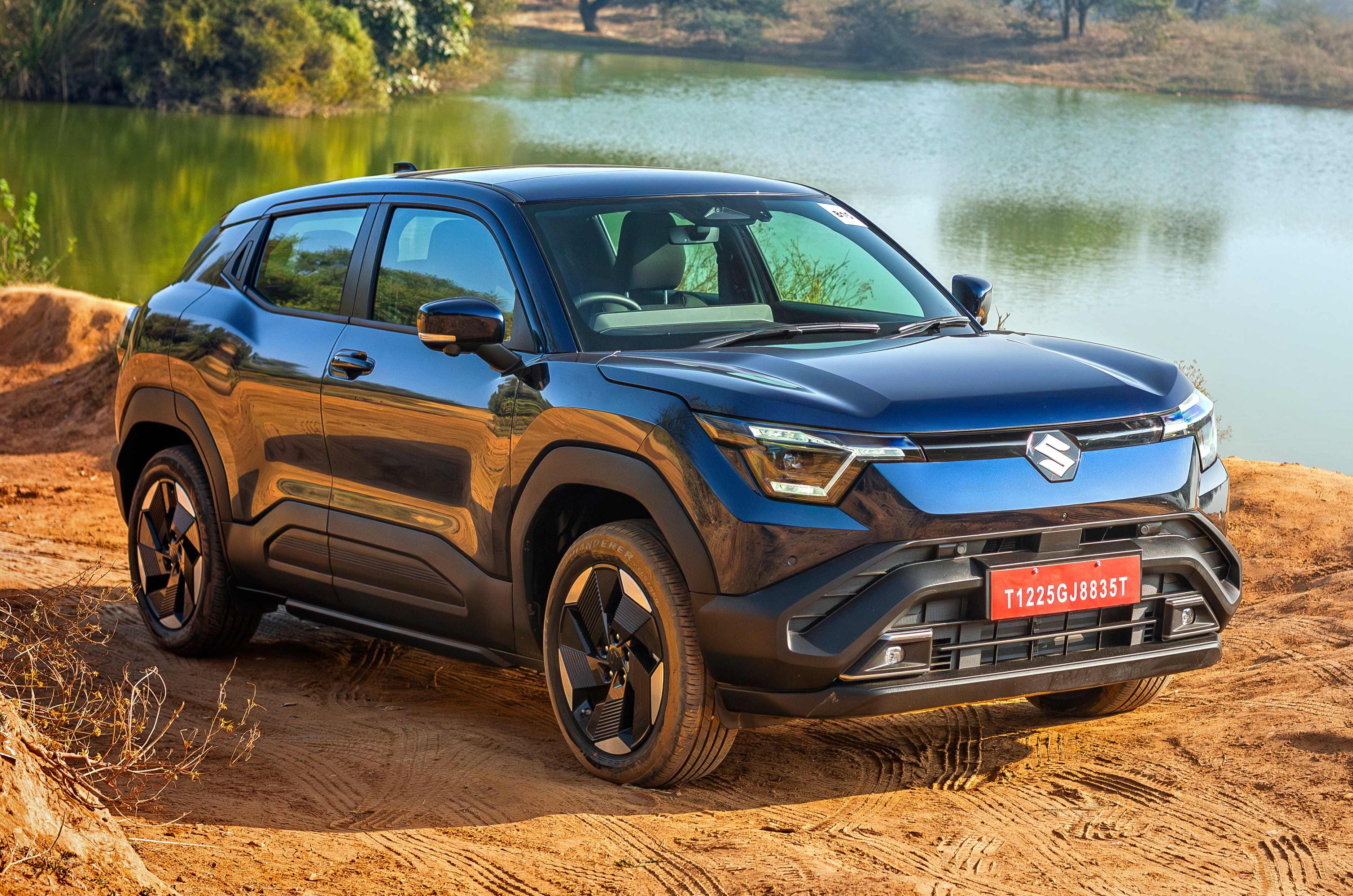
Maruti Suzuki has revealed the offers applicable to its Nexa cars in October. The Grand Vitara receives the highest benefits of up to Rs 1.36 lakh, followed by the Invicto, XL6, Jimny, e Vitara and Fronx. However, there are no benefits on the recently launched Baleno facelift. Let us now take a closer look at these offers.
Note: Offers may vary by city, dealership and stock availability. Please check with your nearest Maruti Nexa dealership for the exact figures. The pre-Navratri booking offer is applicable from October 1 to 10. The exchange offer considered here is for cars up to 10 years old, while the additional exchange offer applies to cars up to 6 years old.
Maruti Grand Vitara October 2026 offers
Up to Rs 1.36 lakh
Pre-2025 Maruti Grand Vitara.
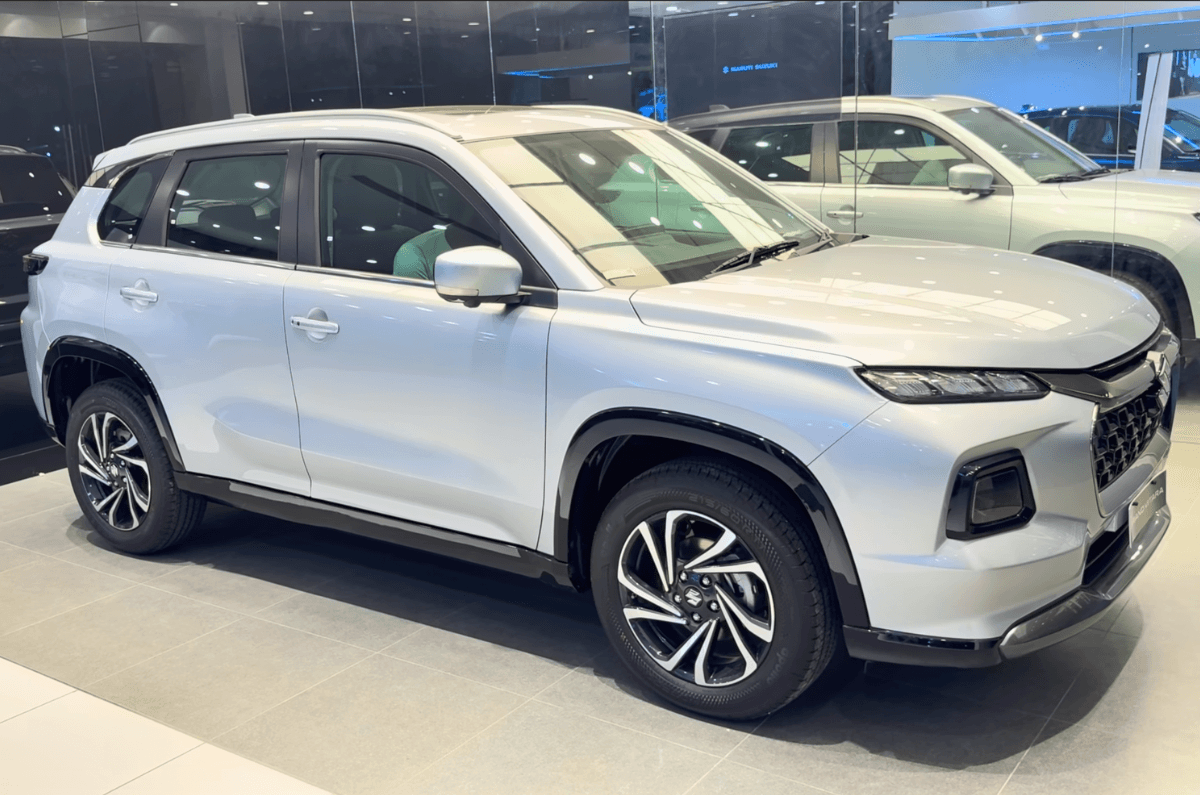
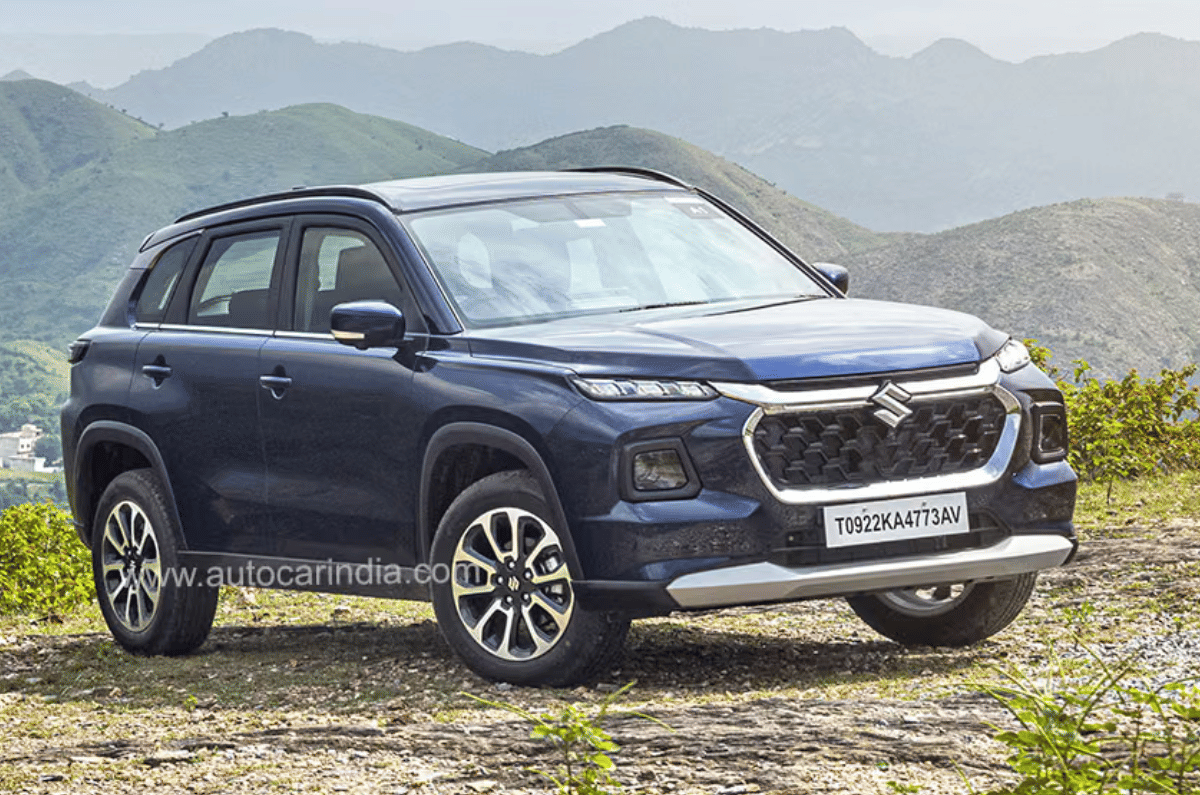
The Maruti Grand Vitara gets offers of up to Rs 1.36 lakh this month. Its Sigma petrol MT variant gets the highest total benefit of up to Rs 1.36 lakh, including a cash discount of Rs 35,000, a pre-Navratri booking offer of Rs 11,000, exchange benefit of Rs 30,000, an additional exchange bonus of Rs 25,000, a loyalty bonus of Rs 20,000 and corporate offer of Rs 15,000.
The Delta petrol MT and AT variants get offers of up to Rs 1.26 lakh, while the Zeta and Alpha petrol variants, along with the AWD variants, get benefits of Rs 1.15 lakh plus a five-year extended warranty. All strong-hybrid variants get benefits worth up to Rs 1.20 lakh, along with zero road tax of up to Rs 1.85 lakh and a five-year extended warranty. Lastly, the Delta CNG gets benefits of up to Rs 1 lakh, while the Zeta CNG gets up to Rs 90,000.
Maruti has priced the Grand Vitara from Rs 10.77 lakh to Rs 19.62 lakh, and it rivals midsize SUVs like the Hyundai Creta, Tata Sierra, Kia Seltos, Renault Duster and more.
Maruti Invicto October 2026 offers
Up to Rs 95,000
Next in line is the Maruti Invicto, with offers of up to Rs 95,000. These are available across all variants of the MPV, and include an exchange benefit of Rs 50,000, a loyalty bonus of Rs 30,000 and a corporate offer of Rs 15,000. However, there are no consumer offer, pre-Navratri booking offer and additional exchange bonus available on the Invicto.
The Maruti Invicto, priced from Rs 25.02 lakh to Rs 28.71 lakh, locks horns with the Toyota Innova Hycross.
Maruti XL6 October 2026 offers
Up to Rs 61,000
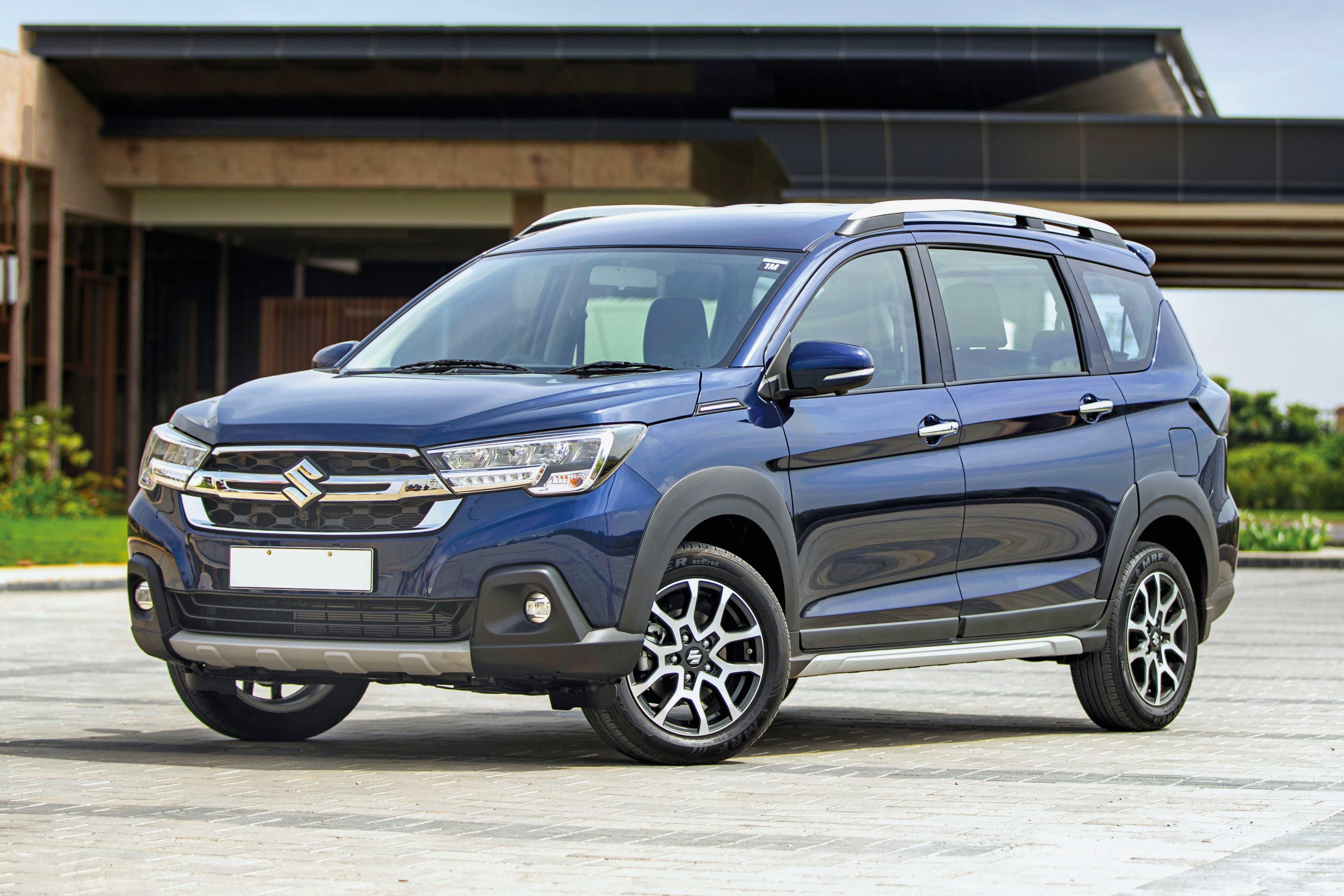
The Maruti XL6 gets offers of up to Rs 61,000. Petrol MT and AT variants get a cash discount of Rs 20,000, a pre-Navratri booking offer of Rs 11,000, an exchange benefit of Rs 20,000 and an additional exchange bonus of Rs 10,000. CNG variants get a maximum benefit of Rs 50,000, comprising a cash discount of Rs 20,000, an exchange benefit of Rs 20,000 and an additional exchange bonus of Rs 10,000.
Prices for the Maruti XL6 range from Rs 11.62 lakh to Rs 14.52 lakh, and the MPV rivals the Kia Carens Clavis and Toyota Rumion.
Maruti Jimny October 2026 offers
Up to Rs 35,000
Unlike the models so far which get multiple offers, the Maruti Jimny is available with just a cash discount of Rs 35,000 across all variants. No exchange, pre-Navratri booking, additional exchange bonus, loyalty and corporate offers are on offer this month with the SUV.
The Jimny’s prices range between Rs 12.59 lakh and Rs 14.52 lakh, and it competes with the Mahindra Thar OG and Force Gurkha 3-door.
Maruti e Vitara October 2026 offers
Up to Rs 30,000
The Maruti e Vitara, the carmaker’s sole EV offering, gets offers of up to Rs 30,000 this month, along with a free charger and its home installation. Available across all variants, the offer includes an exchange benefit of Rs 30,000. There are no consumer, pre-Navratri booking, additional exchange bonus, loyalty, scrappage or corporate offers this month.
The e Vitara is priced between Rs 16.19 lakh and Rs 19.99 lakh, and it rivals the likes of the Hyundai Creta Electric, Vinfast VF6, Mahindra BE 6 and more.
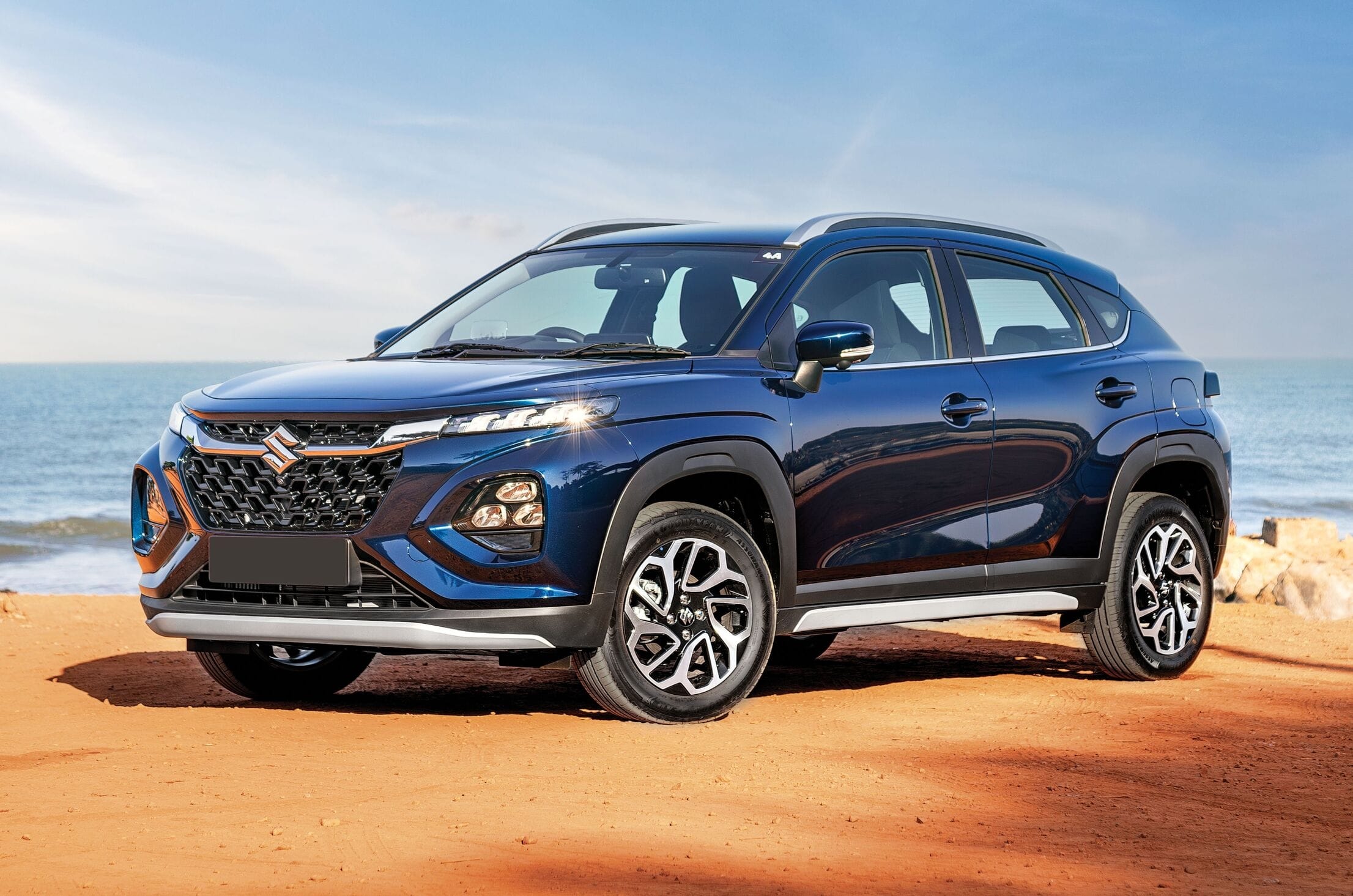
Maruti Fronx October 2026 offers
Up to Rs 27,100
Rounding off this list is the Maruti Fronx, with offers of up to Rs 27,100 in October 2026. The 1.0-litre turbo-petrol variants get the highest benefit, including a consumer offer of Rs 5,000, a pre-Navratri booking offer of Rs 7,100, an exchange benefit of Rs 10,000 and an additional exchange bonus of Rs 5,000.
The 1.2-litre petrol variants get up to Rs 22,100, comprising the pre-Navratri booking, exchange and additional exchange bonus benefits. The 1.2-litre petrol-CNG variants get the lowest benefit of Rs 15,000, through exchange and additional exchange bonus offers.
Prices for the Maruti Fronx range from Rs 6.9 lakh to Rs 11.89 lakh, and it serves as an alternative to compact SUVs like the Tata Nexon, Hyundai Venue, Kia Sonet, Mahindra XUV 3XO and more.
Ex-showroom prices mentioned above are as on October 7, 2026.
DA Hike July: केंद्र सरकार के लाखों कर्मचारियों और पेंशनभोगियों के लिए महंगाई भत्ते (DA) और महंगाई राहत (DR) में जल्द ही इजाफा होनी वाला है। जुलाई 2026 की DA संशोधन दर में 3% की बढ़ोतरी की उम्मीद है, जिससे वर्तमान DA दर बेसिक पे के 60% से बढ़कर 63% हो जाएगी।
यह नया संशोधन 1 जुलाई, 2026 से प्रभावी माना जाएगा। हालांकि, केंद्र सरकार की ओर से इसकी औपचारिक घोषणा और कैबिनेट की अंतिम मंजूरी मिलना बाकी है। आज मंगलवार, 6 अक्टूबर को केंद्रीय कैबिनेट की बैठक भी होने वाली है, वैसे इस बैठक में DA वृद्धि का प्रस्ताव शामिल होगा या नहीं, इसकी पुष्टि नहीं हुई है।
3% DA Hike की गणित
7वें वेतन आयोग के ढांचे के तहत केंद्रीय कर्मचारियों के लिए DA संशोधन की गणना औद्योगिक श्रमिकों के लिए अखिल भारतीय उपभोक्ता मूल्य सूचकांक (CPI-IW) के आधार पर की जाती है। जनवरी से जून 2026 तक के CPI-IW आंकड़ों के अनुसार जुलाई 2026 से DA दर लगभग 63% बनती है। जून 2026 में CPI-IW सूचकांक 151.9 दर्ज किया गया था, जिसने जुलाई DA गणना के लिए आवश्यक 12 महीनों के चक्र को पूरा कर दिया।
गणना के अनुसार DA लगभग 63.75% बनता है, लेकिन नियमानुसार देय दर राउंड-ऑफ करके 63% रहने की संभावना है। फिलहाल कर्मचारियों को 60% की दर से DA मिल रहा है (जो जनवरी 2026 संशोधन के बाद तय हुआ था)। ऐसे में 3% की बढ़ोतरी तय मानी जा रही है।
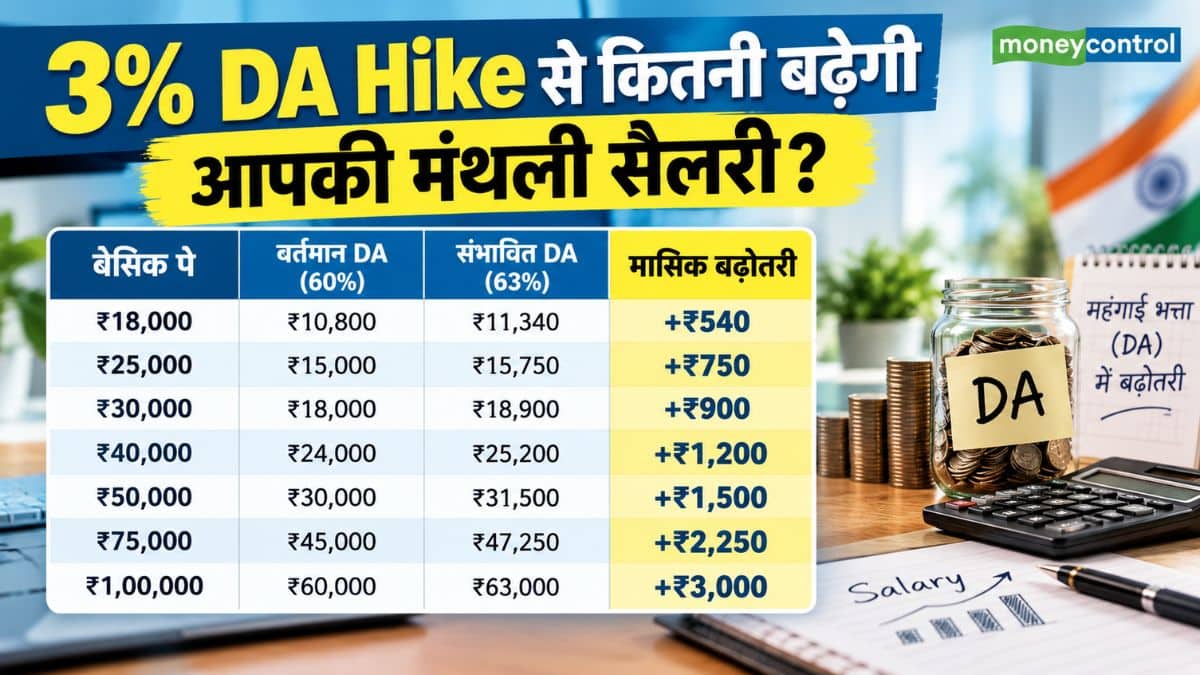
3% DA Hike से कितनी बढ़ेगी आपकी मंथली सैलरी?
कर्मचारियों के लिए सबसे महत्वपूर्ण बात यह समझना है कि DA की गणना केवल बेसिक पे पर होती है, न कि कुल टेक-होम सैलरी पर।
नीचे दी गई तालिका से समझें कि बेसिक पे के हिसाब से आपकी सैलरी में कितना इजाफा होगा:
उदाहरण के लिए जिस केंद्रीय कर्मचारी का बेसिक पे ₹50,000 है, उसके वेतन के DA घटक में हर महीने ₹1,500 की बढ़ोतरी होगी। हालांकि, इन-हैंड सैलरी में वास्तविक बढ़ोतरी अन्य भत्तों और कटौतियों (जैसे Provident Fund, Tax आदि) के कारण थोड़ी अलग हो सकती है।
क्या मिलेगा जुलाई 2026 से एरियर?
सरकार चाहे जब भी इस DA Hike का ऐलान करे, यह संशोधन 1 जुलाई 2026 की प्रभाव तिथि से लागू होगा। अगर सरकार की ओर से मंजूरी में देरी होती है और भुगतान अक्टूबर या नवंबर के वेतन में किया जाता है, तो कर्मचारियों को जुलाई, अगस्त और सितंबर महीने का बकाया एकमुश्त दिया जाएगा। इसका मतलब है कि देरी होने पर कर्मचारियों को उस महीने के बढ़े हुए DA के साथ 3 महीने का एरियर भी मिलेगा।
जनवरी 2027 में होगा अगला DA संशोधन
श्रम ब्यूरो के हालिया आंकड़ों के मुताबिक, जुलाई 2026 में CPI-IW सूचकांक 153.2 और अगस्त 2026 में 154.4 पर पहुंच गया है। हालांकि, ये नए आंकड़े जुलाई 2026 के DA को प्रभावित नहीं करेंगे, बल्कि जनवरी 2027 में होने वाले अगले DA संशोधन का आधार तय करेंगे।
फिलहाल, केंद्रीय कर्मचारियों और पेंशनभोगियों की नजरें सरकार के आधिकारिक नोटिफिकेशन पर टिकी हैं। जब तक वित्त मंत्रालय या कैबिनेट से आधिकारिक मुहर नहीं लग जाती, तब तक इसे संभावित गणना ही माना जाना चाहिए।