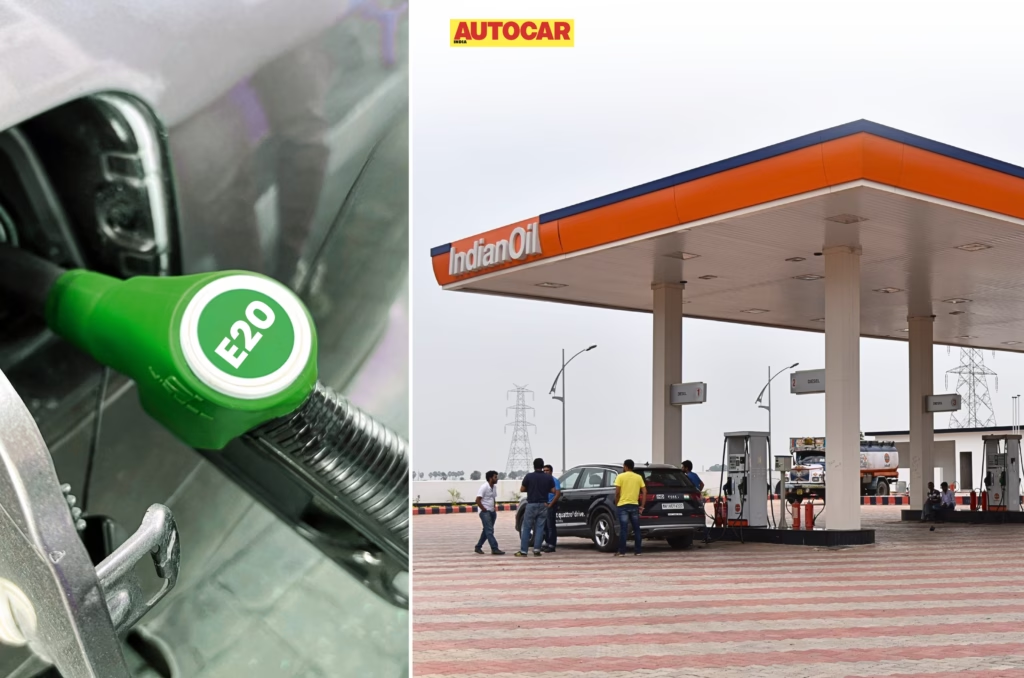
Govt cracks down on E20 contamination: Petrol sales stopped at 2,573 pumps

Govt cracks down on E20 contamination: Petrol sales stopped at 2,573 pumps
E20 contamination crack down

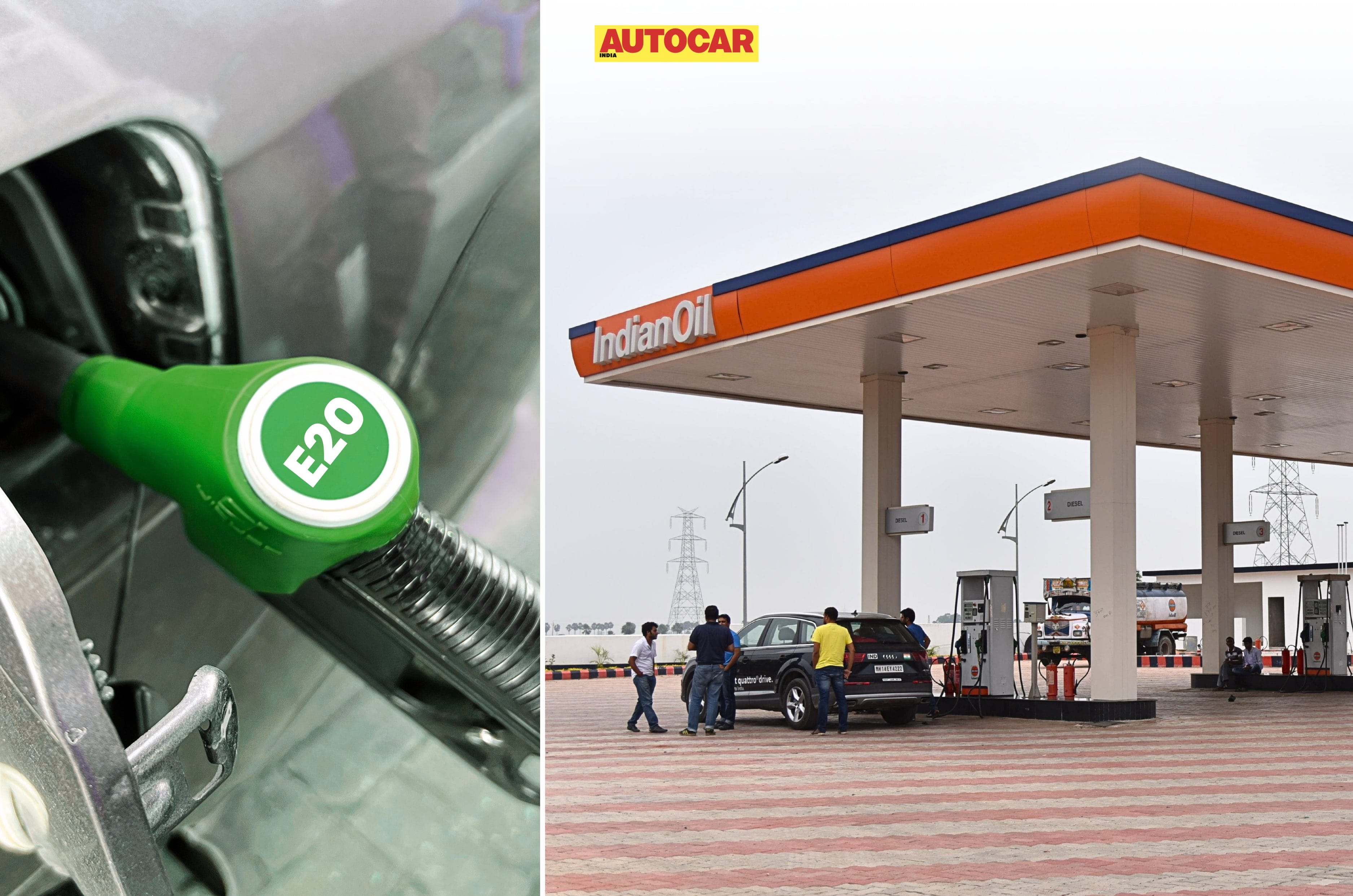
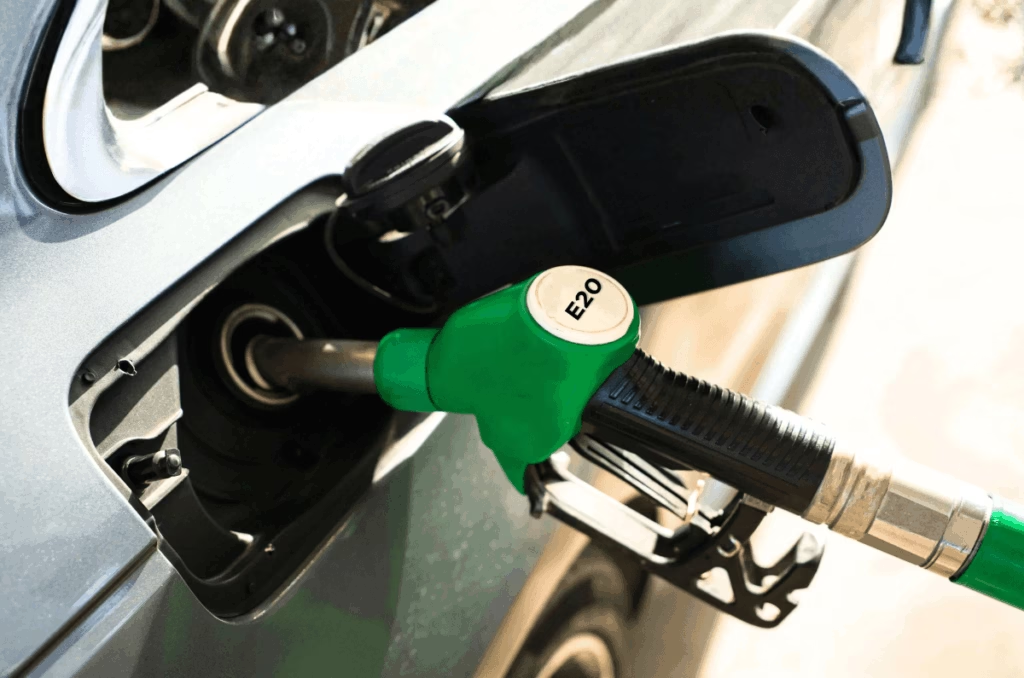
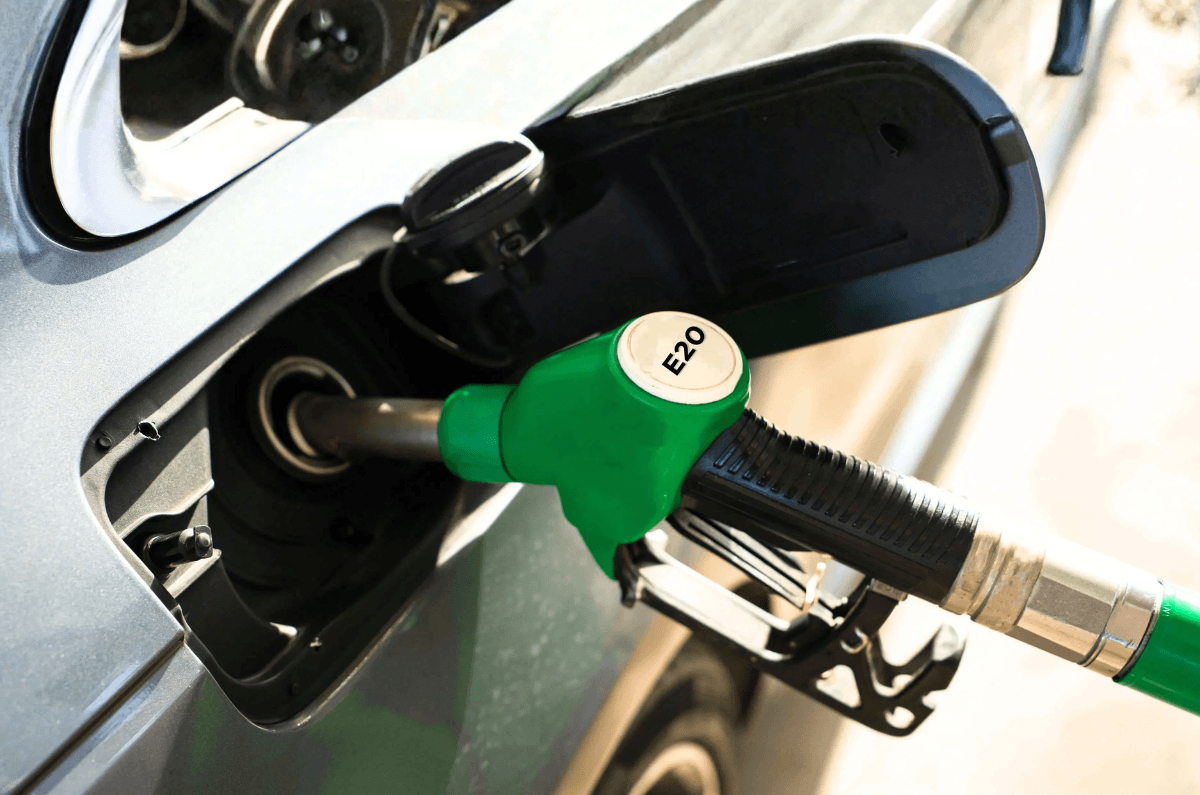
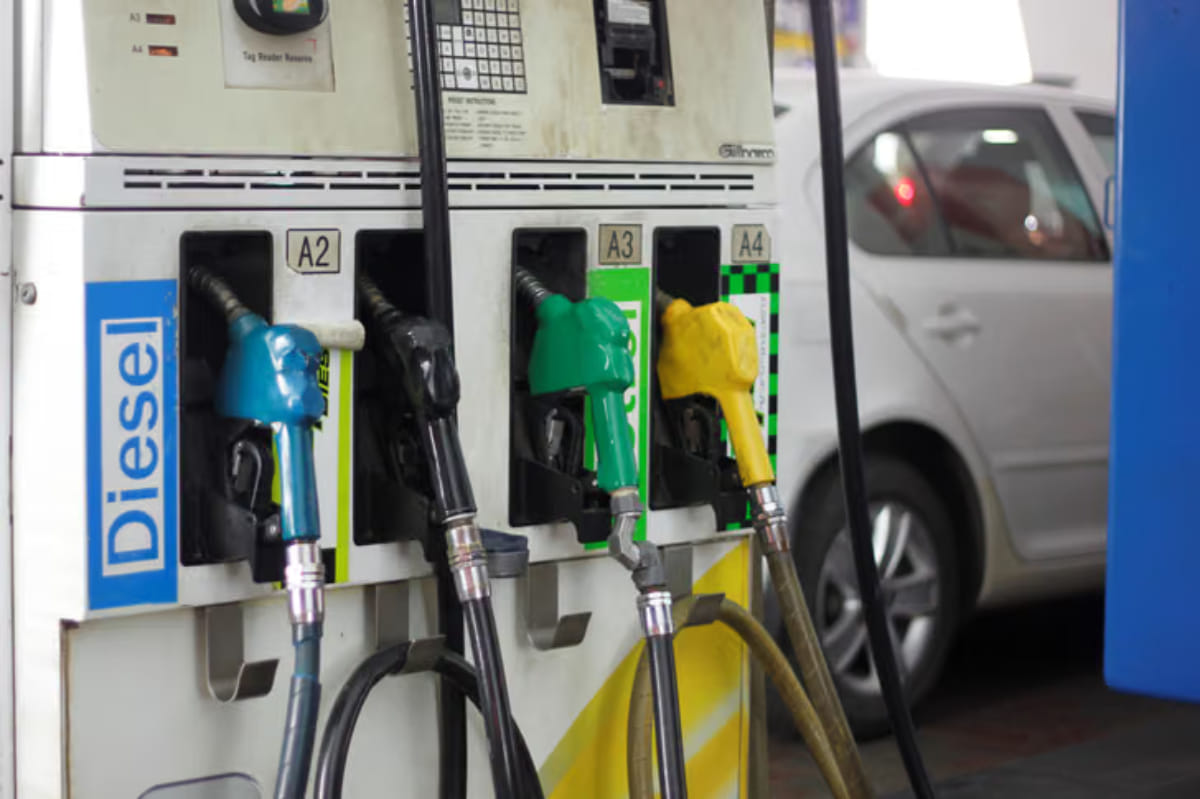
The Ministry of Petroleum and Natural Gas has launched a massive quality-control campaign across India’s retail fuel network and, as of August 25, 2026, stopped petrol sales at 2,573 non-compliant outlets, according to highly placed ministry sources. Indian Oil Corporation (IOCL) leads with 1,257 halted pumps, followed by Hindustan Petroleum (HPCL) at 915 and Bharat Petroleum (BPCL) at 401.

The trigger was a letter from the Society of Indian Automobile Manufacturers (SIAM) to the ministry on July 28, leaked soon after, flagging alarmingly high levels of chloride contamination in E20 fuel samples tested across the country. SIAM withdrew the letter within days, saying the figures “needed further verification”, but the damage was done. A subsequent Reuters investigation into carmakers’ internal testing data kept the contamination question firmly in the public eye and has forced the government to react.

To restore consumer confidence and tackle contaminants and water in the supply chain, the government has mandated water-ingress testing of underground tanks 8 to 12 times a day, a rigorous regime already underway at 88,995 dealerships. A sweeping audit prioritising older retail outlets has covered 84,687 fuel stations; field teams are checking tank integrity during rainfall, and automation systems with monitoring probes are active at 85,649 outlets, with malfunctioning units being repaired on priority.

Oil-marketing companies (OMCs) have conducted 7,296 sulphur tests and 1,079 chloride tests on ethanol-carrying tankers, along with 151 chloride tests on their own storage tanks. 

The intensity of the crackdown reflects a government under pressure to protect the integrity of its green-energy transition. The rollout of E20 (petrol blended with 20 percent ethanol) was accelerated ahead of its original schedule. Since April 1, E20 has been the only petrol available at Indian pumps, leaving motorists with no option of buying the earlier E10 blend.

Automakers’ extensive fuel-testing drive

The move to ensure that the prescribed standards are met at the forecourts is a direct response to growing opposition from motorists and anxiety among the country’s leading vehicle manufacturers.

For motorists, the transition to E20 has brought tangible financial losses arising from lower fuel efficiency and potential mechanical risks. In a widely publicised dispute, a consumer court in Raipur recently directed Maruti Suzuki to replace a Grand Vitara over an E20-related engine complaint, underlining the legal and warranty vulnerabilities facing carmakers. Concerns over mileage loss, accelerated component wear and the compatibility of pre-2023 vehicles have simmered for months.

Behind closed doors, the anxiety ran deeper. While brands like Toyota, Maruti Suzuki and Hero MotoCorp publicly backed the government’s green mandate, a Reuters review of leaked internal communications revealed that Maruti Suzuki, Tata Motors and Mahindra & Mahindra had privately flagged severe contamination in E20 petrol. Over the course of a year, the three carmakers quietly conducted the most extensive fuel-testing drive since the national rollout, collecting and analysing over 250 samples from petrol pumps across 21 states and Union territories.

Leaked report rings alarm bells 

The industry findings, compiled by SIAM and reviewed by Reuters, painted a starkly different picture from official compliance narratives. Against the government’s permissible chloride limit of 3 parts per million (ppm) or 3mg/kg, automaker testing found alarming levels across 18 states: Rajasthan recorded 6 to 570ppm — 190 times the limit; Delhi-NCR ranged from 1.4 to 420ppm and Madhya Pradesh from 4.1 to 550ppm. Karnataka and Kerala, by contrast, stayed well within the safe zone at 1 to 2.2ppm.

Water content spiked to 13,000ppm in Andhra Pradesh and 12,500ppm in Uttar Pradesh, which is more than four times the official permissible limit of 3,000ppm.

In modern engines, these deviations can be damaging. Organic chloride is highly corrosive, and modern precision fuel injectors are engineered to tolerate just 1-3ppm to align with international standards. In a leaked July email, a senior Mahindra executive warned that organic chloride was the root cause of rapid vehicle failures, capable of destroying fuel systems and engines in as little as 200km. Mahindra has since described interpretations drawn from the email as baseless, calling the industry data limited and preliminary. 

Skoda Auto India brand director Ashish Gupta, in a recent interaction with Autocar Professional, acknowledged a genuine issue with EPC (Electronic Power Control) and fuel pump failures in certain parts of the country, particularly in Punjab. He added that while fuel-sample testing has not shown a definitive chemical difference, engineers suspect high chloride or high sulphur levels, which can clog the fuel-pump filters.

The regulatory gap

To be fair, BIS standards currently lack a formally mandated statutory threshold for inorganic chlorides in finished ethanol-blended petrol (like E20). However, the petroleum ministry and OMCs enforce internal procurement guidelines, capping the limit at 3ppm for ethanol manufacturers. Setting BIS standards that make chloride limits mandatory is urgently needed, as the main culprit for vehicle damage is not E20 petrol but the chloride levels in it.

With inputs from Shahkar Abidi 

What Brazil’s 50-year ethanol experiment tells us

What Brazil’s 50-year ethanol experiment tells us
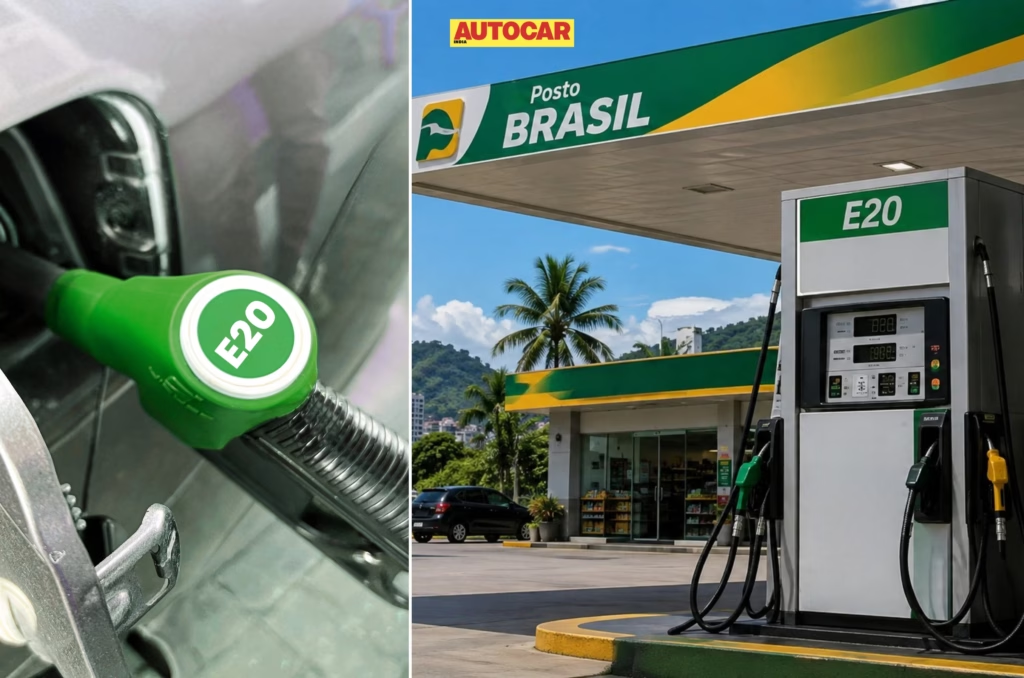
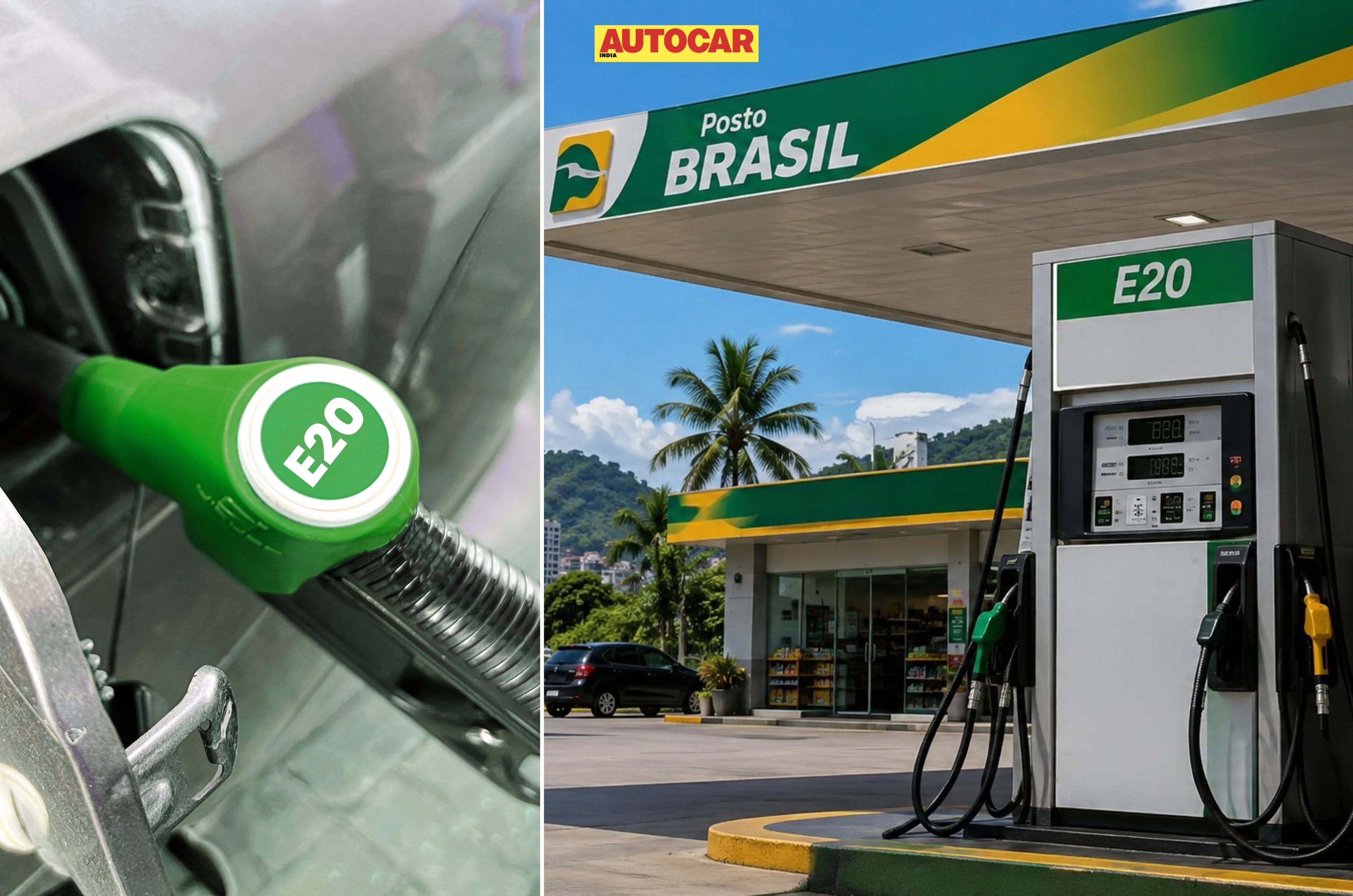
E20 fuel in Brazil

The forced introduction of E20 has set social media ablaze, with outraged car and bike owners complaining bitterly of damage to their vehicles and a drop in fuel efficiency. The anger isn’t irrational. The efficiency drop is real and, going by Autocar India’s own tests, larger than the figures the government itself has acknowledged. 

But while there’s no debate over the mileage penalty, the bigger fear is long-term damage to the vast majority of cars on our roads that are not E20-compliant. It’s a worry fanned by social media and by the way the government has handled the concern. Field trials conducted by the Automotive Research Association of India (ARAI) before the rollout reportedly found no major compatibility issues even in legacy vehicles. 

However, that report has never been made public, which has only deepened suspicion among car and bike owners. Most damaging of all was the Society of Indian Automobile Manufacturers (SIAM) formally flagging alarming levels of contamination in a letter it was later forced to publicly withdraw. Crucially, SIAM’s concern was contaminated fuel carrying worrying levels of chlorine, not the blend itself. That distinction has been lost in the noise, and it sits at the heart of the confusion, even panic, among customers fearing the worst.

So, is E20 the menace it is being made out to be, or is fuel contamination the bigger issue? The fact is, there is no workshop epidemic yet, though sceptics will argue it’s only a matter of time before engines start giving trouble. What social media is amplifying right now is the theoretical damage of a higher blend. That doesn’t make the concerns baseless, since long-term effects take years to show, but the truth is that panic and outrage are currently running well ahead of the evidence. Which makes it worth studying the one country that actually has the evidence, gathered over 50 years: Brazil.

The Brazil experience

If you think India’s leap from E10 to E20 was abrupt, consider what happened there. In November 1975, squeezed by the oil crisis and desperate to protect its foreign currency reserves, the Brazilian government launched Proalcool and shoved its motorists in at the deep end. “The blends with gasoline started at 20 percent. It went very soon up to 30 percent, and it was imposed by the government,” says Peter Gilbert, head of Operational Marketing and Customer Tech Services at Infineum Brazil, a fuel and lubricant additive specialist company whose business, it should be said, depends on ethanol-blended fuels working well. 

The documented history broadly bears him out, with one point worth noting: there was a brief low-blend ramp-up with E10, but that lasted roughly two to three years against the five decades of E20 and above since. Compare that with India, which took nearly two decades from its 2003 blending programme to reach E10. And like India, Brazil never kept an escape hatch. “There was no E0 when E20 was introduced,” says Gilbert, and there is none today: the mandated blend has since climbed through 25, 27 and 30 percent, and since August this year, all pumps in Brazil, including the super-premium ones, dispense E32.

But what is telling is the kind of cars running around on E20 in the late 1970s. Back then, cars were mainly carburetted with no fuel injection, no closed-loop control and no lambda sensors – machinery far cruder than even the oldest E10-era car on Indian roads today. So what broke?

According to Gilbert, remarkably little that could be pinned on E20 itself. “There weren’t any major issues reported,” he says. “There were issues related to the materials of the fuel system, the gaskets and the rubbers used at that time, but that has changed.”

His colleague Leandro Benvenutti, Infineum’s product manager for Latin America, says the trouble in 1970s and 1980s Brazil came almost entirely from dedicated alcohol cars running pure hydrous ethanol (E100), not from petrol cars on E20. “Everything we can remember from that time is related to these alcohol vehicles, not to the gasoline vehicles using E20,” he says. Carburettor corrosion, clogged jets, perished hoses and O-rings: all of it, in their experience, traced back to E100. “If there were problems in the other [non-flex fuel] vehicles, they were really not important at all.”

A caveat both experts volunteer: 1970s Brazil is not 2020s India, and the comparison is not like-for-like. “It’s difficult to correlate to vehicles today,” Gilbert admits. What the Brazilian record offers is not proof that nothing will go wrong here, but a large, long-running natural experiment in which the E20-specific damage everyone feared did not show up.

So what about India’s E10 cars?

Asked what he’d tell a worried Indian owner running an E10-era car on E20, Benvenutti replies, “There is no reason for panic. We don’t expect any immediate impact.” Note the word immediate. The honest answer regarding the long term is unknown, and to their credit, neither of Infineum’s experts pretends otherwise. Over years, rubber components in cars whose materials weren’t specified for E20 may embrittle sooner, and Benvenutti concedes older cars and motorcycles “may see issues with time”. But complicating the issue is attribution – what is due to ethanol and what is not. Rubber parts perish with pure petrol, too. 

Benvenutti recalls his father’s flex-fuel car whose fuel hose dried out and leaked after years of use. “Was that really caused by the ethanol, or was that something going to happen anyway after five or ten years?” If there is a cost to owners, in other words, it is most likely a shortened life for cheap parts such as hoses, gaskets and O-rings rather than failures of expensive ones. “The risk for the metal components, the hard components like valves, injectors and pumps, is much lower if you maintain this product within spec,” explains Gilbert. That last clause matters, and we’ll revisit it.

On material margins, Benvenutti is careful not to overclaim. He believes manufacturers build in buffers. “If I am developing an engine, I would prefer to keep some buffer,” he remarks but adds that he is not a materials specialist and that the buffer may mean a component lasting eight years instead of 10. Whether every manufacturer selling in India engineered that headroom is a question only the manufacturers can answer.

Calibration is key

The more concrete near-term issue isn’t corrosion. It’s calibration. E20 carries less energy per litre, so the engine management system must inject more fuel to keep the mixture correct. Most closed-loop systems that have been around since the move to BS-II fuel-injection in 2000 should easily adapt, but if an older car’s injectors or fuel-trim maps run out of adjustment range, the mixture runs lean. The tell-tale? “Probably the most impactful result will be a light on your cluster. You will see the malfunction indication light on,” says Benvenutti. If your check engine light comes on after the switch to E20, that’s your car telling you it can’t fully compensate. Whether yours will is a manufacturer-by-manufacturer, even model-by-model chance.

Then there is Brazil’s import experience, which is genuinely striking and even reassuring. European and Japanese cars homologated for E10 markets are sold in Brazil and run on E30, now E32, every day. “I haven’t seen any report on issues with those engines,” says Gilbert. And there is no exemption at the top of the market. With no E0 sold anywhere in the country, every Ferrari, Lamborghini and Porsche in Brazil fills up on E32; even the super-premium pumps dispense it. Ask whether a supercar owner can escape the blend, and the answer is emphatic. “No way,” says Benvenutti. 

Low volumes are no excuse to offer a special blend, unlike in India, where supercars have the safety net of a high-priced E0 premium fuel. Benvenutti points out that even a manufacturer bringing in a handful of sports cars must ensure the car is fit for the market’s fuel. “I would not imagine any OEM bringing one unit and selling it if that’s not prepared for that market.” The one genuine weak spot he flags concerns independent, grey-market imports, which arrive exactly as built for the European or Japanese market with no local adaptation. Much of ethanol’s impact is based on anecdotal data rather than any controlled study, but it is decades of anecdotes across millions of cars, from hatchbacks to hypercars.

How much evidence of ethanol impact is there?

Enough of it to take seriously. Start with a fact that rarely features in the Indian debate: Brazil is not a country of new cars. Punishing taxes on new vehicles and tight credit mean Brazilians hold on to their cars for a long time, and the tax system actively rewards them for doing so. Most states have long exempted the oldest cars from the annual IPVA vehicle tax, and a constitutional amendment now makes that exemption national for anything 20 years or older. The result, as per the Brazilian auto components association Sindipeças, is a fleet averaging over 11 years old, with 7.3 million vehicles past 16 years and some 220,000 past 25. Every one of them fills up on E27-to-E32 petrol because nothing else is sold. No doubt, much of this ageing fleet is flex-fuel, engineered from birth to drink anything up to E100, so their survival may seem overplayed, but only up to a point. 

Flex-fuel technology arrived in Brazil only in 2003 with the Volkswagen Golf, which means the country’s first two and a half decades on E20-and-higher blends were served entirely by ordinary petrol cars, and the earliest of those were designed for no ethanol whatsoever; the blend was simply imposed on them, which is exactly what’s happening in India today. The cars that predate the flex era and the imported non-flex cars still running on E32 haven’t seen a trend of ethanol casualties. There is no scrapyard full of ethanol victims; the old cars are still on the road.

Then there’s the formal testing. Before Brazil raised its mandate from E27 to E30 in August 2025, a working group under the country’s Ministry of Mines and Energy ran durability tests on vehicles representative of the national fleet. ANFAVEA, Brazil’s association of vehicle manufacturers (the counterpart to our SIAM), reported that the tests showed no adverse effects on engine durability or performance, with one telling condition attached: provided fuel quality standards are met. Independently, a year-long University of Nebraska-Lincoln study ran E30 in ordinary non-flex-fuel state government vehicles in the US and found no adverse effects either. None of this is a guarantee for every ageing car in India, but it is consistent, multi-source evidence that corroborates Infineum’s findings.

The dangerous C word 

So is the all-clear justified? Only conditionally, and the condition is the same one ANFAVEA attached: clean fuel made and blended to specification. And this is where India’s real problem appears to lie. If genuine damage is occurring in Indian fuel systems, the evidence points not to the ethanol blend but to what’s riding along with it: chloride contamination picked up during the production process and from storage tanks. SIAM’s now-withdrawn letter reported chloride levels of up to 500 ppm in samples from vehicle tanks and 350 ppm at retail outlets, figures the petroleum ministry has vehemently contested. Ministry officials say their own testing found high chlorine levels at just two pumps and that plastic sample containers had corrupted some tests and thrown up false readings. Yet, even a fraction of SIAM’s figures would dwarf the 3 ppm the ministry itself treats as the acceptable ceiling. 

Also, 3 ppm is only a guideline. India has yet to mandate BIS limits for chloride in fuel ethanol – something Brazil has enforced by law at 1 ppm for years. Chlorides corrode fuel pumps, injectors and valves regardless of whether a car was designed for E10 or E20, which is precisely why blaming the blend misdiagnoses the disease. The Brazilian experience, in short, largely acquits ethanol. It says nothing to acquit the fuel quality actually coming out of Indian pumps, and fixing that is a question of standards and enforcement, not of retreating to E10. 

The E20 debate, now thoroughly political, will no doubt rage on: the government and its agencies on one side, and on the other, opposition parties and a swarm of influencers and social media experts riding the outrage for popularity and views, but few of them have bothered to put an independent expert on record. The good thing is that science and first-hand experience – Brazil’s, in this case – take no sides. And that’s the side we are on.


LPG Supply Plan: गैस संकट से बचने की तैयारी, सरकार ने हर रिफाइनरी के लिए तय की LPG प्रोडक्शन लिमिट

LPG Supply Plan: भारत सरकार ने पहली बार हर रिफाइनरी और कंपनी के लिए LPG प्रोडक्शन की अधिकतम सीमा तय कर दी है। इसका मकसद है कि अगर भविष्य में गैस सप्लाई पर संकट आए, तो देश में रसोई गैस की कमी न हो।

यह फैसला पश्चिम एशिया में हुए संघर्ष के बाद लिया गया है। उस दौरान आयात प्रभावित हुआ था और सरकार को आपातकालीन कदम उठाने पड़े थे।

13 अगस्त को पेट्रोलियम मंत्रालय ने 21 रिफाइनरियों और अपस्ट्रीम कंपनियों के लिए कुल 63,810 टन प्रतिदिन LPG उत्पादन क्षमता तय की। यह देश की मौजूदा रोजाना खपत का करीब 70% है। तुलना करें तो FY26 में भारत का घरेलू उत्पादन सिर्फ 35,900 टन प्रतिदिन था।

रिलायंस को मिली सबसे बड़ी क्षमता

सरकार ने गुजरात के जामनगर स्थित Reliance Industries की घरेलू बाजार वाली रिफाइनरी के लिए सबसे ज्यादा 18,000 टन प्रतिदिन की क्षमता तय की है।

सरकारी तेल कंपनियों की 18 रिफाइनरियों को मिलाकर 31,470 टन प्रतिदिन की क्षमता मिली है। वहीं Nayara Energy की वाडिनार रिफाइनरी को 4,480 टन प्रतिदिन और ONGC व GAIL जैसी कंपनियों को मिलाकर 6,460 टन प्रतिदिन की क्षमता दी गई है।

सरकार को यह कदम क्यों उठाना पड़ा?

FY26 में भारत ने 3.32 करोड़ टन LPG की खपत की। इसमें घरेलू उत्पादन सिर्फ 1.31 करोड़ टन रहा। बाकी 2.13 करोड़ टन गैस बाहर से मंगानी पड़ी। यानी देश की 60% से ज्यादा जरूरत आयात पर टिकी रही।

ईरान संघर्ष के दौरान होर्मुज जलडमरूमध्य से सप्लाई प्रभावित हुई थी। तब सरकार ने रिफाइनरियों से कहा था कि पेट्रोकेमिकल की बजाय ज्यादा LPG बनाएं। इससे उत्पादन बढ़कर करीब 55,000 टन प्रतिदिन तक पहुंच गया था।

अब हर संकट के लिए पहले से प्लान तैयार

नई व्यवस्था में सरकार जरूरत पड़ने पर रिफाइनरियों और तेल कंपनियों को तय समय के लिए उत्पादन बढ़ाने का आदेश दे सकेगी। कंपनियों को स्टोरेज, ट्रांसपोर्ट और सप्लाई की तैयारी भी पहले से रखनी होगी।

सरकार चाहती है कि रिफाइनरियां नई तकनीक अपनाकर और ज्यादा LPG निकालने के तरीके भी खोजें। इसके लिए नैफ्था को LPG में बदलने और रिफाइनरी यूनिट अपग्रेड करने जैसे विकल्पों पर काम करने को कहा गया है।

हर छह महीने में होगी समीक्षा

यह व्यवस्था एक बार बनाकर छोड़ नहीं दी जाएगी। सरकार हर साल 1 जनवरी और 1 जुलाई को इस सूची की समीक्षा करेगी। नई रिफाइनरियां, गैस प्रोजेक्ट और बढ़ी हुई क्षमता इसमें जोड़ी जाएगी। इससे भविष्य में विदेशों से सप्लाई रुकने पर भी घरेलू गैस व्यवस्था संभालना आसान होगा।

Stocks to Watch: सोमवार 17 अगस्त को 20 शेयरों पर रहेगी नजर, मिल सकता है तगड़ी कमाई का मौका

Disclaimer: यहां मुहैया जानकारी सिर्फ सूचना के लिए दी जा रही है। यहां बताना जरूरी है कि मार्केट में निवेश बाजार जोखिमों के अधीन है। निवेशक के तौर पर पैसा लगाने से पहले हमेशा एक्सपर्ट से सलाह लें। मनीकंट्रोल की तरफ से किसी को भी पैसा लगाने की यहां कभी भी सलाह नहीं दी जाती है।

Indian carmakers had flagged concerns about E20 fuel contamination: Reuters

Indian carmakers had flagged concerns about E20 fuel contamination: Reuters

Earlier this month, several media reports said the Society of Indian Automobile Manufacturers (SIAM) had urged the government to introduce mandatory chloride limits in fuel standards after high levels of chloride and moisture were found in E20 petrol. SIAM later withdrew the communication, saying some of the figures mentioned in it needed further verification.

The government has been trying to address growing concerns around E20 with support from the industry. Oil marketing companies (OMCs) have rejected claims of widespread E20 fuel contamination after conducting tests across the country. Brands such as Toyota, Maruti Suzuki and Hero MotoCorp have also publicly backed the E20 programme.

However, separate communications between industry executives investigated by Reuters show that earlier, Maruti Suzuki, Tata Motors and Mahindra had privately raised concerns about contamination in E20. The data compiled by these carmakers was the most extensive fuel testing since E20 was officially rolled out nationwide last year. Their emails reveal that the carmakers were concerned about contaminants such as chloride and moisture in the fuel, which they said were affecting vehicles, even as they publicly supported the government’s E20 rollout.

Data flags high chloride contamination, moisture content

The data reviewed by Reuters shows that the three automobile manufacturers had carried out detailed testing by collecting more than 250 fuel samples from petrol pumps across 21 states and Union Territories over a year. The tests found high chloride levels in many samples from 18 states, along with high moisture content. Interestingly, the emails reviewed by Reuters did not raise any concerns about the authenticity of the data. 

StateNumber of samplesChloride (ppm)
Uttar Pradesh361.2-175
Maharashtra3110-357
Delhi/NCR281.4-420
Tamil Nadu271.3-24.0
Kerala241.0-2.2
Punjab201.9-110
Karnataka151- 2.2
Rajasthan146.0-570
Madhya Pradesh114.1-550

Source: SIAM via Reuters.

The data showed chloride levels of 6 to 570 parts per million (ppm) in Rajasthan, 1.4 to 420ppm in New Delhi and 10 to 357ppm in Maharashtra. The government’s permissible limit is 3ppm.

High chloride levels in the fuel can corrode vehicle components, while high moisture content can cause a vehicle to stop working immediately after refuelling, SIAM had stated earlier. In group emails exchanged between Maruti, Tata, Mahindra and SIAM, a senior Maruti executive raised concerns about the high chloride readings and said the matter had even been privately discussed with the Ministry of Petroleum on July 26.

Moisture levels found 333 percent above limit

Additionally, the same data showed moisture levels of up to 13,000ppm in Andhra Pradesh and 12,500ppm in Uttar Pradesh, against the government’s permissible limit of 3,000ppm. The exact cause of the contamination is not known. However, SIAM said in its now-withdrawn letter that it had seen an increase in chloride levels since E20 was introduced and asked the government to direct OMCs to identify the root cause.

When asked about the private emails, SIAM told Reuters that the data was meant only for internal circulation, discussion and validation, and had been collected by a very small number of automakers. SIAM added that the communication was withdrawn because the testing basis and sample size were not enough to support firm conclusions and that it had been sent accidentally. The organisation stated further that it plans to conduct a proper scientific study.

As for the high moisture levels, SIAM’s letter said the cause could be poor maintenance of underground storage tanks and pipelines at petrol pumps.

Carmakers raise concerns over vehicle failures

In a July 26 email, a senior Maruti official said that current fuel injectors can tolerate a maximum chloride level of 1ppm, and keeping it below 1ppm in E20 would be in accordance with international standards and discussions with the petroleum ministry. Same is in line with discussion held with the petroleum ministry, he stated.

Meanwhile, a senior Mahindra official wrote that organic chloride was responsible for the rapid vehicle failures in recent times and could damage engines just within 200km. The executive said that most cases reported immediately after refuelling were due to organic chloride and added that Mahindra had “strong evidences” from fuel samples collected at retail outlets. Mahindra later said the conclusions drawn from its executive’s emails were “completely baseless and incorrect”. The company said the industry data was limited and preliminary and that it did not see any issues with E20. 

What does the government say?

The Ministry of Petroleum and Natural Gas did not respond to requests for comment made by Reuters. Petroleum Minister Hardeep Singh Puri said on Friday that OMCs had started “rigorous testing” at retail outlets to check for contamination two weeks before SIAM’s letter was received. According to Puri, only four cases of contamination had been found. OMCs, as mentioned earlier, said that their extensive testing had found no reason for alarm over fuel contamination.

OMCs reject E20 fuel contamination claims after nationwide testing

Fuel station

State-run oil marketing companies (OMCs) – Indian Oil, Bharat Petroleum (BPCL) and Hindustan Petroleum (HPCL), have rejected recent claims of widespread contamination in E20 petrol, saying a nationwide testing exercise found no evidence to support reports of elevated chloride and moisture levels. The companies said fuel samples collected across the supply chain recorded chloride levels within the prescribed limits, while enhanced checks have also found no signs of water ingress in underground fuel storage tanks.

  1. OMCs say chloride levels remained between 0-3ppm
  2. Testing covered refineries, ethanol plants, depots and retail outlets
  3. Two retail outlets temporarily suspended after isolated findings

This statement comes less than a week after reports citing an internal communication from the Society of Indian Automobile Manufacturers (SIAM) alleged elevated chloride and moisture contamination in E20 petrol, raising concerns over possible damage to fuel system components. SIAM, however, subsequently withdrew the communication, saying media reports had “selectively” quoted excerpts from the document and that some of the figures cited required further authentication through additional data collection and consultation with its member OEMs.

OMCs say testing found no widespread contamination

The oil companies said samples collected from refineries, ethanol distilleries, storage depots, tanker trucks and retail fuel stations recorded chloride levels between 0ppm and 3ppm, well below the several-hundred-ppm figures reported earlier. They added that claims of chloride contamination of up to 500ppm could not be validated.

According to the companies, testing included more than 100 petrol samples from refineries, ethanol supplied by 80 distilleries, more than 80 samples from terminals and over 160 samples from retail outlets, all of which returned chloride readings within the 0-3ppm range. The ethanol testing was carried out jointly by the OMCs and the Centre for High Technology, the petroleum ministry’s technical arm.

Two fuel stations flagged during testing

The OMCs said two retail outlets recorded elevated chloride levels during the exercise. Fuel supplies at both stations were suspended, investigated and restored only after corrective measures were implemented.

Moisture checks expanded across fuel stations

On the issue of moisture contamination, the companies said around 90,000 fuel stations have begun mandatory inspections of underground storage tanks, with checks carried out eight to twelve times a day. According to the OMCs, no water intrusion has been detected so far.

The companies added that mobile fuel testing laboratories have been deployed, with results independently verified by fuel laboratories. Test data is also being published on the Centre for High Technology’s website and will continue to be updated as additional samples are analysed.

SIAM withdraws E20 fuel contamination communication

E20

The Society of Indian Automobile Manufacturers (SIAM) has withdrawn its earlier communication to the Ministry of Petroleum and Natural Gas regarding E20 fuel contamination, stating that media reports had selectively quoted excerpts from the document and that some of the figures cited require further verification.

  1. Earlier communication withdrawn pending further verification
  2. SIAM reiterates support for the government’s E20 programme
  3. Petroleum Ministry says enhanced fuel quality checks are in place

The clarification follows media reports that cited portions of the communication relating to chloride and moisture contamination in E20 petrol and an increase in the replacement of certain vehicle components.

SIAM says figures require further verification

In a statement issued on Tuesday night, SIAM said, “SIAM has taken note of certain media reports that have cited excerpts from a SIAM communication, with specific and selective focus on chloride and sulphur content in fuel. SIAM wishes to clarify the matter and place it in its correct context for the benefit of the public and all stakeholders.”

It added that the communication formed part of routine technical discussions between industry bodies, automobile manufacturers, oil marketing companies (OMCs) and testing agencies.

“Some numbers quoted in the communication needs authentication through collection of elaborate data from various regions across the country followed by a comprehensive consultation with our member OEMs,” SIAM said.

The industry body added, “The referred numbers reported in the media need authentication and therefore SIAM is withdrawing its earlier communication.”

A news report published by a leading business channel on Tuesday, which has since been removed, had cited excerpts from the communication, claiming SIAM had flagged a rise in the replacement of fuel injectors, fuel pumps and other components, while also highlighting chloride contamination of up to 500mg/kg in some fuel samples.

Industry body reaffirms support for E20 rollout

SIAM said the Ministry of Petroleum and Natural Gas has already introduced a 3ppm guideline for chloride and sulphur in ethanol blended into petrol, while OMCs have strengthened quality checks across the fuel supply chain. According to the industry body, “all of these steps fully meet the needs of the automobile industry.” 

The industry body also reiterated its support for the nationwide rollout of E20 petrol, stating that there is “no cause for concern” for consumers and that such technical issues have routinely been addressed between automakers and OMCs.

Government reiterates fuel quality monitoring

Earlier on Tuesday, the Petroleum Ministry said fuel quality is monitored regularly by state-run OMCs and highlighted enhanced testing protocols following reports related to SIAM’s communication on E20 fuel quality.

Ethanol Petrol Row: ‘…तो दिल्ली में पेट्रोल की कीमत ₹125 प्रति लीटर होती’; एथेनॉल विवाद पर सरकार का बड़ा दावा

Ethanol Blending E20 Petrol Row: पेट्रोलियम मंत्रालय ने एथेनॉल प्रोग्राम का बचाव करते हुए दावा किया है जब ग्लोबल क्रूड ऑयल की कीमतें $135 प्रति बैरल तक पहुंच गई थीं, तब अगर तेल कंपनियों ने फ्यूल में एथेनॉल नहीं मिलाया होता, तो दिल्ली में पेट्रोल की कीमत लगभग ₹125 प्रति लीटर होती। मंत्रालय ने कहा कि लेकिन इसके बजाय ग्राहकों को ₹94.77 प्रति लीटर चुकाना पड़ा। दरअसल एथेनॉल पहले से तय कीमतों पर घरेलू स्तर पर खरीदा गया था। इसने क्रूड ऑयल की कीमतों में उछाल के असर से रिटेल कीमतों को बचाए रखने में मदद की, जिससे संकट के चरम पर लगभग ₹30 प्रति लीटर की बचत हुई।

सरकार ने 28 फरवरी को वेस्ट एशिया में संघर्ष शुरू होने के बाद लगभग 75 दिनों तक पेट्रोल और डीजल की कीमतें स्थिर रखीं। फिर मई में उन्हें 7.5 रुपये प्रति लीटर बढ़ा दिया। दिल्ली में स्टैंडर्ड E20 पेट्रोल (91-ऑक्टेन) की कीमत अब ₹102.12 प्रति लीटर है। जबकि 100-ऑक्टेन पेट्रोल की कीमत ₹169 है। मंत्रालय ने उन आरोपों को भी खारिज कर दिया कि गरीबों के लिए अनाज का इस्तेमाल एथेनॉल बनाने के लिए किया जा रहा था, या इस प्रोग्राम को सपोर्ट करने के लिए सब्सिडी वाले FCI चावल का इस्तेमाल किया जा रहा था।

एफिशिएंसी में 2-6% की कमी!

फ्यूल एफिशिएंसी के सवाल पर सड़क परिवहन मंत्रालय ने लोकसभा में ARAI, SIAM और IOC की एक स्टडी का हवाला देते हुए कहा कि E10 फ्यूल के लिए डिजाइन किए गए BS-III, BS-IV और BS-VI वाहनों में E20 पर चलने पर वाहन की कैटेगरी और उम्र के आधार पर एफिशिएंसी में 2-6% की कमी आ सकती है। मंत्रालय ने पहले 20 जुलाई को राज्यसभा को बताया था कि ऐसे वाहनों में यह कमी लगभग 3-5% तक सीमित है।

दोनों मंत्रालयों ने कहा कि इथेनॉल ब्लेंडेड पेट्रोल प्रोग्राम को एक चरणबद्ध, वैज्ञानिक रूप से प्रमाणित प्रक्रिया के माध्यम से शुरू किया गया था, जिसमें प्रोडक्शन कैपेसिटी और इंफ्रास्ट्रक्चर के बढ़ने के साथ-साथ ब्लेंडिंग का स्तर धीरे-धीरे बढ़ाया गया। सड़क परिवहन मंत्री नितिन गडकरी ने लोकसभा को बताया कि E20 पर स्विच करने का फैसला फ्यूल सिस्टम, इंजन की मजबूती, गाड़ी चलाने में आसानी, मटीरियल की अनुकूलता और उत्सर्जन पर असर की जांच-परख के बाद लिया गया।

ये भी पढ़ें- संडे 2 अगस्त का मौसम: दिल्ली NCR में बारिश पड़ेगी या बढ़ेगी उमस? IMD ने दिया ये पूर्वानुमान

इस प्रक्रिया में वाहन बनाने वाली कंपनियों, तेल मार्केटिंग कंपनियों और चीनी एवं अनाज उद्योगों से भी सलाह-मशविरा किया गया। सरकार ने यह भी कहा कि लैब स्टडीज और असल दुनिया के डेटा से पता चला है कि E20 फ्यूल से गाड़ियों की परफॉर्मेंस पर कोई बुरा असर नहीं पड़ता है। साथ ही, 20 करोड़ से अधिक दो-पहिया वाहन और 3 करोड़ से ज्यादा पेट्रोल कारें इन ब्लेंड्स पर चल चुकी हैं। इनमें एथेनॉल ब्लेंडिंग की वजह से इंजन खराब होने का कोई पक्का सबूत नहीं मिला है।

Government rules out choice of pure petrol, E10 alongside E20

Petrol pump

The Central government has ruled out offering pure petrol, E10 and E20 simultaneously across India, saying maintaining multiple petrol grades would increase costs and create significant logistical challenges. In a question-and-answer note issued on July 10, the Ministry of Petroleum and Natural Gas reiterated that E20 will continue as the country’s standard petrol blend.

  1. Government cites investments made in ethanol production infrastructure
  2. Separate fuel grades would require parallel storage and distribution
  3. E20 to remain the standard petrol blend across India

Government cites distribution challenges

The ministry said India’s fuel distribution network comprises more than one lakh retail outlets, supported by refineries, terminals, depots, pipelines and storage facilities. Maintaining three different petrol grades across this network would require separate storage, inventory management and distribution infrastructure, increasing handling costs and reducing operational efficiency.

The government also rejected comparisons with premium petrol, saying it is a niche product sold in relatively small volumes and does not require a separate nationwide fuel supply chain.

Investments in ethanol infrastructure

The ministry said substantial investments have been made in ethanol production, including distilleries, storage facilities and logistics infrastructure, to support India’s ethanol blending programme. It added that reverting to E10 as the standard petrol blend could leave ethanol production capacity underutilized and affect investments made by farmers, cooperatives, companies and financial institutions.

According to the ministry, India achieved an average 20 percent ethanol blending between November 2025 and June 2026, compared with 19.2 percent during the previous ethanol supply year.

What it means for older vehicles

The question of offering multiple petrol grades has been raised by owners of older vehicles originally certified to run on E10 petrol. The ministry said vehicle manufacturers, component suppliers, testing agencies and research institutions were consulted before the introduction of E20, covering areas such as material compatibility, engine calibration, fuel systems, durability, emissions and fuel economy.

To support its position, the ministry cited field data from Maruti Suzuki and Hero MotoCorp. It said Maruti Suzuki serviced 2.84 crore vehicles during FY2025-26, including 1.5 crore older vehicles that were not originally certified for E20, and reported no E20-related corrosion, abnormal wear or component-life damage. Hero MotoCorp also reported similar field experience.

The ministry acknowledged that some vehicles may record a 3-5 percent reduction in fuel economy when running on E20. However, it said this should be weighed against the fuel’s higher octane rating, as well as the benefits of lower crude oil imports and reduced emissions.

These are claims made by the Petroleum Ministry in support of the E20 programme. The release does not provide an independent comparison of the additional cost of maintaining multiple fuel grades against the benefit of allowing consumers to select fuel based on their vehicle’s original certification.

E20 Petrol : भूटान ने भारत से E20 पेट्रोल ठुकराया? वायरल दावों पर केंद्र सरकार ने जारी किया फैक्ट चेक

E20 Petrol : पेट्रोलियम और प्राकृतिक गैस मंत्रालय (MoPNG) ने उन खबरों को पूरी तरह गलत बताया है, जिनमें दावा किया गया था कि भूटान ने भारत से E20 पेट्रोल खरीदने से इनकार कर दिया है। मंत्रालय ने साफ किया कि भारत की तेल मार्केटिंग कंपनियों (OMCs) ने भूटान को E20 पेट्रोल निर्यात करने का कोई प्रस्ताव दिया ही नहीं था। समाचार एजेंसी ANI के अनुसार, मंत्रालय ने कहा कि फिलहाल भूटान को E20 पेट्रोल भेजने की कोई योजना भी नहीं है। मंत्रालय ने सोशल मीडिया पर जारी बयान में लोगों से अपील की कि इस तरह की अफवाहों पर भरोसा न करें और केवल पेट्रोलियम मंत्रालय तथा तेल विपणन कंपनियों की आधिकारिक जानकारी पर ही विश्वास करें।

कांग्रेस ने लगाया था ये आरोप

यह सफाई ऐसे समय में आई है, जब एक दिन पहले कांग्रेस ने आरोप लगाया था कि भूटान, नेपाल, बांग्लादेश और श्रीलंका ने भारत का E20 ईंधन लेने से इनकार कर दिया है। वहीं, सूचना और प्रसारण मंत्रालय (MIB) ने भी E20 ईंधन को लेकर उठ रहे सवालों का जवाब दिया। मंत्रालय ने कहा कि E20 पेट्रोल को बाजार में लाने से पहले देश के प्रमुख तकनीकी संस्थानों में इसकी प्रयोगशाला, वाहनों और वास्तविक परिस्थितियों में व्यापक जांच की गई थी। इन सभी परीक्षणों में यह ईंधन भरोसेमंद और बेहतर प्रदर्शन करने वाला पाया गया।

इंजन और वारंटी को लेकर भी आया  ये जवाब

सरकार ने साफ किया है कि वाहन बनाने वाली कंपनियां अपने मॉडल तय एथेनॉल मिश्रण मानकों के अनुसार तैयार कर रही हैं। सूचना और प्रसारण मंत्रालय (MIB) के मुताबिक, अगर वाहन में स्वीकृत E20 पेट्रोल का इस्तेमाल किया जाता है, तो सिर्फ इसी वजह से गाड़ी की कंपनी की वारंटी खत्म नहीं होती। मंत्रालय ने यह भी कहा कि इथेनॉल मिश्रित ईंधन वैज्ञानिक आधार पर तैयार किया गया है और दुनिया के कई देशों में इसका सफलतापूर्वक इस्तेमाल हो रहा है। भारत भी अपने इथेनॉल मिश्रित पेट्रोल कार्यक्रम के तहत इसी मानक को अपना रहा है। मंत्रालय ने जोर देकर कहा कि E20 एक तय क्वालिटी वाला मानक ईंधन है, इसे पेट्रोल में मिलावट नहीं माना जा सकता।

सूचना और प्रसारण मंत्रालय (MIB) ने बताया कि ARAI, इंडियन ऑयल रिसर्च एंड डेवलपमेंट (R&D) और इंडियन इंस्टीट्यूट ऑफ पेट्रोलियम (IIP) द्वारा किए गए विस्तृत परीक्षणों में पुराने वाहनों पर E20 पेट्रोल के इस्तेमाल से इंजन की मजबूती या प्रदर्शन पर कोई बड़ी समस्या सामने नहीं आई। मंत्रालय ने यह भी कहा कि 1 अप्रैल 2025 से पूरे देश में E20 पेट्रोल लागू होने के बाद से लाखों वाहन इस ईंधन पर चल रहे हैं। अब तक ऐसा कोई प्रमाण नहीं मिला है कि E20 पेट्रोल की वजह से किसी वाहन का इंजन खराब हुआ हो।

LPG Price Today: कमर्शियल LPG सिलेंडर पर सरकार का बड़ा अपडेट, जानिए अपने शहर के ताजा रेट

LPG Price Today: इंडस्ट्रियल और कमर्शियल LPG का इस्तेमाल करने वाले ग्राहकों के लिए खुशखबरी है। दरअसल, केंद्र सरकार ने 19 किलो वाले कमर्शियल एलपीजी गैस सिलेंडरों की सप्लाई पर पिछले दो महीनों से लागू सभी पाबंदियां हटा दी हैं और सिलेंडरों की सप्लाई को फिर से सामान्य स्तर पर बहाल कर दिया गया है। पेट्रोलियम और प्राकृतिक गैस मंत्रालय के इस फैसले के पीछे पश्चिम एशिया में तनाव कम होना, होर्मुज (Strait of Hormuz) के फिर से सामान्य रूप से खुलना और अंतरराष्ट्रीय बाजार में कच्चे तेल की कीमतों में गिरावट को प्रमुख वजह माना जा रहा है। क्योंकि इन परिस्थितियों के चलते समुद्री मार्ग से LPG का आयात फिर से सामान्य हो गया है।

क्यों लगाई गई थी पाबंदियां?

पश्चिम एशिया में ईरान, अमेरिका और इजरायल के बीच बढ़े तनाव के चलते सरकार ने अप्रैल में 19 किलो वाले कमर्शियल एलपीजी सिलेंडरों पर 15 दिन का लॉक-इन नियम लागू किया था। इसका मकसद सिलेंडरों की जमाखोरी और कालाबाजारी पर रोक लगाना था। इस नियम के कारण होटल, रेस्तरां, पीजी और अन्य व्यावसायिक प्रतिष्ठान 15 दिनों के भीतर दूसरा कमर्शियल गैस सिलेंडर बुक नहीं कर सकते थे। अब हालात सामान्य होने के बाद सरकार ने यह प्रतिबंध हटा दिया है, जिससे कारोबारी जरूरत के अनुसार फिर से कमर्शियल सिलेंडर बुक करा सकेंगे।

इस बीच, आज देश भर में LPG की कीमतें स्थिर बनी हुई हैं। दिल्ली में घरेलू गैस सिलेंडर की कीमत 942 रुपये और कमर्शियल गैस सिलेंडर की कीमत 3113.5 रुपये है। चलिए जानते हैं आपके शहर में क्या है रेट?

जानिए अपने शहर का रेट 

शहर घरेलू सिलेंडर की कीमतकमर्शियल सिलेंडर की कीमत
दिल्ली 942.0 रुपये3113.5 रुपये
मुंबई941.5 रुपये 3067.5 रुपये
कोलकाता968.0 रुपये3256.0 रुपये
चेन्नई 957.5 रुपये 3283.0 रुपये
बेंगलुरु944.5 रुपये 3198.0 रुपये
पोर्ट ब्लेयर1018.0 रुपये3544.0रुपये
नोएडा939.50 रुपये3113.50 रुपये
गाजियाबाद939.50 रुपये3113.50 रुपये
पटना1031.5 रुपये3400.5 रुपये

यह भी पढ़ें: Crude Oil Price: होर्मुज स्ट्रेट से शिपमेंट फिर से शुरू होने से कच्चे तेल की कीमतों में गिरावट, ब्रेंट क्रू़ड $75 के नीचे फिसला