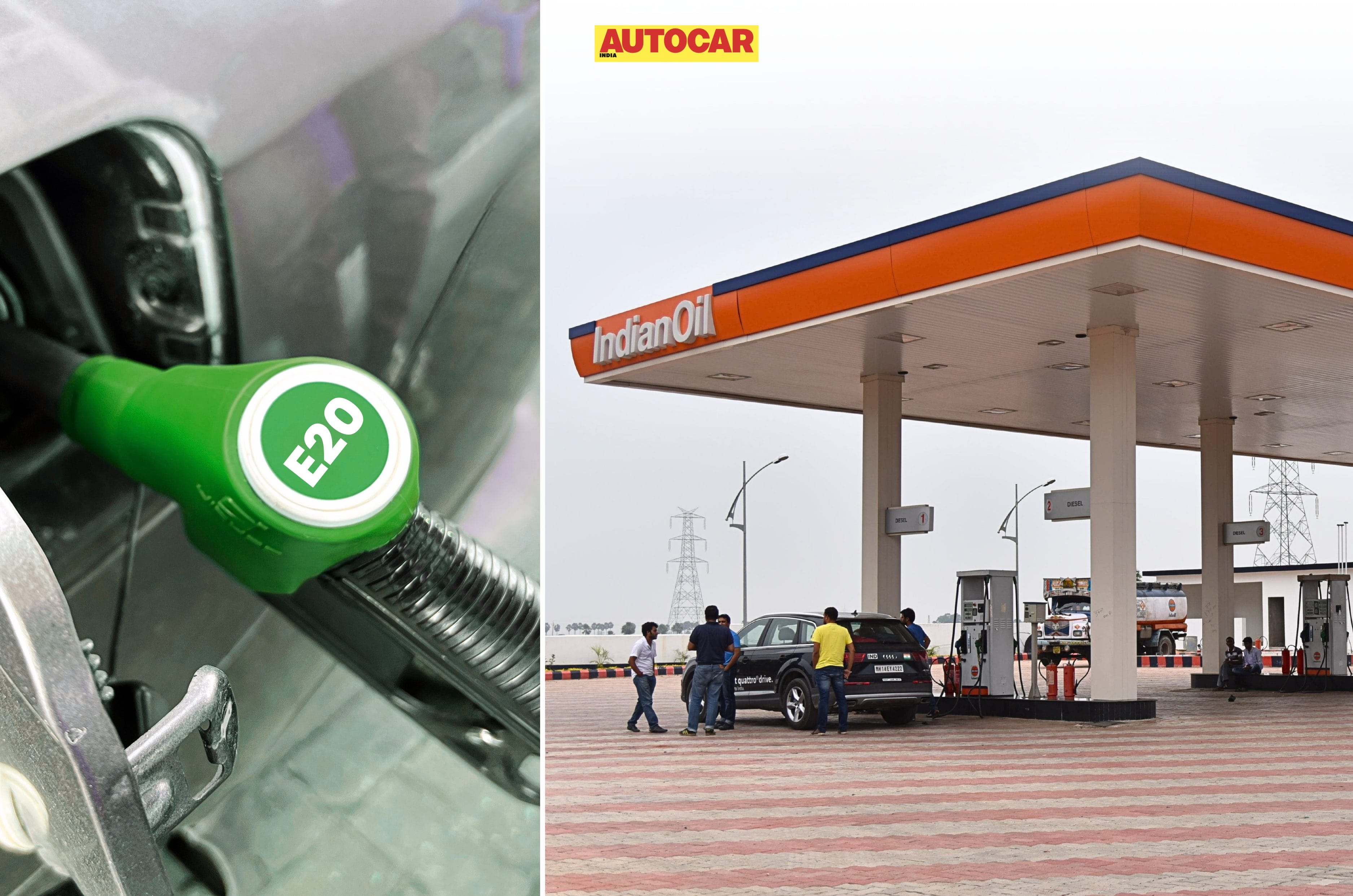
Govt cracks down on E20 contamination: Petrol sales stopped at 2,573 pumps

Govt cracks down on E20 contamination: Petrol sales stopped at 2,573 pumps
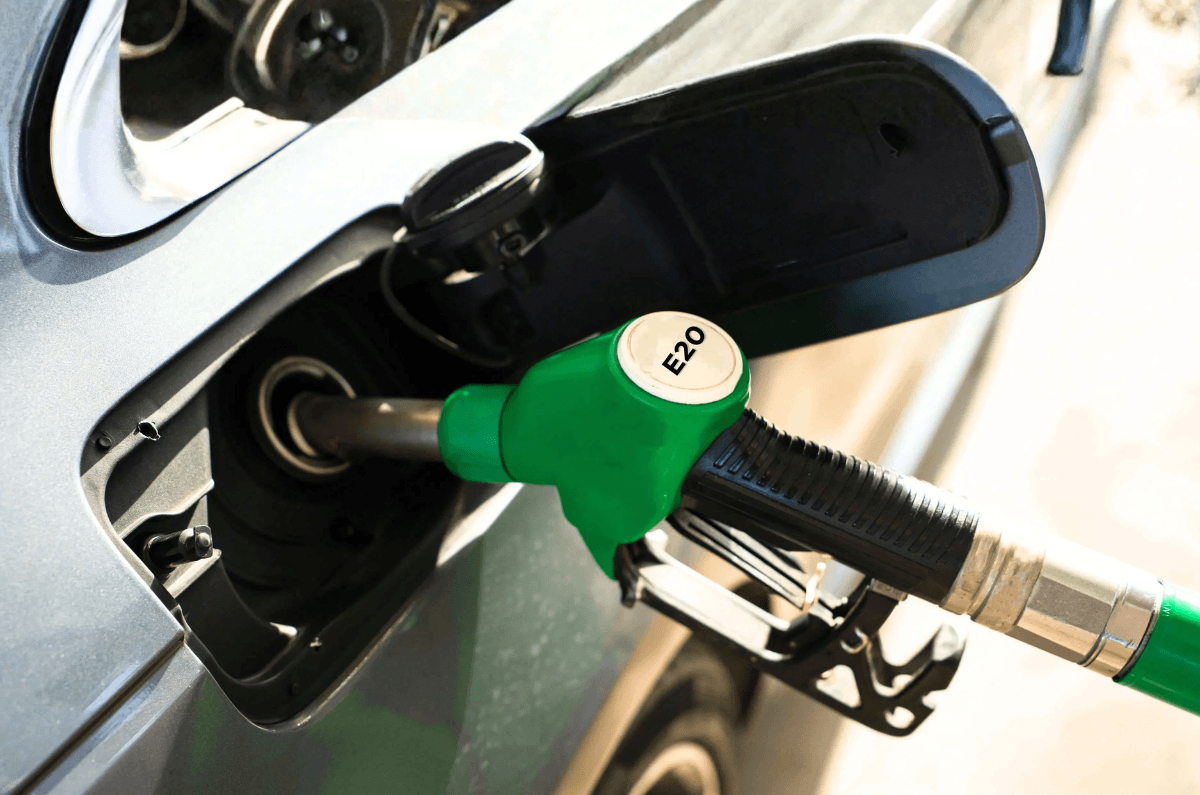
E20 contamination crack down

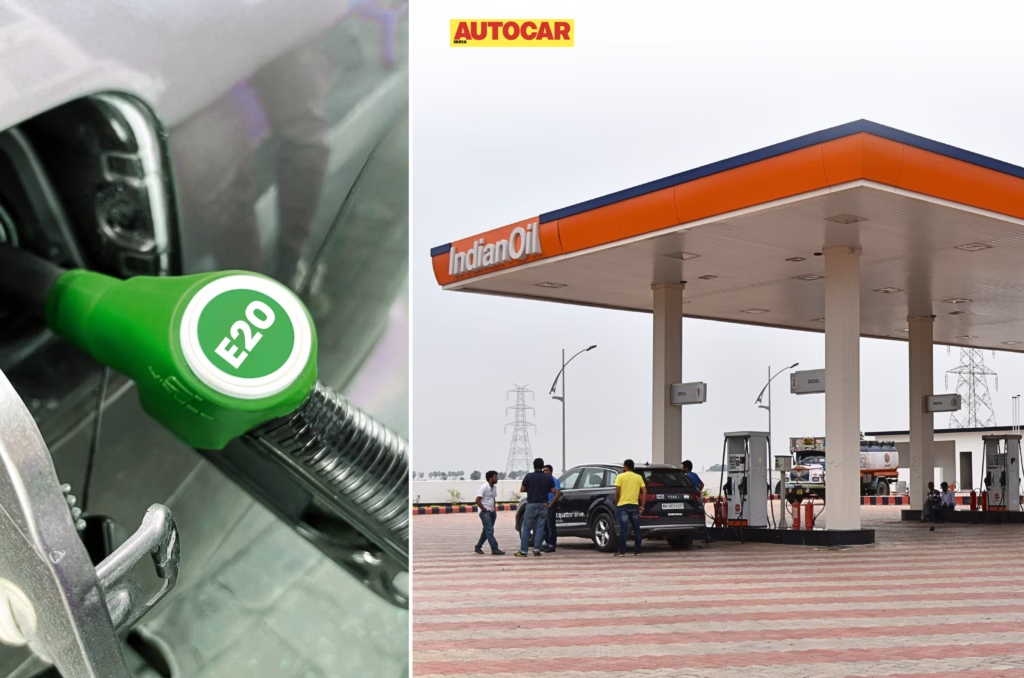
The Ministry of Petroleum and Natural Gas has launched a massive quality-control campaign across India’s retail fuel network and, as of August 25, 2026, stopped petrol sales at 2,573 non-compliant outlets, according to highly placed ministry sources. Indian Oil Corporation (IOCL) leads with 1,257 halted pumps, followed by Hindustan Petroleum (HPCL) at 915 and Bharat Petroleum (BPCL) at 401.

The trigger was a letter from the Society of Indian Automobile Manufacturers (SIAM) to the ministry on July 28, leaked soon after, flagging alarmingly high levels of chloride contamination in E20 fuel samples tested across the country. SIAM withdrew the letter within days, saying the figures “needed further verification”, but the damage was done. A subsequent Reuters investigation into carmakers’ internal testing data kept the contamination question firmly in the public eye and has forced the government to react.

To restore consumer confidence and tackle contaminants and water in the supply chain, the government has mandated water-ingress testing of underground tanks 8 to 12 times a day, a rigorous regime already underway at 88,995 dealerships. A sweeping audit prioritising older retail outlets has covered 84,687 fuel stations; field teams are checking tank integrity during rainfall, and automation systems with monitoring probes are active at 85,649 outlets, with malfunctioning units being repaired on priority.

Oil-marketing companies (OMCs) have conducted 7,296 sulphur tests and 1,079 chloride tests on ethanol-carrying tankers, along with 151 chloride tests on their own storage tanks. 

The intensity of the crackdown reflects a government under pressure to protect the integrity of its green-energy transition. The rollout of E20 (petrol blended with 20 percent ethanol) was accelerated ahead of its original schedule. Since April 1, E20 has been the only petrol available at Indian pumps, leaving motorists with no option of buying the earlier E10 blend.

Automakers’ extensive fuel-testing drive

The move to ensure that the prescribed standards are met at the forecourts is a direct response to growing opposition from motorists and anxiety among the country’s leading vehicle manufacturers.

For motorists, the transition to E20 has brought tangible financial losses arising from lower fuel efficiency and potential mechanical risks. In a widely publicised dispute, a consumer court in Raipur recently directed Maruti Suzuki to replace a Grand Vitara over an E20-related engine complaint, underlining the legal and warranty vulnerabilities facing carmakers. Concerns over mileage loss, accelerated component wear and the compatibility of pre-2023 vehicles have simmered for months.

Behind closed doors, the anxiety ran deeper. While brands like Toyota, Maruti Suzuki and Hero MotoCorp publicly backed the government’s green mandate, a Reuters review of leaked internal communications revealed that Maruti Suzuki, Tata Motors and Mahindra & Mahindra had privately flagged severe contamination in E20 petrol. Over the course of a year, the three carmakers quietly conducted the most extensive fuel-testing drive since the national rollout, collecting and analysing over 250 samples from petrol pumps across 21 states and Union territories.

Leaked report rings alarm bells 

The industry findings, compiled by SIAM and reviewed by Reuters, painted a starkly different picture from official compliance narratives. Against the government’s permissible chloride limit of 3 parts per million (ppm) or 3mg/kg, automaker testing found alarming levels across 18 states: Rajasthan recorded 6 to 570ppm — 190 times the limit; Delhi-NCR ranged from 1.4 to 420ppm and Madhya Pradesh from 4.1 to 550ppm. Karnataka and Kerala, by contrast, stayed well within the safe zone at 1 to 2.2ppm.

Water content spiked to 13,000ppm in Andhra Pradesh and 12,500ppm in Uttar Pradesh, which is more than four times the official permissible limit of 3,000ppm.

In modern engines, these deviations can be damaging. Organic chloride is highly corrosive, and modern precision fuel injectors are engineered to tolerate just 1-3ppm to align with international standards. In a leaked July email, a senior Mahindra executive warned that organic chloride was the root cause of rapid vehicle failures, capable of destroying fuel systems and engines in as little as 200km. Mahindra has since described interpretations drawn from the email as baseless, calling the industry data limited and preliminary. 

Skoda Auto India brand director Ashish Gupta, in a recent interaction with Autocar Professional, acknowledged a genuine issue with EPC (Electronic Power Control) and fuel pump failures in certain parts of the country, particularly in Punjab. He added that while fuel-sample testing has not shown a definitive chemical difference, engineers suspect high chloride or high sulphur levels, which can clog the fuel-pump filters.

The regulatory gap

To be fair, BIS standards currently lack a formally mandated statutory threshold for inorganic chlorides in finished ethanol-blended petrol (like E20). However, the petroleum ministry and OMCs enforce internal procurement guidelines, capping the limit at 3ppm for ethanol manufacturers. Setting BIS standards that make chloride limits mandatory is urgently needed, as the main culprit for vehicle damage is not E20 petrol but the chloride levels in it.

With inputs from Shahkar Abidi 
Indian carmakers had flagged concerns about E20 fuel contamination: Reuters

Indian carmakers had flagged concerns about E20 fuel contamination: Reuters

Earlier this month, several media reports said the Society of Indian Automobile Manufacturers (SIAM) had urged the government to introduce mandatory chloride limits in fuel standards after high levels of chloride and moisture were found in E20 petrol. SIAM later withdrew the communication, saying some of the figures mentioned in it needed further verification.

The government has been trying to address growing concerns around E20 with support from the industry. Oil marketing companies (OMCs) have rejected claims of widespread E20 fuel contamination after conducting tests across the country. Brands such as Toyota, Maruti Suzuki and Hero MotoCorp have also publicly backed the E20 programme.

However, separate communications between industry executives investigated by Reuters show that earlier, Maruti Suzuki, Tata Motors and Mahindra had privately raised concerns about contamination in E20. The data compiled by these carmakers was the most extensive fuel testing since E20 was officially rolled out nationwide last year. Their emails reveal that the carmakers were concerned about contaminants such as chloride and moisture in the fuel, which they said were affecting vehicles, even as they publicly supported the government’s E20 rollout.

Data flags high chloride contamination, moisture content

The data reviewed by Reuters shows that the three automobile manufacturers had carried out detailed testing by collecting more than 250 fuel samples from petrol pumps across 21 states and Union Territories over a year. The tests found high chloride levels in many samples from 18 states, along with high moisture content. Interestingly, the emails reviewed by Reuters did not raise any concerns about the authenticity of the data. 

StateNumber of samplesChloride (ppm)
Uttar Pradesh361.2-175
Maharashtra3110-357
Delhi/NCR281.4-420
Tamil Nadu271.3-24.0
Kerala241.0-2.2
Punjab201.9-110
Karnataka151- 2.2
Rajasthan146.0-570
Madhya Pradesh114.1-550

Source: SIAM via Reuters.

The data showed chloride levels of 6 to 570 parts per million (ppm) in Rajasthan, 1.4 to 420ppm in New Delhi and 10 to 357ppm in Maharashtra. The government’s permissible limit is 3ppm.

High chloride levels in the fuel can corrode vehicle components, while high moisture content can cause a vehicle to stop working immediately after refuelling, SIAM had stated earlier. In group emails exchanged between Maruti, Tata, Mahindra and SIAM, a senior Maruti executive raised concerns about the high chloride readings and said the matter had even been privately discussed with the Ministry of Petroleum on July 26.

Moisture levels found 333 percent above limit

Additionally, the same data showed moisture levels of up to 13,000ppm in Andhra Pradesh and 12,500ppm in Uttar Pradesh, against the government’s permissible limit of 3,000ppm. The exact cause of the contamination is not known. However, SIAM said in its now-withdrawn letter that it had seen an increase in chloride levels since E20 was introduced and asked the government to direct OMCs to identify the root cause.

When asked about the private emails, SIAM told Reuters that the data was meant only for internal circulation, discussion and validation, and had been collected by a very small number of automakers. SIAM added that the communication was withdrawn because the testing basis and sample size were not enough to support firm conclusions and that it had been sent accidentally. The organisation stated further that it plans to conduct a proper scientific study.

As for the high moisture levels, SIAM’s letter said the cause could be poor maintenance of underground storage tanks and pipelines at petrol pumps.

Carmakers raise concerns over vehicle failures

In a July 26 email, a senior Maruti official said that current fuel injectors can tolerate a maximum chloride level of 1ppm, and keeping it below 1ppm in E20 would be in accordance with international standards and discussions with the petroleum ministry. Same is in line with discussion held with the petroleum ministry, he stated.

Meanwhile, a senior Mahindra official wrote that organic chloride was responsible for the rapid vehicle failures in recent times and could damage engines just within 200km. The executive said that most cases reported immediately after refuelling were due to organic chloride and added that Mahindra had “strong evidences” from fuel samples collected at retail outlets. Mahindra later said the conclusions drawn from its executive’s emails were “completely baseless and incorrect”. The company said the industry data was limited and preliminary and that it did not see any issues with E20. 

What does the government say?

The Ministry of Petroleum and Natural Gas did not respond to requests for comment made by Reuters. Petroleum Minister Hardeep Singh Puri said on Friday that OMCs had started “rigorous testing” at retail outlets to check for contamination two weeks before SIAM’s letter was received. According to Puri, only four cases of contamination had been found. OMCs, as mentioned earlier, said that their extensive testing had found no reason for alarm over fuel contamination.

Renault Kiger discounts go up to Rs 68,000 in August 2026

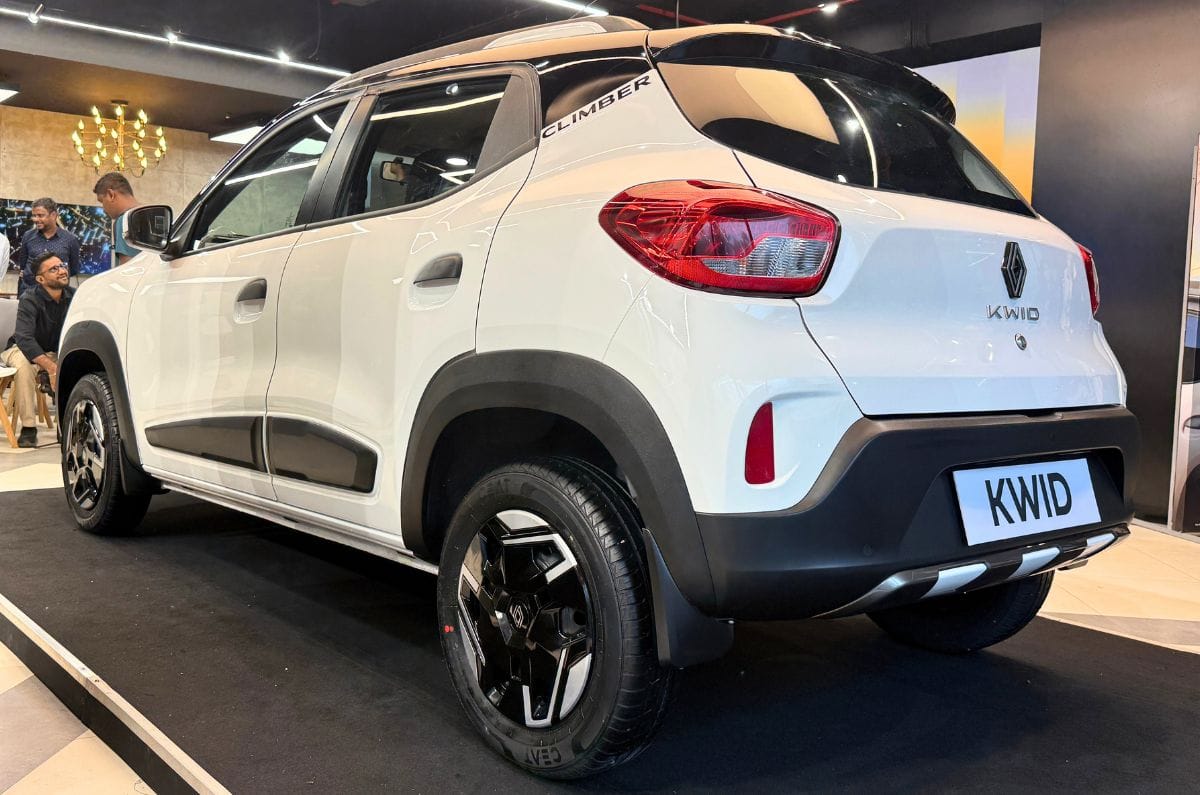
2026 Renault Kwid showroom shot

Renault has announced various discount schemes for customers in August 2026, including cash offers, exchange or scrappage incentives, and corporate benefits. All Renault models (except the Duster) are available this month with a discount. The benefits mentioned here are applicable for bookings made between August 1 and August 31, 2026.

  • Kiger gets highest discounts; Kwid gets the lowest
  • Kiger and Triber offered with loyalty and corporate benefits

Disclaimer: Offers/benefits may vary by city and are subject to stock availability. Buyers are advised to check with their local dealer for exact figures.

Renault Kiger offers in August 2026

Benefits up to Rs 68,000

Renault Kiger front quarter

Depending on the trim level, the 2026 Renault Kiger is being offered with benefits of up to Rs 68,000 across India (except Kerala and Gujarat). This includes a cash discount of Rs 20,000, exchange or scrappage benefits of up to Rs 25,000 and loyalty incentives worth up to Rs 18,000. There’s also a corporate discount of Rs 5,000.

For those residing in Kerala and Gujarat, the loyalty benefit and corporate discount remain the same but cash offers and exchange incentives can now be up to Rs 50,000 each. The price of the Renault Kiger is between Rs 5.81 lakh and Rs 10.40 lakh.

Renault Triber offers in August 2026

Benefits up to Rs 60,000

Apart from Kerala and Gujarat, the 2026 Renault Triber MPV is available with benefits amounting to Rs 60,000. Buyers will be offered a cash discount of Rs 15,000, scrappage incentives worth up to Rs 25,000 or an exchange offer of Rs 15,000, and a corporate discount of Rs 5,000.

Renault Triber front quarter

While the scrappage and corporate offers are unchanged, residents of Kerala and Gujarat get cash discounts of up to Rs 30,000 and exchange benefits worth up to Rs 30,000. The 2026 Renault Triber is priced from Rs 5.81 lakh to Rs 8.53 lakh.

Renault Kwid offers in August 2026

Benefits up to Rs 40,000

Renault Kwid rear quarter

The 2026 Renault Kwid is being offered with a cash discount of up to Rs 15,000 and a scrappage incentive worth up to Rs 25,000 in most states in India. However, this offer is not applicable for buyers in Kerala, Assam, Karnataka, Odisha, Uttarakhand, Telangana, Chhattisgarh, Arunachal Pradesh and Andhra Pradesh. Buyers here can get the Kwid with cash discounts amounting to up to Rs 30,000, while the scrappage benefit remains unchanged. The 2026 Renault Kwid is priced between Rs 4.53 lakh and Rs 5.61 lakh.

All prices are ex-showroom, India.

Also read

Jeep Meridian offers go up to Rs 1.65 lakh in August 2026

Tata Curvv EV benefits in August 2026 go up to Rs 3.35 lakh

Vida surpasses 3 lakh sales milestone

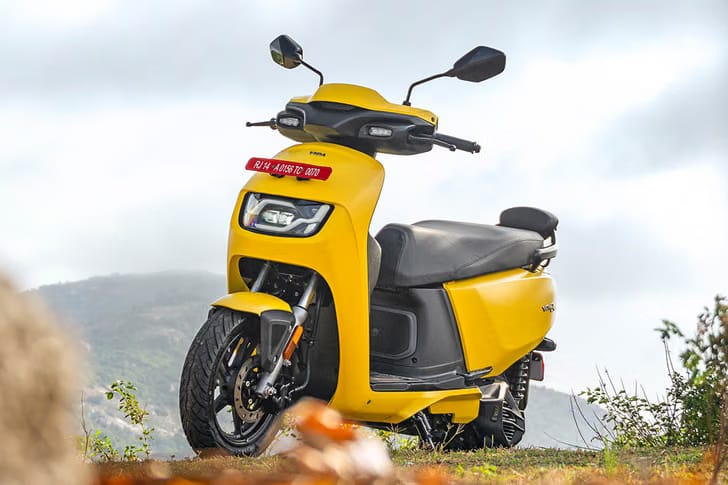
Vida VX2 static

Vida, Hero MotoCorp’s electric two-wheeler brand, has surpassed the 3 lakh retail sales milestone in the Indian market. As per the latest Vahan numbers, cumulative retail sales from November 2022 till August 1, 2026 are 300,458 units.

  1. Vida sold its first 1 lakh units in around 33 months
  2. Whereas, the 2 lakh to 3 lakh sales milestone took just 5 months
  3. With its strong growth trajectory, Vida could garner over 2-lakh sales in a single year for the first time.

Vida’s BaaS has been a key sales driver

Vida currently has coverage across India with over 900 touchpoints

The surge in demand for the Vida e-scooters is seen in the strong growth, particularly over the past year. While the first 1 lakh units were sold in around 33 months, the run from 1 lakh to 2 lakh units took a little over seven months. Now the last 1 lakh units – from 2 lakh to 3 lakh – have taken just five months, reflecting the surging demand for Vida e-scooters this year. With July (22,883 units) being the new monthly high, beating the previous best of June (21,893 units) this year.

From 4 percent in CY2024 to 11 percent in CY2026 Year-to-date, Hero Vida has reaped strong gains in India’s booming e-2W market. Expect it to achieve total retail sales of around 2.25 lakh units this calendar year.

It’s been a noteworthy run for the world’s largest two-wheeler company in the EV space. Vida now stands at No. 4 in the e-2W market share after TVS Motor Co, Bajaj Auto and Ather Energy and is ahead of Ola Electric and Greaves Electric Mobility.

With strong sales tailwinds emanating from a growing number of ICE buyers transitioning to e-mobility due to the multiple price hikes in petrol in May 2026 as well as the upcoming festive season, it can be expected that Vida will maintain the same strong growth trajectory. This would mean Hero MotoCorp’s annual e-2W sales will cross the 2-lakh units milestone in a single calendar year for the first time in CY2026. Estimate them to be in the region of 2.25 lakh to 2.35 lakh units.

Another strategic sales driver for Vida has been the introduction of the Battery-As-a-Service (BaaS) ownership model which significantly reduces the upfront ownership cost, making electric mobility more affordable and accessible to a wider customer base, and has since been adopted by Ather Energy and TVS Motor among a host of other OEMs.

The company, which opened its first Experience Centre in November 2022, currently has coverage across India with over 900 touchpoints spanning 415 cities and 700-plus dealers. Hero MotoCorp enables Vida users to access charging at over 5,900 locations including the Ather Grid network owned by Ather Energy in which Hero MotoCorp is an early investor (with a 29.48 percent stake at present) and has recently invested an additional Rs 1,000 crore.

Manufacturing capacity expansion is also on the cards for Vida. In May this year, Hero MotoCorp revealed details of its planned capital expenditure of over Rs 1,500 crore in FY2027. Cognisant of the strong growth potential in its e-2W business, the company has outlined a strategic manufacturing expansion for its Vida brand. Having already ramped up capacity by 66 percent from 15,000 units per month to 25,000 units, the company has outlined plans for further expansion by doubling monthly capacity to 50,000 units at its plant in Chittoor in Andhra Pradesh to cater to growing demand.
 

AI की ताकत से घर बैठे पाई 1.06 करोड़ की नौकरी! जानिए आंध्र प्रदेश के इस युवक ने कैसे हासिल किया यह मुकाम

आंध्र प्रदेश के एक दर्जी के बेटे ने कनाडा की कंपनी Fabrantic AI में AI इंजीनियर के तौर पर 1.06 करोड़ रुपये की रिमोट जॉब हासिल करके सफलता की एक प्रेरणादायक कहानी लिखी है।

अखिलेश माल्थी कौन हैं?

आदित्य कॉलेज ऑफ़ इंजीनियरिंग से B.Tech (डेटा साइंस) 2026 के ग्रेजुएट अखिलेश माल्थी ने कैंपस प्लेसमेंट के ज़रिए यह उपलब्धि हासिल की। ​​इससे साबित होता है कि दृढ़ संकल्प और कड़ी मेहनत से सबसे मुश्किल हालात का भी सामना किया जा सकता है।

अखिलेश एक साधारण परिवार से आते हैं। उनके पिता एक दर्जी हैं जो सुन और बोल नहीं सकते, जबकि उनकी माँ सिलाई के काम में मदद करके परिवार का सहारा बनती हैं। आर्थिक तंगी के बावजूद, उनके माता-पिता ने कभी भी अपनी मुश्किलों को बेटे की पढ़ाई में बाधा नहीं बनने दिया। उन्होंने हमेशा उन्हें पढ़ाई करने और बेहतर भविष्य बनाने के लिए प्रोत्साहित किया।

उनके माता-पिता की मेहनत और त्याग का फल अब मिल गया है। अखिलेश को Fabrantic AI में रिमोट AI इंजीनियर की नौकरी मिली है, जिसका सालाना पैकेज ₹1.06 करोड़ है। यह उनके परिवार के लिए ज़िंदगी बदलने वाला पल है।

X पर किए गए पोस्ट में लिखा है, “बहुत गरीब बैकग्राउंड से आने वाले और एक दर्ज़ी के बेटे, अखिलेश को Fabrantic AI में AI इंजीनियर के तौर पर ₹1.06 करोड़ का पैकेज मिला है।” पोस्ट में आगे कहा गया है, “आज कैंपस प्लेसमेंट के ज़रिए अखिलेश को कनाडा की कंपनी Fabrantic AI में ₹1.06 करोड़ की रिमोट जॉब मिली है।”

सोशल मीडिया पर उनकी इस कामयाबी की खूब तारीफ़ हो रही है। कई लोग इसे इस बात का बेहतरीन उदाहरण मान रहे हैं कि कैसे शिक्षा, लगन और माता-पिता का साथ ज़िंदगी बदल सकता है। एक यूजर ने लिखा, “₹1.06 करोड़ और वो भी रिमोट जॉब! वाह, समय और उनकी मेहनत ने सच में उनके परिवार की आर्थिक स्थिति बदल दी।”

एक और व्यक्ति ने कहा, “गरीब बैकग्राउंड से आकर 1 करोड़ का पैकेज मिलना बहुत बड़ी बात है।”तीसरे कमेंट करने वाले ने लिखा, “पैकेज से भी ज़्यादा अच्छी बात यह देखना है कि कैसे उनकी मेहनत ने उनके परिवार का भविष्य बदल दिया… आख़िरकार उनके त्याग का फल मिल ही गया।”

एक और व्यक्ति ने कहा, “B.Tech के दौरान हमारे पास काफ़ी समय होता है… अगर हम रोज़ाना कम से कम 2 घंटे नई स्किल्स सीखने में लगाएं… तो हम कुछ असाधारण हासिल कर सकते हैं।”

40 लाख के कर्ज ने छुड़वाई B.Tech की पढ़ाई, आज 80 लाख सालाना कमा रहे हैं अविनाश…ऐसे किया कमाल

आंध्र प्रदेश के रहने वाले अविनाश माडा की कहानी इन दिनों सोशल मीडिया पर खूब वायरल हो रही है। परिवार पर करीब 40 लाख रुपये का कर्ज होने की वजह से उन्हें बीटेक की पढ़ाई बीच में ही छोड़नी पड़ी। इसके बाद उन्होंने घर की जिम्मेदारी संभालने के लिए अपना काम शुरू किया। मुश्किल हालात का सामना करते हुए उन्होंने अपना कारोबार शुरू किया और आज वह एंटरप्रेन्योरशिप के रूप में हर साल 80 लाख रुपये से अधिक की कमाई कर रहे हैं। उनकी मेहनत और संघर्ष की यह कहानी लोगों को काफी प्रेरित कर रही है।

40 लाख का हो गया था कर्ज

अविनाश माडा ने सोशल मीडिया एक्स पर पोस्ट कर बताया कि, जब वह 18 साल के थे, तभी उनके परिवार पर बड़ा संकट आ गया। उनके पिता, जो किसान हैं, उन्हें अपने कारोबार में भारी नुकसान हुआ और परिवार पर करीब 40 लाख रुपये का कर्ज हो गया। इस कठिन समय में उनकी मां ने पूरे परिवार का हौसला बनाए रखा और सभी ने मिलकर मुश्किल हालात का सामना किया। बीटेक की पढ़ाई के पहले साल के दौरान ही अविनाश ने अपने भविष्य को लेकर गंभीरता से सोचना शुरू कर दिया।

नौकरी से नहीं होगा सुधार

माडा ने कहा, केवल डिग्री पूरी करके नॉर्मल नौकरी करने से परिवार की आर्थिक परेशानियां जल्दी खत्म नहीं होंगी। इसी सोच ने उन्हें कुछ अलग करने और नया रास्ता चुनने के लिए प्रेरित किया। उन्होंने उस समय को याद करते हुए कहा, “मुझे लगा कि अगर मैं बी.टेक पूरा करके 30 से 40 हजार रुपये महीने की नौकरी भी कर लूं, तब भी परिवार का कर्ज चुकाने में कई साल लग जाएंगे।” माडा ने बताया कि उन्हें जल्द ही समझ आ गया था कि सिर्फ पढ़ाई पूरी करके नौकरी करने से परिवार की आर्थिक स्थिति में जल्दी सुधार नहीं आएगा। इसी वजह से उन्होंने अलग रास्ता अपनाने का फैसला किया।


शुरू किया नया बिजनेस

परिवार की आर्थिक स्थिति को देखते हुए अविनाश ने पारंपरिक रास्ते की बजाय नया ऑप्शन चुना। उन्होंने कॉलेज छोड़कर डिजिटल मार्केटिंग और सर्च इंजन ऑप्टिमाइजेशन (SEO) सीखना शुरू किया। कारोबार का पहले कोई अनुभव नहीं होने के बावजूद उन्होंने अपनी खुद की डिजिटल मार्केटिंग एजेंसी शुरू की। शुरुआत में उन्होंने अपनी स्किल्स को मजबूत करने और नए क्लाइंट्स जोड़ने पर मेहनत की। उनका यह फैसला चुनौतीपूर्ण जरूर था, लेकिन कुछ ही समय में उन्हें इसका अच्छा परिणाम मिलने लगा।

मां ने बढ़ाया हौसला

अविनाश माडा का दावा किया कि, 19 साल की उम्र तक उन्होंने अमेरिका और ब्रिटेन के कई क्लाइंट्स के साथ काम करना शुरू कर दिया था। उनकी डिजिटल मार्केटिंग एजेंसी को विदेशों से लगातार प्रोजेक्ट मिलने लगे। अविनाश के अनुसार, एजेंसी शुरू करने के पहले ही साल में उन्होंने करीब 30 लाख रुपये की कमाई की। अविनाश ने बताया कि, जब उन्होंने कॉलेज छोड़कर अपना रास्ता चुनने का फैसला किया, तब उन्हें भविष्य को लेकर काफी असमंजस था। वहीं इस मुश्किल समय में उनकी मां ने उनका पूरा साथ दिया।

अविनाश माडा के अनुसार, उनकी मां ने उन्हें कहा था कि पहले कारोबार में अपनी किस्मत आजमाओ। अगर इसमें सफलता नहीं मिली, तो पढ़ाई दोबारा शुरू करने का मौका हमेशा रहेगा। अविनाश ने बताया कि, उनकी मां की यही बात उनके लिए सबसे बड़ी प्रेरणा बनी।

अविनाश ने की इतने की कमाई

आज अविनाश माडा IG Accelerators और Freedom with AI के संस्थापक हैं। उनके मुताबिक, उनके दोनों कारोबार बिना किसी बड़े शुरुआती निवेश के हर साल 80 लाख रुपये से अधिक की कमाई कर रहे हैं। अविनाश के मुताबिक, नई और व्यावहारिक स्किल्स सीखने के साथ सही समय पर सोच-समझकर जोखिम उठाने के फैसले ने उनकी जिंदगी पूरी तरह बदल दी और उन्हें सफलता की नई ऊंचाइयों तक पहुंचाया। उन्होंने कहा, “कई बार जिदगी के सबसे बड़े मौके तब मिलते हैं, जब आप तयशुदा रास्ते से हटकर कुछ नया करने का साहस दिखाते हैं।”

यूजर ने किया कमेंट

उनकी कहानी सोशल मीडिया पर तेजी से वायरल हो रही है। कई लोगों ने उनके साहस, मेहनत और परिवार की मदद के लिए बड़ा जोखिम उठाने के फैसले की सराहना की है। एक यूजर ने लिखा, “यह बेहद प्रेरणादायक सफर है। जोखिम लेना जरूरी है, लेकिन उससे भी ज्यादा अहम लगातार नई और उपयोगी स्किल्स सीखते रहना है।” एक अन्य यूजर ने टिप्पणी की, “सम्मान। उन्होंने सिर्फ कॉलेज नहीं छोड़ा, बल्कि एक वास्तविक समस्या का समाधान खोजने का संकल्प लिया।” वहीं तीसरे यूजर ने लिखा, “एक दिन ऐसा भी आएगा, जब आप मेरी कहानी भी इसी तरह लोगों को बताएंगे।”