SIAM elects Shenu Agarwal as President for 2026-27

SIAM elects Shenu Agarwal as President for 2026-27

The Society of India Automobile Manufacturers (SIAM) elected Shenu Agarwal, Managing Director and Chief Executive Officer of Ashok Leyland, as President for the 2026-27 term. SIAM is the apex national body representing all major vehicle and vehicular engine manufacturers in India. The decision was finalised at an executive committee meeting during the 2026 SIAM Annual Convention on Thursday.

  1. Shenu Agarwal succeeds Tata Motors’s Shailesh Chandra as SIAM President
  2. Agarwal served as SIAM Vice President during his previous term

Agarwal has served as SIAM Vice President during his previous term. Taking over as President, he succeeds Shailesh Chandra, Managing Director and CEO of Tata Motors Passenger Vehicles.

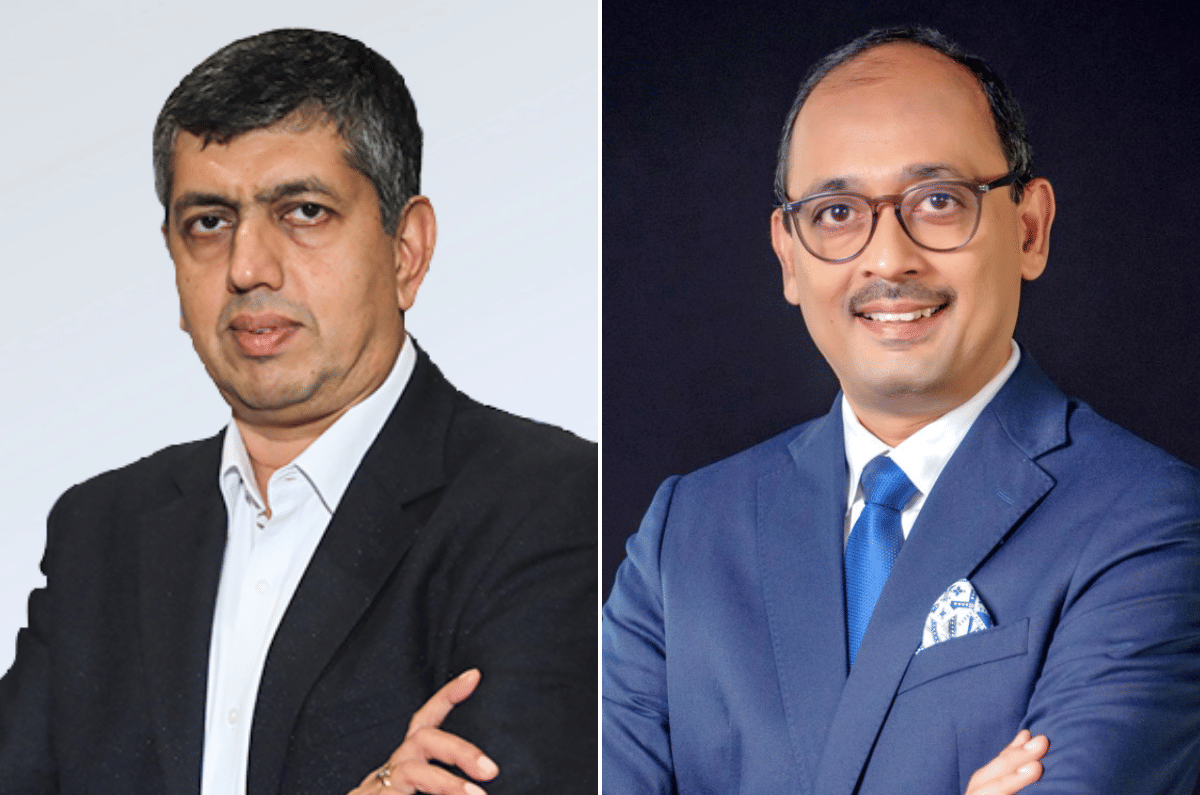
K N Radhakrishnan (left), Santosh Iyer (right).

K N Radhakrishnan, Director and CEO of TVS Motor, was elected Vice President by SIAM. Santosh Iyer, Managing Director and CEO of Mercedes-Benz India, took over as Treasurer for the current term.

Gadkari proposes graded license points system for improper behaviour

Gadkari proposes graded license points system for improper behaviour
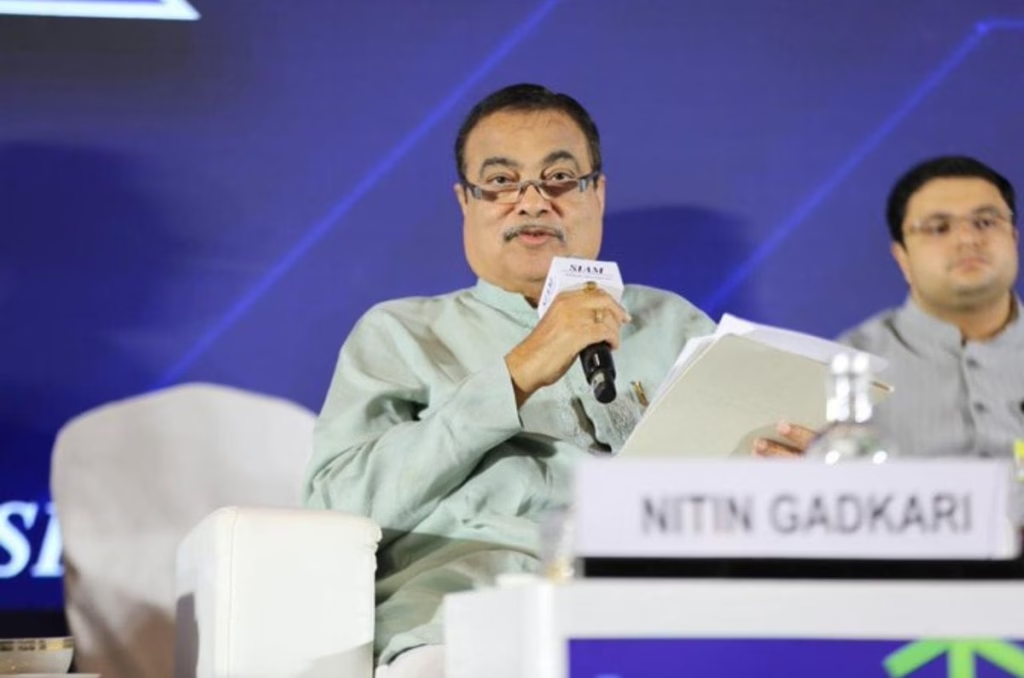
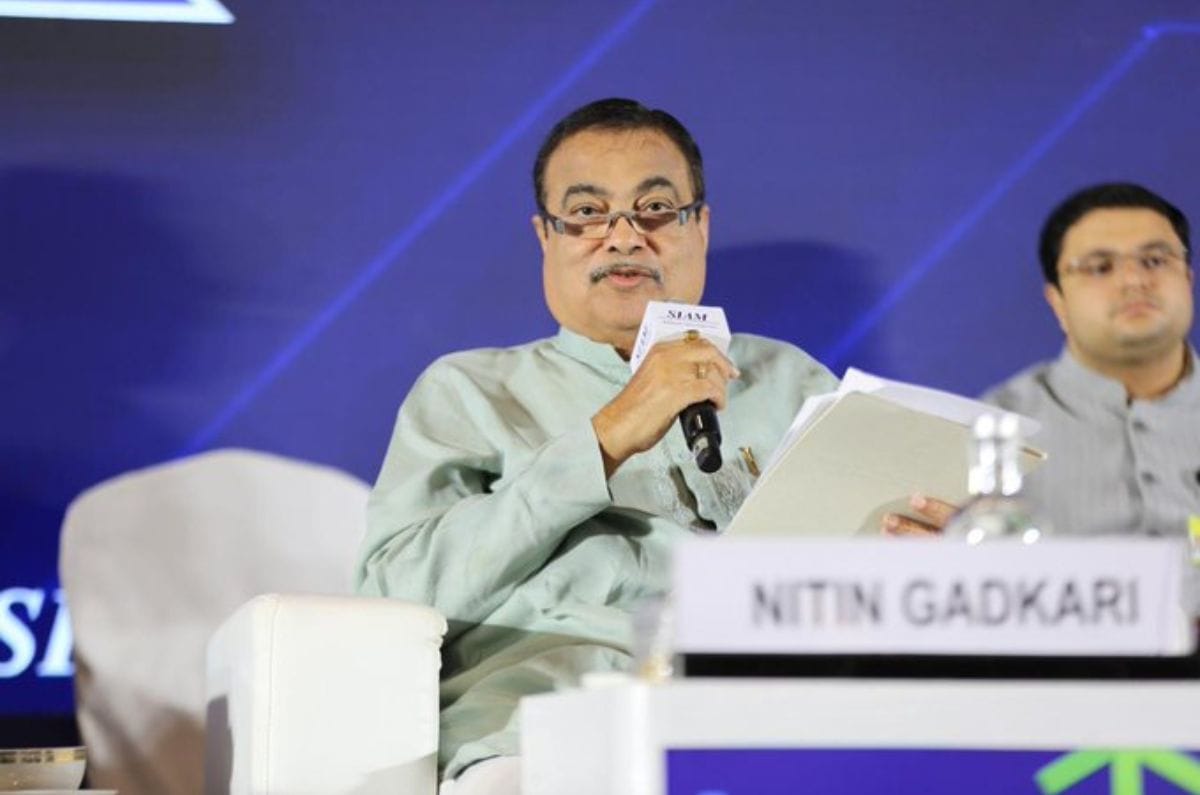
Nitin Gadkari

In a bid to address driver behavioral issues, the Government of India is planning to introduce a points system for driving licences and vehicle registration certificates. Under this system, repeat traffic offenders could face suspension or cancellation of their licences, according to Road Transport and Highways Minister Nitin Gadkari.

Habitual offenders to be penalised while benefits could be given to those with good records: Gadkari

The proposed system aims to improve driving behaviour and hold habitual offenders accountable, Gadkari said while speaking at the Society of Indian Automobile Manufacturers’ (SIAM) 66th Annual Convention. “My ministry is planning to introduce a graded point system in driving licences and vehicle registration certificates,” Gadkari said. Under the proposed system, points would be deducted for offences committed by drivers, with action taken once the accumulated penalty points cross a specified limit.

“Every offense will cut points on the driving licence. And after a particular limit, the licence will get suspended or even cancelled,” Gadkari said. The minister said the policy would distinguish between responsible drivers and those who repeatedly violate rules. Drivers with good records could receive benefits, including possible incentives from insurance companies, while habitual offenders would face penalties.

“These are exactly the people who have good points; they will get incentives from insurance or companies or whatever benefits will be there. But for those who are habitually making mistakes, the penalty is there. That is the principle behind this policy,” Gadkari said. He said changing driver behaviour was an important challenge in efforts to improve road safety. “Driver behaviour is a big problem. We are now doing a lot of things for that,” Gadkari said.

The proposed points-based system is expected to encourage more responsible driving behaviour, the minister said. He did not specify a timeline for the implementation of the proposed system or provide further details on how the points mechanism would operate.

Simple Wave इलेक्ट्रिक स्कूटर लॉन्च, मिलेगा 70L स्टोरेज और 243km रेंज, जानें कीमत और फीचर्स

Simple Wave Electric Scooter: Simple Energy ने अपना पहला फैमिली-ओरिएंटेड इलेक्ट्रिक स्कूटर ‘Wave’ लॉन्च कर दिया है। इसकी शुरुआती कीमत ₹1.10 लाख (एक्स-शोरूम) है और इसके टॉप-एंड मॉडल ‘Wave+’ की रेंज एक बार चार्ज करने पर 243km है। फैमिली स्कूटर खरीदने वाले भारतीय ग्राहकों के लिए, यह कीमत इस सेगमेंट की लीडर कंपनियों को सीधी टक्कर देती है। साथ ही, इसमें कुल 70 लीटर तक का स्टोरेज स्पेस मिलता है, जिसमें 4 लीटर का एक खास Auxiliary ‘Pill’ कम्पार्टमेंट भी शामिल है। यह एक ऐसा फीचर है जो ज्यादातर दूसरी कंपनियों के स्कूटर में नहीं मिलता है।

Simple Energy ने Wave को तीन वेरिएंट और कुल छह मॉडल में पेश किया है। इनमें 2.2kWh से लेकर 5kWh तक की चार अलग-अलग बैटरी क्षमता के विकल्प मिलते हैं। कंपनी के मुताबिक, इसकी डिलीवरी सितंबर के आखिरी हफ्ते से शुरू होगी।

Simple Wave Electric Scooter: कीमत और बैटरी विकल्प

Wave Electric Scooter लाइनअप को Wave S, Wave और Wave+ में बांटा गया है। ये मॉडल बैटरी साइज, डिस्प्ले टाइप और कनेक्टेड फीचर्स के आधार पर 6 अलग-अलग वर्जन में आते हैं। बेस मॉडल ‘Wave S EBN’ में 2.2kWh की बैटरी और 6.03hp की मोटर है, जिससे 110km (IDC) की रेंज मिलती है। वहीं, 2.7kWh और 3.7kWh बैटरी पैक वाले मॉडल में ज्यादा पावरफुल 8.58hp की मोटर मिलती है, जिससे रेंज क्रमशः 132km और 171km हो जाती है।

‘Wave+’ इस रेंज का टॉप मॉडल है, जिसमें kWh की बैटरी मिलती है और कंपनी 243 किलोमीटर IDC रेंज का दावा करती है। इसकी टॉप स्पीड 90km/h है, जबकि इसमें 179Nm का व्हील टॉर्क मिलता है। बताई गई सभी कीमतें शुरुआती हैं और Simple Energy ने यह कन्फर्म नहीं किया है कि अलग-अलग वेरिएंट की कीमतें बढ़ने से पहले ये शुरुआती कीमतें कितने समय तक लागू रहेंगी।

Simple Wave Electric Scooter: चार्जिंग, चेसिस और पानी में चलने की क्षमता

इसके टॉप वेरिएंट को 0 से 80% तक फास्ट चार्ज होने में लगभग 2 घंटे 15 मिनट लगते हैं, जबकि सभी वेरिएंट्स के साथ घर पर रेगुलर चार्जिंग के लिए 750W का पोर्टेबल चार्जर मिलता है। यह स्कूटर ट्यूबलर स्टील फ्रेम पर बना है, जिसमें टेलीस्कोपिक फ्रंट फोर्क्स और ट्विन रियर शॉक्स दिए गए हैं। इसमें 12-इंच के अलॉय व्हील्स के साथ-साथ फ्रंट डिस्क और रियर ड्रम ब्रेक का सेटअप है, जिसमें कंबाइंड ब्रेकिंग सिस्टम भी मिलता है। इसका ग्राउंड क्लीयरेंस 175mm है और यह 300mm गहरे पानी में भी चल सकता है। यह उन खरीदारों के लिए बहुत काम की बात है जो मानसून के दौरान बाढ़ की संभावना वाले भारतीय शहरों में रहते हैं।

स्टोरेज, डिस्प्ले और उपलब्धता

Simple Wave की सबसे खास बात इसका स्टोरेज स्पेस है। स्कूटर में कुल 70 लीटर तक का स्टोरेज मिलता है। इसमें सीट के नीचे 63 लीटर का स्टोरेज, 3 लीटर का ग्लव बॉक्स और नया 4 लीटर का Pill यूनिट शामिल है। हालांकि, Simple Energy ने अभी तक यह साफ नहीं किया है कि Pill यूनिट को स्कूटर में कहां लगाया गया है और इसका इस्तेमाल किस तरह किया जाएगा।

इसके हायर वेरिएंट्स में 7 इंच का TFT डिस्प्ले दिया गया है। इसमें GPS ट्रैकिंग, OTA अपडेट और हिल-होल्ड असिस्ट जैसे फीचर्स मिलते हैं। वहीं, बेस वेरिएंट्स में 5 इंच का EBN डिस्प्ले दिया गया है।

Simple Wave की बुकिंग अभी Simple Energy के आउटलेट्स और कंपनी की वेबसाइट पर शुरू हो गई है। इसकी डिलीवरी सितंबर के आखिरी हफ्ते से शुरू होने की उम्मीद है।

यह भी पढ़ें: भारत के रईस पेट्रोल-डीजल गाड़ियों को छोड़ खरीद रहे ये महंगी EV, समझिए अमीरों में तेजी से क्यों बढ़ा लग्जरी EVs का क्रेज

Opinion: Quality of two-wheeler service in India needs to improve

Opinion: Quality of two-wheeler service in India needs to improve
A scooter being serviced at a garage in India

Purchasing an automobile is one of life’s special moments in India. After all, you are not only paying a lot of money but also laying significant faith into a manufacturer’s ability to have properly engineered a safe, reliable and enjoyable product. There’s also the fact that you are entering a long-term relationship with that manufacturer when it comes to service. With three-year warranties becoming common and extended warranties being sold for just a few thousand rupees, the duration of said relationship is now longer than ever. Unfortunately, a lot of customers these days don’t feel like they are being given the treatment they deserve in this ‘relationship’.

While the quality of products coming from domestic two-wheeler manufacturers has grown tremendously in recent years, the same can’t be said for the service support. While some manufacturers fare worse than others, you will find plenty of reports of shoddy work or general ineptness when it comes to authorised service centres. The reasons behind this are multifold.

The first is that motorcycles today are far more complicated than they used to be. Electronics are everywhere, and even the simplest of commuters now have ECUs, electronic fuel pumps and fuel injectors. 150cc bikes and above are constantly increasing the amount of performance, tech and gadgets on offer, and all of this brings in more complication. Caring for more advanced motorcycles requires a more technical approach.

The “chalta hai/chalega sir” attitude that is a universal truth in India presents a challenge when the job gets more technical. Another cultural aspect at play is that people are far more proud of how quickly a job gets done (or with how much ‘jugaad’) rather than how well the job gets done. Case in point, I once insisted on a torque wrench being used on my KTM 790 Duke at an official service centre a couple of years ago. This led to a stool being brought out to reach an overhead cabinet, from which a dusty torque wrench was liberated. Clearly, that tool was almost never used, and the fact is, most mechanics in India simply use their biceps to decide how much force needs to go into tightening a bolt. 

Money is the other big challenge. Time is money, so the more vehicles that are serviced, the better. More so, most junior mechanic salaries are very low, which results in high job attrition. It’s also difficult for dealerships to have enough trained staff and sufficient workshop space for the amount of money that is earned per service. With automobile sales records being broken every other month, there is a big strain on the system.

The ideal scenario is that big cities need more workshops, staff should be trained better and workshop managers need to be more diligent about implementing proper operating procedures. At the end of the day, quality work can only be provided by someone who has been trained well and is remunerated fairly for the job. And that will increase the cost of service for the customer, primarily in terms of the labour cost. 

It is inevitable that service costs in India will rise, as does the constantly improving standard of our motorcycles and the ever increasing cost of living. The big challenge for manufacturers is to ensure that customers get their money’s worth for these increasing costs.

Govt cracks down on E20 contamination: Petrol sales stopped at 2,573 pumps

Govt cracks down on E20 contamination: Petrol sales stopped at 2,573 pumps
E20 contamination crack down

The Ministry of Petroleum and Natural Gas has launched a massive quality-control campaign across India’s retail fuel network and, as of August 25, 2026, stopped petrol sales at 2,573 non-compliant outlets, according to highly placed ministry sources. Indian Oil Corporation (IOCL) leads with 1,257 halted pumps, followed by Hindustan Petroleum (HPCL) at 915 and Bharat Petroleum (BPCL) at 401.

The trigger was a letter from the Society of Indian Automobile Manufacturers (SIAM) to the ministry on July 28, leaked soon after, flagging alarmingly high levels of chloride contamination in E20 fuel samples tested across the country. SIAM withdrew the letter within days, saying the figures “needed further verification”, but the damage was done. A subsequent Reuters investigation into carmakers’ internal testing data kept the contamination question firmly in the public eye and has forced the government to react.

To restore consumer confidence and tackle contaminants and water in the supply chain, the government has mandated water-ingress testing of underground tanks 8 to 12 times a day, a rigorous regime already underway at 88,995 dealerships. A sweeping audit prioritising older retail outlets has covered 84,687 fuel stations; field teams are checking tank integrity during rainfall, and automation systems with monitoring probes are active at 85,649 outlets, with malfunctioning units being repaired on priority.

Oil-marketing companies (OMCs) have conducted 7,296 sulphur tests and 1,079 chloride tests on ethanol-carrying tankers, along with 151 chloride tests on their own storage tanks. 

The intensity of the crackdown reflects a government under pressure to protect the integrity of its green-energy transition. The rollout of E20 (petrol blended with 20 percent ethanol) was accelerated ahead of its original schedule. Since April 1, E20 has been the only petrol available at Indian pumps, leaving motorists with no option of buying the earlier E10 blend.

Automakers’ extensive fuel-testing drive

The move to ensure that the prescribed standards are met at the forecourts is a direct response to growing opposition from motorists and anxiety among the country’s leading vehicle manufacturers.

For motorists, the transition to E20 has brought tangible financial losses arising from lower fuel efficiency and potential mechanical risks. In a widely publicised dispute, a consumer court in Raipur recently directed Maruti Suzuki to replace a Grand Vitara over an E20-related engine complaint, underlining the legal and warranty vulnerabilities facing carmakers. Concerns over mileage loss, accelerated component wear and the compatibility of pre-2023 vehicles have simmered for months.

Behind closed doors, the anxiety ran deeper. While brands like Toyota, Maruti Suzuki and Hero MotoCorp publicly backed the government’s green mandate, a Reuters review of leaked internal communications revealed that Maruti Suzuki, Tata Motors and Mahindra & Mahindra had privately flagged severe contamination in E20 petrol. Over the course of a year, the three carmakers quietly conducted the most extensive fuel-testing drive since the national rollout, collecting and analysing over 250 samples from petrol pumps across 21 states and Union territories.

Leaked report rings alarm bells 

The industry findings, compiled by SIAM and reviewed by Reuters, painted a starkly different picture from official compliance narratives. Against the government’s permissible chloride limit of 3 parts per million (ppm) or 3mg/kg, automaker testing found alarming levels across 18 states: Rajasthan recorded 6 to 570ppm — 190 times the limit; Delhi-NCR ranged from 1.4 to 420ppm and Madhya Pradesh from 4.1 to 550ppm. Karnataka and Kerala, by contrast, stayed well within the safe zone at 1 to 2.2ppm.

Water content spiked to 13,000ppm in Andhra Pradesh and 12,500ppm in Uttar Pradesh, which is more than four times the official permissible limit of 3,000ppm.

In modern engines, these deviations can be damaging. Organic chloride is highly corrosive, and modern precision fuel injectors are engineered to tolerate just 1-3ppm to align with international standards. In a leaked July email, a senior Mahindra executive warned that organic chloride was the root cause of rapid vehicle failures, capable of destroying fuel systems and engines in as little as 200km. Mahindra has since described interpretations drawn from the email as baseless, calling the industry data limited and preliminary. 

Skoda Auto India brand director Ashish Gupta, in a recent interaction with Autocar Professional, acknowledged a genuine issue with EPC (Electronic Power Control) and fuel pump failures in certain parts of the country, particularly in Punjab. He added that while fuel-sample testing has not shown a definitive chemical difference, engineers suspect high chloride or high sulphur levels, which can clog the fuel-pump filters.

The regulatory gap

To be fair, BIS standards currently lack a formally mandated statutory threshold for inorganic chlorides in finished ethanol-blended petrol (like E20). However, the petroleum ministry and OMCs enforce internal procurement guidelines, capping the limit at 3ppm for ethanol manufacturers. Setting BIS standards that make chloride limits mandatory is urgently needed, as the main culprit for vehicle damage is not E20 petrol but the chloride levels in it.

With inputs from Shahkar Abidi 

What Brazil’s 50-year ethanol experiment tells us

What Brazil’s 50-year ethanol experiment tells us
E20 fuel in Brazil

The forced introduction of E20 has set social media ablaze, with outraged car and bike owners complaining bitterly of damage to their vehicles and a drop in fuel efficiency. The anger isn’t irrational. The efficiency drop is real and, going by Autocar India’s own tests, larger than the figures the government itself has acknowledged. 

But while there’s no debate over the mileage penalty, the bigger fear is long-term damage to the vast majority of cars on our roads that are not E20-compliant. It’s a worry fanned by social media and by the way the government has handled the concern. Field trials conducted by the Automotive Research Association of India (ARAI) before the rollout reportedly found no major compatibility issues even in legacy vehicles. 

However, that report has never been made public, which has only deepened suspicion among car and bike owners. Most damaging of all was the Society of Indian Automobile Manufacturers (SIAM) formally flagging alarming levels of contamination in a letter it was later forced to publicly withdraw. Crucially, SIAM’s concern was contaminated fuel carrying worrying levels of chlorine, not the blend itself. That distinction has been lost in the noise, and it sits at the heart of the confusion, even panic, among customers fearing the worst.

So, is E20 the menace it is being made out to be, or is fuel contamination the bigger issue? The fact is, there is no workshop epidemic yet, though sceptics will argue it’s only a matter of time before engines start giving trouble. What social media is amplifying right now is the theoretical damage of a higher blend. That doesn’t make the concerns baseless, since long-term effects take years to show, but the truth is that panic and outrage are currently running well ahead of the evidence. Which makes it worth studying the one country that actually has the evidence, gathered over 50 years: Brazil.

The Brazil experience

If you think India’s leap from E10 to E20 was abrupt, consider what happened there. In November 1975, squeezed by the oil crisis and desperate to protect its foreign currency reserves, the Brazilian government launched Proalcool and shoved its motorists in at the deep end. “The blends with gasoline started at 20 percent. It went very soon up to 30 percent, and it was imposed by the government,” says Peter Gilbert, head of Operational Marketing and Customer Tech Services at Infineum Brazil, a fuel and lubricant additive specialist company whose business, it should be said, depends on ethanol-blended fuels working well. 

The documented history broadly bears him out, with one point worth noting: there was a brief low-blend ramp-up with E10, but that lasted roughly two to three years against the five decades of E20 and above since. Compare that with India, which took nearly two decades from its 2003 blending programme to reach E10. And like India, Brazil never kept an escape hatch. “There was no E0 when E20 was introduced,” says Gilbert, and there is none today: the mandated blend has since climbed through 25, 27 and 30 percent, and since August this year, all pumps in Brazil, including the super-premium ones, dispense E32.

But what is telling is the kind of cars running around on E20 in the late 1970s. Back then, cars were mainly carburetted with no fuel injection, no closed-loop control and no lambda sensors – machinery far cruder than even the oldest E10-era car on Indian roads today. So what broke?

According to Gilbert, remarkably little that could be pinned on E20 itself. “There weren’t any major issues reported,” he says. “There were issues related to the materials of the fuel system, the gaskets and the rubbers used at that time, but that has changed.”

His colleague Leandro Benvenutti, Infineum’s product manager for Latin America, says the trouble in 1970s and 1980s Brazil came almost entirely from dedicated alcohol cars running pure hydrous ethanol (E100), not from petrol cars on E20. “Everything we can remember from that time is related to these alcohol vehicles, not to the gasoline vehicles using E20,” he says. Carburettor corrosion, clogged jets, perished hoses and O-rings: all of it, in their experience, traced back to E100. “If there were problems in the other [non-flex fuel] vehicles, they were really not important at all.”

A caveat both experts volunteer: 1970s Brazil is not 2020s India, and the comparison is not like-for-like. “It’s difficult to correlate to vehicles today,” Gilbert admits. What the Brazilian record offers is not proof that nothing will go wrong here, but a large, long-running natural experiment in which the E20-specific damage everyone feared did not show up.

So what about India’s E10 cars?

Asked what he’d tell a worried Indian owner running an E10-era car on E20, Benvenutti replies, “There is no reason for panic. We don’t expect any immediate impact.” Note the word immediate. The honest answer regarding the long term is unknown, and to their credit, neither of Infineum’s experts pretends otherwise. Over years, rubber components in cars whose materials weren’t specified for E20 may embrittle sooner, and Benvenutti concedes older cars and motorcycles “may see issues with time”. But complicating the issue is attribution – what is due to ethanol and what is not. Rubber parts perish with pure petrol, too. 

Benvenutti recalls his father’s flex-fuel car whose fuel hose dried out and leaked after years of use. “Was that really caused by the ethanol, or was that something going to happen anyway after five or ten years?” If there is a cost to owners, in other words, it is most likely a shortened life for cheap parts such as hoses, gaskets and O-rings rather than failures of expensive ones. “The risk for the metal components, the hard components like valves, injectors and pumps, is much lower if you maintain this product within spec,” explains Gilbert. That last clause matters, and we’ll revisit it.

On material margins, Benvenutti is careful not to overclaim. He believes manufacturers build in buffers. “If I am developing an engine, I would prefer to keep some buffer,” he remarks but adds that he is not a materials specialist and that the buffer may mean a component lasting eight years instead of 10. Whether every manufacturer selling in India engineered that headroom is a question only the manufacturers can answer.

Calibration is key

The more concrete near-term issue isn’t corrosion. It’s calibration. E20 carries less energy per litre, so the engine management system must inject more fuel to keep the mixture correct. Most closed-loop systems that have been around since the move to BS-II fuel-injection in 2000 should easily adapt, but if an older car’s injectors or fuel-trim maps run out of adjustment range, the mixture runs lean. The tell-tale? “Probably the most impactful result will be a light on your cluster. You will see the malfunction indication light on,” says Benvenutti. If your check engine light comes on after the switch to E20, that’s your car telling you it can’t fully compensate. Whether yours will is a manufacturer-by-manufacturer, even model-by-model chance.

Then there is Brazil’s import experience, which is genuinely striking and even reassuring. European and Japanese cars homologated for E10 markets are sold in Brazil and run on E30, now E32, every day. “I haven’t seen any report on issues with those engines,” says Gilbert. And there is no exemption at the top of the market. With no E0 sold anywhere in the country, every Ferrari, Lamborghini and Porsche in Brazil fills up on E32; even the super-premium pumps dispense it. Ask whether a supercar owner can escape the blend, and the answer is emphatic. “No way,” says Benvenutti. 

Low volumes are no excuse to offer a special blend, unlike in India, where supercars have the safety net of a high-priced E0 premium fuel. Benvenutti points out that even a manufacturer bringing in a handful of sports cars must ensure the car is fit for the market’s fuel. “I would not imagine any OEM bringing one unit and selling it if that’s not prepared for that market.” The one genuine weak spot he flags concerns independent, grey-market imports, which arrive exactly as built for the European or Japanese market with no local adaptation. Much of ethanol’s impact is based on anecdotal data rather than any controlled study, but it is decades of anecdotes across millions of cars, from hatchbacks to hypercars.

How much evidence of ethanol impact is there?

Enough of it to take seriously. Start with a fact that rarely features in the Indian debate: Brazil is not a country of new cars. Punishing taxes on new vehicles and tight credit mean Brazilians hold on to their cars for a long time, and the tax system actively rewards them for doing so. Most states have long exempted the oldest cars from the annual IPVA vehicle tax, and a constitutional amendment now makes that exemption national for anything 20 years or older. The result, as per the Brazilian auto components association Sindipeças, is a fleet averaging over 11 years old, with 7.3 million vehicles past 16 years and some 220,000 past 25. Every one of them fills up on E27-to-E32 petrol because nothing else is sold. No doubt, much of this ageing fleet is flex-fuel, engineered from birth to drink anything up to E100, so their survival may seem overplayed, but only up to a point. 

Flex-fuel technology arrived in Brazil only in 2003 with the Volkswagen Golf, which means the country’s first two and a half decades on E20-and-higher blends were served entirely by ordinary petrol cars, and the earliest of those were designed for no ethanol whatsoever; the blend was simply imposed on them, which is exactly what’s happening in India today. The cars that predate the flex era and the imported non-flex cars still running on E32 haven’t seen a trend of ethanol casualties. There is no scrapyard full of ethanol victims; the old cars are still on the road.

Then there’s the formal testing. Before Brazil raised its mandate from E27 to E30 in August 2025, a working group under the country’s Ministry of Mines and Energy ran durability tests on vehicles representative of the national fleet. ANFAVEA, Brazil’s association of vehicle manufacturers (the counterpart to our SIAM), reported that the tests showed no adverse effects on engine durability or performance, with one telling condition attached: provided fuel quality standards are met. Independently, a year-long University of Nebraska-Lincoln study ran E30 in ordinary non-flex-fuel state government vehicles in the US and found no adverse effects either. None of this is a guarantee for every ageing car in India, but it is consistent, multi-source evidence that corroborates Infineum’s findings.

The dangerous C word 

So is the all-clear justified? Only conditionally, and the condition is the same one ANFAVEA attached: clean fuel made and blended to specification. And this is where India’s real problem appears to lie. If genuine damage is occurring in Indian fuel systems, the evidence points not to the ethanol blend but to what’s riding along with it: chloride contamination picked up during the production process and from storage tanks. SIAM’s now-withdrawn letter reported chloride levels of up to 500 ppm in samples from vehicle tanks and 350 ppm at retail outlets, figures the petroleum ministry has vehemently contested. Ministry officials say their own testing found high chlorine levels at just two pumps and that plastic sample containers had corrupted some tests and thrown up false readings. Yet, even a fraction of SIAM’s figures would dwarf the 3 ppm the ministry itself treats as the acceptable ceiling. 

Also, 3 ppm is only a guideline. India has yet to mandate BIS limits for chloride in fuel ethanol – something Brazil has enforced by law at 1 ppm for years. Chlorides corrode fuel pumps, injectors and valves regardless of whether a car was designed for E10 or E20, which is precisely why blaming the blend misdiagnoses the disease. The Brazilian experience, in short, largely acquits ethanol. It says nothing to acquit the fuel quality actually coming out of Indian pumps, and fixing that is a question of standards and enforcement, not of retreating to E10. 

The E20 debate, now thoroughly political, will no doubt rage on: the government and its agencies on one side, and on the other, opposition parties and a swarm of influencers and social media experts riding the outrage for popularity and views, but few of them have bothered to put an independent expert on record. The good thing is that science and first-hand experience – Brazil’s, in this case – take no sides. And that’s the side we are on.

Maruti Fronx hits 2 lakh-unit export milestone in record time

Maruti Fronx hits 2 lakh-unit export milestone in record time
Maruti Fronx export

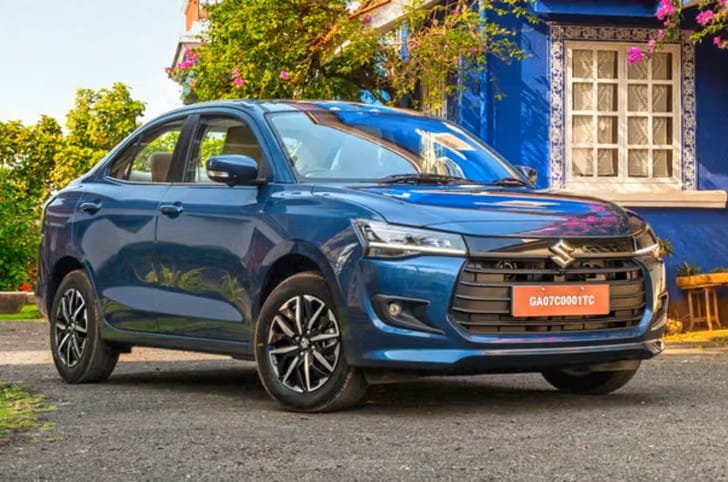
The Maruti Fronx has crossed 2 lakh exports from India in under 38 months, the fastest time for an SUV, as per the Society of Indian Automobile Manufacturers (SIAM). Exports of the Fronx began in June 2023, and it hit the 1 lakh-unit milestone in just about 25 months after that in July 2025, which is also the quickest time for an SUV. Maruti Suzuki manufactures the Fronx at its Hansalpur plant in Gujarat, and it is exported to nearly 90 countries.

“Since FY24-25, the Fronx has been India’s number one exported passenger vehicle…Sustained focus on exports has earned the Company the number one position in passenger vehicle exports from India…All three of India’s top exported passenger vehicles in Q1 FY26-27 were from Maruti Suzuki. The growing export volumes year-on-year are a strong endorsement of the reliability and appeal of the Company’s products across global markets,” Maruti Suzuki MD and CEO Hisashi Takeuchi said

Maruti Suzuki exports in recent years

Maruti Suzuki exports in recent years

Maruti Suzuki exported 3.95 lakh passenger vehicles in 2025, its highest-ever tally in a calendar year and over 21 percent more than in 2024. It also remained India’s biggest passenger vehicle exporter for the fifth year in a row, sending 18 models to more than 100 countries. Its exports from India have largely grown over the years. Shipments jumped by more than 140 percent in 2021 compared to 2020, before growth slowed to 28 percent in 2022. The rise was even smaller in 2023, at just over 2 percent. Exports picked up again in 2024, growing by a little over 21 percent, and continued at a similar pace in 2025. Like the Fronx, the e Vitara electric SUV is also built at the Hansalpur facility, and its exports started last year.

Opinion: Why India needs a small car assault

Opinion: Why India needs a small car assault
Citroen AMI, Honda Super N, Renault 5, Nissan Micra.

The CAFE 3 norms are just eight months away. Things will certainly get tighter and tougher for automakers, in terms of upping the number of clean power options as well as light-weighting their current brawn-ish SUVs. If one has to bring a 30 percent reduction in fleet-average performance and move from MIDC to WLTP test results, an automaker has very little leeway in terms of just about making it. 

As a product planner, I would seriously take this as an opportunity to bring the focus back onto the entry-level small car. In fact, all product planners should be doing the same, irrespective of what your current portfolio is. The policymakers are sending out a clear message to the Indian automobile industry – relook and revive the small car, for you have neglected it for quite some time now!

And why not? It’s not just for developing markets; look at the developed world too. The otherwise ostentatious European is seriously evaluating the small car once again. Even the more aware and conscious American is. Japan has always been a ready reference for all. Tomorrow’s car buyer is going frugal and smart once again. Going back to the basics. Without compromising on comfort and features. And the automakers have prepared themselves for such times. Some started almost a decade ago, with varying outcomes, but the efforts have been commendable and great teachers on how to approach the future. 

The Citroën Ami. The Fiat Topolino and Multiplina. The Renault 5 and its hot hatchback cousin, the Alpine A290. The Nissan Micra. The Smart For2. The Honda Super N. The Microlino and Microletta. And I have not even gone into what the Chinese have launched over the last 12 months. 

This is the attack of the “minors”. Electric. Power-packed. Feature-rich. Head-turning looks. Both microcars as well as conventional entry-level little runabouts. They are not cheap-looking, frugally engineered, cost-compromised, low-on-status offers that one never wants. They are clean, conscious and very cool. They cater to the sceptical youth and the wizened elder alike.

For years, Japan and Europe have been the homes of such cars. It is time India takes over that role. And it makes perfect business sense too. If we are to increase car penetration and grow the market to a size even half of that of China, given our consumption power, there is no other way but to make the entry-level car the hero of the script. Whether electric, CNG or hybrid. It is the responsibility of brands like Maruti Suzuki, Hyundai, Toyota, Tata and Honda to make this happen. Only then will we create a mature and sustainable market with a rich and robust pipeline of two-wheeler owners who will want to look up!

Mahindra की नई धांसू EV लॉन्च, 79kWh बैटरी और AI फीचर्स से है लैस, जानें कीमत

क्या आप नई इलेक्ट्रिक SUV लेने का प्लान बना रहे हैं? अगर हां, तो इस खबर को आपको जरूर पढ़ना चाहिए। दरअसल, Mahindra & Mahindra ने आज BE 6 Sporteq को भारत में लॉन्च कर दिया है। यह कंपनी की BE 6 इलेक्ट्रिक SUV पर आधारित नई सीरीज है। इसकी शुरुआती कीमत 19.45 लाख रुपये (एक्स-शोरूम) है और इसमें बैटरी की कीमत भी शामिल है।

कंपनी ने इसे Battery as a Service (BaaS) मॉडल के साथ भी पेश किया है। इस मॉडल में BE 6 Sporteq की शुरुआती कीमत 11.45 लाख रुपये (एक्स-शोरूम) है। इसके अलावा बैटरी इस्तेमाल करने के लिए 3.75 रुपये प्रति किलोमीटर का चार्ज देना होगा।

BaaS मॉडल में 3.75 रुपये प्रति किलोमीटर का बैटरी चार्ज रोजाना करीब 60 किलोमीटर की ड्राइविंग को ध्यान में रखकर तय किया गया है। बता दें कि BE 6 Sporteq की डिलीवरी 26 अगस्त 2026 से शुरू होगी।

इस नई सीरीज को आप 8 वेरिएंट में खरीद सकते हैं — One, Two, Three, Three+, Four, FE (फ्रीडम एडिशन), FE Four और लॉन्च एडिशन। ग्राहक अपनी जरूरत और वेरिएंट के हिसाब से 59kWh, 70kWh और 79kWh बैटरी पैक में से चुन सकते हैं।

Mahindra BE 6 Sporteq की कीमतें

59 kWh बैटरी वाले BE 6 Sporteq One ​​की कीमत BaaS के तहत ₹11.45 लाख और बैटरी के साथ ₹19.45 लाख है। Two वेरिएंट की कीमत BaaS के तहत ₹12.95 लाख और 59 kWh बैटरी के साथ ₹20.95 लाख है।

Three वेरिएंट की कीमत 59 kWh बैटरी के साथ ₹21.95 लाख और 70 kWh यूनिट के साथ ₹22.95 लाख है। वहीं, Three+ की कीमत 70 kWh बैटरी के साथ ₹23.95 लाख और 79 kWh बैटरी के साथ ₹24.95 लाख है।

इसके अलावा, Four और ‘लॉन्च एडिशन’ (Launch Edition), दोनों ही 79 kWh बैटरी के साथ आते हैं और इनकी कीमत 26.95 लाख रुपये है। FE की कीमत 24.45 लाख रुपये है, जबकि FE फोर की कीमत 26.95 लाख रुपये है। फॉर्मूला E से प्रेरित इन दोनों ही वेरिएंट्स में 79 kWh की बैटरी का इस्तेमाल किया गया है।

ये सभी कीमतें एक्स-शोरूम हैं और इनमें वॉल चार्जर और उसके इंस्टॉलेशन का खर्च शामिल नहीं है।

तीन-स्क्रीन वाला डिजिटल कॉकपिट

Mahindra ने BE 6 Sporteq सीरीज को 12 एक्सटीरियर कलर ऑप्शन में पेश किया है। इनमें चार नए कलर भी शामिल हैं—Rosso Impulso, Ruby Velvet, Graphite Storm और Firestorm Orange Satin।

Two वेरिएंट से आगे के सभी मॉडल में तीन-स्क्रीन वाला कोस्ट-टू-कोस्ट डिजिटल कॉकपिट दिया गया है। हालांकि, Formula E से प्रेरित Freedom Edition खरीदने वाले ग्राहकों को पहले वाला दो-स्क्रीन कॉकपिट और खास ‘हेलो डिजाइन’ मिलेगा।

Sporteq रेंज में छह नए टेक्नोलॉजी सुइट्स भी पेश किए गए हैं — TEQ_Talk, TEQ_Play, TEQ_Drive, TEQ_Me, TEQ_Secure और TEQ_xting। ये सभी MAIA (महिंद्रा का आर्टिफिशियल इंटेलिजेंस आर्किटेक्चर) पर आधारित हैं, जो कंपनी की ‘सॉफ्टवेयर-डिफाइंड व्हीकल’ स्ट्रैटेजी का आधार है।

Google Gemini-पावर्ड वॉइस असिस्टेंट

TEQ_Talk को Google Gemini के साथ बनाया गया है और इसमें 17 खास AI एजेंट का इस्तेमाल किया गया है। Mahindra के अनुसार, यह सिस्टम 100 से ज्यादा मुख्य फंक्शन और 48 एप्लीकेशन को सपोर्ट करता है, जिनमें गाड़ी के कंट्रोल, नेविगेशन, म्यूजिक और न्यूज शामिल हैं।

TEQ_Play में एंटरटेनमेंट फीचर जैसे कि कराओके, ‘ब्रिंग-योर-ओन-डिवाइस’ (BYOD) मोड वाला इन-कार गेमिंग सुइट, प्राइवेट ऑडियो, Dolby Vision, Dolby Atmos और GrooveMe Party शामिल हैं। Mahindra का दावा है कि भारत में ऑटोमोटिव बनाने वाली कंपनियों में कराओके फ़ीचर और BYOD मोड में गेमिंग की सुविधा सबसे पहले इसी में दी गई है।

TEQ_Drive में परफॉर्मेंस से जुड़े फंक्शन जैसे कस्टम ड्राइव मोड, ड्रिफ़्ट मोड, ट्राइब ड्राइव, रिवाइव और रिवाइव SOS शामिल हैं। Formula E Freedom Edition में एक अतिरिक्त ‘एक्सेलरेशन बूस्ट’ फंक्शन भी मिलता है।

TEQ_Me में ऑटोमैटिक डिटेक्शन वाले यूजर प्रोफाइल की सुविधा है, जबकि TEQ_xting मालिकों को टेलगेट के लिए पर्सनलाइज्ड मैसेज बनाने की सुविधा देता है।

TEQ_Secure में Secure360 Pro शामिल है, जो ऑडियो रिले और घुसपैठ की चेतावनी (intrusion alert) के साथ लाइव व्यू देता है। इसमें iPhone, Apple Watch, Android और Samsung स्मार्टफोन के साथ-साथ NFC की-कार्ड के ज़रिए NFC और डिजिटल कार-की का सपोर्ट भी मिलता है।

महिंद्रा का दावा है कि वह पहली भारतीय ऑटोमोटिव कंपनी है जो कई डिवाइस इकोसिस्टम में ‘कार कनेक्टिविटी कंसोर्टियम’ (CCC) के नियमों के मुताबिक Digital Car-Key फंक्शनैलिटी देती है। इस सुइट में तीसरी स्क्रीन के लिए पैरेंटल लॉक भी शामिल है।.

मौजूदा महिंद्रा इलेक्ट्रिक SUV में अपडेट्स आएंगे

महिंद्रा ने कहा कि Sporteq सीरीज के साथ पेश की गई सभी नई टेक्नोलॉजी और सॉफ्टवेयर फीचर्स को मौजूदा BE 6, XEV 9e और XEV 9S गाड़ियों में धीरे-धीरे लाया जाएगा, हालांकि उपलब्ध फीचर्स मॉडल और वैरिएंट के हिसाब से अलग-अलग होंगे। यह रोलआउट जनवरी 2027 से चरणों में शुरू होगा।

Mahindra & Mahindra के ऑटोमोटिव बिजनेस के प्रेसिडेंट और महिंद्रा इलेक्ट्रिक ऑटोमोबाइल लिमिटेड के मैनेजिंग डायरेक्टर, आर वेलुसामी ने कहा, “इलेक्ट्रिक मोबिलिटी एक नए दौर में प्रवेश कर रही है। ग्राहक अब EV को सिर्फ उसकी रेंज या तेजी (एक्सेलरेशन) से नहीं आंकते हैं। वे उम्मीद करते हैं कि यह अपनी पूरी लाइफ-साइकिल के दौरान ज्यादा स्मार्ट, ज्यादा पर्सनल और ज्यादा काबिल बने। Sporteq इसी बदलाव को दिखाता है। MAIA से पावर्ड, यह AI, पर्सनलाइजेशन, परफॉर्मेंस और एंटरटेनमेंट को इस तरह से एक साथ लाता है कि हर सफर ज्यादा आसान और बेहतर (इंट्यूटिव) बन जाता है।”

लॉन्च एडिशन और फॉर्मूला E फ्रीडम एडिशन

रेंज के टॉप मॉडल के तौर पर BE 6 Sporteq Launch Edition को खास Graphite Storm एक्सटीरियर फिनिश के साथ पेश किया गया है। इसके केबिन में Racing Tan कलर की पूरी लेदर जैसी फिनिश वाली सीटें और इंटीरियर दिया गया है।

वहीं, Formula E Freedom Edition का डिजाइन Mahindra Racing के Formula E रेसिंग प्रोग्राम से प्रेरित है। इसमें BE 6 के पुराने हेडलैंप डिजाइन को बरकरार रखा गया है। इसके अलावा, कार में तिरंगे वाले एक्सटीरियर एक्सेंट, सैटिन पेंट ऑप्शन और नया Rosso Impulso कलर मिलता है।

इसके केबिन में Black और Firestorm Orange थीम दी गई है। साथ ही इसमें दो-स्क्रीन डिजिटल कॉकपिट और कंपनी का खास Halo डिजाइन मिलता है।

Acceleration Boost फीचर की मदद से Formula E Freedom Edition महज 6.44 सेकंड में 0 से 100 किमी/घंटा की रफ्तार पकड़ सकती है। यह कंपनी द्वारा बताया गया दावा किया गया आंकड़ा है।

यह भी पढ़ें: ₹7 लाख से शुरू होती हैं ये ऑटोमैटिक कारें, मिलेगा 25 kmpl का माइलेज और 6 एयरबैग

Indian carmakers had flagged concerns about E20 fuel contamination: Reuters

Indian carmakers had flagged concerns about E20 fuel contamination: Reuters

Earlier this month, several media reports said the Society of Indian Automobile Manufacturers (SIAM) had urged the government to introduce mandatory chloride limits in fuel standards after high levels of chloride and moisture were found in E20 petrol. SIAM later withdrew the communication, saying some of the figures mentioned in it needed further verification.

The government has been trying to address growing concerns around E20 with support from the industry. Oil marketing companies (OMCs) have rejected claims of widespread E20 fuel contamination after conducting tests across the country. Brands such as Toyota, Maruti Suzuki and Hero MotoCorp have also publicly backed the E20 programme.

However, separate communications between industry executives investigated by Reuters show that earlier, Maruti Suzuki, Tata Motors and Mahindra had privately raised concerns about contamination in E20. The data compiled by these carmakers was the most extensive fuel testing since E20 was officially rolled out nationwide last year. Their emails reveal that the carmakers were concerned about contaminants such as chloride and moisture in the fuel, which they said were affecting vehicles, even as they publicly supported the government’s E20 rollout.

Data flags high chloride contamination, moisture content

The data reviewed by Reuters shows that the three automobile manufacturers had carried out detailed testing by collecting more than 250 fuel samples from petrol pumps across 21 states and Union Territories over a year. The tests found high chloride levels in many samples from 18 states, along with high moisture content. Interestingly, the emails reviewed by Reuters did not raise any concerns about the authenticity of the data. 

StateNumber of samplesChloride (ppm)
Uttar Pradesh361.2-175
Maharashtra3110-357
Delhi/NCR281.4-420
Tamil Nadu271.3-24.0
Kerala241.0-2.2
Punjab201.9-110
Karnataka151- 2.2
Rajasthan146.0-570
Madhya Pradesh114.1-550

Source: SIAM via Reuters.

The data showed chloride levels of 6 to 570 parts per million (ppm) in Rajasthan, 1.4 to 420ppm in New Delhi and 10 to 357ppm in Maharashtra. The government’s permissible limit is 3ppm.

High chloride levels in the fuel can corrode vehicle components, while high moisture content can cause a vehicle to stop working immediately after refuelling, SIAM had stated earlier. In group emails exchanged between Maruti, Tata, Mahindra and SIAM, a senior Maruti executive raised concerns about the high chloride readings and said the matter had even been privately discussed with the Ministry of Petroleum on July 26.

Moisture levels found 333 percent above limit

Additionally, the same data showed moisture levels of up to 13,000ppm in Andhra Pradesh and 12,500ppm in Uttar Pradesh, against the government’s permissible limit of 3,000ppm. The exact cause of the contamination is not known. However, SIAM said in its now-withdrawn letter that it had seen an increase in chloride levels since E20 was introduced and asked the government to direct OMCs to identify the root cause.

When asked about the private emails, SIAM told Reuters that the data was meant only for internal circulation, discussion and validation, and had been collected by a very small number of automakers. SIAM added that the communication was withdrawn because the testing basis and sample size were not enough to support firm conclusions and that it had been sent accidentally. The organisation stated further that it plans to conduct a proper scientific study.

As for the high moisture levels, SIAM’s letter said the cause could be poor maintenance of underground storage tanks and pipelines at petrol pumps.

Carmakers raise concerns over vehicle failures

In a July 26 email, a senior Maruti official said that current fuel injectors can tolerate a maximum chloride level of 1ppm, and keeping it below 1ppm in E20 would be in accordance with international standards and discussions with the petroleum ministry. Same is in line with discussion held with the petroleum ministry, he stated.

Meanwhile, a senior Mahindra official wrote that organic chloride was responsible for the rapid vehicle failures in recent times and could damage engines just within 200km. The executive said that most cases reported immediately after refuelling were due to organic chloride and added that Mahindra had “strong evidences” from fuel samples collected at retail outlets. Mahindra later said the conclusions drawn from its executive’s emails were “completely baseless and incorrect”. The company said the industry data was limited and preliminary and that it did not see any issues with E20. 

What does the government say?

The Ministry of Petroleum and Natural Gas did not respond to requests for comment made by Reuters. Petroleum Minister Hardeep Singh Puri said on Friday that OMCs had started “rigorous testing” at retail outlets to check for contamination two weeks before SIAM’s letter was received. According to Puri, only four cases of contamination had been found. OMCs, as mentioned earlier, said that their extensive testing had found no reason for alarm over fuel contamination.