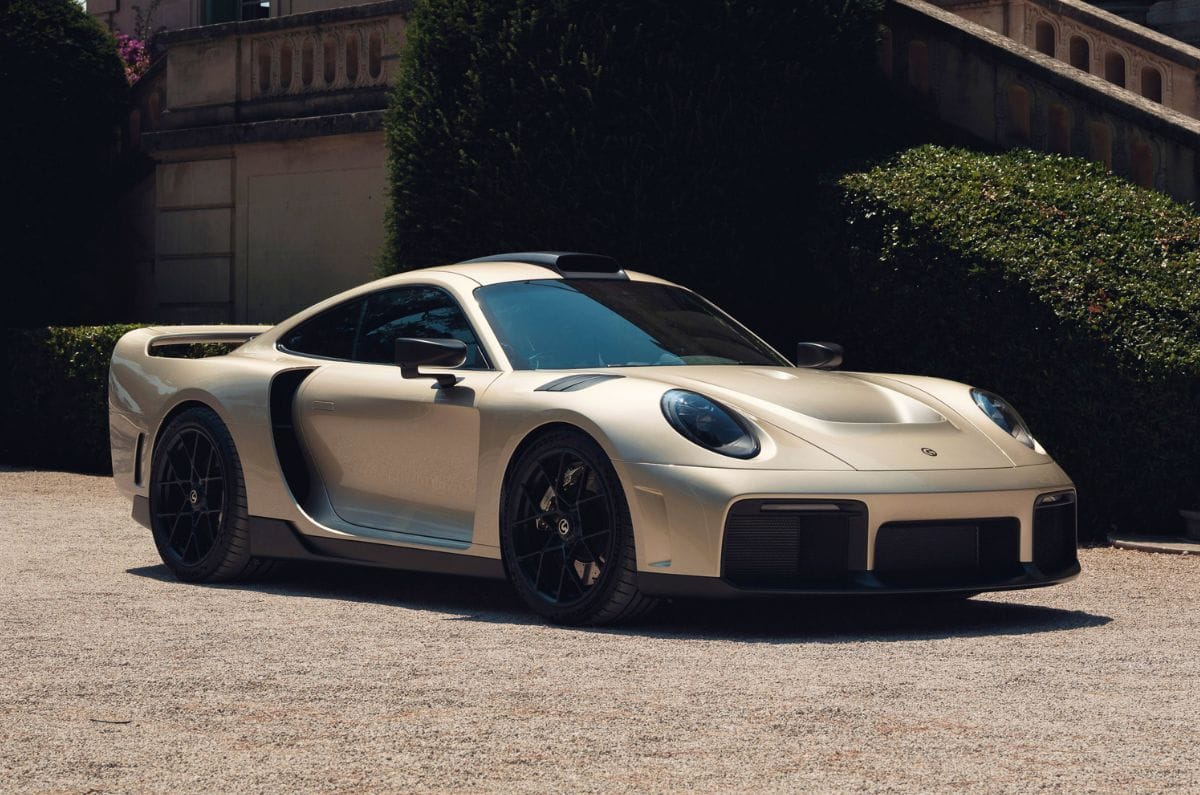
Marc Philipp Gemballa Marsien GT revealed with over 830hp

Marsien GT front quarter

Based on the 992-series Porsche 911 Turbo S, the Marsien GT has been revealed ahead of its global premiere at the Pebble Beach Concours d’Elegance on August 13, 2026. Produced by Marc Philipp Gemballa GmbH, the Marsien GT is the company’s second limited-edition model – the first was the desert-focused Marsien of 2021. Including 40 units of the latter and another 30 examples of the grand tourer (GT), there’ll be a total of 70 Marsiens produced. The 70-unit combined production run honours the 70th anniversary of Uwe Gemballa, Marc Philipp Gemballa’s father, the marque stated.

  • Has a carbon-fibre exterior, active aero and custom colour options
  • Gets Michelin Pilot Sport Cup 2 tyres and an Akrapovic titanium exhaust system
  • Revised six-cylinder boxer engine outputs over 830hp and 930Nm

Marsien GT design and interior

Marsien GT front

The exterior styling of the Marsien GT is the work of French automotive designer Alan Derosier. It features a one-off four-layer metallic colour called Anniversary Liquid Champagne Gold, in honour of the 70th anniversary of Uwe Gemballa. The colour is applied at a paint studio that the brand claims can “fulfil the most daring customer colour requests.” The brand also says that the Marsien GT has a full carbon-fibre exterior, consisting of over a hundred individual carbon-fibre components. The front axle-lift system has been retained from the 911 Turbo S, though.
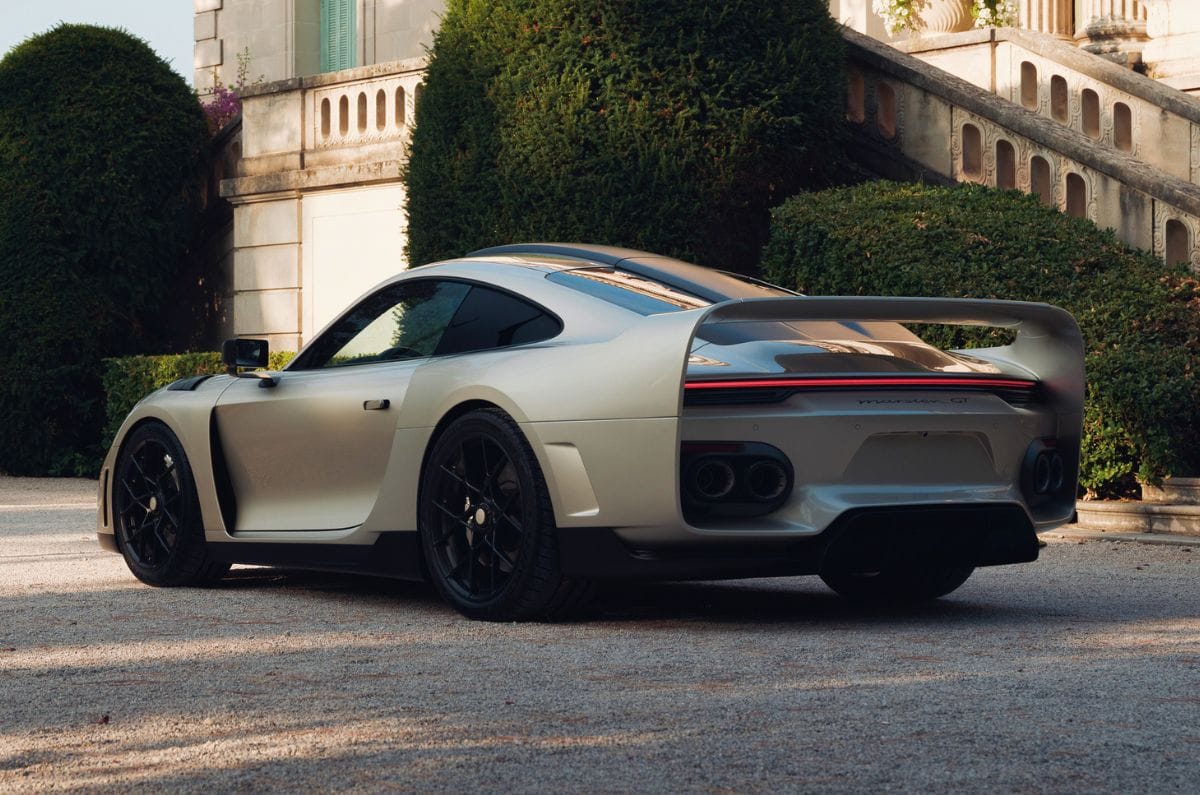
Marsien GT rear quarter

Noticeably different elements over the donor vehicle include the uniquely shaped outside rearview mirrors (ORVMs), a top-mounted scoop, active air flaps on the front fenders, ram-air intakes, side skirts with integrated air channels, and a large active rear wing whose design is reminiscent of the Porsche 959’s. Adding to these are the forged aluminium wheels wrapped in Michelin Pilot Sport Cup 2 tyres, an Akrapovic titanium exhaust system, and a carbon-fibre underfloor. All these lightweight measures ensure weight savings of 75kg over the donor vehicle, whilst the active aero features cool the brakes and reduce turbulence from the wheel arches, as per the brand.
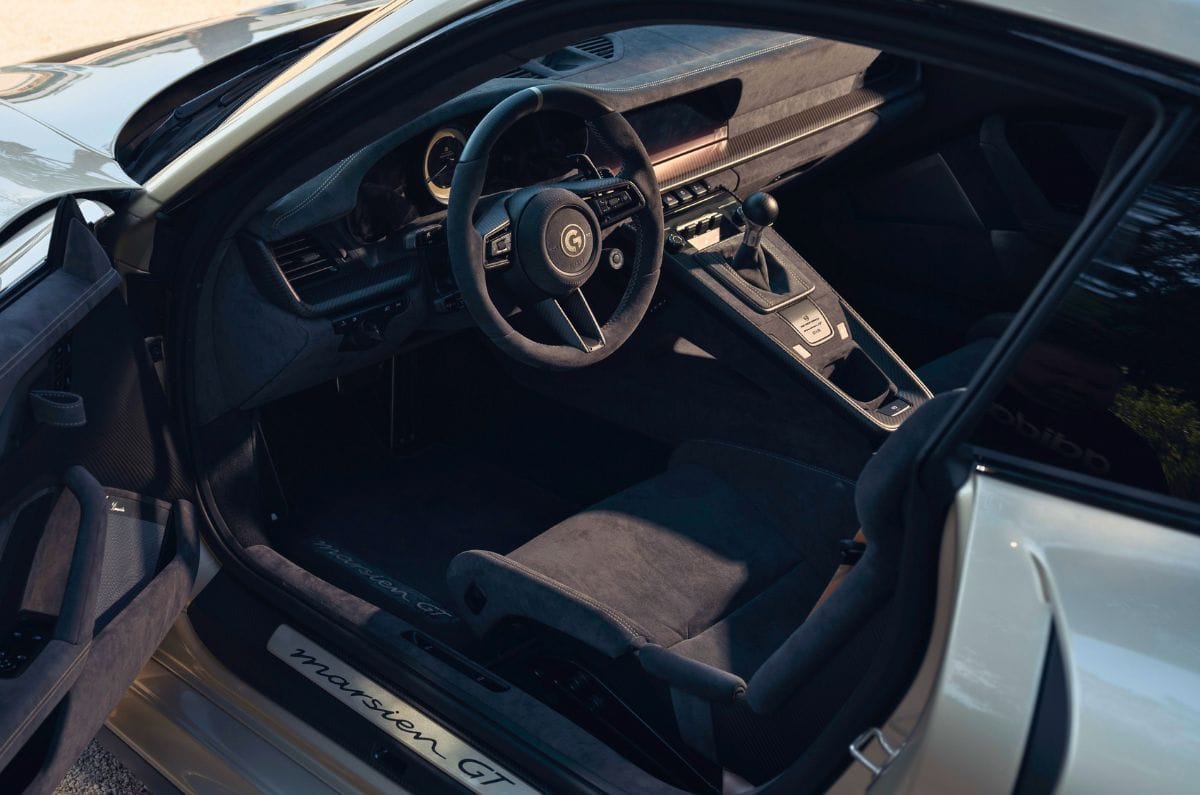
Marsien GT interior

Some of the stand-out design elements inside the Marsien GT are visible along the centre console, which itself is raised over what’s seen in the standard 911 Turbo S, but there’s also an aluminium gear lever that’s inspired by the unit found in the Carrera GT. Customers can opt this gear lever to be covered in either exposed carbon or mahogany wood, instead of softer materials like leather or Alcantara. The interior also features hand-stitched brand logo on the steering wheel, headrests, armrest and floor mats.
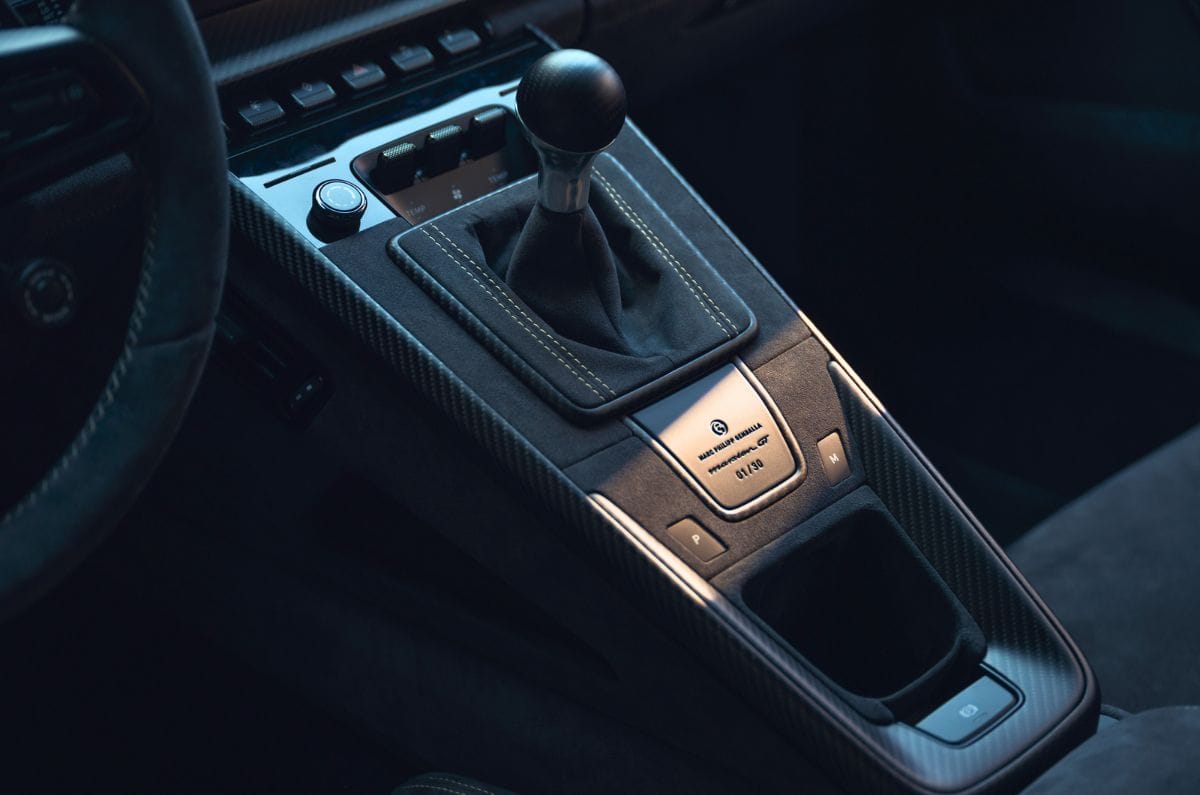
Marsien GT gear lever

The centre console also sports a metal badge displaying the individual production number of each vehicle. Apart from the carbon bucket seats and dark grey Alcantara, the interior of this launch-ready example features champagne accents for much of the stitching, plus on the seatbelts and within the instrument cluster. There are also matte carbon-fibre accents and an Alcantara-trimmed roll bar. According to the brand, customers can purchase a carbon-fibre interior package that adds even more exposed carbon-fibre elements.

Marsien GT powertrain and suspension
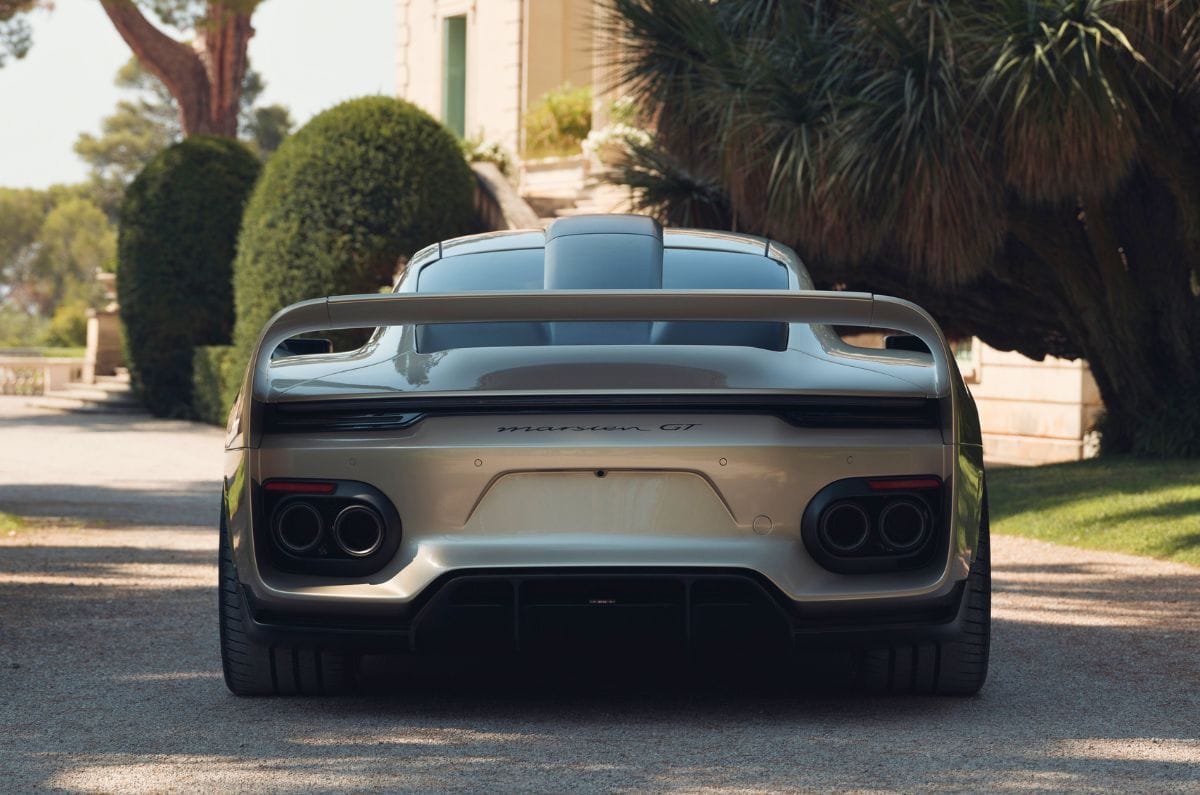
Marsien GT rear

Porsche engine specialist RUF Automobile is key behind the powertrain of the Marsien GT. Uwe Gemballa and RUF Automobile have collaborated to produce powertrains for various vehicles in the 1980s, said Marc Philipp Gemballa GmbH. Compared to the 911 Turbo S, the six-cylinder boxer engine of the Marsien GT features a remapped ECU (engine control unit) and enhanced variable-geometry turbochargers – this results in a claimed output of over 830hp and 930Nm of torque. The 8-speed dual-clutch automatic transmission (DCT) has also been revised to handle the extra power and torque.

The brand is currently working on a second-stage engine upgrade option, which will take the output to over 900hp. Even in its current avatar, the Marsien GT has a claimed top speed of 330kph and a 0-97kph sprint time of 2.4 seconds. That said, the Marsien GT retains the all-wheel-drive (AWD) system of the Porsche 911 Turbo S.
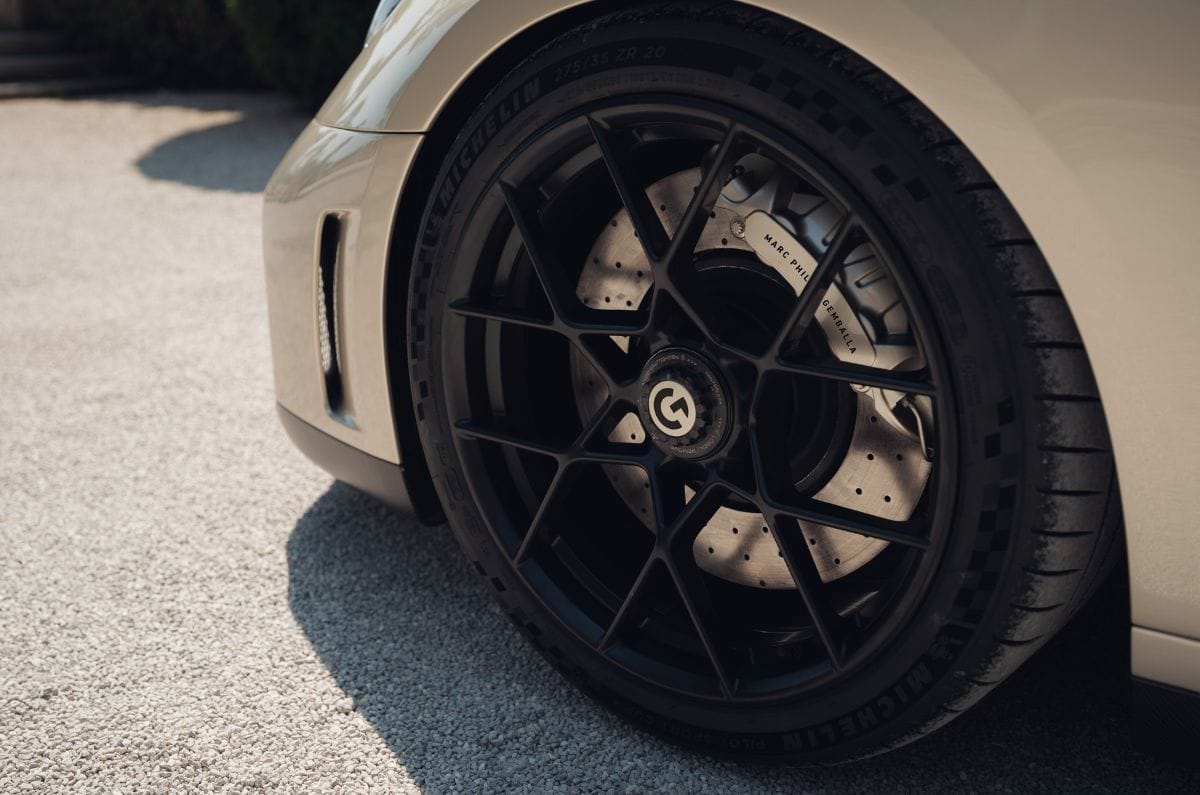
Marsien GT wheels

However, Marc Philipp Gemballa GmbH has partnered with KW Automotive for its car’s suspension needs. It claims that the new double-wishbone front setup has been specifically developed for the Marsien GT, with its electronically controlled dampers capable of adjusting and responding to changing road conditions within just 20 milliseconds. This suspension setup ensures that the Marsien GT offers precise control without sacrificing ride comfort that’s expected of a grand tourer, according to the brand.

Marsien GT price

Marsien GT exterior top-down

The Marc Philipp Gemballa Marsien GT will be making its world premiere during the upcoming 2026 Monterey Car Week at the Pebble Beach Concours d‘Elegance in California, USA. Production will begin in 2027, with first customer deliveries commencing later the same year. The starting price of the Marsien GT will be EUR 770,000, not including the cost of the donor vehicle, i.e., the 992 Porsche 911 Turbo S. For reference, the latter starts at EUR 271,000 in Germany.

Also read
Mahindra BE 6 Sporteq teased with new triple screen setup

What to expect from Mahindra’s 2026 Independence Day event

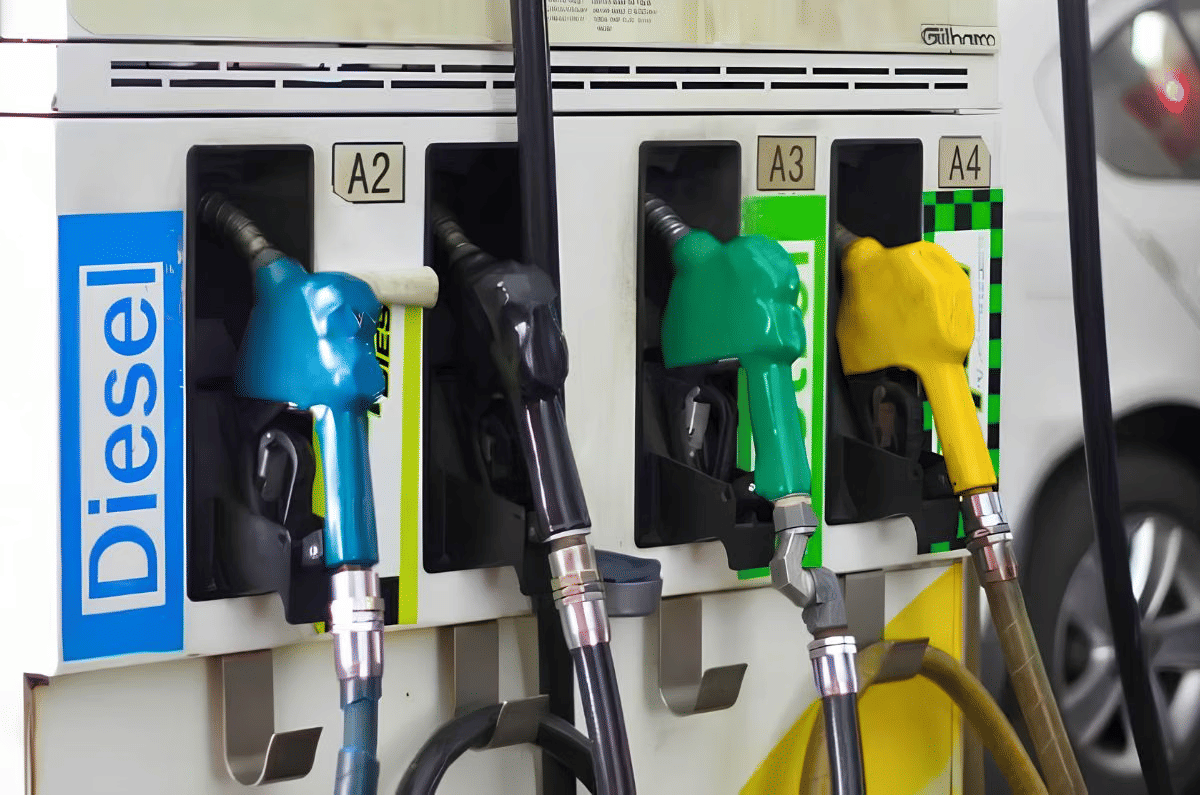
Ethanol-blended diesel ruled out as it fails safety specifications

Ethanol-blended diesel ruled out as it fails safety specifications

The government has ruled out blending ethanol with diesel, as it sharply lowers the fuel’s flash point (the temperature at which its vapours can ignite) and fails to meet the required safety standards. Public-sector oil marketing companies (OMCs) tested ethanol-diesel blends at their research and development centres, in association with accredited laboratories and automobile manufacturers, Minister of State for Petroleum and Natural Gas Suresh Gopi said. 

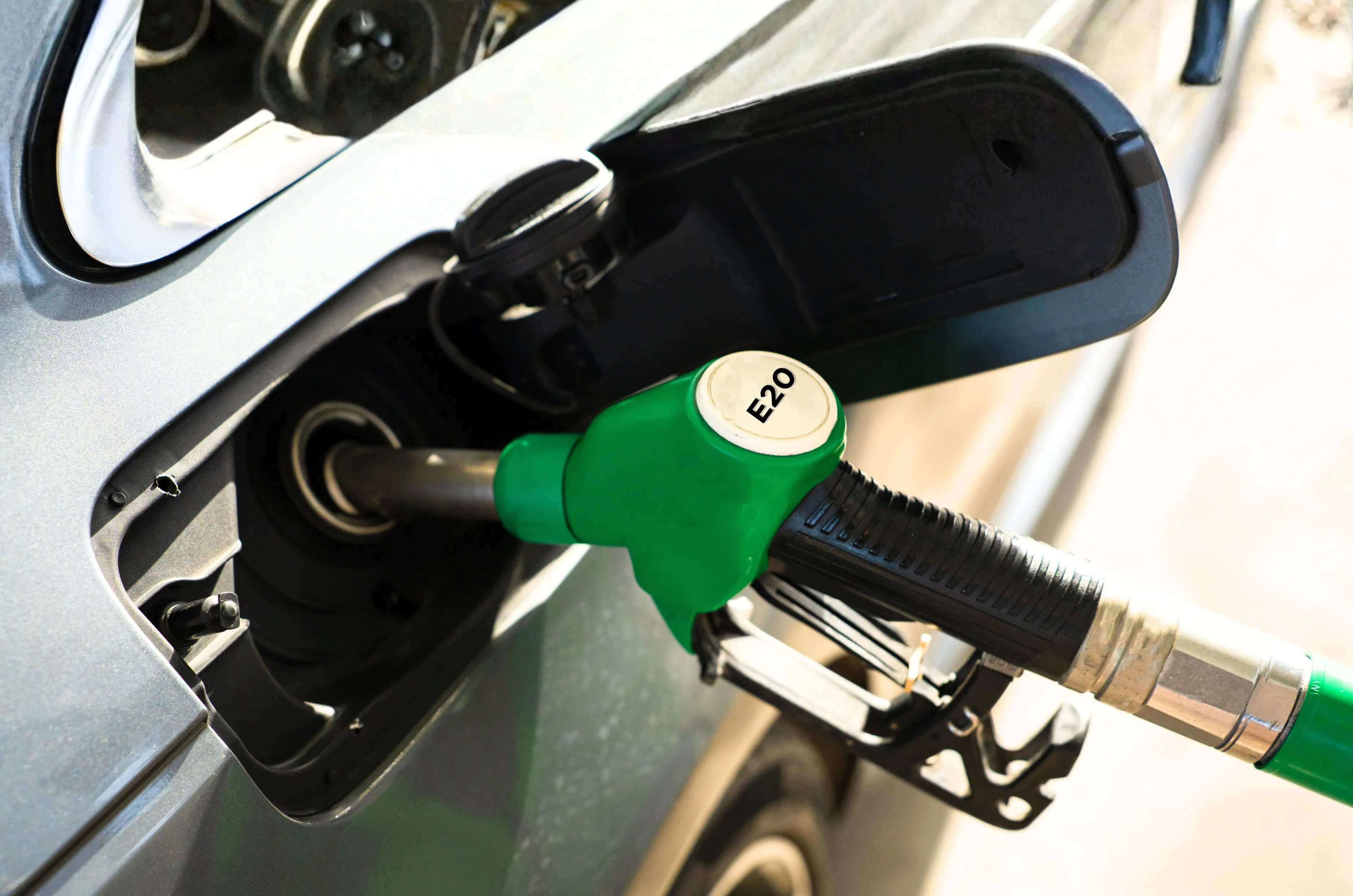
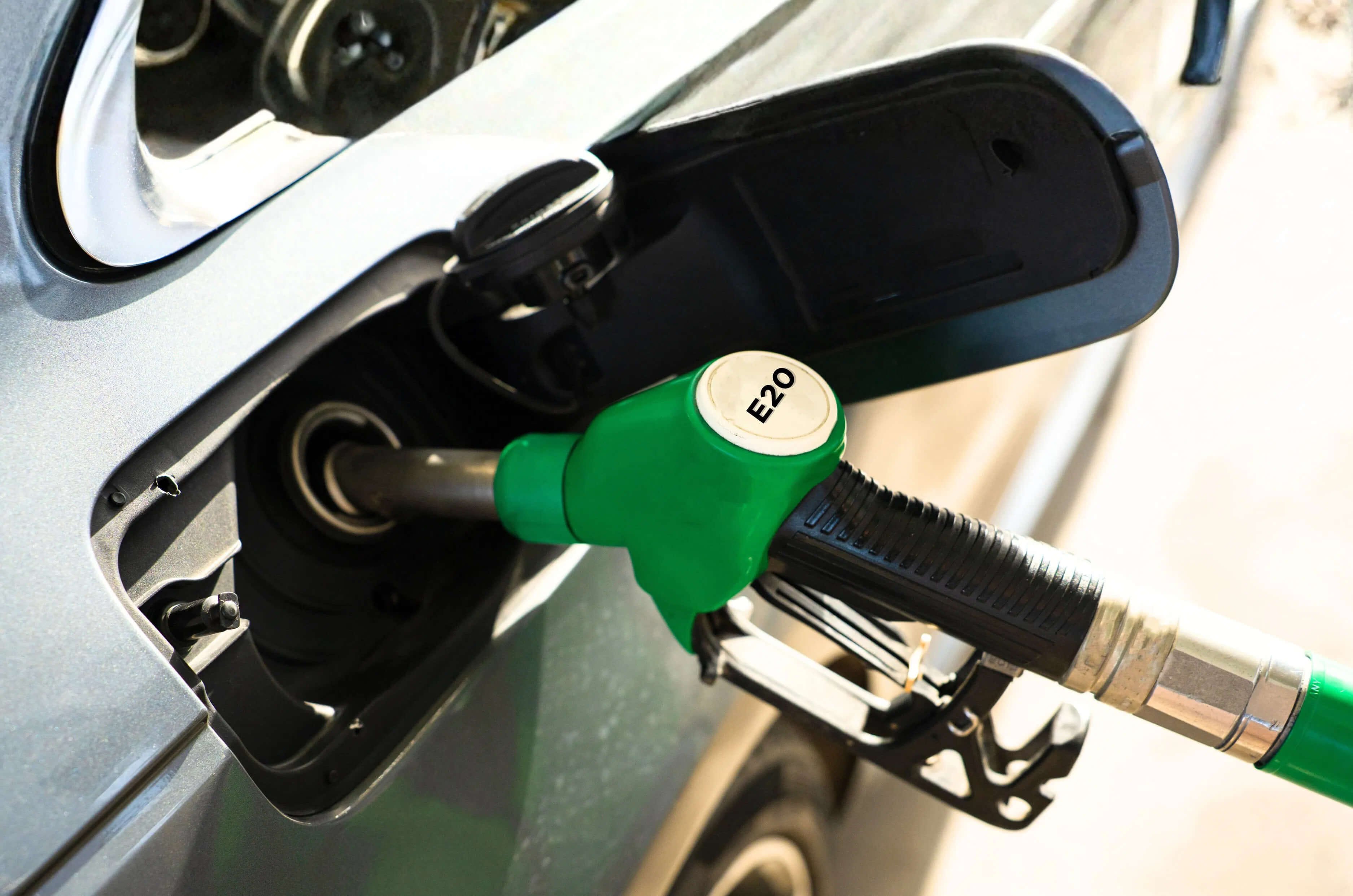
This comes after the government seeks to blend ethanol with other fuels beyond petrol. Currently, E20 and E85 fuels, which contain 20 percent and 85 percent ethanol respectively, are available in the country.

Issues in ethanol-diesel blending

Speaking of flash points, ethanol has a flash point of just 12 to 13deg C, compared with the minimum 35deg C requirement for diesel. This puts the two fuels in different petroleum safety classes, making both their storage and transportation difficult. Even with proprietary binders, OEMs have generally been reluctant to go beyond a 5 percent ethanol blend before combustion issues emerged.

For years, blending ethanol with diesel has been a challenge as the chemistry refuses to cooperate. Ethanol is a two-carbon alcohol with a polar structure, meaning it doesn’t like to mix with the oily consistency of diesel. As a result, ethanol and diesel can separate when stored together unless chemical binders are used. These binders, however, can be expensive.

OMCs reject E20 fuel contamination claims after nationwide testing

Fuel station

State-run oil marketing companies (OMCs) – Indian Oil, Bharat Petroleum (BPCL) and Hindustan Petroleum (HPCL), have rejected recent claims of widespread contamination in E20 petrol, saying a nationwide testing exercise found no evidence to support reports of elevated chloride and moisture levels. The companies said fuel samples collected across the supply chain recorded chloride levels within the prescribed limits, while enhanced checks have also found no signs of water ingress in underground fuel storage tanks.

  1. OMCs say chloride levels remained between 0-3ppm
  2. Testing covered refineries, ethanol plants, depots and retail outlets
  3. Two retail outlets temporarily suspended after isolated findings

This statement comes less than a week after reports citing an internal communication from the Society of Indian Automobile Manufacturers (SIAM) alleged elevated chloride and moisture contamination in E20 petrol, raising concerns over possible damage to fuel system components. SIAM, however, subsequently withdrew the communication, saying media reports had “selectively” quoted excerpts from the document and that some of the figures cited required further authentication through additional data collection and consultation with its member OEMs.

OMCs say testing found no widespread contamination

The oil companies said samples collected from refineries, ethanol distilleries, storage depots, tanker trucks and retail fuel stations recorded chloride levels between 0ppm and 3ppm, well below the several-hundred-ppm figures reported earlier. They added that claims of chloride contamination of up to 500ppm could not be validated.

According to the companies, testing included more than 100 petrol samples from refineries, ethanol supplied by 80 distilleries, more than 80 samples from terminals and over 160 samples from retail outlets, all of which returned chloride readings within the 0-3ppm range. The ethanol testing was carried out jointly by the OMCs and the Centre for High Technology, the petroleum ministry’s technical arm.

Two fuel stations flagged during testing

The OMCs said two retail outlets recorded elevated chloride levels during the exercise. Fuel supplies at both stations were suspended, investigated and restored only after corrective measures were implemented.

Moisture checks expanded across fuel stations

On the issue of moisture contamination, the companies said around 90,000 fuel stations have begun mandatory inspections of underground storage tanks, with checks carried out eight to twelve times a day. According to the OMCs, no water intrusion has been detected so far.

The companies added that mobile fuel testing laboratories have been deployed, with results independently verified by fuel laboratories. Test data is also being published on the Centre for High Technology’s website and will continue to be updated as additional samples are analysed.

Bajaj Pulsar 150 का नया अवतार आया सामने, कलर LCD से ऑयल-कूल्ड इंजन तक मिलेंगे ये अपडेट

नई Bajaj Pulsar 150 लॉन्च से पहले डीलरशिप पर नजर आई है, जिससे इस मोटरसाइकिल के अपडेटेड प्लेटफॉर्म और इक्विपमेंट की अब तक की सबसे साफ झलक मिली है। माना जा रहा है कि आने वाला यह मॉडल Bajaj Auto की बड़ी Pulsar प्रोडक्ट रेंज का हिस्सा है। जिसमें अपडेटेड Pulsar N160 और हाल ही में देखी गई अगली पीढ़ी की Pulsar 125 शामिल हैं।

नया फ्रेम और सस्पेंशन

नई Pulsar 150 को पूरी तरह से अपडेटेड प्लेटफॉर्म पर तैयार किया गया है। इसमें सिंगल-डाउनट्यूब फ्रेम का इस्तेमाल किया गया है, जिसने पुराने आर्किटेक्चर की जगह ली है, जो कई सालों से Classic Pulsar रेंज का आधार रहा है।

एक और अहम बदलाव इसके पिछले हिस्से में हुआ है, जहां पुराने मॉडल में इस्तेमाल होने वाले ट्विन शॉक एब्जॉर्बर की जगह प्रीलोड-एडजस्टेबल मोनोशॉक दिया गया है। वहीं, सामने की तरफ टेलिस्कोपिक फोर्क पहले की तरह जारी रहने की उम्मीद है। यह सेटअप हाल ही सामने आई नई Pulsar 125 में किए गए बदलावों जैसा ही है और इससे 150 को ज्यादा मॉडर्न चेसिस लेआउट मिलने की उम्मीद है।

इंजन

इंजन की बात करें तो, सबसे बड़ा मैकेनिकल बदलाव इंजन में देखने को मिल सकता है। जहां मौजूदा Pulsar 150 में एयर-कूल्ड मोटर का इस्तेमाल होता है, वहीं नई बाइक में एयर- और ऑयल-कूल्ड यूनिट मिलेगी। इसके अलावा, अतिरिक्त कूलिंग सिस्टम से थर्मल मैनेजमेंट बेहतर हो सकता है और बजाज को इंजन की ट्यूनिंग में ज्यादा फ्लेक्सिबिलिटी मिल सकती है, हालांकि अभी तक आधिकारिक आउटपुट के आंकड़े सामने नहीं आए हैं।

जानकारी के लिए बता दें कि मौजूदा Pulsar 150 में 149.5cc का सिंगल-सिलेंडर इंजन है जो 14hp की पावर और लगभग 13.3Nm का टॉर्क देता है। उम्मीद है कि नए मॉडल में भी इंजन का साइज (डिस्प्लेसमेंट) वैसा ही रहेगा, लेकिन इसके परफॉर्मेंस के फाइनल आंकड़े और गियरबॉक्स की जानकारी लॉन्च के समय ही कन्फर्म होगी।

अपडेटेड डिजाइन और फीचर्स

डिजाइन देखें तो, नई Pulsar 150 का ओवरऑल डिजाइन पहले जैसा ही है। हालांकि, कई डिटेल्स में बदलाव किए गए हैं। इसमें नए डिजाइन वाला हेडलाइट काउल, एक्सटेंशन के साथ मस्कुलर फ्यूल टैंक और सिग्नेचर ट्विन LED टेल-लैंप्स के साथ स्लिमर टेल सेक्शन दिया गया है।

इस मोटरसाइकिल में कलर LCD इंस्ट्रूमेंट क्लस्टर भी है, जो पुराने वर्जन के सिंपल डिस्प्ले के मुकाबले एक काम का अपग्रेड है। इसमें अलॉय व्हील्स और फ्रंट डिस्क ब्रेक जैसे दूसरे फीचर्स भी दिखते हैं, जबकि इसकी ओवरऑल स्टाइलिंग पूरी तरह से नई दिशा में जाने के बजाय Pulsar जैसी ही लगती है।

मुकाबला

लॉन्च होने के बाद, नई Bajaj Pulsar 150 का मुकाबला TVS Apache RTR 160, Honda CB150 Hornet और रोजाना के इस्तेमाल और अच्छी परफॉर्मेंस वाली दूसरी बाइक्स से होगा। साथ ही, इसकी कीमत मौजूदा मॉडल से ज्यादा हो सकती है। हालांकि, Bajaj ने अभी तक कोई कीमत नहीं बताई है।

नई Bajaj Pulsar N160 S ₹1.34 लाख में लॉन्च, साथ में आया फीचर्स से भरपूर SS वेरिएंट, जानें अंतर

अगर आप नई बाइक खरीदने की प्लानिंग कर रह हैं, जो बेहतरीन माइलेज दे और दिखने में स्टाइलिश भी हो तो यह खबर आपके लिए फायदेमंद साबित हो सकती है। दरअसल, Bajaj Auto ने Pulsar N160 S को ₹1.34 लाख में लॉन्च किया है। इसके साथ ही इससे भी अधिक फीचर्स वाली N160 SS को भी 1.43 लाख रुपये में पेश किया है। बता दें कि दोनों ही मॉडल एक बिल्कुल नए 165cc इंजन पर आधारित हैं, जो मौजूदा N160 के एयर-कूल्ड इंजन की जगह लेता है। हालांकि, 160cc सेगमेंट के खरीदारों के लिए यह एक अहम बदलाव है, क्योंकि यह सिर्फ स्पेसिफिकेशन में मामूली सुधार नहीं है।

नया इंजन, राइड मोड्स और ट्रैक्शन कंट्रोल जैसे फीचर्स को उस कीमत पर लाता है जिस पर आमतौर पर ये फीचर्स नहीं मिलते। मौजूदा N160 इन दोनों मॉडलों के साथ उपलब्ध है, इसलिए खरीदारों के पास अब चुनने के लिए तीन अलग-अलग ट्रिम्स हैं। आइए जानते हैं इनमें क्या अंतर है।

इंजन में क्या बदलाव हुए?

नई Pulsar N160 S और N160 SS में सबसे बड़ा बदलाव इसके इंजन में किया गया है। बाइक में अब 4-वॉल्व वाला नया 165cc इंजन दिया गया है, जो 9,500rpm पर 18.24 hp की पावर और 8,000rpm पर 14.4 Nm का टॉर्क जनरेट करता है। जबकि, इसकी तुलना में पुराने N160 में 2-वॉल्व इंजन मिलता था, जो 8,750rpm पर 15.78 hp की पावर और 6,750rpm पर 14.65 Nm का टॉर्क देता था। यानी नया इंजन ज्यादा पावर और हाई-रेव पर बेहतर परफॉर्मेंस देने के लिए तैयार किया गया है, जबकि लो-एंड टॉर्क में थोड़ा बदलाव देखने को मिलता है।

इसके अलावा, इंजन की कूलिंग सिस्टम को भी अपग्रेड किया गया है। पुराने एयर-कूल्ड सिस्टम की जगह अब ऑयल-कूल्ड सिस्टम दिया गया है। वहीं, थ्रॉटल कंट्रोल को मैकेनिकल से बदलकर इलेक्ट्रॉनिक थ्रॉटल-बाय-वायर (ETB) कर दिया गया है। यही नया सिस्टम बाइक में राइडिंग मोड्स, ट्रैक्शन कंट्रोल और क्रॉल फंक्शन जैसे फीचर्स को संभव बनाता है।

कंपनी का दावा है कि नई Pulsar N160 0-60 kmph की रफ्तार 4.5 सेकंड में पकड़ लेता है और बजाज का कहना है कि यह इस सेगमेंट का सबसे तेज और सबसे पावरफुल इंजन है। हालांकि, इस दावे की असली तस्वीर स्वतंत्र रिव्यू और टेस्ट के बाद ही साफ होगी।

S और SS में क्या अंतर है?

दोनों Pulsar मॉडलों में चार राइड मोड मिलते हैं – रेन, स्पोर्ट, रोड और ऑफ-रोड। साथ ही, इनमें क्रॉल टेक्नोलॉजी भी है, जिससे कम स्पीड पर बिना लगातार क्लच या गियर बदले राइडिंग की जा सकती है। हालांकि, ट्रैक्शन कंट्रोल सिर्फ N160 SS में ही उपलब्ध है। SS में 5 इंच का TFT डिस्प्ले मिलता है, जिसमें गूगल मैप्स मिररिंग की सुविधा है, जबकि S में LCD कंसोल और टर्न-बाय-टर्न नेविगेशन दिया गया है।

डिजाइन और आराम के लिहाज से भी दोनों बाइक्स में अंतर है। N160 SS में कलरफुल अलॉय व्हील्स, नया हैंडलबार और बदली हुई सीट हाइट दी गई है, जिससे राइडिंग पोजिशन ज्यादा आरामदायक हो जाती है। ये बदलाव बेस मॉडल N160 S में नहीं मिलते हैं।

बता दें कि दोनों ही मॉडल तीन कलर ऑप्शन Atlantic Blue, Pearl Metallic White और Brooklyn Black में उपलब्ध हैं।

क्या बाकी सब कुछ पहले जैसा ही रहेगा?

चेसिस के डायमेंशन मौजूदा Pulsar N160 जैसे ही रखे गए हैं। इसका व्हीलबेस 1,348mm, ग्राउंड क्लीयरेंस 165mm और कर्ब वेट 151kg ही है। यानी इंजन बदलने के बावजूद बाइक की राइडिंग पोजिशन और हैंडलिंग में बहुत बड़ा बदलाव देखने को नहीं मिलेगा। इसके अलावा, पूरी Pulsar N160 रेंज में 14 लीटर का फ्यूल टैंक पहले की तरह ही दिया गया है।

यह भी पढ़ें: भारत में लॉन्च हुई 2026 Mahindra Scorpio-N, मिलेगा 540° कैमरा, बड़ी स्क्रीन और प्रीमियम फीचर्स, जानें कितनी है कीमत

SIAM withdraws E20 fuel contamination communication

E20

The Society of Indian Automobile Manufacturers (SIAM) has withdrawn its earlier communication to the Ministry of Petroleum and Natural Gas regarding E20 fuel contamination, stating that media reports had selectively quoted excerpts from the document and that some of the figures cited require further verification.

  1. Earlier communication withdrawn pending further verification
  2. SIAM reiterates support for the government’s E20 programme
  3. Petroleum Ministry says enhanced fuel quality checks are in place

The clarification follows media reports that cited portions of the communication relating to chloride and moisture contamination in E20 petrol and an increase in the replacement of certain vehicle components.

SIAM says figures require further verification

In a statement issued on Tuesday night, SIAM said, “SIAM has taken note of certain media reports that have cited excerpts from a SIAM communication, with specific and selective focus on chloride and sulphur content in fuel. SIAM wishes to clarify the matter and place it in its correct context for the benefit of the public and all stakeholders.”

It added that the communication formed part of routine technical discussions between industry bodies, automobile manufacturers, oil marketing companies (OMCs) and testing agencies.

“Some numbers quoted in the communication needs authentication through collection of elaborate data from various regions across the country followed by a comprehensive consultation with our member OEMs,” SIAM said.

The industry body added, “The referred numbers reported in the media need authentication and therefore SIAM is withdrawing its earlier communication.”

A news report published by a leading business channel on Tuesday, which has since been removed, had cited excerpts from the communication, claiming SIAM had flagged a rise in the replacement of fuel injectors, fuel pumps and other components, while also highlighting chloride contamination of up to 500mg/kg in some fuel samples.

Industry body reaffirms support for E20 rollout

SIAM said the Ministry of Petroleum and Natural Gas has already introduced a 3ppm guideline for chloride and sulphur in ethanol blended into petrol, while OMCs have strengthened quality checks across the fuel supply chain. According to the industry body, “all of these steps fully meet the needs of the automobile industry.” 

The industry body also reiterated its support for the nationwide rollout of E20 petrol, stating that there is “no cause for concern” for consumers and that such technical issues have routinely been addressed between automakers and OMCs.

Government reiterates fuel quality monitoring

Earlier on Tuesday, the Petroleum Ministry said fuel quality is monitored regularly by state-run OMCs and highlighted enhanced testing protocols following reports related to SIAM’s communication on E20 fuel quality.

E20 fuel contamination linked to rise in engine issue

E20

High chloride and moisture contamination in E20 petrol has emerged as a growing concern for the automotive industry, with vehicle manufacturers reporting a rise in failures of fuel system and exhaust-related components. Following discussions with automobile manufacturers and oil marketing companies (OMCs), the Centre has directed OMCs to strengthen fuel quality monitoring at retail outlets, while the industry has called for tighter fuel quality standards.

  1. High chloride and moisture levels found in E20 fuel samples
  2. Ageing fuel infrastructure identified as a likely source
  3. Industry calls for mandatory chloride limits in BIS standards

Contamination linked to rise in component failures

According to industry findings shared with the Ministry of Petroleum and Natural Gas, automakers have reported a significant increase in the replacement of fuel injectors, fuel pumps and other parts that come into direct contact with fuel. Field investigations have identified corrosion and wear caused by excessive chloride contamination as a key contributing factor.

Industry assessments indicate that chloride contamination, when combined with moisture, can form an acidic mixture that corrodes precision components such as fuel injectors, potentially leading to both immediate and long-term damage. 

Fuel samples collected from vehicle tanks have recorded chloride contamination levels of up to 500mg/kg, while samples collected from retail outlets have shown levels of up to 350mg/kg. Separate industry assessments have reported chloride levels of up to 300ppm at some fuel outlets, against a recommended limit of under 10ppm.

Moisture contamination adds to the problem

Industry assessments have also reported excessive moisture contamination in E20 petrol. Some samples recorded water content exceeding 10,000mg/kg, while separate investigations found levels of around 7,000mg/kg, against the permissible limit of 3,000mg/kg. Excess moisture can lead to phase separation, where the ethanol-water mixture settles at the bottom of the fuel tank and may be drawn into the engine during operation.

Chlorides and moisture enter the vehicle’s fuel tank via contaminated water and an unclean supply chain, made worse by ethanol’s hygroscopic nature. Industry assessments point to ageing storage tanks, pipelines, fuel tankers and other fuel handling infrastructure as likely sources of contamination.

Some petrol pump operators have also raised concerns that ageing underground storage tanks, particularly during the monsoon or in coastal regions, could be more susceptible to moisture ingress, increasing the risk of phase separation in ethanol-blended fuel. The contamination issue is cropping up in certain pockets of the country, especially in the north. 

The latest developments come weeks after Mercedes-Benz India also raised concerns over fuel contamination and urged tighter fuel quality checks after reporting contamination-related damage to vehicle components in some cases.

Industry seeks tighter fuel quality standards

According to report from CNBC TV18, the Society of Indian Automobile Manufacturers (SIAM) has urged the government to introduce mandatory chloride limits in BIS fuel specifications. It has proposed a chloride limit of less than 1mg/kg for commercial E20 and E85 fuels, and less than 3mg/kg for anhydrous ethanol used for blending. SIAM said it has been raising the issue with BIS for more than two years, but the proposal has not yet been implemented.

SIAM has also recommended regular audits of older fuel stations, stricter quality checks across the retail fuel network and mandatory chloride limits for diesel, where the parameter currently remains optional. The Centre has since asked OMCs to strengthen on-ground fuel quality monitoring while the root causes of contamination are investigated.

With inputs from Hormazd Sorabjee

Source: CNBC TV18, SIAM, OMCs and auto manufacturers.

Ather का पहला मास-मार्केट इलेक्ट्रिक स्कूटर इस दिन होगा लॉन्च, जानें कीमत

Ather Energy: अगर आप किफायती कीमत में इलेक्ट्रिक स्कूटर खरीदने का प्लान बना रहे हैं, तो आपके लिए अच्छी खबर है। दरअसल, इलेक्ट्रिक टू-व्हीलर बनाने वाली कंपनी Ather Energy 29 अगस्त को ‘Ather Community Day 2026’ पर अपना पहला मास-मार्केट इलेक्ट्रिक स्कूटर लॉन्च करने जा रही है। खास बात यह है कि यह नया मॉडल कंपनी के नए EL प्लेटफॉर्म पर आधारित होगा। इस नए मॉडल के आने से Ather की इलेक्ट्रिक स्कूटर रेंज और मजबूत होगी। अभी कंपनी के पोर्टफोलियो में 450 और Rizta सीरीज के इलेक्ट्रिक स्कूटर शामिल हैं।

आने वाला यह नया इलेक्ट्रिक स्कूटर ₹1 लाख से ₹1.25 लाख की कीमत वाले सेगमेंट को टारगेट करेगा, जिससे कंपनी मास-मार्केट स्कूटर के क्षेत्र में अपना विस्तार करेगी।

बता दें कि EL प्लेटफॉर्म, 450 प्लेटफॉर्म के बाद एथर एनर्जी का पहला पूरी तरह से नया व्हीकल आर्किटेक्चर है। ज्यादा वर्सटैलिटी, स्केलेबिलिटी और मैन्युफैक्चरिंग क्षमता के लिए बनाया गया यह प्लेटफॉर्म, अलग-अलग सेगमेंट में कंपनी के भविष्य के प्रोडक्ट पोर्टफोलियो को सपोर्ट करेगा। एथर एनर्जी के अनुसार, नया प्लेटफॉर्म इसके मार्केट को बढ़ाने और ग्रोथ के अगले चरण की शुरुआत करने में मदद करेगा।

एथर एनर्जी के CEO ने सोशल मीडिया पर  क्या कहा?

X पर लॉन्च की घोषणा करते हुए, एथर एनर्जी के CEO और को-फाउंडर तरुण मेहता ने कहा कि नया एथर इलेक्ट्रिक स्कूटर टेक्नोलॉजी और व्हीकल आर्किटेक्चर में सालों के निवेश का नतीजा है।

मेहता ने कहा, “इस 29 अगस्त को, Ather Community Day पर, हम अपने बिल्कुल नए स्कूटर प्लेटफॉर्म पर बना मास-मार्केट स्कूटर लॉन्च करेंगे।”

उन्होंने आगे कहा, “हम सालों से उन चीजों को बनाने में धैर्यपूर्वक निवेश कर रहे हैं जो एक अच्छा स्कूटर बनाती हैं। हमने कई आर्किटेक्चर और टेक्नोलॉजी में नई शुरुआत की है। कभी-कभी समय से आगे, तो कभी-कभी शुरुआती इस्तेमाल करने वालों के लिए खास चीज के तौर पर।”

मेहता ने कहा कि भारत में इलेक्ट्रिक स्कूटर इंडस्ट्री अब शुरुआती ग्राहकों से आगे बढ़कर आम खरीदारों तक पहुंचने के लिए तैयार है।

उन्होंने कहा, “एक दशक बीतने के बाद, EV टू-व्हीलर अब उस शुरुआती दौर से आगे बढ़ने के लिए तैयार हैं। टेक्नोलॉजी सबके लिए तैयार है और फीचर्स सभी के लिए काम के होते जा रहे हैं। ये सिर्फ शुरुआती ग्राहकों के लिए नहीं, बल्कि असल में आम ग्राहकों के लिए हैं।”

मेहता के मुताबिक, इलेक्ट्रिक स्कूटर को अपनाने का अगला चरण इस बात पर निर्भर करेगा कि गाड़ी की ओनरशिप (मालिकाना हक) के पूरे अनुभव को कैसे बेहतर बनाया जाए।

उन्होंने कहा, अब EV को ग्राहकों की हर जरूरत को पूरा करना होगा। इसमें रीसेल वैल्यू (बिक्री के बाद मिलने वाली कीमत) से लेकर सर्विस में लगने वाला समय, खराब सड़कों पर आरामदायक सफर, गड्ढों से बचने की सुविधा, आसान चार्जिंग से लेकर फास्ट चार्जिंग तक की सभी चीजें शामिल हैं।

उन्होंने कहा, “ग्राहकों को ऐसी सुरक्षा चाहिए जिसे वे देख और महसूस कर सकें, जिसे उनके माता-पिता भी समझ सकें और भरोसा कर सकें। इसके साथ ही सॉफ्टवेयर पर सालों की मेहनत से तैयार की गई अंदरूनी सुरक्षा भी जरूरी है।”

मास-मार्केट स्कूटर लॉन्च करने के अलावा, Ather Community Day 2026 में टेक्नोलॉजी, चार्जिंग और ओनरशिप इकोसिस्टम से जुड़े नए इनोवेशन भी दिखाए जाएंगे।

जानकारी के मुताबिक, EL प्लेटफॉर्म को सबसे पहले Ather Community Day 2025 के दौरान दिखाया गया था। इस इवेंट में कंपनी ने ‘रिडक्स’ (Redux) कॉन्सेप्ट व्हीकल, अपनी अगली पीढ़ी की फास्ट-चार्जिंग टेक्नोलॉजी और AtherStack 7.0 को भी पेश किया था।

यह भी पढ़ें: Xiaomi ने लॉन्च की 7-सीटर इलेक्ट्रिक SUV, Kunlun आर्किटेक्चर पर बनी SkyNomad देगी 505Km तक की रेंज

Government has no data on India’s E20-compatible vehicle fleet

E20

The central government has acknowledged that it has not formally assessed how many vehicles in India are compatible with E20 petrol, despite mandating E20 fuel nationwide and continuing to prepare for higher ethanol blends. The government, however, said laboratory studies and field trials have established the fuel’s safety under prescribed standards.

In a written reply in the Rajya Sabha, Minister of State for Petroleum and Natural Gas Suresh Gopi said the Ministry of Heavy Industries had not assessed the percentage of vehicles in the country that are compatible with E20 fuel.

  1. Government cites laboratory and field trials to support E20 rollout
  2. Mileage drop for E10-calibrated vehicles pegged at 3-5 percent
  3. No verified evidence of widespread E20-related engine failures, says Centre

However, the government’s latest response also raises questions over the rollout timeline. While the Centre formally announced nationwide availability of E20 petrol in mid 2025—five years ahead of its original 2030 target—it now says E19-E20 blends have been in widespread use for more than two-and-a-half years, while E15 and higher ethanol blends have been in active distribution for over three-and-a-half years, covering more than 20 crore two-wheelers and 3 crore petrol passenger vehicles. The response does not explain this apparent discrepancy.

Government reiterates mileage and reliability claims

Addressing concerns around fuel economy, the government said vehicles originally calibrated for E10 petrol could see a 3-5 percent reduction in mileage when running on E20, although actual fuel efficiency depends on driving conditions, driving style and vehicle maintenance.

The government also reiterated that there is no verified evidence of widespread engine failures or vehicle breakdowns linked to ethanol blending. 

Government cites laboratory and field testing

According to the government, the Ethanol Blended Petrol (EBP) programme was implemented through a phased process involving NITI Aayog, oil marketing companies, automobile manufacturers, the Automotive Research Association of India (ARAI), the Society of Indian Automobile Manufacturers (SIAM) and the Indian Institute of Petroleum (IIP).

The government said testing covered engine durability, drivability, startability, corrosion resistance, material compatibility, emissions and fuel efficiency. Based on these studies, it said legacy vehicles do not show any significant change in performance or abnormal component wear when operated on E20 petrol.

Government preparing for higher ethanol blends

The government said India’s ethanol production capacity has been planned to meet current E20 requirements while also supporting future petrol demand, higher ethanol blends, flex-fuel vehicles and other biofuel applications, subject to future government approvals. It added that ethanol production continues to follow a diversified feedstock strategy, with only surplus foodgrains being diverted after meeting food security and public distribution requirements.

Opinion: Why product planning may become auto industry’s most coveted function

Opinion: Why product planning may become auto industry's most coveted function

Here’s a prediction – Product Planning will be the most coveted function in the Indian automobile industry, to navigate it towards true sustainable and accessible mobility over the next decade. Given the regulatory pressures, changing consumer behaviour and ever-fluid geopolitics, the year 2026 will be a crucial one.

Tightening CAFE norms, new safety mandates, end-of-life rules, powertrain fragmentation with varying levels of incentives, platform strategies, ROI anxieties and shareholder pressures are the various balls a product planner has to juggle on an everyday basis.

The complexities are enormous. The pressures are immense, right from supplier ecosystem stress and tech-stack capabilities to localisation targets, increasing price sensitivity and network anxieties. 

Now add the layer of multiple consumer generations coe₹xisting in the form of millennials, gen Z, gen α and gen β with opposing views on personal mobility, and you are in a function that very few will want. This is almost like being the editor of a Truffaut film – you need to edit, but are grappling with what to leave out. 

The product planner has been behind the backdrop for all these years. While marketers, designers, engineers and salespersons have been valorised, the product planners have preferred walking in the shadows. The media, barring a rare few, have overlooked them. This is possibly because the function is not too glamorous. For them, there are no launch events, no design conclaves, no sales conferences and no engineering hackathons. This tribe basically leads a typically ‘boring’ life in the marketplaces and on the shopfloors, studying multiple tracks, balancing various power centres and taking crucial decisions that affect the lives of the more glamorous and valorised. 

They operate in the classic chaos theory ecosystem, trying to create deterministic laws through interdisciplinary teamwork from the myriad dynamic stimuli arising out of culture codes and geopolitics. If the culture codes are evolutionary in nature and the geopolitics rest on collaborative trade and peace, life is easy for them. But not right now. The generational culture codes are in conflict. Geopolitics are in a state of flux. Stability and order are definitely not to be seen today and even in the next four to five years. The political actions of today will have far-reaching ripple effects. And the product planner is expected to provide working solutions and sustainable success. 

Will the SUV-isation trend remain? Will rising costs make entry-level vehicles out of reach? Will gen β want to buy a personal vehicle at all?    

Highly complex questions that many CEOs would stay away from answering. Yet, it is the product planner who will stick his/her neck out and not just hazard an answer but also provide a solution. Time to recognise this unsung hero as the pivot of the automobile industry.