Bajaj Pulsar 150 vs TVS Apache RTR 160: Prices and specifications compared

Bajaj Pulsar 150 vs TVS Apache RTR 160: Prices and specifications compared
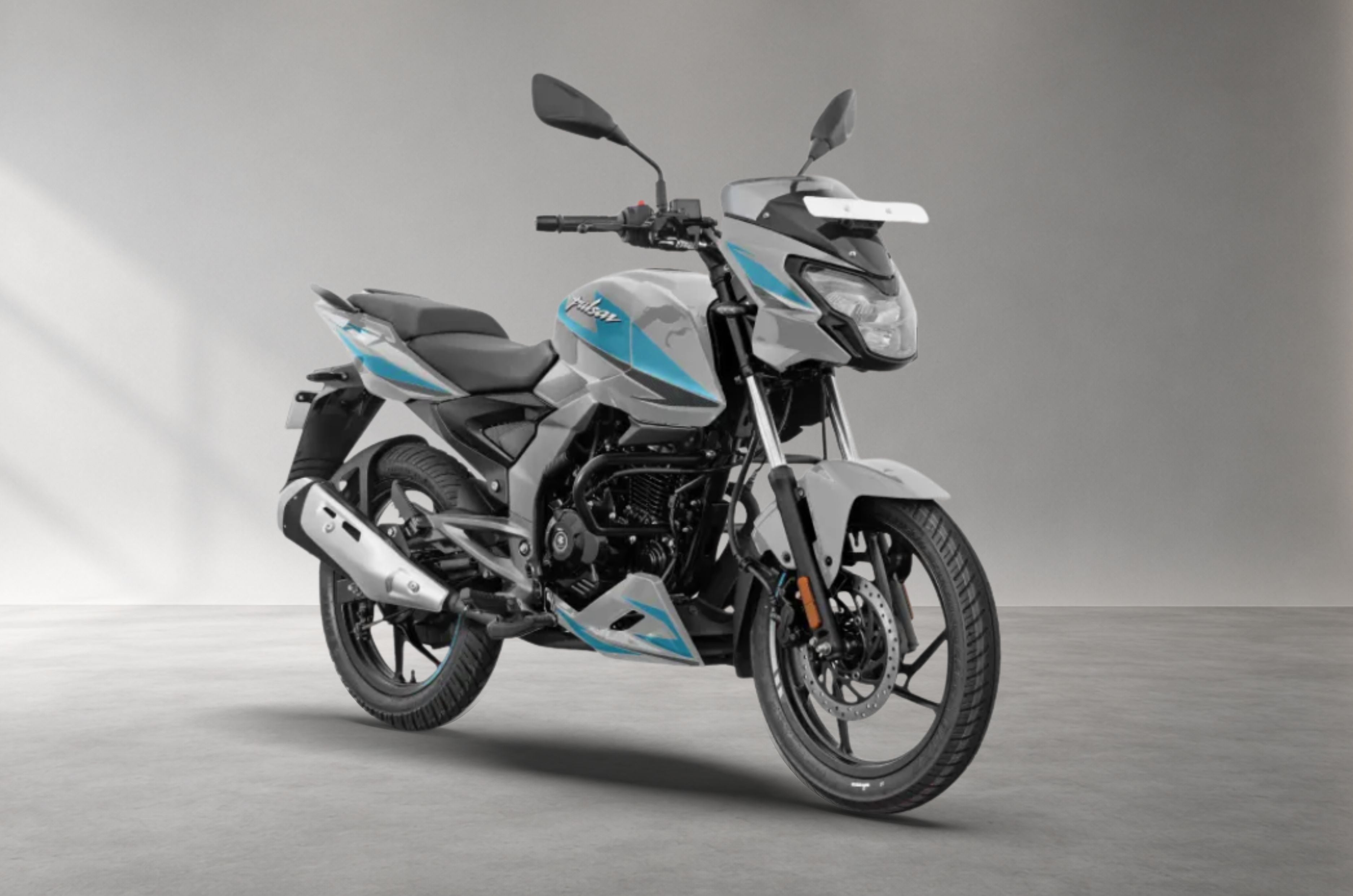
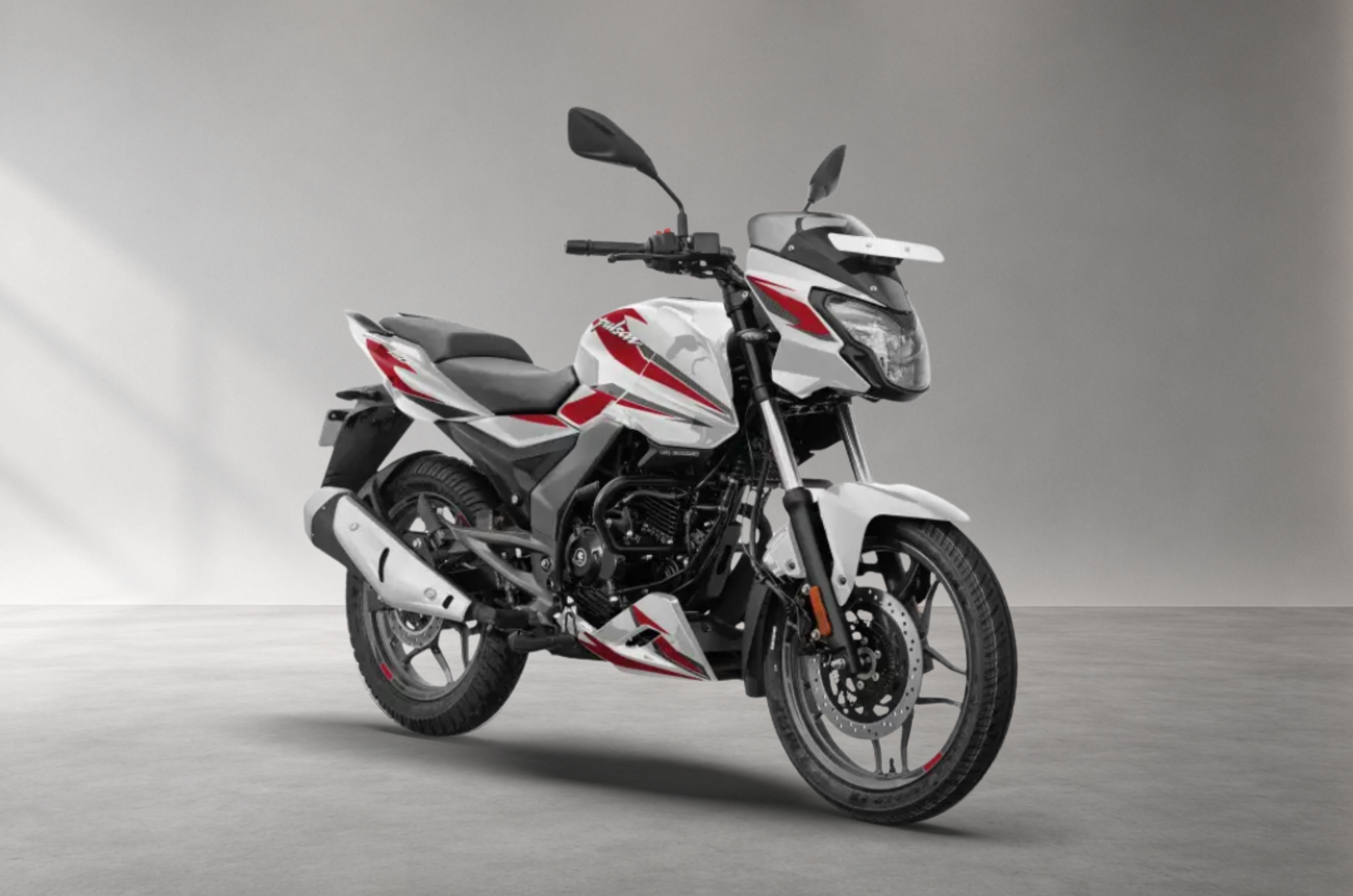
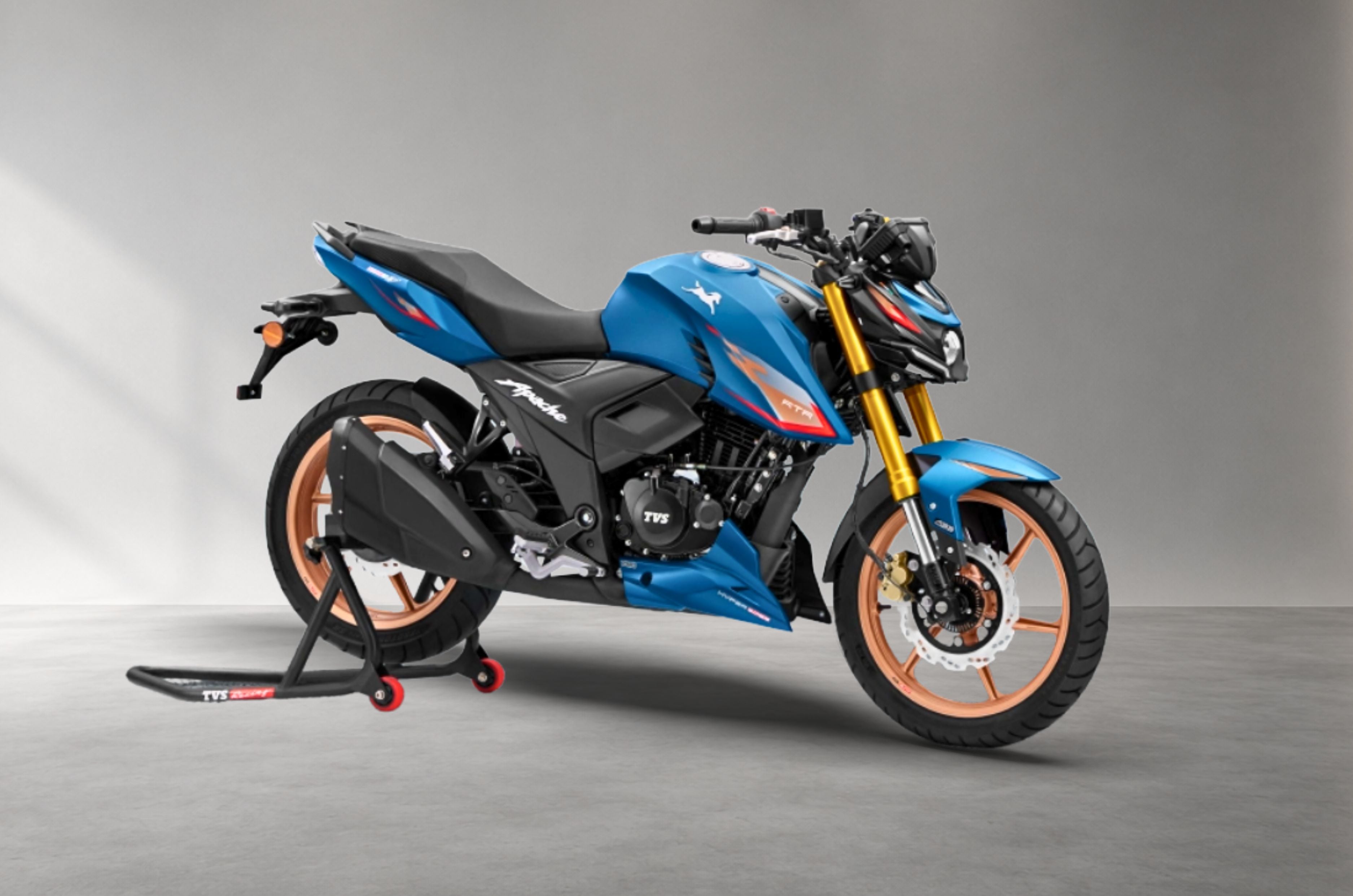
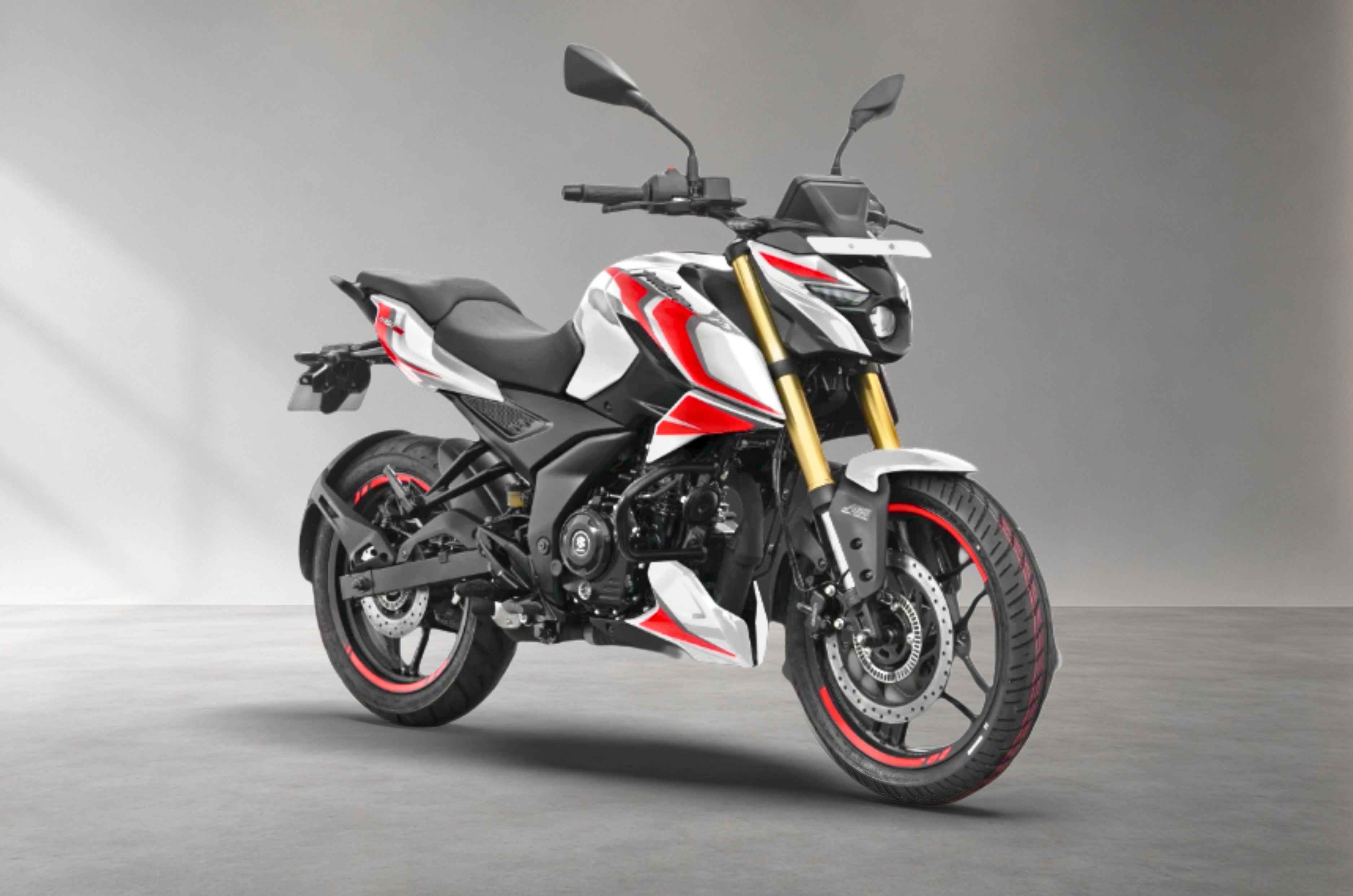
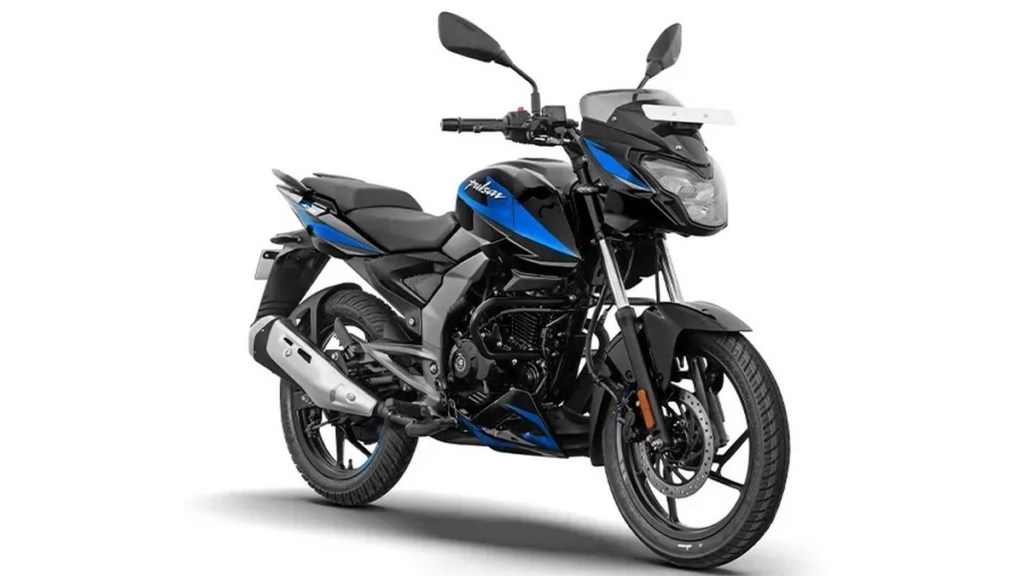
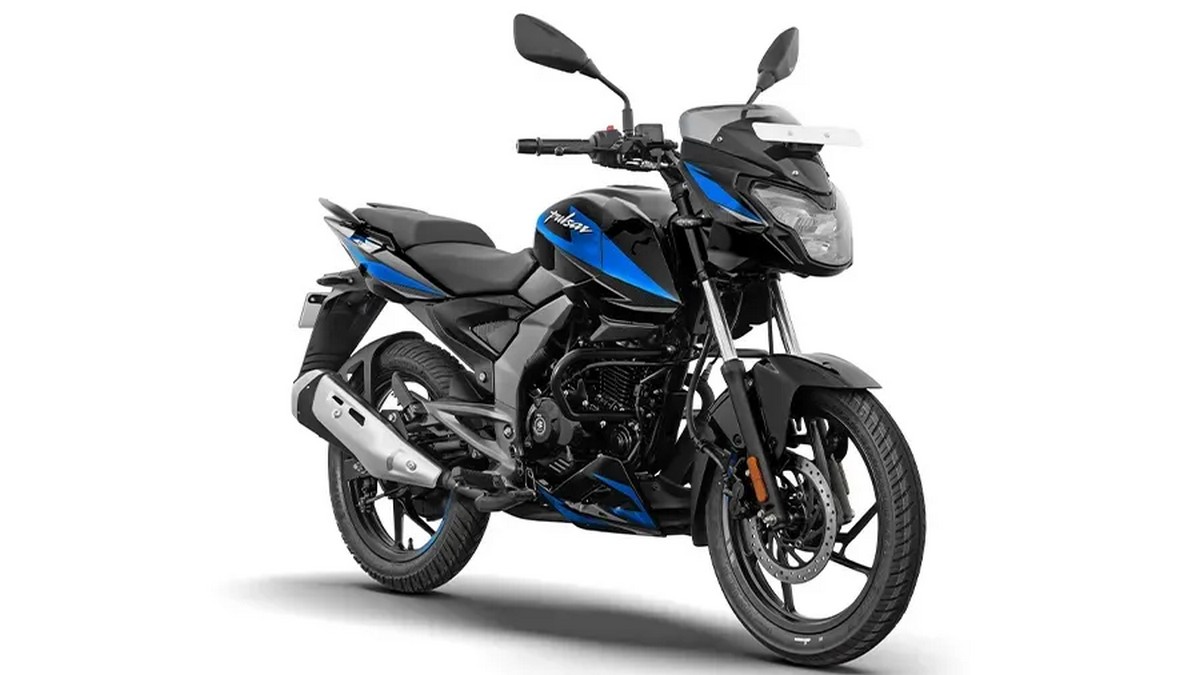
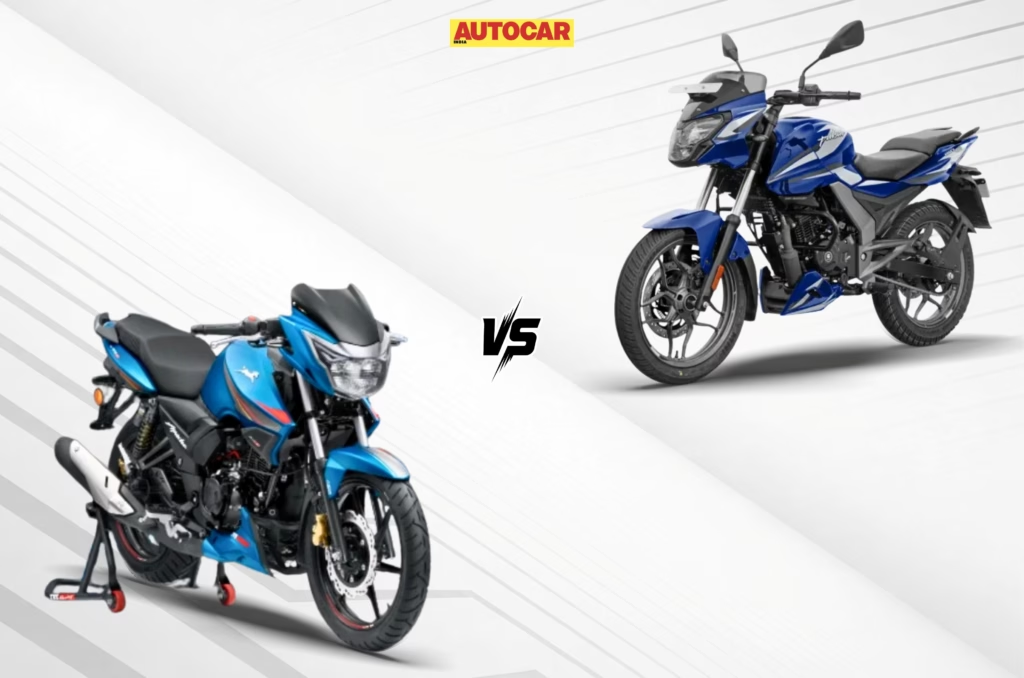
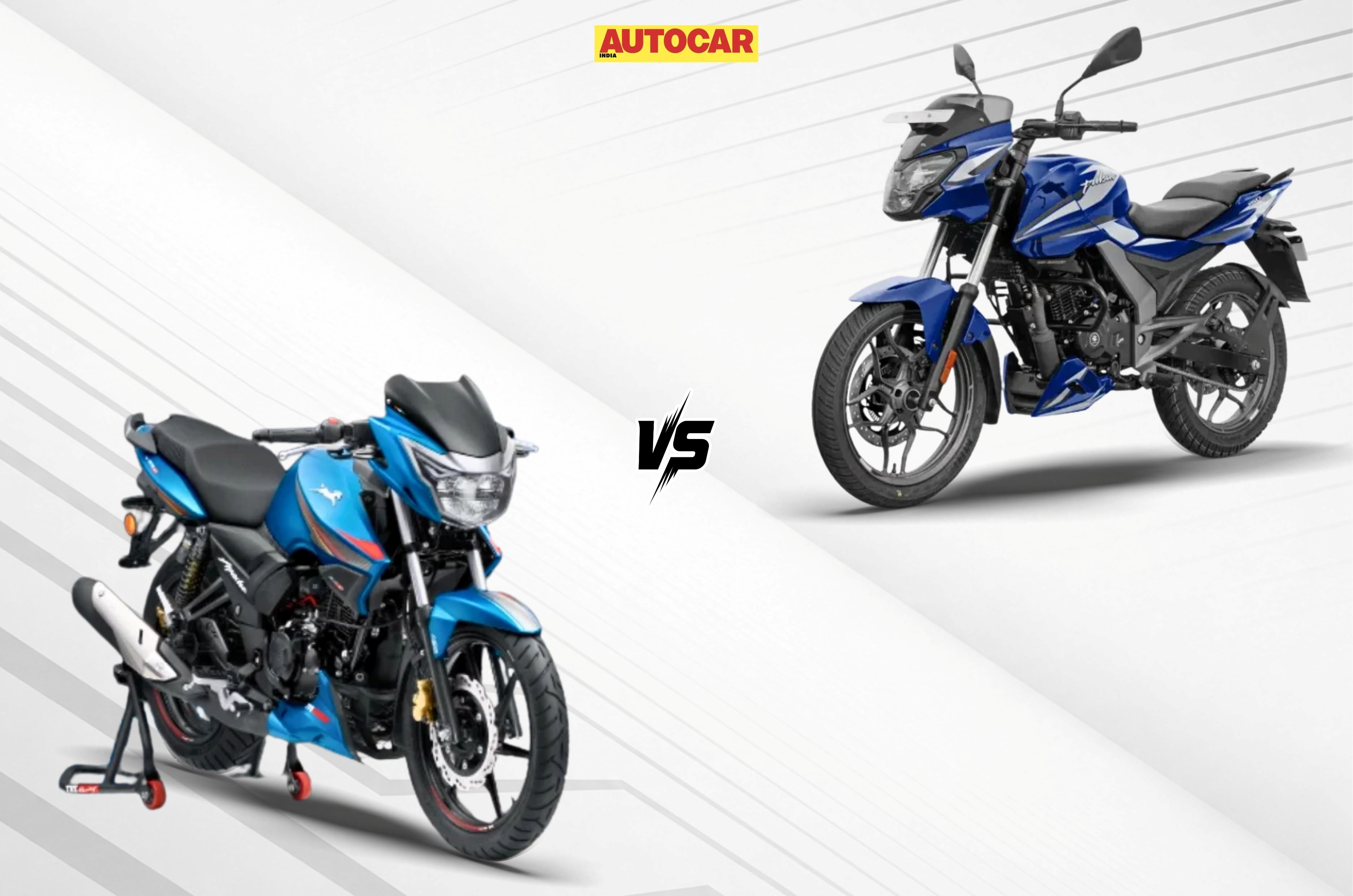
Bajaj Pulsar 150 vs TVS Apache RTR 160 (2V) in clockwise direction.

Bajaj launched the very first Pulsar 150 all the way back in 2001. TVS first responded with the Apache 150 in 2005, and upped the ante with the 160 in 2006. Bajaj, for the Pulsar’s 25th anniversary, effectively rebuilt the Pulsar 150 from scratch, marking some of its biggest changes since the original. TVS responded to this by introducing a new top-variant for the Apache 160 2V with traction control. At the time of writing, the difference in prices between the two is less than the price of six litres of petrol. If you’re not sure which one of these street-nakeds is right for you, we can help with that.

Bajaj Pulsar 150 vs TVS Apache RTR 160 (2V): Engine and output

The older motorcycle is… better?


Bajaj Pulsar 150

TVS Apache RTR 160 (2V)

Engine

149.5cc, single-cylinder, oil-cooled

159.7cc, single-cylinder, air-cooled

Power

14hp at 8,000rpm

16.04hp at 8,750rpm

Torque

14.1Nm at 6,500rpm

13.85Nm at 7,000rpm

Transmission

5-speed

5-speed

Power-to-weight ratio

99.29hp/tonne

115.40hp/tonne

Despite being the older motorcycle of the two, it’s the Apache that has the upper hand in this area. It has the better number for all the metrics; although it delivers both peak power and peak torque higher up in the rev range compared to the Pulsar. The Apache’s power and torque figures vary according to the chosen ride mode, and for this comparison, we’ve taken the figures from the Sport mode, the most powerful one of the three on offer.

Bajaj Pulsar 150 vs TVS Apache RTR 160 (2V): Dimensions and weight

Pulsar gets a notably larger fuel tank


Bajaj Pulsar 150

TVS Apache RTR 160 (2V)

Fuel tank

15 litres

12 litres

Ground clearance

186mm

180mm

Seat height

795mm

790mm

Kerb weight

141kg

139kg

Wheelbase

1338mm

1300mm

With an all-new diamond frame, Bajaj was able to achieve a weight reduction of 9kg on the Pulsar 150 compared to the previous version. However, the Apache is still lighter by 2kg for its top-most variant. It’s also most accessible with a 5mm lower seat height. Do note that the lower seat height also translates to a 6mm lesser ground clearance, and the Pulsar gives you three extra litres of capacity on its fuel tank. In this segment, that translates to at least 120km, not an insignificant number.

Bajaj Pulsar 150 vs TVS Apache RTR 160 (2V): Tyres, brakes, and suspension

TVS (mostly) has the stronger ride package


Bajaj Pulsar 150

TVS Apache RTR 160 (2V)

Tyres (F,R)

80/100-17, 100/90-17

90/90-17, 120/70-17

Brakes (F,R)

260mm disc, 230mm disc; single-channel ABS

270mm disc, 240mm disc; dual-channel ABS

Suspension (F,R)

Telescopic fork, monoshock

Telescopic fork, twin-shock

Bajaj had reduced the rear tyre size on the Pulsar 150 with the new version; the older top variant (Split Seat) had a 120/80-17 size rear tyre. As things stand, the TVS gets the larger tyre on both ends. Do note that TVS gives a slightly smaller 110/80-17 rear tyre on the lower variant. The Apache also has larger disc sizes for its brakes, but both motorcycles get 130mm drum brakes on the lower variants. Apache is the only motorcycle to offer dual-channel ABS, even if it’s limited to the top-two variants. In this section, the Pulsar’s only real advantage is that its newer frame gives it a monoshock, whereas the TVS continues with a twin-shock.

Bajaj Pulsar 150 vs TVS Apache RTR 160 (2V): Features

Newer is better

This is where the Pulsar makes its strongest case to be your motorcycle of choice. The top variant of the Pulsar 150 now gets a 5-inch TFT screen (first debuted on the Pulsar N160 SS) with Google Maps mirroring support, an integrated starter-motor-generator (ISG) to enable silent starts as well as an auto stop/start system. The TVS makes its age very obvious with its LCD instrument cluster; however, it still has bluetooth on the higher variants and can connect to your smartphone for call and SMS alerts, just like the Bajaj. 

Considering how long it’s been since TVS gave it a major upgrade though, it’s impressive how well the Apache holds up against the all-new Pulsar. To give you two examples, both companies offer their own solutions for making low speed riding easier (in stop-and-go traffic, for example); Bajaj calls its version Crawl Mode and TVS calls its version Glide Through Technology (GTT). Both also offer all LED lighting, a feature that reached the TVS later than Bajaj. However, only the Apache gets traction control.

Bajaj Pulsar 150 vs TVS Apache RTR 160 (2V): Price

Neck-and-neck


Bajaj Pulsar 150

TVS Apache RTR 160 (2V)

Price (ex-showroom, Delhi)

Rs 1,15,233-1,28,650 lakh

Rs 1,13,890-1,27,990 lakh

Bajaj has two variants of the Pulsar 150, with a lower variant replacing the TFT screen for an LCD one and losing out on the features that are associated with it. TVS, at the time of writing, offers seven variants for the Apache RTR 160, all separated by about Rs 3,000 difference. However, it’s the Apache that’s more affordable to purchase, even if the difference is just Rs 660. Hopefully, the other differences are enough to help you choose one over the other.
8 motorcycles under Rs 3 lakh with Google Maps mirroring

8 motorcycles under Rs 3 lakh with Google Maps mirroring
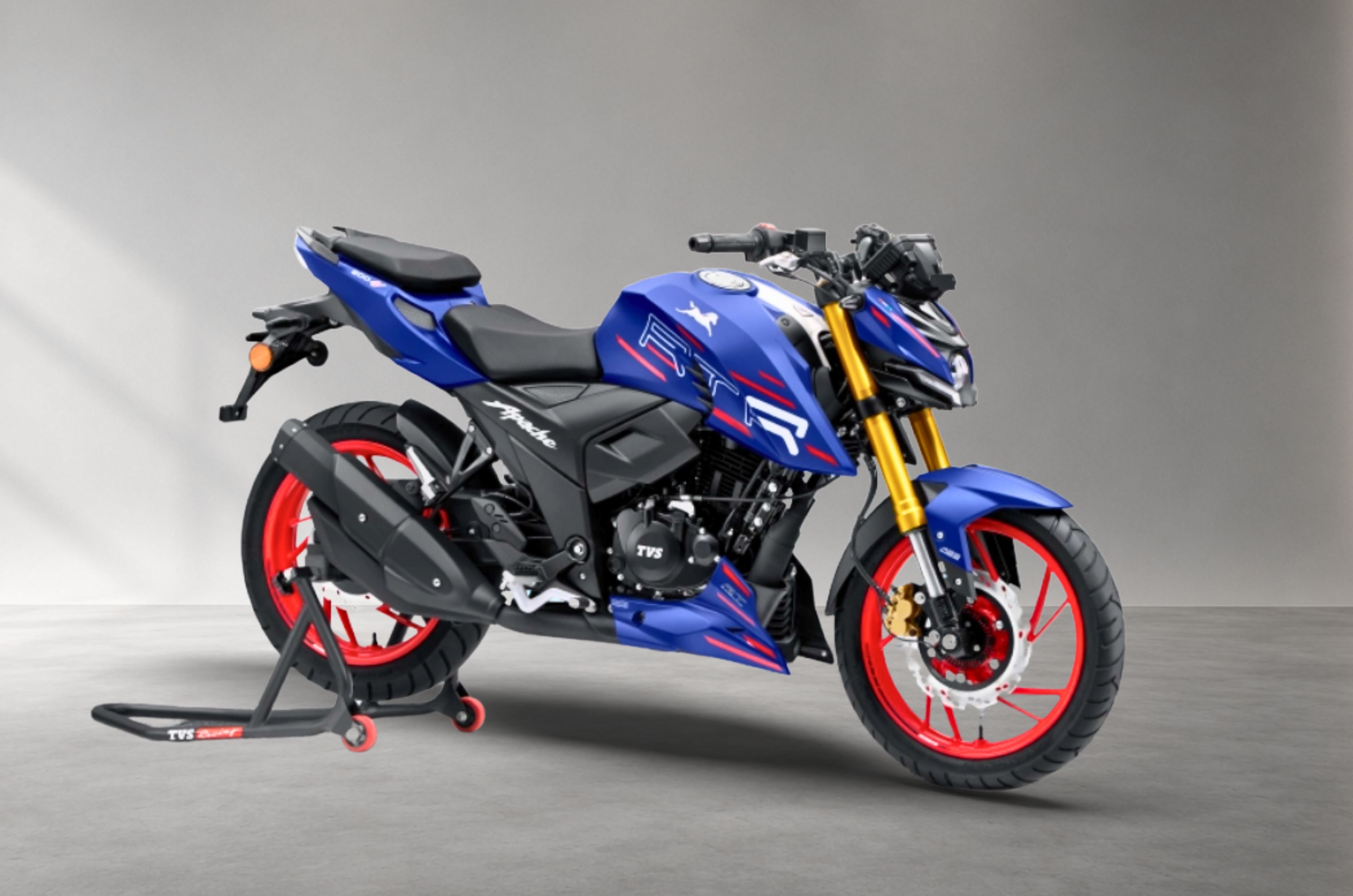
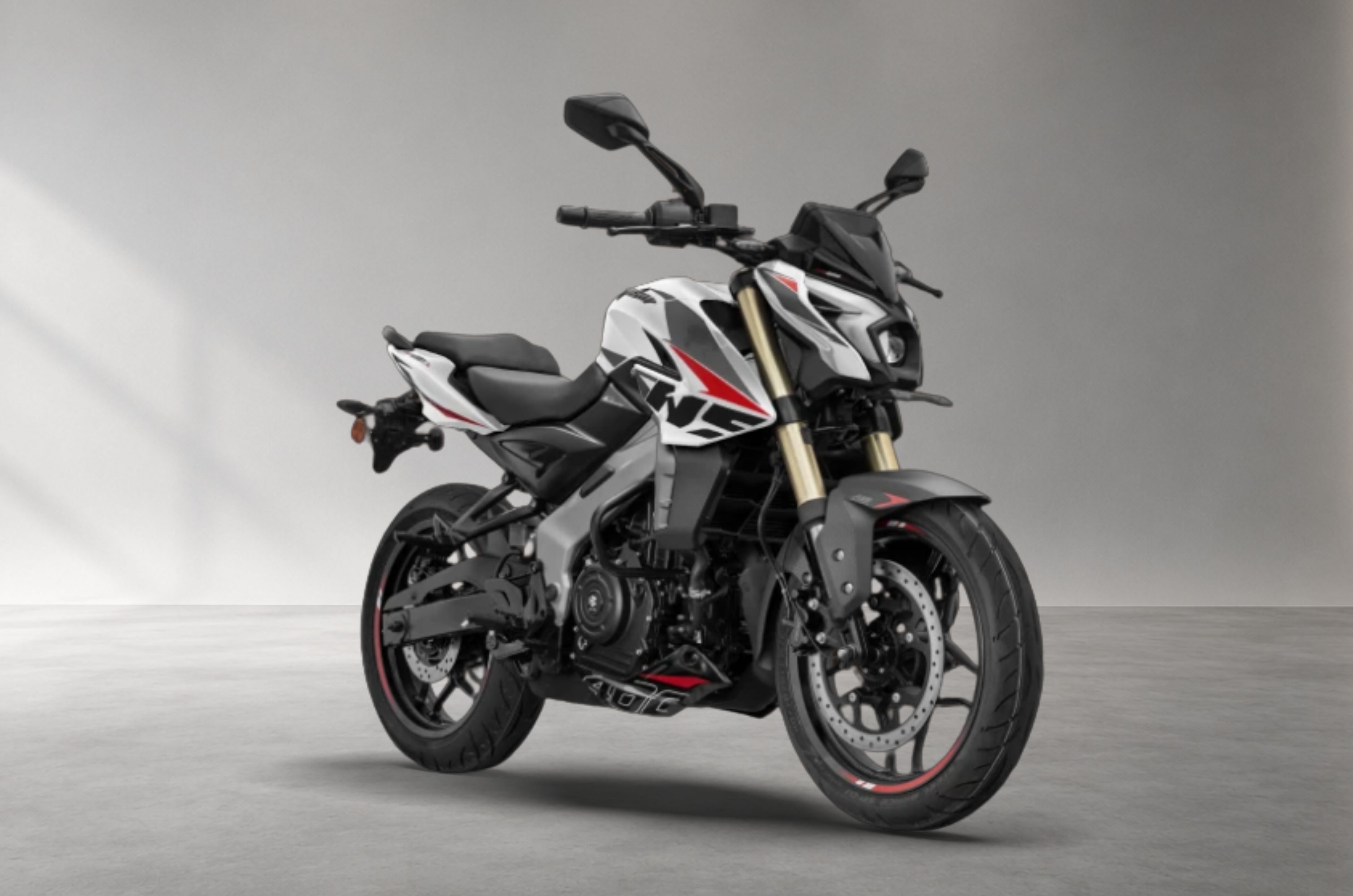
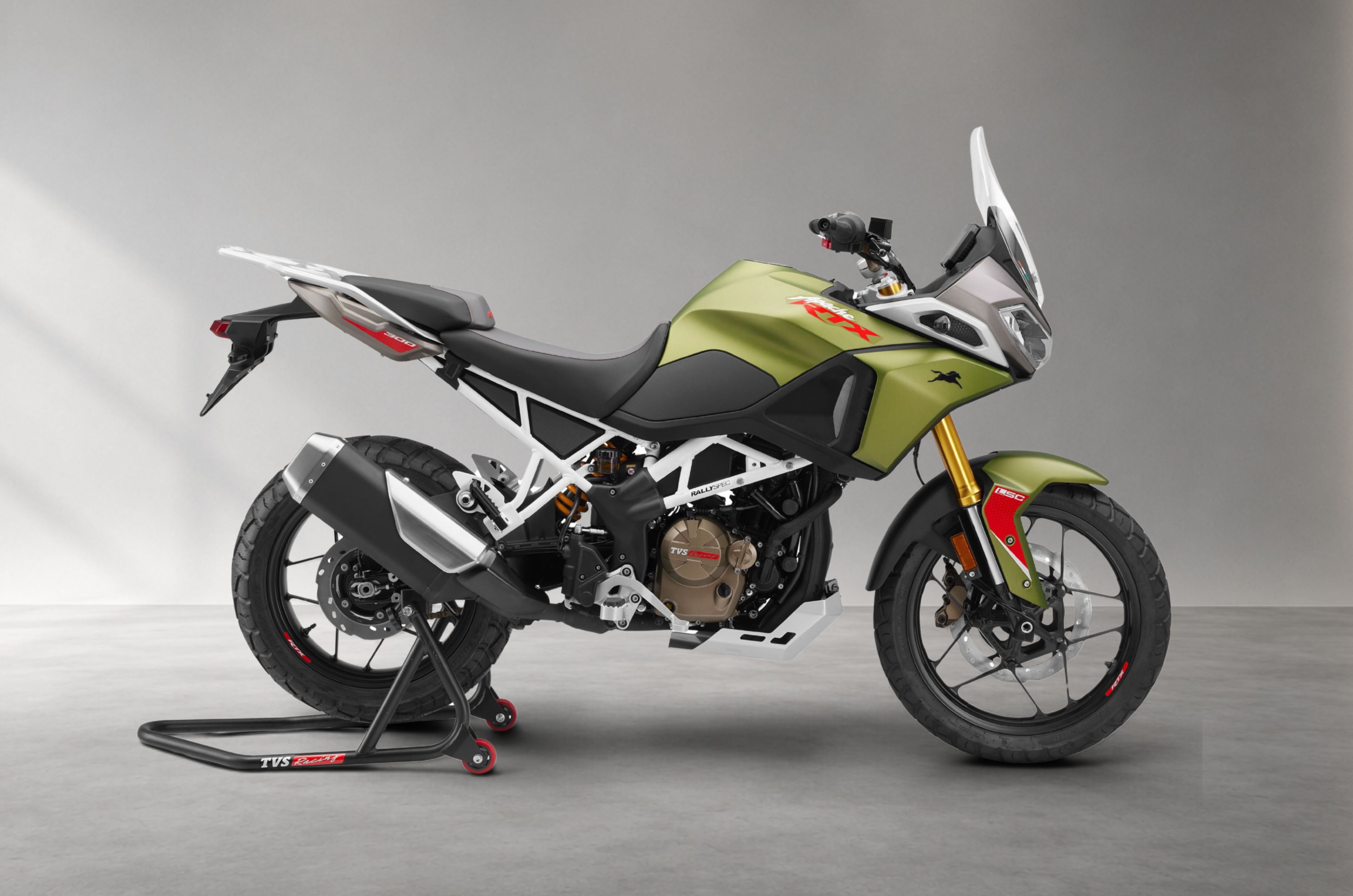
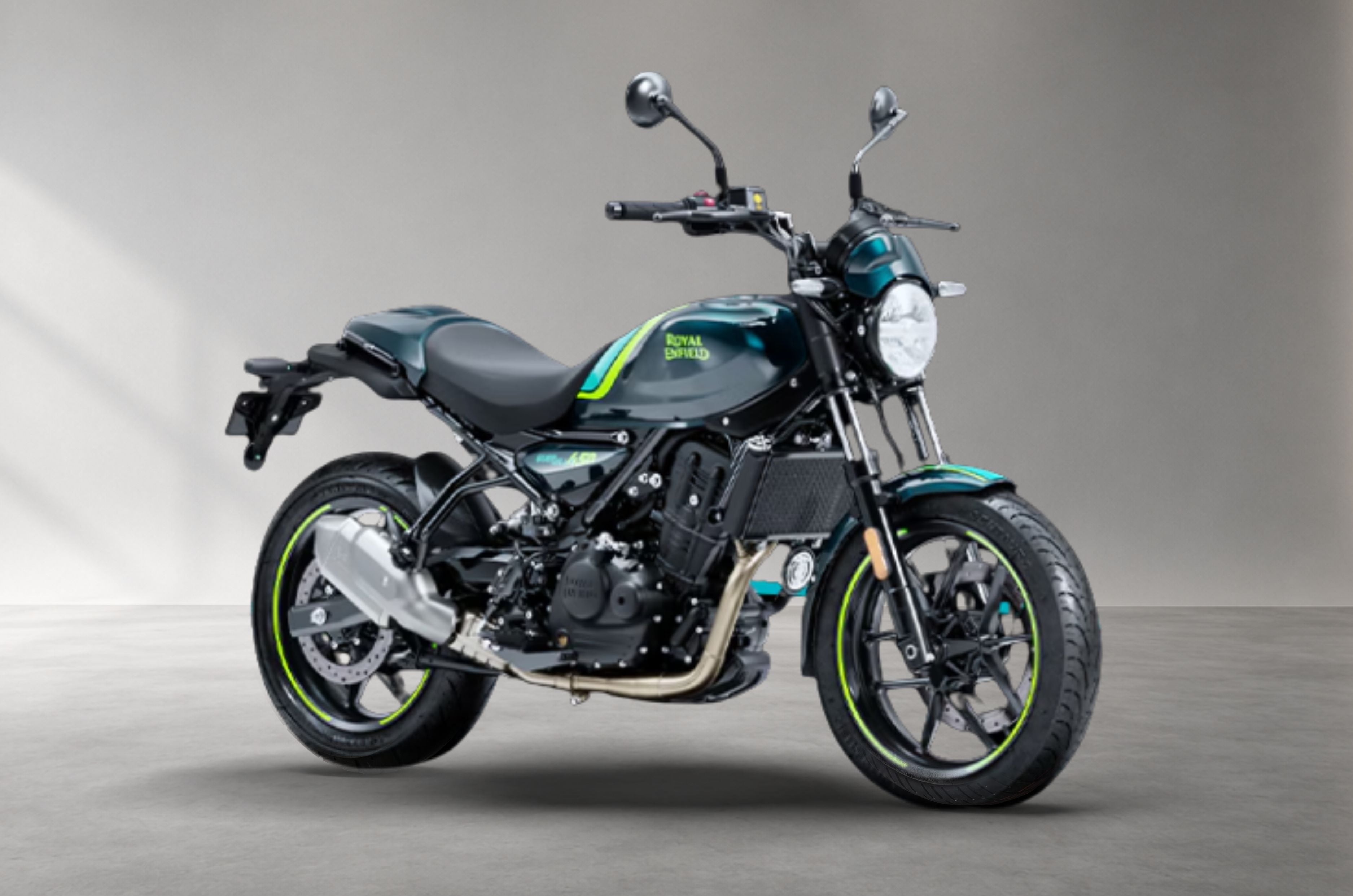
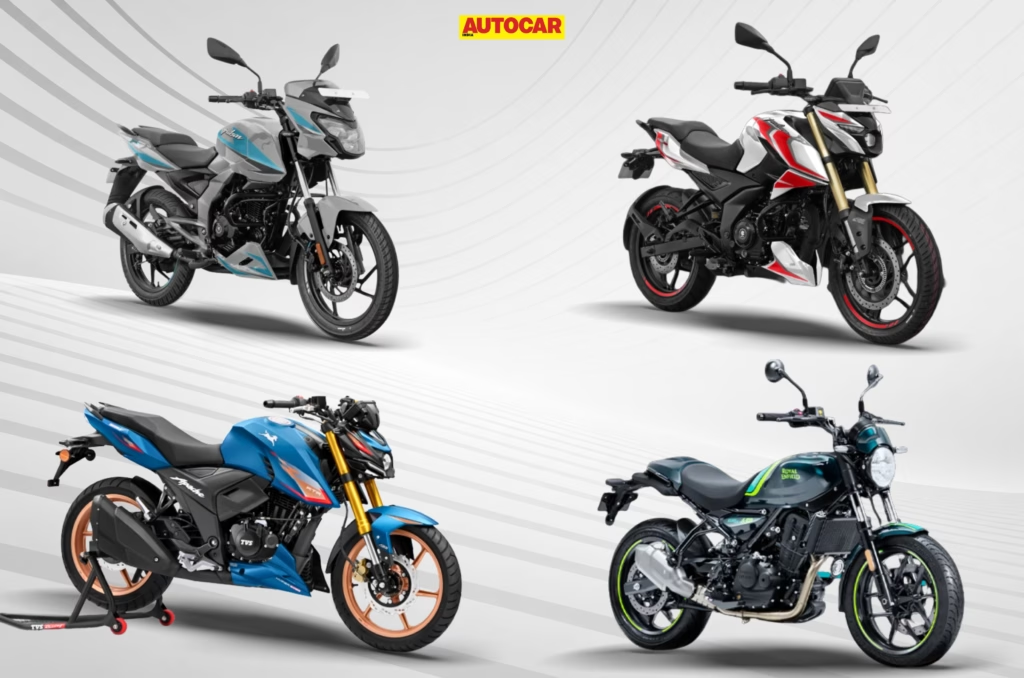
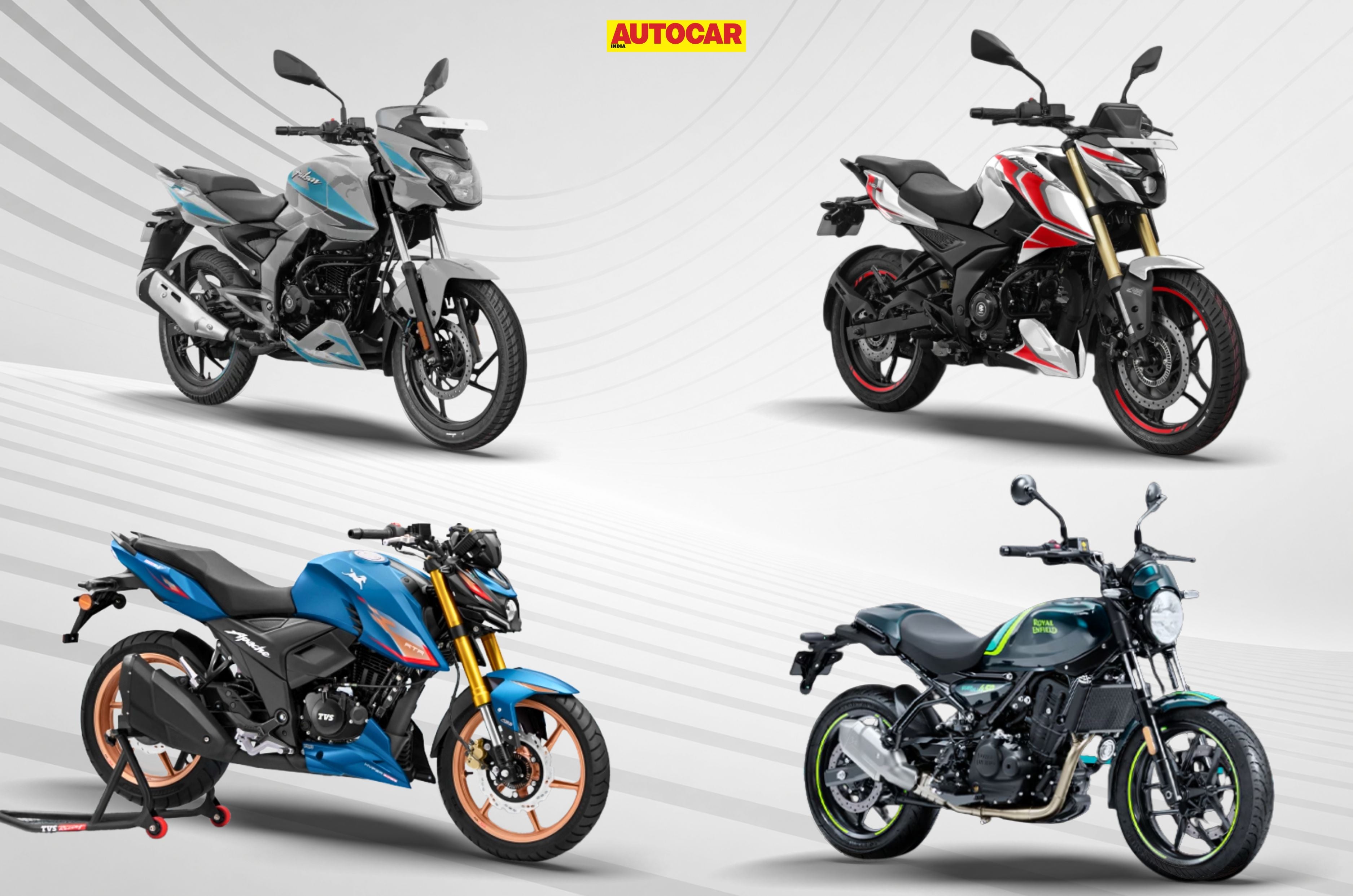
Bajaj Pulsar 125, Pulsar N160 SS, Royal Enfield Guerrilla 450 Apex, and TVS Apache RTR 160 4V in clockwise direction.

Navigation has been one of the major challenges for every aspiring motorcyclist. Unfortunately, major smartphone OS manufacturers don’t deem us profitable enough to solve it for us; but, our OEMs might have a smarter solution for that, by way of Google Maps mirroring. Today, you can buy a motorcycle for as low as Rs 1.04 lakh and still be able to navigate your way through your city, or wherever your heart takes you. Speaking of, let’s start with that very motorcycle.

All prices mentioned are ex-showroom, Delhi for the specific variant with Google Maps mirroring feature.

Bajaj Pulsar 125

Rs 1.04 lakh

Bajaj Pulsar 125

Bajaj had comprehensively upgraded the classic Pulsar 125 with many changes and a whole slew of features, including Google Maps mirroring on the top-most Split Seat variant. Besides that, you get a 124.58cc engine with 12.1hp and 11.4Nm, a front disc brake, and three ride modes. A decent choice if you mostly commute in the city, but if you find yourself on the open roads on every chance you get, look at the bigger brother.

Bajaj Pulsar 150

Rs 1.29 lakh

Bajaj Pulsar 150

Admittedly, Rs 25,000 isn’t a small step-up in this price range. However, besides retaining the same feature-set and silhouette, on the Pulsar 150 you get a larger 149.5cc engine with 14.1hp and 14.1Nm, which should make highway stints seem less stressful on you and the motorcycle; and saying that you have the Pulsar 150 has a better ring to it, but that’s a subjective opinion. If Bajaj isn’t your brand of choice, though, we have another Indian manufacturer known for pushing the envelope on features.

TVS Apache RTR 160 4V

Rs 1.41 lakh

TVS Apache RTR 160 4V

TVS has made the Apache series synonymous with features over the past few years, so of course it responded to Bajaj upgrading the classic Pulsars. Its best-selling Apache RTR 160 4V now also has a TFT display that supports Google Maps mirroring. TVS, in its usual fashion, turns things up a notch by offering even more power from its 159.7cc engine (17.55hp and 14.73Nm) and a whole lot more features like dual-channel ABS, traction control, a slipper clutch, more premium design, etc., That’s quite a bit more for Rs 12,000 over the Pulsar 150 but if you wonder whether Bajaj has a similar offering, fret not.

Bajaj Pulsar N160 SS

Rs 1.43 lakh

Bajaj Pulsar N160 SS

This is the first motorcycle on which Bajaj debuted the new 5-inch TFT screen with Google Maps mirroring. It’s since been extended to other Pulsars. Over the Pulsar 150, the N160 SS offers a bigger 164.9cc engine with 18.5hp and 14.4Nm (directly sparring with the RTR 160 4V), ride-by-wire, traction control, one extra ride mode, a slipper clutch, and a more modern design that may suit your preferences better. The N160 SS also offers dual-channel ABS as standard. If you feel like you’re done with the 150-160cc class, the next upgrade is closer than you think.

TVS Apache RTR 200 4V

Rs 1.50 lakh

TVS Apache RTR 200 4V

The Apache RTR 200 4V has now been relegated to getting the “et al” treatment from TVS so now it is almost too close to the RTR 160, one might say. However, it retains the bigger 197.75cc engine with close to 21hp and 17.25Nm. The only other feature that still remains exclusive to the 200 is the preload-adjustable USD fork that TVS brought back, with the recent update. Worth paying Rs 7,000 extra You decide, but if you are somehow not satisfied with the value on offer, the next motorcycle wears value-for-money as a badge of honour on its sleeve.

Bajaj Pulsar NS400Z

Rs 1.90 lakh

Bajaj Pulsar NS400Z

Bajaj’s downsized 349cc Pulsar NS400Z has gone down in price again, and the company gave it the same TFT unit as on the other Pulsars just two days ago; and we might see it in even more of their motorcycles soon. Anyway, the NS400Z gives you a steep jump in power with 40.6hp and 33Nm. It retains the feature-set from the N160 SS as-is with power and torque as its biggest differentiation from almost every other motorcycle on this list. If you’re in a phase of your life where you’re on long rides more often than commutes, you might prefer the next motorcycle more.

TVS Apache RTX 300

Rs 2.19 lakh

TVS Apache RTX 300

TVS’s first adventure tourer popularised the feature in question a year ago, offering it on the top and BTO variants. Compared to the NS400Z, you get a smaller 299.1cc engine with 36hp and 28.5Nm. However, the Apache RTX 300 is no slouch in features in any other way, matching the NS400Z on every feature on offer. If you’re an experienced motorcyclist who’d like to tune your ride more minutely, stepping up to the BTO variant at Rs 2.39 lakh might be worth it, considering it gives your adjustable suspension on both ends. If none of these sound exciting enough for you, maybe see if the last one does the trick.

Royal Enfield Guerrilla 450

Rs 2.51 lakh

Royal Enfield Guerrilla 450

Royal Enfield introduced a new 4-inch TFT display with the Himalayan 450 that could project Google Maps powered navigation onto it, making the Chennai-UK based manufacturer technically the first to have figured this solution out. If you didn’t know this already, pressing and holding the M button on your Guerrilla 450 (and the Himalayan and Bear 650) will change the dials to the ‘digital’ look. After that, connecting your smartphone to the Royal Enfield app and starting navigation will make the whole map show on your display.

Getting back to the Guerrilla 450 itself, it’s Royal Enfield’s take on a sport-naked. Similar to most motorcycles on this list, its primary purpose isn’t touring, but when has that ever stopped the determined? The Guerrilla also has a 450cc engine that doles out 40.02hp and 40Nm, making it the most powerful motorcycle on this list. It goes toe-to-toe with the other motorcycles in terms of the features on offer, although most of the additional price is for its extra power (and the 40 percent GST of course).

That concludes the list of motorcycles under Rs 3 lakh with Google Maps mirroring, for now. We expect Bajaj to extend the same TFT display to even more of their portfolio in the near future. TVS might respond to that in their own, unique way so this list is all but guaranteed to grow even more in the near future. It’s one more significant hurdle removed for a motorcyclist, and every meaningful step counts.

Bajaj Pulsar NS400Z spotted with TFT screen spotted ahead of launch

Bajaj Pulsar NS400Z spotted with TFT screen spotted ahead of launch
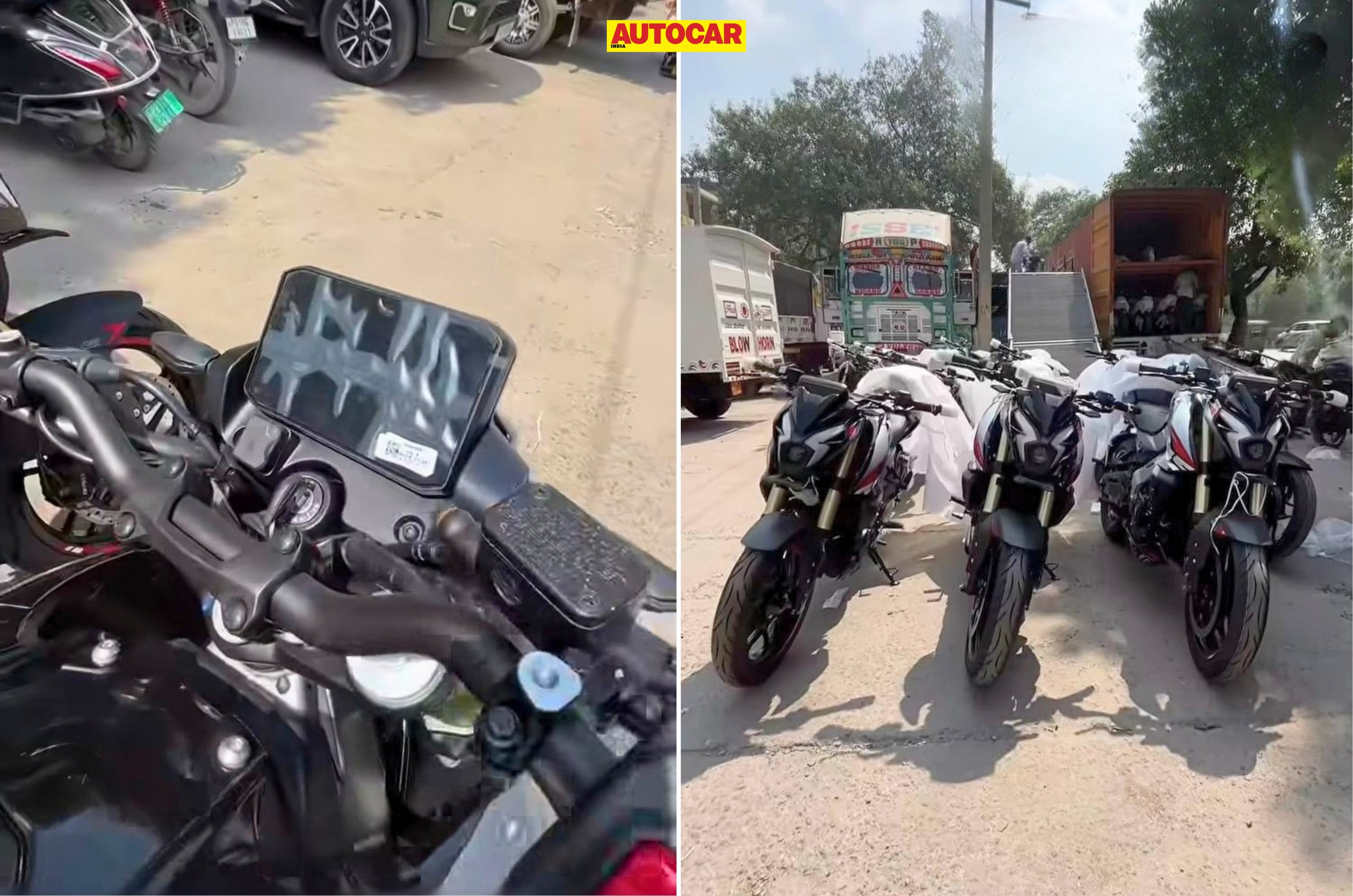
An outside image showing the updated Bajaj Pulsar NS400Z with a TFT screen.

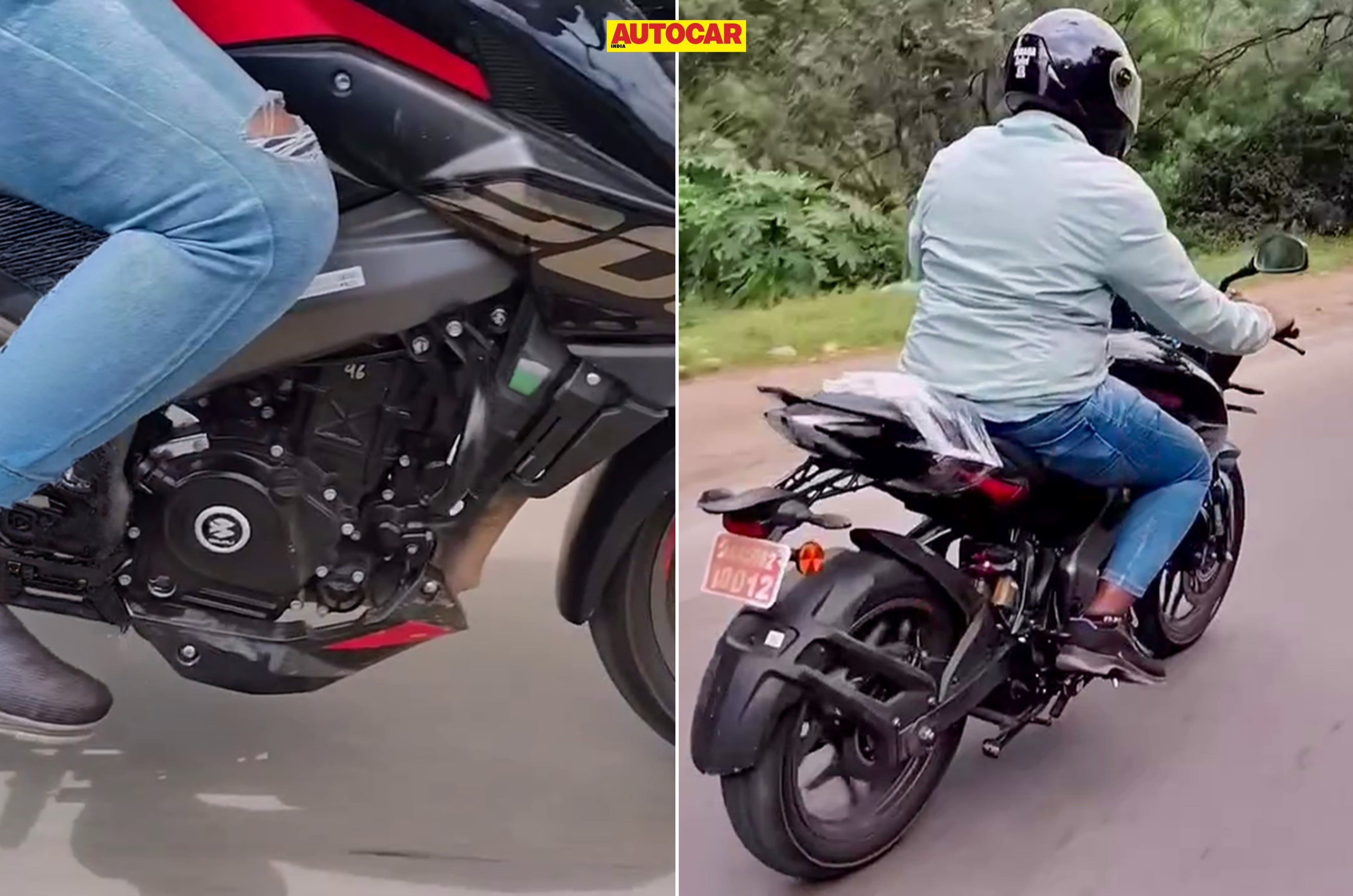
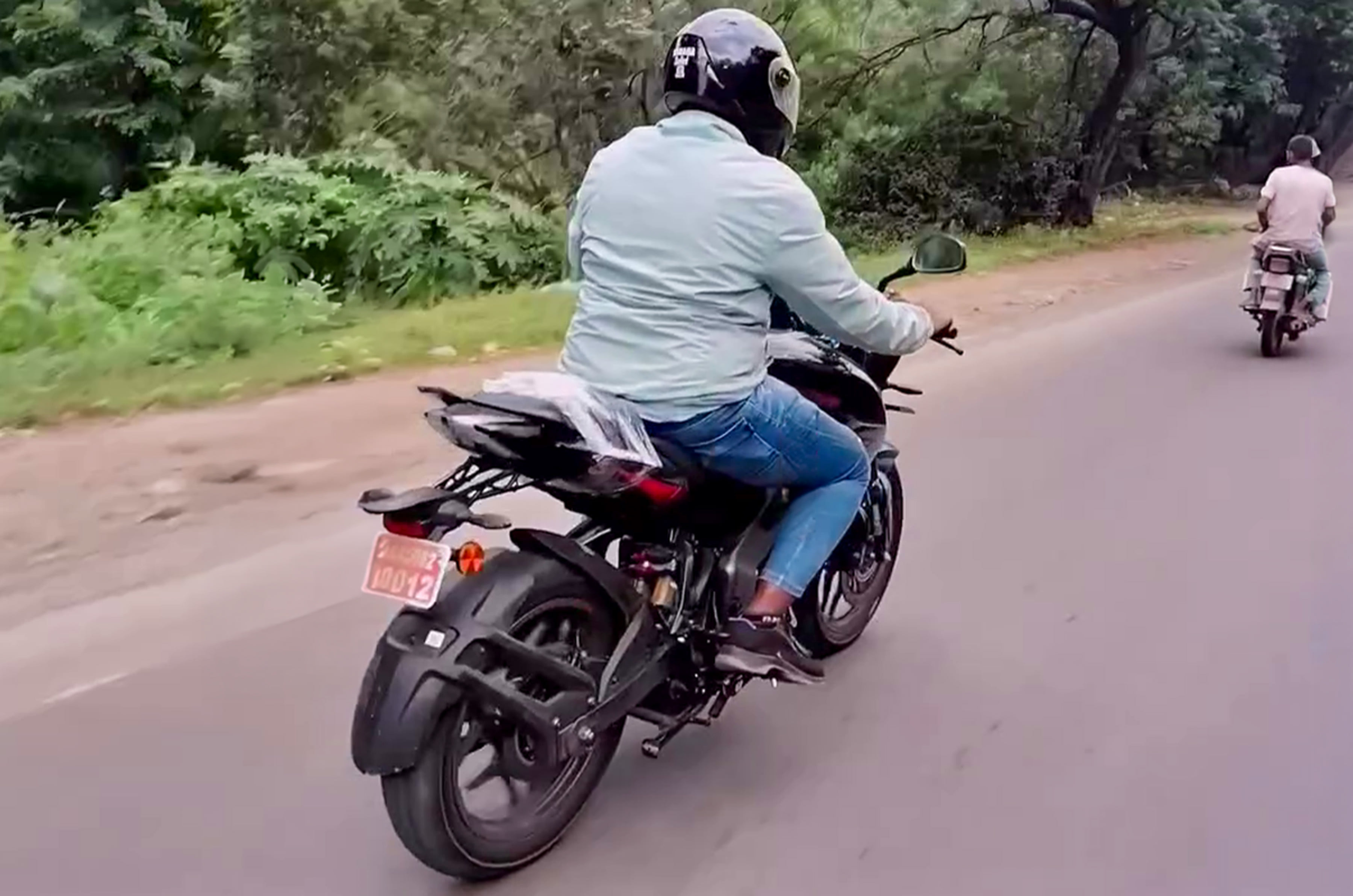
Just a month after Bajaj updated the Pulsar N160 and the Pulsar 125 and 150s with a TFT instrument cluster, the company appears to be preparing to give it to the NS400Z with it as well. An updated version of the motorcycle was spotted at a dealership, sporting the new cluster indicating that a launch is likely imminent.

  1. Expected to retain the 349.13cc engine with 40.6hp and 33.2Nm of torque
  2. Deliveries could start soon

Bajaj Pulsar NS400Z to get more features

Unlikely to receive any other mechanical or feature changes

A quick recap of the TFT cluster’s journey so far. Bajaj first introduced it on the top SS variant of the Pulsar N160; and subsequently rolled it out to both the Pulsar 125 and the Pulsar 150 as well. We then spotted updated versions of the Pulsar NS200 and N250 being tested both featuring a similar unit. And now, the Pulsar NS400Z seems to be getting it next. Even the dualsport bike that Bajaj is readying has been seen previously with this screen indicating that a lot of Bajaj bikes will soon have the 5-inch TFT dash.

Besides the new cluster, the NS400Z looks to be getting slightly refreshed colour options, but is unlikely to change otherwise. We expect it to retain the downsized 349.13cc single-cylinder, liquid-cooled engine with 40.6hp and 33.2Nm of torque.

While the NS400Z has been spotted with this more sophisticated display it doesn’t get the WP fork seen on an NS200 test mule recently – this has been a KTM and Husqvarna staple so far. While the Pulsar NS200 and N250 were spotted during testing, the NS400Z has reached dealerships already. We can expect a price announcement (with a small increase) as well as commencement of deliveries soon.

Image: venom__400z (Instagram)

Bajaj Pulsar NS200 and N250 spied with new TFT, WP USD fork

Bajaj Pulsar NS200 and N250 spied with new TFT, WP USD fork

After launching the N160 SS with a new 4-valve engine and the next-generation Classic Pulsar 150 and 125, Bajaj Auto appears to be gearing up to update the Pulsar NS200 and N250. Spy shots reveal a new TFT display, revised switchgear and upgraded suspension hardware on the two motorcycles.

  1. NS200 gets WP USD fork, while both bikes get a new TFT display
  2. Revised switchgear and adjustable levers also spotted on the NS200

Bajaj Pulsar NS200, N250 to get feature upgrades

New TFT display and switchgear

The updated Pulsar NS200 and N250 have been spotted with the same 5-inch TFT display introduced on the Pulsar N160 SS and subsequently seen on the new-generation Classic Pulsar 150. The display is accompanied by revised switchgear, including a four-way controller for navigating its various functions.

The TFT on the N160 SS supports smartphone connectivity, Google Maps mirroring, music controls, third-party notifications and document storage. It is not yet clear if the NS200 and N250 will get the complete feature set of the N160 SS. The NS200 also appears to get adjustable brake and clutch levers, along with revised switchgear.

The more significant hardware change is on the NS200, which has been spotted with a WP upside-down fork. The fork carries visible WP branding and replaces the unbranded USD fork on the current motorcycle. The N250 has also been spotted with an upside-down fork, although it is not clear if it uses the same WP hardware.

The WP fork would make the updated NS200 the first Bajaj motorcycle to use this suspension hardware. WP Performance Systems is part of the KTM Group and its suspension components are used on several KTM and Husqvarna motorcycles – specially the Apex.

Both motorcycles are expected to retain their existing engine platforms. The NS200 currently uses a 199.5cc, liquid-cooled single-cylinder engine, while the N250 is powered by a 249cc single-cylinder unit. 

The updated Pulsar NS200 and N250 are expected to be launched ahead of the festive season. More details, including their specifications and pricing, should emerge closer to the launch.

Image credits: motomaniac_2161/instagram

Bajaj Pulsar 150 review: Familiar yet very different

 Bajaj Pulsar 150 review: Familiar yet very different

When the first Bajaj Pulsar 150 broke onto the scene in 2001, it shattered the mould of what was expected of an accessible yet sporty commuter motorcycle. This recipe saw such widespread success that nothing Bajaj brought out since has been able to replace it. Therefore, the company went back to the drawing board and has now brought out a new generation of Classic Pulsars, spearheaded by the 125 and 150. In this review, we’ll share what the larger one was like to ride. 

Bajaj Pulsar 150: What’s changed compared to before?

From the mechanicals to the tech, it is all-new

To start with, gone are the double-cradle frame and twin shock absorbers, replaced by a lighter and stiffer diamond frame and monoshock, respectively. Complementing the new chassis is a brand new motor. This engine started life as an engine from a similar displacement N model, but Bajaj has made certain changes to suit this application. The state of tune, various internals and the exhaust system are all different over here. 

The Pulsar 150, understandably, has the sprightlier performance of the two.

Unlike before, the motor is now used as a stressed member of the chassis, and Bajaj has also peppered in the learnings it has made from the N range. For starters, the gearbox now has shorter, more tractable ratios, and there’s also a low rpm assist function, which raises engine rpm slightly to reduce stalling when you’re crawling at a higher gear at low speeds. Furthermore, higher variants of the 150 also come equipped with an Integrated Starter Generator (ISG), which brings in silent start and a reasonably quick start/stop system. 

Pulsar 150 design and quality – 8/10

Looks uncannily similar to the older bike; feels very similar to sit on, too

Considering how much has changed underneath, it’s especially commendable that the Pulsar 150 looks this similar to before. Bajaj’s design team has deliberately gone to great lengths to package everything neatly and retain the bike’s instantly recognisable silhouette. Pulsar hallmarks that people appreciate, like a ‘wolf eye’ headlight, a chunky tank, sharp tank extensions and a pointy tail, all continue, and you won’t be mistaking it for anything other than a classic Pulsar. There are no complaints when it comes to quality, and it’s as well-finished as you’d expect from a commuter bike today. 

Top variants come with a split seat.

Just like the near-unchanged design, the Pulsar 150’s ergonomics are almost the same as before – but that’s a good thing. You’re sat very neutrally, and the riding position is that of a textbook commuter with only slightly rearward pegs for the sporty touch that a Pulsar is known for. With a perch that’s just 795mm off the ground, the 150 strikes a nice chord by being friendly and approachable for both shorter folks and 6’1 Rishaad. To cater to the wants of different riders, Bajaj will sell you a Pulsar equipped with either a single piece seat or split seats. Both options are spacious – the single piece seat understandably more so – and decently padded, capable of accommodating two full-size people without them getting acquainted with each other too intimately. 

Pulsar 150 performance – 8/10

Has enough pep for city and highway duties, engine stalls a little too easily, though 

City traffic is where most Pulsar riders spend most of their time, so we did the same and found that the bike behaves exactly as you’d expect from a commuter. The motor has good low- and mid-range torque, and paired with the super light clutch, wading through the drudgery of traffic doesn’t feel too taxing. 

The new engine is also super smooth, and should you choose to venture out onto the highway, the Pulsar can do that as well. The upper limit of the 150’s comfortable cruising speed is 90-95kph in its top 5th gear, which is par for the course in this class. 

Engine

149.5cc, single-cylinder, air-oil cooled

Power

14hp at 8,000rpm

Torque

14.1Nm at 6,500rpm

Gearbox

5-speed

However, for all its strengths, the engine in the Pulsar 150 unit we were allotted displayed a tendency to stall a little too easily, and this happened on multiple occasions to both myself and Rishaad, who rode the bike. 

Pulsar 150 ride and handling – 8/10

Behaves predictably and handles all situations well

While the chassis is largely the same between the 125 and 150, one noteworthy difference is that the bigger one uses a fatter 33mm fork, compared to the 31mm unit on the smaller bike. Also, unlike the 125, the Pulsar 150 comes with the government-mandated safety net of single-channel ABS. All variants come with a 260mm disc brake at the front, paired with either a 230mm drum brake on the lowest variant or a 230mm disc on the higher two variants. 

Pulsar 150 behaves neutrally and predictably when subjected to a variety of riding conditions.

The best way to describe the new Pulsar 150’s handling is neutral and predictable. Neither does it feel as vague as the previous-gen model, nor does it feel as responsive as the N / NS models. The Classic Pulsar 150 retains its surefootedness in a straight line while introducing a newfound taut feeling when taking a corner. Its demeanour is predictable at all times, which is sure to inspire confidence in the varied sort of riders it will cater to. The brakes work well and bring the Pulsar to a stop in a quick fashion without much drama, although overenthusiastic usage will result in the rear locking up.

Fuel tank

14 litres

Seat height

785mm

Ground clearance

165mm

Kerb weight

141kg

Wheelbase

1,320mm

However, for all its strengths, the Pulsar 150 is not perfect, and there are some areas of improvement. The rear suspension feels slightly underdamped and springy, throwing you off the seat over larger road imperfections. The gearshifts, too, felt a little rubbery and vague, lacking a snick feel. 

Pulsar 150 features and safety – 8/10

Comes with a lot of tech-y features on the top two variants

Following today’s market trends, even a humble commuter like this one now packs a dollop of tech. This includes a USB-C charging port, 4 riding modes (Sport, Tour, Road and Rain), Bluetooth connectivity for the dash via Bajaj’s app, which brings in a host of functions, and you can even cast your phone’s screen onto the TFT display, although some of these functions are still not available yet and will be rolled out at a later date. 

Top variants also come with a colour TFT display and riding modes

To control the TFT display’s functions and switch between the riding modes on the top variants, you also have more comprehensive switchgear whereas the colour LCD dash on the lower variants is paired with a simpler switch cluster. Both displays are informative and well laid-out and bring an air of premiumness from the rider’s POV. Admittedly, most of these features aren’t going to add much value for most everyday riders but for the few that want their motorcycle to double up as a gadget, they’re there. 

Pulsar 150 price and verdict – 8/10

It suits its intended purpose quite well

Aside from a few small misses, the new Pulsar 150 is a lovely commuter, which comes in at a price point that is more or less in line with the competition today. Prices start at Rs 1.15 lakh and go up to Rs 1.23 lakh (ex-showroom, Delhi). Compared to the last-gen 150, this latest-gen Pulsar’s prices have gone up by Rs 4,000-Rs 6,000, which is a digestible amount considering the sheer scale of new components in use here. 

Given the huge demand for a bike that looks like a Classic Pulsar and the fact that this new-gen model is such a quantum leap ahead compared to the old ones while costing just a few thousand rupees more, Bajaj seems to have a winner on its hands.  

Bajaj Pulsar 125: Price and Variants Explained

Bajaj Pulsar 125: Price and Variants Explained
Front right quarter studio image of the Bajaj Pulsar 125 in Dark Silver + Aqua Blue colour

Bajaj has updated the Pulsar 125 comprehensively with the new version having four variants, compared to two on the previous iteration. Similar to the Pulsar 150, the aim is to offer value for money and to wit, Bajaj has packed in a sizable set of features into each variant, but how do they differ from each other? Fret not, let us help.

All prices mentioned are ex-showroom, Delhi.

Bajaj Pulsar 125 variant breakdown

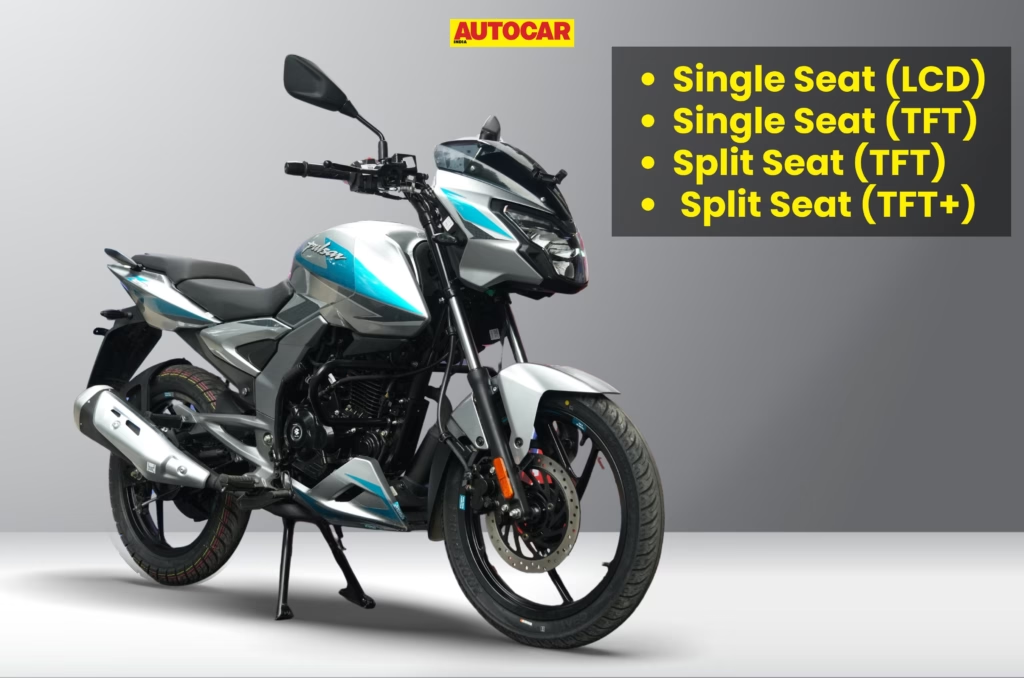
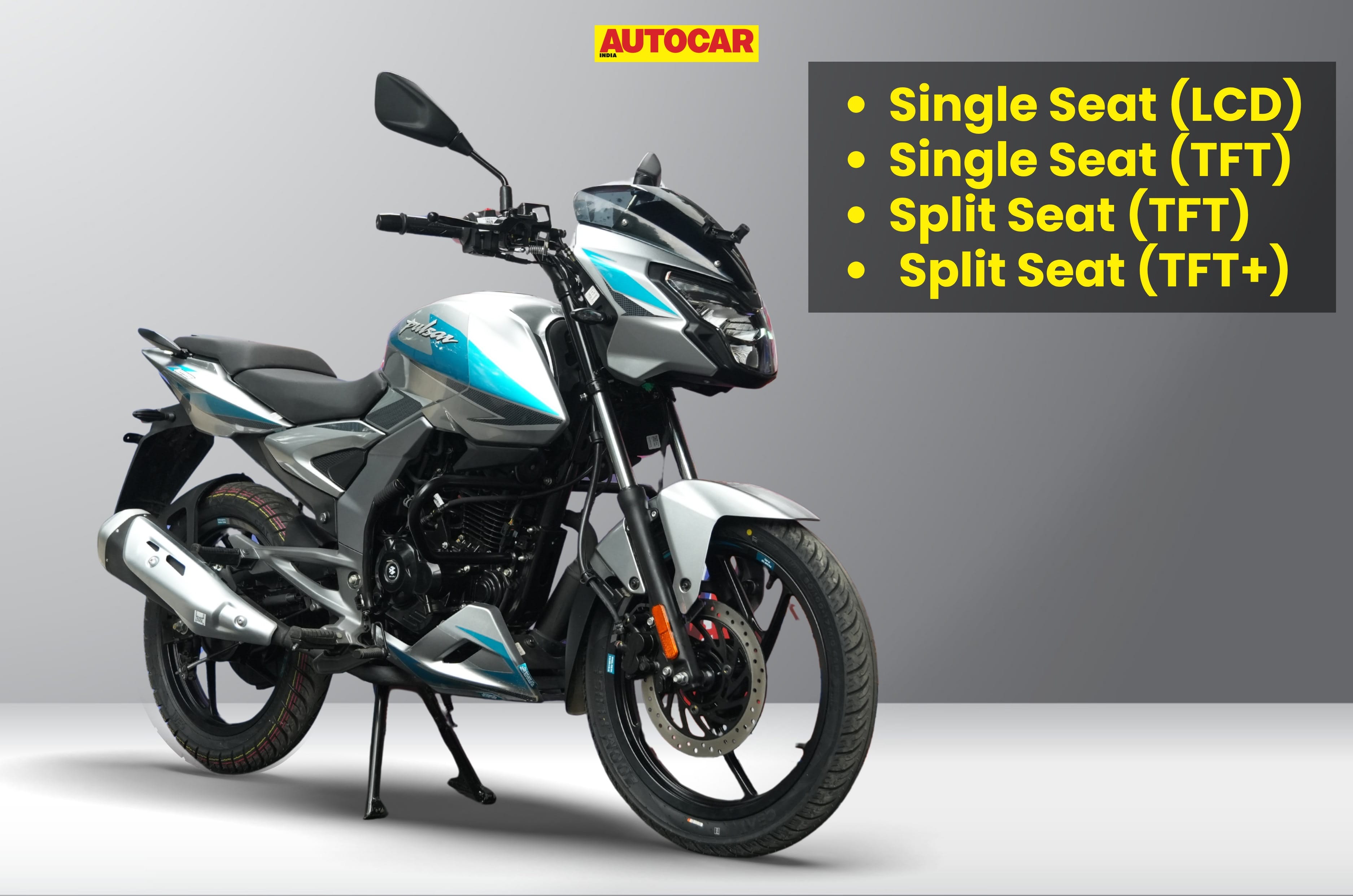
Pulsar 125 Single Seat (LCD)

All four variants share the new single-cradle chassis and the 124.58cc engine making 12.1hp at 8,500rpm and 11.4Nm torque at 6,500 rpm, a marginal bump of 0.3hp and 0.6Nm over the 124.38cc engine on the previous gen. All four variants share the same LED headlight and taillight, tyres, and front and rear suspensions. Bluetooth and turn-by-turn navigation is also common to all of them.

The base Single Seat (LCD) variant, like the name implies, gets a single seat piece and an LCD instrument cluster. It gets a 240mm front disc with a 130mm rear drum brake as well as Combined Braking System (CBS) as standard. It uses bulb indicators and offers a USB type-C port as an optional extra accessory. This variant is priced at Rs 92,900.

Pulsar 125 Single Seat (TFT)

The second variant, once again mentioned in the name, replaces the LCD instrument cluster with a 5-inch TFT display. Other areas in the ride package see upgrades as well. This variant adds three ride modes, an integrated starter generator (ISG), and gets the USB Type-C port as standard fitment. There’s also a larger 260mm front disc and the indicators are LED as well, with hazard lights function. Bajaj has priced this variant at Rs 99,291, Rs 6,391 step up over the base variant.

Pulsar 125 Split Seat (TFT)

The next variant swaps the single seat pad for a split rider and pillion pads for just over a lakh of rupees. It’s otherwise identical to the previous variant.

Pulsar 125 Split Seat (TFT+)

Don’t let the + mislead you into thinking that this top variant is another small step up. There are three upgrades on this one. Starting with the cluster itself, the TFT display on this one exclusively gets WiFi support, enabling Google Maps mirroring for navigation. It’s also the only one getting a belly pan as standard for added protection to the engine sump and it gets a dual-horn, compared to the single-horn on the rest. For these three features, this variant’s asking price is Rs 1.04 lakh, roughly Rs 4,000 over the last variant.
 

TVS iQube MillionR Edition लॉन्च, 145 किमी रेंज और Type-C चार्जिंग समेत मिलेंगे ये फीचर्स, हासिल किया 10 लाख यूनिट का आंकड़ा, कीमत जानेंगे तो हो जाएंगे हैरान

TVS iQube MillionR Edition लॉन्च, 145 किमी रेंज और Type-C चार्जिंग समेत मिलेंगे ये फीचर्स, हासिल किया 10 लाख यूनिट का आंकड़ा, कीमत जानेंगे तो हो जाएंगे हैरान

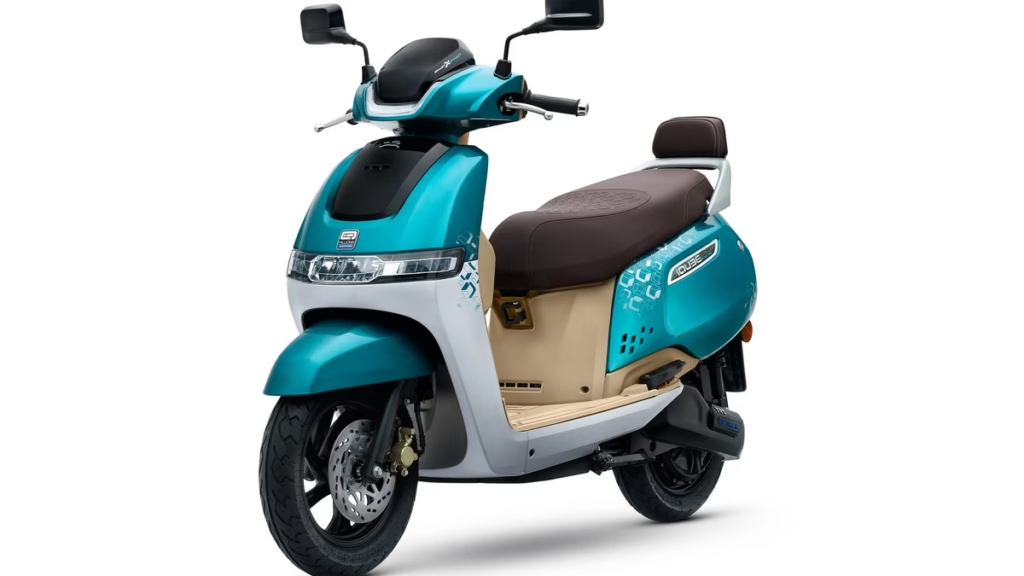
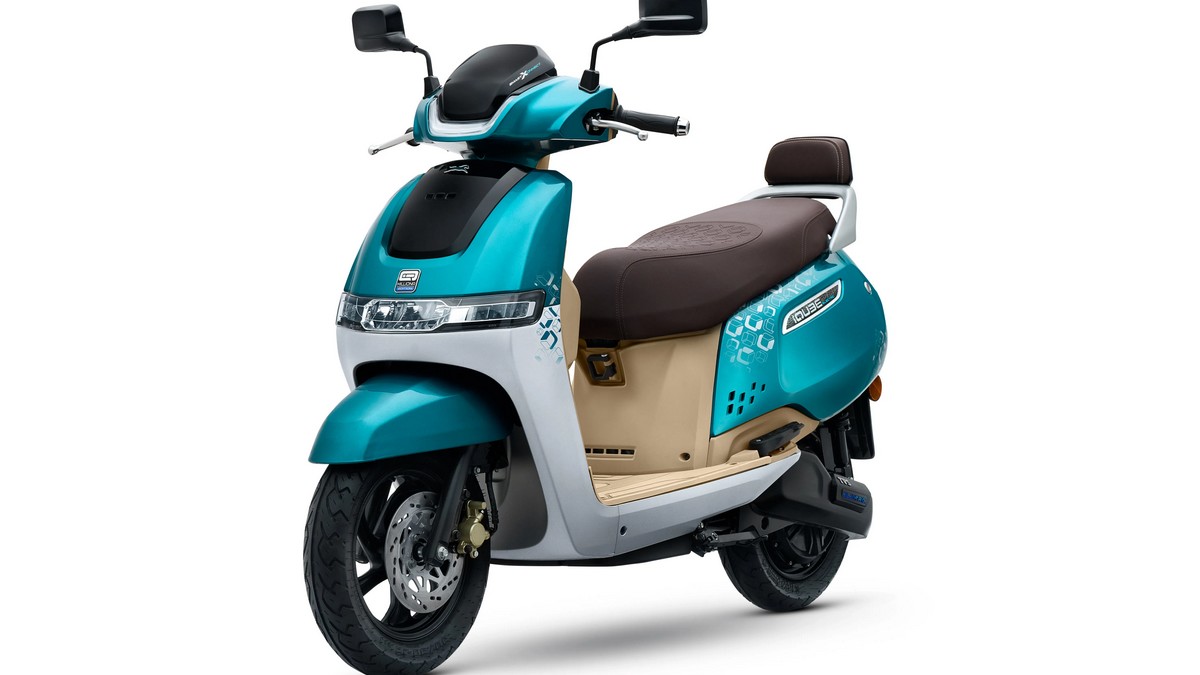
TVS Motor Company ने अपने इलेक्ट्रिक स्कूटर पोर्टफोलियो का विस्तार करते हुए TVS iQube MillionR Edition लॉन्च किया है। यह खास एडिशन iQube के 10 लाख यूनिट प्रोडक्शन का आंकड़ा पार करने की उपलब्धि के मौके पर पेश किया गया है। इस स्पेशल एडिशन की प्रभावी एक्स-शोरूम कीमत कर्नाटक में ₹1,40,138 बताई गई है। हालांकि, अलग-अलग राज्यों में सब्सिडी, टैक्स और अन्य शुल्क के कारण कीमत में बदलाव हो सकता है।

ALSO READ: Bajaj Pulsar 125 और Pulsar 150 का नया अवतार लॉन्च, ₹92,990 से शुरू कीमत, मिलेंगे Ride Modes, TFT डिस्प्ले और Google Maps

145 किमी की रेंज और 82 किमी/घंटा टॉप स्पीड

TVS iQube MillionR Edition मौजूदा 3.5 kWh iQube वेरिएंट पर आधारित है। इसका मतलब है कि इसके मैकेनिकल सेटअप और परफॉर्मेंस में कोई बड़ा बदलाव नहीं किया गया है। कंपनी ने इसमें मुख्य रूप से नया डिजाइन, अतिरिक्त स्टोरेज और कुछ उपयोगी फीचर्स जोड़े हैं। इस इलेक्ट्रिक स्कूटर में 3.5 kWh बैटरी दी गई है, जो 145 किमी IDC रेंज देने का दावा करती है। इसकी टॉप स्पीड 82 किमी/घंटा है।


Aurora Green कलर में आया स्पेशल एडिशन


MillionR Edition को खास Aurora Green Dual-Tone कलर में पेश किया गया है। इसमें स्पेशल ग्राफिक्स और MillionR ब्रांडिंग दी गई है, जिससे इसे रेगुलर iQube से अलग पहचान मिलती है। इसके अलावा सीट अपहोल्स्ट्री को भी ज्यादा प्रीमियम लुक दिया गया है।


बढ़ा स्टोरेज, मिला Type-C चार्जिंग पोर्ट


TVS ने इस स्पेशल एडिशन में रोजमर्रा के इस्तेमाल को ध्यान में रखते हुए कई उपयोगी बदलाव किए हैं। इसमें नया फ्रंट यूटिलिटी कंपार्टमेंट दिया गया है। साथ ही स्मार्टफोन और दूसरे डिवाइस चार्ज करने के लिए USB Type-C चार्जिंग पोर्ट भी मिलता है।


इन बदलावों के बाद स्कूटर का कुल स्टोरेज 32 लीटर से बढ़कर 35.5 लीटर हो गया है।


  • TVS iQube MillionR Edition के प्रमुख स्पेसिफिकेशन
  • फीचर TVS iQube MillionR Edition
  • बैटरी क्षमता 3.5 kWh
  • IDC रेंज 145 किमी
  • टॉप स्पीड 82 किमी/घंटा
  • डिस्प्ले 12.7 सेमी TFT
  • 0-80% चार्जिंग करीब 4.5 घंटे
  • कुल स्टोरेज 35.5 लीटर
  • कलर Aurora Green Dual Tone


कंपनी के अनुसार, iQube MillionR Edition में 12.7 सेमी TFT इंस्ट्रूमेंट डिस्प्ले दिया गया है। इसकी 145 किमी IDC रेंज और 82 किमी/घंटा की टॉप स्पीड रेगुलर 3.5 kWh iQube के समान है। यानी यह मॉडल परफॉर्मेंस अपग्रेड के बजाय डिजाइन और सुविधा से जुड़े बदलावों पर ज्यादा केंद्रित है।


118 से ज्यादा कनेक्टेड फीचर्स


3.5 kWh iQube प्लेटफॉर्म में 118 से ज्यादा कनेक्टेड फीचर्स मिलते हैं। इनमें टर्न-बाय-टर्न नेविगेशन, Distance-to-Empty जानकारी और रिमोट चार्ज स्टेटस मॉनिटरिंग जैसे फीचर्स शामिल हैं। इसके अलावा Q-Park Assist भी मिलता है, जो कम स्पीड पर स्कूटर को पार्क करने या रिवर्स करने में मदद करता है।


TVS iQube ने हासिल किया 10 लाख यूनिट का आंकड़ा


MillionR Edition TVS की इलेक्ट्रिक मोबिलिटी यात्रा में एक महत्वपूर्ण उपलब्धि के मौके पर लॉन्च किया गया है। 25 जून 2026 को TVS Motor ने घोषणा की थी कि कंपनी के होसुर प्लांट से 10 लाखवां iQube रोलआउट हुआ। यह उपलब्धि भारत में इलेक्ट्रिक स्कूटरों की बढ़ती लोकप्रियता और TVS के इलेक्ट्रिक टू-व्हीलर कारोबार के विस्तार को दर्शाती है।


जुलाई में iQube की बिक्री में 158% की बढ़ोतरी


TVS iQube की बिक्री में भी हाल के महीनों में जोरदार बढ़ोतरी देखने को मिली है। जुलाई 2026 में iQube की 59,386 यूनिट्स बिकीं, जबकि जुलाई 2025 में यह आंकड़ा 23,029 यूनिट था। इस तरह सालाना आधार पर बिक्री में करीब 158 फीसदी की वृद्धि हुई। जून 2026 में iQube की 47,331 यूनिट्स बिकी थीं। ऐसे में जुलाई की बिक्री में महीने-दर-महीने भी अच्छी बढ़ोतरी दर्ज की गई।


कई बैटरी विकल्पों में उपलब्ध है iQube


TVS अब iQube को अलग-अलग बैटरी क्षमता और रेंज के साथ पेश कर रही है। पोर्टफोलियो में एंट्री-लेवल 2.3 kWh iQube शामिल है, जिसकी IDC रेंज 114 किमी तक है। वहीं, बड़े 5.3 kWh iQube ST की IDC रेंज 212 किमी तक बताई गई है। इन दोनों के बीच 3.5 kWh iQube MillionR Edition आता है, जो 145 किमी की दावा की गई रेंज और 82 किमी/घंटा की टॉप स्पीड के साथ पेश किया गया है।

New Bajaj Pulsar 150: Price and variants explained

New Bajaj Pulsar 150: Price and variants explained
Pulsar 150 variant breakdown

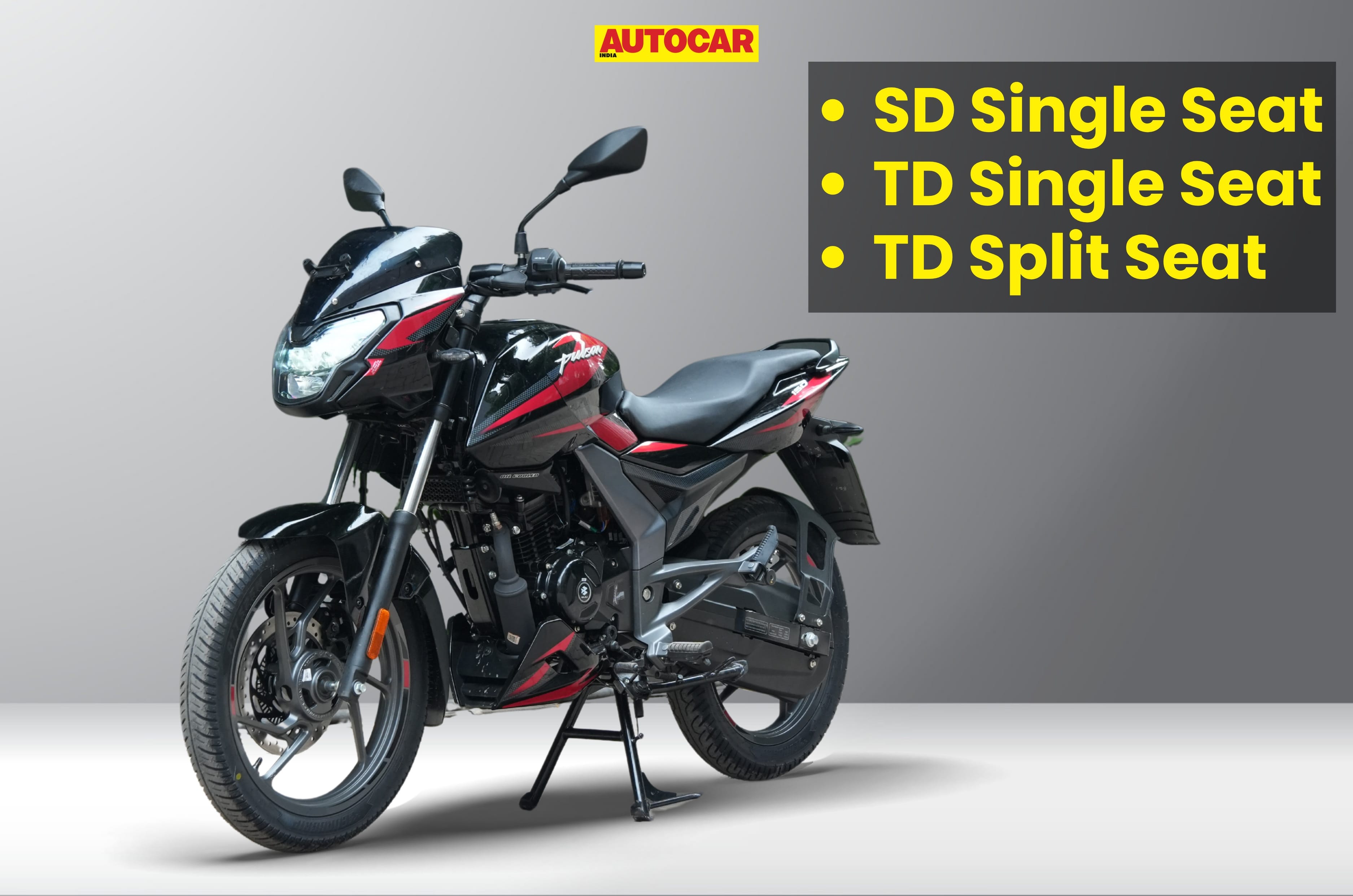
The all-new Bajaj Pulsar 150 arrives on a completely new platform with a revised engine, a new single-cradle frame, monoshock rear suspension and a host of new features. It is offered in three variants, all of which share the same mechanical package but differ in features and some hardware. Here’s a breakdown of what each variant has to offer.

Pulsar 150 variant breakdown

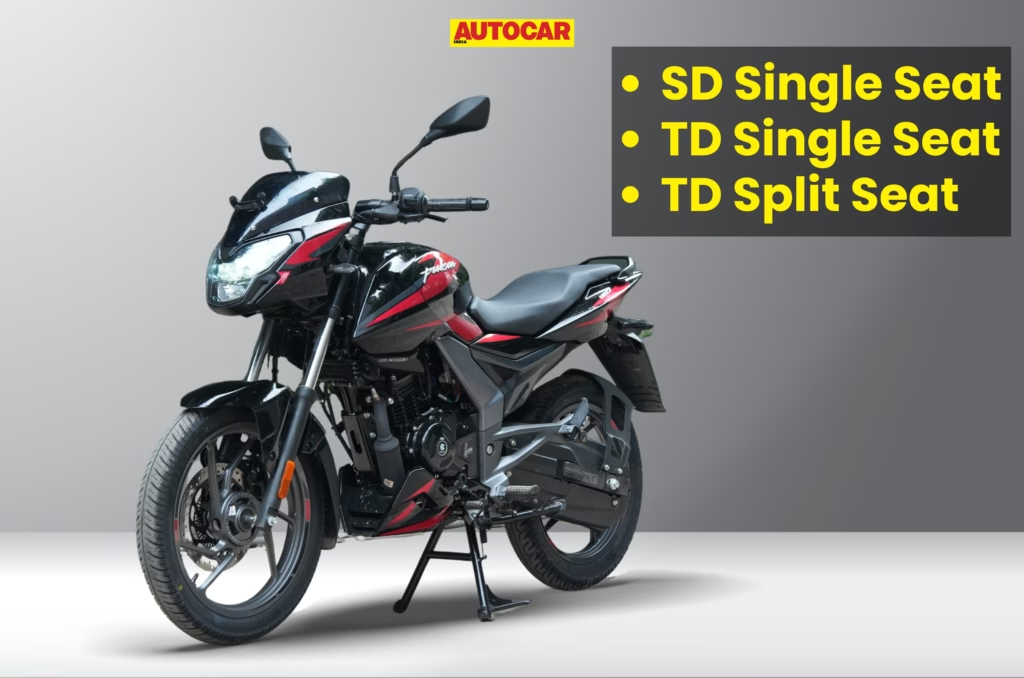
Pulsar 150 SD Single Seat

All three variants get the same 149.5cc, single-cylinder engine that produces peak output figures of 14hp at 8,000rpm and 14.1Nm of torque at 6,500rpm. 

The base SD Single Seat variant gets a 5-inch colour LCD display with Bluetooth and turn-by-turn navigation. Braking comes from a 260mm front disc and a 130mm rear drum, and it’s the only variant of the three to miss out on ISG, a belly pan and hazard lights. It does, however, get the same ride modes and crawl mode as the other two. It’s priced at Rs 1.15 lakh (ex-showroom, Delhi).

Pulsar 150 TD Single Seat

Stepping up to the TD Single Seat swaps in a 5-inch TFT display with Bluetooth, along with an Integrated Starter Generator (ISG) that enables a stop-start system and silent restarts. It also gains a 230mm rear disc brake in place of the drum, a belly pan and hazard lights. It’s priced at Rs 1.22 lakh.

Pulsar 150 TD Split Seat

The range-topping TD Split Seat carries over the TD Single Seat’s ISG, disc brakes, belly pan and hazard lights, but steps up to a 5-inch TFT display with Wi-Fi support that enables Google Maps mirroring – also seen on the Pulsar N160 SS. It’s the only variant of the three with a split-seat design and is priced at Rs 1.23 lakh.

CJP ने संगठन में किए बड़े बदलाव, नए पदाधिकारियों का ऐलान, पार्टी ने बताया अब आगे का क्या है प्लान

CJP ने संगठन में किए बड़े बदलाव, नए पदाधिकारियों का ऐलान, पार्टी ने बताया अब आगे का क्या है प्लान

Abhijeet Dipke Cockroach Janta Party

कॉकरोच जनता पार्टी (CJP) ने मंगलवार को अपने संगठन में नए पदाधिकारियों और जोनल कोऑर्डिनेशन कमेटियों के सदस्यों की घोषणा की। यह फैसला संगठन की 14 सदस्यीय नेशनल वर्किंग कमेटी के गठन के कुछ सप्ताह बाद लिया गया है। पार्टी ने अपने संस्थापक अभिजीत दिपके को राष्ट्रीय संयोजक नियुक्त किया है। वहीं मुख्य प्रवक्ता सौरव दास और प्रवक्ता आशुतोष रांका को सह-संयोजक की जिम्मेदारी दी गई है।


CJP ने अपने आधिकारिक X हैंडल पर नए संगठनात्मक पदाधिकारियों की घोषणा करते हुए कहा कि वह देशभर में संगठन को और मजबूत तथा सक्रिय बनाने की दिशा में काम करना चाहती है। संगठन ने इसके साथ ही पांच संगठन संयुक्त सचिवों और दो राष्ट्रीय प्रवक्ताओं के नामों का भी ऐलान किया है।

ALSO READ: Bajaj Pulsar 125 और Pulsar 150 का नया अवतार लॉन्च, ₹92,990 से शुरू कीमत, मिलेंगे Ride Modes, TFT डिस्प्ले और Google Maps

व्यंग्यात्मक संगठन से युवा आंदोलन तक पहुंचा CJP


कॉकroach जनता पार्टी की शुरुआत एक व्यंग्यात्मक संगठन के तौर पर हुई थी, लेकिन पिछले महीने हुए सफल प्रदर्शन के बाद यह धीरे-धीरे युवा आंदोलन और दबाव समूह के रूप में उभरा। संगठन का दावा है कि उसके आंदोलन के बाद केंद्रीय शिक्षा मंत्री धर्मेंद्र प्रधान को पद से इस्तीफा देना पड़ा था।


नए पदाधिकारियों की घोषणा ऐसे समय हुई है, जब CJP ने केंद्र सरकार पर 25 जुलाई को किए गए कथित वादों और प्रतिबद्धताओं को पूरा नहीं करने का आरोप लगाते हुए एक बार फिर आंदोलन का ऐलान किया है।

ALSO READ: अयोध्या में चंपत राय के विरोध में संतों की बैठक पर पुलिस की रोक, संतों ने लगाया गंभीर आरोप

5 सितंबर को दिल्ली पुलिस मुख्यालय तक मार्च का ऐलान


CJP ने सोमवार को देशभर में विरोध प्रदर्शन करने और 5 सितंबर को दिल्ली पुलिस मुख्यालय तक शांतिपूर्ण मार्च निकालने की घोषणा की थी। संगठन का आरोप है कि केंद्र सरकार ने 25 जुलाई को किए गए आश्वासनों को पूरा नहीं किया है। CJP के मुताबिक, 25 जुलाई को सरकार की ओर से दिए गए आश्वासनों के बाद संगठन ने अच्छे विश्वास में अपना राष्ट्रव्यापी प्रदर्शन वापस लिया था। हालांकि, अब संगठन का आरोप है कि सरकार अपनी प्रतिबद्धताओं पर खरी नहीं उतरी।


संगठन ने बताया कि 5 सितंबर को होने वाला मार्च इंडिया गेट से शुरू होकर दिल्ली पुलिस मुख्यालय तक जाएगा। मार्च का नेतृत्व कथित तौर पर मृत NEET अभ्यर्थियों के परिवार और पुलिस कार्रवाई से प्रभावित लोगों के परिवार करेंगे। CJP ने दावा किया कि देशभर से छात्र, युवा संगठन और युवा नागरिक इस शांतिपूर्ण मार्च में शामिल हो सकते हैं।

ALSO READ: इंदौर क्‍यों सूखा, बचे मानसून में भी बारिश की नहीं उम्‍मीद, कमजोर सिस्‍टम ने बिगाड़ा खेल, क्‍या कहते हैं मौसम वैज्ञानिक?

FIR वापस लेने के वादे को लेकर सरकार पर आरोप


CJP लंबे समय से केंद्र सरकार पर अपने वादों से पीछे हटने का आरोप लगाती रही है। संगठन का मुख्य आरोप प्रदर्शनकारियों के खिलाफ दर्ज FIR वापस लेने और प्रदर्शनकारियों को दंडात्मक कानूनी कार्रवाई से सुरक्षा देने के कथित आश्वासन से जुड़ा है। इस महीने की शुरुआत में CJP ने सुप्रीम कोर्ट का रुख भी किया था। संगठन ने केंद्र की मोदी सरकार पर छात्रों और प्रदर्शनकारियों के खिलाफ दर्ज FIR को खत्म करने की प्रक्रिया में कथित तौर पर अड़चन डालने का आरोप लगाया था।


संगठन ने चेतावनी दी थी कि यदि 25 जुलाई को किए गए कथित वादों पर ठोस प्रगति नहीं हुई तो देशभर में आंदोलन दोबारा शुरू किया जा सकता है। CJP ने सोमवार को अपने बयान में कहा कि सरकार किसी पूरी पीढ़ी का भरोसा लेकर युवाओं को घर भेजने के बाद अपने ही वादे से पीछे नहीं हट सकती। संगठन ने इसे “विश्वासघात” करार देते हुए कहा कि वह इसे स्वीकार नहीं करेगा।

ALSO READ: यूपी के 558 मदरसा प्रबंधक एंटी करप्शन के रडार पर, फर्जी नियुक्ति से चंदे तक, 333 पन्नों में खुला पूरा कच्चा चिट्ठा

आगे क्या?

नए पदाधिकारियों की नियुक्ति और 5 सितंबर के प्रस्तावित मार्च के ऐलान से CJP ने अपने संगठनात्मक विस्तार के साथ-साथ सरकार पर दबाव बढ़ाने की रणनीति भी स्पष्ट कर दी है। अब नजर इस बात पर होगी कि केंद्र सरकार इन आरोपों पर क्या प्रतिक्रिया देती है और 5 सितंबर को प्रस्तावित मार्च में कितनी भागीदारी होती है।

Bajaj Pulsar 125 और Pulsar 150 का नया अवतार लॉन्च, ₹92,990 से शुरू कीमत, मिलेंगे Ride Modes, TFT डिस्प्ले और Google Maps

Bajaj Pulsar 125 और Pulsar 150 का नया अवतार लॉन्च, ₹92,990 से शुरू कीमत, मिलेंगे Ride Modes, TFT डिस्प्ले और Google Maps

bajaj pulsar 125

बजाज ऑटो ने भारतीय बाजार में अपनी लोकप्रिय Pulsar 125 और Pulsar 150 मोटरसाइकिलों के नए मॉडल पेश किए हैं। कंपनी ने दोनों बाइक्स में अपग्रेडेड इंजन, नया हार्डवेयर और कई नए फीचर्स जोड़े हैं। Bajaj Pulsar 125 की शुरुआती कीमत ₹92,990, जबकि Pulsar 150 की कीमत ₹1,15,233 से शुरू होती है। ये सभी कीमतें एक्स-शोरूम हैं।


नई Pulsar सीरीज को सिर्फ रोजमर्रा के आवागमन वाली बाइक के तौर पर नहीं, बल्कि ज्यादा प्रीमियम फीचर्स वाली मोटरसाइकिल के रूप में पेश किया गया है। चुनिंदा वेरिएंट में Ride Modes, Crawl Tech, Monoshock Suspension और Google Maps Navigation के साथ 5-इंच TFT डिस्प्ले जैसे फीचर्स दिए गए हैं। खास बात यह है कि इनमें से कई फीचर्स अब कम कीमत वाली मोटरसाइकिलों में भी तेजी से देखने को मिल रहे हैं।


Bajaj Pulsar 125 और Pulsar 150: कीमत और वेरिएंट


Pulsar 125 को चार वेरिएंट में पेश किया गया है। इसके बेस वर्जन की कीमत ₹92,990 है, जबकि Premium Split Seat वेरिएंट की कीमत ₹1,04,318 तक जाती है। इसके STD Single Seat वेरिएंट की कीमत ₹99,291 और STD Split Seat की कीमत ₹1,00,288 है। वहीं Pulsar 150 तीन वेरिएंट में उपलब्ध है। इसके Single Disc मॉडल की कीमत ₹1,15,233 है। इसके अलावा Twin Disc Single Seat की कीमत ₹1,22,184 और Twin Disc Split Seat की कीमत ₹1,23,187 है।


नए इंजन में लो-RPM परफॉर्मेंस पर फोकस


नई Pulsar 125 में 11.7bhp की पावर मिलती है, जबकि Pulsar 150 में 13.6bhp का आउटपुट मिलता है। बजाज के मुताबिक, दोनों मोटरसाइकिलें 3,000rpm और उससे ऊपर अपने पीक पावर का करीब 85 प्रतिशत उपलब्ध कराती हैं। कंपनी ने गियरबॉक्स में भी बदलाव किया है, जिससे कम स्पीड पर बाइक की राइडिंग क्षमता बेहतर हो सके। मोटरसाइकिलों में डीप गियर बेवल्स दिए गए हैं, जिनसे बार-बार क्लच का इस्तेमाल करने की जरूरत कम होने का दावा किया गया है। शहरी ट्रैफिक में यह बदलाव खास तौर पर उपयोगी हो सकता है, क्योंकि यहां अधिकतम पावर के बजाय कम स्पीड पर बेहतर कंट्रोल और स्मूथ राइडिंग ज्यादा महत्वपूर्ण होती है।


Crawl Tech से ट्रैफिक में आसान होगी राइडिंग

नई Pulsar का एक प्रमुख फीचर Crawl Tech है। यह फीचर बाइक को बहुत कम स्पीड पर चलाने में मदद करता है, जिससे राइडर को बार-बार थ्रॉटल दबाने की जरूरत कम पड़ती है। बजाज का दावा है कि Crawl Tech क्लच और थ्रॉटल इनपुट को आसान बनाता है और धीमे ट्रैफिक में बाइक के बंद पड़ने यानी stall होने के जोखिम को कम करता है।


किफायती Pulsar में अब ज्यादा टेक्नोलॉजी


Pulsar 125 के चुनिंदा मॉडल में Road, Rain और Sport तीन राइडिंग मोड दिए गए हैं। Pulsar 150 की पूरी रेंज में ये राइडिंग मोड उपलब्ध हैं। ऊपरी वेरिएंट में 5-इंच TFT डिस्प्ले और Google Maps Navigation के साथ LED इंडिकेटर्स, Hazard Lamps और Integrated Starter Generator (ISG) जैसे फीचर्स भी मिलते हैं।


वहीं बेस Pulsar 125 में कलर LCD, LED हेडलैंप, Monoshock Suspension और Crawl Tech दिया गया है। हालांकि इस वेरिएंट में Ride Modes और TFT डिस्प्ले नहीं मिलता। दोनों मोटरसाइकिलों में अब Monoshock Rear Suspension दिया गया है। इसके अलावा USB Type-C चार्जिंग पोर्ट भी मिलता है।


ज्यादा प्रीमियम बनाने की कोशिश


नई Pulsar 125 और Pulsar 150 के जरिए बजाज ने टेक्नोलॉजी और फीचर्स के दम पर इन मोटरसाइकिलों को पहले से ज्यादा प्रीमियम बनाने की कोशिश की है। बेस वेरिएंट अपेक्षाकृत सरल रखे गए हैं, जबकि महंगे वेरिएंट में ऐसे फीचर्स मिलते हैं जो पहले ज्यादा कीमत वाली मोटरसाइकिलों तक सीमित हुआ करते थे। अब देखने वाली बात यह होगी कि ये नए फीचर्स राइडिंग एक्सपीरियंस को कितना बेहतर बनाते हैं और अतिरिक्त कीमत के मुकाबले ग्राहकों के लिए कितने फायदेमंद साबित होते हैं।