Bajaj Pulsar 125 New vs Old: Price and differences explained

Bajaj Pulsar 125 New vs Old: Price and differences explained
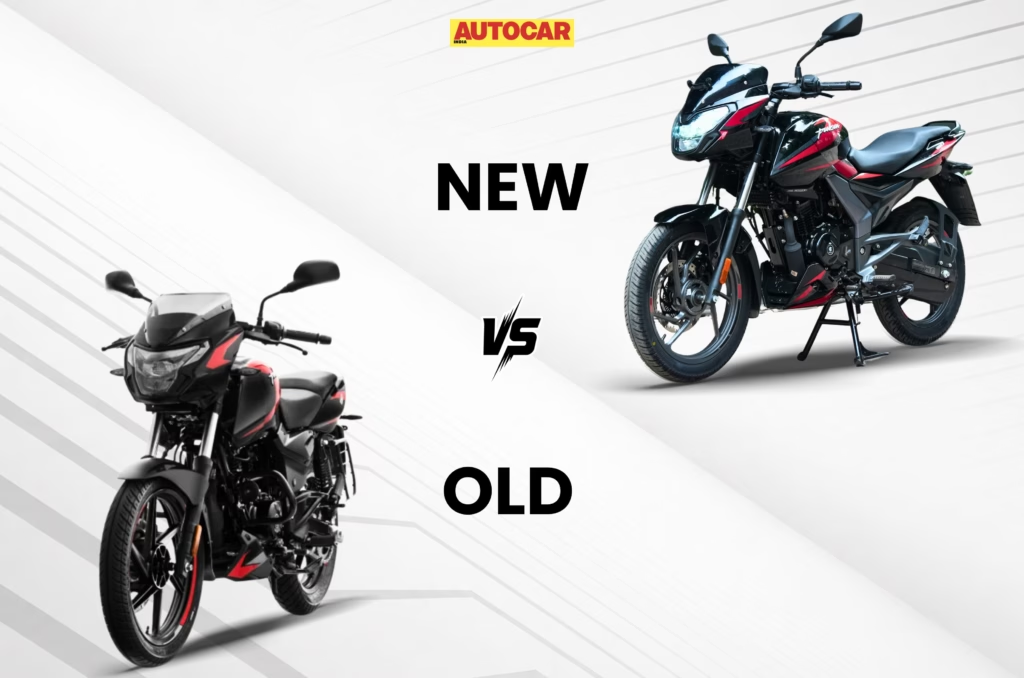
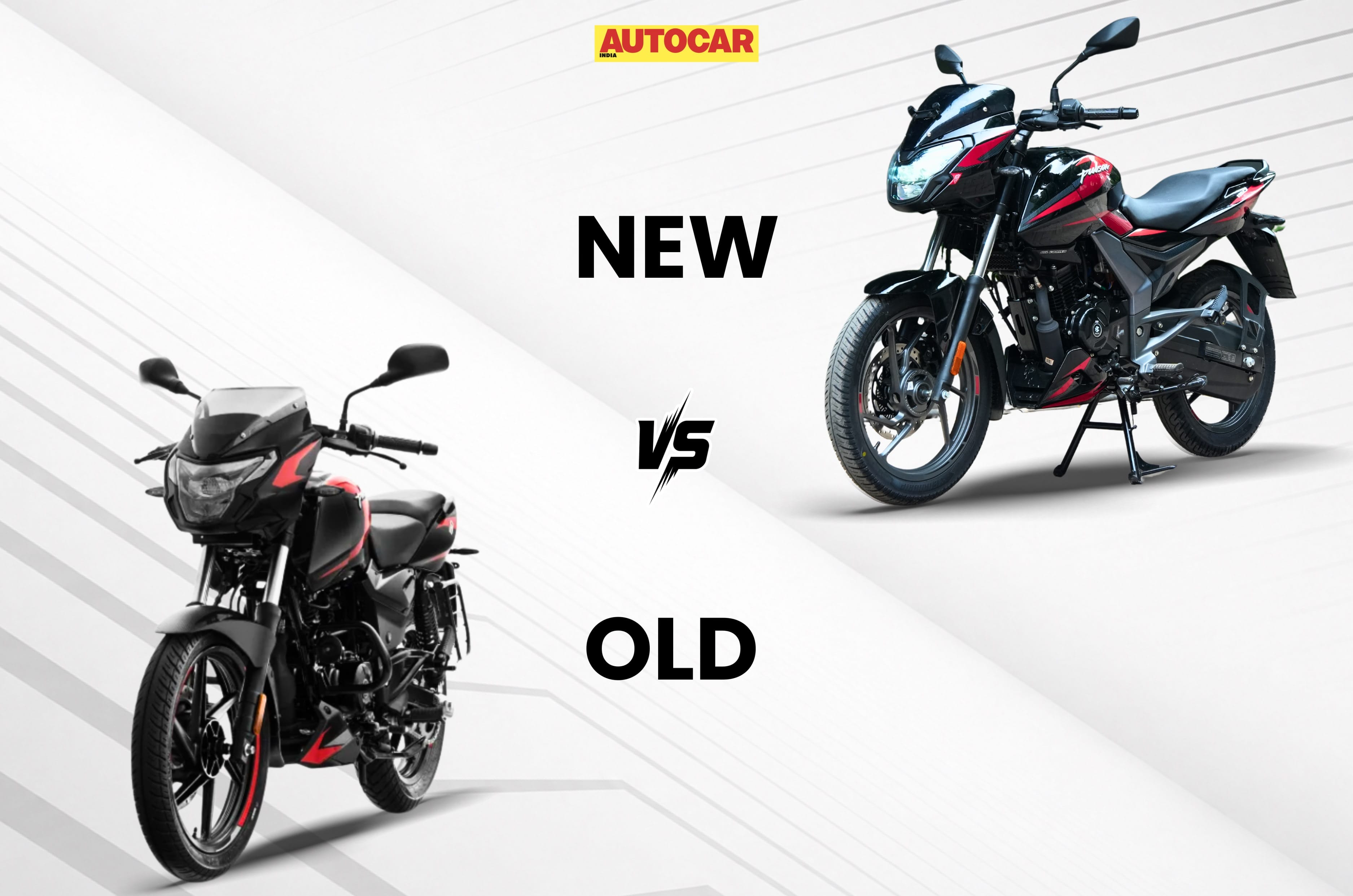
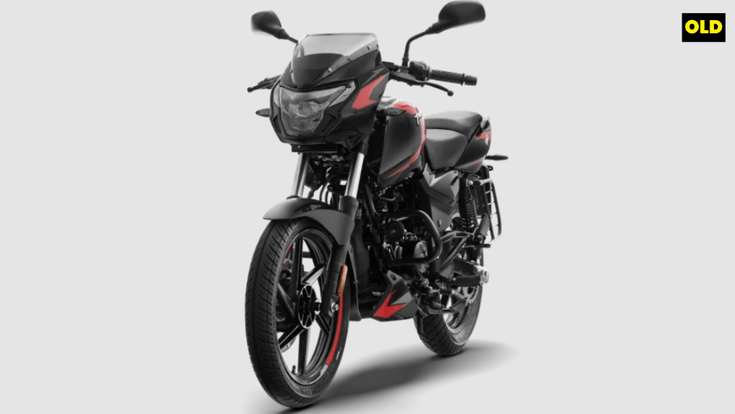
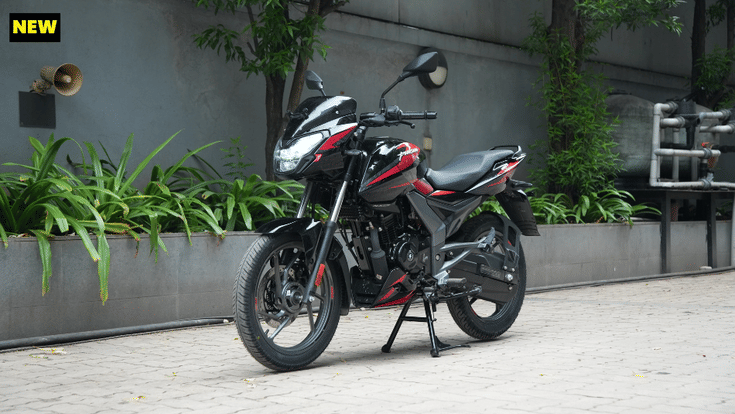
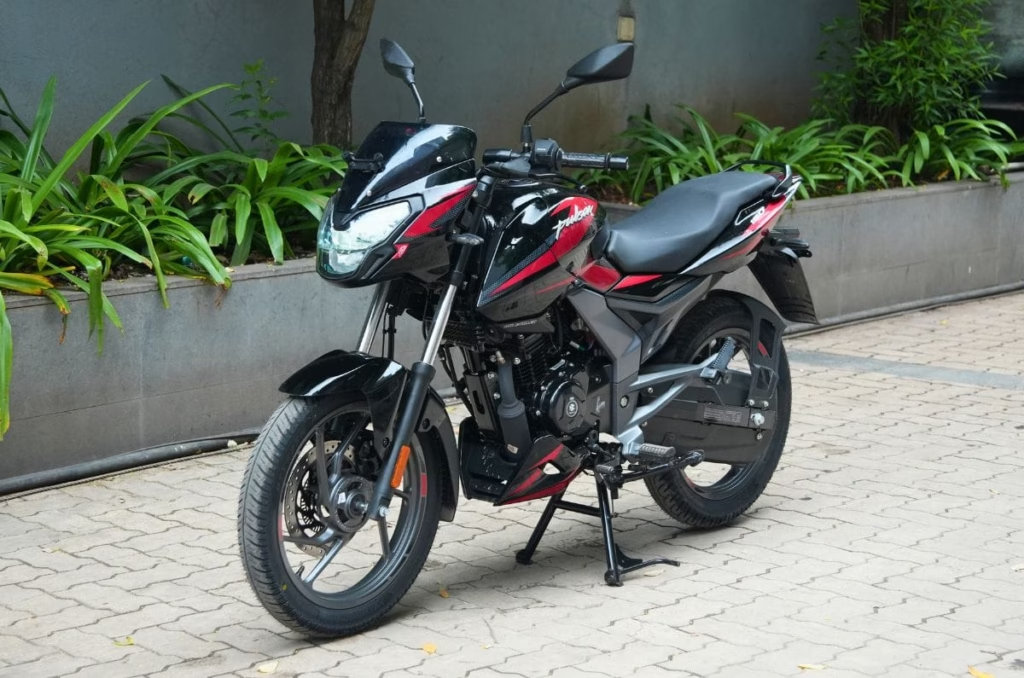
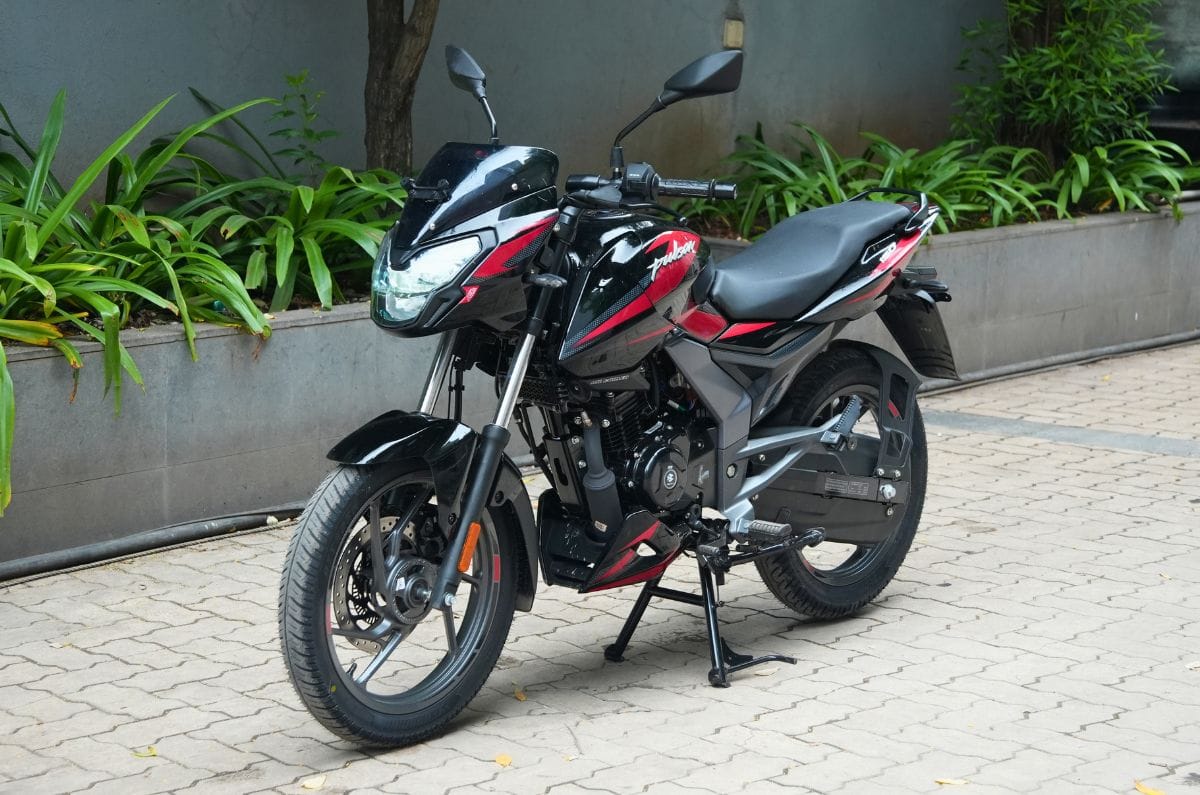
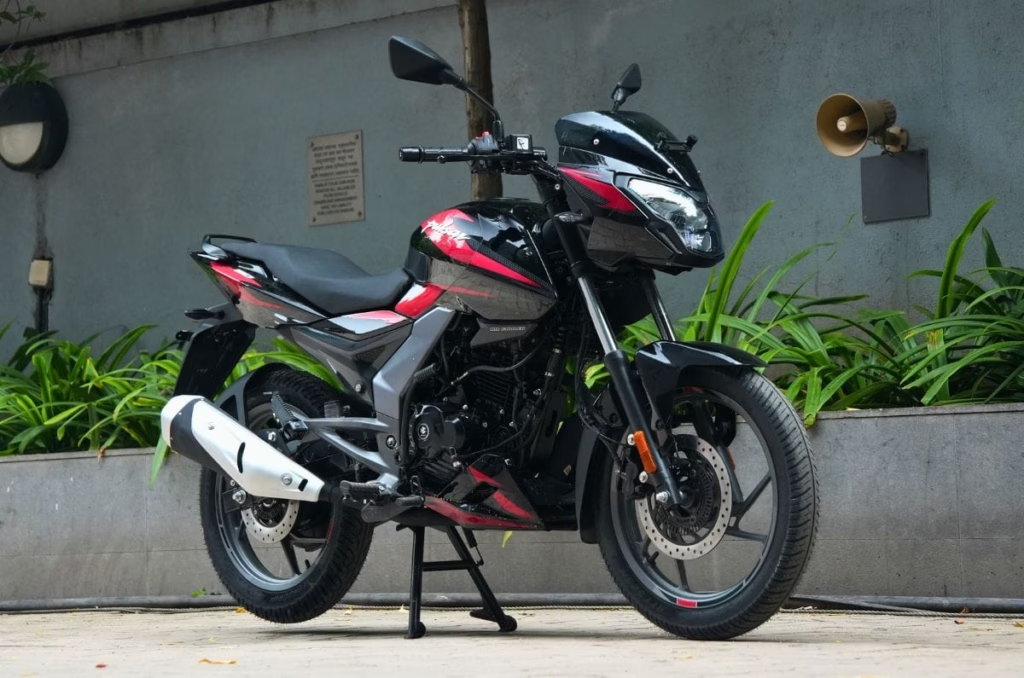
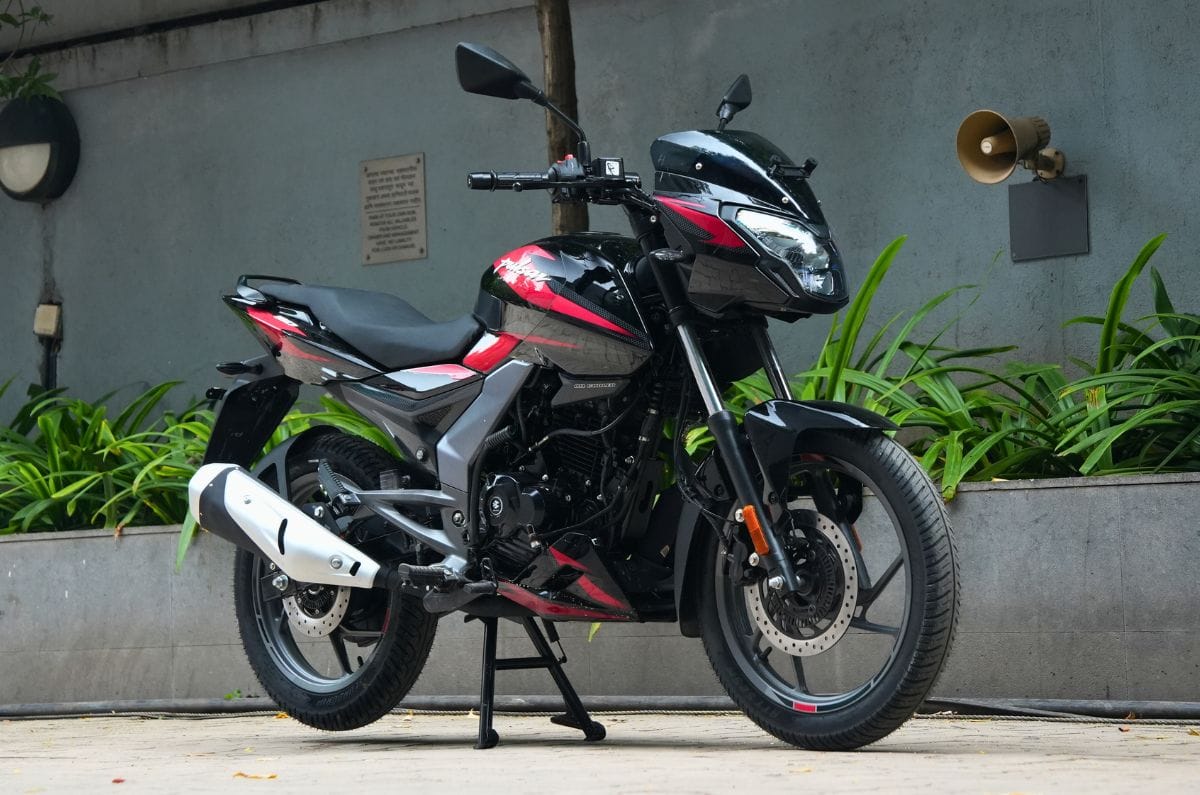
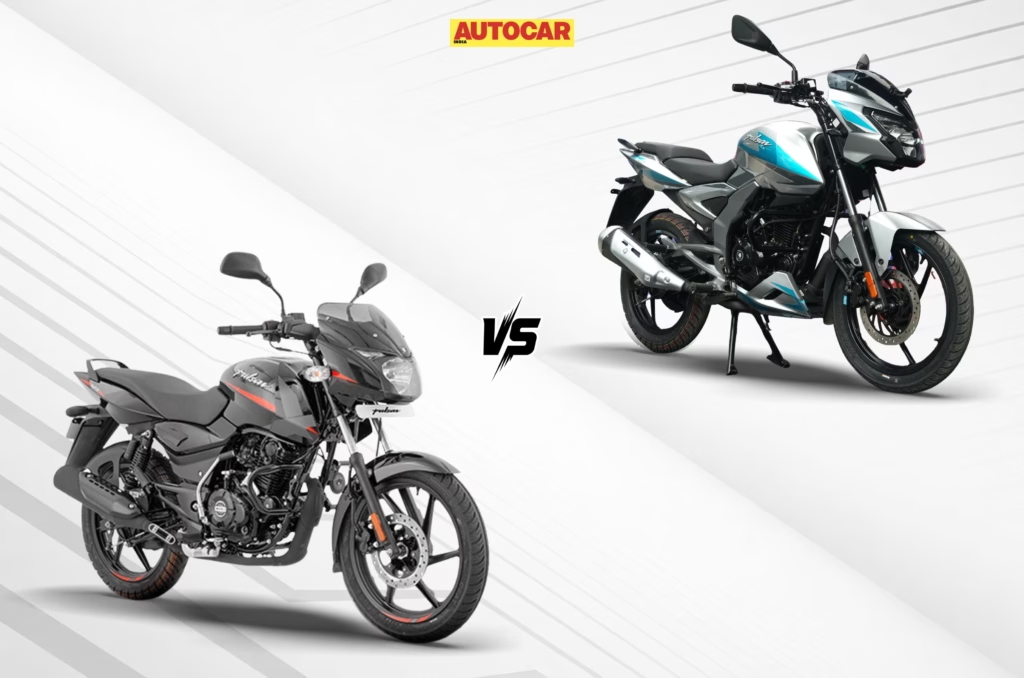
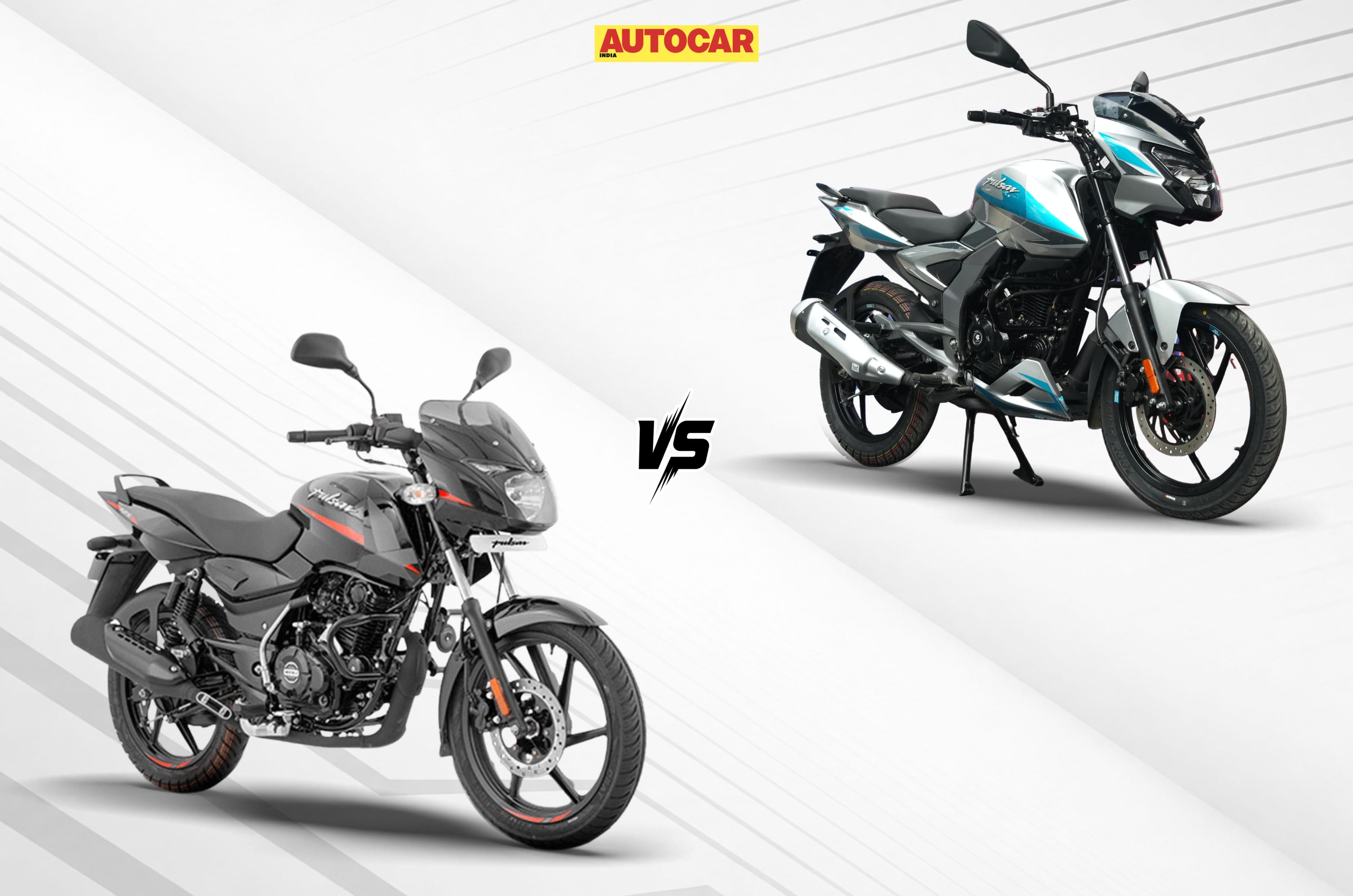
Lead image showing front right quarter shots of the outgoing and the new Pulsar 125

With the discontinuation of the N125 in India, the Pulsar 125 had gained attention back as the entry-level Pulsar model and Bajaj has just revamped it from the ground-up. Some of the obvious upgrades are to the engine, frame, and suspension. However, with the line-up expanding to four variants from two earlier, what exactly sets the new Pulsar 125 apart from the old? Let’s find out.

Note: At the time of writing, Bajaj hasn’t shared the exact dimensions and kerb weight for the new Pulsar 125 so this comparison skips that. We’ll update the story once we get those details.

Bajaj Pulsar 125 New vs Old: Engine

More power and torque at the same points in the rev range


New Bajaj Pulsar 125

Old Bajaj Pulsar 125

Engine

124.58cc single-cylinder, air-cooled

124.38cc single-cylinder, air-cooled

Power

12.1hp at 8,500rpm

11.8hp at 8,500rpm

Torque

11.4Nm at 6,500rpm

10.8Nm at 6,500rpm

Transmission

5-speed

5-speed

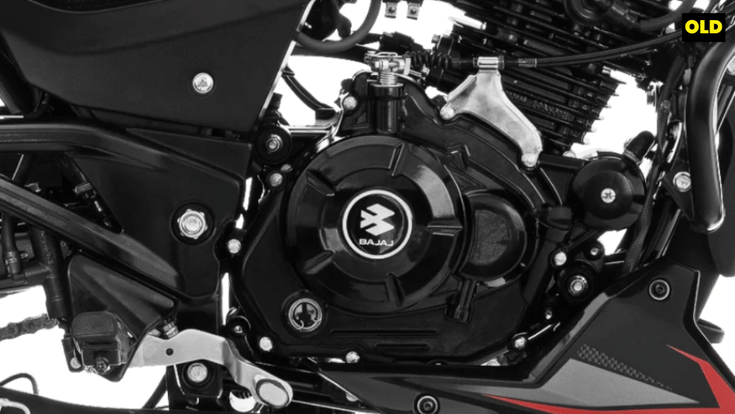
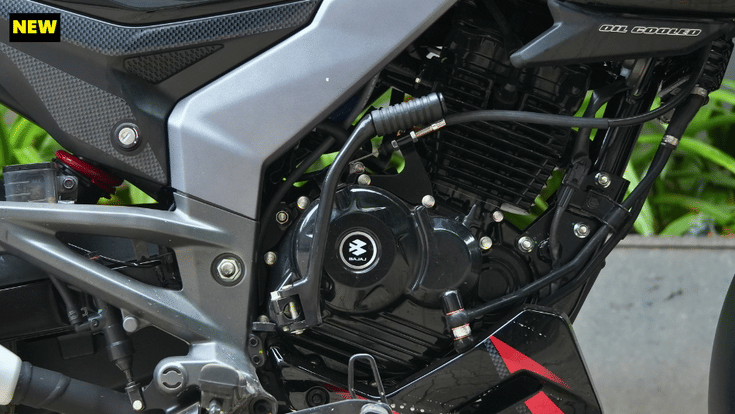
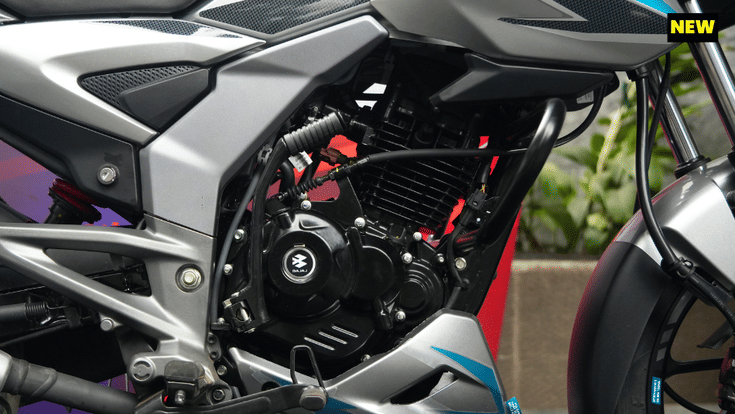
Similar to the all-new Pulsar 150, the new Pulsar 125’s engine also looks similar to the outgoing one at first glance, but that’s not the case. The cubic capacity on the new engine has increased by two-tenths and Bajaj has extracted marginally more power and torque delivered at similar rpm as before. Bajaj also claims that 80 percent of the torque is available from 3,000rpm onwards. On paper, it’s easy to dismiss this improvement as minuscule, but it bodes well with Bajaj’s placement of the 125 as an easy city commuter.

Unlike the new Pulsar 150’s oil-cooled engine, the 125 sticks to an air-cooled unit. Transmission also remains 5-speed, but Bajaj claims an upgraded gearbox for low end tractability. The power-to-weight ratio has supposedly improved, and Bajaj says acceleration has as well, but we’ll have to wait until we put the bike through our tests to confirm so.
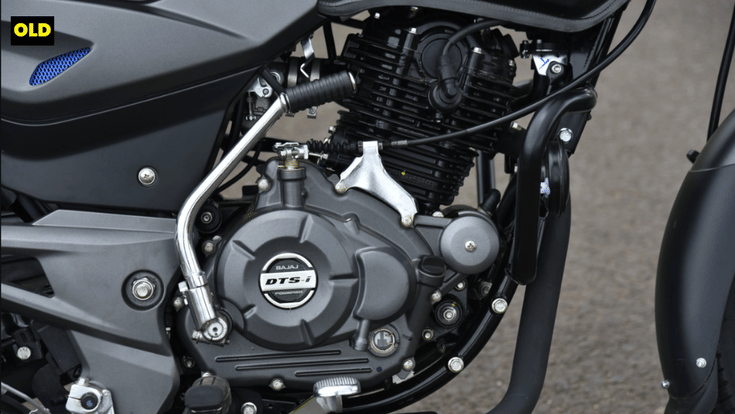
Right side close up of the outgoing Pulsar 125's engine
Right side close up of the new Pulsar 125's engine


Bajaj Pulsar 125 New vs Old: Chassis, headlight, and suspension

Chassis and suspension see major changes

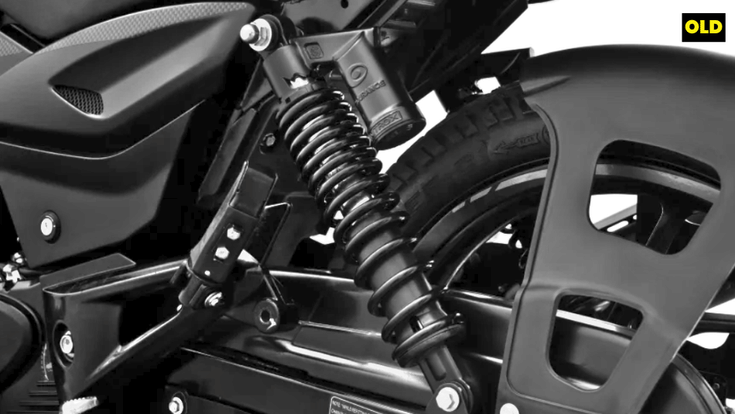
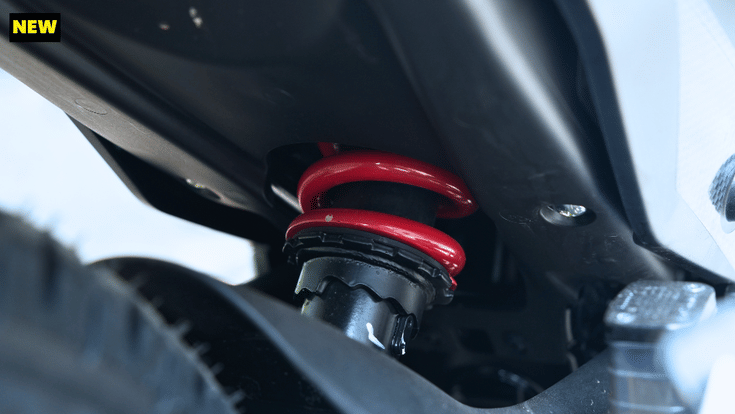
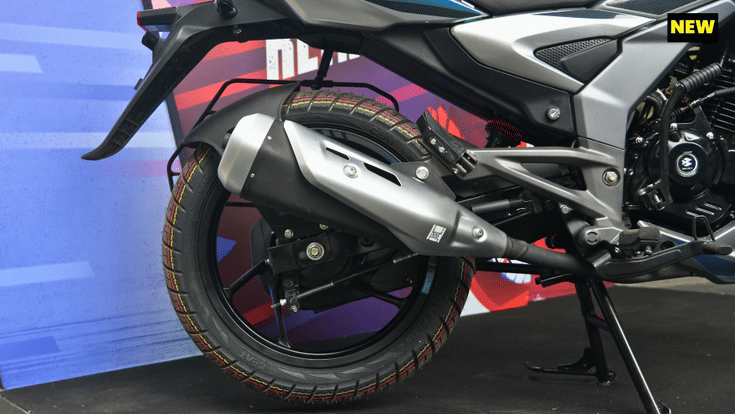
Keeping in line with the all-new theme, Bajaj has also changed the chassis and the suspension setup on the new Pulsar 125. The existing dual-cradle frame has been swapped for a single-cradle or diamond frame with the engine now acting as a stressed member. Bajaj says the change enables the Pulsar 125 to have greater stiffness, enabling better handling and stability.
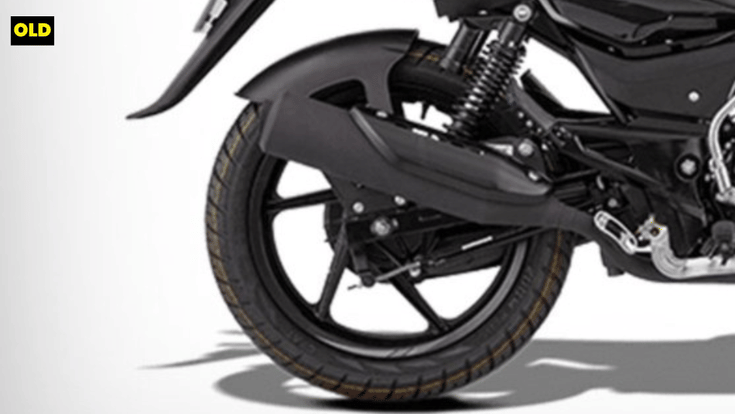
Right close up of the outgoing Pulsar 125's rear wheel showing the suspension
Right close up of the new Pulsar 125's rear wheel showing the suspension


Though the fork is still a right side up (RSU) telescopic unit, the new Pulsar 125 upgrades the diameter by 1mm to 31mm, but with a 10mm shorter 125mm travel. The rear suspension has also seen improvements with the familiar twin-shock setup being swapped for a monoshock unit and the travel has been increased by 8mm to 110mm. Bajaj attributes greater stability in straight lines and corners on the new Pulsar 125 to the brand-new monoshock setup.

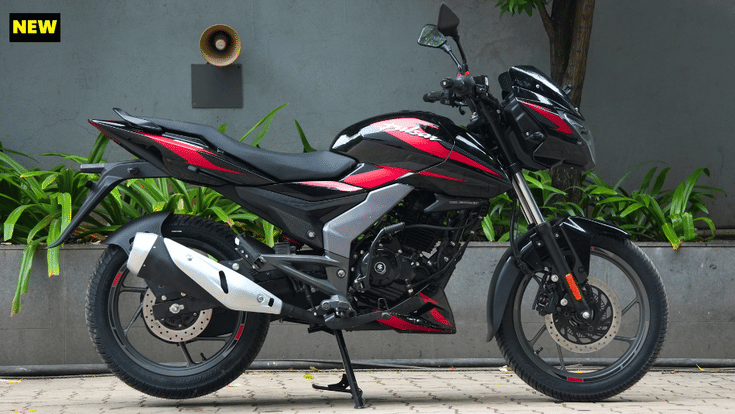
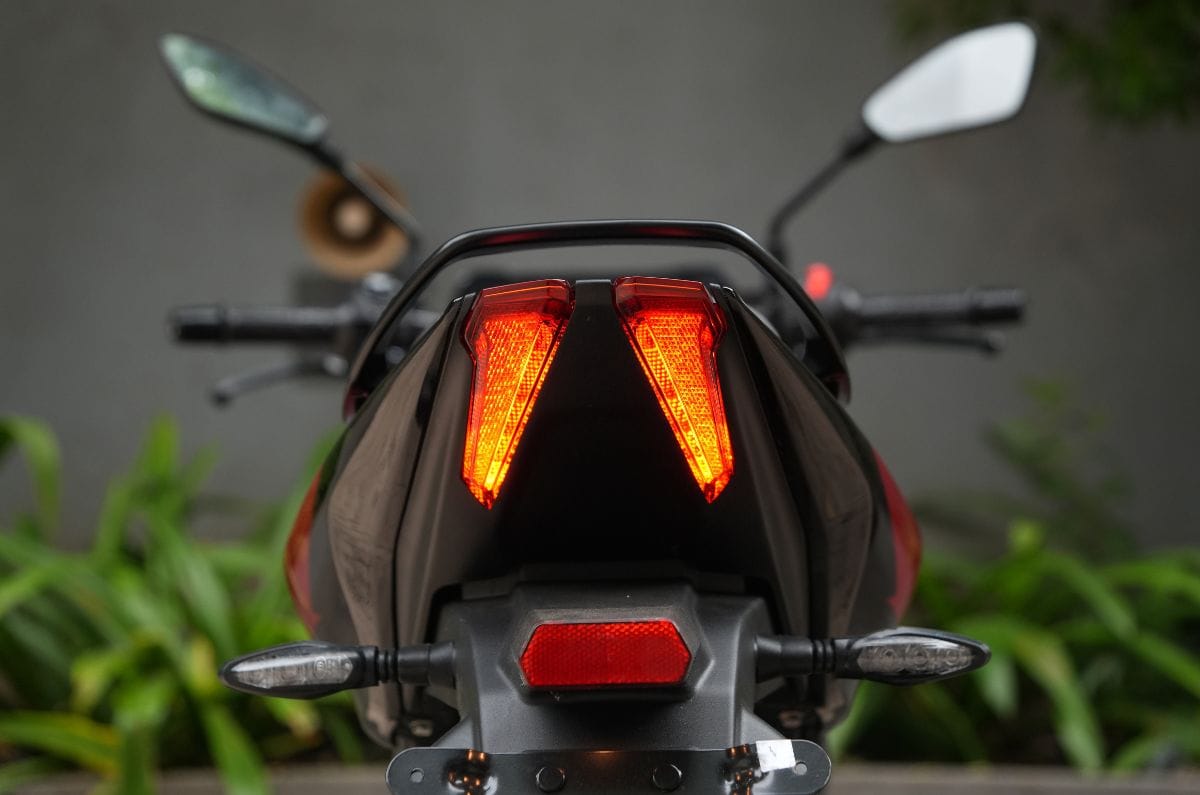
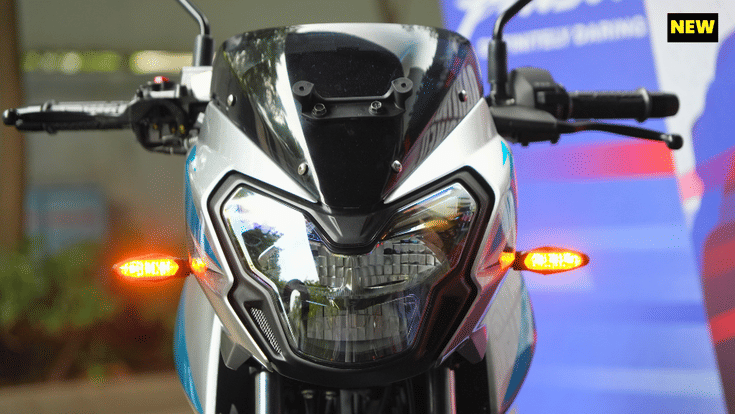
The lighting setup has also been changed, although by a tiny amount. While the headlight and taillight continue to be LED across the board, Bajaj has slightly redesigned the fairing on the new Pulsar 125. Out of the four variants, the LED indicators and hazard lights are only available on the top three variants; only the top-most variant gets a belly pan as standard.
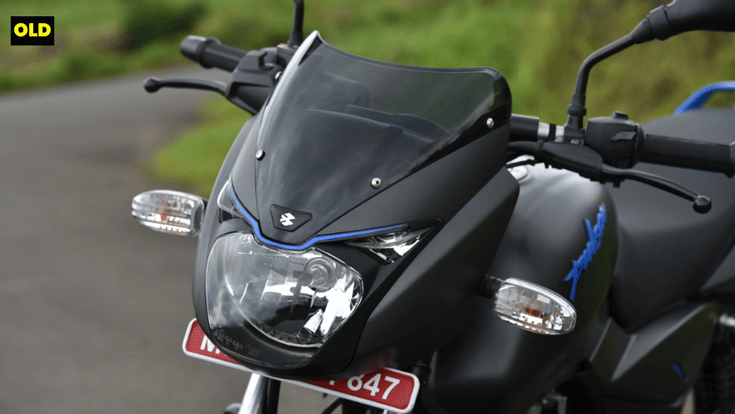
Front close up of the outgoing Pulsar 125's headlight fairing
Front close up of the new Pulsar 125's headlight fairing


Bajaj Pulsar 125 New vs Old: Tyres and brakes

Higher variants get a larger front disc


New Bajaj Pulsar 125

Old Bajaj Pulsar 125

Tyres (F/R)

80/100-17 / 100/90-17

80/100-17 / 100/90-17

Brakes (F/R)

240mm disc, 130mm drum (base)/260mm disc, 130mm drum (other three)

240mm disc, 130mm drum

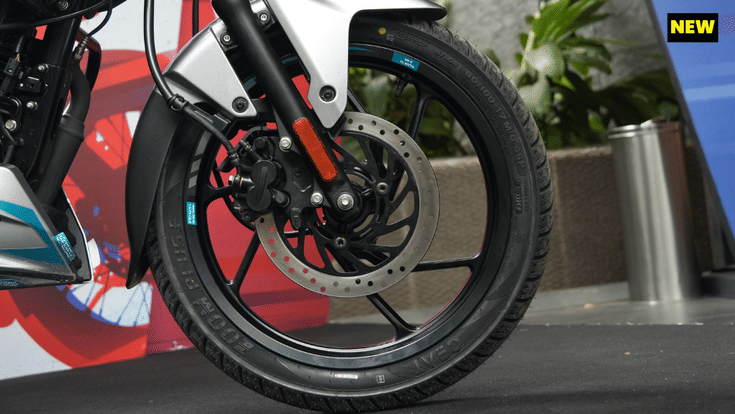
While the tyre sizes remain unchanged on the new Pulsar 125, Bajaj has increased the front disc size on the top three variants. ABS in any form continues to be missing, with the motorcycle offering Combined Braking System (CBS) as standard instead.
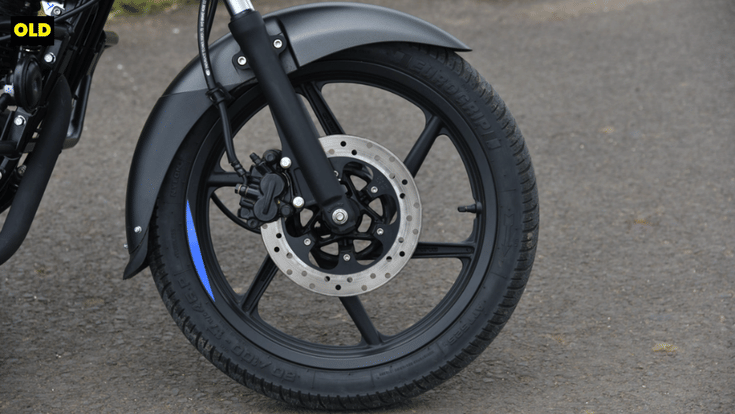
Front wheel right shot of the outgoing Pulsar 125
Front wheel right shot of the new Pulsar 125


Bajaj Pulsar 125 New vs Old: Features

TFT Cluster and ride modes are major upgrades
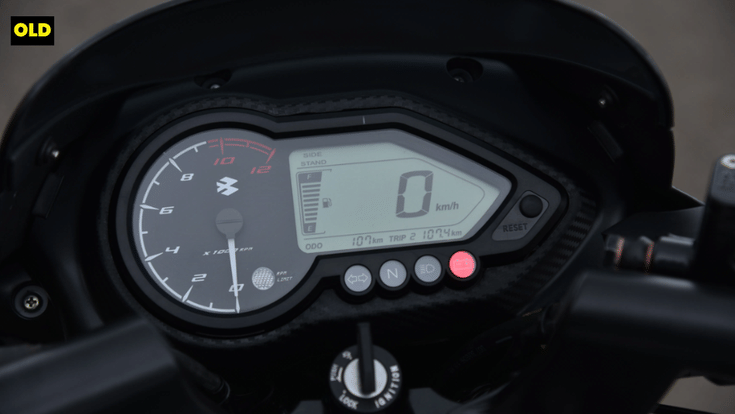
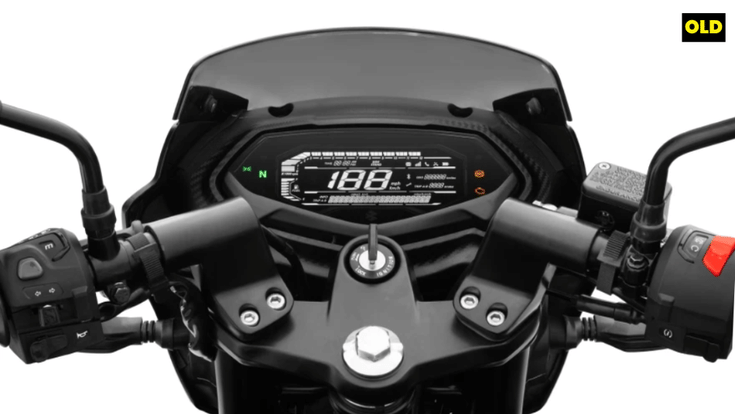
Close up of the outgoing Pulsar 125 base variant instrument cluster
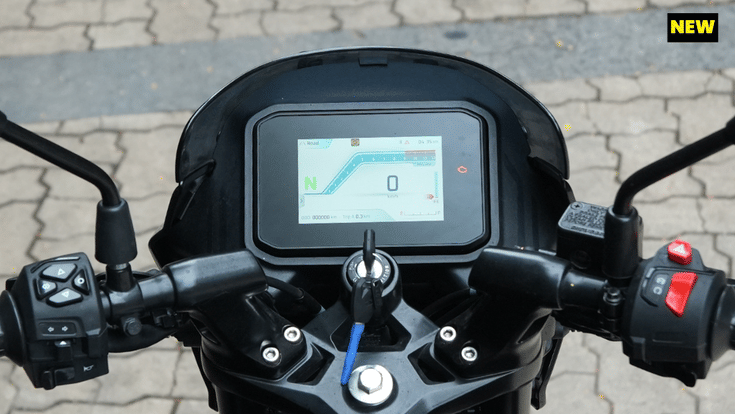
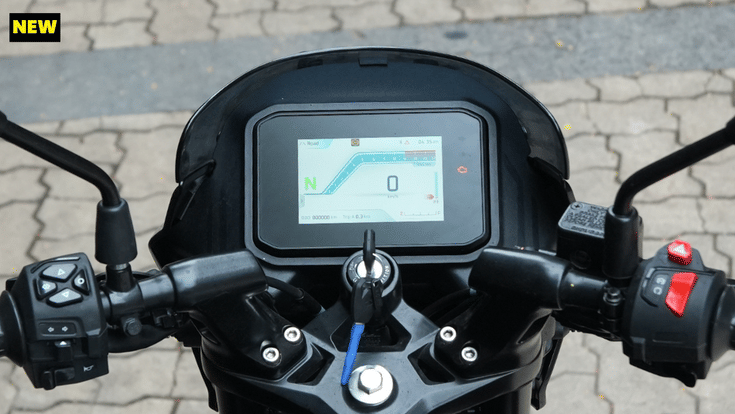
Close up of the new Pulsar 125 top variant instrument cluster


The biggest feature addition to the new Pulsar 125 starts with what you’ll see on every ride, the instrument cluster. The base variant now gets a 5-inch LCD cluster, the mid and top variants getting a 5-inch TFT cluster. Connected features like music control and call and SMS alerts are common to all four variants—thanks to the standard Bluetooth—though WiFi is limited to the top variant. Thanks to WiFi, the top variant alone gets Google Maps mirroring for navigation, whereas the others have turn-by-turn navigation.

The TFT cluster can also store important documents like licence and RC for quick access. To charge up your devices on the go, the new Pulsar 125 gives you a USB type-C port, an upgrade to the previous version’s USB type-A port. However, it’s a paid extra on the base variant. What’s standard on all variants are the three ride modes, Road, Rain, and Sport. In order to make city riding easier still, the new Pulsar 125 also gets crawl tech and ISG (Integrated Starter Generator). The former makes stop-and-go traffic easier to handle; whereas the latter, available on the top three variants, gives you silent start and a stop-start system to conserve fuel.

Bajaj Pulsar 125 New vs Old: Price

New 125’s noticeably more expensive


New Bajaj Pulsar 125

Old Bajaj Pulsar 125

Price (ex-showroom, Delhi)

Rs 92,900 – Rs 1.04 lakh

Rs 81,556 – Rs 94,518

With all the new changes and features, the new Pulsar 125 starts at Rs 92,900 for the base variant and goes up to Rs 1.04 lakh for the top variant, cracking the one lakh mark. That’s a steep increase over the outgoing model’s price range. The new Pulsar 125 does make forward strides in almost every area, but we’ll have to wait until we ride the bike to comment on whether the changes justify the unmissable premium.

All prices are ex-showroom, Delhi.

 

Bajaj Pulsar 150 new vs old: Price and differences explained

Bajaj Pulsar 150 new vs old: Price and differences explained
Bajaj Pulsar 150 New vs Old: Price and differences explained

After what seems like a long, drawn-out process, Bajaj has finally launched the all-new classic Pulsar 150 and Pulsar 125. The new Pulsar 150 brings a lot to the line, with a new engine and frame, along with a whole lot of new features. However, it has also lost some of the features from the previous Pulsar 150 it replaces. Let’s see what those are, in detail. At the end, you can decide if the proverbial “old is gold” applies to the Pulsar 150 too.

Note: At the time of writing, Bajaj hasn’t shared the exact dimensions and kerb weight for the new Pulsar 150, so this comparison skips that part. We’ll update this once we get the details from Bajaj.

Bajaj Pulsar 150 new vs old: Engine changes

Same power but more torque than before


New Bajaj Pulsar 150

Old Bajaj Pulsar 150

Engine

149.5cc, single-cylinder, oil-cooled

149.5cc, single-cylinder, air-cooled

Power

14hp at 8,000rpm

14hp at 8,500rpm

Torque

14.1Nm at 6,500rpm

13.2Nm at 6,500rpm

Transmission

5-speed

5-speed

Both models have a 149.5cc engine, but they are anything but the same. The old one, for example, was an air-cooled unit, but the new engine upgrades to oil cooling. And while the power figure remains the same, it’s delivered 500rpm earlier. Torque, on the other hand, has increased.

Bajaj Pulsar 150 old engine
Bajaj Pulsar 150 New engine


Considering that the cubic capacity itself remains unchanged, this is a commendable improvement from Bajaj. The company also claims an improved 0-60kph timing owing to an improved power-to-weight ratio. However, we don’t know by how much that has improved.

Bajaj Pulsar 150 new vs old: Chassis, headlight and suspension

The older Pulsar had a bigger fork

Bajaj Pulsar 150 rear shocks
Bajaj Pulsar 150 monoshock


Keeping in line with the all-new theme, Bajaj has also changed the chassis and the suspension setup on the new Pulsar 150. The dual-cradle frame has been swapped for a simpler single-cradle or diamond frame, with the engine now acting as a stressed member. Bajaj says the change gives the Pulsar 150 greater stiffness, enabling better handling and stability.

Bajaj Pulsar 150 front three quarter headlight
Bajaj Pulsar 150 new front three quarter headlight


The fork on the new Pulsar 150 remains a right-side-up (RSU) telescopic unit. However, the previous top variant of the Pulsar 150, Split Seat, had a larger 37mm fork with 130mm of travel. The base variant had a 31mm fork with an even longer 135mm of travel. The new Pulsar 150 swaps both for an in-between 33mm-diameter fork and a shorter 125mm travel. While the reduced travel is unlikely to compromise the bike’s functionality by a noticeable amount, it’s worth mentioning nevertheless. The rear suspension, on the other hand, has seen improvements across the board. The familiar twin-shock setup has been chucked for a brand-new monoshock unit, and the travel has been increased by 8mm to 110mm. Bajaj claims the change gives the Pulsar 150 greater straight-line and cornering stability.

Bajaj Pulsar 150 right side profile old
Bajaj Pulsar 150 right side profile new


The lighting setup on the Pulsar has also changed. While the headlight and tail-light continue to be LED across the board, Bajaj has slightly redesigned the fairing on the new Pulsar 150. The LED indicators that were previously standard, though, are now only available on the top two variants. The new Pulsar 150 also has hazard lights but only on the top two variants. These two variants get the belly pan as standard, too.

Bajaj Pulsar 150 new vs old: Wheels, tyres and brakes

New Pulsar 150 has smaller tyres and brakes


New Bajaj Pulsar 150

Old Bajaj Pulsar 150

Tyres (F, R)

80/100-17, 100/90-17

80/100-17, 100/90-17 (base); 90/90-17, 120/80-17 (top)

Brakes (F, R)

260mm disc, 130mm drum (base); 260mm disc, 230mm disc (mid and top)

260mm disc, 130mm drum (base); 280mm disc, 230mm disc (top)

ABS

Single-channel ABS

Single-channel ABS

Moving on to the tyres, the top variant of the outgoing Pulsar 150 had larger tyres at both the front and rear. The new one, however, standardises the base variant’s tyre sizes for all three variants. The same goes for the front brakes. Both old and new Pulsar 150s stick to having single-channel ABS as standard. If you need dual-channel ABS, you would have to upgrade to the Pulsar N160’s top variant.

Bajaj Pulsar 150 New vs Old: Features

Host of new features on the new Pulsar 150

This is the one area where the new Pulsar 150 unabashedly moves things forward. The previous Pulsar 150’s base variant had a semi-digital instrument cluster, and the top variant had the negative LCD instrument cluster. Both are gone now, with a new 5-inch LCD cluster taking their place on the base variant and the mid and top variants getting a 5-inch TFT cluster. All three variants come with Bluetooth as standard, while the top variant even adds WiFi support. All three get connected features such as music control and call and SMS alerts.

Bajaj Pulsar 150 old dash
Bajaj Pulsar 150 New dash


However, only the TFT cluster can store important documents like the licence and RC for quick access. Additionally, the top variant exclusively gets Google Maps mirroring for navigation, whereas the other two stick to turn-by-turn navigation. If you are worried that the navigation will drain your phone’s battery, the new Pulsar 150 also gives you a USB Type-C port, an upgrade from the previous version’s USB Type-A port, but only on the top two variants.

The Pulsar 150 has three ride modes – Road, Rain and Sport – with crawl tech and an integrated starter generator (ISG) adding to the convenience. ISG is once again exclusive to the top two variants. Crawl tech makes navigating stop-and-go traffic easier, whereas ISG gives you a silent start and a stop-start system to help conserve fuel.

Bajaj Pulsar 150 New vs Old: Price

Costlier by at least Rs 4,000 

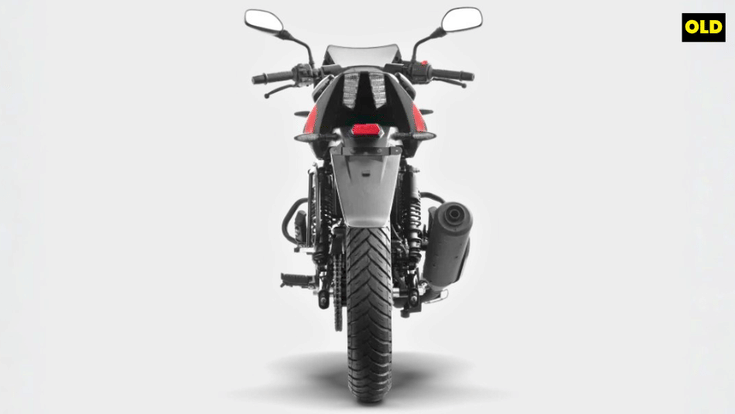
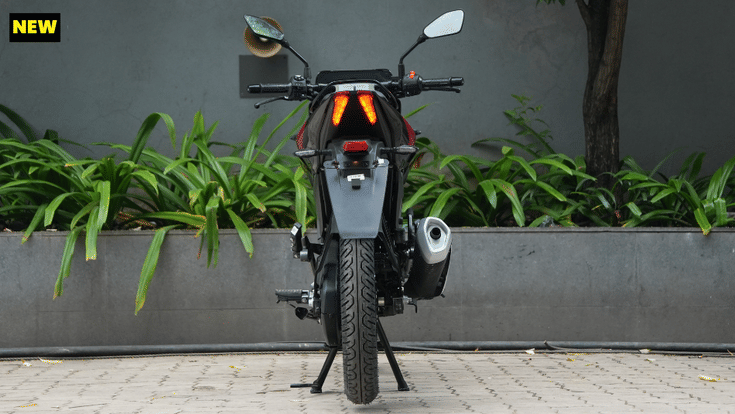
Bajaj Pulsar 150 rear profile
Bajaj Pulsar 150 new rear profile


New Bajaj Pulsar 150

Old Bajaj Pulsar 150

Price range (in Rs)

1.15 lakh-1.23 lakh

1.11 lakh-1.18 lakh

With all the new changes and features, the new Pulsar 150 starts at Rs 1.15 lakh for the base variant and goes up to Rs 1.23 lakh for the top variant. For context, the old Pulsar 150’s price ranged between Rs 1.11 lakh and Rs 1.18 lakh. While the new Pulsar 150 gives you more features, it also lacks some things compared to the older model. Deciding whether it’s really an upgrade therefore requires a test ride, as the real-world experience is hard to conclude based on the spec sheet alone.

Prices are ex-showroom, Delhi.
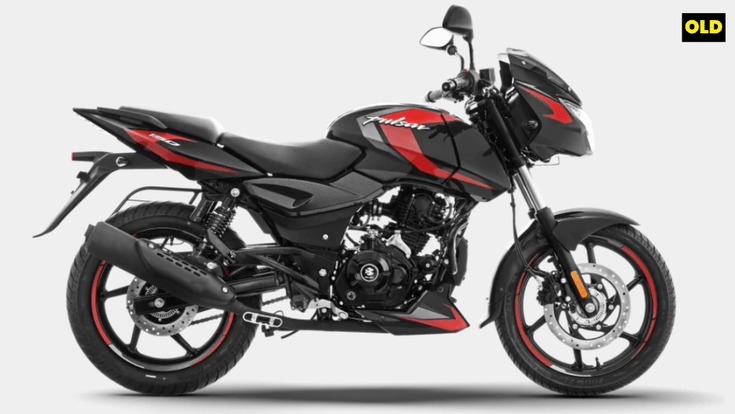
 

All-new Bajaj Pulsar 150 image gallery

All-new Bajaj Pulsar 150 image gallery
Bajaj Pulsar 150 left front three quarter

After months of anticipation and teasing, Bajaj has finally revealed an all-new Pulsar 150 today with almost all the parts of the motorcycle receiving substantial upgrades while retaining the classic Pulsar silhouette. 

Starting with the 149.5cc, single-cylinder, air/oil-cooled engine which at first glance looks similar to the existing one, with the same 14hp power. However, the engine has two major changes. The peak power is now delivered at 8,000rpm, 500rpm earlier than the existing engine. And peak torque has gone up to 14.1Nm; 0.9Nm more than before, though it is delivered at the same 6,500rpm.

The next big change is that the rear suspension is now a monoshock, as opposed to the conventional twin-shocks setup. The front continues with a right side up (RSU) telescopic fork with 33mm diameter with 125mm of travel and the rear suspension travel is 110mm. Stopping duties are handled by a 260mm front disc and a 230mm rear disc (130mm rear drum on the base variant). 

 the fairing on the new one has been redesigned for a more aggressive look with the top two variants getting all-LED lighting as standard. Bajaj has priced the base SD Single Seat variant at Rs 1.15 lakh with the fully loaded, TD Split Seat variant costing Rs 1.23 lakh.

All-new Bajaj Pulsar 150 launched from Rs 1.15 lakh

All-new Bajaj Pulsar 150 launched from Rs 1.15 lakh

After months of anticipation and teasing, Bajaj has finally revealed an all-new Pulsar 150 today with almost all the parts of the motorcycle receiving substantial upgrades while retaining the classic Pulsar silhouette. There are three variants now, SD Single Seat, TD Single Seat, TD Split Seat. The latter two variants get a 5-inch TFT instrument cluster and an Integrated Starter Generator (ISG). All three models also get a crawl mode to make navigating traffic easier.

  1. Gets three variants, top variant gets Google Maps mirroring
  2. New gearbox with easier lower end tractability
  3. ISG and crawl modes to make low speed riding even easier

Gets meaningful updates everywhere

With a bunch of new features

Starting with the 149.5cc, single-cylinder, air/oil-cooled engine which at first glance looks similar to the existing one, with the same 14hp power. However, the engine has two major changes. The peak power is now delivered at 8,000rpm, 500rpm earlier than the existing engine. And peak torque has gone up to 14.1Nm; 0.9Nm more than before, though it is delivered at the same 6,500rpm. Bajaj has also given the motorcycle a new gearbox with specific focus on low speed tractability. The frame too sees an upgrade with a new single-cradle frame replacing the dual-cradle frame. The engine now acts as a stressed member of the engine, which Bajaj says improves overall ride and stability.

The next big change is that the rear suspension is now a monoshock, as opposed to the conventional twin-shocks setup. The front continues with a right side up (RSU) telescopic fork with 33mm diameter with 125mm of travel and the rear suspension travel is 110mm. Stopping duties are handled by a 260mm front disc and a 230mm rear disc (130mm rear drum on the base variant). All three variants get single-channel ABS as standard. Rounding off the ride package are the tubeless 80/100-17 tyres at the front and 100/90-17 at the rear.

On the features front, the classic Pulsar now gets a brand-new 5-inch LCD cluster with the top two variants stepping that up to a 5-inch TFT instrument cluster. The cluster also gets other features like call and SMS alerts and an option to store your vehicle documents for quick access. However, the top variant gets WiFi support which enables Google Maps mirroring, a feature first seen on the Pulsar N160 SS. There are also three ride modes and a crawl mode. Both of which were also first seen on the Pulsar N160 S and SS. The existing model had a USB type-A port for charging with the new one swapping that for a modern, type-C port on all three variants.

Bajaj has also equipped the top two variants with ISG, which has a stop-start system that can automatically turn the motorcycle off during traffic stops, to conserve fuel, and also enables silent starts. There are minor upgrades to the lighting department as well. Though the class B LED headlight itself is shared with the outgoing Pulsar 150 that received an update last year. the fairing on the new one has been redesigned for a more aggressive look with the top two variants getting all-LED lighting as standard. Bajaj has priced the base SD Single Seat variant at Rs 1.15 lakh with the fully loaded, TD Split Seat variant costing Rs 1.23 lakh.
 

New Bajaj Pulsar 125 and Pulsar 150 to launch on August 24

New Bajaj Pulsar 125 and Pulsar 150 to launch on August 24
 New Bajaj Pulsar 125 and Pulsar 150 to launch on August 24

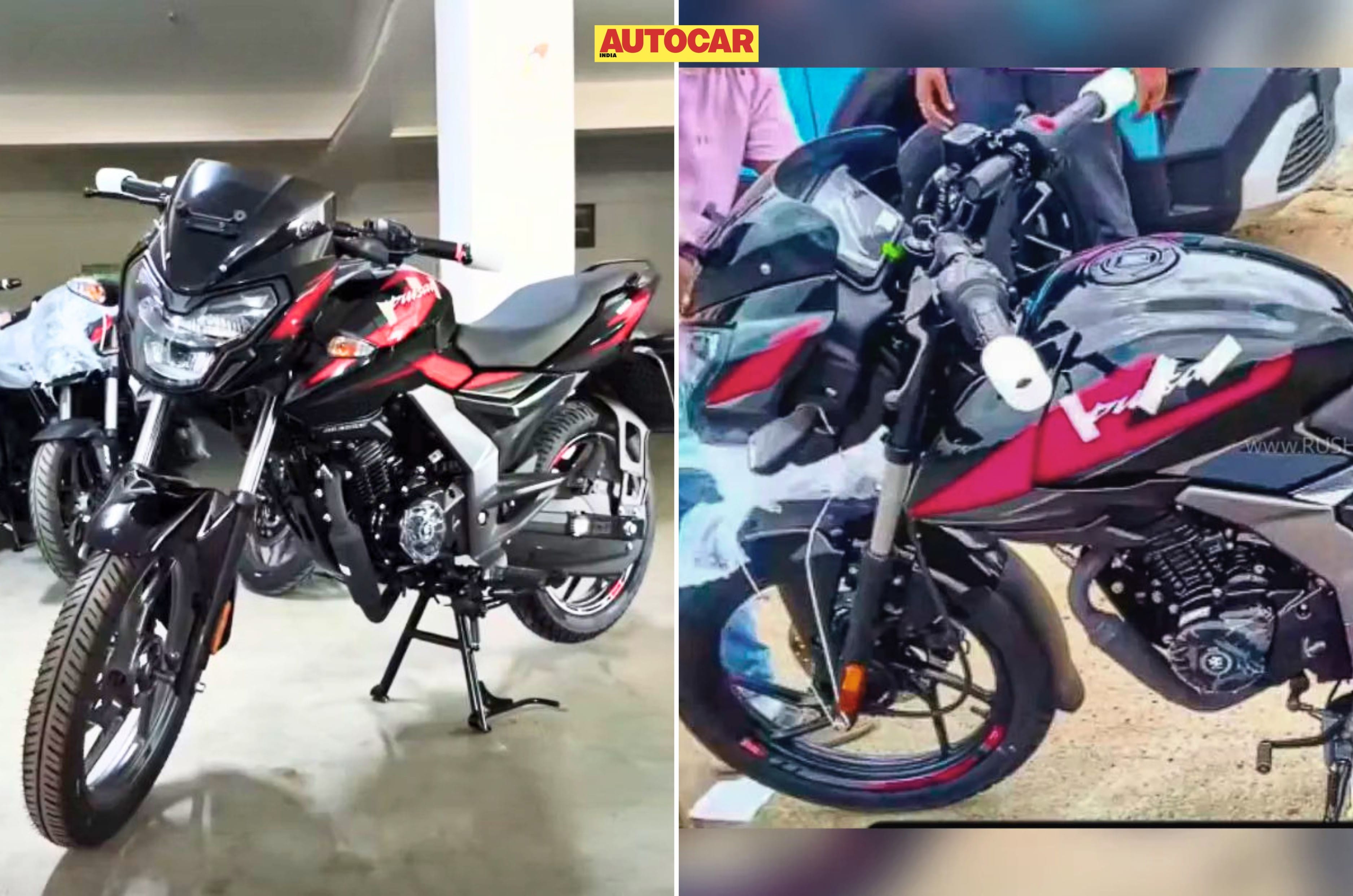
We’ve known for some time that Bajaj is working on an updated Pulsar 150, and a Pulsar 125. Earlier expected by August 12, we now expect them to arrive on August 24. The two models had recently been spotted arriving at dealerships, making the launch imminent.

  1. Will get a new engine and chassis
  2. Replaces the current twin-shock with a monoshock suspension
  3. Expected to get many features from the recently launched N160

What to expect from the new Pulsar 125 and 150?

Revised design and lots of new features

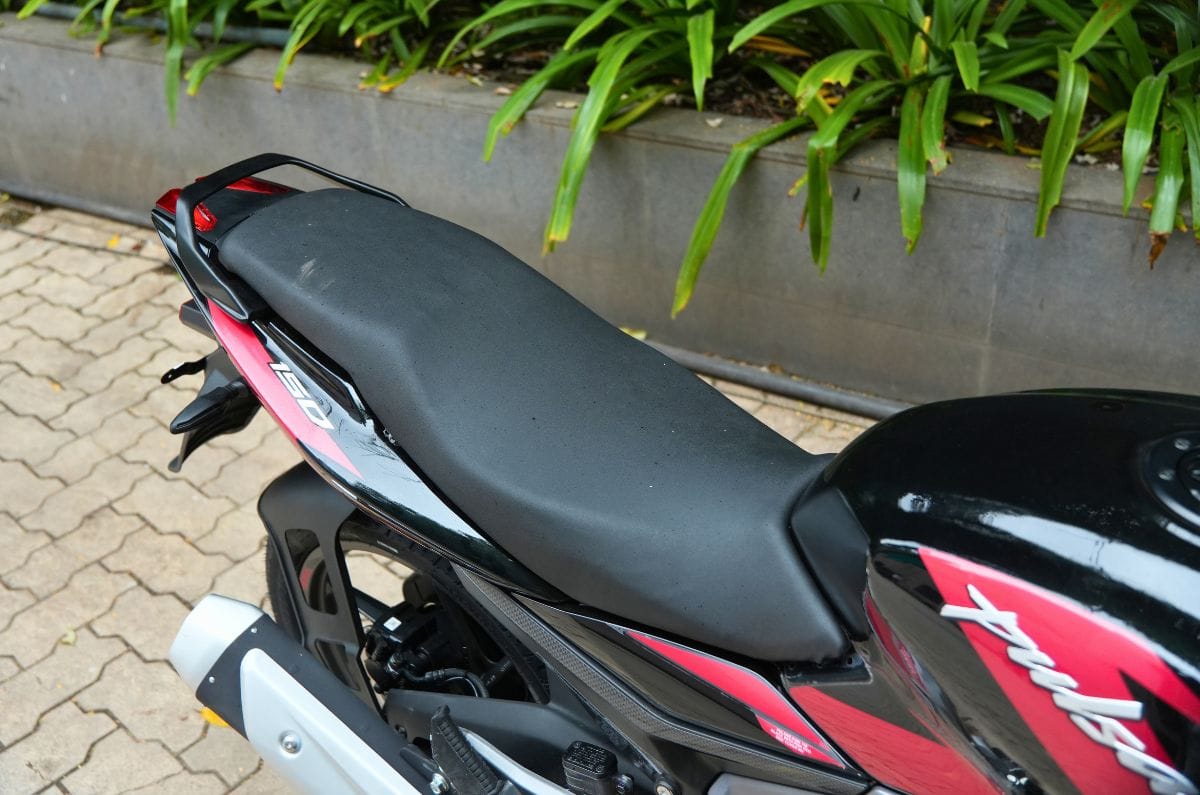
An earlier leak gave us a very detailed look at both the motorcycles. From them, we understood that Bajaj has revised the design heavily on both, with the 150 (at least) getting an updated oil-cooled engine. Power figures are unknown at this time, but the improved cooling should mean improvement on the performance front. For reference, the current Pulsar 125 is powered by a 124.4cc single-cylinder, air-cooled engine producing 11.8hp of power and 10.8Nm of torque; the current Pulsar 150 is powered by a 149.5cc single-cylinder, air-cooled engine producing 14hp and 13.3Nm of torque.

The chassis, however, is going to be brand-new with a single-downtube frame replacing the twin-cradle frame units seen on the current Pulsars. Suspension is expected to be conventional RSU (right side up) telescopic fork at the front, but the current rear twin-shock will be replaced with a monoshock unit. Braking duties appear to be handled by a front disc brake and a rear drum brake, which tacitly confirms at least the base variants will only get single-channel ABS.

Looks and features-wise classic Pulsar fans have a lot to look forward to. The familiar Pulsar silhouette is being retained, but Bajaj appears to have modernised the design more with a reworked headlight cowl, side panels, and a new, fully digital LCD instrument cluster. Though it is entirely possible that higher variants would get a TFT instrument cluster like on the updated Pulsar N160’s top variant. Another minor change is the heel-toe gear shifter on the current Pulsars being replaced with just a toe shifter. Both the dealership sightings have shown us Pulsars with single-piece seats, but it’s likely that the higher variants of the 150—if not both—will also have split seat versions.

Bajaj has tried to comprehensively update/replace the classic Pulsar(s) many times in the past, but inevitably had to keep them alive owing to their demand, while adding new branches to the stable. It remains to be seen if these two will finally get the job done. We should know more closer to August 24.

Image credits: Rushlane and Akram Saifullah

Bajaj Pulsar 150 का नया अवतार आया सामने, कलर LCD से ऑयल-कूल्ड इंजन तक मिलेंगे ये अपडेट

नई Bajaj Pulsar 150 लॉन्च से पहले डीलरशिप पर नजर आई है, जिससे इस मोटरसाइकिल के अपडेटेड प्लेटफॉर्म और इक्विपमेंट की अब तक की सबसे साफ झलक मिली है। माना जा रहा है कि आने वाला यह मॉडल Bajaj Auto की बड़ी Pulsar प्रोडक्ट रेंज का हिस्सा है। जिसमें अपडेटेड Pulsar N160 और हाल ही में देखी गई अगली पीढ़ी की Pulsar 125 शामिल हैं।

नया फ्रेम और सस्पेंशन

नई Pulsar 150 को पूरी तरह से अपडेटेड प्लेटफॉर्म पर तैयार किया गया है। इसमें सिंगल-डाउनट्यूब फ्रेम का इस्तेमाल किया गया है, जिसने पुराने आर्किटेक्चर की जगह ली है, जो कई सालों से Classic Pulsar रेंज का आधार रहा है।

एक और अहम बदलाव इसके पिछले हिस्से में हुआ है, जहां पुराने मॉडल में इस्तेमाल होने वाले ट्विन शॉक एब्जॉर्बर की जगह प्रीलोड-एडजस्टेबल मोनोशॉक दिया गया है। वहीं, सामने की तरफ टेलिस्कोपिक फोर्क पहले की तरह जारी रहने की उम्मीद है। यह सेटअप हाल ही सामने आई नई Pulsar 125 में किए गए बदलावों जैसा ही है और इससे 150 को ज्यादा मॉडर्न चेसिस लेआउट मिलने की उम्मीद है।

इंजन

इंजन की बात करें तो, सबसे बड़ा मैकेनिकल बदलाव इंजन में देखने को मिल सकता है। जहां मौजूदा Pulsar 150 में एयर-कूल्ड मोटर का इस्तेमाल होता है, वहीं नई बाइक में एयर- और ऑयल-कूल्ड यूनिट मिलेगी। इसके अलावा, अतिरिक्त कूलिंग सिस्टम से थर्मल मैनेजमेंट बेहतर हो सकता है और बजाज को इंजन की ट्यूनिंग में ज्यादा फ्लेक्सिबिलिटी मिल सकती है, हालांकि अभी तक आधिकारिक आउटपुट के आंकड़े सामने नहीं आए हैं।

जानकारी के लिए बता दें कि मौजूदा Pulsar 150 में 149.5cc का सिंगल-सिलेंडर इंजन है जो 14hp की पावर और लगभग 13.3Nm का टॉर्क देता है। उम्मीद है कि नए मॉडल में भी इंजन का साइज (डिस्प्लेसमेंट) वैसा ही रहेगा, लेकिन इसके परफॉर्मेंस के फाइनल आंकड़े और गियरबॉक्स की जानकारी लॉन्च के समय ही कन्फर्म होगी।

अपडेटेड डिजाइन और फीचर्स

डिजाइन देखें तो, नई Pulsar 150 का ओवरऑल डिजाइन पहले जैसा ही है। हालांकि, कई डिटेल्स में बदलाव किए गए हैं। इसमें नए डिजाइन वाला हेडलाइट काउल, एक्सटेंशन के साथ मस्कुलर फ्यूल टैंक और सिग्नेचर ट्विन LED टेल-लैंप्स के साथ स्लिमर टेल सेक्शन दिया गया है।

इस मोटरसाइकिल में कलर LCD इंस्ट्रूमेंट क्लस्टर भी है, जो पुराने वर्जन के सिंपल डिस्प्ले के मुकाबले एक काम का अपग्रेड है। इसमें अलॉय व्हील्स और फ्रंट डिस्क ब्रेक जैसे दूसरे फीचर्स भी दिखते हैं, जबकि इसकी ओवरऑल स्टाइलिंग पूरी तरह से नई दिशा में जाने के बजाय Pulsar जैसी ही लगती है।

मुकाबला

लॉन्च होने के बाद, नई Bajaj Pulsar 150 का मुकाबला TVS Apache RTR 160, Honda CB150 Hornet और रोजाना के इस्तेमाल और अच्छी परफॉर्मेंस वाली दूसरी बाइक्स से होगा। साथ ही, इसकी कीमत मौजूदा मॉडल से ज्यादा हो सकती है। हालांकि, Bajaj ने अभी तक कोई कीमत नहीं बताई है।