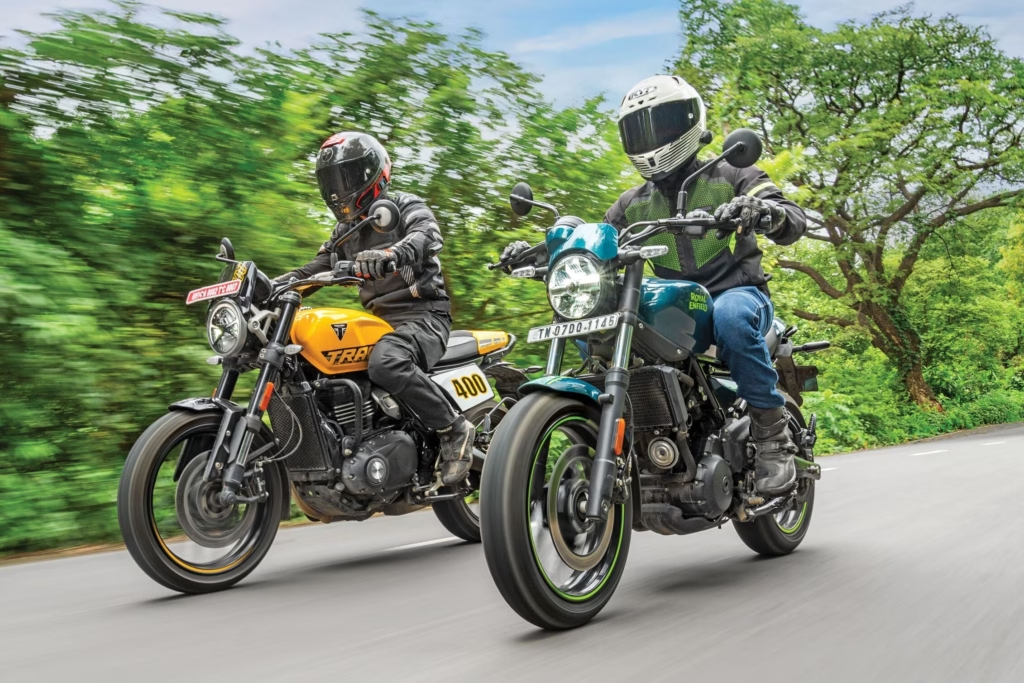
Royal Enfield Guerrilla 450 vs Triumph Tracker 400 Comparison: Street Brawl

Royal Enfield Guerrilla 450 vs Triumph Tracker 400 Comparison: Street Brawl
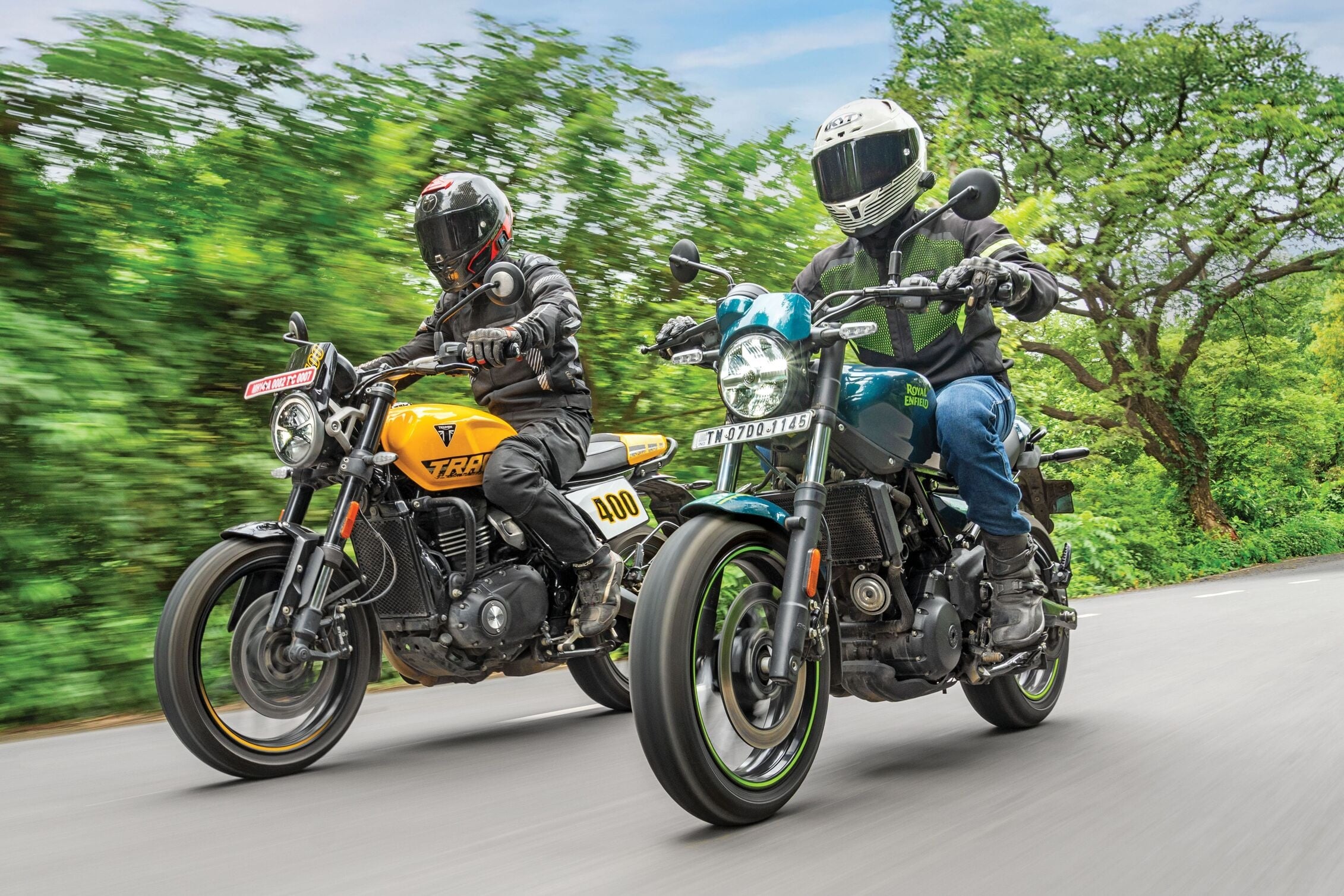
Royal Enfield Guerrilla 450 vs Triumph Tracker 400 Comparison Lead Image

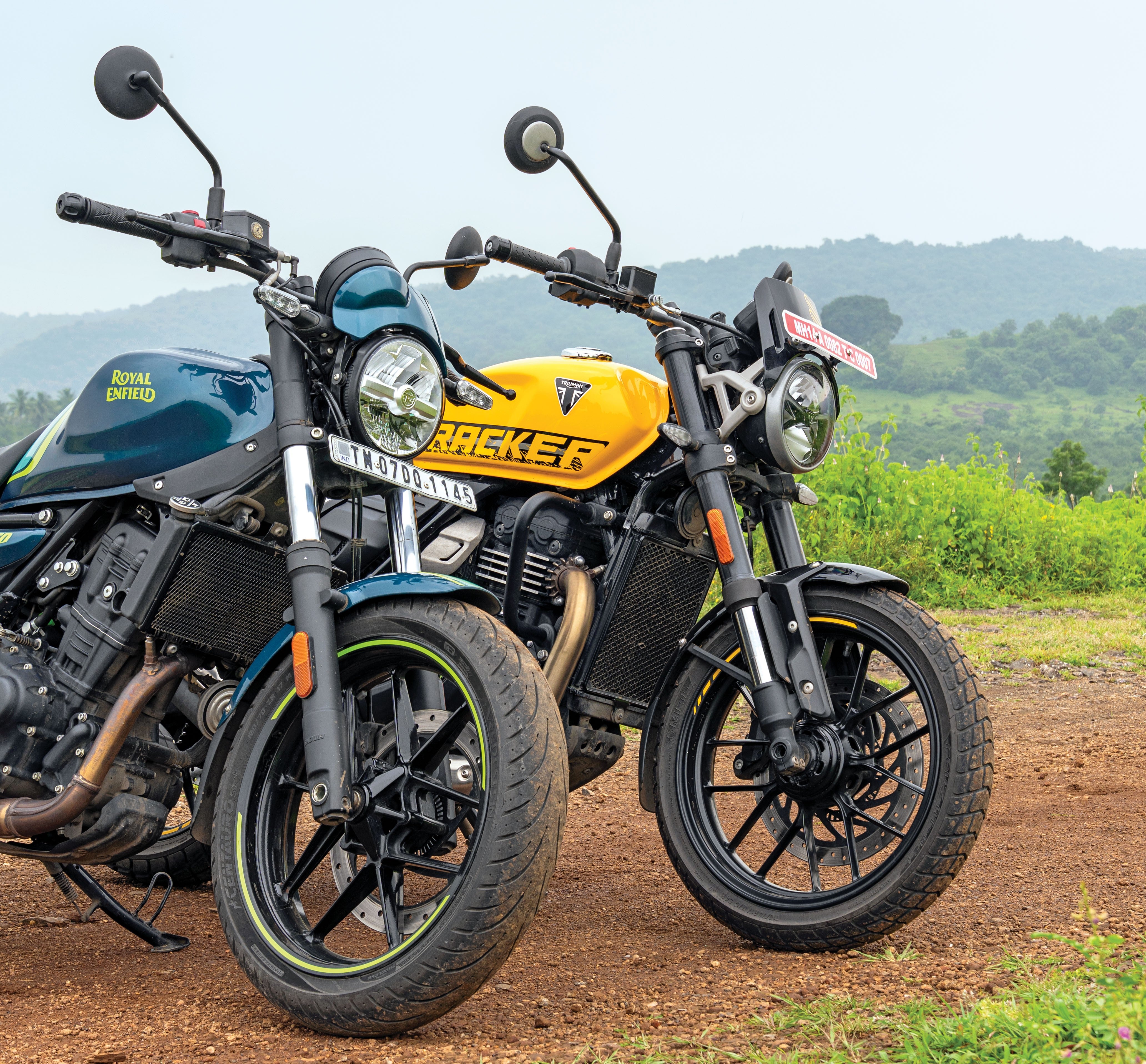
If you are considering either of these motorcycles, chances are you are also considering the other, especially since they both cost about the same. After the Triumph 400cc bikes were downsized, the Tracker 400 now uses a 349cc engine, while the Guerrilla 450 Apex is a sportier variant with more aggressive ergonomics and grippy, road-focused tyres, which I think suit the bike much better than those on the earlier variant.

On paper, the Tracker makes 40hp and 32Nm, while the Guerrilla produces 40.02hp and 40Nm. The Triumph is a lighter, more compact motorcycle, while the Royal Enfield has a larger engine with more torque and offers a stable, planted feel. So, which one makes more sense for someone looking for a sporty, entertaining roadster?

Design and Features

Both motorcycles have very different visual identities, and that is probably the first thing you’ll notice. The Tracker 400 is inspired by flat-track racers, with a flat seat, side number boards and a wide handlebar. But this isn’t really a dirt-track-focussed motorcycle underneath, as its ergonomics, chassis and suspension are properly road-oriented.

The Guerrilla 450 Apex, meanwhile, looks like a sporty and muscular roadster. Compared to the standard variant, it gets a small cowl over the headlight, a new aluminium handlebar, a removable rear-seat cowl and Vredestein Centauro ST+ tyres. The Apex also has a leaned-forward, more committed riding position compared with the standard Guerrilla.
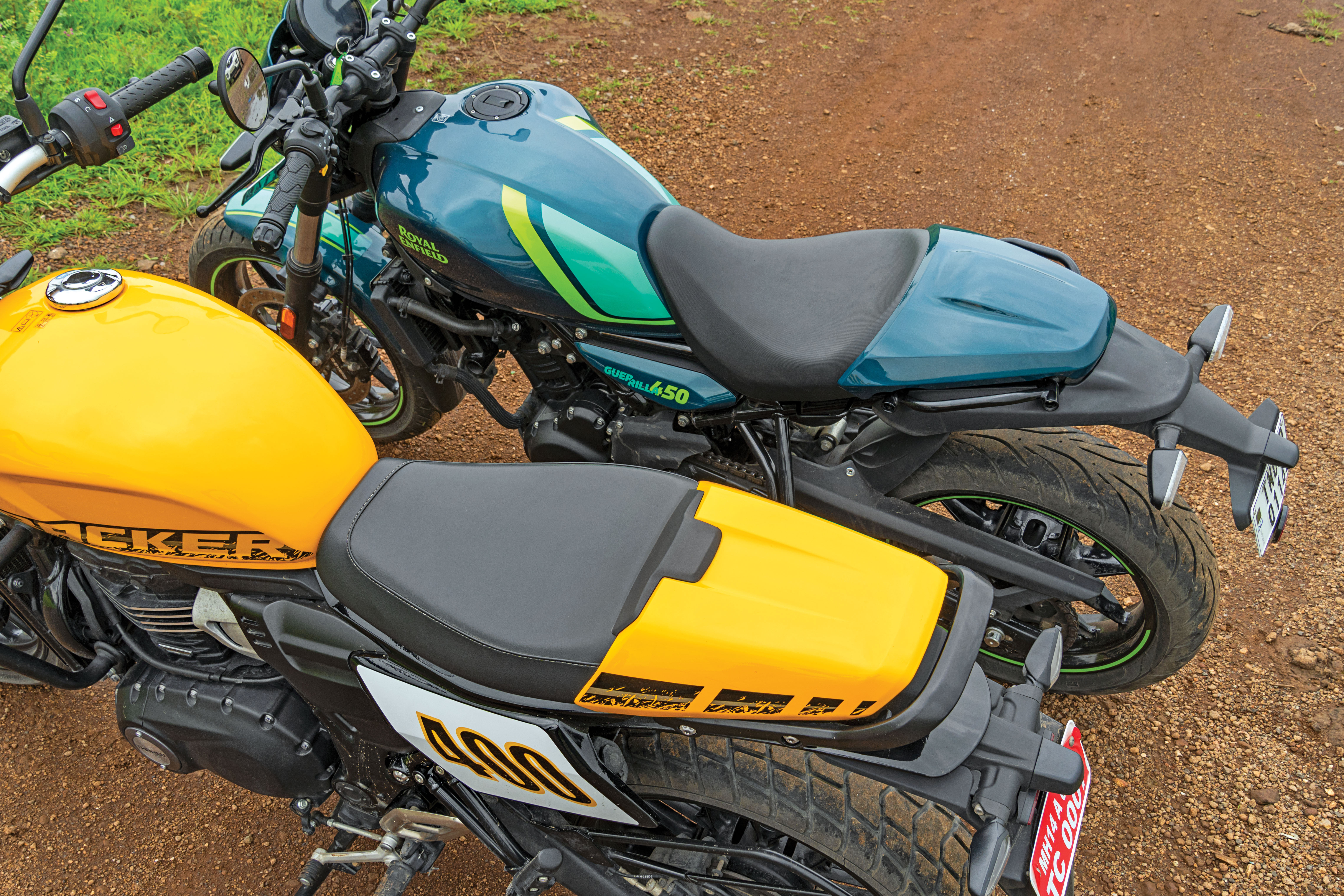
The Tracker is a relatively compact motorcycle, while the Guerrilla’s longer 1,440mm wheelbase and broad 160-section rear tyre give it a more substantial stance. The Triumph gets a larger 13-litre fuel tank compared with the Guerrilla’s 11-litre unit, which can be tedious when long-distance touring.

Both motorcycles are equally impressive when it comes to build quality and fit and finish. The Tracker features the same digi-analogue console we have seen on all the other Triumph 400 models, while the Guerrilla features the same TFT unit from the Himalayan. The Guerrilla gets two riding modes (Sport and Street), both of which feel quite similar. On the other hand, the Tracker gets a switchable traction control system that the Guerrilla misses out on. Neither has a quickshifter. In terms of convenience, the Guerrilla has a more accessible 780mm seat height and also gets a main stand, which aids in easier chain maintenance.
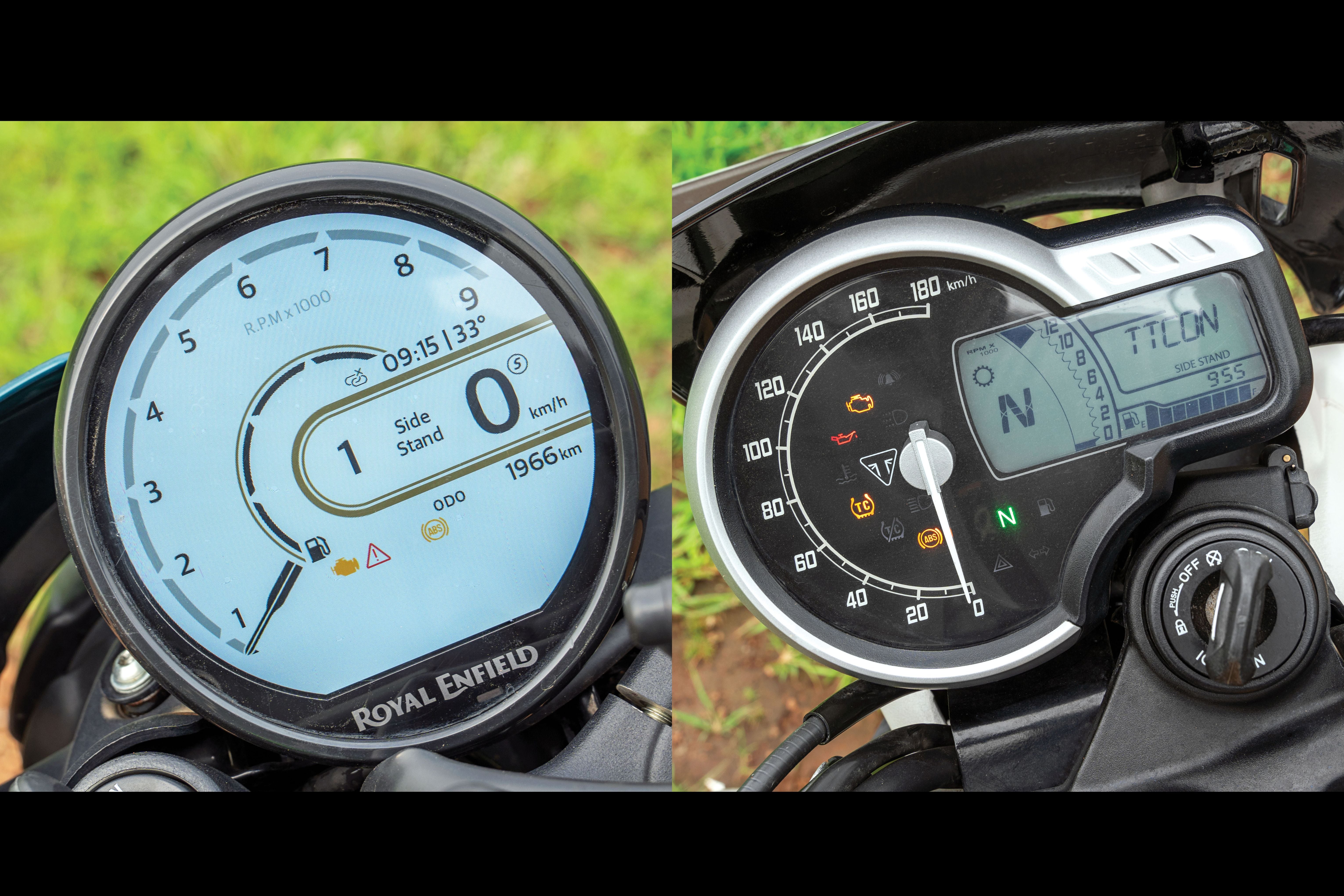
There is also a difference in ergonomics. The Tracker’s seat is flat and the riding position is relatively sporty, with rear-set footpegs that suit the character of the bike. The Guerrilla Apex has a lower and more accessible 780mm seat and roadster-like, neutral-set footpegs, along with a committed upper-body position. Between the two, you sit on top of the Tracker with its flat seat, while on the Guerrilla, you sit inside the curved seat, and it is also the more comfortable of the two.

Performance and Fuel Economy

This is where things get interesting because the Tracker 400’s 349cc engine is 103cc smaller than the Guerrilla’s 452cc unit, yet peak power is almost identical. The Triumph produces 40hp at 8,750rpm and 32Nm at 7,500rpm, while the Royal Enfield makes 40.02hp at 8,000rpm. Of course, the difference comes in torque, where the RE makes a much healthier 40Nm at 5,500rpm.

The difference in torque delivery is immediately noticeable. The Tracker’s engine likes to be revved out, but you still have to work it quite a bit. The Guerrilla’s Sherpa engine has a different personality. It doesn’t need to be worked as hard, and the additional 8Nm gives it much stronger roll-on performance. It feels more raw and powerful as soon as you open the throttle, and the surge in power after 6,000rpm makes it feel really exciting. After 7,000rpm, there are some vibrations, but nothing that really ruins the riding experience.
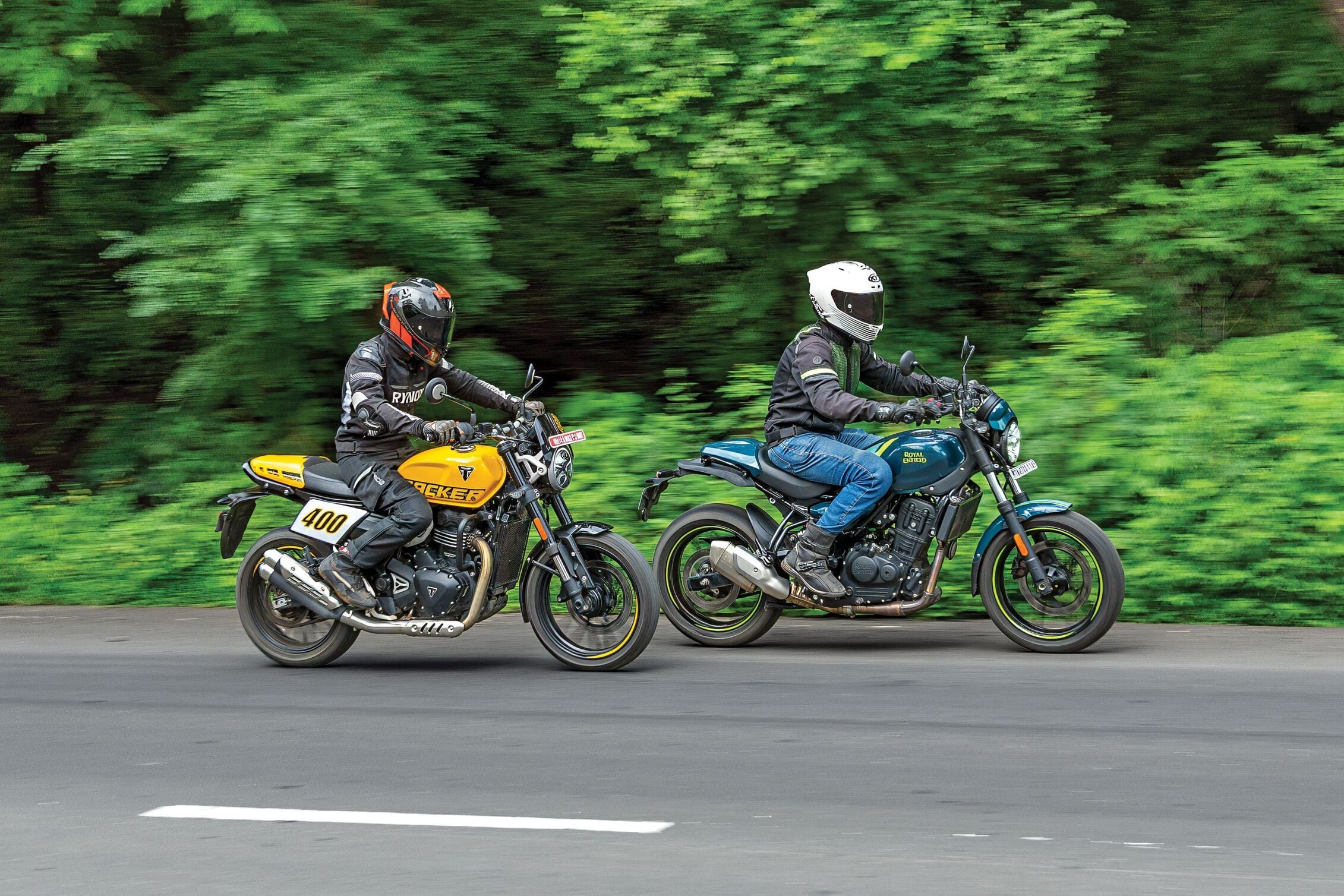
The Tracker’s shorter-stroke engine is very refined at moderate engine speeds, but once you start revving it harder, some buzz makes its way into the tank and footpegs at the top end of the rev range. It remains an entertaining engine, but considering I have ridden the older 398cc Thruxton 400, I feel like it misses out on that initial torque kick.

In our performance tests, the Guerrilla completed the 0-100kph sprint in 6.34 seconds, while the Tracker took 7.55 seconds for the same, marking a difference of 1.21 seconds. The real difference in performance was more visible in the roll-on acceleration tests where the Guerrilla 450 Apex was notably quicker.

Fuel efficiency was almost on par in our tests, where the Tracker delivered 24.1kpl in the city and 31.71kpl on the highway, while the Guerrilla gave us 25.23kpl in the city and 32.82kpl on the highway. The Triumph’s 13-litre tank will give it a better range despite the marginally lower highway efficiency. 

Ride and Handling

The biggest difference between these two motorcycles becomes apparent once the road starts to twist. The Guerrilla feels longer and heavier and needs a bit of muscling around, but once in a corner, it is extremely stable and planted. The grip offered by the Vredestein tyres is superb and inspires a lot of confidence. The Tracker, on the other hand, feels light, nimble and very easy to flick into corners, thanks to its shorter wheelbase and the leverage offered by the wide handlebars. Its blocky MRF tyres work well, but given how it rides more like a sporty roadster rather than a tracker, stickier tyres would have been a better choice.

While many might be disappointed about the Guerrilla 450 Apex not getting a USD fork, the suspension does work much better than the Tracker’s over bad roads and undulations. The setup feels plusher than the Tracker, which has a quicker rebound that can toss you up if you hit potholes at higher speeds. 

Despite the Triumph being the more compact motorcycle, I felt like it was easier to filter through traffic on the Guerrilla, and that is because the Triumph has slightly wider handlebars and mirrors that jut out slightly more. I do remember my time spent with the Guerrilla on a go-kart track, and it was genuinely a lot of fun. The tyres kept up with the performance that the engine offers, and it was a blast to exploit the full capabilities of the bike. The only limitation was the footpegs, which kept scraping when the bike was leaned over. That said, this was never a problem out on the road.

Braking hardware is strong on both. The Tracker gets a 300mm front disc with a four-piston radial ByBre caliper, while the Guerrilla uses a 310mm front disc and 270mm rear disc. The Guerrilla stopped marginally quicker in our braking test from 60-0kph, but I did notice that the ABS intervention can be strong when emergency braking from higher speeds.

Price and Verdict

These two motorcycles are closer than their engine capacities suggest. The Tracker proves that you don’t need a large engine to make for a fun roadster. Its 349cc motor makes almost as much peak power as the Guerrilla, and its compact dimensions, wide handlebar and sporty chassis make it an engaging motorcycle on a twisty road.

The Royal Enfield Guerrilla 450 Apex, however, takes a more muscular approach. Its 452cc engine has substantially more torque, the Vredestein tyres give it a level of grip that suits its performance, and the longer wheelbase also gives it a reassuring planted character, particularly when you’re riding quickly.
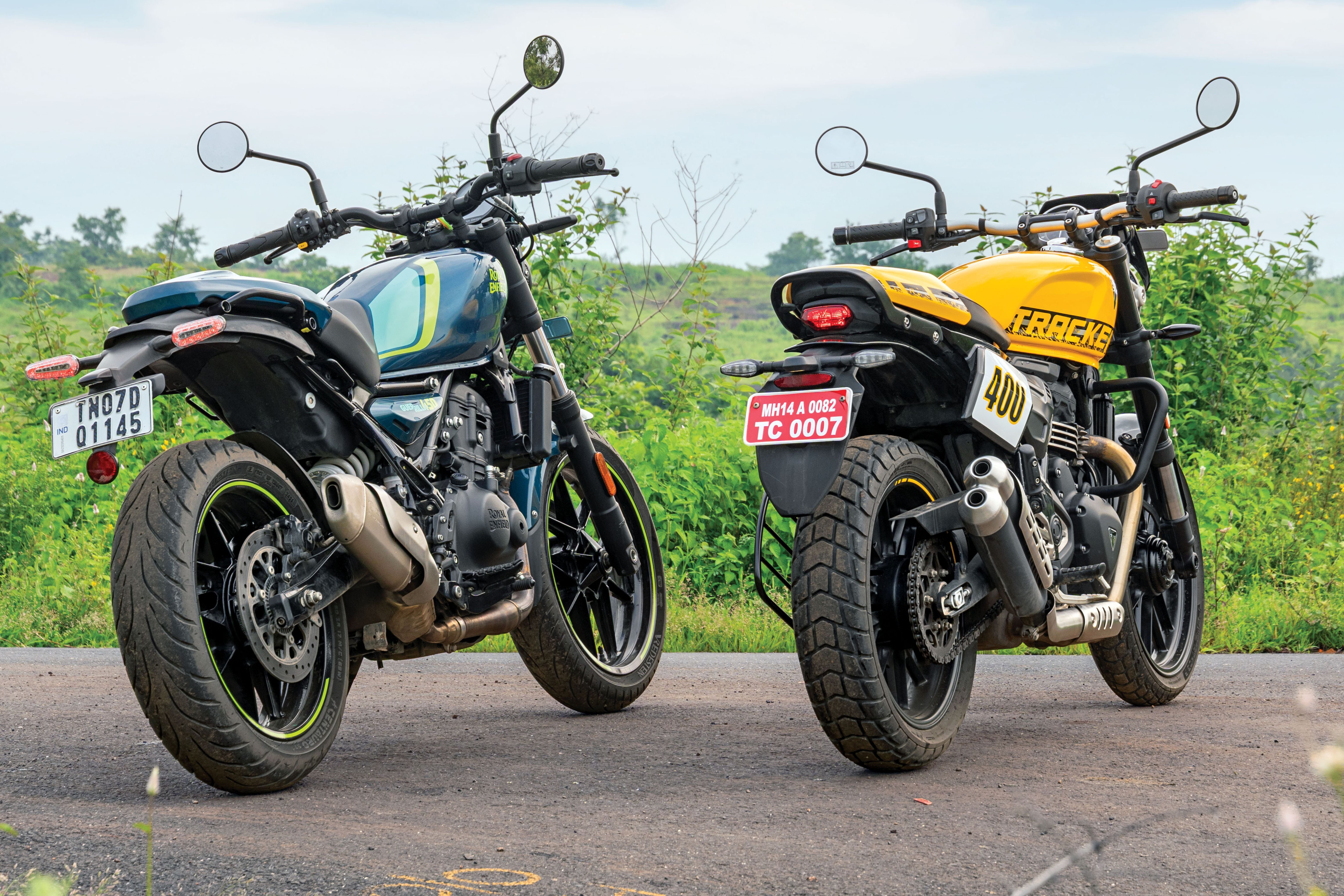
They offer two distinct interpretations of the sporty modern roadster. The Tracker’s biggest strength is its agility. It feels smaller, lighter and more eager to change direction quickly. The Guerrilla’s strength is the breadth of its performance. There’s more torque, more road presence and a greater sense of stability when you’re pushing it. And that is ultimately what separates them. The Triumph is the more playful motorcycle, thanks to its nimble nature, while the Guerrilla Apex feels like a more serious attempt at turning the standard roadster into a proper performance-oriented, corner-carving machine.

While it is difficult to pick between these two motorcycles, considering that they do things in different ways, you can’t look past the value that the Guerrilla offers. Despite falling into the 40 percent GST bracket, its starting price is just Rs 10,000 more than that of the Tracker. 
To put things into perspective, the KTM 390 Duke R, which used to be the benchmark for affordable and accessible performance when its Gen 1 model was launched in India, is now priced at Rs 3.45 lakh (ex-showroom), taking its on-road price upwards of Rs 4 lakh. So the way I see it, the Guerrilla 450 Apex is now the new benchmark when it comes to affordable performance in India. Who’d have ever thought that the crown would one day be worn by a Royal Enfield.
4 reasons to buy the Tesla Model Y L and 3 reasons not to

4 reasons to buy the Tesla Model Y L and 3 reasons not to
Tesla Model Y L front quarter

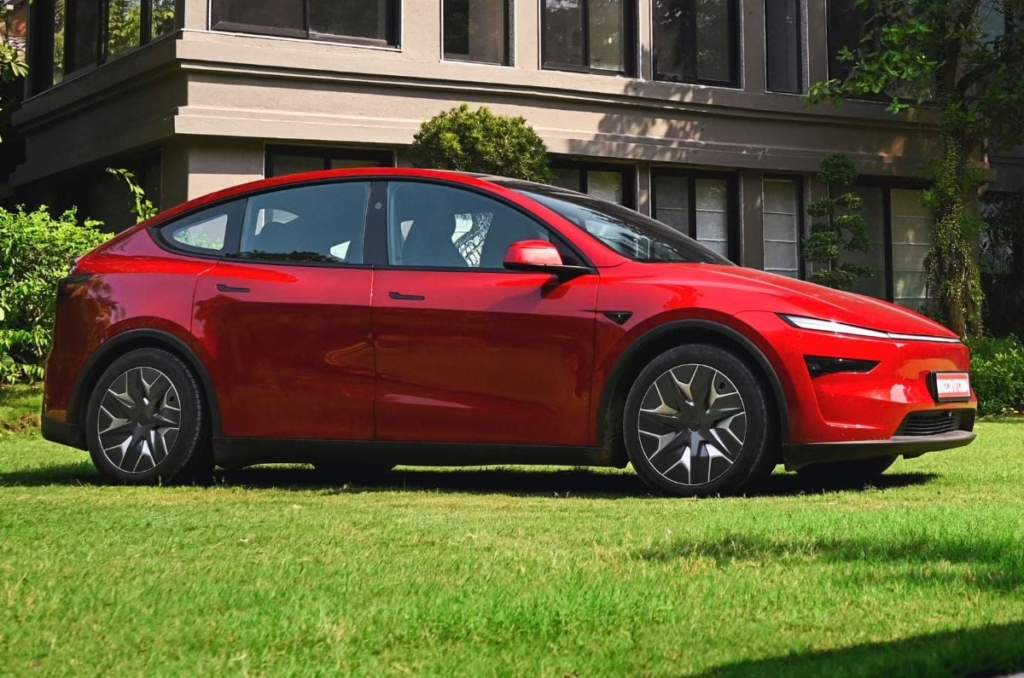
The Model Y L is the long-wheelbase, 6-seat version of Tesla‘s Model Y SUV. Priced at Rs 61.99 lakh (ex-showroom), it costs Rs 11.10 lakh more than the rear-wheel-drive Model Y. It is also pricier than rivals such as the BMW iX1 LWB and BYD Sealion 7. But does the Y L justify that premium? Here’s how it stacks up.

Reasons to buy the Tesla Model Y L

Spacious and quiet

Extra length frees up more room, while its cabin is remarkably hushed

Tesla Model Y L second row

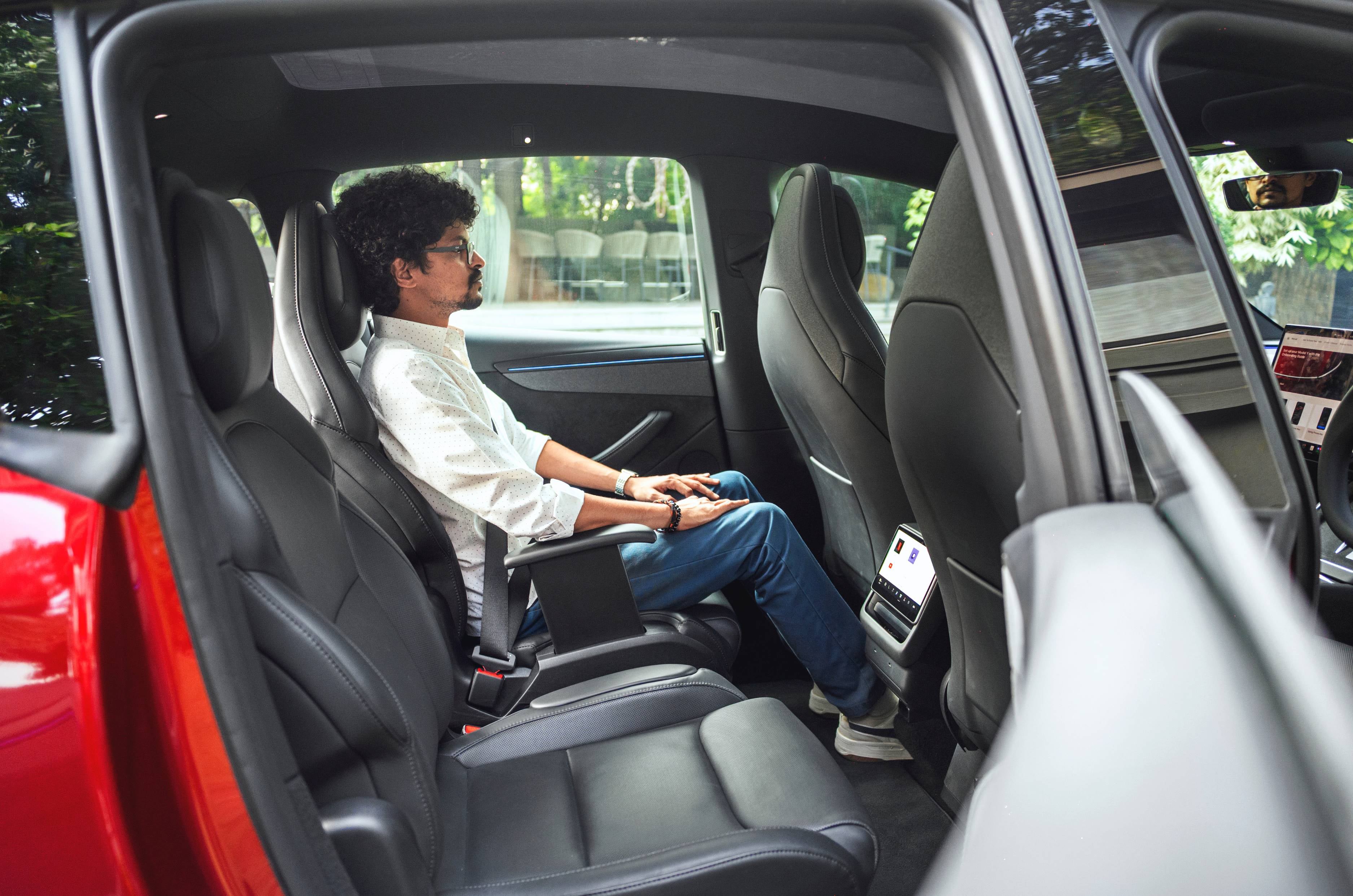
With a 3,040mm wheelbase, the Model Y L is 150mm longer between the axles than the standard Model Y. It’s also 40mm taller, freeing up noticeably more space on the inside. The Y L is a 6-seater with front seats that are comfy and get extended under-thigh support. The individual captain’s chairs in the middle row are very comfortable and feature powered armrests, plus heating and cooling functions. Passengers seated here won’t complain about legroom or headroom.

Tesla Model Y L rear screen

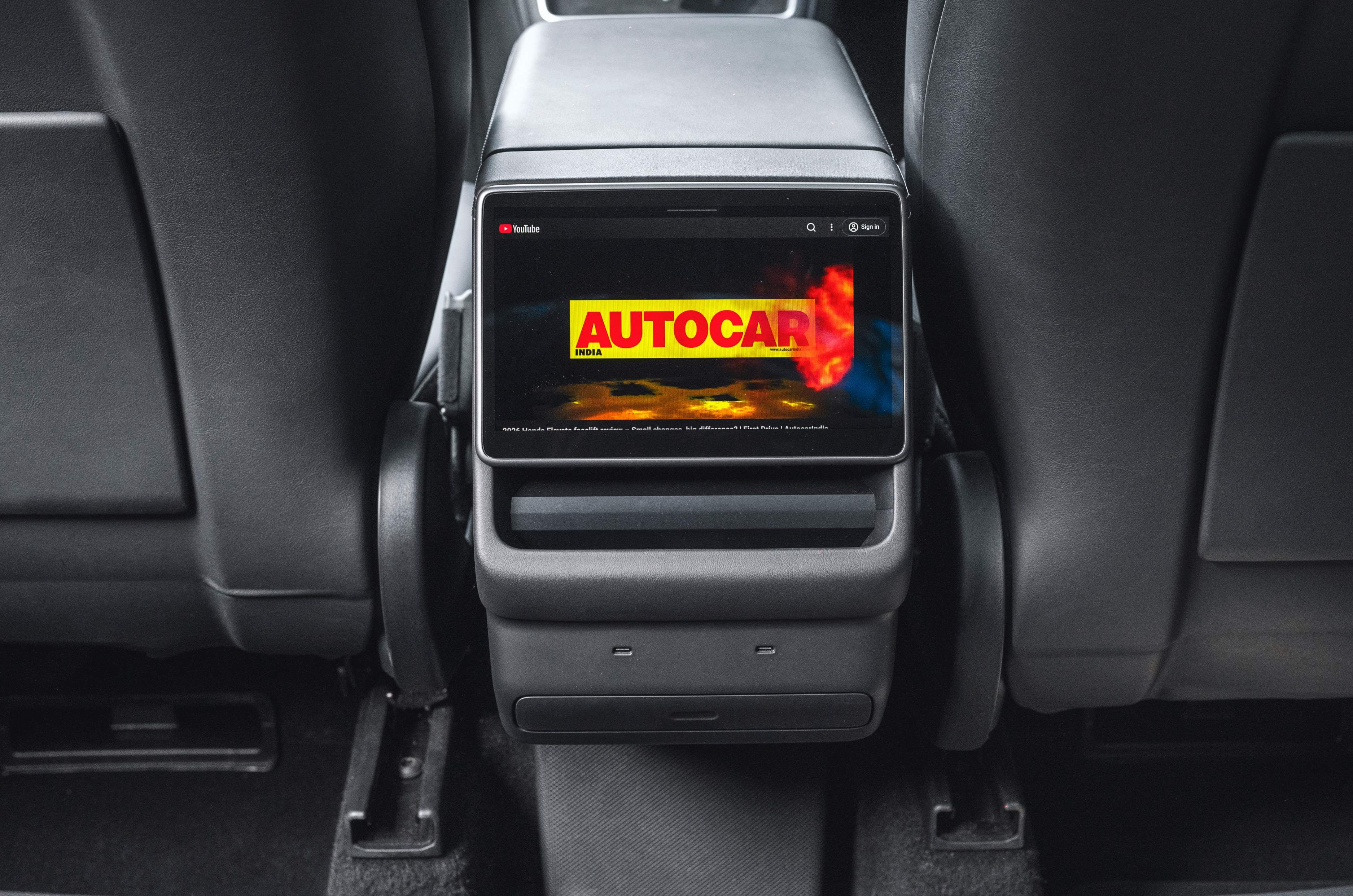
Adding to their convenience is an 8-inch touchscreen capable of playing videos, plus cupholders and charging ports. Unlike many three-row offerings, the third row of the Model Y L has enough space for adults to sit in reasonable comfort. The inclusion of dedicated AC vents, cupholders and Type-C ports comes in handy as well.

Tesla Model Y L boot

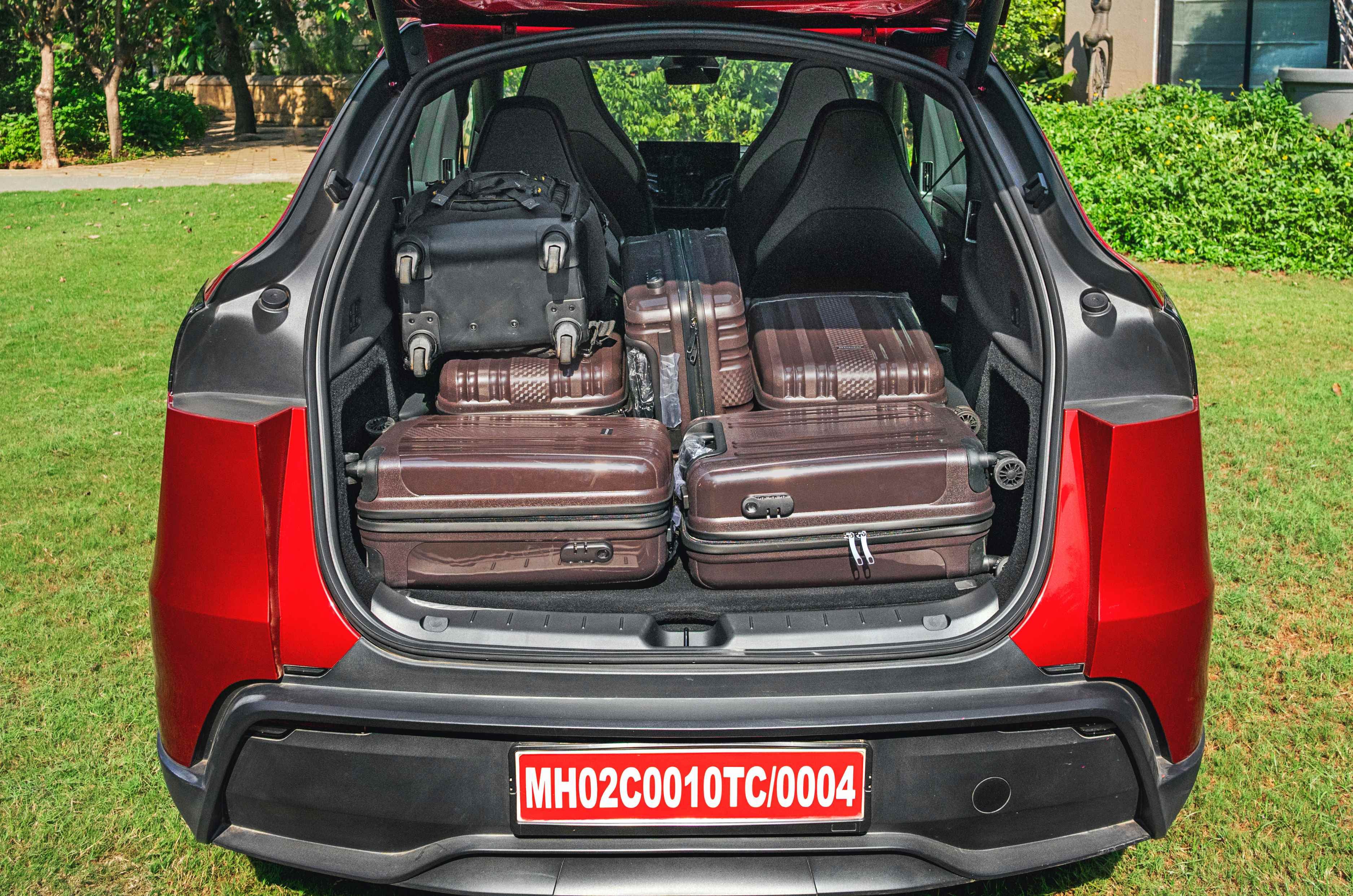
Another pro here is the Model Y L’s boot, which is rated at 420 litres with all seats up – this grows to a capacious 1,076 litres with the third row folded. Then there’s some more space under the boot floor, and a 117-litre frunk, should you need even more luggage space. Refinement is another strong point of this cabin. It’s remarkably quiet, thanks to the double-glazed windows that shut out most of the wind, tyre and road noise.
Loaded with tech

Long list of features will keep tech-savvy folks entertained

Tesla Model Y L touchscreen

Taking centre stage on the otherwise minimalistic dashboard is the massive 16-inch touchscreen, which is easily among the sharpest and most responsive units around. Its integrated Grok AI assistant is capable of handling tasks such as setting the climate control, along with plotting routes on the navigation system and of course, finding suitable chargers. The assistant understands multiple languages and also learns the user’s preferences over time.

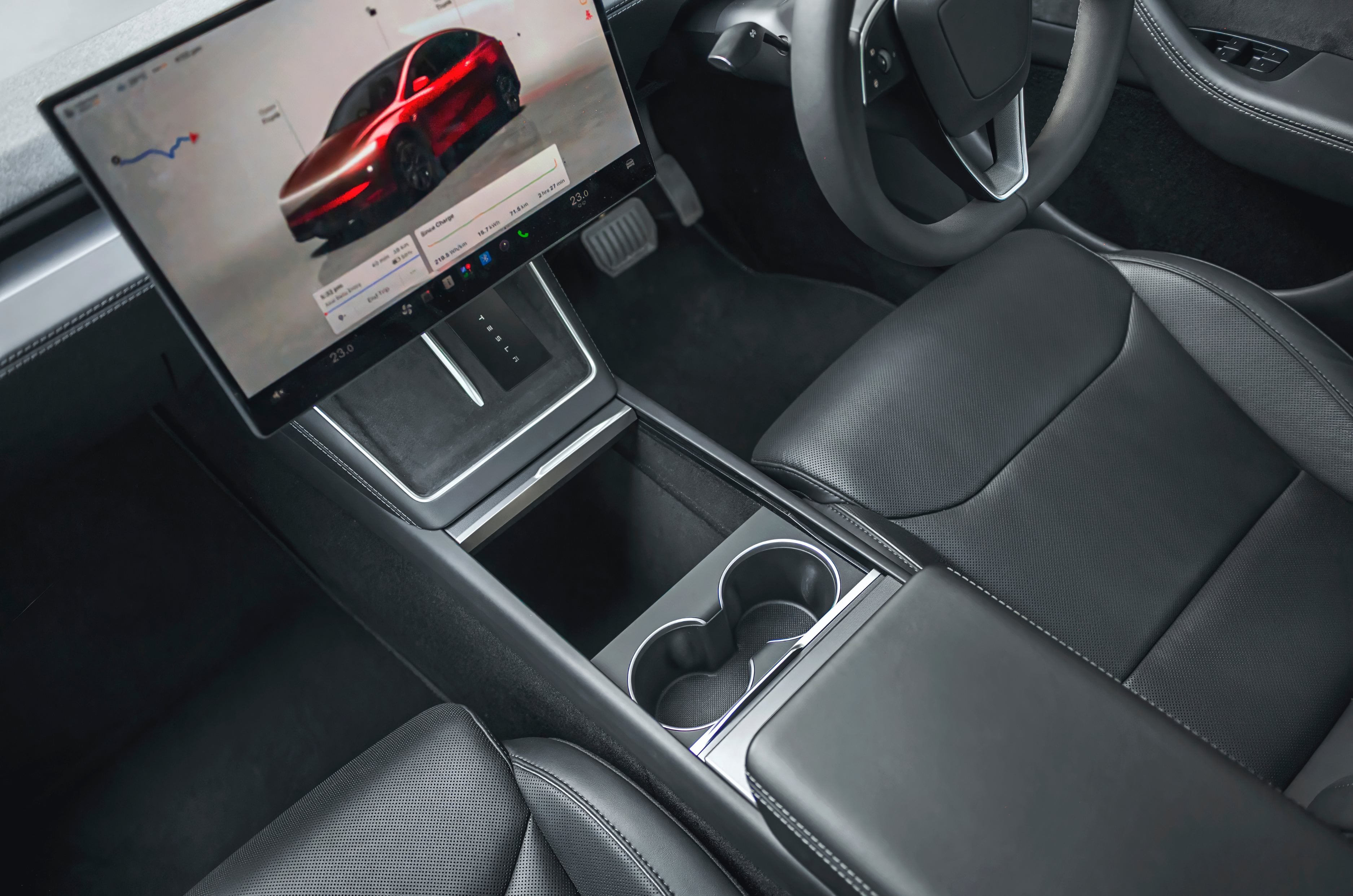
Tesla Model Y L centre console

The Tesla Model Y L’s feature highlights include an 18-speaker audio system with a subwoofer, dual wireless chargers, multi-colour ambient lighting and a panoramic glass roof. The front and middle-row seats are heated, ventilated and powered, while the third-row seats get a heated function too. Safety kit includes 9 airbags, lane-keeping assist, blind-spot monitoring, and high-definition surround-view cameras. As with every Tesla, the Model Y L can also receive over-the-air (OTA) updates.

Brisk performance, composed ride

Dual-motor Model Y L is seriously quick for a family car

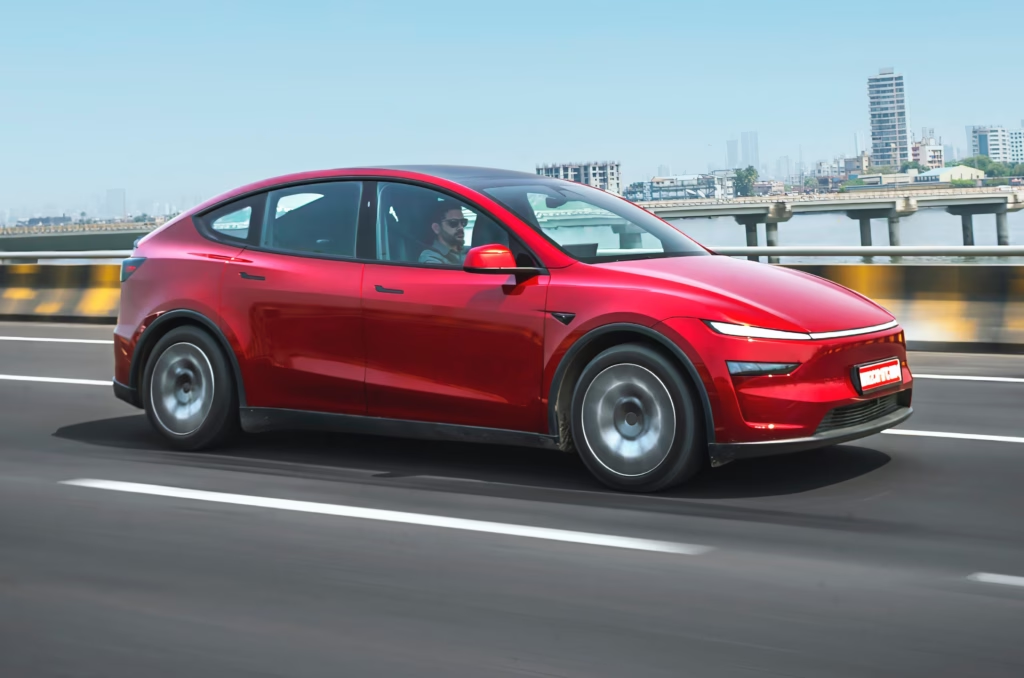
Tesla Model Y L rear quarter tracking

Where the standard Model Y is rear-wheel drive only, the Y L uses two motors and all-wheel drive (AWD). While Tesla hasn’t released official power figures, it’s estimated to output 514hp and 590Nm of torque. Tesla also claims a 0-100kph time of 4.5 seconds, which is quick for a two-tonne SUV. The Model Y L doesn’t feel intimidating to drive, with power building smoothly and the AWD system providing plenty of grip. In addition to the ‘Chill’ drive mode, the Y L also gets a ‘Sport’ mode.

Tesla Model Y L handling

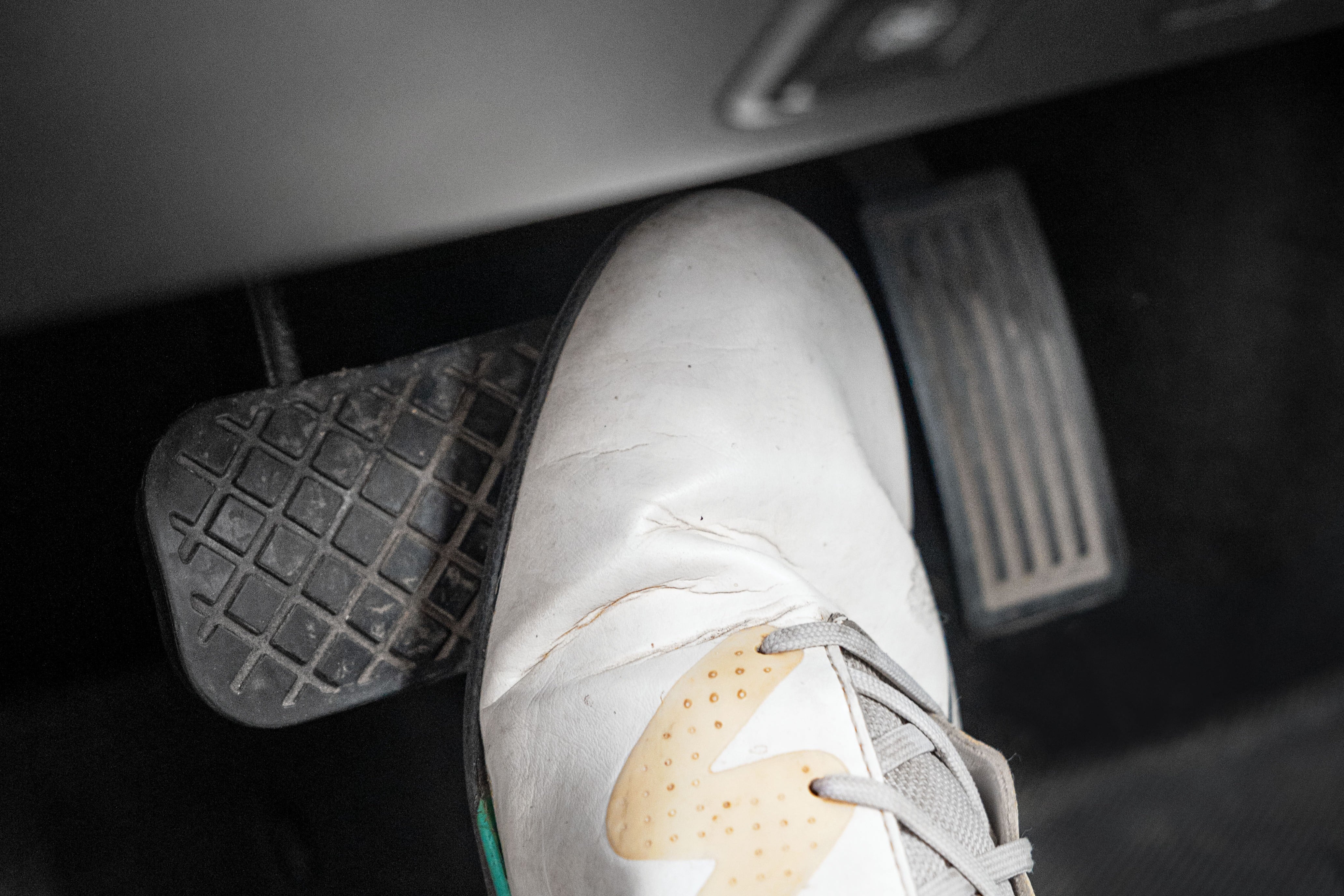
There are no issues overtaking slower-moving traffic, as the Model Y L gets past them effortlessly. The regenerative braking is smooth as well. When you’re ambling around town, the ‘Standard’ regen setting is more than adequate and progressive, so you can drive without stepping on the brake pedal most of the time. The revised suspension of the Model Y L also gets adaptive dampers for better control over body movements and a more composed ride over the standard model.

Long range

Y L has the legs over the standard Model Y

Tesla Model Y L charging

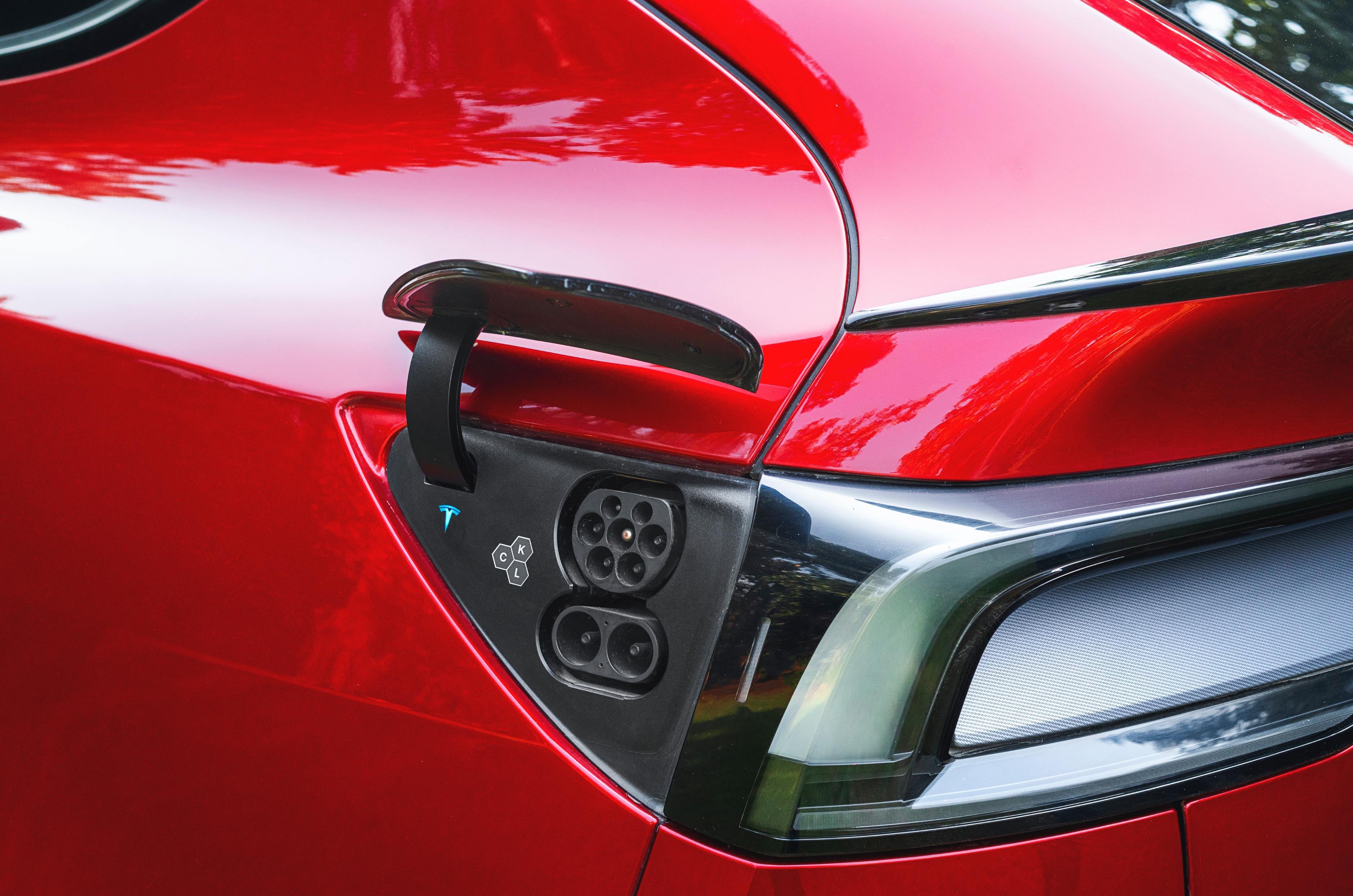
The Model Y L uses an NMC battery pack estimated to be rated at 88kWh, as Tesla doesn’t usually publish the official battery capacity. The American brand does claim a WLTP range of 681km for the Model Y L, which is more than that of the rear-wheel-drive Model Y. DC fast charging of up to 250kW is supported, while AC charging is rated at 11kW. Plug it into a Tesla Supercharger, and the Model Y L can gain up to 288km of range in 15 minutes.

Reasons not to buy the Tesla Model Y L

Big footprint, low clearance

Large dimensions and low ground clearance call for extra care in town

Tesla Model Y L side

The Model Y L’s large dimensions make driving it in tight spaces a bit of a chore. Despite the light steering, its large turning circle makes parking this Tesla quite a tricky affair. Another issue is the ground clearance, or lack thereof. At just 166mm (unladen), large speed breakers need to be tackled carefully to avoid scraping the underbody.

Over-reliance on the touchscreen

Even basic functions are buried in menus

Tesla Model Y L touchscreen menus

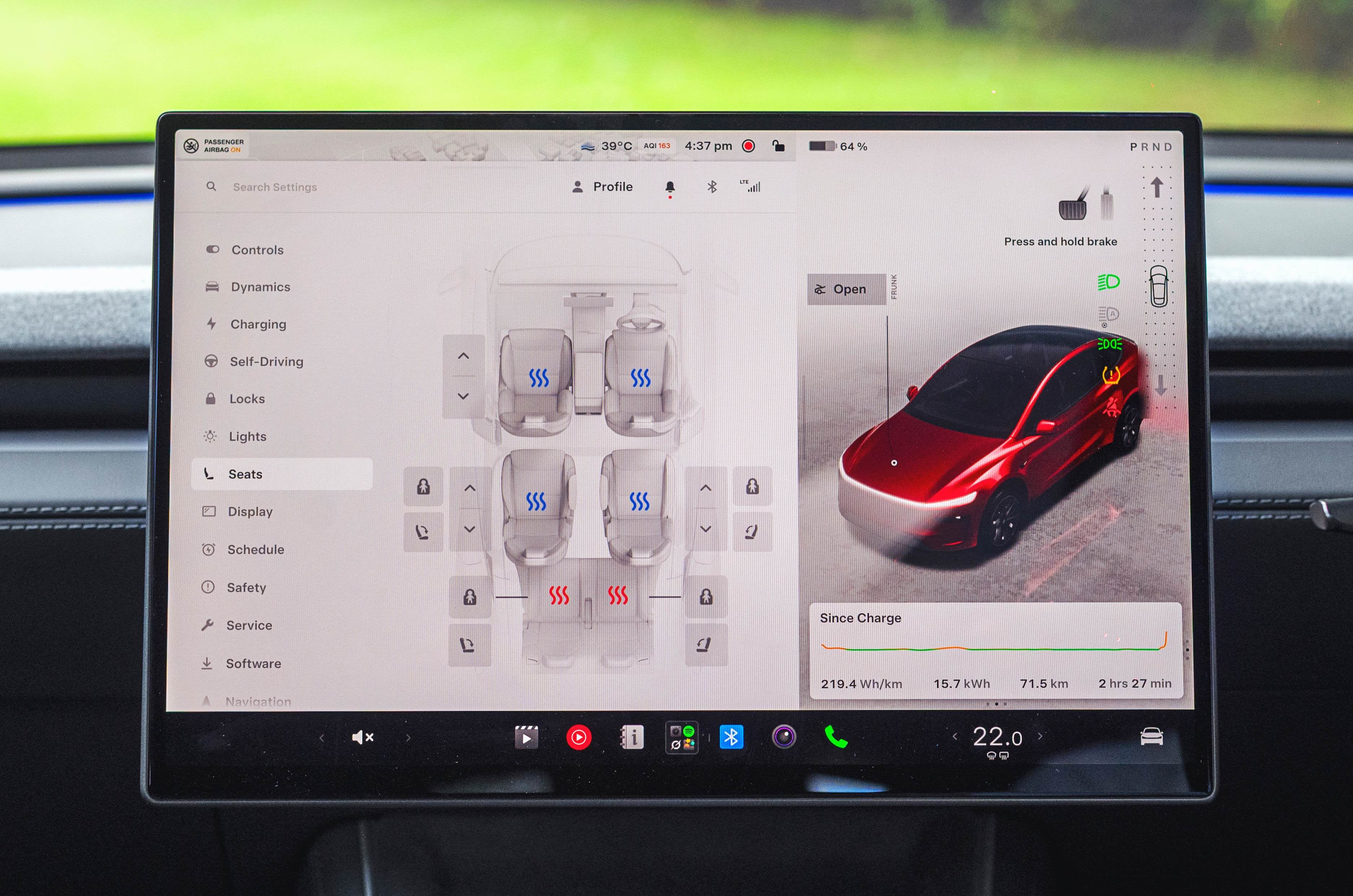
Unless you’re tech-savvy, the lack of physical buttons or shortcuts will get on your nerves. Almost every function on the Model Y L is controlled through the touchscreen. Simple tasks like changing the climate settings, adjusting the mirrors or opening the frunk all require you to dig through menus. Getting used to this setup will take time, and it can easily become distracting while driving.

Hot cabin, awkward third-row access

Large glass area and third-row access come with their own cons

Tesla Model Y L glass roof

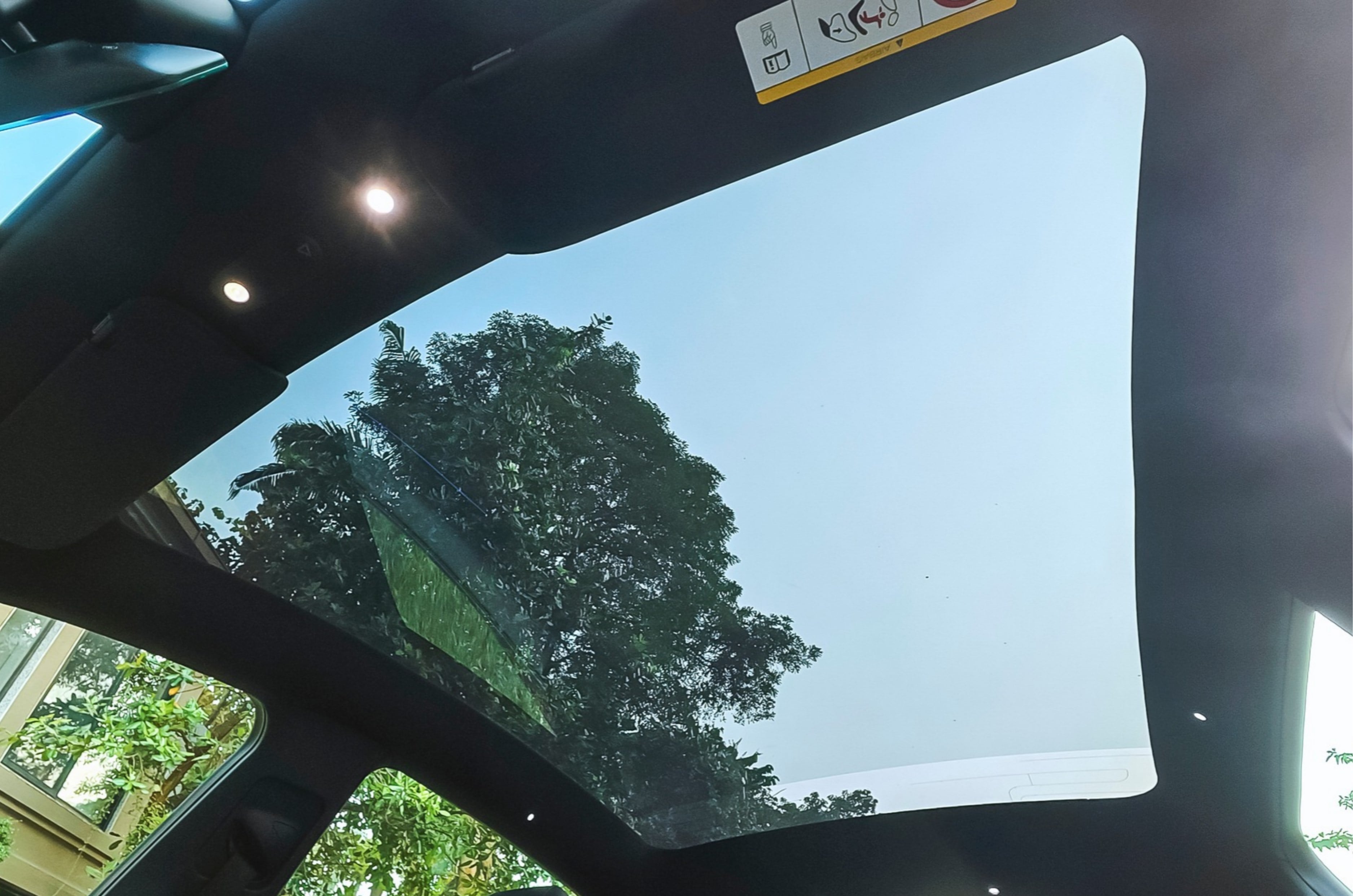
The Tesla Model Y L doesn’t get any blinds for its windows or a cover for its massive glass roof – instead making do with a tint. Considering the expansive glass area, this cabin heats up quickly on sunny days. The rear windscreen does without any tints, which only adds to the problem for third-row passengers.

Tesla Model Y L third row

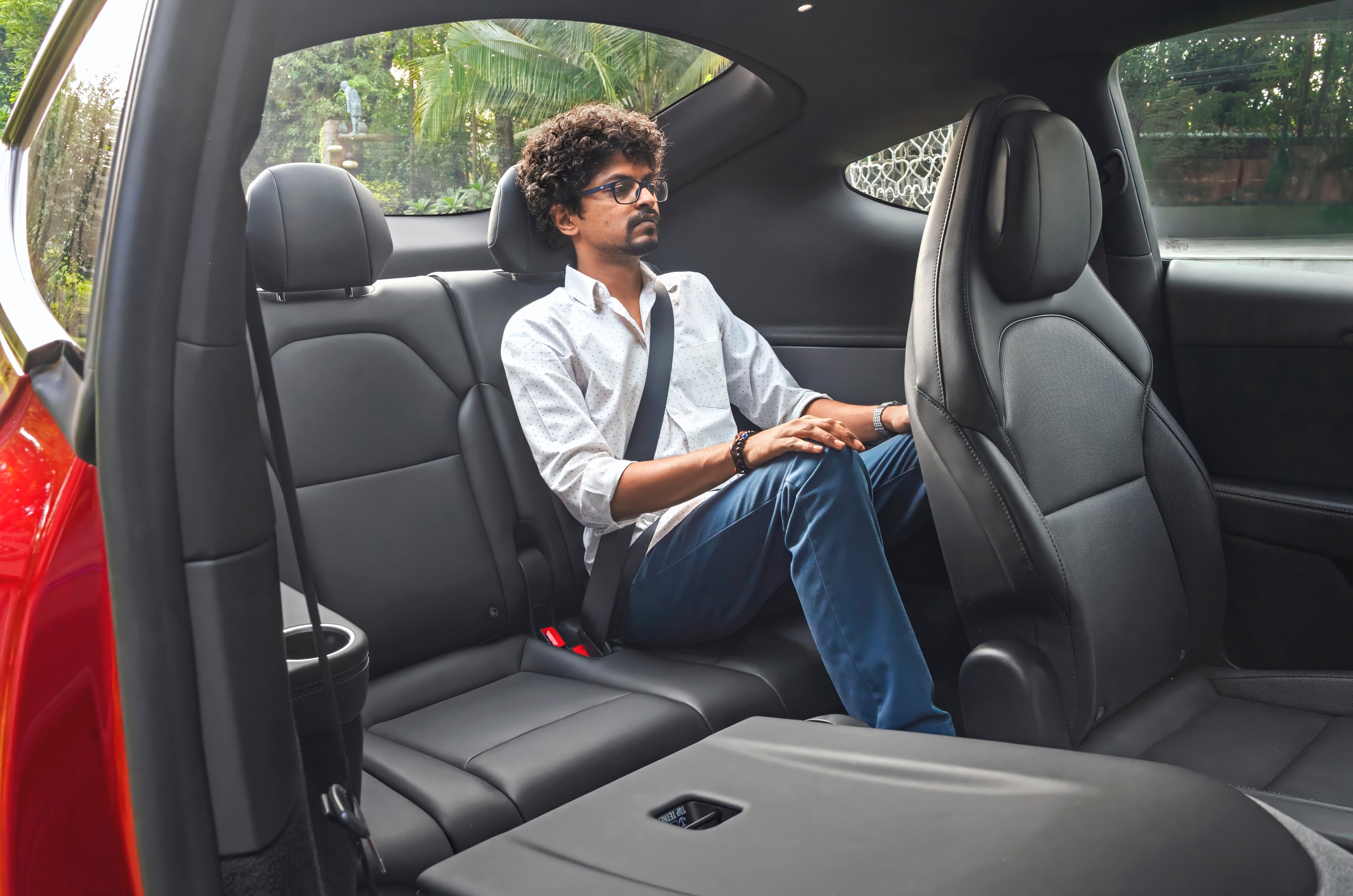
Getting to this last row is a cumbersome task, requiring you to squeeze in between the narrow gap of the middle-row seats. The seats are also slow to fold out of the way. Once you’re sat in the third row, you’ll have to assume a knees-up position.

Buying a used Tata Nexon: What to look out for

Buying a used Tata Nexon: What to look out for
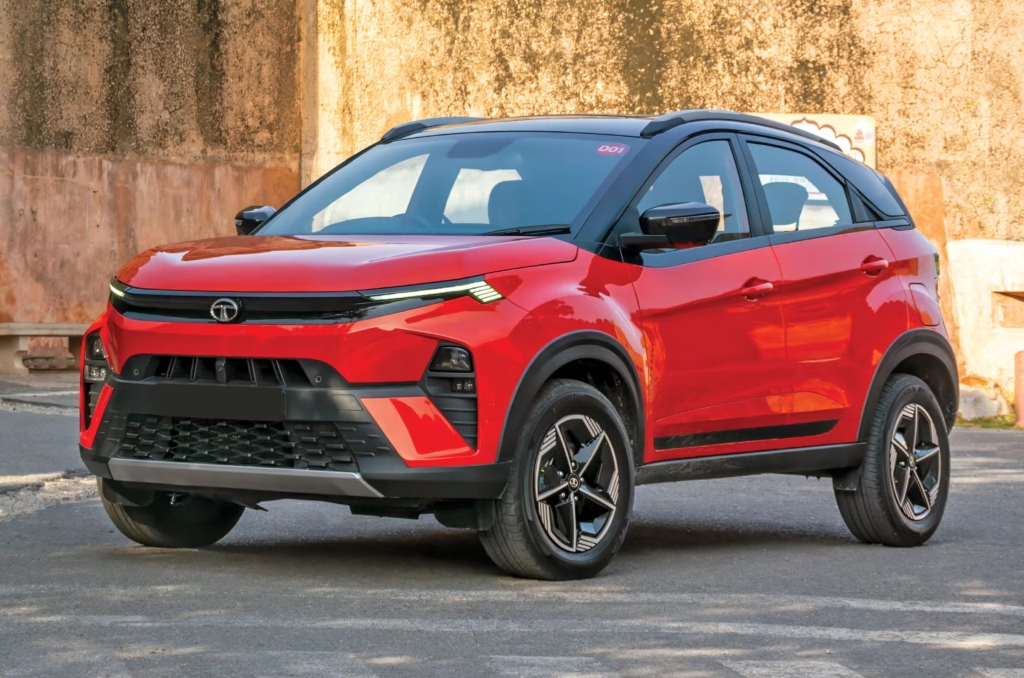
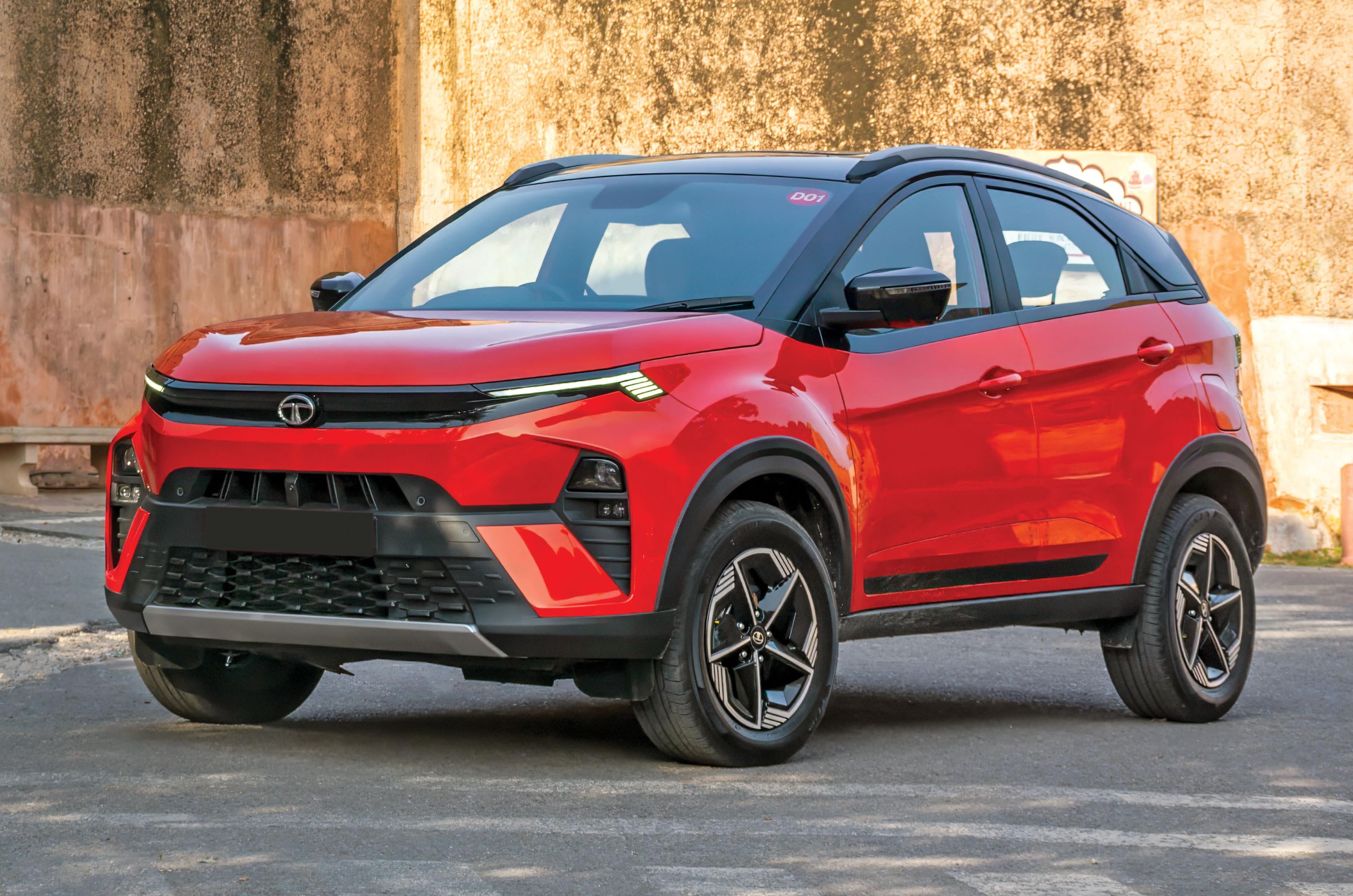
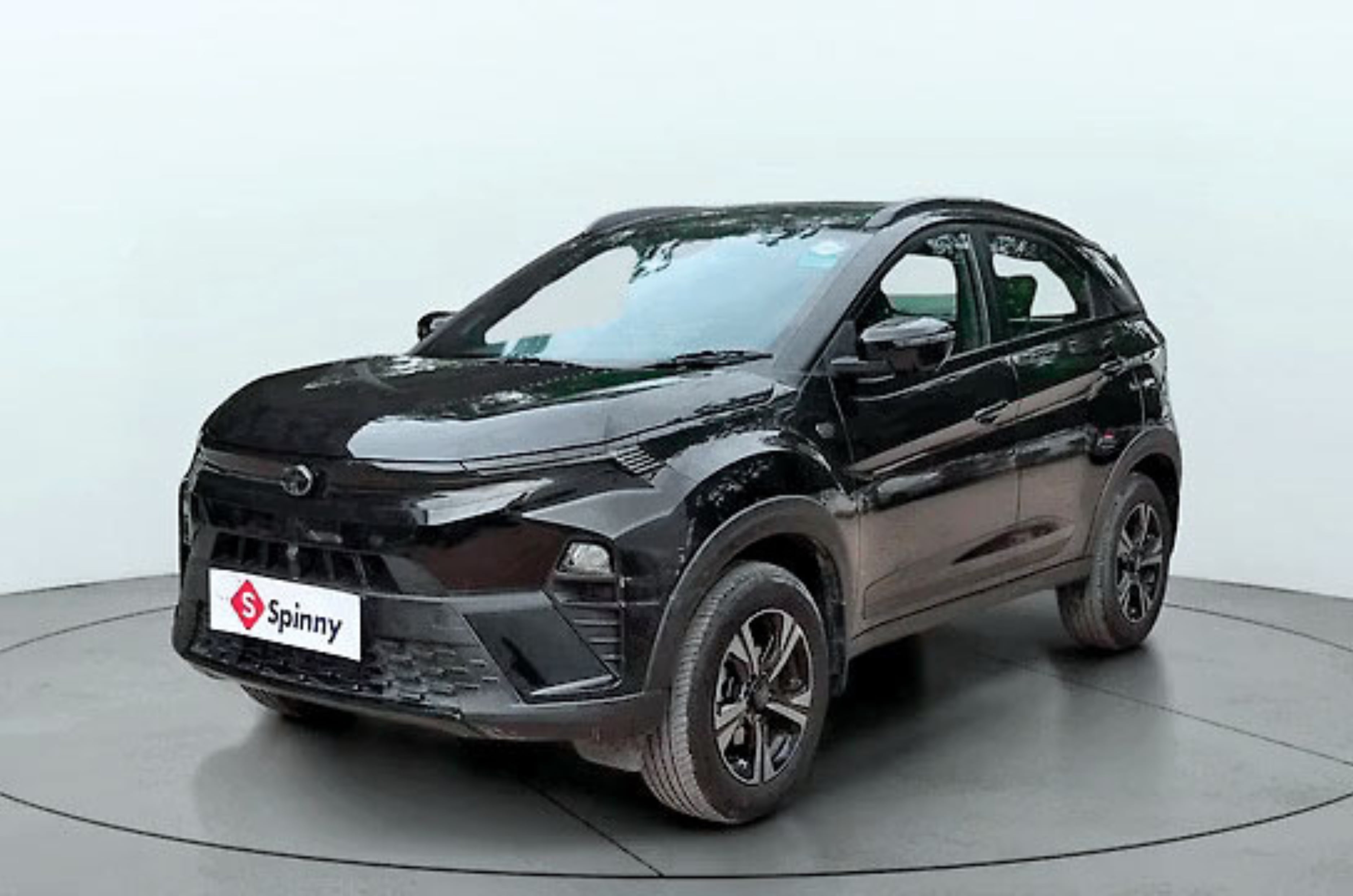
Tata Nexon Front Quarter

GOOD FOR: Spacious cabin, comfy ride

LOOK OUT FOR: Electronic glitches, AMT wear

The Tata Nexon received a comprehensive facelift in September 2023, bringing a sharper exterior, a redesigned interior and more technology. It retained its compact SUV dimensions while offering a wide powertrain choice, along with manual and automatic gearbox options for both petrol and diesel. With its generous equipment, practical cabin and SUV-like stance, the facelifted Nexon makes a compelling case as a used buy.

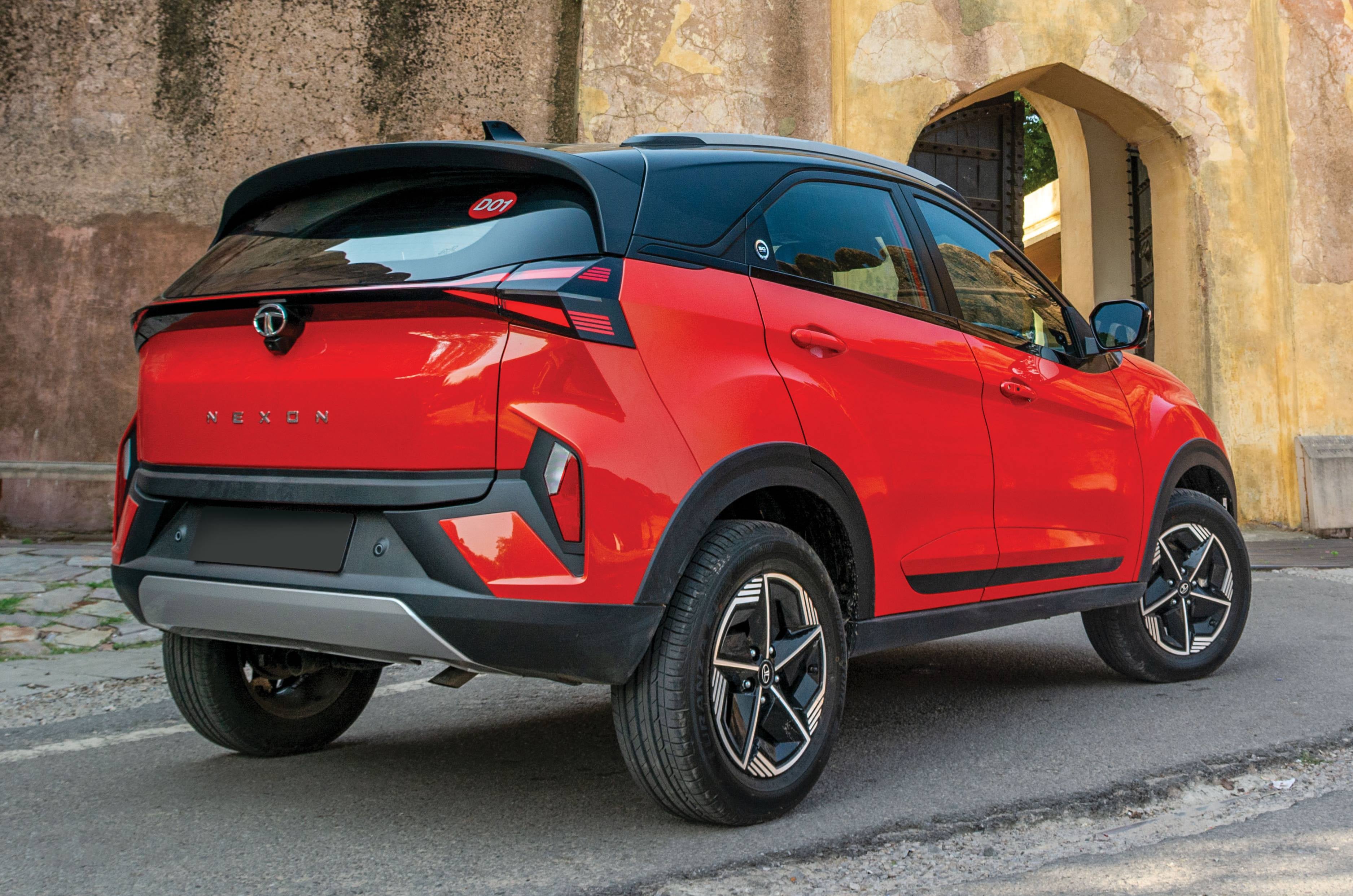
The 2023 Nexon was a significant styling departure from its predecessor, featuring slim sequential LED DRLs and headlamps positioned lower in the bumper. Revised bumpers, a new grille, connected LED tail-lights and redesigned alloy wheels gave it a more modern appearance. The cabin also received a thorough redesign, including a two-spoke steering wheel, a digital instrument cluster and a new touch panel for the HVAC controls. But, it retained its strengths of a spacious and practical cabin, a solid feature set and well-sorted ride and handling.

Check out used Tata Nexon models.

Tata Nexon powertrain details

Petrol, diesel and CNG options; MT, AMT and DCT gearboxes

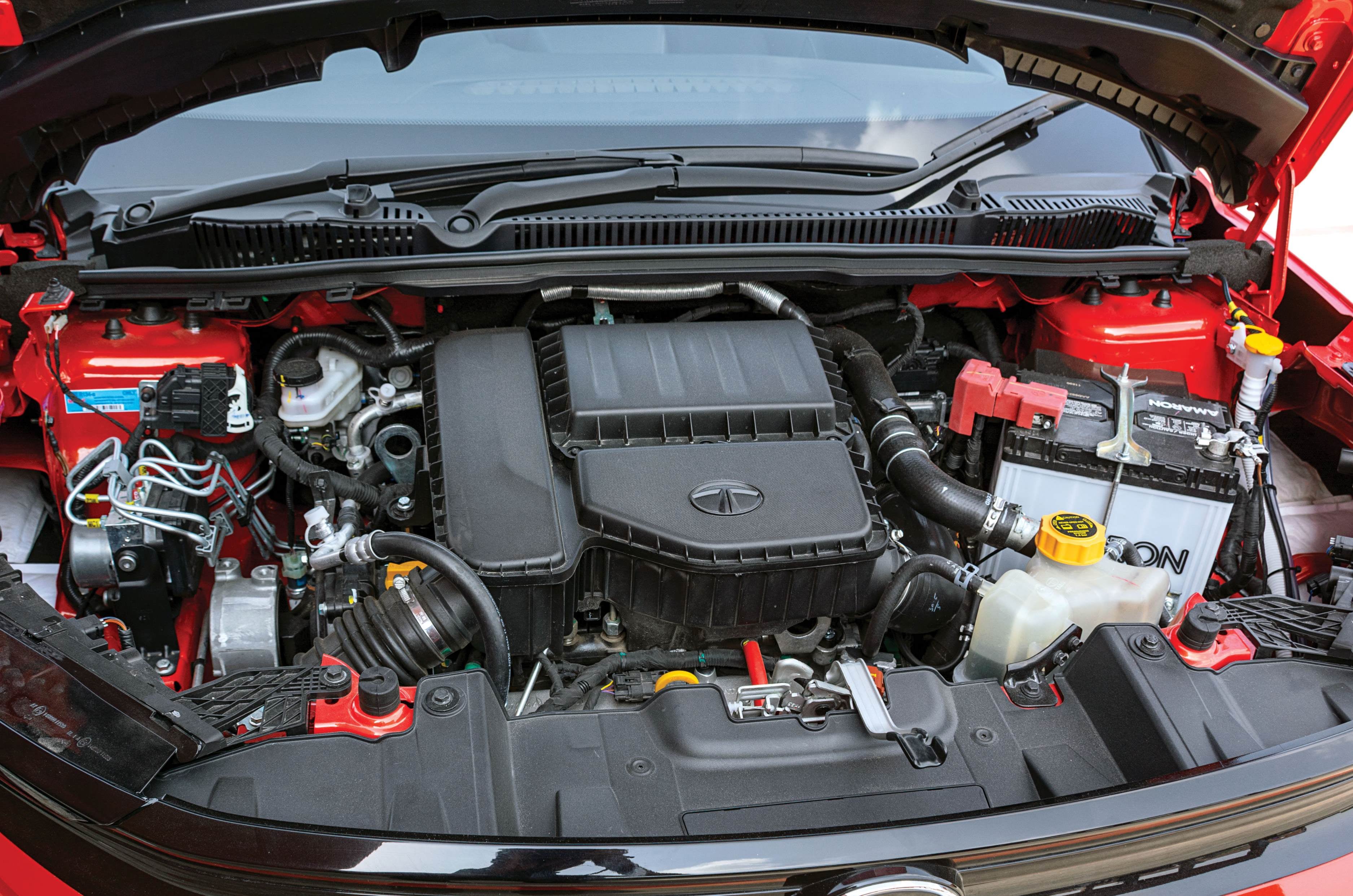
Tata Nexon Engine

Under the bonnet, the Nexon continued with its 1.2-litre turbo-petrol and 1.5-litre diesel engines. The petrol engine produces 120hp and 170Nm, while the diesel makes 115hp and 260Nm. Gearbox options included a 5-speed manual, 6-speed manual, 6-speed AMT and 7-speed dual-clutch automatic, depending on the engine and variant. A CNG version was added to the line-up later, which featured the same 1.2-litre petrol engine and came with a 6-speed manual only. The CNG came with Tata’s innovative twin tank setup under the boot floor, which meant a usable cargo space and spare tyre were retained.

Tata Nexon Rear Quarter

The petrol engine is suitable for everyday urban driving, while the diesel’s higher torque makes it better suited to buyers for highway use. The automatics, of course, are the choice for someone looking for an easier driving experience. The CNG makes sense for high running.

Tata Nexon variants and features

10.25-inch touchscreen, 360-degree camera, ventilated seats and more

The 2023 Nexon was offered in Smart, Pure, Creative and Fearless trim levels at launch, with equipment varying by variant. Top-spec versions featured a 10.25-inch touchscreen infotainment, a 10.25-inch digital cluster, wireless Android Auto and Apple CarPlay, connected-car tech, a 360-degree parking camera, ventilated front seats, cruise control, leatherette upholstery and a sunroof. Safety equipment included six airbags, electronic stability control and ISOFIX child-seat mounts. The Nexon has also received a five-star Global NCAP crash safety rating under the enhanced 2022 protocol.

Tata Nexon Interior

As is always the case with Tata products, the Nexon line-up has been regularly updated with the addition/deletion of certain variants, special editions and new features like a panoramic sunroof and Level 2 ADAS tech. With such a widespread line-up, choosing the right one can be tricky. Pick based on your budget and the non-negotiable features you’d want. As it is, even the mid-spec trims come well equipped and have more than the basics covered.

Tata Nexon reliability and aftersales

Tatas are not known to be very reliable, but with the Nexon’s long run, bugs have been ironed out, and these Nexons have proven to be a generally reliable package. Spare parts are easily available, and you’re backed up by Tata’s wide service network throughout the country, though their service quality varies.

What to look out for in a used Tata Nexon

Electronic glitches

Tata Nexon Infotainment

The 2023 Nexon introduced a larger touchscreen, a digital cluster, a 360-degree camera and LED lights. Before buying, test the touchscreen thoroughly, connect your phone and check that the 360-degree camera works as intended. Make sure the cluster has no warning messages or glitches and that the LED lights work correctly. Some owners have faced issues with these.

Suspension wear

Nexons that have spent considerable time on poor roads can develop wear in suspension components. Drive it over speed breakers and uneven surfaces, listening for knocking sounds or excessive crashing, as these are signs of worn-out suspension components.

Auto gearbox health

During a test drive, check for excessive juddering, hesitation, delayed engagement or unusual noises, particularly in slow-moving traffic, as these could be signs of potential trouble with the auto gearboxes.

Used Tata Nexon service history and warranty check

Look for a Nexon that comes with a detailed service history or one that has an extended warranty package, as that will give you additional peace of mind since you are buying a pre-owned example.

Second-hand Tata Nexon price and resale value

Rs 7 lakh-11 lakh

Used Tata Nexon

The price of a used 2023 Tata Nexon will depend on its engine, gearbox, variant, kilometres driven, ownership history and condition. Petrol manual examples will be the most affordable, while the diesel and CNG versions tend to be the more expensive ones. However, refrain from spending too much more than Rs 11 lakh, as you’d rather be better off buying a brand-new one.

Tata Nexon fact file

Years produced

2023-present

Price when new

Rs 8.10 lakh-15.50 lakh (ex-showroom, Delhi)

Engine

3 cyls, 1199cc, turbo-petrol/4 cyls, 1497cc, diesel/3 cyls, 1199cc, turbo-petrol + CNG

Power

120/115/100hp

Torque

170/260/170Nm

Ground clearance

208mm

Boot space

321 litres

Aprilia SXR GT 175 review: The next step

Aprilia SXR GT 175 review: The next step
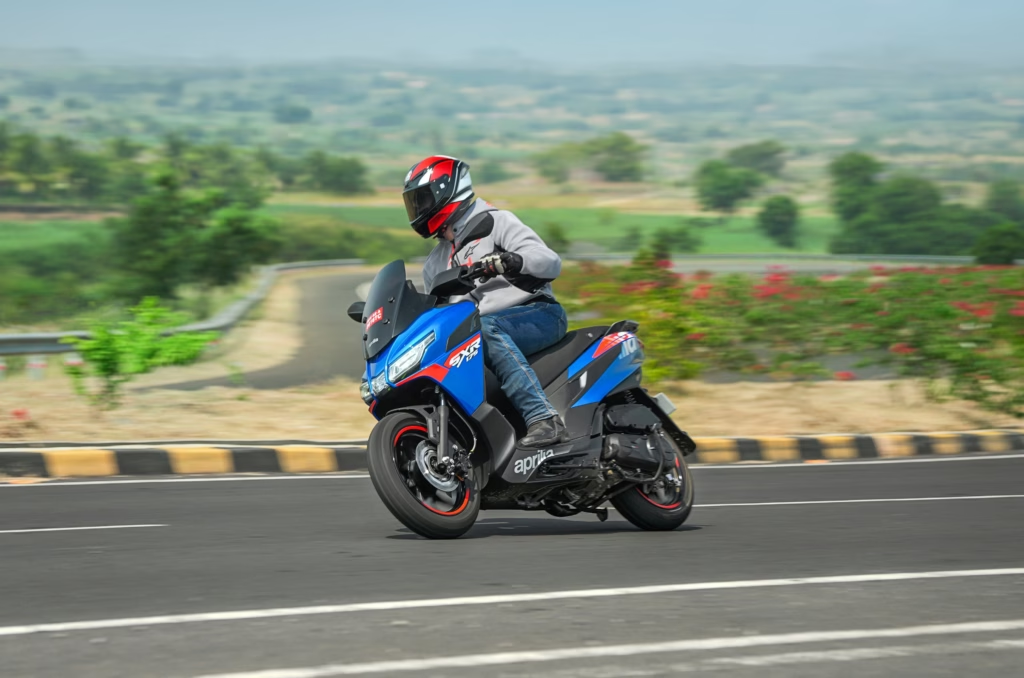
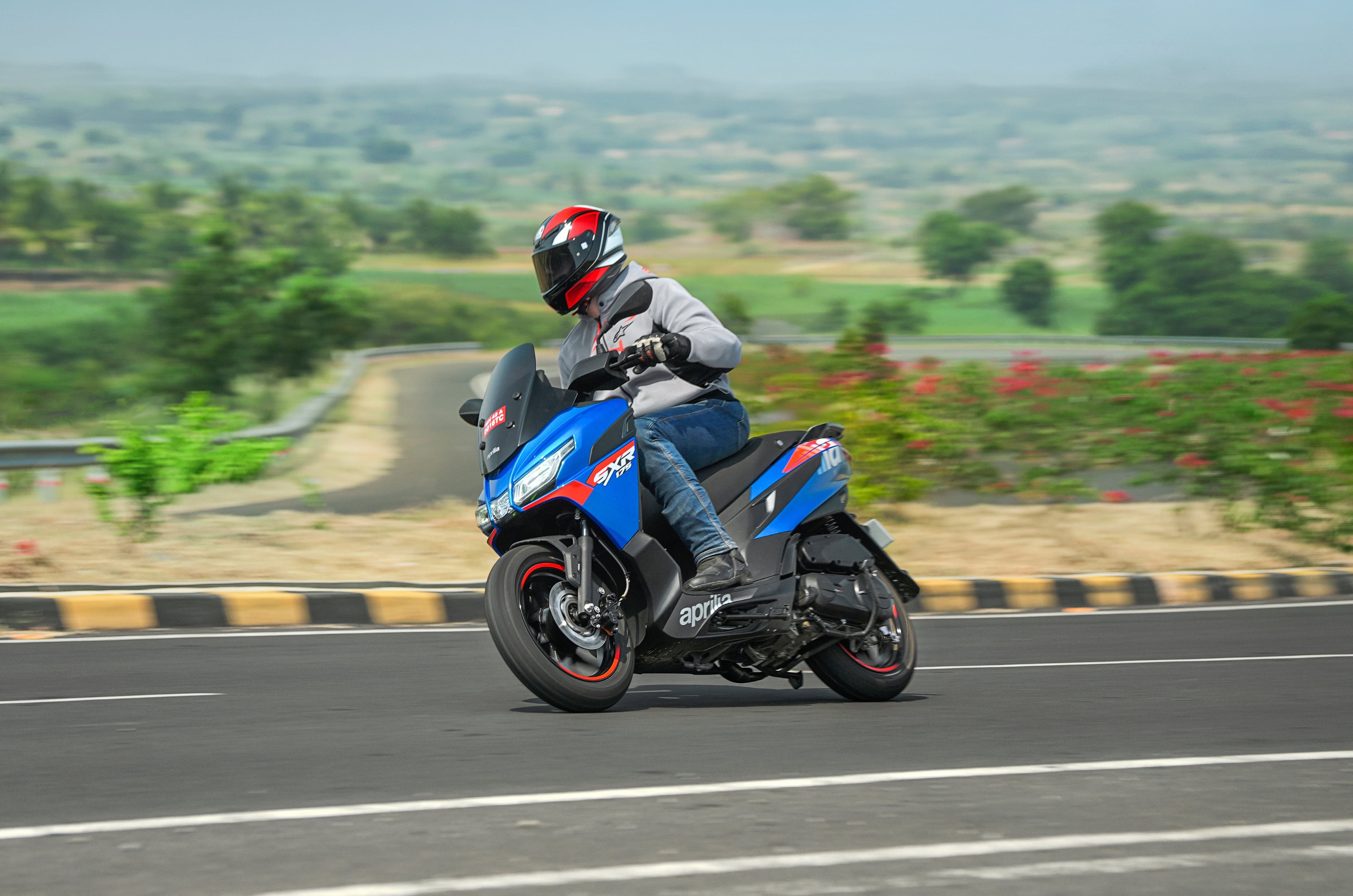
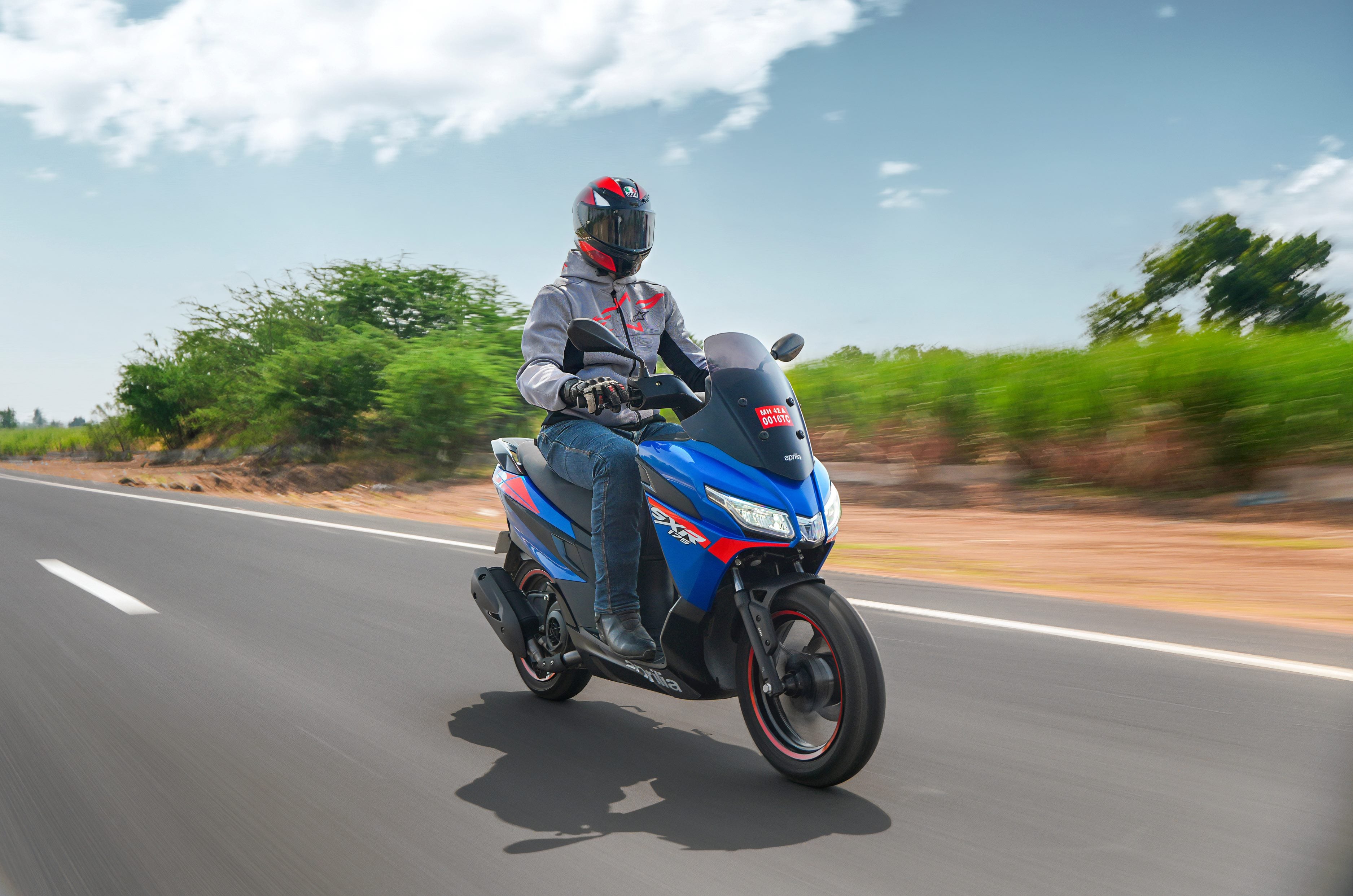
An outdoor shot of a rider cornering the new Aprilia SXR GT 175

Aprilia may not be the biggest player in the Indian scooter market but it is certainly one of the most radical. It was the first to give us a taste of a true-blue affordable performance scooter with the SR 150 in 2015 and in 2020 the company then upped the ante and introduced India to a premium, yet attainable maxi-style scooter with the SXR 160.

However, six years is a long time and in this interim, the niche that Aprilia was the sole occupant of has now been infringed upon by TVS, Hero, Yamaha and more recently, even Honda! To counter, Aprilia has now taken the next step in the SXR’s evolution and has introduced two models with new engines (125cc and 175cc), more features and a GT suffix. We were given a chance to sample the larger 175cc version and here are our initial impressions. 

Aprilia SXR GT 175 Design and features – 7/10

It’s an old design but still looks good; has received a good features upgrade

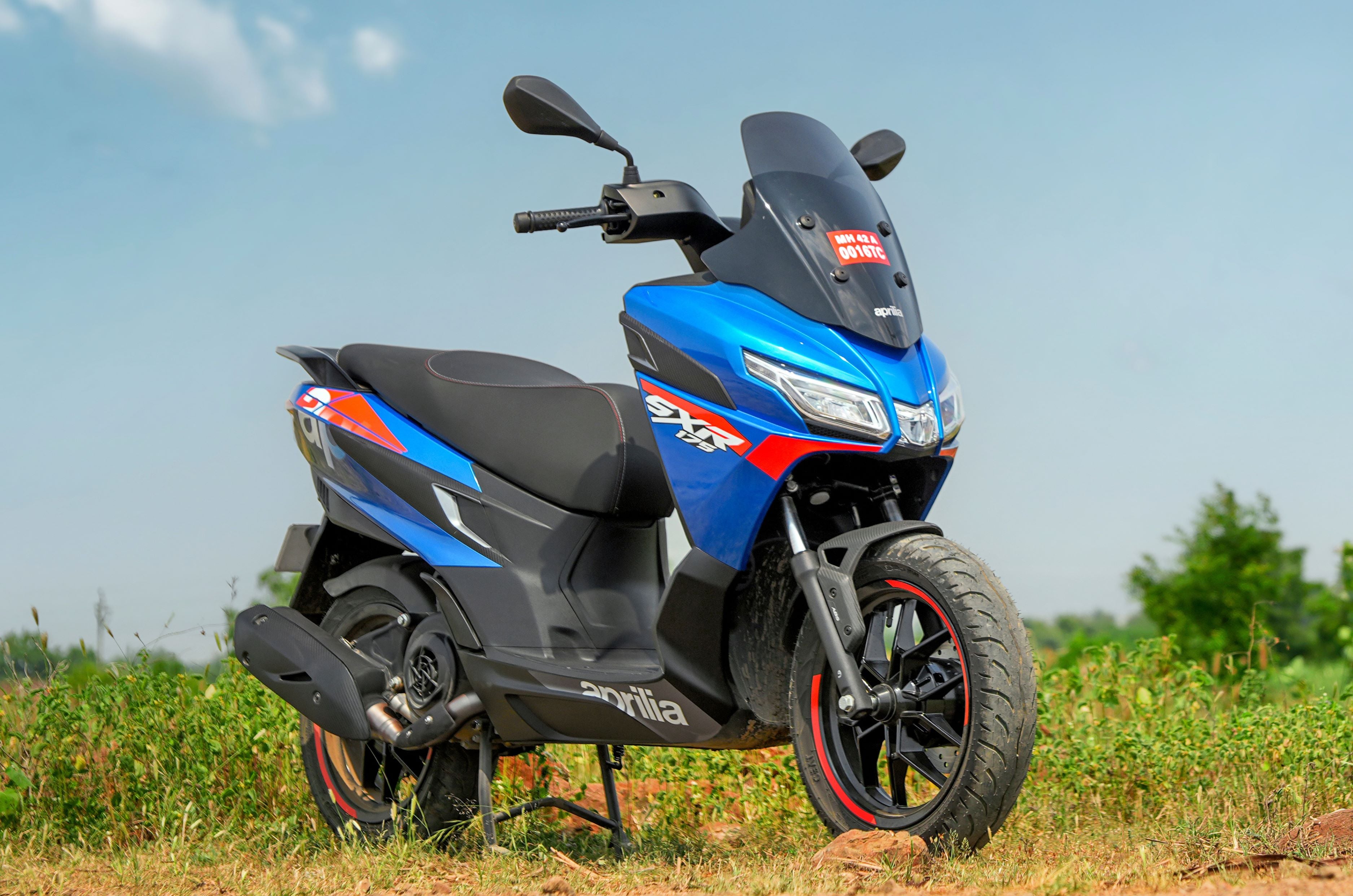
This design may be 6 years old, but it still manages to look good and turn heads

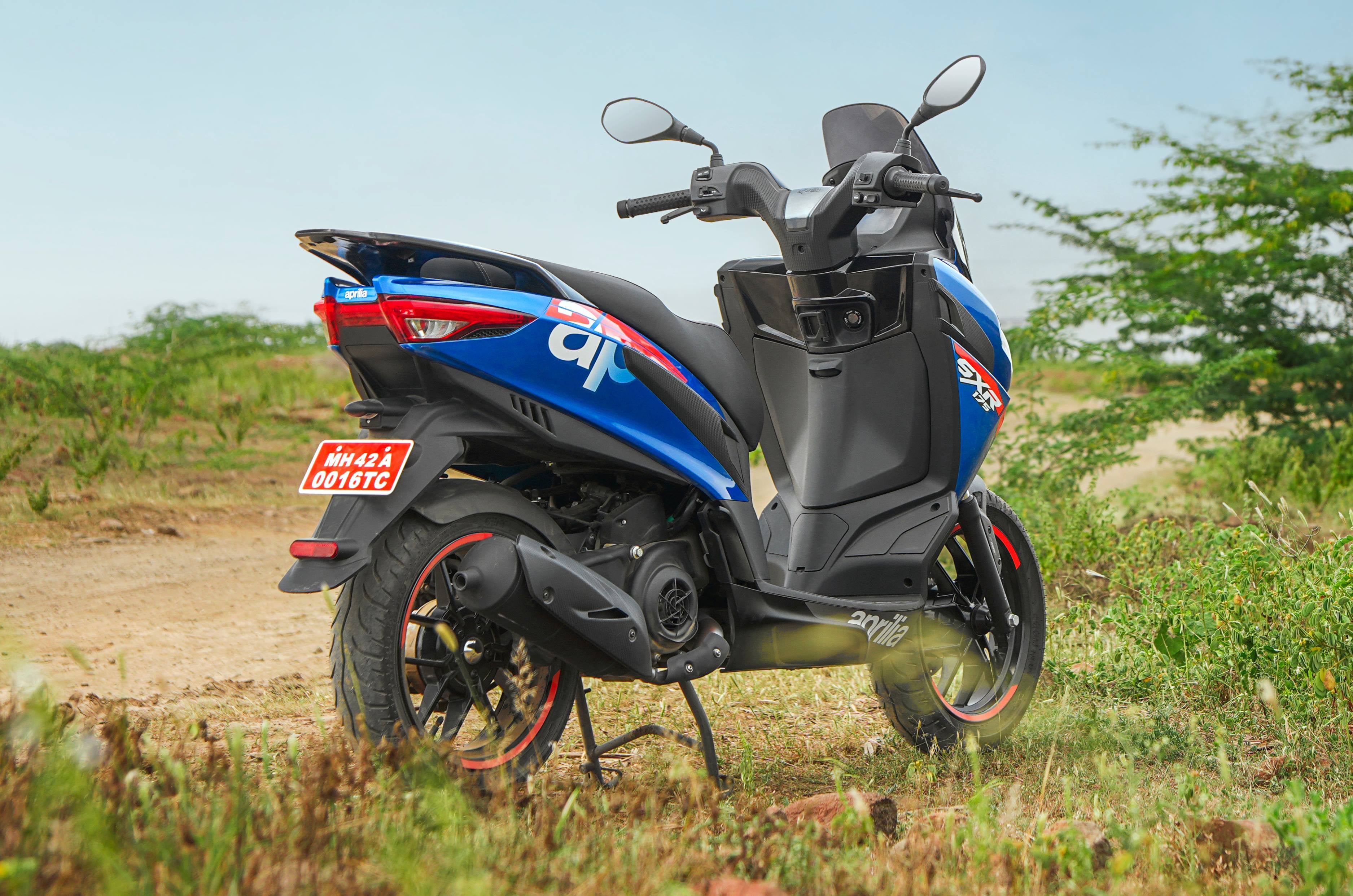
At this juncture, you’re probably wondering aside from the new colours and graphics, how different is the SXR GT 175 to the erstwhile SXR 160 it replaces? The answer to that question is, not very much. Aside from larger 14-in wheels, the SXR GTs look identical to the models they replace and you can certainly feel like it wouldn’t be unreasonable to expect more from the company. However, what you can’t deny is that the scooters still look handsome and striking without going over the top, despite looking nearly the same as they did 6 years ago – that’s Italian design brilliance for you! There are three new colours on offer – the vibrant blue you see here accompanied by a stealthy black and a camo army green scheme.

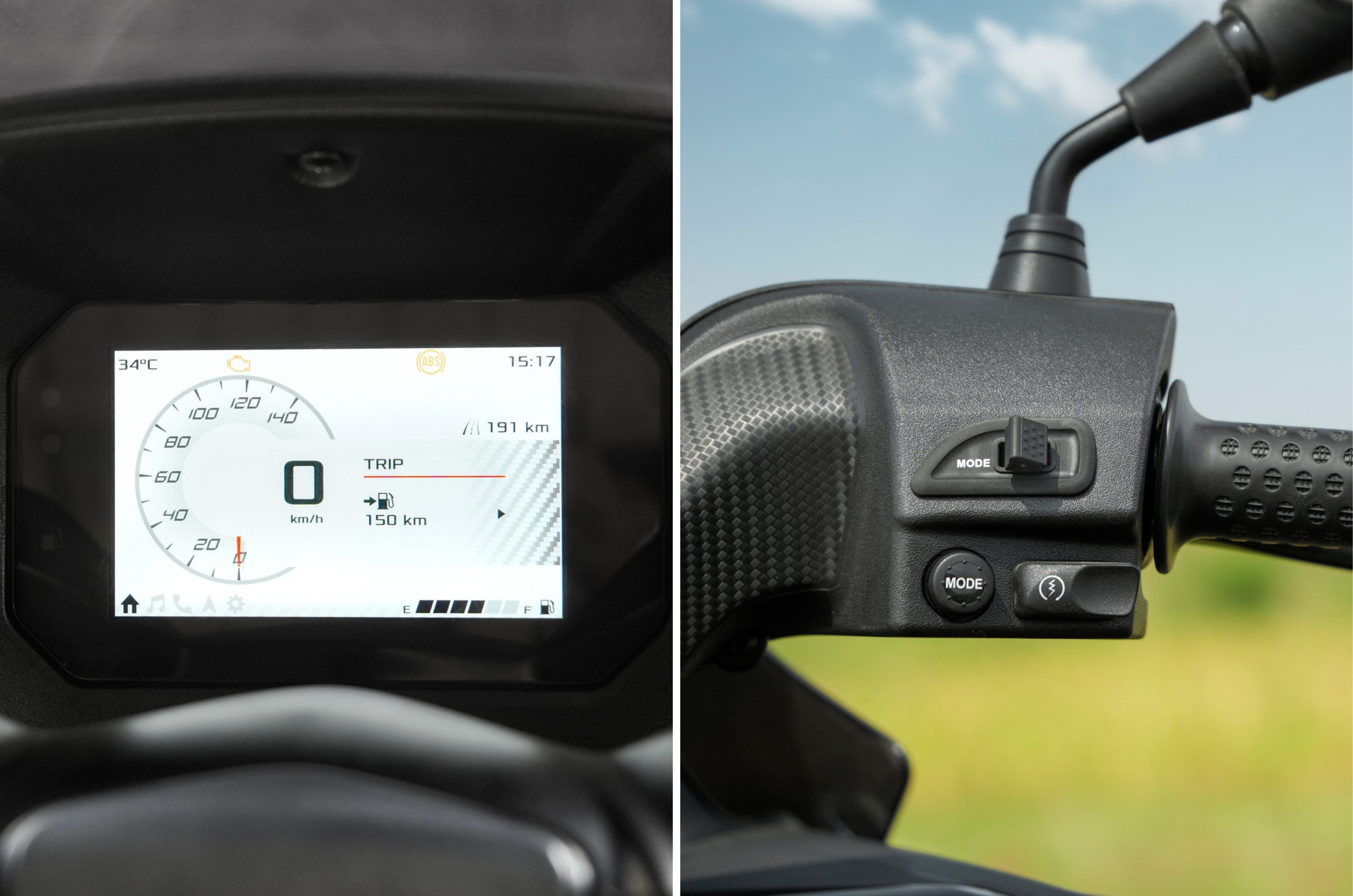
5-in TFT also shared with SR 175, is well laid out but UI isn’t entirely straightforward

However, once you get astride, you’ll realise that there are a fair few changes going on. For starters, the SXR GT 175 uses the same bright and well laid-out colour TFT display as the SR 175 and this dash is replete with Bluetooth functionality which brings in call/notification alerts & navigation prompts. Like that scooter, the overall user interface is a bit complicated and you will need to learn some of the secret handshakes necessary to fully utilise it. Another gripe I have with this dash is that while it has a lot of tech, you have to make do with a single trip meter, which seems like a small but unnecessary omission. 

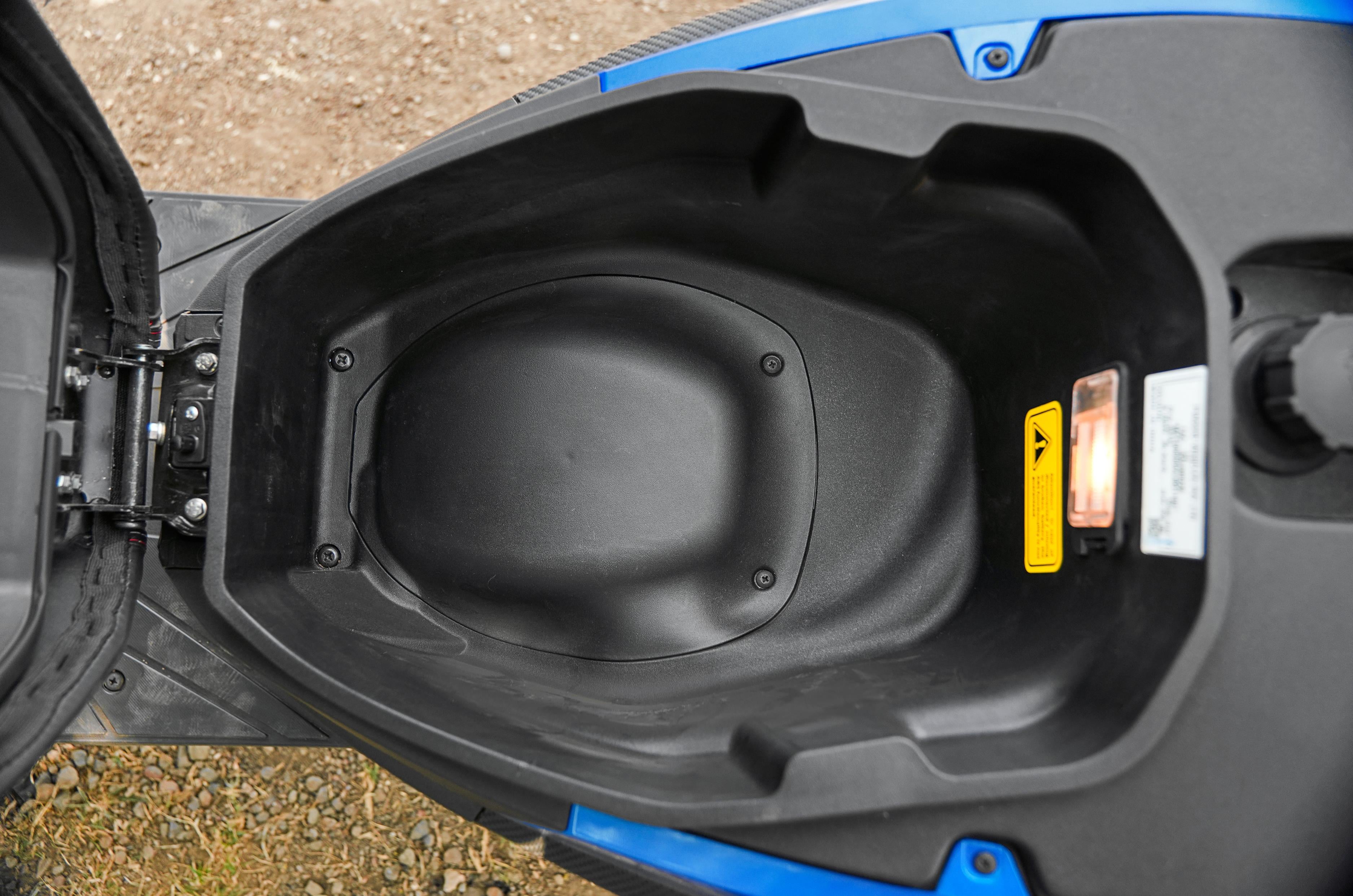
Bootspace is nothing to write home about

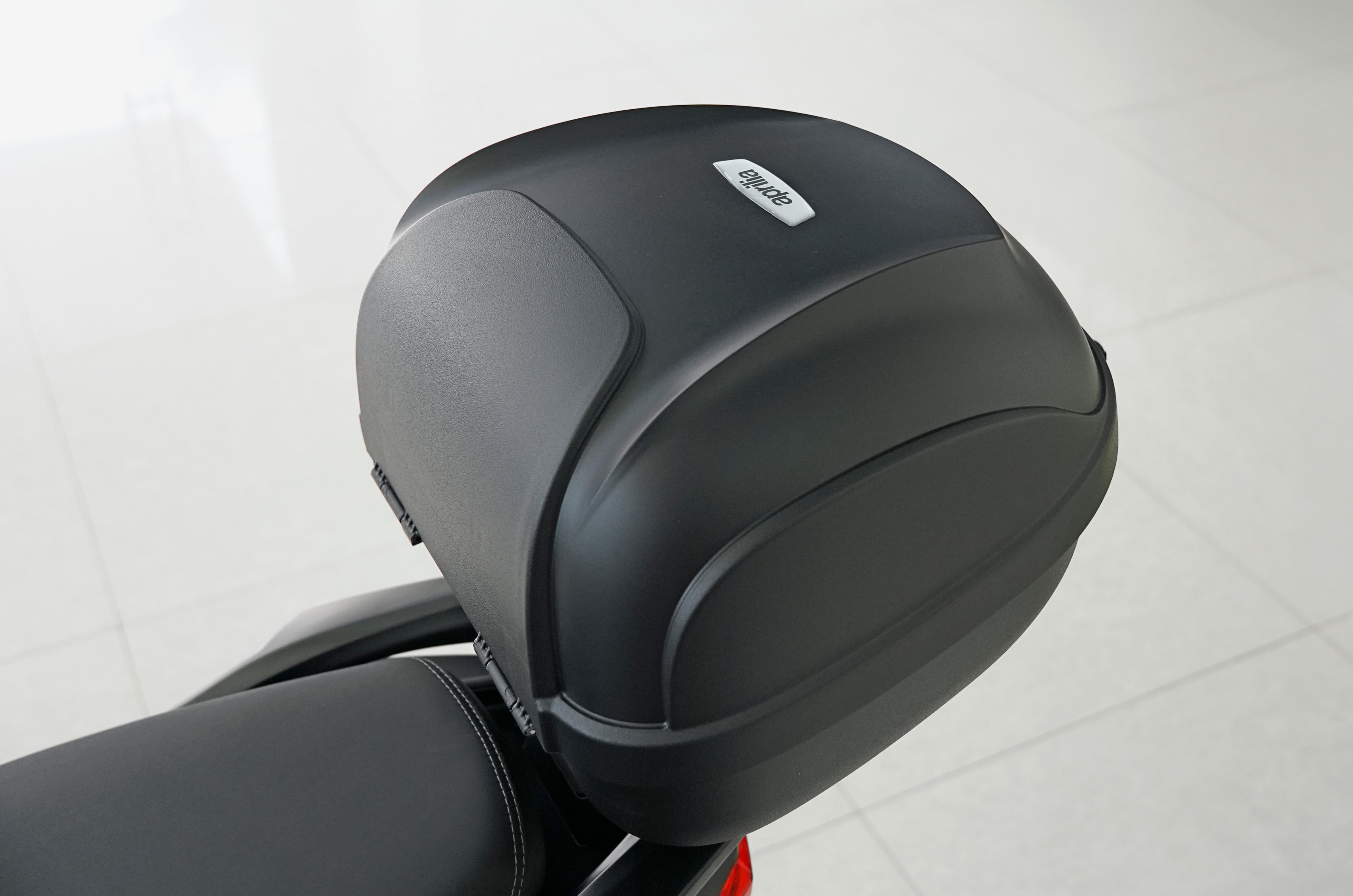
Another small omission is the absence of a multi-function ignition key slot, which means you need to remove the key and put it in its dedicated slot to open the seat and access the boot – something most smaller and cheaper scooters have long moved past. The underseat storage space here isn’t anything to write home about either. However, Aprilia will sell you a pretty spacious 32 litre accessory top box to alleviate that issue, although we don’t have a price for that yet.

 But Aprilia will sell you an accessory 32L top box to alleviate that issue

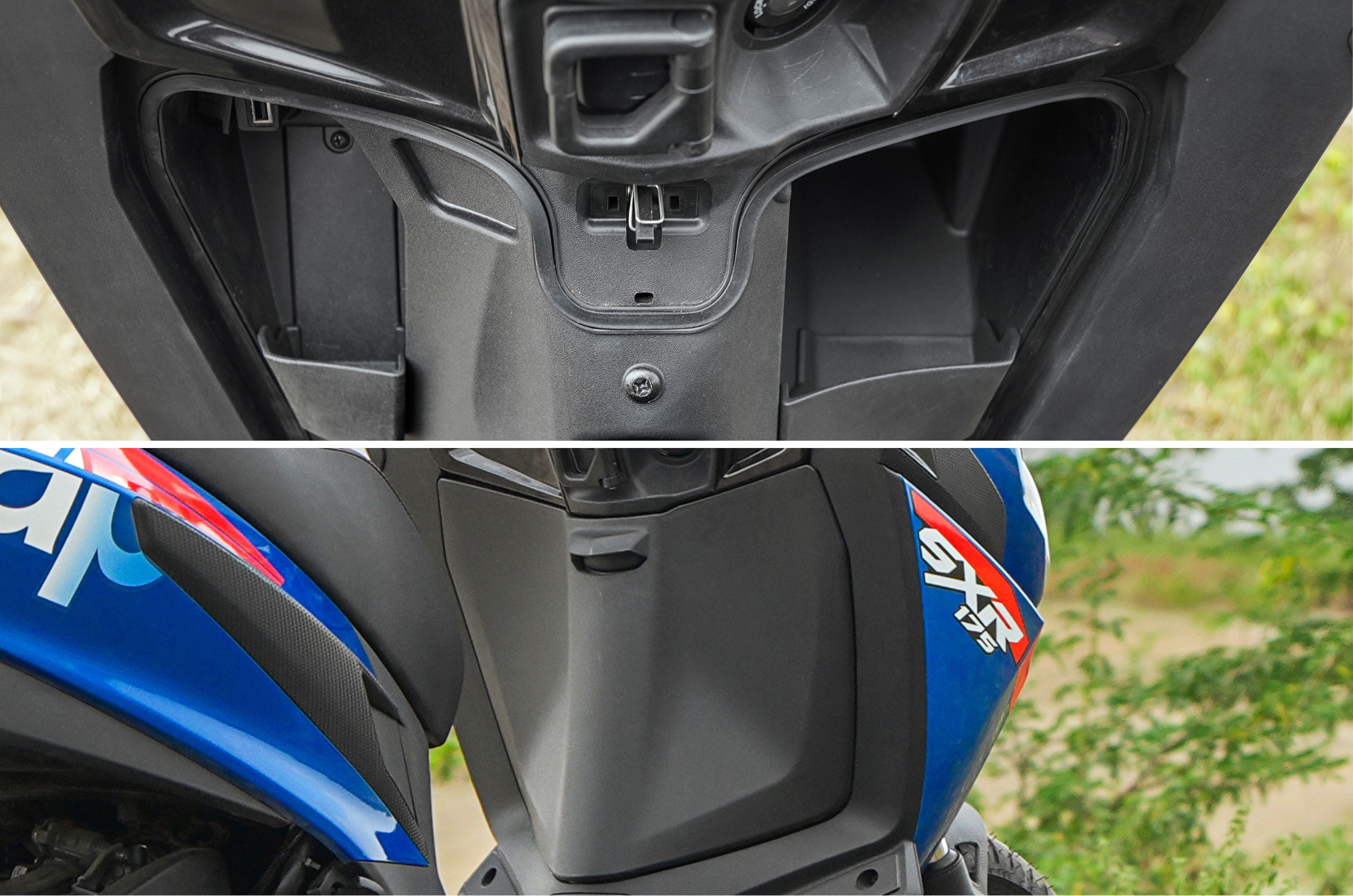
What is a nifty storage solution that comes as standard – carried over from the SXR 160 – are the fully enclosed cubbies on the front apron, and one of them even has a USB-A charging port. While this is surely a safe and practical storage area for your knick-knacks, it’s not the most convenient solution to access when on the move. That’s because you first need to come to a stop, then twist the key to its off position and press it inwards to unlock the cubby. 

Enclosed, lockable area opens up to reveal 2 small cubbies; one of them has a USB Type-A charger

Aprilia SXR GT 175 Ergonomic – 7/10

Has one of the tallest seat heights in the scooter space; rider’s triangle is neutral

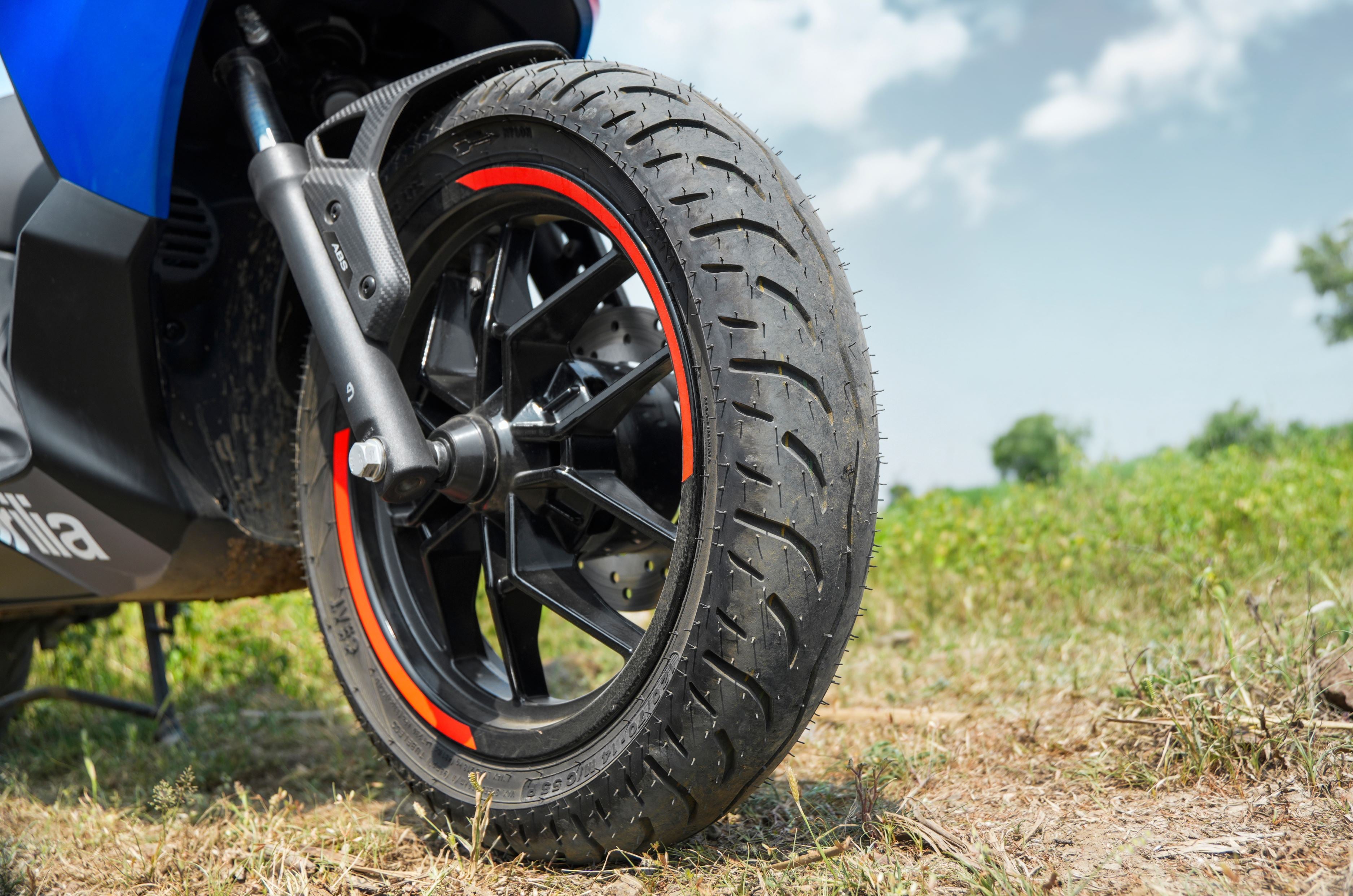
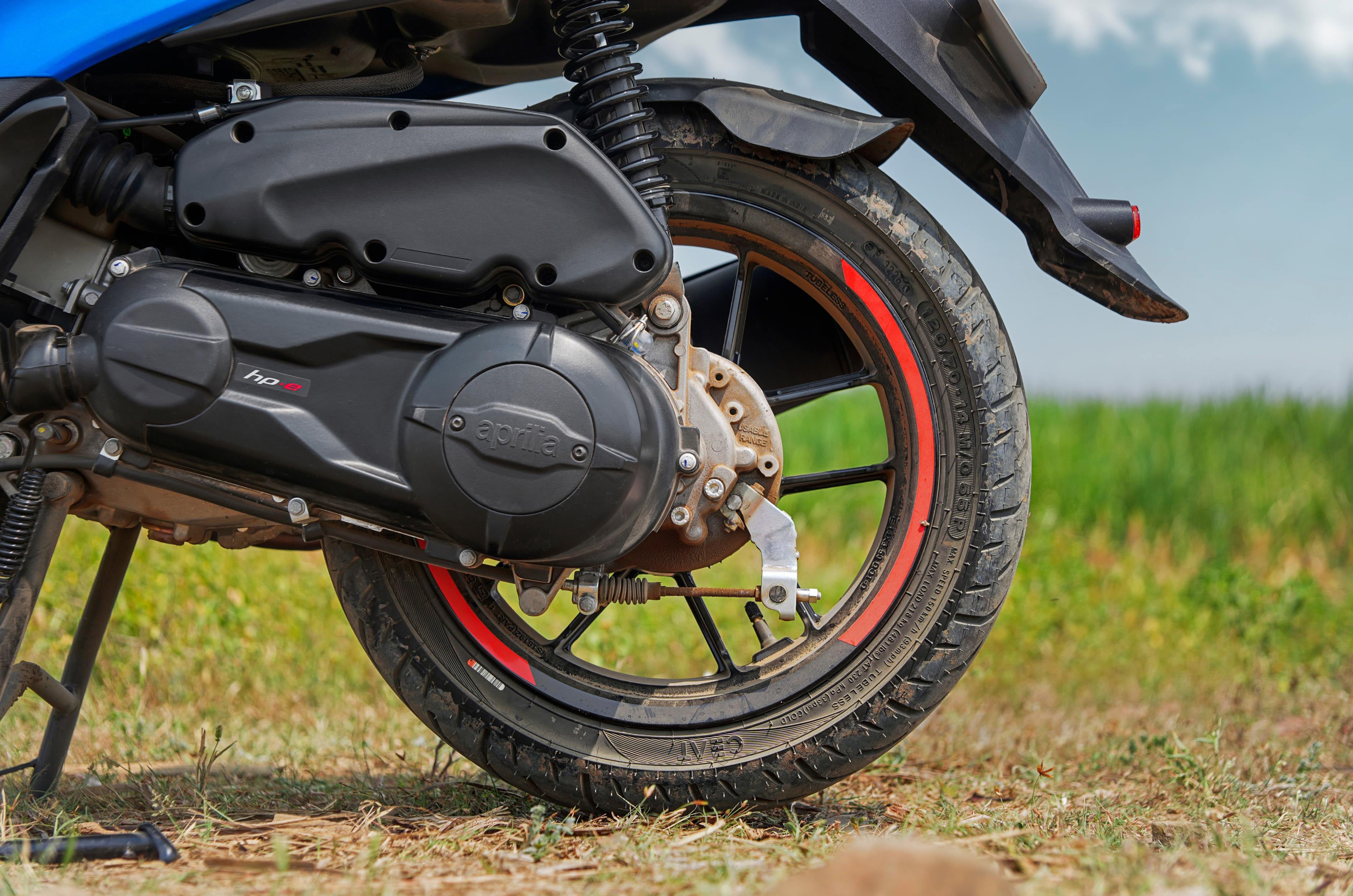
Of course, the new feature that is visible most prominently on the SXR GT is its new 14-inch wheel setup, which has its set of pros and cons. On the plus side, the proportions of the scooter are now better than ever before and its ground clearance has also now risen to 170mm – always a good thing on our unpredictable roads. However, because of the larger wheels, the SXR’s seat height has now risen to 800mm, which makes it the tallest seat height on any made-in-India petrol scooter.

14-inch wheels bring in surefooted handling and high-speed stability but the trade-off is heavier steering at slower speeds demanding more effort

Credit where it’s due, this number may seem big on paper but in the real world its not an unapproachable machine. Our photographer Omkar (who’s 5’2) could move the scooter around at our shoot location while seated without too much trouble. However, for someone that wants a friendly and approachable machine, the 132kg SXR is not where you should be looking.

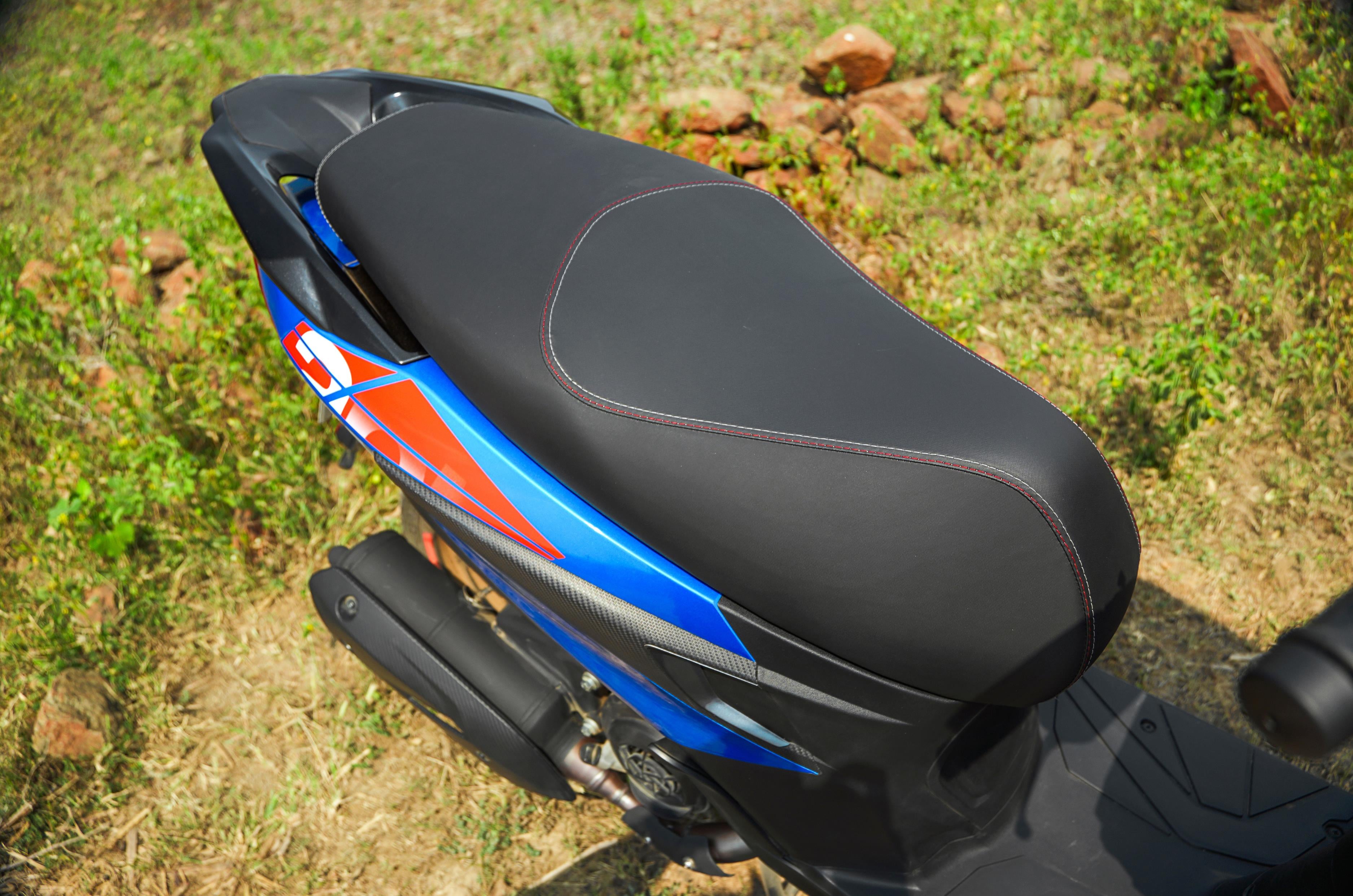
Aside from that, the SXR’s ergonomics haven’t changed and it retains the neutral and upright riding position from before. The seat’s padding is on the stiffer side, which will be especially noticeable on shorter trips but it works well for longer durations and for a person like myself that’s on the heavier side of the scale (80kg without gear). What, however, doesn’t work for a taller person like me (5’11) is that the handlebar is placed a tad low and fouls my knees when making lock-to-lock u-turns. 

Neutral and upright ergonomics are unchanged from before; spacious seat’s padding is on the stiffer side

Aprilia SXR GT 175 Performance – 8/10

Engine provides sprightly performance, is smooth at high speeds

While practicality and convenience are one half of the story when it comes to a scooter like this, what plays an equally important role is how the scooter rides and handles. It will probably not come as any surprise to you when I say that this is surely a fun scooter.

From the moment you thumb the starter and the motor settles into its gruff idle, the 174.4cc, 3-valve motor makes its intentions quite clear – it wants to be ridden quickly. While the vibrations do subside once you get going, the engine clearly rewards energetic riding because the faster you go, the smoother it seems to get! Not just 80kph, even at a speedo-indicated 100kph, it remains absolutely smooth at all the touch points with no signs of protest. For all you top speed nuts, we were able to see an indicated 110kph on the display before the rev limiter kicked in.

Sprightly 174.4cc engine shared with SR 175 has enough performance to placidly sustain 80-100kph

While the SXR is a quick scooter, from what I remember, it doesn’t feel as quick as the lighter and sportier SR. The 0-50kph dash is quite energetic but after that, acceleration becomes more measured. Nevertheless, this level of performance is more than acceptable for our environs and you’ll rarely wish for more power. 

Aprilia SXR GT 175 Ride and Handling – 7/10

Planted and surefooted handler, but not the easiest to manage at slower speeds

Equally as enticing as its performance is the SXR GT 175’s handling. The new and bigger 14 inch wheels lend it a newfound sense of stability around corners and at higher speeds. To ride, this feels like a proper maxi scooter experience rather than just a styling exercise. However, the tradeoff is noticeably heavier steering at slower speeds which demands quite a bit more effort. If you’re going to spend a lot of time in dense stop and go traffic that you constantly need to manoeuvre around, the SXR GT is not the ideal machine for that task.

To account for these larger wheels, Aprilia has also tuned the SXR’s suspension differently to before. The damping and shock absorption are really quite composed at the rear but the fork feels stiff and jarring over rough roads and does bottom out over larger, sharper-edged bumps. Since Mumbai’s roads are dominated by these conditions, we’re not sure how comfortable the SXR GT will be there, but hope to find out soon.  

It sticks to the Aprilia SXR formula of giving you a decently-priced,  good-looking scooter with both functional practicality and zippy performance

Aprilia SXR GT 175 Verdict (Overall Rating) – 7/10

Well-priced and stands out but its not for everyone

In the scooter segment, Aprilia operates in its own niche where people that really value style and performance continue to choose its offerings over mainstream options. We don’t see that changing with the SXR GT because even though it is more well-rounded than its sporty SR sibling, it still has some hurdles to overcome both on the product’s as well as the after-sales side and fresh styling would have helped increase the appeal after all these years. Nevertheless, the company assures us it is working on the after sales front and it aims to have 250 showrooms in India before the year ends, up from the current 230. Still, that’s vastly lower than the sales reach of Aprilia’s rivals.

To sum up, this latest iteration hasn’t really diverged from what has been the cornerstone of the Aprilia SXR formula – to give you a decently-priced, good-looking scooter with both functional practicality and zippy performance. Speaking of price, the SXR GT 175 is priced at Rs 1.30 lakh (introductory, ex-showroom, Maharashtra) which is a pretty decent price considering what it brings to the table. If you must have a stylish and fun scooter that stands out of the crowd without breaking the bank, the Aprilia SXR GT should be on your radar.

MG Windsor long term review, 17,500km report

MG Windsor long term review, 17,500km report
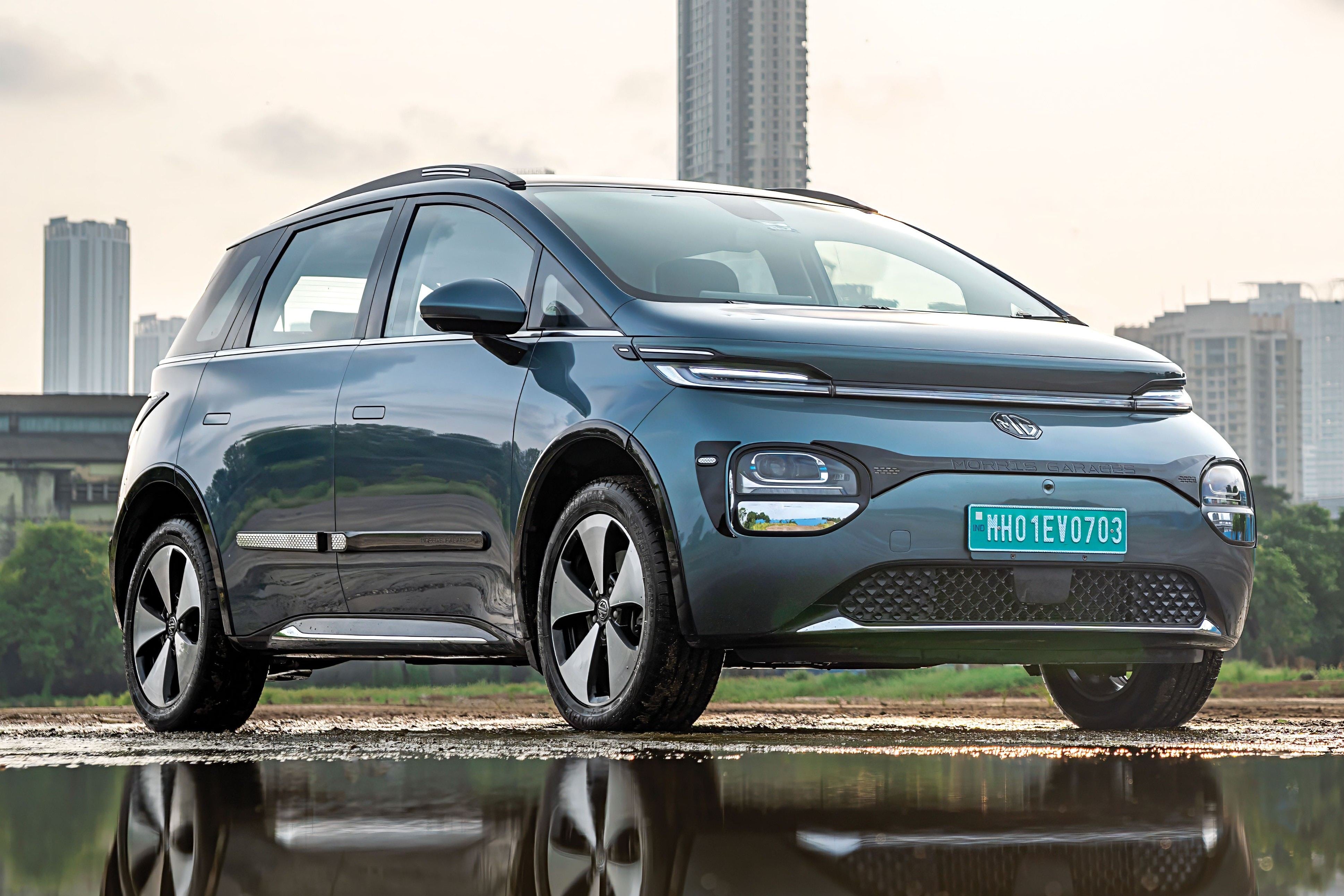
MG Windsor EV front quarter static

The MG Windsor EV is convenience Pro Max. You walk up to it, the doors unlock on their own, you slide into the driver’s seat, select ‘D’ on the gear-selector stalk, and pull away. Quick, simple, easy, and super convenient.

Over the weeks and months we’ve had the car, I’ve even found it to be well suited to our traffic, especially when the need to overtake quickly arises. The electric motor makes a healthy 200Nm of torque, and with near-instant responses, overtaking becomes almost therapeutic.

Overtaking slower cars is a breeze due to the strong and linear torque delivery

Squeeze down on the accelerator and a wave of torque helps you breeze past the car ahead. What’s nice is that the e-motor doesn’t overreact or deliver a massive spike of torque the moment you touch the pedal, it’s well metered and measured, and that makes all the difference. So, the Windsor feels surprisingly swift and fleet-footed; just what the doctor ordered for our fluid traffic, where gaps and opportunities open and close quickly.

Strong brakes blend regenerative and friction braking quite seamlessly.

I even really like the strong brakes, especially how well they blend initial regeneration and later stronger action via the discs. Even the steering is light, direct and well-suited to urban use. Put all these factors together, and you can see why I found myself setting off to run a lot more errands in this car, with even long intra-city commutes handled with ease; podcasts on the clear audio system keeping me company.

What I’ve often found, however, especially when driving on a low battery, is that Eco mode is not as well calibrated. The responses are quite severely dulled down, and that means you need to keep using more and more throttle to get a move on. I soon switched back to Normal, almost every single time.

Where the Windsor also did well was that despite being a monovolume, the design has wide appeal. Sure, it has an unconventional profile, an unconventional cab-forward stance and an unconventional seating position. But the design works so well, first impressions from passengers are overwhelmingly positive. Many passengers commented on its modern looks and the spacious feeling in the rear. And doesn’t the stepped nose up front, with its chrome embellishments, work well?

MPV profile nicely packaged with modern details and look.

The MG Windsor, however, also has its fair share of issues and irritants. For one, insulation is very poor. It’s tolerable at lower city speeds, but past 70 or 80kph, road noise gets so prevalent, you start looking around for a commercial vehicle overtaking you. There is none. Then there’s the fact that the ride often gets brittle and unsettled, and go faster, such as on the Coastal Road in Mumbai, and stability at speed is also nowhere near as good as it should be. Some of this is down to the Windsor’s raised ride height and tall stance. But hey.

Over the time we’ve had the car, I’ve also come across a litany of questionable details in the cabin. To begin with, the seats have diamond-quilted covers that prod you in the back and feel unnecessarily ‘textured’. Then a lot of the plastics feel low-rent and cheap, especially the faux wood and the top of the dash. This includes some of the toggle switches used for the aircon and, especially, the gear selector stalk. Then there’s the fact that the screen is a size too large and in your face, and the left bottom of the windscreen is obscured by it; especially irritating when you are parking in a tight place.

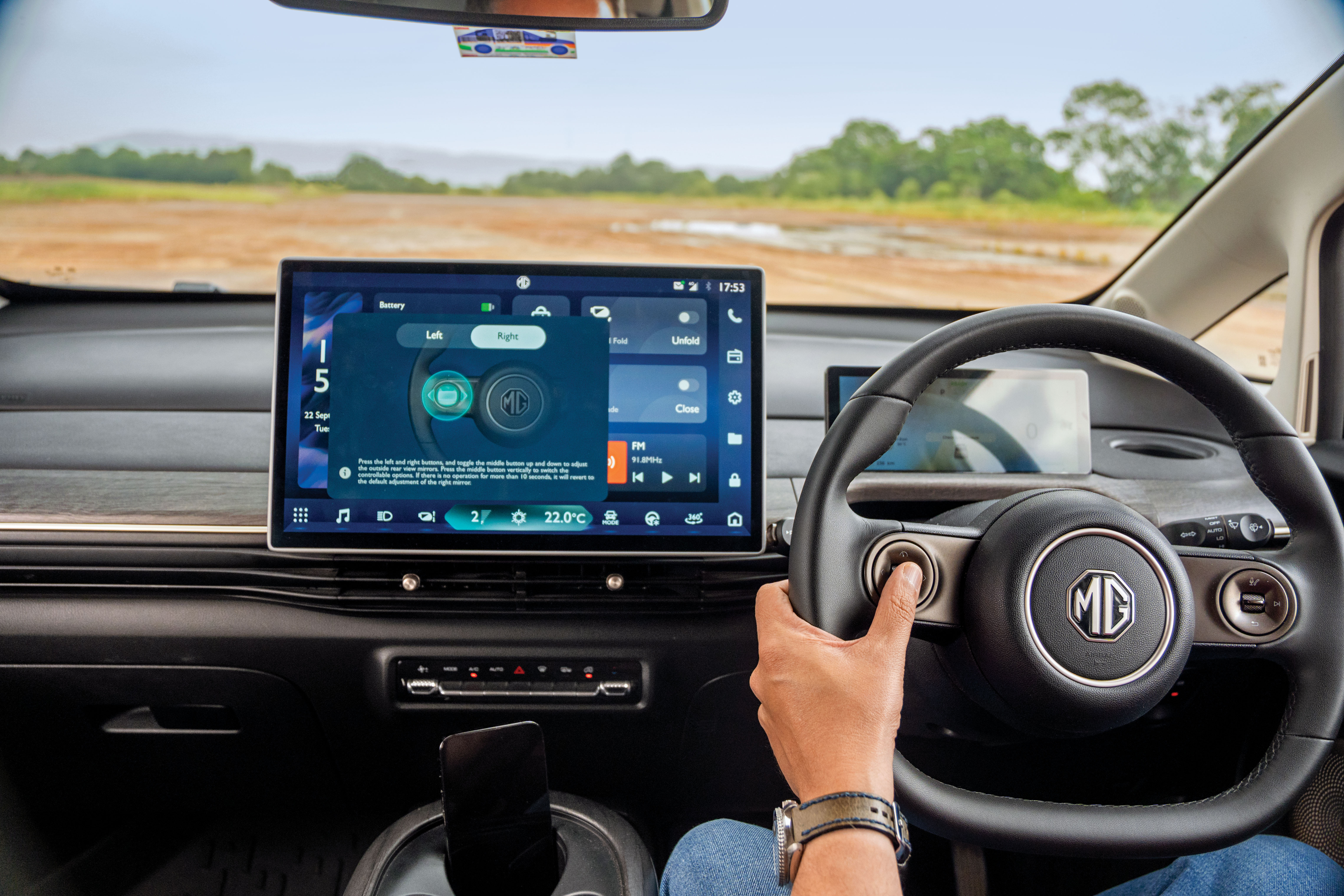
Even important functions like adjustments of the mirrors are on the screen

Then, of course, almost everything is controlled from the screen. This includes adjustment of mirrors, drive modes and regenerative braking, among others. So, often, you find yourself stopped on the side of the road, diving into a menu. And more often than not, the said feature is difficult to find. Too much of a good thing here, for sure. It’s only right that buttons are coming back.

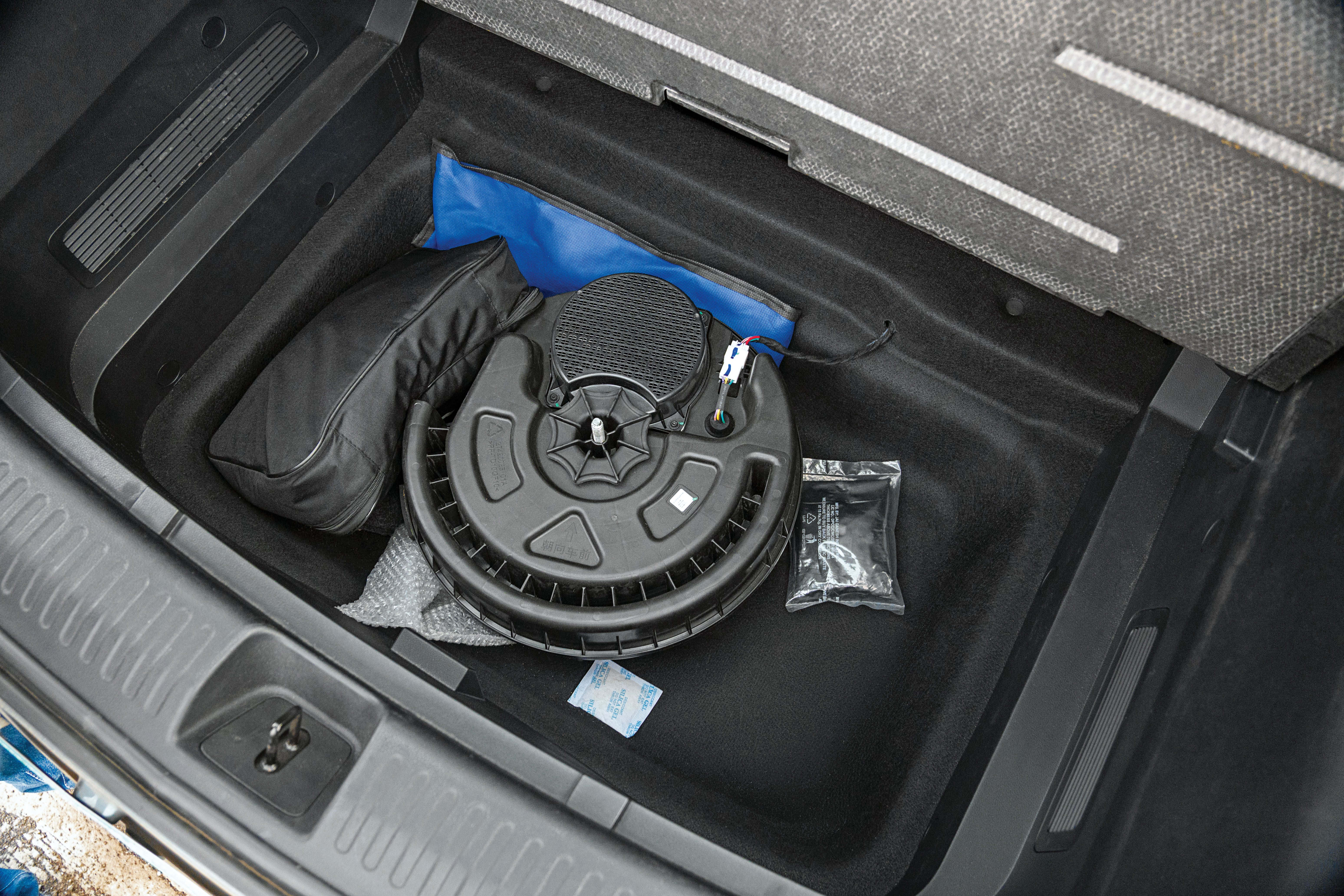
Then there’s the fact that while the fonts on the massive screen are huge, those on the digital ‘instrument panel’ are tiny and often difficult to read in a moving car. There’s also no spare tyre, only a puncture kit, of no use if you get a sidewall cut, and this version of the car gets no parcel tray; annoying if you have to leave a bag or luggage.

No spare or space to keep one; all you get is a puncture repair kit.

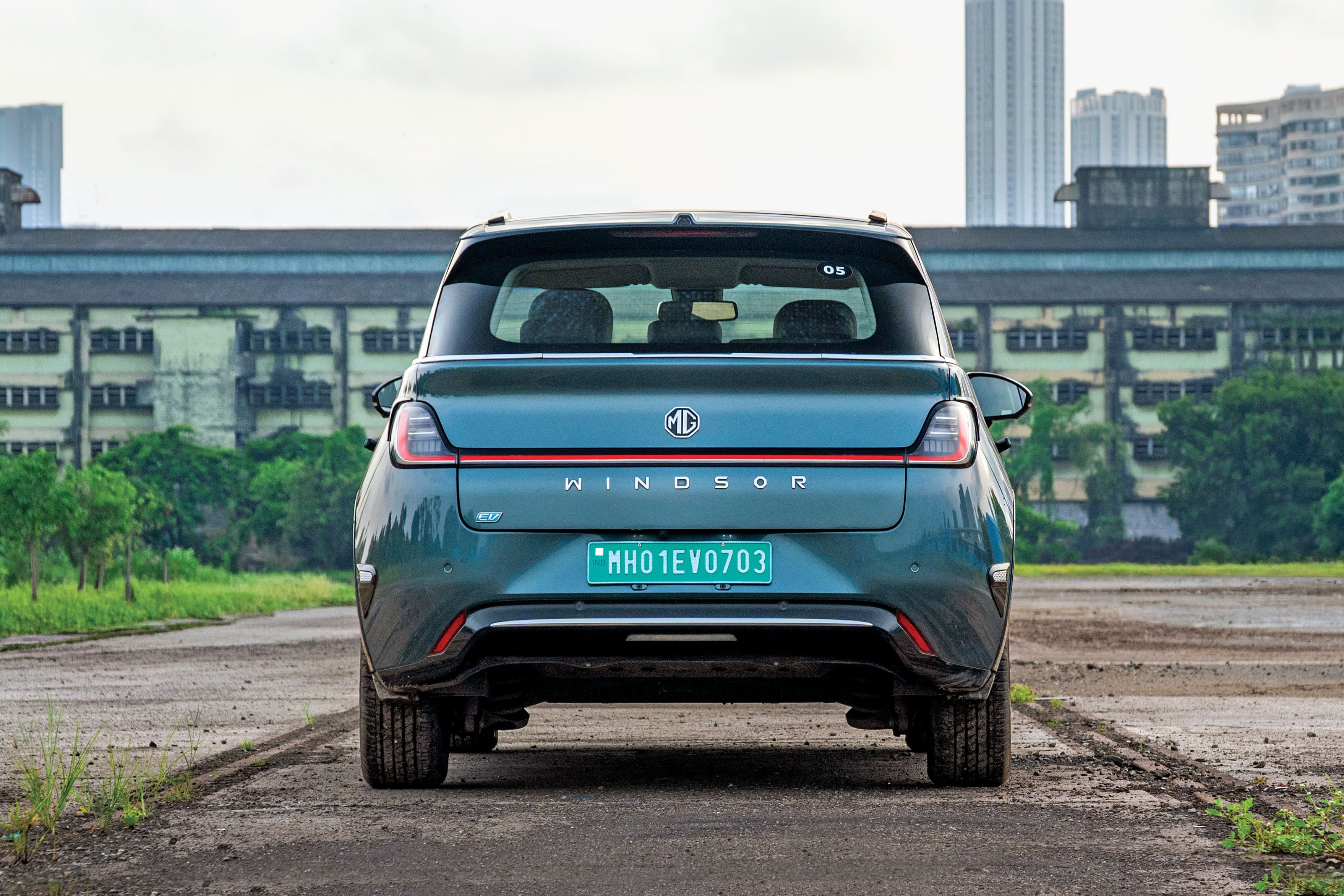
What of the battery and the range? The 37.9 kWh battery, charged for the most part at our office in Byculla, Mumbai, indicates a 100 percent battery range of around 320kms and has been delivering an average of around 6.5 kilometers per kW. So yes, while the MG Windsor is a lot of EV for the money and offers plenty of convenience, space and comfort, MG has a long to-do list for the facelift.

MG Windsor test data

Odometer17,500km
PriceRs 16.99 lakh (ex-showroom, India)
Economy6.5km/kWh (this month)
Maintenance costNone
FaultsNone
Previous reportJanuary 2026, March 2026,
July 2026

2026 Toyota Glanza facelift: 4 hits and 3 misses

2026 Toyota Glanza facelift: 4 hits and 3 misses
Toyota Glanza facelift: 4 hits and 4 misses

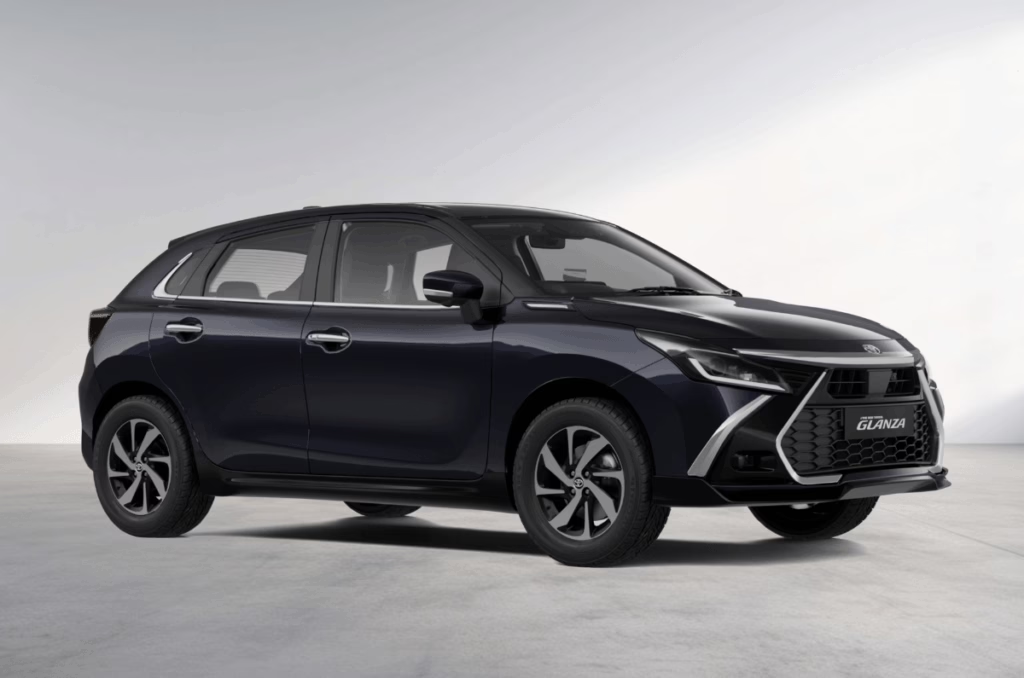
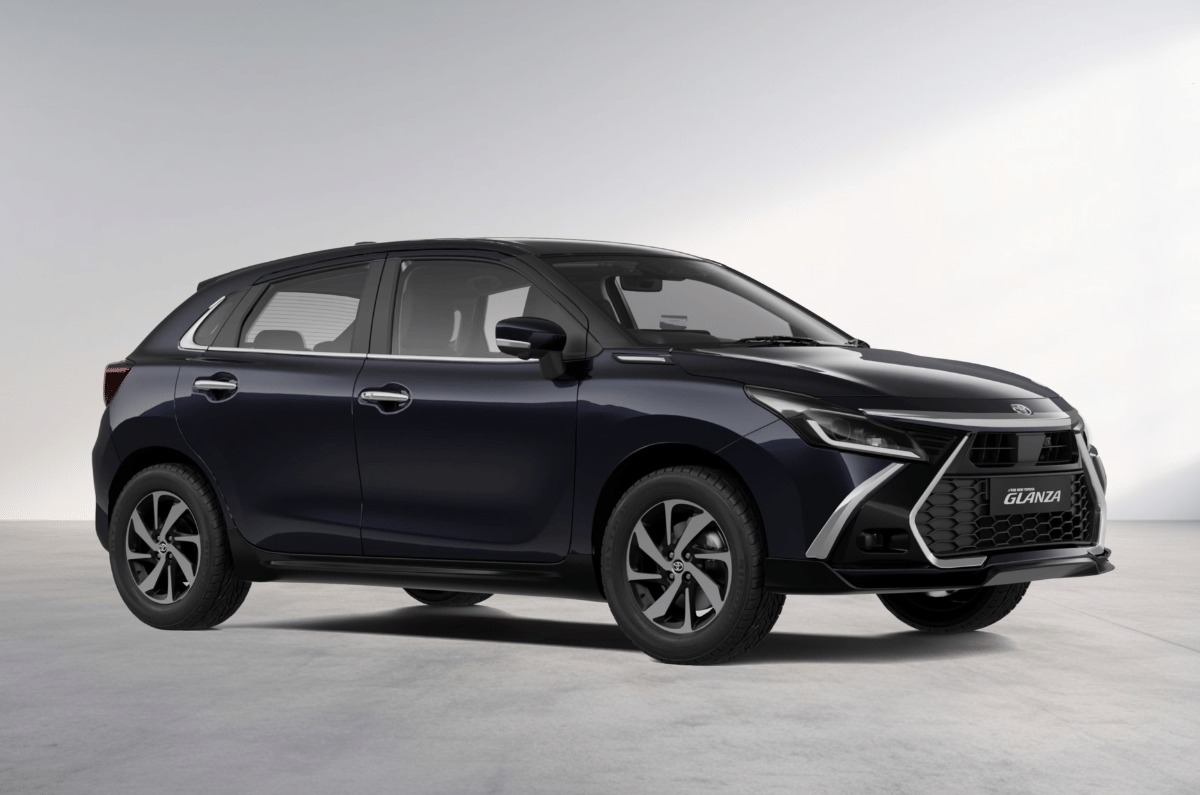
The 2026 Toyota Glanza facelift was launched in October, and it gets new powertrain options, additional features and minor design changes. However, it also misses out on a few things. Here, we look at what the updated Toyota hatchback gets right and where there is room for improvement.

Hits

More efficient powertrain

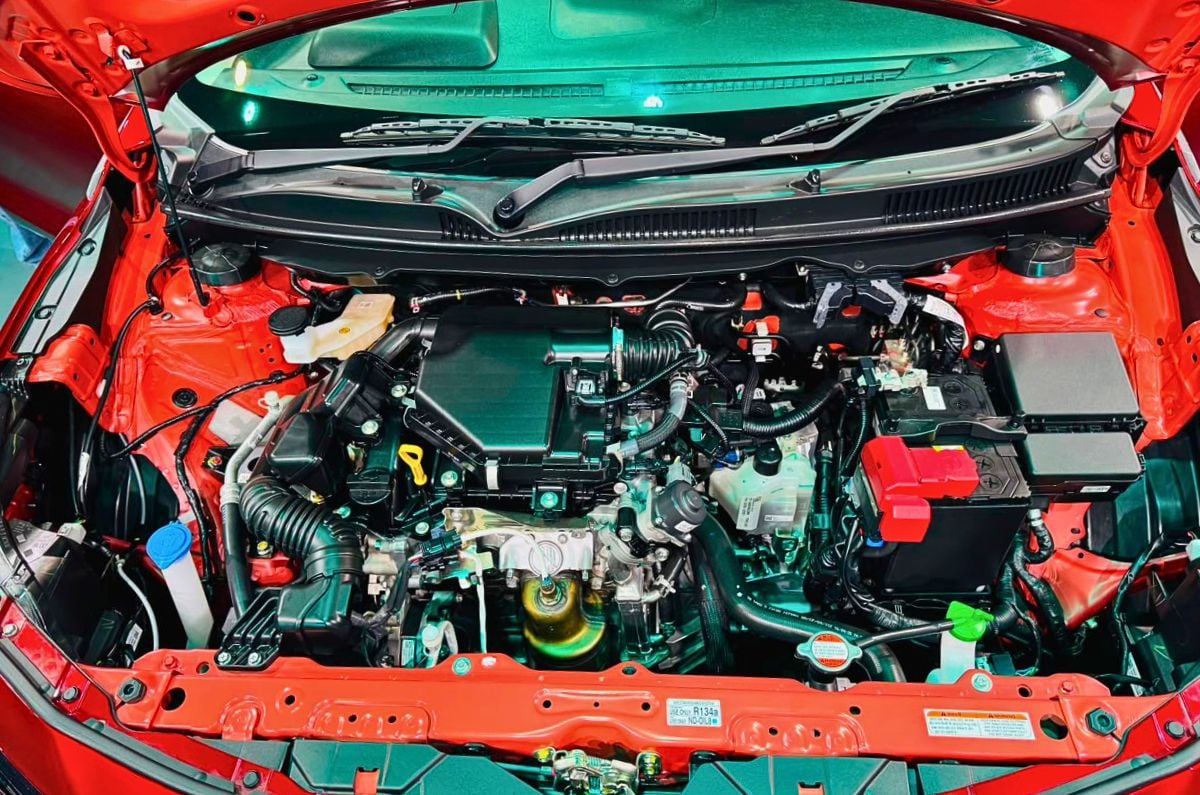
The Glanza now gets a new 1.2-litre, 3-cylinder naturally aspirated engine that runs on petrol and CNG. Compared to the previous four-cylinder engine, claimed fuel efficiency in petrol mode has improved to 23.80kpl with the manual transmission, up from 22.35kpl, and 24.77kpl with the AMT, up from 22.94kpl.

2026 Toyota Glanza facelift launched at Rs 6.99 lakh

In CNG mode, the claimed mileage has increased to 33.61km/kg with the manual gearbox, up from 30.61km/kg. The new AMT option for the Glanza CNG has a claimed mileage of 34.47km/kg.

Automatic gearbox choice with CNG

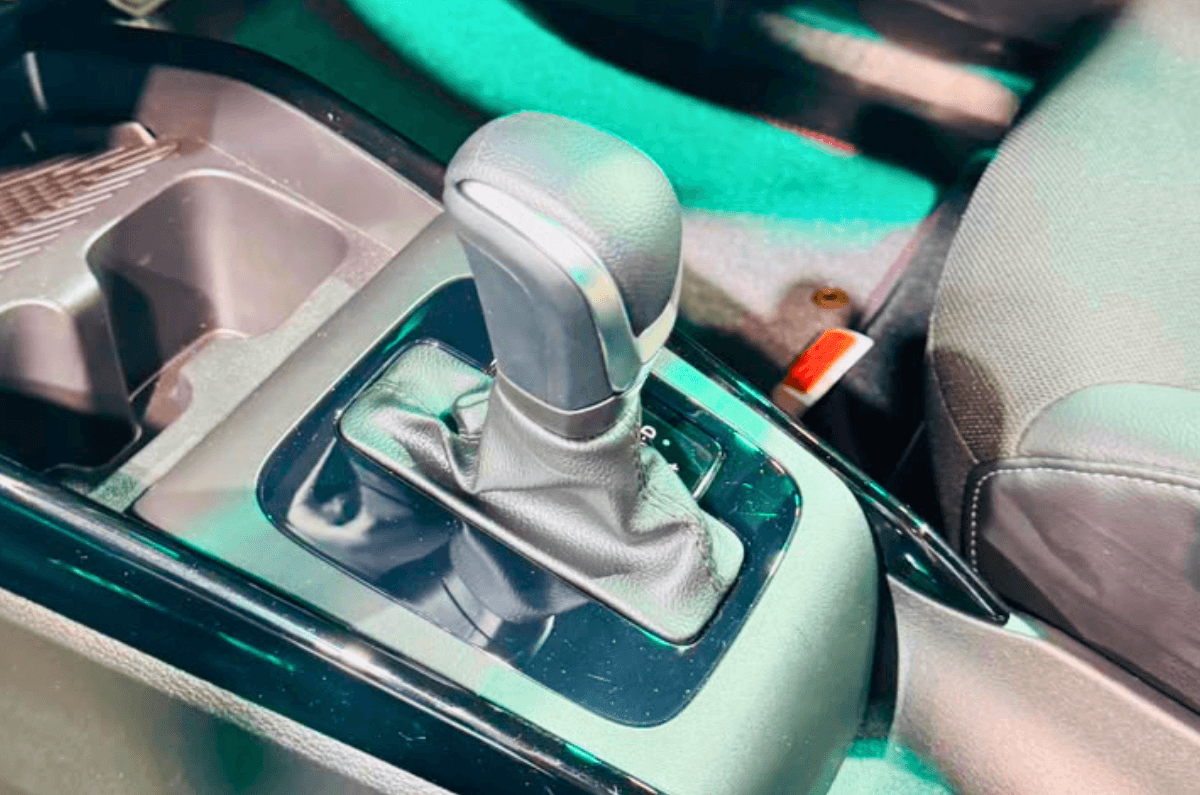
With the Glanza facelift, Toyota has introduced the choice of an automatic gearbox, an AMT in this case. Buyers who regularly commute in stop-and-go traffic will appreciate the ease of driving, along with the good fuel efficiency claimed by the carmaker.

New convenience and safety features

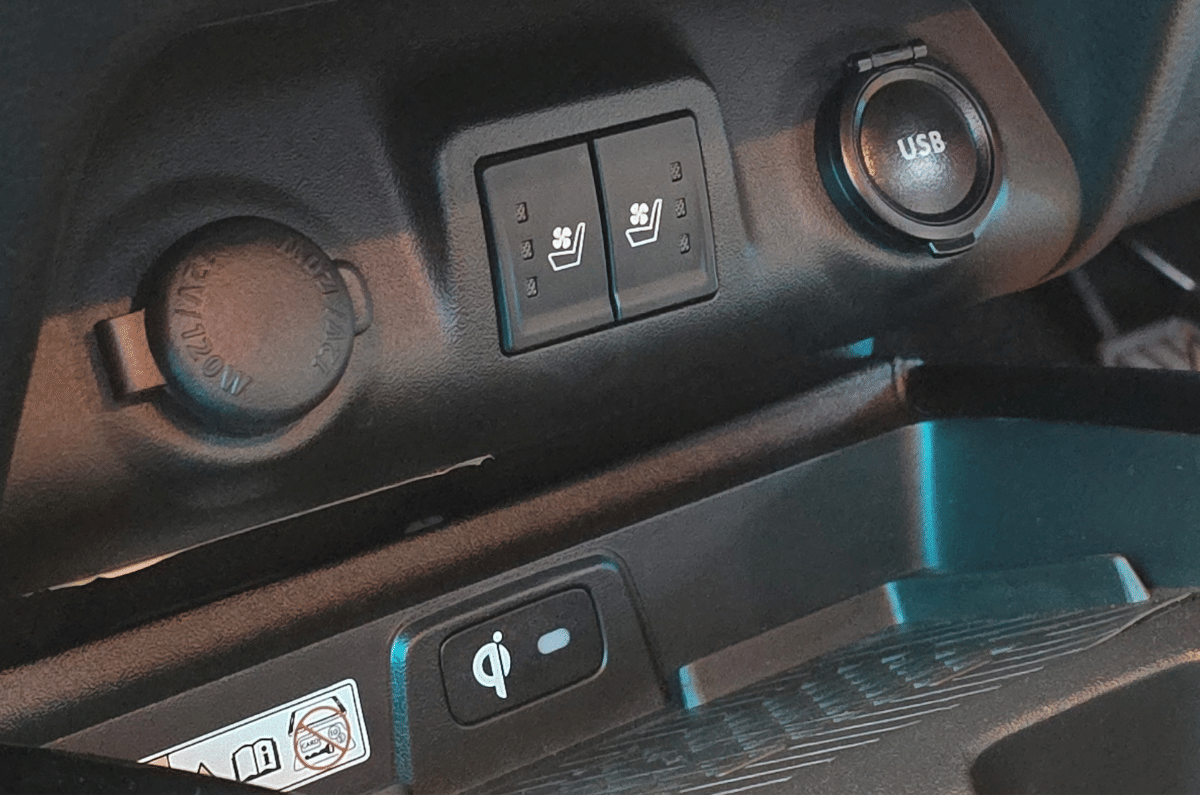
Given our climate, ventilated front seats are a welcome addition. The new Level 2 ADAS suite should also improve the Glanza’s safety quotient.

While we haven’t reviewed the new Glanza yet, our experience with the Baleno facelift gives us a reference point. During our brief test drive, the ADAS features worked as intended and felt well calibrated, without being overly intrusive. A wireless charger with ventilation has been added as well.

Continues to offer physical controls

2026 Toyota Glanza facelift launched at Rs 6.99 lakh

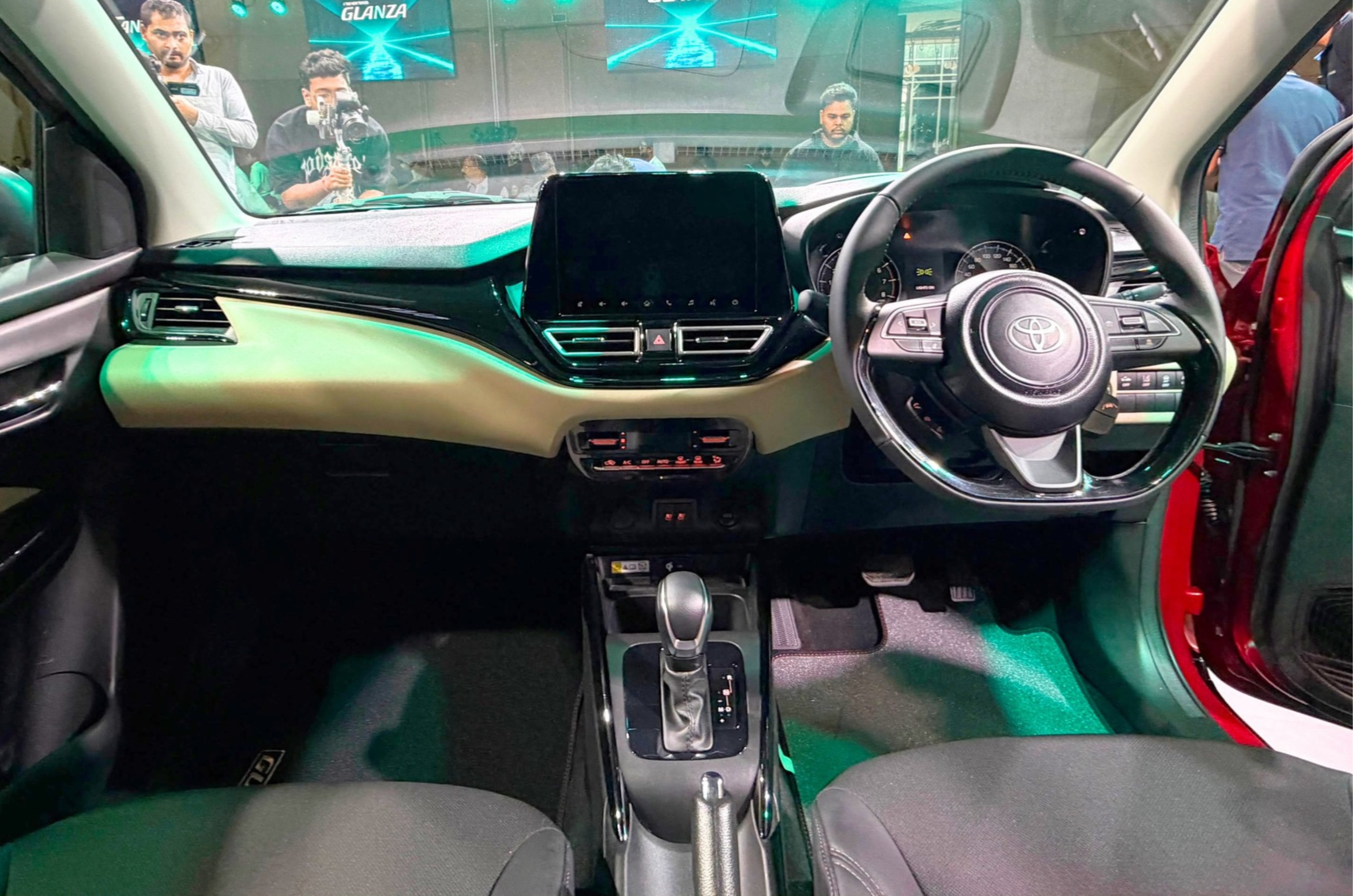
Like the outgoing model, the facelifted Glanza continues to offer plenty of physical controls for functions such as climate control and audio. These are easier to use and less distracting than accessing functions buried under multiple sub-menus on the touchscreen.

Misses

Priced comparatively higher than Baleno

Glanza vs Baleno petrol prices (Rs lakh)

Glanza petrol trimPriceBaleno petrol trimPricePrice difference
E MT6.99Sigma MT5.99-1
S MT | AMT7.71 | 8.31Delta MT | AMT7 | 7.5-0.71 | -0.81
G MT | AMT8.73 | 9.33Zeta MT | AMT8 | 8.5-0.73 | -0.83
V MT | AMT9.99 | 10.59Alpha MT | AMT9.1 | 9.6-0.89 | -0.99
V(O) MT | AMT10.49 | 10.98Alpha (O) MT | AMT9.5 | 9.99-0.99

Glanza vs Baleno CNG prices (Rs lakh)

Glanza CNG trimPriceBaleno CNG trimPricePrice difference
S MT | AMT8.76 | 9.31Delta MT | AMT7.92 | 8.32-0.84 | -0.99
G MT | AMT9.68 | 10.23Zeta MT | AMT8.92 | 9.32-0.76 | -0.91

The Glanza is pricier than the Baleno across comparable petrol variants, with the price difference ranging from Rs 71,000 to Rs 1 lakh. The gap is similar for the CNG versions, with the Toyota hatchback costing between Rs 76,000 to Rs 99,000 relatively more. Since the changes between the two are largely cosmetic, the price difference seems significant.

New engine makes relatively less power and torque

In petrol mode, the new engine produces 83hp and 112Nm, which is 7hp and 1Nm less than the outgoing model’s four-cylinder unit. In CNG mode, it produces 70hp and 102Nm. This is 7hp less but 4.5Nm more than the outgoing model. Based on our experience with the Baleno, which uses the same powertrains, the new engine doesn’t feel as peppy as the older K-Series unit or as strong at higher revs.

Misses out on some features offered by rivals

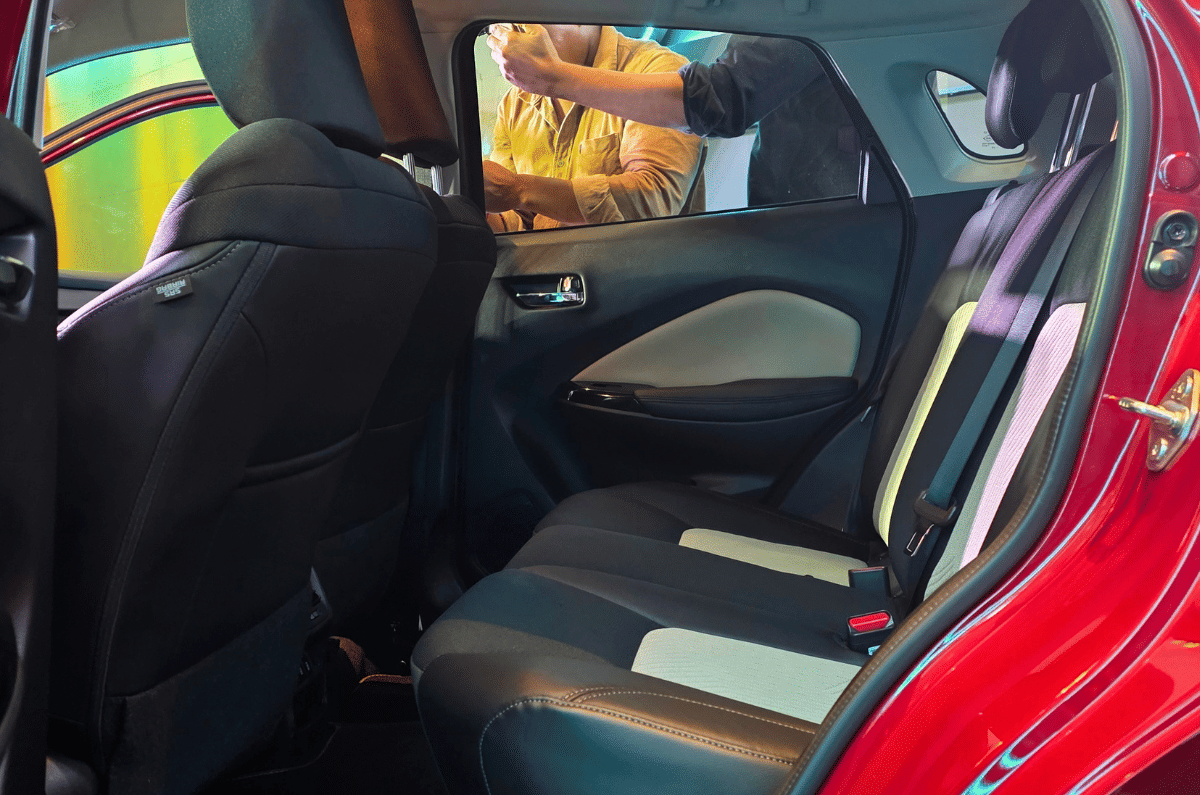
New Glanza rear seats

A rear centre armrest would have improved passenger comfort in a premium hatchback like the Glanza, and a single-pane sunroof would also have added to its appeal. Both features are available on its direct rivals, the Tata Altroz and Hyundai i20.

1 बाइक और 50 चालान! 3.22 लाख रुपये का बकाया देख उड़ गए गुरुग्राम ट्रैफिक पुलिस के भी होश

Gurugram Traffic Challan: गुरुग्राम में ट्रैफिक पुलिस ने एक ऐसी बाइक के खिलाफ ऐक्शन लिया है, जिस पर 1-2 नहीं बल्कि 50 चालान बकाया थे, वहीं जब इस बाइक पर जुर्माने की रकम निकाली गई तो खुद अधिकारी भी उसे जानकर हैरान रह गए। दरअसल इस बाइक पर कुल 3.22  लाख रुपए की जुर्माने की रकम पेंडिंग निकली, जिसके बाद CRPF चौक के पास चलाए जा रहे चेकिंग अभियान के दौरान विभाग ने इस बाइक को जब्त कर लिया।

पुलिस के मुताबिक, बाइक पर ज्यादातर चालान बिना हेलमेट गाड़ी चलाने, वैध प्रदूषण नियंत्रण प्रमाणपत्र (PUC) नहीं होने और नंबर प्लेट के बिना बाइक चलाने जैसे उल्लंघनों के लिए काटे गए थे। इसके अलावा भी ट्रैफिक नियमों से जुड़े कई उल्लंघन सामने आए।

जानकारी के अनुसार, CRPF चौक पर तैनात जोनल अधिकारी ASI संदीप अपनी टीम के साथ नियमित वाहन जांच कर रहे थे। इसी दौरान उन्होंने बाइक को रुकवाया और चालक से गाड़ी के दस्तावेज दिखाने को कहा। हालांकि, बाइक सवार कोई भी दस्तावेज पेश नहीं कर सका। इसके बाद पुलिस ने बाइक को जब्त कर लिया।

वहीं, जांच करने पर पुलिस को पता चला कि मोटर वाहन अधिनियम, 1988 के अलग-अलग प्रावधानों के तहत उस मोटरसाइकिल पर 50 चालान बकाया थे, जिनका कुल जुर्माना 3,22,500 रुपये था।

ट्रैफिक पुलिस के एक सीनियर अधिकारी ने कहा, “बकाया चालानों की वजह से नियमों के अनुसार कार्रवाई करते हुए गुरुग्राम ट्रैफिक पुलिस ने मोटरसाइकिल को जब्त कर लिया और उसे तय पार्किंग जगह पर खड़ा कर दिया।”

हालांकि, पुलिस ने अभी यह जानकारी नहीं दी है कि बाइक पर ये 50 चालान कितने समय के दौरान काटे गए थे।

काया चालान नहीं भरे तो होगी कार्रवाई, गुरुग्राम पुलिस चला रही विशेष अभियान

बता दें कि गुरुग्राम ट्रैफिक पुलिस ट्रैफिक नियमों को तोड़ने वाले वाहन चालकों के खिलाफ खास अभियान चला रही है। इन अभियानों के तहत, उन वाहन मालिकों के खिलाफ मोटर वाहन अधिनियम, 1988 के प्रावधानों के अनुसार कार्रवाई की जा रही है, जिन्होंने लंबे समय से अपने बकाया चालान का भुगतान नहीं किया है।

पुलिस ने बताया कि वाहन चालकों को उनके बकाया चालान के बारे में भी जानकारी दी जा रही है और उन्हें समय पर बकाया राशि का भुगतान करने के लिए प्रोत्साहित किया जा रहा है।

गुरुग्राम पुलिस की वाहन चालकों को सलाह

गुरुग्राम पुलिस के प्रवक्ता ने वाहन चालकों से अपील की कि वे ट्रैफिक नियमों का सख्ती से पालन करें और वैध बीमा और PUC सर्टिफिकेट समेत गाड़ी से जुड़े जरूरी दस्तावेजों को अपडेट रखें।

प्रवक्ता ने कहा कि वाहन चालकों से बकाया चालान समय पर भरने का भी आग्रह किया गया, क्योंकि वाहन चालकों और सड़क का इस्तेमाल करने वाले अन्य लोगों की सुरक्षा सुनिश्चित करने के लिए ट्रैफिक नियमों का पालन करना जरूरी है।

यह भी पढ़ें: देहरादून में 20 लाख से कम में घर खरीदने का मौका! MDDA की आलयम स्कीम में मिल रहे 1, 2 और 3 BHK फ्लैट

Tesla Model Y L review: Going the extra mile

Tesla Model Y L review: Going the extra mile
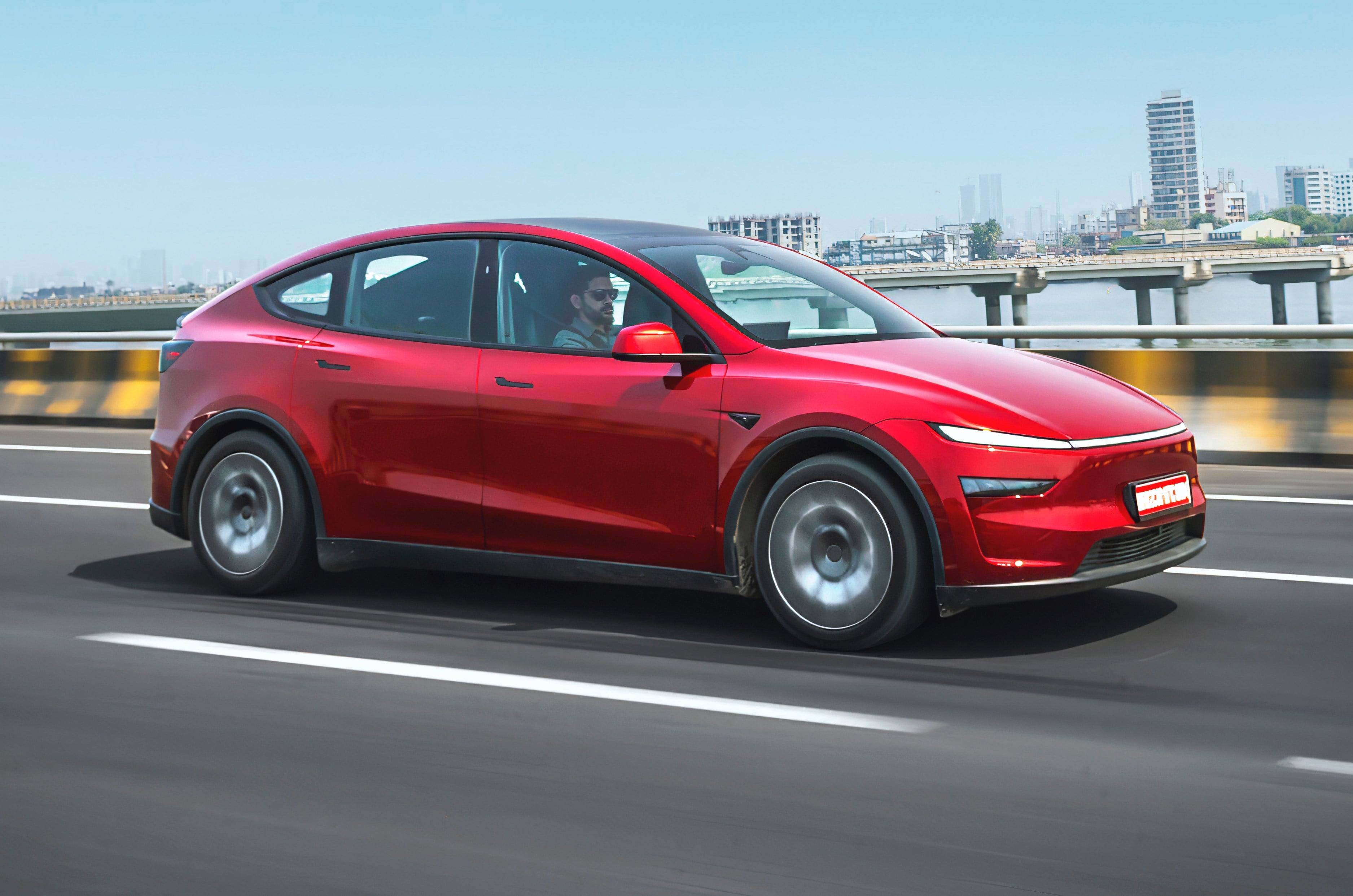
Tesla Model Y L front quarter tracking

The Tesla Model Y is a tech-loaded electric crossover that prioritises cabin space and performance over everything else. The new Model Y L takes that formula a step further, adding a third row of seats, a longer wheelbase, more power with an all-wheel drive setup, more range and more sophisticated suspension as well. Given the additions, naturally it costs more than the standard-wheelbase, real wheel drive versions, but is the Y L actually worth the extra outlay?

Model Y Exterior Design and Engineering – 6/10

Appears near-identical to the Model Y, but the Y L is longer, taller and has a longer wheelbase.

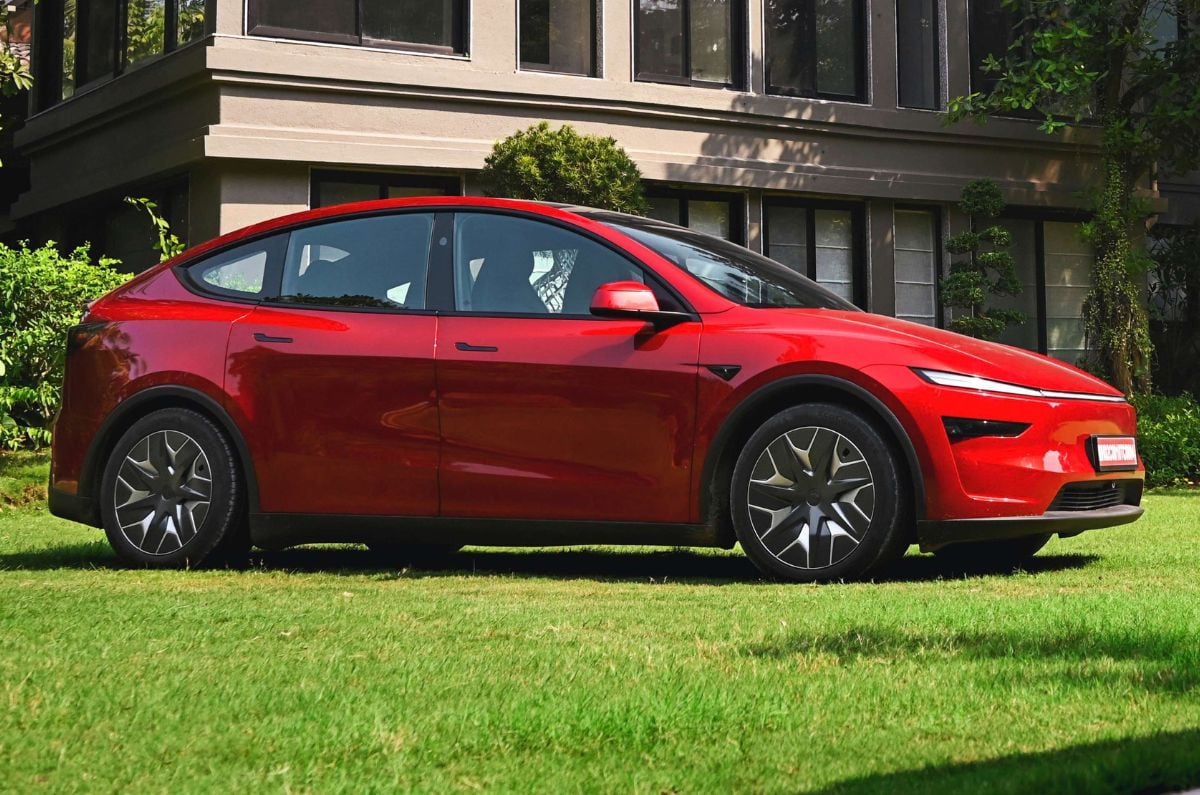
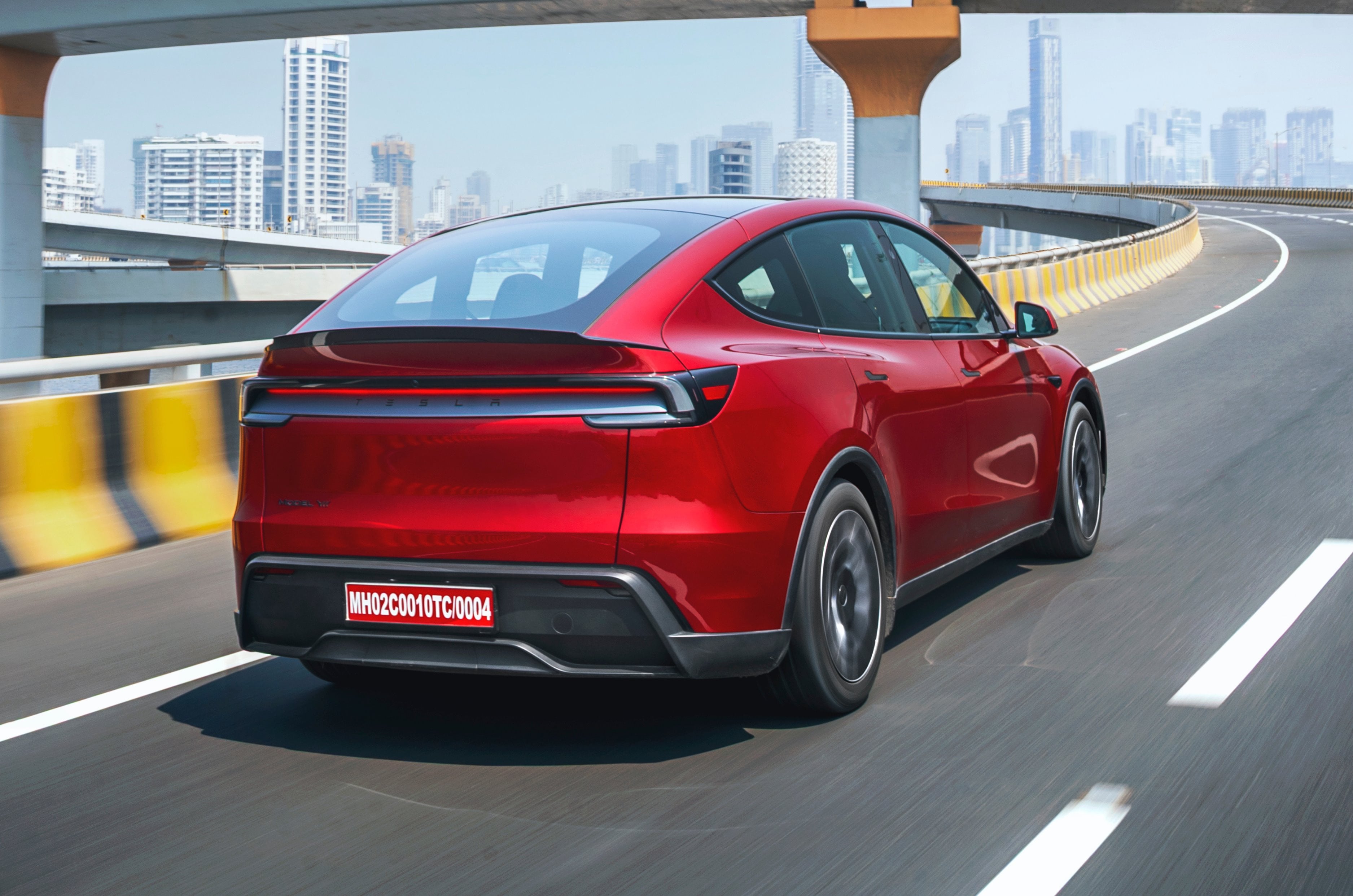
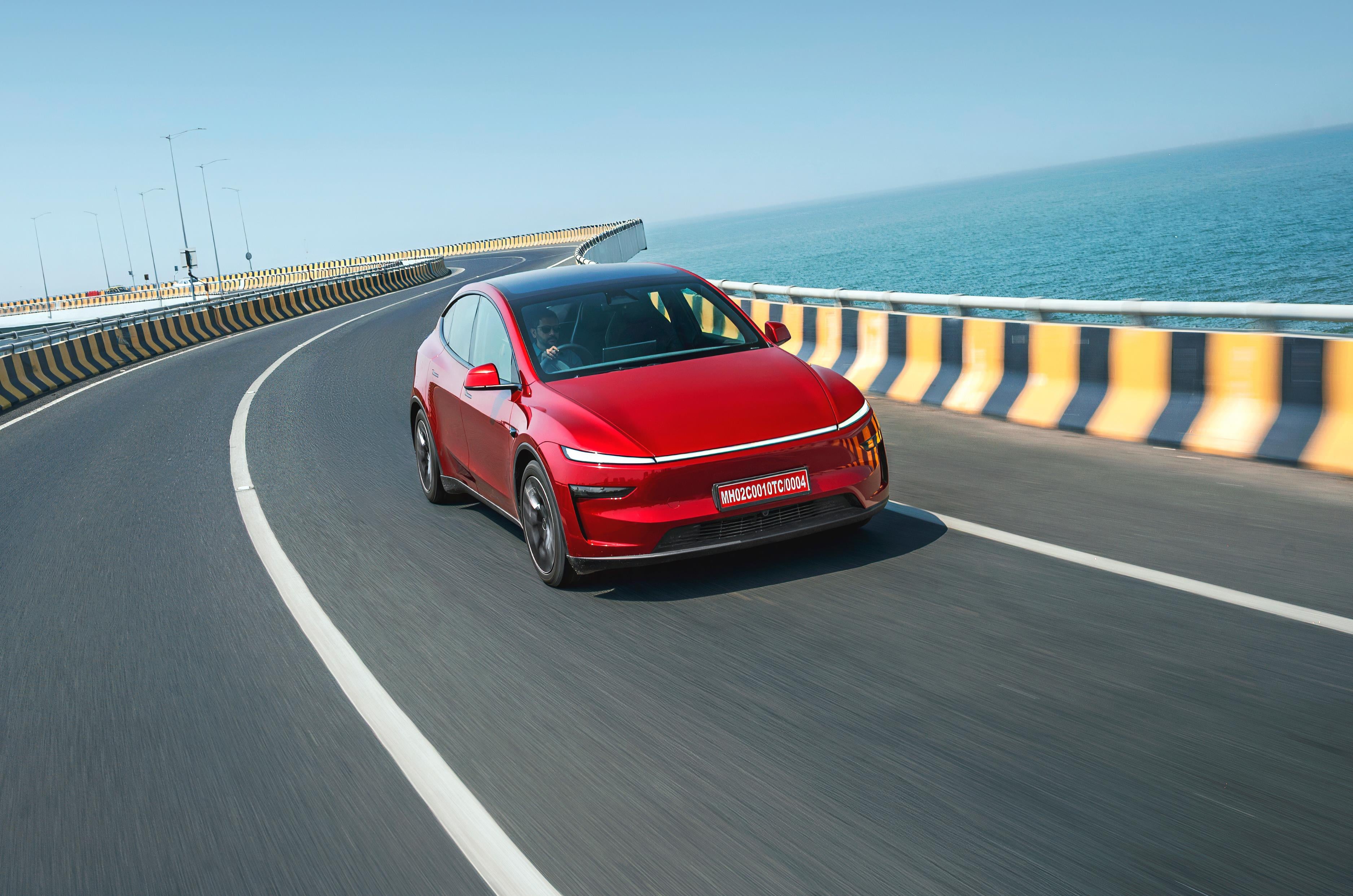
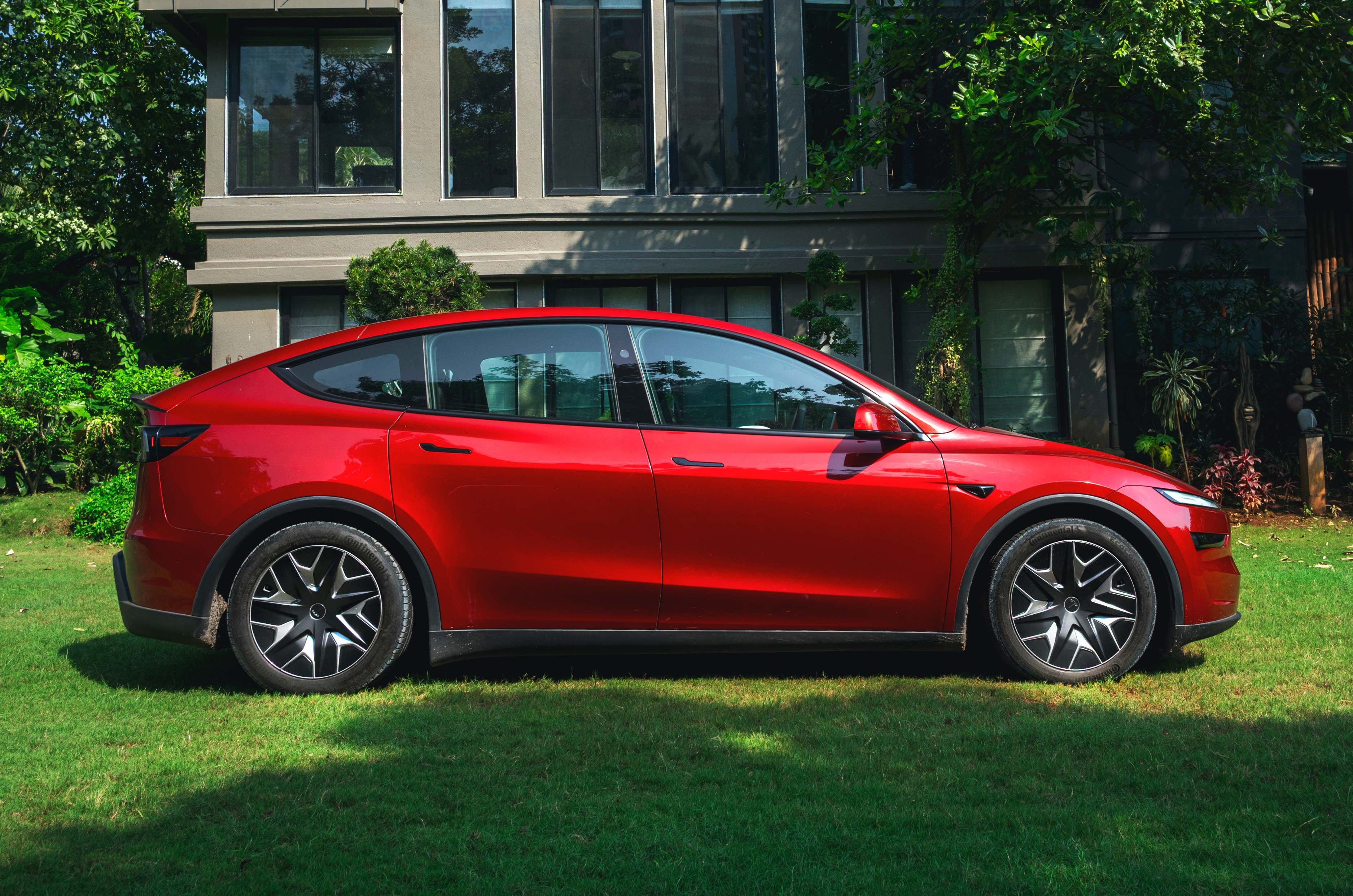
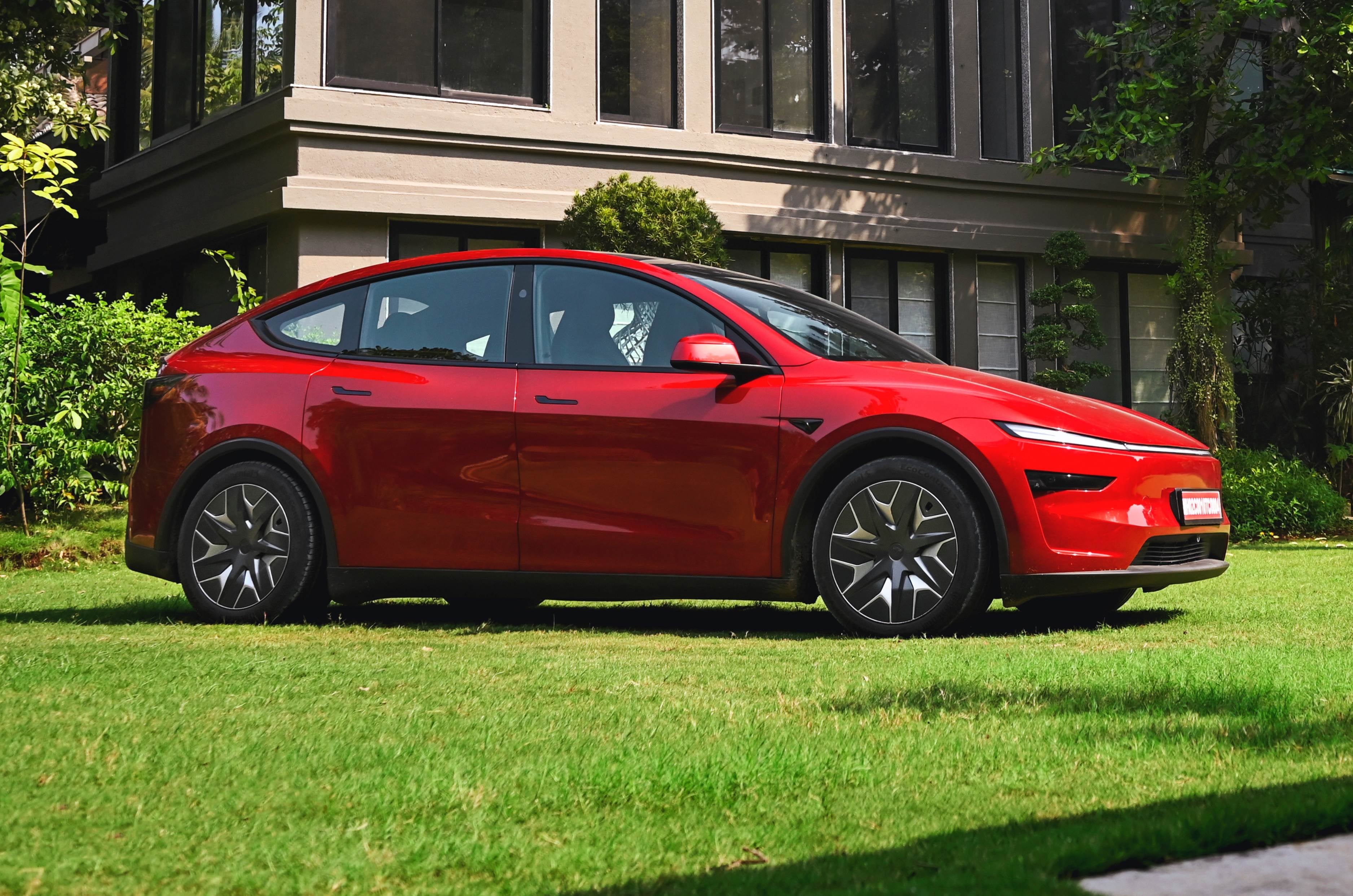
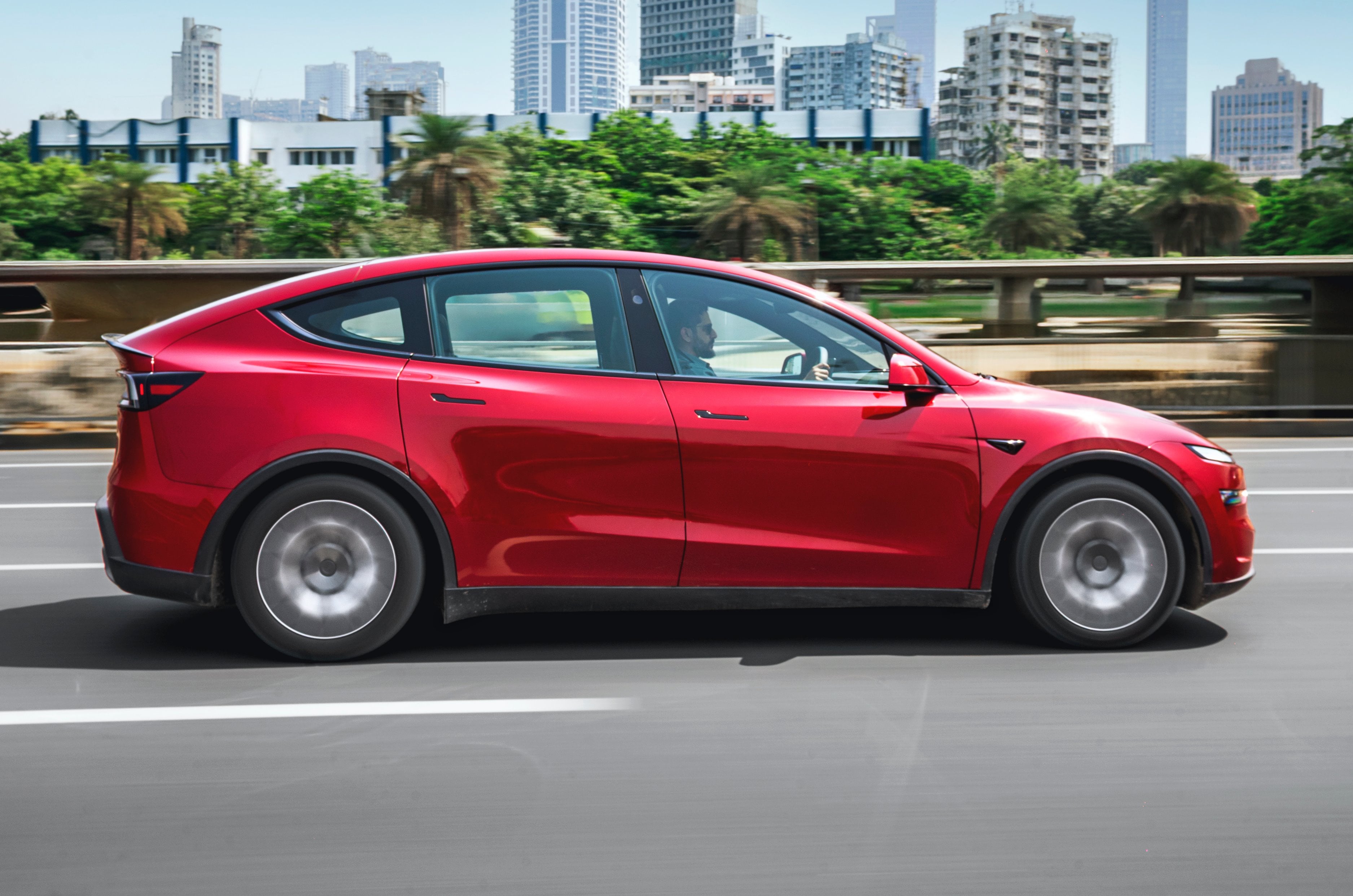
At first glance, the L looks very familiar to the Model Y,  but this version looks noticeably larger from the side and rear. The Model Y L measures 4,969mm in length and 1,664mm in height, 1,982mm in width with a 3,040mm wheelbase, which makes it 179mm longer overall and 40mm taller than the Model Y, and it also has a 150mm longer wheelbase. At 166mm (unladen), the Y L has decent ground clearance but considering the longer wheelbase, you have to be extra careful going over big speedbreakers otherwise you will end up scraping the belly.

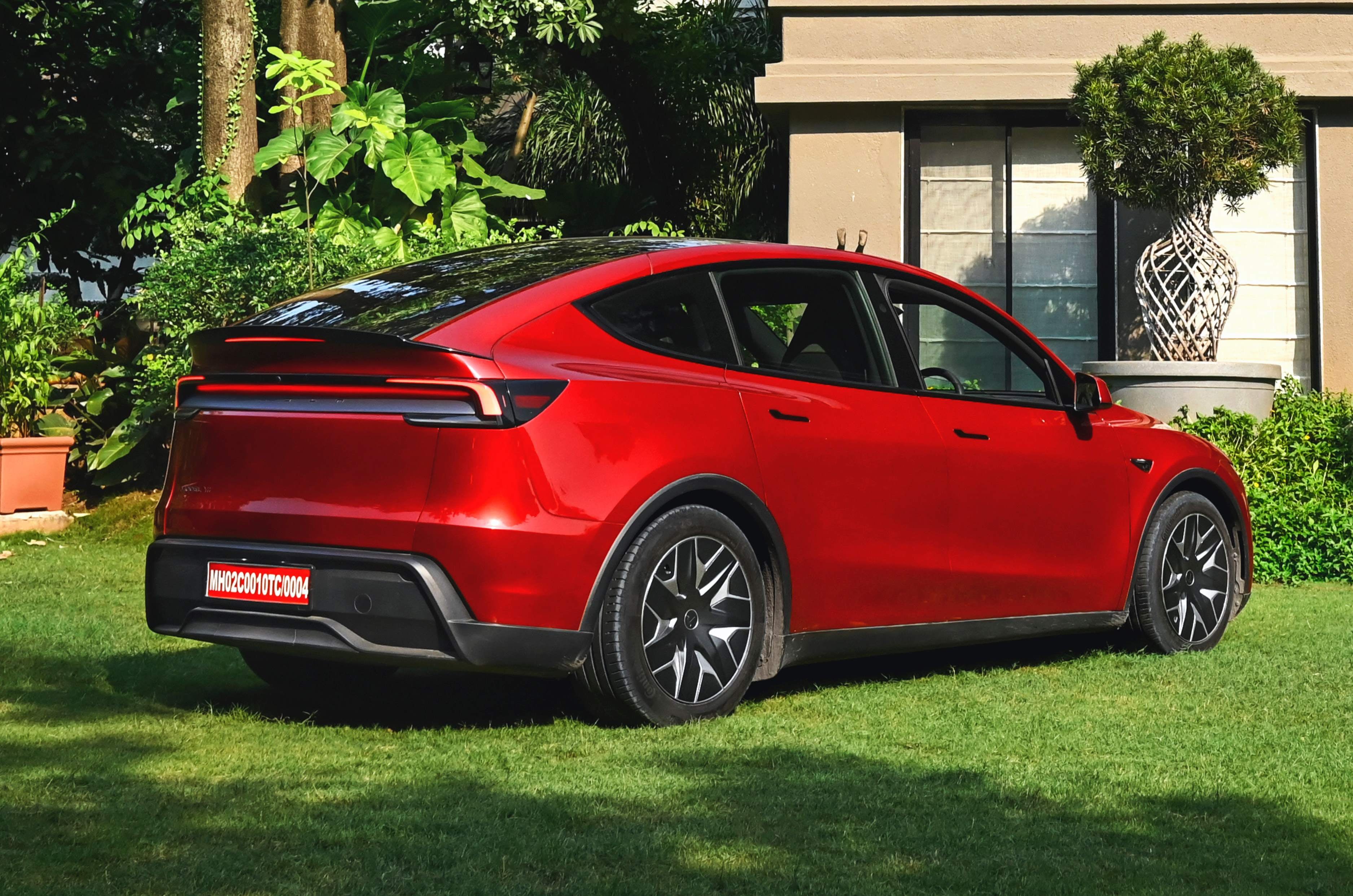
The growth in dimensions is particularly apparent in the raised and extended roofline, plus the expanded rear glass and rear-quarter glass area. The other changes include a new bootlid spoiler and the 19-inch alloy wheels have a more enclosed design, both in the interest of further aero optimisation. 

Other than that, the smooth, aerodynamic silhouette with minimalist detailing and distinctive lighting elements remain. The overall design is unmistakably Tesla, although the extra length gives it slightly more road presence. That said, the Model Y L doesn’t suddenly become a traditional SUV just because it has grown. Its rounded, slightly anonymous shape with clean surfacing continues to favour aerodynamic efficiency over visual appeal. But it looks distinctive and as such, has carved out a niche for itself in terms of design.

Model Y Interior Space and Comfort – 8/10

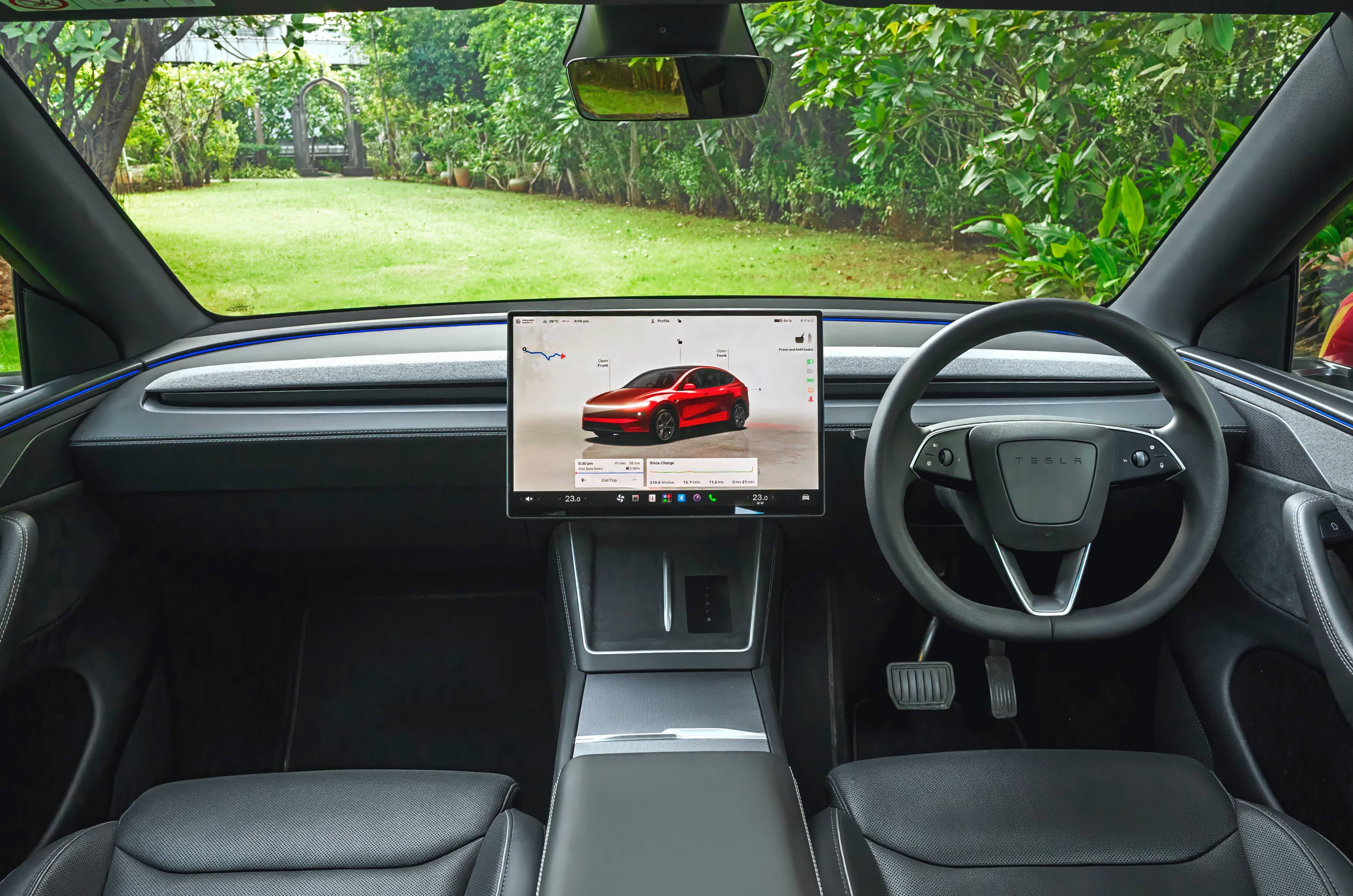
Minimalist design remains the same, save for a new textured finish on top of the dashboard.

This is where the Model Y L takes a larger step up. The standard Model Y already had a spacious cabin, but the Y L has even more room and brings further versatility, by adding a third row of seats. It is a six-seater rather than a seven-seater, with two individual captain’s chairs in the middle row instead of the standard car’s bench.

The front seats may be simple-looking but they are plush and comfy, and the extended underthigh support enhances comfort especially for taller people. These seats are also heated, cooled and feature electric adjustment. The second row is arguably the highlight, however. The individual captain’s seats are very comfy, and they feature integrated headrests, a heating and cooling function, along with power adjustment and powered armrests too. The extra wheelbase and taller roof of course gives passengers more room to stretch out and as such there’s no shortage of legroom or headroom here. The larger windows, coupled with the tinted panoramic glass roof further enhances the sense of space. However, since there are no window blinds or a sunshade for the roof, the large glasshouse area means the cabin heats up too easily especially on a hot, sunny day.

Captain seats are very comfy and there’s plenty of legroom and headroom here.

Middle row passengers are well-catered too, however. Apart from the aforementioned heated/cooled and powered seats, you also get cupholders, charging ports, cupholders and a 8-inch touchscreen. This centrally-mounted unit is just as slick to use as the one in the front and it controls several functions, along with the ability to play videos and games. 

Seating is knees-up, but the third row is usable even for adults.

The third row, however, comes as a bit of a surprise. Considering the low seat, you’re sat in a knees-up position but space back here is genuinely usable for adults, with adequate headroom and kneeroom. Dedicated AC vents, cup holders and type C charging ports are useful inclusions and show that the rearmost seats aren’t simply an afterthought. Like in the middle, here too the large window and untinted rear windscreen lets in a considerable amount of heat. 

420-litre boot can be expanded to a massive 1,076 litres by folding the third row; more room under the boot floor too. 

Luggage space is another important consideration for a family focused car such as the Y L. With all three rows up, boot space is a respectable 420 litres which can be further expanded to a massive 1,076 litres by electronically folding the third row. Then there’s also a considerable amount of storage space under the boot floor and a properly usable 117-litre frunk. As such, the Y L remains practical despite the added seats. It’s worth noting though, there’s no spare wheel.

Practical cabin features a large storage box in the centre, cup holders, two wireless phone chargers, and space under the centre armrest. 

Up front, the cabin retains Tesla’s familiar minimalist layout. A large central touchscreen dominates the dashboard, with very few physical controls to interrupt the clean design. This  extended model gets a textured finish on top of the dashboard, but the overall layout remains largely unchanged. It also remains a practical place, with a large cubby space in the centre console, storage under the centre armrest, multiple cupholders and seat back pockets.  

Model Y Features and Safety – 7/10

Y L gets a Sport drive mode and two settings for the new adaptive dampers.

Technology has always been central to Tesla’s appeal, and the Model Y L continues with that approach. Apart from the aforementioned 8-inch rear screen, the main party piece of this car is the central 16-inch touchscreen. This screen is easily one of the best in the business in terms of resolution and responsiveness. 

16-inch touchscreen is one of the sharpest around and packs in the typical Tesla quirks and features.

The screen is slick and feature-packed, but the reliance on it for everyday functions remains a usability compromise. Adjusting climate settings and accessing basic vehicle functions like adjusting the mirrors and opening the frunk require navigating menus, which isn’t as intuitive as using dedicated switches. It looks modern and gives the cabin a clean appearance, but a little more emphasis on straightforward ergonomics wouldn’t hurt.

8-inch rear screen is just as slick and can bes used to play videos and control other functions.

But thankfully, you do get the Grok AI assistant as a part of the package which can pretty much do everything for you right from setting the AC, to setting the navigation, finding a charger and much more. It can converse in multiple languages and also constantly learns more about you, so it’s said to get more intuitive as you spend more time with it.  

Other features include a panoramic glass roof, dual wireless phone chargers, multi-colour ambient lighting, a superb sounding audio system with 18 speakers and a subwoofer, heated/ventilated and powered front two rows of seats, heated third row seats, all LED lights and so much more. There’s also connected-car tech, and as with any Tesla it gets over-the-air updates, so the car is constantly improving without the need to visit a service centre.

Tinted glass roof helps the cabin feel airy but no sunshade means it heats up quickly as well.

Safety equipment includes nine airbags and a suite of driver-assistance features, including lane-departure warning, lane-keeping assist and blind-spot monitoring. The car also has high-resolution cameras all around it which provide a great view of the surroundings, although Tesla’s more advanced Autopilot capabilities remain absent in India.

The technology is impressive, but the screen-centric interface requires some acclimatisation. Some buyers may find the learning curve frustrating, especially while driving. But for the tech-savvy buyers the Y L is aimed at, they will find this approach very appealing.

Model Y Performance and Refinement – 9/10

Dual-motor, all-wheel-drive powertrain puts out over 500hp and does 0-100kph in a claimed 5 seconds.

The Model Y L is offered in India with a dual-motor all-wheel-drive setup, unlike the rear-wheel-drive only Model Y variants. Tesla does not officially list powertrain specifications, but it has an estimated combined system output of 514hp and 590Nm and the brand claims a 0-100kph time of 5 sec and a top speed of 201kph. We did a quick acceleration test and managed a 0-100kph time of 5.02sec, though we couldn’t test the top speed as our car was electronically limited to 120kph. For a family crossover which is estimated to weigh over two tonnes, the performance is properly brisk. Expectedly, acceleration feels very potent and as typical of any high-performance EV, the Model Y L pins you back into the seat. However, there is a certain progression to the power delivery and the added traction of the all wheel drive setup makes it feel manageable and not overwhelming. There’s also two drive modes, Chill and Sport, the latter of which is exclusive for the Y L. And they have a corresponding effect on the response of the powertrain, with Sport obviously feeling much more immediate.

The added performance also makes overtaking on highways and closing gaps in traffic particularly effortless, as is reflected in the rolling acceleration figures. 20-80kph takes 2.85sec while 40-100kph is dispatched in just 2.94sec.

As with the standard Model Y, the Model Y L also impresses with its refinement. The cabin is superbly insulated from the outside world, thanks in part to the double glazed windows, with barely any road, tyre and wind noise filtering through into the cabin.

Model Y Mileage / Range and Efficiency – 7/10

Tesla Supercharger is said to add up to 288km of range in 15 mins; has a WLTP-rated range of 681km.

Tesla claims a WLTP range of 681km, from the Model Y L’s 88kWh (estimated) NMC battery pack. That’s more than the standard RWD Model Y, for reference. It can also add up to 288km of range in 15 minutes when connected to a Tesla Supercharger, according to the company. Speaking of which, the electric crossover is capable of accepting up to 250kW on DC fast charging and 11kW on AC charging. As always, real world range will depend on driving conditions, speed, weather and other factors.

Model Y Ride Comfort and Handling – 7/10

Adaptive dampers and longer wheelbase does make the Y L feel more settlled than the standard Model Y.

The standard Model Y’s ride and handling package is competent, although its low-speed ride is noticeably firm, especially on uneven surfaces. Tesla has made changes to the L’s suspension, equipping it with adaptive dampers in a bid to improve comfort and body control.

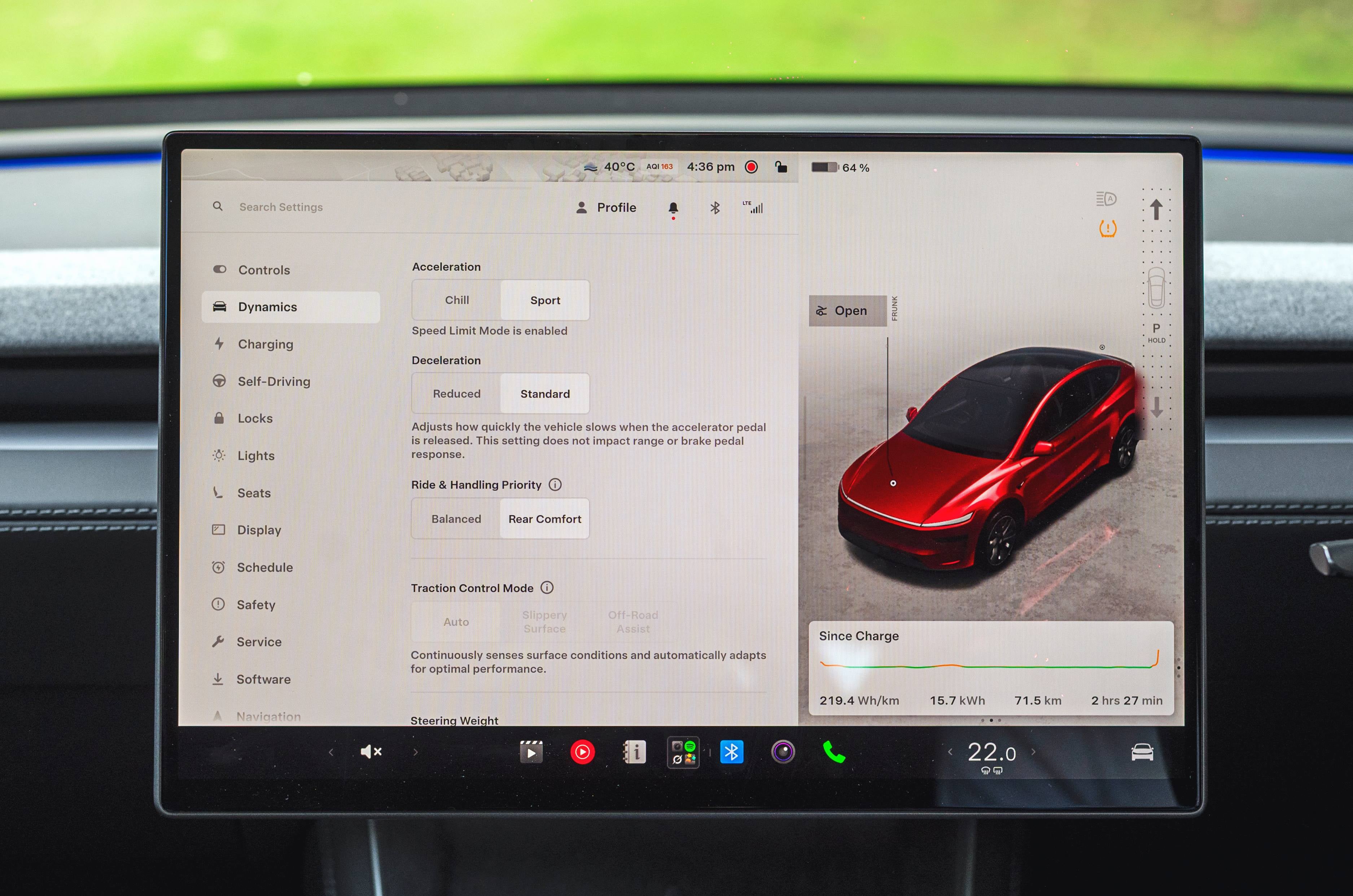
This is a particularly relevant upgrade for a longer, heavier vehicle designed to carry more passengers. As with everything else, this is also controlled via the touchscreen with two settings available – Balanced and Rear Comfort. The latter softens things down and gives it a slightly plusher feel, while the former represents a good middle ground between ride comfort and handling. Even though the difference in the modes isn’t that great, the Y L does feel more composed over broken roads and avoids transmitting as much movement into the cabin as the Standard Model Y.

The longer wheelbase also helps the car feel a bit more settled at speed, although manoeuvring in confined spaces is more cumbersome, and this is particularly amplified thanks to the rather poor turning circle. Like the standard Model Y’s, the Y L’s steering is light and easy to use, but it isn’t particularly feelsome. There’s also three modes for the steering, which progressively add more weight. The handling too is more competent and predictable rather than entertaining. It doesn’t feel as agile as the Model Y but body movements do seem better controlled thanks to the adaptive dampers.

There’s two levels of regenerative braking – Standard and Reduced. Standard is the stronger setting and best for use in the city as it almost functions like a one-pedal mode while Reduced is for highway use as it allows for some coasting.

Model Y Value for Money – 7/10

The Model Y L is for those who want a spacious, quick, refined, and cutting-edge premium EV for the family.

Priced at Rs 61.99 lakh (ex-showroom), the Tesla Model Y L makes for a more compelling case than the standard Model Y despite costing 10 lakh more. It still costs a fair bit more than its most direct rivals, the BMW iX1 LWB and the BYD Sealion 7, but the Y L is more spacious with more seats. The Model Y L does have its compromises though. It’s over reliant on the touchscreen for even basic functions and the large glasshouse means the cabin heats up easily. The larger dimensions, poor turning circle, low ground clearance and long wheelbase also means it is more challenging to maneuver in the city and while parking.

But it brings a lot more to the table too. There’s more cabin space, the added versatility of a third row, a more potent dual-motor powertrain with all-wheel-drive and a higher claimed range as well. And it retains its strengths of being featured-packed, with excellent refinement and massive cargo space. Tesla says that buyers are now preferring to opt for the Y L over the Model Y considering all the additional things it brings, and that really doesn’t come as a surprise. So for buyers who want a spacious, quick, refined and cutting-edge electric crossover for the family, the Tesla Model Y L fits the bill perfectly.

UPAVP दे रहा दिवाली पर सस्ता घर खरीदने का मौका, गाजियाबाद में पाएं ₹29.83 लाख में 1-BHK फ्लैट

दिवाली के मौके पर अगर आप दिल्ली-NCR में अपना घर खरीदने का सपना पूरा करना चाहते हैं, लेकिन बजट ज्यादा नहीं है, तो गाजियाबाद की ब्रह्मपुत्र एन्क्लेव हाउसिंग स्कीम आपके लिए एक अच्छा विकल्प हो सकती है। उत्तर प्रदेश आवास एवं विकास परिषद (UPAVP) की इस योजना में रेडी-टू-मूव 1-BHK फ्लैट 29.83 लाख रुपये से शुरू हो रहे हैं। यानी आप बिना निर्माण पूरा होने का इंतजार किए अपने घर में शिफ्ट होने की योजना बना सकते हैं।

यह प्रोजेक्ट गाजियाबाद के सिद्धार्थ विहार में स्थित है। योजना के तहत कुल 277 फ्लैट रखे गए थे, जिनमें से अब 57 फ्लैट बिक्री के लिए उपलब्ध हैं। सभी फ्लैट का क्षेत्रफल 47.73 वर्ग मीटर है, जबकि इनकी कीमत 29.83 लाख रुपये से 36.40 लाख रुपये के बीच है।

पहले आओ, पहले पाओ के आधार पर फ्लैट बुकिंग

यहां फ्लैट की बुकिंग पहले आओ, पहले पाओ के आधार पर ऑनलाइन की जा रही है। सिद्धार्थ विहार से NH-9 और दिल्ली-मेरठ एक्सप्रेसवे की कनेक्टिविटी मिलती है। ऐसे में दिल्ली, नोएडा और गाजियाबाद में काम करने वाले लोगों के लिए यह लोकेशन उपयोगी हो सकती है। हालांकि, घर खरीदने से पहले अपने ऑफिस की दूरी और रोजाना आने-जाने में लगने वाले समय का आकलन जरूर करें।

इस प्रोजेक्ट का UP-RERA रजिस्ट्रेशन नंबर UPRERAPRJ7935 है। फ्लैट बुक करने से पहले आधिकारिक पोर्टल पर यह जरूर देख लें कि कौन-से फ्लैट उपलब्ध हैं, शुरुआत में कितनी रकम देनी होगी और बाकी भुगतान कब तक करना है। इसके अलावा, बुकिंग रद्द करने और पैसे वापस मिलने से जुड़ी शर्तों को भी अच्छी तरह समझ लें।

फ्लैट पसंद आने के बाद उसका नंबर और फ्लोर देखने के साथ पानी-बिजली की सुविधा, हवा और रोशनी आने की व्यवस्था और रजिस्ट्री से जुड़े दस्तावेजों की जांच जरूर करें। इससे बाद में होने वाली परेशानियों से बचने में मदद मिल सकती है।

निवेश से पहले आसपास की प्रॉपर्टी की कीमतें जरूर जांचें

अगर आप इस फ्लैट को निवेश के मकसद से खरीद रहे हैं, तो फैसला लेने से पहले आसपास के इलाकों में प्रॉपर्टी की कीमतों और किराये की मांग का भी पता लगाएं। भविष्य में फ्लैट को बेचने पर कितनी कीमत मिल सकती है, इसका भी अंदाजा लगाएं। ध्यान रखें कि सरकारी हाउसिंग स्कीम या अच्छी कनेक्टिविटी होने भर से प्रॉपर्टी की कीमत बढ़ने या मुनाफा मिलने की गारंटी नहीं होती।

फ्लैट की उपलब्धता, कीमत और बुकिंग से जुड़ी पूरी जानकारी के लिए UPAVP की आधिकारिक पोर्टल पर विजिट कर सकते हैं।

यह भी पढ़ें: Delhi Traffic Advisory October 13: दिल्ली में आज इन 22 रास्तों पर प्रभावित हो सकती है ट्रैफिक, देखें पूरी लिस्ट

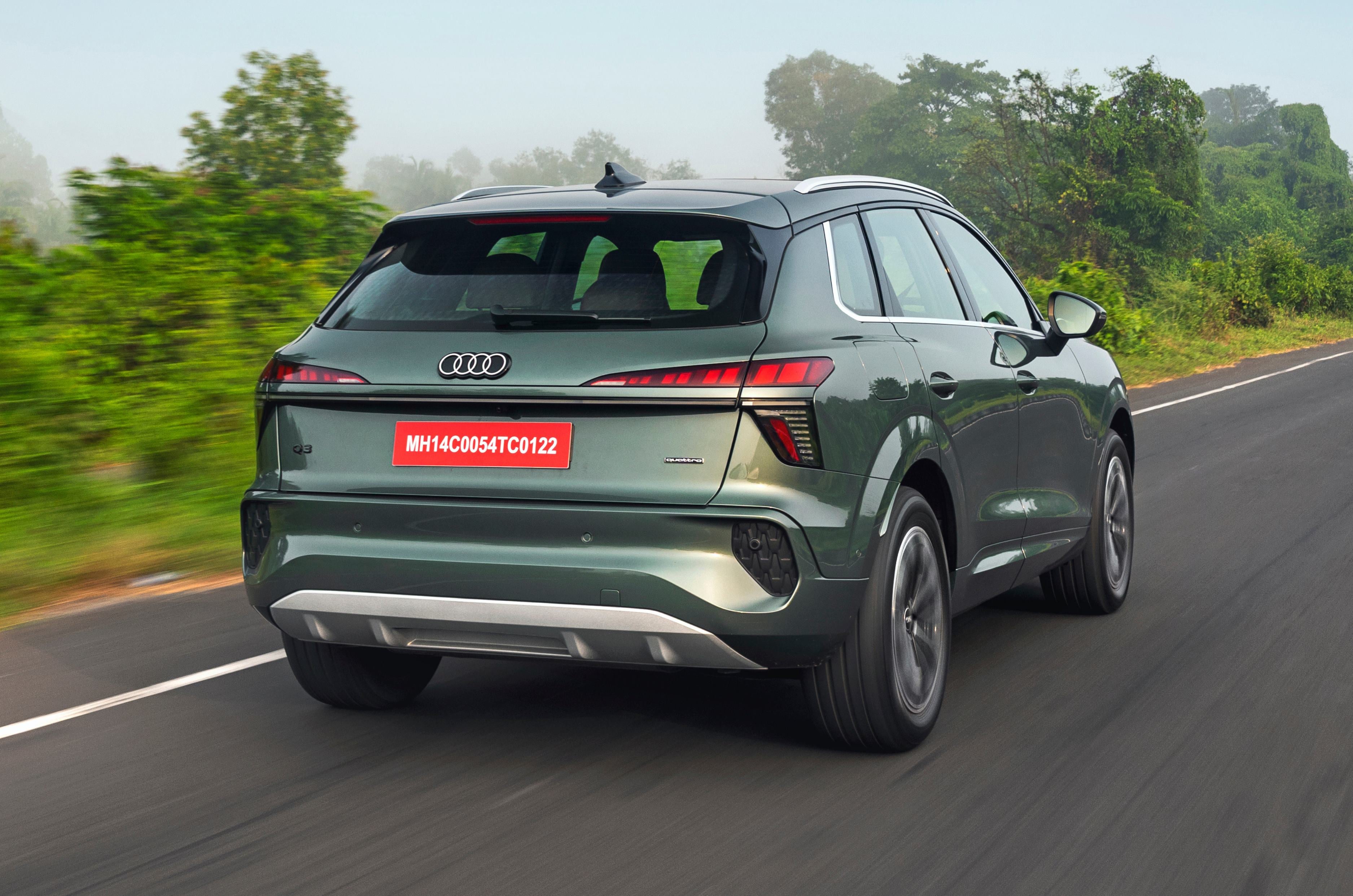
Audi Q3 review: a fresh start for Audi

Audi Q3 review: a fresh start for Audi
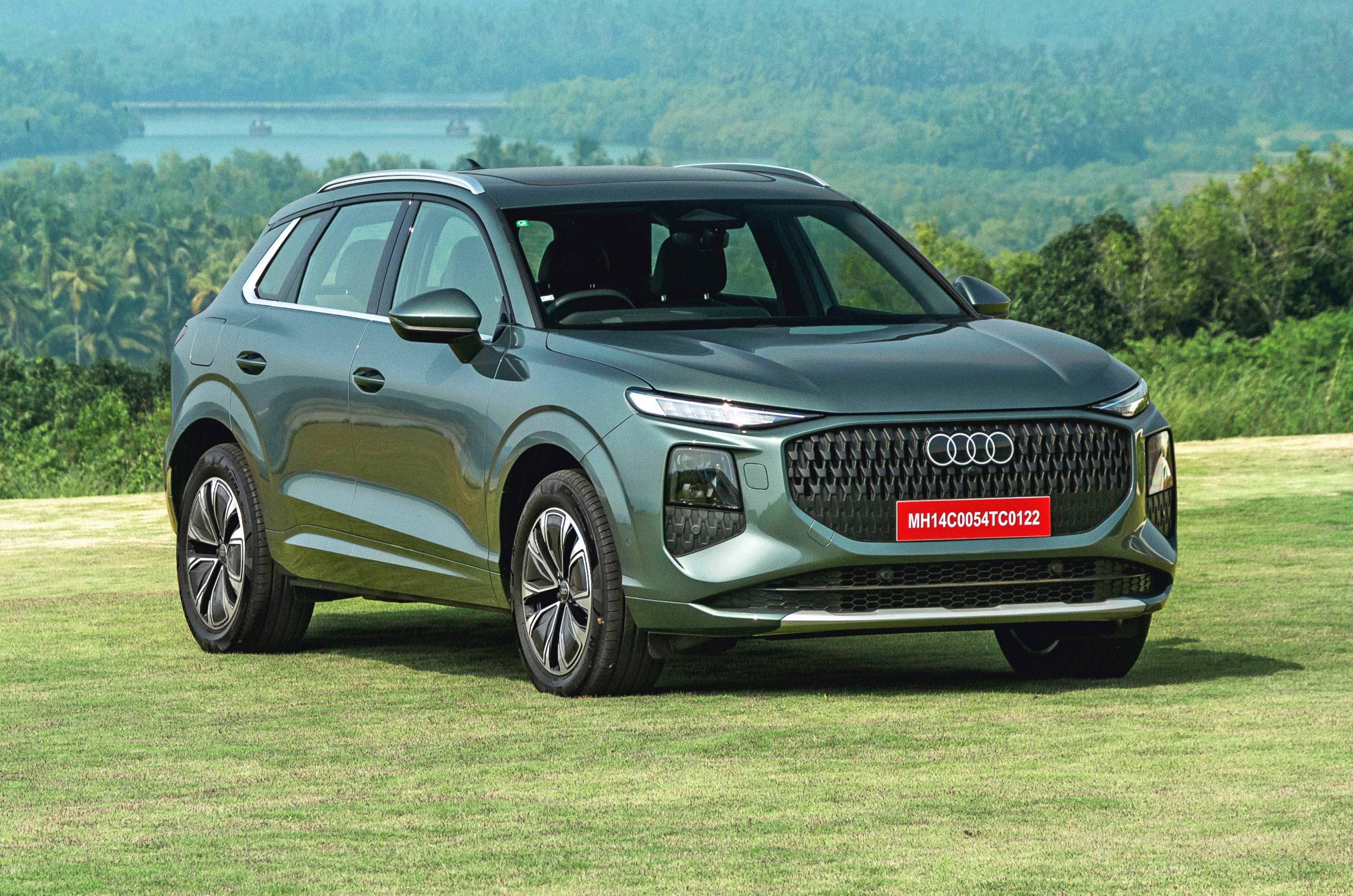
Audi Q3 India review

It would be easy to file the third-generation Q3 as just another new model but it isn’t. For Audi India, this is closer to a reset. The brand has spent the past few years soldiering on with ageing, outdated products and its showroom traffic has paid the price for this freeze in new products. But that’s all changed now. With fresh investment pouring in from its headquarters, Audi is on a new product offensive which has been kicked started with the Q3. This compact SUV is also the entry point into the brand, so it carries the burden of delivering  the maximum sales. There’s a lot riding on the Q3’s gentle shoulders and Audi is hopeful that this will model will mark the turning point for the brand. But first, Audi has to convince customers. Is the new Q3 a quantum leap over the past Q3? We drove it in Goa to find out.

Audi Q3 Exterior Design and Engineering – 8/10

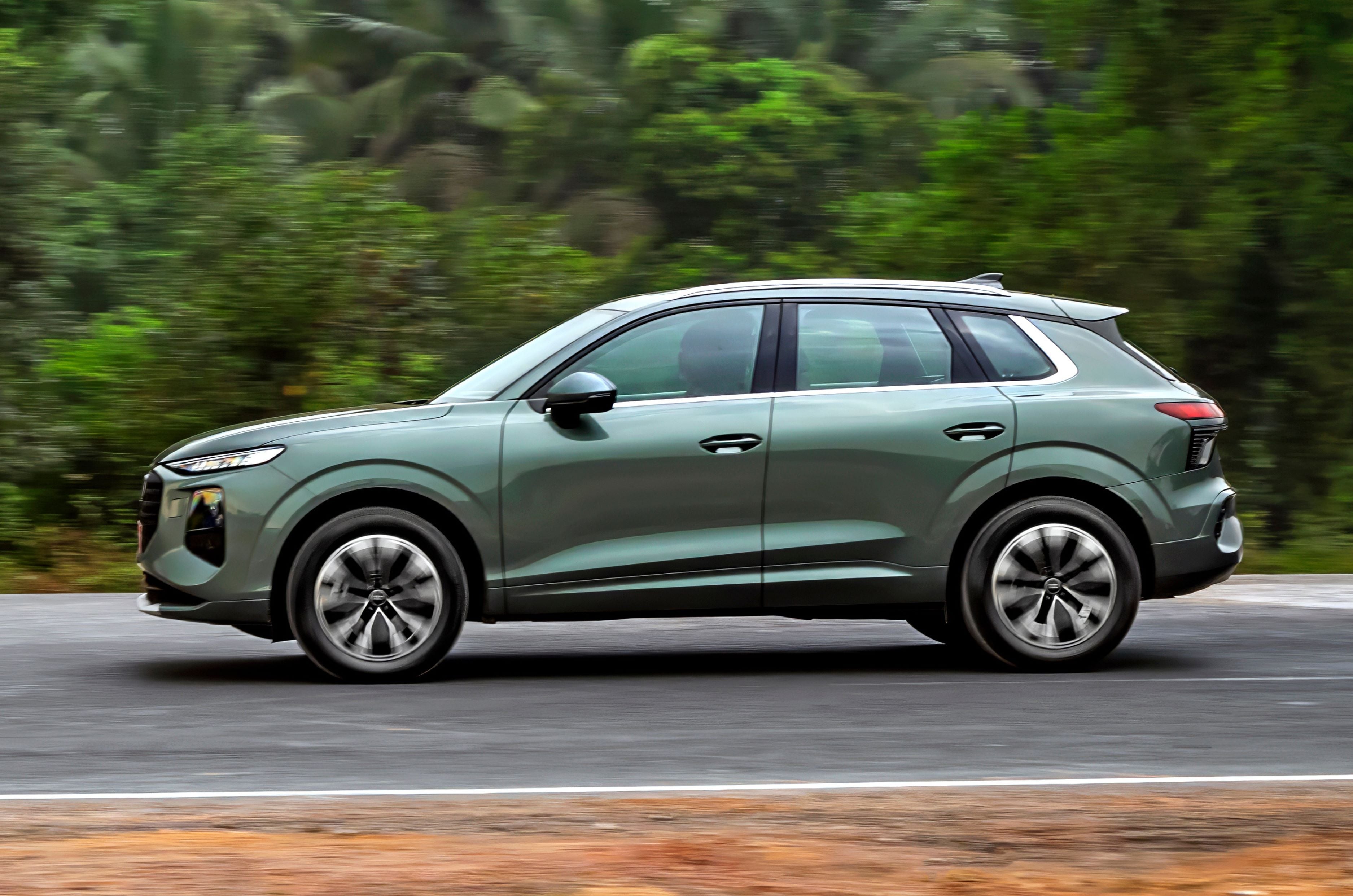
The crisp, edgy lines of the old car have made way for something more fluid and flamboyant. The new Q3 has grown marginally in every dimension, but the 2,681mm wheelbase is unchanged, so it keeps the compact footprint its urban buyers like.

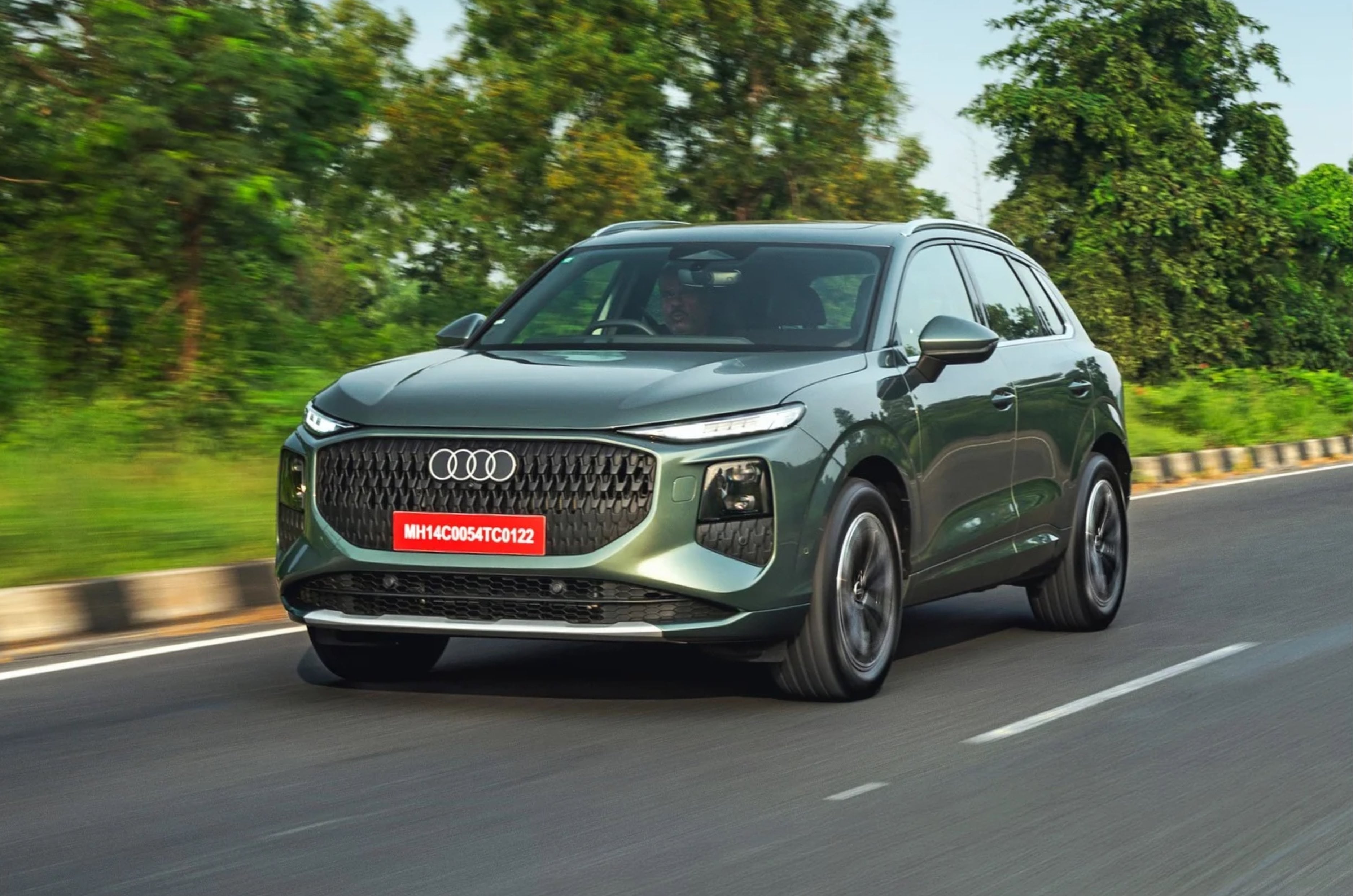
A fluid and flamboyant new design language replaces the edgy styling of the old car

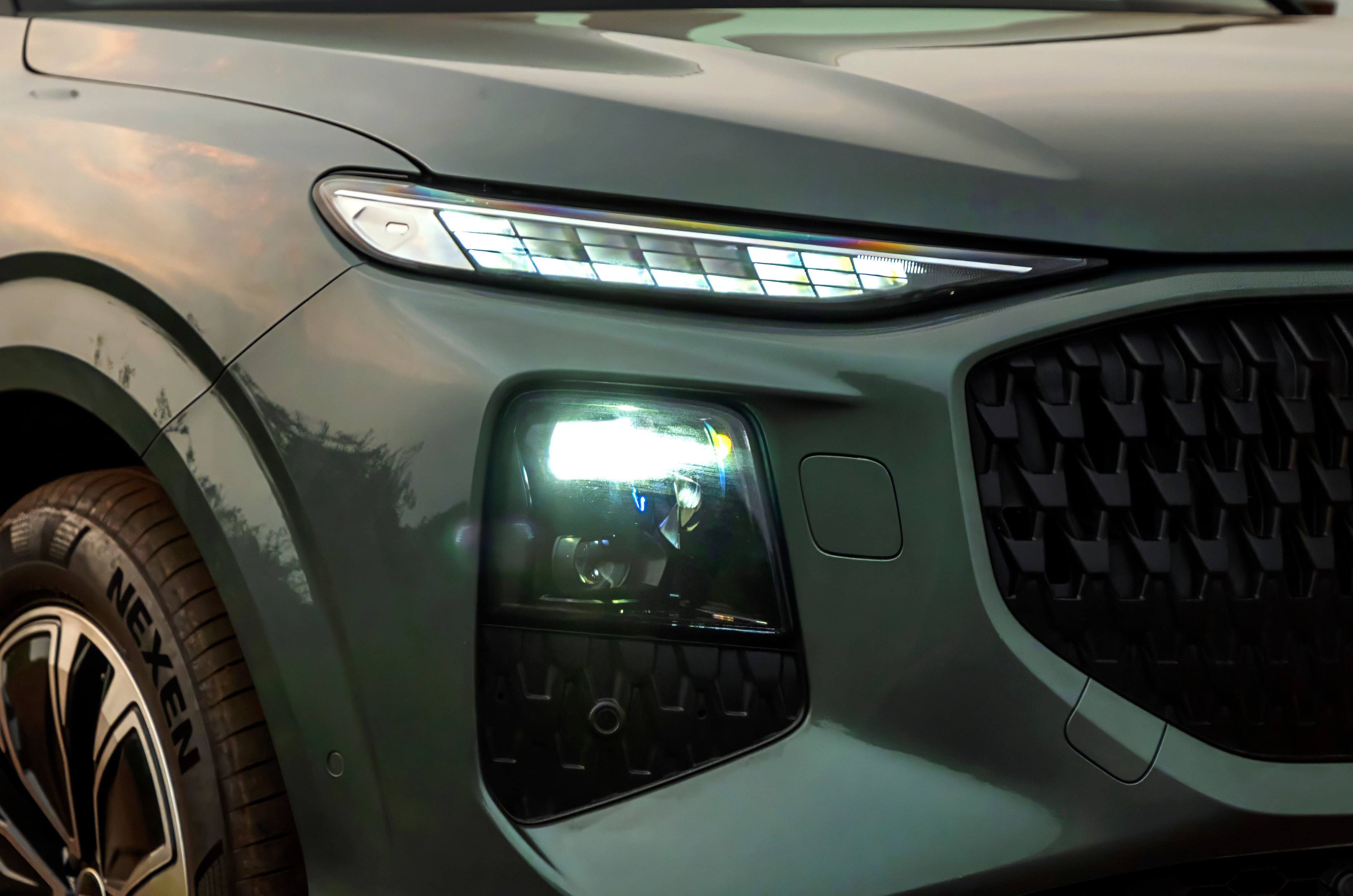
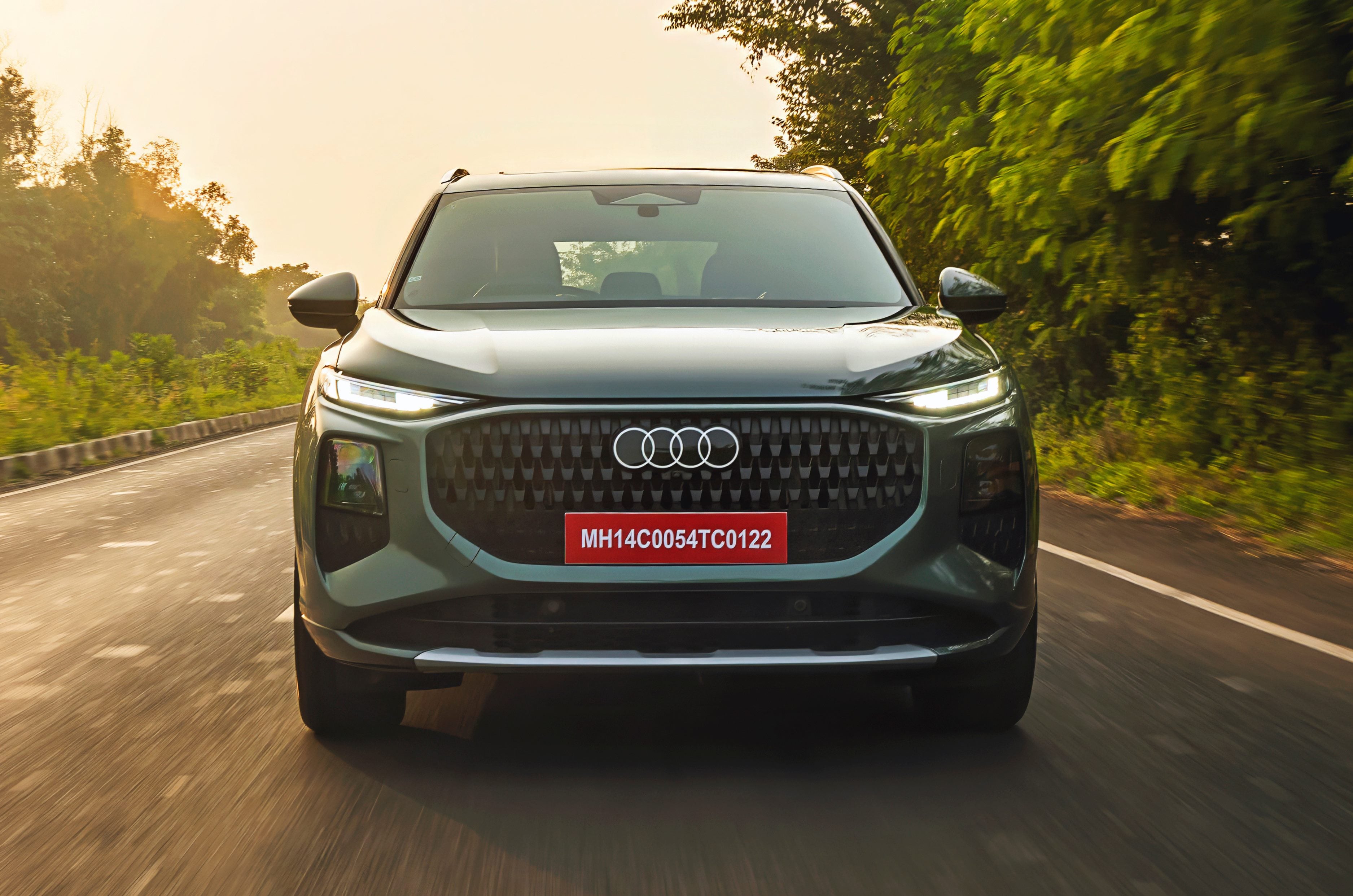
The face is split in two. Slim LED daytime running lights sit up top and double as dynamic indicators, while the main headlamps are stacked below. The wide honeycomb grille certainly makes a statement, and its flat 2D logo hides the ADAS radar. Up close, though, the grille’s finish looks a touch plasticky for a car wearing four rings.

Lighting is the real party piece. The Digital Matrix LED units use micro-LED technology, with some 25,600 individually controlled pixels per headlamp. That lets them do far more than dip and glare-free high beam. They can project a carpet of light in your own lane, and when you flick the indicator, the beam stretches across to illuminate the lane you are moving into. It’s a clever way to flag your intent and place the car on dark, unlit roads. The DRLs also offer four selectable light signatures via the touchscreen. There is a caveat. The projection tricks are at their best on pitch-black roads; with streetlights around, the effect is largely lost.

Trick Digital Matrix LED headlights use 25,600 individually controlled pixels per side

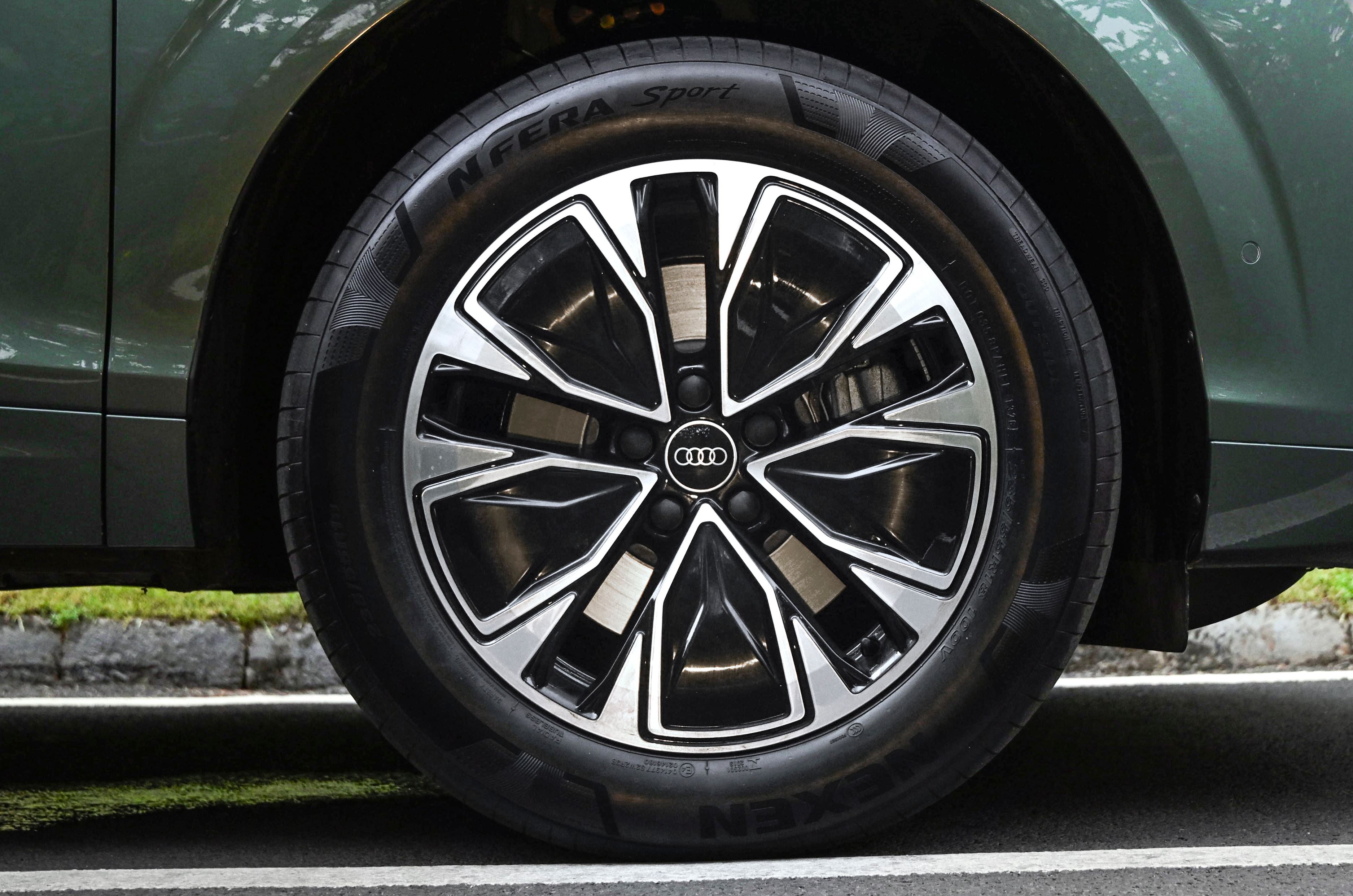
In profile, brushed aluminium below the windows and gloss black above create a floating-roof effect, and the rear haunches add a hint of muscle. For once, the wheels deserve a mention too. Audi has rarely nailed its alloy designs, but these are genuinely striking, wrapped in chunky, high-profile rubber. At the back, split LED tail-lamps are joined by a slim light bar and an illuminated Audi logo, and the tailgate is powered.

Stunning 18-inch alloys get self-leveling centre caps and are wrapped in high-profile tyres

Audi Q3 Interior Space and Comfort – 8/10

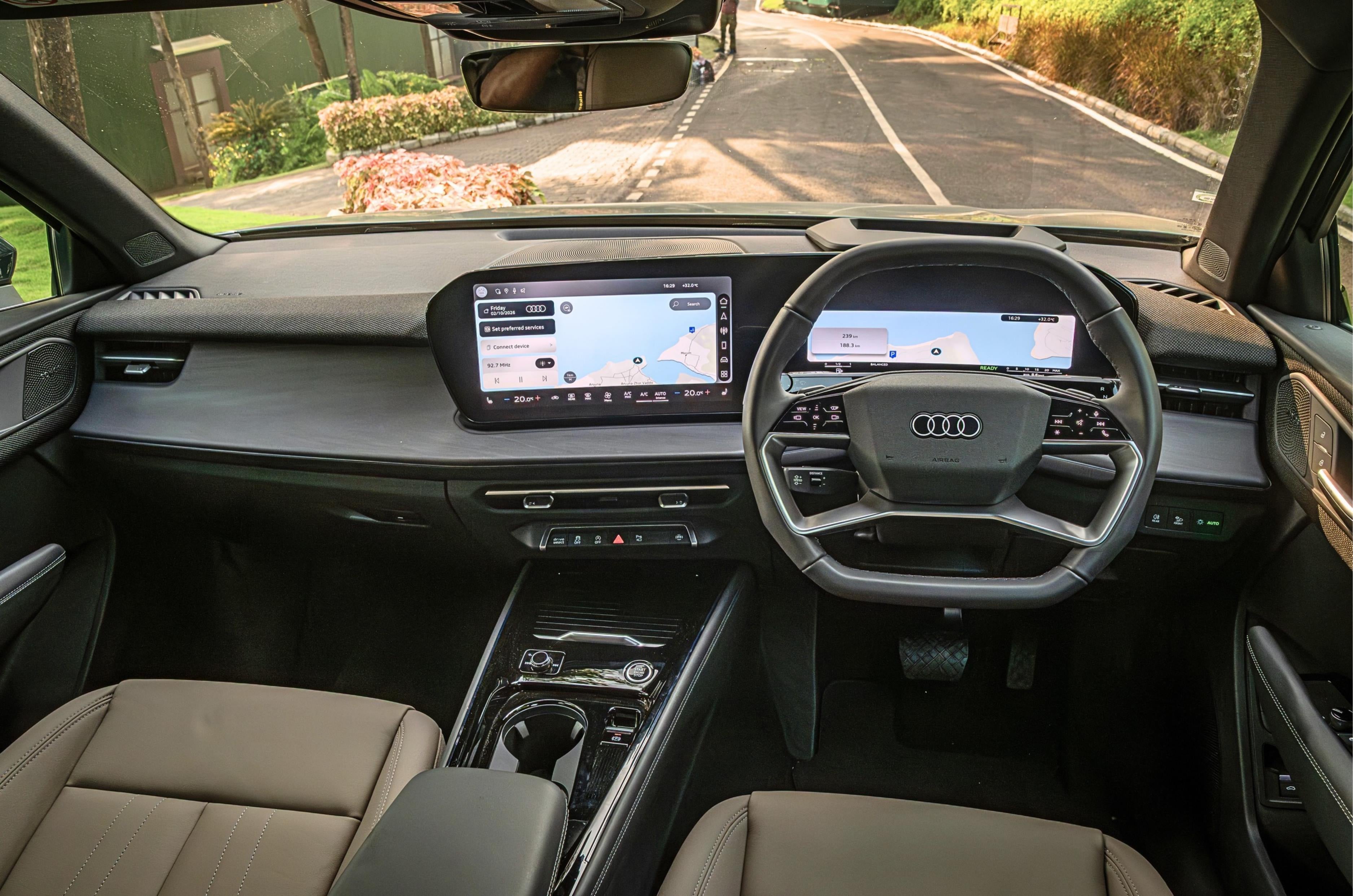
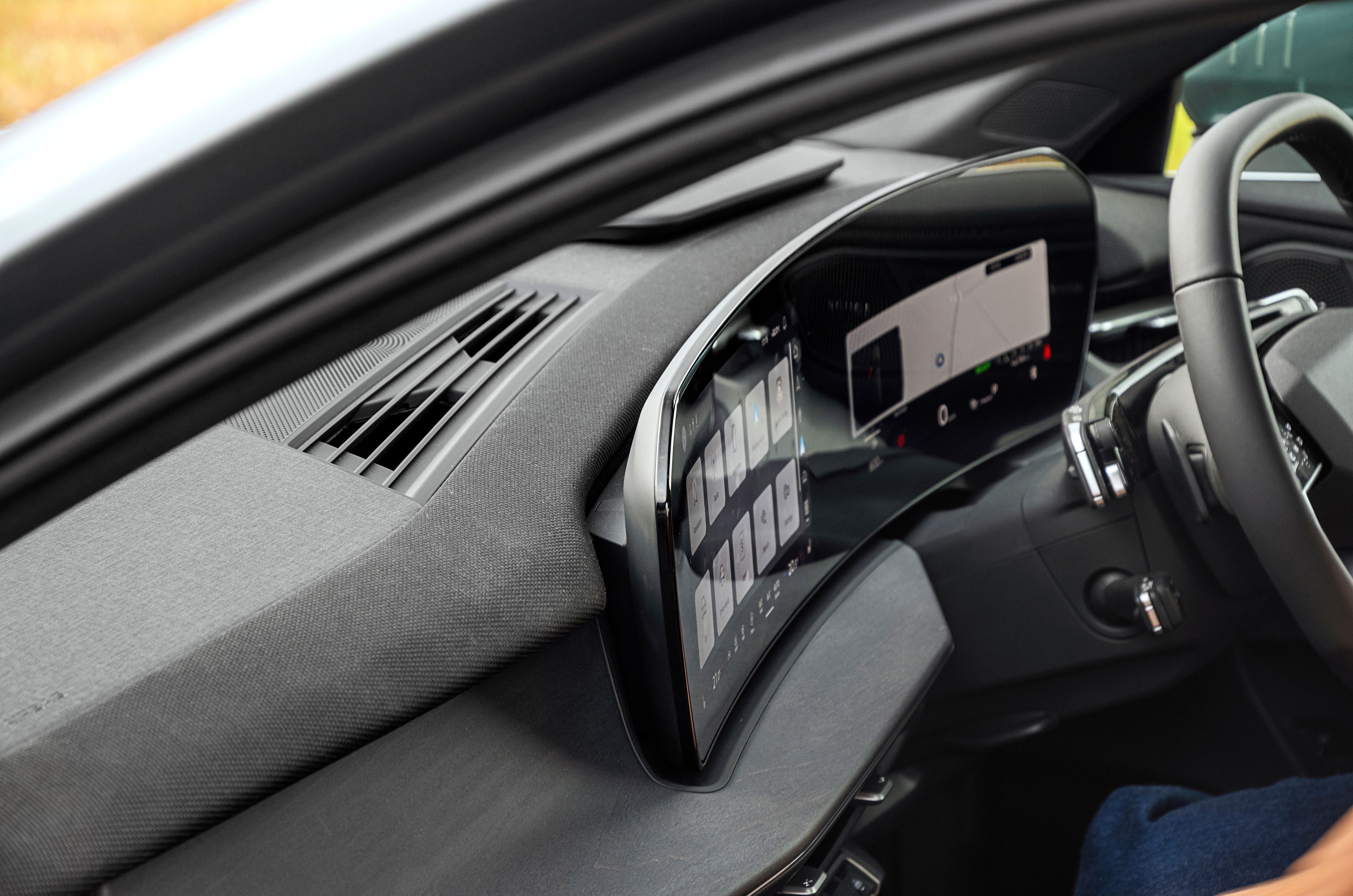
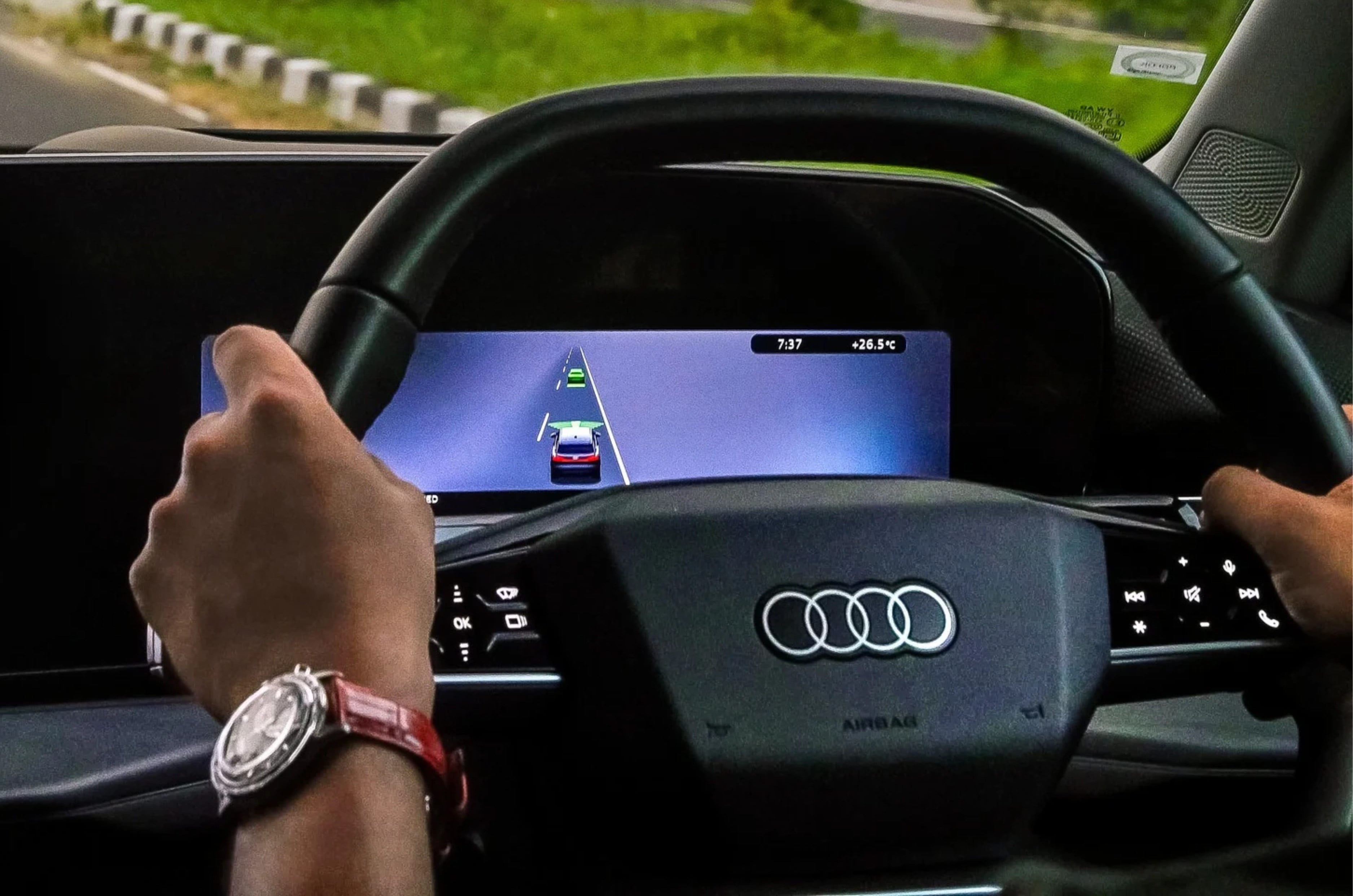
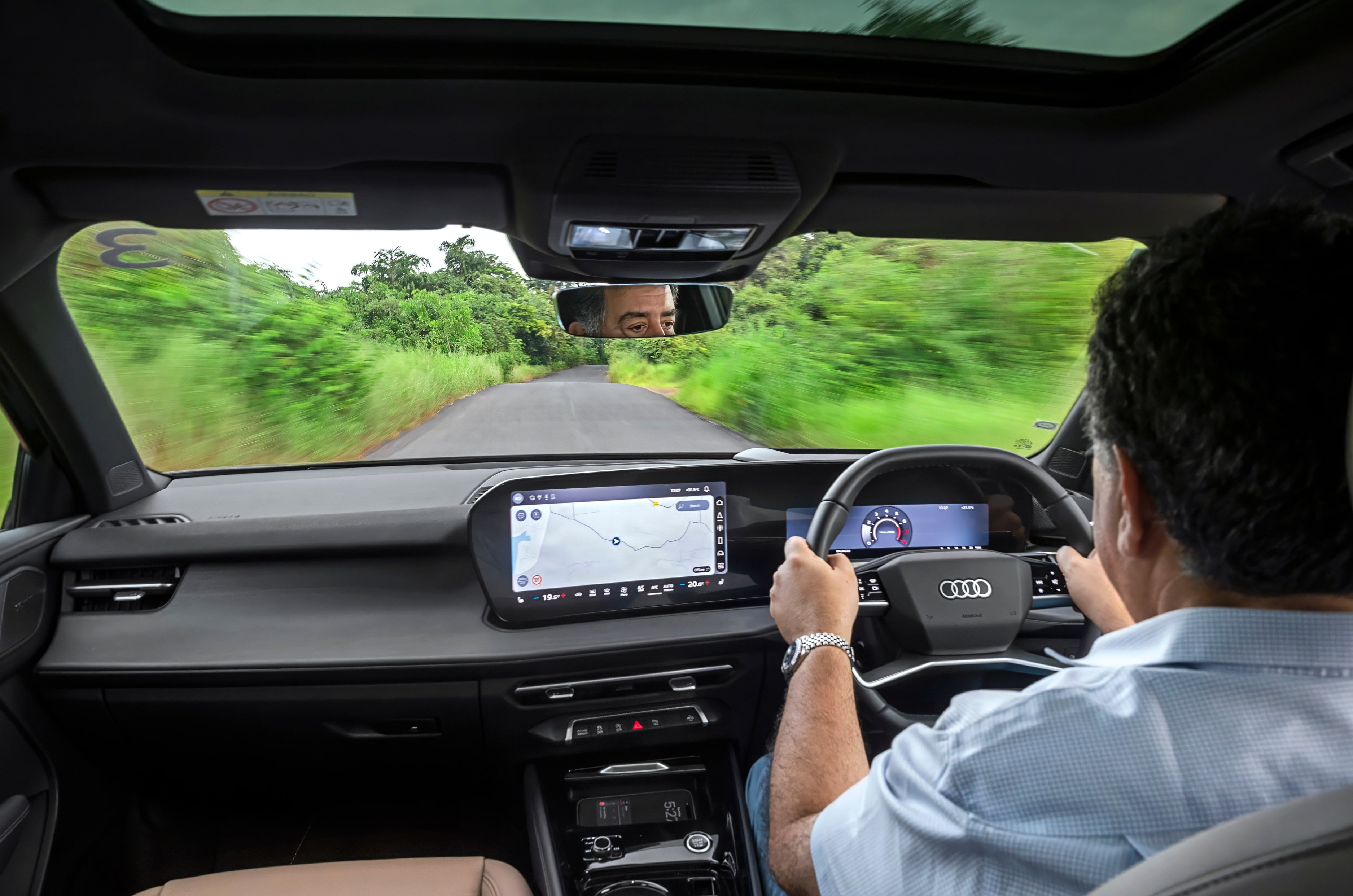
Step inside and the leap over the old Q3 is obvious. The dashboard is clean and contemporary, anchored by a curved panel that houses an 11.9-inch driver’s display and a 12.8-inch touchscreen. Fabric replaces leather across much of the cabin and the lower plastics are on the hard side. Yet the overall impression is of a cabin that’s solidly screwed together, and it feels more robust than its German rivals. Small details help: the fat tabs that adjust the air-con vents have a reassuringly substantial action.

New interior is a big leap over the last model and feels better built than its German rivals

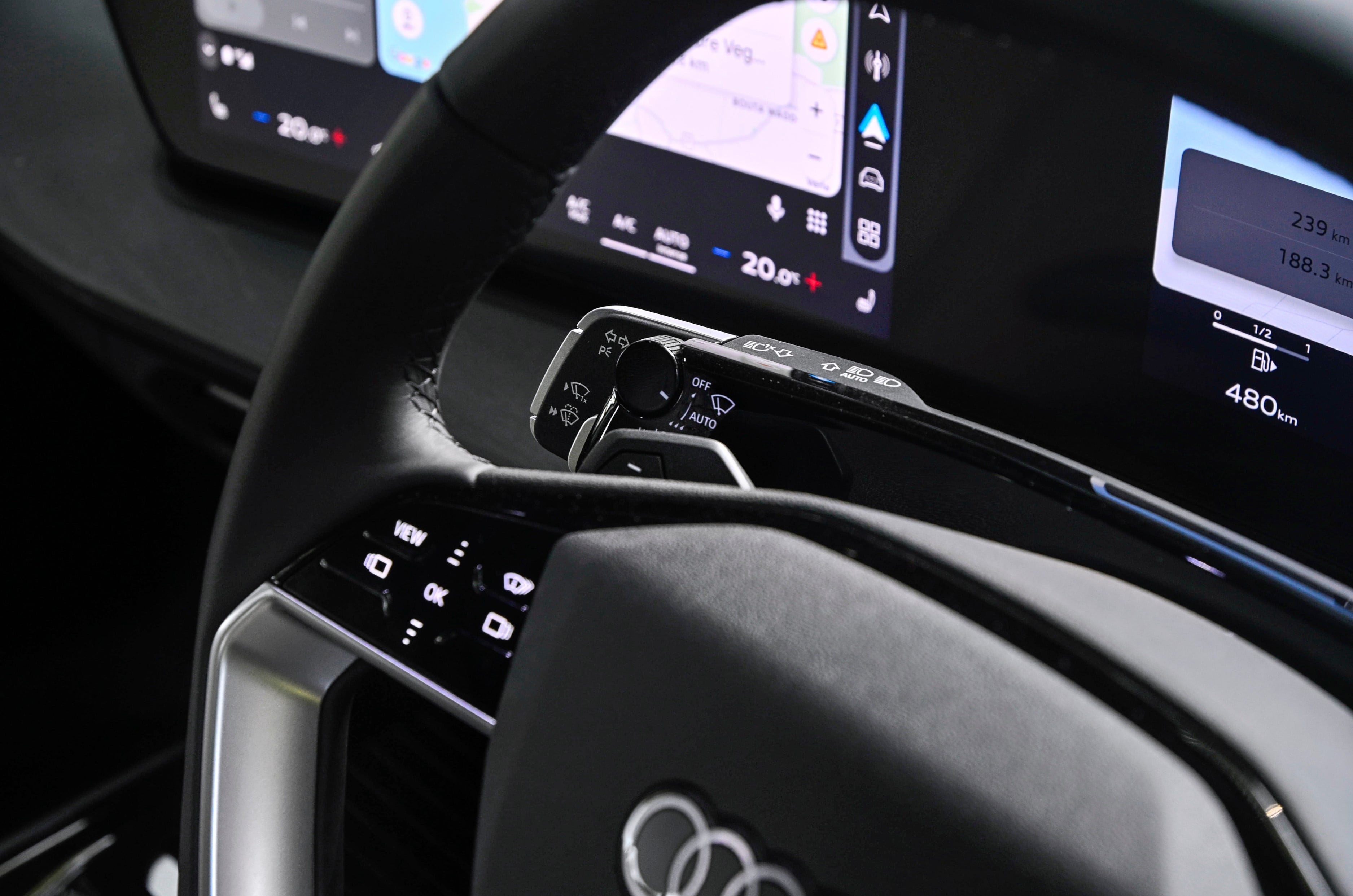
The hexagonal steering wheel takes some getting used to. So does the new control stalk, which Audi has loaded with an astonishing number of jobs: indicators, front and rear wipers and headlamp controls all live on one chunky lever. The gear selector moves to a stalk of its own on the other side. It feels awkward at first, but within a day it becomes second nature.

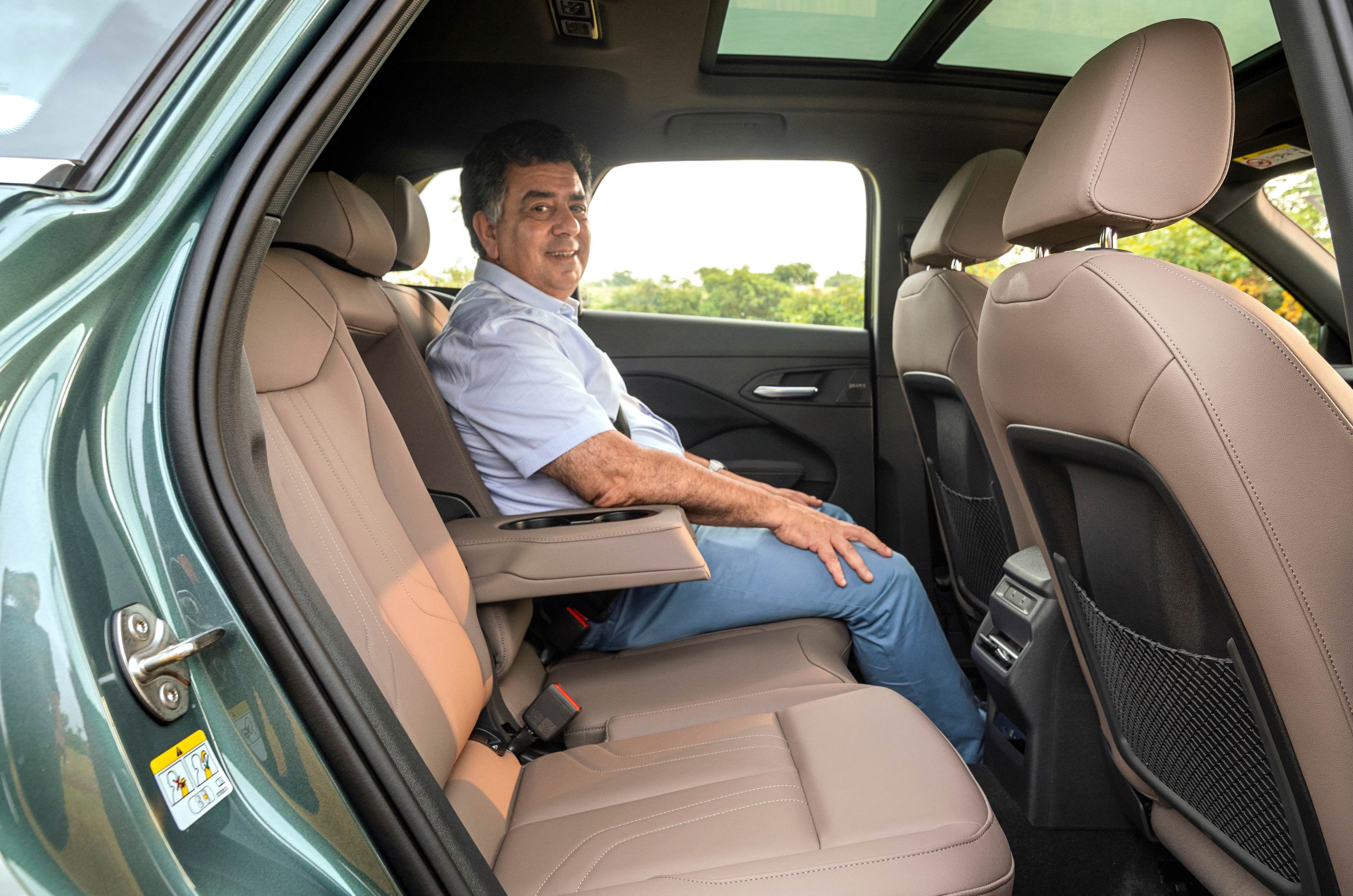
Two adults will be comfortable in the back seat, but a third will feel like a sqeeze

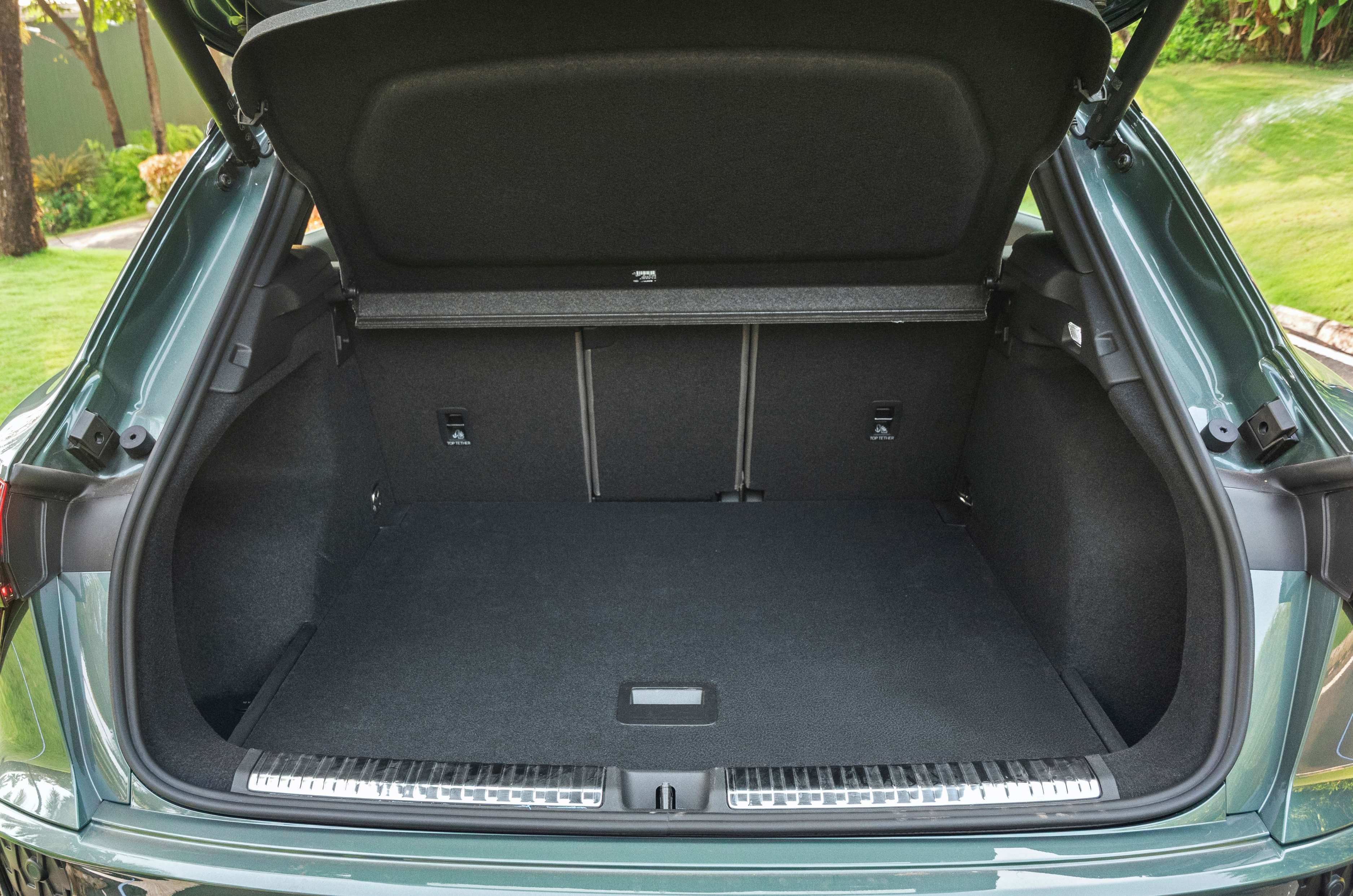
The front seats are generous, well bolstered and very comfortable over long stints. The rear hasn’t moved on much from the old car. Two large adults will be fine, but three is a squeeze; think of it as a four-seater with an occasional fifth. Rear passengers do get a third climate zone and two USB-C ports. The boot is spacious, and it’s good to find a space-saver spare under the floor.

Powered tailgate opens to a large 488-litre boot; seats split 40:20:40 for longer items

Audi Q3 Features and Safety – 7/10

The curved touchscreen works well, and the curvature itself cuts out glare and reflections. Response is smooth and quick, though the icons are, in typical Audi fashion, a bit subdued and not instantly distinguishable. Physical buttons are fewer, but the climate controls sit permanently at the base of the screen, so you never dig through menus to change the temperature or blower speed.  A head-up display brings key information into your line of sight and the fonts are crisp and sharp.

Curved display cuts out glare and reflections

Audi’s own navigation is good, but integrated Google Maps, increasingly the benchmark, is expensive to licence and hence missing. The instrument cluster is surprisingly basic too, with little configurability and minimal choice of layouts and that’s a let-down from the brand that pioneered the virtual cockpit.

We also hit a software glitch with our iPhones. Wireless phone mirroring connected initially, then dropped out and refused to reconnect, prompting a switch to USB. It’s the sort of bug an over-the-air update should fix.

Lighting and wiper controls are odd at first but easy to get used to

The equipment list isn’t thin. There’s a superb-sounding 12-speaker Sonos system, a large panoramic sunroof, powered and heated front seats with driver memory, nine airbags and adaptive cruise control. That cruise works well, too. But for a car costing over Rs 50 lakh and launching in 2026, there gaps that are hard to overlook.

There is no lane-keep assist, so the ADAS suite stops at adaptive cruise. A full Level 2+ package is now table stakes in this class, all the more so when far cheaper mass-market cars offer one. There are no ventilated seats either, near-essential in our climate. The biggest miss, though, is a 360-degree camera, something a great many buyers actively look for. The reversing camera’s resolution is disappointing, although there is an auto-park function.

ADAS kit limited to auto emergency braking and adaptive cruise control

None of this is unusual for its rivals. But as the newest kid on the block, the Q3 should have moved the game on, and here it hasn’t.

Audi Q3 Performance and Refinement – 9/10

The engine is the star of the show. Audi’s 2.0 TFSI makes 201bhp and 320Nm, and it is smooth, strong and refined. That alone hands the Q3 a massive edge over the underwhelming, smaller-capacity motors in the X1 and GLA.

Strong and refined 2.0 TFSI makes 204hp and 320Nm, enough for 0-100kph in 7.1 seconds

It isn’t flawless. At low revs there’s a brief hesitation before it gathers itself and pulls smartly, which is why we left it in Dynamic mode most of the time. Once on the boil, though, it is eager and free-revving, a reminder of why this is the best 2-litre turbo-petrol in the business. Around town it feels responsive; on the highway it builds pace effortlessly. Audi claims 0-100kph in 7.1sec, which puts the Q3 at the top of its class.

The 7-speed dual-clutch remains a fine partner, eager to drop a gear to keep the engine in its powerband. Flick it into Sport or reach for the paddles if you want to take charge. Quattro all-wheel drive is now standard on every Q3, not an option, and there’s a range of drive modes including an off-road setting to make the most of it. It’s good insurance on slippery surfaces and gives the Q3 an edge over rivals when conditions turn tricky. Whether many owners need it, or more importantly will pay extra for it, is another question.

Strikes a great balance of ride and handling; gets Quattro all-wheel drive as standard

Audi Q3 Ride Comfort and Handling – 9/10

The big surprise is the handling. The variable-ratio steering adjusts its response to both speed and lock, so its light and effortless at parking speeds, then quicker and more direct as you wind on more lock. Barring a touch of slack around the straight-ahead, it is accurate and weights up superbly.

Quick steering often makes a car nervous at speed. Not here. The Q3 stays stable and reassuring when the needle climbs, yet changes direction with an agility you simply don’t expect from an Audi SUV.

New Progressive Steering is light at parking speeds, but gets sharper and more direct as speeds rise

What you do expect from an Audi is a good ride, and the Q3 delivers. It is on the firm side but never uncomfortable, soaking up potholes and broken patches with real composure. A big help is the 55-profile tyres. Their roughly 130mm sidewall is the first line of defence, absorbing much of the shock before it reaches the suspension and, ultimately, the cabin.

Audi Q3 Value for Money – 8/10

The new Q3 is a superbly engineered car, and its mechanical package sits well ahead of its rivals. The cabin is a big step up too, but given its timing, the Q3 doesn’t quite leapfrog the competition here; it lands a little short on equipment.

What it does do is drive brilliantly. It is by far the nicest car to drive in its class, and that matters, because Audi says 84 percent of Q3 owners drive themselves.

Easily the nicest car to drive in its class, but doesn’t leapfrog the competition in terms of features

A lot now rides on price. At around Rs 65 lakh on-road, it is steep. Not because the car isn’t worth it, but because buyers may balk at paying so much more than the outgoing Q3, whose transaction price had slipped to around Rs 40 lakh.

On the product front, though, Audi has come back with a bang. A brilliant powertrain, a superb blend of ride and handling and a genuinely classy feel make the Q3 the enthusiast’s pick of the class. If this is the opening act, Audi’s reset is off to a promising start.